This interview has been published by Namrata Singh and The SuperLawyer Team
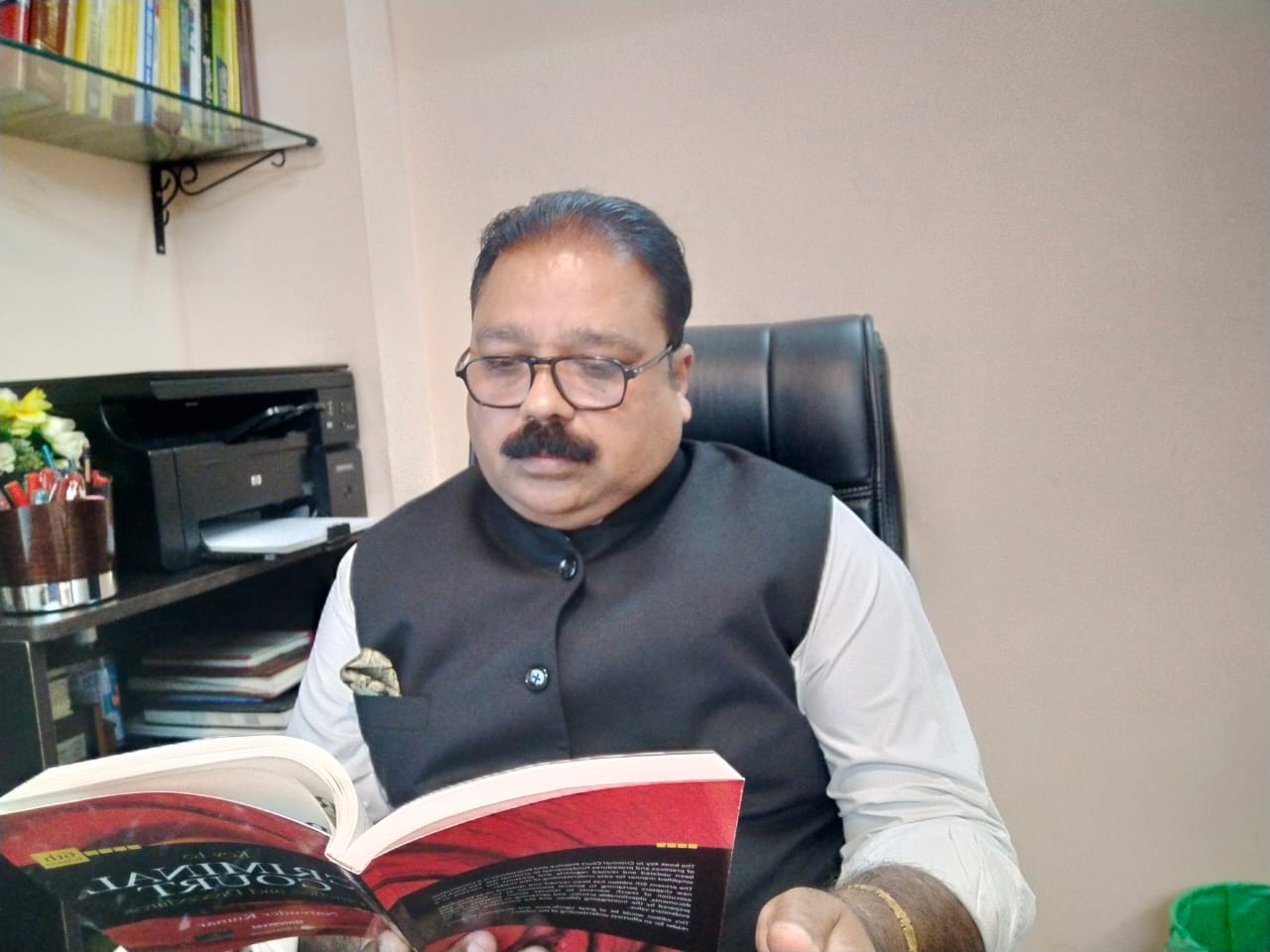
Dr. Anthony, with such an impressive and diverse list of roles – Advocate, Human Rights Activist, TEDx Speaker, and more – could you share with our readers a bit about the journey that led you to wear so many hats?
My journey began in a very humble setting in Meerut, Uttar Pradesh. Growing up in a poor family, I had to work from a young age, selling newspapers and working in small shops to support my family while pursuing my education. This early exposure to hardship instilled in me a deep sense of empathy and a desire to fight for justice. My legal education and subsequent practice as an advocate opened up avenues for me to address issues I deeply care about, such as human rights and social justice. Over time, my roles expanded naturally as I found myself addressing these issues in various capacities – be it as a lawyer, activist, or speaker. Each role complements the other, enabling me to make a broader impact.
Juggling between being a lawyer, human rights activist, and so much more must be quite a feat. How do you maintain a balance between your legal profession and your various social and humanitarian roles?
It indeed requires a delicate balance, but the key lies in passion and prioritization. My legal profession and humanitarian roles are interconnected, as both strive towards the common goal of justice and human dignity. I allocate specific times for my legal practice, social work, and speaking engagements, ensuring that each receives the attention it deserves. Effective time management and a dedicated team also play crucial roles in helping me manage these diverse responsibilities without compromising on any.
Your dedication to human rights is evident not only in your professional life but also through your social work in tribal and underprivileged areas. What motivates you to spend a significant amount of your time in these communities, both nationally and internationally?
The motivation stems from my early life experiences and the realization of the stark inequalities that exist in our society. Spending time in tribal and underprivileged areas allows me to directly engage with and understand the challenges faced by these communities. It’s one thing to advocate for human rights from a distance, but it’s entirely different to be on the ground, witnessing the struggles and triumphs of the people. This direct engagement fuels my passion and commitment to making a tangible difference in their lives.
As a dynamic criminal advocate and human rights ambassador, you’ve spoken at TEDx. Can you share a moment in your career that you consider a turning point or a particularly proud achievement?
One significant turning point was when I founded the All India Council of Human Rights, Liberties & Social Justice (AICHLS). This platform has allowed me to channel my efforts more systematically and mobilize support for various human rights causes. Another proud moment was speaking at TEDx, where I could share my journey and inspire others to join the fight for justice and equality. Receiving the “International Human Rights Awards” and honorary doctorates were also affirmations of the impact of my work and further motivated me to continue my advocacy.
You’ve been recognized with several awards, including honorary doctorates and the “International Human Rights Awards.” How do such accolades fuel your commitment to the causes you champion?
These accolades serve as important validations of the work being done and the causes being championed. They bring attention to critical human rights issues and inspire others to join the movement. For me, these recognitions are not just honors but also reminders of the responsibilities that come with them. They reinforce my commitment to continue advocating for those who cannot speak for themselves and to push for systemic changes that uphold human dignity and justice.
In addition to your legal practice, you founded the International Human Rights Advisory Council. Can you tell us more about the council’s mission and some of the key initiatives it has undertaken?
The International Human Rights Advisory Council aims to promote and protect human rights globally through education, advocacy, and direct intervention. One of our key initiatives is providing free legal aid to marginalized communities, ensuring they have access to justice. We also run awareness campaigns on issues such as child rights, women’s rights, and the right to education. Additionally, we collaborate with other organizations to address human trafficking and violence against women. Our mission is to create a world where every individual can live with dignity and freedom.
How has your venture, Legal and Legal Associates, made a significant difference in people’s lives by providing free legal aid, intersected with your role as a criminal lawyer, and can you share a challenging or interesting case where your dedication and skills played a crucial role in securing justice?
Legal and Legal Associates has been instrumental in providing free legal aid to those who cannot afford it, ensuring that justice is accessible to all. One particularly challenging case involved a group of tribal women who were falsely accused of theft. My team and I worked tirelessly to gather evidence, advocate for their rights, and eventually secure their acquittal. This case highlighted the intersection of my roles as a criminal lawyer and human rights activist, demonstrating the impact of dedicated legal advocacy in protecting the vulnerable.
How does your commitment to fostering understanding through the World Inter-Faith Council for Peace & Human Rights align with your initiatives like “Giving with Compassion,” and how do you envision the intersection of human rights and interfaith dialogue inspiring individuals to contribute to social causes on an individual level for a more peaceful world?
The World Inter-Faith Council for Peace & Human Rights and “Giving with Compassion” both stem from the belief that understanding and empathy are crucial for social harmony. Interfaith dialogue promotes respect for diverse beliefs and fosters a sense of shared humanity. By encouraging individuals to look beyond their differences and unite for common causes, we can inspire them to contribute to social justice initiatives. The intersection of human rights and interfaith dialogue is powerful because it not only addresses legal and social issues but also nurtures the moral and ethical dimensions of peace and justice.
How has your journey as a change maker shaped your approach to navigating the complexities of international relations as a diplomat and advocate, all while realizing the profound impact that an individual can have on society?
My journey has taught me that change starts with individuals who are willing to challenge the status quo and advocate for justice. As a diplomat and advocate, I approach international relations with a focus on collaboration and mutual respect. Understanding cultural nuances and building alliances are key to addressing global human rights issues. Realizing the impact one individual can have inspired me to continue pushing for systemic changes and mobilizing others to join the cause. It’s about creating ripples that lead to broader societal transformations.
On a more personal note, can you share a hobby or interest that you turn to for relaxation and rejuvenation amidst your busy schedule? How does it complement your work-life balance?
I find solace in reading and meditation. Reading allows me to explore new perspectives and ideas, which is essential for my work as an advocate and speaker. Meditation helps me maintain mental clarity and emotional balance, enabling me to handle the various demands of my roles effectively. These hobbies provide me with the necessary downtime to recharge and stay focused on my mission.
Aside from your professional endeavors, we’ve heard that you are involved in teaching and training. What advice do you have for aspiring advocates and human rights activists entering the field today?
My advice to aspiring advocates and human rights activists is to stay committed to the cause, no matter how challenging it may seem. Dedication, hard work, and perseverance are crucial. Always remain empathetic and understand the struggles of those you are advocating for. Continuous learning and staying informed about legal and social issues will equip you to be effective in your efforts. Lastly, never underestimate the power of collaboration and building networks, as collective action can amplify your impact.
Ge in touch with Dr. Anthony Raju–



 Allow notifications