Sir, could you please share with us your journey and how you ended up pursuing a career in law, especially with such a diverse background that includes corporate, commercial, and employment law?
Prior to joining Law School (National Law School of India University) I was lucky enough to have interacted with Prof. Dr. N. R. Madhava Menon. It was these interactions that led me to sit for the entrance exam.
At the time I graduated, law firms did not put lawyers into specific practice areas as is the case today. I, therefore, got exposed to various areas of laws during my initial years. At that point of time, the liberalisation of the Indian economy was slowly gathering steam and owing to the same, I ended up doing a lot of corporate and commercial work and found that I enjoyed it.
You have extensive experience in mergers, acquisitions, private equity investments, and joint ventures. Could you tell us about a particularly challenging or memorable deal you’ve worked on and what made it stand out?
Every transaction is memorable since by its very nature a transaction consists of balancing competing interests and arriving at a result which is a win-win. Personally speaking, the learnings from each transaction have been different since nearly all of them required me to ‘re-learn’.
In addition to your work in M&A and private equity, you’ve also advised on real estate transactions. What are some key considerations for clients when navigating the complexities of real estate deals, especially in India?
Real estate practice in India is fairly varied in terms of local practices and on-ground situations. A good real estate practitioner needs to be familiar with multiple laws which impact real estate such as stamp duty laws, succession laws under various communities, environmental laws, land acquisition, etc.
For a good real estate practitioner, balancing commercial needs with on-ground realities and legal protection is key and this is something which requires time and experience. A diligent real estate lawyer is one who is aware of the legal precedents on a continuous basis.
You’ve had the opportunity to work both in India and internationally, including with European clients on investment opportunities in India. What are some key differences you’ve noticed in the legal landscape and business practices between these regions?
One of the key differences I noticed while working abroad was the focus and attention given by law firms to the mental well-being of their lawyers. The other big difference was the way big law firms were structured to ensure focus on quality of deliverables, knowledge management, standardisation of work products, etc. Indian law firms have taken time to walk down this path.
Shareholder and commercial disputes can be intricate and sensitive matters. Can you discuss some strategies or approaches you’ve used to successfully resolve these types of conflicts for your clients?
In India, given the stress our judicial system has, it becomes imperative to resolve disputes efficiently in a time bound manner. This makes alternative modes of dispute resolution including negotiation and mediation particularly important. Drafting commercial agreements which will stand the test of a legal challenge is a first step towards ensuring prevention of such disputes. Furthermore, a key aspect in intricate shareholder and commercial disputes is the careful balancing of interests of both parties that a lawyer must strive for to ensure a speedy redressal of grievances of the parties involved. In my experience, commercial disputes usually arise when the thought process of the people at the time of entering into the transaction has shifted which leads to one of the parties trying to ‘re-interpret’ the intention behind a particular provision of a transaction document. By drafting documents using language which is not capable of multiple interpretations, some of these disputes can be resolved without having to go down a lengthy process of dispute resolution.
In my view, mediation seems to be the way forward, especially for shareholder and commercial disputes considering the many benefits it offers. Lawyers and law firms would be well advised in educating themselves in this area and then advising their clients to use mediation as a process to resolve issues.
Your career has spanned various roles, including Managing Partner at Lumiere Law Partners and Director (Legal) at the Avenue Capital Group. How have these diverse experiences shaped your approach to legal practice and client service?
During my formative years as a legal professional, I was very fortunate to have worked directly under lawyers who I would consider as doyens of the legal profession. Their kindness in taking the time out to mentor me is perhaps the biggest reason why I enjoy what I do even today. While reading and constantly updating oneself is a prerequisite for a lawyer to do well in the profession, client servicing (learning how to deal with clients) is something which is equally important. I built upon my client servicing skills gradually over the course of my career while working at law firms in India and abroad. When I was working at Avenue Capital, I was essentially a client for law firms and that stint was invaluable in giving me the perspective from the other side – how a client ‘measures’ law firms/ lawyers and what he expects from his legal counsel(s).
You’ve been recognized by prestigious legal publications like the Legal 500 and Chambers and Partners. What do you attribute to your success in the legal field, and how do you stay current and relevant in such a dynamic industry?
One of my professors in law school had once made a comment, “Lawyers are not brilliant by birth, they become brilliant only by working hard”. The legal profession is one of those where knowledge trumps everything else. When I started off my career, there was no internet, no google, which have now become an integral part of our lives. Reading and researching, the two essential elements that form a key part of a lawyer’s arsenal, were to be approached differently as compared to today’s times. This, however, is only half the story. Truly brilliant lawyers, in my experience, have a third element which is ‘analysis’. In order to stay relevant in an ever-evolving legal landscape, especially in India, the first order of business is to read as much as possible and then analyse what one has read to see how to best use that learning. Further, having a problem-solving attitude is critical in order to be able to serve your clients effectively and efficiently.
You’re currently the Managing Partner of EVA Law. Can you tell us about your vision for the firm and the areas of law where you see the most growth and potential in the coming years?
The word ‘EVA’ stands for life itself. My vision for EVA Law is not so much for the firm but for the lawyers who work with us. My learning over nearly three decades is that for any vision to be successful, it has to first become a value system for the people in the organization.
My vision for EVA would be threefold:
(a) Building a culture of extraordinary mentorship. Lawyers in EVA Law must instil a culture of thirst for knowledge and achieving excellence. The culture must embrace openness and inclusiveness. The mentorship must encourage everyone to aspire to become leaders and decision makers.
(b) Recognising teamwork is critical. Every team member in EVA Law will be respected and appreciated for their contribution and learn from each other in that process. Younger members of the team must feel committed to the process.
(c) Dealing with mistakes and failures – The work culture must empower people to be secure enough to admit wrong decisions. Failures and mistakes are not about putting blame on someone but learning individually and collectively.
In terms of the areas of law that have a lot of potential, data privacy is right up there. I also feel that with the growing trend towards digitisation, cyber security laws will be in vogue. Also as I mentioned above, mediation will be an important area.
As someone who has achieved remarkable success in the legal profession, what advice would you give to law school graduates and young professionals aspiring to excel in their legal careers?
All the recognitions and accolades that I have received in my career are not by any stretch of imagination attributable to anything extraordinary done by me. They are a reflection of all my team members who have worked extremely hard to ensure that our work got noticed. Success means different things to different people. For me, success is the fact that people who have worked with me have gone on to become remarkable lawyers; success is the fact that lawyers in my team who are less than half my age call me by name; success is the fact that my clients allow me to tell them what they ought to hear rather than what they want to hear. To all the law graduates out there aspiring to make a mark in the legal profession, all I would like to say is that be the lawyer who other lawyers call when they need good advice and (quite importantly) don’t take yourself too seriously.
You started your career teaching German and later ventured into the world of finance and law. Can you share the pivotal moments that led you to this diverse career path?
“My career path is a tapestry of diverse experiences, woven together by a passion for continuous learning and a relentless drive to excel.”
“From the classrooms of language instruction to the high-stakes world of finance and law, my journey has been marked by pivotal moments that have deepened my understanding of diverse fields.”
“I transitioned from shaping minds through language instruction to shaping financial futures, where I learned that every success story is a testament to the power of knowledge and dedication.”
“The financial and legal sectors exposed me to the complexities of the modern world, where I realized that my ability to help people extended beyond language and education.”
“My journey underscores the importance of adaptability and seizing opportunities that align with one’s core values and a commitment to making a meaningful impact.”
“Teaching German and guiding students was the foundation of my career, but my foray into finance and law was the bridge that allowed me to connect with people on a deeper level, addressing their financial and legal needs.”
“In the world of finance and law, I discovered that my background in education was not a departure but a valuable foundation for effective communication, problem-solving, and client advocacy.”
During this period, I honed my skills and managed investment portfolios for high-net-worth clients globally. The corporate banking and insurance industry taught me the value of customer-centricity, and I climbed the career ladder with eight consecutive promotions, earning numerous accolades and certifications. Being recognized among the top 10 managers in the entire Delhi region was a significant milestone.
“My diverse career path has taught me that success is not confined to a single field; it is a reflection of one’s ability to adapt, learn, and embrace new challenges with enthusiasm.”
However, a pivotal moment occurred when I encountered a distressed client who had fallen victim to insurance fraud. This incident awakened my desire to help individuals facing white-collar crimes and misconduct. It led me to transition into the field of law and join my father’s law firm, where I could provide legal aid and support to those in need.
In summary, my diverse career path is a culmination of my experiences in teaching, entrepreneurship, finance, and law. Each phase has contributed to my growth and shaped my commitment to making a positive impact on people’s lives. My journey has been guided by a passion for learning, a desire to help others, and a drive to excel in diverse fields, ultimately leading me to where I am today.”
There was a significant turning point when you helped a client recover a substantial sum from fraudulent insurance policies. What was the most challenging aspect of this case, and how did it inspire your interest in legal aid for white-collar crimes?
“The turning point in my career occurred during a profoundly challenging case where I assisted a client in recovering a substantial sum from fraudulent insurance policies. This experience not only tested my problem-solving abilities but also ignited my passion for providing legal aid in the realm of white-collar crimes.
The most challenging aspect of this case was uncovering the extensive web of deception that had ensnared my client. He had fallen victim to individuals who had impersonated IRDA management Officials, engaging in misconduct and selling fraudulent insurance policies with false promises of bonuses and RBI Bonds worth a staggering amount.
What made this case particularly daunting was the sheer magnitude of the deception – my client carried a trolley bag filled with 167 insurance policy bonds from over 10 insurance companies, totalling a premium amount of 3.8 Crores. It was a complex and overwhelming situation.
As I delved deeper into the case, I realized the depth of despair that had befallen my client and many others who had been similarly deceived. He had even attempted suicide, which added an emotional layer to the already intricate legal aspects of the case.
The process of uncovering the fraud and assisting my client in recovering his investments was an arduous journey that required meticulous research, legal expertise, and unwavering dedication. I worked tirelessly for over six months, tirelessly navigating the intricacies of the insurance industry, and coordinating with various insurance companies to secure the refunds. Ultimately, 159 out of 167 policies were successfully refunded, amounting to 3.54 Crores. Witnessing my client’s relief and gratitude was an incredibly rewarding moment in my career.
This experience profoundly affected me and kindled a deep-seated desire to assist individuals facing white-collar crimes, where unsuspecting victims often suffer substantial losses. It made me acutely aware of the prevalence of such crimes in India and the need for legal professionals to step forward and provide support.
This case became a pivotal moment that guided me towards transitioning into the field of law, ultimately leading me to join my father’s law firm. It underscored the importance of legal advocacy and the critical role that lawyers can play in safeguarding the rights and interests of individuals in the face of financial misconduct and fraud. My commitment to this cause has only grown stronger since, and it continues to drive my dedication to providing legal aid and support to those in need, particularly in the realm of white-collar crimes.”
Joining your father’s law firm was a significant step in your career. What did you find most rewarding about working in a family law firm, and how did it influence your perspective on legal practice?
“In addition to serving our existing clients at my father’s law firm, I set out on a mission to elevate our practice into one of Delhi’s Top 20 law firms. To achieve this, I took a proactive approach by tapping into my extensive network of old clients from my prior career in banking and insurance.
I recognized that these clients could benefit from comprehensive legal support, so I offered pro bono assistance tailored to their specific needs. Initially, many approached me with banking and insurance disputes, given my background in the industry. However, as word of our firm’s capabilities spread, our caseload expanded to encompass corporate, civil and criminal matters.
Each day brought new challenges and opportunities for growth. I embraced this learning curve wholeheartedly, continuously improving my legal skills. This dedication allowed me to provide efficient and effective legal solutions to my clients, ensuring their legal issues were addressed promptly and comprehensively.”
This showcases your proactive approach, commitment to growth, and adaptability in expanding your law firm’s practice areas.
You mentioned pursuing international law certifications, including the IBMI program in Berlin. How has your international legal education shaped your approach to commercial and corporate law, especially in the Indian context?
“Pursuing international law certifications, such as the IBMI program in Berlin, has significantly influenced my approach to commercial and corporate law, particularly in the context of India. It provided me with a global perspective and a deeper understanding of the interconnectedness of legal systems, which has been extremely valuable in my legal practice.
Broader Perspective: International legal education exposed me to a wide range of legal frameworks, practices, and case studies from around the world. This broader perspective has allowed me to approach commercial and corporate law in India with a more open mind, integrating international best practices and innovative solutions into my strategies.
Cross-Border Transactions: Understanding international law is essential in today’s globalized business landscape. It has equipped me to handle cross-border transactions more effectively, facilitating smoother negotiations and compliance with international regulations. This is particularly important as Indian businesses increasingly engage in global trade and investments.
Legal Innovation: International legal education emphasized the importance of legal innovation and staying updated with evolving legal trends and technologies. This mindset has encouraged me to adopt innovative approaches and leverage technology in the Indian legal context, enhancing efficiency and client service.
Adaptability: International legal education has taught me the importance of adaptability in the face of rapidly changing global legal dynamics. In the Indian context, where laws and regulations can evolve swiftly, this adaptability is a crucial asset for both clients and legal practitioners.
Diversity and Inclusivity: It has also deepened my appreciation for diversity and inclusivity in legal practice. Recognizing the multicultural aspects of international law has made me more attuned to the diverse needs and perspectives of clients in India, helping me provide more comprehensive and tailored legal advice.
In summary, my international legal education has not only enriched my understanding of commercial and corporate law but also empowered me to offer more comprehensive and globally informed legal solutions to clients in the Indian context. It has broadened my horizons, encouraged innovation, and fostered adaptability, all of which have proven to be invaluable assets in my legal practice.”
Conflict Resolution: International legal education emphasized various methods of conflict resolution, including arbitration and mediation, which have become increasingly relevant in India’s corporate landscape. These alternative dispute resolution mechanisms have allowed me to guide clients towards quicker and cost-effective resolutions.
Global Compliance Standards: International certifications have made me well-versed in global compliance standards and regulations, which I can apply to ensure that Indian companies adhere to international norms, enhancing their reputation and global competitiveness.
Cross-Cultural Communication: Dealing with international legal matters has honed my cross-cultural communication skills. This proficiency is beneficial when representing Indian clients in negotiations or transactions involving foreign counterparts, where effective communication can be a key factor in achieving successful outcomes.
International Networking: My international legal education has expanded my professional network across borders. These connections have proven valuable for collaborating with legal experts from different jurisdictions, allowing me to provide comprehensive advice when clients have multi-jurisdictional legal needs.
Risk Assessment: Understanding international legal frameworks has equipped me with a nuanced approach to risk assessment. I can better identify potential risks and opportunities for Indian businesses operating globally, aiding them in making informed decisions.
Legal Research and Comparative Analysis: International legal education has enhanced my skills in legal research and comparative analysis. This proficiency enables me to stay updated with global legal developments and apply relevant international precedents and case studies to Indian legal scenarios.
Adherence to Ethical Standards: International legal education underscores the importance of ethical standards and professional conduct, which I have integrated into my practice in India. Upholding these principles ensures that clients receive not only legally sound advice but also ethical guidance.
As the Managing Partner at PRAXOUS DE LEGAL LAW FIRM, you oversee a wide range of legal services. Can you highlight some of the most challenging and rewarding cases or projects you’ve worked on in recent years?
In recent years, my role as a Legal Counsel and Retainer for prominent Indian and international corporations has provided me with the unique opportunity to represent clients in a variety of legal settings. I’ve had the privilege of appearing in District Courts across seven to eight different states in India and have also presented cases in the High Courts of eight Indian states, including Delhi, Bombay, Allahabad, Karnataka, Rajasthan, Madhya Pradesh, Punjab & Haryana, and Uttarakhand. These experiences have allowed me to serve my corporate clients effectively and meet the legal needs of international clients with branches in India.
“As the Managing Partner at PRAXOUS DE LEGAL LAW FIRM, I have had the privilege of overseeing a diverse portfolio of legal services. In recent years, several cases and projects have stood out as both challenging and profoundly rewarding. I won’t be able to disclose the names of the cases but allow me to highlight a few of these significant experiences:
Complex Cross-Border Merger: One of the most challenging and rewarding cases involved facilitating a complex cross-border merger between an Indian company and a multinational corporation. Navigating the intricate web of international regulations, compliance, and negotiations required a meticulous approach. Successfully closing this merger not only demonstrated our firm’s proficiency in international corporate law but also contributed to fostering foreign investments in India.
High-Stakes Litigation: We recently took on a high-stakes litigation case representing a client facing a multi-million-dollar dispute. The intricate legal complexities and the pressure of the substantial financial stakes made this a challenging undertaking. However, achieving a favourable resolution for our client was immensely rewarding, reinforcing the significance of thorough legal research, strategic planning, and advocacy.
Intellectual Property Rights Protection: Protecting the intellectual property rights of an innovative Indian startup in the technology sector posed a unique set of challenges. We successfully navigated patent and trademark issues, both in India and internationally, securing our client’s innovative ideas and products. This case highlighted the crucial role that intellectual property plays in modern businesses and the importance of safeguarding these assets.
Pro Bono Advocacy: Beyond corporate cases, our firm is committed to pro bono work, and one of the most rewarding experiences involved providing legal support to an underprivileged community facing land disputes. Our efforts resulted in securing land rights for numerous families, providing them with a sense of security and a place to call home. This case exemplified the profound impact that legal advocacy can have on marginalized communities.
Cybersecurity and Data Privacy Compliance: With the growing emphasis on data privacy, we embarked on a challenging project involving cybersecurity and data privacy compliance for a multinational corporation operating in India. Crafting a comprehensive compliance framework that adhered to global standards while meeting local legal requirements was a noteworthy accomplishment. It reinforced our commitment to staying ahead of evolving legal landscapes.
Criminal Litigation – Delhi Riots 2020 Case: We undertook a complex criminal litigation case related to the Delhi Riots in 2020, representing individuals Hindu Community Individuals. The case required a deep understanding of criminal law and a meticulous examination of evidence. Successfully representing our clients and ensuring a fair legal process in such a high-profile case was both challenging and deeply significant. “The trial is currently ongoing.”
In conclusion, overseeing a wide range of legal services at PRAXOUS DE LEGAL LAW FIRM has allowed me to engage in diverse and complex cases and projects. While each case presented its own unique challenges, the satisfaction of achieving successful outcomes for our clients reaffirms our dedication to delivering exceptional legal services and making a positive impact in the legal landscape.”
You have a strong background in various industries, including insurance, insurtech, blockchain, and more. What industry trends or developments are you currently excited about, and how do they intersect with your legal practice? Please answer by primarily focusing on Insurtech and Insurance and technology driven companies like gaming , blockchain, ai integrated companies for data privacy and copyright legal assistance.
“I am genuinely excited about several industry trends and developments, especially in the realms of Banking, Insurtech, insurance, and technology-driven sectors like gaming, blockchain, and AI-integrated companies. These trends intersect closely with my legal practice and present both challenges and opportunities:
1. Insurtech Revolution: The Insurtech landscape is undergoing a remarkable transformation. Technology-driven innovations, such as AI-powered underwriting, IoT-based risk assessment, and blockchain for smart contracts, are reshaping the insurance industry. As a legal practitioner, I find this trend particularly intriguing because it necessitates a thorough understanding of emerging regulations and compliance in the insurance and technology sectors. My role involves helping clients navigate this evolving regulatory landscape, ensuring they harness the full potential of Insurtech while remaining compliant.
2. Gaming and Intellectual Property: The gaming industry continues to experience exponential growth, driven by advancements in virtual reality, augmented reality, and esports. Protecting intellectual property and copyright has become paramount in this sector. I find it fascinating to assist gaming companies in safeguarding their creative content, trademarks, and patents. This entails staying abreast of international copyright laws and advocating for our clients’ rights in a rapidly evolving digital landscape.
3. Blockchain and Data Privacy: Blockchain technology holds immense promise, not only in finance but also in areas like supply chain management, healthcare, and digital identity. My legal practice aligns with blockchain’s intersection with data privacy. Ensuring compliance with data protection regulations while leveraging the transparency and security of blockchain is a complex yet exciting challenge. I work closely with clients to establish robust data privacy protocols in their blockchain implementations.
4. AI and Data Protection: Companies integrating AI into their operations generate vast amounts of data, raising critical data privacy concerns. The evolving landscape of AI and data privacy laws requires continuous vigilance. My legal practice focuses on helping businesses strike a balance between harnessing AI’s potential and safeguarding the privacy of individuals, ensuring compliance with regulations such as GDPR and CCPA.
5. Evolving Regulatory Landscape: The constantly changing regulatory environment is a significant trend across these industries. Staying updated with new laws and regulations, both in India and internationally, is crucial. As a legal practitioner, I ensure my clients remain compliant while taking advantage of these trends.
6. Cybersecurity Challenges: With the increasing digitization of businesses, cybersecurity has become paramount. Technology-driven companies face continuous threats, and ensuring data protection and cybersecurity measures are up to par is an ongoing concern. My role involves advising clients on robust cybersecurity strategies and legal compliance to safeguard sensitive information.
7. Global Expansion: Many technology-driven companies aspire to expand globally. Navigating international laws and regulations, trade agreements, and intellectual property rights becomes essential. My legal practice supports these ambitions, providing guidance on international business operations and regulatory compliance.
8. Digital Transformation: As companies embrace digital transformation, they often require assistance in drafting and negotiating contracts, ensuring compliance with digital laws, and protecting their digital assets. I specialize in helping clients navigate the legal intricacies of digital transformation.
9. Environmental, Social, and Governance (ESG) Focus: In recent years, there has been a growing emphasis on ESG factors in corporate governance. Technology-driven companies are no exception. I assist clients in aligning their practices with ESG principles, which can enhance their reputation, reduce risk, and attract socially responsible investors.
10. Dispute Resolution in the Digital Age: With technology playing a significant role in business operations, disputes and litigation often involve complex digital evidence. I specialize in helping clients resolve disputes efficiently and effectively in this digital age, including e-discovery and digital forensics.
In summary, these industry trends and developments intersect with my legal practice in various ways, from regulatory compliance and data privacy to intellectual property protection and global expansion strategies. My role is to provide legal counsel that empowers businesses to navigate these trends successfully while adhering to the highest ethical and legal standards but also to act as a strategic partner, helping clients navigate the evolving regulatory environment, mitigate risks, and seize opportunities. I’m excited to be at the forefront of these transformative trends, offering legal solutions that empower businesses to innovate responsibly and ethically in an increasingly technology-driven world.”
With your diverse career journey, what advice would you give to fresh law graduates who are just starting out in their respective fields, especially those who might be considering multiple career paths like you did?
“To the aspiring law graduates just setting foot in the legal profession, especially those who are contemplating diverse career paths, I offer the following guidance based on my own diverse experiences:
Master the Fundamentals: Start by building a strong foundation in core legal principles and practices. Solid legal knowledge is your bedrock and will serve you well regardless of your chosen path.
Pursue Passion and Purpose: Law is a versatile field, and there are numerous specializations and niches to explore. Choose a legal path that aligns with your passions and values. When you’re genuinely interested in your work, it becomes a source of motivation and satisfaction.
Stay Adaptable: The legal landscape is dynamic. Be open to exploring different areas of law, as well as adjacent fields that intersect with law, such as compliance, consulting, or alternative dispute resolution. Adaptability is key to a successful legal career.
Network Actively: Building a professional network is essential. Attend legal seminars, join bar associations, and connect with experienced legal practitioners. Networking can open doors to valuable opportunities and mentorship.
Mentorship Matters: Seek out mentors who have navigated various legal career paths. They can provide insights, guidance, and help you make informed decisions about your career journey.
Continual Learning: The legal profession demands ongoing learning. Stay updated with legal developments, attend workshops, and consider pursuing specialized certifications or advanced degrees to enhance your expertise.
Embrace Technology: Technology is rapidly changing the legal landscape. Familiarize yourself with legal tech tools and platforms that can streamline your work and improve efficiency.
Ethical Integrity: Uphold the highest ethical standards in all your legal endeavours. Trust and integrity are the cornerstones of a successful legal career.
Persistence Pays Off: Building a rewarding legal career may take time. Be patient, and don’t be discouraged by initial setbacks. Each experience, whether positive or challenging, contributes to your growth.
Diversify Experience: Don’t limit yourself to one type of legal practice. Explore different aspects of law, such as litigation, corporate law, or public interest law. Diverse experiences will make you a more versatile and well-rounded legal professional.
Consider the Bigger Picture: Beyond legal expertise, develop skills in communication, negotiation, and problem-solving. These skills are invaluable in any legal role.
Stay Inquisitive: Be curious and inquisitive. Ask questions, seek out novel solutions, and be open to unconventional approaches to legal challenges.
In summary, the legal profession offers a vast array of opportunities, and your career journey can be as unique as you are. Embrace the journey, remain adaptable, and never stop learning. By combining passion, purpose, and a commitment to excellence, you can build a fulfilling legal career that aligns with your aspirations and values.”
Can you share the story of how you decided to pursue a career in law, and what inspired you to become a lawyer?
Well, my journey into the field of law was greatly influenced by my family’s legacy of distinguished lawyers, particularly my maternal grandfather, Mr. Gyan Chandra Dwivedi. He was a Senior Advocate at the High Court of Judicature at Allahabad and a true luminary in the legal world. His reputation for his commitment to justice and his impact on people’s lives left an enduring impression on me.
As a child, I often found myself intrigued by the stories and discussions about legal cases that echoed through our family gatherings. These conversations weren’t just about courtroom dramas; they were about real people’s lives being shaped and justice being served. The more I heard, the more I felt drawn to the idea of becoming a lawyer.
After finishing school, I decided to follow this innate calling and embarked on my journey towards a career in law. I got myself enrolled in a B.B.A. LLB (Hons) program at Amity University, Uttar Pradesh. This was the first step in the realization of my passion for the legal profession.
However, the pivotal moment in my journey came during my second year of law school when I had the opportunity to intern with the Human Rights Law Network (H.R.L.N.) in Allahabad. It was during this internship that I got a taste of what it truly means to be a lawyer.
One particular case during this internship became a turning point in my life. I was entrusted with the responsibility of drafting and arguing a Public Interest Litigation (PIL) seeking a ban on the sale of acid in Uttar Pradesh. This was not just a case but a chance to bring about tangible and positive change in society.
The day came when I had to stand before the court and present our case. To my surprise and honour, the case was heard by the now Chief Justice of India, Justice D.Y. Chandrachud, who was then presiding in Allahabad High Court along with Justice Harcauli. My heart raced as I presented our case, knowing that it had the potential to make a difference in the lives of countless people.
The order came in our favour, whereby the CMO of Allahabad was directed to ensure that medical aid (bed in the severely burned ward) be provided to the acid attack victim immediately. Further, Justice Chandrachud’s kind words of appreciation for our efforts were incredibly encouraging. This experience was profoundly enriching and reinforced my passion for law. It showcased the immense potential law holds to bring about positive change in society and ensure justice is served.
From that moment on, my commitment to the legal profession deepened, and I knew that I was on the right path. It was a journey driven by my family’s legacy and fuelled by the desire to make a meaningful contribution to the world through the pursuit of justice.
Today, as a lawyer and Managing Partner at Sinha & Partners, Advocates and Solicitors, I continue to be inspired by the values instilled in me by my family and the belief that law has the power to transform lives and society for the better. This is the story of how I found my calling in the world of law, and it’s a journey I cherish every day.
Can you walk us through some key milestones and experiences that shaped your legal career?
Certainly, let me take you on a journey through some key milestones and experiences that have profoundly shaped my legal career.
One of the pivotal moments in my career came when I had the opportunity to argue a case of medical negligence. It was a case that not only tested my legal acumen but also my dedication to seeking justice for my client. The District Forum passed a judgment in our favor, holding the doctors and hospital guilty of medical negligence and unfair trade practice. It was a significant victory, but the journey was far from over.
The case was subsequently challenged before the State Commission, where we faced a setback. The appeal was allowed, based on an erroneous finding by the State Commission. It was a moment of adversity, but it only fuelled my determination. I decided to challenge the State Commission’s order and sought revision before the National Consumer Dispute Redressal Commission.
This was a critical juncture in my career, and it required unwavering perseverance. After a rigorous legal battle, the National Consumer Dispute Redressal Commission ultimately passed judgment in favor of my client. It was a sweet victory that reaffirmed my belief in the legal system’s ability to right wrongs.
Another significant milestone in my journey was when I successfully had an award passed by a Sole Arbitrator set aside under Section 34 of the Arbitration and Conciliation Act, 1996. The circumstances surrounding this case were unique and challenging. The award had erroneously granted rent to the landlord for a commercial property during the lockdown imposed due to the COVID-19 pandemic.
The legal battle that followed was intense, but it led to a groundbreaking decision by the Hon’ble High Court. The court ruled that COVID-19 constituted a force majeure event, and invoking the force majeure clause during such times was both valid and legal. It was a significant precedent that not only benefited my client but also had broader implications for legal interpretations during unprecedented events.
In another instance, I managed to halt the initiation of the Corporate Insolvency Resolution Process (CIRP) after the first meeting of the Committee of Creditors (CoC). This achievement was the result of a strategic settlement between the Corporate Debtor and the Creditor. It was a testament to the power of negotiation and finding common ground in the often-complex world of insolvency proceedings.
These milestones and experiences have played a crucial role in shaping my legal career. They have instilled in me a deep sense of commitment to delivering excellence in the legal profession. They have also equipped me with the skills and determination needed to navigate the intricate and challenging legal landscapes that continue to unfold before me.
As the Managing Partner at Sinha & Partners, you’ve navigated complex legal landscapes. Could you share an example of a particularly challenging case or situation you’ve encountered and how you successfully handled it?
There are several challenging situations which I encountered during my tenure as the Managing Partner at Sinha & Partners. It is a complex legal landscape, and the stakes are extremely high.
Let me share one of such many cases. The case involved a multinational corporation embroiled in a protracted contractual dispute with a key business partner. The dispute was multi-faceted, spanning several jurisdictions and involving significant financial interests. Our client was facing the risk of substantial financial losses and damage to its reputation if the dispute wasn’t resolved favorably.
Navigating this complex situation required a multi-pronged approach. Here’s how we tackled it:
Thorough Analysis: The first step was an in-depth analysis of the contractual agreements, relevant laws, and the nuances of the dispute. This involved a meticulous review of documents and a deep understanding of the client’s business operations.
Strategy Development: Based on our analysis, we crafted a comprehensive legal strategy. This included identifying potential weaknesses in the opposing party’s arguments and formulating strong counterarguments.
Multi-Jurisdictional Coordination: Given the international aspects of the dispute, we coordinated with legal experts and partners in various jurisdictions to ensure a cohesive approach. Clear communication and strategic alignment were paramount.
Negotiation and Mediation: Recognizing the potential benefits of an amicable resolution, we engaged in extensive negotiation and mediation efforts. This required maintaining a delicate balance between asserting our client’s rights and exploring settlement options.
Litigation Preparedness: Simultaneously, we prepared for potential litigation. This involved gathering evidence, identifying key witnesses, and ensuring our legal team was ready for courtroom proceedings.
Client Communication: Throughout the process, we maintained open and transparent communication with our client. We provided regular updates on the progress of the case and discussed potential scenarios and their implications.
After months of intense negotiations and legal manoeuvring, we achieved a favorable settlement for our client. The agreement not only safeguarded their financial interests but also included provisions to protect their reputation and ongoing business relationships.
This case taught me several valuable lessons. It emphasized the importance of meticulous preparation, strategic thinking, and effective communication. It also underscored the significance of flexibility and adaptability in the face of evolving circumstances.
Ultimately, successfully handling this complex case was a team effort, and it showcased the dedication and expertise of our legal team at Sinha & Partners. It reinforced our commitment to delivering exceptional results for our clients, even in the most challenging legal landscapes.
During your time as an External Member of the Internal Complaint Committee under the Sexual Harassment of Women at Workplace Act, what have been some of the most important lessons you’ve learned about workplace compliance and gender equality?
Certainly, let me share my experiences during my time as an External Member of the Internal Complaint Committee under the Sexual Harassment of Women at Workplace Act. It’s been a journey filled with valuable lessons about workplace compliance and gender equality.
Picture this – I found myself in a unique position, serving as an External Member on the Committee. From the very beginning, it was evident that empathy plays a pivotal role in addressing workplace harassment cases. Hearing the survivors’ stories and understanding their experiences first hand made me realize the profound impact empathy can have. It’s not just a professional duty; it’s about creating a safe and supportive space where survivors can find solace and trust the process.
One of the standout lessons was the importance of proactive prevention. It’s not enough to have policies in place; it’s about fostering a culture of respect and equality within the workplace. When employees feel genuinely valued and respected, issues are less likely to surface in the first place. Prevention truly is worth its weight in gold.
Then came the realization that fair procedures are the bedrock of any effective complaint resolution process. The investigations must be thorough, impartial, and swift. This ensures justice for all parties involved and maintains trust in the system.
Education emerged as a key component. Many employees, I discovered, weren’t fully aware of their rights or what constituted harassment. Educating the workforce about these critical matters proved to be pivotal. Knowledge empowers individuals to recognize and report inappropriate behaviour, fostering a safer working environment.
Perhaps one of the most resounding lessons was the unequivocal stance against retaliation. It was abundantly clear that employees should feel safe and secure when
coming forward with complaints. Fear of repercussions should have no place in such a scenario.
And then there was the understanding that gender equality isn’t the sole responsibility of one gender. It’s a collective effort that requires both men and women to champion equality in the workplace. Everyone must play their part.
Lastly, the journey underscored that workplace compliance and gender equality are not one-time achievements. They demand continuous improvement. Regularly revisiting and enhancing policies and practices is the key to creating a better work environment.
In summary, serving as an External Member of an Internal Complaint Committee of an organisation is a profound experience that reinforced the significance of active commitment, empathy, and an unceasing pursuit of improvement in creating a truly inclusive and safe workplace for all. It’s a journey we should all embark upon together, because, in the end, it’s about justice, respect, and equality for everyone.
Your expertise includes Commercial Litigation and Corporate Compliance. Could you provide insights into the intersection of these two areas and how they impact businesses in today’s legal environment?
Commercial litigation and corporate compliance—it’s like a dynamic dance, and let me share some insights into how they tango in today’s legal landscape:
Risk Mitigation: Picture this as your shield in the legal battlefield. Strong corporate compliance practices are your first line of defense. They’re all about making sure your business plays by the rules and stays on the right side of the law. Why? Because when you’re compliant, you’re mitigating the risk of legal disputes. It’s like having an insurance policy against lawsuits.
Dispute Resolution: But hey, life’s not always a smooth sail. Disputes happen, and when they do, your compliance practices and records can be your knight in shining armor. They’re crucial in defending your actions and minimizing any potential legal liabilities. It’s like having a well-prepared strategy for a chess match.
Contractual Compliance: Ever heard the phrase, “It’s all in the fine print”? Well, in commercial litigation, it often is. Many cases revolve around contractual disputes. So, if you’ve diligently adhered to your contractual obligations, you’re in a much better position to steer clear of litigation storms. It’s like ensuring everyone’s on the same page.
Regulatory Changes: The legal landscape is like a moving target—regulations change, and they change fast. Staying updated on these changes and adapting your compliance practices accordingly is like navigating a constantly shifting maze. It’s a must to reduce the chances of legal headaches down the road.
Reputation Management: In today’s hyperconnected world, your reputation is gold. Effective compliance and litigation management are like your guardians of
reputation. They not only keep you out of trouble but also safeguard your company’s image. And in business, that’s priceless.
So, there you have it—commercial litigation and corporate compliance, two sides of the same coin in today’s legal arena. Together, they help businesses thrive while minimizing the legal hiccups that can trip you up along the way. It’s all about keeping the dance smooth and in harmony.
You have experience representing clients before different courts and forums in Delhi NCR. Can you share some valuable tips for young lawyers on effective courtroom advocacy and client representation?
Absolutely, I’d be happy to offer some practical advice for young lawyers when it comes to effective courtroom advocacy and client representation:
Thorough Preparation: Before stepping into the courtroom, invest ample time in thoroughly understanding your case, including the legal aspects, relevant precedents, and the key facts. Anticipate potential arguments from the opposing side, and be ready with well-researched counterarguments.
Confidence and Professionalism: Maintain a confident demeanour while always upholding the highest standards of professionalism. This includes how you interact with both the court and your clients. Confidence can inspire trust in your clients and convey competence to the court.
Effective Communication: When presenting your case, aim for clear and concise communication. Avoid using legal jargon that might confuse your clients or the court. Ensure that your client fully comprehends the proceedings, and be ready to explain legal matters in plain language.
Active Listening: Actively listen to your client’s concerns and questions. Keeping your clients well-informed about the progress of their case is vital. Address their queries promptly and provide updates on the developments in their legal matter.
Adaptability: Be flexible in your approach. Legal proceedings can take unexpected turns, so always be prepared to adapt your strategy and arguments if the circumstances change during the case. This flexibility can be a key asset in achieving the best possible outcome for your client.
Ethical Practice: Uphold the highest ethical standards in all your interactions and actions. Your reputation for integrity is one of your most valuable assets as a lawyer. Always act in the best interests of your clients while adhering to ethical guidelines and professional conduct.
Mentorship: Seek out experienced lawyers who can serve as mentors. Learning from their insights and experiences can be incredibly valuable as you navigate the complexities of legal practice. A mentor can provide guidance, share practical knowledge, and help you grow as a legal professional.
Remember that effective courtroom advocacy and client representation are skills that develop over time with experience and continuous learning. Stay dedicated to honing these skills, and you’ll be better equipped to serve your clients and achieve success in your legal career
When it comes to dealing with the Companies Act, 2013, I’ve seen firsthand how it can get pretty complex. Businesses often encounter some common challenges, and here’s my take on it:
Regulatory Changes: This act is like a chameleon—it’s always changing its colors.
Frequent amendments and updates keep rolling in, and businesses need to stay on their
toes to keep up. It’s like trying to catch a moving target.
Corporate Governance: Proper corporate governance is crucial, but it’s not always a walk in the park. It involves things like making sure board meetings are held as required and disclosures are made accurately. Sometimes, it feels like juggling multiple balls in the air.
Financial Reporting: Ah, financial reporting! This one’s a classic challenge. It’s not just about numbers; it’s about getting them right, auditing them thoroughly, and filing them on time. It’s like a high-stakes game of financial precision.
Related-Party Transactions: Compliance with regulations on related-party transactions can be quite a puzzle. It’s a delicate balancing act, and one wrong move can lead to trouble. Managing these intricacies is key.
Compliance Documentation: Let’s not forget about the paperwork. Maintaining meticulous records and documentation is critical. It’s like building a paper trail that stands up to scrutiny.
So, how do I lend a hand to businesses dealing with these challenges? Well, I like to be proactive. I offer compliance solutions that are ahead of the curve, conduct thorough compliance audits, and provide guidance that helps businesses navigate the Companies Act, 2013, and all its intricacies. It’s all about making sure they stay on the right side of the law while they focus on their core operations
Finally, for fresh graduates aspiring to pursue a career in law, what advice would you offer based on your own experiences and growth in the legal field?
To fresh graduates with dreams of embarking on a legal career, I’ve got some advice based on my own experiences and growth in the legal field:
First and foremost, nurture a true passion for the law and a steadfast dedication to the pursuit of justice. Trust me, it’s this passion that will be your unwavering ally when you face the inevitable challenges along the way.
Secondly, you have to be in the process of continuous learning as the legal world is like a dynamic river; it never stops moving. So, make a pact with yourself to be a lifelong learner. Stay curious, stay hungry for knowledge, and keep an eagle eye on
legal developments, including the latest case law and legislative changes. This knowledge is your secret weapon for excelling in your practice and serving your clients with excellence.
Finally, I could not stress more on the power of connections. Take the time to build relationships within the legal community. It’s not just about collecting business cards; it’s about forging genuine connections with fellow lawyers, mentors, and seasoned practitioners. These connections can work wonders, opening doors to exciting opportunities and valuable mentorship that can fast-track your journey in the legal profession.
Remember, the path you’re embarking on is both challenging and incredibly rewarding. With passion, continuous learning, and a well-nurtured network, you’ll not only navigate this path but also thrive in the world of law. Best of luck on your exciting journey ahead!
Can you share your journey from being a B.A.LL.B (Hons.) graduate to completing your Master’s degree at the University of Oxford, specializing in Corporate Business Taxation and Arbitration? What inspired you to pursue such specific fields of law?
My initial inspiration towards litigation emanated from being a 3rd generation lawyer and seeing both my father and grandfather argue in courts. My journey thereafter was fuelled by my deep interest in litigation and commercial law, and during my undergraduate studies I became captivated by the complexities of business transactions and the legal aspects of taxation and dispute resolution. This fascination motivated me to further my education and seek a deeper understanding of these subjects.
My dream University was of course Oxford for pursuing their coveted Master’s degree immediately after my graduation, due to its renowned academic reputation and rich legal heritage. Specializing in Corporate Business Taxation and Arbitration seemed natural, given the increasing relevance of these fields in our globalized business landscape.
In essence, my academic journey reflects my passion for these two very specific and mutually exclusive fields of law.
Your academic achievements include a Ph.D. from the National Law University, Delhi, and being a Fellow with the Chartered Institute of Arbitrators, United Kingdom. How did these experiences shape your career in law, particularly in arbitration?
A short tete-a-tete with the legal luminary Dr. Abhishek Manu Singhvi propelled me towards embarking on pursuing a Doctorate degree. Completing my Ph.D. in a very niche area of Transfer Pricing provided me with a deep and comprehensive understanding of the intricacies of international tax law and practice. It allowed me to delve into complex legal issues, conduct in-depth research, and contribute to the evolving body of knowledge in this field. This academic journey not only honed my research and analytical skills but assisted me in my dealing of litigation challenges before the Courts while arguing complex issues.
Becoming a Fellow with the Chartered Institute of Arbitrators is a pivotal step in my Arbitration career. This globally recognized qualification not only enhanced my credibility as an arbitrator / practitioner but also exposed me to diverse Arbitration and Award Writing perspectives as well as international best practices in the field. It was a transformative experience that broadened my horizons and equipped me with the skills necessary to handle intricate International arbitrations and disputes.
In essence, these academic achievements have been instrumental in shaping my career by providing me with the knowledge, skills, and global perspective needed to excel in these specialized and rapidly evolving fields.
As the Founder Partner of DRSB Law Chambers, you’ve had an impressive career. Could you tell us about some of the significant milestones or cases that have defined your journey in the legal profession?
Founding and leading DRSB Law Chambers has indeed been a remarkable journey , and I’m proud of the milestones and cases that have defined the Chambers. It’s been more than a decade, so there have been many jewels and it’s a uniquely difficult task to pick out a select few but I’ll highlight two.
One notable case involved representing a Construction corporation in a complex 1000 Crore construction arbitration dispute. This case tested our expertise in not just the legal but the technical aspects around the much talked about Ashram Metro Station. The nuances argued before a 3-SC judges’ panel (retd.) was a challenging but ultimately successful endeavor that showcased the Chambers’ dedication to achieving the best outcomes for our clients as well as meticulous application of the law to the complicated facts.
Another milestone was successfully arguing a transfer pricing case before the Delhi HC on the issue of comparables wherein the uphill task was to distinguish our case with the then settled law pertaining to the ‘question of law’ surrounding the issue of comparables. The facts were not only legally intricate but also strategically significant for our client, an international MNC, given its implications for previous and next several years.
You’re known for your expertise in Domestic & International Arbitration and EPC Construction Claims. What drew you to these particular practice areas, and what challenges have you faced in handling such complex disputes?
My focus on Domestic & International Arbitration and EPC Construction Claims was driven by a combination of factors, as these practice areas have indeed presented both unique opportunities and encounters in my legal career.
The attraction to Domestic & International Arbitration emerged from my early experiences with a few established senior advocates practicing in this area. I was captivated by the idea of resolving disputes outside the traditional courtroom setting, especially in the context of infrastructure disputes. EPC (Engineering, Procurement, and Construction) Construction Claims, became an area of specialization due to the intricate and multi-faceted nature of construction projects. These claims involve complex contractual relationships, technical specifications, and often span multiple jurisdictions. My interest in this area grew as I realized the critical role it played in large-scale infrastructure and development projects worldwide.
While these practice areas have been rewarding, they do come with their fair share of challenges.
In EPC Construction Claims, the complexity lies in dissecting intricate technical details and translating them into legal arguments. Ensuring that both legal and technical aspects align in a claim can be a delicate balance. Additionally, construction claims often involve substantial sums of money, which adds pressure to deliver successful outcomes for clients, especially when involving ongoing projects.
Moreover, the evolving landscape of domestic & international arbitration laws and rules requires practitioners like myself to stay constantly updated and adapt to new norms and regulations. Keeping abreast of these changes while maintaining the highest standards of legal representation is a continuous challenge and opportunity for growth.
In summary, my attraction to Domestic & International Arbitration and EPC Construction Claims stemmed from a fascination with efficient dispute resolution and the complexity of construction projects and though the process can be demanding but eventually, also immensely gratifying.
With your involvement in various legal associations and committees, such as the Chartered Institute of Arbitrators (CIArb), Society for Construction Law (SCL) and the International Fiscal Association (IFA), how have these affiliations contributed to your professional growth and knowledge in the field of arbitration?
My involvement in various legal associations and committees, including the Chartered Institute of Arbitrators (CIArb), Society for Construction Law (SCL), and the International Fiscal Association (IFA), has been instrumental in my professional growth and has significantly enriched my knowledge in my fields.
First and foremost, these affiliations have provided me with invaluable opportunities to network and collaborate with leading experts and practitioners in their respective fields. Being part of CIArb, especially as the Core Committee Member of the YMG (Young Member Group), for instance, has allowed me to engage with a global community of arbitration professionals and mentor young(er) minds. These connections have not only broadened my perspective but have also facilitated the exchange of best practices and innovative ideas in the realm of arbitration. CIArb has the unique distinction of offering excellent mentorship led by Dr. Bhasin, Tejas Karia, Nusrat Hasan and Vyapak Desai, amongst others.
Furthermore, my involvement in the Society for Construction Law under the tutelage of Mr. Ratan Singh has been profoundly interesting, being in a category of a distinct few organizations of entirely focusing on the niche area of construction arbitration both domestic & international. Additionally, participation in these associations has granted me access to a wealth of resources and continuing qualification opportunities. Whether it’s attending seminars, conferences, or accessing specialized publications, these platforms have enabled me to stay updated with the latest developments and emerging trends in arbitration and related areas.
On the other end of the spectrum, two tax spearheads, Mr. Ajay Vohra & Mr. Mukesh Bhutani propelled me towards the IFA membership, where I am currently the Vice-Chairman [IFA India-NRC]. It has provided me with unique insights into the intersection of domestic & International taxation perspectives. This multidisciplinary exposure has been invaluable in understanding the complex legal landscape surrounding working and finance mechanisms of multinational companies, especially when it comes to addressing taxation issues.
These affiliations have also allowed me to contribute actively to the legal community by sharing my knowledge and experiences. Whether it’s through speaking engagements, publications, networking opportunities or committee work, I’ve had the privilege of giving back to the profession and promoting excellence in the field. In summary, my involvement in legal associations and committees, such as CIArb, SCL, and IFA, has been a catalyst for my professional growth.
You’ve presided as the Sole Arbitrator under the administration of DIAC and Delhi High Court appointments. Can you walk us through your experience in this role and some key takeaways from your time as an arbitrator?
Serving as a Sole Arbitrator appointed by the Delhi High Court and under the administration of DIAC (Delhi International Arbitration Centre) has been a fulfilling and enlightening experience. It has allowed me to witness first-hand the dynamics of dispute resolution from a neutral perspective. At the outset, it is easier said than done because once you don the hat of an Arbitrator, you have to ensure impartiality and neutrality on one hand while ensuring procedural efficiency and effective communication on the other hand.
It is essential to approach each case with an open mind, without any preconceived notions or biases. The realization that donned over me while sitting as an Arbitrator in a construction dispute, is combing through the complex factual aspects disputes assessing evidence, and documentary proof, which is crucial for rendering just awards. Fact-Finding Skills is indispensable to the process, especially while drafting the Award. Crafting a clear, comprehensive, and well-reasoned award is the final and critical step in the arbitration process, even in cases where the parties are settling and the Arbitrator is called upon to provide a settlement Award like in my case. The award should reflect the arbitrator’s understanding of the case and the legal principles applied.
In summary, my experience as a Sole Arbitrator has reinforced the importance of impartiality, procedural efficiency, effective communication, legal expertise, fact-finding skills, and adaptability. It has been a continuous journey of learning and growth, and I remain committed to upholding the highest standards of arbitration practice in all my future appointments as well.
In addition to being an advocate in the Supreme Court of India and High Courts, you’re also a voracious writer & author. Could you share some insights into this aspect compared to traditional legal advocacy?
Being both an advocate in the Courts and a writer/ author has been a rewarding dual journey that has allowed me to explore the legal profession from two distinct but complementary angles, where both the legal advocacy and writing complement each other. I have written several articles and even a Book, and this passion for writing and authorship allows me to engage with legal topics on a broader scale, and not just from the limited perspectives of an argument before the court.
Through articles, books, and legal commentary, I can explore complex legal issues in greater depth and detail. Writing provides a platform to share knowledge, insights, and analysis with a wider audience, including fellow legal professionals, scholars, and the public. It allows for a more contemplative and in-depth exploration of legal concepts and developments.
In fact, I feel writing and legal advocacy are not mutually exclusive but rather complementary. Writing enhances my advocacy skills by deepening my understanding of legal principles, enabling me to stay updated with legal developments, and improving my ability to communicate complex ideas clearly. It also helps in building a reputation as a thought leader in specific areas of law, which can enhance credibility as an advocate.
Both legal advocacy and writing offer personal fulfillment, but in different ways. Advocacy provides the satisfaction of directly representing clients and securing favorable outcomes for them. Writing, on the other hand, offers the joy of intellectual exploration and the opportunity to contribute to the legal body of knowledge.
In summary, the roles of an advocate and a writer/author are complementary facets of my legal career and I implore all young professionals starting their careers to embark upon their own writing expeditions.
Finally, as someone with a wealth of experience in commercial law and arbitration, what advice would you give to fresh law graduates who are just starting their legal careers, especially those who may be interested in pursuing a path similar to yours in arbitration and dispute resolution?
To fresh law graduates embarking on their legal careers, especially those considering a path in arbitration and dispute resolution, I offer the following advice:
1. Build a Strong Foundation – Begin by building a solid foundation in the fundamentals of law. Understand the core legal principles, procedures, and jurisprudence. This strong base will serve as the bedrock for your future endeavors.
2. Embrace Continuous Learning – The legal field is ever-evolving. Stay committed to lifelong learning. Attend seminars, workshops, and courses to keep abreast of legal developments, especially in the area of arbitration.
3. Seek Mentorship – Find mentors who can guide you in your legal journey. Experienced mentors can provide invaluable insights, advice, and opportunities for growth.
4. Develop Advocacy Skills – Whether you are interested in arbitration or litigation, honing your advocacy skills is essential. Practice public speaking, persuasive writing, and argumentation. These skills will serve you well in any legal field.
5. Pursue Alternative Dispute Resolution (ADR) Training – If you are interested in arbitration and dispute resolution, consider pursuing specialized training in ADR methods. This can include courses on arbitration, mediation, and negotiation.
In the end be patient and persistent and don’t be discouraged by setbacks or challenges. Also, consider engaging in pro bono work or community service ,as it is not only a way to contribute to society but also an opportunity to gain valuable experience and make a positive impact. Remember that your legal career is a journey, and each step, whether big or small, contributes to your growth and expertise.
Could you please share your journey and the pivotal moments that led you to pursue a career in Intellectual Property Rights and Corporate Law, especially considering your diverse experience and background?
I am a first-generation lawyer and belong to a through and through business oriented family. So it would be fair to say, Business instinct runs in my genes. My journey in law began with a genuine passion for understanding the intricacies of business and innovation. Throughout my educational years, I was deeply intrigued by how businesses evolve, and the role intellectual property plays in safeguarding creativity and fostering innovation. Those formative years allowed me to delve deep into the nuances of Intellectual Property Rights. It’s not just about trademarks or patents; it’s about safeguarding the very essence of an individual’s or a corporation’s innovative spirit.
Corporate Law, on the other hand, appealed to my analytical side. It provides a framework for businesses to operate, grow, and expand. I was particularly interested in how businesses navigate the complex regulatory landscape, make strategic decisions, and ensure compliance while still being competitive and innovative. Over the years, with my diverse experience, I’ve come to appreciate the nuances, the intricacies, and the beauty of both these fields. They might seem poles apart for some, but to me, they are two sides of the same coin – both essential for a business’s growth and protection.
How has your global academic exposure shaped your perspective and approach in law?
Pursuing my education from the University of Torino and WIPO was a transformative experience that deeply influenced my approach to the legal landscape. The University of Torino, with its rich academic traditions and its location in Italy—a hub of art, culture, and innovation—offered a profound understanding of the historical and contemporary nuances of IP law. This foundation was complemented by WIPO’s expertise, which is the Mecca of IP. The synergy of these two esteemed institutions offered a unique blend of academic rigor and practical insights into the global IP landscape.
Interacting with a diverse group of peers, professors, and industry experts, I gained a holistic view of legal frameworks across various jurisdictions. This experience not only sharpened my technical acumen but also cultivated a global perspective in me. Today, when I advise clients or engage in multifaceted legal cases, I frequently draw upon this reservoir of international knowledge, ensuring that the counsel I provide is both globally informed and locally pertinent.
In fact, this was not just an academic endeavor; it was an opportunity to be part of a global community of legal professionals. This rich network that I cultivated during my L.L.M has since become an invaluable asset in my practice back in India. With this international network at my fingertips, I can confidently assist and represent my clients on a global stage. It ensures that they receive not only locally tailored advice but also benefit from a wealth of international insights and collaborations.
What prompted you to start your own journey and launch your Firm in 2019?
After years of working in the bustling legal environment of Delhi, life took an unexpected turn and led me to relocate to Dehradun in 2019, owing to personal circumstances. Having been deeply rooted in a corporate framework for most of my career, I felt a distinct void in Dehradun’s legal landscape. Rather than viewing this shift as a setback, I saw it as an
opportunity – a chance to create the very ecosystem I thrived in. It was a confluence of this need, my passion, and years of experience that drove me to establish MAK LAW. Launching my own firm wasn’t just about continuing my profession; it was about recreating the dynamic environment I was so accustomed to and contributing to the legal community in Dehradun.
Although launching it single-handedly, especially as a first-generation lawyer, presented its own set of unique challenges, I was not alone in this journey. The wonderful support and guidance of my family, friends, colleagues, mentors, and even my professors were instrumental in helping me take this bold step. Every challenge faced, every hurdle overcome, served to solidify the foundation of MAK LAW, making it the reputable law firm it is today.
Could you shed light on some of the most significant cases you’ve handled, and the complexities or challenges they presented?
Among the cases that deeply resonate with me, the one involving a seasoned Silicon Valley professional with over three decades of experience, engaged our firm in a multi-faceted case encompassing violation of contractual obligations, IP infringement, and theft of intellectual property between his company and two other entities.
The case was particularly challenging due to its international scope, requiring adept handling of both Indian and US laws. However, what sets this case apart was not just the complexity but also the swiftness with which it was resolved. Within a mere span of two months since initiation, we managed to settle the case for an impressive amount of 200 million dollars against a prominent US company. Achieving such a settlement in a short time frame was a testament to our meticulous strategy, transparent communication, and relentless pursuit of our client’s best interests. It’s cases like these, where the stakes are high and the complexities manifold, that truly underscore the essence and importance of the legal work we do at MAK LAW.
You also practice Family Law along with IPR and how does that intersect in your practice, and what inspired your involvement in both areas?
In my practice at MAK LAW, I’ve had the privilege of delving deeply into both Intellectual Property Rights (IPR) and Family Law. While they might seem worlds apart to many, I approach them with equal commitment and passion. My foray into Family Law began organically, initially assisting on pro bono cases and extending a helping hand to friends and family. Over time, this transformed into a specialized vertical within our firm.
Handling intricate matters of Family Law, especially matrimonial disputes, demands a high degree of sensitivity, discretion, and compassion. At MAK LAW, we’ve tackled some of the most challenging familial disputes, always prioritizing the well-being of the aggrieved parties. Being a woman-led firm, I’ve emphasized an approach that is empathetic, yet ensures fairness, striving to offer relief without any gender bias. We are known to have settled family disputes effectively in shorter spans than the usual legal scenarios.
What are the challenges you faced while floating your own law firm and how has that journey been for you?
Launching MAK LAW was both a dream realized and a massive challenge, especially as a first-generation lawyer. Establishing a new law firm in a market already populated with well entrenched firms was not easy. I was resolute that MAK LAW would not just be another firm
but would stand for ‘Legal insight. Business instinct’. Our initial struggles ranged from convincing potential clients to entrust their legal matters to a relatively new firm was a hurdle. However, our emphasis on strong relationships and transparency gradually solidified our reputation in the market. The most difficult to handle was personal pressure: Being at the helm meant my successes were the firm’s successes, but so were my failures. The weight of responsibility, especially in the initial years, was immense.
Despite these challenges, the journey has been immensely rewarding. Each time we win a case, we win a client’s trust, and we solidify our base automatically. The testimonials from satisfied clients have been constant reminders of why I embarked on this journey. It has truly been a path paved with lessons, growth, and sheer hard work.
Given your background and expertise, what do you believe are the most significantchallenges and opportunities in the field of Intellectual Property Rights and CorporateLaw today, and how do you see it evolving in the future?
At MAK LAW, we pride ourselves on navigating the complex arenas of IPR and Corporate Law with meticulous precision and dedication. That said, practicing these domains hasn’t been without its challenges. With technology evolving at a lightning pace, keeping up with IPR changes to safeguard digital creations and inventions has been a continuous effort. Especially in fields like AI, IoT, and blockchain, where the line between innovation and IP often blurs.
Representing clients with global portfolios has meant grappling with diverse IPR laws across countries. Each jurisdiction has its nuances, making it essential to continuously update our knowledge. On top of that, the digital age, while presenting opportunities, has also been a breeding ground for copyright and trademark infringements. Monitoring digital platforms and swiftly acting against violations remains a consistent challenge. Especially in M&A or joint ventures, ensuring IP assets are correctly valued, transferred, or protected can be intricate.
It’s a delicate balance of safeguarding IP while also looking at the broader corporate picture. I envision the realms of IPR and Corporate Law becoming even more intertwined in the future. As businesses increasingly rely on their IP assets for growth, corporate strategies will need to be framed with IP protection and monetization at their core.
In future, I foresee an increased emphasis on digital IP rights, sustainable business practices, and more collaborative, international legal frameworks to address the challenges posed by a globalized business environment. We are continually preparing and adapting for this future, ensuring we remain at the forefront of these evolutions.
Finally, what is your Advice for aspiring law graduates stepping into the legal world?
For those stepping into the legal world, my advice is multifaceted –
– Stay curious, passionate and keep pace with the evolving legal landscape – in short read, read and read the relevant laws and new developments, especially in the world of Artificial intelligence – create your niche.
– Building and cherishing relationships should be paramount; they are as invaluable as your legal skills.
– Engage in continuous internships, stay actively connected with your alumni, and network diligently. Especially for first-generation lawyers, embrace every opportunity and task, no matter how daunting.
– Additionally, never underestimate the importance of your academics and participation in moot courts. They provide the foundational bedrock upon which you’ll build a successful legal career.
Remember, in this profession, the combination of a solid academic base and a strong network often determines your net worth. While at it, please also remember to have fun – this profession is already notorious for being taxing!
Can you share with us the journey that led you to become a lawyer and eventually specialize in practising in the Supreme Court of India?
I come from a family of Lawyers, my grandfather, Late Shri Hari Shankar Singh, and my father Late Shri Rajendra Prasad Singh were eminent Advocates at Varanasi. Since childhood, I loved the environment at my ancestral chamber, and that’s what inspired me to pursue law.
The Chamber or the Office Area is in the front portion of our bungalow. Each day at our chamber was very eventful. There were thousands of law books and files, 10-15 lawyers, 4-5 clerks and 50-60 clients at any time. The Clients who used to visit were from various socio-economic strata, ranging from the poorest of the poor to the Rulers of erstwhile Princely States.
Unfortunately, my grandfather passed away when I was barely 2 years old, so I have faint memories of him. But I heard a lot about him. He was an alumnus of the first batch of LLB at Banaras Hindu University. He died in 1967 of a heart attack, around midnight, at that time he was amidst his files and books.
I was fortunate enough to get the opportunity to learn from my father. He sat in the centre of a large hall, along with my uncles and other advocates and clerks who used to work in our chamber. The walls of the large hall were covered with bookshelves and file racks. The hall always used to be filled with clients. And many clients used to sit outside in the waiting area until their turn came. His table had a fountain pen and an inkwell, and plies of journals and files. Even on festivals such as Diwali, my father used to read the law journals.
My father and grandfather were known for their exceptional legal acumen, compassionate nature, and their unwavering dedication to helping the underprivileged access justice. No client was returned for their inability to pay fees. In fact, I remember that it was a regular feature that my father used to give money to those clients who did not have money for the bus fare to return home.
The clerks at our chamber were very intriguing personalities in themselves; and left a lasting imprint on my mind. For instance, Munshi Nawal Kishore Lal Srivastava was as learned as a barrister. He had a command over several languages including English, Hindi, Persian, Urdu, and Sanskrit. He used to read law journals and made meaningful contributions to conferences. He hailed from Bhadani-Assi, Kashi (Varanasi), the area where Goswami Tulsi Das had authored Shri Ramcharitmanas.
My Uncles, Late Shri Surendra Narayan Singh and Late Shri Keshav Prasad Singh practised at the Allahabad High Court. Later on, both of them were elevated as Judges of the Allahabad High Court.
Since I grew up in such an environment, I developed a keen interest towards law and was able to appreciate the legal profession and its noble character. Thus, I decided to pursue law.
My uncle Late Justice Keshav Prasad Singh had asked me to start my practise from the Supreme Court since no one from our family practised there. Adhering to his advice, I came to Delhi in 1990 to start my practice at the Supreme Court. Before starting practice, I visited Late Justice Ram Manohar Sahai, then sitting Judge of the Hon’ble Supreme Court and sought his guidance and blessings. He was the brother of my father’s friend Late Mr. Madan Mohan Sahai, a leading advocate at Varanasi. Justice Sahai encouraged me a lot and was impressed by my commitment. I would like to express my special gratitude to him.
You’ve handled numerous high-profile cases throughout your career, including those involving Union Ministers and Members of Parliament. Can you tell us about a particularly challenging case that left a lasting impact on you and your career?
Although I have represented many Union Ministers and Members of Parliament, if I am asked to share a case that left a lasting impact on my career, it would be the case of Rajinder @ Tinda, a 16-year-old boy who used to shine shoes in the Chambers Block of the Supreme Court along with his brother Rajpal. He used to shine my shoes daily. One day his brother Rajpal asked me “Sahab aapka Vakalat Padhna mere kis kaam ka?” (Sir, your law degree is of what help to me?). Surprised by his question, I asked him what happened. He then told me that his brother had been arrested by the Delhi Police without any warrant and was being subjected to custodial torture at Civil Lines Police Station, Delhi; and asked me what could be done about it. I immediately drafted a Writ Petition praying for the issuance of a writ in the nature of Habeas Corpus. The Supreme Court summoned The Commissioner of Police, Delhi and ordered the release of Rajinder. This case was reported in several newspapers. I still have a copy of the news published in the Hindustan Times on July 3, 1992. This case opened many doors for me and thus left a lasting impact on my career. 2 accused persons in the infamous JJ Hospital Shootout case in Mumbai contacted me and requested me to represent them in the TADA Court, Mumbai. They said that they had read my name in the newspaper in Rajinder’s case and wanted to engage me. Now, from here I got noticed by a Union Minister who wanted me to represent him in the TADA Court too. He was accused of harbouring terrorists/hitmen of the underworld Don Dawood Ibrahim’s Gang. Then I represented him before various courts, including the Hon’ble Supreme Court.
Who knew that helping Rajinder would open so many avenues for me? One thing that I have learnt from my father is that I handle all the cases with the same passion, irrespective of whether my client is some Union Minister or, a shoe shine boy or bonded labourer.
Serving as the Standing Counsel for the State of Uttarakhand is a significant achievement. Could you describe your experience in the roles and the responsibilities that come with it?
My role as a standing counsel was to argue the matters and not drafting / filing. It is a common practice that a standing counsel is given multiple cases late in the evening, and he/she has to argue them before the court the very next day. Occasionally, I was even handed over the brief just before the matter was about to be taken up. What further tends to make it a challenging task is that you also have to argue cases of your private clients as well. Thus, you have to strike a balance between your private practice and your responsibility as a Standing Counsel of a State. The responsibilities of the Standing Counsel, or in fact any prosecution counsel, increase manifoldly when there is no private counsel for the complainant. Having served as the standing counsel for the State of Uttarakhand has indeed been an enriching experience. One of the significant reported Judgements in which I argued as the Standing Counsel for the State of Uttarakhand was Paramjeet Singh @ Pamma v. State of Uttarakhand 2010 (10) SCC 439. In this case, the Hon’ble Supreme Court heldthatthe evidence of a person does not become effaced from the record merely because he turned hostile, and deposition must be examined more cautiously to find out to what extent he has supported the case of the prosecution. In other words, it meant that, just because the witness has turned hostile, the guilt of the perpetrator cannot be purged.
You have a reputation for taking up pro-bono cases for underprivileged clients. Could you share a memorable experience or case where your pro-bono work made a significant difference in someone’s life?
I would like to share the case of Dharam Deo Yadav v. State of Uttar Pradesh, which was also reported in (2014) 5 SCC 509. Dharam Deo Yadav, a rickshaw puller, who was accused of murdering Diana Clare Routley, a 22-year-old girl from New Zealand who visited Varanasi in 1997. The Supreme Court in the judgement has emphasised the need to adopt scientific methods in crime detection to save the judicial system from low conviction rates. I appeared for Dharam Deo, who was challenging the High Court’s decision awarding him death penalty, holding that the case falls in the “rarest of rare category”. The Supreme Court altered the punishment from Death Sentence to Life Imprisonment for 20 years. The Supreme Court did not consider the case as the “rarest of rare” and therefore did not award capital punishment.
The prosecution’s case primarily rested upon the DNA test and circumstantial evidence. I relied upon a research paper by Yale University that highlighted the unreliability of DNA tests, why they should not be admissible as evidence in the courts and how they were far from foolproof. Another argument was that the case should not be categorized as “Rarest of Rare” on the basis of circumstantial evidence, especially when there was no neutral party to verify the claim of the police that the skeleton was recovered from the house of Dharam Deo, and it was highly probable that the evidence was placed by the police itself.
The case is significant not just because of the nature of the crime alleged, but also due to the various law points discussed in the Judgement such as Crime Scene Investigation, Expert Scientific Evidence, admissibility of DNA test, effect of statement of accused under 313 CrPC, meaning of the term custody, etc. This case was also taught in a Workshop at the National Judicial Academy.
Besides, I have also worked for many bonded labourers, one such case which got published in the newspaper was filed by Subhash
(my client) who somehow managed to flee from the brick kiln in Meerut, U.P. where he and 29 others were being forced to work. The court ordered the SSP (Meerut) to produce before it all the 29 labourers, including 10 women and 11 children. On the next date, the Police brought them to the Court Campus on a bus. They were carrying all kinds of things with them like their cots, utensils and even their goats! The Vacation Bench of the Hon’ble Supreme Court was pleased to release these bonded labourers.
Over the course of your 34-year career, the legal landscape in India has likely evolved. How have you adapted to these changes?
When I started my practice, the technology was not as advanced as nowadays. Typewriters were used by the stenographers and a cyclostyle was used to make copies of the petition. It was very difficult to get to know the status of a case. But in the early 1990s “Courtnic” was introduced. It was a computer system provided by the Supreme Court which could be used to check the case status etc. Back then, each time we had to check the status of the case, we had to pay Rs. 20/-. Now, of course, the technology is so advanced that any layman can easily check the status of any case from the comfort of their home, using their mobile or computer.
Another significant change that has emerged was the emergence of Legal Research Engines. Now with the help of Platforms such as SCC Online and Manupatra, etc., thousands of Judgments and Legal Research materials are available within no time. Earlier we had to go through the yearly digest of important cases and even go through all the journals to find relevant case laws.
Nowadays we are lucky that we can just carry an iPad to the court instead of bulky files, and it is better for the environment too. All these changes have only made our job easier, and it was not at all challenging to adapt to them.
Being a member of the International Council of Jurists in London and the Supreme Court Bar Association, you have a global perspective on legal issues. Can you tell us how these international affiliations have enriched your legal practice?
I have been representing international clients in the Supreme Court of India since the beginning of my career. My first international client was Ms. Pratima Thapar who was from Manhattan. She claimed to be the legally wedded wife of Late Mr. L. M. Thapar, who was a noted industrialist. This case was widely reported in many Newspapers.
I have been a member of the Supreme Court Bar Association since I started practising here.
The Distinguished Membership of the International Council of Jurists was recently bestowed upon me.
Finally, what advice would you like to give to fresh graduates aspiring to make a mark in the field of law, especially those who dream of practising at the Supreme Court level?
My advice to those who dream of practising at the Supreme Court would be to start from the District Level. You need to have a certain kind of foundation that only a trial court can give you. Nowadays everyone wants to practise at the Supreme Court. A great myth I would like to bust is that Trial Court advocates do not earn much. There are many brilliant advocates in Trial Courts who earn as much as, and sometimes even more than what an advocate who practices in the Supreme Court or High Court typically earns.
My second advice to budding lawyers would be: work under a good senior and learn as much as you can from him/her. However, those who are 1st generation lawyers and do not get the opportunity to work in a famous chamber should not be disheartened. This profession is time taking and everyone may not be able to reach glorious heights. You would have to consistently work hard to achieve your goal. Perseverance is the key.
Can you share with us what initially inspired you to pursue a career in law? What led you to specialize in areas like Cyber Crimes, IT & Cyber Security, Arbitration, Customs, and Criminal & Matrimonial Litigation?
As a practicing cybersecurity advocate, a career in law was never planned nor I ever dreamed of it. “I prominently believe everything happens to be destiny. Whatever happens, happens for a reason!” My journey sounds too cinematic. Growing up, I was fascinated by technology and electronics, which led me to pursue a degree in Computer Science. However, my father had different plans for me, and he enrolled me in a Political Science program against my wishes. At first, I was resistant to the change, but I eventually found myself becoming increasingly interested in the subject matter. The coursework provided me with a deep understanding of society, politics, and the justice system, which sparked my curiosity and drive to learn more. Then came a pivotal moment in my journey. My friends encouraged me to take the LLB entrance exam during my penultimate year, and against all odds, I secured a seat while they did not. Little did I know that this decision would shape my destiny as a legal professional. Today, I stand here with qualifications in LLB, LLM, Cyber Law, Intellectual Property Rights, Arbitration, and International Law and Diplomacy. My deep rooted passion for technology and computer knowledge led me to specialize in Cyber Security and Gaming Laws. With only a handful of professionals in the field, I saw an opportunity to fill a gap and make a real difference. Additionally, my extensive experience in customs litigation has become another area of expertise for me.
Looking back, I realize that life doesn’t always turn out as we plan it. Sometimes, unexpected opportunities arise, and it’s up to us to seize them. My journey may have started unconventionally, but it’s taught me to embrace the unknown and trust in fate. Today, I proudly serve as a cybersecurity advocate, helping individuals and organizations navigate the complex digital landscape and protect themselves from threats lurking in the shadows of the internet.
My story serves as a reminder to every first-generation lawyer, that sometimes the most unlikely paths lead to the most fulfilling destinations. So, my message to you is this: Embrace the unexpected twists and turns in your journey. Trust in destiny’s plan and allow it to lead you to greatness. Who knows, you might just discover your true calling in the most unexpected places.”
With your diverse academic background and numerous certifications, including being a Gold Medallist in Cyber Law, could you tell us how your education has shaped your legal career and expertise in these fields?
As I mentioned earlier, my journey into law was not a premeditated plan but rather a series of destiny’s intriguing twists and turns. I began my academic voyage with a foundation in Computer Science, guided by my innate curiosity and fascination with technology. While this might have seemed like an unconventional start for a future lawyer, it laid a solid groundwork for what was to come. This diverse subject knowledge has enabled me to better comprehend the legal implications of cybercrime and the importance of robust cybersecurity measures.
My passion for technology, combined with my computer knowledge, naturally led me to specialize in Cyber Security and Gaming Laws. I recognized the scarcity of Cyber Advocates in our country and thus realized how to make a profound impact on India’s digital Legal Cyberspace. My journey has been filled with unexpected opportunities and challenges, each contributing to my growth as a practicing Cyber Security Advocate. The Gold Medal in Cyber Law is a symbol of dedication, hard work, and a commitment to excellence in a rapidly evolving field. It is a testament to my dedication and commitment to excellence. It has given me a unique edge in understanding the nuances of cyberlaw and its applications in various jurisdictions. My certifications in Cybersecurity, Data Protection, Artificial Intelligence, Crypto and Bitcoin industry have further strengthened my ability to provide comprehensive legal solutions to clients.
As technology continues to evolve, it’s crucial for legal professionals to stay updated on the latest legal advancements and their implications on the law. As a practicing cybersecurity advocate, I remain dedicated to continuously updating my knowledge and skills to provide the best possible service to my clients.
To those who aspire to follow a similar path, I would advise you to be open to exploring diverse academic disciplines and certification programs. Embrace lifelong learning and stay committed to developing your skills and knowledge. With persistence, dedication, and the right guidance, you too can build a successful career in cybersecurity law and make a positive impact on upcoming AI, Metaverse and Cyber nauseas.
Your experience spans working with prominent law firms, senior advocates, and even in-house internships. How have these experiences influenced your perspective on the legal profession, and what valuable lessons have you learned along the way?
Throughout my legal journey, I had the opportunity to collaborate with prestigious law firms, senior advocates, and in-house legal teams. To be candid, my interactions with senior advocates and law firms were not always positive. As a legal associate, I came to understand the stark difference between employment and exploitation. In many instances, I felt more exploited than employed. I witnessed that some lawyers, often with privileged backgrounds, ventured into legal practice without truly grasping the challenges faced by first-generation lawyers like myself – the struggles, the emotional toll, and the pressures from our families. Unfortunately, much of my early litigation work did not offer significant financial support; instead, it exploited me both financially and mentally.
It became evident that many senior advocates did not provide fair compensation, and I encountered lawyers who failed to even reimburse basic office expenses or travel costs. Some would demotivate or discourage newcomers, insisting that litigation is a brutal profession and advising us to switch careers. The toxic work culture, demanding hours, late-night commitments, and instances of sexual harassment involving female students and lawyers revealed some harsh realities within the profession.
However, not all experiences were negative. I learned that, as junior lawyers, we don’t expect much from our mentors – all we seek is respect, adherence to professional ethics, and a valuable learning experience. Ironically, professional ethics often seemed like a theoretical subject during law school but held significant importance in litigation practice. Fortunately, there are professionals who uphold these values and serve as exceptional mentors. Some treat you like family, some as employees, and some younger advocates mentor you as a friend, guiding you through the basics of the legal profession. No matter what they will be at your back and will teach you nitties gritties of this profession.
All you need is a great mentor, unfortunately I haven’t found any during my learning span but these experiences have underlined the critical role of mentorship and the importance of learning from seasoned professionals. They’ve taught me that the legal field is far more nuanced than it may appear at first glance. As a practicing cybersecurity advocate, I will continue to uphold these principles and inspire others to do the same.
As the founder of AK Bhambri & Associates, what motivated you to establish your own law firm? Could you tell us about the key focus areas and goals of your firm?
The Motivation was driven by a desire for independence, creativity, and autonomy. I always wanted to break free from the constraints of traditional law firms and create a space where I could practice law & learn on my own terms. This sense of freedom and litigation spirit is something that resonates deeply with me in order to establish my own path in the litigation practise. The challenges I faced in my early career served as a catalyst for this decision.
My firm’s primary focus areas reflect the lessons I’ve learned and the traditional principles I hold on to. Our firm aims to provide legal services that prioritize fairness, transparency, and ethical conduct. Our goals include advocating for justice, particularly in areas where I’ve witnessed exploitation and challenges faced by new entrants to the legal field like litigation interns and fresh law graduates. We strive to create a work environment that fosters mentorship, learning, and professional growth, addressing the lack of support I experienced during my journey. We aim to be a beacon of hope for young advocates, offering them not just legal guidance but also a sense of belonging and support.
Our firm places a strong emphasis on adaptability, recognizing that the legal landscape is ever-evolving, especially in areas like Cyber security and IT, A.I and Metaverse. We aim to stay at the forefront of legal developments and provide cutting-edge solutions to our clients.
Overall, AK Bhambri & Associates serves as a model for what can be achieved through hard work, determination, and a willingness to take risks. It inspires me to pursue my dreams and create my own success story in the legal profession stems from a deep-rooted commitment to justice, mentorship, and making a positive impact in the legal profession, particularly for those who, like me, have faced adversity along the way.
You’ve been actively involved in seminars, webinars, and authored publications in the field of Cyber Law. Could you share some insights from your experiences as a speaker and author in this domain?
I have had the privilege of sharing my insights and expertise with diverse audiences through various platforms, including webinars, seminars, and guest lectures at law schools. Drawing from my experiences as an established Cyber advocate, having successfully hosted over 50 webinars, seminars, and guest
lectures in esteemed law schools, I’d like to share some valuable insights from my journey as a speaker and author in the domain of Cyber Law, AI, Metaverse, and Cybersecurity.
Through my extensive involvement as a speaker and author in the domain of Cyber Law, I have had the privilege of sharing knowledge and engaging with diverse audiences. It’s been immensely gratifying to witness the enthusiasm of young minds eager to explore the intricate world of Cyber Law and related fields.
Engaging with students, legal professionals, and enthusiasts has emphasized the need for ongoing education in areas like cyber security and AI, which are crucial for addressing contemporary legal challenges. As a speaker and author, I’ve had the opportunity to bridge the gap between Cyber law theory and Cyber security insights, helping aspiring legal professionals comprehend the real-world implications of the IT laws. Moreover, these experiences have reaffirmed my belief in the power of education and knowledge sharing. Each seminar, webinar, or lecture is an opportunity to inspire the next generation of legal experts and to encourage critical thinking and innovative problem-solving.
In sum, my journey as a speaker and author in the realms of Cyber Law, AI, Metaverse, and Cybersecurity has been a remarkable one, marked by the mutual exchange of insights and a shared commitment to advancing the field of law in an increasingly digital world.
You’re an Editorial Board Member of prestigious legal publications and a member of various legal associations. How do you balance your legal practice with your contributions to the legal community, and why is this important to you?
I actively participate as an Editorial Board Member in prestigious legal publications and hold memberships in various legal associations. Balancing my legal practice with these commitments is a testament to my dedication to the legal community and its continued growth. While my legal practice is vital to my career and livelihood, I recognize that giving back to the community and sharing my expertise with others is not only fulfilling but also beneficial to the advancement of the legal profession. This equilibrium is crucial to me because it allows me to bridge the gap between practical legal work and the broader legal discourse. My contributions to legal publications and associations are an extension of my commitment to staying at the forefront of legal developments, particularly in Cyber Law and related fields. It enables me to share insights, best practices, and expertise gained from my legal practice with a wider audience.
By participating in discussions, publishing articles, and presenting at conferences, I help raise awareness about critical issues and promote the evolution of legal frameworks that address the rapidly changing landscape of cyberspace. Moreover, being part of legal associations and editorial boards fosters a sense of community and collaboration. It connects me with like-minded professionals and provides a platform for networking and the exchange of ideas. These interactions, in turn, enrich my legal practice and keep me updated on emerging trends and challenges in the legal landscape.
In essence, balancing my legal practice with contributions to the legal community is a symbiotic relationship. It allows me to give back to the profession that has provided me with a fulfilling career while also enhancing my own legal expertise and professional network. Ultimately, striking a balance between my legal practice and contributions to the community is not only important for my personal satisfaction but also essential for the growth and success of the legal profession. By dedicating myself to both aspects, I aim to create a positive impact that extends beyond my immediate sphere of influence and contributes to the betterment of society as a whole.
Your firm also runs a unique program called “Cyber Noses Project.” Could you elaborate on the goals and impact of this initiative?
In my capacity as an established Cyber advocate, my firm spearheads a distinctive initiative known as the “Cyber Noses Project.” This endeavour is driven by our commitment to raising awareness about cybersecurity, I.T, AI and fostering a proactive approach to digital safety.
The name “Cyber Noses” draws inspiration from a fusion of Greek mythology and the cyber world. In Greek mythology, the story of Narcissus, a character known for his obsession with his own reflection, serves as a cautionary tale about self-absorption and vanity. The term “narcissism” is derived from Narcissus’ name. In the same context “Cyber Noses” the name takes on a unique and symbolic meaning. It signifies the need for individuals to be vigilant and self
aware in the cyber world, much like Narcissus should have been aware of his own reflection. It emphasizes the importance of looking beneath the surface of the virtual world to protect oneself and others from cyber threats and dangers.
Our program focuses on creating a comprehensive curriculum that covers a wide range of topics related to cybersecurity, data privacy, and digital citizenship. We tailor our training sessions to meet the specific needs of each group, ensuring that
participants receive relevant and age-appropriate information. The primary objective of this initiative is to impart practical knowledge and skills related to cybersecurity to a diverse audience, including students in schools, participants in NGOs, and aspiring legal professionals in law schools. Through hands-on training sessions and workshops, we aim to equip individuals with the tools and understanding necessary to navigate the digital landscape safely and responsibly. It seeks to simplify complex cybersecurity concepts and make them accessible to all, regardless of their prior background or expertise. By providing practical training, we empower individuals to protect themselves and their communities from cyber threats, data breaches, and online vulnerabilities.
The impact of this initiative is far-reaching. It not only enhances digital literacy but also contributes to building a safer and more secure digital environment. Participants gain the confidence to navigate the online world effectively and become advocates for cybersecurity within their respective spheres of influence.
Ultimately, the “Cyber Noses Project” embodies our dedication to giving back to society by sharing knowledge and skills that have the potential to safeguard individuals and organizations in an increasingly interconnected digital age.
Given your extensive experience in both litigation and arbitration, could you explain the key differences and challenges between these two aspects of legal practice?
Litigation and arbitration are two distinct forms of dispute resolution, each with its unique set of rules, procedures, and strategies. Litigation refers to the process of taking a dispute to court, where a judge will hear arguments and evidence from both parties and render a binding decision. Arbitration, on the other hand, involves submitting a dispute to a neutral third party, known as an arbitrator, who will review the evidence and arguments presented by both sides and issue a non-binding award.
One of the main differences is the level of formality and structure involved in each process. Litigation tends to be more formal and structured, with strict rules of procedure and evidence that must be followed whereas arbitration is generally considered to be a more flexible and informal process, with fewer rules and procedures to follow.
Another significant difference is the role of the decision-maker. In litigation, the judge plays a central role in deciding the outcome of the case, while in arbitration,
The arbitrator acts as a facilitator and mediator, helping the parties to reach a mutually acceptable agreement.
From a practitioner’s perspective, one of the biggest challenges of litigation is managing client expectations. Clients often have high hopes for a favourable outcome, and it can be difficult to manage their expectations when the judicial system moves slowly or unpredictably. Additionally, litigation can be expensive and time-consuming, which can put pressure on attorney fees and billing.
Arbitration, on the other hand, offers several advantages over litigation. It can be faster and less expensive than going to court, and it allows parties to choose an arbitrator with expertise in the subject matter of the dispute. However, one of the most significant challenges of arbitration is the limited scope for appeal. Unlike court decisions, arbitral awards are generally final and binding, leaving little room for error or challenge. Both litigation and arbitration demand distinct skill sets. Litigators must excel in courtroom advocacy, legal research, and the ability to present a compelling case before a Magistrate. Arbitrators require expertise in negotiation, procedural rules, and specialization of the subject matter. Overall, both litigation and arbitration have their strengths and weaknesses, and choosing the right approach depends on the specific circumstances of each case.
Finally, as a successful legal professional, what are the key principles or strategies you would recommend to young lawyers embarking on their professional journey in the legal field?
First and foremost, I would strongly advise aspiring lawyers to follow their passion and interests when pursuing internships or career opportunities. One of the biggest challenges is trying to stand out in a crowded field and secure a job in a reputable law firm. Unfortunately, many law students seem to be focusing on the wrong things, such as collecting certificates from internships rather than developing practical skills and gaining real-world experience. Don’t just chase internships for the sake of certificates. Certificates alone won’t set you apart; it’s your skills and expertise that truly matter.
Secondly, avoid blindly following the crowd or pursuing internships simply for the sake of numbers on your resume. The quantity of internships does not necessarily correlate with the quality of your learning experience. Instead, prioritize internships and experiences that genuinely contribute to your growth as a legal professional.
Third, young lawyers need to focus on building their practical skills, including research, writing, and advocacy abilities. These are the skills that will ultimately make them valuable assets to law firms and clients alike.
Lastly, networking is critical in the legal profession. Young lawyers should strive to connect with experienced attorneys, judges, and other legal professionals, as these connections can lead to valuable insights, mentorship, and even job opportunities. Attending conferences, joining professional organizations, and participating in online communities are all great ways to expand one’s network.
In conclusion, my advice to young lawyers is to be discerning in your choices, focus on building your knowledge and skills, and don’t lose sight of your passion and interests. Your dedication to genuine learning and growth will be the most significant factor in your success in the legal field.
Please tell us a bit about your background and how you ended up becoming a lawyer? Your journey seems to have some interesting twists, from your involvement in sailing to your legal career.
The way I went down into the legal career is quite unconventional. In fact, the very reason I decided to become a law student is sailing. I can already “hear” saying: “what sailing has to do with the legal career?”.
Here is what.
At the end of high school, I wanted to become a doctor and in Italy a preliminary test must be taken and passed for registering with the faculty of medicine. When I finished high school that test was scheduled for September 1st. I was due to take such a test until, towards the end of June, I learnt that I was selected for the Italian sailing team to take part in the Junior World Championship to be staged in Poland during the last ten days of August. Sailing was (and is) my life passion: I saw a dream I fought so much for becoming true: I had no doubt, and I chose sailing. Evidently, I was not bound to become a doctor! When I came back from Poland I, somehow, figured out that law was my future.
You mentioned that you come from a family where law wasn’t the traditional path. What drew you towards the legal profession, and how did you navigate your way into the field?
As I said above, I think it was my destiny that drove me into the legal profession.
I think that I was lucky, at the beginning, to find a boutique firm with the right mentor who took me by hand and introduced me to the profession both with day-by-day tasks and with the involvement in complex files and matters, always as if I was the person in charge (this helped to develop a very high sense of responsibility which I now cherish a lot, not so much back then!). He also gave me the chance to interact directly with the clients: I reckon that this does not happen often, especially in large size firms, but I now can say that it was extremely important in learning to have a good and balanced relationship with the clients.
Then I guess it was very much, on one side, my complete dedication, no matter what, to clients and matters/files I dealt with and, on the other side, the constant attention to my education whether in specific law matters/subjects (taking courses, lessons, seminars, every now and then) or about other skills such as personal development (coaching, language). At the end of the day, it has always been my belief that the most important part of one’s career is the beginning.
In all this, I guess I had a tremendous support from my parents and from my wonderful wife: they have always supported me in my aim to develop my career and to improve, to strive for the best.
Your professional experience spans across various law firms, and you’ve been involved in a wide range of sectors. Could you share more about your decision to work in boutique law firms and your approach to customization in your legal practice?
I guess that, again, the destiny shaped the initial part of my career: the start in a boutique firm gave me the opportunity, since day one, to take care of a variety of matters, in the most diverse industries, with a bespoke flavor: nothing pre-prepared, no standard draft or part of it, no standard approach. This is what I liked the most and made me want to stay, almost my entire career, in the same environment (boutique firm).
And in addition to that I am an emphatic person, which is seeking for “personal” relationship in which, whether they are clients or colleagues, the other can feel being special, the one and only to be taken care of, with attention and kindness. After all, who does not like that? I therefore thought that it wanted my clients to feel that way. Given my clients’ appreciation during my entire career, it must have been a good idea!
Your firm, de Bedin & Lee®, is the first Italian/Hong Kong firm in Italy. Could you elaborate on how this partnership came about and the benefits it brings to your clients and the legal industry?
Again, I think that it all went down, at least, at the beginning, to a personal relationship I developed with Claudio de Bedin, a mentor for me, both in my personal and professional life. I met him, with my wife, in Hong Kong in 2005 on my way back from Rizhao (a coastal city in the Shandong province) where I attended, in my capacity of President of the International 470 Class Association (the association of all sailors competing in the Olympic boat named “470”), to the 470 World Championship, the first ever to be staged in China. Claudio, although Italian, was born and raised in Hong Kong, and practiced there for all his life. I believe that we connected since the first time we met, I certainly did for his is an amazing professional and person. We remained in touch at a personal level, and, after some years, he involved me in some cross-border cases. In 2019, we decided to bring that relationship to the next level, becoming the first Italian/Hong Kong firm in Italy.
I believe that the benefits we bring to the table is the combination of expertise, from an Italian perspective (which is one of a civil law country) and from Hong Kong perspective (which is one of a common law country), the mix of efficiency and pragmatism of a Milanese firm and the dynamism and modernity of a Hong Kong one. For Italian and Chinese clients, as well as for foreigner clients of the firm, it is invaluable to have such a diverse, and yet well amalgamated, mix, where the cultural aspects are the key for better understanding them and their needs.
Your areas of expertise include contracts, corporate matters, data protection, M&A, real estate, and sports law. How did you manage to develop such a diverse skill set, and what advice do you have for young lawyers looking to specialize in multiple areas?
The expertise I acquired in such diverse areas was not a result of an express choice, it rather came from the fact that I always worked in a boutique firm, where it is normal to take care of a wide variety of cases, situations. in different industries. With the clients relying on the personal relationship and on my attitude, they want me to go deep into it. Working in multiple areas is interesting, stimulating, never boring, but also demanding as it always requires a lot of studying, researching, investigating.
To be honest, although I see the diversity of the areas I have worked and I work in, I also believe that, given the type on my clients (mainly corporations), those areas are all intertwined: the life of a company is marked by contracts, in corporate matters (they, also, require “contracts”), in M&A deals (again, they require “contracts”), in real estate matters (once again, they require “contracts”), and so on.
If I learnt a lesson in my professional life, that is to find what you like to do, what gives you satisfaction (and for that you have, at least, to go down different patterns!), then be conscious that you cannot do everything when it comes to your table.
You’ve had an impressive involvement in both corporate law and sports law. Could you share some of your experiences working with international clients, including listed companies and those in the sports industry?
Well, it is always difficult to single out some of the working experiences one had, because a lot of them are worth sharing, including for the lessons I learned.
One goes back a few years, and it is about a quite big M&A deal my firm took on. It was for a foreign company, listed in their country, which acquired wind power plants in Italy worth around a billion (the total enterprise value of the deal). It was massive, for a boutique firm like ours, which required working, literally around the clock, 24/7, for more than 6 months, from the due diligence to the negotiation of a very complex sale and purchase agreement. I learned so much, in term of negotiation skills, interaction with clients, colleagues and counterparts, but also, do not be surprised, on personal health side: one must always find time for taking care of his/her body/health because when one is under pressure of workload/deadlines, when one is under stress and shall work long hours, the body is a big ally: the fitter, the better. It might sound strange as our profession is performed while sit at a table, in front of a computer! But, trust me, it is not strange.
The other is recent (2023), and it is about a very complex arbitration on a highly sensitive sport matter, which also had great “political” implications. Working alongside very experienced, world renown and talented professionals, either as my fellow arbitrators or as parties’ lawyers or consultants, was very demanding but also motivating and, at the end of the day, very rewarding. In this case, I was reminded to never lose focus on what really matters (from the legal point of view), especially with hundreds/thousands of pages: sometimes the solution is very simple and it is there, right in front of your eyes.
Your passion for sailing is evident from your impressive sporting and management career in the field. How did your background in sailing influence your approach to law and management?
While I am not sure my career in sailing was as impressive as you kindly defined, I am definitely sure that sailing has shaped my character and my attitude: if I became the accomplished and resolved person I am now, it is largely due to my athlete’s career: I experienced the fatigue and the sacrifices, the pains and the joys, the frustrations and the rewards, I learnt to work in team, to focus on what matters at any given time.
In sailing I learnt the lesson that has been the fil rouge of my life: to never give up (I retired from sailing competition only on two occasions, when my boat suffered serious incidents … one being the falling of the mast!). Never, means never, even when you are exhausted, when you do not see any solutions, when everyone else walks away … that is the moment when you can make the difference. In the legal profession that could mean sometimes to try a different angle, to keep negotiating with your counterpart or to research once more among the cases of law.
I recall a long-distance race on a lake, many years ago. Towards the end of the race, we were in second position. There was a very light wind, the water was almost a “mirror”. The first boat was around 200 meters from the finishing line, stuck with no wind but, nevertheless, closer, much closer, to winning the race than us (we were around 1,5 thousand meters from the finishing line). Believe me, nobody could, in his right mind, seriously think that the first place was still up for grabs. Well, with the persuasion of a very experienced older sailors on our boat, we never gave up in searching the smallest, even insignificant, puff of wind, in reading all the signs one can spot on the water or in the surroundings, and after an exhausting hour and a half, during which, I remember, I could almost physically feel the power of the focus of our minds, in the same light wind … we crossed the finishing line in first position, just few seconds ahead of that boat.
Life has plenty of episodes that may resemble the one I have just mentioned: it is up to us to understand how … never give up!
You’ve held significant positions within the sports industry, including with World Sailing and the International Paralympic Committee. How do you believe your experience in sports management has contributed to your legal career and vice versa?
The positions I held, some of which I am still holding, with several organizations – such as sailing club, Olympic boat association (International 470 Class Association), the world governing body of the sport of sailing (International Sailing Federation, now World Sailing) and the International Paralympic Committee – gave me the chance to grow on the “cultures” side.
I mean when one talks to people coming from complete diverse cultures, from all over the world, one has the occasion to learn how they behave, think, speak, interact, and, why not, eat and drink, and then how one should approach them, talk to them, interact with them, what can be said and what cannot be said, what can be done and what cannot be done. It is a constant exercise which, again, requires dedication and even more a genuine desire to learn about the others, to understand them. Once you learn about them, once you understand them, anything can be achieved. Apply that attitude to the legal profession (whether one has foreign clients/counterparts/colleagues or not, it doesn’t really matter) and I believe that there will be a successful lawyer, who will be able to better understand the clients, their needs, the counterparts and their needs, the colleagues.
On the other side, my legal experience certainly was beneficial for the organizations I served and serve, as I brought to the table the skills of analysis, focus on the goal, effectiveness, and assertiveness, together with my personal calm and kind attitude, learnt and perfected in my profession.
It’s clear that sports played a significant role in shaping your character and values. How have the lessons you learned as an athlete and sports manager translated into your legal practice and leadership roles?
I have already mentioned the “never give up” lesson, resilience.
The other one is “always play by the rules”, no matter what, even when you see others not doing the same, even when it could be easier to take a short cut. Sport is about beating the opponent, on the same ground, with the same rules, just playing better, smarter, wiser, faster, and so on. The (legal) profession is the same, in my opinion: at the end of the day, disobeying the rules, choosing the shortcuts do not pay for anyone, not for the client, nor for the professional, nor for the community, neither for the society/country. And, deep down, it leaves you with the feeling of having been on the wrong side (even if you win), that is just where a lawyer should never be … after all, aren’t we lawyers swearing (at least, I did it my country) to act “in accordance with the means and principles of our legal system”?
Your journey from being the first lawyer in your family to becoming a successful legal professional is inspiring. What advice would you offer to fresh law graduates who are just starting their careers and are looking to make their mark in the legal field?
I do not like to give advice, I rather prefer to tell stories, my stories and if anyone can get something, learn something from those stories I am happy.
I, therefore, want to finish with a true story that happened in Milan which has been a lighthouse in my career.
One day, a client, a very wealthy one, an entrepreneur, asked for an urgent meeting with his lawyer as he had a very pressing matter to deal with. Once the client entered the lawyer’s office erupted into tears, as the matter was serious, one that could really bring his business to an end (it was an insolvency matter). The client and the lawyer discussed the matter at length, and, after a couple of hours, the client left the office, at least not in tears anymore. The evening of the same day, the lawyer went to the famous La Scala (world renown theater in Milan for opera, ballet, and orchestras); as soon as he entered the foyer, he spotted that very same client, enjoying the company of his friends, laughing with them, having fun with them, and talking about the summer holidays. The lawyer could not resist and, after around 10 minutes, approached the client and, after having walked away from the crowd, he asked: “Weren’t you so desperate, in my office, less than 3 hours ago? Has the matter we discussed disappeared? Has anything happened that I do not know? Because I do not really understand how you can enjoy so much with such a serious matter pending over your head like a sword”. The client, with a big smile: “My dear, my dear, you know that I completely trust you, with all my fibers. Now that I have put the matter into your hands, it is not my problem anymore, it is yours. That’s why I am enjoying it so much as you saw”.
Aim at being like such a lawyer and you will live a full, happy, meaningful, and fulfilling professional life (and personal). I aimed at being like such a lawyer. I think I have been like him, in several cases for sure. I can sincerely say now that I have had, so far, a full, happy, meaningful, and fulfilling professional life.
Can you tell us about your journey and how you ended up pursuing a career in law? What inspired you to specialize in arbitration law?
My father was a renowned Senior Counsel and at some point in my early years, I was intrigued to choose law as a career. However, I was still going back and forth in making a final decision. I, then met some people from America in Mumbai who had major on-going arbitrations with ONGC. Frankly, the fees that was offered to me as a Junior Counsel was so lucrative that I was immediately attracted to handle arbitrations for them. Yielding successful results for my clients, they recommended my name to a large number of international companies that had their base in India. So, I started getting a lot of international arbitration matters as a Junior Counsel in India.
Graduating with a Gold Medal from Bombay University is a remarkable achievement. How did your academic background influence your career path in law?
Receiving a Gold Medal from the Bombay University dissipated all the uncertainties I previously had, as it gave me the confidence that I obviously had the necessary skills for the legal profession and got even more determined to pursue law as a career.
You completed your degree in Law from the University of Cambridge, UK. How did studying abroad shape your perspectives on law and arbitration?
While studying in Cambridge, I learned how to carry out an in-depth analysis of legal cases. In those days, we did not have NLUs (National Law Universities) and only had very few law colleges, where they opted for a rather standard approach to legal studies. Cambridge taught me how to go about the subjects and understand the very core and nexus of the subjects with a certain amount of depth.
As the Founder and Managing Partner of Advani Law, you’ve become a highly regarded authority on arbitration law. Could you share some key moments or experiences that helped you reach this position?
I had desired to become a Counsel in the Bombay High Court, however, by sheer coincidence, my clients from America, with whom I had developed a long term association, suggested that I establish a law firm as large corporations usually preferred to engage law firms instead of lawyers in their individual capacity. With this understanding, I decided to start my law firm, Advani & Co. It was a very exciting journey, as all international companies I worked with made me travel around the world for many complex arbitrations. I found the work so exhilarating that I decided to focus on international arbitration instead of confining myself to courts in India.
You’ve been actively involved with various arbitral institutions, including SIAC, KLRCA, LCIA, and others. How did you become a member of the SIAC Court, and how has this involvement impacted your career?
I appeared in an arbitration before Michael Pryles, who later became the Chairman of Singapore International Arbitration Centre (SIAC) Court. He found that I would be a suitable candidate for spearheading arbitration work in India. It did not seriously impact my career until the SIAC Board started appointing me as an arbitrator alongside retired Hon’ble Chief Justices and Supreme Court Judges of India, with me being the presiding arbitrator in most cases. Therefore, my career grew as an arbitrator alongside my role as a lawyer.
Serving as the first President of the Indian Arbitration Forum is a significant accomplishment. Could you share some of the challenges and rewards you experienced during your tenure?
There were some conferences in Singapore that I was unable to attend, however, several of colleagues had attended the same and suggested my name as the first President of the Indian Arbitration Forum (IAF). When I arrived from abroad, I was informed that I was the first President of the IAF. I attempted to create an Arbitration Bar, but I was not very successful as more lawyers were not treating arbitration as a specialty at that time. So after several years, I deem its best to be left for the younger lawyers to create an Arbitration Bar for international cases.
Your expertise lies in both Commercial Domestic and International Arbitration. What sparked your interest in working with global players in the oil and gas, infrastructure, construction, and renewable energy sectors?
During the early 2005’s, I was handling the cream of international arbitration work in India. However, from 2005 onwards, all major arbitrations were going to international law firms. Consequently, I started taking on domestic cases where the stakes were higher, and Indian companies began paying more than before.
Enforcement of Awards and Foreign Decrees can be challenging, especially in India. How have you and your firm successfully navigated and enforced international awards in the country’s legal landscape?
Many international law firms are familiar with us and approach us for the enforcement of international arbitration awards and decrees from their courts. As for enforcement overseas, we engage law firms we have known in that territory for a long period of time, as we don’t have an active role in enforcing awards outside India.
You’ve been invited to speak at various organizations, both locally and internationally, on arbitration-related topics. How do you approach these speaking engagements, and what key messages do you aim to deliver to the audience?
Currently, for the last two years, there has been opposition and dissenting views with regards to whether non-signatories can be made party to arbitration proceedings. I strongly believe that Indian courts have taken a proper view that non-signatories can be made a party. Although this view is unpopular in England and Singapore, both of which are common law countries, I believe India has taken a lead in this regard. I have actively promoted this perspective in all the arbitration conferences where I have been a speaker in recent years.
With your wealth of experience in the legal profession, what advice would you give to fresh law graduates who are aspiring to pursue a career in arbitration or dispute resolution?
My first piece of advice to aspiring arbitration specialists would be to gain experience in trial courts where cross-examination is critical. Most high courts do not provide such experience. After gaining experience in trial courts across the nation, you should focus on gaining experience in the High Courts, particularly regarding Section 34 for setting aside awards, as nearly every arbitration in India is challenged in the courts. With experience in both of these areas, you will be well-prepared to establish yourself as an arbitration specialist, handling both international and domestic cases. It’s important to understand that in international arbitrations, you need to collaborate with a lawyer experienced in international arbitration, as they operate quite differently from domestic arbitrations. Armed with this experience, you can confidently handle arbitrations worldwide.
Can you share with us your journey and what inspired you to pursue a career in law?
I come from a family of lawyers, which cemented my interest in the legal profession. From a very young age I was sure that I wanted to pursue law as a career. The more I learned about the law, the more I realized its potential to bring about meaningful change.
Right after law school I took the conscious decision of not joining my family’s corporate firm and ventured into litigation, which I have found to be my true calling and passion.
I have been fortunate enough to have been mentored by the brightest legal minds in the fraternity who have shaped me into a confident young litigator. I look forward to reaching the pinnacle of success and mentoring the next generation of lawyers as I have been mentored by my seniors.
With 15 years of extensive experience, you’ve established a stellar reputation in the legal field. Could you tell us about the most challenging case you’ve worked on and the outcome you achieved?
I have been extremely fortunate to have worked on a wide range of matters in my career, and the experience I have gained while doing this is invaluable. While every case one argues is close to the heart, but one case that stands out is the Delhi University photocopy matter.
I was representing the photocopier in the matter against the might of international publishers. It was truly a David and Goliath story. Justice Endlaw ruled in our favour holding that the right to photocopy was ‘fair use’ under the Copyright Act. The impact that the judgment had on the students throughout the country and the education system in India has been immeasurable.
I vividly remember the day the judgment was pronounced. There were scenes of jubilation outside the court room. It was a very emotional and proud moment for me. The impact that the judgment had on the education system is immense.
You have a comprehensive understanding of various areas of law, including civil, commercial, arbitration, and white-collar crimes. How do you manage to maintain such a diverse legal practice effectively?
In today’s day and age, there is a huge focus on specialization. No doubt specialisation is extremely important, but as a general practitioner developing a diverse multi-disciplinary practice is very important in my view. In my opinion, you cannot limit yourself to one area of law, in view of the complexity of disputes these days.
As counsels were are exposed to a wide variety of matters, which hone your skills in different areas of law. One needs to constantly learn and adapt to different matters. This is very challenging, but is equally rewarding as well. I personally feel that once your fundamentals are clear, combined with knowledge of procedural aspects, you can easily adapt to any area of law, be it civil or on the criminal side.
You’ve been appointed as an arbitrator in numerous cases. What are the unique challenges and responsibilities that come with this role, and how do you ensure fair and efficient dispute resolution?
Being appointed as an arbitrator carries distinct challenges and responsibilities. One key challenge is maintaining impartiality and neutrality throughout the arbitration process. This involves avoiding any conflicts of interest and ensuring that both parties have an equal opportunity to present their case.
To ensure fair and efficient dispute resolution, I stay well-versed in the relevant laws and regulations, enabling me to interpret contracts, assess evidence, and make informed, legally sound decisions. Additionally, I actively encourage settlement discussions when appropriate.
In addition to your legal practice, you’ve also written several articles and publications. How does your commitment to sharing legal knowledge benefit the legal community as a whole?
I have a passion for writing, and I strongly feel that sharing knowledge and research through articles benefits the legal community greatly. In my view, it fosters a culture of continuous learning within the legal community. Sharing insights and expertise through articles and publications allows fellow legal professionals and clients to access valuable information, stay updated on legal developments, and explore innovative approaches to legal issues. This exchange of knowledge contributes to the growth and improvement of the legal profession as a whole.
Furthermore, it helps build trust and credibility. Clients and peers often view lawyers who actively contribute to legal literature as authorities in their field. This trust enhances one’s professional reputation and encourages clients to seek my counsel and representation, knowing that I am committed to staying at the forefront of legal knowledge.
Lastly, what advice would you like to give to fresh law graduates who are just starting their careers in the legal field?
My advice to fresh law graduates can be summed up in two key points. Firstly, never stop learning. The legal field is dynamic, so continuously update your knowledge through courses, seminars, and reading. Secondly, seek mentorship from experienced lawyers, as their guidance can significantly accelerate your growth. These principles will help you build a successful and fulfilling legal career.

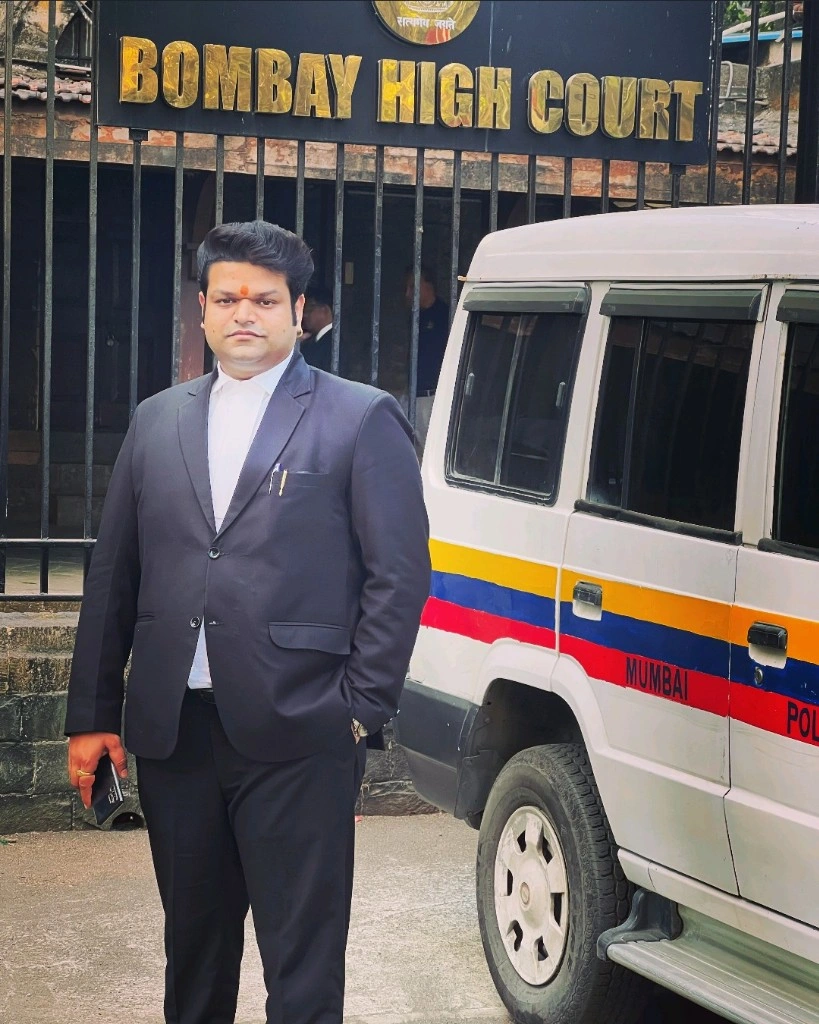


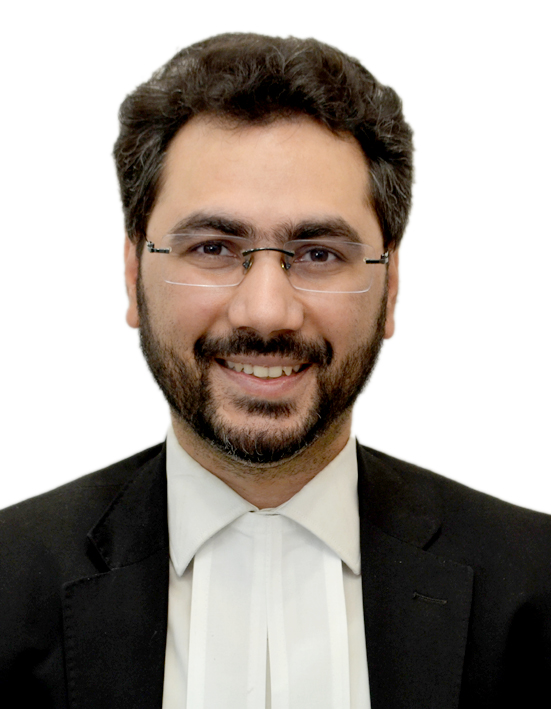



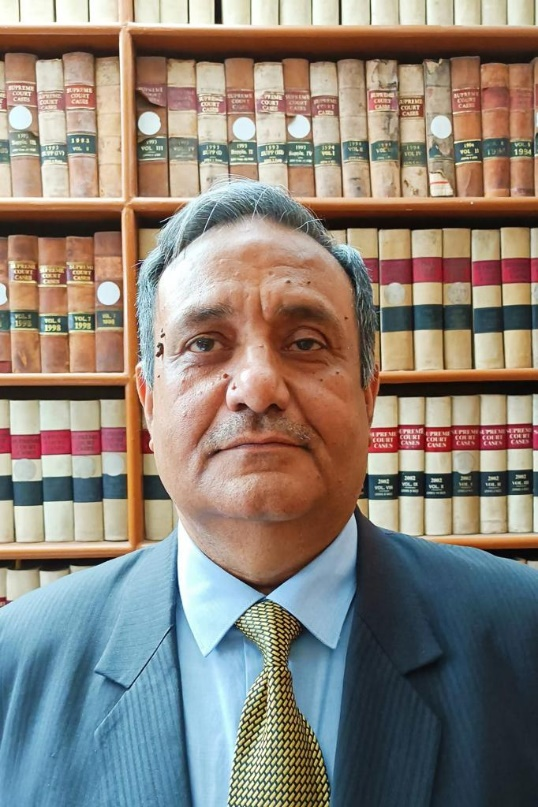




 Allow notifications