Category: Uncategorized

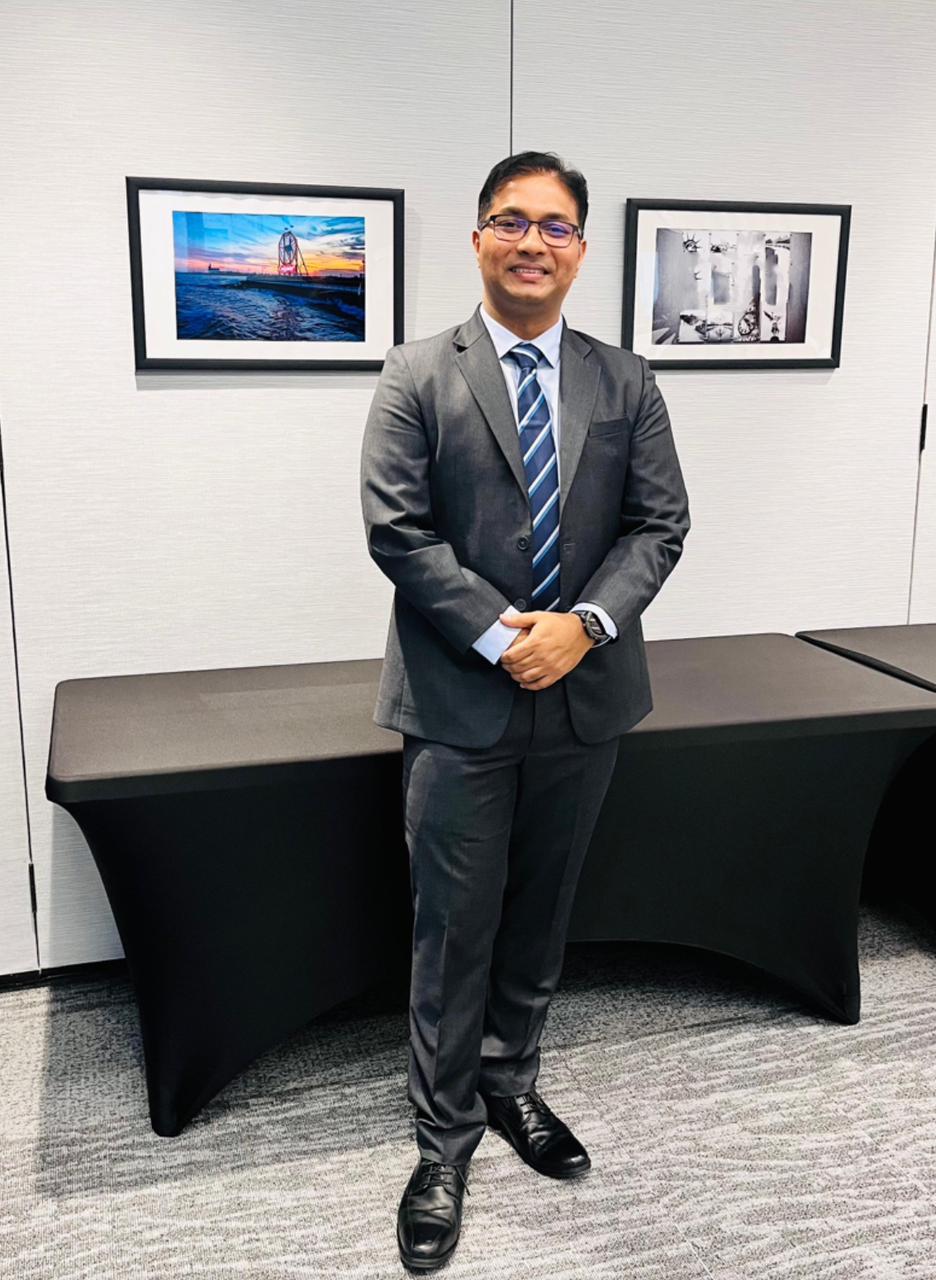
  •  “The use of mediation not only provides a more amicable and cost-effective resolution for clients but also helps preserve relationships that might otherwise be damaged by adversarial litigation”- Ekakshra Mahajan Mandhar, Managing Partner at Mandhar Associates 

     “The use of mediation not only provides a more amicable and cost-effective resolution for clients but also helps preserve relationships that might otherwise be damaged by adversarial litigation”- Ekakshra Mahajan Mandhar, Managing Partner at Mandhar Associates 

    This Interview has been published by Pragya Chandni and The SuperLawyer Team

    Can you share what initially inspired you to pursue a career in law? Was there a specific moment or influence that set you on this path?

    From a young age, I had a strong inclination towards law because it represented a pathway to justice, which deeply appealed to me. The idea of being able to contribute to fairness and uphold the rights of individuals and communities was incredibly motivating. There wasn’t a single moment that set me on this path, but rather a consistent interest in the principles of justice and equity. This passion ultimately guided my decision to pursue a career in law.

    You have an impressive educational background, including an LL.M. from Penn State Law. How did your studies there shape your legal perspective, particularly in specialized fields like Antitrust, Bankruptcy, and Energy Law?

    Thank you for your kind words. Indian competition law has largely evolved from U.S. antitrust law, so studying this area in the U.S. provided me with valuable insights that I could apply back home. Bankruptcy law was particularly intriguing, as it was a nascent field in India with the recent enactment of the Insolvency and Bankruptcy Code (IBC). Engaging in a comparative analysis with U.S. bankruptcy laws provided me with a robust foundation, which has been incredibly beneficial as I now specialize in this area. Energy law, while still evolving in many respects, is a field where the growth of renewable energy sources presents significant opportunities. My studies at Penn State Law allowed me to explore emerging trends and regulatory frameworks in the U.S., equipping me with the knowledge to anticipate and navigate similar developments in India. 

    Being a dual-licensed attorney in both the State of New York and India is quite an accomplishment. What challenges did you face while obtaining these licenses, and how do they complement your practice?

    Obtaining licenses to practice law in both the State of New York and India was incredibly rewarding. Passing the New York Bar exam felt like a wonderful accomplishment. It was a daunting exam, but successfully navigating it instilled a sense of confidence and added credibility to my professional profile. Being dual-licensed complements my practice by allowing me to offer a broader range of legal services and insights, bridging the legal frameworks of both jurisdictions. This dual qualification enables me to better serve clients who operate internationally and provides a unique edge in comparative legal analysis.

    Your work primarily focuses on resolving civil and commercial disputes. What drew you to this area of law, and what are some of the key challenges you encounter in these cases?

    I have a profound understanding of the intricacies involved in civil and commercial fields like tax and bankruptcy, which provides a specialized edge in my practice.

    I enjoy tackling challenging subjects, and given the vastness of civil and commercial law, it’s akin to navigating an ocean with no shore. The complexity and diversity of issues keep me intellectually engaged and continuously learning.

    One of the key challenges in these cases is the depth and breadth of knowledge required to address the multifaceted legal and factual issues that arise. Each case is unique, demanding a thorough analysis and a tailored approach to achieve a resolution. Additionally, staying updated with constantly evolving laws and regulations is crucial. Overall, the dynamic and challenging nature of civil and commercial disputes aligns perfectly with my passion for the law and my desire to make a significant impact in this field.

    You’ve advised both domestic and international clients on complex legal issues. How does working with international clients differ from domestic ones, and what unique perspectives do you bring to the table? 

    Working with international clients often involves navigating diverse cultural backgrounds and managing a broader range of projects. This variety provides access to a wider array of legal issues and challenges, making the professional journey more enriching. Being well-versed in multiple jurisdictions allows us to offer valuable insights and advice that are beneficial from both regulatory and compliance perspectives. We guide clients on a macro level, considering the broader implications of their legal matters across different legal systems. This comprehensive understanding enables us to tailor our advice to meet the unique needs of international clients, ensuring they receive well-rounded and effective support and do not have to rely upon or engage multiple professionals across different jurisdictions. 

    As a trained mediator, how do you integrate mediation techniques into your legal practice, and what benefits do you see for your clients in resolving disputes through mediation?

    As an Advocate, it is essential to weigh the best interests of the client. Often a client is warring within their corporate circuit or amongst their familial relationships which could be settled out-of-court with third party intervention. Significant court backlogs and investment of time and resources required for litigation often motivate clients to pursue mediation, if counselled well. We do take pride in facilitating communication between disputing parties, by mediating between them and subsequently drawing up agreements, reiterating that issues can be resolved more efficiently and amicably through ADR than court proceedings. Even once litigation has been initiated, mediation techniques can play a crucial role in guiding parties towards a settlement. Overall, the use of mediation not only provides a more amicable and cost-effective resolution for clients but also helps preserve relationships that might otherwise be damaged by adversarial litigation.

    Finally, what advice would you like to give to fresh law graduates who are about to start their legal careers, especially those aspiring to achieve similar milestones as yours?

    My advice is not to fret and take the time to understand how vast the field of law truly is. It’s no longer confined to the dual choice of litigating or working for a corporate firm. The profession has expanded to offer numerous new, untapped opportunities.

    I delved into the specialized field of taxation law two years after graduation, which demonstrates that you don’t have to figure everything out during law school. Use internships to explore different areas and weigh where your interests lie. This practical experience will help you discover your passion and guide your career path.

    Remember, the journey to achieving milestones takes time, and each step, whether big or small, contributes to your growth as a legal professional. Stay open to learning and embrace the diversity of opportunities the legal field has to offer.

    Get in touch with Ekakshra Mahajan Mandhar-

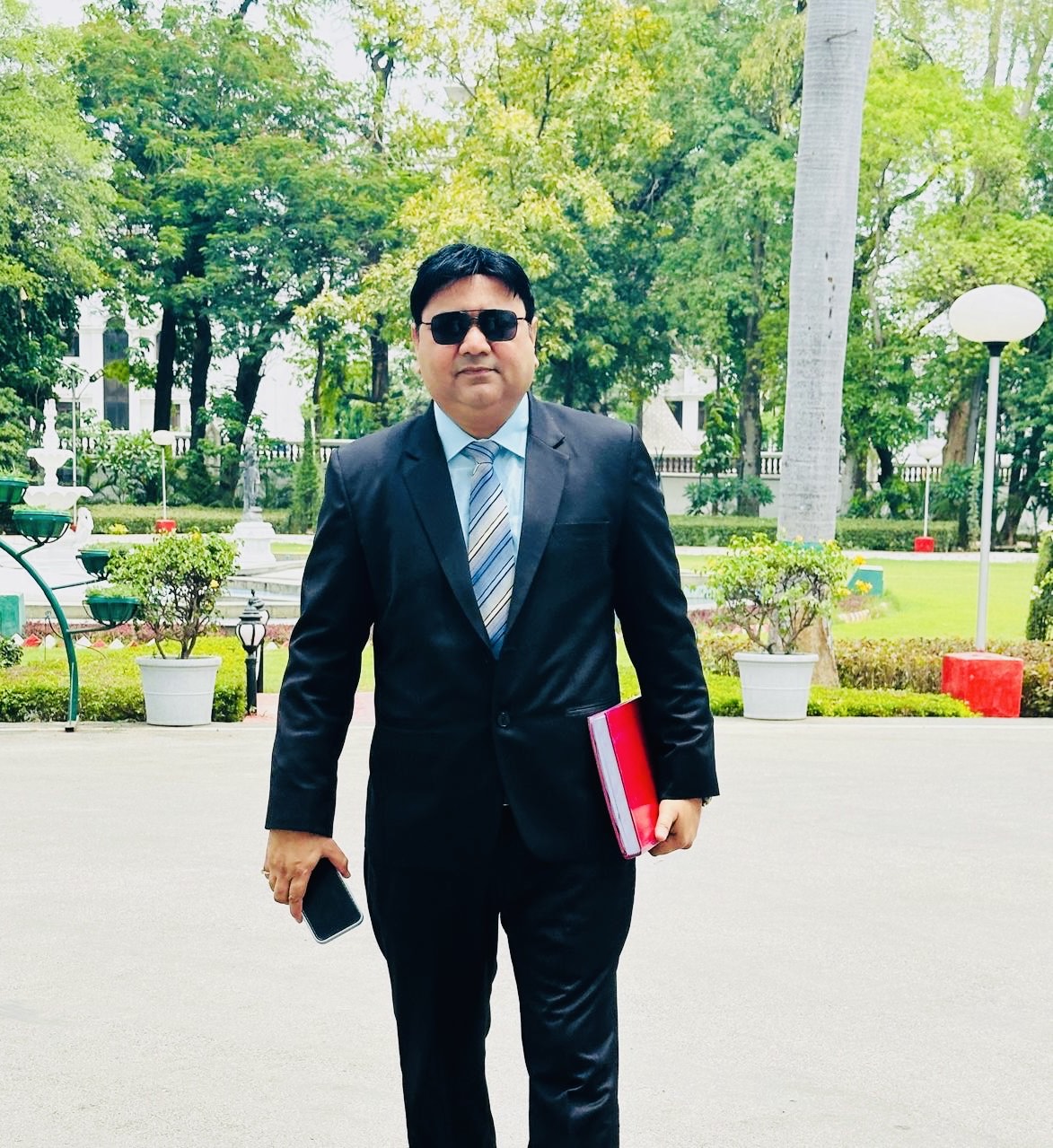
  • “With AI coming in a big way the work of a new age lawyer has become more challenging as now you need to become more aware and be more updated on the legal developments than ever before”- Debashish Josh, Head Corporate Counsel at Wipro Technologies UK

    “With AI coming in a big way the work of a new age lawyer has become more challenging as now you need to become more aware and be more updated on the legal developments than ever before”- Debashish Josh, Head Corporate Counsel at Wipro Technologies UK

    This Interview has been published by Pragya Chandni and The SuperLawyer Team

    Can you share with us what initially drew you to the field of law and how your journey began?

    I come from a family of legal professionals as my father was a tax lawyer and so was my grandfather. Science was my major subject in school and I was good in Maths and like many of my batchmates wanted to become an engineer, however destiny had different plans, After I completed my graduation with honours in English I was encouraged by my father to appear for the various law school exams and consider law as a career option. Thankfully, I scored well and qualified for the University law LLB programme (three year course) and then did well and stood second overall in my LLB course. This success led me to think big and then I got selected for the LLM course (specialisation in Business Law) from NLSIU, Bangalore. However, the real interest in Law really took shape in NLSIU Bangalore with the help of modern analytical way of teaching and under the guidance of reputed professors of law in the University. Want to mention a few eminent teachers like Professor Devidas, Professor Ramakrishna, Professor Jayagovind, Professor Pillai who were key in shaping up my understanding and knowledge of Law and taking the first stepping stone in my career.

    Reflecting on your 16+ years of experience, can you discuss some key milestones that have shaped your career as the Head of Legal for UK & Ireland at Wipro Ltd.?

    Some of the key milestones that have shaped my career as the Head of the function in UK and Ireland are the following:

    • Working on numerous large deals (over 100 Mn GBP) across business lines and executing them efficiently by working closely with the key stakeholders like the Business, Finance, Delivery, Risk, Data Privacy, Human resources. 
    • Being part of the overall UKI leadership team and contributing effectively to the strategic development of the company over the years.
    • Helping the Business et up a new regulated company by ensuring that the right compliances are taken care of especially compliances with respect to FCA ,
    • Managing and supervising a team of lawyers which was working offshore and helping them act as business enablers and grow within the organisation.
    • Working closely as a data protection point of contact for all incidents related to data protection compliance and working with regulatory authorities in case of a data breach incident.
    • Coordinating efficiently with external counsels and seeking advice in case of large disputes and helping the company navigate through the entire lifecycle of a court case.

    You’ve managed litigation and represented clients in various legal proceedings. Can you highlight a particularly challenging case and how you navigated it?

    The case was with a client in the energy sector and lasted for over 4 years and went through two rounds of mediations. It was extremely complex with issues related to contractual breach and here I was required to be very close with our external advisors in close tandem and brief them about the facts which were quite unique and technical. Had to coordinate with solution architects, delivery managers, finance leads to communicate the entire spectrum of facts to the lawyers and experts. It was a long drawn case which demanded every bit of your attention to finer details especially on the factual aspect and eventually got settled recently amicably in the best ineterst of the company.

    Your experience with IT agreements is extensive. What are some of the unique challenges you’ve faced when drafting and negotiating contracts in the rapidly evolving IT sector?

    In the rapidly evolving IT sector what has become more challenging is that the opportunity to really negotiate on contractual terms have come down significantly to what used to happen say five years ago, Now it more of being compliant with the bid/tender terms and conditions and working your way through the various stages of the contract submission stage, where you work closely with the business stakeholders/leaders in understanding the risk and pain areas and then managing or mitigating the risk to the best of the organisation operational and commercial ability.

    You’ve led successful deal closures with significant values. Can you walk us through one of these high-stakes negotiations and what strategies you employed to ensure success?

    This is with regards to one particular deal with a retail client of repute and where we had to work through various stages of negotiation:

    • In the first stage where we had marked up the contract we had numerous points and many were at high level and not necessarily very specific. In the discussions that happened we had a few disconnects with the opposing legal side and had to take many of the contentious points back to re-evaluate and come back.
    • We went back and weighed in our positions and options available with close interactions with all key stakeholders be it HR for transfer of people, IP team for intellectual property clauses, operations for service level agreements, finance for penalties and liquidated damages.
    • We aligned well and our revised positions meet the customer requirements for a successful tender without compromising the business and commercial interest of the organisation.
    • The strategy here was of striking the right balance in our high stake negotiation and also as a legal function being a business enabler which helped our company win such a prestigious deal.

    You’ve worked closely with partners from top global law firms. How has this collaboration influenced your approach to legal practice and client representation?

    Yes indeed as this has certainly being beneficial in not resolving complex issues arising from many of the company deals or disputes but has also helped in building lot of relationships across the industry where you personally have gained through knowing many of the partners, who are experts in their field of practice and have contributed immensely to the legal industry at large through their knowledge in fields of data protection, regulatory matters, employment claims and disputes and contract drafting and negotiations.

    Given your experience with diverse regulatory matters, how do you stay ahead of the ever-changing legal landscape, particularly in areas like data protection and compliance?

    Ever Changing legal landscape is quite fascinating as you understand the new age technology developments in artificial intelligence, data protection , intellectual property etc. With AI coming in a big way the work of a new age lawyer has become more challenging as now you need to become more aware and be more updated on the legal developments than ever before and one way of doing it is to attend as many knowledge disseminating seminars, workshops, summits as much possible and getting out of your comfort zone and walking the extra mile to know more about the technology and the business changes. Trainings are also an integral part in our company and there are various customised training programmes which are designed to help lawyers to go through and learn more on the development on the technology. 

    Finally, what advice would you give to fresh law graduates who are just starting out and aiming to build a successful career in corporate law?

    I think the fundamental thing which is extremely important is the desire to learn and keep learning all the time. Be it research on tools or reading new articles or attending seminars, conferences, workshops etc. Also, please shed all inhibitions and please ask questions and not be shy about anything which apparently seems pretty straightforward as an answer. Also, be as scientific and as rational as possible and keep developing your strengths and improve on your weaknesses. The final point which I feel is highly critical is building relationships and knowing and understanding people from diverse fields in areas of work, though they may belong to different fields like being a technical architect or an enterprise risk manager or a information security associate. One will always do something again if they strike the right conversations.

    Get in touch with Debashish Josh-

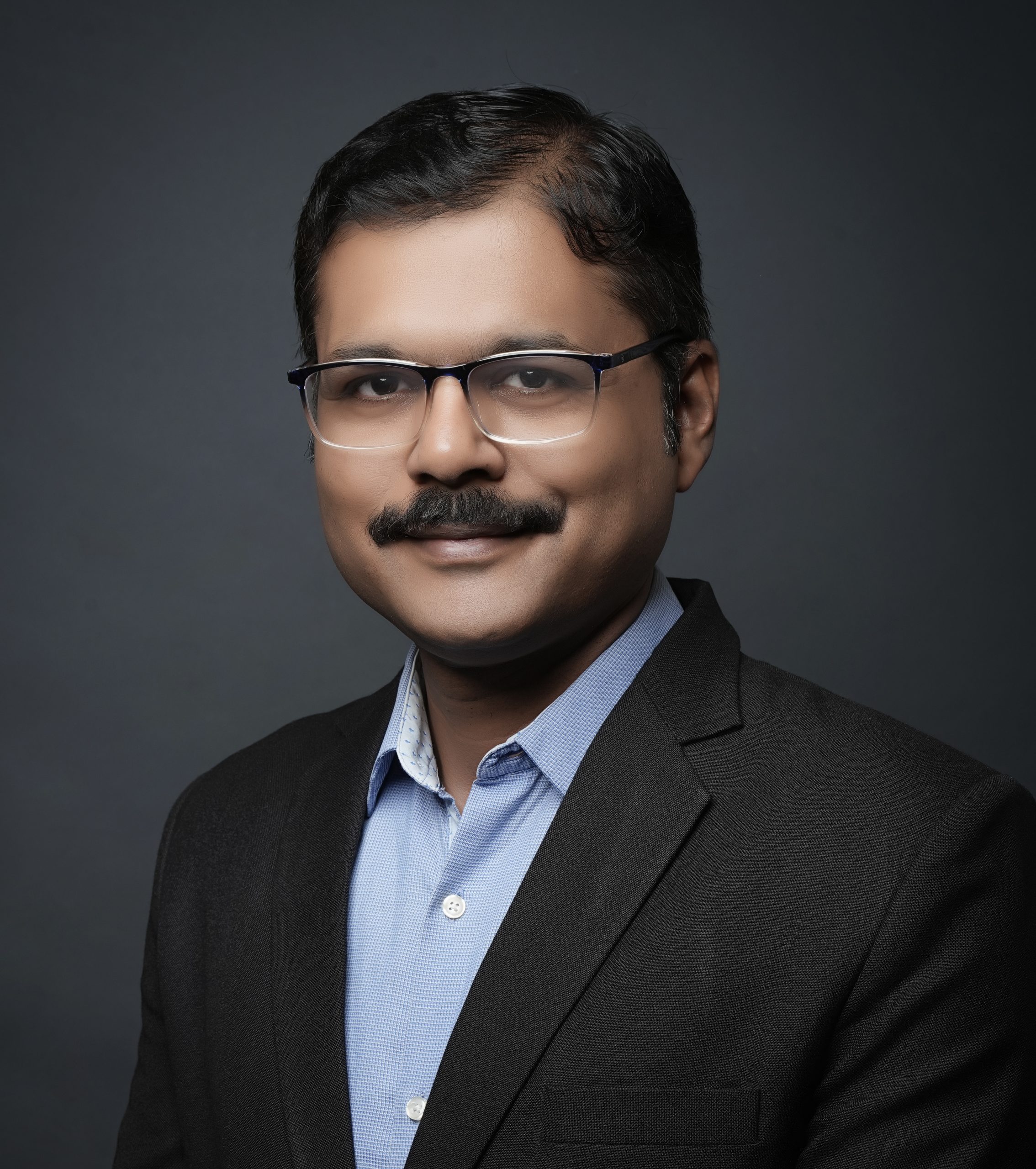
  • “As you evolve as an in-house legal counsel and chart your way towards the GC roles, it is important to pick up the best from your previous experience and apply it at your current workplace to amplify the learnings”- Abhijit Yadav, Legal Director, IndiaColgate-Palmolive (India) Ltd ·

    “As you evolve as an in-house legal counsel and chart your way towards the GC roles, it is important to pick up the best from your previous experience and apply it at your current workplace to amplify the learnings”- Abhijit Yadav, Legal Director, IndiaColgate-Palmolive (India) Ltd ·

    This Interview has been published by Pragya Chandni and The SuperLawyer Team

    Can you share with us the pivotal moments or experiences that led you to pursue a career in law, particularly in the FMCG and Pharma industries?

    • I grew up in a small town in Ratnagiri district in the Konkan area known as ‘Chiplun’. Despite my father being a practicing advocate I never wanted to be a lawyer in the first place; in fact I had taken a vow that I will be anything but a lawyer. One of the reasons for my aversion to pursue law was his unavailability for us due to his active law practice and socio political activities. He is revered and respected for the kind of work he has done for the poor litigants and for uplifting the life of people at our ancestral village. However  during my childhood days I did not have full understanding and always ran away from the thought of following his footsteps. 
    • During school days I always used to be part of the class which used to be known as ‘good’ or having kids which are generally above ordinary. However there was nothing spectacularly great about myself. This continued till class 12 wherein I followed the herd mentality and did what was considered as ‘good’ and ‘intelligent’ but not necessarily ‘my calling’.
    • The pivotal moment came after my 12th Standard exams (which I pursued from science stream with both biology and mathematics as preferred subjects to do what was popularly known as keeping doors open for both medical and engineering courses). After my 12th exams I happened to read an extremely good article which emphasized building on your core strengths rather than weaknesses. The article mentioned about Sachin Tendalukar; how not everyone can be like him but at the same time how we can be ‘Sachin Tendulkar’ of our own field. Suddenly things became clear to me and forced myself to do honest introspection. I accepted the reality that I was not cut out for science stream and in fact had leanings towards language based subjects which I either did not realize or accept as a reality since it was not a very popular choice in the circle I used to feel I was part of. 
    • I decided to pursue law and applied for a five year LLB course at the only law school I had visited till that time during one of my previous summer vacations in Mumbai…the legendary Govt Law College, Mumbai in the year 2002.
    • Life changed 360 degrees after getting into law school. I loved my subjects and they loved me back..this had never happened during my science stream subjects. This further opened up my thought process and I naturally ended up putting more effort not only in my studies but also in extra curricular activities such as Moot courts. I was part of the Moot Court committee as well and participated actively in organizing National & International Moot Court Competitions. 
    • Transition from Chiplun to Mumbai was not easy in the initial days but I was fortunate to have formed some really good friendships which helped me settle down in Mumbai comfortably. After more than 2 decades those friendships have only grown over a period of time like an old wine.
    • Another pivotal event happened in the year 2007 during the campus interview rounds in our college. That year luckily we had companies like HUL and Marico participate in the placement rounds. To try my luck I participated in the placement rounds and was shortlisted for interviews by both these companies. I was selected by Marico and I happened to be the only one from that year’s batch to have been picked up by Marico. That was a very surreal moment in my life and I still remember the reactions from my family and friends who were really happy for me. That’s how my career in the FMCG industry started. 
    • Just like the way I was fortunate to get into pursuing law; I believe I was blessed to have started my in-house legal career with Marico. I learnt some of the best lessons needed to be learnt by a fresher regarding the profession and business both. After spending almost 4 years with Marico; I moved on to join L’Oreal as I was keen to have work exposure in a global MNC at that time.
    • With almost 10 years in the FMCG industry having dealt with Food and Cosmetics in detail, I was keen to explore and broaden my horizons. At the same time I did not want to explore a completely different sector from the perspective of  building my long term credentials in the Industry and hence when Sanofi approached I took up the opportunity as Pharma always appealed to me due to the complexities that a legal professional gets to handle. 

    With over 16 years of experience, you’ve navigated through various legal landscapes within the Indian Sub-continent. How do you approach the unique challenges presented by each industry you’ve worked in?

    • The legal landscape in each of the industries I have been associated with has been varied and full of its own unique challenges but doing the right thing at the right time with the right amount of effort has worked for me throughout my career so far. Not just the legal landscape but the working cultures have been different in each of the companies I had the opportunity of working… Indian, European and now US. 
    • All of us have a unique way of doing things but when we are working in a culturally and ethnically diverse organization, quick adaptability is important along with emphasis on putting organization interest at the forefront always. 

    Throughout your career, you’ve held significant roles in notable companies such as Colgate-Palmolive, Sanofi, L’Oreal, and Marico. How have these diverse experiences shaped your perspective on legal counsel within the corporate environment?

    • I consider myself fortunate to have started my career with Marico and not just that but with a legal team that was led by Mr Amit Rai (Director Legal- Bennett Coleman & Co- Times of India Group). Amit set the tone for my journey as an in-house legal counsel who works closely with business to understand its pulse and in fact works like a business lawyer. 
    • As you evolve as an in-house legal counsel and chart your way towards the GC roles, it is important to pick up the best from your previous experience and apply it at your current workplace to amplify the learnings. 
    • Luckily in all my stints so far I always got the opportunity to work on the most difficult transactions and situations which have helped me sharpen the saw with each set of experience I have had.   

    Given your extensive involvement in contract drafting, negotiations, and litigation management, could you share some strategies or best practices you’ve developed to ensure effective legal support for business operations?

    • Attention to detail is non negotiable for a lawyer. As an in-house counsel and especially in the FMCG space there are always too many things happening one at the same time. This is a very potent ground for missing the key details and hence mastering the artwork of prioritization and stakeholder expectation management is essential.
    • Building your own network of reliable lawyers and firms is extremely critical in high stake matters and situations.
    • There are a lot of things that we do not learn in law schools, drafting and negotiation skills are one of them which are extremely critical for good in-house legal counsel. There is a reason why our profession is termed as ‘practice’ for independent professionals and personally I do not consider myself any different when it comes to possessing these skill sets. We have to keep practicing and learning to ‘sharpen our saw’.    

    As someone who believes in working with an entrepreneurial mindset, how do you balance legal compliance with fostering innovation and growth within your respective organizations?

    • Focus on ‘doing the right thing’ for the organization and ‘zero tolerance for non-compliance’ helps you set the boundaries. Once you know your boundaries, understanding the opportunities to stretch your boundaries becomes much easier. 

    You’ve been instrumental in various initiatives such as setting up joint venturentities, launching new products, and resolving long-standing legal disputes. Can you walk us through a particularly challenging project or situation you’ve faced and how you approached it?

    • As an in-house legal counsel in the FMCG and Pharma industry you are always dealing with some or the other crisis. However I would like to share one of the experiences which really helped me shape my thought process very early during my career.
    • During my Marico days I was responsible for Food Adulteration Act (Now known as Food Safety Act)  Cases in the West And South region of India. There were multiple litigations and we needed concentrated efforts to close them. As a young lawyer I traveled to remote corners of Andhra Pradesh and Orissa (at times traveling through Naxal infested areas without even knowing about it). I learnt that at some of these places local lawyers were actually struggling or avoiding final hearings due to the sensitive nature of the PFA matters. We helped these lawyers with updated case laws and argument notes. As a result we were able to close at least 5 litigations in a year’s time. 
    • This experience taught me very early in my career about the value add we can bring as an in-house legal counsel in the litigation matters and since then I have always adopted this approach to work with my local lawyers across the country. 

    Throughout your career, you’ve received several recognitions and awards for your contributions, including the Chairman’s You Can Make a Difference Award and being recognized as a Game Changer. How do you stay motivated and continue to excel in your role despite the inevitable obstacles and setbacks?

    • I love what I do and hence the quantity of work load does not really bog me down. This is very interesting because at one point of time I seriously hated the thought of being a lawyer. My take away from this is that whatever happens in life happens for good and this attitude helps me keep a positive framework of mind and work better especially during challenging situations. I work with the principle of ‘deliver to delight’ which I learnt in Marico. My focus is to give my best in any given situation and my organizations have been kind enough to recognize my efforts. Last year I received 40 Under 40 by Legal Era and the award was picked up by my wife as I was traveling for work. My family is my biggest cheerleader and the one which keeps me grounded as well. My father is most difficult to please and has set very high standards for professional excellence.     

    Lastly, with your wealth of experience, what advice would you offer to law graduates aspiring to follow in your footsteps, particularly those interested in pursuing careers in corporate law within the FMCG and Pharma industries?

    • First and foremost; enjoy the 5 or 3 years of your law course..they are never going to come back again in your life.
    • Spend time on understanding your subjects; if the foundation is good the building can get taller and taller.
    • It’s better to spend time in the library than doing an internship for the sake of it.
    • People know where you stand on the subject matter expertise in the first 2-3 mins of your conversation. Spend time on building your expertise and your communication skills. That’s your bread and butter for life as a lawyer.
    • Lastly, I would like to share that we are all unique in our own ways. We should strive to find that unique quality and build on our strength rather than weakness.  

    Get in touch with Abhijit Yadav-

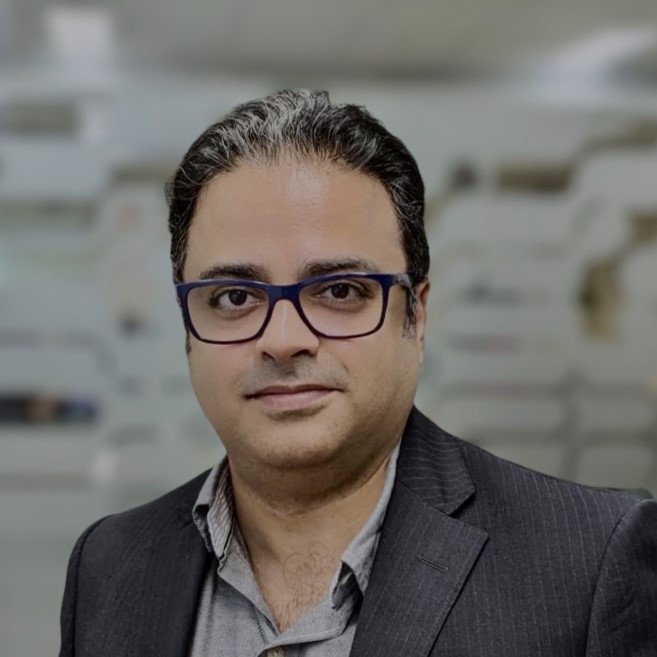
  • An Untold story of a lawyer Hasan Yaqoob, Director- Corporate Affairs at InMobi Group who is now renowned name of corporate world

    An Untold story of a lawyer Hasan Yaqoob, Director- Corporate Affairs at InMobi Group who is now renowned name of corporate world

    This Interview has been published by Pragya Chandni and The SuperLawyer Team

    You’ve had an illustrious career spanning various sectors including telecommunications, e-commerce, and disaster management. What initially drew you to the field of law, and how has your legal background influenced your approach to corporate affairs and public policy?

    Two decades back I started my career as a lawyer from Lucknow Session court under the senior ship of Advocate Askari Anwar known for his legal intelligencia and criminal trials in Judiciary. Got my first case of a poor boy who was in judicial custody for a month as his widow mother had no money & resources to help his 18 years old son arrested for the scuffle during a cricket match with the son of an influential local municipal corporator. Advocated the case in court and bailed him out on the first hearing for which I got the Prasad of Hanuman Mandir and blessings from the mother of my client as the legal fee of my first case.

    It is pertinent to mention that I got the legal fraternity in legacy, my grandfather and father were both prominent lawyers of their times. My father Late Haider Yaqoob Advocate was known as the legal pillar of the Medical health department, Govt of UP having expertise in service and waqf laws. Continuing my rich legal legacy I appeared in several matters in Hon’ble High court, Lucknow bench and set the new success stories specially in cyber laws cases with the rapid relief to my clients.

    In 2006, I started getting the cases from the corporate organisations & got the opportunity to set the new benchmarks of success. I was the pioneer of telecommunication Lok Adalat, by organising the first Lok Adalat in Lucknow to resolve the recovery cases of Reliance communication pending since long.

    Noticing legal acumen and rapid legal remedials I was approached by Mr Anil Ambani’s office directly and has been offered to join Reliance Communication as legal Manager for Uttar Pradesh. After several brainstorming sessions with my family and seniors in the fraternity I stepped into the corporate domain and joined RCOM.

    During the job era in Reliance, created a large network of lawyers covering all the districts of Uttar Pradesh and delivered remarkable results in the telecommunication domain which resulted in the garnering of additional new responsibilities of Corporate & Government affairs in the organisation. Utilising the legal acumen rapid results could be delivered in consumer forum, State Commission, NI Act, Recovery suits, Labour cases and matters related to IPC etc.

    Later on, I was offered a job by several corporate houses and have worked with Tikona Digital networks , Reliance Jio, Vodafone Idea, Walmart’s Flipkart, Inmobi Group.

    As a leader in both the Legal & corporate sectors, you’ve played a pivotal role in bringing about positive change in Uttar Pradesh. What advice would you offer to aspiring professionals looking to make a similar impact in their communities, especially fresh Law graduates & Lawyers to enter in corporate affairs careers?

    I believe that transitioning from a legal career to corporate affairs can be a natural progression for lawyers looking to broaden their skill set and explore new avenues within the business world. Corporate affairs professionals play a crucial role in managing an organization’s relationships with stakeholders, shaping its public image, and navigating complex regulatory landscapes.

    Lawyers bring valuable skills to this role, including legal expertise, analytical thinking, and the ability to navigate intricate regulatory frameworks. They may leverage their understanding of laws and regulations to ensure the company complies with relevant requirements and mitigate legal risks. Additionally, their experience in contract negotiation, dispute resolution, and problem-solving can be beneficial in addressing various challenges that arise in corporate affairs.

    Transitioning to corporate affairs may involve acquiring additional skills such as communications, public relations, and strategic planning. Networking, professional development opportunities, and gaining practical experience in corporate settings can help lawyers successfully make this transition. Overall, the move from a legal career to corporate affairs offers lawyers a chance to apply their skills in new ways and contribute to the success of organizations in different capacities.

    Throw some light on how you have been instrumental in leveraging telecom, e-commerce platforms to empower artisans and MSMEs & overall society in Uttar Pradesh, thereby contributing to entrepreneurship and women’s empowerment. What strategies do you believe are crucial for ensuring the sustained growth for the society through corporate initiatives?

    Other than my regular job practices, I always focus on bringing transformation in society by changing the livelihood of common men, empowering women and introducing sustainability models by virtue of corporate domain resources.

    I am glad to share that using  personal connections and intervention in the corporate world more than one thousand youth of Uttar Pradesh have been employed in different corporate companies so far.

    Played a prominent role in changing the livelihood of thousands of artisans & MSMEs of Uttar Pradesh by supporting them through E-commerce platforms which expanded their reach nationwide and increased their products visibility and revenue in high numbers, promoted entrepreneurship and women empowerment.

    Using my E-commerce strength, also gave a new height to UP ODOP program through Online digital selling of ODOP products, I was instrumental in boosting the sale of ODOP products in thousands of crores which was appreciated by hon’ble Prime Minister Modi during GIS 2022 at IGP Lucknow, ODOP products sale on Flipkart is only more than 2500 crore in last 3 years. Also developed a dedicated ODOP & Khadi storefronts for online sale with worldwide access. This initiative was appreciated by Hon’ble CM Yogi and Defence Minister Shri Rajnath Singh as well.

    I also supported the farmers and agriculture system of Uttar Pradesh by doing the capacity building and making farmers Samarth for showcasing, expanding their agriculture business at national level by the help of online platforms and opportunities.

    I opine that society development through corporate excellence and initiatives involves leveraging the resources, influence, and innovation capabilities of corporations to address social challenges and contribute to the overall well-being of communities. Here are some ways this can be achieved:

    1. Corporate Social Responsibility (CSR) Programs:-
    Education and Skill Development: Companies can invest in educational initiatives, providing scholarships, building schools, and offering vocational training to improve local workforce skills.
    Healthcare Initiatives: Corporations can support healthcare by funding hospitals, running health camps, and promoting health awareness programs.
    Environmental Sustainability: Implementing eco-friendly practices and supporting environmental conservation projects can help tackle issues like climate change and pollution.

    2. Inclusive Business Practices:
    Fair Trade and Ethical Sourcing: Ensuring fair wages and safe working conditions in supply chains supports economic development and reduces poverty.
    Local Hiring and Procurement: Prioritizing local hiring and sourcing from local businesses can boost local economies and create job opportunities.

    3. Innovation and Technology:
    Tech for Good: Developing and deploying technologies that address social issues, such as renewable energy solutions, healthcare innovations, and educational tools, can drive societal progress.
    Research and Development (R&D): Investing in R&D for products and services that meet the needs of underserved communities.

    4. Public-Private Partnerships:
    Collaborating with governments and NGOs to implement large-scale development projects, such as infrastructure development, public health campaigns, and educational reforms.

    5. Philanthropy and Corporate Foundations:
    Establishing corporate foundations that focus on specific societal issues, providing grants, and supporting non-profits and community-based organizations.

    6. Employee Engagement:
    Encouraging and facilitating employee volunteerism, where employees contribute their time and skills to community projects and initiatives.

    7. Sustainable Business Practices:
    Implementing sustainability practices that reduce environmental impact and promote long-term ecological balance, benefiting both the company and society.

    8. Impact Investing: Investing in social enterprises and projects that aim to generate both financial returns and positive social impacts, such as affordable housing, clean energy, and sustainable agriculture.

    9. Advocacy and Leadership:
    Using corporate influence to advocate for policies and regulations that promote social equity, environmental protection, and economic inclusivity.

    By integrating these strategies into their core operations, corporations can play a pivotal role in societal development, creating a positive impact that extends beyond their immediate business interests.

    Your role in supporting the government’s response to the COVID-19 pandemic, including sourcing essential medical supplies and arranging transportation, demonstrates a unique intersection of corporate and social responsibility. Could you share some insights into how corporate entities can effectively collaborate with government bodies during crises like the pandemic?

    During covid times using corporate excellence and connects, we as a team acted as a support system for the government and society, hundreds of Modern Ventilators, Oxygen concentrators, numerous Oxygen plants, lakhs of PPE kits, N95 masks and other preventive goods were arranged by us through different corporate houses which saved the lives of people in large numbers. We played the role of saviour by the arrangements of dedicated commercial aircraft which bought covid goods from the foreign lands to India.

    Corporate entities can support government efforts during a crisis through a variety of proactive and strategic initiatives. Here are several ways they can come forward:

    Financial Contributions and Donations, Providing Goods and Services, Essential Supplies, Critical services like telecommunications, transportation, and healthcare support at no cost or reduced rates, Logistical and Operational Support, Supply Chain and Distribution, Facility Use – Make company facilities available for emergency use, such as converting office spaces into temporary shelters or medical facilities, Technological Assistance, IT Infrastructure-Provide technological infrastructure and support, such as cloud services, data analytics, and cybersecurity measures, to help manage crisis response.
    Innovation and Development – Develop and deploy technology solutions, such as apps for crisis communication, contact tracing, or resource allocation, Human Resources and Expertise, Skilled Volunteers Consultation and Training, Public-Private Partnerships, Community Engagement and Support, Awareness Campaigns, Research and Development- Innovative Solutions: Invest in R&D to develop new technologies and solutions that can aid in crisis management and recovery. This includes everything from medical research to environmental technologies, Corporate Social Responsibility (CSR) Initiatives- Crisis Focused CSR-  Integrate crisis support and disaster relief into CSR programs, ensuring sustained engagement and support during and after crises .
    By taking these few steps, corporate entities can significantly bolster governmental efforts during crises, leveraging their resources, expertise, and infrastructure to provide comprehensive and effective support.

    Your advocacy for environmental sustainability, including your initiatives like installing anti-pollution air purifiers near the Taj Mahal, highlights the importance of corporate leadership in addressing pressing societal issues. How can corporations effectively balance profitability with environmental stewardship?

    Sustainable Practices by corporate organisation is a mandate of late,  Promotion of sustainability and resilience in business operations helps to mitigate future crises, particularly those related to environmental and climate-related challenges.

    Adopting sustainability practices in business operations offers numerous benefits to corporations, including:-

    1. Cost Savings: Sustainable practices like energy efficiency, waste reduction, and resource optimization can significantly lower operating costs over time.
    2. Brand Reputation: Companies committed to sustainability can enhance their brand image and attract customers who prioritize environmental and social responsibility.
    3. Regulatory Compliance: Proactively adopting sustainable practices helps businesses stay ahead of environmental regulations, reducing the risk of fines and legal issues.
    4. Competitive Advantage: Sustainability can differentiate a company from its competitors, appealing to a growing market segment that values ethical practices.
    5. Employee Engagement: A commitment to sustainability can boost employee morale and attract talent, as many workers prefer to be associated with socially responsible companies.
    6. Investment Attraction: Investors are increasingly looking for sustainable businesses, as these are often seen as lower risk and more future-proof.
    7. Innovation and Efficiency: Sustainability initiatives can drive innovation, leading to the development of new products and services and improving operational efficiencies.
    8. Risk Management: Sustainable practices can help mitigate risks related to resource scarcity, supply chain disruptions, and climate change impacts.
    9. Long-term Viability: By focusing on sustainability, companies ensure they are not depleting resources needed for future operations, supporting long-term business success.

    These benefits collectively contribute to a more resilient, profitable, and socially responsible business model.

    With your extensive experience in corporate affairs and public policy, particularly in the realm of telecom, e-commerce and AI domain, what are your inputs and suggestions to make Uttar Pradesh as an AI & Digital hub of nation ?

    Firstly thanks to the Government of UP for notifying the UPAI committee consisting AI experts from different tech companies to be part of the AI journey in Uttar Pradesh. Furthermore, We need to create an AI ecosystem in Uttar Pradesh and transforming Lucknow into an AI-powered city requires a multi-faceted approach involving government, industry, academia, and the public. Here are some key initiatives that could help achieve this vision:-

    Establishment of AI COE in Lucknow.

    Education and Skill Development centre for AI ,AI-focused Curriculum: Integrate AI and data science courses into the educational curricula of schools, colleges, and universities.

    Training Programs: Launch vocational training programs to reskill the existing workforce in AI technologies.

    Research Centers: Establish AI research institutes in collaboration with top educational institutions to foster innovation and development.

    Policy and Regulation: AI Policy Framework: Develop a comprehensive AI policy framework to guide the ethical and sustainable use of AI technologies.

    Industry Collaboration: Public-Private Partnerships: Encourage partnerships between the government and private sector to fund and develop AI projects.

    Start-up Ecosystem: Create a conducive environment for AI start-ups through incubators, accelerators, and funding opportunities.

    By undertaking these initiatives, Uttar Pradesh can pave the way to becoming a leading AI state, enhancing the quality of life for its residents and positioning itself as a hub for technological innovation.

    Lastly, tell us about your legal, corporate journey and what honorary positions you are holding in the government domain? And drawing from your rich and diverse experiences, what advice would you give to recent law graduates or young professionals aspiring to pursue a career path similar to yours, particularly in navigating the complexities of corporate affairs and public policy while staying true to their values and principles?

    I am currently serving as the Director Corporate Affairs, in Inmobi group, India’s first unicorn and now a double unicorn with Glance also notching up incredible growth in less than two years since its inception. Have held leadership positions in north India leading telecoms, E-commerce companies, industry bodies, chambers and as a think tank. Currently Chairman of UP E-commerce & logistics council, Honorary advisor to District Disaster Management Authority, LKO, Govt of UP & Advisory Member on AI -I T & Electronics Department, Govt of UP.

    Holds Masters in Human Resource management, bachelor in Laws, Journalism experiences, my penned down articles widely published and a leading voice for developing countries and emerging economies on digital economy, global markets, deepening democracy, political economy, media ecology, disruptive technology, regulatory affairs and public policy. My interest is only to  serve the nation through my Corporate excellence as my professional expertise has always directed towards serving both people and the state, signifying a commitment to social responsibility and community welfare. By fostering legal acumen, ethical business practices, prioritizing employment of youths & well-being, and actively engaging in philanthropy, have contributed in societal development of state. My approach has led to economic success with broader social and governmental objectives, creating a harmonious balance between corporate growth and public welfare. Have been admired by Hon’ble Governor of UP, Deputy CM, Several Ministers and Govt stakeholders at several instances for his dedicated contributions for the upliftment of state and bringing glory to Uttar Pradesh through his corporate excellence!!

    Answering the second part of the question, I think building a career in corporate affairs while maintaining ethics, principles, and values involves a multifaceted approach. Here are some key strategies to help youths in achieving this:

    1. Professional Integrity:

       – Adherence to Ethics: Always adhere to a personal code of ethics and the ethical guidelines of your profession.

       – Transparency: Be transparent in your communications and actions. Build trust by being honest and straightforward.

       – Conflict of Interest: Avoid situations where personal interests might conflict with professional responsibilities.

    2. Building Relationships:

       – Networking: Build a network of like-minded professionals who value ethics and integrity.

       – Mentorship: Seek mentors who exemplify ethical leadership and can guide you in your career.

       – Stakeholder Engagement: Engage with stakeholders ethically, ensuring their needs and concerns are addressed fairly.

    3. Corporate Governance:

       – Best Practices: Advocate for and implement best practices in corporate governance within your organization.

       – Policy Development: Develop and enforce policies that promote ethical behaviour and compliance with laws and regulations.

       – Ethical Leadership: Lead by example, demonstrating ethical behaviour in all professional activities.

    4. Ethical Decision-Making:

       – Decision Frameworks: Use ethical frameworks and decision-making models to guide your actions.

       – Long-term Perspective: Focus on long-term benefits rather than short-term gains, ensuring decisions are sustainable and ethical.

       – Accountability: Hold yourself and others accountable for ethical behaviour. Encourage a culture of accountability within your organization.

    5. Communication Skills:

       – Clear Communication: Communicate clearly and honestly with all stakeholders.

       – Crisis Management: Handle crises ethically, ensuring transparent communication         and accountability.

       – Reputation Management: Maintain and protect the organization’s reputation through ethical practices.

    6. Regulatory Compliance:- Stay Informed: Keep up-to-date with relevant laws, regulations, and industry standards.

    By integrating these strategies into your career development, you can build a successful career in corporate affairs while maintaining your ethics, principles, and values. Remember, consistency in ethical behaviour not only builds personal integrity but also fosters a trustworthy and sustainable business environment.

    Get in touch with Hasan Yaqoob-

  • “M&A transactions provide an opportunity to rearrange and/or review and revise the business strategy to make business more agile, strong, reachable, relevant, risk proof and robust”- Vikramsinh Yadav, Legal Head -Business Partner for Bayer Pharma

    “M&A transactions provide an opportunity to rearrange and/or review and revise the business strategy to make business more agile, strong, reachable, relevant, risk proof and robust”- Vikramsinh Yadav, Legal Head -Business Partner for Bayer Pharma

    This Interview has been published by Pragya Chandni and The SuperLawyer Team

    Can you walk us through your journey from being an Advocate at the High Court of Mumbai to your current role as Legal Head at Bayer? How did your previous experiences shape your path in the legal field?

    In the year 1999 summer I came to Mumbai from my village in Sangli district in Maharashtra, after having not so good results in 12th Science. I graduated in Science from Mumbai University in 2002 and became a law student. There I found my striving and secured a first class in LLB with scholarship in jurisprudence. During my law graduation, I was active in moot court and debate competitions and secured State Level Best Advocate award as well as special appreciation in National level moot court competition. Our team was felicitated at the hands of ex Chief Justice of India Shree Rajendra Babu. With dreamy eyes and strong desire to make my name in the legal fraternity, I joined the legal profession as an Advocate in Bombay High Court in August 2005. My journey began under the guidance of well-known Criminal Lawyer Late Shree Shyamkumar Marwadi and Senior Counsel Shree Ashok Mundargi. I got an opportunity to work in famous as well complicated criminal litigations including chinkara poaching case against Bollywood celebrities, Anticorruption case against well-known encounter specialist, MPSC scam etc. During this stint I also completed my LLM from Mumbai University with flying colours. Additional benefit from the LLM course was to secure hostel accommodation in University Hostels at Church gate.    

    Since my early practice days, I was conscious to be an independent lawyer and not to limit my growth as a small plant under the shadow of a big tree. So I resumed my independent practice as a criminal and civil lawyer in Bombay High Court. I got ample opportunities of conducting complex criminal trials including murder, cheating, rape as well as CBI prosecutions in the Sessions Court of Bombay & sub-urbs (Thane, Kalyan). I feel proud to say that all the trials were successful. 

    I was also acting as a senior law retainer with well-known real estate law firm Kishore Thakordas & Company, which provided me an opportunity to work on complex real estate litigations related to real estate development projects, property succession as well as land encroachment litigations.   

    In 2013-14, I felt an urge to join a law firm to know the legal business with big corporate houses, and I joined PDS & Associates (now Agrud Partners) as a Senior Associate. There I got access to big corporate clients with an opportunity to handle their cases including arbitrations and commercial contractual disputes as well as criminal litigations. In 2016, I got an opportunity to lead the litigation team of a highly reputed banking law firm SNG & Partners. In the same year Insolvency & Bankruptcy Code was notified. So I got engrossed in handling banking as well as insolvency litigations including the matters against Reliance Communications, ABG Shipyard etc. In the meantime, I also became an A-Panel Counsel for the Mumbai Municipal Corporation and Panvel Municipal Corporation in Bombay High Court as well as National Company Law Tribunal. During my illustrious journey in the Bombay High Court. 

    In my 13 years of journey as an Advocate I represented several reputed clients such as Hindustan Unilever Limited, Bunge India Private Limited, Monsanto Limited, Britannia Limited, Bank of America, Standard Chartered Bank, Barclays Bank, HSBC, HDFC, State Bank of India, Angel Broking Company, late Shree Irfan Khan, Essel Entertainment etc.  

    During all these years I developed a curiosity to know & understand the business of big corporate houses from inside. That made me grab an opportunity to join Siemens Ltd as a Senior Legal Counsel in 2018. It was the beginning of my journey as an in-house counsel. It was a huge legal team of around 30 colleagues. All the colleagues in Siemens including my mentors and seniors Brotin Das, Saugata Chakravarty & lastly Hanno Kunkel shaped me as an in-house counsel. They gave me ample scope to act on diverse matters independently including several high stake litigations as well as core issues related to compliance and corporate governance. Every year in Siemens, I was rewarded with performance awards and recognitions.                                               

    During the pandemic when the world was standing still, I received an opportunity to join Bayer Group as a Litigation Head and it was a shift from project-infra business to product centric business. In Bayer I worked on illustrious as well as voluminous litigations. In the last year I became a Legal Head Business Partner for Pharmaceutical, Consumer Health and Radiology Business. 

    As an in house counsel, my experiences during advocacy days were always handy and helpful in providing quick resolutions and facilitating effective decisions. Apart from functional expertise, the diverse experience as an Advocate helps to understand the root cause of the issue referred to and to suggest appropriate mitigating measures within a legally compliant framework. This makes business partnering authentic as well as agile. 

    With your extensive background in handling various types of litigation, could you share with us a particularly challenging legal case you’ve encountered in your career? How did you approach it, and what were the key strategies you employed to achieve a successful outcome?

    There were several such challenging cases I have encountered in my journey as an Advocate and in-house counsel. However, to make it more relevant and recent I would cite a litigation related to Competition law. It was a case that began with a commercial dispute between an aggressive group of licensees who got access to the innovative technology of our Company. In India, as we know, the patent regime is access and benefit centric, having inclination towards the working of technology for the benefit of the people at affordable means. This leads to the clash amongst the generics and innovators. In the field of agriculture, especially GM seeds, it is more complex and highly regulated. 

    So these licensees challenged the innovator’s royalty and technology fees, and approached competition regulating authorities (the then MRTP and now CCI) alleging abuse of dominance, excessive pricing & discrimination referring to the contractual terms. Simultaneously, the commercial dispute went through arbitration where the Company succeeded against the licensees who then appealed against the award. Meanwhile, a challenge was posed against the patentability of technologically modified seeds, confusing the technology in seeds where seeds being carrier of it with seeds being part of a plant. Governmental authorities also joined the licenses in an antitrust complaint. My vigilant predecessors & colleagues did also challenge the jurisdiction of CCI in dealing with commercial contractual disputes over a patented product, since the Competition Act and the Patent Act are complete codes distinct and independent of each other. We worked as a team in the litigation and successfully contested not only the arbitration but also the jurisdictional challenge. Whilst commercial dispute as well as patent validity proceeding got amicably settled with the group of licensees, the CCI proceeding remained. Last year, Delhi High Court passed quite an interesting judgment ousting CCI’s jurisdiction in matters related to the Patents Act.                                        

    We, as a team, worked on this matter firstly to separate the commercial dispute from the clutches of the Competition law and successfully seal the settlement with the licensees. That minimised the aggrieved stakeholders involved in the dispute. As well as it reduced other connected proceedings such as arbitration as well as patent validity. Only proceeding then remaining was with the Competition Commission. Under the expert guidance of the eminent Senior Advocate, Dr. Singhvi, we concentrated on the jurisdictional challenge before Delhi High Court. And, in the last June we were pleasantly surprised with a favourable judgment of Delhi High Court ousting CCI’s jurisdiction over the matters governed under patent laws of India. Of course the judgment has now been challenged in the Hon’ble Supreme Court and is pending sub-judice. When there are complex issues with multiple laws, we need to find out the ways to minimize the complexity by separating and resolving the disputes having potential of being settled amicably. So that we can concentrate on highly complex core issues involving questions of law. That helps in focussing our efforts and resources. 

    Keeping internal stakeholders engaged and informed on several stages of the litigation is also utmost necessary in securing their support and trust. It boosts confidence and strengthens your efforts to successfully implement the strategy.           

    Transitioning from being a Litigation Head to a Legal Head Business Partner at Bayer signifies a shift from a more adversarial role to a collaborative one. What adjustments did you have to make in your approach when moving into this new position?

    Certainly it is a significant shift. As a generic business partner one needs to have a broad as well as detailed picture in mind while formulating a strategy. As a litigation head more focus is on utilizing specialised skill to understand the dispute and mitigate it in a timely manner so that the ends will be favourable. Whereas being Legal Head Business Partner requires to have a generic perspective, which needs to be close to the business, management, compliance as well as other cross functional teams. More collaborative and strategic mindset is essential for effective business partnering. Fortunately, my senior colleagues in the legal team Nabeel Saleem and Devdas Baliga were always keen to involve me in several other challenging topics requiring a generalist mind-set apart from my litigation portfolio. That also is helping me in gelling well with this new responsibility.    

    As the Legal Head at Bayer, you’re tasked with managing corporate advisory functions and leading legal teams across different sectors. How do you ensure legal integrity and compliance while also fostering innovation and growth within the organization?

    As a leading legal business partner for pharmaceuticals, consumer health & radiology business, one needs to be aware of changing legal framework whether pharma Codes, price regulations, incidental compliances, D&C Act and Rules, Clinical Trials and GMP related provisions. As a legal team, we collaboratively work on understanding these changes and identifying its impact and relevance for our business. Then we work on communicating these changes and updates along with simplified implementation strategies with our business and cross functional stakeholders. We do conduct several informative sessions within the legal team as well as business. Ours is democratic function which believes in sharing of ideas and trying to work innovatively. As a legal function, we keep mapping and reviewing our activities and many times empower colleagues in business also to take their decisions on their own. Digitalisation helps us in being agile and efficient in serving business. Our organization works with the mind-set of Dynamic Shared Ownership (DSO) with a key focus on core mission and measured goals with defined outcomes in 90 days cycle.               

    Given your involvement in M&A transactions, what are some key legal considerations that you believe are crucial for ensuring a smooth and successful merger or acquisition?

    M&A transactions provide an opportunity to rearrange and/or review and revise the business strategy to make business more agile, strong, reachable, relevant, risk proof and robust. For smooth & successful merger or acquisition, clarity of purpose is at the core. With a holistic view we should be able to visualise the entire picture of the transaction. Accordingly, we have to map all the necessary activities from due diligence, necessary regulatory intimations and permissions, effect of FDI policies wherever relevant, effect on competition, Tax implications, corporate compliances, people integration etc. All the functions including tax, accounts, finance, communication, regulatory, quality, HR, SCM, marketing led by senior management and legal play a vital role in these transactions. `By nature, these are marathon transactions with long duration having internal, external and governmental stakeholders involved in it. Hence, planning in advance and securing consensus of all the stakeholders at every stage is essential. External as well as internal communication plays a big role in smooth implementation of M&A transactions. 

    Could you share some insights into how you navigate complex legal landscapes and deliver strategic dispute resolutions? What are some essential skills or approaches you rely on in these situations?

    Most of the disputes have inherent potential of pre-litigation amicable resolution. However, it is essential to be in contact with business to identify early signs of any possible dispute. If there are such inputs, as a litigation strategist, we prepare scenario analysis along with mapping of relevant substantive as well as procedural legal provisions and accordingly we guide business with a strategy. Preliminary focus is always on preventing litigation and securing amicable resolution. Eye for details, understanding of business and implication of dispute on it, interpretation of legal provisions and close familiarity with the practical side of the dispute resolution process whether it is the knowledge of courts procedures and practices or connection with external counsels play a vital role in handling dispute resolution. In some disputes such as possible patent or trademark infringement or bank guarantee invocation, we should be agile and aggressive in taking urgent measures to stop possible damage. Whereas in contractual disputes steps to be taken without having any adverse effect on the business, especially in project business.     

    Throughout your career, you’ve worked with notable companies such as Siemens and now Bayer. What do you think sets apart effective legal counsel in the corporate world, particularly in industries like pharmaceuticals and consumer health?

    As I mentioned earlier, understanding of business, becoming familiar with business language, expectations and needs, having connections with cross functional colleagues and access to the external peers in the industry including external counsels makes the legal Counsel effective in the corporate world. Effective communication at each level plays a key role. It requires conscious and consistent efforts. Needless to mention that these are essential qualities apart from the functional knowledge and expertise in respective core laws and legal aspects applicable to respective business.     

    Drawing from your own experiences and the challenges you’ve overcome, what advice would you offer to law graduates who aspire to pursue a career similar to yours?

    I am still in the process of learning and achieving the ultimate expertise in this field, however, I would like to share that law graduates aspiring to pursue such a career should keep their focus on expanding their understanding of laws governing diverse aspects (including substantive and procedural). They should gain real time experience of courts whether original or appellate, civil corporate or criminal to know their own strivings. Accordingly, they can choose the field of their interest and keep sharpening and shaping it consistently. Ability to learn, unlearn and relearn and communicate the same and becoming able to implement it is crucial for any lawyer.      

    Get in touch with Vikramsinh Yadav-

  • “My focus on technology law, data privacy, cybersecurity, and intellectual property rights as the General Counsel for our organization is driven by the industry’s unique demands and my passion for leveraging legal expertise in a rapidly evolving digital landscape”- Sandeep Dembla, Director – Legal and Compliance at Evalueserve

    “My focus on technology law, data privacy, cybersecurity, and intellectual property rights as the General Counsel for our organization is driven by the industry’s unique demands and my passion for leveraging legal expertise in a rapidly evolving digital landscape”- Sandeep Dembla, Director – Legal and Compliance at Evalueserve

    This Interview has been published by Pragya Chandni and The SuperLawyer Team

    Can you share what initially drew you to pursue a career in law, especially considering your diverse educational background that includes both commerce and cyber laws, as well as the influence of your family of lawyers, including your father who practiced law in courts and your brother who is a corporate litigating partner with a law firm?

    I chose to pursue a career in law for several reasons. Firstly, my diverse educational background prepared me to handle complex and diverse situations. It also prepared me for a wide variety of challenges given my exposure to various areas, from financial to business environment and to technology. Particularly my exposure to cyber laws helped me understand the intersection of technology, business, and regulations in a fast-paced environment.

    My family’s deep roots within the legal profession were a stepping-stone for me to grow in the sphere with dedication and diligence, which was inspired by my father and brother’s commitment and success story. In essence, my journey into law reflects a blend of personal passion, academic rigor, and the enduring legacy of my family’s commitment to the legal profession.

    Your journey seems to have transitioned from commerce to law. How did your experience at Delhi College of Arts and Commerce influence your decision to delve into the legal field and what further solidified your interest in pursuing a degree in law?

    I had secured admission at the Delhi College of Arts and Commerce (DCAC) in the commerce program through sports quota as a cricketer. Balancing academic pursuits with rigorous cricket practice taught me valuable lessons in discipline, time management, and perseverance, skills that later proved invaluable in my legal studies and career.

    During this time, my father’s guidance was particularly influential. He recognized my potential and encouraged me to pursue a Bachelor of Law degree, understanding that while I may not have been inclined towards courtroom practice, my aptitude for analysis, problem-solving, and attention to details made me well-suited for a role as an in-house lawyer within a company.

    A pivotal moment that solidified my interest in pursuing a law degree was my interactions at the evening law college. The unique setting provided an opportunity for students, many of whom were already working in various government and private sectors, to pursue their LLB degrees while juggling professional responsibilities. It was through these shared experiences and collective efforts to overcome challenges that I gained a deeper appreciation for the power of legal expertise in driving positive change.

    Moving forward to your experience at National Academy of Legal Studies and Research (NALSAR) University Hyderabad, could you elaborate on how your PG diploma in Cyber Laws has complemented your overall legal expertise?

    My experience at National Academy of Legal Studies and Research (NALSAR) University Hyderabad, where I pursued a PG diploma in Cyber Laws, has been invaluable for upgrading and upskilling myself, particularly in the context of emerging legal challenges in the digital age.

    This specialized program has significantly enhanced my overall legal expertise, particularly in the field of cyber law, which is increasingly relevant for all in-house lawyers. The PG diploma curriculum provided me with a comprehensive understanding of the legal complexities surrounding cyberspace, including data privacy, intellectual property rights and cybercrime. It has prepared me to contribute effectively as an in-house lawyer, ensuring that my organization remains compliant with cyber laws, protects sensitive information, and mitigates risks associated with digital operations.

    As the General Counsel for Evalueserve, your focus is on technology law, data privacy, cybersecurity, and intellectual property rights. What inspired you to specialize in these areas?

    My focus on technology law, data privacy, cybersecurity, and intellectual property rights as the General Counsel for our organization is driven by the industry’s unique demands and my passion for leveraging legal expertise in a rapidly evolving digital landscape.

    · Industry Focus: Our work involves managing data, technology platforms, and digital assets, requiring a deep understanding of legal regulations and risks in these areas.

    · Regulatory Landscape: Laws governing technology and data are constantly changing, so I stay updated to ensure compliance and mitigate risks.

    · Strategic Importance: Our organization’s value depends on technology, data, and intellectual property, so I provide strategic legal guidance to protect our assets and interests.

    · Ethical Considerations: I advocate for ethical data practices and responsible innovation to uphold privacy rights and promote trust in our industry.

    · Personal Interest: I am genuinely interested in the intersection of law and technology, and I am driven by the opportunity to apply legal principles to solve complex challenges.

    Your profile mentions your passion for enhancing legal efficiencies through automation and innovation. Could you share an example of a particularly impactful automation project you have implemented?

    Recognizing the manual and time-intensive nature of our day-to-day work, I led several initiatives to evaluate, select, and implement a robust automation solution tailored to our business needs, including contract management software. This involved collaborating closely with cross-functional teams including IT, various corporate functions and stakeholders across business units and CXOs. The complex organization structure and global footprint of my company required end-to-end business process management to define requirements, assess available options, and customize the software to align with our workflows and business objectives.

    I had recently implemented the contract management system at Evalueserve, aimed at streamlining the contract lifecycle process and enhancing efficiencies across the organization, with several impactful outcomes:

    · Centralized Repository: The system provided a centralized repository for storing all contracts, enabling easy access, retrieval, and tracking of contract data across the organization. This eliminated the need for cumbersome manual filing systems and reduced the risk of misplaced or lost contracts.

    · Automated Workflows: We configured the system to automate key contract management workflows, such as contract creation, review, approval, and renewal. By automating routine tasks and standardizing processes, we significantly accelerated the contract lifecycle, reducing turnaround times and improving overall productivity.

    · Enhanced Compliance: The system included built-in compliance features, such as contract templates with predefined clauses and compliance checklists.

    · Reporting and Analytics: The system offered robust reporting and analytics capabilities, allowing us to gain insights into contract performance, identify trends, and track key metrics such as contract volumes, expiration dates, and renewal rates. This data-driven approach enabled us to make informed decisions and optimize contract management strategies.

    Being recognized by Forbes Legal Powerlist as one of the top General Counsels in India reflects your commitment to excellence and innovation. What strategies do you employ to stay at the forefront of legal innovation in such a dynamic field?

    Staying ahead in legal innovation means learning continuously, building partnerships, adopting new technologies, collaborating across teams, and staying flexible.

    · Continuous Learning: to stay updated on legal changes and trends through conferences, seminars, and ongoing education.

    · Strategic Partnerships: working closely with legal tech providers and experts to find innovative solutions.

    · Cross-Functional Collaboration: engage closely with leaders from different functions to share knowledge and build innovation pipelines.

    · Agile Mindset: stay flexible and adapt quickly to changing needs and market dynamics.

    By using these strategies, I steer the legal & compliance function to lead our organization by adding value to the company and staying ahead in a dynamic legal landscape.

    Finally, drawing from your extensive experience, what advice would you give to fresh law graduates stepping into the legal profession, particularly in the realm of technology and compliance?

    For new law graduates stepping into technology and compliance law-

    · Build Strong Foundation: Learn core legal principles and get practical experience through internships.

    · Keep Learning: Stay updated on legal trends and tech advancements through seminars and webinars.

    · Tech-Savvy: Learn legal tech tools like contract management systems to streamline processes.

    · Stay Ethical: Follow ethical standards, especially in areas like data privacy and cybersecurity.

    · Network: Build connections in the legal community for mentorship and career opportunities.

    By following these tips, you can prepare for success and contribute to the evolving fields of technology and compliance.

    Get in touch with Sandeep Dembla-

  • “While collaborating with legal counsels and law firms, I’ve found that effective communication and alignment of objectives are paramount to successful partnerships and achieving our goals”- Trushil Vora, Head – Legal at Aditya Birla Sun Life Asset Management

    “While collaborating with legal counsels and law firms, I’ve found that effective communication and alignment of objectives are paramount to successful partnerships and achieving our goals”- Trushil Vora, Head – Legal at Aditya Birla Sun Life Asset Management

    This Interview has been published by Pragya Chandni and The SuperLawyer Team

    Could you share a bit about your journey into the field of law, particularly what drew you to specialize in Funds, Banking, Finance, Debt Capital Markets, and Corporate Laws?

    My journey into the field of law has been shaped by a combination of rigorous academic training and hands-on experience across prestigious institutions and diverse sectors. Graduating from Gujarat National Law University (GNLU) and subsequently studying at The London School of Economics and Political Science (LSE) broadened my perspective on legal principles and practices.

    At GNLU, I had the privilege of learning from some of the best legal minds in the country. The practical insights gained from internships at firms like Little & Co., Nishith Desai Associates and ALMT Legal complemented my theoretical learning, providing invaluable exposure to real-world legal challenges.

    Continuing my academic journey at LSE, one of the world’s top law schools, deepened my understanding of global legal frameworks and their intersection with business dynamics. Interacting with students from diverse backgrounds enriched my perspective, fostering adaptability and cultural sensitivity, qualities crucial for navigating the complexities of a globalized legal landscape.

    My passion for law stems from a problem-solving mindset, drawn to complex legal issues that demand innovative and business-friendly solutions. Internships provided me with early exposure to complex legal issues within Funds, Banking, Finance, Debt Capital Markets, and Corporate Laws. Specializing in Funds, Banking, Finance, Debt Capital Markets, and Corporate Laws aligns with my inclination towards strategic thinking and continuous learning. These areas offer a diverse range of legal challenges across various business sectors, avoiding monotony and stimulating intellectual curiosity.

    Throughout my 15-year journey as a legal professional, I’ve had the privilege of working directly under lawyers who are stalwarts in their respective areas of practice. Their mentorship provided invaluable guidance, reinforcing the importance of understanding client business and delivering practical, strategic legal counsel.

    My experiences working across prestigious law firms and in an in-house role at Aditya Birla Sun Life AMC Limited, have honed my skills in navigating complex legal landscapes. Today, as the Head of the Legal Team, I draw upon this diverse background to provide innovative solutions that drive business growth and mitigate risks effectively.

    In essence, my journey into law has been guided by a quest for continuous learning, a passion for problem-solving, and a commitment to delivering value-driven legal solutions. Specializing in Funds, Banking, Finance, Debt Capital Markets, and Corporate Laws allows me to leverage these strengths while contributing to the success of my clients (internal stakeholders in my current role) and organizations.

    As the Head of Legal at Aditya Birla Sun Life AMC Limited, you oversee various legal aspects, including contract management and dispute resolution. What challenges do you commonly face in these areas, and how do you navigate them?

    As the Head of Legal at Aditya Birla Sun Life AMC Limited, I oversee various legal aspects, including contract management and dispute resolution, in a dynamic industry fraught with unique challenges. With our diverse lines of business spanning mutual funds, alternate investment funds, and portfolio management services, navigating the rapidly changing regulatory landscape presents intricate and ever-evolving legal hurdles.

    Our team’s strategic approach to managing these challenges is rooted in a clear and systematic process. We begin by meticulously understanding the nuanced business requirements and objectives, engaging closely with stakeholders across different verticals. This ensures that our legal strategies are not only legally sound but also seamlessly aligned with the company’s overarching goals and group’s values.

    Simultaneously, we systematically analyze legal risks associated with each initiative, conducting thorough due diligence and staying attuned to regulatory developments. Continuous learning and regularly tracking regulations are essential aspects of our legal operations. We subscribe to legal resources and newsletters to remain abreast of the latest legal developments, ensuring our business objectives are consistently aligned with regulatory requirements.

    One common challenge we frequently encounter is understanding the mindset of concerned stakeholders and persuading them to accept a path that is not only legally and regulatorily compliant but also aligned with the company’s overarching goals. This often involves engaging with and convincing stakeholders to deviate from their initial approach in favor of a more legally sound solution.

    We have implemented robust legal policies and processes to ensure that documents, matters, and notices do not escape legal scrutiny, thereby protecting the organization from exposure to legal risks. Additionally, we engage in continuously sensitizing employees and conducting training to ensure they understand the legal processes, rules, and regulations applicable to them, further safeguarding the company against legal risks.

    Leveraging legal technology for contract and litigation management enhances operational efficiency and saves time, enabling us to proactively focus on identifying potential pitfalls and implementing preemptive measures. Each team member plays a defined and vital role, fostering collaboration in resolving legal challenges effectively.

    Whether it’s crafting tailored contracts, providing strategic advice to senior management, or implementing proactive risk management strategies, our actions are guided by a deep understanding of both business imperatives and legal intricacies.

    By following this clear and systematic approach, we not only mitigate legal risk but also contribute to the achievement of our broader strategic objectives. Our focus on understanding business requirements, assessing legal risks, leveraging legal expertise, and harnessing technology for enhanced efficiency ensures that we remain agile and responsive in addressing the evolving legal landscape.

    With your extensive experience in collaborating with legal counsels and law firms, what strategies do you employ to ensure effective communication and alignment of objectives between your team and external legal partners?

    While collaborating with legal counsels and law firms, I’ve found that effective communication and alignment of objectives are paramount to successful partnerships and achieving our goals. One strategy I employ is to establish clear lines of communication from the outset, ensuring that expectations, timelines, and deliverables are clearly defined and understood by all parties.

    Regular communication channels, such as scheduled meetings and status updates, help maintain alignment and ensure that any issues or concerns are addressed promptly. Additionally, I believe in fostering an open and collaborative environment where both internal and external teams feel comfortable sharing ideas, feedback, and insights.

    Furthermore, I prioritize building strong relationships with our external legal partners, fostering trust and mutual respect. By understanding each other’s strengths, capabilities, and areas of expertise, we can leverage our collective knowledge and experience to achieve common objectives.

    Lastly, I believe in the importance of ongoing feedback and evaluation to assess the effectiveness of our collaboration efforts. This allows us to identify areas for improvement and make adjustments as needed to ensure continued alignment and success.

    Overall, effective communication, collaboration, and relationship-building are key strategies I employ to ensure alignment of objectives between my team and external legal partners.

    You’ve been instrumental in implementing legal training programs for employees. How do you approach balancing regulatory adherence with fostering a culture of innovation within the legal department?

    As a leader in the legal department, I’ve been implementing legal training programs for employees, and I approach balancing regulatory adherence with fostering a culture of innovation through a multifaceted strategy.

    Firstly, I prioritize creating a culture of trust and autonomy within the team. This involves providing flexibility for innovative thinking while ensuring strict adherence to regulatory requirements. By empowering team members to think creatively within the bounds of law, I encourage innovative solutions while upholding legal standards.

    Secondly, continuous legal development is crucial. Our organization invests in ongoing education initiatives, such as seminars, workshops, and access to online resources, to keep the team updated with the latest legal developments. This ensures that innovation is informed by a comprehensive understanding of regulatory requirements.

    Additionally, practical exposure and direct interaction opportunities with key stakeholders play a significant role. By involving team members in meetings, negotiations, and other crucial aspects of legal practice, I foster a deeper understanding of legal and regulatory challenges and encourage innovative approaches to address them.

    Ultimately, my approach aims to strike a balance between regulatory adherence and fostering innovation. By creating an environment of trust, investing in continuous legal education, and providing practical exposure, we cultivate a culture where innovation thrives within the applicable legal and regulatory framework.

    Happy to address this alternate question instead – “You’ve handled transactions in banking and project finance, leading negotiations and client meetings. Can you share a particularly challenging project you managed and how you successfully navigated it?”

    One particularly challenging project I managed involved transactions in banking and project finance, where I served as the legal counsel for a consortium of about 20 lenders, comprising significantly large banks. The complexity of the project lay not only in the intricacies of the transaction but also in the sheer scale of stakeholders involved, each with their own unique perspectives and priorities.

    As the legal advisor representing the lenders, one of the most daunting challenges was to navigate the decision-making process among the consortium members. With a large number of stakeholders, each with varying degrees of influence and interests, reaching a consensus on critical legal matters posed a considerable challenge.

    To address this challenge and streamline the decision-making process, I proposed a solution that ultimately proved to be highly effective. I suggested forming a steering committee comprising the top five lenders by contribution and size. This committee would be tasked with making decisions on legal challenges and strategic matters, thereby expediting the decision-making process and ensuring that key decisions were made in a timely manner.

    Despite initial skepticism from some stakeholders, I was able to effectively communicate the benefits of this approach and garner support for the formation of the steering committee. By highlighting the advantages of having a smaller, more agile decision-making body, I was able to overcome resistance and gain consensus among the lenders.

    The implementation of the steering committee proved to be a game-changer for the project. With a more streamlined decision-making process and faster resolutions to legal challenges, we were able to expedite the transaction timeline significantly. By empowering the steering committee to take decisive action, we minimized delays, resolved issues proactively, and ultimately closed the transaction in a remarkably short time frame.

    This experience taught me the importance of creative problem-solving and effective stakeholder management in complex transactions. By proposing a solution that addressed the specific challenges of the project and gaining buy-in from key stakeholders, I was able to navigate a challenging situation successfully and achieve a positive outcome for all parties involved.

    Given your expertise in legal risk mitigation and fraud prevention, could you share some key strategies or best practices for identifying and addressing potential legal risks within financial institutions?

    In my experience, effective legal risk mitigation and fraud prevention within financial institutions require a multifaceted approach that combines proactive measures with ongoing vigilance. Some key strategies and best practices include:

    • Conducting thorough risk assessments: Regularly assess the legal and regulatory landscape to identify emerging risks and vulnerabilities. This involves analyzing regulatory changes, market trends, and internal processes to pinpoint areas of potential exposure.
    • Implementing robust compliance programs: Develop comprehensive compliance programs that are tailored to the specific regulatory requirements and business operations of the financial institution. This includes establishing clear policies, procedures, and controls to ensure adherence to legal and regulatory standards.
    • Enhancing due diligence processes: Strengthen due diligence processes for onboarding clients, vendors, and business partners to mitigate the risk of fraud and misconduct. Conduct thorough background checks, verify credentials, and assess potential risks before entering into any business relationships.
    • Promoting a culture of compliance: Foster a culture of compliance throughout the organization by providing regular training, education, and awareness programs to employees. Encourage open communication channels for reporting potential issues and promote ethical behavior at all levels.
    • Implementing robust internal controls: Establish robust internal controls and monitoring mechanisms to detect and prevent fraudulent activities. This includes implementing segregation of duties, regular audits, and reviews of financial transactions to identify anomalies and potential red flags.
    • Leveraging technology and data analytics: Utilize technology-driven solutions and data analytics tools to enhance fraud detection and prevention capabilities. Implement advanced monitoring systems, artificial intelligence, and machine learning algorithms to identify patterns of suspicious behavior and potential fraud risks.
    • Collaborating with regulatory authorities and industry peers: Maintain open communication channels with regulatory authorities and collaborate with industry peers to share best practices, insights, and emerging trends in legal risk mitigation and fraud prevention.

    By adopting these strategies and best practices, financial institutions can proactively identify and address potential legal risks, safeguarding their reputation, financial integrity, and long-term viability.

    Your career trajectory showcases a progression from Associate to Head of Legal. What were some pivotal moments or lessons learned along the way that contributed to your professional growth and leadership development?

    My career journey from Associate to Head of Legal has been shaped by pivotal moments and invaluable lessons that have contributed significantly to my professional growth and leadership development.

    One such pivotal aspect has been the opportunity to work directly under legal stalwarts in their respective fields. Their mentorship and guidance have been instrumental in shaping my approach to legal practice, imparting invaluable insights and best practices that have enriched my skill set and strategic thinking.

    Moreover, collaborating closely with business heads and key stakeholders has provided me with a deep understanding of their perspectives and priorities. This exposure to the business side of operations has been transformative, enabling me to offer innovative, business-friendly solutions to legal challenges. Understanding the business goals, challenges, and industry dynamics has allowed me to deliver tailored solutions that align seamlessly with our business objectives.

    Furthermore, working across diverse sectors has provided me with a unique perspective, allowing me to view legal issues through the lens of a businessman. This holistic understanding of client expectations and business realities has been particularly invaluable in my current role at Aditya Birla Sun Life AMC Limited.

    In essence, the combination of mentorship from legal experts, collaboration with business leaders, and exposure to diverse sectors has been key to my professional growth and leadership development. These experiences have not only enhanced my legal acumen but also honed my ability to provide strategic counsel that drives business success.

    Finally, what advice would you offer to fresh graduates aspiring to pursue a career in law, especially those interested in the areas of Funds, Banking, Finance, and Corporate Laws?

    For fresh graduates aspiring to carve a career path in law, particularly in the domains of Funds, Banking, Finance, and Corporate Laws, my advice revolves around fostering a strong foundation in legal fundamentals and cultivating a solution-oriented mindset.

    Firstly, it’s paramount to build a robust understanding of core legal principles such as the Contract Act, Companies Act, Transfer of Property Act, and principles of interpretation. These foundational laws serve as the cornerstone upon which specialized areas like finance and corporate law are constructed. By mastering these fundamentals, young lawyers can develop a solid framework for analyzing legal issues and offering effective solutions to clients.

    Additionally, I urge aspiring lawyers to adopt a solution-oriented approach to problem-solving. Clients in fields like finance and corporate law often seek pragmatic solutions to intricate legal challenges. Rather than just identifying problems, young lawyers should focus on crafting innovative and practical solutions that address clients’ underlying needs and objectives. This necessitates critical thinking, creativity, and a readiness to explore alternative legal avenues.

    Moreover, maintaining a curious mindset and a commitment to continuous learning is crucial. Given the dynamic nature of finance and corporate law, staying updated with legal developments and industry trends is imperative. Aspiring lawyers should embrace opportunities for learning, ask pertinent questions, and seek growth opportunities to enhance their problem-solving skills and legal acumen.

    Lastly, I encourage young lawyers to seek mentorship and guidance from seasoned professionals in the field. Learning from experienced practitioners can offer invaluable insights, practical wisdom, and networking opportunities that accelerate career growth and development.

    In summary, my advice to fresh graduates aspiring for a rewarding career in finance and corporate law is to prioritize building strong legal fundamentals, adopting a solution-driven mindset, fostering curiosity and continuous learning, and seeking mentorship from experienced professionals. Embracing these principles equips aspiring lawyers to embark on a fulfilling and impactful journey in the legal profession.

    Get in touch with Trushil Vora-

  • “Think like a lawyer but look beyond the law”- Mirul Bhavsar, Head of Legal, Manipal Academy of Higher Education

    “Think like a lawyer but look beyond the law”- Mirul Bhavsar, Head of Legal, Manipal Academy of Higher Education

    This Interview has been published by Pragya Chandni and The SuperLawyer Team

    Could you share a bit about your journey into the legal profession, particularly what inspired you to pursue a career in law and how your background in psychology has influenced your legal acumen?

    This question is very close to my heart and in its answer lies my firm belief that ‘God’s plan is always better than yours’. I am an accidental lawyer and have never even dreamed of becoming one. I was an absolute introvert in my teens. I was on the verge of getting my bachelor’s degree with a major in psychology but was unsure how to transition that knowledge into a career. Back then, I was terrified by the thought of interacting with people. There were also financial constraints. One day while taking a random stroll in the college lobby, I saw a notice of admission to the evening law degree program run by my college. It was a 3 year program, with no requirement of CLAT and the fee was also very nominal. I was always very much inclined towards reading and had an analytic mind. Piles of books never scared me rather, I found solace amidst them. I have spent more time at the library than at the lectures. The legal profession is always considered as a noble and respectable profession. So, it ticked all the boxes for me.

    Within 2-3 years of working as a lawyer, I really started enjoying my work. As a lifelong psychology student (it is still my favorite subject), I am aware of my personality traits, such as an eye for detail, logical thinking, understanding of human behavior, convincing power, and excellent listening and empathy, all that psychology has taught me. These traits are equally, if not more, required to be a competent lawyer. By then, I had also realized that litigation is not something I would not like to do on a daily basis, and I have a knack for good writing skills; thus, I started focusing on documentation, contracting, and written opinions.

    With your extensive experience across diverse industries such as education, oil and gas, retail, and real estate, could you highlight some key challenges you’ve faced and how you navigated them, especially considering the varied regulatory landscapes of these sectors?

    In the corporate world, legal and regulatory compliance are like two sides of the same coin. Lawyers typically deal with laws and contracts, while compliance officers ensure that a company follows industry rules. Inhouse lawyers handle both by balancing what’s legally required with what’s needed to keep the business running smoothly. They stay ahead by knowing the laws inside out and understanding the operational dynamics of the industry they cater to. Working closely with operation teams and advance planning helps the company avoid or at least anticipate issues and stay on track. In-house lawyers act like guides so businesses can focus on sales, customer delight, production or R and D but within the corners of the laws and regulations. 

    I will put retail and real estate in the same bucket as retail highly depends on real estate availability. In India, we celebrate and are proud of our ‘Unity in Diversity; approach, but ask this to a lawyer handling PAN India real estate title due diligence! There is a lot of dependency on local languages and systems (or its absence) for maintaining land/revenue records at government offices and local municipal laws. When you started the project, the area was under gram panchayat, and by the time the project was complete, the exact location would have fallen within the municipality’s limits. Additionally, you must understand the operations in detail to ensure that landlords give you the required leeway to utilize the property efficiently. Negotiating with different categories of landlords and developers has honed my negotiation skills.    

    I have learned the importance of regulatory aspects in the day-to-day functioning of the legal department during my stint in the oil and gas sector. Oil and gas is an absolutely regulated sector with a monopoly of PSUs. There is limited scope for private or international companies. The organization I was working for is a French conglomerate. So the regulatory requirements of India and as well as that of the parent entity’s country were also required to be met strictly, in addition to the best of corporate governance policies. Your prices are regulated, your territories are marked, you have logistic challenges as the oil exploration fields are situated at particular shores, your hands are tied as you swear by ABAC regulations and FCPA, there are sanctioned countries, and so on. I have learned how to build contracts and draft policies while keeping all these in mind.

    Another interesting experience is in education, which still amazes me. In India, education is a matter of a concurrent list. It means both the state and central governments will try to regulate the sector. With so many states and so many political parties driving the political scenarios in India, we seldom have state and central policies aligned on concurrent lists matters. In some states, the RTE (Right to Education) Act is taken very strictly; in others, you can maneuver around it. Some states welcome private self-funded players to boost the availability of high-class educational institutions in the states, while others prefer control at the stake of quality and feasibility. With approximately ¼ of our population between the ages of 6 and 16 and the growing income of the middle and upper-middle-class population, there is a huge demand for good quality education providers, attracting many PE and VCs to invest in education. So, suppose you are the legal person for a company having PAN India operations in school, in that case, you can imagine the number of state-specific regulations to keep track of while advising on legal matters from a centralized office!

    As the Head of Legal for Manipal Academy of Higher Education, you mentioned restructuring the legal team and enhancing skill development. Can you walk us through some of the strategies you employed to achieve this and the outcomes you observed?

    Life in metro cities and small towns is very different, and these differences are evident due to their different levels of exposure in terms of competitiveness, training, motivation, aspirations, and complex work scenarios. The nature of an organization (i.eMNCs, VC-backed Companies, start-ups, and not-for-profit organizations of different sizes ) impacts its culture, and culture is all about people. What works in metros or big cities may not (I would say ‘will not’) work in small towns. You have to manage with the existing resources, and you will not get new resources easily.  

    The restructuring of the legal team was spearheaded with a focus on clearly defining roles and expectations for both internal and external stakeholders. Significant time was invested in training them on negotiation skills, contract drafting, and legal communication. Assistance was provided to existing teams in understanding the operations and business aspects of the sector, associating the legal aspects and their impact, which has aided in understanding the value of their work.

    I swear by templates, checklists, & SOPs, streamlining legal processes, which have been my go-to tools at MAHE as well, and the team and other stakeholders are pleased with these toolkits.

    Standardization and process enhancement seem to have been pivotal in your role at MAHE. How did you go about developing templates, checklists, and SOPs, and what impact did these initiatives have on the efficiency and consistency of legal processes?

    In the role of an in-house lawyer, I would like to prioritize standardization and process improvement to enhance the productivity of the legal team. Commencing with a thorough examination of existing legal workflows, recurring tasks and areas of inefficiency were identified through collaborative discussions with team members and stakeholders. Tailored templates, checklists, and SOPs were crafted based on these insights to address these pain points, with a focus on streamlining processes, reducing errors, and ensuring compliance. Throughout this process, feedback and input were actively sought from team members, both external and internal to provide practical, user-friendly solutions. Comprehensive training sessions and personalized hand holding were conducted to ensure effective adoption and user comfort.

    Following implementation, key metrics such as negotiation time and success, as well as requester feedback, were closely monitored to assess the impact of these initiatives on efficiency and consistency. Significant improvements were noted in turnaround time, error rates, and compliance levels. The standardized processes implemented not only streamlined workflows, enabling quicker task completion and freeing up time for higher-value work, but also fostered consistency in executing legal tasks across the team, thereby enhancing overall compliance and risk management. 

    Given your focus on the education sector, could you elaborate on the unique challenges and opportunities you’ve encountered in this industry, particularly regarding M&A deals, post-merger integration, and regulatory compliance?

    In education, navigating the regulatory and compliance landscape presents a distinctive set of challenges and opportunities. With education falling under the concurrent list, governance involves coordination between multiple authorities, adding complexity to regulatory compliance. While the sector is socially impactful, profit-making is restricted, necessitating a delicate balance between financial sustainability and delivering quality services. The surge in M&A activity, driven by interest from private equity and venture capital firms, reflects evolving market dynamics, particularly with the rise of Ed-tech post-pandemic. However, traditional brick-and-mortar K-12 schools continue to uphold their significance, requiring continuous adaptation to compete with digital alternatives. 

    Establishing or expanding educational institutions often involves substantial real estate investments, which, coupled with more extended gestation periods, pose financial challenges. Moreover, post-merger integration presents its own set of hurdles, given the absence of nationwide standards and the varied regulatory frameworks across states. Many institutions begin as philanthropic ventures, evolving over time under the influence of passionate founders or promoters and their younger generations wanting to encash on brand and legacy, further complicating the integration process. 

    In summary, the education sector offers immense opportunities for growth and impact. Still, success hinges on effectively navigating the regulatory landscape, adapting to market shifts, and executing strategic M&A deals with diligence and foresight.

    In your career, you’ve been involved in forming and mentoring legal teams from the ground up. What qualities do you look for when assembling a legal team, and how do you foster a collaborative and productive work environment within it?

    My first question in any interview for a legal position or when I meet a law student is, “What made you choose law as your career choice ?” The answer to this lets me into their perception of as well as their expectations from this profession. So, for me, their ‘Why’ is very important. Another critical and non-negotiable quality is a willingness to be a lifelong learner- of new skills, not only new rules and regulations but also new subjects beyond law. Law is such a vast area that one should never be complacent  or consider oneself a law expert. 

    For most of my career, I have worked in large organizations and across sectors, so being a team member and working in groups is another aspect I will look into.  

     Along with legal acumen like good written communication and the ability to summarize or comprehend legal texts, a successful in-house legal person must have a basic understanding of the practical aspects of business and operations to evaluate any document or situation from multiple angles.  

    I would eat, sleep, and breathe law and amongst those lucky people on the earth who love what they do and do what they love, so I don’t need a heavy dose of motivation daily. Still, different persons have different aspirations and motivations. So, I ensure that my team is clear regarding mutual expectations. Clarity and openness in communication are vital for successful teamwork. As stated earlier, training, handholding, and standardization ensure consistency in the output, and I insist on continuous and 360-degree feedback. I am very comfortable in delegation with empowerment and hate micromanaging things. Most importantly, we have a lot of fun banters, teasing, and snacking going around all day amidst heavy negotiations and focused reading sessions, so there is never a dull day at work. 

    As someone passionate about advancing legal education, what initiatives have you undertaken to contribute to the development of young lawyers, both within your organization and beyond?

    I am seriously jealous of today’s generation for the sheer amount of availability of resources and diverse opportunities. But then, there is also a problem of plenty and confusion created due to multiple options. So, they need proper guidance to capitalize on the right kind of opportunity and information. So at every available opportunity, I love to reach out to students and budding lawyers to understand their academic challenges, needs, and wants. I talk to them to identify what they find exciting and boring and learn about their misconceptions and fears. This kind of conversation has a dual advantage for me – it fuels my curious mind, lets me know recent trends and future expectations, and helps me to be relevant while hiring and mentoring young lawyers. I volunteer for lectures in law schools and webinars for the transition from ‘campus to corporate,’ different career options for lawyers, practical contract drafting, and the like.

    For my teams, I identify and ask for their specific training needs for skill enhancement and give them the desired resources. I have always been an early adopter of technology, so I encourage using digital tools such as CLM, digital signature, and chat-gpt (with much caution). My funda is one size does not fit all, and thus, I customize based on the personality and needs of an organization. 

    Lastly, drawing from your rich experience, what advice would you offer to fresh graduates aspiring to pursue a career in law, especially those interested in making an impact in diverse industries like education and beyond?

    ‘Stay hopelessly curious and be an avid learner,’ understand business, and think like a lawyer but look beyond the law. Take calculated risks, and don’t settle for one area or organization for safety; experiment in your early years. Develop transferable skills even as a lawyer, such as due diligence, negotiation, policy-making, legal auditing, etc., and remember to keep asking yourself, ‘Why did you choose to become a lawyer?’ The answer may vary over time, but there must be a clear answer every time.  

    Get in touch with Mirul Bhavsar-

  • “By maintaining open communication channels and fostering a culture of compliance within the organization, I have been able to strike a balance between these sometimes conflicting priorities”- Divya Chandrasekaran, Founder, iPACT LEGAL

    “By maintaining open communication channels and fostering a culture of compliance within the organization, I have been able to strike a balance between these sometimes conflicting priorities”- Divya Chandrasekaran, Founder, iPACT LEGAL

    This Interview has been published by Pragya Chandni and The SuperLawyer Team

    Can you share with us your journey from law school to becoming a seasoned counsel, highlighting some pivotal moments or experiences that shaped your career path?

    My journey from law school to becoming a seasoned counsel has been quite an adventure! There were many pivotal moments and experiences that have helped shape my career path. Starting as a trainee in a top law firm, I learned the ropes from my seniors in the corporate team. I remember feeling a bit intimidated at first, but they were so supportive and patient with me, which really helped me grow and develop. Moving to the Intellectual Property team allowed me to handle huge IP portfolios and gain experience with national and international filings and directly managing the clients. It was quite a challenge, but I loved it! Transitioning to in-house counsel roles at large FMCG and pharmaceutical companies provided me with the opportunity to delve into the business side of legal practice, which was really fascinating. These experiences have been instrumental in shaping my approach to legal practice and have helped me develop a unique perspective that combines legal expertise with a deep understanding of business dynamics.

    You’ve had a diverse range of experiences, both in law firms and in-house roles. How have these different environments contributed to your skill set and approach to legal practice?

    Yes, while starting my own firm was always on the radar, I wanted to be well-prepared and well-equipped for that and I felt it is important to have sufficient experience in Firms and in-house roles for holistic professional growth. Working in both law firms and in-house roles has really helped me develop a well-rounded skill set and approach to legal practice. In law firms, I honed my legal knowledge and expertise in understanding the intricacies, and the art of handling clients, while in-house roles allowed me to gain a broader perspective on the intersection between law and business. It’s been really interesting to see how the two sides of the legal profession work together to achieve common goals. This combined experience has been my USP that sets me and my firm apart. The blend of these experiences has helped me develop a strategic and practical approach to legal practice, where I am able to not only provide sound legal advice but also offer valuable insights on how legal considerations can impact business outcomes.

    As a strategic partner for organizations, you’ve been involved in business development and advising on key initiatives while ensuring risk mitigation and compliance. Could you elaborate on how you balance these sometimes conflicting priorities?

    Balancing business development, risk mitigation, and compliance can be quite challenging at times. As a strategic partner for organizations, my approach is to prioritize risk mitigation and compliance while also supporting key initiatives that drive business growth. This often involves conducting thorough risk assessments, collaborating closely with stakeholders, understanding the practical challenges and pain points, and proactively identifying potential legal issues. By maintaining open communication channels and fostering a culture of compliance within the organization, I have been able to strike a balance between these sometimes conflicting priorities. As a thumb rule, I ensure that Compliance and adherence to Law in its Letter and Spirit is pivotal for the sustainable and scalable growth of any Organisation and as the Legal Counsel, it is one’s responsibility to guide the management of the Companies in the right direction.

    Throughout your career, you’ve been involved in negotiating, vetting, and drafting high-stake contracts. Can you share any strategies or approaches you’ve found particularly effective in these processes?

    Negotiating, vetting, and drafting key contracts is something I Love and am always excited about! But over the years, I’ve developed some effective strategies and approaches that have helped me in these processes. One of the most important things is to thoroughly understand the needs and objectives of both parties involved in the contract. This allows me to tailor the contract terms accordingly and ensure that everyone’s needs are met while complying with all statutory requirements. Additionally, maintaining clear communication throughout the negotiation process, paying attention to detail, and seeking input from relevant stakeholders can help ensure that the final contract accurately reflects the agreements reached by both parties. Another crucial aspect is to interact with the respective department which deals with that particular project, to understand the background, the practical challenges, and the probable risks while drafting, reviewing, or negotiating a water-tight and robust contract. Lastly, following red-lining etiquette and ensuring that you have proper and valid reasoning and rationale for every change made, accepted or rejected is the most effective strategy and art of vetting and negotiating a contract.

    Given your experience in supporting business development projects and signing commercial contracts with partners across various regions, what are some challenges you’ve faced in navigating international legal landscapes, and how have you overcome them?

    Navigating international legal landscapes can present unique challenges due to differences in laws, regulations, language barriers, and business practices across regions. To overcome these challenges, it is crucial to conduct comprehensive research, seek local legal expertise when needed, and establish strong working relationships with local partners. By staying informed about international legal developments and adapting to the cultural nuances of different regions, I have been able to effectively navigate complex legal landscapes and support business development projects across various regions including APAC, AFMET, CIS, LATAM, US, UK and Japan. Yet another major challenge in cross border deals and the most negotiated clauses would be the jurisdiction, dispute resolution and applicable law clauses. The Company and counsels, before deciding on the jurisdiction and applicable laws, have to factor in various aspect such as the costs involved in dispute resolution in a jurisdiction, the practicality of adherence to foreign laws, the risks involved and how stringent/lenient the laws of such country are with respect to the subject matter. 

    There have been interesting instances where some foreign counsels deleted or modified clauses saying it is not in line with their laws, and when we delved deep and tried to understand their laws, it was not the case. Hence while working on cross-border deals, it is important to not just go by the other Party’s interpretation of laws, but personally verify it from our end, either in-house or by seeking local expertise in those countries. 

    Your role has also involved working with cross-functional teams across multiple departments. How do you ensure effective communication and collaboration in such diverse settings?

    Absolutely! The key to successful outcomes in diverse settings is to prioritize open and transparent communication. I actively seek input from all departments involved in a transaction and encourage a collaborative work environment. By fostering a culture of mutual respect and shared goals, I have been able to facilitate effective teamwork and drive successful outcomes across multiple departments. Additionally, I make sure to take approvals, denials, or comments from cross-functional teams in writing and ensure that all stakeholders/relevant departments are marked in such communications to allow other stakeholders to raise any concerns or discussions if any. If it is an oral discussion, I send out the Minutes of the Meeting. This helps ensure that all discussions are recorded and can be referred to later if needed.

    Mentorship and team development seem to be important aspects of your leadership style. Could you share some insights into how you nurture talent within your team and promote their professional growth?

    Yes, I truly believe in nurturing talent within my team by providing opportunities for professional growth and development. I set clear expectations, offer constructive feedback, and empower team members to take on new challenges. Allowing and encouraging the team members to take ownership of every single task they handle, not just gives them confidence, but also makes them accountable for their assignments. Instead of giving them the answers, I tell them how to find the solution. This helps them handle any situation even in my absence and makes them better professionals. Having regular team meetings and brainstorming sessions has helped the team handle their workload meticulously and be abreast of the laws. I also believe in being open to feedback and constructive criticism, as it helps me and my team grow professionally. As Lawyers, it is important that we agree to disagree!

    Looking back at your journey, what advice would you offer to fresh law graduates who are about to embark on their own careers in the legal field?

    I would advise fresh law graduates to invest in continuous learning and professional development to stay abreast of legal developments and industry trends. 

    While it is easy to generate opinions or contract drafts using AI, it is important that every document is drafted meticulously and one understands the rationale behind every line that goes into a contract/document and mastering the art of interpretation. While AI is an effective tool that helps you work smart, it should not be a replacement for your hard work. Mere copy-pasting of language can land up being more dangerous and expensive than one can imagine. 

    Seek mentorship and guidance from experienced legal professionals to gain valuable insights and perspectives. No doubt is a silly doubt, never refrain from asking questions or getting clarification.

    Build strong relationships with colleagues, clients, and industry peers to expand your network and opportunities for growth. Embrace challenges and opportunities for growth, as they provide valuable learning experiences that can shape your career path. 

    Above all, approach your legal career with passion, dedication, and a commitment to excellence in all that you do. All the very best!

  • “Each step has been instrumental in defining my approach to legal challenges and contributing to the growth and success of the organizations I’ve been a part of”- Mehak Gupta, Senior Legal Counsel & Insurance Counsel at Infosys

    “Each step has been instrumental in defining my approach to legal challenges and contributing to the growth and success of the organizations I’ve been a part of”- Mehak Gupta, Senior Legal Counsel & Insurance Counsel at Infosys

    This Interview has been published by Pragya Chandni and The SuperLawyer Team

    Can you tell us about your journey into the field of law, from your early education to your current role as Senior Legal Counsel at Infosys Limited?

    My journey into the field of law has been both deliberate and transformative. Initially, I embarked on a path in Chartered Accountancy alongside pursuing Bachelor of Commerce (Honours) program at Delhi University. However, it was during this time that I realized my passion lay more in the realm of company and business law rather than accountancy.

    This revelation prompted me to take the entrance exam for law, and I was fortunate to secure a place at Campus Law Centre, Delhi University. This educational shift allowed me to delve deeper into my newfound interest, laying the foundation for my legal career.

    The academic rigor I experienced at law school made me realize that I enjoyed legal research and the discipline that comes with academic writing. I therefore decided to pursue a master’s degree in law and was fortunate enough to get accepted into one of the world’s best LL.M. programs at the University of Cambridge, United Kingdom. 

    At Cambridge, I had the opportunity to delve into a diverse range of subjects, from International Taxation to IP rights and Corporate Financing. This international exposure broadened my horizons and equipped me with a comprehensive understanding of global legal frameworks and practices.

    Upon completing my education, I joined Vaish Associates, where I honed my practical legal skills. Working on complex matters related to the Income Tax Act, 1961, I had the privilege to collaborate with renowned legal professionals such as Mr. Harish Salve, Mr. P. Chidambaram, and Mr. Kapil Sibal. These experiences not only enriched my legal expertise but also instilled in me the importance of diligence, teamwork, and taking ownership of tasks.

    Transitioning to Panasonic as the legal counsel for their Innovation Center was another significant milestone in my career. Here, I was responsible for providing end-to-end legal advisory for cutting-edge technology platforms. My role was multifaceted, encompassing everything from conducting compliance seminars to drafting policies on vendor procurement, social media, anti-bribery, and privacy law.

    Now, as a Senior Legal Counsel at Infosys, I continue to navigate the dynamic intersection of law and technology. My journey from studying Commerce to choosing law has been a continuous learning experience, shaping me into the lawyer I am today. Each step has been instrumental in defining my approach to legal challenges and contributing to the growth and success of the organizations I’ve been a part of.

    With such a diverse educational background, including law and commerce, what drew you specifically to pursue a career in law?

    During my studies in commerce at Delhi University and chartered accountancy at ICAI, I found myself increasingly intrigued by the intricate legal frameworks that govern business transactions, corporate structures, and regulatory compliance. This curiosity led me to explore law as a potential career path.

    Further, the dynamic nature of the legal profession, coupled with its potential to influence business strategies, drive innovation, and promote ethical practices, resonated with my aspirations and values. I was particularly attracted to the interdisciplinary nature of law, which allows me to integrate my background in commerce with legal expertise to provide holistic solutions to complex business and regulatory issues.

    With my diverse educational background in both law and commerce, it has undoubtedly shaped my perspective and enriched my skill set. While commerce provided me with a strong foundation in financial and business principles, it was my growing interest in the legal aspects of business operations and corporate governance that ultimately drew me towards a career in law.

    Your work experience spans across different sectors, from legal counsel at Panasonic to your current role at Infosys. How has this variety of experiences shaped your approach to legal practice?

    At Vaish Associates, I had the invaluable opportunity to gain field-level exposure as a lawyer, focusing on tax litigation and arbitration. This experience was instrumental in enhancing my understanding of the functioning of the court, the mindset and interpretation of judges, and the intricacies of commercial and tax laws /regulations. I learned to navigate complex legal issues, anticipate potential challenges, and develop effective strategies to advocate for clients and protect their interests.

    Transitioning to Panasonic’s in-house legal team and subsequently to Infosys, I applied the insights and skills gained from my litigation experience to navigate the complex regulatory landscapes and provide strategic legal counsel across different sectors. My ability to analyse complex legal issues, identify creative solutions, and communicate effectively with diverse stakeholders has been greatly enhanced by my deep understanding of litigation.

    Further, at Panasonic, I had the opportunity to work as a legal counsel with its Innovation Center. This provided me with a unique opportunity to immerse myself in the world of technology and innovation. As the lead counsel of the Panasonic Innovation Centre, I was responsible for providing end-to-end legal advisory for cutting-edge technology platforms, conducting compliance seminars, and drafting comprehensive policies. This experience taught me the importance of staying abreast of technological advancements, understanding industry-specific regulations, and effectively communicating complex legal concepts to non-legal stakeholders.

    Transitioning to Infosys, has further broadened my horizons and refined my approach to legal practice.

    As a lawyer with a mix of litigation and in-house experience, it equipped me with a multifaceted skill set, enabling me to become a more rounded lawyer and cultivate a proactive, solution oriented, and forward-thinking mindset.

    Could you share some insights into the challenges you’ve faced while navigating the legal landscape in both corporate and commercial settings?

    One of the primary challenges I’ve faced is staying abreast of the ever-evolving regulatory frameworks and industry-specific regulations across different sectors. The legal landscape is dynamic, with laws, regulations, and compliance requirements frequently changing in response to technological advancements, global trends, and socio-economic developments. Keeping up with these changes requires continuous learning, proactive research, and a deep understanding of the nuances and complexities of each sector.

    Another challenge I’ve encountered is balancing legal rigor with practical considerations and business objectives. In corporate settings, legal counsel often plays a strategic role in guiding decision-making, managing risks, and facilitating business transactions. It’s crucial to align legal advice with organizational goals, foster cross-functional collaboration, and develop tailored legal solutions that support innovation, growth, and compliance while mitigating risks and protecting the interests of the organization and its stakeholders.

    Your expertise includes areas like corporate finance, intellectual property, and international taxation. How do you stay updated in such dynamic fields, and how do you apply this knowledge in your day-to-day work?

    One of my key strategies for staying updated is to cultivate a diverse and extensive professional network, comprising colleagues, peers, and mentors across different sectors, industries, and jurisdictions. It’s essential to actively participate in industry conferences, seminars, and engage in professional associations, and collaborate with external advisors and experts to exchange insights and share best practices.

    Additionally, I leverage a variety of resources and platforms, including legal publications, journals, newsletters, and online databases, to access up-to-date information, case studies, and regulatory updates. I also engage in continuous self-directed learning, professional development, and skill enhancement through online courses, certifications, and training programs- the most recent courses completed by me are Anti-bribery and Corruption, M&A Regulation and Compliance, and Concept of Privacy by Design. 

    Applying this knowledge in my day-to-day work involves analytical skills, and practical experience to address complex legal issues and develop tailored legal advice for stakeholders, and cross-functional teams. I strongly believe that one of the essential elements of being an in-house counsel is to collaborate closely with colleagues and stakeholders to understand their needs, and objectives, and accordingly develop innovative, pragmatic, and ethical solutions that align with business goals. 

    Furthermore, I have always taken every opportunity I’ve had to share the information, knowledge, and experience that I have gained during my years navigating the multifaceted and complex work undertaken by me as the in-house legal counsel for two separate Fortune 500 companies, to other members of the legal community either through presenting my learnings in conferences or conducting trainings for various departments within my organization. I actively mentor and train the Infosys’ Legal Process Management (LPM) Team which comprises young lawyers and routinely help them understand the deeper nuances of technology, IPR and Data Privacy Law, along with advising and guiding them on honing their drafting and negotiation skills.

    In essence, staying updated in dynamic fields requires a proactive, multidimensional, and holistic approach to learning and professional development.

    As someone deeply involved in contract negotiation and management, what are some key strategies you’ve developed for ensuring successful outcomes in complex agreements?

    During my 10-plus years in the legal profession, navigating complex contract negotiation and management has been a critical aspect of my role. I’ve had the opportunity to participate in and lead several ‘first of their kind’ transactions in the IT Services sector. These transactions inter alia involved, advising on innovative structures to provide IT services, negotiating complex high-value software development and licensing agreements, as well as advising on and representing my organization in private and public tendering processes.

    One of the key strategies according to me is to conduct comprehensive due diligence, identifying potential risks, challenges, and identifying creative and innovative, solutions to complex legal, commercial, and regulatory issues, and develop flexible, and adaptive, contract structures, terms, and conditions that align with business goals, support innovation, mitigate risks, and provide clarity, certainty, and predictability for all parties involved.

    A crucial aspect of this approach is the importance of understanding the business and project well to be able to negotiate effectively. By gaining a thorough understanding of the business objectives, market dynamics, competitive landscape, regulatory environment, and the specific requirements, goals, and constraints of the project, I am able to align legal advice and contractual terms with business goals, support innovation, mitigate risks, and provide clarity, certainty, and predictability for all parties involved.

    Additionally, effective collaboration with various internal and external stakeholders to successfully close the time-sensitive transactions is an essential part of being a commercial contracts counsel.

    Your achievements include awards for legal excellence and contributions to data governance programs. In your opinion, how significant do you believe receiving awards and recognition is for legal professionals, and how have such accolades influenced your career trajectory and professional development? 

    While awards and recognition in the legal profession may not always translate directly into monetary gains, their importance, in my opinion, should not be understated. 

    These accolades serve as invaluable markers of expertise, dedication, and contributions to the legal field, bolstering credibility and enhancing reputation among peers, clients, and potential employers. 

    Such awards have been instrumental in shaping my career trajectory and professional development in ways that go beyond financial incentives. They have opened doors to new opportunities, such as networking events and speaking engagements, which have enriched my professional network and professional growth. 

    Moreover, awards and recognition act as motivational milestones, driving me to continually strive for excellence, innovation, and they instill a sense of pride, accomplishment, and responsibility, inspiring me to uphold the highest standards of professionalism and ethics in my legal practice.

    Lastly, considering your journey and accomplishments, what advice would you offer to fresh graduates aspiring to pursue a career in law?

    Reflecting on my journey in the legal profession, I have several pieces of advice for fresh graduates aspiring to pursue a career in law.

    Firstly, prioritize continuous learning and professional development. The legal landscape is constantly evolving, so staying updated by attending workshops, seminars, and training sessions is essential.

    Secondly, focus on building a strong professional network. Networking with peers, mentors, and industry professionals can open doors to new opportunities, provide valuable insights, and offer support and guidance as you navigate your career path. Remember, relationships built early in your career can serve as valuable resources throughout your professional journey.

    Thirdly, seek out diverse experiences and opportunities to gain hands-on experience across different areas of law. This will not only help you discover your passion and areas of interest but also make you a more well-rounded and versatile legal professional, capable of adapting to different challenges and opportunities.

    Additionally, maintain a strong work ethic, integrity, and commitment to excellence in all aspects of your work. Building a reputation for reliability, professionalism, and ethical practice is crucial for long-term success and credibility in the legal profession.

    Lastly, and perhaps most importantly, don’t be too hard on yourself. Achieving your goals and building a successful career takes time, persistence, and patience. Set realistic expectations, celebrate small victories along the way, and remember that setbacks and challenges are opportunities for growth and learning.

    Get in touch with Mehak Gupta-