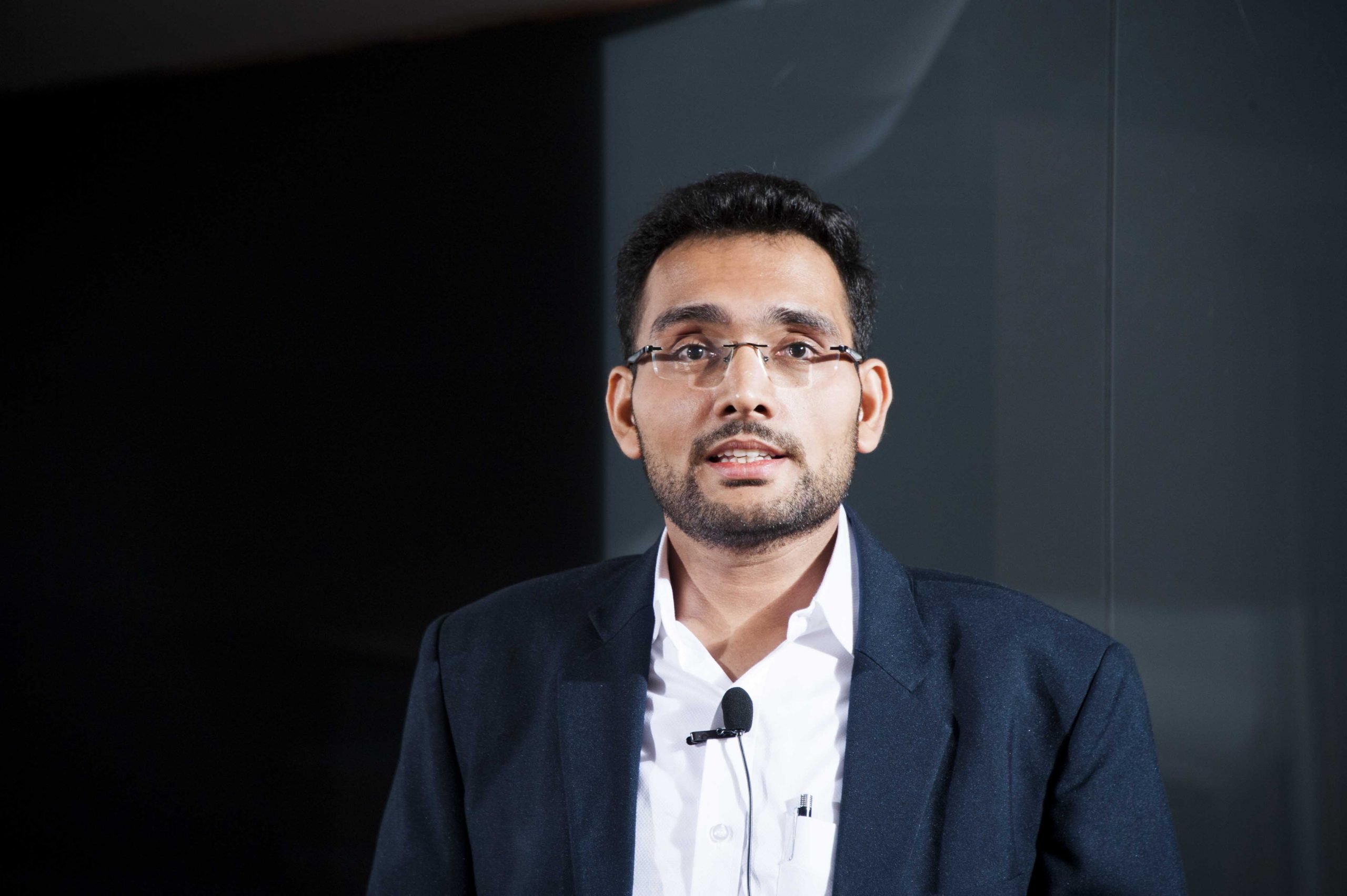
Tag: Advisor

  • “Teaching is one of the best ways to learn. It gave me the ability to view complex cases with a broader perspective and has immensely helped in my practice.” – Surya Senthil, Partner at Surana & Surana International Attorneys India

    “Teaching is one of the best ways to learn. It gave me the ability to view complex cases with a broader perspective and has immensely helped in my practice.” – Surya Senthil, Partner at Surana & Surana International Attorneys India

    This interview has been published by Namrata Singh and The SuperLawyer Team
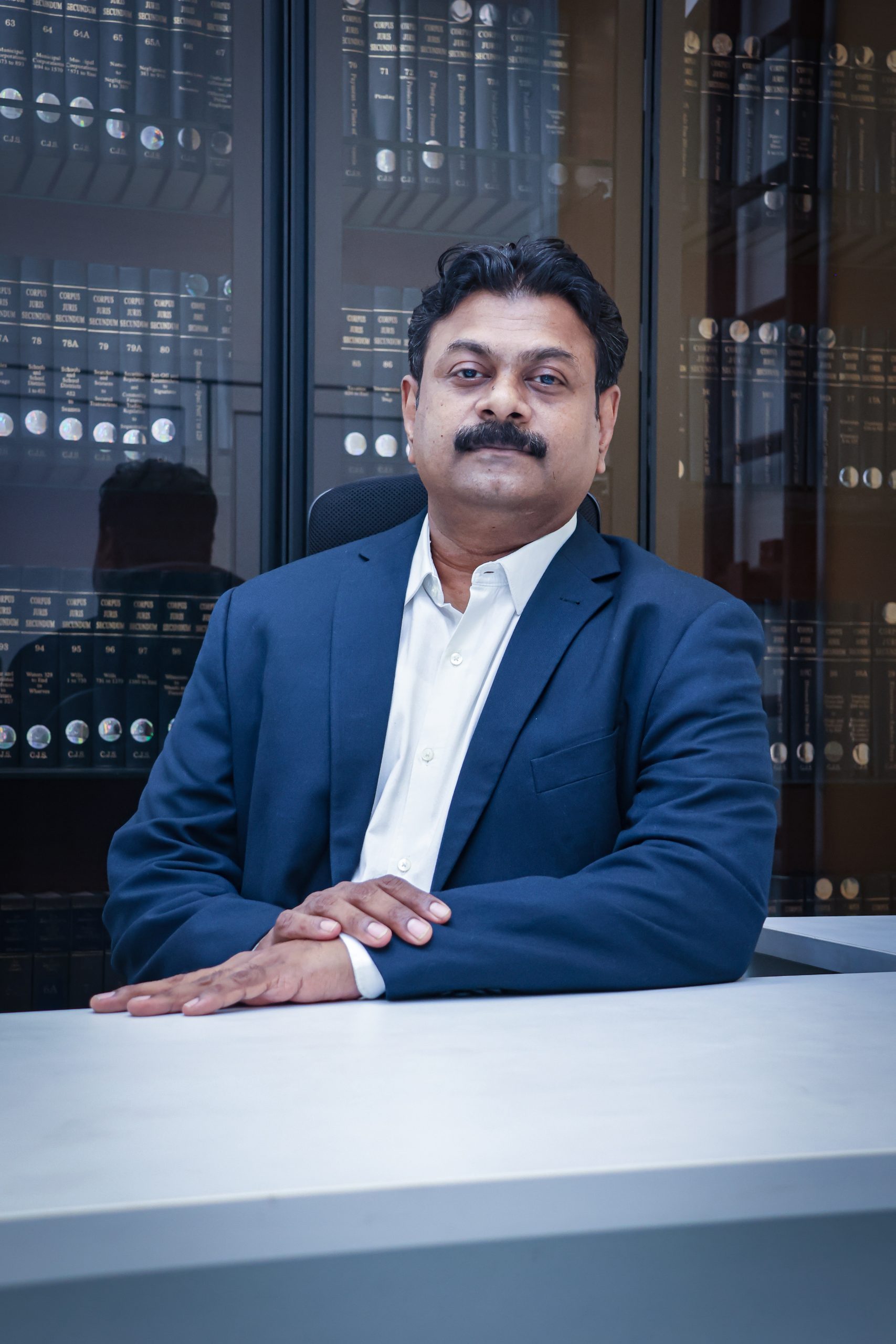
    You began your legal journey under the mentorship of Advocate Radhakrishnan. How did that experience shape your foundational years, and how have those early lessons influenced your practice today? Could you please walk us through your journey?  

    To say the truth, I am fortunate to have two learned seniors who have mentored me. As soon as I passed out of law school, I was propelled by a passion for justice and was initially attracted towards Criminal law practise. My first Senior Late Advocate R. Radhakrishnan used to say that, though I may not continue my law practise in Cuddalore, a district headquarters in the State of Tamilnadu and will eventually move out to Madras High Court, nevertheless, the short stint of Law practise in District and lower courts where one will learn basic advocacy, nuances of conducting a trial and client handling, will help me in the long run career of an advocate. Today I realise the foresightedness of my Senior, when I practically see that I have an edge over others while conducting the trials.

    My first senior helped me understand the art of choosing the right questions to be asked in cross-examination by identifying the loopholes in the evidence given by a witness and drawing a comparison with the documents and statements made by them. Further, I learnt from him the exercise of mentally charting the course of a cross-examination rather than writing it on a piece of paper in question format, unlike most practitioners.

    I used to keenly observe the trials he conducted in criminal cases, wherein he would walk the witness through simple questions based on accepted facts and slowly make the witness comfortable. At this point, he will lead the witness to walk into the trap of reliability where the witness will become at his ease and real self. Subsequently, he will gradually shift the gear and ask about the pertinent contradictions in his statement to elucidate the truth of the witness. Though in criminal cases it worked well I was very sceptical as to how it would work in civil or commercial cases, but to my astonishment, it has worked very well and notably even in a few of my cases the opposite party whom I have cross-examined, has immediately after the cross-examination has proposed for a settlement and the matters have been settled.

    I started my second innings of advocacy under my Senior PS Surana before the Madras High Court in the year 2004 focussing on Intellectual Property law practice. My second senior not only taught me the nitty-gritty of civil litigation, but also the importance of attention to detail and essential qualities to become a successful lawyer. On the personal front, he is also my spiritual guide who has made a significant awakening in realising my inner potential, by practically living through the values of detachment, fearlessness and minimal materialistic needs. For example, though he could afford a luxurious car, he used to always have value-for-money cars. These observations made me realise that there are bigger and better achievements in one’s life rather than going for materialistic comfort.

    As someone who transitioned between academia and active practice, what unique insights did you gain from teaching law, and how did it enhance your approach to complex cases later in your career?  

    Though I was to resume my Court Practice, after the completion of my Master’s in Law, I was pulled into teaching, by my mentor in the NLSIU, Professor Dr. N L Mitra who was not only an academician of excellence but also a Jurist with profound thinking and deep understanding of commercial laws. Just after completing my master’s from NLS, I was offered a teaching job by Professor Mitra at the newly found National Law University, Jodhpur in the year 2003. This was his dream project where for the first time in India courses including BSc LLB and BCom LLB were offered in addition to the traditional BA LLB. 

    I was offered to teach the law of Torts and Commercial Transactions for undergraduate students and Trademark and Copyright laws for Post Graduate students. Though I have taught only for a short stint of 18 months, it was a great experience for me and those students whom I taught are still fond of me and maintain a good relationship with me even today. In my opinion, the teaching profession has still not received its due recognition with lucrative pay and societal respect, which in turn will attract the best talent. It is noteworthy to mention the commendable move by the Bar Council of India to relax its rules in making leading practitioners’ contributions to academia, by way of recognising ‘Professors of Practice’. This transition is only a beginning, and I strongly believe that we still have a long way to go.

    My first takeaway from my teaching experience comes from my exposure to International Jurisprudence, especially the evolution of law from the American courts and the English courts, which immensely helps me to trace the evolution and march of law in a particular subject. This understanding gives me a better perspective, which when presented before our Courts aids them, in interpreting the law more convincingly.

    My second takeaway from the teaching experience is the learning of effective use of case law research tools and the habit of being updated with current legal events. In the era of the internet and the availability of an enormous amount of knowledge in any given field from online resources to students, modern Teachers of law must use these online tools.

    Further, I always feel that ‘Teaching is one of the best ways to learn’.

    Your pro bono work, such as the case advocating for the retrospective regularization of a Tamil Nadu government driver, is commendable. What lessons did this case teach you about the power of law in changing individual lives?

    There are two driving forces I get as a lawyer, when I do pro bono works. Firstly, I get the satisfaction that by using my legal knowledge and acumen, I can get a relief for a person whose rights have been affected by the system since he is not able to defend himself or get the services of a lawyer due to his economic and/or social background. This also comes from my brought up, where my mother always supports the underdogs in any given situation. The next level of satisfaction arising out of pro bono work is when I attempt to challenge a particular law or proposition of law propounded by a case law which in general perception is not conformity with the equity and good conscience. 

    My first pro bono case was for a driver, who was working in Government of Tamil Nadu and has worked under my father, when he was in service. He came to meet my father knowing that I have become an advocate, and he wanted my help to fight his case, as he is not a financial position to engage a lawyer. I fought that service matter for retrospective regularisation from the date of his joining in the service and got a successful order before the Madras High Court.

    I realised the power of the Court especially the Constitutional Courts, to alter a person’s destiny when I handled a case in 2011. A second-year student from Madras Dental college approached me saying that she has scored 200/200 in physics and chemistry and 196 in Biology but was not able to secure an admission in MBBS and therefore got admitted in BDS in Madras Dental College. Subsequently the TN Govt had brought in a G.O wherein any student studying in a professional course and has Witten an improvement exam conducted by TN Higher Secondary Board gets an improved score , then he/she can secure admission in a better professional course on merits as per his/her choice, without having any impediment of studying in another professional course. In that student’s case, she gave the improvement exam and scored an improved score of 200/200 in Biology also. She then applied for MBBS, and she was called for counselling to get admitted in Madras Medical college for MBBS. In the middle of counselling, her candidature was cancelled, based on an order passed by the First Bench of Madras High Court quashing the said Govt. Order as unconstitutional.  I was able to relate myself personally to this as I myself joined an engineering course but had to forcefully discontinue that when I wanted to pursue medicine, as the law at that point stated that one has to discontinue a professional course before the commencement of the semester exam, if they wish to pursue another professional course or one has to wait for 3years after the completion of the first professional course to pursue the 2nd professional course. 

    The rationale given in support of this rule is that if anyone discontinues a professional course in the middle of the Course then that seat cannot be filled and goes waste. Further, another argument put forth was that Government spends a considerable amount to make any student study a professional course and by quitting in the middle, the student is wasting the money spent on his/her studies by the Government. 

    However, the said GO, Government had relaxed that rule and allowed any students to discontinue in the middle of his/her first professional course to join or pursue another professional course of his/her choice if he/she is otherwise eligible. However, the First Bench of the Madras High Court believed that GO was unconstitutional and struck it as violative of Article 14 of the Constitution of India. 

    The student was not keen on challenging as she was already into BDS and bet the odds-on uncertainty. Therefore, I took up the matter as pro bono and convinced my friend Mr. Senthil Jagadeesan who was an AOR then, now a designated Senior Counsel in Supreme Court, and engaged Retired Justice Nageshwar Rao, then a designated Senior Counsel to appear in this matter. We were able to convince the then Chief Justice of India Justice K.G. Balakrishnan, on the point that if a person is determined to study a particular professional course, then he/she would anyway do it after the mandatory cooling off period and therefore such restriction does not seem to be rationale and serve any purpose.

    This particular case was an eye opener for me and I realised the enormous power vested by the Constitution on the High Courts and Supreme Court to mould a suitable relief to the deserving, which made me realise the power of the court to alter a person’s destiny and in which along with the judge, a lawyer also gets to plays a small but vital role.

    Serving on the Intellectual Property Appellate Board (IPAB), you played a key role in landmark decisions, including setting royalty rates for music composers and lyricists. How did these decisions impact the intellectual property landscape in India, and what challenges did you face during such high-profile cases? 

    Intellectual Property Appellate Board served as a specialized tribunal to adjudicate matters pertaining to intellectual property laws and as an appellate body it provided for appeals against decisions of IP offices. I served under Hon’ble Mr. Justice Manmohan Singh of the Delhi High Court (Retd) and gained a significant experience in contributing the bench towards the effective adjudication of complex intellectual property issues. In my tenure of 8 months, was part of the bench deciding on the rate of royalty and the right of claiming it by the IPRS in respect of the broadcast of lyrics and music underlying sound recordings by FM Radio Stations in India. The hearings took place continuously for 28 days and all leading Senior counsels like Mr. Mukhul Rohtagi, Mr. Abhishek Manu Singhvi, Mr. Neeraj Kishan Kaul among others, appeared for the parties to present their arguments. We have judiciously examined their legal arguments, analysed the case laws stated and interpreted the legal provisions pertaining to copyright licensing in India and delivered an order recognising the rights of lyricists and music composers to claim royalties based on the 2012 amendments to the Copyright Act, 1957.  I am glad that the Chairman of IPAB had allowed me to pronounce the order.    

    As a Copyright member of IPAB, we were mandated to fix the Royalty rates by 31-12-2021, before the expiry of the rates fixed by Copyright Board. During that exercise, under the able guidance of Hon’ble Mr. Justice Manmohan Singh, Chairman of the Board, we have not only fixed the royalty rates but also applied the position of law as it stood by recognising the right of the music composers and lyricists through the Copyright Amendment Act 2012. Notably, this order was subjected to judicial scrutiny by way of writ petitions before the High Courts of Bombay and Delhi and subsequently has received affirmations from these Hon’ble courts attesting to the soundness of the decisions made by the IPAB.  

    While adjudicating as a member of IPAB, though for a shorter period, I felt that I have a strong sense of justice and a desire to play a direct role in upholding justice and ensuring the fair application of the law. Though as a member of the bar, I made my earning for my living and contributed my bit to the society and legal fraternity, I have not got the fullest personal satisfaction of making a positive impact on society when compared to my sitting as a part of the Bench.

    Your work has touched both legal practitioners and the broader community. How do you believe your role as a litigator and advisor contributes to helping businesses and individuals protect their intellectual property while fostering innovation?

    As IP practitioner, my foremost duty is to sensitise my client on the value of creating an IP, the significance of lawfully protecting it and to reap the benefits out of it. As it is a negative right, creating a limited monopoly rights for one’s intellectual efforts, it is also my bounden duty to give a fair warning to my client, not to abuse such power by trying to create an absolute monopoly out of it. This delicate balance must be imbibed in the minds of an IP creator/client to fully utilise the IP laws to its letter and spirit. This is the role of an advisor played by me towards my client for fostering innovation and strategic growth in their business. 

    Once, my client’s IP right has been rightfully oriented under the existing IP regime, thereafter my role as a litigator begins in guarding the IP of my client at all possible ways. In my experience, either at the Cease-and-Desist stage or at the Pre suit mediation stage (as mandated by Section 12 A of the Commercial Courts Act) itself matters have resulted in settlement due to the rightful presentation of facts on how the infringer is infringing my client’s IP.

    With the current generation of legal professionals seeking to specialize in areas like intellectual property, what key skills and knowledge areas do you think are crucial for their success in this domain?  

    According to me, specialising in an area like IP needs a broader perspective and an in-depth understanding of the laws. Further, IP laws constantly evolve due to the ongoing International Trade talks through WTO and subsequent normalisation of IP laws in addition to the emerging jurisprudence of IP due to the interpretation by Courts in accordance with the Countries’ specific needs. 

    As a practitioner, one must subscribe to latest journals or website which keeps updating the latest jurisprudential developments along with commentary or viewpoints of the eminent authors. One should also organise/attend conferences and seminars where peers in the field are given a platform to share and brainstorm ideas that have evolved in IP practise. 

    As a legal expert in intellectual property law, how do you see IPR playing a critical role in today’s business landscape, especially in India’s growing tech and innovation sectors?  

    Intellectual Property Rights (IPR) plays a crucial role in shaping the business landscape, especially in a rapidly growing economy like India. Here are some key points highlighting the importance of IPR in India’s technology and innovation sectors.  IP laws encourage innovations by providing legal protection for inventions and innovations, which incentivizes individuals and companies to invest in research and development. This is particularly significant in sectors like Information Technology, Biotechnology, Health care and Renewable Energy. 

    A robust IPR regime is essential for the growth of startups and small and medium-sized enterprises (SMEs). SMEs play a vital role in stimulating the economic growth, providing employment opportunities for large number of people and promoting grass root level innovations which normally results in lot of products which will ease our living and improve our comfort. This potential of the SMEs as a trigger for economic boom is realised by the Government and has the Govt taken lot of measures to promote and support MSME’s at the State and the Central level through various policies and implementation of beneficial schemes.

    By harnessing Intellectual Property and protecting it, companies can have a competitive edge over others in the market. A strong IP culture in their organisation is essential for Indian companies that are looking to leave their footprint Globally and to compete with the MNC giants.

    When we talk about IPR regime and IPR enforcement they are two parts of the same structure. While India has made significant strides in strengthening its IPR regime, challenges remain in terms of enforcement and awareness. A sound strategy to address the issue of enforcement can further enhance the effectiveness of the IPR regime in India, which in turn will attract FDI that will result in economic boost leading to creation of high value jobs. 

    Introduction of commercial courts is one such bold step taken by the Government of India to bring in an effective and efficacious dispute resolution mechanism for the business disputes including IPR related disputes. In my opinion, India’s evolving Commercial Court’s litigation and practice is a strategic move that will promote an environment of growth for technology and innovation sectors. As the country continues to grow, a robust IPR system with proper enforcing mechanism, will be pivotal in sustaining this momentum and ensuring long-term economic prosperity.

    With such a dynamic and demanding legal career, how do you unwind in your personal time, and what hobbies or activities do you pursue to maintain balance and recharge?  

    I unwind by watching movies regularly on weekends, mostly humour or action genre. I also have the habit of listening to music on the way to home and office. Once in 3 or 4 months, I venture out for Trekking, Hiking or biking which rejuvenates me. I have completed the Leh to Manali bike expedition with my wife in 2006 and alone in 2023, which I would say one of most enchanting as well as enduring trip. I have also travelled by car from Chennai to Chardhams with my Parents for a 22-day long pilgrimage tour covering many temples on the way including the famous Siddheswara temple, Kashi, etc. I have climbed multiple times Chaturagiri hills, Agasthya hills, Parvatha malai, Velliangiri hills, Tirupathi hills etc. to name a few.

    Trekking allows you to connect with nature, experience diverse flora and fauna, and enjoy breathtaking view and reminds us about the destruction mankind has done to mother nature in the name of unsustainable development and growth. The serene and picturesque environment of hill stations can significantly reduce stress and anxiety. Being in the nature and breathing the fresh air, boosts mental clarity, improve the general mood and brings inner peace. Once you practise this regularly then you will develop a connection with the universe which will provide a deep sense of fulfilment which cannot be expressed by words until one experience it personally. From health perspective, trekking or hiking in hilly uneven terrains is equal to a tough work out and burns more calories and develop endurance the body. Trekking can be a family activity also, I used to go with my friends, niece and nephews. After marriage, my wife who is a pillar of strength and a guiding factor in all my activities either professional or personal, used to accompany me. 

    You’ve had the opportunity to interact with both senior legal luminaries and upcoming law students throughout your career. What common threads do you see between these generations of legal minds, and how do you think legal education should evolve to address future challenges?

    Definitely, more sharper minds are coming into the profession after the emergence of 5 year Integrated professional course and National Law Schools. Common threads between these generations of legal minds are to protect the rights and defend the vulnerable section of the society. Legal Education also tries to modernise its curriculum to be more practical and legal practitioners should be brought in to interact with students to share their practical knowledge.

    Compared to 30 years ago, when I completed law, the internship opportunities offered by universities today are more structured and systematic whereby it gives a plethora of exposure and versatile experiences. For example, nowadays universities provide a structured guidance wherein first year students are expected to do an internship with an NGO, second year students are expected to do an internship with companies and from 3rd year onwards they can intern with a lawyer or law firm, and they can intern twice a year. Universities should play a vital role in continuous legal education in collaboration with Bar Council/ Bar Association for a structured two-week course on specialised areas such as Arbitration Practise, IP Practise etc for the practising advocates to keep them updated in their respective fields. Further, just like how medical colleges have attached hospitals and patients treated by the final year house surgeons, Law Universities should also facilitate legal aid clinics in law colleges, in which under the guidance of professors, students can provide free legal aid. 

    Get in touch with Surya Senthil-

  • I do not like to give advice, I rather prefer to tell stories, my stories and if anyone can get something, learn something from those stories I am happy- Alberto Predieri, Partner at de Bedin & Lee studio legale associato

    I do not like to give advice, I rather prefer to tell stories, my stories and if anyone can get something, learn something from those stories I am happy- Alberto Predieri, Partner at de Bedin & Lee studio legale associato

    This interview has been published by  Priyanka Karwa and The SuperLawyer Team

    Please tell us a bit about your background and how you ended up becoming a lawyer? Your journey seems to have some interesting twists, from your involvement in sailing to your legal career.

    The way I went down into the legal career is quite unconventional. In fact, the very reason I decided to become a law student is sailing. I can already “hear” saying: “what sailing has to do with the legal career?”.

    Here is what.

    At the end of high school, I wanted to become a doctor and in Italy a preliminary test must be taken and passed for registering with the faculty of medicine. When I finished high school that test was scheduled for September 1st. I was due to take such a test until, towards the end of June, I learnt that I was selected for the Italian sailing team to take part in the Junior World Championship to be staged in Poland during the last ten days of August. Sailing was (and is) my life passion: I saw a dream I fought so much for becoming true: I had no doubt, and I chose sailing. Evidently, I was not bound to become a doctor! When I came back from Poland I, somehow, figured out that law was my future.

    You mentioned that you come from a family where law wasn’t the traditional path. What drew you towards the legal profession, and how did you navigate your way into the field?

    As I said above, I think it was my destiny that drove me into the legal profession.

    I think that I was lucky, at the beginning, to find a boutique firm with the right mentor who took me by hand and introduced me to the profession both with day-by-day tasks and with the involvement in complex files and matters, always as if I was the person in charge (this helped to develop a very high sense of responsibility which I now cherish a lot, not so much back then!). He also gave me the chance to interact directly with the clients: I reckon that this does not happen often, especially in large size firms, but I now can say that it was extremely important in learning to have a good and balanced relationship with the clients.

    Then I guess it was very much, on one side, my complete dedication, no matter what, to clients and matters/files I dealt with and, on the other side, the constant attention to my education whether in specific law matters/subjects (taking courses, lessons, seminars, every now and then) or about other skills such as personal development (coaching, language). At the end of the day, it has always been my belief that the most important part of one’s career is the beginning.

    In all this, I guess I had a tremendous support from my parents and from my wonderful wife: they have always supported me in my aim to develop my career and to improve, to strive for the best.

    Your professional experience spans across various law firms, and you’ve been involved in a wide range of sectors. Could you share more about your decision to work in boutique law firms and your approach to customization in your legal practice?

    I guess that, again, the destiny shaped the initial part of my career: the start in a boutique firm gave me the opportunity, since day one, to take care of a variety of matters, in the most diverse industries, with a bespoke flavor: nothing pre-prepared, no standard draft or part of it, no standard approach. This is what I liked the most and made me want to stay, almost my entire career, in the same environment (boutique firm).

    And in addition to that I am an emphatic person, which is seeking for “personal” relationship in which, whether they are clients or colleagues, the other can feel being special, the one and only to be taken care of, with attention and kindness. After all, who does not like that? I therefore thought that it wanted my clients to feel that way. Given my clients’ appreciation during my entire career, it must have been a good idea!

    Your firm, de Bedin & Lee®, is the first Italian/Hong Kong firm in Italy. Could you elaborate on how this partnership came about and the benefits it brings to your clients and the legal industry?

    Again, I think that it all went down, at least, at the beginning, to a personal relationship I developed with Claudio de Bedin, a mentor for me, both in my personal and professional life. I met him, with my wife, in Hong Kong in 2005 on my way back from Rizhao (a coastal city in the Shandong province) where I attended, in my capacity of President of the International 470 Class Association (the association of all sailors competing in the Olympic boat named “470”), to the 470 World Championship, the first ever to be staged in China. Claudio, although Italian, was born and raised in Hong Kong, and practiced there for all his life. I believe that we connected since the first time we met, I certainly did for his is an amazing professional and person. We remained in touch at a personal level, and, after some years, he involved me in some cross-border cases. In 2019, we decided to bring that relationship to the next level, becoming the first Italian/Hong Kong firm in Italy.

    I believe that the benefits we bring to the table is the combination of expertise, from an Italian perspective (which is one of a civil law country) and from Hong Kong perspective (which is one of a common law country), the mix of efficiency and pragmatism of a Milanese firm and the dynamism and modernity of a Hong Kong one. For Italian and Chinese clients, as well as for foreigner clients of the firm, it is invaluable to have such a diverse, and yet well amalgamated, mix, where the cultural aspects are the key for better understanding them and their needs.

    Your areas of expertise include contracts, corporate matters, data protection, M&A, real estate, and sports law. How did you manage to develop such a diverse skill set, and what advice do you have for young lawyers looking to specialize in multiple areas?

    The expertise I acquired in such diverse areas was not a result of an express choice, it rather came from the fact that I always worked in a boutique firm, where it is normal to take care of a wide variety of cases, situations. in different industries. With the clients relying on the personal relationship and on my attitude, they want me to go deep into it. Working in multiple areas is interesting, stimulating, never boring, but also demanding as it always requires a lot of studying, researching, investigating.

    To be honest, although I see the diversity of the areas I have worked and I work in, I also believe that, given the type on my clients (mainly corporations), those areas are all intertwined: the life of a company is marked by contracts, in corporate matters (they, also, require “contracts”), in M&A deals (again, they require “contracts”), in real estate matters (once again, they require “contracts”), and so on.

    If I learnt a lesson in my professional life, that is to find what you like to do, what gives you satisfaction (and for that you have, at least, to go down different patterns!), then be conscious that you cannot do everything when it comes to your table.

    You’ve had an impressive involvement in both corporate law and sports law. Could you share some of your experiences working with international clients, including listed companies and those in the sports industry?

    Well, it is always difficult to single out some of the working experiences one had, because a lot of them are worth sharing, including for the lessons I learned.

    One goes back a few years, and it is about a quite big M&A deal my firm took on. It was for a foreign company, listed in their country, which acquired wind power plants in Italy worth around a billion (the total enterprise value of the deal). It was massive, for a boutique firm like ours, which required working, literally around the clock, 24/7, for more than 6 months, from the due diligence to the negotiation of a very complex sale and purchase agreement. I learned so much, in term of negotiation skills, interaction with clients, colleagues and counterparts, but also, do not be surprised, on personal health side: one must always find time for taking care of his/her body/health because when one is under pressure of workload/deadlines, when one is under stress and shall work long hours, the body is a big ally: the fitter, the better. It might sound strange as our profession is performed while sit at a table, in front of a computer! But, trust me, it is not strange.

    The other is recent (2023), and it is about a very complex arbitration on a highly sensitive sport matter, which also had great “political” implications. Working alongside very experienced, world renown and talented professionals, either as my fellow arbitrators or as parties’ lawyers or consultants, was very demanding but also motivating and, at the end of the day, very rewarding. In this case, I was reminded to never lose focus on what really matters (from the legal point of view), especially with hundreds/thousands of pages: sometimes the solution is very simple and it is there, right in front of your eyes.

    Your passion for sailing is evident from your impressive sporting and management career in the field. How did your background in sailing influence your approach to law and management?

    While I am not sure my career in sailing was as impressive as you kindly defined, I am definitely sure that sailing has shaped my character and my attitude: if I became the accomplished and resolved person I am now, it is largely due to my athlete’s career: I experienced the fatigue and the sacrifices, the pains and the joys, the frustrations and the rewards, I learnt to work in team, to focus on what matters at any given time.

    In sailing I learnt the lesson that has been the fil rouge of my life: to never give up (I retired from sailing competition only on two occasions, when my boat suffered serious incidents … one being the falling of the mast!). Never, means never, even when you are exhausted, when you do not see any solutions, when everyone else walks away … that is the moment when you can make the difference. In the legal profession that could mean sometimes to try a different angle, to keep negotiating with your counterpart or to research once more among the cases of law.

    I recall a long-distance race on a lake, many years ago. Towards the end of the race, we were in second position. There was a very light wind, the water was almost a “mirror”. The first boat was around 200 meters from the finishing line, stuck with no wind but, nevertheless, closer, much closer, to winning the race than us (we were around 1,5 thousand meters from the finishing line). Believe me, nobody could, in his right mind, seriously think that the first place was still up for grabs. Well, with the persuasion of a very experienced older sailors on our boat, we never gave up in searching the smallest, even insignificant, puff of wind, in reading all the signs one can spot on the water or in the surroundings, and after an exhausting hour and a half, during which, I remember, I could almost physically feel the power of the focus of our minds, in the same light wind … we crossed the finishing line in first position, just few seconds ahead of that boat.

    Life has plenty of episodes that may resemble the one I have just mentioned: it is up to us to understand how … never give up! 

    You’ve held significant positions within the sports industry, including with World Sailing and the International Paralympic Committee. How do you believe your experience in sports management has contributed to your legal career and vice versa?

    The positions I held, some of which I am still holding, with several organizations – such as sailing club, Olympic boat association (International 470 Class Association), the world governing body of the sport of sailing (International Sailing Federation, now World Sailing) and the International Paralympic Committee – gave me the chance to grow on the “cultures” side.

    I mean when one talks to people coming from complete diverse cultures, from all over the world, one has the occasion to learn how they behave, think, speak, interact, and, why not, eat and drink, and then how one should approach them, talk to them, interact with them, what can be said and what cannot be said, what can be done and what cannot be done. It is a constant exercise which, again, requires dedication and even more a genuine desire to learn about the others, to understand them. Once you learn about them, once you understand them, anything can be achieved. Apply that attitude to the legal profession (whether one has foreign clients/counterparts/colleagues or not, it doesn’t really matter) and I believe that there will be a successful lawyer, who will be able to better understand the clients, their needs, the counterparts and their needs, the colleagues.

    On the other side, my legal experience certainly was beneficial for the organizations I served and serve, as I brought to the table the skills of analysis, focus on the goal, effectiveness, and assertiveness, together with my personal calm and kind attitude, learnt and perfected in my profession.

    It’s clear that sports played a significant role in shaping your character and values. How have the lessons you learned as an athlete and sports manager translated into your legal practice and leadership roles?

    I have already mentioned the “never give up” lesson, resilience.

    The other one is “always play by the rules”, no matter what, even when you see others not doing the same, even when it could be easier to take a short cut. Sport is about beating the opponent, on the same ground, with the same rules, just playing better, smarter, wiser, faster, and so on. The (legal) profession is the same, in my opinion: at the end of the day, disobeying the rules, choosing the shortcuts do not pay for anyone, not for the client, nor for the professional, nor for the community, neither for the society/country. And, deep down, it leaves you with the feeling of having been on the wrong side (even if you win), that is just where a lawyer should never be … after all, aren’t we lawyers swearing (at least, I did it my country) to act “in accordance with the means and principles of our legal system”?

    Your journey from being the first lawyer in your family to becoming a successful legal professional is inspiring. What advice would you offer to fresh law graduates who are just starting their careers and are looking to make their mark in the legal field?

    I do not like to give advice, I rather prefer to tell stories, my stories and if anyone can get something, learn something from those stories I am happy.

    I, therefore, want to finish with a true story that happened in Milan which has been a lighthouse in my career.

    One day, a client, a very wealthy one, an entrepreneur, asked for an urgent meeting with his lawyer as he had a very pressing matter to deal with. Once the client entered the lawyer’s office erupted into tears, as the matter was serious, one that could really bring his business to an end (it was an insolvency matter). The client and the lawyer discussed the matter at length, and, after a couple of hours, the client left the office, at least not in tears anymore. The evening of the same day, the lawyer went to the famous La Scala (world renown theater in Milan for opera, ballet, and orchestras); as soon as he entered the foyer, he spotted that very same client, enjoying the company of his friends, laughing with them, having fun with them, and talking about the summer holidays. The lawyer could not resist and, after around 10 minutes, approached the client and, after having walked away from the crowd, he asked: “Weren’t you so desperate, in my office, less than 3 hours ago? Has the matter we discussed disappeared? Has anything happened that I do not know? Because I do not really understand how you can enjoy so much with such a serious matter pending over your head like a sword”. The client, with a big smile: “My dear, my dear, you know that I completely trust you, with all my fibers. Now that I have put the matter into your hands, it is not my problem anymore, it is yours. That’s why I am enjoying it so much as you saw”.

    Aim at being like such a lawyer and you will live a full, happy, meaningful, and fulfilling professional life (and personal). I aimed at being like such a lawyer. I think I have been like him, in several cases for sure. I can sincerely say now that I have had, so far, a full, happy, meaningful, and fulfilling professional life.

    PS – that client did not lose his business!

    Get in touch with Alberto Predieri-

  • Engaging experienced tax attorneys is crucial to navigate the complex legal landscape effectively- Adarsh Somani, Partner at Economic Laws Practice

    Engaging experienced tax attorneys is crucial to navigate the complex legal landscape effectively- Adarsh Somani, Partner at Economic Laws Practice

    This interview has been published by  Priyanka Karwa and The SuperLawyer Team

    Can you tell us a bit about your journey and how you ended up pursuing a career in law, particularly specializing in taxation and related areas?

    I was born and raised in a family with a deep-rooted background in law and taxation. From a very young age, I was exposed to discussions about legal matters and the intricacies of tax law (though am not claiming that I particularly followed everything!). My father and some close relatives were established tax specialists, and their passion for their work naturally influenced my interests as I grew older.

     As I progressed through my education, I found myself naturally gravitating towards subjects that aligned with the legal and financial world. I was particularly drawn to the complexities of taxation and how it played a vital role in shaping economies and businesses. I realized that taxation was not just about numbers and calculations; it was a dynamic field with constantly evolving laws and regulations that had significant implications on individuals and organizations alike.

    After completing my legal education and obtaining the necessary qualifications, I ventured into the field of tax law, ready to take on the challenges that came with it. Over the years, I have had the privilege of assisting numerous clients with tax planning, tax controversy matters, and cross border taxation, among other areas.

     My journey in the field of law, particularly specializing in taxation, has been incredibly rewarding. I continue to be fascinated by the ever-changing tax landscape and remain dedicated to helping individuals and businesses navigate the complexities of tax law to achieve their financial goals while ensuring compliance with all relevant regulations.

     As I look back on my path, I feel grateful for the strong foundation laid by my family’s background in law and taxation, as it has shaped me into the professional I am today—one who is deeply committed to making a positive difference in the lives of those I serve.

    With almost 18 years of experience in tax law, could you share some pivotal moments or experiences that shaped your expertise and passion for this field?

    Over the course of my 18-year journey in tax law, I have encountered numerous pivotal moments & experiences that have profoundly helped my passion inch northwards for this field. Some of these moments include:

    1. Early Mentorship: Right from the guidance of my father in early stages of my career as well as in the early years of my career and support and push of my first few mentors at BMR Advisors (all seasoned tax attorney/ specialists) the expertise and passion were always enlarging. Their guidance, wisdom, and willingness to share their knowledge played a crucial role in my development as a tax professional. Witnessing their dedication to their clients and their mastery of complex tax matters inspired me to strive for excellence in my own practice.

    2. Challenging Tax Cases: Throughout my career, I encountered several highly complex and challenging tax cases that required innovative solutions. These cases pushed me to expand my knowledge, research skills, and critical thinking abilities. Successfully resolving these intricate tax issues gave me a sense of accomplishment and reinforced my passion for tax law.

     3. Staying Current with Tax Law Changes: Tax law is a constantly evolving landscape, with frequent changes to regulations and tax codes. Staying up-to-date with these developments has been a significant challenge, but it is also crucial for providing accurate and effective advice to clients. My commitment to ongoing education and continuous learning has been instrumental in maintaining my expertise in this dynamic field.

     4. Cross-Border Taxation: As businesses increasingly operate on a global scale, cross-border taxation has become my prominent area of focus. Handling these matters exposed me to the complexities of dealing with multiple jurisdictions, trade agreements and varying compliance requirements. These experiences broadened my perspective and enriched my understanding of the global tax landscape.

    5. Advocacy and Tax Reform: Throughout my career, I have been involved in advocating for changes in tax laws and regulations to benefit taxpayers and improve fairness in the system. Engaging in discussions with policymakers, participating in tax reform initiatives, and contributing to public discourse on tax-related matters allowed me to see the potential impact of legal professionals in shaping tax policy.

     6. Sharing Knowledge: As my career advanced, I found joy in sharing my expertise with aspiring tax professionals and clients alike. Conducting seminars, writing articles, and participating in panel discussions not only helped disseminate knowledge but also encouraged me to continuously refine my understanding of tax law.

    Each of these pivotal moments and experiences has contributed to my passion for tax law and my commitment to provide top-notch legal counsel to my clients. The ever-changing and intellectually stimulating nature of this field, combined with the ability to make a tangible difference in the lives of individuals and businesses, continues to fuel my enthusiasm for the work I do as a tax attorney.

    As a Tax Partner at Economic Laws Practice, you focus on GST, customs & trade, providing strategic transaction advisory and policy counsel. Could you shed some light on the scope and significance of these areas in the business landscape?

    ELP first of all has been blessing, more of a home coming I would say! A lawyer at a law firm, my first!.  Businesses as well as economy are all fueled by tax and trade policies. Navigating the complexities of these areas is vital for businesses to ensure tax efficiency, regulatory compliance, and a competitive edge in the global market. As a Tax Partner at Economic Laws Practice, my role involves assisting businesses in harnessing the opportunities and overcoming the challenges presented by these dynamic aspects of the Indian economy.

    You’ve advised multinational and domestic companies on tax-efficient value chains in business. What are some key principles or strategies businesses should keep in mind when aiming for tax efficiency?

    When aiming for tax efficiency in their value chains, businesses should consider several key principles and strategies to optimize their tax positions while remaining compliant with applicable tax laws. Some important principles and strategies to keep in mind include (i) Proper Entity Structure; (ii) Interplay of Customs and Transfer Pricing Compliances; (iii) Tax Treaty & Trade Agreement Utilization; (iv) Location of Intellectual Property; (v) Business Object Mapping, the most Optimum structure may not work for all businesses in view of its objectives!; (vi) Use of Tax Incentives and Exemptions; (vii) Serious credits to documentation; (viii) Flexibility for ever changing policy landscape; etc

    Also, such assignments would often involve engaging with experienced advisors & consultants on different subject matters as well as jurisdictions. The learning from these experiences can always prove to be  valuable.

    For any budding lawyer, it is important to note that while pursuing tax efficiency is a legitimate business goal, businesses must ensure that their tax strategies comply with the law and are not driven solely by aggressive tax avoidance practices, which may be subject to scrutiny and potential legal consequences. Striking the right balance between tax efficiency and compliance is crucial for the long-term success and reputation of any business.

    Indirect tax legislations can be complex and vary across different industries. What are some common challenges you encounter while advising clients, and how do you overcome them?

    Advising clients on indirect or other tax legislations presents challenges due to complexities and variations across industries. Common hurdles include interpreting ambiguous laws, staying updated with changing tax regulations, addressing cross-border transactions, and managing compliance burdens. Overcoming these challenges involves continuous research, industry-specific expertise, collaboration with subject matter experts, cautious interpretation of laws, and developing cost-effective solutions. Communication with non-tax professionals aids in ensuring client understanding. Additionally, creating robust compliance frameworks, automating processes, and representing clients in disputes or litigation contribute to providing effective advisory services.

    Tax litigations can be high-profile and challenging. How do you approach such cases, and what advice would you give to companies facing potential tax disputes?

    Approaching high-profile tax litigations requires a thorough understanding of the specific tax laws, industry intricacies, and potential implications. My strategy involves conducting in-depth research, consulting past precedents, and collaborating with experts to build a strong case. For companies facing potential tax disputes, my advice is to stay proactive by maintaining meticulous records, complying with regulations, and seeking professional advice early on. Engaging experienced tax attorneys is crucial to navigate the complex legal landscape effectively. Open communication with tax authorities, willingness to resolve disputes amicably, and a focus on compliance can help mitigate risks and achieve favorable outcomes.

     As a part of Business World’s elite 40 Under 40 Club of Young Law Achievers and being recognized by The Legal 500 Asia-Pacific, what personal qualities or professional attributes do you believe have contributed to your success in the legal field?

    As a member of Business World’s distinguished 40 Under 40 Club of Young Law Achievers and having earned recognition from The Legal 500 Asia-Pacific, my success in the legal field can be attributed to several personal qualities and professional attributes. Continuous learning, a proactive approach in gathering facts to build strong business acumen, effective problem-solving skills, and a commitment to innovation are some of the key factors that have contributed to my achievements. Moreover, maintaining personal integrity and cultivating professional networks and relationships have played pivotal roles in fostering credibility and growth.

    Additionally, I must acknowledge the invaluable support and contribution of my exceptional team & mentors, whose dedication and professionalism have been crucial to my personal success. Their commitment to excellence during business hours and camaraderie during social gatherings have been truly inspiring and rewarding.

     Needless to add that by embodying these personal qualities and professional attributes, I have been able to make a positive impact in the legal field, earn recognition from industry peers, and achieve success in my career as a tax specialist.

    Apart from your legal career, you also engage in speaking at tax & regulatory conventions and write articles for leading publications. How do these activities complement your professional work, and what drives you to share your knowledge in this way?

    Engaging in speaking at tax and regulatory conventions and writing articles for leading publications complements my legal career by allowing me to share my knowledge and insights with a broader audience. These activities serve as platforms to disseminate complex legal concepts in a more accessible manner, contributing to the professional development of peers, clients, and the wider community. The drive to share knowledge stems from a passion for empowering others with valuable information, fostering a culture of continuous learning, and making a positive impact in the legal and business domains. It also reinforces my commitment to staying at the forefront of industry trends and best practices.

    Many fresh law graduates aspire to have a successful career like yours. What advice would you give to them as they begin their journey into the legal profession, particularly those interested in taxation and related fields?

    Certain non-negotiable attributes for any aspiring lawyer include a strong focus on continuous learning, an earnest pursuit of mentorship, a willingness to embrace technological advancements, the development of impeccable communication skills, an unwavering work ethic, perseverance in navigating challenging circumstances, and a receptive attitude towards exploring diverse opportunities. These foundational qualities form the bedrock for a successful and rewarding career in the legal profession, enabling growth, adaptability, and the ability to excel in an ever-evolving legal landscape.

    Get in touch with Adarsh Somani-

  • Raghujeet Singh Madan- A Managing Partner at Lex Commerci, specializes in Litigation and ADR, seamlessly resolving complex legal issues

    Raghujeet Singh Madan- A Managing Partner at Lex Commerci, specializes in Litigation and ADR, seamlessly resolving complex legal issues

    This interview has been published by Tanmaya Sharma. The Interview was taken by The SuperLawyer Team.


    “Man with a silver spoon in his mouth” is what they say to a law student having a family with a law background. How hard was it for you to climb the ladder of success you achieved to your name?

    Not just the legal profession, in various professions, next-generation taking up the profession similar to their parents does get the benefit of the best education and are the beneficiaries of the family contacts and networks. Your parents’ experience and knowledge are great resources to learn from in your career. Having a family with a law background does provide you with a foundation. However, you alone have to build a robust structure upon the same with your knowledge, skills, and accomplishments.

    The common perception about the term “silver spoon kids” usually is, that they lead an easy and cushy life, are well provided, which ensures that they lead a life of entitlement and privileges. This perception is not correct. There is a huge pressure instilled, where you are constantly compared to the members of the family. 

    There is a beautiful quote I read somewhere which says – “Focus on doing, creating, and participating in your career in ways that tell the world you have credentials that are yours and not just an extension of your parents.” I truly believe in this. In my view, second or third-generation lawyers have immense pressure, and constant gaze, which leads them to be more deserving of respect, as there are fighting battles that the others may not be even aware of.

    I also faced challenges as a young lawyer. I have worked very hard to maintain and expand my client base, set up a law firm, to retain an effective workforce. There are issues to be dealt with on an everyday basis. However, this is a part and parcel of the satisfaction you yield from this profession. These challenges, in fact, now interest me, motivate me and I enjoy dealing with them. Therefore, even if you have a law background, your hard work, life skills, and virtues are what decide your growth. 

    Let’s start from the beginning – What prompted you to choose law? Was choosing law came naturally or it felt easy to adapt?

    Family undeniably influences the level and kind of education or training that their children achieve; the knowledge they have about work; the beliefs and attitudes they have to work, and the motivation they have to succeed. Most of this is learned unconsciously. Dinner table conversations did shape my belief about the meaning that my parents derive from the work they do. Fairly speaking, the decision to pursue law came naturally to me because of my family background but it never felt easy to adapt simply because of my background. I remember the first case I ever argued, my notes for the matter started from ‘my lord’ and ended at ‘obliged your lordship’. I wrote it down like a script, the pressure was real.  You learn new skills, concepts, and ideas every single day. Remember your career is a marathon, not a sprint. In an attempt to achieve too much too early, you should not lose your flexibility to adapt to situations and ability to embrace the lessons learned.   

    It has almost been two decades since you have started your independent practice. What do you think is the difference between the law profession right now and the profession a decade back? And, what all changes would you like to see in our Indian Law Profession?

    There is a lot of change in the legal profession over time. The use of technological advances has brought a paradigm shift. We have witnessed a movement towards unlimited use of legal research platforms. Technology has offered many practical solutions to automate work. A keyword search can sort documents in 1/10th of the time it took us physically a decade back.  The immense use of technology has also brought new or wider areas of practice such as cyber laws, intellectual property laws, etc. A well-working system of virtual courts that we all experienced during the COVID-19 crisis is another revolution in our profession. This also brings to us immense time saving and creates a potential to execute more work much efficiently. All this has brought an advantage to the young lawyers who are a step ahead in using the technology. Sadly, this is not realized by any of us. As against an age-old perception where the confidence of the client only rested with a senior and experienced lawyer, I see various clients who are satisfied and are more drawn to these young meritorious lawyers.

    Technology and globalization have also brought a radical change in the expectations of the client who expects not only legal delivery but a combination of legal, technological, and process expertise. Nowadays, most of our work is done online. It has its benefits. It allows us to work across borders, travel, and have an office on wheels, etc. Legal delivery is not just about lawyers anymore, it is about delivering legal services with strategies, innovation, collaboration, transparency, responsiveness, and accessibility. This is the reason that the law firms have gained popularity over the solo practitioners with the passage of time. Law firms these days provide a one-stop solution where you may find not only lawyers but also MBA’s and Technical Experts who offer a wholesome legal delivery to the clients. 

    There are still many unexplored areas of technology that can upgrade our judicial system further. Change is inevitable. In our profession, the pace of change has been accelerated by the economic downturn and a surge in new technologies. These changes are significant and permanent. The need of the hour is that we maintain a growth mindset and exhibit a willingness to experiment. Lawyers, who adapt and are proactive, using a growth mindset, can turn changing market drivers into opportunities.

    Raghujeet Singh Madan

    Have you encountered any young rebellious mind yet who positively challenges your litigation tricks?

    Yes, a lot of times, I have come across young professionals who are way vocal and expressive about what seems wrong, unacceptable, or unreasonable to them. It is good to be expressive and opinionated. However, young lawyers need to understand the balance between expression and disrespect. In our profession, there are no written rules which tell you how to conduct yourself in the courts. However, there are plenty of unwritten rules which can be understood well only by observing experienced professionals. A lawyer’s patience, presence of mind, and ability to maintain his/her cool is what makes the transition for the lawyer. 

    I remember an associate who told me that there should be fixed hours of working in a day which should not be more than 8 hours a day and 5 days a week. He termed anything more than this as ‘inhumane’. I expressed my agreement to his proposal but I told him that such agreement will be subject to you leaving aside expectations you had from working with me.  This profession requires a person to be switched “on” all the time. One mistake of yours may result in a client’s loss. Young lawyers need to manage their day properly but the one thing that young lawyers have to keep in their mind is that they have to work very, very hard. The initial years for young lawyers are the hardest but over time they get used to it and get better with time.
    Law is not an abstract practice. Irrelevant of how well someone does academically, at the end of the day lawyers work with people, on behalf of people, and the decisions that are made affect people’s lives. Life skills and people virtues are, therefore, indispensable for becoming a good lawyer. No law schools teach you that. It is the experienced professionals and real-time practice that can make a young lawyer learn all this. Young lawyers have the potential to generate new ideas, but they need to be directed properly by someone who has a lot of experience in the legal world.

    You have a team that often burns the candles at both ends, how do you find the perfect balance in being their boss and friend at the same time?

    “No matter how brilliant your mind or strategy, if you are playing a solo game, you will always lose out to a team.” This is a very powerful saying. A good team is built by individuals that passionately embrace the vision, believe their contribution is meaningful, and are motivated to give their best effort. I value and admire my team and we trust, respect, and support each other. Making out a time to regularly recognize, reward, and celebrate the team is as much a priority as work for me. I ensure that we sit together weekly for review meetings, be there for as many birthday celebrations as possible, and to give individual time to everyone.  It is up to you to find the balance between being friendly with your employees and being a leader to them. For me, it works to spend some good time with them without any ‘work discussion’, to listen and understand their problems, to help them, and to joke around with them.  

    You have two decades of strong and comprehensive legal experience in almost all sectors, which area, according to you, interests you the most and why?

    All the fields of Law have their charm.  There are a growing number of legal specialities and subspecialties that cater to almost every legal interest. My predominant area of practice is Infrastructure commercial disputes including resolution of such disputes through Arbitration. I won’t be able to say if I chose it deliberately or I got into it by default. Nevertheless, I thoroughly enjoy practicing it. The foremost reason for the same is that you learn not just law but also various business processes dealing with such disputes. For instance, while handling disputes about the building of national highways, you learn various engineering concepts and terminology and understand how large-scale highways are built and what impact it brings to the development of our economy. This is what I call a fulfilling experience of working which makes you wiser in a manner that no school or coaching class can do. 

    Raghujeet Singh Madan

    You are alumni of the Dickinson Law School, Pennsylvania State University, U.S.A. What core life-long values were inculcated in you during that period? And, what difference did you find in the Pedagogy in Indian Schools and abroad?

    I am grateful for my experience at Dickinson Law School, Pennsylvania State University, the  U.S.A not because it made me a better lawyer but because it exposed me to different types of people that helped me develop people skills.  It was the ultimate test in self-reliance, made me more organized, independent, and appreciative of every small thing I have. In so far as education abroad is concerned, you get a chance to become immersed in a different environment which enables you to see and do things you wouldn’t expect, and meet people who have grown up in a different culture. American law school experience is all about analysis and less about memorizing rules and statutes. The system focuses that the lawyers become problem-solvers through analysis of cases and defending with the correct reasoning. It cares less about the section numbers, the statute, or even the case name. However, it is not to say that the American approach works better than the Indian. Both pedagogy systems have produced excellent lawyers.   

    It would not be wrong to say that you are well-established in the legal profession. Do you want to share your success mantra with our readers?

    My foremost advice, which also concerns me a lot, is that young lawyers should make it a habit at a very early age to care for their health. To be a good lawyer, one has to be a healthy lawyer. Sadly, our profession is falling short when it comes to well-being. Exercise every day by cutting down the time you spent watching movies or web series, treat food as fuel, and meditate. This will not only improve physical health but also will make you strong to deal with the pressures and stress that our profession brings along. 

    Lawyers must be personable, persuasive, and able to read others. Learn people skills, be attentive, and be a good observer. Read a lot. It is an exercise for our mind and a healthy mind has a major role in leading you towards success. Also, a very important virtue of a successful lawyer is to inculcate Perseverance.  Perseverance is not a long race; it is many short races one after the other. Be consistent in your efforts. Failure will come and make you stronger if you remain consistent in overcoming them. 


    Get in touch with:

  • Binoy Parikh- part of Katalyst Advisors, a boutique structuring & advisory firm focussing on Mergers and Acquisitions

    Binoy Parikh- part of Katalyst Advisors, a boutique structuring & advisory firm focussing on Mergers and Acquisitions

    This interview has been published by Tanmaya Sharma. The Interview was taken by The SuperLawyer Team.


    How tough was pursuing C.A. with additional professional degrees like B. Com & LL.B.?

    There are two parts to any academic journey, especially when it involves an extremely practical/on the ground kind of qualification such as pursuing CA – first is the academic or theoretical knowledge itself, which is not as tough as one would perceive since many concepts would overlap with B.Com and LLB. If the fundamentals of various topics are clear (at Foundation/Intermediate level), then the theoretical knowledge is relatively comfortable to maneuver.  

    However, the second one, which is more important and will result in long-lasting benefits is the “Articleship”. I started working when I was 17 and worked effectively, in three shifts – from 9 am to 11 am, in M&A/Corporate Tax Litigation, thereafter from 11 am to 6 pm in Audit and again from 6 pm to 9 pm in M&A/Corporate Tax Litigation. Of course, given the time commitment, one has to prioritize a lot and that does create additional pressure while pursuing other degrees. However, to manage the time and overall pressure, one does have to commit to a particular mission, and while on that the time management associated with it. 

    Many students feel that tax litigation is hard to follow, but the same amused you. How can corporate tax be learned in a fun way?

    My stint with corporate tax litigation was during my Articleship/Internship period – in this context, I was new to the field and found the concept of litigation fascinating since it tests the technical prowess of corporates (and their advisors) on one hand, and the might of the Income-tax authorities on the other. Further, complex issues involving corporate restructuring, interpretation of a particular exemption/deduction, etc. would have required in-depth planning and analysis before taking such a position in the return of income, and therefore, the fascination lies in the fact that one would have to defend such a position during litigation, which would have been analysed thoroughly in the past. To me, the learning and the associated fascination comes from the fact that each position or stand is not taken on a stand alone basis, but after considering the previous stands, impact on the future financials of the company involved, interaction and interconnectedness with other regulatory laws (such as corporate law, securities law, FEMA, IndAS, etc.) and therefore, to understand a particular issue under litigation is to again understand that entire gamut of analysis undertaken in hindsight, and what could have been done at that time so that the litigation scenario could have been obviated.

    Binoy Parikh

    Would you like to share your experience of any M&A transaction that shaped your career?

    Initially, I had started my career with KPMG Mumbai in their M&A Team at the age of 20. Then when a part of the team transitioned to PwC Mumbai, I got an opportunity to directly work with the India M&A Head of PwC at the age of 22. And it was at that time, I was handed the responsibility of conceptualising and executing the merger of Cairn India with Vedanta in a $2.9 Bn all-share swap deal. The concept itself dealt with a gamut of laws and regulations owing to a complex ownership structure – tax, corporate law, FEMA, securities law, stamp duty, etc. At that time, IndAS was just taking shape, and we had to figure out the overall impact of IndAS on standalone as well as consolidated financial statements of Vedanta, and without any specific guidance, it was a challenge to apply IndAS 103 and IndAS 110, dealing with business combinations and consolidation/control assessment. Dovetailing and interconnecting all the laws was a task in itself at a conceptual level. 

    In addition to that, corporate India was transitioning from a High Court based jurisdiction to a National Company Law Tribunal based jurisdiction. So, from an execution perspective, we had to unlearn the old procedures, re-learn the new ones, and then present to the NCLT the merits of our case, which was one of the first few to be sanctioned by the NCLT post its formation. 

    I think the key takeaway from this is that the tax and regulatory landscape in India are ever-evolving and one cannot work in a static environment. And I have learnt to rely on my fundamentals while applying the fundamentals to the constantly changing dynamics in the M&A landscape.

    You are a part of “Katalyst Advisors” (Mumbai), a boutique firm focusing on Mergers & Acquisitions. How has the journey been so far?

    The journey has been fantastic so far, to answer in one line. 

    To elaborate – when I joined Katalyst Advisors since its inception, our vision has always been to be a boutique firm, focussing only on M&A and related aspects, and with a limited team so that we can do justice to the matters at hand, especially when it involves complex commercial, regulatory and tax matters. 

    Today, in the era of “accumulation”, quality has been overwhelmed by the quantity, and therefore, our vision, since its inception 4-5 years back, has been to focus only on the quality of our advice, rather than the quantity or volume of clients. This has worked well for us as we have worked on some major deals in the last couple of years – major family separation of the TVS Group, divestment of Eureka Forbes by Advent International, acquisition of Thyrocare by PharmEasy, private InvIT structure between Singapore based GIC and IRB Infra, major fundraising-related structure for the Shapoorji Pallonji Group, etc. This has added a lot of value to our learning in addition to us providing value addition to the client. 

    Apart from the client work, the notion of building a firm right from the beginning – designing the website, newsletter, etc. has excited me a lot and has given me immense satisfaction as compared to my previous endeavours.

    How challenging has it been maintaining a work-life balance in this era of Work from Home?

    Well, we have been partially working from the office since June 2020 after the first complete lockdown – however, I must say that, as an M&A professional, the focus of clients on consummating any deal has increased, and in the last 1 year, as I mentioned, we managed to close three major deals – the TVS Family restructuring (a $7 Bn family separation), acquisition of Thyrocare by PharmEasy and acquisition of Eureka Forbes by Advent International, and therefore, the work pressure has certainly increased. Of course, with high stakes involved, the concept of 9 am to 6 pm workday, or Monday to Friday working week is not obliterated, but at the same time, I have consciously managed to take some time out to maintain my physical and mental health (through regular meditation and cardio), and the hobbies that I love (for example, playing the Tabla), given that in the times of such uncertainties and limited social interaction if one focuses on being mentally and physically fit, one has won half the battle. 

    I look forward to taking some mask-less vacations soon, but till then, the personal health regime that I have managed to maintain has helped me a lot over the last 15-20 months to cope up, and, be more effective at my work.

    What is your current role? Could you walk us through how a normal day looks like in your life?  

    I am into Mergers & Acquisitions at Katalyst Advisors presently. I handle promoter-related issues, such as family settlements, succession planning, pre-IPO planning, etc. corporate restructuring and deal/ transaction advisory related issues, certain specific regulatory-related and corporate/ international tax-related issues and deal with a whole host of laws such as income-tax, FEMA (outbound/ inbound/ debt investment advisory), securities’ law (LODR, ICDR, Takeover Code, AIF/ InVITs/ REITs/ etc.), corporate law, stamp duty, IndAS, competition law, etc.

    In this context, given that we deal with very interesting issues, involving interaction with a lot of tax and regulatory laws, a “normal” day differs from day to day, but largely, it involves conceptualisation of deals, which involves various laws mentioned above, and coming up with innovative ideas to achieve the commercial objective of the client, while keeping in mind the tax and regulatory fetters. Conceptualization becomes all the more challenging and interesting, if it involves listed entities or non-resident parties, etc. 

    From an execution perspective, given that any M&A deal would most likely have in place a Share Purchase/Subscription Agreement, Shareholders’ Agreement, Non-competes, etc. and if it involves a merger/ demerger, then the entire NCLT approval process in place for approval of a Scheme of Arrangement, it requires a thorough understanding of the commercial objectives of the client, and ensuring that the same is reflected in various transaction documents, as well as ensure that the regulatory approvals (NCLT/ RD/ RoC/ OL, etc.) come through based on the definitive agreement.  

    As a result, a “normal” day would involve interacting through meetings and calls with the clients, lawyers, valuers, regulators, etc., preparing decks, notes and emails capturing our advice, following through with the above to get our idea to the client, and finally negotiating and closing the deal with the other parties/ regulators to see the deal seeing the light of day!

    You have authored several articles in relation to the M&A field, rendered several seminars, and co-authored “Impact of GAAR on Holding Structures” published in Compendium of GAAR published by the Bombay Chartered Accountants Society. How important is it to publish legal articles for law students fundraising-related in their career?

    One needs to write articles. There are several reasons for this – firstly, providing an output in a limited number of words requires a combination of thorough research, understanding the issue at hand in-depth, and then paring out the “noise” to articulate in the best possible manner so that your readers understand the core issues. Therefore, writing articles not only help in the technical knowledge getting sharpened (through research) but also the articulation skills getting honed depending on the platform where one is publishing – for example, on a technical platform, one may want to discuss more intricate technical issues, while on a general platform (such as financial dailies), one may want to translate the technical issues into more commercial ones for a wider reach.

    Binoy Parikh

    As you are an expert on Mergers and Acquisitions transactions, would you like to advise anything specific to the like-minded aspirants?

    If one likes the M&A/deals space, then one needs to understand, in detail and thoroughly, the entire gamut of tax and regulatory laws, as mentioned previously. Once the fundamentals are cleared, one can easily traverse through the constantly changing tax and regulatory environment – however, if fundamentals are not clear, then one would be lost in a cyclone of the dynamic environment. In addition, and equally important, is for one to research the commercial aspects of a deal – what was the rationale of a particular deal, what were the valuation parameters, are there similar deals taking place in the same space, was it a distressed or a voluntary deal, what would be the impact on the overall group business as a result of the deal, what would be the impact on the promoters, etc. As I mentioned earlier, any deal is different from any other deal, a deal evolves constantly before its consummation, and therefore, each deal requires a “tailored fit”, which, in turn, requires one to understand the commercial, regulatory and tax matters in-depth and apply one’s knowledge to facilitate deal consummation.


    Get in touch with: