Tag: Amity University

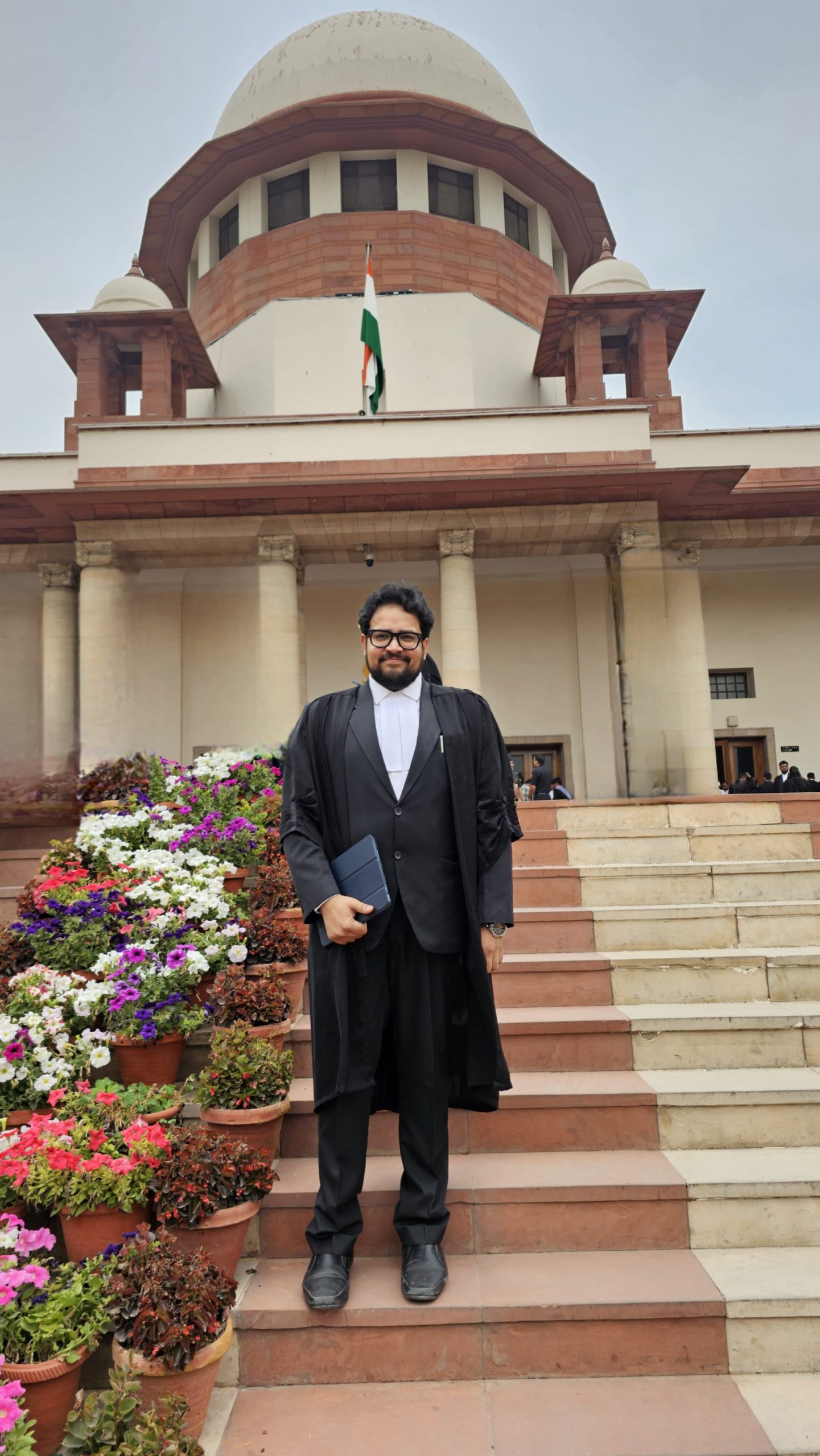
  • “Success, for me, is not just about individual achievements but the legacy we build through our work and the impact we have on those around us.” – Yashwant Rai Grover, Managing Associate at Inttl Advocare 

    “Success, for me, is not just about individual achievements but the legacy we build through our work and the impact we have on those around us.” – Yashwant Rai Grover, Managing Associate at Inttl Advocare 

    This interview has been published by Namrata Singh and The SuperLawyer Team

    Could you please walk us through your journey in law and share what inspired or motivated you to choose this career path? Was there a particular moment or influence that played a significant role in your decision to pursue a career in law?  

    My journey in law began in a family deeply rooted in the legal profession. From a young age, I was captivated by the sight of my grandfather donning his black coat, a symbol that became one of my earliest memories. Accompanying him to court, I was mesmerized by the lawyers’ confidence and grace, which left a lasting impression on me and ignited my passion for the legal field. This early exposure naturally led me to develop a fascination with the profession and its practitioners. When it came time to choose a career, I instinctively gravitated towards law.

    Intellectual Property Law is a specialized field with its own set of challenges and opportunities. Was IPR always your first choice for a legal career, or did it become a more appealing option as you progressed in your studies and early professional experiences? How did you come to decide to continue your career in this area?  

    While Intellectual Property (IP) law was not initially my first choice, it became increasingly appealing as I progressed through my studies and early professional experiences. My internships with multinational corporations such as PepsiCo and Airtel exposed me to the dynamic and innovative world of IP law. These experiences allowed me to see firsthand how legal principles could protect and promote creativity and innovation. My passion for art and music further fuelled my interest in this field, as I found great satisfaction in working on cases that intersected with my personal interests. Over time, I realized that specializing in IP law would allow me to combine my professional skills with my creative passions, making it a natural and fulfilling career choice.

    As Oprah Winfrey wisely said, “Passion is energy. Feel the power that comes from focusing on what excites you.” Choosing to specialize in IP law was a defining moment in my career, as it enabled me to combine my professional work with my personal passions.

    In your role as the Head of Trademark, Copyright & Design Prosecution, what strategies do you implement to manage and grow your clients’ portfolios effectively? Can you share a success story that highlights the impact of your approach?  

    In my role as the Head of Trademark, Copyright & Design Prosecution, I specialize in advising diverse industries on all aspects of trademarks, copyrights, and designs. This includes conducting clearance searches, managing applications, and strategically developing and overseeing global trademark, copyright, and design portfolios. 

    I am recognized for my analytical skills, exceptional multitasking abilities, and proficiency in liaising with international law firms, clients, and other external agencies. I have represented our firm in numerous sessions, speaker series, and international and national networking events. Additionally, I have successfully argued numerous challenging cases before the Trade Marks Registry and the Design Office.

    My strategy involves thorough preparation, anticipating potential challenges, and understanding the preferences of each Judge, Registrar, or Hearing Officer. While legal knowledge is fundamental, the key to success lies in effective presentation and maintaining the willpower to reach logical conclusions. Out-of-the-box thinking is essential for a lawyer’s success.

    One notable success story involves representing a client for the trademark “Church *****” for alcoholic beverages, specifically wine. The hearing officer initially hesitated to accept the mark, fearing it might offend religious sentiments. Recognizing that conventional arguments would not suffice, I argued that the use of the word “Church” was appropriate, citing that Jesus himself turned water into wine, thus it would not offend but rather be appreciated. This argument was accepted, and the mark was registered. This case exemplifies how understanding the situation and presenting compelling arguments can lead to success, even beyond strict legal reasoning.

    You’ve had the opportunity to intern with prestigious organizations like Sanders Ortoli Vaughn-Flam Rosenstadt LLP and PepsiCo. How did these internships contribute to your understanding of intellectual property law and shape your career?  

    Interning with prestigious organizations like Sanders Ortoli Vaughn-Flam Rosenstadt LLP and PepsiCo has been instrumental in shaping my understanding of intellectual property law and my career trajectory. My internship at Sanders Ortoli Vaughn-Flam Rosenstadt LLP was an extension of my Master’s in New York, providing me with a unique perspective on how the law is practiced in New York. This experience broadened my outlook and allowed me to imbibe a wealth of knowledge from a different legal environment, enhancing my analytical and practical skills.

    Interning with PepsiCo (and Airtel) offered me invaluable insights from the client’s perspective. These experiences taught me how corporate departments function and the importance of tailoring legal advice to meet the needs of business teams. I learned that while legal expertise is crucial, the ability to communicate complex legal concepts clearly and concisely is equally important. This understanding has been pivotal in my approach to providing practical and business-oriented legal solutions, ensuring that my advice is not just legally sound but also easily comprehensible and actionable for clients.

    How do you balance your professional responsibilities with your personal hobbies and interests? Can you tell us about a hobby or interest that helps you unwind and perhaps even inspires your professional work?  

    For me, listening to music is a wonderful way to unwind. It helps me relax and often sparks creativity, which can be surprisingly beneficial in my professional work. Spending quality time with family and friends is another essential aspect of my life. These moments of connection and laughter provide a much-needed break from the demands of work and help me return to my responsibilities with renewed energy and focus.

    I also try to make time for physical health by going to the gym—sometimes. While my attendance might not be as consistent as I’d like, the effort to stay active is important. Physical exercise not only attempts to keep me fit but also clears my mind, making me more effective and focused in my professional tasks.

    Ultimately, maintaining a balance between work and personal life allows me to stay motivated and inspired. It ensures that I can give my best both in my career and in my personal relationships, leading to a more fulfilling and well-rounded life.

    As a recognized leader in intellectual property law, what advice would you give to young professionals entering this field? What skills and qualities do you believe are essential for success in IP law?  

    As emphasised above, my advice to all young professionals would be to spend more time in the preparation of your case, be able to ascertain all of the twists and turns that may happen and know what your response will be. Each Judge / Registrar / Hearing Officer has a way of dealing with a case. The best way is to know what would trigger them.

    At the end of the day, everybody can learn the law, it’s about how you present yourself to get your case in your favour. As long as you don’t lose willpower and the ability to reach to a logical conclusion, any difficult situation can be handled. Out-of-the-box thinking is what makes a lawyer successful.

    Success is a deeply personal journey, unique to each individual. As Ralph Waldo Emerson once said, “To be yourself in a world that is constantly trying to make you something else is the greatest accomplishment.” In the legal profession, where careers are built case by case, visions of success can vary greatly. For some, it’s about becoming a partner at a prestigious firm, winning high-profile cases, and making a significant impact on the legal landscape. For others, success might mean advocating for underrepresented communities, building a practice that prioritizes client relationships, or having the freedom to work on cases you are passionate about.

    There is no right or wrong answer. The key is to define success on your terms. What excites you? What brings you fulfilment? What impact do you want to make? Ambition plays a crucial role in this journey. It drives us to set higher goals, push our boundaries, and strive for excellence. Being ambitious means not settling for mediocrity but constantly seeking growth and improvement.

    Remember, it’s perfectly okay to have a different vision. Your journey is uniquely yours. Celebrate your wins, no matter how big or small, and most importantly, enjoy the ride. Stay ambitious and let your passion guide you.

    Your role involves handling complex intellectual property portfolios for both domestic and multinational clients. How do you approach cultural and jurisdictional differences when advising clients on IP strategies globally?

    Navigating cultural and jurisdictional differences is a critical aspect of our work. We prioritize understanding and respecting cultural nuances, learning about their local practices, market conditions, communication styles, and how our clients operate. Additionally, we stay updated on the latest legal developments in key jurisdictions, collaborating closely with local counsel to ensure compliance with regional laws and leveraging their expertise. 

    Each client’s needs are unique, so we develop tailored IP strategies that consider both global and local contexts, conducting thorough risk assessments and devising strategies that align with the client’s business objectives while mitigating jurisdictional risks. Clear and effective communication is vital, and we ensure our communication is precise, transparent, and adapted to the preferences of our clients, building trust and ensuring alignment on IP strategies. 

    Committing to continuous learning and adaptation, we stay ahead of changes in laws, regulations, and cultural trends, providing informed and forward-thinking advice. By integrating cultural sensitivity, jurisdictional expertise, tailored strategies, effective communication, and continuous learning, we ensure our clients receive comprehensive and contextually relevant advice on their intellectual property matters, regardless of where they operate.

    As someone who has achieved significant recognition early in your career, what personal philosophies or principles do you attribute to your success, and how do you implement them in your day-to-day work?  

    Achieving recognition early in my career has been a rewarding journey, and I attribute my success to a few core personal philosophies and principles. Foremost among these is the importance of staying humble. Humility allows us to remain open to learning and growth, recognizing that there is always more to understand and new perspectives to consider. This mindset helps me build strong, collaborative relationships with colleagues, clients, and mentors, fostering an environment of mutual respect and continuous improvement.

    Diligence is another cornerstone of my professional philosophy. I believe that consistent, dedicated effort is crucial to achieving long-term success. In my day-to-day work, this means meticulously preparing for each case, paying attention to every detail, and anticipating potential challenges. By being thorough and proactive, I ensure that I am always well-prepared to advocate effectively for our clients.

    Implementing these principles involves a few key practices. First, I prioritize continuous learning, and staying updated on the latest developments in intellectual property law and related fields. This not only enhances my expertise but also demonstrates my commitment to providing the best possible service to our clients. Second, I maintain a strong work ethic, approaching each task with the same level of dedication and care, regardless of its size or complexity. This consistency builds trust and reliability, both within my team and with our clients.

    Additionally, I strive to lead by example, fostering a culture of humility and diligence within my team. By encouraging open communication, valuing diverse perspectives, and recognizing the contributions of others, I create an environment where everyone feels valued and motivated to do their best work. This collaborative approach not only enhances our collective performance but also contributes to a positive and supportive workplace culture.

    Ultimately, I believe that staying humble and diligent in our work creates a solid foundation for success. By focusing on continuous improvement, maintaining a strong work ethic, and fostering a collaborative and respectful environment, I am able to achieve my professional goals while also contributing positively to the broader legal community. Success, in my view, is not just about individual achievements but also about the impact we have on those around us and the legacy we build through our work.

    Mentorship can play a critical role in career development. Have you had any mentors who significantly influenced your career, and how do you now approach mentorship with junior associates in your firm?  

    Mentorship has been instrumental in my career, with several mentors significantly influencing my professional journey. One mentor, in particular, taught me the importance of integrity, perseverance, and continuous learning, guiding me through complex legal challenges and inspiring me to strive for excellence. Drawing from these experiences, I now approach mentorship with junior associates by actively listening to their concerns and aspirations, providing constructive feedback, and encouraging continuous learning. I strive to lead by example, demonstrating hard work, integrity, and dedication, while fostering independence and celebrating their achievements. By creating a supportive and empowering environment, I aim to help my team reach their full potential and prepare for future leadership roles.

    Get in touch with Yashwant Rai Grover-
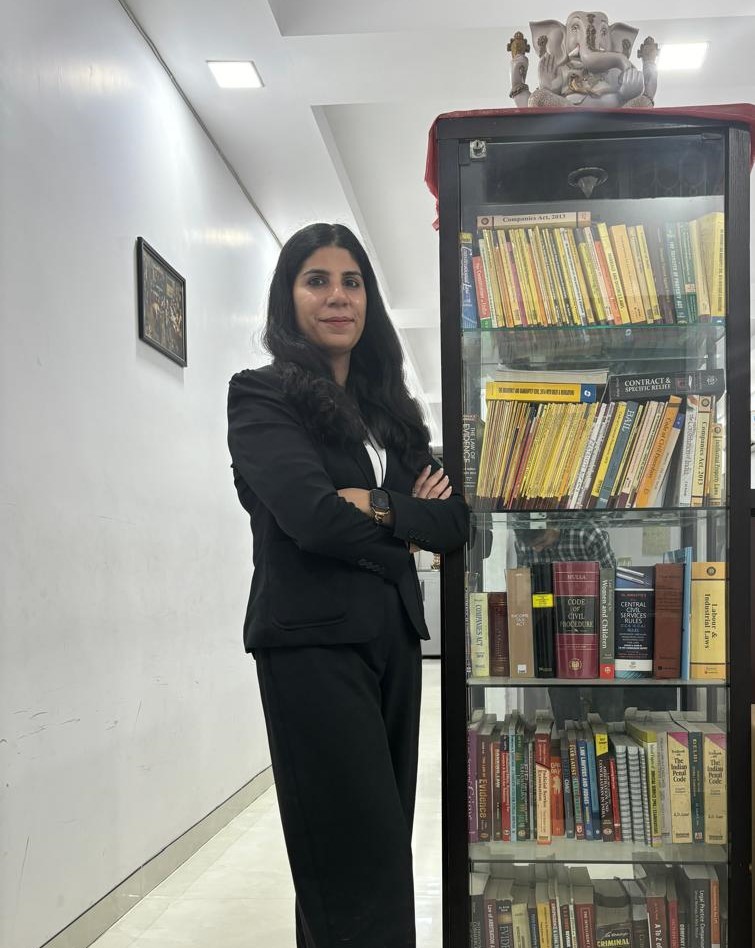
  • “Litigation is where my true passion lies. My journey in law has been one of continuous growth and learning, each step a testament to my dedication and commitment.” – Shubham Mahajan, Founding Partner of MMA Associates & Senior Panel Counsel for the Union of India

    “Litigation is where my true passion lies. My journey in law has been one of continuous growth and learning, each step a testament to my dedication and commitment.” – Shubham Mahajan, Founding Partner of MMA Associates & Senior Panel Counsel for the Union of India

    This interview has been published by Namrata Singh and The SuperLawyer Team

    Can you share the story of how you started your career in law and the journey that led you to become the Founding Partner of MMA Associates and a Senior Panel Counsel for the Union of India?

    Incipiently, my father encouraged me to pursue judicial services, however as I delved deeper into the field, I realized that litigation was where my true passion lay. Thereafter, I started my law career as an associate Advocate at Ahlawat & Associates, whereby I was afforded opportunities to appear before CAT and DHC, gaining valuable experience in service matters. Following this, I worked as a law researcher with former judge of Delhi High Court Justice VK Jain. This experience broadened my perspective on legal research and judicial reasoning, further solidifying my commitment to the field. After completion of this role, I joined SKV Associates where I specialized in consumer law and appeared in all the DCDRC’s throughout Delhi, SCDRC and NCDRC.

    The next significant phase of my career was at ASA Legal Services LLP, where I joined as a senior litigation associate and after working there for a considerable period of 6 years, whereby I honed skills in litigation and advocacy, which prepared me for the next big step i.e. venturing into private practice. Founding MMA Associates was a natural progression in my career. It allowed me to bring together my experiences and insights to build a practice that prioritizes client-centric solutions and innovative legal strategies. Concurrently, I was honored to be nominated as one of the senior panel counsel to represent the Union of India, a role that has been both challenging and rewarding. In essence, my journey in law has been one of continuous growth and learning and each step has been a testament to my dedication and passion for the legal profession.

    With your extensive experience in handling a wide range of disputes, can you discuss a particularly complex case you worked on and the innovative strategies you employed to achieve a favorable outcome?

    In my career of 14 years, I have encountered numerous cases involving complex issues, however, most recently, in the capacity of a nominated counsel, I received an opportunity to represent the Hon’ble Delhi High Court in a complex matter (Karan S.Thukral versus Registrar Delhi High Court & Ors, WP(C) 6082/2019) which changed the landscape of how filings are done in all District courts in and around Delhi NCR. During the course of the matter, I embarked on an extensive study and research of the existing procedures, including the various modes and manners of filing, record-keeping, and the operational constraints faced by the courts. I delved into understanding the issues related to manpower shortage, space limitations, and how these factors affected the efficiency of the judicial process.

    This experience reinforced my belief that the only strategy that is fruitful, is to ensure that there are no short cuts being employed and irrespective of what the eventual outcome is, one is working in such a manner that at all times the best foot is being put forward and 100 Percent is being given.

    As a nominated counsel for the Hon’ble High Court of Delhi, can you share some insights into the unique challenges and responsibilities that come with representing such a prestigious institution?

    Being a nominated counsel does come with its own share of responsibilities and challenges. One of the unique challenges in this role is the need to coordinate and communicate with multiple departments, to arrive at most appropriate solution.

    Another key responsibility is to present these solutions before the Hon’ble Court, ensuring the same are both legally sound and practically feasible. This involves extensive research, thorough preparation, and a careful balancing of interests to ensure that the recommendations align with the broader objectives of the judiciary as well as public interests.

    Additionally, representing such a prestigious institution demands a high level of professionalism and integrity. There is an expectation to uphold the values and standards of the court, which means being meticulous in your work, transparent in your dealings, and dedicated to achieving fair and just outcomes.

    You have authored a book titled “A Girl with Brain Tumour – A Story with a Happy Ending” How has your passion for writing influenced your legal career, and what inspired you to write this book?

    I am a cancer survivor. I was detected with brain cancer in 2019, which was a life-altering experience. My purpose to write this book was to educate people at large about the term “brain tumor” and how one can come out of it victorious. I felt a deep need to share my story, not just to chronicle the challenges and triumphs I faced, but also to offer hope and guidance to others who may be going through similar battles. I wanted to convey that, despite the odds, it’s possible to emerge victorious. Writing this book has been a therapeutic and empowering experience, allowing me to connect with readers on a personal level and inspire them with a message of hope and perseverance.

    As someone who has transitioned from being a Legal Researcher to a Founding Partner, what key lessons did you learn early in your career that continue to influence your professional decisions today?

    At the very early juncture of my career, I fathomed that a litigating lawyer needs to be a very patient individual and a very good listener. Patience and being a good listener go hand in hand, which gives you enough fuel to understand the perspective of the client and enables you to resolve the respective issue involved. Often as Litigators we come across client(s) whose sole desire is that their version of the issue/lis/dispute be heard and understood by their Advocate and once their counsel listens to them is gives them immense satisfaction.

    What advice would you give to young lawyers who aspire to have a diverse practice area like yours? How should they approach building a career that spans multiple legal disciplines?

    My advice would be to grab every opportunity to work with different firms/advocates/senior advocates during the nascent stage of their career in order to understand/fathom their inclination/path in a particular field of law. They should embrace versatility and remain open to exploring the various fields of law. Irrespective of what task you have been assigned be it inspecting a Researching Judgments, Inspecting Court Records, Assisting the Clerk(s) etc. consider the same as an opportunity to gain knowledge. Start by gaining experience in different practice areas, even if they don’t initially seem to align with your long-term goals. This exposure will broaden your knowledge base and help you discover your strengths and interests. No work is small or big, this is the golden period for budding lawyers and they should try their hand at everything and with time they will understand in which way they want to proceed. Furthermore, if a first generation lawyer like me can do it, then you also can do it but by being curious, adaptable, and willing to learn, which shall enable you to build a career that is both diverse and fulfilling.

    Given the current legal trends, what areas of law do you believe will become more prominent in the next decade, and how should legal professionals prepare for these changes?

    I believe that the concept of Mediation/Conciliation and other forms of ADR will become prominent, and more and more litigants instead of filing the case in respective courts, would pivot towards resolving disputes amicably with the help of legal mechanisms provided under law such as Mediation/Samadhan centers/Online Dispute Resolution Platforms established in each and every court.

    Furthermore, with the advent and advancement of Technology in the recent times in the field of law, we have to embrace the same and be adept enough to inculcate it in our work environment.

    How do you balance your demanding legal career with your personal passions? Please share some of your interests other than profession. How do these interests influence your professional life?

    Personally, I think too much is made out of work life balance, there are days when your work has to be your absolute priority and you wouldn’t want to be any other place apart from your work, whereas there are times when one can afford some down time and do things apart from work, for me personally whenever I get the time I like to travel and explore new places. Movies are also a big interest of mine particularly thrillers and crime dramas, I also like to dance a bit and whenever I can, I like to indulge in it.

    If you could bring about one change in the Indian legal system, what would it be and why? How do you believe this change would benefit the legal community and society as a whole?

    The one change I would want in Indian legal system is to recruit more efficient manpower, on both judicial and administrative side, in order to streamline the pending cases which leads to delayed justice. This change would benefit the legal community by reducing the pressure on existing judges and court staff, allowing them to focus more effectively on each case. It would also lead to more timely justice for litigants, which is crucial for maintaining trust in the legal system. Simultaneously, digitalizing court processes—such as e-filing, virtual hearings, and electronic case management—would streamline procedures, enhance accessibility, and reduce delays.

    This change would benefit the legal community by easing the strain on personnel and improving case handling efficiency. For society, it would mean faster access to justice, reduced case delays, and a more transparent legal system. Digitalization would also make it easier for people to interact with the court system remotely, making justice more accessible and reducing the need for physical presence in courtrooms.

    MMA Associates offers a wealth of experience and expertise. Are there internship or mentorship opportunities available at your firm for aspiring legal professionals, and how can one approach you for such opportunities?

    Yes. Any interested lawyer/law student can approach us at mmatassociates@gmail.com

    Get in touch with Shubham Mahajan-

  • “The true impact of the legal profession extends beyond courtrooms and legal precedents—it resonates in the lives touched and the societal change fostered through the pursuit of justice for all.” – Bharat Malhotra, Senior Partner at Tritent Legal LLP

    “The true impact of the legal profession extends beyond courtrooms and legal precedents—it resonates in the lives touched and the societal change fostered through the pursuit of justice for all.” – Bharat Malhotra, Senior Partner at Tritent Legal LLP

    This interview has been published by Namrata Singh and The SuperLawyer Team

    Can you share some key milestones in your 9-year career as a civil lawyer? Please allow us to walk through your journey.

    My upbringing was immersed in legal discussions as my father, Mr Rakesh Malhotra, an established lawyer, handled high-profile cases and provided legal aid to those in need. Despite financial constraints, these clients compensated him with unwavering loyalty and respect. Witnessing this left a lasting impression on my brother, Mr Kushal Malhotra, and me, shaping our understanding of the legal profession. Since then, we have strived to emulate his dedication and principles. 

    During my tenure as a civil lawyer and senior partner at Tritent Legal LLP, I have undergone a remarkable and transformative journey marked by numerous challenges and triumphs. My unwavering faith in God and a steadfast commitment to my work have granted me the strength and clarity to navigate the intricacies of the legal profession. 

    In the early stages of my career, establishing myself in a competitive field proved daunting. Despite moments of uncertainty and setbacks, the invaluable learning experiences balanced these challenges and shaped my approach to law. A significant early success was securing a favourable order in my first week of litigation, boosting my confidence and solidifying my reputation within the firm and the broader legal community. 

    A defining aspect of my career has been my involvement in legal aid work, focusing on representing clients from underprivileged backgrounds. Winning cases for these individuals has been profoundly rewarding, and witnessing their relief and gratitude is a powerful reminder of why I chose this profession—to make a tangible difference in people’s lives. 

    In addition to these victories, mentoring young lawyers has been an honour, as I encourage them to pursue their passions while upholding the highest standards of integrity and dedication. Their growth and achievements bring me tremendous pride, as do the respect and recognition I have earned from my colleagues and clients. 

    Throughout this journey, the support of my team, my parents, and my mentors has been instrumental. Their unwavering encouragement and belief in my capabilities have been a driving force, propelling me to overcome challenges and celebrate victories with humility and gratitude. 

    Overall, my career has been a long, emotional, yet motivating journey, filled with challenges and profound moments of satisfaction. These experiences have enriched my professional life and strengthened my determination to continue advocating for justice and equality for all. 

    Each day, I am reminded of the privilege of serving as a voice for those in need and the profound impact that dedicated legal work can have on individuals and communities. 

    In conclusion, the transition from witnessing my father’s legal practice to leading a successful law firm, Tritent Legal LLP, has been a profound evolution guided by a fundamental principle—the commitment to good work. This commitment is reflected not only in the high-profile cases in our portfolio but also, more importantly, in the continuation of a tradition that places pro bono work at the heart of our legal practice. It is a commitment to justice, compassion, and the understanding that the true impact of the legal profession extends beyond courtrooms and legal precedents—it resonates in the lives touched and the societal change fostered through the pursuit of justice for all.

    What motivated you to pursue a career in civil litigation? How do you envision the future of civil litigation evolving, and how are you preparing for it?

    With unwavering conviction, I’ve chosen to pursue a career in civil litigation. My deep-rooted belief in the law’s ability to champion justice and amplify the voices of the overlooked has been the driving force behind my decision. The intricacy and dynamism of civil litigation have always captivated me, offering unique opportunities to grapple with complex legal matters and deliver powerful resolutions. I take on the responsibility of representing individuals and organizations in disputes with utmost reverence and dedication. 

    When I envision the future of civil litigation, I foresee a rapidly evolving landscape propelled by technological advancements and the emergence of artificial intelligence. These groundbreaking innovations are poised to revolutionize the legal sphere, reshaping how we approach e-discovery, case management, client interactions, and legal research. 

    Integrating AI-driven insights and automation tools can bolster our analytical prowess and streamline processes, resulting in more efficient, precise, and accessible legal services. Our commitment to harnessing technology is instrumental in ensuring that our firm remains competitive and adept at meeting the diverse needs of our clients. 

    Furthermore, the legal domain is experiencing a noticeable shift towards embracing alternative dispute resolution (ADR) methods like mediation and arbitration as clients seek cost-effective and expedited solutions. This transformation necessitates a focused drive towards honing negotiation and conflict resolution skills, which I actively pursue to provide clients with innovative and tailored solutions. 

    By embracing these methods, we can offer flexible approaches that align with our client’s objectives and priorities. Sailing through the future requires vigilance in adapting to new laws and regulatory challenges arising from societal and technological advancements. Staying abreast of these developments is pivotal to offering informed and effective representation to clients. Whether deciphering the implications of new data privacy regulations or adapting to changes in employment law, a proactive approach ensures that we can anticipate and address the challenges that lie ahead. 

    I am dedicated to perpetual learning and professional development to thrive in this dynamic environment. At Tritent Legal LLP, we cultivate a culture of innovation and adaptability, encouraging our team to partake in ongoing educational opportunities and embrace pioneering ideas and methodologies. This proactive approach doesn’t just bolster our firm’s capabilities but reinforces our commitment to delivering exceptional service to our clients. As we embark on this journey into the future, I am both exhilarated and prepared to confront the challenges and seize the opportunities. With a firm foundation of integrity, excellence, and client-centred service, I am confident that we will continue to wield a positive influence in the legal profession and beyond, championing justice and propelling progress in an ever-changing world.

    How do you manage and balance your extensive responsibilities as a senior partner at Tritent Legal?

    Balancing the extensive responsibilities as a senior partner at Tritent Legal LLP is like juggling flaming swords while riding a unicycle—it’s all about focus and timing, with a dash of humour to keep things light! Effective time management and delegation are key to managing these responsibilities, allowing me to focus on what truly matters while ensuring our firm operates smoothly.

    One of my guiding principles is to emphasize effort over outcomes. I constantly remind my team to care about their efforts when pursuing a case rather than getting overly fixated on the results. After all, if you love what you do and give it your best, everything tends to fall into place. This mindset helps us stay motivated and passionate, even during the most challenging times.

    Delegation is essential in maintaining balance. I trust our talented team to handle significant tasks and decisions, fostering a collaborative environment where everyone feels valued and motivated. By leveraging our team members’ strengths, I can concentrate on high-level strategic initiatives and client relations, knowing that the daily operations are in capable hands.

    Time management is another crucial component of my approach. I allocate specific blocks of time for focused work, client meetings, and team collaboration while keeping some flexibility to handle the unexpected. Regularly reviewing my schedule and adjusting priorities ensures I stay agile and responsive to the ever-changing demands of legal work.

    Maintaining a healthy work-life balance is also essential for long-term success and well-being. I make it a point to spend time with family, pursue personal interests, and care for myself. After all, a happy lawyer is a productive lawyer, and a balanced life enhances both professional performance and personal fulfilment.

    Of course, I do make mistakes, but I view them as valuable learning opportunities. Each mistake is a chance to gain insight and improve, and I believe in moving on with lessons learned. Ultimately, managing and balancing responsibilities as a senior partner involves a combination of strategic planning, effective delegation, and a healthy dose of humor. I strive to lead Tritent Legal LLP with integrity and a smile—values I’ve learned from my father, who is the managing partner. By fostering a supportive and collaborative environment, embracing flexibility, and prioritizing professional and personal well-being, I aim to lead with the same integrity and warmth he embodies.

    You have been recognized with several awards and honors, such as the Indian Achiever’s Award and being appointed as an Amicus Curiae. How do these accolades impact your professional journey?

    The recognition of receiving several awards and honors, such as the Indian Achiever’s Award and being appointed as an Amicus Curiae, has profoundly influenced my professional journey. These accolades are not just a validation of my hard work and dedication, but also a source of motivation and inspiration. They remind me of the responsibilities that come with being a lawyer and the trust placed in me by many people.

    Receiving the Indian Achiever’s Award was a significant milestone that reinforced my commitment to excellence in the legal profession. It’s gratifying to see our efforts at Tritent Legal LLP being recognized on such a prestigious platform. This award has not only bolstered my confidence but has also heightened my sense of responsibility to uphold the standards of integrity and professionalism it represents. 

    Being appointed as an Amicus Curiae was another honor that allowed me to contribute to the legal system in a different capacity. This role provided an opportunity to offer impartial advice and contribute to the development of legal principles in cases of significant public interest. 

    These accolades carry the weight of responsibility, as many look to me for guidance and leadership. They enhance my visibility within the legal community and beyond, opening doors to new opportunities for collaboration and leadership. 

    They inspire me to continue pursuing excellence and contribute meaningfully to the legal field, all while maintaining the values of integrity, fairness, and service that are central to my practice. Looking ahead, these recognitions also motivate me to set higher goals and seek further achievements. I am committed to continuously improving and expanding my contributions to the legal profession, ensuring that I continue to meet and exceed the expectations set by these honors.

    What advice do you offer to aspiring legal professionals under your mentorship?

    Dear aspiring legal professionals under my mentorship, I would like to offer some comprehensive guidance. It is paramount to always uphold fairness and honesty in your interactions with both yourself and your superiors, as integrity forms the bedrock of a prosperous legal career. When approaching your duties, do so with a clear purpose and have faith in your own abilities, understanding that the pursuit of excellence is defined by your unwavering commitment to doing your absolute best. Regard your professional journey as an ongoing process, akin to a wolf ascending a hill; concentrate on the climb and the continual advancement rather than fixating on attaining a specific high-ranking position. Even as you accomplish significant milestones, remember that the journey persists, presenting an array of new challenges and prospects to pursue. Embrace each phase with modesty and enthusiasm, relishing the experience of development and knowledge acquisition. By maintaining this outlook, you will not only thrive in your career but also discover fulfillment in the voyage itself.

    How do you stay updated with evolving legal precedents and industry trends?

    I am looking forward to staying updated with evolving legal precedents and industry trends through a dynamic and engaging approach. While it will certainly be challenging to keep pace with the constant flow of new information, I am excited about actively seeking out diverse sources of knowledge. I am eager to read legal journals, periodicals, and online resources to stay informed about recent case law and regulatory changes. I am also looking forward to attending conferences, seminars, and continuing legal education (CLE) programs to gain valuable insights and stay connected with current discussions in the legal community. I am excited about engaging with the people around me to learn and grow. I am looking forward to interacting with colleagues, mentors, and clients, gaining insights from their experiences and perspectives. Observing court proceedings will also be a vital source of learning for me, as it will allow me to see firsthand how legal principles are applied in practice. In addition, I am eager to follow influential legal blogs and thought leaders on social media to stay updated on emerging trends and debates. At the firm, I am enthusiastic about encouraging knowledge sharing by organizing internal discussions and workshops on recent developments, fostering a collaborative learning environment. As our elders used to say, “Don’t waste your time but keep your head and mind open to learn.” This mindset will help me gather knowledge and stay adaptable, ensuring that I remain at the forefront of legal practice and can provide the best possible representation for my clients.

    How important do you believe internships are for securing a position at Tritent Legal LLP? Can you share any advice for interns looking to transition into a full-time role within your firm?

    Internships at Tritent Legal LLP serve as a crucial bridge between aspiring legal professionals and our esteemed firm, providing a vital opportunity for both interns and the firm to assess the potential for future collaboration. These immersive experiences offer hands-on training that allows interns to gain insight into our firm’s unique culture and operations, while enabling us to evaluate their skills and commitment. For individuals aspiring to transition into a full-time role, my recommendation is to approach your internship with a blend of eagerness and proactive determination. Display a proactive attitude by enthusiastically embracing new challenges and demonstrating genuine zeal for the work. Pursue additional responsibilities that resonate with your interests and career objectives, surpassing the fundamental requirements. 

    Maintaining a steadfast commitment to professionalism in all interactions and tasks is paramount, as it underscores your dedication to upholding our firm’s exacting standards. Seize every learning opportunity by actively seeking feedback and leveraging it to enhance your performance. 

    This willingness to evolve and adapt demonstrates resilience and a dedication to continual improvement. Equally crucial is comprehending and aligning with our firm’s culture and values. Communicate your career aspirations and illustrate how your skill set and ambitions harmonize with our mission and values. 

    By amalgamating enthusiasm, a growth-oriented mindset, professionalism, and cultural alignment, you will not only showcase your worth but also instill confidence in your ability to make a substantial contribution to our firm. Your proactive endeavors and unwavering commitment will pave the way for securing a permanent position, steering you toward a successful and rewarding legal career.

    Balancing a demanding career with personal life can be challenging. How do you manage work-life balance, and any hobbies or interests that help you unwind

    Juggling a high-pressure career with my personal life can be quite an adventure, but I tackle it with boundless enthusiasm and a dash of humor. I must establish clear boundaries between work and personal time, allowing me to fully immerse myself in activities that rejuvenate and inspire me. I love unwinding with music – both playing and listening – as it provides a much-needed creative escape from the daily hustle. And guess what? I’m currently diving into the world of dance(Just Kidding) ! It’s a whole new journey that brings immense joy and growth to my life. While I am still mastering golf, taking up dancing reaffirms my belief that it’s never too late to embrace new experiences and keep learning. 

    Cricket is my ultimate passion – whether I’m playing in a friendly match or cheering from the sidelines, it’s a thrilling physical outlet and a wonderful way to bond with friends who share the same zest for the sport. And family time? It’s priceless. From shared meals to engaging activities and simply enjoying each other’s company – family time is the foundation of my life, providing unwavering support and boundless joy. By intertwining these diverse interests into my daily routine and making family time a top priority, I create a vibrant and fulfilling life. This perfect blend of relaxation, play, and personal connections not only enhances my well-being but also ignites my drive and effectiveness in both my professional and personal pursuits.

    Get in touch with Bharat Malhotra-

  • “The global pandemic underscored the importance of technological advancements, demonstrating that even the legal profession is now deeply intertwined with technological progress.” – Ninad Dogra, Advocate-On-Record at the Supreme Court of India

    “The global pandemic underscored the importance of technological advancements, demonstrating that even the legal profession is now deeply intertwined with technological progress.” – Ninad Dogra, Advocate-On-Record at the Supreme Court of India

    This interview has been published by Namrata Singh and The SuperLawyer Team

    Can you share what inspired you to pursue a career in law and how your journey began at Amity Law School, New Delhi? 

    From a young age, I was drawn to a career in law. The respect and prestige associated with the profession initially piqued my interest while I was still in high school. The influence of my uncle further solidified the decision. J.K. Das, a Senior Advocate. His practice and the engaging stories he shared about the legal field deeply inspired me.  

    Determined to pursue law, I discussed my career choice with my parents, who supported my decision. I opted for an integrated five-year law course and focused solely on preparing for the entrance examination. At that time, Amity  Law School in New Delhi was highly regarded for its five-year law program. After successfully clearing the entrance exam,  it became the natural choice for my legal education. At Amity  Law School, I gained a solid understanding of legal concepts.  Many of the professors, who were former practitioners,  provided invaluable practical guidance and insights,  enriching my academic experience with real-world applications.

    You’ve represented clients across various sectors, from telecom sector to real estate to dispute resolution. How do you adapt your legal strategies when switching between such diverse industries?  

    Every case and client has unique demands, making understanding their wishes and aims fundamental to effective representation. Each industry requires a tailored strategy, and adaptability is crucial. For example, in the real estate sector, my primary focus is to protect my client at the stage of contract execution. The goal is not to suppress the consumer or customer but to ensure that the contract remains balanced and fair within the statutory framework and compliance requirements. This approach ensures that the contract does not become lopsided, protecting the client’s interests while upholding legal and ethical standards. In commercial arbitration matters, the aim is to try and attempt to get a just and quick resolution for the client.

    The emphasis is thus to have a client-centric legal practice and adaptability in meeting their needs effectively. 

    What motivated you to start your independent practice in 2017,  and what challenges did you face during this transition? 

    After working as a junior lawyer under seasoned and experienced professionals, transitioning to establish my independent practice felt like a natural progression. During my tenure as a junior, I dealt with a variety of legal issues and gained significant experience in briefing senior counsel. I was fortunate to have skilled mentors who guided me through the formative years of my career. Their support and mentorship provided me with the confidence and foundation needed to embark on my legal practice. 

    For a first-generation lawyer, establishing an independent practice presents significant challenges. Without a family background in law, navigating the complexities of setting up a practice and building a professional network can be daunting. However, the support and mentorship I received from experienced seniors played a crucial role in overcoming these obstacles and achieving success in my practice. 

    Independent practice as a litigating lawyer has two facets to it, on the one hand being an independent practitioner gives you the freedom to have complete control over your schedule or work, working style cases etc, whereas on the other hand having a sustained clientele in the beginning is a constant concern. Transitioning to an independent legal practice often also involves a significant shift from the stability of a regular income to the uncertainties of variable financial stability. However, with hard work and sincere efforts, one can overcome these difficulties and achieve success in establishing an independent practice.  

    Your experience spans multiple judicial fora. How do you prepare differently for cases in the Supreme Court versus other tribunals?  

    Arguing before any legal fora may appear glamorous, but it demands significant hard work and effort. Although there is not much difference in preparing for cases before the Hon’ble  Supreme Court or any other fora, the basics remain the same i.e. being fully prepared with the facts of your case. Being prepared with your file, and its minutest detail is essential for preparing your case before any legal fora.  

    Given your extensive experience with the NCLT and NCLAT, what trends do you see in corporate law and insolvency matters today?  

    Insolvency laws are indeed evolving, and each case can bring new interpretations and clarifications. The distinction between  “Operational Creditor” and “Financial Creditor” is a prime example of how nuanced and complex these laws can be.

    In the context of the Insolvency and Bankruptcy Code (IBC)  in India, “Operational Creditors” are typically those who provide goods or services to the debtor, while “Financial  Creditors” are those who lend money or provide financial assistance. The confusion you mentioned, particularly regarding authorities like NOIDA, highlights the challenges in applying these definitions to specific cases. 

    The Supreme Court’s ruling in NOIDA vs. Anand Sonbhadra was indeed pivotal. By clarifying that NOIDA qualifies as an  Operational Creditor rather than a Financial Creditor, the  Court helped to resolve ambiguities and set a precedent for similar cases. This kind of judicial intervention is crucial for providing clarity and ensuring that insolvency proceedings are conducted fairly and consistently. 

    You’ve written about the US Supreme Court conducting hearings via telephone. How do you see technology shaping the future of legal proceedings in India?  

    During the COVID-19 pandemic, while the world came to a standstill, our judiciary continued its operations. I recall that at the pandemic’s onset, Justice Siddharth Mridul (as he was then) conducted urgent court hearings via WhatsApp to address the well-being and transportation of students stranded in Kazakhstan. These instances highlighted the pivotal role of technology in the administration of justice. The global pandemic underscored the importance of technological advancements, demonstrating that even the legal profession is now deeply intertwined with technological progress.

    The legal field by its very nature is dynamic and ever-evolving and our legal system has adopted such advancement. The introduction of technology has indeed made our courts much more accessible, and transparent. Hybrid hearing is a norm in courts in Delhi, from District courts to the Hon’ble Supreme  Court.  

    While I acknowledge the benefits of technological advancements, I believe there are still limitations to address,  such as the need for a reliable internet connection.  Additionally, I feel that traditional in-person arguments can be more effective than virtual ones. Face-to-face interaction with the Court often provides a significant advantage in conveying your arguments persuasively and effectively. What was the process like for you to qualify as an Advocate-on-Record with the Supreme Court of India, and what key strategies or insights would you share with those preparing for this examination? 

    What advice would you give to young legal professionals aspiring to specialize in corporate law and dispute resolution?  

    For any young professional aiming for success, there’s no substitute for hard work. Burning the midnight oil, especially in the initial years, is often necessary. Alongside diligence, the ability to think on your feet and read the room is crucial.  For lawyers, this means not only focusing on the facts of a case but also being attuned to the judge’s reactions to achieve the best outcome for their clients. Also one should be open to exploring diverse practice areas for gaining valuable experience.  

    Staying updated on recent developments in the law is non-negotiable. The legal landscape, particularly in dispute resolution, is constantly evolving. For instance, the correctness of an arbitral award can now be decided through a curative petition, despite the general principle of minimal judicial intervention. Thus, being aware of these changes is essential. 

    Lastly, one important lesson I learned early in my career was the value of respecting opposing counsel. Maintaining professionalism and courtesy is key in any legal practice.

    Outside of your legal career, do you have any hobbies or interests that you feel contribute to your effectiveness as a lawyer?  

    Reading short anecdotal stories related to the legal field is a wonderful way to stay connected to your work while enjoying some downtime. It can also provide valuable insights and inspiration for your practice. 

    Playing team sports like volleyball and cricket is a fantastic way to unwind and develop important skills beyond the courtroom. The teamwork and strategic thinking involved in sports can translate to a more collaborative and strategic approach in your legal work. Physical activity is a great way to relieve stress and keep your mind sharp. It’s great to hear you’re managing to integrate these passions into your busy life!

    Get in touch with Ninad Dogra-

  • “Focus on building a strong foundation by gaining practical experience and learning from every case and client interaction, proactive engagement and continuous learning are key.” – Juhi Chawla, Partner at Dua Associates

    “Focus on building a strong foundation by gaining practical experience and learning from every case and client interaction, proactive engagement and continuous learning are key.” – Juhi Chawla, Partner at Dua Associates

    This interview has been published by Namrata Singh and The SuperLawyer Team

    You’ve had a remarkable career spanning over a decade in Civil & Commercial Litigation, Arbitration, and Protection of Intellectual Properties. What initially drew you to pursue a career in law, particularly in these specialized areas?

    Reflecting on my journey, it’s incredible to see how far I’ve come since my early days. My interest in law began in an unconventional way. As a science student, I realized that engineering wasn’t my path, supported by my teacher’s advice to explore other options. This pivotal moment led me to law school, where I found myself torn between corporate law and litigation. Ultimately, my passion for the dynamic and strategic nature of litigation drew me in.

    During my time with Justice Rajiv Sahai Endlaw (Retd.), I had the privilege of observing numerous court proceedings. This experience deepened my appreciation for the intricacies of Civil & Commercial Litigation, Arbitration, and Intellectual Property laws. The strategic thinking required in these fields captivated me, particularly the dynamic nature of the work, which allows me to serve a diverse client base. Working on matters deeply entrenched in business operations demands meticulous examination, precise contract interpretation, and strategic planning. This complexity and the need to understand different business operations truly cemented my decision to specialize in these fields.

    My journey in litigation truly began when I found myself managing several matters in a litigation chamber. The immense challenge pushed me to my limits and beyond, but it also provided vast growth opportunities. Winning independent cases built my reputation and boosted my confidence.

    Joining Dua Associates marked a significant milestone in my career. Here, I found a place that resonated with my values and aspirations. Each dispute I handle presents unique challenges with intricate questions of fact and law. I thrive on the intellectual rigor required to navigate these complexities and derive immense satisfaction from crafting innovative legal solutions that align with my clients’ best interests.

    You’ve been involved in a wide range of high-stakes cases, from defending Fortune 500 companies to representing public sector undertakings. Could you share with us one of the most challenging cases you’ve handled and how you navigated through it?

    One of the most challenging cases I handled was defending a Fortune 500 company against an injury claim that arose from a chemical disaster. The brief provided in the case was very unique and extremely challenging, posing very peculiar factual and legal questions for determination—questions that had not been previously considered or dealt with. This one-of-a-kind case involved multiple jurisdictions, requiring an in-depth review and examination of a voluminous record dating back nearly three decades.

    The case also necessitated a thorough study and examination of key principles concerning jurisdictional arguments, particularly from the US standpoint. I played a key role in developing the strategy, coordinating with external counsels, and managing the litigation process. My approach was meticulous, ensuring that every detail was scrutinized and every possible defence explored.

    This experience taught me the importance of strategic planning and thorough preparation. Ultimately, our team secured a favourable outcome for the client, which is now one of the leading cases of the Constitution Bench of the Supreme Court. This outcome was a testament to our rigorous and coordinated efforts, and it reinforced my belief in the power of teamwork and meticulous legal strategy.

    Your profile highlights your involvement as Amicus Curiae with the NCDRC and your recommendation by Legal 500 Asia Pacific Guide. How have these experiences influenced your approach to legal practice and your career trajectory?

    Being appointed as Amicus Curiae by the NCDRC was a significant milestone in my career. Having the privilege of working on several consumer disputes, this appointment was a testament to my consistency before the forum. It allowed me to provide impartial advice and support on complex service-deficiency appeals, enhancing my understanding of consumer protection laws and judicial processes. This role honed my analytical skills and reinforced the importance of ethical practice. I hope to make a significant impact on consumer jurisprudence through my continued efforts in this area.

    Similarly, being recommended by the Legal 500 Asia Pacific Guide for ‘Dispute Resolution-Litigation’ was a recognition of my expertise and dedication. I am grateful for the springboard provided to me by SKV Associates and the platform Dua Associates, which have both played crucial roles in honing my skills. Recognition such as this helps enforce the belief in one’s abilities. But I firmly believe that wins, whether big or small, do not necessarily equate to favourable outcomes. Often, an acknowledgment from the presiding judge, adversary counsel, or positive client feedback can be equally gratifying.

    Dispute resolution often provides instant gratification, whether it comes from a favourable ruling or a simple nod of respect from peers and clients. These moments keep me motivated and committed to my work, driving me to pursue excellence and integrity in every case I handle.

    With such extensive exposure across different courts and tribunals in India, including the Supreme Court, what have been some of the key lessons you’ve learned about effective litigation management and strategy?

    One of the key lessons I’ve learned is the importance of preparation and adaptability. Effective litigation management requires a deep understanding of the case, meticulous preparation of evidence and arguments, and the ability to adjust strategies as proceedings develop. Collaboration with clients and colleagues is crucial to ensure all perspectives are considered and the team works cohesively.

    Being thorough with the facts is essential. Detailed notes and a list of important dates, especially in extensive briefs with multiple orders, assist in memory recall and guide the presentation of correct facts before the court. Clear and concise communication, written and oral is vital for presenting compelling arguments and ensuring the court understands the case’s nuances.

    Sound and comprehensive pleadings must be backed by thorough legal research. While legal arguments can evolve, their foundation should be in the pleadings. Pursuing litigation with vigilance and attention to detail is crucial, as some cases are won on finer points. It’s important to focus on research, know the case against you well, and be prepared to distinguish facts if necessary. Always run an authority check before citing cases.

    Strategically, it’s crucial not to lose sight of the long-term objective while pursuing interim reliefs. Always know the end goal from the client’s perspective while developing your strategy. Adapt strategies as proceedings develop, and don’t reveal all your arguments at once. Hold back some arguments for the right stage in the proceedings. Learn from setbacks and remain practical.

    These lessons have been instrumental in achieving favourable outcomes for my clients and have reinforced my commitment to excellence in litigation management and strategy

    You’ve also delved into trade remedy laws and anti-dumping investigations, securing significant outcomes for your clients. Can you explain the intricacies of these areas of law and how they impact your clients’ business operations?

    Trade remedy laws and anti-dumping investigations are critical for protecting domestic industries from unfair trade practices. These areas involve complex legal and economic analysis to determine whether imports are being dumped and causing injury to the domestic industry. This specialized field requires a deep understanding of legal frameworks and industry dynamics.

    Anti-dumping duties are imposed when foreign companies sell goods at prices lower than their home market or production cost. These duties typically last five years but can be extended or revised if a review investigation finds the conditions for duty imposition continue to exist.

    In any anti-dumping investigation, a proactive approach is essential for exporting companies to defend their interests, mitigate risks, and maintain their competitive position in the global marketplace. The concepts of dumping and injury are central to assessing the impact of imports on the domestic industry and determining the need for anti-dumping measures to restore fair competition and protect domestic producers.

    Dumping occurs when a foreign company sells its goods in an export market at a price below the price it charges in its home market or below the cost of production. “Injury” refers to the harm or adverse effects suffered by the domestic industry as a result of dumped imports. When determining whether to impose anti-dumping duties, the authority assesses whether the domestic industry has been materially injured or is threatened with material injury due to the dumped imports.

    To evaluate injury, the authority examines various economic parameters of the domestic industry, including production, sales, market share, and profitability. The third relevant criterion for recommending duty is the causal link between the dumped imports and the injury.

    My role involves representing clients in investigations, preparing detailed submissions, and regularly appearing before the authority. Favorable outcomes, such as duty waivers or reduced duties, significantly impact my clients’ business operations by protecting their market share and viability.

    Trade remedy investigations and appeals are not just about legal principles but also involve detailed facts, data analysis, and presentation. An in-depth understanding of production processes, industry-specific dynamics, and the ability to gather material information by closely working with clients on data assimilation and analysis is crucial.

    Being part of the actual investigation process provides an edge in cases where appeals are filed before competent Tribunals and higher courts. Navigating these intricacies demands meticulous legal and economic analysis, a thorough understanding of the client’s industry, and strategic thinking. By mastering these complexities, I have helped my clients achieve favorable outcomes and protect their business interests in a highly competitive global market.

    Transitioning from an Associate to a Partner at Dua Associates is a significant achievement. What advice would you give to young lawyers aspiring to advance their careers in law firms, especially in competitive fields like litigation and arbitration?

    For young lawyers, proactive engagement and continuous learning are key. To build expertise in your chosen field, dedicate yourself to tackling challenging cases and stay updated with the latest developments through regular reading. Take advantage of technology for efficient research even during court waiting time.

    Specialization is increasingly important today. Identify your area of interest early and seek mentorship from experienced colleagues. Stay current with legal trends and enhance your skills through practical experience. Consistency, a strong learning attitude, and initiative are vital.

    Networking and fostering professional relationships are equally critical. Showcase your value with consistent, high-quality work and reliability. Balancing professional growth with personal well-being ensures sustained success and fulfilment in your legal career.

    You’ve published articles on Intellectual Property Rights, Arbitration, and Trade Remedies Laws. How important has thought leadership and staying updated with legal developments been in shaping your professional journey?

    Thought leadership has been crucial to shaping my professional journey. Publishing articles on Intellectual Property Rights, Arbitration, and Trade Remedies Laws has kept me abreast of legal developments and enabled me to engage deeply with emerging trends in my fields of expertise. This commitment to staying informed allows me to provide cutting-edge advice and innovative solutions to complex legal challenges for my clients.

    Moreover, my thought leadership has cultivated a strong passion and enthusiasm for the intersection of technology and law. Areas such as data privacy, navigating challenges within current criminal laws in the context of artificial intelligence, responsible adoption and policy frameworks for AI, and the interplay between intellectual property and AI, including gaming laws, have become focal points of interest for me. This exploration fuels my continuous learning and enhances my ability to contribute meaningfully to the evolving legal landscape

    Finally, for fresh law graduates entering the legal profession today, what advice would you offer based on your own experiences and the evolving landscape of legal practice?

    To fresh law graduates, I would say that the legal profession offers immense opportunities for those who are passionate and dedicated. Focus on building a strong foundation by gaining practical experience and learning from every case and client interaction. Embrace the evolving landscape of legal practice, particularly the integration of technology and data analytics, which are becoming increasingly important. Develop strong research, analytical, and communication skills, and be open to continuous learning. Networking and building professional relationships will also play a crucial role in your career. Most importantly, uphold the highest standards of ethics and integrity, as these principles will guide you throughout your career. I’ve learned that success often arises from unexpected situations and that embracing change is a vital part of growth. To all the young lawyers and aspiring legal professionals out there, remember that your path may not always be clear, but every step forward, no matter how uncertain, is a step in the right direction. Embrace the challenges, seize the opportunities, and keep moving forward with unwavering determination. Your journey may surprise you in the most wonderful ways.

    Get in touch with Juhi Chawla-

  • “Adapt to change, embrace continuous learning, and maintain a strong ethical foundation—the pillars for a successful legal career.” – Siddharth Krishna Dwivedi, Advocate on Record at the Supreme Court of India

    “Adapt to change, embrace continuous learning, and maintain a strong ethical foundation—the pillars for a successful legal career.” – Siddharth Krishna Dwivedi, Advocate on Record at the Supreme Court of India

    This interview has been published by Namrata Singh and The SuperLawyer Team

    Could you share with us the pivotal moment or series of events that led you to  pursue a career in law? Additionally, how has the support of your family  influenced your journey, and what challenges did you encounter during your  formative years in the legal profession? 

    I got acquainted with law quite early in my life. My father laid down the  foundation of law in our family. During my school days, my father picked me up after school and I used to spend time at his office – Central Agency, Supreme  Court of India before heading back home. So, since class IV, I have been  visiting the Supreme Court. After completing my school education, I pursued  law for graduation and the interest developed. I kept pestering my father about  the legal propositions and understanding of judgments. His library became my favourite place to put what I was taught to test. The like came but love happened later. I joined the chambers of Shri Uday U. Lalit (later elevated as  Judge of Hon’ble Supreme Court of India and appointed as Chief Justice of  India) firstly as an intern and then as a junior, I saw him mastering the art of  reading thick paper-books, applying the legal principles and arguing the matter  the next day with utmost precision. Over the years I fell in love with the  profession. 

    My family, especially my father, kept pushing me to venture out of his office and  explore the diversity which the profession carries. So I developed the habit of  sitting in court and observing seniors argue the matters, preparing notes, noting down judgments advanced and later waiting to read that judgment whenever  pronounced. I recollect that sometime in 2012-13 I was in Court No. 2  (Supreme Court) and a trademark suit was being heard at its appellate stage  about a matrimonial site saying the other one infringed its right. As the  question involved online infringement the Ld. A Senior Advocate assisting the court was asked a question as to how the claim is maintainable. Though I was a  mere spectator it clicked me to online search on my mobile phone and see what happened and there it was. I explained it to his associate, the senior was  impressed immediately and handed the mobile phone to Hon’ble Judges who noticed the issue and granted relief. These experiences keep pushing you and  help you think on your feet. 

    This profession is a hard task master in many ways. One has to keep learning  and being updated about the judicial pronouncements while simultaneously  managing clientele and keeping the ethics above all. I find the legal profession  to be enthralling and at the same time keeping you resilient.  

    Your reported judgments span various legal domains. Could you share a  particularly memorable case and the legal principles it involved?

    There are a few, but I guess I have to refer to Awadhesh Kumar v. State of Uttar  Pradesh reported as (2019) 10 SCC 323 wherein the High Court had erred in  applying Exception 4 to Section 300 IPC and set aside the judgment passed by  Trial court which had found the accused guilty under 302 IPC. The accused  persons tried to kill the mother of complainant Awadhesh Kumar (whom I was  representing) and a case was initially registered under Sections 307, 504, 506/34  IPC, however, subsequently on the death of Awadhesh’s mother, the case was  converted into one under Section 302 IPC. The Trial court had found it to be fit  case for 302 IPC and had passed life sentences against one of them and acquitted  the other three. The convicted accused moved the High Court which modified  the conviction to Section 304 Part I IPC sentencing him to 10 years rigorous  imprisonment. I filed a Special Leave Petition on behalf of the complainant, who  was not a party before the Trial court or the High Court. My submission was that the High Court committed a grave error in modifying the conviction from that of  Section 302 IPC to that of under Section 304 Part I IPC as exception 4 to Section  300 IPC would be attracted only when there is a fight or quarrel which requires  mutual provocation and blows by both sides in which the offender does not take  undue advantage. Hon’ble Supreme court allowed my appeal and set aside the  judgment passed by High Court and modified the conviction from Section 304  Part I IPC to Section 302 IPC and the accused were directed to surrender before  the Court concerned to undergo life sentence as was imposed by the trial court.

    Mr. Awadhesh had tears in his eyes when the judgment was passed as the  accused almost got away with his crime but was finally brought to justice. 

    As someone who successfully cleared the Advocate-on-Record Examination,  could you shed some light on the preparation process? What strategies or  resources did you find most helpful in preparing for such a rigorous exam? 

    This I get to answer a lot. The daily court grinding works as a manure and itself  becomes part of preparation. If you are regular to the Supreme Court and  involve yourself in all the process, right from researching to preparation to  drafting to filing, listing and arguing the matter, you are already preparing  yourself for the examination. 

    I guess the difficult part isn’t the examination itself but the transition from a  professional to a student all in the same day as you have to do everything  above mentioned during work hours and study like a student during the rest of  the day.  

    To the advocates taking this exam, I would suggest taking your time but read  thoroughly the Supreme Court Rules, Leading cases, Bar council rules and  practice writing as by the time you are preparing for the exam this habit starts  fading away. 

    Beyond your legal career, you’ve been involved in guest lectures and events  related to broader societal issues. How do you see your role as a legal  professional intersecting with your broader interests and social  responsibilities? 

    As a person practicing law, you automatically become an activist fighting for  a cause, a critic of the government, a benefactor of humankind and with it comes  responsibilities. I had the privilege of being invited on women’s day to speak  on ‘Women Laws in India’ at an event hosted by Vayu Sanginis (Indian Air Force). Amongst the guest lectures, I recollect one at Rashtriya Raksha  University, Gandhinagar, Gujarat which was an enriching experience speaking  on the topic of Legal Dimensions of Serial Killers. 

    During the legal rigmarole, we come across certain individuals who are in need  of justice but are economically weak and by default I try helping at least a few  by taking up cases pro bono. So, whenever I am approached to educate or help someone needy, I try to serve  the society with my limited knowledge. 

    See we are called ‘officers of the court’ and our foremost duty is towards the  court and so the demeanour of a lawyer outside court is more important than  his obvious humility towards court. It is our collective duty to allocate time  while being committed to the cause. 

    How does the role of an Advocate-on-Record differ from other legal positions,  and what unique responsibilities does it entail? Also what are some common  misconceptions about the Advocate-on-Record role, and how would you  clarify or debunk them? 

    The Supreme Court Rules provide for an Advocate-on-Record to plead and file an appearance or act for a party in the Supreme Court of India. The rules  further say that no advocate other than an advocate-on-record can appear  and/or plead before the Supreme Court unless instructed by an Advocate-on Record. So yes, as you become the natural pleader before the Supreme Court, it  is a big responsibility. 

    Misconceptions are quite a few and I would address one of the most common of them: that only Delhi NCR based lawyers can appear in the AOR exam, this is so far from the truth. Any advocate enrolled with the bar council of any state and  having completed four years at the bar and having undergone training from an  Advocate-on-Record of at least 10 years standing is eligible to appear in the  examination. Yes, having an office within 16 km radius of the Supreme Court and appointing a registered clerk comes later but if one is keen on taking up  the exam and practicing before the Supreme Court, this is a given. 

    Outside of your legal profession, what hobbies or personal interests do you  pursue to unwind yourself? 

    I am glad you asked this, as most people think lawyers are hermits. Someone said that it is very necessary to have vices. The legal profession is daunting  and requires passionate commitment but unwinding becomes a necessity to give tranquility to the otherwise pandemonium-infused mind. I love to travel,  watch movies and I have an ear for music. During my college years I used to  do weightlifting for fun and then couldn’t carry on but I recently developed a  penchant for weightlifting. I feel it provides peace and relaxes the brain. My  wife and I often play badminton in the evenings. 

    Given your experience, what advice would you give to young lawyers aspiring  to practice at the Supreme Court level or aiming to become an Advocate-on Record? 

    Equip yourself with the knowledge, experience and procedure as much as you  can. Young lawyers often think about practicing directly before the Supreme Court,  me included, nothing wrong in it. But from my experience I can say that the  command on law required at the Supreme Court is at a much higher pedestal. It  would not be wrong to say that there is no scope for error. So, my advice to  upcoming advocates would be what I actually did. That is to work with an  advocate who appears regularly before the Supreme Court for some time. Later  find a chamber which allows you to hone up your skills. And finally  associate yourself with a senior who lets you argue to again develop that art  too. I am grateful to my father and Shri Santosh Kumar Tripathi (Standing  Counsel, Delhi High Court) who helped me develop that art.

    As a law officer for the Government of Uttar Pradesh, could you shed some  light on the specific duties and responsibilities that come with your role, and  how these duties contribute to the effective functioning of the government and  the administration of justice? 

    As I have said earlier, assisting the court is our primary duty and being a lawyer, you become a critic of the policies of the government. Being a law officer, one has  to walk the sharp sword of fulfilling both the responsibilities. A lawyer  appearing for a State or any institution bears the load of conveying the cause  behind the action brought in question by the litigant and in some cases bringing  justice where the State acts as a bridge to the society. 

    The balance of power is needed for effective functioning of the government and there comes the administration of justice, we lawyers in our duty as law officers for the government serve as the escapement ensuring that the wheels  never collapse and there is a constant transmission between the government and the justice system. 

    You’ve experienced both independent practice and working within legal  teams. What differences do you notice between the two, and do you find  yourself missing aspects of teamwork when working independently, or vice  versa? How do these experiences shape your approach to collaboration and  autonomy in your legal practice? 

    Litigation itself involves at least three heads, the applicant, the defendant and  the judge. We three work together to bring justice to the aggrieved. Now each  of the three heads have their own way of working and have a team which helps  them fulfill their tasks. So independent practice basically means where you are  heading the show and working within a legal team may or not necessarily mean  spearheading. No doubt working with a legal team supplements your approach  towards a case but if you are not the decision maker sometimes you just wonder  whether there could have been a different outcome. Working independently, you have that liberty albeit risk to proceed forward with your school of  thought.

    Get in touch with Siddharth Krishna Dwivedi-

  • “In the face of adversity, resilience and perseverance, become invaluable assets. Embrace setbacks as opportunities for growth and learning” – Dr Meenakshi Kalra, Advocate-on-Record at the Supreme Court of India

    “In the face of adversity, resilience and perseverance, become invaluable assets. Embrace setbacks as opportunities for growth and learning” – Dr Meenakshi Kalra, Advocate-on-Record at the Supreme Court of India

    This interview has been published by Namrata Singh and The SuperLawyer Team

    💡 Reflecting on your journey, what inspired you to choose law as a career, and could you share about your journey, challenges you faced during your academic and professional pursuits, as well as how you overcame them?

    Choosing law as a career was a natural progression for me, deeply ingrained in my family’s legacy. Growing up surrounded by legal discussions, court visits, and a lineage of esteemed lawyers and judges, I developed an innate passion for the field from a young age. Witnessing my parents’ dedication to justice and advocacy instilled in me a profound sense of purpose to follow in their footsteps and contribute to the legal profession.

    However, embarking on this path was not without its challenges. Throughout my academic journey, I encountered rigorous academic demands and navigated through complex legal concepts. Balancing academic commitments with extracurricular activities and personal responsibilities posed its own set of challenges. Additionally, as a young woman entering a predominantly male-dominated profession, I encountered skepticism and occasional resistance.

    Yet, every challenge became an opportunity for growth. I embraced each obstacle as a chance to learn and evolve. I sought guidance from mentors, drew strength from my family’s support, and remained steadfast in my determination. Perseverance, resilience, and a relentless pursuit of excellence became my guiding principles. Through dedication and hard work, I overcame academic hurdles, excelled in my studies, and honed my legal acumen. Each milestone, whether securing prestigious awards, representing clients in landmark cases, or contributing to legal education and advocacy, reinforced my passion for the law and reaffirmed my purpose.

    Moreover, I recognized the importance of championing diversity and inclusion within the legal profession. I seized opportunities to advocate for gender equality, promote access to justice, and challenge systemic barriers. By leveraging my voice and platform, I endeavored to pave the way for future generations of aspiring lawyers, especially women, to thrive in the legal arena. In essence, my journey embodies the transformative power of resilience, determination, and unwavering commitment to one’s passion. Every challenge I faced served as a stepping stone towards personal and professional growth, reinforcing my conviction to make a meaningful difference in the legal landscape.

    💡 Your family has a strong legal background, with your grandfather serving as the Judge of Punjab & Haryana High Court. How has this legacy influenced your journey in law, and what values do you carry forward from this lineage?

    Growing up in a family with a profound legal legacy has been both a privilege and a source of inspiration for me. The influence of my grandfather, who served as the Judge of Punjab & Haryana High Court, and my parents, who are accomplished lawyers, has been profound in shaping my journey in law.

    From a young age, I was immersed in an environment where discussions on legal principles, courtroom strategies, and the pursuit of justice were commonplace. Witnessing their unwavering commitment to upholding the rule of law, advocating for the marginalized, and fostering integrity and ethics in legal practice instilled in me a deep sense of reverence for the profession.

    The values instilled by my family’s legacy serve as guiding principles in my own legal journey. Integrity, honesty, and professionalism are non-negotiables in my practice. I carry forward the legacy of upholding the principles of fairness, justice, and equity in every case I undertake.

    Moreover, the legacy of my family has instilled in me a profound sense of responsibility to use my legal knowledge and skills to serve society. I strive to emulate their dedication to public service and make a positive impact in the lives of those in need.

    Overall, my family’s legal background has not only shaped my career but also imbued me with a deep appreciation for the law’s transformative power and the importance of using it as a tool for social justice and change. Their legacy continues to inspire me to strive for excellence and uphold the highest standards of legal practice.

    💡 As a partner at “S N KALRA & CO.,” you’ve been actively involved in handling diverse cases, from civil and recovery matters to corporate and criminal issues. Could you elaborate on the challenges and rewards of managing such a varied caseload, and how do you approach ensuring the best outcomes for your clients across these different legal domains?

    Managing a diverse caseload spanning civil, corporate, and criminal matters indeed presents both challenges and rewards. The spectrum of legal issues demands a multifaceted approach, requiring adaptability, diligence, and a deep understanding of each client’s unique needs and circumstances. 

    One of the primary challenges lies in navigating the complexities inherent in each area of law. From intricate corporate transactions to high-stakes criminal defense cases, each matter requires meticulous attention to detail and a comprehensive understanding of relevant legal frameworks. Moreover, staying abreast of evolving laws and precedents across multiple domains necessitates continuous learning and professional development.

    However, it is precisely this diversity that makes the practice of law so rewarding. Each case presents a new opportunity to apply legal expertise creatively, strategize effectively, and advocate zealously on behalf of our clients. Whether it’s securing a favorable judgment in a civil dispute, crafting innovative solutions to complex corporate challenges, or safeguarding our clients’ rights in criminal proceedings, the satisfaction of achieving successful outcomes is unparalleled.

    To ensure the best possible outcomes for our clients across these diverse legal domains, we adopt a client-centric approach rooted in collaboration, communication, and proactive problem-solving. We begin by gaining a comprehensive understanding of our clients’ objectives, concerns, and constraints. By forging strong client relationships built on trust and transparency, we can tailor our legal strategies to align with their goals effectively. Moreover, our firm’s interdisciplinary team comprising legal experts from various practice areas enables us to leverage collective knowledge and resources to address multifaceted legal issues comprehensively. We prioritize open communication and regular updates to keep our clients informed and empowered throughout the legal process.

    Furthermore, our commitment to excellence drives us to continuously refine our skills, stay updated on emerging legal trends, and leverage innovative technologies and methodologies to enhance our legal services. By embracing a holistic approach that integrates legal expertise with practical insights and a deep understanding of our clients’ industries, we strive to deliver superior outcomes and exceed our clients’ expectations consistently.

    In essence, while managing a diverse caseload presents its share of challenges, the rewards of making a positive impact in our clients’ lives and contributing to the administration of justice far outweigh the obstacles. By approaching each case with dedication, professionalism, and a relentless pursuit of excellence, we endeavor to achieve optimal results and uphold the trust placed in us by our clients.

    💡In addition to your legal practice, you actively engage in public activism, championing gender equality, and fighting for students’ rights. Could you share a bit about the causes you’re passionate about and the role you believe lawyers play in societal change?

    Certainly. Beyond my legal practice, my engagement in public activism stems from a deep-seated commitment to advocating for social justice and equality. Gender equality, in particular, holds a special significance for me, given the persistent disparities and injustices faced by women and marginalized communities.

    As a female advocate in a profession historically dominated by men, I recognize the importance of amplifying the voices of women and advocating for equal opportunities and rights. Whether it’s challenging discriminatory practices in the workplace, advocating for gender-sensitive legal reforms, or promoting women’s empowerment through education and economic opportunities, gender equality remains a central tenet of my activism. Moreover, my advocacy extends to championing students’ rights, recognizing the pivotal role education plays in shaping future generations and fostering societal progress. From advocating for inclusive education policies to addressing systemic issues such as bullying, harassment, and discrimination within educational institutions, I strive to create a conducive learning environment where every student can thrive and fulfill their potential.

    As lawyers, we occupy a unique position of influence and responsibility in society. Beyond our role as legal practitioners, we serve as advocates for justice, agents of change, and guardians of the rule of law. Our expertise in navigating legal frameworks, understanding complex issues, and advocating for the rights of individuals and communities equips us with the tools to effect meaningful societal change. Lawyers play a critical role in shaping public discourse, influencing policy decisions, and holding institutions and individuals accountable for their actions. By leveraging our legal knowledge, skills, and platforms, we can drive positive change across diverse spheres, whether it’s advancing human rights, promoting environmental sustainability, or combating systemic injustices.

    Furthermore, lawyers have a duty to uphold the principles of fairness, equity, and access to justice. By providing legal assistance to marginalized communities, representing underserved populations pro bono, and advocating for systemic reforms to address structural inequalities, we can contribute to building a more just and equitable society.

    In essence, lawyers have a profound obligation to use their legal expertise and advocacy skills to advance the common good and promote positive societal change. By embracing our role as catalysts for progress, we can harness the power of law to create a more inclusive, equitable, and just world for all.

    💡You’ve filed a PIL against Live Surgery Broadcast by Doctors. What prompted you to take on this specific issue, and what do you hope to achieve through this legal action?

    The decision to file a Public Interest Litigation (PIL) against the broadcast of live surgeries by doctors was driven by a profound concern for patient welfare, medical ethics, and the sanctity of the doctor-patient relationship. The practice of live surgery broadcasts, while ostensibly intended for educational purposes, raises significant ethical and legal concerns regarding patient consent, privacy rights, and professional conduct.

    First and foremost, live surgery broadcasts entail inherent risks to patient privacy and confidentiality. Broadcasting surgical procedures without adequate consent not only violates patients’ right to privacy but also undermines their dignity and autonomy. Moreover, the potential for exploitation or sensationalization of vulnerable patients for entertainment or commercial purposes further compounds the ethical dilemmas associated with this practice.

    Furthermore, live surgery broadcasts raise serious questions regarding medical ethics and professional conduct. Physicians have a duty of care towards their patients, which includes respecting their privacy, maintaining confidentiality, and prioritizing their well-being above all else. Broadcasting surgeries without explicit consent not only breaches these ethical obligations but also undermines public trust in the medical profession.

    Additionally, the potential for medical errors or complications during live surgeries poses risks to patient safety and quality of care. The pressure to perform flawlessly in front of a live audience may incentivize surgeons to prioritize spectacle over patient welfare, leading to suboptimal outcomes or adverse events. Through this legal action, my aim is to challenge the legality and ethical implications of live surgery broadcasts and advocate for stricter regulations and guidelines governing this practice. I hope to raise awareness about the potential risks and consequences associated with broadcasting surgeries without adequate safeguards in place.

    Ultimately, I seek to uphold the principles of medical ethics, protect patient rights, and safeguard the integrity of the doctor-patient relationship. By holding accountable those who engage in unethical or exploitative practices, I aim to promote a culture of accountability, professionalism, and patient-centered care within the medical community.

    In essence, this PIL represents a commitment to advancing the interests of patients, upholding ethical standards in healthcare, and ensuring that medical practices prioritize patient welfare above all else. Through legal advocacy and public awareness, I hope to effect meaningful change and contribute to a healthcare system that is grounded in principles of integrity, compassion, and respect for human dignity.

    💡 As the Chairperson of the Legal Wing at NCDWDC, what initiatives or projects are you currently focusing on to promote legal awareness and women’s rights?

    As the Chairperson of the Legal Wing at NCDWDC (National Child and Women Development Council), my primary focus is on implementing initiatives and projects aimed at promoting legal awareness and advancing women’s rights, particularly for differently-abled women.

    One of the key initiatives we are currently focusing on is legal literacy and empowerment programs tailored specifically for differently-abled women. These programs aim to educate women about their rights under various laws, including those related to disability rights, gender equality, protection against discrimination, and access to justice. Through workshops, seminars, and outreach activities, we seek to empower differently-abled women with the knowledge and tools to assert their rights and navigate the legal system effectively.

    Additionally, we are actively engaged in advocacy efforts to raise awareness about the unique challenges faced by differently-abled women and advocate for policy reforms to address their needs. This includes advocating for the implementation of inclusive policies and programs that promote equal access to education, employment, healthcare, and social services for differently-abled women. Furthermore, we are working to establish support networks and resource centers specifically for differently-abled women, where they can access legal assistance, counselling services, and other forms of support tailored to their needs. These centers serve as safe spaces where women can seek guidance, connect with peers, and access resources to address their legal and socio-economic challenges.

    Moreover, we are collaborating with government agencies, non-profit organizations, and other stakeholders to mainstream disability rights and gender equality considerations into existing policies and programs. By fostering partnerships and collective action, we aim to create a more inclusive and equitable society where differently-abled women can fully participate and thrive.

    Overall, our efforts at NCDWDC’s Legal Wing are guided by a commitment to promoting legal awareness, protecting the rights of differently-abled women, and advancing gender equality and social justice for all. Through our initiatives and advocacy, we strive to create a more inclusive and empowering environment where every woman, regardless of ability, can live with dignity, autonomy, and respect for her rights.

    💡 You’ve recently completed your PhD in Law, focusing on the Harmonization of Indian arbitration with UNCITRAL. What inspired you to embark on this academic journey, and how do you envision this research contributing to your career and the legal landscape in India?

    Embarking on a PhD in Law, with a focus on the Harmonization of Indian arbitration with UNCITRAL (United Nations Commission on International Trade Law), represents a natural extension of my passion for law and my commitment to advancing the field of arbitration in India.

    The inspiration for this academic journey stems from a recognition of the critical importance of arbitration as a mechanism for dispute resolution in the globalised world. As India continues to emerge as a hub for international commerce and investment, it is imperative that our arbitration framework is aligned with international best practices and standards. UNCITRAL, being a leading authority in the development of international trade law and arbitration rules, serves as a benchmark for effective dispute resolution mechanisms.

    By focusing my research on the harmonisation of Indian arbitration with UNCITRAL, I aim to contribute to the ongoing discourse on arbitration reform in India and promote the adoption of internationally recognized arbitration principles and procedures. This research is particularly timely given the recent amendments to India’s arbitration laws and the country’s efforts to position itself as a preferred destination for international arbitration.

    Furthermore, I envision this research contributing to my career by enhancing my expertise in arbitration law and positioning me as a thought leader in this field. As a practicing advocate, specializing in commercial and corporate disputes, a deep understanding of arbitration principles and procedures is essential for effectively representing my clients’ interests and advocating for fair and efficient dispute resolution.

    Moreover, this research has broader implications for the legal landscape in India. By advocating for the harmonization of Indian arbitration with UNCITRAL, I hope to promote transparency, efficiency, and enforceability in arbitration proceedings, thereby enhancing investor confidence and facilitating the resolution of cross-border disputes. Ultimately, my research endeavors to contribute to the development of a robust and internationally competitive arbitration framework in India, which is essential for fostering economic growth, promoting investment, and ensuring access to justice for all stakeholders.

    In summary, my pursuit of a PhD in Law, focusing on the harmonization of Indian arbitration with UNCITRAL, is driven by a desire to contribute to the advancement of arbitration law in India, enhance my professional expertise, and promote the interests of my clients and the broader legal community. Through rigorous academic research and engagement with key stakeholders, I aim to make a meaningful impact on the legal landscape and contribute to the realisation of a fair, efficient, and globally competitive arbitration regime in India.

    💡Your mission emphasizes the importance of women’s entrepreneurship in the legal field. How do you envision fostering a more inclusive landscape for women in law, especially in leadership roles?

    Fostering a more inclusive landscape for women in law, particularly in leadership roles, requires a multi-faceted approach that addresses systemic barriers, promotes mentorship and support networks, and advocates for policy reforms to create a level playing field for women in the legal profession.

    First and foremost, it is essential to address the structural inequalities and biases that inhibit women’s advancement in the legal field. This includes challenging gender stereotypes, promoting equal opportunities for career advancement, and eliminating discriminatory practices in hiring, promotion, and compensation.

    Moreover, fostering a culture of mentorship and support is crucial for empowering women to pursue leadership roles in law. Providing mentorship programs, networking opportunities, and professional development initiatives tailored to the needs of women lawyers can help cultivate the next generation of female leaders and provide them with the guidance and resources they need to succeed.

    Additionally, advocating for policy reforms and institutional changes is essential for creating a more inclusive and equitable legal landscape. This includes implementing measures to promote work-life balance, such as flexible work arrangements and parental leave policies, as well as promoting diversity and inclusion in leadership appointments and decision-making processes.

    Furthermore, raising awareness about the importance of women’s entrepreneurship in the legal field and highlighting the contributions of women leaders can help challenge stereotypes and inspire other women to pursue leadership roles. By showcasing diverse role models and success stories, we can break down barriers and create a more inclusive environment where women feel empowered to excel and lead.

    Ultimately, fostering a more inclusive landscape for women in law requires a collective effort from all stakeholders, including law firms, legal organizations, government agencies, and individual practitioners. By working together to address systemic barriers, promote mentorship and support, advocate for policy reforms, and celebrate the achievements of women leaders, we can create a more equitable and inclusive legal profession where all individuals have the opportunity to thrive and succeed.

    💡In addition to your legal pursuits, what are your personal hobbies or interests that you turn to for relaxation and rejuvenation outside the courtroom?

    Outside the courtroom, I cherish moments of relaxation and rejuvenation by indulging in a variety of personal hobbies and interests that nourish my mind, body, and soul.

    One of my favorite pastimes is immersing myself in the world of literature. Whether it’s curling up with a captivating novel, exploring thought-provoking non-fiction, or delving into poetry that stirs the soul, I find solace and inspiration in the written word. Reading not only transports me to different realms of imagination but also broadens my perspectives and enriches my understanding of the world around me.

    In addition to reading, I have a deep appreciation for the arts, particularly music and painting. I find joy in attending concerts, exploring diverse genres of music, and discovering new artists whose melodies resonate with my spirit.

    Nature serves as a source of solace and serenity for me, and I often seek refuge in outdoor activities such as hiking, gardening, or simply taking leisurely walks amidst natural landscapes. Connecting with the beauty of the natural world rejuvenates my spirit and instills a sense of peace and harmony within me.

    Moreover, I am passionate about wellness and holistic health practices that promote balance and vitality. Whether it’s practicing yoga to cultivate mindfulness and inner peace, indulging in spa treatments to pamper myself, or savoring nutritious meals that nourish my body, I prioritize self-care and well-being as essential components of my lifestyle.

    Finally, spending quality time with loved ones, whether it’s engaging in meaningful conversations, sharing laughter and joy, or creating cherished memories together, brings me immense happiness and fulfillment. Cultivating strong relationships and fostering a sense of connection with others is an integral part of my personal journey. In essence, my personal hobbies and interests encompass a diverse array of activities that nourish my mind, body, and soul, allowing me to find balance, relaxation, and rejuvenation outside the demands of the courtroom. These pursuits not only bring me joy and fulfillment but also contribute to my overall well-being and resilience in navigating life’s challenges with grace and gratitude.

    💡Being one of the youngest female practicing advocates on record at the Supreme Court, what advice do you have for the current generation aspiring to make a mark in the legal field?

    As one of the youngest female practicing advocates on record at the Supreme Court, I find myself often reflecting on the journey that brought me to this point and the lessons I’ve learned along the way. To those who aspire to make a mark in the legal field, I offer insights gleaned from my own experiences and observations.

    My first piece of advice is to pursue your passion with unwavering dedication. The legal profession is vast and multifaceted, offering myriad opportunities for specialization. Whether your interests lie in corporate law, human rights advocacy, environmental law, or any other area, follow your heart and commit yourself wholeheartedly to your chosen path.

    However, the road to success in the legal profession is rarely smooth or straightforward. It is marked by challenges, setbacks, and moments of self-doubt. In the face of adversity, resilience and perseverance become invaluable assets. Embrace setbacks as opportunities for growth and learning, and never lose sight of your goals, no matter how daunting the obstacles may seem.

    Furthermore, success in the legal profession is not solely determined by individual talent or expertise but also by the strength of your professional relationships and networks. Invest time and effort in building strong connections with peers, mentors, clients, and other stakeholders in the legal community. These relationships can open doors to new opportunities, collaborations, and mentorship relationships that can accelerate your career growth and development.

    Moreover, diversity and inclusion are fundamental principles that should guide your journey in the legal profession. Embrace diversity of thought, perspective, and background, recognizing the value of different experiences and viewpoints in shaping a more equitable and just legal system. Advocate for diversity and inclusion within your workplace and the broader legal community, and strive to create environments where everyone feels valued, respected, and empowered to succeed.

    Throughout your career, stay true to your core values, principles, and ethics. Uphold the highest standards of integrity, professionalism, and ethical conduct in all your professional interactions and decision-making. Let your values be your guiding light, even in the face of difficult choices or ethical dilemmas.

    Lastly, remain adaptable and open-minded in your approach to problem-solving and decision-making. The legal profession is dynamic and constantly evolving, requiring practitioners to embrace change as an opportunity for growth and innovation. Be willing to explore new ideas, technologies, and methodologies that can enhance your effectiveness as a legal professional and position you for success in an ever-changing world

    Get in touch with Dr. Meenakshi Kalra-

  • “In the dynamic realm of corporate law, success is not just about transactions; it’s about teamwork, evolving strategies, and navigating complexities. Each challenge is an opportunity to craft a lasting impact.” – Payal Dayal, Partner – Corporate Head, AKS Partners (Advocates | Solicitors | Consultants)

    “In the dynamic realm of corporate law, success is not just about transactions; it’s about teamwork, evolving strategies, and navigating complexities. Each challenge is an opportunity to craft a lasting impact.” – Payal Dayal, Partner – Corporate Head, AKS Partners (Advocates | Solicitors | Consultants)

    This interview has been published by Namrata Singh and The SuperLawyer Team

    Reflecting on your journey, from pursuing law to your college days, could you share some key moments or experiences that influenced your decision to enter the legal profession? How did your time in law school shape your understanding of the legal landscape and contribute to the path you’ve taken in your career today?

    At the outset I must share that pursuing law just happened. I am a first-generation lawyer and hence the thought of doing law never came in discussions during my growing up years. But yes, one thing I knew, my grandfather wanted my father to be a lawyer so when I cleared my law entrance exam and finally got admitted to Amity Law School, I thought to myself how proud my grandfather would be, had he lived to see this day, as I get to fulfil his dreams. Other than that, it was sheer luck and destiny to do law from Amity in as much as I only gave the entrance exam for Amity Law School and cracked it!  

    Moving on to the first semester of law and the introduction to moot courts was all too overwhelming for me. I was always an active member of the moot court society and loved to participate in moot court competitions. I started admiring the dynamics of law as a field of study and enjoyed my college days to the fullest. A few subjects like International Law, Constitutional Law, Intellectual Property Law and Corporate Law were amongst my favourites. To top it all, I never missed a good internship opportunity which got me more in touch with the profession as it was practiced – being very different from our moot courts and theory we learn in college.

    After doing my final semester three-month internship with a top tier law firm in the corporate team, I decided to work in a law firm and in the corporate field rather than dawning the black robes.

    Your journey has been quite diverse, spanning from serving as an intern at organizations like Steel Authority of India Limited to your current role as Partner – Corporate Head at AKS Partners. How have these varied experiences shaped your perspective on corporate law, and what valuable lessons have you learned along the way?

    Each internship and each role in my previous law firms including the current one taught me a different lesson. As an intern at Steel Authority of India, I was involved with their ongoing arbitrations. As an intern at the International Labour Organisation, an agency of the United Nations, I gained knowledge of different aspects of labour disputes, and so on and so forth. My internship experience, irrespective of the organisation or a firm, have always been enriching ones. However, when one starts practicing, that becomes a different ball game altogether.

    What I am today in the professional field I owe to my mentor under whose mentorship I commenced my professional journey in the corporate field around 17 years back. It was truly there that my career shaped the way it has. I assisted and then independently undertook many transactions in diverse industry segments, opined on various industry specific issues, worked on FDI matters which fascinated me a lot at the time. These past learnings have eased my role and responsibility as a Partner-Corporate Head at AKS Partners. 

    The biggest learning that I take from the diverse experiences I have had is that teamwork always yields good results. You need to have trust in your team, at whatever position you are on the ladder. It plays a big role especially when you are mentoring juniors and delegating tasks to them. When I started out in the profession, my mentor always backed me. At times I would come up with ideas and solutions that my mentor had not thought of. That gave me a lot of confidence, and I have made it a point to imbibe the same confidence in my juniors. Another big learning is that clients often come to you with a ‘solution’ already in mind. Doing exactly as they say is often the easiest way but may not always be the best way. Therefore, you need to look at the problem objectively and guide them in the right direction.                            

    As a partner, you’ve represented clients before the Reserve Bank of India in compounding matters. How do you approach such regulatory challenges, and what strategies do you employ to navigate through the intricacies of regulatory compliance?

    I have appeared before the Reserve Bank of India (Mumbai) a couple of times but initially I appeared while I was still a Senior Associate. My mentor had utmost faith in me that I could handle the matter independently. Having said that, there is no shortcut to being thoroughly prepared particularly prior to appearing before the regulatory authorities. The regulatory authorities always appreciate lawyers who have systematically and carefully drafted their application and stated the reason behind a compoundable contravention. A methodically and logically drafted application taking care of all the nuances increases the chances of reaching the ears of the regulatory authorities. 

    Your horizontal practice areas include Commercial Contracts, Corporate compliance, Joint Venture/ Collaboration/ Acquisition, and more. Is there a specific area that you find particularly fascinating or challenging, and why?

    Acquisitions clubbed with market entry/ investment advisory, inter-alia, is my specialisation and what excites me the most is that each acquisition has a different strategy from the other and that there is no straitjacket formula that fits one and all. Particularly when there is a foreign company involved, FDI advisory clubbed with tax advise becomes very significant and the right structure and entry route is strategically quintessential. Very often, it is this first step which is challenging in addition to negotiating difficult aspects (usually the parked points) for which the principals are on loggerheads at the negotiating table. Having said that, taking the transaction to its righteous end, i.e., completion or closing as one may call it, excites me the most.   

    The Corporate Due Diligences you’ve undertaken covered a wide range of areas, including Labour and Industrial Laws, Environmental Laws, and Competition Law. How do you stay abreast of the ever-evolving legal landscape in these diverse fields, and how do you ensure your advice is both current and relevant?

    As a lawyer, it is one’s job to stay updated with the law at all times. I keep myself updated by reading the SCC every fortnightly and by frequenting regulator websites like RBI, SEBI, CCI, IBBI, MCA for latest notifications, master directions, press-notes, etc. on a daily basis before I begin my work for the day.

    To answer the second part of your question, before giving advise I always check the sectoral regulations and any updates on the point including in the form of apex court decisions.

    You’ve been involved in publications, including ‘The Drone Dichotomy – A Game Changer.’ What sparked your interest in this particular topic, and how do you see the legal landscape evolving with emerging technologies like drones?

    When I embarked writing on the topic, the regulations were yet to come out and the authorities were still grappling with the facts, i.e., the opportunities such a technology presented and challenges that it could pose as the idea of using “Drones” for various purposes was relatively new for the country. It immediately ignited my brainwaves to think of how this potential technology could be used and that too in a regulated way and even more towards the privacy concerns that were hovering in my mind for some time in case of absence of sufficient regulations on this aspect.

    Since then, the legal landscape has evolved substantially. The Ministry of Civil Aviation Government of India (MoCA) has framed comprehensive laws to ensure proper regulation of use of drones. The framework addresses concerns like safety standards, airspace management and privacy challenges. Of course there are several other aspects that are bound to crop up with more and more use of the technology and the regulator, i.e., MoCA, will have to come up with practical solutions whether it be on determination of liability in the event of an accident with various jurisdictions involved or accountability in case of remote controlled drones. International collaboration on regulating drone technology is no longer a far-flung concept.

    Your sector expertise ranges from Manufacturing to Renewable Energy. How do you keep yourself updated with the nuances of such varied industries, and what role does industry-specific knowledge play in your legal practice?

    I reiterate that one should keep reading and stay updated on the legal framework and nuances particularly in the sectors that one practices in. This can be done by reading the statutory framework along with the landmark judgments and articles on the point in the relevant sector.

    During your time at Amity Law School, you were an active member of the Amity Moot Court Society. Can you share your perspective on the significance of participating in moot court competitions for law students? How do you believe these experiences contribute to a student’s overall legal education and career development?

    I believe moot courts help the students in three ways. Firstly, it teaches the students to research, and not just in a bookish way but how one tackles situations in the profession. Second, it improves the drafting skills and to express oneself in an erudite manner. And most importantly, the arguing skills. Many students may not be natural speakers so it helps them to open up and become comfortable in facing the judges and making their point.

    Hence, I believe it is very important for students to participate in moot court competitions. Mere participation gives the students a lot of confidence, irrespective of winning or losing, and frankly, it teaches one how to accept defeat and prepares the students for the tough beginnings that await them.

    Internships play a crucial role in shaping a legal professional’s early career. What advice would you give to law students about choosing the right type of internship? For instance, do you recommend working under a senior advocate, in a law firm, or exploring other avenues, and why?

    I would recommend the law students to intern in every field and experience for themselves as to what appeals to them individualistically. All students cannot be pigeon-holed into any given category. Given the individualistic mindset, some may like arbitration and pursue a career accordingly, some may like litigation would accordingly prefer to pursue any further internships in the litigation wing of a firm or an individual practitioner and some would like the dynamics of the corporate set-up or some may even take to intellectual property law practice. My only advise for the students is that they should not miss any opportunity to intern and intern sincerely and explore for themselves as to what appeals to them the most.

    In addition to your professional achievements, we’d love to know more about your personal interests. What hobbies or activities do you engage in outside of the legal realm to unwind and recharge?

    The best way to unwind for me is to spend quality time with my daughter. Other than that, I like to paint and read fictional/ non-fictional books.

    Given your diverse experiences, both in law firms and as an independent legal practitioner, how would you compare the learning experiences in these different settings? What unique advantages or challenges do each offer, and how can young professionals leverage them to enhance their skills and knowledge

    My diverse experience made the difference between law firm practice and independent practice crystal clear to me. While in the latter, you are your own boss and command accordingly, in the former, depending on which rung of the ladder you are on, you mostly have a senior to poke you out of your slumber and weigh you down with lots of work irrespective of how much you already have on your plate. But then that’s what keeps you on your toes and it gives you utmost satisfaction at the end of the day to tick off things done from the to-do list one made in the morning. However, independent practice, while more lucrative, is not that easy, whether to establish or to command, as one has to be utmost sure of the advise one gives to the client as remember, you are your own boss and there is no cushion in the form of a senior. But this really enthrals you as you keep going and learn and master the art.  

    Get in touch with Payal Dayal-

  • At the outset, it is easier said than done because once you don the hat of an Arbitrator, you have to ensure impartiality and neutrality on one hand while ensuring procedural efficiency and effective communication on the other hand- Dr. Shashwat Bajpai, Founder of DRSB Law Chambers

    At the outset, it is easier said than done because once you don the hat of an Arbitrator, you have to ensure impartiality and neutrality on one hand while ensuring procedural efficiency and effective communication on the other hand- Dr. Shashwat Bajpai, Founder of DRSB Law Chambers

    This interview has been published by  Priyanka Karwa and The SuperLawyer Team

    Can you share your journey from being a B.A.LL.B (Hons.) graduate to completing your Master’s degree at the University of Oxford, specializing in Corporate Business Taxation and Arbitration? What inspired you to pursue such specific fields of law?

    My initial inspiration towards litigation emanated from being a 3rd generation lawyer and seeing both my father and grandfather argue in courts. My journey thereafter was fuelled by my deep interest in litigation and commercial law, and during my undergraduate studies I became captivated by the complexities of business transactions and the legal aspects of taxation and dispute resolution. This fascination motivated me to further my education and seek a deeper understanding of these subjects.

    My dream University was of course Oxford for pursuing their coveted Master’s degree  immediately after my graduation, due to its renowned academic reputation and rich legal heritage. Specializing in Corporate Business Taxation and Arbitration seemed natural, given the increasing relevance of these fields in our globalized business landscape.

    In essence, my academic journey reflects my passion for these two very specific and mutually exclusive fields of law.

    Your academic achievements include a Ph.D. from the National Law University, Delhi, and being a Fellow with the Chartered Institute of Arbitrators, United Kingdom. How did these experiences shape your career in law, particularly in arbitration?

    A short tete-a-tete with the legal luminary Dr. Abhishek Manu Singhvi propelled me towards embarking on pursuing a Doctorate degree. Completing my Ph.D. in a very niche area of Transfer Pricing provided me with a deep and comprehensive understanding of the intricacies of international tax law and practice. It allowed me to delve into complex legal issues, conduct in-depth research, and contribute to the evolving body of knowledge in this field. This academic journey not only honed my research and analytical skills but assisted me in my dealing of litigation challenges before the Courts while arguing complex issues.

    Becoming a Fellow with the Chartered Institute of Arbitrators is a pivotal step in my Arbitration career. This globally recognized qualification not only enhanced my credibility as an arbitrator / practitioner but also exposed me to diverse Arbitration and Award Writing perspectives as well as international best practices in the field. It was a transformative experience that broadened my horizons and equipped me with the skills necessary to handle intricate International arbitrations and disputes.

    In essence, these academic achievements have been instrumental in shaping my career by providing me with the knowledge, skills, and global perspective needed to excel in these specialized and rapidly evolving fields. 

    As the Founder Partner of DRSB Law Chambers, you’ve had an impressive career. Could you tell us about some of the significant milestones or cases that have defined your journey in the legal profession?

    Founding and leading DRSB Law Chambers has indeed been a remarkable journey , and I’m proud of the milestones and cases that have defined the Chambers. It’s been more than a decade, so there have been many jewels and it’s a uniquely difficult task to pick out a select few but I’ll highlight two.

    One notable case involved representing a Construction corporation in a complex 1000 Crore construction arbitration dispute. This case tested our expertise in not just the legal but the technical aspects around the much talked about Ashram Metro Station. The nuances argued before a 3-SC judges’ panel (retd.) was a challenging but ultimately successful endeavor that showcased the Chambers’ dedication to achieving the best outcomes for our clients as well as meticulous application of the law to the complicated facts.

    Another milestone was successfully arguing a transfer pricing case before the Delhi HC on the issue of comparables wherein the uphill task was to distinguish our case with the then settled law pertaining to the ‘question of law’ surrounding the issue of comparables. The facts were not only legally intricate but also strategically significant for our client, an international MNC, given its implications for previous and next several years.

    You’re known for your expertise in Domestic & International Arbitration and EPC Construction Claims. What drew you to these particular practice areas, and what challenges have you faced in handling such complex disputes?

    My focus on Domestic & International Arbitration and EPC Construction Claims was driven by a combination of factors, as these practice areas have indeed presented both unique opportunities and encounters in my legal career.

    The attraction to Domestic & International Arbitration emerged from my early experiences with a few established senior advocates practicing in this area. I was captivated by the idea of resolving disputes outside the traditional courtroom setting, especially in the context of infrastructure disputes. EPC (Engineering, Procurement, and Construction) Construction Claims, became an area of specialization due to the intricate and multi-faceted nature of construction projects. These claims involve complex contractual relationships, technical specifications, and often span multiple jurisdictions. My interest in this area grew as I realized the critical role it played in large-scale infrastructure and development projects worldwide.

    While these practice areas have been rewarding, they do come with their fair share of challenges.

    In EPC Construction Claims, the complexity lies in dissecting intricate technical details and translating them into legal arguments. Ensuring that both legal and technical aspects align in a claim can be a delicate balance. Additionally, construction claims often involve substantial sums of money, which adds pressure to deliver successful outcomes for clients, especially when involving ongoing projects.

    Moreover, the evolving landscape of domestic & international arbitration laws and rules requires practitioners like myself to stay constantly updated and adapt to new norms and regulations. Keeping abreast of these changes while maintaining the highest standards of legal representation is a continuous challenge and opportunity for growth.

    In summary, my attraction to Domestic & International Arbitration and EPC Construction Claims stemmed from a fascination with efficient dispute resolution and the complexity of construction projects and though the process can be demanding but eventually, also immensely gratifying.

    With your involvement in various legal associations and committees, such as the Chartered Institute of Arbitrators (CIArb), Society for Construction Law (SCL) and the International Fiscal Association (IFA), how have these affiliations contributed to your professional growth and knowledge in the field of arbitration?

    My involvement in various legal associations and committees, including the Chartered Institute of Arbitrators (CIArb), Society for Construction Law (SCL), and the International Fiscal Association (IFA), has been instrumental in my professional growth and has significantly enriched my knowledge in my fields.

    First and foremost, these affiliations have provided me with invaluable opportunities to network and collaborate with leading experts and practitioners in their respective fields. Being part of CIArb, especially as the Core Committee Member of the YMG (Young Member Group), for instance, has allowed me to engage with a global community of arbitration professionals and mentor young(er) minds. These connections have not only broadened my perspective but have also facilitated the exchange of best practices and innovative ideas in the realm of arbitration. CIArb has the unique distinction of offering excellent mentorship led by Dr. Bhasin, Tejas Karia, Nusrat Hasan and Vyapak Desai, amongst others.

    Furthermore, my involvement in the Society for Construction Law under the tutelage of Mr. Ratan Singh has been profoundly interesting, being in a category of a distinct few organizations of entirely focusing on the niche area of construction arbitration both domestic & international. Additionally, participation in these associations has granted me access to a wealth of resources and continuing qualification opportunities. Whether it’s attending seminars, conferences, or accessing specialized publications, these platforms have enabled me to stay updated with the latest developments and emerging trends in arbitration and related areas.

    On the other end of the spectrum, two tax spearheads, Mr. Ajay Vohra & Mr. Mukesh Bhutani propelled me towards the IFA membership, where I am currently the Vice-Chairman [IFA India-NRC]. It has provided me with unique insights into the intersection of domestic & International taxation perspectives. This multidisciplinary exposure has been invaluable in understanding the complex legal landscape surrounding working and finance mechanisms of multinational companies, especially when it comes to addressing taxation issues.

    These affiliations have also allowed me to contribute actively to the legal community by sharing my knowledge and experiences. Whether it’s through speaking engagements, publications, networking opportunities or committee work, I’ve had the privilege of giving back to the profession and promoting excellence in the field. In summary, my involvement in legal associations and committees, such as CIArb, SCL, and IFA, has been a catalyst for my professional growth.

    You’ve presided as the Sole Arbitrator under the administration of DIAC and Delhi High Court appointments. Can you walk us through your experience in this role and some key takeaways from your time as an arbitrator?

    Serving as a Sole Arbitrator appointed by the Delhi High Court and under the administration of DIAC (Delhi International Arbitration Centre) has been a fulfilling and enlightening experience. It has allowed me to witness first-hand the dynamics of dispute resolution from a neutral perspective. At the outset, it is easier said than done because once you don the hat of an Arbitrator, you have to ensure impartiality and neutrality on one hand while ensuring procedural efficiency and effective communication on the other hand. 

    It is essential to approach each case with an open mind, without any preconceived notions or biases. The realization that donned over me while sitting as an Arbitrator in a construction dispute, is combing through the complex factual aspects disputes assessing evidence, and documentary proof, which is crucial for rendering just awards. Fact-Finding Skills is indispensable to the process, especially while drafting the Award. Crafting a clear, comprehensive, and well-reasoned award is the final and critical step in the arbitration process, even in cases where the parties are settling and the Arbitrator is called upon to provide a settlement Award like in my case. The award should reflect the arbitrator’s understanding of the case and the legal principles applied.

    In summary, my experience as a Sole Arbitrator has reinforced the importance of impartiality, procedural efficiency, effective communication, legal expertise, fact-finding skills, and adaptability. It has been a continuous journey of learning and growth, and I remain committed to upholding the highest standards of arbitration practice in all my future appointments as well.

    In addition to being an advocate in the Supreme Court of India and High Courts, you’re also a voracious writer & author. Could you share some insights into this aspect compared to traditional legal advocacy?

    Being both an advocate in the Courts and a writer/ author has been a rewarding dual journey that has allowed me to explore the legal profession from two distinct but complementary angles, where both the legal advocacy and writing complement each other. I have written several articles and even a Book, and this passion for writing and authorship allows me to engage with legal topics on a broader scale, and not just from the limited perspectives of an argument before the court. 

    Through articles, books, and legal commentary, I can explore complex legal issues in greater depth and detail. Writing provides a platform to share knowledge, insights, and analysis with a wider audience, including fellow legal professionals, scholars, and the public. It allows for a more contemplative and in-depth exploration of legal concepts and developments.

    In fact, I feel writing and legal advocacy are not mutually exclusive but rather complementary. Writing enhances my advocacy skills by deepening my understanding of legal principles, enabling me to stay updated with legal developments, and improving my ability to communicate complex ideas clearly. It also helps in building a reputation as a thought leader in specific areas of law, which can enhance credibility as an advocate.

    Both legal advocacy and writing offer personal fulfillment, but in different ways. Advocacy provides the satisfaction of directly representing clients and securing favorable outcomes for them. Writing, on the other hand, offers the joy of intellectual exploration and the opportunity to contribute to the legal body of knowledge.

    In summary, the roles of an advocate and a writer/author are complementary facets of my legal career and I implore all young professionals starting their careers to embark upon their own writing expeditions.

    Finally, as someone with a wealth of experience in commercial law and arbitration, what advice would you give to fresh law graduates who are just starting their legal careers, especially those who may be interested in pursuing a path similar to yours in arbitration and dispute resolution?

    To fresh law graduates embarking on their legal careers, especially those considering a path in arbitration and dispute resolution, I offer the following advice:

    1. Build a Strong Foundation – Begin by building a solid foundation in the fundamentals of law. Understand the core legal principles, procedures, and jurisprudence. This strong base will serve as the bedrock for your future endeavors.

    2. Embrace Continuous Learning – The legal field is ever-evolving. Stay committed to lifelong learning. Attend seminars, workshops, and courses to keep abreast of legal developments, especially in the area of arbitration.

    3. Seek Mentorship – Find mentors who can guide you in your legal journey. Experienced mentors can provide invaluable insights, advice, and opportunities for growth.

    4. Develop Advocacy Skills – Whether you are interested in arbitration or litigation, honing your advocacy skills is essential. Practice public speaking, persuasive writing, and argumentation. These skills will serve you well in any legal field.

    5. Pursue Alternative Dispute Resolution (ADR) Training – If you are interested in arbitration and dispute resolution, consider pursuing specialized training in ADR methods. This can include courses on arbitration, mediation, and negotiation.

    In the end be patient and persistent and don’t be discouraged by setbacks or challenges. Also, consider engaging in pro bono work or community service ,as it is not only a way to contribute to society but also an opportunity to gain valuable experience and make a positive impact. Remember that your legal career is a journey, and each step, whether big or small, contributes to your growth and expertise.

    Get in touch with Dr. Shashwat Bajpai-

  • No doubt specialization is extremely important, but as a general practitioner developing a diverse multi-disciplinary practice is very important in my view- Saurabh Seth, Independent Counsel at Chambers of Saurabh Seth

    No doubt specialization is extremely important, but as a general practitioner developing a diverse multi-disciplinary practice is very important in my view- Saurabh Seth, Independent Counsel at Chambers of Saurabh Seth

    This interview has been published by  Priyanka Karwa and The SuperLawyer Team

    Can you share with us your journey and what inspired you to pursue a career in law?

    I come from a family of lawyers, which cemented my interest in the legal profession. From a very young age I was sure that I wanted to pursue law as a career. The more I learned about the law, the more I realized its potential to bring about meaningful change.

    Right after law school I took the conscious decision of not joining my family’s corporate firm and ventured into litigation, which I have found to be my true calling and passion.

    I have been fortunate enough to have been mentored by the brightest legal minds in the fraternity who have shaped me into a confident young litigator. I look forward to reaching the pinnacle of success and mentoring the next generation of lawyers as I have been mentored by my seniors.

    With 15 years of extensive experience, you’ve established a stellar reputation in the legal field. Could you tell us about the most challenging case you’ve worked on and the outcome you achieved?

    I have been extremely fortunate to have worked on a wide range of matters in my career, and the experience I have gained while doing this is invaluable. While every case one argues is close to the heart, but one case that stands out is the Delhi University photocopy matter.

    I was representing the photocopier in the matter against the might of international publishers. It was truly a David and Goliath story. Justice Endlaw ruled in our favour holding that the right to photocopy was ‘fair use’ under the Copyright Act. The impact that the judgment had on the students throughout the country and the education system in India has been immeasurable.

    I vividly remember the day the judgment was pronounced. There were scenes of jubilation outside the court room. It was a very emotional and proud moment for me. The impact that the judgment had on the education system is immense.

    You have a comprehensive understanding of various areas of law, including civil, commercial, arbitration, and white-collar crimes. How do you manage to maintain such a diverse legal practice effectively?

    In today’s day and age, there is a huge focus on specialization. No doubt specialisation is extremely important, but as a general practitioner developing a diverse multi-disciplinary practice is very important in my view. In my opinion, you cannot limit yourself to one area of law, in view of the complexity of disputes these days.

    As counsels were are exposed to a wide variety of matters, which hone your skills in different areas of law. One needs to constantly learn and adapt to different matters. This is very challenging, but is equally rewarding as well.  I personally feel that once your fundamentals are clear, combined with knowledge of procedural aspects, you can easily adapt to any area of law, be it civil or on the criminal side.

    You’ve been appointed as an arbitrator in numerous cases. What are the unique challenges and responsibilities that come with this role, and how do you ensure fair and efficient dispute resolution?

    Being appointed as an arbitrator carries distinct challenges and responsibilities. One key challenge is maintaining impartiality and neutrality throughout the arbitration process. This involves avoiding any conflicts of interest and ensuring that both parties have an equal opportunity to present their case.

    To ensure fair and efficient dispute resolution, I stay well-versed in the relevant laws and regulations, enabling me to interpret contracts, assess evidence, and make informed, legally sound decisions. Additionally, I actively encourage settlement discussions when appropriate.

    In addition to your legal practice, you’ve also written several articles and publications. How does your commitment to sharing legal knowledge benefit the legal community as a whole?

    I have a passion for writing, and I strongly feel that sharing knowledge and research through articles benefits the legal community greatly. In my view, it fosters a culture of continuous learning within the legal community. Sharing insights and expertise through articles and publications allows fellow legal professionals and clients to access valuable information, stay updated on legal developments, and explore innovative approaches to legal issues. This exchange of knowledge contributes to the growth and improvement of the legal profession as a whole.

    Furthermore, it helps build trust and credibility. Clients and peers often view lawyers who actively contribute to legal literature as authorities in their field. This trust enhances one’s professional reputation and encourages clients to seek my counsel and representation, knowing that I am committed to staying at the forefront of legal knowledge.

    Lastly, what advice would you like to give to fresh law graduates who are just starting their careers in the legal field?

    My advice to fresh law graduates can be summed up in two key points. Firstly, never stop learning. The legal field is dynamic, so continuously update your knowledge through courses, seminars, and reading. Secondly, seek mentorship from experienced lawyers, as their guidance can significantly accelerate your growth. These principles will help you build a successful and fulfilling legal career.

    Get in touch with Saurabh Seth-