Tag: Anti trust

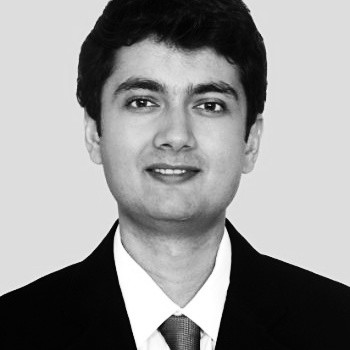
  • “If you enjoy the law, keep your head down and work when times get tough, respect your seniors, there are enough reasons to pursue your journey.” – Udayan Verma, Independent Legal Practitioner.

    “If you enjoy the law, keep your head down and work when times get tough, respect your seniors, there are enough reasons to pursue your journey.” – Udayan Verma, Independent Legal Practitioner.

    This interview has been published by Anshi Mudgal and The SuperLawyer Team
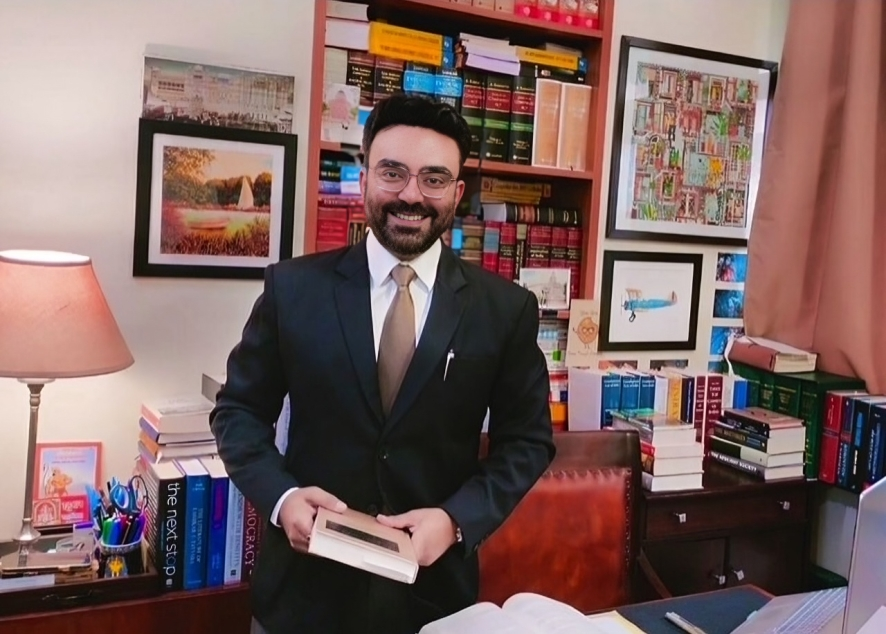
    You’ve built a distinguished independent practice, representing both high-stakes private clients and government enterprises. What inspired your transition from being an Associate under a Senior Advocate to establish your own practice?

    Thank you very much. As much as I appreciate the kind gesture, I feel it is too soon to say that I have a distinguished practice. I am definitely humbled and grateful by the opportunities that have come my way; there is still a lot of learning left and I hope to achieve more at the right time.  

    While practicing law, as one matures and learns to grasp how the legal industry operates in India, one reaches a stage where there is a simultaneous urge to make your own mark in the profession. One’s personal aspirations coupled with the rigorous training which is undertaken during the initial years of practice leads one to desire more from their capabilities as a lawyer. You get down to brass tacks, work on your thought-process and make an honest attempt at handling a legal brief sans supervision. In the process, you wish to hold your own turf, work with the tools which you have gathered, seek client(s) and navigate the case accordingly. You also become accountable and feel ready to take the flak when things don’t go as per expectations. In essence, this feeling is very subjective and the inflection point cannot be attributed to a single event.

    To answer your query, I feel ‘inspiration’ is not a linear term. It can come from the mundane to the magnificent moments of your personal and professional endeavours. They are building blocks of your personality which end up getting chronicled in the vicissitudes of life. In my case, there have been various instances which have inspired me to cut the cord and carry my own weight. Growing up in New Delhi one has an early exposure to the power corridors and legal circles of India. One of the earliest exposures which I can recollect is watching parliamentary debates and reading interviews of many senior lawyers and distinguished legal luminaries.  This was a constant source of inspiration during my formative years. A chance-meet with some of the prominent figures in the legal world was also a source of encouragement to consider joining the profession.  

    While these are contributory factors, I owe substantial credit to my Senior Mr. Prashanto C. Sen, Sr. Advocate who, being a first-generation lawyer, has established a flourishing litigation practice in India. His noble approach to the profession, impeccable standards and going the extra mile to serve the legal needs of his clientele inspired me the most. While taking me under his wings, he not only taught me the fundamentals of law; his training and invaluable wisdom which I imbibed, helped me come out of my shell at an early stage of my litigation career and further encouraged me to start my own practice.  

    Your practice spans infrastructure, mining, energy, and arbitration sectors known for their complexity and regulatory intensity. What drew you to these domains, and how did your early exposure during internships and associate years influence this path?

    Yes, my practice till now has ended up within the four corners of these domains that you have mentioned. Just to give you a brief overview, after graduating in B.A. (Hons.) from the University of Delhi where I read Economics, I pursued the three-year LL.B. course at Campus Law Centre, Faculty of Law, University of Delhi. While attending law school, I used to be drawn towards understanding the dynamics of laws and regulations which are applicable while conducting business activities and commercial dealings. This was probably because of my background in Economics which is a commercially – oriented field. 

    With time I was clear that I would like to gain further knowledge and deeper insights into commercial laws which are applied in business affairs. My interests and curiosity piqued during Company Law classes at CLC, and I wanted to further analyse how these laws end up navigating businesses in the real world. In order to see whether I fit into these domains, apart from general reading at law school, I simultaneously undertook multiple legal internships at some of the most prestigious law firms as well as the Attorney General of India’s office. My internship days taught me the basics of not just corporate law practice but also how to conduct oneself in law firms. Although as interns we had limited roles, it was during these rigorous training sessions that I got the initial exposure to these domains. At corporate law firms, I was able to understand how lawyers apply the law on a day-to-day basis to help corporations and other businesses solve complex legal issues in these sectors. I was fortunate to intern under some of the best legal minds in the country, many of whom showed excellent qualities of being a lawyer and were very patient with the younger lot.  

    When I decided to pursue a career in litigation, Commercial Litigation and Disputes Resolution came as a natural choice since it includes a mix of both – appearing before judicial forums and practicing commercial laws. It also includes within its fold advisory, ADR and counsel work. I chose counsel-chamber practice since there is more responsibility which is put on your shoulders thereby shortening the learning curve. In chamber practice, you are directly dealing with clients while single handedly assisting your Senior. 

    Importantly, Mining, energy and other areas of the infrastructure sector are highly regulated and routinely end up being exposed to major and complex litigations against the State. They require consistent consultations with counsels, legal experts and sectoral specialists. I was lucky to be selected at the Chambers of Mr. Prashanto Sen, SA to start my legal career.  It was during my initial days as an Associate where I got a proper exposure to these domains.  During my term as an Associate, I was tasked with handling very high stakes litigations for not just infrastructure MNCs but also government/PSU bodies as well as sector-Regulators such as CCI and AERA. This was a golden opportunity since one got to analyse issues from both ends of the spectrum – as a private entity as well as a public body. We were tasked with counsel work in diverse fields of law and I was taking care of briefs concerning three major sectors: mining, electricity and aviation. I was therefore very fortunate to get the right exposure in these fields at an early stage of my litigation career, and perhaps this was the inflection point since the exposure helped me shape my domain knowledge, and provided the required impetus to refine my legal craft. 

    Representing clients in high-stakes disputes involves navigating regulatory and commercial pressures. Could you share a particularly challenging or defining case and how was your experience dealing with it?

    That is correct, it is a high-pressure area of practice. Room for error is minimal.  The stakes are very high and the timelines equally rigid.  

    Till date, one of the most challenging and defining cases as an Independent Counsel has been C.A. No. 262/2020 (titled Vedanta Ltd. v. R.N. Mohapatra and Ors.) where I was engaged before the High Court in writ proceedings as well as the Supreme Court. The case involved various complex and interesting legal issue(s) concerning Constitutional Law, Contracts, Customs and Trade Law, Civil Contempt Jurisprudence. This litigation spanned over a period of close to 3 years and was one of my very first legal brief(s) as a newly-minted independent Counsel. It was during the course of this litigation that I ended up building great rapport with many able lawyers – both in-house and outside Counsels and commercial-management specialists with whom I still share a working relationship. I was also fortunate to have been guided by Senior in-house counsels and industry leaders, who were very kind to acknowledge my efforts and support me further in my practice.  

    I would say that handling high stakes disputes help you come out of your comfort zone as a lawyer. The experience(s) ends up educating you on the ground realities of how academic knowledge is to be applied whilst handling a matter, to the benefit of the client whose business interests are at stake and who is relying on your capabilities to assist them.

    These opportunities don’t knock on your doors very often; therefore, it is imperative that you take up such cases without any hesitation. You can always learn along the way. While handling these disputes one faces a lot of challenges – both professionally and personally – which end up testing your mettle. These cases are laborious and demand long hours which at times run into late nights and early mornings, working on weekends, gruelling schedules and exhausting deadlines, all while micromanaging immense pressure from the client. However, when you come out on the other end, you will always be satisfied irrespective of the outcome of the case and be glad that you pushed through.

    Having advised both government enterprises and Fortune 500 companies, what key differences have you observed in their legal cultures, decision-making processes, and approaches to risk?

    In my limited experience, I would say that the legal culture per se is not very distinguishable. At the end of the day both sets of corporations engage lawyers who play a very specific role. Lawyers have their tasks cut out and are only performing their duties as per the terms of engagement/Vakalat.  

    While it is true that private and public corporations have their distinct characteristics and cultures, both do have their sector-specific targets and goals which are required to be fulfilled at all times. The legal team(s) of both are answerable to the management’s needs. Thus, at a macro level and from the outside one does not feel that there is much difference in the day-to-day operations and engagements. 

    I cannot comment much on the decision-making process of either of the two, but I would say that there is a certain level of risk-taking appetite, which is much higher in private corporations as compared to government enterprises. This is borne out of various factors: Private corporations are Laser-focused on profitable outcomes of their decisions with minimal externalities. The time lines are very strict and there is little to no room for any ambiguity. The targets and management/commercial asks are very clearly classified and is percolated through a chain of command. As a corollary, the expectations from an outside Counsel also becomes crystal clear. Private corporations are democratic in that there is much more room to express creative ideas, out-of-the-box thinking is encouraged during conferences and at times appreciated. Frankly, one sees a very peculiar pattern where, due to the fact that private organisations encourage quick and bold decision-making efforts, the unnecessary clutter and irrelevant thought process are weeded out at the very initial stages of brainstorming, helping the team to clearly demarcate the tasks at hand and focus on the relevant issues. 

    On the other hand, PSEs work in a more conservative fashion but are professional in their conduct. There are already established norms and set patterns/traditions which are adhered to and followed while performing the tasks at these organisations. I would say that the propensity-appetite to take risks in PSEs are much lower and there is a consistent effort to avert exposure to untoward outcomes. Being a government company which is answerable to the state exchequer and other departments, a PSE always has a touch of public duty in their actions which ends up contributing to the behaviour of not being very intrepid. This factor is ingrained in the functioning of many PSEs and is reflected while handing litigations and taking decisions. PSEs do command a lot of admiration and respect for the work which they are doing in the infrastructure domain – they are very clear on their roles and the primary objective of building the nation. In that pursuit, many are working tirelessly to achieve this goal.

    You initially studied economics before pursuing law. What led you to choose a career in law, and how has your academic grounding in economics complemented your legal work?

    This is a very interesting question. I will say that an error of judgment led me into reading economics which then led me to law. It was during my first year of graduation at Sri Venkateswara College (University of Delhi) where I read taxation and basics of Public Economics. I had an epiphany and I started reading more basics of law which was available in the University library. This made me realise that law was my actual calling throughout. Since I did not want to let go of the opportunity of pursuing a coveted course such as Economics from DU, I decided to sit tight and then pursue the three-year LL.B. course offered by the Faculty of Law, University of Delhi. 

    Although Economics and Law only converge in certain specific legal fields such as Competition/Anti-Trust, Aviation, etc., in my personal opinion I feel Economics helped me to a great extent in shaping my commercial analyses of legal issues. B.A. (H) Economics is rigorous and is a highly analytical course rooted in problem solving capabilities. Further, commercial clients need a result-oriented approach to a dispute. The grounding in economics certainly complemented my legal work and till date helps me understand business-commercial needs in a better fashion.

    For young litigators looking to build a niche in infrastructure or regulatory disputes, what skills and experiences should they focus on early in their careers?

    For young litigators my advice is to undertake a lot of drafting work during the initial years of their career. Drafting is like solving mathematical equations – the more you do it the more skilled you become. Secondly, stay up to date with what’s happening around the world – read at least 2 national dailies. It is very important that your client believes that their lawyer is not living under a rock! Thirdly, you need to know which laws and bare acts to look into whilst dealing with a client query – while no one expects you to verbatim learn the statutes, it is expected that you can figure out the applicable laws on the issues. This comes with practice and it is important that you keep revising the bare acts occasionally/during vacations. Fourthly, it is a harsh suggestion but in order to survive in litigation you cannot look at the clock till you finish a task – infrastructure and regulatory sector is a very demanding branch with gruelling working hours. Just like building muscles during strength training, you need to build stamina to brave the requirements in independent practice. The longer hours you pull during your initial days will make or break your practice in the subsequent years. So be ready to give it your all. Lastly, and most importantly no matter how much pressure is put on you or how powerful your clientele is, never compromise on your ethics and integrity. Go to bed with a clean conscience. As Advocates, the Standards of Professional Conduct and Etiquette under the Advocates Act, 1961 is our Holy Scripture. As Officers of the Court, it is our solemn duty to uphold the Code’s sanctity. Make sure your professional standards don’t drop by any margin whatsoever. 

    What’s one core principle or motto that has guided your legal journey? How do you envision the growth of your practice and your role in the evolving legal landscape of India?

    There is a Latin phrase ‘Incende naves’ which means burn the ships. It isn’t about ships, it is about committing oneself to a belief, and striving towards achieving your goals and endeavours to the best of your abilities without looking back. This core principle has guided my legal journey from the day I stepped into law school. Legal practice (of any nature – litigation/corporate) is a complicated voyage riddled with uncertainties and externalities. I believe in order to survive in litigation you need this core principle ingrained in you at a very initial stage of life. If you enjoy the law, keep your head down and work when times get tough, respect your seniors, there are enough reasons to pursue your journey. 

    To answer your other question, I feel litigation and disputes practice is here to stay notwithstanding the onset of the Artificial Intelligence revolution across fields. Law is a distinct arena where no matter how much technology one infuses, one will always need the reassurance of a legal mind and a human touch. The legal landscape of India is definitely undergoing successive churns; this is part and parcel of a growing economy. I am looking forward to seeing more ADR mechanisms being put in place. I see a significant growth in arbitration as well as mediation sectors in the next couple of years. While my practice is already within the core litigation space, I do envision to move more and more into the arbitration and other ADR practice. There is a lot of work to be done in these fields. 

    With a practice that spans high-stakes matters and sectoral expertise, how do you maintain personal balance, and what keeps you intellectually and professionally motivated in the long run?

    In independent practice, how you manage your time is mostly up to you. It is important to have a daily routine and more important to stick to it. In my case, there are days when you don’t get time to even sit for a minute, but then there are days which are fairly light. So, I balance it out. On lighter days I do strength training, read a lot of non-fiction books (especially on current affairs, economics, etc.), and occasionally travel with family. 

    In the long run, the only thing which motivates you is your passion for law, helping people in need, and knowing that you are now part of a very illustrious and prestigious community, be it litigation or transactional practice. There is fairly no other stream of motivation because your career is not a straight steam-lined path. In order to find more motivation, it is important that you go to courts even on days when you don’t have a matter listed, sit and observe the judges as well as the seniors who are arguing a case, stay up to date on any important judgments and maintain very healthy professional boundaries between your practice and your clientele. 

    Get in touch with Udayan Verma –

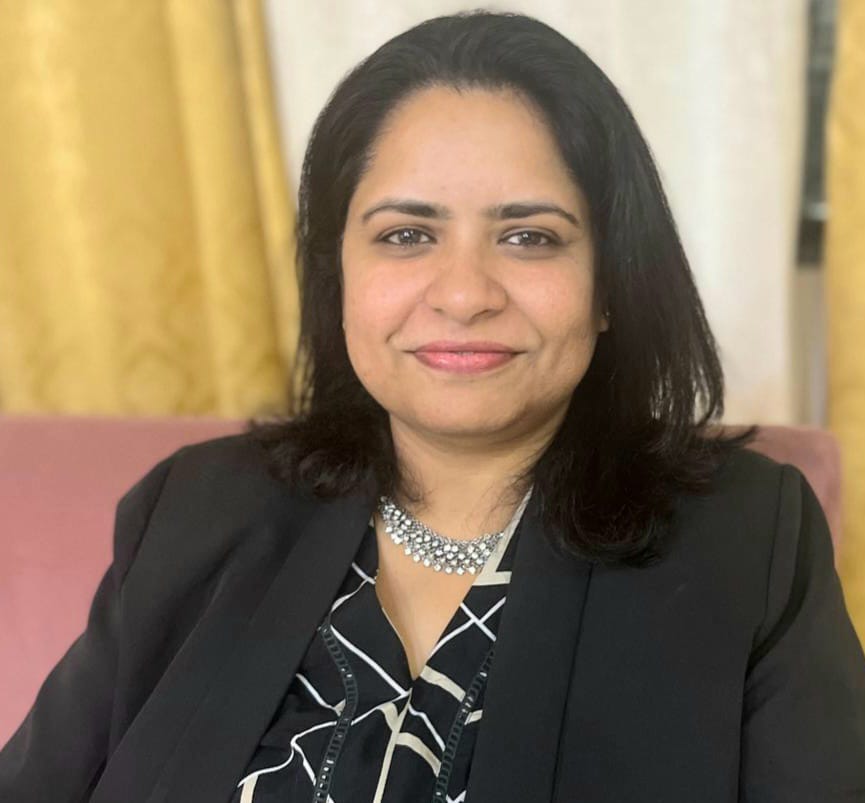
  • “I am acutely aware of the need to constantly further one’s learning (especially in our profession), and have worked towards this to pursue my career goals”- Rakshit Sharma, Legal Director at Tata Digital

    “I am acutely aware of the need to constantly further one’s learning (especially in our profession), and have worked towards this to pursue my career goals”- Rakshit Sharma, Legal Director at Tata Digital

    This Interview has been published by Pragya Chandni and The SuperLawyer Team

    Can you share a bit about your background and what initially inspired you to pursue a career in law?

    I spent my childhood in two wonderful, yet very diverse, cities – Hyderabad and Delhi. Moving cities and changing schools at a young age provided me with a rich tapestry of experiences and the chance to develop new interests. I discovered a passion for history and quizzing, which fostered an innate curiosity and interest in delving deep into complex issues. My involvement in debates on various geopolitical issues further fuelled this curiosity. These early interests, coupled with a desire to explore and understand intricate societal issues, naturally led me to the field of law, where I believed these interests would be best nurtured and developed.

    What was your experience like at Nalsar University of Law, and how did your time there shape your legal career?

    I am fortunate to call Nalsar as my alma mater, and my time there was incredibly formative and enriching. At Nalsar, I had the privilege of working as a research assistant for Professor Amita Dhanda at the Centre for Disability Studies. Professor Dhanda’s courses (specifically, Law and Poverty) were not only expertly taught but were also personally impactful. These courses instilled in me a strong sense of academic rigour and discipline; qualities that continue to serve me well in my legal career.

    In addition to the academic exposure, my internships with top corporate law firms such as Khaitan & Co and S&R Associates were pivotal experiences. Although the duration of these internships was short, they were invaluable for learning and absorbing practical skills. These stints provided me with the opportunity to engage in a professional environment, understand the workings of high-pressure legal practice, and build essential interpersonal skills. These experiences collectively laid a robust foundation for my career, blending academic excellence with practical insights.

    How did your LL.M. at The University of Chicago Law School influence your perspective on law? 

    The LL.M. program at the University of Chicago Law School was an experience of a lifetime. UChicago attracts the very best of faculty and students, creating an environment rich in intellectual diversity and extraordinary talent. Studying from leading practitioners in diverse areas of law (including Antitrust Law, Constitution Law and several practice-oriented courses) meant that the experience was rigorous, yet immensely intellectually satisfying.

    The Law School also promotes multidisciplinary education in the truest sense, and I had the opportunity to cross-register for courses with other departments outside the Law School. I pursued my passion for History with the South Asian Languages & Civilizations Department, and took Professor Martha Nussbaum’s course on “Opera as Idea & Philosophy”. It was fascinating to learn from, and submit a paper for evaluation to a person whose work was an integral part of the courses I had studied in Nalsar.

    These diverse academic pursuits, combined with the rigorous legal training at UChicago, significantly broadened my perspective and equipped me with a well-rounded approach to addressing legal challenges.

    You recently completed the Tata-Blue Mint Leadership Program. How has this program impacted your role at Tata Digital?

    The Blue Mint Leadership Program, which I completed a few months ago, was a transformative six-month experience. Selected for the program, I had the privilege of attending classes taught by esteemed faculty from the London Business School. As the sole lawyer in the program, I gained invaluable insights on understanding business through modules such as digital transformation, sustainability, inclusion and finance for non-finance professionals. This was broadened by business acumen and underscored the importance of cross-functional collaboration; a key takeaway being that working in diverse, multidisciplinary teams can drive greater impact within organisations.

    The exposure provided by the Blue Mint Program has significantly contributed to my professional growth and leadership development. These enhanced capabilities have been a tremendous value-add at this stage of my career, enabling me to contribute more effectively to my organisation’s strategic initiatives and cross-functional projects.

    Your career spans prestigious positions from Khaitan & Co to IndiGo Airlines, and now Tata Digital. Can you walk us through some of the pivotal moments that defined your career path?

    I am acutely aware of the need to constantly further one’s learning (especially in our profession), and have worked towards this to pursue my career goals. Among the pivotal moments that have defined my career path, there are three that I would say were pivotal moments for me: 

    First, choosing to work with the competition law team at Khaitan & Co, gave me exposure to complex transactions under the mentorship of an excellent team leader. At the time, competition law was a nascent practice area in India, which made it that much more exciting to be so deeply involved in the creation of precedent. My penchant for research helped in this practice area, given the need to look for precedent from jurisdictions that have been around much longer.

    Second, pursuing the rigorous LL.M program at the prestigious University of Chicago Law School (on partial scholarship) after working with a law firm for 5 years,  fundamentally changed my outlook and reinforced my dedication to intellectual growth.

    Third, on a personal note, the decision to move cities, start a new role, and welcome the birth of my daughter – all within a single week during January 2022 – taught me invaluable lessons in resilience and maintaining a positive outlook amidst rapid change.

    These pivotal moments collectively define my career path and continue to drive my professional and personal development.

    What advice would you give to fresh law graduates who are just starting their careers in the legal field?

    As Roger Federer has said in his recent commencement address at Dartmouth – resilience, grit (over talent), and learning from failure are pivotal. Words of wisdom which, in my opinion, hold true not just for fresh law graduates, but for all of us!

    Get in touch with Rakshit Sharma-

  • “Perseverance and continuous efforts are the two key words which have so far been working for me.” – Embark on the journey of Mayuri Vats, Head Legal at Noida International Airport

    “Perseverance and continuous efforts are the two key words which have so far been working for me.” – Embark on the journey of Mayuri Vats, Head Legal at Noida International Airport

    This interview has been published by Namrata Singh and The SuperLawyer Team

    Your journey from college to becoming the Head of Legal at Noida International Airport is impressive. Could you share some of the key challenges you faced during your early career stages and how you overcame them to reach where you are today?

    Being a first-generation lawyer, I never had the advantage of family connections or right mentors to guide in navigating the legal landscape and I must admit that I had lacked hands-on training as well that those who have a pedigree in the legal field, receive as a part of their daily routine. 

    Hence, I decided to overcome these limitations by focusing on my skills, knowledge and professionalism. I accepted internships without stipends, offered pro bono legal services to gain hands-on practical experience and aimed to build a reputation of being a thorough professional with integrity. 

    I ensured that I proactively network by attending legal seminars and conferences, keep engaging in online legal communities and join professional organizations to meet experienced lawyers and potential employers. In short, “perseverance” and “continuous efforts” are the two key words which have so far been working for me. Touchwood !! 

    Credit also goes to all those few kind people who understood my approach of working, that is, how I can contribute and bring value to the table and then there was no looking back for me.

    What motivated you to transition from litigation to an in-house role, and how has this shift shaped your approach to legal challenges?

    Making that decision was a significant career move. What mainly allured me to the in-house role was the opportunity to be an integral part of a company’s decision-making processes. 

    In order to have a more direct impact on business decisions, the legal function has to work very closely with the business teams and gain deep knowledge of the company’s operations, industry regulations, and strategic goals. I was very clear that this specialized knowledge is invaluable and provides a unique perspective when advising the company on legal matters.

    As an in-house counsel, I got opportunities to be intimately involved in shaping and executing corporate strategies, negotiating contracts, managing litigation, and ensuring compliance. This level of involvement allowed me to see and understand the tangible results of the legal advice. 

    Further, during my litigation days, I realised that a lot of disputes were arising due to some ‘inattentions’ right at the documentation stage. That incited my curiosity about the critical role an in house can play in mitigating such risks right at the start such as making the documents robust enough to firstly prevent disputes from happening and if not then create a good defence.

    Having worked with diverse organizations such as GMR, Accenture, Alstom, and now Noida International Airport, could you share a memorable experience or lesson from each phase of your career that significantly influenced your professional growth?

    In fact, all the places where I have worked so far have taught me the importance of self-awareness and emotional intelligence. Technically they may offer different things to learn (specific to each sector) but a few common things that I absorbed at all such places is that it is very important to understand the Company’s culture. Any initiatives, external interactions and/or negotiation strategy must be aligned with the company’s culture, work environment and company policies.

    I also learnt that productivity is directly proportional to the extent of empowerment. Once I became a part of the leadership group, I realised that empowerment to take decisions is absolutely crucial. Hence, while accepting a new role, I check on the mandates I would be allocated with, without fail.

    On the technical front, organisations such as Amplus (Petronas Group) and EverEnviro (EverSource owned) helped me build a strong business acumen which is very critical for in-house resources in order to enable them to play a strategic role in the business decision-making process. 

    I developed a solid understanding of risk management and operational strategies to effectively contribute to the company’s goals at most of the places I worked at. Further, I got tremendous exposure in the area of framing and administering “compliance” which is especially a challenging area. A change in one aspect, such as corporate governance or any policy or even key managerial personnel, can trigger requirements in multiple entities. As the number of entities and jurisdictions involved rises, so does the risk of non-compliance. I got hands-on experience in project financing for Alstom, Amplus and EverEnviro entities. I remember some very challenging but interesting days from the complex phase of the Amplus acquisition by Petronas, where I lead the Amplus in-house team which handled the complex phases of the acquisition transaction (with adequate support from the external counsels), for the Indian leg of the said transaction.   

    Alstom provided me a platform where I handled some very high-stake transactions such as the transfer of entire transport business by way of slump sale within Alstom entities; It involved extensive due diligence of the existing records, reviewing and drafting the share purchase agreement, the Business Transfer Agreements, letters to the Customers informing them about this transaction, Assignment and Assumption Agreement etc. 

    There have been some instances where law firms/external support supporting us with transactions cited a case law to prove a point and incidentally, those specific cases turned out to be not only steered from the conception and handled by me (including briefing to the senior counsel etc.) but also managed to get favourable orders therein. The reactions that I received from the law firms once I told them about it, was priceless and its something I feel very proud of. 

    You’ve navigated complex transactions and legal landscapes in industries ranging from aviation to waste management. What unique challenges and rewards do you find in working across such varied sectors, and how do you adapt your legal expertise to each industry’s nuances?

    That’s right! I have worked across different sectors and therefore I think am rightly placed to humbly disagree with a common notion specific to the legal field that one must focus on specialising in one dedicated sphere. My experience tells me that working with different sectors and organisations helps bring in ductility in the approach to handle different set of tasks. I find myself in a better position to handle a diverse range of legal issues and adapt quickly to the unique demands of each sector, multi-task, and work collaboratively with cross-functional teams. 

    GMR, Alstom and Noida International Airport helped me gain an insight into the challenges and nuances of working on government contracts and public procurement. Dealing with government contracts is very different from how one negotiates a private contract. Considering the limited room for negotiations in case of the former, the focus is mainly on how to internally mitigate the risk to the maximum extent possible. That’s a very interesting area which provided me with hands-on experience on risk management as an important tool for lawyers and managing complex projects, providing practical advice, and collaborating with clients. Accenture and Amplus (Petronas Group), on the other hand, provided me a platform where I could build a strong business acumen which is very critical for in-house resources in order to enable them to play a strategic role in the business decision-making process.

    As it is with changes happening almost on a daily basis such as advent of AI, change in the tax framework, introduction or restructuring of several legislations have let legal teams under intensifying pressure to meet new demands and match the pace of business change. Hence, agility and wider exposure has become critical tools for the general counsels and their teams to better support the broadening spectrum of risk, compliance, governance, operations and regulatory issues, as well as the need to support the business in the execution of its strategy. If you ask me, the future belongs to the generalists with the role of specialists becoming very limited as compared to the present time.

    In your role at Noida International Airport, you’re contributing to the development of a greenfield airport. Can you share some insights into the legal intricacies and challenges involved in such large-scale infrastructure projects, and how you ensure compliance while fostering growth?

    With any large-scale infrastructure projects or to be specific a Public-Private-Partnership (PPP), one of the biggest challenges is having no scope of negotiations when almost all PPP concessions usually have a term of about thirty (30) years. Running a project of that scale for such a long period on the same terms and conditions is not pragmatic and a major reason for the imbalance that such projects face from time to time. I am not suggesting for a platform to re-negotiate however, public sectors must provide some comfort to the private parties to accommodate events such as prices going up and imports becoming difficult due to for eg. say this Ukrain war. Although there are a lot of changes that are happening where the public sector is becoming sensitive about the day-to-day challenges private sectors have to face while executing the PPP projects, I feel we still have some miles to cover before the former becomes comfortable with the idea that it is okay for the private sector to make some profits. This fundamental understanding will go a long way to regain and/or strengthen investors’ confidence in the PPP projects. 

    Specifically in the case of Greenfield projects, there are some construction related risks such as physical unexpected events that may occur during construction, which can lead to cost and time overruns. Although concessionaires try to hedge these risks by taking security packages from their contractors and sub-concessionaires, the problem with this approach is the timing. For instance, in most cases, one becomes aware of a technical issue only when the impact of the issue may have consumed a good portion of the security package.  

    The best way to tackle such risks in Greenfield projects is to focus more on immediate security than freezing those for future. Some of the effective measures to manage this risk are to have wide supervision capability of the works during construction and to have termination clauses negotiated in a way that will not put the project at risk in case of construction delay or technical challenge, and that will give enough room for investors to cure before it is too late (e.g. incrementing resources to the works, penalizing the EPC contractor for any delay, even within the longstop date).

    One more risk which is personally very close to my interest is “points of friction” when it comes to risk allocation. As everyone is aware that at the heart of every PPP transaction is the allocation of risks between the public and private partners. Hence, the risks should be fairly and justly distributed between the partners. A lot of background work is already undergoing at the Government’s level to fill in these gaps. 

    You’ve amassed a wealth of experience over 15 years in the legal field. What motivated you to pursue a Master’s in Business Law at this stage of your career, and how has it enriched your professional perspective?

    It was the course structure and content which caught my attention. All the legal themes forming part of this course are more than relevant to my day-to-day scope of activities such as Contracts, IPR, Investment and Environmental Law, Taxation and Banking. I was longing to learn better and came across this course at the right time. It definitely equips those who sign up for it better, with deeper insight into legal issues that may impact / affect their daily work.

    You’ve been involved in significant corporate restructuring, including the strategic sale of Amplus to Petronas. What key legal considerations come into play during such transactions, and how do you ensure a smooth legal transition for all parties involved?

    I believe a good hold on the regulatory framework surrounding such transactions is a must. For example: it needs to be ascertained if the deal is possible under the Competition law, FEMA (in case foreign elements are involved), SEBI (primarily for listed companies involved) etc., as a first step. Regulatory framework and all permissions required therein are extremely significant and can make or break a deal since the cost of some regulatory approvals may drastically affect the commercial viability of such transactions. Moreover, overlooking a necessary approval could render the resulting deal void or voidable, nullifying the efforts of the parties.

    Thorough diligence is equally important where depending on what it reveals, the buyer can negotiate on reduction of the price or constrain the target to provide more robust warranties etc. in order for the deal to continue. 

    Compliance is another very critical area. The licensing requirements, approval status etc. play a key role in deciding the fate of the deal and definitely the pricing. Nature of the ongoing or potential litigations, terms and conditions of the lending contracts etc. are another area of importance which covers the lawyer’s scope in such transactions.

    Open communication channels amongst all parties involved, including employees, customers, suppliers, and investors; assertiveness when it comes to seeking critical information and asking tough questions; solution-oriented approach to resolve deadlocks and uncomfortable situations; and meticulous integration planning which is the backbone of a successful acclimatisation are some of the key traits to ensure a seamless transition in case of any corporate restructuring. 

    Your career has shifted from being focused on personal milestones to leaving a lasting legacy. Could you elaborate on this change in perspective and share your thoughts on the impact a professional can have beyond projects and numbers?

    Well, I think “legacy” is a big word when it comes to my career trajectory. I am far away from that but yes, I do aspire to and take each steps towards achieving a reputation where people remember me as a lawyer of an “indomitable character and integrity” and not just for working on a few good projects and saving an X amount of money for a company. Further, I focus on simplifying the complex. Being an in house I mostly deal with non-legal stakeholders on a daily basis who neither know nor are interested in knowing the legalese. Translating the complexities of law in simple and practical language for them requires tutoring myself as a student on a daily basis when it comes to articulating my thought process. As a result, I get approached with a conviction that things will get addressed.

    A legal professional, at least during the initial stages of his/her career, shall focus more on intellectual growth (as the requirement to be educated on current developments that affect the law is a must) and clarity of mind (as it gets trained due to constant thinking of how to apply a law to an apt situation) more than designations and monetary compensation. This profession is one of the few noble ones which helps one develop an overall personality and at the same time provides an opportunity to shape up the society as well. One should leverage that to the fullest extent possible. That will help them leave a lasting legacy.

    Beyond your professional accomplishments, what are your personal interests or hobbies that bring balance to your life outside of the legal realm? How do you unwind from the demands of a challenging and dynamic legal career?

    By focusing on the objective. The work has to be done and no matter how much the pressure is, if one solely focuses on how to get it implemented, it becomes easier to deal with it and avoid the politics around it.

    Also, in order to avoid the negative effects of chronic stress and burnout, I disconnect myself from work and take some time off to replenish and return to the pre-stress level of functioning. This recovery process requires “switching off” from work by having periods of time when I neither engage in work-related activities, nor think about work.

    Work-life balance is very important for me, and it would not have been possible without my extremely supporting family. They have been with me through thick and thin and an integral part of my journey!! Hence, I try to do whatever I can to squeeze out as much time for them as possible, such as I try to finish a lot of work on my commute so that I can save a few hours there and be at home in time to spend some quality time with them. Additionally, I take a few days off every 4 to 5 months to spend some time exclusively with family.

    It would not be fair if I don’t give due credit to some of my very supportive colleagues. Good colleagues and a supportive team are an asset. They will take care of you when you are down or not on the best days at work. So such support functions are a direct blessing from God !! Take my word on it!! 😊

    My leisure time gets consumed in reading books, watching a good movie / documentary and my perpetual stressbuster is discussing politics. I really enjoy having a good conversation around how the geo-political landscape is turning out to be. 

    I ensure that I take one hour at least everyday when I only introspect, listen to music and read an article/book. 

    As someone who has worked internationally and dealt with compliance on a global scale, how do you stay updated on the ever-evolving legal landscape, and what advice do you have for legal professionals aiming for a global perspective in their careers?

    To be updated about the latest legal developments and on a real time basis is not just a choice; it’s a necessity. I try to stay informed with the timely updates with help of professional networks, relevant law firm practice group newsletters/updates that I have signed up for (i.e. the firms regularly provide guidance on legislative and regulatory changes), and by following relevant industry experts, law firms, and other thought leaders on LinkedIn who focuses on regulatory updates and compliance matters. Invest in your knowledge by participating in seminars, conferences, or web-based training sessions that offer guidance on the implementation of new regulations. Alternatively, review professional summaries to ensure you understand key aspects like involved parties, prerequisites, due dates, and penalties. Knowledge is the cornerstone of compliance.

    For those who are aiming high, I would like to make one thing very clear that there are no clear rules of how to operate in the legal industry. On the other hand, unwritten rules are plenty in number! In order to achieve a global reach it is very important to have a global mindset to start with. By global mindset I don’t mean being able to do things but more about the ability to understand the complexities and nuances of global legal frameworks and environment, for eg., to follow, extract and adapt the best practices from other geographies, to be able to understand and tab on the trade-offs between local requirements and global standardisation.

    Get in touch with Mayuri Vats-