Tag: Army

  • “Over the years I have learnt that litigation is one field where a woman can balance things, be the boss on her own terms!” – Garima Sachdeva, Senior Panel Counsel for Union of India at Delhi High Court & Armed Forces Tribunal.

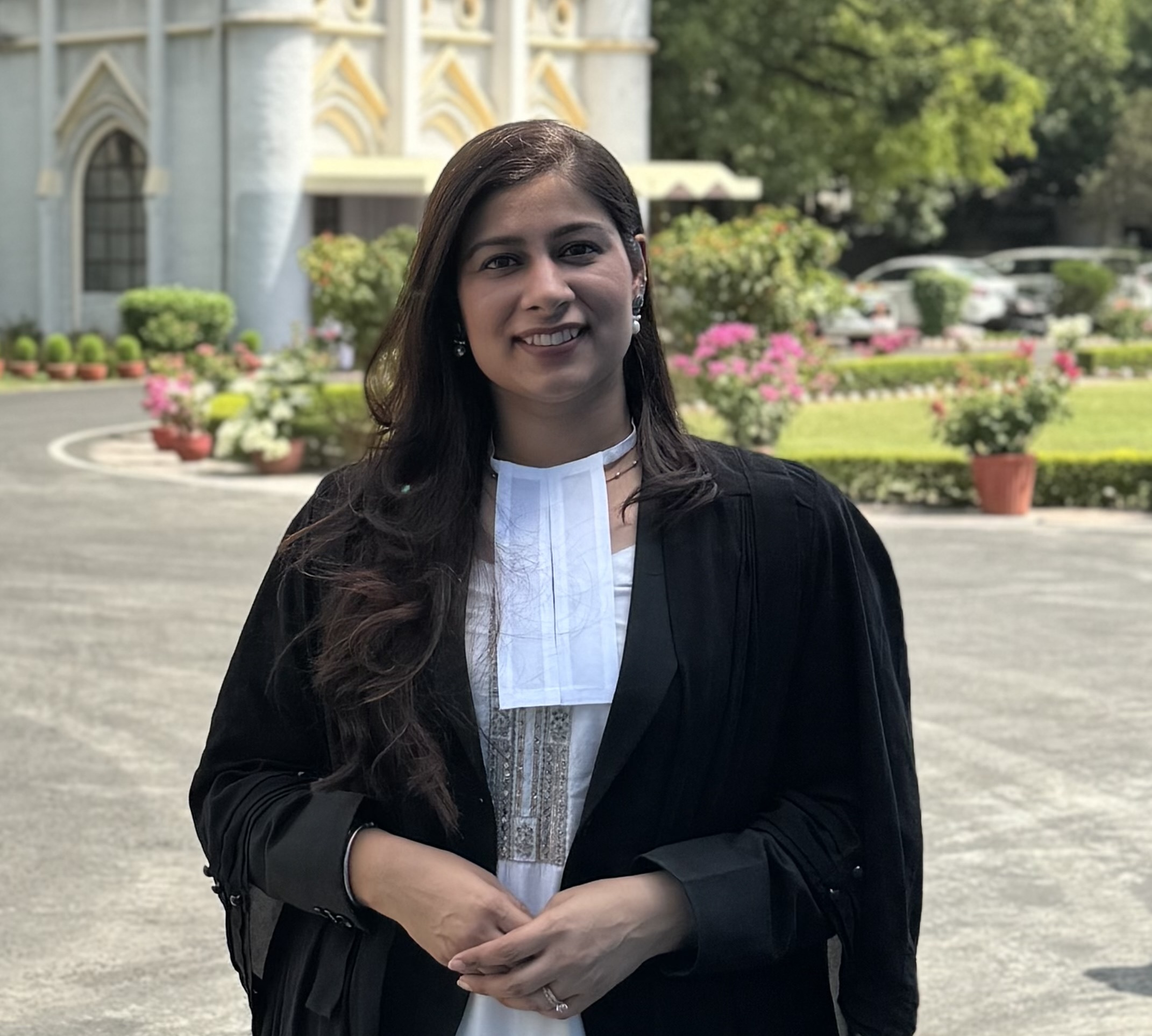
    “Over the years I have learnt that litigation is one field where a woman can balance things, be the boss on her own terms!” – Garima Sachdeva, Senior Panel Counsel for Union of India at Delhi High Court & Armed Forces Tribunal.

    This interview has been published by Anshi Mudgal and The SuperLawyer Team
    Coming from a lineage of four generations in the legal profession and having been raised in both legal and military environments, what pivotal experiences or influences led you to pursue law as your career? In what ways has your military background shaped your legal perspective and practice?

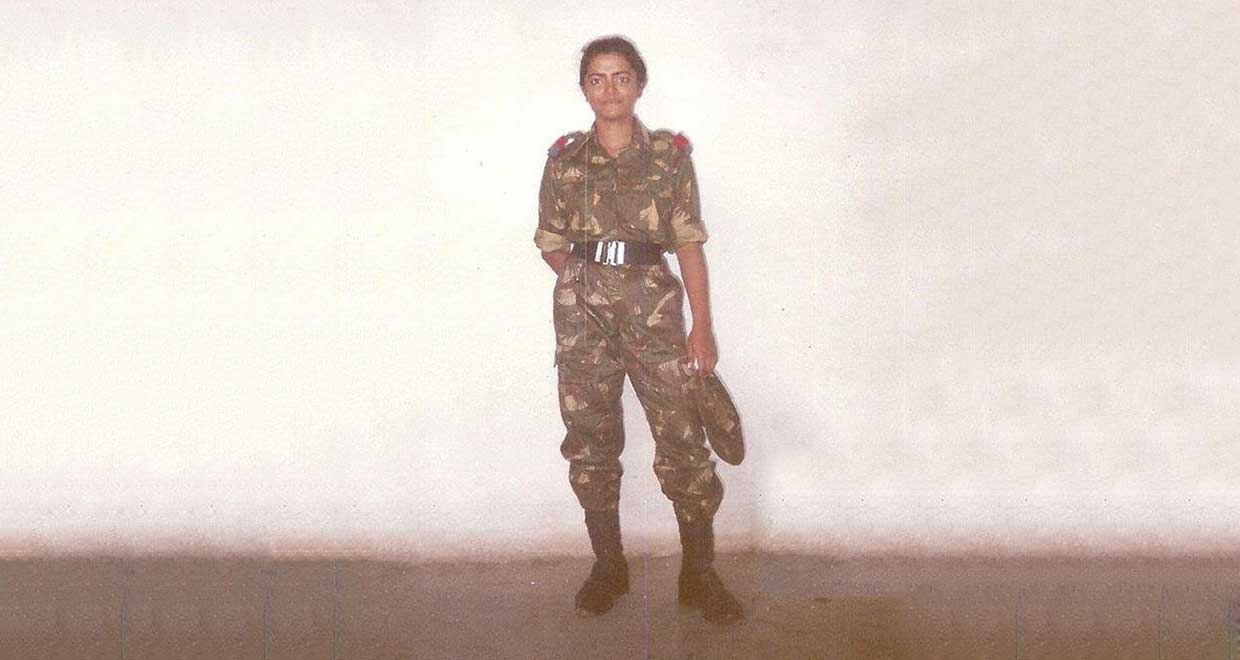
    To be honest I was also one of those confused teenagers who couldn’t decide what direction to steer towards, one day I wanted to become an archeologist and the other day I wanted to become a fashion designer. But when you have so many lawyers in the family, that’s usually the safest option since you have someone to fall back on. I still remember the day my grandfather suggested to my dad that bring her to Law, and since my dad was the black sheep amongst the lawyers in the family, granddad had a sense of pride to have convinced me to pursue law as a family tradition. Being an Air Force kid, born in Bangalore and being brought up all over, I have lived and breathed the blue uniform life, from changing 9 schools in 12 years of school life, I was also taught to adjust and adapt to change almost every 2 years. I started my practice in 2014, with a military upbringing and a legal legacy I somehow felt the need that both had to be utilised to its max potential, and as if the universe had a plan all laid out, I started practice in an office which did military law and service laws as a major field of practice, and 11 years down, there has just been no looking back! Earlier I was fighting for the faujis against the fauj and now I’m proud to be fighting for the fauj instead, from private practice to being a Senior Panel Counsel for the Union of India. 

    What inspired you to pursue an LL.M. in International Humanitarian Law and Human Rights at Europa-Universität Viadrina in Germany? Could you share how your academic experience there enriched your understanding of law and influenced your professional journey?

    The subject of Humanitarian law encouraged me to pursue my masters in the middle of my practice, in 2019. I suddenly took the decision to step aside and study, with an intention to gain experience on an international level and for self growth. Learning International law and understanding its applicability in your country gives you a macro prospective of what you do in court rooms daily, specially in military law, learning how the military law functions internationally changes your prospective and brings a better geopolitical understanding of your country. For a subject like this, I picked a university which is one of the oldest University of Germany, it has seen all the major wars of the world from the Napoleon War to being the centre of the World Wars, the university in fact became a shelter for refugees during the world war, so it could not have been any better than this for a subject like this, with professors from all across the globe, it has certainly had a great influence on both my professional and personal life. 

    During the initial phase of your career, you worked closely with a senior who later was elevated as the Delhi High Court Judge. What were some formative experiences or lessons from that time that helped build your legal foundation and sharpen your skills as a practitioner?

    Every boss teaches you legal expertise but one of the main lessons that I learned from my senior, was the balancing act. We were all women in the office being led by a woman senior, as a lot of people say that a career driven woman usually loses sight of her homebound responsibilities,  no matter what women have to cater to work, home and self.. I personally do feel it is a woman CAN do it all! Over the years I have learnt that litigation is one field where a woman can balance things, be the boss on her own terms, be the boss at home and also be your own boss! We were not only taught to be efficient at work but also to be responsible back at home and at the same time celebrate every small accomplishment which is needed for one’s sanity, and I still live by the same and try passing that on to my associates and even interns. 

    What motivated you to establish your independent practice in 2017? What was the vision behind taking that step, and how has the journey unfolded since then?

    I guess, in litigation one has to take that leap of faith and jump, starting your practice is the ultimate milestone, sooner or later one has to just take the plunge and swim without the life jacket. It was a tough call, especially during covid, it was difficult to sustain and build the clientage, but I guess most of us went through the same struggle. 11 years in practice this year, every day is a new day, with a variety of matters on hand, it’s been all about brainstorming and eventually counting accomplishments, and thus, there has been no looking back! 

    As the Senior Panel Counsel for the Union of India at the Armed Forces Tribunal, Principal Bench, what types of matters do you typically handle? How do you approach cases that involve high levels of confidentiality and complex military legal issues?

    So Armed Forces Tribunal has a variety of military related issues it caters to, I have personally been handling cases related to the Disability pensions of officials in forces, matters pertaining to policy decisions of the forces, Cases of NOC and early discharge from service, Agniveer being one of the newest cadre in the forces has its own challenges which has been a part of my expertise before the AFT. I was recently handling a case filed by an Agniveer who was denied appointment due to a criminal case against him before a Juvenile justice court, and we dealt with it in accordance with the Agniveer recruitment rules. Some matters which are filed against the Court of Inquires and General Court Martial proceedings are extremely interesting, where you are not just dealing with procedural aspects but also dealing with the very personal acts and actions of the person involved in the said COI and GCM, now these are matters which may bring in a bit of complexity due to its nature. On the private side I remember dealing with cases involving sexual harassment at workplace by women in uniform in the paramilitary, those issues involve military laws and dealing with the disciplinary inquiries while also making sure the women before the courts are given the due respect they deserve being in women in military fighting for their own protection. 

    You’ve handled matters involving the Indian Air Force, Navy, Army, and Para-Military Forces, including inquiry proceedings and policy-related issues. What are some of the unique legal and procedural challenges in dealing with cases related to the armed forces, particularly concerning Short Service Commissioned Officers?

    One of the most important matters that I truly will always be grateful to be a part of are the right to Permanent Commission to women Short Service Commissioned officers of the Army and Indian Air Force. I joined the profession in 2014 when this legal battle was ongoing in various legal forums and I had the opportunity to assist my senior in these landmark matters and eventually take these matters ahead. We had several designated (rather legendary) seniors who led the show in the Apex court to restore the right to women in forces. When it comes to matter pertaining to the forces, the larger issue might remain common, however the policies around it keep changing, with regards to PC matters in the IAF, I was the first to challenge the 2019 policy for grant of PC to SSC officers, this policy incorporated all that had happened in courts up to date, with  new avenues to challenge, in fact in the midst of covid I remember running pillar to post from AFT to Delhi High Court seeking relief for an IAF lady officer, who was denied PC and was to be released from her service while the courts were on a winter break, and I still the remember the feeling when the matter was heard by a vacation bench in HC and the judgement was stayed, we had 2 days in had before our release, and suddenly at 11 in the night the next day, i got a call from the court staff saying her release had been stayed and the order is uploaded online, she was to hang her uniform the very next day. Another such empowering issue was in the initial years of my practice, when I was approached by a young girl who came from a conservative muslim family, but was very passionate to join the paramilitary forces, due to the struggle to convince her family she was delayed and was denied entry to the forces, and I can never forget J Hima Kohli, (who headed the service db in Delhi High Court that time) felt every emotion and passion of this young girl and directed the forces to grant her a joining, and that, was my first reported judgement and my first news article, certainly a major motivational boost for a young counsel. I was also appointed an amicus curiae just 2 years into practice in a matter which laid down the law on delay and latches with respect to the Right to Information Act.

    Since 2022, I have been a senior Panel counsel for the Union of India at both the Delhi High Court and the Armed Forces Tribunal, the switch from being against the Union of India to representing the Union has been quite drastic yet full of gratitude, representing the forces and defending them holds a different meaning for me (being a fauji kid). I have been representing the forces in a mixed bag of cases, from issues related to the disciplinary proceedings against officials, which involve Court of Inquiry proceedings and Court Martials which are intense yet interesting at the same time. Recently, I argued a matter before the HC which related to the fast track  promotions through a special exam conducted by the UPSC of a para military force, and it was basis a legal opinion I had made, that the entire rule position of the said force changed and assented to by the highest authority, now in implementation. I have been grateful to have been a part of another landmark matter which relates to the disability pension to the personnel of the forces, there are many more policy and disciplinary matters which I have been truly glad to have handled. 

    What advice would you offer to young lawyers who aspire to work on legal matters related to the Armed Forces? Were there any specific habits, values, or resources that played a significant role in shaping your professional growth in this field?

    The advice for young lawyers wanting to enter the AFT practice would be to firstly understand your defence forces’ uniforms, its important to learn their ranks, understand the hierarchy of these ranks and most importantly feel the pride of our country’s forces. Its genuinely upsetting to see the youngsters not even recognising the colours of the uniform of their armed forces, one should just begin with this value and respect, rest the seniors of the profession will teach you. 

    Legal practice is often incredibly demanding, requiring long hours and intense focus. Given your active involvement in public speaking and participation in DHC Bar Elections, how do you manage to balance these professional responsibilities with your personal life? Are there any routines, habits, or strategies you follow to stay grounded and maintain your focus?

    Honestly there is no one way of doing this, elections were a taxing few months, balancing election campaigns, work, and home, did take a toll on me on some days, but I kept telling myself that I need to do it because I CAN do it! Winning or losing was never on the charts, the process of elections changed me in so many ways.. it got me so close to so many seniors, colleagues, juniors which would have not been possible without this process, it’s all win-win by the end of it. Litigation is one profession, where the same set of people who have seen you step into this Black & White life will also see your rise and fall both professionally and personally. The same set of people are also going to be with you in your good and bad phase of life.. I really appreciate how the entire Bar reaches for your weddings, your kids’ weddings, your designation celebrations and they even stand by you in your hard times.. we meet them everyday for years.. this family is here till your last day in practice.

    Get in touch with Garima Sachdeva –

  • “Every day is an opportunity to learn something new. Embrace it, cherish it, and let it inspire you,” From Chef Aspirations to IP Law Powerhouse – Navreet Kaur, Partner at Ashwathh Legal

    “Every day is an opportunity to learn something new. Embrace it, cherish it, and let it inspire you,” From Chef Aspirations to IP Law Powerhouse – Navreet Kaur, Partner at Ashwathh Legal

    This interview has been published by Namrata Singh and The SuperLawyer Team

    Can you share with us how your journey in the field of law began after graduating from the Army Institute of Law, Mohali? What initially drew you to Intellectual Property law? And we would also love to know what inspired you to make a career in Law.

    I graduated from the Army Institute of Law in 2012 and began my career at S.S. Rana and Associates that same year, working under the guidance of Mr. Vikrant Rana. Mr. Rana’s extensive knowledge and experience in intellectual property law left a lasting impression on me. Although my work initially focused on the opposition department, I gained valuable insights into strategy, meticulous drafting, and vetting of written pleadings from him and my dearest colleague, Ms. Meenal Khurana. What I cherished most during my time at the firm were the friendships I formed, many of which I still hold dear. They say the friends you make at your first workplace remain for life, and in my case, it holds.

    Law wasn’t my first career choice; I dreamt of becoming a chef. Life, however, had different plans. I’ve always been the type to question things, to ask too many questions, as those who know me can attest. So, naturally, law felt like the perfect fit for someone like me. Plus, I’ve developed a knack for delving into the nitty-gritty details, over-researching, and finding solutions – it just clicked.

    Entering the field of intellectual property law was a stroke of luck. I developed a passion for IP during my college years, but it wasn’t until I joined S.S. Rana that I truly fell in love with it. The dynamic nature of IP law presents new challenges and opportunities for learning every day. They say, “Every day is an opportunity to learn something new. Embrace it, cherish it, and let it inspire you.”

    You spent eight years at Saikrishna and Associates working with the Trade Marks Prosecution Team. What are some of the most significant cases or projects you worked on during this period?  Also could you please share insights on your time at Saikrishna & Associates?

    After a rewarding tenure of less than two years with S.S. Rana, I joined Saikrishna and Associates in 2014, where I had the privilege of working under the exceptional guidance of Mr. Pushpam Jha. Mr. Jha’s profound knowledge and unwavering support in prosecution practice were instrumental in my professional growth. Under his mentorship, I gained comprehensive exposure to trade mark, copyright, and design prosecution.

    Initially joining as an Associate, I was promoted to Senior Associate in 2018 and remained with the firm until 2022. During this period, I worked with a diverse clientele across various sectors, including media and entertainment, FMCG, beauty, and pharmaceuticals.

    One of the most memorable experiences was managing a significant portfolio for a cosmetic client grappling with extensive infringements. This involved addressing identical applications not only within the core class but also across multiple other classes. I played a pivotal role in strategizing, clearing the Trade Marks Register, and maintaining vigilant oversight of potential infringements. This experience was incredibly enriching, providing me with profound insights into portfolio management and strategic enforcement.

    Another notable project involved an international portfolio in the automobile sector, encompassing over 800 marks. When the portfolio was handed over to me, it was fraught with challenges. My team and I dedicated several months to addressing and resolving these issues, ultimately streamlining the portfolio and enhancing its global compliance. This endeavour significantly bolstered my confidence and broadened my understanding of international trademark laws.

    At Ashwathh Legal, your expertise expanded to include media, entertainment, and publishing. How have you navigated these new domains, and what unique challenges have you encountered? 

    With nearly a decade of experience in intellectual property prosecution, I recognized the importance of evolving and broadening my professional horizons. The vast expanse of knowledge in the field offers endless opportunities for growth and development.

    Building on my background in IP, I have ventured into advising production houses on potential projects and representing authors to safeguard their rights. This transition has not only extended my professional reach but also enriched my understanding of the industry. Engaging with these new facets of IP has provided me with a broader perspective and a more comprehensive skill set, allowing me to contribute effectively across diverse areas within the field.

    Given your experience with global trademark prosecution, what are some of the biggest challenges you face with cross-border IP issues, and how do you address them? 

    One of the most significant challenges we encounter in international trademark practice arises from differing jurisdictional principles, particularly between “first-to-file” and “first-to-use” systems.

    In India, which follows a common law tradition, the “first-to-use” principle prevails. This means that if you can provide evidence of the first use of a trademark, you generally hold superior rights to that mark. In contrast, many countries operate on a “first-to-file” basis. In these jurisdictions, the right to a trademark is granted to the first party to apply, regardless of who used the mark first.

    This discrepancy often leads to difficulties, especially in jurisdictions like China and Nepal, where “first-to-file” rules can pose substantial challenges. If another individual or entity files for your trademark in such countries, it becomes significantly more difficult to secure registration or to expunge the mark.

    To mitigate these challenges, I always advise my clients to allocate a separate budget for these jurisdictions. This proactive approach helps in managing potential risks and safeguarding their trademark rights effectively.

    Can you share any specific strategies or practices you use to maintain a healthy work-life integration, particularly as a working mother in a demanding profession? 

    Balancing a demanding career as a lawyer with the responsibilities of being a parent is an incredibly complex challenge, and finding a true equilibrium can be elusive. The nature of legal work often requires long hours and flexibility, and this can be especially difficult when unexpected situations arise, such as a child’s illness or urgent court deadlines.

    Becoming a mother has deepened my understanding of the difficulties involved, which are often only fully appreciated once experienced firsthand. While it’s easy to acknowledge the challenges from the outside, living them is a different reality.

    As a lawyer, the work often lacks clear timelines or boundaries, making it a continuous commitment. I am still navigating this balance and learning to prioritize effectively. Each day presents new challenges, and the key is to focus on what is most important at any given moment.

    Being a single parent adds another layer of complexity, making the balancing act even more demanding. Despite the difficulties, I am committed to managing both roles as best as I can, continually adapting to meet both professional and personal priorities.

    As a leader and mentor in your firm, what qualities do you believe are essential for nurturing the next generation of lawyers? Additionally, what specific qualities do you look for in interns or fresh graduates when selecting them to join your team?

    As a mentor and leader, I believe that patience is essential, especially when guiding new team members and interns. It is important to provide them with the time and support they need to learn and grasp concepts thoroughly. I also encourage them to cultivate their own patience and to approach their learning with a focus on accuracy and understanding.

    Equally important is the ability to listen to colleagues and to ask questions whenever something is unclear or seems amiss. Learning is a continuous process, and there may be aspects that even I am not fully aware of. Encouraging a culture where questioning is welcomed and valued helps everyone grow.

    I seek individuals who are not only eager to learn but also possess the courage to challenge the status quo and think outside the box. A willingness to question and innovate is essential for both personal and professional development.

    What are some personal and professional milestones that you are particularly proud of, and how did you achieve them? Also what are your aspirations for your career and for the growth and development of Ashwathh Legal?

    Personal Milestones: I take immense pride in having the strength to stand up for myself and make the difficult decision to leave a broken marriage. Choosing to create a better environment for my child, away from a fractured home, was a significant step toward ensuring her well-being and future.

    Professional Milestones: For me, success isn’t defined by awards or titles. Instead, I measure my growth by the knowledge I’ve accumulated and the respect I earn from my peers. If colleagues and former associates feel comfortable reaching out to me for guidance and value my input, that signifies true success. Knowing that I am approachable and that positive things are said about me behind my back reaffirms my belief that humility and respect are the real markers of achievement.

    I am proud of the professional reputation I’ve built and strive to continue being this person—one who values knowledge, approachability, and mutual respect.

    Have you been involved in any pro bono work or community service related to your field, and if so, can you share some experiences and their impact on you and the community?

    I often provide free advice on trademarks, whether to paying clients or those who may not be in a position to engage my services financially. My primary goal is to offer accurate and helpful guidance rather than focusing solely on monetary compensation. I believe that the value of my experience and knowledge extends beyond just earning money.

    Sometimes, it’s more important to be a good person and contribute meaningfully to others’ understanding than to prioritize financial gain. By consistently offering sound advice and support, I uphold the true purpose of my expertise and maintain a commitment to helping others.

    How do you balance the traditional aspects of Intellectual Property law with the increasing importance of digital IP, such as domain names, online content, and digital media rights? Also Can you share any innovative practices or approaches you’ve implemented in your work?

    Balancing traditional aspects of IP law—such as trademarks, copyrights, and patents—with the growing significance of digital IP involves integrating both domains into a cohesive strategy. Traditional IP rights provide the foundation for protecting brand identities, innovations, and creative works, while digital IP covers newer challenges related to online content, domain names, and digital media rights.

    Unified Strategy: I maintain a comprehensive IP strategy that includes both traditional and digital elements. For instance, when handling trademarks, I ensure that registration and protection extend to relevant digital platforms, including social media and domain names.

    Cross-Disciplinary Knowledge: Staying updated on the latest digital trends and legal developments is crucial. I continuously educate myself on emerging issues such as digital rights management (DRM), online content distribution, and cybersecurity to address new challenges effectively.

    Integrated Approach: In practice, I integrate traditional IP protection with digital strategies. For example, I may combine trademark registration with domain name monitoring and enforcement to ensure a client’s brand is safeguarded across both physical and digital spaces.

    Innovative Practices and Approaches:

    Digital Monitoring Tools: Implementing advanced digital monitoring tools has been a game-changer. These tools help in tracking unauthorized use of trademarks, domain name squatting, and infringement of digital content across various platforms. Real-time alerts and analytics enable prompt action and mitigation.

    Block chain for IP Protection: Exploring block chain technology for IP protection has been an innovative approach. Block chain can offer secure and transparent records for copyright ownership and transactions, reducing the risk of piracy and unauthorized distribution.

    Collaborative Platforms: Utilizing collaborative platforms and legal tech tools for IP management enhances efficiency. These platforms streamline processes for managing IP portfolios, conducting due diligence, and coordinating with international counsel.

    Educational Workshops and Webinars: Conducting workshops and webinars for clients and colleagues on digital IP issues helps in raising awareness and providing practical insights. These sessions cover topics such as digital rights management, social media IP enforcement, and best practices for protecting online content.

    Customized IP Solutions: Offering tailored IP solutions that address both traditional and digital aspects ensure comprehensive protection. For instance, creating specific strategies for digital content creators, e-commerce businesses, or tech startups helps in addressing their unique needs and challenges.

    When developing Intellectual Property strategies for clients, what factors do you consider to ensure their brands are not only protected but also positioned for growth and sustainability? 

    Understanding Client Objectives and Market Position:

    Business Goals: Align the IP strategy with the client’s overall business objectives. Whether they aim for market expansion, product innovation, or brand differentiation, the IP strategy should support these goals.

    Market Analysis: Conduct a thorough analysis of the client’s industry, competitors, and market trends. Understanding where the client stands and where they aim to go is crucial for crafting a strategy that supports growth.

    Comprehensive IP Protection:

    Trademarks: Ensure that trademarks are registered in all relevant jurisdictions and classes to cover the client’s products or services. Consider protecting variations and related brand elements to avoid potential conflicts.

    Patents: For clients with innovative products or technologies, secure patent protection to safeguard their inventions. This includes evaluating patentability, conducting freedom-to-operate analyses, and considering international patent filings if applicable.

    Copyrights: For creative works such as software, literature, or artistic content, ensure proper copyright registration and enforcement strategies to protect against unauthorized use and infringement.

    Designs: Protect unique product designs through design patents or industrial design rights as appropriate.

    Digital and Online Presence:

    Domain Names: Register relevant domain names, including variations and common misspellings, to secure the client’s online identity and prevent cybersquatting.

    Social Media: Develop a strategy for protecting the brand across social media platforms. This includes monitoring for unauthorized use and addressing potential conflicts promptly.

    Digital Rights Management (DRM): Implement DRM strategies to safeguard digital content and ensure compliance with licensing agreements.

    Growth and Expansion Planning:

    Geographic Expansion: Consider the client’s plans for international expansion and ensure IP protection strategies are adaptable to new markets. This may involve registering trademarks, patents, and copyrights in additional jurisdictions.

    Product Line Diversification: Plan for future product or service diversification by evaluating and protecting new innovations or brand extensions. This helps in maintaining a strong IP portfolio as the business evolves.

    Risk Management and Enforcement:

    Monitoring and Enforcement: Implement monitoring systems to track potential IP infringements and unauthorized use. Develop enforcement strategies to address violations effectively, including legal actions if necessary.

    IP Audits: Regularly conduct IP audits to assess the strength and coverage of the IP portfolio. This helps in identifying potential gaps and ensuring that IP assets are managed effectively.

    Leveraging IP for Business Development:

    Licensing and Partnerships: Explore opportunities for licensing IP assets or forming strategic partnerships. Licensing agreements can generate revenue and expand market reach, while partnerships can enhance brand visibility and growth.

    IP Valuation: Assess the value of IP assets for purposes such as fundraising, mergers, or acquisitions. Understanding the economic value of IP can support strategic business decisions.

    Compliance and Ethical Considerations:

    Legal Compliance: Ensure that the IP strategy complies with local, national, and international IP laws and regulations. This includes adhering to legal requirements for IP registration and protection.

    Ethical Practices: Maintain ethical standards in IP enforcement and management. Avoid aggressive litigation tactics and focus on constructive resolution of disputes.

    Get in touch with Navreet Kaur-

  • Deepa Kuruvilla, Founding Partner, Qwinlaw Legal, on experience with the JAG, the Indian Army, litigation at Bombay HC and work in Securities

    Deepa Kuruvilla, Founding Partner, Qwinlaw Legal, on experience with the JAG, the Indian Army, litigation at Bombay HC and work in Securities

    Deepa grew up in a traditional Kerala Christian family, studied at the Ernakulam Law College, under Mahatma Gandhi University, graduated in 1993 and started practicing at the Kerala Trial Court. She later appeared for JAG and worked with the Indian army for five years. She was also a part of the gender discrimination case filed by the Army nurses. After her experience with the Army, she pursued her independent practice at the Mumbai High Court and has been a panellist for SEBI before Securities Appellate Tribunal. Off late she has started her own law firm with the name Qwinlaw Legal.

    In this interview she talks about:

    • Pursuing her dreams and be where her calling is.
    • Taking up JAG and the application procedure.
    • Setting up her own independent practice and being a panellist with SEBI.
    • Establishing her own law firm – Qwinlaw Legal.


    Please tell us a bit about yourself.

    I am a consummate Legal professional with a high say do attitude who likes to meet new people and possibly try to translate the meeting into business opportunity. I am interested in willing to learn and sync present to the future. I see myself as a smart working Lawyer than a hard working Lawyer whose goal is to find opportunities in helping people who avoid litigation than fighting lengthy litigation for them.

    One can see in me a perfect blend of a daughter, sister, mother, a wife, a village girl, a legal professional, a tough army officer, a budding entrepreneur in legal industry. I enjoyed each role in its sanctity and have always done things away from my own comfort Zone!


    How has your pre-college life been like? What were your ambitions before joining college?

    I was born in a very traditional Kerala Christian family and lived and grown up in a small village called Mannoor 30 Km Away from Kochi Airport, in the plains of the pictorial perfect Kerala in a house closer to extensive paddy fields, Butterflies and flowers were my friends! Dancing around the coconut trees and painting were my hobbies! Putting legs in to the flowing streams near the paddy field and watching fishes playing with my leg and enjoying the sweetness of the westerly wind blowing from the paddy field were the most interesting thing to pass time.

    That was a world without Television sets, TV came to neighbouring house after PT USHA participated in Olympics. Most loving friends were paternal grant parents on weekdays and maternal grandparents on holidays.

    Dr. V Paulose (Mom’s Dad) was the only doctor in that Village. So, people adored the super powerful man. Dad’s dad was a hard-core farmer who had lots of bullocks and cows and hens and big courtyards in both the houses to play around, both grandmothers were beautiful and graceful, but ministers of the house, my dad, mom and I always adored, they had a good relations with all their siblings and cousins so we enjoyed the company of lots of relatives and cousins always. This was my childhood.


    Was pursuing law always your professional calling?

    Smart Advocates arguing in the court, were very attractive when seen in movies. Legal topics discussion always attracted me. My dad was Dy. Director in the Revenue Department (Survey & Land Record’s) of Kerala, legal topics were subject matter of discussions at home. I knew that my inclination is more towards Economics and Law than any other subjects.

    When I saw myself as a professional, I always found me as a smart lawyer, helping people to avoid litigation, advising Companies, than entering into lengthy litigation.


    How was your law school experience at Mahatma Gandhi University?

    Law College, Ernakulam, under Mahatma Gandhi University, where I studied was a very famous college due to the senior lots who became Central and State level Ministers and High Court Judges. It had ahuge Library, where I spent most of my time there reading Case laws and interpretations of 1800’s.


    Please tell us about your experience with regard to your first few sessions in Kerala High Court. Has it become more difficult for a fresher to achieve success?

    I worked under Adv. PM Thomas, and was entrusted mostly trial court matters in smaller courts. I used to read and prepare matters before the case presentations or trial, and if I had doubts, I used to clarify the same with my seniors in the office. I enjoyed my work,

    If a fresher observes the successful seniors attending court and the methodology they adopt very closely and learn their presentation skills, and if he or she spends time studying the court matter they handle, I think it is not difficult for him/her to achieve success. The key element is home work and the ability to control the shivers passes through the spine seeing senior Advocates in the court room standing against you. Your knowledge in the subject matter and equanimity helps you to become a David in front of Goliaths, that’s my experience.


    deepa-kuruvilla-2

    What motivated you to apply for JAG?

    Udan, TV serial which came in Door Darshan in Junior College days attracted me very much, seeing a village girl becoming Police officer and entering man’s world! I placed myself in that character and wanted to be in that spectrum in real,

    When I was in 4th year law, the first entry into Indian Army by women happened,a pet project envisioned by Yesteryears Prime Minister Late Indira Gandhi, I was so thrilled hearing about that, Employment Exchange Newspapers were the only source those days to get to know about such opportunities, I kept a watch and applied, with full desire & prayers but no iota of hope, as being competing with the smarter girls from whole of India, with my minimal village back ground. But God’s Grace I got selected.


    What is the application procedure for JAG?

    Whenever there is opening, Indian Army publishes the requirement on their website, and the methods of entry is described, one has to follow the application procedures,

    The process which was in my case was as follows:

    • The first level of selection was at SSB- (Services Selection Board)in May 1995, a written test for aptitude on the first day screening, if passed stay for another 4 days of test. (Who failed will leave )
    • 4 days continuous testing –different psychological and physical test at various levels
    • one who passes the test, will stay for the medical test, rest will leave,
    • Once pass medical test , will be called for training
    • Training at Officers training Academy, Madras for Combat training , which lasted for 6 months , Passed out from OTA Madras ( March 1996)
    • Appointment at JAG’s Branch , Head Quarters ,Northern Command as first lady officer in that office and undergone court martial training under supervision of senior officers for six months
    • Young Officers specialisation course for Military Law at Institute of Military law near Nagpur, for 4 months ,
    • Re-joined JAG”S NCHQ again, This qualified to be a JAG officer to exercise duties of an Independent JAG Officer


    What role does the JAG officer play in the Indian Army? Does the work ever get monotonous?

    JAG officer does Court Martial of wrong doers who are subject to Military Laws. Each case was unique and the Military law is stricter than the civil law, due to the nature of the exigencies of the service; it can never be monotonous.

    Moreover, the tenure in the Army is very challenging and enjoyed the attention I got. There was a charisma of being one among the first lot of lady officers of Indian Army, which made the heads turn to see the lady officer in Uniform! This attracted media attentions many times, manyof whom I met were seeing a lady officer for the first time! The attentions led to a style and attitude of myown, helped me to maintain perfect equanimity and a humble personality, though the toughness and charm of Army Officer was well ingrained.


    deepa-kuruvilla-4

    What were the responsibilities you were entrusted withwhile working as a Deputy Assistant Judge Advocate General –DAJAG (Rank- Captain), officer In Charge Army Legal Cell in Mumbai?

    Army Area Legal Cells of Indian Army defend legal cases filed against Indian Army in that particular Army Area. I took charge of Legal Cell, Mumbai, when it is set up in 1997 as first officer, and the job was to set it up to a full-fledged legal office and defending the ongoing cases against Indian army M&G Area.I was working closely with Ministry of Law,, Assistant Solicitor General of India and Central Govt. Panel Counsels in defending such cases , this included the appearance on behalf of Indian Army before Commission under Justice B.N. Sri Krishna investigating into Mumbai Riots 1993 which attracted lot of media attention.


    Why did you decide to litigate at the Mumbai High Court after working in the Indian Army for about five years? What were the other opportunities you were considering?

    I took release from the Indian Army after 5 years of mandatory services with Indian Army and started practising in various Courts in Mumbai along with my husband who was a practising lawyer and already had a set- up his office in Mumbai, I was focused, didn’t consider any other opportunity.

    Among many cases I appeared in the Mumbai High Court in the Army nurses uniform case filed for the rights of Army nurses made to wear the same uniform as male army officers, a case against gender discrimination. This attracted lot of media attention.

    I later got empanelled as SEBI panel Lawyer and appeared cases on behalf of SEBI in Securities Appellate Tribunal (2003-2005).


    What was the role of mentors in your case? How important do you think a mentor is in the field of litigation?

    Mentor is required for life, not just about litigation alone! I was lucky that God sendtough task masters as mentors in my life.

    First and the most long standing mentor in my life is my Dad! And my Mom his perfect Assistant who supported me all throughout my crazy adventures and wishes and gave me the self-confidence. I am still amazed how they trusted me in all my moves when everything I wanted was unconventional in the small village I belonged to. A girl becoming a practising lawyer- not so great; joined Army – the wildest crazy thing, one can think about a girl who is at the age right for an arranged marriage in my place.

    One example of my dad’s support: when I couldn’t take the rigorous Army Combat Training in OTA, I called my dad asking him to take me out from the OTA by paying penalty to the government for leaving the training incomplete (those days it was per day Rs. 4000/- accrued to number of days spend in the academy), some girls were already left by this method so I had hope, I lured him saying it will be high cost later on, easy to take me out now as it is less cost, he said I will take you out from the academy, if you are the last person to go out from the academy by paying lakhs, you don’t worry about thousands! He said , It was your well thought decision and you should know how to stand by your decision, you will only have choice to be successful, I will not accept failures in my house! He reminded me this while fixing stars on my shoulders on the day of passing out parade.

    My Career begin with my senior Advocate Mr. PM Thomas, as my mentor: – he gave me opportunity to argue important cases in the first year of practise itself even when the opposing counsels were very senior in the legal profession; when the pressure used to build up, and if I complain, he used to smile and ask, “so what”! ; it kept me going and many time successful! This gave a lot of Confidence!

    My Mentor to start practise in Mumbai Courts was my husband , under whom I practised law , a hard task master ,and a very intelligent lawyer, his clients vouch for it , he never used to spare me in the office , eventually I used to take revenge at home , still I was never spared !. He taught me practical wisdom and sensitivities regarding the business of practising law in a big city

    These 3 mentors of life made me my own mentor for the rest of the life.


    What are the requisite soft skills which are essential for a young lawyer to build a successful career?

    The Quest for Learning!, Humility, the ability to understand the ‘advice’ and ‘delivery’ the client require from you,A perfect Equanimity! Even while dealing with pressure while tough arguments, Success will be a bi-product even in adverse situation!


    deepa-kuruvilla-5

    How did you develop interest in these areas of law? Please tell us about your core areas of practice.

    (During Deepa’s five years of independent practice, she has handled matters on Domestic and International Securities Law, Military law and also dealt with matters on Banking and Finance Law and Arbitration.)

    This is an evolution happened based on the matters handled during independent practise with my husband; Interest developed because of the intention to deliver the best result; Analysed the subject matter and spend time in learning the specific subjects and put in the best of the effort , so the end results came successful. My interest in investing in Stock Market and the help of brother practising in Securities law was a great boost.

    The core Area what I am interested among other faculty of Law right now is Capital Market Laws.


    What should a law graduate do in his first year of graduation to establish a career in Securities and Capital Markets Law?

    This area is highly corporatized by big law firms, it is better to join one of such law firms and develop skills and learn Capital Market Laws ; However one need to understand the dynamics of the functions of the Capital Markets and its intermediaries to understand the complexities of Capital Market laws . These laws are very dynamic in amendments and the regulators are amending the laws to support the functionality of the capital Market in its practical applications and to keep it in a perfect balance with the Macro economic objectives, so it’s important to understand the users of this law than Law on a standalone basis.


    What is the reason behind pursuing certificate courses? Was it a professional requirement to enhance more in your career?

    (Deepa has taken courses on Stock Market, Mergers & Acquisitions, Technical Analysis Bombay Stock Exchange Training Institute and also pursued Certification in Investment Compliance from Securities & Investment Institutes, London, United Kingdom)

    I was a visiting Faculty to ITM- Institute of Financial Markets, Navi Mumbai to teach MBA students Securities law in the year 2007. In that process I not only taught students Securities law, but also simplified Securities law to myself, teaching forced me to read those subjects I generally do not dealt with for the purpose of Career. As I said earlier, thesecourses I attended were some of my learning efforts of the subjects I dealt with and it is continuing. Latest is that I am a student of Diploma in Entrepreneurship Administration and Business Laws by NUJS & iPleaders.


    What kind of responsibilities were you entrusted with at the organizations you worked? How different was the work environment of these two companies? How would you describe your experience in brief?

    (Deepa has worked with two organizations – B& K Securities India Pvt. Ltd. as a Legal Manager and Monterosa TSS as their Vice President of Legal & Compliance in Mumbai before moving to Qwinlaw Legal & Compliances.)

    Working with B& K Securities was the first experience for working in a Corporate office, the prime responsibility was to set up their UK Office with regulatory approvals from FSA, London Successfully set it up and made it up and running and supported the compliance functions; The other functions was to oversee the compliances of their international offices in Singapore and US.

    The role in MTSS was for Legal Due Diligence support for their clients investing into Indian Market via Venture Capital, Private Equity and FDI.

    Both experiences were enriching and helped me in continuous learning as there is lot of complex regulatory compliances to follow and lot of business negotiations to do; which also require hands on legal support.


    What does your current work profile at Qwinlaw consists of? How is a typical workday like?

    Qwinlaw is my own Law Firm. This firm specialised in Legal & Compliances function to Support the clients who invest into Indian Companies and help them to comply with India laws and ongoing regulatory filings; Support clients to assess and manage the legal risk andgive solutions to structure the business to litigation free as much as possible; there is no typical work day for own business, Delivery at the earliest is the Goal.


    How has your journey been from a fresher to being an expert concentrating on FDIs in to India and Securities and Capital Market laws?

    There was no straight line path, I have managed diversified levels in the legalCareer.However I always had an ability to find where the business is, which suited me and also trendy in the Market;I have always put an effort to learn the core subjects which translated into a level of knowledge which can make me confident for what I deal with;


    When you hire lawyers, what kind of skills and profile do you look for? Are the attributes different for working lawyers and fresh graduates?

    If I feel the candidate demonstrate an ability to perform and have an attitude to improve constantly, who can complement and support me in my work, he or she will be the right candidate.


    Do you offer internships at Qwinlaw Legal?

    So far not! It’s a start-up, long way to go.


    What would be your advice to young law students? Whether they should join a firm or practice at bar? How should they approach the legal career?

    Law student should identify themselves, where do they fit in to excel personally, that should be the choice! Both Firm and Bar have their own charm!

    Career in Law is a process of continuous learning, one should be ready for hard work and learn the practical applications than focusing only on the theoretical knowledge. This will help to build up the client trust in you and you will be able to advice/ deliver results correctly.


  • Assistant Judge Advocate General, Indian Army, on preparing and clearing the Services Selection Board

    Assistant Judge Advocate General, Indian Army, on preparing and clearing the Services Selection Board

    judge-adv-general-1We got to connect with someone who recently cleared the Service Selection Boards exam and got recruited into the Indian Army as an Assistant Judge Advocate General. This is a much rare career insight which we have the opportunity to feature.

    We had requested her to share her insights with us while promising her the much required anonymity. Therefore we had to also skip on many insights of her achievements as a law student and internships.

    We asked her about:

    • Life at Kerala Law Academy
    • Preparing for the SSB and getting inducted into the Indian Army
    • Job of a Judge Advocate General


    Tell us a bit about yourself.

    I am a very talkative, extrovert, fun loving person who loves to travel and enjoy one’s life. But when it comes to work I am equally serious and dedicated to it. So I think it’s a nice mix!!!


    Tell us about your pre-college life and about your family.

    My family includes my parents & younger brother. My father retired as Deputy Inspector General of Prisons and my mom is a teacher. My brother is pursuing his engineering degree from Kerala. I have done my schooling from Holy Angels & St Thomas School Tvm. I always had the ambition of joining the prestigious Civil Services.


    Was pursuing law always your professional calling?

    I would be lying to you if I say that a career in law was on my cards. In fact, I never had it on my list. It just happened. But I was an Arts student. I had opted for Humanities for my +2 so never had Engg/Med thoughts. But I wanted to take up Political Science & Journalism. But landed up in law as it was a much wider option and I thought that it will encompass everything within itself.


    Did you have a legal lineage that motivated you to choose this field?

    [sociallocker]I come from a non-legal background. I decided on law, firstly I loved the subject, secondly it would give me a professional degree and I could take up law as an option for Civil Service Examination, as I was a Civil Service Aspirant.


    How were you years at Kerala Law Academy College?

    College was fun with all the moot courts. I had participated in around fifteen Moot Courts including Vienna Arbitration Moot, Jessup & Stetson to name a few. We grabbed lots of prizes as a team including individual prizes for myself as Best Lady Adv, Best Student Adv, Best Speaker etc. After graduation I started with my civil service preparation. I had enrolled myself at Rau’s IAS Study Circle before joining Army.


    During the five years of your law school what kind of internships did you do?

    Well, our college never had any internship plan or scheme. It was on individual interest. I kind of did internship on all fields as I wanted to explore and analyse my interests. I did corporate, litigation and NGO internships. That is when I realised that corporate law is not my cup of tea. I enjoyed NGO & litigation work. But was not prepared to settle down in any of that because, I had my Civil Service dream intact with me then.


    Prior to entering law school, did you ever wish to join army?

    As I said before, I was preparing for civil service when I had applied for the same. The notification in the papers asked for law graduates and I applied. I was not really serious about it till the day of my selection. I was seeing the SSB interview as a practise session for me before my civil service stint. But then things just happened.


    Tell us about the application procedure for JAG.

    The application process is kind of simple. They issue notification for JAG entry based on the vacancies. Presently the vacancies are less but in the next five to ten years the vacancies are going to increase tremendously. Minimum 55% marks in a recognised law course is the eligibility. Then there is the SSB process where you are scanned at various stages by various authorities. SSB does not require any preparation, that is what I personally feel about the same. It is all about the right attitude and confidence. Be yourself, don’t try to copy anything or give stereotype answers, try to bring in individuality in your answers.


    What advice would you give to our readers for successfully cracking SBB?

    Well, I beg to differ. SSB is a psychological test where they test your abilities to lead and command a body of troops. They search for leaders, people who can give orders and take orders. That is why I said it is about the right attitude. Furthermore, for JAG interview they might just come up with some legal question. So if you are convincing enough, which any law student will be, then one can easily crack SSB.


    Tell us about your time at Officers Training Academy, Chennai.

    BAD, I mean real bad.

    I was a kind of person who never got into field or was never a sports person. So it was very difficult for me. The basic training for all is the same so one has to undergo eleven months of basic military training which involves a hell lot of physical activity. You can refer to the Lakshya movie for easy reference.  But nothing is impossible. If a person like me who has never attended a sports day in school can complete it, then everyone can.


    After the training period, where was your first posting?

    After eleven months of rigorous training, finally you will be commissioned into the Indian Army. The feeling was great indeed. It was a proud moment when I finally became a part of the Olive Green community. Well I can’t disclose my posting details due to security concerns and existing instructions on the subject.


    What role does the JAG officer play in the Indian Army?

    JAG officers play advisory role in the Indian Army. We are the legal advisors to our commanders in military, discipline and other allied matters. After the basic training and induction into the Dept we will be made to undergo a course in Military law which is like our Bible in day to day functioning. My typical work day is like any other day in a corporate office or firm, just that you are in uniform and of course minus the work pressure and targets that exist in the outside world. Every work has its own advantages and disadvantages. Sometimes it does get monotonous but I think that is the part of any work. But it is also a challenge one has to face every day. We mainly deal with offences committed by members of Army. So, if one likes criminal law and framing charges, then this is the place to be.


    After how many years of practice is one offered the position of Judge Advocate General?

    Judge Advocate General is our top most position. So it will take another 25 more years for me to reach there. I am performing the functions of Asst JAG.


    What difference do you find in the working of Armed Forces Tribunal and other courts?

    Yes, AFT has been set up to provide as an appellate forum for Armed Personnel.  But it has got original jurisdiction also. It deals with service and disciplinary matters. It’s akin to High Court and an appeal against its order lies to SC. It consists of a judicial member and administrative member. It has been set up as a relief measure to armed forces whose litigation has been otherwise pending in the high courts.


    What would be your message to our young readers?

    I don’t think I have achieved anything to provide a message to anyone. Enjoy your life but remember one thing that it is your five years of effort in law college that is going to determine your future address in this world. It’s your hard work as law student that is going to determine your identity. So it’s up to you to determine who you want to be.[/sociallocker]