Tag: BBA LLB

  • “As a transactional lawyer, one has to comprehend all the future eventualities while drafting agreements and documents between parties”- Hemant Kothari, Advocate and Legal Consultant

    “As a transactional lawyer, one has to comprehend all the future eventualities while drafting agreements and documents between parties”- Hemant Kothari, Advocate and Legal Consultant

    This Interview has been published by Pragya Chandni and and The SuperLawyer Team
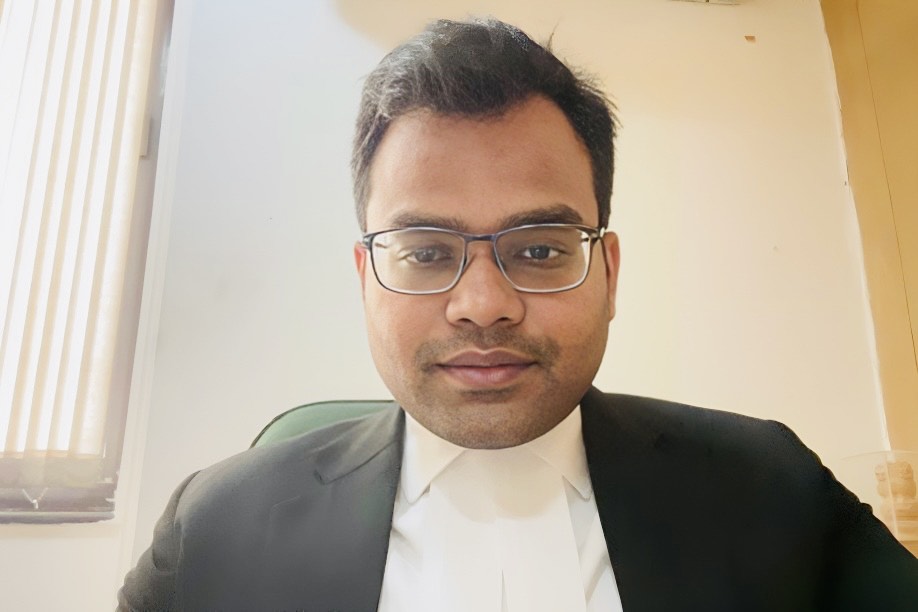
    Sir, can you share a bit about your journey in the field of law, from your early days to establishing your own chambers? What inspired you to pursue a career in law?

    I come from a small town in Rajasthan called Merta, where we stayed for the major part of my childhood before moving to Jodhpur where I completed my schooling. In Merta, my Nanaji (Maternal Grand Father) was practicing as a Sales Tax Attorney and had established a small but niche and respectable practice advising the businesses in and around Merta, on their Sales Tax compliances. Even though he was not a traditional court going lawyer and mostly did departmental practice, he was fondly referred by everyone in the town as ‘Vakil Sahab’, which I used to consider a title of respect. 

    Also, despite coming from a predominantly business family, I had keen interest in social sciences while growing up. 

    Therefore, with the benefit of hindsight, I think my choice to pursue law was the fortunate amalgam of having grown up looking up to a tall and respectable figure in my Nanaji and the opportunity to explore my interests in social sciences when I got to know about NLUs after moving to Jodhpur.

    Coming from a small town, the opportunity to study law at NLU Delhi was a privileged experience, which for me was not only a place to train as a lawyer but opened the world to me in a manner that I had not envisioned. I am what I am today because of the five years spent in the company of the dearest friends and peers, apart from some of the most exceptional faculties at NLU Delhi.

    After completing college, I joined Khaitan & Co (KCO) in Mumbai. In my first year at KCO, I rotated and worked with the Banking & Finance team, Indirect Tax team and the Investment Funds team, before finally joining the Banking & Finance team. I had a great mentor and guide in my partner at KCO, Mr Kumar Saurabh Singh from whom I have tried to imbibe the ability to think holistically as a lawyer, instead of a tunnel view, on any given issue. 

    During my time at KCO, the Insolvency and Bankruptcy Code, 2016 (IBC) had just been introduced and top 12 defaulting companies then were referred to the process under IBC. With the team at KCO, I was involved in the CIRP proceedings of three (3) companies, being Essar Steel India Limited, Alok Industries Limited, and Electrosteel Steels Limited, apart from other assignments under IBC. Invariably, all the processes went into litigation, which gave me the opportunity to work on both transactional and litigation aspects in the aforesaid matters and to closely interact with the leading Senior Advocates in the country.

    The exposure to handle litigation in high stakes matters re-affirmed my interest in litigation but at the same time, I did not want to completely forego working on the transactional side. 

    From a long term perspective, I always wanted to settle in my home state, i.e. Rajasthan.

    Accordingly, after a stint of around three and half years with KCO, I moved to Jaipur and for the first few years, I wanted to just learn as much as possible in terms of managing court practice, advocacy and understanding the intricacies of litigation. In Jaipur, I initially worked with Chir Amrit Legal LLP as a Senior Associate, where I was fortunate to learn under Mr Sanjay Jhanwar (Sr. Advocate) and Mr Prakul Khurana.

    In 2020, I joined the Chambers of Major RP Singh, Sr Advocate and the then Additional Advocate General (AAG), as Assistant to AAG and continue to work under his guidance even today. Under his guidance, I received intensive training in court craft and advocacy, which has certainly helped me improve immensely as a lawyer. He graciously allowed me the flexibility to take up my own matters and to gradually build an independent practice. 

    With the support and blessing of my Seniors, I was fortunate to set up my independent Chamber in August, 2022 after extensive training of more than six (6) years.

    Your experience includes representing the Government of Rajasthan in key disputes. Can you highlight some of the challenges and highlights from your time handling matters related to finance, revenue, indirect taxes, and other departments?

    The experience of representing government departments does help one to gain a deeper strategic understanding of matters from the perspective of the government; in understanding how the institutional machinery works on policy matters; and generally in terms of how the decisions are taken. 

    Now practicing on the private side, the learnings from my experience in representing and advising government does help me in having a better perspective in matters where the government is on the opposite side. 

    Also, governments are the biggest litigators in our legal system and in representing it, one gets to work on a diverse range of matters and really fast forwards the pace of learning.

    In your current chamber practice, you cater to both transaction advisory and dispute resolution mandates. How do you balance these two aspects of legal practice, and what unique challenges do you face in each?

    As I said, during my time at KCO, I had the unique opportunity to work on transactional and litigation aspects simultaneously, for matters under IBC. While traditionally there is a clear segregation between transactional work and litigation work, but in my experience I have realised that one is a better transactional lawyer with the experience of litigation and similarly, one is a better litigation lawyer, with the experience of transactional work.

    As a transactional lawyer, one has to comprehend all the future eventualities while drafting agreements and documents between parties. Having a perspective that how the document so drafted will be construed in arbitration or courts, if it goes in dispute, helps one to give better advise at the transaction stage. The reverse is also true for litigation lawyers, particularly for those practicing in commercial laws. 

    I have experienced so while representing and handling complex commercial arbitrations or court matters involving large volumes of contracts such as Concession Agreements, Financing Agreements, Shareholders Agreement, EPC contracts, Service Contracts, etc. 

    In terms of managing a practice to advise on both transactional and litigation aspects, I have separate teams in my Chamber which work exclusively on transactional and litigation matters, respectively and the final advise or work product is reviewed by me. The chamber also focuses on training the associates to have multi-disciplinary understanding such that they are also trained to deliver a holistic solution to the client. 

    Obviously, with my litigation practice when I am in Courts for a good part of the day, it may at times be difficult for me to singularly manage the transactional practice which requires more desk work. Therefore, I have focused on retaining and nurturing experienced associates dedicatedly working on transactional matters to be able to deliver holistic work products in a timely manner in a Chamber set up, where the end responsibility remains mine.

    Could you share an anecdote or case that was particularly challenging and how you approached it?

    There are various interesting and challenging matters which I cannot talk about since they are still sub-judice in appellate forums. 

    One of the challenging matters I did was a road construction arbitration during the COVID-19 pandemic. I found it challenging since (a) I was the only Counsel responsible for preparing, drafting, researching, coordinating with the Government Officers and also to brief the Senior Counsel on behalf of the Government to defend a claim of more than Rs. 250 Cr.; and (b) barring last one hearing in the arbitration, the entire arbitration was held virtually including for cross-examination.

    The work on this arbitration went on for around one and a half year and I had to really burn the midnight oil on many nights to prepare and be ahead of the opposite side, which was represented by a Tier-1 law firm. 

    Generally as a lawyer one is only trained to look at legal principles, but the added interesting work involved in the matter was to understand the intricacies of road construction and engineering to be able to do proper synthesis of technical matters. I cannot say I became an expert in road construction after this matter, but it certainly tells you that as a lawyer, one gets to work on a variety of matters that keeps the urge to learn alive on each day.

    While we succeeded only partly in the matter, I was humbled to have received the kind appreciation from the Presiding Arbitrator, upon conclusion of the final hearings, as also from my Senior.

    As retained advisor to large Indian business and startups, you describe your role as an external general counsel. What does this role entail, and how do you oversee both transactional and dispute mandates for your clients?

    I do not have any title as External General Counsel but in order to summarise the range of services that I deliver to my clients, I use the term in an informal manner and also because most of the clients may have in-house legal team for general compliances but not to advise and coordinate with the management / business teams on complex legal-commercial issues. 

    As I have already explained, my chamber caters to both transactional and litigation services, which has fortunately been appreciated by a number of large businesses, who have retained me for overseeing and helping them with all their transactional and litigation matters with the expectation that I understand their business and commercial needs while advising them holistically. 

    Increasingly, I have felt that the upcoming businesses or for that matter even established businesses require steady and continued legal support from a lawyer, who is in active practice interacting with other clients and not in their in-house system, to be able to have a better outsider or on-field view on various issues, as early as possible before they rake up. This is possible only based on continued association with the clients to be able to understand and appreciate the needs of the client from a broader perspective while advising on specific issues.

    In this capacity, it is not necessary that we undertake the entire work but sometimes depending on commercial requirements of the client, I advise my client to engage services of other professionals/law firms with whom my chamber works in coordination. The underlying principle being that my role is not only to provide legal services but to keep the best commercial and legal interests of my client to help them navigate their requirements. 

    Thankfully, I have been receiving positive feedbacks from my clients so far on this working model and hope to grow this area of practice more.

    Your advisory work spans restructuring, insolvency transactions, GST matters, investment fund advisory, and more. Can you share a specific transaction or advisory mandate that you found especially interesting or complex?

    The earliest and cherished experience for me was to work on a large multi-jurisdictional financing transactions during my time at KCO. Apart from the long night calls due to the difference in time zones, I learned how one has to apply the prevailing laws and regulations to tailor make an agreement by incorporating the commercial wishes of the parties in the best manner possible. Being a multi-jurisdictional financing transactions, we dealt with the rules under FEMA and the RBI directions to accommodate the terms of the transaction between parties. The entire process of negotiating on the commercial aspects with the legal interpretation of the applicable laws was something that I found really interesting and complex, as it then helped me build an understanding that as a lawyer when one negotiates or takes a position, it has to be backed by sound legal reasoning else the other side can simply roll you over.

    There are many such experiences and learnings but the core principle that I have come to understand is that as a lawyer, one must not stop thinking or prematurely jump to assumptions or conclusions and one  must keep exploring and reinterpreting the bare texts of law as much as possible.

    Considering your diverse experience and success in both private practice and government representation, what advice would you give to law graduates entering the field today? Are there specific skills or mindsets they should cultivate for a successful legal career?

    From my experience so far, I can only say that give your best at your work place. Whatever assignment or work comes your way, take responsibility for it like you have to be personally answerable to the Court or the client, for your work. If you start inculcating such an attitude, your work will speak for you.

    In terms of skill set, the fresh graduates should focus on developing a multi-disciplinary understanding and keep themselves abreast with all the new legal developments to gain knowledge about other areas of law, in which they may not be working. Law evolves and develops every day and as new entrants into the profession, you have the benefit of looking at everything from a fresh perspective to contribute to better development of law.

    Get in touch with Hemant Kothari-

  • Never think you are an accomplished professional; you should always be a learner- Iqbal Tauseef, Director Legal Affairs – Country Head – India, TTEC

    Never think you are an accomplished professional; you should always be a learner- Iqbal Tauseef, Director Legal Affairs – Country Head – India, TTEC

    This interview has been published by  Priyanka Karwa and The SuperLawyer Team

    You’ve had an impressive and diverse legal career spanning various industries and roles. Can you share your personal journey and what initially inspired you to pursue a career in law?

    My Inspiration to pursue the law is to understand the world from an equity and justice perspective. My way of seeing things has developed a lot with critical and logical thinking. Another reason was to be part of the corporate world and sit along with the executives on the table, as their advisor for ease of business from a legal perspective, while meeting their business goals. 

    With experience in IT, software, FinTech, pharma, healthcare, energy, environmental, and manufacturing industries, how do you adapt your legal expertise to meet the unique needs of each sector?

    My vast experience on basics of Contracts Drafting and Negotiations, Compliance and Dispute resolutions skills has made it efficient for me to cross through various industries. One, can be part of multi-industries, if you have strong legal skills and business acumen, as every business requires someone who can avoid the disputes and resolve them if they arise. Strong hold on knowing what compliances are applicable to respective industries, is also another tool for getting on different boats.

    You’ve worked extensively in contract management, negotiations, and arbitration. Could you tell us about a particularly challenging contract negotiation or arbitration case you’ve handled and the key lessons you learned from it?

    I have seen multiple challenging negotiations, wherein I bridged between sales targets and risk mitigation, which is not an easy task. One of the important projects in my journey was an agreement negotiation for setting up a Waste to Energy Plant in India. This is to be the third largest Waste to Energy plant in India. This project was awarded by one of the State Governments to the Company and was given on the BOOT model. The main challenge was to figure out the technology procurement which meets the budget and quality specifications. At the initial level the procurement team reached out to a Japanese Company for providing the Incinerator and that was to be done in consortium with one of the Indian Company for civil works. As part of the legal, I advised upon the challenges we may face for any change in scope and compliance by the consortium (consortium being led by a foreign entity). The executive committee including the CEO and CFO took the cognizance of the risk and decided to reconsider the options for procurement. Instantly, I advised an Indian Company who can be prompt to accept the changes based on the requirements and necessity. The Company worked in that direction and got one of the leading players in India on board for supplies. I as a head for Contracts initiated the drafting, negotiating and finalizing the procurement agreements. We successfully had achieved the timelines with efficacy.

    This deal plays an important role in my career as it involves identifying the unforeseen challenges related to technology issues, warranty, onsite safety, labour availability (During Lockdown period) and completions within the timelines. All the legal matters related to drafting of documents, advising on Logistics & Labour, Financial documents including bank guarantees, corporate guarantees are dealt by my team headed by me. I am proud of this work as we successfully deployed the Indian Company to compete with a foreign company on technology and timelines.

    Your experience at Re Sustainability includes some significant achievements, such as incorporating SPVs and advising on public-private partnerships. Can you share more about these experiences and what they meant for the organizations involved?

    Re-Sustainability is India’s leading waste management company. It is also competing with foreign companies and handles certain major projects outside India as well. Re-Sustainability majorly bids on government projects and has its presence in more than 50 cities and towns in India. This makes the company a reliable partner for various governments and helps the company to build public-private partnerships on certain projects. Few of the significant projects are ‘waste to energy plants’ built in Telangana and Delhi, Municipal Waste project in Chennai etc. 

    In your role at TTEC, you’ve managed a wide range of responsibilities, including M&A, global contracts, legal counsel, and more. Can you discuss how you balance these diverse responsibilities and the key to success in such a multifaceted role?

    “Never a learning, will go in vain”, all my experience and learning throughout various industries helped me to bag this significant role at TTEC. I am associated with TTEC as Legal Head for India. I bag legal, compliance and COE domains. Keen eye on corporate compliances, upgradation with Contracts negotiations skills and productive team leader qualities, helps me to balance all the three roles. We give 100% dedication to what we do and that brings the reliability of various stakeholders, on legal. I have a Contracts Centre of Excellence team working with me, which helps global stakeholders to draft and negotiate their revenue and corporate contracts for various regions such as North Americas, Australia, EMEA etc. 

    My Key to success is never say “I can’t”, you learn and you do it with dedication and honesty.

    You’ve contributed as an author and have written articles in the legal field. Can you tell us about your experiences in legal writing, and what impact do you think it has on the legal profession?

    Yes, I do write on legal subjects. I wrote an article “FORCE MAJEURE IN DIFFERENT LAWS AND COVID-19” and also contributed to “Handbook on Arbitration: A Practical Guide for Professionals” – published by Institute of Company Secretaries of India. Serving the legal fraternity is significant for legal professions, who gain a good repute and exposure. The way you can serve is to write and share your thoughts. Legal writing is very important to let young and aspiring lawyers know how industry works, how to interpret the law and share the legal skills. This will motivate and guide them to explore legal avenues and gain the subject matter. 

    Your career is filled with awards and recognitions, such as being recognized as one of the Top In House Counsels by Forbes. What, in your opinion, sets you apart in the field of law, and what advice do you have for legal professionals aspiring to achieve similar recognition?

    I believe, hard work, dedication and honesty in the below aspects, have brought me these recognitions and awards.  What sets a legal professional apart can vary, but here are few aspects that can contribute to recognition and success in the field:

    1. Expertise in a Niche Area.
    2. Strong Advocacy and Communication Skills.
    3. Ethical and Professional Conduct
    4. Community Involvement
    5. Mentorship and Networking
    6. Continuous Learning and Adaptation

    As an accomplished legal professional, what advice would you like to give to fresh graduates or those starting their careers in law?

    Never think you are an accomplished professional; you should always be a learner. Here are some tips that can help new lawyers as they embark on their legal careers:

    1. Continuous Learning: The legal field is dynamic, and laws are subject to change. Make a commitment to lifelong learning by staying up-to-date with legal developments and continuously improving your legal knowledge.
    1. Effective Communication: Strong communication skills are essential in law. Develop your ability to articulate complex legal concepts clearly and concisely to clients, colleagues, and judges.
    1. Legal Research Skills: Become proficient in legal research methods and tools. This skill is fundamental to building solid legal arguments and understanding the legal landscape.
    1. Networking: Build a professional network early in your career. Attend legal events, join bar associations, and connect with experienced lawyers who can provide guidance and mentorship.
    1. Legal Specialization: Consider specializing in a particular area of law that interests you. Specialization can make you more attractive to clients and employers.
    1. Work Ethic: Hard work and dedication are often keys to success in law. Be prepared to put in the time and effort required to excel in your work.
    1. Ethical Conduct: Maintain the highest ethical standards. Trust and integrity are paramount in the legal profession.
    1. Professional Development: Seek out opportunities for professional development, such as CLE (Continuing Legal Education) courses and workshops.
    1. Practice Management: If you’re in private practice, learn about law firm management and business development. It’s not just about practicing law but also about managing a legal practice effectively.
    1. Mentorship: Find a mentor who can offer guidance, answer your questions, and provide insights into the legal profession. A mentor can be invaluable in helping you navigate your early career.
    1. Adaptability: Be prepared to adapt to changing circumstances and legal landscapes. Flexibility is a valuable trait in the legal field.
    1. Attention to Detail: Legal work often involves complex documents and contracts. Pay close attention to detail to avoid errors that can have serious consequences.
    1. Legal Writing Skills: Practice and improve your legal writing skills. Writing clear and persuasive legal documents is a critical part of legal practice.

    Remember that building a successful legal career takes time and dedication. Don’t be discouraged by initial challenges or setbacks, as they can be valuable learning experiences. Over time, your skills and reputation will grow, and you’ll have the opportunity to make a meaningful impact in the field of law.

    Get in touch with Iqbal Tauseef-

  • As a dispute resolution lawyer, I have understood that what a litigant desires the most is to be heard by an adjudicator and the arbitration proceedings conveniently affords that comfort to a litigant- Soumya Priyadarshinee, Advocate-on-Record, Supreme Court of India

    As a dispute resolution lawyer, I have understood that what a litigant desires the most is to be heard by an adjudicator and the arbitration proceedings conveniently affords that comfort to a litigant- Soumya Priyadarshinee, Advocate-on-Record, Supreme Court of India

    This interview has been published by  Priyanka Karwa and The SuperLawyer Team

    Ma’am, please tell us about your educational background and how you ended up pursuing law? What motivated you to choose this career path?

    Prior to joining law school, my educational trajectory was fairly linear-small town CBSE schooling. I am a first generation lawyer. I decided to become a lawyer when I was just 13 years old. It was largely borne out of the urge to depart from the trend of making the stereotypical choices of either becoming an engineer or a doctor. Some of the credit also goes to the copious amounts of legal fiction which I read at that time.  However, all these years later, for entirely different reasons, the decision to become a lawyer seems more correct than ever.

    You have an impressive work experience, ranging from independent practice to working at various prestigious offices. How did your journey progress from your early career to where you are now?

    The seeds of my litigation career were sown through my law school internships where  I first learnt grasping legal propositions and delivering accurate legal research. Then, as a lawyer, being the youngest member of the team, executing the smallest of tasks with responsibility became a priority. Reading my corrected drafts several times to understand the shortfalls was a practice which has stood me in good stead. With time my drafts have evolved. As the years passed, my approach shifted from finding the correct law to finding the optimum solution for the client. The sweetest part came around the 5th year of my practice, when I started arguing before the Hon’ble High Court of Delhi. What seemed overwhelming in the beginning, slowly became thrilling and enjoyable. The feeling of having conveyed my case satisfactorily across the bar, is by far the most gratifying feeling for me; irrespective of the win or loss that follows.

    During your stint at the Office of Ms. Rukhmini S. Bobde, you handled criminal matters and intellectual property disputes, among others. How did these experiences contribute to your growth as a legal professional?

    Litigation is a nuanced craft. Working with Ms. Bobde, first as an intern and then as a lawyer has helped me immensely. Crystal clear instructions and  adherence to professional practices have been a good primer for me. For example, one can never expect a hassle free briefing session with her without having read the brief cover to cover. Similarly, remaining poised and attentive even in high pressure situations during court hearings is a core part of her arguing style which I have been able to imbibe.  The best part about working with her has been her inclusive way of teaching me. She would always ask my opinion about the possible outcome of a hearing or about the starting point of an argument. The deliberation that follows has taught me the difference between arguing a fresh matter for admission before the Hon’ble Supreme Court and addressing final arguments before an Arbitral Tribunal. In the former, identifying and pitching the best point of a case becomes cardinal. While in the latter, being lucid while marshalling facts is a must. 

    Your work experience at various law firms involved handling cases related to environmental matters, infrastructure disputes and mining regulations. How did you navigate through these complex and diverse legal areas?

    Every new kind of dispute poses a two-fold challenge. The first is to understand the law around it and the second is to get the technicalities straight.  Over the years, I have found that a thorough reading of the brief (however unfamiliar it may be) followed by a meticulous session with the clients who are experts in their fields, such as Engineers and Chartered Accountants etc. gives me good control over the brief. From this point, traversing through the law becomes simpler. Capturing the crux through written submissions seals the deal. This approach cuts across the different domains of disputes. 

    During your independent practice, you dealt with a diverse range of disputes, including public law matters and commercial arbitrations. Could you share some memorable experiences or cases that had a significant impact on your legal career?

    There are many. But one experience from March, 2023 is extremely bittersweet. I was representing a client for the very first time before the Hon’ble High Court of Judicature at Bombay in a case under s. 9 of the Arbitration and Conciliation Act, 1996. I had worked very hard. However, I somehow felt that my arguments did not meet the mark at all. And as my luck would have it, I also managed to get scolded by the Judge that day. The clients were present in court. I was disheartened. I even made the affidavits and the vakalatnama and sent it to the clients in anticipation of having to file an appeal. However, two days later, on the date of pronouncement, I was pleasantly surprised to know from the local lawyer that not only had the Judge decided partly in my favour but he had also praised me in open court. He in fact appointed me as an arbitrator in another matter. I was relieved and so was my client. Needless to say, more work has followed since, from that client.

    You have also lectured for educational organizations such as Law Sikho and Adani University. What drove you to take up teaching alongside your legal practice?

    I belong to a family of teachers which includes my mother and my grandmother. So, I think I have some natural inclination for teaching.  

    My stint at M.V Kini & Co, New Delhi had me working on the litigation portfolios of NHAI, BHEL, AAI and the likes. This acquainted me with technical nuances  of those industries such as the different kinds of Infrastructure Contracts including Engineering Procurement and Constructions Contracts, Build Operate Transfer-Annuity Contracts, Hybrid Annuity Contracts etc. As a result I was able to contribute with a mix of practical experiences and theoretical information while teaching. 

    Similarly, I am taking some classes for Law Sikho which caters to the aspirants of the Advocate-on-Record (‘AOR’) Examination. I just cleared this exam in December, 2022. The curriculum is fresh in my mind. Therefore, I decided to take up the opportunity to help out AOR aspirants.  

    Balancing a successful legal career and taking on outstation assignments can be challenging. How do you manage your professional commitments effectively?

    The challenges behind taking up outstation matters include getting used to the listing process and ensuring defect free filing. The style of drafting also differs. Similarly, when it comes to handling arguments, a new court and a new judge can be disconcerting in the beginning. But these are challenges that disappear sooner than they appear provided one is a keen observer and relies on a good local lawyer. I manage my professional commitments vis-a-vis outstation matters by appearing through video conferencing on non-effective dates, by maintaining my court calendar carefully and by collaborating with competent local lawyers. 

    Throughout your career, you’ve been involved in arbitration proceedings and mediation. Could you share some insights into the benefits of alternative dispute resolution methods in the legal system?

    As a dispute resolution lawyer, I have understood that what a litigant desires the most is to be heard by an adjudicator and the arbitration proceedings conveniently affords that comfort to a litigant. Additionally, the earnest effort of the parties, advocates, and arbitrators to dispose of the matter within a limited time frame augurs well. As judicial intervention is restricted and can be exercised only on limited grounds, the parties are much more likely to accept the arbitral award and save themselves from the seemingly endless cycle of appeals and revision etc.

    Mediation has also proven very effective, particularly for certain genres of disputes. Long years of litigation between family members on matters of property etc have an emotional cost. Thicker the tie, the harder it is to remain objective. However, when mediated effectively, I have seen parties settling old property disputes resulting in disposal of long drawn disputes. The same is true in Matrimonial disputes as well. I have attended many mediations in the Supreme Court Mediation Cell where often chequered disputes between estranged spouses end with a reasonable and dignified settlement. 

    Many fresh law graduates aspire to have a successful legal career like yours. What advice would you give to these graduates who are just starting their journey in the legal profession? What key qualities or skills do you believe are essential for their success?

    Success is a relative term and still seems elusive to me. Delivering my best on each and every opportunity has been my only priority. The two indispensable qualities that come in handy for a lawyer are humility and honesty. As rhetorical as it may sound, I feel with humility, one can identify and embrace one’s shortcomings and work on them effortlessly . With honesty, one can win trust and reliability. These eventually translate into valuable social capital. 

    As a successful legal professional, what are your future aspirations? Are there any particular legal areas or causes that you are passionate about and would like to focus on in the coming years?

    I wish to develop a career as an arguing counsel. Till that materializes, I am happy doing it all, namely arguing, drafting, filing, briefing etc. The core idea is to deliver quality legal services in every case.

    Lastly, could you share a personal or professional mantra that has guided you throughout your legal career and life in general?

    It is true that personal life and professional life tend to run hand in hand. But keeping the two separate is the test of a true professional. Having clinical objectivity towards my professional life has helped me protect and nurture it against the inevitable and sporadic turbulences in my personal life.

  • Tenacity and a strong work ethic are crucial attributes that can never be replaced- Varun Dev Mishra, Advocate-On-Record, Supreme Court of India

    Tenacity and a strong work ethic are crucial attributes that can never be replaced- Varun Dev Mishra, Advocate-On-Record, Supreme Court of India

    This interview has been published by Priyanka Karwa and The SuperLawyer Team

    Sir, could you please share with our readers how you ended up pursuing a career in law? What inspired you to choose this path?

    My journey into the field of law was a combination of serendipity and destiny. After completing my 10th board exams, the only apparent option seemed to be pursuing a subject that would lead to engineering. However, fate had a different plan for me. During the summer vacation, I had the opportunity to witness a moot court competition organized by NLU Bhopal near the city auditorium. The atmosphere in the room was electric, as the final rounds were judged by esteemed judges from the Hon’ble Supreme Court and High Courts. The participants’ relentless efforts to unravel the epistemological intricacies of the law struck me. It was at that moment that I realized my true passion lay in the realm of law.

    As a first-generation lawyer, what were some of the challenges you faced during your journey to becoming an Advocate on Record at the Hon’ble Supreme Court of India and the Hon’ble High Court of Delhi?

    Regardless of whether you come from a long line of lawyers or you are the first in your family to enter the legal profession, the challenges faced by lawyers are often similar. Tenacity and a strong work ethic are crucial attributes that can never be replaced. However, as a first-generation lawyer, the need to work harder may be more pronounced, as you may not have the same network or familial guidance in navigating the legal landscape.

    In my personal journey, I was fortunate to have friends and mentors who provided invaluable guidance and support at every step. As an alumnus of a prestigious National Law University (NLU), I had the advantage of knowing fellow lawyers practicing in various states across the country. Within a year or two of starting my independent practice, I began receiving work related to Hon’ble Supreme Court. It is worth mentioning that being an Advocate-on-Record (AOR) can significantly contribute to establishing oneself as a Supreme Court counsel.

    Could you tell us more about your specialization in criminal law practice? What drew you to these particular areas of law?

    I was always clear that to have a good litigation practice I need to start with the basics. With that in mind, I started my practice as a trial court advocate. The trial of Criminal law is very interesting. Every day you are representing someone whose dignity to life and property is at stake. Although all cases hold equal value, but in criminal matters, the exigencies are much higher. In trial court, the case revolves around hard facts and circumstances. It is in this spectrum of criminal jurisprudence the value of argumentative skills, research and legal strategy is put to real test.

    With over nine years of experience in handling litigation at the Supreme Court and various courts and tribunals in Delhi, could you share some memorable cases or achievements that stand out in your career so far?

    Throughout my nine-year career as a lawyer (which is relatively young), I have had the privilege of working on some captivating cases that have left a lasting impact on me. One particular case from my early years stands out, where I had the opportunity to represent a client who, as a woman, filed a domestic violence case against another woman. This presented an intriguing legal question: Could a woman file a domestic violence case against another woman? The courts in Delhi took notice of this matter and graciously decided to delve into the issue. Eventually, the High Court settled the matter, providing much-needed clarity on this aspect of the law. It was a significant moment, and I am grateful to have been a part of it, contributing to the understanding of domestic violence laws in such cases.

    At present, I find myself involved in a matter before the esteemed Delhi High Court that necessitates the interpretation of Section 143A of the Negotiable Instruments Act. This specific issue revolves around whether directors should fall under the purview of this section. It is a thought-provoking legal debate, given the absence of clear precedents or extensive jurisprudence on this particular matter. The court’s forthcoming decision will not only provide guidance on this issue but will also contribute to the evolving body of law in this domain.

    Additionally, I am currently engaged in another case where the Delhi High Court is carefully considering the scope and applicability of Sections 219 and 220 of the Criminal Procedure Code. The crux of the matter lies in determining whether multiple cases can be consolidated. This presents a captivating legal challenge, as it requires a meticulous interpretation of these provisions and an understanding of their practical implications. The court’s eventual ruling in this case has the potential to establish a noteworthy precedent and guide future proceedings involving the consolidation of cases

    As a panel counsel for many PSU and MNC clients, what are the key responsibilities and challenges that come with representing such diverse clients?

    Every client, regardless of their background or case, has similar expectations from their legal counsel. As an independent counsel in the legal service industry, it is essential to approach each case with honesty, dedication, and a genuine commitment to the work at hand. Maintaining a high level of professionalism and adhering to the client’s brief is paramount in providing quality legal services.

    Being an independent advocate also comes with the challenge of staying updated with the evolving landscape of the law, particularly when dealing with a mixed practice. However, I am grateful for my colleagues with whom I share my practice, as they provide a valuable network for knowledge-sharing and staying abreast of legal developments. Additionally, my associates contribute to the endeavors of each day, collectively working towards providing the best possible legal assistance to our clients.

    By fostering a culture of collaboration and continuous learning is necessary in current times. It is through this collective effort and dedication that I am able to navigate the complexities of the legal profession and meet the expectations placed upon by my clients. Further maintaining the highest standards of integrity, sincerity, and commitment in my practice is not only a professional obligation but also a privilege.

    In your experience, what are the crucial factors that contribute to a successful settlement in litigation, especially when dealing with matters of recovery, contractual disputes, and consumer laws?

    As I embarked on my legal career, I witnessed the increasing prominence of mediation and conciliation processes as essential components of the legal system. Recognizing the mounting burden on the judicial system, courts have established mediation centers within their premises, and certain statutes now mandate pre and post-litigation mediation. Embracing and respecting the process of mediation/conciliation has proven to be crucial in achieving successful settlements.

    As an advocate, my role is to guide clients towards settlement options and set aside personal interests during mediation. By actively participating in the process and facilitating negotiations, we can strive for amicable resolutions. Embracing mediation not only avoids lengthy and costly court battles but also empowers clients to actively shape the outcomes of their disputes.

    You have presided over a bench and been appointed as an arbitrator, Could you share any insights or lessons you’ve learned from these experiences?

    I have had the privilege of serving as a legal member from the bar in the National Lok Adalat, where I presided over cases. Additionally, I have been appointed as an arbitrator by parties to resolve their disputes. The role of an arbitrator or presiding member differs from that of an advocate. In India’s adversarial system, the presiding person is expected to maintain a non-interventionist stance. This means that as an arbitrator, I am obligated to be non-partisan and impartial, basing decisions solely on the submissions made by the parties and the records presented. It is not my role to act as a devil’s advocate in search of equitable justice.

    Maintaining neutrality as a non-partisan individual can be challenging, particularly given the overwhelming number of pending disputes that require resolution within a single day. However, it is important to remember that we are dealing with people and not just statistics. Striving for equanimity and impartiality is paramount, despite the difficulties. Each case before me represents real individuals and their concerns, and I always made sure that it is my duty to approach each matter with the utmost fairness and objectivity.

    As a pro bono advocate, how does it feel to provide legal representation to underprivileged sections of society? Could you share a significant pro bono case that made a positive impact on your career or personal life?

    As a panel counsel of DHCLS (Delhi High Court Legal Aid Service) and Delhi District Legal Aid, I have had the privilege of providing legal assistance to undertrial prisoners and underprivileged sections of society. In the pursuit of justice, it is essential to pay attention to the marginalized segments of Indian society, even amidst the economic growth the country is experiencing.

    In the realm of criminal law practice, there is often a focus on representing clients involved in white-collar crimes, where the potential sentences are relatively low. However, there are many instances where young adults are falsely implicated in cases such as mobile phone robberies, which carry significantly higher sentences. It becomes challenging for these individuals to secure legal representation throughout the trial, which typically lasts 2-3 years. In such scenarios, the availability of free legal aid and pro bono services becomes crucial. Advocates should consider it their commitment beyond their profession to provide pro bono service.

    During the COVID-19 pandemic, I had the opportunity to interact with an undertrial inmate in Tihar Jail. Despite having already served the maximum punishment of three years, the inmate was still languishing in jail due to delays in obtaining a release order caused by the limited functioning of the courts. Moved by the situation, I took immediate action and filed a bail application on a court holiday, presenting it before a duty magistrate. Through this effort, I was able to secure a release order on the same day, providing relief to the individual.

    These experiences highlight the importance of dedicated legal aid services and the commitment of advocates to serve society. By extending our support to underprivileged individuals and fighting for their rights, we contribute to a more just and equitable legal system.

    Finally, what advice would you like to give to fresh graduates who are aspiring to pursue a career in law? What qualities or skills should they focus on developing to succeed in this profession?

    Law is an intriguing field that has been evolving alongside the changing times. It is important to recognize that there are numerous career options in law available after graduation, beyond traditional paths like litigation or corporate law practice.

    For a litigating lawyer, certain skills are essential. Firstly, honesty is paramount. It must extend to the client and to the honorable court. Upholding honesty and integrity in all aspects of legal practice is crucial for maintaining the trust of clients and the integrity of the judicial process.

    Secondly, perseverance and hard work are key.  Contrary to the portrayal in John Grisham novels, the reality of a successful legal career necessitates ongoing dedication and consistent effort. One significant case does not negate the facet of continuous hard work. It is through sustained perseverance that an advocate can navigate the complexities of the legal profession and further it is important to recognize that success is not achieved overnight. It is a culmination of integrity, diligence, and an unwavering commitment to the ethos which you promised to yourself before entering the profession.

  • Harshita Srivastava, VP-Legal, Nexus Venture Partners, on Corporate Law, internships, and her diverse experience

    Harshita Srivastava, VP-Legal, Nexus Venture Partners, on Corporate Law, internships, and her diverse experience

    Harshita graduated in law from Symbiosis International University, Pune, in 2009. She also holds a Diploma in Intellectual Property Law from World Intellectual Property Organization, and a Diploma in International Business Laws and Corporate Laws in India from Symbiosis. After a successful stint at Nishith Desai Associates, Mumbai, she is currently Vice President-Legal, at Nexus Venture Partners.

    In this interview we speak to her about:

    • Pursuing the BBA-LLB course
    • Working at Nishith Desai Associates
    • Her current role at Nexus Venture Partners

    Given that most of our readers are law students, how would you introduce yourself to them?

    On the professional front, I would like to introduce myself as a transaction lawyer with M&A/ PE/ VC experience of over eight years now. On a more personal front, I am a forward looking person who strongly believes in the motto “Aim high, achieve high”.

    What motivated you to pursue a career in the legal field? How did the BBA LLB combination help you?

    I would say I am a first generation lawyer from my father’s family, though my maternal grandfather was a Judicial Magistrate. I never had the privilege to see him around, but I grew up listening to his stories. His personalised stationery (ink pens with his name embedded on it, note pads, etc.) fascinated me as a child and inspired me to get into the profession (however, I could never own a single piece of personalised stationery even eight years into this profession!). The inspiration soon evaporated into thin air as I was growing up in a family full of engineers around me and my dad’s only vision in life seemed to see me crack the IITs. After getting out of school, I was not left with many choices but to appear for the engineering exams. As obvious as it could be, I did not come out with flying colours in any of those papers and right at that time I happened to learn about the new B.A.LLB course at NLSIU, Bengaluru, from an acquaintance. The curriculum and the course interested me enough and I decided to pursue my childhood passion.  

    I would say the BBA LLB combination gives you a better edge only if you are planning to build a career as a corporate lawyer/ in-house counsel since the curriculum gives you a fair insight into business subjects like accounts, corporate governance, principles of management, etc. apart from the regular law subjects.   


    Have you ever felt the NLU- non NLU divide?

    I personally never felt the divide. In fact, I was fortunate enough to get an opportunity (purely based on merit) to intern with big firms like Nishith Desai Associates, Jyoti Sagar Associates, DSK Legal, Crawford Bayley etc., while I was at law school. Again, in terms of recruitment, I got a pre placement offer from NDA (basis my internship), so I don’t think the NLU- non NLU divide played any role in my career.

    Having said that, I am not discounting the importance of making the right choice of institution. However, it is equally important for students to focus on their deliverables and behaviour during internships because ultimately if your work is good, no firm is going to say ‘no’ to you simply because you do not belong to a NLU.


    Can you share some memorable experiences from you time at law school?

    I think I have had the best time of my life at Symbiosis Law School. Having come for a small town, Pune was a fast pace life. Making friends from different parts of India, adjusting to the new city/ climate/ local culture, everything was a great experience.

    Moots formed an integral part of my law school life. I participated as a speaker/ researcher in various national moot court competitions. I was a speaker at the SS Maniyar National Moot Court Competition, 2007 alongwith batchmates Adab Singh Kapoor and Amir Arsiwala, which incidentally happened to be the first national moot court competition that Symbiosis Law School ever won.

    The moot courts are a great learning experience. They not only give an insight into the real court room proceedings by exposing you to different laws and their application to real life situations, (where you get to build your research capabilities and argumentative/ reasoning skills), they also help you understand and appreciate the importance of a team work.


    You were a part of the Human Rights cell in law school. How did you contribute to the activities of this cell? 

    Being part of the HRC at law school helped me participate in various social welfare initiatives, be it educating street children, rehabilitation of the children of commercial sex workers or visit to old age homes. I think its important both as a student and as a professional that you contribute in some way or the other towards societal welfare and development. You must endeavour to give back to society.

    Quoting my first mentor at work Nishith Desai in this context, he says, “As a professional, one-third your time and effort should be devoted towards generating income for yourself and the family, the other one-third should go into intellectual stimulation and development of your own being and the remaining one-third should be used for societal welfare and improvement.”


    You hold diplomas in International Business Laws and Corporate Laws as well as in Intellectual Property law. Can you tell our readers about the nature and scope of these areas of law?

    Though my diploma in IPR did not particularly help me in my career, primarily because I chose to be a transaction lawyer, my diploma in International Business Laws helped me understand the basics of foreign investment, different investment routes, cross border investment structures, etc. which gave me a good base to start off when I began my stint with NDA. A diploma course in addition to the law degree helps you to gain advanced knowledge in a specialised field of law.


    How did you secure an appointment with Nishith Desai Associates? 

    Basis my internship with NDA, I got a pre-placement offer from the firm. I am not sure how it works now, but during our time, NDA only offered jobs to interns they liked working with. At NDA, they believe in a culture of creativity and discipline. If you are good at your work and they believe you are a culture fit, it is likely that you may get an offer.


    What was the nature of your work at NDA?

    I was a Senior Associate in the PE/ M&A team at NDA, where I largely focused on cross border transactions. NDA is known for its research oriented approach and the KM programme aided their belief in constant knowledge expansion. We used to have CE (Continuing Education) sessions everyday at 9 AM where we discussed and debated over legal developments, case studies, deal dissection (analyzing a deal from a legal, regulatory and tax perspective) etc. At NDA, each member had to contribute towards the KM programme, whether it is by way of writing articles/ research papers, conducting or participating in a CE. As part of the initiative, I co-authored several articles for leading national/international publications, attended and participated in conferences and of course there was no excuse to skip a CE session!


    What caused you to shift from NDA to Nexus Ventures Partners?

    Well, I moved to Nexus Venture Partners (NVP), because I saw an opportunity to get to the other side of the table and experience how the implementation of the law firm advise really works.    

    As VP Legal, I lead the venture capital investment transactions and assist in M&As and strategic partnerships, in India.  I also oversee legal compliances for the portfolio companies and offer counsel to portfolio companies on a wide variety of legal issues ranging from corporate compliance to employment laws.

    As a VP to a VC fund, I am expected to balance both the commercial and the legal aspects of a transaction. I have to manage the deal end to end, sometimes with or without support from external law firms.  It becomes demanding more so when the portfolio companies also look up to you for assistance on day to day issues. As opposed to a law firm where you work for a particular team (be it corporate, IP, dispute resolution) as a fund counsel, you are the go-to person for any of these issues so this is more diversified a role in that sense.

    Unlike a law firm, where you are seen as a revenue generator, as an in house you are more like an overhead expense for the fund house, so you have to constantly be on your toes and prove yourself to the company every day.


    In your opinion, do India law schools prepare students for real world challenges? 

    I do not believe so because the real world of law is a lot different from what you perceive it when you are at law school. I think what really adds value to the laws school degree is your internships. So my advice to students has always been to concentrate on the internships and try to learn as much as you can from there. Please take your internships very seriously and trust me every bit of work that you do at your internship adds on to your knowledge and experience.


    What advice do you have for our readers who are primarily college students?

    I am staunch believer of the fact that your ranking from a top law school is not the best indicator of your success, instead its your passion and perseverance which will take you a long way in your career. And as they say, life is a path of snow, tread carefully because every move will show!