Tag: Bombay HC

  • “People will put their faith in the legal system only if they believe in it. The access to the justice system shouldn’t be restricted to the top 1%; it must also extend to the remaining 99%.” – Sahil Salvi, Partner at D N Salvi and Associates.

    “People will put their faith in the legal system only if they believe in it. The access to the justice system shouldn’t be restricted to the top 1%; it must also extend to the remaining 99%.” – Sahil Salvi, Partner at D N Salvi and Associates.

    This interview has been published by Anshi Mudgal and The SuperLawyer Team
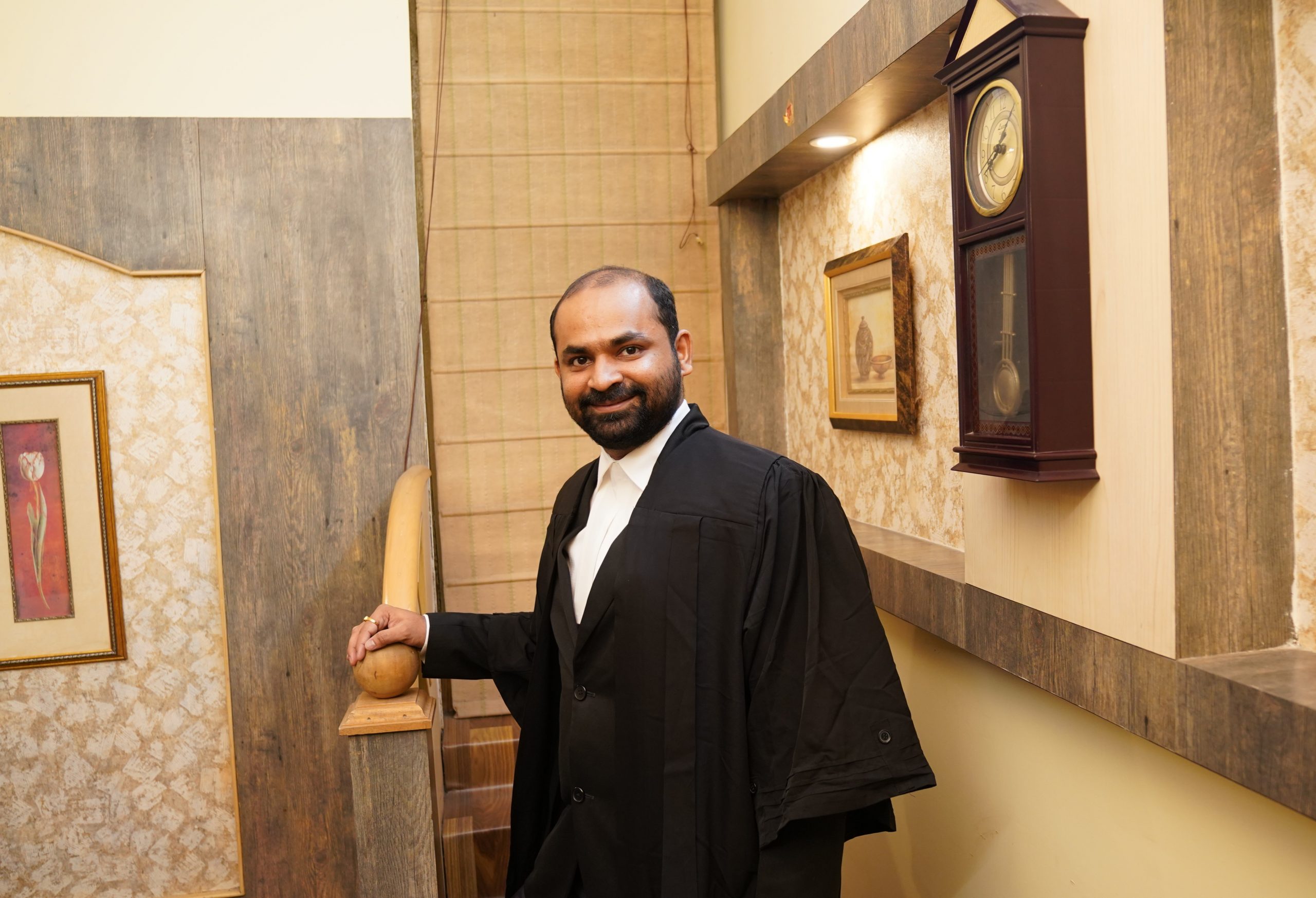
    What inspired you to pursue a career in law, and how did starting as a law clerk for Justice Kurian Joseph at the Supreme Court shape your early understanding of the legal profession?

    From a very early age, I was fascinated by the concept of law, justice and the judiciary. Conversations about justice, ethics, and the intricate workings of the legal system would often surround me. I would often visit the courts or spend time in my father’s chambers. It was all these things coupled with the conversations that generally happened at home that played a monumental role in piquing my interest in Law. His thriving practice, a short stint as a Sessions Judge, and power-packed career as a special prosecutor painted a vivid picture of what I wanted my tomorrow to be. 

    Over the years, my father encouraged me to look at multiple viewpoints or to think critically. I would look forward to the lengthy dinner-time discussions with him, where he would dissect varied matters and he would explain to me the nitty-gritty. I can recollect the lengthy discussions that would span over a few hours to a few days over civics lessons relating to working of the parliament and the judiciary, etc. Though I could grasp only as much in my nascent years, early interactions with several legal luminaries and their working etiquettes taught me that law is more than just a set of rules- it is a breathing, evolving framework that shapes the society. This was enough to gravitate towards the profession. 

    Now for the second part of your question, I want to tell you after graduating from Symbiosis Law School, Pune, I was fortunate to work as a judicial clerk cum research assistant with Justice Kurian Joseph, a former judge of the Supreme Court of India. As a raw professional, learning from a noteworthy Supreme Court Judge was an unforgettable experience that was instrumental in paving my legal journey from there. My responsibilities involved undertaking extensive research (they could sometimes get pretty daunting) and learning how landmark judgements come into existence. I remember sitting in the judge’s library of the Supreme Court on many occasions for hours like once we had to look at the Cooperative Societies Act of all the Indian states to find out which states have the provision to recall the elected nominees or during the NJAC case when we had to look at all the countries of the world how they appoint their higher judiciary. I used to be pleasantly surprised as Justice Joseph would spend quality time with all the clerks and interns, providing feedback to our research and perspectives to the cases argued in front of his bench on that day. I also had the opportunity to watch the country’s best lawyers showcase their impeccable court craft and legal acumen. It was like a dream brought to life for an aspiring counsel like me. 

    However, something else about him will forever be etched in my mind and soul. My precious takeaways were that I could closely observe his dedication, discipline, work ethic and eye for the most astute and acute details. I would love to tell you how on a couple of occasions he would take Suo Moto cognizance of Delhi’s most neglected causes like the case of the deplorable conditions of the Delhi public parks. In my interview he had asked me questions about the lesser-known fundamental duties, something which the law students generally miss out on while learning constitutional law, and the fact that he has authored a book on the same shows his eye for detail. The way he made the work look effortless is evidenced by the fact that he was a very vibrant judge and has authored 1110 judgements, the 10th highest among all the supreme court judges till today. Working under a visionary like Justice Kurian Joseph sir not only broadened my vision horizon but was also instrumental in shaping my core principles. 

    You’ve mentioned providing pro-bono legal services. What drives you to take on such cases, and how important do you think it is for lawyers to contribute to access to justice for all? 

    There is a quote by the American author, Raymond Chandler,” The law isn’t justice. It’s a very imperfect mechanism. If you press exactly the right buttons – and are also lucky – justice may show up in the answer. A mechanism is all the law was ever intended to be.” And I swear by it. As an officer of the court and a member of the legal fraternity, I feel, the importance of public trust in the judicial system is paramount. People will put their faith in the legal system only if they believe in it. The access to the justice system shouldn’t be restricted to the top 1%; it must also extend to the remaining 99%. More and more people need positive experiences with the system to build trust and to retain it. Hence, many litigants who cannot afford the best legal services but fight for just causes need to be seen and heard. I genuinely believe that, as lawyers, we are the voice of the common man who stands behind the closed doors of justice waiting and hoping for the miracle to happen. 

    It is about giving back to society. Do you know that once, while working at the office of Mr. Sidharth Luthra, he asked me if I knew why lawyers with extensive practice opt for the bench, the positions like the ASG/SG/AG, or undertake pro bono cases? After a few moments of pondering, he told me they want to make society a better place for their children. These words have never left me and have acted as my compass as I walk this journey. 

    With such diverse experience, what would you advise young legal professionals who are just starting their careers and aim to navigate the complexities of litigation? 

    As a budding lawyer or a young professional, you must explore various fields before finding your true calling. As popularly quoted by Julian Assange — ‘What we know is everything, it is our limit, of what we can be.’ So, budding legal entrants should try to know everything to find out where and how they can channel themselves. 

    My father’s wisdom often reminds me that law is prudence- it is a manifestation of common sense. It revolves around what a person of normal prudence would do in a given situation. This practical, judicious perspective is the foundation of interpreting any law. 

    One common myth I encountered early in my legal journey was the idea of ‘Sundays in litigation’. There is a very famous interview of a Senior Counsel who has said that there are no Sundays when you work at a litigation office. It is absolutely true. While the entire week goes attending to matters in court, weekends are spent in litigation offices drafting and conducting conferences. It’s a life of dedicated hard work and discipline. I believe, success in litigation is not about being a born genius, but about years of hard work, dedication, honesty, patience, integrity and self-belief. In the end, like my father says, law is just common sense. 

    As far as my journey as a young professional goes, my clerkship at the Supreme Court was immensely helpful. I took lessons in court craft from the country’s best counsels which was through self-learning as they argued in front of the court. I would say, that for those who don’t have time to invest in clerkship, spend some time sitting in the court halls and observing the court proceedings— that is where the best learning experience lies. One should also invest time in learning about the trial court proceedings even if you aspire to practice in the appellate courts. If you are unaware of how the artist performs critiquing the art, is something you cannot self-learn. Keeping up with the latest judicial pronouncements by the High Courts and the Supreme Court is something that you can’t miss on this journey. These are the basic blocks to making a career as a sound counsel. 

    You’ve worked on both prosecution (such as the 1993 Bombay Bomb Blast case) and defense (such as the Kamala Mills fire case). How do you balance these two perspectives, and what key lessons have you learned from each side?

    Once you get a decent grasp of the law, you realise that defence and prosecution are just two sides of the same coin. It is a matter of perspective. A good litigator should be able to anticipate both the prosecutor’s and defence’s arguments trajectory.  It’s like when you argue at the Writ court, there are several parties involved. As a legal counsel, you must safeguard the client’s interests while also keeping an eye out for the bigger picture. 

    At the trial stage, the prosecutor shoulders the most challenging task. As per the Supreme Court, the prosecutor’s job is to assist the court to come to a judicious conclusion, but in reality, it involves proving every fact in the chargesheet beyond a reasonable doubt. This requires presenting the entire chain and sequence of events with utmost precision while the defence attempts to discredit their narrative. 

    The defence tries every trick in the book to get some relief for the undertrial accused persons. I remember in one of the recent trials the defence lawyer did everything in his ability to delay the trial and he also argued on the fact about the continued delay to try to secure bail. The issue of systemic delays in courts in India has become so rampant that the courts have laid down precedents to avoid punitive detention of the undertrials. But the same is now being misused in this fashion. While the prosecutor is proving the charges, he also has to counter the defence’s attempt to take undue advantage of the systematic delay. Balancing these multiple counteracting factors while being fair to the accused is akin to balancing on a tied rope.  

    The job of a defence attorney is akin to that of a hawk. They must meticulously examine the entire prosecution story, searching for the weak links that can be exploited without disturbing certain aspects of the prosecution’s story. As a defence lawyer, you align with the prosecutor until it doesn’t incriminate you, and you must converge just enough to avoid liability. The goal is not to disprove the whole theory but to create enough doubts to hint at the fallacies in the prosecutor’s premise. 

    Practically, therefore, it’s not a difficult task to balance out the two perspectives and as a lawyer, professionally, you should not let the moral compass get in the way of your balance.

    How did pursuing your LL.M. at Queen Mary, University of London, enhance your understanding of international legal systems, and how has that influenced your practice in India?

    Pursuing my LL.M. at Queen Mary, University of London, significantly enhanced my understanding of international legal systems. The program allowed me to interact with peers representing different nations and learn from globally renowned professors. This exposure broadened my perspective on legal frameworks in various jurisdictions, particularly in the context of commercial law and arbitration.

    When the Supreme Court faces any legal dilemma, we look up to the legal frameworks of other international jurisdictions to find solutions, especially the commonwealth countries. Similarly, a commercial law-arbitration comparative study assists in determining how the law is going to evolve. 

    Studying alongside brilliant legal minds from multiple jurisdictions allowed me to gain insights into how different courts behave and interpret laws. Understanding these differences has been invaluable in my practice in India, especially when dealing with cross-border disputes. It has also helped me navigate the complexities of international arbitration and work towards establishing uniformity in interpreting and implementing arbitration awards.

    Overall, the experience has equipped me with the knowledge and tools to navigate the complexities of international legal systems and apply comparative insights to my practice in India.

    Looking back on your career so far, what do you believe is the most significant impact your work has had on your clients and the legal system, and how do you hope to continue shaping the legal landscape moving forward? 

    Every small relief we secure has a profound impact on the lives of the litigants. For them, it can be a life-changing moment. We deal with people’s lives, and it feels like a lifesaver when you bail out an innocent person or secure an acquittal. A favorable judgement not only impacts their life but also extends to many more lives dependent on them. I recall a case from Kolhapur in which I had taken pro bono. The accused and his father had killed the accused’s brother over a property dispute, leaving three women in the family without any support or protection. We fought tirelessly to get his bail rejected, knowing that this rejection order meant saving the lives of those three women. For every client, each order we secure makes a significant impact. 

    There was another case in which, as sad as it may sound, a 13-year-old girl was molested by her own uncle. The accused secured anticipatory bail from the trial court within a week without notice to the victim. We approached the High Court to get his anticipatory bail cancelled, even the Supreme Court refused to grant him protection and thereafter he was finally arrested. 

    However, there are many systematic delays which happen in the judicial system. So many times, the essence of the order is only when the court decides in a time-bound manner. Otherwise, the impact can be subdued or the meaning entirely lost. Hence, I strive to resolve matters as early as possible through my work. I do not believe in unnecessary adjournments to fuel selfish goals. There have been instances when I have secured an ABA from the Bombay High Court for a client within 4 days from the filing date. I try and minimise systematic delays at my end as much as possible. Sometimes, the delays are imminent, but as an officer of court, you can at least try. A pioneer of this can be Justice Kathawala, who sat till 5:00 AM on the day before Diwali vacations. Not that in one day he could solve the issue of pendency, but everyone deserving relief on the day got one which could have been prolonged for a month at least. 

    The unfortunate reality is that many have lost faith in the country’s two limbs, but there is still hope in the efficacy of the judiciary system. It is crucial that justice is not just done, but, done in a timely manner. Justice delayed is justice denied, and it is only by ensuring timely justice that we can restore faith in the judiciary and uphold the rights of every individual. 

    With your busy schedule and involvement in high-profile cases, how do you unwind and maintain a work-life balance? Are there any specific hobbies or activities that help you recharge? 

    As a litigating lawyer, I know that there are effectively no Sundays. But everyone deserves and needs that breath of fresh air now and then to keep re-fueling the inner juices. But, as we are city dwellers, there is a way to escape. Hence, as litigating lawyers, court vacations must be spent out of your residential town, somewhere you can’t be disturbed. I love travelling. I travel with my wife on longer weekends and during court vacations. It helps me ease out of the monotone. 

    When time is short, I turn to simple activities like swimming or running. These acts of self-care can work wonders, refreshing and rejuvenating the mind, body, and soul. There’s something almost therapeutic about a peaceful run or a swim before starting a hectic day, it’s like meditation. And on those rare days when I wrap up early, indulging in OTT content is my guilty pleasure. On rare occasions, I also love to don my chef’s hat and cook up a storm. Finding time for these activities and also indulging in meaningful conversations with my law school friends keeps me grounded during this journey.

    Get in touch with Sahil Salvi-

  • “Being a lawyer is a continuous learning process, Dedication, Punctuality and Patience are the most important attributes to be successful in the profession” – Sankalp Anantwar, Founding and Managing Partner at SMA Law Partners and Advocate at Bombay High Court

    “Being a lawyer is a continuous learning process, Dedication, Punctuality and Patience are the most important attributes to be successful in the profession” – Sankalp Anantwar, Founding and Managing Partner at SMA Law Partners and Advocate at Bombay High Court

    This interview has been published by Namrata Singh and The SuperLawyer Team

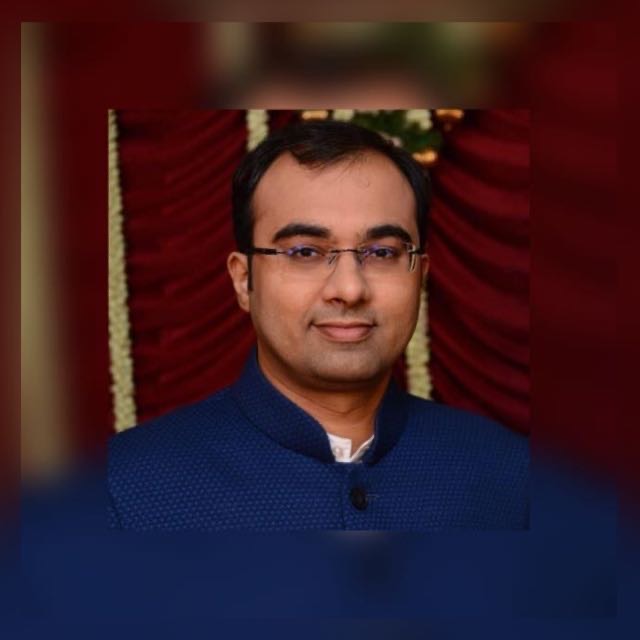
    Could you please introduce yourself to our readers and share your journey of how you embarked on the path of law? What inspired you to pursue this profession, and could you walk us through the pivotal moments that shaped your journey from your initial interest in law to becoming a founding and managing partner at SMA Law Partners?

    My journey started in my childhood when I saw my father getting ready for court hearings every day. Initially, as a child, I often wondered what my father did in court. As time passed by, my inquisitiveness grew, and I insisted on going to Chambers with him. I gradually began going to Chambers with my father and I think that’s when I developed a keen interest in law. Thereafter, I never looked back and decided to pursue law. My father realized that I had developed an interest in law and I was allowed to go to his Chambers and sometimes to court to witness proceedings. I can say with conviction that my father is my role model and my first mentor.

    As a second-generation lawyer, I was blessed to have exposure to the legal fraternity even before joining the profession.

    I was always encouraged to pursue further education after my LL.B. Degree which led me to pursue an LL.M. program from the prestigious University of London.

    As my father practices at Nagpur, I always wanted to practice at Nagpur and follow in his footsteps after returning from London. However, my father had a better plan and wanted me to practice in Mumbai and get exposure in Commercial matters and Arbitration. Being my role model and mentor, I could not think of anything but to take his advice for a bright and better professional future and explore opportunities in Mumbai.

    When I was exploring work opportunities in Mumbai, I got through a not-so-known law firm (now one of the leading law firms in Mumbai). Initially, I was sceptical about joining the law firm as I was unsure whether I would get any exposure there. However, I was encouraged to join the firm and was told I would get better opportunities to learn and work on matters in smaller firms. The decision to join a not-so-know law firm changed my life. I was exposed to such diverse matters and practice areas. I got opportunities to argue matters and also brief Counsels and Senior Counsels. I got an opportunity to extensively work on Arbitration matters. My partner and seniors at the firm also encouraged me to appear in the matters and gradually I was given independent assignments and then a Team to work. My first workplace in Mumbai enriched me with good exposure to diverse matters and instilled confidence in me to be a better lawyer. Thereafter, I worked with various leading law firms to gather more knowledge and experience. However, the enriching experience at my first workplace has played a pivotal role in my journey to become a Founding and Managing Partner at SMA Law Partners.

    How has your experience studying law in different locations, such as London and India, influenced your approach to legal practice?

    When I joined Law College, more attention was given to theoretical aspects. That is how the university curriculum was designed. Though theoretical knowledge is essential to understand the basic concepts of law, practical knowledge is also required to shape students for better application of law which is vital for lawyers in practice. The LL.M. course in London changed my perspective towards law and made it interesting by giving a practical approach in understanding the subject better.     

    However, now the scenario has completely changed and legal education in India has transformed to impart better education in terms of practical knowledge to the students.

    You’ve specialized in various areas of law, including Corporate and Commercial, Insolvency and Bankruptcy, Civil and Criminal Litigation, among others. What drew you to such diverse practice areas?

    Mumbai is a financial capital and is a hub for diverse business and financial transactions. This leads to various disputes under the commercial contracts between the parties. As a lawyer practicing in the courts in Mumbai, I was always exposed to disputes related to commercial transactions. I have appeared for various PSU Banks and Financial Institutions. With the introduction of the Insolvency and Bankruptcy Code, 2016, which amended and/or repealed almost 20 existing statutes, I entered this specialized sphere with an intention to explore new opportunities. As I commenced my journey in Insolvency and Bankruptcy Law, I developed a keen interest in it.

    Balancing the roles of an Advocate at Bombay High Court and a Managing Partner at SMA Law Partners must be demanding. Could you walk us through a typical day in your life and shed some light on how you effectively manage your responsibilities in both realms?

    It is undoubtedly demanding. The role at Bombay High Court and various courts is solely of a lawyer whereas the role of a Managing Partner is both, a lawyer and an administrator.

    I start my day early which helps me plan my day effectively. As a lawyer, my typical day is nothing different from other lawyers. The day starts with reading briefs for the matters, sometimes conference with the clients and Counsels/Senior Counsels for the matters which are listed in court on the same day. As the day progresses and the matters before the Courts are over, I return to chambers to work on various drafts to deliver them to the clients within the best possible turnaround time. Evening time is usually dedicated to conferences with either the clients or with the Counsels and Senior Counsels. Though the day is long and ends with preparing for matters that are listed the next day, the thrill of the profession is never-ending.

    Can you elaborate on your involvement with the Rights Protection Programme during the ICC World Cup in 2011? How did this experience shape your perspective on law and its broader societal implications?

    I was one of the fortunate final-year students to be selected from my college to participate in the Rights Protection Programme of the International Cricket Council (ICC) during the Cricket World Cup in 2011. I got an opportunity to interact with the Rights Protection Team of the ICC which comprises of members from various nationalities. The programme gave me an insight into how the Rights Protection Team of ICC worked towards protecting the copyright and trademarks of its sponsors and other associated entities during the World Cup event.

    Could you discuss a particularly complex or challenging case you’ve worked on, and what lessons you took away from it?

    There were many complex and challenging cases that I have worked on. But one case I remember is that of a challenge to the Maratha Reservation Statute in the State of Maharashtra. We were representing the students enrolling for medical courses in one of the Petitions out of many on a similar issue. This was a Constitutional Law matter and gave me an opportunity to work with leading Senior Counsels from Mumbai and Delhi. I was actively involved in the matter working in tandem with lawyers appearing for other bunch of Petitioners and the Senior Counsels. The matter gave me an insight on meticulous way of working on a matter and interpretation of law from the Senior Counsels and Stalwarts of the professional.

    Your LLM program in Commercial and Corporate Law at Queen Mary, University of London, provided you with international exposure. How did this experience shape your perspective on law, and what insights did you gain from studying in a diverse and cosmopolitan environment like London?

    The experience of pursuing an LLM Program in London was indeed a wonderful and once-in-a-lifetime experience. The program was designed to impart practical knowledge to students. The personal interaction with the professors was frequent. Group Discussions and Presentations were a regular affair. Right from choosing a topic for the dissertation/thesis till its completion, the professors guided us well enough to make us comfortable to complete the dissertation/thesis. The Professors also insisted on regular discussions on its progress. All these practical aspects alleviate your knowledge and perspective on law. In addition to academics, we also meet people of various nationalities and understand the laws and legal concepts of their countries and diverse perspectives. Pursuing studies abroad with professors and students of varied nationalities is a life lesson and should be experienced by everyone. 

    Outside of law, you have interests in music, etc. How do these personal hobbies contribute to your professional life, if at all?

    Since childhood, I have been fascinated with Indian Classical music which developed my interest in playing Tabla. Though I could not continue it due to professional commitments, I sometimes play Tabla whenever I get leisurely time. I was also associated with the Society for Promotion of Indian Classical Music and Culture Amongst Youth (SPICMACAY) which is an organisation established by an IIT Delhi Alumni and works towards the promotion and preservation of Indian Classical music. I regularly listen to Indian Classical Music which gives me peace of mind and rejuvenates me to prepare for another hectic day in court.

    Given your experience, what advice would you offer to law students considering further education? Do you recommend gaining practical experience before pursuing an L.L.M., or do you believe it’s beneficial to pursue postgraduate studies immediately after completing an undergraduate law degree?

    Pursuing postgraduate courses is always beneficial as it enhances your knowledge and also improves your perspective. My advice to law students who intend to practice law would be to pursue postgraduate courses immediately after completing an undergraduate degree in law. It is sometimes difficult to pursue full-time post-graduate courses after entering the profession.

    What would be your advice for lawyers who have recently entered the profession?

    Dedication, Punctuality and Patience are the most important attributes to be successful in the profession. As rightly said by Justice Joseph Story, “The law is a jealous mistress and requires long and constant courtship. It is not to be won by trifling favors, but by lavish homage”. Being a lawyer is a continuous learning process. I would advise the lawyers who have recently entered the profession to learn the nuances of the profession and absorb as much as they can around them, follow these attributes and success will follow. 

    Get in touch with Sankalp Anantwar–

  • “Always remember, our credibility is something that will yield the best work and results in the profession for us. Without it, we cannot truly consider ourselves to be in the noble profession.” – Bhavik Lalan, Counsel at Bombay High Court(Chambers of Sanjay Jain)

    “Always remember, our credibility is something that will yield the best work and results in the profession for us. Without it, we cannot truly consider ourselves to be in the noble profession.” – Bhavik Lalan, Counsel at Bombay High Court(Chambers of Sanjay Jain)

    This interview has been published by Namrata Singh and The SuperLawyer Team

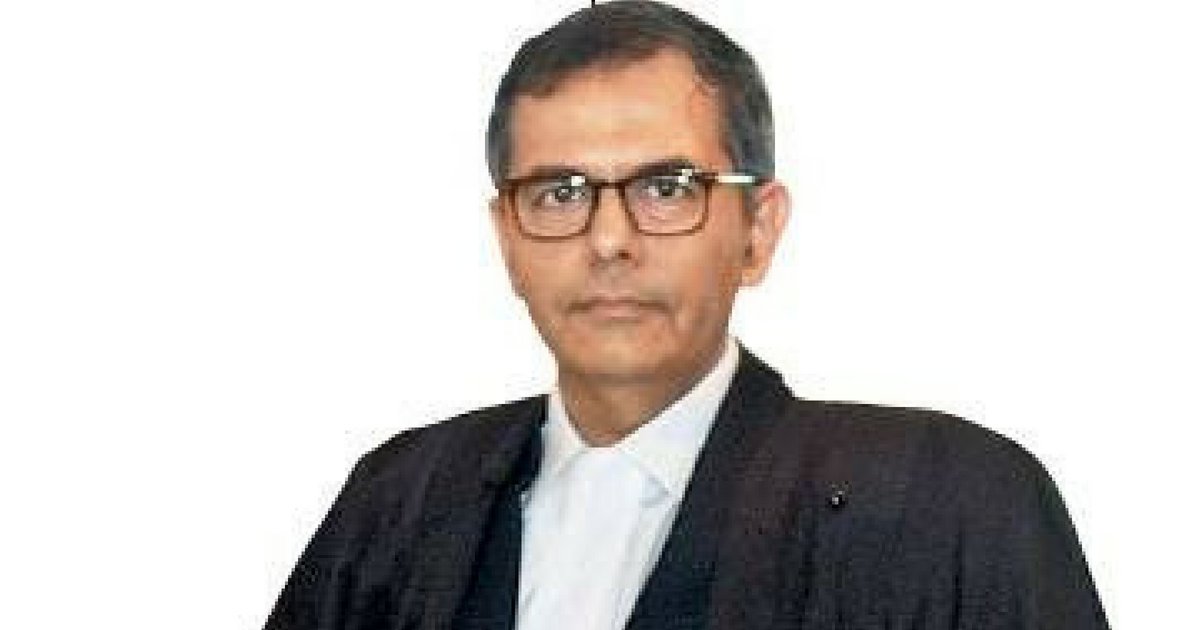
    Could you please introduce yourself to our readers and share the journey that led you from your early days as an Articled Clerk to your current role as a Counsel, Mediator, and Arbitrator?

    In 2009 I was a judicial intern with the then Bombay High Court Judge Mr. V. C. Daga that was the period when I decided to practice as a litigation lawyer upon my graduation. In the year 2010 I joined a Solicitor Firm M. S. Bodhanwalla & Co. as an articled clerk and had 4 years of work experience in the practice areas such as conveyance, civil and commercial litigation, legal opinions and advisory assignments from corporates like Hindustan Times, Lowe Lintas, RCF Ltd. etc. I recommend the young and buddying law students to undergo such a training process. In Mumbai, we have the option to appear for the Solicitors examination which is conducted by Bombay Incorporated Law Society. I appeared for said examination after which I joined Cyril Amarchand Mangaldas (“CAM”) in their dispute resolution team in Mumbai. My experience of working at CAM was very enriching. Handling litigations of high stakes involves tremendous readiness and preparedness in the back end. Also, in Mumbai, we follow a dual system of practice where Solicitor firms brief an arguing counsel and therefore, firms have to be always ready with briefing notes, compilation of judgments, and ensuring court records are updated and in order. My practice at law firms is of 6 years after which I started my counsel practice at Bombay High Court. I first joined the Chambers of Justice Mohit S. Shah (Former Chief Justice of Bombay High Court and Calcutta High Court) where I gained my Tribunal Secretary training and also had wide exposure to large stake arbitration matters. I then joined the Chambers of Mr. Sanjay Jain. Mr. Jain is an arguing counsel at Bombay High Court with a standing of 26 years. As an arguing counsel, my entire approach towards the practice has changed. I had to undergo a process of reformation where my basics of law were refreshed and my skills of drafting pleadings and evidence affidavits were sharpened to a great extent. In my view, these are the fundamental learning for every lawyer who desires to practice dispute resolution/ arbitration. In the year 2022 I completed my Masters in Mediation and Conflict Resolution from MNLU, Mumbai. It’s a two-year full-time course with a magnificent syllabus to enrich skill sets in mediation practice. After completing this Masters Course, I started getting references to act as an arbitrator and mediator in civil disputes. I have also been appointed as an Arbitrator by the Bombay High Court recently in a few matters and I consider myself to be fortunate that the Hon’ble Bombay High Court has entrusted with such a responsibility. While performing my role as a counsel, arbitrator and mediator I have to be constantly conscious that my responsibility is to assist the courts and parties in this process. We have to think about professional ethics and etiquttes while we take up our role as we are directly working in a public field/ domain and our actions and steps matter a lot to our clients and society at large. In the last 12 years of my practice, I have learned a lot from my seniors and colleagues. Law is a practice where learning does not stop till we retire. Our openness to learn even from our juniors testifies to our real approach towards problem-solving. 

    Could you walk us through what a typical day in your professional life looks like? What are some of the tasks and responsibilities that fill your day as a Counsel, Mediator, and Arbitrator?

    As litigation counsel, we have a long day of about 10-12 hours of working which involves court and arbitral hearings, conferences with client and senior counsels, reviewing/ settling of the pleadings and conducting legal research to keep ourselves updated. While doing this, I do spend time at our Advocate’s Bar Association Hall in High Court where interacting with senior counsels and colleagues provides me with an opportunity to exchange ideas and knowledge with them. I have seen that in the last 15 years, the trend of young Advocates sitting in the Bar Association Hall has drastically reduced. According to me, it’s a loss to such junior Advocates as they miss opportunities of gaining first-hand interactions with senior counsels and colleagues at the Bar. Having a little know-how of the practice and profession adds to the skill-set of lawyers which makes them multi-facet in approach.

    As a trained Mediator and Arbitrator, you’ve been involved in resolving several disputes. Could you tell us about a particularly challenging case you’ve handled and how you navigated through it to achieve a resolution?

    During my training process, I was taught that the goal of a good mediator is not to arrive at a settlement but to move the parties from their rigid position to a flexible one and provoke them to think about the solutions by encouraging dialogue between the disputing parties. My endeavour had always been to follow this teaching. So far I have handled about 150 mediations referred through the ODR platform SAMA to me and a couple of arbitrations that involve Bombay High Court-referred matters as well. Being a young practitioner sometimes I do find my role as a Mediator and Arbitrator challenging, but once we start practising to be a good listener and adopt neutrality it helps us a lot to navigate the parties towards solutions. This requires a lot of patience and controlled temperament. In one of the mediation matters (I cannot disclose particulars of parties due to confidentiality) where the dispute was between a multinational bank and a customer, the bank constantly tried to use the mediation meetings to pressurise the customer to pay back the alleged outstanding loan with interest. This was during the COVID period. The customer alleged that the bank was charging a higher interest wrongfully. Instead of speaking to each other parties initially resorted to the issuance of strong-worded legal notices, which triggered their egos. When the matter was referred to me, I had the challenge of bringing both the parties on same platform for a dialogue as they were not willing to see each other’s face. However, gradually with the mediation process moving further parties started attending mediation meetings. There was a time when they started exchanging verbal talks during the joint caucus. That was the time when I encouraged them to exchange some without prejudice written proposals. The parties did that and the dispute was resolved amicably. In this matter I see the victory of both parties, however, to bring them on same table to start the communication was a herculean task, by putting open ended questions to them, I had to prepare them mentally to leave their ego aside and come forward to have a joint talk.

    Transitioning from working at Cyril Amarchand Mangaldas (“CAM”) to starting your own practice must have been quite a journey. What motivated you to take this leap, and what are some key lessons you’ve learned along the way?

    My tenure of working at law firms was 6 years. I joined CAM after I worked at M. S. Bodhanwalla & Co. for 4 years. I was conscious that my role at CAM is going to be challenging as I was hired as a direct lateral and not through their campus recruitment annual training program. However, my earlier experience of working at a mid-size Solicitor firm helped me to navigate the work challenges of big law firm. At a big law firm, the infrastructure and support team provided to us is very helpful and efficient. Team learning and working is the main feature there. Delivering work before time is always expected on high mandate matters and that keeps us on our toes. If one cannot do this at the age of 25-26 when else will we do such action learning. This golden opportunity provided me the launch pad for leaping independent counsel practice. As a litigation counsel in Mumbai, the initial years are quite challenging in terms of getting briefed and generating revenue on your own. At the same time, the role of a counsel is of much more responsibility than the role of an Associate of a law firm. As counsel, we are all on our own when we appear before the court to argue a matter. We are shouldered with the responsibility to present the case before the court by applying the best of our abilities. Some cases have merits few don’t but our readiness to face the court and ensure best assistance to the judge is far more challenging. I got my inspiration from my spiritual mentor His Holiness Spiritual Sovereign Jainacharya Yugbhushansuriji Maharaj Saheb to take up this challenging role of an arguing counsel. His Holiness has entrusted upon several significant matters pending before the Supreme Court and High Courts/ Trial Courts in India, involving the rights of the Shwetamber Murtipujak Jain community. This role was challenging initially but later on after gaining good learnings from my seniors and colleagues I now do not find any challenge while appearing before the Supreme Court in such significant matters. The lessons which I have learnt so far is that we must first have faith in ourselves before we start looking for help outside. Litigation is a practice which provides fruit at a later stage but the sacrifice and rigours of initial days makes us efficient and better individual/ professional. So far I have had opportunities to assist legal stalwarts like late Mr. Fali Nariman, Mr. K V Viswanathan (presently a Supreme Court Judge), Mr. Harish Salve, Mr. Dushyant Dave, Mr. Arvind Datar, Mr. Darius Khambata, Mr. Navroze Servai, Mr. Ravi Shankar Prasad, Mr. C S Vaidyanathan in various matters involving tricky constitutional and such other legal issues. This was possible only after I chose to practice as a litigation counsel.

    You’ve been a frequent contributor on various issues, including public policy, diplomacy, and the use of technology in the legal field. Could you share your thoughts on how technology is shaping the future of dispute resolution and legal practice?

    Technology and law can go hand-in-hand. I am working from a paperless office post-COVID rollout. According to me, we lawyers will have to adopt technology wherever possible in our day-to-day practice as it has resulted in ease of doing practice. Imagine it was due to this advanced video conferencing technology that our Supreme Court and High Courts were able to function uninterruptedly even during the COVID lockdown. Today majority of my arbitration and mediation meetings are conducted virtually. Not limiting it to meetings, but data storage and utilisation are also done through cloud cloud-based system. Effectively, all my briefs are accessible to me 24×7. This has resulted in improved efficiency and quick delivery of solutions to the Attorneys/ clients. I am confident that in the next 5 years, we will have the majority of our Trial Courts providing us with virtual hearings and e-filing facilities. This will not only make the legal practice more inclusive and wide but will also cut down the pendency of cases.

    Balancing a legal career with personal interests can be challenging. Outside of your legal practice, what are some hobbies or activities you enjoy to unwind and recharge?

    Honestly, my first 10 years in the practice have been completely devoted to my work and training process under the guidance of my seniors and mentors. However, I have found my interest in reading the autobiographies of legal luminaries from India’s legal practice. I also read spiritual books regularly as it motivates me to take up higher challenges. Post-COVID health and fitness have been my priority and I ensure that I have physical exercise or morning walk sessions daily along with yoga. I have realised that those who do not take care of their mental and physical health during the early days of practice have to face tough times in the later phase. Our legal practice is such that with the rising age number of dockets keeps increasing, in such a scenario it is necessary to focus on health and mental well-being from the initial days. My thoughts for all my young colleagues is to stay away from addictions of smoking, drinking alcohol and drugs or any such harmful habits that shall severely affect our mental, physical and financial well-being. To be vocal about this, to some extent smoking a fancy cigar or cigarette might have been glamourised in our profession by some stalwarts but young lawyers should be mindful to understand that besides addictions we have many more other good qualities to adopt from them. I also, dedicate some time to pro bono matters which have been my activity to pay back to society. I am empanelled with the Bombay High Court Legal Services Committee where I am entrusted with cases to argue for the underprivileged and marginalised individuals. Appearing in these matters gives me a feeling of satisfaction.

    Your work involves advising clients on an array of transactional matters, including contracts and tenancy laws. What are some common misconceptions clients have about these areas, and how do you address them?

    Since I am practicing as a counsel in Mumbai my direct exposure to dealing with clients is very minimal. Conferences through a Solicitor with a client are a very easy thing to handle. But, there are occasions when I am entrusted tasks either through the Legal Aid Committee or through such pro bono service or social obligation where I have to come across direct interaction with clients and at such times I have to be mindful to keep very simple and lucid language while interacting with them. Using legal jargons during client counselling is not at all necessary. What matters is to give a simple solution within the framework of law. I have needed to recuse myself from situations where my advice was sought on some issues which to my mind were not legally feasible. I have made a point that I take a strong stand in such a situation rather than surrendering to the situation for the consideration of fees. Ours is a noble profession nobility of which is to be maintained by we people as the famous saying is “charity begins from home”.

    Reflecting on your experience as an Ad Hoc Committee Member of the Students’ Council and your participation in moot court competitions, how do you feel moots help students in their legal career or enhance their skills? Can you share some insights into the practical benefits you gained from participating in moot court competitions during your law school days?

    I was fortunate to have good exposure to moot court competitions at Government Law College, Mumbai (“GLC”). My college has been at the forefront in producing great mooters who have won several national and international moot court competitions. I participated in about 10 moot court competitions which are state, national and international. My first-hand experience in drafting a memorial for such a moot court competition is the foundation of my drafting skills. The mannerism to argue at moot court competition forms the bedrock of my present arguing skill. Conducting legal research by reading commentaries and journals was taught to us during our moot court preparations. I feel every law student must participate in at least 2-3 moot court competitions during their academic career. Also, today I cherish those days of preparing for the moot court competition where we used to fearlessly argue the propositions and by doing so regularly we developed a skill to argue real-life matters. I had many friends in my law school days who had stage fear and benefitted a lot due to their participation in moot court competitions. Being part of the Ad-Hoc Committee of the Students’ Council I feel it provided me with an atmosphere to develop a leadership skill and work in a team with modesty for shared goals. We executed several remarkable events (M C Chagla Lecture Series and many more) in GLC through the Students’ Council.  I was also part of the legal aid committee at GLC during my college days. I have had an opportunity to visit central jails and help the poor needy under trials to make their representations and letters for bail application.

    Starting a career in law can be daunting for many young professionals. What advice would you give to the current generation aspiring to make a mark in the legal field?

    Unlike other professions, ours is not a profession to only earns money. Rather ours is a “practice” which word is predominantly used to address the legal profession (a noble profession). May it be litigation or non-litigation; the practice provides us with several opportunities to serve the society. If we go back in the past, the majority of our freedom fighters and founders of the independent India were lawyers. They played a pivotal role in nation-building through their legal knowledge and acumen. Just like doctors we lawyers are also pillars of the society. My message to the current generation aspiring to make a mark in the legal practice is that have an ethical practice with honest conviction of the work which we do. Even the top practitioners and law firms in India and abroad have highlighted the importance of ethical practice in legal profession. This is because ethics and values play a big role in what we advise and perform. I often come across my Solicitor’s complaint regarding law students abruptly changing law firms during their internship/ para-legal period. I feel this practice should be discouraged as while doing these students create an image of being not reliable and credible. Always remember our credibility is something that will get the best work and results in the profession for us without which we cannot consider ourselves to be in the noble profession. Also, there is a hot issue in discussion these days whether interns/paralegals should be paid hefty stipends or not. I feel that generally during the internship days our priority should be learning. We should be thankful to those seniors who take up the responsibility to teach us initially at the cost of their time and resources. Few cases of exploiting interns cannot overshadow the process prevailing in our practice i.e. teaching and investing time in a junior/ student to make them efficient lawyers. If we observe the history of our profession in Mumbai, several of the stalwarts have undergone this process of training during their initial days without getting paid any salary/ or hefty stipend. At times, non-issues are glamourised more than the significant issues and that results in setting a wrong narrative in society. What I see now and for the next 50 years in India, the legal profession will have a paradigm shift i.e. 360 degree change. The systems are becoming more transparent now. We have a live streaming of court proceedings. The introduction of digital filing and virtual hearings has made things easy and economical for everyone. Those lawyers who are afraid to adopt technology may find it difficult to sustain with time, therefore, an open mindset to adopt technology wherever feasible is the only solution.

    Get in touch with Bhavik Lalan-

  • From addressing safety concerns on railway tracks to environmental issues, his cases underscore the substantial impact on people’s lives – Jamshed Mistry, Independent Counsel and Founder of Internationallegalalliance.com Shares Two Decades of Legal Prowess, Innovation, and Social Impact

    From addressing safety concerns on railway tracks to environmental issues, his cases underscore the substantial impact on people’s lives – Jamshed Mistry, Independent Counsel and Founder of Internationallegalalliance.com Shares Two Decades of Legal Prowess, Innovation, and Social Impact

    This interview has been published by Priyanka Karwa and The SuperLawyer Team

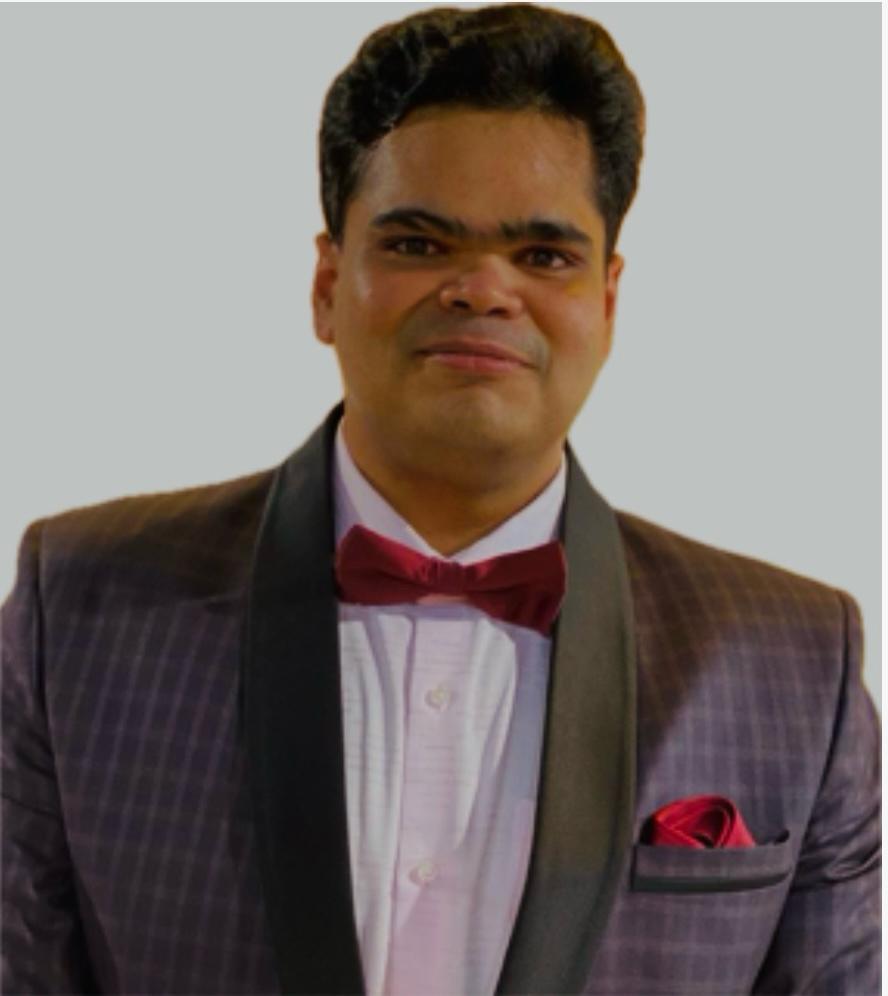
    Sir, over 2 decades you have such an amazing professional journey. During this you must have seen different varieties of legal domain. You have excelled in so many of them. I would love to hear your introduction, and also to know what inspired you to embark on this journey of law, particularly in the areas of international law, media and entertainment law and medicine.

    I appreciate your patience as I delve into the intricate details of my journey. Born and raised in the vibrant city of Mumbai, I initially pursued my education in Vienna, Austria, before returning to complete my commerce studies at Hr. College in Mumbai. Following this, I embarked on a journey into the world of cost and work accountancy.

    However, fate took an interesting turn when my maternal grandmother passed away, leading me to a chartered accountant. This changed the course of my life as he suggested exploring law as a career. Despite my initial reluctance, I enrolled at the KC Law College and later transferred to the Government Law College. The journey into the legal realm was unconventional but intriguing.

    A turning point arose when the chartered accountant insisted on me gaining practical experience. He guided me to Mulla and Mulla, Cragie Blunt and Caroe a prominent law firm, where I began my professional journey. Despite my resistance to the idea of working, I found myself donning formal clothes and stepping into the legal world.

    My initial years were a blend of studying, interning, and navigating through life. A significant challenge emerged in 1995 due to a legal matter that affected our exam results. This setback altered my plans for pursuing LLM, a unique twist in my academic and professional trajectory.

    Undeterred, I sought guidance from the head of the law department, eventually enrolling in a postgraduate diploma in labour law. This period of exploration and learning laid the foundation for my legal career, which officially began in 1996 when I joined another law firm and thereafter to independent Counsel practice.

    The advice to accept diverse legal work by my senior Mr. Sudhir Talsania, proved invaluable as I handled civil cases, ranging from Admiralty law to Motor accident claims. In 1998, involvement in a public interest litigation case marked my entry into this impactful aspect of law.

    My foray into media and entertainment law began post-college, where my interest in fashion and film grew. Organizing inter-college fashion competitions with friends and working backstage for shows provided insights into the industry. Back then, media and entertainment law was not a subject covered in academic curricula. Driven by curiosity, I took the initiative to approach these artists and request copies of their contracts. Surprisingly, in those days, there was a lack of privacy concerns, and artists willingly handed over their contracts. I accumulated contracts, including Michael Jackson’s, to gain insights into the intricacies of these agreements.

    As my legal studies progressed, I encountered instances where former Miss India sought advice from legal experts. This sparked a realization of the correlation between the fashion and media/entertainment industry and the legal intricacies involved. Amidst this exploration, the prevalent issue of entertainment tax emerged as a significant challenge, coexisting alongside the vibrant and dynamic world of fashion and entertainment. The journey of unravelling the legal aspects intertwined with glamour and creativity has indeed been both enlightening and entertaining.

    A significant milestone occurred in 2010 when I was sent to Canada for corporate work, marking the beginning of an association with the Canadian Bar. This international exposure broadened my perspective on legal practices and introduced me to the concept of transcripts.

    In 2016, recognizing the barriers geography posed to legal collaboration, I initiated the International Legal Alliance. The response from lawyers across 153 countries exceeded expectations, leading to the formation of a global network.

    Adopting a practical and economical approach, we leveraged virtual tools well before the pandemic, establishing a network that seamlessly operated across borders. Today, our initiatives extend beyond legal practice, including legal heritage walks and collaborations with Chambers of Commerce.

    This journey, spanning over a decade, has been a continuous learning experience, breaking barriers and embracing the evolving landscape of law. As we move forward, the possibilities seem limitless, and the blend of practicality and innovation remains the cornerstone of our endeavours.

    It’s truly fascinating how you’ve become an international presence in the legal realm, almost like a “doctors without borders” concept but tailored for lawyers, operating seamlessly in a virtual space. We’re keen to delve deeper into this innovative venture. However, before we proceed, I’d also like to explore your insights on the issues related to live streaming and transcripts. when did the idea for this platform emerge, and how did you envision such a unique space? Additionally, could you share the type of support and impact you’ve witnessed so far?

    Understanding how lawyers collaborate is key. My approach is unique – I cover the cost of the domain name and don’t charge our network members a fee. The goal is to bring colleagues together globally, recognizing the limitations of traditional law firms in covering vast geographical areas. Working across borders eliminates such restrictions, fostering collaboration on diverse cases. For instance, we recently handled a case involving a British national in Poland, showcasing the efficiency and cost-effectiveness of our approach.

    During the pandemic, we aided a businessperson in validating a contract with an African entity. Collaborating with our network, we conducted due diligence and uncovered fraudulent activities, saving the individual significant financial loss. This highlights the practical benefits of our global legal alliance.

    Regarding live streaming and transcripts, the idea struck me while watching a news report on the case filed by Senior Advocate Indira Jaisingh in the Supreme Court. I realized the need for legal transcription, having previously written about its importance during the Kulbhushan Jhadav case in the International Court of Justice. The Karnataka State’s subsequent endorsement and implementation of guidelines underscored the significance of transparency. Demonstrating the functionality of transcripts using a free AI app for the Supreme Court Committee garnered positive results. Now, with the government funding a multi-year plan, we anticipate positive changes in our legal system, emphasizing the crucial role of transcripts in preserving court proceedings.

    Delving into legal history, I discovered the earliest transcribed judgment in Para 6 of Bal Gangadhar Tilaks case in 1908!! This finding prompted me to advocate for the revival of transcripts, essential for legal accuracy and accountability. Impressively, our efforts have inspired change beyond borders. A colleague from Pakistan embraced our model, leading to their Supreme Court adopting live streaming and transcripts. These endeavors exemplify how small initiatives can influence legal practices globally.

    What kind of impact has your career had on society, and how it has brought in a lot of milestones in your career, emphasizing the wealth of knowledge you’ve accumulated rather than just financial gains? Could you share insights into your journey as an independent counsel and the experiences that have shaped your professional trajectory?

    Returning to my journey, I was clear about my aspiration to be an independent practitioner and counsel, realizing the importance of autonomy. While this path offers flexibility, it also brings challenges, requiring self-guidance. In the initial stages, having a mentor was beneficial, but being your own master is a unique experience. Aligning with various lawyers and law firms in Bombay broadened my exposure, allowing me to learn different styles and crafts.

    My practice, especially in public interest litigation, addressed various crucial issues. Cases ranged from safety concerns like people falling off suburban railway tracks to environmental issues such as air pollution. Advocating for persons with disabilities became a significant focus, addressing gaps in facilities and recognition under the Disabilities Act. I even argued against my own school in a case concerning learning disabilities, leading to important guidelines.

    Among the impactful cases was one involving poor and indigenous patients denied treatment in a public charitable hospital. Through legal intervention, we established a scheme where a percentage of monthly income was set aside for indigent patient care. Another noteworthy case was Nikita Mehta’s abortion case in, where we had to rely on British precedent to persuade the court to form a committee. What we argued then, eventually became the law several years later.

    Currently, I am involved in the ongoing “potholes case,” addressing road safety issues. While the impact of these cases on people’s lives is substantial, I believe that, collectively, lawyers should strive to contribute positively to society, upholding the notion of law as a noble profession.

    I couldn’t help but notice your involvement in various social causes and organizations beyond the courtroom. Could you shed some light on the causes that hold a special place in your heart and the initiatives you’re particularly passionate about? Additionally, I’m curious to understand how your commitment to these endeavors impacts both your career and personal life.

    First and foremost, I owe a huge thank you to my wife and children who have been incredibly understanding and supportive, allowing me the freedom to engage in all these pursuits. Balancing family life while being deeply involved in various causes is crucial, and her support has been invaluable.

    As the kids have grown, finding this balance has become more manageable. Enjoying both work and personal life is essential. Personally, I find solace in the traditional approach of using hard copies and making notes, a practice not everyone may agree with in this digital age. There’s a unique magic in handling physical documents.

    Public interest litigation has enriched my understanding of diverse areas I was previously unfamiliar with. The ability to rapidly assimilate information, honed through legal practice, has proven invaluable. I still relish reading up on legal matters while travelling, bringing that knowledge straight to the courtroom.

    I’m an avid music listener, finding it to be a relaxing escape. I used to play a musical instrument not too long ago, adding another layer of enjoyment to my life. Maintaining a conscious separation between courtroom intensity and personal life is crucial. Once a case concludes, it’s essential to leave any conflicts or stress within the courtroom or, at most, within the professional sphere.

    Over time, I’ve learned to manage stress and worries associated with cases. Experience has taught me not to carry the burden beyond its necessary scope. Engaging in various organizations, from the Lions Club to the Rotary Club and Chambers of Commerce, has provided a broader perspective and added value to my life. I’ve come to view these engagements on par with the significance of my law practice.

    Exploring spirituality and relishing good food are additional aspects I find joy in. These facets contribute to a well-rounded life and play a role in making important decisions. Overall, the blend of professional commitment, personal interests, and active engagement in various communities has made my journey truly fulfilling and interesting.

    Your expertise and involvement with the South Asian Fashion Week and the international South Asian Film Festival have become apparent, especially considering your background in media and entertainment law. You’ve shared about reviewing contracts for renowned stars. How did this passion for fashion and film evolve, and how do you envision the future intersection of law with these dynamic creative industries, especially in the rapidly evolving landscape of AI and technological advancements?

    Starting from my college days, I’ve had a keen interest in working with fashion, initially at an amateur level and later professionally. I even did backstage work for a renowned choreographer like Hemant Trivedi many years ago. It’s quite amusing to reflect on it now, realizing that there might be very few lawyers who have experience working backstage in the fashion industry.

    What’s fascinating is that the law itself is remarkably creative. It’s a misconception to label it as mundane; there’s an inherent creativity to it. Learning from the creative industries is crucial, and there’s a significant balance required, especially for someone like me working in media and entertainment law. As a media and entertainment lawyer, I cover a wide range of areas, including intellectual property rights, contracts, design, arbitration, mediation, and even criminal law aspects.

    Some of the highest-paid lawyers globally are in the media and entertainment sector. Additionally, there’s a remarkable international similarity in this field, transcending jurisdictional boundaries. The dynamics of the industry bring forth unique challenges and opportunities. I’ve been involved in notable initiatives, such as facilitating the audio-visual co-production treaty between India and Canada. These experiences involve engaging in discussions and negotiations, contributing to what can be considered a form of soft skills diplomacy. Cultural arbitration and mediation might be the next significant developments in resolving disputes between countries.

    You’ve shared your journey into the field of law with us, detailing how you arrived here. Undoubtedly, along the way, you encountered various challenges. Can you elaborate on how you successfully navigated through those obstacles? Furthermore, what advice would you offer to individuals treading a similar path? Considering that anyone venturing into law is likely to encounter certain challenges, what guidance would you provide for overcoming them?

    Each individual possesses unique talents, areas of expertise, or gifts that define them. Identifying and acknowledging these aspects swiftly is crucial. It is imperative to align your pursuits with your intrinsic interests and inclinations. In the early stages, exploring diverse areas of interest within the legal domain is advisable. The legal profession is dynamic and ever-evolving; what holds true today may not necessarily be applicable tomorrow.

    As a law student, the primary objective is to immerse oneself in the learning process, absorbing as much knowledge as possible. Post-education, there are varied career paths available, such as joining a legal chamber, opting for corporate law, pursuing litigation, or combining elements of both. Even for those in smaller towns, there is immense potential to excel as a trial lawyer and contribute significantly to the legal landscape.

    Indians, in particular, possess an innate ability to think on their feet, a valuable trait in legal practice. Unlike some international counterparts who strictly adhere to established practices, our legal system often demands quick thinking and adaptability. Exposure to courtroom proceedings is invaluable. Nowadays, with the convenience of online platforms like YouTube, observing court sessions globally is more accessible than ever.

    Experience remains unparalleled in its educational value. The ability to navigate unforeseen challenges, drawing from a reservoir of past encounters, is the essence of true expertise. Reflecting on previous cases and applying lessons learned adds a layer of depth to one’s legal acumen. Knowing when to assert an argument, when to yield, and when to remain silent are indispensable skills acquired through experience. In essence, experience equips a legal professional to handle any situation, whether or not they had the foresight to prepare for it.

    Looking ahead, how do you envision your professional and personal pursuits unfolding in the next few years? Could you shed light on specific goals you have in mind, particularly considering your deep involvement in social causes and other facets? Given your leadership role in the international legal alliance, what projects do you anticipate spearheading in that capacity? Your insights on the future trajectory of your endeavors would be greatly appreciated.

    I consider myself a go-with-the-flow kind of person. While I can’t predict the future with certainty, I am optimistic about the progress we will make, particularly in India’s legal landscape. It seems we are on the brink of something significant, especially in terms of fostering international collaborations and constant interaction between nations. My vision involves exposing a greater number of young lawyers to diverse legal practices worldwide, which I believe would be a remarkable achievement.

    Additionally, there is a need to establish a legal resource centre distinct from traditional legal aid services. This centre could serve as a comprehensive online platform, offering resources such as law journals and information on various legal domains. Many individuals faced with legal issues often struggle to categorize them under criminal or civil law, let alone identify specific areas like consumer disputes or matters falling under the NCR. This lack of clarity can be overwhelming for those unfamiliar with the legal system.

    While such resources are available online, there is a crucial need to correlate and organize them comprehensively. This would significantly ease the process for litigants, allowing them to approach lawyers with a clearer understanding of their issues, thereby reducing the time spent explaining their situation to legal professionals. Establishing such a system across India would prove immensely useful and beneficial for both lawyers and those seeking legal assistance.

    Get in touch with Jamshed Mistry-

  • As a dispute resolution lawyer, I have understood that what a litigant desires the most is to be heard by an adjudicator and the arbitration proceedings conveniently affords that comfort to a litigant- Soumya Priyadarshinee, Advocate-on-Record, Supreme Court of India

    As a dispute resolution lawyer, I have understood that what a litigant desires the most is to be heard by an adjudicator and the arbitration proceedings conveniently affords that comfort to a litigant- Soumya Priyadarshinee, Advocate-on-Record, Supreme Court of India

    This interview has been published by  Priyanka Karwa and The SuperLawyer Team

    Ma’am, please tell us about your educational background and how you ended up pursuing law? What motivated you to choose this career path?

    Prior to joining law school, my educational trajectory was fairly linear-small town CBSE schooling. I am a first generation lawyer. I decided to become a lawyer when I was just 13 years old. It was largely borne out of the urge to depart from the trend of making the stereotypical choices of either becoming an engineer or a doctor. Some of the credit also goes to the copious amounts of legal fiction which I read at that time.  However, all these years later, for entirely different reasons, the decision to become a lawyer seems more correct than ever.

    You have an impressive work experience, ranging from independent practice to working at various prestigious offices. How did your journey progress from your early career to where you are now?

    The seeds of my litigation career were sown through my law school internships where  I first learnt grasping legal propositions and delivering accurate legal research. Then, as a lawyer, being the youngest member of the team, executing the smallest of tasks with responsibility became a priority. Reading my corrected drafts several times to understand the shortfalls was a practice which has stood me in good stead. With time my drafts have evolved. As the years passed, my approach shifted from finding the correct law to finding the optimum solution for the client. The sweetest part came around the 5th year of my practice, when I started arguing before the Hon’ble High Court of Delhi. What seemed overwhelming in the beginning, slowly became thrilling and enjoyable. The feeling of having conveyed my case satisfactorily across the bar, is by far the most gratifying feeling for me; irrespective of the win or loss that follows.

    During your stint at the Office of Ms. Rukhmini S. Bobde, you handled criminal matters and intellectual property disputes, among others. How did these experiences contribute to your growth as a legal professional?

    Litigation is a nuanced craft. Working with Ms. Bobde, first as an intern and then as a lawyer has helped me immensely. Crystal clear instructions and  adherence to professional practices have been a good primer for me. For example, one can never expect a hassle free briefing session with her without having read the brief cover to cover. Similarly, remaining poised and attentive even in high pressure situations during court hearings is a core part of her arguing style which I have been able to imbibe.  The best part about working with her has been her inclusive way of teaching me. She would always ask my opinion about the possible outcome of a hearing or about the starting point of an argument. The deliberation that follows has taught me the difference between arguing a fresh matter for admission before the Hon’ble Supreme Court and addressing final arguments before an Arbitral Tribunal. In the former, identifying and pitching the best point of a case becomes cardinal. While in the latter, being lucid while marshalling facts is a must. 

    Your work experience at various law firms involved handling cases related to environmental matters, infrastructure disputes and mining regulations. How did you navigate through these complex and diverse legal areas?

    Every new kind of dispute poses a two-fold challenge. The first is to understand the law around it and the second is to get the technicalities straight.  Over the years, I have found that a thorough reading of the brief (however unfamiliar it may be) followed by a meticulous session with the clients who are experts in their fields, such as Engineers and Chartered Accountants etc. gives me good control over the brief. From this point, traversing through the law becomes simpler. Capturing the crux through written submissions seals the deal. This approach cuts across the different domains of disputes. 

    During your independent practice, you dealt with a diverse range of disputes, including public law matters and commercial arbitrations. Could you share some memorable experiences or cases that had a significant impact on your legal career?

    There are many. But one experience from March, 2023 is extremely bittersweet. I was representing a client for the very first time before the Hon’ble High Court of Judicature at Bombay in a case under s. 9 of the Arbitration and Conciliation Act, 1996. I had worked very hard. However, I somehow felt that my arguments did not meet the mark at all. And as my luck would have it, I also managed to get scolded by the Judge that day. The clients were present in court. I was disheartened. I even made the affidavits and the vakalatnama and sent it to the clients in anticipation of having to file an appeal. However, two days later, on the date of pronouncement, I was pleasantly surprised to know from the local lawyer that not only had the Judge decided partly in my favour but he had also praised me in open court. He in fact appointed me as an arbitrator in another matter. I was relieved and so was my client. Needless to say, more work has followed since, from that client.

    You have also lectured for educational organizations such as Law Sikho and Adani University. What drove you to take up teaching alongside your legal practice?

    I belong to a family of teachers which includes my mother and my grandmother. So, I think I have some natural inclination for teaching.  

    My stint at M.V Kini & Co, New Delhi had me working on the litigation portfolios of NHAI, BHEL, AAI and the likes. This acquainted me with technical nuances  of those industries such as the different kinds of Infrastructure Contracts including Engineering Procurement and Constructions Contracts, Build Operate Transfer-Annuity Contracts, Hybrid Annuity Contracts etc. As a result I was able to contribute with a mix of practical experiences and theoretical information while teaching. 

    Similarly, I am taking some classes for Law Sikho which caters to the aspirants of the Advocate-on-Record (‘AOR’) Examination. I just cleared this exam in December, 2022. The curriculum is fresh in my mind. Therefore, I decided to take up the opportunity to help out AOR aspirants.  

    Balancing a successful legal career and taking on outstation assignments can be challenging. How do you manage your professional commitments effectively?

    The challenges behind taking up outstation matters include getting used to the listing process and ensuring defect free filing. The style of drafting also differs. Similarly, when it comes to handling arguments, a new court and a new judge can be disconcerting in the beginning. But these are challenges that disappear sooner than they appear provided one is a keen observer and relies on a good local lawyer. I manage my professional commitments vis-a-vis outstation matters by appearing through video conferencing on non-effective dates, by maintaining my court calendar carefully and by collaborating with competent local lawyers. 

    Throughout your career, you’ve been involved in arbitration proceedings and mediation. Could you share some insights into the benefits of alternative dispute resolution methods in the legal system?

    As a dispute resolution lawyer, I have understood that what a litigant desires the most is to be heard by an adjudicator and the arbitration proceedings conveniently affords that comfort to a litigant. Additionally, the earnest effort of the parties, advocates, and arbitrators to dispose of the matter within a limited time frame augurs well. As judicial intervention is restricted and can be exercised only on limited grounds, the parties are much more likely to accept the arbitral award and save themselves from the seemingly endless cycle of appeals and revision etc.

    Mediation has also proven very effective, particularly for certain genres of disputes. Long years of litigation between family members on matters of property etc have an emotional cost. Thicker the tie, the harder it is to remain objective. However, when mediated effectively, I have seen parties settling old property disputes resulting in disposal of long drawn disputes. The same is true in Matrimonial disputes as well. I have attended many mediations in the Supreme Court Mediation Cell where often chequered disputes between estranged spouses end with a reasonable and dignified settlement. 

    Many fresh law graduates aspire to have a successful legal career like yours. What advice would you give to these graduates who are just starting their journey in the legal profession? What key qualities or skills do you believe are essential for their success?

    Success is a relative term and still seems elusive to me. Delivering my best on each and every opportunity has been my only priority. The two indispensable qualities that come in handy for a lawyer are humility and honesty. As rhetorical as it may sound, I feel with humility, one can identify and embrace one’s shortcomings and work on them effortlessly . With honesty, one can win trust and reliability. These eventually translate into valuable social capital. 

    As a successful legal professional, what are your future aspirations? Are there any particular legal areas or causes that you are passionate about and would like to focus on in the coming years?

    I wish to develop a career as an arguing counsel. Till that materializes, I am happy doing it all, namely arguing, drafting, filing, briefing etc. The core idea is to deliver quality legal services in every case.

    Lastly, could you share a personal or professional mantra that has guided you throughout your legal career and life in general?

    It is true that personal life and professional life tend to run hand in hand. But keeping the two separate is the test of a true professional. Having clinical objectivity towards my professional life has helped me protect and nurture it against the inevitable and sporadic turbulences in my personal life.

  • Develop the skill that makes you special than your counterparts and focus on that skill- Janki Hemani, Criminal Lawyer at Bombay High Court

    Develop the skill that makes you special than your counterparts and focus on that skill- Janki Hemani, Criminal Lawyer at Bombay High Court

    This interview has been published by  Priyanka Karwa and The SuperLawyer Team

    Ma’am, please tell us about your journey and how you ended up practicing law, specifically in criminal litigation and domestic violence matters?

    I started my journey as a litigator in 2007, when I passed out of Government Law College. I started my practice as a corporate lawyer, however, my passion towards criminal law took me to Bombay High Court. In 2010, I started my journey as a criminal lawyer and since then I have never looked back. I started my practice as a junior associate lawyer to Counsel Mr. Niranjan Mundargi, who has been practising in Bombay High Court since the last 25 years.

    Thereafter, my marriage took me to the beautiful country of Oman, where I continued my legal practice in disputes and arbitration in an American law firm in Muscat.

    Just before Covid struck, I relocated to Mumbai and joined Advocate Harish Shetty, a famous criminal lawyer at the Andheri Metropolitan Magistrates Court, where I gained exposure in domestic violence cases.

    Throughout your career, you have worked in various courts and with different types of cases. Could you share some of your experiences and challenges while representing clients in criminal matters?

    My experience is wide and varied as I have worked in international law and domestic law. However, there are some cases that profoundly impact every lawyer’s life. I still learn from my clients and empathize with them, whether it is the Accused or the Victim, fighting a legal battle is not easy for anyone. I had once worked on a case where an innocent young girl was  falsely accused of abetting a suicide of a man who was only a collegaue of hers. Eventually, she was discharged from the case, but had to spend some weeks of her life in jail. Similarly, there was another case, where a man was falsely accused of mixing some substance in the tea of a woman, who was merely an acquaintance. We succeeded in the trial and the man was acquitted. 

    In both these case, the people who were accused of committing a serious offence were actually victims themselves. It is painful to see such innocent people suffer and their families suffer too. As a lawyer, I have always tried to show empathy and patience to my client.

    You have also gained expertise in will drafting and legal notices. How do these skills contribute to your overall practice, and what advice would you give to individuals who may need assistance in these areas?

    COVID has taught us that life is unpredictable and having a WILL, secures our loved ones so they do not have to go through the procedural issues that the legal heirs of a person who dies intestate has to suffer. Sometimes, people delay in making payments despite delivery of products or services, and legal notices help in recovering such amounts. 

    You have experience in commercial and international arbitration. Could you elaborate on the significance of arbitration in today’s legal landscape, particularly in resolving disputes related to tax cases, agency disputes, labor cases, and construction claims?

    My major experience in arbitration has been at an international level. However, in India also most contract have an arbitration clause. It is a faster, easier and more effective way of resolving disputes and may even lead to settlement in some cases. 

    As a senior associate and mid-level associate attorney, you have worked in different law firms and legal environments. How have these experiences shaped your approach to representing clients and handling legal cases?

    Whether it is an Indian client or an international client, as a lawyer, I am of the view that every client wants three things, i.e. a patient ear, solution to the problem and empathy. If you can give these 3 things to your client, they will always be satisfied. I strive to provide excellence at work, whether it is a small matter or a big case and my goal is customer satisfaction. 

    In your previous roles, you have drafted various pleadings, conducted trials, and represented clients in court hearings. Can you share a memorable case or achievement that you are particularly proud of?

    There have been cases which looked absolutely irreconcilable, but with a will to help people, I have been able to reach settlement in such matters especially domestic violence. I feel proud and satisfied when the truth prevails, like the example of the cases cited above.       

    As a criminal lawyer with extensive experience, what do you consider the most important qualities or skills that aspiring lawyers should develop to excel in this field?

           1. Punctuality and Discipline

           2. Knowledge of the law

           3. Attitude of accepting whatever work comes your way

           4. Confidence and Simplicity in submission.

           5. Being precise in submissions, short is sweet as it saves time.

           6. Honesty and Integrity towards your client and the court. 

    In your current role as a senior associate, what are your responsibilities and how do you balance the demands of your caseload while maintaining strong client relationships?

    My mantra is to be keep the focus on the issue at hand, examine the law and judgments and accordingly advise the clients. I believe that good legal research is the key to satisfy the clients and the courts and to maintain the equilibrium.

    What advice would you give to law students or fresh graduates who are interested in pursuing a career in criminal litigation or any other specific area of law?

    Focus on experience to gain expertise and knowledge, money eventually follows. Develop an attitude towards developing an eye for research and skill for drafting. These days, respect is a rare quality, but that is the only quality that makes a person succeed. Most lawyers who are doing well today are doing well because they get work through reference and you get referred only if you are cordial in your behavior with your colleagues.

    Finally, based on your experiences and insights gained throughout your career, what advice would you like to give to fresh graduates who are just starting their legal journey?

    Work hard and never give up. Develop the skill that makes you special than your counterparts and focus on that skill. Never refuse any work and don’t go after money. When in Court, remember that the only thing in your hand is to give your best shot.

    Get in touch with Janki Hemani-

  • Instead of locking yourself into a specific specialization early on, give yourself room to explore different areas of law- Abhishek Khare, Counsel, High Court of Bombay

    Instead of locking yourself into a specific specialization early on, give yourself room to explore different areas of law- Abhishek Khare, Counsel, High Court of Bombay

    This interview has been published by Priyanka Karwa and The SuperLawyer Team

    Please tell us about your journey and how you ended up pursuing a career in law?

    I am a classic example of the profession finding a person rather than a person actively seeking it out. In 1996, I found myself enrolling at ILS Law College in Pune, not because I had a deep understanding of the legal field or a predetermined plan, but simply because my elder sister was studying law. Little did I know that this seemingly serendipitous decision would set the stage for a remarkable journey.

    It was on the first day of my professional life, while working at Hindustan Lever (now Hindustan Unilever), that I experienced a moment of clarity. A senior colleague posed a legal question to me, and as I drew upon my foundational knowledge and connected the dots to provide a meaningful answer, I felt a surge of excitement. It was in that moment that I discovered the exhilaration of applying legal theory to real-world situations.

    Since that interesting moment, my journey as a lawyer has been a whirlwind of excitement and fulfilment. Each day presents new challenges, intriguing legal matters, and the opportunity to make a positive impact on the lives of others. Guiding individuals through complex legal cases and providing advisory services has allowed me to contribute to their well-being and shape their future.

    Not only that, but I’ve also had the opportunity to shape corporate decision-making, influence individual choices, and even participate in national-level policymaking. Being able to play a role in these important spheres has been truly rewarding.

    Reflecting on my journey, I carry a unique perspective as someone who ventured into this field without familial connections or a predetermined path. This perspective, shaped by my experiences, adds a fresh and diverse outlook to my approach as a lawyer.

    You have an impressive educational background, including a Bachelor of Civil Law from the University of Oxford. How did this experience shape your career and expertise in the field of law?

    My experience studying at Oxford was a transformative journey that taught me important life lessons. When it comes to pursuing education at premier institutions like Oxford, discipline becomes a cornerstone. You’ll find yourself balancing coursework, social activities, extracurriculars, and taking care of your well-being all at once. It may seem overwhelming, but remember, these aspects are interconnected. Embrace the challenge and learn to manage your time effectively. Pay attention to every detail, develop a keen eye, and engage actively in class discussions. This discipline will serve you well beyond your academic pursuits.

    Another crucial quality to cultivate is perseverance. The courses, especially the rigorous BCL program, demand unwavering commitment. It’s easy to feel overwhelmed but keep pushing forward. Develop a resilient attitude and maintain a strong sense of determination. Remember, progress requires persistence. The ability to persevere through difficult times will not only benefit your academic journey but also prove invaluable in your future endeavours.

    Studying at esteemed institutions like Oxford goes beyond academic knowledge. It fosters adaptability, a skill that will serve you in any profession or sphere of life. You’ll gain a broader understanding of the world and its inner workings, expanding your perspectives and enhancing your problem-solving abilities.

    While some may be enticed by tangible benefits such as placements at prestigious law firms, it’s essential to stay true to your  aspirations. If your goal, like mine, is to litigate at a specific court, prioritize your path accordingly. Focus on developing the discipline to handle complex cases, irrespective of their scale, and pay meticulous attention to detail. This dedication will build the foundation for a successful and impactful career.

    Finally, cherish the opportunities to learn from renowned experts. I was fortunate enough to study competition law under a world-renowned master. The knowledge I gained at Oxford empowered me to apply my skills to real-world cases in the field of competition law. Embrace such opportunities, as they can truly shape your professional trajectory.

    Remember, the journey of studying at a premier institution like Oxford offers far more than academic excellence. It imparts essential qualities such as discipline, perseverance, adaptability, and a global perspective. Embrace these qualities, remain true to your aspirations, and seize every opportunity for growth and impact.

    As an Advocate on Record at the Supreme Court of India, could you share some insights into the nature of your work and the responsibilities that come with this position?

    When assuming the role of an Advocate on Record (AOR) at the Supreme Court, it is crucial to understand the immense responsibility that accompanies it. As an AOR, one must develop strong shoulders to bear this weight of responsibility. Simultaneously, this role helps in advancing one’s legal practice and opens up various opportunities for professional growth and recognition. By shouldering this weight of responsibility, AORs can expand their horizons, gain access to challenging cases, and establish themselves as reputable advocates in the legal fraternity.

    One of the primary responsibilities is drafting meticulous pleadings to be filed before the Supreme Court. It is essential to ensure fairness in practice, both towards opposing AORs and counsel, as well as towards the Court and the Registry. Care must be taken not to sign any Special Leave Petition (SLP) or other proceedings in a careless manner. Thorough research of the law is necessary, along with the duty to assist the Court in shaping and developing legal principles. It is important to distil the facts from lower courts and present them clearly and concisely in the pleadings. Remember, written advocacy is just as crucial as oral arguments.

    Being an AOR requires long hours of dedicated work. One must have a deep understanding of the facts and present them before the court in a concise manner. It’s important to note that courts usually rely on what is presented before them, whether it is spoken or in writing. Losing the confidence of the court is something every professional wants to avoid.

    In simple terms, an AOR is the master of their clients’ cases before the Supreme Court. In situations where the engaged counsel may face difficulties, the AOR must be fully prepared to continue with the matter. Being an AOR is not solely about signing and filing the Vakalatnama, but instead taking full ownership and responsibility for the cases at hand.

    With over 22 years of experience in corporate and commercial laws, energy law, infrastructure, and more, what are some of the most interesting cases or projects you have worked on throughout your career?

    Over the years I’ve learned that every case is interesting and carries significant importance for the client, regardless of its size or the client’s profile. However, here are some of the many immemorable cases I fought.

    Imagine being entrusted with a case early in your career where a client was accused of stealing highly confidential information from their employer. The stakes were sky-high, with damages claimed at a staggering Rs. 1,200 Crores. It was like diving into an intense legal thriller, crafting a compelling defence strategy, and manoeuvring through the twists and turns of the legal battlefield. Witnessing our strategy unfold successfully and delivering a resounding victory was an exhilarating experience.

    In another captivating case, I found myself challenging the dominance of a corporate giant, Coal India. The case involved allegations of abuse of power, and the monetary implications were substantial. It was like stepping into the shoes of a legal protagonist, meticulously preparing our arguments, and presenting our case before the Competition Commission of India. I am happy to say that we secured a favourable order.

    But it’s not just about the big cases with large financial stakes. Some of the most fascinating moments in my career have emerged from seemingly modest matters. I vividly recall representing a co-generation power producer, fighting to establish fair tariffs, and navigating the complex regulatory landscape. This journey opened my eyes to the intricate technicalities of the power industry and led to a landmark decision that not only shaped policy but also brought about a tangible positive change.

    There have been heart-touching encounters in the courtroom where I’ve stood up for ship crews abandoned by their owners. These were stories of resilience and compassion, as we fought to secure their rights and bring them back home. The feeling of making a difference in their lives was immeasurable, and it reminded me of the power of the law to protect the vulnerable.

    These anecdotes provide a glimpse into the exciting world of the legal profession, where every case is a story waiting to unfold. I believe in combining my legal expertise with a deep sense of empathy and determination to seek justice.

    You have extensive experience in international Arbitrations. Can you provide some examples of the types of arbitration cases you have been involved in, particularly in the areas of EPC projects, energy projects, and shipping?

    Here are some examples of the types of arbitration cases I have been involved in, particularly in the areas of EPC projects, energy projects, and shipping:

    I have represented clients in an arbitration case before the Singapore International Arbitration Centre (SIAC) involving a claim related to the design of an engineering product. The dispute centred around issues of design defects, performance, and contractual obligations.

    In a domestic arbitration matter, I handled a case concerning a power plant construction project. The dispute revolved around delays in the project, resulting in significant damages. My role involved analysing project management issues, contract interpretation, and assessing damages for the delayed completion.

    I have been involved in several domestic commercial recovery arbitrations. These cases typically involved disputes between commercial entities seeking to recover financial losses or damages due to breaches of contract, non-payment, or other contractual disputes.

    One of the cases I worked on involved the construction of a crane, where issues of alleged design flaws and delays were at the forefront. I focused on establishing liability for the delay damages and quantifying the losses suffered by the client.

    In another arbitration case, I handled delays and damages in an HVAC (Heating, Ventilation, and Air Conditioning) project. This dispute required a thorough analysis of project scheduling, performance issues, and assessing damages resulting from the delays.

    I also handled an arbitration case related to an EPC project involving the design and construction of a road tunnel and highway. The dispute centred around design issues and delays, and my role involved establishing liability for the delays and quantifying the resulting damages.

    In the shipping industry, I represented clients in arbitration matters, including a case involving a dispute regarding the rescue of a crew at sea. This case required an understanding of maritime law, contractual obligations, and assessing damages for the rescue operation.

    I have been involved in multiple tariff and regulatory issues concerning power projects, including those involving different sources and capacities. These cases have encompassed a range of issues, such as contract disputes, performance evaluation, and assessing damages in relation to power generation and distribution.

    Additionally, I have handled arbitration matters involving disputes related to confidential information. These cases involved protecting sensitive information, analysing confidentiality agreements, and resolving disputes arising from the unauthorized disclosure or misuse of confidential data.

    In addition to your legal practice, you have also served as a former Standing Counsel for the State of Uttar Pradesh to the Supreme Court of India and a Law Officer at Hindustan Unilever Limited. How have these roles contributed to your overall professional growth and expertise?

    Throughout my professional journey, I have had the privilege of serving in two distinct roles that have significantly contributed to my overall growth and expertise. Firstly, as a Law Officer at Hindustan Unilever Limited (HUL), I had the unique opportunity to learn how to balance the legal requirements of the business with its commercial needs. In this role, I got the opportunity to be involved in conducting legal research, supporting compliance efforts, being in the field with business functions to understand how the company’s business is conducted, being involved in court cases, and assisting in contract review and drafting.

    Working with the government and representing it before the Supreme Court of India was another invaluable experience. This role provided me with the platform to present the government’s perspective in court and advocate for its policies. It gave me the chance to dispel misconceptions and demonstrate that the government is not solely focused on wrongdoing but rather strives for the welfare of its citizens. In this role, I was involved in a diverse range of cases, covering a wide spectrum of legal areas. From matters related to irrigation policy, bail applications, and shareholding issues of government enterprises, to constitutional validity challenges against regulations and policies, I gained exposure to a myriad of legal scenarios.

    These experiences have instilled in me an important attitude that one cannot afford to be overly technical while advising clients. As lawyers, we must always consider the practical aspects and implications of our legal counsel. Both my roles taught me the significance of understanding the business and governmental context in which legal advice is sought. By bridging the gap between theoretical legal knowledge and real-world applications, I was able to provide comprehensive and practical guidance to my clients.

    These roles have allowed me to develop a well-rounded skill set, encompassing a balance between legal considerations and commercial realities, as well as a deep understanding of governmental policies and their implications. I am confident that the diverse range of cases and the holistic approach I have cultivated will continue to contribute significantly to my future endeavours in the legal profession.

    Considering your diverse areas of expertise, what advice would you give to aspiring lawyers who are interested in specializing in areas such as arbitration, energy law, or competition law?

    If you’re a budding lawyer with a keen interest in specializing in areas like arbitration, energy law, or competition law, here’s some valuable advice for you. Instead of locking yourself into a specific specialization early on, give yourself room to explore different areas of law. Take up diverse opportunities and get a taste of various practice areas. This will give you a broader understanding of the legal world and help you figure out what truly grabs your attention. Keeping an open mind during this exploration phase will allow you to make a well-informed decision when the time comes to choose your specialization.

    While theoretical knowledge is important, lack of practical experience is the real deal-breaker. It’s not just about what you learn in textbooks or lectures; it’s about getting your hands dirty in the real world of law. Seek out internships, clerkships, or part-time positions that allow you to roll up your sleeves and immerse yourself in the practical aspects of arbitration, energy law, or competition law. By diving into real-world cases and projects, you’ll gain first-hand experience and discover whether these specialized areas truly resonate with you.

    When it comes to choosing your specialization, trust your gut and follow your passion. Think about the areas of law that excite you the most. Consider the kind of impact you want to make and the issues that genuinely ignite your curiosity. Whether it’s fighting for fair resolutions through arbitration, delving into the complexities of energy law, or ensuring a level playing field in the marketplace, pick a specialization that aligns with your authentic interests and values.

    Remember, every field of law has its own unique opportunities and challenges. By exploring different practice areas, gaining practical experience, and staying true to your passions, you’ll be well-prepared to make an informed decision about specializing in any field.

    In your opinion, what are some of the key challenges that the legal profession faces today, and how can young lawyers navigate these challenges effectively?

    One of the significant challenges that young lawyers and  even experienced lawyers often face is the collection of fees for their legal services. This issue can have a profound impact on their professional and personal lives. However, they are generally discussed behind closed doors due to the attached stigma.  Fee collection can be a complex and time-consuming process, leading to financial strain and affecting their mental well-being.

    Many lawyers find themselves grappling with the task of chasing down payments from clients. This can involve spending valuable time and resources in follow-ups and negotiations, which can be frustrating and demanding. Furthermore, some clients may be reluctant or unable to pay, resulting in additional complications and financial instability for the lawyer.

    In fact, understanding the importance of addressing this challenge, I have taken the initiative to create awareness and find solutions for effective fee collection. I have started a campaign or movement that aims to shed light on the significance of timely and transparent fee collection in the legal profession. By fostering open discussions and providing a platform for fellow professionals to share their experiences and concerns, we strive to create a supportive environment within the legal community.

    Another significant challenge is the misconception that a deep understanding of the law alone is sufficient for being a successful lawyer. While legal knowledge is essential, practical advocacy skills require a blend of psychological intelligence, creativity, and real-world experience. Many young lawyers are initially shocked by the harsh practical reality, which may lead to feelings of dejection. However, it is crucial for them to embrace these challenges as opportunities for growth, understanding that trial and error is a valuable part of the learning process. Letting go of the mentality of striving for perfection or the typical topper syndrome is essential. Young lawyers should focus on continuous improvement and be willing to learn from their experiences.

    With the constantly evolving legal landscape, particularly in areas such as data protection laws and competition law, how do you stay updated with the latest developments and ensure that your expertise remains relevant?

    When it comes to staying updated with the constantly evolving legal landscape, in any field I believe the following helps:

    Stay informed through extensive reading: Develop a habit of reading extensively, including legal journals, blogs, and other relevant resources. The more you read, the better equipped you’ll be to understand the latest developments and gain valuable insights.

    Engage in discussions: Seek opportunities to engage with like-minded individuals. Participate in discussions with such people. Never shy away from clearing doubts and seeking clarification from experienced professionals in the field. Engaging in discussions and networking with like-minded individuals will further enhance your understanding and broaden your perspective.

    Embrace continuous learning: Treat learning as an ongoing process. Attend conferences, seminars, and workshops to learn from industry leaders and gain insights into emerging trends, case studies, and practical applications.

    Harness online resources: Take advantage of the digital world. Explore online legal databases, research portals, and reputable websites that provide real-time updates and relevant insights. These resources are easily accessible and can provide you with a wealth of information to stay current.

    Finally, looking back at your successful career, what are some of the personal values or principles that have guided you along the way, and how have they influenced your approach to practicing law?

    When reflecting on my fulfilling career, I attribute much of it to the personal values and principles that have guided me along the way. These principles have shaped my approach to practicing law, and I believe they can be beneficial to aspiring lawyers as well.

    First and foremost, I have always embraced the power of grit and a strong work ethic. These qualities have been the driving force behind my actions, allowing me to overcome challenges and persevere in the face of adversity. As a first-generation lawyer, I learned early on the importance of hard work and determination in carving my own path.

    Integrity is another principle that has been central to my practice. I firmly believe in keeping my integrity on track, as it serves as the foundation for trust and credibility. Integrity; like salt, may not always be noticed when it is present, but its absence will undoubtedly be discussed. By upholding the highest ethical standards, I have built lasting relationships with clients and colleagues based on trust and respect.

    Persistence and self-belief have also played a significant role in my journey. There have been moments when the results of my efforts were not immediately evident. But by maintaining persistence and a thirst for self-improvement, we can achieve remarkable growth and reach new heights.

    Believing in oneself and having confidence is key to thriving in the legal profession. While external validation may offer a temporary boost, true success comes from within. Treating each matter with due diligence, regardless of its size, and keeping the clients’ best interests in mind have been guiding principles for me. Recognizing the impact of a case on the lives of those involved allows me to approach each situation with the necessary care and dedication.

    As a first-generation lawyer, I have learned to view competition as an opportunity for growth rather than a threat. I have studied the positive attributes of talented individuals in my field and used them as inspiration to enhance my skills. I firmly believe that there is always room at the top of the pyramid for those who dare to dream big. Breaking through glass ceilings and challenging perceived limitations is not only possible but necessary for personal and professional advancement.

    As you embark on your own journey in the legal profession, particularly as a first-generation lawyer, my advice to you is to embrace these principles. Let grit, integrity, persistence, self-belief, and a healthy approach to competition guide your path. And remember, as a first-generation lawyer, you possess a unique perspective and strength that can drive you to excel. By incorporating these values into your practice, you will not only achieve success, but you will also make a lasting impact in the lives of your clients and contribute to the advancement of the legal field.

  • The best way to approach a tricky case is to fully understand the client’s case and the context of the disputes- Vyom Shah,Counsel, Bombay High Court

    The best way to approach a tricky case is to fully understand the client’s case and the context of the disputes- Vyom Shah,Counsel, Bombay High Court

    This interview has been published by  Priyanka Karwa and The SuperLawyer Team

    Sir, please tell us about your educational background and how you got started in the legal profession?

    Soon after tenth grade, I decided to become a lawyer. With this idea in mind, I finished my Junior College and started the five year law course in Government Law College, Mumbai. While studying, I joined the law firm Desai & Diwanji and I signed my Articles with them. This was my first experience of the legal profession and it was mostly corporate transactional work. I cleared my Solicitors exam in Mumbai and then decided to experience litigation in the Supreme Court, for which I moved to Delhi to work with Mr. Gourab Banerji, Senior Advocate. I enjoyed litigation and realized I wanted to practice as a Counsel. I moved back to Mumbai in June 2017 and since then have been in the Chambers of Mr. Zubin Behramkamdin, Senior Advocate and am practicing in Mumbai.

    How did you decide to specialize in arbitration, civil and commercial litigation, securities, and real estate litigation?

    My specialisations are a result of my interests. I was fortunate to do a fair amount of arbitration and commercial litigation while in Delhi and I found it very interesting. I have continued doing such work since. When I moved back to Mumbai, I also ended up doing a lot of civil and real estate litigation in Bombay High Court and Tribunals. My practice in securities litigation has been more recent but it has always been of interest to me since my time pursuing a corporate practice with Desai & Diwanji.

    Can you describe a particularly challenging case you worked on and how you approached it?

    I think all cases have their own challenges. According to me, the best way to approach a tricky case is to fully understand the client’s case and the context of the disputes. The client’s case is almost always based on their honest assessment of the facts and context and this understanding makes the cases much more manageable. I have also observed that sometimes, very difficult cases acquire their own dimensions as the trial progresses and they become much easier, if handled correctly from the beginning.

    You have worked in both Bombay High Court and Supreme Court. What differences have you noticed between the two courts?

    The differences are many. A major difference is that the Supreme Court essentially looks at matters that involve substantial questions of law and this warrants a lot more focus on the relevant laws and judgments. The facts have already been decided by the Courts below. On the other hand, the legal proceedings such as suits and arbitration petitions filed in the Bombay High Court generally involve disputed questions of facts, which are being agitated in the first forum. The facts are still not decided and therefore, the arguments tend to be more factual. Appeals in the High Court definitely involve more law but also often relate to disputed questions of fact.

    You have also worked in the United States as a visiting attorney. Can you share some of the differences you noticed between the legal systems in India and the US?

    I have pursued my LLM in the University of Chicago Law School, US and practiced as a visiting attorney with a law firm in New York for a short while after that. There are many differences but one that really stood out to me was the difference in the manner of drafting pleadings, pleadings are a lot shorter in the US. There is also a lot more focus on the discovery process of documents in litigation there and of course, one of the most interesting differences is the significant difference in the law of evidence that is applicable to trials with juries in the US.

    You have worked on drafting reports and recommendations for various government bodies. How did you get involved in these appointments, and what was that experience like?

    I was interested in the topics and I was lucky to be in the right place at the right time, I think. The experiences were incredible and I cannot be grateful enough to the distinguished members of the various committees for it. I learned so much from their discussions and deliberations. I started looking at the law from a different perspective because while suggesting amendments, the Committees were also considering the practical difficulties of the relevant laws.

    You have published several papers on legal issues. Can you tell us about one of your favorite papers and why it was meaningful to you?

    I think one of my favourite papers was the paper on carrying on microfinance in India. The concept is fantastic and I only fully understood and appreciated it after commencing the research for the paper. The idea itself is very noble because it provides cheaper loans to the people who need them the most. While there may be some disadvantages, I think those disadvantages are a result of the faulty application of the concept and hopefully, they are resolved sooner than later.

    Looking back on your career, is there anything you would have done differently?

    Honestly, I don’t think so. I did spend a lot of time in various different cities and countries pursuing different types of legal practice at the beginning of my career. Some may recommend starting and continuing one kind of practice from day one. However, the experience I got from each of those practices has been rewarding and I believe, has enriched my thought process. I am a product of all of those experiences and after trying various things, I am also quite sure that the legal practice I am now pursuing is the kind that I enjoy the most.

    Coming to the last question, can you offer any advice for aspiring lawyers who are just starting their careers?

    I think it is most important that you enjoy the practice because it is a demanding profession, which takes a lot of time and effort. I also find that it helps to not make the profession all about the ultimate goals but to take your practice one day at a time, that makes things less stressful and more fun. I also think striking a good work – life balance is essential for lawyers but also very difficult. I am still trying.

    Get in touch Vyom Shah-

  • Yuvraj Narvankar, Advocate, Bombay High Court,on cyber law, cyber forensics, and his experience

    Yuvraj Narvankar, Advocate, Bombay High Court,on cyber law, cyber forensics, and his experience

    yuvraj-narvankar-2Yuvraj Narvankar graduated from ILS, Pune in 2010. He has already set up a reputed practice at the Bombay High Court. His expertise in Cyber Law and Cyber Forensics has led the Mumbai Police to consult him in various matters from time to time.

    In this interview we speak to him about:

    • The role of a mentor in the first few years of graduation,
    • Importance of grades
    • Working on important cases


    Tell us about how you decided to study law.

    My father is an advocate practising in District Court. It was possibly those interesting discussions in my home about court life and clients which made me choose this profession.

    I was always fascinated by people who have the gift of the gab and I always thought of this profession as noble and very influential. I always liked to speak and convince people on some topic and my participation and accolades in several elocution and debating competitions were out of my desire to talk to people than any urge to win.

    The fascinating thing which I liked most about the law was its nature. I always felt that law is not alien to our life but every part of it is a law. Law is nothing but a codified common sense. If you think that something should be this way and if your logic is correct, you would inevitably find law or case-law to that effect. So the power of thinking on your own legs is something which makes this faculty most interesting field to study and explore.


    Have you even been motivated by the desire to revolutionize the legal regime in the country?

    I was very active in the field of Legal Aid and was given an award for my contribution in Legal Aid. When I interacted with people from rural areas, I realized the gross ignorance of laws and exploitation of this very ignorance by a few prominent people. And when I entered the profession, fortunately, I was able to espouse several social causes and they also turned out to be milestones in my career.


    What are the tips and strategies you would like to share with our readers who are currently law students?

    (Yuvraj has been among the top rankers in LL.B from Pune University and LL.M from University of Mumbai.)

    For me every subject of law was interesting. In my college days, I was fascinated by books by Lord Denning and writings of other authors like Bryan Garner, Blackstone. It’s interesting to study the genesis of concepts which have shaped legal regimes over centuries. I always wondered about the sophistication of faculty of law in the countries like UK and USA. Just for example for us drafting is all about the precedents and forms but that that is a craft in itself and has to be treated like one. Even oral submission and persuasion are amazing arts and can’t be left to be learnt at an advanced stage of your career. In fact law college is such a platform where you can test all your skills without fear of any professional blunder or injuring your clients’ interests. It’s like the more you sweat in the practice, less you will bleed in the war. I think the best strategy or tip to study law is to study it out of interest and not because it’s in your syllabus. For example, if you are reading a section, put yourself in the role of the client who would be in the trouble which the section seeks to redress and then read the Section again. The section in statute/Article is like key and the problem/case is like a lock. The problem with our educational system is that we are taught to use the key without lock and when you have to actually open the lock (A case in your professional life) you would have forgotten about the key.

    So the best way out is to apply every section practically or look for a situation in your life where you can apply any proposition of law you have learnt. This way you would imbibe law in your thinking and law would be no more in black and white but would be a an amazing colourful spectrum and a panacea for all your problems.

    And I firmly believe that any rank and Gold Medal is a mere by-product of your studies. It may follow or it may not but the actual capital you gain is your habit of hard working, knowledge and thinking process. The knowledge of law does not mean knowing a law by heart but to know how to interpret the law.


    Do you think top notch grades have given you an advantage over others in your arena of litigation?

    Possibly. As Steve Jobs says, it’s all about connecting the dots. Today standing in a court of law while arguing a matter, no one bothers about my rank or medal. But to get here I had to find some mentor, and the ranks helped me to get good mentor and seniors. So it won’t be wrong to say that the ranks did help me to get along with the right persons and at the right time which paved my way to a career in litigation. Because, though unfortunate, rank or marks is the symbol of your capability which can testify about your capacity to some stranger. And once you get a good launch pad, your performance will speak for itself and you have to put your medals and certificates in the cold storage. Gold medal, certificate, or law degree is like a driving license which allows you to drive the Car. Once you get behind the wheel, its your performance that matters and gets you to the destination and not your License. Because when you drive a car, what helps you is the knowledge you gained for obtaining the license and not the license.


    How difficult would you say the first few years after graduation was for you?

    The first few years after graduation are really tough and I won’t describe them as we all know about them. Particularly the starters in litigation know this feeling. In fact, since I always aspired to work in Litigation, I didn’t go for campus placement as I was looking for some hands-on experience in litigation. After my graduation I could make it in one Litigation Firm so I could sustain in Mumbai. This was the time when I did all kinds of matters and appeared extensively in all forums. In fact, all the senior members of the Bar are your mentors and teach you something. Even some Judges teach you law very well. The Court Room is the best class room a law student can get but unfortunately he gets it after he graduates.

    After my stint in the law firm, I took a bold decision of resigning and joined the chambers of Mr. Rafique Dada, former Addnl. Solicitor General of India. It’s only after you move out of your comfort zone and take a plunge into uncertainty that you can achieve something. You must have the guts to move out when you know the ‘cheese’ is turning ‘stale’ though the journey to the unknown is scary.

    It’s because you have to manage without any fixed source of income and what is more deadly is to be without any work. I could learn a great deal of court craft with my senior who is one of the living legends of Bombay Bar.

    My bolder decision came when I decided to even leave his chamber and start on my own without having any place to operate and firm client base. But I always had strong sense of urgency and strong urge to see this world of Litigation without any shelter of firm or senior over my head. Soon I found myself struggling with all odds.

    But I always kept moving ahead somehow and it would not be fair to boast that all my efforts were directed to achieve some goal or aim. Frankly speaking those were only efforts and one must keep walking and one day he would be able to connect the dots. So it would be unfair to other possible modes of walking if I illustrate mine. Only one thing is at the core and that is faith in yourself and in your capability.


    Can you tell us about the law diploma you pursued from NUJS offered by iPleaders?

    Yes. I have taken up several courses like Cyber Law, Housing Law, etc and the latest one being business law course from NUJS. Firstly, any course keeps your learning faculty agile which may otherwise die because soon we get the feeling of contentment. What I liked about the course of business law from NUJS is the curriculum and practical approach of the faculty. I found all the faculty very knowledgeable and very pro active. In fact iPleaders should go ahead and try to make this course part of curriculum in colleges which would benefit students who aspire to become a litigator or a law firm lawyer.


    How difficult would you say it is for a fresh law graduate to get inducted into a litigation firm?

    Yes. It is a challenge for someone like me who doesn’t opt for campus placement because PPOs can make things a lot easier. If you start early and prove your mettle, the law firms would certainly welcome you. Your rank and merit also goes a long way in securing a good position in a law firm. If your basics are good, nothing can stop you.

    The one who wants to make it in litigation, must make it a point to work in a trial court, howsoever uncomfortable it seems at the outset. Because, that is the first step of ladder and it gives you an edge over others when you argue in High Court and Supreme Court.


    How helpful has been mooting in litigation?

    Tremendously helpful. Moot Court is like training on simulator. You learn without any casualty. I did several national and state level moots and I really learnt a lot from them. Only make it a point to learn from every moot. No academic/moot performance should be the same as the previous one. It’s a race with yourself and not with anyone else. And you have to come out of this ‘illusion of competition’. I think one must focus on making oneself better every day and small daily professional improvements will pile up and take one to the Zenith.


    How did your first hearing as an independent practitioner go?

    First thing which I would like to share is about the cases a junior gets to handle. One must remember that you can’t get open and shut cases in the beginning and rather you would get hopeless cases to argue and the briefs which others have said no to. But make it a point to sweat on the small stuff and get into details and try to make something out of those cases. It may seem very hard at first,but once you are master of these ‘messy causes’, you would enjoy working on good briefs.

    For an arguing lawyer every case is close to his heart but to mention a few:

    To begin, within a month of joining the Bar, I had an opportunity to argue a very interesting case on a preliminary issue of Jurisdiction (S.9A of CPC) against one giant at the Bar. It was a very interesting case to argue as there was one Apex Court Judgment against us and issue was narrow and no more res integra. But after hearing me for a  whole day, the court dismissed the opponents’ application for framing preliminary issue. To my interest, this was the case which reaffirmed my faith that law is all about your own thinking and you can turn the case if you think a little outside the box and genuinely convey your emotions to the judge without hurting the ego of the senior advocate for the opponent.

    In fact this case in the first week itself, gave tremendous boost to my confidence and went a long way in shaping my career.

    Later, I appeared in the much spoken about Air India employees case on behalf of the Cabin Crew members and it was a great learning experience.

    When I was working with my senior, I had an occasion to work on BCCI/IPL matter, Coal scam matter and Goa mining case in Supreme Court.

    Then, I had an occasion to conduct some good criminal trials and conducted cross examinations of the witnesses leading to acquittals of my clients. The well conducted cross examination is sheer joy and great learning experience and gives insight into human mind and interplay of emotions.

    Then, I had an interesting case of bogus multiple Development Rights Certificates (TDRs) obtained on the same piece of land and the same was done very cleverly by the concerned revenue officers in connivance with developers. As most of the TDR/DRCs were sold in the open market and already purchased and consumed by the builders, several Senior Counsels were roped in to defend the case. I had to study a truckload of documents to exactly know, where the things went wrong and put in equal amount of efforts to convince the High Court about it, as the High Court is never willing to go into factual details in Writ Jurisdiction.

    Finally, I succeeded and irrespective of huge financial stakes, the High Court set aside all the TDRs/DRCs. This case received very wide media coverage and acted as deterrent to Land Mafias.

    The next interesting matter I argued was of ‘Collection of Toll’ issue in Western Maharashtra. In fact, this issue was very sensitive due to widespread opposition and local violence. As the project was on the verge of completion and the builder had already invested thousands of crores of rupees there was tremendous opposition in the Court of law and the courts were very reluctant to give any interim relief as this was a financial matter. Due to vital constitutional issues, even Advocate General of Maharashtra was issued notice and he appeared and argued extensively. I had to give all my devotion to this case to understand several technical and financial intricacies of PPP. I argued the matter for three consecutive days and the counsels for respondents also took equal time to respond.

    Finally the Judgment was in my favour and first time the unconditional stay was given to the collection of Toll.

    I also represented the students of engineering where we challenged the vires of the one arbitrary provision of the regulations framed under the parent legislation and finally succeeded to the big relief for the students.

    Recently, I appeared in the illegal hoarding matters wherein substantive directions were issued by the High Court, on the lines of Vishakha Judgment, for immediate removal of the illegal hoardings and political banners in Maharashtra and Goa.

    One interesting criminal case I argued was on the illegal detention of the person where after taking the court through the historical meaning of the term custody and concepts related thereto, I could drive home my point and succeed.

    Recently four of my judgements were reported in Arbitration Law, Port Trust laws and Civil procedure law wherein some trend setting judgments were passed by the High Court.


    What is your workday like?

    When you are working in a firm the chances are great that work may fall in predictable pattern. But if you pursue an independent practice, every moment is new and challenging. My day begins at around 8 a.m. and my office remains open till 11/11.30 p.m. Unlike a firm, you have to set your own deadlines and it’s entirely upto you to have your work-life balance. Fortunately my staff is competent and the same is very necessary to operate an independent law office.

    The day in court is always full of challenges and you never know what may come from the bench and also from the Counsel appearing against you. Full preparation and mastery over facts is the best assistant you can ever have in the Court; rest of the things fall in place. This is the world of ‘No-Excuses’.


    What prompted you to leave a firm and start independent practice?

    I would say it was my own gut feeling which prompted me to leave a firm and the same turned out to be the big decision for me. Today when anyone comes to me to join my office, my advice is to learn the basics of drafting and pleading from a litigation firm because unfortunately, though seniors in Bar are very competent, tremendous workload makes it impossible for them to take some time out and teach the junior. Whereas in the Firm you are made to work and you realize the importance of Discipline. Sometimes to maintain a proper file may matter more than arguing the matter.

    But working with an independent practitioner has its own advantages and if you can keep your eyes open, that is the most fertile ground to learn and excel. Start appearing as early as possible.

    And finally you can’t swim by watching others swimming so get into the water, although it may seem rough.


    How is your experience presenting lectures on subjects like Cyber Law and Cyber Forensics?

    (The Mumbai Police Dept. consults Yuvraj on Cyber Law issues from time to time.)

    Yes. I have delivered several lectures across Maharashtra in Bar Associations, Rotary Clubs etc. My subjects vary from Cyber Laws, Succession among Muslim laws, Euthanasia etc. I have completed my advanced course in Cyber laws and Forensics with 1st rank. I have represented the police department in several matters involving cyber law issues and forensic investigation. In one of the recent cases, the accused was refusing to cooperate and refused to give access to his laptops and approached High Court espousing his right of privacy. We contested the case on merits and we succeeded. Maybe it’s the faith you gain in course of time which makes people come to you and entrust their cases.


    Many notable jurists have stated that it is important to know the judge more than the case. How much truth do you find in this?

    So true, but not more than your case. You have to read the Judge and give what he wants and not what you want to give. Don’t suppress anything and be absolutely fair to the Judge.

    I would go a step further. You have to know every person you are dealing with and should be able to express yourself accordingly. At one moment you may be talking to some Law Firms’ partner you are briefed by and the next moment you may find yourself advising a client from distant rural area. You must be able to connect with and adapt yourself to the person you are dealing with.


    How difficult would you say it is to build a reputed practice?

    It depends on what kind of matters you have argued and how much you are known within and outside your circle. Fortunately, I had an occasion to argue some good matters which went a long way and also got me firm clientele. Hard work is something I would not comment on as it is something which is not some special quality for a lawyer but has to be a part of his nature.


    What would be your parting message to law students who want to litigate just after graduation?

    Keep your eyes open and you will see abundant opportunities floating around you. Work hard and read beyond the books as a lawyer cannot sit in an ivory tower and operate. Litigation is fun and a way of life. Focus on your strengths and work on your weaknesses and excel. You must not restrict yourself and build walls around you. Only one word of caution, in the early days of success, many unscrupulous people (Which are many in this profession) may try to use your knowledge or expertise to get something which is unfair or unethical etc. So a junior lawyer must have the guts to say no to such briefs and be always loyal to the court and dignity of this noble profession. Delayed success is always better than the tainted one.

    Best of luck !