Tag: Book Author

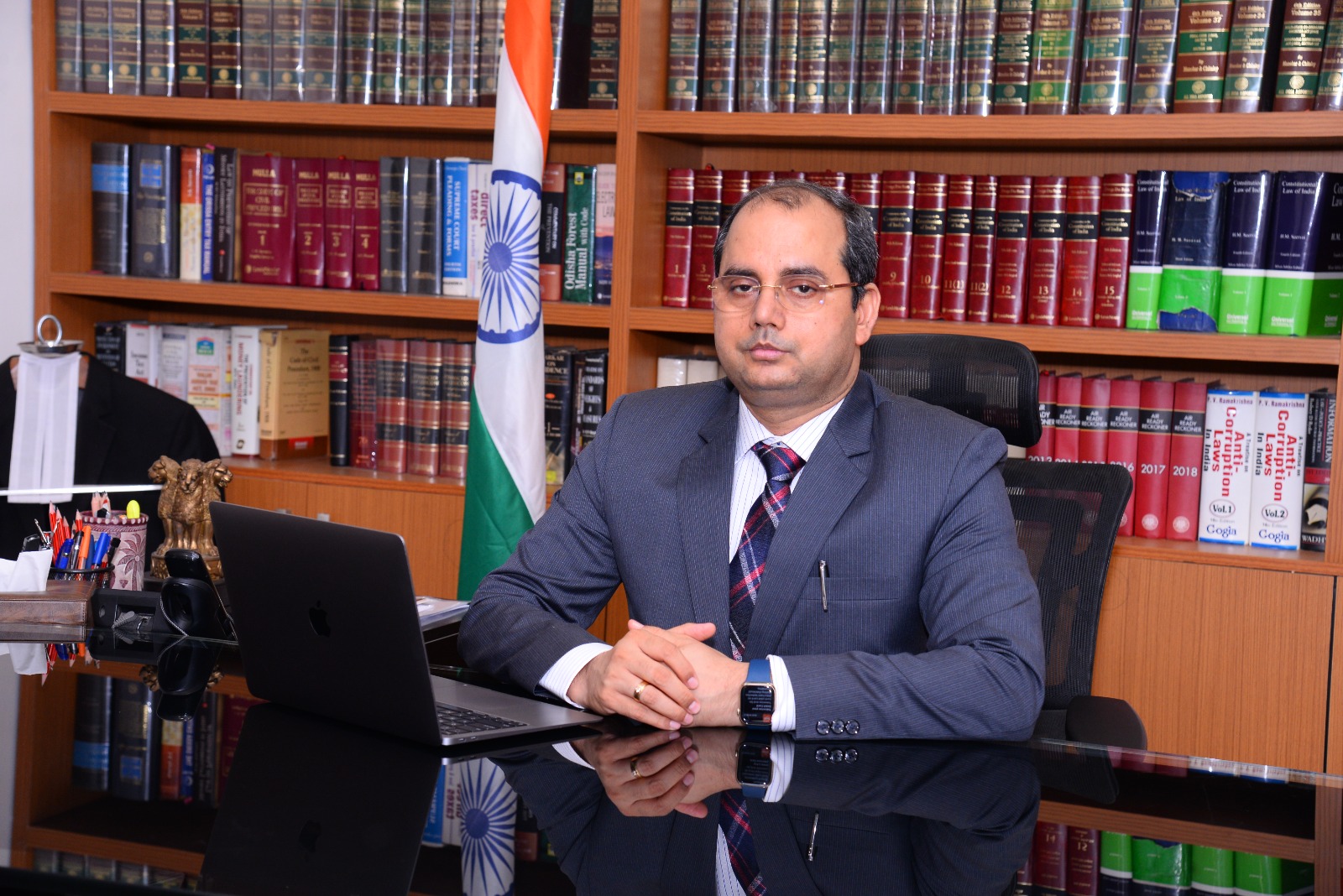
  • “Immigration law in India is still underdeveloped, which is why I focused on it. My goal is to educate and empower migrant laborers who often face exploitation, fraud, and other challenges.” – Jose Abraham, Advocate-On-Record at the Supreme Court of India

    “Immigration law in India is still underdeveloped, which is why I focused on it. My goal is to educate and empower migrant laborers who often face exploitation, fraud, and other challenges.” – Jose Abraham, Advocate-On-Record at the Supreme Court of India

    This interview has been published by Namrata Singh and The SuperLawyer Team
    Hello, and welcome to yet another episode of SuperLawyer YouTube channel. Today, we have with us esteemed advocate, Jose Abraham, who is Advocate on Record as well. And we are excited to hear his journey, who has authored five books alongside his booming practice and the kind of the connections he has built and the way he represents his clients. Thank you so much for joining us here. Hope you’ll enjoy the interview. Sir, let’s start with the very, very first question and an interesting one I would say that we want to hear your story from your school days till now, the kind of learnings, the kind of pivotal moments that you have gone through in the making of the Advocate on record and the author of five books, Jose Abraham, sir please.

    First of all, Namaskaram to all the viewers of SuperLawyer, and I would like to sincerely thank SuperLawyer for giving me this wonderful opportunity to interact with all of you. The first question is about my journey, from my school days to today.

    I am originally from a remote village in Kerala called Madampam, which is in the Kannur district. It’s a very remote area, and I attended a government school, which was a Malayalam-medium school. The reason I am mentioning this is because, nowadays, people might assume that one needs to come from an elite background or have a convent school education to succeed. So, I want to be honest and share my true background, as it might resonate with some of you and be of help.

    Coming from a remote area and attending a regular school, I am also a first-generation lawyer. During my school years, I developed an interest in reading books and newspapers, which made me aware of the significant role played by the judiciary and the legal profession. This became my motivation, and by the time I was in the 9th and 10th standards, my aim was very clear: I wanted to enter the legal profession.

    For my 11th and 12th grades, I chose humanities, and later pursued my law degree from Government Law College, Kozhikode, which is also in the northern part of Kerala. During my final years of law school, I considered preparing for the civil services. With that ambition, I moved to Delhi.

    However, after a month of civil services coaching, I had a realization. I felt that if a lawyer has the potential to be a civil servant, then a lawyer can contribute even more effectively than a civil servant. This realization came to me very quickly, and I decided to focus on my legal career.

    I began practicing at the Supreme Court, but I didn’t limit myself to just the Supreme Court. The office I joined handled cases from trial courts, high courts, and various tribunals in Delhi, which is a hub of legal opportunities. I took on cases in all these forums and even handled small matters, such as paying fines for traffic challans. These are cases where a lawyer might not even be necessary, but that’s how I started my journey.

    Wow, sir! You knew your passion from childhood. It’s rare to meet someone who decides at such a young age what they want to become and actually achieves it. You’ve been an Advocate-On-Record for over 16 years now. How has the legal landscape in India evolved during this time, and what new challenges have you or your colleagues faced? With the rapid advancements in technology and the constant introduction of new laws, we’d love to hear your thoughts on these changes and how they have impacted the legal profession.

    I would like to divide these 16 years of my practice into two periods: pre-COVID and post-COVID, because COVID has changed everything, including our legal profession. Yes, pre-COVID, there were challenges at that time as well. But after COVID, the whole system has changed. Of course, challenges remain, but I prefer to look at it from a positive perspective. New doors have opened for the legal fraternity.

    Now, a lawyer sitting in a remote place like Rajasthan can attend matters in the trial court, the High Court, and even the Supreme Court, all thanks to COVID and advancements in technology. Nowadays, lawyers can manage multiple cases simultaneously, sitting in their chambers with several devices in front of them. That’s one of the greatest advantages COVID and technology have brought to us. It’s one of the most positive changes I’d like to highlight.

    I also recognize that many law students or newly practicing lawyers might be listening. Virtual streaming is now available, and all courts are on YouTube or other specific platforms. I would like to request all young lawyers and law students: whenever you have time, please watch court proceedings. You can learn a lot by simply observing how things work.

    During my initial days, we would go to court just to see how senior lawyers like Nariman Sir, Arjun Sir, and other legal luminaries addressed the court, persuaded judges, and secured favorable orders. Back then, to witness these events, we had to be present in the Supreme Court, and it was rare to see them in High Courts. Today, however, everyone can watch how the Supreme Court’s constitutional bench handles matters. You can see the top lawyers arguing various cases.

    COVID has, in fact, given us many opportunities along with advancements in technology. There are numerous platforms now. For instance, SuperLawyer, which I believe is a more recent creation, is a result of technology. We are getting more opportunities, more platforms where we can interact and gain a wealth of knowledge. That’s what the present era offers us.

    Sir, beautifully said. The SuperLawyer YouTube channel is a relatively recent addition, but SuperLawyer written interviews have been conducted for over a decade now. This has actually helped us transition to more video interviews, as people often feel more comfortable speaking on camera rather than writing their responses. So, it has been beneficial for us as well.

    With that in mind, sir, I would first like to ask: how do you find the time to write such amazing books? One book, in particular, I’d like to discuss is Indians and Immigration Laws: Concerns and Remedies, which addresses the critical issue of migration in Indian society and explores the legal framework surrounding it. Could you elaborate on your thought process while writing this book and perhaps share some insights into the cases you’ve encountered related to Indian migration laws?

    Yes, as a first-generation lawyer, to establish a successful practice, we need to do multiple things. One of these things is writing books, as it gives the impression that we may be an authority on a particular subject. That’s why many choose to author books. This helps us gain recognition within the legal fraternity.

    I would advise participants and viewers to start writing whenever possible. You can begin by publishing articles in newspapers or journals—there are many available now. Take advantage of these opportunities as they can give you an edge and increase your visibility. Writing, especially authoring books, is one of the best ways to present yourself to your fraternity and potential clientele. It is essential for establishing a solid practice.

    The first book I authored is on immigration. Immigration law may be a well-developed area in most developed countries, but in India, unfortunately, it is still underdeveloped. Very few lawyers focus on this area. I realized that this was an untapped field, so I decided to concentrate on it and write a book about it.

    A large number of Indians migrate to foreign countries for jobs or studies, and this is covered under the Indian Immigration Act of 1983. There are laws and systems in place governing immigration, but the common person may not be aware of how the entire process works. I authored this book as a way to educate and empower ordinary people migrating abroad, particularly migrant laborers and domestic workers heading to the Middle East. Many of them face exploitation on multiple levels, such as fraudulent recruitment agencies, high fees, human trafficking, and bonded labor.

    I wrote this book to help NGOs and society as a whole, particularly those working in the field of migration. It also addresses the broader issues surrounding the migration process. Many cases are now emerging in courts related to recruitment fraud and other issues. When something happens to an Indian citizen abroad, it is often the responsibility of the Indian Embassy to intervene and provide legal support. The high courts can also entertain petitions regarding the kind of legal assistance Indian missions and embassies are supposed to provide if they fail to do so.

    What a beautiful area and as you rightly said that there are very few who are practicing this particular immigration laws in India. Outside India, especially developed countries, they have developed their own immigration system, which is more prominent.

    Sir, given all of this and your connection with NGOs and you being the global president of Pravasi Legal Cell, what inspired you to establish this particular NGO? And what unique legal issues do you actually encounter while dealing with the cases that are related to NRIs?

    In 2009, I was fortunate to have the opportunity to establish an NGO, Pravasi Legal Cell, aimed at providing legal assistance. I came to Delhi in 2007 to start my practice, and despite India being one country, the vast differences in languages and cultures across states made my initial years challenging, particularly as I am from the southern part of India. These early struggles inspired me to create an NGO that would offer pro bono legal aid to migrants, who often face similar challenges.

    That’s how Pravasi Legal Cell was founded. Initially, we focused on providing legal support to migrants in Delhi. At the time, a significant portion of these migrants were nurses from Kerala, who were subject to severe exploitation. There was a bond system in the nursing field that was prevalent between 2009 and 2011. Even though the Constitution abolishes bonded labor and specific legislation exists to prevent it, the bond system persisted in the nursing sector. Nurses, after completing their education and joining a hospital, were forced to sign a bond that required them to work for the hospital for three to five years. If they broke the bond, they had to pay a hefty compensation, sometimes as high as five to seven lakhs.

    In 2009, I filed a Public Interest Litigation (PIL) on behalf of one of these nurses. The Honorable Delhi High Court ruled that such bonded labor practices were not permissible in the nursing profession. The court directed the Nursing Council to issue proper guidelines and circulars to address this issue. Later, we filed another PIL in the Supreme Court, which led to a national resolution of the matter.

    This case was one of the first significant issues Pravasi Legal Cell tackled. Afterward, we gradually expanded our reach to other countries. We started with the Middle East and now have offices in almost all major countries in the Middle East, Europe, and the U.S. Pravasi Legal Cell has established chapters worldwide, and our primary objective is to provide legal aid to those in need and to advocate for policy changes related to immigration.

    What an accomplishment, sir! It’s truly amazing to hear about the changes you’ve brought forward. The kind of discrimination that was prevalent and the way you’ve addressed it is remarkable. I sincerely hope we have more dedicated individuals like you in this field, and that many more will follow. These changes are not only necessary but crucial for ensuring that India becomes one of the best countries on the global stage, both for work and immigration. This is something we constantly face, and addressing it is vital.

    Sir, considering you’re also an avid writer, how do you view the intersection of education and law, particularly the teaching aspect? As the Chairman of Paideia Institute in Delhi, how do you feel legal education in India has improved? Is it paving the way for a better future, and how are we working to make it even more competitive on an international level?

    What are your thoughts on ensuring that our legal education system becomes even more globally compatible than it was before?

    Yes, I have seen a lot of changes and improvements in the legal education system over the last decade, especially with the establishment of national law schools in multiple locations. This has significantly enhanced the quality of legal education in India. During my own law graduation, a systematic education was lacking. There were many law colleges that existed only on paper, and by spending some money, anyone could obtain a law degree. I had heard about many such instances at that time.

    However, as you rightly pointed out, the system has changed. Now, we can see a more structured approach to legal studies. Students who approach us for internships today are highly qualified. The standard of legal education has improved dramatically, thanks to various authorities, including the Bar Council of India and the State Bar Councils. Additionally, multiple orders from the Supreme Court have helped streamline legal education. Now, like IITs and IIMs, law schools are also offering campus placements, and bright students can secure high-paying jobs straight out of college.

    This is a very encouraging scenario. I am also heading an institute called Paidiea Institute, where we provide extensive training focused on capacity building, particularly in areas like POCSO, POSH, and RTI. RTI is one area where we have done a lot of work in spreading awareness about the Right to Information Act. In fact, we filed a PIL before the Supreme Court last year, which led to an order directing all High Courts and state governments to establish online RTI portals. Now, citizens can file RTI applications online, making the process more accessible.

    Paidiea Institute aims to provide training and capacity building to empower ordinary citizens.

    What has your experience been like while practicing in the Supreme Court, the High Court of Kerala, and other High Courts? What differences have you observed in the legal processes? And what are the challenges between these two levels of the judiciary? There seems to be a misconception among people who don’t fully understand the legal system. They often feel scared or think the case could have been resolved earlier, without moving to the Supreme Court. It’s difficult to explain to clients why a case had to escalate to the Supreme Court. How do you handle such questions, and how do you ensure your clients are satisfied with the solutions you find for them?

    In our legal system, we have multiple jurisdictions. At the district level, we have trial courts, at the state level, we have High Courts, and at the top, we have the Supreme Court. The skill set required to practice in these courts can differ significantly. For example, the skills needed in a trial court are different from those required in a High Court, and at the Supreme Court, it’s even more refined.

    In the Supreme Court, especially on an admission day, the court may hear around 80 to 90 petitions in just three to four hours. A lawyer only gets two or three minutes to present a case, and within that time, the court decides whether to admit the case. This requires a very specific skill set to handle such cases at the admission level.

    However, in a High Court, especially in its original jurisdiction, the process is not as fast-paced, and there is more room to present the case. So, yes, different courts require different skill sets. You also mentioned clients who question why a case wasn’t resolved at the first level itself, or why it had to move to the appellate level.

    As lawyers, we can only do our part, but for various reasons, justice may not be achieved at the first instance. That’s why we have a robust legal system with appellate jurisdictions. If there has been a misunderstanding or misapplication of the law, we can seek correction from a higher court. This is the beauty of our legal system.

    Yes, different platforms may require different skill sets, but my personal opinion is that it’s crucial to gain experience at the trial court level. The trial is the heart and soul of litigation, the foundation. If a lawyer can gain trial court experience early in their career, they will have a better understanding of the legal system—how to draft a plaint, how to file a complaint, how to conduct examinations and cross-examinations.

    This trial experience makes the transition to practicing in the High Court or even the Supreme Court much easier. I’ve seen some very talented colleagues in the Supreme Court, but because they lack trial experience, they sometimes feel a sense of incompleteness. On the other hand, a lawyer who has trial court experience often carries a higher level of confidence. That has been my experience.

    There are many aspirants for the AOR exam, but they often don’t know the right approach to prepare or understand the importance of being an Advocate on Record. We would request you to share some of the key details about the kind of preparation one should do, the resources they can use, and the strategies you followed that helped you become an Advocate on Record at such an early stage in your career.

    An Advocate on Record (AOR) is a designation given by the Supreme Court, allowing the advocate to file matters before the Supreme Court. This designation is an added advantage for getting cases in the Supreme Court. Yes, clearing the AOR examination requires significant preparation and effort. The passing percentage is around 10 to 15%, which shows that it requires thorough preparation to succeed.

    Most of the questions or syllabus for the AOR examination are related to the practical aspects of drafting, practice, procedure, and leading cases. These can be mastered through at least one year of practice in the Supreme Court, which will equip you with the skills needed to draft Special Leave Petitions (SLPs), Article 32 petitions, and transfer petitions before the Supreme Court.

    The key to passing the AOR exam is developing practical skills rather than relying solely on theoretical knowledge. Understanding leading cases is also crucial, as it equips you to draft well-supported petitions with settled laws or authoritative pronouncements of the Supreme Court.

    Additionally, knowledge of practice and procedure will inform you on when to file or approach the Supreme Court and how it handles matters under Article 136, Article 32 petitions, or even original jurisdiction cases. The Supreme Court can sometimes entertain original suits directly. These are all practical aspects of litigation in the Supreme Court.

    A year of sincere preparation will certainly help in clearing the AOR examination. The Supreme Court’s website provides access to previous question papers, materials, and the syllabus for the exam. There is a dedicated AOR section with a separate link where all this information can be accessed. I believe even interviews and other helpful resources may be available on other websites or in similar repositories of information.

    Now, I would like to move on and talk about work-life balance, which is such an important topic nowadays, especially when it comes to mental and physical health. How do you balance all of this with the kind of busy schedule you have with your cases? Is it just about hobbies and interests outside of law, or how do you make sure to carve out time for your family as well? I believe that’s one of the most important things, and we’d love to hear your perspective on it. Additionally, I’d like to ask about your views on mental health, especially for lawyers, as we are definitely under a lot of pressure.

    That’s a very interesting and relevant question. A balanced life is essential for any professional. Of course, all of us aim to be successful lawyers, but at the same time, we should also strive to be successful fathers, sons, and brothers. A balanced life enables success in all areas—personal, professional, and community life.

    You see, there are many “super lawyers” with wonderful practices, but some struggle to maintain their family relationships because they can’t make time for their loved ones. There are also lawyers who, by the time they reach 40 or 45, may have impressive careers but are physically weak due to neglecting their health. So yes, Divyaji, your question is very important. We must learn to balance our personal, private, and professional lives. Only then can we truly achieve success. There’s no point in sacrificing one for the other.

    Regarding mental health, it is indeed a growing concern, even for young children. The COVID pandemic gave us opportunities but also challenges, especially with technology. The increase in screen time has reduced personal interactions, whether with family or friends. While technology has its advantages, we must use it wisely to maintain a balanced and successful life. A content and happy life, in essence.

    Beautifully said, sir. Yes, screen time has definitely increased, and there are many perspectives we need to keep in check as the world, and India, continues to evolve. As a successful advocate, what advice would you give to first-generation lawyers who are just starting their practice? What kind of challenges do you think independent litigators face, and how can young lawyers stay motivated? Because often, we have a tendency to give up too early. You didn’t give up and made a name for yourself. Could you share your insights on that?

    Divyaji, it’s always a bit uncomfortable to talk about oneself. And I don’t claim to be a “successful” lawyer, but as a student of law and someone who has been in this profession for 17 years, I can offer a few observations.

    To succeed in this noble profession, certain skill sets are essential, and those can be developed through a committed and dedicated lifestyle. If you are sincere in your profession, it will reward you. Don’t worry if you’re a first-generation lawyer or come from a humble background. These factors don’t matter. A lot of young lawyers come from families with judges or senior lawyers, which may help them in the initial stages, but even for them, this profession requires continuous dedication, hard work, and commitment.

    This is a wonderful profession. Every day brings new challenges—new cases, new judges, new legal issues. The legal system is constantly evolving, so we must update ourselves regularly. Being a successful lawyer requires a unique set of skills, including excellent communication, both in drafting and oral arguments. It’s important to learn how to draft effectively and argue convincingly.

    Maintaining a good relationship with your clients is another key skill. There will be a lot of pressures—financial, familial, and emotional—but you must be able to manage these while staying focused. This profession, which deals with human issues like family matters and disputes, not only shapes us into successful professionals but also helps us become better human beings. That’s one of the most fulfilling aspects of being a lawyer.

    Thank you, Divyaji, for giving me this opportunity to share my thoughts. You’ve asked all the right questions in such a way that I felt comfortable sharing my experiences. Thanks again.

    Thank you so much for your humility and for agreeing to join us, sir. On behalf of the SuperLawyer team, Namrata, and myself, we sincerely thank you. You’ve shared your story so beautifully, even though we often hesitate to talk about our personal lives and motivations. I believe that those watching this video will learn so much from you—how to better themselves in life and in this profession. Once again, thank you for your time.

    Thank you very much, Divyaji, for giving me this opportunity. You are doing such important work by supporting young professionals. Please keep it up. You’ll always have my support, and best wishes to all the participants. Thanks again.

    Get in touch with Jose Abraham-
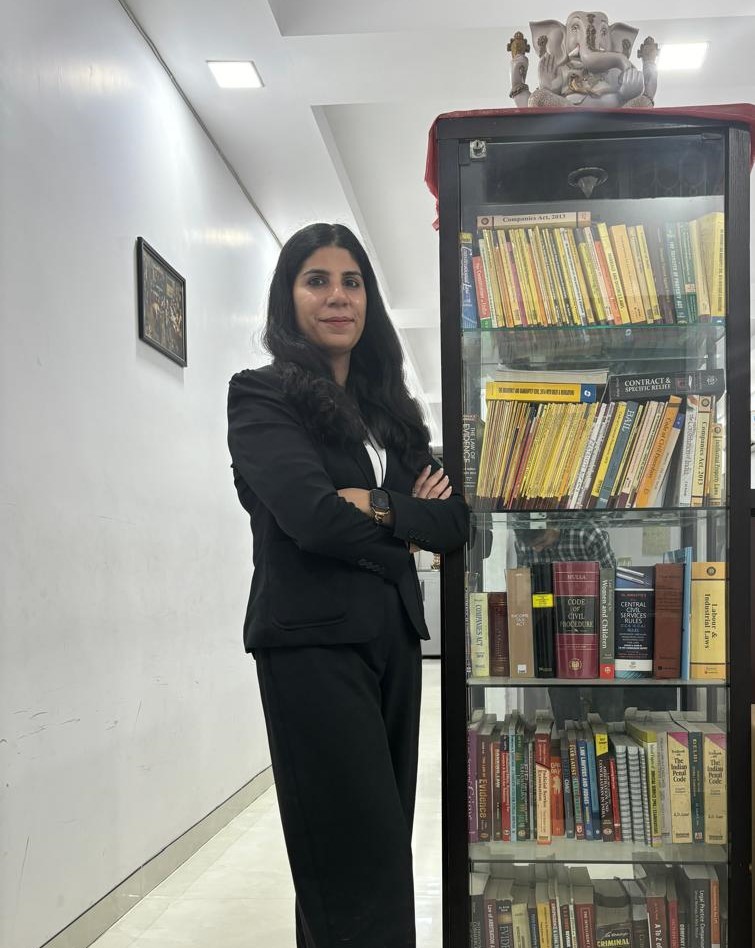
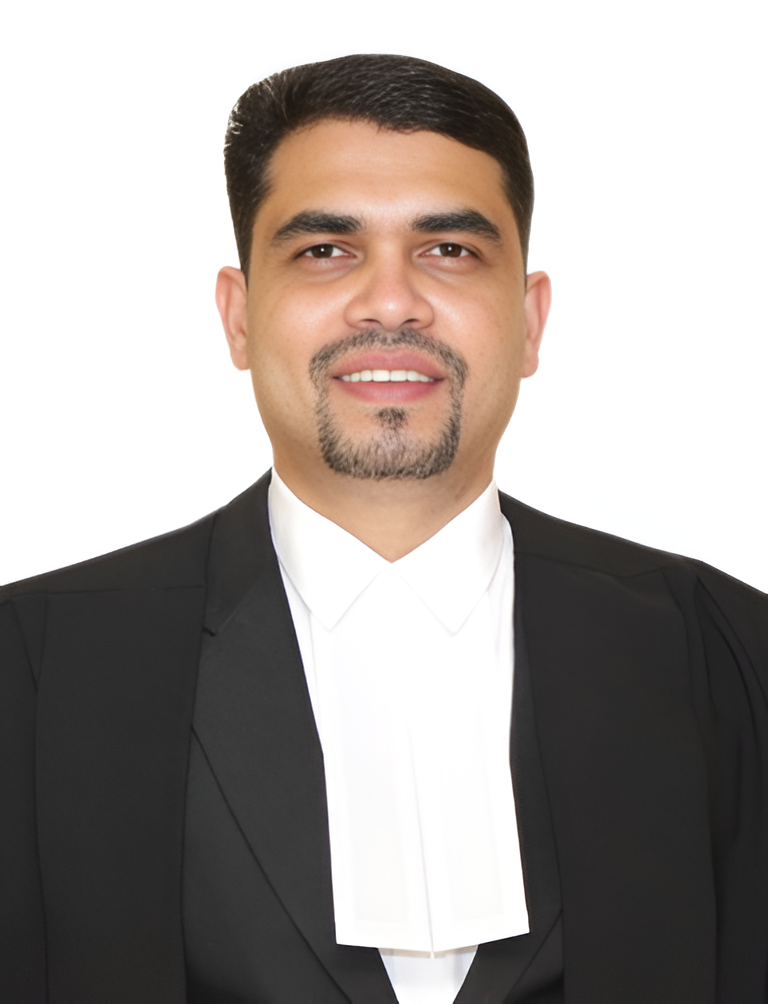
  • “Litigation is where my true passion lies. My journey in law has been one of continuous growth and learning, each step a testament to my dedication and commitment.” – Shubham Mahajan, Founding Partner of MMA Associates & Senior Panel Counsel for the Union of India

    “Litigation is where my true passion lies. My journey in law has been one of continuous growth and learning, each step a testament to my dedication and commitment.” – Shubham Mahajan, Founding Partner of MMA Associates & Senior Panel Counsel for the Union of India

    This interview has been published by Namrata Singh and The SuperLawyer Team

    Can you share the story of how you started your career in law and the journey that led you to become the Founding Partner of MMA Associates and a Senior Panel Counsel for the Union of India?

    Incipiently, my father encouraged me to pursue judicial services, however as I delved deeper into the field, I realized that litigation was where my true passion lay. Thereafter, I started my law career as an associate Advocate at Ahlawat & Associates, whereby I was afforded opportunities to appear before CAT and DHC, gaining valuable experience in service matters. Following this, I worked as a law researcher with former judge of Delhi High Court Justice VK Jain. This experience broadened my perspective on legal research and judicial reasoning, further solidifying my commitment to the field. After completion of this role, I joined SKV Associates where I specialized in consumer law and appeared in all the DCDRC’s throughout Delhi, SCDRC and NCDRC.

    The next significant phase of my career was at ASA Legal Services LLP, where I joined as a senior litigation associate and after working there for a considerable period of 6 years, whereby I honed skills in litigation and advocacy, which prepared me for the next big step i.e. venturing into private practice. Founding MMA Associates was a natural progression in my career. It allowed me to bring together my experiences and insights to build a practice that prioritizes client-centric solutions and innovative legal strategies. Concurrently, I was honored to be nominated as one of the senior panel counsel to represent the Union of India, a role that has been both challenging and rewarding. In essence, my journey in law has been one of continuous growth and learning and each step has been a testament to my dedication and passion for the legal profession.

    With your extensive experience in handling a wide range of disputes, can you discuss a particularly complex case you worked on and the innovative strategies you employed to achieve a favorable outcome?

    In my career of 14 years, I have encountered numerous cases involving complex issues, however, most recently, in the capacity of a nominated counsel, I received an opportunity to represent the Hon’ble Delhi High Court in a complex matter (Karan S.Thukral versus Registrar Delhi High Court & Ors, WP(C) 6082/2019) which changed the landscape of how filings are done in all District courts in and around Delhi NCR. During the course of the matter, I embarked on an extensive study and research of the existing procedures, including the various modes and manners of filing, record-keeping, and the operational constraints faced by the courts. I delved into understanding the issues related to manpower shortage, space limitations, and how these factors affected the efficiency of the judicial process.

    This experience reinforced my belief that the only strategy that is fruitful, is to ensure that there are no short cuts being employed and irrespective of what the eventual outcome is, one is working in such a manner that at all times the best foot is being put forward and 100 Percent is being given.

    As a nominated counsel for the Hon’ble High Court of Delhi, can you share some insights into the unique challenges and responsibilities that come with representing such a prestigious institution?

    Being a nominated counsel does come with its own share of responsibilities and challenges. One of the unique challenges in this role is the need to coordinate and communicate with multiple departments, to arrive at most appropriate solution.

    Another key responsibility is to present these solutions before the Hon’ble Court, ensuring the same are both legally sound and practically feasible. This involves extensive research, thorough preparation, and a careful balancing of interests to ensure that the recommendations align with the broader objectives of the judiciary as well as public interests.

    Additionally, representing such a prestigious institution demands a high level of professionalism and integrity. There is an expectation to uphold the values and standards of the court, which means being meticulous in your work, transparent in your dealings, and dedicated to achieving fair and just outcomes.

    You have authored a book titled “A Girl with Brain Tumour – A Story with a Happy Ending” How has your passion for writing influenced your legal career, and what inspired you to write this book?

    I am a cancer survivor. I was detected with brain cancer in 2019, which was a life-altering experience. My purpose to write this book was to educate people at large about the term “brain tumor” and how one can come out of it victorious. I felt a deep need to share my story, not just to chronicle the challenges and triumphs I faced, but also to offer hope and guidance to others who may be going through similar battles. I wanted to convey that, despite the odds, it’s possible to emerge victorious. Writing this book has been a therapeutic and empowering experience, allowing me to connect with readers on a personal level and inspire them with a message of hope and perseverance.

    As someone who has transitioned from being a Legal Researcher to a Founding Partner, what key lessons did you learn early in your career that continue to influence your professional decisions today?

    At the very early juncture of my career, I fathomed that a litigating lawyer needs to be a very patient individual and a very good listener. Patience and being a good listener go hand in hand, which gives you enough fuel to understand the perspective of the client and enables you to resolve the respective issue involved. Often as Litigators we come across client(s) whose sole desire is that their version of the issue/lis/dispute be heard and understood by their Advocate and once their counsel listens to them is gives them immense satisfaction.

    What advice would you give to young lawyers who aspire to have a diverse practice area like yours? How should they approach building a career that spans multiple legal disciplines?

    My advice would be to grab every opportunity to work with different firms/advocates/senior advocates during the nascent stage of their career in order to understand/fathom their inclination/path in a particular field of law. They should embrace versatility and remain open to exploring the various fields of law. Irrespective of what task you have been assigned be it inspecting a Researching Judgments, Inspecting Court Records, Assisting the Clerk(s) etc. consider the same as an opportunity to gain knowledge. Start by gaining experience in different practice areas, even if they don’t initially seem to align with your long-term goals. This exposure will broaden your knowledge base and help you discover your strengths and interests. No work is small or big, this is the golden period for budding lawyers and they should try their hand at everything and with time they will understand in which way they want to proceed. Furthermore, if a first generation lawyer like me can do it, then you also can do it but by being curious, adaptable, and willing to learn, which shall enable you to build a career that is both diverse and fulfilling.

    Given the current legal trends, what areas of law do you believe will become more prominent in the next decade, and how should legal professionals prepare for these changes?

    I believe that the concept of Mediation/Conciliation and other forms of ADR will become prominent, and more and more litigants instead of filing the case in respective courts, would pivot towards resolving disputes amicably with the help of legal mechanisms provided under law such as Mediation/Samadhan centers/Online Dispute Resolution Platforms established in each and every court.

    Furthermore, with the advent and advancement of Technology in the recent times in the field of law, we have to embrace the same and be adept enough to inculcate it in our work environment.

    How do you balance your demanding legal career with your personal passions? Please share some of your interests other than profession. How do these interests influence your professional life?

    Personally, I think too much is made out of work life balance, there are days when your work has to be your absolute priority and you wouldn’t want to be any other place apart from your work, whereas there are times when one can afford some down time and do things apart from work, for me personally whenever I get the time I like to travel and explore new places. Movies are also a big interest of mine particularly thrillers and crime dramas, I also like to dance a bit and whenever I can, I like to indulge in it.

    If you could bring about one change in the Indian legal system, what would it be and why? How do you believe this change would benefit the legal community and society as a whole?

    The one change I would want in Indian legal system is to recruit more efficient manpower, on both judicial and administrative side, in order to streamline the pending cases which leads to delayed justice. This change would benefit the legal community by reducing the pressure on existing judges and court staff, allowing them to focus more effectively on each case. It would also lead to more timely justice for litigants, which is crucial for maintaining trust in the legal system. Simultaneously, digitalizing court processes—such as e-filing, virtual hearings, and electronic case management—would streamline procedures, enhance accessibility, and reduce delays.

    This change would benefit the legal community by easing the strain on personnel and improving case handling efficiency. For society, it would mean faster access to justice, reduced case delays, and a more transparent legal system. Digitalization would also make it easier for people to interact with the court system remotely, making justice more accessible and reducing the need for physical presence in courtrooms.

    MMA Associates offers a wealth of experience and expertise. Are there internship or mentorship opportunities available at your firm for aspiring legal professionals, and how can one approach you for such opportunities?

    Yes. Any interested lawyer/law student can approach us at mmatassociates@gmail.com

    Get in touch with Shubham Mahajan-

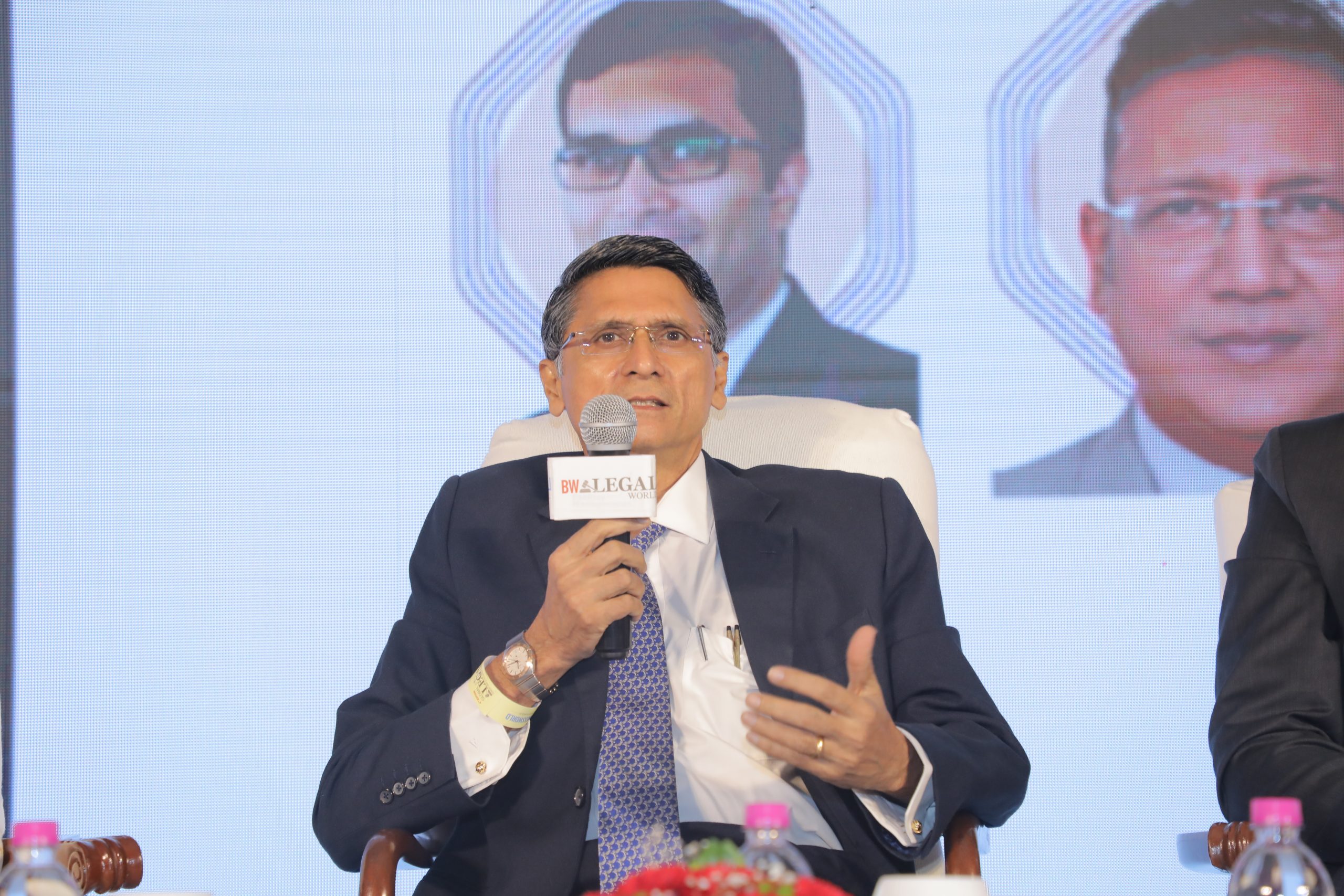
  • “The profession of law was love at first sight, and the bond between me and the legal profession has only grown stronger over time. There has been no looking back, not even a moment of doubt. I have thoroughly enjoyed it.” – K G Raghavan, Senior Advocate at High Court of Karnataka.

    “The profession of law was love at first sight, and the bond between me and the legal profession has only grown stronger over time. There has been no looking back, not even a moment of doubt. I have thoroughly enjoyed it.” – K G Raghavan, Senior Advocate at High Court of Karnataka.

    This interview has been published by Namrata Singh and The SuperLawyer Team

    Coming from a family with a strong legal background , did you ever consider pursuing a career outside of law?  How did you eventually decide to follow in our family’s footsteps, and what challenges did you face in your initial days as a lawyer?

    I believe each person must carve out a profession for themselves based on their capabilities and interests. However, it is a reality of life that, when making a career decision, individuals are consciously or unconsciously influenced by the career choices their parents have pursued. I was no exception. My father was a leading and well-known lawyer during his time. I saw him put in long hours of hard work and be sought after by many. But what influenced me significantly in my career decision-making was the great respect and influence he commanded across a cross-section of society. I believed this was because of his position as a lawyer. In later years of my practice, I realized this was true. My father conveyed through his career that the legal profession was unique in various ways. It was intellectually elevating and honorable in its practice; lawyers were highly respected and commanded a following. I closely watched my father’s analytical skills, which he applied to matters of public importance, domestic issues, philosophical and religious thoughts, and more. I admired his approach to men and matters, which I attributed to his being a lawyer. My father did not actively promote the idea that I should pursue the legal profession; it was my decision, which he supported. Considering my father’s quality of life, I must frankly admit that I did not even consider a profession outside of law. The profession of law was love at first sight, and the bond between me and the legal profession has only grown stronger over time. There has been no looking back, not even a moment of doubt. I have thoroughly enjoyed it.

    Being a lawyer’s (later a High Court Judge’s) son had both benefits and challenges. The benefit I derived at the operational level was not very significant because there was a large gap between the time my father stopped practicing and when I started. Nonetheless, the benefits were obvious—infrastructure and the reputation of being so-and-so’s son. However, the challenges were quite intimidating. First, every action of mine and every expectation from me would be compared to my father’s. Any slight deviation would be met with skepticism. Second, I faced the overwhelming challenge of proving myself worthy of being my father’s son. I realized fairly early in my career that no one can ride on the reputation of another, no matter who the other may be; you have to prove your worth. Clients will not stay unless they develop confidence in you. A father’s reputation can take one up to a point and no further. In this profession, everyone has to carve out a niche for themselves.

    How did your father’s career as a judge influence your approach to law and justice?

    As a judge, I have noticed my father being equally concerned with the problems of a small person and a matter involving high stakes. He would tell me how, in reality, that small person had more at stake in the litigation than the so-called big one. For the former, it was a case of livelihood, while for the latter, it was generally not. Sympathy for the less fortunate was his guiding factor. This has had a significant impact on my approach to my career. This perspective has always remained in the background, even while being deeply involved in commercial law practice.

    For example, as a legal advisor for a large public sector corporation, I would receive numerous files for opinions regarding the title for granting house loans to Class IV employees. If I had strictly applied all the rules of title due diligence, none would have qualified for the loan. That would have shattered the dreams of these families to buy or construct a small home. My heart did not permit that approach. I relaxed the rules and cleared the titles on a “by and large basis.” This approach was largely influenced by my father, balancing law and humaneness. I am thankful for that.  

    During your tenure as partner at Dua Associates, you managed a large team and handled litigation practice nationwide.  What were the key lessons you learned from that period which you still apply today, and what led to your decision to leave the firm and become Senior Advocate?  What were the main factors that influenced this career move?

    During my tenure as a partner at Dua Associates, I interacted with numerous lawyers across the country and beyond. I also dealt with several in-house counsels of multinational corporations. This experience broadened my horizons. I realized that everyone has their unique way of approaching and solving problems, and no one was 100% right or wrong. Incorporating thoughts from all quarters, from senior to junior, enabled us to find the best possible solution to a problem. This was especially true because the lawyers came from different backgrounds and jurisdictions. Some adopted a legalistic approach, others a commercial approach, and a few a practical approach. Each one had their domain expertise. This opened my eyes to the fact that team effort is always more beneficial than when a problem is handled by a single lawyer. No one can have knowledge in all branches of law, and invariably, legal issues have different angles. This exposure humbled me to realize that no one can claim to be superior to another, and each has their role to play, which is as important as the others. This experience has stood me in good stead even today as a Senior Advocate, as I have continued to respect the approach and views of lawyers and in-house legal counsels.

    Counsel practice is an art in itself. I realized that my strength lies in that field. I wanted to spend more time sharpening my skills rather than spending time in the actual preparation of briefs through direct client interaction. This is what influenced me to change the course of my practice, even though I have always enjoyed client interaction and strategizing. My stint at Dua Associates has been the most enjoyable phase of my career. Designation as a Senior Advocate during my time was by invitation and not by application as it is today. Generally, when one is invited to take the silk, it is considered an honor and recognition and therefore not refused. Once conferred with the designation, in my view, continuing as a partner of a law firm was not an option.

    Since being designated as a Senior Advocate in 2008, how has your approach to handling cases evolved? What are the unique challenges and responsibilities that come with this title?

    The first challenge of being a Senior Advocate is to sift the grain from the chaff. That is what I have consistently applied in my role as a Senior Advocate. The briefing counsel will, of course, tell me all the facts and issues involved in the case as they should. It is up to me to pick the best points and highlight them to the court. The second challenge is the manner of presenting a point. It is essential to present it in the most persuasive manner. This requires quiet and deep deliberation even before entering the courtroom. I have rehearsed the opening sentence of a case in my mind several times before uttering it in court. If you engage the judge in your case within the first few minutes, a large part of the case is won.

    Duty towards the court and the client is common for all advocates, whether designated or not. The unique challenge and responsibility of a Senior Advocate is towards the briefing counsel. It may be that the briefing counsel is not yet experienced or is lacking in preparation. I would not highlight this in a conference where the client is present, as it would damage the interests of the instructing counsel and/or demotivate them. The art is to gently suggest a corrective course without injuring anyone’s interests. In many instances where I found a fundamental error in the approach or advice of the counsel on record, I have separately called the lawyer and pointed out the error, suggesting corrective action. I believe this to be the duty of a Senior Advocate towards the briefing counsel, in addition to the duty and responsibility towards the court.

    As the Chairman of the Bhavan’s BBMP school, you are deeply involved in educational initiatives for underprivileged children.   Can you tell us more about this role and its impact on the community?

    Our school has over 850 children, most of whom come from the neighboring slum areas. Facilities like electricity, water, and internet connection, which we tend to take for granted, are a luxury for them. The parents come from economically and socially disadvantaged sections of the community. A school-age child is considered another working hand and a potential earning member. In this atmosphere, it was initially a challenge when the school was started to promote the concept of education among that community. After 15 years, we have come a long way. Today, the parents and children are very enthusiastic about the school. Promptly at 8 am, the children arrive at the school, neatly dressed in their uniforms and well-groomed. Seeing these enthusiastic children at school, who might otherwise have been directionless, is a divine experience. The school is an English-medium institution with a CBSE curriculum. The school and the children always remind me that if given the opportunity, children will grow up to be responsible and civil citizens. The biggest mistake and crime is in not providing opportunity, and this thought has always haunted me. In fact, before our school was established, the area was noted for its high crime rate. Now, the police authorities tell us that the crime rate has significantly decreased because the children are the best change-makers.

    You regularly contribute to Deccan Herald and other publications on legal and philosophical topics. How do you find time for writing, and what motivates you to share your insights through these platforms?

    If one has the interest in doing something, finding time is the least of the impediments. What motivates someone to do something is a genuine interest in that activity. That is the simple answer to the question: how do you find time to write? The sheer desire to write and engage with a reader of average intelligence is what truly motivates me. My target is not the learned or the wise but those who have the interest but don’t know how or where to begin. My desire is to kindle their interest in both the subject and the art of communication. In other words, to provide food for thought.

    Looking ahead, what are the areas of law that you believe will be most critical in the coming years, and how should the legal profession prepare for these changes? What advice would you give to the young law students and budding lawyers who aspire to make a successful career in law? What skills and qualities should they focus on developing?

    Roscoe Pound famously said, “Law is social engineering.” This has always been true, and it is even more relevant today and in the future as times change. The aspirations of people and social norms are evolving rapidly. Gender equality, same-sex marriages, live-in relationships, LGBTQ rights, privacy obligations, and other issues now occupy center stage in public debate. Notions of morality that were once accepted and taken for granted are changing, and the law must keep pace with these changes.

    In my view, these issues will be critical in the coming years, and lawyers and law students must think outside the box to find legal solutions to complex social problems. Additionally, the changing demands of growing technology and transborder relationships—whether personal, business, or professional—must be addressed. The world is becoming increasingly interconnected, and relationships are becoming more seamless. Lawyers and legal researchers can facilitate this change and make the world a better and more peaceful place.

    Focusing on these and other emerging branches of law will enable a budding lawyer to succeed in their career. To achieve this, one must develop a thirst for knowledge from all over the world. A successful lawyer should excel not only in the legal field but also cultivate an interest in subjects unrelated to law. It is essential to remember that one is a human being first and a lawyer second. Developing the quality of being a good human being is fundamental.

    Furthermore, a lawyer should develop effective communication skills. Learning languages without any mental blocks is crucial, with English being a must. Knowledge and communication skills should go hand in hand with analytical skills. Analytical skill is an art that one can develop only through conscious practice. This can happen if you commit to understanding an issue fully before proceeding further. Finding a solution is the next step.

    With the rapid advancement of technology, how do you see the role of technology influencing the practice of law? Are there any particular tools or technologies that you find indispensable in your work?

    Technology today has permeated all aspects of our lives and activities, and the practice of law is no exception. In fact, the practice of law should embrace technology more and more so that we lawyers become more efficient in providing services to our clients and assist the court in dispensing quicker justice. I have personally benefited from technology. I am able to present arguments in court without physical papers as I have fully adapted to technological tools like Liquid Text. I find myself faster and more efficient in locating a particular document or fact in a large brief using this technology. The adage “Change or Perish” is truer today than ever before. However, a warning: Technology should supplement our intelligence, not supplant it. Innate intelligence, not artificial intelligence, is the core strength of a lawyer.

    Over 45 years of practice, you have represented numerous high profile clients.  Can you share a particularly memorable case that had a significant impact on you personally or professionally?

    “It is difficult to pinpoint a particular case among the many I have handled in my career. I am who I am today, both as a human being and as a lawyer, because of the amalgamation of lessons learned from various cases. It has been a profound study of human traits and behavior. No case is too big or too small; each has its own lessons and morals to impart, aiding in personal evolution. This defines my approach and personality.”

    With such a demanding career, how do you unwind and relax after a long day in court?  Do you have any hobbies or routines that help you maintain a work life balance?

    The legal profession is a demanding endeavor. Therefore, one must be vigilant not to become so absorbed as to lose the joys of life. I am fortunate to have largely mastered the skill of drawing boundaries, although my family might disagree. Early in one’s career, one should enjoy what they do; as one progresses, they should do what they love. This is a nuanced art, and I am fortunate to have made significant strides in that direction. Whether one likes or loves their work, nothing becomes a source of stress. This is the key to unlocking relaxation and alleviating stress. Writing, reading, religious, and social activities are my ways of unwinding. I particularly enjoy traveling and sightseeing. As I mentioned before, when you are passionate, time never feels like a constraint. 

    neigneighbour

    Get in touch with K G Raghavan –

  • “In the pursuit of legal excellence, a commitment to continuous learning, a higher purpose, and a passion for sharing knowledge become the cornerstones of a fulfilling journey.” – Satwinder Singh, Founder and Managing Partner, Aekom Legal

    “In the pursuit of legal excellence, a commitment to continuous learning, a higher purpose, and a passion for sharing knowledge become the cornerstones of a fulfilling journey.” – Satwinder Singh, Founder and Managing Partner, Aekom Legal

    This interview has been published by Namrata Singh and The SuperLawyer Team

    Mr. Singh, your journey from Jalandhar to the establishment of Aekom Legal is truly inspiring. Can you walk us through the key moments that shaped your path in law, from your commerce graduation to founding your own firm last year?

    Thank you for acknowledging my journey. Initially, the prospect of practicing law was not a consideration during my undergraduate years. However, a strong desire for attaining a professional qualification drove me forward. To support my parents, I decided to pursue law through evening classes while working during the day. Simultaneously, I successfully completed my Company Secretary (CS) course while serving at the State Bank of India, stationed near the border towns of Punjab. After completion of my CS qualification, I left the bank and joined as a company secretary and then headed the office of a merchant banking firm in Chandigarh. My journey took a turn when I found myself amidst the challenging financial landscape following the collapse of the capital market. It was then that I recognized the enduring potential in practicing in the field of corporate and commercial laws.  

    With this foundational expertise, I found my stride as a corporate lawyer, starting as an associate in one of Delhi’s notable law firms. Over time, I climbed the ranks to become a Partner. After accumulating over 24 years of valuable experience, I made a pivotal decision – to establish our own law firm, ‘Aekom Legal.’

    The journey from Jalandhar to founding Aekom Legal has been fueled by a deep-rooted sense of purpose and is a story of continuous learning, professional growth, and an unwavering commitment to excellence in the field of law. 

    The name “Aekom” is derived from the first word of Gurbani, “Ek Onkar” or “God is One.” Can you share a bit about the significance of this name and how it reflects the ethos of your law firm?

    The name ‘Aekom’ holds a profound spiritual significance for our law firm, drawing inspiration from the sacred Gurbani phrase ‘Ek Onkar’ or in Hindi “एक ॐ” which translates to ‘God is One and all pervasive’. This name choice reflects not only my personal spiritual inclination but also a deep belief in the principles of unity and divine presence. 

    Choosing the name ”Aekom” was a deliberate decision, driven by a desire to transcend self-interest. It symbolizes our commitment to infuse our legal practice with higher purpose and a dedication to ethical and principled legal services. In essence, ‘Aekom’ encapsulates the core values of unity, integrity and a profound sense of responsibility and righteousness. 

    Moreover, the ethos of our firm is rooted in the belief that the pursuit of knowledge is integral to success. We hold a steadfast conviction that for every problem, a solution exists somewhere.

    This guiding philosophy shapes our practice, fostering a culture of continuous learning and problem-solving to better serve our clients and the community at large. 

    You’ve authored and co-authored books and articles. What drives you to contribute to legal literature, and can you share a memorable experience related to your writing?

    Engaging in legal literature has been a deeply gratifying journey, propelled by my unwavering commitment to disseminating knowledge. My extensive experience as a regular faculty at ICSI, where I taught corporate law matters, including corporate restructuring and stamp duty to aspiring company secretaries, laid the foundation for this endeavor.  Additionally, I’ve had the privilege of being a speaker at various forums, such as different chambers of commerce, where I shared insights on Corporate Law, delving into topics like joint ventures, mergers, and acquisitions. 

    The inspiration to actively contribute to legal literature stems from these interactions, providing not only a platform to share expertise but also fostering a meaningful engagement with evolving legal concepts. My driving force has always been the ceaseless pursuit of knowledge – an ethos underscored by a personal motto influenced by the belief that seeking the blessings of Goddess Saraswati, the goddess of knowledge, will naturally attract the blessings of Goddess Laxmi, symbolizing wealth and prosperity. 

    This reciprocal process of learning and sharing underscores the significance of contributing to legal literature as not just a professional duty but a continuous and rewarding endeavor for personal and professional growth.

    Over your extensive career, your expertise has expanded from corporate law to insolvency matters. What motivated you to diversify, and how has this expansion enriched your professional journey?

    The introduction of the Insolvency and Bankruptcy Code in 2016 in India served as a pivotal moment, motivating a deliberate shift towards the intricate domain of insolvency matters. With a strong foundation in company law and having successfully navigated over 300 matters in the area of corporate restructuring, right from conceptualizing to execution, and working on  various Company law realms, including joint ventures, acquisitions etc. I recognized the transformative potential of this new legal framework. 

    Driven by my deep passion for company laws, I proactively sought certification as a Resolution Professional, becoming one of the earliest individuals to achieve this distinction. This strategic move was fueled by a desire to remain at the forefront of the evolving legal landscape.

    This strategic move has proven invaluable in real-world cases, allowing me to apply my enriched understanding of company laws to the dynamic challenges presented in insolvency proceedings. Early involvement in diverse matters has conferred a unique advantage, positioning me as a pioneer in this evolving field.

    In essence, the introduction of the Insolvency and Bankruptcy Code acted as a catalyst, seamlessly merging with my background in company law and inspiring a purposeful pursuit of insolvency matters. This strategic alignment has not only enriched my professional journey but has also empowered me to offer comprehensive and effective legal solutions to clients navigating the complexities of corporate challenges and financial distress. Some of the notable achievements in the stressed assets acquisitions is navigating the acquisition of Ruchi Soya for Patanjali Group, Orchard Pharma acquisition for Dhanuka Group and many other acquisitions in M&A space. It also helped us to build a strong Dispute Resolution team. 

    You’ve been appointed as a member of the Appellate Authority under various acts. How does this role contribute to your broader vision for the legal profession, and what challenges or successes have you encountered in this capacity? As the Chairman of the NCLT/NCLAT Task Force, what initiatives do you envision to enhance the efficiency of these tribunals, and how do you plan to address current challenges in corporate litigation?

    The Government by notification appointed me as a member of the Appellate Authority for a period of three years. It’s an authority constituted under CA, CS and ICWA Acts. I feel privileged to take up this honorary role where you get the opportunity to dispense justice and also play the role as reformist. As the Chairman of the NCLT/NCLAT Task Force constituted by ICSI, my vision revolves around recommending the ways and means to streamline and enhance  the efficiency of these tribunals. The Task Force has submitted a comprehensive report to the President -ICSI. Once it is approved by the Council of ICSI, it will be submitted by the ICSI to President NCLT and other relevant authorities. This report focuses on vital initiatives to reform the system and address current challenges in corporate litigation. The emphasis is on reforming the process to make it more accessible and responsive to the dynamic needs of corporate litigation. The proposed initiatives seek to create a framework that not only expedites proceedings but also encourages a more collaborative and efficient resolution of disputes within the ambit of the NCLT and NCLAT. A key aspect highlighted in the report is the incorporation of mediation in the NCLT framework. By introducing mediation, we aim to unclog the current system and provide a more efficient alternative for resolving disputes. This initiative aligns with the broader goal of enhancing the overall efficiency of NCLT and NCLAT, ensuring a more expeditious and effective resolution of corporate litigation. I would also like to take the opportunity to thank ICSI for believing in me.

    Being recognized as a Notable Practitioner in M&A and Private Equity by IFLR1000 is a significant achievement. How did you celebrate this recognition, and what does it mean to you personally and professionally? 

    Being acknowledged as a Notable Practitioner in M&A and Private Equity by IFLR1000 is a momentous achievement that holds both personal and professional significance. Personally, I celebrated this recognition by taking a moment to reflect on the journey that led to this recognition. Gratitude fills my heart for the collaborative efforts and unwavering dedication that played a pivotal role in reaching this milestone. From a professional standpoint, this recognition is a testament to the commitment and expertise invested in the field of M&A and Private Equity.  The acknowledgment from IFLR1000 underscores the importance of consistently delivering high-quality legal services and upholding a standard of excellence in practice. 

    This achievement not only bolsters personal confidence but also elevates professional credibility, creating new avenues for opportunities and collaborations within the legal realm. 

    When you’re not immersed in legal matters, what are your favorite activities or hobbies that help you unwind? What inspires you outside the legal realm, and how does it influence your approach to your work?

    In my early part of life, playing Tabla at Gurdwara was an activity of my life and over time, it has become a cherished hobby that evolved into a source of joy and relaxation. My love for playing Tabla is not just a leisure activity but a source of inspiration that brings balance to my life. It infuses a sense of achievement and a well-rounded perspective into my professional endeavors, enhancing my effectiveness in the legal world. Engaging in heartfelt conversations with friends is another way I find solace. Meaningful exchanges with friends provide me insight and a refreshing break that helps me to continue to work in a positive manner. 

    You’ve been actively involved in various roles, including the past Chairman of NIRC of ICSI. How do you see your legacy in the legal profession, and what advice would you give to aspiring lawyers and company secretaries? 

    Active engagement in diverse roles, including my tenure as the past Chairman of NIRC of ICSI, has been a defining force in shaping my professional journey. These leadership roles have not only honed my skills in public speaking but have also cultivated essential leadership traits that prove invaluable in navigating the intricate landscape of the legal profession. In essence, my legacy in the legal profession reflects the importance of a balanced approach—blending academic excellence with hands-on exposure and continually striving for both personal and professional growth. Opportunities like these should be embraced, as they not only provide a platform to showcase your strengths but also contribute significantly to your overall development.

    To aspiring lawyers and company secretaries, my advice is simple yet profound: work hard, have a thirst for more knowledge, and adhere to the motto that drives your passion. The legal profession demands a relentless pursuit of excellence, and a strong foundation of knowledge coupled with dedicated effort is a key to success. Embrace every opportunity for learning and active participation, as they will serve as stepping stones toward a fulfilling and successful career in the dynamic and ever-evolving field of law. 

    Get in touch with Satwinder Singh-

  • “Every friend you make lifts you just one notch higher. And being likable makes you lighter to lift.” – From village roots to Supreme Court heights, Naveen Kumar, Advocate-on-Record at Supreme court of India.

    “Every friend you make lifts you just one notch higher. And being likable makes you lighter to lift.” – From village roots to Supreme Court heights, Naveen Kumar, Advocate-on-Record at Supreme court of India.

    This interview has been published by Namrata Singh and The SuperLawyer Team

    Mr. Naveen, your journey from the University of Delhi to becoming an Advocate-On-Record with over two decades of experience is impressive. Can you take us through the pivotal moments or decisions that shaped your path and brought you to where you are today?

    While the journey from Delhi University onwards may be as good as it could be, the expedition from a village school to CLC (Campus Law Centre of Delhi University) is nothing short of a miracle. As it is said, if you believe in miracles they do happen. Today while I can boast myself as a modern english educated person having scientific temperament, I owe a lot to the scriptures, especially “The Ram Charitramanas” (by Goswami Tulsidas) without which I could not have grown even as an educated person.

    As in the first page of the epic Tusidas ji has worshiped goddess of faith and belief by saying “भवानीशङ्करौ वन्दे श्रद्धाविश्वासरूपिणौ” (alute lord Shiva and mother goddess Parvati who are personification of faith and belief). In hindsight, I can trace my existence to the very faith and belief (in God and oneself) which shaped my early life. Thus, I have no hesitation in confessing that I could not have received even an elementary education but for my interest in spiritualism and mythological stories such as Ramayana, Mahabharata, Puranas etc which used to be daily ritual in my family, while growing up in a village of district Siwan (Bihar).

    Of course, the spiritual light was sparked by the parents, especially my father, a deeply religious person, who used to narrate bed time stories of Ramayana, Mahabharata and Puranas etc.

    In this backdrop even before starting formal schooling, I was able to recite Chaupai and Dohas. My father had a fixed routine throughout his life, he used to do puja (worship) every morning which included Path (recital) Ram Charitmans. The child’s natural curiosity led them to look through the pages of the epic, perhaps starting with the photos, and thereafter reading the stories. Soon I grew up as a favorite child to be called for reciting Dohas and chaupais in front of guests and visitors by my father.

    I don’t remember anything more about my studies or schooling up to class 8th. A significant milestone (again in hindsight) was surpassed when I was shifted from the village primary school to high school in class 9th in the year 1984-85. Because of my interest in Hindi poetries etc., and the ability to orate them loudly in front of anyone, a few of my teachers somehow started admiring and encouraging me.

    In the year 1985, during the 9th class, I won the first prize in antakshari on Tulsi Jayanti. Though it may not have seemed much worth at the time, today, it appears to be one of the significant events of my life. This achievement drew the attention of more and more teachers in school towards me, leading to special attention in my studies.  

    Due to the encouragement of the teachers, I began to take my studies more seriously, ultimately becoming the highest scorer in the 10th board exams in the whole village. Even today, I can vividly recollect my first day as I started learning my alphabets in the sunshine on the auspicious day of Basant Panchami in 1985 when one my teachers, Shri Hiral Lal Singh, started teaching me ‘angrezi’ (English).  

    Because of the encouragement (rather blessings) of my teachers I grew up to become the first person in the joint family (of about 30 people), consisting of all of my cousins, to study beyond Class 12th.

    The first seed of big dreams were planted again by sheer coincidence (almost like a miracle). In 1987, my identity as a sincere student received a boost due to my good result in 10th Board. Simultaneously, an unrelated event occurred where a native of Siwan district topped the UPSC Civil Services Exam in the same year. Instantly, it became a matter of huge celebration and talk of every nook and corner of the district including my village. A number of inspiring tales of hard work and success left a lasting charm of civil services which stuck with me and played a role in drawing me to Delhi.

    As I landed up in Delhi with big dreams and empty pockets the hard realities in the form of huge financial constraints and cultural shock put insurmountable challenges; in that backdrop few well-wishers suggested getting admission in a Law course in DU which would give access to library and other facilities. Accordingly, preparation for DU entrance started, and luckily, I secured a few tuition assignments to sustain survival in the life of the metro. After having secured good rank in the entrance test, doors of CLC opened and so the new horizon of hope, aspiration and struggle. 

    During CLC days I was again dear to my teacher who inspired me to engage in the extracurricular activities as visits to Tihar Jail, Criminal Courts, Slums-areas, I used to perform in Nukkad-Natak etc,. as a part of our Legal awareness activities which opened the doors of real-life learnings and helped me to develop a keen interest in interplay of law justice (or injustice) at the crude level.

    Thus, my journey is an intricate interconnection of how spirituality, education, and the quest for knowledge all played a role. Starting from the small village temple to studying law, each part of my journey has added to my life story, making me who I am today.

    Your career spans over 24 years in litigation, with a focus on diverse areas like Energy/Natural/Mining Laws, Intellectual Property, and more. Can you share a case that significantly shaped your approach to law and advocacy?

    After having completed my LL.B. degree in 1998, I got my bar registration and plunged into practice; the obvious choice for me was to start from Tis Hazari court as some of my friends as well as seniors were practicing there. I drifted for about 2 years in various chambers of Tis Hazari court. In 3rd year through a senior’s reference, I joined the chambers of Mr. Gopal Jain, (now a senior advocate). This opportunity proved to be a very huge milestone as I got access up to the highest echelons of litigation practice. Because of my initial training in district courts and hardworking nature my senior started giving independent briefs for subordinate courts and showed full faith in me.  I got various chances to handle the cases independently which ultimately turned out to be a good grooming process. While working with Mr. Jain, I had numerous opportunities to brief various senior advocates, including the most renowned ones and these opportunities enhanced confidence and enriched my understanding of diverse legal areas.

    Like any other young aspirant, I too was fascinated by the grandeur of the Apex Court. I was a regular visitor to the premises of the highest court of the land. However, I didn’t get any case in the Supreme Court despite my sincere wish for that. As it is said, that every thought is a prayer, my purposeless visits manifested into a reality when I got my first Supreme Court case in the year 2005 with reference to one of my distant relatives. Later on, another milestone in my career as an advocate of the Supreme Court was achieved when I got one case involving eleven policemen accused of murder in an encounter in Jharkhand, which later on became a landmark judgment on Section 482 of the Cr.P.C. 

    During the grooming days striving to become a practitioner in the Hon’ble Supreme Court and High Court(s) of India, my mentors/seniors instilled the ethos of “working like a horse and living like a hermit”. A junior is expected to be very thorough with the list of dates, comparative analysis of rival pleadings, argument points, compilation of case laws and also possible arguments of the other side (devil’s advocate) etc. As I always aspired to be a litigation lawyer in higher forums, I was constantly asking my seniors to provide me more and more work or opportunity to read files, also, I used to ask for those matters, which were not assigned to me. In that process and during my association with Mr. Jain I gained invaluable experience and professional maturity.

    A significant turn happened in 2011 when I handled a case related to illegal mining before the Supreme Court of India, arguing against a renowned Senior Advocate and securing a favorable outcome for the mining lease holder. The controversial and politically sensitive nature of the case gained widespread attention in the State of Odisha consequently I started getting a lot of mining cases which eventually created my reputation as a mining lawyer and till date I have handled almost 500 mining cases before Mines Tribunal, NGT, different High Courts and Supreme Court. In fact, in 2018, in one of the most controversial mining cases, a bench of the Apex court asked a super senior to give way to me to address the court, and after five days of full day arguments a reported judgment was delivered. This provided firmness in Supreme Court litigation practice, marked by strong desire, hard-work, consistency and consequent abilities to overcome the hindrances/ barriers created by language, lack of family background, or financial or other support from parents.

    Your extensive list of publications showcases a keen interest in legal commentary. How do you decide which topics to delve into, and what impact do you hope your writings have on the legal community or society at large?

    In determining the topics for my legal commentaries, I am guided by a dual purpose – a passion for the subject matter and a commitment to addressing issues that hold relevance for the legal community and society at large. Each publication represents a careful selection based on contemporary legal challenges and emerging issues.

    For instance, my book titledSand Mining Laws in Indiadelves into a crucial yet often overlooked aspect of environmental law. Through this work, I aim to shed light on the intricacies of sand mining regulations, contributing to a better understanding of the legal framework surrounding this environmental concern.

    The articleJudicial Restraint in Tender matters – A perspective,” published in SCC Online, reflects my interest in exploring the nuanced application of judicial restraint in the context of tender matters. By sharing this perspective, I hope to initiate thoughtful discussions within the legal community and contribute to the development of jurisprudence in this area.

    Similarly, my writings on topics like “Principles of Bail in Financial Crimes,” “Goal of Net Zero,” “Ban on Single-use-Plastic,” “Gender Pay Gap,” and “Compensatory Afforestation” aim to bridge the gap between legal theory and practical implications. These pieces in Bar and Bench and Live Law are designed to prompt reflection, foster informed dialogue, and potentially influence legal discourse and policy-making.

    Ultimately, my goal is not only to contribute to the legal scholarship but also to bring about positive changes and make contribution in the legal discourse. I aspire for my writings to serve as catalysts for discussions, policy reforms, and a deeper understanding of the legal complexities surrounding these critical topics.

    You’ve authored “Sand Mining Laws in India.” What inspired you to write on this specific subject, and what challenges did you face in distilling such complex legal issues for a broader audience?

    So far as the sand mining is concerned, from my experience in appearing before NGT and Supreme court, I realized that there is a serious discord between the authorities who are granting quarry leases for sand and those who are regulating and implementing the environmental regulations concerning the sand mining. Through interactions with numerous lease holders, it became evident that they were uninformed about the intricate statutory rules, regulations, circulars and office memorandums etc., governing their business of sand mining. Due to the lack of awareness, many miners incur the ire of NGT, resulting in the imposition of significant penalties. Many times, penalties are computed by the committees constituted by the NGT, which are based on an eye estimation, surmises, conjectures and which is far beyond the paying capacity of the respective quarry holders. This mainly inspired me to write a book on this specific topic with a purpose to spread awareness amongst the stakeholders about the required compliance as sand the most extracted materials from the earth’s crust and a lot of environmental, social, sustainability concerns do arise from it. Thus, it underlined the necessity of basic awareness within the mining community and other stakeholders. Another aim is to provide a view point to the policy makers, researchers and to facilitate informed decision-making in this crucial sector.

    Your practice extends to various tribunals like NGT, NCDRC, NCLT, NCLAT, and more. How do these forums differ from appearing in courts like the Supreme Court or High Courts, and how do you adapt your advocacy style accordingly?

    Practicing in different forums like NGT, NCDRC, NCLT and NCLAT is little different from that in higher courts like the Supreme Court or High Courts. These tribunals specialize in handling specific cases, such as those related to environment, corporate and financial matters. The rules and procedures in these tribunals are designed specifically for the types of cases they adjudicate, showcasing a nuanced and specialized approach in contrast to the broader scope of the Supreme Court or High Courts.

    On the other hand, the Supreme Court and High Courts have a broader jurisdiction, dealing with a wide range of legal issues beyond specific specialties. Appearing in these courts involves navigating more general legal procedures and practices.

    The main difference is that tribunals are specialized, allowing for a more focused and streamlined approach to cases within their specific areas. This sets them apart from the broader and more diverse settings of the higher courts, with their own dynamics and nuances.

    Usually when we prepare for cases, we do extensive research of all the relevant case laws and topics which are germane to that particular matter. To adapt my advocacy style accordingly, I focus on the specific rules and procedures of each forum. The key is to be flexible and adjust my approach based on the unique requirements of each forum.

    You’ve presided over workshops on legal awareness. Why is legal education and awareness crucial in today’s society, and what challenges do you see in bridging the gap between legal intricacies and public understanding?

    Legal awareness programs hold immense significance for several reasons, and if we impart basic legal awareness to the masses, it will be the most effective tool for empowering them. Equipping people with fundamental information about their legal rights and responsibilities is a necessity, as it enables them to deal with injustice which they face on a daily basis by the police and other administrative machinery. In fact, when we used to do street plays, we ensured that through that play we educate the public about their rights and duties and create legal awareness. These events provided a unique opportunity to establish direct connections with the masses, offering valuable insights into the practical application of laws.

    The challenge in bridging the gap between legal intricacies and public understanding lies in making the law simple and accessible to everyone. Legal terms and processes can be complex, and people might find them difficult to grasp. As an advocate, my role is to break down these complexities, use simple language, and provide real-life examples that the public can relate to. Therefore, conducting legal awareness programs, using plain language in legal communications, and engaging with communities directly are some ways to overcome this challenge. Making the law less intimidating and more understandable for everyone is crucial for ensuring justice reaches every corner of society.

    As someone with experience in arbitration, what advice would you give to businesses entering into arbitration agreements to safeguard their interests?

    Having observed the evolution of Arbitration as the most effective mechanism for alternative dispute resolution in India, I have gathered insights into the crucial aspects that need consideration by all stakeholders. The challenges which arise from court interference, delays in arbitral award execution, and concerns about the quality of arbitrator asks for careful attention. To my clients, I have always been advising that they should be objective and fair while negotiating and drafting clauses in arbitration agreements. Where the arbitration clause and the terms of the arbitration agreement are one-sided, then the scope of interference from the courts would be much wider at different stages. I have always advised my clients that the arbitration clauses should provide for selection of an impartial and experienced person as an arbitrator and both the parties must have fair chances and stake in the appointment of the arbitral tribunal and conduct of the arbitration proceedings and the clauses of the agreement should be drafted accordingly.

    Away from the legal arena, what are your hobbies or interests that provide a respite from the complexities of your profession? Any particular activity that helps you recharge?

    I engage in hobbies that offer an escape from the intricacies of my profession. Reading historical and spiritual books, immersing myself in the calming melodies of classical music, and enjoying moments of solitude are my chosen activities. Additionally, I find fulfillment in social initiatives, interacting with people on my own accord. These pursuits not only provide a break but also contribute to my overall well-being. They bring to life the childhood dictum, “विद्यां ददाति विनयं, विनयाद् याति पात्रताम्,” reinforcing the importance of both knowledge and humbleness. Engaging in these diverse activities provides me with energizing distractions from my high demanding profession and allows me to return to my legal responsibilities with a refreshed perspective and renewed energy.

    Simultaneously, participating in social initiatives deepens my connection with the community, instilling a sense of responsibility and empathy. This active engagement not only broadens my understanding of societal issues but also provides an avenue to contribute positively. The synergy between these diverse activities creates a harmonious rhythm in my life, enabling me to navigate the complexities of my demanding profession with resilience, a balanced perspective and a genuine appreciation for the multifaceted tapestry of my life.  

    With your extensive experience, what advice would you give to young lawyers aspiring to build a successful career in litigation and advocacy?

    My rocky journey in this profession may have some advice for younger stars such as-

    Ø Consistent Hard Work- While I was traveling in the DTC bus a co- passenger while interacting made a statement that “it is very easy to get a law degree but it is extremely difficult to become a good lawyer”. This statement of a stranger echoed in my mind throughout my struggle period and it holds good even today which is evident from the fact that we have a huge pool of young law graduates but there is a dearth of good lawyers in each court of India. What shaped my life in initial days is that I had inculcated a few small but good habits such as I used to read bare acts, legal magazines and cases even though I do not have any brief relating to the respective subject. These seemingly small habits paid off, as clients recognized me as a well-read individual, enhancing my “likeability factor”. My advice to budding lawyers is to keep learning, even in the absence of immediate briefs, as continuous learning prepares one for future opportunities.

    Ø Work is worship- One small event which I could recollect is that one of my clients advised me saying that “one’s commitment to work should supersede all other priorities”. The advice came roughly because I had got delayed in reaching the court and because of my being late the matter was passed over. Being late for a court appearance taught me a direct lesson. The client’s advice was straightforward – giving preference to any family event or anything else instead of work would not bring either the success or happiness or even the admiration of family members. This lesson stuck with me every for the whole of my formative age in the professions. I can say with conviction that a legal profession is a very high demanding profession which requires the highest degree of focus and dedication and that too without much reward in initial days of practice.

    Ø Patience and Big Goals- Overcoming initial challenges requires patience and a larger vision. Although the situation has improved significantly due to the emergence of numerous law firms, opportunities in the corporate sector, and academia, young law graduates now have a variety of choices. Despite these growing opportunities, struggles persist. In the early days, I had few techniques to keep myself inspired. While practicing in district courts, I regularly visited the Supreme Court and High Court to observe the legends of the legal profession and used to idolize them. Seeking inspiration from legendary lawyers in the Supreme Court and Delhi High Court kept my ambitions high.

    Ø Learn broadly and with focus- Another ritual of observing the court proceedings of all the courts helped me in staying motivated. Thoroughly reading legal documents, bare acts, law magazines etc. proved very beneficial. Later on, one of my seniors advised that you must flip through (using tai-lopez method of speed reading) the bare acts and rules whenever you get a case relating to that subject.

    I would like to quote an excerpt from David J. Schwartz- “The Magic of Thinking Big” which is a must for this profession “likeability factor”-

    Mark this point well. A person is not pulled up to a higher-level job. Rather, he is lifted up. In this day and age nobody has time or patience to pull another up the job ladder, degree by painful degree. The individual is chosen whose record makes him stand higher than the rest. We are lifted to higher levels by those who know us as likable, personable individuals. Every friend you make lifts you just one notch higher. And being likable makes you lighter to lift.

    To sum up, my advice to the young lawyers is simple – Dear young lawyers, here’s a piece of advice: alongside your legal studies, make sure to gain practical experience. Real-world situations teach you valuable lessons that books alone can’t provide. So, dive into the practical side of law to become a more skilled and effective legal professional. embrace hard work, treat work as worship, practice patience, think big, and focus on continuous learning as well as ensure to have a likable personality. These principles, from personal experiences, pave the way for a successful legal career. 

    Get in touch with Naveen Kumar-

  • Ramakrishnan Viraraghavan (RKV). Senior Advocate, Supreme Court and bestselling author on GST Laws shares his learning on legal writing, lecturing at National Judicial Academy and pursuing LLM after three decades of practice

    Ramakrishnan Viraraghavan (RKV). Senior Advocate, Supreme Court and bestselling author on GST Laws shares his learning on legal writing, lecturing at National Judicial Academy and pursuing LLM after three decades of practice

    This Interview has been published by Pragya Chandni and and The SuperLawyer Team

    Congratulations on the success of your book The Law of Goods and Services Tax: A Comprehensive Internet Age Commentary. Tax is primarily an auditor’s topic and a territory of Chartered Accountants. Why did you choose to write a book on GST Laws?


    I started my practice in the 1980’s in an age of information scarcity. I had a degree in commerce and then a law degree. I worked under my maternal uncle who was a tax lawyer. I enjoyed the complexity of tax practice and specialized in tax litigation, appearing before various tribunals. My exposure to accounting and accounting principles in my commerce degree was a huge advantage in commercial and tax litigation. In my experience, judges and lawyers without an accounting background feel challenged by accounts and accounting entries. Understanding these is essential for tax litigation . Much of my advocacy in the High Courts and the Supreme Court is to simplify accounting principles and concepts and explain them in a legal language acceptable to the legal mind.  . 

    After GST laws were enacted in 2017, I saw tax lawyers and practitioners instructing me struggle with the complexities of GST legislation. Unlike the Income Tax Act, GST Laws did not have any standard commentary. I decided to do something about it and began writing. My book is  a focused and penetrative commentary, an original writing on GST laws . It took me four years to complete my book. 

    I wrote a commentary in simple language avoiding legal jargon and overflow of citations. Considering the daily information overload on tax practitioners, I wanted to write a book which tax lawyers and practitioners could read on the way to the court or the tribunal and succeed in their arguments.

    It is an internet age commentary which avoids copious extracts from judgments, circulars, and GST notifications to the greatest extent possible. The book refers to a large number of decisions of the courts and rulings of the advanced ruling authorities. However, these references are given only as footnotes to the commentary. The relevant page and para number is given in the footnote. This will make it easier for the reader to locate the relevant para and cite the decision. The book also points out defects and deficiencies in judgments of the courts and advance rulings. It gives possible answers to legal issues (such as betting, racing and online gaming)  which have not been decided by the courts so far. My book is gender neutral. I avoided using ‘he’ or ‘she’ unless absolutely necessary. 

    Your involvement at the National Judicial Academy, conducting sessions for newly elevated High Court Judges and Judges from other jurisdictions is unique and commendable. How has this experience influenced your own perspective on the legal profession? 

    These experiences have made me deeply sympathetic and understanding of the plight of an average judge. Judges face enormous pressure disposing of matters, sitting in committees and simultaneously handling tons of administrative work. I am no longer irritated when a judge does not read the papers fully or adjourns a matter for want of time. Lawyers must understand that judges are also human beings. Judges also feel hunger, body pain and tiredness. Mental fatigue and irritability set in any judge, any human being after hearing arguments day after day, week after week without time to recover or recoup energy. 

    My advocacy has become judge-centric. I now see myself as a senior advocate assisting the court rather than arguing before the court. The best of arguments should be made in a manner helpful for the judge to write the judgment in the client’s favour. Good advocacy should give the judge a quick and easy solution to the dispute. No judge anywhere is interested in long arguments showcasing the lawyers’ erudition.

     You’ve authored publications, conducted sessions on law for judges, and played a role in drafting rules. Could you share the motivations behind your contributions to legal literature, legal education, and rule-making, and how do you believe these efforts contribute to the legal community?

    I did not have any specific motivation to do all of these. The legal profession rewards good work with more work. My first book was on the Madras High Court Letters Patent, Appellate and Original Side Rules. The book was successful and resulted in the Chief Justice appointing me on the Court Fees Rationalisation Committee. The committee’s well drafted report was accepted by the government and by the High Court without modifications. 

    This led to my appointment on the Madras High Court Arbitration Committee and on the Madras High Court Rule Committee. My contributions here were kindly appreciated and I continue to be on the Rule Committee although I have shifted to the Supreme Court. Similarly, the success of my first book led to publishers inviting me to more books.

     There are two lessons from all of these. Firstly, one must grab every opportunity that presents itself. Secondly, most opportunities lie outside the comfort zone. Therefore, having grabbed the opportunity, one must struggle, overcome discomfort and grow to the level of the opportunity.

    How have you seen yourself evolving as a Senior Advocate from a raw young law graduate? What role do you believe mentorship plays in your development as a legal professional?

    As a young lawyer, I thought precedents were all important and tried to support every argument with some case law. Now, I realise persuasion is all-important. Arguments with too much case law are like over spicy food. They turn away judges. Arguments must be garnished with minimum case law, just enough to make it attractive and presentable but not beyond. As a young lawyer, I thought I could succeed in my arguments without too much hard work once I became a senior. Now, I realise hard work is a part of the process even as a senior advocate. I had appeared in common-law jurisdictions across three continents. I found hard work was an essential requirement for success at the Bar throughout the world.

    Mentorship is essential for improving the quality of the justice delivery system. I have seen retired judges mentoring sitting judges at the National Judicial Academy. Similarly, advocates must mentor junior advocates. Mentoring must be professional and must meet the needs of the mentee. Mentoring does not mean placating the mentor’s ego by listening to the mentor’s war stories. Real-life examples from the mentor’s past offer valuable guidance but must be fine-tuned towards the mentee’s requirements.

    Sir, could you please share a bit about your background and journey that led you to become a Barrister at Law, practicing in both India and London? What inspired you to pursue a career in law?

    I completed my bachelor’s degree in commerce. Then, I had the option of pursuing management, accounting or law. I applied for an MBA and was offered admission by two prestigious colleges in Mumbai. My father felt I was temperamentally suited for a profession rather than a corporate job. He suggested I could become a chartered accountant or a lawyer. My paternal great-grandfather, my maternal and paternal grandfathers and my uncle were lawyers. Law seemed to be a more attractive choice. I felt I would be bored with accounting. I studied law and became a lawyer. 

    I became a barrister at law by accident. An English barrister met me for legal advice on Indian law. She was impressed by my legal skills and suggested I should become an English barrister. By then, I had put in 25 years as a lawyer in India. I felt becoming a barrister did not add any value to my practice in India. 

    A couple of years later, she convinced me to sign the application papers. Amidst hectic professional life, I studied English law like a maniac and passed the difficult test. I was called to the Bar by the Honourable Society of Inner Temple where Mahatma Gandhi was also called to the Bar. I wanted to return to India after becoming a barrister. However, the Sub-Treasurer of Inner Temple insisted that I should complete my pupillage in England and obtain rights of audience before the English courts. I stayed on, pupilled in barristers’ chambers in London and obtained my practising certificate as well.

    Your educational background is quite diverse, including degrees from the University of Edinburgh, NALSAR University, and the University of Bangalore. How did these experiences shape your approach to law, especially in the areas of international arbitration and commercial litigation?

    LLM from the University of Edinburgh was a game changer for three reasons. Firstly, since I joined LLM after 25 years as a lawyer, I could understand and implement in my practice many legal concepts taught in the course. This would not be possible had I joined LLM immediately after my LLB. 

    Secondly, my writing skills improved enormously. I needed to write concisely and with precision. I could not simply fill up the pages and expect to pass. Almost everything I wrote in my dissertation needed to be supported by citations. The high quality of writing I learnt from LLM helped me write three books on law. 

    Thirdly, a degree from one of the top universities in the world gave me entry to many places. 

    One of the courses in LLM was on international commercial arbitration. The course was taught by a reputed international arbitrator. Learning the nuances of international commercial arbitration helped me become a Fellow of the Chartered Institute of Arbitrators, teach arbitration as an accredited tutor, argue international arbitration matters in Indian courts and finally sit as an international commercial arbitrator abroad.

    Exposure to foreign legal systems such as English law, Scottish law and continental jurisprudence in Europe helped me to think out-of-the-box in identifying new lines of arguments in Indian commercial and tax litigation.

    You’ve been involved in significant matters under the Insolvency and Bankruptcy Code and commercial litigation. Could you share some insights into the challenges and complexities you’ve faced in these areas, especially when dealing with issues such as avoidance applications, corporate liquidation, and company petitions for oppression and mismanagement?

    I have only one insight. The task of an advocate in any complex litigation is to break the complexity into simplicity. Judges hate complexity and love simplicity. Justice Oliver Wendell Holmes said “For the simplicity on this side of complexity, I wouldn’t give you a fig. But for the simplicity on the other side of complexity, for that I would give you anything I have.” It requires enormous hard-work to reach this simplicity.

    As a Fellow of the Chartered Institute of Arbitrators, you’ve been involved in numerous domestic and international arbitrations. Can you discuss some of the key aspects of your experience in arbitration, including any notable cases or challenges you’ve encountered?

    The glaring contrast between domestic and international arbitration is the professionalism in international arbitration. Timelines for pleadings, witness examination and arguments are scrupulously followed by the lawyers in international arbitration. The arbitral tribunal is also well prepared, having studied the pleadings and the evidence well ahead of the hearing. International arbitrators do not have a sense of loyalty to the party appointing them. Domestic arbitration has to travel a long way to catch up with international arbitration. Sitting as an international arbitrator, I see Indian lawyers and Indian law firms rise up to international standards. However, this is absent in domestic arbitrations.

    Lastly, considering your wealth of experience, what advice would you offer to law graduates who are just entering the profession? Are there any key lessons or principles that you wish someone had shared with you at the beginning of your career?

    First, take care of your health. Eat correctly and exercise regularly. Aim to live active and to ripe old age. 

    Secondly, set one small goal, reach the goal. Then set another small goal and so on. Do this consistently. Small goals always trump large goals. 

    Thirdly, remember the journey never ends. Thirty-eight years at the Bar, I am still learning law and improving my skills, daily.

    Fourthly, be kind to yourself (but not indulgent).

    Get in touch with Ramakrishnan Viraraghavan-

  • How to start your own Legal Practice and go for Legal Startup, You Tube channel: In conversation with Naman Mohnot, Advocate, Author and Legal Consultant

    How to start your own Legal Practice and go for Legal Startup, You Tube channel: In conversation with Naman Mohnot, Advocate, Author and Legal Consultant

    This interview has been published by Priyanka Karwa and The SuperLawyer Team

    Sir, could you please tell us the reason behind choosing Law as a career?

    Back in 2008, when I completed my matrix and got a merit, there was a presumption that every meritorious student should fight for IIT-JEE exams so at that point of time, without thinking anything, I started preparing for the same. Later, I realised that Physics, Chemistry and Maths were unfulfilling and the subjects did not align with my interests and then I realised that I am going somewhere in the wrong direction.
    Certainly, I have always had a passion for public speaking and debating; I have worked as a radio jockey and also acted in some serials, which gave me the push to pursue law as a career. Also, there was a thought somewhere in my mind that what I can do in my life which can be useful for some other person or society. Subsequently, I decided that being a lawyer this can be done and that was the turning moment for me to decide the Career in Law. Additionally my father has been the biggest factor behind my decision to pursue a career in law. He is a law graduate himself, but he never practiced as a lawyer due to certain reasons so I decided to take his vision forward. His guidance and support have been invaluable in my development, both personally and professionally. In addition to this, law provides a flexible and versatile career path with many opportunities. Finally, I believe that law is a noble profession that can help to bring a positive change to society.

    Why did you Choose to Practise and not join any Firm, especially when you got the PPO?

    Being a Graduate from NLU- Delhi, I was sure that I will get a decent placement but the Corporate Job never allured me, even though I have done internships in good law firms but those job roles never attracted me. Apart from that, I always wanted to come back to my home town Jodhpur and build something from here by staying close to my family. I do agree that joining a law firm would have been easier then starting my own practice but I always wanted to start something of my own. So, when I decided to start my own practice, I knew it will come with advantages and disadvantages. If I think about the disadvantages then I wouldn’t have been able to make it, I knew it’s either make it or break it. Anywhere you go you have to create your place, your identity, you have to give it time and then see the magic happen.

    How was your Law School Journey like?

    I was fortunate to have such an incredible learning experience in one of the best legal institutions like NLU- Delhi. During my time there, I was exposed to some of the best professors, resources, and experiences that helped to shape me both professionally and personally. A tier-1 city like Delhi has always given me location advantages due to which I was able to write certain books and acquired a deeper understanding of the law and get a better grasp of the legal system. Along with the academic excellence, I was able to build strong friendships and lasting memories that I will cherish forever.

    Being a first-generation lawyer, how difficult was it for you to start your own practice?

    Embarking on a career in law is not a simple undertaking, be it for a novice legal practitioner or one with a prior legal foundation. Generally, a lawyer with legal genealogy has the advantage of their family background, where they don’t have to make new associations since they have sound direction and solid networking.
    I started my professional excursion with a remarkable senior, mentor Mr. Farjand Ali sir who is now an Honourable Judge in Rajasthan High Court. He gave me the directions and chances to show up, address the Courts & argue the matters. During my 2 years journey, when I was assisting him, he has given me more than 750 plus cases to argue which is a remarkable figure for any junior. I was sufficiently fortunate to get a decent senior and coach which is a critical part in the professional journey in one’s initial years and that is the thing that makes or breaks you. Once he got elevated, he advised me to become independent and since then I am practising as an Independent Advocate. I am managing the Firm Legal Shots through which our team is providng multiple Litigation and Non Litigation Services across the Country.

    Share your Litigation Journey with our viewers?

    My litigation journey has been a great learning journey. I am learning each day. Every other case brings out a different experience. I am doing what I love and following my passion makes me satisfied at the end of each day. I am extremely thankful to the bench of the Honourable Rajasthan High Court which has given me recognition. There is a long way to go!

    We are curious to know more about Aapka Consultant.

    After graduating from the National Law University, Delhi, I decided to pursue my professional career journey from my native town – Jodhpur by starting something of my own as I always had this principle in my mind that ‘ Naam aur pehchaan bhale hi choti ho, magar khud ki honi chahiye’. This idea eventually culminated in the creation of our legal start up and I approached my sister Adv. Swati Jain and we this how Aapkaconsultant came into picture. Aapka Consultant provides a comprehensive range of online one-stop business services and solutions, utilizing a network of CAs, CSs, and lawyers. This start up helped me in bagging clients from all across the nation even after staying in a Tier-2 city like Jodhpur. We are continuously providing hassle-free business and legal support to clients all over India through our services. We strive to work together with our clients and handle their complete legal and compliance needs, allowing their leadership teams to focus on their essential priorities.

    What was your vision behind your YouTube channel i.e., Legal Shots?

    Legal Shots is my lockdown brainchild. During the first lockdown of 2020, an employer from Bhilwara approached me for a legal opinion and I consulted him via whatsapp voice note and after a few days I came to know that a lot of Bhilwara people are getting relief from that. Then I set out to take my work online, explore more and contemplate undertaking something new. I was guided by my brother cum mentor Mr. Rishab Jain, who is the founder of Labour Law Advisor. With a perspective to assemble awareness and decode the laws for the general population in an easy language, in a brief and compact manner.. We began our YouTube channel Legalshots. Our vision is to promote and disseminate legal knowledge and understanding among the people. Our goal is simple – to educate both laypeople and lawyers about relevant legal and social topics, in an effort to make the complicated simple for everyone. I wanted to provide a single platform to discuss all legal issues. Three years later, we now have a family of more than 310,000 subscribers and more than 1.5 Crore Views.

    Please tell us what inspired you to write your book and the number of books you have written yet.

    Growing up in a Hindi Medium School, I was always aware of my lack of fluency in English. But I was determined to improve my English, so I applied myself to the task, researching and writing a book. Unfortunately, when I submitted an article to an International publishing house, I was rejected and told that students like me were spoiling the name of prestigious institutions like NLU-Delhi. This moment became a trigger in my life, and I began to work even harder on my English. Through dedication and perseverance, I was able to improve my English. I was determined not to let my lack of fluency in English be a weakness. I took advantage of every opportunity to read more, write more and hone my language proficiency. This experience only spurred me on further, and I began to research and wrote my first book on ‘Law relating to Ragging’ foreword by Late Mr. Ram Jethmalani which was published by Universal Publications. Later I wrote “Judgments that shaped the Indian Jurisprudence”, Foreword by Late Mr. Arun Jaitley which was published by one of the World’s biggest publishers ‘Thomson Reuters’, and ‘Surrogacy & the Law’ foreword by Mrs. Maneka Gandhi & Mr. Salman Khurshid and Revised version of ‘Law related to Ragging’ foreword by former Hon’ble Chief Justice Mr. S.A. Bobde and the Journey is still going on.

    How do you manage  Practise, Startup, Youtube Channel and Authorship journey altogether?

    Establishing my own legal practice, launching a start-up, creating a YouTube channel and writing books has been an ambitious endeavour. However, through efficient teamwork and delegation, I have been able to make the process more manageable and enjoyable. I prioritize tasks and make daily to-do lists to remain organized and ensure that nothing slips through the cracks. I am also constantly learning more efficient approaches to save time and maximize efficiency. Having a routine, staying organized, and taking the necessary breaks are the key to maintain equilibrium between all the activities. Even though my days are busy, I love what I do and that is why I am able to keep everything in check. With the help of my teams in the respective departments, we are able to provide the highest quality of service to our clients and viewers.

    Coming to the last question, any advice you would like to give to the young Lawyers out there?

    One of the invaluable pieces of advice that I would suggest to emerging lawyers is that it is worthwhile to prioritize experience and practical exposure over earning money. In a prestigious profession such as law, patience and diligent hard work are integral components of success. The early stages may be taxing and challenging, but one should wait for the opportunities, that will inevitably come, to showcase their acquired knowledge and experience and where you can spotlight the aptitudes and experience that you have collected in all those years. Law is rewarding and complex due to continual changes.

    It is essential to focus on daily learning and stay up to date with the ever-changing jurisprudence. As a legal professional, you never cease learning. It is always evolving. There will be days where you may feel you are not accomplishing anything productive, but that is perfectly acceptable. Remember that the sun continues to rise even after witnessing unfortunate events on this planet, so why not YOU? There will always be a brighter tomorrow. So do whatever your heart says and keep going!

    Get in touch with Naman Mohnot

  • Nilima Bhadbhade, Lawyer and Consultant, from being a practicing advocate to Associate Professor at ILS Pune and authoring several law books

    Nilima Bhadbhade, Lawyer and Consultant, from being a practicing advocate to Associate Professor at ILS Pune and authoring several law books

    Nilima Bhadbhade graduated from ILS Law College, Pune in 1982. She started her career as a legal practitioner in Pune District Court and later moved to academia. In this interview we trace her story from being a B. Com student to taking up law and finally moving to academia. She shares her experience as a lawyer, a writer and a teacher.

    In this interview we speak to her about:

    • Her interest in academia
    • Her stint in Pune District for twelve years
    • Her role as a member of the expert committee appointed to examine the Specific Relief Act
    • Being a prolific writer and authoring several law books


    WHAT PROMPTED YOU TO STUDY LAW AFTER COMPLETING B.COM FROM PUNE UNIVERSITY?

    I studied commercial laws, company law and taxation laws at the B. Com course. I liked these subjects, and grasped them better than other subjects.

    Both my grandfathers were lawyers, one practiced general laws in the Osmanabad district and the other practiced criminal law in Pune, and conducted sessions trials throughout Maharashtra. Although I did not have the opportunity to watch them in their practice, this background influenced my decision.

    I was just 18 when I completed B. Com and decided to join law. Career guidance was not in vogue then. Perhaps the decision to join law was prompted by a gut feeling, it was an impulse. But, I had full support of my parents.


    HOW WOULD YOU DESCRIBE YOUR EXPERIENCE IN DISTRICT COURT PRACTICE? WHAT FACTORS INFLUENCED YOUR DECISION TO LEAVE PRACTICE AND TAKE UP TEACHING LAW STUDENTS?

    (She practiced in the Pune District Court for twelve years.)

    I joined the chambers of Advocate V N Mysore. He worked from his chambers, mainly in the field of drafting, conveyancing and consultancy, and visited courts on rare occasions. He impressed upon me the need to observe and learn the nitty-gritty of litigation, and return to him later. That, he said, would give a better understanding of drafting and conveyancing work. I then joined the chambers of Advocate M P Bendre. In the new chambers, I learnt the elementary as well as fine points of advocacy.

    Civil trials are very specialised. Civil trials do not sound attractive. They lack the drama that one associates with criminal trials. Doing civil trials is not easy. One needs to master the fine aspects of the provisions of substantive law (often many laws) involved, and mould the facts of the case into that law, and design the case (pleadings, evidence etc) with a sound backing of the law of procedure (CPC, Limitation, Evidence, Registration, Stamp, Court fees etc.).

    One needs to be patient and steady. One needs to learn the fine aspects of pleadings. My senior always told us that cases can be won simply by presenting pleadings effectively, be it the plaint or the written statement. Learning pleadings requires the guidance of a guru. Examination of witnesses and cross examination was also very challenging. I enjoyed trial more than appellate practice.

    I taught law even while I practised. Teaching complemented practice. One understands a statute or law best when one studies it for the purposes of teaching. Making a provision simple enough for a class requires a deep understanding of that provision and the entire law, and the background in which the law operates.

    Later, I applied for a full time post, sailed through the interview at ILS Law College, and had to decide when I received the selection letter. That was a time when full time teachers could practise if they wished. I did not intend to leave practice. I continued practice for a while, but finally discontinued it as I got more involved in designing and organising co-curricular activities in ILS Law College.

    Much later, the Bar Council required full-time teachers to give up their licence to practice.


    YOU HAD AN EXCELLENT ACADEMIC RECORD IN LAW COLLEGE. PLEASE TELL US ABOUT THE MANNER IN WHICH YOU APPROACHED ACADEMICS WHILE IN COLLEGE.

    I attended classes sincerely. I took notes from the lectures, and from books. I participated in all activities: moot courts, debates, magazine. The library provided opportunities to study and research. The amount received as prizes for topping the University each year went into buying good books on subjects I liked. I had the entire Mulla collection while I was a student.

    Good performance cannot happen without a desire to do one’s best in whatever one does.


    WHAT IN YOUR OPINION SHOULD A LAW STUDENT KEEP IN MIND WHILE CHOOSING A PARTICULAR DOMAIN OF LAW TO PURSUE A CAREER IN THE SAME?

    The current generation of students are fortunate to have so many career options, in terms of nature of work, and opportunities.

    I suggest: Follow your dream. Understand it well first.

    A little introspection can help understand one’s own strength. Am I good at research? Do I write well and effectively? Am I articulate in my expression? Do I have the ability to garner ideas and assemble them? Do I have a head for figures, and for accounts? Am I good at thinking in the abstract? Do I like to solve problems and find solutions?

    All these are different abilities. As a teacher, I found that students have different abilities. I encouraged them to locate their own abilities, and strengthen them first. Then locate those abilities that need strengthening, and work towards developing them. Locating one’s ability will help in the career decision.

    The other aspect is locating one’s goal, in terms of a career and in life generally. It is a good idea to explore and observe persons working in different careers, whether through internships, or just visiting courts. Vacations are useful for this exercise.

    Through the various activities I coordinated at ILS, I attempted to persuade students to join litigation, particularly at trial level. Such litigator is automatically also a consultant. That is the most challenging practice for a law professional. You are your own master.

    Being a judge is an excellent career option. Every year we organised a judgment-writing competition in our College. About 80 to 100 students of the last two years of each course participated. They all loved the experience. They experienced how difficult it is to judge. Judges who visited the competition always told the participants, that being a judge is a great intellectual exercise, and that those who seek intellectual challenges must aspire to become judges.

    I am happy that many of my students (ILS alumni) pursue litigation all over India, and a good number of them are judges.


     WHAT WERE YOUR AREAS OF INTEREST DURING YOUR GRADUATION AND HOW DID YOU GO ABOUT DEVELOPING EXPERTISE IN THEM?

    While in College, I liked family law most. I researched it extensively. I also wrote articles. My interest in contract and property law developed much later.

    How does one become an expert in a law. No one does. One only keeps developing and honing one’s expertise. One must love the subject. One must take keen interest in theoretical perspectives. History of that law gives important insights. One must know principles of interpretation of statutes. One must take keen interest in the contemporary issues in the subject area, or affecting the subject area of one’s interest. One must keep abreast of latest case-law, and developments of that law in other countries. A lawyer is always a student.


    HOW HAS YOUR EXPERIENCE BEEN AS A LAW PROFESSOR? WHAT ADVICE WOULD YOU LIKE TO GIVE TO YOUNG LAWYERS LOOKING TO MAKE A CAREER IN FIELD OF TEACHING?

    My best years have been in academics. It is good to be among the current generation of young persons. They are naturally tech-savvy. In that respect, they have guided me in using technology effectively. Sometimes I learnt from them, and very often they prompted me to learn. They knew about blogging, social networking before I did. Their questions in my IP Laws class compelled me to make friends with the internet.

    A career in teaching will be very satisfying. Each of your student recognizes you. You are bound to run into them in all parts of the world. They remember what you taught them. It is satisfying to receive an email from a student that he applied some principle based on what I taught him, or to get a call from another to tell me how she has preserved the notes she made in my class and uses them for reference.

    One enjoys the freedom of thought and expression as a teacher, more than any other person in the field of law.  One can participate in contemporary debates, express views freely in publications, and of course, on the internet medium, can critique the law and the legal system, and judgments of courts, and contribute effectively in development of law. When a teacher does this with a team of students, she shapes the next generation.


    WHAT WAS YOUR ROLE AS A MEMBER OF THE EXPERT COMMITTEE APPOINTED TO EXAMINE THE SPECIFIC RELIEF ACT?

    (She was a member of the Expert Committee set on examining the Specific Relief Act, 1963)

    I was appointed as a member of the committee appointed by the Ministry of Law to examine and make recommendations for amending the Specific Relief Act 1963, primarily to enable specific performance as a general remedy. The Committee submitted its report. The Government has moved a Bill based on the recommendations of the Committee. It has been passed by the Lok Sabha. It is hoped that the government will publish the report.

    My PhD thesis advocated that specific performance should not be an exceptional remedy, but should be available to anyone who seeks it. This was eventually published as a book titled : Specific Performance of Contracts: The Tests of Inadequacy and Effective Enforcement”. I am happy that my views were noticed, and I could participate in the process where these became part of legislative policy.


    HOW CHALLENGING IS THE TASK OF AUTHORING A BOOK? WHAT WAS YOUR APPROACH WHEN YOU STARTED WRITING AND HAS IT CHANGED OVER THE YEARS?

    (She has revised Mulla’s Indian Contract and Specific Relief Act and Halsbury’s Laws of India-Contracts and authored several books.)

    In the two books: Mulla’s book on Contract and Specific Relief, and Halsbury’s Laws of India (Contracts), I was a revising editor. It was an honour and privilege to be invited to revise them. I had to maintain the existing organisation and style of the two works. My task was to incorporate the latest developments into the works.

    While revising Halsbury’s Laws of India (Contracts), I took special effort to state principles laid down by Indian courts, and was pleasantly surprised to locate, revisit and state the tremendous contribution of Indian judgments on the subject.

    Authoring one’s own book is another task. The book on Specific Performance is different. It deals with contract remedies, and suggests that specific performance (and injunctions in matters relating to contracts) should not be exceptional remedy but available on the asking. It discusses the justification and limitations in adopting this policy. In its appendix, the book gives summary of some judgments relevant for the discussion. I developed my own style while stating these summaries.

    The task of writing a book is challenging. The contents and style depends on its audience.  When I plan to write a text book, and I will use plain language and many examples, mostly drawn from case-law. I will have to choose the most appropriate and relevant case-law that enunciates the principle under discussion. The challenge lies in the magnitude of research and collection of resource material, from India and other countries, and more in selection and expression appropriate to the readers for whom the book is written.


    YOU HAVE ALSO AUTHORED NUMEROUS LEGAL ARTICLES. WHAT ENCOURAGES YOU TO KEEP WRITING? WHAT ADVICE WOULD YOU GIVE TO LAW STUDENTS TO IMPROVE THEIR LEGAL WRITING SKILLS?

    My articles are my expression. There are times when a sudden idea comes to the mind. This has happened to me often while talking in class. An ‘A-HA’ moment that brings to mind  a thought worthy of further exploration, eg, a gap in the law. A question or discussion in the class opens a theme that can be explored. That urges: “I want to find out and say something about it”. A theme for an article is born. I have a list of such questions or themes, and hope to finish stating about them in the coming days.

    The internet is a wonderful medium. People from all parts of the world are able to read what I write, and also participate in a discussion. I was pleasantly surprised to receive an email from a former Justice of the Supreme Court, and another from a former Prime Minister of Bangladesh, stating that they read particular articles and liked them. My article about Stamp duty on Powers-of-Attorney Authorising Sale of Immovable Property that is confined to an amendment to the stamp law in Maharashtra has been viewed 12800 times. Another article about specific performance of development of contract has been downloaded 660 times. This is encouraging.

    Writing requires skills of language, thought and expression. Organising and writing an article consumes some time. The author must understand and digest the subject. He must put together thoughts and organise the content. It is important to avoid the temptation to copy-paste. An effective article must go through multiple drafts before the author makes it final. This applies equally to any well established and experienced author. An author will also be required to reorganise or rewrite some aspects in response to reviewers’ comments.

    My suggestion: Select a theme, decide that you want to write, and start. And be patient.


    WHAT CHANGES DO YOU THINK ARE THE ESSENTIAL IN CURRENT THE LEGAL EDUCATION SYSTEM OF INDIA?

    Legal education can be separated for two categories of professionals. Those who wish to become Advocates, i.e., practice the profession of law in courts, or before Tribunals or other authorities, and those who do not wish to so practice. The latter could be, for example, persons in employment, or working as consultants, or other professionals, who wish to specialise in a particular law with which they are engaged. The latter course can also be made available in the online or external mode.


     AS A CONCLUDING MESSAGE WHAT WOULD BE YOUR ADVICE TO THE CURRENT LAW STUDENTS?

    Be creative. Be original. Be healthy. Be wise. Be happy.