Tag: Certified mediator

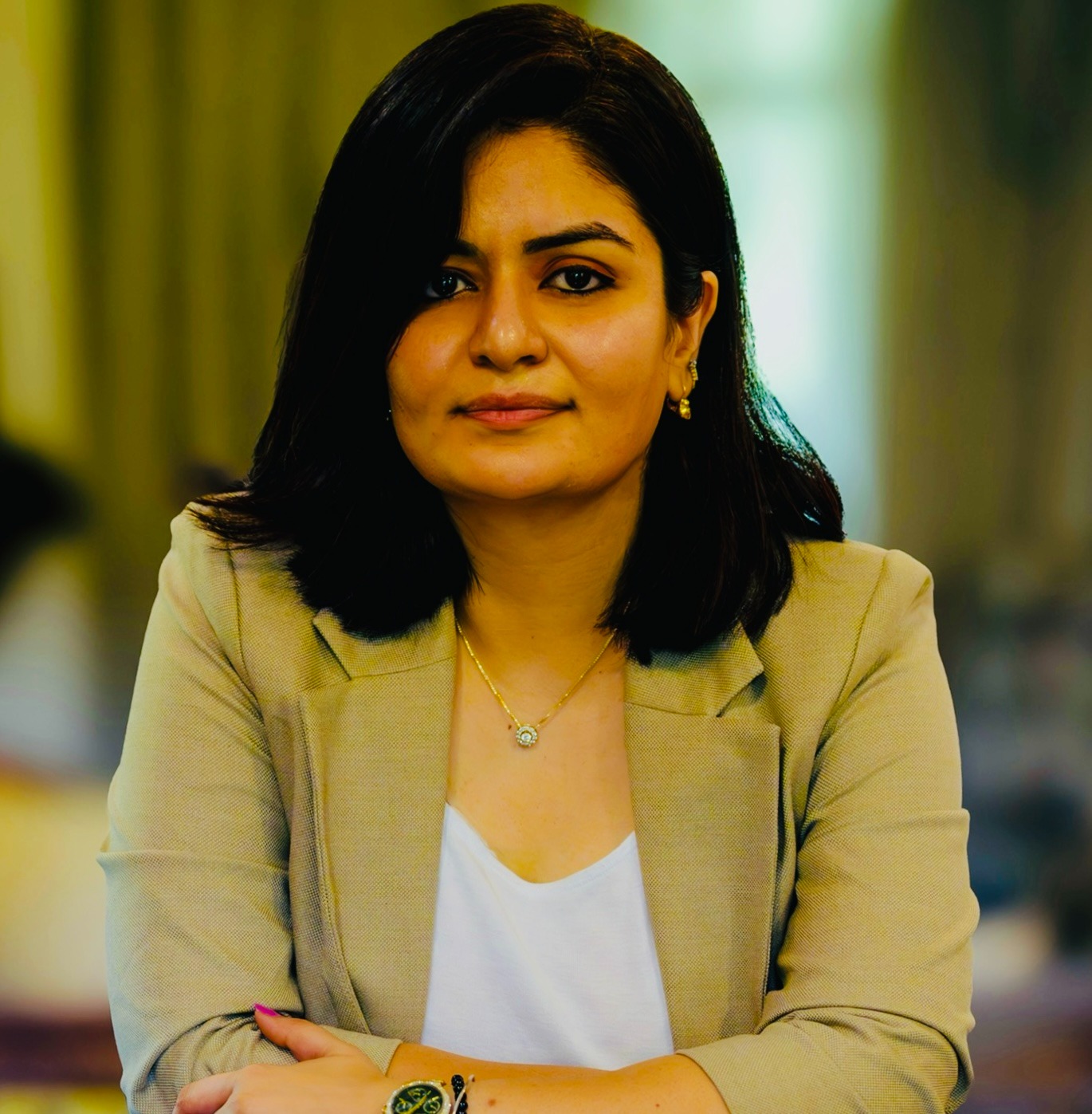
  • “In my view, not every conflict calls for the rigours of litigation, many can be effectively  resolved through dialogue and a planned, structured settlement process.” – Ankita Sarangi, Advocate-on-Record and  IMI Accredited Mediator.

    “In my view, not every conflict calls for the rigours of litigation, many can be effectively  resolved through dialogue and a planned, structured settlement process.” – Ankita Sarangi, Advocate-on-Record and  IMI Accredited Mediator.

    This interview has been published by Anshi Mudgal and The SuperLawyer Team
    Looking back at your formative years and legal education, what early experiences  shaped your perspective towards law and inspired you to pursue a career in  litigation and dispute resolution? 

    Born and brought up in Delhi, I completed my schooling at DPS RK Puram, studying  from nursery to 12th grade, with the initial years up to Class 5 spent in the junior wing  of the school. 

    I belong to the pre-CLAT era, when each law school conducted its own entrance  examination. At that time, choosing a college also meant carefully evaluating both its  location and the professional opportunities that followed. I had intentionally decided  against taking multiple entrance exams, but a trusted recommendation persuaded me to  attempt the entrance for the National University of Advanced Legal Studies (NUALS).  I was later formally informed that I had successfully cleared the entrance exam and was  eligible to secure admission to NUALS. However, after passing the entrance exam for  Indraprastha University (Amity Law School), I chose to enrol there, as its location in  Delhi-NCR and its ranking in the top ten law colleges in India, were rather significant  factors in my decision at the time. 

    My decision was primarily driven by the fact that Delhi provided a far more conducive  environment for pursuing a career in law, particularly in litigation, which was my area  of interest. However, with the benefit of hindsight, I now believe that institutional  rankings are of limited consequence in the long run, especially for those committed to  a career in litigation since law is a profession that transcends classroom learning and genuine mastery can only be forged through practical application and real-world experience. 

    While the school provided a solid platform, it was the inspiration I drew from my  parents, both of whom had worked with the government and were highly accomplished from an early age, that set a high benchmark for me and encouraged me to take my  academics seriously while also pursuing co-curricular activities such as debates and  beyond. I was always drawn to writing and was made aware that I had a natural ease with language. Outside the school curriculum, I found joy in exploring a variety of non  fiction books and articles, driven by a curiosity to better understand how the world  works. I was particularly drawn to topics in psychology and neuroscience, which still continue to captivate me. I believe this reading has also quietly shaped me in becoming more empathetic, a quality that proves valuable particularly in mediation. I’ve always  found satisfaction in tackling problems and working toward practical solutions, and was  grateful that others felt comfortable seeking my advice. Through helping them resolve  personal conflicts and find common ground, I developed a sincere interest in  Alternative Dispute Resolution. 

    During my academic years, I remained actively engaged in co-curricular activities,  including parliamentary debates, Model United Nations, coupled with several extra  curricular such as taking part in inter-school competitions, winning as a solo singer in  important music competitions as well as inter school level athletics which I believe does give one confidence and discipline while also encouraging prompt, judicious thinking  under pressure, and embrace competition. In my opinion, extra-curricular and co-curricular activities teach early on that winning and losing are both part of the game,  something I came to appreciate through sports and other competitions in these formative years, and which continues to shape my approach as a lawyer. 

    During your time at Law School, you undertook intensive internships with leading  law firms, arbitration centres, and the offices of Additional Solicitor General. How  were they transformative, and how did they influence your career path?

    Internships were not mandatory for students at that time, unlike the current practice in  most colleges, following the BCI notification. The primary reason to pursue them for  me, was to gain exposure to the profession at an early stage. I was very keen on  exploring a wide range of laws, including unconventional areas such as Sports Law and  TDSAT matters, which were not commonly taken up. I enjoyed the process of securing  internships through my own effort which has also helped me become independent. I  actively went for interviews, followed up with offices, and treated the process as a  learning experience in itself. Alongside this, I also participated in many inter-college  and intra-college moot court competitions as a speaker and was fortunate to secure good  positions and awards. After graduating, I have been invited to judge college moot  courts, which often reminds me of my own time as a speaker and participant, recalling  the long hours and sometimes several months of preparation that went into each round.

    One experience from the internship days that stands out for me is when I wanted to  intern with the office of an ex-ASG, which was very coveted, and very few students  would get selected or allowed to intern at the office at a time. I pursued the application  consistently, without using any references, and was ultimately offered the chance to  intern. When he later realized that my family was acquainted with him, he asked why I  had gone through the entire process, but for me, the satisfaction lay in doing it  independently. Similarly, I secured internships at several law firms and at DIAC (at the  time known as Delhi High Court Arbitration Centre), again through persistent  applications and interviews. At DIAC, I gained early exposure to institutional  arbitration and was introduced to how such proceedings are conducted in practice. 

    It’s worth mentioning that all my internships, except one, were unpaid and I never had  any reservations about that. It was generally understood that internships were about  learning rather than stipends; payment, if offered, was considered a bonus, not an  entitlement. The one exception was at a law firm where, at the time of joining, I was  clearly informed that I would be paid a fixed amount for the duration. If an internship  is undertaken mainly or solely for financial reasons, it is important that this be  communicated at the outset, since paid internships carry a very different set of  expectations. Raising monetary demands midway is neither fair to the seniors nor  consistent with professional conduct. Any agreement regarding payment should,  therefore, be clearly confirmed in writing, preferably over mail. 

    Each firm I interned with also gave me insights into its specialized practice areas, which helped me appreciate the finer aspects of the profession and further helped me  develop a sense of independence very early on. I believe internships are extremely  important for law students, as they offer a practical glimpse into what lies ahead after  law school. During my internship, I often worked long hours, staying back even after  the associates had left to complete the work they had assigned, often under strict  deadlines, and was usually among the first to arrive each morning, not with the intention  of being absorbed in the firms, but simply to absorb as much as possible and maximize  the learning experience.

    You began your professional journey assisting the Additional Solicitor General at  the Delhi High Court, where you were exposed to high-profile government  litigation at a very early stage. Soon after, you worked with an Advocate-on Record at the Supreme Court. Looking back, what lessons did you draw from  these formative experiences, and how did they shape your understanding of  appellate practice and prepare you for eventually qualifying as an AOR yourself? 

    Immediately after graduation, I joined as an associate with the then ASG and had the  opportunity to work on high-profile cases, including the “Nirbhaya” case among others. My time in the office gave me practical exposure to handling government matters,  understanding the functioning of such offices, and working in a fast-paced environment  where cases often arrived late in the evening and required the four associates to read  files and prepare briefs within tight deadlines for the next day’s listing, which was quite  demanding and often required working late into the night. While attending meetings  and briefings was an interesting learning experience, starting the career in a designated  senior’s office has its limitations, particularly in drafting, which is an essential skill for  any litigating lawyer. Seeking more substantial drafting experience, I decided to join  an AOR in the Supreme Court with whom I was already familiar. This arrangement  allowed me to pursue my own private practice before lower courts and tribunals part time while working in the office, where I would take initiative to draft SLPs and  government-side Counters, as the office was on the panel for the State Government. 

    While this may not hold true for everyone, I had recognized that taking the AOR exam  would be professionally significant, yet I could not have anticipated the profound  impact it would have on my career once I qualified. I was aware that becoming an  Advocate-on-Record, particularly in the current generation, carries significant prestige, responsibility and accountability. Most who qualify today have amassed significant  experience across various courts and tribunals before reaching the appellate stage  practice, which equips them with a deeper understanding of the nuances of such  practice, a perspective that is harder to acquire when starting directly at that level.

    By 2014, you had taken the bold step of establishing an independent practice.  What were some of the challenges you faced and how did you navigate them? 

    When I began my independent practice, my work was mainly in lower courts, service  disputes before the CAT, and High Court litigation, and much of it non-contentious. Initially, I dedicated time to working on several pro bono cases. One of the turning  points came when I was empanelled with DLSA/DSLSA for the CAT panel, where I  was one of the five advocates and was selected on merit through a shortlisting and  interview process. It is often assumed that legal aid is confined to the economically  weaker sections, but under The Legal Services Authorities Act, children, women, senior  citizens, disabled and socially backward classes are equally entitled irrespective of  income. This gave me exposure to clients from very diverse backgrounds and allowed  me to develop the ability to handle people and their concerns at an early stage. 

    What made the experience especially meaningful was the trust it created. The  beneficiaries who appreciated my commitment towards their cause and work, often  referred me to their acquaintances, and I would also receive referrals from some  unexpected sources, such as court staff in some courts and other professional networks.  The referrals have not been confined to service matters, but I have also been entrusted  with their personal matters, including criminal, property, and matrimonial cases, among  others. These acknowledgments strengthened my belief in sincerity and perseverance  as the foundation of practice.  

    On a more personal note, I come from a family of high achievers and accomplished  individuals, most of whom have pursued structured and conventional career paths. 

    Except for my grandfather, who had earned great respect in his time as a prominent  lawyer, I had not personally heard of anyone establish an independent practice and face  the unique challenges that come with it, though I often wish he had still been practicing  when I entered the profession as he was a great inspiration and influenced my decision  to pursue law. I grew up hearing stories of how clients valued his exceptional legal  acumen and how he consistently achieved favourable verdicts. 

    Choosing litigation, and doing so as a self-made woman lawyer, brings its own set of  hurdles, but it also gave me resilience, confidence, and the satisfaction of building a  practice on my own merit. I believe it is important for anyone to have some support  system, and for me, that strength came primarily from my grandfather and parents, who  consistently encouraged me to pursue my dreams without being bound by the  conventional expectations of society.  

    You’ve dealt with a wide spectrum of cases in the Supreme Court as an Advocate on-Record, a few of which resulted in reportable judgments. How do you see these  experiences contributing to your professional and personal journey? 

    While my work in the High Court and lower courts has spanned matters, including appearances both for the government and for private parties, much of my work in the  Supreme Court has involved representing predominantly private parties, including  matters against different State Governments. What I’ve really valued about being an  AOR is the chance to engage with a wide variety of matters, all under one roof in a  short span. Over the years, I’ve handled cases touching on GST, Customs, SEBI,  statutory appeals from NCLAT, Service disputes, Transfer Petitions, and criminal  matters including bail, with some of them resulting in reportable judgments. Among  those, most recently, I argued a batch of cases concerning compassionate appointments,  where the Hon’ble Apex court upheld the High Court’s decision in favor of my clients,  granted the relief we sought, and issued important directives to the State. 

    On the professional and personal front, it is truly the vagaries of litigation that will shape you the most over time. There are days when I appear for a Petitioner/Applicant on a particular issue, and almost immediately thereafter, I may find myself defending  the Respondent on the same point in another matter. This frequent transition between perspectives necessitates not only a versatile approach to advocacy but also enhances the way one navigates difficulties in life, while also serving as a reminder that the law  is never unidimensional. 

    Your work as a mediator accredited by the International Mediation Institute  reflects a strong commitment to alternative dispute resolution. Alongside  mediation, you also have substantial experience in arbitration. In your view, how are these mechanisms evolving in India, and what role do you see them playing in  the future of dispute resolution? 

    In my view, not every conflict calls for the rigours of litigation, many can be effectively  resolved through dialogue and a planned, structured settlement process, a perspective  also endorsed by several sitting and retired judges across different courts. This line of  thought naturally steered me towards arbitration and mediation, reflecting an  inclination I had held from early on.  

    The journey for me in mediation began with intensive training of 120 hours initially with an international institute based in Germany, which involved regular simulations  and close interaction with participants from diverse jurisdictions. This foundation  gradually opened opportunities to mediate international disputes alongside colleagues  from different countries, many of whom became professional associates during the  course of training. I became involved in this sphere when mediation was still at its  nascent stage, much prior to the establishment of a statutory framework and I was aware  that it was a burgeoning field with great potential in future. Referrals followed naturally,  leading to further exposure and practice. I would like to think of mediation, by its very  nature, as an inherent skill while also one that is refined through experience and  continuous practice. Once qualified as a mediator, one need not wear the mediator’s hat  at all times. The profession demands the ability to know how to switch hats, as the skill  set of a mediator differs fundamentally from that of an advocate. 

    During mediation training, we are introduced to several techniques, which come in  handy, one of which is the classic ‘Orange parable’, it illustrates how two daughters  quarrelled over an orange; one wanted the fruit to eat, the other the peel to bake a cake.  By simply dividing it in half, each lost half of what she truly needed, but had the mother  asked why they wanted it, both could have received 100% of what they sought. The  story highlights how exploring underlying interests, rather than positions, often creates  outcomes that add value at no extra cost. 

    My interest in arbitration began during college while preparing as a speaker for a  prestigious international arbitration moot court competition. The research and learning  involved sparked a deep curiosity about the entire process. This led me to apply for an  internship with the DIAC, where I spent a few months gaining first-hand exposure  while still in college. Gradually, I began handling arbitration matters and found the process very engaging, particularly the intricacies of cross-examination, which require  precision and technicality rather than generic questioning, given that its appreciation in arbitration differs from that in a trial. A few years later, I found myself as an arbitrator  in a matter that was successfully steered towards settlement. Over the years, I joined  several national and international arbitration organizations through paid annual  memberships. While these affiliations offer valuable professional connections, I believe  the primary focus should remain on steadily building meaningful work in the field as  accumulating memberships alone, without gradually building substantive work, may  not serve a deeper purpose in advancing one’s practice or the profession. 

    It is becoming increasingly clear that ADR is not merely an alternative but represents  the future of dispute resolution. With technological advancements enabling Online  Dispute Resolution (ODR) and the legal framework evolving accordingly, it is  especially being recognized as the way forward for cross-border disputes. Even for that matter in domestic arbitration and mediation, the ability for counsels and parties to  participate remotely is a convenience that was virtually unknown until recently and with  that convenience comes a greater willingness among people to engage in the process, leaving fewer excuses to avoid it. 

    Beyond your work in courtrooms, you have also been invited to various forums  and platforms. Could you share how such opportunities have enriched your  professional journey? 

    My longstanding interest in subjects extending beyond law such as international  relations/foreign affairs, which I have actively explored by writing articles on diverse  topics that were published in reputed newspapers and journals, I believe for me, has  opened doors to unique opportunities beyond conventional legal practice. These  engagements have allowed me to be invited to various forums, media platforms and  different Embassies, participate in discussions on cross-border issues, and build  meaningful connections with diplomats and professionals in the field and beyond. Such  interactions also help to enrich your professional outlook.

    Alongside your independent practice, you serve as a Senior panel counsel for  prominent government bodies like MTNL, NDMC, MCD, DDA and others. How  different is it to represent government and public sector entities compared to  private clients, and what unique responsibilities come with it? 

    Representing government and public sector entities presents challenges and  opportunities that are distinct from a private practice involving private parties. The  outcomes in public sector matters often have far-reaching implications, potentially  impacting public funds, policy decisions, or matters of governance, rather than just  individual or corporate interests. The process of receiving and executing instructions  often involves multiple layers of guidance and approvals, requiring both patience and  clear communication as directives pass through several officials. There is also an  increased sense of accountability, as being a lawyer for the government involves  safeguarding the public interest in addition to advancing the client’s position. Timelines  and strategies can be shaped by the internal institutional protocols and procedural  requirements, yet the obligation on the panel counsels to maintain the highest  professional standards is unwavering. It requires not only a certain level of legal  expertise, understanding of the court craft but also a balanced approach that respects  both the letter of the law and the wider societal stakes involved. At the same time,  private practice from the private Petitioner and Applicant’s side offers unique rewards.  The chance to work closely with clients, shape the strategy of a matter, and see the  tangible impact of your work makes the experience deeply satisfying, while each setting  brings its own distinct professional lessons.  

    It bears mention that I have often encountered conflict of interest, since many  individuals approach me for matters involving the same departments where I am  empanelled. This highlights a limitation one cannot afford to put all their eggs in one  basket. In fact, empanelment is sometimes perceived as the ultimate goal for many  freshers, whereas in reality, it should only be meant to an end. The real challenge lies  in the dynamics of whether matters are actually assigned which has numerous variables  at play that are not always apparent to individuals aspiring for empanelment. In my  view, empanelment is valuable only if one has a reasonable prospect of leveraging them  over the long term, since more often than not they come at the cost of opportunities in  private practice that one has to forgo.

    With constant changes in legislation, regulatory frameworks, and commercial  practices, how do you stay updated on the latest legal developments? What advice  would you offer to students and young lawyers who aspire to build successful  careers in litigation and dispute resolution?

    First and foremost, I believe it is important to discover one’s own “Ikigai” , a concept  beautifully articulated in the book by the same name, which speaks of finding one’s  true purpose. For me, law was never about money or wealth, it goes much deeper. 

    At the same time, conviction alone is not enough, the law demands continuous learning,  and purpose finds its true meaning only when matched with consistency and diligence. To stay current with the constant changes in legislation, regulatory frameworks, and  commercial practices, I rely on a blend of traditional resources and contemporary tools.  I am subscribed to reputed legal journals and follow bi monthly if not weekly updates  from regulatory bodies. If a particular webinar or conference interests me, I make it a  point to watch the sessions or recordings whenever time permits, as they invariably  provide practical perspectives that go beyond what one finds in print. 

    On a more practical level, I find some WhatsApp groups to be useful for timely updates  though one must be selective, as some are driven by informal exchanges rather than  substance. I have also maintained paid subscriptions to legal databases, and whenever  possible, I even like to read international publications such as The Economist and The  Guardian to keep a more rounded view. In litigation, time management is extremely  critical. There is always too much to read and absorb, so the key lies in prioritizing  credible sources and ensuring that learning remains consistent, even if not exhaustive. After all, there are perhaps only a few professions/roles that demand knowledge across  a vast spectrum of disciplines and engagement with society at large namely those of a  judge, a civil servant and an advocate. Therefore, as a lawyer, the reading cannot be  confined to judgments alone. 

    For students and young lawyers aspiring to build careers in litigation and dispute  resolution, my advice is to not follow someone else’s path just because it worked for  them. Your journey is unique, so find what resonates with you and let it guide your  growth in this dynamic field.

    Get in touch with Ankita Sarangi –

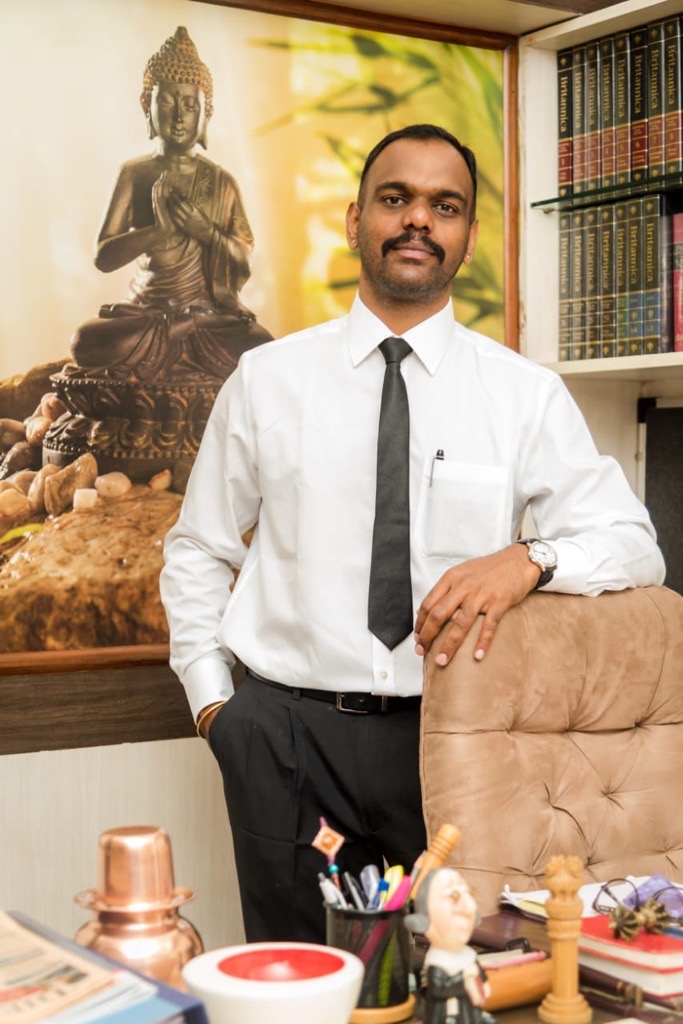
  • “Success in law requires not just technical expertise, but also an understanding of human dynamics and effective communication.” – 𝐀𝐛𝐡𝐢𝐬𝐡𝐞𝐤 𝐄𝐬𝐪.,  Attorney at Law, at Delhi High Court

    “Success in law requires not just technical expertise, but also an understanding of human dynamics and effective communication.” – 𝐀𝐛𝐡𝐢𝐬𝐡𝐞𝐤 𝐄𝐬𝐪., Attorney at Law, at Delhi High Court

    This interview has been published by Namrata Singh and The SuperLawyer Team

    You have a diverse academic background, from hotel management to law. What inspired your transition into the legal profession, and how have your experiences in corporate hospitality and business management shaped your legal career?  

    My transition from hotel management to law was driven by a deep-seated passion for advocacy and a desire to impact the corporate landscape meaningfully. It was a natural progression stemming from a deep-seated fascination with human interaction, problem-solving, and the intricate web of laws that govern our society. While working in corporate hospitality, I gained invaluable insights into business operations, customer relations, and the importance of legal frameworks in guiding ethical practices. This experience fostered my understanding of how law intersects with various industries. The dynamic and often complex nature of the hospitality industry exposed me to a myriad of legal challenges. The hospitality sector sharpened my skills in negotiation and conflict resolution, which are crucial in legal practice. Additionally, managing diverse teams allowed me to appreciate the nuances of communication and the importance of clear, actionable advice—skills that I apply daily in my legal career.

    With over 18 years of experience in industries as varied as hospitality, language industry, and legal services, what have been the key lessons learned from working in such different fields, and how have they contributed to your current practice?  

    My journey across diverse industries has been a rich tapestry of experiences that have shaped my professional perspective and enriched my current practice. Working in hospitality, language industry, and legal services has provided me with unique insights into different business cultures, communication styles, and legal frameworks. One of the most valuable lessons I have learned is the importance of adaptability and cultural sensitivity. In hospitality, I encountered clients from all walks of life, each with their own expectations and preferences. This experience taught me to approach each situation with empathy and understanding, tailoring my approach to meet their specific needs. Similarly, working in localization industry exposed me to the nuances of different languages and cultures, fostering a deep appreciation for linguistic diversity. This adaptability allows me to navigate complex legal issues with a creative mindset, drawing from different perspectives and methodologies. Another key takeaway is the power of effective communication. In all three industries, clear and concise communication is essential for building relationships, resolving disputes, and achieving desired outcomes. My experience in these fields has honed my ability to articulate complex legal concepts in a way that is easily understood by clients and stakeholders, while also fostering open and productive dialogue with opposing counsel. Lastly, my diverse background has reinforced the value of collaboration. Each sector relies on teamwork and leveraging varied skill sets to achieve common goals. This collaborative spirit enhances my ability to work effectively with clients, colleagues, and other professionals, fostering a holistic approach to legal solutions.

    You specialize in both corporate and criminal law. How do you balance the intricacies of corporate governance and criminal defense, and what unique insights have you gained from handling cases across such varied legal disciplines?  

    Balancing the intricacies of corporate and criminal law requires a delicate interplay of analytical skills, strategic thinking, and a deep understanding of the ethical and legal implications of corporate conduct. While these two areas of law may seem disparate, they are interconnected in many ways. Corporate misconduct can often lead to criminal charges, and effective corporate governance can help prevent legal and reputational risks. One of the key insights I have gained from practicing in both corporate and criminal law is the importance of understanding the broader context of a case. By analyzing the corporate culture, business practices, and regulatory environment, I can identify potential vulnerabilities and develop strategies to mitigate risks. Additionally, my experience in criminal defense has taught me the value of aggressive representation and the importance of protecting my clients’ rights. Another valuable insight is the interconnectedness of legal issues. For example, a corporate fraud case may involve complex financial transactions, regulatory violations, and potential criminal liability for individuals. By understanding the interplay of these different legal areas, I can provide comprehensive advice and develop a tailored approach to address the specific needs of my clients.

    In your experience as a corporate governance expert and Independent Director, what ethical challenges do companies commonly face, and how do you guide them through ensuring compliance and ethical business practices?  

    As a corporate governance expert and Independent Director, I have encountered a wide range of ethical challenges faced by companies. Common issues include conflicts of interest, bribery and corruption, environmental sustainability concerns, and data privacy breaches. To address these challenges, I guide companies by promoting transparency, accountability, and ethical decision-making. This involves establishing robust governance frameworks, implementing ethical policies and procedures, conducting regular risk assessments, and fostering a culture of integrity within the organization. By providing independent oversight and guidance, I help companies navigate ethical complexities and maintain a strong reputation in the marketplace. Additionally, I stress the importance of board oversight to ensure accountability and adherence to ethical standards, ultimately guiding companies toward sustainable compliance and ethical business practices.

    As a seasoned legal professional, what advice would you give to young lawyers starting their careers, especially those interested in combining multiple areas of law as you have with corporate, criminal, and commercial law? 

    To young lawyers starting their careers, I would advise them to embrace a broad-based approach to their legal education and practice. While specializing in a particular area of law can be beneficial, a diverse background can offer unique insights and opportunities. By exploring multiple areas of law, you can develop a well-rounded understanding of the legal landscape and better serve your clients’ needs. Additionally, don’t be afraid to step outside of your comfort zone and take on challenging cases. Every experience, whether positive or negative, can contribute to your professional growth and development.

    Having qualifications in both corporate law and mediation, how do you blend these seemingly contrasting roles of litigation and peaceful dispute resolution in your day-to-day practice?

    Blending my qualifications in corporate law and mediation allows me to approach disputes with a unique perspective that balances advocacy and resolution. In my day-to-day practice, I assess each situation to determine the most effective strategy. While these two approaches may seem contrasting, they are actually complementary. In many cases, mediation can be a valuable tool for resolving disputes before they escalate into litigation. By leveraging my mediation skills, I can help parties identify common ground, explore mutually beneficial solutions, and reach agreements that avoid the time, expense, and stress of a courtroom battle.

    However, there are also situations where litigation may be necessary to protect clients’ rights or interests. In such cases, my corporate law expertise enables me to develop a strong legal strategy, advocate effectively in court, and negotiate favourable settlements when appropriate.

    As the founder of “Legal Eloquence” and an advocate for continuous learning, how do you mentor young lawyers and legal professionals in developing both technical legal skills and the softer skills required for success in the industry?  

    In today’s rapidly evolving legal landscape, marked by advancements in artificial intelligence and the increasing complexity of legal issues, success requires a multifaceted approach. At “Legal Eloquence,” we believe that thriving as a legal professional, demands not only a strong foundation of technical legal skills but also a deep understanding of human dynamics and effective communication. To mentor young lawyers and legal professionals, we focus on developing both aspects of their professional development. On the technical side, we provide comprehensive training in legal research, writing, and analysis, equipping them to navigate the complexities of the legal system and understand the ethical implications of their practice. We emphasize the importance of staying up-to-date with legal developments and industry trends, including the integration of AI tools into legal workflows.

    However, we also recognize that the legal profession is increasingly interpersonal. Therefore, we invest in developing the softer skills that are essential for building relationships, communicating effectively, and navigating the challenges of the legal workplace. By fostering a culture of continuous learning and professional development, we aim to inspire the next generation of legal leaders.

    Your background includes working with environmental, social, and governance (ESG) matters. How do you see interdisciplinary collaboration between lawyers and other professionals (like environmental scientists) playing a role in corporate legal strategies in the future?  

    Interdisciplinary collaboration between lawyers and professionals such as environmental scientists will be crucial in shaping corporate legal strategies related to ESG matters, particularly in the context of Business Responsibility and Sustainability Reporting (BRSR). This collaboration enables organizations to align legal compliance with environmental objectives, ensuring that their strategies meet BRSR requirements while addressing sustainability challenges. By integrating legal expertise with scientific insights, companies can develop comprehensive frameworks that not only enhance compliance but also drive innovation and responsible practices, ultimately fostering greater transparency and accountability in their operations.

    With such a demanding and diverse career, how do you find time to unwind and recharge? Are there any specific activities or hobbies that help you maintain a healthy work-life balance?  

    Balancing a demanding and diverse career with personal well-being is essential for long-term success and happiness. I prioritize unwinding through activities that allow me to disconnect and recharge.

    One of my favourite ways to relax is spending time in nature. I enjoy hiking, gardening, and simply being outdoors. Additionally, I find meditation and mindfulness practices to be invaluable tools for managing stress and maintaining focus. Regular exercise, such as jogging and yoga, helps me clear my mind and stay physically fit. Additionally, I enjoy reading, both fiction and non-fiction, as it provides an escape and stimulates my creativity. Spending time with family and friends is also vital; it keeps me grounded and offers a supportive network. Finally, I dedicate time to hobbies like cooking and exploring new cuisines, which not only relaxes me but also adds a personal touch to my life outside of work. These activities collectively help me maintain focus and energy in my professional endeavors.

    Get in touch with Abhishek ESQ-

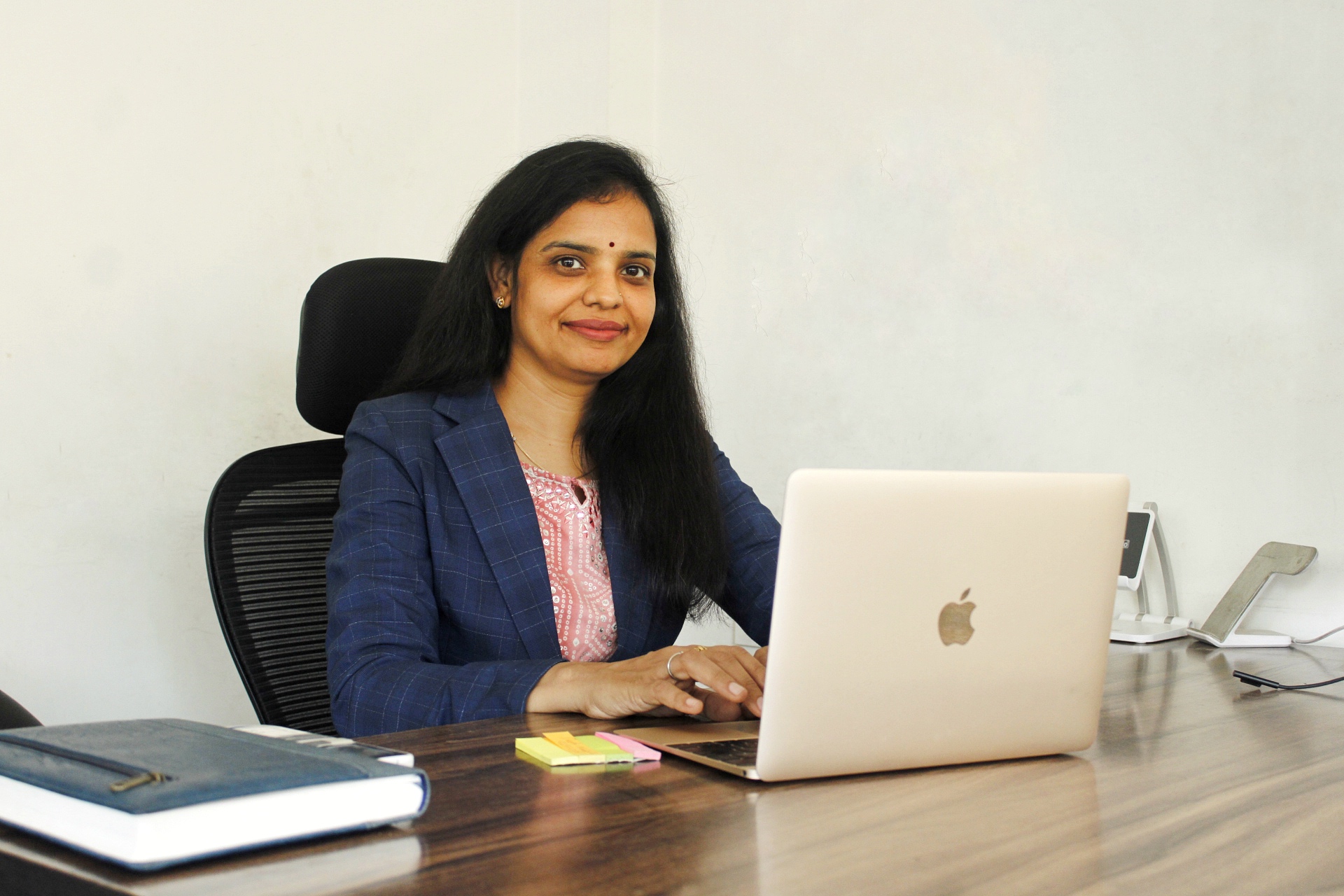
  • “My need for intellectual challenge and a sense of justice led me to law, and with dual qualifications, I can now bridge different legal systems and cultures, offering nuanced advice to both domestic and international clients.” – Gunjan Chhabra, Partner at MRP Advisory

    “My need for intellectual challenge and a sense of justice led me to law, and with dual qualifications, I can now bridge different legal systems and cultures, offering nuanced advice to both domestic and international clients.” – Gunjan Chhabra, Partner at MRP Advisory

    This interview has been published by Namrata Singh and The SuperLawyer Team

    Congratulations on your new role as a partner at MRP Advisory. Could you share some insights into your journey from Law School to becoming a dual-qualified legal professional? What inspired you to pursue Indian and UK qualifications, and how will these qualifications enhance your role at MRP Advisory?

    My journey into law began unexpectedly from a science background, where I initially aimed to become an engineer. However, my need for intellectual challenge and a sense of justice led me to law. The pursuit of both Indian and UK qualifications was driven by a desire to gain a comprehensive understanding of global legal systems and to enhance my ability to handle complex cross-border disputes. These qualifications not only broaden my legal perspective but also allow me to offer nuanced advice that bridges different legal systems of law and cultures. At MRP Advisory, this dual qualification will enable me to better serve our domestic clients in contracts with foreign substantive law and international clients, ensuring expert navigation of diverse legal challenges with a well-rounded approach.

    With over a decade of experience in commercial litigation and arbitration, what motivated you to join MRP Advisory at this point in your career? How do you anticipate the firm’s focus and resources will impact your work in the arbitration landscape, both in India and internationally?

    Joining MRP Advisory is an exciting new chapter in my career, motivated by the firm’s reputation for innovation and its robust approach to construction and infrastructure disputes. The firm’s emphasis on leveraging cutting-edge resources and its commitment to a global perspective align perfectly with my background in domestic and international arbitration. At MRP Advisory, I anticipate that our collective expertise and resources will enhance our ability to tackle complex arbitration disputes and further strengthen our position in both the Indian and international arbitration arenas.

    Given your extensive experience representing clients before both national and international arbitration tribunals, how do you plan to leverage this expertise in your new role at MRP Advisory? Are there specific strategies you intend to employ when handling disputes in different arbitration forums, such as ad-hoc versus institutional arbitration?

    In my new role at MRP Advisory, I plan to leverage my experience by adopting a tailored approach to different arbitration forums. For ad-hoc arbitration, I will focus on flexibility and adaptability, ensuring that our strategies align with the specific needs of each case. For institutional arbitration, my approach will emphasize utilizing the established rules and procedures to streamline the process and enhance efficiency. By combining these strategies, I aim to deliver effective resolutions and uphold the firm’s high standards in both national and international disputes.

    Your profile highlights significant expertise in FIDIC contracts. How do you see your knowledge in this area contributing to MRP Advisory’s practice, especially in the context of construction law and dispute resolution? 

    I believe that my expertise in FIDIC contracts will significantly contribute to MRP Advisory’s construction law practice by providing deep insights into the complexities of international construction agreements. FIDIC contracts, with their intricate clauses and global usage, often present unique challenges in dispute resolution. I hope that my knowledge will help the firm navigate these complexities, ensuring that we offer precise and informed advice. This expertise will be integral in managing construction disputes effectively, enhancing our ability to represent clients in both contract management, contractual negotiations and dispute resolution processes.

    Having served as an arbitrator and mediator at various organizations, including the Court of Arbitration for Art and Sama, how will these experiences influence your approach to mediation and arbitration in your new role? What key factors do you believe will contribute to successful outcomes at MRP Advisory, and how will you ensure impartiality and fairness?

    My experiences as an arbitrator and mediator have provided me with a nuanced understanding of the arbitration process and the importance of impartiality. In my new role I hope that these experiences will guide my approach to mediation and arbitration, ensuring that I apply best practices and maintain fairness throughout. Key factors for successful outcomes include a thorough grasp of the subject matter, effective communication, and a commitment to neutrality. I will continue to uphold these principles by carefully balancing the interests of all parties and applying a detailed and reasoned approach to each case.

    You were honored with the “Pioneering Women Leadership Award.” What challenges have you faced as a woman in the legal field, and how have these experiences shaped your approach to leadership and mentorship at your new firm?

    The “Pioneering Women Leadership Award” is a testament to the challenges I’ve faced and overcome as a woman in law. I plan to continue to foster a culture of inclusivity and mentorship. 

    Considering your extensive background in arbitration and mediation, What trends or factors do you believe will drive this shift, and how will the firm position itself in this evolving landscape?

    Yes, the increasing complexity of disputes and the desire for more efficient, cost-effective resolution methods are driving this shift. ADR, particularly arbitration and mediation, offers flexible solutions that can accommodate the needs of modern businesses. We are well-positioned to leverage these trends by continuing to enhance our ADR capabilities and adopting innovative approaches to meet the evolving needs of our clients.

    Outside of your legal career, what hobbies or activities do you pursue to unwind and stay balanced? How do these personal interests contribute to your overall professional life, and do they influence your approach to your new role at MRP Advisory?

    To maintain balance, I believe it is important to engage in mindfulness practices, exercise, and creative activities such as painting. These activities can help manage stress and maintain a clear, focused mind. This in turn contributes to effectiveness in handling complex legal matters. Creative pursuits offer a valuable outlet for relaxation and creative thinking, which enhances overall problem-solving abilities.

    Get in touch with Gunjan Chhabra-

  • “Never give up! Embrace failures as learning opportunities… Success will follow with hard work and perseverance.” – Adv. Sudhir Reddy, Founder of Reddy & Reddy Law firm

    “Never give up! Embrace failures as learning opportunities… Success will follow with hard work and perseverance.” – Adv. Sudhir Reddy, Founder of Reddy & Reddy Law firm

    This interview has been published by Namrata Singh and The SuperLawyer Team

    Could you please walk us through your journey as to what inspired you to pursue a career in law?

    Law has always been something which I have seen at close quarters coming from a business family. It has intrigued me and given me an insight into its importance and the eminent role it plays in society.  Law is that facet of the society which keeps the citizens in check and gives society its balance. It also is the  very basis for the society to get justice and have fair practice in everyday life. This set me on a path at an early age to pursue a career in law. 

    What was the idea behind founding Reddy & Reddy Law Firm?

    Pursuing an LL.M. immediately after my LL.B. was a well-planned strategy to equip myself with a comprehensive understanding of the international legal landscape. Also, I have had an entrepreneurial flair from early days, and again business, negotiations, contracts, acquisitions is something that I have been fond of since early days. I hail from Pune, an Industrial city which was just beginning to blossom around early to mid 2000’s, and law firms were absent and individual practice was the order of the day, I saw this as an opportunity and  so founding a Law firm was a natural progression.

    You’ve dedicated a significant part of your career to dispute resolution. What is it about this area of law that captivates you?

    During my law studies, I was introduced to Dispute Resolution practice.To develop expertise in this area, I actively participated in relevant activities and eventually pursued my first specialised course in Civil/Commercial Mediation from UK, becoming an accredited mediator in 2014, which developed a deeper interest in the subject area leading to opportunity in providing set services in this domain, furthermore in the later years I undertook other various International courses and affiliations leading to my latest course in  February 2024 on Program on egotiations from Harvard Law School. The area of dispute resolution  has become the mainstream practice as it has been globally accepted at all levels of business and governments. It has been found to be a much holistic and easier medium for getting resolutions and so is the order of the day today.

     How do you stay motivated in the face of challenging cases?

    I have a natural aptitude for conflict avoidance and dispute resolution. In our profession listening is a key strength which I have and I use it well, so in every case the key motivation is listening to both parties well, which then helps me successfully resolve disputes. 

    The Indian Institute of Alternate Dispute Resolution is a significant achievement. Can you share the story behind its inception and your vision for its impact on the legal profession in India?

    It was at my course at Oxford in the UK where I saw the merits of  Mediation practice. It was also during the same time  some of my clients inquired about commercial mediators, I recognised an opportunity and decided to set up IIADR as a pivotal organisation which would lead in the area of ADR with members, knowledge center, courses and training’s which would equip the new legal advocates to pursue ADR as a career through this platform.

    With your extensive experience in mediation and arbitration, what advice would you give to clients or individuals who are torn between choosing litigation and alternative dispute resolution methods?

    There is never a black and white scenario in the legal space and there are various many factors which decide the course of legality. However, until now the only option has been litigation which at times is long, costly and arduous. Mediation and Arbitration come in as a very strong viable alternative solution to resolve conflicts amicably. It provides the client a chance to get a faster resolution, which can be cost effective too.

    Given your vast experience and success, what advice would you offer to young professionals spiring to make their mark in the legal field ?

    To young professionals aspiring to establish their own law firms, my message would be: Never give up. Embrace failures as learning opportunities, for they are crucial to personal growth and development. In my experience, there are four stages in the journey of starting out on your own in the legal arena / mediation :

    ∙ The first stage involves having no work and no money.

    ∙ The second stage brings work but no money.

    ∙ The third stage sees good work and good money.

    ∙ Finally, the fourth stage is characterised by less work but consistent income.

    While this may not be the exact path for everyone, it represents the holistic picture. The key is to remain confident and patient to take the leap when the opportunity arises. Success will follow with hard work and perseverance.

    Moving away from your professional life, do you have any hobbies or interests that you’re passionate about outside of work?

    Engaging in fitness activities, pursuing hobbies, or participating in sports can provide much-needed mental refreshment and balance amidst the rigours of legal practice. I am an avid fitness freak and train regularly, I am a trekker and do go out on weekends for long treks and do adventurous sports.

    With technological advancements and the increasing acceptance of online dispute resolution (ODR), where do you see the future of dispute resolution and law practice heading in the next decade?

    Technology acceptance in mainstream society is at its peak and technology today has touched every human interaction throughout a day of 24 hours. The Indian government themselves have introduced and have made digital payments a roaring success all throughout the country. Similarly, in the legal arena, government has launched a big initiative in the space of ODR and is taking active initiatives in this space.

    In fact, it can be said that technology is the mediator in our interactions and influence our actions in many ways, such as mediation of experience, influence on behavior and ethical considerations, Virtual Mediation will take central place. AI and Mediation is an emerging trend in technological advancements.

    I see a huge demand in this space of tech application in the legal world and we at Reddy and Reddy Law Firm are at the forefront of this where we are designing our own tech platforms to decimate knowledge, provide platform for interaction and help the society to reach out to us seamlessly.

    More important role of technology will be in the area of education and training skills for the next generation. So yes, I am very vocal and a strong pursuer of technology adaptation in the legal profession.

    Your Master of Laws (LLM) from Cardiff University in the UK provided you with international exposure. How do you think this experience differed from a purely domestic legal education, and what exceptional insights or perspectives do you believe students in India could gain from similar international exposure?

    International learning gives one an exposure to different cultures, mindset’s and systems. LL.M. in International Commercial Law at Cardiff University comprised a diverse range of subjects, including international banking, competition laws, international corporate governance, and the World Trade Organization. These topics were distinctly different from the regular curriculum taught in India, and the flexibility to choose optional modules allowed me to tailor the program to my interests.The education system in the UK is more interactive and knowledge driven, that is one of the primary reasons for total development of a student who is keen to pursue his career. Another important aspect that I learnt in the UK was attending the seminars and conferences that the University hosted which gave me an exposure to meet industry stalwarts and subject matter experts which helped me with holistic knowledge.

    You’ve also been involved in philanthropic efforts, notably with your NGO. Could you share with us the purpose of this organization and the inspiration behind its inception? What societal issues or causes does it seek to address, and how do you envision making a difference through this initiative?

    Raksha Seva Suraksha is the name of my NGO, it was formed in 2010. Right as I was finding my foothold in  my career. My parents come from a very humble background and at home i had always seen my parents make that extra space to help people, this inculcated in me a very strong purpose of societal ownership where  my parents took it upon themselves to ensure that help has to be extended whenever needed to the needy.

    Hence the day I passed out as a law graduate and decided to start my own law firm, the NGO was a natural progression. My NGO, as per its name Raksha Seva Suraksha, needs  Raksha (Protection), Seva (Service), Suraksha ( Complete Protection in all terms). We provide holistic care to the needy not restricted to legal aid, but even in the space of  health, education and family matters.

    This is a very small but very focused entity of our organisation and luckily every member of my organisation feels and participates here Pro Bono, and together we resolve as many conflicts as we can.

    Leading a team of 18 advocates requires effective communication and leadership skills. How do you ensure that everyone is on the same page and working towards common goals? Could you share some guidance on fostering collaboration and cohesion within a legal team, particularly in navigating complex cases or disputes? 

    Regular structured communication and key defined  processes are the cornerstones of having successful team efforts, especially when one is working with large teams on complex matters, as in the corporate world, at RRLF we breakdown the case into its relevant sectors and create team leads, I am personally a big fan of KPI’s and at the very outset we together as a team set our KPI’s(Key Performance Indicators) for each sub team and how we get there. Over the last 13 years of legal practice and leading small and big teams we have honed our processes to capture all the details. This then helps the team in defining and reaching their KPI’s which finally give the complete team its outcome which is the motto of the Law Firm a “HAPPY CLIENT’.

    Get in touch with Adv. Sudhir Reddy–

  • “One who knows the law well knows how to use it to suit his client… One should always keep the head and the heart in Sync-mode and you become an asset to the society.” – Sonam Datta Mehta, Proprietor at Sonam Datta Mehta & Attorneys

    “One who knows the law well knows how to use it to suit his client… One should always keep the head and the heart in Sync-mode and you become an asset to the society.” – Sonam Datta Mehta, Proprietor at Sonam Datta Mehta & Attorneys

    This interview has been published by Namrata Singh and The SuperLawyer Team

    Can you walk us through your journey into the field of law? What inspired you to pursue a career in law, and could you share some insights into your college experience and how it shaped your professional path?

    Since my 8th standard I always wanted to be a Lawyer. My father is in the uniform job, hence serving the nation and the community in the best possible way runs in my upbringing and in my blood. I am an Alumni  of Guru Gobind Singh Indraprastha University. Law college no doubt is the first step into our legal journey and it is not a common Graduation that we pursue, it is a professional degree hence the approach should also be professional. I was fortunate enough to get the best faculty in the city and that too through my 5 year programme. Till date my professors are torch bearers in the legal field as well.

    As someone who has pursued diverse disciplines in law, what sparked your interest in becoming a mediator and arbitrator alongside your practice as an attorney?

    ADR I would say is not the Alternative Dispute Resolution Mechanism, rather is the Appropriate Dispute Resolution Mechanism System. Serving my clients with their legal battles for years and seeing them suffer emotionally, financially, physically sometimes (irrespective of the outcomes or reliefs they get from the Courts), ADR is the swiftest way to resolve disputes. Cases that take decades in courts can be resolved in a few months through Mediation or Arbitration. Being a Mediator or an Arbitrator satisfies not only the pocket but the soul as well! (On a lighter note!)

    You’ve delved into various areas of law, from matrimonial disputes to trademark matters. Is there a specific field that you find most fulfilling, and if so, why?

    I feel a perfect lawyer is the one who is a Master of all the fields. He should be able to serve his client with all principles intact. I find Matters pertaining to women to be most fulfilling. Since then, the legislative has made several laws purely for the protection of women. Hence, striking the balance of their rights and duties towards their families and spouses etc. and proceeding with them in the right direction is really challenging and  fulfilling at times.

    As a former prosecutor and now an advocate, what advice would you give to aspiring legal professionals who aim to make a positive impact in society?

    One who knows the law well knows how to use it to suit his client. Sometimes it may go against the lawyer’s ethics. In such circumstances one must listen to their heart and proceed. As a young prosecutor, there were many challenges before me, such as dealing with the police machinery etc, but when you know the law and your cases well, no one can mess it up against you. One should always keep the head and the heart in Sync-mode and you become an asset to the society.

    With your expertise in alternative dispute resolution, what role do you see technology playing in shaping the future of legal proceedings?

    With the coming up of the Online Dispute Resolution ( ODR-ADR) mechanisms, disputes can be resolved at any place and at any time. AI apps like Peacegate etc. help in resolving disputes in a smarter way and the disposal rate is absolute. Post COVID technology has served several purposes, even hearings are being done virtually which saves a lot of time and money.

    As someone who has judged various moot court competitions, what qualities do you look for in aspiring lawyers and mediators?

    One must be sound in various fields of law and must be willing to serve the society. Sitting across the table with an open head and heart and helping the parties to navigate the disputes to resolutions is the only skill a Mediator should ace!

    Outside of your legal career, what are some of your favorite hobbies or activities that help you unwind and recharge? How do you find balance between your professional and personal interests?

    Being a mom of two young daughters is my hobby! And beyond that I love to meditate. This helps me rejuvenate energies and help me find balance in life. I love to travel, I have travelled to several countries, different cultures, and people attract me a lot. It helps me recharge and find a purpose in life.

    Reflecting on your educational journey, how pivotal were your internships in shaping your understanding of the legal profession? Could you share a particularly impactful experience from your time as an intern? Also how important is internship in shaping anyone’s career path?

    Internships are indeed an integral part of the legal curriculum. It is through these internships that I could locate my interest in the legal field. The best of my internships was in my second year, where I worked with the Delhi Legal Service Authority at the Tihar Jail. I got the opportunity to 

    interact with the inmates and help them with their cases. This helped me to dream about becoming a Prosecutor and represent the State.

    Balancing multiple roles as a legal practitioner, mediator, arbitrator, and trademark attorney must require excellent time management skills. Could you share some strategies or routines you employ to effectively manage your time and responsibilities?

    It is indeed difficult and you get exhausted at the end of the day but effective time management is the key and above that a team of equally efficient and trained lawyers to work beside you is an asset. I am fortunate enough to have such people associated with me and hence working alongside becomes easier. Also fixing days for specific forums or courts can prove to be helpful too.

    Get in touch with Sonam Datta Mehta–

  • “Helping a larger community is incredibly fulfilling… It’s rewarding to know that my work contributes to their well-being and empowerment outside of formal legal proceedings.” – Sapna Patwa, Former Civil Judge & Managing Director at Legal House Law Firm.

    “Helping a larger community is incredibly fulfilling… It’s rewarding to know that my work contributes to their well-being and empowerment outside of formal legal proceedings.” – Sapna Patwa, Former Civil Judge & Managing Director at Legal House Law Firm.

    This interview has been published by Namrata Singh and The SuperLawyer Team

    Could you please introduce yourself to our readers and share with us how you decided  to pursue a career in law? What challenges did you encounter when starting your career,  and how did you overcome them? 

    Hello, readers. My name is Sapna Patwa, and I am a former judge who served in the Madhya Pradesh judiciary for 8 years. Currently, I am practicing at the High Court of Madhya Pradesh. 

    My journey into pursuing a career in law has been a unique one, filled with challenges. Initially, after completing my undergraduate and postgraduate studies in commerce (M.Com),  I got married, thereafter I took a break from academics to focus on raising my children. However, after a gap of six years, my husband encouraged me to continue my education, and  it was his support and motivation that reignited my passion for learning. 

    In my first year of pursuing my LL.M, I became acquainted with the field of judicial services. Learning about this path sparked my interest, and from then on, I dedicated myself to prepare for it. Despite the challenges of balancing familial responsibilities and academic pursuits, I persevered with the unwavering support of my husband and mother. 

    The journey towards becoming a judge was not without any obstacles. Studying law after a  significant gap presented its own set of challenges, but through determination and hard  work, I overcame them. Additionally, preparing for the judiciary exams required immense  dedication and focus, but with perseverance and the grace of the lord, I was able to  successfully clear the Madhya Pradesh Civil Judge exam in my second attempt. 

    I am deeply grateful for the unwavering support of my family, especially my husband and  mother, whose encouragement has been instrumental in my journey. As I continued to serve in the legal profession, I remained committed to upholding justice and making a positive impact in the lives of those I serve. 

    Your journey from a civil Judge to managing director at Legal House is inspiring. Can you share a pivotal moment or decision that led you to transition from the bench to  advocacy and legal consultancy? 

    As a civil judge, I found that dispensing justice from the bench had its limitations. Working within the confines of the judiciary restricted my ability to reach out to a broader segment of  society. Conversely, transitioning to advocacy and legal consultancy allowed me to assist a greater number of underserved individuals by being actively involved in the community. This  realization prompted me to make the transition from the bench to advocacy and legal  consultancy. 

    Your dedication to educating and guiding aspiring legal professionals is evident. What  motivated you to become a guest lecturer and a mock interview panelist at Judiciary  Gold, and how has this experience influenced your approach to practicing law? 

    My decision to become a guest lecturer and mock interview panelist at Judiciary Gold was driven by the challenges I encountered while preparing for judiciary exams myself. I struggled to find proper guidance and support during that time, and I realized that many  others were facing similar difficulties. This motivated me to become a lecturer, so I could provide aspiring legal professionals with the guidance and support I wished I had received. 

    By sharing my knowledge and experiences, I aim to help them navigate the complexities of  legal examinations more effectively. This experience has shown me the importance of  mentorship and education in the legal profession. It has also deepened my understanding of  the challenges faced by aspiring legal professionals and the need for adequate resources  and support. 

    Engaging with students has not only allowed me to give back to the legal community but has  also enhanced my own understanding of legal concepts and principles. Overall, my role as a  guest lecturer and mock interview panelist has been a rewarding experience, benefiting both  the aspiring legal professionals and myself. 

    As a former Judge, you’ve presided over numerous sensitive family law cases. Can you  share a particularly challenging case that left a lasting impact on you and shaped your perspective on family law and justice? 

    As a former judge, I’ve dealt with many difficult family law cases that have shaped my perspective on justice. One case that stands out involved a bitter dispute between two  parents over custody of their children. The hostility between them made finding a resolution  incredibly challenging. Despite my efforts to encourage cooperation, their deep-seated emotions hindered progress. 

    What made this case especially tough was seeing the impact on the children caught in the middle. Their well-being was overshadowed by their parents’ conflict, which took a toll on their emotional health. Witnessing this reinforced the importance of prioritizing the children’s best interests in family law proceedings. 

    This experience deepened my understanding of the complexities of family law and the need  for empathy in resolving disputes. It also strengthened my commitment to promoting  cooperation between parents and protecting children’s welfare. 

    While cases like these can be emotionally draining, they remind us of the importance of our role in shaping the lives of those we serve, especially in family law matters. 

    Your involvement as a legal advisor for the All India Chief Life Insurance Welfare  Association showcases your commitment to community service. How has this role  allowed you to make a positive impact beyond the courtroom? 

    Being a legal advisor for the All India Chief Life Insurance Welfare Association (CLIA) fills me with pride. It’s a chance to handle various cases from all over India, which goes beyond just  courtroom work. 

    Helping a larger community is incredibly fulfilling. By giving free legal advice to CLIA members, I not only inform them about their rights but also educate them on legal procedures and options. This knowledge empowers them to make informed decisions that  can improve their lives. 

    This role allows me to make a real, positive impact on individuals and families. It’s rewarding  to know that my work contributes to their well-being and empowerment outside of formal  legal proceedings. 

    Overall, being a legal advisor for the CLIA lets me continue my commitment to community service and create meaningful change in people’s lives, beyond what happens in the  courtroom. 

    Given your extensive experience, what advice would you give to young legal professionals aspiring to pursue a career in the judiciary or legal consultancy? 

    For young legal professionals aiming for a career in the judiciary or legal consultancy, here’s some advice. If you’re leaning towards becoming a judge, it’s important to intern in a court  for around 2 to 3 years. This hands-on experience will give you a practical understanding of  how to handle cases effectively. Remember, both fields offer diverse opportunities, so choose based on what aligns with your strengths and interests. It’s important to consider  your own nature and abilities when deciding. 

    Starting Legal House was indeed a significant undertaking for me. Leaving my honorable post was not an easy decision, but it was my family’s encouragement and support that motivated me to pursue a career as an advocate. My husband played a vital role in helping me build a client base, while my son assisted me in establishing Legal House. Despite facing challenges, such as transitioning from a prestigious position to advocateship, their support made the journey possible. 

    Beyond your legal career, what are some of your personal hobbies or interests that you enjoy pursuing in your free time? 

    Outside of my legal career, I find fulfillment in exploring spirituality, which occupies much of my free time. Additionally, I enjoy cooking as a way to unwind and express creativity in the kitchen. These interests enrich my life beyond the realm of law and provide balance and  fulfillment in my personal pursuits.

  • “Prioritizing and adjusting based on circumstances is key to achieving balance, Set goals, stay focused, and embrace the journey, – Nandini Gore, Senior Partner at Karanjawala & Co. Advocates

    “Prioritizing and adjusting based on circumstances is key to achieving balance, Set goals, stay focused, and embrace the journey, – Nandini Gore, Senior Partner at Karanjawala & Co. Advocates

    This interview has been published by Namrata Singh and The SuperLawyer Team

    Ms. Gore, could you share with us some insights into your journey from your college days at Campus Law Centre, New Delhi, to becoming a Senior Partner at Karanjawala & Co. and an Advocate on Record at the Supreme Court of India? What were some of the challenges you faced along the way, and how did you overcome them to achieve your current level of success?

    One of the most enriching experiences of my life was my time at the University of Delhi. My alma mater, Campus Law Centre, Faculty of Law is where I received a holistic understanding of the subject and the guidance I received from my professors helped in shaping the lawyer I am today. I believe apart from theoretical knowledge of the subject, my passion and inquisitive nature as regards law and its practical application, helped me in becoming an Advocate on Record. Being an Advocate on Record pushed me further towards learning and growth. My perseverance and dedication through this journey along with a commitment to professional standards helped in my growth in the profession. A combination of leadership skills, effective teamwork and delegation abilities helped me reach the position of a senior partner at Karanjawala & Co. Earlier the legal profession, especially litigation, was a male dominant profession. Being a female, the major challenge I faced was balancing work and family responsibilities together. I believe the support from my family and the innate skill of women to multi-task helped me smoothly sail through such challenges. 

    As a distinguished mediator and advocate, you’ve handled a wide array of cases, including complex constitutional matters and high-conflict mediations. How do you maintain a balance between these different areas of law, and what drives your passion for mediation?

    The most crucial aspect for maintaining a balance between different areas of law, especially litigation and mediation, is adaptability. Dispute resolution is dynamic and I believe being a lawyer who wishes to practice and work in different fields of law, adapting to the medium of resolution and identification of the requirement of that particular case is extremely essential. The pendency of cases and the time taken in administration of justice led to my interest in mediation. I firmly believe that where justice is administered at a belated stage is as good as denial of justice. Through mediation, there is a sense of fulfilment in helping the clients to reach a mutually agreed solution in an efficient manner. Witnessing the positive impact on the lives of the clients is a driving force too. Further, being a certified mediator I feel my communication and negotiation skills have improved which is not only valuable in mediation but also in various legal contexts. My passion for mediation has culminated in the form of a book named as “Handbook on Mediation”. 

    Your expertise extends beyond the courtroom, with a focus on training sessions, guest lectures, and judging competitions. What motivates you to engage in these activities, and how do you believe they contribute to the legal community?

    Having an experience of over 30 years, I feel it is my duty to give back to my professional legal community by sharing my knowledge and mentoring aspiring legal professionals. In my opinion, continuous learning is important to maintain high professional standards and engaging in training sessions helps in staying updated on latest legal developments and emerging trends. Such training sessions, lectures and judging competitions are platforms to share insights and practical advice with law students and fellow professionals. I believe by active participation in such activities I can make a small contribution towards shaping the future of the legal profession. 

    In your distinguished career, you’ve handled over 350 private and court-annexed mediations. Can you reflect on one particularly challenging mediation session and how you navigated through it to achieve a successful resolution?

    Yes, I have handled commercial, matrimonial and religious matters for mediation.  The first key in mediation is confidentiality therefore, it would not be appropriate for me to mention the factual matrix, but I can certainly say that in mediation sessions a lot of brainstorming is required, sometimes the high emotional healing process is required in a mediation and sometimes transformative solutions are required. A mediator has no advisory role in a mediation and acts like a third party and is a neutral party who just facilitates resolution of disputes between the contesting parties through negotiation and communication skills.  Mediation is a structural process in which a Mediator can use his / her own styles and with the passage of time once you are experienced enough, involves active listening, confidentiality, voluntariness, neutrality, empowerment and creative solutions.  A Mediator is incharge of the mediation sessions and can use this power to foster a collaborative approach settling the matter.   

    As a senior partner at Karanjawala & Co. and an advocate on record at the Supreme Court, you’ve been involved in landmark cases and constitutional matters. Can you share a bit about your experience in handling such high-profile cases and the unique challenges they present?

    Having more than two decades of experience in the profession, I have worked and handled a wide array of cases ranging from complex constitutional matters, commercial disputes, partnership disputes, employment disputes, mining law, real estate to other complex civil lawsuits. We successfully represented a subsidiary of Tata Power in a constitutional matter which involved the question of whether a foreign company could assert fundamental rights under the Constitution of India. We have successfully represented big companies like Tata Motors, Tata Steel, Bharti Shipyard, GVK EMRI in a wide variety of matters ranging from mining, taxation and property disputes to name a few. We have successfully represented our clients in medical negligence cases. With so many years of experience, it is not possible to list down the cases I have handled and worked on. I firmly believe that whether it is a high-profile matter involving huge stakes or an individual matter, or matter relating to admission of a visually impaired student or any pro-bono matters, public interest litigation pertaining to environmental causes or personal liberties, what matters for a lawyer is to work with perseverance, diligence and successfully representing the client with best of the legal knowledge. I strongly feel that every lawyer at some stage in the initial years of his practice should work with some NGO for some time and try to do legal aid matters which is the best way to give back to the society. 

    In your opinion, what are some of the key qualities or skills that aspiring lawyers should cultivate to excel in the legal profession, particularly in areas such as litigation, arbitration, and mediation?

    In my opinion, the most important qualities as mentioned earlier that aspiring lawyers should cultivate to excel in the profession are continuous learning, adaptability and perseverance. Strong research and drafting skills are imperative for a lawyer. I believe analytical thinking to construct robust strategies and ability to persuasively present arguments are essential in litigation. Apart from these qualities, to excel in arbitration, a feel it is important to have deep understanding of the arbitral procedures and to have advocacy in arbitration, one should hone his/her skills in presenting evidence. In mediation, I feel the mediator must possess active listening and communication skills, able to balance the power play between the parties along with the ability to set aside personal biases. Mediation process will only be effective if the mediator can cultivate persistence to guide the parties through the process, build trust in the process of mediation, a Mediator works as a bridge between the parties to facilitate a dialogue between them and help them reach an amicable settlement. 

    Your work has been recognized by prestigious organizations and publications, earning you numerous awards and accolades. How do you stay grounded amidst such recognition, and what values do you prioritize in your legal practice?

    I am extremely grateful for the recognition I have received by my community. The recognition and accolades push me to achieve work even harder and with more diligence. I have the willingness to learn and grow and it is a never ending process. Having reached such a position, I still feel it is a dynamic profession with always something or other to learn and imbibe from my fellow professionals including my juniors. Apart from diligence and hard work, prioritizing the interests of the clients is of utmost importance and values like integrity and empathy help in building trust with clients. Lastly, commitment to ethical conduct and professionalism is essential and adds to your credibility. 

    Your commitment to continuous learning is evident through your participation in various international conferences and training programs. How do these experiences influence your approach to practicing law and mediation in an evolving legal landscape?

    Participating in international conferences and training programs helps in getting a perspective of the legal system, practices and challenges worldwide. These conferences and programs are great opportunities for networking and exchange of ideas. It also gives exposure to new technologies and innovative legal practices along with emerging trends in the legal field. Alternate dispute redressal mechanisms, especially mediation techniques are discussed in such conferences. It helps in being aware of the evolving legal landscape globally. 

    Outside of your professional pursuits, do you have any personal hobbies or interests that you enjoy? How do you find balance between your career and personal life?

    It is very important to have a life outside the office which includes having hobbies and interests. Hobbies outside the professional pursuits help in unwinding and provide a break from work pressure. Apart from a source of relaxation, hobbies also help in personal development and help in maintaining mental and physical health. I enjoy oil-painting and water-painting and it is therapeutic for me. The best way to balance between career and personal life is prioritising and adjusting based on the circumstances and situation. 

    Looking back at your journey, from your education at Campus Law Centre, New Delhi, to becoming a distinguished legal professional, what advice would you offer to the current generation aspiring to build successful careers in law?

    The most important advice I would give to the current generation aspiring to have a successful legal career would be to stay committed to learning and working hard and be resilient as progress is impossible without hard work. It is crucial to have a vision and one should always set short term as well as long term goals as they act as a driving force or motivation to grow in your career. I believe one should always be open and looking for the right opportunities. The new generation is way more aware, connected, focused and intelligent. I wish them all the best in this noble profession. 

    Get in touch with Nandini Gore-