Can you walk us through your decision to study law? What inspired you to pursue a career in the legal field, and how did your time at Campus Law Center, University of Delhi, shape your outlook on the profession? What were some of the initial challenges you faced in launching your career, and how did you overcome them?
Like many others, I too was uncertain about my career path, so I explored various fields. I had a background in science from school and pursued a Commerce degree in college. It was during this time that I discovered law, which sparked a deep interest in me.
My time at the Campus Law Center, University of Delhi, played a pivotal role in shaping my outlook on the legal profession. The dynamic environment, enriched by diverse peers, inspiring mentors, and numerous opportunities, fuelled my enthusiasm. The rigorous academic curriculum, combined with practical experiences, provided me with invaluable insights into the complexities of legal practice.
Challenges that I Initially faced were transitioning from academia to professional practice, adapting to the practical demands of legal work, such as client interactions, case management, and navigating the intricacies of the legal system, which required a steep learning curve. However, I overcame these challenges through perseverance, continuous learning, and seeking guidance from experienced colleagues and mentors.
In your experience, what are the most common misconceptions people have about arbitration, and how would you clarify them?
Some common misconceptions about arbitration include that it is always faster and cheaper than litigation, that the arbitral awards are final and binding and hence cannot be appealed. Actually, arbitration can be more efficient, but not always. Although there are limited grounds for appealing a decision of the arbitrators, they can be set aside.
A common misconception that I often come across doubts the integrity of the arbitrators. I have always sought to reassure the clients that arbitrators are bound by strict ethical standards and the selection processes as provided in law ensures impartiality.
What inspired you to co-found SAMAGRA LAW, and what unique value do you believe your firm brings to clients?
While working at established firms has its merits, there’s a certain spark that comes with building something new. Perhaps that was my inspiration for Samagra Law to co-found a more dynamic and collaborative legal environment. A place where clients aren’t just cases, but partners in achieving their goals.
Our team structure prioritizes a well-rounded approach. Senior partners with extensive experience bring a wealth of knowledge and strategic thinking. This, combined with a team of enthusiastic associates, fosters a blend of expertise and fresh perspectives.
Outside of your professional life, what hobbies or interests do you pursue to maintain a balance? How do they contribute to your work-life balance?
Balancing the demands of my legal career with personal interests can be quite challenging. Beyond my professional commitments, I prioritize reading and cherish quality time with my family, especially as a dedicated father and son to my aging parents and with childhood friends. While these roles occupy a substantial portion of my time, I also make sure to carve out time for reading, swimming and exercise.
As someone who handles technically complex cases, what strategies do you employ to communicate effectively with clients who might not have a legal background?
When dealing with technically complex cases, effective communication with clients who lack a legal background is essential. To ensure that clients understand the complexities of their cases without feeling overwhelmed, I make a conscious effort to use plain language instead of legal jargon. I break down complex legal concepts into clear and simple explanations and use relatable analogies or real-life examples to illustrate key points. Additionally, I actively listen to my clients to understand their concerns and questions, enabling me to tailor my explanations to their specific needs. I encourage clients to ask questions throughout our discussions to create an open dialogue where they feel comfortable seeking clarification on any aspect of their case. Regular updates on the progress of their case are provided in straightforward language to keep clients informed and reassured about the status and next steps. I approach each client interaction with empathy and patience, creating a supportive environment where clients feel empowered and informed. Managing expectations and providing realistic insights about case outcomes and the legal process helps foster trust and reduce anxiety. By implementing these strategies, my goal is to ensure that clients with limited legal knowledge feel informed, supported, and confident in their understanding of their cases and the legal strategies being pursued on their behalf.
How do you envision the role of technology shaping the future of legal proceedings?
Over the next few years, technology is poised to take legal proceedings to a whole different level. In my view, artificial intelligence will be vastly applied in legal research and review, which will really speed up the preparation stage of a case and involve reduced costs associated with case preparation. Virtual hearings—the creation of necessity throughout pandemics—will have become much more common, bringing improved accessibility and efficiency. Video conferencing and data analytics are going to further revolutionize courtrooms and litigation strategies. Blockchain technology could provide frontiers in smart contracts and secure document storage. We do, however, have to be very conscious of the challenges that are to be contended with, such as access to technology by all and efficient security and confidentiality processes in the legal proceedings.
Reflecting on your early days in the legal profession, do you remember the first time you fought a case? Could you share with us some anecdotes or memorable moments that occurred in the courtroom during that experience?
Yes, I do remember the first case that I fought in court. It was a civil suit filed by a vendor against my client, an automobile manufacturing company before the Agra district court.
An interesting anecdote, I used to be very curious every time I went to that court because the tablecloth on the judge’s table, which was white in color but the portion falling on the side where the lawyers used to stand and argue was varying shades of red. I couldn’t help but ask the court master about this and was most amused to hear from him that some of the local lawyers used to wipe their tobacco chewing mouths while making submissions before the court.
My opposite counsel was a veteran lawyer of the district court. He was somehow deeply impressed by my dedication to reach the court early in the morning on each date of hearing from Delhi as well as my research skills – citing relevant judgements before the court. I finally succeeded in getting the suit dismissed for lack of cause of action. I was pleasantly surprised when he congratulated me and wished me success in my career. Later, he recommended me to some of his colleagues for their cases before the NCDRC, which was really a sweet gesture from him.
With your background in aviation law and dispute resolution, how do you see the landscape evolving in the next decade, particularly in India?
In the first place, I hope to see specialized tribunals in India at the national level, such as the HCAA in Europe, to deal with aviation-related disputes, therefore providing a forum possessing the necessary expertise in handling complex aviation cases.
Arbitration is set to play an increasingly prominent role in resolving aviation disputes. It is uniquely suited to the aviation sector because it is fast, confidential, and expert-driven. We may see an increase in institutional rather than ad hoc arbitration to obtain greater consistency in results and to build up a jurisprudence of sorts.
There is also a growing requirement for more global legislation and arbitration within aviation. Environmental considerations can easily be envisioned to feature largely in aviation law in the future. We are going to witness more sustainability- and reducing-emissions-centered rules and disputes in the near future.
What advice would you give to young professionals aspiring to succeed in the legal field, especially in areas like litigation and arbitration?
What I’d like to tell young professionals who want to excel at litigation and arbitration would be:
Develop a habit of continuous learning. Laws and regulations are constantly evolving, especially where the field is so dynamic.
Specialize in a niche area within litigation & arbitration, as that will further enhance career prospects by showcasing your expertise and differentiation.
Establish a professional network. These are the relationships that will sustain you during your career with colleagues, mentors, and even opposing counsel.
Uphold high standards of integrity and ethics. Your character is your most valuable asset in the legal profession.
In your role representing government regulatory agencies and advising aerospace companies on offset contracts and technology transfer, Please share with us what unique insights have you gained about the intersection of legal frameworks and the rapidly evolving aerospace industry?
In my previous role, the interface with government regulatory agencies and aerospace companies provided me a vantage view of just how complex the intersection of legal frameworks and an evolving aerospace industry really is. This sector is controlled by a multi-faceted regulatory environment involving agencies like DGCA to AERA, coupled with multiple acts and policies. Consolidation is turning into a trend across global supply chains, driven by digitization and environmental factors. Such consolidation is producing new legal challenges and opportunities, especially within M&A activity, where due diligence is an increasingly important function.
Nishant, amidst your diverse legal expertise, is there a particular area of law that you’re especially passionate about or that resonates with you on a personal level? If so, could you share why it holds such significance for you?
I was introduced to arbitration in 2002 or 2003 and since then my passion for the same has only increased. In subsequent years, I was fortunate enough to be part of domestic and international arbitrations, ad hoc & and institutional arbitrations where I represented foreign clients and sometimes the PSUs. I got to work with some of the finest arbitrators and arbitration expert lawyers. Not only that, it also gave me an opportunity to interact with engineers, IT experts, financial analysts and the valuable takeaways helped me in my future cases.
The reason that I like arbitration is that it not only involves months of hard work but also the strategy behind the constitution of the tribunal and the structuring of the claim statement or the statement of defense. Conducting cross examination of the opposition witness has always been an enjoyable experience.
Besides that, it is an extremely dynamic field where law is constantly evolving, be it by the legislature or the courts. There were also instances where we could not find helpful judicial precedents under the Indian law and therefore had to look at English and other jurisdictions. So, to be constantly updated on various aspects of arbitration is an intellectual challenge that constantly drives me to learn and improve.
Could you please introduce yourself to our readers and share your journey from your early days in law to becoming an advocate-on-record at the Supreme Court of India? We’d love to hear about the pivotal moments, challenges, and inspirations that have shaped your remarkable career trajectory.
After graduating from Symbiosis Law School, Pune in 2009 I joined the Legal (Tax and Regulatory) Department of PriceWaterhouseCoopers (PwC) where I had a short stint of about a year. My work at PwC mainly included doing due-diligences for various organizations and businesses, opening on labour law and employment law queries from pan-india PwC locations. While my time at PwC gave me a lot of exposure to the regulatory side of work, from the point of view of Indian as well as international clients, I felt that I wasn’t being challenged as much – mentally as well as academically. I started speaking to my law school batchmates who were pursuing litigation and that’s when it became clear that I was missing out on the real deal. Even though the economy was in a recession in the year 2009, I did the unthinkable and put in my papers at PwC and joined Parekh & Company, which is a full-service litigation firm. To be honest, it was very difficult to take a 50% pay-cut and say goodbye to the 9 to 5 job where I had the weekends all to myself. Looking back, it was the best decision ever. Upon joining litigation, I realized that there is no concept of weekends and no fixed timings. Juniors were expected to carry work home and make sure the filings were done in time, seniors were briefed well in advance and the clients got the reliefs they wanted. There were moments where I felt I’d bitten off more than I can chew but I just kept at it and before I knew it, I fell in love with the entire process. At Parekh & Co, I was under the guidance of my “first boss” as I call him to this very day – Mr. Sameer Parekh. At Parekh & Co., I had the privilege of working on matters being argued by some of the most distinguished legal luminaries like Mr. Harish Salve, (Late ) Mr. Ashok Desai, (Late) Mr. Ram Jethmalani, Dr. Abhishek Manu Singhvi, (Late) Mr. Goolam Vahanvati, (Late) Mr. T R Andhyarjuna, Mr. Rohinton Nariman, K K Venugopal, Justice P S Narsimha, (Retd.) Justice U. U Lalit to name a few. After working in Parekh & Co. for about three years, I had a short stint at TMT Law Practice which is a technology, media and telecommunications law firm where I had the opportunity to represent clients across the entire spectrum of the media and entertainment industry, including television, films, radio, music, print and publications. Thereafter, I got married to my batchmate from law college – Diggaj Pathak, who was also pursuing litigation full time. Since we had put in about five years into the profession and got a fairly decent amount of work to pull us through, we decided that it was time now to take the plunge and go independent. That was truly the best decision of our lives. Now we were two like-minded individuals ready to take our love affair with litigation to the next level. People say it is difficult to work with one’s spouse and that one mustn’t mix business with pleasure but that has been far from the truth for us and we have had such a successful partnership where both of us have immensely contributed to each other’s growth in this profession. After spending 7 years in litigation, we became eligible to take the Advocate – on – Record examination and cleared it in the first attempt. There was really no looking back after that.
You have an impressive portfolio of legal representation spanning various tribunals and courts. Could you share a memorable experience from your early days in the legal profession that shaped your career trajectory?
Due to the work ethic I was exposed to at Parekh & Co., I learnt that one must never say no to any kind of work and that litigation encompasses more than just the Supreme Court or the High Court. There are so many tribunals and quasi-judicial bodies in Delhi like National Green Tribunal, Ministry of Mines, Central Information Commissions, National Consumer Fourm, Employees Provident Fund Appellate Tribunal, Debt Recovery Tribunal, Central Electricity Regulatory Commission, Armed Forces Tribunal, Appellate Authority for Revenue cases etc. So there is really no dearth of work. There were times when I wasn’t sure if I could do justice to a matter but I was fortunate enough to be surrounded by such encouraging seniors and mentors who provided me with the necessary push so that I could give my 100% to the cases in question. I had the opportunity to appear very frequently before the Telecommunications Disputes Settlement Appellate Tribunal (TDSAT) when Justice Aftab Alam (Retd.) was the Chairman. Justice Alam was extremely encouraging of women practitioners and would often appoint me as Advocate Commissioner in matters which really helped me build my confidence. Similarly, Justice Shiva Kirti Singh (Retd.) also appointed me as Local Commissioner in several cases for which I had to travel outstation and that again really helped me understand the telecommunications and broadcasting sector from close quarters. Apart from TDSAT, I had the privilege of working with Mr. Krishnendu Datta, Senior Advocate on various company matters before the NCLT. I was greatly inspired by Mr. Datta’s work ethic and the way he completely immerses himself into cases really had an impact on me. I also love to brief Mr. Gopal Sankaranarayanan, Senior Advocate for my Supreme Court matters from whom I get to learn so much. He is truly an exceptional individual. Then I had the good fortune of working with Mr. Meet Malhotra, Senior Advocate on several telecommunications and broadcasting matters. Words cannot describe how much Meet Sir helped me in building my practice in the energy sector. His trust and faith in my work has helped me immensely. I am deeply indebted to these individuals.
With your extensive involvement in telecommunications and energy sectors, what sparked your interest in these particular areas of law?
To be honest I never imagined that I would be practicing so extensively in these sectors but that’s the beauty of being a first-generation litigating lawyer – you never know what you’re going to get and sure enough you never say no to any kind of work! Having said that, I had the opportunity to work in the telecommunications sector early on because my partner was already handling the work in that area for a few clients. So, when we started working together, I had to naturally shoulder the responsibilities with him. Some of the cases before TDSAT were extremely high-stakes and in those matters we would brief Mr. Meet Malhotra, Senior Advocate from whom we got to learn so much. As far as work in the energy sector is concerned, I owe most of what I know in this field to Mr. Buddy Ranganadhan. Buddy Sir is an outstanding lawyer and briefing him is such an enriching experience, every single time.
Balancing a career in law with personal interests is crucial for holistic well-being. Could you share some of your hobbies or interests outside of the legal realm that help you maintain a sense of balance?
To be very frank, it is super hard to maintain a work – life balance being a litigating lawyer and even more so if you’re a female litigating lawyer. And if you are a mother, then you need multi-tasking skills of a different level. Even if you ace this time management, be prepared to pay the ‘motherhood penalty’. Yes, the legal profession is not immune to it. Every day of the week, we are in court and the evenings are spent lamenting on the cases listed for the next day. Sometimes, you’re in multiple courts on a single day and your meal-timings go for a toss. Then Saturdays are for the district court cases and Sundays are for drafting assignments, conferences with senior advocates and client meetings. One has to also take out time for social and professional commitments. In all this chaos, it is very easy to actually lose sight of your own health and the health of your loved ones. So, keeping fit – mentally as well as physically – is of utmost importance. I try to be active and take out time to take my toddler out to the park and ensure that I take at least 4 vacations a year. I carry work with me on those vacations too, much to my partner’s dislike, but that’s another story. I also enjoy judging moots and have had the privilege of judging some moot court competitions like the FDI International Arbitration Moot, the KTS Tulsi Mock Trial Competition etc. I also love to interact with young law students, especially first-generation lawyers who are sometimes overwhelmed by litigation practice and have had the privilege of speaking at the Delhi Faculty of Law on the topic of Career as an Advocate-on-Record. I also try to give my services to those who cannot afford it and have done a few pro-bono matters. The appreciation I receive from my pro-bono clients is really immeasurable.
Starting a legal career can be daunting for many young aspirants. What advice would you offer to the current generation of law students and aspiring lawyers looking to make their mark in the legal profession?
There are a couple of things that one must mentally prepare before joining the legal field. Firstly, always and I mean always remain an “eager beaver”. Everyone will see it – Judges, clients, seniors as well as colleagues – it will help you generate new work. Secondly, never say no to any case even if it is small research – you will learn so much from it and that knowledge is to be treasured. Thirdly, be prepared to sometimes miss out on important personal events like weddings, funerals, birthdays etc. as you may have a deadline or the limitation would be expiring in a particular case. If you have taken up some assignment or matter, you cannot leave it halfway no matter what. Having said that, it is also incumbent upon you to then make it up to that family or friend who’s function you missed. Fourthly, there will be times when you may be reprimanded at – by the Judge or your senior. Do not take it to heart, listen to what they are saying as they have experience which you don’t and experience must be respected at all costs. Fifthly, be kind to your support staff – court clerks, driver, office boy, nanny, cook etc. You will be most effective if you have a strong team backing you up. Sixthly, be grounded and grateful. It is easy to lose sight of where you started from when you’re making a lot of money but one must never take any matter – big or small, for granted. Lastly, be fair to your opposite counsel. There is life outside court also. We are a small fraternity and people talk. Not all cases you get would be very high stakes, but be determined to prove yourself. Slowly but surely, the work will start pouring in from all quarters.
Being a female practitioner in a male dominated profession do you have any specific advice for women who are keen to join litigation?
Let’s face it, the ratio of women-to-men in the legal profession is abysmally low. But the demographics are changing over the past few decades. While it is true that the legal profession demands long hours and constant availability, I want to tell these women who want to join litigation that the fruits of the hard work you will put in will be immense. If you are a working mother, and this holds true for any field, you will be perceived as less committed to your career because it is assumed that you choose to work only because you have financial needs to fulfil. Employers are wary of hiring mothers as it is thought that since they have familial responsibilities, they will be less dedicated to their roles. But this notion is completely wrong, and, if at all, only applies to a very small percentage of working women. We can be as passionate, as driven and as ambitious as our male counterparts. We are currently blessed to have Justice D Y Chandrachud as our CJI who is a staunch supporter of increased participation of women in the legal profession. He values inclusivity of women lawyers and makes a mention of it not just in open court but also at every public platform he speaks at. He was very pleased to see a dramatic increase in the number of women appearing virtually before the courts during and post-covid as it provided them the comfort of appearing from the safety of their homes. In 2024, a committee headed by our CJI designated the highest number of female senior advocates that have ever been designated by the Supreme Court in its entire history since 1966. Just imagine, 12 in 75 years and 11 in just one year! Justice Chandrachud has also encouraged more and more women to come forward, contest elections and hold positions of responsibility in the bar associations and the bar councils. He has further advocated for institutional support (like creches in courts) to ensure more and more female lawyers are inducted and retained in the profession. This augurs really well for us women practitioners. We should take full advantage of this changed scenario. In the coming times, I’m sure there will be more designations and more elevations. Personally speaking, I feel so inspired looking at the women senior advocates practicing today. Few senior advocates whom I have briefed and who had a great impact on me include Mrs. V Mohana, Mrs. Madhavi Divan and Mrs. Haripriya Padmanabhan. I hope to one day have the opportunity of working with (Retd) Justice Indu Malhotra, Mrs. Indira Jaisingh and Mrs. Aishwarya Bhati as well, all of whom are outstanding lawyers. So, my advice to young women aspiring to join litigation would be to perform decently at law school, write legal articles, if possible, take your internships very seriously and once you start a career in litigation, just stick with the grind. The results are inevitable.
As an advocate-on-record and panel counsel for esteemed organizations like TRAI, WBSETCL, Eastern Coalfields Limited and Central Coalfields Limited, what strategies do you employ to effectively represent your clients’ interests while upholding your own ethical standards?
Preparation is key obviously. Secondly, I inform the client of all the eventualities because anything can happen in court so one has to be prepared in advance. If the client has been slightly in the wrong, and is informed in advance of the probable reaction from the court, then it can give suitable instructions to his lawyer about the extent of the concession the lawyer can make on its behalf. Thirdly, if there is a senior counsel being briefed in the matter then he/she has to see how invested you are in the case. It makes it all the more interesting for them. Since some of the matters for these clients are very high stakes, I always get instructions in writing to avoid any miscommunication later on.
Your educational journey includes international exposure during your schooling in the United States. How do you think such cross-cultural experiences contribute to a lawyer’s ability to navigate diverse legal scenarios?
I studied in California for about three years and it was such an enriching experience. Since my father was in a transferable job, I changed almost eleven schools and had the opportunity to stay in many different parts of India too. This gave me so much exposure as I had to get used to adapting to a new place every few years. That helped me tremendously. The legal professional is so multi-faceted. You may be able to impress your client with your legal knowledge but if you’re not able to smooth talk your way in a Bihari or a UP accent with the Court Master or the Alhmad to get a certified copy or a shorter date then what is the point of all the fancy education that you have had?
Becoming an Advocate-on-Record involves rigorous training and examination. What motivated you to pursue this prestigious designation, and how has achieving it impacted your legal career and approach to advocacy?
So, it is very important to understand that one doesn’t magically start getting Supreme Court briefs simply because one has cleared the Advocate-on-Record examination. In order for a steady stream of Supreme Court cases to come your way, you have to have what we refer to as a “parent high court” where the advocates from that particular high court keep sending you matters regularly to be filed in the Supreme Court. But the fact of the matter is that many first-generation advocates like myself do not have any such contacts with any high court so the cases initially will be far and few. One has only to ensure that they give their 100 percent to those cases. Soon enough, your client, your colleagues, your seniors will spread the word which will certainly translate into more matters. Having said that, choosing to practice exclusively in the Supreme Court is a completely personal choice and if that is the path you have chosen as a first-generation lawyer then you must keep reaching out to the lawyers practicing at various High Courts to generate Supreme Court work. But I speak for myself, I consciously did not want to restrict myself to practicing only in one court. I took the exam because I wanted to have this added qualification so that in the event a situation arises where I’m required to approach the highest court of the land, I should be able to do so myself without asking anyone else to be my AoR. I was also able to generate supreme court work by practicing in various forums like the National Company Law Appellate Tribunal, TDSAT, National Green Tribunal, Appellate Tribunal for Electricity etc.
You’ve been associated with the law office of DPSS, which holds a prominent position in the legal landscape. Could you share some insights into the working of your firm?
The Law Offices of DPSS was founded by my husband (Diggaj Pathak) and I about ten years ago. Diggaj was my batchmate at law school and we started out with just a handful of matters. We are soon going to complete 1000 files together. Though we have grown since our founding, we are the same agency at heart. We approach each of our clients with fresh eyes to offer them customized and unique strategies. We are result oriented, in as much as we try and get speedy relief for our clients instead of keeping them embroiled in litigation which can sometimes last for several years in our judicial system. If the circumstances permit, then we actively try to mediate and settle the cases for our clients which can sometimes get better and faster results than adversarial litigation. We feel we owe this to our clients and to our judicial system. Ultimately, as lawyers we must not burden our courts unnecessarily and if there is a way to sit across the table and negotiate terms of a settlement then we always explore that option.
Your career spans over 15 years, with diverse experiences in corporate law and litigation. Could you share with us how your journey began and evolved to your current role as a Legal Consultant at Paoletti Law Group? Please walk us through your Journey from choosing Law as a career to working in Dubai?
Law has always been my calling. Since the age of 14, I have had a deep desire to pursue a career in law. Despite coming from a business-oriented family, I knew that my path lay in the legal profession. I am the first lawyer in my family in 3 generations.
My journey in law began with my internship under the guidance of a senior advocate in Gauhati High Court in the year 2009. My senior, Mr. S.S. Sharma was a very patient and attentive teacher, and I learned a lot from him. I practiced under my senior’s guidance for 4 years and then started my own independent practice.
My thirst for knowledge is what led me to Dubai, UAE. I wanted to learn and experience law on an international level and Dubai offered me the perfect opportunity to do so. I landed in Dubai, UAE just before the lockdown in 2020, but I was blessed to still have found work here.
Throughout my career I have encountered an endless supply of legal issues, most of them demanding a unique solution. Navigating and resolving these issues have constantly kept me going. I love facing new challenges and finding out different ways of solving them.
As a legal consultant, you’ve navigated various legal landscapes, from India to Dubai. How do you perceive the differences in legal practice and client expectations between these regions, and how has this impacted your approach to advising clients?
Having experience in both India and UAE jurisdiction, I have had the opportunity to deal with diverse legal landscapes and understand the nuances of the expectation a client may have in each region. In both India and UAE, clients may have different legal requirements, but their needs, overall, are similar. All a client wants is someone to guide them through the legal maze and provide support and solutions for their issues.
Adjusting and adapting to the needs and requirements of clients and tailoring the services to the specific needs of each client is the best way to go. By utilizing my knowledge and expertise, I offer strategic and pragmatic advice that tackles each unique challenge and difficulties encountered by each client.
Moving from India to Dubai for your legal career marks a significant transition. What factors influenced your decision to relocate, and how has this move impacted your professional growth and experiences?
Like I have explained already, my thirst for knowledge and zeal to learn about law on an international level is what brought me to Dubai, UAE. Since moving here, I have had the good fortune to grow both personally and professionally. Working in Dubai has exposed me to diverse cultures, legal systems and business practices broadening my skill set as a legal consultant. This experience has been vital in shaping my understanding of cross-border legal practices.
Overall, the decision to move to Dubai, UAE has been instrumental in the development of my professional career.
Your role involves advising on Environmental, Social, and Governance (ESG) matters. Could you elaborate on how you integrate ESG principles into your legal strategies, and why they are increasingly important in today’s business landscape?
Integrating Environmental, Social, and Governance (ESG) principles into legal strategies involves a multi-faceted approach that encompasses compliance with environment regulations, promoting social responsibilities and best practices. This includes advising on risk mitigation strategies, conducting due diligence on ESG issues, and implementing policies and procedures to ensure compliance with applicable laws and standards. By aligning legal advice with ESG objectives, organizations can enhance their reputation, mitigate risks, and drive sustainable growth.
Considering your experience in international legal consulting, particularly in the UAE, what unique insights have you gained about cross-border legal practices and the challenges involved?
My experience in international legal consulting, particularly in the UAE, has provided me with unique insights into cross-border legal practices and the challenges involved. One of the key challenges in cross-border legal practice is navigating the complexities of different legal systems, cultural norms, and business practices, which can vary significantly from one jurisdiction to another. I strive to provide clients with advice that addresses their legal needs and helps them achieve their business objectives in an increasingly interconnected world.
Your expertise in drafting legal documents ranging from complex joint venture agreements to trademark registrations is commendable. What strategies do you employ to ensure clarity and efficacy in your drafting process? Any tips for students?
Drafting any kind of a legal document requires extensive research and accurate analysis of the issues and requirements involved in drafting that particular document. This includes reviewing relevant statutes and industry norms to ensure that the document is legally sound and meets the objectives of the parties involved.
For students aiming to excel in legal drafting, I recommend prioritizing clarity, precision, and meticulous attention to detail. Proper research and analytical skills, along with honing the ability to convey intricate legal concepts in straightforward language, will be instrumental in shaping their success in future legal endeavours.
With the demands of your profession, maintaining work-life balance is crucial. How do you unwind and rejuvenate after challenging days or intense legal engagements, and how do these activities contribute to your overall effectiveness as a legal consultant?
With the demands of my profession, maintaining a healthy work-life balance is crucial to my overall well-being and effectiveness. After challenging days or intense legal engagements, I prioritize activities that help me unwind. One of my favourite ways of unwinding is spending time with my family and friends. Additionally, I find solace in travelling and exploring new places. Engaging in these activities rejuvenates me, enabling me to return to work with renewed energy.
With your extensive experience in diverse legal matters, what advice would you offer to aspiring lawyers looking to build a successful career in corporate law and litigation, especially in today’s rapidly evolving legal landscape?
Aspiring lawyers aiming to build a successful career in the legal field should focus on several key points:
First and foremost, continuous learning is essential. Stay updated on the latest developments through ongoing education, attending seminars, webinars, and conferences, and engaging in professional development opportunities. Networking is another key aspect of building a successful legal career. Build a strong professional network by connecting with colleagues, mentors, and industry professionals. Embrace new technologies and methodologies that can improve efficiency and effectiveness in your practice. Develop strong communication skills, both written and verbal, as effective communication is essential for a successful legal career. Uphold the highest standards of ethics and professionalism in your practice to build trust with clients and colleagues.
Hello, everyone! We are back again with SuperLawyer. Today we have senior advocate Harish Narasappa, Sir, who has graciously and humbly accepted our invitation to be here and tell us about his life journey, how he chose to become a lawyer and how he has achieved so much in his life. So, Sir, most welcome and thank you again for being here.
I would start with a very simple question and would love to understand how you started on your journey of choosing law as your career to becoming a senior advocate. And if you have faced any challenges, how did you come ahead of those challenges in your initial stages while pursuing law as a profession?
My journey with law actually started as an accident. I didn’t consciously choose law. During my 12th standard, the bundle commission report was implemented by the then Prime Minister V.P. Singh. Following this, there was significant agitation by various student groups, resulting in a couple of deaths and one student attempting to immolate himself. This deeply impacted me, prompting my interest in societal issues beyond science. Despite being a science student, a botany professor encouraged us to look beyond our textbooks and engage with societal issues.
This triggered an interest in social affairs and the potential impact of law. Coincidentally, the examination for that year was delayed, and I happened to write the entrance exam for the National Law School. The results were announced before those of the engineering and medical college entrance exams.
Instead of waiting at home, my uncle suggested I join for a couple of months. If I didn’t like it by then, I could quit and pursue engineering or medicine, he said. However, I ended up staying even after the other results were announced. In short, I initially joined law for a month, but I have now been in the field for nearly 30 years.
We would love to hear about your insights that you have gained through practicing law in both India and UK. What kind of differences have you seen or encountered in these two legal systems and the kind of jurisprudence that these two states or jurisdictions havenurtured for themselves?
In comparison, there are two or three points of comparison, right? One is the legal system, of course. But also in connection with how the legal profession is organized and because we started, you know, even when we were chatting before the formal interview about how do we train youngsters?
How do we train people who are just starting in the legal profession? How do we sort of help each other? How do we train each other? All these are important questions. And I feel that in India, we have not addressed these questions and if you ask me, the primary difference between the legal profession in England and the legal profession in India is the organized training and organized knowledge sharing that happens in the UK.
Primarily England, because I worked in London and not in other parts of the UK, but I had to go to London. And if you compare that to what happens in India. I mean, in India, there’s no organized system, right? You just pick up as you go on. If you’re lucky, you get seniors or mentors who will teach you the right things.
Otherwise, it’s just hit or miss in terms of which office you join. What you learn in court or whatever, nobody points you in the right direction. And there’s no continuing legal education in a formal fashion. Whereas in England, they’re a very organized set.
So I worked in a law firm for about four and a half years, between 98 and 2002. And the things that I learned there have stood me in great stead over these years. They’ve helped me a lot. For example, drafting. Simplicity in drafting, use of simple language is something that I learned in England.
And it gave me the confidence that you’re as bright as any other lawyer in the world. And with the right amount of training and the right focus on what to read, what not to read you can do much better. And the other thing that I learned in the UK is how do you transform a sort of non-legal idea into a legal document, so drafting a legal document, whether it’s an agreement or a plain or counter objections.
Or anything. How do you make it simple? And how do you get people to read it? So that’s it! The training that the English law firms, the training mechanism of the English law firms in particular and the English legal profession in general. The way they have instituted it, I think that is something amazing, and we have a lot to learn from that.
I think corporate law firms in India now have these mechanisms, but they’re still evolving. Whereas in courts and among litigation lawyers, there’s hardly any formal training. You’re expected to look, learn, and absorb.
That’s the primary difference. It also transforms the legal system itself. That kind of training and knowledge-sharing transforms into the legal system. The UK has a more predictable legal system compared to ours. We have a very dynamic legal system, to be kind to our own.
I feel there’s a lot we can learn from the English legal system in terms of organization and knowledge-sharing. The firm I worked for had almost all documents and opinions issued for 30 to 40 years available on their internal system. If faced with a difficult question and unable to find the answer among colleagues or in a textbook, all you had to do was look into the firm’s history, and you would find the answer.
That is something we don’t have here, partly because law firms are relatively new in India. They’re only about 20 to 25 years old in terms of large law firms. The way knowledge is shared and transferred, it’s hit or miss. If you’re lucky and get a good senior, then you get to learn.
Otherwise, you learn to swim on your own. Even when a couple of friends and I started, we tried to inculcate this in the firm. Even when we were just a four-lawyer firm, we had knowledge-sharing sessions among ourselves.
As we grew, it became non-negotiable. Every week, for about an hour and a half, the entire firm would gather, even now they do. It’s across offices now, of course, through VC and others, it’s easy.
Either someone is talking on a topic or they share what’s happening on different transactions in terms of knowledge, what’s happening in court. We share various things. I think that is a critical aspect. I know now that a few other firms also do it, but we need to go beyond that.
We need bar associations and bar councils to organize these sessions. Every month there should be some session for lawyers to attend, to learn. Simple things like how to dress in court, for example. I see a lot of young lawyers wearing unpolished shoes, mismatched socks, trousers of different colors, shirts of different colors, messy hair, and so on.
I mean, you can express yourself differently, but nobody has taught them. Nobody in law colleges tells them how to appear in court on day one. Now there are a lot of videos from different courts where judges are shouting at young lawyers, like, you don’t know how to address a court.
You’re not dressed properly. You know, what is this? I think these things can be avoided. Bar associations and bar councils can take the lead. But they don’t do it, unfortunately. Then also organized training on where to research, how to research, these are things that are easily possible but are not done. And I think that’s the biggest difference between the English legal professional and the Indian legal professional.
Based on what you’ve shared, I can grasp what likely motivated you to establish Samvad Partners and Daksh, the legal research organization you’ve passionately promoted and dedicated your efforts to for so long. I’m curious about the inspiration behind your book, “Rule of Law in India: A Quest for Reason.” Was it driven by the same reasons, or did you discover a distinct understanding of the disparity between legal ideals and their practical implementations in India? What ignited this realization? Your insights are poised to profoundly impact students, to be candid. They stand to gain valuable perspective from your experiences and reflections.
The challenges the Indian legal system faces are evident all around us. An example I often give is our disregard for basic legal norms, such as stopping at red signals. We seem to lack discipline in adhering to these norms.
Anyone who has traveled to different parts of the world knows that we are unique in this aspect. While some other countries may also witness similar behavior in traffic, such as jumping signals or driving on footpaths, it ultimately affects everyone negatively. If everyone were to follow traffic rules, we would all reach our destinations much faster, but unfortunately, chaos reigns on our roads.
This chaos symbolizes the disorder present in other aspects of the law. Our weak implementation mechanism is evident in our courts, where despite the high number of cases, there is minimal resolution on a daily basis. Chaos and confusion seem to be the norm, rather than organized proceedings.
Despite having comprehensive laws in place, as reflected in our legal texts and statutes, the contrast between what is written and what is practiced is stark. While the intent to establish a rule of law society has been present since 1947, practical challenges persist.
This disconnect between theory and reality led me to explore the lack of respect for the rule of law in India. Whether from individuals, government, political parties, or even the police and certain parts of the judiciary, there seems to be a general disregard for the law.
This exploration forms the basis of my book. It evaluates the dichotomy between legal theory and practice, delving into what the rule of law means in India and the type of rule of law envisaged by the Indian Constitution. After pondering these issues for some time, I decided to document my thoughts in writing, resulting in the creation of my book.
Sir, during this period, you pursued your master’s degree at Oxford University. What differences did you observe between your postgraduate experience there and the systems followed at NLSIU in India? How did this experience impact your approach to understanding law and academia simultaneously?
I think, to be completely honest, Oxford was an accident. Many of my friends were applying to study masters, and I also applied. Thankfully, I got a scholarship at Oxford, which is why I chose it over other universities.
Coming from a modest financial background, I am the first generation lawyer in my family. A full scholarship was available at Oxford, which influenced my decision. However, I’ve always felt that I gained more from National Law School than from Oxford. I’ve expressed this sentiment in other forums as well. Perhaps it’s because I joined National Law School in its early stages, with a dedicated faculty and inspirational leadership.
The learning experience at National Law School, both inside and outside the classroom, was invaluable. We were like a family in the initial years, all striving to prove the success of this new experiment in legal education.
In contrast, the depth of reading expected at Oxford was much greater. While the master’s course at Oxford focused on knowledge rather than creating lawyers, National Law School had a more practical approach. For instance, in my jurisprudence class at Oxford, the expectation was to read the entire reading list, including works by renowned legal philosophers like Raz and Dworkin, not just excerpts.
Overall, the teaching approach was similar, but Oxford’s tutorial system sets it apart from other universities.
Even now, small groups of three to four students sit with professors, engaging in in-depth discussions on every problem and topic, which is a unique system. In hindsight, I feel that perhaps I should have spent more time at Oxford; I only pursued a one-year master’s course. I likely would have benefited more from a two-year stint at Oxford. However, attending a venerable institution like Oxford, which boasts a legacy of 500 to 600 years, was a stark contrast to NLS, which was only five years old when I joined. It was a lesson in institution building and maintaining excellence over centuries, which has stayed with me alongside the legal knowledge I acquired.
Regarding the difference between the two institutions, the ability to delve deep into a problem is something Oxford instills in its students. NLS, on the other hand, imparted great fundamental principles of law. I often advise law firms and lawyers that the focus of law school should be on teaching fundamental principles rather than specialized courses, especially at the undergraduate level. While specialized courses have merit at the master’s level, a strong grounding in fundamental principles is essential during the undergraduate years.
Oxford, with its diverse student body, provided insights into various legal systems, planting the seeds for evaluating the Indian legal system and inspiring my book. Interacting with international students from countries like Germany, France, the US, and the UK allowed for comparisons between legal systems, leading to a deeper understanding of the Indian legal framework.
Sir, I would like to now ask you about when you became a designated senior advocate the kind of advice which you would like to give to our aspiring lawyers who are trying, or I would say who are looking to make an impact in the legal field as you have made, or maybe they can try, what would be your advice?
There’s no clear path to success. You need to follow your own interests and there’s no substitute for hard work. Everybody keeps telling that, and I fully agree. You have to work hard. There’s no shortcut unfortunately. Yes, you need to develop more skills because the profession is competitive. Clients can easily find out about your reputation and your peers who also have a reputation in the same area you’re working in.
Getting clients and legal work is challenging. It’s not easy. Unless you’re part of an establishment that supports you. Then you have time, but if you’re an individual lawyer with a solo practice, then you have to follow your interests, do things that interest you, develop an interest outside the law as well.
For example, if you have an interest in the environment, or AI as we talked about earlier, or computer science, learn that. And then, you don’t have to give up the law, but marry the two, try and marry the two. So you don’t treat your legal profession as something only sitting in the office and reading case laws or judgments.
Law is a profession rooted in society. So you have to see what’s happening around you in society. And try to interact with people in other professions, people in civil society. You may have cousins who are computer engineers, software engineers; talk to them, understand different things.
Expand your horizons. Hard work, expanding your horizons, reading, and following your heart. Follow your passion. And there’s no one road to success. You’ll get there eventually, but do what you like. Not because of what other people are doing, but because of what you like.
You have already worked as a partner in law firms, and as an independent practitioner also, what kind of differences have you observed in the kind of work culture these two roles had, and particularly when you became a senior advocate, there must have been different kind of responsibilities and kind of domains must have come where you had to find new ways to take care of those responsibilities also. So how have you adapted those changes in your life professionally, mostly, and what kind of journey you have had through all this going through more than two decades now?
As a partner in a law firm, teamwork is essential. It’s about building an organization, not just about individual efforts. You have your fellow partners and junior colleagues, and collectively, you ensure the firm’s operations run smoothly.
In a law firm, there’s a dual aspect – it’s both a profession and a business. Managing a team, including juniors and colleagues, is crucial for the firm’s success. Ensuring profitability is key, and this requires effective organization not only in executing tasks but also in areas like HR, accounts, and business development.
Transitioning to an independent senior advocate has its differences. The focus shifts from impressing clients to earning respect from fellow lawyers who brief you. What I miss most about the law firm environment is the camaraderie among colleagues.
Now, with a smaller team in my office, interactions with other legal professionals are broader but lack the close-knit atmosphere of a firm. Informal learning through spontaneous discussions and consultations is something I miss as an independent practitioner. Furthermore, the absence of backup when one falls ill poses challenges in solo practice. Unlike in a law firm where others can step in, an independent practitioner bears the sole responsibility.
However, being a senior advocate offers unique opportunities. Dealing with complex legal matters and high-stakes cases provides a sense of fulfillment. Though client pressures are still present, the focus shifts to a more profound engagement with legal questions and expertise.
While I miss the collegial environment of a law firm, the focus on pure legal matters in my current role is intellectually stimulating and rewarding. It presents new challenges and opportunities for growth at this stage of my career.
Thank you for sharing so candidly about how you feel being a senior advocate from being a partner to an independent solo practitioner. You have made your name in commercial arbitration, I would say that’s your niche and you have found that space for yourself by working for so long and so diligently. What kind of misconceptions have you seen that people have related to arbitration and how do you address them when it comes in front of you or maybe someone is apprehensive about those understandings? Would you like to suggest some pointers or maybe your own experience?
I won’t say misconceptions. If you’re dealing with large commercial organizations and they’re handling arbitration, everyone pretty much knows what arbitration is about. Clients understand what arbitration entails.
The challenge with arbitration in India currently, as noted by Justice Raveendran, one of the best arbitrators in the country, is the lack of professionalism. I couldn’t agree more with him. What does this mean? He didn’t elaborate. This is my view; he pointed it out in a different context. For example, arbitrations need to be held on time, adhering to the prescribed time limits.
If you’re appointed as an arbitrator or conciliator in arbitration, we forget it’s not just a private form of dispute resolution, but a serious one. In India, we’re still struggling with situations where arbitrators don’t arrive on time.
The other day, an arbitration scheduled for 10:30 AM had all participants logged in, but the arbitrator didn’t join until 10:45 AM due to illness, without prior notice. This poses professional challenges for lawyers, as we need to manage client expectations.
It’s not just arbitrators; sometimes even lawyers don’t show up on time, causing delays. Awards are not passed on time either. These are challenges we face in arbitration.
Many lawyers think arbitration is a diluted form of arguing disputes in court. They forget that regular provisions like the CPC and the Evidence Act need not apply. We can follow a procedure as long as natural justice is met. Some people cite lengthy provisions from the CPC and the Evidence Act, prolonging cross-examination.
The misconception that arbitration is a substitute for trial is something the Indian arbitration system needs to address. The biggest challenge is improving professionalism among all involved, including lawyers and arbitrators, and developing arbitration institutions to make the system more efficient.
See, because there are two challenges, Divya, in terms of the moment cases get taken out of the court system and they’re arbitrated. We are losing the jurisprudence, right? Arbitral awards are not available in public. They’re not published in ACC or AIR or whatever. And that is what’s happening in most commercial disputes. Commercial jurisprudence is not becoming available to all the general lawyers. Only the small set of lawyers who are arguing arbitration cases are aware of that.
So when we’re doing that, we’re taking away from the courts an enormous opportunity to develop commercial jurisprudence. Then we need to do it properly. We can’t mess it up. Currently, because there are no, except one or two, significant arbitration institutions in this country.
Mostly we have ad hoc arbitrations, and they have become unfortunately very expensive, very long, and extremely unprofessional. This is a combination of all three things. Yes, things are changing now. There are a lot of people making a lot of effort to improve things, to follow professional organizations from other parts of the world, etc.
But as I said, the examples in other countries have been around, like I was talking about the legal profession earlier, that has been there for a long time. Other countries have organized their professions much better. But we have not been able to do it. Those are challenges that we have not been able to overcome.
And that, I am afraid, and I hope it doesn’t happen, is plaguing, and probably will continue to plague our arbitration system. So, well, there are no misconceptions, but people come rosy-eyed, with rose-tinted glasses to arbitration thinking they’ll get an award in six months. Sometimes it drags on for three years, four years.
And that’s frustrating. So that is a challenge that we are facing in arbitration. But I’m hopeful because there are a lot of developments in the arbitration world in India. Hopefully, things will improve.
How do you take care of your personal hobbies and interests? And balance your personal life with the kind of busy professional life that you have outside the law.How do you do all these things? Keep yourself calm and learn and understand how world works. Please tell us that as well, Sir.
That’s what all of humanity has been searching for, right? I mean, we’ve been searching for peace. From the times of the Buddha. We’re all searching for peace. Apart from all that, I think you raised an important question.
And I think Indian lawyers, in my view, work way too hard. For example, judges also, while we complain about the delays and all, I think Indian judges work extremely hard and so do Indian lawyers. There’s no respect for their own time.
And it’s something when we started Samvad we were very conscious of, and Samvad has a reputation even today that it’s a firm that balances work and life. And we were able to do that in that organization, but that comes with challenges, you know, young people want to make money, because their peers and other law firms are making money, more money.
So how do you deal with that? And it’s a difficult conundrum. In terms of whether you want to make money when you’re young and save all the money for later. And you don’t know whether you will be able to enjoy or do you want to do it now? I mean, these are questions that are difficult to answer. I have been lucky in the sense that I’ve been able to manage a reasonably good work-life balance.
So two things are important. One, you need to enjoy what you’re doing. Okay. And I know you asked me the question about Daksh earlier. The fact that I started Daksh at the same time as I started my law firm, and I continued to be involved in Daksh sort of encouraged me to spend more time in the profession also.
So you should do what you’re interested in. The fact that I was doing things beyond the pure practice of law and into policy research made me focus more on the profession also. Because I knew what I was doing, what I’m able to do. So all that is important. And at the same time, along with policy work or legal professional work, having time for your family or kids.
And what you like otherwise is also important. So in a long way, I’m coming, answering the question you asked. I’m lucky to have a few things that I enjoy. I like running. I run regularly. I like climbing mountains, I do a fair amount of trekking.
My daughter started playing tennis, so I began learning the sport to join her. Simple activities, when focused on, can yield significant benefits. My grandfather, now deceased, was a farmer who shared insights on various crops and fruits he cultivated.
Showing interest in the world around you is essential. Sometimes, we become engrossed in our tasks, but paying attention can naturally develop hobbies. These experiences have prompted me to realign my focus on work.
Regarding learning from others, observing their actions is crucial. For instance, I recall reading about Soni Saurabh ji, who was renowned in jazz music circles. Lawyers engage in diverse professions; recently, I visited an organic restaurant in Bangalore owned by a lawyer. Exploring different interests can enhance focus and efficiency in one’s profession.
Can you share with us your journey into the field of law, particularly your decision to pursue it as a career path? What inspired or motivated you to become a lawyer?
After my 12th standard, I was keen on taking up a professional course. I had not seen too many lawyers around me in my growing up years but I was intrigued to take up law as it had multiple disciplines. I had knowledge that during the 5 year course I would get an opportunity to explore the vastness that the law course would offer before treading my own career path.
With your extensive experience in handling both domestic and international matters, what challenges have you encountered in navigating different legal systems and cultures, and how have you overcome them?
Whilst working on international disputes it is necessary to have a team of local councils who are not only a subject matter expert but have a strong understanding about the practices adopted in the particular territory. There is a departure in the practices adopted in different jurisdictions. On one such instance whilst handling Insolvency matters in Germany it came to our knowledge that apart from preliminary insolvency and the final insolvency proceeding, there also exists a Pre-Insolvency Restructuring that takes place before occurrence of Insolvency. The Insolvency framework although stands structured in Germany but has many complexities which demands finer understanding of the legal aspects and applicability. Moreso, as per the German Insolvency laws it appears that the rights of an Insolvency Administrator is extensive as compared to the legal provisions provided in similar statutes of India. In another matter where a conviction order was passed by the French Court and we had to represent a reputed MultiNational Conglomerate and their officers, we discovered that there is a timeline of 5 days to file an Appeal in the Court of Cassation (The Supreme Court) from the Court of Appeal. We came across peculiarities where a matter of civil nature was transferred from a French commercial court to a French criminal court and subsequently a combined order was passed by both the Courts. These experiences are enriching as it gives a wide and holistic understanding of the subject matter. One feels elevated whilst handling these matters as you begin to appreciate and engage in a comparative understanding of the practices, judicial precedents adopted/applicable in different jurisdictions.
As a trusted counsel to several large Multinational Companies, Indian Corporates, and High Net Worth Individuals, what strategies do you employ to build and maintain strong client relationships?
We primarily focus on Partner availability for all our mandates as client satisfaction is the primary objective for us. We adopt a problem solving and solution-oriented approach which is ingrained in our Firm’s ethos and acted upon by the team. In today’s time and age with information being widely available, we have noticed that Clients are well read and aware of the legal provisions, however when they reach out to us and need us to handhold them on any particular issue, the same needs to be solution oriented. As a commercial lawyer in order to maintain a strong track record of repeat clients it is necessary to delve into the nitty gritty of the technical and commercial aspects as the same is an intrinsic part of problem solving. We also adopt a Flexi Model with regard to billing which ranges from hourly billing/ lumpsum/ retainership fees which adds client’s convenience. We appreciate constructive feedback from our clients. For our MNC and corporate clients we are able to maintain a strong relationship with them as our advisory is not limited but it extends post closure of a transaction/ submission of a deliverable. We apprise them of the developments in the relevant sector, extend our support to navigate through concerns that may arise after execution of a contract.
You have a strong track record in successfully representing clients in litigation and dispute resolution. Can you share with us a particularly challenging case you’ve worked on and how you approached resolving it?
Well, every case is challenging in its own respect, however there was a case where we represented the Petitioners (unmarried couple) before Hon’ble Bombay High Court wherein our clients sought to be appointed as the guardian of the minor child. Although the petitioners (both Hindus) were the biological parents of the minor child, the mother i.e. Petitioner No.1 was married to the Respondent (Muslim) when the child was born, therefore the Muslim Muslim personal laws were applicable to the child. It is a well settled position that the Muslim Personal law does not recognize legitimacy of the child and the mother as the natural guardian in such scenarios. However, the Court keeping the interest of the child as paramount consideration appointed and declared the Petitioners, though in a live-in relationship, were appointed as natural and legal guardians of the Minor child by virtue of being biological parents of the child. In the given scenario, apart from the other challenges we encountered the limitation with respect to carrying out a Paternity test in India and proving the Petitioner as the biological Father of the child.
Given your expertise in various practice areas such as Construction, Corporate and Commercial, Media and Entertainment, and Insolvency and Bankruptcy Laws, what advice would you give to young lawyers who are looking to specialize in a specific area of law?
In the current times there are multiple niche areas that are growing in the field of Law. An advice that I would like to give to young lawyers is that one should explore each and every area of law. These newer areas have ample opportunities that young lawyers can grab onto. Further, young lawyers need to be agile and take up work in different aspects of law rather than restricting their practice areas in the initial few years of their career.
You have been actively involved in mentoring entrepreneurs, startups, and MSMEs. What are some common legal challenges you’ve observed among these clients, and how do you assist them in overcoming these obstacles?
Many cities in India have seen a growth of MSME’s. These MSME’s however are not familiar with the regulatory framework, and therefore a lacuna arises when they are unaware about certain aspects such as the recovery of dues and claims. For Startups and Entrepreneurs, I have seen Entrepreneurs appoint a lawyer only when there is a dispute or a situation that requires the presence of a lawyer. There are certain important aspects such as those of the regulatory nature and agreements that should be in place at the inception such as a co-founder agreement or a shareholder’s agreement that is ignored by many first time entrepreneurs. It is imperative for Startups to take legal advice during the lifecycle of the company in all its growth stages and not only at a firefighting stage.
Lastly, considering your wealth of experience and accomplishments in the legal field, what advice would you offer to fresh law graduates who are just starting their careers?
As stated above, for fresh law graduates’ agility is one important personality trait that they should imbibe within themselves. Young lawyers need to be agile and should not limit their practice areas in the initial few years of their career. Also, a young lawyer should patiently take interest in understanding commercial and technical aspects whilst working on any mandate/matter.
Starting your career as a first-generation lawyer, can you share a bit about your journey and what inspired you to pursue law as a profession?
My fascination with the legal profession stemmed not from its prestige or the challenges it posed, but from the unique chance it gave me to explore the complexities of various businesses and industries. Each case was a new puzzle, and every law was a gateway to understanding a different aspect of the world through a legal perspective. Embarking on this path as a first-generation lawyer was both thrilling and intimidating. With no precedents in my family to guide me, I relied on my determination and adaptability to overcome academic and professional obstacles. The journey was tough, yet rewarding, as every legal concept I understood and every case study I examined deepened my knowledge and love for the law.
Along the way, I was fortunate to encounter some of the most supportive and insightful lawyers in the field. Their willingness to share knowledge, encourage my pursuits, and guide me through the legal landscape was invaluable. Their mentorship not only inspired me but also highlighted the importance of community within our profession. It taught me that success in law is not just about individual achievements but also about working together and lifting each other. This sense of belonging and mutual support has been a fundamental part of my journey.
As a co-founder of Alagh & Kapoor Law Offices, what unique approach do you bring to providing legal solutions for companies, and how do you deal with legal hurdles strategically?
At Alagh & Kapoor Law Offices, our distinctive approach is deeply rooted in a partner-focused model, where each client’s case is meticulously overseen by a partner. This method goes beyond merely addressing the issue at hand; we immerse ourselves in understanding the entirety of our client’s business. This comprehensive insight allows us to devise strategies that are not only tailored to solve immediate legal challenges but are also aligned with the broader business objectives of our clients. By integrating this deep business understanding with our legal expertise, we ensure that our solutions are both effective in the present and beneficial for the client’s future, enabling them to navigate their industry’s complexities with greater confidence and legal foresight.
You’ve worked with top law firms in India before co-founding your practice. How has this experience enriched your legal perspective, and what lessons did you carry into your own law office?
Working with top law firms in India prior to co-founding Alagh & Kapoor Law Offices has been an invaluable part of my professional journey, significantly enriching my legal perspective. One of the key lessons I’ve brought into our practice is the importance of transparent and comprehensive communication with our clients. We’ve adopted a unique approach of updating our clients through recording emails, which detail the entire proceedings before a court. This method has been particularly appreciated by our clients, as it ensures they are well-informed and engaged with the progress of their cases.
Additionally, my tenure at these esteemed firms instilled in me the ability to perform under high-pressure situations. This skill has been instrumental in shaping the ethos of our own law office, where we emphasize resilience, adaptability, and the capacity to deliver exceptional legal services, even under the most demanding circumstances. These experiences have not only enriched my legal perspective but have also been pivotal in defining the values and operational excellence of Alagh & Kapoor Law Offices.
Being empanelled with prestigious organizations like South Delhi Municipal Corporation and NBCC, how do these affiliations contribute to the breadth and depth of your legal practice?
Being empanelled with prestigious organizations like the South Delhi Municipal Corporation and NBCC has significantly enhanced the scope and depth of our legal practice. These empanelments have not only broadened our exposure to a variety of legal matters but have also been instrumental in building a strong reputation in various courts. Regular appearances in court, as a result of these affiliations, have allowed me to develop a familiarity with different benches. This familiarity is crucial as it fosters a level of trust and understanding; judges tend to recognize and appreciate lawyers who are consistently present and demonstrate a commitment to their profession. It’s important to note that this recognition is not about bias but rather about the confidence that comes from seeing a lawyer’s consistent performance and understanding of legal nuances over time. These opportunities have thus been pivotal in enhancing our credibility and expertise, allowing us to serve our clients more effectively and contribute meaningfully to the legal community.
Your legal practice encompasses diverse areas, including technology law, insolvency, and debt recovery. How do you navigate the unique challenges and nuances of each domain, and what skills do you find most crucial in maintaining proficiency across such varied legal landscapes?
Navigating the diverse realms of technology law, insolvency, and debt recovery requires a dynamic and informed approach, emphasizing the importance of staying current with the latest laws and judgments. In my practice, a strong focus on research and continuous learning is paramount, as these enable me to understand the intricacies of each domain thoroughly. Beyond diligent research, attending seminars, workshops, and conferences plays a crucial role in my professional development, offering fresh insights and perspectives on evolving legal issues. Networking with fellow lawyers and industry professionals further enriches my understanding and approach, allowing me to exchange ideas and strategies that enhance my proficiency. This combination of ongoing education, active engagement in the legal community, and a commitment to thorough research equip me to navigate the unique challenges of these varied legal landscapes effectively, ensuring I can provide high-quality legal services to my clients.
Internships play a crucial role in a young lawyer’s development. How does Alagh & Kapoor Law Offices engage with interns, and what opportunities do you provide for them to gain practical experience and exposure within the firm?
At Alagh & Kapoor Law Offices, we deeply value the role of internships in shaping the future of young lawyers. Being a boutique law firm, we offer a unique advantage for interns to engage directly with partners, fostering an environment where they feel comfortable seeking clarifications and engaging in meaningful discussions. Our approachability ensures that interns are not just observers but active participants in the legal process. We maintain a vibrant office culture, including social events that interns are encouraged to join, further integrating them into our team. Interns are considered an integral part of our office, held accountable for their contributions and encouraged to grow professionally. To facilitate this growth, we require interns to present on a topic they’ve worked on during their internship, allowing them to refine their research, analysis, and presentation skills. This hands-on experience, combined with our supportive and inclusive environment, equips interns with practical skills and exposure, preparing them for successful careers in law.
Beyond your thriving legal career, what activities or hobbies do you enjoy in your free time? How do you unwind and find balance outside the courtroom?
Beyond the courtroom and legal documents, I find solace and balance in the world of cinema, music, and open roads. As an avid movie enthusiast, I rarely miss any film, often spending my weekends catching a late-night show. This passion for movies offers a delightful way to recharge. Along with my love for movies, music is also a big part of my life. I often play the guitar to relax and find peace in the middle of my busy work as a lawyer. Additionally, I have a profound love for driving, though I steer clear of Delhi’s traffic. During court vacations, I’ve embarked on drives to Leh and Ladakh, Manali, and other serene hill stations. These hobbies not only help me unwind but also keep me connected to the creative and adventurous aspects of life, providing a harmonious balance to the rigor of law.
Given your diverse practice areas, including criminal law, insolvency, and consumer law, what advice would you give to law students and young lawyers looking to build a versatile legal career like yours?
For law students and young lawyers aspiring to build a versatile legal career, I’d suggest embracing the unique journey that lies ahead with patience and perseverance. Understand that law school is not just about academics; it’s a golden opportunity to forge connections that can last a lifetime. Internships offer a practical glimpse into the legal profession, so seize them to gain as much real-world experience as possible. Give yourself time to explore and immerse in various fields of law during the initial 5-7 years of your career before deciding to specialize, if at all. Remember, patience is key—there are no shortcuts, and there’s no substitute for hard work. It’s about finding what resonates with you and leveraging that to carve out your niche, ensuring a fulfilling and successful career in law.
Can you walk us through your journey into the field of law?
My journey into law began long before I even stepped foot into a law school. It all started with my mother’s unfulfilled dream of becoming a lawyer—a dream she passed on to me, along with a burning curiosity for all things legal. But unlike most, I took a bit of a detour. Before diving into my LL.B., I pursued a Master’s in Political Science. Why? Because I’ve always believed that understanding the broader political landscape is crucial for any lawyer. Sure, some might see it as an outdated approach, but for me, it’s been nothing but beneficial. It’s given me a deeper perspective on the law, allowing me to approach legal issues from a more practical angle. Instead of just diving into statutes and cases, I first dissect the underlying principles. This “old-school” approach, as some might call it, has been my secret weapon. It helps me craft stronger legal arguments and advocate more effectively for my clients. And in a field as competitive as law, having that extra edge can make all the difference.
What inspired or motivated you to pursue a career in arbitration and general civillitigation?
During my internship with Mr. Harish Salve, Senior Advocate, I had the privilege of delving into the world of arbitration—an experience that left an indelible mark on my legal journey. Working alongside Mr. Salve exposed me to the intricate workings of arbitration cases, offering me invaluable insights into this specialized field. Witnessing firsthand the rapid evolution of arbitration in India and its growing significance on the global stage was eye-opening. It became clear to me that arbitration holds immense practical importance and has the potential for significant expansion in our country. Seeing India’s conducive environment for arbitration, I’m inspired by the vision of it becoming a leading hub in this domain, and I’m eager to contribute to its advancement.
Additionally, I’m drawn to general civil litigation for its diverse practice areas, including property disputes, contract law, and family matters. The bustling demand for legal services in civil matters highlights the constant flow of meaningful work in this field. Starting out as a generalist allows me the opportunity to explore various areas and gradually specialize in those that resonate with me. This journey towards specialization not only fosters deeper engagement but also facilitates continuous development of expertise over time.
Furthermore, the direct interaction with clients in civil litigation adds a tangible sense of fulfillment to my work. Witnessing the real impact of my efforts on their lives is truly rewarding. The autonomy, flexibility, and ongoing learning opportunities inherent in this field make it an incredibly fulfilling career path for those who are passionate about effecting positive change through the practice of law in India.
With your extensive experience in various legal roles, could you share some highlights or memorable cases that have shaped your career?
In my career journey, while I’ve encountered numerous memorable moments, two cases hold particular significance for me. One of them was representing Dr. R. K. Pachauri, which served as a pivotal moment marking my entry into the legal profession as a junior in a law chamber. This case was unique in that it involved aspects of both civil and criminal law, offering me invaluable learning experiences. Through working on this case, I gained a deeper appreciation for the necessity of meticulous clerical work and thorough research in ensuring effective advocacy.
Another case that remains vivid in my memory involved a service matter with clear legal precedents but unique circumstances for my client. It was a challenging situation that required me to present arguments before the Hon’ble Division Bench of the Karnataka High Court. I vividly remember the pressure and intensity of the courtroom as I meticulously prepared to address the nuanced aspects of the case. With countless hours of research and preparation, coupled with careful attention to every detail, I stood before the bench, advocating for my client’s rights for 4 hours before the bench. The experience was intense, but seeing the judges carefully consider my arguments and ultimately ruling in favor of my client was incredibly rewarding. It was a testament to the importance of dedication, hard work, and attention to detail in achieving success in the legal profession.
These experiences have truly highlighted for me the critical importance of being thoroughly prepared and having a deep understanding of the intricacies within each case. It’s not just about knowing the law; it’s about going deep into the unique circumstances of every situation. These cases have shown me that with dedication and hard work, even the most challenging situations can be handled successfully. They’ve solidified my belief that true excellence in legal practice comes from this level of commitment and understanding.
You’ve been recognized for your excellent reputation in delivering high-quality client service. How do you ensure client satisfaction while navigating complex legal matters?
In my practice, my clients’ well-being is at the heart of everything I do. I believe in real, meaningful communication—not just ticking boxes. I make it a priority to have open and honest conversations with my clients regularly. Every case is different, so I adapt my approach to suit their individual needs, ensuring they have a clear understanding of what to expect. When the going gets tough, I’m not just a legal advisor—I’m a supportive ally. I’m there to provide not just legal expertise, but also a listening ear and a comforting presence during challenging times. I actively seek feedback from my clients because I value their perspective—it helps me refine my strategies and provide even better service.
Your educational background includes a Bachelor of Law from Campus Law Centre, University of Delhi as well as a Master’s Degree in Political Science. How did your academic experiences contribute to your professional development in the legal field?
In addition to my Law Degree, as already mentioned, I’ve pursued a Postgraduate degree in Political Science, a deliberate choice aimed at broadening my understanding of the legal field. I firmly believe that a multidisciplinary approach enhances one’s comprehension of law. Political science has provided me with valuable insights into the historical, social, and ideological factors that shape legal systems and frameworks. Through studying governance, policy-making, and power dynamics, I’ve gained a deeper understanding of the broader context in which legal decisions are made. By integrating these disciplines, I’ve developed a comprehensive perspective that enables me to understand legal matters effectively and advocate for my clients with clarity and depth.
As the founder and lead lawyer of Chatterjee Law Chambers, what challenges did you face in establishing your own practice, and what strategies did you employ to overcome them?
Establishing your own legal practice presents a myriad of challenges that are all too real. One of the biggest hurdle is attracting and retaining clients. It’s not just about being a great lawyer You also need to master the art of networking and marketing to build a solid client base. And once you’ve got clients, keeping them happy and loyal requires constant dedication and delivering top-notch service.
Financial management is another tough nut to crack. You’ve got to balance your income and expenses, handle billing and collections, and plan for future growth—all while keeping a keen eye on your bottom line.
Then there’s the administrative side of things, which can feel like a full-time job in itself. From managing paperwork and documentation to overseeing staff and office operations, there’s always something demanding your attention.
I’ve delved deep into these challenges in an article I wrote titled ‘Challenges Faced by Advocates When Establishing Their Own Chamber.’ In it, I share the gritty realities of starting and running a successful legal practice, along with practical strategies to overcome these obstacles. It’s all about proactive problem-solving and a relentless commitment to making it work, despite the hurdles that come your way.
Collaboration and teamwork are essential in the legal profession. How do you foster a collaborative environment within your legal team to achieve success in your cases?
We thrive on open communication, where everyone’s ideas and insights are valued and freely shared. We’ve learned that clearly defining roles and responsibilities is key to keeping things running smoothly and maximizing our efficiency. Plus, having a diverse range of perspectives around the table sparks creativity and helps us tackle problems from all angles.
Our collaboration isn’t limited to formal meetings; it’s a constant exchange of ideas and information. Whether we’re discussing case strategies over coffee or brainstorming solutions late into the night, everyone’s voice is heard and respected. Technology plays a big role in keeping us connected, especially since we often work remotely. But it’s the personal connections we’ve built—through mentorship, knowledge sharing, and celebrating each other’s successes—that truly bring our team together. And it’s not just about winning cases; it’s about growing together as professionals and as people.
In addition to your legal expertise, you also possess strong organizational skills and strategic communication abilities. How do these skills play a role in effectively representing your clients’ interests?
My ability to represent my clients effectively stems from a multifaceted skill set that I’ve gained through my limited years of experience. It’s not just about knowing the law; it’s about being organized, strategic, and an excellent communicator. When it comes to organization, I’m meticulous. I leave no stone unturned in managing every aspect of a case, ensuring nothing slips through the cracks. This attention to detail allows me to plan strategically, tailoring my approach to fit the unique needs of each case and maximizing our chances of success. But it’s not just about what happens in the courtroom. Building and maintaining strong relationships with my clients is equally important. I pride myself on my ability to communicate clearly and transparently, keeping my clients informed every step of the way. Whether it’s explaining legal options, providing updates, or preparing for negotiations, I ensure my clients are empowered to make informed decisions and actively participate in their legal matters.
Finally, considering your journey and accomplishments, what advice would you offer to fresh graduates aspiring to pursue a career in law, especially those interested in areas like arbitration and civil litigation?
Here’s some down-to-earth advice I’ve gathered from my own experience: Stay focused and humble. Surround yourself with people who can teach you something new every day. Don’t get sucked into office gossip—instead, listen to the constructive criticism your senior colleagues offer. Leave your ego at the door, especially when dealing with your immediate superiors. It’s crucial for maintaining good professional relationships. And when it comes to choosing a law firm to work for, do your homework. Don’t just settle for any firm out of desperation. It’s better to wait for the right fit than to end up feeling stuck and unfulfilled.
Finally, never underestimate the importance of mastering cross-examination. Whether you’re dealing with civil or criminal cases, it’s the bread and butter of legal practice. Approach it with dedication and sincerity, because it’s a skill that will serve you well throughout your career.
Reflecting on the early stages of your career, can you share your experiences or challenges you faced during your internships and the process of securing your first job in the legal field? How did these early experiences shape your professional outlook and contribute to your growth as a technology and M&A lawyer?
Like many others I know, I ended up pursuing law through a process of selection by elimination. Truth be told, as a student, I was tuned out of the law for extended periods. The resulting impostor syndrome would catapult me into working egregiously hard during my internships. I managed to secure offers from both the law firms that I did my corporate law internships at. I wanted to start my career in Mumbai. I learnt many things from my eventual first boss, Sawant Singh: the virtues of simplicity in drafting, negotiating without needless animosity, and, most of all, not letting those deadlines erode your joie de vivre.
Given your journey from co-founding a legal-tech outfit to your current role as a Partner at SAM, how have your early experiences shaped your approach to technology law and M&A, and what inspired you to bridge the worlds of law and technology? Additionally, as you oversee digital transformation at SAM, could you elaborate on the key areas you are focusing on?
As corporate lawyers, we have been technological laggards for decades. We use software that is clunky, we burn midnight oil doing mundane and repetitive tasks, and there is very little standardisation in how one goes about drafting and reviewing. But this is changing; especially because clients are increasingly valuing firms that leverage technology well. My experience at the legal-tech outfit I co-founded helped me understand how law and code can interact and what kind of problems can be solved through this interaction. The experience of having been a part of a team that built a SaaS offering from scratch has been hugely valuable in understanding what goes into building and maintaining software and applications.
I follow classic design principles whenever I approach digital transformation. First, identifying a time-consuming, low-paying workflow. Second, figuring out the data and processes that go into that workflow. Third, building an automation model to minimise human effort in executing the predictable or repetitious parts of that workflow. Finally, refining the automation model based on feedback gathered from other users and my own testing while wearing my lawyer hat. Clients usually turn to SAM for very structured, confidential, and bespoke needs. At this end of the legal services spectrum, digital transformation is a layered and complex undertaking which should prioritise confidentiality and security as much as speed and efficiency. But, in essence, my endeavour is to find ways to increase the proportion of creative work that we as lawyers do and reduce the proportion of mundane work, with the help of technology.
As a music enthusiast and a Hindustani classical flutist, how do you find parallels between your passion for music and your legal profession? Do these two aspects of your life influence each other in any way?
When I started learning music at the late age of 25, I felt, while I had some natural strengths as a lawyer, I had absolutely none as a student of music barring a preposterous desire to learn it at any cost. So, initially, learning music felt like a fool’s errand. A decade into it, I feel I could not have done myself a bigger favour. There has been a cross-pollination of learnings that I have had from these twin pursuits. I have learnt to enjoy the rough-and-tumble of everyday practice and process rather than being too caught up with outcomes. I rely more on passion for what I do now than on discipline.
Most importantly, music and art deepen a practitioner’s feel for detail and sense for nuance, which allow one to derive a sense of fulfilment from doing little things well.
Being deeply involved in digital transformation initiatives at SAM, how do you foresee technology changing the landscape of legal practice in the coming years, especially in reducing the volume of standardized work?
If voices of dead singers can be recreated using AI as well as we have seen lately, it should be relatively straightforward to let AI track your work and activity as a lawyer continuously over a period, and build an AI assistant that drafts like you, does research like you, crafts arguments like you, uses vocabulary and precedents that you tend to use with a decently high accuracy rate.
Technology will slowly but surely transform legal practice radically. When I started my career, the norm was exhaustive 500+ page DD reports. Now, many more clients are willing to consider issue-based reports even in strategic M&A deals. I foresee a future in which there are several alternative-legal-service offerings for compliance, drafting, negotiation, and review to aid lawyers at law firms as well as client organisations. Firms that invest in technology and structured datasets now, will be in a different league 4-5 years down the line, as compared to those that do not.
Your advisory work spans fintech, data protection, cybersecurity, AI, blockchain, e-commerce. Can you share a project or experience that particularly stood out to you in these domains and presented unique challenges or opportunities?
Almost all the work that we do has interesting dimensions. Structuring FLDG for revolving credit arrangements, advising on the grey areas in the current version of the DPDP Act, negotiating cyber-security insurance, advising on web-scraping issues connected with AI, assisting pro bono the victim of a crypto-phishing attack launched by an international gang of crypto-drainers, are a few things we have done in the last 2-3 months that presented unique challenges. Recently, when advising a client, we were compelled to analyse whether technological ‘control’ of an e-commerce platform, when coupled with a few other factors, can lead to the imputation that such entity carried out the business of e-commerce. Got me thinking about the fundamental need for us to rethink certain core concepts of corporate law like ‘control’.
How was your experience working at Lakshmikumaran & Sridharan Attorneys, which you joined during the pandemic?
I joined L&S in the thick of the first wave of the pandemic and remotely hired my entire team and could not meet any of them in person for a year and a half. This would not have been possible without the trust posed in me by Badri at L&S and an incredibly supportive team. I found the culture at L&S to be very collegial and can only see the firm going from strength to strength.
Can you shed some light on the working culture at Shardul Amarchand Mangaldas & Co? How does the culture at SAM&Co impact your approach to leadership and collaboration within your teams?
SAM is a high-octane workplace with marquee clients and deals to keep the most ambitious of lawyers thoroughly engaged. In a turbocharged work environment, it is important to have a vision of what you want to do and who you want to be. I keep asking myself and folks in the team, “Are you making strides towards realising your potential?” That sense of forward momentum is crucial for everyone. As for collaboration, the most important rule in our team is around the expression of dissent: anyone can disagree freely and frankly with anyone else in the team as long as they do so responsibly. Transparency, communication, and accountability have served us well.
How do you see the intersection of law and entrepreneurship evolving, and what advice would you give to aspiring legal professionals?
The legal profession has always been an entrepreneurial undertaking. But there is now scope for hyper-specialisation. As long as your foundational skill sets and knowledge are in place, you can specialise in niches that did not exist until very recently. You can choose to be a Web 3.0 lawyer, or a distressed M&A lawyer, or a Music Industry lawyer. At the same time, technologies like AI, blockchain, IoT have created intersectional spaces for techno-legal entrepreneurs that hitherto never existed. The important thing is to channel one’s entrepreneurial energies meaningfully and methodically over a long enough period to solve hard problems.
Whether you are a lawyer, an entrepreneur, or an artist, I feel it is important to be able to see your work as an expression of yourself. It is what you do for most part of your waking hours. If you are a legal professional, how you draft a clause, how you analyse a regulation, how you negotiate, how you format a document, how you punctuate your sentences – they reveal things about who you are.
As someone who practices various forms of meditation, how do you think mindfulness and meditation contribute to your professional life, especially in navigating complex legal matters?
Drafting and research require long spans of attention and focus. Meditation has helped me improve the control I have over my attention. It has also helped me improve my ability to remain equanimous, reduce blind spots in my perspective, and be able to think from the standpoint of a diverse set of people: regulators, clients, opposing counsel. At the Vipassana camp, I learnt a meditation technique called ‘metta bhavana’, which involves directing compassion and kindness towards oneself and everyone else, especially towards folks who may have caused you grief. This type of meditation can be very transformative in a profession where one is frequently involved in contentious situations.
Given your extensive experience in the legal and technology domains, what suggestions would you offer to the current generation of aspiring lawyers and technology enthusiasts? How can they proactively enhance their knowledge and gain valuable experiences to thrive in the future landscape of law and technology?
This phase of technological evolution will have a profound impact on how our laws are conceptualised. Just see the wrenches thrown by crypto into securities law or AI into intellectual property law. To tackle questions thrown up by this intersection, we need a new generation of lawyers who can abstract and understand concepts of technology well enough to create legal frameworks around them even if they cannot write code.
On a separate note, it is also important to be alert to the pitfalls of technology. For example, a lot of internet-based applications that we use today are based on the ‘Hook Model’, a framework for designing addictive applications that maximise high-frequency user engagement using the trigger-action-reward-investment quartet. Reckless use of such apps can mess with one’s dopamine reward system, fragment attention span, and rewire the brain for instant feedback loops. In the coming years, AI-based profiling will increase the addictive quotient of such apps further. So, it is more critical than ever when using technology to be aware of how one is allocating their energy, time, and attention. Think long-term even if incentives are stacked in a way that discourages it. Some – if not all – things are best done the hard way, by getting dirt in your fingernails. F. Scott Fitzgerald said it best when he said, “Nothing any good isn’t hard.”
Your journey from law school to becoming a Co-Founder & Partner at PSA Law Partners is impressive. Can you share a bit about how you started your career in law and what inspired you to focus on litigation and compliance?
My journey began after graduating from R L Law College Belagavi, driven by a childhood inspiration from a practicing lawyer in my village and my natural inclination towards argumentation, which had me tagged as a “lawyer” since school. Pursuing a Master’s at Bengaluru University was a decision made out of a passion for legal intricacies, despite an initial reluctance. My formative years were significantly shaped by my tenure as a Law Clerk cum Research Assistant under Justice S. Abdul Nazeer, which diverted my path from criminal law to broader legal practices. My work at notable firms like Poovayya & Co and Khaitan & Co further solidified my commitment to using my legal expertise as a “bulletproof jacket” against injustice.
Having handled a variety of cases in different fields and having represented corporate houses and currently representing them in litigation and policy advisory, is there any special care which needs to be taken to handle such clients?
Corporate clients require a blend of legal precision and business acumen. My approach, which emphasizes “Managerial Solutions to Legal Problems,” reflects an understanding that legal challenges must be integrated within a company’s strategic framework. This philosophy has been shaped by my diverse experiences across legal practices, teaching me that true value lies in aligning legal strategies with business objectives, ensuring compliance and navigating regulatory landscapes effectively.
With a decade of experience in Corporate and Commercial Litigation, Intellectual Property Rights, Direct Tax, and more, you’ve worked on diverse cases. Could you highlight a case that was particularly challenging or interesting, and share the strategies you employed to navigate through it successfully?
My experience at Poovayya & Co, where strategy discussions included even the youngest lawyers, marked a pivotal shift in my professional development.
A significant challenge was contesting a State Government Notification on Minimum Wages that adversely impacted a sector. By initiating a fresh legal challenge in the High Court, leveraging strategic litigation techniques, we overturned previous adverse decisions, showcasing the importance of resilience, innovative legal thinking, and the impactful role of strategic legal advocacy.
Having represented clients in major corporate debt recovery and insolvency litigations, what advice would you give to young lawyers aspiring to specialize in this area of law?
My advice is to embrace a broad spectrum of legal challenges early on, fostering a versatile skill set before narrowing down to a specialization. This foundation allows for a deeper understanding and a more informed choice when selecting a niche, emphasizing the importance of building a reputation for meticulousness and dedication to excellence.
In your experience, navigating through various legal domains, what’s one unconventional or unexpected lesson you’ve learned that has had a profound impact on your approach to practicing law?
The most profound lesson has been the importance of empathy. Recognizing the human elements behind legal cases has reshaped my practice, guiding me to approach each case with a deeper understanding and compassion. This insight, fostered through my diverse experiences, has not only enhanced my negotiation skills but also strengthened my relationships with clients and colleagues.
Do you consider a career in the Judiciary as an option for young lawyers and for yourself?
Embracing a judicial career entails significant sacrifices but offers unparalleled opportunities to contribute to society. The attractive aspects, such as contributing to societal well-being and the prestige associated with the judiciary, appeal to my sense of duty and commitment to justice. Personally, I view the judiciary as a noble calling, one I would consider with great reverence if the opportunity presented itself.
In your career, you’ve practiced in various courts and tribunals. Could you share an experience or lesson from your early years that significantly shaped your approach to legal practice?
My early experiences in Bengaluru, particularly the encouragement from judges and seniors, played a crucial role in my professional development. An instance that stands out was my first reported case in Direct Tax when I was associated with M/s K.R.Prasad, Advocates & Tax Consultants, where I was encouraged to present a case on merits, marking a significant milestone in my career. These formative experiences taught me the value of preparation and the courage to seize every opportunity to stand before the court.
Given your focus on White-collar crimes, what unique challenges do you encounter in handling such cases, and how do you address them?
Specializing in white-collar crimes involves navigating intricate legal frameworks and voluminous documentation. My approach, grounded in a thorough understanding of law and clear client communication, aims to dissect each case meticulously, building robust defenses against complex allegations. This specialized focus demands strategic thinking and a detailed-oriented mindset.
PSA Law Partners was founded in 2019. What motivated you to establish this firm, and what values or principles guide the firm’s approach to client representation?
Founding PSA Law Partners was the realization of a lifelong dream, driven by a desire for autonomy and the pursuit of justice. Our firm’s ethos, shaped by my experiences and personal values, is committed to delivering timely and effective relief to our clients, upholding the principles of integrity, excellence, and client-focused advocacy.
As someone who practices in the High Court of Karnataka, could you highlight any distinct characteristics or challenges of the legal landscape in this jurisdiction?
Practicing in the High Court of Karnataka requires an adept understanding of legal intricacies and the ability to articulate compelling arguments. The jurisdiction’s unique challenges include navigating complex legal issues and effectively representing clients with limited direct interaction, demanding a high level of analytical and strategic thinking.
Considering your impressive academic background, including securing the second rank in LL.M, how do you perceive the value of pursuing postgraduate education, such as an LLM, for the current generation of aspiring lawyers? What advice would you give to those considering further specialization in law through advanced studies?
Pursuing an LLM provided me with invaluable insights, particularly in labor law, shaping my approach to litigation. I advise aspiring lawyers to choose specializations that align with both their interests and the evolving legal landscape, ensuring their education enhances their career trajectory in meaningful ways.
Beyond the legal realm, we’re curious to know more about your interests outside the courtroom. Could you share a bit about your favourite hobby or activity that brings you joy and relaxation when you’re not immersed in legal matters?
Away from the demands of legal practice, I delve into political history and enjoy exploring scenic landscapes, activities that offer a refreshing contrast to my professional life. These interests provide a sense of balance, enriching my personal growth and offering perspectives that influence my professional demeanor.
How would you introduce yourself to our readers, considering your diverse background in law, media, and entertainment, along with your successful stint as a model?
Hello, I’m Sudisha Mukherji. With over eight years of experience as a media and entertainment lawyer and IP attorney, my journey through the media industry has been both diverse and enriching. Prior to my legal career, I delved into the worlds of modelling and theatre. I modelled for renowned brands like Garnier, Lux, and Coke, and walked the ramp for various designers at fashion events such as the Bangalore and Pune Fashion Weeks. These experiences, alongside my legal studies, gave me a unique perspective enabling me to adeptly navigate the complexities of the media and entertainment sectors, both in India and internationally, with a deep understanding of their intricacies.
Your journey into the legal profession is quite intriguing. Could you share some key milestones and experiences that shaped your journey from being a model to becoming an esteemed media and entertainment lawyer? How did your experience in the fashion industry contribute to your current role as a media and entertainment lawyer?
My transition from modelling to law was marked by several significant milestones and enriching experiences. Winning MTV’s “Making the Cut Season 1” and being a finalist in Miss India East 2012 were key highlights. Additionally, my active participation in the theatre production ‘Stories in a Song’ offered me a profound insight into the intricacies of the fashion, media, and theatre industries. Meeting my mentor, Adv. Jamshed Mistry, during my MCom, led me to pursue law. Even before I enrolled in LLB, I was certain about specializing in a specific area of law i.e., media and entertainment. This early clarity and guidance have been pivotal in my legal career. These experiences coupled with mentorship have proven to be invaluable in my legal career.
The opportunity to work in fashion, media, and theatre industries equipped me with a deep and nuanced understanding of the inner workings of these sectors, enabling me to provide effective counsel to a diverse range of clients within the media and entertainment industry. This unique blend of practical industry knowledge and legal expertise allows me to approach each case with a comprehensive perspective, ensuring that I am not just a lawyer, but also a strategic advisor who understands the creative and business aspects of the media world.
Managing both legal practice and involvement in the Ethics Committee of Nowrosjee Wadia Maternity Hospital and Bai Jerbai Wadia Hospital for Children is impressive. How do you balance your professional commitments with your responsibilities in the healthcare sector?
My involvement with the healthcare sector, particularly with Nowrosjee Wadia Maternity Hospital and Bai Jerbai Wadia Hospital for Children, spans over six years. In this role, I serve as a Legal Expert on the Ethics Committee, focusing on ensuring adherence to good clinical practices for collaborative studies and research. This responsibility complements my legal practice rather seamlessly.
In all honesty, I don’t view my role in the healthcare sector as an additional task to manage; rather, it’s an integral part of my professional journey. My work with the Ethics Committee enriches my understanding of legal issues in healthcare. The skills and insights I gain from one sphere often benefit the other.
Balancing these commitments comes down to effective time management and a deep passion for both fields. The synergies between my legal practice and my role in healthcare governance allow me to navigate both areas effectively. My experiences in healthcare have provided me with a broader perspective on legal issues, enhancing my ability to advise clients with a more holistic approach. Therefore, rather than balancing two separate roles, I see them as complementary aspects of my professional life that enrich each other.
Your clientele includes a diverse range of entities, from production houses to hospitals. How do you navigate between such different sectors, and what challenges or rewards come with representing clients with varied interests?
Navigating between diverse sectors like production houses and hospitals presents its unique challenges and rewards, and my experience in both the media and healthcare industries plays a crucial role in this. One of the main challenges is the need to constantly adapt to the distinct legal landscapes of each sector. The media and entertainment industry, for instance, involves a lot of intellectual property, contractual, and compliance issues, while the healthcare sector demands a thorough understanding of medical ethics, privacy laws, and regulatory compliance. My background in both these areas allows me to transition smoothly between these different legal environments.
The rewards of representing such a varied clientele are immense. It provides me with a rich, multifaceted perspective on legal issues. Working with production houses keeps me connected to the creative and dynamic world of media, while my involvement with hospitals grounds me in the impactful and socially responsible realm of healthcare. This diversity in my work not only keeps it intellectually stimulating but also allows me to bring a unique perspective to the table, combining creative problem-solving with a deep understanding of regulatory frameworks. In essence, the variety in my clientele enhances my capability as a lawyer. It enables me to approach legal issues with a broader, more informed perspective.
Your journey involves a transition from a legal consultancy role to being an independent practitioner. What inspired you to take this leap, and how has it influenced the way you approach your work?
The decision to transition from a legal consultancy role to becoming an independent practitioner was not so much a choice as a necessity. At that time, I was struggling to find work that aligned with my interests and expertise. However, once I made the leap, thankfully, my practice started to grow organically through word-of-mouth recommendations and referrals.
This journey has profoundly influenced how I approach my work. One of the key aspects is my perspective on learning. I consider myself a lifelong learner; I learn something new every single day. This mindset has been crucial in my journey as an independent practitioner. I’ve learned everything on the job, and I’m deeply grateful to my mentors and seniors who have offered unwavering support, guidance, and encouragement. Their assistance was invaluable in the early days of my practice, and it remains just as important now, whenever I reach out for insight.
Being an independent practitioner has also instilled in me a sense of resilience and adaptability. It has pushed me to be more proactive in seeking opportunities, developing new skills, and expanding my network. This journey has not only honed my legal skills but also sharpened my entrepreneurial instincts. It has taught me the importance of building and maintaining relationships, understanding client needs deeply, and consistently delivering high-quality work.
In summary, the transition to independent practice has been a transformative experience. It has shaped me into a more versatile, knowledgeable, and resourceful professional, enabling me to offer more comprehensive and personalized legal services to my clients.
During your secondment with Zee Entertainment Enterprises Limited on their digital vertical while working for ANM, how do you perceive the ongoing digital transformation in the media and entertainment industry, and what legal challenges and opportunities does it present?
The digital transformation in the media and entertainment sector, fuelled by online curated content platforms, broadens content variety, targeting diverse audiences. This shift brings legal challenges and opportunities in management of rights and online content regulation. Key areas include managing rights through agreements like co-production and licensing, and handling sensitive content and brand associations. Legal expertise is essential to navigate this evolving digital landscape, ensuring compliance and protecting interests amidst changing regulations and audience dynamics.
Beyond the legal realm, what hobbies or activities do you engage in to unwind and rejuvenate?
Outside of my legal career, I find joy and relaxation in spending time with my family and my two wonderful boys. One of my favourite activities is curating sensory bin activities for them, which is both fun and engaging. Additionally, I enjoy unwinding by taking long drives, and immersing myself in the world of books.
With your extensive experience in media and entertainment law, what advice would you give to aspiring lawyers looking to enter this dynamic and ever-evolving field?
To aspiring lawyers entering the field of media and entertainment law, I advise prioritizing mental health due to the field’s demanding nature, where everything often seems urgent. While it’s a learning-rich profession, remember that you can’t master everything at once. Taking time off for yourself is crucial to avoid burnout and maintain a healthy balance.









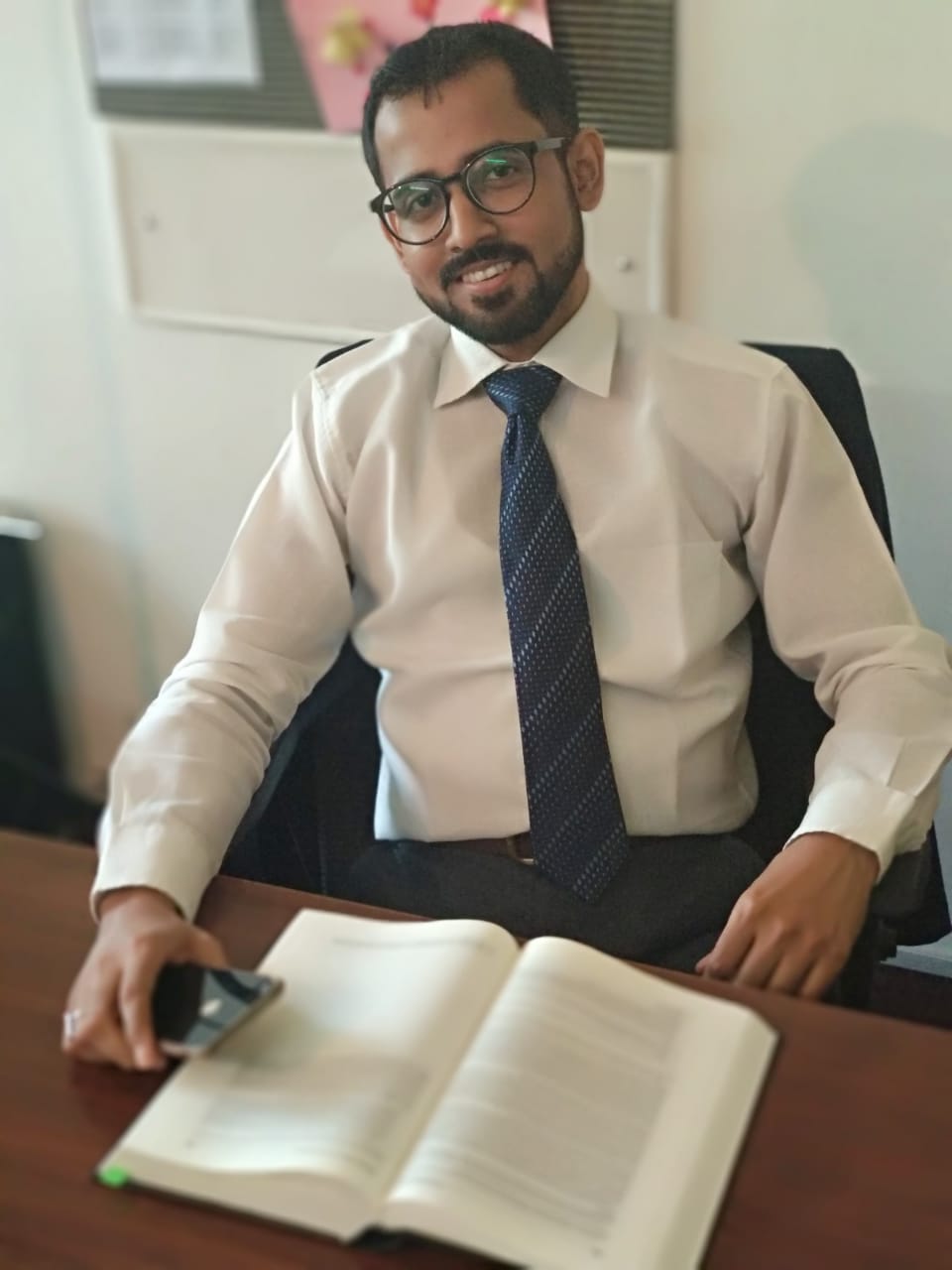
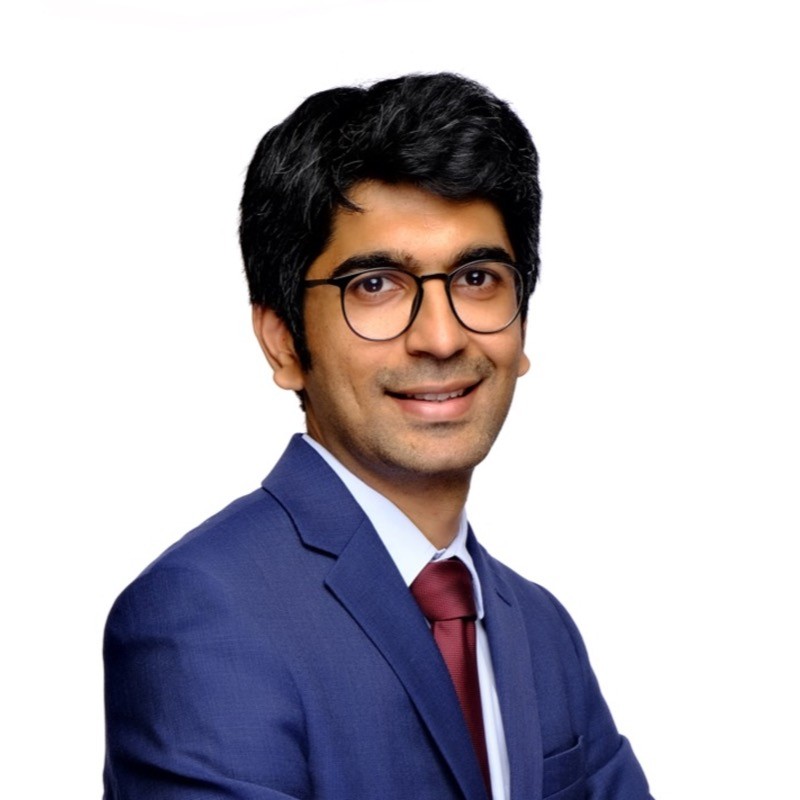





 Allow notifications