Tag: contract management

  • “Commitment to continuous learning and professional development drives success in the legal field. Aim big, do bigger tasks, explore territories where you were never before.” – Devendra Joshi, General Counsel(Vice President-Legal) at Crystal Crop Protection Limited.

    “Commitment to continuous learning and professional development drives success in the legal field. Aim big, do bigger tasks, explore territories where you were never before.” – Devendra Joshi, General Counsel(Vice President-Legal) at Crystal Crop Protection Limited.

    This interview has been published by Anshi Mudgal and The SuperLawyer Team

    With over two decades of experience across various areas of law, what initially motivated you to pursue a legal career, especially coming from a science background?

    After passing my Law Exam from GPG College Gopeshwar Uttarakhand, I began my journey as a lawyer in 1998. My path into law was driven by a deep-rooted curiosity and a desire to make a tangible impact on society. As a very social and emotional person, I have always been keen to see the world as a happier place. Coming from a science background, I was trained to think critically and solve complex problems. However, I soon realized that many societal issues required not just scientific understanding but also a framework for justice and advocacy. This realization led me to enroll in a law course.

    During my B.Sc. days, I actively participated in debates, wrote poetry, was student editor of college Magazine, I was also involved in the Separate Uttarakhand Movement at that time. Some untoward incidents during this movement were a turning point for me, highlighting how legal systems could drive change and protect rights. Witnessing these events firsthand solidified my belief in the power of law to effect positive change.

    As technology and computers advanced, I became increasingly inspired by cases where law intersected with technology and environmental issues. These areas allowed me to leverage my science knowledge to address complex legal challenges. This blend of science and law offered a unique opportunity to contribute to meaningful advancements and uphold justice.

    My journey into law has been shaped by a combination of personal experiences and professional aspirations. The intersection of my scientific background with legal practice has enabled me to approach problems with a unique perspective, ensuring that I can make a significant impact in both fields. This multidisciplinary approach continues to drive my passion for law and my commitment to creating a just and equitable society.

    You began your career as an associate lawyer before transitioning to the corporate sector. What inspired this shift, and how does working in-house at a corporation differ from private practice?

    After Coming to Delhi, I started my Journey from Patiala House Courts at New Delhi. I have done my Private Practice for almost 9 Years. Although my transition from private practice to the corporate sector firstly was solely driven by a desire to earn livelihood but later it was converted for a more integrated role within a business environment. As an associate lawyer, I enjoyed the intellectual challenge and the variety of cases I handled. With the passage of time in Delhi, I was keen to see the broader impact of legal decisions on a company’s strategy and operations and was very much willing to be part of entrepreneurial Journey.

    I am very fortunate that I have started my journey very closely with Late Sh. DC Jain Ji, who was promoter of AKUMS DRUGS & PHARMACEUTICALS LTD which is the largest Contact manufacturing Company of Medicines in India. He honed my skills as a person, changed my perspective to see life, and gave me liberty to work as I am the owner of my organization. As you know, working in-house offers a unique perspective. Unlike private practice, where the focus is often on specific legal issues, in-house counsel are involved in the day-to-day business decisions and long-term strategic planning. This role allows for a deeper understanding of the business, fostering a proactive approach to legal risk management and compliance. Additionally, being part of a corporate team provides the opportunity to collaborate closely with various departments, contributing to the overall success of the organization.

    I am fortunate that my promoters always gave me liberty to think out of the box and always believed me, as a result in every organization where I worked I have tried to do maximum work inhouse so that legal cost can be curtailed and ownership can be elongated.

    Now a days Both Private Practice and Inhouse roles are becoming the same, and as far as I am concerned In-house roles are of more onus than Private Practice, however in Private practice you can have more flexibility of time, money and autonomy. 

    Your career includes a range of leadership roles. How have these experiences shaped your approach to legal practice, and what key lessons or insights continue to guide you today?

    When I joined the AKUMS Group, the Legal Department was initially managed by individuals without a legal education background. However, as the industry grew, the visionary approach of Mr. Jain and his sons, Sanjeev and Sandeep, led to the establishment of a dedicated Legal Department within the group. At that time, it was uncommon for Indian companies to have a formal Legal Department, with Company Secretaries often leading legal functions. Mr. Jain’s proactive approach provided me with the opportunity to establish and lead the Legal Department.

    In my current organization, Crystal Group, I found myself in a similar role. Under the mentorship of our Chairman, Mr. N.K. Aggarwal, and the leadership of our Managing Director, Mr. Ankur Aggarwal, I received full support in my endeavors.

    My leadership roles have profoundly influenced my approach to legal practice, instilling a blend of strategic thinking, empathy, and adaptability. Leading teams has taught me the importance of clear communication, collaboration, and fostering a supportive environment where every team member feels valued and empowered.

    One key lesson I’ve learned is the significance of proactive problem-solving and leading by example. In leadership, anticipating challenges and addressing them before they escalate is crucial. This mindset has translated into my role as GC, where I prioritize risk management and strategic planning to mitigate potential issues.

    Another insight is the value of continuous learning and adaptability. The legal landscape is ever evolving, and staying abreast of changes is essential. My leadership experiences have reinforced the need to be flexible and open to new ideas, ensuring that my legal strategies are innovative and effective.

    Lastly, empathy and ethical integrity are cornerstones of my approach. Understanding the human element behind legal issues and maintaining a strong ethical compass guide my decisions and interactions, ensuring that my practice not only serves the business but also upholds justice and fairness.

    My experiences have taught me to trust my team, give them challenges, approach tasks with an entrepreneurial mindset, and always lead by example when they seek guidance.

    Given your extensive experience in civil, criminal, and commercial litigation, which type of case do you find most challenging? Could you share a particularly complex case you’ve handled and how you navigated its challenges?

    Among civil, criminal, and commercial litigation, I find criminal cases to be the most challenging. The stakes are incredibly high, often involving someone’s freedom or significant societal implications. As a legal professional, whether it concerns the top management of the company or an employee, each case holds equal importance to me. In pharmaceutical or agrochemical companies, sample matters are particularly significant. The complexity of criminal law, combined with the need for meticulous attention to detail and the emotional weight of these cases, makes them especially demanding. Nowadays, matters related to the CBI, PMLA, FEMA, or other authorities are equally important.

    While I would not like to disclose details of any specific case due to the privileged nature of lawyer-client communication, I can elaborate on my approach to handling such situations. In promoter-driven organizations, the most complex scenarios often arise when top management is accused of a serious offense. These cases are further complicated by extensive media coverage, which adds public pressure and potential bias. Navigating this requires a multi-faceted approach by the legal team, who do internal investigation in the matter, communicate with relevant stakeholders, gather documents, mitigate risk by strategic communication with outside stakeholders, taking expert legal advise, giving hope to Client, which is in our case our management; to give them hope that ultimately all is well.

    Ultimately, our comprehensive approach often leads to favorable outcomes, highlighting the importance of diligence, strategic planning, and empathy in handling complex criminal cases.

    Besides criminal cases, I have a strong interest in intellectual property rights (IPR) matters, including trademarks, patents, and copyrights. As for commercial litigation and contracts, these are routine matters in my practice.

    With the ever-evolving legal landscape, particularly in areas like commercial law, IPR, and mergers & acquisitions, how do you stay updated with changes in the law? What strategies do you use to ensure continuous professional development?

    To stay ahead in the ever-evolving legal landscape, particularly in commercial law, IPR, and mergers & acquisitions, I employ a multifaceted approach to continuous professional development. I leverage advanced legal research software and databases to access the latest case laws and statutes. Reading two newspapers daily keeps me informed about current events and legal trends, ensuring I stay updated.

    I believe that true knowledge enhancement often happens outside office hours, so I dedicate time after work to study new legal developments, attend webinars, and participate in online courses. Collaboration is key; I actively seek insights from colleagues and engage in discussions to gain diverse perspectives. Delegation is another strategy I embrace, as it allows me to focus on strategic tasks while empowering my team.

    Professional development programs, workshops, seminars, and conferences are integral to my growth, providing opportunities to learn from experts and network with peers. Mentorship from seasoned professionals offers invaluable guidance, helping me navigate complex legal issues. Staying adaptable and open to new ideas ensures my strategies remain innovative and effective. Networking is crucial for success in any field.

    By combining these strategies, I ensure continuous learning and professional excellence, enabling me to provide top-notch legal services to my organization. I would like to take this opportunity to thank my boss, Ankur Aggarwal, Managing Director of Crystal Crop Protection Ltd, who gave me the freedom and opportunity to be part of the Deal Team. I am happy to share that in my journey of over four years with Crystal Group, I have been part of five deal transactions. Commitment to continuous learning and professional development drives my success and effectiveness in the legal field.

    With your wealth of experience in drafting commercial contracts and agreements, how do you see legal technology impacting case management, contract drafting, and legal research? What tools or innovations have you found most helpful in your practice?

    There is no doubt that Legal technology is revolutionizing case management, contract drafting, and legal research, significantly enhancing efficiency and accuracy. Advanced software like Manupatra, Mykase, Mikelegal, and Complinity are some tools I use for case management, organizing and tracking details, deadlines, and documents. I do not use Automated contract drafting tools as every organization requires Customisation and we do it without help of software. Legal research platforms like Manupatra and Casemine provide access to vast databases with powerful search, delivering relevant results swiftly. For IPR we are using Mikelegal, software is beneficial, allowing us to focus on strategic thinking. The new generation is very tech-savy and embracing these innovations is essential for staying competitive and delivering high-quality legal services. However, I strongly advise against total dependency on software. While technology offers incredible tools, it is our unique human qualities of critical thinking and imagination that truly drive innovation and effective problem-solving. These abilities should be nurtured and strengthened, not allowed to weaken or become extinct. Balancing the use of technology with our innate human insight ensures we leverage the best of both worlds, maintaining our creative and analytical edge in the legal field.

    Can you outline your responsibilities in your current role? Given the demanding nature of your career, how do you manage to maintain a balance between your professional obligations and personal well-being?

    In my capacity as the General Counsel (Vice-President) and Head of Legal at Crystal Crop Protection Ltd, I am entrusted with a broad spectrum of legal and strategic duties. My primary responsibilities include overseeing litigation, intellectual property rights (IPR), and contract management. Additionally, I am an integral part of the Deal Team. I manage litigation cases, represent the company in legal disputes, and safeguard the company’s interests in court. Ensuring regulatory adherence is crucial, so I ensure compliance with all pertinent laws and regulations, including those related to the CBI, PMLA, FEMA, and other regulatory bodies. I provide strategic legal counsel to the board and senior management on various business initiatives and transactions, and identifying potential legal risks and formulating strategies to mitigate them is a key part of my role.

    In contract management, my team and I draft, scrutinize, and negotiate various agreements such as Contract Manufacturing Agreements, Principal to Principal Agreements, Loan-License Agreements, and Confidentiality Agreements. Most of the IPR matters, especially trademarks, are handled in-house. Additionally, I lead and mentor the legal team, fostering a collaborative and efficient work environment.

    Balancing a demanding career with personal well-being requires a strategic approach and effective time management. Earlier in my career, I used to seek validation from others, but now I focus on myself. If you are honest, you don’t need validation from others. In my organization, we believe in the FITECS values (Family, Integrity, Trust, Entrepreneurship, Customer-centricity, and Sustainability), and adopting these values in daily life helps achieve work-life balance.

    Remember, we are all ‘musafirs’ (travelers) in this journey called life. Be a traveler, not a tourist; enjoy every moment of #thejourneyoflife. Prioritizing my personal well-being by setting boundaries and ensuring I have time for family and personal interests is essential for maintaining long-term productivity and job satisfaction.

    What advice would you offer to young aspiring lawyers who are eager to excel in the field of law? What key qualities or practices should they focus on to build a successful career?

    For young aspiring lawyers eager to excel in the field of law, all I can say is, work hard, do not procrastinate, try to learn new things, do not be afraid of life, what will happen tomorrow? Aim big, do bigger tasks, explore territories where you were never before. This is the best profession in the world, you are king here, explore your kingdom. For inhouse lawyers my advice is treat your job as if you are running your own company. Approach every task with dedication and responsibility. Face each challenge with the precision of a trial, avoiding procrastination and leaving your ego aside. Continuous learning is essential; stay updated with the latest legal developments through research tools, journals, and newspapers. Dedicate time outside office hours to study, attend webinars, and take online courses. Collaboration and networking are vital for success now a days. 

    One thing I strongly wish to communicate is that you decide early whether you wish to pursue an in-house role and as Practicing Lawyer? Because confusion will take you nowhere and you will suffer. Prioritize personal well-being by setting boundaries and ensuring time for family and interests. Surround yourself with friends who are more intelligent than you, more visionaries and having big dreams. Always Remember that you are an average of 5 persons around you. Lastly whatever you achieve in life remember that best is yet to come, “Abhi Udaan Baki hai”

    Lastly, Commitment to continuous learning and professional development drives success in the legal field.

    Get in touch with Devendra Joshi-
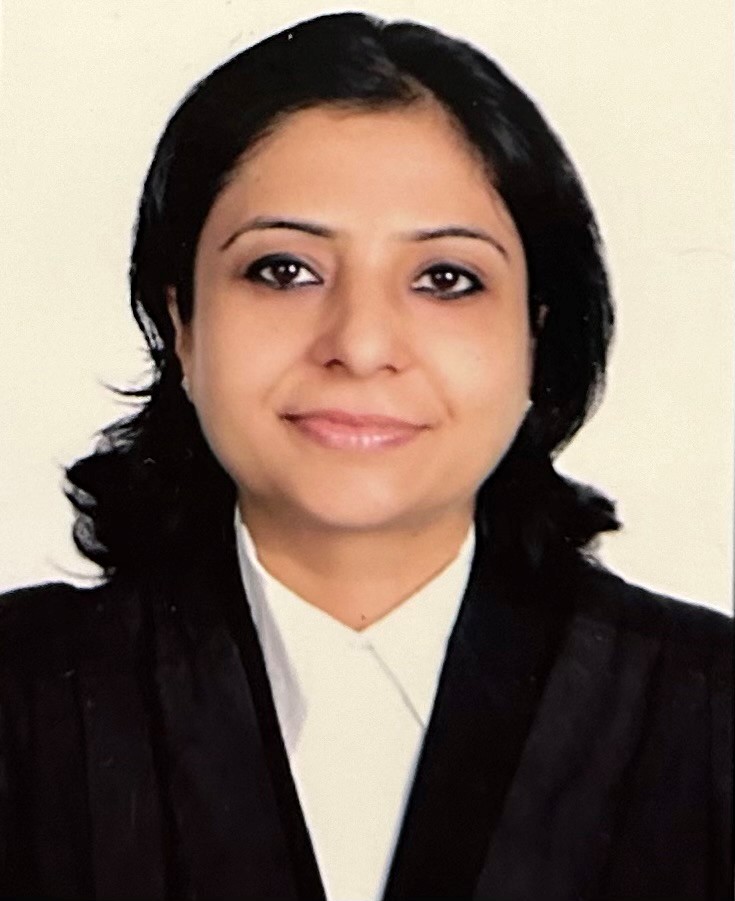
  • “Stay focused in all your endeavours and distance yourself from people and environments that don’t respect you. Never compromise your integrity.” – Sheffy Bhatia, Head Corporate Legal at Law Veritas : North.

    “Stay focused in all your endeavours and distance yourself from people and environments that don’t respect you. Never compromise your integrity.” – Sheffy Bhatia, Head Corporate Legal at Law Veritas : North.

    This interview has been published by Anshi Mudgal and The SuperLawyer Team

    You have extensive experience in handling multiple legal sectors including insurance, electricity distribution, healthcare, financial services, and corporate law. How would you describe your professional journey until now?

    My professional journey has been exhilarating! I’ve been fortunate to explore the legal intricacies of diverse sectors like insurance, electricity distribution, healthcare, financial services, and corporate law, each with its unique challenges and legal complexities. Embracing change whenever new opportunities arose has been the key to my growth and success. This journey wouldn’t have been possible without the unwavering support of my parents, who gave me the courage to move forward and face each challenge head-on.

    To start at the beginning, was studying law a pre-decided career path for you? What was your motivation behind growing within the legal field?

    Studying law was never a pre-decided career path for me. I initially aspired to become a veterinary doctor but was destined to become a lawyer. Once I began my legal journey, I realized that law is like a vast ocean—how much you explore depends on your commitment to integrity and hard work.

    My journey from Faculty of Law, University of Delhi, to becoming a Senior Partner at Law Veritas: North has been one of constant growth and learning. After completing my studies, I was drawn to law for its potential to positively impact society, inspiring me to contribute to the legal framework and serve justice.

    You have headed various legal departments of different companies and managed legal and compliance matters and now are the Senior Associate Partner and the Head of Corporate Legal & Litigation at Law Veritas North where being client centric is one of the fundamental values. How do you ensure a smooth workflow and a collaborative and supportive environment within your team?

    Ensuring a smooth workflow and fostering a collaborative environment begins with empathy. Being empathetic costs nothing, yet it builds trust and mutual respect within the team, which is essential for a cohesive work culture. I believe in empowering my team rather than micromanaging. Tasks are delegated equitably, with clear deadlines and responsibilities, allowing each member to take ownership of their work.

    I also implement work rotation to keep things dynamic and encourage skill development. Additionally, we hold fortnightly knowledge-sharing sessions, where team members present case studies, fostering an environment of continuous learning and collaboration. This not only sharpens our collective expertise but also reinforces a supportive and client-centric approach, aligning with our core values at Law Veritas North.

    With 25 years of comprehensive legal expertise across various sectors of law. What is your work day like and how do you balance your personal commitments with a demanding career?

    With 25 years of comprehensive legal experience across various sectors, my workdays are typically fast paced and demanding. When I’m in the office, time flies as I manage complex legal matters, client consultations, and team collaborations. However, balancing personal commitments with a demanding career is essential for me. Once I’m home, the digital ecosystem plays a significant role in maintaining this balance. With most tasks accessible via smartphone, I can manage urgent work issues efficiently while still making time for my family. This flexibility allows me to stay connected professionally without compromising on quality time with the loved ones.

    Your expertise in structuring legal frameworks that align with business goals of your clients is commendable. What are the key instances in your professional career that you’d credit to have shaped your career?

    Key factors that have shaped my career are integrity, hard work, and adhering to promised timelines. Maintaining integrity has helped me build long-lasting relationships with the clients, while hard work has been the foundation of every success I’ve achieved. Sticking to deadlines, no matter how challenging, has allowed me to gain trust and credibility with both clients and colleagues. Over the years, I’ve also had the opportunity to work on complex legal frameworks that align with clients’ business goals, and these experiences have not only sharpened my skills but also strengthened my commitment to delivering best results.

    In your experience negotiating complex contracts and handling high-stakes litigation for insurance and financial institutions, what has been one of the most challenging experiences for you that you’d like to share with us?

    One of the most challenging experiences I’ve faced in negotiating complex contracts and handling high-stakes litigation is aligning all stakeholders. It can be incredibly time-consuming and mentally draining to ensure everyone is on the same page, but it’s crucial for achieving a successful outcome and maintaining strong professional relationships throughout the process.

    Your contributions to the legal field have been widely recognized and you have received several prestigious awards and accolades. How do these recognitions motivate you in your career?

    While I appreciate the recognition and awards, I’ve received, they don’t significantly motivate me. My true drive comes from the work itself, the challenges I face, and the positive impact I can make in my clients’ lives. Focusing on results and client satisfaction is what truly inspires me.


    What advice would you give to the younger generation, especially women lawyers who aspire to excel in the field of law?

    Stay focused in all your endeavours and distance yourself from people and environments that don’t respect you. Never compromise your integrity. The legal field is vast and ever-changing, so it’s essential to keep up with the legal developments. Manage your finances wisely and invest early. Finally, maintain a strong support system at home and delegate time-consuming tasks to ensure a balanced and productive life.

    You are also involved in various CSR activities, including cancer awareness camps and vaccination drives for children in rural areas which reflects your commitment to social responsibility. What drives you to be involved in such activities and are there more such activities that you’re involved in?

    As citizens, we have a moral obligation to give back to society in any way we can. Participating in CSR activities, such as cancer awareness camps and vaccination drives, not only supports those in need but also enhances our sense of purpose and fulfilment. This commitment to social responsibility inspires us to strive for greater positive impact in our communities.

    Get in touch with Sheffy Bhatia-

  • “Continuous learning and knowledge sharing are vital in navigating the complexities of the legal landscape. Understanding one’s strengths and finding the right career path requires introspection and exposure to different experiences.” – Awanish Srivastava, Managing Partner & Founder of Naks & Associate (Advocates & Solicitors)

    “Continuous learning and knowledge sharing are vital in navigating the complexities of the legal landscape. Understanding one’s strengths and finding the right career path requires introspection and exposure to different experiences.” – Awanish Srivastava, Managing Partner & Founder of Naks & Associate (Advocates & Solicitors)

    This interview has been published by Namrata Singh and The SuperLawyer Team

    Before we delve into your remarkable career journey, could you please introduce yourself to our readers, sharing a bit about your background, your passions, and what drives you professionally and personally?

    I am Awanish Srivastava having experience of more than 22 years in Corporate & Core Litigation, Corporate Law, Agro Litigation, Intellectual Property Management, Contract Management and Corporate Consultancy.

    I am Founder & Managing Partner of NAKS & Associates (Advocates & Solicitors), a Pan India Law firm. I am also a Fellow member of Institute of Company Secretaries of India and Regional Council Member, currently holding the post of Treasurer of NIRC of ICSI. I am Law graduate from Delhi University, Master in Law, Post Graduate in Commerce and M.B.A. (Finance). I am an active member of the ICSI, Bar Council of Delhi, Supreme Court, Delhi High Court Bar Association and NCLT Bar Association.

    My journey has been driven by a passion for justice and the belief in law as a tool for societal improvement. Professionally, I am driven by the challenge of navigating the complex legal landscape to deliver solutions that not only serve our clients but also contribute to the legal profession’s evolution. Personally, I am motivated by the impact we can make through our work, in both the corporate sphere and community initiatives like Pink & Blue.

    You’ve played a significant role in defining new standards of legal services in India through your firm, NAKS & Associates. What motivated you to establish NAKS with such a unique vision of operating as a Corporate Law Firm in a Retail Concept?

    The vision for NAKS & Associates stemmed from recognizing a gap in the legal services market – the need for accessible, reliable corporate legal solutions across India. The Idea of Pan India Litigation came into my mind when I was working with a future group where we, as In-house Counsel, were struggling to hire lawyers in small cities and at Taluka level. In the Year 2012, we started Naks as PAN India law Firm with the aim of providing one stop solutions to our clients. 

    This initiative really created a platform for Corporate at one end and Lawyers in small cities at the other. Further, this platform makes legal assistance more accessible and also allows us to reach a wider level, ensuring that businesses, regardless of size, have access to top-notch legal counsel. Our System helped small Cities Lawyer to handle Big Corporate Clients.

    Your work with Pink & Blue- A Symbiotic Living initiative is commendable. Can you tell us more about the initiative and how it’s making a difference in society?

    Pink & Blue – Symbiotic Living (A unit of Chamber of Professional (CoP)- A Registered NGO) is a team of expert professionals, working for welfare of Working Women and Prevention of Sexual Harassment at Workplace and this is very close to my heart.

    Pink & Blue is operating with the aim of creating awareness among each and every member of society about the ill impacts of Sexual Harassment and the means to prevent & redress the complaints of Sexual Harassment. We have taken a pledge to give Free training and Support to Maximum People for the betterment of the Society and promoting Happy & Healthy Co-Living Workspaces.  We are a team of expert Company Secretaries, Advocates, HR Professionals & Social Workers.

    We have conducted more than 200 Training sessions so far and trained and empowered more than 2 Lakh People. We have trained and certified more than 140 Posh Trainers who are CS, CA, Advocates and CMA.  Our Trainers have successfully conducted training in more than 500 organisations. 

    Our work is making a difference by educating employers and employees alike, fostering environments where everyone can feel secure and respected. This initiative is a reflection of our commitment to social responsibility, aiming to enact real change in society through education and awareness.

    Handling cases involving complex corporate litigation and intellectual property management requires a unique skill set. What are some of the key challenges you’ve faced in your career, and how have you overcome them?

    One of the key challenges in handling complex litigation and intellectual property cases is staying abreast of the rapidly changing legal landscape. Keeping updated with the latest laws and judicial precedents requires continuous learning and adaptability. In today’s era, where litigation and judiciary is taking turns frequently, one cannot make distance with reading or upgrading himself with legal knowledge even for a slightest of time period.

    I’ve overcome these challenges by fostering a culture of ongoing education, Reading, making notes and knowledge sharing within our firm, ensuring that we remain at the forefront of legal upgradation and best practices.

    You’ve served in senior positions as in-house counsel for prominent Corporate like Videocon Telecommunications Ltd. and Future Group. Could you share some insights into your experience in these roles and how they have influenced your approach to legal practice and corporate consultancy?

    My career took an airlift when I joined Future Group as Junior Manager. I was responsible for the Supervision and Monitoring of Legal & Liaisoning team of 12 members of PAN India for Legal, Contract Management, Regulatory, Liaisoning and Compliance related issues/matters. I was awarded Best Employee at Future Group for 2 (two) consecutive years and an Appreciation Award from CEO for my performance in supervising PAN India Legal & Liaisoning Team.

    Thereafter, I joined Videocon Group as Deputy Manager, Videocon Telecommunication Ltd. and I was responsible for Litigation and Contract Management. I have handled highly reported 2G Litigation matters in Videocon.

    Working with Future Group and Videocon Telecommunications Ltd. was a defining period in my career. These roles taught me the importance of aligning legal strategies with business objectives. 

    This experience has been instrumental in shaping my approach to corporate consultancy, where the focus is not just on legal compliance but on facilitating business growth and protecting intellectual assets in a strategic manner.

    Your firm, NAKS & Associates, operates in more than 700 districts in India, which is quite impressive. What strategies have you implemented to ensure such extensive coverage and maintain high-quality legal services across different regions?

    With the increase in technology and awareness in the small Cities, the litigations against the companies are also increasing day by day. Due to increase in consumer cases, Civil Cases, Criminal Cases and others litigation, big corporates are facing the problems of appointing counsels at various places in India including small cities to represent them even at the remote locations. I faced similar kind of difficulties when I was working in Future Group and Videocon and these difficulties motivated me to start Naks in this concept to provide Pan India Litigation services support to our clients where they get representations even at far reaching locations. 

    The strategy for achieving extensive coverage while maintaining high-quality legal services hinges on leveraging technology and building a strong network of legal professionals. We’ve implemented robust training programs to ensure uniformity in service quality and employed technology to manage cases efficiently across different regions. This blend of human expertise and technology enables us to serve our clients even in far corners of the country with a high standard of legal assistance.

    As a Fellow member of the Institute of Company Secretaries of India, what advice would you give to young professionals aspiring to build a successful career in corporate law and litigation?

    For those aspiring to build a career in corporate law and litigation, my advice is to join the Company Secretaryship Course. 

    A ‘Company Secretary’ is a senior, strategic-level corporate professional who plays a leading role of a Key Managerial Personnel (KMP) entrusted with the responsibility of the company’s Corporate Governance. Corporate Governance is more than just complying with laws, regulations, standards and codes; it is also about creating a culture of good management practices. The position of a Company Secretary as the KMP comes close to that of the Chief Executive Officer or the Managing Director and underlines the importance of the role played by him in the company. 

    After completing Company Secretary course, one has enormous opportunity to become KMP, Secretarial Heads, Head Contract Manager, Compliance Head, Regulatory heads, General Counsel, Practicing Company Secretary, Insolvency Professional, Registered valuer, Appearance before various tribunals. 

    Young professionals can build successful careers in corporate law and litigation by continuous Learning and Practice. The legal field is ever-evolving, and success requires not just a solid foundation in law but also an understanding of business principles and technological advancements. Focus on building a diverse skill set that includes legal expertise, business acumen, and emotional intelligence.

    Balancing a successful legal career with social responsibility and community service can be demanding. How do you manage to juggle these responsibilities effectively?

    Balancing a demanding legal career with social responsibility involves setting clear priorities and being passionate about your social initiatives. For me, initiatives like Pink & Blue are not just additional responsibilities but integral part of my professional identity. Effective time management and a supportive team are crucial in managing these dual aspects seamlessly. Decentralising decision making at execution level, wherever necessary and having established a tried & tested reporting system helps minimizing any unfortunate incident of error in the system which indirectly helps me spare some moments for initiatives like Pink & Blue.

    Given your extensive experience and expertise, what are your thoughts on how the current generation can better understand their strengths and identify the right career path for themselves, especially in the legal profession or corporate world? Do you have any advice on discovering one’s true calling and leveraging their strengths effectively?

    Understanding one’s strengths and finding the right career path requires introspection and exposure to different experiences. I encourage the current generation to seek mentorship, engage in diverse internships, and participate in community service to gain a broader perspective. Discovering your true calling is a journey of exploring your passions and how they align with your professional aspirations. Embrace opportunities to learn and grow, and don’t be afraid to chart your own path in the legal profession or any field you’re passionate about.

    Get in touch with Awanish Srivastava-

  • “Understanding a law and implementation of law are two different things. Have patience, good things take time.” – Journey from Legal Luminary to Corporate Leader, Amit K Das, Head of Legal, Thermax Limited

    “Understanding a law and implementation of law are two different things. Have patience, good things take time.” – Journey from Legal Luminary to Corporate Leader, Amit K Das, Head of Legal, Thermax Limited

    This interview has been published by Namrata Singh and The SuperLawyer Team

    Could you please walk us through your journey from your early days in law college to becoming a Head of Legal at Thermax Limited? What were some of the challenges you faced when you first started your career in law, and how did you overcome them?

    I am a first-generation lawyer and the decision to pursue law was a completely personal call. From an early age, I developed a special interest in legal subjects. After completing my 12th, without any second thought, I was admitted for a 5 (five) year BA(Law)LLB course with North Bengal University, Department of Law. I was an active student during my law college days and used to take initiative and participated in all events including moot courts, sports, and cultural events. During the 3rd year, I developed a special interest in the law of Jurisprudence. As we had limited resources during our college days, digital education was far from reality during the late 90’s, we used to spend long hours in our law department library reading and preparing notes on various subjects.

    To begin a career in legal, the first challenge is to get into a decent chamber of a senior advocate. Those days legal had very limited career opportunities and being from a small town in Darjeeling District, West Bengal, there was no other option but to start practicing in District Court immediately post completing of LLB. I started my career as a practising advocate under the guidance of the late Shri. Sunil Sarkar, in Siliguri Sub-Divisional Court and Darjeeling District Court handling civil disputes related to properties, etc. In his chamber, I learnt the art of drafting pleadings, cross-examination and trial. To gain exposure on the professional front, in 2003, I moved to Delhi and started working with a Corporate Law Firm, Law Combine Advocates. During my Law combine days, I handled legal work for major MNCs and focused on litigation, commercial contracts, part of the M & A team, IPR and real estate. To have experience in the corporate side, In 2008, I decided to switch and joined a real estate company in Bangalore and gained experience in commercial built-to-suit arrangements. Thereafter, I worked with a FMCG giant heading legal for their export division, managing international contracts and disputes.

    In 2014, I moved to Pune and worked with an engine manufacturing company and in 2022 joined Thermax Limited as Head of Legal which is my current designation.

    For a fresh law graduate, the biggest challenge is where to start and how to start. I was fortunate enough that the Senior’s Chamber I joined at the beginning of my career, gave me a decent amount of work to handle. He used to guide me as a mentor. The more I worked, the faster I was able to get adjusted in this profession. During my court practice days, even when my matters were not listed before the Court, I used to spend hours sitting in open courts watching different proceedings, arguments made by the counsels, court observations, and verdicts. I also used to read a lot. I used to read the entire judgement, doing my research on different laws dealing with different subjects, going through old, executed contracts to understand the transaction and the issues to be addressed in those kinds of transactions. More I focused on work and learning; I realized all the challenges are dealt with over time.

    Transitioning from practicing as an advocate to assuming leadership roles within legal departments of corporations like Thermax Limited involves a significant shift. What inspired you to make this transition, and how has this journey influenced your approach to legal practice and leadership within organizations?

    This was not an overnight shift or transition. If you go through my career path the entire transition was step by step and with constant efforts. It was planned and executed accordingly. I believe if you can’t run then walk, if you can’t walk then at least crawl but keep moving forward. All the changes I made in my career are only with a view of learning new things which is very important for a lawyer. Shifting from a small sub-divisional court practice to a Delhi Corporate law firm practice is only for getting more exposure and learning. Similarly, switching from one industry to another during my corporate journey is also to gain experience and knowledge of different laws and practices applicable to such industries. This journey of continuous learning, curiosity, eagerness, and developing new skill sets brought me where I am today.  Therefore, I will say eagerness to learn new things, getting exposure to different legal areas, and curiosity to learn about different industries and applicable laws and practices, inspired me to make this transition. Another factor that inspired me to move from legal practice to a leadership role in corporate is to make an impact at a larger level. During practice days, I used to give my opinion and advice on a specific legal matter. I never learned how my opinions and advice impact or influence an organization’s culture and policies. With an intent to make an impact, bring a difference and influence all the stakeholders, I decided to move to a corporate leadership role to use my experience and knowledge to make a positive impact on the business and organization practices. Over the period, while working in different formats, and handling different kinds of legal issues, I realized that legal practice is too wide and large. The more I learned about one area, there are several other new areas came up for further learning. My exposure to different formats and working in different industries contributed a lot to my development as a lawyer and made me adequately competent to handle any kind of legal issues or at least know how to find a solution for an issue not dealt with in the past.

    Your profile highlights your expertise in areas like Mergers & Acquisitions, Contract Management, and Litigation & Arbitration. Among these, which aspect of legal affairs do you find most engaging or challenging, and why?

    It all depends upon the complexity of a matter which makes it challenging. I have come across several complex M&A transaction structures, high-stake commercial contracts and complex litigation and arbitration which were too challenging and engaging. Hence, it will be unfair to claim any specific area as engaging or challenging as all the areas are complex, vast, and challenging. Even if you insist on naming one area then considering the nature and complexity of the dispute, sometimes I find managing Litigation and Arbitration is most engaging and challenging. For handling and managing litigation, one must consider all applicable laws, specific sections, various court precedents, and all facts and documentation involved in the dispute. Though the general perception is that litigation & arbitration are handled by external counsels, however, to enable the external counsel to effectively handle any litigation and arbitration, it’s an in-house counsel who provides all the briefing and documentation related to the case. A minor miss can have a major impact on the outcome. Managing legal expenses, while expediting the proceeding is another challenge in litigation and arbitration.

    You’ve been recognized with multiple awards and accolades throughout your career. Can you share a particularly memorable achievement or recognition that holds a special place in your heart?

    All achievements and awards are special for me as they came at different times in my career. The recognition that I receive in-house has a special place in my heart as it shows that my work is making some impact on the business and it’s a direct recognition from my internal stakeholders. Also, the team awards that I have received till date are also very special for me. In the past, I have received team awards as “Best Support to Business Initiatives”, “Most Innovative Legal Team of the Year” and “Best Enabling Function”. All these team awards represent that we as a team are able to provide effective support to our businesses and in return we have been acknowledged and appreciated. But to answer your question, The “Best Enabling Function” award received during the first year of my job with Thermax holds a special place in my heart as I was new in the Organisation and was building an impactful relationship between the Legal Department and Business.

    In addition to your professional achievements, we’d love to know more about your personal interests and hobbies outside of the legal realm. How do you unwind and rejuvenate after a busy day at work?

    I like to participate voluntarily in teaching activities, especially teaching underprivileged kids. I have been associated with a few non-profit organizations and I like spending my weekends helping these NGOs with different activities from teaching to helping the students in getting prepared for their next level of academics and career.

    Listening to music and playing guitar have been my favourite pastimes to unwind myself after a busy day at work. In the past, I had our band with a few of my friends and we spent our free weekends and holidays performing at open clubs. I love to attend music concerts and shows.

    When I feel tired after months of work, I like to unwind by long cross-country drives with my family to places I have never visited, exploring everything about that place from their culture to their staple diet. Talking to unknown people is an immense pleasure and a beautiful experience.

    Given your extensive experience, what advice would you give to the current generation aspiring to pursue a career in law? What skills or attributes do you think are crucial for success in this field today?

    For the current generation, my advice is that there are a lot of opportunities in the legal domain. Over the years, different forms of practices have developed. There are different legal areas to excel and specialize in and a lot of learning opportunities around. Students who are still pursuing law, please take your moot courts and court visits sincerely and develop a habit of reading. Law is not as easy as it seems to be and for every lawyer, it is important to learn something every day. A lawyer should always have a room for learning. Understanding a law and implementation of law are two different things so take advantage of every real-life internship you can, so you can figure out what kind of lawyer you wish to be.

    It’s my request to young guns, please develop a habit of reading and keep learning new things. There are no shortcuts in the legal profession. Online updates and snapshots are okay to get the update but please don’t miss to read those new laws, latest landmark judgements, articles, etc. Have patience, good things take time. Nobody achieves success, knowledge, and experience overnight. All these things take time and constant effort, and hard work will take you to the right places. Don’t expect immediate results in our profession and always remember that your today’s action will have a reaction after a few years. Be humble, meticulous, and good in your research and analytics.

    Given your experience in handling litigations and arbitrations, what do you believe are the critical factors for successful dispute resolution, especially in today’s dynamic business environment?

    The knowledge of Business and Law is very important for a Lawyer in today’s dynamic business environment. Unless we have exposure to both we can’t take the best foot forward and guide our Organisation. Dispute resolution requires you to have a win-win approach for the Organisation. You can’t be too stringent on your approach and have a balanced view of the dispute that is in hand. Be meticulous and have the eye of an eagle regarding attention to detail. An active and effective collaboration between legal and business is of utmost importance for successful dispute resolution. Any dispute can be handled based on evidence on record; therefore, strong documentation and record keeping are of utmost importance to resolve any dispute successfully. There should be a problem-solving approach to resolve any dispute, it will save lots of cost and time for both sides. Timely resolution of disputes is another factor to be considered. In most of the disputes, the purpose of getting into dispute resolution frustrates if it is not concluded in a time bound manner.

    You pursued management development programs from IIEM in 2017 and IIM in 2019. What motivated you to undertake these courses, and how do you believe they have contributed to your growth as a legal professional? Additionally, what are your thoughts on the importance of continuous learning and further education, such as pursuing masters or other specialized courses, in the legal field?

    Opting for courses from IIEM and IIM is part of my continuous learning process.  Through these courses, I have improved my knowledge and exposure to international trade laws as well as improved my leadership skills. Continuous learning and further education are very important parts of any professional, especially lawyers. Law is a dynamic subject and legal professionals need to be up to mark in all day-to-day changes and evolution in the subject. Continuous learning is the ongoing expansion of a person’s knowledge and skill sets. It is not only for the development of new skills and knowledge but also for reinforcing what has been previously learned. A lawyer or legal professional needs to pursue higher education and specialized courses to adapt to changing legal trends, stay competitive and deliver exceptional services. By actively pursuing higher education and specialized courses, legal professionals can refine their skills and position themselves as leaders in their respective practice areas.

    Throughout your career, you’ve undoubtedly encountered a wide array of legal challenges and victories. If you could go back in time and give one piece of advice to your younger self as you embarked on this journey, what would it be and why?

    Most of us desire to be accepted and liked, but the reality is that you can’t please everyone. It took years and years to get here, but knowing what others think doesn’t matter, disengaging from those who are not humble, practicing self-development and learning new areas of law are some of the best things I have ever done for myself. Do not seek validation in the form of other people’s opinions. Lead with kindness and treat people well. To be honest – don’t be afraid to speak your mind.

    Get in touch wit Amit K Das-

  • “As an in-house counsel, you are not just a legal advisor but also a strategic partner to the Business.” – From Litigation to Leadership, Niyati Ojha, Legal Counsel at HP Inc.

    “As an in-house counsel, you are not just a legal advisor but also a strategic partner to the Business.” – From Litigation to Leadership, Niyati Ojha, Legal Counsel at HP Inc.

    This interview has been published by Namrata Singh and The SuperLawyer Team

    Your journey from being an Intellectual Property Counsel in law firms to your current role as Legal Counsel at HP Indiac. is quite impressive. Could you take us on a brief tour of your career path, highlighting key milestones and what inspired your transition to the diverse legal roles you’ve undertaken?

    To say the least, the journey from an Intellectual Property Lawyer to that of an In-house counsel has been dramatic with various challenges during the transition. Being a lawyer has always been my aspiration and I had decided quite early on that I wanted to be a lawyer. I went through the same grunt of attending coaching sessions for the law entrance exams, getting into one of the prestigious colleges in the country and starting my legal career. Just like any other freshly graduated lawyer, I started my career as a litigating lawyer and realized early on that litigation is not my cup of tea. This was a huge setback as I was sure that I wanted to be a lawyer. With this inability to fit myself in the litigation landscape, came self-doubt and a fear that maybe I took the wrong choice. I was at crossroads, where at one side I believed I was inept, and the other was a constant nigger within me that I am at the right place. It’s important to recognize that setbacks and doubts are natural parts of any career journey, but it is also important to remember that the legal profession isn’t limited to only litigation; rather offers a wide range of roles and specialities and finding the right fit often involves exploration and experimentation. This realization and acceptance are a valuable insight that guides you towards a more fulfilling career direction.

    At that point, I started exploring my other options in the legal profession and came across the practice of Intellectual Property Rights. When I started my role as an IPR lawyer, I had no clue on the depths and potential of this subject. The significance of Intellectual Property Rights was not completely recognized by companies and as IPR lawyers, we often found ourselves at the intersection of law, technology, and business, helping companies protect their intangible assets. The scope was not limited to just providing legal advice but played a crucial role in educating clients about protecting their intellectual property rights and the potential benefits it can offer in terms of innovation, competitiveness, and revenue generation.

    As a next step, there was a need to challenge myself and break out my comfort zone despite being a settled IPR lawyer. Transitioning to an in-house counsel role undoubtedly presented new challenges, especially with the lack of experience in handling compliance of a company, but the trick was to approach this challenge with courage and determination. Moving from a specialized role to a broader role required adaptability, willingness to learn and the ability to grasp new concepts and responsibilities all of this while parallelly handling internal conflicts like self-doubt and imposter syndrome. I tag this transition as one of the toughest phase of my professional journey but embracing new challenges and stepping out of one’s comfort zone is often where the most significant growth occurs, and I believe I have embraced this mindset wholeheartedly.

    In your role at HP Inc., you’re involved in day-to-day operational work and deal support across different Business Units. Could you give us a glimpse into your daily work routine, highlighting key aspects of your responsibilities and the challenges you often face in managing the legal aspects of the company’s operations?

    As an in-house counsel, you are not just a legal advisor but also a strategic partner to the Business, and the role extends beyond providing legal advice to actively contributing to the company’s success and growth. The dynamic nature of the business environment means that your day-to-day responsibilities can vary widely, and you must be prepared to adapt quickly to changing priorities and unforeseen challenges. Unlike a law firm setting where tasks may be more structured and predictable, as an in-house counsel the need is to be more flexible and responsive to the needs of the Business.

    The key aspect is to understand not just the legal implications of decisions but also the broader business context in which those decisions are made. This requires an in-depth understanding of the company’s goals, operations, and industry dynamics as well as the ability to balance legal considerations with practical business realities.

    Balancing the needs of the Business with imperative legal compliance is indeed a common challenge for in-house counsels. It is natural for the Business to prioritize growth, innovation, and profitability but it is the responsibility of the in-house counsels to ensure that these objectives are pursued within the bounds of law and ethical standards. When Businesses express frustration about legal constraints hindering their operations, it is important for in-house counsels to engage in open communication and foster a collaborative approach. One important aspect that can help to ease this balancing act includes collaborating early on, by being proactive instead of reactive, in-house counsels should encourage the Business to engage with legal counsels early in the planning stages of the projects or initiatives. Through this, legal counsels can help identify issues upfront and ask the business to address these challenges promptly. Another important consideration for in-house counsels is to provide practical solutions. Instead of simply saying “no” to business requests, in-house counsels should work with stakeholders to find creative solutions that achieve their objectives while mitigating legal risks. This also involves structuring documentation and transactions in such a way that minimizes legal exposure or implementing compliance procedures that streamline operations without sacrificing legal integrity. This helps in navigating business needs with legal compliance and fostering a collaborative environment where both objectives can be met harmoniously.

    Beyond your corporate role, you’re actively involved in education and mentorship. How do you balance your professional commitments with your passion for teaching law to aspiring students and guiding underprivileged students toward career opportunities?

    I am deeply committed to the cause of education and have a strong belief in its transformative powers. I look at it not only as a means of personal advancement but also as a tool for societal progress and change. The role of mentors and teachers has evolved in the present day. With the proliferation of information and access to diverse perspectives, students are more empowered to question and engage in critical discussions with their mentors. This shift presents an opportunity for mentors to adapt to the modern approach. Emphasizing realistic examples and connecting theoretical concepts with practical scenarios is indeed crucial for students to understand the relevance and applicability of their curriculum.

    Balancing professional commitments with a passion for teaching can be surely challenging, but dedication towards this cause is the driving force. The passion of bringing about change, and not something at a large level but a perspective that even influencing one person’s life can have a ripple effect that creates a bigger positive change. This mindset stems from an understanding of the power of education to transform individuals and communities.

    It is important to acknowledge the sacrifices and challenges that come with juggling multiple commitments, but the moments of fulfilment and gratitude, such as when a student expresses appreciation, makes it all worthwhile. These moments serve as a reminder of the profound impact that educators can have in the lives of their students. Having a strong support system is invaluable in navigating the demands of both professional life and continuing one’s passion. There have been instances where I have worked for all 7 days a week, it is in those moments when you feel if you’re doing the right thing. My family has been my strongest support system. While I have been away, they have managed everything at the backend. I feel extremely privileged and grateful to have such a support system, which I am mindful that many people do not have. It is important to recognize that not everyone has access to the same resources and support networks and acknowledging this privilege imbibes empathy and a commitment to create opportunities for others.

    Having worked in law firms and now in a corporate setting, what are the key differences you’ve observed, and how have these differences shaped your approach to legal counsel at HP Inc?

    While both law firm and in-house counsel roles involve practicing law, the focus, scope, and dynamics of work significantly differ. Their priorities and perspectives can differ significantly due to their position within the organization. In fact, each role offers unique opportunities and challenges, shaped by the context in which they operate and the priorities that they must consider. It all depends on the lens that you are looking at the problem with. In-house counsels generally have a unique opportunity to immerse in the legal and operational aspects of a single organization in a specific industry, contributing directly to its growth, whereas law firm lawyers have a varied experience bucket. This immersion allows them to develop a comprehensive understanding of their company enabling them to provide support that is tailored to the specific needs and objectives of their company, with a focus on driving business success while ensuring legal compliance and mitigating risk. This often involves finding practical, business-friendly approaches to legal challenges that enable the company to achieve its objectives while managing risk effectively.  In addition to providing legal guidance, an in-house counsel is involved in strategic planning, risk management, contract negotiations, regulatory compliance, and of course crisis management. Ultimately both in-house counsels and law firm lawyers play critical roles in the legal profession, each offering substantial contributions and perspectives. Whether working internally for a single organization or externally as part of a law firm, the ultimate goal is to provide effective legal support that helps their clients achieve their objectives while navigating legal complexities.

    Your written contributions have been featured in reputable publications like the Law Asia Journal, Lexology, and Jurisonline.in. Can you share your thoughts on the importance of sharing legal knowledge and insights through such platforms?

    Absolutely. Sharing legal knowledge and insights is not only a responsibility of a legal professional but also an important aspect of the legal profession. Knowledge sharing encourages collaboration and learning. By sharing experiences, insights, best practices, legal professionals can learn from each other, expand their expertise, and improve the quality of legal services. This is imperative for personal development as it allows the professionals to stay updated on emerging trends and strategies, which is essential for maintaining competence and excellence. It also ensures accessibility. By making resources readily available, legal professionals can level the playing field and ensure that knowledge is shared in a clear, concise, easily understandable manner to a diverse audience. Leveraging technology and digital platforms can enhance the accessibility of legal knowledge sharing initiatives. Online platforms, websites, and mobile applications can make legal information readily available at any time and anywhere making it easier for individuals to access information, regardless of their background or circumstances. However, this works like a double-edged sword, as it can lead to misinformation and confusion if not managed carefully. By promoting trusted sources, providing education and guidance, and engaging in public education efforts, legal professionals can contribute to ensuring that individuals have access to accurate legal information and are better equipped to navigate legal issues effectively.

    Winning the Presidents Club Award at HP is a significant achievement. Can you tell us about the project or accomplishment that led to this recognition and how it contributed to your growth as a legal professional?

    Winning the HP Presidents Club Award has been a humbling experience for me. This Award is not limited to a specific project, but the overall support provided to my company. Recognitions like these serve more than just a trophy or accolade but a reminder of the meaningful role that I play in the company’s overall journey. I believe that success in any endeavour is rarely achieved in isolation, and it takes an army to win an accomplishment. My little army has significantly contributed to my success. This Award reinforces the impact of my efforts and fuels motivation to strive for even better. I would say, stay curious, embrace change, and remain open to new possibilities. Continue to challenge yourself, step out of your comfort zone and pursue your aspirations with passion and determination. Success is a journey and each achievement, like this Award is a milestone along the way. It’s good to celebrate your accomplishments, but also stay focussed on the path ahead, seeking new ways to learn, grow and make a positive impact.

    Balancing a demanding legal career and your commitment to education can be quite intense. What’s your favorite way to unwind and recharge outside of work, and how do you prioritize self-care in your busy schedule?

    In the hustle of managing a legal career and passion for education, prioritizing self-care often takes a backseat. However, it is essential to recognize that self-care is crucial for maintaining well-being and effectiveness. Practicing self-compassion by being kind to yourself is non-negotiable. Curling up with a good book is one of my favourite ways to unwind and escape into another world. Reading allows me to relax, learn and expand my horizons. Spending quality time with my family and friends is incredibly important to me. Whether is it catching up for coffee or going for a holiday, connecting with people keeps me energized. I am not a proactive traveller kind, who can make spontaneous plans. I realize this and plan holidays in advance. This also helps me to establish clear boundaries. When I am away on a holiday, I aim to completely detox from work and teaching. This leads to a more fulfilling and rejuvenating break, allowing me to return with renewed energy and focus.

    Considering your background in law firms, corporate organizations, and advocacy, if a law student has the opportunity to choose between interning at a law firm, with an advocate, or in a corporate organization, what factors should they consider, and what would be your recommendation based on their career goals?

    I get this question quite often and from my personal experience and I can say that there are several factors to consider while considering internship opportunities. Being a first-generation lawyer, I did not have guidance on what would be the ideal combination of internships that would kick start my legal career, which now, in retrospect, I believe has been a blessing since it allowed me to explore multiple opportunities and learn along the way. I made mistakes, learnt from them, and grew.

    During interning years, it is very important to concentrate on learning and mentorship. Law students should look for internship opportunities that offer mentorship and hands-on learning. Consider if the internship opportunity is giving a chance to the student to work closely with an experienced lawyer who can provide guidance and support in their professional development. I cannot stress enough on the importance of having a good mentor.

    Law students often enter their studies with a broad interest in the field of law but may not have a clear understanding of which specific practice area or industry they want to professionally pursue. In such cases, seeking internship opportunities that provide exposure to multiple fields of the legal profession can be an excellent way to explore different areas of law and gain valuable insights into various practice areas and industries. This can help students make more informed decisions about their future career paths and focus their efforts on areas of law that align with their interests and strengths. Furthermore, exploring diverse internship opportunities can also help students build a versatile skill set, and develop critical thinking and problem-solving abilities. Overall, I would say that law students should not limit themselves to choosing just one internship opportunity but should strive to gain a full 180-degree exposure by exploring multiple fields of the legal profession during their college years.  By doing so, students can maximize their learning and growth opportunities, expand their professional networks, and lay a solid foundation for a successful and fulfilling career in law.

    With your experience in the legal field, especially in technology law, what advice would you give to the current generation looking to pursue a career in law, particularly in the rapidly evolving tech industry?

    The tech industry is constantly evolving and its intersection with legal profession presents both opportunities and challenges. Many technological advancements have legal implications across various areas such as data privacy, cybersecurity, intellectual property, e-commerce, and digital rights. As technology advances, it gives rise to new legal issues and challenges that may not have been previously anticipated which paves way for new regulatory frameworks to be established to address the emerging challenges. Embrace innovation and adaptability as essential qualities for success in the rapidly evolving tech industry. Be open to new ideas, approaches, and technologies. Gain hands-on experience by working on tech-related legal matters, drafting contracts, conducting legal research, and advising clients on technology-related issues. This practical experience can be gained through internships, clerkships, or summer associate positions at law firms, tech companies, government agencies, or legal tech startups.

    With massive changes in the tech industry, it helps to attend industry conferences, workshops, and networking events to connect with thought leaders and innovators in the field.

    Staying updated and proactive with the current trends is crucial for the generation looking to pursue law and the legal professionals alike. It enables to better serve their clients, adapt to changes in the legal landscape, and stay ahead in an increasingly technology-driven world.  In today’s digital age, candidates with tech-savvy skills and knowledge are prioritized.

    Get in touch with Niyati Ojha-