Tag: contract

  • “With dedication and active involvement, success in the legal profession is not only achievable but also immensely fulfilling”-Rajiv Mandal ,Senior Legal Counsel – Flipkart 

    “With dedication and active involvement, success in the legal profession is not only achievable but also immensely fulfilling”-Rajiv Mandal ,Senior Legal Counsel – Flipkart 

    This Interview has been published by Pragya Chandni and The SuperLawyer Team
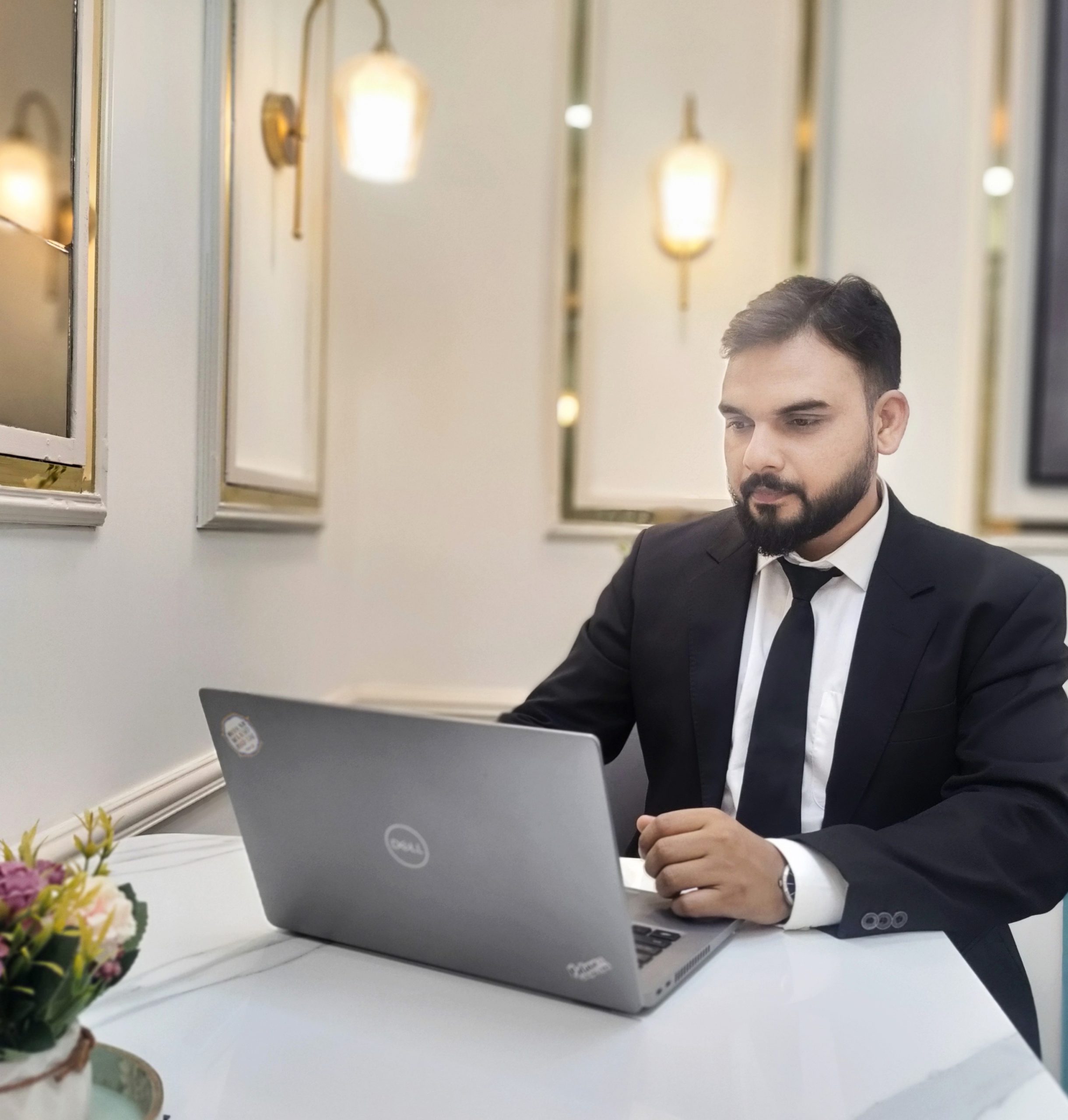
    Can you please share more about your upbringing in a rural village near the Parasnath Hills in Jharkhand? How did your family’s emphasis on education influence your decision to pursue a legal career?

    I was born in a remote village near the ‘Parasnath Hills’ in Giridih district of Jharkhand; I could never have imagined that one day I would call a bustling city like Bangalore my home. I was raised amidst a community where agriculture and daily wage labor were the primary means of sustenance. However, I was fortunate to be born into a family that placed great emphasis on education.  

    My father, a criminal lawyer, held firm to the belief that all his children should receive a proper education. Yet, in a middle-class joint family with my father as the sole breadwinner, this aspiration was not without its challenges. Consequently, to manage our agricultural responsibilities, my mother stayed back in the village while my father practiced law in Giridih town, thirty kilometers away.   

    Witnessing my father’s dedication to his legal practice from a young age deeply influenced my career aspirations. I admired his commitment to justice and the way he prepared for his cases. It ignited within me the desire to follow in his footsteps and pursue a career in law, a dream shared by both my father and myself.  

    Transitioning from a small Hindi-medium school to an English-medium institution like BNS DAV Public School must have presented its challenges. How did this transition impact your academic journey and your consideration of engineering as an alternative career option?

    Navigating through my educational journey posed its unique set of challenges, primarily stemming from financial constraints and the dynamics of belonging to a large joint family of twelve members. I commenced my schooling at a modest Hindi-medium institution nestled near my home in Giridih. There, I diligently pursued my studies up to the 7th grade before transitioning to Saraswati Shishu Vidya Mandir (SSVM), a semi-English medium school, in pursuit of a stronger command over the language. Adapting to SSVM initially proved to be a formidable task as I grappled with the linguistic transition across various subjects. However, through unwavering determination and continuous effort spanning three years from the 8th to the 10th grade, I gradually took hold of the curriculum and achieved good marks in my 10th-grade examinations.  

    Post my matriculation from SSVM, I earned admission to the esteemed ‘BNS DAV Public School’ located in the city, where I completed my 12th grade with a Science stream. Despite nurturing a longstanding aspiration to pursue a career in law, the academic environment at BNS DAV, coupled with the prevalent focus on engineering among my peers and even in two of my elder brothers, prompted me to momentarily entertain the idea of pursuing engineering. In alignment with this shift, I even applied for multiple engineering entrance examinations following the completion of my 12th grade.

    What motivated you to ultimately choose law over engineering, despite the prevailing enthusiasm for engineering studies during your time? 

    From a young age, I held onto a deep-seated desire to walk the path my father paved in the field of law, a dream we both cherished. However, amidst the prevailing fervor for engineering studies in 2009, swayed by the achievements of my peers and elder siblings in engineering, I found myself considering a different direction. I even went as far as clearing a few engineering entrance exams. Nevertheless, my childhood aspiration of becoming a lawyer remained steadfast. After extensive discussions with my father and thorough contemplation of various factors, I made the pivotal decision to pursue law.

    Opting for law over engineering was partly influenced by my struggles with mathematics. Recognizing my proficiency in literature, I believed law would better suit my strengths. Additionally, having my father, a seasoned lawyer, as a mentor was a compelling factor. His guidance and support would prove invaluable in navigating the complexities of legal studies and building a career in the field.

    In retrospect, choosing law has proven to be a wise decision. I flourished academically in my legal studies, reaffirming my passion for the subject matter. 

    Could you describe your experience studying law at M.S. Ramaiah College of Law in Bangalore? How did this experience prepare you for your career in the legal field? 

    Commencing my legal education journey in 2010 at M.S. Ramaiah College of Law (MSRCL) in Bangalore was a pivotal moment in my life. Transitioning from a quaint hometown to the bustling city of Bangalore and enrolling in such an esteemed institution like MSRCL brought forth its own set of challenges and opportunities.

    At MSRCL, I was immersed in a comprehensive legal education curriculum that not only familiarized me with various laws but also honed my presentation and negotiation skills. The college’s stringent academic standards, including mandatory attendance and adherence to proper uniform, instilled in me a sense of discipline and professionalism essential for the legal profession.

    Moreover, MSRCL provided a rich array of extracurricular activities such as moot courts, guest lectures, seminars, and legal aid clinics etc., which played a crucial role in shaping my overall personality and preparing me for a successful career in law.

    One particularly valuable aspect of the curriculum was the requirement for students to complete an internship at the end of each semester. These internships not only provided practical exposure to the legal field but also equipped me with invaluable hands-on experience that would prove instrumental in my future endeavors.

    Overall, my time at MSRCL was not only academically enriching but also personally transformative, laying a solid foundation for my journey as a legal professional. 

    You’ve had a diverse range of internships during your academic journey, including at Law Firms, NGO, MNCs, and even at the Karnataka High Court. How did these internships contribute to your understanding of the legal profession? 

    During my time at MSRCL, I found myself grappling with the decision of which career path to pursue: litigation, corporate law, or the judiciary. To gain practical insight and clarity, I embarked on a series of internships across various sectors. I sought experiences with NGOs, MNCs like Reliance, PSUs like SAIL, esteemed Law Firms like Lakshmi Kumaran & Sridharan Attorneys, and even had the privilege of interning at Karnataka High Court and  Giridih District Court. I also had an internship opportunity in the office of the Ex-Additional Solicitor General of India, Mr. K.V. Vishwanathan. Each internship revealed the distinct nature of legal practices, necessitating diverse skill sets and experiences. These internships proved invaluable, offering me first hand exposure to different legal domains and helping me align my interests with a suitable career path.  

    To support myself financially and further augment my practical legal skills, I actively sought out paid internships through our college placement cell. In my penultimate semester, I secured a position as a ‘Research Associate’ at a law firm in Bangalore, which I diligently balanced alongside my academic commitments. This experience proved pivotal in honing my research and analytical skills. This dedication ultimately led to a job offer from Wipro Ltd., secured through our college’s placement program in my final semester.

    Through this journey of internships, part-time roles, and academic pursuits, I have gained a comprehensive understanding of the legal landscape, allowing me to make informed decisions about my future career trajectory.  

    Joining Wipro’s legal team marked your entry into the corporate legal landscape. What were some of the initial challenges you faced in transitioning from academia to corporate practice? 

    Upon joining Wipro’s legal team, I initially grappled with uncertainties about my ability to thrive in the demanding corporate world, which values commitment, negotiation ability, effective communication, and a robust personality. Understanding the intricacies of Wipro’s diverse business operations, learning the drafting, contract negotiation skills, and mastering stakeholder management posed significant challenges at the onset. However, drawing from my past experiences and interactions with individuals from various backgrounds and cultures during my college years, I found myself adept at building relationships with diverse stakeholders, thereby enhancing stakeholder management. While my academic background provided a solid foundation in legal theory, it was immensely fulfilling and intellectually stimulating to witness how these theories seamlessly translated into real-world contract applications. Despite the initial challenges, I remained committed to my work, leveraging dedication and perseverance to excel in my role as a Corporate Lawyer/In-house Legal Counsel at Wipro. 

    As a Senior Legal Counsel at Flipkart, you’re responsible for a wide range of legal matters. Could you walk us through a typical day in your role and some of the key challenges you encounter.

    Working at Flipkart, a leading e-commerce giant in India, offers me a dynamic environment where I encounter fresh challenges and learning opportunities daily. My typical day revolves around the meticulous handling of drafting, reviewing, and negotiating a variety of contracts and legal documents. Additionally, I provide crucial legal advice across a range of matters of the company’s operations to safeguard its interests and mitigate potential risks effectively.   

    A significant aspect of my role involves navigating the intricacies of contract negotiation. This demands not only substantial effort but also a nuanced skill set to ensure that Flipkart operates within legal parameters while minimizing risk exposure. Given the diverse range of categories in which Flipkart operates, innovation is a constant endeavor. Thus, it’s imperative for me, as a Senior Legal Counsel, to stay abreast of evolving laws and regulations to ensure our compliance and guide the company effectively.

    Moreover, effective stakeholder management is also critical as I engage with stakeholders across various categories. This requires adept communication and negotiation skills to foster positive relationships while aligning with Flipkart’s objectives. In essence, my role extends beyond legal expertise; it entails strategic advice and proactive risk management to support Flipkart’s continued success in the dynamic e-commerce landscape.   

    Finally, based on your journey and experiences, what advice would you offer to law graduates aspiring to build successful careers in the legal profession, particularly in navigating the evolving landscape of business and compliance?     

    In the past, it was common for people to regard law as a secondary option for those who struggled academically. However, the modern business landscape highlights the paramount importance of legal compliance, elevating the demand for skilled legal professionals. 

    To law graduates, I offer this advice: Approach your studies with dedication and focus on understanding the core concepts of law rather than simply aiming for high grades. Regular and active participation in classes and extra-curricular activities are essential for success.  

    Furthermore, seek out diverse internship opportunities in areas such as NGOs, MNCs, PSUs, Courts, and Law firms. These experiences will help you discover your strengths and interests within the legal field.  

    Participation in extracurricular activities such as debate competitions, seminars, and moot courts is equally crucial. These engagements foster critical thinking, communication skills, and exposure to real-world legal scenarios. 

    My advice to law graduates echoes the sentiment that dedication and passion are the true determinants of success, regardless of one’s background. Reflecting on my own journey from a challenging rural upbringing to becoming a corporate lawyer in Bangalore, I can attest to the power of perseverance and dedication. Despite facing obstacles, I have been able to carve out a successful career path, working with prestigious organizations such as Wipro Ltd., Biocon Ltd., and Flipkart Internet Pvt. Ltd. 

    Therefore, I encourage law graduates to believe in themselves, seize every opportunity for growth, and pursue their aspirations with determination. With dedication and active involvement, success in the legal profession is not only achievable but also immensely fulfilling.   

    Get in touch with Rajiv Mandal-

  • At the outset, it is easier said than done because once you don the hat of an Arbitrator, you have to ensure impartiality and neutrality on one hand while ensuring procedural efficiency and effective communication on the other hand- Dr. Shashwat Bajpai, Founder of DRSB Law Chambers

    At the outset, it is easier said than done because once you don the hat of an Arbitrator, you have to ensure impartiality and neutrality on one hand while ensuring procedural efficiency and effective communication on the other hand- Dr. Shashwat Bajpai, Founder of DRSB Law Chambers

    This interview has been published by  Priyanka Karwa and The SuperLawyer Team

    Can you share your journey from being a B.A.LL.B (Hons.) graduate to completing your Master’s degree at the University of Oxford, specializing in Corporate Business Taxation and Arbitration? What inspired you to pursue such specific fields of law?

    My initial inspiration towards litigation emanated from being a 3rd generation lawyer and seeing both my father and grandfather argue in courts. My journey thereafter was fuelled by my deep interest in litigation and commercial law, and during my undergraduate studies I became captivated by the complexities of business transactions and the legal aspects of taxation and dispute resolution. This fascination motivated me to further my education and seek a deeper understanding of these subjects.

    My dream University was of course Oxford for pursuing their coveted Master’s degree  immediately after my graduation, due to its renowned academic reputation and rich legal heritage. Specializing in Corporate Business Taxation and Arbitration seemed natural, given the increasing relevance of these fields in our globalized business landscape.

    In essence, my academic journey reflects my passion for these two very specific and mutually exclusive fields of law.

    Your academic achievements include a Ph.D. from the National Law University, Delhi, and being a Fellow with the Chartered Institute of Arbitrators, United Kingdom. How did these experiences shape your career in law, particularly in arbitration?

    A short tete-a-tete with the legal luminary Dr. Abhishek Manu Singhvi propelled me towards embarking on pursuing a Doctorate degree. Completing my Ph.D. in a very niche area of Transfer Pricing provided me with a deep and comprehensive understanding of the intricacies of international tax law and practice. It allowed me to delve into complex legal issues, conduct in-depth research, and contribute to the evolving body of knowledge in this field. This academic journey not only honed my research and analytical skills but assisted me in my dealing of litigation challenges before the Courts while arguing complex issues.

    Becoming a Fellow with the Chartered Institute of Arbitrators is a pivotal step in my Arbitration career. This globally recognized qualification not only enhanced my credibility as an arbitrator / practitioner but also exposed me to diverse Arbitration and Award Writing perspectives as well as international best practices in the field. It was a transformative experience that broadened my horizons and equipped me with the skills necessary to handle intricate International arbitrations and disputes.

    In essence, these academic achievements have been instrumental in shaping my career by providing me with the knowledge, skills, and global perspective needed to excel in these specialized and rapidly evolving fields. 

    As the Founder Partner of DRSB Law Chambers, you’ve had an impressive career. Could you tell us about some of the significant milestones or cases that have defined your journey in the legal profession?

    Founding and leading DRSB Law Chambers has indeed been a remarkable journey , and I’m proud of the milestones and cases that have defined the Chambers. It’s been more than a decade, so there have been many jewels and it’s a uniquely difficult task to pick out a select few but I’ll highlight two.

    One notable case involved representing a Construction corporation in a complex 1000 Crore construction arbitration dispute. This case tested our expertise in not just the legal but the technical aspects around the much talked about Ashram Metro Station. The nuances argued before a 3-SC judges’ panel (retd.) was a challenging but ultimately successful endeavor that showcased the Chambers’ dedication to achieving the best outcomes for our clients as well as meticulous application of the law to the complicated facts.

    Another milestone was successfully arguing a transfer pricing case before the Delhi HC on the issue of comparables wherein the uphill task was to distinguish our case with the then settled law pertaining to the ‘question of law’ surrounding the issue of comparables. The facts were not only legally intricate but also strategically significant for our client, an international MNC, given its implications for previous and next several years.

    You’re known for your expertise in Domestic & International Arbitration and EPC Construction Claims. What drew you to these particular practice areas, and what challenges have you faced in handling such complex disputes?

    My focus on Domestic & International Arbitration and EPC Construction Claims was driven by a combination of factors, as these practice areas have indeed presented both unique opportunities and encounters in my legal career.

    The attraction to Domestic & International Arbitration emerged from my early experiences with a few established senior advocates practicing in this area. I was captivated by the idea of resolving disputes outside the traditional courtroom setting, especially in the context of infrastructure disputes. EPC (Engineering, Procurement, and Construction) Construction Claims, became an area of specialization due to the intricate and multi-faceted nature of construction projects. These claims involve complex contractual relationships, technical specifications, and often span multiple jurisdictions. My interest in this area grew as I realized the critical role it played in large-scale infrastructure and development projects worldwide.

    While these practice areas have been rewarding, they do come with their fair share of challenges.

    In EPC Construction Claims, the complexity lies in dissecting intricate technical details and translating them into legal arguments. Ensuring that both legal and technical aspects align in a claim can be a delicate balance. Additionally, construction claims often involve substantial sums of money, which adds pressure to deliver successful outcomes for clients, especially when involving ongoing projects.

    Moreover, the evolving landscape of domestic & international arbitration laws and rules requires practitioners like myself to stay constantly updated and adapt to new norms and regulations. Keeping abreast of these changes while maintaining the highest standards of legal representation is a continuous challenge and opportunity for growth.

    In summary, my attraction to Domestic & International Arbitration and EPC Construction Claims stemmed from a fascination with efficient dispute resolution and the complexity of construction projects and though the process can be demanding but eventually, also immensely gratifying.

    With your involvement in various legal associations and committees, such as the Chartered Institute of Arbitrators (CIArb), Society for Construction Law (SCL) and the International Fiscal Association (IFA), how have these affiliations contributed to your professional growth and knowledge in the field of arbitration?

    My involvement in various legal associations and committees, including the Chartered Institute of Arbitrators (CIArb), Society for Construction Law (SCL), and the International Fiscal Association (IFA), has been instrumental in my professional growth and has significantly enriched my knowledge in my fields.

    First and foremost, these affiliations have provided me with invaluable opportunities to network and collaborate with leading experts and practitioners in their respective fields. Being part of CIArb, especially as the Core Committee Member of the YMG (Young Member Group), for instance, has allowed me to engage with a global community of arbitration professionals and mentor young(er) minds. These connections have not only broadened my perspective but have also facilitated the exchange of best practices and innovative ideas in the realm of arbitration. CIArb has the unique distinction of offering excellent mentorship led by Dr. Bhasin, Tejas Karia, Nusrat Hasan and Vyapak Desai, amongst others.

    Furthermore, my involvement in the Society for Construction Law under the tutelage of Mr. Ratan Singh has been profoundly interesting, being in a category of a distinct few organizations of entirely focusing on the niche area of construction arbitration both domestic & international. Additionally, participation in these associations has granted me access to a wealth of resources and continuing qualification opportunities. Whether it’s attending seminars, conferences, or accessing specialized publications, these platforms have enabled me to stay updated with the latest developments and emerging trends in arbitration and related areas.

    On the other end of the spectrum, two tax spearheads, Mr. Ajay Vohra & Mr. Mukesh Bhutani propelled me towards the IFA membership, where I am currently the Vice-Chairman [IFA India-NRC]. It has provided me with unique insights into the intersection of domestic & International taxation perspectives. This multidisciplinary exposure has been invaluable in understanding the complex legal landscape surrounding working and finance mechanisms of multinational companies, especially when it comes to addressing taxation issues.

    These affiliations have also allowed me to contribute actively to the legal community by sharing my knowledge and experiences. Whether it’s through speaking engagements, publications, networking opportunities or committee work, I’ve had the privilege of giving back to the profession and promoting excellence in the field. In summary, my involvement in legal associations and committees, such as CIArb, SCL, and IFA, has been a catalyst for my professional growth.

    You’ve presided as the Sole Arbitrator under the administration of DIAC and Delhi High Court appointments. Can you walk us through your experience in this role and some key takeaways from your time as an arbitrator?

    Serving as a Sole Arbitrator appointed by the Delhi High Court and under the administration of DIAC (Delhi International Arbitration Centre) has been a fulfilling and enlightening experience. It has allowed me to witness first-hand the dynamics of dispute resolution from a neutral perspective. At the outset, it is easier said than done because once you don the hat of an Arbitrator, you have to ensure impartiality and neutrality on one hand while ensuring procedural efficiency and effective communication on the other hand. 

    It is essential to approach each case with an open mind, without any preconceived notions or biases. The realization that donned over me while sitting as an Arbitrator in a construction dispute, is combing through the complex factual aspects disputes assessing evidence, and documentary proof, which is crucial for rendering just awards. Fact-Finding Skills is indispensable to the process, especially while drafting the Award. Crafting a clear, comprehensive, and well-reasoned award is the final and critical step in the arbitration process, even in cases where the parties are settling and the Arbitrator is called upon to provide a settlement Award like in my case. The award should reflect the arbitrator’s understanding of the case and the legal principles applied.

    In summary, my experience as a Sole Arbitrator has reinforced the importance of impartiality, procedural efficiency, effective communication, legal expertise, fact-finding skills, and adaptability. It has been a continuous journey of learning and growth, and I remain committed to upholding the highest standards of arbitration practice in all my future appointments as well.

    In addition to being an advocate in the Supreme Court of India and High Courts, you’re also a voracious writer & author. Could you share some insights into this aspect compared to traditional legal advocacy?

    Being both an advocate in the Courts and a writer/ author has been a rewarding dual journey that has allowed me to explore the legal profession from two distinct but complementary angles, where both the legal advocacy and writing complement each other. I have written several articles and even a Book, and this passion for writing and authorship allows me to engage with legal topics on a broader scale, and not just from the limited perspectives of an argument before the court. 

    Through articles, books, and legal commentary, I can explore complex legal issues in greater depth and detail. Writing provides a platform to share knowledge, insights, and analysis with a wider audience, including fellow legal professionals, scholars, and the public. It allows for a more contemplative and in-depth exploration of legal concepts and developments.

    In fact, I feel writing and legal advocacy are not mutually exclusive but rather complementary. Writing enhances my advocacy skills by deepening my understanding of legal principles, enabling me to stay updated with legal developments, and improving my ability to communicate complex ideas clearly. It also helps in building a reputation as a thought leader in specific areas of law, which can enhance credibility as an advocate.

    Both legal advocacy and writing offer personal fulfillment, but in different ways. Advocacy provides the satisfaction of directly representing clients and securing favorable outcomes for them. Writing, on the other hand, offers the joy of intellectual exploration and the opportunity to contribute to the legal body of knowledge.

    In summary, the roles of an advocate and a writer/author are complementary facets of my legal career and I implore all young professionals starting their careers to embark upon their own writing expeditions.

    Finally, as someone with a wealth of experience in commercial law and arbitration, what advice would you give to fresh law graduates who are just starting their legal careers, especially those who may be interested in pursuing a path similar to yours in arbitration and dispute resolution?

    To fresh law graduates embarking on their legal careers, especially those considering a path in arbitration and dispute resolution, I offer the following advice:

    1. Build a Strong Foundation – Begin by building a solid foundation in the fundamentals of law. Understand the core legal principles, procedures, and jurisprudence. This strong base will serve as the bedrock for your future endeavors.

    2. Embrace Continuous Learning – The legal field is ever-evolving. Stay committed to lifelong learning. Attend seminars, workshops, and courses to keep abreast of legal developments, especially in the area of arbitration.

    3. Seek Mentorship – Find mentors who can guide you in your legal journey. Experienced mentors can provide invaluable insights, advice, and opportunities for growth.

    4. Develop Advocacy Skills – Whether you are interested in arbitration or litigation, honing your advocacy skills is essential. Practice public speaking, persuasive writing, and argumentation. These skills will serve you well in any legal field.

    5. Pursue Alternative Dispute Resolution (ADR) Training – If you are interested in arbitration and dispute resolution, consider pursuing specialized training in ADR methods. This can include courses on arbitration, mediation, and negotiation.

    In the end be patient and persistent and don’t be discouraged by setbacks or challenges. Also, consider engaging in pro bono work or community service ,as it is not only a way to contribute to society but also an opportunity to gain valuable experience and make a positive impact. Remember that your legal career is a journey, and each step, whether big or small, contributes to your growth and expertise.

    Get in touch with Dr. Shashwat Bajpai-

  • I do not like to give advice, I rather prefer to tell stories, my stories and if anyone can get something, learn something from those stories I am happy- Alberto Predieri, Partner at de Bedin & Lee studio legale associato

    I do not like to give advice, I rather prefer to tell stories, my stories and if anyone can get something, learn something from those stories I am happy- Alberto Predieri, Partner at de Bedin & Lee studio legale associato

    This interview has been published by  Priyanka Karwa and The SuperLawyer Team

    Please tell us a bit about your background and how you ended up becoming a lawyer? Your journey seems to have some interesting twists, from your involvement in sailing to your legal career.

    The way I went down into the legal career is quite unconventional. In fact, the very reason I decided to become a law student is sailing. I can already “hear” saying: “what sailing has to do with the legal career?”.

    Here is what.

    At the end of high school, I wanted to become a doctor and in Italy a preliminary test must be taken and passed for registering with the faculty of medicine. When I finished high school that test was scheduled for September 1st. I was due to take such a test until, towards the end of June, I learnt that I was selected for the Italian sailing team to take part in the Junior World Championship to be staged in Poland during the last ten days of August. Sailing was (and is) my life passion: I saw a dream I fought so much for becoming true: I had no doubt, and I chose sailing. Evidently, I was not bound to become a doctor! When I came back from Poland I, somehow, figured out that law was my future.

    You mentioned that you come from a family where law wasn’t the traditional path. What drew you towards the legal profession, and how did you navigate your way into the field?

    As I said above, I think it was my destiny that drove me into the legal profession.

    I think that I was lucky, at the beginning, to find a boutique firm with the right mentor who took me by hand and introduced me to the profession both with day-by-day tasks and with the involvement in complex files and matters, always as if I was the person in charge (this helped to develop a very high sense of responsibility which I now cherish a lot, not so much back then!). He also gave me the chance to interact directly with the clients: I reckon that this does not happen often, especially in large size firms, but I now can say that it was extremely important in learning to have a good and balanced relationship with the clients.

    Then I guess it was very much, on one side, my complete dedication, no matter what, to clients and matters/files I dealt with and, on the other side, the constant attention to my education whether in specific law matters/subjects (taking courses, lessons, seminars, every now and then) or about other skills such as personal development (coaching, language). At the end of the day, it has always been my belief that the most important part of one’s career is the beginning.

    In all this, I guess I had a tremendous support from my parents and from my wonderful wife: they have always supported me in my aim to develop my career and to improve, to strive for the best.

    Your professional experience spans across various law firms, and you’ve been involved in a wide range of sectors. Could you share more about your decision to work in boutique law firms and your approach to customization in your legal practice?

    I guess that, again, the destiny shaped the initial part of my career: the start in a boutique firm gave me the opportunity, since day one, to take care of a variety of matters, in the most diverse industries, with a bespoke flavor: nothing pre-prepared, no standard draft or part of it, no standard approach. This is what I liked the most and made me want to stay, almost my entire career, in the same environment (boutique firm).

    And in addition to that I am an emphatic person, which is seeking for “personal” relationship in which, whether they are clients or colleagues, the other can feel being special, the one and only to be taken care of, with attention and kindness. After all, who does not like that? I therefore thought that it wanted my clients to feel that way. Given my clients’ appreciation during my entire career, it must have been a good idea!

    Your firm, de Bedin & Lee®, is the first Italian/Hong Kong firm in Italy. Could you elaborate on how this partnership came about and the benefits it brings to your clients and the legal industry?

    Again, I think that it all went down, at least, at the beginning, to a personal relationship I developed with Claudio de Bedin, a mentor for me, both in my personal and professional life. I met him, with my wife, in Hong Kong in 2005 on my way back from Rizhao (a coastal city in the Shandong province) where I attended, in my capacity of President of the International 470 Class Association (the association of all sailors competing in the Olympic boat named “470”), to the 470 World Championship, the first ever to be staged in China. Claudio, although Italian, was born and raised in Hong Kong, and practiced there for all his life. I believe that we connected since the first time we met, I certainly did for his is an amazing professional and person. We remained in touch at a personal level, and, after some years, he involved me in some cross-border cases. In 2019, we decided to bring that relationship to the next level, becoming the first Italian/Hong Kong firm in Italy.

    I believe that the benefits we bring to the table is the combination of expertise, from an Italian perspective (which is one of a civil law country) and from Hong Kong perspective (which is one of a common law country), the mix of efficiency and pragmatism of a Milanese firm and the dynamism and modernity of a Hong Kong one. For Italian and Chinese clients, as well as for foreigner clients of the firm, it is invaluable to have such a diverse, and yet well amalgamated, mix, where the cultural aspects are the key for better understanding them and their needs.

    Your areas of expertise include contracts, corporate matters, data protection, M&A, real estate, and sports law. How did you manage to develop such a diverse skill set, and what advice do you have for young lawyers looking to specialize in multiple areas?

    The expertise I acquired in such diverse areas was not a result of an express choice, it rather came from the fact that I always worked in a boutique firm, where it is normal to take care of a wide variety of cases, situations. in different industries. With the clients relying on the personal relationship and on my attitude, they want me to go deep into it. Working in multiple areas is interesting, stimulating, never boring, but also demanding as it always requires a lot of studying, researching, investigating.

    To be honest, although I see the diversity of the areas I have worked and I work in, I also believe that, given the type on my clients (mainly corporations), those areas are all intertwined: the life of a company is marked by contracts, in corporate matters (they, also, require “contracts”), in M&A deals (again, they require “contracts”), in real estate matters (once again, they require “contracts”), and so on.

    If I learnt a lesson in my professional life, that is to find what you like to do, what gives you satisfaction (and for that you have, at least, to go down different patterns!), then be conscious that you cannot do everything when it comes to your table.

    You’ve had an impressive involvement in both corporate law and sports law. Could you share some of your experiences working with international clients, including listed companies and those in the sports industry?

    Well, it is always difficult to single out some of the working experiences one had, because a lot of them are worth sharing, including for the lessons I learned.

    One goes back a few years, and it is about a quite big M&A deal my firm took on. It was for a foreign company, listed in their country, which acquired wind power plants in Italy worth around a billion (the total enterprise value of the deal). It was massive, for a boutique firm like ours, which required working, literally around the clock, 24/7, for more than 6 months, from the due diligence to the negotiation of a very complex sale and purchase agreement. I learned so much, in term of negotiation skills, interaction with clients, colleagues and counterparts, but also, do not be surprised, on personal health side: one must always find time for taking care of his/her body/health because when one is under pressure of workload/deadlines, when one is under stress and shall work long hours, the body is a big ally: the fitter, the better. It might sound strange as our profession is performed while sit at a table, in front of a computer! But, trust me, it is not strange.

    The other is recent (2023), and it is about a very complex arbitration on a highly sensitive sport matter, which also had great “political” implications. Working alongside very experienced, world renown and talented professionals, either as my fellow arbitrators or as parties’ lawyers or consultants, was very demanding but also motivating and, at the end of the day, very rewarding. In this case, I was reminded to never lose focus on what really matters (from the legal point of view), especially with hundreds/thousands of pages: sometimes the solution is very simple and it is there, right in front of your eyes.

    Your passion for sailing is evident from your impressive sporting and management career in the field. How did your background in sailing influence your approach to law and management?

    While I am not sure my career in sailing was as impressive as you kindly defined, I am definitely sure that sailing has shaped my character and my attitude: if I became the accomplished and resolved person I am now, it is largely due to my athlete’s career: I experienced the fatigue and the sacrifices, the pains and the joys, the frustrations and the rewards, I learnt to work in team, to focus on what matters at any given time.

    In sailing I learnt the lesson that has been the fil rouge of my life: to never give up (I retired from sailing competition only on two occasions, when my boat suffered serious incidents … one being the falling of the mast!). Never, means never, even when you are exhausted, when you do not see any solutions, when everyone else walks away … that is the moment when you can make the difference. In the legal profession that could mean sometimes to try a different angle, to keep negotiating with your counterpart or to research once more among the cases of law.

    I recall a long-distance race on a lake, many years ago. Towards the end of the race, we were in second position. There was a very light wind, the water was almost a “mirror”. The first boat was around 200 meters from the finishing line, stuck with no wind but, nevertheless, closer, much closer, to winning the race than us (we were around 1,5 thousand meters from the finishing line). Believe me, nobody could, in his right mind, seriously think that the first place was still up for grabs. Well, with the persuasion of a very experienced older sailors on our boat, we never gave up in searching the smallest, even insignificant, puff of wind, in reading all the signs one can spot on the water or in the surroundings, and after an exhausting hour and a half, during which, I remember, I could almost physically feel the power of the focus of our minds, in the same light wind … we crossed the finishing line in first position, just few seconds ahead of that boat.

    Life has plenty of episodes that may resemble the one I have just mentioned: it is up to us to understand how … never give up! 

    You’ve held significant positions within the sports industry, including with World Sailing and the International Paralympic Committee. How do you believe your experience in sports management has contributed to your legal career and vice versa?

    The positions I held, some of which I am still holding, with several organizations – such as sailing club, Olympic boat association (International 470 Class Association), the world governing body of the sport of sailing (International Sailing Federation, now World Sailing) and the International Paralympic Committee – gave me the chance to grow on the “cultures” side.

    I mean when one talks to people coming from complete diverse cultures, from all over the world, one has the occasion to learn how they behave, think, speak, interact, and, why not, eat and drink, and then how one should approach them, talk to them, interact with them, what can be said and what cannot be said, what can be done and what cannot be done. It is a constant exercise which, again, requires dedication and even more a genuine desire to learn about the others, to understand them. Once you learn about them, once you understand them, anything can be achieved. Apply that attitude to the legal profession (whether one has foreign clients/counterparts/colleagues or not, it doesn’t really matter) and I believe that there will be a successful lawyer, who will be able to better understand the clients, their needs, the counterparts and their needs, the colleagues.

    On the other side, my legal experience certainly was beneficial for the organizations I served and serve, as I brought to the table the skills of analysis, focus on the goal, effectiveness, and assertiveness, together with my personal calm and kind attitude, learnt and perfected in my profession.

    It’s clear that sports played a significant role in shaping your character and values. How have the lessons you learned as an athlete and sports manager translated into your legal practice and leadership roles?

    I have already mentioned the “never give up” lesson, resilience.

    The other one is “always play by the rules”, no matter what, even when you see others not doing the same, even when it could be easier to take a short cut. Sport is about beating the opponent, on the same ground, with the same rules, just playing better, smarter, wiser, faster, and so on. The (legal) profession is the same, in my opinion: at the end of the day, disobeying the rules, choosing the shortcuts do not pay for anyone, not for the client, nor for the professional, nor for the community, neither for the society/country. And, deep down, it leaves you with the feeling of having been on the wrong side (even if you win), that is just where a lawyer should never be … after all, aren’t we lawyers swearing (at least, I did it my country) to act “in accordance with the means and principles of our legal system”?

    Your journey from being the first lawyer in your family to becoming a successful legal professional is inspiring. What advice would you offer to fresh law graduates who are just starting their careers and are looking to make their mark in the legal field?

    I do not like to give advice, I rather prefer to tell stories, my stories and if anyone can get something, learn something from those stories I am happy.

    I, therefore, want to finish with a true story that happened in Milan which has been a lighthouse in my career.

    One day, a client, a very wealthy one, an entrepreneur, asked for an urgent meeting with his lawyer as he had a very pressing matter to deal with. Once the client entered the lawyer’s office erupted into tears, as the matter was serious, one that could really bring his business to an end (it was an insolvency matter). The client and the lawyer discussed the matter at length, and, after a couple of hours, the client left the office, at least not in tears anymore. The evening of the same day, the lawyer went to the famous La Scala (world renown theater in Milan for opera, ballet, and orchestras); as soon as he entered the foyer, he spotted that very same client, enjoying the company of his friends, laughing with them, having fun with them, and talking about the summer holidays. The lawyer could not resist and, after around 10 minutes, approached the client and, after having walked away from the crowd, he asked: “Weren’t you so desperate, in my office, less than 3 hours ago? Has the matter we discussed disappeared? Has anything happened that I do not know? Because I do not really understand how you can enjoy so much with such a serious matter pending over your head like a sword”. The client, with a big smile: “My dear, my dear, you know that I completely trust you, with all my fibers. Now that I have put the matter into your hands, it is not my problem anymore, it is yours. That’s why I am enjoying it so much as you saw”.

    Aim at being like such a lawyer and you will live a full, happy, meaningful, and fulfilling professional life (and personal). I aimed at being like such a lawyer. I think I have been like him, in several cases for sure. I can sincerely say now that I have had, so far, a full, happy, meaningful, and fulfilling professional life.

    PS – that client did not lose his business!

    Get in touch with Alberto Predieri-

  • The quality of the legal profession is that you face new challenges in every matter and you never feel monotonous-Varun S. Ahuja,Partner at Ahuja Law Offices

    The quality of the legal profession is that you face new challenges in every matter and you never feel monotonous-Varun S. Ahuja,Partner at Ahuja Law Offices

    This interview has been published by  Priyanka Karwa and The SuperLawyer Team

    My father is a practicing lawyer who had an established legal practice. From early age when I used to visit my father’s office, I used to see the respect, which my father commanded. So, from my child hood I aspired to be a lawyer.

    You have obtained a Bachelor’s degree in law from I.P. University and completed your Masters at George Washington University. How have these educational experiences shaped your understanding of the legal field and influenced your career?

    The mode and technique of teaching law of both the universities is completely different. In my case, I can say that both of them complemented each other. While in IP University it was more of bookish knowledge in George Washington University it was more research-based knowledge. In IP University I studied keeping exams in mind, which was usually when exams were approaching. Whereas in George Washington University I had to study before each and every lecture and used to end up spending double the time of lecture to prepare for class. If you don’t study before the lecture you are not able to understand the lecture. In George Washington University they encourage you to ask questions and method of teaching is more interactive.

    You have extensive experience in commercial dispute resolution, arbitration, and corporate advisory. Could you tell us about some of the high-profile cases you have been involved in? What were the challenges you faced, and how did you navigate them?

    The firm is handling work of about 25 corporate clients. There are multiple high profile matters our firms are handling. I will share about one matter before NCLT Mumbai in this matter director ship of a director was cancelled on account of non-compliance of certain provision of Registrar of Companies. The said director took an interim injunction from NCLT regarding his expulsion from Board of Directors as the said director held a significant minority shareholding. We took up the matter on behalf of the company and presented before the court as to how our act is influenced by directives of Registrar of companies and was justified in the circumstances and it was not a case of suppression of minority shareholder. The Hon’ble court was pleased to vacate the injunction order and had decided the matter in our favour.  

    You have authored several articles on various legal topics. Could you give us an overview of some of the key subjects you have covered in your articles? Why did you choose to write on these specific topics, and what impact do you hope they have on the legal community?

    Most our articles have been on Arbitration, Contracts, Commercial Laws and Company Law These topics were chosen keeping in mind that they are my strength area with objective to make people and in-house counsel enlightened about the legal nuances of these subject. At Ahuja Law Offices we believe that knowledge increases by sharing and when we write on a subject the subject attains more clarity in our own mind.

    In your experience, what are the essential qualities and skills that a successful advocate should possess? How have you cultivated these qualities throughout your career?

    An advocate should always post questions and find answers. One needs to develop an analytical bent of mind and logical thinking. Reading and research is essential in legal profession. One should not forget that law is based on logic and necessity. One has to think out of the box to get relief for their clients. You have to give advice to your clients based on what is in best interest of your client and have to win the client’s trust.

    The legal landscape is constantly evolving. How do you stay updated with the latest developments and changes in the field? Are there any specific resources or strategies you would recommend to aspiring lawyers?

    One has to keep oneself updated with regard to legal and economic developments in his field of practice. For commercial litigation one should go through business newspapers and magazines to understand new issues that are arising in the business field and should work on solution for the same.

    Can you share a memorable case or moment from your career that has had a significant impact on you personally or professionally? How did it shape your approach to practicing law?

    Every matter has its own importance and you learn new things from each and every matter. The quality of the legal profession is that you face new challenges in every matter and you never feel monotonous. In my collage days I was interning with Mr. Sidharth Luthra, Senior Advocate, at that time Mr. Luthra was handling matter on behalf of Facebook. In that matter I learnt on what arguments a lawyer should focus and how a lawyer has to cover the weaknesses of the case, while arguing a matter before court.

    Based on your knowledge and experience, what advice would you give to fresh law graduates who are just starting their careers? What are some important factors they should consider as they enter the legal profession?

    They should understand that there are no short cuts to success in legal profession. For first few years a budding lawyer should concentrate on learning work and developing skills. When they know the work money will start flowing automatically. If they will focus on money part in the initial years then they will not make the progress in the profession they deserve.

    Gin touch with Varun S Ahuja-

  • There is no amount of words for the feeling of being able to satisfy your client’s business needs and having your client shower you with praises-Rushmina Murtuza, UK Qualified Barrister & Multi-Jurisdictional Contract Specialist Lawyer

    There is no amount of words for the feeling of being able to satisfy your client’s business needs and having your client shower you with praises-Rushmina Murtuza, UK Qualified Barrister & Multi-Jurisdictional Contract Specialist Lawyer

    This interview has been published by Priyanka Karwa and The SuperLawyer Team

    Can you tell us about your journey in the legal services industry and how you ended up specializing in Tech, Internet, Software, and Contract Law?

    My legal journey started in a boutique law firm, which specialised in a variety of areas of law, including civil, criminal, commercial, property and corporate law. I would spend my time as an intern focusing on obtaining the maximum exposure I could in these afore-mentioned areas of the law, to provide me with not only general legal knowledge but to afford me with the ability to ascertain the branch of law I would later specialise in. Many long hours were spent in front of the photocopy machine during this stage. I soon graduated as an intern to overseeing the commercial and civil departments of this boutique law firm.

    Shortly afterwards, I was afforded the opportunity to move on to mainly in-house counsel roles where I was responsible for heading up the legal department and attending to all corporate matters for a start-up business institute company in South Africa.

    Thereafter, I moved to join the commercial department of an international company based in the U.K., as a Senior Associate. This company specialized in outsourcing legal services to both top-tier law firms and tech savvy businesses around the world. My passion for technology, internet, software and contract law was born during this stage of my legal experiences, where I was working with front runners of the tech industry and their legal needs on a daily basis.  

    Subsequently I was headhunted by a European-based company, with worldwide offices, to join their team as their Head of Legal. This position afforded me with the opportunity to work and grow with a start-up company, where I was responsible not only for the legal aspects a company faces from day-to-day but also the operations, marketing and business performance of the company. This gave me a full house experience of all the operational aspects within a company. However, I soon craved to get back to technology and contract law. It was then that I decided to venture forward to become a freelance legal counsel working with companies across sectors, whilst focusing in the area of business and legal consulting on technological related transactions, outsourcing agreements and covering the full spectrum of commercial and business law related issues.

    As a U.K. qualified Barrister and Multi-Jurisdictional Lawyer, you have worked with clients across local and international borders. How has this diverse experience shaped your perspective on legal issues and cross-border transactions?

    I have found that as businesses continue to grow and open offices in multiple locations, to meet the demands of the evolving global marketplace, clients are keen to obtain trusted legal counsel who are able to understand their business needs and provide specialist advice not only on the local laws of the countries in which the client is based, but also in other jurisdictions. This allows the companies to grow holistically, in that legal counsel is able to support and negotiate on behalf of the company with parties in multiple countries that typically have varying, and sometimes conflicting, legal and regulatory environments. Cross border transactions are often complex and challenging, as you are faced with cultural differences that may impact business negotiations, language barriers, and conflicting laws which can sometimes impede the legal process. However, what is key is to always come from a place of patience, respectfulness, and have open communication.   

    You have extensive experience in reviewing and drafting various types of contracts in the tech industry, including Software Licensing, SaaS, PaaS, IoT, and AI-related contracts. Could you share some insights into the unique challenges and considerations when dealing with these types of agreements?

    The main challenges of drafting and reviewing tech/software/internet related contracts is to ensure that you have understood the client’s business and have obtained the maximum information from the client. As I draft bespoke contracts for my clients, I find it imperative that I understand my client’s business model, needs and concerns before putting pen to paper. This sometimes involves numerous rounds of Q&A. But sticking to the process, no matter how tedious it can sometimes be, ensures that I am able to minimize my client’s potential risks and provide suitable advice and recommendations.

    Contracts are the focus point for many business transactions as they document the relationship, services, products and rights of each of the parties involved. As such, a well drafted contract should always aim to be unambiguous and clear so that it may be understood by a layperson, as well as not being open to judicial interpretation which may not be favourable to the client. Poorly drafted contracts pave the way for possible disputes between the parties when the interpretation of the terms of the contract and intention of the parties are questioned. Contracts should be seen as an asset for the client, protecting the client and other party’s rights, while making them feel safe and understood, so that the client is able to concentrate on important business matters.  

    Internet Law is another area of expertise for you, encompassing website terms and conditions, privacy policies, and contracts related to web-based and mobile applications. How do you navigate the evolving landscape of internet regulations and ensure compliance for your clients?

    The best way to stay abreast of ever-changing regulations is to read continuously. I find that subscribing to legal journals and newsletters, which drop updates in to your mail box frequently are a great way of keeping up to date. Also, speaking with fellow colleagues in the same industry is always an added bonus. I am a firm believer that knowledge should be shared to allow us all to grow and evolve.

    It is important to note that bar councils and other legal authorities are also available to provide guidance and practice notes to assist lawyers in remaining compliant with their legal duties towards their clients, as legal professionals.

    In your role as a Head of Legal, you were responsible for setting up business operations, developing marketing strategies, and managing a team in a global organization. What were some of the key challenges you faced in this position, and how did you overcome them?

    I have always loved practicing law, so whilst embarking on this journey as Head of Legal, I attempted to enjoy each step and to meet any challenges head on. I would say that the most challenging was the constant travelling and the long working hours. It was sometimes difficult to remain motivated when you are working 7 days a week for a minimum of 12 hours. I also had a young family at this time, and sharing my time with them was equally (if not more) important and required great discipline and time management on my part. It is always imperative, as lawyers and legal professionals that we keep in mind what matters in this world, so that you are able to strive for personal development in your career whilst also making memories with those that are close to you. Striking this balance is not always easy, but the rewards are innumerable!

    During your tenure as a Director of Legal Affairs, you focused on corporate administration, contract review, and training programs. Could you elaborate on your experience in developing comprehensive training programs on legal and business-related principles?

    While I was working with this company as the Director of Legal Affairs, the company developed a new branch of their business which aimed at educating both high school graduates and well-seasoned business people on various aspects of business administration and management in the hospitality industry. It was at this time that I was approached, by the company and a recognized university, to work together to develop and offer a training module for their Management Development Programme, focusing on the laws that a business owner would need to successfully run a company. This was a 12 week intensive program, accompanied by assessments to gauge the students understanding of the information being taught. It was a highly rewarding experience which gave me new found respect for teaching professionals, as well as great pride in playing a small part in sharing knowledge with others.

    I subsequently also upskilled myself and became a registered facilitator and moderator for certificate-level training courses.

    You have published several articles on topics such as outsourcing technology services, virtual merger agreements, and executing legal agreements through innovative methods like WhatsApp. What drives you to share your knowledge through these publications, and how do you stay updated on the latest trends and developments in the legal field?

    I believe that knowledge is not something we should keep hidden. Knowledge shared means that we all grow, and as a result we better ourselves but also our environment. Engaging in educational pedagogy sharing is great for building rapport and relationships, makes us become stronger as professionals, and within the workplace, it supports growth and innovation amongst all team members.

    As provided earlier, I stay abreast of the latest trends and developments in the legal field, not only through subscribing to relevant journals/newsletters, but also communicating with my peers, discussing legal cases with them, and developing a thirst to become the best version of myself so that I am able to provide my clients with a high-quality service.

    With your wealth of experience, what advice would you give to fresh law graduates who are considering a career in the legal services industry? What skills and qualities should they focus on developing to succeed in today’s legal landscape?

    To those of you, who have just completed your law studies, I would say that you should concentrate on establishing your passion, put your head down and work hard, absorb as much knowledge (both printed and practical) as you possibly can, remain humble and true to yourself, and always aim to provide an exemplary service to your clients.

    To succeed I would say the qualities you should focus on is to remain authentic, be positive, work hard and be determined and diligent. In terms of skills, the sky is the limit. Choose what you have a passion for, and immerse yourself so that you become an expert whilst always increasing your knowledge either through taking courses, speaking with fellow peers, or reading.

    Throughout your career, you have worked with start-ups, established companies, and individuals. What have been some of the most rewarding aspects of providing legal counsel to these different types of clients?

    The best reward is ALWAYS a happy client. There is no amount of words for the feeling of being able to satisfy your client’s business needs and having your client shower you with praises. Also, having clients from various sectors, and at different stages of their business or personal journey is a learning curve. Each lesson learnt makes for a stronger lawyer when the next client comes along. Each type of client brings their own set of challenges, which as legal professionals we must overcome. The best advice I can give is to take things slow and move one step at a time. Do not rush in too fast. The time taken at the initial meeting with the client is a significant step in ensuring the success of the job and a happy client.

    As the legal landscape continues to evolve, what emerging trends or challenges do you foresee in the areas of Tech, Internet, Software, and Contract Law? How do you anticipate these changes will impact legal professionals and their clients?

    The areas of technology, internet, software and contract law are ever evolving areas especially as we live in a technologically advanced era where change is inevitable. I foresee that these areas will continue to grow and expand, especially as more businesses venture for a global presence. This growth and development will no doubt challenge current legislation which is more suited for traditional businesses. Thus, the legal industry will be forced to adapt so that current legislation meets these changes.

    To stay ahead of the game, legal professionals must keep themselves informed on legal and regulatory changes, but also familiarize themselves with the intricacies of their client’s business models, services/product offering, technology, and not taking a backseat, but becoming immersed and a champion of the client’s business is mandatory. Most important of all is setting the bar high and providing a QUALITY professional service at all times!

    Get in touch with