Having spent over a decade in the legal industry, handling diverse areas such as contract management, litigation and arbitration, trademarks, and legal advisory, what drew you toward in-house roles instead of pursuing a traditional litigation career?
Over the years, I found myself more inclined toward roles where legal expertise is closely integrated with business strategy. While litigation offers its own challenges, I was drawn to in-house positions because they allow for ongoing engagement with the business, where legal input can shape decisions early and support long-term objectives. What appealed to me most was the breadth of exposure from contracts and disputes to intellectual property along with the ability to work cross-functionally. I’ve always enjoyed being a trusted advisor, not just resolving issues but helping prevent them through practical, forward-looking counsel. In-house legal work gave me the platform to apply the law in a commercially meaningful way, contribute to enterprise-wide goals, and build deeper relationships across the organization. That level of involvement and impact is what truly motivates me.
Could you share a bit about your law school journey? What inspired you to pursue a career in law, and how did your LL.M. in Corporate & Financial Law shape your legal perspective and contribute to your long-term growth?
My journey through law school was both intellectually stimulating and personally grounding—it confirmed that law was the right path for me. I was drawn to the clarity and structure that legal thinking brings, especially in navigating complex business scenarios. Early on, I realized I wanted to work at the intersection of law and commerce, where legal insight directly influences strategic decisions.
What led me to pursue an LL.M. in Corporate & Financial Law from O.P. Jindal Global University (OPJGU) was a desire to deepen my expertise in areas that shape how businesses operate—corporate governance, M&A, financial regulation and cross-border transactions. The program not only sharpened my technical knowledge but also gave me a broader, international outlook, which has been essential in working with diverse industries and stakeholders. This academic grounding has played a pivotal role in my in-house journey. It equipped me to approach legal challenges with a commercial mindset, engage confidently with leadership, and contribute to sustainable, compliant business growth. OPJGU was established as a philanthropic initiative of its Founding Chancellor, Mr. Naveen Jindal, and I am truly indebted to him for establishing a world class university in India which has shaped the future of thousands of students globally including helping me in becoming a successful in-house counsel and working for giants like JSPL, BPCL, ReNew and GMR.
You began your career with an in-house role, a path not many young professionals take right away. What early experiences or challenges helped build your legal foundation and shape your approach to corporate practice?
Starting my legal career in an in-house role gave me a unique head start as it allowed me to understand the commercial realities of legal work from day one. Rather than focusing solely on theory or litigation procedure, I was immediately immersed in how legal decisions impact daily business operations and long-term strategy. One of the earliest challenges I faced was learning to tailor legal advice in a way that was both accurate and actionable for non-legal stakeholders. It pushed me to think beyond just identifying issues. I had to propose workable solutions that aligned with the company’s goals and risk appetite. Those early responsibilities, whether it was reviewing contracts, supporting compliance efforts, or advising internal teams, taught me to be responsive, business-minded, and pragmatic. They laid the groundwork for the way I practice today with a clear focus on enabling the business while managing legal risk thoughtfully.
Over the years, you’ve held in-house roles across various organizations. How has each experience contributed to your legal and leadership development, and in what ways do these roles continue to influence your current position?
Every in-house role I’ve taken on has added a different layer to my legal and leadership journey. Working across varied sectors and organizations has helped me develop a broad perspective and a flexible approach to handling legal challenges. It’s taught me to quickly understand business priorities and align legal strategies accordingly. Along the way, I’ve learned to navigate cross-functional dynamics, manage stakeholder expectations, and lead initiatives that have both legal and commercial impact. These collective experiences continue to influence how I work today; whether it’s offering practical, business-oriented legal advice, leading teams, or mentoring junior colleagues. They’ve shaped me into a legal professional who’s not just reactive, but someone who adds value proactively across the business.
At GMR, you manage end-to-end contracts for the entire non-aero business across India. What are some of the recurring challenges you face during contract negotiations in this sector, and how do you typically address them?
Working in the non-aero space at GMR Airports, one of the recurring challenges during contract negotiations is managing the varied expectations of diverse stakeholders from retail and F&B partners to service providers while staying within a strict regulatory framework. Each agreement involves a careful balance between commercial viability, operational flexibility, and legal compliance. Negotiations often involve complex revenue-sharing models and long-term commitments, which require clarity around deliverables, risk allocation, and exit rights. It can also be challenging to tailor terms that satisfy business teams yet remain aligned with airport concession requirements and regulatory obligations. To navigate this, I intend to focus on building structured, practical agreements with well-defined roles and responsibilities. I work closely with the internal teams to ensure business goals are captured clearly, while also ensuring the contract holds up to legal and compliance standards.
What are the key legal complexities you encounter during due diligence in airport-sector transactions, especially when working with international investors or structuring joint ventures?
In my opinion, due diligence in the airport sector, particularly when dealing with global investors or joint ventures, is layered and complex due to the regulated nature of airport operations and the involvement of public authorities. The first area of scrutiny is usually the concession agreement where we assess whether rights can be transferred, what limitations exist, and whether any government approvals could delay or derail the transaction. Issues like land tenure, encumbrances, and use restrictions are also critical, especially since many airport projects are developed on leased government land or under public-private partnership models. These factors often carry legal and operational risks that must be identified early. When foreign investors are involved, we also have to navigate FDI regulations, security clearance requirements, and ensure the investment structure complies with both aviation sector guidelines and company law. In joint venture setups, we focus on clarity around governance, economic rights, dispute resolution, and exit options, which can get intricate in a sector with long concession cycles. To address all this, we ensure to carry out detailed legal risk mapping, engage with stakeholders to understand regulatory expectations, and build robust representations and warranties into the deal documents. This helps ensure transparency and long-term sustainability for all parties involved.
What advice would you offer to young legal professionals aiming to build a career in corporate law or enter in-house roles early on? Are there particular skills or experiences you believe they should focus on?
For those starting out in corporate law or looking to join an in-house team early in their careers, I’d recommend focusing on building a well-rounded foundation not just in legal knowledge, but also in understanding how businesses function. Getting comfortable with contracts, compliance, and risk assessment early on will give you a strong advantage. It’s equally important to develop clear and concise communication skills, because in-house lawyers often act as bridges between legal and non-legal teams. I’d also advise young professionals to prioritize adaptability and commercial thinking and the ability to align legal advice with business goals is key in any corporate role. Real-world exposure, even through internships or secondments, can be more valuable than purely academic achievements. Lastly, find mentors, ask questions, and stay engaged with both legal and business trends. The more proactive and curious you are, the faster you’ll grow into a trusted advisor.
What guiding principle has stayed with you throughout your career, and how does it shape your professional outlook today? What is your vision for the future, both personally and for the legal profession?
The principle that has guided me from the beginning is: “Blend legal precision with business pragmatism.” This approach has helped me stay grounded in legal integrity while ensuring my advice adds real value to the business. It’s about being a protector of the organization’s interests, but also a facilitator of its goals. Even today, I focus on being solution-oriented and commercially aligned, especially in high-stakes or cross-functional matters. I believe that legal professionals should be trusted not just for their knowledge, but for their ability to guide outcomes and build confidence. In the future, I see myself stepping further into leadership and mentorship roles, using my experience to support both the organization and younger legal talent. As for the profession, I envision a shift toward more agile, tech-savvy legal teams, i.e. the ones that integrate deeply with business strategy and act as co-creators of value, not just risk managers.
You have more than nine years of experience, including civil and common law jurisdictions. Would you be comfortable sharing the kind of initial reason for your interest in law as well as any particular event or any kind of maybe realization that guided you through this whole process in order to make sure that you have the better career, and as you are leading the legal front of an Emerging Institution in Sweden, being one of the first Indian woman over there, please do share it with our audience who are new learners, new entrants for law?
My father was the one who encouraged me to consider law as a career as opposed to what I actually wanted. So I wanted to be an artist. I am a very creative person, and through my childhood and when I was in school, I participated in every art competition. I participated in slogan writing competitions in Delhi. Also represented my school at the national level. Won a lot of awards. So by the time I reached class 10, I realized that art is my calling.
This is what I do best. And then came that moment which really paved my journey to law. So, one evening, me and my family were having dinner, sitting at the dining table, and my father asked me, so what do you plan to do after school? And my instant excited reply was, I want to be an artist.
So he is a chartered accountant. He has his own firm. And he said, okay, do you have a plan B? Because getting into an art university is also very difficult. I said, I don’t really have a plan B, to which he said, what do you think about law as a career? And I was listening. So he said, see, as an artist, it would take you some time till you can build yourself after university and you can start earning, which was actually true.
And then he said that, imagine, what if you study law—how much better your art would be sold if you are a lawyer and also an artist? And that, for me, was a brilliant idea. So from class 10th to 12th, I started preparing for both the art university and the law university, and I realized over the period of preparation I have developed an increasing interest in law because I realized that in art you have to be creative.
You have to have a vision, which you would make into reality. Then you perceive some things, and then you align it with your vision, and then you paint. And that is the same in law. Now, when I look back, I see that, okay, I pull out a Word document, draft a legal document.
Then if that document is a contract, for example, then that contract would be negotiated. Then that contract would be signed. Then that contract would have an expiry date, we would renew it. So I am building a relationship. I am bringing into existence something which was just an idea first. So. I entered the university in 2007, graduated 2012, and proudly became the first lawyer of my family.
Thank you for sharing that particular story. After this, you also did your masters in business in corporate law. What was the motivation behind that particular specialization and how has that particular understanding of business and corporate law doing your masters helped you make your career trajectory reach to the point where you wanted or as you planned?
So I gained working experience before I decided I wanted to pursue masters, and in my university, we were encouraged to do an internship every semester. So by the time I had finished university, I had a couple of internships with law firms like Amarchand, Jyoti Sagar.
And then when I started working. Again, I had an experience. So while having this experience, I could really assess, analyze, understand what is my area of strength, where do my interests really go, and what is my passion? So I realized, looking back at my experience, that I decided to pursue my masters in 2015.
So these years, I realized my area has always been business and corporate law. That is how I decided, okay, this is the masters that I want to pursue. Now because I pursued masters in business and corporate law, and one of our subjects was international business, that really helped me set the foundation of what I will be doing in the future.
So I developed curiosity and interest towards cross-border transactions, conflict management, and assessing the different legal landscapes. How do you set up companies in a country which is not your area of expertise? Those questions really made me think, read more, and that became my passion.
So I would say passion and curiosity led me to where I am now.
While doing all of these things related to business and corporate law, you have also worked with prominent companies. How has working or maybe doing internships or doing a job, paved your way for international legal practice, what were the preparations or the kind of thought process you have had in order to make sure that you transition from national to international practice?
Like I said, curiosity. I think curiosity is my superpower. I realized that because I was curious—reading, meeting professionals, going to events—that really helped me deepen my understanding of law, and prepared me for international practice. So what happens when I encounter something unfamiliar? Because I’m a curious person, it would compel me to read more, reach out to people who have done a similar thing, or if there is a case law that talks about a similar situation, or if there is a post which talks about a similar legal issue, but that legal issue happened in a different jurisdiction.
And if I already know something, my curiosity pushes me to observe fellow lawyers—how did they approach this subject matter? How did they approach this issue? And then it helps me to refine my understanding, my expertise, and that really helps me to improve continuously.
Since you said that curiosity is your superpower, what made you transition from national, especially India to Dubai and then to Sweden? And the kind of changes that you saw in all these jurisdictions, how did that help you actually reach your love I would say for business and corporate law? And what kind of practice did you do that you actually got what you wanted? So how did you do that and what are your suggestions for the same?
When I was in India and I was working with Ansal Housing, I got this opportunity of working on an international arbitration. And now if I reflect back, I think I was put in that project because of my curiosity, because I’m very enthusiastic and I would really love to put in an extra hour if it is something that I don’t really know.
So that experience of working on an international arbitration, combined with my experience and my study of international business law, made me realize that I am ready to step out of my comfort zone, which is India. And I realized that if I want to work on cross-border transactions, work with international clients, and be ready to negotiate deals which are happening in an international sphere, I need to be outside. And I still remember I had a conversation with my then manager, who is the General Counsel of Ansal Housing—an amazing mentor and a wonderful manager—and it was he who really said that:
See, if you go and if you don’t like it, you can always come back, but if you don’t, you wouldn’t really know what your potential is. And I think that was the best mentorship advice he could have given me. So I found this opportunity at a law firm in Dubai, and I moved to Dubai. It was very scary, because I was moving abroad for the first time.
I was always being taken care of in India, but now I am taking care of myself. And it is a very international space. So the work culture is like that. And the expectation from you as a lawyer is different. So I was working in this law firm. We were a batch of international lawyers working together on international issues.
And every new client that we had in the law firm was from a different jurisdiction. So that really put me in a position where I, of course, had to know the law of India because that is where I’m coming from, and it is expected that I can advise on Indian laws. But I was expected to work on an issue with a client who is from Australia, and he wants to set up a company in Dubai. Or a transactioning, a partnership happening with a cement manufacturing company from China who wants to set up the manufacturing company in Spain. So you would understand the nuances of both these jurisdictions. So I realized that experience and that ease of moving from one jurisdiction to another really helped me globally connect, helped me easily move from one jurisdiction to another, and it no longer was a challenge.
Then when I moved to Sweden, it was very different from how it was in Dubai, because now I became a wife, also a mother, and I was in a country in which the first language is Swedish. So then my third language became Swedish. So Hindi, English, and then Swedish. So I realized that now I need to deepen my understanding of the local laws and also the EU laws, because in every European country you would first look at the local laws and then you would look at the EU law if there is any precedent or if there is a law that reflects on the legal issue that you’re working on.
So that is what Sweden gave me—helped me deepen my understanding of local and European laws, and I would say this path or this journey I was on, what really helped me was strategic thinking, being committed to the goal that I set for myself, adaptability, and lots and lots of hard work.
The reason why I say hard work is that there is so much pre-work that I have to do, or any lawyer who moves from a different country to a new country has to do, which may or may not be directly proportional to the role that you would be performing. For example, if you’re moving to a European country or a non-English-speaking country, you would have to learn the language.
And then you would have to understand the working culture in that country, because that is also very different. Like leadership style—what I saw, leadership style in India, in Dubai, and in Stockholm, Sweden is very different. So you need to understand the cultural nuances. So navigating those cultural and regulatory differences was a crucial aspect of having an international career, I would say. Then maintaining a strong network of local lawyers. So I didn’t forget my roots. I still am connected with Indian lawyers who are experts, so I can reach out to them on knowing what is happening. So, just a week back, my manager, who is the CEO, was asking what is the impact of the tariffs that the US is making now in India?
So had I not read that, I wouldn’t know that. Had I not been connected with my local friends, I wouldn’t know how it is impacting. So these small skills really bridge—or really helped me bridge—the international legal career. One tip that I would like to give to a student who wants to pursue an international legal career, or a person who’s already working,
He wants to move abroad: Have a strong network of professionals, and have a strong network of local lawyers who you can reach out to for advice, who you can reach out to reassess your thoughts, your analysis on a legal issue. Having a group of professionals who you can trust is a game changer if you are moving abroad or if you want to have a global legal career.
After relocating to Sweden, you took maternity leave as well, how did you make yourself return to the workforce without the so-called guilt that we always have as working moms?
Second, how did you continue your professional development during the time when you were not there practicing? What were the strategies? How did you connect with the industry? Like you said, we need to be connected with not only good lawyers, but local lawyers as well, who can give you the nuances and the kind of update that you need. So how does that work for you? And during that time, how did you make sure that you don’t lose that particular connect?
I never truly stepped out of the legal field. I was very focused, and I always knew that I want to continue being a lawyer.
I want to continue my legal profession. And I would say, when you move abroad, it’s a great opportunity to reassess whether you want to have the same career or you want to maybe branch out to something different. For me, you know, it is law, it has been law, it is law. So I knew, okay, after resuming my career after maternity leave, it would be law.
So, I had that in mind, and I had the preparation ready. So for me, maternity leave—which we over here call parental leave—was actually not a break, it was a form of professional growth. I looked at the break as a time to invest in myself, to refine my skills, and to actually prepare for the biggest and the most difficult role, which is of being a parent.
And I was being a twin mother, which is, let me tell you, it’s a full-time job. You are a parent yourself, you know it’s challenging. So during the parental leave time, and also because I was moving to Sweden, I took the time to familiarize myself with the culture, the education system, understanding the local laws and understanding the regulations.
Then I actively also followed the domestic developments, which are the developments that are happening in India and in Dubai. Because if I say that I’m an international lawyer and I have worked in India and Dubai, the expectation is that I know what is happening in the industry. So it comes with a lot of responsibility.
So I kept myself updated. Then it was my time to again assess my skills, identify my area of growth, because now I would be stepping into a new jurisdiction. So I stayed focused, connected with my friends who are based in India, who are working in-house and also practicing as lawyers.
I followed—I still follow—professionals on LinkedIn who talk about leadership, who talk about the changes that are happening in the industry. I read newsletters. I love reading. I read a lot. I enrolled myself in the Swedish language course.
So this continuous preparation for what I want to do once I resume my career really helped me to stay confident of my skills and also to bring a very fresh perspective to the role that I would be doing. Staying focused, committed to law, my passion for reading.
Then my curiosity of knowing—so a very small example I’ll give you, like in India, we remove our shoes outside and then we would step into the house. It’s the same in Sweden. So understanding these similarities and, like for us in India, the tea culture is something that brings two people together.
So if you want to call somebody home, you would call for tea. And in Sweden, you would call them for coffee. And there is a culture called Fika. So it is—you have to be mindful of taking breaks, and those breaks are about you sitting with your colleague or you sitting with your friends, unwinding and connecting.
So my curiosity led me to learn so many new things. So I already felt that I am at home. I know what the culture is about. I fairly understand the language. So I was ready. I was ready for the next step.
I think that is what is needed for everyone and probably that has brought you being the head of legal and compliance at VeeOne AB. What kind of primary factors were there? You already have said a lot about your commitment to your reading, to your learning culture. How did you foresee the kind of role that you were going forward for? In particular, it is a totally technology driven industry. So what kind of new learnings did you do while you were transitioning towards being the head of this number one company over there?
Preparation is the key in anything that we do in our life. This role was a little different because this industry was new to me. So VeeOne is a company in crew planning. My focus on legal compliance stemmed from the fact that to have a strong foundation, you need to have a robust regulatory framework. The role of legal and compliance has evolved and I would say has become complex. Earlier, it was very traditional—even for a lawyer, it was traditional.
Either you are in a law firm, or you are in a court, or you are in a company. Now, when there are other factors, like AI, there is data privacy, there are regulatory landscapes that really come into play, and that makes the environment more complex and dynamic.
So I foresee that to perform well in this role, I need to shift my approach from being reactive to be proactive. So there has to be a shift in strategy where there has to be a risk analysis done even before the risk can or may or may not occur. So, we in VeeOne, we try to integrate compliance with innovation or new ideas so we can mitigate the risk.
And I think that is what a lot of companies are also trying to do to have a competitive advantage in the global market.
While you are doing all of this, you also read a lot. First I would like to ask, how do you carve out that much time with being a full-time mother to twins, then working your way up in your organization, being the head you are the most responsible one. So what kind of books do you read to keep yourself inspired to shape your perspective?
Like you said, you follow newsletters also of leadership styles and others. How do you connect all that with your legal understanding and implement it in your career? For the new aspirants or the graduates who are coming up, if they want to pursue a similar kind or maybe the same pathway. So what would be your suggestion? The kind of journals that they should read or they should go through, the kind of books, resources that you may recommend and to build the kind of mindset of always being prepared as yours. What guidance would you like to give them?
First, I would say, and this could be controversial, that reading that you do during work is not something I would say is reading.
Reading is something that you do outside of your work. If you are doing reading during your work, that is to accomplish a task or to work on a project or to expand your knowledge on the issue that is at hand. Reading that you do outside of your work is reading that would grow you as a person, grow you as a professional.
So that being said, when I say reading, it is outside my work. For me, mostly it has been biographies. And I am more inclined towards nonfiction. I have tried reading fiction, but I again gravitate towards nonfiction. So it’s not that I haven’t tried—I’ve tried. So biographies that have really shaped my perspective on life and also on the legal field have been of Nani Palkhivala, J.R.D. Tata.
And very recently I read this biography of Haben Girma. Must read! A beautiful book. She is the first American disability rights advocate. She is the first blind person to graduate from Harvard Law School, and the work that she is doing for the disability community is amazing. So that is on the biography part.
Somebody who wants to start reading, hasn’t read before but wants to have that habit—I would suggest a book called Creativity by John Cleese, a very thin book, a very quick read. It talks about how creativity is not something you are born with; it is a skill that you can develop. What makes the book really interesting is that John Cleese is a lawyer.
He went to Cambridge to study law. Eventually he became a comedian, and he’s a very popular comedian. So that is something that I would suggest to somebody who’s wanting to read, planning to read, has little time, but still wants to get into the habit of reading or come back to reading. Since the role of a lawyer has transformed—from at least when I graduated, it was still very traditional.
Now it has transformed to beyond the traditional lawyer, which is either you are in litigation or you are giving legal advice. I think creativity is now a skill that can help us as professionals, as legal professionals, be ahead of AI. Because there could be possibilities when, for example—a very small example—review of contracts.
If you are very, very good at contracts, there are extremely good contract management platforms, contract review platforms, which can review a contract for you—maybe better than what we can do, quicker than what we can do. So if you want to stay ahead of AI as a professional, creativity is the skill that is a must.
And I would generalize your question when you said somebody who wants to have a legal career. I would say cultivating a hobby. And that hobby should be consistent—something that you would like to do every day. It could be running, it could be reading, it could be swimming, it could be vlogging.
Having a personal passion outside of work will help you contribute to your life—your personal life—and to your professional life in a wonderful way. And your journey as a professional would be very fulfilling, because there are days as a professional, especially as a lawyer, some days are very tense.
Some days are not that tense. So you really need help when those days are tense. So I would say having a consistent hobby.
Then the second most important thing would be finding a mentor. Having a mentor is extremely important. That is how you can have continuous growth, which is required if you are in this profession. For me, I have been very fortunate that I have had amazing mentors throughout my career. Always have a mentor. I would say you are never too expert to not have a mentor.
Then the books that I am reading right now. I usually read two books—one is mostly legal and the other is mostly related to non-legal. The first book is Range by David Epstein. The author talks about how individuals who explore multiple disciplines—that really helps you have a broad skill set. So you would have multiple tools, and then you can really narrow down those expertise to one thing that you would really like to do. So I would say the sum of the book is that sampling is the key to success.
And now if I look back—for me, also because of my internships, because of my experiences—when I decided that I wanted to pursue masters in business and corporate law, I had done my sampling.
So I had worked with NPOs, I had worked with judges, I had worked with senior lawyers. I did my sampling. I realized, yes, this is what I want to do. And this is my area of interest.
Then the second interesting book that I’m reading—and thanks to my current manager, the CEO of my company, he recommended that book. That book is called Getting to We: Negotiating Agreements as Highly Collaborative Relationships. So this book is written by a university professor and two lawyers. One of the lawyers is a Swedish lawyer. So the book tells a five-step process to create a collaborative agreement.
And this was very interesting to me because for me, as a lawyer who is drafting back in India or back in Dubai, I would look only at my liabilities, only at my governing law, only at what impacts me. But the book really shifts the focus from the relationship or the approach being transactional to a strategic partnership. And now when I draft a contract, it is a very different approach.
So if I’m drafting a contract, I would look at the contract or the document from a we perspective, because it is a partnership at the end of the day. It could be an employment agreement, service agreement, partnership agreement. If I only focus on my liabilities, if I only focus on my governing law, if it is very unilateral—first, I would have a challenge when negotiating the contract, there would be red lines everywhere.
Then it would take me a lot more time to negotiate the contract because it is very unilateral. So that book really shifts the mindset and says that to have a collaborative relationship, the agreement should also be collaborative. So if there is somebody who really likes drafting contracts, or says that they’re an expert in contracts, or would like to work on contracts, I would recommend this book.
Thank you for sharing that. I won’t ask how you balance work and life, but rather how do you plan your day? As a mother to twins, your planning must be very intentional. Personally, I’d love to learn how you manage everything without compromising your personal or professional life, especially when your children need you so much. How do you ensure there’s enough time for work, family, and still carve out personal space for yourself for reading, relaxing, and recharging that superpower of curiosity that keeps you moving forward?
You gave out the keyword, which is planning. I would put a prefix, which is strategic planning. So first, it is strategic planning. Then, because both of us are working, both of us have a very demanding schedule—managing our time, managing our schedule—that is what we do. So generally, our day would look like: the twins are off to school, and I am at work, my husband is at work.
We would come home, and some days after work, I would go to an event, I would meet friends. And if I’m not doing that, I would come home, then it would be cooking together. Over here, it’s all about involving the child, no matter how small that child is. So it would be cooking with them, and we have created a habit of asking, How was your day?
So as soon as I step in the house, they would ask me, How was your day? I would ask them, How was your day? After having the meal, we would watch TV, and that is, I think, something that I realized is great because we switched on TV for them when they were very young, and the TV is always on.
So now for them, TV is furniture. It’s not TV. So even if the TV is on, they would not necessarily want to watch the TV. They would want to play or they would want to paint or they want to color. So TV is always on in the background, and that actually helps us to build their language. Because in the school they go to a Swedish preschool.
On the TV we have English programs, and we speak with them in Hindi. So they’re always listening, and we are doing these activities together, which is either watching the TV or coloring or cooking. And then once the twins have slept, it is either my time with my husband—we would either watch something or I would read.
So that is what our schedule looks like. I make sure that I invest time with my friends, with my husband, I attend events, I mentor in Sweden also.
I have two mentees right now, giving time to them, upskilling myself—which is through reading that would directly relate to me. But also, I have to read about how I can be a better mentor, or if my mentee has some questions and I don’t know about them, so I need to prepare myself. Then it is parenting.
We were talking about parenting—the most crucial role. So, there is a lot of reading about what activities can we give the twins, how can we keep them engaged? If they have a question, what should be the right answer for that question? So I think if I know, okay, the task that I have for me in a day—and you gave me the keyword, which is planning.
So I do strategic planning. That is how we plan, I would say.
What initially drew you to a career in law, and how did your time at Chanakya National Law University, Patna, equip you to meet the practical challenges of contract management and corporate legal practice?
My interest in law was sparked during my early school days. I have always had an inquisitive nature and a strong desire to view situations from multiple perspectives and ensure fairness in every interaction. These qualities naturally drew me toward a career in law. My legal education at Chanakya National Law University has provided me with a strong foundation in various laws and regulations, including a solid understanding of contracts. It has also equipped me with practical knowledge essential for working as a lawyer.
In your early years, you worked extensively on contract review and litigation. What were the most significant lessons from that experience, and how did it shape your approach to legal analysis and risk assessment?
Working on contract review and litigation has taught me several significant lessons. One of the most important is the need to approach legal negotiations not only from a legal perspective but also with a commercial mindset—thinking like a business lawyer. Contracts often contain complex legal clauses that can lead to prolonged negotiations. However, it is essential to remember that the ultimate goal is to close a commercial deal. Therefore, as lawyers, it is crucial to collaborate closely with business and commercial teams, assess legal and commercial risks effectively, and help facilitate a balanced, workable agreement.
Transitioning into in-house legal roles at the Taj Group and Brinks India marked a shift in your career path. How did these roles differ from your earlier legal service positions, and what changes did you notice in terms of responsibilities and expectations?
My earlier roles were more focused on outsourcing, where I worked alongside legal counsels, but without being directly invested in the company. This experience allowed me to collaborate with in-house lawyers and interact with Fortune 500 companies, but it involved relatively lower levels of risk assessment. In contrast, in-house roles are far more complex and come with higher risks. As an in-house lawyer, it is essential to approach cases from the company’s perspective, thoroughly understanding its business operations, and then making informed, commercial decisions that align with the company’s goals and risk appetite.
You’ve handled complex contracts involving Intellectual Property, especially in technology and AI domains. What are the key contractual safeguards you prioritize during negotiations to protect IP assets?
Protecting intellectual property (IP) involves safeguarding both the customer’s and the company’s rights. This includes ensuring the protection of the customer’s IP, any pre-existing IP, and the company’s rights against potential third-party IP breaches. It is also crucial to protect the customer from liabilities arising from modifications under the indemnity clause. IP breach liabilities should never be left open-ended—it’s important to negotiate and include a super cap on such breaches. Additionally, contracts must include precise language to clearly define IP rights and obligations, ensuring the legal interests of the company are thoroughly protected.
In your experience managing the contract lifecycle and engaging in vendor negotiations, particularly in global settings, how have you handled situations where contractual obligations conflicted with local legal regulations?
It is essential to ensure compliance with all applicable local laws and regulations when entering into commercial agreements. As a commercial legal counsel, one must not only address the legal obligations arising from customer contracts but also ensure that similar obligations and compliance requirements are appropriately flowed down to any third-party vendors involved in the service delivery.
For example, when your company provides services to a customer and relies on a third-party vendor to deliver part of those services, it is critical to ensure that:
All legal rights and obligations are clearly defined and back-to-back between the customer contract and the vendor agreement.
The third-party vendor is fully compliant with the local laws and regulations applicable to the services they are performing.
All necessary legal, regulatory, and contractual compliance requirements are properly captured in the vendor agreement to avoid any downstream risks or liabilities.
This approach mitigates legal and operational risks and ensures a seamless and legally sound service delivery framework.
In your current role as Lead Attorney for the America region, where compliance requirements can vary widely across U.S. states and other jurisdictions, how do you ensure your legal guidance remains locally compliant while upholding global consistency in standards and practices?
As a lead attorney operating in U.S. jurisdictions, it is critical to have a thorough understanding of the applicable federal, state, and local laws and industry-specific regulations. This legal insight ensures that contracts are drafted in a way that aligns with regulatory requirements, mitigates risk, and protects the interests of the company. Tailoring contracts to reflect relevant legal obligations also supports enforceability and compliance throughout the lifecycle of the agreement.
Reflecting on your diverse legal journey, what advice would you give to young legal professionals aspiring to move into in-house roles? Which subjects or skills should they prioritize, and how can they position themselves effectively early in their careers?
Advice for Young Legal Professionals:
Understand the Law and Contractual Framework: Develop a strong foundation in legal principles and contractual positions. Know the legal implications of various clauses and how they align with applicable laws.
Understand the Business and Commercial Context: Go beyond legal text—grasp the company’s business model, commercial goals, and industry dynamics. Legal advice is only effective when grounded in business reality.
Apply the “5Ws and How” Approach: Ask: What is being contracted? Why is it necessary? Where is it applicable? Who are the parties involved? When is it effective? How will it be executed? This approach helps in thorough contract analysis and effective negotiation, especially from an in-house counsel’s perspective.
Collaborate with Business Teams: Engage with internal stakeholders to understand their objectives. Review the contract from a commercial standpoint, not just a legal one, to ensure it serves the broader business strategy.
Be Agile and Prepared for Last-Minute Changes: Flexibility is key. Legal work often involves addressing urgent issues or last-minute gaps—adaptability ensures timely and practical solutions.
Conduct Risk Analysis Based on Business Appetite: Assess legal and commercial risks pragmatically. Identify “must-haves” versus “nice-to-haves,” and evaluate which contractual risks are acceptable based on your company’s risk appetite.
Outside of your professional legal work, what personal interests or activities do you pursue? How have these helped you maintain mental balance, resilience, and long-term effectiveness in such a demanding field?
Outside of work, I’m a proud dog mom to two wonderful dogs whose unconditional love brings me immense joy and comfort. In my free time, I enjoy painting, traveling, and cooking—activities that allow me to express creativity, explore new cultures, and unwind.
Your legal journey spans a wide range of practice areas. Looking back, what initially inspired you to pursue a career in law? How did your education at the National Law Institute University, Bhopal lay the foundation for your professional growth, and what enabled you to pursue litigation?
I had always aspired to join the defence services or become a professional athlete. However, a few months into my 11th standard, I realized that science and mathematics never truly interested me. Juggling academics with my sporting commitments seemed futile, and I eventually decided to switch to commerce for my 12th board exams. This shift effectively closed the door on a future in the armed forces. With no strong pull towards any particular subject, becoming a lawyer in the Army emerged as the only practical path forward—and that’s how my journey into the field of law began.
Having spent my entire school life immersed in playing tennis and football, I was never much of a bookworm, nor did I venture into co-curricular activities like debating or writing. Naturally, the transition to NLIU Bhopal was overwhelming in the initial few trimesters. NLIU had a vibrant culture of mooting and debating, attracting some of the brightest minds from across the country, making it a place that truly challenged and fostered growth. It was only towards the end of my second year, after I had fractured my leg, that I finally participated in a national moot court competition. Although our team lost in the semi-finals, the experience proved to be a stepping stone that changed my outlook entirely, it finally felt like fitting in. From that moment on, I immersed myself fully in everything NLIU had to offer, from participating in moots, ADR competitions, parliamentary debate and internships at law firms, organisations, and chambers of advocates and senior advocates. I explored them all.
A defining moment came during my internship with an Advocate-on-Record, where I had the opportunity to work on the Sahara Case before the Hon’ble Supreme Court. Witnessing Senior Advocate Kapil Sibal’s arguments firsthand captivated me and truly inspired me to pursue litigation.
Having explored various areas of legal practice through internships and competitions, I consciously decided not to sit for campus placements and instead commit to a career in litigation. As fate would have it, four months before graduation, a senior I had met during an internship connected me with Advocate Jai Sahai Endlaw, who was looking to hire his first junior. Three months before graduation, I received confirmation—securing the next step in my journey and allowing me to truly enjoy my final trimester at NLIU.
In the formative years of your career, you worked closely with several prominent Advocates and a Senior Advocate. What were some of the key takeaways from those mentorships, and how did those early experiences shape your litigation style, influence your professional values, and help you diversify your expertise across such varied legal domains over time?
Naturally, I wasn’t fully prepared for the challenges that lay ahead. Moving to a Tier-1 city on a litigation salary, coupled with the relentless workload of a busy chamber, often left me questioning myself. However, it was the growth and learning I could see within myself under Jai Sir’s guidance that kept me going. Being the only junior during the initial months had its own exhausting drawbacks, but in hindsight, the exposure and opportunities I received were unparalleled compared to any of my batchmates at that time. Beyond his deep subject knowledge, it was Jai Sir’s meticulous approach to case preparation and his courtroom demeanour that became lifelong lessons for me. Most importantly, it was the trust he placed in me that made all the difference. Within just one week into the profession, I was entrusted to argue an application before the District Court. By the end of my two years in his office, I had cross-examined witnesses, concluded final arguments, and independently handled pro bono matters—experiences that gave me immense confidence and cemented my decision to pursue litigation.
Building on that foundation and experience, I decided to work with a Senior Advocate as the next step before eventually starting my own independent practice. Consequently, after sending tailored emails to few seniors whom I had observed at the Delhi High Court, I was fortunate to be given an opportunity by Senior Advocate Amarjit Singh Chandhiok, who had a profound impact on my professional approach and values. Chandhiok Sir’s stature in the profession and at the Bar was something I had not witnessed before. With over five decades of practice, having held top positions at the Bar and for the government, and having trained over 400 associates, many of whom are now Judges of High Courts, Senior Partners, or General Counsels, his chamber provided a truly unmatched learning environment. I often refer to his chamber as a Gurukul rather than a traditional law office, a place that not only produced skilled and responsible lawyers but also instilled in them a lifelong commitment to never shy away from hard work
Apart from them, I have also been fortunate to have the continued support of seniors and faculty from NLIU and individuals I worked for during internships, specifically Manmeet Kaur and Rohan Sharma of Karanjawala & Co., who have been equally instrumental in ensuring that I remained on the right path at every turn.
Coming to the diversification of work that you had mentioned: I am essentially practicing across all subject matters handled by the offices I’ve been part of. Civil and commercial litigation itself covers a wide ambit of practice areas. However, I believe that if one learns to understand the bare acts and regulations of a particular code, while gaining relevant experience in that area, practicing across different areas becomes less daunting. The real challenge lies in staying updated with the constant legal developments in each field. Moreover, I believe it is crucial to diversify and expand your subject knowledge when managing your own independent practice. Subject matter expertise certainly has its advantages and can help secure corporate roles, but for a court-based practice, having a broad understanding of major laws and a strong command of legal fundamentals is absolutely essential.
Your work at Zentrum Law Partners and as empanelled counsel for major PSU’s and Financial institutions has placed you at the forefront of commercial litigation and arbitrations. How has this exposure refined your understanding of corporate litigation within the Indian legal framework?
After concluding my time at Chandhiok Sir’s chamber, I spent the next eight months meeting with individuals, identifying market gaps, and laying the groundwork to build my own clientele. I essentially positioned myself as a travelling advocate, offering services across Madhya Pradesh and Delhi. My previous work experience, coupled with subject knowledge of specific practice areas such as Construction Arbitrations, SARFAESI Laws, the Insolvency and Bankruptcy Code, and IPR laws, not only gave me an extra edge during empanelment interviews and meetings with companies, PSUs, and banking institutions, but also helped ensure a regular workflow. As a result, I began receiving assignments from a range of organizations and individual clients, and soon found myself frequently traveling across cities, with airports and railway stations becoming extensions of my office.
With a better understanding of market requirements and the commercial world, I realized that having an individual practice would only take me so far. Therefore, to scale the practice and broaden the range of services offered, I eventually partnered with Zentrum Law Partners as an Associate Partner, where I now head a division of their litigation and dispute resolution practice, overseeing matters across Madhya Pradesh and Delhi.
There is no doubt that the trust placed in me by all has provided immense exposure and the opportunity to work across diverse subject areas, different jurisdictions and with diverse entities. Having represented state-owned PSUs, banks, private companies, and individual clients, I am constantly involved in commercial aspects of their operations, working in new areas of law, and therefore learning and growing on a daily basis. For instance, while representing IOCL, I had the opportunity to engage with laws related to the Oil and Gas sector. Similarly, representing IDBI Bank and other companies has given me exposure to matters involving white-collar crimes and company law practice. As I move further along in this journey, not only has the scope of learning widened, but my conceptual understanding of “corporate litigation” has also become significantly more refined.
Having worked in the sports industry, what are the areas of sports law that you specialize in, and how do these align with your broader commercial law practice; particularly in relation to contract management, negotiation, and regulatory compliances?
Sports have been the most integral part of my journey so far, and therefore working in this sphere has always been more of a passion project than anything else. Plus, being part of the national circuit in lawn tennis once, I was not only a sufferer of systemic issues but also witnessed several incidents of doping violations and arbitrary actions by Sports Associations that effectively ended athletes’ careers.
Moreover, the sports industry, owing to its autonomy from direct government interference, operates in a very different and often complicated manner. Issues such as monopolistic policies by federations and the limited rights available to athletes and other stakeholders make the landscape even more challenging. To address these multifaceted issues, I founded a sports development initiative last year called ‘Project Yogya’ (https://projectyogya.com), a sports development initiative aimed at providing holistic support to athletes, with a strong focus on legal education and advocacy.
As part of this initiative, we invited applications for the empanelment of professionals working in the sports industry and received a substantial response. As of today, we have empanelled over 14 sports law practitioners, amongst other professionals, across the country, each specializing in different areas, covering regulatory compliance, doping matters, contract management / negotiations, intellectual property disputes, and more. The objective has been to make a collective effort by specialists for the greater good of the sporting community.
On a personal front, I currently advise various stakeholders including sports associations, athletes, teams, and sports management companies on a wide range of issues, contractual disputes, disciplinary proceedings, election-related matters, and doping cases, among others. For me, this work is not just limited to legal representation; it’s about giving back to a field that has shaped who I am.
Having completed your mediation accreditation from the Straus Institute at Pepperdine University, what were your key takeaways from that experience, and how do you see their practical relevance and application in India’s growing ADR ecosystem, particularly in light of recent statutory developments?
Completing my mediation accreditation from the Straus Institute at Pepperdine University, in collaboration with SAGE Singapore, was a truly transformative experience. Beyond the fundamentals of mediation, the program offered deep insights into the psychological, societal, and cultural factors that play a crucial role in effective dispute resolution. Alongside practical training for mediating disputes across diverse areas, including commercial, family, employment, and community matters, we explored Neuro-Linguistic Programming (NLP) techniques and strategies for cross-border mediation, with particular emphasis on addressing cultural sensitivities.
While the academic and practical learnings were deeply enriching, it became clear that both the U.S. and Singapore were operating in a far more evolved systems of dispute resolution, in contrast to India, that due to its litigation-centric approach that has been unable to make way for mediation, is suffering significantly due to judicial backlogs and unnecessary delays in resolving disputes. However, the enactment of the Mediation Act, 2023 marks a crucial shift towards mandatory mediation in all commercial disputes. The real challenge lies in its practical implementation of the law, as such mediation is often still treated more as a formality than as a genuine opportunity for faster, cost-effective resolution. The recent Lodha Group family settlement, however, serves as a strong example of the potential benefits of mediation even in complex, high stakes matters.
Drawing from these learnings, I have also made a conscious effort to encourage parties to resolve disputes amicably wherever possible. I have successfully facilitated mediation in numerous disputes, including trademark conflicts, industrial disputes, debt recovery cases, and sensitive marital matters. Moreover, my accreditation has proved especially valuable in advising on sports-related disputes, where the close-knit and interdependent nature of the industry, combined with inherent power imbalances against athletes and professionals makes mediation critical. It not only helps preserve essential relationships but also ensures swift, practical outcomes that protect the careers and interests of athletes, coaches, and other stakeholders.
Based on your roles with institutions like IDBI Bank and Central Bank of India, what are the key challenges these banks face concerning rising defaults and non-performing assets (NPAs)? Additionally, how can the legal framework be innovated or strengthened to better support their stability and growth?
In my experience working with institutions like IDBI Bank and Central Bank of India, I have observed that the growing volume of defaults and accumulation of non-performing assets (NPAs) are driven by multiple factors, specifically due to significant gaps in credit assessment, window dressing, willful defaults, and misuse of legislative frameworks to delay or evade repayment. Despite mechanisms like the SARFAESI Act and the Insolvency and Bankruptcy Code (IBC), the recovery process remains lengthy and complex, often leading to deterioration in asset value over time.
Additionally, with the increase of incidents of filing false insolvency applications, fraudulent practices, money laundering and financial manipulation, the financial institutes have further been burdened, while also impacting the economy. In my opinion, while strict adherence to the existing statutory framework and its prescribed timelines is essential, there must also be a parallel emphasis on strengthening borrower credit evaluation and post-sanction monitoring frameworks. Only with robust internal controls and timely enforcement can financial institutions effectively manage risk and contribute to a healthier credit ecosystem.
What drove you to pursue an LL.M. in Corporate and Finance Law at Jindal Global Law School? How did the program deepen your analytical approach to complex issues such as financial restructuring, cross-border transactions, and regulatory compliance?
During the COVID-19 lockdown, I took the opportunity to deepen my understanding of Company Law and Insolvency Law, particularly from a corporate law perspective. Having previously worked on matters in these areas, my interest was naturally drawn toward exploring them in greater depth. Enrolling in a course at Jindal, I was pleasantly surprised by how well the faculty lived up to the institution’s reputation, delivering the material with exceptional clarity, practicality, and insight. The experience significantly enhanced my grasp of complex issues such as financial restructuring and regulatory compliance, both of which are central to corporate operations in India. The knowledge I gained has since played a vital role in broadening my legal perspective and strengthening my practice.
With your extensive and diverse experience in litigation, arbitration, and sports law, what advice would you offer to young lawyers aspiring to build a sustainable career in litigation? Are there particular skills, habits, or resources that you believe are essential for long-term success in the legal profession?
With a modest practice of seven years at the Bar, I wouldn’t claim to have unlocked the formula for long-term success in the profession just yet. However, based on my observations of several legal luminaries and mentors I deeply admire, one truth stands out: there is no substitute for hard work and perseverance. In the legal profession, you remain a student for life, the moment you stop learning is the moment you stop growing.
Beyond that, identifying an area of genuine interest and steadily building a practice around it, while maintaining a strong command of core legal principles, is key to staying relevant. In India, there is no dearth of legal disputes and much like in medicine, the demand for skilled, ethical professionals remains constant. Regardless of the path or specialization one chooses – the scope for meaningful growth in this profession continues to be immense.
What initially inspired you to pursue a career in law, and what factors influenced your decision to enrol at the National Law Institute University in Bhopal, Madhya Pradesh?
When I decided to pursue a career in law, my understanding of the legal profession was limited to what happens in courtrooms. The idea of litigation seemed quite appealing to me. While I have since discovered a number of other facets of the legal profession, I remain enamoured with a disputes oriented practice.
The decision to enrol at NLIU Bhopal was quite an easy one. When I was applying to law schools, it was ranked in the top five universities in the country. They also had an excellent faculty and a vast alumni network.
After 3 years of practice, what motivated you to pursue an LL.M. at Columbia Law School? Additionally, could you elaborate on the admission process, particularly for young aspirants in the field of law?
While an undergraduate program provides a broad survey of the various areas of law, a postgraduate degree such as the LLM enables one to dive deeper into specific areas and even undertake a comparative analysis. Practising for a couple of years before applying to universities allowed me the opportunity to narrow down my areas of interest through a process of elimination. I was keen to attend Columbia Law School because of its flexible approach to its curriculum. Students get complete freedom to choose any of the courses offered by the Law School and even other schools at the University. Given my interests in arbitration law, I was also quite keen to take the International Commercial Arbitration course taught by the legendary professor George Bermann.
From what I understand, most law schools look for candidates who have a clear vision of their academic and professional goals and are able to describe exactly how the LLM can help them achieve those goals. It also helps to have a balanced CV that can demonstrate a mix of academic excellence, extra-curricular interests and work experience.
Having worked with a prestigious law firm for three years before pursuing your Masters, how did this experience contribute to your professional development and shape the trajectory of your legal career?
In my opinion, the first few years of practice greatly influence your career trajectory. This is the time when you develop a work ethic which inevitably tends to mirror that of your seniors. I spent three years at Wadhwa Law Chambers in the team led by Mr. Anirudh Wadhwa, who has been a great mentor to me. Working in his team exposed me to a wide range of cases and provided ample opportunities to take independent charge of cases. He also encouraged me to apply for the LLM. It is a testament to our rigorous professional training that all my colleagues from WLC continue to excel in different roles, most of whom have now set up successful independent practices. I still enjoy a great relationship with Mr. Anirudh Wadhwa and we often brief him as counsel in several cases.
In 2021, after gaining vast experience you decided to establish your own practice. What inspired you to take this step, and what were the initial challenges you faced when setting up your own legal practice?
Starting my own practice was always part of the plan, but timing a major decision such as this is quite tricky. Everyone has different ideas about it. I set up C&S Law Chambers with Surbhi Sharma when we felt confident in our ability to effectively advise clients without supervision.
It has been rewarding and challenging in equal measures. On the work front, the challenges were along expected lines. But we were also confronted with unexpected challenges across the other dimensions of running a practice, such as managing client relations, building a team, setting up office infrastructure, hiring staff, etc. We are constantly learning and finding ways to navigate such challenges.
Clearing the Advocate on Record (AOR) examination is a remarkable accomplishment. What aspects of the AOR exam did you find most challenging, and what steps did you take to successfully prepare for this prestigious examination?
The AOR exam is considered challenging for a couple of different reasons. First, you become eligible for it only after 5 years of practice. This means that you are now entering that phase in your career where you are expected to take independent responsibility for the cases you are working on, whether or not you run your own practice. Finding the time to study for the exam becomes the primary challenge. The second challenge is that the exam is a handwritten one. This can seem insignificant but plays a huge role. After spending years mastering typing speed and accuracy, one has to now go back to writing by hand. Even the petitions for the drafting exam have to be written by hand. It took a lot of practice to get used to writing by hand while maintaining speed and legibility. I started preparing for the exam around 2 months in advance and whenever possible, tried to spend a couple of hours studying for the exam in the evening after completing the work for the day.
You have represented parties in both international and domestic arbitration. Could you provide an example of a particularly complex arbitration case under ICC or VIAC rules? What was your role in the process, and what were the key challenges you faced in navigating international arbitration laws?
I can discuss a recent case where we secured a favourable award for an Indian company against a Vietnamese company in a Vietnam seated arbitration. This was a case for recovery of certain unpaid dues arising out of a contract for supply of equipment for a hydropower plant. Since the agreement was governed by Vietnamese law, we had to first engage a Vietnamese firm to represent the client. We also had to spend a fair amount of time trying to understand the structure of Vietnamese commercial law and the remedies available to parties so as to assist the client in taking the right call.
We advised the client to institute arbitration proceedings under the arbitration rules of the Vietnam International Arbitration Centre (VIAC). Interestingly, the VIAC Rules permit the parties to invite witnesses to attend the hearing and even submit fresh documents or evidence during the final hearing. During a marathon final hearing that went on for 11 hours from 7 AM (IST) to 6 PM, the Respondent introduced several fresh factual arguments in an attempt to suggest that the equipment supplied by my client was failed to meet the technical specifications. Rather than seeking time to respond, we took the collective call to address these new submissions in the same hearing. I had to then act as a real-time link between the client’s team in India and the Vietnamese lawyers who were addressing the Tribunal. We were able to work with the client to provide point wise response to all the fresh submissions – all within the 2 hour lunch recess. Thankfully, the Tribunal passed the award in our favour.
Now we are navigating the fresh challenges that arise with enforcement of the award. I think the key take away is that each case comes with its own unique challenges and there are no easy cases. But that is what makes our work so engaging.
You were involved in challenging the constitutionality of the Haryana State Employment of Local Candidates Act, 2020. How did you approach preparing for such a challenging case, and what strategies led to a favourable outcome?
It would not be proper to go into the merits of this case since an SLP is still pending before the Hon’ble Supreme Court. I can only discuss my involvement in the case, which was one of the best learning experiences of my career so far.
We were representing one of the two main petitioners (both associations of industries in different districts of Haryana) who had challenged the Act before the Hon’ble Punjab and Haryana High Court. Working on cases such as this is always a team effort. We must credit the client for taking a bold decision and promptly providing us with the necessary instructions and supporting documents. At the time of drafting the Petition, we had to do a broad review of all the possible arguments and incorporate them as grounds of challenge. Then we worked with our colleagues practising in Chandigarh, who advised us on the applicable procedures and helped us in briefing the senior advocate. Finally, the most important role was that of the senior advocate, Mr. Akshay Bhan. He quickly grasped the case and was excellent in his arguments. He also guided our research in the right direction and we learned a lot working with him.
Given the demanding nature of your practice, how do you manage to maintain a balance between your professional responsibilities and personal life?
I like to limit the number of hours that I work in a given day, since there is a noticeable dip in my productivity beyond that. Of course, there are situations of extreme urgency where we need to file applications seeking interim relief and time is of the essence. But those situations are exceptions rather than the rule.
It also helps that we run a digital office with little to no requirement for any physical documents. There is no need to stay in the office, even where urgent work requires putting in a few extra hours. I can always go home for the day, spend some time with my family, reset mentally and then continue my work from where I left it. I advise our associates to follow a similar approach to the extent possible.
What advice would you offer to law students aspiring to build a successful career in law? Are there any specific resources, tools, or practices you regularly rely on when navigating the complexities of the legal profession?
Anyone who seeks to build a career in law must learn to master time management, particularly in a dynamic field such as litigation. Your plan to work on a given task is always in tension with time spent in courts, the timelines imposed by courts and tribunals in different cases, response time of clients, instructions of senior advocates and the case load of your own team members. You have to constantly reassess what requires your immediate attention and how much time you can afford to spend on a given task. I like to plan all the work that needs to be done for a given month, then split the tasks into different weeks and take a call on a daily basis as to what requires immediate attention on a given day. This allows sufficient flexibility to work on any urgent tasks that may come up while still meeting my weekly goals.
Law school certainly provides a flavour of this time management dilemma through the challenge of juggling your time between course readings and other activities such as competitions, sports, clubs, etc. One can get better at time management by thinking more intentionally about it and testing out different strategies.
What was your initial motivation to pursue law, and what motivated you to pursue a Master’s Degree in International Business Law (LL.M.) from the City University of London as a specialization?
My initial motivation to pursue law stemmed from my passion for problem-solving and advocacy. I’ve always been fascinated by the role of law in shaping societies and resolving disputes, which led me to pursue a legal career. As I progressed in the field, I realized the increasing significance of international business and cross-border transactions in today’s globalized world. Pursuing an LL.M. in International Business Law from the City University of London allowed me to gain specialized expertise in navigating complex international legal frameworks, particularly in areas such as corporate compliance, arbitration, and contract law. The program provided me with a global perspective and practical skills that are invaluable in my current role in Dubai’s dynamic legal landscape.
You started your career as a Junior Associate working with various legal firms across Dubai and Abu Dhabi. What are the key learning experiences from that phase which have helped your career?
Starting as a Junior Associate was a foundational phase of my career. Working with diverse legal firms in Dubai and Abu Dhabi exposed me to various aspects of UAE law, including commercial litigation, corporate structuring, and arbitration. One of the most important lessons I learned was the importance of precision and thoroughness in drafting legal documents and presenting arguments. I also developed the ability to manage time-sensitive cases while dealing with the expectations of both local and international clients. Additionally, observing senior lawyers taught me the value of negotiation and strategic thinking, skills that I rely on daily as the Head of Legal at Bartawi Contracting.
Having drafted and negotiated various legal documents for both UAE and international clients, what are the key challenges you face when dealing with international clients, especially considering the regulatory framework in the UAE?
The primary challenge is bridging the gap between international clients’ expectations and the local regulatory framework. Many international clients are unfamiliar with the nuances of UAE law, such as the Civil Law system, restrictions on foreign ownership, and Sharia-based principles in certain commercial transactions. Another challenge is ensuring that legal documents comply with UAE laws while maintaining language that is clear and understandable to clients from diverse jurisdictions. Communication is also crucial—educating clients on the importance of adhering to local regulations while addressing their business needs requires a balance of technical expertise and cultural sensitivity.
You have done filing in DIAC & DIFC along with advising clients on commercial contracts, company law, and corporate compliance. What has been one of the most interesting cases you’ve come across that you would like to share with us?
One of the most interesting cases I handled involved a commercial arbitration at DIAC. The case revolved around a dispute over a multi-million-dirham construction project, with claims of breach of contract and delays. It was particularly challenging because it involved multiple jurisdictions, technical construction-related arguments, and high stakes for both parties. Successfully navigating this case required collaboration with technical experts, thorough analysis of construction timelines, and presenting arguments that aligned with UAE laws and international arbitration principles. The successful resolution not only protected my client’s interests but also highlighted the importance of strategic planning and preparation in arbitration.
In your current role, can you walk us through your responsibilities of how you identify and evaluate potential legal and regulatory risks that could affect the holding company and its subsidiaries? Can you share an example of a time when you successfully mitigated a significant legal or regulatory risk for the company?
In my current role, I am responsible for ensuring the company and its subsidiaries operate within the bounds of UAE laws and regulations. This involves regularly reviewing contracts, monitoring compliance policies, and staying updated on regulatory changes. A notable example of risk mitigation was identifying and addressing potential issues in a subsidiary’s lease agreements that could have led to litigation. By renegotiating lease terms and adding clauses for greater flexibility, I ensured both parties’ interests were protected while avoiding potential legal disputes. This proactive approach not only safeguarded the company’s interests but also strengthened relationships with external stakeholders.
Since you develop and monitor compliance programs and policies for the holding company and subsidiaries and ensure all business activities comply with applicable legal and regulatory requirements, what are the major challenges you face while working on such policies given the UAE setup?
One of the biggest challenges is the frequent updates to regulations in the UAE, which requires constant vigilance and adaptability. Additionally, balancing compliance requirements with the operational flexibility needed by the business can be complex, particularly when dealing with subsidiaries that have distinct operational models. Another challenge is ensuring that employees at all levels understand and adhere to compliance policies, which often requires tailored training programs and effective communication. Lastly, navigating the interplay between federal, emirate-specific, and free-zone regulations demands a deep understanding of the legal framework and careful coordination.
What strategies do you employ to provide legal support for the incorporation, restructuring, and management of subsidiaries?
My approach includes conducting thorough due diligence to understand the specific needs of the business and the regulatory requirements for incorporation or restructuring. I work closely with financial and operational teams to ensure that the legal framework aligns with the company’s objectives. For restructuring, I focus on minimizing risks by reviewing contracts, liabilities, and compliance obligations. Clear communication with stakeholders is essential to manage expectations and timelines. Additionally, I rely on strong relationships with regulatory bodies and legal consultants to facilitate smooth processes, especially when dealing with cross-border entities.
What advice would you give to young aspirants who wish to have a career in the UAE and have an international practice?
To succeed in the UAE’s legal field, young aspirants should focus on gaining a solid understanding of UAE laws and regulations while also developing expertise in international legal frameworks. Fluency in Arabic and English is invaluable, as is cultural awareness and adaptability. Networking is crucial—building connections within the legal community can open doors to opportunities and mentorship. I also recommend pursuing advanced degrees or certifications in specialized fields like arbitration or corporate law to enhance their credentials. Lastly, being proactive and maintaining a strong work ethic will set them apart in this competitive market.
Given your extensive legal experience and practice, how do you maintain motivation and drive in your career? Additionally, looking ahead, what are your professional goals or next steps, and how do you envision your career evolving in the future?
My motivation comes from the dynamic nature of the legal field and the satisfaction of resolving complex challenges. Every case presents an opportunity to learn and grow, which keeps me engaged. Looking ahead, my professional goals include further expanding my expertise in corporate governance and compliance, particularly as businesses in the UAE become more regulated. I also aim to mentor young legal professionals and contribute to shaping the next generation of lawyers. In the long term, I see myself taking on broader leadership roles, potentially within an international legal framework, while continuing to make meaningful contributions to the legal profession.
THANKS: I would like to extend my sincere gratitude to Mr. Hamed, the CEO of Bartawi General Contracting, and all employees and C-level executives at Bartawi Group for their unwavering support and collaboration.
You pursued your Bachelor of Legal Science and LL.B from Government Law College, Mumbai. Can you walk us through the pivotal moment or experience that led you to choose law as your career path? What inspired you to take up law, and how has that decision shaped your professional journey?
My decision to pursue law was greatly influenced by my father, who is also a lawyer. Following in his footsteps, I decided to study law, which led me to explore opportunities beyond my hometown of Gangtok. With a strong desire to receive a high-quality legal education, I set my sights on the prestigious Government Law College (GLC), Mumbai.
GLC, with its rich heritage and esteemed alumni including Dr. B. R. Ambedkar, Lokmanya Tilak, and Justice M. C. Chagla, among others, stood out as a beacon of legal excellence and securing a seat in the five years B.LS., LLB. degree Course at GLC was a significant challenge, considering the limited availability of seats and the college’s reputation as one of the oldest and reputed law colleges in Asia. For me, being accepted into GLC was a life-changing moment and marked the beginning of an exciting journey into the field of law. As a small-town boy, the opportunity to study at GLC opened doors to a world of knowledge, mentorship, and invaluable experiences that have immensely shaped my career and aspirations in law.
As I progressed through my education, I was fortunate to have opportunities to delve deeper into legal studies and gain practical experience through internships and moot court competitions. These experiences solidified my passion for the subject of law and reinforced my desire to pursue it as a career.
Since making the decision to pursue law, my professional journey has been both challenging and rewarding. It has involved continuous learning and growth. Each step along the way has further shaped my understanding of the law and deepened my commitment to serving organizations through the field of law.
While my journey in the legal profession is still unfolding, I am grateful for the opportunities I have had thus far and excited about the possibilities that lie ahead. I look forward to contributing to the legal profession and making a meaningful impact in the lives of others.
Your journey through various prestigious organizations like JP Morgan Chase, Thomson Reuters, and GroupM showcases a diverse career path. What inspired you to pursue such a varied professional trajectory?
Thank you for noticing the diversity in my professional trajectory. My journey through organizations like JP Morgan Chase, Thomson Reuters, and GroupM and others, has indeed been varied, and each experience has contributed to my growth and development in unique ways.
What inspired me to pursue such a varied career path is a combination of factors, including a thirst for learning, a desire for new challenges, and a curiosity about different industries and sectors. I have always been someone who thrives on variety and enjoys exploring different facets of my interests and skill sets.
Working in organizations across finance, media, IT, real estate, etc., has helped me develop a versatile skill set that I can apply across different domains, from financial analysis and strategic planning to data analytics and marketing.
Moreover, each role I have taken on, has presented its own set of opportunities for personal and professional growth. Whether it is navigating the fast-paced environment of a financial institution, staying ahead of industry trends in media and advertising, or leveraging data and technology to drive business outcomes, I have embraced each challenge as a chance to expand my knowledge and expertise.
Ultimately, I believe that a varied career path not only keeps things interesting but also allows for greater adaptability and resilience in an ever-changing professional landscape. By seeking out diverse experiences and continuously pushing myself out of my comfort zone, I am able to stay agile and open to new opportunities that come my way.
While my journey may seem unconventional to some, I see it as a reflection of my willingness to explore, grow, and evolve as a professional. I’m excited about the possibilities that lie ahead and look forward to continuing to learn, innovate, and make a positive impact wherever my career takes me.”
As someone who has worked extensively across different sectors including Real Estate & Construction, Media & Entertainment, Information & Technology, and Labour & Employment, how do you navigate the complexities of each industry’s legal landscape?
Navigating the complexities of legal landscapes across diverse industries such as Real Estate & Construction, Media & Entertainment, Information & Technology, etc., has been both challenging and rewarding. Each sector presents its own unique set of legal considerations, regulations, and challenges, requiring a nuanced approach to ensure compliance and mitigate risks effectively.
In my experience, the key to navigating these complexities lies in a combination of thorough research, ongoing education, collaboration with industry experts, and a proactive approach to staying informed about emerging trends and regulatory changes.
First and foremost, understanding the specific legal frameworks and regulations governing each industry is essential. This involves conducting comprehensive research and analysis to familiarize oneself with industry-specific laws, standards, and best practices.
Additionally, staying abreast of legal developments through continuous learning and professional development is crucial. Whether it is attending industry conferences, participating in relevant workshops, or engaging in ongoing legal education courses, staying informed about the latest trends and changes in the legal landscape is essential for effective navigation.
Collaboration with industry experts, including legal counsels specialized in each respective sector, can also provide valuable insights and guidance. By leveraging their expertise and staying connected to industry networks, one can gain a deeper understanding of industry-specific challenges and opportunities.
Furthermore, as an in-house counsel, maintaining open communication and collaboration with internal stakeholders across different departments or business units is essential. By fostering cross-functional collaboration, legal professionals can gain valuable insights into the unique needs and priorities of each sector within the organization, enabling them to tailor their legal strategies accordingly.
Ultimately, successful navigation of the legal landscape across diverse industries requires adaptability, agility, and a proactive approach to addressing legal challenges and opportunities as they arise. By staying informed, collaborating with industry experts, and maintaining open communication with stakeholders, legal professionals can effectively navigate the complexities of each industry’s legal landscape and contribute to the overall success of the organization.
With your background in Financial Advisory Services at JP Morgan Chase, how do you think the financial industry has evolved in terms of legal compliance and risk management since you started your career?
There has been significant evolution in terms of legal compliance and risk management within the financial industry over the years. Since the beginning of my career, there have been notable shifts driven by regulatory reforms, technological advancements, and changes in market dynamics.
One of the most significant changes in the financial industry has been the tightening of regulatory frameworks following the global financial crisis of 2008. Regulators worldwide have implemented stricter rules and regulations aimed at enhancing transparency, stability, and consumer protection. This has necessitated a greater focus on legal compliance and risk management within financial institutions.
In response to these regulatory reforms, financial institutions have invested heavily in compliance infrastructure and risk management systems. There has been a growing emphasis on implementing robust compliance programs, conducting thorough risk assessments, and establishing effective internal controls to mitigate legal and regulatory risks.
During my stint with Thomson Reuters Pangea3, I was a crucial member of the Corporate Governance, Risk Management & Compliance team, where I played a key role in successfully spearheading several pilot projects related to legal compliance & risk management for many prominent financial institutions such as Barclays, Credit Suisse, Deutsche Bank, etc., which are now considered as benchmarks in the industry. For this contribution I was fortunate to be bestowed with the Leadership Award, 2012 by Thomson Reuters.
Furthermore, advancements in technology have played a pivotal role in transforming how legal compliance and risk management are approached within the financial industry. The adoption of innovative technologies such as artificial intelligence, machine learning, and data analytics has enabled financial institutions to enhance their risk identification and monitoring capabilities. These technologies enable more proactive and data-driven approaches to compliance and risk management, allowing institutions to identify potential issues more efficiently and effectively.
Additionally, there has been a greater recognition of the interconnectedness of legal, compliance, and risk functions within financial institutions. Collaboration between these functions has become increasingly important to ensure a holistic approach to managing risks and complying with regulatory requirements. Cross-functional teams work together to assess risks, develop compliance strategies, and implement controls that align with both legal and business objectives.
As the Head of Legal at Sahakar Group, what are the key legal challenges you encounter in the user fee collection and renewable energy sectors, and how do you address them?
As the Head of Legal at Sahakar Group, I encounter several key legal challenges in both the user fee collection and renewable energy sectors. In the user fee collection sector, we work along with several government authorities across the country such as the National Highway Authority of India (NHAI), Municipal Corporation of Delhi (MCD), Uttar Pradesh Expressways Industrial Development Authority (UPEIDA), Maharashtra State Road Development Corporation (MSRDC), etc., and some of the main challenges include ensuring compliance with regulations governing fee collection, addressing disputes related to labour, contract terms with the authorities, and safeguarding customer data and privacy.
To address these challenges, I work closely with relevant stakeholders within the organization to ensure that our fee collection processes and practices are fully compliant with applicable laws and regulations in addition to the requirement of the contracts with the authorities. This may involve conducting regular audits, staying updated on regulatory changes, and implementing robust internal controls to mitigate legal risks.
Furthermore, I place a strong emphasis on data privacy and security measures to protect customer information from unauthorized access or breaches. This includes implementing stringent data protection policies, ensuring compliance with data privacy regulations, and investing in secure technology infrastructure to safeguard sensitive customer data.
In the renewable energy sector, key legal challenges often revolve around regulatory compliance, permits and licensing requirements, land acquisition issues, and contractual negotiations with suppliers or project partners.
To address these challenges, I collaborate closely with our internal teams & stakeholders to ensure that our projects adhere to all relevant regulatory requirements and obtain necessary permits and licenses in a timely manner. This may involve engaging with regulatory authorities, conducting thorough due diligence on land acquisition processes, and negotiating contracts with suppliers or project partners to ensure favourable terms and mitigate legal risks.
Additionally, I stay informed about emerging legal trends and developments including changes to government incentives or subsidies, evolving environmental regulations, and industry best practices. By staying proactive and adaptable, we can effectively navigate the legal landscape in the renewable energy sector and position our company for continued success in this rapidly growing industry.
Overall, by addressing these key legal challenges head-on and implementing proactive legal strategies, I aim to support Sahakar Group’s business objectives while ensuring compliance with legal and regulatory requirements in both the user fee collection and renewable energy sectors.
Outside of your professional endeavors, do you have any personal hobbies or interests that you find particularly fulfilling or rejuvenating? How do you balance your work and personal life?
Outside of my professional endeavors, I do have several personal hobbies and interests that I find fulfilling and rejuvenating. Since I belong from the hills, one of my passions is spending time in nature and travelling. There is something incredibly therapeutic about immersing myself in the outdoors, whether it is exploring local trails, camping in remote wilderness areas, or simply taking a leisurely stroll through a nearby park. Connecting with nature helps me recharge and gain perspective, allowing me to return to my work with renewed energy and focus.
Balancing my work and personal life is essential for my overall well-being and happiness. To achieve this balance, I prioritize time management and boundary-setting. I allocate specific time slots for work-related tasks and responsibilities, ensuring that I stay focused and productive during designated work hours. At the same time, I make a conscious effort to carve out time for my personal interests and hobbies, treating them as non-negotiable appointments in my schedule, all of which help me recharge and rejuvenate both mentally and physically.
For aspiring legal professionals, especially those entering the field today, what advice would you give them to navigate the complexities of the legal landscape and build a successful career?
The legal landscape is constantly evolving, with new laws, regulations, and precedents emerging regularly. Therefore, it is essential to prioritize lifelong learning and stay updated on legal developments in your practice area. This can involve attending seminars, workshops, and legal conferences, as well as reading legal publications and engaging in ongoing professional development opportunities.
While it is important to have a broad understanding of the law, one may consider specializing in a specific practice area that aligns with his/her interests and strengths. Developing expertise in a particular niche can set a person apart from others and position him/her as a sought-after legal professional in that field.
Further, building a strong professional network is crucial for success in the legal industry. Taking advantage of networking events, bar association meetings, and alumni gatherings to connect with fellow legal professionals, mentors, and potential clients can be highly beneficial. Also we should look to cultivate genuine relationships and seek opportunities to collaborate and learn from others in our network.
Another important thing to note is that theory is important, however practical experience is invaluable. As such, you should seek out internships, clerkships, or volunteer opportunities to gain hands-on experience in legal settings. Whether it is drafting contracts, conducting legal research, or appearing in court, practical experience will not only enhance your skills but also provide valuable insights into the day-to-day realities of legal practice.
Last but not the least, upholding ethical standards is fundamental to the practice of law. Always prioritize honesty, integrity, and professionalism in your interactions with clients, colleagues, and the judiciary. Adhering to ethical principles not only fosters trust and credibility but also protects your reputation as a legal professional.
By following these pieces of advice and remaining committed to your professional growth and development, you can navigate the complexities of the legal landscape and build a successful and fulfilling career in the field of law.
With your extensive experience spanning various sectors of law, from financial services to media and real estate, could you share with us which area of law you are particularly passionate about? What drives your interest in that specific field?
One of the main lines of business of Sahakar group is real estate and construction and I have worked on several construction & re-development projects in the organization. As such, my particular area of interest in law has now become real estate and construction. What drives my passion for this field is the tangible impact it has on communities, economies, and the built environment, as well as the intricate legal frameworks that govern property rights, development projects, and transactions.
Real estate and construction law encompass a wide range of legal issues, including property transactions, land use regulations, zoning laws, construction contracts, environmental compliance, and dispute resolution. As someone who is fascinated by the intersection of law, business, and urban development, I am drawn to the complex legal challenges and opportunities that arise in this field.
One aspect that particularly excites me about real estate and construction law is its role in shaping the physical landscape of our cities and neighbourhoods. From acquisition and development of properties, negotiating construction contracts for large-scale projects, or navigating regulatory hurdles in land use and zoning, real estate and construction law plays a critical role in facilitating growth, infrastructure development, and urban revitalization.
Moreover, I am passionate about the economic and social implications of real estate and construction activities, including issues of affordable housing, sustainable development, and community engagement. Real estate and construction law intersects with broader societal goals such as environmental sustainability, social equity, and economic development, providing opportunities to address pressing challenges and promote positive outcomes for communities and stakeholders.
Overall, my interest in real estate and construction law stems from a desire to leverage my legal expertise to address complex issues related to property rights, development, and urban planning. By working in this field, I am able to contribute to the responsible and sustainable growth of our built environment while also advocating for the interests of clients, communities, and the public good.
Being honored with the Lex Falcon Global Award and recognized as one of the Top Ten Chief Legal Officers of 2023 is truly remarkable. Could you share with us a pivotal moment in your career that you believe contributed to these accolades?
Thank you for your kind words. Being honored with the Lex Falcon Global Award and recognized as one of the Top Ten Chief Legal Officers of 2023 was indeed a humbling and gratifying experience for me. Reflecting on my career journey, I believe there have been several pivotal moments that have contributed to these accolades. On several occasions I was fortunate to get the opportunity to demonstrate leadership, strategic vision, and legal acumen in the organizations that I was associated with, which have ultimately led to the recognition I received with the Lex Falcon Global Award and recognition as one of the Top Ten Chief Legal Officers of 2023. These accolades remind me of the hard work, dedication, and passion that I have always endeavoured to bring to my role as a legal professional, and I am grateful for the opportunity to make a positive impact in the legal field





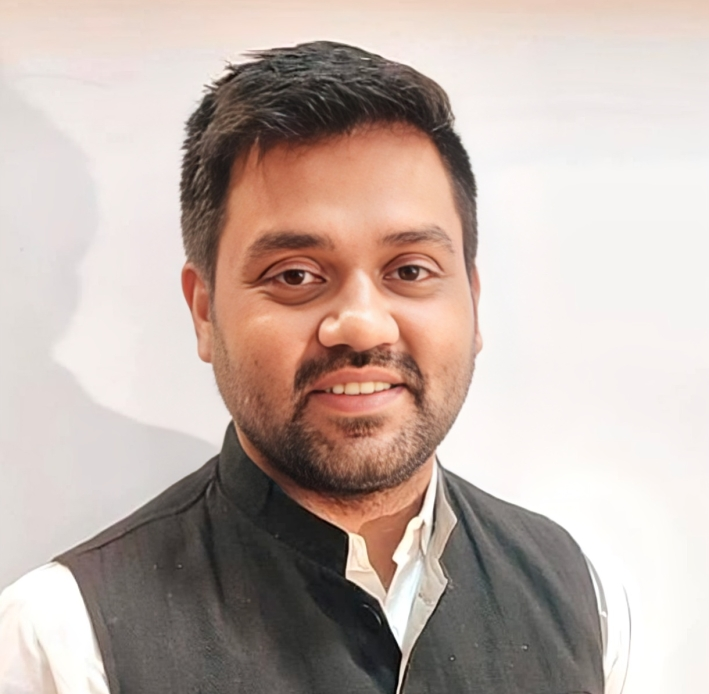

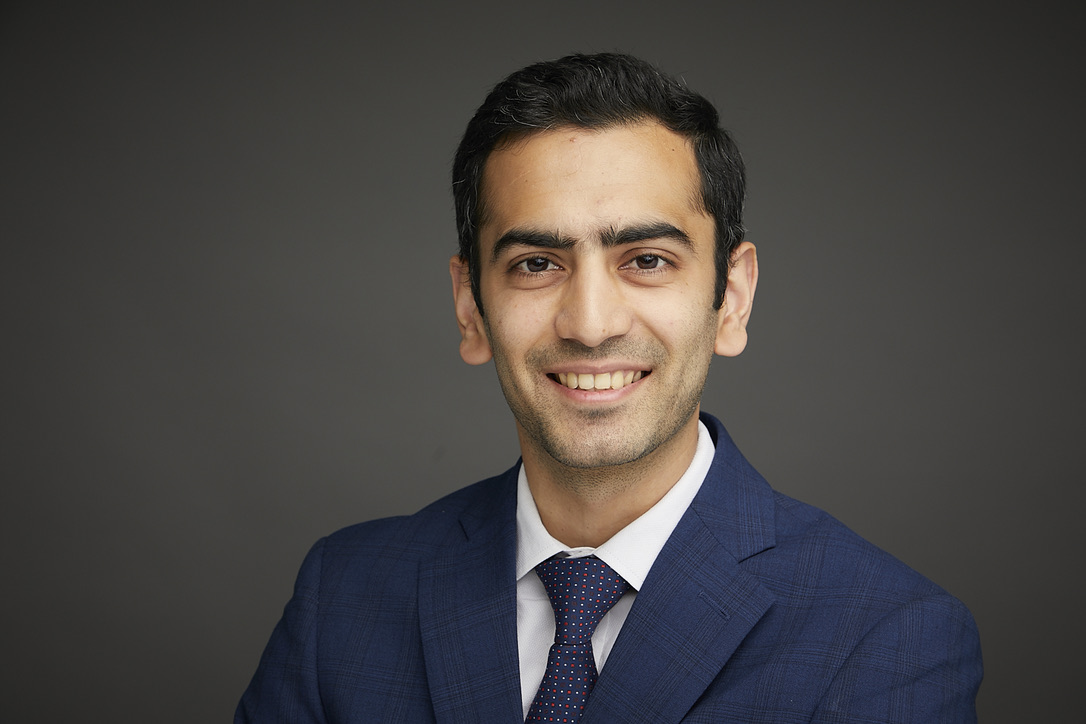

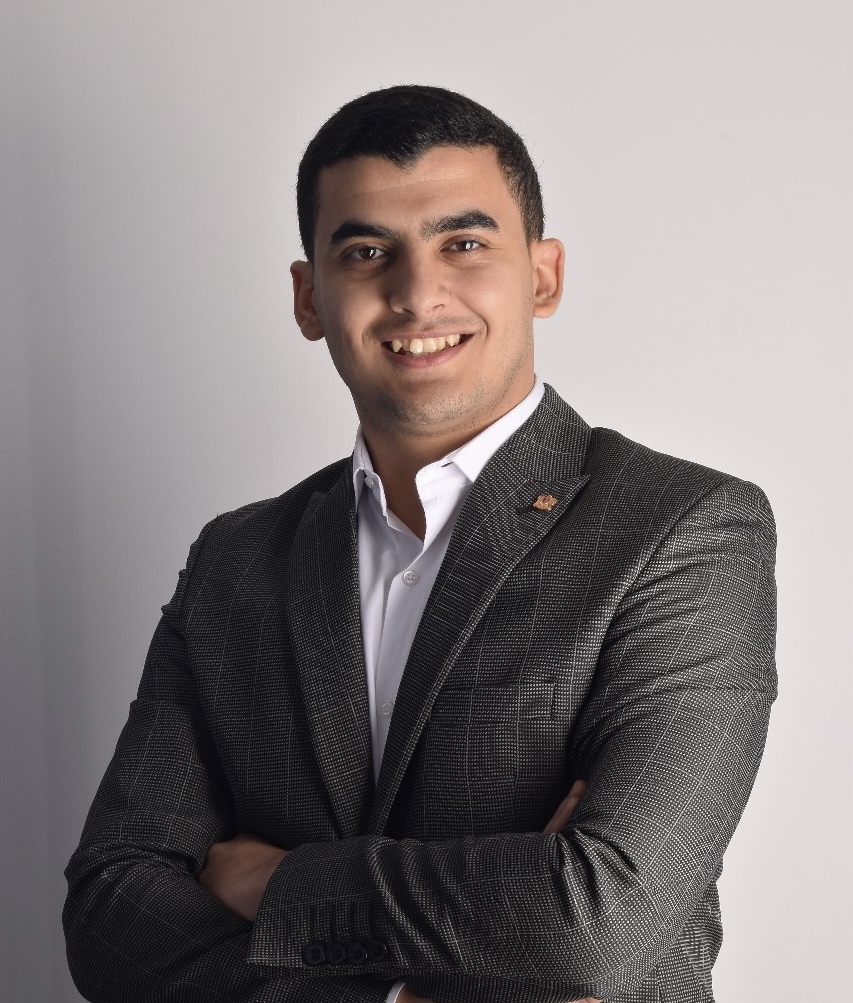



 Allow notifications