You have a demonstrated history in corporate commercial litigation, particularly in insolvency laws, arbitration, and commercial disputes. What initially inspired you to pursue a career in law, and what drew you specifically to these areas of practice?
Once I started with law school, regular brainstorming sessions in a group was something which I got inclined to, and it always helped me in achieving appropriate results subject to the long enjoyable hours of work and preparations.
Initially, the idea of law school was to begin a law firm journey on the corporate side but as fate decided, I always ended up with internships with litigation teams.
As destiny worked, I commenced my career with a litigation chamber where I worked upon and assisted the seniors in matters pertaining to different facets of law. However, arbitrations and insolvency always got my interest. Till today, my workload primarily focuses on insolvency and arbitrations but has over the time also expanded to regulatory, civil and criminal laws as well.
The early years in the legal profession can be particularly demanding. When you began your career, what were some of the initial challenges you faced, and what insights did you gain from overcoming them?
I believe that litigating lawyers are on probation till the time they are litigating lawyers owing to the level of uncertainty. ??? This needs a better explanation.
The most common challenges which every new lawyer faces (specially those like me who do not come from a legal background) is in getting appropriate answers to “what” and “why” of the legal profession and the answers to the said questions vary from lawyer to lawyer which often creates further dilemma upon discussions with the fellow lawyers. This dilemma is resolved differently by every person in their own way as there are no set formulae or a defined path to go forward in this profession. Every lawyer has his own storyline.
Despite having a positive outlook to life, I would admit that the initial years of my practice were tough in terms of coping up with the pressure, getting overwhelmed before every hearing even when I was not appearing before the court and only assisting and especially looking at my colleagues who, as per my understanding, were doing better etc.
However, I was lucky to have the support of a few great friends and mentors who guided me smoothly through all the difficult paths and further helped me in shaping my career as well as understanding the perspective of law.
I would say that till today, the struggle of a litigating lawyer continues which is perpetual. Every day is a new learning curve, a new challenge, a new perspective to the fact situation. However, I am in a better place professionally continuing with the thought that there is no short cut to achieving your goals but hard work, sincerity and dedication to the profession along with working smartly (given the latest AI tools and technology at one’s disposal) helps you grow in the legal profession.
How are construction arbitration matters typically approached in your experience, particularly those you’ve handled independently? If you could share the key challenges you faced and how you addressed them?
Construction Arbitrations specifically in India as compared to other jurisdictions are an assortment full of contentious points like price escalation, variation in quality/quantity or both, technical hindrances, delay etc. The said matters being highly technical in nature require a streamlined approach with a proper understanding of the tenders and its clauses. The key challenges which are usually faced during such proceedings are dependent upon how diligent the party being represented was during the tender/contract implementation stage as maintenance of proper records and communications plays a very important role in the outcome. Furthermore, high-stake construction arbitrations, specially where cross border parties are involved, require specific experts for delay analysis, claim preparation which are over and above the expertise of most of the lawyers. For instance, delay analysis can be done by an expert in several ways basing on the agreement between the parties which would include but is not limited to – As Planned vs As Built method, Time Impact Analysis, Window Analysis etc.
You’ve been involved in several landmark judgments under the Insolvency and Bankruptcy Code. What was it like to be part of such high-stakes litigation, and how did you prepare both legally and strategically for these cases?
Every case, especially which concerns the Insolvency regime is a high-profile case these days as it is an infant law as compared to other laws and is evolving day by day mostly by way of precedents. The fate of the company is largely dependent on the successful resolution. While working on a high-stake matter, either independently or while being associated with an office, the simple approach which I have always relied upon is firstly know your facts and file. Knowing facts clearly and being able to reproduce/argue them concisely is something which gives your case a clarity. Once there is clarity to the facts of the case, the law is applied “skilfully”.
In representing real estate, trading and textile companies under the IBC, what common legal and operational hurdles have you observed? Based on your experience, what proactive measures can these companies take to better navigate insolvency proceedings?
While dealing with such matters, the common issues which arise are always lack of contemporaneous communication to safeguard the interests of the party we represent. Owing to lack of such communications and proper compliances, several sound companies suffer. Timely and sound legal advice during the regular day to day functioning of the company also plays a crucial role. The role of lawyers has expanded considerably to not just advise on law but to advise companies on business transactions and to protect the business interests.
Leading a team of associates alongside an Equity Partner in complex arbitration and insolvency matters can be quite demanding. How do you approach team management and foster a collaborative working environment that ensures efficiency and high-quality outcomes? Additionally, what key qualities or skills do you value most in your team members?
Once a lawyer reaches at one point in his or her career, delegation and sharing of work load with the team becomes essential. To have a streamlined and disciplined working environment having proper quality standards while meeting stringent deadlines, it is mandatory that the responsibilities are shared equally and delegated amongst the team which eventually also creates a sense of responsibility towards the assignment.
The first and foremost skill we look for in a candidate joining our team is an ability to take decisions and take up responsibilities individually. Secondly, is the zeal to take up litigation and work around the “not talked about” adversities of the profession. A team grows when a member of the team grows individually and eventually when the set backs are approached collectively with a positive mind set with an enthusiasm to keep moving ahead.
When representing prominent real estate developers before arbitral tribunals and High Courts, what key strategic considerations shape your approach? Additionally, are there any resources that you regularly rely on and would recommend to others in the field?
The disputes which real estate developers and their promoters are privy to are diverse in nature which would include applicability of criminal laws, insolvency laws in certain cases, RERA compliances etc. The main strategic approach to deal with such matters at hand requires a lawyer to deal with all the cases at priority and with due efficiency as on one pretext or the other, the said cases will be linked or will be dependent on each other either on facts, law or the way proceedings are conducted.
A proper way to deal with such cases where there is multiplicity of litigation, it is advised to have a brief background of each case so that nothing inconsistent is submitted. Particularly, for matters concerning real estate industry, EPC Contracts etc, commentaries like Building and Engineering Contact by PC Markanda and others can be used apart from usual research tools such as SCC Online, Manupatra etc..
With your wide-ranging experience in litigation and corporate commercial litigation, what advice would you offer to law students or early-career lawyers aspiring to succeed in this profession, especially those looking to build careers in corporate litigation? Are there any resources, habits, or mindsets that you consider essential in today’s legal landscape?
There is no hard and fast rule for pursuing the professional per se, however, some changes in the daily execution may prove to be beneficial. Every other lawyer, may it be a senior or a beginner in the profession, develops their own way of drafting, arguing etc however, being connected to the fellow lawyers, knowing all the amendments, new precedents always acts as a stepping stone and a boost to the knowledge. Furthermore, build trust and rapport with the mentors, team and colleagues which eventually will be a big part in the long-standing journey. It is very important to build a solid foundation to understand the proceedings, laws and procedures.
It is helpful if you assess at an early stage that if you’re passionate about litigation and towards pursuing it further and if yes, then be patient while continuously evaluating yourself qua the performance.
A story of success is always backed by a story of failure and trials.
Given your demanding professional commitments and deep involvement in high-profile cases, how do you maintain balance between your personal and professional life? Are there any core principles or philosophies that guide you in both spheres?
Being a lawyer always comes along with its own set of challenges such as long working hours. There is no shortcut to it as it is a service industry which is very dynamic and ever evolving and whereby everything is based on the efficiency and quality of the service provided.
The work life balance and the outlook one looks at differs from person to person, however certain habits which should be taken up early in the profession are that one should be able to set boundaries between work and personal life while setting deadlines. Time management and efficient organisation ensuring the allocation of work and time are important. Lastly, flexibility is the key for successful implementation of the above two points as it helps a person to adapt and adjust the schedule as and when required.
What prompted you to do Law? and then, what prompted you to move to corporate law? And at the end in the whole journey. What made you establish Agama Law associates?
The question of why law has always intrigued me, dating back to a remarkably early age of around 12 or 13. At that point, my understanding of the legal field was limited, and there were no familial ties to the profession. Nevertheless, something about law captivated me deeply. As a voracious reader during my childhood, I found the prospect of a career where continuous learning was inherent and extended throughout one’s professional life to be highly appealing.
The realization that law touches every aspect of life dawned on me as I grew older. Unlike professions such as medicine, pharma, or engineering, which often specialize in a single domain, the legal profession offers a unique insight into multiple facets of life. Whether practicing medical law, which requires a profound understanding of medicine, or delving into criminal law, where a high understanding of criminal psychology is crucial, the multifaceted nature of law continues to be a source of excitement.
Moreover, my enthusiasm for law extends to the generalist role I currently embrace. In a landscape where specialization is often emphasized, my passion lies in exploring diverse areas of law. This inclination was evident from an early stage, a decision supported by my father. This generalist approach allows me to navigate through various legal territories and maintain a broad perspective, which I find both stimulating and fulfilling.
Reflecting on my journey, the inception of my legal career was marked by this passion and a commitment to continuous learning. It’s a journey that has been shaped by a love for reading, an excitement for the multifaceted nature of law, and a deliberate choice to remain a generalist in a world that often leans towards specialization.
My legal journey commenced under the mentor-ship of a senior counsel, renowned as the leading shipping lawyer in the country at that time. The realm of shipping law was exceptionally thrilling and lucrative, akin to a gold mine in the legal landscape. Although disputes were relatively scarce due to the industry’s prosperity, my exposure was comprehensive. From witnessing ship arrests to navigating shipbuilding contracts, the experience was enlightening. As junior members in a senior’s office, understanding the intricacies of queuing matters and gauging the dynamics of working alongside a seasoned professional fueled my desire to explore beyond the apparent tip of the iceberg.
Subsequently, my journey led me to a solicitor setup, where the practice encompassed both litigation and non-litigation matters. This phase afforded me a diverse range of experiences, delving into project finance and mergers and acquisitions (M&A). Engaging in IPO-related work and handling white-collar matters in the court provided a well-rounded exposure. Frequenting both Criminal Court and the High Court for writ petitions enriched my understanding of legal processes.
Transitioning to a role at AZB marked a grounding experience, characterized by the demanding quality of work and the competitiveness inherent in the firm’s culture. The challenges posed in managing time constraints and a myriad of responsibilities served as a valuable learning curve. This stint prompted a process of unlearning certain approaches, fostering personal and professional growth.
My inclination towards connecting with people on an individual level led to the establishment of Agama. Originating in a single room, this venture symbolizes my quest to reach out independently and make a tangible impact. The journey, from the initial mentorship in shipping law to navigating diverse legal landscapes, has been characterized by continuous learning, adaptation, and the pursuit of meaningful connections.
Your experience spans various sectors, from manufacturing to healthcare. Is there a specific industry that you find particularly intriguing or challenging, and why? And how do you break the boundaries and enter that challenge, because this is for the ones who are entering this amazing field of law as you mentioned.
For lawyers, such as myself, who adopt an industry-agnostic approach, the legal landscape presents a diverse and expansive canvas. Personally, I’ve been fortunate to accumulate a wealth of varied experiences across different sectors. Among the most dynamic and engaging areas of law today is the realm of general corporate law.
Within general corporate law, several sectors stand out as particularly exciting. One such burgeoning industry is logistics, encompassing a spectrum of aspects, from real estate to road and vehicle-related laws. The logistics industry has witnessed remarkable growth, with emerging players like micro-mobility companies and port operators contributing to its dynamism. Advising clients in this field involves addressing a wide range of issues, including labor matters, especially those with an IT-centric focus. Additionally, logistics offers opportunities to provide counsel on data protection and navigate complex cross-border challenges. The sector also presents instances of high-quality arbitration, especially concerning transport, customs, and international trade.
Another compelling and niche area that is currently witnessing the development of legal jurisprudence is the regulatory framework surrounding renewable energy. In this domain, there are relatively few lawyers in the country specializing in this evolving field. Personally, I have been privileged to work on projects related to renewable energy, particularly in assisting a client in setting up solar farms in India. This experience has spanned a broad spectrum, involving M&A, regulatory compliance, and labor issues, making it a truly comprehensive and rewarding endeavor over the past one and a half years.
In the context of fostering growth and cultivating relationships with clients, particularly within the framework of your own firm, could you share insights into how you went about establishing these connections? What strategies did you employ when encountering unfamiliar individuals whom you identified as potential valuable clients for your firm? Additionally, could you elaborate on the foundational values that guided your approach in engaging with clients and ultimately contributed to the development and current standing of your firm?
The foundation of any long term relationship lies in unwavering mutual trust and mutual value addition. For us, as lawyers, trust is given where we uncomplicate. If businesses can trust us to unwind the complexity in a stressful situation, as fast as possible, instead of taking them deeper down the web of intricacy – we have justified our existence. Navigating the intricacies of being a good lawyer revolves around a crucial ability: the aptitude to unravel complex problems and present them in simplistic terms, particularly from the client’s perspective. The foremost skill lies in understanding the client’s desires, pinpointing their current pain points, and crafting viable solutions.
Some of the most renowned lawyers often exhibit this proficiency, breaking down intricate legal matters into comprehensible points for their clients. The challenge arises from the fact that clients may express their problems differently due to a lack of legal understanding. Lawyers need to bridge this gap by deciphering the true legal issues beneath the client’s articulated concerns.
Ultimately, being an effective lawyer hinges on a clear comprehension of what the client wants, an astute understanding of their present challenges, and the ability to provide feasible solutions. The task extends beyond legal expertise, requiring effective communication and translation of legal intricacies into practical and accessible terms for the client.
Certainly, the process involves two distinct facets: understanding clients and acquiring clients. Acquiring clients, relatively, is the more manageable aspect. It often necessitates showcasing one’s abilities, effectively communicating in the client’s language, and establishing a level of comfort that encourages collaboration.
In the contemporary legal landscape, companies tend to engage with multiple legal professionals for diverse needs, disrupting the traditional model where a single firm handled all legal matters. As a result, lawyers need to adapt to this shift and recognize that not every point of contact transforms into a client. Identifying whether a client is attainable, either from the client’s perspective or the lawyer’s, is a nuanced evaluation.
Understanding clients, on the other hand, delves into the core of their challenges and aspirations. It involves deciphering the key issues they face and determining whether the proposed legal solutions align with their objectives. The crux lies in comprehending what the client aims to achieve and guiding them toward feasible solutions. This task stands out as the most intricate part of the process.
While legal documentation and transaction structuring are essential components, they primarily serve as logistical elements. However the foundational value is to get at the core of what a business needs but is not able to put into words. The value is also to minimize logistical efforts, and hence costs, as far as dispensable without compromising on risk-protection. The true essence lies in grasping whether our efforts effectively contribute to realizing the client’s goals. Therefore, the key to success in the legal profession lies in the nuanced understanding of both acquiring and understanding clients, ensuring that legal services align with and contribute to the client’s desired outcomes.
Could you elaborate on how you navigate the delicate balance between intricate legal nuances and the broader business context when serving in an advisory role? Specifically, when recommending clients to others, how do you manage this equilibrium, considering that clients hold the reins in decision-making, and advisory services revolve around facilitating their processes and needs?
As an advisor, I have an obligation to multiple coordination points – the individual seeking advice, the organization the individual is representing, and then the criticalities that both the representing individual as well as the organizational governance may not have full awareness or understanding of and may not have planned to address, yet. It’s crucial to align these aspects. For instance, a client might approach us for a lease agreement, but upon deeper discussion, we may discover they lack essential commercial terms. In such cases, our role evolves beyond legal drafting, extending to advising on business risks and strategic decisions.
While some clients seek legal interpretations, others welcome comprehensive business advice. The distinction lies in understanding their specific needs. Some engagements involve academic legal exercises, while others delve into strategic business decisions. Being part of this decision-making process is equally enjoyable for us.
As an advisor, the key is intuitive understanding—discerning whether clients merely seek legal input or require a deeper exploration of their business context. This process takes time and builds on familiarity, similar to understanding friends. Ultimately, aligning with clients’ objectives is paramount in offering effective advisory services.
Your focus on process-driven risk management systems for startups is noteworthy. What key principles do you believe are crucial for startups to establish a sustainable foundation in terms of legal compliance?
Sustainable business foundations would involve managing foresight and mapping the pie that a business is trying to negotiate for itself, well in advance. In the sharply agile market that we are witnessing in all sectors thanks to tech advancement and artificial intelligence, a business that desires to sustain itself for any amount of term that is markable, the bare minimum requirement is to cover for risks and obligations that will flow much in advance. Mature entrepreneurs have that foresight to an extent, but fledgling start ups don’t. This is where our experience – and the systems and in-built processes that has led to within our advice – comes in.
When startups seek advice, we often encounter two distinct types. Firstly, there are mature entrepreneurs who have prior experience in the field and are advancing their ventures. Dealing with them is relatively straightforward as they possess a solid understanding of the workings, time-frames, and compliance risks. They proactively ask the necessary questions, making the consultation process smoother.
On the other hand, there’s a different category of startups – those with innovative products or disruptive ideas seeking funding and eager to establish and run their systems. Handling these startups requires a unique approach. With mature entrepreneurs, conversations can delve into advanced levels, as they are already aware of the eventual need for compliance. In such cases, simplifying their journey is achievable by providing checklists and connecting them with essential professionals like company secretaries and chartered accountants. We have a well-established network of professionals with whom we collaborate, facilitating these connections.
For the latter type of startups, there is a need for a more persuasive approach. Convincing them of the importance of compliance is crucial. As legal advisors, our role primarily involves guiding them on compliance requirements rather than directly handling compliance matters. By effectively communicating the necessity of adherence to regulations, we aim to bridge this understanding gap and help them navigate the intricacies of legal compliance. Ensuring success in the startup landscape today is imperative, especially considering the vast reach of the Internet. I recently came across an intriguing insight in a doctor’s room that resonates with this—suggesting that if you trust Google for health advice, you might as well ask Google to cure you. In today’s digital age, startups often grapple with misconceptions, and my role involves investing time upfront to dispel any misinformation and guide them in understanding the landscape.
One key area I find crucial is steering startups towards sustainable investments. Beyond mere compliance, many startups, in their early stages, inadvertently sacrifice significant equity and rights. The true victory, in my perspective, lies in assisting startups to secure sustainable investments that will propel the company forward without compromising its core interests. This involves strategic steps to avoid pitfalls and foster the company’s long-term growth.
In my experience, every startup journey unveils distinct challenges and perspectives, which continually enriches my understanding of the dynamic startup ecosystem. It’s fascinating to approach each situation with an open mind, as the nuances and intricacies vary, offering fresh perspectives and learning’s with every new collaboration.
Mergers and Acquisitions form a significant part of your practice. Could you share a memorable experience or deal that posed unique challenges and how you navigated through them?
The turning point in my approach to M&A came when as part of one deal, I had said a big unequivocal “No” on behalf of our clients to one of the deal terms. The counter-party, a significant figure in a large group, was humble and kind enough to not come back aggressively to that position but encourage a dialogue. Which is when it really sunk in how much more are we as “facilitators” instead of hurdles, on deal making, as lawyers. And the art of negotiation is something we can’t ever have honed enough – there’s always some new interpersonal aspect to learn about. Despite his stature, he was kind and humble, encouraging a dialogue to resolve the issue. Such experiences reshape one’s perspective, emphasizing the importance of effective negotiation. Therefore,, when it comes to mergers, the crux, for me, lies in negotiations. This has been the most significant learning for me over the past decade. Working with an entire team provides a certain level of comfort due to the presence of seniors and super seniors. However, the true learning comes from actively negotiating a transaction and seeing it through, which I believe is a crucial skill for lawyers. My advice to young professionals is to actively seek opportunities where they can lead or negotiate transactions rather than being a part of a larger team.
In our practice, we have instilled this philosophy from the beginning. Regardless of their seniority, all associates are encouraged to actively participate in negotiations and discussions. This exposure ensures that they grasp the context of the deal and understand the dynamics involving clients and counter-parties.
One challenge in today’s M&A landscape is the post-deal closures, especially in mergers. While closing the deal itself is significant, the groundwork post-merger is equally crucial. Nowadays, many companies handle this in-house or enlist the help of consultants, making it essential for lawyers to understand the entire process.
Lastly, for young professionals aspiring to excel in M&A, I recommend dedicating effort to understanding the regulatory landscape. Regulatory filings, particularly under the Competition Act, offer a unique perspective. Arguing why a particular combination is not detrimental to competition provides valuable exposure that significantly enhances one’s understanding of M&A in the Indian legal context. If time permits, M&A is an excellent avenue for learning the diverse facets of law.
Your contributions to various publications and your recognition as a thought leader reflect your commitment to sharing insights. What motivates you to contribute, and how do you stay ahead in an ever-evolving legal and business landscape?
Lawyers often claim they don’t read enough due to the fast-paced nature of the legal landscape. However, staying ahead requires continuous reading, networking, and engaging with the legal community. Isolation isn’t conducive to legal work; interacting with peers, meeting business professionals, and fraternizing with others are essential for effective practice.
In terms of recognitions, accolades, and awards, one values recognition for their writing. Encouraging everyone in the company to write, regardless of seniority, expands minds and provides a broader perspective. Writing on various subjects not only benefits the company but also enhances the individual’s understanding of the overall legal landscape. It is most satisfying being approached for stories on POSH and labor-specific law over the past ten years by leading magazines. This recognition, despite not being a senior labor lawyer, is particularly meaningful.
It would do well to acknowledge the significance of industry magazines and editorial efforts, such as IBLJ, for recognizing lawyers. This recognition makes younger lawyers feel like a vital part of the legal community and boosts morale, especially when attempting to create something parallel to established setups. The credit goes to those in editorial roles who contribute to highlighting the achievements and perspectives of lawyers outside the traditional legal hierarchy.
Your recognition as a finalist for “Woman Lawyer of the Year 2023” and other prestigious awards is impressive. How do such recognitions impact your approach to your work, and what advice do you have for young lawyers aspiring to make a mark in the legal field?
Personally, every morning when I wake up, the motivating factor is knowing that clients rely on me. There’s nothing more inspiring than the realization that I can contribute to their businesses. Additionally, my team is waiting for me each day, and our discussions about ongoing issues drive me to be there for them as we work to advise clients. It’s a dynamic mix of client needs and team collaboration that fuels my motivation.
Speaking of recognition’s, it’s a relatively recent trend. When we left law school, there weren’t as many accolades for lawyers. While I value these recognition’s and they undoubtedly make one feel good (who wouldn’t want to be called a top lawyer in the country?), it’s crucial for young professionals to understand the importance of building their CVs continuously. Every task, from writing an article to advising a client, should be documented. Keeping a record of your learning experiences allows for recollection when needed, whether for award submissions or networking. This proactive approach helps people remember you, and at our firm, we ensure everyone records and reflects on their work regularly. It’s about considering what could have been done better, what went right, what went wrong, and identifying areas for improvement. In the fast-paced world, reflective practices might not always be feasible, but being mindful of this can significantly contribute to personal and professional growth, fostering a sense of pride and accomplishment.
In an era of increasing data concerns, you’ve been actively involved in data protection agreements. How do you assist clients, especially those in software creation, in navigating data protection compliance and mitigating associated risks?
In today’s globalized business landscape, privacy has become a crucial factor due to the vast amount of data available to businesses. The handling of data is emerging as a key cost-driving factor, influencing how companies operate. For instance, there is a shift towards keeping data within specific geographical boundaries, like storing Indian data in India and EU data in the EU, driven by government directives, especially in developed countries. While some governments mandate these practices, in India, it’s often seen more as a compliance requirement.
Our approach to reviewing data protection agreements or privacy documents varies based on the client. With Indian clients, we emphasize the need for compliance, advising against drafting anything they can’t adhere to or might require additional funds for compliance. Privacy is considered non-negotiable, and non-compliance, especially for European clients, can result in significant fines. We often assist clients dealing with European parties but processing data in India, guiding them through transfer impact assessments to ensure compliance.
The introduction of the Data Protection Act (DPA) is expected to enhance the infrastructure for protecting citizens’ privacy. However, we acknowledge that the existing Information Technology Act and rules, if implemented effectively, could serve a similar purpose. Enforcement, though, remains a challenge due to the complexity of procedures, such as involving the cyber cell or the legal system. With the DPA, many principles are being codified into law, reflecting legislative intent. While this might not drastically alter the groundwork for companies, it does offer more avenues for data subjects to seek enforcement.
Beyond your professional achievements, what personal interests or activities contribute to your growth and well-being outside the legal realm?
I believe, like many lawyers, I do face challenges when it comes to taking care of my health. I wish I could prioritize my well-being more and achieve a better balance. However, what takes up the majority of my time is my family, as we have a fairly large one. Balancing work and family is a constant challenge, but we make efforts to promote healthier eating habits within our family.
For me, mental well-being is crucial, considering the demands of the legal profession. Small things at home can become sources of stress, so learning to switch off when at work and using tools like reminders helps manage personal commitments. Technology, in this sense, plays a significant role in helping me stay organized, reminding me of tasks such as buying a gift for my son.
While it’s challenging, I’ve learned to establish boundaries between work and home life. Despite the difficulty in today’s fast-paced world, I make an effort not to work when I’m at home. Being part of a family of professionals, with my husband also being a lawyer, helps create routines that prioritize family time, especially on weekends.
Achieving this balance is different for everyone, and I acknowledge that it’s not an easy task. Personally, I wish I could find more time to read nonfiction, as I used to read several books a year, and now finding time for even one or two is a challenge. However, it remains something I’d love to prioritize in the future.
Your career journey reflects a mix of corporate dynamism and legal finesse. Can you share a defining moment or experience that led you into the world of law and compliance?
Well, thank you for putting it so nicely. In 2011, I joined the compliance team of India bulls right after completing my graduation from Sri Venkatestwara College, University of Delhi. However, my academic tryst with the Law started much earlier in 2008 when I decided to pursue Company Secretary professional course which primarily introduced me to legal world of corporate law as this course involves an intensive study of different branches of laws namely taxation, finance, business ethics, labor, costing, capital market and securities laws, etc which regulate different stages of a business entity viz. incorporation, operations and expansion, merger and amalgamations, infusion of capital, liquidation and winding-up.
While doing my CS internship, I chanced upon an opportunity to review a NDA, instinctively I expressed my interest in vetting other contracts and my superior guided my way through it and encouraged me to study IPR laws and take the DU law entrance exam. Thus, study of one branch of law led me into another and ultimately to the realm of general corporate advisory.
Managing a team at Saga Legal, leading corporate advisory, and handling compliance – it sounds like a lot on your plate! How do you maintain work-life balance, and what’s your go-to stress buster outside the legal realm?
I wish that it is not seen as an endorsement of the 70 hours week rule in any manner whatsoever, having said thatbeing occupied is my ZEN. Honestly, I really do not find my work stressful though meeting deadlines can be overwhelming at times. But what fun life would be without a hustle!
Also, apart from hitting the sack, setting out on a retail therapy/street food hopping/reading are my next best stress busters.
You’ve been recognized for your achievements at HCL, Airtel, and beyond. Could you share a particularly rewarding moment or accomplishment in your career that brought a smile to your face?
Like any other individual, awards and rewards always cheer my heart up and work as a shot in the arm to strive harder to do better than the best.
It is not every day that you wake up going to receive a gold medal. I really thank my stars to have got one from the Indian Law Institute for earning a diploma in IPR Laws.
Awards and recognition become extremely special when you get them at the time when you least expect it and you are quietly doing your good damn job.
Having said that, I do not want to sound less grateful to any of the opportunities or accomplishments that have come my way in the past 12 years of my work experience. Every “thank you” email /text from a colleague or a client, every town hall meet, every R&R session counts. I always believe and say BEST IS YET TO COME!
Your articles at Bar & Bench showcase a depth of legal analysis. Can you take us through your writing process? What inspires your choice of legal topics, and how do you balance the technical aspects for a broader audience?
Interestingly, topics of all these articles so far have been influenced by the real time legal problem statements which I have encountered during my current advisory practices vis a vis latest legal development impacting the same. It is important to write relevant and informative articles.
I put my best efforts in order to ensure that articles are structured in the most lucid way possible. The preface and conclusion usually are drafted in a manner which can be understood by a business and legal person both. The body paragraphs are mainly where the techno-legal analysis is captured, which exhibit insights from domestic as well as international laws, judicial precedences and commercial and economic factors and impact of the issues in hand.
Beyond the legal realm, your education includes a diverse range of experiences, from Commerce to Company Secretaryship and Law. How has this interdisciplinary background shaped your approach to legal problem-solving, and do you see any unexpected connections between these fields that have proven valuable in your career?
Absolutely, having a multi-skill set always helped me in approaching the legal problems in a more holistic way. My interdisciplinary background has equipped me to adopt a threefold approach to arrive at commercially viable and compliant legal solutions for our clients.
Risk Identification: My foremost concern is to identify risk for the organization (legal, commercial, financial, regulatory) attached to the transaction.
Commercial Impact: Once risk is identified, approach is to eliminate/mitigate any terms which can substantially affect the organization commercially/financially.
Compliance Cost Management: As a compliance professional, I always keep an eye open for compliances attached to terms to be agreed under an agreement. Cost of compliance should never exceed the ROI.
In addition to your legal expertise, you’ve volunteered at the Commonwealth Games in 2010. Can you share a memorable experience from that time, and how do you think volunteering contributes to personal and professional growth?
If I can recall it correctly, our country got this opportunity to host CWG 2010 with great effort after beating Canada in one of the bids. I consider myself fortunate to have participated in a historic event like this. I was put to a screening process in Feb, 2010 and got selected along with other 20k odd volunteers. My general and role specific training were organized at Amity University Campus by some of the distinguished personalities. As a volunteer, I was trained for various aspects like medical support, disaster management, gender sensitivity and protocols (VVIP’s, media and athletes protocol).
During my volunteer experience at R.K. Khanna Tennis Stadium, I organically picked up the skills of project management, prompt decision making, creating and rotating a mix of individuals with right skill as well as will to get the show running no matter what.
Talking about experience, for me as a college student back then, it was surreal to witness national as well as international tennis sensations practicing and playing on the ground teaching the importance of resoluteness, consistency and constantly up-skilling one’s game.
Cherry on top was to see our country’s players win the game that evening and the tunes of the national anthem playing in the backdrop. A memory of this event is still so fresh in my mind and I fondly remember the people I met and the positive transformational impact it had on my approach to deal with life personally and professionally.
You’ve been recognized as one of the “Top 10 Best Women Leaders in Legal Consultants 2023” by Women Entrepreneur India. How does it feel to receive such accolades, and what advice would you give to aspiring women leaders in the legal profession?
It feels really awesome to be adjudged and be put next to my contemporaries and senior colleagues in the fraternity who constantly amaze and inspire me with their exceptional work and leadership. My life motto is She who dares, wins. So I would urge aspiring women leaders in the legal profession not to limit themselves to a mere box of existing ideas and ideologies and keep pushing the envelope. Be enterprising enough to command and create a healthy and safe work environment full of nothing but merits and sheer talent.
Can you tell us about your journey into the field of law and what inspired you to specialize in technology, media, and telecommunications (TMT) and financial services regulation?
There is this common saying that if one can’t do engineering or medicine in India, they end up doing law. While that may not necessarily be true for most people in our industry, to a large extent that does hold true in my case. I am not going to say that I always dreamt about becoming a lawyer or that I was extremely passionate about the law, because that would be a lie. I was an average student at school, especially when it came to subjects like physics and maths, and so by the time I finished my Class 10th boards, I knew I had to end my misery and opt for commerce over science in Class 11. By opting for commerce, I had automatically ruled out engineering and medicine as career options, both of which till date, but even more so at the time, were considered the most sought after and ever green career prospects one could have. Thus, it was only in Class 12, after little deliberation, did I know that law is it for me, and that’s not because there was a lack of choice in the field of commerce, but it was what interested me the most out of the options I had in hand.
My encounter with TMT was almost similar to that with law, it didn’t happen voluntarily, but like law, I am extremely happy that it did. I started my legal career as a general corporate lawyer who did anything from drafting and reviewing general commercial contracts to advising on complex regulatory queries, assisting with fund raise, mergers and acquisition and working on technology and employment law related work mandates as well. I spent a considerable time of my career especially my early to mid-years in the profession exclusively working on some very exciting and interesting PE/VC and M&A deals in different industry sectors. While I thoroughly enjoyed working on high value transactional work, after a certain point, for various reasons, I felt the need to explore new opportunities and seek change, which is when I was offered the opportunity to transition full time to the technology and corporate advisory practice group at my firm, where I have since, worked on some very interesting matters in the field of e-commerce, technology (specifically fintech and insure-tech) and data protection related mandates, while continuing to work on a lot of general corporate advisory matters.
With over 9 years of experience advising clients in different sectors, could you share a specific project or case that had a significant impact on your career and the clients you served?
It is extremely difficult to pin-point and pick one project or matter that stands out. There have been so many great projects that I have had the good fortune to be a part of. Some where the kind of work itself has been disruptive and cutting edge, while others where the work or business model in itself may not have necessarily been the most exciting, but the scale at which the business grew or the impact it had on the masses or the kind of targets such businesses may have met, despite the several roadblocks and hurdles it faced along the way, is what made such success stories extremely satisfying to watch. What in particular has been extremely gratifying personally is witnessing the meteoric rise and growth of several of the start-up clients I have been fortunate to work with as their external counsel. I have been incredibly privileged to have assisted several clients right from the days of their incorporation and seed investment to this date, where some of them have even gone on to become unicorns in such short spans of time. A few of the clients that I have worked or work with include Upstox, Groww, Google, Makemytrip, Mediassist, Air India, Licious, Big Basket to name a few.
You have worked on a wide range of topics in the legal field, including data protection, cybersecurity, fintech, and emerging technologies like blockchain and AI. What drew you to these areas, and what do you find most exciting about them?
It was never going to be easy to not be drawn into the revolution of technology playing out in front of me. Having grown up in a generation that witnessed the birth of laptops and mobile phones in India and the constant transformation of various technology and products, be it storage devices for instance- starting from floppy disks to CDs in the 90s and then to pen drives and hard disks in the first decade of the 21st century to now being almost entirely replaced with online servers and virtual data rooms and cloud storage services, where the need for an external hardware itself has almost been made redundant, technology in its various forms and facets have always peaked my interest. A decade ago, when I was in law school, I hadn’t even heard of the terms ‘Blockchain’ or ‘AI’, let alone be interested in them, but today, I receive applications from law students across the country expressing their desire in pursuing a career specifically surrounding disruptive technologies like AI, blockchain, Big Data, Metaverse amongst others that were almost unheard of not too long ago. While many of these concepts are relatively new and have come into prominence only over the past few years, the pace at which technology and the legal landscape around it has evolved in such a short span of time, is extremely exciting to witness. The number of initiatives taken by the Indian government in the recent past, has played a major role in creating and supporting so many new age service offerings, which for me as a tech lawyer, consistently keeps me engaged, enthused and optimistic about the tremendous growth opportunity and potential that the tech space has to offer to the large digital consumer base in India, as well as the various stakeholders in the field, which includes tech developers as well as tech lawyers like myself.
You have been recognized as a recommended lawyer by Legal 500 and a ‘Rising Star’ by IFLR1000 in the field of ‘Financial Services Regulatory’ in India. What do you believe sets you apart in this highly competitive and dynamic field of law?
I would like to believe that the small recognitions and little success I have been fortunate to have witnessed thus far in my career is down to a lot of luck and hard work. Sometimes you need to be lucky to be at the right place at the right time, under the right circumstances and to be exposed to the right opportunities, for things to work out, and I believe I have been fortunate that way. Luck will however only take you so far without hard work, dedication and ambition. As cliché as it may sound, there really is no substitution to hard work. All of that said, the recognition and success would not have been possible without a strong support system at the back end, whether it’s a team that makes you look better than you are, family and friends who have to put up with you cancelling plans or constantly cribbing, or even clients that have been very supportive and generous with their feedback and wishes over the years. I have also been blessed to have had great mentors along the way, each of whom have in some way or the other played a major part in shaping my career and ensuring where I am today. I have also been fortunate to work with some excellent lawyers both in the organisations that I have worked with as well as counterparts on various matters, most of whom have inspired me in some way or the other.
Your work includes policy and advocacy initiatives, and you’ve submitted stakeholder comments on consultation papers issued by regulators. Can you talk about the importance of legal professionals engaging in shaping regulations and policies in the technology and financial sectors?
I cannot stress enough on the importance of engaging with regulators on a regular basis. As a lawyer who advises several big and small companies in different sectors, I often see challenges our clients face when it comes to either launching a new product or taking decisions over some of their existing businesses, specifically in regulated businesses like insurance, finance, healthcare and education among others. This is largely because of the lacuna that remains around the operation of several new age businesses within the existing regulatory framework. This could be down to the regulators not having accounted or envisaged for the kind of business models and businesses that exist today, back when they formulated the law, or it could simply be on account of the rapid evolution of the business landscape outpacing the existing legal framework. Almost every service offering that is either provided in a regulated sector or offered in some way or form in connection with a regulated entity is either already regulated today or is proposed to be regulated in some manner. It thus becomes very important for the government to interact with actual stakeholders of a particular industry and vice versa, before a law can be passed so that each relevant stakeholder that is impacted by such law has expressed their inputs and concerns around the framework proposed to be brought in, before it becomes a law. As a consultant to several impacted clients/businesses and also independently as a lawyer that practices in areas that such law pertains to, we often engage in discussions with regulators either by meeting with them in person or writing to them either where we outline our views and provide our inputs and comments on the relevant bill/subject, while being mindful to ensure that the governments objective behind regulating such a business/subject in a legal and sound manner is not jeopardised in anyway. These discussions with regulators can go a long way in securing the interest of all the impacted parties, whether it is the customer, the business or any third person impacted by such regulations.
Looking back at your career, can you share a particularly challenging or memorable moment that taught you a valuable lesson or significantly influenced your professional growth?
You learn something every day in this profession. It could be learnings from mistakes you make at work or it could be adopting and applying something new that you have learnt, heard or come across during interactions with your peers or clients. A big learning on a non-professional front which ends up playing an important part in the long-term sustenance of your professional career would be on how to manage a good work life balance and yet deliver on expectations at work. That is still a work in progress personally for me, but I believe striking that balance becomes key to ensuring that you do not burn out and continue to be motivated in a field that is otherwise often associated with long work hours and a lot of hard work.
You’ve advised start-ups, venture capital funds, and established companies. What are the key legal considerations that emerging tech companies should keep in mind, and how can they navigate regulatory complexities in India’s evolving legal landscape?
Most clients I interact with today in the concerned space are extremely knowledgeable and fully ingrained even in the regulatory side of the business, which makes my job as a legal consultant easier as my work is sometimes reduced to validating their understanding of the regulated space. Such is the passion that new age entrepreneurs come with. That said, the law can be too complex for most people, which is why most of the bigger companies that we cater to are ably supported by a large group of advisors both inhouse and external (like us) while the smaller companies often rely on our expertise and advise to navigate through the legal complexities that remain in several industries. The legal landscape like you rightly pointed out is ever evolving with the changing business landscape. Accordingly, as lawyers we ensure that as the business of our clients grow and as they diversify into different sectors or launch new products, their respective policies, compliances, and agreements in place are revisited and updated as required to counter the different legal hurdles that they may be subject to.
Could you please tell us how you ended up pursuing a career in law? Was it something you always aspired to do, or did you discover your interest in the field later on?
Initially I was very interested and curious about matters relating to science. I passed out of school with the aptitude of pursuing science and research. Long story short, after graduating with a BSc(Hons) Degree I happened to visit law firms with my father for a few of his professional matters. The intrigue of a law firm and the challenge of each assignment attracted me towards the legal profession and I decided to pursue a career in law.
Were there any specific events, experiences, or individuals that played a significant role in shaping your decision to pursue law as a career?
The decision to pursue law as a career was in particular largely influenced by my Late father, Bireswar Chatterjee and my father figure Late Dinabandhu Mandal, who was the Senior most partner at Fox & Mandal. While my father was always confident that the legal profession was to be my destiny, Late Dinabandhu Mandal came across in my life as a Godman and unparalleled goliath who I was in awe of since the very first day. A larger than life figure who was respected by all around. Once embraced by him into the legal profession I could only be on the path he showed.
Could you share with us your educational journey and the steps you took to become a lawyer? What were some of the challenges you faced during this process?
My educational journey started with Lamartiniere, Kolkata. I was always keen to be on the sports field and tried by hand and foot at Cricket, Football, Hockey and Athletics. This was the most important part of learning at Lamartiniere. I learnt to live life, enjoy, struggle, fight, compete, laugh, cry and make friends through extra curriculars in this institution. Studying was the next part. I completed my class 12 with an ISC degree and went on to complete my graduation with Bsc (Hons) from Scottish Church College. Lamartiniere however always stayed in my soul and continues till date. After graduating I met my Godman, Late Dinabandhu Mandal on a career defining day and decided to pursue legal studies from Hooghly Mohsin College which was offering a 3 year law course to graduates. So much was the passion then, I decided to join Fox & Mandal in my first year of law itself as a half day intern and used to slowly learn the practical application of law and study case files under the guidance of Seniors in the firm and the magnanimous shadow of Late Dinabandhu Mandal. Though Late Dinabandhu Mandal is no more, there will be no one quite like him in the firm and the legal fraternity for a very long time. The challenge was to make a mark in this legal arena which had very little room for first generation novices. I was also told by a few during those days as to why I was here in this legal profession at all and that I should move towards other pastures or perish. It was demotivating and depressing on occasions but I survived.
What were your early experiences like as a law professional? Could you highlight some key milestones or memorable moments that helped shape your career trajectory?
Just like any lawyer during the early 2000s trying to make a mark in Kolkata I started as a Junior assisting Mr. Shuva Mandal (currently the Managing Partner of Fox Mandal & Associates) in civil and commercial litigation cases. I always had an affinity towards company law related matters and got the opportunity of watching stalwarts such as P.C. Sen and B.K. Bachawat (to name a few) prepare and argue for matters. As time went on I found an interest in transaction documents and started honing my skills at drafting transactional documents. The most memorable assignments which I worked during those days were an infringement action against the makers of the T.V. Series “Karishma” and by first Admiralty Matter relating to the arrest of a vessel named “M.V. Stella Th”. An assignment involving setting up of the “Kolkata West International City” project also was extremely challenging and memorable. After an initial year or so with Mr. Shuva Mandal I worked with Mr. Kaushik Mandal and thereafter with Mr. Shourya Mandal (currently Co-Managing Partner of Fox Mandal & Associates). Mr. Shourya Mandal reposed utmost trust and faith in my abilities and provided the support and encouragement to achieve where I stand today. His contribution and guidance is a continuing process till date.
It would be incomplete if I did not mention the knowledge I acquired from two Senior Counsels of Calcutta High Court, Late Pratap Chatterjee and Mr. Ranjan Bachawat in course of the innumerable matters I had the good fortune to work with. They always took the effort to explain, reach and reprimand me. I thank them for the affection and time they contributed through their busy schedules in shaping my growth. Though Late Pratap Chatterjee is no more, all like me who happened to have the good fortune of working with him shall miss his presence for the rest of our lives.
What drives your passion for the field of law? What aspects of the profession do you find most fulfilling?
The passion for law is the biggest mystery for most lawyers which cannot be deciphered and /or reasoned. Maybe it is the uncertainty of things and outcome which attracts. It is a relentless drive forward to learn, practise and achieve greater milestones each day. Even the sky probably would not be the limit of this drive. The most fulfilling aspect of the profession is the scope to be innovative on the application of law and strategy. There is nothing sweeter and satisfying than the closure of a hard worked on transaction or a toughly fought and contested litigation ending in your client’s favour. The comradery and respect among colleagues, juniors and seniors is also overwhelming. Being a part of the vast legal community has always been like being part of a mammoth family which in a very unique way assures you that you belong here and that there is scope to learn and improve every day.
What are your primary practice areas within the field of law? Could you briefly explain what each area entails and why you chose to specialize in those particular areas?
The primary practice areas are Corporate Law and related dispute resolution including Arbitration. Civil Commercial Litigation and Insolvency. Company Law was a subject and continues to be a subject which I have always been attracted to. The flow of events from the shaping of a transaction / deal to the situation where occasionally parties to a transaction, in course of time, fall apart for various unprecedented reasons leading to a situation of dispute resolution or litigation require parties to avail legal services. I would simply say that I find myself most comfortable and can express myself best in these situations and hence specialization to me in these verticals came quite naturally.
Throughout your career, what are some of the most valuable lessons you’ve learned as a lawyer? Are there any specific cases or experiences that had a profound impact on your professional growth?
The legal profession is definitely a marathon which spares no one. It takes a “lambi race ka ghora” to make the most of what this profession offers and succeed here. The important lessons learnt are to respect colleagues and seniors, be patient, value time and the importance to develop a disciplined and methodical work approach. It is also essential to learn and improve from your experiences each day. Professional growth comes each day with experience and time spent on matters. However, there have been a few cases involving personalities and complex situations which have made a difference. In recent times the resolution of Rohit FerroTech Limited by Tata Steel under the Insolvency and Bankruptcy Code was an assignment which was satisfying. Another recent matter involving resolution of disputes between promoters of Switz Foods and other shareholders was nice experience.
What advice would you give to individuals who are considering a career in law? Are there any misconceptions about the profession that you would like to address?
A career in law is to be chosen out of passion and the will to be a part of the large legal fraternity. Accumulation of wealth by seeing the success of established individuals should never be the criteria, they can only be an inspiration to fuel one’s desires to succeed and become better lawyers. I believe that there are no shortcuts to long lasting success here in the legal profession and people must have the aptitude for taking the grind for the long haul. Every aspiring individual considering a career in law must have patience and the will to sacrifice their time spent on recreation, friends, relations and relatives and pursue their passion of making a place in this vast legal fraternity by devoting all his mind, heart, body and soul to this noble profession. Patience coupled with the ability to sacrifice along with the will to survive and put all that one can to the demands of the legal professional is extremely essential for making a career.
Lastly, what advice would you like to give to fresh graduates who are entering the legal profession? What key skills or qualities should they focus on developing, and what strategies can they employ to succeed in their early years as lawyers?
Fresh graduates need to choose where they want to be and what they want to achieve wisely. They should in today’s times dig / see deep within themselves and decide whether they have the aptitude for practising as a legal counsel at the various courts and tribunals comprising the framework of the judiciary or should they join a law firm for practising in a vertical of their choice such as Corporate law, Real Estate, Banking & Finance, Dispute Resolution etc. Some may even opt to make a career in a Corporate House as legal assistants and become a General Counsel with time.
As for strategies irrespective of where one is and which vertical one opts for, success comes for the ones who have the will to passionately and diligently meet the requirements and demands of their profession. The passion and will to succeed must burn under all circumstances and be backed up by disciplined and consistent hard work. The ability to work and adjust with a team, various people and going forward build a team is also extremely essential. It is also an appreciated quality and essential to be ethical in practices adopted with clients, colleagues, seniors, juniors and other people associated with the legal fraternity.
My father is a practicing lawyer who had an established legal practice. From early age when I used to visit my father’s office, I used to see the respect, which my father commanded. So, from my child hood I aspired to be a lawyer.
You have obtained a Bachelor’s degree in law from I.P. University and completed your Masters at George Washington University. How have these educational experiences shaped your understanding of the legal field and influenced your career?
The mode and technique of teaching law of both the universities is completely different. In my case, I can say that both of them complemented each other. While in IP University it was more of bookish knowledge in George Washington University it was more research-based knowledge. In IP University I studied keeping exams in mind, which was usually when exams were approaching. Whereas in George Washington University I had to study before each and every lecture and used to end up spending double the time of lecture to prepare for class. If you don’t study before the lecture you are not able to understand the lecture. In George Washington University they encourage you to ask questions and method of teaching is more interactive.
You have extensive experience in commercial dispute resolution, arbitration, and corporate advisory. Could you tell us about some of the high-profile cases you have been involved in? What were the challenges you faced, and how did you navigate them?
The firm is handling work of about 25 corporate clients. There are multiple high profile matters our firms are handling. I will share about one matter before NCLT Mumbai in this matter director ship of a director was cancelled on account of non-compliance of certain provision of Registrar of Companies. The said director took an interim injunction from NCLT regarding his expulsion from Board of Directors as the said director held a significant minority shareholding. We took up the matter on behalf of the company and presented before the court as to how our act is influenced by directives of Registrar of companies and was justified in the circumstances and it was not a case of suppression of minority shareholder. The Hon’ble court was pleased to vacate the injunction order and had decided the matter in our favour.
You have authored several articles on various legal topics. Could you give us an overview of some of the key subjects you have covered in your articles? Why did you choose to write on these specific topics, and what impact do you hope they have on the legal community?
Most our articles have been on Arbitration, Contracts, Commercial Laws and Company Law These topics were chosen keeping in mind that they are my strength area with objective to make people and in-house counsel enlightened about the legal nuances of these subject. At Ahuja Law Offices we believe that knowledge increases by sharing and when we write on a subject the subject attains more clarity in our own mind.
In your experience, what are the essential qualities and skills that a successful advocate should possess? How have you cultivated these qualities throughout your career?
An advocate should always post questions and find answers. One needs to develop an analytical bent of mind and logical thinking. Reading and research is essential in legal profession. One should not forget that law is based on logic and necessity. One has to think out of the box to get relief for their clients. You have to give advice to your clients based on what is in best interest of your client and have to win the client’s trust.
The legal landscape is constantly evolving. How do you stay updated with the latest developments and changes in the field? Are there any specific resources or strategies you would recommend to aspiring lawyers?
One has to keep oneself updated with regard to legal and economic developments in his field of practice. For commercial litigation one should go through business newspapers and magazines to understand new issues that are arising in the business field and should work on solution for the same.
Can you share a memorable case or moment from your career that has had a significant impact on you personally or professionally? How did it shape your approach to practicing law?
Every matter has its own importance and you learn new things from each and every matter. The quality of the legal profession is that you face new challenges in every matter and you never feel monotonous. In my collage days I was interning with Mr. Sidharth Luthra, Senior Advocate, at that time Mr. Luthra was handling matter on behalf of Facebook. In that matter I learnt on what arguments a lawyer should focus and how a lawyer has to cover the weaknesses of the case, while arguing a matter before court.
Based on your knowledge and experience, what advice would you give to fresh law graduates who are just starting their careers? What are some important factors they should consider as they enter the legal profession?
They should understand that there are no short cuts to success in legal profession. For first few years a budding lawyer should concentrate on learning work and developing skills. When they know the work money will start flowing automatically. If they will focus on money part in the initial years then they will not make the progress in the profession they deserve.
What was your motivation behind choosing law as a career?
Growing up in a family of doctors, I was surrounded by medical professionals and it was expected that I would follow in their footsteps by pursuing a career in medicine. However, as I progressed through my education, I began to have doubts about whether that was the right path for me. In my ninth grade, I developed the habit of reading the newspaper and became interested in the impact of law on our daily lives by reading articles and editorials. Additionally, I have always been drawn to challenges and the idea of making a name for myself in a unique field.
By the end of my tenth grade, I had made the decision to pursue a career in law, despite the surprise of those around me. I chose commerce instead of biology and started my Law School preparations. Fortunately, my parents were incredibly supportive of my choice to study commerce after completing tenth grade and pursuing Law as a career.
What were the challenges that you faced in the beginning of your career?
The legal industry is known to be challenging and dynamic, especially for first-generation lawyers who are just starting out. When you embark on a career in law, you often have to start from scratch, building your own law firm, acquiring clients, and establishing your practice and reputation. After completing my LLM from the United Nations Interregional Crime and Justice Research Institute, I partnered with Avi Kalra to start our own law firm. While we faced many challenges in the beginning, a few stood out as particularly difficult.
One of these challenges was that, at 24 years old, many potential clients saw me as too young to handle their cases or offer sound legal advice. I had to work hard to prove myself and earn their trust, often competing with more experienced lawyers in the industry. Another major challenge was financial. In the early days of our law firm, we had to cover our running costs and basic expenses while also trying to sustain our business. The second wave of the COVID-19 pandemic made this especially difficult, I was sleeping in the office, I could not afford a place to live and I had to choose between keeping the office or getting a place to live.
Prateek, do you think that for a first-generation lawyer, the journey becomes a little difficult? Please explain the same wrt to your own experience.
Absolutely, I feel that the journey becomes a little difficult for first-generation lawyers as there are lot of factors to it. Starting with your law school days, being a first generation lawyer you’re clueless as what specialization to pursue that would be best suited for you or with finding right Internships and it becomes a difficult process to apply for Internships with reference at all. Secondly, if you plan to start your own law firm/ law practice you’re all alone out there, you have start from ground zero, you have no cases, no references, no identity of your own.
Thirdly, ‘the doubt’, since you’re the first in your family, ‘the doubt’ to work security, sustainability and expansion is always there and there’s no going back but I think being a first generation lawyer out there might be difficult process but it gives you a lifelong learning and a sense of achievement that cannot be compared to anything.
Nowadays, people don’t have that zeal to pursue a career in litigation, what can be the reason for that apart from job security in corporate?
When I conduct job or internship interviews, I often ask candidates if they are interested in joining the litigation or corporate team at the firm. More often than not, the answer is the corporate team. There are several factors that can influence a candidate’s decision to pursue corporate rather than litigation. One reason is that litigation can be like going to war, and one must be prepared for any situation.
Additionally, the practical knowledge gained through litigation is significant, but it can also be a struggle. The lack of efficient judicial infrastructure, such as outdated buildings and complicated case filing processes, can be a deterrent. Additionally, the practice of law can vary significantly from one district to another, making it difficult to navigate, for example in Delhi courts the matters are called according to the list but if you go to the Gurgaon court the list is not followed and your matter is taken up as you approach the court. Furthermore, when litigating, the burden of representation falls entirely on the shoulders of the attorney, who must ultimately represent their client in court. It is no small feat. Additionally, it is important to consider that the salaries in litigation may be lower in comparison to the amount of work and energy required. It is a demanding field that requires a significant investment of time and effort.
Prateek, What was it that kept you awake in your pursuit of success, eventually leading to you being the founder of Clergy & Wisemen?
The concept for ‘Clergy & Wisemen’ was first formulated during my third year of law school, when Avi and I won our first National Trial Moot Court Competition. However, it wasn’t until after the first wave of the COVID-19 pandemic that we decided to officially establish the law firm. We recognized that starting a successful law firm required careful planning and preparation, and so we took a break after law school to further understand the Industry and gather the necessary skills and knowledge.
During this time, I pursued a master’s degree at the United Nations and continued to meet new people and learn as much as possible about starting a law firm. The idea for ‘Clergy & Wisemen’ evolved and was refined through constant learning and experimentation. Even after starting the firm, we faced challenges, particularly during the second wave of COVID-19 when business was slow. However, we remained committed to our goals and continued to read, learn, and develop our legal processes in order to succeed.
Starting a law firm at the age of 24 with no clients was a risky endeavour, and many people did not believe in our idea. However, we were determined and clear about our goals, and we consistently worked towards achieving them. Despite the challenges and doubts, we were committed to making our vision a reality. It is important to be consistent and persistent, and to always strive to overcome any obstacles that may come your way.
Among all the specialisations, i.e., legal management, compliance, advisory and litigation, which area of law is the most interesting to you and why?
I would say Legal Management. Legal management involves managing the legal affairs of a corporate or startup entity. This includes ensuring compliance with all laws and regulations related to contracts, taxation, licenses, and more. At ‘Clergy & Wisemen,’ we provide legal management services to a variety of companies, including protecting and regulating their intellectual property, managing the contract life cycle, and handling compliance requirements. Working in the field of legal management is constantly challenging and rewarding, as there is always something new to learn. It is important to stay up-to-date with laws, regulations, and notifications, which can be particularly challenging in areas with regularly updated laws or numerous notifications, such as with the Goods and Services Tax. Additionally, legal management often involves managing litigation, providing a well-rounded experience that encompasses both the corporate and litigation aspects of law.
Prateek, how do you see the legal management sector increasing more opportunities for lawyers in coming times?
The demand for legal management services has increased in recent years with the rise of startups, as these companies and corporations aim to avoid costly disputes and litigation. Legal management ensures compliance with all relevant laws and regulations, providing a cost-effective solution for these businesses. Companies with large operations may also choose to hire in-house legal managers to handle their legal affairs. If you enjoy working with various disciplines of law, legal management is a rewarding field to consider.
How do you push through your worst times?
Starting my own law firm has been filled with ups and downs, and there are still many challenges ahead. There have been times when I have questioned myself and doubted my abilities, and it can be easy to feel consumed by these negative emotions. To get through these difficult times, I try to maintain consistency in my work and personal pursuits and focus on activities that contribute to my own growth and the growth of the firm. It is important to prioritize one’s emotional well-being, no matter what the circumstances may be. Ultimately, the key to navigating challenges is to work smart, stay consistent, and keep moving towards your goals while also taking care of your physical and mental health.
Talking about work-life balance, there has been ample amount of discussion on health issues as a lawyer, what do you believe are the best practices to maintain the equilibrium?
Maintaining balance in life is crucial, and achieving a healthy work-life balance is essential for both personal well-being and business growth. While building ‘Clergy & Wisemen,’ I lost sight of this balance and found myself working excessively long hours, leading to negative impacts on my physical and mental health and personal relationships. Recognizing the importance of balance, I made changes to my lifestyle, including waking up early, exercising, and prioritizing time for friends and family.
These efforts have had a significant impact on my overall well-being and productivity. I also try to be mindful of the number of hours we work at the firm, although there are occasionally times when additional hours are necessary. Regardless of the demands of work, I make it a priority to prioritize my physical and mental health by waking up early, staying active, and spending quality time with loved ones. This simple habit of waking up early has made a dramatic difference in my life and I highly recommend it to others. It helps to make the days feel longer and the mind feel clearer, leaving you full of energy.





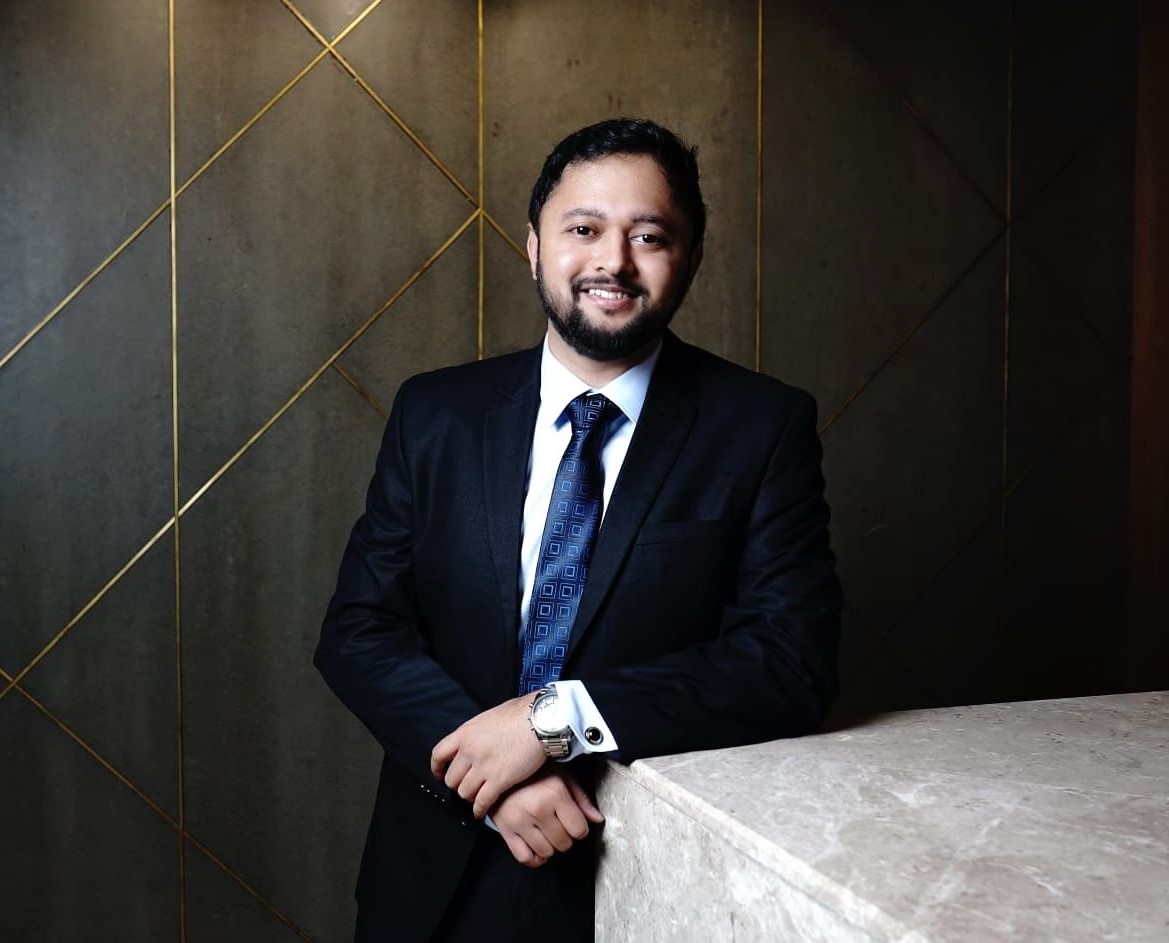



 Allow notifications