Tag: Delhi High Court

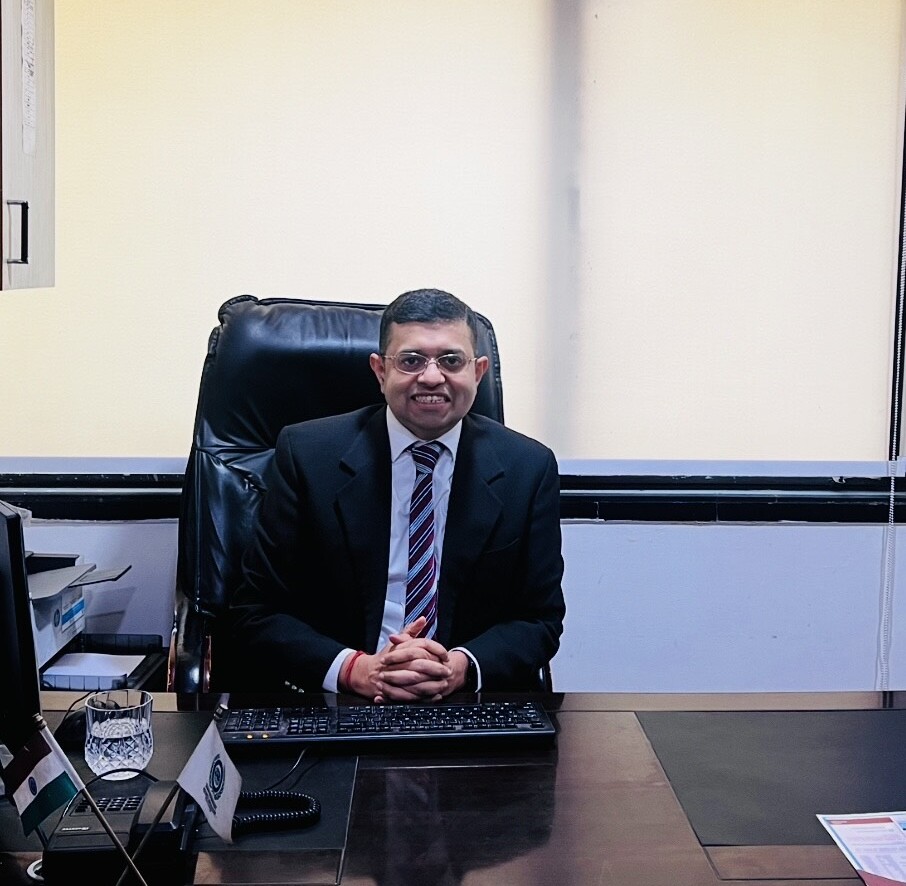
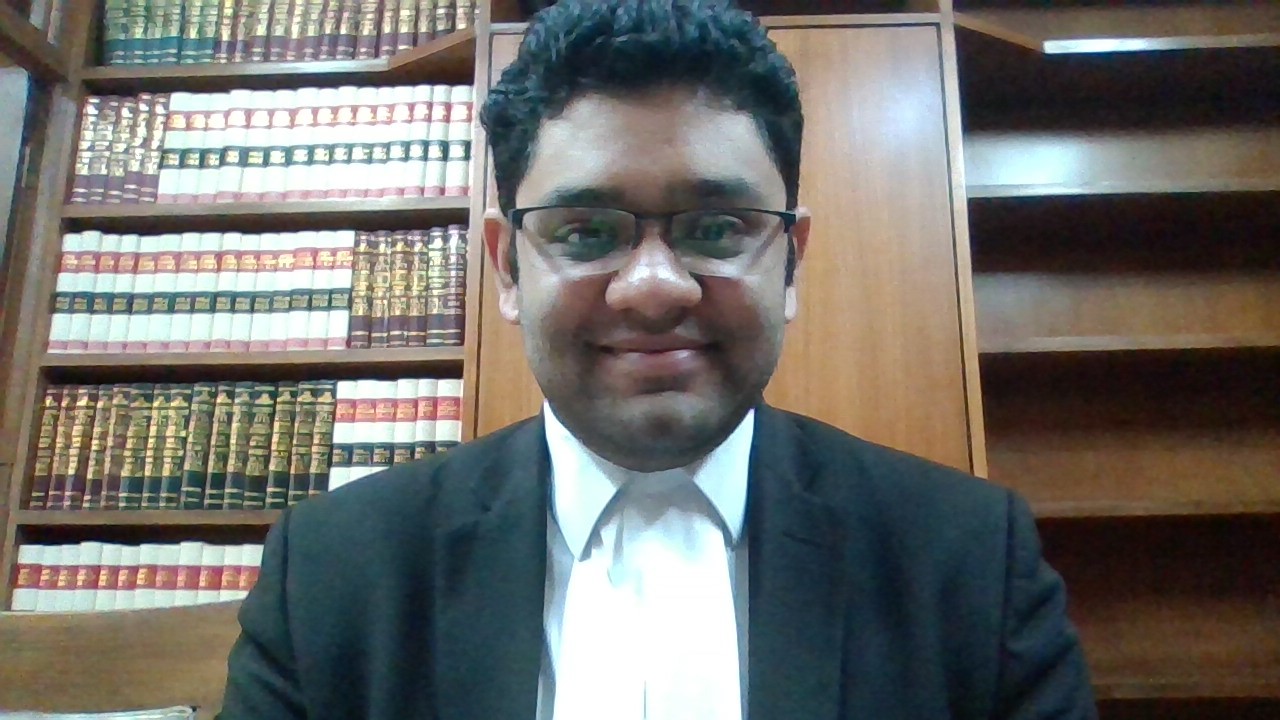
  • “If you pursue the field of litigation over the time span of 15-20 years, the odds of your success are more provided you remain honest, hardworking and dedicated” – Akshat Gupta, Managing Partner at Law Green.

    “If you pursue the field of litigation over the time span of 15-20 years, the odds of your success are more provided you remain honest, hardworking and dedicated” – Akshat Gupta, Managing Partner at Law Green.

    This interview has been published by Anshi Mudgal and The SuperLawyer Team

    Sir, you have extensive experience in civil and criminal disputes, arbitration and various other areas. What initially drew you to law, and how did you develop your specialization in dispute resolution and corporate advisory?

    If I reflect back on my journey as an advocate, I think the initial seeds were sown during my school days at Salwan Public School. Although I come from a science background, I was greatly influenced by my teachers at Salwan Public School who taught me social science and environmental studies during the initial days. At a very young age, I had developed strong views on critical topics such as caste reservation, women emancipation, global warming etc. Later on, Amity Law School propelled me further on my path towards social awakening where law was taught not only as a discipline but as a tool for bringing social change. I was greatly influenced by my professors who taught us subjects like Political Science, Law, Poverty & Justice and Jurisprudence which added fuel to the fire of my curiosity about this fascinating field. The turning point in my life was my internship experience with veteran leader of the Bar, Mr. R.N.Vats, Advocate, and time that I have spent in his chambers just kept sucking me into the field of law like a black hole even though initially I started my career in the corporate field as a management professional but eventually since my calling was always law so I went back to his chambers to master the essentials, understand the rudiments and get a solid foundation. As far as developing specialization in dispute resolution and corporate advisory is concerned, destiny has a role to play in it. It is a rule that if a lawyer’s diary permits, he must not say no to any brief which calls upon him. Following this principle and given my prior corporate experience and extensive network owing to my IIM roots, I started getting a lot of work initially in corporate advisory through my colleagues and friends. I was also lucky to get support from like-minded, hardworking, accomplished and brilliant colleagues from the Bar like Dr.Amit George & Mr. Sushant Singh, Advocate, who recognized and acknowledged my talent at an early stage of my life and entrusted me with complex briefs which required meticulous preparation and attention to detail which helped me develop my specialisation in dispute resolution over the time.

    After completing your law degree, you transitioned into management and HR leadership with prominent organizations before returning to law. What motivated these career shifts, and how have these experiences complemented your legal practice?

    Although, I always had a strong inclination towards the field of law but my curiosity and desire to explore other walks of life, while I was still young, led me to pursue the field of business management, when the life presented me with an opportunity to specialise in human resources from the Indian Institute of Management Ranchi. My experience at IIM Ranchi was a game changer for me, giving me much needed corporate and international exposure.  

    Interdisciplinary studies and holistic view about different areas of human knowledge is essential in shaping world view as law is a field which requires an open mind not having a myopic view. Very often the written code and precedents may blind us and seemingly show a dead end, but creative interpretation is necessary to do justice while at the same time respecting the code. This is why law is such a dynamic field and poses intricate challenges before jurists and lawyers all the time. The underlying motivation for me was to keep learning and growing my perspective and widen the lens through which I see the world. My experience in leadership roles with prominent organizations has led me to understand and appreciate the bottom-line pressures and regulatory challenges which businesses face while achieving corporate objectives in an ethical and legal way which has in-turn helped me to think more practically about law and regulations rather than focus on theory. My corporate experience and exposure has helped me to find innovative solutions for my clients to resolve business disputes often by way of mediated settlements in a faster way not requiring prolonged litigation. 

    Your practice spans dealing in sectors like FMCG, automobile, construction, and more. What are the major regulatory challenges you encounter today, particularly in the automobile sector, and how do you advise companies to navigate them?

    The automobile sector is one sector which has a strong lobbying with the government when it comes to aligning national policies with domestic interests. Unfortunately, the entire ecosystem and infrastructure, roads etc. are still lacking and not conducive to pave the way for future technologies and international players to enter the market. If we have to provide high class mobility for a billion and a half Indians, our automobile sector needs to buckle up. The world is miles ahead and our automobile sector is lagging behind facing immense pressure from environmentalists and lawmakers. Another aspect is safety concerns on Indian roads and fast changing regulations, emission standards which constantly require upgrading technology to meet the changing demands. There are several sectors aligning closely with automobile sector and dependant on automobiles for survival including spare parts industry, oil and lubricants (where counterfeiting and trademark infringement is rampant), tyres, auto-insurance & loans (our courts are filled with accident claims and cases of loan defaults), e-taxi/cabs services etc. which pose unique legal challenges of their own. The second hand automobile market has its own qualms and now there are new big players in automobile rentals and second-hand sales who have entered the market and disrupted the scene. Second hand sale of luxury/ultra-premium vehicles is on the rise and inter State pricing differential helps in cost arbitrage and savings for the customers due to lower regulatory life of diesel vehicles in certain states. We have seen a rise in the number of consumer disputes against automobile companies. Very often, the contracts with dealers and distributors, service providers etc. are loosely worded without delineating properly the liabilities which arise out of “deficiency in service” beyond standard warranties. Moreover, there are emerging service aggregators who are going to dominate the auto-service sector in the near future and they are likely to plead intermediary immunity in cyber space. From the legal and regulatory standpoint, it is important to have proper demarcation between different business verticals providing connected services, revisit standard warranties and business contracts and implement a robust 100% compliance approach. Litigation is unavoidable in this sector, however, when it dawns it is important to pursue the cases diligently with coherent strategy keeping in mind long term implications in such a dynamic environment. The electric two-wheeler space is buzzing with emerging players and keeping litigation costs low early on is a challenge especially when India is a vast country and finding adequate legal representation in remote areas still remains a challenge as proceedings are dominated sometimes by local language which is a barrier in itself. 

    Balancing a wide-ranging practice that includes litigation, arbitration, advisory work, and pro-bono work, how do you manage competing professional demands while maintaining personal balance?

    Although we lawyers have the liberty to work from home, from what I have seen in the legal industry, balancing competing professional demands and maintaining personal balance is the biggest challenge in life of all accomplished lawyers and even the senior-most lawyers in the fraternity struggle with this. A healthy mind dwells in a healthy body so maintaining physical health must take priority for anyone who wants to pursue this field with passion. Over the time, I have realised the importance of maintaining balance and spending time with family and pursuing hobbies which although initially is difficult to maintain in this profession but over the time with experience and clever self-management hacks coupled with prioritizing techniques can help solve this problem to a large extent. Having a schedule and following a routine is thus important which helps divide time between competing demands. From what I have learnt from senior members of the Bar, being a lawyer is all about staying in balance which is a constant struggle.

    For young lawyers and professionals aspiring to specialize in litigation and corporate advisory, what key skills, experiences, or interdisciplinary knowledge would you recommend prioritizing early in their careers?

    It is important to develop the skill to question everything and think critically but patience and tenacity are key virtues required in this profession which can be acquired early on by following a spiritual path from the very beginning. Further, reading religious scriptures (without becoming a fundamentalist) also helps in developing virtues of patience and diligence. I recommend reading literature in human psychology and how our understanding of the functioning of the human brain, habits and behaviours is used in modern business landscapes as a marketing and business strategy to advance corporate interests. This coupled with critical thinking is useful in separating truth from lies in this modern world of instant broadcast. Besides, it is absolutely essential to have good command over the English language and develop computer skills which can enhance your productivity and speed in a firm environment. Legal research and drafting are two pillars of litigation that go hand in hand and one complements the other. These are the basics which will give you impetus to start with confidence in your journey.  

    Reflecting on your multifaceted career spanning legal practice, HR leadership, and advisory roles, what guiding principles or lessons have shaped your success, and how would you advise the next generation to approach complex legal and organizational challenges?

    There are certain guiding propositions which I strongly believe in which have helped me carry on and prosper in this profession. The most important is that when I took the decision to enter litigation, I strongly believed and I still do, that there is no Plan “B”. I will not turn back at all and I will die as a lawyer. This approach has helped me stay firm to my resolve to pursue litigation even amidst personal adversity. 

    The second principle which I strongly believe in is that if you pursue the field of litigation over the time span of 15-20 years, the odds of your success are more than the odds of failure provided you remain honest, hardworking and dedicated to learning from mistakes. I have seen lawyers struggling with even basic English language in the beginning but over the time span of 5-6 years they have mastered the ability to navigate court systems and procedures with ease and that’s only because they kept on going. 

    The third most important principle is to remain content with steady progress and growth. Very high ambitions can soon turn into disappointment. As they say Courts are not meant for unjust enrichment but only compensation for loss, similarly litigation being the profession which commands highest standards and respect can help you earn a decent livelihood but if you want to become rich then go do some business or take up some other career path. With time though, sincere and dedicated lawyers do become rich but their motivation is not to earn money which is rather a natural consequence which flows from being a trusted advisor. 

    As far as approaching complex legal and organizational challenges is concerned, my advice would be to sit, live and breathe with files as long as you can and just keep going at it till the complexity dissolves. In the early stages of my legal career amidst the hustle, I specifically made time to read and analyse case files in silos which helped me in understanding the facts properly and then apply legal principles to a given set of facts. It is important to take charge and lead the brief from the front. 

    There is nothing which you can’t do or understand. If others can do it, you can also do it, you just need to believe in yourself and keep your confidence high. When you are genuinely stuck just reach out and seek help from your mentors and seniors at the Bar. Bar is a very resourceful asset and my experience has been that members of the Bar are not competitive rather co-operative. I have learnt how to tackle complexity extensively from fellow colleagues and senior advocates over morning walks, informal discussions etc. but most importantly from court room experiences. There’s a saying in courts that if you absent yourself from courts for more than three consecutive days, then a lawyer is considered dead. So, make it a habit to visit courts daily and interact with members of the Bar where the maximum learning happens.  

    Get in touch with Akshat Gupta –

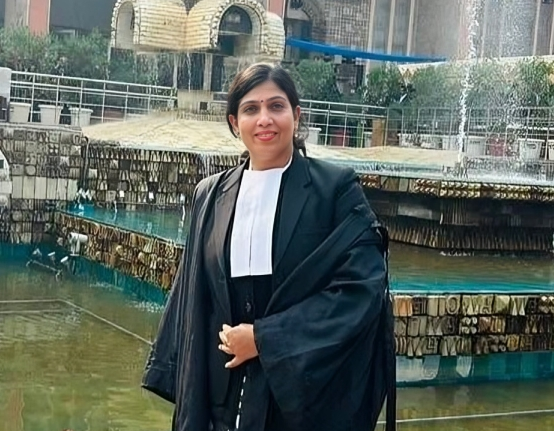
  • “The challenges of litigation, coupled with the responsibility of advocating for clients across diverse forums, continue to strengthen my passion for this profession.” – Ms. Vikas Jain, Advocate at Delhi High Court.

    “The challenges of litigation, coupled with the responsibility of advocating for clients across diverse forums, continue to strengthen my passion for this profession.” – Ms. Vikas Jain, Advocate at Delhi High Court.

    This interview has been published by Anshi Mudgal and The SuperLawyer Team

    With nearly two decades of experience practicing across multiple courts and legal forums, what first inspired you to pursue a career in law, and how has your motivation evolved over the years?

    From an early stage, I was fascinated by how the law functions as both a shield and a tool for justice. Watching how legal interventions could alter the course of people’s lives inspired me to pursue this profession. Initially, my motivation stemmed from a desire to understand the technicalities of the law and its practical application. Over the years, however, the focus has shifted towards ensuring accessibility to justice and using legal knowledge to create meaningful impact. The challenges of litigation, coupled with the responsibility of advocating for clients across diverse forums, continue to strengthen my passion for this profession. Today, my motivation is rooted not only in professional growth but also in the satisfaction of standing by those who rely on law as their last resort.

    You have handled an exceptionally diverse range of matters, from property disputes and intellectual property rights to criminal law and matrimonial cases. How do you adapt your legal strategies to address the unique demands of such varied practice areas?

    Each practice area carries its own nuances, requiring flexibility and a tailored approach. For property disputes, the emphasis is often on documentary evidence and statutory interpretation. In intellectual property matters, strategy lies in understanding technical details and balancing innovation with enforcement. Criminal law demands precision in procedural safeguards, while matrimonial cases require a balance of empathy and firmness. I adapt by conducting extensive research, analyzing precedents, and understanding the unique facts of each matter rather than relying on a one-size-fits-all approach. Equally important is the ability to listen, both to clients and to the evolving expectations of courts, which ensures that strategies remain responsive and effective across different fields.

    Property law and land disputes in India often involve intricate regulatory frameworks and procedural challenges. What approach do you prefer while navigating these matters effectively?

    Property disputes in India demand patience, detail-oriented analysis, and a deep grasp of statutory provisions. My approach begins with meticulous scrutiny of title documents, revenue records, and mutation entries. Given the overlapping jurisdictions of civil courts, revenue authorities, and tribunals, I place emphasis on identifying the proper forum and ensuring procedural compliance at every step. I also rely heavily on precedents, since land-related judgments often clarify ambiguities. At the same time, I encourage alternative solutions such as mediation to avoid protracted litigation, especially in family or co-ownership matters. Ultimately, a combination of technical accuracy, strategic drafting, and practical problem-solving enables effective navigation of these complex disputes.

     In the early stages of your career, what pivotal experiences helped deepen your understanding of the law, and how did they shape your professional approach?

    The early years of my career were spent in extensive court exposure—observing proceedings, drafting pleadings, and assisting senior counsels. One pivotal experience was handling procedural objections in trial courts, which taught me the importance of detail and timing. Another formative experience was preparing special leave petitions for the Supreme Court, which deepened my appreciation for precision in framing legal questions. These experiences instilled in me the discipline of thorough preparation and respect for judicial time. They also helped me understand that every matter, irrespective of its size, deserves equal attention, since even minor details can alter the outcome. These lessons continue to guide my professional approach.

    Having appeared before the Supreme Court, High Courts, subordinate courts, tribunals, and other forums, how does your preparation and strategy differ when handling matters at various levels of the judicial system? Additionally, what has been one of the most challenging cases for you and how did you navigate it?

    Preparation varies significantly with the forum. In trial courts, strategy revolves around evidence, cross-examination, and building the factual record. High Court matters often focus on questions of law and precedents, while Supreme Court practice demands brevity, clarity, and framing of constitutional or substantial legal issues. One of the most challenging cases I handled involved a service matter concerning a disabled ex-serviceman’s appointment, which was delayed due to procedural hurdles. It required not only persistence before multiple forums but also empathy towards the litigant’s hardship. The case reinforced the importance of resilience, drafting precision, and relentless follow-up to achieve justice.

    When managing sensitive cases such as matrimonial disputes or criminal matters, how do you balance legal precision with empathy, and what preparation goes into handling emotionally charged situations?

    In sensitive cases, the lawyer’s role extends beyond legal arguments to offering emotional stability to clients. I approach these matters with active listening, ensuring that clients feel heard and supported while keeping the focus on the legal remedies available. Preparation involves anticipating emotional outbursts, safeguarding the dignity of parties, and ensuring that sensitive facts are presented with discretion. Empathy helps in building trust, while legal precision ensures that arguments remain credible before the court. This balance is essential because, in emotionally charged cases, the outcome is not only measured in legal terms but also in the client’s ability to move forward with dignity.

    Over the past 19 years, what significant changes have you observed in the legal profession, particularly with the advent of technology, and how have you adapted your practice to remain effective?

    The legal profession has undergone a remarkable transformation with the adoption of technology. E-filing, virtual hearings, digital research databases, and AI-driven tools have revolutionized how lawyers work. Earlier, access to judgments and precedents was time-consuming, but today, technology has made research more efficient and comprehensive. I have embraced these changes by adopting digital platforms, managing case files electronically, and using technology to enhance client communication. While traditional courtroom skills remain indispensable, technology has improved accessibility and speed. The key is to blend the discipline of classical legal practice with modern digital efficiency to remain relevant and Effective.

    What advice would you offer to young lawyers aspiring to build a versatile and enduring career in litigation and dispute resolution? Which skills, habits, or resources should they start cultivating from the earliest stages of their journey?

    To young lawyers, I would emphasise patience and persistence as the cornerstones of a litigation career. In the early stages, focus should be on building drafting skills, observing court proceedings, and learning procedural law in depth. Cultivate the habit of consistent legal research, as strong fundamentals in precedents and statutes build long-term confidence. Networking with peers, maintaining professional ethics, and respecting the bench are equally crucial. I also advise developing communication skills—both oral and written—as they are vital in every forum. Most importantly, never lose sight of empathy, because law is ultimately about people, and balancing technical knowledge with human understanding creates a truly enduring career.

    Get un touch with Ms. Vikas Jain –

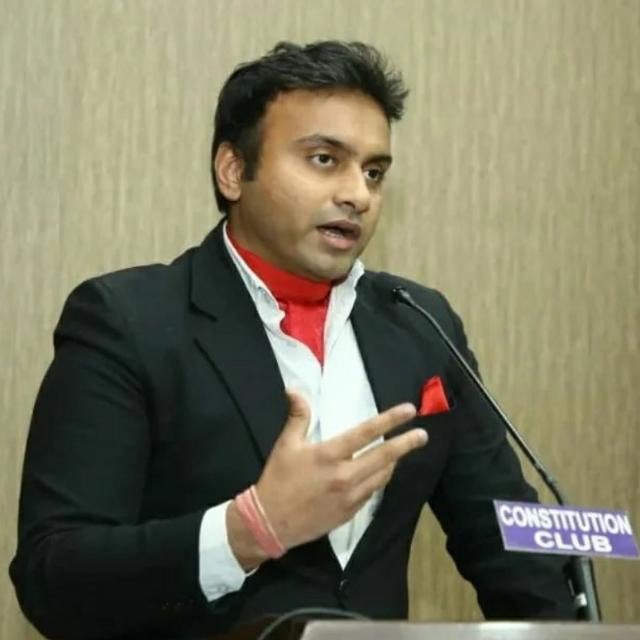
  • “The field of litigation is like a pyramid with limited competition at the top! With sincerity and focus any lawyer may reach the top.” – Sarvesh Singh, Advocate-on-Record at Supreme Court of India & Managing Partner at V&S Law Offices.

    “The field of litigation is like a pyramid with limited competition at the top! With sincerity and focus any lawyer may reach the top.” – Sarvesh Singh, Advocate-on-Record at Supreme Court of India & Managing Partner at V&S Law Offices.

    This interview has been published by Anshi Mudgal and The SuperLawyer Team

    Reflecting on your extensive experience, what inspired you to pursue a career in law, despite not coming from a legal background? What motivated your decision to choose the Army Institute of Law for your studies? How did your time there shape your understanding of the law, and how did the integration of Army discipline with legal education influence your approach to practicing law?

    The charm of uniformed service is unmatched. My grandfather was in the Police, and my father was in the Army. Litigation provides an opportunity to wear the band and gown, with no retirement age, and experience the thrill of a duel in an arena while cross-examining a witness, advancing final arguments, and even playing war games with the applications filed in a case! I was inspired to have such a way of life.     

    Army Institute of Law (AIL) offered a 5 year integrated law course. It was a residential Institute with a focus on sports, extracurricular activities, internships, and studies. Being from an Army background, I was certain AIL would nurture the students well. 

    I was told in the first year itself that one is wedded to law!  Being a residential institute, the Professors acted as our guardians and guided us in all walks of life. We were asked to develop the habit of going through the latest law journals which made us understand the divergent views argued and a reasoned judgment on the subject. Moot Court Competitions were another aspect that was extensively undertaken in AIL. 

    The study of law with its application makes it more interesting. Discipline is a common feature in the Army and Law and AIL made us disciplined. The basic traits of being punctual, and being courteous to the Judge as well as the opposite counsel aids in daily practice. The art of advancing arguments is to throw light,  not heat, which I  learned from the Moot Court Competitions.       

    During your time in law school, you completed numerous internships. What were the most valuable lessons you learned from these experiences, and how did they help you build a strong foundation as you transitioned into real-world legal practice?

    Internships are important to enable the student to see the diverse fields of law, be it litigation, working in a law firm, or taking teaching as a profession.  Internships are a distinct feature on a CV and may enable a student to secure a placement.  

    My internships provided great learning experiences and helped me build valuable connections. My first internship was under Mr. R. Venkatramani who is the present Attorney General of India. I had the opportunity to witness the hearings in the Supreme Court during my first internship.      

    However,  to gain exposure, I also interned with Titus and Co., Lall and Sethi, Singhania and Co., Juris Consultants, and the “Indian Society of International Law”. 

      What were your early experiences like working at a top-tier firm? What key lessons did you learn there, and how did those experiences shape the direction of your career?

    I was fortunate to get placed in one of the best law firms, Remfry & Sagar.  Late Dr. Sagar, the founder of the firm, valued the time of associates,  and the firm’s working hours were 9 AM to 5:30 PM, with weekends off. The associates focused and worked diligently during this time rather than the practice in some firms where late evenings are usually spent in the Office.  

    It was a great experience to work with foreign clients and MNCs, I recall Japanese clients being the most punctual in conferences and responding to queries immediately. Needless to say, such clients expected a similar swift response. 

    I realized that the best a lawyer can ensure is punctuality and diligence toward the case entrusted by the client. Even in case of an adverse order, many clients retain the same lawyer to challenge the impugned order or judgment because they have witnessed the lawyer’s diligent work.

    What motivated your decision to transition from working at a top-tier firm to starting your own independent practice? Given the stability of your previous role, what factors influenced this significant decision? Additionally, litigation is often described as thrilling and unpredictable. What aspects of litigation excite you the most, and how do you prepare for its inherent unpredictability?

    It was a good experience to sit comfortably in the Ivory Tower and work for foreign clients. I learned a lot about Intellectual Property Rights. Mr. Ashwin Julka, who was the Managing Partner of the firm, trained me well both in the field of law and the art of dealing with clients.    

    However, I missed the thrill and charm of going to the Court on a daily basis and dealing with different subjects of law. I felt that a lawyer, just like an actor, should not confine themselves to limited roles! One should seek challenging roles as well and the focus should be on learning diverse subjects of law.  

    I started my Advocate-on-Record (AoR) training under the Late Mr. Satya Mitra Garg and Mr. Ashok Panigrahi who had worked in the Chamber of Venkatramani Sir previously. You may just consider how immense internships maybe even after several years of practice. 

    The thrill of a gladiator in litigation comes with some uncertainty. However, the law of averages aids a lawyer, and with grit, strategic patience, and proper networking, one can overcome the cloud of uncertainty. 

     How did your training under various Senior Advocates equip you for the demanding role of an Advocate-on-Record (AoR)? What were some of the major challenges you encountered in the early stages of your practice, and how did you navigate those obstacles?

    In my training days, I drafted petitions concerning diverse fields of law which were either argued by the AoR or a Senior Advocate. As a lawyer, one realized that once a petition is filed, the scope of argument is limited to the grounds raised, and hence drafting a petition well was crucial, and annexing relevant annexures was important. That apart, it was essential to be privy to the Supreme Court Rules, leading cases as well as the latest Supreme Court Cases.    

    The challenge faced in the initial days of independent practice relates to getting clients. I realized that an invisible highway must be built for cases to flow from the respective High Courts and Tribunals. I built a decent network of connections – from lawyers who graduated from AIL to people I interned with. I was helped by Justice Manmeet Arora (then a lawyer), Abhijat Sir, and Ronny Sir in the initial years of my independent practice.

    What led you to specialize in Arbitration, and what makes this area of law distinct in terms of its challenges compared to others? Could you share an example of a particularly challenging arbitration case you worked on, and how you prepared for it? 

    The time frame for making the Award under the Arbitration and Conciliation Act, 1996 is one year from the date of completion of pleadings and the scope of appeal is limited. Therefore, the Arbitration clause is one of the essential elements incorporated in most of the contracts between the parties inter se. Time is of the essence when filing and conducting cross-examinations in arbitration cases, and seeking an adjournment is akin to committing a sin!   

    One of the important Arbitration cases was regarding the denial of payment and the imposition of huge penalties which were imposed clandestinely. Since the other side failed to appoint an Arbitrator, the High Court appointed an Arbitrator.

    It is said that “The truth is often shielded by layers of lies”. The other side filed an application seeking that the claims were fraudulent and hence it was out of the purview of the Arbitration proceedings. We countered by relying upon the wide definition of Section 17 of the Indian Contract Act, 1872 which encompasses the alleged fraud as well. The judgment of Avitel Post Studioz Ltd. & Ors. v HSBC Pi Holdings (Mauritius) Ltd. was relied upon by us. The Arbitrator was pleased to dismiss the application with costs.  

    Interestingly, extensions of the contract were given by the other side. On this aspect, the concerned witness from the other side was cross-examined in detail. After some detailed cross-examination, the concerned witness admitted that extensions were due to the satisfactory services and after compliance with the terms and conditions of the contract. Concerning the issue of penalty, the other side was directed to produce the computation of the penalties as not even a Show Cause Notice was issued. We were able to demonstrate that the other side acted as an emperor with scant regard for the principles of natural justice. Furthermore, the quantum of penalty, though stipulated in the agreement, was excessive, burdensome, coercive, and against the principles of law contained in Section 74 of the Indian Contract Act, of 1872. The judgments of Fateh Chand v. Bal Kishan Das and Kailash Nath Associates v DDA were relied upon by us. 

    The Arbitral Tribunal was pleased to award the amount due without any penalty along with interest and legal costs.   

    Being an AoR and handling your Chambers, you must carry significant responsibilities. How do you manage these responsibilities, and what strategies do you employ to unwind and relax after a long, stressful day?  

    An AoR has to be present in all the proceedings and even the SLP and applications are signed by the AoR, barring the affidavits. The SLP and applications have to be read diligently before filing and I ensure to attend all the proceedings. This has become easier with the online hearings and even the filings are online.  

    I am an avid golfer and do happen to meet different players on the Golf Course. Golf is a social game, so networking is natural. An opponent or a teammate in a game today turns out to be my client tomorrow! I would advise lawyers to pick up any one sport. Apart from health, it may be good for wealth, too!    

    Making the transition to litigation, especially after having a stable job, requires great courage. What advice would you give to law students who are currently navigating their legal journey and aspire to excel in the field? Furthermore, what resources would you recommend to keep them updated on the latest developments, particularly in arbitration law?

    I concede that the initial days in litigation do not appear stable. However, in the long run, the life of an Independent lawyer is stable with no fear of losing a job! If that invisible highway is maintained well, cases are bound to travel from the respective High Courts.     

    My advice to students is to undertake diverse internships and start building connections from their first internship. Secondly, reading the latest law journals is another habit that would aid. In the field of Arbitration, the Indian Contract Act, of 1872 may be studied in detail and one may witness the proceedings in a Commercial Court. 

    Looking back at your journey from law school to becoming an Advocate-on-Record in the Supreme Court, how would you describe your evolution as a legal professional? What key qualities do you believe a law student should possess if they wish to become an AoR and succeed in litigation?

    One has to be agile to adapt to the changing times in the legal profession. The online filings and online hearings sounded unreal pre-COVID time but have now become the norm. In the initial days, all the cases were undertaken by me but now one may weigh the cases and stop counting. In the legal profession, having a student mentality is essential and I don’t hesitate to learn something from my colleague or an intern who has researched well on the subject. 

    With sincerity, focus, and training for one year, it is not difficult to become an AoR. To excel in the legal profession, develop deep and unwavering commitment. Being an independent lawyer is a superpower – you would be a master of your time!   

    Lastly, Litigation is like planting a mango tree, which requires time for the tree to bear fruit.  Do not compare such a tree with a plant whose flowers bloom within a month and wither away in a few days! Furthermore, the field of litigation is like a pyramid with limited competition at the top! With sincerity and focus any lawyer may reach the top. 

    Get in touch with Sarvesh Singh –

  • “Success in law requires not just technical expertise, but also an understanding of human dynamics and effective communication.” – 𝐀𝐛𝐡𝐢𝐬𝐡𝐞𝐤 𝐄𝐬𝐪.,  Attorney at Law, at Delhi High Court

    “Success in law requires not just technical expertise, but also an understanding of human dynamics and effective communication.” – 𝐀𝐛𝐡𝐢𝐬𝐡𝐞𝐤 𝐄𝐬𝐪., Attorney at Law, at Delhi High Court

    This interview has been published by Namrata Singh and The SuperLawyer Team

    You have a diverse academic background, from hotel management to law. What inspired your transition into the legal profession, and how have your experiences in corporate hospitality and business management shaped your legal career?  

    My transition from hotel management to law was driven by a deep-seated passion for advocacy and a desire to impact the corporate landscape meaningfully. It was a natural progression stemming from a deep-seated fascination with human interaction, problem-solving, and the intricate web of laws that govern our society. While working in corporate hospitality, I gained invaluable insights into business operations, customer relations, and the importance of legal frameworks in guiding ethical practices. This experience fostered my understanding of how law intersects with various industries. The dynamic and often complex nature of the hospitality industry exposed me to a myriad of legal challenges. The hospitality sector sharpened my skills in negotiation and conflict resolution, which are crucial in legal practice. Additionally, managing diverse teams allowed me to appreciate the nuances of communication and the importance of clear, actionable advice—skills that I apply daily in my legal career.

    With over 18 years of experience in industries as varied as hospitality, language industry, and legal services, what have been the key lessons learned from working in such different fields, and how have they contributed to your current practice?  

    My journey across diverse industries has been a rich tapestry of experiences that have shaped my professional perspective and enriched my current practice. Working in hospitality, language industry, and legal services has provided me with unique insights into different business cultures, communication styles, and legal frameworks. One of the most valuable lessons I have learned is the importance of adaptability and cultural sensitivity. In hospitality, I encountered clients from all walks of life, each with their own expectations and preferences. This experience taught me to approach each situation with empathy and understanding, tailoring my approach to meet their specific needs. Similarly, working in localization industry exposed me to the nuances of different languages and cultures, fostering a deep appreciation for linguistic diversity. This adaptability allows me to navigate complex legal issues with a creative mindset, drawing from different perspectives and methodologies. Another key takeaway is the power of effective communication. In all three industries, clear and concise communication is essential for building relationships, resolving disputes, and achieving desired outcomes. My experience in these fields has honed my ability to articulate complex legal concepts in a way that is easily understood by clients and stakeholders, while also fostering open and productive dialogue with opposing counsel. Lastly, my diverse background has reinforced the value of collaboration. Each sector relies on teamwork and leveraging varied skill sets to achieve common goals. This collaborative spirit enhances my ability to work effectively with clients, colleagues, and other professionals, fostering a holistic approach to legal solutions.

    You specialize in both corporate and criminal law. How do you balance the intricacies of corporate governance and criminal defense, and what unique insights have you gained from handling cases across such varied legal disciplines?  

    Balancing the intricacies of corporate and criminal law requires a delicate interplay of analytical skills, strategic thinking, and a deep understanding of the ethical and legal implications of corporate conduct. While these two areas of law may seem disparate, they are interconnected in many ways. Corporate misconduct can often lead to criminal charges, and effective corporate governance can help prevent legal and reputational risks. One of the key insights I have gained from practicing in both corporate and criminal law is the importance of understanding the broader context of a case. By analyzing the corporate culture, business practices, and regulatory environment, I can identify potential vulnerabilities and develop strategies to mitigate risks. Additionally, my experience in criminal defense has taught me the value of aggressive representation and the importance of protecting my clients’ rights. Another valuable insight is the interconnectedness of legal issues. For example, a corporate fraud case may involve complex financial transactions, regulatory violations, and potential criminal liability for individuals. By understanding the interplay of these different legal areas, I can provide comprehensive advice and develop a tailored approach to address the specific needs of my clients.

    In your experience as a corporate governance expert and Independent Director, what ethical challenges do companies commonly face, and how do you guide them through ensuring compliance and ethical business practices?  

    As a corporate governance expert and Independent Director, I have encountered a wide range of ethical challenges faced by companies. Common issues include conflicts of interest, bribery and corruption, environmental sustainability concerns, and data privacy breaches. To address these challenges, I guide companies by promoting transparency, accountability, and ethical decision-making. This involves establishing robust governance frameworks, implementing ethical policies and procedures, conducting regular risk assessments, and fostering a culture of integrity within the organization. By providing independent oversight and guidance, I help companies navigate ethical complexities and maintain a strong reputation in the marketplace. Additionally, I stress the importance of board oversight to ensure accountability and adherence to ethical standards, ultimately guiding companies toward sustainable compliance and ethical business practices.

    As a seasoned legal professional, what advice would you give to young lawyers starting their careers, especially those interested in combining multiple areas of law as you have with corporate, criminal, and commercial law? 

    To young lawyers starting their careers, I would advise them to embrace a broad-based approach to their legal education and practice. While specializing in a particular area of law can be beneficial, a diverse background can offer unique insights and opportunities. By exploring multiple areas of law, you can develop a well-rounded understanding of the legal landscape and better serve your clients’ needs. Additionally, don’t be afraid to step outside of your comfort zone and take on challenging cases. Every experience, whether positive or negative, can contribute to your professional growth and development.

    Having qualifications in both corporate law and mediation, how do you blend these seemingly contrasting roles of litigation and peaceful dispute resolution in your day-to-day practice?

    Blending my qualifications in corporate law and mediation allows me to approach disputes with a unique perspective that balances advocacy and resolution. In my day-to-day practice, I assess each situation to determine the most effective strategy. While these two approaches may seem contrasting, they are actually complementary. In many cases, mediation can be a valuable tool for resolving disputes before they escalate into litigation. By leveraging my mediation skills, I can help parties identify common ground, explore mutually beneficial solutions, and reach agreements that avoid the time, expense, and stress of a courtroom battle.

    However, there are also situations where litigation may be necessary to protect clients’ rights or interests. In such cases, my corporate law expertise enables me to develop a strong legal strategy, advocate effectively in court, and negotiate favourable settlements when appropriate.

    As the founder of “Legal Eloquence” and an advocate for continuous learning, how do you mentor young lawyers and legal professionals in developing both technical legal skills and the softer skills required for success in the industry?  

    In today’s rapidly evolving legal landscape, marked by advancements in artificial intelligence and the increasing complexity of legal issues, success requires a multifaceted approach. At “Legal Eloquence,” we believe that thriving as a legal professional, demands not only a strong foundation of technical legal skills but also a deep understanding of human dynamics and effective communication. To mentor young lawyers and legal professionals, we focus on developing both aspects of their professional development. On the technical side, we provide comprehensive training in legal research, writing, and analysis, equipping them to navigate the complexities of the legal system and understand the ethical implications of their practice. We emphasize the importance of staying up-to-date with legal developments and industry trends, including the integration of AI tools into legal workflows.

    However, we also recognize that the legal profession is increasingly interpersonal. Therefore, we invest in developing the softer skills that are essential for building relationships, communicating effectively, and navigating the challenges of the legal workplace. By fostering a culture of continuous learning and professional development, we aim to inspire the next generation of legal leaders.

    Your background includes working with environmental, social, and governance (ESG) matters. How do you see interdisciplinary collaboration between lawyers and other professionals (like environmental scientists) playing a role in corporate legal strategies in the future?  

    Interdisciplinary collaboration between lawyers and professionals such as environmental scientists will be crucial in shaping corporate legal strategies related to ESG matters, particularly in the context of Business Responsibility and Sustainability Reporting (BRSR). This collaboration enables organizations to align legal compliance with environmental objectives, ensuring that their strategies meet BRSR requirements while addressing sustainability challenges. By integrating legal expertise with scientific insights, companies can develop comprehensive frameworks that not only enhance compliance but also drive innovation and responsible practices, ultimately fostering greater transparency and accountability in their operations.

    With such a demanding and diverse career, how do you find time to unwind and recharge? Are there any specific activities or hobbies that help you maintain a healthy work-life balance?  

    Balancing a demanding and diverse career with personal well-being is essential for long-term success and happiness. I prioritize unwinding through activities that allow me to disconnect and recharge.

    One of my favourite ways to relax is spending time in nature. I enjoy hiking, gardening, and simply being outdoors. Additionally, I find meditation and mindfulness practices to be invaluable tools for managing stress and maintaining focus. Regular exercise, such as jogging and yoga, helps me clear my mind and stay physically fit. Additionally, I enjoy reading, both fiction and non-fiction, as it provides an escape and stimulates my creativity. Spending time with family and friends is also vital; it keeps me grounded and offers a supportive network. Finally, I dedicate time to hobbies like cooking and exploring new cuisines, which not only relaxes me but also adds a personal touch to my life outside of work. These activities collectively help me maintain focus and energy in my professional endeavors.

    Get in touch with Abhishek ESQ-

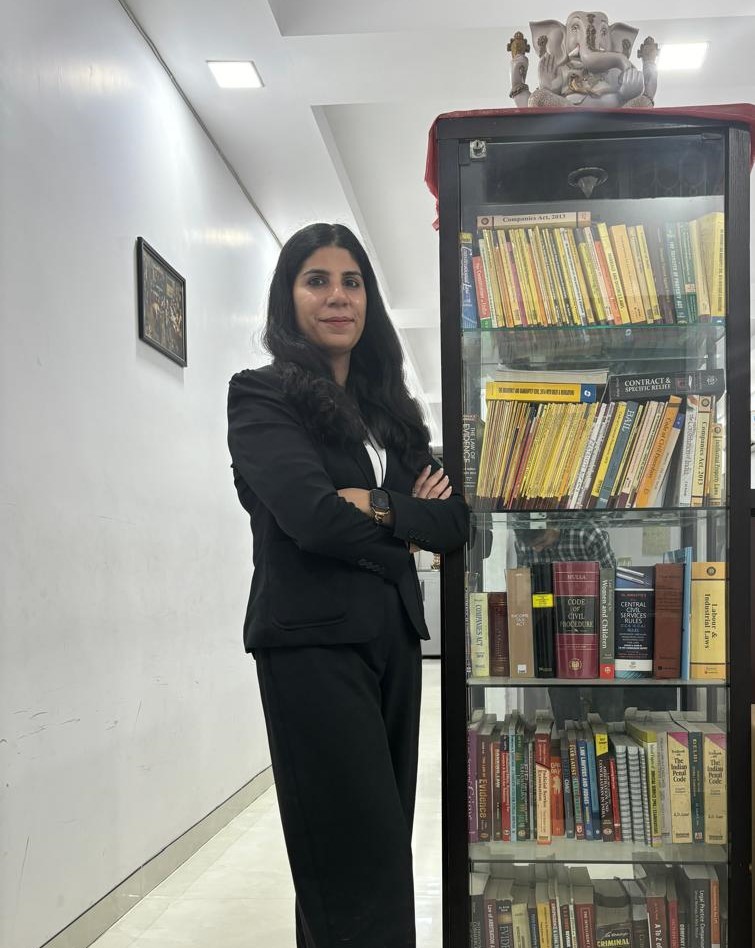
  • “In the courtroom, it’s not about the length of arguments but the merits—crisp and to the point is my mantra for success.” – Neetica Sharma, Partner at MV Kini Law Firm

    “In the courtroom, it’s not about the length of arguments but the merits—crisp and to the point is my mantra for success.” – Neetica Sharma, Partner at MV Kini Law Firm

    This interview has been published by Namrata Singh and The SuperLawyer Team

    Can you take us through the journey of how you started your legal career, from your early days at Maharishi Dayanand University to becoming a Partner at MV Kini Law Firm?  What made you choose law as your career initially?

    I come from a small city, and I completed my LLB from a small town as well, though Maharishi Dayanand University has always been considered a reputable institution for law courses. Growing up in a small town presents its own set of challenges. When I pursued my LLB, a career in law was typically seen as either practicing in district courts, securing a government job like ADA, or preparing for the judiciary. But I had bigger dreams — I wanted to move to Delhi and carve a different path for myself.

    As a first-generation lawyer, I had to find my own way. The lack of proper resources and guidance, especially compared to those from metro cities, made things difficult for me. My journey began with working in an LPO (Legal Process Outsourcing), where I worked for a brief period. At the time, LPOs were booming.

    After a year, I transitioned to the corporate sector, but I quickly realized it wasn’t where my passion lay. I’ve always been drawn to the courts, so I made the decision that for me, law meant “litigation,” and that’s what I truly wanted to pursue.

    I eventually applied to my current firm, and after years of hard work and dedication, I am now a Partner here. However, the journey was far from easy — it wasn’t a bed of roses. What kept me going was my commitment to hard work, my dedication, and my unwavering love for the courts.

    You’ve appeared before various legal forums, including the Supreme Court, High Court, and Arbitral Tribunals. Could you share the key differences in how cases are presented, argued, and decided across these different courts, and how you adapt your approach based on the forum you’re in?  

    Definitely, there is a difference in how we present and argue cases before different forums, such as Arbitral Tribunals, High Courts, and the Supreme Court. In my view, the key difference is that with each advancing stage, arguments become more concise.

    For instance, when presenting a case before an Arbitral Tribunal, a counsel needs to lay out the case in as much detail as possible. Every relevant factual detail must be presented to the Tribunal without fail. However, when it comes to the High Court, the focus shifts to explaining why an award is flawed in law and how the challenge fits within the legal grounds or criteria.

    Finally, when arguing before the Supreme Court, the presentation should be as brief and precise as possible. The synopsis of the Special Leave Petition (SLP) essentially encapsulates the entire case, and it should be drafted in a manner that allows the judge to grasp the case without needing to delve further.

    As someone who is proficient in handling mainstream commercial litigation, what are some of the emerging challenges in this field, and how should legal professionals prepare to tackle them?  

    Nowadays, commercial dealings are centred around arbitration. Almost every contract agreement includes an arbitration clause, with one of the primary objectives being to secure a speedy remedy that avoids the procedural complexities of court proceedings. However, we are gradually drifting away from the advantages of arbitration. Arbitration proceedings are increasingly resembling court processes, as arbitral tribunals adopt similar procedures. In my view, this should not be the case. If arbitration starts functioning like a court, what is the point of having an arbitration clause?

    I began handling arbitrations in 2010 and have attended almost hundreds of proceedings since then. The way arbitration was conducted back then was very different from how it is now. It was more party-friendly than compared to the current scenario. As a lawyer, one must continuously learn and be open to accepting changes, as the arbitration process evolves over time.

    Your successful representation of NHAI in several landmark cases has set significant legal precedents. Could you share the key factors that contributed to your success in these cases?

    For me, the key factor that helped me getting success in the cases is “to be focussed on the issue”. Just be thorough with the facts, updated on the law point and be very relevant in the arguments. I personally don’t believe in the length of arguments; I believe in the merits of arguments. For me “crisp and to the point” is the mantra. 

    Further, when it comes to arbitration/dispute resolution, law is getting stricter with regard to court’s interference so whenever an award is challenged, it’s very important to just focus on the key points of the case where courts can interfere rather just presenting a long history of case when courts can only deal with question of law. Further, I believe to give a right advice/opinion to my clients and do not encourage habitual litigation. 

    You’ve led litigation teams for several years. How important do you think mentorship is in the legal profession, and what role has it played in shaping your career? Do you actively mentor young advocates?  

    Mentorship is very important in every field. It gives a certain kind of confidence and motivation. I remember I was so naïve when I joined this profession. I have also had my own struggles of coming from a small city. So, I always try to make sure that young lawyers joining the firm get my support, mentorship. I believe in Teamwork.   

    Not every case ends in success. Can you share an experience where the outcome was not in your favor? How did you handle that, and what lessons did you take from it?  

    I have been representing government clients mostly and have been appearing on behalf of the government in very high-stakes and complex matters. I will not feel shy to say that success rate of government is less in comparison to private parties in commercial matters. So, I also have an experience of not getting the outcome in my favour. But what I have learnt is that our approach should be defend or fight for our client to a maximum level possible. In dispute resolution/Commercial litigation, specially in Arbitrations, outcome is not always in the form of black-and-white. For eg. defending a client and getting 5 out of 8 claims rejected is also a win to an extent. In the same way, getting an award of 100 crores out of the claimed amount of 150 crores, is also a win. 

    As a leader in your field, what is your vision for the future of arbitration and litigation in India? What reforms or changes do you believe are necessary to improve the efficiency of the legal process?  

    Without any doubt, future of litigation in India is commercial litigation. After acknowledging the need of developing a strong dispute resolution mechanism in India, amendments of 2015 and 2019 were made in Arbitration and Conciliation Act and Commercial Courts act was introduced. The way Commercial Courts Act has simplified the process of litigation in commercial disputes is commendable. 

    Arbitration has been a continuously growing filed. However, it comes with its own challenges which require to be addressed practically. First and foremost is regarding the cost involved in the arbitrations as arbitration these days has become a luxury litigation. In my view, 3 issues which require immediate attention are: Cost effectiveness, procedural simplification and impartiality. 

    As a female partner at a prestigious law firm, what challenges, if any, have you faced in the male-dominated legal industry, and how have you overcome them? What advice would you offer to women aspiring to reach leadership positions in law?  

    I have been lucky enough to not face any gender-based discrimination at my organisation. However, there is one challenge which I have always felt in this profession is Networking. A male lawyer can easily go out with clients, have a professional dinner (which many a times ends up getting more work) but a female lawyer has to consider many things before doing any such networking. So, even if we don’t face any man-made discrimination but some natural discriminations are there in our society. 

    My advice to young women lawyers is that just keep going, no matter how many struggles come in your way. 

    Given your extensive workload and responsibilities, how do you manage to balance your professional life with your personal life? What do you do to recharge and maintain a healthy balance?  

    Legal profession is a very demanding profession and there is no chance of negotiation. So, to balance it out with my personal life, I try to finish up my work by 7.30 pm and that’s only possible with proper planning. Though our profession is full of surprises when it comes to work but I try to plan everything which makes it possible for me to wrap up major portion of my work by 7.30 pm. Another thing is that I always prefer to reside near office area which helps me save travelling time. 

    When it comes to health, litigation lawyers unlike corporate lawyers remain physically active by walking entire day in court which is a benefit to us. I am not a gym or fitness enthusiast, but I try to do 30 mins brisk walk in my colony park. Whenever I get some more time, I try to do little bit of running. I have also successfully run Delhi Half Marathon (21 kms) twice. 

    Apart from physical health, mental health is equally important. Everybody can see your physical illness, but nobody sees your mental illness. And due to “work pressure” and for some “no work”, lawyers are more vulnerable to it. I am a mental health advocate and want to do something more concrete in this area to spread mental awareness.

    Get in touch with Neetica Sharma-

  • The journey of a first-generation lawyer is never easy, but through hard work, personal networking, and an unwavering commitment to ethics, success is achievable for anyone,” -Vaibhav Mishra, Advocate-On-Record at the Supreme Court of India.

    The journey of a first-generation lawyer is never easy, but through hard work, personal networking, and an unwavering commitment to ethics, success is achievable for anyone,” -Vaibhav Mishra, Advocate-On-Record at the Supreme Court of India.

    This interview has been published by Namrata Singh and The SuperLawyer Team

    Could you share what inspired you to pursue a career in law, and how your journey has evolved from your early days at Campus Law Center, Delhi University, to becoming an Advocate-On-Record at the Supreme Court?  

    In a way, I am an accidental lawyer as after my graduation in 2009 with B.Com (Hons.) course from Zakir Husain Delhi College(erstwhile Zakir Husain College), Delhi University I was preparing for CAT and other MBA entrance exams along with Combined Defence Services examination. I cleared my Combined Defence Services examination and went to 14 SSB (Service  Selection Board) Allahabad around March 2010. Unfortunately, I could not clear the Service Selection  Board interview and later joined Aon Hewitt (erstwhile Hewitt Associates) as a Research Associate.  In the meantime, I had cleared the Faculty Of Law, Delhi University entrance exam and got a decent rank so I took up the 3-year LLB course at Campus Law Centre. 

    During my days at Campus Law Centre, I took part in many Moot Court Competitions all over India and debates within the college itself. The atmosphere in Campus Law Centre is different as compared to other Law Schools’ be it National Law Universities or any other Law School. The vibe of studying at Delhi University, especially on North Campus and the exposure which one gets there develops the personality of an individual holistically. My internship stints in different offices after classes also helped me in making my decision towards taking up litigation as a career.  

    After my graduation in 2013, I was working as a Law Clerk with HMJ. (Retd.) Shiva Kirti Singh in  Hon’ble Supreme Court and later on in many different offices such as Suri & Co., Luthra & Luthra  Law Offices India (erstwhile L&L Partners), Chambers of Sr. Adv. Ajay Verma, C&C Associates,  M/s. Dev Bhumi Cold Chain Pvt. Ltd. before going fully independent. All these offices helped me in becoming a better individual in my professional career and maybe in life as well. The exposure of dealing with different kinds of people and different complex situations has its advantages &  disadvantages which one tries to navigate.  

    I had the opportunity to clear my Advocate-On-Record exam on my second attempt and got the result around April 2023. I think for establishing one’s career in litigation in the Supreme Court although it is not mandatory becoming an Advocate-On-Record does help as a stepping stone.  

    You are currently enrolled in the Professional Final Level of the Company Secretary course. What motivated you to pursue this course at this stage of your career? Do you see it as a strategic move for future growth in your field, or do you have any new plans or directions you aim to explore with this qualification?  

    I think this course will help as an add-on if one still pursues law as a career. I did B.Com  (Hons.) before doing law so I found taking up another course such as Company Secretary as an advantage. But mind you this course does take up quite some time & energy in preparations, even though I  am a bit held up in the Professional Final Level for quite some time. But it is also my opinion that the benefits after clearing this course are quite immense in commercial client buildups for individual practitioners specifically related to NCLT & NCLAT matters and even for those who want to join  Commercial Legal Practice of Law Firms or Corporate In-House jobs. 

    It is also a reality that at the end of the day one might have 2-3 or 7-8 academic/educational course degrees, but if one does not know how to use them practically, then it does not make much of a difference in a practical professional career.  

    As an Advocate-On-Record at the Supreme Court, could you describe the unique responsibilities and challenges associated with this role compared to other legal positions you have held? 

    As an Advocate-On-Record, one must be mindful of the Special Leave Petitions or other drafts drafted and filed in Hon’ble Supreme Court, since the language is explicitly read and re-read by Judges and Counsels in open Court. Anything that is seen as amateurish or even bordering contempt of court can have serious repercussions for the Advocate-On-Record on whose name the document has been filed. The strictness of the Hon’ble Supreme Court is also legitimate since there is no appellate court as per se after the Hon’ble Supreme Court. 

    The stakes are high being an Advocate-On-Record due to the responsibility being attached with cases in Court, hence that will be a big difference as compared to other positions held in my legal career.  

    Could you share some insights or memorable experiences from the high-profile cases you have handled, such as those involving the Delhi Development Authority (DDA) or the Airport Authority of  India? 

    With DDA, most cases were general land acquisitions in the manner of Writ Petitions in the High Court or Arbitrations related to the 2010 Commonwealth Games; henceforth, they were property law or commercial and arbitration-related. 

    However, there was one case while appearing for a private party against the Municipal Corporation of  Delhi wherein a commercial establishment was sealed which was against the Hon’ble Delhi High Court order. I was working at C&C Associates at that time and we had to apply with regard to the same in the High Court, got it mentioned and then listed so that it can be heard as soon as possible.  We argued in the evening and got a favourable order around 5:30-6 P.M. The efforts and the result of doing everything on almost the same day made this case special. 

    While looking after litigation matters at M/s. Dev Bhumi Cold Chain Pvt. Ltd. I had the opportunity to look after a case filed through a local Counsel in the United States Of America in the state of Washington, which required me to see witness depositions in a Court there till 2-4 A.M. in the night (Indian Standard Time) about 3-4 time and mediation attempt between parties couple of times, also had the opportunity to prep up an Indian witness being deposed in the Court in United States. I  must add that based on my experience just like most Indian Courts are not as depicted in Indian movies, similarly courts in the United States are not as depicted in their movies (may I mention A Few  Good Men!).  

    Another case was in Sikkim High Court wherein I flew to Gangtok to argue and get a stay order for the client. We had to file a Special Leave Petition in the Supreme Court to get the stay application heard in Sikkim High Court I think during winter vacation time. The climate terrain in that part of the region during winter is very cold, hence matter of preparation and getting a favourable order in an environment which one is not used to had its charm. I must add that North-East  India is extremely beautiful and if one can then one should see the natural scenery there. 

    What has your experience been like as a Group ‘A’ Panel Counsel for the Central Government, and how do you balance this role with your private practice? 

    Being a Group ‘A’ Central Govt. Counsel in the Hon’ble Supreme Court is a mixed bag, from criminal to tax to service matters all kinds of cases come up. The work quality gives great exposure and managing it with private practice is not that big a task if one gets used to handling it quickly &  efficiently.  

    You have significant experience in arbitration and mediation. What are the key skills a lawyer needs to succeed in these areas, and how do you prepare for arbitration proceedings? 

    I don’t know if I have significant experience in this field as it’s quite broad, but I can say that the preparation for cases in this area should be thorough since commercial arbitration matters have a lot at stake in terms of commercial repercussions. One should know the relevant provisions of law and the procedure before the appointment of an Arbitrator and after the appointment of an  Arbitrator.

    In Mediation proceedings, if parties are willing to settle the issues at hand, then all endeavours should be utilized to do so. Otherwise, prolonged litigation is in the interest of no one in the long run as compared to speedy disposal of a case at hand.  

    You have authored articles and a book on legal topics. How important do you think it is for practising lawyers to contribute to academic discourse, and what impact does it have on their practice? 

    I have written two books one on Patna High Court and its judgments and the other one on my  Grandfather Late Shri Lalit Narayan Mishra (Former Railways Minister). I believe writing is a flare that helps in augmenting the drafting skills of a lawyer. I also contribute articles for The Daily  Guardian, so I’ll encourage writing articles as a scope as well.  

    A practising lawyer should try to contribute to the academic discourse as a Guest Faculty or through any other medium as long as it does not affect the professional practice of the lawyer.  

    As someone with a highly demanding career, how do you manage to maintain a work-life balance,  and what advice do you have for young lawyers struggling with this aspect? 

    In my opinion, work-life balance goes for a toss whether you are an Independent Practitioner or working in a Chambers/Law Firm/In-House Corporate Office. The reason for the same is competition in the market especially when it’s difficult getting clientele for your practice or job in someone’s office.  

    Time management is quintessential in such situations. Although time management is still a work-in-progress for me, those who can handle time durations for work and family along with extracurricular activities such as theatre or sports can still have a decent work-life balance.  

    Based on your extensive experience, what advice would you give to young legal professionals who are just starting their careers, particularly in the areas of civil and commercial law?  

    My advice to someone would be to do your best, so you don’t have too many regrets later. Those who are young in the profession should work on what they can do rather than thinking of  something which might not be in their control for example applying for as much legal empanelment work as possible rather than waiting for work to come. 

    It’s a tough field where different types of people will come across in the profession, some as friends some may be something else. Always remember to value yourself no matter what the situation is while avoiding the fine line between self-confidence and arrogance.  

    The client whether an individual or a corporate house will be posting faith in you as a lawyer, so avoid letting someone down. Be ethical, since shortcuts and cutting corners will lead someone nowhere in the long run. 

    Any newcomer in the field should read the file at hand a lot and should be well-versed with the facts of the case while being updated with the recent judgments on the moot question in the matter. If opportunity is there then one should enjoy the process of arguing before the judge, whether District  Court or Supreme Court to the best of one’s ability; the next client/the next opportunity could very well be watching the proceedings.  

    I also believe that the difference between first-generation and second/third-generation lawyers is in the first few years of the profession, it all gets levelled out based on the hard work and personal networking skills of the individual. There are enough first-generation lawyers in the field who are role models for many. 

    Get in touch with Vaibhav Mishra-

  • “As a first-generation lawyer, I was driven by a desire to make a difference. My passion for justice and service has always been my guiding force.” – Gaurav Sharma, Independent practitioner at the Supreme Court of India & High Court of Delhi 

    “As a first-generation lawyer, I was driven by a desire to make a difference. My passion for justice and service has always been my guiding force.” – Gaurav Sharma, Independent practitioner at the Supreme Court of India & High Court of Delhi 

    This interview has been published by Namrata Singh and The SuperLawyer Team

    What inspired you to pursue a career in law, and how did your journey begin at the National Law Institute University, Bhopal? 

    I was always inspired by a desire to make a difference, always had an interest in justice and fairness, and a passion for resolving issues. It either had to be civil services or advocacy for me! Starting law school at NLIU Bhopal was an exciting experience. I was all set to tackle law and life. However, initially, it is like being hit by a whirlwind of confusion, trying to get a hang of things. Eventually, you get used to the law school life, make friends, and, ironic as it sounds, they end up becoming your partners in crime! By the end of your time at NLIU, you’ll emerge not only as a legal professional but also as a treasure trove of memorable experiences and friendships that will last a lifetime. 

    When you first began your career in litigation, what were some of the key challenges you faced, and how did you overcome them? Additionally, how has your approach to handling complex litigation evolved over the years, given your extensive experience across various legal domains? 

    In the early stages of my litigation career, one of the main challenges was adapting to the high-pressure environment of court proceedings and developing the ability to think quickly and strategically. Building my reputation and gaining trust in such a competitive field also took time and effort. I focused on learning procedural law, improving my courtroom skills, and seeking advice from my seniors and other experienced lawyers. Taking on smaller cases helped me build confidence and experience. Over the years, my approach to handling complex cases has become more strategic. With more experience, I now focus on aligning legal strategies with my client’s long-term goals, managing teams effectively,  and navigating the complexities of challenging cases. My methods have evolved to be more thoughtful and aimed at achieving the best possible outcomes.

    Working with prominent figures like Mr. Sumeet Pushkarna and Ms. Jyoti  Mendiratta must have been enriching. What were some key learnings from these experiences? 

    Working with Mr. Sumeet Pushkarna and Ms. Jyoti Mendiratta was an incredible experience. These experiences were both, the founding and the building stones of my career in litigation. From Mr. Pushkarna, I learnt the importance of time and developed the ability to multitask. Working with him inculcated a sense of discipline and punctuality, which has helped me immensely in my professional life. Ms. Mendiratta, on the other hand, taught me the value of empathy and understanding in legal practice. She showed me how important it is to truly listen to clients and understand their concerns. Both of them emphasized the importance of maintaining integrity and professionalism in all aspects of the job. These lessons have been invaluable for me. 

    You handle a diverse range of cases, from civil and criminal matters to arbitration and consumer disputes. How do you manage such a broad spectrum, and what are the challenges and rewards of this diversity? 

    Juggling such a variety of cases is like running a legal marathon! It keeps my mind constantly engaged, and my days are anything but boring. The key is to stay organized and to keep learning. I make it a point to stay updated with the latest laws and rely on my network and colleagues for advice when things get challenging. The main challenge is balancing the demands of each type of case. Criminal cases can be quite urgent and intense, while arbitration involves more strategic thinking and patience. Despite the challenges, diversity is ultimately rewarding. It keeps me on my toes and allows me to help a wide range of clients, which I find not only satisfying but also fun. Each case teaches me something new and contributes to my growth as a lawyer.

    Could you discuss a few notable cases you have worked on, particularly those involving public interest litigations or significant legal challenges? 

    One notable experience that stands out for me in my litigation career was my first-ever arbitration case, handed over to me by my senior. It was a complex dispute, and I had the opportunity to handle it from start to finish. The arbitration award was in our favor, which was a significant win for our client. What made this case particularly memorable was the recognition I received not just from the arbitrator but also from the opposing counsel, who appreciated my work. 

    What advice would you give to young lawyers entering the profession today?  What key skills and attributes should they focus on developing?

    My advice to young lawyers in a single line would be: Brace yourselves for a wild ride and keep a sense of humour handy. Jokes apart, I would advise young lawyers to never stop learning. The legal field is constantly evolving, so stay curious and keep up with the latest developments. Networking is crucial, too. Build relationships with colleagues and mentors, they’ll be invaluable throughout your career. Additionally, I would advise them to work on their communication and to be respectful, empathetic and resilient. The legal profession can be demanding and unpredictable and it is important to be able to bounce back from setbacks. Finally, keep your passion alive. 

    Outside of law, what are your personal interests or hobbies? How do these activities help you maintain a work-life balance?

    Maintaining a work-life balance is of immense importance to me. I try not to bring my work back home and have a personal life beyond it. I usually turn to music and movies to unwind and enjoy catching up with my friends and family after work. These things help me maintain a work-life balance by providing a healthy distraction and keeping me refreshed. They remind me that there’s more to life than just work, which is essential for staying motivated and avoiding burnout. 

    Can you share your experiences with pro bono work? How do you choose the causes you support, and what impact do you hope to make through these efforts? 

    There’s something remarkably fulfilling about being able to help and give back to society. I would like to think that I try to do it to the best of my capabilities, not only legally but otherwise as well. I typically choose causes that resonate with me or where I feel I can make a positive difference, even if it’s small. 

    You have the unique experience of practicing in various courts, from District  Courts to the High Court and the Supreme Court of India. How do the experience and approach differ when handling cases in these different judicial environments, and what insights can you share about the nuances of working at each level? 

    Practicing in various courts and fora has shown me just how varied the legal process can be at each level and how each level has its own approaches and challenges. It makes you understand the importance of learning both the procedural aspects and the strategic elements of legal practice. In District Courts, the focus is on gathering facts and building the groundwork of a case. In High Courts, you need to be able to present clear and persuasive arguments and dive deep into legal principles. At the Supreme Court, the focus shifts to bigger legal questions. Practicing at each level has taught me to be adaptable and helped me grow as a lawyer. 

    As an experienced advocate, how do you mentor junior lawyers and interns in your chamber? What are the key lessons you emphasize to them? 

    Mentoring junior lawyers and interns is as rewarding as it is demanding. It involves guiding them through the practicalities of legal practice, fostering their professional development, and instilling core values. I’m anyway more of a friendly colleague than a tough taskmaster to them. I give complete freedom to my junior associates to take up independent work. Allowing independence while maintaining a supportive framework helps junior lawyers and interns develop essential skills and confidence, preparing them for more significant responsibilities in their careers.

    Get in touch with Gaurav Sharma-

  • “Litigation is where my true passion lies. My journey in law has been one of continuous growth and learning, each step a testament to my dedication and commitment.” – Shubham Mahajan, Founding Partner of MMA Associates & Senior Panel Counsel for the Union of India

    “Litigation is where my true passion lies. My journey in law has been one of continuous growth and learning, each step a testament to my dedication and commitment.” – Shubham Mahajan, Founding Partner of MMA Associates & Senior Panel Counsel for the Union of India

    This interview has been published by Namrata Singh and The SuperLawyer Team

    Can you share the story of how you started your career in law and the journey that led you to become the Founding Partner of MMA Associates and a Senior Panel Counsel for the Union of India?

    Incipiently, my father encouraged me to pursue judicial services, however as I delved deeper into the field, I realized that litigation was where my true passion lay. Thereafter, I started my law career as an associate Advocate at Ahlawat & Associates, whereby I was afforded opportunities to appear before CAT and DHC, gaining valuable experience in service matters. Following this, I worked as a law researcher with former judge of Delhi High Court Justice VK Jain. This experience broadened my perspective on legal research and judicial reasoning, further solidifying my commitment to the field. After completion of this role, I joined SKV Associates where I specialized in consumer law and appeared in all the DCDRC’s throughout Delhi, SCDRC and NCDRC.

    The next significant phase of my career was at ASA Legal Services LLP, where I joined as a senior litigation associate and after working there for a considerable period of 6 years, whereby I honed skills in litigation and advocacy, which prepared me for the next big step i.e. venturing into private practice. Founding MMA Associates was a natural progression in my career. It allowed me to bring together my experiences and insights to build a practice that prioritizes client-centric solutions and innovative legal strategies. Concurrently, I was honored to be nominated as one of the senior panel counsel to represent the Union of India, a role that has been both challenging and rewarding. In essence, my journey in law has been one of continuous growth and learning and each step has been a testament to my dedication and passion for the legal profession.

    With your extensive experience in handling a wide range of disputes, can you discuss a particularly complex case you worked on and the innovative strategies you employed to achieve a favorable outcome?

    In my career of 14 years, I have encountered numerous cases involving complex issues, however, most recently, in the capacity of a nominated counsel, I received an opportunity to represent the Hon’ble Delhi High Court in a complex matter (Karan S.Thukral versus Registrar Delhi High Court & Ors, WP(C) 6082/2019) which changed the landscape of how filings are done in all District courts in and around Delhi NCR. During the course of the matter, I embarked on an extensive study and research of the existing procedures, including the various modes and manners of filing, record-keeping, and the operational constraints faced by the courts. I delved into understanding the issues related to manpower shortage, space limitations, and how these factors affected the efficiency of the judicial process.

    This experience reinforced my belief that the only strategy that is fruitful, is to ensure that there are no short cuts being employed and irrespective of what the eventual outcome is, one is working in such a manner that at all times the best foot is being put forward and 100 Percent is being given.

    As a nominated counsel for the Hon’ble High Court of Delhi, can you share some insights into the unique challenges and responsibilities that come with representing such a prestigious institution?

    Being a nominated counsel does come with its own share of responsibilities and challenges. One of the unique challenges in this role is the need to coordinate and communicate with multiple departments, to arrive at most appropriate solution.

    Another key responsibility is to present these solutions before the Hon’ble Court, ensuring the same are both legally sound and practically feasible. This involves extensive research, thorough preparation, and a careful balancing of interests to ensure that the recommendations align with the broader objectives of the judiciary as well as public interests.

    Additionally, representing such a prestigious institution demands a high level of professionalism and integrity. There is an expectation to uphold the values and standards of the court, which means being meticulous in your work, transparent in your dealings, and dedicated to achieving fair and just outcomes.

    You have authored a book titled “A Girl with Brain Tumour – A Story with a Happy Ending” How has your passion for writing influenced your legal career, and what inspired you to write this book?

    I am a cancer survivor. I was detected with brain cancer in 2019, which was a life-altering experience. My purpose to write this book was to educate people at large about the term “brain tumor” and how one can come out of it victorious. I felt a deep need to share my story, not just to chronicle the challenges and triumphs I faced, but also to offer hope and guidance to others who may be going through similar battles. I wanted to convey that, despite the odds, it’s possible to emerge victorious. Writing this book has been a therapeutic and empowering experience, allowing me to connect with readers on a personal level and inspire them with a message of hope and perseverance.

    As someone who has transitioned from being a Legal Researcher to a Founding Partner, what key lessons did you learn early in your career that continue to influence your professional decisions today?

    At the very early juncture of my career, I fathomed that a litigating lawyer needs to be a very patient individual and a very good listener. Patience and being a good listener go hand in hand, which gives you enough fuel to understand the perspective of the client and enables you to resolve the respective issue involved. Often as Litigators we come across client(s) whose sole desire is that their version of the issue/lis/dispute be heard and understood by their Advocate and once their counsel listens to them is gives them immense satisfaction.

    What advice would you give to young lawyers who aspire to have a diverse practice area like yours? How should they approach building a career that spans multiple legal disciplines?

    My advice would be to grab every opportunity to work with different firms/advocates/senior advocates during the nascent stage of their career in order to understand/fathom their inclination/path in a particular field of law. They should embrace versatility and remain open to exploring the various fields of law. Irrespective of what task you have been assigned be it inspecting a Researching Judgments, Inspecting Court Records, Assisting the Clerk(s) etc. consider the same as an opportunity to gain knowledge. Start by gaining experience in different practice areas, even if they don’t initially seem to align with your long-term goals. This exposure will broaden your knowledge base and help you discover your strengths and interests. No work is small or big, this is the golden period for budding lawyers and they should try their hand at everything and with time they will understand in which way they want to proceed. Furthermore, if a first generation lawyer like me can do it, then you also can do it but by being curious, adaptable, and willing to learn, which shall enable you to build a career that is both diverse and fulfilling.

    Given the current legal trends, what areas of law do you believe will become more prominent in the next decade, and how should legal professionals prepare for these changes?

    I believe that the concept of Mediation/Conciliation and other forms of ADR will become prominent, and more and more litigants instead of filing the case in respective courts, would pivot towards resolving disputes amicably with the help of legal mechanisms provided under law such as Mediation/Samadhan centers/Online Dispute Resolution Platforms established in each and every court.

    Furthermore, with the advent and advancement of Technology in the recent times in the field of law, we have to embrace the same and be adept enough to inculcate it in our work environment.

    How do you balance your demanding legal career with your personal passions? Please share some of your interests other than profession. How do these interests influence your professional life?

    Personally, I think too much is made out of work life balance, there are days when your work has to be your absolute priority and you wouldn’t want to be any other place apart from your work, whereas there are times when one can afford some down time and do things apart from work, for me personally whenever I get the time I like to travel and explore new places. Movies are also a big interest of mine particularly thrillers and crime dramas, I also like to dance a bit and whenever I can, I like to indulge in it.

    If you could bring about one change in the Indian legal system, what would it be and why? How do you believe this change would benefit the legal community and society as a whole?

    The one change I would want in Indian legal system is to recruit more efficient manpower, on both judicial and administrative side, in order to streamline the pending cases which leads to delayed justice. This change would benefit the legal community by reducing the pressure on existing judges and court staff, allowing them to focus more effectively on each case. It would also lead to more timely justice for litigants, which is crucial for maintaining trust in the legal system. Simultaneously, digitalizing court processes—such as e-filing, virtual hearings, and electronic case management—would streamline procedures, enhance accessibility, and reduce delays.

    This change would benefit the legal community by easing the strain on personnel and improving case handling efficiency. For society, it would mean faster access to justice, reduced case delays, and a more transparent legal system. Digitalization would also make it easier for people to interact with the court system remotely, making justice more accessible and reducing the need for physical presence in courtrooms.

    MMA Associates offers a wealth of experience and expertise. Are there internship or mentorship opportunities available at your firm for aspiring legal professionals, and how can one approach you for such opportunities?

    Yes. Any interested lawyer/law student can approach us at mmatassociates@gmail.com

    Get in touch with Shubham Mahajan-

  • “The global pandemic underscored the importance of technological advancements, demonstrating that even the legal profession is now deeply intertwined with technological progress.” – Ninad Dogra, Advocate-On-Record at the Supreme Court of India

    “The global pandemic underscored the importance of technological advancements, demonstrating that even the legal profession is now deeply intertwined with technological progress.” – Ninad Dogra, Advocate-On-Record at the Supreme Court of India

    This interview has been published by Namrata Singh and The SuperLawyer Team

    Can you share what inspired you to pursue a career in law and how your journey began at Amity Law School, New Delhi? 

    From a young age, I was drawn to a career in law. The respect and prestige associated with the profession initially piqued my interest while I was still in high school. The influence of my uncle further solidified the decision. J.K. Das, a Senior Advocate. His practice and the engaging stories he shared about the legal field deeply inspired me.  

    Determined to pursue law, I discussed my career choice with my parents, who supported my decision. I opted for an integrated five-year law course and focused solely on preparing for the entrance examination. At that time, Amity  Law School in New Delhi was highly regarded for its five-year law program. After successfully clearing the entrance exam,  it became the natural choice for my legal education. At Amity  Law School, I gained a solid understanding of legal concepts.  Many of the professors, who were former practitioners,  provided invaluable practical guidance and insights,  enriching my academic experience with real-world applications.

    You’ve represented clients across various sectors, from telecom sector to real estate to dispute resolution. How do you adapt your legal strategies when switching between such diverse industries?  

    Every case and client has unique demands, making understanding their wishes and aims fundamental to effective representation. Each industry requires a tailored strategy, and adaptability is crucial. For example, in the real estate sector, my primary focus is to protect my client at the stage of contract execution. The goal is not to suppress the consumer or customer but to ensure that the contract remains balanced and fair within the statutory framework and compliance requirements. This approach ensures that the contract does not become lopsided, protecting the client’s interests while upholding legal and ethical standards. In commercial arbitration matters, the aim is to try and attempt to get a just and quick resolution for the client.

    The emphasis is thus to have a client-centric legal practice and adaptability in meeting their needs effectively. 

    What motivated you to start your independent practice in 2017,  and what challenges did you face during this transition? 

    After working as a junior lawyer under seasoned and experienced professionals, transitioning to establish my independent practice felt like a natural progression. During my tenure as a junior, I dealt with a variety of legal issues and gained significant experience in briefing senior counsel. I was fortunate to have skilled mentors who guided me through the formative years of my career. Their support and mentorship provided me with the confidence and foundation needed to embark on my legal practice. 

    For a first-generation lawyer, establishing an independent practice presents significant challenges. Without a family background in law, navigating the complexities of setting up a practice and building a professional network can be daunting. However, the support and mentorship I received from experienced seniors played a crucial role in overcoming these obstacles and achieving success in my practice. 

    Independent practice as a litigating lawyer has two facets to it, on the one hand being an independent practitioner gives you the freedom to have complete control over your schedule or work, working style cases etc, whereas on the other hand having a sustained clientele in the beginning is a constant concern. Transitioning to an independent legal practice often also involves a significant shift from the stability of a regular income to the uncertainties of variable financial stability. However, with hard work and sincere efforts, one can overcome these difficulties and achieve success in establishing an independent practice.  

    Your experience spans multiple judicial fora. How do you prepare differently for cases in the Supreme Court versus other tribunals?  

    Arguing before any legal fora may appear glamorous, but it demands significant hard work and effort. Although there is not much difference in preparing for cases before the Hon’ble  Supreme Court or any other fora, the basics remain the same i.e. being fully prepared with the facts of your case. Being prepared with your file, and its minutest detail is essential for preparing your case before any legal fora.  

    Given your extensive experience with the NCLT and NCLAT, what trends do you see in corporate law and insolvency matters today?  

    Insolvency laws are indeed evolving, and each case can bring new interpretations and clarifications. The distinction between  “Operational Creditor” and “Financial Creditor” is a prime example of how nuanced and complex these laws can be.

    In the context of the Insolvency and Bankruptcy Code (IBC)  in India, “Operational Creditors” are typically those who provide goods or services to the debtor, while “Financial  Creditors” are those who lend money or provide financial assistance. The confusion you mentioned, particularly regarding authorities like NOIDA, highlights the challenges in applying these definitions to specific cases. 

    The Supreme Court’s ruling in NOIDA vs. Anand Sonbhadra was indeed pivotal. By clarifying that NOIDA qualifies as an  Operational Creditor rather than a Financial Creditor, the  Court helped to resolve ambiguities and set a precedent for similar cases. This kind of judicial intervention is crucial for providing clarity and ensuring that insolvency proceedings are conducted fairly and consistently. 

    You’ve written about the US Supreme Court conducting hearings via telephone. How do you see technology shaping the future of legal proceedings in India?  

    During the COVID-19 pandemic, while the world came to a standstill, our judiciary continued its operations. I recall that at the pandemic’s onset, Justice Siddharth Mridul (as he was then) conducted urgent court hearings via WhatsApp to address the well-being and transportation of students stranded in Kazakhstan. These instances highlighted the pivotal role of technology in the administration of justice. The global pandemic underscored the importance of technological advancements, demonstrating that even the legal profession is now deeply intertwined with technological progress.

    The legal field by its very nature is dynamic and ever-evolving and our legal system has adopted such advancement. The introduction of technology has indeed made our courts much more accessible, and transparent. Hybrid hearing is a norm in courts in Delhi, from District courts to the Hon’ble Supreme  Court.  

    While I acknowledge the benefits of technological advancements, I believe there are still limitations to address,  such as the need for a reliable internet connection.  Additionally, I feel that traditional in-person arguments can be more effective than virtual ones. Face-to-face interaction with the Court often provides a significant advantage in conveying your arguments persuasively and effectively. What was the process like for you to qualify as an Advocate-on-Record with the Supreme Court of India, and what key strategies or insights would you share with those preparing for this examination? 

    What advice would you give to young legal professionals aspiring to specialize in corporate law and dispute resolution?  

    For any young professional aiming for success, there’s no substitute for hard work. Burning the midnight oil, especially in the initial years, is often necessary. Alongside diligence, the ability to think on your feet and read the room is crucial.  For lawyers, this means not only focusing on the facts of a case but also being attuned to the judge’s reactions to achieve the best outcome for their clients. Also one should be open to exploring diverse practice areas for gaining valuable experience.  

    Staying updated on recent developments in the law is non-negotiable. The legal landscape, particularly in dispute resolution, is constantly evolving. For instance, the correctness of an arbitral award can now be decided through a curative petition, despite the general principle of minimal judicial intervention. Thus, being aware of these changes is essential. 

    Lastly, one important lesson I learned early in my career was the value of respecting opposing counsel. Maintaining professionalism and courtesy is key in any legal practice.

    Outside of your legal career, do you have any hobbies or interests that you feel contribute to your effectiveness as a lawyer?  

    Reading short anecdotal stories related to the legal field is a wonderful way to stay connected to your work while enjoying some downtime. It can also provide valuable insights and inspiration for your practice. 

    Playing team sports like volleyball and cricket is a fantastic way to unwind and develop important skills beyond the courtroom. The teamwork and strategic thinking involved in sports can translate to a more collaborative and strategic approach in your legal work. Physical activity is a great way to relieve stress and keep your mind sharp. It’s great to hear you’re managing to integrate these passions into your busy life!

    Get in touch with Ninad Dogra-

  • “If you understand that you follow the reporting protocols and are clear about when you need to accelerate a matter to a more senior person or when to take a matter off the table of a senior person and put it into junior hands, you help yourself a lot”- Roma Bhagat, Founder, Roma Bhagat Associates

    “If you understand that you follow the reporting protocols and are clear about when you need to accelerate a matter to a more senior person or when to take a matter off the table of a senior person and put it into junior hands, you help yourself a lot”- Roma Bhagat, Founder, Roma Bhagat Associates

    This Interview has been published by Pragya Chandni and The SuperLawyer Team

    Can you share with us your journey into the field of law? What inspired you to pursue a career in this domain, particularly focusing on such diverse areas as civil and criminal law, intellectual property, disability rights, and more?

    As a child, I visited a lot of courtrooms with my father and it seemed like a natural progression to find my way there as a qualified Lawyer. My journey, thereafter, in the legal field was just an accident. As I grew older one thing I realized was that law is a profession that didn’t offer me only diversity but also Independence, and I liked it. I joined an Intellectual Property Law Firm in order to gain experience in the field that my father did not practice in. After a point when I realized that it would take me very long to become independent in this field of law, I shifted to Civil Law practice. Along the way, I became associated with an office that was dealing in matters relating to customs, excise, para, and the like. I think I have a very low threshold of boredom and enjoy diversity. So I have done almost any and every matter that has come my way. I recognized as a very junior lawyer that law is nothing but knowing where to find what you need and the old-added seek and ye shall find actually works.  

    I was essentially a civil lawyer till one of my clients got arrested in a customs matter. For some reason, he declared that he would stay in jail rather than be represented by anyone else even though I didn’t practice criminal law. This weight of responsibility made me dive into criminal Law and after that, I didn’t look back. Falling into sports law was also an accident. I had a client who was very passionate about sports and was suffering greatly. I took some matters to Court for him. Before I knew it, I was handling a lot of sports matters. I think my journey in sports law was also helped by the fact that I was a trustee in the Special Olympics for 7 years and as a litigation lawyer I had a distinct advantage in knowing both sides of the system.

    You’ve been deeply involved in advocating for persons with disabilities, working on legal aid, policy advocacy, and training programs. What initially drew you to this cause, and what are some key challenges you’ve encountered in this area of practice?

    Disability is very close to my heart. I have severely impaired vision myself. And I understand disability up close in person, as they say. I think the twin challenges of disability are attitude and awareness. When I was in 9th standard and opted for humanities, my school wanted to know why I wasn’t taking science because I was “a good student”. When my parents informed them that my eyesight precluded me from taking science subjects because I wouldn’t be able to do the required experiments, my school started talking about careers in basket weaving and pottery. In my case, I consider myself lucky that their attitude didn’t influence me or my parents. But in my interactions with disabled persons and the mainstream world, I find this attitude is a two-way street that diminishes the person with a disability and impacts their ability to negotiate their environment.  

    I believe that only concentrating on macro-level cases in disability is problematic. Class action writs, or individual writs for that matter, are necessary to access rights. Stopping short at that is discriminating, in itself. I believe that a disabled person cannot be identified only by their disability. They therefore should have proper representation for cases relating to mainstream law such as property, inheritance, contract, criminal justice, and family. Hence, the legal aid. 

    The importance of training is something that I cannot emphasize enough. And it was for that reason that I will always try and make time for them. One small but telling incident comes to mind. An autistic boy was being questioned by the police and it was a frustrating experience for both. I observed that the police officer would start his questioning by saying “I am going to ask you one to two questions”. The autistic boy would respond to two questions and then wonder. I explained to the police officer that when this “one or two questions” is stated to a non-autistic person, the understanding would be that it would translate to a “few questions”. However, the autistic person would take it as a specific number

    and after two questions will think that the questioning was over. By simply modifying the statement to say that I have some questions to ask, we managed to get the necessary information. This incident, though funny, is also revealing of the fact that if we are able to modify the environment keeping in mind the requirement of a disabled person, things move a lot more smoothly.  

    As someone who has worked with a range of clients from domestic to international corporate houses, what do you believe are the essential qualities or skills that make a lawyer successful in navigating such diverse legal landscapes?

    I think the most important ingredient is inspiring confidence in your client that you will do the job to the best of your ability and it will be a “good best”, that is because you will do your homework. Law is such a vast field that no one person can know it all. It’s good to be aware of this fact and be clear with your client that while you will not have the answer, you have the capability to find it and the acumen to know where to look for it. One of my best clients was the person whose first case I lost. Then when he appeared with another matter, I asked why have you come back to me when I lost your case, and then he replied that I followed you in every step of the case. If anyone would have won it, you would have. It was a bad case but it didn’t stop you from fighting. One thing I’ll add is that clients are clients, national or international, rich or poor, the differences between them are personality-based and cross-cutting. Some clients simply unload their troubles on you and others want to micro-manage and that has nothing to do with what they are paying you. As far as corporate clients are concerned, it is necessary to remember that every company has a certain hierarchy and a way of functioning. If you understand that you follow the reporting protocols and are clear about when you need to accelerate a matter to a more senior person or when to take a matter off the table of a senior person and put it into junior hands, you help yourself a lot.

    Your involvement with organizations like the National Human Rights Commission and the National Trust reflects a commitment to broader social issues beyond legal practice. How do you balance your legal career with your advocacy work and community engagement?

    I believe if you learn to balance your priorities, you can always find time for things you really want to do. Effective time management and assistance of able juniors has always helped me sail through these commitments.  

    You’ve been part of various committees and expert groups focusing on legal reforms and housing policies. Could you shed some light on the role of legal professionals in shaping legislative frameworks and policy decisions, particularly in areas like land reforms and housing?

    When it comes to drafting Bills that eventually translate into Acts, or Policies for that matter, Lawyers have a mind that is already trained to read legal statutes and decode them. Furthermore, people come to the Lawyers with their problems, looking for solutions/effective remedies that would “solve” their problem[s]. Over time, a Lawyer’s mind is trained to analyze a set of facts so as to conceptualize the actual problem, look for the root cause and then offer an effective and efficient solution. This analytical bent of mind, coupled with domain specific expertise, goes a long way in assisting in formulating or shaping Legislative Reforms/frameworks (to cure any mischief) and policy decisions. Furthermore, Lawyers, particularly those who practice in diverse fields, have the capability to assess and understand domain-specific facts in so far as they are material to the matter in hand and be able to use it in that fashion. In my case, my past experience in the domains such as Disability Law and Social Housing and related Land Reforms etc came to my assistance and we were able to bring in targeted reforms.  

    Given your experience in arbitration proceedings, both as an arbitrator and counsel, could you discuss the unique challenges and advantages of alternative dispute resolution methods, especially in international work contracts?

    If conducted properly, arbitration is an extremely efficient way of dealing with dispute resolution. I think the key for me has been due process. If due process is followed then arbitrations move on a fast track. It saves time, stress, and in the long run, opportunity cost. Another advantage of the Arbitration process is having Domain/technical experts as Arbitrators, specifically in the cases of competitive and technical work contracts. I can particularly think of quite many instances where the Arbitrators, being qualified domain experts, understood the

    technicalities of the matter immediately and the proceedings were concluded in record time, with most effective resolutions to the disputes. In the matters relating to International Work Contract[s] sometimes u have conflicting jurisdictions, and in such circumstances, accessing the Domestic Courts and obtaining an Executable Decree can be a challenge. Arbitration overcomes that hurdle. 

    Some of the challenges of Arbitration Proceedings relate to the question of Interim Relief[s] and the enforceability of Awards. I have personally never encountered a situation where an award wasn’t honored, but should that be the case I would imagine there could be issues arising out of the complex nature of the interactions between different sets of, perhaps clashing, domestic Laws .

    Finally, what advice would you offer to law graduates who aspire to build a successful and impactful career in the legal field, considering your wealth of experience and expertise?

    The first piece of advice I have to offer is to recognize and grab every opportunity. The second is to do your homework and be prepared. Thirdly, be organized. You have one shot at the Arguments, be prepared. Fourthly, mistakes will happen. A good lawyer looks for a way to rectify those mistakes, so damage limitation is very important. If you are a civil lawyer then cultivating the ability to think laterally is extremely important, because in civil law there are no straightforward answers. There could be multiple solutions to the same problem. Lastly, seek and ye shall find. Keep working hard and smart. 

    Get in touch with Roma Bhagat-