Tag: Director

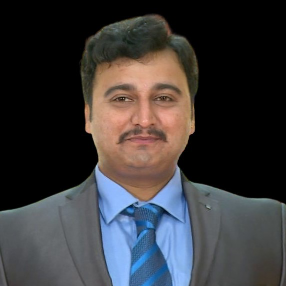
  • “Successfully arguing appeals and securing victories for my clients taught me that persistence and a deep understanding of law are key to success.” – Vikas Sharma, Director and Principal Solicitor at Vikas Sharma & Co Ltd., Solicitors & Solicitor at LAWSMITH SOLICITORS’

    “Successfully arguing appeals and securing victories for my clients taught me that persistence and a deep understanding of law are key to success.” – Vikas Sharma, Director and Principal Solicitor at Vikas Sharma & Co Ltd., Solicitors & Solicitor at LAWSMITH SOLICITORS’

    This interview has been published by Namrata Singh and The SuperLawyer Team
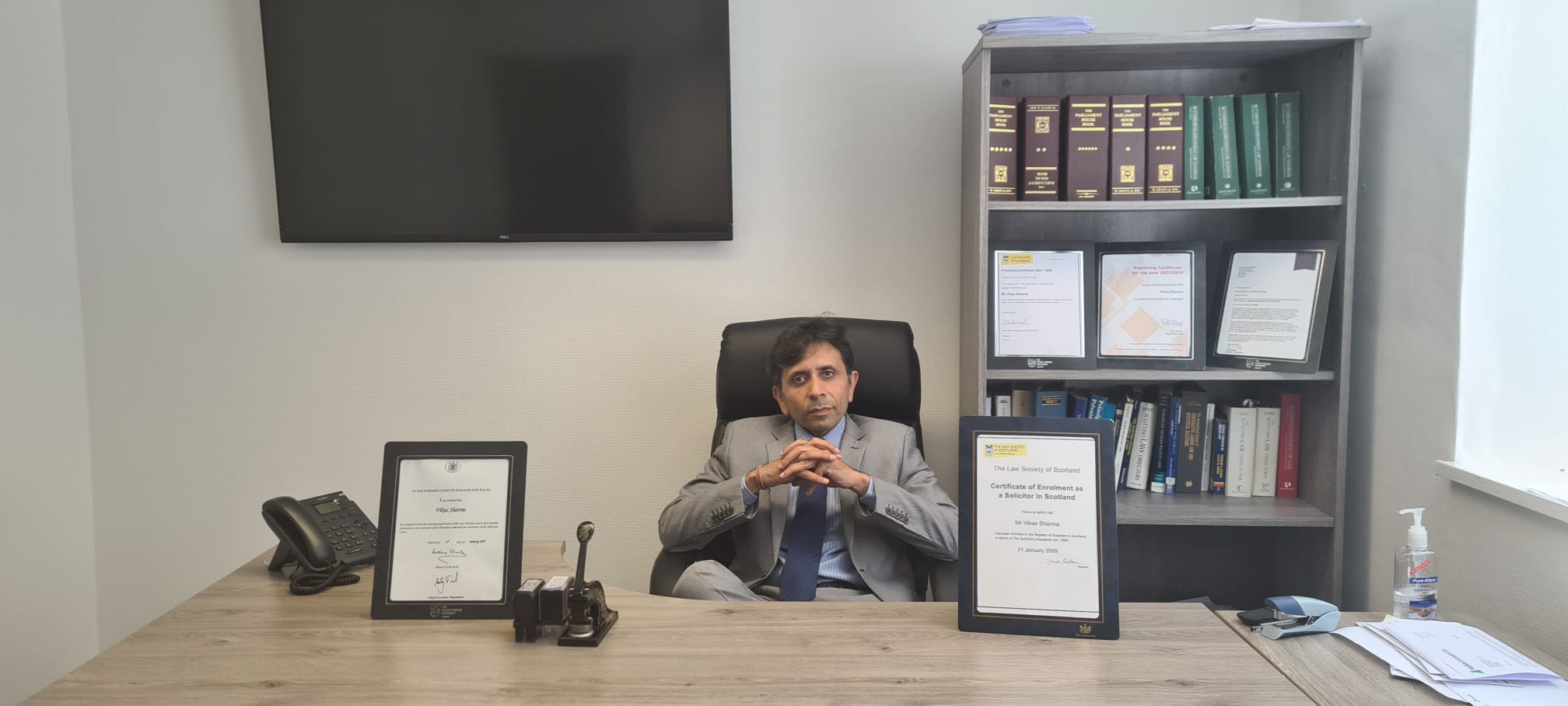
    Reflecting on your journey from studying law to becoming a director at Vikas Sharma & Co Ltd, what specific moments or individuals inspired you to pursue a career in law? What were some of the challenges you faced and how did you overcome them?

    I come from a lineage of lawyers, with my maternal great grandfather practicing in Hissar, Haryana, and both my grandfather and father in Ratangarh, Rajasthan. Growing up in Ratangarh, I was deeply influenced by the respect lawyers commanded in a small town. Visits to court with my father and uncles were frequent, and the court premises felt like a second home. Initially, my interest wasn’t in the law itself but in the sweets and pampering I received from my father’s clients and lawyer friends. However, over time as I grew older, observing my family’s dedication and the impact they had on people’s lives inspired me to pursue law seriously.

    My father, the late Shri Shyam Sunder Sharma, played a crucial role in encouraging me to aim higher and move to the Supreme Court. I learned not only how to prepare a case from him, but also how being a lawyer is more than just a business but a way to help people and enjoy the process. One of the pivotal moments was my working with Group Captain Karan Singh Bhati at the Supreme Court of India, where I gained invaluable experience representing the State of Rajasthan. Group Captain Bhati was then standing counsel for Rajasthan. 

    The passing of my father and two uncles was a significant emotional challenge, prompting me to move to Scotland for a master’s degree in law. This move was both a personal and professional turning point, allowing me to start afresh in a new environment. The journey was filled with obstacles, but the support of mentors like Mr. Vincent Buffoni and Mr Matthew Cohen, and my persistence in adapting to new legal systems, helped me overcome these challenges.

    Can you share the journey of how you transitioned from practicing various areas of law to specializing exclusively in immigration law? What motivated this shift?

    The transition to specializing in immigration law was largely serendipitous. Once I qualified as a solicitor in England and Wales, I joined Vincent Buffoni & Co, a central London law firm. While working with Mr Vincent Buffoni, an Oxford graduate who was very humble and thorough, I gained experience in UK immigration law. Initially, barristers handled appeal hearings, but Mr. Buffoni trusted my abilities enough for me to represent clients. After gaining hands-on experience in immigration cases, I became interested in the field more deeply earlier 

    Having worked in London for a few years, I returned to Scotland where I had earlier completed my LLM degree. Since English and Scottish legal jurisdictions are separate, I had to pass conversion exams to become a Scottish solicitor. My litigation background allowed me to handle all kinds of court matters when I moved to Aberdeen and joined Mathew Cohen and Associates Ltd. There was, however, an increase in demand for immigration law services. Aberdeen, being the oil capital of Europe, had a clientele that required legal assistance for complex immigration issues. A growing number of cases and the complexity involved led me to focus almost exclusively on immigration law, which I found intellectually stimulating and professionally rewarding.

    With over 20 years of experience, what key insights have you gained about the intricacies and challenges within immigration law that may not be apparent to those outside the field?

    One key insight is the profound impact of immigration law on individuals’ lives. It’s not just about legal procedures but about people’s futures, their ability to stay with their families, and their livelihood. The emotional and personal stakes are incredibly high, which adds a layer of complexity and responsibility to each case.

    Another challenge is the ever-evolving nature of immigration law. Policies and regulations change frequently, requiring constant learning and adaptation. Navigating these changes while advocating effectively for clients demands meticulous attention to detail and a comprehensive understanding of both the legal and human aspects of each case.

    Could you please provide examples of some of the most complex immigration cases you’ve handled and how you approached resolving them? What lessons did you learn from these experiences?

    Compared to London and other major cities in the UK, Aberdeen’s clientele is different. As Aberdeen is an oil capital in Europe, most of the clients are well educated professionals working in the oil industry. Therefore, they engage you only when a case is too complex for them to handle. As a result, almost all of my cases are quite complex. It was last week that I argued an appeal in which the UK government refused the appellant’s permanent residence/indefinite leave to remain application because the appellant has served a non-custodial sentence in a criminal case. The Home Office lawyer accepted before the judge that the application should not have been refused given that the appellant’s application to work in the UK had been approved despite a criminal conviction. In my argument, I relied on the principle of legitimate expectation, which was well received by the Home Office lawyer. We had another appeal where the husband of one of our clients was being removed from the UK due to criminal convictions. As a result of hugging his coworkers, he was convicted. It was my contention that the immigration rules that governed his removal contained an element of discretion. In this case, neither the UK government recognized or explained why discretion inherent in the immigration rule was exercised against the appellant. The judge allowed the appeal. Another case involved a Thai lady who was married to a British national and they had two British children. After the marriage ended, the British husband relocated to another part of the UK with the children. Due to the expiration of her visa and lack of funds, our client was able to move to the new city where her ex-husband and children had moved. Since her children lived away from her, the UK government refused her application on the ground that she was not actively involved in the upbringing of the children. Despite living away from her children due to circumstances beyond her control, I argued that she still had a genuine and enduring relationship with them. The appeal was dismissed, as were the applications to the Upper Tribunal. As a result of the Court of Session’s intervention, the matter was referred to the Upper Tribunal, where the appeal was ultimately allowed. 

    The lessons I learned from cases in which I didn’t receive a successful outcome initially are that ultimately success will be attained if the legal point is in our favor regardless of how many judges dislike it. 

    What inspired you to establish your own law firm, Vikas Sharma & Co Ltd, in Aberdeen? How does it differentiate itself in terms of approach and client experience compared to other firms in the area? Also, what challenges did you come across during the initial days of your firm?

    I joined Matthew Cohen Associates as the head of the immigration law department in 2010. It was in 2018 that I joined The Chamber Practice as a partner. Since I was running both firms’ immigration law departments, I was responsible for providing the best service to my clients. As a result, setting up Vikas Sharma and Co Ltd did not make a significant difference in the way the firm assisted clients. Having my name on my firm helped my previous clients find me and gave me more freedom to run my business. Besides the procedural requirements for setting up a law firm in Scotland, which are quite onerous, I had no problems because I have been serving people here for more than 15 years and my previous clients found me through Google reviews.

    Considering your background as an advocate in the Supreme Court of India, how do you perceive the differences in legal systems between India and the UK? Are there any insights from your experience in India that you apply to your practice in the UK?

    The process of preparing a case for court and presenting it to the court does not seem to differ much between India and Scotland. However, there are many other distinct differences, such as the requirement that a law firm be insured before starting to practise, and the Law Society of Scotland is much more strict in its regulation of this profession than Indian bar councils. At the outset, lawyers here are required to provide engagement letters outlining the costs involved and how unhappy clients can make complaints. The Law Society of Scotland regularly inspects law firms to ensure compliance with rules of practice. Keeping the office and clients’ bank accounts up-to-date is a mandatory requirement. Generally, lawyers specialize in one area of law, such as family law, immigration law, or criminal law. Lawyers must advise clients efficiently because the cost of cases can be enormous, otherwise, they will be liable for claims and complaints. Once the pleadings are complete and the case is ready to proceed to the evidence stage, the lawyers of the parties determine if their client’s case deserves to proceed to the next stage since the client could end up paying the other party’s legal costs. As far as I’m concerned, the Scottish legal profession is much more strictly regulated than that in India.

    Transitioning from practicing law in India to establishing yourself in the UK legal system must have been a significant change. Could you share your experiences and insights regarding this transition? What were some of the biggest challenges you faced, and how did you adapt your legal expertise to the new environment?

    Interestingly enough, I struggled little to establish myself as a lawyer here. Vincent Buffoni, the partner of the central law firm and an Oxford graduate, had earlier shown me trust, and later Matthew Cohen, a principal of a Scottish law firm, gave me an opportunity to appear in Scottish courts. In this region, I am the only Indian lawyer and have even appeared in smaller towns such as Peterhead and Stonehaven where English is spoken in a very different accent. In terms of my work, speaking English with an Indian accent or my origin has not had any adverse effects. My experience as a lawyer in India extends even to smaller towns such as Ratangarh and Shri Dungargarh, as well as the High Courts of Rajasthan and Delhi and the Supreme Court of India. Having moved from a small town to a higher court already prepared me to handle the changes and adapt to them. I believe that when it comes to practising as a lawyer, there are certain requirements regardless of the country or court: knowledge of facts, knowledge of applicable law, understanding the stakes for the client, empathy towards the client, and the ability to represent the client before a judge.

    Any new court requires adaptation, whether it is the District Court of India or the Supreme Court of India. In the same way, adapting to the courts of the UK involves a series of steps. As part of my adaptation process, I sought guidance from experienced colleagues and continued learning about the nuances of the UK legal system. A crucial step toward becoming an English and Scottish solicitor was passing the conversion exams. Additionally, I qualified as a solicitor in Ireland and worked with a firm there in 2017. I was able to successfully navigate this transition by embracing the differences and leveraging my foundational legal expertise.

    With your wealth of experience in the legal profession, what advice would you offer to the new generation of aspiring solicitors and advocates who are just beginning their careers, particularly those interested in specializing in immigration law?

    For aspiring solicitors and advocates, my advice is to develop a deep understanding of the law and stay updated with the latest developments. Immigration law is a dynamic field, and continuous learning is essential. Practical experience through internships and mentorship from seasoned professionals is invaluable.

    Specializing in immigration law requires empathy, patience, and a genuine desire to help people. Building strong client relationships and maintaining integrity in your practice are crucial. Always approach each case with meticulous preparation and a commitment to achieving the best outcome for your clients.

    We may enter this noble profession motivated by the motivation to help people, but it is the discipline that earns us credibility and reputation with clients, colleagues, and the judicial system. 

    Due to the ever-changing nature of immigration law in the UK, no one can claim to be an expert. It is therefore important that we stay on top of any amendments to the rules, regulations, policies, and statutes as students of law. 

    With the demands of your legal career, maintaining a healthy work-life balance is crucial. Could you share some of your favorite ways to relax and unwind outside of the office? How do these activities contribute to your overall well-being and productivity in your professional life?

    When I am in control of my work, I feel relaxed. Consequently, I try to answer all my emails and phone calls by the end of the day. If I am unable to complete the work, I email the client when I will complete it. In the end, it comes down to managing the expectations of others.

    After a difficult day at work, watching a good movie or web series helps me unwind. Since I have a sweet tooth, I run approximately 5 kilometers a day and do push-ups and squats on alternate days. Scotland is close to nature and picturesque, so I have chosen to settle there. It is relaxing to take a drive in the Scottish countryside and to have an Indian cup of tea to clear my mind. In spite of living in Scotland for almost 20 years, I remain a teetotaler and a vegetarian, so I still drown my stress in tea rather than Scotch.  

    Get in touch with Vikas Sharma-

  • “As a leader, give direction, seek feedback, and motivate positively to foster excellence.” – Explore the remarkable journey of CS Vandana Bhatia, Director-Legal, Compliance & Company Secretary, Ryan

    “As a leader, give direction, seek feedback, and motivate positively to foster excellence.” – Explore the remarkable journey of CS Vandana Bhatia, Director-Legal, Compliance & Company Secretary, Ryan

    This interview has been published by Namrata Singh and The SuperLawyer Team

    Vandana, your journey from college to becoming a prominent figure in corporate law and compliance is truly inspiring. Could you walk us through your college years and share what influenced your decision to pursue a career in this field? Additionally, what were some of the initial challenges you faced when you started your career, and how did you overcome them?

    I started working right after class 12 to complete my higher education due to my family crises. I did my higher education through distance learning; it was challenging and not easy as having to work and study together. Also, didn’t have enough guidance, so I took some tutions on subjects that I found difficult over weekends and late hours—still managed to complete the same after so much struggle and hard work. I belong to Ghaziabad a place that was back then known for power cuts that were longer than 12 hrs. a day, I remember studying in candlelight sometimes. I never wanted to be what I am today (wanted to be a journalist back then), my father encouraged me to pursue Company Secretary and that further influenced my decision to have MBA (finance) and LLb degrees in my hand. I am proud of the decision that I took back then to fulfil my father’s wish and thank my parents for always being an encouragement and support system for me.

    Congratulations on receiving an honorary doctorate in Law and Governance from California Public University! Could you share with us what this recognition means to you personally, and how it has impacted your career trajectory and aspirations for the future?

    This is like a dream come true, I always wanted to have a doctorate and prefix Dr. in front of my name. It was a complete privilege and honour for me to get this Honorary Doctorate from California Public University. This has helped in receiving recognition from many of my peers and seniors.

    You currently serve as the Director-Legal & Compliance at Ryan India Tax Services Private Limited. Could you provide us with insights into your day-to-day responsibilities in this role and how you ensure alignment between legal and compliance functions within the company?

    I have a big role and responsibility to ensure 100% compliance on all functions in India and that requires regular monitoring and diligence. Further as legal director, my responsibility is to provide legal advice, review legal documents and proactively address to legal risks. I happen to be successful in balancing both roles as I have my own matrix to categorize the matters/tasks.

    You’ve navigated through various sectors such as pharma, education, finance, and more. How has this diverse experience influenced your perspective on corporate governance and compliance across different industries?

    I have been lucky in working in different sectors which made me understand certain regulations applicable to those sectors like in pharma there is specific drugs and cosmetics acts which is applicable; NBFC have certain Master Directions of RBI that need to be adhered too. This provided an edge to learn those specifics and apply the same in the job.

    Your list of achievements and awards is incredibly impressive. Amidst such professional success, what personal values or principles do you hold dear that guide you through your journey?

    My personal mantra is to act with integrity and be true to yourself. Keep working hard and smart and believe nothing is impossible.

    You’ve been involved in instituting corporate governance frameworks and setting up processes in multiple organizations. What are some common challenges you’ve faced in this process, and how do you overcome them?

    Challenges were to go deep dive into the problem areas of non-compliance and making the same complaint. That required going back to the inception of the organization. The developing process was not that challenging but making stakeholders understand the implications and implementation was a tough job.

    Your list of achievements and awards is incredibly extensive, ranging from being recognized as one of the “Top 10 Chief Compliance Officers in India” to receiving the “Golden Pinnacle Award” and an Honorary Doctorate. How do you stay grounded amidst such recognition and maintain a humble approach to your work and interactions?

    I always believe you should never forget your roots and the hard work that you have put in to achieve them. It’s not only professional but I always believe that even personally a person should stay humble.

    As a leader, what qualities do you believe are essential for fostering a positive work culture and inspiring your team to achieve excellence?

    As a leader, it is important to give the right directions to the team, and give them space to explore, innovate and learn. It also important for a leader to seek feedback from the team which will build a positive impact and confidence on the team. Give credit and recognition to those deserved in the team and motivate others positively. Be approachable and not bossy.

    Beyond your professional achievements, what are some hobbies or interests that bring you joy and fulfillment outside of work? How do you make time for them amidst your busy schedule?

    I love reading books (mostly spiritual books) and travelling, I try to squeeze a week travel once or twice in a year.

    Given your extensive experience and remarkable achievements, what suggestions or advice would you give to the upcoming generation of professionals looking to enhance their CV and leave a lasting impact in their respective fields

    Don’t restrict to work been assigned to you, keep looking for the opportunities within organization where you can grow and provide your value addition. Keep learning as that never stops and compete with yourself. Also, diversify your work horizon.

    Get in touch with CS Vandana Bhatia-

  • “Tech law is not just about compliance; it’s about being an enabler in the success story, bridging legal gaps and propelling growth.” – Karthik Ramakrishna, Director-Legal at WebEngage

    “Tech law is not just about compliance; it’s about being an enabler in the success story, bridging legal gaps and propelling growth.” – Karthik Ramakrishna, Director-Legal at WebEngage

    This interview has been published by Namrata Singh and The SuperLawyer Team

    Can you take us through the decision that inspired you to pursue Law, and were there specific experiences during your college years that solidified your choice? Additionally, could you share some insights into the challenges and learning experiences you faced after graduating and entering the professional world?

    I come from a family of lawyers. My maternal grandfather transitioned from being an advocate to an actor, my maternal aunt served as a district judge, and my mother currently practices as an advocate at the Madras High Court. Witnessing their successful professional journeys inspired me to proactively pursue a career in law.

    Upon entering college, my conviction deepened as I realized that a legal career is not merely a job but a contribution to every aspect of the economy and decision-making on a broader scale. After graduation, the corporate world presented a significantly broader spectrum of challenges compared to my college education. The requirements were practical, and the expected results were focused on solutions. The corporate arena demands legal professionals to be integral to the success story, acting as the missing piece of the puzzle and more of an enabler than merely identifying legal gaps.

    As a newcomer to the corporate world, I found myself needing to unlearn certain aspects of my college education to become a business enabler. This involves a shift from a focus on theoretical legal concepts to practical application, spanning areas such as contracts, negotiations, and risk mitigations.

    Your journey in the legal field has been diverse, from handling technology law to medical devices and compliance. Can you share a pivotal moment or case that significantly shaped your career and approach to legal challenges?

    Initially, my entry into this different vertical wasn’t a meticulously planned approach; rather, it stemmed from the pressing need to proactively comprehend numerous unknowns. The turning point occurred when the legacy company where I served as an in-house counsel decided to venture into the medical device division. In a global competition, the company achieved a significant milestone, further propelling its growth.

    As we endeavoured to commercialize the medical devices, I found myself navigating through various legal and regulatory compliances, encountering escalating complexities ranging from licences to white labelling and obtaining necessary approvals from regulatory bodies. This pivotal experience crystallized the realization that commitment and resilience are pivotal exponential factors in shaping a successful legal career.

    Given your expertise in Data Privacy Laws, could you share some insights into the evolving landscape of data protection and the challenges tech companies face in ensuring compliance, especially in a rapidly changing digital environment?

    As the economy and services extend beyond borders, the same is true for the transcending nature of personal data. While data privacy laws within specific territories may appear intact, the implementation of jurisdictional laws and allied regulations poses a considerable challenge for mid-size companies. These organizations are required to allocate significant capital expenditure and manage increased operational costs while ensuring the seamless flow of cash within the company.

    Regardless of size, companies engaged in handling data find themselves compelled to establish dedicated personnel or teams to meet the ever-growing demands of compliance. The imperative is to devise and operate within a common framework that aligns with data privacy laws, turning compliance into a strategic undertaking that necessitates synergies across various aspects of the business.

    Your role often involves interpreting and providing guidance on various regulations. How do you stay updated on the ever-changing regulatory landscape, and what advice would you give to legal professionals aiming to navigate such complexities?

    As a practice, I consistently recommend engaging in brainstorming sessions and actively seeking to comprehend legal and regulatory developments beyond the confines of my expertise. This approach serves as a valuable complement to mental modelling, allowing me to view problems or obstacles from a contrarian perspective. While staying updated on a need-to-know basis is an inherent aspect of a legal professional’s career, attempting to understand issues outside our comfort zone brings a renewed energy.

    Breaking down complex problems into simpler steps and approaching them with a pragmatic mindset becomes a more achievable task when one actively explores challenges beyond their immediate area of expertise. This proactive stance not only fosters a deeper understanding of the legal landscape but also enhances problem-solving capabilities within a broader and more dynamic context.

    Having worked as a Company Secretary, you’ve been deeply involved in complex acquisitions and cross-border entity structuring. Could you share an experience where your legal acumen played a crucial role in the success of such transactions?

    I hold a special appreciation for a particular transaction where my role proved pivotal in the successful spin-off of two USA incorporated entities (Single Member LLC – S Sub-chapter Corporation). The key to this achievement lay in the careful drafting of an agreement, ensuring that the transfer of ownership of the subsidiary company was structured as a tax-free transfer.

    This endeavour demanded more than just legal acumen; it required perseverance and the cultivation of a strong rapport, given the involvement of various stakeholders. The compounding effect of collaborative thought processes among stakeholders ultimately yielded a viable solution for the transaction. This experience highlighted the significance of effective communication, relationship-building, and strategic thinking in the legal profession, showcasing the broader skill set required beyond legal expertise alone.

    In your role at WebEngage, how do you foster a legal and compliance culture within the organization, ensuring that teams across different functions understand and adhere to the legal framework?

    Compared to my experiences with other companies, the legal and compliance culture at WebEngage is distinctive due to the global nature of its services, which span across various verticals. To navigate this diverse landscape, the Legal team at WebEngage adopts a two-pronged approach: process and provisioning.

    Provisioning is viewed as an action taken with consensus on urgency and importance, serving as the foundation and building blocks for the overarching framework. It is a dynamic process that evolves with time and experience. Lessons learned, feedback, results, and glitches from provisioning activities become key factors shaping the continuous evolution of the Process, which is the legal and compliance framework underpinning all models and mechanisms.

    Crucially, the Process is not bound by time and is designed to be ever evolving. The team at WebEngage acknowledges the importance of embracing change and learning from experiences. An innovative aspect of their approach is the implementation of Janusian thinking—a form of brainstorming that explores the anti-thesis from different perspectives, both within and across borders. This unique strategy aims to make the risk management process adaptable, breaking away from the notion that “one size fits all” and ensuring a nuanced, context-sensitive approach to legal and compliance matters.

    Being a Certified Corporate Social Responsibility Professional, could you share your perspective on the role of legal professionals in driving corporate social responsibility initiatives, especially in the tech sector?

    Regardless of the profession, my firm belief is that companies have a responsibility to contribute back to society which is complementing and supplementing various aspects of companies within our economy. As a legal professional, the awareness of societal concerns becomes an integral part of my thought process, influencing every action and reaction. Encouraging Corporate Social Responsibility (CSR) initiatives from companies is something I highly endorse to.

    The rationale behind this endorsement is that, next to governments, companies wield a substantial driving force in society. They possess the capacity for collective efforts and planned execution, operating with transparent processes when engaging in CSR initiatives. Notably, the technology sector in India, employing millions of individuals, stands out as a major player in this regard. The sector’s vast reach and influence make it a potent force for implementing CSR initiatives on a larger scale, contributing to the betterment of society as a whole.

    Beyond your professional achievements, what are some personal interests or hobbies that you find yourself drawn to outside the legal realm? How do these activities contribute to your overall well-being and mindset?

    As a personal interest, I have authored a book “JIVA SHAVA SHIVA” which has nothing to do with legal but exploring more into the unknown realm and self-enquiry in a spiritual sense. Apart from that I have trained in a few Martial Arts like WING CHUN, SILAMBAM, MUAY CHAIYYA, an ancient form of MUAY BORAN. I have synthesized this Martial Arts understanding into a new strategy called NITAU.

    For college students aspiring to achieve professional success in the legal field, what advice would you give regarding the type of education, internships, or specific experiences that can contribute to their growth and set them on a path to excel in the legal profession?

    My advice to freshers is to not specialize at the beginning of their careers. The idea is to cultivate a well-rounded foundation that allows for flexibility and adaptability in various legal contexts. Emphasizing the cultivation of a personalized approach to problem-solving suggests that there’s no one-size-fits-all solution in the legal field. This approach encourages individuals to develop their unique methods of addressing challenges, fostering creativity and adaptability.

    Acknowledging that unique experiences and skills acquired throughout one’s career will shape the trajectory. The idea is that each experience contributes to the development of an individual’s expertise and guides them toward a suitable career path. Stressing the importance of approaching work with full commitment underscores the idea that success in the legal profession requires more than just technical proficiency.

    Legal professionals are encouraged to act as enablers and solution providers, actively contributing to the success and positive outcomes of their clients or organizations. The holistic approach advocated combines legal expertise with the ability to facilitate and offer solutions. Legal professionals are seen not only as interpreters of the law but as integral contributors to the success story, acting as enablers in various aspects of decision-making. In summary, my advice is to promote a dynamic and adaptable mindset, encouraging legal professionals to embrace a variety of experiences, continually refine their skills, and approach their work with dedication and a solutions-oriented mindset. This holistic approach is essential for success and impact in the ever-evolving legal landscape.

    You’ve also obtained certifications and completed higher education in fields such as Company Secretaryship, PGDMM, and PGDIB. In your experience, how have these additional qualifications enhanced your skill set and contributed to your professional growth? And, more broadly, what advice would you offer to students considering complementary certifications or higher education to broaden their career opportunities in the legal field?

    Gaining knowledge is one aspect, but the real value lies in understanding how and where to apply it. My experience with additional qualifications enhanced my ability to comprehend the business language while representing the company underscores the practical importance of such efforts.

    These qualifications may or may not always directly help, but the process of skill upgrading is not just about anticipation; it’s about broadening the circle of competency. This, in turn, transforms a legal professional from being merely an advisor to a multifaceted individual—acting as a strategist, enabler, and administrator.

    My advice on pursuing complementary certifications should be with a realistic view on implementation and application that shall stand valuable. It aligns with the idea that skills should not be acquired in isolation but with a clear understanding of their practical utility in specific scenarios, ultimately making the legal professional more versatile and effective in their role.

    Get in touch with Karthik Ramakrishna-

  • “It’s not just about legal knowledge; it’s about fostering a sense of dignity, self-worth, and the belief that they deserve justice” – From Courtroom to Community: The Inspirational Journey of Advocate Trishla Malik, Director, AmicusLegal Consultancy

    “It’s not just about legal knowledge; it’s about fostering a sense of dignity, self-worth, and the belief that they deserve justice” – From Courtroom to Community: The Inspirational Journey of Advocate Trishla Malik, Director, AmicusLegal Consultancy

    This interview has been published by Namrata Singh and The SuperLawyer Team

    Your journey reflects a unique blend of legal excellence and entrepreneurship. As a first-generation advocate, how did you decide to carry forward the legacy of your late grandfather, an Honorable District Judge, and establish Amicus Legal Firm and Consultancy LLP?

    I am a follower of law and so was my Nanaji, but with a prolonged illness of dementia and then his demise, my Grandfather left me to forego my legal career as my journey. To which I took it as a challenge and A will to serve the nation through the law. This gave me a vision to enact and carry forward the legacy of law through a different medium which included both entrepreneurship and Advocacy. My entrepreneurial spirit craved innovation, a desire to bridge the gap between legal acumen and real-world solutions. It was then that Amicus Legal Firm & Consultancy LLP took shape in 2019, with my Partner Amol Chitravanshi AOR– a firm built on the unwavering principles of legal excellence, infused with the dynamism and client-centricity of a modern consultancy. We registered our offices in Delhi NCR and commenced our journey of Advocacy in Supreme Court litigation and other country courts. Things come up as challenges when you become a First Generation Advocate, but at the same time makes us proud to be going strong at this young age of not even 30 yrs. Each challenge makes us stronger and much more learned than before, so now we become some of the few law firms in the country delivering legal services beyond the courtrooms. AmicusLegal Consultancy LLP isn’t just about winning cases; it’s about forging partnerships with clients, understanding their needs, and crafting custom-tailored solutions. We go beyond legal counsel, offering strategic guidance, risk management expertise, and proactive solutions to navigate the complexities of the legal landscape. 

    Beyond your legal practice, you’re the Co-Founder and Managing Director of Amicus Legal Firm and Consultancy LLP. What led you to venture into entrepreneurship, and how do you balance your roles as an advocate and a business leader?

    It is not wrong to say that the legal profession is not easy for females. There is a hustle every day. During the initial years, I faced a lot of bias from my seniors who through different means let my motivation down. Especially in States like Uttarakhand, UP and Delhi, the mindset of Seniors is not very progressive for Women lawyers, especially those with no background from the same industry. But this did not stop me, this gave me the motivation to have an enterprise of my own. While advocating for clients in a court filled me with purpose, a part of me craved the challenge of building something, of shaping a space where legal expertise could transcend the confines of traditional practice and truly empower clients. This dream came true, when I and my firm’s Co-Founder Amol Chitravanshi Advocate -on- Record (AOR), who was my batch mate in law school, decided to have a law firm of our own. This was a very challenging journey for both of us, as we both do not belong to the family of advocates in fact both-of us were first-generation lawyers but together came up with a goal of a new-generation law firm in India, which was not just stick to court works but aimed in delivering all kind of legal services to the society. In a short span of 4 years we could achieve, make our presence in elite cases across the High Courts and the honorable Supreme Court. 

    My motivation is my will to deliver the society through law which helps me keep creating a balance in practical approach and legalities in the society. My journey of becoming woman entrepreneur and balancing roles as an Entrepreneur and Advocate could not have been possible without the support of family, close friends, efforts of my Team at the workplace and especially My Partner Adv Amol Chitravanshi, as we worked towards a common goal of uplifting the society and a positive and a constant vision of uplifting the legal industry and giving it a new face. AmicusLegal allows me to extend my impact beyond individual cases, shaping a legal landscape where accessibility, innovation, and client empowerment take centre stage. And that, for me, is the true reward – the satisfaction of building a legacy that extends far beyond the walls of the courtroom.

    Being a certified and recognized woman entrepreneur, you’ve achieved certifications from IIM Bangalore and the National Commission for Women. How has your entrepreneurial spirit influenced your approach to practising law, and what challenges have you encountered as a woman entrepreneur in the legal industry?

    It was challenging to understand the essentials of growth for women at a workspace, due to a patriarchal society.  women, though being talented, have been somehow suppressed over the years. But It was in 2021, luckily I got an opportunity to enrich my expertise when the very first time Indian Institute of Management, Bangalore in collaboration with the National women commission of India conducted A Women’s entrepreneurship Course, in which I was selected on merit and was offered a fully funded course after which I was entitled with the tag of woman entrepreneur by IIMBx. The impact of this course from the Indian Institute of Management Bangalore was crucial for me as a female entrepreneur, I was able to recognise the importance of women entrepreneurs in India not only on the social front but also on the economic front for the country. I was inspired by all the women who were actively participating in different fields which also helped me have a vision of a clear progressive career ahead in life and face different challenges that women go through in their daily lives, but the course helped me enrich my self-belief and confidence. The legal industry, like many others, is not devoid of its gendered challenges. Being a woman entrepreneur in this space has meant navigating. After this, not only did I train women for their entrepreneurship journey but I also awarded them with certification which was of utmost importance to them and their career ahead.

    The journey hasn’t been easy, but it has been deeply rewarding. I’ve learned to navigate the intricate dance between advocating for my clients in the courtroom and leading a dynamic legal firm. Through it all, I’ve remained committed to empowering other women entrepreneurs and redefining what it means to be a successful woman in the legal field. This educational qualification also helped me to understand the challenges as a women entrepreneur in India especially in the legal industry where even today there is a lack of professionalism and gender bias when it comes to female advocates, but evolving each day helped me achieve the desired goals over the time and the journey is still on.

    Apart from your legal pursuits, you are a national medalist in pistol shooting and a certified mountaineer. How do sports and outdoor activities contribute to your personal and professional life? How has this experience influenced your approach to challenges, both in your professional and personal life?

    I have been a believer and promoter of sports all my life. The world of sports and outdoor activities offers me a different terrain for challenge, growth, and a unique perspective on overcoming obstacles. My national medal in pistol shooting and experiences as a certified mountaineer has instilled in me qualities that extend far beyond the physical feats, shaping both my personal and professional life in profound ways. They equip me with the resilience, adaptability, focus, and leadership skills that empower me to navigate the challenges of the legal world with greater confidence and a sharper perspective. They remind me to celebrate the journey, find solace in the stillness, and approach every obstacle with the unwavering spirit of a mountain climber, always aiming for the summit, be it in the courtroom or on the next personal Everest. And in this ongoing journey, the lessons learned on the shooting range and the slopes of the mountains or in any field will forever remain my compass, guiding me towards a future of success, fulfilment, and, most importantly, a relentless pursuit of the next peak, both in the courtroom and in life.
    Your involvement with Apoorvarambh Foundation and various NGOs showcases your commitment to social causes. Could you share a memorable experience or initiative that had a significant impact on the lives of individuals or communities you’ve worked with

    My commitment to social causes finds expression through my collaborations with the Apoorvarambh Foundation and various NGOs, allowing me to use my legal expertise to make a tangible difference in the lives of individuals and communities. One such experience, etched forever in my memory, resonates with the transformative power of law intertwined with social service. 

    I have been actively involved in Prisoners’ Rights and activism through it. Not just ensuring Mental health and value for life, we also conduct different types of literacy events, entertainment events etc to make them feel connected to life and living. Apart from this, I encountered a community grappling with the aftermath of cybercrime, Child Sexual Offences, Youth Development, and Education etc., Young lives were devastated by both online and offline stalking, financial fraud, and the emotional scars of abuse. Witnessing their despair ignited a fire within me, a determination to utilize my legal knowledge to empower them. We identified cases where individuals had been physically or emotionally traumatized. Under my NGO we undergo various disciplines of education and provide wholesome education for living eg. Mental health precautions, financial security, Hygiene, Adolescent Development, Art and Culture awareness, Career guidance etc. I took the cases pro bono, navigating the complexities of crime legislation and fighting for compensation and accountability against perpetrators. We also conducted awareness sessions and literacy sessions in Rural India, helping them give some value addition to life and empowering individuals to navigate the complexities of the world around them. 

    One of my such experiences was when a minor girl was sexually assaulted and her Miss-fortune was that her mother was not able to support and fight with her for her justice. It was then that we stood and fought to the best of the US and provided justice to that family and that minor girl. To which, I under Apoorvarambh Foundation NGO have made a short film on Child Sexual Offences which is around the corner to be telecasted soon. 

    As a legal educationist and awareness trainer, specializing in POCSO and Juvenile Justice, how do you approach educating underprivileged women and children on legal matters, and what motivates you to contribute to their empowerment?

    It’s not just about legal knowledge; it’s about fostering a sense of dignity, self-worth, and the belief that they deserve justice. Through education and awareness, I hope to contribute to a society where underprivileged women and children are not just protected by the law, but empowered to claim their rightful place and live lives free from abuse and injustice. As a legal educationist and awareness trainer specializing in POCSO and Juvenile Justice, my approach to educating underprivileged women and children on legal matters is built on understanding and empowerment.  I try and simplify complex concepts using local languages, everyday examples, and interactive activities. Storytelling, role-playing, and visuals become powerful tools to demystify laws and empower individuals to recognize their rights. I work closely with NGOs, community leaders, and local authorities to raise awareness, create referral networks, and ensure access to essential legal and psychosocial support services. 

    My motivation? Witnessing the spark of understanding in a child’s eyes, the newfound confidence in a woman’s voice, or the courage of a survivor seeking justice – these are my rewards. Knowing that my work empowers individuals to navigate complex legal systems, access their rights, and seek redressal fuels my passion to keep doing more. 

    Your media presence is notable, with appearances on national platforms, national media and news channels.” How do you use these platforms to bring attention to important social issues, and what topics do you find most crucial for public discourse, through being in the legal industry? 

    The legal industry isn’t just about interpreting statutes and winning cases. It’s a powerful platform for advocating for societal change and championing vulnerable communities. My national media presence has become a valuable tool in this mission, allowing me to amplify crucial social issues and spark actionable conversations. Not just my episodes of “Reality check with Adv Trishla Malik” on Facebook, but my inputs on National Media like Times of India, News18, Amar Ujala, Sahara Samay, Bharat Express etc, gravitate towards areas where access to justice is skewed and public awareness can bridge the gap. I use these platforms to demystify the legal system, making it more approachable and empowering for the public.

    Championing ethical practices in the society. The legal profession isn’t immune to ethical lapses. I use my media voice to hold the legal system accountable, highlight issues like corruption or judicial bias, and advocate for reforms that uphold the integrity of the justice system. This is what drives me to keep using my platform as a lawyer and media figure – to ensure that the law doesn’t just serve the privileged few, but becomes a tool for empowerment and a catalyst for positive change for all.

    You’ve been recognized with numerous awards, including the Professional Excellence Award by FICCI Ladies Organisation. What achievements are you particularly proud of, and how do these accolades motivate you in your multifaceted career?

    Ans. I have been an achiever since a very young age not just in academics but I have been a national medalist in sports and have won multiple awards in all aspects of life. In a profession as demanding and competitive as the legal field, recognition isn’t just an honor; it’s a vital source of fuel for the long journey towards justice. While I’m humbled to receive multiple accolades like the prestigious Uttarakhand State Achiever award, the Women Influence Award by multiple organisations, International Medals, the Professional Excellence Award by FICCI Ladies Organisation etc., true pride lies in the tangible impact my work has on communities and individuals. But foremost, Witnessing the relief and empowerment in the eyes of a client who finally found justice after years of fighting against abuse is a feeling and accolade unmatched. My professional fulfilment doesn’t stem from awards, but from the privilege of witnessing lives transformed and justice served. Every case taken and every case won, every policy reform achieved, every community empowered through legal awareness – these are the real treasures, the true markers of success in a multifaceted legal career.

    Having received national recognition and awards for your socio-legal awareness training, what advice do you have for young lawyers aspiring to make a positive impact on society beyond their legal practice? 

    My national recognition for socio-legal awareness training highlights a crucial truth: a lawyer’s impact can extend far beyond the courtroom. For young lawyers passionate about making a positive change, here are some nuggets of wisdom gleaned from my journey:

    1. Champion a Cause: Find a cause close to your heart, something that ignites your passion and compels you to act. Immerse yourself in the issue, connect with grassroots organizations, and understand the legal landscape surrounding it.
    • Advocate Beyond the Courtroom: Public education is key to driving societal change. Organize workshops, participate in panel discussions, or write articles raising awareness about your chosen cause. Use your legal knowledge to break down complex issues into digestible chunks for the public, empowering them to advocate for themselves and their communities.
    • Practice Self-Care: Advocacy can be a demanding journey. Prioritise your well-being by setting boundaries, managing stress, and seeking support from your network. Remember, a burnt-out advocate cannot create sustainable change.
    • Celebrate Small Wins: Don’t wait for landmark victories to celebrate. Acknowledge the incremental progress, the lives touched, and the voices amplified. Every step you take, every positive change you achieve, is a testament to your commitment to making a difference.

    Get in touch with Advocate Trishla Malik-

  • Never think you are an accomplished professional; you should always be a learner- Iqbal Tauseef, Director Legal Affairs – Country Head – India, TTEC

    Never think you are an accomplished professional; you should always be a learner- Iqbal Tauseef, Director Legal Affairs – Country Head – India, TTEC

    This interview has been published by  Priyanka Karwa and The SuperLawyer Team

    You’ve had an impressive and diverse legal career spanning various industries and roles. Can you share your personal journey and what initially inspired you to pursue a career in law?

    My Inspiration to pursue the law is to understand the world from an equity and justice perspective. My way of seeing things has developed a lot with critical and logical thinking. Another reason was to be part of the corporate world and sit along with the executives on the table, as their advisor for ease of business from a legal perspective, while meeting their business goals. 

    With experience in IT, software, FinTech, pharma, healthcare, energy, environmental, and manufacturing industries, how do you adapt your legal expertise to meet the unique needs of each sector?

    My vast experience on basics of Contracts Drafting and Negotiations, Compliance and Dispute resolutions skills has made it efficient for me to cross through various industries. One, can be part of multi-industries, if you have strong legal skills and business acumen, as every business requires someone who can avoid the disputes and resolve them if they arise. Strong hold on knowing what compliances are applicable to respective industries, is also another tool for getting on different boats.

    You’ve worked extensively in contract management, negotiations, and arbitration. Could you tell us about a particularly challenging contract negotiation or arbitration case you’ve handled and the key lessons you learned from it?

    I have seen multiple challenging negotiations, wherein I bridged between sales targets and risk mitigation, which is not an easy task. One of the important projects in my journey was an agreement negotiation for setting up a Waste to Energy Plant in India. This is to be the third largest Waste to Energy plant in India. This project was awarded by one of the State Governments to the Company and was given on the BOOT model. The main challenge was to figure out the technology procurement which meets the budget and quality specifications. At the initial level the procurement team reached out to a Japanese Company for providing the Incinerator and that was to be done in consortium with one of the Indian Company for civil works. As part of the legal, I advised upon the challenges we may face for any change in scope and compliance by the consortium (consortium being led by a foreign entity). The executive committee including the CEO and CFO took the cognizance of the risk and decided to reconsider the options for procurement. Instantly, I advised an Indian Company who can be prompt to accept the changes based on the requirements and necessity. The Company worked in that direction and got one of the leading players in India on board for supplies. I as a head for Contracts initiated the drafting, negotiating and finalizing the procurement agreements. We successfully had achieved the timelines with efficacy.

    This deal plays an important role in my career as it involves identifying the unforeseen challenges related to technology issues, warranty, onsite safety, labour availability (During Lockdown period) and completions within the timelines. All the legal matters related to drafting of documents, advising on Logistics & Labour, Financial documents including bank guarantees, corporate guarantees are dealt by my team headed by me. I am proud of this work as we successfully deployed the Indian Company to compete with a foreign company on technology and timelines.

    Your experience at Re Sustainability includes some significant achievements, such as incorporating SPVs and advising on public-private partnerships. Can you share more about these experiences and what they meant for the organizations involved?

    Re-Sustainability is India’s leading waste management company. It is also competing with foreign companies and handles certain major projects outside India as well. Re-Sustainability majorly bids on government projects and has its presence in more than 50 cities and towns in India. This makes the company a reliable partner for various governments and helps the company to build public-private partnerships on certain projects. Few of the significant projects are ‘waste to energy plants’ built in Telangana and Delhi, Municipal Waste project in Chennai etc. 

    In your role at TTEC, you’ve managed a wide range of responsibilities, including M&A, global contracts, legal counsel, and more. Can you discuss how you balance these diverse responsibilities and the key to success in such a multifaceted role?

    “Never a learning, will go in vain”, all my experience and learning throughout various industries helped me to bag this significant role at TTEC. I am associated with TTEC as Legal Head for India. I bag legal, compliance and COE domains. Keen eye on corporate compliances, upgradation with Contracts negotiations skills and productive team leader qualities, helps me to balance all the three roles. We give 100% dedication to what we do and that brings the reliability of various stakeholders, on legal. I have a Contracts Centre of Excellence team working with me, which helps global stakeholders to draft and negotiate their revenue and corporate contracts for various regions such as North Americas, Australia, EMEA etc. 

    My Key to success is never say “I can’t”, you learn and you do it with dedication and honesty.

    You’ve contributed as an author and have written articles in the legal field. Can you tell us about your experiences in legal writing, and what impact do you think it has on the legal profession?

    Yes, I do write on legal subjects. I wrote an article “FORCE MAJEURE IN DIFFERENT LAWS AND COVID-19” and also contributed to “Handbook on Arbitration: A Practical Guide for Professionals” – published by Institute of Company Secretaries of India. Serving the legal fraternity is significant for legal professions, who gain a good repute and exposure. The way you can serve is to write and share your thoughts. Legal writing is very important to let young and aspiring lawyers know how industry works, how to interpret the law and share the legal skills. This will motivate and guide them to explore legal avenues and gain the subject matter. 

    Your career is filled with awards and recognitions, such as being recognized as one of the Top In House Counsels by Forbes. What, in your opinion, sets you apart in the field of law, and what advice do you have for legal professionals aspiring to achieve similar recognition?

    I believe, hard work, dedication and honesty in the below aspects, have brought me these recognitions and awards.  What sets a legal professional apart can vary, but here are few aspects that can contribute to recognition and success in the field:

    1. Expertise in a Niche Area.
    2. Strong Advocacy and Communication Skills.
    3. Ethical and Professional Conduct
    4. Community Involvement
    5. Mentorship and Networking
    6. Continuous Learning and Adaptation

    As an accomplished legal professional, what advice would you like to give to fresh graduates or those starting their careers in law?

    Never think you are an accomplished professional; you should always be a learner. Here are some tips that can help new lawyers as they embark on their legal careers:

    1. Continuous Learning: The legal field is dynamic, and laws are subject to change. Make a commitment to lifelong learning by staying up-to-date with legal developments and continuously improving your legal knowledge.
    1. Effective Communication: Strong communication skills are essential in law. Develop your ability to articulate complex legal concepts clearly and concisely to clients, colleagues, and judges.
    1. Legal Research Skills: Become proficient in legal research methods and tools. This skill is fundamental to building solid legal arguments and understanding the legal landscape.
    1. Networking: Build a professional network early in your career. Attend legal events, join bar associations, and connect with experienced lawyers who can provide guidance and mentorship.
    1. Legal Specialization: Consider specializing in a particular area of law that interests you. Specialization can make you more attractive to clients and employers.
    1. Work Ethic: Hard work and dedication are often keys to success in law. Be prepared to put in the time and effort required to excel in your work.
    1. Ethical Conduct: Maintain the highest ethical standards. Trust and integrity are paramount in the legal profession.
    1. Professional Development: Seek out opportunities for professional development, such as CLE (Continuing Legal Education) courses and workshops.
    1. Practice Management: If you’re in private practice, learn about law firm management and business development. It’s not just about practicing law but also about managing a legal practice effectively.
    1. Mentorship: Find a mentor who can offer guidance, answer your questions, and provide insights into the legal profession. A mentor can be invaluable in helping you navigate your early career.
    1. Adaptability: Be prepared to adapt to changing circumstances and legal landscapes. Flexibility is a valuable trait in the legal field.
    1. Attention to Detail: Legal work often involves complex documents and contracts. Pay close attention to detail to avoid errors that can have serious consequences.
    1. Legal Writing Skills: Practice and improve your legal writing skills. Writing clear and persuasive legal documents is a critical part of legal practice.

    Remember that building a successful legal career takes time and dedication. Don’t be discouraged by initial challenges or setbacks, as they can be valuable learning experiences. Over time, your skills and reputation will grow, and you’ll have the opportunity to make a meaningful impact in the field of law.

    Get in touch with Iqbal Tauseef-

  • In Conversation with: Arunoday Ganguly, Founder & Director – Cygal Attorneys (An ADGM Law Firm), National Director-BNI and Founder – Cygal Systems (Social Impact Startup)

    In Conversation with: Arunoday Ganguly, Founder & Director – Cygal Attorneys (An ADGM Law Firm), National Director-BNI and Founder – Cygal Systems (Social Impact Startup)

    This interview has been published by Prabhjot Singh, Priyanka Karwa and The SuperLawyer Team

    First of all, we’d like to know what was your motivation behind making a career in law?

    When I was studying in High School, I used to get fascinated to see my uncle’s practice at Calcutta High Court. He was a Senior Counsel and his law chamber used to be very busy with Juniors, Stenographers, Law Clerks, Solicitors and their Clients. In those days, there were no online meetings or telephonic meetings. All Solicitors used to visit the Chamber with their clients for face-to-face meetings.

    When my uncle used to get favorable Court orders for the Clients & the Solicitors, I used to see the tears of joy and their gratitude towards my uncle. This aspired me to get into the field of law.

    You are the Founder and Director of Cygal Attorneys in UAE. What are the challenges you faced in this process and how is your experience managing a firm at your level?

    There are challenges in starting any new business including a law firm and more particularly when you want it to be licensed by one of the award-winning jurisdictions like ADGM (Abu Dhabi Global Market) www.adgm.com . One needs to work much harder and with more responsibility when laying the foundation of a law firm. Cygal Attorneys is licensed by ADGM as an English Law Firm for Arbitration and Legal Consultation. Our niche is to provide full legal support in cross border business and technology SMEs & startups.

    How far do you consider taking Pro-Bono cases and how it can benefit one in their professional lives?

    We believe in not publicizing ourselves in Pro-Bono cases. We do it discreetly without letting anyone know about it. We do not make our clients feel that it is a Pro-Bono case as we give equal importance to the case as we do in any other cases.

    Kindly tell us about the BNI network in detail and what opportunities it brings for professionals?

    Business Network International (BNI) has been present for 37 years (www.bni.com) in 77 countries across the world. It gives professionals like us a referral platform. As a part of my entrepreneurial effort, I am on the process of launching BNI in Bahrain where businesses, mainly startups and SMEs, could grow through the worldwide networking platform.

    What sort of preparations one needs to do for settling as a legal professional in the UAE?

    At least 4-5 years of prior legal experience either in practice or in-house would be very helpful before starting in UAE or for that matter anywhere in GCC. To start with, I would recommend joining a small to mid-size law firm or as an in-house legal counsel which would give more all-round exposure to law. I would also encourage law students or fresh graduates to do internship with UAE law firms if there’s any opportunity to do so.

    As a legal professional with such great achievements, what motivates you to push harder than yesterday? And what is the role of mentoring specifically in the legal industry?

    Practicing law like my uncle has always been my aspiration. Destiny had other plans and I had to take up service at a very initial stage of my legal career where I had the opportunity to work with the best brands in the world in the likes of TATAs, Citigroup, ICICI Bank, American Express.

    I have worked closely with many CXOs and I know their prism through which they look upon the lawyer and the legal industry. I see an opportunity of disruption in the legal industry, and this is what keeps me motivating to work harder on my current legal tech project which I am sure it sees the light of the day would change the way the lawyers are engaged today.

    Finally, a word of advice for the upcoming legal professionals?

    Upcoming legal professionals should confidently prepare themselves to be able to produce pragmatic legal solutions for businesses – they need to believe in themselves. In addition to the good understanding of law, a good grasp of business will be a boon.


    Get in touch with Arunoday Ganguly-

  • Shashikala Gurpur, Director, SLS Pune on choosing academics, securing scholarships and higher education

    Shashikala Gurpur, Director, SLS Pune on choosing academics, securing scholarships and higher education

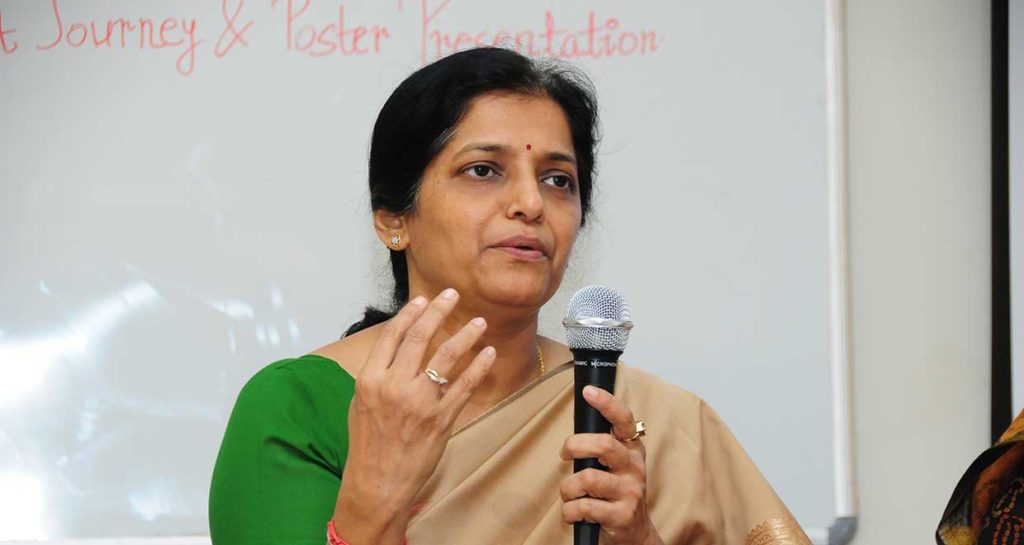
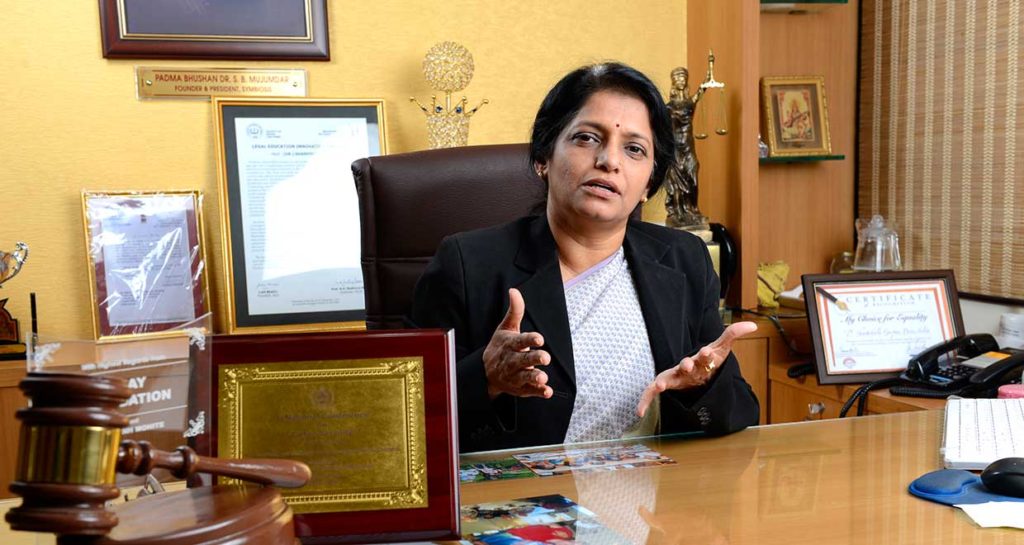
    Dr. Shashikala Gurpur graduated in law from Mangalore University in 1988, she is currently the Director of Symbiosis Law School, Pune and Dean of Faculty of Law, Symbiosis International University. Dr. Gurpur is a recipient of the Fulbright Fellowship as well as the Legal Education Innovation Award of SILF-MILAT in 2011, in addition to being the recipient of many other such prestigious accords since then.

    Dr. Gurpur had been the winner of many distinctions and awards which she received throughout the length of her law studies. Today, she holds the reputation of having held office as member of the Law Commission of India and having taught at the National University of Cork, in addition to having co-authored two academic books and carried the role as constituent of Editing Boards of various foreign/ international journals.

    In this interview, Dr. Shashikala Gurpur will be talking about

    • Choosing law and academics and a professional line
    • Legal education in India today in a comparative context
    • Community Legal engagement in SLS Pune and beyond
    • Contemporary professional prospects and requirements


    How do you feel about receiving Lexis Nexis’ 100 Legal Luminaries Of India?

    Thank you, I feel that sincerity and hard work always get noticed and honoured. I dedicate this honour to my parents, mentors, my family, the team, students and management of SLS, Pune as well as the institutes and the generation of students I have been engaged with.


    How would you like to introduce yourself to our readers?

    The choice of law as an educational avenue is I believe a deep calling unto healing the evils of society and to serve the mission of justice. So, praise yourself if you have made that choice. However, getting into a good law school requires planned preparation right from high school itself. I had completed my high school education in vernacular medium at a municipal school; my primary school was strongly national with the undertone of largely Gandhian values. While still in my early childhood and college years, I had already gotten a taste of politics and implications of communal violence, untouchability and feudalism.  A particular sensitivity to nature and society were cultivated in me from my household and ancestry. My paternal grandfather was a herbal healer for no fee. My maternal grandfather was a village chief. My maternal grand uncle ran a tribal residential school. My father ran a one person justice mission preventing and resolving disputes and protecting the meek. Nevertheless, taking the route of law and legal education was actually thrust upon me by my family property mired in litigation.


    gurpur-maam-picture-1

    You have taken lectures and seminars at famous institutions abroad. What must be done so that our own legal education system can be at par with global standards?

    At the present moment, the gap seems to be narrowing. Legal education systems in the advanced law schools of the world are profound in corporate, qualitative higher education as well as in prioritizing knowledge creation and student transformation, but the top Indian law schools are also nearly there now. In India, constant check should be maintained to see that the gap between ideal and real remains adequately compensated. Changes are on the anvil. Our different strata or tiers must be uniform. The top and the bottom in the ranking band of the west have one to three percent difference. In India, the top ten have a total of 45% difference in scores.


    Your vast experience in legal education in India and abroad must have brought in new ideas for SLS Pune. How would you describe the environment that the institution fosters?

    SLS Pune inculcates the values of hard work, fraternity, excellence and public service. When we received the prestigious Herbert Smith Freehills Community Engagement Award this year, for an institutional body such as our own with the overarching erroneous perception as an ‘elite’ law school, it felt the same as winning an Olympic medal. At SLS Pune, we always have close monitoring of quality and excellence. We believe in fostering human and national development using legal education as a tool. Our university’s vision and mission and our Founder’s life and philosophy stand as testimony and inspiration to that end.


    Which among the following do you think is important for instilling legal knowledge – practical knowledge and/or theoretical knowledge?

    A judicious mix of both with competency, courage and collaboration along with profound core ability to stand up and defend would seem to be the perfect requisites for a holistic legal personality.


    gurpur-maam-pic2

    A strong alumni community being one of the most crucial factors behind an institution’s success, how closely do you think SLS Pune works with the alumni and in what ways?

    Every year, we arrange a meeting of our alumni at least twice. They even engage as employers, work buddies, mentors, teachers, clinical trainers, mock judges, advisors, and role models, moot and overall mentors. They consider the institute as their friend in need as well as an extended family.


    What is your opinion on start-ups and new business ventures as an alternative to traditional litigation and corporate jobs?

    Start-ups throw up great possibilities as well as provide better time allocation for quality work-life balance, in addition to enhancing innovation. At SLS Pune itself, we have had an Entrepreneurship Cell created just recently in the year 2014. We have at least a dozen start-ups created in the last three years and a host of alumni specialising as start-up consultants. This year, with support from the university as well as from the Symbiosis Institute for Business Management (SIBM), we are hoping to further scale up such efforts.


    What message or advice do you want to pass on to those who are passionate about vocations in human rights and policy research as opposed to landing corporate jobs?

    It depends very much on how you hold on to this work over the years and what skills you acquire. My advice would be that you develop a profound array of skills and abilities and that you maintain your deep passion and drive towards such aspirations.


    How did you choose to pursue a career in academics over practice? How would you advise law graduates and lawyers about this comparatively less charted path?

    I had made this choice by compulsion, by reason of being a first generation lawyer in a farming family and the first female graduate in generations. Women were not encouraged in education or career in my ancestral past despite being owners of land and the existence of a matrilineal culture. Another reason was that my aspiration of practicing/choosing litigation had already gotten fulfilled by the time I graduated by way of my engagement in our familial property disputes, which were settled out of court due to my informed initiative. We have a dearth of proficient teachers nowadays. Quite apparently, the law school demand has gone up in recent years, hence teaching now pays reasonably well. On the other hand, the value of teaching has always had a manifold yet discreet effect in shaping the generations of legal leaders.


    What according to you are the necessary skills the lawyers of tomorrow need to possess in order to make a mark in the practice or to place a job in the current scenario?

    To carve out a niche for oneself, especially in the present scene, one must be possessing competencies in several areas, predominantly in thinking out of the box, possessing problem-solving capacity, oral and written communication abilities, research skills and advocacy skills. The right internship is ultimately about aligning opportunity with one’s career/professional goal and not simply accounting for association with top names in one’s CV. True mentorship is what can help you to change or transform yourself.


    How do you think a law student can build up his or her profile to attain scholarships or get admissions at the premier universities abroad?

    Build your profile in accordance with the criteria of the respective universities/institutions of your choice. Ensure academic excellence with a minimum 3.5 CGPA. Be among the top ten to fifteen percent students. Enrich your CV, indicating profound legal engagement. Show research experience with a minimum of five standard publications. These will win you scholarships which may ultimately help reduce the cost of your LLM programme.


    How do you manage your academics and work life balance? What keeps you motivated to keep working for the betterment of your institution and the legal profession?

    Well, let me confess here that I was quite often thrown completely off balance! The X-factor you mention would be definitely taking one’s job as a service to humanity and the nation (and in my case to my loving son and my students). In brief, it is about seeing the universal mother’s manifestation in every deed and seeing dharma or balanced order as an unfinished endeavor of justice.


    Please share with us an experience from your life that makes you feel that it was definitely of utmost worth in choosing law as a profession and teaching as a career?

    In the early days of my career, I spent 50% of my time helping the poor to get access to justice. I introduced students to community based law reform. One especially memorable instance of our reach-out efforts was when we guided an agrarian worker woman to admit her intelligent daughter to a college; she would later scale to a much higher social status as a competent business woman. When the poor and helpless look up to you as credible source of support, when a gleam of truth touches upon you as you journey with your students in class to a higher level of learning, when the alumni of your institution write and recall such inspiring moments, and when you see your junior colleagues or students surpassing and outgrowing your achievement, those are the times when you can fully appreciate the legal profession for what it is and what it is capable of achieving today, and I have experienced all of these moments.


    What message do you want to pass on to the readers (aspiring lawyers, legal professionals or anyone related to the law)?

    Take your work in the form of a service to your fellow human beings and as contribution to the greater universal design. Align your life’s overall purpose with what you do as a profession and always keep the spirit of dharma or duty burning in your heart.