Tag: Divorce Law

  • “I have learned that in matrimonial litigation especially highly contested and long-pending matters mediation is often the most effective tool.” – Rajiv Rajpurohit, Family Law Practitioner at the Courts of Ahmedabad & Pune.

    “I have learned that in matrimonial litigation especially highly contested and long-pending matters mediation is often the most effective tool.” – Rajiv Rajpurohit, Family Law Practitioner at the Courts of Ahmedabad & Pune.

    This interview has been published by Anshi Mudgal and The SuperLawyer Team

    You’ve mentioned that your advent into the field of law was almost accidental, as you initially planned to pursue an MBA in Pune but were influenced by friends studying law. How did that unexpected shift shape your career path and your approach to the profession?

    I completed my schooling at a Government school in Rajasthan. In 2006, I moved to Pune for further studies. As everyone knows, Pune is often referred to as the “Oxford of the East.” At that time, Business Administration was in high demand, so after completing my schooling, I pursued a BBA in Pune. During those days, I had a few friends and acquaintances who were studying at various law schools. In the evenings, we would often meet for tea or simply hang out. They would share their experiences about academic activities, court visits, and legal studies. Listening to them gradually developed my interest in law, and I began considering admission to the field. Before enrolling in law school, I worked with the Symbiosis Group for a few months. However, when the time came to make a final decision whether to pursue an MBA or law. I was not fully confident and remained unsure. It was then that my father guided me towards pursuing law. With his approval and encouragement, I finally decided to enroll in law school. Most importantly, till date, my father has been a constant source of motivation and support, especially during a difficult phase when I felt like giving up legal practice and considering another career path. His encouragement has always kept me going.

    You have conducted highly contested divorce cases, resolved long-pending disputes through mediation, and handled matters ranging from custody to NRI divorces. How challenging is it to navigate cross-border family disputes, particularly NRI divorces, and what key stakeholders are usually involved?

    I have been practicing law since 2013, Over the years, I have handled hundreds of matrimonial disputes and cases in Ahmedabad, Pune and Mumbai, and have also appeared before several Hon’ble High Courts in India also before the Hon’ble supreme court of India. One common aspect in matrimonial disputes whether contested or mutual consent, whether involving NRIs, is that they often revolve around key issues such as claims of alimony, division of immovable assets, child custody, and other financial considerations. In such matters, the role of a lawyer is not limited to representing a client in court; it is also about guiding all stakeholders toward what is reasonable and achievable. In NRI divorce cases, the first challenge is often the logistical aspect ensuring the presence of parties or enabling their participation through virtual hearings, which most courts now facilitate. In mutual consent divorces for NRIs, the process can be straightforward once formalities are understood and complied with as per the law and procedure. From my experience, NRIs are usually clear about their terms, conditions, and settlement formulas, but it becomes the lawyer’s job to draft, execute, and present those terms in a legally sound manner so that there are no future disputes, particularly regarding child custody or financial obligations, another is regarding the if any joint property in foreign country and one of the spouse is in India and not looking for forward to go back., when I talk about long pending divorce cases I recall one particular case where a client had been contesting a matter for years. And later after a few years he came to me with the mindset of “ that he would only like to contest” rather than resolving it. After understanding his case history, I advised him that litigation should be the last resort, and that he should first try to settle the matter through communication either directly, via lawyers, or through mediation. Initially hesitant, he eventually followed my advice. Within three months, the matter was resolved amicably, something that could have been achieved years earlier had proper guidance been given. From my practice, I have learned that in matrimonial litigation especially highly contested and long-pending matters mediation is often the most effective tool. The key is to fully understand the facts, the parties’ financial capacities, the complexity of the issues, and the emotional aspects, and then to guide the stakeholders toward a reasonable middle ground. I firmly believe there should never be a point where a lawyer loses hope of settlement. Keeping that hope alive until the very end, unless a final order is passed, is essential in family disputes.

    With over a decade of experience before the Family Courts and High Courts in both Gujarat and Maharashtra, what procedural differences have you observed while practicing in these jurisdictions?

    This is indeed a very important question, because understanding procedural differences is crucial when practicing in different jurisdictions. Yes, there are significant differences between Gujarat and Maharashtra, and I have learned a great deal from working alongside lawyers in both states. When it comes to procedures, there are differences in the prescribed formats for filing applications, the method of preparing compilations, and the specific documentation requirements. The process for exhibiting documents also varies slightly between the two jurisdictions. In family matters, I have observed differences in the conciliation and mediation processes. The filing procedure itself also differs. For example, in Maharashtra, one can file a matter without physically going to court; everything can be done virtually through the court portal. Even the administration of an oath can be completed virtually by uploading a video, which is not the same in Gujarat. These procedural nuances highlight the importance of adapting to local practices while ensuring compliance with the law.

    Your practice emphasizes amicable, reconciliation-focused solutions. What trends have you noticed in the growing use of ADR in matrimonial disputes, and how do you see it shaping the future of family law?

    Yes, I strongly believe that there should be amicable solutions in matrimonial disputes because it is ultimately a question of precious time of life. If one is able to take a timely decision and resolve the dispute, it is far better than letting it remain in court for years, which rarely leads either party anywhere. However, it is important that both parties are willing to be reasonable with each other, even while keeping their differences, and remain focused during mediation. Nowadays, I see that even the Hon’ble Supreme Court actively promotes mediation in many matters. In my experience, Family Court judges also often take the initiative to speak with both parties, understand their concerns, and encourage amicable settlements. If the parties show willingness, mediation can be a highly effective tool. Such solutions can be facilitated by any authority through various methods, including formal mediation or counselling. Sometimes, emotions run high and parties are initially unable to take rational decisions. However, after proper counselling, they are often in a better position to make fair and reasonable decisions. Therefore, irrespective of the situation, I always advise that Alternative Dispute Resolution (ADR) and amicable settlements should be explored, as they are often the best way to ensure a fair and lasting resolution.

    You began your career as a Legal Associate under senior advocates before founding your own firm. What lessons from those early years continue to guide your courtroom strategy today?

    Yes, I began my career working with a lawyer who had many years of experience. I learned a great deal from advocates during my time in Pune and later in Ahmedabad. One of the key lessons I have learned is that if you wish to succeed as a litigation lawyer particularly in matrimonial matters, which often involve divorce, custody disputes, alimony, maintenance, and domestic violence, the first and foremost skill you need is to listen carefully to your client. You must understand where the real problem lies, while also respecting the emotional circumstances of the parties. I have also learned that you should never be judgmental when listening to clients. Instead, your role is to ensure you understand their circumstances fully. From my seniors, I learned the importance of proper drafting and being thoroughly prepared with arguments. I recall that when I was assisting senior lawyers, they would take detailed notes point-by-point and spend hours preparing final arguments for divorce cases. Contrary to the perception that matrimonial litigation is straightforward, I have found it to be complex, involving significant factual and legal research, especially since family disputes often involve many incidents that form the grounds for divorce. As per High Court and Supreme Court judgments, it is essential to keep updating oneself on recent case law. I have made it a habit to learn continuously from court proceedings, by listening to arguments and closely studying judgments.

    What motivated you to establish your own practice, and what vision did you have for it in the beginning? How did you overcome the initial challenges?

    It is always a challenge to choose litigation as a career after completing law. Initially, I opted for corporate work, but later my father motivated me to practice in court. He advised me to go to the court every day, whether I had a brief or not. I had no contacts who could help me enter the field of litigation, so I followed my father’s advice. I began visiting the court daily and interacting with lawyers. Eventually, I met one of my professors from my graduation days, who was also a practicing lawyer. I sought his help and asked if I could join his office. He told me that he didn’t have many matters at that time but could refer me to someone else. He gave me a reference to another advocate in Pune. When I went to meet this advocate, he asked me just one question: “When do you want to start?” My answer was, “I can start right now.” He immediately agreed and told me I could join and start working. I didn’t even go back home. I began working on the brief that very day. The second thing he told me was, “You will have to work hard, I will take care of your basic needs and concerns.” That assurance gave me the confidence I needed, and that is how my journey began. And this is how my journey started for my first client. One thing I learned early on is that you never know where clients will come from. They may walk in from anywhere, even from the court corridors. Sometimes, they may watch you argue in court, be impressed with your performance, and later ask for your contact details. In this profession, your performance is what pays you both in the form of clients and valuable contacts.

    What inspired you to choose matrimonial and family litigation as your primary specialization, and how has working in this niche shaped your perspective on law?

    Yes, my interest gradually shifted towards matrimonial law. Since I started my practice, I used to accompany my senior in family court matters assigned to me. Most of these cases, particularly matrimonial disputes, involved domestic violence and divorce. Slowly and gradually, this became my primary practice area. Although I have also handled other matters, over time my focus has increasingly been on matrimonial disputes and family matters. While I would not call it a specialisation, with experience I have gained significant exposure in this field. As I have already stated, dealing with matrimonial matters is not easy. It requires a great deal of skill, patience, and the ability to handle sensitive human emotions. I believe this area of law has immense potential, and one should continue to explore, understand, and work in depth within family and matrimonial matters

    Having such a diverse practice now and over a decade of experience, what advice would you give to new entrants in the field of law?

    All entrants in the field of law must be prepared to work hard, especially in the initial stages. One should not assume that any particular branch of law is not worth exploring. If an opportunity comes your way, it should be accepted and explored, as it may eventually lead to your mainstream practice. Therefore, do not make up your mind too early or immediately after graduating from law school. Take up different matters, handle them diligently, and if needed, seek guidance from experienced senior lawyers or practitioners in that particular area. Learn from each experience, as this gradual exposure will help you discover your true area of interest and expertise.

    Managing a practice across two jurisdictions can be demanding. How do you balance professional commitments with personal life, and what activities help you unwind and recharge?

    Yes, certainly, sometimes it requires motivation, but right from the beginning I chose to practise in two jurisdictions. As far as personal life is concerned, it goes without saying that law is a profession where, especially in the initial years, one has to compromise on personal life and carry the pressures of professional responsibilities. Being a noble profession, law demands complete dedication and 100% commitment. There is no other option but to prioritise professional life first. After a certain number of years, personal life also finds its balance, as family members begin to understand the efforts and challenges of a lawyer’s journey. Eventually, it becomes a routine. So yes, whether personal or professional, at the end of the day, life goes with the flow, and with time one learns how to manage both.

    Get in touch with Rajiv Rajpurohit –

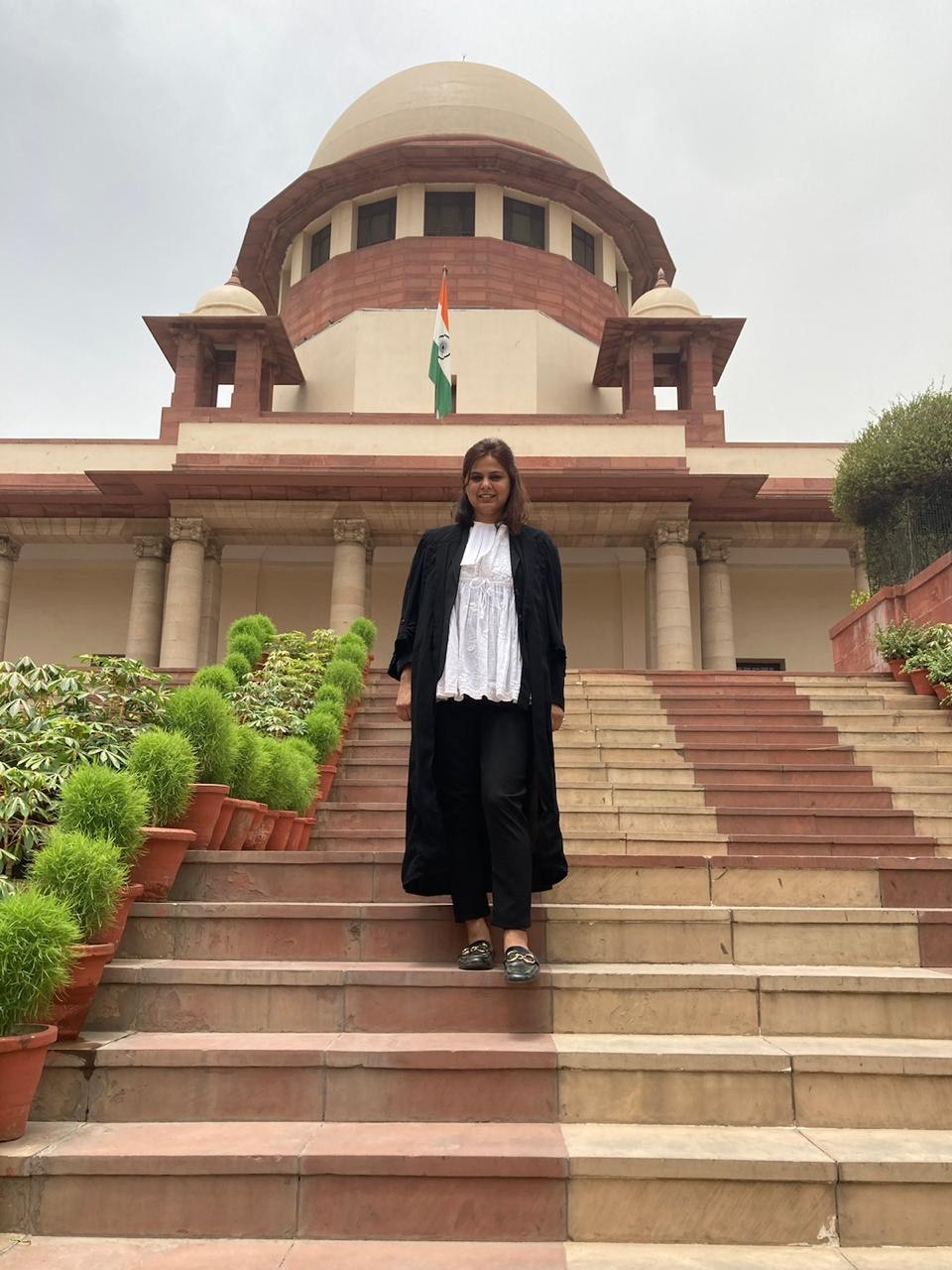
  • “The Legal profession demands hard work, dedication, perseverance, and a great deal of patience. While it is undoubtedly challenging, it is equally fascinating and rewarding.” – Yoothica Pallavi, Advocate on Record at Supreme Court of India.

    “The Legal profession demands hard work, dedication, perseverance, and a great deal of patience. While it is undoubtedly challenging, it is equally fascinating and rewarding.” – Yoothica Pallavi, Advocate on Record at Supreme Court of India.

    This interview has been published by Anshi Mudgal and The SuperLawyer Team

    Coming from a science background, was pursuing law a deliberate decision for  you? How did you prepare to gain admission to Chanakya National Law University,  Patna? 

    This question brings back a wave of nostalgia, and I find it hard to decide where  to begin—it’s quite a story. I belong to a generation where most students were drawn  towards either medicine or engineering. After completing my 12th in 2007, I, too, took  a gap year to prepare for engineering entrance exams. In 2008, I had secured admission  to an engineering college through my AIEEE rank. 

    However, my father, an IITian himself, always had a keen interest in law that ultimately  inspired me to consider law as a profession. 2008 was also, if I recall correctly, the  inaugural year of the CLAT examination. At his encouragement, I decided to take the  exam, and soon after, I found myself admitted to CNLU, Patna—without having spent  even a single day in an engineering classroom. 

    My father often says, “Law is nothing but science,” and it wasn’t long after stepping  into this noble profession that I realized how true this is. Law is fundamentally rooted  in logic and reason. Looking back, I am grateful for the redirection and for discovering  a field where I truly belong. 

    You have significant experience in education law and have represented clients in  cases such as the NEET UG Test 2024 case. What do you believe are the most pressing  legal challenges currently faced by students and educational institutions in India? 

    Talking in legal context, students are among the most vulnerable segments of  society, and it deeply concerns me when they are forced to seek relief through the courts.  I have had the privilege of representing and seeking relief for several students who, after  completing their MBBS degrees from foreign universities, were denied eligibility  certificates by the National Medical Commission (NMC). This certificate is essential  for appearing in the Foreign Medical Graduate Examination (FMGE), which is a  prerequisite for practicing medicine in India. Unfortunately, in some cases, the NMC  denies these certificates due to non-fulfilment of specific conditions. 

    The situation is particularly distressing for students who, after investing more than five  years to earn their MBBS degrees, find themselves unable to practice in India due to  technicalities. These students are left with no choice but to approach the courts. 

    Similarly, I have encountered cases where students are denied admission or faced issues  related to unfair examinations, such as those arising in NEET-UG 2024. For instance, I  had the opportunity to represent tribal students from Meghalaya in the NEET-UG 2024 dispute.

    On the other hand, educational institutions also face significant challenges, particularly  regarding recognition from regulatory bodies like the University Grants Commission  (UGC) or the All India Council for Technical Education (AICTE). One particularly  intriguing case I am currently handling involves a dispute over granting recognition for  a dual-mode university (for running conventional and open courses both) to a university  with “Open” in its name. 

    In addition to these issues, there are numerous disputes concerning fee regulation,  inadequate infrastructure, reservations, and other systemic challenges within the  education sector. These matters highlight the pressing need for robust policies and a  student-centered approach to ensure that education serves its intended purpose  effectively. 

    In your early years of practice, you worked with various advocates and law firms,  handling diverse areas such as Constitutional Law, Civil Law, Arbitration Law, and the  Law of Limitation. How did these experiences shape your approach to litigation, and  what key lessons did you take away from them? 

    When I joined law school, one thing I was certain about was my desire to practice  in courts. I never had any second thoughts about it. However, when I initially entered  the profession, adapting to court life was quite challenging. During those early years, I  was exclusively practicing in the Delhi High Court as I was working under the guidance  of Hon’ble Mrs. Justice Mini Pushkarna, who was then Standing Counsel for Municipal  Corporation of Delhi. I was fortunate enough to have regular appearances before the  High Court on a daily basis and that gave me confidence and encouragement to handle  the matters in Court even in adverse situations. I have many anecdotes also which I would never forget. 

    However, contrary to what it may seem to beginners, litigation is not solely about  appearing in court and presenting arguments. It encompasses much more. The process,  from drafting a case to getting it listed before the court, is a journey in itself. Litigation  also involves various registry-related tasks, which are crucial for any lawyer to learn  and understand. In my experience, I firmly believe that a lawyer first has to become a  clerk to grasp the basics of the profession and its importance one would realise after  beginning her/his own practice. It didn’t take long for me to realize the immense  physical and mental effort required in this field. 

    Another vital lesson I learned over time—though I underestimated its significance in  the beginning—is the importance of client handling. As lawyers, we are not only  officers of the court but also advocates for our clients’ interests. Effective client  management is a core skill for building a successful legal practice. A lawyer must  understand client’s needs, build trust, communicate effectively, and provide advice  within ethical boundaries. 

    Currently, at Indus Law Associates, you handle litigation and arbitration before the  Hon’ble Supreme Court of India, the Delhi High Court, the Meghalaya High Court and  various District Courts. Can you share one of the most challenging cases you’ve  encountered, and how did you approach your preparation for it? 

    While working in my current office, I have had the opportunity to handle a variety  of cases across different forums. Among the most notable were two cases involving  students who were denied eligibility certificates after completing their MBBS degrees  in Ukraine. Securing favourable orders in these matters was particularly challenging. 

    Primarily practicing in civil litigation, I faced a unique challenge while handling a  criminal case in the District Court. This bail matter involved allegations of forgery and required navigating proceedings from the Magistrate Court to the District and Sessions  Court. The case provided me with valuable insights into the fundamentals of criminal  law. Additionally, it offered the rare experience of visiting Tihar Jail for a client meeting,  which further broadened my professional exposure. 

    I am also handling election petition before the Hon’ble High Court of Meghalaya, which  has been a challenging and enriching experience. This case has allowed me to explore  a new area of law, delving into its intricacies and technicalities, thereby by broadening  my experience.  

    Could you explain your experience in arbitration, particularly your role in  representing clients such as the Meghalaya Urban Development Authority? How do you  ensure effective representation in arbitration as compared to traditional litigation? 

    Arbitration and litigation are fundamentally different methods of dispute resolution. Arbitration offers an efficient and flexible approach, making it particularly  suitable for commercial disputes. In contrast, litigation is generally preferred for cases  requiring public scrutiny due to its broader scope. 

    For a lawyer, excelling in arbitration demands a deep understanding of the field’s  complexities, especially the Arbitration and Conciliation Act. While the Act may appear  concise, it raises numerous intricate legal questions. Arbitration is often more complex  than litigation, requiring extensive time, effort, and meticulous attention to  documentation and record-keeping, which are critical to the process. 

    Evidence is pivotal in arbitration proceedings, making cross-examination one of the  most essential advocacy skills for arbitration lawyers. 

    Representing government clients in arbitration adds another layer of responsibility.  Cases involving government entities, such as MUDA, necessitate a careful balance  between safeguarding public interest and protecting public funds. These matters often 

    involve substantial sums of money and require adherence to public policy  considerations, given their sensitive nature. 

    Arbitration indeed, is challenging but also interesting.  

    What do you find most fulfilling about your practice as an Advocate on Record,  and what motivates you to continue pursuing this challenging and demanding  profession? 

    Becoming an Advocate on Record (AoR) in the Supreme Court was a significant  milestone in my legal career, something I had always aspired to achieve. The journey  to earning this title was not without its challenges, particularly as I became an AoR in  2020 during the height of the Covid-19 pandemic. It was a time of rapid digital  transformation in the judiciary, and adapting to the newly introduced procedures was  initially challenging. However, this digital shift proved to be a great relief and a stepping  stone toward a more efficient system. 

    A common misconception about AoRs is that they function merely as filing agents for  the Supreme Court. While it is true that an AoR must be well-versed in the Court’s  procedural rules, I soon realized that their role goes far beyond filing documents. Early  in my practice, there was an expectation that my involvement would be limited to  lending my name and signature. Fortunately, with the guidance of my seniors, I quickly  understood the deeper purpose and responsibility of an AoR. 

    AoRs are not just intermediaries; they are the “face of the case” before the Hon’ble  Supreme Court. This role demands accountability, and a deep understanding of the  matter being presented. The Supreme Court itself has recently underscored the critical  responsibilities of AoRs, issuing strict guidelines to ensure that cases are filed and  presented with the utmost diligence and professionalism. 

    Beyond the procedural responsibilities, the designation of “AoR” brings a sense of  professional recognition and respect. It is both a privilege and a significant  responsibility. The journey as an AoR is undoubtedly challenging, but it is also  immensely rewarding, offering the opportunity to make significant contributions in  delivery of justice at the highest level. 

    Considering the demanding nature of your legal career, how do you manage to  balance your professional duties with personal commitments? 

    Litigation is undoubtedly a demanding profession, requiring unwavering dedication and the ability to work under constant deadlines. As a lawyer, the work never  truly ends—court hours are followed by preparation for the next day’s cases, client  meetings, drafting, and various other responsibilities.

    For me, balancing this rigorous professional life with personal commitments, especially  as a mother, presents new challenges every day. Maintaining a work-life balance is  crucial, but I won’t deny that there are moments of panic and stress. 

    However, I firmly believe that in both personal and professional spheres, no one can do  it all alone. Teamwork plays a vital role in navigating challenges and achieving success.  I am incredibly fortunate to have a strong support system—both in my personal life and  in my professional circle. Their encouragement, collaboration, and assistance enable me to meet the demands of my profession while fulfilling my responsibilities at home.  Without their support, it would have been nearly impossible to strike this balance and  carry out my duties effectively. 

    What advice would you give to young lawyers looking to follow a similar career  path in litigation and arbitration? 

    This profession demands hard work, dedication, perseverance, and a great deal of  patience. While it is undoubtedly challenging, it is equally fascinating and rewarding.  Be willing to learn from failures and adapt to the demands of each case. Never  compromise on integrity and ethics.  

    Keeping oneself updated with legal developments and regularly reading and analysing  judgments is indispensable. It is one of the critical skills necessary for excelling in  litigation, enabling lawyers to stay informed, craft stronger arguments, and navigate the  evolving legal landscape effectively. 

    On a lighter note, this profession also gives the benefit of the summer and winter  vacations. These small breaks offer lawyers a well-deserved opportunity to relax,  unwind, recharge, and prepare for the challenges ahead. 

    Get in touch with Yoothica Pallavi-

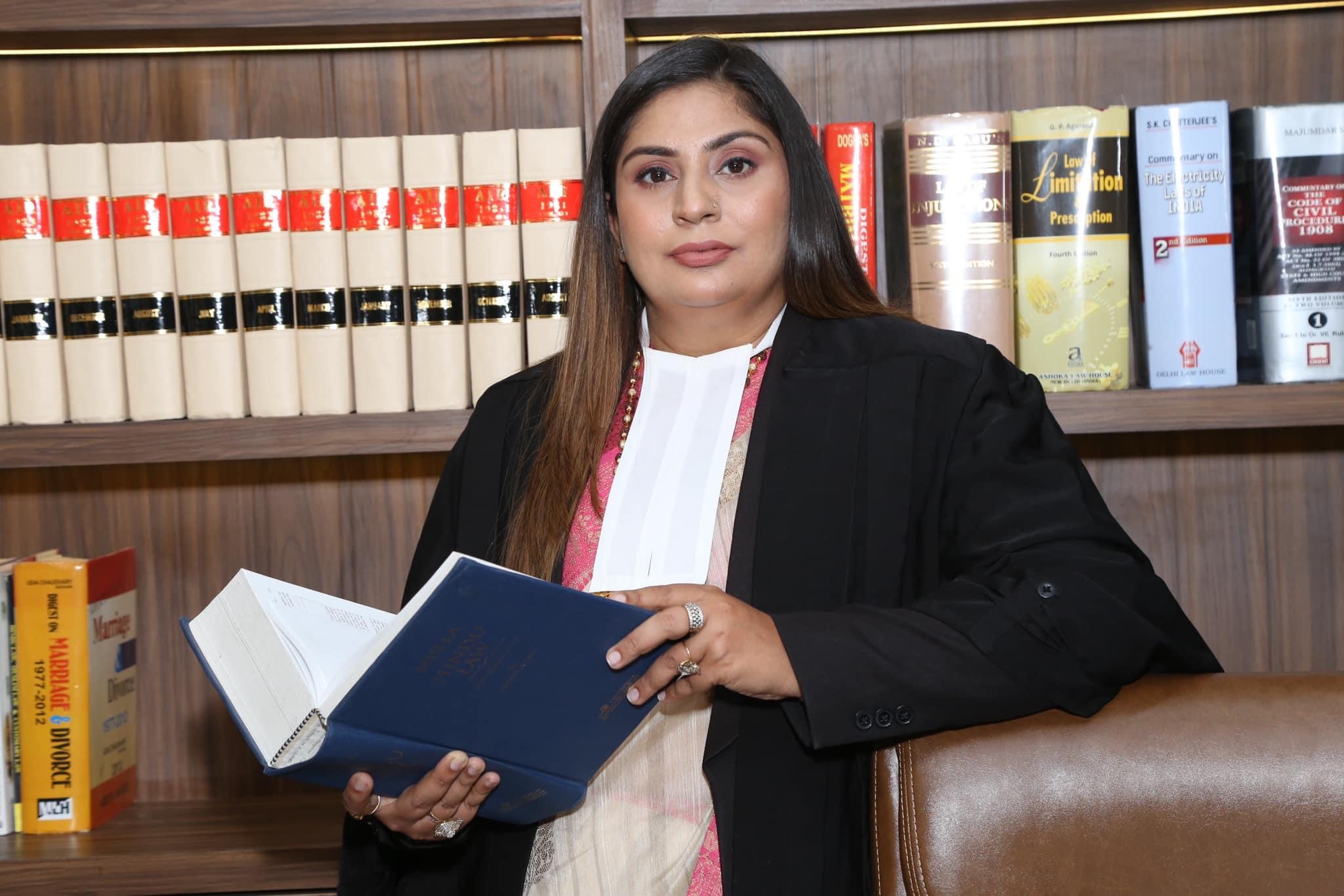
  • “Success in law isn’t just about winning cases, it’s about the respect you earn, the difference you make, and the justice you help deliver.” – Juhi Arora, Founder of Juhi Arora and Associates and Counsel at Supreme Court of India.

    “Success in law isn’t just about winning cases, it’s about the respect you earn, the difference you make, and the justice you help deliver.” – Juhi Arora, Founder of Juhi Arora and Associates and Counsel at Supreme Court of India.

    This interview has been published by Anshi Mudgal and The SuperLawyer Team

    You have an incredibly diverse legal career with expertise in several areas. Could you share with us what initially inspired you to pursue law as a profession?

    Thank you for the kind words! Honestly, my decision to pursue law wasn’t something I planned from the beginning—it grew out of a strong desire to help people navigate a system that often feels overwhelming and inaccessible. Coming from a family with no legal background, I saw how intimidating the legal world could be for those without connections or guidance. That’s what inspired me: the idea that I could bridge that gap for people who felt unheard or unsupported.

    When I started Juhi Arora & Associates, it wasn’t just about building a career—it was about creating a space where clients feel seen and empowered, knowing they have someone who genuinely cares about their rights and their story. Law, for me, has always been about standing up for fairness and justice, and every case reminds me why I took this path.

    It’s been a journey filled with learning, growth, and moments of real impact. I often say that the beauty of law is that it’s not just about solving problems; it’s about giving people the courage to face them. That’s what keeps me going.

    As the Founder of Juhi Arora & Associates, how do you manage the challenges of running a law firm along with your practice in high-profile cases and on several legal panels?

    Honestly, it’s not easy, and there are days when it feels like I’m juggling too many things at once. But I’ve learned that you can’t—and shouldn’t—do it all alone. My team at Juhi Arora & Associates is my biggest strength. I’ve always believed in trusting and empowering the people I work with. They handle so much with confidence and dedication, which lets me focus on the things that really need my attention, whether that’s a high-profile case or contributing to a legal panel.

    I also rely on good planning. It’s about taking things one step at a time and being realistic about what can be done in a day. I try to keep my priorities clear—clients always come first, but so does ensuring my team has what they need to succeed.

    Of course, there are moments when it feels overwhelming, but that’s part of the journey. I remind myself that it’s not about being perfect—it’s about staying committed. What keeps me going is knowing that the work we do matters. Whether it’s helping a client in crisis or shaping a broader discussion on a legal issue, it’s all worth it.

    At the end of the day, I think the key is to stay grounded, take a deep breath when things get hectic, and remind myself why I started this journey in the first place.

    One of your notable cases was challenging a tender issued by NCERT in the matter of Samit Khanna v. UOI & Ors. What was the motivation behind this case and how did you prepare for it?

    This case was particularly close to my heart because it wasn’t just about legalities—it was about fairness and accountability in public processes. The motivation came from the realization that the tender process in question wasn’t transparent. The eligibility criteria were vague, and the evaluation process seemed unfair, raising questions about whether it truly allowed equal opportunity for all participants.

    Preparation for this case was intense and detail-oriented. We started with a thorough review of the tender documents, comparing them against legal standards for public procurement. This involved identifying where the process fell short and how it potentially violated principles of fairness and equality under Article 14 of the Constitution. We also researched past judgments to strengthen our arguments and present a clear picture of why this tender needed scrutiny.

    For me, the case wasn’t just about challenging NCERT’s actions—it was about standing up for the idea that public institutions must be held to the highest standards of integrity. Fairness isn’t optional; it’s foundational. Cases like this remind me why I became a lawyer: to ensure that the principles of justice are upheld, no matter how complex the issue.

    In family law, you have represented clients in cases such as Sandhya v. Manish and Kavita Malik v. State of NCT of Delhi. What are some of the key takeaways for you from these cases, especially regarding the evolving dynamics of marriage and divorce laws in India?

    Family law cases are always deeply personal, and working on cases like Sandhya v. Manish and Kavita Malik v. State of NCT of Delhi has been both challenging and eye-opening. These cases have really shown me how the law is evolving in response to the changing dynamics of marriage and divorce in India.

    In Sandhya v. Manish, we dealt with issues of domestic violence and financial dependency. It made me realize just how hard it can be for women to assert their rights within a marriage, especially when societal pressures or economic factors come into play. This case highlighted the importance of legal safeguards that protect women’s rights—both emotionally and financially—during and after a marriage.

    Then, in Kavita Malik v. State of NCT of Delhi, the focus was on post-divorce maintenance, and it was heartening to see how the courts are increasingly taking a more holistic approach to divorce. It’s no longer just about ending a marriage; it’s about making sure that both parties can move forward with dignity and financial security.

    The key takeaway for me has been how marriage and divorce laws are no longer seen just through the lens of tradition but are also evolving to protect individuals and ensure fairness. Whether it’s about addressing domestic violence or ensuring financial stability after a divorce, the law is moving toward a more inclusive and balanced approach, one that recognizes the complexities of relationships today.

    These cases remind me why I’m passionate about family law—because it’s not just about the law itself, but about making sure people feel supported and heard in some of the most difficult moments of their lives.

    You’ve been a strong advocate for women’s rights, and your efforts have earned you several awards, such as the Nari Shakti Award. In your opinion, how can the legal profession further empower women and ensure gender equality?

    As a woman in law, I believe the legal profession plays a pivotal role in empowering women. One of the first steps is to increase women’s representation in leadership roles—whether in law firms, the judiciary, or academia. Diverse leadership brings new perspectives, and that’s essential for shaping a fairer legal system.

    Mentorship is also crucial. Senior women lawyers need to actively support and guide younger women in navigating career challenges, from overcoming biases to achieving work-life balance. It’s about creating a support system that helps them grow and thrive in the profession.

    We also need stronger policies to tackle discrimination head-on—ensuring equal pay, offering flexible work arrangements, and creating more inclusive environments for women.

    Finally, training lawyers to handle cases involving women’s rights with greater empathy and sensitivity is key. When the legal profession takes these steps, we can set the stage for gender equality, not just within our field, but across society.

    Your expertise as a Certified Mediator by DDRS shows your dedication to Alternative Dispute Resolution (ADR). How do you think ADR is transforming dispute resolution in India, and how can it be more widely accepted?

    As a Certified Mediator by DDRS, I am deeply committed to Alternative Dispute Resolution (ADR) because it aligns with my core belief that disputes can be resolved more peacefully, efficiently, and collaboratively. ADR methods such as mediation, arbitration, and conciliation offer not just a cost-effective solution, but also one that prioritizes mutual respect and understanding. Given the growing pressure on our judicial system, ADR is an essential alternative that helps parties resolve their issues quickly, while encouraging a more cooperative approach to conflict.

    In India, we’re starting to see a cultural shift towards ADR, particularly in commercial disputes, family matters, and labor issues. ADR creates a platform where parties can engage in open, productive conversations, leading to mutually beneficial outcomes. However, awareness around ADR is still developing, especially in smaller towns and rural areas, where many are unaware of its advantages or lack access to trained professionals.

    To make ADR more effective, we need to focus on increasing awareness, providing better training for mediators, and ensuring ADR services are accessible and affordable for everyone. Legal reforms that integrate ADR into the mainstream legal framework would further promote its use. With continued support, ADR can not only help ease the burden on our courts but also foster a more peaceful, efficient, and collaborative approach to resolving disputes across the country.

    As a lawyer, how do you maintain a work-life balance, especially when handling complex cases and public appearances? Are there any personal practices that keep you grounded?

    Maintaining a work-life balance as a lawyer, especially when dealing with complex cases and public appearances, is certainly challenging, but it’s essential for both professional success and personal well-being. For me, it’s about prioritizing and setting clear boundaries.

    Firstly, time management is crucial. I make sure to plan my day carefully—balancing court appearances, client meetings, and my family time. Of course, there will be days when work demands more attention, but I ensure that I carve out personal time in my schedule, whether it’s spending time with my children or pursuing my hobbies, like cooking or painting, which help me recharge.

    I also delegate tasks to my trusted associates at the firm. Delegation is not about relinquishing control; it’s about empowering your team to handle matters effectively while you focus on the bigger picture. This helps in reducing the pressure on myself and ensuring that we’re all working together efficiently.

    On a personal level, I’ve always found it important to stay grounded and connected with my roots. I practice gratitude regularly and believe in taking moments to reflect on how far I’ve come and how much I still have to achieve. This perspective helps me stay focused on what truly matters. I also make it a point to exercise—a good workout or a walk always clears my mind and helps me stay energized throughout the day.

    Above all, self-belief is the key. When you’re confident in your abilities, you can handle the pressure without losing sight of your personal life. And yes, having a support system—especially family—plays a big role. My mother, for instance, has been a huge source of inspiration and support for me. Balancing work and personal life aren’t easy, but it’s all about managing your time, staying organized, and remembering that you’re in control of your journey.

    As a woman in a highly competitive profession, what advice would you give to young women who aspire to pursue law, especially those who wish to establish themselves as successful legal practitioners?

    As a woman in this highly competitive profession, my advice to young women aspiring to pursue law would be simple yet powerful: believe in yourself and never underestimate your potential. The legal field is demanding, and yes, it’s tough, but remember, as women, we are naturally resilient, intuitive, and capable of handling challenges that come our way.

    First and foremost, education and continuous learning are key. Law is a dynamic profession that evolves with time, so you need to stay updated with the latest developments, case laws, and legal trends. Secondly, embrace hard work and discipline. There will be times when you’ll feel overwhelmed, but your perseverance will be what sets you apart. Don’t expect shortcuts to success; it’s the long hours and dedication that will ultimately take you far.

    Additionally, don’t be afraid to take up challenges. When opportunities come your way, grab them with both hands, even if they seem daunting. Seek mentorship from senior lawyers and build relationships with your peers. Your network will help you grow both personally and professionally.

    Lastly, I cannot stress enough the importance of integrity and honesty. In our profession, we deal with the truth, and the way you practice will define your reputation. Stand by your values, be ethical, and ensure that justice remains at the heart of everything you do.

    Remember, success in law isn’t just about winning cases—it’s about the respect you earn, the difference you make, and the justice you help deliver. Keep your vision clear, stay grounded, and trust the process. You’ve got this!

    Get in touch with Juhi Arora-

  • “One who knows the law well knows how to use it to suit his client… One should always keep the head and the heart in Sync-mode and you become an asset to the society.” – Sonam Datta Mehta, Proprietor at Sonam Datta Mehta & Attorneys

    “One who knows the law well knows how to use it to suit his client… One should always keep the head and the heart in Sync-mode and you become an asset to the society.” – Sonam Datta Mehta, Proprietor at Sonam Datta Mehta & Attorneys

    This interview has been published by Namrata Singh and The SuperLawyer Team

    Can you walk us through your journey into the field of law? What inspired you to pursue a career in law, and could you share some insights into your college experience and how it shaped your professional path?

    Since my 8th standard I always wanted to be a Lawyer. My father is in the uniform job, hence serving the nation and the community in the best possible way runs in my upbringing and in my blood. I am an Alumni  of Guru Gobind Singh Indraprastha University. Law college no doubt is the first step into our legal journey and it is not a common Graduation that we pursue, it is a professional degree hence the approach should also be professional. I was fortunate enough to get the best faculty in the city and that too through my 5 year programme. Till date my professors are torch bearers in the legal field as well.

    As someone who has pursued diverse disciplines in law, what sparked your interest in becoming a mediator and arbitrator alongside your practice as an attorney?

    ADR I would say is not the Alternative Dispute Resolution Mechanism, rather is the Appropriate Dispute Resolution Mechanism System. Serving my clients with their legal battles for years and seeing them suffer emotionally, financially, physically sometimes (irrespective of the outcomes or reliefs they get from the Courts), ADR is the swiftest way to resolve disputes. Cases that take decades in courts can be resolved in a few months through Mediation or Arbitration. Being a Mediator or an Arbitrator satisfies not only the pocket but the soul as well! (On a lighter note!)

    You’ve delved into various areas of law, from matrimonial disputes to trademark matters. Is there a specific field that you find most fulfilling, and if so, why?

    I feel a perfect lawyer is the one who is a Master of all the fields. He should be able to serve his client with all principles intact. I find Matters pertaining to women to be most fulfilling. Since then, the legislative has made several laws purely for the protection of women. Hence, striking the balance of their rights and duties towards their families and spouses etc. and proceeding with them in the right direction is really challenging and  fulfilling at times.

    As a former prosecutor and now an advocate, what advice would you give to aspiring legal professionals who aim to make a positive impact in society?

    One who knows the law well knows how to use it to suit his client. Sometimes it may go against the lawyer’s ethics. In such circumstances one must listen to their heart and proceed. As a young prosecutor, there were many challenges before me, such as dealing with the police machinery etc, but when you know the law and your cases well, no one can mess it up against you. One should always keep the head and the heart in Sync-mode and you become an asset to the society.

    With your expertise in alternative dispute resolution, what role do you see technology playing in shaping the future of legal proceedings?

    With the coming up of the Online Dispute Resolution ( ODR-ADR) mechanisms, disputes can be resolved at any place and at any time. AI apps like Peacegate etc. help in resolving disputes in a smarter way and the disposal rate is absolute. Post COVID technology has served several purposes, even hearings are being done virtually which saves a lot of time and money.

    As someone who has judged various moot court competitions, what qualities do you look for in aspiring lawyers and mediators?

    One must be sound in various fields of law and must be willing to serve the society. Sitting across the table with an open head and heart and helping the parties to navigate the disputes to resolutions is the only skill a Mediator should ace!

    Outside of your legal career, what are some of your favorite hobbies or activities that help you unwind and recharge? How do you find balance between your professional and personal interests?

    Being a mom of two young daughters is my hobby! And beyond that I love to meditate. This helps me rejuvenate energies and help me find balance in life. I love to travel, I have travelled to several countries, different cultures, and people attract me a lot. It helps me recharge and find a purpose in life.

    Reflecting on your educational journey, how pivotal were your internships in shaping your understanding of the legal profession? Could you share a particularly impactful experience from your time as an intern? Also how important is internship in shaping anyone’s career path?

    Internships are indeed an integral part of the legal curriculum. It is through these internships that I could locate my interest in the legal field. The best of my internships was in my second year, where I worked with the Delhi Legal Service Authority at the Tihar Jail. I got the opportunity to 

    interact with the inmates and help them with their cases. This helped me to dream about becoming a Prosecutor and represent the State.

    Balancing multiple roles as a legal practitioner, mediator, arbitrator, and trademark attorney must require excellent time management skills. Could you share some strategies or routines you employ to effectively manage your time and responsibilities?

    It is indeed difficult and you get exhausted at the end of the day but effective time management is the key and above that a team of equally efficient and trained lawyers to work beside you is an asset. I am fortunate enough to have such people associated with me and hence working alongside becomes easier. Also fixing days for specific forums or courts can prove to be helpful too.

    Get in touch with Sonam Datta Mehta–