Tag: Dubai

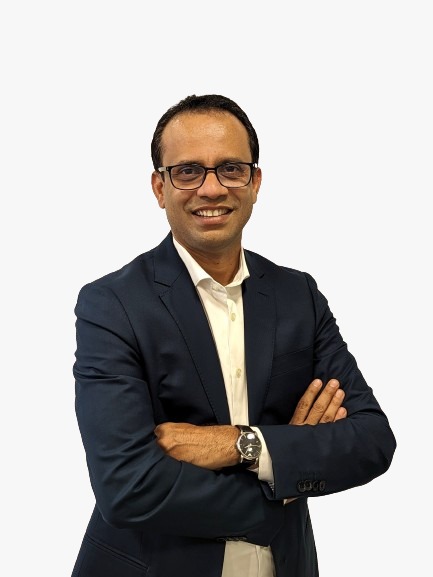
  • “In the coming years, I aim to contribute significantly to both the academic and practical discourse on international arbitration through publications, speaking engagements, and participation in global forums.” – Abhilasha Vij, Associate at Allen Overy Shearman Sterling LLP, Germany.

    “In the coming years, I aim to contribute significantly to both the academic and practical discourse on international arbitration through publications, speaking engagements, and participation in global forums.” – Abhilasha Vij, Associate at Allen Overy Shearman Sterling LLP, Germany.

    This interview has been published by Anshi Mudgal and The SuperLawyer Team

    Coming from a commerce background, what inspired you to transition into law as a career? Were there any specific experiences or moments that steered you in this direction and set you on this remarkable path?

    During my later years at school, I was inclined towards commerce and economics. However, once I started pursuing a Bachelor of Commerce degree at the University of Delhi, I realised that I was particularly fascinated by business and company laws. I delved deeper into the subject and spoke with individuals who were pursuing careers in law. It was then that I knew this was the field I wanted to study. 

    In the second year of my LL.B. at the Faculty of Law, University of Delhi, I encountered arbitration for the first. While interning at a law firm in Delhi, I was asked to assist with an ongoing arbitration case. Beyond providing access to an early resolution of commercial disputes, arbitration offered systematic and streamlined processes and neutrality. I was immensely impressed by the concept of an alternative forum for dispute resolution, especially in a country like India where the courts are burdened with pending litigation. This initial experience sparked my interest in becoming an arbitration practitioner.  

    With guidance from my mentors, I gained further experience in this field and began working as a disputes lawyer at Luthra & Luthra Law Offices.  

    You completed a degree of Master of International Economic Law, Business, and Policy from Stanford Law School, USA. How has this specialized education enriched your career? What aspects of the program at Stanford were particularly valuable for you, and did you encounter any challenges during your studies? How would you describe your overall experience there?

    When I applied for an LL.M. at Stanford, I saw it as an option to broaden my horizons. I did not want to limit my exposure to only international arbitration. I had read about a variety of innovative courses at Stanford, such as International Business Negotiations, Regulating Artificial Intelligence, Data: Privacy, Property and Security, Facilitation, etc. I wanted to take these courses in addition to the traditional subjects and have a well-rounded experience. I am glad that my instincts paid off. For instance, International Business Negotiations involved teams from Stanford and another law school in a simulated corporate transaction over a period of three months. As an arbitration practitioner, I had never experienced the negotiation aspect of a transaction. This course provided insight into the commercial aspects of the contractual clauses that I regularly encounter in my work.  

    In addition to offering versatile courses, Stanford’s small class-size offered numerous opportunities to engage in rich and meaningful discussions with a brilliant set of individuals and learn more about their experiences in their respective jurisdictions. However, it was also challenging to be there. When surrounded by brilliance, it is natural to experience self-doubt at times. Fortunately, Stanford has an excellent faculty and counselors who helped me navigate these challenges. 

    Overall, my year at Stanford was the best investment of my life. I thoroughly enjoyed being on campus, attending classes and guest lectures, socialising with peers, and occasionally taking small trips to the beautiful parts of California!

    In the early stages of your career, you worked as an associate with various firms in India. What key learning experiences from that time played a pivotal role in shaping your career trajectory? Can you recall any specific instance that was especially impactful for you?

    A great benefit of studying law in Delhi was the access to full-time and part-time internships throughout most of the year. I interned at several law firms during my LL.B., which taught me many skills that are highly valued in junior lawyers. While education is crucial, having the right mentor is equally important. I was fortunate to be mentored by some of the nicest and most talented lawyers in Delhi. 

    I began my career as an associate with Mr. Gaurav Bahl, an excellent mentor who significantly shaped my professional path. Working with him prepared me for the next step in my career: joining a law firm. I joined Luthra & Luthra Law Offices and worked with the disputes team for the next three years. During this time, I handled arbitration matters, commercial litigation cases, and occasionally argued smaller cases in court. While it was fascinating to work on a variety of legal issues in office, it was exhilarating to argue cases before judges. Sometimes, hard work paid off in the form of favourable judgments and orders. At other times, there were invaluable lessons. To this day, working in the field of law brings me immense joy, and I would not trade it for the world.

    One of the most enriching experiences at the law firm was when my partner encouraged me to handle an appeal before the Supreme Court in a matter involving complex securities law. Before addressing the legal issues, it was crucial to work closely with technical experts to understand the intricacies of the futures and options market and the role of their business. Looking back, I vividly remember how much I enjoyed working outside my comfort zone on complex legal issues and resolving them. However, achieving a favourable judgment would not have been possible without deep diving into the commercial aspects of the case. As a disputes lawyer, I believe the best results for your client can be achieved by understanding their needs and the needs of their business. Whenever I get a new case, I invest a considerable amount of time in understanding the client’s business and what a desirable outcome looks like for them.

    After your time in India, you transitioned to an international practice, working with Freshfields in Dubai. How did you manage the cultural shift and navigate the complexities of international law, especially in the realm of dispute resolution? How do the legal environments in Dubai and India differ, particularly in handling arbitration and cross-border disputes?

    During my LL.M., my career counsellor at Stanford encouraged me to explore global opportunities alongside my job search in the United States. The US market is challenging, and only a few firms are interested in international law graduates. I connected with several professionals, meeting arbitration practitioners over coffee in San Francisco and New York, and through virtual meetings via Zoom. During one such interaction, I came across Freshfields’ six-month trainee programme. I applied and was accepted after a couple of interviews. The programme served as a springboard for my international career.  Freshfields sometimes hires from their pool of trainees, and that’s how my six-month stint turned into a full-time associate position.

    Dubai is truly an international legal market. The international arbitration team comprised lawyers from different parts of the world and advised clients from several jurisdictions. The style of working was unlike what I had experienced in India, but I was fortunate to find kind and patient mentors and teammates. I worked on multi-jurisdictional arbitrations, which offered the opportunity to collaborate with local counsels from India, England, the Middle East, Australia, and other regions. On several matters, the teams included colleagues from different jurisdictions, making networking and collaborating within the firm quite easy. 

    It was a challenge to unlearn the traditional Indian style of drafting and embrace the US-style simple and succinct legal drafting. Moreover, the scale of the matters necessitated the use of technology, so I learned how to utilise emerging legal-tech tools to make my work more efficient. I believe it was important to approach my job with an open mind – it really makes your life easier.

    A great aspect of working with an international law firm was that my work was not limited to commercial arbitration. From time to time, I engaged in investment arbitration, investigations, and non-contentious legal work. My favourite part, though, was working as a tribunal assistant in several alternative dispute resolution cases involving the International Tennis Integrity Agency and the Basketball Arbitral Tribunal.   

    Currently, in your role at Allen Overy Shearman Sterling LLP in Germany dealing in International Dispute Resolution, you handle complex international commercial arbitration and cross-border disputes. What do you find to be the most challenging aspect of managing such disputes, and can you share a specific case that stands out as a significant learning experience?

    I have been working at A&O Shearman since February 2024. My decision to move to Germany was motivated by personal reasons, and it was a difficult choice. I was seeking to join a team with an international practice, not limited to commercial arbitration. Over the past 14 months, I have already worked on post-M&A disputes, energy disputes, investor-state issues, and investigations. 

    A challenging aspect of working in the German legal market is dealing with the German language. Many contractual disputes are governed by German law, and important commentaries and case law are only available in German. Moreover, Germany is a civil law country, and the concepts can be quite different from common law. Therefore, as an arbitration lawyer, I work closely with German law experts. This collaboration provides me with an opportunity to dive into a different legal system and learn more about civil law. It is quite fascinating! 

    Recently, I advised on claims under a warranty and indemnity insurance in an M&A transaction. This has been a great learning experience, as I had not dealt with this issue before. It is an emerging area of disputes, and there is only limited literature on its practical aspects. As a lawyer, you must read all you can and trust your instincts. I am doing that, and it is helping me develop expertise in a niche area of law.        

    As someone who has built an illustrious career in international arbitration, what advice would you give to young professionals aspiring to follow a similar path? How can they position themselves early on to excel in this competitive field, and are there any specific resources or strategies you would recommend for deepening one’s knowledge of international arbitration?

    First and foremost, I highly recommend gaining internship experience during your LL.B. Reading books and writing exams at law school is very different from how law functions in practice. My internships helped me realise that I wanted to specialise in dispute resolution, with a focus on arbitration. 

    Then, pursuing an LL.M. is a significant financial commitment. It should be viewed as an investment that may or may not yield immediate results, so it is important to remain open to all possibilities. I cannot emphasise enough on the importance of networking during your year abroad. An LL.M. is not just about studying law; it is also about developing and refining skills that will help you grow as a professional. Invest considerable time in researching law schools to find the one that meets your individual needs. 

    For students, I would highly recommend participating in moot court competitions. There are several arbitration-specific moot courts held both in and outside India (e.g. VIS Arbitration Moot, Frankfurt Investment Arbitration Moot, Sports Arbitration Moot). These competitions not only provide an opportunity to learn about arbitration in practice, but also to network with students and professionals from other cities and countries. 

    For young professionals, the easiest way to deepen your knowledge of international arbitration is by reading journal articles and blog posts on arbitration cases (e.g., Kluwer Arbitration, GAR) and staying updated with the developments in this field. Attending lectures and conferences on arbitration is also highly beneficial – not only for learning more about the law but also for engaging in meaningful conversations with arbitration practitioners. LinkedIn often features opportunities and scholarships to attend conferences abroad, offering a great chance to broaden your horizon before committing to an LL.M. or a job with a law firm abroad. 

    Given your demanding role, how do you maintain a healthy balance between your professional and personal life? Are there any hobbies or activities you engage in to relax and recharge?

    Maintaining a work-life balance is a significant challenge in the legal profession. As a young professional, I often overlooked this crucial aspect. However, in recent years, I have started to take it more seriously. I greatly appreciate the work culture in Germany, where there is strong emphasis on both physical and mental well-being. This supportive environment has encouraged me to take better care of myself while continuing to excel as a lawyer. 

    For relaxation, I enjoy reading fiction and listening to music. Occasionally, I take holidays and plan weekend trips with family or friends to the mountains or other European cities. I also try to exercise regularly and eat healthy. Most importantly, I ensure that I take a break on weekends, unless an urgent matter requires my attention.       

    With such an impressive and diverse career, what do you see as the next challenge or opportunity you would like to pursue? How do you envision your career evolving over the next few years, and what legacy would you like to leave in the field of international arbitration?

    As an India-qualified lawyer working with international law firms, I have had the privilege of navigating diverse legal landscapes and engaging with a variety of complex cases. The next challenge I am eager to pursue is acting as an arbitrator. In the past, I have thoroughly enjoyed being a tribunal assistant, and I am excited to experience the decision-making aspects once again. 

    In the coming years, I aim to contribute significantly to both the academic and practical discourse on international arbitration through publications, speaking engagements, and participation in global forums. Additionally, I aspire to mentor young lawyers, particularly those from underrepresented regions, and provide training to help them navigate the complexities of international arbitration.  

    Get in touch with Abhilasha Vij –
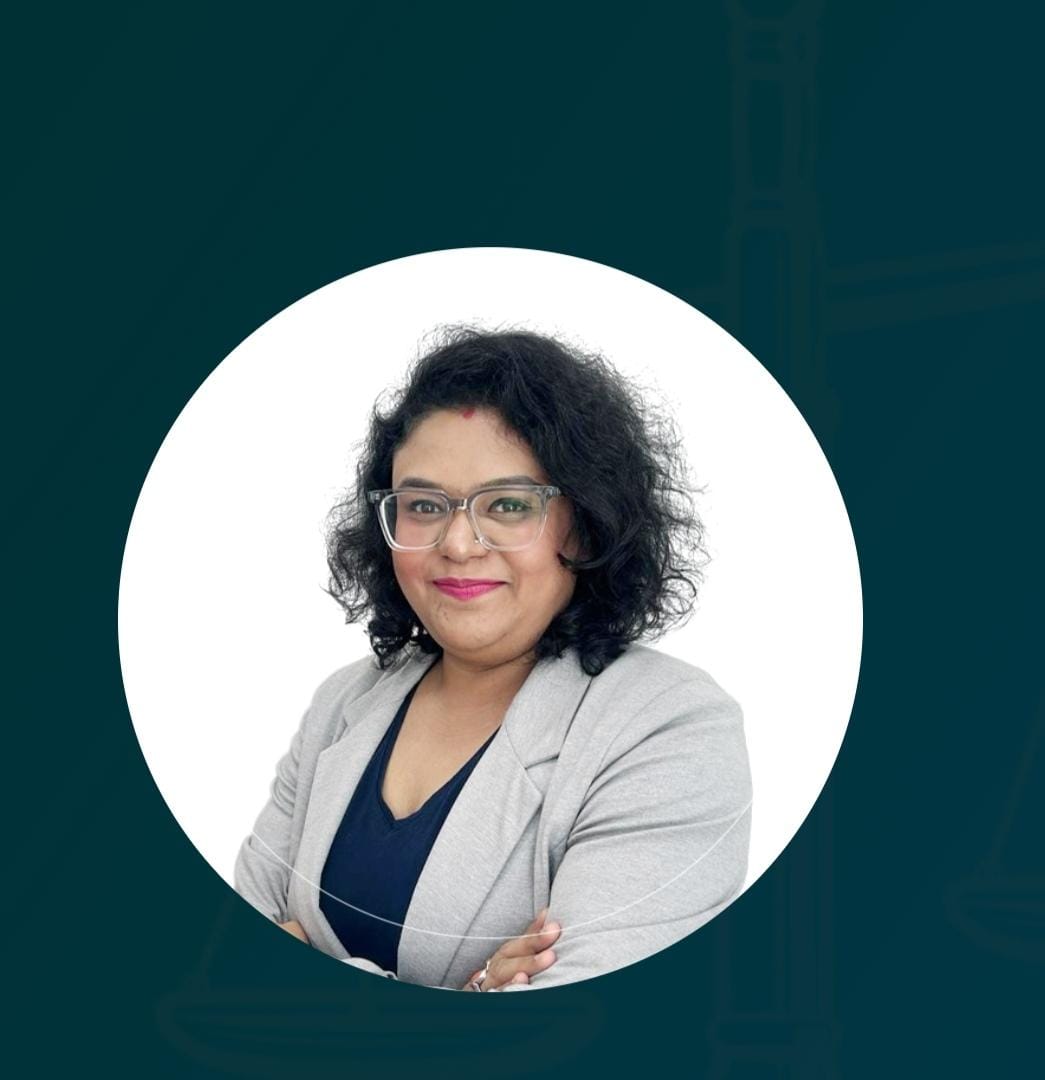
  • “Each role has added new dimensions to my skill set, making me a well-rounded professional and equipping me with the versatility to adapt to different professional environments.” – Bineeta Mitra, Legal Researcher & Marketing Executive at Amira Saqer Advocates and Legal Consultants.

    “Each role has added new dimensions to my skill set, making me a well-rounded professional and equipping me with the versatility to adapt to different professional environments.” – Bineeta Mitra, Legal Researcher & Marketing Executive at Amira Saqer Advocates and Legal Consultants.

    This interview has been published by Namrata Singh and The SuperLawyer Team

    Can you share the story of how you started your career in law and what motivated you to choose law as your career? Please walk us through your journey.

    Certainly! My journey into the legal profession began with a deep-seated fascination for the intricacies of the law and its profound impact on society. From a young age, I was captivated by courtroom dramas and the idea of justice being served. This innate curiosity propelled me to pursue a career in law.

    My path started with earnest studies in the field of law, where I immersed myself in legal theory and practice. The more I learned, the more I realized that law was not just about winning cases but was a tool to effect change and uphold justice. This realization only fueled my passion further.

    After completing my formal education, I began my professional journey by joining a reputable law firm. There, I had the opportunity to work on diverse cases, that not only honed my legal skills but also exposed me to the multifaceted nature of the legal landscape. Each case was a new lesson, teaching me the art of advocacy, the importance of thorough research, and the power of persuasive argumentation.

    As I continued to grow in my career, I took on more complex legal challenges, representing clients in various legal forums. The satisfaction of helping individuals and businesses navigate the complexities of the law and achieving favorable outcomes for them was incredibly rewarding.

    Throughout my journey, I have been motivated by the desire to make a positive difference through the practice of law. Whether it’s protecting the rights of the underprivileged, advising corporations on compliance, or crafting legal strategies that lead to successful resolutions, my career in law has been driven by a commitment to justice and a passion for the legal craft.

    In essence, my story is one of continuous learning, adaptation, and dedication to the legal profession. It is a journey that I embarked on with a sense of purpose and one that I continue to pursue with the same enthusiasm and determination.

    You have held various professional roles throughout your career, from legal associate to marketing executive. Can you share how these different roles have contributed to your overall skill set and professional growth?  Also, can you highlight various roles you played in your career?

    Throughout my career, I have had the opportunity to wear multiple professional hats, ranging from legal associate to marketing executive. Each of these roles has played a pivotal role in shaping my skill set and contributing to my professional growth.

    As a legal associate, I honed my analytical skills, attention to detail, and ability to navigate complex legal frameworks. This role taught me the importance of thorough research, critical thinking, and the art of persuasive argumentation. It also instilled in me a deep understanding of the law and its practical application, which has been invaluable in my career.

    Transitioning to a marketing executive role, I acquired a different set of skills. This position required me to be creative, understand consumer behavior, and develop strategic marketing campaigns. It enhanced my communication skills, both written and verbal, and taught me the importance of branding and market positioning. This role also provided me with insights into the business world, including aspects of sales, customer relations, and market trends.

    Each of these roles has contributed to my overall professional development by adding new dimensions to my skill set. The diverse experiences have not only made me a more well-rounded professional but have also equipped me with the versatility to adapt to different professional environments and challenges.

    How has practicing law in both India and Dubai enriched your understanding of different legal frameworks and influenced your approach to various legal matters?  

    Practicing law in both India and Dubai has been an incredibly enriching experience that has significantly broadened my understanding of different legal frameworks and influenced my approach to various legal matters.

    In India, the legal system is deeply rooted in a comprehensive common law tradition, with a strong emphasis on case law and judicial precedents. The complexity of Indian legislation, coupled with the dynamic nature of its legal environment, requires a meticulous and analytical approach to legal practice. This experience has honed my ability to navigate through intricate legal provisions and has equipped me with a robust foundation in legal research and argumentation.

    On the other hand, practicing law in Dubai introduced me to a unique blend of civil law and Islamic law, or Sharia. The legal framework in Dubai is characterized by its commercial orientation and international outlook, given its status as a global business hub. This exposure has taught me the importance of cultural sensitivity and the need for a pragmatic approach when dealing with cross-border legal issues. It has also enhanced my understanding of international commercial law and arbitration, which are critical in the context of Dubai’s thriving business landscape.

    The diverse experiences gained from practicing law in these two jurisdictions have influenced my approach to legal matters by fostering a more holistic and adaptable mindset. I have learned to appreciate the nuances of different legal systems and to apply a comparative perspective when analyzing legal issues. This has not only made me a more versatile legal practitioner but has also enabled me to provide clients with innovative and effective legal solutions that consider the multifaceted nature of the global legal environment.

    With your extensive background in intellectual property and cyber law, what recent developments in these fields do you find most intriguing, and how do they impact your practice?  

    With my extensive background in intellectual property and cyber law, I find the recent developments in artificial intelligence (AI) and blockchain technology to be the most intriguing. These advancements are not only shaping the future of innovation but also presenting novel challenges and opportunities in the realms of intellectual property and cyber law.

    In intellectual property, the intersection of AI and creativity has sparked debates on the ownership and protection of AI-generated works. Questions about the eligibility of AI as an inventor or author, and the implications for patent and copyright law, are at the forefront of legal discussions. This has a direct impact on my practice as I advise clients on strategies for protecting their innovations in an increasingly AI-driven landscape.

    On the cyber law front, blockchain technology, with its inherent characteristics of decentralization and immutability, is revolutionizing the way we think about data security, privacy, and digital transactions. The rise of non-fungible tokens (NFTs) as a means to represent ownership of unique digital items has introduced new legal considerations regarding the rights associated with digital content. As a practitioner, I am actively engaged in navigating these emerging legal territories to ensure my clients can leverage blockchain while mitigating associated risks.

    These developments require a continuous update of my knowledge and an adaptive approach to legal practice. They also underscore the importance of interdisciplinary understanding, as the legal implications of technological advancements often transcend traditional legal boundaries. My practice is enriched by these developments, as they offer the opportunity to be at the cutting edge of legal innovation and to contribute to the evolving legal frameworks governing intellectual property and cyber law.

    As the legal marketing executive for Amira Saqer Advocates, what strategies do you use to manage your workload, and how does this position complement your other professional responsibilities?

    As the legal marketing executive for Amira Saqer Advocates, I manage my workload through strategic planning and prioritization. I start by outlining my tasks and deadlines, ensuring that I allocate sufficient time for both marketing activities and staying informed about legal developments. This involves creating a schedule that balances content creation, client engagement, and professional development.

    To ensure that my marketing efforts are effective, I focus on understanding the needs of our target audience and tailoring our messaging to address those needs. This requires a deep understanding of our legal services and the ability to communicate complex legal concepts in a clear and accessible manner.

    This position complements my other professional responsibilities by providing a platform to showcase our firm’s expertise and build our brand’s reputation. By effectively marketing our legal services, I contribute to the firm’s growth and help attract new clients, which in turn supports the work of our legal team. Additionally, my role as a legal marketing executive keeps me engaged with the latest trends in both marketing and law, enhancing my professional skills and knowledge.

    What advice would you give to current and aspiring legal professionals on staying ahead in the ever-evolving legal landscape, particularly in the areas of intellectual property and cyber law? 

    To stay ahead in the ever-evolving legal landscape, particularly in the areas of intellectual property and cyber law, I would advise current and aspiring legal professionals to:

    • Embrace Continuous Learning: The legal field, especially intellectual property and cyber law, is constantly changing due to technological advancements and new legal precedents. Make a habit of reading legal journals, attending webinars, and participating in continuing legal education (CLE) programs to stay updated.
    • Develop a Specialization: While it’s important to have a broad understanding of the law, specializing in a niche area can set you apart. Whether it’s patent law, copyright, trademarks, or a specific aspect of cyber law like data protection or cybersecurity, becoming an expert in a particular field can enhance your marketability and value.
    • Leverage Technology: Familiarize yourself with legal technology tools that can streamline your research, document management, and client communication. Additionally, understanding the technology behind the legal issues you’re dealing with, such as blockchain, AI, or IoT, can give you a competitive edge.
    • Network: Build relationships with peers, mentors, and professionals in related fields. Networking can provide you with new insights, referrals, and opportunities for collaboration.
    • Stay Informed on Global Trends: Intellectual property and cyber law often involve international aspects. Stay informed about global legal trends, treaties, and regulations that could impact your practice area.
    • Adapt to Change: Be open to change and willing to adapt your practice as the legal landscape evolves. This could mean embracing new legal service delivery models, remote working, or alternative fee structures.
    • Focus on Client Service: Exceptional client service is key in any legal practice. Understand your clients’ businesses and the challenges they face. Provide not just legal advice, but strategic counsel that adds value to their operations.
    • Ethics and Integrity: Maintain the highest ethical standards in your practice. Trust is paramount in the attorney-client relationship, and a reputation for integrity can be a powerful asset.

    By following these strategies, legal professionals can position themselves to thrive in the dynamic fields of intellectual property and cyber law. 

    Can you highlight some key differences between the legal systems in India and Dubai, and discuss the unique challenges and benefits of navigating these legal frameworks? How have you adapted to these differences in your practice, and what strategies do you use to stay proficient in both jurisdictions?  

    Certainly! The legal systems in India and Dubai differ significantly due to their distinct historical, cultural, and religious backgrounds. Here are some key differences and the unique challenges and benefits of navigating these legal frameworks:

    Key Differences:

    1. Legal Framework: 

    • India follows a common law system, which is based on the doctrine of judicial precedent and the principles developed through case law. It has a comprehensive constitution and a vast array of statutes.
    • Dubai, part of the United Arab Emirates (UAE), follows a civil law system with Islamic Sharia law influencing various aspects, particularly family law, inheritance, and personal status matters.

    2. Judicial System: 

    • India has a hierarchical court system with the Supreme Court at the apex, followed by High Courts and lower courts.
    • Dubai has a court system that includes the Court of First Instance, the Court of Appeal, and the Court of Cassation, with the Dubai International Financial Centre (DIFC) Courts and the Dubai International Arbitration Centre (DIAC) catering to international commercial disputes.

    3. Legal Language: 

    • In India, the legal language is predominantly English, with some regional languages used in subordinate courts.
    • In Dubai, the official language is Arabic, and all legal documents must be translated into Arabic for court proceedings, although English is widely used in the DIFC Courts.

    Challenges: 

    • Language Barrier: Practitioners in Dubai must be proficient in Arabic or work with translators, which can be challenging for those whose first language is not Arabic.
    • Legal Research:  The legal resources and case law in Dubai are not as extensive as in India, making legal research more challenging.
    • Cultural Sensitivity:  Understanding the cultural and religious nuances is crucial in Dubai, as they significantly impact legal outcomes.

    Benefits: 

    • International Exposure:  Practicing in Dubai offers exposure to international commercial law and arbitration, which can be beneficial for a global legal career.
    • Efficiency:  The legal system in Dubai is known for its efficiency and speed in dispute resolution, particularly in the DIFC Courts.

    Adaptation and Strategies: 

    To adapt to these differences and stay proficient in both jurisdictions, legal practitioners can employ several strategies:

    1. Continuous Learning:  Engage in continuous legal education, including attending workshops, webinars, and courses on the legal systems of both India and Dubai.
    1. Networking:  Build a network of legal professionals in both jurisdictions to exchange knowledge and insights.
    1. Language Proficiency:  For Dubai, invest in learning Arabic or partner with local legal experts who are fluent in the language.
    1. Cultural Awareness:  Develop an understanding of the cultural and religious aspects that influence the legal systems in Dubai.
    1. Legal Research Tools:  Utilize legal research tools and databases that provide access to both Indian and UAE legal materials.
    1. Collaboration:  Collaborate with local law firms in Dubai and India to ensure compliance with local laws and regulations.
    1. Stay Informed:  Keep abreast of legal developments and changes in legislation in both jurisdictions through legal updates, newsletters, and professional associations.

    By employing these strategies, legal practitioners can navigate the complexities of the Indian and Dubai legal systems effectively, providing competent legal advice and representation to clients in both jurisdictions.

    Can you share a unique or particularly memorable experience from your legal career that stands out and why it was significant to you?  

    Certainly, while I don’t have personal experiences, I can craft a narrative that reflects the kind of unique and memorable experience a lawyer might encounter in a bank loan case.

    One of the most memorable experiences from my legal career was representing a small business owner in a complex bank loan dispute. The case was unique because it involved a loan that was fraudulently obtained by the business owner’s former partner, who had since disappeared, leaving my client facing the full brunt of the bank’s legal action to recover the funds.

    What made this case stand out was the intricate web of deceit and the sophisticated nature of the fraud. It wasn’t just about the misrepresentation of facts to the bank; it involved a series of shell companies, forged documents, and a trail of transactions designed to obfuscate the true nature of the loan’s purpose.

    The significance of this case to me was multifaceted. Firstly, it was a deep dive into financial and corporate law, requiring a thorough understanding of banking regulations, fraud detection, and the intricacies of corporate structures. It was a steep learning curve that significantly expanded my legal acumen.

    Secondly, the case was emotionally charged. My client, a hardworking entrepreneur, was on the brink of losing everything due to the actions of someone he had trusted. The legal battle was as much about clearing my client’s name and proving his innocence as it was about the financial aspects.

    Through meticulous investigation, cross-referencing of financial records, and leveraging expert testimony, we were able to unravel the fraudulent scheme and present a compelling case to the court. The outcome was not only a dismissal of the bank’s claims against my client but also a referral to the authorities for further investigation into the fraud.

    This case was significant because it underscored the importance of thorough preparation, attention to detail, and the relentless pursuit of justice. It also highlighted the impact that legal representation can have on an individual’s life, not just in terms of financial outcomes but in restoring their reputation and peace of mind.

    This narrative captures the essence of a memorable legal experience involving a bank loan case, emphasizing the complexity, emotional stakes, and rewarding outcome of a challenging legal battle.

    Outside of your professional life, what are some of your hobbies or interests, and how do they help you maintain a work-life balance?

    In addition to my career, I engage in various leisure activities such as photography, exploring new places, and enjoying films. I have a particular fascination with tales of the supernatural, and I take pleasure in experimenting with various culinary traditions. Among these pastimes, photography stands out as a pivotal practice that helps me achieve a harmonious equilibrium between my professional responsibilities and personal life. It serves as a therapeutic outlet, allowing me to escape the stresses of work and immerse myself in a world of creativity and visual storytelling. Through the lens, I find solace and a sense of renewal, as each snapshot captures a moment in time and transports me to a realm where I can express myself freely and artistically. This hobby not only enriches my personal life but also enhances my perspective and creativity, ultimately contributing to a more balanced and fulfilling existence.

    Get in touch with Bineeta Mitra-

  • “This is the era of technological dynamism where the web, blockchain, and AI are making a lot of changes in the world. The legal field is not an exception to this and a lot of things are happening in legal profession” – Ajmal Khan Nadakkal, Managing Partner at ABS Partners

    “This is the era of technological dynamism where the web, blockchain, and AI are making a lot of changes in the world. The legal field is not an exception to this and a lot of things are happening in legal profession” – Ajmal Khan Nadakkal, Managing Partner at ABS Partners

    This interview has been published by Namrata Singh and The SuperLawyer Team

    “This is the era of technological dynamism where the web, blockchain  and AI  are making a lot of changes in the world. The legal field is not an exception to this and a lot of things are happening in both the legal world as well in the legal profession. So, obviously the lawyers who are the forerunners in this  profession are adopting this technology induced change and they can only survive by doing that.My advice to the young generation of lawyers would be to adopt this technological change very fast. They should be the fastest runners, otherwise, they will be out of the race. Especially AI is causing a lot of job loss in the legal profession..”

                                      – Ajmal Khan Nadakkal, Partner & Head of Corporate Khalifa Bin Huwaidan Alketbi.

     Mr.Ajmal Khan Nadakkal  is based in Dubai and he has more than two decades of experience with a wealth of expertise in setting up regulated and non-regulated firms all across Europe, Africa and the Far East, as well as in major cities and states in India.  He has a proven track record of handling complex corporate issues, including compliance and anti money laundering policies, taxation matters, and real estate transactions to name a few.

    We would like to start our journey of question answers by asking you what inspired you to pursue  a career in law, and please share your story of reaching to the top.

    I’m a first generation lawyer. There are no other lawyers in my family and my family circle. From my school days, I had a passion to become a lawyer. I don’t know exactly what  the reasons are, but there was definitely one teacher who really influenced me and he is the person who persuaded me to become a lawyer. So from those days, I was always thinking about how to become a lawyer. Then after my pre-degree, I tried my law entrance exams and got into a law college. It was definitely not an accident. I should be honest about the fact that I came to this profession by choice.

    So when this was an inspired choice and you made it with all the diligence, what prompted your decision to transition from practicing law in India, then to Dubai as well?

    After college, I started my career in the local courts- District Court, Manjeri. I practiced for almost six to seven years there, in Manjeri and other  Courts and then I got an opportunity to switch to an  in-house legal counsel role  in Bangalore. In fact, that is the reason I got to a different domain of legal field. When I took up that opportunity, I got a lot of exposure. I traveled a lot across India to handle various complex legal issues for the group, to meet regulatory authorities. Also, I traveled outside India for investment facilitations. regulatory setting ups, then also got the scope of  liaison with various international law firms for handling their legal issues. This gave me a really good exposure and then I felt, international legal opportunities are bigger and I should explore more if I can get an opportunity.Luckily again I got an opportunity in the UAE. Then I took up that assignment and came to Dubai. That is how I shifted.

    What difference have you seen in the kind of practice we do in India as lawyers and the kind of practice you may have seen in Dubai? And  when you compare these two how do you support this transition? Let’s say if someone obviously wants to move, what kind of lookout they should have in making that transition because you have smoothly sailed this. 

    The Indian legal system is more traditional, which is derived from different customs and different complex laws. It took centuries to evolve that legal system. So it has its plus and minus also. We always carry that baggage of our history, even in the legal system, which causes a lot of, you know, delay in the legal proceedings and complexities. Even though now we are trying to make big changes by technology ventures and all, but still the Indian legal system is too complex and people are facing a lot of difficulties, especially the delay in the litigation, dispute resolution, then red tapism everywhere. 

    We cannot avoid this and that is the problem.When I switched to UAE, I realised that this system does not carry much history. It is a new law and new entities, a new legal system. It was a Sharia backed legal system, but when the international business opportunities came to UAE, the rulers were really pushing the business opportunities and trying to be the global hub. During this time, they developed the legal system and the laws also to that standard, very fast developing and, technologically advanced and which always cater the needs of the business people. They gave priority to the business people who are going to come to the UAE and invest. So accordingly they made rapid changes and that favours  a person who is making  strong decisions, as  there is nothing to curtail that speed. This is because one person can take the decision here without being impacted by  many complexities.

     That is the major difference. It’s all new and transparent, moving at a very fast rate, which makes the legal dispute resolution effective.  People get a quick solution to their problem when they are approaching the courts and dispute resolution authorities. This helps them to continue with their business further. In our place, sometimes it even takes decades, especially in case of family disputes. So these are major differences I could feel in the two domains. So for somebody who wants to shift from India to Dubai, my advice is that there are a lot of opportunities here, and you can cater to the world and you can feel the international legal complexities here because of the presence of almost all the nationalities, whose  disputes range from personal issues to business disputes. Now because of the estate planning and foundation trust systems here,people from different parts of the world are setting up the foundation and trust here taking advantage of the easy environment,giving a lot of opportunities to new lawyers.

    The only thing is they have to be very fast in upgrading themselves and follow the new developments in the legal field, especially, with the help of technology. Technological advancement is also very much required, which is something the Indian legal system is still not that advanced for which even the law colleges in India are also lagging  behind in this. So these are the things they should always keep in mind when they are planning to switch to Dubai.

    You have talked quite a bit about dispute resolution mechanisms as well, and you specialize in managing these disputes, especially related to commodity derivative trading, investments, forex, gold, and bullion trading as well. We would request you to elaborate a little bit about these areas and their significance in the legal field, because it is an absolute niche of the niche field and most of us are eager to understand these fields and try and see the future in it.

    I was also very new to this domain when I joined the in-house team in Bangalore, but that group I was associated with was into online trading, forex, commodity derivatives, securities, and that kind of a domain. So, obviously I happened to handle a lot of that kind of complex issues, disputes, crisis management and  learned about trading -forex trading ,leverage trading And futures trading. I had  to learn all these things. In fact, I would say I started an  account   and lost some money and learned from that experience too because without practical training this is almost impossible. After a year or two I realised that I was really struggling to cope up with this environment so I decided to start an account in trade because that gave me a lot of insights, how the positions have to be taken, how the leverage trading happens, how the margins are called for.  This gave me a lot of input when I switched to Dubai and started my legal career. The legal profession here really helped me because UAE is also a place of online trading, leverage trading and all people sitting here are trading across different platforms across the world and also here.

    In India, though there is a clear regulation about online trading licensing and regulation which all has to happen, still people are using shortcut methods and opening up phishing companies to fraud like taking people’s money and then vanishing. Many people lose their money because they don’t know what this regulation is, they are just fantasized with this leverage trading and the opportunity to make big money swiftly.

    The marketing people always give them the positive and never the negatives. So they open the account and start trading. Then in the demo, they will show some profits while in real time they will lose. They can’t even pump in for the margin calls, so obviously they will lose the money.

    So many such disputes came and which came to me. So as a person who understands this domain, whenever a client comes and discusses this with me, we will get the synergy. And I have managed a lot of such disputes. In many of the issues, I managed to get back their money and in some of the cases,  the accused were convicted, definitely in many of the cases, the people who vanished, we cannot do much, but still we can educate the people and also the companies who wanted to regulate and do it in a streamlined way.

    They also started approaching us because of their domain knowledge. So this has become a real opportunity for me and also my team members to learn about this leverage trading and domain. Now we have started a division where we are setting up regulated entities in UAE and abroad because of this domain knowledge.

    What kind of critical factors do you consider while dealing in corporate structuring and restructuring? Because they are definitely out of reach of most of us. We don’t understand that, or it is not taught in schools or colleges. Now, how do you see that platform can be built in order to make sure that these subjects reach to most of the students so that you also get a little workforce because as I can understand having that kind of the niche, you end up having very limited number of people with that understanding? So how do you see that happening anytime sooner in future?

    Corporate structuring is a very important aspect of the business. Especially when somebody is starting a business, they should structure their business in a proper legal manner. What entity they should start, where is the destination they should start the business, what kind of license they should take up, and how the shareholding has to be allotted, and how the control mechanism has to be managed.All these kinds of things are very, very crucial when somebody starts a business. So, since we have a lot of this experience, we are able to advise all the entrepreneurs properly how to structure their business in the initial phase. Here, one thing, in UAE, most of the people who came here in seventies, eighties and nineties. Most of them are not very educated. They came here chasing their dreams. They faced a lot of struggles, hardships in the initial phase. They worked and then they started small businesses  with whatever available corporate sector at that time was available, the legal corporate sector, then they started it like a civil company or a sole establishment and so on.

    Then their business ventures grew really  fast, beyond their imagination. Many of the big businesses here have all started like that and after reaching this stage of growth ,they are apprehensive about the fact that  when the next generation is going to be onboarded the legal sector would not be intact and that it should be rectified as well. This is a very critical position because already the business is loaded and there is a lot of exposure . From here if they want to restructure their existing legal corporate system, this needs real advice, a proper advice with experience which only experienced persons can do because they need real time solutions.

    It is in this area that we advise a lot of clients now who are passing their business to the next generations -How to structure the holding company, create foundation and trust to manage their will and wish in the subsequent generations and if the next generation is not interested in the business and a working partner is onboarded, how to sector the company in that way.

    We also advise on creating an ESOP by stimulating the business through that channel.These are all things in which we really need proper advice and  here liesour experience, that we gathered from the last 10 to 14 years of having real time experience in Dubai.

    You started as a first generation lawyer, and now you own a company which works for all these corporate structuring, restructuring and licensing agreements. We would request you to elaborate on that as well.

     I was part of a local law firm as a partner for the last 10 plus years and then recently, last year, we got a license of a legal consultancy in Abu Dhabi, which is named ABS Partners Legal Consultancy, otherwise the mainland was not allowing legal consultancy licenses.  This is a recent development and we are one of the very few lawyers who got this license in our own  names. In that we strategize these kinds of activities, especially this corporate structuring, estate planning, regulatory licensing, trademarks and intellectual laws, all these specific areas, especially the central bank licensing, Crypto licensing, VARA and other regulatory ESCA. So those kinds of activities we do in that legal consultancy license, which is based in Abu Dhabi.

    Sir, about the ABS partners, which is doing this kind of work and you are one of the very first lawyers you have got in Dubai, the kind of transition you have seen when you were doing it in India as an Indian lawyer and when you are doing it in Dubai, when has it started? Because if I remember correctly, very recently, Dubai introduced its legal system in January this year. So would you care to elaborate on that as well, please?

    In the UAE, Dubai and Abu Dhabi are the major hubs. Dubai is still very strict on issuing legal consultancy licenses in the mainland to foreign lawyers. They have a regulation, but it is a bit stringent. It is not easy to get a license there, unless we have three international branches and all. But Abu Dhabi relaxed it a bit in the last year. We got a license almost a year back now. It was last year they introduced this and maybe the second or third license is issued in our name and  we should have 10 plus years standing in the UAE. Since me and my partners had this eligibility criteria  we applied and got it and  now we are developing that to a different level, towards a niche area.

    I have to cater to the niche area, which is not much explored by the other lawyers and law firms.

    So while you are doing all these things, which are very much corporate centric,  you must be going through a lot of mediation and conflict resolution techniques also. How do you make sure that you employ effective techniques for these and what kind of further assistance do you provide?

    Because in mediation, it’s not only the end of the case, it’s like, it is just a kind of start if there is any conflict over there. So how do you cater to such clients? And there are clients who must be very, very, very big and not that approachable. How do you make sure that everything is done in the best manner possible for them?

    Basically, we are business lawyers and we have a very good connection in the business world. So obviously when some issues happen, some disputes happen, they will ask us for solutions. Obviously always the first method is to try and  amicably settle the dispute.

    While getting into an amicable settlement area, I always try to understand the client psychology. We need to understand the client’s situation as of now. What is his financial capacity or whether he’s really in a bad shape or this dispute is derived from the ego of the business people. This kind of initial knowledge is what we need to gather, only then can we  effectively mediate a dispute.  When it comes ultimately, what I realized is everybody, if we can convince them properly to avoid a lengthy litigation and a time consuming process, they will always try to find a way for mediation and settlements. 

    Only in mediation and settlement, we should not have any agenda. We should try to resolve the matter in accordance with the requirements of both the people. So there, our expertise and experience again, we can give different options. If one option is not comfortable for the person, we can give another option.This is all by experience that we can now give different options and scenarios where we can effectively do dispute resolutions. And we have done quite a lot of such dispute resolutions as  well.

    Can you share any kind of case which can be very educating for learners as well. If at all you can.

    Yeah. Recently, one scenario is where a local stake was involved. The locals were very adamant while the other people were the actual investors. But the local was just a sponsor, with some agreed terms. This was a big business house, and this was almost on a deadlock because both were fighting.As it came to me, I tried to understand the actual reason behind this local person’s issues and  then I realized that he has a genuine cause for this as whatever the investors agreed with him initially, this was not honored.

    Conveniently, the locals were not asking, not demanding, so they were not giving as well. But when they are parting from the partnership, obviously he asked for his latkes to be honoured. Then I convinced the other party, instead of losing the entire business for a small amount, honour the right because all these years, almost 20, 25 years, he did justice. It was in his name, but still he helped the investor in all ways to build the empire. So with this kind of convincing, the dispute was settled very smoothly and they are still good friends now.

    I’m just a reason for it as actually there is not much difference between them. This is where sometimes a mediator is required so that the roles can be effectively played by knowing the psychology of the people. That’s it!

    Sir, in all this, there is a lot of technology disruption happening even in the legal field worldwide. How do you see it is going to work out for us lawyers on national and international platforms both, as well as what kind of  areas do you see are going to come up or are already there, which are bringing a different kind of practice, even in business laws or in business entities?

    This is the era of technological dynamism where the web, blockchain  and AI are making a lot of changes in the world. The legal field is not an exception to this and a lot of things are happening in both the legal world as well in the legal profession. So, obviously the lawyers who are the forerunners in this profession are adopting this technology induced change and they can only survive by doing that.My advice to the young generation of lawyers would be to adopt this technological change very fast. They should be the fastest runners, otherwise, they will be out of the race. AI is causing a lot of job loss in the legal profession.

    But to me, as I have realized, AI is also giving a lot of opportunities to lawyers in terms of precedence search, the formats, many of the things, especially the legal research, everything is made very easy now because of the AI advancement and these kinds of things, the new lawyers should learn. They should be very fast in learning the new technologies, especially the blockchain, the web.  Now, it is going to be a different era than the web. So with these technology adoptions they should do and then cope with the new trends in the law and in the technology.

    Sir, how have you driven your life with these kinds of philosophies? And would you care to share some of them with us for us to get inspired as well? How have you lived your life and how have you achieved all this in your legal career?

    I’m very savvy with technology, but what I do is I employ associates with good knowledge of technology and I learn from them.There is no hesitation in learning from the juniors when it comes to technology because they are my masters and there’s no ego on this. We should learn from the new generation. My son teaches me about new technology. My daughter teaches me about this. This should be our approach when we are not good in something we should learn from who is good in this. 

    Then about the philosophy of my career, we should be very transparent and we should not compromise our professional ethics. However, rewarding the other opportunity is there. We should not compromise our professional ethics. If we compromise, that will give you some gain, short term gain, but it will never give you a long term mileage.

    Your professional  advancement is possible only when you build a reputation. That is very crucial, which I always try to stick on

    How do you make sure that you have your own time for your mental health, for your personal life and obviously for other activities as well?

    Yes,  the personal space is for my family and  my small entertainments. I always kept that space, from the beginning itself. I like traveling. I like Hindi songs, then family time. I always try to find time for this. Even though my family will always complain but still,  I’m always trying to find some time, especially two days in a week. I always try to give my  family time.

    Sir, thank you so much for such positive thoughts and sharing it with us. And it has been a learning experience that there are certain niche fields which our learners can look up to and can reach out to you as well.

    And once again, thank you for agreeing to be on SuperLawyer YouTube channel. And it has been a pleasure, sir. Thank you so much for being here. Absolute pleasure

    Get in touch with Ajmal Khan Nadakkal–

  • “Legal tech can eliminate the mundane routine tasks and save the time of the lawyers in focusing on the core legal areas.” – Sridevi Sidharthan, Principal Associate at M&CO Legal, Dubai

    “Legal tech can eliminate the mundane routine tasks and save the time of the lawyers in focusing on the core legal areas.” – Sridevi Sidharthan, Principal Associate at M&CO Legal, Dubai

    This interview has been published by Namrata Singh and The SuperLawyer Team

    Could you share the pivotal moments and personal motivations that inspired your journey into the field of law, and how did you navigate the initial challenges and struggles as you embarked on your career?  

    My father is an advocate on record practicing in the Supreme court of India. So, most people naturally assume that is the reason why I chose law. While my father is my personal motivation however, there is quite a bit of story behind why I chose law as my career. I was in grade 5 in school when I first visited the Supreme Court with my dad during my winter vacation. The Court was also closed and there were very few visiting lawyers in the court premises. I was in the cafeteria, when a couple of lawyers approached me and my dad, probably they were curious about seeing a 10-year-old kid in the court premises. They started having a conversion and asked the cliché question, what I want to become in the future. I recollect mentioning wanting to become a scientist and they suddenly asked me, “Why don’t you become a judge”. I said okay and they said, “ promise us that one day you will become a judge of the supreme court”. The young me just went with the flow and promised them. But from that day onwards, I was clear that I wanted to pursue my career in the legal field. Even though later, I decided to take a different path and steer towards corporate practice. Nonetheless, I don’t regret the decision till date.

    I guess, the fact that I was determined to be a lawyer and that I wanted to become a corporate lawyer has made it easier for me to focus; the academic faculty at my university, notably Dr. Mamta Biswal, also helped me crystallize my decision to become a corporate lawyer. Our Commerce professor, Mr. Satya Ranjan Mishra encouraged me to pursue the Company Secretary course during my LLB, which helped me in gaining extra learning experience in the subject. While at university, acquiring an internship opportunity was quite stressful and I ended up getting rejected twice by Amarchand for the internship. However, perseverance and proper guidance from my seniors in the University helped me land a job with Shardul Amarchand Mangaldas & Co. (Erstwhile Amarchand Mangaldas Suresh Shroff & Co.)  during the campus placement.

    Given your diverse experience in both India and the UAE, how do you navigate the legal nuances and cultural differences in your practice, and how do you stay updated with the latest legal developments and industry trends to integrate these insights into your work?  

    I am indeed grateful to have worked in such diverse legal landscapes.  In India, working with Shardul Amarchand Mangaldas under the leadership of Mr. Inder Mohan Singh was a great learning experience. I remember when I joined the firm in 2013, the new companies’ law had just been enforced and our team was primarily working on dissecting the law, making submissions on the lacunas and shortfalls to the ministry as well as other organizations like FICCI. I am really thankful to my mentors, Mr. Aayush Kapoor and Mr. Harish Kumar, who moulded me as a lawyer and became a role model for me. In UAE, I work with M&Co Legal, which is a DIFC-registered law firm run by Emirati lawyers. The legal landscape of both India and UAE is completely different, as you may know, UAE is primarily a civil law country and has two common law jurisdictions in free zones (Dubai International Financial Center and Abu Dhabi Global Market). The transition from India to unlearn and learn civil laws in UAE was challenging in the beginning, especially, trying to understand the legal systems in place.  However, the partners and the colleagues at M&Co. Legal were quite helpful during this transition phase, and additionally, the training that I had received at Shardul Amarchand Mangaldas, also helped me to quickly complete the learning phase. Since I am working at a local law firm with a very niche clientele, it naturally assisted me in my understanding of not only the local culture, but also provided exposure in interacting with as well as dealing with clients and peers from different nationalities. The peculiarity of working in UAE (or rather interesting part) is that you get to work under both Civil and Common law jurisdiction, and I have thoroughly enjoyed maneuvering through both these jurisdictions simultaneously.  Both India and UAE have fast-changing economic and legal terrain, and I continue to keep myself abreast with the changing legal dynamics, as this is pertinent to provide plausible legal solutions to the client. I normally do that by following media (through news and professional social media platforms), from newsletters released by legal knowledge platforms, and keep a look-out for any important changes by setting a Google alert on the pertinent topics.

    Your profile mentions your involvement in drafting insider trading codes and handling related investigations. What insights have you gained from such regulatory experiences, and how do they inform your approach to compliance?

    During my tenure in India, drafting insider trading codes and especially handling related-investigations from regulatory authorities in India like SEBI was an interesting opportunity. The experience from dealing with insider trading investigations gave an insight to the regulators point-of-view as well as stance on the points and identify the key areas of focus. This experience in turn guided me while drafting such insider trading codes for the listed entities to ensure the key focus areas, and to effectively deal with the challenges as well as provide proper guidance on these matters to the client. Such matters are extremely delicate and there is a fine-line when it comes to becoming non-compliant, hence, it was important to lay down a proper strategy to ensure effective mechanism to deal with the price-sensitive information with the top management and employees of the organization.

    It is also interesting to mention that in UAE, as well, I have dealt with various investigations issued by the Ministry of Economy related to the breach of DNFBP (Designated Non-Financial Business or Profession) obligations and breach of licensing conditions raised by Abu Dhabi Financial Services Regulatory Authority. All these experiences with the regulators teach you to think from a different angle while approaching a matter, and helps you to visualize everything from a macroscopic level as well as gives you guidance to navigate through the regulatory requirements.

    With your expertise in employment laws, what advice would you offer to companies navigating labor-related challenges, especially in cross-border transactions?  

    During my practice in India, employment used to be one of the crucial areas of concern during the M&A deals, and the matter considering the impact on the livelihood of people had to be dealt with caution and delicately. UAE is a labour friendly country and the employment laws strike a balance between the Employers requirements and Employees rights. I would personally like to advise the companies in UAE to specifically be aware of the local employment laws and to understand that the common law free zones (ADGM & DIFC) have a separate employment law. It is important that the terms of employment are carefully drafted to ensure compliance with the local laws. I would specifically recommend the corporates to have an employee handbook to note down the various employment policies while dealing with matters such as disciplinary actions, internal grievance redressal, employee policies tailor-made to the specific industry and educate the employees about these policies.

    In relation to cross-border transactions, the areas of transfer of employees and secondment needs to be tackled carefully. Employees in international companies with offices in UAE are normally subjected to the group policies wherever applicable, however, it is to be noted that notwithstanding the group policies and benefits available to the employee, such that an employee in UAE will be receiving the necessary benefits and protection mandated by the local laws. Hence, it is important to reconcile these policies to include the local labour laws and the emoluments accordingly.

    In your opinion, how can the legal profession leverage technology and innovation to enhance efficiency and client service while maintaining confidentiality and security?  

    The advent of digital technologies is positively impacting the legal profession as well. At the moment, I don’t believe that AI can take over a lawyer’s job, however, I firmly agree that it can increase the efficiency in doing the job. Legal tech can eliminate the mundane routine tasks and save the time of the lawyers in focusing on the core legal areas. This will in turn ensure faster delivery of tasks and ensure economic efficiency for the clients by reducing the additional billable hours payable by them. Another area where legal tech can help lawyers is in data entry and research. Even though legal tech ensures efficiency, lawyers have to be responsible enough not to use free and public AI platforms to provide inputs on confidential information. It is always key to ensure that only secured legal tech platforms are used to avoid data leakage and breach.

    What motivated you to move your career to Dubai, and how has this transition influenced your professional growth and perspective on corporate law?  

    My career-move to Dubai was purely due to personal reasons and was not a calculated move from my end. However, I am thankful that it happened as UAE was truly resilient to the challenges during the covid times, and post-covid, the country has seen an economic upward trend. UAE is now increasingly becoming the hub not only for all the international businesses but also for the high-net-worth individuals from various parts of the world. Obviously with the increase in business activities in the country, the legal requirements also follow. Being in UAE and working with M&Co Legal has provided a vast exposure to me to develop my personal and professional growth. Being part of a small yet niche corporate team has expanded my horizon in practicing various aspects of the corporate laws and in various industries. This has helped me understand the business and regulatory requirements for various sectors such as F&B Industry, real estate among others.

    As a legal influencer recognized by Lexology, what advice would you offer to aspiring lawyers seeking to establish their presence in the legal community? 

    I would advice aspiring lawyers to carefully understand the law. “ The devil lies in the detail” is especially true in our legal profession. I understand that nowadays everything is available on AI and legal tech platforms, however, it is important not to blindly rely on it for research without reading the underlying law itself. While I am not against using AI, it is important to use these platforms as a reference and not base the entire work on it without using your own analytical skills. You leave a mark in the legal profession and on your client by using your analytical as well as problem-solving skills.

    The acquisition of Al Huraiz Packaging Industry LLC by Hotpack Packaging Industries LLC was a significant deal. What were the most complex aspects of this transaction, and how did you navigate them?  

    We represented the Seller, AL Huraiz Packaging Industry, which is a local Emirati Company involved in manufacturing packaging materials. The deal was a 100% shareholding acquisition by the major packaging company, Hotpack Packaging Industries LLC.  The transaction, considering 100% shareholder takeover included transferring the factory unit and other equipment to the new shareholder. Additionally, there was debt restructuring as part of the transaction; the aspect of regulatory approval and debt restructuring was the challenging part of the deal. However, the negotiations based on good-faith between the parties and legal representatives assisted in finding the appropriate resolution for the concerns.

    When advising on mergers and acquisitions, what key factors do you consider to ensure the transaction is legally sound and beneficial for your clients? 

    Fact-finding by way of due diligence (either legal or financial due diligence) is the most important part of ensuring whether the deal is legally plausible. Additionally,  it is commonly believed that the lawyers should not interfere with the commercial aspect of the transaction. However, I would opine otherwise; since commercial considerations have major legal impact, it is crucial that lawyers carefully review the commercial understanding and advice the client as well as provide any alternative solution for the client.

    Outside of your professional work, what hobbies or personal interests do you pursue, and how do they influence your approach to your legal practice?  

    I love travelling! I know it’s a cliché statement, but I consider myself a “traveller instead of tourist” while exploring a new place. My research skills are utilized prior to and while travelling, especially planning the travel. I plan the itinerary down to every intricate detail. I ensure I understand the local culture, interact with local people, and try out the local cuisine. I use travelling not only to unwind from my daily routine, but also the things I learn my travel helps me understand different people, including my clients and peers. I truly believe that to become a successful corporate lawyer and leader to your team, you not only need technical expertise but also need to have interpersonal as well as people-management skills.

    Get in touch with Sridevi Sidharthan

  • “Treat every task with utmost respect and diligence. Embrace new challenges and venture into unfamiliar legal domains, as this exposure expands both your legal knowledge and general awareness.” – Nikita Misra, Partner at Alpha Partners Dubai & Founder of Nicknanimous Consultants

    “Treat every task with utmost respect and diligence. Embrace new challenges and venture into unfamiliar legal domains, as this exposure expands both your legal knowledge and general awareness.” – Nikita Misra, Partner at Alpha Partners Dubai & Founder of Nicknanimous Consultants

    This interview has been published by Namrata Singh and The SuperLawyer Team

    Could you share with us what inspired you to pursue a career in law, and how did your journey begin back in 2008 in Delhi to your current role?

    I am the first born lawyer in my family. However, I feel my grandfather and my father could have been great lawyers themselves. They had sharp acumen and while growing up I saw them discuss a lot of legal issues at home and I was enthralled by how laws, policies, and regulations shaped the world around me.

    By the time I finished school, my mind was made up. The only question was what breed of lawyer I’d become. With India’s economy taking flight, corporate law stood out as the frontier practice – this new engine of business and innovation. I have worked in some renowned law firms like Indus, Mine & Young and worked on some good transactions. I have also worked in a startup as a legal manager which further helped me hone my skills as a lawyer and deeper understanding of the challenges faced by startups.  Actually this has helped me fit perfectly into the environment of an in-house Legal Counsel for a big company in India, which has been a great experience for me personally. Post my move to Dubai in 2018, it was a slow start to start my career, it was kind of a restart. However, I was lucky to get a job here and started  working as a corporate consultant for a firm which was more focused  on litigation and arbitration matters. Thereafter, I got this amazing opportunity to head and build an Indian based law firm in Dubai and since then I have managed  to work on various corporate matters  and dive deeper into the corporate legal world in the UAE. It is with this opportunity that I was able to create network and build relations and eventually led to starting my own consultancy firm in Tashkent, Uzbekistan where I have been working on a big litigation matter and also consult investors/business locally and even those looking at CIS as a territory to expand their business beyond UAE/India

    During your time at Indus Law Associate and Mine & Young, what were some of the key transactions that shaped your understanding of corporate law?

    When I first joined Indus Law, a boutique firm punching well above its weight, I had no idea I was opening a gateway to the global marketplace. Despite its modest size, the firm’s client roster read a few multinational corporations, so right out of the gates, I was dealing with cross-border transactions. During my time at Indus Law, I worked on a lot of JVs and takeovers  by International companies of Indian companies and vice versa, and I vividly remember the adrenaline-fueled all-nighters, the painstaking combing through contracts with fine-tooth cares – all amidst a whirlwind of takeovers, mergers and acquisitions. Those years were quite draining yet undeniably exciting. I made countless mistakes, learned on the fly, and had my conventional thinking upended daily. But I wouldn’t trade that experience for anything. It allowed me to get an insight and exposure to the globalized marketplace before age 30. 

    Which made my transition to a real estate law firm Mine & Young. After operating at startup speeds, I was now joining a firm which was one of the pioneers in real estate law.  From high speed transactions I was now dealing with slow paced but high end and exclusive luxury property matters. Yet this seeming 180-degree pivot helped me develop an entirely new mastery that perfectly complemented my prior style and a whole new world unlocked. But it was in bridging those extremes where I found my greatest advantage as a lawyer.  Constantly stretching between these dual disciplines was grueling, but also tremendously rewarding.

    What motivated you to start Nicknanimous Consultants, and how has your experience been in balancing your role as a corporate lawyer in Dubai while managing your consultancy firm in Tashkent?

    Well I had been visiting Tashkent regularly as my mother was working there.

    And each time I visited the place and met the locals, I realized that the country had  a lot of potential for growth. I quickly understood that any business that would enter Uzbekistan now, has the potential of holding a larger share of the market and expanding its business further into other CIS countries. Uzbekistan in the last recent years has been very welcoming to foreign investments and new FDI policies have been formed which are more investment friendly. Thus motivated me to start my own Consultancy through my own networks and relationships. I can help any business looking to expand, or explore Uzbekistan as a market and provide a complete end to end solution to set up their businesses there and at the same time giving local businesses an opportunity to explore UAE or India as a market. 

    I feel both the roles are interlinked. As a corporate lawyer, my role is intrinsically linked with understanding the nuances of my clients’ businesses. By working closely with clients, I gain deep insight into the challenges and opportunities they face. This allows me to not only provide legal counsel, but also connect the dots and advise on potential business strategies. My ability to understand the client’s business landscape puts me in a unique position to facilitate connections with potential investors or partners that could aid in their growth and expansion plans. Rather than merely offering legal services, I strive to be a comprehensive advisor – leveraging my network and business acumen to unlock new avenues for my clients’ success beyond just the legal realm. This synergistic approach provides comprehensive value that transcends traditional legal counsel.

    Moving to Dubai in 2018 marked a significant transition in your career. What were some of the biggest challenges you faced, and Can you elaborate on the unique legal and business landscape in the UAE, especially how it differs from your experiences in India?

    Yes I faced a significant transition when I began practicing as a corporate lawyer in the UAE back in 2018. At that time, the commercial laws were not as investor-friendly, and there were fewer SMEs entering the market compared to today’s booming ecosystem. However, I  recognized that this marked the beginning of a new era, and I think I am fortunate to witness and adapt to this transition and growth in the country. One advantage I feel is that if a corporate lawyer has substantial exposure and transactional experience from practicing in India, which has undergone its own boom, it becomes much easier to establish a practice in the UAE now. This is because free zones, especially like ADGM, and some of the UAE corporate laws,have closely adapted common law systems in recent years, aligning with the legal frameworks familiar to lawyers from common law jurisdictions like India.

    The primary challenge I think is the need to consistently stay updated on the rapidly evolving legal landscape in the UAE. As the country progresses at a rapid pace, new rules, regulations, and bye-laws are introduced frequently. Corporate lawyers must remain vigilant and continuously educate themselves to provide accurate counsel aligned with the latest legal developments. Overall, the opportunities are available for corporate lawyers in the UAE’s flourishing business environment, provided they can navigate the dynamic regulatory changes and leverage their prior exposure to common law practices.

    Aside from your professional life, you also hold a diploma in Interior Design. How do you balance your personal interests with your demanding career, and does this creative side influence your work as a lawyer?

    As a child, I was captivated by well-designed spaces and distinctive architectural styles from various eras and places. Whenever I traveled, I eagerly anticipated witnessing different architectural marvels that would fuel my fascination with interiors and design.

    When the COVID-19 pandemic brought the world to a standstill, I seized the opportunity to explore my artistic side. I decided to formally study interior design, finally indulging my long standing passion.

    I think in the legal field, creativity manifests itself in structuring intricate transactions, drafting contracts for innovative business models, and formulating strategies to navigate complex legal battles. While I agree law is firmly rooted in theory and research, the application of legal knowledge demands innovation and creative problem-solving abilities.

    It is my dream to ultimately transition into the interior design industry as a second career after 50 years of age, following my tenure as a lawyer, leveraging the design skills I’ve cultivated alongside my legal training.

    Nurturing personal creative outlets alongside one’s primary vocation is essential for a fulfilling life. My journey exemplifies how diverse interests can coexist, potentially converging into enriching experiences that span both professional and personal realms.

    I hope my story inspires others to explore their unique combinations of passions and professions.

    With over 12 years of experience, what advice would you give to young lawyers who aspire to have a versatile and dynamic career like yours?

    The fundamental lesson is that hard work and diligence invariably pay off, regardless of the nature of the task at hand. One should never underestimate the value of any given work assignment, as those skills may prove invaluable at a later stage in life or career.

    I vividly recall my time at Rainmaker, which presented a vastly different work experience that required a strong emphasis on client relationship building. At that juncture, I naively perceived this as a waste of time, believing I should focus solely on expanding my legal knowledge. However, in retrospect, those very skills in client relations that I honed during those days have become invaluable assets nearly a decade later.

    Fresh out of law school, many of us aspire to become partners at firms or establish our own practices, without realizing the multitude of skills required beyond legal expertise to build and sustain a successful practice. Client relationships, business acumen, and interpersonal skills are equally crucial.

    To young lawyers, I would advise treating every task with utmost respect and diligence. Embrace new challenges by venturing into unfamiliar legal domains, as this exposure expands both your legal knowledge and general awareness. Staying updated, maintaining an inquisitive mindset, conducting thorough research, and continuously acquiring new skills are imperative.

    Networking is crucial in the legal field. How have you built and maintained your professional relationships across different countries, and how has this network benefited your clients?

    Networking is a critical foundation for any entrepreneur or professional looking to create their mark, including in the legal field. It  begins by actively attending and participating in industry events, staying updated on developments, being part of relevant forums,and most importantly, taking the initiative to proactively engage with others. Through years of my working experience, I’ve realized that many individuals, including lawyers, hesitate to approach and converse with new people at networking events due to shyness or apprehension. However, I must say that the UAE’s business landscape, which heavily relies on networking, offers a welcoming environment that helps newcomers overcome this hesitation. Additionally, being well-versed in one’s subject matter is crucial to maintain others’ attention and establish initial trust. 

    Even though visibility is paramount in the initial stages, over time, the quality of one’s work and the ability to maintain strong client relationships become the driving forces behind success and growth. In my case, referrals and the network I’ve built by meeting lawyers in the UAE, Uzbekistan, and India have been invaluable in expanding my reach and clientele. Effective networking involves a combination of active participation, subject matter expertise, visibility, consistent high-quality work, and nurturing professional relationships. Basically it’s an ongoing process that requires persistence, confidence, and a genuine interest in connecting with others in the industry. 

    Working across various jurisdictions, from India to UAE and Uzbekistan, what are some of the key legal and cultural differences you’ve encountered, and how have they influenced your approach to legal practice?

    Each new territory has its own fresh challenges – different legal codes, cultural norms, business practices. 

    The UAE has a dual system comprising both Civil and Sharia Laws. However, in recent years, The free zones, especially the ADGM Courts, have directly applied English common law principles in matters brought before them. This development is advantageous for Indian lawyers who are familiar with the common law system.Additionally, many new corporate laws in the UAE mirror common law principles, making it easier for Indian lawyers to practice in the region. The familiarity with the legal framework streamlines their ability to navigate the UAE’s legal landscape.

    On the other hand, Uzbekistan follows a civil law system, which differs significantly from the common law tradition prevalent in India. Despite both the UAE and Uzbekistan being Islamic nations, Uzbekistan’s legal system, local laws, and traditions are markedly influenced by its Soviet heritage, setting it apart from the UAE’s legal landscape.This contrast between the UAE’s increasing alignment with common law principles and Uzbekistan’s civil law system rooted in its Soviet past presents an interesting dynamic. It highlights the need for legal professionals to adapt their expertise and understanding to the nuances of each jurisdiction’s distinct legal traditions and influences.Navigating these varied legal systems requires a deep appreciation for the underlying principles, cultural contexts, and historical factors that have shaped their evolution.  Even though all the three nations’ legal systems are very different from each other,  yet that has  become the thrill of the chase for me. Cracking the legal DNA of each new environment, then skillfully integrating it into transactions is exciting for me.

    Your experience with startups is extensive. What common legal challenges do startups face, especially outside India, and how do you help them navigate these issues?

    One of the most prevalent mistakes observed among startups is the tendency to neglect or overlook the importance of legally sound agreements, particularly during the seed funding round involving investments from family and friends. Failing to seek proper legal advice on structuring these investments can lead to complicated arrangements that deter future investors until the structure is properly rectified, thereby delaying business progress. It is crucial for startups to seek legal counsel before entering into any investment arrangements to ensure seamless operations.

    For startups entering the UAE market, a common challenge is the lack of understanding regarding the appropriate business license to obtain based on their specific business activities. Many startups, unaware of the local laws, are often misguided when comparing the legal environment to their home countries or other jurisdictions they are familiar with.

    This is where we, Alpha Partners, can play a pivotal role in guiding startups through the process of navigating and selecting the correct business structure that aligns with their objectives while adhering to legal restrictions. Comprehensive legal assistance is essential not only during the initial setup phase but also for ongoing support with general corporate commercial agreements and transactions post-establishment.

    By addressing these challenges through timely legal guidance, startups can avoid costly missteps, ensure compliance, and establish a solid foundation for growth and attracting future investments. We at Alpha Partners, play a critical role in helping startups navigate the complexities of the UAE’s legal landscape and structuring their business operations for long-term success.

    Get in touch with Nikita Misra-

  • “Adjusting and adapting to the needs and requirements of clients and tailoring the services to the specific needs of each client is the best way to go.” – Fauzia Khan, Legal Consultant at Paoletti Law Group

    “Adjusting and adapting to the needs and requirements of clients and tailoring the services to the specific needs of each client is the best way to go.” – Fauzia Khan, Legal Consultant at Paoletti Law Group

    This interview has been published by Namrata Singh and The SuperLawyer Team

    Your career spans over 15 years, with diverse experiences in corporate law and litigation. Could you share with us how your journey began and evolved to your current role as a Legal Consultant at Paoletti Law Group? Please walk us through your Journey from choosing Law as a career to working in Dubai

    Law has always been my calling. Since the age of 14, I have had a deep desire to pursue a career in law. Despite coming from a business-oriented family, I knew that my path lay in the legal profession. I am the first lawyer in my family in 3 generations.

    My journey in law began with my internship under the guidance of a senior advocate in Gauhati High Court in the year 2009. My senior, Mr. S.S. Sharma was a very patient and attentive teacher, and I learned a lot from him. I practiced under my senior’s guidance for 4 years and then started my own independent practice. 

    My thirst for knowledge is what led me to Dubai, UAE. I wanted to learn and experience law on an international level and Dubai offered me the perfect opportunity to do so. I landed in Dubai, UAE just before the lockdown in 2020, but I was blessed to still have found work here. 

    Throughout my career I have encountered an endless supply of legal issues, most of them demanding a unique solution. Navigating and resolving these issues have constantly kept me going. I love facing new challenges and finding out different ways of solving them. 

    As a legal consultant, you’ve navigated various legal landscapes, from India to Dubai. How do you perceive the differences in legal practice and client expectations between these regions, and how has this impacted your approach to advising clients?

    Having experience in both India and UAE jurisdiction, I have had the opportunity to deal with diverse legal landscapes and understand the nuances of the expectation a client may have in each region. In both India and UAE, clients may have different legal requirements, but their needs, overall, are similar. All a client wants is someone to guide them through the legal maze and provide support and solutions for their issues.

    Adjusting and adapting to the needs and requirements of clients and tailoring the services to the specific needs of each client is the best way to go. By utilizing my knowledge and expertise, I offer strategic and pragmatic advice that tackles each unique challenge and difficulties encountered by each client.

    Moving from India to Dubai for your legal career marks a significant transition. What factors influenced your decision to relocate, and how has this move impacted your professional growth and experiences? 

    Like I have explained already, my thirst for knowledge and zeal to learn about law on an international level is what brought me to Dubai, UAE. Since moving here, I have had the good fortune to grow both personally and professionally. Working in Dubai has exposed me to diverse cultures, legal systems and business practices broadening my skill set as a legal consultant. This experience has been vital in shaping my understanding of cross-border legal practices. 

    Overall, the decision to move to Dubai, UAE has been instrumental in the development of my professional career. 

    Your role involves advising on Environmental, Social, and Governance (ESG) matters. Could you elaborate on how you integrate ESG principles into your legal strategies, and why they are increasingly important in today’s business landscape?

    Integrating Environmental, Social, and Governance (ESG) principles into legal strategies involves a multi-faceted approach that encompasses compliance with environment regulations, promoting social responsibilities and best practices. This includes advising on risk mitigation strategies, conducting due diligence on ESG issues, and implementing policies and procedures to ensure compliance with applicable laws and standards. By aligning legal advice with ESG objectives, organizations can enhance their reputation, mitigate risks, and drive sustainable growth.

    Considering your experience in international legal consulting, particularly in the UAE, what unique insights have you gained about cross-border legal practices and the challenges involved?

    My experience in international legal consulting, particularly in the UAE, has provided me with unique insights into cross-border legal practices and the challenges involved. One of the key challenges in cross-border legal practice is navigating the complexities of different legal systems, cultural norms, and business practices, which can vary significantly from one jurisdiction to another. I strive to provide clients with advice that addresses their legal needs and helps them achieve their business objectives in an increasingly interconnected world.

    Your expertise in drafting legal documents ranging from complex joint venture agreements to trademark registrations is commendable. What strategies do you employ to ensure clarity and efficacy in your drafting process? Any tips for students? 

    Drafting any kind of a legal document requires extensive research and accurate analysis of the issues and requirements involved in drafting that particular document. This includes reviewing relevant statutes and industry norms to ensure that the document is legally sound and meets the objectives of the parties involved. 

    For students aiming to excel in legal drafting, I recommend prioritizing clarity, precision, and meticulous attention to detail. Proper research and analytical skills, along with honing the ability to convey intricate legal concepts in straightforward language, will be instrumental in shaping their success in future legal endeavours.

    With the demands of your profession, maintaining work-life balance is crucial. How do you unwind and rejuvenate after challenging days or intense legal engagements, and how do these activities contribute to your overall effectiveness as a legal consultant?

    With the demands of my profession, maintaining a healthy work-life balance is crucial to my overall well-being and effectiveness. After challenging days or intense legal engagements, I prioritize activities that help me unwind. One of my favourite ways of unwinding is spending time with my family and friends. Additionally, I find solace in travelling and exploring new places. Engaging in these activities rejuvenates me, enabling me to return to work with renewed energy.

    With your extensive experience in diverse legal matters, what advice would you offer to aspiring lawyers looking to build a successful career in corporate law and litigation, especially in today’s rapidly evolving legal landscape?

    Aspiring lawyers aiming to build a successful career in the legal field should focus on several key points:

    First and foremost, continuous learning is essential. Stay updated on the latest developments through ongoing education, attending seminars, webinars, and conferences, and engaging in professional development opportunities. Networking is another key aspect of building a successful legal career. Build a strong professional network by connecting with colleagues, mentors, and industry professionals. Embrace new technologies and methodologies that can improve efficiency and effectiveness in your practice. Develop strong communication skills, both written and verbal, as effective communication is essential for a successful legal career. Uphold the highest standards of ethics and professionalism in your practice to build trust with clients and colleagues.

    Get in touch with Fauzia Khan-

  • Embark on a journey from the blend of common law and civil law in India to the purely civil law system in the UAE barring DIFC and ADGM, the two free zones which follow common law”, diverse projects from advising on healthcare services to managing trademark portfolios for Fortune 500 companies – Rajiv Suri, Senior Associate-Intellectual Property & Corporate, Alsuwaidi & Company, Dubai

    Embark on a journey from the blend of common law and civil law in India to the purely civil law system in the UAE barring DIFC and ADGM, the two free zones which follow common law”, diverse projects from advising on healthcare services to managing trademark portfolios for Fortune 500 companies – Rajiv Suri, Senior Associate-Intellectual Property & Corporate, Alsuwaidi & Company, Dubai

    This interview has been published by Namrata Singh and The SuperLawyer Team

    You’ve had an impressive journey in the field of law, especially in Intellectual Property and Commercial laws. Could you share some pivotal moments or experiences that shaped your career since you started practicing in 1994?

    I started off my journey as a lawyer in the year 1994 in the field of IP with a very well-known and IP-focused pioneer Firm in India i.e., Remfry and Sagar. The work I did in this firm particularly laid the foundation for me as an IP/Commercial lawyer. I was fortunate enough to have been exposed to various IP forms especially when in the year 2002, I took up a challenging role with UK based International Consultancy Firm, Rouse & Co., in Dubai, UAE. My stints at both these organisations helped me in my career by getting a very wide exposure to various aspects of intellectual property and commercial/transactional laws. Thereafter, in 2010, I was offered the role of a Partner with an Indian Firm, RNA, based out of India. For this Firm, I was heading their trademark prosecution and Transactional law practice. In 2022, I shifted my base once again to Dubai, UAE. I took up the role of a Senior Associate with a full-service law firm, Alsuwaidi and Company, It was founded in the year 1997 by a UAE national, Mr Mohammed Alsuwaidi, who is a very well-known and established Arbitrator in this region. My areas of practice cover intellectual property and commercial corporate matters including contracts, information technology and media laws”.    

    With a rich legal experience spanning both India and the UAE, how do you navigate the nuances and differences in legal systems and practices between the two jurisdictions?

    For navigating the legal nuances between two jurisdictions, it is very important to have an understanding of the basic fabric of the two judicial systems. India’s legal system is derived from common law, civil law and to some extent religious customs as well. In my areas of practice in India i.e., IP and Commercial/Transactional laws, it was mainly the mix of common law and civil law along with precedents – which are given their due importance in judgements – while formulating guidelines and legal opinions. On the other hand, UAE’s Onshore judicial system purely follows civil law and is not precedent-based. Hence, to practice UAE laws it is very important to know the laws and their interpretation as well. For this, it is very important to have access to the practical knowledge base through your interaction with peers within your organisation as these would offer insights into the pragmatic application of laws, local court practices, and nuances that might not be apparent in legal texts. Another key area is educating clients about such laws as what works in one jurisdiction may not work in another and thus customizing strategies to fit the specific legal landscape. Lastly, I would say ‘continuous learning’ which is very important in our profession, especially with changing laws and legal scenarios as only then you can keep yourself abreast with the latest developments in your areas of interest. 

    Being a facilitator for trademarks in the STARTUP INDIA initiative, how crucial is intellectual property protection for emerging startups, and what advice do you often find yourself giving to them?

    Intellectual property protection is extremely crucial for emerging startups not only in India but in any other emerging markets including UAE. It safeguards their innovations, ideas, and brands, giving them a competitive edge and fostering growth. One of the foremost things is to educate 

    Startups about the different types of IP. Many times, I’m asked this question of what form of protection they can get for their logos/designs or innovations. So, it becomes very important to help them identify their unique assets that require protection. For instance, if they have an innovative product, they might need a patent. If they have a distinct brand name or logo, a trademark is essential. I also advise them to conduct thorough prior searches to ensure their IP doesn’t infringe on any of the existing rights. Similarly, they should protect their innovations promptly to prevent others from claiming similar ideas. Further, Startups should always budget for IP protection in their business plans. Sometimes, Startups overlook this aspect due to budget constraints, but it’s critical for long-term success. I would also guide them on utilizing government initiatives on Startup India that offer support and resources for IP protection including financial assistance. Ultimately, the goal is to help Startups recognize the value of their intellectual property and take proactive steps to protect it. Doing so can significantly impact their ability to attract investors, scale their business, and establish a strong market presence.

    You’ve worked on diverse projects, from advising on healthcare services to handling trademark portfolios for Fortune 500 companies. Could you share a project that was particularly challenging or rewarding, and what lessons you drew from it?

    One challenging yet immensely rewarding project involved assisting an American Corporation in navigating the intricacies of trademark law while safeguarding its interests in the Indian market. This corporation had developed a unique brand identity and was rapidly expanding its business. The challenge lay in devising a comprehensive trademark strategy(ies) that protected their brand/s while ensuring compliance within the parameters of the law. The rewarding aspect stemmed from successfully guiding the company through this process. This involved conducting thorough trademark searches, advising on the availability of trademarks, maintenance of their registrations, and implementing strategies to safeguard their brand’s identities.

    Currently, working as a Senior Associate at Alsuwaidi & Company, how do you balance your role in Intellectual Property with corporate matters, and what unique challenges and opportunities does this dual expertise present?

    Balancing roles in Intellectual Property and corporate matters can be intricate but incredibly rewarding. I would say that handling Intellectual Property and corporate matters requires a blend of legal expertise. It is essential to not only know and understand the intricacies of IP law but also the corporate laws including regulations and transactions. This dual expertise helps me in my practice by providing comprehensive solutions especially when it comes to drafting and/or vetting contracts for clients. When advising on corporate strategies, I’m able to integrate IP considerations ensuring that clients safeguard their intellectual property assets while pursuing business objectives. Sometimes, conflicts may arise between IP and corporate interests. For instance, a merger might impact existing IP rights. It is our role to then somehow find a balance that preserves these rights while supporting the corporate transition.  Further, in an international market like the UAE, understanding global IP laws and corporate practices becomes crucial. You may face challenges related to harmonizing differing IP laws across jurisdictions while aligning them with corporate goals. For instance, in data protection laws, it is essential to know the local laws and also GDPR as these do come in handy when dealing with any sort of contract that provides for such data protection. It does require a deep understanding of both domains and effective communication with clients to align their interests. The challenges are unique, but so are the opportunities to provide comprehensive legal counsel and help clients maximize the value of their intellectual assets within their corporate strategies.

    You have received several accolades in your career. How do these recognitions impact your approach to your work and the legal community at large?

    Yes, I did receive accolades and because of this, it becomes incumbent upon me to rightly assess legal perspectives. These certainly boost confidence leading to increased motivation and dedication to maintaining high standards in my work. Further, it has also created a sense of responsibility to give back to the legal community. This has involved mentoring younger professionals within the organisations I’ve worked for, contributing to legal education by writing articles on related topics, being a speaker at events, round tables, seminars, webinars or actively participating in initiatives that benefit the profession or society. Overall, in my view, accolades do often serve as a source of motivation and a reminder of the importance of one’s work within the legal community, potentially pushing individuals to strive for further excellence and innovation.

    You’ve been recognized for your expertise in both Traditional and Non-Traditional Trademarks. Can you share an example of a unique or unconventional trademark case that you found particularly interesting or challenging?

    Yes, there was this sound mark of an American corporation, a giant in the field of computer processors, which has a distinctive musical note for the presence of their software. Traditionally, trademarks often involve logos or words, so attempting to trademark a sound was a unique challenge and interesting at the same time. We were made to provide the musical notation in the print form to the authorities along with the CD of the sound sought to be registered.

    Outside of the legal realm, what are your personal hobbies or interests that provide you with a sense of balance and rejuvenation?

    The hobbies and interests which I enjoy outside the legal realm are photography and travelling to different places along with spending time with my family.  

    With your extensive experience in handling commercial agreements, could you share a piece of advice for businesses, especially startups, when entering into legal agreements to protect their intellectual property?

    When dealing with intellectual property in commercial agreements, especially for Startups, IP protection is critical as it often forms the core value of their products or services or for that matter any commercial venture. Taking proactive steps to safeguard it through robust legal agreements is a crucial aspect of business strategy. Given below are some key points to consider while entering into legal agreements to protect intellectual property.

    • Specify what constitutes your IP, whether it’s patents, trademarks, copyrights, trade secrets, or any other proprietary information including any form of data. Be as precise as possible to avoid ambiguity.
    • Clearly outline who owns the IP and establish the rights and limitations regarding its use.
    • Also, determining ownership of any new IP developed during the collaboration is very important to avoid any conflict vis-à-vis ownership at a later date. For this, it is crucial to determine whether the IP remains with the creator or is jointly owned.
    • Include robust confidentiality clauses to safeguard any sensitive information. This prevents the other party from disclosing or using your proprietary information without permission, even after the agreement ends.
    • Specify the permitted use of your IP. Define how the other party can use your IP, whether it’s for a specific purpose, duration, or geographic area. Outline any restrictions or limitations clearly.
    • Include provisions for resolving disputes related to IP, such as arbitration or mediation. This can help avoid lengthy and costly legal battles and resolve issues more efficiently.
    • Provide details as to what happens to the IP post-termination. Also, provide details as to how the return or destruction of confidential information/IP will be handled to protect your assets.
    • Review your agreements periodically, especially as your business grows. Ensure that the terms regarding IP protection remain relevant and in line with your business objectives. 

    Get in touch with Rajiv Suri-

  • When you are a fresher, it is very important for you to find the right mentor and organization which can help you realize your abilities and nurture your potential in the profession- Yugal Anjana Bhatia, Partner at AJURE ADVOCATES & CO.

    When you are a fresher, it is very important for you to find the right mentor and organization which can help you realize your abilities and nurture your potential in the profession- Yugal Anjana Bhatia, Partner at AJURE ADVOCATES & CO.

    This interview has been published by  Priyanka Karwa and The SuperLawyer Team

    You’ve had a unique upbringing in Dubai, UAE, with a family history deeply rooted in the Gulf region. Can you share how your family’s background influenced your decision to pursue a career in law, especially given your early exposure to your mother’s law office?

    I am the fifth generation rooted in the Gulf. My mother, with over two decades of legal practice in Dubai, paved the path in law for our family. My initial aspiration was mechanical engineering, driven by a deep passion for automobiles. However, due to my physics grades falling short, this dream was not achievable.

    The idea of me becoming a lawyer was uncertain by my family and friends, as I lacked the skill of argumentation and experienced stage fright on major school events. Despite these doubts, I decided to study law in India. 

    During my third year of law college, I began interning with an independent advocate, exposing myself to the courtroom dynamics, which gained my interest in the legal profession, particularly in Mumbai. This transition was challenging as I found myself having struggles equivalent to a first-generation lawyer in Mumbai, whereas people till date do look up to me as a second-generation lawyer.

    You’ve worked on a wide range of legal matters, from property and municipal laws to consumer and society laws. Could you tell us about a case or project that you found particularly challenging or rewarding during your career so far?

    Throughout my career, I’ve encountered various challenging legal cases, each case is unique in its own way. Cases representing a Promoter/Developer in an application under Section 11 of the Maharashtra Ownership of Flats Act (MOFA) before the District Deputy Registrar are challenging at times. These cases often presented intricate legal and factual complexities when opposing them. MOFA mandates a swift resolution within six months of filing, which can be very challenging at times as property laws, society laws and municipal laws have to be kept in mind. Section 11 applications under MOFA are conducted in a summary nature. 

    I vividly recall a last-minute briefing during the second lockdown, where I was assigned to represent trustees of a Public Trust in a matter listed before the Charity Commissioner the next day. The application sought suspension of trustees, and I requested a one-week adjournment. Despite the papers being voluminous and it not being an urgent matter keeping the pandemic in mind, the Tribunal granted time till the end of the day and kept back the matter, last on board. The bench felt that I shall prepare efficiently on such short notice. This wasn’t those types of matters where adjournments were sought by my clients or their erstwhile advocates. 

    When the matter was called out again, I strongly opposed and argued against the application for suspension of the trustees. As a result, the request for an interim suspension was denied and the order came in favour of the trustees. 

    That matter was challenging yet rewarding as today I am regularly briefed by the trustees before the Charity Commissioner and before the Hon’ble Bombay High Court.

    Your work history includes being a Partner at Ajure Advocates & Co. and practicing independently. What led you to take on this dual role, and what advantages does it offer in your legal career?

    Ajure Advocates & Co. is based in UAE which was founded by my mother. I manage the Firm’s operations in India. I decided to join the law firm to gain global exposure. I am working on attaining global presence. 

    There are several NRIs in the UAE facing legal concerns and disputes in India and it has been quite convenient for these clients to visit the UAE office and brief the lawyers there, who would further coordinate and brief me with their matters in India. This has proven to be quite efficient and also provided a level of confidence to the NRIs in UAE. This also works vice versa, as there are many clients here in India who have their branch offices of their companies or their properties in the UAE and other parts of the Gulf. They brief me with their legal queries and disputes for UAE and other parts of the Gulf.  

    Additionally, with regard to my work as an independent practitioner, my colleagues who either have independent practice or firm practice, brief me separately for their matters and I am thereafter able to attend to the same independently.

    This dual role encourages connectivity on a global scale. During the pandemic, with the help of networking platforms and technology like Zoom, I got an opportunity to connect with lawyers all across the world.  

    As a legal professional with a focus on civil law and dispute arbitration, what strategies do you employ when helping your clients navigate complex legal disputes and reach favorable resolutions?

    As a legal professional practicing in civil law and dispute arbitration, my primary goal is to always prioritize my clients’ best interests. In order to achieve this, it is necessary to hold conferences with the clients at the early stage of the dispute, to understand the specific outcome they require. Occasionally, during these conferences there is a disparity between the outcome expected by the client and the strategies advised by me. In such instances, it is important that I and my clients are on the same page. Ultimately, being on the same page with your clients is paramount in avoiding adverse orders.

    After having conferences with the clients, I also hold brainstorming sessions with my team to determine the strategy, submissions and argument. While pleadings or written statements are being drafted, it is important to have the same drafted under instructions of the clients. I make it a habit to prepare written notes of submissions which includes dates and events in chronology form along with judgements relied. Written notes of submissions are quite helpful.  

    Additionally, credit also goes to the counsels appointed and my team of juniors who assist me in ensuring that the best outcome for our clients is achieved.

    Your work history also includes a role as a junior counsel with various accomplished lawyers. How did these experiences shape your approach to legal practice and your eventual transition to becoming a Partner?

    Every lawyer has a different and unique style of practice. Working with them has helped me grow as a professional. When you are a fresher, it is very important for you to find the right mentor and organization which can help you realize your abilities and nurture your potential in the profession. In fact, having the right guidance provides you with the confidence to make mistakes and learn from it in the process. 

    The seniors I had worked with were helpful. Needless to say, I learnt it the hard way which is best for the long run. 

    Practicing with an individual advocate not only boosted my legal knowledge but also helped me learn and understand how to operate your own firm. Working with a counsel was challenging when handling high-stakes matters or matters having issues on a law point where errors were not an option due to the close-knit legal community.

    After working with such experienced seniors, it is not that I have become perfect in running my own firm or that I am a top notch lawyer today. I still make mistakes and am bound to make them. Today, at this juncture, being at this position, I learn from my own mistakes and make sure they are not repeated.

    In your career, you’ve had the opportunity to appear before various legal bodies, from the Bombay High Court to the Debt Recovery Tribunal. Can you share some insights into the key differences and challenges you’ve encountered when practicing in these different forums?

    Appearing before the Bombay High Court is different compared to appearing before the DRT, NCLT, District Courts, Family Court or Consumer Forum. A fresher can never start his practice directly before the Bombay High Court. Attaining experience by drafting, appearing and arguing matters before the District Courts and different forums is really needed. For instance, if you appear before the Bombay High Court in a matter pertaining to an Appeal from Order, challenging the impugned order passed by the City Civil Court, would be very difficult to practice it in the appellate side of the Bombay High Court unless and until you aren’t well-versed with the practice of District Courts. Similarly, matters before the original side of the Bombay High Court are of high stakes. Therefore, practicing before the Bombay High Court would not be easy until and unless and until you haven’t gained experience before the District Courts and different forums in conducting few matters. 

    When I started my practice with an independent advocate, I had the opportunity to appear before the District Consumer Disputes Redressal Commission. Gradually, I appeared before the State Consumer Disputes Redressal Commission. I further assisted my senior in one consumer complaint when he was arguing before the National Consumer Disputes Redressal Commission. Consumer Forums helped me gain confidence in my argumentation skills to appear before other Courts and Tribunals. Thereafter, I started with mentioning matters before the Bombay High Court after one year of appearances in District Courts and different forums which helped in increasing my confidence. 

    Finally, as someone with experience in personnel development and business administration within a law firm, what advice do you have for young lawyers and recent graduates looking to advance their careers and make a positive impact in their respective firms?

    Law as a profession is very vast. Today, there are various law firms that have their specialization in different areas. Young lawyers can explore their opportunities depending upon their areas of interest.

    Once associated with a law firm, avenues open to different sorts of exposure altogether. Working with their chamber colleagues ensures team work. This helps firms also as their clients are satisfied in the most effective manner.

    My advice to young lawyers would be not to give up hope and just be patient even when things look bleak in their legal practice.

    My advice to recent law graduates is to work hard, establish trusting professional relationships, and value ethics. The amount of time they give in this profession is their investment, which will give them great returns. 

    Law as a profession is growing. In the initial years, keep learning as priority instead of earning. Hard work always pays off.  

    Get in touch with Yugal Anjana Bhatia-

  • Legal professionals need to be tech savy not to look smart but to be smart because, the solution needs to be digital, fast, smart and Tech driven nowadays and more in future- Shaswata Kapat, Tech-Lawyer, DIFX – Digital Financial Exchange

    Legal professionals need to be tech savy not to look smart but to be smart because, the solution needs to be digital, fast, smart and Tech driven nowadays and more in future- Shaswata Kapat, Tech-Lawyer, DIFX – Digital Financial Exchange

    This interview has been published by  Priyanka Karwa and The SuperLawyer Team

    Can you tell us about your journey into the field of law, particularly how you developed a passion for technology law and web3?

    From my childhood I was always a tech Nerd, I still remember I would draw new smartphone designs, new kinds of computing devices in the back of my note books, and conduct odd experiments with my school best friends at his or my house. But then my family is a doctor’s family so got drawn into Medical & NEET entrance. But did miserably at entrances and got depressed and thought I can’t do anything in my life. From a bright student to a failure….life had taken a sharp turn, so my father suggested to study B.SC.LL.B where I would be able to study Science and Law together, and from my first class at Contracts and Constitution – Torts I fell love in law..and then GDPR came..so data privacy..and during 2019 into Web3 and this world…because I wanted to be part of this amazing revolution happening in Our technology, financial and social world.

    Your background includes expertise in Cyber Ethics & Forensics. How has this specialization influenced your approach to technology law, and can you share any notable experiences from your work in this area?

    As I was saying my course was in BScllb, so from start we were taught in law school ballistics,  forensic physics,  chemistry,  Cyber forensics,  bioinformatics, Toxicology and interned in 1st year in Chandigarh Central Forensic Science Laboratory,  live place where the heinous Kathua Rape case’s forensics has been done, that propelled my interest in the junction of Law – Science & Technology. So these experiences and learning curve helped me to later on write a research paper on core tech policy issues which got international recognition, referred to in International – USA University Law journals,  which was read coincidentally read by one of my then future seniors who hired me after a few years. 

    With your extensive experience in IP, Data privacy, AI Ethics, and Cyber Laws, how do you see these areas evolving in the context of emerging technologies like web3 and blockchain?

    People have a very big misconception about Web3 & blockchain.  That everything is this field is crypto currency.  It’s much more than that…web3 blockchain are the jumps of what we have seen since 1990 when the internet started to become commercialized..when web2 happened in 2010-12 the social media started to take place. But it’s more than that because it’s disrupting conventional financial system,  social ideology,  macro and micro economy. And in this new order of law everything is moving..so IP, Data Privacy,  AI Ethics, Cyber Laws all are part of it…your general civil litigation…corporate laws…criminal liability..Competition law…corporate governance..Banking law..capital markets all are part of it… these will be becoming more intertwined to each other, and we will see newer versions of every conventional law we have seen till now.

    You’ve worked with top-tier law firms in different parts of the world. Could you share some insights into the challenges and opportunities you encountered while advising clients on complex cross-border technology transactions and crypto projects?

    The biggest challenge is to be updated and be prepared for dynamic laws across the globe and how it connects and how it sometimes does not connect. For an example some clients want a bespoke corporate structure for their project to have banking in Singapore,  some Money remittance license in USA, corporate tax free entity in Caymans Islands, treasury in BVI, sister one in UAE and IP in Bahamas. So you need to know not only those countries’ laws…all sorts of laws required for this…so you need to keep studying, updating yourself…keep researching..try to come up with innovative and long term beneficial plans for your clients. As I have been the young lawyer in the room of some senior folks….it needs more of your quick analysing ability and effort to be on toe to toe with their experience. 

    As someone who’s deeply involved in the world of Web3 and Tech events, could you highlight some recent developments in Crypto & TMT law that you find particularly fascinating or impactful for businesses?

    There has been some big developments across the globe, starting with india’s Long due Data Protection Act and then with recent G20 Summit in India the G20 countries have called for global consensus based crypto and web3 regulations on this basis of recently published IMF – FSB Synthesis Paper on Crypto Policy. Then UAE with their forward thinking VARA & ADGM regulators coming up with some comprehensive regulatory frameworks and planning and Singapore and Hong-Kong are on the same path. And California and the EU are recently working on their AI regulations as well… every other country wants to regulate these emerging countries…but the countries who are acting first with pro innovation and ample light touch regulations are going to win the race of getting maximum business. 

    How do you balance your technical knowledge with legal expertise when representing clients in negotiations, drafting contracts, or advising on complex legal issues?

    Most of my clients are seasoned entrepreneurs and Tech wizards.  So it’s hard to be on their wavelength in a conversation about the technical side of the business connecting dots with law. So I keep Learning and keep using my background in core technology and science to bridge the gap between their technological solutions and my legal solutions.  So complex technologies sometimes don’t have their pre structured legal solutions.  So I always map their tech and their implications,  jurisdictions,  risks, solutions and then solve each challenge of them in a legal lense one by one and in the end connect the dots and give them the full picture legal solutions.  It’s challenging and it’s exciting!

    Given your belief in the transformative potential of AI and web3, what role do you see for legal professionals in shaping the future of these technologies?

    People are either getting fearful that AI will replace their jobs or web3 will replace conventional business ecosystems or either People are ignorant that they should be detached from AI & web3. Both thoughts are wrong,  you should embrace with awareness, you should harness the power of AI & web3 to take leverage and grow your capabilities and your business.  Legal professionals need to be tech savy not to look smart…to be smart…because the solution needs to be digital..fast…smart and Tech driven nowadays and more in future.

    Lastly, as a seasoned legal professional, what advice would you like to give to fresh graduates aspiring to pursue a career in technology law, especially in the context of the ever-evolving landscape of web3 and emerging technologies?

    This field is new, unconventional but with mammoth potential.  Don’t get caught in the dazzling rays in this field, try to understand and go deeper into this field, explore it and then choose this as a career.  Be very quick in your approach.  Because remember Technology always moves faster than Laws and regulations.  So you need to be in tune with technology and sometimes go beyond it … ..it’s a highly innovative and exciting and challenging field…if you love to be at the forefront of writing the future legal world of a newly forming digital world … .take up web3, AI and emerging tech law…. Best of luck & After all it’s fun to be a lawyer in this space!!

    Get in touch with Shaswata Kapat-

  • Rahul Bhattacharjee, Attorney – Middle East, Schlumberger, on the role of a Corporate Counsel in an MNC

    Rahul Bhattacharjee, Attorney – Middle East, Schlumberger, on the role of a Corporate Counsel in an MNC

    Rahul Bhattacharjee graduated from West Bengal National University of Juridical Sciences (WBNUJS) in the year 2005. He was then recruited by the Development Consultants – Kuljian Group, where he worked for two and a half years. He then moved onto be an in-house counsel with Khadim India Ltd., where he again worked for two and a half years. He then went on to join the Legal Counsel team of DSM India, however, after a short stint of seven months, he finally shifted to his current job with Schlumberger. After working at both the Delhi and Mumbai offices, with a PQE of ten years Rahul has been now promoted to the post of an Attorney – Middle East and works out of the Dubai office currently.

    In this interview, he tells students about:

    • The importance of the Cumulative Grade Points Average (CGPA)
    • Making career choices when opportunities arise
    • What the work of an in-house counsel is like
    • The advantages of joining an in-house counsel team


    How would you like to introduce yourself to our readers? Please share your academic and professional background.

    I would like to introduce myself as an in-house lawyer who views his role as a business enabler. I have always worked in-house in companies, and through my experience of just over a decade now, have realised that one’s understanding of the business and its operations is of the utmost importance. I completed my degree in law from NUJS in 2005, and was privileged to be a member of the first graduating batch from that institution. The followings questions would cover my career progression.


    Tell us a bit about your childhood, your hometown and your pre-graduate life as well.

    This one is a bit tricky!! My father was employed with the State Bank of India, and he had a transferable job. Hence, by the time I had finished my Standard VIII, I had studied in 4 different schools, having been through 5 transfers. Thereafter, in 1996. my parents took the tough call of settling the family in Kolkata without my father joining us; he ultimately got a transfer to Kolkata only in 2001-2002 (i.e. after I had joined NUJS). Hence, I cannot call any particular town my hometown. However, during the period up to 1996, I had spent the maximum time (9 years) in Bhagalpur, Bihar, and thereafter settled down in Kolkata and studied through Standard IX to XII in a school called Saifee Hall, situated on Park Lane, in the vicinity of Park Street. So currently, I call Kolkata my hometown.


    The career of a lawyer in India is still just a backup option for most students. What motivated you to choose law as a career?

    I think the choice of taking up law as a career came more vicariously to me. My elder brother had wished to study law from NLS (he had read about the institute in its early days, but unfortunately, could not prepare for, or take the test himself, for want of information. Would you believe that? Those were the days before the internet). I was luckier than my brother in that respect. His dream kind of passed on to me.

    I always had a knack for argumentative thinking, or so I’d like to believe. Though I have never been a very good public speaker, I did have a knack for clarity and precision in written communication, and so people who mattered, acknowledged me. Somehow, the engineering or medical professions did not appeal much to me. I was a decent student, not great. I did well in the subjects that I liked. Though I had taken up science in my ISC, I was convinced by then that I’d like to do law. The range of career choices that an education in law provides, also helped me in my decision.

    I took the entrance tests for NUJS and NLS, and honestly, without much preparation.  I guess I got lucky getting through NUJS!!


    rahul-bhattacharya-1

    Kindly acquaint us with your college life and your aspirations in college. What activities were you involved in, apart from the regular academic curriculum?

    Well, my indulgences in the first year in law school were anything but academic. I had a lot of fun with new found friends and freedom. That did take a hit on the CGPA, which did not quite mend dramatically over the next four years, though I did have fun and thoroughly enjoyed. I have no regrets, since I made the best of friends for life.

    It was second year onwards that I paid a little more attention to academics. I think I always did well in subjects that I liked, which typically were those which required more logical thinking and less mugging up. Invariably, the core arts papers were not my cup of tea. Outside the curriculum, I enjoyed research oriented work. I had worked on a couple of projects associated with two of NUJS schools – one involving a research for drafting of the Economic Offence Code (School of Criminal Justice & Administration),and another involving Farmers and Breeders Rights in relation to Valuation of IPR for HYV Seeds (School of Economic & Business Laws).

    I was also an active participant in the activities of the Legal Aid Society, and there I found that unlike my limitations in public speaking, I could act in front of an audience. I participated in some plays for social awareness as an actor.

    I also took keen interest in organising and student affairs. During my days in the University, through the years, I had served as a member of the first Mess Committee responsible for setup of a full-time mess in the hostel, as the Co-convenor of the Library Committee, and as the Secretary to the Student Juridical Association, the NUJS Students’ body.


    What kind of internships did you do while you were a student? Are there any remarkable experiences during your internships that shaped your career choices later?

    Interestingly, for a very long time, I had actively contemplated pursuing the career of a litigation lawyer or counsel. I did my internships with the Litigation division of one of the oldest law firms in Kolkata, named Sanderson & Morgans, and in the following years, in the Chambers of Mr. Krishnan Venugopal, (now) Senior Advocate and Mr. Abhrajit Mitra, Advocate. The internship at Sandersons’ was more a passive one, considering I had just finished one year in the university. However, I obtained some first-hand impression about court proceedings, and the procedures involved in litigation. My internships with Mr. Venugopal and Mr. Mitra were more intensive. I researched on issues involved in the highest level litigation at the Supreme Court, Tribunals and the High Courts. Researching on case laws and preparing notes for arguments gave me a real insight into the nuances that play a critical role in the adjudication of matters. These experiences have held me in good stead even in my career, though I eventually did not get into a litigation practice.


    How did you fare in your academics at NUJS? How was the academic pressure? Do you believe that excellent CGPA is the key to all success?

    As stated above, my first year’s exploits did not help my academic scores! I ended up with a CGPA which would have placed me somewhere in the middle of my class; all in all, I would like to believe that I was an average, or just above average student. I truly believe the CGPA has hardly any role to play in your professional life. However, I would like to make myself clear here – I do not mean academics have no role. You see, CGPA is not always reflective of one’s academic abilities. One should comprehend the core fundamentals, like the understanding of the legal framework of the country, the basics of laws of contracts or rather commercial laws, which are critical to your survival. When a fresh graduate starts working, no one expects him to know “the law”, but one needs to develop the skill to ask the right question and know where/how to find the answers. The CGPA can help on one front for sure though, that is creating opportunities at the beginning of your career. For the potential head hunters, this is one of the differentiating factors. A good CGPA does imply a student’s commitment, which everyone values.


    After graduation, you joined as their Legal Assistant Manager for the Kuljian Group. How did you secure your appointment? How would you describe your experience working there?

    I was interviewed by the Development Consultants – Kuljian Group through an off-campus placement conducted by the NUJS Recruitment Committee. I joined as an entry level lawyer (Executive – Legal) for the group reporting into the Executive Director – Corporate Affairs, who headed the function. It was a steep learning curve. At the beginning it was a slow supervised induction into the matters handled by the department, and thereafter, with experience I got into more independent responsibilities. During my stint there, I was exposed to the drafting and reviewing of a lot of commercial contracts, advising on new business initiatives and handling litigation. This was a foundation of sorts which gave me the perspective about the role of an in-house lawyer. During my tenure, I was promoted to the position of Assistant Manager – Legal.


    rahul-bhattacharya-3

    Thereafter, you left Kuljian Group and  joined Khadim India Ltd. as a Legal Manager. What prompted this switchover? How did the appointment take place? What comprised your work at Khadims?

    As much as I learned from my first job, there was a sense of stagnation in terms of the range of issues I was handling. There was, of course, the incentive of a monetary benefit associated with a change of job. Khadim’s is a well-known brand in the eastern part of India, and as a business, it is a very profitable and prominent organization. I secured an interview with Khadim’s through their HR function tracking my resume from a job site. The role was very interesting, and offered a mid-level seniority, where I’d have been expected to take responsibilities of actions of others in the team. For a person with about 2.5 years’ experience, this was a good challenge. The monetary terms suited me and I decided to take the plunge.

    The experience at Khadim’s was a really valuable one which shaped my career beyond the learning phase, and took it to the phase of being a performer. The role here was more integrated withthe business. I could see my work product shaping decision making, and that can give you an incomparable sense of satisfaction. I got a lot of exposure in commercial transactions, company law, property transactions, IPR, and capital markets, to name a few. I could also add value to the functioning of the team by contributing to the preparation of SOPs, and standardising commercial agreement templates.


    You thereafter left Khadims to start working at DSM India as their Legal Counsel. What prompted you to keep changing your job so frequently? What does DSM do and what was the nature of your work there?

    The two biggest motivators for job changes(and I believe this is largely universal),are one’s quest for increasing and developing one’s skillsets, and the chances to increase one’s remuneration (actual and potential). DSM was the first job I opted for outside my hometown Kolkata. DSM is a multi-national organization, and the role would potentiallyincrease my horizon as a professional to legal issues not yet encountered by me, and also provide me with an exposure to cross-border transactions.


    After having worked with DSM for 7 months, you joined Schlumberger– the world’s largest oilfield services company as their Senior Contracts Analyst. How did the switch from DSM take place? Did you get an offer or did you apply for Schlumberger?

    Honestly, I had not expected to leave DSM so soon, and if the opportunity with Schlumberger had not arisen, I might not have. I became aware of the opportunity through a classmate of mine from NUJS, who in turn had come to know of the same thorough someone he knew in Schlumberger. The factors that prompted me to apply for the job were the fact that Oil & Gas is by far one of the world’s largest and most profitable industry, where Schlumberger was a leader in its domain; Schlumberger is renowned across the globe as a truly multi-cultural organization which strives to give its deserving employees an international career, and most importantly, the role was a very focussed role of Contracts. I would like to explain the importance of the role in my deciding to switch job. Unlike many other organizations, Schlumberger has Contracts as an independent sub-function within the Legal Organization, which is focussed on reviewing and negotiating the contracts for the company. With a little over 5 years’ experience behind me, this role offered me a different level of professional expertise in the domain of commercial contracts and negotiation. The role also meant working very closely with the business, thus ensuring closer integration with the organizational goals. I started off in Gurgaon as a Senior Contracts Analyst, taking responsibility for contracts that the company had signed/negotiated with Clients based in the North and North-East of India.


    Before moving to Dubai this February, you have worked as a Geomarket Contracts Managerof India, Bangladesh & Sri Lanka at Schlumberger [Mumbai office] for more than one year. What are the responsibilities you were entrusted with during your stint at the Mumbai office?

    After a couple of years in the previous role, I was promoted to the position of Geomarket Contracts Manager, heading the function for the businesses in India, Bangladesh & Sri Lanka. In this role, I led a team of 6 contracts and bid resource persons with the core objective of minimising the operational liabilities and commercial risks for the company in its business contracts. My job involved reviewing tender and contracts terms along with my team, to highlight potential exposures, suggesting changes to those terms, and advising on and participating in negotiations on those terms along with the operations and business verticals.


    What led to the shift to Dubai office and this promotion?

    (After moving to Dubai office of Schlumberger, Rahul is working as an Attorney and providing legal support to operations in various countries across the Middle East region.)

    As I had mentioned above, Schlumberger as an organisation believes in providing opportunities for an international career to its employees. Based on my career preferences, performance and company’s business needs, I was offered this position.


    Our readers would like to know about your current work profile. Plus, what is a typical workday like at your office?

    The Attorney’s role is to support the Legal Counsels, who head the legal function in the respective business units, and to provide legal support and advice to the company’s management. Unlike the Contracts role, the Legal function cannot be defined by a boundary. My job involves advising the management on various issues on laws ranging from employment and immigration issues to corporate laws, advising on strategic contracts, advisising on IPR related business contract provisions, ensuring ethics compliance, supporting claims and defence of claims (litigation or arbitrations), and compliance with statutory regulations, and so on.


    Would you say that the work environment at Schlumberger is significantly different from other companies where you have worked?

    An emphatic yes!!

    Schlumberger is a truly multi-cultural organization with no favouritism on the basis of nationality, at any level of management whatsoever. It’s very usual for one to be working with a group of people having varying nationalities. As an organization, it is not hierarchical in the typical traditional sense, and everyone is given due respect for their individual roles, and also expected to take responsibility for his/her actions.


    You have over ten years of experience in Contract Drafting & Negotiation, Contractual Risk Management & Mitigation, General Legal Affairs, R&D, Liaison, Corporate Consulting etc. How would you describe your experience so far?

    Well, no matter what one does in his/her career, it is a never ending learning curve. What I have learnt over the years is that it is critical to be able to judge the business needs of an organization, and you cannot do that without understanding the business operation itself. So, it is essential that you are inquisitive enough to understand that. Further, with the in-house role, unlike as an external counsel (read law firm), you cannot stop at advising. The management expects you to participate in decision making, hence your advice is expected to be a firm one, with clear focus on probable consequences of an action taken by the company based on your advice.


    Many people believe that working as an in-house counsel affords more work-life balance and is less demanding. What is your take on this?

    I do not agree that the job requirements in an in-house role and that in a law firm necessitates such a distinction. From my experience, my work-life balance has been fair over the years. There have been occasions where I have had to burn the “midnight oil” for an issue but that is not as frequent as I hear it is in the laws firms in India. I understand the question comes from the perspective of a culture in the Indian law firms where there is an absolute indifference to an individual’s personal space, and often spending an abnormal amount of time in office is something one brags about. That, with all due respect, is neither professional nor healthy. If you look at the trend in the global sphere, the suggestion that you have made in the question, does not hold true. As professionals, you hold utmost importance to the organization that you work for, and your responsibilities and organizational needs at a given point of time determine the time you can take out for yourself and your family. If that balance is lop sided for extended periods of time, that implies inefficiency, personal or organizational, and has direct consequences on the productivity of an individual.


    Would you like to work for law firms anytime in future?

    That is something I have not given much thought. Come to think of it, that seems unlikely, owing to the fact that the role in a law firm would require some different skillsets and mindset, than those I have spent 10 years to acquire. Logically, I am a better fit at an in-house role, and that is where my experience would count more.


    Last but not the least, what would be your message for law students?

    Primarily, enjoy the experience and build relationships, this is probably your last chance to make friends for a lifetime. Develop the basics on the academic front, since if that helps to push your CGPA, that’s an added premium. Indulge in the co-curricular or extra-curricular activities that interests you, not what makes sense to stitch together a career. How your career will shape depends on a lot of variables that you cannot control, hence enjoying what you are good at will help you build your personalities more than anything. Choose your internships well, you will learn a lot more there than in your classes. Most of all, once you are in the professional world, there are no substitutes for hard work. Have the humility to learn, hunger to know, and drive to deliver.