Tag: Environmental Law

  • “Practice in Environment law is not set like other fields, it’s evolving. Majority of the litigation is not statute based, but its based on the delegated legislation.” – Aniruddha Kulkarni, Standing Counsel for Environment and Climate Change Department, Government of Maharashtra.

    “Practice in Environment law is not set like other fields, it’s evolving. Majority of the litigation is not statute based, but its based on the delegated legislation.” – Aniruddha Kulkarni, Standing Counsel for Environment and Climate Change Department, Government of Maharashtra.

    This interview has been published by Anshi Mudgal and The SuperLawyer Team
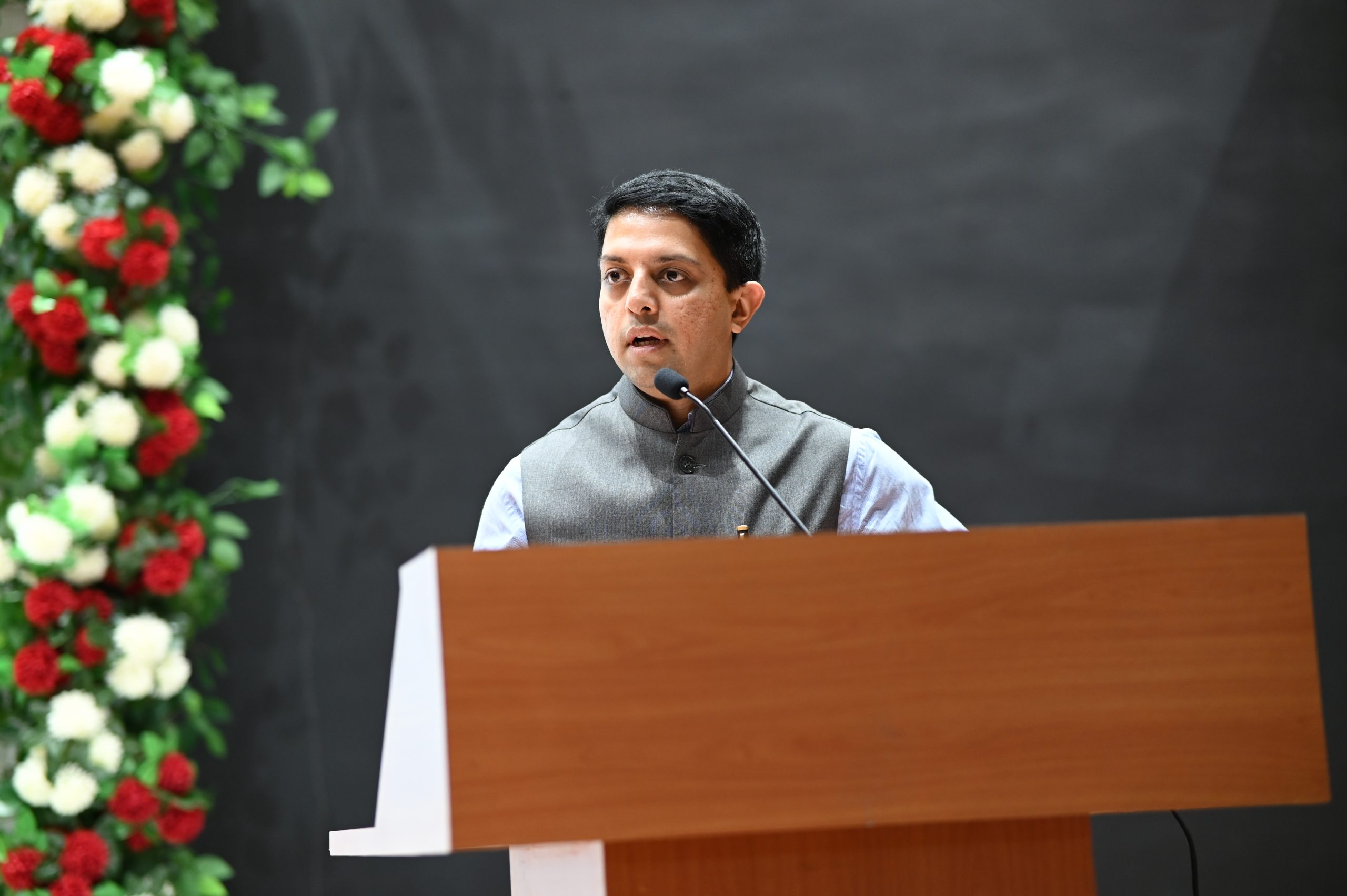
    Coming from a commerce background, what inspired you to transition into the field of law? Were there any pivotal experiences that motivated this shift and shaped your early legal interests?

    I have been interested in nature and ecology since childhood. My grandfather served in the Indian Forest Service and retired as the Principal Chief Conservator of Forests, Head of Forest Force, Maharashtra State. His teachings have played a major role in my upbringing since my childhood. As a child I was used to identifying different types of flora and fauna in our home garden. I experienced wild animals in the wild through various wildlife safaris. I developed a habit of noting down their physical characteristics. 

    My daily jogging route passes through an amazing nature trail, Vetal Tekdi (hill in Marathi) , an urban forest in the city of Pune. As a college youth I started doing amateur photography wherein nature has been my major subject like clouds, sky, sunrise and sunset, trees, animals, birds, waterbodies, landscapes etc.

    In my last year of law, I applied to the Internship and Placement Cell of the college, wherein I gave Arbitration, Environment and IPR as areas of interest. NGT had started their Western Zonal Bench in Pune the same year and hence the Cell forwarded my application to the NGT. Luckily I was selected in the recruitment procedure which took place before a 5 Member interview panel at the NGT Principal Bench and being based in Pune, I was appointed as the first Judicial Intern at the NGT Pune Bench.

    I never aimed to practice environmental laws. Destiny brought me to the NGT.

    You hold degrees in Commerce and Law, along with an LL.M. in Constitutional and Administrative Laws. How has this multidisciplinary academic foundation influenced your approach to legal practice, particularly in the area of environmental law?

    I pursued LLM in Constitutional and Administrative Laws after 4 years of practice at Bar. I believe that a candidate requires psychological maturity to understand what one expects from a masters degree. I always wanted to pursue LLM in Constitutional and Administrative Laws with dedication. I never aimed to stand first in the University, however my dedication along with 100% attendance and consistency gave me a surprise. 

    Although NGT is a Tribunal, it is the only Tribunal in India which adjudicates issues affecting the public at large. It is also the only Tribunal where there is no hierarchy (unlike District Consumer Forum, State Consumer Commission and National Consumer Commission), no appellate Tribunal in between (like DRAT, NCLAT, ITAT, etc.) and appeal from NGT lies directly to the Supreme Court of India. So there are high stakes matters, wherein there is interpretation on the statutes and reliance on the case laws propounded by the Superior Judiciary.

    Moreover, being a Government Counsel, knowledge of Constitutional and Administrative Law is helpful in understanding how the decision making process takes place at various levels in the Government and the Legislature.

    As the Standing Counsel for the Environment and Climate Change Department, Government of Maharashtra, you represent several key departments and agencies. What major challenges do you encounter while advocating for government bodies in environmental and civil matters?

    The decision making process on the Government side is a detailed process which involves many people at many levels. It is not a one person decision process. Courts and litigants expect that the Govt should take decisions at the earliest however they probably are not aware of the steps through which the issues traverse and the reasons for delay in taking the decisions. Convincing this aspect to the courts and litigants is one of the challenges. 

    At times it is also observed that given the expanse of the bureaucracy and number of authorities, departments and  ministries who work in tandem, at times they might be having a different views of the same issue. Getting them together on a consensus and then taking a decision in the larger interest by predicting future consequences, is also a task. It takes time, however because the court expects compliance of their order, a decision is taken by the Govt. 

    Having worked closely with regulatory authorities like the Central Pollution Control Board, Maharashtra Pollution Control Board, and the Airports Authority of India, how do you stay ahead of evolving regulatory frameworks? How do you manage and prioritize high-stakes responsibilities across such diverse institutions?

    Practice in Environment law is not set like other fields, it’s evolving. Majority of the litigation is not statute based, but its based on the delegated legislation. The Ministry of Environment, Forest and Climate Change, Govt. Of India and the CPCB keep issuing amendments to the various notifications and rules through circulars, guidelines and office memorandums. These changes are brought as there are advancements in the science and even changing nature of business and industrial developments. Being a Govt counsel, I have to remain updated about the latest developments. Practising in environmental laws for more than a decade, I can see the law evolving. Being the Standing Counsel and representing the CPCB and MPCB in many cases, whenever there is a case being heard, even if I am not appearing in that case, the Hon’ble Tribunal enquires with me about the latest development about a policy or legal development at the Government level. 

    As and when there is a new development, either the Govt provides me with the same or I do my own research and I document all such changes. I prepare a directory of all such developments in the form of notifications, government resolutions, office memorandums, circulars, guidelines etc. 

    Being a Govt. Counsel I have to give equal priority to all the cases wherein the Govt. is a party. However, at times projects of public importance undertaken by the Govt. are challenged, that time the Govt. as well as me have to take care that no adverse orders are passed because it affects Govt. investment and if any such adverse order is passed, then the public is deprived of the benefits which accrue once the project is put to public use. 

    Your academic research and publications reveal a strong engagement with environmental jurisprudence. In what ways has your scholarly work influenced your litigation strategies and courtroom advocacy and how do you manage both pursuits?

    Research always helps, not just in publication but even in practice. Being Govt counsel I have access to a lot of official material which is otherwise not easily available and accessible. Whenever I work on academic research, such material is helpful for giving practical points. Similarly, if there is a case at hand, wherein I have done publication or if there is an ongoing research work, I can give the latest position of law or policy while advancing my arguments. Academic research and practice always compliment each other. It is not just the resources or knowledge, but even it improves the skills.

    Although finding time for doing academic research along with practice at Bar is difficult because first priority is always work. Research also takes time.

    As a Committee Member of the National Green Tribunal Bar Association (Western Zone), what are the key trends or emerging challenges you observe in the realm of environmental litigation in India?

    A lot of public as well as private infrastructural development is going on in the country. There are emissions of all kinds which are polluting the air and effluents which are polluting the water. Although there are laws for controlling all forms of pollution, enforcement is still a big issue. Issues of urban air pollution are getting chronic. Short term measures are not enough for even giving temporary respite and  Pollution Control Boards and other necessary Authorities, Boards, Ministries are understaffed. Vacancy in regulatory bodies affecting control and abatement of  pollution and penalising the polluter is an urgent need which needs to be addressed by the policy makers. At times the Govt. officers are overwhelmed due to work load and compliance of judicial orders, which can be addressed by creating sufficient posts and filling them with qualified people. 

    Climate Change is affecting everyone and nobody is in isolation and unaffected due to it. As the impacts of climate change intensify, we expect to see a continued rise in climate litigation as communities and environmental advocates demand accountability and justice from the regulators. 

    Environmental Laws is a dynamic law which is ever evolving. The changes are happening due to the policies implemented by the Govt. which gets challenged in the Courts, the courts either struck them down or direct the Govt. to modify. At times the uncertainty is caused due to judicial decisions that affect the industry. I haven’t come across any other prominent fields of law wherein the changes are taking so fast. Keeping ourselves updated with this ever changing field of law is a challenge to everyone, not just the lawyers but even the Govt. and the Judiciary. 

    As an adjunct faculty member teaching Environmental Law and related subjects at leading law schools, how do you incorporate your practical experience into the classroom? What guidance would you offer to students aspiring to build a career in environmental and civil law?

    In Pune city there are around 40 law colleges. The NGT Pune Bar is a small Bar and therefore I know that I am the only lawyer practising in environmental laws who is teaching the subject in two law colleges in the city. I educate my students by giving them practical inputs from the cases which I appear in at the NGT. As said earlier, NGT is probably the only Tribunal in India which deals with matters affecting the public at large. So people as well as students know these issues as they keep getting reported in newspapers and media. Further, I organise visits of students to the NGT wherein they get to see the pending cases which I discuss in class. Teaching and practice compliment each other. Experience from my practice at NGT helps me giving live examples to students and teaching experience gives me confidence to make better submissions in the court room.

    There is cut throat competition in traditional fields of law. Environmental Law is an emerging field where there is less to no competition. Students aim to practice in the corporate field, however they don’t know that practice at NGT is a part of practice in the corporate field as big companies, corporations and industries have to be defended for various alleged environmental non compliances. They need good lawyers to defend their cases. Environmental compliances form a major part of compliances by the companies. There is a dearth of good lawyers practising in environmental laws. Therefore every year I keep urging my students, especially in the final year, to consider environmental laws as a good field to practice once they get into the profession.

    Having said that, I even advise them that after passing out of their college, they shouldn’t directly jump to practice at the NGT or any Tribunal for that matter because Tribunals being quasi judicial authorities are not bound by the strict rigours of Civil Procedure Code and the Evidence Act (now replaced by the Bharatiya Sakshya Adhiniyam). For any lawyer, it is essential that they know the basics of the procedural laws. At the start of their practice, if they directly and exclusively start practice at a Tribunal, there are high chances of them not learning the procedural laws. So starting a practice exclusively in any field of law or Tribunal is advisable after having learnt about the basic procedural laws by appearing before the Trial Courts. Experience of appearing before the civil courts definitely helps and compliments practice in environmental laws because the cases before the NGT are of civil nature.

    Reflecting on the early phase of your career, what experiences most profoundly shaped your legal outlook? How did they contribute to building the foundation of your current practice and professional values?

    Having conceptual clarity on the basics of law is very important for shaping a good legal career. It starts from the law school and not when one enters the profession. Students are getting strayed away from studying through textbooks. Moreover, the majority of the students study from exam point of view rather than understanding the subject from knowledge point of view. They tend to study through readymade notes prepared by someone else rather than making their own notes. This habit is hazardous because it reflects in their professional lives later on. 

    Having a habit of studying through books and making my own notes helped me not only understand the subject but even making a conscious choice of which fields I want to explore and which I want to exclude when I get into the practice. In the age of AI, everyone is losing their ability to use their brains. As far as legal studies and profession is concerned there is a dangerous trend of students and young lawyers using AI for drafting and research. 

    My internship at the NGT in my last year gave me a different view towards litigation. When one undergoes a litigation internship under a practising lawyer, one prepares the case from their client side and anticipate what will be the tricky situations from the other side. However, when one interns under a judge, both the sides are kept before your boss and you have to assist them in decision making. High stakes are involved in many cases. Compensation which is awarded by the NGT goes in crores. Habit of preparing my own notes helped me in assisting the judges during the internship and that habit still helps me in my practice as well as preparing lectures. 

    Get in touch with Aniruddha Kulkarni –

  • “My advice to young lawyers, especially first-generation lawyers, is to not overthink the difficulties of starting an independent practice. Challenges are inevitable, no matter what field you’re in.” – Rohit Chandra, Founder & Principal at the Chambers of Rohit Chandra.

    “My advice to young lawyers, especially first-generation lawyers, is to not overthink the difficulties of starting an independent practice. Challenges are inevitable, no matter what field you’re in.” – Rohit Chandra, Founder & Principal at the Chambers of Rohit Chandra.

    This interview has been published by Anshi Mudgal and The SuperLawyer Team

    As a first-generation lawyer, what motivated you to pursue a legal career, and what challenges did you face early on in your journey? 

    Honestly, not having to study maths anymore was my biggest motivation at first. But as I went through law school and started practicing, I realized what really keeps me going is the ability to make a real difference in people’s lives. There aren’t many professions that give you that kind of impact, and that’s what makes litigation so rewarding for me. Being part of such an esteemed fraternity pushes me to do my job with sincerity and diligence. 

    The challenges in building a legal practice are immense and ever-evolving, irrespective of background. However, as a first-generation lawyer, the journey comes with additional hurdles. Without an established network or a ready-made path to follow, the learning curve is steeper, and access to fair guidance early in one’s career can be limited. Despite these challenges, I firmly believe that resilience, continuous learning, and an unwavering commitment to the profession are what define success in litigation.

    How did your experience at the National Law Institute University, Bhopal, shape your path and influence your legal career? 

    NLIU has played a huge role in shaping me as a legal professional. During my time there, I had the privilege of meeting and building friendships with some incredible people who constantly guided, supported, and motivated me to pursue litigation as an independent advocate. In fact, every major opportunity in my legal career—whether internships, jobs, or other professional breaks—came through the support of my friends and alumni from NLIU. Needless to say, the institution has had a lasting influence on my journey. More than just academics, it helped me build a strong network that has been invaluable in sustaining my legal career, both inside and outside the courtroom. 

    Your career began at the Gwalior High Court, and later joined Advocate-on-Record (Supreme Court) office at New Delhi. What valuable lessons did you learn from these experiences, and how did they contribute to your development as a litigator?

    As a first-generation lawyer, I believe that gaining experience in a chamber is essential before starting an independent practice. For me, these experiences have been invaluable, shaping my approach to the profession and teaching me important lessons about sincerity and dedication in law. Whether in Gwalior or Delhi, I was fortunate to work closely with some incredibly hardworking professionals who mentored me along the way. Their constant support and guidance, even today, help me navigate the complexities of the profession. 

    During your time at RS Prabhu & Co., you had the opportunity to work with major corporations and industry players. What challenges did you face while handling corporate clients, and how did this experience enhance your expertise in corporate law? 

    My time at RS Prabhu & Co. was instrumental in shaping my professional growth. Working with major corporations like Reliance Industries, ONGC, L&T etc. provided me with invaluable exposure to high-stakes corporate legal matters. This experience not only allowed me to engage with some of the biggest industry players but also gave me the opportunity to work alongside and learn from some of the most respected legal pioneers in our fraternity. 

    Handling corporate clients comes with its own set of challenges. Large organizations operate in complex legal and regulatory environments, requiring a deep and constantly evolving understanding of corporate law. Each case or transaction presented unique challenges, pushing me to refine my legal knowledge and skills continuously. The dynamic nature of corporate legal work—ranging from regulatory compliance to high-value contractual negotiations—demanded adaptability, meticulous attention to detail, and a proactive approach to problem-solving. I will always remain grateful to Mr. K.R. Sasiprabhu, whose mentorship and leadership at RS Prabhu & Co. created an environment that nurtured my growth. His guidance not only enhanced my expertise but also gave me the confidence to establish my own practice. The challenges I faced while working with such major corporate clients ultimately strengthened my ability to navigate complex legal issues, making me a more well-rounded legal professional.

    What motivated you to transition from working in established law firms to starting your own independent practice in 2020? What were some of the significant challenges you encountered in building your practice from scratch, and how did you overcome them? 

    Starting my own independent practice was always the plan since my college days. However, the timing depended on several factors. It was during the COVID-19 pandemic, when many offices were shutting down, that I saw an opportunity and decided to take a leap of faith. 

    One of the biggest challenges early on was establishing a steady flow of work, especially since I wasn’t originally from Delhi. Ensuring that my office could sustain itself financially while also keeping myself engaged was a priority. To do that, I took on a wide range of legal work—not just court matters but anything that required legal assistance. Some of these areas were new to me, as I hadn’t dealt with them much during my time with law firms, but they kept me occupied and helped me build a foundation. The early days of independent practice can be exhausting and uncertain, but the constant support and motivation from my family, friends, and mentors made all the difference. Their guidance helped me push through the difficult phases, and over time, I was able to establish a practice that I could sustain and grow. 

    When preparing for and presenting arguments in criminal cases, especially those involving serious offences, what are the key considerations you take into account? 

    When preparing for any case and not just cases involving serious offenses, the first and most important step is to go through the case file thoroughly. Every document needs to be examined in detail to ensure there are no gaps in understanding the facts. A solid argument starts with knowing the case inside out. It’s equally important to carefully study the legal provisions under which the offense is charged. The exact wording of the law matters, and staying updated on recent judgments and legislative changes is crucial. Criminal law keeps evolving, and being aware of these developments helps in building strong and effective arguments. 

    I also make it a point to write down my arguments, no matter how well I remember them. Practicing beforehand allows me to structure my submissions clearly and present them with confidence in court. This ensures that every important detail is covered and arguments are delivered in the most effective way possible.

    What advice would you offer to young lawyers, especially those who are first-generation lawyers, just starting their legal careers? What qualities or skills do you believe are essential for success in today’s competitive legal environment? 

    My advice to young lawyers, especially first-generation lawyers, is to not overthink the difficulties of starting an independent practice. Challenges are inevitable, no matter what field you’re in. Instead of stressing over them, focus on finding something that keeps you going during tough times—whether it’s a strong support system, a particular area of law you enjoy, or just the drive to keep improving. A strong command over the language in which you argue is crucial, and it’s something you need to constantly work on. Never underestimate the importance of hard work—it’s one of the biggest factors in building a successful practice. Also, be disciplined. Always be on time, whether it’s for court hearings or client meetings. Being reliable goes a long way in earning trust and credibility. 

    Most importantly, learn to balance your time between applying your skills and improving them. Keep learning, stay open to feedback, and never stop refining your craft. And no matter how far you go, always be humble and grateful to the people who support you along the way. Success in law isn’t just about what you know—it’s also about how you grow.

    Get in touch with Rohit Chandra –

  • “As a lawyer, I have the chance to advocate for people’s rights, help those who need it most, and work toward a fairer society.” – Sudipto Sircar, Advocate-on-Record at Supreme Court of India

    “As a lawyer, I have the chance to advocate for people’s rights, help those who need it most, and work toward a fairer society.” – Sudipto Sircar, Advocate-on-Record at Supreme Court of India

    This interview has been published by Anshi Mudgal and The SuperLawyer Team

    Your legal journey spans nearly a decade, during which you’ve handled a wide array of cases. Could you share what initially drew you to the field of law and if there were any particular experiences or influences that guided you toward this path?

    When I reflect on my journey into law, I can’t point to one single moment or experience that set me on this path. It was more like a gradual, almost magnetic pull. You could say it was a slow evolution, starting from my desire to pursue a career in journalism after my 10th class board exams. At one point, I was seriously thinking about a career in music – I’ve always loved playing the bass guitar, and during my final school years, I would practice for hours, often losing track of time and neglecting my studies and preparations for the law entrance exams. There were nights when I’d be lost in my music, while my textbooks sat untouched.

    But then came a pivotal moment. One evening, my father sat me down with a look of concern and said, “You need to make a decision. Choose a path.” And that was the wake-up call I needed. Sure, I still play the bass with as much passion as ever – it’s my way to unwind after a busy day in the courtroom. By day, I’m a lawyer, and by night, I’m a bassist. It’s quite the balance, one that keeps me grounded and inspired.

    What draws me to law is its ability to make a real difference. As a lawyer, I have the chance to advocate for people’s rights, help those who need it most, and work toward a fairer society. It’s not always glamorous, and it’s definitely not as simple and straightforward as it might seem from the outside—there are challenges, frustrations, and setbacks along the way. But despite all that, it’s about using the law to level the playing field, ensuring everyone is heard and treated fairly. At the end of the day, it’s about creating tangible change, and that’s something I find deeply fulfilling.

    In the early stages of your career, working as an associate must have been a valuable learning experience. Having worked with big names, could you highlight a few key lessons or insights that significantly shaped your understanding of the law and contributed to your professional growth?

    I say now in hindsight, particularly for pursuing a long-term career in litigation, but the hardest (and the most important) part of starting your journey in this profession is finding and joining a good Chamber. It can literally decide the course and quality of your career. Honestly, being a first-generation lawyer, I did not have this understanding at the time, but I am grateful as to how life has worked out. I have had the good fortune of working under Mr. A.D.N. Rao (he was an Advocate-on-Record during my days under him) and Mr. Shyam Divan, Senior Advocate, and it has been (and continues to be) an amazing journey.

    If I had to highlight the key lessons I’ve learned, it would be threefold. First, it all comes down to hard work. It’s not always easy, and yes, it means sacrificing weekends and putting in long hours. But the more you give, the faster you learn. It’s the foundation for everything that follows.

    Second, embrace the diversity of work, especially when you’re just starting out. The more varied your tasks, the broader your understanding of the field. It’s in the variety that you truly grow.

    And lastly, be ready to take responsibility for your mistakes, no matter how tough it is. Whether it’s a scolding from a senior over a drafting error or a misstep in court, don’t let it bruise your ego. Mistakes will happen—there’s no way around it. What matters is acknowledging them, learning from them, and using those lessons to become better. Every mistake is a step forward if you let it teach you.

    Having appeared before both the Supreme Court of India and several High Courts, you’ve dealt with a wide range of legal issues. How do you approach preparation for such high-stakes cases, especially those requiring in-depth legal analysis and argumentation? What’s one crucial skill you believe every legal professional should cultivate early in their career?

    When preparing for high-stakes cases, especially those requiring complex legal analysis, my approach is grounded in thoroughness and meticulous planning. First, I immerse myself in the facts of the case—ensuring that I fully understand every detail before moving to the legal aspects. I believe that every great argument begins with understanding the context. Once I have that, I turn to the law itself—scouring precedents, statutes, and legal commentary. I approach each piece of research with a critical eye, looking for nuances that might not be immediately obvious but could make or break an argument.

    Beyond the legal research, I focus on refining my arguments by simulating different scenarios and anticipating possible challenges. This helps me stay flexible and confident in court, ensuring that I can respond effectively to unexpected questions or shifts in direction. 

    As for one crucial skill, I would say it’s the ability to think critically and analytically. Developing the habit of breaking down problems into their core components and approaching them with a clear, logical mindset is essential. This skill doesn’t just help in court—it’s what will guide you through the toughest cases and the most complicated legal challenges. Cultivating this skill early in your career will set the foundation for everything else that follows.

    Your practice covers a wide spectrum of areas, including compliance, agreement drafting, IPR protection, and more. Looking back, what has been the most challenging case you’ve worked on, and what strategies did you employ to navigate the complexities of that matter?

    There have definitely been many challenging cases! And let’s be honest, the definition of a “challenge” evolves as you grow. When I first joined the Bar, even my first appearance before the Supreme Court (just a mentioning, mind you) felt like a monumental task. Now, after a few years, I’ve worked on plenty of complex matters, so the “challenge” isn’t necessarily in the complexity anymore—it’s more about maintaining the same level of attention and quality across every case. It’s like trying to keep your enthusiasm for a TV show after the 10th season… You just have to keep the energy up!

    But if I had to pick one instance that stands out, it would have to be the Ram Mandir dispute. It was my first day under Shyam Divan Sir, and he handed me the small task of diving straight into over 200 volumes of pleadings and evidence. And, mind you, this was pre-COVID days—so we’re talking about physical volumes here, the kind that could double as gym equipment. And later, it turned out that by the end of the week, I was required to prepare the first draft of the Written Submissions. 

    Needless to say, I ended up spending my nights in the office, burning the midnight oil every day from the very first week. And honestly, I loved every minute of it. I was grateful for the trust Shyam Sir had placed in me, and I was determined not to let him down. Looking back, I can confidently say that it was one of the most intense but fulfilling experiences of my career. If you ask me now, I wouldn’t trade that first week in his Chamber for anything!

    In your advisory role with various companies, especially in the telecom sector, you deal with a constantly changing regulatory landscape. What are some of the biggest challenges you face in this area, and how do you navigate the evolving regulations to ensure compliance?

    The biggest challenge is keeping up with the ever-changing regulatory landscape. It’s like trying to catch up with a moving train, except the train keeps changing direction and speed. The simple solution I’ve found is to read—constantly. I devour multiple newspapers and magazines (and thank goodness for Magzter, which has been a lifesaver for both domestic and international updates), and I make it a point to regularly check the websites of regulatory bodies. They’re the first to spill the tea, so I’ve got to be there.

    But beyond just staying updated, ensuring compliance is a constant back-and-forth with various departments. I’ll admit, it’s like trying to decode a puzzle at times, but the experience has generally been positive. Most bureaucrats, when approached with an issue, are surprisingly understanding and willing to help clarify things. They get that regulations can be tricky, and they’re usually happy to work towards a solution. I always tell my clients to steer clear of litigation unless absolutely necessary. With regulatory work, litigation should always be the last resort—sort of like trying to use a sledgehammer to crack a nut. It’s far more effective to talk it through first.

    Your work in environmental law, particularly as assisting the Amicus Curiae in major Supreme Court cases, speaks to your deep commitment to this field. What first sparked your interest in environmental litigation, and what drives you to keep contributing to this area? Furthermore, how do you assess the evolution of environmental jurisprudence in India, particularly in the context of judicial interpretations of laws like the Forest Conservation Act and the Environmental Protection Act?

    To be honest, I didn’t set out to specialize in environmental law or mining law when I first entered the profession—it just happened. It all started because Mr. A.D.N. Rao is the Amicus Curiae in several landmark environmental cases [T.N. Godavarman Case (Forest Conservation Case), M.C. Mehta (Taj Trapezium Case), Goa Foundation (Goa Mining Case), Common Cause (Orissa Mining) and Samaj Parivartana (Karnataka Mining Case)]. He was also very active before the National Green Tribunal. So naturally, I was more than happy to assist him in these high-profile cases. It was chaos, but it was one heck of a learning experience. Mr. Shyam Divan is also the Senior Amicus in Samaj Parivartana.

    Fast forward, when I joined Mr. Shyam Divan’s chamber, my work on Samaj Parivartana continued. In fact, some of my colleague’s joke that this case is what officially got me into the Chamber, since it’s how Shyam Sir got to know me—thanks to my constant presence at briefings with A.D.N. Sir. Alongside that, under Shyam Sir, I also became heavily involved in the Krishna and Cauvery River water disputes, which was a whole new world of learning.

    Through all of this, I can now confidently say I’ve by now internalized environmental law, mining law, and water disputes law. All the major judgments and orders from these cases are by now permanently etched in my brain.

    As for the evolution of environmental jurisprudence in India, I think we’re entering a new phase. In the 1980’s and 1990’s, right up until 2014-2015, the Supreme Court was basically the environmental superhero, swooping in with orders and directions that the government had to follow— It was practically the Court which was running the show.

    But now? Things are shifting. This new phase sees the Court stepping back a bit. Why? Well, for one, many of the major environmental issues the Court was grappling with have been resolved or are winding down. Secondly, we now have a dedicated Environmental Tribunal, which takes up a lot of the heavy lifting that the Supreme Court used to earlier. And, of course, the government is playing its part too, providing more clarity in compliance—though some might argue that this clarity is more developer-friendly than environment-friendly, but that’s a debate for another day.

    The bottom line is, the Court has moved from being the enforcer of environmental laws to more of a law interpreter, and I think it’s striking a balance between being pro-environment and pro-development. It’s no longer just the hammer; it’s more like the guide. And I think the Court is doing a good job of maintaining an equilibrium.

    Enforcing occupational health and safety regulations in India, particularly with respect to the OSH&WC Code, 2020, presents several challenges. From your perspective, what are the key hurdles in ensuring effective enforcement of these regulations? Additionally, could you shed light on your role as a legal consultant in finalizing the standards under the OSH&WC Code, and how your involvement helped shape these regulations?

    The biggest hurdle in enforcing the OSH&WC Code? Well, it’s like trying to run a marathon with one shoe—it’s all about infrastructure and resources. On the bureaucratic side, there are still far too many vacancies in government departments, and that’s not changing anytime soon. On the industry side, especially in the MSME sector, it’s a whole other ballgame. Large corporations can foot the bill for compliance, but for micro and small enterprises? It’s like throwing another weight onto an already overloaded backpack. And let’s not forget, many of these enterprises operate in the informal sector, which only makes enforcement more challenging. This has been a long-standing issue, and there is no quick-fix magic wand in the Code or the regulations that will suddenly solve it overnight.

    As for my role as a legal consultant, I was brought in when the regulations were getting fine-tuned for submission to the Ministry. And let me tell you, it was a race against time. I practically set up camp at the Headquarters of the Director General Factory Advice Service & Labour Institute (DGFASLI) in Bombay for an entire week. It was me and a team of experts from across the country, working long hours, getting up at the crack of dawn and going till evening, vetting every line of the regulations. We worked even during the weekend. But the real fun for me began when the day’s work was over. I stayed up late into the night fixing all the errors and amendments we had discussed for the portion that was completed, so that the next day, there was an updated draft before the team to confirm and finalise.

    On the first night, the DGFASLI staff got a bit of a shock to find me still working past regular office hours into the night. The night guard practically kicked me out of the building so that he could lock up. So the next day, I spoke to the Director and got permission to keep a room in the main building open and running with the guard staying awake to lock up after me. I am pretty sure he was cursing his luck to be stuck with me at night, but hey, we got the job done!

    But in the end, it wasn’t just about hitting deadlines—it was about shaping regulations that could make a real difference and make life a little easier for everyone in the industry. Sure, there were some late nights and a few cups of coffee that felt more like lifelines, but the experience was fulfilling, and I’m proud to have played a part in it.

    With increasing focus on technology, sustainability, and corporate responsibility, how do you see the future of environmental law and occupational safety evolving in the next decade? What emerging trends do you think young lawyers should be preparing for? Also, what advice would you offer to young professionals aspiring to excel in law, particularly in fields you’re deeply engaged with?

    If you asked me what’s changed the most in environmental law, I’d say it’s paper. Pre-COVID, we were practically drowning in it, with piles of pleadings that could take over entire tables, with additional mini towers on the side. Big environmental litigations often run into thousands of pages. But with e-filing and PDFs taking over, paper use has drastically reduced. It’s still a bit of an adjustment for me. I still prefer scribbling down notes on paper with a pen during final arguments, but overall it’s better for the environment, and the back and arms, which were practically crying from the weight of all those files. 

    Looking ahead, I see compliance becoming even more central to environmental law and occupational safety. With technology, sustainability, and corporate responsibility gaining traction, the pressure to comply with environmental standards will only increase. Add to that the rise of AI, and we’re looking at a future where regulations and compliance will be handled more efficiently (but no less seriously) than ever before.

    For young lawyers entering this field, I think the biggest trend to prepare for is the shift towards smaller offices. Technology has already made it possible for lawyers to do what used to require an entire team of stenographers, typists, clerks, and assistants. When I started out, if you didn’t have a good stenographer, you were essentially behind the curve. Now, you can draft petitions on your laptop without needing anyone else to type them out. The upside? It means less overhead costs, making it easier for junior advocates to set up their own practice. The downside? Fewer jobs in law chambers, because there’s less need for large teams to manage all the paperwork.

    So, what does this mean for fresh law grads? It means adaptability will be your best friend. If you’re tech-savvy, you’ll have an edge. But, and this is important, you can’t just rely on the machines. AI might help with drafting and research, but nothing beats good old-fashioned brainpower and creativity when it comes to solving legal problems. Similarly, technology may assist with legal procedures, but it can’t replace the art of persuasion or the nuanced skill of court craft. Those come with experience—and time.

    So my advice to young professionals is two-fold: First, be a sponge—absorb as much knowledge as you can, and do it fast. The legal world is changing, and you need to keep pace. Second, as you adapt, don’t forget the fundamentals. Stay curious, stay sharp, and remember that no amount of technology can replace the value of your own thinking. And, of course, no matter how advanced AI gets, it will never be able to match your charm in the courtroom. That’s the stuff that wins cases.

    As both a legal consultant and advocate-on-record, you manage a broad range of responsibilities. How do you maintain a work-life balance in such a demanding profession? Are there particular habits or practices you’ve adopted to stay focused and energized in this high-pressure field?

    It’s tricky, for sure. But I didn’t enter this field by accident—so I’m not about to complain. The reality is, work-life balance in law is more of an ideal than a constant state. It’s hard to achieve it when your schedule is always in flux, whether you’re waiting in court or running to brief a Senior Advocate. There’s also the drafting, vetting, and admin work that’s part of the daily grind.

    But here’s the thing—there will never be enough hours in the day to do everything. So instead of stressing over the balance, I focus on making time for what truly matters. I make sure to spend time with my wife and family, because that’s the best way I know to recharge. I’m also a philatelist, and I try to dedicate at least a little time each week to that hobby, even if it’s just 30 minutes.

    Beyond that, I walk and meditate when I can. Some days I miss them, and that’s okay. But I also use my car rides—whether I’m heading to the office or coming home—as a chance to think through the day ahead or unwind after a busy one.

    So no, I don’t have a perfect “work-life balance” in the typical sense. But I do make time for the things that keep me focused and energized in a profession that demands a lot.

    Get in touch with Sudipto Sircar –

  • The Endless Journey of Learning and Growth: Why a Career in Law Keeps You Forever Young –  Mayuri Raghuvanshi, Advocate on Record (AOR) at the Supreme Court of India.

    The Endless Journey of Learning and Growth: Why a Career in Law Keeps You Forever Young –  Mayuri Raghuvanshi, Advocate on Record (AOR) at the Supreme Court of India.

    This interview has been published by Anshi Mudgal and The SuperLawyer Team


    Having such immense experience in diverse fields, can you share the story behind your choosing law as a career and what kind of moments or experiences have motivated you to continue for almost two decades now?

    Well, I think simply because one life is not enough for law. Every day passes by, and you know you have learned something new. There will not be a single day in this profession where you will not go to bed with a feeling that you have learned something new today. And yet when you try to ask yourself, do I really know the subject, the answer will definitely be no, because it’s vast, it’s huge, and it is dynamic.

    For example, several of the subjects we practice today, we have not studied in law college. They are new to us, and we learn every day. And the profession, I mean, now, of course, there are various aspects. Once you have your law degree, there are various ways in which you can put your legal education to use. But even if we are just talking about litigation alone, every day you will learn something new. I have been doing this for almost two decades, as you rightly pointed out, but there are still so many areas of law that are new to me, and I’m still looking for an opportunity to learn and grab that.

    So I think that’s the romance of law. That’s the whole idea and the fun of being a lawyer: you learn every day. I mean, look at it like this — suppose I were in a different profession, you would have called me a middle-aged woman, but I’m a toddler in the profession still. We have a very long professional life that keeps us young and alive, and that’s the beauty of the profession. That’s why it’s all worth it.
    When we were in school, the usual thing was that if you’re a good student, you would study science. So, I also wanted to believe that I was a good student. I took maths with biology as a subject in class 12, which clearly shows that I was confused and not very clear about what I wanted to do. But yes, everybody said, we have to now sit for the competitive exam. I had though had one advantage, my parents had studied law. And I think by far, I have, in that sense, inherited my father’s passion for law, for the subject. So, I remember my evenings were earmarked for me with my father. And once, where I think what sparked the interest was when I was in class 7th or 6th, my father was reading Lord Denning’s closing chapter. And he would come back, and, you know, I still have a very vivid memory of the time he would spend with me asking me what I was doing. He would sit on the corner of a sofa and just sit with a book, and perhaps he was so engrossed in reading it.

    I thought, who is this bald man who has eaten up all my time? I wanted to know who this bald man was, not knowing that who actually Lord Denning was. And that’s where I started actually going through his books and all. So, very often it happens that we are interested in, or we choose a field because we have a role model, and we want to become something, we want to become a lawyer. So, we want to study law. In my case, it was the other way around. I was so confused about what I wanted to study and what I really enjoyed reading. Today, I am able to articulate it, but when I was a young girl, I had difficulty in articulating or understanding my own interest.

    So, while I was interested in stories, history, and all sorts of books around me, when I looked at even science subjects like Math, Physics, Chemistry, and Biology, the ones I was reading to score marks, it was more out of a curious interest. My hobby or the time when I had to recreate or my leisure was all filled with all kinds of books. My father once pointed out to me that, “Look here, this is your bent of mind. This is what you should look at making your profession.” So I would write poems, I would read poems, I would do things, but I was really never able to understand it. And as I was telling you, I did clear an engineering entrance exam.

    And a day before I cleared, and interestingly, when we were in school, the whole quest about getting into a law college — there weren’t so many law colleges then — and my father is the old-world person in that sense of the term, believing that if you want to study law, you should have certain maturity. He says, “You can’t teach fundamental rights to a 17-year-old boy.” That’s how he looked at it. So, when I first started expressing myself that I wanted to study law, my father was of the view that I should do a graduation program in any subject I wanted and then take up a three-year law course. Because, as he still believed, how could a 16-year-old person understand jurisprudence or what is a fundamental right? And he would always tell me, “To understand the right to life, you have to live a life.”

    There were some five-year law colleges that had come up. So, I finally managed to convince my father to let me sit for an entrance exam. Or, if I can recollect correctly, there was National Law School, Bangalore, which I could not appear for because by the time I convinced my father, the dates had closed. So, the only entrance exam I took was for Symbiosis. In those days, there was only one Symbiosis, which was in Pune and affiliated with Pune University. It wasn’t even a deemed university then. I remember I had my entrance exam at Teen Murti Bhavan, and I enjoyed the entrance exam like anything. I knew the answers at the back of my hand.

    See, Maths, Physics, those legal deductions, when you were studying Math in class 12, were like baby steps. It wasn’t difficult at all. General knowledge — I realized that’s where I really understood that I knew almost everything. For example, there was this question, “What does Parliament consist of?” I knew that it was Rajya Sabha, Lok Sabha, and the president. There were questions on legal news and current affairs, and I knew all of that. I remember when my name came up, I was at serial number eight on the list.

    So, when I went to my father and said, “Let’s go for this,” and that’s where my mentor, Dr. Akilen Pandey, played a very important role in my final decision. Because, all said and done, even in those days, someone would call you a fool for giving up engineering and studying law. But I was glad I was surrounded by people passionate about law, who were able to guide me and show me how beautiful the subject was. And once I was in college, I remember after the first class, I called up my father and said, “I finally know what I’m going to study for the rest of my life.” My soul had found its place. So, for me, it was more about the passion for law. Even today, you know, while I am a lawyer, I practice law in court, it’s not about what I want to become; it’s always the subject that is the core of everything I do. It’s the love for the subject that takes precedence over everything else.

    I enjoyed it, actually. You know, there are two exams that I enjoyed thoroughly. One was my law entrance and the other was my advocate-on-record exam. Even if a bomb would have dropped outside, I would have cared less. I would have perhaps continued participating in the process.


    Ma’am, at the very start of your career, you had the option of joining esteemed advocates like Advocate Gopal Subramanium. How did that experience shape your approach towards law, your research, and the way you work today?

    You know, the most important thing in a lawyer’s life is the chamber they start from. I had been exceptionally blessed because of the people I worked with, particularly in the initial years. In our profession, we say that the horse is from which stable—that’s your genealogy, your pedigree. And I am very lucky in that way because that’s what shapes you. On the face of it, it may look like we were just assisting them, but the relationship between a senior and junior is very much like a parent and child.

    When you are a baby, you hate everything that your parents say. You disagree with them. You don’t understand why they’re doing something. Sometimes, you find them irrational. But as you grow up, you begin to realize why they behave the way they do. And to your nightmare, you’ll realize that you’ve also turned into them.

    So, in a way, there are things, like for example, Mr. Subramanium’s chamber — I can bet you, you go to any junior who has come from that office, you will see we all have a style of preparing a note that we take to court. This is the note we used to prepare for sir. I still don’t know how to read a file or go to court without a note in my hand. Now, of course, my notes have shifted to electronic notes, but even today, while I use LiquidText and its features, I still make my note. All my files have a note. It’s a very typical thing, and I can bet any junior today from Mr. Subramanium’s chamber would not have a note in their file. We don’t know how to read our files without the note.

    So, it’s like I just said, this is one thing we’ve all imbibed. We’ve all imbibed certain traits, the way we work, the way we think. For example, Mr. Subramanium was an early riser. He would start early in the morning. Now, most offices work late into the night. I have, by default, become an early morning person. I can start early because he worked that way. So we got acclimatized to the way he worked.

    Those things you may not realize like I didn’t realize it for a very long time, but now, when I sit back and reflect, I think I’m always more comfortable starting early rather than doing something late at night. I like to read my files, revise them early in the morning, or have a meeting with clients in the morning rather than late at night.

    So, it defines almost everything. And it’s not just the people you work with — we also have the benefit of working with some of the stalwarts in the profession, assisting them. Every time we assist them, there’s something you learn from them. By just observing them, watching them. If you ask me, the person who actually teaches you the law is the judge sitting on the other side. That person, and if you want to learn the procedure, the person sitting in the registry will teach you the procedure. So, these two people are actually our gurus in that sense, because we learn while interacting with them. They are the best teachers, actually. The judges are the best teachers in that sense.

     Ma’am, you practically take out all that guru factor from everywhere you go—from the registry to judges, to even your juniors, and seniors. Obviously, everyone has their own style. How did you choose your style, and when did you decide to start your own practice? What kind of motivation was behind all of it? Because it’s not always easy, I would say, to make the decision to go independent and start a whole firm for yourself. When and how did you decide to take that step?

    So, there wasn’t a particular moment when I decided. I started working at my first chamber, which was an advocate-on-record’s chamber. I had the advantage of being clear in my head that if I wanted to practice in the Supreme Court, I needed to become an advocate-on-record (AOR).

    I knew it would take me five years, but effectively six, because our results in Pune University were declared in June, so by the time we got our certificates and enrolled, it was July. The AOR rule requires you to complete one year of training after four years of enrollment before taking the AOR exam. For us, post-April enrollments meant an additional year, so it became a six-year process for me. I started preparing for the AOR exam during this time.

    My journey began in the chamber of an advocate-on-record. After that, I got an opportunity to work with Mr. Subramanium. Back then, he was Solicitor General, and his practice was focused entirely on Supreme Court work. I worked with him for a while, but the exposure I gained was mainly in the Supreme Court.

    By 2009, after three years of practice, I realized I had zero experience in original side work, trial courts, or High Courts. The only forum I’d worked in was the Supreme Court. However, being based in Delhi, I had the advantage of having access to various courts and tribunals, and I was eager to learn. I started taking up work from different people and assisting whenever I could in trial courts, learning things I hadn’t done before, like drafting plaints.

    Then, Mr. Sanjay Ghosh came into the picture, and his practice in the High Court gave me my first exposure to original side work. I also started volunteering for arbitration proceedings, marking them on my calendar and following them as if they were my own cases, even though I had no client or fee.

    By the time I became an AOR, I had some matters here and there. But once I passed the exam, my practice truly began to take off. One major benefit of being an AOR is the liberty it offers—you can take on a case pro bono and still handle everything, from drafting to arguing, without needing to depend on anyone else. This flexibility allowed me to build a practice independently and create opportunities for myself.

    Ma’am, there are times when people question this aspect as well that if you keep doing things for free, when will you start charging? I’m just stating what has often been said. How have you navigated such challenges and strategized your practice? What suggestions would you have for newcomers or people who want to create their own path? You’ve worked in such diverse areas like service laws, company laws, taxation, civil, constitutional law, etc. How have you managed all of that?

    One of the best strategies is not to let an opportunity slip by, even if it seems like something that cannot be monetized immediately. Sometimes, what appears to be free work today can translate into valuable opportunities later.

    For example, when the Sexual Harassment Act was passed in 2013, many organizations struggled to set up their sexual harassment committees. Some of my clients from PSUs reached out to me for advice, and though I didn’t charge for it initially, I helped them understand the new rules and how to form committees. It seemed like free work at the time, but it eventually led to more billable work, and what started as a small thing turned into a significant opportunity.

    It’s important to note that this doesn’t mean you should work for free indefinitely. In fact, it’s essential to know your worth and charge for your time when it’s appropriate. But early in your career, you must recognize that sometimes giving away a bit of your expertise for free can build trust and open doors.

    For instance, my pro bono work with the All India Judges Association started in 2014. Although I wasn’t paid, that work led to other opportunities. Similarly, the work I did for free or at a minimal rate built a foundation for my practice to grow.

    The key here is not to have a myopic view of your career. Understand that, as a lawyer, you are not an employee. You are an entrepreneur. It’s different from a regular job where you can clock in and clock out. As a lawyer, particularly if you’re aiming to be an arguing counsel, you need to realize that you’re in charge of your own success.

    Once you understand this, everything becomes easier. You won’t get caught up in the conventional expectations of time sheets or packages. You’ll embrace the ups and downs of the profession because you’re building your own practice, and that mindset will ultimately make the journey smoother.

    Ma’am, you have also been involved in a lot of gender awareness initiatives, especially your role in the internal complaint committee under the Sexual Harassment of Women at Workplace Act and your position as an external member for organizations such as Rashtrapati Bhavan. What kind of challenges do you face when addressing gender sensitization issues, particularly concerning sexual harassment prevention? How do you assist or advocate for individuals in overcoming these issues, especially with more women entering the workforce in various environments? How have you addressed these challenges under your supervision?

    There are two main aspects to the work I’ve done. First, gender sensitization is a subject I’m deeply passionate about. In fact, I’m currently pursuing a PhD in feminist jurisprudence, an area of growing interest for me as I continue working on these issues. I’ve had the opportunity to engage with this law in three capacities: as a lawyer, where I represent clients in court; as a member of an internal committee, adjudicating complaints under the law; and through conducting awareness workshops, which I love doing. These workshops have been conducted in various institutions, each with its own unique challenges.

    One of the biggest challenges is that, as a country, we’re still not entirely clear on what constitutes sexual harassment from a legal standpoint. For example, the Vishakha guidelines were established in 1997, and although the 2013 Act is essentially a continuation of those principles, the law remains quite skeletal. It states that sexual harassment includes any unwelcome advance, but what qualifies as an advance is not clearly defined. In the virtual world, what might be considered a form of sexual harassment could be something as simple as sending a WhatsApp message or insisting on a cup of tea when someone is uncomfortable. It’s unclear how these actions should be categorized.

    Another issue is the diversity of workplaces – the law applies to a law firm, a school, a multinational company, and even Anganwadi workers, each with distinct sensitivities. For example, in multinational companies, a simple gesture like a peck on the cheek may not be seen as problematic, but in other workplaces, it may be inappropriate. So, determining where the line is between workplace conflict and sexual harassment is often not easy. The definition of sexual harassment is still a point of confusion, even within legal circles.

    I’ll give you an example. In 2015, the Ministry of Women and Child Development came out with a handbook categorizing various incidents as “sexual harassment,” “may or may not be,” or “definitely not.” However, this handbook is just a guide and not legally binding. So, even though it can help, it still leaves room for confusion in how to conduct inquiries and address harassment cases.

    A particularly common mistake is when people try to substitute their own sensibilities for the person making the complaint. For example, if a woman reports that a man tried to touch her, a person might dismiss it as just a handshake. But we need to understand whether the person making the complaint is genuinely uncomfortable with it. This has been a difficult concept for many, including judges, to grasp. The challenge is to put aside your own sensibilities and view the case from the perspective of the individual making the complaint. We need to ensure we’re not dismissing their feelings just because we would have acted differently. It’s essential to have training that allows us to understand these issues in layman’s terms so that people can really apply these systems with clarity.

     Ma’am, you’ve stated that you’ve gone paperless and, in your words, you’ve become a semi-technology-equipped lawyer. With more of our lives going online, such as court appearances and meetings, do you think we’re addressing online harassment in the same way we’re addressing physical harassment? In particular, the psychological impact of online harassment, which can be unforeseen, and what steps are being taken to address that?

    That’s a great question. In fact, Rajasthan High Court recently ruled that the concept of “workplace” under the Sexual Harassment Act should also apply to virtual spaces. This means that online meetings and virtual workplaces are covered under the Act, which is a step in the right direction. The issue is now clear: even online harassment is covered. There’s also international precedent, with countries like Australia issuing similar guidelines during the COVID-19 pandemic. Many organizations have updated their sexual harassment policies to ensure that online platforms, emails, and WhatsApp groups are covered.

    The challenge is that people often still don’t recognize that online harassment exists. It’s difficult for many to comprehend that harassment can happen without any physical contact. Even in situations where we’re having a conversation online, harassment can occur. That’s why sensitization is so important. People need to understand that harassment isn’t just about physical actions—it’s about respecting another person’s comfort level.

    It’s also crucial to recognize that sexual harassment doesn’t always involve a clear sexual offense. Many people confuse harassment with sexual offenses, simply because the word “sexual” is involved. Some individuals believe that their actions, such as making a comment or joking, are harmless because they don’t intend to cause harm. But it’s not about intentions; it’s about whether the other person feels uncomfortable. Understanding each other’s sensibilities is key to creating a respectful environment, whether online or offline.

    Ma’am, balancing your roles as an advocate, faculty member, and the head of your law firm is incredibly demanding. There’s also the aspect of mental health in this profession, something that isn’t often discussed. How do you manage to balance all of these responsibilities? What advice would you give to young professionals entering this field, which is both demanding and stressful?

    You’ve raised an important issue. The most important thing for a successful lawyer is good mental health, but we don’t talk about it enough. As lawyers, people come to us with problems—emotional, financial, personal—and we bear that burden too. Balancing all the different roles you mentioned requires resilience. For me, it’s essential to find time to laugh, stay positive, and not get overwhelmed. Burnout is a real issue, especially with the long hours we often work. Many of my students, after about 10 years in practice, experience this burnout.

    The first thing I would advise young professionals is to pay attention to your health—both mental and physical. Don’t skip meals, don’t compromise on sleep, and make sure you’re doing something that rejuvenates you, whether it’s exercise, reading, or even just watching a movie. I often ask my interns when the last time was that they went out for dinner or watched a movie. Many of them are so stressed out they don’t even want to talk about it. It’s important to take a step back and realize that life isn’t just about work.

    As women in this profession, there’s also the issue of “pipeline leakage,” where many women drop out between the ages of 30 and 45, especially when they’re balancing career and family life. It’s a challenging time, and the profession doesn’t always make it easy. But for me, having a supportive environment at home has been a huge privilege. I live with people who are gender-neutral and more progressive than I could ever claim to be, which makes a huge difference.

    I always tell young lawyers that there’s no rush. The profession is long, and you don’t need to achieve everything by the age of 30 or 35. Take care of your mental and physical health, and enjoy what you do. If you enjoy your work, it won’t feel like a burden.

    Ultimately, work-life balance is individual. Everyone has their own version of balance, and you have to find what works for you. For me, teaching gives me a different perspective and rejuvenates me to come back to my litigation work. So, I stay busy, but I enjoy everything I do. And that’s the key: to find joy in your work and make time for fun along the way.

    Get in touch with Mayuri Raghuvanshi –

  • “Justice must be done for atrocity crimes, and it’s the responsibility of international law to ensure it.” — Dr. Matthew Gillett, Senior Lecturer at University of Essex School of Law

    “Justice must be done for atrocity crimes, and it’s the responsibility of international law to ensure it.” — Dr. Matthew Gillett, Senior Lecturer at University of Essex School of Law

    This interview has been published by Namrata Singh and The SuperLawyer Team

    Your career has spanned almost 15 years before the international courts, with significant cases including the destruction of cultural heritage. Can you share what initially inspired you to pursue a career in international law and what has kept you motivated throughout? 

    Living in New Zealand as a teenager in the 1990s, I saw the tragedies in Bosnia and Rwanda and wanted to do something about it. As I learned about the international criminal courts, I realised that was a means of taking action against the perpetrators of the worst crimes, including in those countries. Eventually I secured a position prosecuting international cases before those courts. My motivation was fueled by a sense of injustice and then later from meetings with victims who explained the impact these crimes had on their lives. Working with people from all over the world was also an inspiration. From Italy to India and everywhere in-between, you end up on teams with a huge range of backgrounds and legal traditions, which generates creative ideas as well as the odd procedural dispute. The international criminal courts face many challenges and the work can be frustrating. But ultimately there is no question that justice needs to be done for these atrocity crimes and that’s a major motivation.  

    As the Chair Rapporteur of the United Nations Working Group on Arbitrary Detention, what new dimensions or insights have you gained in the field of human rights and international law that were perhaps less visible in your earlier career? 

    As the Chair-Rapporteur, I see the organisational aspects of improving human rights practices. One of the key insights has been the importance of clear and open communication. A lot of problems can be avoided with regular and frank exchanges of information and communication helps to focus on the most serious issues which are directly affecting the victims. Closely linked to this is the need for inter-personal skills and empathy. When you are dealing with cases of persons arbitrarily detained for months and sometimes years, often in countries where they have no family, you have to picture the world from their perspective in order to understand the gravity of the threats and uncertainty they are facing. 

    Your work has involved prosecuting cases related to environmental harm at the International Criminal Court. How do you see the relationship between international criminal law and environmental protection evolving, and what key lessons have you learned from these cases?

    When I started writing about the International Criminal Court prosecuting environmental harm, it was just a theoretical idea. However, in 2024, prosecuting environmental harm under international law is becoming a reality. Significantly, three small island States (Vanuatu, Samoa, Fiji) have officially tabled the crime of genocide for inclusion at the ICC as the fifth crime along with war crimes, crimes against humanity, genocide, and aggression. This year has also seen the Office of the Prosecutor initiate a policy on the prosecution of environmental harm. International law is useful to combat threats to the environment, as it typically focuses on large-scale crimes committed by groups of people. However, there are many challenges in transposing international criminal law to the environmental context. The courts are not ecological research centers, and so there will be a lot of lessons to learn. My main observation is that experts from sciences should be brought in to avoid the law being applied on incorrect foundations. I also propose that the definition of ecocide needs to be carefully formulated to ensure that it is clear as to what is covered (and what is not) and that it provides fair notice to people and organisations as to what conduct is included. 

    In your opinion, how can international law be better utilized to combat rising global challenges such as climate change, digital privacy violations, and arbitrary detention, while ensuring justice for marginalized communities? 

    International law requires enforcement. For that to occur, international courts must be strengthened. In particular, States such as the USA, Russia, China and India should join the International Criminal Court. Bodies such as the United Nations Human Rights Special Procedures should be strongly reinforced, with sufficient resources and binding powers to improve human rights adherence. 

    As someone who has published widely and won prestigious academic awards, what advice would you give to young legal scholars who want to balance research, writing, and a practical legal career?

    For young lawyers and legal scholars, I highly recommend taking the time to research and write about legal issues that interest you. It’s one thing to work on a legal case but another to write about the broader context and the meaning of the laws and principles involved. If there are issues which strike your sense of justice or injustice, then there is likely to a scholarly question to examine. Balancing professional work and scholarship can be difficult, but the two facets reinforce each other. And it’s important to pass on what you learn to future generations of lawyers and human rights advocates. 

    For young professionals and students in international law, what would you say are the most crucial skills and knowledge they should develop, considering the evolving landscape of global justice, human rights, and environmental protection? 

    Young lawyers and students need to learn the fundamentals, such as the essential fair trial rights, while also developing an awareness of the emerging digital tools which can help them in their work. In terms of skills, good writing is critical. Take the time to follow a course on writing proficiency, as it is such a central skill in most roles. More importantly, clear writing reflects clear thinking, which is required more than ever at this time of crisis around many parts of the World. 

    You have contributed extensively to scholarly literature, what are the key gaps in international law research that you believe need to be addressed by future legal scholars? 

    Gaps in the literature on international law and human rights exist in relation to the procedures that ensure accurate fact-finding and in relation to measuring the impact of human rights work. All too often, it’s presumed that well-expressed and benignly motivated human rights conclusions will flow into enhanced human rights adherence by governments. However, that is a contestable claim, and more attention needs to be paid to measuring the impact of human rights work.

    As a Senior Lecturer at the University of Essex, how do you integrate your extensive practical experience in international law into your teaching, and what key lessons do you hope to impart to your students about the future of global justice? 

    My teaching at the University of Essex is highly interactive. I encourage my students to extemporize and to be prepared to support their claims with arguments and evidence. I also encourage them to develop the ability to entertain a contrary position in order to fully explore its strengths and weaknesses. Getting on the feet to present an argument animates the students and engages their uptake of the information that I’m trying to convey. Finally, I try to remind students that there are real people at the ends of the procedures, often languishing in detention, and so working efficiently and expeditiously is critical. 

    Looking ahead, how do you foresee the role of international law in addressing global challenges like artificial intelligence and cyber warfare, both of which have the potential to drastically alter traditional notions of conflict and justice? 

    We don’t need to look too far ahead to realise that cyber warfare and AI can revolutionalise major areas of human activity. Already, we have seen cyber strikes used in various conflicts, and increasingly it is being integrated into conventional warfare. AI can add digital steroids to human online activity. The potential benefits and efficiency gains are immense. But the risks of misuse, whether advertent or inadvertent, are real and pressing. Efforts are being made to have international law address AI. But a lot of work will be required to create any form of international law that can enforce restrictions on the misuse of AI – and the axiomatic importance of protecting free expression and liberty must always be borne in mind.

    With such a demanding career in international law and human rights, how do you find time to unwind, and what hobbies or activities help you maintain balance in your personal and professional life? 

    Keeping a balance between work and home life is important, especially when working on grave matters like atrocity crimes. My family keeps me grounded, and I enjoy sitting down with them to hear about their school and work days. Whereas I used to play a variety of sports, most of my activities now revolve around the family. But I still make time to watch the New Zealand All Blacks rugby team play whenever I can.  

    Get in touch with Dr Matthew Gillett-

  • “Environmental law is a growing field with a broad scope of work encompassing issues related to Pollution Control, Protection of Natural Resources, Waste Management, and Wildlife Protection, etc.”- S S Rai, Senior Manager -Legal, Goods and Services Tax Network

    “Environmental law is a growing field with a broad scope of work encompassing issues related to Pollution Control, Protection of Natural Resources, Waste Management, and Wildlife Protection, etc.”- S S Rai, Senior Manager -Legal, Goods and Services Tax Network

    This Interview has been published by Pragya Chandni and The SuperLawyer Team

    Your journey into law is quite remarkable. Can you share with us what initially inspired you to pursue a career in law?

    Honestly speaking I entered the legal profession not by design, but destiny took me to this profession. Initially, I was quite skeptical and had a lot of hesitation but with time I recognized its worth and started enjoying my profession and the rest is history. I believe that Law colleges play a pivotal role in shaping your career interest and I owe a lot to my alma mater i.e. Faculty of Law, University of Delhi where from day one I got exposure to real case law study with the flair of litigation. Moreover, I feel lucky to have had a great mentor during my juniorship in Delhi High Court for the initial period of struggle who not only mentored me but supported me at every tough phase in my professional journey.

    With your extensive experience in litigation management, can you tell us about some of the most challenging cases you’ve handled and what you learned from them?

    I have dealt with several high-stake writ petitions including PILs filed against the Union of India wherein particular provisions of a Government /State’s Guidelines/ Office Memorandum/ Subordinate legislations etc. are challenged being ultra-vires to the Constitution of India, in addition to seeking interim stay in the matter. Such kinds of cases are very sensitive and require prompt action and timely briefing from the respective department to protect the interest and avoid any adverse order from the Hon’ble Court. Managing the aforesaid crisis is a bit of a challenging task keeping in view the limited time frame, however, having access to the department’s key personnel getting inputs and a good understanding of the court’s craft has helped me deal with such situations.

    You’ve worked on a wide range of legal matters, from Constitutional law to Intellectual Property Rights. Which area of law do you find the most intriguing and why?

    I found Constitutional law most intriguing because it encompasses everything, and all rights and respective duties of Citizens as well as States originate from it. Moreover, I have a very strong affinity for other areas of law including Administrative Law, Service Matters, Corporate Law, GST Law, Intellectual Property Rights, and Data Privacy law.

    Drafting and reviewing complex legal documents like MOUs, NDAs, and contracts require great attention to detail. What strategies do you employ to ensure accuracy and compliance in your work?

    In the corporate legal world drafting and reviewing legal documents including MOUs, NDAs, and Contract hold a very specific importance that not only requires an understanding of the genesis of the transactions based on such documents but also an in-depth knowledge of various branches of laws operating behind such transactions, viz; Contract law, Arbitration, IPR, Data Privacy law in addition to the general provisions of laws dealing with jurisdiction, etc. So far as my approach to dealing with the task above, I believe in the popular proverb ‘two heads are better than one’ which insists on adopting a ‘Four Eyes Principle’ for accuracy in addition to thoroughly checking every clause in line with organizational goals as well.

    Your profile mentions your interest in the Environment, Health Issues, and Data Privacy Law. How do you see these areas evolving in the coming years, and what role do you hope to play in their development?

    Environmental law is a growing field with a broad scope of work encompassing issues related to Pollution Control, Protection of Natural Resources, Waste Management, and Wildlife Protection, etc. Global Warming and Climate change have already taken Centre stage on the world canvas requiring multilateral cooperation amongst the various stakeholders.  Moreover, Health Law in India is yet to be fully explored keeping in view the current state of the health sector in India. Article 47 of the Constitution of India’s Directive Principles imposes the duty on the state to raise the levels of nutrition and the standard of living and to improve public health as among its primary duties. Nevertheless, people are facing numerous health challenges in India which requires well-crafted policy implementation and trained legal professionals to realize the goal enshrined under the Constitution of India. So far as the Data Privacy law is concerned, it is still in its nascent stage in India, nevertheless, in the age of digital and technological advancement striking a balance between organizational goals and ensuring privacy parameters poses a great challenge and fresh opportunity as well. I’m eager to see the full-fledged exploration of potential outcomes impacting the common man’s life in the coming years and have already contributed through my research article etc. spreading awareness in my professional arena.

    Managing litigation for various entities, including government departments, can be quite demanding. How do you balance the high-pressure environment while maintaining your strong work ethics and integrity?

    Managing litigation for Government departments demands specific skill sets and an understanding of the Government’s points of view. A single order or direction against the departments can impact the functioning of the Govt. and sometimes open a Pandora’s box, if not properly defended proactively, considering the high stakes involved. Strong work ethics and integrity are the hallmarks of the legal profession, and the same applies to a person defending the Government’s interest, therefore, every legal professional must strive to act with a high level of professionalism and integrity. Being in the Legal profession for more than a decade I always acted keeping in view the aforesaid principles in all challenging situations.

    You’ve authored several legal research papers and presented at international conferences. How do you think your research has influenced your professional practice and the broader legal community?

    Well, research is a part and parcel of the legal profession wherein one is used to search for case precedence on particular facts and issues. However, researching beyond the court’s case precedence and striving to explore something that is neither being explored nor any precedence is available makes a difference in the long run. Many a time such kind of research may prove a deciding factor in deciding a case or formulating new policy guidelines to be implemented. Some of my research articles have been cited by other researchers to supplement their case/hypothesis thereby broadening the knowledge base. However, such kind of research requires new-age tools and techniques to justify your hypothesis with good analysis of data to come up with plausible solutions to the research problem. Moreover, for me, presenting and publishing a research article/paper at an international conference/ Journal helps me in aiding new insight to many subjects and new thoughts for legal exploration. It offers good networking with peers’ researchers and academia that is an added advantage.

    Outside of your legal practice, what personal hobbies or interests do you pursue, and how do they help you maintain a work-life balance? 

    Outside my legal practice, I love reading good literature, which serves as food for my thoughts. Moreover, I’m very much involved in writing and my latest book “Witnessing the Sacred: Powerful Affirmations for Eternal Happiness and Success, occupies a place of prominence as Amazon Bestseller (https://amzn.in/d/hNPzUgg). I routinely appear as a key Speaker in panel discussions on contemporary socio-legal issues. Additionally, I served as an expert assessor, judging national-level Moot Court and Negotiation Competitions organized by leading Law Schools in India.

    What is your stake in the National Litigation Policy (NLP) that has now been finalized by the Law Ministry?

    The National Litigation Policy (NLP) has been pitched as a major reform aimed at streamlining government litigation. As per the data available on the National Judicial Data Grid, more than 4.48 crore cases are pending in various courts, with the government and its agencies being the main litigants in various courts and tribunals across the country. This reform was much needed, and the judiciary has also emphasized the need for such a policy dealing with the high pendency of litigation. The Hon’ble Supreme Court in Chief Conservator of Forests Govt. of A.P. Vs. Collectors and Ors. 2003 (3) SCC 472 held that the States/Union of India must evolve a mechanism to set at rest all inter-departmental controversies at the level of the Government and such matters should not be carried to a court of law for resolution of the controversy. The Law Commission in its 126th Report, has also stressed the importance of a litigation policy to avoid litigation or reduce it thereby alleviating the burden on the court system. The finalization of NLP at the Ministry level is a welcome step, and I hope its implementation (post approval from the cabinet) will transform the Government into an efficient litigant whose primary responsibility is to protect the rights of citizens.

    Finally, what advice would you give to fresh law graduates who are just starting their careers and aspire to have a successful career like yours?

    The legal profession is a noble profession among all, and it offers numerous opportunities compared to any other profession in the world since it is not just limited to Advocacy or Judgeship. A law graduate has options to make his/her career in the Legal and Compliance Department of PSUs/Government Department /Private Companies/Bank/, NGOs/ International Organizations, and Academics. However, for all the fresh law graduates who are just starting their careers in litigation practice, I would advise being mentally prepared for tough terrain in the beginning. It requires a lot of hard work under intense pressure to perform. Nevertheless, with time, their hard work will pay off not only in terms of money but also in knowledge. However, for all the students aspiring to have a career in the legal field, I must emphasize the importance of choosing your Law College wisely since it plays a very crucial role and can have a lasting impact on your legal career.

    Above all, I would like to say that legal knowledge not only empowers individuals by making them aware of their rights and duties, but it also provides for seeing society differently. A public-spirited lawyer can make a phenomenal impact on society by advocating for the social and economic rights of the people, as the fundamental ethos of the legal profession is the service to society.

    Get in touch wit S S Rai-

  • “In the current scenario, one must understand that environmental issues are highly critical and should be thoroughly evaluated to avoid huge financial liability for violation of environmental laws”- Dr. Khalid Khan, General counsel for Tenneco, India

    “In the current scenario, one must understand that environmental issues are highly critical and should be thoroughly evaluated to avoid huge financial liability for violation of environmental laws”- Dr. Khalid Khan, General counsel for Tenneco, India

    This Interview has been published by Pragya Chandni and The SuperLawyer Team

    Can you walk us through your journey in the legal profession, from your early days to your current position as General Counsel for Tenneco Inc.’s Indian operations?

    When I started my professional journey back in 1993, demand for in-house counsels was not so promising. You could make your place by really working hard and constantly meeting the expectations of your employer. It is very important for any new in-house counsel to get an opportunity to work under the guidance of a good senior professional. I consider myself lucky to have got that opportunity.

    As you know, learning is a continuous process. I too believe in that, and my quest for knowledge keeps me going.

    When you grow, you have to keep in mind that a good and motivated team plays an important role in your success. I always believe in building teams by having transparency, mutual respect & trust, delegation of authority, counselling & coaching and being there for them. I believe in simplification of legal processes.

    As a highly accomplished legal professional, what have been the most challenging yet rewarding aspects of aligning legal functions with business requirements throughout your career?

    It is a very good question. I always believe that a General Counsel is different from an outside counsel. A GC is expected to understand the business and try to give a solution which not only is in line with the legal framework but always gives a solution to the business. I know this is not easy. One may say that from a legal perspective, either something is permissible or it is not permissible. Based on my experience, I feel that a GC is supposed to provide different workable solutions to the business teams and help them in evaluating and deciding on the best solution.

    Being part of the Board of Directors, I am involved in important business decisions. This gives me an edge to review every transaction from a business perspective and  provide a legal solution in line with the business requirements.

    You’ve navigated through various industries such as Tyre, Financial Services, Chemical, and auto-component sectors. How has your diverse experience shaped your approach to legal strategies and corporate governance?

    Different industries that I have worked with have different challenges, requiring different approaches and strategies. For a GC, it is important to understand who your audience is. You need to have the ability to listen to your internal as well as external customers, understand their issues and provide the best legal options/ solutions.

    Given your extensive involvement in M&A, joint ventures, and divestitures, could you share some insights into the key strategies and considerations you employ when negotiating complex transactions?

    For M&A transactions, the first level of discussion revolves around the feasibility of the new business; what would be its value addition to your existing business and whether it would make a business sense to go for an M&A transaction.

    Once a business decision is taken, the second most important task is to do a thorough due diligence of the entire business involving financial, legal and environmental due diligence. In the current scenario, one must understand that environmental issues are highly critical and should be thoroughly evaluated to avoid huge financial liability for violation of environmental laws.

    For the success of any joint venture, it is important to ensure a lot of transparency in terms of sharing of important information with the JV partner and involve them in all the important decisions. It is very important to build a relationship, based on mutual trust and respect. This would ensure smooth running of the JV as well as future growth.

    How do you balance the need for legal compliance with the demands of business growth, especially in highly regulated sectors such as yours?

    As I said earlier, if you understand the business, you can surely provide a legal solution which aligns with the business.

    With your expertise in corporate governance and securities, what advice would you offer to companies aiming to enhance their governance standards and navigate regulatory landscapes effectively?

    I believe corporate governance is not just complying with the applicable legal provisions. Corporate governance should become part of a company’s culture. It should become the way of life. It has to be followed in the true spirit and, not just as a compliance obligation.

    You’ve been instrumental in implementing legal frameworks and adopting legal tech to support business growth. Can you share some examples of how technology has transformed legal operations during your tenure?

    Automation of processes is the need of the hour. With a lot of focus on having learner legal teams, it is important to keep working on automation. Compliance management tools, litigation management tools and contract management tools are few examples. These tools have not only saved a lot of time but also helped in ensuring accuracy of processes.  

    Lastly, drawing from your vast experience, what advice would you give to fresh graduates aspiring to pursue a career in law, especially those aiming for leadership roles in the corporate sector?

    My advice would be as follows:

    1. First and foremost, it is important to be a good human being. This quality would help you throughout your professional journey.

    2. Always believing in learning new things.

    3. Try to fully understand  and appreciate the perspectives of others. This would help you to provide a better legal solution.

    4. Build a good team. Trust and respect your team members. Always focus on the professional growth of your team members.

    Get in touch with Dr. Khalid Khan-

  • “The inspiration to establish a law firm stemmed from a desire to create a space where I could apply my legal skills, knowledge, and passion for justice in a way that aligned with my values and goals.” – Hemant Singh, Founding & Managing Partner @ Charter Law Chambers

    “The inspiration to establish a law firm stemmed from a desire to create a space where I could apply my legal skills, knowledge, and passion for justice in a way that aligned with my values and goals.” – Hemant Singh, Founding & Managing Partner @ Charter Law Chambers

    This interview has been published by Namrata Singh and The SuperLawyer Team

    Could you take us on a brief journey from your college days, highlighting key experiences or lessons that have shaped your path in the legal profession, leading to the establishment of Charter Law Chambers?

    Sure! Starting from my college days, I learned the importance of critical thinking and research skills, which are essential in the legal profession. Participating in moot court competitions honed my advocacy skills and taught me the importance of preparation and presentation. Internships at law firms exposed me to real-world legal practice, where I learned about different areas of law and gained practical experience. Networking with professionals and mentors helped me understand the industry and navigate career opportunities. Overall, my college experiences laid the foundation for my journey in the legal profession, shaping my skills, knowledge, and passion for justice.

    Additionally, the passion for justice and dedication to serving clients that were cultivated during college continue to drive the ethos of the law firm, ensuring a commitment to excellence and client satisfaction.

    From its inception in 2019 to now, Charter Law Chambers has grown remarkably. What inspired you to establish this firm, and how has the journey been so far?

    The inspiration to establish a law firm stemmed from a desire to create a space where I could apply my legal skills, knowledge, and passion for justice in a way that aligned with my values and goals. I wanted to build a firm that prioritized client service, innovation, and making a positive impact in the community.

    The journey so far has been both challenging and rewarding. Building a law firm from the ground up requires dedication, hard work, and perseverance. There have been obstacles to overcome, such as navigating the complexities of running a business, attracting clients, and establishing a reputation in the legal industry. However, each challenge has provided an opportunity for growth and learning. 

    Your profile emphasizes your significant role in electricity regulatory matters. Can you share a specific case or achievement in the energy sector that you are particularly proud of?

    My office assisted Adani Electricity Mumbai Limited (AEML) & Adani Electricity Mumbai Infra Limited (AEMIL) before the Supreme Court against a Civil Appeal filed by Tata Power Company Limited-Transmission challenging allocation of a Rs. 7000 Crore, 1000 MW HVDC VSC based Transmission Project, being one-of-a-kind Transmission Project in the City of Mumbai to to AEMIL (100% owned subsidiary of AEML) under Section 62/ non-bidding route of the Electricity Act, 2003, instead of Section 63/ bidding route. 

    Supreme Court on 23.11.2022 passed a landmark judgment thereby dismissing the Civil Appeal filed by Tata Power Company Limited-Transmission, thereby holding that the Transmission Project was rightly awarded to AEMIL under Section 62/ non-bidding route, and further held that Section 63/ bidding route is not the dominant route

    Starting as a boutique regulatory litigation firm, CLC has expanded its practice areas. How did this diversification come about, and what factors influenced the decision to broaden the firm’s scope?

    Expanding the practice areas of a boutique law firm involves careful consideration of various factors:

    1. Client demand
    1. Market Analysis
    1. Competitor Analysis
    1. Expertise and resources
    1. Growth strategy
    1. Client relationships 
    1. Regulatory considerations

    Overall, a combination of market demand, strategic analysis, existing expertise, and client relationships typically influences the decision to expand the practice areas of a boutique law firm.

    Being a member of the Supreme Court Bar Association and Delhi High Court Bar Association, how has networking within these professional societies contributed to your professional growth?

    Being a member of both the Supreme Court Bar Association and the High Court Bar Association provides invaluable opportunities for networking and professional growth. Networking within these esteemed associations allows for:

    • Access to expertise
    • Referrals and collaborations
    • Mentorship and guidance
    • Visibility and reputation
    • Advocacy and influence

    Overall, networking within the Supreme Court Bar Association and the High Court Bar Association offers numerous benefits for professional growth, including access to expertise, referrals, mentorship, visibility, and opportunities for advocacy and collaboration. These connections help foster a vibrant and supportive legal community, enriching the professional journey of its members.

    Beyond legal practice, you’ve been involved in community development. How do you integrate social responsibility into the ethos of Charter Law Chambers, and can you share a specific initiative that holds personal significance for you?

    Integrating social responsibility into legal practice involves a multifaceted approach aimed at making a positive impact on the community. Some instances such as doing pro bono work, policy advocacy and reform, diversity, equity and inclusion. 

    One such instance would be organising guest lectures at esteemed colleges all over India and holding conferences on in Delhi

    Given your involvement in international workshops, like the one in Switzerland, how do global perspectives influence your advocacy, and how do you incorporate lessons from international experiences into your practice? 

    Overall, a global perspective enhances advocacy by promoting a deeper understanding of international laws and norms, recognising interconnectedness, fostering empathy and solidarity, promoting cultural sensitivity and diversity and utilising global platforms to advance social, economic and environmental justice.

    Law is demanding, and stress management is crucial. How do you personally prioritize wellness amidst a busy legal practice, and do you encourage similar practices within your team? 

    Prioritizing wellness amidst a busy legal practice is essential for maintaining overall health and effectiveness. Overall, prioritizing wellness amidst a busy legal practice involves setting boundaries, practicing self-care, managing workload effectively, fostering open communication, promoting work-life balance, and providing resources and support to team members. By prioritizing wellness within the team, we can create a healthier and more productive work environment where individuals can thrive professionally and personally.

    Given your involvement in education initiatives like teaching at Vivekananda College, how important do you think it is for legal professionals to engage in education, and what benefits do you see in such endeavors?

    Engaging in ongoing education is crucial for legal professionals to stay current with developments in the law, enhance their skills and knowledge, and adapt to changes in the legal landscape.

    As such, continuing education is essential for legal professionals to remain competent, relevant, and successful in an ever-changing legal landscape. By staying informed, enhancing skills, building expertise, fulfilling professional obligations, networking, and pursuing growth opportunities, legal professionals can continue to thrive in their careers and make meaningful contributions to the legal profession and society.

    Having over 15 years of experience, what advice would you give to young lawyers aspiring to make a mark in the legal field, especially those interested in energy and infrastructure practice?

    As a seasoned lawyer with over 15 years of experience in energy and infrastructure practice, here are some pieces of advice for young lawyers interested in this field:

    • untickedBuild a strong foundation
    • untickedSpecialize and gain expertise
    • untickedSeek mentorship
    • untickedGain practical experience
    • untickedNetwork strategically
    • untickedStay adaptable and open-minded
    • untickedDemonstrate commitment and passion
    • untickedFocus on client service

    By following these pieces of advice and continuously learning, growing, and networking within the energy and infrastructure industry, young lawyers can position themselves for a successful and fulfilling career in this dynamic and impactful field.

    Get in touch with Hemant Singh-

  • The maxim “justice delayed is justice denied” encapsulates a critical issue within the Indian legal system that demands meticulous attention and reform – Dr. Anagh Mishra, Advocate-on-Record at the Supreme Court of India, unravels his remarkable journey from law student to a legal luminary

    The maxim “justice delayed is justice denied” encapsulates a critical issue within the Indian legal system that demands meticulous attention and reform – Dr. Anagh Mishra, Advocate-on-Record at the Supreme Court of India, unravels his remarkable journey from law student to a legal luminary

    This interview has been published by Namrata Singh and The SuperLawyer Team

    Dr. Anagh Mishra, your journey through the legal landscape, from the hallowed halls of ILS Law College to being an Advocate-on-Record at the Supreme Court, is quite intriguing. Can you share a memorable anecdote from your early days as a law student that still brings a smile to your face?

    Reflecting on my law college days, one standout memory that brings a profound sense of accomplishment is when the Placement Cell chose my CV to be the exemplar for the forthcoming batches. The announcement came as both a surprise and an honor, underscoring the meticulous effort I had invested in crafting a CV that not only showcased my achievements but also adhered to the highest professional standards.

    The recognition from the Placement Cell carried significant weight, knowing that my CV would be presented as the ideal template for fellow students navigating their own paths into the professional realm. It wasn’t just a personal triumph; it became an opportunity to contribute to the success of my peers and offer guidance through a tangible example.

    The experience highlighted the importance of attention to detail in the professional realm, emphasizing the impact a well-crafted CV can have on one’s career trajectory. This moment stands out as a testament to the collective growth and support within our academic community, shaping not only my journey but also contributing to the broader success of aspiring legal professionals.

    Your expertise spans areas like environmental activism, corporate laws, and intellectual property. How do you find harmony or balance between such diverse legal realms, and do you have a favorite area of practice among them?

    Navigating diverse legal realms such as environmental activism, corporate laws, and intellectual property requires a thoughtful approach to finding harmony and balance. One of the key strategies is to identify overreaching principles and interdisciplinary connections that exist among these areas.

    Environmental activism often intersects with corporate laws, especially in areas such as sustainability, compliance, and corporate social responsibility. Intellectual property, on the other hand, plays a crucial role in safeguarding innovations related to environmental technologies. Recognizing these interconnected threads allows for a more holistic understanding of the legal landscape. The intersection of IPR and environmental concerns has become increasingly crucial, particularly as technological innovations play a significant role in addressing environmental challenges, and that was primarily the issue addressed in my Ph.D. thesis.

    To maintain balance, I prioritize staying informed about the latest developments in each area through continuous learning and networking. It’s essential to understand the broader context in which legal issues arise and how they may impact multiple sectors simultaneously.

    As for having a favorite area of practice, each realm brings its unique challenges and opportunities. Environmental activism allows me to contribute to a cause I am passionate about, corporate laws provide a strategic and business-oriented perspective, while intellectual property allows for creative problem-solving. The diversity keeps my work dynamic and intellectually stimulating. While I may not have a singular favorite, I appreciate the synergy that arises from integrating insights from these different legal spheres, fostering a well-rounded and comprehensive approach to my practice.

    Apart from your legal practice, you’re actively involved in publications covering topics from biosafety to landlord-tenant disputes. What drives your interest in legal writing, and how do you choose the topics you want to explore and share with the legal community?

    Engaging in legal writing beyond my legal practice is a passion rooted in a desire to contribute to the legal community and share insights on a diverse range of topics. Several factors drive my interest in legal writing.

    Firstly, legal writing provides a platform to contribute to the ongoing discourse within the legal profession. It allows me to share my perspectives, research findings, and practical experiences with a broader audience, fostering a sense of community and knowledge exchange.

    The choice of topics stems from a combination of current legal trends, emerging issues, and areas where I believe I can offer meaningful insights. Whether it’s biosafety, landlord-tenant disputes, or any other legal subject, I aim to select topics that are relevant, timely, and have the potential to impact practitioners, scholars, and the general public.

    Furthermore, my interest in diverse topics reflects a commitment to staying well-rounded and informed across various legal domains. It allows me to continuously expand my knowledge base and adapt to the evolving landscape of the legal profession.

    Ultimately, the driving force behind my legal writing is a genuine passion for the law and a commitment to contributing positively to the legal community.

    You’re known for handling PILs addressing air pollution in Uttar Pradesh and the disposal of used cooking oil. How does it feel to make a legal impact on issues that affect people’s daily lives, and what kind of challenges do you encounter in such cases?

    Handling Public Interest Litigations (PILs) majorly concerning public health has been a deeply fulfilling yet challenging aspect of my legal career. Making a tangible impact on issues that significantly influence people’s daily lives carries a profound sense of responsibility and purpose.

    The satisfaction derived from contributing to environmental and public health improvements is immeasurable. Knowing that legal actions have the potential to enhance air quality in communities or establish proper mechanisms for the disposal of used cooking oil creates a direct link between legal advocacy and the well-being of individuals.

    However, these endeavors are not without their complexities. Environmental litigation often involves navigating intricate regulatory frameworks, scientific intricacies, and sometimes resistance from industries or entities with vested interests. Crafting legal arguments that effectively convey the gravity of environmental issues to judges and stakeholders requires a meticulous understanding of both legal principles and scientific evidence.

    The prolonged nature of legal processes in PILs demands unwavering persistence and dedication. Challenges may arise not only within the courtroom but also in coordinating with diverse stakeholders, including government agencies, environmental experts, and impacted communities. Striking a balance between these various interests and ensuring that legal actions align with the broader public interest adds layers of complexity to the work.

    In conclusion, while PILs addressing environmental concerns pose challenges, the opportunity to contribute meaningfully to societal well-being through legal advocacy is unparalleled. The convergence of legal expertise, scientific knowledge, and a commitment to positive change makes this aspect of legal practice exceptionally rewarding. It underscores the transformative potential of the law in addressing pressing issues that impact the lives of individuals and communities.

    Your educational journey includes a Ph.D. on ‘Intellectual Property Regime and Protection of Biodiversity.’ How has this academic pursuit influenced your approach to legal practice, and have there been instances where your academic insights shaped your strategy in a case?

    Certainly, my Ph.D. journey on ‘Intellectual Property Regime and Protection of Biodiversity’ has significantly influenced my approach to legal practice and has proven instrumental in shaping strategies in various cases.

    Acquiring in-depth knowledge in this specific area has provided me with a nuanced understanding of the intersection between intellectual property laws and biodiversity protection. This academic background has enhanced my ability to identify novel legal arguments, foresee potential challenges, and craft more comprehensive and strategic approaches when dealing with cases that involve issues related to biodiversity and intellectual property.

    In addition to your professional achievements, we’d love to know more about your personal interests. Do you have any hobbies or activities outside of the legal world that you find helps you unwind and recharge?

    Absolutely! Beyond my professional achievements, my life is enriched by three passions that bring me immense joy and fulfillment – cooking, gardening and travelling.

    Cooking is a delightful journey into the world of flavours and culinary traditions. The art of preparing authentic Italian dishes allows me to experiment with fresh ingredients, herbs, and spices, creating dishes that are not just meals but experiences. It’s a culinary adventure and feeding people that I find both therapeutic and rewarding.

    Gardening is another cherished aspect of my life. Tending to plants, cultivating green spaces, and witnessing the growth of a garden provide a serene escape. The hands-on connection with the soil, the vibrant colors of blooming flowers, and the satisfaction of nurturing life contribute to a sense of tranquility and balance in my everyday life.

    Travel is my constant companion in the pursuit of new experiences and perspectives. Whether it’s strolling through historic streets, savouring local delicacies, or taking in breathtaking natural scenery, each journey adds a unique chapter to my life’s story.

    One of your recent achievements is clearing the prestigious Advocate on Record examination in your first attempt. Can you tell us how difficult was it for you to prepare for the exam alongside managing your own practice?

    I appreciate the acknowledgement. Clearing the Advocate on Record examination in my first attempt was indeed a significant achievement and a demanding endeavor. I think it was in the year 2009, when I entered the CJI’s court as an intern and upon witnessing the compelling arguments presented by several senior lawyers at that time, I was profoundly impressed, leading me to make a firm resolution that I would one day be appearing in the Supreme Court.

    No doubt preparing for such a prestigious examination while managing my own legal practice posed its set of challenges. The examination’s rigorous nature not only requires an in-depth understanding of procedural laws but also a mastery of court practices and drafting. Balancing this intensive preparation alongside the responsibilities of managing a legal practice demanded meticulous time management and a disciplined approach.

    Late nights and early mornings were often dedicated to focused study sessions, ensuring that I stayed abreast of the extensive syllabus. Integrating practical insights from my own legal practice into the theoretical framework of the examination added an extra layer of complexity but also enriched my understanding of the subjects.

    While the journey was undoubtedly demanding, the commitment to professional growth and the pursuit of excellence fueled my determination. The experience not only deepened my legal knowledge but also enhanced my organizational and multitasking skills. Overall, the challenges were significant, but the sense of accomplishment upon successfully clearing the examination made the effort worthwhile.

    Looking ahead, what’s one aspect of the legal profession you would like to see change or improve, and what role do you envision yourself playing in that transformation?

    The maxim “justice delayed is justice denied” encapsulates a critical issue within the Indian legal system that demands meticulous attention and reform. A fundamental transformation is required to establish a mechanism ensuring the prompt and efficient disposal of cases.

    One of the pivotal improvements I envision is a comprehensive reform initiative aimed at expediting the legal process. This entails addressing systemic issues contributing to delays, such as case backlog and procedural inefficiencies. Implementing technological solutions for better case management, e-filing, and facilitating virtual hearings can significantly contribute to expediting legal proceedings.

    Furthermore, fostering a culture of judicial accountability and introducing performance metrics could incentivize timely case resolutions. Streamlining procedural complexities and promoting alternative dispute resolution mechanisms, such as mediation and arbitration, can offer efficient alternatives to protracted litigation.

    In this transformation, I see myself playing a role as an advocate for judicial reforms. This involves actively participating in dialogues on legal reform, engaging with relevant stakeholders, and supporting initiatives that prioritize the timely dispensation of justice. Through these efforts, I aim to contribute to a legal system where justice is not just a theoretical concept but a tangible reality, accessible to all in a timely manner.

    Get in touch of Dr. Anagh Mishra-

  • Self-doubt is like a cancer for your soul, Positive mindset and self-love are very important factors for your career growth – “Khushboo Kataruka: Navigating Legal Waters, Chasing Northern Lights, and Advocating for the Environment”

    Self-doubt is like a cancer for your soul, Positive mindset and self-love are very important factors for your career growth – “Khushboo Kataruka: Navigating Legal Waters, Chasing Northern Lights, and Advocating for the Environment”

    This interview has been published by Priyanka Karwa and The SuperLawyer Team

    Khushboo, it’s a pleasure to have you here, how would you introduce yourself and your multi-faceted journey to our readers?

    Thank you. I’m so glad to be here. 

    To begin with, I’m a full-time lawyer and a part-time homemaker.  I say this because no matter how busy I get, I can’t help but manage certain chores on my own, despite having support staff. I think it’s an innate trait in most women. Most importantly, I’m a mother and I can’t put this category in either of the boxes mentioned above. So simply put, I am a mother to an adorable three-year old. I also try to espouse some social causes for my hometown, whenever I can and plan to invest more time in it, in years to come.  

    I’m a first-gen lawyer and have my own chamber also known as “Law Chambers of KKM”. We majorly practise in the High Court of Jharkhand. Albeit I have practised in district courts and various tribunals in the past and still try to appear in district courts, whenever possible. I studied law from Gujarat National Law University, Gandhinagar in the 2008-13 batch.

    Well, my professional journey commenced in Mumbai in 2013 as a maritime lawyer with Maersk Line, one of the world’s largest shipping companies. Starting as an Associate, I swiftly progressed to a managerial role within seven months due to my team leader’s sabbatical, presenting a timely and favourable opportunity. During my tenure, I handled nationwide legal matters, affording me the chance to collaborate with and brief some of the legal stalwarts of our country.

    Although I found fulfillment in my work, I decided to return to my hometown, Ranchi, in 2015 for personal reasons. Back in Ranchi, I associated with the office of the then Advocate General of Jharkhand. This experience allowed me to contribute to legal opinions for the Government of Jharkhand and gain extensive knowledge of the newly amended mining laws, particularly in response to legal precedents such as those in the Goa Foundation and Common Cause cases.

     Since the year 2017, I have been working independently with a team of young lawyers, handling land disputes, recoveries, government contracts and other commercial disputes, some family and partition suits as well, through litigation and dispute resolution. I’m also empanelled counsel for National Highways Authority of India, Central Coalfields Limited, Jharkhand State Human Rights Commission, Flipkart and have regular clientele of MSMEs and private individuals.

    From maritime law in Mumbai to championing environmental causes in Jharkhand, your legal voyage is truly diverse. If you had to relate your legal career to a type of ship, what would it be, and why does it capture your professional journey?

    That’s a thought-provoking question. Upon reflection, I would choose the Triple-E, an E-class container ship built on three core principles: economies of scale, energy efficiency, and environmental improvement.

    In the context of my legal career, economies of scale for the vessel translate to maximizing container capacity in a single voyage. Similarly, in my legal practice, it involves a dedicated effort to maximize work for my chamber. The second principle, energy efficiency, correlates with fuel efficiency for the ship. In the legal realm, it parallels the need to efficiently utilize time and energy, maintaining a work-life balance. For litigation-focused lawyers like myself, time is akin to a finite resource, and the demanding schedule often extends beyond conventional working hours.

    Spending around 7 hours in court and additional hours in chambers for case preparation, conferences, and drafting, seasoned advocates invest at least 10-12 hours daily. This demanding schedule can be particularly challenging for mothers in the legal profession, impacting their ability to spend quality time with their children and family.

    The third principle of Triple-E, “environmental impact,” aligns with the commitment to environmental protection. Like Triple-E manifests for eco-friendly voyages, consistent environmental advocacy by raising pertinent issues is one of the core principles of my chambers. 

    In essence, I aim to embody these three principles in my legal career: maximizing efficiency, balancing workload, and contributing to environmental protection.

    Your PILs for restoring water bodies are impactful. Could you take us through the journey of this PIL, and how it feels to make a positive impact on environmental issues through legal avenues?

    When I relocated to my hometown in 2015, I noticed the deteriorating condition of the water body commonly known as “Ranchi Lake” or “Bada Talab,” situated near my house. Concerned that it might soon dry up or be reduced to a sewage dump, similar to a couple of other water bodies in Ranchi, I began reaching out to authorities such as the Ranchi Municipal Corporation (RMC) and the Urban Development Minister. Despite my efforts, these authorities did not take concrete actions. The RMC instead initiated a beautification project costing several crores, but the project lacked any mention of cleaning of the water. Ranchi Lake, constructed by a British Colonel in 1842, holds historical significance as it is situated in the heart of Ranchi city. Having grown up near this lake and cycled around its periphery as a child, its deteriorating condition had a profound impact on me. 

    After numerous appeals to the authorities yielded empty promises, I decided to take the matter to court in 2020. The lake had become overrun with water hyacinths, resembling a green expanse from a distance. Filing a Public Interest Litigation (PIL) as a party-in-person, I brought the situation to the court’s attention. The PIL also encompassed issues related to other water bodies in Ranchi, and the court began hearing them collectively on a regular basis.

    The Hon’ble Court directed the authorities to provide a detailed plan for reviving the lakes. Additionally, an immediate clearance of all the water hyacinths from the lake. An order was obtained for the installation of a Sewerage Treatment Plant (STP) for Ranchi Lake, as the drain water from nearby areas had been flowing into the lake untreated for years. Owing to the order of the court, RMC was quick enough to get into action and get clearance of all the water hyacinths within a couple of months. Now we are able to see clear lake water again. 

    An interesting fact which I may like to share, which also reflects upon the mindset of people and risks that an advocate may have to be prepared for, while pursuing public interest litigation. During the hearings, encroachment issues also arose, leading individuals from various communities, who had made some constructions on the lakes’ boundaries, to speak against me. In fact, other pending encroachment matters also got attached to my name. Anonymous threats followed, especially after the Municipal Corporation published my name in notices for encroachment removal. Bringing this matter to the court’s attention, the Chief Justice of Jharkhand at the time was kind enough to provide me with security.

    After 2.5 years of active monitoring, the case was finally disposed of earlier this year with directions to the authorities to complete the installation of the STP in Ranchi Lake and take continuous measures to clean and preserve the water bodies and lakes in the city. The STP work is 80% complete but not yet operational. If the RMC fails to make the STP operational by the end of this year, I am planning to file a contempt petition as they have taken enough time already.

    As for my feelings on this issue, it is empowering to be able to contribute to the environment, the people, and future generations. Seeing results on paper is one thing, but witnessing the impact on the ground is another. The fight is not over, and I will continue addressing such issues, one water body at a time. Jharkhand is endowed with numerous forests, waterfalls, lakes, and ponds, and it is our duty to preserve and protect these gifts of nature.

    Managing your Master of Laws alongside your responsibilities as a new mother during the COVID period is commendable. How did you balance these roles, and do you have any advice for other mothers pursuing higher education or career growth during challenging times?

    It all transpired swiftly, yet it felt like the longest period of my life. The timeframe from 2020 to 2022, which I refer to as the “pandemic year,” proved to be one of the most challenging for me, akin to many others. Virtual hearings turned out to be a blessing in disguise, allowing me to continue working without a prolonged break, even during maternity. I had several cases of Covid in my family and like many others, even I was isolated. Owing to the fact that I was pregnant at the same time, the isolation took a toll on me. I also faced certain postnatal issues which were challenging to deal with at first, but now my health is much better.

    Being a new mom and handling work and studies together, some inexplicable force guided me to handle these responsibilities simultaneously, and in hindsight, staying occupied consistently helped me cope with depression. One piece of advice I would offer to all mothers facing challenging times is to persevere and stick to your “plan de vida”. Don’t give up and trust yourself.  

    You’ve been conferred the “Women and Child Rights Protection Samman” and the “Bravo Award” for your contributions. How do you feel about being recognized for your work, and what motivates you to excel in your legal career?

    Being recognized definitely lifts your morale and helps you raise the bar further, for your own self. It makes you feel your own worth, especially for people who are always self-doubting. I have now come far from there and have learnt the hard way that self-doubt is like a cancer for your soul. Positive mindset and self-love are very important factors for your career growth. 

    The most cogent reason that motivates me towards this pursuit is my family. They usher me to carry on, especially at times when I feel a burnout in my litigating career.   

    As a legal member of the Complaint Committee for Sexual Harassment of Women at Workplace at State Bank of India, Ranchi, you play a crucial role in fostering a safe work environment. How do you approach and contribute to creating awareness and preventive measures in such matters?

    During our meetings, I have always harped upon understanding the basics of gender sensitisation, stereotypes and gender roles and also a need to also give due importance to the harassment faced by male employees and not just women. It is pertinent to handle the cases with utmost neutrality and not be susceptible to confirmation bias. Also, many times I have seen some employees show reluctance in actively participating in such workshops. It becomes equally important to garner their interest and make them feel comfortable. 

    In addition to being an advocate, you are an avid traveler with a penchant for winter destinations. How do you manage to blend your love for travel with the demands of a legal career, and do you have a favorite travel memory you’d like to share?

    Travel works like therapy for me. Every time I have my court holidays, I plan a trip, mostly with my husband. We are blessed to have each other as perfect travel companions. I also do some solo trips from time to time and just came back from one.   

    A favourite memory for me would be chasing the Northern Lights for the first time in the year 2019. In Fact it was one of those years when the solar activity was not really at its peak, unlike the current year. We were not very hopeful and had a short stay in Tromsø. For 2 nights, we had no sighting at all. Zilch. It was our last night in Tromsø and my husband and I were just spending time on a catamaran tour with no real hopes of seeing the auroras. However, we got lucky and how. The auroras came dancing from all directions and graced us. In fact, this year again, we saw her properly only on our last night in Finland, despite having spent about a week, chasing lights. On our next trip, I’d definitely take my son along, to have him experience this beautiful celestial phenomenon.   

    For the aspiring legal minds, especially the young advocates, what’s one piece of unconventional advice you’d offer that they might not find in a law school textbook?

    If you plan to be an advocate, don’t just stick to the Supreme Court or a High Court or a couple of tribunals only in your initial few years; even if you are not a first-gen lawyer and have several briefs to handle in your well-established chamber. Appear in whatever forums you get opportunity at. Be it a Rent Controller, Revenue Board, Railway Court or even if required to go to Thana with your client for recording of statement. One should understand the functioning of the system. Such a myriad of experiences before different authorities will definitely give you an edge and take you a long way. 

    Thank you. It was a pleasure interacting with Team Superlawyer. You guys are doing a great job.

    Get in touch with Khushboo Kataruka–