Tag: General & Banking Litigation

  • “Continuous legal updates and the empowering ability to make firm decisions were the most   effective strategies that contributed to my personal growth in becoming a partner and leading my practice areas.” – N. Raja Singh, Partner at UKCA & Partners LLP

    “Continuous legal updates and the empowering ability to make firm decisions were the most   effective strategies that contributed to my personal growth in becoming a partner and leading my practice areas.” – N. Raja Singh, Partner at UKCA & Partners LLP

    This interview has been published by Namrata Singh and The SuperLawyer Team

    Mr. Singh, can you please share with us how you began your career in corporate and commercial law and the journey that led you to become a partner at UKCA & Partners LLP? Please allow us to walk you through your journey from choosing law as a career to being a partner.

    I have had a delightful journey to read law and an arduous hike in my career until I made Partner at UKCA and Partners LLP. My dream to become a lawyer started in school when my teacher advised me to study political science to become a good lawyer. 

    In 1999, I embarked on a five-year integrated BA LLB (Hons) course. My professor, who taught me contract and company laws, highlighted the importance of and encouraged me to take up commercial and corporate law practice in Delhi. This set the course for my choices in law. 

    Post-graduation, I had the opportunity to practice under the mentorship of Dr. U.K. Chaudhary, Senior Advocate and founder of UKCA. Initially, I had to work hard to understand the jargon of commercial and corporate laws. With sincerity and hard work to cope with the pressure and deadlines, I learned the ropes. 

    As a mentor and guide to young lawyers, what specific qualities do you believe are essential for a successful career in law, and how do you nurture these qualities in your mentees?  

    One of the most rewarding aspects of my journey is the opportunity to guide and mentor many junior lawyers, helping them navigate the complexities of the legal field and develop their organizational skills. I am particularly drawn to the potential and dynamism of young lawyers. The key qualities for a successful legal career, as I have learned, includes a profound understanding of case facts, the ability to draft and interpret legal provisions, and the skill to construct a robust case or defence. As a mentor and guide, I engage young lawyers in reading the case files multiple times until the facts become second nature to them. When they come to brief me on the facts, I often find that they need to read the case file more thoroughly. This is when I read along with them, ensuring they understand the facts. I then guide them in applying the facts to the legal issues, navigating the various aspects of legal intricacy involved in the case. I also lead them in extensive legal research using all modes of study related to the case. Once they have a clear understanding of the law involved in the case, they are confident enough to draft the pleadings and present them to the court.  I also strongly encourage them to present the case before the Hon’ble Judges of various courts in India, fostering their confidence and skills and supporting their growth as legal professionals. My mentees remember me and continue to call me for any legal issues. Several of them started their own law firms, and while a few are working in-house, most are working with law firms pan-India. This is a testament to the growth potential in the legal profession and the bright future that awaits them.

    You have represented clients in some high-profile arbitration cases, including one of the biggest challenges in India. Could you tell us about the complexities and learnings from handling such significant cases?

    During my tenure at UKCA, I successfully managed a wide array of high-profile arbitrations. These cases spanned diverse sectors such as construction, investment, subscription, defence, hotels, malls, papers, and more. This breadth of experience showcases my ability to adapt and handle complex cases across various industries.  

    The MS Shoes East Limited case, a pivotal arbitration matter, was a significant milestone in my career. It involved complex laws relating to an undersubscribed Initial Public Offering (IPO). I represented over 100 underwriters who played a crucial role in MS Shoes’ IPO subscription.

    While handling MS Shoes Arbitration, I honed my skills further in SEBI law and regulations, circulars, and notifications, mainly relating to IPOs.   I also learnt the art of negotiating and dispute resolution strategies with the opposite party to bring them to the negotiation table. I have also learnt to handle pressure and the volume of documents involved in arbitration proceedings.   

    Arbitration is a key part of your practice. How do you see the role of arbitration evolving in the Indian legal landscape, and what advice would you give to young lawyers interested in this field?  

    Arbitration, an efficient alternative to the routine court judicial process, is immensely significant in swiftly resolving disputes between parties relating to civil, commercial, construction, investment, etc. 

    Amendments made in 2015 and 2019 to the Arbitration and Conciliation Act of 1996 paved the way for the evolution of arbitration in the Indian legal landscape, making it more efficient, transparent, and time-bound to complete. Additionally, India has aligned its legal framework with global best practices, so foreign investors have shown increasing trust in the Indian arbitration system. 

    The evolution of arbitration in India is not just about legal changes. It’s also about embracing technology. The COVID-19 pandemic, while disruptive, has been a blessing in disguise, accelerating the use of technology in arbitration and enabling arbitrators and parties to conduct proceedings from anywhere in the world. Further, the establishment of two institutional arbitration centres, the Mumbai Centre for International Arbitration (MCIA) and the Delhi International Arbitration Centre (DIAC), has led to a shift from traditional ad-hoc arbitration to these centres.

    I would like to advise young lawyers who want to practice arbitration to look for a trainee or associate position with a law firm that practices arbitration. They should inculcate the habit of extensive research and documentation, practice legal writing skills, and be well-versed in communication skills.  

    You’ve advised clients on antitrust investigations concerning price-fixing and bid-rigging. Can you share an example of a particularly challenging case and the strategies you employed to address it?

    The challenges that I encountered while advising the clients on antitrust investigations concerning price-fixing and bid-rigging are the mere allegations based upon circumstantial evidence such as proxy bidders, identical bids, communication patterns, and also frequent communications between bidders can be misinterpreted as collusion. Further, even the IP addresses and call detail records can be technical and challenging to dispute, and sharing price information, even if it’s publicly available, can be misconstrued if it appears to affect market competition. Furthermore, legitimate parallel pricing behaviours can be mistaken for collusion, requiring detailed justification.

    I advise industries to keep comprehensive and transparent documentation of bidding and pricing activities and establish and enforce internal policies to prevent anti-competitive behaviour. Providing robust evidence of independent business justifications for bids and prices and constantly monitoring and archiving communications to ensure they comply with competition laws are all important. 

    However, it’s equally crucial to understand the compliance requirements. This knowledge gives you control over your actions and ensures you are always on the right side of the law. Engaging legal and digital forensic experts to counter circumstantial evidence, cooperating with the investigating authority, and proactively addressing potential concerns are all part of a comprehensive strategy.

    As an Alternate Chairperson and Local Commissioner appointed by the court, what responsibilities do these roles entail, and how do they complement your work at UKCA & Partners LLP?

    In 2010, the Hon’ble Delhi High Court appointed me as an alternate Chairperson in a Court-convened meeting in a merger case. My role was to oversee the court-convened meeting, including following the agenda, ensuring adherence to procedural requirements as per the Companies Act, 1956, and maintaining minutes of the proceedings. I also ensured that votes and resolutions relating to the merger were thoroughly documented, conducted voting on resolutions, and ensured that resolutions were passed with due legal compliance. After the meeting, I meticulously prepared a comprehensive report detailing the proceedings and the resolutions passed and submitted it before the Hon’ble Court. 

    Again, in 2009, the Hon’ble DRT-II, Delhi, appointed me as a local commissioner to recover a hydraulic excavator from Barabanki, Uttar Pradesh. My role was to strategize a plan with the banker to locate where the excavator was stationed. After it was located, I visited the place and engaged local police with some personal security guards to maintain law and order, remembering that I had to recover the excavator from the road builder from the highway construction site. I managed to recover the excavator and parked it in the stockyard after preparing a list of inventories with the banker, preparing a detailed report, and submitting it before the Hon’ble DRT.      

    Acting as an Alternate Chairperson and local commissioner, I gained invaluable knowledge and skills, such as strategic decision-making, leadership, and procedural expertise, which I now apply in my regular practice. I also share my experience with my colleagues and associates, complementing the firm’s work. The experience and skills I acquire enhance my professional growth and our firm’s reputation and improve client satisfaction through better advisory and representation.  

    Given your experience in domestic and international arbitration, how do you navigate the differences in legal systems and practices across borders, and what challenges have you encountered?  

    Understanding the legal systems and practices in different jurisdictions is critical to effective arbitration. It ensures you are well-informed and prepared for any new legal developments impacting your arbitration proceedings. Thorough research on how similar disputes have been handled in different jurisdictions is essential. Mastering these differences necessitates clear communication, which is a fundamental aspect and the cornerstone of fair arbitration. 

    I have faced these challenges while enforcing arbitral awards in China, which presents challenges through various legal, procedural, and practical considerations. Chinese courts have the power to review foreign arbitral awards. Local protectionism can play a role, especially if the award is against a regional party with significant influence or importance in the region. Local courts may be reluctant to enforce awards against local companies. While China is a signatory to the New York Convention, recognising and enforcing awards from certain foreign arbitral institutions may encounter resistance. Further, locating and seizing assets in China is another significant challenge due to the lack of transparency and the ability of debtors to hide or rapidly transfer assets. 

    Continuous learning and adaptability are beneficial and essential in international arbitration. By embracing these strategies and anticipating challenges, arbitration professionals can effectively navigate the complexities of cross-border disputes.

    In your journey to becoming a partner and leading your practice areas, what personal growth strategies have you found most effective, and how do you apply them in your daily life?

    Continuous legal updates and the empowering ability to make firm decisions were the most effective strategies that contributed to my personal growth in becoming a partner and leading my practice areas.

    I apply the strategies daily by getting up early in the morning, playing sports , meditating, and reading legal news and updates. I also engage in deep reflection on myself and areas for improvement. After that, I set my goal to accomplish the task. 

    When applied daily, these strategies serve as stepping stones in my journey towards becoming a partner and leading in my practice areas.        

    How have recent global events, such as economic shifts or geopolitical changes, influenced the legal landscape in which you operate, and how do you adapt your strategies accordingly? 

    Global recent events, such as the penetration of information technologies, especially after the COVID 19 pandemic, have changed the way of litigation, including courtroom appearances, hearing, and filing of cases. 

    Filing in Courts/ Tribunals is mandatorily being done through e-filing and digital signatures. Submissions of hard copies and paper-book are dispensed with. Court and Tribunals are connected online for hearing on both ends fitted with cameras, microphones and LCD display units. Inspection of court files are available online in the High Court of Delhi and other Tribunals. All these facilities have enabled advocates to take up cases from different jurisdiction and to appear online for hearings simultaneously for different High Courts and Tribunals.

    Economic shifts have also resulted in changing the nature of cases apart from traditional civil and criminal matters. We represent parties in arbitration matters where government bodies are one of the parties. Disinvestment policies of the government and the public-private model of industries have changed the nature of disputes altogether. Now we have cases of shareholder disputes in joint-venture entities where one of the parties is a government body, e.g. Govt. of NCT of Delhi or SAIL or the Ministry of Defence. So, we are changing our strategies for litigation or arbitration accordingly.

    Outside of your professional life, what hobbies or personal interests do you pursue, and how do they help you maintain a balance in your demanding career? 

    I enjoy swimming and playing sports. Additionally, I am dedicated to supporting my community by helping residents with their difficulties and spending quality time with friends. These activities contribute to my positive outlook and help me maintain a healthy balance alongside my demanding career.  

    Get in touch with N Raja Singh-
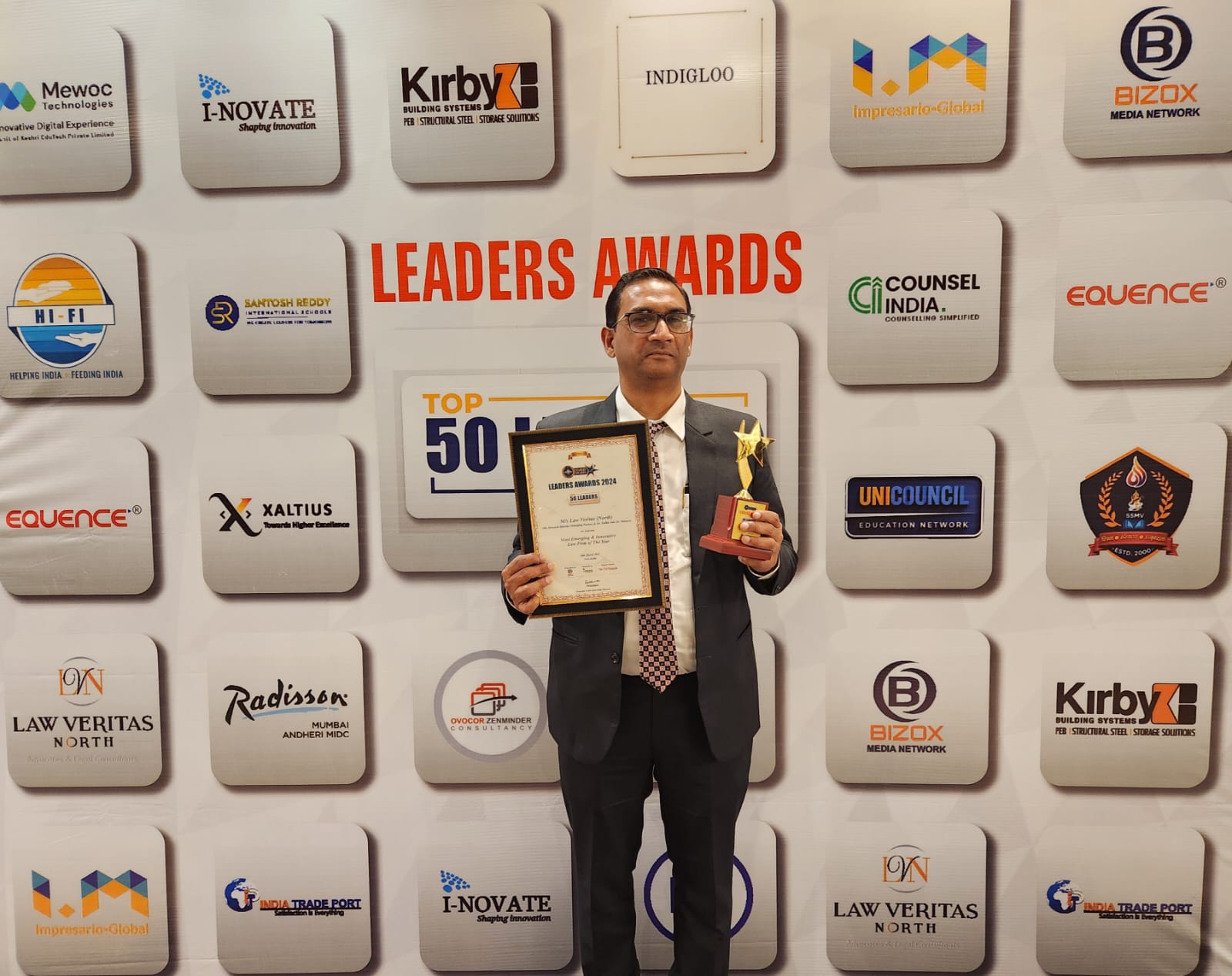
  • “Practical experience and a willingness to learn from challenges are paramount in carving out successful careers in law.” – Sudhir Jain, Sr. Partner at Law Veritas “North”

    “Practical experience and a willingness to learn from challenges are paramount in carving out successful careers in law.” – Sudhir Jain, Sr. Partner at Law Veritas “North”

    This interview has been published by Namrata Singh and The SuperLawyer Team

    Can you share with us your journey from your college days at Campus Law Centre, University of Delhi, to becoming a Senior Partner at Law Veritas North? What inspired you to do Law after completing your B.Com? 

    My journey from my college days at Campus Law Centre, University of Delhi, to becoming a Senior Partner at Law Veritas : North has been one of continual growth, learning, and dedication. After completing my B.Com (Hons.), I was inspired to pursue law due to its inherent potential to impact society positively. As Mahatma Gandhi once said, “The true source of rights is duty. If we all discharge our duties, rights will not be far to seek.” I felt compelled to contribute to the legal framework of my country and serve justice.

    As a senior partner, what leadership qualities do you believe are essential for guiding a successful legal team?

    As a senior partner, I believe essential leadership qualities for guiding a successful legal team include integrity, clear communication, strategic thinking, empathy, and the ability to inspire and mentor others. To quote Abraham Lincoln, “I am a firm believer in the people. If given the truth, they can be depended upon to meet any national crisis. The great point is to bring them the real facts.” Effective leadership fosters collaboration, ensures coherence in strategy, and motivates team members to perform at their best.

    From your perspective, how can the current generation of aspiring lawyers adapt to the evolving landscape of legal practice and carve out successful careers for themselves?

    The current generation of aspiring lawyers can adapt to the evolving landscape of legal practice by embracing technology, honing their communication and interpersonal skills, staying updated on legal developments, and fostering a spirit of innovation and adaptability. The life of the law has not been logic; it has been experience. Practical experience and a willingness to learn from challenges are paramount in carving out successful careers in law.

    With over 24 years of legal experience, what are some key lessons you’ve learned along the way that you would pass on to aspiring lawyers?

    Over my 24 years of legal experience, I have learned several key lessons that I would impart to aspiring lawyers. Firstly, integrity and ethics should always guide your practice. Secondly, continuous learning and staying updated with legal developments are essential. Thirdly, effective communication and interpersonal skills are as crucial as legal expertise. Finally, perseverance and resilience in the face of challenges are indispensable qualities for success in the legal profession.

    How do you balance the demands of litigation with providing strategic counsel to clients in property and revenue matters? 

    Balancing the demands of litigation with providing strategic counsel to clients in property and revenue matters requires meticulous planning, effective delegation, and clear communication. It’s about understanding the priorities of each case and allocating resources accordingly. To quote Benjamin Franklin, “By failing to prepare, you are preparing to fail.” Diligent preparation and a strategic approach enable me to effectively manage both aspects of my practice.

    Could you share with us one of the most challenging cases you’ve encountered in your career and walk us through how you navigated through it to achieve success for your client?

    One of the most challenging cases I have encountered involved a complex property due diligence running in crores with multiple stakeholders and intricate legal issues. Navigating through it required a comprehensive understanding of property laws, strategic negotiation skills, and perseverance. Through meticulous research, strategic planning, and effective advocacy, we were able to secure a favourable opinion/outcome for our client, ensuring justice prevailed despite the complexities involved. However, due to a confidentiality clause I am unable to divulge further details.

    Could you share a moment in your career where you had to adapt to a new dimension or understanding of the law, and how it impacted your approach to future cases? 

    In a pivotal moment in my career, I faced a property law case where traditional principles clashed with modern urban development dynamics. This compelled me to delve into nuanced aspects of property laws, zoning regulations, and authorities provisions. Adapting to this multifaceted dimension of property law not only refined my legal expertise but also emphasized the significance of balancing individual property rights with broader societal concerns. This experience profoundly influenced my approach to future property law cases, fostering a more nuanced and holistic perspective that integrates legal principles with social and economic realities.

    What role do you believe mentorship plays in the legal profession, and have you had any mentors who significantly influenced your career trajectory?

    Mentorship plays a crucial role in the legal profession, providing guidance, support, and valuable insights to aspiring lawyers. I have been fortunate to have some mentors who significantly influenced my career trajectory by imparting wisdom, sharing experiences, and nurturing my professional growth. Mentorship fosters personal and professional development, shaping the future leaders of the legal profession.

    Could you walk us through what a typical day looks like for you as a Senior Partner at Law Veritas North? How do you manage your time and prioritize tasks amidst your various responsibilities and commitments?

    A typical day for me as a Senior Partner at Law Veritas : North involves a blend of client meetings, case reviews, strategic planning sessions, team management, and administrative tasks. Time management and prioritization are crucial, and I rely on effective delegation, leveraging technology for efficiency, and maintaining a structured schedule to balance my various responsibilities and commitments effectively.

    How do you think the current generation of lawyers can leverage technology to enhance their legal practice? 

    Embracing legal technology is paramount in today’s legal landscape. Despite not being a technology expert myself, I recognize its pivotal role in enhancing legal practice. As per an anonymous quote, “Our achievements are the culmination of various influences and collaborations.” Similarly, integrating technology into legal practice enables lawyers to weave a more efficient and effective tapestry of legal services for clients. While I may not possess innate technological prowess, I acknowledge its importance and actively seek opportunities to leverage legal tech tools to streamline processes and deliver better outcomes for those I serve.

    Get in touch with Sudhir Jain-

  • Whether in Western countries, India, or the cosmopolitan atmosphere of Dubai, cultural nuances impact legal discussions, adding layers of complexity and depth. A Candid Conversation with SwitzGroup-Dubai’s Visionary General Counsel, Zahid Maqbool Khan

    Whether in Western countries, India, or the cosmopolitan atmosphere of Dubai, cultural nuances impact legal discussions, adding layers of complexity and depth. A Candid Conversation with SwitzGroup-Dubai’s Visionary General Counsel, Zahid Maqbool Khan

    This interview has been published by  Priyanka Karwa and The SuperLawyer Team

    Your journey through diverse legal roles is truly impressive. If you could share your journey it would be great to hear.

    My legal journey began as a Junior Lawyer, focusing on Consumer and Banking litigation. This early experience laid the foundation for my subsequent roles, where I developed a strong understanding of commercial laws and their applicability. 

    In 2015, a pivotal moment unfolded in my professional journey as I made the life-changing decision to relocate to Dubai and embrace the role of an in-house legal counsel. This significant transition from a litigating lawyer to an integral part of a company marked a cornerstone in my career. This shift not only expanded my legal expertise but also provided invaluable insights into the intricate relationship between law and business. Navigating the complexities of legal frameworks within the context of day-to-day operations allowed me to comprehend the practical implications of laws on business activities. This experience not only broadened my skill set but also equipped me with a holistic understanding of how legal considerations intertwine with the intricacies of running a successful business. 

    A key highlight has been collaborating with diverse teams on complex legal issues, from across the globe expanding my knowledge and enriching my perspective on the intersection of legal matters with business and society.

    Remaining committed to continuous learning and staying updated on legal developments has been integral to adapting to the dynamic legal landscape and finding innovative solutions.

    Grateful for the opportunities and colleagues that have shaped my journey, I look forward to contributing meaningfully to the legal field in the future.

    Trademark Portfolio Management is a unique and vital aspect of your role. How do you ensure the protection of Switz Group’s brand identity globally, and have there been any interesting challenges you’ve faced in this area?

    Trademark Portfolio Management is indeed a crucial aspect of my role at Switz Group. To ensure the global protection of our brand identity, we employ a comprehensive strategy that involves regular monitoring, enforcement, and strategic expansion of our trademark portfolio.

    We conduct thorough research to identify potential risks and opportunities in different jurisdictions. This proactive approach allows us to address any potential conflicts early on and strategically plan for brand expansion.

    Enforcement is a key element in protecting our brand. This involves actively monitoring the market for any unauthorized use of our trademarks and taking prompt legal action when necessary. Collaboration with local counsel in various regions is vital to navigate the complexities of different legal systems and ensure effective enforcement.

    In terms of challenges, the global nature of our operations introduces complexities related to varying trademark laws and regulations across different countries. Balancing the need for a consistent global brand identity with the intricacies of local legal requirements requires careful navigation.

    Additionally, the rise of online platforms and e-commerce has added a layer of complexity to trademark protection. Monitoring and addressing potential infringements in digital space is an ongoing challenge that requires constant adaptation to new trends and technologies.

    Outside the legal realm, you’re pursuing a Ph.D. on the role of Single-Family offices in wealth management and succession planning. What sparked your interest in this field, and how do you balance your academic pursuits with the demands of your professional life?

    The decision to pursue a Ph.D. in the role of Single-Family Offices (SFOs) in wealth management and succession planning has been driven by a confluence of factors that have both personal and professional significance.

    My interest in this field was sparked by witnessing the evolving landscape of succession planning, The dynamic nature of SFOs, their intricate role in wealth preservation, and the nuanced strategies they employ to navigate succession planning processes have intrigued me. This led me to delve deeper into understanding the complexities and implications of their involvement in managing substantial family wealth over generations. 

    Balancing the demands of academic pursuits with a professional life requires a deliberate and disciplined approach. I’ve structured my schedule to ensure dedicated time for academic commitments. Additionally, leveraging technology and staying organized are essential tools in managing these dual responsibilities. Regular communication and collaboration with advisors, peers, and professionals in the field have proven invaluable in gaining insights and refining my research direction.

    Integrating my academic endeavors with my professional life has proven mutually beneficial. The practical application of research findings in real-world scenarios not only enhances the quality of my academic work but also contributes to a more comprehensive understanding of SFOs.

    Your journey includes work in both Dubai and India. How do you navigate and appreciate the cultural differences in legal practices, and has this diversity influenced your approach to legal counsel?

    Navigating the cultural differences in legal practices between Dubai and India has indeed been a dynamic aspect of my professional journey, and it has significantly influenced my approach to legal counsel.

    In Dubai, the legal landscape reflects a blend of international practices, given its role as a global business hub. The legal system is often characterized by a mix of civil law principles and influences from various jurisdictions. Understanding and adapting to this environment has required an appreciation for diverse legal traditions and a nuanced approach to problem-solving. It has instilled in me the importance of flexibility and adaptability in legal strategies to accommodate the needs of multicultural requirements.

    On the other hand, India’s legal system is deeply rooted in a common law framework with its unique cultural and historical context. Navigating the intricate legal landscape here has reinforced the significance of understanding local nuances, customs, and the socio-economic fabric that shapes legal practices. Building strong relationships and effectively communicating within the cultural context are paramount in providing comprehensive legal counsel.

    I have learned to tailor my advice to not only align with the specific legal requirements but also to consider the cultural nuances that may impact the implementation of legal solutions. It has made me more attuned to the importance of cultural intelligence in providing effective and contextually relevant legal advice. Moreover, this exposure has enhanced my ability to collaborate seamlessly with diverse teams, fostering an environment where legal strategies are not only legally sound but also culturally sensitive.  

    Your achievements include handling high-value real estate transactions and successfully closing M&A and Private Equity deals. Could you share a brief anecdote or interesting behind-the-scenes story from one of these negotiations or transactions? 

    While I am unable to provide specific anecdotes or behind-the-scenes stories due to confidentiality constraints and professional discretion, I am more than willing to offer a general overview of the challenges and strategies involved in these complex negotiations.

    These transactions deals often require a meticulous approach, balancing legal considerations, financial intricacies, and the dynamics of various stakeholders. One memorable instance involved navigating a particularly intricate real estate deal where multiple parties although being shareholders had competing interests which was affecting the real estate asset itself which they practically own, through strategic communication and adept negotiation skills, we were able to reach a consensus that satisfied all stakeholders and facilitated a seamless closing.

    Within the intricate landscape of M&A and Private Equity transactions, a notable challenge arose during the due-diligence process. The hurdle stemmed from the imperative need to sustain the seller’s active participation throughout the proceedings, a task compounded by the prevalent absence of a robust document control process among SME companies in the region. An additional layer of complexity emerged when faced with situations where sellers withdrew from deals post-completion of due diligence. In a specific M&A deal, I unearthed a surprising revelation: a well-known retail brand, extensively promoted through popular media campaigns, had assigned its brand to a distributor. Flagging this as a red flag during due diligence, I was astounded to find that the sellers themselves were unaware of such an arrangement, underscoring the critical importance of thorough investigation and due diligence in the deal-making process.

    Dealing with international markets requires a keen understanding of diverse cultures. Any amusing cultural anecdotes or moments where cross-cultural communication added an unexpected twist to legal negotiations?

    Indeed, dealing with diverse cultures has led to some interesting moments in legal negotiations. In Western Countries, a direct and transparent communication style is the norm. An amusing moment occurred when a seemingly blunt statement was initially perceived differently by our counterparts, highlighting the importance of contextualizing language even within English-speaking cultures. Conversely, negotiations in India often involve a nuanced dance of relationship-building. Personal connections and shared experiences can significantly influence the outcome of discussions, emphasizing the significance of investing time in building trust. And Dubai, with its cosmopolitan atmosphere, adds an intriguing layer to cross-cultural dynamics. Balancing traditional values with a modern, global outlook is key. I recall an instance where understanding the subtle cues of hospitality greatly enhanced the overall negotiation process.

    Beyond the legal arena, what’s your favorite way to unwind or de-stress? Any hobbies or activities that bring a smile to your face after a challenging day?

    Immersing myself in a good book is a timeless escape, allowing me to explore different worlds, cultures, and perspectives. Whether it’s fiction for an imaginative journey or non-fiction for knowledge enrichment, reading serves as a gateway to new ideas and insights.

    In tandem with my love for literature, watching documentaries has become a favored way to expand my understanding of the world. Documentaries provide a visual and compelling narrative, offering deep dives into various subjects, from history and science to social issues and cultural phenomena. The visual storytelling aspect adds a dynamic layer to the learning experience, making complex topics more accessible and engaging.

    Any last piece of advice that you would like to give to the upcoming generation of professionals?

    Embrace a mindset of continuous learning. The professional landscape is ever-evolving, and adaptability is key to long-term success. Stay curious, be open to new ideas, and actively seek opportunities for growth. Don’t be afraid to step out of your comfort zone, as some of the most valuable lessons come from facing challenges. Additionally, building strong relationships and networks is crucial. Cultivate a collaborative spirit, seek mentors, remember the importance of humility, patience, and staying grounded. Lastly, remember that success is a journey, not a destination. Celebrate small victories, learn from setbacks, and enjoy the process of becoming the best version of yourself every day.

    Get in touch with Zahid Maqbool Khan

