Tag: Guest faculty

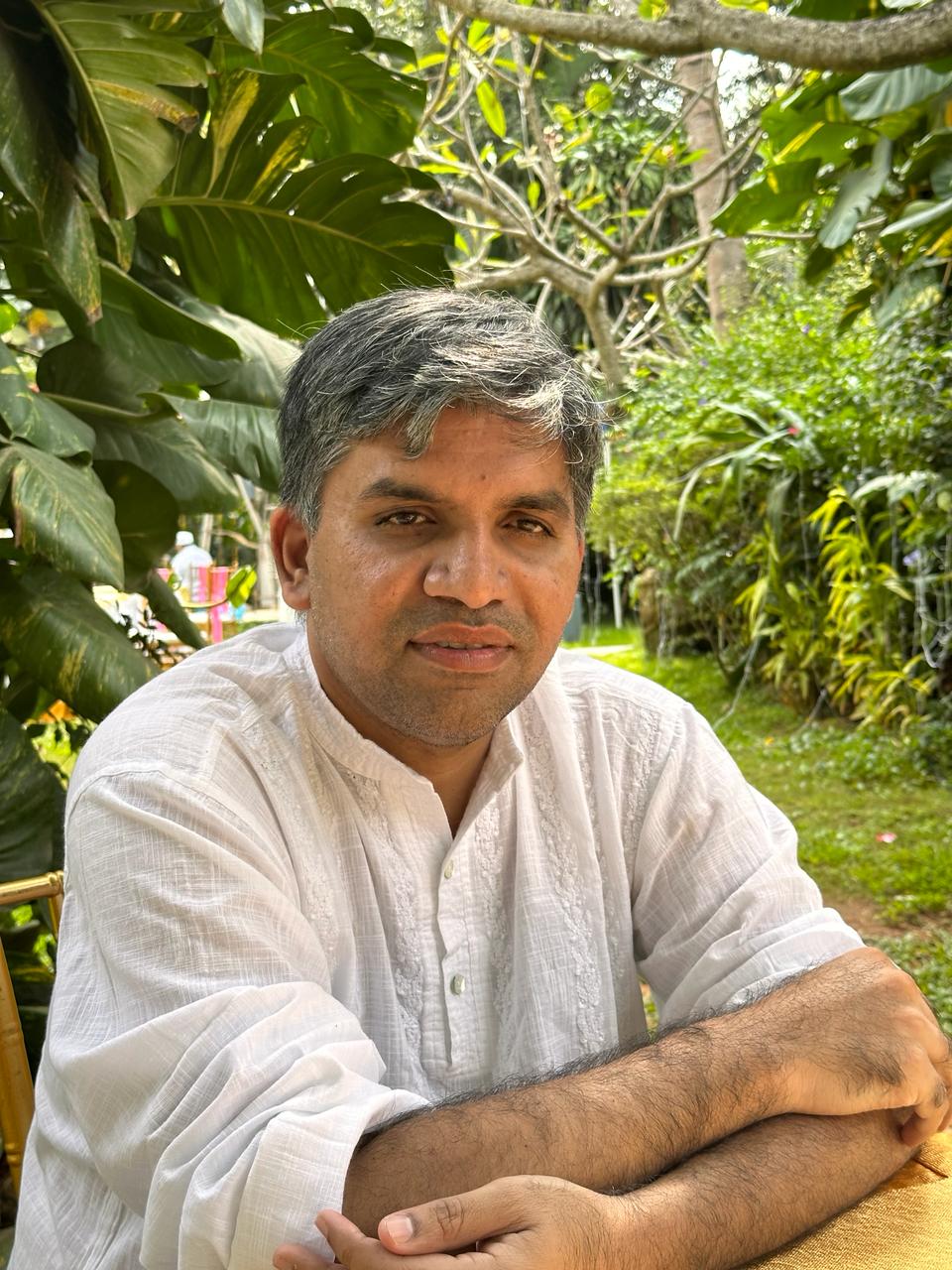
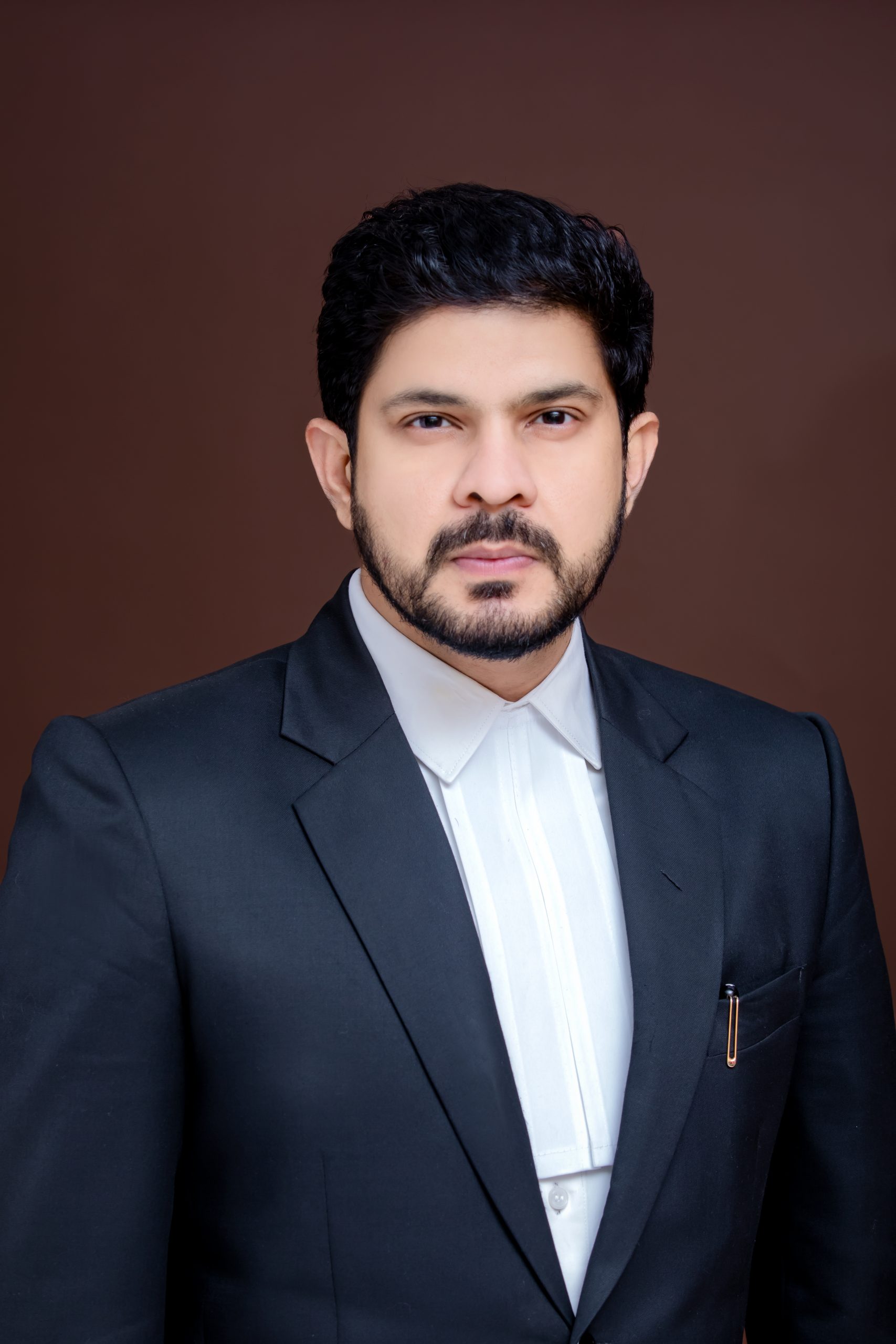
  • “Life is what happens to you when you are busy making other plans” – From Medicine to Mastery in Law: Rajvendra Sarswat, Independent practitioner & Senior Standing Counsel for Union of India

    “Life is what happens to you when you are busy making other plans” – From Medicine to Mastery in Law: Rajvendra Sarswat, Independent practitioner & Senior Standing Counsel for Union of India

    This interview has been published by Namrata Singh and The SuperLawyer Team
    Could you please help our readers get to know you better by sharing how you came into the field of law? We’d love to hear about your journey, who inspired you to join the legal profession, and the challenges you faced initially.  

    Many of us will agree that growing up in the nineties, there used to be primarily two career choices every student had to make at a certain stage, either medicals or engineering, and similarly I was also in the same mainstream preparing to be a doctor someday. Law was surprisingly introduced to me by my brother which intrigued me when I explored more about it as a profession. As I always believe in the quote that ‘life is what happens to you when you are busy making other plans’. I joined National Law University, Jodhpur as its first batch student and graduated in the year 2006 with Corporate Law Honors in B.B.A. LL.B. and thereafter joined Kanga & Company, Mumbai and also worked with Majmudar & Partners, Mumbai till close to 2011 end. While working with these firms it was purely general corporate, M&A and PE transactional work with almost negligible work related to litigation and the learning I received from both these places left a significant impression in my approach towards work. My initial years into litigation were very challenging and every new case I got was accepted as a blessing. I was appointed as amicus curiae or Court commissioner in many Public Interest Litigations during my initial years which gave me the opportunity to appear regularly before the court and to make myself relevant. I was always open to any area of law and focused myself to take each case as the most important and crucial for me for building myself as a litigation lawyer.   

    As Senior Standing Counsel for Union of India, GST, Central Excise / Customs, what are the key challenges you face in representing such a broad spectrum of governmental interests?

    The most fascinating part of representing tax department in the High Court is that mostly the controversies involved are interpretational issues where constitutional validity is under question and having serious implications wherein invariably I get the chance to argue against the best and top tax lawyers of the country, which I believe is a valuable learning experience for me. As we know that the Goods and Service Tax law is new and evolving so many issues are nascent and completely innovative in its challenge which is a constant learning experience. One has to keep in mind the complexity of Laws, diverse stakes, managing the litigation coupled with the factor in change in the policy. However, balancing the government’s interests with the broader public interest can be a delicate task. Ensuring that legal actions align with public expectations and serve the overall welfare of the society is important. Navigating these challenges requires a deep understanding of legal intricacies, effective communication skills, strategic thinking, and the ability to adapt to dynamic legal landscapes.

    We want to understand how different the study of law is compared to the practice of law. What was the most challenging aspect of transitioning from academic learning to actual legal practice?  

    What we study in law school is a very fundamental yet primitive part of law. The actual application and understating of the practical aspects of law comes only when we enter in the profession. As a first generation lawyer, the journey is altogether different and difficult because you inherit nothing and have to build everything from scratch but the good part is that you have an empty canvas and you are the artist. A fresh law school graduate who wishes to enter into litigation should always start with fundamental and practical aspects including the process of filing or curing of defects therefore I also advise to start from trial courts for at least two years before practicing in higher forums. Nowadays it’s good to see that law schools are also focusing on practical learning aspects other than just theoretical teaching. Applying legal principles to real cases, clients, and situations requires a different skill set than memorizing legal theories. In academia, the emphasis is often on analysing case law and statutes. However, in practice, building strong client relationships, effective communication, and understanding client needs become crucial. Developing these interpersonal skills can be challenging for some. In a practical legal environment, time management becomes critical. Meeting deadlines, handling multiple cases simultaneously, and managing client expectations require efficient time management skills that may not be as emphasized in academic settings. And, most importantly grappling with ethical dilemmas, maintaining client confidentiality, and upholding professional conduct standards are integral parts of legal practice that go beyond academic discussions of legal ethics. I also happen to be a guest faculty at a few law universities. I also give lectures at many intuitions and this helps me keep my own learning in the game.     

    How do you approach the complexities of constitutional writs compared to other types of legal matters you handle, and what strategies have proven most effective for you?  

    The unique feature of writ jurisdiction is that it’s an extraordinary remedy and how you can convince the court to get a favourable order depends upon how innovative and ingenious you can be. In my experience of being into litigation, I believe there is only one strategy and that is there is no strategy. You have to be quick on your feet, well prepared and thoroughly researched. One of the key focuses should be on the drafting because there may not be occasion for you to change your pleadings in the later stage if you have missed out a crucial fact or legal ground. You must know what to speak and more importantly what not to speak. Court crafting is an art and it takes patience and keen openness for observing to learn on a daily basis which cannot be taught but has to be learnt. By combining thorough legal research, precise drafting, effective oral advocacy, and a deep understanding of constitutional principles, handling constitutional writs can be approached with the rigor and strategic insight they demand. This ensures that the complexities of these cases are navigated effectively, maximizing the chances of a favourable outcome. When I joined litigation, I ensured to be in the court and get the chance to hear senior advocates arguing their matters because one can learn a lot from mere observation as to how a particular case was presented and how the questions of the court were replied back. 

    What innovations or changes would you like to see in the Indian judicial system to improve efficiency and fairness in legal proceedings? Additionally, what steps are you personally taking or planning to take to help achieve these improvements?   

    We are presently in a rapidly growing and evolving legal system. Before the covid pandemic, none ever imagined the idea of having courts running online where lawyers and even litigants were attending courts from home. Now we have a seamless virtual platform where any lawyer can not only do the filing but also attend the court. We just need more adaptability and openness to it. However, that is mostly at the High Court and Supreme Court or other higher forums, which needs to be adopted at all the levels. This requires proper infrastructure and training. Once this is achieved, service of process, examination of witness, inspection etc. many such procedural aspects which delays the justice dispension system can be curtailed. We are currently transitioning our entire office from physical file to digital file and do not carry physical file to the dias. This way we have access to the entire office record, documents and relevant judgments with ease even if we are travelling. 

    You transitioned from being an associate to a legal head and then switched back to a senior associate role. What differences did you observe in both practice areas during these transitions, and what motivated your move back to the litigation?  

    You cannot compare being an associate in a corporate non-litigation firm with being an in-house counsel with any corporate organisation with having your independent practice as they all work within their uniquely peculiar sphere. The kind of work you do, the atmosphere you work in, the people you deal with on a daily basis, the issues you have to handle independently, they all are different and distinct. The initial journey is always difficult, nonetheless, they all have their own challenges and benefits. After graduating from law school; my primary interest was to work with a good corporate law firm, either in Delhi or Mumbai. I got a chance to work with two very reputed firms in Mumbai and a brief period to be legal head of a public limited company. However, after working for a few years I realised the quench of working on my own started bubbling up. I remember I had visited the High Court once for a matter related to one of my relatives and after observing the lawyers and court room, from there the idea of starting my own practice triggered inside. It was a very difficult and risky decision to take after investing years into Mumbai and then coming back to Jodhpur coupled with the fact being a first generation lawyer, but somehow I took the plunge. My initial few years as a litigation lawyer were difficult with self-doubts and fear as to who will give me work and how will I sustain; but I also believe that such fear keeps you motivated too.

    Mr. Sarswat, transitioning from prestigious firms to independent practice is often a significant milestone. Could you share how your independent practice is evolving, and which specific areas of law are you currently focusing on? Additionally, what qualities do you look for in interns who seek to work under your guidance? Any suggestions you would like to give them?

    I practice primarily constitutional writs, civil, arbitration and a few criminal matters too. Public Interest Litigation has inspired me to a significant manner which lead me to file and appear in many such PILs involving public issues around me, where we have been successful to get very favourable orders from Court either as the counsel or as the amicus curiae. We also do a lot of arbitration practice. The qualities which I aspire and look for in anyone who is willing to join litigation is patience, persistence and hard work. There is no shortcut in this profession and if one can maintain that, the sky’s the limit. I firmly believe that every person has a unique journey and the only comparison you should have is with yourself as to what you were one year back in the past. I find young lawyers getting impatient, which is inevitable though, but this is a lifelong building profession and takes time. One has to be well prepared with facts and position of law, latest judgment on the issue involved. If you are sincere and hardworking, you will automatically stand out and become noticeable. If one can manage to do that, one will be picked up at the right time from the right people and the path will appear. Lastly, never be too focused that you miss out little opportunities at the corner of your eyes and if you wish to take litigation as a serious and primary choice of profession, then only join it otherwise don’t start it with as plan B.

    Outside of law, what hobbies or personal interests do you pursue that help you maintain a balanced perspective?  

    I love to read and travel. I believe the more you read and travel, the broader perspective you achieve about various aspects of life. One should have a habit of reading at least 15-20 pages daily, other than office work. I also write and paint at times. Every new place you visit, teaches you a lot about yourself as a person too. I also love running and keeping myself physically fit because a healthy body can only give you a healthy mind. I love to listen to old school music and my favourite bands or artists are U2, Bob Dylan and all time legends Kishore Kumar and Jagjit Singh.  

    Get in touch with Rajvendra Sarswat-

  • “If you’re committed to making a positive impact, integrating accessibility into your daily interactions and engagements is essential.” – Dr. Kalyan C. Kankanala, IP Attorney and Managing Partner at BananaIP Counsels

    “If you’re committed to making a positive impact, integrating accessibility into your daily interactions and engagements is essential.” – Dr. Kalyan C. Kankanala, IP Attorney and Managing Partner at BananaIP Counsels

    This interview has been published by Namrata Singh and The SuperLawyer Team

    Dr. Kalyan, as a founder, could you  give us an overview of BananaIP Counsels and describe your current responsibilities within the  firm?

    Absolutely. At BananaIP Counsels, we pride ourselves on being a forward-thinking IP firm that is not only technology-driven but also champions diversity, with a strong emphasis on women leadership and inclusivity of persons with disabilities. Our combination of technological specialization, legal expertise, and business insight allows us to  provide high quality IP services to clients.

    Our firm has specialized departments led by experienced partners in various technology sectors.  Additionally, we also have focused departments dealing with Trademarks, Copyrights, E-commerce Law, Entertainment Law, Open Source Law, and Technology Law, some of which are integrated IP divisions.

    In my current role, I lead the innovation, consulting, and strategy department of the firm. Our department focuses on the strategic IP needs of our clients, and the professional growth and knowledge development of our associates. We handle strategic and complex IP projects that cover a broad spectrum, from IP mining and audits to devising IP protection strategies, and from resolving disputes to facilitating licensing and commercialization efforts. 

    Interesting! We noted that this year marks the 20th anniversary of BananaIP Counsels. Could you share some insights into the firm’s evolution and highlight some of the key milestones achieved along the way?

    BananaIP Counsels is marking its 20th anniversary this year, having initially taken root in IIM Bangalore’s entrepreneurship cell (NSRCEL) back in 2004 as Brain League IP Services. Our journey through the years has been a tale  of survival, stabilization, and success. Despite the hurdles and destabilizing events encountered along the way, we have achieved at least part of what we set out to do. We believe that our efforts have   contributed to the current IP ecosystem in India at different levels. Overall, our endeavors over the past 20 years have fostered IP knowledge development, human capital growth, policy and legislative advancement, and the enhancement of IP service standards.

    From your experience, what is your assessment of the current IP landscape in India? Additionally, can you tell us your predictions for its development over the next decade?

    Over the past twenty years, the Intellectual Property (IP) system has witnessed considerable advancements in terms of IP filing numbers, the processes and systems introduced by the IP office, enforcement mechanisms, and the judiciary’s responsiveness. As of now, the IP system in India can be described as ‘reasonably friendly’.

    Despite these advancements, there remains substantial work to be done to cultivate an IP ecosystem in India that is both business-friendly and equitable. Currently, the system faces challenges such as limited accessibility, inconsistency and diversity in Court processes and speed, difficulties in digital IP enforcement, an underdeveloped licensing framework, and low hygiene levels. Over the next five to ten years, I anticipate progress in these areas, and I also expect a significant rise in IP filings and registrations.

    I believe the upcoming decade will be a ‘golden era’ for IP in India.

    With the ongoing discussions around Artificial Intelligence (AI) and its influence across sectors, what impacts do you foresee AI having on the field of IP, specifically regarding IP management and practices?

    Today’s discussions on AI encompass a range of IP issues, including protectability, ownership, enforcement, and dispute resolution. While important, these topics will not be the focus of this response. Instead, I will briefly touch upon how BananaIP is leveraging AI in our operations and our future plans for its use.

    BananaIP has always been an early adopter of technology, and we have developed several tools to enhance the quality and efficiency of our work. Currently, we utilize AI to assist us in reviewing and refining our work products, and to supplement some of our file management  and communications.  Due to concerns over confidentiality, we do not use AI for drafting patents and designs at this time.

    Additionally, we have developed complementary tools that aid in file management and the review of competitor filings. We are also in the process of creating predictive and analytical tools aimed at automating audits, portfolio management, and project documentation.

    While General AI has the potential to draft legal documents, the quality of its current output does not yet meet our firm’s standards. However, we anticipate significant advancements in this area, and believe that AI will soon be capable of producing first drafts that exceed the quality produced by our new recruits. Although we do not foresee AI replacing IP professionals in the near future, we do expect a notable adjustment in the distribution of tasks and responsibilities.

    Looking ahead, our goal for the next three years is to develop proprietary tools that will assist us in creating certain deliverables, reviewing projects, and automating manual processes.  Whether we like it or not, I believe that the IP profession has to adapt to the advancements in AI technology, and we must reconsider some of our current  practices. 

    Based on your experience, do interdisciplinary teams having technology, law and business experts work well together? What has your experience been?

    Our experience with interdisciplinary teams has been excellent. The interdisciplinary approach at BananaIP fosters a stimulating and intellectually rewarding work environment. Our operational model blends the openness of research labs with the structured discipline of law firms. Our team comprises technology specialists, many of whom are also qualified patent agents or attorneys with a deep understanding of  the law. Our lawyers   specialize in IP, and have an open mind to learning the science and technology relevant to their work. They   bring unique perspectives and contributions to each project, which  add significant value to our work products.

    We have learned that  BananaIP does not function like a typical law firm, and has  a unique culture. Can you tell us about your culture and values?

    BananaIP offers a welcoming, intellectually stimulating and open work environment. We value balancing work and life as much as we value our clients’ IP and business needs. Unlike many IP law firms, we don’t have a strict hierarchy and rigid structures. Our structure is mostly flat. Diversity, equity, and inclusion are  integral to our culture and values.

    Honesty, integrity, and dedication to our client’s cause form the core of  all our services.

    You have been talking a lot about accessibility off late, why do you believe accessibility is crucial for the IP system?

    One of the primary objectives of the IP system is  the benefit of the public. It  promotes creativity and inventive activity, and grants exclusive rights over inventions and creations with the objective of   eventually benefitting the general public. This objective is achieved through access, disclosure and publication of ideas and creations, and unless  these are fully accessible, a large portion of the public will not be able to benefit from them. In other words, accessibility of the IP system and   disclosures plays an important role in achieving the ultimate goal of  public benefit, and if there is no accessibility, the very purpose of the IP system  will not be served. Therefore, it is important to make the IP system fully accessible to everyone, and to ensure that no one is left   behind.

    In your interactions, you have often highlighted the suitability of the IP profession for individuals with disabilities. Could you explain your perspective on this?

    Certainly, to start with, let me state that I am a person with blindness, and  I have been able to  successfully practise as an IP attorney. This of course would not have been possible without the help and assistance of my colleagues, and confidence reposed in me by my clients. From my experience in the field, I strongly believe that the IP system is very suitable for persons with disabilities. Many reasons led me to this belief, and I will tell you three of them:

    A. Firstly, IP  filing and prosecution is today fully online, and one can practise   this without the  barriers  relating to physical movement and inaccessible premises. Several Courts have also gone online, and  have    taken some steps to facilitate accessibility of documents and materials.

    b. The IP Office  has issued accessibility guidelines, and has established a system to seek  reasonable accommodations. While there is much to be done to make its online systems fully accessible, the IP Office has shown the intent to do so. This makes it relatively easy for persons with disabilities to  overcome accessibility hurdles, and participate fully/equally  in the IP process.

    c. To get into this profession, a person with a disability need not be a lawyer. Persons with any degree can qualify as trademark agents, and  persons with a technical background can get into the patent profession.

    Overall, the IP profession is welcoming, and companies are not too uncomfortable in working with persons with disabilities. In my opinion, if a person with a disability is looking for an option that provides independence, autonomy, and respectability, the IP profession is a good  choice.

    You have been  interacting with  the Indian IP Office to improve accessibility to persons with disabilities. What  do you think the IP Office must do to make its systems and processes accessible to persons with disabilities? 

    The IP Office has taken an important step by releasing guidelines to improve access for all. However, this intention needs to be put into practice effectively. The IP Office  must take the following steps:

    a. The IP Office should organize training sessions to educate their staff about the needs of individuals with disabilities and highlight the importance of providing access. Currently, many officials believe that they have the right to refuse accessibility requests, thinking that the rules in IP laws are more important than the requirements of the Rights of Persons with Disabilities Act. Changing this mindset will make it easier for individuals with disabilities to engage with the IP Office.

    b. It is also important for the IP Office to enhance the accessibility of its online platforms. Despite some progress, their systems do not meet essential accessibility standards. Improving the accessibility of their filing systems and documents would be significantly beneficial.

    c. Furthermore, the IP Office has to consider issuing guidelines or circulars that require the submission of documents in an accessible format. This will ensure that everyone, including those with disabilities, can access these documents easily. Many High Courts have already required documents to be submitted in a format that is readable by optical character recognition (OCR), and the IP Office should follow this example.

    By implementing these measures, the IP Office can facilitate full and equal participation of all individuals, including those with disabilities, in the IP process.

    These steps do not seem very complex, and we hope the IP Office will look into them seriously. We noted that you recently published a book on accessibility entitled ‘Understanding Accessibility’ in which you  have  pointed out that everyone can contribute to accessibility. Can you tell us how we can do that?

    Well, if you have the intent and willingness to make a difference, you may consider  the following simple steps:

    1. Share any document or information you file or distribute in accessible formats. This is easy, and you may consider doing this for   all types of documents you share in general, or file before Courts or Tribunals. Here is a link that gives accessibility guidance for word documents, PDFs, and PPTs: https://www.adcet.edu.au/inclusive-teaching/accessible-content/accessible-documents
    2. Whenever you  share something on social media, ensure that  you include alternative text, image descriptions, video captions, etc. Most social media and messaging platforms have enabled these features, and all you need to do is spend an extra minute to make your post, photo, video, or document, accessible. You will find some accessibility tips at this link: https://disabilityin.org/resource/creating-accessible-social-media-content/

    I hope you will consider  incorporating these as a part of your day to day interactions and engagements.

    Thanks a lot for giving me this opportunity.

    Get in touch with Dr. Kalyan C. Kankanala–