Tag: Gujrat NLU

  • “I was drawn to law after witnessing how legal complexities often overwhelmed individuals and businesses, creating unnecessary barriers to their goals.” – Purvi Mathur, Managing & Co-Founding Partner at KP Associates, Advocates & Consultants.

    “I was drawn to law after witnessing how legal complexities often overwhelmed individuals and businesses, creating unnecessary barriers to their goals.” – Purvi Mathur, Managing & Co-Founding Partner at KP Associates, Advocates & Consultants.

    This interview has been published by Anshi Mudgal and The SuperLawyer Team

    Looking back at your career and the successful practice you’ve built today, what were the key experiences that initially led you toward pursuing law? What moments or influences made you choose law as a career? Additionally, how did your time at NLU Gujarat shape and deepen your passion for the field?

    I was drawn to law after witnessing how legal complexities often overwhelmed individuals and businesses, creating unnecessary barriers to their goals. A defining moment came during my undergraduate years when I saw a family dispute escalate simply due to lack of proper legal guidance. This showed me that law isn’t just about statutes, but about people and relationships.

    NLU Gujarat was transformative. The practical learning approach, diverse legal exposure through moot courts and internships, and exceptional faculty mentorship developed the critical thinking skills that guide my practice today. The institution’s emphasis on real-world application deepened my understanding of law’s potential to create positive change.

    In the early years of your practice, what experiences helped you build a stronger understanding of the law and laid the foundation for your career? Could you share some key lessons from that period that would benefit our young readers?

    Working across different practice areas initially provided invaluable insights into how various legal disciplines intersect. A pivotal experience was advising a struggling startup on restructuring, which required understanding corporate law, employment regulations, and tax implications simultaneously teaching me that modern legal practice demands interdisciplinary expertise.

    Key lessons for young practitioners: embrace every learning opportunity regardless of how mundane it seems; develop strong communication skills to translate complex legal concepts into actionable business advice; build relationships based on trust and transparency; and stay curious; the law evolves constantly, and successful practitioners evolve with it.

    What inspired you to establish your own practice? What were some of the challenges you faced in the beginning, and how did you navigate those obstacles?

    I wanted to create a practice that delivered personalized, innovative legal solutions while maintaining the highest ethical standards combining the expertise of larger firms with the agility and client focus of boutique practices.

    Initial challenges included building credibility, establishing a client base, and managing financial constraints while maintaining service quality. 

    I navigated these through strategic relationship building, delivering exceptional results on smaller matters to build credibility, and focusing on becoming specialists in chosen practice areas rather than trying to be everything to everyone. We never compromised on quality to win business – a principle that ultimately distinguished us in the market.

    Cross-border transactions often involve navigating multiple legal frameworks and jurisdictions. How do you manage the complexities of these deals? What are the critical legal considerations businesses must keep in mind when engaging in cross-border transactions, and how do you ensure compliance with international legal standards while advising clients?

    We manage complexity through systematic due diligence across all relevant jurisdictions, collaborating with trusted local counsel worldwide. Our framework maps regulatory requirements, tax implications, and compliance obligations for each jurisdiction involved.

    Critical considerations include foreign investment regulations, tax treaty implications, currency exchange controls, sector-specific restrictions, dispute resolution mechanisms, and enforcement challenges across different legal systems.

    We ensure compliance through jurisdiction-specific checklists, regular regulatory updates, and maintaining relationships with qualified local counsel. Our approach emphasizes early identification of potential conflicts between legal systems and structuring transactions to minimize regulatory friction while ensuring comprehensive documentation that anticipates cross-jurisdictional enforcement challenges.

    With the evolving landscape of CSR compliance, what trends do you foresee emerging in the near future? Additionally, could you share how you guide clients in aligning their CSR strategies with both domestic and international laws?

    Emerging trends include mandatory climate disclosures, supply chain responsibility requirements, and stakeholder-centric reporting. We’re seeing convergence between ESG standards and domestic CSR requirements, with increased focus on measurable impact assessment and integration with business strategy.

    We guide clients by conducting comprehensive assessments of applicable domestic and international obligations, then developing CSR strategies that exceed minimum compliance while creating genuine business value. Our approach emphasizes robust documentation, impact measurement systems, regular compliance audits, and integration of CSR considerations into business decision-making processes.

    Start-ups face several challenges when it comes to establishing their legal foundations. What are the most common legal hurdles that start-ups should address early on? How do you assist them with crucial aspects like intellectual property rights, employee agreements, and business structuring?

    Common hurdles include inadequate business structuring, insufficient IP protection, poorly drafted founder and employee agreements, and underestimating regulatory compliance requirements.

    Our approach begins with comprehensive business structure analysis considering investment plans, tax efficiency, and regulatory requirements. For IP, we conduct thorough audits and establish protection strategies including trademark registrations and robust confidentiality frameworks. Employee agreements require balancing company protection with talent attraction—we draft comprehensive contracts and establish equity participation frameworks.

    We emphasize establishing good governance practices early, including board structures, decision-making processes, and compliance systems that become crucial as startups scale.

    Given your expertise in handling family estate disputes, what aspects of family law do you feel need more focus or reform? How do you approach succession planning for high-net-worth families, especially when dealing with complex cross-border elements?

    Family law needs greater focus on alternative dispute resolution and preventive legal structures. The current system often exacerbates conflicts rather than resolving them constructively.

    For high-net-worth succession planning, we begin with comprehensive family and asset mapping, then develop flexible structures adaptable to changing circumstances. Cross-border elements require careful jurisdiction selection, appropriate trust structures, and documentation that anticipates enforcement issues across different legal systems.

    Our methodology emphasizes family governance frameworks including family constitutions, communication protocols, and dispute resolution mechanisms, with regular plan updates to reflect changing family circumstances and regulatory environments.

    Trust formation is often a delicate issue, especially for business families. Could you elaborate on your approach to setting up trusts and advising clients on succession planning? What are some common misconceptions businesses or individuals might have about trust formation, and how do you address these?

    Our approach begins with thorough understanding of family dynamics, business structures, and long-term goals, then designing flexible trust structures that serve multiple purposes while maintaining adaptability.

    Common misconceptions include believing trusts provide absolute asset protection, assuming trust formation means loss of control, and underestimating ongoing compliance requirements. Many don’t understand differences between trust types and their specific applications.

    We address these through comprehensive education about trust mechanics, clear explanation of rights and obligations, and realistic assessment of benefits and limitations. For business families, we focus on structures facilitating business continuity while providing appropriate family financial security, often involving multiple trust vehicles and governance frameworks for family participation in business decisions.

    Your commitment to fostering diversity in the legal profession is commendable. How do you ensure aspiring lawyers have the mentorship and opportunities they need within your firm? What qualities do you look for when mentoring young lawyers, and what advice do you offer them as they navigate the legal profession?

    We ensure opportunities through inclusive hiring practices, structured mentorship programs pairing senior and junior lawyers across practice areas, meaningful work assignments, and regular professional development workshops.

    In mentoring, I look for intellectual curiosity, ethical grounding, strong communication skills, and resilience. Technical skills can be taught, but these fundamental qualities determine long-term success.

    My advice focuses on building strong foundational skills, maintaining ethical standards regardless of pressure, developing business acumen alongside legal expertise, and understanding that successful careers are built on relationships and reputation. Most importantly, find meaning in your work – legal practice provides unique opportunities to make positive differences in people’s lives.

    With your demanding career and leadership role, how do you personally manage work-life balance? Additionally, how do you encourage your team to maintain a healthy balance while excelling in their roles?

    I maintain balance through disciplined time management, prioritizing high-impact activities, delegating effectively, and protecting family time. Sustainable success comes from managing energy, not just time.

    For the team, we’ve implemented realistic project timelines, adequate staffing, flexible work arrangements where possible, and measure success by results and client satisfaction, not hours worked. We encourage time off and maintain open communication about workload concerns.

    Most importantly, I model healthy balance myself. Teams take cues from leadership, so demonstrating that it’s possible to excel professionally while maintaining personal well-being encourages others to do the same. We celebrate achievements and recognize that sustainable careers require attention to both professional and personal development.

    Get in touch with Purvi Mathur –

  • “I firmly believe that maintaining an academic inclination enriches one’s understanding of the law and enhances professional growth.” – Raghava Parthasarathy, Founder of Office of Raghav Parthasarathy.

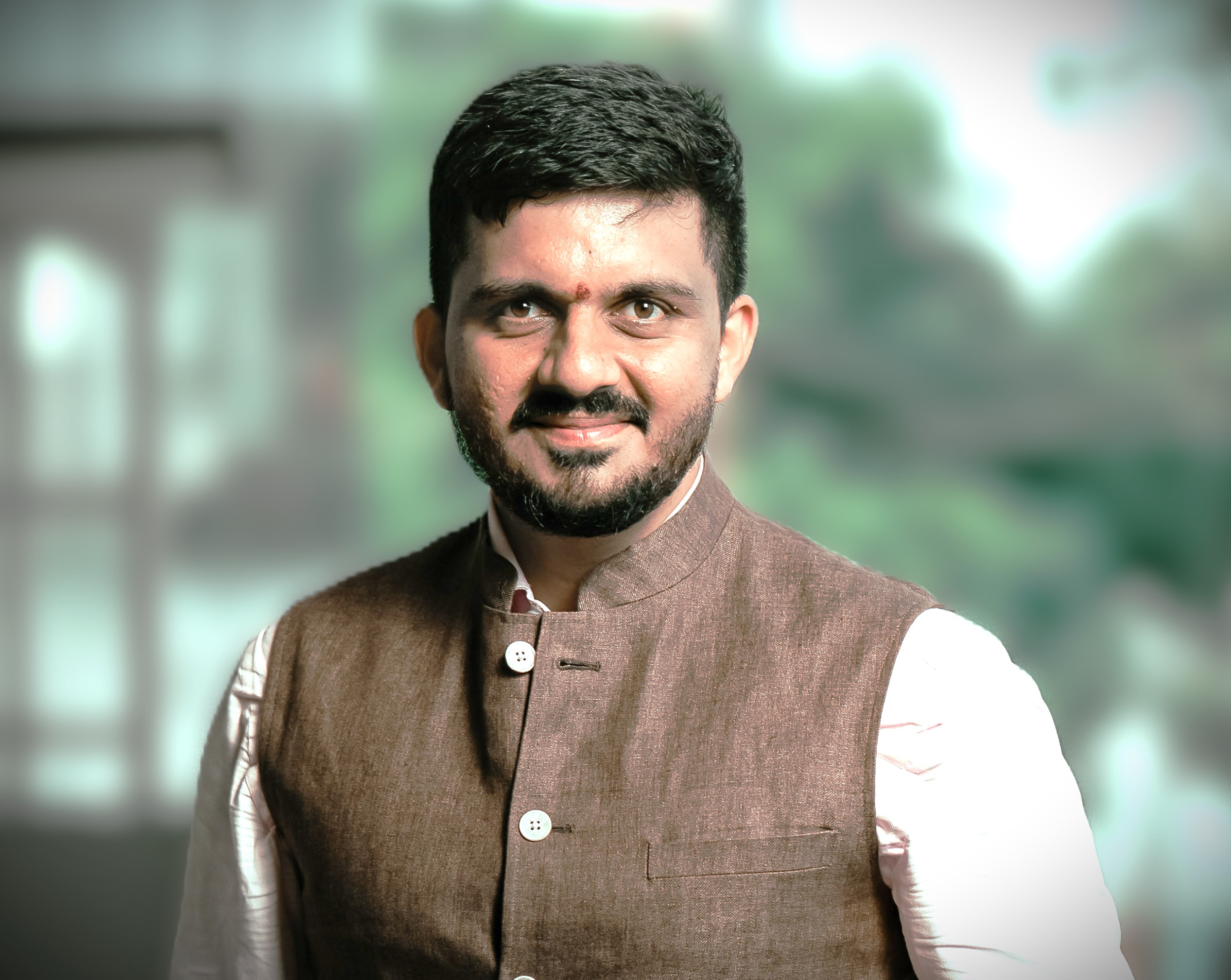
    “I firmly believe that maintaining an academic inclination enriches one’s understanding of the law and enhances professional growth.” – Raghava Parthasarathy, Founder of Office of Raghav Parthasarathy.

    This interview has been published by Anshi Mudgal and The SuperLawyer Team

    What inspired you to pursue a career in law? Was there a particular moment or influence in your life that steered you in this direction?

    During my school years, I developed interests in Social Studies, particularly History and Political Science. I was always intrigued by topics like civil and political rights, the Constitution, and the legal and regulatory framework that governs societies. However, when it came time to choose my stream in Plus-2, I opted for Science. This decision was heavily influenced by my parents, who believed that a background in Science would keep more academic and career options open. They often said that while one could shift from Science to Commerce or Humanities, the reverse was much harder. At the time, I wasn’t entirely happy with that decision. I felt disconnected from the subjects I was passionate about and often regretted not pursuing Humanities. But in hindsight, I now appreciate the wisdom behind my parents’ advice. Studying Science has given me the ability to grasp scientific and technological concepts with relative ease—an advantage I now value immensely. As I progressed through my Plus-2 education, it became increasingly clear that my true interests did not lie in Science. I found myself disengaged and uninspired, and I realized that continuing in this field would not fulfil me intellectually or personally. Transitioning to legal studies felt like a natural and inevitable step—a return to the subjects I was genuinely passionate about. Some of the then contemporary developments garnered my attention towards law, policy and governance. I was fortunate to have studied at JSS Law College, Mysuru, as it opened up many opportunities to explore along with like-minded friends and classmates.

    What drew you to specialize in Energy Laws during your LL.M. at the University of Petroleum and Energy Studies, Dehradun? And now, as you pursue a Ph.D. at Gujarat National Law University, how has that academic journey shaped your legal perspective?

    My inquisitiveness towards learning law led me to explore emerging and specialised areas which were niche and still developing at that point in time. After completing my graduation, I found my interests and inclination towards International Law and Diplomacy, Dispute Resolution like Mediation and Conciliation, Financial Markets, Energy laws among others. Very few universities in India, at that point in time, offered courses beyond the traditional subjects and Energy laws garnered my interest and drew me to explore and learn more about it. Continuing with the studies, I understood the legal framework in the energy sector, specifically Oil and Gas, Power sector has tremendous potential for professional practice and in academic research. Under the guidance of my supervisor Prof. (Dr.) Shanthakumar, Director, GNLU, I am working on a Regulatory framework for the Upstream Hydrocarbon sector in India, by re-examining the present framework. 

    Reflecting on your early years in the legal field, what formative experiences deepened your understanding of the law? Are there any moments or mentors that continue to resonate with you today?

    After completing graduation and post-graduation, I gained varied and meaningful experience working under the guidance of my senior – Mr. S. Srinivasa Murthy, in Bengaluru. This foundational experience got me acquainted with nuances of litigation and client interaction. After working for a year, I had an opportunity to do Clerkship at the High Court of Karnataka. I was fortunate to work under the mentorship and guidance of Hon’ble Justice B.V. Nagarathna (now judge of the Supreme Court), then Judge at High Court of Karnataka. This Clerkship marked a major turning point for my career. It offered intricacies of judicial decision making, including interpretation of law and assessing its applicability in varied factual context. The most profound learning however, was, understanding how a judge approaches any matter, the temperament required to listen and analyse many cases on a daily basis. Clerkship opportunities, both at the High Courts and the Supreme Court, offers unparalleled insights for law graduates. The work entails preparing synopsis, case briefs, research and identifying applicable precedents, assisting in preparing articles, speeches among other duties. Clerkship fosters a deep sense of judicial discipline, highlights ethical boundaries, procedural clarity and broader appreciation of the role that courts play in delivering justice across broad spectrum of matters. 

    During your time at CEERA, NLSIU, you were involved in high-impact research and consultancy projects for institutions such as the MoEFCC, ISRO, and the Directorate of Municipal Administration. Could you share some insights into your experience there, and how your contributions influenced these projects?

    Working as a Teaching Associate at CEERA, NLSIU, Bengaluru, I had the privilege to work in legal academia and research. Under the mentorship of Prof. (Dr.) Sairam Bhat and Prof. (Dr.) M.K. Ramesh, I was involved in workshops, conferences, classroom teaching, legislative drafting, and legal research. This hands-on experience, including client consultations and litigation work, enriched my academic delivery and deepened my understanding of law in practice. Collaborating with government departments such as the Directorate of Municipal Administration (GoK) and contributing to major legislative projects like the Climate Bill and Municipalities Bill provided valuable insights into policy and governance. CEERA has actively contributed in legal and policy reforms, implemented by the Government and its various departments. My time at CEERA was instrumental in shaping my perspective as a legal academic and researcher, and I was fortunate to learn from a diverse network of dedicated peers and professionals.  

    What motivated you to establish your own legal practice? What were some of the major challenges you encountered, and how did you navigate them?

    Since 2022, I have been managing my independent legal practice in Jayanagar, Bengaluru, alongside my partner Mr. Vivek Raviprakash and our team of associates. Having been actively involved in client interactions early in my career, establishing my own chambers was a natural progression aligned with my passion for litigation. A key challenge has been building and sustaining a reliable clientele—an aspect many in independent practice will recognize. While acquiring clients is challenging, maintaining long-term relationships truly reflects a firm’s strength and professionalism.

    Another systemic issue is the judicial backlog or ‘docket explosion,’ which has increased delays in case resolution. This challenge, however, has catalyzed the growth of alternate dispute resolution methods like arbitration and mediation, offering more efficient alternatives.

    Drawing from both academic and litigation experience, I see a clear need to bridge the gap between legal education and practice. Initiatives such as moot courts, law fests, and intercollegiate sport events offer valuable platforms for students to gain exposure, build networks, and enhance their understanding beyond classroom learning. Encouraging such engagement fosters holistic growth and better prepares students for the realities of the profession. 

    You’ve appeared before a range of judicial and quasi-judicial bodies, from the High Court and other Tribunals. In your work on matters involving education and reservation policies, is there a particular experience that was challenging for you? How did you approach its legal and constitutional aspects?

    Litigation, by its nature, involves addressing both simple and complex issues that often arise from the friction between societal expectations and the existing regulatory framework. Two important cases stand out, as it ultimately led to changes in laws and guidelines. One such case is Sripathi G. v. Union of India and Others (2024:KHC:43993-DB), where the petitioner, a former member of the District Consumer Commission, was barred from practising before any Consumer Commission in India under Rule 11(2) of the 2020 Model Rules. This restriction was arbitrary and without justification. Upon challenging the rule, and shortly after notice was issued, the Central Government amended the provision, effectively removing the prohibition and restoring professional rights to retired members.

    Another notable case was Priyanka Patil v. Kendriya Sainik Board and Others (2023 SCC OnLine Kar 1), which involved constitutional issues of gender rights and discriminatory policy. The petitioner, daughter of a martyred ex-serviceman, was denied employment reservation benefits due to a clause that restricted ESM identity cards for female dependents only “till marriage or disability,” while no such condition applied to male dependents. The Karnataka High Court struck . down Clause 5(c) of the Guidelines as violative of Articles 14 and 15 of the Constitution. Following the judgment, the Kendriya Sainik Board revised its guidelines, establishing a more gender-equitable policy.

    When approaching any matter, it is essential to strategize and compile all relevant documentation. Tools such as filing RTI applications for procuring official records, effective coordination with authorities, and timely communication via letters, emails, and notices are vital in building a strong case. In matters involving the constitutional validity of central guidelines, ensuring all necessary parties are included helps prevent procedural delays and keeps the focus on the core issue.

    With your extensive background in both litigation and academia, what key advice would you give to young lawyers starting out, especially those who aim to bridge courtroom practice and policy engagement?

    Based on my experiences since law school, I would like to reassure students who feel anxious about their future that a legal education opens up a wide array of opportunities. It is essential to take internships seriously, using them not just for exposure but also to develop key professional skills. In today’s evolving landscape, the legal profession is incredibly versatile and intersects with almost every sector of society. Career options range from traditional paths like the judiciary, advocacy, and clerkships, to roles as policy and legislative consultants, members of the armed forces through the JAG branch, corporate legal professionals, in-house counsels, Academics and Teaching, and ADR specialists such as arbitrators, mediators, and conciliators, Insolvency Professionals and freelancing. Emerging fields like legal tech, energy laws, AI and data privacy among other  upcoming areas present promising prospects.

    The key lies in staying vigilant and proactive in identifying and pursuing these opportunities. My own journey over the past years in practice has been both fruitful and enlightening. I firmly believe that maintaining an academic inclination enriches one’s understanding of the law and enhances professional growth. It also enables legal practitioners to engage meaningfully with stakeholders beyond the courtroom, contributing to broader conversations in their areas of interest. I am a firm believer that Academicians must be permitted to practise and appear in courts, as that would enhance the academic standards throughout the country.

    Given the high-pressure nature of legal work, especially when balancing court cases and government consultancy, how do you take care of your mental health and sustain your well-being?

    One of the key lessons I have learned through my professional journey is the importance of coordination, team-building, and effective delegation. These elements are crucial not only for achieving sustained performance but also for long-term growth. The support of family plays an equally vital role in navigating the demands of the legal profession. I am fortunate to have the unwavering support of my friend and wife, Geethanjali K.V., an IP law practitioner, with whom I often engage in enriching discussions that broaden my perspectives on both law and life.

    To manage the pressures that come with the profession and life in general, I have found it essential to maintain a balanced routine. Personally, cooking and working out serve as meaningful outlets that help me de-stress and stay grounded. Ultimately, I believe that when one is committed to the profession, it has a way of giving back—providing purpose, resilience, and fulfilment.

    Get in touch with Raghava Parthasarathy –