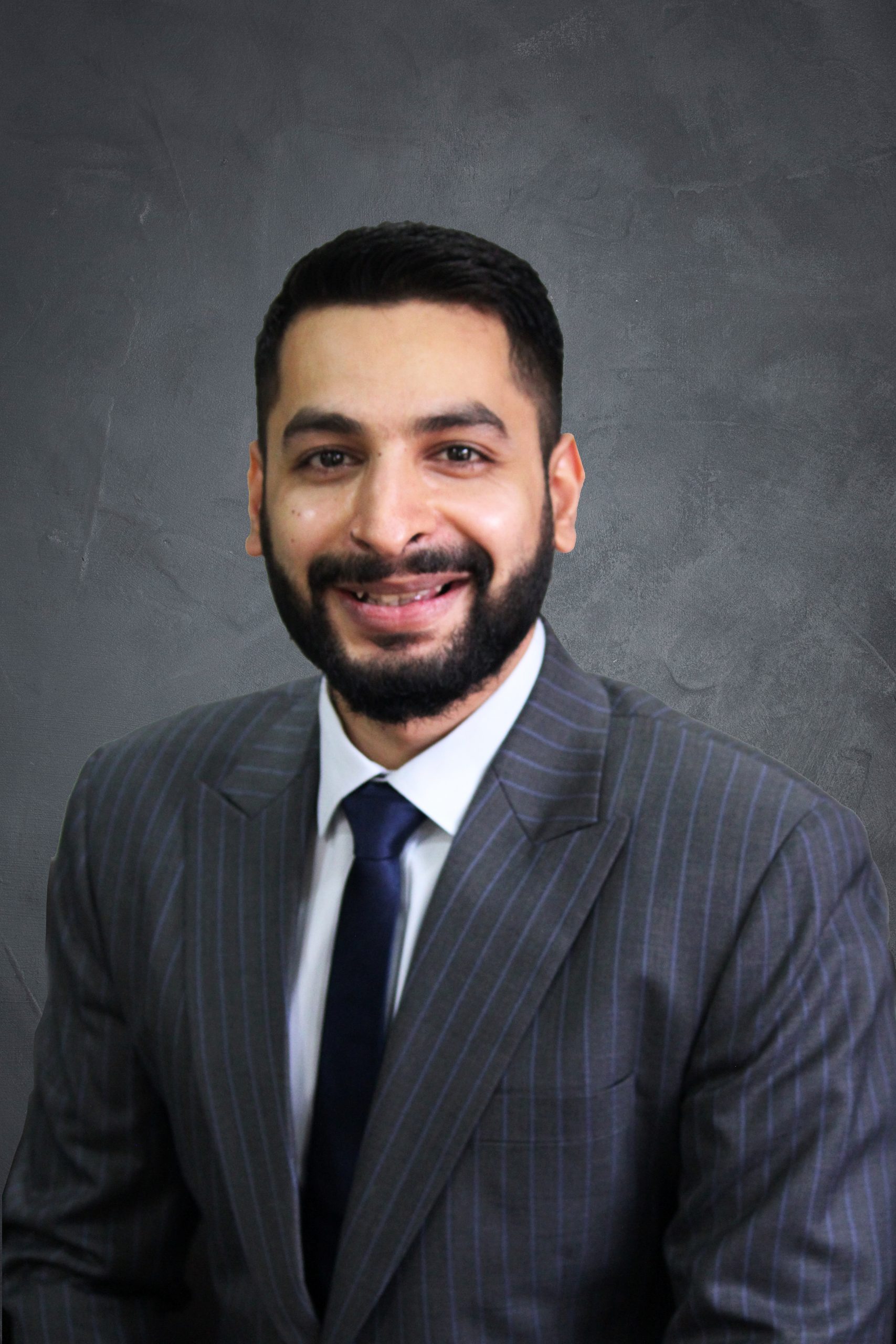
Tag: Healthcare law

  • “Integrity is paramount. Build a strong foundation in legal principles, network actively, and gain practical experience through internships.” – AGM, Head – Business Ethics Compliance Officer at MANKIND PHARMA LTD

    “Integrity is paramount. Build a strong foundation in legal principles, network actively, and gain practical experience through internships.” – AGM, Head – Business Ethics Compliance Officer at MANKIND PHARMA LTD

    This interview has been published by Namrata Singh and The SuperLawyer Team

    Could you please tell us about how you started your career in law? Who or what inspired you to choose this path, and can you walk us through your journey, including the struggles you faced in the initial days of your career? 

    My journey into law started with a deep fascination for the legal system. My father wanted me to be a Chartered Accountant, so I chose commerce in high school and enrolled in a B.Com course at Delhi University. However, after just a month, I had a sudden realization that it was “now or never” to follow my true passion. Almost overnight, I moved to Pune to pursue a 5-year law course.

    Growing up, I was inspired by my uncle, a renowned lawyer in Assam. His approach to complex situations left a profound impression on me. This, combined with my interest in understanding the intricacies of the law, was all the motivation I needed to pursue a career in law.

    I started my career at R. K. Dewan & Co., a law firm known for its expertise in intellectual property law, thanks to a pre-placement offer I had received from them. The initial days were tough—the transition from academic learning to practical application was a steep learning curve. I faced the typical struggles of a novice lawyer: long hours, complex cases, and the pressure to prove myself, all while adjusting to a new city, Mumbai. However, looking back, I’m thankful for these experiences as they helped shape my professional skills and resilience.

    You started your career working with R. K. Dewan & Co., and after 1.5 years, you transitioned to Reliance Communications. What motivated your shift from working in a law firm to taking on a role in the corporate sector? 

    Joining Reliance was a strategic move for me, marking my entry into the corporate sector. I wanted to be more directly involved in business operations and strategy. The opportunity to work within a company, helping to shape its direction and growth from the inside, was incredibly appealing. Honestly, I was excited by the variety of challenges the job would involve.

    During my time at RKD, I developed a strong understanding of Intellectual Property laws, which was immensely valuable. However, as I mentioned, I wanted to gain a broader perspective and immerse myself in the business environment. Moving to the corporate sector offered me the chance to see how various legal frameworks operate within the broader context of a business, beyond just IP law.

    How do you see the field of business ethics and compliance evolving in the next five to ten years, and what new challenges and opportunities do you anticipate? 

    In the next five to ten years, the field of business ethics and compliance will be significantly influenced by technological advancements, globalization, and increasing societal expectations.

    Technologies such as AI, blockchain, and big data analytics will enhance compliance monitoring and fraud detection but also pose challenges related to data privacy and algorithmic bias. As businesses expand globally, they will need robust compliance frameworks to navigate diverse regulatory landscapes. The growing demand for transparency and sustainable practices will drive more stringent reporting requirements and elevate the importance of environmental, social, and governance (ESG) considerations.

    The primary challenges will include integrating ethical considerations into advanced technologies and maintaining compliance across different jurisdictions with evolving regulations. However, businesses that effectively leverage these technologies can achieve cost savings and operational efficiencies. Companies that prioritize ethics and compliance will gain a competitive edge by building strong reputations and fostering trust with stakeholders.

    As the Head of Business Ethics Compliance at Mankind Pharma, what are your primary responsibilities and how do they contribute to the organization’s success?

    My primary responsibilities at Mankind Pharma include overseeing the implementation of the company’s business ethics compliance program, ensuring adherence to regulatory requirements, and fostering a culture of integrity and accountability. I work closely with various departments to develop and enforce policies that align with the company’s mission of delivering affordable and quality healthcare.

    These responsibilities directly contribute to the organization’s success by mitigating legal risks, enhancing the company’s reputation, and building trust with stakeholders.

    In high-stress roles like yours, maintaining work-life balance can be challenging. What strategies do you use to maintain this balance effectively? Also what hobbies or passions do you follow to unwind yourself?

    It requires a deliberate effort and effective time management. I prioritize tasks based on their urgency and importance, delegate responsibilities when possible, and ensure that I set aside time for self-care and family.

    Listening to music is my favourite way to unwind; it helps me relax and recharge. Finding time for hobbies can be challenging in today’s fast-paced world, but I’ve discovered that taking short vacations, spending quality time with friends and family, and carving out small moments for personal gratification are essential.

    Based on your extensive experience, what advice would you give to young professionals aspiring to build a career in legal and compliance, particularly in the field of business ethics? 

    To develop a strong foundation in legal principles and continuously update their knowledge to keep pace with evolving regulations. Integrity is paramount in this field, so always strive to uphold the highest standards of honesty and fairness.

    Networking is also crucial. Building relationships with peers, mentors, and industry professionals can provide valuable insights and opportunities for career growth. Additionally, gaining practical experience through internships in compliance-related roles can help you understand the real-world applications of theoretical knowledge.

    How important do you think networking is in the field of legal and compliance, and how do you go about building and maintaining your professional network? 

    Extremely important. It not only helps in staying updated with industry trends and best practices but also provides opportunities for professional growth and collaboration. I actively participate in industry conferences, seminars, and professional associations to connect with peers and experts.

    What are some key qualities and skills that you believe are essential for success in the field of business ethics and compliance?

    First and foremost, integrity is paramount. They must lead by example. Analytical thinking is another crucial skill. The ability to dissect complex regulations, identify potential risks, and develop effective compliance strategies is essential. This involves a keen eye for detail and the capacity to anticipate and address issues before they escalate. Communication skills are also vital. Whether it’s training employees or reporting to senior management, the ability to clearly and effectively convey information is crucial. This also includes the ability to listen and understand the concerns of various stakeholders. Adaptability is important given the dynamic nature of regulations and the business environment.

    Finally, leadership and interpersonal skills are critical. Building a culture of compliance requires influencing and motivating others, often without direct authority. This means fostering strong relationships, earning trust, and inspiring a shared commitment across the organization.

    What are some common misconceptions about business ethics and compliance that you have encountered?

    The most common misconception is that “Business ethics and compliance are primarily about policing and punishment”. Many people view compliance departments as only enforcers who are there to catch and penalize wrongdoers. Maybe this was even true a decade ago! Not anymore. The true essence of business ethics and compliance is to act as advisors who guide and support the organization in making decisions.

    Another misconception is that compliance is solely the responsibility of the compliance department. In reality, business ethics and compliance are the responsibility of every employee, from the top executives to the entry-level staff.

    Lastly, some believe that compliance is a static, one-time effort. In truth, it’s an ongoing process that requires continuous improvement and adaptation to new challenges and regulatory changes.

    How has your background in law influenced your approach to managing business ethics and compliance?

    Significantly. Firstly, it has provided me with a strong foundation in legal principles and regulatory frameworks, which is essential for developing and implementing effective compliance programs.

    Moreover, my legal experience so far has honed my analytical and critical thinking skills, enabling me to identify potential risks and develop strategies to mitigate them. Additionally, it has taught me the importance of clear and precise communication. Whether drafting policies, conducting training sessions, etc., the ability to articulate complex legal concepts in an understandable manner is key to fostering a culture of compliance.

    Get in touch with Abhimanyu Dasgupta-

  • “If I were to offer advice to the next generation aspiring to build a successful career in law, it’ll be to focus on three essential principles – adaptability, continuous learning and ethical grounding.” – Raunak Bapna, Senior Legal Counsel at Philips

    “If I were to offer advice to the next generation aspiring to build a successful career in law, it’ll be to focus on three essential principles – adaptability, continuous learning and ethical grounding.” – Raunak Bapna, Senior Legal Counsel at Philips

    This interview has been published by Namrata Singh and The SuperLawyer Team

    Raunak, could you please take us through your journey from college to where you are today? How was your experience at Symbiosis Law School, and what inspired you to pursue a career in law? Can you share how you started your career after graduating and the pivotal moments that shaped your professional trajectory?

    As a first-generation lawyer, my journey into the legal profession was not inspired by family tradition but by a keen observation of the law’s impact as an outsider. My time at Symbiosis Law School, Pune (SLS) was transformative, providing me with a great academic foundation.

    Upon graduation, I joined a mid-size full-service law firm where I spent 7 years. This period was not only formative but also deeply influential, helping me grow into the professional that I am today. It was here that I developed a nuanced appreciation for the law’s intricacies and its real-world applications. The challenges I faced and the successes I celebrated at the firm built my confidence and sharpened my expertise.

    My subsequent transition to in-house roles began with Ola Electric, a multi-billion dollar start-up at the forefront of India’s electric mobility space. Joining Ola Electric in its nascent stages was a ground-breaking shift. I witnessed and contributed to pivotal moments: from the construction of the factory to the launch of its first electric two-wheeler. Following my tenure at Ola, I joined Tala, an American fintech company, as their primary counsel for the India region. Tala, already a successful entity in Kenya, Mexico and the Philippines, was looking to replicate its success in India – its newest market at the time. My role involved establishing legal frameworks that accommodated the local regulations while supporting Tala’s mission of financial inclusion.

    Most recently, I joined Philips as their counsel for the Indian Subcontinent region – where I am tasked with guiding the organization through the legalities of the healthcare and technology sectors while also supporting Philips’ mission of improving billions of lives through meaningful innovation. 

    Your role at Philips involves managing legal affairs across the Indian Subcontinent. What are some unique challenges you’ve faced in navigating legal landscapes in different regions, and how do you ensure consistency in legal practices across borders?

    That’s a great question. One of the unique challenges you face is the variance in legal standards and practices across different countries. For instance, the regulatory requirements in India can differ significantly from those in neighboring countries like Bangladesh or Sri Lanka, particularly in areas such as consumer protection, data privacy, and healthcare regulations.

    To effectively manage these differences, you rely on a combination of strategies. First, you maintain a robust network of local legal experts in each country. Second, you leverage technology to streamline communication and document management across countries. Lastly, you place a strong emphasis on proactive compliance. This involves not just adhering to current laws but anticipating potential legislative changes that could impact our operations. 

    Transitioning from a law firm to in-house counsel often involves a shift in perspective. What are some of the major differences you’ve noticed, and how has this transition influenced your approach to legal counsel?

    Transitioning from a law firm to an in-house role indeed marked a significant shift in my perspective and approach towards legal practice. At a law firm, the focus is often on providing specialized legal advice to multiple clients on a case-by-case basis – with a broad spectrum of legal issues presented by each client.

    In contrast, as in-house counsel, my role extends beyond legal counsel to being a strategic partner for the business. Here, the focus shifts towards understanding the business’ objectives comprehensively and integrating legal considerations into the broader business strategy. One of the major differences that I’ve personally noticed is the need for a more proactive approach to legal issues. Rather than reacting to legal challenges as they may arise, my role involves anticipating potential legal risks and implementing strategies to mitigate them before they impact the business.

    Another significant difference is the depth of involvement in one organization’s operations and its success. This deep-dive into the business also fosters a greater alignment of the legal function with the organization’s long-term strategies.

    As to how this transition has influenced my approach, I’d say it has done so in several ways. I’ve become more integrative in my thinking, always considering the legal implications of business decisions not just from a compliance standpoint but from a strategic and operational perspective as well. I’ve also cultivated a more collaborative approach, working closely with various departments to ensure that legal considerations are embedded in the early stages of business planning and decision-making.

    Overall, the move to an in-house role has greatly enriched my professional experience, enhancing my ability to contribute not only legally but also strategically to the growth and success of the organization. 

    Apart from your professional endeavors, do you have any personal hobbies or interests that you enjoy pursuing outside of work? How do you find balance between your personal and professional life?

    As someone who has a hard time switching off from work mode, it’s a continuous challenge, but I try. My love for cricket, movies, and travelling provides me with much-needed downtime when the legal world starts to overwhelm.

    Finding this balance between personal and professional life is a bit like being a juggler at a circus – it requires patience, timing and occasionally, picking up things that I’ve dropped. But it’s always worth the effort to keep all the balls in the air. 

    Reflecting on your journey so far, what advice would you give to the current generation aspiring to build a successful career in law, especially in the dynamic landscape of corporate counsel?

    If I were to offer advice to the next generation aspiring to build a successful career in law, it’ll be to focus on three essential principles – adaptability, continuous learning and ethical grounding.

    Adaptability is crucial – being able to pivot and embrace change is not just helpful but necessary. Continuous learning is equally important – staying updated and informed with the latest legal developments, understanding new business models, and even gaining knowledge in related fields such as technology can vastly engage your capability to provide comprehensive counsel. Lastly, maintain a strong ethical foundation – as you’ll often find yourselves balancing business objectives with legal requirements.

    I’m no expert at this but building a successful career in law is more of a marathon than a sprint. The journey is long and sometimes daunting, even frustrating, but immensely fulfilling for those who are committed. 

    As a senior legal counsel, you’ve undoubtedly faced complex legal issues. How do you approach problem-solving in such situations, and what role does collaboration play in finding effective solutions?

    One fundamental aspect of my approach is recognizing that there is no one-size-fits-all, or straight-jacket formula, for solving legal issues. Each challenge is unique and demands a solution that considers the specific circumstances and needs of the business. This understanding drives my problem-solving process: identifying possible outcomes, assessing the risks associated with each, and weighing them against the legal and business objectives of the organization.

    Collaboration is integral to this process. Legal issues rarely exist in a vacuum—they intersect with various aspects of business operations, from finance and human resources to marketing and beyond. Engaging with stakeholders across departments not only provides additional perspectives but also ensures that the solutions developed are comprehensive and pragmatic.

    Could you share with us the importance of internships during the early stages of a legal career? How did your own internships shape your professional journey, and what advice would you give to law students or young professionals seeking meaningful internships to kickstart their careers?

    Internships are invaluable as they offer a first-hand glimpse into the practical aspects of law that are often not addressed in the classroom. My own internships were instrumental in shaping my professional journey, providing me with a foundation of real-world experiences that I could build upon in my subsequent roles.

    For law students seeking meaningful internships, my advice would be to approach this search with both openness and strategic focus. Be open to exploring diverse legal fields and organizations, from small firms to large multinational corporations. Each setting offers unique learning opportunities and can help clarify your career interests and goals.

    Simultaneously, be strategic in your approach by seeking internships that align with your long-term career aspirations. Research about firms or organizations that are known for their work in your areas of interest and strive to connect with professionals working there. Networking can be a powerful tool in securing internships; don’t hesitate to reach out to alumni, professors, or family friends who might help with introductions or advice.

    Get in touch with Raunak Bapna-

  • “Proficiency in comprehensive reading and writing is paramount, a robust grasp of knowledge and the ability to communicate effectively in eloquent language are indispensable assets” – Aarti (Shrivastava) Banerjee, Partner – Corporate Legal Advisory, YNZ Legal

    “Proficiency in comprehensive reading and writing is paramount, a robust grasp of knowledge and the ability to communicate effectively in eloquent language are indispensable assets” – Aarti (Shrivastava) Banerjee, Partner – Corporate Legal Advisory, YNZ Legal

    This interview has been published by Namrata Singh and The SuperLawyer Team

    Your journey spans over 17 years, and you’ve worked with reputed law firms and companies. What inspired you to pursue a career in law?

    I was fascinated with UPSC and the legal profession both. I loved reading from my childhood days. We didn’t have a television in our house and considering that the distractions were lesser then, I ended up reading a lot of newspapers. I used to regularly read Hitavada and its Monday supplement: Challenger, an inspirational piece for young students. When I told my family that I wanted to pursue law, my mother supported me and took me to meet a few lawyers and those interactions helped. Realizing that I had no family background in law, the seniors helped me understand that the actual legal world was very distinct from the legal world depicted in movies and that I should be prepared for struggle and a lot of reading and paperwork. 

    Your role involves advising on commercial, contractual, and HR-related issues. How has your diverse experience shaped your approach to legal advisory, particularly in corporate and HR matters?

    Advising on HR matters needs one to adopt a humane approach and I focus a lot on understanding the situation in detail, before jumping to conclusions. With every change in an organization, one comes in contact with people from various backgrounds and genres and every interaction helps individuals grow.

    What do you find most rewarding in your advisory work, and how do you navigate the challenges posed by the dynamic nature of these fields?

    The most rewarding aspect is when the deal gets closed on balanced terms. I always feel that a contract needs the active involvement of the parties along with the lawyers. If we manage to retain the client’s interest despite multiple tracks changed colour-coded versions, the document will truly reflect the understanding and the possibility of dispute is less.

    The challenges posed in this field are no different from the challenges in other fields. Typically, stubbornness is a problem one comes across in contract negotiation. Navigating stubbornness requires a lot of patience along with adopting various methodologies, like independent business team interactions, cogent examples, clear illustrations and so on.

    You’ve been an external member of many ICC(s) and have handled investigations under the POSH Act. What insights have you gained from this experience, and how do you approach creating a safe and inclusive workplace environment?

    POSH issues are very sensitive and delicate. One must understand that POSH is an impact-based law i.e. irrespective of intentions, it’s the impact on the aggrieved woman that matters. Education and training is the only method to handle this issue. If organizations conduct regular training effectively, this issue can be handled. Each organization has its own culture and methods of functioning. Thus, in the case of new employees, it is important to train and sensitize them to these issues.

    In addition to your legal qualifications, you’ve completed a course on Conflict Management from IIT, Madras. How has this course enhanced your skills, and in what ways do you incorporate conflict management strategies in your professional life?

    Conflict management through mediation is the way forward. It’s a very mature way of handling the dispute and requires the parties to be actively involved. We are required to maintain a very objective attitude many times as lawyers, but sometimes there are issues when we tend to get involved, and that’s when the learnings from this course remind us that objectivity is the key in certain roles. 

    As a Legal Advisor for Tata Teleservices Limited, you gained insights into corporate functioning, documentation, negotiation, and risk mitigation. How have these insights influenced your current role, and what key lessons did you take away from your time at Tata Teleservices?

    Tata Teleservices was a delightful experience, more so because of the wonderful corporate legal team that I was part of. While the work of an in-house counsel is different, my stint at TATA ensured I understood the end-to-end process of corporate documentation, right from proposal to the final storage of the executed document. The advantage of working in an organization that is conscious of compliance is that all stakeholders come together and apply themselves together to mitigate the possible risks. Such brainstorming exercises and detailed deliberations are very helpful. 

    You’ve conducted regular POSH training sessions for various organizations. What do you enjoy most about these training sessions, and how do you make legal concepts more accessible to a diverse audience?

    Conveying the delicate concepts of POSH needs a firm demeanour. Apart from regular methods like presentation, videos and interactions, we also use a lot of role-play to demonstrate the proceedings. While my effort is to sensitize the audience about the legal consequences that may arise should an issue arise, I also endeavour to make it clear that the mechanism is not to be misused.  We also suggest that organizations attend vernacular training to ensure that everyone gets the message clearly.

    Your expertise spans from handling litigation matters to advising on real estate transactions and now leading teams at YNZ Legal. Can you share a memorable or challenging experience from your career that has impacted your approach to legal advisory?

    One of my distinct memories related to an interesting company matter that I handled long back. The issue related to oppression and mismanagement and there was an urgency that needed us to get a quick injunction before the AGM. We worked very closely and almost round the clock with clients and counsels to draft effective pleadings to ensure that an injunction was obtained. The case was on a niche legal point and could have turned either way. We researched various cases and prepared written arguments. When the day of the hearing came, the client refused to come to the court and said that he would sit in our office and wait for us since he trusted us completely. While my senior understood, I tried convincing the client to come to the court in case we needed any instructions etc. He persisted and urged me to go on. His confidence and trust in us touched me. Thankfully, the order too came in the client’s favor.

    Apart from your legal expertise, you lead various environment-related initiatives in society. Could you share more about your involvement in these initiatives and how you believe each of us can contribute to sustainability and environmental causes?

    To be very honest, it’s a very small plastic recycling project that we do in our society voluntarily, but we have been consistently doing it since 2017. Till date, our society has contributed almost 35000 kg of plastic for recycling with the active contribution of residents. We work with various organizations who come to collect plastic waste at our doorstep. Each family is expected to segregate every bit of plastic waste that they generate like food wrappings, bottles, milk packets, pens, stationery, toothbrushes and so on for 15 days. The vehicles from these organizations pick up the plastic waste for recycling. 

    I am from Nagpur, a city that has the distinction of being a very clean and green city. I was a part of the nature club in my school days and my teacher had inspired us to be conscious towards the environment then. When I used to travel from Nagpur to Mumbai regularly during my college days, I used to see a lot of plastic being dumped on plants near railway lines. While plastic pollution is a topic for many drawing and essay competitions, concrete steps towards reducing plastic usage need to be taken by each individual and family. Once reduced, these recycling activities can be adapted for unavoidable plastic.

    Balancing a legal career with your other activities like pursuing Bharatnatyam (being a Nritya Visharad) and being an active runner and cyclist is impressive. How do you balance your professional and personal interests, and how do these activities contribute to your overall well-being?

    (Smiling)

    Time management is the key in today’s world. Of course, one cannot do everything at the same time, but if you plan the entire week or month in one go, then it’s easy to find time for most things. Our profession requires a calm and sharp mind and regular breaks with other activities help one to recharge oneself. I rekindled my interest in cycling during the lockdown, thanks to friends and it has stayed on for a long.  Bharatnatyam, again I must thank my teacher who continues to shower her blessings, and despite online classes drives the message of pursuing perfection in every class she takes. 

    Considering the evolving landscape of law and the world, what advice would you give to aspiring legal professionals and advocates who are part of the future generation, and how do you envision the role of legal experts in addressing the challenges and opportunities that lie ahead?

    In-depth reading and writing skills are very critical. As lawyers, it is not possible to learn all the laws, but if one develops the habit of regular reading it can make a difference. Along with reading interesting blogs and legal update channels that are available, I would like to repeat some advice that I got from my senior. He would insist that one should read one judgement daily and when you take the judgement, read it from beginning to end so that you understand how to appreciate the facts, arguments and the decision as well.

    Organizations are getting more and more conscious towards compliance these days. Opportunities are unlimited. Knowledge and effective communication in rich language are key essentials and one must try to develop these skills early on.

    Get in touch with Aarti (Shrivastava) Banerjee–

  • Life sciences and healthcare law can be complex and challenging: it requires a deep understanding of scientific and medical concepts- Martín Mosteirin, Partner at Marval O’Farrell Mairal

    Life sciences and healthcare law can be complex and challenging: it requires a deep understanding of scientific and medical concepts- Martín Mosteirin, Partner at Marval O’Farrell Mairal

    This interview has been published by  Priyanka Karwa and The SuperLawyer Team

    Can you tell us about your journey and how you ended up practicing law in the field of life sciences and healthcare?

    After graduating from Universidad de Buenos Aires with a law degree in 2002, I joined Marval O’Farrell Mairal as a legal trainee and had the privilege to work in multiple practice areas, such as banking, commercial law, public law, maritime and air law, insurance, and complex litigation. 

    My first contact with the industry of life sciences –during my practice at the Litigation and Arbitration Department– was through a clinical trial agreement, where I found a really complex regulatory structure for a fascinating industry. After that experience, I decided to develop the regulatory practice at the life sciences department in the firm. I began to network and assist life sciences clients on a wide range of contentious, regulatory, and transactional matters, combining different areas of expertise such as bio-pharmaceutical, healthcare, health-tech, medical devices, dental products, cosmetics, toiletries and perfumes, households cleaning products, food industry, animal health and food, food-contact products, and agribusiness (seeds, agrochemicals, herbicides, insecticides, fungicides, fertilizers, growth regulators, GMOs, and other related products), among other industries. 

    Nowadays, our practice group for Life Sciences and Healthcare industries is one of the largest and best teams in LatAm. We have a team of six fully dedicated associates, experts in this field, who assist our clients in all aspects of their business. Besides the “pharma team”, we have specialized professionals across all practice areas of the firm (corporate, tax, customs, IP, antitrust, etc.). All together, we are about 60-70 lawyers with an actual life sciences and healthcare practice in connection with our fields of expertise. 

    Our team provides legal advice to leading global companies on regulatory strategies and compliance matters, ranging from the client’s day-to-day business to complex cross-border transactions, start-ups, joint ventures, M&As, spin-offs, product liability, contracts, compliance training, monitoring, audits and investigations, (trial and pre-trial) administrative proceedings and litigation, and civil and commercial advice in general. 

    Our main objective is to help our clients by delivering sophisticated, high-quality, and multi-practice work in cross-discipline matters for complex projects, enhancing the outcome.

    What drew you to specialize in regulatory strategies and compliance matters for the bio-pharmaceutical, healthcare, and other related industries?

    During my practice, I found an important gap between, on the one side, local laws and regulations regulating this industry and, on the other, the challenges clients face regarding compliance with them in the practice. These challenges are especially hard in those spaces where the law has loopholes or is ambiguous. I was able to identify a gap in the Argentinian legal market that no other law firm was fulfilling: the need of clients to receive advice on these matters with an “industrial” focus. We do so by providing multidisciplinary support to the client. The fact that Marval is a full-service law firm gave us an enormous opportunity to encompass this need and provide valuable solutions for clients.

    With your extensive experience in both contentious and non-contentious legal advice, what are some of the most challenging cross-border transactions or complex projects you have worked on?

    Our Life Sciences & Healthcare practice is consistently involved in large, complex –often high-profile– transactions, and other key matters in the sector. Due to their strict confidentiality, in many cases we cannot refer to the clients and/or projects by name. We will thus mention them broadly:

    • Currently, we are designing the regulatory, corporate and tax strategy for a top pharma company to merge its multiple corporate and manufacturing facilities structures into one robust cost-effective pharma vehicle, facing the challenges that derive from legal loopholes in the sanitary regulations vis-à-vis the regulated corporate and tax frameworks.
    • We are advising a global pharma company on the different available business models for landing their operations in the Argentine market.
    • We assisted a top pharma company in the spin-off and selling of a business unit (mature pipeline) in Lat-Am, coordinating the work in 19 countries. 
    • We assisted three top pharma companies in the designing and implementation of the regulatory, corporate and tax strategy for the spin-off merger of their consumer healthcare portfolio (Rx, OTC, medical devices, cosmetic, and food products).
    • We assisted a top global food company in the designing and implementation of the water business unit’s spin-off merger for creating a joint venture with a third-party player, from a regulatory, corporate and tax perspectives, covering multiple jurisdictions in the country where manufacturing facilities were located. 
    • We advise top pharma companies for their strategy assessments and implementations of hybrid business models in Argentina.
    • In the context of a full lockdown due to the coronavirus outbreak, we assisted Pfizer Inc. with the negotiation and execution of the clinical trial agreement for starting phase III trial of the vaccine candidate for Covid-19 in Argentina (August 2020).
    • We assisted a key global player who offers value-added fermentation solutions for fuel ethanol and renewable chemicals producers, to define the best regulatory strategy for registering fuel and consumable ethanol-based products to develop the local market. 
    • We advised Takeda Pharma when it sold the Hepatalgina business unit (OTC medicine) to Laboratorio Elea-Phoenix S.A. (June 2020). The transaction included the transfer of an operating manufacturing plant, employees, trademarks, and product marketing authorization certificates. The transaction was carried out during the Covid-19 pandemic, while a mandatory quarantine was in force. It therefore required coordinated, innovative, and collaborative legal work to close successfully.
    • We assessed in negotiating the transfer of technology agreement between a multinational biotech pharmaceutical company, a state-owned pharmaceutical company, and the Argentine Government for manufacturing and supplying a complex drug.
    • We advised on the start-up operations in Argentina of top-ten biotech global pharmaceutical companies, including orphan drugs manufacturers.
    • We assessed in negotiating and implementing a divestment process of the local business of a French global pharmaceutical company to move from a full affiliate business model to an indirect business model through a third-party distributor for continuing supplying the local market.
    • We advise global cannabis companies on the Argentinian regulatory landscape and the possible business models for starting operations in it.
    • We provided legal support on cross-border transactions in acquiring and restructuring healthcare businesses of global healthcare companies.
    • We provided regulatory assessment and advice on the Pharmacy Program of a top-three global retail company for its pharmacy division.
    • We advised on the start-up operations in Argentina of a leading cosmetic and personal hygiene products company in Latin-America.
    • We provided legal support on cross-border transactions in acquiring and restructuring medical devices businesses of global medical devices companies.
    • We advised on the start-up operations in Argentina of leading multinational food companies, and a leading global food packaging company.
    • We provided legal support on cross-border transactions in acquiring and restructuring vineyard and winery businesses, including advice on food-contact regulation for importing finished wine corks.
    • We advised a leading global infant formula company during a cross-border transaction for acquiring SanCor’s infant formula business unit and designing and implementing a joint venture project. 
    • We advised multinational pharmaceutical companies and US universities on clinical trial matters in Argentina.
    • We design and implement compliance programs and training for the interaction between pharmaceutical and medical devices companies, and healthcare professionals, HMOs, Pos, and third-party vendors. We also carried out several on-going risk assessments on current practices for the Argentinian market.
    • We provide specialized advice on pool procurement and risk-sharing schemes for the pharmaceutical industry.
    • We advised top global confectionery products companies about the Argentinian regulatory landscape and the possible business models for starting operations in Argentina. 
    • We provided legal support and advice on a regional distribution agreement in Lat-Am for a global Japanese chemical company, coordinating the work of several jurisdictions besides Argentina (Brazil, Colombia, Chile, Mexico, and Peru).
    • We provided regulatory advice to global companies on agribusiness regulations and legal support on cross-border agribusiness transactions (seeds, agrochemicals, herbicides, insecticides, fungicides, fertilizers, growth regulators, GMOs, and other related products).
    • We have provided both contentious and non-contentious advice to leading multinational companies on regulatory strategies and compliance in the pharmaceutical, healthcare, biotech, medical devices, medical-technology devices, dental products, cosmetics, toiletries and perfumes, households cleaning products, agribusiness and food industries, on a broad spectrum of matters from clients’ day-to-day business to complex cross-border transactions, start-ups, joint ventures, regional business’ re-structuring, M&As, and spin-offs.

    As a partner at Marval O’Farrell Mairal, how do you deliver sophisticated, high-quality work in cross-discipline matters for your clients?

    By being personally involved in all the on-going projects. I am the first point of contact for my clients, and I am always available for them, either personally or through my team.

    We generate 80% of our workload. The pharma team has a fully specialized team of six associates with full time dedication to this practice. The team also has the support of the firm’s other practice areas, to provide life sciences clients with a multidisciplinary, cost-effective support. 

    For me, as a partner, it is a priority to understand the current needs and goals of our clients. By thoroughly identifying the challenges they face and the dynamics of the industry, we can provide tailored legal advice and strategies that effectively address their specific requirements. Strong client communication and collaboration are fundamental to our approach. We maintain open lines of communication, actively listen to our clients’ concerns, and provide timely and responsive advice. It is about building long-term partnerships based on trust and a shared commitment to achieve our clients’ goals and business needs. In fact, we consider ourselves as trusted advisors for our clients.

    You have written numerous articles and co-authored chapters in various publications. Could you share some insights from your recent publications and their significance in the regulatory landscape?

    We recently updated The Pharma Legal Handbook for 2023, published by Pharma Boardroom, which is a guide providing in-depth information and analysis of the legal and regulatory framework for the pharmaceutical industry in many countries. It covers a wide range of pharmaceutical law topics, including patents and trademarks, regulatory requirements, clinical trials, orphan drugs and rare diseases, pricing and reimbursement, cannabis, biologics and biosimilars, product liability, and more. This handbook aims to provide practical insight and guidance while navigating the complex regulatory landscape of the pharmaceutical industry. It offers analyses of the key legal issues and challenges faced by pharmaceutical companies, as well as best practices and strategies for compliance.

    We have recently updated the International Pharmaceutical Law and Practice as well, published by LexisNexis, a work that also covers the principal regulatory aspects of pharmaceutical law, but focuses on the intellectual property (licensing, trademarks, patents) side of pharmaceutical products. Its importance to the legal landscape lies in how crucial intellectual property is to pharmaceutical companies: it enables them to innovate and protect their investments while maintaining a competitive advantage. By bringing together the essentials of intellectual property law from a pharmaceutical perspective, companies will have a starting point for understanding the requirements they need to meet in order to develop their industry in Argentina and protect their intellectual property.

    You have been invited to speak at conferences and seminars in the healthcare and life sciences industry. What are some of the key topics you have covered in these speaking engagements?

    My team and I usually participate as speakers in different webinars, conferences, or university classes covering a broad range of topics such as biologics and biosimilars regulations in Argentina, regulatory framework for medicines and devices and possible business models for landing operations, key developments of cannabis laws in Argentina, digital and electronic prescriptions, and the novel front-of-package regulatory framework applicable to foods and beverages. Our main goal is to explain the Argentinian legal framework with a pragmatic approach, where laws and regulations are considered jointly with current practices in the industry, case law precedents, and considerations about where the health authority may be focused at that time.

    Could you share your involvement and role in professional organizations such as the International Bar Association (IBA), Lex Mundi, AmCham, and the Buenos Aires Bar Association?

    As a member of the IBA Life Sciences and Healthcare Practice Group, I actively participate in it for updating contents and assisting to our global meetings, inviting new pharma colleagues to join us from around the world, and expanding our network, which provides a great opportunity for interaction between peers and clients to debate pressing issues in the industry. 

    I am an active member of the AmCham’s Health Group in Argentina, which is one of the main platforms in which the private health sector holds meetings to debate about their main public/private interests and make proposals to be debated or analyzed with individuals or entities of the public sector.  

    I am also involved in other very relevant professional organizations, such as the Food Lawyer Network, the American Bar Association, Latinos in BIO, plus support to programs such as the one conducted by Seton School of Law for the Latin American Healthcare and Life Sciences program.

    Among your recent conference attendances, which one stands out to you the most and why?

    The conference that stood out the most recently was IBA’s Life Sciences & Healthcare annual global meeting last June in Washington DC, followed by BIO International Convention the next week in Boston, US. At several panels featuring industry speakers and other legal experts during dynamic roundtable sessions we discussed key developments in the life sciences and healthcare industry. These conferences provide an excellent opportunity to network with different peers and industry experts. 

    With your expertise in the field, what are some current trends or emerging challenges in the life sciences and healthcare sectors that companies should be aware of? 

    One of the hot topics in Argentina today is the digitization of the healthcare system. Recently, Argentina’s Ministry of Health created a unified digital medical record system that, when applied, is expected to significantly improve the accessibility, accuracy, and efficiency of patient information. It will allow healthcare providers to securely store and retrieve patient data, track medical records, access diagnostic results, and facilitate the exchange of information between different health facilities. The Ministry of Health also stipulated that authorized healthcare professionals can issue electronic or digital prescriptions and treat patients through telemedicine platforms. This is a major step forward, as patients can now access healthcare services without leaving their homes, which is very beneficial in a country like Argentina, that has many rural or remote areas. This shows a tendency to look for new technological solutions to structural problems in the healthcare system.

    Another emerging trend is the use of cannabis to develop medicines and foods with potential therapeutic effects. For many years, this was a controversial component, but as medicine evolved, more companies have ventured into the cannabis world to discover its many uses in the treatment of diseases. As research advances and public attitudes change, laws and regulations may adapt to reflect new scientific evidence and public demands. As a result, stakeholders in the pharmaceutical and food industries must stay informed of specific regulatory requirements and developments in their respective jurisdictions, to ensure compliance and safety when dealing with cannabis-based products.

    Lastly, what advice would you give to fresh graduates who are interested in pursuing a career in law, particularly in the field of life sciences and healthcare?

    Alongside academic learning, practical experience is invaluable. I would encourage them to seek out internships or work opportunities, especially with law firms or in government agencies, or in organizations that specialize in the life sciences and healthcare sector. This experience will allow them to apply their legal knowledge to real-world situations, develop practical skills, and gain important insights into the industry.

    In the ever-evolving field of life sciences and healthcare law, it is critical to keep up with industry developments, legislative changes, and significant court rulings. Subscribing to relevant publications; attending conferences, seminars, and webinars; and joining professional associations or networks on healthcare and life sciences are some of the best ways to keep up with recent developments. 

    It is also helpful to develop a broad skill set and understanding of related areas, such as corporate law or intellectual property. This will enhance their expertise and ensure that they can provide a multidisciplinary approach when assessing a client. 

    Finally, I would tell them to not underestimate the power of genuine interest and passion. Life sciences and healthcare law can be complex and challenging: it requires a deep understanding of scientific and medical concepts. Stay curious, continue learning, and adapt to new developments. By demonstrating your commitment to clients’ needs, you’ll contribute to a fulfilling and successful career.

    Get in touch with Martín Mosteirin-