Tag: IIT Kharagpur

  • “There are no shortcuts to professional advancement, and there’s no justification for compromising on the highest standards of professionalism and quality” – Kalpana Garg, IP Attorney & founder at Umbrella Legal

    “There are no shortcuts to professional advancement, and there’s no justification for compromising on the highest standards of professionalism and quality” – Kalpana Garg, IP Attorney & founder at Umbrella Legal

    This interview has been published by Namrata Singh and The SuperLawyer Team
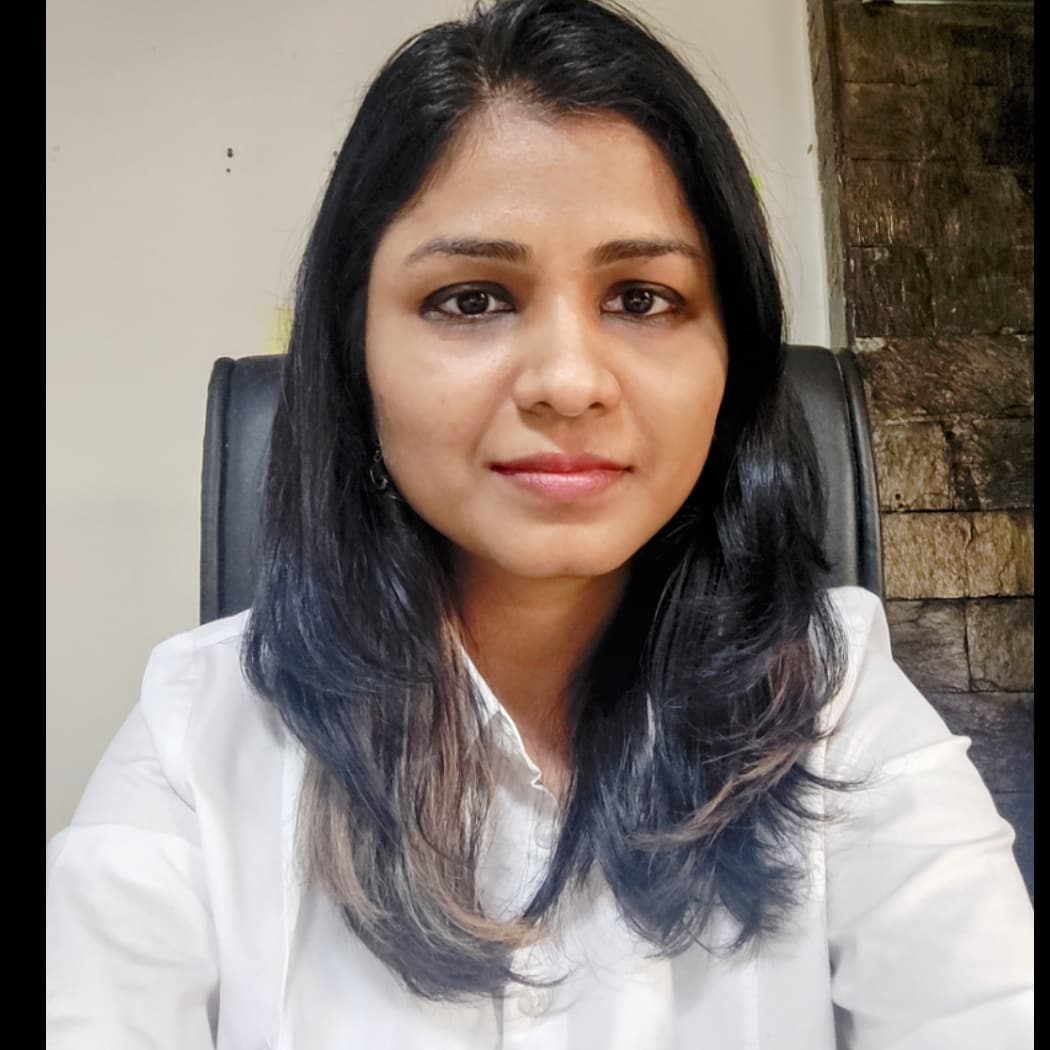
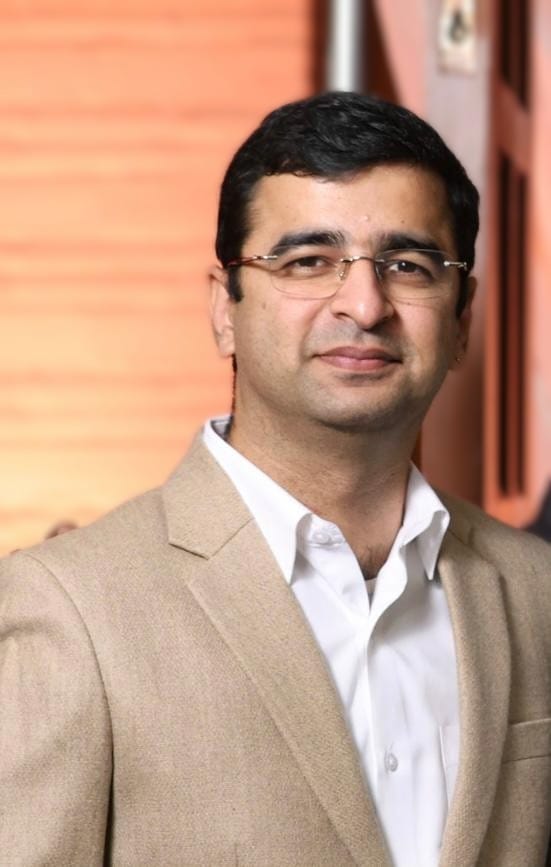
    Can you share your diverse and enriching journey from IIT Kharagpur to founding Umbrella Legal. What inspired you to transition from a technical background to a career in law and entrepreneurship?

    Thank you Superlawyer Team for this opportunity and I feel very lucky to be approached and interviewed for the second time in my legal career. To begin with, I am a first-generation lawyer who, in my third year of engineering, made the decision to shift gears. Throughout 4 years of engineering college, I participated in various extracurricular and events, which gradually led me to realize my passion and aptitude for law. During the final year of my engineering studies, subjects such as introduction to patents and technology transfer solidified my resolve to pursue law after engineering, with the aim of integrating knowledge from both fields to tackle complex issues. So, at the end of 4 years of engineering college, I opted for a three-year law program specialized for individuals with a technical background at RGSOIPL, IIT Kharagpur, instead of pursuing MTech or joining a corporate job. I had wonderful cohorts and friends at law school, who added to the need to challenge myself for learning and gaining experience. 

    Following campus recruitment at IIT Kharagpur, I joined Hero MotoCorp’s R&D setup as part of their IP cell, gaining valuable experience in handling patent-related matters. After a tenure of 2.5 years at Hero, I transitioned to TCS as an IP analyst, where I delved into core IP issues and gained extensive exposure to domestic and international IP laws, particularly in the software domain. While recognized as a valuable asset at TCS, I felt the urge to broaden my legal expertise, leading me to join Bajaj Electricals as Manager-Legal and IP. In this role, I provided comprehensive legal support across various departments, refining my leadership skills and navigating complex legal challenges across multiple business verticals over a span of 2.5 years. Subsequently, I moved to ATC Tires Private Limited, further expanding my legal exposure and expertise in handling legal and compliance matters. 

    The transition from an in-house counsel role to an entrepreneurial position is not abrupt but rather rooted in a steadfast aspiration that began during law school to establish my own firm. Through exposure and accumulated experience in the legal field, I eventually reached the point where I felt confident enough to leave my corporate position and embark on this entrepreneurial journey.

    Starting Umbrella Legal must have been an exciting yet daunting venture. What were some of the initial challenges you faced, and how did you overcome them to establish a successful legal practice?

    I think the decision to leave my position as Senior Manager-Legal in 2022 to start my own firm has been the biggest challenge. The magnitude of this challenge becomes evident when starting without an existing client base, despite a decade of experience. Over time, I learned to cultivate relationships and instil trust with clients gradually. My background as an in-house counsel proved invaluable in comprehending the intricacies of transactions from both business and legal perspectives, affording me a distinct advantage in handling certain complex matters.

    Your involvement with teaching and providing legal exposure to students at NMIMS Mumbai and IIM Bodhgaya is commendable. What drives you to impart knowledge and mentorship, and how do you believe it contributes to the legal profession?

    My father, a teacher himself, instilled in me the value of imparting knowledge and contributing to the community. I have a fondness for teaching, and whenever the opportunity arises, I am committed to delivering my best as a faculty member. As a legal professional, I actively engage in continuous learning, staying updated on emerging trends in law, and giving back to the legal community through knowledge sharing, mentorship programs, and academic collaborations.

    I had the pleasure of teaching two modules of the executive law program at IIM Bodhgaya, where participants engaged in discussions on legal interpretation, case studies, and shared their experiences in addressing similar issues within their organizations. Teaching law, to me, is about more than just imparting knowledge; it’s also an opportunity to learn from diverse perspectives and experiences.

    As someone deeply involved in the startup ecosystem, what do you believe are the key legal challenges that startups often overlook, and how can they proactively address them to ensure long-term success?

    The legal challenges start from selection of entities to incorporate to finally implementing practices to mitigate legal risks. I remember having this discussion with a client wherein they were ready to deploy all measures to ensure that accounts become up and running from day 1 but when it was time for legal compliances, the reply was “is it absolutely necessary” and what would be the penalty, if not complied. 

    Certain startups fail to recognize the significance of completing legal paperwork, safeguarding intellectual property, establishing legal frameworks, and formalizing co-founder agreements and equity distribution plans. The initial action to tackle these matters involves engaging an attorney for in-depth discussions concerning your needs, financial constraints, and deadlines. Establishing a structured timeline ensures that all necessary steps are taken in a timely manner.

    Becoming a registered patent agent is a significant achievement. Could you share with us your experience preparing for and passing the Indian Patent Agent Examination?

    In 2013, while serving as Deputy Manager at Hero MotoCorp, I successfully passed the patent agent examination. In my role, I was tasked with various responsibilities such as conducting patent searches, drafting, filing, and providing related advisory services. Given the frequent engagement with patent-related matters, I found myself referring to the relevant laws and regulations multiple times a day, inadvertently preparing me for the examination. Moreover, drafting patent specifications as part of my duties involved comprehending the inventions conceived by inventors, further enhancing my preparation for the examination.

    Your involvement in advising on software patents and navigating the complexities of international patent filings is impressive. What unique considerations or challenges arise when dealing with software-related inventions in the context of patents, and how do you address them?

    My exposure to software patents and challenges around them began with my engagement with TCS, Mumbai. I joined TCS in January 2015 and just a few months before, the Alice vs. The CLS case was decided in the US Supreme Court and every software company was concerned with the verdict. In that case, it was held that patent claims granted for computer-implemented electronic escrow services were directed to abstract ideas and not patentable subject matter. This case had a profound impact on the way of examination of software patents and laid out two step analysis. India patent office on the other hand was busy drafting CRI guidelines for examination of computer related inventions but there were a lot of comments and recommendations given by industry players upon release of those guidelines due to clarity and interpretation issues. One of the biggest challenges after the Alice case was to overcome the 101 rejections in the US with limited support available from pre-Alice patent specification. 

    You’ve mentioned handling complex transactions during your tenure with some of India’s biggest companies. Can you share some strategies or approaches you utilized when faced with particularly challenging cases, such as those involving intricate IP issues or high-stakes legal matters?

    Navigating transactions entangled in numerous legal complexities demands meticulous strategic planning, clear communication with the business team, and scrupulous attention to detail when reviewing documents and disclosures. In the initial stages, it’s crucial to engage in thorough discussions with relevant teams, delving into the nature, rationale, and expected outcomes, while also conveying expectations and providing regular updates.

    At the outset of such intricate transactions, establishing a risk matrix is imperative, allowing for the identification of potential risks and the implementation of mitigation measures to secure a favourable outcome. Complex transactions often involve unanticipated challenges and it becomes important to strategize and work to ensure that you do not deviate significantly while revisiting and adjusting the transaction structure. 

    Your journey from a deputy manager at Hero MotoCorp to founding Umbrella Legal is quite inspiring. What lessons or experiences from your early career do you carry with you today, and how have they influenced your professional growth?

    Thank you for your kind words. I appreciate your kind sentiments. Transitioning from my role as deputy manager at Hero MotoCorp to establishing my own firm has been a journey rich in valuable lessons and experiences, supported by the guidance of family, friends, and mentors at various stages of my career. One paramount lesson I’ve embraced and applied is that there are no shortcuts to professional advancement, and there’s no justification for compromising on the highest standards of professionalism and quality.

    Balancing a career as a legal entrepreneur and being a strategic legal advisor requires excellent time management skills. What are some strategies or habits that you’ve found effective in maintaining this balance and staying productive?

    In today’s fast-paced professional landscape, many individuals encounter the dual challenges of time management and maintaining a healthy work-life balance. Within the legal profession, given the demanding nature of the work and long hours, it becomes essential to implement strategies for effective time management. One particularly beneficial approach is establishing clear priorities and developing the skill of delegation.

    In the past, I struggled with setting boundaries regarding personal time, often allowing work-related matters to encroach upon my personal life. However, I gradually altered these habits. Now, I prioritize carving out dedicated time for my personal life to prevent burnout and ensure rejuvenation. This shift has been instrumental in enhancing my overall well-being and productivity.

    Get in touch with Kalpana Garg–

  • “There is nothing in this universe that goes to waste.” Channel your energies positively, maintain steadfast faith, and be assured that your efforts will lead to success. First-generation lawyer R.V. Prabhat, Advocate-on-Record at Supreme Court of India.

    “There is nothing in this universe that goes to waste.” Channel your energies positively, maintain steadfast faith, and be assured that your efforts will lead to success. First-generation lawyer R.V. Prabhat, Advocate-on-Record at Supreme Court of India.

    This interview has been published by Namrata Singh and The SuperLawyer Team

    We are delighted to have you for this interview. To kick things off, could you please introduce yourself and share what led you to pursue a career in law, especially with a focus on arbitration and civil-commercial litigation?

    Thank you for having me. I am R.V. Prabhat, an engineer who transitioned into the realm of law, now practising independently in Delhi with a focus on civil-commercial laws, constitutional matters, and arbitration law. My journey into law was somewhat serendipitous. During engineering, a family property dispute piqued my interest in the field of law. This experience, combined with my keen interest in current affairs and policy, steered me away from conventional engineering paths towards a legal career. I am a first-generation lawyer with no direct or indirect background in law.

    The choice did not seem logical to close relatives and well-wishers at the time, but if you are clear in your head what you want to do at the end of the day, that more or less settles the issue. Today, I am happy I took the plunge. 

    I chose to pursue law at the prestigious Indian Institute of Technology, Kharagpur. The thrill of interpreting laws, formulating arguments, and persuading judges to see things from your perspective is exhilarating. It is this intellectual challenge and the dynamic nature of litigation that cemented my decision to build a career in litigation.

    Throughout my law course and subsequent internships, I was consistently drawn to the complexities and nuances of arbitration and commercial disputes. With a background in engineering, I was drawn to the analytical aspects of legal disputes, and arbitration offered a dynamic arena where technical knowledge often plays a crucial role. The satisfaction of unravelling complex legal scenarios and advocating for a client’s position is unparalleled. This passion for litigation and a desire to make a meaningful impact in the legal landscape continue to drive my career as a litigator.

    With degrees in engineering and law, as well as completing the Executive Level of the Company Secretary course, your educational background is quite diverse. How has this multidisciplinary foundation influenced your approach to handling legal cases?

    My multifaceted educational journey has been pivotal in shaping my approach to legal practice. The analytical skills honed during my engineering degree is invaluable, especially when dealing with cases involving complex technical details. It enables me to dissect intricate issues and understand the underlying mechanics of a dispute, which is often critical in technical litigation cases.

    Further, the insights gained from the intermediate level of the Company Secretary course have deepened my understanding of corporate governance and compliance. 

    This multidisciplinary background empowers me to view legal issues through a wider lens, considering various angles and potential implications that might not be immediately apparent. Beyond my formal education, I maintain a keen interest in history, current affairs, technological advancements, and policy changes. I firmly believe that the practice of law is based on continuous learning.

    Overall, the combination of technical knowledge, corporate governance insights, and a broad interest in various disciplines has helped me to bring a unique and comprehensive approach to handling legal cases, often leading to more holistic and effective solutions for my client

    As an accomplished author in the legal field, your commentary book on Arbitration Law has received praise from eminent jurists. What inspired you to venture into legal writing and how does it complement your legal practice?    

    Writing, for me, has always been a profound way to crystallise and disseminate my experiences and insights gained through legal practice. The acclaim my commentary on Arbitration Law received, notably from esteemed jurists, was both humbling and affirming. I owe a debt of gratitude to Eastern Book Company, and particularly to Mr. Sumeet Malik, for their pivotal role in the success of the book.

    The act of writing, in my view, is an exercise in clarity and rigour. It exposes any logical inconsistencies in one’s understanding and compels a thorough comprehension of the subject matter. This process of writing and articulation began during my law school days, under the mentorship of Prof. Dr. Uday Shankar. 

    In the legal profession, where direct advertising of one’s capabilities is not allowed, writing serves as a vital medium for a lawyer to showcase expertise and contribute to the broader legal discourse. It is a pathway through which the world gets to know and understand our legal acumen and perspectives.

    Moreover, the legal profession and academia are intertwined. The depth of knowledge required for writing and the very process of organizing and presenting one’s thoughts in writing contribute significantly to a lawyer’s ability to reason and argue with clarity and coherence. In essence, my venture into legal writing is not just a parallel academic pursuit; it complements and enriches my legal practice, offering a platform for continuous learning and intellectual growth.

    You’ve been empanelled as legal counsel for prestigious organizations like ONGC, ECL, NHPC, and NCL. How does your role as Senior Panel Counsel for Union of India contribute to your professional growth, and what unique challenges does it present?

    As a first-generation lawyer, these roles have provided me with a consistent platform to present cases in court, which is invaluable. As in any profession, the maxim ‘practice makes perfect’ holds particularly true in law. Regular court appearances have honed my advocacy skills and deepened my understanding of legal nuances. Working with government departments has introduced me to the complexities of bureaucratic decision-making processes. Navigating these intricacies has been both challenging and enlightening, significantly enhancing my comprehension of governmental legal frameworks as well as my understanding over administrative law and constitutional law principles. This experience is instrumental in broadening my perspective, enabling me to see cases from both private and public viewpoints. Understanding the motivations and constraints of government entities offers a unique vantage point that enriches my legal strategies for private clients. The learning derived from balancing the interests of private clientele against public responsibilities is profound. It’s not just about legal knowledge; it’s about developing an intuitive understanding of varying perspectives and leveraging this insight to craft more effective and nuanced legal strategies. This dual perspective is invaluable.

    You’ve written on diverse legal topics, but your article about “Balancing Act: Reassessing the Safe Harbour Provisions In the Age of Digital India and Global Connectivity” caught our attention. How do you stay updated on emerging issues in the legal landscape, especially in areas like technology and data protection?

    Staying current with the rapid advancements in technology and data protection is indeed crucial in the modern digital era. To ensure that I am up-to-date with these evolving legal areas, I actively engage with a variety of academic sources, frequently attend seminars, and participate in legal forums dedicated to technology law and data protection. This field, by its very nature, is dynamic and constantly evolving, which necessitates a commitment to continual learning and a proactive approach to stay informed about the latest developments.

    In 2023, the transformation of the Data Personal Data Protection (DPDP) Bill into an Act marked a significant milestone with profound implications on everyday life and legal practice. My involvement in the constitutional challenge of the Aadhaar Act before the Supreme Court’s constitutional bench provided me with a unique perspective on these matters. This experience was instrumental in developing a deeper understanding of data protection laws in India.

    From the early stages of the conceptualization of the DPDP Bill, I have been closely monitoring and analysing its development and continuously engaging with subject matter.  Keeping pace with these changes is not just a professional requirement but a personal interest, as these advancements shape the legal landscape in which we operate and have far-reaching effects on society as a whole.

    What upcoming projects or areas of law are you excited about, and what goals do you envision for your practice in the coming years?

    My legal practice, characterized by its dynamic nature and diverse challenges, keeps me thoroughly engaged. As an independent practitioner, there is an inherent need to balance current commitments with a forward-looking approach towards emerging areas of law. I am particularly excited about delving deeper into the realm of technology laws, specifically focusing on the Digital India Act and the Data Protection and Digital Privacy (DPDP) Act and Constitutional law. My objective is to contribute significantly to the existing legal landscape through comprehensive writing projects in these domains.

    Having recently passed the Advocate on Record (AOR) exam, a major focus for me in the coming years is to increase my presence in the Supreme Court and various High Courts. I aim to seize every opportunity to argue and present matters at these higher judicial forums, enhancing my skills as a litigator.

    In addition to my practice, I am passionate about sharing my knowledge and experience in legal education. I am currently teaching a course on Alternative Dispute Resolution at IIM Bodh Gaya, and I plan to expand my teaching engagements to other law and business schools. This involvement in academia is not just about imparting knowledge; it’s a reciprocal process where teaching sharpens my understanding and argumentation skills, ultimately enriching my capabilities as a counsel.

    Overall, my vision for the future encompasses a blend of active legal practice, scholarly writing, and academic contributions, each reinforcing the other in my quest to become a more effective and knowledgeable legal professional.

    You’ve successfully represented multinational companies in high-stakes arbitration disputes. What unique challenges do such cases pose, and how do you navigate the complexities of international legal matters?

    Representing multinational companies in high-stakes arbitration disputes has been a journey filled with unique challenges and profound learning experiences. There are 3-4 cases, each in a different domain of law, which have not only improved my skills as a lawyer but also gave me the required confidence to have a sense of self-belief to compete and sustain at the highest level. 

    One of the most pivotal experiences in my career was a complex construction arbitration against a public sector undertaking (PSU), which I handled at a relatively early stage of my career. This opportunity, graciously provided by my former senior, was a significant turning point. It imparted lessons and insights that years of working under a senior or within a firm might not have offered. As is often said, the most profound learning comes from first-hand experience. The responsibility of representing a client in such high-stakes scenarios necessitated an extraordinary commitment, leading me to dedicate countless nights in pursuit of a successful outcome. This particular arbitration dispute played a crucial role in shaping my journey as a legal counsel.

    Another defining moment was my involvement in a constitutional challenge before the Constitution Bench of the Supreme Court. The process of daily briefings and brainstorming sessions with some of the most esteemed senior counsel in the field, coupled with the experience of appearing before the nation’s highest court, reinforced my belief in my capabilities to perform at the topmost level of the legal profession.

    A piece of wisdom from the octogenarian Mr. Fali Nariman, as mentioned in his seminal autobiography, has been a guiding light and holds me in good stead in my approach to legal problem-solving. He advises “Always remember, it is better to spend more time thinking about a case than merely reading the brief”. This approach has consistently helped me in unravelling complex legal issues, allowing me to develop more comprehensive and effective strategies for my clients.

    In sum, navigating through the complexities of domestic and international legal matters in high-stakes arbitration cases demands not just a deep understanding of legal principles but also the ability to think innovatively and persevere through challenging circumstances.

    What’s your favourite thing about living in the capital city, and do you have any go-to spots or activities that you enjoy in your free time?

    Living in New Delhi offers a blend of vibrant culture and intellectual stimulation. The city provides endless opportunities for exploration and relaxation. For me, the true essence of New Delhi lies in its diversity and the myriad experiences it presents.

    In my free time, I find great joy in simple yet fulfilling activities. I often indulge in sports, which serve as a perfect counterbalance to the mental rigors of legal practice. Engaging in physical activities provides a much-needed mental refresh.

    Another passion of mine is reading, and there’s no better place for this than Bahrisons’ in Khan Market. It’s a haven where I can immerse myself in the world of books, often losing track of time.

    When it comes to unwinding, I’m not particularly fixated on specific spots; for me, it’s more about the company I’m with. Exploring New Delhi’s diverse culinary scene with friends is something I thoroughly enjoy. The city’s gastronomic landscape is as diverse as its culture, offering everything from local street food to high-end dining experiences. It’s these moments of shared meals and conversations that I cherish the most.

    In essence, living in New Delhi is about embracing the city’s dynamic character. This city always has something new and exciting to offer, making every experience unique and enjoyable.

    For aspiring lawyers looking to specialize in arbitration and civil-commercial litigation, what advice would you give based on your own experiences and the evolving landscape of legal practice?

    Drawing from my experiences and the ever-changing legal landscape, I would emphasize that patience, self-belief, and hard work are fundamental. Litigation is a field where rewards and recognition often come over time, not overnight.

    One valuable piece of advice that has been handed down to me by my seniors, and which I find particularly relevant, is the importance of focusing on the present. Commit to learning something new each day. A practical way to do this is to read at least one case law daily. This steady, incremental learning will compound over time, significantly enhancing your legal acumen.

    Set your goals high, aim for the peak, but do not be daunted by the journey ahead. Instead of being overwhelmed by the distance you have yet to travel, find solace and motivation in each step you take forward. Seek mentorship and guidance whenever possible; the insights and advice from experienced practitioners are invaluable.

    Remember, no opportunity for learning is too small or insignificant. Embrace every chance you get to grow, be it through complex cases or seemingly minor legal tasks. 

    Stay humble and grounded. Keep your friends close. Maintain strong relationships with your peers and colleagues. 

    Swami Vivekananda’s words resonate deeply in this context: “There is nothing in this universe that goes to waste.” Channel your energies positively, maintain steadfast faith, and be assured that your efforts will lead to success.

    Get in touch with RV Prabhat-

  • “One must be passionate about their work. If law is something, that you are passionate about, I am sure that everything else will follow” – An illuminating interview with Saurabh Bindal, Partner at Fox Mandal & Associates LLP

    “One must be passionate about their work. If law is something, that you are passionate about, I am sure that everything else will follow” – An illuminating interview with Saurabh Bindal, Partner at Fox Mandal & Associates LLP

    This interview has been published by Namrata Singh and The SuperLawyer Team

    Could you introduce yourself and share a brief overview of your journey from college to becoming a Partner at Fox Mandal & Associates LLP?

    I am Saurabh Bindal, a Partner at Fox Mandal & Associates LLP, heading the Disputes and Litigation practice of the Firm in Delhi. I did my Engineering and thereafter, decided to pursue Law from the reputed Indian Institute of Technology, Kharagpur, India. Thereafter, I started practicing in a reputed Intellectual Property Law Firm in National Capital Region. After a short stint at the Firm, I realized my calling to be a litigation and disputes Lawyer. Subsequently, I have worked with different Law Firms in the past in various capabilities.

    In my current role, I render dispute resolution support to clients on issues relating to Arbitration law, Intellectual Property law, Privacy law, Information Technology law, Constitution, Company Law, Contract Law, Employment Law, Electricity Law, Insolvency and Bankruptcy Code.

    I have eight books to my name and several publications in leading journals. I like to speak on different facets of law and have had the opportunity to represent my clients in different forums, in India and abroad.

    With significant experience in diverse areas of law, including Arbitration, Intellectual Property, and Employment Law, what inspired you to pursue such a multifaceted legal career?

    Well, you know, I firmly believe that the practice of law is based on continuous learning. I try to learn each day. The inspiration to learn is something that keeps me motivated in life. I have worked on different facets of law as that motivates me to grow. One must find a purpose in life. For me, I tend to believe now that my purpose was in the practice of law. Once, you start practicing law, you must be internally inspired to keep the channels of learning open.

    As a Partner at Fox Mandal & Associates LLP, you lead the Alternate Dispute Resolution and Litigation practice. Could you share some insights into the challenges and successes you’ve encountered in this role?

    The role I am currently engaged in is quite challenging. Each day there are new hurdles, and you have no other option but to live it up to them. As a leader, one must take everything as a part and parcel of life. In life, your failures become your teachers and your success your enemy. I believe it will be very difficult to point out every challenge faced by an individual in her or his role. However, after some point of time, with one’s hard work, every challenge a person faces in life sometimes becomes an opportunity to strive forward. The only insight I could share with the challenges faced by me in my role is that each challenge has taught me new ways to live a meaningful life.

    Aside from being a legal expert, you’re also an author, having written several books on intellectual property law, arbitration law, and privacy law. What inspired you to delve into writing, and how does it complement your legal practice?

    The person who brought me pen and paper was Dr Uday Shankar, a Professor at the prestigious Indian Institute of Technology, Kharagpur. It was he who asked me to assist him with a submission. When I look back, I give all the credit in my writing to him for his patience with me. He has been my friend, philosopher, and guide.

    I would also like to give credit for my writing to Eastern Book Company. Eastern Book family, and more particularly Mr. Sumeet Malik has been very kind in holding my hands. Majorly, all my books are thoroughly reviewed by him personally and he has contributed much to my life.

    You’ve been recognized as an expert public speaker. What’s your favorite topic to speak about, and do you have any memorable experiences or anecdotes from your speaking engagements that you’d like to share?

    Like the practice of law, public speaking is also a lifetime learning experience. The more you do it, the more you learn about engaging the audience. I have been constantly trying to master the art. Each event I speak at, makes me realize that speaking in public is also an art, at which, I am just a novice.

    Having worked with various law firms, including Desai & Diwanji and Singhania & Partners, what lessons have you learned throughout your career, and how have these experiences shaped your approach to legal practice?

    I have only learnt that your hard work will get recognized in life. You will always have people around you to pray for you in life, if you are good. I have always maintained good relationships with every Firm I have left. It is a very important learning in life. This has certainly helped me in shaping my legal practice. A legal practitioner must deal with different clients and as an officer of the Court must assist the Court. I believe, my experiences in life have taught me how to interact with clients and make a long-lasting relationship with them. My work in all the past firms has also taught me that it is only your work which will define you.

    Apart from your legal expertise, your profile mentions that you are an insightful writer. When you’re not writing legal pieces, do you have any personal writing projects or genres you enjoy exploring in your free time?

    Frankly speaking, I used to read a lot of fiction. Lately, I don’t get time to read fiction and that is something that I miss.

    As a lawyer with a keen interest in technology, what’s your take on the evolving landscape of privacy and data protection, and how do you think legal professionals can stay ahead in such a dynamic field?

    Intersection of law and technology is always appealing. COVID-19 pandemic taught all the lawyers to accept that intersection. Privacy as a concept is relatively new to India. We are still to see the rules being made under the Digital Data Protection Act, 2023. For legal professionals, it will be my advice that to stay ahead in this dynamic field, they must embrace the change which the Act has brought to India. I am sure that there will be a lot of work which will flow from the Act as it has recognized right of individual to keep his digital data private and talked about the repercussions if sharing of such data leads to any breach.

    As someone who has excelled in both professional and personal life, receiving accolades such as the India Business Leader Award and the Young Alumni Achiever Award, what advice would you offer to young legal professionals aspiring to achieve similar success?

    My advice to young legal minds would be to read, write, laugh, and enjoy life. One must be passionate about her or his work. If law is something, that you are passionate about, I am sure that everything else will follow. It is only work that will take any person ahead in life.

    Get in touch with Saurabh Bindal-

  • Rajrupa Sinha Roy, Assistant Professor of Law on importance of mooting, working as a junior research fellow under MoEF and pursuing a PhD from IIT

    Rajrupa Sinha Roy, Assistant Professor of Law on importance of mooting, working as a junior research fellow under MoEF and pursuing a PhD from IIT

    Rajrupa Sinha Roy is an alumnus of NALSAR. Having studied law from Haldia Law College in 2009, she pursued LL.M from NALSAR in the year 2011. Currently pursuing his PhD in Environment Law from Rajiv Gandhi School of Intellectual Property Law, IIT Kharagpur and gainfully employed at Adamas University as an Assistant Professor of law, she has taken part in several conferences in India and abroad. An academician throughout, she has worked in various projects that were funded by Government of India.

    In this interview she talks about –

    • Her college days
    • Her opinion on importance of Mooting
    • Her experience as a Junior Research Fellow in Ganga River Basin Management Plan
    • On pursuing a PhD from an IIT
    • Her experience of working as a professor

    How would you like to introduce yourself to our readers?
    I would describe myself as a strong and dynamic personality with a broad temperament as well as someone who is a staunch supporter of innovative and constructive ideas.


    Tell us something about your school and college days.
    I wish I could travel back in time to be with my friends with whom I cherish fond memories. School and college days had been the best days of my life as it has helped me in shaping my present career. I take pride in being a student of Bethune Collegiate School, Kolkata which has inculcated a sense of discipline in my day to day activities. My tenure as a student at Bethune has always since my graduation from there motivated me to accept the tough challenges presented from time to time. I graciously thank Ms.Rekha Sengupta,my ex Principal, for assisting me to deal with complex situations in life. Graduating from Haldia Law College was no different from my school days since my teachers and friends reserved the same support for the endeavours I had taken now to be a lawyer. My stay at Haldia Law College has nothing but offered immense opportunities in the form of inspiration to take up higher studies that I had taken from my teachers and seniors. I owe a lot of credit to these beautiful people for what I am today.


    How important do you think mooting or any co-curricular activity is in shaping one’s future career in law?

    I being a student of a non NLU understand the importance of mooting in contemporary academics as I never got the opportunity to participate in any National level Moot-court Competition due to lack of proper guidance in regard thereof. Mooting is a vital co-curricular activity for all law students as it brings out the inquisitive personality in a student. It also helps in building inter-personal skills and all-round development which are basic necessities for a successful lawyer. I strongly believe that whether a NLU or non-NLU, the university should prima-facie focus on conducting moot-court competition both at University and National level to help aspiring law students to hone their skill and exhibit the same. As for other co-curricular activities are concerned a law student must make sincere efforts to undertake publication of Research Papers, Articles, Case Notes etc. in reputed journals. Publications in reputed Journals aids in writing a strong resume for students seeking jobs or applying for higher studies in reputed Universities around the world.


    How important a role do you think law school plays in shaping one’s career?

    The theoretical and the practical aspects of studying law are divided by a fine line of critical thinking and analysis which can be put into effective usage. Take for example an instance where the culmination of a research oriented topic could be used for framing policies in the legal domain. As the saying goes that knowledge without its application is meaningless, theoretical ideas supplemented by practical usage can go a long way in grooming a law student for achieving a successful career at the best law firms and companies in India.

    rajrupa-sinha-roy-2

    Please share with the readers your LLM experience at NALSAR. What are the challenges you had faced while studying at NALSAR?

    I did not face much difficulty in terms of my academics as while studying for my LLB degree I had a course structure similar to that in most other law schools. However, though the syllabus and other activities were quite similar, I had but two very significant disadvantages; one was ‘Internship’ and second was ‘Moot-Court’. Nevertheless, I still treasure each and every moment of my stay at NALSAR and made friends for life.


    After completing your LLM, you worked as a junior research fellow in the ganga river basin management plan and policy project under the MoEF, GOI. Do share your experience on the same.

    That was a major turning point in my life where I got the opportunity to begin the most desirable research work on environmental law. I wanted to do my LLM in Environmental Law but that dream materialized in a pragmatic sense only when I started working in the Ganga River Basin Management Project. I worked in the project for almost three years where I mainly researched on various legislation and policies relating to the river Ganga. The association with prodigious academicians as well as the Ministry of Environment and Forest ascertained me with a range of opportunities. I received the chance to not only work with great academicians but to also attend several research-oriented programmes, which eventually helped me to determine the area of my Doctoral Dissertation.


    Please tell us about the selection procedure of for the fellowship program which you were inducted into.

    There is no specific selection procedure for these kinds of research programmes. It depends upon the types of Projects that are presently in the pipelines or are being initiated and the funding which is available for the same.


    Having secured a PhD from IIT, how would you describe the journey to attaining the same?

    The moment I enrolled myself for the PhD I was determined to achieve all the goals which would have never been possible before I joined.  The application procedure is very simple. The admission is open in July and in December every year. One can apply in four different categories for PhD in IIT. The first category is ‘Regular with Institute Assistantship’, which is the category where you will be ensured a Scholarship from the Institute. The second category is ‘Individual Fellowship’ (CSIR/UGC/DBT/ICAR/INSPIRE etc.). The third category is ‘Sponsored’. The fourth category is ‘Through Project’. You shall find all the rest of the details on the relevant web-page for the programme. The topic of my Doctoral dissertation is ‘Law and Policy Framework on Pollution of River Ganga in West Bengal’. I would not call it a challenge because striving hard for something which makes you knowledgeable and strong is worth the hardship and pain. I never thought in my life that I would go to Oxford University to present my thesis. I would always cherish these memories no matter where I go.


    You can be best described as an academician. When did you realize that academics is the place where you can excel professionally?

    I have always been fond of becoming an academician ever since I graduated as a law student. Being among the students gives me a sense of power and happiness. I believe I could positively contribute to the society by being a teacher. I could be a role model for students who are the future of this country.


    rajrupa-sinha-roy-4

    You are now working as an Assistant Professor at School of Law, Adamas University Barasat. How is your work experience so far?

    The experience till now has been very wonderful. Teachers and staff have been very kind and supportive. My role as Assistant Professor has been well appreciated by the Dean of law department and, most importantly, by my students. As I have already pointed out before, it was my love for teaching as well as academics that truly prompted me to take up this job of Assistant Professor at Adamas University.


    In today’s time, every law graduate wants to get into the rat race of landing a job at a corporate law firm. What prompted you to choose the less charted pathway of teaching law?

    Though working with a corporate law firm is a lucrative job, one has to be satisfied as well with what he or she is doing in life. My choice of working as an academician would definitely be more about my sense of satisfaction and happiness. As already mentioned, my love for teaching had a profound influence on me on taking up this job. I believe that teaching as a profession is not a less charted pathway as one can always do better in this field as well.

    You have studied at a traditional law college, a NLU, a college constituted under the aegis of IIT, and, currently, you are teaching at a newly instituted private law school. How has the collective experience of that been?

    It will be wrong to think that you could list out the pros and cons of a University because it is not the same as measuring how you would measure any place of work or vocation.  A more appropriate way to discuss what you mentioned would be to address the challenges I faced as a student at the institutes where I studied or taught. To be very frank, in today’s time, every student faces immense stress related to academics, peer competition and the drive to excel in life. One nevertheless has to remember that opportunities lie in adversity. University is a level playing ground and it is the student who has to decide the rules of the games where he can excel.


    Where do you want to see yourself five to ten years down the line?

    I am very much keen to pursue Post-doctorate from a reputed University where I can excel in my research skills with regard to environmental law.


    What final piece of advice do you want to pass on to the readers of the SuperLawyer?

    A good piece of advice for this young generation would be that no matter how hard life plays with you it is upon you ultimately whether or not you want to get up and walk to see what life has in store for you. Never give up and try to give your best shot and leave the rest up to the Almighty.