Tag: In house counsel

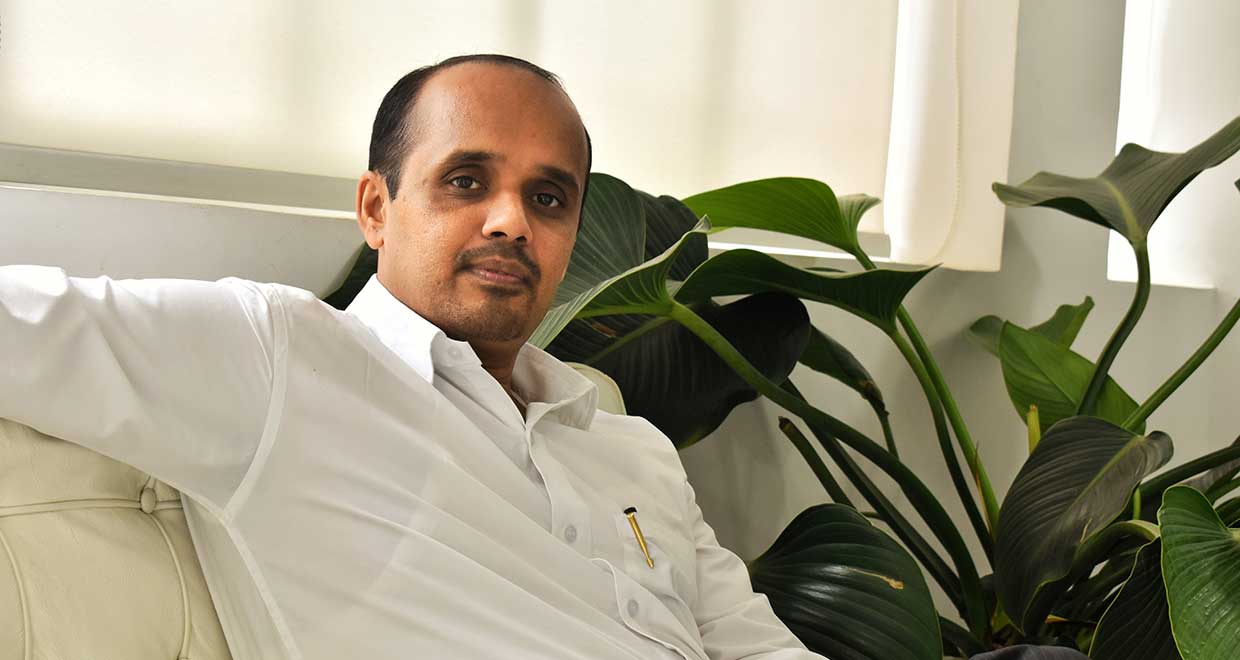
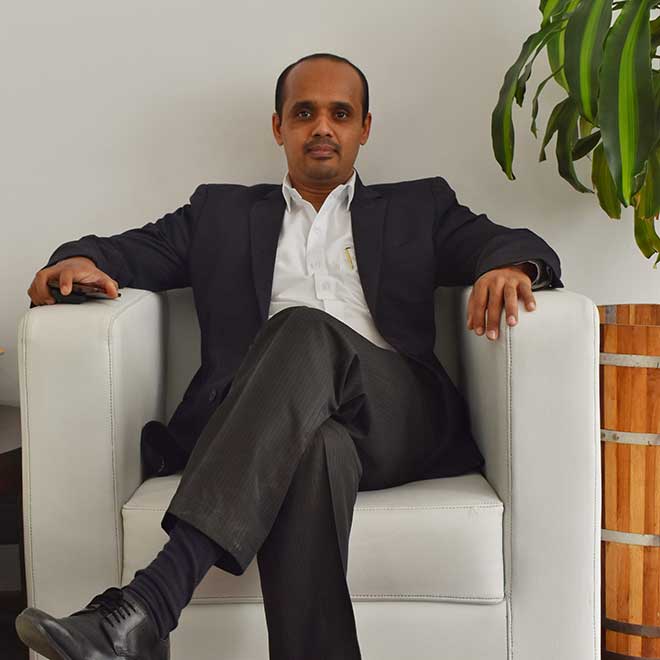
  • “Advocating for self-belief, risk-taking, active listening, persistence, and mental well-being as essential pillars for success in legal and managerial domains.” – Sachin Yadav, Deputy Manager (Law) at Power Grid Corporation Of India Limited.

    “Advocating for self-belief, risk-taking, active listening, persistence, and mental well-being as essential pillars for success in legal and managerial domains.” – Sachin Yadav, Deputy Manager (Law) at Power Grid Corporation Of India Limited.

    This interview has been published by Namrata Singh and The SuperLawyer Team
    What motivated you to choose law as a career? and how has been the journey so far for you?

    Choosing law as a career has been a deeply personal and reflective decision for me. Coming from a family with three generations serving in the Forces, where they dedicated their lives to safeguarding the nation on its borders, the motivation to contribute to society was ingrained in me from a young age.

    Initially, my inclination was towards humanities, driven by a desire to directly serve the community. However, societal expectations led me to pursue the science stream after my 10th standard, even though my true passion lay elsewhere. After completing my 12th standard, I mustered the courage to break away from the confines of the science stream and follow my genuine calling for law.

    The decision to pursue law was rooted in its direct connection to societal issues. I wanted a career where I could witness the real-time impact of my actions on society. Law, with its profound connection to societal structures and issues, provided the ideal platform. It presented an opportunity for me to serve society actively, particularly aiding those from marginalized communities in their struggle for rights.

    While my current role doesn’t involve litigation, I have found avenues to contribute significantly. By creating legal awareness and providing advice, I am able to empower individuals in my village and beyond. Moreover, my network in the legal field allows me to connect those in need to peers engaged in litigation, ensuring comprehensive support for those seeking justice.

    In essence, my choice of law as a career is not just a professional pursuit but a commitment to contribute meaningfully to societal well-being, extending the legacy of service that runs deep in my family.

    Your journey from Executive Trainee (Law) to Deputy Manager (Law) at Power Grid Corporation of India has been remarkable. Could you share some pivotal moments that shaped your career progression within the organization?

    I appreciate your acknowledgment of my career progression at POWERGRID. My journey from Executive Trainee (Law) to Manager (Law) has indeed been marked by pivotal moments that have significantly shaped my professional trajectory.

    Commencing in 2016 as an Executive Trainee (Law) based at the Western Region-1 Headquarter in Nagpur, I encountered substantial responsibilities even during the training period. One notable instance was the Arbitration Case involving M/s Indo Nabin. Despite the challenges, we were able to restrict the Arbitration award to Rs. 48 Lacs against the Claimant’s demand of Rs. 4.53 Cr. Subsequently, through effective communication with M/s Essar Power, the owner of the consultancy works, we successfully transferred the liability arising from the Arbitration Award to them, saving POWERGRID Rs. 4.53 Cr.

    Following the completion of the one-year training period, I was confirmed as an Officer (Law) in 2017 and later promoted to Assistant Manager (Law) in 2018. Collaborating with my colleague Govinda Yadav, we played a pivotal role in shaping the Law Department of Western Region-1. Overseeing more than 500 cases, spanning Land Acquisition, Arbitration, IBC, Contractual Matters, and Tree & Crop Compensation Matters, we managed to significantly reduce the contingent liability of our region by over 100 crores across multiple proceedings. My responsibilities also extended to coordinating with over 20 substations and approximately 10 departments.

    In 2021, I achieved a promotion to Deputy Manager (Law) and underwent a transfer to the Corporate Law Department in Gurugram. This transition provided me with the opportunity to draft crucial policies and SOPs, including those related to IBC cases, T/L works, and RoW cases. Notably, I contributed to the unique Transmission Agreement between POWERGRID and Reliance Industries Limited (RIL) for the construction of a dedicated transmission system for the Jamnagar Oil Refinery of RIL.

    Furthermore, my involvement in the Africa 50-POWERGRID Project, where POWERGRID is constructing a Transmission Line in Kenya on an equity basis, marked a significant departure from previous international projects undertaken on a consultancy basis. I contributed to Project Agreements, Transmission Service Agreements, and other legal aspects of this ground-breaking initiative.

    My journey at POWERGRID has been challenging yet personally satisfying, as I’ve had the opportunity to navigate complex legal scenarios and contribute meaningfully to the organization’s success.

    Handling over 500 cases and 100+ contractual matters is undoubtedly challenging. Can you walk us through a particularly memorable case or project that you worked on during your tenure at Power Grid Corporation of India? 

    Handling over 500 cases and more than 100 contractual matters at POWERGRID has indeed presented numerous challenges, and among the many notable cases, I would like to share a particularly memorable one – the resolution of Right of Way (RoW) matters in Aurangabad.

    The project in question had been stagnant for several years due to RoW issues, prompting our decision to address the matter through legal remedies. We initiated the process by filing an application under Section 16(1) of the Indian Telegraph Act, 1885, seeking the intervention of the District Magistrate for the removal of obstructions. Despite the challenges posed by the prevailing COVID situation, I undertook frequent travels and stationed myself at Aurangabad to personally follow up with the District Magistrate.

    Initially, the District Magistrate displayed reluctance to issue an order in our favour, considering local factors. However, through persistent convincing and follow-up efforts, we eventually secured a favourable order from the District Magistrate. Subsequently, despite encountering hostile behaviour and resistance from the locals, with the support of the local administration, we were able to successfully construct the Transmission Line. The line was finally commissioned in 2021, just a few months before my transfer to the Corporate Center.

    This project stands out as the most memorable in my career thus far, not only due to its legal intricacies but also the tangible impact it had on resolving long standing issues, facilitating the completion of the project, and contributing to the overall success of POWERGRID.

    Transitioning from a legal background to pursuing an executive MBA at esteemed institutions like XLRI is quite a leap. What motivated you to pursue further education in management, and how do you envision blending your legal expertise with strategic HR leadership roles? 

    Embarking on an Executive MBA journey, particularly at esteemed institutions like XLRI, marks a significant transition in my career. With approximately 9-10 years of experience in the legal field, I find immense satisfaction and fulfillment in my current domain. However, my decision to pursue an Executive MBA (PGDM) from XLRI is rooted in my unwavering commitment to continuous learning.

    Beyond the initial acquisition of legal skills, I recognize the paramount importance of staying abreast of industry trends and acquiring new knowledge to ensure professional relevance and adaptability. This decision aligns seamlessly with my vision of ascending to senior positions in the Public Sector. Opting for an MBA in HRM is a strategic choice, as it not only equips me for leadership roles in the future but also provides a diverse perspective on various situations.

    XLRI, being a reputable institute, holds a distinguished position for imparting quality education in HRM. The decision to pursue an Executive MBA from this esteemed institution was a natural one, given my aspiration to excel in HR leadership roles. As an in-house legal counsel deeply involved in HR matters at POWERGRID, I have witnessed the synergies between legal and HR functions contributing to organizational success. By adding HR to my professional profile through an Executive MBA, I aim to enhance my capabilities and readiness for future leadership roles that may demand a holistic understanding of both legal and HR domains.

    In essence, my pursuit of an Executive MBA at XLRI is a conscious effort to fortify my professional foundation, ensuring that I am well-equipped to navigate the evolving landscape of organizational leadership in the Public Sector.

    Your experience at National Insurance Company Ltd. as Administrative Officer (Legal) involved managing diverse legal cases and providing risk assessment advice. How did this role contribute to your professional growth? 

    During my tenure at National Insurance Company Ltd. as an Administrative Officer (Legal) posted at the Baroda Regional Office, spanning approximately one year and three months, I had the privilege of managing a diverse portfolio of legal cases, significantly contributing to my professional growth.

    In this role, I was tasked with monitoring and overseeing over 10,000 cases at the district level from 10 divisional Offices. I, in collaboration with my colleague Rahul Sharma and guided by our Regional Manager P.K. Sharma, also directly handled more than 200 cases before the High Court and State Consumer Forum. One noteworthy achievement during this period was successfully settling over 300 cases at the National Mega Lok Adalat, a testament to our effective legal management strategies.

    This experience marked my first significant endeavour into my professional career, providing invaluable lessons that have laid the foundation for my ongoing professional growth. The exposure to a multitude of cases, the intricacies of legal proceedings, and the collaborative efforts to achieve favourable outcomes have been instrumental in shaping my understanding of legal complexities.

    I am grateful to National Insurance for providing me with this opportunity, as it has been a pivotal chapter in my professional journey, instilling in me the skills and insights that continue to guide my career development.

    Your academic journey includes an L.L.M. in Human Rights and a B.A. L.L.B. (Business Law Hons.), along with a certification program on Harvard Manage Mentor. How do you believe this blend of academic pursuits has shaped your approach to problem-solving and leadership?

    My academic journey, comprising an L.L.M. in Human Rights, a B.A. L.L.B. (Business Law Hons.), and a certification program on Harvard Manage Mentor, has been instrumental in shaping a multifaceted approach to problem-solving and leadership.

    The L.L.M. in Human Rights has honed my understanding of legal frameworks and ethical considerations, fostering a deep appreciation for the nuances of human rights issues. This has equipped me with a compassionate and holistic perspective when addressing challenges, emphasizing the importance of ethical decision-making and social responsibility.

    On the other hand, the B.A. L.L.B. with a focus on Business Law Hons. has provided me with a strong foundation in commercial and corporate legal principles. This academic background has proven invaluable in approaching problem-solving from a strategic and business-oriented standpoint, ensuring that legal solutions align with broader organizational goals.

    Complementing these legal degrees, the certification program on Harvard Manage Mentor has enhanced my leadership skills. From this program, I gained insights into effective management practices, strategic thinking, and leadership development. It has empowered me to navigate complex organizational landscapes, fostering a proactive and forward-thinking approach to leadership.

    Together, this blend of academic pursuits has cultivated a well-rounded and adaptable problem-solving methodology. It enables me to approach challenges with a comprehensive understanding, integrating legal acumen, ethical considerations, and strategic business perspectives. This diverse academic background has been pivotal in shaping my approach to leadership, emphasizing the importance of empathy, strategic thinking, and ethical decision-making in addressing complex issues within the legal and business domains.

    Your participation in moot courts, debates, and pro bono activities has been commendable. Could you share a particularly impactful pro bono experience that left a lasting impression on you? 

    Certainly, during my time in law school, I actively engaged in a variety of extracurricular activities such as moot courts, debate competitions, and pro bono endeavours, understanding the importance of a well-rounded legal education.

    Participating in prestigious moot court competitions, including the Henry Dunant Memorial Moot Court Competition, Philip C. Jessup Memorial Moot Court Competition, Foreign Direct Investment International Arbitration Moot, and Willem C Vis Moot Court Competition, offered me a practical platform to hone essential legal skills. These experiences not only deepened my understanding of courtroom procedures but also significantly enhanced my ability to construct persuasive legal arguments, fostering critical thinking and oral advocacy skills.

    Beyond the realm of moot courts and parliamentary debates, I sought to apply my legal knowledge and skills to make a positive impact on society. During an internship at Senior Advocate K.T.S. Tuli’s office, I had the opportunity to briefly contribute to the Uphaar Cinema Case, where Senior Advocate K.T.S. Tuli was handling the matter on a pro bono basis. This experience, along with my overall internship, left an indelible impression on me as a law student.

    Witnessing the role of law as an agent of change in society, particularly in a pro bono context, reinforced my belief in the transformative power of legal advocacy. It underscored the notion that legal professionals have a responsibility to contribute to societal welfare by leveraging their skills for the greater good.

    Your role involves drafting crucial policies, vetting high-stakes agreements, and managing diverse legal challenges for your organisation. Can you highlight some key principles or methods that guide your approach to legal terminology and research?

    In the past year, my responsibilities have encompassed the drafting of crucial policies and SOPs, including those for IBC Matters, Transmission Line Works, and the Settlement of RoW Cases at POWERGRID. Additionally, my role involves the drafting and vetting of various agreements such as Consultancy Agreements, O&M Agreements, NDA, Novation Agreement, CSR MoUs/Agreements, Share Purchase Agreements, and Concession Agreements. Providing legal advisory services to management on a range of issues further adds to the complexity of my role. Throughout these tasks, my guiding principles revolve around precision and meticulousness. I emphasize clarity in legal terminology to ensure accuracy while making it comprehensible to all stakeholders. Thorough legal research remains foundational, involving a detailed examination of statutes, precedents, and industry-specific regulations. This approach ensures the robustness of my legal analyses, aligning it with the latest developments in the legal landscape. Moreover, I adopt a proactive stance, anticipating potential challenges and proactively mitigating risks. The integration of clarity, thorough research, and proactive risk management serves as the linchpin of my strategy, enabling me to provide effective legal counsel and contribute significantly to the success of the organization.

    Attending various workshops, seminars, and conferences, including those on arbitration, mediation, and managerial effectiveness, demonstrates your commitment to continuous learning. How do you balance your professional responsibilities with ongoing education and development?

    My approach to professional growth revolves around the belief that continuous learning and skill enhancement are pivotal elements within my control. Striving for ambitious goals necessitates a blend of hard work and smart work, and in line with this philosophy, I actively participate in various workshops, seminars, and conferences, with a focus on areas such as IBC, arbitration, Managerial Effectiveness, and Leadership. Balancing these educational pursuits with my professional responsibilities requires meticulous time management and strategic prioritization. I make a conscious effort to align chosen educational endeavors with the current needs and goals of my role, selecting programs that directly contribute to my professional growth and enhance my skill set. Furthermore, I leverage technology to participate in virtual events and online courses, allowing for flexibility without compromising the quality of learning. Regular self-assessment aids in identifying areas that require further development, guiding my selection of educational opportunities. Ultimately, this proactive and targeted approach allows me to integrate ongoing education seamlessly into my professional journey, ensuring a harmonious balance between career responsibilities and the pursuit of knowledge.

    Could you share some of your favourite ways to relax and recharge outside of work? 

    Outside of work, I find relaxation and rejuvenation through various activities that resonate with my interests and passions. A significant part of my leisure time involves watching and playing sports, fostering a healthy balance between physical activity and recreation. Additionally, I closely follow Indian politics, harboring an aspiration to delve into election strategist akin to Prashant Kishore, a realm I find intellectually stimulating. Expressing my thoughts and perspectives, I channel my creativity into writing blogs that span a diverse range of topics, including philosophy, politics, happy living, and food.

    I also consider myself a proficient cook and take pleasure in preparing delicious dishes for my family and friends, exploring different culinary experiences. The joy of travel is another aspect of my life outside work, as I enjoy exploring new places and immersing myself in diverse cultures. Lastly, my love for engaging in meaningful conversations has led me to make friends from various walks of life, providing a rich tapestry of experiences and perspectives. These activities collectively contribute to my relaxation and recharge outside the professional realm, fostering a well-rounded and fulfilling lifestyle.

    As someone deeply entrenched in the legal domain, what advice would you give to the current generation aspiring to build a successful career, especially in the legal or managerial fields?

    For the younger generation aspiring to forge successful careers in the legal or managerial fields, my advice is grounded in personal experiences. Firstly, believe in yourself; no dream is too ambitious if pursued with dedication and hard work. Secondly. embrace the courage to take risks, a lesson I learned with time. Regretfully, hesitating initially limited my potential for success. Taking calculated risks can open unforeseen doors.

    Next, I would advise to develop a habit of active listening. It fosters effective communication and understanding, crucial in both legal and managerial domains. Moreover, persistence is key. I encourage the younger generation to persevere and learn from setbacks. In the legal and managerial arenas, tenacity often separates success from mediocrity. 

    Deviating from professional aspect, one personal advise I would give to younger generation is to take care of their mental health and build a supportive network of people. Seek close connections with whom they can have open conversations, receive honest advice, and feel accepted without prejudice. Imperfections are universal; find those who believe in you as you are.

    In summary, believe in your capabilities, embrace risks, cultivate active listening, gain practical experience through internships, persist in the face of challenges, and prioritize mental well-being through a supportive network. These principles have guided my journey, and I believe they can pave the way for a successful and fulfilling career for the aspiring generation.

    Get in touch with Sachin Yadav-

  • “In the corporate world, lawyers are often viewed either as impediments to the goals that ambitious sales folks are trying to achieve or ones who should suggest mechanisms to navigate around the blockers.” – Arpita Mukherjee, Consultant – Corporate practice at ANAND AND ANAND

    “In the corporate world, lawyers are often viewed either as impediments to the goals that ambitious sales folks are trying to achieve or ones who should suggest mechanisms to navigate around the blockers.” – Arpita Mukherjee, Consultant – Corporate practice at ANAND AND ANAND

    This interview has been published by Namrata Singh and The SuperLawyer Team

    Looking back at your remarkable 34-year career, it’s evident that you’ve broken barriers and achieved significant success in a field where women were once a minority. Could you share some insights into the challenges and difficulties you faced during the early years of your career, and how you overcame them to establish yourself as a leader in corporate law?

    I love this question. In the corporate world, lawyers are often viewed either as impediments to the goals that ambitious sales folks are trying to achieve or ones who should suggest mechanisms to navigate around the blockers. Several times making your point of view heard in a room full of ambitious young men who had pre-decided the path forward was an enormous challenge. The only good point is that companies will not proceed until they have the legal sign-off so you surely had the last word but then your word will decide if you made enemies (lawyers certainly don’t make friends) or were perceived as difficult. I always viewed my role as a solution provider and what worked was to always share 2-3 options for the group to decide and weigh their risks. As a young professional, I always classified those options as High-risk, Medium-risk and Less Risk for the group to decide. Yes, you could say that this is more CYA, but I certainly did not wish to be seen as a blocker.

    Your career spans across diverse industries and roles, from telecom to multinational retail and now law consultancy. What drove you to make such transitions, and how do you think these experiences have shaped your perspective in corporate practice?

    I see my Legal role as a Risk Consultant. To add, I was passionate about learning new industries. Fortunately, the early 1990s and the liberalisation wave that set in our country brought several new industries into existence – Mobile Telecom, Business Process Outsourcing (BPO) and Technologies like Optic Fibre Networks and also infrastructure expansion. I recall, there were several Public-private sector partnership opportunities that came up. My employment with ICICI as a legal counsel exposed me to study and approve/ disapprove of legal covenants to cover risk when the organisation was sanctioning project loans to companies that were being set up in these sectors. The “thirst to learn” was a key driver. Mind you, Google was only born in 1998 so it was all hard work to find material, study them and identify risks and mitigations. And then when US MNCs started to set bases in India for outsourcing their business processes, I was perforce exposed to draw balances between the laws that governed those firms in the EU/ US and the laws that are applicable in India. I remember my stint with the BPO arm of General Electric when we had to educate our Indian employees to be familiar with FCPA (Foreign Corrupt Practices Act, 1977 of the US). The list goes on as I dabbled with more EU firms (like my stint with the Finnish-German Nokia Siemens and later with Metro Cash & Carry, AG) and this shaped me to become who I am today. In summary, “Learn and Be Curious” – which I understand is a leadership principle of today’s Amazon, is in essence I imbibed as an individual, quite unknowingly and intuitively.

    Your work includes managing legal and compliance functions across various multinational companies. Can you share a particularly challenging situation you faced in this role and how you managed to navigate through it successfully?

    One such complex instance was with my previous organisation Levi Strauss. I was their General Counsel in India and the parent organisation decided to sun-set their brand “Denizen” in the Indian market. Denizen as a brand within the company had its own set of merchandisers, retail agreements, procurement and supply chain and XXXX. While the US laws are more flexible on “firing” of employees as an outcome of business decisions, the Indian laws are not as flexible. Drawing an optimal balance was challenging and complex. You had to manage local employee morale, not draw unwanted attention from any Govt department and also educate and convince my US counterparts on the best outcome. There were long and serious discussions with the India CEO, US Legal counterparts and Finance, HR. I am proud to say that we managed it extremely well and with immense employee satisfaction and complied with all local regulations. Shaking hands (the final one) with more than 100 franchisees and distributors without a single legal notice or dispute was nothing short of a feat.

    As someone who has worked across different cultures and countries, what do you think are the key skills needed to effectively communicate and negotiate in a global business environment?

    There are 4 skill sets for a corporate lawyer and they work across cultures and geographies. You need to be an “active listener” – understand the problem right, be “patient” – 99% of the times, the first answer you hear from your stakeholder on your solution is “not acceptable” or “learn from other companies in the market which are doing this anyways”; third one is “do your homework” – remember you are solution provider and risk manager, so study in-depth about the issue and potential implications of your solution and last one is “don’t be diplomatic” – a lawyer needs to “show the mirror” to the CEO. Being ambiguous, using legalese and trying to please may work for your career in the short term but then remember, you are not in for the long haul.

    You’ve had a unique journey, including working with companies like Levi Strauss & Co and Metro Cash & Carry. Can you share a memorable experience or lesson learned from your time in these organizations?

    The most important lesson before I share any experience is that working for a firm headquartered in Germany (Metro Cash & Carry) is vastly different from a US headquartered multinational (Levi Strauss & co). I was the GC in both these firms. Both countries are economic powerhouses in their continents but their ways of working, their etiquettes, their leadership & management styles, and their focus on metrics are vastly different. For example, while some prioritised “shareholder return” more than “employee experience”, making that shift in mindset was very challenging for me. So when I was at Metro Cash & Carry, all my learnings until that time came to be of not much use (I had worked mostly with US MNCs until then) and I had to unlearn a lot of them to find my way through with the German leadership.

    Your career has seen you handle high-stakes litigations and complex negotiations. What personal qualities or attributes do you think have been most instrumental in your success?

    I think this question has a high degree of overlap with the question above on “key skills needed”. Remember you are a “solution provider” and a “risk mitigator”. And so not being diplomatic works for you. The journey is difficult and you need to learn to be “lonely” because you are perceived to be “difficult” in the organisation despite your best efforts because you are always “showing them the mirror” and people don’t like to hear counter-viewpoints. You build your credibility slowly and then comes a point when you are consulted on every minor matter before the company. I must share that this is not easy for at times I have to let go of my personal time/ vacation to solve an issue. Family support has been the key here for they understood my situation.

    You’ve been involved in significant projects like the amalgamation of Tata Group’s telecom business with Bharti Airtel. What are some key takeaways from managing such large-scale endeavours, and how do you ensure smooth execution amidst various challenges?

    Being open to a collaborative and inclusive approach is essential in navigating large conglomerates where various key stakeholders have their own mandates. Synthesizing those mandates and bringing everyone together to address the common cause (the deal) is key to the success of both the deal and its torch-bearer.

    Outside of your professional life, do you have any hobbies or interests that you’re passionate about? How do you unwind after a long day at work?

    I am passionate about music and long drives .. like super long drives with my family. For a large part of my life my Pets who are no more “Cindy, Sophia, and Socks” were my lifelines. Their unrequited love for me was a big factor. Caring for them, and playing with them was my way of unwinding. One more pet who is still alive “chutki” gave me company when for 6 years I was stationed alone in Bengaluru (my family was in Delhi). Back then, I looked forward to every Friday to fly back home. That simple thought of flying back every weekend was an adrenaline rush for me. I love nature and have a keen eye. For example, the other day while walking on the street, I showed my family an owl sitting on a lamp pole. These are small and simple events that give me immense joy.

    With your expertise in areas like intellectual property, corporate compliance, and labor laws, what advice would you give to young professionals aspiring to pursue a career in corporate law, especially in navigating the complexities of the modern business landscape?

    Today’s youngsters are way smarter than me. I don’t think they need any advice from someone like me. I can only offer one advice and that is to develop life skills that are not taught in the classrooms today and kids of today have mostly been protected and provided for in an intense manner. For example, I am not aware of any subject that teaches you to “maintain your cool when the world disagrees with your POV” in the boardroom. You will be flooded with instances where you have to walk on water (not be diplomatic yet you also wish to rise in your career graph) and that for sure is not there in any textbook. They also need to prioritize physical health along with mental well-being. Saying anything more will be preachy.

    Reflecting on your extensive career and the changes you’ve witnessed over time, what differences do you perceive between today’s generation entering the workforce and those from when you began your career? Additionally, where do you believe today’s generation could focus more on enhancing their professional development?

    Today’s generation is much more suave, articulate and well-informed. Some of my interactions with young ones impress me no end. For example, the other day I was a judge at a student event at NLU Delhi and the subject of contract negotiation was tackled by students (who probably have never negotiated in real life situation) in a manner and with such imaginative situational responses, it really left me wanting to go back to school with them.

    Get in touch with Arpita Mukherjee-

  • Ankur Deka Rabha, Head Legal, Essilor Group, on his role and responsibilities, struggles of a first generation lawyer

    Ankur Deka Rabha, Head Legal, Essilor Group, on his role and responsibilities, struggles of a first generation lawyer

    Ankur Deka Rabha graduated in law from NLSIU, Bangalore in 2002. Having experience of more than fifteen years in the legal industry, Ankur is a versatile and result oriented leader with global exposure to diversified business strategies. He was the General Counsel- India at Bosch Limited for over a period of seven years and then had a brief stint as Head – Legal and Contract Management at Alstom Transport Limited. Currently, he heads the legal department of Essilor Group striking a balance between growth and compliance through innovative ideas to enable business.

    In this interview, Ankur answers to Rounak Biswas of SLS Pune the questions posed by Shafina Salahuddin of Calcutta University focussing on:

    • Being a first generation lawyer
    • Challenges in early years of practice
    • Roles and responsibilities as Legal Head of Essilor Group
    • Importance of conciliation for dispute redressal


    HOW WOULD YOU LIKE INTRODUCE YOURSELF TO OUR READERS?

    A lawyer driven by passion for his work and still eagerly learning each day in order to be a better business lawyer.


    WHAT MOTIVATED YOU TO PURSUE A CAREER IN LAW?

    I do not come from a family of lawyers. I am a first generation lawyer. During the late nineties there were not many career opportunities for students in Guwahati besides courses like engineering or medical or the remaining alternative of the quintessential three-year degree course. Hence, once I completed my higher secondary, I was looking for course other than medical and engineering, so law became an obvious choice. It was also because my friends were already studying there. That’s how I got into NLS.


    HOW INSTRUMENTAL WAS NLSIU, BANGALORE IN SHAPING UP YOUR LEGAL CAREER?

    I remember my years in NLS as a period of learning law, diversity, people, cultures etc.

    There was a paradigm shift in my thought process and the way I saw and perceived things before and after I joined NLS.  What I liked about most is that teaching methodology was not theory centric but practical learning. It makes you think, question and rationalise. As a student, it was an exciting journey of learning and nurturing my skills on research, writing, oratory skills, rationalising and analysing the law. These things definitely helped me nurture the basic skills required as a legal professional.

    Of course it is humbling to be part of such a great institution but one thing I realised when I started my career was that an institution can only help to nurture you, the rest is up to you to make what you want of yourself and succeed professionally. 


    WHAT WERE THE CHALLENGES YOU FACED IN THE EARLY DAYS OF YOUR PRACTICE?

    To be honest, the initial challenge was not about law but about trying to sustain myself in a big city like Delhi with a meagre income and also find good seniors to work with. But I was resilient and persistent and carried on with the belief that it will bear fruits in future. I think this the period I realised my strengths —patience, resilience and self-belief and taking on challenges.

    I was fortunate to have very good seniors who taught me a lot. One of them told me something which I still remember, “always see every challenge as an opportunity rather than a hurdle and grab it. If you are not quick enough, someone else will take it”. Although I only had a short stint as a litigating lawyer as I shifted to the corporate side soon due to personal reasons, I did thoroughly enjoy it and had great learning experience. For me litigation is not always about just law and arguments, it is also about strategy.

    My experience as a practising lawyer does help me manage situations as an in-house counsel. I realised that litigation is not the first option to suggest to an internal customer even though it’s the only option which they might desire. Sometimes it’s a question of egos not as much of a case of dispute which cannot be resolved across the table. We as in-house counsels have to understand business and appreciate that any kind of litigation involves costs and man hours and basically affects the bottom line in a business. We need to explain the same to our internal customers so that alternate solutions can be explored and we should facilitate that. I have always pushed for alternate methods of conciliation and been successful in resolving many high value disputes without going to court during my short professional career.


    WHAT IS YOUR OPINION ON FAILURE? IS IT ACCEPTABLE TO YOU?

    Of course there is no alternative to hard work and yes performing well can sometimes can be stressful. However, I personally feel it is very important, whether as a student or as a professional, you are passionate and enjoy what you do. We stress ourselves so much for what we don’t have that we forget to appreciate what we have at present.

    We have to understand that success and failure are part of life. Mr. Ratan Tata said “Ups and downs in life is very important to keep us going, because a straight line even in an ECG means we are not alive”.

    Basically, what is important here is how you see things. It’s all about perspective. Life is neither constant nor should you want it to be because if you do then you will never experience something new and learn from it.

    Therefore, I think it is important to experience failure sometimes because such instances can only make you stronger and wiser. The main thing is to be resilient and not give up. One only fails when one gives up trying. If you want to grow not only should you have the courage to fail but also have the courage to look at it positively and learn from your mistakes. It is then called an experience!


    WHAT ARE YOUR ROLES AND RESPONSIBILITIES IN YOUR CURRENT POSITION?

    One of Essilor Group’s core principle is “respecting laws by applying high standards”. My management is fully aligned and committed to this principle and I am fortunate to have great support (not only from India but also from AMREA headquarters in Singapore) where the tone is set from the top in order to enable the organisation to be a responsible and compliant corporate citizen.

    In my role, my first and foremost responsibility is to assist in implementing strong internal compliance mechanisms and processes. On a day to day basis, it is mostly contracts, FDI related issues and general corporate advisory. I act as a business partner to find simple solutions for complex issues through innovative ideas. I

    Over the years working as an in-house counsel in various organisations what I have learnt is that it is really important to reach out to internal customers if you want to bring change and contribute to business growth. If we sit in our chairs and expect internal customers to come to us, then nothing will happen. At Essilor, Legal & Secretarial team goes that extra mile to reach out to internal customers, interact with them on a regular basis across India to build trust for partnership.


    HOW WAS YOUR EXPERIENCE WORKING WITH LAW FIRMS AND HOW IS  DIFFERENT IS FROM YOUR CURRENT ROLE?

    Well, being in law firms during my initial years was more about drafting and documentation rather than direct client facing and negotiations. Also, role was usually watertight and didn’t have any scope to venture into other areas of law. For example, if you were in a corporate group you would be mostly doing just that and would not be handling issues of litigation or IP etc.

    As an in-house counsel, the equation is quite different. It is basically a client facing role on an everyday basis.

    First and foremost, it is essential to understand the business before delving in on its problems. If you cannot understand the business you cannot make necessary provisions in your contracts. Being proactive and visible is also essential to maintain balance between compliance and business. I have always supported the idea of my colleagues providing trainings on various issues, distribute Do’s and Don’ts, SOPs etc., to ensure that they are visible to the internal customer and there is trust built for future cooperation.

    My role as an in-house counsel has been a journey of every day learning and there is always something new to do and something new to learn every day. I realised early in my career as an in-house counsel that it is not just about law but about finding possibilities to assist business and growth and at the same time also being strong to say “No” when its actually required and still have buy-in from your internal customers.

    Being an in-house counsel you also need to be a generalist in addition to your specialised subjects as you need to advice the management on all issues of law.


    WHAT WOULD YOU ADVICE YOUNG LAWYERS ON WORK-LIFE BALANCE?

    Speaking only from my personal perspective, even today I see a lot of people having the wrong notion that their organisation or bosses will think they are hardworking and dedicated only if they sit and work late hours on weekdays and even weekends. Yes, hard work is important for success but then you can work smart as well. For me if someone sits late hours every day and I know there is not much to do, then there is definitely a problem with time management.

    As a professional, amongst others, time management and punctuality is very important. We should plan our day (for example, divide your time, prioritise work) in advance. With little checks and balances I feel one can always manage between work and home.

    I have always ensured my colleagues understand the value of time whether at work or at home. A stress free mind can innovate/ think out of the box or else we will only end up having robots which can only do what it’s programmed to do and not innovate or think out of the box.

    Although it’s not easy when you begin, but it is important to first understand business of your organisation and align your department goals to that of the organisation, build a rapport with your internal customers, understand and anticipate their requirements, train them to take care of minimum risks, have SOPs for all kinds of transactions, draft templates etc. All this goes a long way in giving you a cushion required to ensure work life balance.

    At the end of the day, it’s left to an individual or a team to make it happen. No one else can do it for them.


    AS A PARTING MESSAGE, WHAT WOULD BE YOUR ADVICE TO OUR READERS, ESPECIALLY ASPIRING AND YOUNG LAWYERS?

    I am still learning myself so I will only speak from my short experience so far.

    Firstly, learn to enjoy what you do and have fun. If you are passionate about what you do, then no one can stop you from achieving your goals.

    Secondly be a thorough professional. Learn to prioritise and manage your time early in your career. Be punctual. Do not compromise on your values. If you promise to deliver within a time to an internal customer/client, then make sure you deliver within that time. You can either create your image or ruin it.

    Thirdly, be humble. Be willing to learn and unlearn. Be willing to listen and observe to learn new things as opportunity lurks everywhere. Be willing to ask when you do not know. Be willing to pass on knowledge to those to seek.

    My advice to budding lawyers who want to make their career as in-house counsels is to first start their career by practicing law and then maybe spend some time in law firms before actually shifting to an in-house role. Of course financial stability could be an issue in the beginning but then it’s an investment which will surely give your benefits in the long run. In a corporate world you have to deal with everything. Hence, overall knowledge in every aspect is a quintessential requirement.


  • Prashanth Varadarajan, Legal Counsel, HP India, on Insurance Law, being In-house Counsel, and his diverse experience

    Prashanth Varadarajan, Legal Counsel, HP India, on Insurance Law, being In-house Counsel, and his diverse experience

    Prashanth graduated from Amity Law School in 2009. Prashanth also holds a Masters’ degree in International Corporate and Commercial Laws under the University of London (International Programmes) with academic guidance from the University College of London and the Queen Mary College, London. Prashanth Varadarajan is currently working as the Legal Counsel in HP India’s legal team and is based out of Gurgaon, India. At HP, his work profile includes providing legal support to deals, contract reviewing and negotiations, distribution and partner channels and litigation.

    In this interview we speak to him about:

    • Working at MetLife India, Max Life, and IFFCO TOKIO India
    • His current role at HP
    • His experience thus far

    Given that most of our readers are law students and young lawyers, how will you introduce yourself to them?

    I am a second generation lawyer. My father, Mr. D. Varadarajan, is currently practising as an Advocate in the Supreme Court of India, Delhi High Court, and the National Consumer Disputes Redressal Forum. My wife, Vaishnavi, is also a lawyer and she comes from a family of lawyers as well. While my nativity is from Tamil Nadu, I have been brought up in New Delhi since birth. I did my entire schooling in New Delhi and then I did my integrated B.A(LLB) Hons. from Amity Law School, Noida (affiliated to Amity University). Later, I went onto do a Masters in International Commercial and Corporate Laws from the University of London International Programmes (with academic direction from University of London College and Queen Mary College).


    What made you decide to pursue a career in law?

    As a kid, I would see the law books on my father’s desk at home and these law books would be pretty thick in size. That used to intrigue me as to what all has been written in those books because of which they are so thick! At school, I used to take part in a lot of oratory and debate competitions and I used to win quite a few of them. I soon discovered that I had a certain skill at oratory and the legal field is one such, where oration plays a significant role. Further, during my high school days, one of my school mates happened to lend me John Grisham’s A Time to Kill, which introduced me to the world of legal fiction. I was really inspired by the protagonist in that novel, a lawyer named Jake Brigance who vowed to acquit his client against all odds in a murder case, even facing death threats at times. I soon became a fan of John Grisham’s novels and every novel would bring about some interesting legal fiction. I think all these factors had a role in getting me interested in the legal field and me eventually deciding to pursue a career in law.


    How was your experience in law school? 

    My law school experience was excellent. There were many events that used to take place in the law school or we were asked to participate in some external events. There was a nice blend of studies and extra-curricular activities, all of which were aimed at personality development of the students. I have participated in various moot court competitions, more notably, the Henry Dunant International Moot Court competition on International Law and the inter Amity Moot Court Competition. I was a part of the college cricket team and used to regularly participate in inter college matches and tournaments.

    How has an LL.M in International Commercial and Corporate Laws helped your career?

    I got interested in this area owing to the work that I was doing in the corporate sphere and also because I was wanting to have a cross border perspective on these topics. On account of globalization and liberalization of cross border trade regimes, today corporate and commercial activities are no longer confined to a specific geographical territory.  I felt that I, as an in-house counsel, should have an all-round perspective on the topic that I am working on and for all these reasons, I enrolled for the Master’s degree. I must say that after completing the Master’s degree and having gained intrinsic knowledge on the globalized nature of corporate and commercial laws, it has been of significant benefit to me while negotiating transactions or while giving an in-house legal advice to the business stakeholders.


    What was your first job after law school? How did you secure it? 

    I didn’t join the corporate field immediately after law school. I initially practised for a brief period,  after graduation, before joining IFFCO Tokio General Insurance Co. Ltd. as Assistant Manager – Legal and Corporate Affairs. I had handled a couple of insurance claims related matters for IFFCO Tokio and I approached them for a suitable opening in their legal team. Things worked out well and I joined them. While the transition from a practising counsel to an in-house counsel was fairly smooth, I quickly realised that, unlike judges who would patiently listen to an arguing counsel on a point, the business stakeholders in  the corporate sector are actually interested in knowing only what business friendly solution is there in the offing. There is intense time pressure both on the business person and on the in-house counsel to arrive at a business friendly conclusion, though within the boundaries of law. Sometimes this would require an out-of-the-box thinking and solution. I understood that while the business stakeholders would appreciate all the academic and theoretical points that I can state, what they are really interested is a solution and risk mitigation.


    How important is CGPA to recruiters? 

    My personal take is that CGPA is not the sole determining criterion for selection of a candidate; rather it is just be one of the many criteria that recruiters look into. While our education system does give more importance to higher grades, a higher CGPA does not really reflect the true mettle of a candidate. While the parameters for recruiting candidates differ from one recruiter to the other, generally, recruiters look at a certain amount of smartness in the candidate, the ability to logically reason and analytically break down a problem, good communication and drafting skills and more importantly, the humility, willingness and the attitude to learn from one’s mistakes and get groomed for a larger role in the future.


    You practised law for a brief period post college. Can you describe your experiences? 

    Practising law is a completely different ball game as opposed to reading or studying the law. The initial years are bound to be a struggle as the newly enrolled lawyer tries to find a footing in the profession and learning the tricks of the trade. The pay is also something which could be low. My advice to those who start out on their own, would be that if they have a passion to do litigation and if they feel that practising law is their life’s calling, then they should continue to concentrate and be focused, notwithstanding the hurdles that they may encounter.


    Can you tell us about being Deputy Manager of the Legal team at Max Insurance?

    (As Deputy Manager of the Legal team in Max Life Insurance, Prashanth was the youngest person in a team responsible for the mammoth task of standardising contracts.)

    Well, it was a humongous task. The mandate was to create common, standardized agreement templates which can be used by the subsidiaries of the Max India group. There are around five subsidiary companies under the Max India umbrella and all of them in diverse businesses ranging from Senior Living to Health Care to Life Insurance to Health Insurance. All these businesses had their own internal policies/requirements to comply with and well as regulations and statutory compliances to meet. What may be applicable to one subsidiary would not necessarily apply to the other. All these made the task of standardizing the contracts slightly complicated. Owing to regulatory requirements, some of the contracts could not be modified so as to create a standardized version applicable across the board. We were a team of four initially (the committee later on grew in size), segregated the contracts into standard and non-standard and created a checklist of all the standard contracts and all the standard and common clauses that form part of all these standard contracts. The non-standard contracts were kept out of scope of standardization since these could either be on account of a regulatory requirement or where they were not amenable to standardization (like a reinsurance contract with a reinsurer which the life insurance and health insurance subsidiary of Max would have to execute.). As the days progressed, we had created a depository of all the standard clauses, along with the respective verbiage against each of these clauses. We then got together to create a common verbiage for each of these clauses, that could be used across the board, irrespective of which subsidiary decides to use the clause. We had also created a standardized agreement template, which would basically be used for services deals, wherein almost 75% of the terms were standardized with the remaining 25% being left for modifications/inclusions from the scope perspective. While I did not get to see the actual implementation of these standardized agreements, since I had moved onto MetLife Insurance by then, it was a great experience for me to have been a part of the entire exercise and that too of this nature.


    As Senior Legal counsel at MetLife insurance, what was your job profile? 

    MetLife was another huge experience for me. The wide canvas of work and responsibilities gave a lot of exposure to me to activities and topics which I had never done before. At MetLife, I was responsible for managing consumer litigation, ensuring regulatory (India and US) reporting and compliances, providing legal support to HR, Admin, Claims advisory, review of Products T&Cs for submission to IRDAI, reinsurance contract review and negotiation, advising distribution channels, etc. At MetLife, I played a key role in the end-to-end setting up of a new distribution channel called the Insurance Marketing Firm (IMF) within the scheduled timelines, which made MetLife one of the early birds in the insurance sector in India to launch this new distribution channel. At the Legal Counsel’s team meet at Goa in 2014, I was awarded the departmental award for ensuring innovation in legal department, for setting up and ensuring compliance of a process to deal with consumer litigation management within MetLife.


    You are currently working as a legal counsel with HP. How did you secure this position? 

    As an in-house counsel in HP, I play the role of a generalist and I currently provide transactional legal support, review of RFPs and tenders, contract reviewing and negotiations. I also advise on Competition law and Environment law related queries and issues. I also provide legal support and advice to HP’s partner channel and distribution verticals and I also handle a certain part of the litigation. It is little less than a year since I have been a part of HP and I must say that the experience so far has been wonderful. As someone who has worked extensively in a highly regulated sector like insurance prior to joining HP, I find that HP provides the opportunity for a legal counsel to be innovative in his outlook towards work, something which a highly regulated environment wouldn’t permit owing to compliance requirements or restrictions. Each day at HP brings about its own share of unique issues and opportunities, which make the job more interesting.

    What got you interested in the insurance sector?

    I got interested in the field of insurance because of my father, who has played a key role for the IRDAI, India’s insurance regulator, in putting in place the regulatory framework for insurance industry, and he continues to be a much sought after attorney by the said industry for advice on various  key regulatory issues and solutions. When I passed out of law school, I used to assist him in the research of common law precedents and the regulatory trends in established insurance jurisdictions like the UK and US. Insurance is a highly complex yet interesting field and the intricacies of the same got me interested in this field. About insurance and the sector in India, in a nutshell, there are two major types of insurances: Life and General. General is a very fast field and the diversifications are multiple like Fire, Marine, Motor, Health, Liability, etc. In India, prior to 1999, only state owned PSUs had the monopoly over insurance: LIC for life insurance, while there were four PSUs for general insurance under the umbrella of General Insurance Corporation (GIC). In 1999, the Insurance Regulatory and Development Authority of India (IRDAI) was created by an Act of Parliament and it became the insurance regulator in India. The Insurance Act was extensively amended in 1999 to remove the monopoly of the state run PSUs in the sector and to open up  the sector for private players, with foreign equity participation. This has given consumers more options to choose from, as opposed to earlier times when the choices were pretty limited. The sector is highly regulated. Like every sector, insurance sector in India has had its own share of challenges and is currently facing headwinds in the form of high operating costs and expenses, but I am confident that  the sector will definitely tackle the challenges and do well in tapping the under-tapped market with product innovation.


    What are the skills one needs to develop in order to succeed as an in house lawyer? 

    In my view, in today’s corporate environment, an in-house counsel has ceased to be a person who manages legal issues arising in corporate transactions. Today’s in house counsels have a larger and well defined role to play, as opposed to the traditional in-house counsels. The in house counsels of today are expected to collaborate with business and other verticals and render strategic and cutting edge legal advice with an integrated approach. Naturally, an increased responsibility would require enhanced skill sets, but at the basic level, an in-house counsel needs to have the basic domain knowledge with good communication skills, both written and spoken. As a vital cog of the organization’s decision making matrix, the counsel needs to have a sound knowledge of the company’s business models and strategies and also be able to advise the business teams without resorting to legal jargon. The thrust should be to find a business friendly, logical solution to a problem without breaching the boundaries of law, by looking through the problem rather than looking at the problem.


    How do maintain a work life balance?

    Working as an in-house counsel, I generally have late evenings to finish critical issues or close something which is of an urgent requirement. The job sometimes involves working on weekends as well. For me, the best way to unwind after a long and hectic day at work is to play with my two and half year old son. He is the perfect antidote for my tiredness and his energy levels radiate onto me as well. During weekends, I try my hand at cooking as well and dabble in a bit of water color painting and digital photography. I do make it a point to visit the gym at least four days a week (going all seven days of a week is a bit challenging).


    What advice do you have for our readers who are primarily college students?

    Have confidence in your abilities and never get frustrated by rejections or failures. Also, never stop the learning process. Law school can teach you many things, but the world always teaches you new lessons that are never the part of the curriculum. Also, its good to make mistakes as you get to learn from them.  Be positive, the world is large and  it’s for you to seize the opportunity.


  • D. Manjunath Rao, Manager-Policy and Regulatory Affairs, Solargise India, on Energy Laws, and his diverse experience

    D. Manjunath Rao, Manager-Policy and Regulatory Affairs, Solargise India, on Energy Laws, and his diverse experience

    D. Manjunath Rao graduated in law from National Law College, Shimoga, in 2004. Since then he has worked at Ayyappa and Cariyappa Associates, Enercon GmbH, M/S Greenko Group plc, Link Legal India Law Services, and Essential Energy India Pvt. Ltd., he is currently Manager at Solargise India. His area of expertise involves experience in working for companies from highly regulated sectors such as Renewable energy, oil & gas and telecommunications in the areas of Legal, Government Relations, Regulatory and Compliance.

    In this interview we speak to him about:

    • His passion for Energy Law
    • Being in-house counsel
    • His diverse experience

    Given that most of our readers are law students and young lawyers, how will you introduce yourself to them? 

    I am a Law Professional specialising in Electricity Laws. I grew up in the cradle of greenery and mountains amidst the misty splendour (called Malenadu) of Chickmagaluru, Karnataka and studied law at The National Law College, Shimoga.

    I don’t come from a family of lawyers. My father was an employee of erstwhile Karnataka Electricity Board and incidentally my career developed in the field of Electricity Regulations. That is the only connect my family has with my career.


    What was it that got you interested in the legal field? 

    As far as I remember, I was always inspired by people from the legal field, which included some of my far relatives who were practising Law. The success stories and the respect that the profession holds, attracted me to law. The immense satisfaction you get when a client/company gets relief while acting on your advice has kept my motivation stronger and still going.

    My admission to commerce was nowhere related to my legal career. I joined B.Com with an objective to get into MBA or CA as the same was usually seen as the consummation of a commerce degree. However, as time passed, I slowly developed interest in Law because of the above said reasons. Moreover, I always believed in doing the same thing differently instead of doing different or new things, with a slight emulation of Mr. Shiv Khera’s quote, modified my ambition from Commerce to Law.


    Did you participate in extracurricular activities such as moots, debates, etc. in college? 

    Yes, I used to provide research support to my team for the moots and debates. Though my internship did not give the weightage to my resume with well-known names, it did, give me the exposure of seeing the core of the profession. My visit to the lower courts and the offices of the advocates there, gave me tremendous exposures to the basics of all types of legal issues. I got the opportunity to understand Court procedures  from their nascent stage.


    What are your areas of interest? How did you discover and pursue them?

    My area of interest is law. Though these are the days of specialisation, I think, a lawyer should know all the branches of law as they are interconnected. Hence, I always believed in the phrase “Jack of all and master of one”. That’s why I specialised in electricity laws, but I am always open to exploring other areas of this profession. In my career hitherto, I am lucky enough to have a chance to touch all aspects of the law, irrespective of the fact that I have specialised in electricity laws and have been working in the renewable energy industry.


    What was your first job after college? 

    With the ideology of doing things differently and in the urge to challenge the myths associated with the legal profession, I made my way to Bangalore. I joined law office of Ayyappa and Cariappa Associates through merit rounds. Practising in a law office not only laid the foundation for my career in law but also gave me practical insight to the legal career. It gave me the exposure to understand the basics of practising viz court procedures, drafting of legal documents and pleadings,  appearances before various types of courts, understanding the working in court offices, interaction with clients, interaction with government official/departments and understanding registration procedures.


    How did you secure an appointment at Enercon India Energy?

    Joining Enercon India Limited is the most cherished part of my life and I will forever have regards for the people there. Enercon experience has a prominent contribution in shaping my career.

    Though I got into practising initially, the objective behind the same was to lay the very foundation for converting my dreams to reality. The support of my senior Mr. Cariappa in this process is significant. While practising, I started searching for a job through job portals. However, I was not confident of getting the desired job. The scenario in those days was such that corporates would hire only from law schools or foreign universities, if need be. Others chose external lawyers on a case-to-case basis. Hence, overall opportunities were less, unlike these days. Lack of suitable opportunities created hindrance to my confidence.  Fortunately, I got a call from the HR of Enercon India Limited who picked my resume from a job portal. The people there, especially HR, were extremely mature in their approach. The questions asked and the tests given were more focused on testing my honesty, capacity to work hard and readiness for learning rather than my academics.

    My focus at that time was to get into a corporate world which can provide me the opportunity of learning and tremendous experience to reach my destination. The only question I asked during the interview was whether this is an LPO, for which the HR laughed and told that it’s for legal department and not an LPO.

    The day I got my offer letter is the happiest day in my life. It was a German based wind energy company which was ranked no. 1 in the world. The profile was Electricity Regulatory. It was a fresh breath of air and an entry to a whole new world.

    I was a tad scared in the beginning. However, my colleagues supported me throughout. Though the profile focused on laws and regulations, eventually, I got the opportunity to handle overall legal issues. Enercon had its operations in many states and I got the exposure to regulations and laws of various states. I had complete independence and worked as an independent lawyer within the corporate.  The exposure and success was fantastic. The frequent interaction with the Government departments with respect to policy and regulations exposed me to a new branch of Policy and Government Affairs which was another feather in the cap. In this way, my first company was the reason behind my multidimensional career, i.e, legal, regulatory affairs and government affairs


    How was working in house different from working at a law chamber?

    The work profile at Enercon was a dream come true. It was almost similar to the practice of a law chamber except that I had only one client, that is the company, and that I could not appear before courts. I was less dependent on external lawyers or consultants and managed to do all the legal work except appearance before the civil court or high court.

    I worked with Enercon for five years and then joined Greenko Group.  Greenko further extended my exposure to other renewable energy technologies, such as mini hydro and biomass. As all this time I was enjoying the work in the corporates, the lava of having the taste of law profession started oozing out and I could not withhold myself from re-entering the practising field.


    From working in-house, you took up a job with Link Legal. What motivated this shift? 

    As I was waiting for the suitable opportunity to give a shape to my aspiration of earning practising knowledge, I found my opportunity at law office of Mr. Shirdhar Prabhu which was exclusively into electricity regulatory practice. It was like an ocean of knowledge wherein I had the opportunity of working in regulatory domain on behalf of many corporates including my previous companies. Also, we used to handle other cases like family matters, legal opinions on property transactions, cooperative society cases, etc. I closely learnt all the aspects of legal domain,i.e., beginning from client interaction till drafting, filing and appearances before various courts, commissions, and tribunals all over India.

    Later, Mr. Shridhar Prabhu merged his practise with Link Legal and we continued there, as the regulatory practice chunk of the firm till I quit, to get back to corporates.

    I would say all seemed similar except to the extent of cultural difference between the corporate and the firm. Even the appearance was not new to me as I already was already practising for a year and also continued to appear before commissions as an authorised employee of the company I worked with. In addition, even the Government Affairs is similar to practising wherein you have to persuade the government official as to a Judge in the court.


    What is your current position and work profile at Solargise India Pvt Ltd? 

    I work as a Manager – Policy and Regulatory Affairs at Solargise India Private Limited. My work profile is not limited to Regulatory and Policy domain but also includes legal work, as usual. SIPL is a UK-based start-up which was incorporated in India recently. Attracted by the government support for solar in India, they started in India with a vision of pioneering in the solar arena. Working in Solargise has provided me the huge exposure to the solar business from scratch.

    My day starts every Morning at 6:00 AM. I jog and exercise for one and half hours and never miss my morning prayers. My work sometimes extends up to 5:00 AM the next morning.  However, lawyers are trained to work till the completion of work and the clock has no role. I never miss to read at least one judgment a day that helps me to update myself with the current legal trends.


    Your expertise lies in the Energy sector. Can you tell our readers something about working in this industry?

    Renewable Energy Sector is growing at a fast pace in the given scenario of exhausting fossil fuel and its ill impacts. Working in clean and green energy industry gives you the satisfaction of contributing to society and the future generation. However, as this industry is still in its nascent stage in India, it requires a lot of regulatory support from the government. Hence, a regulatory professional certainly has a significant role to play.

    Further, the renewable business provides you with a 360 degree exposure as it gives you the opportunity to work in all the branches of law from Corporate to Civil and Criminal Laws.


    What skills are required to succeed as an in-house counsel? 

    An in-house counsel, one should have the traits of both a lawyer and a businessman. An in-house counsel always acts as a channel between the legal aspects and the management, they should possess the skill of translating legal language to business language. They should know the commercial aspect of the business as the legal work in the corporate culminates from the commercials of the business. I would strongly recommend that an in-house counsel should possess practising and litigation experience to take the right decision. By this, a corporate counsel will have the capacity to visualise the legal risk/consequences and more importantly, identify the aspects culminating to litigation and minimising the same.


    What are the challenges you have faced in building your career as it stands today? 

    Major challenge in the career would be to create a balance between the legal and commercial approach. An in-house counsel should be excellent in the same. A decision of a lawyer depends on the laws only. Hence, it is very important to appraise the management about the legal risk or advantages involved in a commercial decision. Further, if the company chooses to take a decision in spite of the legal risk, an in-house counsel is required to be prepared to take steps to mitigate such risks in the best alternative way.

    Though I am always recognised with regulatory, I am equally focused on legal, and government affairs. I feel it’s an advantage to have the opportunity to handle these varied responsibilities, as all are the part of the legal profession.  

    Though I am termed as a regulatory expert, it was the traits of a lawyer which has helped me to stand here. It is my constant endeavour to involve myself in the legal work or keep myself appraised with the legal updates, though I was majorly involved in regulatory affairs.

    A lawyer should possess a dynamic personality and should be having the professional approach. He should be like water, to fit in any situation without having to lose his basic trait. Handling domains like legal, regulatory and government affairs has taught me multitasking while exposing me to an ocean of knowledge. The practising experience have helped me a lot in effectively multitask and handle complex situations.


    Do you think your education prepared you for the challenges you have faced?

    Yes I think, legal education does have a very important role and significantly helped me to overcome my challenges.

    Though a law course cannot cover all acts, rules and regulations, still it provides the knowledge about important and basic laws while teaching us the approach. It also induces a sense of awareness, independence, and confidence in you. However, I would also give equal importance to practising to make you a complete law professional.


    Did you ever consider pursuing higher studies?

    Yes, it’s definitely on the cards, though time is a constraint. Higher education not only make your resume attractive, but also helps you to explore and learn new areas of law.

    What advice do you have for our readers who are primarily college students?

    I would say in the legal arena, interest is intelligence. Unless you have interest in your work, your knowledge will never help you. As said earlier, the exposure to the court and litigation for some initial years is imperative for an in-house counsel. Otherwise legal knowledge is incomplete. Practising will give you legal perspective to your approach for which you are hired.

    Having said this, I want to mention that I have come from a society and a time where a degree in law or the profession was seen as a last resort for your failed education (not able to obtain seat in any other “good” courses) and the word “Advocate” gave the impression of a person standing in court campus behind his senior wearing a worn out black coat waiting or pleading for the cases or some stipend from his senior. The concept of the job for a lawyer in a corporate or early success and earning were completely alien. However, the scenario is better for law students now as there are plenty of opportunities to begin and grow at a faster pace. I would advise the Law students to keep faith and be undeterred because you are the best. Don’t forget you are stepping towards a very highly dignified profession in the society with a lot of privileges. As it is said “Dharmon Rakshathi Rakshithah”, the profession shall be your dharma, honour it and it will bring honour and protect you.

    Have faith.


  • Harshleen Kaur, In-House Counsel, ShopClues, on her diverse internships, working at MNCs, and her experience

    Harshleen Kaur, In-House Counsel, ShopClues, on her diverse internships, working at MNCs, and her experience

    Harshleen Kaur graduated from University of Legal Studies, Panjab University, in 2015. During her time as an undergraduate, she has interned with the likes of Philips Electronics India Limited, Bharti Airtel Limited, Reed Elsevier, among others. She is currently in-house counsel at online shopping portal ShopClues.

    In this interview we speak to her about:

    • Her diverse internships
    • Her time at ShopClues
    • Being in-house counsel

    How would you like to introduce yourself to our readers?

    Someone who aspired to become a designer but ended up becoming lawyer, as strongly enforced by destiny. Nevertheless, unquestionably an in- house legal counsel by dint of my peculiar, rather unconventional choice. I love my work and area of practice. I am extremely enthusiastic about my work and love to take up complex challenges. I believe in making and maintaining good relationships so that people remember me for the kind of person I am.


    What motivated you to pursue law?

    Well, I did not choose law as a career option until I was guided to do so  by my counselor. My initial aim was to get into one of the best design schools of India but was unsuccessful in clearing the requisite entrance exam. Disheartened with the result, I decided to visit a counselor as I was unsure about what I wanted to become and what options I had. My counselor after evaluating my skills suggested I become a lawyer. Convinced by his rationale and strongly believing the result of the assessment, I decided to pursue law. And as they say “what is meant to be always finds a way”. I was, perhaps, destined to be a lawyer.

    Career counseling played a pivotal role in my life. I would strongly recommend students who aren’t very well versed with the options available to them or are confused about what do in life, to opt for career counseling. Career counseling seeks to help you pick out a career that is tailor made to an individual’s interest, aptitude, needs and personality. Hence, it helps you to choose the right career for yourself and ultimately leading to professional success and contentment.


    What subjects did you take particular interest in during your law school days?

    I loved studying Intellectual Property Rights. With the advent of information technology, which our generation has been an eye witness to, intellectual capital has gained substantial importance. With intellectual works being accorded the same protections that real estate or other forms of property enjoy under the law, intellectual property and rights attached thereto have become precious commodities and are being fiercely protected. Amused by the protections available I was and I am interested in learning more about the subject. But however, this was not a deciding factor in determining my career choice. Taking an in house-counsel role was primarily driven by my internship experience.


    What kind of internships did you engage in during your student years?

    I started with basic internships in Human Rights Commission and State Legal Service Authorities, Chandigarh.  These helped me understand the rights available under law to an aggrieved person and free legal aid services to certain weaker and underprivileged individuals in the society. It also helped me in understanding the procedure followed by Lok Adalats and appropriate skills required for amicable settlement between parties. I also visited the most special homes of India, a Juvenile Home in order to devise an acumen of the conditions, facilities, ideologies, sensibility of the inmates.

    I then moved on to corporate internships so as to understand the nature of legal work embarked upon by the legal counsels in the companies. I interned at Philips India Limited in Gurgaon for a month and assisted their legal team in auditing the modern trade agreements and also supported them on a project regarding slum sale of audio-visual business of the company. I got a flavour of what an in-house counsel does and that inspired me to take up the legal profession as an in-house legal counsel. Since I had clarity about my preference for working as an in-house legal counsel, I focused more on corporate internships. I did my consequent internships in Bharti Airtel, Vasant Kunj and Reed Elsevier, Gurgaon. All my corporate internships helped me enormously to understand the basic skills which an in-house counsel is required to possess and a basic understanding of the applicable laws to various industries which do not form a part of the curriculum during the legal course.

    Apart from corporate internships, as a part of academic internships I worked under various lawyers in District Court and Punjab and Haryana High Court at Chandigarh. I also interned as a law researcher in office of Justice M.S. Chauhan, Panjab and Haryana High Court under the ambit of judicial internship.

    As per me all the internships are learning mechanisms where we can afford to ask silly questions and make mistakes. It helps us understand our weaknesses and turn them into strengths so that we becomes better and better in whatever area of work we intend to undertake.


    When and why did you make the decision to be an in-house counsel?

    Frankly speaking, interning or working in a law firm never fascinated me. I had heard enough stories from my peers and seniors on the amount of time they had to give in working for a firm. Everyone has a different personality and I strongly oppose stressful working hours, as I feel occupational stress impacts our overall well-being. Working in a stress-free environment intensifies one’s capabilities and I found that working as an in-house counsel you do not have to juggle between court and office that often, as compared to working in a firm. I was attracted to the working culture of the companies during my corporate internships.This work experience during my internships gave me the confidence that I am well suited for the profession and combined with my constant efforts to learn more on my own I felt well prepared for the corporate world. I focused on more corporate internships and remained in touch with most of the people I worked with. I was fortunate enough that the legal team at Philips remembered me even after two years of my internship and during my fifth year final exams, I was asked to join the legal team at Philips for an ongoing demerger project.

    How were the first few years after your graduation?

    UILS placements were a little difficult during my time. I was lucky to have a job before I finished with my final year. Nonetheless, the first six months were actually tough. Once you become an employee, you no more are treated like an amateur. There is no one to guide, teach or make you understand the rationales of any decision being taken. It was difficult for me because what you study in theory is not what you practice. Law school did not prepare me for the nuances of practical law. College was about attending lectures, participating in events and above all, making great memories with friends. The world seemed to be a new place when I moved from a small city like Ambala to a corporate hub like Gurgaon. But making mistakes and falling helped me understand that the glory is not in never falling, but in rising every time I fall. Hence, the toughest few months made me much stronger and confident to take up whatever came my way.


    How does one go about securing an internship, and subsequently a job at MNCs?

    MNCs are not very keen on getting freshers onboard. In fact all companies, MNCs or Indian companies prefer candidates for a fresher position, who have worked or interned with them before. This helps them know the qualities, capabilities and willingness of a candidate to learn and grow in their job. Grabbing an internship in an MNC can only be attained if you have some good connections, unless the MNC is in dire need of an intern and has posted in some job portal. In case companies do not visit the law school, recommendation is the best route which can be opted as per my view. One should try and find someone who works at the company and is willing to refer. This actually has an advantage in a way that you’ve got a kind of a middle-man between you and the company. Once should always focus on learning the maximum and building a good network. One should never forget that there are lakhs of candidates in the market, but what makes one standout from the crowd is the qualities of a team player, a peoples person, skills, applicability of existing laws and willingness to work hard. If the employer is convinced on these skills, getting the opportunity to work as an in-house may be certainly fulfilled.


    Give us a brief overview of your current work profile with Shopclues.com.

    First of all, I am glad that I chose a smaller company shopclues.com as compared to Philips. I was loaded with work when I joined, as the team was very small and was the second legal counsel to join. I got the chance to learn to a lot both on my own and with supervision of the existing members in the team. Working in a smaller rather than a larger company has allowed me to take on more responsibilities, be in a direct contact with higher management and  progress faster by understanding the business requirements  and develop essential legal skills.

    As an in-house counsel you do a little bit of everything. There is work related to different areas like policy drafting, IPR litigation, compliance, transaction, acquisitions, and contracts. Since the company has a  global presence, international law also comes into play sometimes. As an in-house counsel you are expected to foresee potential problems  and stop them before they become a legal issue. It is more about working closely with business teams to identify legal issues and decide what type and level of risk is acceptable. One thing which most legal in-house counsels do not get the opportunity to do is litigation. But I am fortunate enough to have this area as a large part  of my responsibility. Working on existing IPR matters has helped me immensely to understand the procedural law. As an in-house one is suppose to strategise the matters keeping in mind the best interests for the company in a way which does not affect the business.


    Is there any other suggestion you would like to give our budding lawyers?

    It is very important for law students to choose their area of practice. I would advise all the law students to carefully and timely decide on what exactly they intend to take up. Stay abreast of legal developments. You must undertake as many and as diverse internships as you can and make the most of them. Know the limits of  your time and of your expertise. Understand the kind of work profile under different roles and make sure you develop a good relationship with all your assigned mentors during internships. No matter what you get as a remuneration or designation, if it is the profile you would like to work on, you must take whatever comes your way. Always remember that opportunities are like sunrises, if you wait to long, you miss them.


  • Subhrarag Mukherjee, Regional Counsel, Hewlett Packard, on academic writing, and his diverse experience

    Subhrarag Mukherjee, Regional Counsel, Hewlett Packard, on academic writing, and his diverse experience

    Subhrarag graduated from NUJS, Kolkata, as part of their inaugural batch in 2005. He is the Region Lead Counsel for the Asia, Pacific and Japan (APJ) region for the Communications and Media Services (CMS) business vertical of Hewlett Packard. Prior to this role, he was the Country Lead Counsel for the Technology Services (TS) business vertical for India region. Prior to joining Hewlett Packard (HP), he had worked in some of the premiere law firms of the country in areas relating to general corporate advisory, labour laws, consumer matters, foreign exchange compliance, securities law compliance, media and communication laws, private equity etc.

    In this interview we speak to him about:

    • His role at HP
    • His diverse experience
    • Being an in-house counsel

    What inspired you to take up law? 

    I completed my Higher Secondary Education (Class XII) in the year 2000. Around that time the peer and parental pressure was completely aligned towards pushing students towards STEM discipline. We too went through the same peer pressure.

    However, I give full credit to my father for his foresight, as he encouraged me and my twin brother to consider law as the career choice. Around that time law was largely considered as a career choice to taken up by the non-serious and academically challenged students. This was primarily due to the quality of legal education that was being imparted in most law colleges in the country and only a handful of law colleges (especially national law schools) were providing the right ambiance and teaching methodology to encourage law students to take up law as a serious profession. My father took a lot of personal interest in understanding the new style of legal education that was being imparted in the national law schools and upon being convinced that it encourages students to develop a career in law he encouraged us to consider law as the career choice.


    Tell us a bit about your time studying law as an undergraduate student at NUJS.

    Studying law in NUJS was a very interesting experience for me. It provided me an opportunity to stay other students coming from diverse socio-economic backgrounds and pick up inter-personal and professional skills while pursuing academic interests in college.

    I was interested in moot court and was a part of the moot court team of my batch and have also represented the university at a national level moot court competition. I was also keenly interested in constitutional law and participated in various intra-colleges activities and competitions on constitutional law. I also have an interest in environment protection and was a member of the nature committee which organized various campaigns and events for promotion awareness about protection of the environment. I was also interested in writing academic papers and my articles on various legal topics have got published in numerous legal journals of national repute (like Labour Law Journal, All India Reporter etc). I was also interested in sports activities like football, cricket and badminton.


    Could you tell us about the internships you took up, and what you learnt from those experiences?

    Internship provides law students an opportunity to get a good first hand exposure of the practice of law. NUJS has a very structured internship programme. In the first year students were required to take up internship programmes in a Non-Governmental Organization (NGO). Starting from the second years were encouraged to take up internship with advocates and senior advocates in the High Court, Supreme Court and in law firms across the country. Following were the internships that I took up in NUJS:-

    1. March 2004 – Corporate Wing, Fox & Mandal, Noida
    2. April 2004 – The Chambers Of Law, New Delhi
    3. March 2003 – Mr. K.K Venugopal, Senior Advocate, Supreme Court Of India, New Delhi
    4. April 2003 – Late Mr. M.M. Banerjee, Former Advocate General, Jharkhand High Court, Ranchi
    5. March-April 2002 – Legal Aid Society, West Bengal, Kolkata
    6. March-April 2001 -Ramakrishna Mission Ashrama, Ranchi (NGO)

    My internships in the law firms Fox & Mandal and The Chambers of Law was a good opportunity for me to get a first-hand exposure of the working of a law firm and the role played by fresh law graduates and junior lawyers in the growth of law firms.

    Internship in the offices of Mr. K.K. Venugopal (Senior Advocate, Supreme Court of India) and Mr. Late Mr. M.M. Banerjee (Former Advocate General, Jharkhand High Court) was professionally enriching and a very humbling experience for me.

    Internship in Legal Aid Society West Bengal Kolkata and Ramakrishna Mission Ashrama Ranchi provided me an opportunity to understand the challenges faced by the socio-economically challenged classes of the society and the role being played by the civil society and India legal regime in their upliftment.


    What advice would you give students in avoiding a decision paralysis?

    In the initial years most law graduates go through this decision paralysis and only after having experienced a few career options through a trial and error process they finally decide on their appropriate path for career growth.

    My advice to law students is to objectively understand the challenges and opportunities of each career option and the key personality traits required to succeed for each of the career options – academics, in-house counsel, private practice, law firm counsel etc. Each career option has its own benefits and challenges and it is incorrect to state that one career choice is better than the other. One has to assess his personality traits and his professional and monetary compensation aspirations in order to decide the appropriate career option for professional growth.

    I too undertook this assessment and accordingly decided to take up in-house counsel role as the appropriate choice for career growth.


    Tell us about your early professional experiences at Sahara India and A.R.A. Law, Advocates & Solicitors. 

    Sahara India was my first job through the Campus Recruitment process of NUJS. We were the first batch of NUJS and each one of us had a certain number of interview options under the campus recruitment process. The first batch of every law school goes through the challenge of getting adequate number of companies and law firms to visit the college for campus recruitment so that a healthy number of students get a job offer through the campus recruitment process. Our situation was made more challenging by the fact that we almost had hundred (100) students in our batch looking for placement. However, the Recruitment Committee (including my NUJS batch mates who were a member of the said committee) left no stone unturned to ensure that a descent number of companies and law firms visit NUJS for campus recruitment. I sat for the limited job interview options that were available at that time. Sahara India was the first job offer that was confirmed to me and I decided to take the offer. The salary compensation that was being offered by Sahara India was one of the highest at that point of time. Sahara India provided me an opportunity to work on some interesting business projects of the company and engage in contract negotiation and drafting activities relating to these business projects.

    ARA LAW provided me an opportunity to shift base to the financial capital of the country and work in a highly professional work environment. This was the first time I was experiencing the fast-paced life of Mumbai and interacting with clients from across various industries – media houses, capital market intermediaries, banks, private equity players etc. I picked a lot of my legal analytical skills and business etiquettes from my stint at ARA LAW.


    What motivated you to quit your job at A.R.A. Law, Advocates & Solicitors and move to Trilegal?

    The main reason for me to move Trilegal was that Trilegal was offering me a very good compensation package. I was associated with Trilegal for a very short period but got important career and professional growth lessons during my time therein. Trilegal gave me an opportunity to work very closely with technology and media sector clients and get a good understanding of the legal issues and challenges of the information technology industry.


    What tips would you give students and young lawyers who are inclined to research and academic writing?

    (Subhrarag has authored papers in several fields of law including company law, labour laws, IPR, taxation, etc.)

    I chose areas of law on which the legal regime had either undergone a recent policy change or was subject to intense review by the legal and judicial fraternity. I would strongly encourage law students to consider writing academic papers on a regular basis. It provides a good opportunity to understand and critical analyse the legal regime on a particular subject of relevance and also helps strengthen the resume of the student for internship and job opportunities.


    Can you tell us about your time in HP?

    In my view the following requirements need to be met in order to develop a successful and satisfying career – (i) excitement about the work profile and the job; (ii) support, encouragement and guidance from senior members of the department; (iii) a reward structure that provides adequate compensation and career growth opportunities for the concerned individual; and (iv) a good working relationship and a sense of team spirit with other members of the team. I would encourage our young lawyers to consider these traits in deciding the appropriate organization for career growth.

    Hewlett Packard (HP) has provided me the right professional ambiance and support structure for my professional growth. I had the opportunity to work with senior members who encouraged me to lead and take ownership for my assignments. They have been very supportive and have provided guidance at various stages of my professional journey in HP.


    As the Asia Pacific & Japan Region Lead Counsel at HP, how did you work on developing a proficiency in multiple legal systems?

    This role gives me the opportunity to work with in-house counsels in the respective countries in the APJ region for review of key projects, deals and assignments and provide appropriate guidance to the team. It provides me an opportunity to understand the key legal and business challenges for each jurisdiction and provide appropriate advice to the business leadership team.This role also provides a closer insight into the latest developments in the CMS industry. I interact with the in-house counsel for the respective countries to understand and review the country specific key projects/deals/assignments and the related country specific legal challenges and decide on the appropriate response and risk mitigation strategy on the same.


    On what parameters do you choose the projects you work on? 

    The role requires me to have an oversight on key/critical/complex deals and projects in the APJ region and the key business and legal/regulatory issues being faced by the business and project teams and work with the country legal team to provide appropriate guidance to the business and project teams. I also lead certain special projects and assignments for the APJ region and certain key countries in APJ.

    Prioritization of work is an important trait that one needs to develop to perform this role in an efficient manner. One also needs to understand the extent of supervision that one needs to exert for the various projects and assignments that are being undertaken by the country legal teams on a day-to-day basis.


    What are the causes you feel strongly about?

    I have always felt that one needs to build a good team around him and motivate various team members to enjoy their work and to perform their tasks to the best of their ability and experience. In my previous role as the Country Lead Counsel for the Technology Services (TS) I took numerous steps to create a healthy work environment and encourage the team members to lead various key assignments and projects.


    Did you have a mentor or guide during the formative years of your career? 

    During my initial years of my career at HP, I had the opportunity to work under experienced and supportive seniors. They helped me understand the nuances of the business and have guided me in my professional journey at HP. They encouraged me to take key assignments and tasks and lead the same under their supervision and guidance.


    What books, judgements that you have read would you say have played an integral role in shaping your legal philosophy?

    The following books have inspired me and have helped shape my personality as a lawyer:-

    • To Kill a Mockingbird by Harper Lee
    • My Life in Court by Louis Nizer
    • The Firm by John Grisham
    • Crime and Punishment by Fyodor Dostoyevsky
    • And the Dead Shall Rise: The Murder of Mary Phagan and the Lynching of Leo Frank by Steve Oney
    • Roses in December by M C Chagla.
    • Nani Palkhivala: The Courtroom Genius by Soli J Sorabjee.
    • Before Memory Fades: An Autobiography by Fali S Nariman.

    Following judgments have been interesting and important to me as a lawyer:-

    1. KM Nanavati vs. State of Maharashtra 1961
    2. IC Golaknath vs. State of Punjab 1967
    3. Keshavananda Bharti vs. State of Kerala 1973
    4. Mohd. Ahmed Khan vs. Shah Bano Begum 1985
    5. Supreme Court Advocates-on-Record – Association and another vs. Union of India 1993
    6. Indira Sawhney vs. Union of India 1993
    7. SR Bommai vs. Union of India 1994
    8. Vishaka vs. State of Rajasthan 1997
    9. Aruna Ramachandra Shanbaug vs. Union of India 2011
    10. Lily Thomas vs. Union Of India 2013
    11. Novartis vs. Union of India 2013
    12. NALSA vs. Union of India 2014
    13. Shreya Singhal vs. Union of India 2015

    What are the key attributes that one must develop in order to succeed as an in-house lawyer?

    One of the most requirements for becoming a successful in-house lawyer is to have a good understanding of the business. It is also important to gain the respect and trust of business clients through smart, proactive and efficient handling of the matters on which business have approached legal for advice and support.

    Over the last few years, I have invested a considerable amount of time in interacting with members of various departments (like Business, Sales, Delivery, Finance, Tax, Global Revenue Recognition Organization etc.) to understand the specific legal/regulatory and business challenges and issues faced by the relevant department and identify the steps that need to be undertaken to address the said challenges and issues. I have also participated in discussions with internal and external clients for finalizing the contractual and project delivery structure and the governing terms and conditions for various types of information technology projects and this has helped me understand the unique legal and project issues for each type of business project.


    How do you manage your time between your professional and personal interests? 

    Outside law, I like playing badminton and swimming. I also enjoy listening to music.


    What are the challenges you have faced in building up your career as it stands today? 

    I see two main challenges in building my career as it stands today:-

    1. the alarming pace of technological improvements and innovations which is making the existing knowledge and understanding of business outdated/obsolete. Nimble enterprises/start-ups are coming up with new/improved business and service delivery models and are challenging the existing project delivery models of the big players in the industry; and
    2. artificial intelligence, data analytics and automation tools and software programmes taking care of legal research and legal review tasks.

    I keep a close watch on the latest developments in the legal and technology space that are affecting the information technology industry and keep updating my legal and business understanding accordingly.

    I think we should welcome the use of artificial intelligence, data analytics and automation tools and software in the legal industry. Data analytical tools and software will provide us objective data and information that we can use to identify opportunities for driving efficiencies in our legal support model.

    Artificial intelligence and automation tools and software will help take care of our low risk and routine tasks and thereby drive efficiencies in our operations and enable us to focus our attention to the most critical legal tasks and issues.

    Given the dynamic nature of the field you practice in, how do you keep yourself updated about the latest developments in the law?

    I read business newspapers and legal journals on a regular basis. I also utilize professional networking platforms (liked LinkedIn) to keep myself updated about the developments in the industry and the legal fraternity. I also network with my colleagues and friends in the industry to keep myself updated about the latest developments in the legal and regulatory framework in key jurisdictions.

    Hewlett Packard also invests a lot of time and effort in providing updates about the developments in the industry and the new business strategies of the company.


    What would you like to say to our readers who are mostly students and young lawyers, as a parting message?

    My advice to law students and young lawyers is that they should invest time and effort in clearly understanding the underlying transaction/business purpose prior to carrying out a legal research/legal review work.

    An important trait that an in-house lawyer needs to have is patience and maturity while performing tasks as an in-house lawyer in a company. In-house counsel role requires lawyers to be sensitive about factors like administrative costs of running the department, limited funds for growing the team, variable compensation/bonus being directly linked to the overall performance of the company, internal career growth opportunities subject to opening up of senior level roles within the organization etc. A patient and balanced approach towards career growth helps an in-house counsel grow his career over a period of time. If a lawyers wants his salary/compensation and job level to grow at an exponential rate on a sustained basis then he should consider joining a reputed law firm for the same.

    Further, in order to growth in the profession it is important to enjoy the work environment and the work profile and hence young lawyers should introspect on their current work profile and take career growth decision accordingly.

  • Biplab Lenin, Consultant, Cyril Amarchand Mangaldas, on building up expertise in Intellectual Property Rights

    Biplab Lenin, Consultant, Cyril Amarchand Mangaldas, on building up expertise in Intellectual Property Rights

    Biplab Lenin graduated from Rajiv Gandhi School of Intellectual property law (2009-2012). He is a qualified attorney with more than 4 years of both law firm and in-house experience in dealing with general corporate and intellectual property matters. He is registered to practice before Indian patent office and currently working with Cyril Amarchand Mangaldas at its Delhi office. His core areas of work include wide range of transactions, general advisory and intellectual property matters. He has acted on some of the significant and complex transactions that the intellectual property team has been involved with.

    In this interview he talks to us about:

    • How he build up expertise in IPR.
    • Primary essentials of a corporate lawyer.
    • Professional ethics one should follow while at work.
    • Basic subjects one should understand before sitting for an interview.

    How would you introduce yourself, given that most of our readers are law students, law aspirants or professionals in the legal arena?

    I am currently working as a Consultant with Cyril Amarchand Mangaldas in New Delhi. My practice areas include intellectual property laws and corporate laws. I am a registered patent agent at Indian patent office. I completed my LL.B. from Rajiv Gandhi School of Intellectual Property Law (RGSOIPL) in IIT Kharagpur Campus and also hold a graduate degree in Biotechnology Engineering.

    Were you always as fascinated by the field of IP Law or was it an acquired passion that set in through your college years?

    Since my father is also a lawyer, I was never a stranger to legal discussions which my father often used to do with his friends over evening tea after a long day in Court. Nevertheless, after 12th standard I followed the crowd of students doing engineering. In the last semester of my engineering, there was a subject called ” Intellectual property Rights”. Somehow, it attracted me quite a lot mainly because it involved both technology and law. That led me to apply for the course at RGSOIPL at IIT Kharagpur. I guess I was lucky to have studied under tutelage of good teachers and in a diverse peer group that IIT offers. Though I had an inclination towards IP subjects, at the same time, I wanted to do my internships on other subjects as well. Hence, I did internships with law firms as well as corporate in the domain of general corporate law, taxation, disputes, technology transfer and intellectual property law.

    How did you build up your expertise in IPR? Tell us about your work experience.

    My first hands on training on practical aspects of law happened in my internship at Monsanto. After finishing law school, I joined Mahyco as an in-house Counsel where I worked on different IP laws like patents, trademarks, plant variety, biological diversity and technology transfer. More importantly, interactions with several eminent scientists and stalwarts in the agri-biotech domain helped me realize the importance of understanding the technical nuances of the technology involved in any IP law. My engineering education helped me a lot in this area.

    After completing three and half  years of satisfying work at Mahyco, I joined Cyril Amarchand Mangaldas at Delhi where I am working on matters related to patents, plant variety, biodiversity, transfer & assignment of Intellectual property and general corporate transactions. On litigation front, I am a part of the team which is handling patent infringement and drugs ban litigation before the Delhi high Court

    Tell us about your schooling and early life. What do you think are the habits that you cultivated which help you today?

    I did my schooling from Sainik School in Bhubaneswar from Class 6th till Class 12. I think the values of integrity, camaraderie which are a hallmark of the army, are ingrained in me now. Also, Sainik School gave us a lot of endurance training, which helps me when I have to work for long hours in the Firm! I feel that my school experience was also quite instrumental in putting me at ease in any group with diverse cultural backgrounds, which is helpful for an attorney whose work involves people interaction.

    How are internships helpful for a law student? What are the other options available for someone interested in IP?

    Internships have a role to play in one’s professional career as a lawyer. They help us in learning how the law is practically applied. Also, business aspects of transactions are also better appreciated in internship. Skills like corporate communication are sharpened during internship. For those who are interested in making a career in IP, I suggest doing first internship under a practicing lawyer to get a feel of our justice delivery system. It is also important to look for quality work rather than brand name. There is no point in securing an internship in a big organization where there is little work for an intern. Students can join an IP specialized law firm or corporate for doing internships.

    Having Said that, I also feel that one should not be obsessed with stuffing one’s CV with internships. It is important to remember that in college one is a “professional student”and one’s primary duty as a professional student is to study the law books and the basic concepts. What can be learnt in 10 internships over 5 years in a no-pressure situation can be learnt in 6 months in a pressure situation when one starts actually working after college. Many times these days, interns, who have finished more than 10-12 internships in their first 3-4 years of college, but unclear about fundamental legal concepts, which I believe is injustice to one’s profession as a student.

    How do you maintain your work-life balance?

    I have always had a problem with this concept which pre-supposes that work and life are different and need to be balanced. I believe the first step in achieving work-life balance is to love yourself and love your work. Luckily I do both! Presently my focus is on honing my skills. I believe I’m being paid to learn now so I’m not complaining at all! I also believe that even at a senior level people do get time for themselves while managing work and I feel this should not be a concern for us at least at the beginning of our career.

    Any extra-curricular or co-curricular activities did you take up during your time at RGSOIPL and engineering? How did the same affect your learning experience and prepare you for the legal sector?

    I participated in a few moot court competitions during my college. However, I enjoyed parliamentary debate competitions more and also participated in several case study competitions conducted at IIT Kharagpur. During my engineering days as well, I have participated in several paper and poster presentations.

    However, apart from legal skills, I used extra-curricular activities to build my communication skills and inter-personal skills. I was one of the founding members of moot court society and conducted the first parliamentary debate competition at RGSOIPL.

    During my law school days, I worked as a volunteer in an NGO named “Independent Thought” based in Delhi. The NGO works for the Eradication of Social Disparity and Injustice by promotion of Fundamental and Socioeconomic Rights. I used to assist team in doing research and preparing reports with regard to remedies on issues relating to child labour. This experience showed me the humane side of the law and it still keeps my sensitivity intact and reminds me that beyond all the paper work and legal arguments there are real people who are affected by what I do.

    Generally the first year after graduation is the most defining time of a fresh law graduate. What would you suggest a fresh law graduate should do to hold spirit and utilize the opportunities available?

    I would suggest a two-pronged approach:

    1. Many students are thinking about doing an LL.M, immediately after LLB. I feel that an LL.M. without any work experience is just an LLB with some more semesters and a thesis.
      I strongly encourage fresh graduates to take up some professional assignment of their liking instead of academics, be it with a law firm or corporate or even NGO. You’re bound to be confused, so make sure someone’s paying you in the meantime!
    2. In college, we first pay fees and then we learn. In a job, we get paid to learn. Therefore, as a paid student, learn as much as you can about different areas of law and practice. It is important to remember that most books mention “law” and “practice” separately, for example Banking Law and Practice, meaning thereby that practice is something different from mere legal provisions. This will help you in choosing a particular field or subject for your career.

    What are the primary essentials of a corporate lawyer? How do you say a fresh graduate can work on building these skills?

    I think honesty towards the client and one’s colleagues is of utmost importance. One may be low on information about a legal concept, which can be gained, but honesty must come from inside. This of course is a basic human requirement in any profession, so all law graduates must also try to imbibe these values.

    Patience is also a vital asset. One must not get affected by looking at how others are doing in the profession.

    What are the primary professional ethics you follow while at work? How do you deal with mistakes or errors?

    I believe that honesty is the best policy. If there is a mistake, one should admit immediately. Mistakes are bound to happen especially in areas where human effort is involved. In face of mistakes, first requirement is to maintain a cool head, accept a mistake has been made and then immediately start working on a solution. When I’m the team lead, I own the mistakes of my team. I think clients too appreciate such candidness.

    What are the basic subjects which one should read and have understanding of before sitting for an interview?

    From point of view of legal concepts, basic understanding of the following 5 subjects is a must for any civil lawyer regardless of any interview:-
    1. Contracts (including sale of goods and specific relief)
    2. Transfer of property
    3. Evidence
    4. Registration and stamp duty (basic concepts not details)
    5. Constitution (basic concepts)

    Thereafter, one may try to gauge the requirements of any specific interview and prepare accordingly.

    Where do you see yourself ten years down the line?

    Hopefully still on the line!! Jokes apart, my first aim is to build my expertise in my domain, which is more of an internal process. I haven’t really given a thought to any particular designation as such. But I would like to be a lawyer who has earned atleast two things – complete trust of  clients which  allows them to sleep peacefully as far as their legal worries are concerned; and respect from seniors and peers in the profession regarding my professional ethics and competence. Apart from this, designations are trivia!

    Please compare RGSOIPL with other law schools.

    RGSOIPL is a unique law school because admission itself requires a degree in technology or medicine. Being a part of IIT Kharagpur campus, it has an IIT-style admission process with entrance test, group discussion and interviews, which is a great learning in itself. It attracts students from all over the country, which helps in enriching one’s culture and view of life. Also, studying law in the IIT Kharagpur campus in the midst of the crème-de-la-crème of India’s technical brains, gave me 2 important lessons –

    • Law is an instrument to facilitate business and technology;
    • Law cannot be learnt or applied in isolation without an eagerness to learn the technical dynamics of any business.

    RGSOIPL also benefits from the infrastructure of IIT. We had access to major online legal resources like Westlaw, Manupatra and Hein online apart from books.  There are various co-curricular activities which one can pursue to unwind from demanding course schedule.

    How is your experience in working as In house and then shifting to law firm?

    Being an In-house counsel helps to learn the significance of law as a toll for business. However, I would advise to have law firm and court experience at the initial stages of the career and learn court proceedings and allied matters and then shifting to in-house.

    Shifting from In-house to a law firm is tough from a work pressure point of view. Also, subject experts are readily available when you are working in-house, which may not be the case in a law firm full of mostly lawyers. Anyone who wishes to develop a very particular specialization should work in in-house IP department. Law firm gives you a more diversified work. Needless to say, law firm working hours are more strenuous. However, learning as well as growth is much speedier in a law firm.

    What would be your parting message to our readers?

    An excellent CGPA is always good. However, it is important to co-curricular and extracurricular activities as well. Read as much as you can. Take risks when it is required. It is not necessary that every risk you take will result in success. There will be failures too.

    It is important to not think too seriously about oneself and one’s so-called reputation etc. while taking professional decisions. I think the most vital part is that one should feel good both as a human being and a lawyer.