Tag: in-house legal counsel

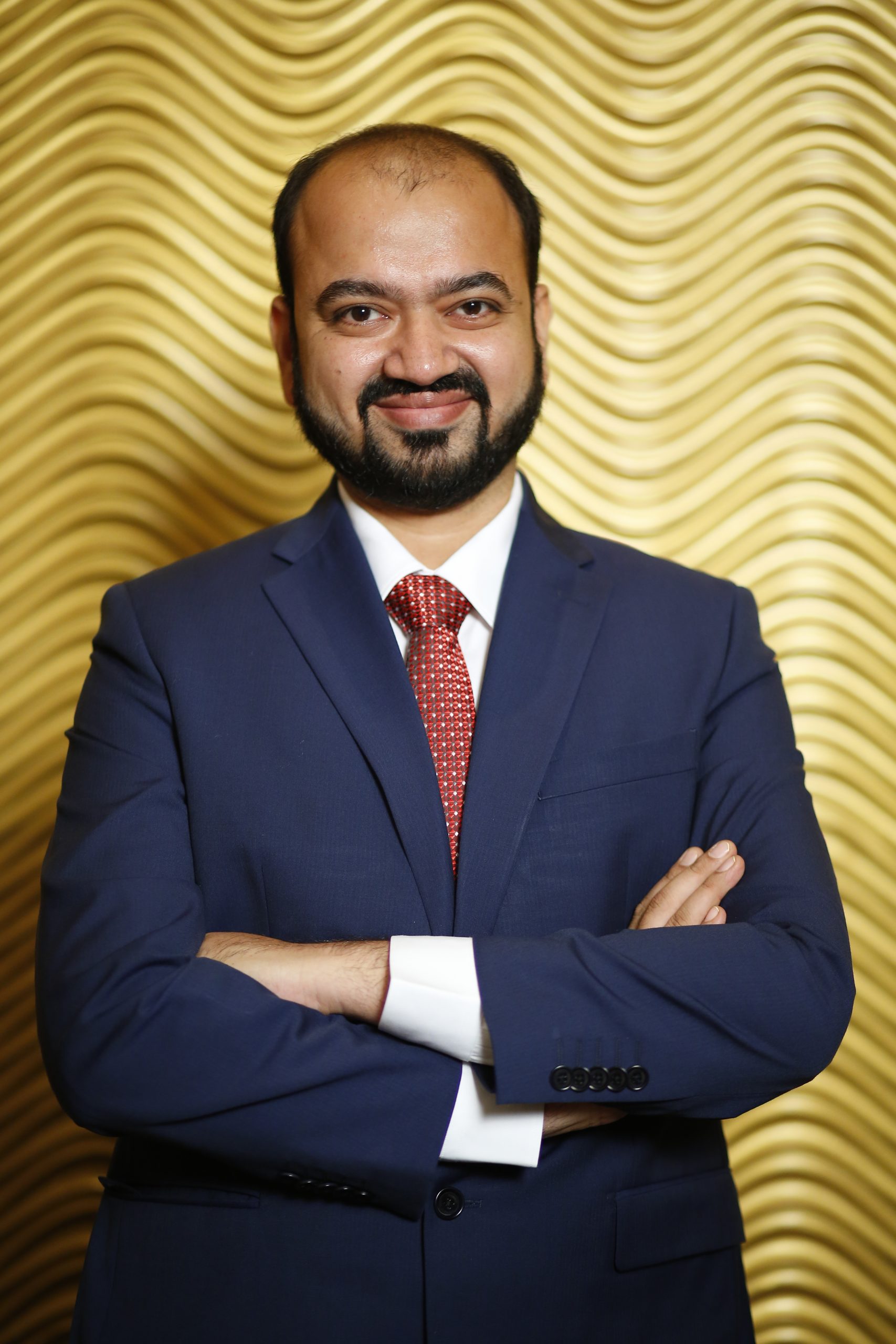
  • “If I were to offer advice to the next generation aspiring to build a successful career in law, it’ll be to focus on three essential principles – adaptability, continuous learning and ethical grounding.” – Raunak Bapna, Senior Legal Counsel at Philips

    “If I were to offer advice to the next generation aspiring to build a successful career in law, it’ll be to focus on three essential principles – adaptability, continuous learning and ethical grounding.” – Raunak Bapna, Senior Legal Counsel at Philips

    This interview has been published by Namrata Singh and The SuperLawyer Team

    Raunak, could you please take us through your journey from college to where you are today? How was your experience at Symbiosis Law School, and what inspired you to pursue a career in law? Can you share how you started your career after graduating and the pivotal moments that shaped your professional trajectory?

    As a first-generation lawyer, my journey into the legal profession was not inspired by family tradition but by a keen observation of the law’s impact as an outsider. My time at Symbiosis Law School, Pune (SLS) was transformative, providing me with a great academic foundation.

    Upon graduation, I joined a mid-size full-service law firm where I spent 7 years. This period was not only formative but also deeply influential, helping me grow into the professional that I am today. It was here that I developed a nuanced appreciation for the law’s intricacies and its real-world applications. The challenges I faced and the successes I celebrated at the firm built my confidence and sharpened my expertise.

    My subsequent transition to in-house roles began with Ola Electric, a multi-billion dollar start-up at the forefront of India’s electric mobility space. Joining Ola Electric in its nascent stages was a ground-breaking shift. I witnessed and contributed to pivotal moments: from the construction of the factory to the launch of its first electric two-wheeler. Following my tenure at Ola, I joined Tala, an American fintech company, as their primary counsel for the India region. Tala, already a successful entity in Kenya, Mexico and the Philippines, was looking to replicate its success in India – its newest market at the time. My role involved establishing legal frameworks that accommodated the local regulations while supporting Tala’s mission of financial inclusion.

    Most recently, I joined Philips as their counsel for the Indian Subcontinent region – where I am tasked with guiding the organization through the legalities of the healthcare and technology sectors while also supporting Philips’ mission of improving billions of lives through meaningful innovation. 

    Your role at Philips involves managing legal affairs across the Indian Subcontinent. What are some unique challenges you’ve faced in navigating legal landscapes in different regions, and how do you ensure consistency in legal practices across borders?

    That’s a great question. One of the unique challenges you face is the variance in legal standards and practices across different countries. For instance, the regulatory requirements in India can differ significantly from those in neighboring countries like Bangladesh or Sri Lanka, particularly in areas such as consumer protection, data privacy, and healthcare regulations.

    To effectively manage these differences, you rely on a combination of strategies. First, you maintain a robust network of local legal experts in each country. Second, you leverage technology to streamline communication and document management across countries. Lastly, you place a strong emphasis on proactive compliance. This involves not just adhering to current laws but anticipating potential legislative changes that could impact our operations. 

    Transitioning from a law firm to in-house counsel often involves a shift in perspective. What are some of the major differences you’ve noticed, and how has this transition influenced your approach to legal counsel?

    Transitioning from a law firm to an in-house role indeed marked a significant shift in my perspective and approach towards legal practice. At a law firm, the focus is often on providing specialized legal advice to multiple clients on a case-by-case basis – with a broad spectrum of legal issues presented by each client.

    In contrast, as in-house counsel, my role extends beyond legal counsel to being a strategic partner for the business. Here, the focus shifts towards understanding the business’ objectives comprehensively and integrating legal considerations into the broader business strategy. One of the major differences that I’ve personally noticed is the need for a more proactive approach to legal issues. Rather than reacting to legal challenges as they may arise, my role involves anticipating potential legal risks and implementing strategies to mitigate them before they impact the business.

    Another significant difference is the depth of involvement in one organization’s operations and its success. This deep-dive into the business also fosters a greater alignment of the legal function with the organization’s long-term strategies.

    As to how this transition has influenced my approach, I’d say it has done so in several ways. I’ve become more integrative in my thinking, always considering the legal implications of business decisions not just from a compliance standpoint but from a strategic and operational perspective as well. I’ve also cultivated a more collaborative approach, working closely with various departments to ensure that legal considerations are embedded in the early stages of business planning and decision-making.

    Overall, the move to an in-house role has greatly enriched my professional experience, enhancing my ability to contribute not only legally but also strategically to the growth and success of the organization. 

    Apart from your professional endeavors, do you have any personal hobbies or interests that you enjoy pursuing outside of work? How do you find balance between your personal and professional life?

    As someone who has a hard time switching off from work mode, it’s a continuous challenge, but I try. My love for cricket, movies, and travelling provides me with much-needed downtime when the legal world starts to overwhelm.

    Finding this balance between personal and professional life is a bit like being a juggler at a circus – it requires patience, timing and occasionally, picking up things that I’ve dropped. But it’s always worth the effort to keep all the balls in the air. 

    Reflecting on your journey so far, what advice would you give to the current generation aspiring to build a successful career in law, especially in the dynamic landscape of corporate counsel?

    If I were to offer advice to the next generation aspiring to build a successful career in law, it’ll be to focus on three essential principles – adaptability, continuous learning and ethical grounding.

    Adaptability is crucial – being able to pivot and embrace change is not just helpful but necessary. Continuous learning is equally important – staying updated and informed with the latest legal developments, understanding new business models, and even gaining knowledge in related fields such as technology can vastly engage your capability to provide comprehensive counsel. Lastly, maintain a strong ethical foundation – as you’ll often find yourselves balancing business objectives with legal requirements.

    I’m no expert at this but building a successful career in law is more of a marathon than a sprint. The journey is long and sometimes daunting, even frustrating, but immensely fulfilling for those who are committed. 

    As a senior legal counsel, you’ve undoubtedly faced complex legal issues. How do you approach problem-solving in such situations, and what role does collaboration play in finding effective solutions?

    One fundamental aspect of my approach is recognizing that there is no one-size-fits-all, or straight-jacket formula, for solving legal issues. Each challenge is unique and demands a solution that considers the specific circumstances and needs of the business. This understanding drives my problem-solving process: identifying possible outcomes, assessing the risks associated with each, and weighing them against the legal and business objectives of the organization.

    Collaboration is integral to this process. Legal issues rarely exist in a vacuum—they intersect with various aspects of business operations, from finance and human resources to marketing and beyond. Engaging with stakeholders across departments not only provides additional perspectives but also ensures that the solutions developed are comprehensive and pragmatic.

    Could you share with us the importance of internships during the early stages of a legal career? How did your own internships shape your professional journey, and what advice would you give to law students or young professionals seeking meaningful internships to kickstart their careers?

    Internships are invaluable as they offer a first-hand glimpse into the practical aspects of law that are often not addressed in the classroom. My own internships were instrumental in shaping my professional journey, providing me with a foundation of real-world experiences that I could build upon in my subsequent roles.

    For law students seeking meaningful internships, my advice would be to approach this search with both openness and strategic focus. Be open to exploring diverse legal fields and organizations, from small firms to large multinational corporations. Each setting offers unique learning opportunities and can help clarify your career interests and goals.

    Simultaneously, be strategic in your approach by seeking internships that align with your long-term career aspirations. Research about firms or organizations that are known for their work in your areas of interest and strive to connect with professionals working there. Networking can be a powerful tool in securing internships; don’t hesitate to reach out to alumni, professors, or family friends who might help with introductions or advice.

    Get in touch with Raunak Bapna-
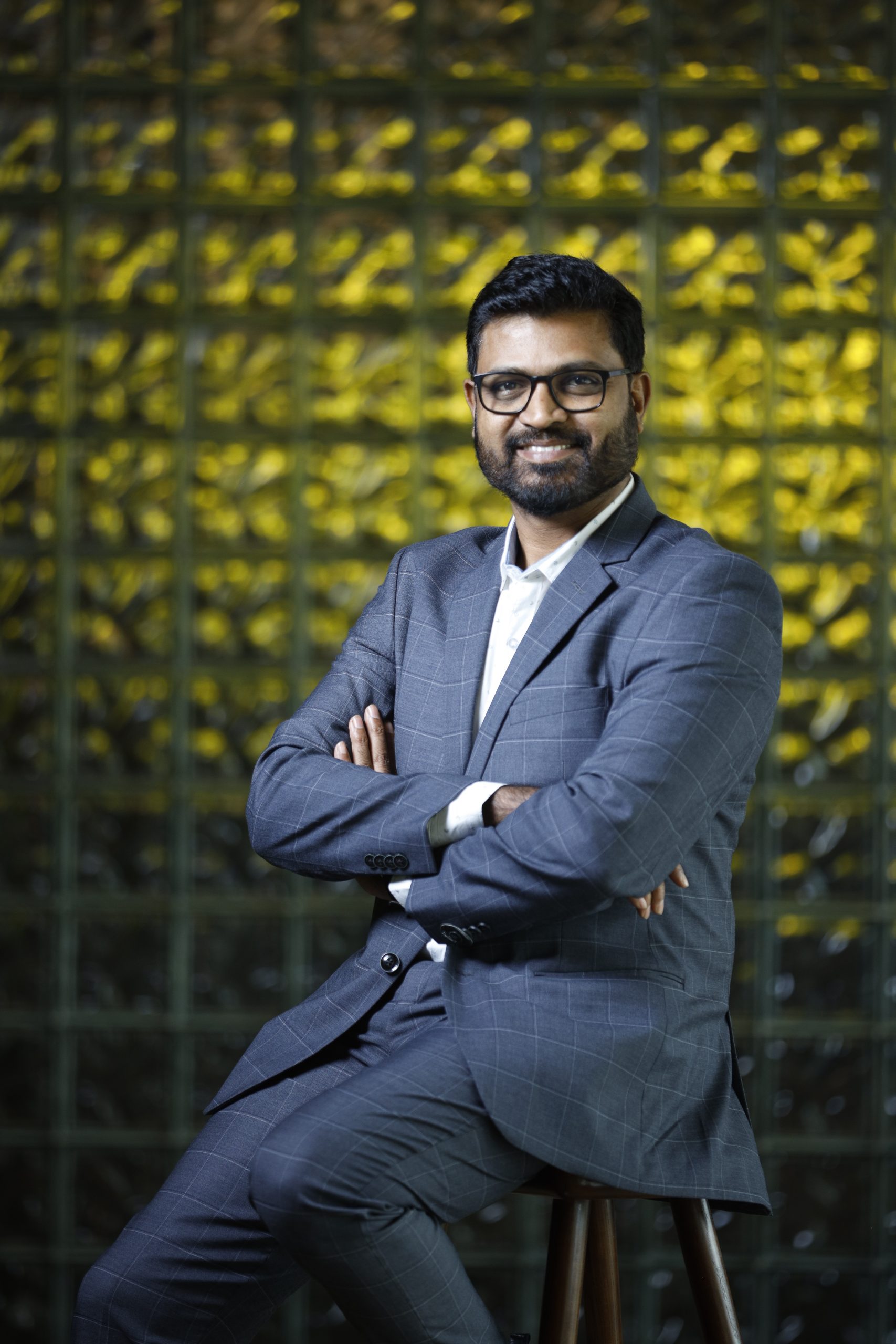
  • “Ethics plays a major role in the legal strategies of companies… It contributes to achieving good governance and increases the reputation in the market.” – Panduranga Acharya, General Counsel at Zepto

    “Ethics plays a major role in the legal strategies of companies… It contributes to achieving good governance and increases the reputation in the market.” – Panduranga Acharya, General Counsel at Zepto

    This interview has been published by Namrata Singh and The SuperLawyer Team

    Your journey from the courtroom to the boardroom is fascinating. Could you share with us how you embarked on your career in law, what inspired you to pursue this path, and the challenges you encountered in the initial stages of your career?

    Firstly, it’s a pleasure to share my thoughts at www.superlawyer.in and thank you for this opportunity. I began my career as a litigating lawyer, and over time, I worked my way up the ladder to become a general counsel. Throughout this journey, I’ve consistently applied a general counsel mindset. I’ve also built strong relationships by actively participating in discussions, which has led to a more collaborative and efficient team environment

    I chose to be a lawyer because I was intrigued by how lawyers conduct themselves and their influence on society. I thought lawyers could make a real difference in people’s lives, specifically protecting rights and their ability to help others was always a powerful motivator.

    The initial days of my career weren’t that easy, as a first-generation lawyer, I had to struggle to find a lawyer’s office for my initial training and in those days, the law firms were limited and the scope for legal professionals in the companies was also limited or not much evolved. Thankfully, after visiting many offices, I found an opportunity with an individual legal practitioner and had the privilege to assist him in diverse matters, predominantly in Writs. After a short stint with the court practice, I pursued in-house opportunities. But, the initial period of court practice helped me a lot to grow as a professional.

    With such an impressive journey through various corporations, how do you see Zepto’s approach to quick commerce changing the game in India’s online grocery sector?

    The e-commerce landscape is undergoing a rapid transformation fueled by technological advancements and ever-evolving regulations. The past decade has witnessed high adoption of e-commerce in many segments and has changed the way how India shops. Zepto’s quick delivery service is not only a pioneer in itself but also sets industry standards, only to be followed by other players.

    The meteoric rise of quick commerce, a space where customer satisfaction is king, perfectly exemplifies this need for change. Zepto, loved by consumers for its lightning-fast delivery, is redefining the e-commerce shopping experience for them. Zepto’s success highlights a shift in consumer preferences. People are increasingly seeking immediate gratification, and I think Zepto fills that gap.

    You may even look at the market size, there are a few analysts that estimate a market size exceeding $45 billion, indicating immense room for expansion for quick commerce. Traditional players like grocery chains are also entering the fray, offering quick delivery service options alongside established models. This healthy competition benefits consumers with wider choices and potentially better service. I am glad that I am part of this transition of e-commerce.

    From courtroom battles to corporate boardrooms, you’ve navigated diverse legal landscapes. Your career trajectory began in private practice as an Associate Advocate before transitioning to corporate roles. What prompted your shift from the courtroom to corporate environments?

    While my initial legal experience in practicing counsel was invaluable, it wasn’t until I transitioned in-house that I discovered a particular pull towards the corporate world. There, the focus shifted from handling individual cases to the bigger picture – the strategic legal needs of a company. This appealed to my desire to be a part of something larger and contribute to a company’s overall success. I went on to serve companies in the telecom retail and telecom services sector and during my stint there, I always looked for solutions which make economically sensible to the organization, which led to sharpening my skills to solve with out-of-the-box solutions.

    However, the real turning point came when I witnessed the burgeoning e-commerce industry. The Flipkart experience crystallized my focus. The legal landscape of e-commerce was dynamic, constantly evolving and challenging too. It offered a unique blend of established legal principles applied in a completely new and exciting way. But these challenges were what excited me most. I saw an opportunity to not only be a legal expert but also a pioneer, contributing to shaping the legal framework for this rapidly growing sector.

    Having worked with giants like Flipkart and Swiggy, what inspired your transition to Zepto?

    This is an interesting question, but interestingly my answer is, that when I joined Flipkart and also Swiggy, they were not giants. I have enjoyed working in growth-stage organizations, which will have a lot to achieve and solve unique growth-related legal issues, building companies brick by brick. It gave me a sense of gratification and professional satisfaction. I think I like to be part of companies, which have the potential to scale up faster and rigour in leadership to achieve the same. The growth phase of any organization is gratifying for someone like me. Like Jakma said, one can be part of the process, by joining a big organization or joining a small company, to learn passion.

    Although I have been associated with the e-commerce sector for more than a decade I think e-commerce is still not at its peak and quick commerce is a recent avtaar of e-commerce and Zepto has the rigor and the opportunity with such intensity to lead it from the front.

    Your involvement with INBA and CII reflects a commitment beyond corporate duties. How do you balance professional obligations with your contributions to legal and regulatory frameworks in India’s e-commerce ecosystem?

    As I mentioned earlier, e-commerce is evolving and there the laws also keep updated, rightly so. The involvement with INBA and CII commitments are much aligned with what I do and I take out time from official and personal time to ensure I contribute. It helps me understand the landscape of the ex-ante regulatory framework applicable to e-commerce and helps me with long-term strategic advice. Therefore, it makes sense to take part in the lawmaking process considering these laws will have an impact on the sector and ease of doing business is conducive.

    With 20 years of experience, you’ve witnessed the evolution of India’s legal and regulatory landscape. How do you foresee the role of legal professionals adapting to future shifts in the industry, especially with emerging technologies and business models?

    Yes, the introduction of the Information Technology Act, the new Company’s Act, IBC and the new Consumer Protection Act are significant in revolutionizing the regulatory landscape besides forex laws. The new Digital Personal Data Protection Act, new Labour Codes and the new Criminal laws are expected to be game changers, these laws not only like to bring more clarity for legal professionals but also pose challenges to adoption. Therefore, one should be on the edge always to evaluate their business operations, and ensure compliance with new laws. It in a way enhances the importance of legal professionals be it in-house or practicing ones.

    I think the in-house counsel should wear the hat of risk officers and constantly apply the upcoming regulatory framework to their business practices and identity, mitigate likely risks and thereby contribute to the company’s success. The cost of non-compliance will be huge in the coming years.

    Outside the legal realm, what hobbies or interests do you pursue to unwind and rejuvenate?

    That is most important, I am a sporadic reader and follow current affairs. Apart from that in my free time, I prefer to travel and explore new places and cultures. I generally like to connect with people and learn from their experiences. I follow cricket and kabaddi as sports.

    For those starting their career journey, what lessons or advice would you share from your own experiences, particularly regarding resilience and adaptability in the face of industry disruptions and challenges?

    My advice to the youngsters starting their career in the legal profession is to be as humble as a monk, as empathetic as a therapist, and as fearless as a superhero. Of course, there will be competition, but don’t let that stop you. Stay ahead of the game by keeping yourself updated and making lots of friends. When it comes to making decisions, don’t be afraid to take the plunge. Remember, even the best lawyers make mistakes sometimes. Don’t be afraid of the mistakes, the important thing is to learn from them.

    Your role involves a wide array of responsibilities, from legal matters to policy advocacy. How do you stay updated and informed about the latest trends and developments in the industry, and what sources do you rely on for insights?

    As I mentioned earlier, policy advocacy ensures ease of doing business and helps predict compliance risks. One should think of risk in everything, be it contract, litigation or compliance

    and the goodness one will bring to the table for any organization is to protect the company from business continuity risk and financial risks. Whether or not one likes it, staying updated on the latest developments in the industry has become mandatory. I generally follow the latest developments through the industry bodies and the respective ministry websites. Keep track of ongoing developments in the sector besides, talking to the industry folks.

    With the rapid digitization of commerce, what role do you believe ethics and social responsibility play in the legal strategies of companies, and how do you ensure these values are upheld in your work?

    In my opinion, ethics plays a major role in the legal strategies of companies. It is very important to ensure the business practices adopted by the companies are ethical and it is adopted as a culture (ethics by design), expecting the employees and vendors to maintain the ethical standards and thereby enhance the customer trust. It contributes to achieving good governance and increases the reputation in the market. Social responsibility can be twofold, you may have to comply with the legal requirements of CSR and the other one is ensuring the business practices are sustainable, and environment-friendly, like the adoption of electric scooters, responsible use of plastic etc.

    Get in touch with Panduranga Acharya–

  • “The modern landscape of MNCs demands a new breed of in-house counsel – one with a foot in both the legal and commercial worlds”- Aneed Charles, Global Legal Head at Contemi Solutions

    “The modern landscape of MNCs demands a new breed of in-house counsel – one with a foot in both the legal and commercial worlds”- Aneed Charles, Global Legal Head at Contemi Solutions

    This Interview has been published by Pragya Chandni and The SuperLawyer Team

    Could you share with us your journey from being a private practice lawyer to transitioning into corporate legal work? What inspired this shift in your career path?

    Absolutely! My legal journey started in the courtroom. Litigation was exhilarating and the adrenaline rush was unmatched. While in private practice I got to meet business leaders and in-house counsels and that sparked my curiosity. I liked the idea of moving from reacting to legal issues to proactively preventing them. Corporate legal work is a different kind of challenge, but equally rewarding, and more aligned to my interests. It is a fascinating intersection of law and business, and that’s what keeps me energized.  

    With over two decades of experience in legal and contracts support for various MNCs, what motivated you to specialize in business law and pursue further education in this field?

    In the past two decades the landscape in law and business has constantly evolved and how!

    New regulations emerged, technology transformed business models, and the global market became even more interconnected. I saw a growing need for legal expertise that wasn’t just about litigation or specific statutes, but one that could anticipate and adapt to these fast-changing dynamics. This drew me to specialize in business law. There is a need and opportunity to bridge the gap between legal intricacies and real-world business challenges. Lawyers who can bridge this gap can bring a lot of value to businesses. 

    Given your extensive background in legal review, commercial transactions, and leadership roles, how do you perceive the evolving role of in-house counsel in modern multinational corporations?

    In-house counsel is no longer just the guardian of compliance. The modern landscape of MNCs demands a new breed of in-house counsel – one with a foot in both the legal and commercial worlds. Here is how I see the role evolving:

    ·         Business Acumen: The new in-house counsel speaks the language of business and translates legal complexities into actionable insights for business leaders.

    ·         Collaborative Catalysts: The new role of in-house counsel requires us to break down silos and foster strong relationships with internal stakeholders.  

    ·         Global Mindset & Cultural Awareness: MNCs operate across diverse cultures and legal systems. In-house counsel of new MNCs need to be culturally sensitive, understanding local nuances and navigating them effectively.  

    In essence, the ideal in-house counsel today has evolved from a legal SME to an SME, translator, and a collaborator all rolled into one. It’s an exciting evolution.


    You mentioned the importance of understanding business challenges and collaborating with business leadership. Could you elaborate on how this approach has shaped your role as General Counsel at Contemi Group?

    At Contemi, fostering a collaborative environment where legal expertise empowers business decisions has been a cornerstone of my approach. Here are a few ways this has played out in my role:

    1.     Strategic Partner, Not Just Legal Gatekeeper: I don’t see myself as someone who simply says “yes” or “no” to contracts or legal queries. Instead, I work closely with business teams from the outset, understanding their objectives and potential risks. This allows us to structure deals together that are not just legally sound, but also commercially advantageous for Contemi.

    2.     Translating Legalese into Business Language: Complex legal jargon can often create a communication gap. I bridge this gap by simplifying legal concepts and translating them into actionable insights for business leaders. This allows them to make informed decisions faster, based on a clear understanding of the legal implications.

    By fostering a collaborative environment and prioritizing open communication, legal expertise becomes a powerful tool for driving business success.     

    In your current role at Contemi, what are some of the most significant legal challenges you’ve faced, and how have you navigated them to ensure compliance within an ever-changing regulatory landscape?

    Navigating the ever-changing regulatory landscape is an ongoing challenge. Here are two specific examples I’ve encountered, and how I’ve tackled them:

    Ensuring Global Data Privacy Compliance with Evolving Regulations

    The world of data privacy is a complex and constantly evolving landscape. We faced the challenge of ensuring compliance with a patchwork of international data privacy regulations like GDPR and Singapore PDPA.

    • Proactive Approach: We appointed DPOs for each of our geography, and slowly built a data privacy task force. This team keeps a pulse on emerging regulations and proactively identifies potential compliance risks.
    • Standardized Processes: We developed standardized data privacy protocols that can be easily adapted to meet the specific requirements of different jurisdictions. This ensures consistency and reduces the risk of non-compliance.
    • Employee Training: We also ensured that our employees are trained periodically on data handling best practices and their responsibilities under various data privacy regulations.

    Mitigating Risks Associated with Global Expansion

    Contemi is a growing company with aspirations for international expansion. This presents legal challenges in terms of navigating the diverse legal and regulatory environments of new markets.

    • Standardization with Flexibility: We developed standardized legal templates for common contracts like NDAs and service agreements. However, these templates are designed to be adaptable to incorporate specific requirements of each jurisdiction.
    • Scenario Planning: I work closely with the business development team to conduct risk assessments for potential new markets. This allows us to proactively identify potential legal hurdles and develop mitigation strategies before entering a new territory.

    Transitioning from companies like EY, DXC, and Cognizant to Contemi Group, what attracted you to this specific organization, and how does its focus on FinTech align with your career objectives?

    That’s a great question. While my experience at EY, DXC, and Cognizant was invaluable, Contemi offered a unique opportunity that aligned with my evolving career goals. Here’s what drew me in:

    1. From Established Player to Disruptive Innovator: The established giants I worked for were industry leaders, but there’s a thrill in being part of a disruptive innovator like Contemi.

    2. Business Impact in Real-Time: At larger corporations, the impact of legal decisions can be somewhat distant. At Contemi, the legal function directly impacts the success of our solutions. This fosters a deep sense of meaning for my day-to-day work.  

    3. Growth Potential and a Collaborative Culture: Contemi is a growing company with a vibrant and collaborative culture. This fosters a dynamic environment where I can continuously learn, develop new skills, and take on fresh challenges.

    As someone deeply involved in global transactions and SaaS contracting, what advice would you offer to legal professionals aiming to specialize in these areas within the tech industry?

    Here’s my two cents.

    1. Deepen your understanding of technology: The tech industry is constantly evolving. Familiarize yourself with core technological concepts like cloud computing and AI. This will allow you to better understand the technical aspects of the contracts you’ll be working on.

    2. Understand Data Privacy:  Develop a strong understanding of data privacy laws and stay updated on emerging regulations in this space.

    3. Understand how SaaS works: SaaS contracts are unique and the various considerations are different from traditional software license agreements, because that is how SaaS technology is structured. There is a lot of materials available online to familiarize yourself with industry-standard SaaS metrics, how they have evolved and how they are reflected in modern day contracts.

    4. Never stop learning: The legal landscape, particularly in the tech sector, is constantly evolving. Develop a commitment to lifelong learning.

    Lastly, drawing from your wealth of experience, what guidance would you give to fresh graduates aspiring to pursue a career in law, particularly those considering a path in corporate or business law?

    Here’s some guidance from my experience:

    1. Cultivate Business Acumen: Legal expertise is crucial, but business savvy is a game-changer. Consider pursuing certifications in business administration, corporate governance or finance.  

    2. Network, Network, Network: Start early! Connect with legal professionals on LinkedIn, attend industry events, participate in online forums and reach out to alumni working in corporate law. A strong network can be a valuable source of mentorship, job opportunities, and industry insights.

    3. Develop Time Management Skills: Technical skills are important, but don’t underestimate the power of time management in this role. It is essential for success in a fast-paced corporate environment.

    4. Find Your Niche: The legal field is vast. Explore different areas of corporate law like mergers & acquisitions, intellectual property, or employment law. Find a niche that aligns with your interests and consider pursuing relevant certifications.

    But all that said; there is nowhere to ‘reach’. So enjoy the journey and its ups and downs!

    Get in touch with Aneed Charles-

  • The single most important trait to have for young legal professionals is self-belief, There is no alternative to self-belief. Starting from his aspirations as a scientist, detouring into management, and eventually finding his true calling in law – “An In-Depth Conversation with Rohan Kusnur, AVP-Legal at Kotak Mahindra Bank”

    The single most important trait to have for young legal professionals is self-belief, There is no alternative to self-belief. Starting from his aspirations as a scientist, detouring into management, and eventually finding his true calling in law – “An In-Depth Conversation with Rohan Kusnur, AVP-Legal at Kotak Mahindra Bank”

    This interview has been published by Priyanka Karwa and The SuperLawyer Team

    Rohan, thank you for joining us. To kick things off, could you please introduce yourself to   our readers, highlighting key aspects of your professional journey and areas of expertise?

    Hi! I am Rohan Kusnur. I am currently working as Associate Vice President – Legal at Kotak Mahindra Bank Ltd. My professional journey has been very colorful with diverse experiences across different fields. In school, I wanted to become a scientist. The things that intrigued me about science were understanding natural phenomena and applying that knowledge for the benefit of mankind. After completing my B.Sc. in Biotechnology, I started working with a coaching institute as a branch manager. I also enrolled for my M.Sc. in Biophysics. By the time I completed my masters while doing my coaching institute job, I realized that I have a much better aptitude for management and administration than scientific research. I had considered two options while deciding my future career trajectory namely, MBA and civil services. I decided to go ahead with preparation for civil services as I always had a keen interest in current affairs and wanted to do something in public service. While preparing for civil services, I fell in love with the Constitution of India. After an unsuccessful attempt at the UPSC civil services exam, my love for the Constitution led me to pursue LLB. During my UPSC preparation, I built a good network of seniors who were preparing for the exam or teaching in coaching institutes. One of my seniors recognized my talent and offered me a teaching job. I started teaching at ‘Sankalp IAS’ institute on weekends along with my LLB. 

    During my final year of LLB, I started interning at Bhave & Co. where I eventually joined as an associate after receiving my degree. I could continue at Bhave & Co. only for a few months as my mother was diagnosed with breast cancer. I had to manage her entire treatment protocol. Managing my mother’s treatment was not possible with a full time law firm job. Hence, I quit that job to start my independent practice. I was clueless about how to proceed at that point in time. Being a first-generation lawyer with a very brief experience at a law firm, it was very difficult to start. I just started sitting in the Bombay High Court Law Library hoping to network with other advocates and find some work. Adv. Rachana Chavan was kind enough to guide me in this anxious phase of my career. Soon, I built a good network and started getting small matters. During this phase, I advised a client with a tricky real estate matter, filed two writ petitions, appeared in a criminal matter, worked on a highly technical arbitration matter among other things. Independent practice gave me the time flexibility that I needed to manage my mother’s cancer treatment. By God’s grace, my mother fought hard and survived cancer. Towards the end of my mother’s treatment, I got to know about an opening in the legal team at Capri Global Capital Limited. Taking up this job would mean giving up practice and I was really enjoying my practice. However, since I started my career in law late, I didn’t have a lot of time to struggle in practice. I was already 30 years old when I completed my LLB and my parents were worried about the marriage prospects for their struggling advocate son. So, I decided to interview for the job and luckily, I was hired as a legal manager at Capri Global Capital Limited. That’s how my corporate career started. After 2 years at Capri, I decided to move to Kotak Bank. My current areas of expertise revolve around banking and real estate laws. 

    Your journey from being an Independent Practitioner to the Associate Vice President at Kotak has been diverse. How did your early experiences in independent practice shape your approach to the banking and financial services industry, and what motivated your transition to an in-house counsel role?

    It has been a wonderful journey. Situations in my personal life have prompted certain decisions in my professional life as I have described in reply to the previous question. When I started my independent practice, I was a complete novice. Although I didn’t have expertise at that time, I had the desire to work hard and succeed. You need a lot of self confidence to succeed as an independent practitioner especially in the early days of the career. You are still learning every day but you need to convince prospective clients to trust you with their matter. So, it was a very steep learning curve. This ability to work hard with self-belief helped me to make the transition to an in-house legal role. The transition to an in-house role was initially necessitated by the need for greater financial security but gradually I started enjoying my new role.

    The personality traits required for success in independent practice are different from those required for an inhouse role. However, the fundamental values don’t change. You need good people skills in both roles. Networking is the cornerstone of success in both roles. You need to anticipate situations and prepare. The difference lies in developing the skill of balancing legal risks with business growth. As an in-house counsel, you are helping your company to grow, while minimizing their legal risks. You can’t err either on the side of caution or be too liberal. Striking the right balance between the two aspects is the key to success in an in-house role.

    Having held significant roles at Kotak Mahindra Bank, including Chief Manager and now Associate Vice President, could you share some challenges you’ve encountered in the banking and financial services legal landscape, and how you navigated through them?

    When I started my career in an in-house role, I had very little knowledge about the financial sector. I was lucky to have Adv. Sujata Angadi as my first boss and mentor at Capri Global Capital Ltd. I knew the law but I didn’t know the nuances of the lending business. I observed and I learnt very fast. I was fortunate to have stalwart leaders like Adv. Muneesh Dhawan and Kaushik Chatterjee sir to inspire me. After I moved to Kotak Bank, I realized that the risk appetite of every company is different. My experience at Capri Global helped me greatly to navigate through Kotak. As I have stated earlier, the real skill to develop is understanding the risk appetite of your company and striking the right balance between business growth and legal risk.

    I began my stint at Kotak as a legal manager where I was assessing the title of the properties being offered for mortgage against different types of retail loans like housing finance, loan against property and working capital. Kotak is great at nurturing and developing talent. I was soon promoted through the ranks and given charge of a team for supporting the primary market sales team in housing finance. The primary market sales team builds relationships with different builders and developers for sourcing housing finance business directly from the developers. This reduces the cost of customer acquisition and improves the margins of the company. I was also designated as a legal deviation approval authority for taking informed calls on some legal deviations in the interest of business growth. I was also granted rights to give final legal approval for disbursement of loans in housing finance and loan against property up to a certain loan amount. In each of these roles, I come across various challenges which I navigate with the help of a great team. 

    Let me illustrate the balance of legal risk and business growth with an example. While assessing the title of builders for approving real estate projects, we sometimes come across pending litigations on project land. We need to approve projects in order to help the primary market sales team to source home loan applications from those projects. A practicing advocate will simply highlight the pending litigation in their title report and we know about the doctrine of lis pendens under the Transfer of Property Act. However, as an in-house lawyer, it is our job to assess the real risk of the pending litigation and advise the business leadership accordingly. We cannot theoretically apply the doctrine of lis pendens and reject everything. The skill lies in differentiating between real risk and theoretical risk. Once we highlight the real risk, the business team is in a better position to make an informed decision.

    In Kotak Bank, there is excellent support from the leadership and a wonderful work culture. This helps me in performing more effectively.

    You have a background in biophysics and biotechnology. How has your scientific education shaped your approach to legal problem-solving, and do you find any parallels between the two fields?

    My scientific education has helped me greatly in legal problem-solving. I would like to share one of the famous quotes of Albert Einstein. The great scientist had once said, “Education is training of the mind to think”. Every discipline of learning imparts a unique style of thinking and problem-solving to the learner. My scientific education helped me to develop very strong logic and reasoning skills. This greatly helped me in shaping my legal career. I had to simply apply the same style of thinking to law which I learnt while studying science. Further, scientific education also teaches you the importance of research. Good research skills are very important in both science and law. 

    Your career involves a mix of corporate legal roles and teaching civil service aspirants. What motivated you to engage in coaching, and how does teaching law influence your own understanding and application of legal principles?

    Of all the different things which I have done in my career, I have enjoyed teaching the most. I have loved teaching since the time I was a student. I have always helped my friends in understanding certain concepts which I understood better. I believe that you develop a better understanding of the subject every time you teach. This happens because you think about how to help the students to understand some concept and in the process, delve deeper into the subject yourself. Also, when the students ask you questions, you are prompted to think in a different way about the same subject and thereby your understanding of the various aspects of the subject is enhanced.

    When I was teaching Indian Polity to civil service aspirants, I had a peculiar challenge. I was teaching the Constitution of India and how it is applied in the functioning of Indian democracy. My students came from diverse educational backgrounds like humanities, commerce, management, engineering, medicine, law etc. I had to ensure that the law students don’t get bored and other students are able to understand the concepts. This greatly improved my communication skills and understanding of legal principles.

    Legal practice often involves intense scrutiny and attention to detail, especially in areas like title flow for mortgage creation. How do you manage stress and maintain accuracy in your work, and do you have any unique methods for unwinding after a challenging day?

    I am a family man. There is no greater joy than spending time with family. I have a wonderful 5- year-old daughter. She takes away all my stress every day when I return from the office. I have a very supportive life partner with whom I share all the highs and lows of my day. This helps me to unwind and relax after a challenging day. I love listening to music and watching web series in my free time. Proper relaxation is very important to recharge your batteries and perform your job accurately. 

    On a lighter note, outside of your professional life, do you have any hobbies or interests that you are particularly passionate about? How do you strike a balance between your career and personal life?

    I love food and frequently visit different restaurants and street food joints to explore newer tastes with my family and friends. I love hanging out with friends. I have a keen interest in personal finance. Apart from law, understanding the art of investment in equities is one of my passions. During my civil services exam training, I developed an interest in macroeconomics. I have built upon that knowledge over the years. I like to explore correlation between macroeconomic events and investment opportunities in the stock markets. I read a lot of finance related content and follow many experts in my free time to enhance my knowledge and skills. Investment is an art of predicting the future based on current data. I get great intellectual satisfaction from this activity. It is up to us to strike a balance between career and personal life. One should never forget that a successful career is just a part of a happy life. Happiness should be the ultimate objective

    Considering your journey, what advice would you offer to young legal professionals entering the banking and financial services industry, and what skills do you believe are crucial for success in this field?

    The single most important trait to have for young legal professionals is self-belief. There is no alternative to self-belief. Out there in the professional world, people will believe in your skills only after you have successfully demonstrated your skills. When you start a new journey, you don’t have any track record. You have to back yourself completely to succeed. Once you develop this self-belief, the next step is to have a vision and commitment towards that vision. To succeed in the banking and financial services industry, you need to understand the needs of the industry. There are a wide variety of legal functions that one can perform in an in-house role. Title related due diligence is just one of the functions. Likewise, if you wish to develop yourself as a practicing advocate catering to BFSI, you can perform a wide variety of functions. 

    The most important advice which I can give to young legal professionals is to not be rigid about specific areas of work or practice. Don’t refuse good opportunities just because it is not exactly what you wanted. Just start and learn along the way. Eventually you will find your niche area. Most young lawyers have preferences about areas of practice but nobody knows whether you will find meaningful work in those specific areas at the beginning of your career. Don’t say no to work. Take up the challenge and learn along the way. This brings us back to the most important trait to succeed which is self-belief. If you believe in yourself, nothing is impossible.

    Get in touch with Rohan Kusnur-

  • “To be successful per your own assessment, you need to take bigger challenges, grow out of your static and comfort zone. That is what life is all about. It keeps you sharp something to look forward and conquer otherwise would end in the engine of lethargy and dullness”- Gaurav Vutts, Lawyer at Parinam Law Associates

    “To be successful per your own assessment, you need to take bigger challenges, grow out of your static and comfort zone. That is what life is all about. It keeps you sharp something to look forward and conquer otherwise would end in the engine of lethargy and dullness”- Gaurav Vutts, Lawyer at Parinam Law Associates

    This interview has been published by Priyanka Karwa and The SuperLawyer Team

    How did you become a lawyer from being a poultry farmer and broom seller?

    After graduating in B.Sc from University Maharaja College, Jaipur, I ran small poultry farm along with selling brooms in local city areas. Managed day to day work, did labour / manual farm work & selling broomsticks. Upon one of my travel to New Delhi got a chance to see law firms which changed my idea from being a poultry farmer & broom seller to become lawyer. It was a very difficult phase of my life as to transition from being a labourer to become lawyer without any generational support, no one known in Delhi or in legal fraternity to support but it was one of the best times as well.   

    How satisfying has your journey been, transitioning from a litigator to becoming an in-house counsel with one of the topmost corporations, and now returning to being a partner and dispute resolution lawyer with a top law firm? 

    God has been kind. Being first generation lawyer was privileged to work with Karanjawala & Company India’s top law litigation firm. There practiced all segments of law criminal & civil. I appeared for various clients involving peculiar kind of legal issues before various Courts & briefed Senior Counsels. This made me not only learn the basics of law but how to appear before Courts and be dutiful towards Clients and most importantly Courts of Law. Apart from this practiced law with Chambers of Ankur Chawla for a short period where got experienced more of Trial Court.  

    I further worked with great corporates like Hindustan Unilever Limited (HUL) as Regional Legal Head where handled general corporate advisory related to Food Laws, IPR, Retail, Franchising, Brand Protection & General Litigation involving various segments of laws, Compliance & Reporting, Code and concept of business partnering.

    The experience with Indiabulls Housing Finance Limited taught me intricate nature of financial laws, complexities of Real Estate laws (RERA), Insolvency (I&B Code), Facets of Consumer laws, how to handle complex litigations & large legal teams.

    Wipro Limited being Information Technology Giant offered rich knowledge on global eco-system surrounding Ethical & Code practices, Trade & Sanction Laws, Anti- Bribery and Anti- Corruption landscape, Code Policy drafting clubbed with Enterprise Risk Mitigation, Functional Support to Internal Audit and other functions, training & delivery on statutory compliances to Audit Committee and Board. These stints benefitted me with overall rich experience in handling legal issues related to FMCG, Banking and Info Tech nature of businesses.

    All clubbed together are of immense legal & practical value which assist me to handle issues from Client & Business perspective. I must state that it’s an extremely difficult role to be In-House Counsel but it’s truly fascinating to help the brands grow in most effective & compliant manner. Today I appear in various Courts and practice law which I believe is the duty of being a true lawyer.     

    Whether working in-house or with a law firm, what are your thoughts and what are the key attributes required for a lawyer?

    Both are truly fascinating & satisfying. Working In House within Company has variety of attributes which may be:

    • Complete know how of your business & functions
    • Knowledge of Functional Laws & its implications
    • Red flagging key issues and reporting with ease and without legalese
    • Weak points, how to highlight with solutions absorbable by business partner
    • NO to be avoided as it’s taken as not able to business partner but have balancing approach
    • Exhibit & highlight your work upon every stage regardless nature of work else non-highlight of work at appropriate time & spot weakens its delivery value.
    • Ability to showcase achievement without delay to your superiors and demonstrate value towards the company

    Keeping above aspects in mind, the lawyer doing work in-house should be able to demonstrate the outcome immediately to management.

    Working with firm & lawyers- the key attributes which may be:

    • Ability to conduct swift & voracious reading of papers on short time
    • Grasp facts without any constraint
    • Prepare error free draft in easy legal language   
    • Up to date Legal knowledge of the issue at hand
    • Overall handling & case management (Start to End)
    • Client & partner satisfaction
    • Timelines and Delivery
    • Sincerity & Devotion – as outcome of the case is decided by Court where no errors can happen
    • Smoothly conduct conference with Client and Senior Lawyer
    • Conduct research of case laws, precedents for the issue at hand
    • Most importantly liking for law and legal profession
    • Maintaining diary of dates and filing  

    Considering above my view is – it depends on lawyer as to where the professional satisfaction is matched. Both are good to learn and practice law.  

    How do you provide the best possible legal advice to a client even though telling the truth may affect revenue?

    Firstly honesty is the only way. Must have non- negotiable honesty with clients whilst providing legal opinions or leading them in litigation. Represent them with honesty before Courts as primary duty of lawyer is being officer of Court. Secondly there is no substitute for hard work. Work hard on clients briefs and research law/ try your best to get relief for client without loss of integrity.

    How do you feel now that you’re back in practice from the in-house advisory?

    I think that both are always good and satisfying.

    To be successful you need to take bigger challenges and grow out of your comfort zone. That is what life is all about.

     However it is always good to be in active legal practice, help various clients resolve issues, appear before Courts for their rights and interests. This would mean to deal in real time cases, draft pleadings, research law and precedents which is very different than sitting in background and advising In- House. However it depends on what a personal choice is for a lawyer & what is the preference. Sooner and later the In House advisory would end due to job becoming mundane, no challenges, burn out or retirement but the legal world is always open for practice regardless of age.

  • VISHWASAI RAJENDRA, IN-HOUSE LEGAL COUNSEL AT HSBC ON MAKING A CAREER IN LAW, HIS EXPERIENCE IN CORPORATE AND COMMERCIAL LAWS AND WORKING AS AN IN-HOUSE COUNSEL

    VISHWASAI RAJENDRA, IN-HOUSE LEGAL COUNSEL AT HSBC ON MAKING A CAREER IN LAW, HIS EXPERIENCE IN CORPORATE AND COMMERCIAL LAWS AND WORKING AS AN IN-HOUSE COUNSEL

    This interview has been published by Maaz Akhtar Hashmi and The SuperLawyer Team. The Interview was taken by Priyanka Cholera.


    You have various roles and achievements credited to your name, from working with Lakshmikumaran & Sridharan, Aarna Law, King & Partridge, to being an In-house Counsel at HSBC. Apart from what makes headlines, what would you like our readers to know about you?

    I believe my journey so far is filled with highs and lows, acceptances and rejections and good and bad days, but every single event has definitely contributed to it. Apart from being a passionate footballer and football fan and a topper in law college, my legal journey includes various shifts from a Tier 1 law firm to a boutique law firm, from senior designations within the organization, to being the youngest legal head of a Company, to starting off from scratch, from tax laws to corporate and commercial laws and from a fintech startup to a Global Bank. I was also blessed with the opportunity to work with two of the greatest legal minds in the industry, my forever mentors and well-wishers, Mr. KP Kumar (Senior Counsel) and Mr. G Shivadas (Senior Counsel).

    I think it’s important for people in the field to know that one’s achievements/experience should never be defined by designations or places of work, rather by the things they have learned along the way (both about law and life), the people they have met and learnt from, the mentors they can look up to and the impact they have had on the people they have worked with.

    Having studied law at MS Ramaiah Law College, you established a keen interest in Corporate Law., what drew you towards making a career in law?

    I am a first-generation lawyer coming from a very traditional Indian family who believed (at the time) that the only way to make a career and name for yourself was to take up engineering. In fear of disappointing my family, I pursued science in 11th and 12th and even did a year of B.sc post that. It was during this year that I realized that I wanted to be part of a profession where I would be making a difference each day and would stand out from the crowd. At this point, I met a few lawyers who gave me a lot of insight into how the industry functions and from the get-go, it had my attention. It is one of the hardest decisions to leave a course by choice and pursue something completely new and different. There is no way to be completely sure, but you have to believe and listen to that inner voice and follow your instinct. When I took this step, I knew that I had to outperform myself to prove that I made the right decision, and it introduced me to a whole new side of myself. I worked harder than ever before and topped my course. But the best part? I enjoyed every minute of it and met some great friends along the way.

    You pursued an LLM in Corporate & Competition Law from Durham University. Could you please tell our readers how the international exposure has helped you gain perspective to improve your skills in the legal field?

    International experience is something I would always recommend. Apart from the course structure itself, it is the style of teaching and method of examinations which is something I had never experienced before. It gives you a more holistic view of the subject and helps you think outside the box. It is not just limited to topics which you may study from a textbook and also vastly improves your research skills. This really helped me during my work as I started to think outside the normal course of the law and started to question judgements, articles and the applicability of certain laws itself. Also, my method of research changed vastly, and it was no longer limited to just textbooks, bare acts and case laws, but moved to commentaries, articles on the subject etc., to understand the history and different opinions on the point before I could form my own.

    What are the most important things that students pursuing their LLM abroad should keep in mind?

    To start off, I would say that it is always better to work for a year or two before pursuing an LLM. This not only gives you work experience but changes the experience of your LLM completely. Your outlook on the subject increase, and you are also able to apply what you have learnt from your previous work experience to excel in your LLM. This also helps while applying for a job abroad, as prior work experience in the field is always an added advantage.

    I believe that the overall experience of studying abroad is sometimes lost among students due to the pressure of having to find a job abroad as soon as possible. This makes them miss the little joys and experiences of day-to-day life, which goes a long way in shaping perspective, people skills and attitude – critical for a lawyer! Therefore, my second advice to students would be to make the most of each day. Enjoy the experience, take part in as many extracurricular activities, meet and speak to as many foreign students as possible and make the most of your time abroad.

    You started your legal career with Lakshmikumaran and Sridharan (L&S) as an Associate immediately after law school. How has that experience shaped you and contributed to your interest in Corporate & Commercial Laws?

    This is actually a very interesting question as L&S had a huge role to play in many career decisions I took. I started my career as an Indirect Tax litigator, working under the smartest Indirect Tax lawyers in the Country. I adapted quickly to the pressure of being in a Tier 1 law firm and started to enjoy the overall experience of finally applying to practice what I had learnt for 5 years in law school. Everything was a new experience. From your first case and client to your first mistake, your first victory in the legal profession, your many defeats which teach you so much, watching your seniors argue and trying to replicate their mannerisms while you argued etc. was such a great and cherishing experience, and when I look back on it now, it paved such an important path to the professional I am today.

    At the same time, I wanted to gain experience in different laws and sectors. Since I started off with Tax, I wanted to explore other Corporate and financial laws so as to expand my legal knowledge and horizon. This led me to pursue an LLM in Corporate and Competition Law in the United Kingdom. Upon completion of my LLM, I returned to L&S for a short period before eventually moving out to gain more experience in Corporate and Commercial laws.

    You recently joined HSBC as a Counsel providing Global Legal Services to the clients. Could you explain what kind of work an In-house Counsel entail?

    Initially, it was a huge change for me, moving from litigation and advisory role in a law firm to an in-house legal team of a Company. The structure of an in-house role is designed in such a way that your clients are the other teams within the same organization, and there are a lot more processes to follow. You need to provide efficient and timely support to your internal stakeholders to ensure the smooth running of the business. It also involves a lot of negotiation and consultation with other in-house Counsels from different Corporates, along with awareness and knowledge of all laws and the constant changes to them.

    Currently, at HSBC, I draft and negotiate derivative contracts with our Clients across the world. This was a completely new sector for me and the opportunity to learn something which I had never done in the past. This is what excited me the most, as I always wanted to learn more than just one kind of law. Working in a Global Bank comes with its own excitement and challenges. You get to learn a lot about the Global financial market and the laws regulating the same. It requires a lot of hard work, uneven hours, and it requires you to think on your feet. Everyday is a challenge and an opportunity to learn something new from immensely talented lawyers all over the world. It broadens your entire legal horizon as it gives you Global exposure and gets you used to a tried and tested process.

    Your practice areas include Fintech Law, Regulations governing NBFC’s, Corporate and Commercial advisory and litigation, Contract Management, Civil and Commercial Litigation, Dispute Resolution, Arbitration, Consumer Disputes, Corporate and Tax litigation and advisory. Which area, according to you, interests you the most and why?

    Having started off with Tax law and having learnt Tax from 2 of the most prominent Senior Counsels in the field i.e Mr. KP Kumar and Mr. Shivadas, I believe that I will always have a soft corner for Tax. Arguably, Tax law is one of the toughest laws in the Country and learning to interpret Tax law always gives you the advantage while interpreting or understanding any other law.

    Having said that, I absolutely enjoy what I am doing today, and every law I have practiced in the past has given me a different insight into the profession. Although I do advocate specialization in the field of one’s choice, I do believe that one should get their feet wet in a few areas of law before deciding what they want to excel in.

    The pandemic has completely changed the ways industries operate. Will the face of the legal sector undergo a drastic change, keeping in view the challenges entailed by the pandemic?

    When it comes to litigation, I believe that physical hearings will always be more prominent than virtual hearings, and I trust that virtual hearings may never fully replace physical hearings. Although virtual hearings did have a positive side as much as one could attend hearings in different cities, from their home or office, I do believe that physical hearings can never and will never be replaced. Therefore, other than E filing of documents, I don’t think there will be a drastic change in the field of litigation.

    With non-litigation roles, however, I do think that there will be a drastic change as far as work from home is concerned. I believe more and more companies and firms are switching to a hybrid work from home model, which I believe to be very successful.

    Being extremely busy working in a corporate setup, how do you take care of your mental health and strive towards a good work-life balance?

    Mental (and physical) health is a growing concern all over the world, and rightly so. I try to take care of my mental and physical health by keeping fit, spending time, and travelling with family and friends.

    I always was and still am very passionate about sports, especially football and badminton, and I make sure that I have time to play them both at least once a week. In fact, I still enjoy playing competitive football and recently also represented the Advocates Associate Bangalore in the inter bar association tournament.

    I think it is more and more important for organizations to understand the importance of the mental and physical health of their employees and take active measures to ensure that each one of them focuses on the same. However, more than the organization, it is also equally important for each individual to understand the importance of this, to make time to do what they always loved and speak out whenever something is bothering them.

    Would you like to accord our readers with any further suggestions?

    The legal profession is a roller coaster, and there will always be ups and downs. Try to stay positive through the entire journey, and life will always find a way. Don’t let rejections get you down. Never be afraid to make a shift and trust your instinct. Work hard but also try to enjoy a bit in the process. Most importantly, never let any person or organization change or hamper your identity.


    Get in touch with: