Tag: Independent counsel

  • “The legal profession requires tireless dedication in the first five years, but it rewards you with identity and success that cannot be easily taken away,” – Nattasha Garg,  Independent Practitioner & Special Counsel for Enforcement Directorate

    “The legal profession requires tireless dedication in the first five years, but it rewards you with identity and success that cannot be easily taken away,” – Nattasha Garg,  Independent Practitioner & Special Counsel for Enforcement Directorate

    This interview has been published by Namrata Singh and The SuperLawyer Team

    How did your journey into law begin? Please walk us through your journey from college to where you are. What were the challenges you faced along the way?  And what inspired you to specialize in disputes and commercial litigation? 

    I hail from a small town, Siliguri in West Bengal and from a business family. While exploring career options after 12th Board exams, I wanted to pursue a career in journalism, given my love for reading and writing. My father however wanted me to study law. He believed in my capability to become a lawyer and nudged me to join ILS Law College, Pune. As luck would have it, I got through the merit list at ILS Pune. 

    In my initial months in Pune, I was quite intimidated while interacting with students from big cities of India and abroad. In fact, almost 60% of my colleagues were from a background of lawyer/ judge families and civil servants. Albeit, right after the first semester results, I started finding my feet, confidence and good friends. 

    Throughout college, I aspired to join the fancy corporate law firms and practice corporate laws. In fact, I participated in most mooting events as a researcher and a compiler to hone my corporate drafting skills. I even joined Khaitan & Partners, Delhi in their Banking and Project Finance Team. I had not thought about becoming a litigator.

    Initial years of practice is all about being open to learning and working on different aspects and subjects of law. I was also open to learning. In fact, when joined as an associate in LakshmiKumaran & Sridharan, I was a common associate for three teams- Corporate and Regulatory Advisory as well as the Litigation Team. I took up every kind of assignment that three partners in the firm were working on. I dawdled between subjects like FEMA, Legal Metrology, Companies Act, SEBI and at the same time assisted the litigation team. Interestingly, my first two litigation assignments were what sparked my interest and love towards litigation. The first matter was an outstation matter before Gujarat Electricity Commission in Ahmedabad where we secured a landmark favourable order and the second one was a heavily contested banking finance litigation before the Delhi High Court. It was while working on the litigation side that I realised that this was where I belonged. 

    As an expert in commercial law, white-collar crimes, and insolvency laws, what trends do you foresee shaping the legal landscape in the coming years?

    In 2016, there was a major overhaul with the introduction of insolvency code, RERA and the commercial courts act and changes in the arbitration act. It was around this time that the ED- money laundering also started becoming active. It is very interesting how these amendments and legislations have completely changed the face and speed of deciding commercial disputes. These changes being relatively new, they have been developing and updating at an astronomical pace. 

    I believe earlier, there were mainly three choices of practice- Criminal, Civil and Corporate Law. Over time, commercial law practice has become a homogenous mix of all of the above, since these legislations include criminal prosecution of directors. Commercial laws, especially insolvency laws have blurred the gap between civil/ criminal since they also entail criminal prosecution and even trial for procedural defaults. For instance, corporates and their management are facing civil and criminal prosecution, money laundering and SFIO proceedings in respect of loan default cases, construction default cases and so on. The same companies are also undergoing insolvency.  The gap therefore has been bridged. 

    Courts are also more accessible to business houses as well as individuals since IBC allows individuals to approach the NCLT for every grievance over their claims, without any pecuniary threshold. Homebuyers for instance are more aware of their rights under law, they have become very powerful in exercising their remedies across forums and manipulating insolvency of big corporates. The High Courts and the Supreme Court have also aggressively promoted these changes, as a result, the Tribunals have become powerful. A lot of jurisprudence is being developed at the Tribunal level. 

    Your educational journey includes both LLB and Company Secretary qualifications. What inspired you to pursue Company Secretaryship alongside your legal career, and how do you believe it has enriched your practice as a lawyer?

    While in college, I aspired to become a corporate lawyer and engage with a fancy law firm. I therefore utilised my time after college to pursue Company Secretaries and certain diplomas in business and cyber laws. Any additional degree, especially something as in-depth as Company Secretaries, always adds up to the otherwise textbook knowledge that is gained in college education. In my case, the fundamentals regarding companies compliances, checklist compliances, basics like examining forms under legal provisions to understand the scope of the provision, really helped me gain better understanding of commercial laws. Eventually, it all added up since it helped me do a lot of FEMA, SEBI and Companies advisory work in the early years of my practice. Even now, while examining the role of companies in money laundering matters, I find it helpful to examine the statutory filings from the MCA and check the relevant forms with the registrar of companies. 

    Beyond your professional achievements, what are some personal interests or hobbies that you’re passionate about? What advice would you give to the current generation looking to pursue a career in law, especially in your specialized areas?

    I love reading books on history, fiction, fantasy and recently added genres- mythological fiction. Lately, I have developed a keen interest in reading the Bhagwad Gita by Devdutt Pattnaik.  I also take time to travel. 

    I believe that the habit of casual reading really helps in loving the profession as well. I always advise my younger colleagues to read newspapers. This one habit- not only helps a lawyer keep updated, but subconsciously keeps the curiosity and hunger that is needed in the profession, going. 

    As opposed to my earlier days, the new generation has it easier on account of law files and entire offices having become digitised, one does not have to carry huge files and journals around, they can read from the comfort of homes, be better prepared because of access to material online. Zoom meetings have made conferences more efficient and less time consuming. With things becoming easier and accessible, the current generation that I have come across, is taking more for granted. 

    I believe that our legal profession requires tireless first five years and intense hard work, long nights and discipline. I would advise freshers to join the profession with this in mind and thereafter, the legal profession rewards with identity and success that cannot be easily taken away. 

    Can you share a memorable moment from your career that reinforced your passion for advocating justice? 

    Recently, the Delhi High Court passed a landmark order, allowing my clients, a group of 250 retired members of the BSF Army, to get possession of their units in a Tower, on as-is-where-is basis from a Company undergoing winding up, instead of them waiting for the liquidator to take steps and then go through the entire payment mechanism under the Companies Act. In doing justice to these set of allottees, the Court exercised its extraordinary jurisdiction in a winding up matter, giving homes to 250 retired persons who had spent most of their life savings for their retirement houses. It has been one of the most fulfilling matters I have done, where not only professionally but personally I have been able to secure justice to ones who deserve.

    I started finding my profession immensely fulfilling when people around me- my domestic staff, their neighbours and my neighbours started reaching out to me for legal aid out of hearsay. I became aware of the power and social responsibility attached and it was deeply satisfying to be able to help them. I strongly believe in the wise words of Justice Ruth Bader Ginsburg- “If you want to be a true professional, do something outside yourself.”

    Your work often involves representing various entities before different courts and tribunals. What key differences do you find while representing different courts and tribunals, and could you share some nuances or insights you’ve gained from navigating these diverse legal arenas?

    Besides the Supreme Court and the High Court, Delhi also is the headquarters for various Tribunals and quasi-judicial bodies. Each of these Tribunals have their own systems in place, filing procedures, and hearings which are peculiar to such Courts.  

    As I have said earlier, a great deal of jurisprudence is being developed in Tribunals because the High Courts and Supreme Courts are rigorously promoting the development of law at this stage and have reduced their interference with orders passed by them. The Tribunals also are focussed on a special kind of law. The preparation for matters before Tribunals is vastly different and much more detailed from the higher courts owing to the uniqueness of process and procedure before each Tribunal.

    Watching the court proceedings, studying the precedents and views taken by the said Tribunal on a subject before approaching them and enquiring from counsels regularly appearing there does go a long way in addressing them better. Over time, it is good to specialise in a few Courts to sharpen the skills and presence in certain courts and Tribunals.  

    Transitioning to independent practice can be a significant milestone in a lawyer’s career. Could you share your experience of practicing independently and shed some light on the challenges one might encounter in this path, along with any key insights you’ve gained along the way?

    As a young lawyer not having any base or family in Delhi, I had never imagined I would get the chance of starting my independent practice and it looked too far-fetched and incredible. The day I took this decision, it was a mixture of uncertainty, turmoil, self- doubt yet some inner voice giving me strength. 

    The first year is often easier, because one has no great expectations with oneself, the struggle begins once you have surpassed your own low expectations- to maintain and to grow.

    Practising independently is a whole new challenge than working in Chambers and law firms. It is a totally uncharted territory whether it is basic day-to-day administration in running the office, or dealing with clients coupled with the uncertainty of a regular monthly income. The same work that one has been doing while working under someone, when done as an independent practitioner, seems like a lot more challenging as the accountability is much more. I have spent days initially, just wondering what fees to quote for a matter. 

    As an independent lawyer, the biggest handicap I face is engaging good juniors to join and retaining them. This is because graduates are always aspiring to join big firms with higher remuneration or some other reason. There is high attrition for that reason. I also believe that clients are much more demanding with independent lawyers in terms of deadlines and bargain hard on payments. 

    Having said this, two things I also credit to the legal fraternity- one that it always gives opportunities to ones who are willing to take on the task and second- I did not face any gender discrimination at least in getting opportunities. By and large, most of the people I have worked with have been extremely encouraging and never fail to put in a good word.

    Among the multitude of cases you’ve handled, could you share with us which one stands out as your personal favourite? One that presented significant challenges yet provided a rewarding experience in your career journey?

    The most memorable dispute which I hold close to my heart was a family dispute arbitration between Ajanta family. I was relatively young and had no experience of arbitration laws and procedure, much less briefing very strict and seasoned senior advocates like Mr. Dushyant Dave, Mr. Gopal Subramaniam and the likes. This matter was a heavily contested litigation, which led me to frequently travel, helped me learn drafting, filing, carrying out a cross examination, handling contempt matters and conducting overall arbitration. The seniors were very patient and kind to me and even the Ld. Arbitrator, Late Justice RC Lahoti appreciated my work and efforts in the Award. 

    Given your extensive experience, what qualities do you look for when hiring interns to join your practice, and how do you nurture their growth and development during their time with you?

    I look for two main things in new joinees- one is their curiosity and passion to learn and explore the legal subject. The second is the effort they are willing to take to quench their curiosity. 

    I have learnt that the legal profession is not just for nerds, it is also for the street-smart. Although I belonged to the former category, I greatly admire smart workers as long as they can get the job done. 

    I always advise my younger colleagues to work with passion, but also have a hobby outside of the office. I also encourage them to have a social network of lawyers, it allows exchange of legal anecdotes, assistance and exchange of information which overall helps in development as a good well informed lawyer. 

    Get in touch with Nattasha Garg-

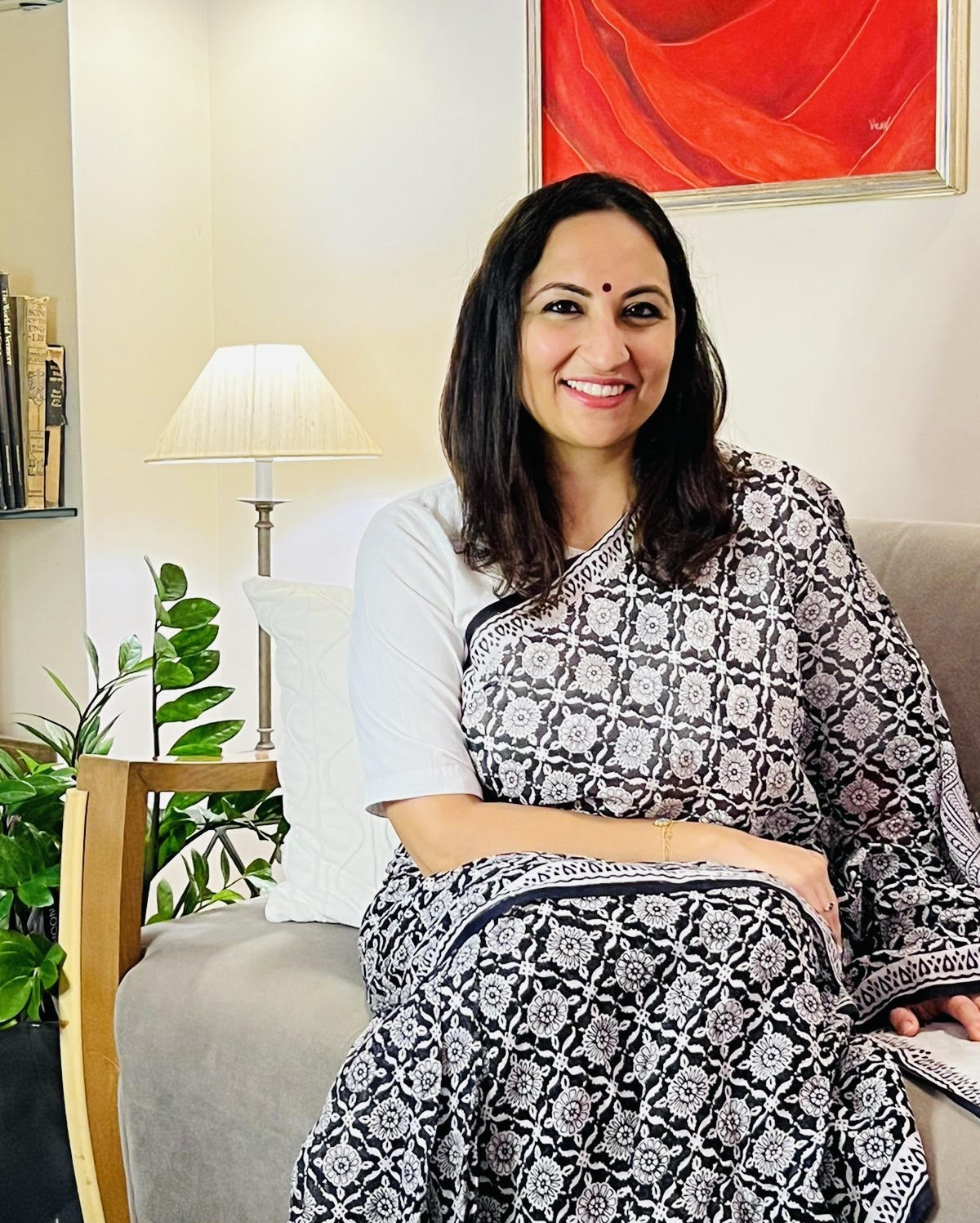
  • “Filing false complaints may initially seem like a petty victory, but it leaves both parties with much resentment and whopping legal fees.” – Addressing the issue of false cases: Mrinalini Rajpal, Independent Legal Counsel- Family and Matrimonial Law

    “Filing false complaints may initially seem like a petty victory, but it leaves both parties with much resentment and whopping legal fees.” – Addressing the issue of false cases: Mrinalini Rajpal, Independent Legal Counsel- Family and Matrimonial Law

    This interview has been published by Namrata Singh and The SuperLawyer Team

    Reflecting on the beginnings of your career in law, could you share about your journey, about your family and what inspired you to pursue this path of Law?

    I come from a Sindhi business family that has been in the petroleum industry for five generations. Despite a business background, the elders always placed a strong emphasis on education, encouraging the growth of several doctors, engineers and business graduates within the family. My maternal side of the family were well-known producers and distributors in the Hindi film industry. A legal career was not a typical path within my family background, but on reflection, I feel it had always been my true calling. 

    My aspiration to pursue a legal career began at the young age of 13 when, at my school, JB Petit High School, Mumbai, I attended a lecture on environmental law by the eminent Senior Counsel Mr. Navroz Seervai. His views on how law could be used as a tool to bring about transformative changes in society resonated deeply.  The seed was further nurtured by regular teenager interests in legal fictional books and shows, and this led me to join Government Law College, Mumbai to pursue the 5-year degree course. 

    My interest in family law took root at a young age, influenced by personal relations. I witnessed the unfortunate plight of a family friend who despite being an educated lady, was in an emotionally abusive marriage but was unable to find a way out of it as she had no family or financial backing and was afraid of losing custody of her young children. Coming from a fiercely liberal background and school, it made me realise that there were people across strata who were stuck in a bad marital situation and were unaware of their options. I had hoped then, to be able to make a real difference in such situations and I am glad that I am finally in a position to realise that dream. 

    Your journey from commercial litigation to specializing in family law is quite fascinating. Could you share what prompted this transition and how it has enriched your professional outlook?

    Whilst I always knew I would eventually specialise in family law; I did not want to pigeonhole myself in a specialisation early on. I am glad I took the long road experiencing and learning about the myriad aspects of the law. During my college days, I recognized my inclination towards litigation and took up internships with law firms to acquire practical experience. I also interned at the National Human Rights Commission and in my final year, I did a judicial clerkship with the Hon’ble Mr Justice (Retd) S.J. Vazifdar (Former Chief Justice of Punjab and Haryana High Court). I observed firsthand the intricacies involved in conducting trials and the skills of persuasion a litigating advocate must possess.

    Upon graduation, I worked in several prestigious litigation firms, gathering knowledge and experience in difference areas of law such as media, real estate, arbitration, family, banking and finance. I learnt how to run a litigation holistically right from laying the foundation stone, being the first communication until its logical end. Working with the best litigators in Mumbai I learnt a lot of unique drafting styles, strategies towards a matter, practical tips on client handling or how to read a judge – with each matter furthering my skills as a litigator. 

    After spending a decade practicing commercial litigation, I took a sabbatical to expand my family and since then I have had the most wonderful experience raising my son–despite its inimitable challenges. It made me realize, like law, raising a child is a dynamic and ever-growing process, where you learn something new every day. I have also learnt the art of nuanced negotiating where I need to make my son believe that he has got his way! 

    In 2020 while the world was battling Covid, marital disputes spiked. I got a firm push towards family law when I helped a friend who was in the midst of a particularly tenacious negotiation against her well connected and financially sound (now ex) husband. He was unwilling to give her a fair settlement initially and she was out of her marital home with her young children. A long-winded expensive court battle was not an option. Extensive strategizing and negotiations eventually led to a satisfactory settlement, including a lumpsum alimony and a house in her name. This encouraged me to pursue my interest in family law and I joined the chambers of Senior Advocate Mrs. Mrunalini Deshmukh, to formally kickstart my practice. I was associated with her chamber for almost 2 years, whilst simultaneously building my independent practice. 

    In your experience, what is your perspective on false cases within the realm of family law? Have you encountered instances of such cases during your career, and if so, could you share your approach in handling them while upholding justice and maintaining ethical standards? 

    Matrimonial disputes are uniquely characterised with the baggage of bruised egos and scarred emotions on both sides – which unfortunately could result in acts of personal vendetta against the spouse (and family) at times. I have seen a sharp increase in matters where false complaints are being filed under Maintenance and Welfare of Parents and Senior Citizens Act, the Protection of Children from Sexual Offences Act (POCSO), and shockingly, even filing of false kidnapping cases, especially against the father. All these are awful pressure tactics, with a devastating impact on children. When one files a complaint for kidnapping or under POCSO- it appears that the party filing such complaint has forgotten that at the heart of the issue, there is a child being thrust into a conflict zone (which is the marital dispute essentially between the parents). To then further drag the child through such cases is adding additional trauma that the child most definitely does not deserve nor need. 

    My approach and advice is always- there are no winners in a divorce, so negotiate as hard as you can outside court in order to reach an amicable settlement and enter court only to file a mutual consent divorce Petition. I encourage parties to take all the help and external counsel possible, in the form of family, friends, mediators, marriage counsellors, well-wishers and lawyers. Exhaust all amicable possibilities including pre-litigation mediation and only once you’ve exhausted such possibilities and a settlement still hasn’t worked out, then go to court, but fight fair. Most importantly, if there is a child involved always remember that your north star is that young person, because your actions are shaping their future, and in the larger scheme, the future of generations to come. 

    Could you shed light on the importance of empathy and guidance in navigating clients through the emotional complexities inherent in family law disputes?

    Empathy is a super-power and as a family lawyer one should be cognisant of it, and try and cultivate it. According to me, family law practice is more about understanding the root of the dispute and finding a way to settle the matter as amicably as possible, rather than pushing to litigate. Either one or both parties may come from a place of ego. During the first meeting, I am usually told by the client that they want to “show their spouse their place” not being mindful that when you burn your house, you burn with it. It is then our duty to talk the client off the ledge and make them realise the pit-falls of their actions. I am very glad about the fact that in the past year I have managed to amicably negotiate and settle a number of cases, some of which started off with extreme hostility – which has further fortified my belief that at the core of every dispute, there is an inherent desire to end the acrimony and move on. I strongly encourage parties to first try counselling- individual as also couples counselling -before taking any drastic steps. Often counselling fails, but by then tempers have calmed, the parties have got better perspective and they are more receptive to a settlement. I also realised that clients (and their families) want me to hand-hold them through this very difficult phase, reassuring them that I have got their back and in doing so, it becomes much easier to reason with them.

    As an advocate for peaceful resolutions, how do you handle cases where litigation becomes unavoidable, and what steps do you take to mitigate adversarial dynamics?

    Commercial litigation lawyers usually aspire towards a landmark victory in Court and being a part of landmark judgments, but family law is a unique space where as a family lawyer, you may not be spoken of in the same breath as commercial legal luminaries, but should always be remembered as someone who brought about a peaceful resolution within a family. Having said that, it is not always possible to amicably settle matters and sometimes it is necessary to battle it out in Court. My mantra is to always keep it fair and honest whilst keeping the larger picture in mind – no matter what the circumstances may throw your way. At times, I have had to even reign my own clients in, and not let egos take over the process. However, even within an acrimonious battle, I always try and keep the door ajar for the opposing party/ counsel to walk in and engage in a settlement at any stage.

    In your experience, what are the most common misconceptions that clients have about family law, and how do you address them during consultations?

    One common misconception is that filing false complaints against the spouse and/or family will put the right pressure on you and get you the desired result. Completely untrue. Whilst filing such complaints may initially seem like a petty victory, after a point the feeling fizzles out, leaving both parties and their families with much resentment, a mountain of paper-work and whooping legal fees. The advice I provide can’t be the same for every client, it has to be tailor made keeping in mind facts and circumstances, but the one consistent advice I give is, if you want to file such complaints, be prepared to stay in court for a long time, losing years of your life and not to mention a large part of your income.  

    What advice would you give to aspiring lawyers, particularly those interested in specializing in family and matrimonial law, based on your own career journey and experiences?

    The most important yet basic advice I could offer is, do not bring your client’s energy back home, have an awareness about your own emotions and be mindful of your boundaries. A philosophy I strongly believe in is, if, as a family lawyer, you find yourself litigating more than amicably settling matters, you are doing it all wrong and need to rethink your perspective.

    With the demanding nature of your legal practice, how do you prioritize self-care and relaxation? Could you share some of your favorite methods for unwinding and maintaining a healthy work-life balance amidst your busy schedule?

    The balance between work and being physically and emotionally present for my young son, is challenging on many days. However, spending time with him is my absolute favourite way to unwind, especially after an exhausting day. We have some of the best conversations at dinner time. During the weekend, we catch up with our close-knit circle of family and friends and go for a swim at the CCI Club, which we both love. We love baking and cooking together. We also love discovering cafes around the city. To maintain a healthy work- life balance, I ensure that I start my day with a brisk walk by the sea, which both centres my thoughts and helps me plan my day. I have an incredible support system in my family and friends. I meet my friends for coffee and laughs at least once a week and those who don’t live in the city, we have a system of check-ins once every few days. I also ensure I meet up with my family almost every-weekend to get that much needed pampering. Both my siblings live out of the country so I make sure I take at least 1-2 holidays with them each year. At the end of the day, there is nothing that a well-rested night of sleep cannot cure. 

    Get in touch with Mrinalini Rajpal-

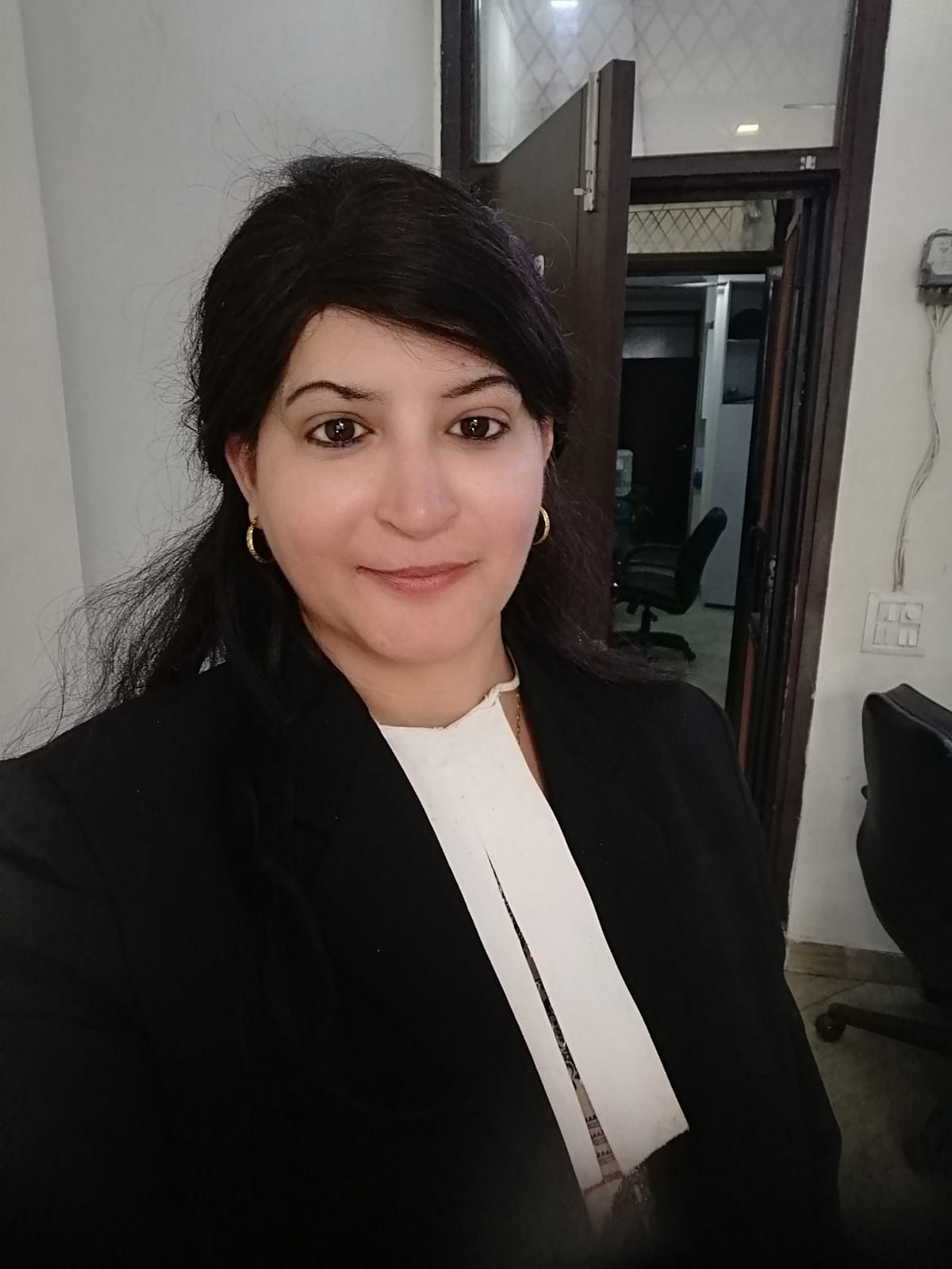
  • “Legal compliance isn’t a burden—it’s an investment in your company’s stability and growth. Seeking professional advice is crucial for navigating complex legal landscapes.” – Gauri Saraswat, Independent counsel, Corporate & Criminal Lawyer | Contract Specialist.

    “Legal compliance isn’t a burden—it’s an investment in your company’s stability and growth. Seeking professional advice is crucial for navigating complex legal landscapes.” – Gauri Saraswat, Independent counsel, Corporate & Criminal Lawyer | Contract Specialist.

    This interview has been published by Namrata Singh and The SuperLawyer Team

     Your journey through law seems incredibly diverse and dynamic, spanning various roles and responsibilities. Can you walk us through your journey telling us what inspired you to do Law and what challenges you faced during your initial stage of your career?

    Certainly! My journey through the legal field has indeed been diverse and dynamic, encompassing various roles and responsibilities. Let me share my story with you. My path in law was not meticulously planned; rather, I embraced opportunities as they presented themselves. I take pride in not adhering to conventional norms. Before venturing into independent practice, I accumulated a decade of experience, including working with different ministries of the Indian government and my days in litigation.

    Law has fascinated me since my early childhood. Growing up in the traditional town of Aligarh, Uttar Pradesh, I pursued my B.A.LL.B from Aligarh Muslim University and later completed my LL.M from Dr. RMLNLU, Lucknow. The initial challenge for me was relocating from UP to New Delhi without a job offer in hand after completing my Masters in Law. Thankfully, my father and family supported my decision, and that’s where my journey truly began.

    Remember, sometimes the most rewarding paths are the ones less travelled.

    Thursdays with Gauri has become quite the sensation on LinkedIn. What inspired you to start this initiative, and what do you hope participants take away from these sessions? Also can you tell us about a particularly thought-provoking discussion or insight that emerged from one of these sessions?

    Thursdays with Gauri was a random thought while having a casual discussion with one of my friend Hamid Ahmed but later became a decision when it actually pushed me to contribute towards the linkedin community to read something which needs to be known. “Thursdays with Gauri” isn’t just about content—it’s about building bridges, sparking conversations, Little did I know that this seemingly random thought would evolve into a meaningful initiative within the LinkedIn community. Honestly, I embarked on this journey with zero expectations, fuelled by the intention to play my part.

    Broadly this LinkedIn post gave me two things: invitation to connect from students to influential people and appreciation in my DMs which again converted into my network. I think the purpose has already been served due to the algorithms of LinkedIn and I am grateful for that.

    As a legal content creator, your articles and thought pieces have sparked conversations and challenged norms within the legal community. How do you see your writing contributing to broader discussions about justice, equity, and the rule of law?

    As a legal content creator, I’ve witnessed the impact of my articles and thought pieces within the legal community. My posts resonate because they delve into practical aspects of law—topics I’ve encountered first-hand. Whether it’s corporate law intricacies, complex agreements, or advisory content for loan seekers, I aim to provide actionable insights.

    Legal discourse often clings to tradition and precedent. However, my writing encourages critical thinking. I write about new norms and practices and advocating for progressive approaches. 

    The rule of law is the bedrock of any just society. Whether discussing landmark cases or legal reforms, I strive to reinforce the rule of law as a safeguard against arbitrary power. In essence, my writing aims to bridge the gap between legal theory and practical application.

    Your work spans across multiple sectors, including technology, fintech, and cybersecurity. What drew you to these specific areas of law, and what challenges have you encountered in navigating their complexities?

    As a law enthusiast and corporate lawyer, my journey led me to explore specific areas of law that overlap with technology, fintech, and cybersecurity. I consider it my duty to stay informed about emerging legal issues related to technology, fintech, and cybersecurity. I realized that even a seemingly simple query from an individual could potentially transform them into a client.

    When I started exploring international markets—both online and offline—I encountered challenges related to different legal processes and procedures. I realised that understanding the intricacies of US, UK, and European legal systems was essential. However, my journey took an enriching turn when I enrolled in courses offered by Lawsikho. Beyond study materials, what truly stood out was their personalized approach—their handholding support. It instilled confidence and efficiency in me. In essence, my work in these specialized areas isn’t just about legal technicalities; it’s about empowering clients.

    Looking back on your career journey thus far, what advice would you give to aspiring lawyers, particularly those interested in pursuing a similarly diverse and multifaceted path in the legal field?

    Reflecting on my career journey, in one sentence my advice would be “Don’t just believe what others say”. With all due respect and humility, the traditional ways are supreme but when time and technology change, so do the challenges in law and the complexities. In the present time when the Data protection bill has been passed and AI law is on the agenda of the government, you think the limited knowledge can help you stand out of the box and earn exponentially. Give it a thought. Stay informed about emerging laws (such as the Data Protection Bill) and understand their implications. According to me, Adaptability is the key.

    Legal education doesn’t end with a degree. It starts from there. Learn to serve in addition to earning out of it.

     Your career has seen you transition across various roles and sectors within the legal field, from corporate law to criminal litigation, and from law firms to government agencies. What motivated these transitions, and how have they contributed to your professional growth and expertise? And what valuable lessons have you learned from the unique challenges and experiences encountered in each position?

    You are right, My career has indeed spanned diverse areas of law, including competition law, electricity and insolvency matters, NBFCs (Non-Banking Financial Companies), and even criminal law. Indeed, it was my friend Syed Jafri who first introduced me to the realm of investment banking and encouraged me to consider it as a viable avenue to apply my legal expertise. Interestingly, I’ve never worked in a traditional law firm. Instead, my father, being an advocate, was my informal mentor. Our dining table discussions often revolved around legal concepts, both civil and criminal.

    My motivation has always been a “go-getter” attitude. When opportunities arose, I seized them without hesitation. Each transition allowed me to explore new facets of law, broaden my perspective, and contribute meaningfully. My journey so far has given me friends for a lifetime and seniors like Mr. Debajyoti Ray Chaudhuri, who in himself is an inspiration for many.

    To my understanding, Legal issues don’t exist in isolation. It also needs an understanding of business, technology, and other inter-related legal issues. In essence, my journey so far isn’t just about legal roles; it’s about lifelong learning as well as meaningful connections.

    You’ve been involved in drafting a wide range of agreements, from Co-founder Agreements to Software Development Agreements. Could you share a special technique or approach that you believe contributes to excellent drafting? Additionally, what do you think sets your drafting style apart and makes it particularly effective in ensuring clarity, fairness, and legal compliance?

    Certainly! Drafting legal agreements is both an art and a science. I have inculcated a special technique I’ve found effective is that before putting pen to paper (or fingers to keyboard), I pause to understand the purpose behind the agreement. Why is this agreement necessary? What are the parties trying to achieve out of it? What risks need mitigation? By clarifying the purpose, I ensure that the agreement aligns with the client’s goals.

    I always get on a call with the client to discuss their context, concerns, and objectives. This dialogue helps me tailor the agreement to their specific needs. Because it happens that the client being the non-legal person confused the franchise agreement with the service level agreements. They deserve such clarity by me as their lawyer.

    In your experience advocating for clients before the Supreme Court of India, what strategies do you employ to ensure that their interests are effectively represented and understood by the judiciary?

    Considering my little experience, one thing I have learnt about the Supreme Court litigation is that “it’s all about a team work” because an effective representation requires a collaborative approach. And I am grateful to Mr. Aditya Manubarwala for giving me an opportunity to work with him and his team on a couple of cases before the Apex Court. Before advising a client, extensive research is essential. We have to delve into legal precedents, statutes, and relevant case law to understand the nuances of the client’s situation which further allows us to provide informed recommendations to the client.

    Case briefs, arguments, and submissions are the part and parcel in every case, especially when you get a very limited window to mark your appearances with your best arguments before the judges of the Supreme Court of India. To decide which point to be picked for arguments in order to provide relief to the client is the matter of utmost importance. Hence, Supreme Court advocacy is a blend of legal acumen, teamwork, and strategic thinking.

    As an authorized representative for a European company, you extend legal representation services in Estonia and Finland. How do you navigate the nuances of international law and cultural differences to effectively advocate for your clients’ interests in diverse legal environments?

    In my professional journey I have had the opportunity to represent my client who was from Estonia. That particular case involving a Gurgaon-based individual and an Estonian lady was unique in the sense that the absence of a formal agreement and the cross-border nature of the transaction posed challenges. I engaged in detailed discussions with the Estonian client to grasp the entire situation and her specific needs. Understanding the nuances of each jurisdiction was crucial. Estonia’s civil law system differs from India’s common law system. However, as an authorized representative, I initiated legal action against the individual.

     Beyond your legal career, what are some of your personal hobbies or interests that you find enriching or rejuvenating?

    Beyond my legal career, I find immense enrichment and rejuvenation in delving into religious texts. These non-fictional scriptures offer profound insights and guide me toward understanding the true purpose of my life. During my teenage years, I immersed myself in fundamental religious literature, often drawn to the extensive collection housed within my father’s library, where the titles of numerous books piqued my curiosity and prompted further exploration. I firmly believe that to read and to know are different concepts. Now, I’m drawn to delve into more advanced texts. These delve into unique teachings and mystical experiences. The pursuit of knowledge is both humbling and exhilarating. The insights I have gained from these scriptures shape my world view and influence my actions.

    As someone deeply involved in consulting and advisory roles, what advice would you give to startups or established companies navigating complex legal landscapes for the first time?

    legal compliance isn’t a burden—it’s an investment in your company’s stability and growth” is  precisely what I want to convey to all sincere start-ups. It is apparent that navigating the complex legal landscape can be daunting, especially for startups and established companies venturing into unfamiliar territory. Therefore, seeking professional advice from a seasoned lawyer who understands the nuances of your specific industry and jurisdiction is a must.

    Diligence in selecting legal advisors pays off. Look for lawyers who specialize in your field—whether it’s technology, finance, or any other domain. They should avoid generic templates. Each business is unique. One has to customize the legal agreements, contracts, and policies in accordance to your specific needs. Also don’t forget to Maintain open channels of communication with your legal team. Transparency ensures that legal strategies align with your overall business strategy. Share your business goals, challenges, and concerns and let the lawyer find you a way.

    I would like to request the given start-ups or companies to rely on someone who is experienced and in the market already. Be diligent in choosing your lawyers and try to keep pace with them. 

    Get in touch with Gauri Saraswat–

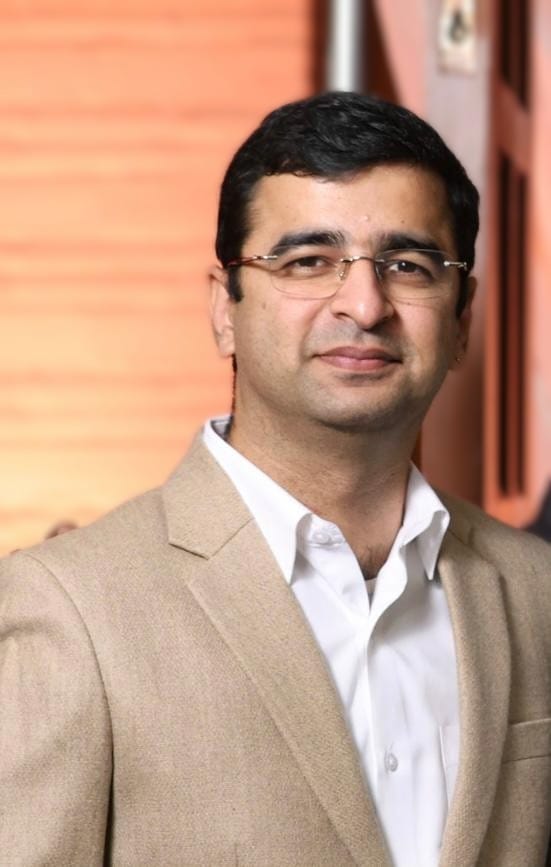
  • “Control the controllables and do not bother about what you cannot control… Hard work will never have a substitute and patience combined with dedication will never go unrewarded.” – Wasim Beg, Independent Counsel & Former Additional Advocate General (Jammu & Kashmir)

    “Control the controllables and do not bother about what you cannot control… Hard work will never have a substitute and patience combined with dedication will never go unrewarded.” – Wasim Beg, Independent Counsel & Former Additional Advocate General (Jammu & Kashmir)

    This interview has been published by Namrata Singh and The SuperLawyer Team

    Could you share with us your journey to becoming a legal professional? What inspired you to pursue a career in law, and could you recount any memorable experiences from your college days or your first job that influenced your trajectory in the legal field?

    My fascination with the legal world began (as I believe was common at that time in particular) by following some of the famous criminal trials. And all these controversial or ‘in the news’ criminal matters would invariably have one name in common – Ram Jethmalani. The way he would go about handling these matters certainly piqued my interest and I would pin point that to be the reason I took my first steps in the direction of pursuing a career in Law. It has been over 15 years since I started working at Mr. Jethmalani’s office (first as a long-term intern and then a brief stint as his junior) and even today, his first words (to me) echo in my ears and have inspired and shaped my professional trajectory, he said to me – ‘Remember – you may lose a case, but never lose your conscience’.

    Your legal journey is quite illustrious, marked by your tenure as the Additional Advocate General for the State of Jammu & Kashmir. Could you share some memorable experiences or cases from your time in this esteemed position that left a lasting impact on you?

    It would be extremely hard to lay my finger on one case. The very feeling of representing a State and the responsibility that comes with it gives you a sense of pride. This is where I learnt to really respect and value every file that I worked on. The sheer enormity of the responsibility makes you perform to the best of your ability.

    Your expertise spans across various branches of law, including constitutional law, criminal law, civil law, and more. How do you manage to maintain proficiency in such diverse areas, and do you have a particular favorite among these?

    I am not a huge votary of a lawyer specializing in one particular field of law, especially at the beginning of one’s career. To be a veracious reader is non-negotiable for any good lawyer. Anyone who restricts his/her knowledge to one particular field of law is at the same time closing all the options that lead to one being a ‘complete lawyer’. All the legal luminaries that we are so enamored with have vast experience and knowledge in all fields of the law, they keep reinventing themselves – that is possible only when we keep all doors open and embrace knowledge from all over. I certainly have a leaning towards Criminal and Constitutional Law.  

    Given your extensive experience in litigation, arbitration, and dispute resolution, what advice would you offer to young legal professionals aspiring to excel in these fields, especially in navigating the complexities of the legal system?

    Read, read and read – the right opportunity will come. I have seen youngsters who are over anxious and lose a lot of time lamenting. What is true in general, holds true while you navigate your way through the profession – control the controllables and do not bother about what you cannot control. Hard work will never have a substitute and patience combined with dedication will never go unrewarded. The problem comes-in when we lose patience and try to ‘manufacture’ success. You ‘build’ your success story, you do not ‘manufacture’ it. Keep things simple – be sincere in what you do, work hard, be patient and you will land up on your feet.

    Apart from your legal career, what are some of your personal interests or hobbies that you like to indulge in during your free time?

    I do like to read and write a fair bit. Like most of us, cricket does eat up a lot of my free time. I like to follow world politics and find psychology (especially criminal psychology) to be deeply fascinating and do read-ups and follow TV shows on the subject. 

    Your book on the “Dishonour of Cheques” is a significant contribution to legal literature. Could you share some key insights or lessons from the book, particularly regarding the legal intricacies surrounding dishonored cheques, and how this knowledge can benefit legal practitioners and individuals navigating such matters?

    The book is essentially to help any lawyer who takes up a case relating to dishonour of cheques. The book aims to cover and guide on every aspect/legal challenge that a lawyer would have to face during a proceeding of that nature. It sums-up how Courts have looked at every possible scenario in a cheque bounce case right from the inception to the culmination of the case.

    Your experience at Luthra and Luthra Law Offices India has been quite extensive. What were some of the most rewarding aspects of your role, and how did it shape your approach to legal practice?

    The sheer level of trust and peace of mind while at work always stood apart. The leaders and mentors at the firm like Mr. Rajiv Luthra and Mr. Vijay Sondhi were instrumental at creating that level of trust and the atmosphere where one could always hold his/her own and never be shy to share ideas, no matter who else sat at the table. I was put in a leadership role quite early and that really helped me develop and take rapid and confident strides in the profession. 

    Also, I learnt very early that a youngster can only grow well if he/she is not put in any fear of making a mistake. Once you fear making a mistake, you lose your originality and your independent thought process. Once you lose those two facets of your personality, you will do no better/bring no new perspective than your predecessors – for you will always look to play safe and only tread the path previously taken.

    You’ve recently transitioned into the role of an independent counsel. Could you shed some light on this new chapter of your career and what it entails? How does it differ from your previous roles, and what opportunities and challenges do you anticipate in this capacity?

    I have gotten along with some like-minded colleagues and started a Law Chamber. This is certainly a far more challenging task as compared to working with a Law Firm which comes with its own set of challenges and certain comforts. The beginning of this chapter certainly comes with lesser comforts and more challenges. These exciting challenges and our collective eagerness to scale them is what brought us together. The primary difference between this and my previous role as Partner in a Law Firm is that one comes out of the ‘comfort zone.’ While a Law Firm comes with its own legacy and you can certainly contribute to it, here you get to write your own script. The challenge is that you might have to prove yourself every day, but that is the biggest motivator as well.

    You’ve been recognized with numerous awards and accolades throughout your career, including the Global Lex-Falcon Award and the Money 2.0/Law 2.0 Award. Among these honors, is there one that holds particular significance for you? If so, could you share why it means so much to you?

    While I shall always remain thankful to those who considered me worthy of these awards, I have never attached much attention to these. At the end of the day – what matters is that you should be satisfied with the progress made and should be looking forward to the next day at work. As long as that is the feeling – you are a winner.

    Get in touch with Wasim Beg-

  • “If matters could be resolved in a time-bound manner, there is always an advantage. If that fails, litigation is always an option. Today mediation is a highly specialized subject.” – Suchishmita Ghosh Chatterjee, Trained Mediator & Independent Counsel.

    “If matters could be resolved in a time-bound manner, there is always an advantage. If that fails, litigation is always an option. Today mediation is a highly specialized subject.” – Suchishmita Ghosh Chatterjee, Trained Mediator & Independent Counsel.

    This interview has been published by Namrata Singh and The SuperLawyer Team

    Your journey in the legal profession is truly remarkable, especially considering the legacy of your family. How did you navigate the challenges of establishing your own identity in a field where family connections can sometimes be both a boon and a burden?

    It was easier for me to get my first break as a Counsel but then to earn my first brief independently took a while longer. Now reflecting I feel family connection for me was both a boon and a burden. I cannot point to a single incident that led to others acknowledging me, shorn of my background, as it was a gradual process. When people saw me assisting my senior single-handedly in very high stake matters regularly and then appearing in matters like the Saradha Chit Fund case for RBI, SST Media- winding up proceedings, Testamentary suit in the estate of Priyamvada Devi Birla, I think I got noticed by others. Today I can safely say I have other law firms and independent Advocates on Records believing in me and giving me work and my background no longer matters. I always wanted to make my independent existence count in my profession and I am walking a step closer every day by the grace of God and the support of everyone who stood by me like a rock!

    Starting your career when there were relatively fewer women in law, how do you perceive the changing landscape for female lawyers today? Have you noticed a shift in attitudes and opportunities over the years?

    Yes, our profession is very demanding and it’s not like a 9-5 job. A conference can be fixed at 9.30 pm or even 10.30 pm in the night and not all women can work in that format. To practice as a counsel, can even involve staying up all night to prepare an urgent draft or prepare for a matter. As a woman, it is certainly not easy unless she gets that support on all fronts. When I joined, women lawyers by number were much less and I greatly admire all those who were practising as Counsel in those days. Their struggle was a telling tale and I am greatly inspired by all of them. I could see the shift in mindset over the years, people starting to take women lawyers seriously and treating them at par with their male counterparts. Today I see the confidence in the eyes of clients as well as solicitors when they interact. It does not matter whether they have a woman counsel defending them as long as they know the gender would not create any difference. Now the ratio has greatly improved even in litigation, which sure is noticeable.

    Starting your career from scratch after college, you faced challenges that many young professionals can relate to. Can you share some of the initial struggles you encountered and how you overcame them to establish a successful legal practice today?

    Well what was a struggle for me was to break the myth that having a solicitor father helped me gain an advantage over my contemporaries. Although it did help me earn my first matter easily, but unless I performed, it wouldn’t have ensured the future briefs coming my way. In fact, I lost a couple of briefs when people learnt about my family background. It was an added pressure for me to conduct myself in a certain way. This made me apprehensive and I never went to anyone asking for a brief, not because I was too proud to ask for it but because I felt my work would be my identity. I believed if I worked honestly and sincerely I would get noticed. So from the end of 1st year in college, I joined the chamber of my senior Mr Hirak K. Mitter, senior barrister and every day after college hours, I used to attend his Chamber, work out briefs, make lists of dates, read judgments, make my own notes and attend conferences in matters where I wasn’t even engaged. That was a huge learning experience. For 5 years even my senior didn’t have much interaction with me. I would return home late in the night and break down at the dinner table. After seeing me attend his chamber every day for 5 years, with not a single break my presence was felt and also acknowledged. I earned my senior’s trust and confidence. At the end of 5 years, with my senior’s recognition, I started assisting him in heavy matters singlehandedly. Then from assisting him to appearing as an arguing counsel, it was a journey in itself that happened over the years. 

    In setting up your chambers, you’ve emphasized creating an environment where everyone can speak their mind. How do you foster such an atmosphere, and why is it important to you?

    I always tell my juniors to read the facts well. Knowing where to find the law and how to apply a proposition of law would all come subsequently once the facts are mastered. Difficult law points are not always there in every matter. So knowing what are the facts on which law has to be applied, reading is important. To understand it better, a discussion and exchange of thoughts are important. In my senior’s chamber, my senior used to invite us to have a one-on-one participation in conference. That helped us think of different outcomes, options, and perspectives to a matter. Logical thinking and reasoning develop only when there is a conducive environment to air one’s views, without fear. If I see my juniors doing well and better than me, it would be a moment of great satisfaction. Knowledge is the only thing that grows with sharing, so I don’t keep anything up my sleeves. Whatever I learn and know, I believe in sharing that. At times I even find my juniors bringing up some fresh ideas on the table, so there are always new things that I even end up learning from them. It is important to give them that confidence since if they can speak freely to me they can address the Court better and fearlessly.

    Having worked on various matters, including some high-profile cases, is there a particular case or experience that stands out as a significant turning point in your career?

    There are about 4 or 5 such cases. Exposure to matters like the Will case of the Late Priyamvada Devi Birla, helped me learn a lot about mutual Wills, and testamentary suits. I was fortunate enough to get an opportunity to address the Hon’ble Division Bench at the request of the then Chief Justice J.N. Patel in this matter as the junior most member on the side of the Birla after all the seniors had finished their arguments. I was asked if I would like to address the Hon’ble Bench on what I understood of Administrator-pendente lite after hearing and assisting my seniors and copiously taking down notes during arguments for so many days. It was too overwhelming for me but I really enjoyed getting to address such a heavy matter for about half an hour. 

    Then addressing on behalf of RBI in the Saradha chitfund case was a great experience. I learnt about goodwill valuation and the company being sold as a going concern from handling the SST Media case which was regarding Kolkata TV. Learnt a lot about Thika Tenancy from the case of Fona Rubber, then came to learn about the Originating Summons suit from Thakurani Sree Sree Durga Mata Jew case where I assisted the late Mr. S.B.Mookerji. I learnt about misfeasance first-hand from the matter of Jamshedpur Cements which was reported in (2011) 4 CNH but my name was not reported. These are some prominent cases that come to my mind. My exposure in arbitration was through Shappoorji Pallonji vs Videsh Sanchar Nigam Limited which was a huge matter with a lot of intricate points. I learnt about liquidated damages and Hudson’s formula on the calculation of loss of profit first from this arbitration. 

    Your approach to technology is interesting, acknowledging its importance while maintaining a preference for traditional methods like reading physical books. How do you strike a balance between embracing technology and preserving traditional legal practices?

    Change is the only constant. So we have to adapt ourselves to the changing times and technology. When we see other High Courts like Delhi and Bombay, most of the counsel prefer going paperless. They have their brief stored in iPads on liquid text, notes, judgments everything in the system. It’s fascinating. I am yet to go paperless that way as now I prefer micro-Xeroxing briefs in big matters but I do appear virtually in matters either for court appearances or conferences. Even arbitrations are being conducted virtually or in hybrid mode. This truly saves time and cost. However, when it comes to reading textbooks on law, I still prefer the touch and smell of the books. I also enjoy writing down points using pen and paper instead of iPad and good notes. But I accept the change with an open mind and also use iPads in courts at times. Research work has become simplified due to online search engines. But once I come across a case online, I take out my journal and read. I feel some things are to be preserved while accepting the changes.

    As a trained classical vocalist and music lover, your interest in sketching with social messages is intriguing. Can you share a bit about your artistic side and how it contributes to your personal expression or advocacy?

    Music is my soul. I have been in training since age 4. Nowadays I don’t get that time for Riyaz but I sing for my daughter now who has a musical inclination. My interest in sketching began only in lockdown when I discovered this new side of me. Whatever I sketch has a social message, starting from acid attack to saving nature. I even write a bit of poetry but that is purely for my own reading. The creative side of me is a gift from God and whenever I am sad or even happy I think I express it through either music or poetry. Creativity helps to channel my emotions and handle pressure better. 

    Looking ahead, you’re pursuing a mediation program. How do you see alternative dispute resolution methods like mediation shaping the future of legal practice, and what motivated you to explore this avenue?

    I always prefer gathering knowledge. Mediation is a well-accepted ADR system in South East Asia, Europe and further West. India is slowly catching up. We have now the Mediation Act in force. There are mediation centers also attached to High Courts where matters are referred for exploring mediation. My interest cropped up when section 12A of the Commercial Courts Act, 2015, which mandates pre-institution mediation in commercial suits. Litigants are wary of mediation and we lawyers need to open up as well in embracing this mediation. Personally, I feel, if matters could be resolved in a time-bound manner, there is always an advantage. If that fails, litigation is always an option. Today mediation is a highly specialised subject and I am the first batch pursuing 60 hours+ program under Indian Institute of Corporate Affairs. Certified Mediators with the right training can facilitate parties resolve their disputes while restoring relationships. 

    How does your involvement with the Robin Hood Army and your dedication to social causes enrich or influence your perspective within the demanding realm of your legal career?

    I associated myself with RHA and signed up as a volunteer during a pandemic. Participating in the drives as a volunteer of RHA and then taking up other blood drive campaigns, and vaccination programs through tie-ups with Institutions helped me grow as a person. Now I do not get that time to act as a volunteer in the demanding realm of legal career but I do my own bit every now and then through Ramakrishna Math and Mission as well as other organisations. Doing pro bono matters for social causes like the Haemophilia Society or handling cases like acquiring land for Palli Mangal where women are trained and earn their own livelihood under Ramakrishna Mission order, are my way of giving it back to society.

    Over the years, you’ve trained numerous law students as interns. Have you noticed any notable differences in the skill sets of students today compared to when you started your career? And in your training programs, what specific advice or guidance do you find yourself consistently offering to the aspiring lawyers of this generation?

    In our formative years we used to work for learning. Now because of the change in society, students are keen on earning from day one. That is a noticeable change for sure. 

    I find today’s generation is quick in research, as they are all tech-savvy. But overall I find they are in a race against time. Quick recognition and quick fame are not lasting and anything of substance requires nurturing, perseverance and time. Whoever is willing to do that, would sure to taste success. This is usually what I keep telling my juniors and interns. There is no magic mantra and anything that is too easily achieved is short-lived, so as my Grandpa used to say- “Hard work first, hard work second and hard work last. If anything is left, it’s hard work again!” I try to live by that and aspire to be a better human being, living on my terms with my head held high and respecting and loving the institution of which I am a part of. 

    Get in touch with Suchishmita Ghosh Chatterjee-

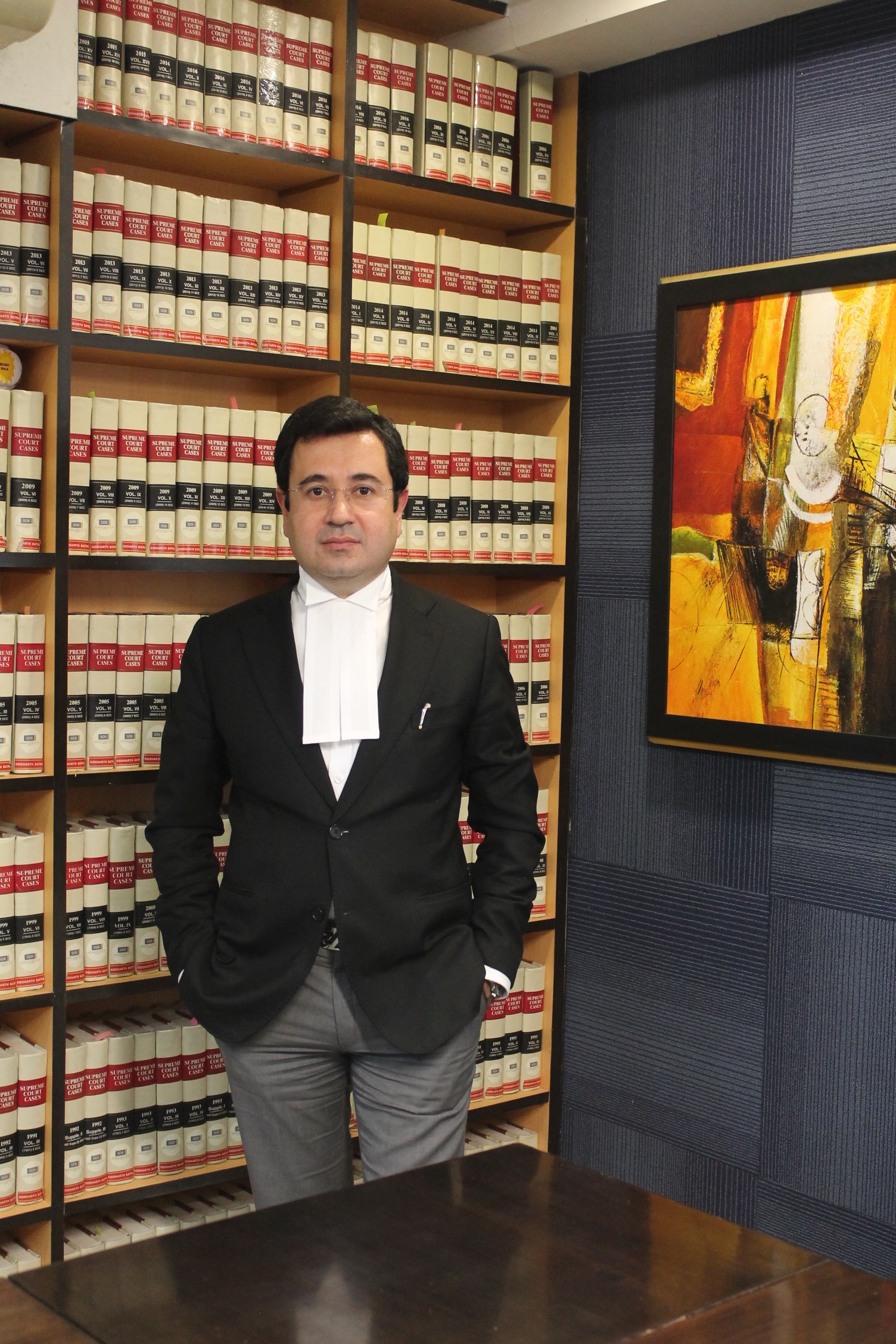
  • “There is nothing in this universe that goes to waste.” Channel your energies positively, maintain steadfast faith, and be assured that your efforts will lead to success. First-generation lawyer R.V. Prabhat, Advocate-on-Record at Supreme Court of India.

    “There is nothing in this universe that goes to waste.” Channel your energies positively, maintain steadfast faith, and be assured that your efforts will lead to success. First-generation lawyer R.V. Prabhat, Advocate-on-Record at Supreme Court of India.

    This interview has been published by Namrata Singh and The SuperLawyer Team

    We are delighted to have you for this interview. To kick things off, could you please introduce yourself and share what led you to pursue a career in law, especially with a focus on arbitration and civil-commercial litigation?

    Thank you for having me. I am R.V. Prabhat, an engineer who transitioned into the realm of law, now practising independently in Delhi with a focus on civil-commercial laws, constitutional matters, and arbitration law. My journey into law was somewhat serendipitous. During engineering, a family property dispute piqued my interest in the field of law. This experience, combined with my keen interest in current affairs and policy, steered me away from conventional engineering paths towards a legal career. I am a first-generation lawyer with no direct or indirect background in law.

    The choice did not seem logical to close relatives and well-wishers at the time, but if you are clear in your head what you want to do at the end of the day, that more or less settles the issue. Today, I am happy I took the plunge. 

    I chose to pursue law at the prestigious Indian Institute of Technology, Kharagpur. The thrill of interpreting laws, formulating arguments, and persuading judges to see things from your perspective is exhilarating. It is this intellectual challenge and the dynamic nature of litigation that cemented my decision to build a career in litigation.

    Throughout my law course and subsequent internships, I was consistently drawn to the complexities and nuances of arbitration and commercial disputes. With a background in engineering, I was drawn to the analytical aspects of legal disputes, and arbitration offered a dynamic arena where technical knowledge often plays a crucial role. The satisfaction of unravelling complex legal scenarios and advocating for a client’s position is unparalleled. This passion for litigation and a desire to make a meaningful impact in the legal landscape continue to drive my career as a litigator.

    With degrees in engineering and law, as well as completing the Executive Level of the Company Secretary course, your educational background is quite diverse. How has this multidisciplinary foundation influenced your approach to handling legal cases?

    My multifaceted educational journey has been pivotal in shaping my approach to legal practice. The analytical skills honed during my engineering degree is invaluable, especially when dealing with cases involving complex technical details. It enables me to dissect intricate issues and understand the underlying mechanics of a dispute, which is often critical in technical litigation cases.

    Further, the insights gained from the intermediate level of the Company Secretary course have deepened my understanding of corporate governance and compliance. 

    This multidisciplinary background empowers me to view legal issues through a wider lens, considering various angles and potential implications that might not be immediately apparent. Beyond my formal education, I maintain a keen interest in history, current affairs, technological advancements, and policy changes. I firmly believe that the practice of law is based on continuous learning.

    Overall, the combination of technical knowledge, corporate governance insights, and a broad interest in various disciplines has helped me to bring a unique and comprehensive approach to handling legal cases, often leading to more holistic and effective solutions for my client

    As an accomplished author in the legal field, your commentary book on Arbitration Law has received praise from eminent jurists. What inspired you to venture into legal writing and how does it complement your legal practice?    

    Writing, for me, has always been a profound way to crystallise and disseminate my experiences and insights gained through legal practice. The acclaim my commentary on Arbitration Law received, notably from esteemed jurists, was both humbling and affirming. I owe a debt of gratitude to Eastern Book Company, and particularly to Mr. Sumeet Malik, for their pivotal role in the success of the book.

    The act of writing, in my view, is an exercise in clarity and rigour. It exposes any logical inconsistencies in one’s understanding and compels a thorough comprehension of the subject matter. This process of writing and articulation began during my law school days, under the mentorship of Prof. Dr. Uday Shankar. 

    In the legal profession, where direct advertising of one’s capabilities is not allowed, writing serves as a vital medium for a lawyer to showcase expertise and contribute to the broader legal discourse. It is a pathway through which the world gets to know and understand our legal acumen and perspectives.

    Moreover, the legal profession and academia are intertwined. The depth of knowledge required for writing and the very process of organizing and presenting one’s thoughts in writing contribute significantly to a lawyer’s ability to reason and argue with clarity and coherence. In essence, my venture into legal writing is not just a parallel academic pursuit; it complements and enriches my legal practice, offering a platform for continuous learning and intellectual growth.

    You’ve been empanelled as legal counsel for prestigious organizations like ONGC, ECL, NHPC, and NCL. How does your role as Senior Panel Counsel for Union of India contribute to your professional growth, and what unique challenges does it present?

    As a first-generation lawyer, these roles have provided me with a consistent platform to present cases in court, which is invaluable. As in any profession, the maxim ‘practice makes perfect’ holds particularly true in law. Regular court appearances have honed my advocacy skills and deepened my understanding of legal nuances. Working with government departments has introduced me to the complexities of bureaucratic decision-making processes. Navigating these intricacies has been both challenging and enlightening, significantly enhancing my comprehension of governmental legal frameworks as well as my understanding over administrative law and constitutional law principles. This experience is instrumental in broadening my perspective, enabling me to see cases from both private and public viewpoints. Understanding the motivations and constraints of government entities offers a unique vantage point that enriches my legal strategies for private clients. The learning derived from balancing the interests of private clientele against public responsibilities is profound. It’s not just about legal knowledge; it’s about developing an intuitive understanding of varying perspectives and leveraging this insight to craft more effective and nuanced legal strategies. This dual perspective is invaluable.

    You’ve written on diverse legal topics, but your article about “Balancing Act: Reassessing the Safe Harbour Provisions In the Age of Digital India and Global Connectivity” caught our attention. How do you stay updated on emerging issues in the legal landscape, especially in areas like technology and data protection?

    Staying current with the rapid advancements in technology and data protection is indeed crucial in the modern digital era. To ensure that I am up-to-date with these evolving legal areas, I actively engage with a variety of academic sources, frequently attend seminars, and participate in legal forums dedicated to technology law and data protection. This field, by its very nature, is dynamic and constantly evolving, which necessitates a commitment to continual learning and a proactive approach to stay informed about the latest developments.

    In 2023, the transformation of the Data Personal Data Protection (DPDP) Bill into an Act marked a significant milestone with profound implications on everyday life and legal practice. My involvement in the constitutional challenge of the Aadhaar Act before the Supreme Court’s constitutional bench provided me with a unique perspective on these matters. This experience was instrumental in developing a deeper understanding of data protection laws in India.

    From the early stages of the conceptualization of the DPDP Bill, I have been closely monitoring and analysing its development and continuously engaging with subject matter.  Keeping pace with these changes is not just a professional requirement but a personal interest, as these advancements shape the legal landscape in which we operate and have far-reaching effects on society as a whole.

    What upcoming projects or areas of law are you excited about, and what goals do you envision for your practice in the coming years?

    My legal practice, characterized by its dynamic nature and diverse challenges, keeps me thoroughly engaged. As an independent practitioner, there is an inherent need to balance current commitments with a forward-looking approach towards emerging areas of law. I am particularly excited about delving deeper into the realm of technology laws, specifically focusing on the Digital India Act and the Data Protection and Digital Privacy (DPDP) Act and Constitutional law. My objective is to contribute significantly to the existing legal landscape through comprehensive writing projects in these domains.

    Having recently passed the Advocate on Record (AOR) exam, a major focus for me in the coming years is to increase my presence in the Supreme Court and various High Courts. I aim to seize every opportunity to argue and present matters at these higher judicial forums, enhancing my skills as a litigator.

    In addition to my practice, I am passionate about sharing my knowledge and experience in legal education. I am currently teaching a course on Alternative Dispute Resolution at IIM Bodh Gaya, and I plan to expand my teaching engagements to other law and business schools. This involvement in academia is not just about imparting knowledge; it’s a reciprocal process where teaching sharpens my understanding and argumentation skills, ultimately enriching my capabilities as a counsel.

    Overall, my vision for the future encompasses a blend of active legal practice, scholarly writing, and academic contributions, each reinforcing the other in my quest to become a more effective and knowledgeable legal professional.

    You’ve successfully represented multinational companies in high-stakes arbitration disputes. What unique challenges do such cases pose, and how do you navigate the complexities of international legal matters?

    Representing multinational companies in high-stakes arbitration disputes has been a journey filled with unique challenges and profound learning experiences. There are 3-4 cases, each in a different domain of law, which have not only improved my skills as a lawyer but also gave me the required confidence to have a sense of self-belief to compete and sustain at the highest level. 

    One of the most pivotal experiences in my career was a complex construction arbitration against a public sector undertaking (PSU), which I handled at a relatively early stage of my career. This opportunity, graciously provided by my former senior, was a significant turning point. It imparted lessons and insights that years of working under a senior or within a firm might not have offered. As is often said, the most profound learning comes from first-hand experience. The responsibility of representing a client in such high-stakes scenarios necessitated an extraordinary commitment, leading me to dedicate countless nights in pursuit of a successful outcome. This particular arbitration dispute played a crucial role in shaping my journey as a legal counsel.

    Another defining moment was my involvement in a constitutional challenge before the Constitution Bench of the Supreme Court. The process of daily briefings and brainstorming sessions with some of the most esteemed senior counsel in the field, coupled with the experience of appearing before the nation’s highest court, reinforced my belief in my capabilities to perform at the topmost level of the legal profession.

    A piece of wisdom from the octogenarian Mr. Fali Nariman, as mentioned in his seminal autobiography, has been a guiding light and holds me in good stead in my approach to legal problem-solving. He advises “Always remember, it is better to spend more time thinking about a case than merely reading the brief”. This approach has consistently helped me in unravelling complex legal issues, allowing me to develop more comprehensive and effective strategies for my clients.

    In sum, navigating through the complexities of domestic and international legal matters in high-stakes arbitration cases demands not just a deep understanding of legal principles but also the ability to think innovatively and persevere through challenging circumstances.

    What’s your favourite thing about living in the capital city, and do you have any go-to spots or activities that you enjoy in your free time?

    Living in New Delhi offers a blend of vibrant culture and intellectual stimulation. The city provides endless opportunities for exploration and relaxation. For me, the true essence of New Delhi lies in its diversity and the myriad experiences it presents.

    In my free time, I find great joy in simple yet fulfilling activities. I often indulge in sports, which serve as a perfect counterbalance to the mental rigors of legal practice. Engaging in physical activities provides a much-needed mental refresh.

    Another passion of mine is reading, and there’s no better place for this than Bahrisons’ in Khan Market. It’s a haven where I can immerse myself in the world of books, often losing track of time.

    When it comes to unwinding, I’m not particularly fixated on specific spots; for me, it’s more about the company I’m with. Exploring New Delhi’s diverse culinary scene with friends is something I thoroughly enjoy. The city’s gastronomic landscape is as diverse as its culture, offering everything from local street food to high-end dining experiences. It’s these moments of shared meals and conversations that I cherish the most.

    In essence, living in New Delhi is about embracing the city’s dynamic character. This city always has something new and exciting to offer, making every experience unique and enjoyable.

    For aspiring lawyers looking to specialize in arbitration and civil-commercial litigation, what advice would you give based on your own experiences and the evolving landscape of legal practice?

    Drawing from my experiences and the ever-changing legal landscape, I would emphasize that patience, self-belief, and hard work are fundamental. Litigation is a field where rewards and recognition often come over time, not overnight.

    One valuable piece of advice that has been handed down to me by my seniors, and which I find particularly relevant, is the importance of focusing on the present. Commit to learning something new each day. A practical way to do this is to read at least one case law daily. This steady, incremental learning will compound over time, significantly enhancing your legal acumen.

    Set your goals high, aim for the peak, but do not be daunted by the journey ahead. Instead of being overwhelmed by the distance you have yet to travel, find solace and motivation in each step you take forward. Seek mentorship and guidance whenever possible; the insights and advice from experienced practitioners are invaluable.

    Remember, no opportunity for learning is too small or insignificant. Embrace every chance you get to grow, be it through complex cases or seemingly minor legal tasks. 

    Stay humble and grounded. Keep your friends close. Maintain strong relationships with your peers and colleagues. 

    Swami Vivekananda’s words resonate deeply in this context: “There is nothing in this universe that goes to waste.” Channel your energies positively, maintain steadfast faith, and be assured that your efforts will lead to success.

    Get in touch with RV Prabhat-

  • From addressing safety concerns on railway tracks to environmental issues, his cases underscore the substantial impact on people’s lives – Jamshed Mistry, Independent Counsel and Founder of Internationallegalalliance.com Shares Two Decades of Legal Prowess, Innovation, and Social Impact

    From addressing safety concerns on railway tracks to environmental issues, his cases underscore the substantial impact on people’s lives – Jamshed Mistry, Independent Counsel and Founder of Internationallegalalliance.com Shares Two Decades of Legal Prowess, Innovation, and Social Impact

    This interview has been published by Priyanka Karwa and The SuperLawyer Team

    Sir, over 2 decades you have such an amazing professional journey. During this you must have seen different varieties of legal domain. You have excelled in so many of them. I would love to hear your introduction, and also to know what inspired you to embark on this journey of law, particularly in the areas of international law, media and entertainment law and medicine.

    I appreciate your patience as I delve into the intricate details of my journey. Born and raised in the vibrant city of Mumbai, I initially pursued my education in Vienna, Austria, before returning to complete my commerce studies at Hr. College in Mumbai. Following this, I embarked on a journey into the world of cost and work accountancy.

    However, fate took an interesting turn when my maternal grandmother passed away, leading me to a chartered accountant. This changed the course of my life as he suggested exploring law as a career. Despite my initial reluctance, I enrolled at the KC Law College and later transferred to the Government Law College. The journey into the legal realm was unconventional but intriguing.

    A turning point arose when the chartered accountant insisted on me gaining practical experience. He guided me to Mulla and Mulla, Cragie Blunt and Caroe a prominent law firm, where I began my professional journey. Despite my resistance to the idea of working, I found myself donning formal clothes and stepping into the legal world.

    My initial years were a blend of studying, interning, and navigating through life. A significant challenge emerged in 1995 due to a legal matter that affected our exam results. This setback altered my plans for pursuing LLM, a unique twist in my academic and professional trajectory.

    Undeterred, I sought guidance from the head of the law department, eventually enrolling in a postgraduate diploma in labour law. This period of exploration and learning laid the foundation for my legal career, which officially began in 1996 when I joined another law firm and thereafter to independent Counsel practice.

    The advice to accept diverse legal work by my senior Mr. Sudhir Talsania, proved invaluable as I handled civil cases, ranging from Admiralty law to Motor accident claims. In 1998, involvement in a public interest litigation case marked my entry into this impactful aspect of law.

    My foray into media and entertainment law began post-college, where my interest in fashion and film grew. Organizing inter-college fashion competitions with friends and working backstage for shows provided insights into the industry. Back then, media and entertainment law was not a subject covered in academic curricula. Driven by curiosity, I took the initiative to approach these artists and request copies of their contracts. Surprisingly, in those days, there was a lack of privacy concerns, and artists willingly handed over their contracts. I accumulated contracts, including Michael Jackson’s, to gain insights into the intricacies of these agreements.

    As my legal studies progressed, I encountered instances where former Miss India sought advice from legal experts. This sparked a realization of the correlation between the fashion and media/entertainment industry and the legal intricacies involved. Amidst this exploration, the prevalent issue of entertainment tax emerged as a significant challenge, coexisting alongside the vibrant and dynamic world of fashion and entertainment. The journey of unravelling the legal aspects intertwined with glamour and creativity has indeed been both enlightening and entertaining.

    A significant milestone occurred in 2010 when I was sent to Canada for corporate work, marking the beginning of an association with the Canadian Bar. This international exposure broadened my perspective on legal practices and introduced me to the concept of transcripts.

    In 2016, recognizing the barriers geography posed to legal collaboration, I initiated the International Legal Alliance. The response from lawyers across 153 countries exceeded expectations, leading to the formation of a global network.

    Adopting a practical and economical approach, we leveraged virtual tools well before the pandemic, establishing a network that seamlessly operated across borders. Today, our initiatives extend beyond legal practice, including legal heritage walks and collaborations with Chambers of Commerce.

    This journey, spanning over a decade, has been a continuous learning experience, breaking barriers and embracing the evolving landscape of law. As we move forward, the possibilities seem limitless, and the blend of practicality and innovation remains the cornerstone of our endeavours.

    It’s truly fascinating how you’ve become an international presence in the legal realm, almost like a “doctors without borders” concept but tailored for lawyers, operating seamlessly in a virtual space. We’re keen to delve deeper into this innovative venture. However, before we proceed, I’d also like to explore your insights on the issues related to live streaming and transcripts. when did the idea for this platform emerge, and how did you envision such a unique space? Additionally, could you share the type of support and impact you’ve witnessed so far?

    Understanding how lawyers collaborate is key. My approach is unique – I cover the cost of the domain name and don’t charge our network members a fee. The goal is to bring colleagues together globally, recognizing the limitations of traditional law firms in covering vast geographical areas. Working across borders eliminates such restrictions, fostering collaboration on diverse cases. For instance, we recently handled a case involving a British national in Poland, showcasing the efficiency and cost-effectiveness of our approach.

    During the pandemic, we aided a businessperson in validating a contract with an African entity. Collaborating with our network, we conducted due diligence and uncovered fraudulent activities, saving the individual significant financial loss. This highlights the practical benefits of our global legal alliance.

    Regarding live streaming and transcripts, the idea struck me while watching a news report on the case filed by Senior Advocate Indira Jaisingh in the Supreme Court. I realized the need for legal transcription, having previously written about its importance during the Kulbhushan Jhadav case in the International Court of Justice. The Karnataka State’s subsequent endorsement and implementation of guidelines underscored the significance of transparency. Demonstrating the functionality of transcripts using a free AI app for the Supreme Court Committee garnered positive results. Now, with the government funding a multi-year plan, we anticipate positive changes in our legal system, emphasizing the crucial role of transcripts in preserving court proceedings.

    Delving into legal history, I discovered the earliest transcribed judgment in Para 6 of Bal Gangadhar Tilaks case in 1908!! This finding prompted me to advocate for the revival of transcripts, essential for legal accuracy and accountability. Impressively, our efforts have inspired change beyond borders. A colleague from Pakistan embraced our model, leading to their Supreme Court adopting live streaming and transcripts. These endeavors exemplify how small initiatives can influence legal practices globally.

    What kind of impact has your career had on society, and how it has brought in a lot of milestones in your career, emphasizing the wealth of knowledge you’ve accumulated rather than just financial gains? Could you share insights into your journey as an independent counsel and the experiences that have shaped your professional trajectory?

    Returning to my journey, I was clear about my aspiration to be an independent practitioner and counsel, realizing the importance of autonomy. While this path offers flexibility, it also brings challenges, requiring self-guidance. In the initial stages, having a mentor was beneficial, but being your own master is a unique experience. Aligning with various lawyers and law firms in Bombay broadened my exposure, allowing me to learn different styles and crafts.

    My practice, especially in public interest litigation, addressed various crucial issues. Cases ranged from safety concerns like people falling off suburban railway tracks to environmental issues such as air pollution. Advocating for persons with disabilities became a significant focus, addressing gaps in facilities and recognition under the Disabilities Act. I even argued against my own school in a case concerning learning disabilities, leading to important guidelines.

    Among the impactful cases was one involving poor and indigenous patients denied treatment in a public charitable hospital. Through legal intervention, we established a scheme where a percentage of monthly income was set aside for indigent patient care. Another noteworthy case was Nikita Mehta’s abortion case in, where we had to rely on British precedent to persuade the court to form a committee. What we argued then, eventually became the law several years later.

    Currently, I am involved in the ongoing “potholes case,” addressing road safety issues. While the impact of these cases on people’s lives is substantial, I believe that, collectively, lawyers should strive to contribute positively to society, upholding the notion of law as a noble profession.

    I couldn’t help but notice your involvement in various social causes and organizations beyond the courtroom. Could you shed some light on the causes that hold a special place in your heart and the initiatives you’re particularly passionate about? Additionally, I’m curious to understand how your commitment to these endeavors impacts both your career and personal life.

    First and foremost, I owe a huge thank you to my wife and children who have been incredibly understanding and supportive, allowing me the freedom to engage in all these pursuits. Balancing family life while being deeply involved in various causes is crucial, and her support has been invaluable.

    As the kids have grown, finding this balance has become more manageable. Enjoying both work and personal life is essential. Personally, I find solace in the traditional approach of using hard copies and making notes, a practice not everyone may agree with in this digital age. There’s a unique magic in handling physical documents.

    Public interest litigation has enriched my understanding of diverse areas I was previously unfamiliar with. The ability to rapidly assimilate information, honed through legal practice, has proven invaluable. I still relish reading up on legal matters while travelling, bringing that knowledge straight to the courtroom.

    I’m an avid music listener, finding it to be a relaxing escape. I used to play a musical instrument not too long ago, adding another layer of enjoyment to my life. Maintaining a conscious separation between courtroom intensity and personal life is crucial. Once a case concludes, it’s essential to leave any conflicts or stress within the courtroom or, at most, within the professional sphere.

    Over time, I’ve learned to manage stress and worries associated with cases. Experience has taught me not to carry the burden beyond its necessary scope. Engaging in various organizations, from the Lions Club to the Rotary Club and Chambers of Commerce, has provided a broader perspective and added value to my life. I’ve come to view these engagements on par with the significance of my law practice.

    Exploring spirituality and relishing good food are additional aspects I find joy in. These facets contribute to a well-rounded life and play a role in making important decisions. Overall, the blend of professional commitment, personal interests, and active engagement in various communities has made my journey truly fulfilling and interesting.

    Your expertise and involvement with the South Asian Fashion Week and the international South Asian Film Festival have become apparent, especially considering your background in media and entertainment law. You’ve shared about reviewing contracts for renowned stars. How did this passion for fashion and film evolve, and how do you envision the future intersection of law with these dynamic creative industries, especially in the rapidly evolving landscape of AI and technological advancements?

    Starting from my college days, I’ve had a keen interest in working with fashion, initially at an amateur level and later professionally. I even did backstage work for a renowned choreographer like Hemant Trivedi many years ago. It’s quite amusing to reflect on it now, realizing that there might be very few lawyers who have experience working backstage in the fashion industry.

    What’s fascinating is that the law itself is remarkably creative. It’s a misconception to label it as mundane; there’s an inherent creativity to it. Learning from the creative industries is crucial, and there’s a significant balance required, especially for someone like me working in media and entertainment law. As a media and entertainment lawyer, I cover a wide range of areas, including intellectual property rights, contracts, design, arbitration, mediation, and even criminal law aspects.

    Some of the highest-paid lawyers globally are in the media and entertainment sector. Additionally, there’s a remarkable international similarity in this field, transcending jurisdictional boundaries. The dynamics of the industry bring forth unique challenges and opportunities. I’ve been involved in notable initiatives, such as facilitating the audio-visual co-production treaty between India and Canada. These experiences involve engaging in discussions and negotiations, contributing to what can be considered a form of soft skills diplomacy. Cultural arbitration and mediation might be the next significant developments in resolving disputes between countries.

    You’ve shared your journey into the field of law with us, detailing how you arrived here. Undoubtedly, along the way, you encountered various challenges. Can you elaborate on how you successfully navigated through those obstacles? Furthermore, what advice would you offer to individuals treading a similar path? Considering that anyone venturing into law is likely to encounter certain challenges, what guidance would you provide for overcoming them?

    Each individual possesses unique talents, areas of expertise, or gifts that define them. Identifying and acknowledging these aspects swiftly is crucial. It is imperative to align your pursuits with your intrinsic interests and inclinations. In the early stages, exploring diverse areas of interest within the legal domain is advisable. The legal profession is dynamic and ever-evolving; what holds true today may not necessarily be applicable tomorrow.

    As a law student, the primary objective is to immerse oneself in the learning process, absorbing as much knowledge as possible. Post-education, there are varied career paths available, such as joining a legal chamber, opting for corporate law, pursuing litigation, or combining elements of both. Even for those in smaller towns, there is immense potential to excel as a trial lawyer and contribute significantly to the legal landscape.

    Indians, in particular, possess an innate ability to think on their feet, a valuable trait in legal practice. Unlike some international counterparts who strictly adhere to established practices, our legal system often demands quick thinking and adaptability. Exposure to courtroom proceedings is invaluable. Nowadays, with the convenience of online platforms like YouTube, observing court sessions globally is more accessible than ever.

    Experience remains unparalleled in its educational value. The ability to navigate unforeseen challenges, drawing from a reservoir of past encounters, is the essence of true expertise. Reflecting on previous cases and applying lessons learned adds a layer of depth to one’s legal acumen. Knowing when to assert an argument, when to yield, and when to remain silent are indispensable skills acquired through experience. In essence, experience equips a legal professional to handle any situation, whether or not they had the foresight to prepare for it.

    Looking ahead, how do you envision your professional and personal pursuits unfolding in the next few years? Could you shed light on specific goals you have in mind, particularly considering your deep involvement in social causes and other facets? Given your leadership role in the international legal alliance, what projects do you anticipate spearheading in that capacity? Your insights on the future trajectory of your endeavors would be greatly appreciated.

    I consider myself a go-with-the-flow kind of person. While I can’t predict the future with certainty, I am optimistic about the progress we will make, particularly in India’s legal landscape. It seems we are on the brink of something significant, especially in terms of fostering international collaborations and constant interaction between nations. My vision involves exposing a greater number of young lawyers to diverse legal practices worldwide, which I believe would be a remarkable achievement.

    Additionally, there is a need to establish a legal resource centre distinct from traditional legal aid services. This centre could serve as a comprehensive online platform, offering resources such as law journals and information on various legal domains. Many individuals faced with legal issues often struggle to categorize them under criminal or civil law, let alone identify specific areas like consumer disputes or matters falling under the NCR. This lack of clarity can be overwhelming for those unfamiliar with the legal system.

    While such resources are available online, there is a crucial need to correlate and organize them comprehensively. This would significantly ease the process for litigants, allowing them to approach lawyers with a clearer understanding of their issues, thereby reducing the time spent explaining their situation to legal professionals. Establishing such a system across India would prove immensely useful and beneficial for both lawyers and those seeking legal assistance.

    Get in touch with Jamshed Mistry-

  • “A good lawyer is not one who knows the law, rather one who knows where the law is”- An In-Depth Conversation with Siddharth Batra, Advocate-on-Record, Supreme court of India

    “A good lawyer is not one who knows the law, rather one who knows where the law is”- An In-Depth Conversation with Siddharth Batra, Advocate-on-Record, Supreme court of India

    This interview has been published by Namrata Singh and The SuperLawyer Team

    From your diverse experience in the legal arena to your recent recognition with the ‘BW 40 Under 40’ award, can you share a bit about what motivates you in your legal journey?

    My journey in the legal field has been fueled by a combination of factors. At its core is a deep-seated passion for justice and equality, using the legal platform to advocate for these values in individual cases and broader policy realms. The legal profession’s intellectual demands and ever-changing landscape provide ongoing challenges and learning opportunities, which I find stimulating and rewarding.

    The impact of legal work on society is a significant motivator for me, as I aim for excellence and integrity in all my endeavors, understanding the substantial influence my work can have on people’s lives and societal norms. 

    The recognition and achievements, such as the ‘BW 40 Under 40’ award, validates my efforts and propel me to continue contributing meaningfully to the field. 

    Being part of a community of legal professionals and mentoring emerging talents enhances my journey, helping to shape the next generation of lawyers. This amalgamation of personal passion, intellectual curiosity, societal impact, professional recognition, community engagement, personal growth, and advocacy for change continues to drive my legal journey.

    You’ve had an extensive legal career, from district courts to the Supreme Court. How has your approach to cases evolved over the years, and are there any experiences from your early days that significantly shaped your legal philosophy?

    Reflecting on my extensive legal career, which has spanned from district courts to the Supreme Court, I have noticed significant change in my approach to legal cases. I moved to the Supreme Court in 2014 before which, I was at the Punjab and Haryana High Court at Chandigarh for 10 years. I essentially started my practice in 2004 at the District Courts Rohtak and later moved to Chandigarh when I got the opportunity to become an Assistant Advocate General in 2005. I left the office of the Advocate General in 2008 to start my own private practise and became retainer to the Haryana Urban Development Authority. In 2011, I became Additional Advocate General, Haryana.

    In my early days, my focus was primarily on learning and applying basic legal principles. However, as I delved deeper into the intricacies of law, my understanding and approach became more nuanced, especially when arguing before the Supreme Court.

    One of the most profound changes has been in my analytical skills. Initially, my approach was straightforward, centering on the direct application of the law. But with time and experience, I’ve shifted towards more complex legal reasoning and constitutional interpretation, considering various legal precedents.

    Moreover, my legal philosophy has evolved considerably. Landmark cases and mentorships in my early career significantly shaped my views. 

    I treat every new case with a new perspective and fresh outlook. My first major trial as a young attorney remains an experience that has definitely shaped my legal philosophy. It taught me the importance of thorough preparation and the profound impact of the legal system on an individual’s life. My father’s advice – “a good lawyer is not one who knows the law, rather one who knows where the law is” captures a profound truth about the practice of law. Over time, I realised that what mattered more was developing the skill to research efficiently, understand the context of the laws, and apply them appropriately to different scenarios. It is not just about what you know, but how you use your knowledge to find solutions. 

    You have worked as an Additional Advocate General for the State of Haryana in the past and presently you have an independent counsel practice at the Supreme Court. What do you think is the difference in both the kinds of practice? Would you go back to being a government counsel?

    Transitioning from being an Additional Advocate General (AAG) to an independent counsel practicing at the Supreme Court in India marks a notable shift in roles and responsibilities within the legal profession.

    As an AAG, my primary focus was on representing the State’s interests in various legal matters. It involved offering legal advice to government departments, handling constitutional issues, and representing the state in litigation proceedings. Working closely with government agencies, providing legal opinions, and defending the government’s stance in court were key aspects of this role.

    In contrast, as an independent counsel at the Supreme Court, I’ve had the opportunity to represent private clients or organizations across a wide spectrum of cases. This entails a broader range of legal issues spanning constitutional law, civil matters, criminal cases, and public interest litigations. The autonomy to select cases and clients and the diversity of legal subjects have been enriching aspects of this practice.

    The transition has brought about a shift in focus and clientele. While government counsel primarily revolves around serving the state’s interests, independent practice offers a more varied landscape, allowing me to choose cases aligned with diverse interests and work across multiple areas of law.

    The decision to return to government counsel or continue as an independent practitioner depends on various factors. While government service offers a sense of duty and the opportunity to serve the public, independent practice provides flexibility, a wider scope of cases, and personal career growth. My decision would be guided by a balance between these factors and my aspirations within the legal profession.

    As a legal professional with a commitment to growth and development, how do you balance your role as an Advocate-on-Record with your position as a Visiting Faculty and your involvement in various professional and academic bodies? How do these diverse roles contribute to your overall professional fulfillment?

    Balancing my roles as an Advocate on Record with my position as a Visiting Faculty  and an active membership of various professional and academic bodies is indeed challenging but immensely fulfilling. Each role complements and enriches the other. As an advocate on record, I deal with complex legal issues firsthand, which I then bring into my role as a Visiting Faculty, making my lectures more relevant and dynamic. On the other hand, interacting with students keeps me abreast of fresh perspectives and emerging legal theories, which informs my practice. My involvement with various professional and academic bodies allows me to keep myself updated with the latest legal development and professional standards. My diverse roles provide me with opportunities for networking with legal professionals, academicians and students. At times, these interactions lead to collaborative projects, thereby enriching my professional experience and contributing to my growth. Juggling these roles is not just about career advancement; it’s deeply fulfilling. Teaching allows me to give back to the legal community, shaping future legal minds. My court practice keeps me grounded in the practical realities of law, and my involvement in professional bodies lets me contribute to the legal profession’s evolution.

    Beyond the courtroom, you’ve been recognized as a BW 40 Under 40 Best Lawyer and Legal Influencer. How did it feel to receive such an award, and what does this recognition mean to you personally and professionally?

    I remember quite vividly that I received the email stating that I had won the BW 40 under 40 at 1:30 am at night and I felt extremely elated and joyous. I remember feeling extremely grateful for people who have supported me throughout my career and have pushed me in the right direction. Receiving an award of high stature indeed brings numerous rewards, including recognition and visibility, both personally and professionally. On a personal level, such an honor serves as a validation of my hard work and dedication. It’s a tangible acknowledgment of the countless hours, effort, and perseverance that I have put into my legal career. This recognition goes beyond mere professional achievement; it resonates with my commitment to excellence and the values I uphold in my practice.

    Professionally, an award of this nature symbolizes the high standard I have set as a lawyer. It enhances my credibility and reputation in the legal community, signaling to peers, clients, and the industry at large that my contributions are significant and impactful. This visibility can open doors to new opportunities, collaborations, and professional growth.

    Moreover, such recognition can serve as an inspiration to others in the legal field, especially emerging lawyers who may see in my journey a path to aspire to. It is a reminder that dedication and quality work are noticed and appreciated.

    In essence, while the award is a personal achievement, its implications extend far beyond, enriching my professional journey and potentially influencing the broader legal community.

    Your involvement in the Indo-French Chamber of Commerce & Industry highlights your connection to international matters. How do you navigate the legal landscape when working with French companies, and what unique challenges or rewards does this bring to your practice?

    My involvement with the Indo-French Chamber of Commerce & Industry indeed adds an international dimension to my legal practice, particularly in navigating the legal landscape when working with French Companies. Working with French companies requires an appreciation of cultural differences in business and legal practices. This includes understanding formalities, negotiation styles, and the general approach to contracts and disputes. Being culturally sensitive and adaptable is key to building strong professional relationships and trust. This provides an opportunity to work on diverse and often complex international legal matters, enhancing my expertise and broadening my professional horizon. It also allows for significant networking opportunities fostering a global perspective. 

    Outside the legal realm, what activities or hobbies do you engage in to unwind and recharge? Is there a particular hobby or interest that you find complements your legal profession in unexpected ways?

    Outside the legal realm, I engage in several activities and hobbies that help me unwind and recharge. 

    I used to be captain of my University Lawn Tennis Team at the time I was pursuing BA LLB. I really enjoy playing sports, whether it is Lawn Tennis or Cricket or Badminton. I regularly take part in SCBA Cricket Tournaments. 

    One of my favorite pastimes is reading. Delving into various books, without any specific genre preference, allows me to explore a wide range of ideas, cultures, and philosophies. “Tuesdays with Morrie” by Mitch Albom is a personal favourite of mine. It’s narrative is centered around Morrie’s reflection on life as he confronts ALS, and it provides invaluable lessons on the essence of human existence and relationships. 

    Apart from this, I greatly enjoy watching movies. They offer a complete escape into different worlds and narratives, providing a mental break from the rigors of law. My favourite movie is The Godfather.

    Each of these hobbies, in their own unique way, complements my legal career. They provide balance, enhance skills relevant to my profession, and keep me grounded and focused.

    With over two decades in law, what advice would you give to young lawyers starting their journey in the legal field, especially those who aspire to make a significant impact?

    The best advice I would give someone who is just starting their legal journey is that there is no substitute for hard work and there is no shortcut to success. A legal professional should always work hard and have faith in what he/she does. 

    Arguing in court is what every law student strives for. However, initially the focus should be entirely on honing your drafting skills and developing the skills of doing extensive and exhaustive research. In law, learning never ends. Even today, after practicing for 20 years, I continue to learn something new every single day. Law is constantly evolving and changing and you should try to keep yourself updated. Whether it is through legal news apps such as SCCOnLine or LiveLaw or following your mentors and senior lawyers on LinkedIn or through conferences and seminars. 

    When it comes to arguing in court, it’s okay to stumble occasionally. Everyone has ups and downs. The goal isn’t always to be the best but to make your point clear. Judges often understand and are patient with newer lawyers. Prepare well and present your case in simple terms. A solid grasp of the relevant law and case facts is essential.

    Get in touch with Siddharth Batra