Tag: Indirect Taxes Advisory

  • “Law is demanding and requires continuous learning. Be open to mentorship, value hard work, and understand that building a reputable practice takes persistent dedication over time.” – Abhas Mishra, Founder at Chambers of Abhas Mishra.

    “Law is demanding and requires continuous learning. Be open to mentorship, value hard work, and understand that building a reputable practice takes persistent dedication over time.” – Abhas Mishra, Founder at Chambers of Abhas Mishra.

    This interview has been published by Anshi Mudgal and The SuperLawyer Team
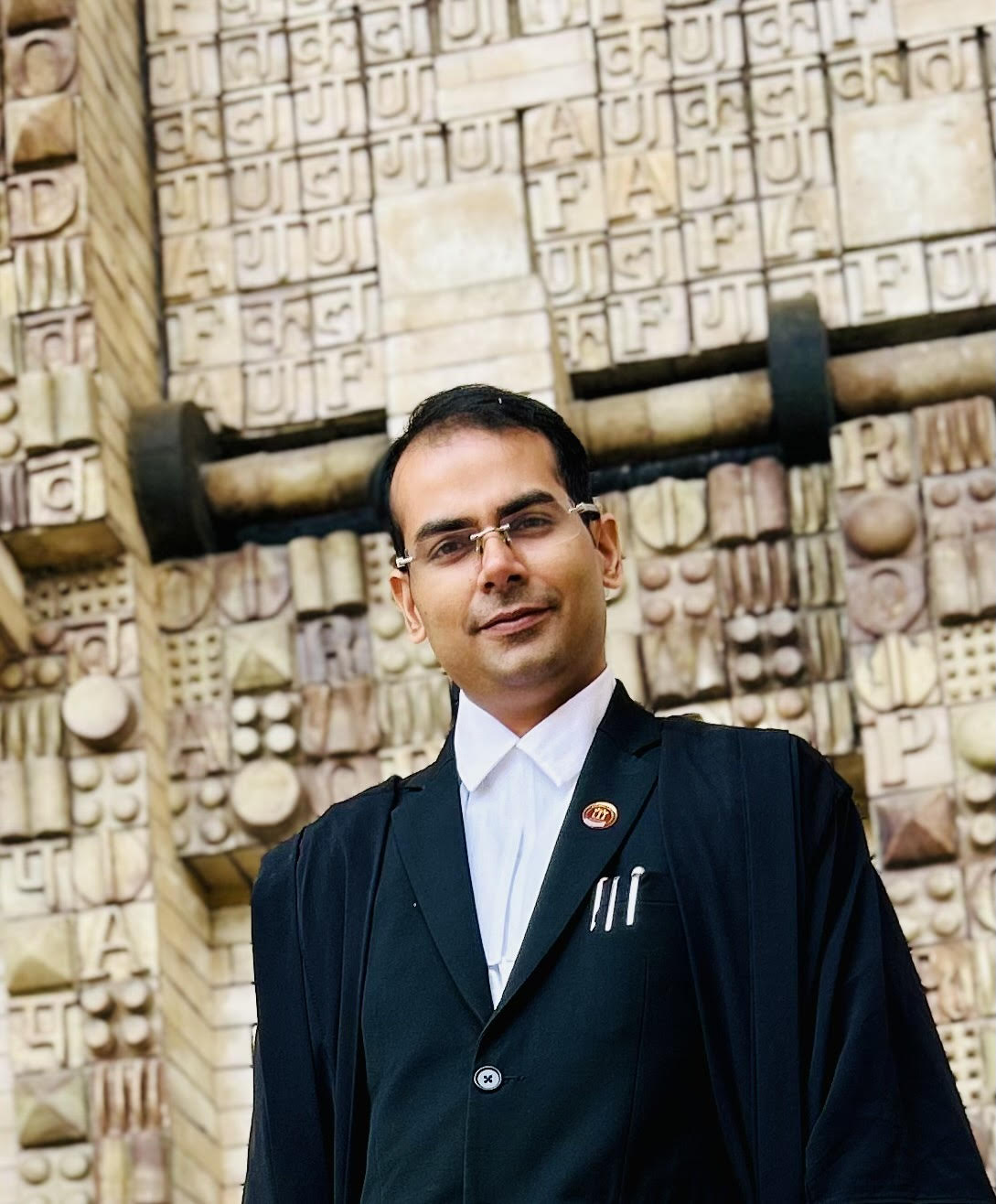
    With over 14 years of experience, do you consider law to be a planned choice for you? What was your motivation to pursue this field?

    It was certainly not the case in the beginning. Back in the early 2000s as students of a government school, we didn’t know any better than doing engineering. However, once I started giving the entrance examinations, I realised that I’ll not make it into the elite government institutions, and I felt it would be a waste of time, money, and effort to graduate from a mediocre university. Around this time, a friend mentioned he was taking law entrance exams, which was news to me—I hadn’t known that law colleges had entrance exams! This was pre-CLAT, so each university had its own exam, and deadlines for many had already passed. Among the remaining options, I was waitlisted at a National Law University, which led me to consider alternatives. By this time I became really passionate about Law, Polity and Jurisprudence. I got an admission in DES Law College, Pune and loved it so much that I did not even try elsewhere. Rest, as they say, is history.

    With more than a decade of experience across different sectors, what inspired you to focus on mediation as an additional vertical in your office? Could you share a specific example from your mediation practice where you successfully navigated a particularly challenging dispute?

    Mediation is a relatively new vertical in my chambers. I was selected for mediation training by Samadhan – the Delhi High Court Mediation and Conciliation Centre in 2019 but only qualified in 2022. No, I did not flunk! The pandemic years delayed the process. 

    My interest in mediation grew as I witnessed how timely intervention by expert mediators resolved issues without prolonged litigation. If you follow the news, mediators are being appointed in various disputes including between governments.

    There are many complex mediations and each brings its own unique challenges. Family disputes are often emotionally charged, while corporate disputes tend to involve parties digging their heels in and refusing to change their positions. However, most rewarding mediation for me was one where I got the matter settled between a Music Company and a Government Department. Government officials are often reluctant to settle, fearing accusations of corruption. Navigating this case was challenging due to the power imbalance between the parties, but through structured dialogue over multiple sessions, we managed to salvage the relationship and reach a mutually beneficial agreement.

    During your early years of practice alongside senior advocates, what key lessons did you learn that significantly shaped your legal career?

    My first office taught me the importance of efficiency and understanding all aspects of practice. In a boutique law firm, it is easy to be inundated with work and get burned out. from drafting to filing, handling registry objections, getting matters listed, and even standing in for seniors. This experience made me self-sufficient quite early on in my career. 

    My second office is where I actually felt mentored. Just like me, my senior was also a first generation advocate. When I asked him about which specialisation or field of law should I concentrate on, he told me to “Just be an Advocate” and the clients will determine what they want to engage you for. Working with a senior advocate taught me the art of strategy and patience. Observing his approach to complex cases, I learned that thorough preparation and clear communication are crucial. These early experiences instilled a respect for detail, discipline, and the importance of upholding integrity in advocacy. 

    You also undertake legal-aid activities. How has your experience with the Delhi High Court Legal Services Committee influenced your perspective on access to justice for marginalised communities?

    It has been a rich and rewarding experience. My work with the Delhi High Court Legal Services Committee reinforced my desire for inclusive access to justice. Through this role, I’ve seen firsthand the hurdles that marginalized individuals face. The idea is to ensure that legal aid to the poor is not poor legal aid. Recognizing that equitable access to legal assistance is essential for a fair justice system has deepened my commitment to pro bono work. 

    Having argued various landmark cases and the most recent of them being Balaji Exim v. Commissioner, CGST reported in 2023 (73) G.S.T.L. 350 (Del.). Can you share a few insights with us regarding the key legal principles involved in your approach to the case?

    I don’t think one can plan to get any landmark case. In each case, one should keep an open mind and look at the issue thoroughly from all angles. In Balaji Exim, a critical point was upholding procedural fairness in GST adjudication. The department was implementing a constricted reading of the law in case of Input Tax Credit by denying the recipient benefit because of an ongoing investigation against the supplier. We argued that suspicion cannot be a ground for denial of credit. The court agreed and observed that the accusation of availing fake credit by the supplier could not be a ground for rejecting the petitioner’s refund application of ITC unless it is proved that the petitioner has not received the delivery of goods or had not paid for them. Our approach aimed to balance statutory interpretation with principles that prevent arbitrary power.

    After working with various Law Offices for 4 years you established your own practice. What motivated this transition and what were the initial challenges that you faced?

    There’s never a perfect time to go independent; it’s a leap of faith. As long as one is learning and growing, it’s natural to stay associated with an office. However, at some point of time, we must ask ourselves the hard question. Do you wish to climb the corporate ladder of a firm or fly solo? I was very clear that I enjoy being the counsel the most and that is the most important thing for me. It helped that my senior allowed me to take up my own matters so the transition was not so sudden.

    I started my chambers with a total of 3 good clients. So the initial challenge was to get more clients and make enough money to sustain the people who have decided to be part of your whimsical dream. I spent all my savings on setting up the office and it would have been very easy to call it quits. Fortunately, the staff was cooperative and clients also spread word of mouth. After some years, the next set of challenges emerge which is hiring the right people and putting processes in place so your ability to do everything on your own does not become an inefficient obsession.

    How do you stay updated on the evolving dynamics of Indirect Tax Laws, such as GST, Customs, Central Excise, Service Tax, FEMA, Foreign Trade Policy, Anti-Dumping Duty, and related regulations, particularly from an international perspective?

    Indirect tax is just like any other field of law that requires you to go through recent decisions, amendments and government notifications. The only issue is that these are far more frequent when compared with the traditional fields. Therefore, staying updated involves a multi-pronged approach—regularly reviewing amendments, studying landmark judgments, attending seminars, and engaging with professional networks globally. The practicing advocates of CESTAT also have a very helpful WhatsApp group for new developments in the field. Additionally, I try to follow developments in international politics, as these often influence policies domestically.

    As the founder of your law chambers, how do you ensure effective communication workflow while balancing it with your personal life?

    I prioritize streamlined communication within my chambers by implementing clear protocols and encouraging teamwork. I avoid micro-management as it is very frustrating and time consuming. Instead, I delegate and only follow up on specified deadlines. Since we are a small team, everyone is comfortable directly approaching me in case of an issue they are not able to resolve themselves. On a personal level, I allocate time for family and personal well-being, which helps me stay balanced and focused. Unfortunately, through all this, sleep sometimes is a casualty but I am actively trying to remedy that.

    You frequently visit various law colleges and universities for guest lectures and chairing various competitions. What advice do you give to the younger generation who wish to achieve excellence in the field of law?

    To quote a Louis Armstrong song, “They’ll learn much more than I have ever known”. It is hard to give advice to the younger generation who already have vast knowledge and exposure. But since you have asked for it, my advice is to cultivate perseverance, curiosity, and ethical integrity. Law is demanding and requires continuous learning. Be open to mentorship, value hard work, and, most importantly, understand that building a reputable practice takes persistent dedication over time.

    Get in touch with Abhas Mishra-

  • “Growing up in a household where legal discussions were a part of everyday life, I developed a natural inclination towards the field,” – Dr. Sachin Sharma, Managing Partner at KSV TAX CONSULTANTS.

    “Growing up in a household where legal discussions were a part of everyday life, I developed a natural inclination towards the field,” – Dr. Sachin Sharma, Managing Partner at KSV TAX CONSULTANTS.

    This interview has been published by Namrata Singh and The SuperLawyer Team

    Could you please share with us the journey of how you found inspiration to pursue law, followed by your decision to delve into Company Secretaryship, and then continuing your education for Doctor of Laws with a focus on taxation? What motivated these transitions and how do you believe they have contributed to your expertise in the field today?

    My journey into law was inspired by my family’s long-standing legacy in the legal profession. Growing up in a household where legal discussions were a part of everyday life, I developed a natural inclination towards the field. After completing my BA LLB (Hons.) from the University of Rajasthan, I realized the importance of understanding corporate governance, which led me to pursue Company Secretaryship from the Institute of Company Secretaries of India. This qualification provided me with a deep insight into corporate laws and practices, complementing my legal knowledge.

    My interest in taxation, particularly GST, emerged from the evolving economic landscape in India and the significant impact of tax laws on businesses. Pursuing an LL.M in Commercial Law from the University of Bristol and later a Doctor of Laws with a focus on GST from JECRC University, allowed me to specialize in this area. These educational transitions were driven by a desire to build a comprehensive understanding of the legal and corporate world, which I believe has been instrumental in my role as a Managing Partner at KSV TAX CONSULTANTS, enabling me to provide holistic and informed advice to our clients.

    As the Managing Partner at KSV TAX CONSULTANTS, you oversee various aspects of the firm’s operations. Could you share with us some key strategies or initiatives you’ve implemented to foster growth and maintain the firm’s competitive edge in the field of taxation?

    When I took over as Managing Partner, my primary focus was on consolidating and expanding our services. One key strategy was to integrate all our legal services under the KSV banner, which provided a unified identity and streamlined our operations. We also expanded our reach beyond our traditional geographic limits, establishing a presence among international clientele such as Japanese, UK, US, and UAE.

    Collaborating with firms that specialize in areas beyond our core competencies allowed us to offer a comprehensive suite of services to our clients. Additionally, we emphasize continuous learning and pro bono training, especially on GST, to ensure that our team and clients are well-informed and compliant with the latest regulations. Our high success ratio and strong market reputation are testaments to these initiatives.

    As a lead speaker on GST, you’ve had the opportunity to educate and inform many. What do you believe are the most common misconceptions people have about GST, and how do you address them?

    One of the most common misconceptions about GST is that it is overly complex and burdensome for businesses. Many people believe that complying with GST regulations requires excessive paperwork and frequent changes to their accounting systems. To address these concerns, we focus on educating our clients and the public about the long-term benefits of GST, such as one nation one tax, improved tax compliance, elimination of cascading taxes and most importantly eradication of non-compliant players in the market.

    We also conduct training sessions to simplify the GST framework, providing practical examples and hands-on guidance to help businesses transition smoothly. By breaking down the complexities and demonstrating the operational advantages of GST, we aim to dispel myths and build confidence in the system.

    Having appeared multiple times on CNN News 18 for live talks on GST, what do you believe are the most pressing issues or developments in the realm of taxation that the general public should be more aware of?

    One pressing issue in the realm of taxation is the need for greater awareness and understanding of the dynamic nature of tax laws, particularly GST. The general public should be aware of the frequent updates and amendments to tax regulations, which can significantly impact their businesses and personal finances.

    Another critical development is the increasing focus on digital taxation and compliance. As the economy becomes more digitized, understanding the implications of digital transactions and e-commerce on taxation is crucial. I also emphasize the importance of proactive tax planning and compliance to avoid legal complications and penalties. By staying informed and adapting to these changes, individuals and businesses can navigate the tax landscape more effectively.

    Your dissertation on the success of mergers and acquisitions offers a unique perspective. How do you see the legal landscape evolving in facilitating such transactions, particularly in light of global economic shifts?

    The legal landscape for mergers and acquisitions is becoming increasingly complex and dynamic, influenced by global economic shifts and regulatory changes. One significant trend is the emphasis on due diligence and compliance, ensuring that transactions are transparent and meet all legal requirements.

    With globalization, cross-border mergers and acquisitions are becoming more common, necessitating a thorough understanding of international laws and regulations. The rise of technology and digital platforms is also transforming the way these transactions are conducted, making the process more efficient but also more susceptible to cybersecurity risks.

    To facilitate successful mergers and acquisitions, it is crucial for legal professionals to stay updated with global economic trends, regulatory changes, and technological advancements. This proactive approach helps in anticipating challenges and navigating the complexities of such transactions effectively.

    What do you believe are the key factors contributing to the success and recognition of KSV Tax Consultants on a global scale?

    Several key factors have contributed to the success and global recognition of KSV Tax Consultants. Firstly, our long-standing legacy of over seven decades has established a strong foundation of trust and reliability in the market. This legacy has been a cornerstone, providing us with a solid reputation built by my grandfather and father.

    Secondly, my strategic vision in expanding the firm’s services both nationally and internationally has significantly broadened our client base. By extending our reach beyond traditional geographic boundaries and establishing a presence in key international markets, we’ve been able to serve a diverse range of clients. Additionally, our focus on comprehensive service delivery, through strategic partnerships and a 360-degree service model, has set us apart from our competitors. This approach allows us to provide a full spectrum of legal and financial services, tailored to meet the unique needs of each client.

    Furthermore, my emphasis on continuous learning and professional development has ensured that our team stays at the forefront of the latest legal and tax developments. We regularly engage in training sessions and consultancy services, often provided pro bono, to keep ourselves and our clients well-informed. This proactive approach has reinforced our reputation as a knowledgeable and client-centric firm.

    Reflecting on your academic journey, you completed your LL.M at the University of Bristol, known for its excellence in legal education, and subsequently pursued a Doctor of Law at JECRC University. Could you share with us your experiences in both these academic environments, highlighting the insights gained from studying at an international institution like Bristol and how it compared to your experience at an Indian university like JECRC?

    Studying at the University of Bristol was a transformative experience. The international exposure and diverse academic environment broadened my perspective on legal issues, particularly in commercial laws. The emphasis on critical thinking, research, and practical applications of law at Bristol equipped me with advanced skills and knowledge that have been invaluable in my professional career.

    In contrast, my experience at JECRC University provided me with a deep understanding of the Indian legal framework of GST and its comparative study with Canada, Singapore, New Zealand and Malaysia . The focus on taxation law, especially GST, was particularly relevant given the significant tax reforms in India. The combination of these two academic experiences allowed me to integrate global best practices with local insights, enhancing my ability to address complex legal issues in both domestic and international contexts.

    How do you approach mentoring and developing the next generation of tax professionals within your firm?

    Mentoring and developing the next generation of tax professionals is a priority at KSV TAX CONSULTANTS. We adopt a structured approach that includes formal training programs, hands-on experience, and continuous learning opportunities.

    New recruits undergo comprehensive onboarding training to familiarize them with our firm’s practices and the latest developments in taxation laws. We encourage them to participate in ongoing professional development courses and certifications to enhance their expertise.

    Mentorship plays a crucial role in their development. Experienced partners and senior staff provide guidance and support, helping younger professionals navigate complex cases and client interactions. We foster a collaborative environment where knowledge sharing is encouraged, and every team member feels valued and supported.

    Additionally, we also organize conferences, seminars, and workshops. These platforms not only expand our team member’s knowledge but also allow them to network with peers and industry leaders, furthering their professional growth.

    With the demanding nature of your profession, how do you unwind and recharge outside of work? Could you share some of your favorite ways to relax and rejuvenate?

    1. Exploring different Countries and Cultures;
    2. Love to explore upcoming technology and models in automobiles being an automobile freak.
    3. Love to explore luxury hotels for relaxation

    Given your wealth of experience and expertise, what advice or suggestions would you offer to the current generation of aspiring tax professionals and legal scholars navigating the complexities of today’s business and legal landscapes?

    Five mantras, “Dedication, Discipline, Honesty, Hard work and Self-confidence”. If you do your task with full confidence and efforts, you will succeed at first stage or next.

    Get in touch with Dr. Sachin Sharma-

  • As a young tax professional, one must try and understand practical nuances of law and significance of or rationale behind any amendment, pay attention to facts of each case, be in regular touch with your clients and understand their business by stepping into their shoes- Brijesh Kothary, Partner at Lakshmikumaran and Sridharan

    As a young tax professional, one must try and understand practical nuances of law and significance of or rationale behind any amendment, pay attention to facts of each case, be in regular touch with your clients and understand their business by stepping into their shoes- Brijesh Kothary, Partner at Lakshmikumaran and Sridharan

    This interview has been published by  Priyanka Karwa and The SuperLawyer Team

    You’ve had an impressive career in the field of indirect tax advisory, but I’m curious to know what initially drew you to the field of taxation. Could you also share your journey and the factors that led you to pursue law as your career?

    Thank you for taking interest in my career journey. I come from a business family, and as I grew up, the plan was always to brace the entrepreneurial journey, so I pursued commerce as the stream. I started looking after the books of accounts of our firms as I was graduating, which drew me closer to the number game in terms of the financial management and tax planning, and that is when I decided to pursue Chartered Accountancy. 

    During my articleship, as we represented clients before the tax authorities, I saw a scope in pursuing law as a career. I was drawn towards the legal aspect of taxation, since even while defending the clients, we used to always rely on the legal jurisprudence. I therefore decided to develop my legal acumen and use the skills that I acquired during my articleship to step into the legal industry and make the most out of it. The immense support that I received from my family and friends during this phase of my career is unforgettable. 

    Interestingly, when I joined Lakshmikumaran & Sridharan Attorneys, I was the only Chartered Accountant at their Bangalore office. Since then, the journey has been nothing but a rollercoaster, but one which I have thoroughly enjoyed throughout. I consider myself fortunate enough to be able to pursue indirect tax as my core area of practice. And I think the idea to pursue Law along with Chartered Accountancy has been one of the best decisions of my career. Having said the same, I truly aspire to be amongst the leading indirect tax lawyers in the country. 

    As a Partner at Lakshmikumaran & Sridharan Attorneys, you play a key role in overseeing business development and client outreach. Can you tell us about a specific strategy or initiative you’ve been involved in that significantly contributed to the firm’s growth and success?

    This is an interesting question. It is a well known fact that the outcome of business development and client outreach programmes are some of the key indicators to gauge a partner’s performance in law firms. I have been actively involved in such programmes, wherein we quite often discuss and strategize how to identify issues and support clients to structure their business to align with relevant laws. As part of regular business development activities, we try to generate leads and identify new projects in the areas of taxation. These initiatives have steered me to think out of the box and helped me in associating with new clients and securing new assignments from the existing clients as well. 

    I use social media platforms like LinkedIn and other applications to identify potential work opportunities, and also to share my views on issues that the industry may be facing. My regular interaction with business associations and Government’s grievance redressal committees not only helps me update myself with ongoing legal issues but also enables me to act as a medium for exchanging information between the stakeholders. I also try to attend as well as serve as a key speaker in important networking events through webinars or seminars. As a partner, it is my endeavour to offer strategic business development advice to the leadership, practice groups, and other associates who are working to strengthen their ties with the clients. 

    One of the most important things that I have realised throughout my journey is the importance of building trust. If your client does not trust you, they will never come to you. Even while providing them advice on the issues, I try to follow-up with them regularly to ensure that they don’t face any issues in implementation of the advice. I am also very active in updating the clients of any changes that are brought into the law which may have an impact in their business. This sense of involvement in their business has helped me gain their trust and confidence over the years. I strongly believe in building professional relationships with clients, which has worked in my favour over the years. 

    One of your significant achievements was in the implementation of GST (Goods and Services Tax) for various clients across different sectors. Given the complexity of this tax regime, what challenges have you encountered while working with clients from various industries, and how do you navigate these challenges effectively?

    When the GST laws were implemented back in 2017, the industry was caught unprepared. That is when our role as indirect tax practitioners played a key factor in providing requisite support to the clients. I very proactively took up the responsibility of understanding business needs for ensuring a seamless and glitch free implementation and smooth transitioning of the old laws such as Central Excise, VAT and Service Tax into the GST regime. 

    One major challenge that I faced was that as new as the GST laws were for the clients, it was new for us as well. Therefore, understanding the GST laws in depth and to align them with different business models effectively and efficiently with no room for error was a major challenge initially as it required a lot of brainstorming. Maintaining the finest quality of drafts at the shortest turnaround time was another challenge that we overcame as a strong team. However, with time we ensured smooth transitioning of business from the erstwhile laws to GST law. 

    Tax laws are ever evolving, and we often face challenges in implementing them in the dynamic business environment. However, my interest in these laws is such that I try to keep myself updated with every minor change that is brought in, to make sure that when my clients need some advice, I am updated enough to be able to provide them with a well-researched and practically implementable opinion.  

    You provide legal opinions and undertake tax compliance review for your clients. Could you share an example of a particularly complex or interesting case where your expertise in this area made a significant impact?

    Well, I would not like to call this complex, but an interesting judgement of the Supreme Court last year changed the position of a well settled law. The Apex Court in the case of Northern Operating Systems held that secondment of expatriates from foreign group companies to its Indian counterpart constitutes provision of manpower services and thereby leviable to tax. The industry under the genuine belief was not discharging GST. Pursuant to pronouncement of the said Judgement, the Industry has been receiving show cause notices from the Department with a proposal to demand GST along with interest and penalty, right from 2017. Since the volume of transactions is huge it has adversely impacted the Industry as it has become a huge cost for them. We are consistently working on this issue to justify the position and defend the same at appropriate forums to ensure that the issue does not have any further adverse effect on the industry and appropriate relief is provided to them in a time bound manner. I am hopeful that the Government would consider our submissions and come out with an eagerly awaited relief package for the industry.

    You oversee all tax compliances and tax related disputes of your family business. How did this experience in the corporate sector influence your perspective on tax compliance and advisory work, and what lessons did you carry forward into your legal career?

    Well, over the years I have learnt that the tax structure does not drive the business, rather it plays a minute but significant role in the decision making process. My experience in the corporate sector has given me a deep insight into how business decisions are taken. Obviously, the decision-making process in a corporate setup is very different from that of a family run business, but the objective of every organisation remains the same, i.e., to grow by being tax compliant. 

    The major practical challenge comes when I have to implement any advisory by understanding the business from the client’s perspective. The aim is always to be very certain while providing some advice to ensure that even if the same is challenged in the court, I am confident enough to defend the position. It has only taught me the importance of paying attention to every detail, no matter how small it is. An important lesson I have learnt which I strive to carry throughout my career is to never stop learning – every day is new; every day comes with a new challenge and the learning should never stop. I strongly believe that one should always be open to new challenges and opportunities. 

    Lastly, I would also like to state that my team plays a crucial role in my success, and I wouldn’t be able to reach where I am without them. There have been many life-long lessons learnt along the way, but the core of what sticks with me is the significance of having good team building and communication skills, and to believe and encourage your people to deliver results as a team. 

    In your role as a partner and throughout your career, you’ve been involved in recruiting and mentoring juniors. What advice do you have for young professionals looking to excel in the field of indirect tax advisory and taxation law?

    I would like to say to all young professionals that the dynamics of tax laws is very interesting. It is very important to start early and keep yourself updated regularly. You should have a really strong memory bank to remember and apply the legal provisions and important judgments as you interact with the clients or even colleagues. Have a proper repository of all important case laws and keep them handy for future usage. Stay focussed, be on your toes and develop skills to have a quick turnaround time. You may not realise it now, but the skills to have good turnaround time really does wonders in the long run. 

    As a young tax professional, one must try and understand practical nuances of law and significance of or rationale behind any amendment, pay attention to facts of each case, be in regular touch with your clients and understand their business by stepping into their shoes. The scope for professional as well as personal growth of tax lawyers in India is immense considering what a niche field of law this is, so make the most of it. It goes without saying that specialisation in a particular field of law is important, but I also believe that one must have a general understanding of allied laws and regulations which is equally important for professionals who are passionate to excel in the field of indirect tax.

    Your career highlights include providing advisory and litigation support for multinational clients. What advice can you offer to businesses, especially those with a global presence, to navigate the complexities of international taxation and compliance effectively?

    Navigating through the complexities of taxation and compliance can be challenging for businesses with a global presence. It is crucial to have a well-thought-out strategy and a team of experts to ensure you comply with local regulations while optimizing your tax position. I would really like to emphasize to the companies to have a good understanding of local tax laws. Establish a well-documented transfer pricing policy to determine how your transactions with global entities are priced. This helps prevent disputes with tax authorities and ensures compliance with local regulations on Income Tax as well as Customs front. Be aware of any Tax Treaties or Free Trade Agreements between countries. These treaties and agreements can affect the income tax rates you are subject to and the benefits you may receive on import of goods from outside India. 

    As a policy, MNCs tend to invest heavily on advanced accounting and tax technology solutions to manage their global financial data. These practices help them to automate reporting, improve accuracy, and provide insights into their international operations. One challenge I have observed during all these years is the preparedness of MNCs when it comes to submission of documents and records to tax authorities. It is crucial to maintain meticulous records of all financial transactions and relevant documents. Companies can strategize on identifying potential risks and uncertainties in their tax positions and back them with legal opinion from experts wherever necessary. They can also develop risk mitigation plans and strategies to deal with disputes or unexpected changes in tax laws with the help of their in-house counsels or external consultants.

    A fundamental advice I would like to give to the MNCs is to provide tax and compliance training to the employees who are responsible for undertaking financial transactions or dealing in tax matters. This can help prevent inadvertent non-compliance issues. Conducting regular audits and reviewing tax and compliance practices from time to time go a long way to ensure continued adherence to the ever-evolving tax laws.

    Finally, as someone with a wealth of experience in the legal and taxation fields, what advice would you like to give to students and fresh law graduates who are just beginning their journey in the legal profession and may be considering a career in taxation law or advisory?

    Starting a career in the legal profession, particularly in an area of law such as taxation can be both challenging and rewarding at the same time. Few pieces of advice for students and fresh law graduates embarking their journey in this field is firstly to build a strong foundation in understanding general principles of law before specialising in tax laws. You have to be very patient since tax laws are complex and are constantly evolving. Develop a professional network early in your career. Attend legal seminars, conferences and events to get accustomed to tax jargon. This will really help you build your confidence and develop good communication skills. Seek out mentors who have experience in tax laws and never be hesitant to ask for help. 

    As part of the education curriculum, students must work on developing strong research, writing and negotiation skills. Be adaptable in your approach to develop problem solving skills and techniques. Lastly, be humble! Kindness plays a pivotal role in establishing yourself in any firm or organization that you will go to. 

    As a parting remark, I would like to mention that taxation is one of the oldest coded laws, but a niche area of practice and is certainly worth considering as a long term career option.

    Get in touch with Brijesh Kothary-