With over a decade of experience in various areas of the law, was law a planned career path for you, and what inspired you to specialize in corporate law, particularly in the maritime and international trade sectors?
Law was always a calling for me; the discipline, the analytical rigor, and the opportunity to impact society resonated with my drive for meaningful work. My journey to specialize in corporate and maritime law, however, was shaped by my academic background and early exposure to international trade’s vast complexity. Earning my LL.M. in Maritime Law from the Indian Maritime University, where I graduated with a Silver Medal, gave me a solid foundation in both theoretical and practical aspects of maritime law. Corporate and international trade law present a unique set of challenges and rewards that only a global, multidisciplinary approach can address. This field offers a constant intellectual challenge and an opportunity to work at the intersection of law and global business, which I find immensely fulfilling.
What do you consider the most pressing legal challenges that companies in the shipping and maritime industries face today, especially in the context of cross-border trade?
Today, maritime companies are navigating a minefield of legal challenges, with compliance and risk management at the forefront. Companies face increasingly stringent environmental regulations—compliance with IMO standards on emissions, for instance, is now critical. Global trade tensions have also intensified the need for adaptable legal strategies, as tariffs, sanctions, and embargoes add layers of complexity to cross-border trade. Additionally, cybersecurity risks are an urgent concern as shipping operations become more digitized, making robust data protection policies and crisis management strategies essential. Having represented clients in international arbitration and cross-border disputes, I’ve seen firsthand how preparation and adaptability are key to meeting these multifaceted challenges.
Given the evolving nature of corporate governance in India, how do you advise shipping and maritime companies to navigate compliance with both Indian and international regulatory frameworks?
In today’s regulatory environment, I advise maritime companies to adopt a comprehensive compliance strategy that harmonizes Indian laws with international requirements. With my background in both Indian corporate law and international maritime regulations, I focus on creating frameworks that meet the stringent standards of bodies like the IMO while aligning with Indian regulatory mandates. Regular training and internal audits are invaluable for keeping teams aware of emerging compliance needs. It’s also critical for companies to build relationships with regulators and industry experts, as this fosters an environment of mutual understanding that aids in anticipating and preparing for regulatory changes.
You have extensive experience in international arbitration. Can you discuss a particularly complex international trade dispute that you’ve been involved in, and the strategies you used to achieve a favourable outcome for your client?
Well, there are many, but I’d like to share a notable case involving bunker fraud. This was issue with regards to the time charter party, where charterer hired a vessel on a six-month time charter, incurring losses exceeding million dollars due to severe underperformance (over consumption of fuel). Complicated by a penalty clause for early termination, the charterer sought expert guidance to mitigate potential legal risks.
Our investigation uncovered a Cappuccino bunker fraud conspiracy (cappuccino effect is a type of fuel fraud that occurs when compressed air is introduced into fuel delivery hose during bunkering) involving the ship management company, bunker supplier, and crew. We responded with strategic, multi-jurisdictional legal action:
– Initiated criminal proceedings against the supplier in its concerned jurisdiction.
– Filed parallel arbitration for damages against the owner and ship management company according to Charterparty Arbitration Clause.
– Secured the arrest of a sister vessel in admiralty to ensure payment.
These coordinated efforts across three jurisdictions prompted the respondent to settle, securing justice and recovering our client’s losses.
How do you balance your dual roles as a practicing lawyer and a faculty member teaching maritime law? What are the most common gaps in legal knowledge relating to maritime law that you encounter among students and professionals, and how do you address these in your teaching?
Balancing a legal practice with teaching at institutions like the Indian Maritime University and Narottam Morarjee Institute of Shipping requires a structured approach. Both roles feed into each other: my practice enriches my teaching, allowing me to bring real-world cases to the classroom, while teaching helps me stay sharp and analytical. One common gap I observe is a limited understanding of the global regulatory landscape—students often lack context on how international treaties like UNCLOS and IMO conventions interact with national laws. I address this by emphasizing a global perspective in my lectures, encouraging students to think beyond national boundaries, as maritime law is inherently international. This perspective prepares them to handle the legal and regulatory complexities they will encounter in practice.
Given your extensive experience in Corporate, Shipping/Maritime & International Trade Law, what motivated you to become a Partner at International Maritime Law Chambers, and what were the initial challenges you faced?
Joining International Maritime Law Chambers as a Partner was motivated by my commitment to advancing the field of maritime law in India and beyond. As a Partner, I wanted to not only lead complex cases but also mentor young lawyers interested in this specialized area. Initially, building a team that could meet the high standards we set for international arbitration and complex cross-border cases was challenging. Developing a reputation for excellence required establishing trust with clients, consistently delivering favorable outcomes, and positioning our firm as a trusted advisor in high-stakes matters. These early challenges have since translated into rewarding partnerships with clients and an exceptional team dedicated to the firm’s mission.
How do you balance your corporate law practice and your role as an educator and trainer with your personal life?
Balancing these responsibilities requires setting clear priorities and respecting my personal time. I believe in structured time management—segmenting the day for client work, research, teaching, and personal commitments. I am fortunate to have a supportive family and a team that enables me to manage my workload effectively. Maintaining a balanced life isn’t just about work—it includes time for self-reflection and rejuvenation, which are vital for sustaining the energy needed in a demanding profession. Ultimately, my roles as a partner, educator, and advocate are deeply fulfilling, as they allow me to make meaningful contributions while honoring my personal values and commitments.
What advice would you offer to young aspiring lawyers who aim to excel in the field of maritime law?
For aspiring maritime lawyers, a solid grounding in both Indian and international law is essential. I encourage young lawyers to invest time in understanding treaties, conventions, and the workings of regulatory bodies like the IMO, as maritime law is global by nature. Building expertise in arbitration and cross-border dispute resolution is equally critical, as maritime disputes often require these specialized skills. Finally, cultivate a mindset of continuous learning; maritime law evolves in response to global trade trends, and staying informed will differentiate you in this highly specialized field. As a faculty member, I always remind students that success in this field comes from both expertise and a commitment to lifelong learning.
Could you please share what initially sparked your interest in law and how your early experiences at ILS Law College and Crawford Bayley & Co. shaped your legal career?
Well, an interest in law sparked since it was a technical field for students after high school (12th) who did not want or rather could not become doctors or engineers, could join five five-year integrated law courses. I wanted to pursue a technical field rather than going for a simple graduation of three years and then preparing for civil services (UPSC) or any State government jobs, etc. The five-year integrated law course was in trend at that time in the year 1998. Further, the third year of the law degree i.e., Bachelor of Socio-Legal Sciences (BSL) of the five-year law course was considered and treated as equivalent to any graduation degree. Hence one had the flexibility to switch from law and pursue a job, take government examinations, etc. after completing the third year of the five-year law course. Lastly, the five-year law course also saved an additional year for those who did not want to graduate from any stream for three years and then pursue the conservative law course for an additional three years.
As regards ILS Law College Pune, I must say it is a complete institution for shaping someone who wants to make his or her career in law. The campus, the Library and the faculty were at our time and even now the best. At that time in 1998, I also had an offer to join Symbiosis Law College, Pune but I chose ILS for the reasons above.
After passing out law from ILS Law College Pune, I got placed in Crawford Bayley & Co. Mumbai in their customs and central excise department. It was a Solicitor’s firm where I learnt about how do firms practise and functions. As a novice, I had to do lots of research work, file reading, notes preparation, and brief keeping and assist seniors both in courts as well as back office. Initially working here taught me a lot.
From starting as an Advocate Assistant to holding senior roles in renowned companies, how has your understanding of the legal profession evolved over the years?
I pursued law as a means to earn my bread and butter. Initially, like many, I was unsure of where I would land in this profession because it is such a diverse field. One thing was clear: I had to learn and earn. In my view, what we study or do during our law degree is primarily for passing exams and obtaining a license. The real challenge begins when we have to apply that knowledge practically once we start working. The learning process is never-ending in this profession. Everyone will agree that we are learning every day because the law is always evolving based on facts, needs, and circumstances. Laws are amended, updated, and are dynamic.
I have learned throughout my journey, starting as an Advocate Assistant in law firms, moving to corporate houses as an in-house counsel and head, and even now as an independent legal counsel. As an in-house counsel, my role focused more on addressing business and commercial needs with the laws applicable to the industries I was supporting. On the other hand, as an independent counsel, I am responsible for ensuring the overall execution of legal strategies.
As an in-house counsel, I relied heavily on timely feedback and inputs from the business team to achieve the best results. Therefore, networking and maintaining good relationships with the business team were crucial. In both in-house and independent roles, the application of any law, strategy, or action in a given scenario can only be effective when we have the correct and relevant facts.
Having been part of both in-house and independent setups has given me valuable insight into what is expected from me in any given assignment. Additionally, as lawyers, whether in-house or otherwise, we must stay up-to-date with technology, computers, legal software, and MS Office, as these tools enhance our efficiency and boost overall productivity.
What motivated you to establish R&R Advocates Law Office in 2020?
I have been in a job for a long time either in law firms initially or as an in-house and head legal later with domestic and multinational corporate houses. I wanted to give it a try to independent work. Some of my well-wishers from the industries I worked with, their trust and networking motivated me to establish my office fully in January 2022 although I had initiated the setup in October 2020.
With your extensive experience in arbitration, can you share key strategies that have helped you successfully resolve complex disputes without resorting to court battles?
The strategies would depend on the stage of the arbitration proceedings one is involved in. If we are defending or initiating arbitration, it may ultimately be difficult to avoid a court battle, as either party is likely to challenge the arbitration award. In my experience, I have not encountered a situation where the parties involved in arbitration have fully accepted the award without further dispute. However, from a commercial standpoint, there may be opportunities for the parties to negotiate before the commencement of arbitration proceedings and mutually agree on a way forward, rather than pursuing arbitration or other legal recourses. This would depend entirely on the commercial aspects, the agreement in place, and the specific facts and circumstances of the case.
The construction of the agreement is crucial. As an in-house legal professional working with corporates, I always ensured that business agreements were thoroughly vetted, with legal clauses carefully aligned to meet both commercial and industry requirements. This approach left very few loopholes for the other party and allowed us to enforce or negotiate the terms of the agreement in the event of a dispute, thus securing the organization’s rights and minimizing the chances of legal battles in court.
You’ve worked on matters involving international collaborations, like with IFFCO-TOKIO. How do you navigate the complexities of cross-border legal issues in today’s globalized business environment?
Before addressing the main part of the question, I would like to mention that while working with IFFCO-TOKIO, I also pursued my Master’s degree in Law (LLM) in 2017 from K.R. Mangalam University. The classes for my Master’s were held after office hours.
IFFCO-TOKIO operates in the General Insurance sector, and it was crucial to regularly review and adhere to relevant government policies and regulatory circulars to avoid any non-compliance issues that could affect both domestic and international stakeholders.
Regarding the complexities of cross-border legal issues, it’s essential to ensure that stakeholders and regulatory compliance are properly managed to minimize business risks. Today, technology has advanced to the point where connecting with offshore partners is no longer a challenge. This allows for comprehensive strategies to be planned well in advance, effectively foreseeing and mitigating risks within a set timeframe.
You have experience in both litigation and corporate advisory. How do you balance the dynamic challenges of litigation with the strategic nature of corporate legal work?
The best part of having worked as an in-house counsel with various corporate houses is the exposure to a diverse range of legal issues related to different businesses. This experience has been invaluable in my independent practice, allowing me to better manage the dynamic challenges of corporate legal work. As an independent practitioner, one must also embrace an entrepreneurial mindset. You are responsible for overseeing all aspects of the work, whether you handle it personally or collaborate with others. In this role, you’re not just functioning as a lawyer—you also take on responsibilities in PR, office management, administration, and promotions.
For current law students or early-career professionals, what areas of law do you think will be most crucial or in-demand in the next decade?
In my views there are many but to name few, corporate and commercial laws, Human Rights & labour laws, tax laws, Intellectual Property Rights, Criminal Laws, Consumer Laws, Competition Laws and Arbitration will be in demand.
What advice would you give to young legal professionals who are starting their careers? How can they effectively navigate the challenges of today’s legal landscape?
In my views there is no fit formula. It is all based upon an individual as to how does he want to mould his career in law. If we go by conservative mechanism, sincerity and continuity in whatever one is doing is important without thinking about what others are doing. One has his own potentials, hence he or she should give the best out of it. To know what is happening around or to say be aware of the environment around him or her to evaluate, calculate and take decision will be important at any stage. Identify your strengths and weaknesses and work upon them but do not waste much time thinking because may are in the race and no one is indispensable.
With such a demanding profession, how do you unwind and maintain balance in your life? What activities or practices help you recharge?
I have always starved for time management. The more I try, the difficult it gets. While in job there is a fixed schedule of reporting to office with punch in and punch out and many work even after office hours. But till I was in job, I tried not to carry pending work home unless it was unavoidable. I focused on being physically active from very beginning of my career and even before that. Every day for past 20 years I have spent one and half hour daily either going to gym for light exercises and cardio, running, jogging and playing different sports like badminton, cricket, etc. This has helped me staying fit both physically and mentally as not only this profession but any demand good health. I am a teetotaler. I do party very occasionally but not late nights. I spend time with family and my near and dear ones mostly. These are the few things that has kept me going.
Can you share with us your journey from your college days at Campus Law Centre, University of Delhi, to becoming a Senior Partner at Law Veritas North? What inspired you to do Law after completing your B.Com?
My journey from my college days at Campus Law Centre, University of Delhi, to becoming a Senior Partner at Law Veritas : North has been one of continual growth, learning, and dedication. After completing my B.Com (Hons.), I was inspired to pursue law due to its inherent potential to impact society positively. As Mahatma Gandhi once said, “The true source of rights is duty. If we all discharge our duties, rights will not be far to seek.” I felt compelled to contribute to the legal framework of my country and serve justice.
As a senior partner, what leadership qualities do you believe are essential for guiding a successful legal team?
As a senior partner, I believe essential leadership qualities for guiding a successful legal team include integrity, clear communication, strategic thinking, empathy, and the ability to inspire and mentor others. To quote Abraham Lincoln, “I am a firm believer in the people. If given the truth, they can be depended upon to meet any national crisis. The great point is to bring them the real facts.” Effective leadership fosters collaboration, ensures coherence in strategy, and motivates team members to perform at their best.
From your perspective, how can the current generation of aspiring lawyers adapt to the evolving landscape of legal practice and carve out successful careers for themselves?
The current generation of aspiring lawyers can adapt to the evolving landscape of legal practice by embracing technology, honing their communication and interpersonal skills, staying updated on legal developments, and fostering a spirit of innovation and adaptability. The life of the law has not been logic; it has been experience. Practical experience and a willingness to learn from challenges are paramount in carving out successful careers in law.
With over 24 years of legal experience, what are some key lessons you’ve learned along the way that you would pass on to aspiring lawyers?
Over my 24 years of legal experience, I have learned several key lessons that I would impart to aspiring lawyers. Firstly, integrity and ethics should always guide your practice. Secondly, continuous learning and staying updated with legal developments are essential. Thirdly, effective communication and interpersonal skills are as crucial as legal expertise. Finally, perseverance and resilience in the face of challenges are indispensable qualities for success in the legal profession.
How do you balance the demands of litigation with providing strategic counsel to clients in property and revenue matters?
Balancing the demands of litigation with providing strategic counsel to clients in property and revenue matters requires meticulous planning, effective delegation, and clear communication. It’s about understanding the priorities of each case and allocating resources accordingly. To quote Benjamin Franklin, “By failing to prepare, you are preparing to fail.” Diligent preparation and a strategic approach enable me to effectively manage both aspects of my practice.
Could you share with us one of the most challenging cases you’ve encountered in your career and walk us through how you navigated through it to achieve success for your client?
One of the most challenging cases I have encountered involved a complex property due diligence running in crores with multiple stakeholders and intricate legal issues. Navigating through it required a comprehensive understanding of property laws, strategic negotiation skills, and perseverance. Through meticulous research, strategic planning, and effective advocacy, we were able to secure a favourable opinion/outcome for our client, ensuring justice prevailed despite the complexities involved. However, due to a confidentiality clause I am unable to divulge further details.
Could you share a moment in your career where you had to adapt to a new dimension or understanding of the law, and how it impacted your approach to future cases?
In a pivotal moment in my career, I faced a property law case where traditional principles clashed with modern urban development dynamics. This compelled me to delve into nuanced aspects of property laws, zoning regulations, and authorities provisions. Adapting to this multifaceted dimension of property law not only refined my legal expertise but also emphasized the significance of balancing individual property rights with broader societal concerns. This experience profoundly influenced my approach to future property law cases, fostering a more nuanced and holistic perspective that integrates legal principles with social and economic realities.
What role do you believe mentorship plays in the legal profession, and have you had any mentors who significantly influenced your career trajectory?
Mentorship plays a crucial role in the legal profession, providing guidance, support, and valuable insights to aspiring lawyers. I have been fortunate to have some mentors who significantly influenced my career trajectory by imparting wisdom, sharing experiences, and nurturing my professional growth. Mentorship fosters personal and professional development, shaping the future leaders of the legal profession.
Could you walk us through what a typical day looks like for you as a Senior Partner at Law Veritas North? How do you manage your time and prioritize tasks amidst your various responsibilities and commitments?
A typical day for me as a Senior Partner at Law Veritas : North involves a blend of client meetings, case reviews, strategic planning sessions, team management, and administrative tasks. Time management and prioritization are crucial, and I rely on effective delegation, leveraging technology for efficiency, and maintaining a structured schedule to balance my various responsibilities and commitments effectively.
How do you think the current generation of lawyers can leverage technology to enhance their legal practice?
Embracing legal technology is paramount in today’s legal landscape. Despite not being a technology expert myself, I recognize its pivotal role in enhancing legal practice. As per an anonymous quote, “Our achievements are the culmination of various influences and collaborations.” Similarly, integrating technology into legal practice enables lawyers to weave a more efficient and effective tapestry of legal services for clients. While I may not possess innate technological prowess, I acknowledge its importance and actively seek opportunities to leverage legal tech tools to streamline processes and deliver better outcomes for those I serve.
What motivated you to choose law as a career? and how has been the journey so far for you?
Choosing law as a career has been a deeply personal and reflective decision for me. Coming from a family with three generations serving in the Forces, where they dedicated their lives to safeguarding the nation on its borders, the motivation to contribute to society was ingrained in me from a young age.
Initially, my inclination was towards humanities, driven by a desire to directly serve the community. However, societal expectations led me to pursue the science stream after my 10th standard, even though my true passion lay elsewhere. After completing my 12th standard, I mustered the courage to break away from the confines of the science stream and follow my genuine calling for law.
The decision to pursue law was rooted in its direct connection to societal issues. I wanted a career where I could witness the real-time impact of my actions on society. Law, with its profound connection to societal structures and issues, provided the ideal platform. It presented an opportunity for me to serve society actively, particularly aiding those from marginalized communities in their struggle for rights.
While my current role doesn’t involve litigation, I have found avenues to contribute significantly. By creating legal awareness and providing advice, I am able to empower individuals in my village and beyond. Moreover, my network in the legal field allows me to connect those in need to peers engaged in litigation, ensuring comprehensive support for those seeking justice.
In essence, my choice of law as a career is not just a professional pursuit but a commitment to contribute meaningfully to societal well-being, extending the legacy of service that runs deep in my family.
Your journey from Executive Trainee (Law) to Deputy Manager (Law) at Power Grid Corporation of India has been remarkable. Could you share some pivotal moments that shaped your career progression within the organization?
I appreciate your acknowledgment of my career progression at POWERGRID. My journey from Executive Trainee (Law) to Manager (Law) has indeed been marked by pivotal moments that have significantly shaped my professional trajectory.
Commencing in 2016 as an Executive Trainee (Law) based at the Western Region-1 Headquarter in Nagpur, I encountered substantial responsibilities even during the training period. One notable instance was the Arbitration Case involving M/s Indo Nabin. Despite the challenges, we were able to restrict the Arbitration award to Rs. 48 Lacs against the Claimant’s demand of Rs. 4.53 Cr. Subsequently, through effective communication with M/s Essar Power, the owner of the consultancy works, we successfully transferred the liability arising from the Arbitration Award to them, saving POWERGRID Rs. 4.53 Cr.
Following the completion of the one-year training period, I was confirmed as an Officer (Law) in 2017 and later promoted to Assistant Manager (Law) in 2018. Collaborating with my colleague Govinda Yadav, we played a pivotal role in shaping the Law Department of Western Region-1. Overseeing more than 500 cases, spanning Land Acquisition, Arbitration, IBC, Contractual Matters, and Tree & Crop Compensation Matters, we managed to significantly reduce the contingent liability of our region by over 100 crores across multiple proceedings. My responsibilities also extended to coordinating with over 20 substations and approximately 10 departments.
In 2021, I achieved a promotion to Deputy Manager (Law) and underwent a transfer to the Corporate Law Department in Gurugram. This transition provided me with the opportunity to draft crucial policies and SOPs, including those related to IBC cases, T/L works, and RoW cases. Notably, I contributed to the unique Transmission Agreement between POWERGRID and Reliance Industries Limited (RIL) for the construction of a dedicated transmission system for the Jamnagar Oil Refinery of RIL.
Furthermore, my involvement in the Africa 50-POWERGRID Project, where POWERGRID is constructing a Transmission Line in Kenya on an equity basis, marked a significant departure from previous international projects undertaken on a consultancy basis. I contributed to Project Agreements, Transmission Service Agreements, and other legal aspects of this ground-breaking initiative.
My journey at POWERGRID has been challenging yet personally satisfying, as I’ve had the opportunity to navigate complex legal scenarios and contribute meaningfully to the organization’s success.
Handling over 500 cases and 100+ contractual matters is undoubtedly challenging. Can you walk us through a particularly memorable case or project that you worked on during your tenure at Power Grid Corporation of India?
Handling over 500 cases and more than 100 contractual matters at POWERGRID has indeed presented numerous challenges, and among the many notable cases, I would like to share a particularly memorable one – the resolution of Right of Way (RoW) matters in Aurangabad.
The project in question had been stagnant for several years due to RoW issues, prompting our decision to address the matter through legal remedies. We initiated the process by filing an application under Section 16(1) of the Indian Telegraph Act, 1885, seeking the intervention of the District Magistrate for the removal of obstructions. Despite the challenges posed by the prevailing COVID situation, I undertook frequent travels and stationed myself at Aurangabad to personally follow up with the District Magistrate.
Initially, the District Magistrate displayed reluctance to issue an order in our favour, considering local factors. However, through persistent convincing and follow-up efforts, we eventually secured a favourable order from the District Magistrate. Subsequently, despite encountering hostile behaviour and resistance from the locals, with the support of the local administration, we were able to successfully construct the Transmission Line. The line was finally commissioned in 2021, just a few months before my transfer to the Corporate Center.
This project stands out as the most memorable in my career thus far, not only due to its legal intricacies but also the tangible impact it had on resolving long standing issues, facilitating the completion of the project, and contributing to the overall success of POWERGRID.
Transitioning from a legal background to pursuing an executive MBA at esteemed institutions like XLRI is quite a leap. What motivated you to pursue further education in management, and how do you envision blending your legal expertise with strategic HR leadership roles?
Embarking on an Executive MBA journey, particularly at esteemed institutions like XLRI, marks a significant transition in my career. With approximately 9-10 years of experience in the legal field, I find immense satisfaction and fulfillment in my current domain. However, my decision to pursue an Executive MBA (PGDM) from XLRI is rooted in my unwavering commitment to continuous learning.
Beyond the initial acquisition of legal skills, I recognize the paramount importance of staying abreast of industry trends and acquiring new knowledge to ensure professional relevance and adaptability. This decision aligns seamlessly with my vision of ascending to senior positions in the Public Sector. Opting for an MBA in HRM is a strategic choice, as it not only equips me for leadership roles in the future but also provides a diverse perspective on various situations.
XLRI, being a reputable institute, holds a distinguished position for imparting quality education in HRM. The decision to pursue an Executive MBA from this esteemed institution was a natural one, given my aspiration to excel in HR leadership roles. As an in-house legal counsel deeply involved in HR matters at POWERGRID, I have witnessed the synergies between legal and HR functions contributing to organizational success. By adding HR to my professional profile through an Executive MBA, I aim to enhance my capabilities and readiness for future leadership roles that may demand a holistic understanding of both legal and HR domains.
In essence, my pursuit of an Executive MBA at XLRI is a conscious effort to fortify my professional foundation, ensuring that I am well-equipped to navigate the evolving landscape of organizational leadership in the Public Sector.
Your experience at National Insurance Company Ltd. as Administrative Officer (Legal) involved managing diverse legal cases and providing risk assessment advice. How did this role contribute to your professional growth?
During my tenure at National Insurance Company Ltd. as an Administrative Officer (Legal) posted at the Baroda Regional Office, spanning approximately one year and three months, I had the privilege of managing a diverse portfolio of legal cases, significantly contributing to my professional growth.
In this role, I was tasked with monitoring and overseeing over 10,000 cases at the district level from 10 divisional Offices. I, in collaboration with my colleague Rahul Sharma and guided by our Regional Manager P.K. Sharma, also directly handled more than 200 cases before the High Court and State Consumer Forum. One noteworthy achievement during this period was successfully settling over 300 cases at the National Mega Lok Adalat, a testament to our effective legal management strategies.
This experience marked my first significant endeavour into my professional career, providing invaluable lessons that have laid the foundation for my ongoing professional growth. The exposure to a multitude of cases, the intricacies of legal proceedings, and the collaborative efforts to achieve favourable outcomes have been instrumental in shaping my understanding of legal complexities.
I am grateful to National Insurance for providing me with this opportunity, as it has been a pivotal chapter in my professional journey, instilling in me the skills and insights that continue to guide my career development.
Your academic journey includes an L.L.M. in Human Rights and a B.A. L.L.B. (Business Law Hons.), along with a certification program on Harvard Manage Mentor. How do you believe this blend of academic pursuits has shaped your approach to problem-solving and leadership?
My academic journey, comprising an L.L.M. in Human Rights, a B.A. L.L.B. (Business Law Hons.), and a certification program on Harvard Manage Mentor, has been instrumental in shaping a multifaceted approach to problem-solving and leadership.
The L.L.M. in Human Rights has honed my understanding of legal frameworks and ethical considerations, fostering a deep appreciation for the nuances of human rights issues. This has equipped me with a compassionate and holistic perspective when addressing challenges, emphasizing the importance of ethical decision-making and social responsibility.
On the other hand, the B.A. L.L.B. with a focus on Business Law Hons. has provided me with a strong foundation in commercial and corporate legal principles. This academic background has proven invaluable in approaching problem-solving from a strategic and business-oriented standpoint, ensuring that legal solutions align with broader organizational goals.
Complementing these legal degrees, the certification program on Harvard Manage Mentor has enhanced my leadership skills. From this program, I gained insights into effective management practices, strategic thinking, and leadership development. It has empowered me to navigate complex organizational landscapes, fostering a proactive and forward-thinking approach to leadership.
Together, this blend of academic pursuits has cultivated a well-rounded and adaptable problem-solving methodology. It enables me to approach challenges with a comprehensive understanding, integrating legal acumen, ethical considerations, and strategic business perspectives. This diverse academic background has been pivotal in shaping my approach to leadership, emphasizing the importance of empathy, strategic thinking, and ethical decision-making in addressing complex issues within the legal and business domains.
Your participation in moot courts, debates, and pro bono activities has been commendable. Could you share a particularly impactful pro bono experience that left a lasting impression on you?
Certainly, during my time in law school, I actively engaged in a variety of extracurricular activities such as moot courts, debate competitions, and pro bono endeavours, understanding the importance of a well-rounded legal education.
Participating in prestigious moot court competitions, including the Henry Dunant Memorial Moot Court Competition, Philip C. Jessup Memorial Moot Court Competition, Foreign Direct Investment International Arbitration Moot, and Willem C Vis Moot Court Competition, offered me a practical platform to hone essential legal skills. These experiences not only deepened my understanding of courtroom procedures but also significantly enhanced my ability to construct persuasive legal arguments, fostering critical thinking and oral advocacy skills.
Beyond the realm of moot courts and parliamentary debates, I sought to apply my legal knowledge and skills to make a positive impact on society. During an internship at Senior Advocate K.T.S. Tuli’s office, I had the opportunity to briefly contribute to the Uphaar Cinema Case, where Senior Advocate K.T.S. Tuli was handling the matter on a pro bono basis. This experience, along with my overall internship, left an indelible impression on me as a law student.
Witnessing the role of law as an agent of change in society, particularly in a pro bono context, reinforced my belief in the transformative power of legal advocacy. It underscored the notion that legal professionals have a responsibility to contribute to societal welfare by leveraging their skills for the greater good.
Your role involves drafting crucial policies, vetting high-stakes agreements, and managing diverse legal challenges for your organisation. Can you highlight some key principles or methods that guide your approach to legal terminology and research?
In the past year, my responsibilities have encompassed the drafting of crucial policies and SOPs, including those for IBC Matters, Transmission Line Works, and the Settlement of RoW Cases at POWERGRID. Additionally, my role involves the drafting and vetting of various agreements such as Consultancy Agreements, O&M Agreements, NDA, Novation Agreement, CSR MoUs/Agreements, Share Purchase Agreements, and Concession Agreements. Providing legal advisory services to management on a range of issues further adds to the complexity of my role. Throughout these tasks, my guiding principles revolve around precision and meticulousness. I emphasize clarity in legal terminology to ensure accuracy while making it comprehensible to all stakeholders. Thorough legal research remains foundational, involving a detailed examination of statutes, precedents, and industry-specific regulations. This approach ensures the robustness of my legal analyses, aligning it with the latest developments in the legal landscape. Moreover, I adopt a proactive stance, anticipating potential challenges and proactively mitigating risks. The integration of clarity, thorough research, and proactive risk management serves as the linchpin of my strategy, enabling me to provide effective legal counsel and contribute significantly to the success of the organization.
Attending various workshops, seminars, and conferences, including those on arbitration, mediation, and managerial effectiveness, demonstrates your commitment to continuous learning. How do you balance your professional responsibilities with ongoing education and development?
My approach to professional growth revolves around the belief that continuous learning and skill enhancement are pivotal elements within my control. Striving for ambitious goals necessitates a blend of hard work and smart work, and in line with this philosophy, I actively participate in various workshops, seminars, and conferences, with a focus on areas such as IBC, arbitration, Managerial Effectiveness, and Leadership. Balancing these educational pursuits with my professional responsibilities requires meticulous time management and strategic prioritization. I make a conscious effort to align chosen educational endeavors with the current needs and goals of my role, selecting programs that directly contribute to my professional growth and enhance my skill set. Furthermore, I leverage technology to participate in virtual events and online courses, allowing for flexibility without compromising the quality of learning. Regular self-assessment aids in identifying areas that require further development, guiding my selection of educational opportunities. Ultimately, this proactive and targeted approach allows me to integrate ongoing education seamlessly into my professional journey, ensuring a harmonious balance between career responsibilities and the pursuit of knowledge.
Could you share some of your favourite ways to relax and recharge outside of work?
Outside of work, I find relaxation and rejuvenation through various activities that resonate with my interests and passions. A significant part of my leisure time involves watching and playing sports, fostering a healthy balance between physical activity and recreation. Additionally, I closely follow Indian politics, harboring an aspiration to delve into election strategist akin to Prashant Kishore, a realm I find intellectually stimulating. Expressing my thoughts and perspectives, I channel my creativity into writing blogs that span a diverse range of topics, including philosophy, politics, happy living, and food.
I also consider myself a proficient cook and take pleasure in preparing delicious dishes for my family and friends, exploring different culinary experiences. The joy of travel is another aspect of my life outside work, as I enjoy exploring new places and immersing myself in diverse cultures. Lastly, my love for engaging in meaningful conversations has led me to make friends from various walks of life, providing a rich tapestry of experiences and perspectives. These activities collectively contribute to my relaxation and recharge outside the professional realm, fostering a well-rounded and fulfilling lifestyle.
As someone deeply entrenched in the legal domain, what advice would you give to the current generation aspiring to build a successful career, especially in the legal or managerial fields?
For the younger generation aspiring to forge successful careers in the legal or managerial fields, my advice is grounded in personal experiences. Firstly, believe in yourself; no dream is too ambitious if pursued with dedication and hard work. Secondly. embrace the courage to take risks, a lesson I learned with time. Regretfully, hesitating initially limited my potential for success. Taking calculated risks can open unforeseen doors.
Next, I would advise to develop a habit of active listening. It fosters effective communication and understanding, crucial in both legal and managerial domains. Moreover, persistence is key. I encourage the younger generation to persevere and learn from setbacks. In the legal and managerial arenas, tenacity often separates success from mediocrity.
Deviating from professional aspect, one personal advise I would give to younger generation is to take care of their mental health and build a supportive network of people. Seek close connections with whom they can have open conversations, receive honest advice, and feel accepted without prejudice. Imperfections are universal; find those who believe in you as you are.
In summary, believe in your capabilities, embrace risks, cultivate active listening, gain practical experience through internships, persist in the face of challenges, and prioritize mental well-being through a supportive network. These principles have guided my journey, and I believe they can pave the way for a successful and fulfilling career for the aspiring generation.
Sir, what inspired you to make your career in law? while you did that, you became a managing partner at Praveen Pathak, and Associates so would love to hear about your journey.
Allow me to provide you with some context initially. I didn’t start my professional journey as a lawyer; I was a financial consultant at ICICI Prudential and other financial institutions. My perspective shifted during the aftermath of the 2008 Lehman Brothers collapse, witnessing individuals earning substantial annual incomes suddenly losing their jobs. The realization that our profession lacked job security prompted me to reevaluate my career.
As someone accustomed to starting my day early and returning home late, the prospect of idleness after losing my job was challenging. Despite facing this situation, I didn’t share my predicament with my family. It was during this time that I stumbled upon information about the legal profession, which intrigued me. Although I had heard during my studies that law was a demanding field, my background in understanding people’s needs and navigating complex situations made it seem less formidable.
Being solution-oriented has always been my approach, and I bring this mindset to the legal profession. I see myself as a provider of comprehensive solutions, not just for individuals but for entire families and the corporate world. Many people, especially newcomers, lack a clear understanding of what they are getting into when pursuing a legal career. I take it upon myself to guide them and emphasize that the legal profession is inclusive, extending to everything from environmental concerns to the rights of individuals, unborn children, and even those who have passed away.
In discussing our current conversation, conducted over the internet, I highlight the universality of legal solutions. Where there are rights, there are remedies, applicable to every individual seeking solutions. Despite the observed gap in training within the Bar Council of India, I believe organizations like LawSikho play a crucial role in bridging that divide with their wealth of knowledge. I express this sentiment genuinely, independent of the fact that I’m being interviewed by someone associated with LawSikho.
How was it when you were with ICICI Prudential? And then all of a sudden, you had to switch jobs you rather had to switch professions. What kind of impact does it have on you? I would say mentally, and professionally. And how is it that your family cooped up with it?
To be completely candid, the impact of certain events has a profound influence on one’s life. The pivotal question is: How do you choose to navigate that impact? Is it a stumbling block that knocks you down, or do you transform it into a stepping stone for reaching new heights? Personally, I have always viewed every impact as a stepping stone, an opportunity for growth and learning. Life itself is a series of impacts—from the moment of birth when we know very little, to the present moment where I find myself being interviewed, answering questions about my experiences.
Life, much like a movie, unfolds, and through its narrative, it imparts valuable lessons. The key lies in our readiness to comprehend and appreciate the teachings that life imparts. The collapse of Lehman Brothers, for instance, presented me with a golden opportunity. It wasn’t just a setback; it was a chance to glean essential insights and evolve. Life constantly provides opportunities for learning, and recognizing them can lead to remarkable personal and professional development.
Could you provide insights into your legal responsibilities in your role as Vice President at P&P Advisory? How do you manage the dual responsibilities of being a Managing Partner and a Vice President simultaneously? You are essentially an authority figure in these roles. Moreover, how do you ensure effective outreach to a broad audience, serving as a guide and mentor to the maximum number of individuals? Can you shed light on your approach to fulfilling these mentoring responsibilities?
I attribute the perceived success that people recognize in my journey to the dedicated networking efforts spanning over 15-20 years. Many individuals, who started their endeavors at various points in time, found a connection with me at some intermediate level, and our relationships flourished. I offered my services, and one key takeaway for anyone reading or hearing this is the importance of nurturing relationships at every stage of your life and career.
Regardless of your current status or level, if you foster meaningful connections and contribute value to those relationships, the network you build over time will become increasingly robust. I emphasize the significance of evaluating and offering solutions within your relationships. When you place your solutions or products on this network platform, the people connected to you will embrace them with open arms.
Throughout my career, I cultivated connections with individuals in advertising agencies, corporate companies, financial institutions, home loans, and banks. The welcoming reception I received was a result of the commitment and assurance I consistently provided. When I made promises and commitments, they were backed by the legacy of 20-25 years of experience. Venturing into the legal field without a specific legal background or a legal “Godfather” was made possible through my strong connections with corporates and individuals. This network enabled a rapid and successful transition for me.
Transitioning from a finance background to law was facilitated by your network, but the aspect of your humble behavior—how has that contributed? These insights must reach new learners so they can understand the significance of humility, positivity, and perseverance in building a successful network and career. Your views on this would be invaluable, and if you could share a motivational message—whether it’s two lines or ten—I believe it would greatly resonate with those seeking inspiration.
For all the learners out there, here’s a piece of advice: Take a moment to look around, find ten people on your left and another ten on your right. Say hello, introduce yourself as a lawyer, and commit to standing by them through thick and thin. Building a network is not just about connecting; it’s about being there when they need you. Regardless of your background—whether in law, finance, or any field—the key is to be a good human being.
In every interaction, be considerate rather than demanding. Adopt a solution-oriented approach; be a problem solver. When someone approaches you with a legal issue, don’t jump straight into litigation—consider alternative solutions like amicable settlements. By becoming someone who provides solutions, you not only gain respect but also establish yourself as a reliable and valuable resource.
Understanding people’s problems is crucial. Everyone faces challenges, and your role as a solution provider extends beyond legal matters. A practical example is akin to a pharmacist directing a customer to another store for a specific medication. By doing this, you not only solve the problem but also position yourself as a one-stop solution for various needs, be it financial or otherwise.
If you aspire to specialize, focus on areas that interest you. Form a team with like-minded individuals who share your passion, especially if you are pursuing a practice rather than traditional employment. For those seeking self-employment, your value is paramount—you are your own shop. Be considerate, offer valuable solutions, and remember that sometimes people simply need affirmation, even when they already know the solution. A sincere and valuable presence is often all that’s needed.
What insights would you offer to newcomers, especially in terms of patience? Could you share your personal experience, the struggles you encountered, and the valuable lessons you gleaned?
One crucial aspect to note is the shift in perspective from using the term “struggle” to “challenges.” In a world where effective communication is a skill set we possess, with a vast market and numerous products available, the issue is not about selling itself. The real challenge lies in approaching the right objectives. Rather than struggling to make a sale, the focus should be on meaningful connections. Starting with a goal of meeting 50 people is a simple yet effective way to initiate this process.
A significant challenge many face is reluctance to discuss legal matters due to shyness or a lack of confidence. Building this confidence is a critical step. It involves addressing challenges systematically, step by step, just like counting from 1 to 5. For newcomers, starting with straightforward legal matters like negotiable instruments or straightforward divorces is a practical approach. These areas do not require rocket science to understand, and I extend an invitation for anyone eager to learn to visit my office for a week of free lessons.
Offering free services in areas like recovery matters or consumer cases serves a dual purpose. Firstly, it allows individuals to learn through practical application, and secondly, it creates a lasting impression. By providing a solution free of cost, you become imprinted in their minds as a reliable resource.
Importantly, the challenges are not external but internal. It’s about being open to adopting new approaches and being willing to learn. The real battle is not against external forces but within oneself, and the key is to stand up, confront those internal challenges, and keep moving forward.
If we step into your shoes as an individual practitioner collaborating with startups and corporates, what new challenges emerge, and what insights have you gained from these experiences? Do you believe that encountering these challenges contributes to personal and professional growth, irrespective of whether one is a first-generation or second-generation lawyer? Moreover, how do you perceive these challenges shaping you as an individual beyond your role as a lawyer?
Let’s approach it as challenge number one, not a struggle. Challenge number two: proactively engage in tasks. Reach out and express your willingness to assist, saying, “I’d like to do this for you. Can I help?” In an environment where everyone seeks help and wants someone to handle their responsibilities, spending time working diligently for others becomes crucial. However, a significant hurdle arises—there seems to be a shortage of students who are willing to adapt, choose to work, and invest time.
I apologize for being candid, but the reality is that only about 10% of individuals exhibit a serious commitment. The remaining 80% may talk about struggles but often fail to take meaningful action. It’s essential for individuals to reflect on their choices and question whether they are truly dedicated to the work.
Personally, I believe that 20% of people are inherently eager and capable of comprehending and implementing the tasks discussed here. For the remaining 80%, a common pattern emerges—expressing a desire for progress without corresponding action. This might sound straightforward, but it’s crucial for people to evaluate whether they are genuinely aligned with the work they’re pursuing.
I never instruct my juniors or interns to handle my files, as they are not clerks. Instead, I encourage them to spend time understanding the workings of a clerk, as it forms the foundation of their background. Clerks are invaluable resources and are willing to share their insights and solutions. Regarding the assignments provided by LawSikho, completing them is a significant step—accomplishing them means covering 70% of the necessary groundwork.
Commendably, LawSikho is doing remarkable work, and its impact should extend to a broader audience. I believe that 70% of individuals who may not have completed half of the assignments would significantly benefit from the institution’s initiatives. The world is replete with opportunities for those willing to explore, but success requires genuine willingness and dedication.
Reflecting on your global presence, can you elaborate on the notable differences you’ve observed between the local world, particularly around 2005-2006 before the Lehman Brothers crisis, and the transformed global landscape that emerged afterward? What broader societal impacts have you witnessed, particularly in the context of India opening up to the world?
Understanding the world today is far more accessible and straightforward than it was in 2019, let alone in the early 2000s. The transition from the graduating class of 2000 to the present generation is marked by the significant introduction of artificial intelligence, shaping an era where answers to virtually every question are readily available. The abundance of opportunities may appear daunting to some, but it’s essential to recognize that every perceived threat carries an inherent potential for benefit.
Embracing new technologies and staying informed is crucial. Even a tenth-grade student from a reputable public school can guide you through these innovations. In the context of COVID times, I recall having a busy schedule while many were not yet comfortable with Zoom meetings. Surprisingly, more than 50% of lawyers were sitting at home, and I had a substantial workload during that period.
Staying informed about your surroundings and current market trends is now easier than ever. Regularly reading newspapers allows you to engage in meaningful conversations about ongoing events. Keeping yourself updated through specific magazines or newspapers tailored to your field is equally important. Additionally, being part of a peer group or a community of lawyers provides valuable insights and support. Networking within a group of legal professionals creates an environment where lawyers can share experiences and knowledge, contributing to collective growth.
Highlighting the significance of research, how crucial do you consider it for individuals, whether they are lawyers or chartered accountants? You mentioned that during the COVID period, you experienced an increase in workload beyond expectations. Could you elaborate on how research played a pivotal role during that time and how it contributes to your knowledge, especially in areas such as artificial intelligence? What has been your approach to learning and staying informed in these domains?
I firmly believe that there’s no substitute for hard work, and by hard work, I mean rigorous research. Often, we overlook the importance of taking the time to thoroughly read the complete orders passed by the Supreme Court. Understanding why a single judgment spans multiple pages and carries various connotations is essential. It demands patience, dedicating long durations to continuous reading, sometimes up to 30 or 45 minutes for a single judgment. Complaining about the length becomes invalid when you realize that this comprehensive approach is critical to the legal profession.
In the legal realm, research should be an integral part of your daily routine. Just as a chef deals with spices and ingredients, a lawyer should engage with extensive reading. This practice provides a wealth of material to discuss and forms the foundation for constructing well-informed opinions. The readings you engage in essentially lay the groundwork, making reading and researching indispensable elements in the legal profession with no substitutes whatsoever.
You’ve consistently emphasized positive changes extending beyond the legal fraternity and the legal realm. Could you share insights into the initiatives and activities you’re involved in? Additionally, how do you envision your contribution to creating a better world for Homo sapiens, as you often express? What specific proposals or strategies do you have in mind to achieve this vision?
Survival hinges on three essential elements: air, earth, and water. Understanding the crucial link between our well-being and the environment, I emphasize the importance of giving back. Unfortunately, in the pursuit of development, the environment often faces exploitation with limited legal intervention. Those studying law or engaging in environmental materials must recognize this responsibility.
To address these concerns, I’ve initiated the JAL THAL VAYU Foundation. While its success may be uncertain, the aim is to inspire action. JAL represents the need to cleanse rivers and oceans, emphasizing water harvesting. Simultaneously, we encourage tree planting and other earth-centric activities under THAL. It’s a simple call to action – if you’re a lawyer, plant five trees. Engage in climate movements. This is not just charity; it’s a shared responsibility for everyone, you, me, and the entire community. The interconnectedness of air pollution, water, and soil underscores the significance of every action we take. By planting a tree, we contribute to supporting all three vital elements.
Your legal journey spans more than two decades, touching various sectors and contributing significantly to the legal landscape. Please describe your journey including milestones and experiences that have shaped your extensive journey in the legal field.
Throughout my extensive legal career spanning more than two decades, I have experienced numerous significant milestones that have shaped my journey. One such pivotal moment was when I co-founded Law Veritas and had the privilege of serving as one of the founding partners. Prior to this venture, I had gained diverse experiences as an independent practicing Advocate & Inhouse Legal Counsel in various sectors, including the dynamic power industry and esteemed banking and non-banking financial institutions.
However, the trajectory of my journey took an intriguing turn with the evolution of Law Veritas. This evolution led to the establishment of a fresh legal entity known as Law Veritas: ‘North’. This strategic transition not only marked a transformative phase but also highlighted the importance of change and the strategic cultivation of a new frontier for the future. This new entity opened up exciting possibilities and opportunities, allowing us to explore uncharted territory and expand our reach in the legal industry. It was a significant milestone in my journey, representing growth, innovation, and a commitment to excellence in legal services.
Furthermore, amidst these exciting developments, I assumed the esteemed position of National Legal Head at a prominent Non-Banking Finance Company, which stands as another monumental milestone in my career. It provided me with a platform to navigate and significantly contribute to the intricate legal landscape within the financial sector, fostering continuous growth and the refinement of my expertise in the legal domain.
Each of these milestones, from the role of National Legal Head to co-founding Law Veritas to the emergence of separate entity Law Veritas: ‘North’ has been instrumental in shaping my journey and contributing significantly to the evolving narrative within the legal arena.
Beyond the legal realm, you’re pursuing a Ph.D. in Law. How do you balance the demands of academic research with your role as a Managing Partner, and what motivated you to pursue further studies at this stage in your career?
As I navigate the demands of pursuing a Ph.D. in Law alongside my responsibilities as a Managing Partner, I am reminded of a poignant quote by Dr. APJ Abdul Kalam: “Education is the most powerful weapon which you can use to change the world.” This encapsulates the essence of my motivation—an unwavering belief in the transformative power of education and the pursuit of knowledge.
Balancing these commitments requires meticulous time management and a genuine passion for both academia and the practical aspects of law. The drive behind furthering my studies at this stage of my career is fuelled by an insatiable thirst for knowledge and an enduring commitment to continuous growth.
The pursuit of a Ph.D. in Law is not solely about personal advancement; it’s a dedication to delving deeper into legal academia, contributing through rigorous research, and expanding the understanding within the legal domain. Managing these responsibilities demands dedicated planning and unwavering dedication, yet the symbiotic relationship between academic research and practical legal expertise is immeasurable.
I firmly believe that continuous learning not only fuels personal growth but also augments the quality of guidance and leadership I can provide within the legal sphere. Integrating academic insights into real-world scenarios enriches my role as a Managing Partner, fostering a deeper understanding that ultimately benefits the broader legal landscape.
Your journey has taken you through various esteemed organizations, and now as the Managing Partner at Law Veritas: ‘North’. Can you share a career highlight or a particularly memorable experience that has shaped your approach to legal practice and leadership?
Assuming the role of Managing Partner at Law Veritas: ‘North’ was a pivotal moment that completely transformed my perspective on legal practice and leadership. It wasn’t just a milestone in my career; it was an opportunity to merge my legal expertise with the responsibilities of leadership. At the heart of this role was a deep commitment to nurturing talent, particularly among diverse youth, by providing them with employment opportunities and comprehensive training.
The words of Swami Vivekananda, “Arise, awake, and stop not until the goal is reached,” resonated deeply and highlighted the dedication to empowering individuals to become skilled legal professionals.
Recognizing the importance of investing in young minds, there was a concentrated effort to impart essential skills and knowledge necessary for shaping the future generation of legal practitioners. This experience further emphasised that effective leadership goes beyond legal proficiency; it involves creating an inclusive environment that encourages learning, diversity, and personal growth, enabling individuals to realize their full potential within the legal field.
Law Veritas received recognition as one of the 25 outstanding law firms by The CEO Magazine. What does this acknowledgment mean to you personally, and how does it reflect the separate entity Law Veritas: North’s commitment to delivering exceptional legal services under your leadership?
Being acknowledged among the top 25 law firms by The CEO Magazine isn’t merely a cause for celebration; it reflects the dedication and commitment of our team. This recognition signifies our collective efforts and the values we uphold in delivering exceptional legal services.
This acknowledgment personally inspires us to strive continuously for excellence in legal services, reaffirming our core values of integrity, diligence, and client-centricity.
It’s not the end goal but a springboard for Law Veritas: ‘North’. As Steve Jobs put it, “Your work is going to fill a large part of your life, and the only way to be truly satisfied is to do what you believe is great work.” This recognition fuels our ambition for more achievements, setting higher standards, and redefining the legal service landscape. This recognition symbolizes our potential and underscores our unwavering commitment to delivering exceptional legal solutions.
Your legal career spans more than two decades, covering roles from independent advocate to in-house counsel, and now as a Managing Partner. How have you seen the legal landscape evolve, and what trends do you anticipate shaping the industry in the coming years?
As a keen observer of this dynamic and constantly changing landscape, I perceive a crucial need for legal professionals to adapt and embrace technological advancements, all while upholding the fundamental principles of integrity and ethics that define the legal profession. The ability to leverage the full potential of technology, while ensuring the preservation of justice and fairness, will play a pivotal role in successfully navigating the future of the legal industry.
Having said so, while automation and digitization can certainly improve efficiency, they cannot replace the critical thinking and analytical skills that lawyers bring to the table. The role of a lawyer goes beyond just providing legal advice; it involves understanding the nuances of the law, interpreting complex regulations, and advocating for clients.
Outside the legal world, do you have any hobbies or activities that provide a refreshing break and help you maintain a healthy work-life balance?
Balancing a hectic legal career, I find solace and rejuvenation through various pursuits. Spending quality time with family forms the cornerstone of my life outside work, providing a sense of grounding and joy.
Additionally, music is a constant companion, offering relaxation and a way to unwind. While I might not be an avid reader, diving into a book occasionally is a welcomed respite. My interest in current affairs, especially geopolitics, keeps me engaged and intellectually stimulated.
Moreover, my devotion to God plays a profound role, providing spiritual nourishment and a sense of purpose beyond the professional realm. These activities collectively contribute to my work-life balance, ensuring I am refreshed and motivated to tackle the demands of the corporate legal world.
We know about your legal bookmarks, but what’s a non-legal book or genre that you turn to for inspiration or relaxation?
While I’m not an avid reader, I do find occasional respite in non-legal books. Here are four books in that genre that I’ve found insightful:
1. “Sapiens: A Brief History of Humankind” by Mr. Yuval Noah Harari
2. “The Bankster” by Mr. Ravi Subramanian
3. “The Intelligent Investor” by Mr. Benjamin Graham
4. “Rich Dad Poor Dad” by Mr. Robert T. Kiyosaki
Each book offers a distinctive perspective, from the broad canvas of human history to the intricate world of finance and personal wealth management, making them insightful and engaging reads beyond the legal sphere.
If you could share one piece of unconventional legal advice that you wish someone had shared with you at the beginning of your career, what would it be, and what advice would you give to our coming generation or those who have just started their career?
Reflecting on my journey, if there’s one cliché piece of advice I’d have cherished early on, it’s this: “Embrace setbacks as a staircase to success. Failures often pave the way for victories in the legal arena.”
For those starting out in the corporate legal field, it is crucial to go beyond the conventional routes. Explore the world of technology, enhance your communication skills, and truly understand the essence of the legal profession. Networking plays a vital role – cultivate meaningful connections as it is the timeless recipe for progress.
Maintain a curious mindset, like an explorer venturing into uncharted territories. Remember, the corporate legal landscape is constantly evolving, so it is important to be adaptable and inquisitive. This mindset will open doors to unexpected opportunities and foster growth in this dynamic profession.
Insurance law practice in particular and in-house corporate legal practice in the BFSI segment in general, demand you to be ‘always on your feet’. In an in-house legal role, the exposure that one gets at a very early stage of your career is enormous. Every day there’s a new case/challenge and a new kind of legal advice that you are required to come up with. Along with some ongoing work, there are also certain ad-hoc requirements which needs to be catered to. There’s no dearth of work on a typical workday.
My role as a generalist resource, gets me involved in almost everything that is whatever’s happening in the legal space of involving the organization I am associated with and be on top of all assignments. The gamut of cases helps me broaden my horizon. Apart from strategizing and analysing the cases, I supervise the data management for the department. Maintaining a tracker of assignments, projects and daily actionable makes it easier. So there’s also some bit of data work every day along with the tracking and closure of the tasks.
On typical workdays, I negotiate contracts, vet documents to be submitted in the court and supervise the work of my team.
An interesting workday entails peer-to-peer connect, brain-storming with team and other departments on special cases or planning the Friday evening!
Cups of strong black coffee and ginger tea helps me keep going through the day.
Throughout your career, you have achieved numerous accolades and recognitions. Could you highlight one or two achievements that you are particularly proud of and explain why?
Starting from the ‘WOW’ Award at Exide Life Insurance Company Limited in January 2017 for single-handedly successfully managing PAN India Insurance Ombudsman complaints with significant financial impact, to the recent recognition by Bharti AXA Life Insurance Company Limited as an achiever for the ‘Xtra Mile’ demonstrated within six months of joining.
There’s this is one that I would like to highlight: the ‘Customer Centric Icon’ of Edelweiss Tokio Life Insurance Company Limited. It was the very first time in my career to receive an award on stage, with a thousand people glued to me. That was the first time I realized how glorious perseverance can be.
Also, I would like to share a special moment when Shri Bharatkumar S. Pandya (Hon’ble Insurance Ombudsman in Mumbai) shared a testimonial to appreciate one of my reportees for her impeccable performance. This empowered me as a mentor and helped me gain more confidence from my juniors to guide them in the right direction, just as I have always been guided.
Throughout your career, you have demonstrated exceptional performance and received recognition for your work. What do you believe are the key qualities or skills that have contributed to your success?
To start with, as my mentor says – “jo dikhta hai, wohi bikta hai”. And here’s how do I do it – Dashboards, discovery and plugging of gaps, going beyond the call of duty whenever required, and continuing exchanging dialogues with my seniors on any critical or regulatory assignments that I handle.
I consider my inclination towards the use of technology along with my acquired skills in project and data management, data analysis, and risk assessment to be the most important factors that have largely contributed to my success. Persistent performance with constant self-monitoring, understanding of the product and the business, and staying abreast with the latest developments, changing products & regulations in my area of practice; have also helped.
You have been involved in audit management as well. How to ensure that the legal function is audit-ready and compliant with all relevant regulations?
Yes. Fortunately, I have had my share from both sides of the table, as far as audits are concerned.
Wearing the Auditor’s hat, to certify the Legal Department or any department, I’ll delve into: process notes and it’s adherence, Process improvements in sync with the latest trends and good practices, Data and Documentation. More than half the battle is usually won by the Auditee if these are well taken care of.
In insurance, where every step is closely monitored by the regulator – given the robust regulatory regime, it is indeed a task to ensure audit readiness. Given the expertise and knowledge on different aspects of businesses that it requires, I’ll not be surprised if, in the coming days, the in-house Legal departments start hiring resources dedicated exclusively to ensuring audit readiness and compliance with all applicable relevant regulations, and for end-to-end audit management for the department.
As an Auditee, I endeavor to keep the legal function, audit-ready, by maintaining a checklist of the requirements under relevant regulations. This is a ready reckoner for me. Besides, there is meticulous data management, frequent sample checks/mock audits, and proper documentation of all the identified deviations. It’s a continuous process with stringent monitoring.
With your extensive experience as a generalist resource in legal departments, and the professional growth that you have had in a short span of around 7 years, could you share some insights into the challenges in your role and how to effectively handle them?
Understanding the requirement and articulating in a manner acceptable to business, while, in the process, also ensuring that the interest of your organization is not compromised, is a challenge I deal with daily. Umpteen situations warrant balancing business demands and market dynamics vis-a-vis the spirit of the law. So, I think being a business enabler is very important.
What are some of the common issues or challenges faced by the insurance industry, and how do you think can these be navigated?
Out of all the challenges, the one that the insurance industry certainly cannot lose is the protection of the interests of its Policyholders. The nuisance of Instigation Agencies (operating under the façade of ‘Grievance Resolution Agency’ and against the interests of the Policyholders) is probably the most common hurdle that the industry is facing today. Vexatious Customer Grievance, Ombudsman Complaints, Litigation & Police Complaints are on a constant rise due to the menace of these Agencies. Need-based selling of insurance, enhanced due diligence at the time of on-boarding of customers, investment on spreading awareness and a very firm action-oriented approach can address this plague.
Then there’s the on-going fundamental shift and transformative changes in the regulatory landscape that has driven all the attention to the insurance industry. Industry is in the sweet spot now and the biggest challenge is to leverage this to the benefit of all stakeholders – policyholders, distributors, employees and shareholders. A lot is happening in the Regulator’s endeavour of “Insurance for All by 2047” – State Insurance Project, tie-up limits increase for distributors, promotion of ‘ease of doing business’ besides simplification of the process of setting up an insurance company in India, ‘Use and File’ procedure for insurance products, proposed changes in the business mode and more. To manage the expected traffic and to stay in the game, insurance companies will be expected to level up many folds – in terms of enhancing and setting it’s processes right, adapting to technology in every walk of the customer journey right from on-boarding of a Policyholder to dispute resolution. To support this journey – Legal, Compliance & Risk functions will be required to provide best-in-class experiences to Operations & Sales.
‘… provide best-in-class experiences to Operations & Sales.’ How?
Implementation and acceptance of technology. We are talking about ‘Insurance for All” and ‘ease of doing business’ here.
Based on your experience, what advice would you give to fresh graduates who are considering a career in law and young lawyers?
Always remember, “To be a good lawyer is different from a successful lawyer” – Late His Lordship Hon’ble Justice Protik Prokash Banerjee to me on the last day of my internship under his able tutelage in July 2013.
Never compromise on your integrity.
Embrace the change and the technology, equip yourself with MS Excel & MS Powerpoint skills – there are no better tools to showcase and market yourself in the corporate sphere. With channelized effective efforts and persistent hard work, the ‘sky is the limit’.
Above all, find yourself a mentor in the early stages of your career, whom you can look up to … a mentor who can guide you in having your career shaped in the right direction.


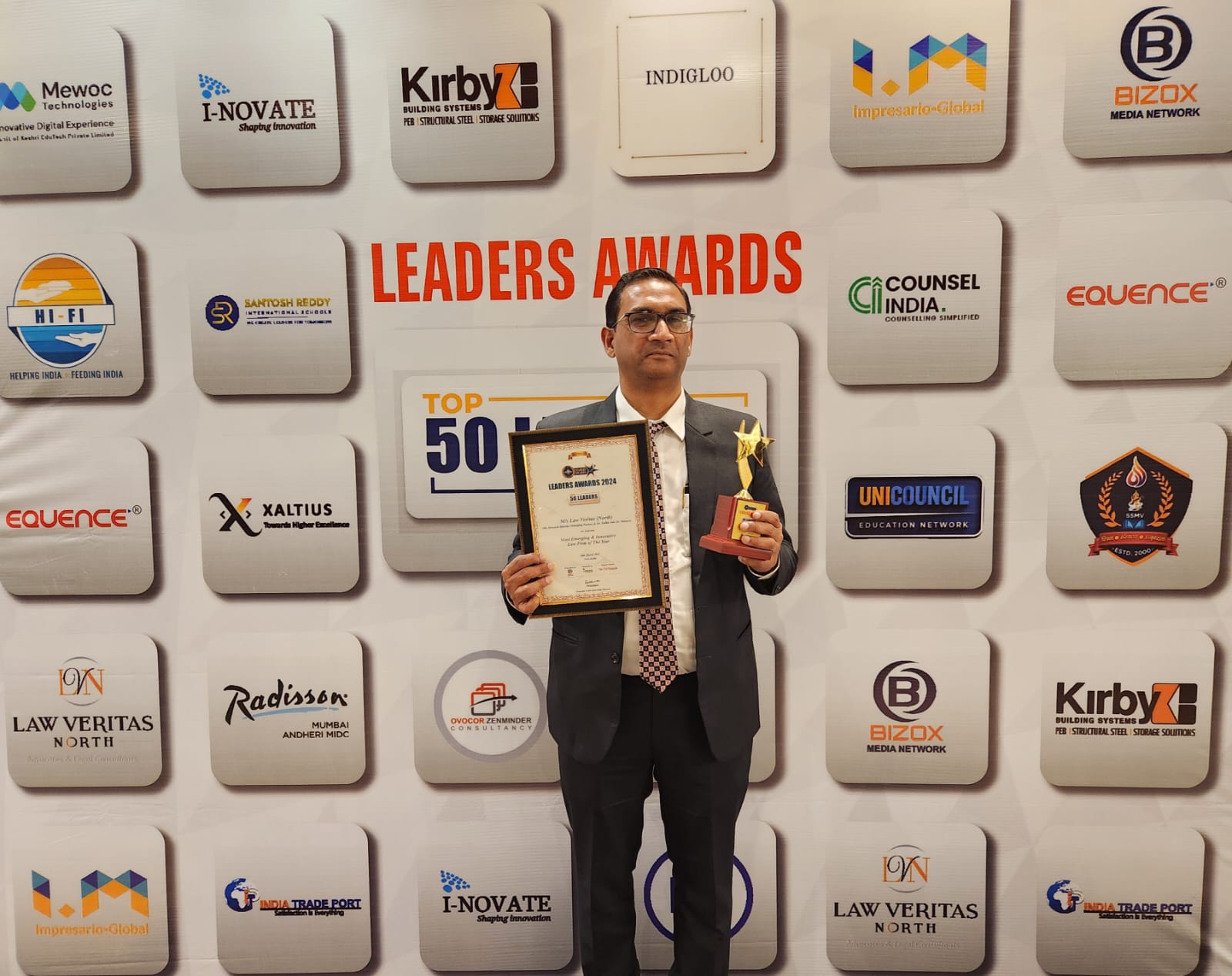







 Allow notifications