Tag: International Disputes Resolution

  • “I’ve always believed that being a lawyer is nothing less than a superpower- it gives us the tools to understand, question, and change things that most people simply have to accept.” – Shreya Chaudhary, Associate Attorney at Maune Raichle Hartley French & Mudd, LLC.

    “I’ve always believed that being a lawyer is nothing less than a superpower- it gives us the tools to understand, question, and change things that most people simply have to accept.” – Shreya Chaudhary, Associate Attorney at Maune Raichle Hartley French & Mudd, LLC.

    This interview has been published by Anshi Mudgal and The SuperLawyer Team

    As a dual-qualified attorney in California and India, what first sparked your interest in the legal profession, and how did you chart your path in this field?

    I come from a family of lawyers, so this profession was all I knew growing up. I didn’t realize the impact of my dad’s work at the time but saw how his efforts positively affected his clients. I remember that on many occasions, they wouldn’t have enough money for his full fees but would bring him part of their seasonal harvest. Other than that, it came to me more naturally than most people—it never felt like work, and I was so excited to go to law school and later into litigation. Isn’t it a privilege to be in a position to make a difference in people’s lives and also get paid for it?

    For California, I never had plans to move, but I absolutely fell in love with the state and decided to get licensed in the one thing I knew—law!

    You recently passed the California Bar Exam on your first attempt. What preparation strategies proved most effective for you, and what advice would you offer to others aspiring to clear it? How has this qualification expanded your professional scope?

    As for preparation, I took an online bar prep course called Themis. Going to Berkeley Law for my LLM definitely helped, as it put me among the smartest people who have a reputation for passing this difficult exam on their first attempt. Also, it’s crucial to know one’s learning style. I really appreciate learning from my own handwriting, so I wrote everything down even though my bar prep tool didn’t ask me to. I also know that I panic toward the end, so I developed my own timeline, which was different from what the bar prep suggested. I took a study leave from work and had just one goal for those 12 weeks. I ate, slept, meditated, everything centered around my bar prep. Honestly, I loved the drive of taking on something so challenging and had fun with it. There’s no one-size-fits-all way to go about this, and I’m happy to answer specific questions for whoever wants to take this exam.

    As my interest is in litigation-related work, I wouldn’t say it expanded my scope; rather, it created any scope that exists, because one cannot take even a tiny step in litigation without a license to practice.

    Moving from legal practice in India to building a career in the United States must have involved navigating many differences. What were the key hurdles you faced in adapting to the U.S. legal system, and how did you overcome them?

    Oh, so many! I did not have anyone from my family or extended family who was a U.S. lawyer. From choosing law school to taking the bar, applying for internships, jobs, and visas—every step presented hurdles, or should I say, kept life interesting, as my friends like to put it. The biggest one for me is the visa, with, dare I say, the state of affairs right now. Also, finding a job in the U.S. is so different from India. In India, we don’t network enough, which I had to teach myself after moving here. I want to give credit to Berkeley, as they had a whole program to train international lawyers to get acquainted not just with the U.S. legal system but also with its unique job market. I didn’t expect it, but my Indian work experience was valued by U.S. employers as I think the two things, we have in common with them is that they value the “grind,” which they could supposedly see in my resume, and our common law system—and that’s probably why I was a preferred candidate for many jobs I applied to before joining the Office of the District Attorney, Alameda County.

    Work environments in both countries are completely different as well. There are different work ethics, professional relationships, sense of humor, and protocols. However, one funny realization is that lawyers everywhere are more or less the same kind of people so it was still a familiar territory. 

    You have served as an editorial board member for leading legal publications and also worked as a law clerk. How did these roles deepen your understanding of the U.S. legal system and prepare you for your current role?

    U.S. law school journals, and also Indian ones- stimulate a legal mind well. It’s so good to become aware of different ideas, methodologies, and international legal issues, and I think my favorite part of being in a journal was building community with like-minded people. I was in the Ecology Law Quarterly with other environmental law nerds and had some great academic and fun discussions in the process.

    My clerkship with the District Attorney’s Office was my first U.S. job, which makes it special to me. I feel fortunate to have worked for a highly reputed government office in the Consumer, Environment, and Special Litigations Department. It was a fast-paced environment, and there couldn’t have been a better way to learn U.S. law and see it in action than that. I worked on civil procedure assignments, evidence code, and criminal code—all at once. One of my first assignments at the DA’s Office involved prosecuting a corporation after a factory fire that significantly affected air quality for people in that vicinity, given California’s high ambient air quality standards. These assignments strengthened my understanding of environmental enforcement and also informed my approach to research, brief-writing, and attention to detail in my current role.

    During your LL.M. at UC Berkeley, you specialized in Energy Law and Clean Technology while contributing to journals like the Berkeley Technology Law Journal and Ecology Law Quarterly. How did these academic and editorial experiences influence your perspective on the intersection of law, technology, and environmental sustainability?

    A topic that’s very close to my heart is climate change. We treat it as “important” but not “urgent,” which troubles both my personal and legal mind. At Berkeley Law, I enrolled in courses such as Environment and Energy Law, subscribed to technology- and environment-related journals, and participated in clean energy student groups to engage with these issues and understand the work of scholars in the field. Being surrounded by like-minded people strengthened my commitment and deepened my understanding of how cleaner technologies are urgently needed on a global scale. The intersection of use of environmental resources and law is particularly interesting to contrast between the US, Europe and Indian laws. We have many vulnerable communities who get affected first by the impacts of degrading environment and climate crisis, and there is a lot of work that remains to be done to protect them. 

    In your current role, you work to support mesothelioma victims and their families. What drew you to this area of law, and how do you balance the legal complexities with the human and emotional dimensions of these cases?

    I honestly don’t know how to answer this question. From my practice in the Allahabad High court, Lucknow, to here in California, I have struggled with getting too attached to the outcome and client’s problems. I don’t know if that makes me a better or a worse lawyer. But I try to overcome that by something my senior told me early on during my India days that “you play a very small role in the grand scheme of things.” I owe my client to do my best work for their entrustment in me as their lawyer but I sure cannot change their destiny. Very recently, a client of mine passed away from mesothelioma (cancer) before the case went to trial which happens more often than not in this field. I witnessed his struggle through the deposition and eventually he just couldn’t make it to the end of the case. It breaks my heart but if I have done my role well, then it becomes easier to strike that balance. This also keeps me on my toes to put in the hard-work. 

    What advice would you give to students aiming for an international legal career, and how can they stay ahead of global legal developments?

    Just a few simple things. First, one needs to figure out if they want to study here, do an LLM or a JD, or directly take the California Bar (the only U.S. bar open to foreign attorneys without coursework). My advice would be to study here first, as it helps one get acquainted with the culture and decide whether it’s the right fit. Moreover, getting a job is nearly impossible without a strong network, which a renowned university greatly helps with. A warning—it is very expensive. I chose Berkeley over other good colleges that offered me scholarships because it was one of my dream schools, but one should always rank priorities according to their circumstances. Advance research on scholarships and on-campus jobs could help. I had an on-campus job that helped me a lot financially during school. It’s important to work smart—so if the plan is to immigrate to a new country, students should also consider Canada, Singapore, or the UK (the more welcoming ones in today’s environment). 

    One thing I would have done differently is to have a better long-term plan at least a year in advance of actually applying. I didn’t understand at the time that this decision would completely reshape my life as I know it. But I would love to help anyone who has doubts about the process or wants to learn from my experiences—feel free to reach out to me on LinkedIn.

    With the demands of your profession, how do you maintain balance in your personal pursuits, and what is your vision for the future of your practice?

    The litigation work culture in the US is similar to India as the work never stops from the inception of the case till the verdict. One can easily preoccupy themselves as there is always so much to do. However, in my experience, that sometimes leads to isolation, and when you are thousands of miles away from family, building a community becomes equally important. When I’m not working, I spend time with my friends, which is my number one priority as rejuvenated weekends significantly boost my motivation through the week. We often travel and hike in nature, as California is truly blessed with pleasant weather throughout the year. Of course, there are weekends that turn into working ones when the need arises like meeting a court deadline on Monday but I don’t mind that because I genuinely love what I do and take pride in showing up for my clients who are unfortunately struggling to live.

    I’ve always believed that being a lawyer is nothing less than a superpower- it gives us the tools to understand, question, and change things that most people simply have to accept. Right now, my focus is on mastering California law and becoming as confident in this system as I was in India. The process of adapting to a new legal culture has been challenging but also deeply rewarding—it’s pushed me to grow, think differently, and refine my craft. Whatever I’ve gained intellectually, I’d definitely want to leverage it to contribute to the Indian legal landscape in different ways, for eg.  I am working on a research paper on a social legal challenge that India faces; Grow as a multi-jurisdictional professional, and have fun along the way.

    Get in touch with Shreya Chaudhary –

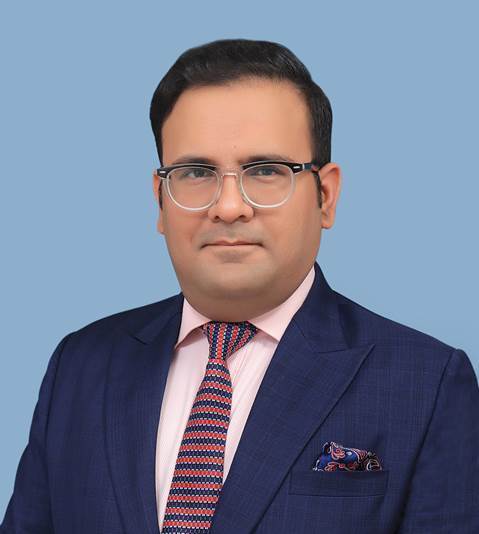
  • Chasing Questions, Not Glory: Crafting a Global Legal Career  – Dr. Argha Kumar Jena, International Disputes Lawyer and Advisor.

    Chasing Questions, Not Glory: Crafting a Global Legal Career  – Dr. Argha Kumar Jena, International Disputes Lawyer and Advisor.

    This interview has been published by Anshi Mudgal and The SuperLawyer Team

    Your academic journey includes a full-scholarship Ph.D. in International Law and Economics from Rome and an LL.M. from Berlin. How has this interdisciplinary training influenced your understanding of economic analysis in the development of international legal norms and dispute resolution mechanisms? 

    Public international law in general requires deep academic insight considering that the efficaciousness of the ‘rule of precedents’ (if any) is volatile in practice. When it comes to International Economic Law (as we like to call it), issues in dispute concern not only economic treaties but its complex interactions with the branches of applicable national laws as well as commercial realities. In such instances, having cultivated the habit of interdisciplinary thought processes can certainly help in strategizing efficiently. ISDS being a form of dispute resolution where effects of economic policies are often subject to adjudication by international tribunals – requires one to understand macroeconomic impacts of such policies and/or measures and also analyze it within the contours of the facts. Dispute resolution mechanisms flowing from treaties are a herd of unicorns within the fields of law. Hence, having a wider field of intellectual vision that one may acquire through interdisciplinary academic pursuits and exposure to multiple legal systems can certainly help. However, I maintain that institutional education is not the only way of going about it. My journey is the consequence of my choices, that I remain happy about. 

    You pursued your Ph.D. in International Law and Economics while working full time, a challenge few take on. What was that experience like, and how did you manage the demands of both academic research and professional responsibilities?

    This again was a consequence of one of the choices that presented itself to me. Applying for Ph.D. Scholarships is a full-time job in itself, and I understood that from the failures of my initial attempts. Identifying a research gap, crafting a proposal and a plan of execution, having it critiqued from experts, choosing a Supervisor, shortlisting universities with appropriate departments, and then making it within the deadlines – all of these mandatory steps to begin a Ph.D. are time-consuming and require dedicated efforts. Luckily, during my stint at a boutique law-firm in Berlin, I had come to be professionally acquainted with a leading expert in the field of international economic law, Prof. Steffen Hindelang. Having already started to work with him part-time, while still at the law firm – allowed me to ease into the process. With time, I was exposed to several complex questions of law and started to learn approaches that experts take while opining on a matter of international economic law. My association with the Professor put me into a network of an intelligentsia, whose sharp and unfiltered critique helped me work on the list of what to do. As I continued to assist him in several of his engagements as an expert in several international forums and arbitrations, my ability to gain context expanded. Before trying to solve a problem, I got to understand a wider gamut of the field within which the solution was to be proposed. This led me to choose a Ph.D. theme that lay in the intersection of what I was working on, and what I could develop it into i.e., “Fate of Protectionism in International Investment Control: A Sustainable Development Perspective”. After 6/7 months of refining my proposal, I found the opportunity in Rome i.e., a rare interdisciplinary Ph.D. programme in economics and law – where I applied with my proposal and ended up getting selected. While the scholarship required me to move to Rome, I continued my role with the Professor that expanded over time as well. As my research and work were largely in the same field, both complemented each other. Being in Rome, allowed me the opportunity to work on a novel project on investment contracts at UNIDROIT. All of it together was indeed a demanding endeavour, but the symbiosis between all the engagements rendered it possible. Of course my mentors, supervisor, and university enabled me to travel and engage adequately to participate in forums of exciting discussions that kept me motivated. It was the ecosystem that made it possible for me.   

    With close to a decade of experience across Germany, Italy, and India, how has your cross-border legal practice informed your strategy in advising global clients, especially in high-stakes commercial arbitrations and international contract negotiations?

    A multi-jurisdictional exposure with the fortune of having hands-on experience throughout – is essentially a professional upbringing narrative. Having been successful at surrounding myself with people smarter than me in several instances has taught me much. As we all know, Civil Law and Common Law – being the two distinct forms of legal systems co-exist with characteristic differences whose intricacies one can experience better while working on cases that necessitate grappling with them. In my limited experience, understanding of differences in procedural and substantive law of contrasting jurisdictions is a non-negotiable for lawyers who want to work on matters ‘international’. So indeed, I now take into account more things in my analysis of facts and law, including cultural and systemic differences of jurisdictions. And most importantly, it helps me delineate the questions that I need help with, when corresponding with my colleagues outside India.  

    In terms of stakes – one must understand that in cross-border disputes, stakes are usually high by default. The process is complex and expensive for the parties concerned, hence is resorted to when stakes are generally high.   

    Your path to becoming a Principal Associate at DMD Advocates has been anything but conventional. What were some key turning points in your journey, and how did they prepare you for your current leadership role? Also, in your role at DMD Advocates, you lead advisory work on cutting-edge issues like crypto-assets and artificial intelligence. How equipped do you think the Indian legal system is in comparison to other jurisdictions to address the legal complexities emerging from digital assets and algorithm-driven systems?

    As key turning points, I would list three of them, (i) having had the opportunity to work and learn under an academic lawyer, that showed me a novel career path that I can tweak for myself, is possible; (ii) moving to Rome, that allowed me to be close to UNIDROIT and get acquainted with some experts who advise on matters concerning Digital Assets; (iii) deciding to move back to India for the opportunity at the Ministry of Finance, which allowed me to apply whatever I learnt to matters of economic treaties on a daily basis. 

    As for my role in DMD Advocates, I am a part of the dispute resolution and litigation team. Here I work on matters concerning both Indian law and International law. Working cultures differ across continents and countries, but it is usually inconsequential to engage in comparisons. However, my style of collaboration with colleagues (including my juniors), as I like to think it, is a blend of German directness in terms of giving and taking feedback, Italian tendency to ease into things unless necessary to do otherwise (I detest fake emergencies) and the signature Indian adaptability in making the best of what is available. 

    In terms of advisory in new technologies, a lawyer’s take is necessitated by the fact that the legal framework applicable doesn’t immediately change, instead it often may need to evolve. Hence, identifying gaps in the legal and regulatory frameworks and advising on account of realities, is a primary need of the hour. However, given the pace in which the digital economy of the world is changing, new challenging questions requiring interdisciplinary approaches are becoming increasingly common for those of us who are active in space. In terms of how prepared the Indian legal system is to adapt to new technologies, I think we have enough smart brains in the country to do the needful. The contextual regulatory landscape is evolving across the world, and India is no exception. It is the age of geoeconomics after all.       

    Having represented clients from the EU, Asia, and the Middle East in arbitration and contract-related matters, what recurring legal risks or contractual pitfalls have you observed in cross-border commercial transactions? Could you share a case study that was most interesting yet challenging for you?

    In terms of pitfalls in international contracts, there are many that I am aware of, but recurring ones include, (i) a uniform and well drafted choice of law/applicable clause across the master contracts and sub-contracts; (ii) lack of explicit referencing of the terms and conditions to a (cross-border) purchase order; and (iii) lack of well drafted hardship and/or force majeure clauses. While any of the three things that I have mentioned may seem elementary to contracts, they have observably caused several complexities that allow dispute resolution to be consequently delayed, albeit for justifiable reasons. 

    It would be difficult to provide a case study in the amount of detail that would be useful for students, but here is something that seems novel but is not. In major construction projects, the contractual framework consists of the master contract, several sub-contracts and also sub-sub-contracts. An arbitral award was passed against an Indian entity (a sub-contractor in such a project) in an international commercial arbitration. However, by the time the award was rendered, the award debtor was declared insolvent by the NCLT. As the lawyers advising the award creditors (who were European), one had the option of following the traditional route of participating in the insolvency proceedings as one of the creditors. However, rather than merely accepting the limited recovery prospects of traditional insolvency proceedings, one may identify alternative enforcement strategies leveraging the complex contractual architecture typical of major construction projects. Subject to the impact of applicable laws, an option could be pursuing parent company guarantees or performance bonds that were likely executed as part of the master contract arrangements. However, we ended up using several indemnity and guarantee clauses in the contractual framework to get the main contractor and the investors in the insolvent company to settle with us on a reasonable quantum.  

    Your experience spans both private and public international law, from assisting European governments in ICSID proceedings to advising the Indian government on WTO and UNCITRAL matters. In your view, what is the future of international investment law amid rising protectionism, digital sovereignty, and shifting geopolitical alliances?

    Investor-State Disputes, and their backgrounds vary greatly in the contexts of the countries involved. So, oversimplification of such complex constructs would be bordering on generalization – that is rather impressible in my profession. However, I can safely say that international investment law is at its adolescence. The procedural reform efforts to ISDS triggered in 2017 at the best of the UNCITRAL Working Group III, have made significant progress in some areas, especially in the context of procedural and crosscutting issues and instruments designed with a focus on mitigation of disputes. One must appreciate that while international investment law principles become seemingly sophisticated, the dispute resolution mechanisms contained in treaties also appear to evolve with time. While ISDS as a method of dispute resolution amongst sovereigns and private entities – is here to stay, the intricacies of its processes and the nature of the disputes themselves are bound to evolve, in light of the new technologies. The typology of policies that may come to be challenged under such a characteristic legal regime would certainly expand. New technologies (including Crypto-currency and Artificial Intelligence) have the potential to creep into the fact patterns of investment and trade disputes.          

    You’ve taught at institutions ranging from Uppsala University to UNIDROIT and South Asian University. Based on your global academic engagements, what do you see as the biggest pedagogical gap in training future international economic lawyers, and what resources or practices would you recommend for staying ahead?

    One of the most visible differences in Indian and European academia, at the graduate and post-graduate level is the student-teacher ratio, which is of course smaller/narrower in Europe. In my estimation, that difference can manifest in terms of student output, if the teaching methods are not curated well. In India, the number of students is higher, so a Professor’s workload will inevitably increase if old teaching methods are retained without integration of new technologies. I would imagine that post-graduation programmes (especially LL.M.s) in India can be modulated to compete with the quality in Europe, UK or USA. Given that most lawyers wouldn’t pursue Doctorates, a post-graduate degree program (like an LL.M.) would be the last stint in institutional education for many future lawyers. We should do our own parts to finish it well! 

    Some European universities use in their post-grad programmes a Problem-Based Learning (PBL) method, where every day’s lectures are accompanied by an application-based exercise and group activities. Indian universities also implement several of such methods, albeit in variance. However, some Eruopean testing methods include an examination for each module (which is always partly or fully open book) and an essay on a topic of their choice guided by Professors. For this to be effective in India, would need significant heavy-lifting by the Professors to design such open-book examinations and their grading methods that accounts for the behavioral patterns of Indian students. The pedagogical gaps, if any, I believe are (i) the lack of curated courses that necessitate post-graduate students to think in terms of real-life problems in examinations that they care about; (ii) lack of automated grading/marking in examination design that aim to test descriptive knowledge or memory retention. 

    As an enthusiast of international economic law, I believe staying atop geopolitical and new technologies news starts as difficult, but after a few months of regular reading becomes easier as one learns to drown the noise. The ORF Newsletter, CSIS Geoeconomics Bi-Weekly Newsletter are good places to start if you cannot read daily. The Economist and Economic Times, manages to keep pace with developments. However, one must cut to the source of the regulation or law concerned to form their own opinion. For investment arbitration news, popularly there is GAR, IAReporter, and Kluwer Arbitration Blog. For AI Research the newsletter from LORE, is quite insightful, I think. While several independent media sources can also be insightful, recommendations may vary according to areas of interest. 

    Get in touch with Dr. Argha Kumar Jena –

  • Across Borders and Benchmarks: A Journey in Disputes, Insolvency and Restructuring. – Urvashi Salecha, Dual Qualified Lawyer and Legal Manager at Harneys, Hong Kong.

    Across Borders and Benchmarks: A Journey in Disputes, Insolvency and Restructuring. – Urvashi Salecha, Dual Qualified Lawyer and Legal Manager at Harneys, Hong Kong.

    This interview has been published by Anshi Mudgal and The SuperLawyer Team

    Your career trajectory is truly inspiring. Having started your journey in India, what initially motivated you to explore opportunities abroad? Was an international legal career always your goal, or did it evolve with time and experience?

    While an international career was always intriguing, I did not really plan for this move. I relocated to Hong Kong for personal reasons and in hindsight, this was the best God gifted turn in my career destiny. 

    After working at Khaitan & Co for over two years, I was constantly fidgeting with the idea of pursuing an LLM from the UK/US to enhance my skills. In fact, my initial career plan was always aimed at being part of the Indian Judiciary after procuring an LLM. However, I ended up with a real life LLM (something like the real life MBA) upon my move to Hong Kong. 

    Sorry but nothing riveting about my international legal career albeit a very fulfilling one indeed (whatever be the catalyst). 

    In the early stages of your career, you worked with several top-tier law firms. What were some of the key takeaways from those experiences that helped shape your foundation in dispute resolution?

    Yes, I was fortunate to intern and work with many reputed law firms, legal professionals and even clerks with a High Court Judge before joining Khaitan & Co in Mumbai. Given our Indian legal education system is largely based on rote learning and lacks the practical and critical thinking aspects of the law, it is crucial to explore your interests by way of practical traineeships during your law school breaks. I would say these internships not only built a foundation in dispute resolution (for me personally), they were essential in preparing me for the private practice role I undertook with Khaitan & Co. It is your first tryst as a professional and guides you to (i) figure out where your interests lie (i.e. private practice, corporate in-house, academia and several other fields within the practice of law), (ii) develop interpersonal and communication skills, and (iii) really get a hands on experience on the culture and workings of that specific role (e.g. a law firm or a company). 

    After spending two years at a leading Indian law firm, you transitioned to international practice. What prompted this shift, and how did you navigate the cultural and professional differences between the Indian and Hong Kong legal environments?

    As mentioned earlier, my relocation to Hong Kong was part of God’s plan. When I moved to Hong Kong, my only professional acquaintance in this new jurisdiction was my husband, who is a banker. Basically, I had to start from scratch, reintroducing myself as an Indian disputes lawyer looking for private practice roles. To make things more exciting, shortly after my arrival, the COVID-19 pandemic struck, bringing layoffs and market uncertainties.

    Despite these challenges, I reached out to numerous professionals, sent cold messages, and built new connections daily. This journey required humility and grit, as the Hong Kong legal industry is highly competitive. Being a newcomer without Hong Kong qualifications or international law experience, I was rarely a recruiter’s first choice.

    Transitioning from a top-tier law firm in India, with an established pedigree, to being completely unrecognized in Hong Kong was a profound experience. However, these initial years in Hong Kong marked my steepest professional growth. I learnt the art of networking and the benefits of a strong follow-up. I knew that positions won’t be created for a junior lawyer such as myself and I needed to keep hunting for the appropriate opening so that when there is one, I get a chance to interview for that role. 

    I also did not want to wait for the perfect opportunity and I took up an in house role with a leading manufacturing company (Rochdale Spears Group) immediately upon my move to Hong Kong (before transitioning to private practice at Harneys (my current role)).  Whilst at Rochdale, I also simultaneously prepared for the Hong Kong qualification exams given my interests always lied in pursuing litigation. 

    You’re currently focused on cross-border insolvency litigation and restructuring. Having practiced dispute resolution in India as well, how would you compare the Hong Kong legal system with the Indian system? Are there specific procedures or practices from Hong Kong that you believe could be effectively adapted into the Indian context?

    While both Hong Kong and India are common law jurisdictions, the practice, procedures and especially case management are fairly distinct. To clarify, whilst I am Hong Kong qualified, I’m currently working at an offshore law firm where we advise clients on BVI, Cayman Islands and Bermuda laws (all systems largely based on UK and common law). 

    In my experience, litigation in Hong Kong, UK or any of the offshore jurisdictions mentioned above, is more mature and structured. 

    Firstly, there is an emphasis on early settlement (i.e. out of court resolutions). There are even certain pre action protocols to be followed and pre trial settlement is highly encouraged. 

    Second, if a matter does go to trial, it won’t last for several decades unlike in India. In fact, the courts will block a week or two for a specific matter to complete the trial (including evidence and final arguments). Adjournments are rare as compared to India (and mostly at the behest of both parties i.e. by consent if they are exploring settlement negotiations for instance)

    Having said that, India courts (i.e. higher courts SC/HCs as well as tribunals and lower courts) have a very high workload with judges handling large volumes of cases daily compared with the courts of the other jurisdictions I mentioned earlier. So it’s obviously remarkable how the Indian judges are managing these volumes. However, an intrinsic balance needs to be found, with perhaps higher no. of judicial officers and moving towards a less adversarial approach towards disputes and incentivising pre trial settlement. 

    Lastly, even alternative dispute mechanisms such as arbitrations are concluded more efficiently, with challenges to the final award considerably lesser as compared to India (where majority of the arbitral awards are challenged in Courts). 

    Being qualified to practice in both India and Hong Kong, how has this dual qualification enhanced your cross-border legal practice?  Could you also share your experience preparing for and clearing the Overseas Lawyers Qualification Examination (OLQE)? What strategies or resources were most helpful to you during the process?

    As challenging as it was, I thoroughly enjoyed preparing for the OLQE. To put things in perspective, the pass rate for these exams is as low as 20% so you know the odds are not exactly in your favour. 

    The exams are highly technical with all questions being completely application based. So you are essentially answering real life legal queries (in a time bound manner). As Indian law school graduates, we are so used to rote learning and exams lacking critical analysis, I was not only preparing for the HK law exams, I was re-learning the study techniques too. 

    It was a test of disciplined, structured learning  and being consistent and completely focused in your preparation leading up to the exams. You also need to keep ample time for revision given the vast breadth of topics that are covered within a single head of an exam. With some luck, and blessing coupled with hard work and finding the right tutors, I was able to clear all heads in my first attempt. 

    To answer your first question i.e. engaging in different jurisdictions and legal systems, it really allows you to widen your scope of learning, you are not just learning two sets of laws, you are also exploring and servicing different cultures. For me, at Harneys, we deal with several Chinese clients on one hand and common law judicial systems on the other. So that’s balancing a lot of interests at the same time. I think being curious, understanding client’s needs and ensuring efficient service has kept me afloat while working in both jurisdictions

    You’ve taken on leadership roles in both diversity initiatives and business development, with BD and networking now being a key part of your responsibilities. Since these skills aren’t typically taught, especially in traditional legal training, how did you cultivate them, and what guidance would you give to legal professionals looking to build confidence in this area?

    Yes, I lead the Tone from the Top committee at Women in Law Hong Kong and have been part of WILHK as well as other DEI committees/member groups. I’m also quite actively involved in the BD initiatives at Harneys. Whilst both are distinct and serve differing objectives, it all stems from the art of networking. 

    As you rightly point out, this is neither taught or even considered as part of your skillset in law school or as junior lawyers. I believe this is a quintessential ability to develop in any profession (not just law).  

    So how to develop these skills. To me, it happened very organically. I was in a new jurisdiction, completely out of my comfort zone. All regular methods of finding a job had failed (i.e. through recruiters or applications to law firm websites or HR personnel). So, I had to be creative with finding opportunities. I started reaching out to people on LinkedIn (even if I did not know them), asking for 30 mins of their time/ or a coffee chat. At every meeting, I tried to expand the network by asking for introductions to more connections or membership in communities. This really helped build foundations on communication skills and confidence to hold conversations. 

    The transition to being involved in BD meetings and initiatives at Harneys was easier based on the foundations I built early on. I think it all comes down to being aware of the opportunities available if you can take that first step. It’s important to have a strong legal foundation and technical skills such as writing, analysis and research. However, at the same time, it is equally important to  ensure that you’re perceived as a good lawyer, who is capable of being the face of a firm or representing the firm in front of potential clients. As you get elevated (e.g. at partner level), these are the skills that matter more. So it’s always better to build on these from the beginning rather than waiting to be in a leadership position. 

    As a Hong Kong-qualified lawyer currently advising on various offshore litigation matters (including such as the implementation of schemes/restructuring) in the Cayman Islands, Bermuda, and BVI, how do you navigate the distinct legal nuances of these jurisdictions? Furthermore, how would you compare the commercial and dispute resolution frameworks Hong Kong and India, and what key differences do you observe in their approaches to cross-border transactions?

    A very good question indeed and while I marinate in these challenges daily, not something I discuss often haha. The key is compartmentalising. Given the niche I’m in, its very easy to get muddled up with the laws of different jurisdictions. Given I assist with several cross border matters and a single work day may involve drafting pleadings for a Cayman scheme of arrangement court sanction, assisting in a BVI law advice on insolvency laws and end with a client call exploring litigation in Bermuda. 

    I ensure that I have separate notes and sections (physically in my room as well as digitally on my desk) for each of the jurisdictions and then each of the matters. You have to be extremely organised with filings, matter segmentation etc. And of course, with some time and experience, you just get more confident in dealing with complex issues by breaking them down into simpler soluble pieces and then attending to each of them separately. And as lawyers, the most important thing is to have a mindset of continuous learning. 

    For students aspiring to build a career in international dispute resolution, what guidance would you offer? Are there any practical tips, skills, or experiences you believe are especially valuable as they prepare to enter this field?

    International dispute resolution is a pretty wide term. I’ll answer it this way, to build a career in law (whether in India or globally) requires consistent learning, hard work, resilience, critical thinking and most importantly patience. Unlike other career paths like AI, bankers (which are fast paced and also highly technical), law requires a lot of patience and experience. 

    As for practical tips, I’d say apart from the basics (i.e. building a strong foundational knowledge in your chosen niche, working on the succinct legal drafting/writing skills (again something not given enough attention to during law school) …

    Find a sponsor within your firm and a mentor outside. It is very important to build trust based networks and have someone back you within the organisation who genuinely is invested in your growth and development and a guide outside the firm, you can confide in and get the required support and learning. 

    Is there a motto or guiding principle you’ve followed throughout your legal career? In addition, how do you see the future of alternative dispute resolution evolving, especially with technological and global shifts in the legal profession? How do you personally stay updated on the latest developments in dispute resolution?

    Failure is not fatal, success is not final, it is the courage that counts~!

    This profession especially requires a lot of patience and resilience. In my opinion, there is no scope for instant gratification in law. You need to be thorough and keep learning and updating your knowledge base. 

    As for the impact of technology, we are definitely going to see some transformations. A lot of the tasks will be automated (are already being automated) which is potentially a good change because this may free up a lot of time spent by lawyers on admin/mechanical tasks and compliment the legal industry. As far as I’m concerned, I did attempt to get AI assistance at times, for presentations etc. I personally feel the problem of hallucinations needs to be solved, especially for legal tech AI – we cannot be citing wrong judgments made up by AI. Hopefully this will change soon. 

    Lastly, I would part by saying the cliché, you have to be curious and keep upskilling yourself (whether it is knowledge or technology). The world is moving and transforming very fast and one needs to keep pace. Having said that, this doesn’t mean you lose out on life, loved ones or your hobbies/interests. Almost every organisation (in law or elsewhere) values these additional extra curricular skills. For me it’s the water, and related outdoor activities like sailing, kayaking, windsurfing. A weekend in the sea and I feel refreshed to take on the work week!

    Get in touch with Urvashi Salecha –

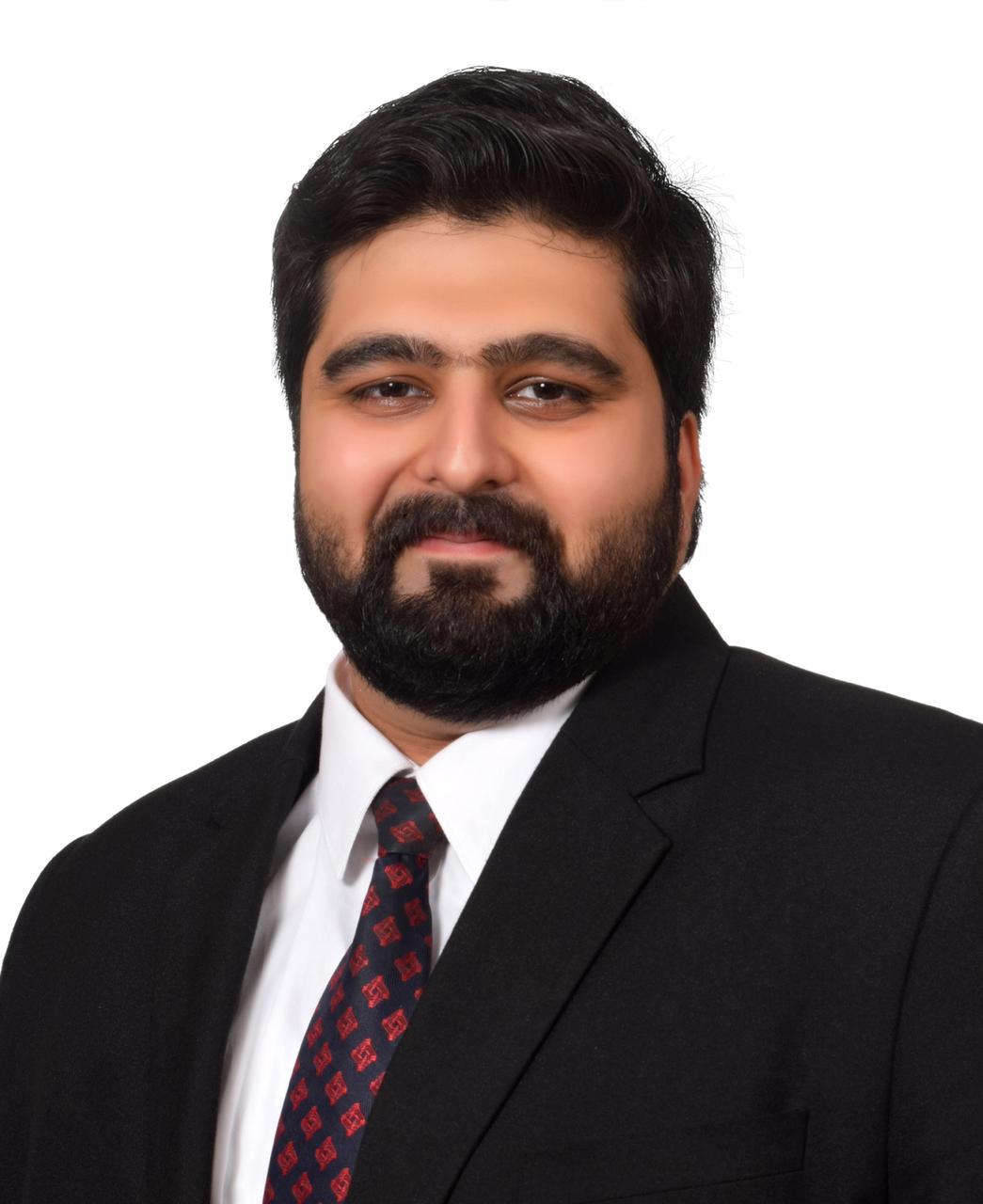
  • “International disputes practice is a highly competitive field in the practice of law. In the long run, this is a game of resilience over brilliance.” – Garv Malhotra, Partner at Skywards Law and Honorary Professor at NLU, Delhi.

    “International disputes practice is a highly competitive field in the practice of law. In the long run, this is a game of resilience over brilliance.” – Garv Malhotra, Partner at Skywards Law and Honorary Professor at NLU, Delhi.

    This interview has been published by Anshi Mudgal and The SuperLawyer Team

    Could you walk us through your educational path from Gujarat National Law University to your LL.M. at the National University of Singapore and Master’s at the Graduate Institute in Geneva. What inspired you to pursue these advanced degrees, and how were you able to secure full scholarships at these prestigious institutions, if you could share with our young readers?

    My legal journey started with a degree in law and commerce from GNLU, Gandhinagar. 5 years in Gujarat were incredible for me thanks to the people I met. I learned a lot and  also developed a fondness for Gujarati language. My law school journey revolved a lot around mooting and internships. I got my first taste of international arbitration through a moot in Frankfurt in 2011. I graduated from GNLU with an all-rounder scholarship and joined the bar. Alongside law school, I had worked with some leading senior counsel including Mr. Mihir Thakore, Mr. Soli Sorabjee, Mr. Siddharth Luthra and Mr. Ram Jethmalani. However, I was guided by my mentors to join a junior counsel office upon my graduation where I would learn written and trial advocacy.

    So fresh out of law school, I had the privilege of being a junior for two incredible lawyers Mr. Debesh Panda and Ms. Amrita Panda. While they are both married and work together, their styles are very different. In addition to their own stellar training as a junior to some of the greats like Mr. AK Ganguly, Mr. Rajshekhar Rao and Mr. Satish Manishinde, both of them had gained advanced academic exposure overseas and this showed in their finesse. I also worked closely with my colleague Mr. Naman Maheshwari who was senior to me and patiently guided me on practical nuances. Inspired by the journey of my seniors, I applied to the MIDS program in Geneva and was fortunate to get awarded a full scholarship to attend the same. 

    Living and studying arbitration in Geneva was amazing. The experience at MIDS is unmatched and the cohort, faculty and alumni go the extra mile in ensuring it. MIDS truly broadened my horizons and made me feel that I had unlocked new levels in a game that I had barely understood before. The chance to study under giants of arbitration like Gabrielle Kauffman-Kohler (my thesis supervisor), Emmanuel Gaillard, Zachary Douglas, Lawrence Boisson de Charzounes, Albert Yan Van Den Berg, George Bermann and others was a sumptuous treat. The learning from other members of the cohort is also enormous. After my time in Geneva, I got the opportunity to continue my education at The Hague Academy of International Law and the National University of Singapore (NUS) on full scholarships. At NUS, I got the chance to study arbitration under leaders like Lucy Reed and M. Sornarajah, and also study subjects like Oil and Gas law. 

    In my view, the key to cracking scholarships is demonstrating a balance between ability and inability to contribute. Ability to contribute positively to the cohort and the larger ecosystem if such an opportunity is given to you; as well as inability to contribute economically to access such an opportunity without assistance. 

    Your career has evolved from starting as an Advocate before the courts at Delhi to key international roles including at Drew & Napier LLC in Singapore. What motivated this transition, and how have these diverse experiences shaped your approach to dispute resolution and international arbitration?

    My stint at Drew & Napier (DN) happened by chance. While I was at NUS, I was working with Dr. Michael Hwang as an intern. He suggested that I also try to gain some experience at one of the leading disputes teams in Singapore. I reached out to my first choice, DN and fortunately got assigned as an intern to the Chairman Mr. Jimmy Yim, SC. I assisted Mr. Yim and his stellar team on a few matters including an arbitration trial. In the middle of a hearing at Maxwell Chambers, Mr. Yim took me out during the lunch break to a nearby restaurant and graciously invited me to join his team full-time after NUS. I was initially hesitant as I had a practice in India to return to but, the world has seen very few charmers like Jimmy Yim. 

    And thus after NUS I joined DN under Mr. Jimmy Yim, SC who was leading the disputes practice. Mr. Yim is one of the fiercest advocates and a master strategist. He is gifted with an unparalleled understanding of people. I think that the incisiveness with which Mr. Yim cuts through to the relevant facts from a bundle of files should be a spectator sport for amateur lawyers. His presence in a room, be it a court, arbitration or simply a meal is unmatched. 

    I also worked under Mr. Mahesh Rai, the youngest ever equity partner in DN’s 130+  year history, and for good reasons. His journey is truly inspirational and I have never seen someone who can handle such large volumes of complex work with such regal finesses, and yet be a good boss and colleague. 

    Even till today I often prepare arguments thinking how would Mr. Yim argue this or think what would Mahesh say if he reviewed this draft of mine. I have tried to train my own team at Skywards Law based on much of what I learned from colleagues at DN.

    During your time at Drew & Napier LLC in Singapore, you dealt with international arbitration and the laws of various countries. Can you share an interesting case or project from that time and how you think the Arbitration landscape in Singapore differs from that of India?

    DN is one of the citadels of disputes practice in Singapore. While I was an International Lawyer at DN, I had the chance to do a variety of matters across sectors like commodities, construction, shipbuilding, oil and gas, aerospace, aviation, hospitality, entertainment and others. 

    I fondly recall being the associate in a 4-member team for an international arbitration against an Indian PSU. Our team which was led by Mr. Jimmy Yim, SC and Mr. Mahesh Rai, acted for a South Korean Chaebol in the matter and the quantum was upwards of 200 million USD. The opposite side was represented by Indian counsel and the tribunal was a mix of retired Indian supreme court judges and a leading British QC (now KC). The arbitration was seated in Singapore, governed by UNCITRAL Rules and Indian Law. The similarities and differences of Indian and Singaporean legal traditions in the background of an intense trial being held in Maxwell Chambers came to the fore repeatedly during that trial. 

    There is much similarity in the letter of Indian and Singaporean arbitration law (both are common law and model law following countries). However, there is a huge difference in the spirit with which it is practiced by lawyers and arbitrators. In my view, Singaporeans have a beautiful pragmatic way of approaching commercial dispute resolution. Everyone conducts their job with military discipline and is respectful of the fact that they are charging by the hour to provide exceptional quality and dedication to the mandate. Timelines are very short and everyone puts their heart into delivering exceptional work within truncated timeframes. 

    Perhaps some of it is also a result of their post degree legal education system. Singaporean legal training is far more rigorous at the start of one’s career than India, and it is an ongoing process throughout one’s professional journey. Their system of admission to the bar is far longer and rigorous than India. Moreover, their CPD points system ensures that lawyers keep up with advancements in the field every single year. 

    Another memorable experience is when Mr. Yim and I supported a client in the entertainment industry in securing a multi-million dollar naming rights agreement i.e. agreement for the name of a theatre, from a leading real estate company.

    Your internship under Dr. Michael Hwang, the former Chief Justice of the DIFC, is a noteworthy achievement. How did working with such a distinguished figure impact your professional development, especially in international arbitration? Can you give an example of how this mentorship influenced your approach to subsequent arbitration cases?

    I had the chance to work under Dr. Michael Hwang for a short while in 2017. My internship was the event that turned my distant admiration for his work into a personal rapport. My learnings from him, over the years, have had a profound impact on my life. 

    Dr. Hwang, who is today one of the most celebrated thought leaders in arbitration, has also been a fierce advocate, an exceptional judge (in Singapore and Dubai), a prolific writer, a teacher of the law and a philanthropist. He is also one of my absolute favorite legal war-story-tellers. 

    In addition to unparalleled credentials, his love for the development of arbitration law is something I resonate very closely. From writing seminal articles which were the genesis of terms-of-art in arbitration (like Guerilla-Tactics), to establishing the Michael and Laura Hwang Chair in International Arbitration at NUS. His actions have truly inspired generations of lawyers, judges and academics, and his singular impact on the practice of international arbitration is outsized. 

    For me, just spending quality time with MH (as he is fondly known in his alumni circles) is a growing experience that shapes perspectives on all cases that my team and I handle. Even till date, I speak to him on videocalls and try to catch an exceptional meal with him every time I am in Singapore. Further, his lessons in written and oral advocacy are ones that have helped our journey the most. We try to emulate parts of his style in the small and big elements of our drafting and speech. 

    Recently, I have had the chance of extending the privilege of Dr. Hwang’s guidance to members of my own firm and my class at NLU, Delhi. Dr. Hwang took the final class of my 55-hour seminar course on the topic Advocacy: The Arbitrator’s Perspective.

    As a Partner at Skywards Law, you lead Dispute Resolution and represent clients in complex multi-party and cross-jurisdictional arbitration cases. Could you discuss your strategy in handling one such high-stakes case?

    Skywards Law is a boutique law firm. Our strategy in every case and situation is bespoke. However, every strategy has to be grounded in a deep understanding of the facts and circumstances. In many cases that also includes developing an understanding of the underlying technical aspects. A mix of our training, experience, teams and specialized technology help us to pre-empt issues and resolve legal matters efficiently. 

    In a recent arbitration involving a coal-related international transaction where we acted for a Singaporean entity, a dispute arose on various issues. The agreement, which provided for a three member tribunal, was governed by Singapore Law and SIAC rules. Upon digesting the facts and numbers we understood the need to balance costs with quantum. So we first got the proceedings converted to an expedited proceeding before a sole-arbitrator. Thereafter, we conducted the procedural hearings virtually and a final physical hearing in Kuala Lumpur (instead of Singapore). Using a few other strategies, we were able to get a favorable award within less than a year at a lower cost than initially estimated with substantial legal costs awarded to the client in the final award. 

    How do you foresee the future of international arbitration in the Indian legal landscape?

    In my view, the future of international arbitration in India appears to be exceptionally bright. As the country emerges as a business hub with massive import and export of capital, goods and services, the preference of companies for arbitration (for international disputes) is clear due to its flexibility and efficiency when compared to alternatives. It is however, an imperfect system with much scope for tactics and abuse. 

    A key driver of this progress is the pool of exceptional lawyers who are not only acting for Indian clients but for global entities, who are acting as arbitrators, leading institutions and becoming thought leaders. Their expertise and dedication is building confidence in India’s arbitration ecosystem and making it increasingly attractive. 

    Legislative and judicial efforts towards bolstering India’s position have played a key role. For example the Arbitration and Conciliation Act has been amended multiple times with a view to fine-tune it and create a robust framework. The appellate courts have pro-actively supported the development of a judicial ecosystem that respects arbitration. 

    The ecosystem is further supported by the efforts of the bar and prominent Senior Advocates such as Mr. Gourab Banerji, our Attorney General and Solicitor General, Mr. R. Venkatramani and Mr. Tushar Mehta respectively, Mr. Gaurav Pachananda, Mr. Shashank Garg and many more.

    While India is far from achieving its goal of becoming a global hub for international arbitration, I believe that it is much closer to this goal than it was just a few years ago. The proliferation of thought-leadership events like the Delhi Arbitration Weekend, the mushrooming of arbitration institutions and the wealth of jurisprudence and literature being developed on the topic are clear indicators of this growth. 

    In 2024, you were appointed as an Honorary Professor at the National Law University, Delhi. Could you kindly share insights about your academic journey with our readers?

    Academia and the progressive development of the law have a special place in my heart. I have been teaching law for over a decade. I started teaching short courses on Investment Arbitration at my alma mater GNLU. I was also involved with some practitioner-oriented sessions at NUS and NALSAR. However, I started dedicating more time to academia after I moved back to India and set up Skywards Law. 

    Initially I taught a 40-hour seminar course on arbitration at the National Law School, Bangalore. Since the last few years, I have been teaching law on Friday evenings at National Law University, Delhi (NLUD) in alternate semesters. I teach a 55-hour seminar course titled “Practical Aspects of International Arbitration”. It is offered to advanced students who have studied arbitration as a subject previously. 

    The University, under the leadership of Dr. G.S. Bajpai was kind enough to appoint me as an Honorary Professor alongside some leading names from India and around the world. In this role, I try to be a catalyst to the University’s broader vision of developing a favorable academic ecosystem for arbitration, business law and international law. I also get the chance to support their thought-leadership initiatives and assist with innovative teaching experiments aimed at grooming young lawyers for the journey ahead. 

    What advice would you offer to young lawyers aiming to excel in International Arbitration, and could you recommend any resources to help them stay updated on the evolving landscape of the field?

    My foremost advice to law students and young counsels is to have fun and enjoy the process rather than fixate on a future destination. International disputes practice is a highly competitive field in the practice of law. In the long run, this is a game of resilience over brilliance. Life is full of ups and downs, focusing on long term progress instead of short term gratification and optics. Focus on ‘doing’ over ‘being’. Excellence is the eligibility criteria for the higher echelons of the game and being a well-rounded personality will help you sustain your journey.

    However, international disputes is a dynamic field with much scope for value addition and innovation in the short term. Young counsels should embrace this spirit and always seek opportunities, however small and try to do their best in it. Another advice would be to find good mentors and build long-term relations. 

    Young counsels can consider gaining practical insights from summer schools such as the Paris Arbitration Academy, Geneva Summer School, Basel Winter School, the Hague Academy of International Law etc. An LL.M. is not essential but goes a long way in building and boosting one’s career by getting you a seat on exclusive tables. Though these courses come with a significant financial commitment, there are various ways to secure funding. In my view, getting into elite programs is often more challenging than securing the funds for it. 

    Given your demanding career and professional obligations, how do you unwind and maintain a healthy work-life balance?

    Maintaining a healthy work-life balance is integral to sustainability in a demanding profession. Temperament and balance are very important for a lawyer to remain objective and efficient. I believe that taking breaks and pauses help a lot. I also believe that philosophical concepts like joie de vivre and pursuit of happiness are very important and thus I intersperse my work life with experiences beyond the law that bring me joy and happiness.

    As an avid traveller, I try my best to take multiple trips every year. Some of these are vacations, some are weekend getaways and some are just extensions to work trips. So far, I have travelled to over 30 countries and over 200 cities. I look forward to exploring more destinations in the Americas and Africa in the near future. I enjoy travelling alone, with my wife (who is a former travel journalist) and with friends and with family. 

    Music is another constant companion in my life. I have a deep love for exploring new musical creations across genres and artists from around the globe. The creative genius in music continually amazes me, reminding me of the boundless possibilities of human expression. Audiobooks have also become an essential part of my routine, especially as they fit seamlessly into busy schedules. Whether I’m driving, waiting for a meeting or at the airport. Skilled narrators made the process of consuming books easy and incredibly relaxing. 

    I also get to maintain a balanced life due to my stellar associates (gratitude shoutout to Eshan Chaturvedi, Arijit Sanyal and Arundhati Kale), and colleagues from other teams at Skywards Law who accommodate my schedules with patience and optimize my time efficiently. 

    Get in touch with Garv Malhotra –

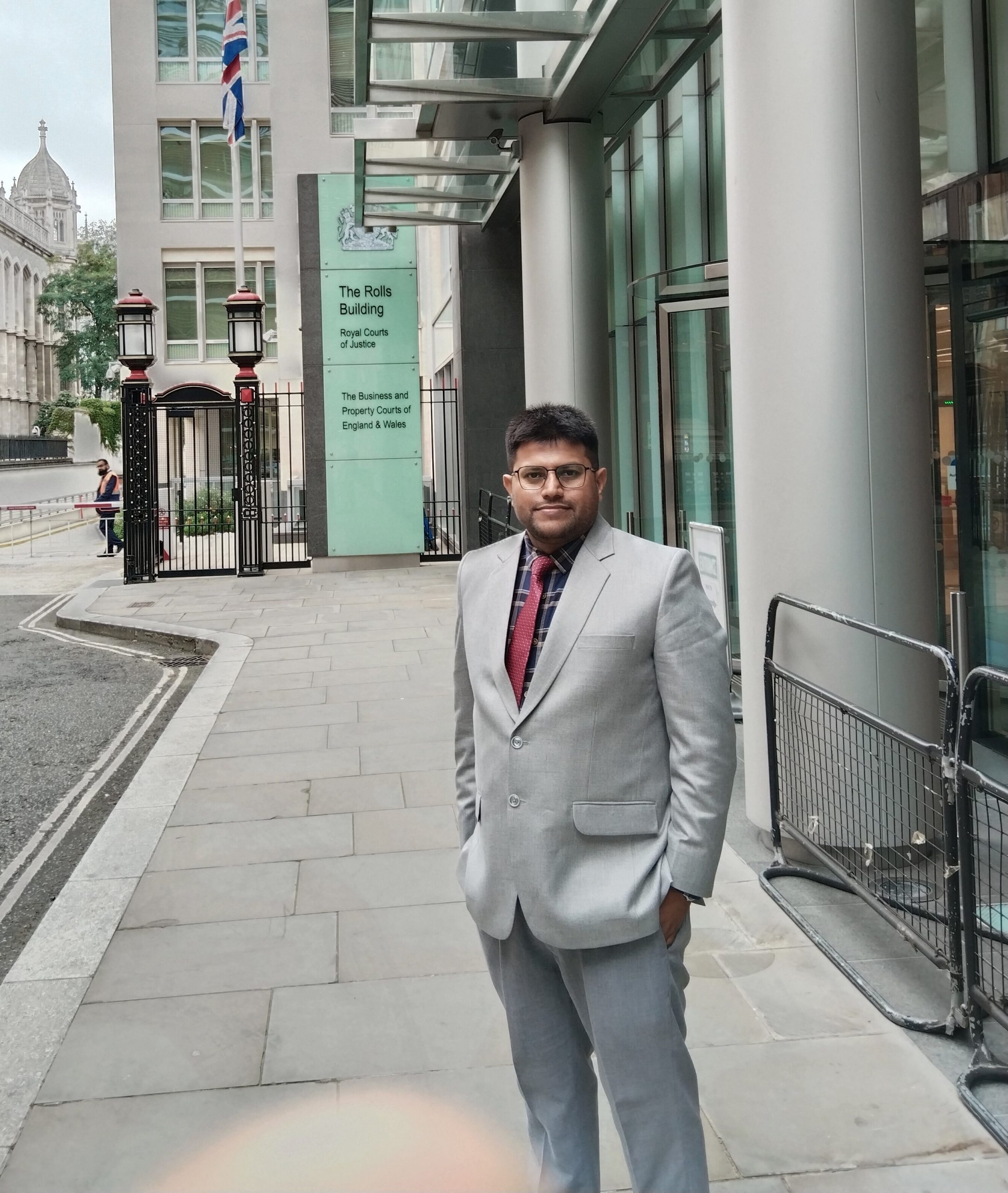
  • “As an aspiring maritime lawyer, it will be important to not only master the centuries old prevailing foundational principles but also stay ahead of the curve and anticipate the significant changes that will reshape the industry.” – Harsh B. Buch, Advocate at Bombay High Court.

    “As an aspiring maritime lawyer, it will be important to not only master the centuries old prevailing foundational principles but also stay ahead of the curve and anticipate the significant changes that will reshape the industry.” – Harsh B. Buch, Advocate at Bombay High Court.

    This interview has been published by Anshi Mudgal and The SuperLawyer Team

    Being a first-generation lawyer coming from a completely non-legal background, how did you manage to switch from a computer science background to practising law? What motivated you to pursue a career in law? Has your scientific background enhanced your legal career? Tell us more about your journey into legal practice.

    When I first pursued a qualification in computer science, it was due to crumbling to parental expectations. Coming from a non-legal background, my parents valued practical, well-defined career paths as a sensible choice to shape one’s future. However, From an early age, I’ve always been deeply intrigued by the role of law in shaping society. Growing up, I was fascinated by how laws, policies, and constitutions are the backbone of societal order, and how they impact every aspect of life—whether it’s the protection of individual rights, the regulation of business, or the principles of justice that guide decisions in courts. Upon Completion of my Bachelor in Computer Science, I defied all advice and pursued law. At the time, this shift wasn’t easily understood by my family. They couldn’t foresee the future potential in me pursuing a legal career. Their lack of faith created significant obstacles, both emotional and practical. Yet, it was through overcoming these challenges that I gained a clearer understanding of my own strengths and aspirations. The process of standing firm in my decision—despite the resistance—instilled in me a confidence that pursuing law was not just a professional choice but the right path for me. Today, I am certain that transitioning into law was the best decision I could have made, both for my personal growth and for my long-term professional fulfillment. 

    One may say, that adamance motivated me to enter and continue my legal practice till date. Additionally, I feel that time spent in obtaining my graduation in science has only made me a more analytical and less presumptive kind of a person. Fortunately, today sitting at the cusp of the tech and law amalgamation in terms of AI intervention, I see myself at least being adequately qualified to address both aspects. 

    Generally, most students decide to pursue higher studies immediately upon graduating, what made you decide to embark on a Master’s Degree almost 8 years into legal practice? What led you to choose World Maritime University (WMU) for your LLM, and how does it stand out from other universities offering the same specialisation? 

    Upon becoming a qualified lawyer, I was eager to dive straight into practice. I wanted to gain real-world experience and court craft as well as build a foundation of professional expertise. Over the years, as I grew in my legal career and personal life with a wonderful wife and children, I realised practical experience is invaluable, however, there are areas of law—particularly in specialised fields—that require a deeper academic understanding. I have always believed that lifelong learning is essential in a profession like law, where the landscape is always changing. Gaining new perspectives, learning from leading experts, and engaging with academic research would not only enhance my legal practice but also contribute to my professional development. A Master’s degree would provide me with the opportunity to focus on these areas and refine my skills in a way that a purely practice-based career may not easily provide. Taking up this step amidst work commitments and a growing family was not just difficult but also tasking, however, superlative support from my wife helped me breeze past the course. Looking back, I think the support and time I received from my wife was also one of the main reasons I could dedicate my attention which returned with being awarded as the valedictorian of my batch. 

    Several universities of international repute and industrial recognition offer the expertise I was to pursue. WMU being one of only two affiliated and endorsed universities by the International Maritime Organisation not only seemed the right choice at this time in my professional career but also seemed to be the one aligning the most with my requirements. Today, WMU’s illustrious alumni includes dignitaries like the Secretary General of the apex authority; International Maritime Organisation and several King’s Counsel conducting maritime law matters across the world. Enrolling at WMU has provided for an unparalleled and second-to-none network of individuals strategically placed in the Maritime Industry which today has boosted my legal practice not just in India but internationally as well. 

    You were awarded the coveted Richard Charvet Scholarship at WMU, could you share the significance of receiving the Richard Charvet Scholarship and the criteria for this recognition, especially for aspiring students?

    The Worshipful Company of World Traders, London annually awards the Richard Charvet Scholarship, and it is awarded to the best student specialising in Maritime Law and Policy. The criteria are based on the efforts infused into the dissertation submitted which is evaluated for the potential contribution the dissertation offers to the International Maritime Community. My dissertation was based on the future of International Collision Regulations and their applicability on Autonomous Ships and potential recommendations Fault Recognition for Apportionment of Liability and deviation from traditional practices once Autonomous Vessels start plying the seas. This dissertation was largely supported by Retired Admiralty Judge of English High Court, Sir Richard Teare and the Western Command of the Indian Navy. My dissertation seemed to align with the criteria, and I was awarded the scholarship.

    In your years of practice, you have worked with various lawyers and law firms early in your career, what experiences during this time were particularly formative, and how did they shape your legal practice?

    My early years in legal practice were crucial in shaping the lawyer I am today. The diverse range of experiences I have had working with different lawyers and law firms in both Mumbai and Delhi have been instrumental in that development. Each firm and each mentor offered something unique which I have inculcated in my practice and at times, these traits of my seniors are even obviously visible in my conduct, practice and preparation.

    “Choose your first boss” was Mr. Sameer Tapia’s life changing advice during my interning days at ALMT Legal commenced my legal career at an esteemed law firm with excellent exposure. He mentored me as to how to conduct oneself as a lawyer, this singular aspect itself has taken me multitudes ahead in my practice. My official communication resonates with his style and poise even today. Another particularly formative experience was my apprenticeship under Senior Counsel, Mr. Vineet B. Naik. A lawyer with  an exceptional ability to view cases not just from a technical or procedural perspective, but with a focus on the broader strategic goals of providing necessitated and/or favourable orders. I learned from him the importance of considering the long-term implications of legal decisions and yes, impeccable court craft. I have learned the skills of Negotiations and Assessment of risks from Mr. Zulfiquar Memon from my time at MZM Legal. This holistic view of advocacy helped me to understand that the role of a lawyer extends beyond simply providing legal advice; it’s about guiding clients through complex situations with foresight and creativity.

    I quickly learned that the legal profession is as much about human interaction as it is about legal knowledge. The ability to translate complex legal concepts into clear, actionable advice for clients has been one of the most valuable skills I’ve developed over time. 

    Each of my associations in the past have only made me a stronger and legally balanced lawyer. 

    You have conducted matters in international jurisdictions like representing cargo interests in Egypt for a vessel arrest and assisting a foreign entity in setting up its Indian Shipping business. Could you describe your approach to handling such varied nature cross-border matters and how do you prepare for the same?

    Let me be candid, most of my international mandates are not closed by me alone. I have always believed that if someone is better experienced than you at something, accept it abreast, learn from the experience and be ready to tackle it individually on the next occasion. The representation of Indian cargo interest in Egypt was a product of the latter attitude and the Directorate of Shipping compliant shipping business in India is a product of the former attitude. Thankfully, for both of these mandates, my counterparts in the relevant international jurisdictions were fellow WMU Alumni and this made everything much easier than expected.

    My approach is fairly simple; transparency, honesty and clear expectations from one another, including the clients. However, preparation is altogether a different ball game. Handling a cross-border case requires a unique blend of legal expertise, quick grasping of new jurisdictions and laws, strategic thinking, and cultural awareness. The complexity of such cases often involves navigating multiple legal systems, jurisdictions, and varying regulatory environments, all while considering the interests of clients. The first step in preparing towards handling a cross-border assignment is to conduct a detailed analysis of the legal frameworks in each relevant jurisdiction. Application of international treaties, national regulations, or bilateral agreements—and assessment of any potential conflicts of law or political/geopolitical implications. I always recommend local counsel collaboration to ensure seamless and favourable completion of international mandates.

    Despite specialising in Maritime Law and Commercial Disputes, you have often conducted matters arising from various other aspects of law like Energy Law, Testamentary matters and General Litigation, how do you still generate specialisation specific business?

    While I do handle a diverse range of legal matters across different areas, my focus remains on building a strong reputation within my core areas of specialisation—Maritime Law and Commercial Disputes. The breadth of my experience complements my specialisation and helps me generate business in these areas by showcasing my versatility and ability to offer a more comprehensive legal service to my clients. The key is not just to handle diverse types of legal work but to be available to resolve all legal issues faced by your clients. I continue to pursue academic and professional learning in my sphere of interest to remain relevant both professionally and commercially. 

    After working with several law firms, what inspired you to start your own practice, and what were the initial challenges you encountered in establishing it?

    Legal practice is dynamic in nature. Each of my decisions have always been towards ensuring I conduct my practice more efficiently. I also feel that legal practice, per se, inherently, is always individualistic and it is only how you contribute with it that matters. Either collaboratively through firms or individually through independent practice. My dream, from the time I nurtured the fantasy of pursuing law, is rocking in a leather bound chair in my chamber. Even today, that vision inspires each of my decisions. However, this may change if I am able to serve my purpose better by collaborating my practice. I dare say that in time spent in the firms I have lost my individuality. 

    With regard to challenges one may encounter in independent practice, they are too many to enumerate. Financial instability, near depression level when work stress surmounts are only tips of the iceberg. Business generation itself is one of the strongest walls to break. Individual practice suffers from a palindrome like curse. Only when business is garnered will a lawyer excel but how will business be garnered without the lawyer getting a chance to show his skills? Patience is the biggest virtue that independent legal practice teaches. I have seen my nails grow waiting for work to come in. On the other hand, As you sow, so shall you reap is something that has never resonated better with Independent Practice. Each honest day’s effort will be rewarded in multiples. 

    What has been the most intriguing case you’ve handled in your career by far, and how did you prepare for it?

    Each case brings its elements of intrigue with it. However, from my recent assignments, pursuing a vessel for fraudulent delivery of cargo in South American port of Brazil seems to top the list. As an individual representing a partial load of cargo on a bulk carrier, I had to embark on a journey of investigations, detections and seek constant support of local authorities to be able to track the defaulting vessel. While the matter remains to be resolved, the initial part of lodging a maritime claim in an absolutely blindfolded manner seems the most challenging for me. I cannot thank my client who placed their trust in me to pursue this. 

    As someone who conducts workshops and lectures on legal awareness, what advice would you give to young lawyers and law students aspiring to excel in maritime law?

    Maritime law, in the coming years, undoubtedly is set to witness major transformations. As an aspiring maritime lawyer, it will be important to not only master the centuries old prevailing foundational principles of maritime law but also stay ahead of the curve and anticipate the significant changes that will reshape the industry. Autonomous ships, digitalisation of shipping processes, and the implementation of electronic bills of lading are poised to fundamentally alter the landscape of the industry. 

    For any young lawyer entering maritime law, understanding these technological changes and being well-versed in the legal implications of these innovations will be essential to staying relevant in the field. With the growing emphasis on environmental sustainability, stricter regulations on emissions, and the push for decarbonization, maritime law is becoming more intricate than ever before. As a young lawyer, one must be prepared to constantly adapt to these changing regulations. 

    In addition, geopolitical issues like piracy and regional conflicts, which are seeing an unusual rise, require maritime lawyers to be highly adaptable. These conflicts not only affect shipping routes and security but also raise complex legal challenges in areas like insurance, risk management, and international law. Being ready to adjust your approach based on evolving legal frameworks and political situations is critical. Young maritime lawyers must develop the ability to think flexibly, keep abreast of international regulatory changes, and understand how these shifts can impact shipping operations and dispute resolution. The future successful maritime practice will mean pursuing matters pertaining to sustainability, electronic data fraud and the sci-fi fantasy man vs machine conundrum almost becoming reality.

    With such demanding work commitments, what are your go-to methods for unwinding and relaxing after a busy day?

    A reassuring warm smile from my wife and the chirruping of my children calling out my name! Although beyond my practice, I love travelling and taking road trips whenever I can and, yes, Pink Floyd.

    Get in touch with Harsh B. Buch –

  • “As a commercial lawyer in order to maintain a strong track record of repeat clients it is necessary to delve into the nitty gritty of the technical and commercial aspects as the same is an intrinsic part of problem solving”- Priyanka Sinha, Co-Founder & Partner at A&P Partners

    “As a commercial lawyer in order to maintain a strong track record of repeat clients it is necessary to delve into the nitty gritty of the technical and commercial aspects as the same is an intrinsic part of problem solving”- Priyanka Sinha, Co-Founder & Partner at A&P Partners

    This Interview has been published by Pragya Chandni and The SuperLawyer Team

    Can you share with us your journey into the field of law, particularly your decision to pursue it as a career path? What inspired or motivated you to become a lawyer?

    After my 12th standard, I was keen on taking up a professional course. I had not seen too many lawyers around me in my growing up years but I was intrigued to take up law as it had multiple disciplines. I had knowledge that during the 5 year course I would get an opportunity to explore the vastness that the law course would offer before treading my own career path. 

    With your extensive experience in handling both domestic and international matters, what challenges have you encountered in navigating different legal systems and cultures, and how have you overcome them?

    Whilst working on international disputes it is necessary to have a team of local councils who are not only a subject matter expert but have a strong understanding about the practices adopted in the particular territory. There is a departure in the practices adopted in different jurisdictions.  On one such instance whilst handling Insolvency matters in Germany it came to our knowledge that apart from preliminary insolvency and the final insolvency proceeding, there also exists a Pre-Insolvency Restructuring that takes place before occurrence of Insolvency. The Insolvency framework although stands structured in Germany but has many complexities which demands finer understanding of the legal aspects and applicability. Moreso, as per the German Insolvency laws it appears that the rights of an Insolvency Administrator is extensive as compared to the legal provisions provided in similar statutes of India. In another matter where a conviction order was passed by the French Court and we had to represent a reputed MultiNational Conglomerate and their officers, we discovered that there is a timeline of 5 days to file an Appeal in the Court of Cassation (The Supreme Court) from the Court of Appeal. We came across peculiarities where a matter of civil nature was transferred from a French commercial court to a French criminal court and subsequently a combined order was passed by both the Courts. These experiences are enriching as it gives a wide and holistic understanding of the subject matter. One feels elevated whilst handling these matters as you begin to appreciate and  engage in a comparative understanding of the practices, judicial precedents adopted/applicable in different jurisdictions. 

    As a trusted counsel to several large Multinational Companies, Indian Corporates, and High Net Worth Individuals, what strategies do you employ to build and maintain strong client relationships?

    We primarily focus on Partner availability for all our mandates as client satisfaction is the primary objective for us. We adopt a problem solving and solution-oriented approach which is ingrained in our Firm’s ethos and acted upon by the team. In today’s time and age with information being widely available, we have noticed that Clients are well read and aware of the legal provisions, however when they reach out to us and need us to handhold them on any particular issue, the same needs to be solution oriented. As a commercial lawyer in order to maintain a strong track record of repeat clients it is necessary to delve into the nitty gritty of the technical and commercial aspects as the same is an intrinsic part of problem solving.  We also adopt a Flexi Model with regard to billing which ranges from hourly billing/ lumpsum/ retainership fees which adds client’s convenience. We appreciate constructive feedback from our clients. For our MNC and corporate clients we are able to maintain a strong relationship with them as our advisory is not limited but it extends post closure of a transaction/ submission of a deliverable. We apprise them of the developments in the relevant sector, extend our support to navigate through concerns that may arise after execution of a contract. 

    You have a strong track record in successfully representing clients in litigation and dispute resolution. Can you share with us a particularly challenging case you’ve worked on and how you approached resolving it?

    Well, every case is challenging in its own respect, however there was a case where we represented the Petitioners (unmarried couple) before Hon’ble Bombay High Court wherein our clients sought to be appointed as the guardian of the minor child. Although the petitioners (both Hindus) were the biological parents of the minor child, the mother i.e. Petitioner No.1 was married to the Respondent (Muslim) when the child was born, therefore the Muslim Muslim personal laws were applicable to the child. It is a well settled position that the Muslim Personal law does not recognize legitimacy of the child and the mother as the natural guardian in such scenarios. However, the Court keeping the interest of the child as paramount consideration appointed and declared the Petitioners, though in a live-in relationship, were appointed as natural and legal guardians of the Minor child by virtue of being biological parents of the child. In the given scenario, apart from the other challenges we encountered the limitation with respect to carrying out a Paternity test in India and proving the Petitioner as the biological Father of the child.

    Given your expertise in various practice areas such as Construction, Corporate and Commercial, Media and Entertainment, and Insolvency and Bankruptcy Laws, what advice would you give to young lawyers who are looking to specialize in a specific area of law?

    In the current times there are multiple niche areas that are growing in the field of Law. An advice that I would like to give to young lawyers is that one should explore each and every area of law. These newer areas have ample opportunities that young lawyers can grab onto. Further, young lawyers need to be agile and take up work in different aspects of law rather than restricting their practice areas in the initial few years of their career. 

    You have been actively involved in mentoring entrepreneurs, startups, and MSMEs. What are some common legal challenges you’ve observed among these clients, and how do you assist them in overcoming these obstacles?

    Many cities in India have seen a growth of MSME’s. These MSME’s however are not familiar with the regulatory framework, and therefore a lacuna arises when they are unaware about certain aspects such as the recovery of dues and claims. For Startups and Entrepreneurs, I have seen Entrepreneurs appoint a lawyer only when there is a dispute or a situation that requires the presence of a lawyer. There are certain important aspects such as those of the regulatory nature and agreements that should be in place at the inception such as a co-founder agreement or a shareholder’s agreement that is ignored by many first time entrepreneurs. It is imperative for Startups to take legal advice during the lifecycle of the company in all its growth stages and not only at a firefighting stage. 

    Lastly, considering your wealth of experience and accomplishments in the legal field, what advice would you offer to fresh law graduates who are just starting their careers?

    As stated above, for fresh law graduates’ agility is one important personality trait that they should imbibe within themselves. Young lawyers need to be agile and should not limit their practice areas in the initial few years of their career. Also, a young lawyer should patiently take interest in understanding commercial and technical aspects whilst working on any mandate/matter.

    Get in touch with Priyanka Sinha-

  • “Litigation is more than just a career and livelihood source. I believe that by this work I can contribute positively to society and bring about good changes in lives which I come in touch with.” – Amit Dwivedi, Supreme Court Litigator and Pegasus Scholar

    “Litigation is more than just a career and livelihood source. I believe that by this work I can contribute positively to society and bring about good changes in lives which I come in touch with.” – Amit Dwivedi, Supreme Court Litigator and Pegasus Scholar

    This interview has been published by Namrata Singh and The SuperLawyer Team

    Amit, could you take us through your journey and share how you embarked on your career in law? What inspired you to pursue this path, and how did your early experiences shape your professional trajectory?

    I come from a humble village background. I pursued my schooling from the government residential school of rural Madhya Pradesh, Navodaya Vidyalaya. Thereafter, I studied in the North campus of Delhi University for six years i.e., my graduation and law degree. These years have, indeed, been trans-formative for me. I made friends coming from myriads backgrounds and learnt to adjust in different environments. I started to participate in extracurricular activities including debating competitions during my graduation and soon found that I would like to spend the rest of my life doing the same as a litigation Lawyer.

    For the last six years, I have been working in various Courts and Tribunals of Delhi and across India. For me litigation is more than just a career and livelihood source. I believe that by this work I can contribute positively to society and bring about good changes in lives which I come in touch with. Since September 2022, I have been working independently.

    Having worked extensively in various legal domains, from real estate disputes to representing marginalized sections of society, what drives your passion for justice and advocacy?

    Besides being an Advocate, I am a citizen of this country. There are so many things which bother me on a day-to-day basis. Lack of access to quality healthcare services to most of the population of our country troubles me a lot. However, there is little I could do about it. 

    At the same time, this profession gives me an opportunity to right a wrong. Be it a street vendor harassed by police officials, a homebuyer robbed by a builder or a contractual employee working without any job security, I can feel their pain and wrong committed upon them agitates me a lot. Being a lawyer gives me a position to do something for them and it is my primary motivation to strive for another day. On some occasions, raising a voice means everything!    

    You’ve recently returned from the UK after participating in the Pegasus Scholarship program. How did this international experience influence your perspective on legal practice, especially in comparison to your work in India?

    My inspirational senior Ms. Namita Wali nudged me to apply in the first place, she deserves the complete credit. After the initial screening process, I was interviewed by Senior Advocate Aman Hingorani and seasoned Mediator Dr. Shweta Hingorani. Thankfully, I was selected as a KNH Foundation-Pegasus Scholar for the year 2023. I was the only lawyer with five years standing who was selected for the said scholarship in the year 2023 from India. This scholarship is a world-renowned international lawyer exchange program run by Hon’ble Society of Inner Temple, England. My fellow scholars came from different jurisdictions like the United States, Australia, and New Zealand. As a scholar, I spent Eight weeks in England and Scotland working in esteemed Barrister chambers like Blackstone, Lamb and 39 Essex. I attended court hearings in the Supreme Court of the United Kingdom, Court of Appeal, High Court, Crown Courts, and County courts. I participated in conferences held among barristers, solicitors, and clients. I interacted with judges, jurists, and policy makers. It was a life-changing experience, and I could see a different way of life and working.

    The United Kingdom has a comparatively small population and for that reason alone, they do not encounter a lot of nagging logistical issues as we in India do. The number of cases listed per day before a judge is not in two digits most of the time in the UK and in India, you might even see a three-digit cause list peculiarly on the criminal side in High Courts and consequent crisis of pendency, matters not getting heard and a bit of chaos. However, the zeal of the advocate community keeps the access to justice smooth in India and that is indeed a great achievement.

    In your role as a Panel Advocate with Counsel to Secure Justice (CSJ), you’ve been advocating for child survivors of sexual violence. What unique challenges do you face in such cases, and how do you navigate them?

    CSJ has taught me a lot. Sexual violence against a child is not only inhumane, barbaric, and brutal but it also creates multidimensional problems. The child suffers physically and emotionally. Family also finds it difficult to handle the situation. There are a lot of social stigmas attached to it as well. So, meeting a survivor and his/her family requires a lot of preparation. Most of these people have suffered at the hands of the system also so making a connection with them requires some genuine effort. However, when they see your sincerity, they rely on you, and you start working as a team. It was my affectionate senior Ms. Arushi Anthwal who guided me on this pro bono panel. She heads the CSJ’s lawyer’s team. Her commitment to the welfare of women and children is unimpeachable.    

    I have observed an unfortunate pattern in such cases. Reporting from poor strata of society against child sexual violence is good but the middle and upper classes are still finding it difficult to report this violence and they try their ‘best’ to save their shallow ‘honor’ as in these cases, usually, the perpetrator is a person of trust. Efforts to encourage reporting of child sexual violence are needed on a large scale. It is a silent pandemic!

    You’ve authored articles and participated in webinars on diverse legal topics. What motivates you to share your expertise through writing and speaking engagements?

    We all are part of a shared world. We do not exist in isolation and interdependence is the order of our society. I believe in a democratic society; exchanges of ideas have potential to bring much needed changes in society. The Right to Information (RTI) Act was born out of such efforts and it has served society so well. An ordinary citizen can file a simple application and ask for information which might unearth wrongdoings in public offices. So, I make it a point to speak and write about issues which are important and need our attention like universal access to healthcare and misery of undertrial prisoners. I believe and hope these discussions are small steps which will bring about great changes.  

    Your journey includes working with different legal mentors and chambers. How have these experiences contributed to your growth as a lawyer, and what valuable lessons have you learned along the way?

    As a first-generation lawyer, I had great difficulty finding mentors. Formally, I worked as an associate with two Advocates. My first senior was Mr. Amit Bhagat. He works on the Civil and Commercial side. He taught me how to navigate hearings and insist on reliefs. His energy was unmatchable.

    My Second senior was Advocate on record Mr. Joel. He taught me how to keep patience in tough situations and client handling. He has exceptional skills to mediate a complex dispute and I found his calm approach imitable.

    I interned under Mr. Madhav Khurana in 2017 and since then, he has always been there to support and guide me. He is very organized and conducts his cases with plans and strategies. Working with him as a briefing counsel is always a delight.

    Advocate on record Mr. Vikram Hegde is a known lawyer and his writing skills keep twitter and newspapers warm. In my independent practice, he has been a constant guide. If I lose a case in high court, then I know he would help me to take it to the Supreme Court and get the necessary relief.  

    Mr. Adarsh Priyadarshi is a guide on the criminal side. His skills to puncture a prosecution’s story is great and he has been kind enough to allow me to argue his criminal matters in Delhi High Court.  

    As a Pegasus Scholar, you had the opportunity to immerse yourself in the legal system of the United Kingdom. Were there any striking differences or similarities you observed between the UK and Indian legal systems that surprised you?

    Legal systems in both the countries are similar and have been made by the same people for obvious reasons. So, on paper we are almost the same. But, on the grounds, the situation is different. Their courts are strictly formal at all levels and in India, the informal nature of trial courts gives a breathing space to Indian masses. 

    In the UK, Civil trials get completed in three to five days, I witnessed an eviction trial getting completed and judgement pronounced in four days in Central London County Court. With due respect, such expeditious disposal in India is nearly impossible. Due to the strict cost rules, frivolous litigations and appeals get discouraged a lot there. Due to lax rules, in India litigation, at times, becomes an adventure and all disputes eventually reach the supreme court, destroying decades of people’s lives and leading to docket explosion.  

    With the rapid advancement of technology, how do you see the role of AI and automation shaping the future of legal practice, and what implications do you foresee for young lawyers entering the profession?

    Let’s look at the past to appreciate the future developments. When Covid came, almost no one was relying on e-filing and virtual court hearings were not even part of our imagination. But a small virus nudged us to use technology which was already with us. Soon, we all were filing online and appearing online. This transition has been significant.

    As far as filing and defects in court registries are concerned, I hope AI will make life easier for lawyers and court staff. I hope there will be a day when ‘defect in file’ will be a thing of the past. At the same time, I believe that there will never be a substitute for earned human experience and wisdom. So, technology will help us but eventually, human prudence will decide how it will be used.  

    Balancing personal interests and professional responsibilities can be demanding. How do you manage to find time for hobbies or leisure activities amidst your busy schedule?

    Being self-employed is not as rosy as it sounds. Being away from work means a loss of income in that situation. So, working slowly becomes a part of your life. And this is how eventually things start to find a place in your life. I like stories. I have become a bit lazy to read books for leisure, so I watch movies and tv series and these things happen at the end of day most of the time. I like watching theater and Delhi offers a good variety for the same. Being a foodie gives me the opportunity to explore new places and tastes.

    Finally, Amit, if you could offer one piece of advice to the upcoming generation of lawyers, what would it be, considering the evolving landscape of the legal industry and societal challenges?

    Decide your priorities. If you come from a humble background, then joining a law firm and having a steady income is a fairly good idea in the initial years. Such a way of functioning ensures exposure and income for you. The way litigation is structured in India, it is not very welcoming for an outsider without significant resources and infrastructural support. So, calculating and managing expectations is important. 

    The position of legal researcher in High Courts and Supreme Court is something to aspire to. It gives you a steady income in the initial years and the exposure is unparallelled. These places are likely to motivate you to pursue academic endeavors abroad on scholarships. 

    Arbitration is here to stay as India has become the focus of global trade due to its huge population. World creates and India consumes, as the joke goes! So, there would be a lot of disputes, even of an international nature, in such a setup. This field could show you the world and teach you how to look beyond your self-created boundaries. Opportunities to work abroad may also cross your way and the sky’s the limit.

    So, my advice would be to plan your way out and be brave to walk on that path!

    Get in touch with Amit Dwivedi-

  • Good lawyers in this field will be versatile in their strategy, looking at how best to play the cards their clients have been dealt-Viren Mascarenhas, Partner at Milbank

    Good lawyers in this field will be versatile in their strategy, looking at how best to play the cards their clients have been dealt-Viren Mascarenhas, Partner at Milbank

    This interview has been published by  Priyanka Karwa and The SuperLawyer Team

    Please tell us about your journey in the field of law and how you ultimately specialized in alternate dispute resolution, international commercial and investor arbitration, and public international law?

    I grew up mostly in Mumbai, India, but I received a full scholarship to do my undergraduate studies in the United States.  While my first degree in Economics gave me a solid basis for understanding how the world works, I subsequently pursued a law degree with the idealistic, energetic goal of trying to change how the world worked, in particular, addressing inequities between the Global South and the Global North.  

    While in law school, I took all of the core and foundational classes, but chose my electives to be different international law classes, such as trade law, law of the sea, human rights.  Those classes set the stage for my subsequent career in international dispute resolution.

    You’ve worked with various prestigious law firms and organizations throughout your career. How did each of these experiences contribute to your growth and expertise in the field of international law and arbitration?

    Receiving an offer to serve as a law clerk to H.E. President Rosalyn Higgins at the International Court of Justice during the 2005 to 2006 judicial term felt like being at the pinnacle of my career at its very start!  The ICJ is colloquially known as the “UN Court” or the “World Court.”  The Court’s docket was full during my term.  I worked on armed conflict between the DRC and Rwanda, transboundary environmental issues between Argentina and Uruguay, and the massive Genocide Convention case between Bosnia and Serbia.  The clerkship confirmed for me that I wanted to focus on international law disputes in some fashion.

    Accordingly, I submitted applications into the UN system online for all open vacancies in international law.  Those applications—painstakingly prepared—would vanish into the ether.  I usually never heard back or would hear back over a year later that the vacancy had been filled!

    However, I had success with one application (and all it takes is one!).  In 2007, I relocated to Freetown, Sierra Leone, to work as a Legal Officer at the Special Court for Sierra Leone.  The tribunal had been established to adjudicate responsibility for the war crimes committed in the country during its conflict.  The experience was eye-opening. Substantively, I learned about the application of international criminal law and working at an international organization.  Personally, observing the plight of the survivors and victims of the atrocities instilled in me that we should always try our best to achieve the greater good. 

    Still, I was not sure I was ready for a long-term career as an international civil servant.  I wanted to explore the rigors of private practice with the goal of becoming a better-trained lawyer.  I chose from various offers to join the International Arbitration Group at Freshfields Bruckhaus Deringer, one of the best arbitration practices in the world, just before the Great Financial Recession hit in September 2008.  While at Freshfields, I got to work on some of the most complex investment and commercial arbitrations, particularly in the energy and extractives sector, such as Libananco v. Turkey, Burlington Resources v. Ecuador, and ConocoPhillips v. Venezuela.  Additionally, I did a ton of pro bono at the firm, representing individuals in asylum proceedings and providing legal advice on international human rights to prominent NGOs.  And, in my spare time (I did not sleep much, admittedly, when younger!), I was teaching at Columbia Law School.

    I felt that I had the best of all worlds—I was stimulated by complex commercial work; my matters had purpose; and I was able to interact with the best arbitrators in the world (Jan Paulsson!  Lucy Reed!) and the best young minds as well at Columbia Law School.  

    As a Partner at Milbank, you’ve been involved in a wide range of commercial arbitrations under various arbitral institution rules. Could you share with us a particularly challenging case you’ve worked on and how you navigated its complexities?

    To date, I have represented the government of Türkiye in five investment arbitrations over the course of my career.  Two cases stand out for me:  Cascade v. Republic of Turkey, ICSID Case No. ARB/18/4, and Ipek v. Republic of Turkey, ICSID Case No. ARB/18/18.  Of course, I cannot discuss anything that is legally privileged and/or confidential from those two matters.  But just a quick search in the public domain will reveal that these two disputes were profoundly important to Türkiye.  At a high level, the matters concerned the failed coup d’état of July 15, 2016, and pitted the Erdoğan administration against the followers of Fetullah Gulen.  So, issues of national security, terrorism, politics, and free speech were directly relevant to the two arbitrations.  Turkish outlets reported on these arbitrations as a fight for the heart and soul of Türkiye!

    After several years of intensely fought arbitration proceedings, Türkiye prevailed in both matters on jurisdictional grounds.  The tribunals found that the investors had committed an abuse of process by restructuring their investments to avail of bilateral investment treaty protection at times when their disputes with the government were underway or reasonably foreseeable.  

    These were immense victories that required me and my team to identify the legal elements of Türkiye’s defenses, and then marshal the evidence to demonstrate to the tribunals why those elements had been satisfied with the requisite burden of proof.  With regard to evidence, no stone was left unturned.  We reviewed publicly available sources extensively; interviewed government officials and witnesses from different ministries and agencies; and identified true experts who could opine on key issues related to the underlying matters.  But being technical about evidence is insufficient.  You have to present the facts and evidence in a narrative that is compelling, persuasive, and convinces the tribunal why to rule in your client’s favor.

    Your involvement in investor-state arbitration is quite notable, representing energy majors against several countries. Could you elaborate on the unique challenges and strategic considerations involved in these cases?

    Yes, I have represented investors in high-profile energy and mining disputes against governments all over the world, including Argentina, Azerbaijan, Bosnia-Herzegovina, Bolivia, Ecuador, Italy, Mexico, Nigeria, Peru, the Philippines, the Russian Federation, Timor-Leste, Uruguay, and Venezuela.  I have also been instructed by several governments in their investment arbitration disputes.  These cases can be very complex because of the multiplicity of government actors involved (for example, the Ministry of Energy may be the focal point, but acts by the President’s Office, the Ministry of the Environment, the Ministry of Foreign Affairs, and the Ministry of the Economy may also be relevant).  Government actors change over time, bringing in another layer of complexity.  Additionally, the heart of the dispute may not just be about politics (for example, reclaiming sovereignty over natural resources as the public policy goal of a government) but also economics (for example, high oil prices prompting implementation of windfall profit taxes or increased royalty rates).

    Good lawyers in this field will be versatile in their strategy, looking at how best to play the cards their clients have been dealt.  You likely will have to be technical (for example, reviewing administrative agency decisions to understand how environmental regulations relating to energy projects are implemented by local actors), creative (working with experts to construct a model of how the project would have been implemented but for the government’s alleged wrongful act), and comprehensive (seeing the story not just from the perspective of the government and the investor, but also impacted local communities and future generations). Ultimately, you have to understand the big picture yourself, and then figure out how to present that big picture to the tribunal clearly and compellingly.

    Besides your legal practice, you’re also an Adjunct Professor at Columbia University School of Law. How does teaching influence your own legal work, and what insights do you gain from engaging with students?

    I have been teaching as an Adjunct Professor at Columbia Law School for 14 years now, and I absolutely love it.  First, I went to CLS to obtain my JD, so being back on campus reminds me of how much I enjoyed my legal studies (and takes me back to my early 20s!).  Second, preparing for sharp, probing questions from my students keeps me on my toes.  I have to make sure I am fully up to date on the latest in international arbitration and am not just teaching from an outdated playbook.  Finally, listening to their views and perspectives makes me a better lawyer.  They may suggest novel ways of addressing a problem because they do not have preconceived notions.

    You’re actively involved in various organizations focusing on international justice, business and human rights, and more. How do these extracurricular roles complement your legal career and contribute to your personal mission?

     I went to law school with the idealistic goal of helping to make the world a better place!  Therefore, it has always been very important to me to be active in pro bono matters to help serve those who cannot afford access to justice.  I still remember the full panoply of emotions I felt as a second-year lawyer when I was able to secure asylum for my then-teenage client in the United States when he fled persecution in Colombia.  (He subsequently obtained his undergraduate degree from New York University and is now a successful teacher!).

    Given that I spend my time practicing public international law and international arbitration, I focus my pro bono and philanthropic efforts on those two areas where I have a comparative advantage.  That translates into work on international human rights and international justice.  I am proud to serve on the Board of Directors of The Global Justice Center, which focuses on gender-equality in post-conflict societies that is achieved through legal advocacy.  I am also a Director of International Independent Legal Advocates, which helps to level the playing field for developing and small countries who are negotiating complex multilateral treaties and lack the resources and time needed to be effective negotiators.

    By the way, all this work reinforces my own billable legal practice.  I am often approached by corporations or governments to work on commercial disputes that might implicate human rights issues.  For example, many of my extractives and energy matters concern not just economic issues of supply, demand, prices, force majeure, taxes, etc., but also environmental issues and consideration of impacted stakeholders such as indigenous communities in the relevant areas.  Some of the relevant experience I have gathered to take on these matters comes from my pro bono practice.

    You’ve been recognized with numerous accolades and awards for your contributions to the field. How does this recognition affect your approach to your work and your commitment to advancing international law and arbitration?

     You are kind to mention that I have received accolades for my work in international arbitration and as a lawyer generally.  I am always grateful for recognition from my peers, clients, and others for the work that I am doing.  And, at an earlier stage in your career when you are still establishing your bona fides, external accolades and awards can help convince clients that you have the wherewithal to lead their complex matters.  

    Ultimately, though, it is the work that matters.  Recognition usually comes from doing good work.  Doing good work usually requires hard work, dedication, and, frankly, plodding.  I spent many late nights focused on the task at hand—preparing for hearings, finalizing briefs—instead of dreaming about awards!  But I enjoy the “doing,” and the rest that might follow—recognition, accolades, whatnot—is (very enjoyable!) icing on the cake.  

    Lastly, with your extensive experience and success in the legal field, what advice would you offer to fresh law graduates who are just starting their careers, particularly those interested in pursuing a path similar to yours in international law and arbitration?

    Here is what I can suggest based on my experience.  

    First, be flexible.  I spent the summer between my first and second years of law school doing project finance at Milbank.  This seemed like a sensible practice area given that I was interested in development work and thought I would return to India/Asia to work.  However, I realized that I was more inclined to be a disputes lawyer, which led to the career I have described.  But now, two decades into my career, I am back at Milbank leading the international arbitration group.  Unsurprisingly, I spend a lot of time working with my project finance partners—but am not part of the project finance group!  After all, some of the mega projects that Milbank’s project finance team work on could run into disputes, either with the government (giving rise to investment arbitration), or between project company and contractors/subcontractors (giving rise to construction arbitration), or between the project company and offtakers (giving rise to commercial arbitrations). You never know how the story might unfold.

    Second, always, but especially when you are in the early stages of your career, be open to possibilities.  Within five years of graduating from law school, I had clerked at the International Court of Justice, served as a Legal Officer at the Special Court for Sierra Leone, and been a mid-level associate at a top law firm doing international arbitration. While I always had an eye to the future, I focused primarily on what I could learn from each of those amazing opportunities, which were all different from each other.  The result was a broad training in international law, on which I have built my private practice. 

    Third, try to get the most out of what is immediately in front of you, avoiding a “what next” way of thinking.  I was – and am! –ambitious, which sometimes translates into wondering what lies around the corner.  But the most enjoyable moments of my career are when I lose myself in my work—editing a complex section of the brief, preparing for and then undertaking a cross-examination at a hearing, reading the material and then engaging my students on the latest developments in international arbitration.  

    Relatedly, choose to do things because you enjoy them and not always because they could translate into career success.  For example, I studied conversational Spanish with a Venezuelan refugee in The Hague when I was clerking at the International Court of Justice out of a love for the language (based on reading English translations of books by Isabel Allende and Gabriel García Márquez in college) and a desire to work with refugees in the United States when I completed my clerkship.  Little did I know that my Spanish would come in handy later on when I embarked on several major investment arbitrations involving South American governments!  

    Fourth, do not be too hard on yourself.  A successful career is one that is built over time.  There will be ups but inevitably there will also be downs.  Some of those downs will be the consequence of things you cannot not control, at least in part.  Do your best based on the circumstances you find yourself in to change what you can and let go of the rest. 

    Get in touch with Viren Mascarenhas-

  • Ayan De of Volterra fietta on treaty arbitrations, rigours of commercial Litigation and a non-NLU background putting you behind the race but not out of it

    Ayan De of Volterra fietta on treaty arbitrations, rigours of commercial Litigation and a non-NLU background putting you behind the race but not out of it

    This interview has been published by  Priyanka Karwa and The SuperLawyer Team

    Please share with us your journey into the field of law and how you ended up specializing in Commercial Litigation and Dispute Resolution?

    It’s quite interesting that I never wanted to study law in the first place! Not having studied science during my 11-12th standards (mostly because I was despicable at it!) made options very limited even more so for someone like me who belongs from a family of doctors. I was always interested in fine arts and thus intended to study history and literature. I got through the iconic Presidency College for History (Hons) , however it was my father’s insistence, despite being a doctor himself, that I should “strongly” consider law as an option. My reluctance, of course, cost me from getting through the NLU’s  (National Law Universities) and I ended up studying from a Non-NLU (or as we call it a traditional university, which also happened to be one of the oldest in the State). Much to my surprise law school was an excellent learning curve, mostly owing to some brilliant lecturers who spurred me on (it would be an absolute travesty not to mention three of them: Dr S K Chakrabarti, Mr Navin Sinha and Mr B Sarkar, with whom I must have lost in touch much to my own failures). 

    Being from Non-NLU comes with its set disadvantages, one of them was, being cloistered from national or global corporate exposure. I had one singular aim in mind, I wanted to go to court, be there, plead, argue, watch, learn and practice. I kept my mind open as to where the profession might take me without pre-empting myself from dedicating myself to a particular area of law early on. This led me to my first senior Mr Paritosh Sinha of Sinha and Co. He pushed me to the original side of the great Calcutta High Court wherein I was entrusted to handle varied types of commercial matters which also included arbitrations/mediations. He trusted a greenhorn to do matters, fail, make mistakes and get up again. Slowly, what started as an innocent attempt to learn about commercial law became a serious endeavour. I was naturally drawn to commercial litigation. The thrill of being in court, the palpable tension, the adrenaline rush to assist a senior counsel arguing for hours on an interlocutory matter or in conducting a trial felt like a second skin. What contributed more was the great privilege of assisting some of the best senior barristers and counsels from the Calcutta Bar from whom I could learn (Mr Anindya Kr Mitra, The late Mr Pratap Chatterjee, Mr S.N. Mookherjee. Advocate General W.B, Mr S.N. Mitra, Mr Abhrajit Mitra, Mr Jayanta Kr Mitra, Mr Kishore Datta, Mr Anirban Ray, Mr Ratnanko Banerjee, to name a few). What was equally contributory was working with some of the best junior counsels I have encountered in my professional life. Some of them are my contemporaries yet undeniably from whom I have learned every day since last decade! (Mr Chayan Gupta, Mr Soumabho Ghose, Mr Sarvapriya Mukherjee, Mr Shaunak Mitra and Mr Pranit Bag warrant a huge mention).  The more I did matters, the more I developed and a turn of fate (and a bit of hard work I would presume!) landed me with one of the oldest and biggest law firms in India, Fox and Mandal (F&M). At F&M, my skill set was tested, enhanced and tried at all levels. Under the expert guidance of Mr. Debanjan Mandal, Partner (who in my small experience is possibly one of the sharpest legal minds in India) and Mr Sandip Dasgupta, Partner, I not only learned so much about the art of solicitorship and advocacy but was continually entrusted with commercial litigation of all sorts and dispute resolution on a national and international level. By the time I realised, I had already spent a decade in the profession and I cannot imagine doing anything else! 

    With your extensive experience in Commercial Litigation, Dispute Resolution, and representing clients from both private and public sectors, could you highlight some of the most challenging and interesting cases you’ve handled?

    There are far too many for this limited space and time! And for understandable confidential reasons, I cannot name them in detail. However, my first big matter, which grabbed a few eyeballs owing to its uniqueness, remains special. It involved a partnership business for an online gaming platform. One single matter made my foray into partnership law, derivative action under company law, and intellectual property rights – not only before the High Court but also before WIPO and the law of criminal defamation. Cases were filed, actions, reactions, counter actions and retaliations were done which pushed me to the limit- sleepless nights, countless conferences with senior barristers, days of research into points of law and arguments for hours before the court. Another, I remember distinctly wherein we were representing a major state-owned enterprise faced with an invocation of a Rs 400+ crore bank guarantee. The case apart from presenting its challenge owing to technicalities of the mining operation in question was also beleaguered by the law revolving around the invocation of bank guarantee- which as many would know is very strict. We had anticipated that we might not succeed before the Single Judge and had prepared an appeal even before the original case was filed by us! On the day, as expected we didn’t draw first blood before the single judge and a whole domino effect took place thereafter. The judgment was delivered post lunch around 2 p.m. Going by the contingency plan we immediately obtained leave to appeal without the copy of the judgement from the Chief Justices Court around 2.30 pm and pleaded the urgency to list the matter around 3.30 pm. Once listed, preliminary arguments took place and we were successful in obtaining a stay of the appeal, pending final adjudication on the same day itself around 4.30 pm! saving the state and the state enterprise from being plunged into ‘darkness’! What was not only high profile but also fraught with trepidation, now (as I look back turning time- not in a H.G. Wells manner, though!) was a full day of thrilling legal drama, which in hindsight has taught me much about holding onto nerves in the field of commercial litigation. 

    Your career has taken you through various practice areas, from Criminal Laws to Intellectual Property Laws and Company Law. How do you manage to excel in such diverse areas of law?

    To be candid, one cannot excel in ALL spheres. However, what one can do is put his/her best foot forward, utilize the knowledge gained, and the skill set acquired and “try” to win. What is important is not just excelling but being involved and genuinely committed to the work being done and endeavouring to get the best results/outcomes in the given circumstances. Yes, being interested, inclined and involved in full steam is the stepping stone to excelling but for me, the trick is not excelling or knowing about everything but knowing everything about certain things. In that way, my belief is, the quality of work is much more refined and superior AND that is what will separate one from others. 

    Before pursuing your master’s degree, you worked as a Senior Associate at a renowned law firm in India. How did your experiences there shape your career and influence your decision to further your studies?

    Working as a SA that too in a top law firm comes with a set of challenges. It will push and test you mentally, psychologically and most importantly intellectually. I believe working at such a high level with not just a myriad of matters to handle at a given time but also continually learning from senior counsels/barristers develops and refines one understanding of the law, its working and its granular nuances. During my time I was at a given time exposed to arbitrations, commercial litigations, drafting, research, pleading, strategic decision-making, and judgement calls- a whole universe of disputes and whatever comes with the territory.  Every experience no matter how small or big the matter made a mark in the way I would think, perceive, react or even respond to situations. It made me more alert, aware and intellectually open. Quite plainly, it prepared the breeding ground for being “ready” to take on the challenge that is presented by studying at an international level. After a point, I thought that it was time to take the plunge. 

    What motivated you to pursue your master’s degree in International Business Law with a focus on International Commercial Arbitration and Investment Arbitration?

    Turn of fate is rather a cheeky first instinctive answer to this! On a serious note though, My academic journey has been a roller-coaster ride. In 2016, I was selected for pursuing my master’s at the National University of Singapore (NUS). Unfortunately, I could not take up the offer owing to personal issues. Thereafter, I never thought of pursuing my master’s and had some of the most brilliant working years of my life. In 2020, like many, Covid gave me time to retrospect and introspect. The deep-rooted urge to pursue my master’s degree, which I thought had been quelled over the years, egged me on. I applied once again, not to NUS anymore, but only to three colleges in London (I got through two, KCL being one of them). I was certain that I wanted to study in London and one of the three colleges owing to the subjects on offer and world-class faculty. What started as a perfunctory attempt ultimately led to the doors of King’s College, London. Since my background and skillset have always been in commercial law and dispute resolution, specializing in that area was a natural choice. The strategy was to play to my strengths, which I did. The underlying objective or motivation was simple: gain a finer understanding and international exposure to the concerned area of law.

    Could you share some of the key lessons or experiences from your time studying at King’s College, London, and being taught by leading barristers in the field of dispute resolution?

    The experience of studying in such an iconic college is overwhelming not just in terms of the intellectual challenges that it encompasses but also the pressure to survive and perform in a batch with such diversity. Colleges like KCL always boast of an extremely diverse cohort wherein one is competing against some of the brilliant minds across the globe. During my time in England, I have been fortunate to have been taught by some of the leading barristers of not just England but of the world. Some of them include Samuel Wordsworth KC, Lucas Bastin KC, Dr. and Paul Key KC all of whom I proudly call my professors and continue to have good relationships with them. King’s College London has always, historically, been associated with leading practitioners who regularly teach. The current heavy-weight names include Samuel Wordsworth KC, Lucas Bastin KC, Dr Paul Key KC, Phillipa Webb, Julian Bailey, Jason Fry KC and Lord Guglielmo Verdirame KC. Past names include the legendary Late VV Veeder (aka Johnny Veeder), the Late Prof. Martin Hunter (of Redfern and Hunter fame), and Toby Landau KC (who has now shifted his practice to Singapore). One of the major takeaways is that the teaching methodology, the emphasis on critical thinking and the diverse views of other students compel one to engage, think, introspect, present and importantly be flexible to differing perspectives and ideas. It prepares you for critical challenges that the profession will throw at you. It goes without saying that access and interaction with the best minds, apart from being a rare opportunity, also is a tremendous learning curve. 

    Working with a public international law firm like Volterra Fietta must have provided unique challenges and opportunities. Could you share some of your experiences in representing states and investors in investor-state disputes?

    My aim to develop in the area of investment arbitration and public international law (I had a fair amount of experience in commercial arbitrations back in India) led me to work with the renowned public international law firm, Volterra Fietta (VF). VF’s uniqueness lies in being one of the rare firms currently on the planet to exclusively specialize in various aspects of public international law be it before the ICJ or investment arbitration tribunals or the English courts. It is not every day that a ICJ case or an investment arbitration comes about but if it does one needs a firm like VF to tackle the nuances of public international law (which by the way very few can!), apprehend critical hard facts, forensically strategize and advocate the case to bring about the best results. Naturally, being with VF’s investment arbitration practice team has allowed me to gain substantial experience in advisory and highly contentious work, representing both state and investors, in connection to the interpretation of treaties and broader public international law aspects. I have the good fortune of being involved (along with others in the firm) in important matters relating to climate change before the ICJ as VF is mandated to represent one of the Caribbean countries, a multi-million dollar development construction investment arbitration disputes under ICISD for one of the small island states and also a multi-billion dollar investment arbitration against France, under the aegis of PCA, relating to gold mining concessions, to name a few.  The experience has thus been very varied and testing. When working at such an international level, the stakes are always high, there is hardly any room for error. One must be on their toes, being rigorously meticulous. The test of strict timelines fixed by the court /tribunal, the precision of pleadings, the presentation of facts, the research of law, long hours (not even remembering which day it is, at times!), the advocacy before an international tribunal (which, more often than not, would consist of some of the biggest names in public international law) handling high profile client representatives are some of the challenges. One wrong step can fatally affect the case and the client. One will falter at times as to err is human, but it is equally fulfilling to learn from specialist practitioners, at the top of their form, how one can tackle these challenges every day. Hence much is credited to the inimitable Robert Volterra, Founding Partner, Mr Gunjan Sharma, Partner and Ms Angela Ha, Counsel. 

    Balancing your professional career as a lawyer with your passion for writing fiction and photography sounds intriguing. How do you find time to nurture your artistic pursuits alongside your legal practice?

    Quite frankly, I don’t always get time as being a disputes lawyer can flush out life! However, I try my best to read, travel, capture moments and put them down into words for my own sanity. I must, of course, admit I  am not a prolific writer! I am a reader more than a writer. It was, again, pure luck that one of my short stories got published (God knows how that happened but I will take it!). Understandably and bitterly right, my photography has yielded lesser results of such nature! (now, in this case, god knows why that has been so!).

    Notwithstanding the dry sarcastic humour, I believe one must always find time to engage or indulge in activities outside the profession and hold them dear to the heart. For me, it is photography, reading and writing (at times!). Indeed, work pressure will always be persistent, on the flip side what is equally true is that its intensity will vary. It is in those golden bouts of intermittent sanity that one must disengage from the legal world. On a lighter vein though, maybe, I try to compensate or overcompensate for the regret of not being able to study literature and history! 

    What advice would you give to fresh law graduates who are aspiring to build a successful career in Commercial Litigation and Dispute Resolution, especially those who come from non-NLU backgrounds like yours?

    One thing to be clear at the outset, is that the profession is tough. No matter which branch of law one practices, it is a rigorous profession. It becomes cruelly painstaking when one ventures and tries to eke out a living from commercial litigation and dispute resolution. As I said, being from a non-NLU background can have its challenges at the initial stages but it cannot define one’s work. It cannot define you, therefore NEVER let it. At best a non-NLU background will put you behind the race but it cannot put you out of the race. Whoever is out there from a non-NLU, do not let your background define your work. A sense of single-mindedness is required to build a career in disputes and this is what I call the “3-D” effect: Discipline, diligence and determination. There cannot be any substitute for this. There never has been and never will be. Therefore, one should concentrate on building up and creating good quality and body of work. The opportunities or recognition comes from the work one delivers and not from a person’s background. One must be patient and ready to persevere, burn the midnight oil, and suffer the frustration of less or no work and money in the initial stages. It is often said ‘love what you do and do what you love’. This might sound easier said than done but in my experience, this is the way one can work towards whatever one wants to achieve.  Importantly, you cannot stop believing in the work that you are doing- this is irrespective of where you come from and whatever work one is doing. The day you stop believing in the work, it will be the end of that area of practice. As Denzel Washington said in his NAACP image awards ceremony speech, “Keep working, keep striving, never give up. Fall down seven times and get up on the eight”. 

    Q10. Lastly, what do you envision for your future in the field of international dispute resolution and commercial litigation? Are there any specific goals or areas you would like to explore further?
    I have always been a dispute lawyer and will continue to be so. I have realised that there is so much out there on a global scale to learn not just about commercial arbitration but litigation and importantly about treaty arbitrations. My interest in dispute resolution more specifically in investment arbitration (aka treaty arbitrations) which happens to be an offshoot of public international law is much credited to Samuel Wordsworth KC (whom we fondly call “SAM”) and Lucas Bastin KC as they tapped into the brain and exposed me to the rich yet complex and beautiful word of treaty arbitrations and in turn to the universe of public international law. This has been further accentuated by my work with VF. I may not be new to the world of commercial litigation or commercial arbitration but fairly green to the universe of public international law and treaty arbitrations. People who have tasted its cypher have been sucked into this fascinating field like quicksand only to be consumed in the whirlwind of its finer nuances. I shall continue to work, explore and develop in the field. As I would say, you can take the lawyer out of disputes but never the disputes out of the lawyer! Hence, ideally, I will always strive to maintain a balance of disputes work with commercial litigation to the plausible extent it can be and look forward to working and learning from the best legal minds ploughing the planet currently. 

    Get in touch with Ayan De-

  • Every matter brings deep learning and when you have the benefit of such tremendous experience around you, you must open yourself up to learning by osmosis- Sahil Kanuga, Co-Head, International Dispute Resolution & Investigations Practice at Nishith Desai Associates

    Every matter brings deep learning and when you have the benefit of such tremendous experience around you, you must open yourself up to learning by osmosis- Sahil Kanuga, Co-Head, International Dispute Resolution & Investigations Practice at Nishith Desai Associates

    This interview has been published by  Priyanka Karwa and The SuperLawyer Team

    Sir, Please tell us about your role as the co-head of the International Dispute Resolution & Investigations Practice at Nishith Desai Associates? What are your main responsibilities and areas of expertise within the firm?

    Thank you for reaching out. As co-head of the practice, I keep one eye on the development of the practice itself, which should always be aligned with the mission and vision of the firm, and the other eye on the day to day execution of client matters. This includes matters pertaining to cross-border disputes, internal investigations and, of late, matters pertaining to ESG advisory, especially in the domain of governance.

    As a firm of the future, we pride ourselves on identifying industries and practice areas where we feel issues on the planet as well as other countries intersect with India. The logic is that any new technology developed will have an intersect with law, the regulatory system and the tax system of India and consequently, we like to foresee the impact of such new technologies in India well ahead of time. This requires significant amount of time and effort being invested in researching how the introduction of these new technologies will intersect with the laws of India.     

    You have extensive experience in handling complex matters, including Indian and international arbitrations. Could you share a notable case or challenge you faced and how you approached it to achieve your clients’ goals?

    There are many such instances but the one case I think that stands out is where we, interestingly enough, advised the client NOT to file proceedings in India. We were advising a minority shareholder in a global business where a large portion of the business was generated in India, but the structure made it virtually impossible to initiate any proceedings in India.

    Consequently, we thought out of the box and developed a strategy to ensure that our client could prosecute proceedings initiated by him in various other jurisdictions globally using data obtained from the Indian entity i.e. from the board as well as shareholder level.

    The stakes were large enough to warrant a strategy that required patience and perseverance to play out, all without filing a single legal proceeding in India. Having said that, we were definitely doing global litigation management and working with the client’s legal team in various other jurisdictions to ensure that the commercial objectives were met. This case once again reminded us that today’s world is so small that what happens in one corner will have ramifications all over the place.     

    In addition to arbitration, you have advised on corporate and commercial laws, civil and constitutional matters, and criminal offenses. How do you approach these diverse areas of law and ensure that your legal strategies align with your clients’ business goals?

    In the world of dispute resolution, it is important to understand that arbitration is merely the process undertaken. But in addition to the commercial dispute that is on top, there may be underlying issues that may have implications under corporate law, criminal law or even constitutional law. You will have to know and apply these laws to the case at hand and see how best to further the commercial interests of the client.

    It is also important to spend enough time, listen to the client and understand how the dispute arose in the first place. Of late, we are seeing enough situations where initiating legal proceedings may not even be required. A formal mediation process is enough to help the warring parties bridge the gap. In most cases, a tempered and balanced approach may well suffice. In such cases, handling the client is even more critical. They should always know and be on board with the strategy that you are deploying.

    Investigations involving issues such as internal fraud, anti-corruption, anti-bribery, and data privacy are also part of your expertise. Can you share an example of an investigation you conducted and the potential ramifications it had under the FCPA or UKBA?

    The awareness about internal investigations in India has grown tremendously and it is good to see India Inc. developing policies and handling whistle-blower complainants in the right spirit. Having said that, we are all clear that there is still a long way to go.  Investigations are generally of two kinds. The first kind pertains to employee related infractions where it is more of a fact-finding enquiry and the consequent issues that arise. The second kind of investigation is one where the issues have regulatory implications.

    Laws such as the FCPA and the UKBA have extra territorial applicability and this means that an Indian subsidiary of a company incorporated in such a jurisdiction may well find itself on the wrong side of these laws. Some instance of an act taking place in India, where an errant employee has done something against the policies and training imparted, may well trigger a wide scale investigation and require self-disclosure to an authority somewhere else in the world. Compliance is critical. Should an issue arise, it becomes incumbent upon such companies to demonstrate the steps taken by them and remedial measures, if any, that are implemented.  

    You have been recognized as a Future Leader in the Who’s Who Legal Guide for Arbitration 2023 and have also received commendations for your track record in representing clients investigating improper conduct, whistle blowing, and other company law breaches. How do you maintain such high standards and ensure client satisfaction in your work?

    We are blessed with a wonderful work culture and excellent colleagues. I’ve also had the good fortune to work closely and learn from the best.

    Mr. Nishith Desai or Nishithbhai, as he is affectionately referred to by everyone, is a tremendous leader and encourages us is every possible way. He challenges our thinking and never hesitates to incorporate his international experience to develop best practices and next practices in the Indian context. Similarly, Vyapak Desai, Gowree Gokhale, Vikram Shroff are all rock stars in their own right. In addition, I’ve had the good fortune to work closely with global stalwarts like Zia Mody, Rajendra Barot and Shuva Mandal. When you have the opportunity to work with such legal luminaries, every moment is nothing short of a tremendous learning curve.  

    Every matter brings deep learning and when you have the benefit of such tremendous experience around you, you must open yourself up to learning by osmosis.  

    As part of the Asia Advisory Committee of the American Arbitration Association-International Center for Dispute Resolution, what is your role, and how does it contribute to your professional development and the field of international arbitration?

    The legal profession is one which has given us a lot. where you must always look for ways to give back to the community. As dispute resolution practitioners at heart, we see that the courts are tremendously overburdened and need support through effective alternative dispute resolution mechanisms. Institutional arbitration is one such mechanism. It has the capability to help us resolve disputes effectively and rebuild the confidence to do business in India for global companies and investors. At the AAA-ICDR, the role is in an advisory capacity and geared towards understanding and growing the ecosystem of institutional arbitration for India. I find that serving on such committees allows us to participate, in some small yet meaningful way, in creating this infrastructure and option for building effective ADR mechanisms.       

    You have spoken at domestic and international conferences and conducted training sessions for in-house legal teams. Could you share a topic or experience from one of these speaking engagements that you found particularly impactful or rewarding?

    Sahil: Rome wasn’t built in a day. Similarly, bringing about change in the legal profession by impacting its practitioners is an ongoing process. We must always encourage experience-sharing since this is the best way for the newer generations to learn. This is not new; even we learnt from the experiences shared by our seniors. These continue to guide us at each step of the way. Infact, speaking at conferences and training sessions is as beneficial to me as it is to the attendees. I find it particularly rewarding when some individual somewhere writes to me on LinkedIn or some other social media and reflects on a particular point that they learnt from our discussion, which they felt was useful to them somewhere. When that happens, you know you are making a positive difference.   

    Could you share any insights or observations regarding the changing landscape of business regulations in India or any significant trends you’ve noticed in international dispute resolution and investigations?

    While India is doing very well on the global stage, there is a clear need to invest in the infrastructure of the judiciary as well as the procedural statutes that govern us. Enough has been said about how the judiciary is woefully understaffed for a country of our population but we must also pay attention to the fact that it is even the pay scales that are required to be improved. On the other hand, while we have the Commercial Courts Act since 2015, the fact is that it has not been implemented as envisaged. Even the Arbitration & Conciliation Act 1996 has gone through several amendments, some of which were arguably not even required. We’ve got some of the best legal minds on the planet in our midst; we just need to get them into a room and pick their mind on how the ecosystem needs to change quickly.  

    Lastly, With your expertise and experience, what advice would you give to fresh graduates who are considering a career in law? What skills or qualities should they focus on developing to succeed in this field?

    Play the long game. I know we live in the world of immediate gratification, but the legal profession is one where the long game is the one where maximum knowledge, impact and wealth is created. I’d break it up into spending the student years getting maximum internships or paralegalships so as to maximize the experience quotient. Once a student graduates, a 2-3 year investment in themselves exploring different practice areas is becoming necessary. This will ensure that the appropriate career path is chosen and an individual, over a period of time, remains happy with their choice. Another key aspect is to be agile. The world is changing quickly and certain skillsets may very well become obsolete overnight. But experience is what one always holds in good stead. Its important to be agile in one’s career choices.    

    Get in touch with Sahil Kanuga-