Tag: International trade Law

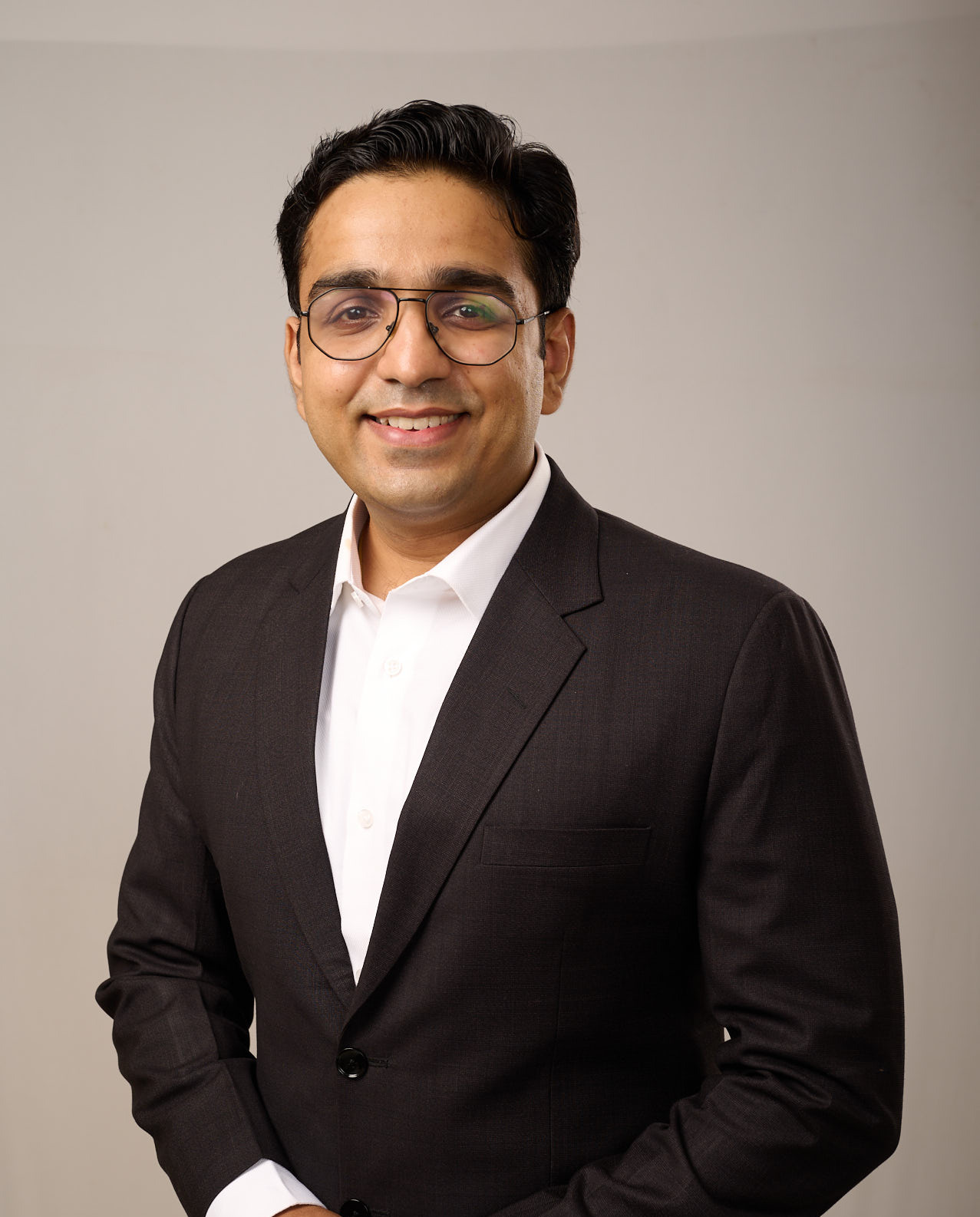
  • “Law was always a calling for me; the discipline, the analytical rigor, and the opportunity to impact society resonated with my drive for meaningful work.” – Manisha Tiwari, Advocate at Bombay High Court and Partner at International Maritime Law Chambers.

    “Law was always a calling for me; the discipline, the analytical rigor, and the opportunity to impact society resonated with my drive for meaningful work.” – Manisha Tiwari, Advocate at Bombay High Court and Partner at International Maritime Law Chambers.

    This interview has been published by Anshi Mudgal and The SuperLawyer Team

    With over a decade of experience in various areas of the law, was law a planned career path for you, and what inspired you to specialize in corporate law, particularly in the maritime and international trade sectors?

    Law was always a calling for me; the discipline, the analytical rigor, and the opportunity to impact society resonated with my drive for meaningful work. My journey to specialize in corporate and maritime law, however, was shaped by my academic background and early exposure to international trade’s vast complexity. Earning my LL.M. in Maritime Law from the Indian Maritime University, where I graduated with a Silver Medal, gave me a solid foundation in both theoretical and practical aspects of maritime law. Corporate and international trade law present a unique set of challenges and rewards that only a global, multidisciplinary approach can address. This field offers a constant intellectual challenge and an opportunity to work at the intersection of law and global business, which I find immensely fulfilling.

    What do you consider the most pressing legal challenges that companies in the shipping and maritime industries face today, especially in the context of cross-border trade?

    Today, maritime companies are navigating a minefield of legal challenges, with compliance and risk management at the forefront. Companies face increasingly stringent environmental regulations—compliance with IMO standards on emissions, for instance, is now critical. Global trade tensions have also intensified the need for adaptable legal strategies, as tariffs, sanctions, and embargoes add layers of complexity to cross-border trade. Additionally, cybersecurity risks are an urgent concern as shipping operations become more digitized, making robust data protection policies and crisis management strategies essential. Having represented clients in international arbitration and cross-border disputes, I’ve seen firsthand how preparation and adaptability are key to meeting these multifaceted challenges.

    Given the evolving nature of corporate governance in India, how do you advise shipping and maritime companies to navigate compliance with both Indian and international regulatory frameworks?

    In today’s regulatory environment, I advise maritime companies to adopt a comprehensive compliance strategy that harmonizes Indian laws with international requirements. With my background in both Indian corporate law and international maritime regulations, I focus on creating frameworks that meet the stringent standards of bodies like the IMO while aligning with Indian regulatory mandates. Regular training and internal audits are invaluable for keeping teams aware of emerging compliance needs. It’s also critical for companies to build relationships with regulators and industry experts, as this fosters an environment of mutual understanding that aids in anticipating and preparing for regulatory changes.

    You have extensive experience in international arbitration. Can you discuss a particularly complex international trade dispute that you’ve been involved in, and the strategies you used to achieve a favourable outcome for your client?

    Well, there are many, but I’d like to share a notable case involving bunker fraud. This was issue with regards to the time charter party, where charterer hired a vessel on a six-month time charter, incurring losses exceeding million dollars due to severe underperformance (over consumption of fuel). Complicated by a penalty clause for early termination, the charterer sought expert guidance to mitigate potential legal risks.

    Our investigation uncovered a Cappuccino bunker fraud conspiracy (cappuccino effect is a type of fuel fraud that occurs when compressed air is introduced into fuel delivery hose during bunkering) involving the ship management company, bunker supplier, and crew. We responded with strategic, multi-jurisdictional legal action: 

    – Initiated criminal proceedings against the supplier in its concerned jurisdiction.

    – Filed parallel arbitration for damages against the owner and ship management company according to Charterparty Arbitration Clause. 

    – Secured the arrest of a sister vessel in admiralty to ensure payment.

    These coordinated efforts across three jurisdictions prompted the respondent to settle, securing justice and recovering our client’s losses. 

    How do you balance your dual roles as a practicing lawyer and a faculty member teaching maritime law? What are the most common gaps in legal knowledge relating to maritime law that you encounter among students and professionals, and how do you address these in your teaching?

    Balancing a legal practice with teaching at institutions like the Indian Maritime University and Narottam Morarjee Institute of Shipping requires a structured approach. Both roles feed into each other: my practice enriches my teaching, allowing me to bring real-world cases to the classroom, while teaching helps me stay sharp and analytical. One common gap I observe is a limited understanding of the global regulatory landscape—students often lack context on how international treaties like UNCLOS and IMO conventions interact with national laws. I address this by emphasizing a global perspective in my lectures, encouraging students to think beyond national boundaries, as maritime law is inherently international. This perspective prepares them to handle the legal and regulatory complexities they will encounter in practice.

    Given your extensive experience in Corporate, Shipping/Maritime & International Trade Law, what motivated you to become a Partner at International Maritime Law Chambers, and what were the initial challenges you faced?

    Joining International Maritime Law Chambers as a Partner was motivated by my commitment to advancing the field of maritime law in India and beyond. As a Partner, I wanted to not only lead complex cases but also mentor young lawyers interested in this specialized area. Initially, building a team that could meet the high standards we set for international arbitration and complex cross-border cases was challenging. Developing a reputation for excellence required establishing trust with clients, consistently delivering favorable outcomes, and positioning our firm as a trusted advisor in high-stakes matters. These early challenges have since translated into rewarding partnerships with clients and an exceptional team dedicated to the firm’s mission.

    How do you balance your corporate law practice and your role as an educator and trainer with your personal life?

    Balancing these responsibilities requires setting clear priorities and respecting my personal time. I believe in structured time management—segmenting the day for client work, research, teaching, and personal commitments. I am fortunate to have a supportive family and a team that enables me to manage my workload effectively. Maintaining a balanced life isn’t just about work—it includes time for self-reflection and rejuvenation, which are vital for sustaining the energy needed in a demanding profession. Ultimately, my roles as a partner, educator, and advocate are deeply fulfilling, as they allow me to make meaningful contributions while honoring my personal values and commitments.

    What advice would you offer to young aspiring lawyers who aim to excel in the field of maritime law?

    For aspiring maritime lawyers, a solid grounding in both Indian and international law is essential. I encourage young lawyers to invest time in understanding treaties, conventions, and the workings of regulatory bodies like the IMO, as maritime law is global by nature. Building expertise in arbitration and cross-border dispute resolution is equally critical, as maritime disputes often require these specialized skills. Finally, cultivate a mindset of continuous learning; maritime law evolves in response to global trade trends, and staying informed will differentiate you in this highly specialized field. As a faculty member, I always remind students that success in this field comes from both expertise and a commitment to lifelong learning. 

    Get in touch with Manisha Tiwari –
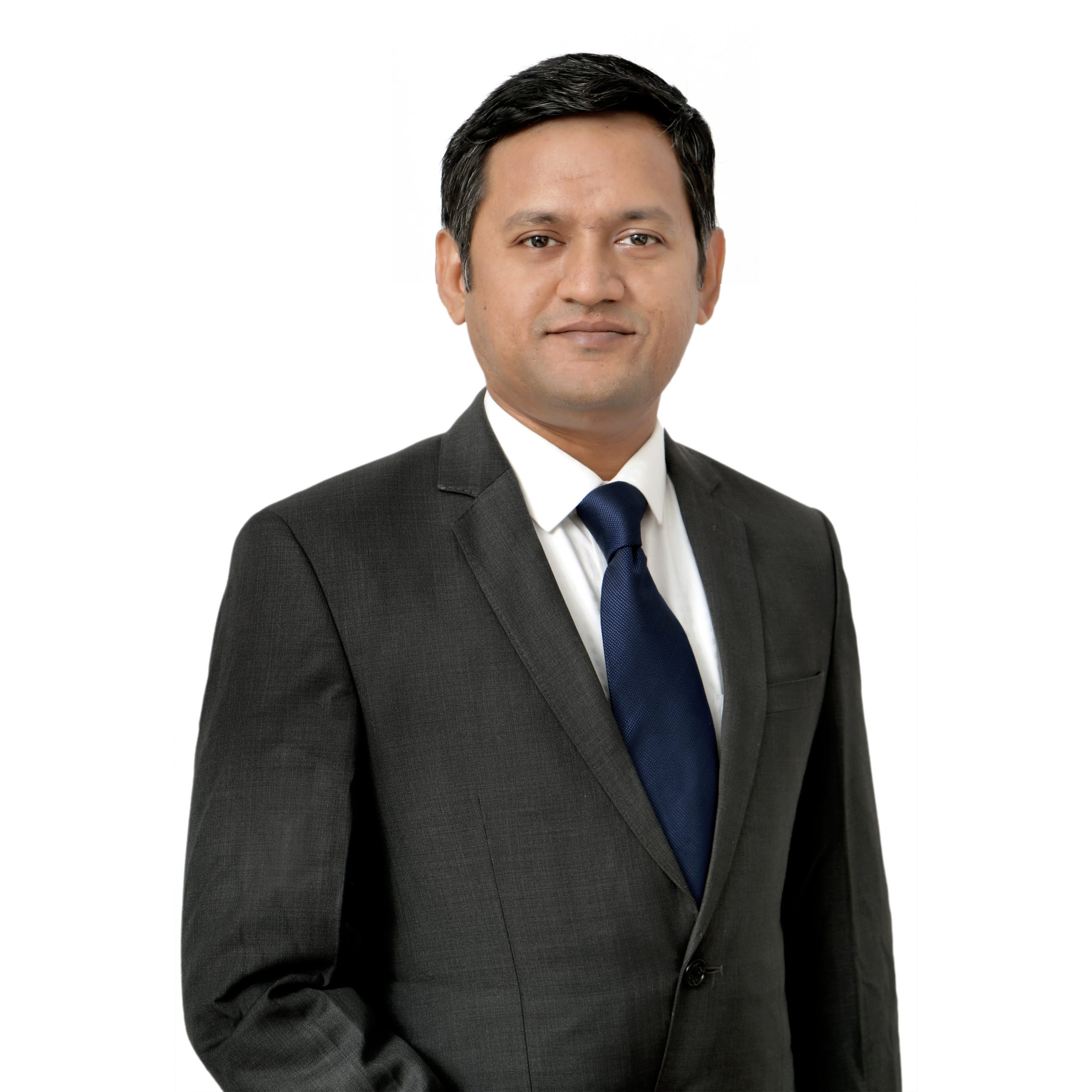
  • “In essence, the law’s ability to safeguard rights and bring justice fuelled my passion, and I remain steadfast in my commitment to upholding these principles.” – Kunal Sharma, Partner at Singhania & Co. LLP.

    “In essence, the law’s ability to safeguard rights and bring justice fuelled my passion, and I remain steadfast in my commitment to upholding these principles.” – Kunal Sharma, Partner at Singhania & Co. LLP.

    This interview has been published by Anshi Mudgal and The SuperLawyer Team

    Your educational background spans a range of fields, from M. Com and LLB to Company Secretary (Executive) and an LLM in International Trade Laws and WTO. What motivated you to pursue a career in law, and why did you choose to specialise in International Trade and WTO during your LLM? 

    My decision to pursue a career in law stemmed from the profound realization that lawyers hold one of the most influential roles in shaping not only society but also the economy, industry, and politics on a global scale. The weight of responsibility carried by legal professionals, whose work directly impacts individuals, communities, and the broader environment, deeply resonated with me. This sentiment was strongly reinforced during my childhood when a neighbour, wrongfully accused, was forced to endure repeated visits to the police station. Witnessing this firsthand highlighted the immense difference that legal support can make during distressing and complex situations. This experience solidified my belief that the power of legal knowledge, combined with the ethical responsibility it entails, is what inspired my journey into law.

    In essence, the law’s ability to safeguard rights and bring justice fuelled my passion, and I remain steadfast in my commitment to upholding these principles.

    As for my choice to specialize in International Trade Laws and WTO during my LLM, it was driven by my keen interest in the global market, international politics, and economic policies. I have always been fascinated by the intricate workings of international commerce and governance. I wanted to equip myself with a solid understanding of the fundamental norms, agencies, and regulatory standards that shape global trade, ensuring that I am well-prepared to support businesses operating in an interconnected world.

    Could you walk us through your career progression, starting from your early days as a Junior Associate to your current role as a Partner at Singhania & Co LLP? What were some of the most valuable lessons you learned in the early stages of your practice that have influenced your professional journey? 

    My professional journey has been an enriching experience, shaped by diverse roles and exposure across multiple jurisdictions. I have had the privilege of working with three listed companies and two top-tier law firms, gaining legal expertise in India, the UAE, and Africa. My career began in litigation, which laid the groundwork for a comprehensive understanding of dispute resolution. Over time, I transitioned into the corporate and regulatory domains, acquiring hands-on experience in areas like real estate, corporate laws, intellectual property rights, projects, project finance, technology, M&A, EPC contracts, and FEMA compliance.

    In my early roles, I served as the legal head for zones spanning West Bengal, Rajasthan, North and East India, and Delhi NCR for leading housing finance companies. This phase gave me practical insights into regulatory compliance, litigation, and real estate transactions. My tenure at Amarchand Mangaldas & Suresh A. Shroff, and later with Shardul Amarchand Mangaldas and Cyril Amarchand Mangaldas, further refined my expertise in corporate transactions and advisory work. Before joining Singhania & Co LLP, I gained international exposure working with a Dubai-based conglomerate with operations in Miami, the Middle East, Europe, and eight African countries.

    This diverse journey, spanning five cities and engaging with varied sectors, has been a transformative experience. It has equipped me with a strong legal foundation, strategic thinking, and the ability to navigate complex legal landscapes effectively—skills that I bring to every professional engagement.

    You have extensive experience in structuring, strategizing, and negotiating transaction documents across multiple sectors. Can you discuss a particularly challenging deal and how you overcame the challenges? 

    One of the most challenging deals I worked on involved a multi-jurisdictional M&A transaction for exploration of iron ore deposits that required navigating conflicting regulatory frameworks across India, Africa, and Dubai, and involved government representative, multinational mining giant. The primary challenge was aligning the interests of stakeholders while ensuring compliance with diverse legal systems. By fostering open communication among parties, engaging local legal experts, and adopting a phased negotiation strategy, we successfully closed the deal. This experience underscored the importance of adaptability, cultural sensitivity, and a solution-oriented approach.

    You’ve worked on transactions across various jurisdictions, including Africa, Dubai, and India. What are the unique legal and cultural challenges you face when dealing with cross-border deals? 

    Navigating cross-border transactions requires a combination of legal expertise and cultural sensitivity. For example, while structuring agreements in African jurisdictions, addressing legal ambiguities is often critical, as is fostering trust through strong personal relationships, especially given the significant involvement of government liaisons and multinational stakeholders, including European influences. Similarly, in Dubai, aligning with DIFC and free zone regulations, adhering to Sharia law, and respecting local business customs are essential. Success in these transactions is not just about technical proficiency but also about understanding and adapting to diverse cultural and regulatory landscapes.

    Ultimately, the ability to engage with local norms, working practices, and mindsets strengthens relationships and significantly enhances the chances of successful negotiations and seamless transactions.

    How do you manage the complexities of advising clients on international legal frameworks, especially when dealing with issues like FDI, foreign exchange regulations (FEMA), and local laws in emerging markets?

    Advising clients on international legal frameworks, such as FDI policies, FEMA regulations, and local laws, requires not only a deep understanding of evolving regulations but also a strong network of global legal experts. This task is often more challenging than it appears, as the legal environment has become increasingly dynamic and complex over time. My approach is to first understand the client’s specific needs and then ensure alignment with the applicable laws. When necessary, I also guide clients to take corrective steps to achieve compliance. Industry norms play a crucial role, as they often drive changes in regulations over time, which must be carefully considered while structuring advice.

    Breaking down intricate legal requirements into actionable steps and delivering clear, pragmatic solutions is at the heart of my practice. By combining legal knowledge with strategic foresight, I ensure my clients remain compliant while safeguarding their interests, especially in the context of emerging markets. Ultimately, success in this field comes from balancing legal expertise with a nuanced understanding of industry trends and regulatory shifts.

    Having led teams in multiple roles, from Manager (Legal) at DHFL to Partner at Singhania & Co, what is your approach to managing legal teams? How do you ensure high levels of productivity and collaboration within your team? 

    Leading legal teams have underscored the importance of clear communication, strategic delegation, and fostering a collaborative, trust-driven environment. I prioritize understanding each team member’s strengths, aspirations, and areas of interest, which helps me align individual goals with collective objectives. Encouraging ownership of work, while providing guidance and support, empowers the team to approach tasks with passion and responsibility. Regular knowledge-sharing sessions and open discussions keep the team updated, motivated, and aligned with evolving legal trends.

    By cultivating a culture of trust, mutual respect, and continuous learning, I have consistently seen high levels of productivity, innovative problem-solving, and seamless collaboration, ensuring exceptional outcomes for clients and individual growth for team members.

    You’ve advised clients on issues like data mining and trademark infringements on websites. In your view, what are the biggest emerging legal challenges in the technology space, and how do you see them evolving in the next 5-10 years?

    The technology landscape is advancing at an unprecedented pace, bringing forth multifaceted challenges such as data privacy, cybersecurity, and the regulation of AI and blockchain technologies. Emerging concerns, including cross-border data transfers, digital copyright infringement, and the intricacies of smart contracts, highlight the growing complexity in legal documentation and compliance. Over the next 5-10 years, these issues will necessitate the formulation of robust policies, standard operating procedures (SOPs), and multi-jurisdictional frameworks to address the regulatory gaps many are still grappling with today.

    Irrespective of the nature of a business—be it a sole proprietorship or a publicly listed company—or whether one is an individual or an entity, technology is profoundly impacting and will continue to reshape every sphere of life and profession. This digital transformation spares no domain, making it imperative for everyone to adapt to the rapid pace of change. As lawyers and policy influencers, we bear a greater responsibility to engage with technology, society, and industry in a way that ensures the outcomes of this technological advent are beneficial to all, rather than resulting in exploitation. It is our duty to ensure that the legal frameworks and policies we shape foster innovation while safeguarding against undue risks and inequities, creating a more equitable and sustainable future for all.

    The legal profession itself is undergoing a transformative shift, especially post-COVID, where technological fluency has become indispensable. The era of delegating technological tasks solely to juniors is long past—modern lawyers must actively skill up to adapt to this digital transgression. As legal practitioners, agility, foresight, and a proactive approach will be essential to effectively navigate this evolving landscape and remain relevant in the globalized legal domain.

    What advice would you offer to the younger generation aspiring to succeed in the field of Corporate Law, given your extensive experience? 

    For freshers starting their careers in law, my advice is simple: first, build a strong foundation by mastering the basics of law, whether in corporate or litigation. A solid understanding of legal principles will set the stage for your career. Stay curious and proactive about learning, especially in emerging fields like technology, cross-border transactions, and regulatory developments. Equally important is building relationships—networking with clients and colleagues will play a big role in your growth, as trust and communication are key to success.

    For mid-level lawyers, it’s time to focus on deepening your expertise in a specific area and honing your skills. Whether it’s corporate law, litigation, or a niche practice, developing specialization will help you stand out and become a trusted advisor. Be proactive in managing client relationships, taking ownership of complex cases, and looking for new business opportunities. In addition, focus on improving your efficiency—balancing technical knowledge with client-focused, practical solutions will be crucial as you progress in your career. Ultimately, whether you’re a fresher or mid-level lawyer, success comes from a combination of knowledge, integrity, and a client-first approach.

    Get in touch with Kunal Sharma-

  • “Young lawyers should not lose themselves in over planning everything about their career. Work hard, be authentic and allow things to happen.” – Kaushik Sochannam, Managing Partner at Sochannam Legal Indian Advocates.

    “Young lawyers should not lose themselves in over planning everything about their career. Work hard, be authentic and allow things to happen.” – Kaushik Sochannam, Managing Partner at Sochannam Legal Indian Advocates.

    This interview has been published by Anshi Mudgal and The SuperLawyer Team

    Having extensive experience in shipping, insurance, commodities, and international trade, can you walk us through the journey that led you to choose law as a career and to specialize in these areas?

    My decision to study law was an unplanned act of desperation based on a two-minute argumentative interaction with women’s rights lawyer Flavia Agnes who visited KC college (where I was pursuing BSc – Statistics and Economics) to conduct a seminar on women’s rights. During the discussion, Flavia touched upon the topic of martial rape of wife by the husband. The impatient rebel in me promptly asked her whether the wife could be guilty of martial rape when the husband didn’t want to have sexual intercourse. This interaction with Flavia and her articulation stayed with me.

    When I completed my Bsc – Statistics and Economics, I realised that as much as I enjoyed statistics as a subject, I was not good at it. pursuing it further would be a torture that I preferred to avoid. I had to tell my parents that I was pursuing higher studies to get them off my back!!!   

    Right next to KC College was KC Law College. I recollected my discussion with Flavia Agnes which I found intellectually refreshing. In an act of desperation (or a leap of faith) I decided to apply for admission at KC Law and secured my seat!!! That’s it. No research, no carrier prospects analysis, no guidance counsellor, never met a lawyer previously, neither saw a court room nor did I know how a court room looked, no idea what a solicitor/counsel meant!!! etc. I was the antithesis of what most prospective law students went through when they enrolled in law school and what most law students endure today!!!     

    To be honest, I did not choose to specialize in shipping and insurance law. Shipping law chose me. I would like to think that.  During law school, I was eager for internships to gain experience. I was sending my CV wherever I could to secure an internship. I received a call from Crawford Bayley for an interview. I met the partner who asked me a few generic questions. He asked me to join the next day. While leaving his office, I asked him what law he practices. He said shipping. I said, cool!! I am doing shipping law now. That’s it. No grand plan or scheme was hatched. I stumbled into the field of shipping law!!

    You have worked on admiralty cases across Indian courts. Could you share one of the most complex or interesting cases you have handled in the admiralty space?

    There are so many. A case involving the Salgaocar Group and Goldgen Ocean Group involving ani-suit injunctions against English court proceedings, arrest of vessel in South Africa as security and eventual settlement on favour of the client. 

    Another case involving European creditors against a fleet of vessels controlled by Jaisu Shipping. This involved the arrest of their entire fleet in India, dealing with multiple creditors, challenging port claims, priority of claims and arriving at a resolution where my clients made a full recovery of their claims from the sale proceeds.  

    Allison incident with a chemical jetty where shipowners were straddled with inflated claims. This was one of those cases where you delve into root case analysis, construction path analysis, remoteness of damages, delay analysis, liability in tort, contract and statute. At the end of the journey, the owners were not held liable for any of the claims made by port authorities. 

    In your experience, how has the legal landscape surrounding maritime law in India evolved in recent years, particularly in terms of regulation, enforcement, and the role of the courts?

    The biggest change in the legal landscape is the Admiralty Act, 2017. The Admiralty Act 2017 vested more high courts with admiralty jurisdiction. Previously, it was only the chartered high courts and their successor courts that were vested with admiralty jurisdiction. In terms of substantive legislation, regarding maritime claims and liens, we are following Arrest Convention, 1999 with some variations. 

    Could you share some of your experiences from the early years of your practice as an associate that helped shape your career? And, after almost five years of working with a law firm, what motivated you to establish your own practice? What were some of the key challenges you encountered in the initial stages?

    Looking back, the early years in the profession were exciting, challenging and rewarding. Challenging in part – as I was argumentative, impatient, and blunt without due regard to the person I was dealing with. I was fortunate enough to have worked with Ananjan Mitter at ALMT Legal who encouraged me to soften the rough edges of my personality. His guidance helped me a long way in adjusting to the requirements of the profession. I am indebted to him. The biggest take away from those years – the profession is about people. Dealing with people in an honest, fair and respectable way goes a long way in getting things done.   

    Ananjan decided to pursue other interests and left the firm. I was at crossroads in terms of where I wanted to be. At that point, I did not see myself in the law firm architecture. I was securing decent amount of work through my contacts.  In a leap of faith or madness, at the age of 29 in the year 2013, I set up my private practice under the banner – Sochannam Legal. I sought freedom and had a load of dreams.  In return, I received a rewarding roller-coaster ride that I would not trade for the world!!!  

    The key challenge when setting up practice is migrating from just servicing a client to managing and servicing the client while keeping in mind the value for the services you are offering. It’s a 360-degree role. Private practice is not meant for everyone. Once you endure the practice for a few years, you get a hang of it. 

    How do you manage the complexities of different legal jurisdictions and international laws when handling maritime cases that involve multiple parties across borders?

    Research, research and more research. Speaking with lawyers in other jurisdictions to understand how things work there. You start from a position of understanding what you do not know and then work towards finding answers to them.  

    When dealing with parties across multiple jurisdictions, it is always good to understand the culture they come from. Every culture is unique. Understanding another culture (without being judgmental!!) goes a long way in dealing effectively with clients and parties. 

    You have significant experience in handling arbitrations related to COA disputes, Off-hire disputes, charterparty disputes, and demurrage. What strategies do you find most effective when preparing for and managing arbitration proceedings in these areas?

    1. Get the facts right.
    2. Provide documentary proof for damages. Especially in cases of repudiatory breach of charterparty/COA. Depending on the market situation, these claims can go into millions of $$. 
    3. There are many reasons for demurrage and dispatch claims.  When your clients are relying on adverse weather to defeat demurrage claim, make sure there is adequate documentary proof to demonstrate adverse weather. Vanilla weather reports won’t do. The weather report will be unique to the location of the weather station. The moot point will be if the weather was prevailing at the port.    

    Given your experience in corporate structuring, particularly when advising companies looking to set up operations in India, what are the most critical legal considerations for international businesses entering the Indian market?

    The critical issues are FEMA compliance and sectoral caps. Restrictions on foreign shareholders. Whether they intend to form a wholly owned subsidiary or form a Joint Venture company with a local partner. In which case, shareholding interest in the JV company plays a significant role. Assessing consequences of DTAA which may impact the operations in India and the global parent company. Repatriation of profits.    

    What advice would you give to a young lawyer starting out in the areas of shipping, insurance, and international trade law?

    After a year/two into the practice, young lawyers should ask themselves if they really like this area of law. If they do not, they should be honest enough to admit it and be open to make changes to their career path. These days, a lot of aspiring lawyers at very early stage of their career set their agenda in the profession. This is good when there is clarity of thought. In most cases, it is based on insufficient information, and this is where people get stuck.   

    It serves no purpose to do something you do not like. In my case, I knew I was not good at statistics though I enjoyed it. I took a chance and decided to study law and got involved with shipping. The journey has been enriching and rewarding. More importantly, young lawyers should not lose themselves in over planning everything about their career. Work hard and allow things to happen. Be authentic and don’t be an imitation!!! be open to change!!!

    Get in touch with Kaushik Sochannam-

  • A luminary in the legal realm with a diverse portfolio, shares his transformative journey from litigating lawyer to acclaimed General Counsel – “A Riveting Conversation with Dr. Mukul Shastry, Renowned General Counsel and Executive Director of Cube Highways”

    A luminary in the legal realm with a diverse portfolio, shares his transformative journey from litigating lawyer to acclaimed General Counsel – “A Riveting Conversation with Dr. Mukul Shastry, Renowned General Counsel and Executive Director of Cube Highways”

    This interview has been published by Priyanka Karwa and The SuperLawyer Team

    Dr. Shastry,  We are extremely delighted to have you with us for this interview.  Could you please introduce yourself for our readers and share the pivotal moments that led you to pursue a remarkable career in law, leading to your current role as the General Counsel and Executive Director at Cube Highways?

    At the outset let me thank Super Lawyer, it is absolutely my pleasure to be here with you. As regards my journey, I belong to a family of lawyers and judges. My father was a judge (District Judiciary), other uncles too judges and lawyers. Therefore, doing law was something in the blood. Post my studies I started as a litigating lawyer before Rajasthan High Court, Jaipur handling cases such as criminal bails, civil miscellaneous appeals, arbitration petitions, MACT appeals etc. As I was bright in academics, I completed my Masters (securing second rank across university) and also cleared UGC-Net in my first attempt. Hence, I was given a part time teaching assignment in Rajasthan University, Jaipur. 

    During that time Competition Act, 2002 was enacted which intrigued me as to why we need a law to regulate competition in the market and I enrolled myself in Ph.D. working on the hypothesis whether Anti-dumping duties would be relevant once Competition law comes to force. However, as there wasn’t much material in Jaipur at that time, my Ph.D. supervisor guided me to go to National Law University, Jodhpur. 

    At that time in NLU, Jodhpur, Prof. A.K. Kaul was the Vice-Chancellor who was an expert of Trade & Competition Law. He was kind enough not only to guide me but also to tell me what all materials I must read to understand the conundrum in other countries before I can start researching Indian markets. 

    Prof. Kaul goaded me that I must not sail in two boats. On one hand, I was practising law in Jaipur and on weekends was coming to Jodhpur to do my research. He insisted that I focus on one thing and I chose academics. At that time there was a vacancy in NLU, Jodhpur and I applied and cleared it. This is how my academic journey started. 

    After spending three and half years at NLU, Jodhpur and post completing my Ph.D. I wanted to work with a regulator. As during my research, I understood that the regulators’ perspective is the most important to execute the sector specific legislations. This was 2009 and at that time Competition Commission of India where I wanted to go did not have any vacancies, but RBI came out with Legal Officers vacancy. I applied and wrote the exam. I topped the All-India RBI Legal Officer – Grade-B, 2009 examination. 

    This is how my journey as a central banker started. In RBI I spent time giving legal advice to different departments such as Foreign Exchange Dept., Banking Supervision Dept. (DBS) etc. I spent around five and half years in RBI. After that I took a sabbatical and prepared for GMAT. I applied to IIM, Ahmedabad (India’s premier B-School) and got through. I did my MBA from IIMA (PGPx – One-year full time) and from there I was placed in RPG group, Mumbai.

    This is how my corporate journey started around a decade back. In the RPG group I used to handle the legal profile as well as the SPOC for a DBFOT project – Bikaner Sikar 440 KV line. I learnt the nuances of corporate life and applied my learnings from litigation, academics and regulator mixed with knowledge learnt at IIMA. 

    From RPG I went to Adani Group handling ports and logistics legal matters and then to Welspun Enterprises as Head Legal and now the General Counsel for Cube Highways.  

    Your journey includes a diverse range of roles from litigating lawyer to teaching criminal and competition law, and now as the General Counsel and Executive Director of Cube Highways. How has this varied experience shaped your perspective on legal practice, and what unique insights do you bring to your current role?

    An interesting question. The experience as a litigator turned academician turned central banker and then General Counsel has taught me different things. I understand how the court systems work and thus it helps in giving those advice from the perspectives of court practices. At times despite one’s case being strong on merits, it can have technical glitches and that can be disastrous. Therefore, I am extremely cautious as to how not to give those technical lose points whether it be laches, delay, non-response to a letter, conflict etc. 

    The academic knowledge helps me in doing in-depth research and those theoretical questions and acumen laced with practical prism helps in zooming in to minutiae details. The experience of a central banker helps in understanding how a bureaucrat will look into the decisions taken by a corporate. 

    Thus, the advice which I provide is holistic from litigator, academic, regulator and a GC’s perspective. This helps in much nuanced and sophisticated advice. 

    You’ve achieved a remarkable academic milestone with qualifications like LL.M, Ph.D. in Trade & Competition Law, MBA from IIM Ahmedabad, CS, and CAIIB. If you could go back to your early academic years, what advice would you give to yourself, considering the wealth of experience you’ve gained over the years?

    Well, if I sit in a time machine and go back, the advice I would give is that at times in pursuit of the different academic knowledge one loses focus on other good things in life. I now see my younger colleagues who are in college and along with being bright in academics are also focusing on hobbies such as sports, drama, singing, writing, playing some instrument etc. I still rue that I have not developed any such hobby that is necessary in shaping up your personality. 

    Thus if I could rewind, maybe I will pursue one or two courses less but would love to learn acting or singing or dancing or maybe play some sport like cricket, chess or badminton and  a much more engaging level. 

    Apart from your legal prowess, you have an extensive academic involvement, serving as Chairman, Industry Advisory Board at Amity and as a Ph.D. guide at two National Law Schools. What drives your passion for academic engagement?

    The youth attract me a lot. Whenever I am with young minds, I feel a kind of vibrance which otherwise is missing in the drudgery of corporate life. Whenever I interact with them their pointed questions, their free-wheeling attitude and the fireside chat intrigues me. The kind of questions they pose at times challenge me to re-think about my own knowledge and practices. That gives the biggest kick which even the astronomical salary and posh perks of corporates cannot give. 

    That’s why I make it a point to always find time to spend with young minds, to interact with them, share my life experience, learn from their perspective, and enjoy the vibrant energy all around. 

    Beyond the legal realm, you’ve been awarded Forbes Top General Counsel, BW Business World Top 100 GC, and Atal Achievement Award. How do you balance the demands of a high-profile legal career with such accolades and recognition, and what do these honors mean to you personally?

    Well, I have to thank Forbes, Legal 500, Business Worlds and Atal Award (Govt. of India) who have now started to recognize the General Counsels for the work they have done. It was not long back that General Counsels were not recognized, and many did not consider them lawyers. These recognitions have changed the perception in the past decade or so and I am extremely thankful to them. 

    Therefore, these recognitions mean a lot and more than me personally it helps the younger people to opt for in-house roles which have different challenges than faced by a litigating lawyer or a transactional lawyer in a law-firm.

    As regards balancing the demand, I must say that is the most difficult thing to do. But I make it a point that I allocate some time for these too as it is not only for personal satisfaction, but these inspire my younger colleagues to do great. Whenever, I have received any award it has inspired the people who know me that they must also strive harder to achieve such awards and to do good quality work. 

    Your commitment to contributing to positive change is evident. In what ways do you believe legal professionals can actively contribute to making a positive impact on society and the business environment?

    Nowadays legal professionals play a major role in any corporate. Their attitude, their approach to work, their work ethics play a critical role in shaping up the society they live in. Especially in a democracy, the stronger the legal fraternity, the stronger would be the democracy. To establish a rule of law and who better to ensure that than the lawyers and legal professionals themselves. 

    Whenever, a legal professional handles a matter whether it be of environmental violation, bad business practice, corrupt or fraudulent act, tortious conduct etc. if the same is handled with full devotion and keeping in the mind the fundamental principles enshrined in our constitution and legal jurisprudence, it not only impacts the society or business but the culture and legacy. 

    A wrong decision by the Supreme Court can shake up the investor confidence and wipe up the entire investment, which a developing country like ours requires. The government needs to be kept informed about the impact of the policy and bureaucracy approach and this primarily becomes the responsibility of legal professionals who along with handling litigation, transactional contracts are also responsible for regulatory interface. 

    Every successful journey faces challenges. Can you share a specific challenge or struggle you encountered during your career and how you overcame it?

    That is absolutely true. There can be no journey without its fair share of peaks and troughs. Well let me begin with sharing the biggest challenge. After spending a fair time in the government or regulatory sector when I joined the corporate sector the biggest problem was that now as a legal head, I was required to give solutions. Unlike the previous avatar of regulator or academician I was required to only put the legal position but now the task was to find the right and legitimate ways of getting the business done. 

    The senior management would require the solutions to the given business problem and that required not merely to state what the law is but to devise solutions, sometimes out of the box to achieve the business objectives. The most important thing to be kept in mind was that the solutions still had to be within the four corners of the legal and regulatory framework. 

    This required a sea-change in approach. I must say the learning at IIMA came absolutely handy. The syndi-approach of IIMA where the students were divided into a syni of 5 or 6 and they had to brainstorm and come out with solutions helped me in developing a wider horizon. Like in my IIMA days I had to interact with people who had worked in NASA or had come from a political background and that helped me understand differing perspectives. 

    This helped me in quickly adapting to the needs of the corporate sector and slowly and gradually I started delivering. Like Cube Highways which is a Private Equity run platform, and the issues that I faced here are different from that of an Indian promoter company, however due to the ability to understand different perspectives and angles, I more often than not am in position to solve them. 

    Away from the legal complexities and academic commitments, how do you unwind and recharge? Do you have any personal hobbies or activities that provide a break from the demands of your professional life?

    Well, my hobby is to read fiction, especially good science fiction or thriller murder mystery. I have read all types of top sci-fi novels starting from The Foundation, Dune, Leviathan Wakes etc. My current favourite is Marissa Mayers’ Renegade. 

    So, to unwind, I spend time reading these good prose while sitting at the comfort of my home. Sometimes, I switch off my phones and spend an entire weekend just lying down on the bed reading my favourite fiction novels. When I am not reading novels, I love to play gully cricket with my friends. 

    Your work involves connecting with industry stalwarts and senior counsels. Outside of professional networking, what’s one piece of advice you would give to young legal professionals who aspire to build meaningful connections in the legal and business world?

    Well for all my younger colleagues and legal professionals I have two pieces of advice. Firstly, as you yourself has stated, they must attend at least two or three conferences in a year and try to make as many connects as possible. Secondly, publish regularly and remain connected. I have always said that in legal field one has to publish or perish. Whether it is writing a simple piece on LinkedIn post or an editorial in news paper or in any magazine or on law blogs or anywhere, one must keep on publishing one’s thoughts. This helps in keeping you updated and build a network with like minded people. This also showcase your understanding of issues and at times these are seen by the senior general counsels and who’s who of the industry. That can help you land at your dream job.  

    Get in touch with Dr. Mukul Shastry-