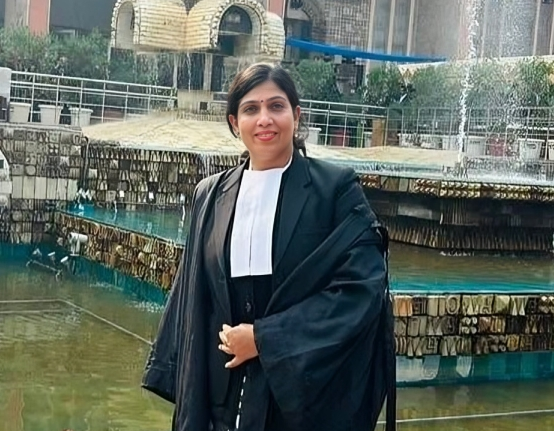
Tag: IP

  • “The real shift ahead will be from treating privacy as a legal checkbox to making it part of core business strategy.” – Ankita Sabharwal, Managing Associate at Chadha & Chadha.

    “The real shift ahead will be from treating privacy as a legal checkbox to making it part of core business strategy.” – Ankita Sabharwal, Managing Associate at Chadha & Chadha.

    This interview has been published by Anshi Mudgal and The SuperLawyer Team

    Being in this industry with such diverse experience, what initially motivated you to choose law as a career, and what inspired you to specialize in Intellectual Property, Data Privacy, and Technology Law?

    As a child, I was always writing poems for school magazines. I still recall one incident when I shared an unwritten poem with a classmate, only to find it published under his name in the very next issue. I came home in tears, and that’s when my mother first introduced me to the concept of copyright. That moment sparked my curiosity about how law can protect creativity and original thought.

    Naturally, when I began my career, intellectual property became my first area of focus. Over time, as I engaged with clients and industries evolving rapidly in the digital age, I found myself drawn to the adjoining fields of technology and data privacy. It felt like a natural transition, broadening my horizon from protecting creative works to safeguarding innovation, digital assets, and personal data.

    Today, my work allows me to bring these threads together: using IP, technology, and privacy law not just as legal tools, but as enablers of innovation and trust in an increasingly interconnected world.

    You started your career at top-tier firms specializing in IP. What early experiences helped lay the foundation for your practice, and how did you navigate your way into such prestigious firms straight out of law school?

    When I first joined my law firm, most of my work was around intellectual property including litigation, opinions, and strategy. That’s when the GDPR had just come in, and suddenly everyone was talking about data privacy. I remember being really curious about it and actively looking for ways to get involved in those matters, even while my main focus was IP.

    What struck me was how naturally the two fields connected. On one hand, I was helping protect brands and creative works, and on the other, I was seeing how technology and privacy were becoming equally critical for businesses. That overlap made me want to broaden my horizon beyond IP, and it eventually set me on the path of building a practice at the intersection of IP, data privacy, and technology law.

    With years of experience across various domains in IP law, how do you approach complex IP disputes especially in the brand protection domain, and what are the key challenges in managing global IP portfolios?

    In IP disputes, whether trademarks, patents, or copyrights, I focus on aligning enforcement with the client’s long-term strategy and reputation. In brand protection, a recurring challenge is timing. Many businesses delay securing rights until the brand has grown or infringement has already occurred. The same happens with patents, where filings are often an afterthought instead of being integrated with R&D. Another common issue is skipping clearance searches, whether for trademarks or prior art in patents, which leads to avoidable disputes and costs. The key is to start early, secure strong and defensible rights, and stay proactive rather than reactive.


    You have advised clients on data privacy compliance under DPDP, GDPR, CCPA, and other international regulations. What are the major challenges companies face while ensuring compliance with these data privacy frameworks?
    One of the biggest challenges is procrastination. Companies know compliance is important but tend to delay it until there’s a breach or regulatory action, when it’s already too late. Another recurring issue is the way data is handled: it’s often scattered across departments, systems, and vendors without proper mapping or controls. Many organizations don’t even have a clear view of what data they collect, where it’s stored, or how long they retain it. Without that foundation, compliance with frameworks like DPDP, GDPR, or CCPA becomes patchwork. The real solution is to start early, streamline data handling, and embed privacy into day-to-day processes rather than treating it as a last-minute fix.

    What are the most critical considerations when drafting and negotiating technology contracts, licensing agreements, or cross-border data transfer agreements?

    For me, the most critical part of drafting or negotiating technology contracts, licensing agreements, or cross-border data transfer agreements is balance. On one side, you have the legal and regulatory requirements i.e., data transfer restrictions, liability, compliance with GDPR or DPDP, and so on. But on the other, you have the business reality: both parties want a workable, commercial arrangement that doesn’t get buried under red tape. I’ve seen that the real challenges often lie in the details, how data is actually handled day to day, who has access, how risks are allocated if something goes wrong. Cross-border transfers especially demand extra care, because you’re not just dealing with contracts but also with differing legal regimes and enforcement landscapes. So the key for me is clarity and practicality, making sure the contract reflects not just what looks good on paper but how the technology, data, and partnership will function in real life. That’s where the trust between parties really gets built.

    Having handled numerous brand protection, domain name disputes, and anti-counterfeiting enforcement cases, can you share one of the most challenging cases you’ve worked on and how you navigated it?

    While I can’t share client names, I can say I’ve handled everything from pharma to fashion to OEMs, and each sector brings its own unique challenges. One of the toughest situations I dealt with was a large-scale counterfeiting network spread across multiple jurisdictions. It wasn’t just about seizing counterfeit goods, it involved coordinating with law enforcement, navigating cross-border enforcement hurdles, and simultaneously managing domain name takedowns and online marketplaces. What made it challenging was the scale and speed at which counterfeiters adapt. Every time we shut down one channel, another would emerge. The way we navigated it was through a multi-pronged approach through legal actions, customs enforcement, online monitoring, and working closely with investigators. It taught me that brand protection today isn’t just about one-off enforcement, but about building a continuous, layered strategy.

    How has speaking at global conferences and publishing on technology and data privacy shaped your perspective and practice? What advice would you offer to students aspiring to enter this field, and what resources would you recommend to stay current?

    I still remember my very first global conference as a young attorney. I was so anxious, sitting in the audience, just trying to absorb everything and wondering if I would ever have the courage to stand on that stage. To look back now and see the journey from being an eager attendee to becoming a speaker is something that feels very special. Speaking at these forums and writing on technology and data privacy has given me incredible exposure. It has shaped the way I think and connected me with inspiring people from all over the world. More than anything, it has taught me that this field never stands still, and the best way to grow is to keep learning and sharing.

    For students who want to step into this space, my advice would be to focus on upskilling and to trust the process. Don’t feel pressured to be part of the rat race. Choose your own path, follow what excites you, and keep nurturing that interest. In the long run, it is passion and consistency that will set you apart. To stay current, I would suggest keeping an eye on regulatory updates, following thought leaders, and most importantly, engaging in conversations, because some of the most valuable insights come not from books, but from exchanging ideas with others who share your curiosity.

    As someone who oversees high-stakes matters, manages teams, and mentors the next generation of associates, how do you manage everything such as handling complex legal mandates, and what qualities do you value most in your team members?

    To be honest, I don’t think I do much! It’s the young associates who make it all possible. They come in with so much commitment, energy, and willingness to learn that managing high-stakes matters becomes a shared effort rather than a burden. My role is simply to guide and support them, but the drive really comes from their side.

    What I value most in my team is sincerity, curiosity, and ownership. These are qualities they already bring to the table, and they inspire me as much as I hope to mentor them. At the end of the day, it’s their dedication that keeps everything moving, and I feel fortunate to be surrounded by such motivated people.


    What emerging trends in AI, blockchain, or digital technologies do you see shaping the future of IP and data privacy law?

    I think the future of IP and data privacy law will be shaped by how we respond to technologies. With AI, the big questions are around authorship and ownership, who owns AI-generated outputs and the privacy risks that come from training on massive datasets. Blockchain adds another dimension: while decentralization is powerful, it raises real challenges for enforcement and even basic rights like data erasure.

    What excites me most is data privacy itself. It’s often seen as a compliance burden, but I see it as business-friendly. Strong privacy practices don’t just avoid penalties, they build trust, open up cross-border opportunities, and become a differentiator in crowded markets. The real shift ahead will be from treating privacy as a legal checkbox to making it part of core business strategy.

    Looking ahead, where do you see your practice evolving over the next five years, and what areas are you most excited to focus on?

    I honestly don’t know what life will look like five years from now, and maybe that’s the beauty of it. What I do know is that I want to keep learning, keep growing, and keep challenging myself to create a deeper impact through my work in IP, technology, and data privacy. But more than that, what excites me is the opportunity to create a path for others.

    As a first-generation lawyer, I know what it feels like to start without a roadmap, to rely on sheer hard work and belief. Over the next five years, I want to not only grow but also make sure that others like me, first-gen lawyers know they can dare to dream, carve their own space, and make it big. If my journey can inspire even a few to believe that it’s possible, that would be the most meaningful achievement of all.

    Get in touch with Ankita Sabharwal –

  • “For students and young professionals moving from engineering to patent law, the first step is to maintain your strong technical knowledge.” – Iti Negi, Patent Practitioner.

    “For students and young professionals moving from engineering to patent law, the first step is to maintain your strong technical knowledge.” – Iti Negi, Patent Practitioner.

    This interview has been published by Anshi Mudgal and The SuperLawyer Team

    In the early stages of your journey, particularly while transitioning into the world of intellectual property, what were some defining experiences that helped shape your practice in patents? Could you share any formative instances that honed your core skills?

    Overall, my journey in the field of Intellectual Property (IP) has been both enriching and transformative. Each organization I have worked with has added a unique dimension to my understanding of IP, helping me grow both technically and strategically. While I have had the opportunity to learn immensely at every stage, there are two experiences that stand out. Not only because of the nature of the work involved, but also because they came at pivotal moments in my career and had a lasting impact on how I approach patent practice today.

    The first was my transition into an in-house role at LG Electronics, which marked a significant turning point. Although this was not at the very beginning of my career, it was one of my earliest exposures to working in a large, innovation-driven product company. It was an exciting time as the first iPhone had just launched, reshaping the mobile industry. I was one of the few patent professionals hired outside LG’s IP team in South Korea, which gave me a unique vantage point.

    This role gave me critical exposure to the intersection of product design and IP. I worked extensively on handheld devices, touchscreens, and human machine interfaces. I learned to break down products into their technical components and identify key innovation areas. It was here that I began to understand the importance of aligning patent strategy with product roadmaps, ensuring that each patent family supported not just a single product but an entire innovation trajectory.

    In addition, I had the opportunity to contribute to emerging areas such as smart TVs and smart home initiatives. This showed me how cohesive, ecosystem-level IP strategy can create stronger value than isolated patents. Collaborating with different business units and cross-functional teams deepened my appreciation for how patents can be leveraged as long-term strategic assets. That early experience of helping shape an IP function within a rapidly evolving tech landscape laid a strong foundation for my future roles.

    The second defining chapter came during my time at Nokia USA. As part of Nokia’s patent team, I worked across high impact areas like User Interface (UI) and User Experience (UX), Augmented Reality (AR) and Virtual Reality (VR), and digital health. Being immersed in Nokia’s global innovation ecosystem, from Nokia Research Labs and Nokia Bell Labs to academic collaborations across Europe and Asia, broadened my horizons both technically and culturally.

    My role encompassed a wide range of responsibilities including invention harvesting, portfolio development, prosecution, and strategic patent portfolio management across key jurisdictions such as the US, Europe, China, Japan, and Korea. I also got exposure to work with Technical Support teams for different patent licensing projects at Nokia. This includes preparing claim charts and evidence of use analyses, contributing directly to licensing and divestment strategies.

    This is where I gained a nuanced understanding of how the clarity and scope of a patent can directly influence its commercial value and enforceability. I began to think more holistically, not just about obtaining patents, but about building enforceable, high-quality assets that could withstand scrutiny in licensing and litigation contexts.

    Together, these two experiences helped me develop a well-rounded perspective, one that balances deep technical insight, legal precision, and strategic foresight. They taught me to view IP not just as a legal function, but as a business enabler, and that mindset has stayed with me throughout my career.

    With over 17 years of in-house patent experience, looking back, what initially inspired you to pursue a degree in law after completing your engineering? Was patent law always an area of interest, or did your passion for it evolve organically over time?

    Looking back, my path into patent law was not something I had mapped out early on. It was a journey that evolved gradually, shaped by experiences, exposure, and curiosity. What started as an interest in understanding how technology impacts real-world outcomes slowly matured into a deep, lasting passion for IP and patents.

    During my engineering years, I was always intrigued by how innovation could be protected, monetized, and scaled. Through internships and early professional experiences, I began to realize that I was drawn not just to the technical side of things, but to the intersection of technology, business, and strategy. I found myself wanting to explore the broader picture, what happens beyond the invention itself.

    That curiosity eventually led me to the field of intellectual property. I was particularly fascinated by how IP brings together technical analysis, strategic thinking, and legal structure. My initial experiences with patent work, mostly through hands-on projects and on-the-job learning, made a strong impression on me. The more I was exposed to the field, the clearer it became that I wanted to move beyond executing individual patent tasks. I was eager to contribute to broader innovation strategies and understand how legal frameworks support long-term business goals.

    As I worked across different projects and domains within the IP space, I gained a better appreciation for the breadth of the field. Patent law is vast, and exposure to varied technologies and business contexts helped me understand which aspects resonated with me the most. Over time, it became clear that deepening my legal understanding would allow me to be more effective and more strategic in my role.

    This was the turning point that led me to pursue a law degree. It was not about switching careers but about enhancing the one I was already building. Law helped me connect the dots between technology, innovation, and strategic value creation. It gave structure to the insights I had been developing through experience. 

    You’ve managed patent portfolios across major jurisdictions such as the US, Europe, Japan, China, Korea, and India. What are some of the most nuanced challenges you’ve encountered in aligning with these diverse legal frameworks?

    Yes, that’s right, managing patent portfolios across multiple jurisdictions involves navigating various topics and requirements, which can present nuanced challenges when trying to align a global strategy.

    One of the few topics to keep in mind is patent eligibility, particularly for software and business methods. Compared to other jurisdictions, the US tends to be more permissive but requires to show specific improvements in computer functionality or technological solutions to overcome eligibility rejections, following the Alice decision. Europe places strong emphasis on the technical contribution of an invention, where a business advantage alone may not be enough to establish patentability.

    Technical disclosure requirements also vary significantly, and this can impact claim amendments during prosecution. For example, the European Patent Office (EPO) is very strict about amendments not containing subject matter that extends beyond the content of the application as originally filed. When making amendments, it is important to specify where the support lies in the original application. Although exact wording is not legally required, examiners generally prefer amendments that closely match the original text. 

    Handling of prior art and grace periods differs across jurisdictions as well. The US offers a one-year grace period after disclosure, whereas Europe generally requires absolute novelty before filing. China and India allow limited grace periods under specific conditions. These differences make the timing of public disclosures and use of nondisclosure agreements important considerations.

    Inventive step criteria is another aspect to be mindful of. For example, the EPO primarily assesses inventive step using the problem-solution approach. This involves identifying the closest prior art, establishing the objective technical problem based on the differences, and determining whether the invention would have been obvious to a skilled person.

    When it comes to claims, jurisdictions also vary in their preferences and fee structures. For instance, there is often a dislike of excessive independent claims, and claim fees can increase significantly with multiple dependencies or a large number of claims. Careful planning of claim scope and format is therefore necessary to balance broad protection with cost-effectiveness.

    Overall, these jurisdictional nuances call for a careful and flexible approach. Understanding local laws, working closely with local patent agents and attorneys, tailoring claim language and prosecution strategies, and managing disclosures thoughtfully are important steps to building a patent portfolio that is both effective and enforceable across different regions.

    What inspired your transition from practicing in the Indian IP ecosystem to pursuing an international role, particularly within the U.S. patent system? After nearly a decade of working in India, how did you navigate the shift, both technically and culturally and what were some of the key experiences as you adapted to the U.S. IP landscape?

    My move to the US was not a planned career step but was driven by personal reasons. However, during my practice in India, I consistently worked with multinational companies, expatriates, senior leadership, and patent attorneys and agents from the US, Europe, and Korea. I also managed international patent portfolios and was regularly exposed to global patent laws and treaties, which provided a strong foundation for the transition.

    Technically, adapting to the US patent system involved gaining a thorough understanding of its examination procedures, claim drafting nuances, and administrative and legal standards. On the cultural side, I embraced the collaborative and fast-paced work environment, learning to navigate diverse communication styles and team dynamics effectively.

    Overall, my prior international exposure made the shift smoother and helped me quickly align with the US IP landscape while appreciating the cultural differences that enriched my professional growth.

    In your in-house roles, you’ve worked closely with engineers and product development teams to build high-value patent portfolios aligned with business strategy. From this experience, what are some common pitfalls you often see at the early stages of innovation or idea disclosure that, if left unaddressed, can lead to challenges or setbacks during later stages of patent prosecution? How can these be proactively avoided?

    A common pitfall at the early stages of innovation or idea disclosure could be insufficient technical details in the Invention Disclosures. Inventors may focus on what a new feature or a use-case is but sometimes fail to fully articulate the know-how and why behind its technical effect. This lack of depth may challenge later patent prosecution. To avoid this, we could implement a structured invention disclosure process where the patent practitioners work with the Engineers at an early phase of patent workflow and provide examples on the level of technical details needed.

    Industrial Application or Utility of Inventions. It’s good to work with Inventors to demonstrate a practical application for their inventions. Jurisdictions scrutinize “abstract ideas” or “computer programs per se.” To counter this, disclosures must highlight technical effects and improvements to, for example, existing computing or vehicles, not just a new user experience.

    Initial invention disclosures may focus solely on current product features, potentially overlooking future developments or competitive design-arounds. This can result in unduly narrow patent claims. It is therefore advisable to collaborate closely with inventors to explore potential workarounds, alternative technologies, and foreseeable product evolutions to ensure broader and more robust claim coverage.

    By proactively addressing these areas, early ideas translate into a robust, high-value patent portfolio that aligns with business strategy.

    Looking ahead, how do you foresee the role of an in-house IP professional evolving, especially in the context of generative AI, rapidly emerging technologies, and shifting regulatory environments? What skills, perspectives, or mindsets will be critical for IP professionals to stay ahead?

    The role of an in-house IP professional is fundamentally transforming, demanding consistent vigilance across both technical and legal domains due to their rapid evolution. The rise of generative AI exemplifies this shift, raising complex questions from Inventorship, AI governance and evolving standards of subject matter eligibility for AI-related inventions across different jurisdictions. Furthermore, the increasing use of AI tools in patent drafting and analysis requires us to master new proficiencies while mitigating risks like data security and “hallucinations.” Staying current in these areas is crucial, allowing IP professionals to move beyond traditional counsel to provide proactive, forward-looking strategic guidance that anticipates both technological breakthroughs and their unique legal ramifications.

    For patent professionals, this shift demands a deep understanding of these technologies, the ability to ask the right questions to the inventors so as to use the details to draft patent applications and create a patent portfolio that is robust, strategically aligned, and resilient to future developments (future-proof patent applications). Simultaneously, the use of AI in media and content generation is raising complex questions in copyright law, including issues around authorship, fair use, and derivative works. Navigating these emerging challenges requires both legal adaptability and technical insight.

    For students and young professionals exploring a transition from engineering to law and ultimately into the IP and patent domain, what advice would you offer? Could you suggest a potential roadmap or strategies to help them stay relevant and future-ready in this interdisciplinary space?

    For students and young professionals moving from engineering to patent law, the first step is to maintain your strong technical knowledge. As an engineer or STEM graduate, you have a solid foundation. Try to stay current with the latest technological trends within your specific field. Understanding the core technology is crucial, as patent law focuses on protecting innovations you thoroughly comprehend.

    Next, develop your legal knowledge. Immerse yourself in legal manuals, textbooks, and case studies. You must become comfortable with legal language, statutes, and court rulings. This new legal expertise will combine with your technical background, creating a unique and powerful skill set vital for the interdisciplinary world of intellectual property. This allows you to understand the interplay between technology and legal strategy.

    Finally, sharpen your writing skills. Much of your work will involve writing patent applications and legal arguments. Master both technical writing, for accurate invention descriptions, and legal writing, for clear application of the law. Also, cultivate essential soft skills like analytical thinking, perseverance, and attention to detail. These qualities are vital for success and will give you a distinct edge in this rewarding field.

    Balancing a demanding career with personal well-being is no small feat. How do you maintain that equilibrium? Are there personal practices, habits, or philosophies that help you stay grounded and balanced in both your personal and professional life?

    Balancing a demanding global IP role with personal well-being is vital. My approach starts with prioritizing well-being as a non-negotiable. This means regular self-care activities that recharge me. Exercise, mindfulness, hobbies, and time in nature are essential. I schedule short breaks daily to rest. Taking proper vacations allows me to truly disconnect from work. Maintaining 

    Effective time management helps me find that crucial balance. I plan my schedule carefully to allocate time for both professional responsibilities and personal commitments. This structured approach allows me to manage the high demands of my role without constant “on-call” pressure, creating a clear distinction between work and personal life.

    A strong support network is also critical. I cultivate relationships with colleagues, mentors, friends, and family. Their guidance, emotional support, and practical help are invaluable in navigating challenges. This network provides a crucial sense of community and perspective. My personal philosophy centers on finding purpose and meaning in my work, which boosts job satisfaction. I embrace continuous learning and growth to stay adaptable.

    Get in touch with Iti Negi –

  • “The ability to understand new industries, learn continuously, and adapt legal thinking to new realities will make a significant difference.” – Riddima Sharma, Partner at ADP Law Offices.

    “The ability to understand new industries, learn continuously, and adapt legal thinking to new realities will make a significant difference.” – Riddima Sharma, Partner at ADP Law Offices.

    This interview has been published by Anshi Mudgal and The SuperLawyer Team

    Today, with almost a decade of experience behind you, looking back, what first drew you to law, and how did your undergraduate years shape your interest in intellectual property and allied fields?

    My journey into law was less of a direct calling and more a process of discovery. Back then, I was more defined by the career paths I was closing the door on, and law felt like a world of opportunity. I treated my classes as an exploration, searching for that one area that would genuinely resonate with me. That moment finally came late in law school when I was introduced to Intellectual Property. As a still-developing field, it felt exciting, but what really captivated me was the unique space where creativity and legal protection meet.

    That curiosity turned into a passion during my first internship with Mr. Ameet Datta, (formerly a Partner at Saikrishna & Associates) now the Managing Counsel at ADP Law Offices. As I watched technology evolve and brands become more valuable, I realized just how vital IP is as a shield for innovation, ideas, and expression. It was that realization that truly set my career path.

    You went on to pursue an LL.M. at the Munich Intellectual Property Law Centre, one of the most respected programs in the world. What motivated you to choose this course, and how did studying in such an international academic environment broaden your understanding of IP law? Could you also share how aspiring candidates can enrol in such a prestigious program?

    You know, it’s funny, I was getting really into IP law, but I kept feeling like I was seeing everything through a keyhole. All the thinking, all the cases, were from my own country’s perspective, and I just had this nagging feeling that I was missing the bigger picture.

    MIPL stood out because it is uniquely focused on IP and brings together expertise from leading institutions such as Max Planck and the University of Augsburg. The program offered not only academic rigor but also the opportunity to learn alongside peers from across the world, each bringing their own perspective and experience. This international exposure was invaluable, as it gave me a broader view of how IP is understood and applied across jurisdictions.

    For aspiring candidates, I would say the most important step is to build a strong foundation in IP during undergraduate years and to engage actively with research and writing in the field. The selection process is competitive, but genuine interest, clarity of purpose, and prior work or academic contributions in IP can make a strong application.

    Alongside your studies, you published articles on significant IP issues such as copyright royalties, broadcasting rights, and the recognition of “well-known” marks. What inspired you to explore these themes, and how do you see academic writing contributing both to your professional practice and to the wider discourse on IP law?

    During my course (thanks to MIPLC), I realised that writing is one of the best ways to discipline one’s thoughts and meaningfully contribute to discussions in this field. As students, we are often trained to see issues from a purely academic perspective, where outcomes are framed as either right or wrong. What MIPLC taught me instead was that in law, nothing is absolutely right or wrong . Rather, it is the reasoning and interpretation that lends weight to a position. That shift in perspective stayed with me. At the time, I chose to write on subjects like copyright royalties, broadcasting rights, and well-known marks, not only because I was working on them closely, but also because they had direct implications for creators and businesses. Over the years, I have come to value writing even more as it contributes to the collective understanding of the profession and, at times, can influence how laws are read and applied. For me personally, it became a bridge between academic study and real-world practice.

    You began your professional career with Saikrishna & Associates, where you grew into the role of Senior Associate. Could you share some defining experiences from this phase whether in trademark prosecution, IP litigation, or consumer protection that played a key role in shaping your growth as a lawyer?

    My early years at Saikrishna & Associates were deeply rooted in IP litigation, where I had the chance to work on matters that were both complex and high-stakes. Most of my focus was on IP disputes, and I was fortunate to work alongside some of the sharpest minds in the field. Those years gave me invaluable exposure from the intensity of courtroom practice and the rush of filings, to client interactions and my own growth as a lawyer. 

    Another significant phase of my career was in consumer protection, where I was entrusted with leading a team for a leading mobile manufacturer. The role required me to think beyond just the legal arguments, it was about strategy, execution, and making sure the client’s interests were protected at every stage. What stayed with me from that experience was not just tackling the legal issues, but also learning how to manage a team, set direction, and maintain consistency across multiple jurisdictions. That combination of leading people while steering complex matters was a real turning point in my professional journey and continues to shape the way I approach cases even today.

    Over the years, you have gained exposure to diverse domains such as trade regulatory compliance, consumer law, employment disputes, and arbitration. How has this multidisciplinary experience been beneficial to handle complex, multi-jurisdictional matters for global clients? What sector-specific challenges have you faced while dealing with arbitrations for international clients?

    My experience across these different domains has taught me that client issues rarely fit into neat legal boxes. What I have found, especially with complex, multi-jurisdictional matters, is that an issue that begins as a regulatory query can quickly intersect with consumer law or have employment implications. Having that broad background helped me to connect those dots early on. Instead of looking at a problem from a single perspective, I can anticipate how it might evolve and build a more resilient strategy for the client, which is essential when you’re navigating different legal cultures.

    In arbitration, I have seen how sector-specific challenges can shape the course of proceedings. For example, in matters involving international clients, aligning the expectations of different legal systems with the procedural framework of arbitration requires careful navigation. There are also cultural and commercial nuances that need to be factored in, since what is persuasive in one jurisdiction may not resonate the same way in another. Learning to manage these differences while keeping the client’s broader objectives in mind has been an important part of my journey.

    In your current role, what inspired your transition, and how are you approaching the leadership responsibilities of managing large-scale IP litigation campaigns and advising clients across multiple industries? What essential qualities do you look for when building your team?

    The transition into my current role has been quite recent, so in many ways it is still a process of learning, adapting, and growing into the responsibilities that come with it. What inspired the move was the opportunity to work more closely with clients on a larger scale, not just on individual disputes but in shaping their overall IP strategy and helping them navigate complex litigation campaigns.

    When it comes to leadership, especially on these large campaigns, my philosophy is pretty simple: give people a clear map and a good compass, then trust them to navigate their part of the journey. My main job is to make sure everyone understands the ‘why’ behind what we’re doing, the client’s ultimate goal. Once that vision is shared, I find the best results come from giving talented people the autonomy and support they need to truly own their work. It’s about guiding the strategy without micromanaging the execution.

    As for building a team, a strong resume is just the start. I look for a certain mindset. I want people who are naturally curious, the ones who are always asking “what if?” because that’s how you stay ahead in a field like IP. I also look for a deep sense of accountability, where people treat a client’s problem as if it were their own. But above all, I look for a genuine collaborative spirit. A high-stakes litigation campaign is a team sport, and you need people who instinctively pick each other up and push each other to be better, especially when the pressure is on. That’s the kind of team that truly succeeds.

    Looking back on your journey from law school to partnership, what key values have remained constant? What advice would you give to young lawyers aspiring to build a career in intellectual property especially when it comes to balancing deep subject expertise with the ability to adapt to rapidly changing technological and regulatory landscapes?

    Looking back, the values that have remained constant for me are sincerity, consistency, and respect for the profession. No matter the stage of my career, I have found that showing up prepared, being thorough, and treating people with fairness has gone a long way in building trust with clients, colleagues, and even opponents in litigation. These values have shaped not only the way I work but also the way I lead. For young lawyers interested in IP, my advice would be to build a strong foundation in the subject while also remaining open to change. IP is deeply linked with creativity and technology, both of which are evolving faster than ever. The ability to understand new industries, learn continuously, and adapt legal thinking to new realities will make a significant difference. At the same time, it is important to stay grounded in the basics, because strong fundamentals are what allow you to adapt with confidence. If you combine deep subject knowledge with curiosity and flexibility, you can find a very rewarding path in IP law.

    Get in touch with Riddima Sharma –

  • Inside the practice of a First generation Litigator & Supreme Court AOR – Gagan Narang, Partner at Triumvir Law.

    Inside the practice of a First generation Litigator & Supreme Court AOR – Gagan Narang, Partner at Triumvir Law.

    This interview has been published by Anshi Mudgal and The SuperLawyer Team

    Let’s start with your remarkable, successful career of being an Advocate on Record and partner at Triumvir Law. Looking back, what was the initial motivation behind pursuing the career in a law and was there any specific driving factor that you chose this field?

     So to start with, my parents, my family is a family of professionals and that is where the work ethic or the drive to be a professional.  Both my parents are doctors. Having said that, I was always into multiple different domains. I was always multifaceted, having multiple interests. Was involved in quizzing, debating, in fact was involved in the equity markets, had an interest in the equity markets in very early years as well. And that is where somehow the journey towards law shaped in, because I understood law to be a profession wherein you’ll get exposure to all kinds of environments, all the kinds of businesses, all the kinds of different facets of the world where every case in the legal field is a new case. Every case is unique in its own way, and that is the advantage that the legal profession gives. It keeps  things interesting, it keeps things fresh. That’s how my career shaped towards law in the first place.

    Also, I was kind of a rebel as a kid, did not wanna get into medicine because of those reasons as well.

    Thank you for openly sharing your decision to not pursue medicine despite your parents being doctors. You made it to Gujarat National Law University that shaped your legal and business acumen? Starting with a top law firm in Mumbai to now leading your own litigation practice in New Delhi, how was that journey? As a first-generation lawyer, what challenges did you face, and how did you overcome them?

     So, let’s put the first generation thing first. Multiple times in the process there have been days when you think that maybe a profession in the medical field would’ve been better because obviously there would’ve been some legacy that I would’ve carried. But having said that, the work ethic that was instilled or the work ethic that was put into me and the way I’ve seen my parents go about their days right from 8 in the morning to maybe 11 in the night. I’ve seen them working and that’s where the idea of hard work that is required in your professional field came into picture, and that is probably what helped in getting into the GNLU, that is Gujarat National Law University as well. 

    Everything basically came in a flow, so I started off at LKS – Lakshmikumaran & Sridharan and it was through the college, got college placement, went to Bombay, did tax advisory for a year or so. Tax was considered to be the toughest field of law that existed while we were in college and even today in practice I see there is a niche that’s been created about tax. And a big advantage that my experience that LKS gave me was that I understood probably what people or what lawyers don’t even want to get into because it’s a very specific, very niche field. A criminal lawyer is still comfortable doing civil law. I’ll not say anything is easy or tough, but with due respect to everyone, there are multiple lawyers dealing in different domains that do not actually want to get into tax.

    Working at LKS gave me that exposure and gave me that understanding that the toughest, probably the perceived toughest facet of law can also be understood, just by applying yourself to it. Something about GNLU, GNLU is one of those unique law schools which allows you to study multiple domains of law. So there is a BBA LLB which I pursued then there is a B.Com LLB that is going on. There is a BSc LLB  as well. There is a BA LLB, normally law schools have BA LLB, BBA LLB so they have multiple facets. Additionally, there are various co-curricular  activities, there are Interdisciplinary schools such as Center for Sports Law, Center for Public International Law. So there were a lot of opportunities that came my way thanks to these centers and thanks to these programs that the college provided. While pursuing all these courses, you always have the option to learn more, to understand more assets and not just understand the law in itself, but understand various domains as well.

    That is where the institute helped me a lot, besides, GNLU is always very proactive in moot court competitions, in debates, in parliamentary debates in MUNs as well. So that is another facet which helped in developing that personality, the exposure was always there. No matter where I was sitting in a remote corner in the Western part of the country, the exposure was always there to learn more and gain more knowledge in the journey.

    You have been representing clients both nationally and internationally in arbitrations, including obviously the cases that you have represented in Abu Dhabi, which was a SAP company in an international arbitration.

    What were some significant challenges that you encountered during those cross- border arbitrations and what unique difficulties do you see while you are doing those cross-border arbitrations and the way you strategize to overcome them?

      Cross-border arbitrations are a unique ballgame. When we understand a domestic arbitration or when we understand the way arbitration is practiced in India, mostly the arbitrators or mostly the tribunals are either retired judges or some significant authoritative figures who know the system that is applicable in a domestic arbitration very well. The system that is the Indian law very well. When you come to an international arbitration, the ballgame shifts completely. First and foremost, the arbitrators mostly, up to a certain extent, are mostly lawyers themselves.

    More importantly, these arbitrators mostly are from neutral backgrounds and neutral jurisdiction. So they per se might themselves not know the procedures that are involved in the applicable procedural law or the substantive law. They might not be privy to the substantive law in the first place.

    It becomes very important for the practitioner, for the council to specify, to take the tribunal along with them in the substantive law and in the procedural law because the arbitrator sitting might not correct in a domestic arbitration. An arbitrator might correct you if you’re going wrong in the procedure at least. An international arbitrator, the arbitrator themselves might be new or might be knowing the substantive legal part of it less, and therefore you need to take the arbitrator along with yourself. The second and more important facet is there is always a language or a communication gap that will exist. There is a specific way in which English is pronounced by us, which is Indian English. When you’re sitting in an international arbitration, the accent changes, the pronunciation changes and the understanding of the accent also changes. So it is very important to not just be clear in what you’re saying or what you’re thinking, but also to articulate your thoughts in a much better and a much simpler manner so that it’s conveyed properly to the opposite party, to the arbitrator, to everybody.

    This becomes an important aspect there. It is very important to be a very good listener in an international arbitration as well, because you have to be on your toes to decide your strategy later on, and for that you need to understand what your opposite party is saying or what is falling from the tribunal as well. These are the three observations that go besides the legal parts of it, but coming to the legal parts.

    The challenges always exist because when you’re doing an international arbitration, the domain entirely shifts. Now, the law that you might be dealing with, the substantive law that you might be dealing with is not the local law of your in-line that you practiced since whenever you started your legal education.

    So what happens is that you need to be very aware, you need to be very thorough and very well researched about the laws that you’re dealing with. So for example, the arbitration that you were talking about, the local law was of Abu Dhabi or United Arab Emirates. Now, a lot of facets came from Muslim law. A lot of facets came from Islamic law, per se, Sharia law per se. And when we initially got on to it we were not very privy to it. It did not come naturally to us, so we also had to go through a lot of details. We had to also go through the law in many details. Had it been a common law country, I would’ve said it still comes naturally because following common law, you know, the flow, you know the logic behind things.

    But when it comes to a country where the procedure, where the substantial law is entirely different from yours, comes, you need to be very thorough and very well researched in that aspect as well. So these are the few challenges that you face now.

    You have an expertise which spans through commercial litigation, international arbitration, as well as white collar disputes, which are often considered very high risk, and obviously confidentiality becomes a very important corner store for white collar crime.

    What kind of key factors do you focus on while you are dealing with these kinds of areas of law, which are not only very, very confidentiality centric, as well as privacy centric , because confidentiality is for the whole case, and privacy is for the parties. So how do you deal with all these?

    What I basically focus on, whichever field it is, is to break it down to the simplest molecule possible, to the simplest form of a thing possible. And when you come to white collar and you try to break it down, as I see there are two elements involved.

    There is one, a business or a company transaction that is happening and a company’s interest that is happening. And the other aspect is basically the criminal laws that are applicable to the same. So when we look at a white collar crime, it is a company doing a monetary transaction wherein the financial interests of the company are involved and maybe some element of criminal law to achieve those financial goals.

    When you are defending a company, or the corporate or the financial transaction, it is simpler because the transaction may be good, may go in your favor, the transaction may go against you but what is at stake is only the monetary aspect of it, which while is important to the company’s interest. Does not paramount the personal interest of the directors or the stakeholders sitting in the company. When you deal with white collars, the parameter expands and the personal aspects become more important because there could be a lifting of corporate will, there are criminal laws involved, so there will always be a liability or a penal liability that can arise in the form of imprisonment, in the form of fines, penalties on the directors, on the shareholders, on key managing personnel as well.

    What is important in the first place is to understand that most of these people, if there is an element or if there is an allegation of a crime that is alleged might not…, the boundaries of law are so thin and so bleak that they might not themselves know when they have actually transcended the boundary.

    Something which might be very obvious or something which might be very simple for someone, that person might have transcended the boundary a bit, and it becomes important in the first place to explain in a very normal, in a very conversational manner, without losing the confidence of the client, that there might be an issue or where the issue first or foremost arises.

    Obviously there will be transactions where there is a willful default and there is a willful transaction. But when there is not, it’s important to explain to the client where that particular transaction has happened. In other transactions, there might just be that there is an allegation, but there is actually no substance to the allegation and it becomes important to explain considering the Indian judicial sphere and considering the pendency in India that there will be light at the end of the tunnel. There will be justice at the end of the day. And these are procedural regulatory issues that will be handed in due course of time just by putting the best foot forward or the most transparent foot forward.

    One more aspect that is important to be understood is.

    Normally when a person thinks of crime, the person automatically becomes defensive. Even  as individuals, when these clients are in front of you, it becomes very important to get the truth or the exact truth out of them. So you need to be very careful with what you ask. Sometimes they’ll not tell you the entire thing because either they want to hide something or they don’t consider it to be important themselves.

    So it is important for you to ask the right questions, to get the right answers, and then formulate the strategy accordingly.

    In addition to all these kinds of legal responsibilities, you also have developed business for yourself, administrative tasks that you have taken up, and you are managing your Delhi office as well.

    How do you manage all of this and over the years, how has your role evolved in each of the segments of the organization? What kind of experiences are there in those challenges that you have overcome and the roles that you have kept on changing over time?  

     The challenge is an everyday thing. It’s still a challenge. It continues being a challenge, and I think it’ll continue being a challenge forever. And that’s the best part of it because every day when you deal with a challenge, you successfully come out of it. You feel you have achieved something which will help you sleep better that night . Having said that, I joined Triumvir Law back in 2021 when it was a smaller organization compared to what we have now, but we were gaining a reputation. The organization was gaining reputation in leaps and bounds back then as well. When I joined, my tasks were cut out very clearly for me, which was to start with making a base for the firm .

    And to also handle the litigation part of it because Anubhav, Akash, my partners were themselves getting overloaded with the kind of work that was coming in that is exactly where Anubhab reached out and asked me to join in, being friends since almost 2015, it was a no-brainer to go ahead. Since I left my firm role in 2018, I had only worked as an advocate. It was more about the legal thing, more about the matters, more about the cases rather than about a firm, rather than about running an organization or rather than about thinking of the business aspect of it. So the first challenge that came into picture and the challenge that keeps on probably repeating every day when I deal with it is to consider it to also be a business, to consider it to also be a profession that you are there to grow, that you’re there to make money, and not just to sit there as an advocate dealing with the legal aspects of it. That’s a dilemma that will always be there because unfortunately in India, what the problem is that legal fees are always considered to be a cost or a liability. So you have to make the client also understand how you become useful to the client in the longer run, and that is the transition that you achieve from an advocate to say a contributing member in a firm and a partner in a firm to bridge that challenge.

    A lot of my time being in courts, being litigating a lot of my time, always went into the court work because that is how court life is. So starting the day at say 10.15, 10 AM or 10.30 in the morning from court, you never know. Your matter might reach in two minutes, your matter might reach in four, six hours at 4:00 PM as well, and a lot of the time is wasted.

    So you have to be very careful how you spend time with increased responsibilities, with the responsibility of building an office, the responsibility of building a base, growing the base in Delhi. Time management has become a key issue. Time management becomes the biggest issue right now, and it’s very important, the way I look at, it’s very important to establish systems for each and everything in place so that almost every exercise is automated to the best possible manner.

    Secondly, it becomes very important to have the right personnel to work with you and develop a team to work with you so that 80% or 60% of your responsibility in one facet is covered by the team. And then obviously you are there to oversee, you are there to manage whatever is required. There will be clients who will always require you to be present on board, but it is important to make the client also understand that the team is good enough or maybe better than yourself to handle the cases themselves as well.

    But you’ll be there whenever you need to be there. Similarly in the administrative part, also in the business development part, it’s important to make the client understand that the primary point of contact will be handy enough and will be a good substitute for me.

    When you have those systems in place, it becomes easier with passage of time and that is what we have seen in bigger firms as well.

    So you have transitioned from so many roles and kept on learning and enjoying every bit of it. While doing so you have also advised on online gaming platforms, obviously, on legal matters and other forms such as digital wallet regulations and RBI licensing.

    Given the kind of nature of the sector and the new challenges that it faces every day, particularly around regulatory compliances, how have you set your agenda of breaking it down again, in your own words to singular molecules and finding those solutions for your clients who are actually involved in these kinds of gaming platforms?

     So sports law or say gaming law is a niche field in law itself, which is still up and coming. Having said that, it’s not something like, say, a tax law, which has entirely a different kind of practice. A sports field or a gaming law field is an interplay of multiple different facets of traditional laws.

    Basically, there will be some element of the company’s law involved there. There will be some corporate advisory involved there. There will be some element of litigation that will be involved there, and there will obviously be regulatory compliances and tax compliances, so on and so forth that are inward.

    For these kinds of transactions when we were handling, the most important part where in the legal bit, the litigation mind came into play was the discourses that the Supreme Court had over a game of chance or a game of skill. So this law had been evolving and is still probably evolving to certain extent, wherein what is considered a game of chance and what is a game of skill, what element of a game of chance will be allowed, what element and to what extent the game of skill will be allowed to say be legalized in a country or be considered legal.

    And there will always be games wherein there will be a mixture of both game of chance and game of skill and the important question to be answered in all of these for all of our clients would’ve been that a particular game that they are proposing mostly and specifically in the online domain.

    Whether that game is a pure game of chance, then obviously the law doesn’t allow it. You have to remove it, you have to either find a way around it or you have to structure it in a manner that there is a level of skill involved. Secondly, if there is a mixture or an interplay of game of chance and a game of skill, then whether that interplay can be put in a manner to state that it is more of a game of skill, and that is why it can be allowed in the country. Having said that, now where the complexity or where the problem becomes multifold is that sports laws or gaming per se, comes into the state list. Now there is a national list, there is a union list, and there is a state list and there are concurrent list.

    So these facets fall under the state list. And every state has different kind of legislations on it. There are states who have legalized or who have allowed certain games. there are states which completely banned even game of challenge and game of skills as well.

    Now when you are dealing with an online platform, the other thing that becomes important is where do these games actually happen? Or which are the platforms that you go on? So even today, if you see an Android Playstore, you’ll not find a game of skill also on an online platform, a game like, I don’t want name, but let’s take an example of a Dream 11 per se

    or My 11 circle, which is currently the IPL is going on My 11 circle is the sponsor for IPL, Dream 11 has been a sponsor for the Indian team, so definitely the operations that they’re involved in are very much legal, considered to be legal in India. However, still Android Playstore does not have the kind of apps there because there are Android policies or regulatory policies which do not allow Android to have those games on their app store. So that is where the lawyer’s role comes into picture, or our role came into picture to understand what are the regulations? Why are the regulations in a manner, if possible, to make the platforms also understand whether these can be allowed or not, or to find a way around them as well.

    And an interesting element that exists in this field is that the tax aspect of this field is still under question. There was a giant casino company in India that has been called by the tax authorities and has been asked to pay taxes on the entire sum that a person gets as winnings and not just the winning aspect itself.

    And if you actually calculate the tax on the entire sum then probably the platform will be left or the company will be left with nothing to show in their books and they might even go bankrupt.

    So this is an interesting evolving element. We’ll have to see where the Supreme Court takes it or where the laws in India take it, probably, there could be some form of government interference there as well, or the government stepping in to allow certain things. These are the evolving aspects of it, but that is where sports law or gaming law is there.

     In India’s evolving legal landscape like with cryptocurrencies being taxed despite not being legal tender, navigating grey areas is key. With your background in both BBA and law, has this unique combination shaped your litigation practice and business development approach? Do you feel that a business degree like a BBA or MBA offers an edge in understanding the commercial aspects of running a legal chamber?

    Has it helped you in strategizing and scaling your practice over the years? And overall, how has this blend of business and law influenced the way you approach the profession today?

    Okay, I’ll start from a personal example, and I know a lot of my friends in the legal fraternity who have been doing that, and probably this will also be a suggestion for all the upcoming lawyers , especially once they go independent.

    When you start and when you have joined a firm and somebody else is paying you a retainer or a compensation.

    And there is a fixed element to it, it becomes easier for you because all you need to do is tell your one savings bank account details to the person that salary or compensation will be transferred there. However, once you go independent or when you’re starting a firm, all of these things, when you’re doing, now, it becomes important for you to understand how a business runs and understand what is the importance of a current account, what is the importance of different business accounts, to separate, as they say, your personal from your professional. When you’re running the practice at a smaller scale, what happens is these lines get blurred a lot. Just like your time, your time also gets blurred a lot. You’re working at your will, so you’re working probably through 24 hours. Anytime, there is no personal time, there is no professional time demarcated.

    But over time, it becomes important for you to demarcate it and it’s better or the best for individuals to understand it in the beginning, get those compliances sorted in the beginning itself where a BBA comes helpful to that is BBA is basically Bachelor of Business Administration.

    You understand business organizations, business setups, very importantly and very clearly in the first place. When you have a clear cut idea, theoretical idea also what a business organization is and how different business systems work, it becomes easier for you to understand what will work for yourself or what idea can be theoretically good for you, and try and implement that practically as well.

    It becomes further more important for you to help yourself understand the client’s requirements or how the client’s organization works as well. When you have that basic idea of how businesses work. Every business might work in a different way. Every corporate client might work in a different way, but you understand where the eventual goal lies, how they distinguish their profits, how a balance sheet is made. From making a balance sheet to arriving at profits and losses to understand where the assets go, where the liabilities go, once you have sorted that out for yourself, it becomes easier for you as a litigator, as well as a corporate advisor to basically get the hang of it.

    Secondly, it plays even a bigger role when you’re in a corporate advisory sector, so supposedly we are advising on a share purchase transaction or an acquisition. Certain elements of the company’s law are very intricately connected with the finance aspects, the business administration aspect.

    And once you have that basic background, it becomes easier for you to explain to your clients also what different forms of  shares are, what are hybrid securities, all of those. And it becomes easier for you also to implement or structurize those transactions for your clients. So that is where the business BBA knowledge comes into picture and helps you with that.

    Keeping all this in mind, you were talking about when you start your own firm or when you work individually, you tend to work even for 24 hours. I would request you to talk a little bit more about the kind of mental health impact that it gives when you are under pressure while developing your litigation practice or developing your own firm. How have you taken care of that particular aspect, given the fact that your parents are doctors?

    And what is your advice to the new entrants who are so desperate in making it within overnight or something like that, that we just have to make our names bigger?

    Just to clarify, when I said 24 hours, I didn’t mean you’re working 24 hours. What I meant was your professional and your personal timings are blurred. Say a person in a job will actually come home, spend time with family, or do something personal, might go to the gym. They have their set patterns as an individual, especially freshly independent, you’ll not have those patterns.

    Or when you’re working to grow an organization at that point of time, you might blur those lines and those patterns. That is why you’ll be working in different domains and that’s what we have done and that’s what we keep doing at Triumvir Law as well. When a case needs us, when a transaction needs us to work overnight, we will still be working overnight.

    However, the attempt will always be, the aim will always be to reduce that kind of work and to form such systems that will help you in the longer run. As a freshly graduate person, as a person who has started an organization or as a person who has just gone independent, it’s easier to do that in the first place and those blurred lines help you in probably maximizing the results for yourself and to an extent satisfying the clients there. However, these will never be sustainable in the longer run. You’ll have added responsibilities. At the initial phase, your number of clients are also restricted. You can give that amount of time to a client where you can give that attention. Once you have gone a bit ahead in your journey, the number of clients will increase and automatically, if you start being available all the time, it’ll become a problem for everybody. Now, how you tackle it in the first place, you make good systems. I started earlier as well. It’s very important to form those systems so that it becomes easier for you in the longer run.

    Once you go ahead, you get, as I said earlier, you get a good team with yourself who can take away the day-to-day load from your shoulder and your inputs are required only when something new crops up in the middle. So that is where in the longer run, preparing the fresher talent in a manner that they can also independently work. They can apply themselves independently, but the work in the system becomes important.

    And most important advice to everybody will be to choose the people that you work with very properly and very wisely. I am blessed to have the kind of people that I work with, the kind of partners, the kind of team that I work with. They ensure that whenever that break is required, somebody’s there to follow up, somebody there to fill in your shoes so that you can take the burnout break. You can always enjoy that rejuvenation and be back at work while somebody’s handling the work as well. That’s the advice. That’s how I saw it in my family. That’s what I see in my partners. That’s what I see around me.

    All of us have some kind of interests, which are beyond the legal sphere. Always work on your interests. You might say a specific sport, you might not be good at it. You might be very good at it, but play that sport. I heard an influencer say this, and I was very impressed by this dialogue.

    It was actually not an influencer. I don’t remember who but yeah, in a podcast I heard this, especially in your twenties and thirties, go to that concert you wanted to go to.

    Attend that cricket match that you want to see, attend that stand-up comedy show that you want to do, whatever is your interest. Follow that as well along with your work because eventually in life you will have to compromise on that as well. So when you have that kind of time, take time out from your professional life that will help you make your professional life better in the longer.

    And although I’m sure after this answer, my partner will be complaining to me that you do nothing of that, but this is what it is.

    Keeping that in mind, I would request you to suggest or rather talk a little bit about how you have transitioned along with the technology because obviously without technology today we would not be having this conversation.

    How do you see the technology has helped you have a better representation, have better way of learning and the kind of disruptive tech that is happening today, especially AI, IOT, blockchain? How have you equipped yourself with the new understanding of this and where do you see that our legal field is moving towards, along with these kinds of technologies that are infiltrating our law fraternity as well?

    Just a disclaimer, I am very bad with modern technology. When I say very bad, I’m trying every day to adapt to more things, but not at the pace where the generations that are coming ahead will be. Having said that, we are trying to do whatever we can to reduce our burden or to reduce our workloads, and that is probably the whole aim of implementing technologies in your daily life or in your professional life. So how we normally do it or how we are trying to do it, to start with was a big transition from those hefty files to basically an iPad and a cloud account where, all your files, all your devices are scanned and stored, so you don’t need to carry those empty files to courts.

    And in the recent past, we have seen the courts also transcend towards promoting. And I have personally seen in court, in the Supreme court before the former chief justice actually asking senior designated lawyers also to follow a practice of reading the briefs on iPad and not on paper files so they can also transcend towards the newer technologies.

    That’s the basic beginning and we are still trying to harness and maximize that sphere. So that is the first place saving a lot of paper. Obviously with our workload, we are only supposed to carry one iPad now and not the entire set of files, so that is where it helps in the first place.

    Secondly, now thanks to the digitization of all the records. And neutral citations present, like the entire databases shifting to technology based data share bases. We are not required to maintain those libraries that were earlier a compulsion. Now they have over time become a luxury of sorts.

    So it is more of an interest or a hobby kind of a thing to maintain that library. Having said that, thanks to the tools that are available and thanks to technology. It’s become much easier for us to operate on devices rather than those volumes or those libraries.

    Just to add what you are saying, we have incorporated an AI platform with us. We are trying to automate the contracts that we do, to basically reduce the amount of time that we spend on it and to get the regularities sorted. That is how AI is transforming for us as well. The regular stuff is always there where we use whatever AI tools are available for say emails or drafting basic things, but in the longer run we are also looking to incorporate AI outputs into our deliverables as well.

    Get in touch with Gagan Narang –

  • “The challenges of litigation, coupled with the responsibility of advocating for clients across diverse forums, continue to strengthen my passion for this profession.” – Ms. Vikas Jain, Advocate at Delhi High Court.

    “The challenges of litigation, coupled with the responsibility of advocating for clients across diverse forums, continue to strengthen my passion for this profession.” – Ms. Vikas Jain, Advocate at Delhi High Court.

    This interview has been published by Anshi Mudgal and The SuperLawyer Team

    With nearly two decades of experience practicing across multiple courts and legal forums, what first inspired you to pursue a career in law, and how has your motivation evolved over the years?

    From an early stage, I was fascinated by how the law functions as both a shield and a tool for justice. Watching how legal interventions could alter the course of people’s lives inspired me to pursue this profession. Initially, my motivation stemmed from a desire to understand the technicalities of the law and its practical application. Over the years, however, the focus has shifted towards ensuring accessibility to justice and using legal knowledge to create meaningful impact. The challenges of litigation, coupled with the responsibility of advocating for clients across diverse forums, continue to strengthen my passion for this profession. Today, my motivation is rooted not only in professional growth but also in the satisfaction of standing by those who rely on law as their last resort.

    You have handled an exceptionally diverse range of matters, from property disputes and intellectual property rights to criminal law and matrimonial cases. How do you adapt your legal strategies to address the unique demands of such varied practice areas?

    Each practice area carries its own nuances, requiring flexibility and a tailored approach. For property disputes, the emphasis is often on documentary evidence and statutory interpretation. In intellectual property matters, strategy lies in understanding technical details and balancing innovation with enforcement. Criminal law demands precision in procedural safeguards, while matrimonial cases require a balance of empathy and firmness. I adapt by conducting extensive research, analyzing precedents, and understanding the unique facts of each matter rather than relying on a one-size-fits-all approach. Equally important is the ability to listen, both to clients and to the evolving expectations of courts, which ensures that strategies remain responsive and effective across different fields.

    Property law and land disputes in India often involve intricate regulatory frameworks and procedural challenges. What approach do you prefer while navigating these matters effectively?

    Property disputes in India demand patience, detail-oriented analysis, and a deep grasp of statutory provisions. My approach begins with meticulous scrutiny of title documents, revenue records, and mutation entries. Given the overlapping jurisdictions of civil courts, revenue authorities, and tribunals, I place emphasis on identifying the proper forum and ensuring procedural compliance at every step. I also rely heavily on precedents, since land-related judgments often clarify ambiguities. At the same time, I encourage alternative solutions such as mediation to avoid protracted litigation, especially in family or co-ownership matters. Ultimately, a combination of technical accuracy, strategic drafting, and practical problem-solving enables effective navigation of these complex disputes.

     In the early stages of your career, what pivotal experiences helped deepen your understanding of the law, and how did they shape your professional approach?

    The early years of my career were spent in extensive court exposure—observing proceedings, drafting pleadings, and assisting senior counsels. One pivotal experience was handling procedural objections in trial courts, which taught me the importance of detail and timing. Another formative experience was preparing special leave petitions for the Supreme Court, which deepened my appreciation for precision in framing legal questions. These experiences instilled in me the discipline of thorough preparation and respect for judicial time. They also helped me understand that every matter, irrespective of its size, deserves equal attention, since even minor details can alter the outcome. These lessons continue to guide my professional approach.

    Having appeared before the Supreme Court, High Courts, subordinate courts, tribunals, and other forums, how does your preparation and strategy differ when handling matters at various levels of the judicial system? Additionally, what has been one of the most challenging cases for you and how did you navigate it?

    Preparation varies significantly with the forum. In trial courts, strategy revolves around evidence, cross-examination, and building the factual record. High Court matters often focus on questions of law and precedents, while Supreme Court practice demands brevity, clarity, and framing of constitutional or substantial legal issues. One of the most challenging cases I handled involved a service matter concerning a disabled ex-serviceman’s appointment, which was delayed due to procedural hurdles. It required not only persistence before multiple forums but also empathy towards the litigant’s hardship. The case reinforced the importance of resilience, drafting precision, and relentless follow-up to achieve justice.

    When managing sensitive cases such as matrimonial disputes or criminal matters, how do you balance legal precision with empathy, and what preparation goes into handling emotionally charged situations?

    In sensitive cases, the lawyer’s role extends beyond legal arguments to offering emotional stability to clients. I approach these matters with active listening, ensuring that clients feel heard and supported while keeping the focus on the legal remedies available. Preparation involves anticipating emotional outbursts, safeguarding the dignity of parties, and ensuring that sensitive facts are presented with discretion. Empathy helps in building trust, while legal precision ensures that arguments remain credible before the court. This balance is essential because, in emotionally charged cases, the outcome is not only measured in legal terms but also in the client’s ability to move forward with dignity.

    Over the past 19 years, what significant changes have you observed in the legal profession, particularly with the advent of technology, and how have you adapted your practice to remain effective?

    The legal profession has undergone a remarkable transformation with the adoption of technology. E-filing, virtual hearings, digital research databases, and AI-driven tools have revolutionized how lawyers work. Earlier, access to judgments and precedents was time-consuming, but today, technology has made research more efficient and comprehensive. I have embraced these changes by adopting digital platforms, managing case files electronically, and using technology to enhance client communication. While traditional courtroom skills remain indispensable, technology has improved accessibility and speed. The key is to blend the discipline of classical legal practice with modern digital efficiency to remain relevant and Effective.

    What advice would you offer to young lawyers aspiring to build a versatile and enduring career in litigation and dispute resolution? Which skills, habits, or resources should they start cultivating from the earliest stages of their journey?

    To young lawyers, I would emphasise patience and persistence as the cornerstones of a litigation career. In the early stages, focus should be on building drafting skills, observing court proceedings, and learning procedural law in depth. Cultivate the habit of consistent legal research, as strong fundamentals in precedents and statutes build long-term confidence. Networking with peers, maintaining professional ethics, and respecting the bench are equally crucial. I also advise developing communication skills—both oral and written—as they are vital in every forum. Most importantly, never lose sight of empathy, because law is ultimately about people, and balancing technical knowledge with human understanding creates a truly enduring career.

    Get un touch with Ms. Vikas Jain –

  • “With the evolving jurisprudence in arbitration law, cyber and tech law, India is on the right path to becoming a robust jurisdiction for global business.” – Ankit Chaturvedi, Advocate on Record at Supreme Court of India.

    “With the evolving jurisprudence in arbitration law, cyber and tech law, India is on the right path to becoming a robust jurisdiction for global business.” – Ankit Chaturvedi, Advocate on Record at Supreme Court of India.

    This interview has been published by Anshi Mudgal and The SuperLawyer Team

    With a specialized academic background in Intellectual Property Law and experience in arbitration, what first sparked your interest in these fields, and how did you chart your path toward building a niche?

    My interest in Intellectual Property (IP) Law and Arbitration developed early during my legal education, as I observed how legal structures could facilitate innovation and enable efficient dispute resolution. The interplay of creativity, commerce, and protection within IP law captivated me, while arbitration appealed to my inclination toward structured, time-bound mechanisms for conflict resolution. Recognizing their growing relevance in a globalized, technology-driven world, I pursued a specialization in Intellectual Property Law and complemented it with a Diploma in Cyber Law and a Diploma in Alternate Dispute Resolution. Early in my career, I had the opportunity to work on both IP-centric transactions and arbitration matters, particularly for technology and media clients. This exposure helped me build core competence in these areas. Over the years, I have advised and represented clients in complex IP disputes, as well as high-value arbitrations, thereby developing a niche, multidisciplinary litigation and advisory practice.

    With over 12 years of diverse litigation experience across multiple domains, what inspired you to establish your own independent practice? What were some of the initial challenges you faced, and how did you overcome them?

    The decision to establish my independent practice was a natural evolution in my professional journey. After years of working with reputed law firms and handling high-stakes litigation and arbitration, I felt the need to channel my experience into building a practice that reflects my values and strategic approach.

    Presently, I am regularly engaged by clients and fellow advocates for representation and strategic assistance in matters before the Supreme Court of India, the High Court of Delhi, the NCLT/NCLAT, NCDRC, and Arbitral Tribunals. My practice spans a wide range of civil, commercial, and arbitration matters, with a strong emphasis on tailoring strategy to suit the forum and the nature of the dispute.

    That said, the transition to independent practice came with its own set of challenges, particularly as a first-generation lawyer. Unlike those with family legacies in the profession, I did not inherit a chamber, a network, or a ready set of clients. Every brief, every introduction, every recommendation had to be earned through consistent effort and credibility. 

    One of the most immediate hurdles was building a reliable and cohesive team that aligned with the standards and expectations I had set. Another was gaining visibility and establishing credibility in a competitive legal ecosystem where institutional names often carry weight. Financial unpredictability, especially during the initial phase, was a very real concern.

    But persistence, the trust of long standing clients, and the support of peers in the profession helped me navigate those early hurdles. Looking back, the absence of a safety net made the process harder, but it also made every milestone more meaningful.

    You’ve represented various corporates and associations before the Hon’ble Supreme Court. What are some key strategic and procedural considerations when preparing matters for the Apex Court?

    As an Advocate-on-Record, I am closely involved in ensuring procedural compliance at every stage, whether it is curating the record, certifying pleadings, or meeting filing timelines. The smallest procedural oversight can delay a matter or, worse, affect its prospects, so attention to detail is non-negotiable.

    Strategically, it’s essential to identify and frame substantial questions of law that warrant the Court’s attention, especially when seeking special leave. The task is not just to argue well but to demonstrate why the matter deserves to be heard at the apex level. This often involves a careful study of precedents, anticipating the judicial approach, and distilling complex factual matrices into crisp legal propositions.

    When representing corporates or industry bodies, an added layer of responsibility arises, ensuring that litigation strategy is aligned with their internal governance, compliance protocols, and long-term commercial outlook. In such cases, the objective is not only to secure relief but to do so in a manner that reinforces institutional credibility and legal preparedness.

    Ultimately, preparation for the Supreme Court is not about volume of material, but the clarity of thought and brevity in presentation. Every word counts and every argument must serve a precise purpose.

    With the rapid rise of technology including AI and digital platforms, how do you see the landscape of dispute resolution changing, particularly in the realms of IP and commercial litigation?

    The rapid evolution of technology, particularly artificial intelligence, and digital platforms, is fundamentally reshaping the legal landscape. In the realms of commercial litigation and arbitration, we are already seeing an increased reliance on digital evidence, virtual hearings, and AI-enabled legal research tools. 

    In the context of intellectual property, technology has created both opportunities and complex challenges. Issues like digital piracy, AI-generated works, and automated infringement detection demand legal interpretations that go beyond traditional IP frameworks. The pace of innovation often outstrips legislative response, placing greater responsibility on lawyers and Courts to bridge that gap with well-reasoned, forward-looking arguments.

    From a procedural standpoint, the integration of e-filing systems, hybrid hearings, and digital evidence management has significantly improved access to justice and case efficiency. These changes, initially introduced out of necessity during the pandemic, have now become institutional features, and rightly so.

    Looking ahead, I believe technology will not just augment dispute resolution but redefine it. Online dispute resolution (ODR), smart contracts, and AI-assisted decision-making are likely to become more mainstream. For practitioners, this underscores the need to stay agile, continually upgrade their understanding of emerging technologies, and reimagine advocacy in a digital-first environment.

    Having said that, while AI can assist in streamlining legal tasks, it cannot substitute the nuanced reasoning, ethical judgment, and strategic insight that human intelligence brings to the legal process. Law is not only about rules, it is about context, persuasion, and the ability to interpret human conduct. These are areas where human advocates remain irreplaceable. It will likely take considerable time, and fundamental shifts in legal philosophy, before AI can meaningfully replicate that depth of analysis and discretion. For Advocates today, the challenge lies in integrating new-age tools without losing the craft of advocacy. 

    In advising international clients, especially in technology-related matters, how do you navigate cross-border legal systems? Do you feel India’s evolving legal framework is now aligned with global standards in this space?

    Advising international clients requires not just legal expertise but also cultural and regulatory sensitivity. I ensure that our advisory is aligned with both Indian legal requirements and the client’s jurisdictional obligations. This involves collaborating with foreign counsel, staying updated on global developments, and contextualizing advice for transnational operations. India’s legal framework, particularly in arbitration, data protection, fintech, and IP, is increasingly converging with global best practices, though there is room for further harmonization. With the evolving jurisprudence in arbitration law, cyber and tech law, India is on the right path to becoming a robust jurisdiction for global business.

    Having handled numerous high-stakes arbitrations, what are the key challenges you’ve encountered? In your opinion, how is Alternate Dispute Resolution shaping the future of dispute resolution in India?

    Arbitration, particularly in sectors like construction, infrastructure, and real estate, often brings with it layered complexities, voluminous records, overlapping issues, technical details, and multi-party coordination. One of the foremost challenges I have encountered is ensuring that the presentation of evidence remains streamlined and digestible for the arbitral tribunal, especially when dealing with expert reports, engineering documents, or financial data spanning several years.

    Coordinating with technical experts, be it structural engineers, accountants, or valuation professionals, also demands careful calibration. Their inputs must be integrated in a legally coherent manner while preserving clarity. Additionally, procedural inefficiencies, such as fragmented hearings, delayed cross-examinations, or challenges in securing timely interim relief, can dilute the effectiveness of arbitration if not proactively managed.

    Enforcement remains another practical concern. Winning an award is one part of the battle; ensuring its timely execution, particularly in cross-border contexts, can often test both patience and strategy.

    That said, I firmly believe that Alternate Dispute Resolution is no longer just an alternative, it is becoming central to the evolution of commercial justice in India. With institutional arbitration gaining maturity, greater judicial support for party autonomy, and statutory amendments aimed at reducing timelines, ADR is now seen not only as a faster route to resolution but also as one that offers confidentiality, flexibility, and sector-specific expertise.

    In my own practice, I have seen clients grow increasingly open to ADR mechanisms, not only for dispute resolution but also for pre-dispute risk management. The shift is encouraging and, in many ways, necessary for a modern, efficient legal ecosystem.

    What guidance would you offer to young lawyers who aim to develop a multifaceted practice in litigation and advisory, especially in specialized areas such as intellectual property and arbitration?

    Young lawyers have more access today than ever, judgments are online, mentors are more approachable, and the legal market is broader. But with this comes pressure to specialize early.

    My advice is to not to rush it. Spend your first few years building a strong base helps immensely. Attend court. Observe. Take notes. I still remember sitting in the back row of a courtroom during my early days, watching a senior counsel argue a simple interim application. The way he positioned facts, paused, and responded taught me more than any classroom could. That moment stayed with me.

    Do not hesitate to ask questions or seek feedback. Invest in courses, read beyond textbooks, and keep your curiosity alive. Most importantly, find mentors who do not just teach the law, but help shape how you think. I have been lucky in that regard and I try to offer the same to juniors in my chamber.

    Honestly, there is no one-size-fits-all formula. But if you stay honest with your work, remain open to learning, and surround yourself with people who push you to grow, the law has a way of rewarding your efforts.

    Being enrolled as an Advocate-on-Record at the Supreme Court is a significant professional milestone. How has this achievement influenced your practice, and what additional responsibilities does it entail?

    Becoming an Advocate-on-Record at the Supreme Court has been one of the most defining moments of my professional journey. It has brought me honor and repute. It is both a privilege and a significant responsibility, one that has deepened my involvement in constitutional, commercial, and regulatory litigation at the highest level.

    The designation has brought with it the ability to independently file and conduct matters before the Supreme Court, which naturally expands both the scope and depth of my practice. It has also instilled a heightened sense of accountability, not just to clients, but to the institution of the Court itself. Every filing under my name carries the weight of professional integrity and procedural precision.

    As a first-generation practitioner, the journey to clearing the Advocate-on-Record examination and earning the trust of clients in this capacity has been particularly meaningful. The recognition has not only enhanced my standing within the legal fraternity but has also opened doors to more complex and high-stakes litigation assignments, often requiring strategic foresight, coordination with senior counsel, and deep research.

    Managing a demanding legal practice, especially as an AOR, can be intense. How do you maintain personal well-being amidst professional commitments? What does unwinding and relaxation look like for you?

    Managing a demanding legal practice, especially in the role of an Advocate-on-Record, requires more than just professional discipline. It calls for conscious balance, perspective, and self-care. The pace can be relentless, with high expectations and tight timelines, but I have learned over the years that sustainability in this profession depends on how well you manage your energy, not just your time.

    The unwavering support of my family has been the bedrock of that balance. Their patience and encouragement, especially during peak court seasons or when critical matters are listed back-to-back, provide a sense of stability that anchors me amidst the intensity of litigation. Knowing that there is understanding and reassurance outside the courtroom makes the pressures inside it more manageable.

    I also try to be deliberate about switching off. Reading, particularly outside of law, is something I turn to regularly. Even a short walk or a quiet break during the day can bring a surprising amount of clarity. Setting boundaries around work hours and consciously unplugging when possible has helped me stay mentally alert and emotionally steady.

    Ultimately, it is the combined support system at home and at the workplace that sustains consistent performance and personal fulfillment in this profession.

    Get in touch with Ankit Chaturvedi –

  • “Don’t just focus on learning law. That is essential and mandatory for the litigation career but not sufficient. Keep your eyes and mind wide open.” – Vishal Sharma, Founding and Managing Partner at Sharma & Associates.

    “Don’t just focus on learning law. That is essential and mandatory for the litigation career but not sufficient. Keep your eyes and mind wide open.” – Vishal Sharma, Founding and Managing Partner at Sharma & Associates.

    This interview has been published by Anshi Mudgal and The SuperLawyer Team

    What inspired you to pursue a career in law despite having a background in science? What drove you to choose law as your profession, and how did your B.Sc. (Hons.) Computer Science contribute to your legal career?

    When I completed my B.Sc. (Hons.) in Computer Science from University of Delhi, some of my friends who had completed their engineering were placed in reputed Patent Analysis firms. A good science background is a mandate to work as a Patent Analyst. I found it interesting too and completed a few online primer courses on Intellectual Property Rights (IPR) from World Intellectual Property Organization (WIPO). I also completed a Patent Analyst training program from an institute and thereafter joined a Patent Analysis firm in Noida. During all this I got a good exposure to IPR laws of India. But after some time, I realised that I needed a degree in law to excel more into this field so that I do not remain confined to the corporate offices and thus I resigned. I cracked the entrance exam and joined the prestigious Campus Law Centre, Faculty of Law, University of Delhi for three-year LL.B. 

    A background in science gives me an edge in IPR practice. Apart from this, a good understanding of Computer Science helps me a lot in handling cases of cybercrimes. 

    How was your experience at Campus Law Centre? When did you decide that you will go for litigation?

    In CLC, within no time I realised that it was not just IPR laws that I was interested in but in all types of laws. From my first semester at CLC and till date there has never been a second thought in my mind about litigation. Some of my classmates used to do corporate internships, some used to prepare for government exams, some were planning for LL.M. and some used to prepare for the judiciary. I did none of these. Whenever I got time, I used to go to various courts. I used to watch court proceedings and meet various advocates. 

    From a first-generation lawyer to the Founding and Managing Partner of Sharma and Associates (S&A), how has been your journey? What early experiences in your career were most influential in shaping your understanding of law and motivating you to establish your own practice?

    Immediately after completing my LL.B., I joined the office of a senior in my home town where I got initial exposure to drafting and court craft. I started going to various district courts of Delhi and Haryana and also Delhi High Court. Luckily, I started getting my personal cases also from my relatives and friends. I started accepting my independent cases side by side from the beginning itself which cumulatively later helped me in taking the decision of going independent. 

    I never went for a corporate office. I worked for a very less time with seniors but whatever work I did initially was completely court litigation from morning till evening. I got a full-fledged exposure to the court atmosphere right from the beginning of my career which included interactions with the judges, advocates and court staff. 

    The kind of work that I got from seniors during initial months of my practice played a significant role in shaping my independent practice. I never used to appear with my seniors in the court. I had to handle cases on my own on the basis of the instructions. This created the platform of self-confidence which later helped me in going independent at a very early phase of my career.

    How has your LL.M. (Professional) in Intellectual Property Rights from USLLS, Guru Gobind Singh Indraprastha University, Delhi, helped you tackle complex legal issues in the realm of intellectual property?

    It proved to be a very good decision for my career. The class consisted of practicing advocates, AORs, legal officers, judicial officers and government officers. All used to discuss their works and experiences with each other which significantly increased my understanding of the legal profession. I got a network worth keeping for a lifetime. 

    It was a weekend programme. All the classes and exams used to take place only on Saturdays and Sundays. Thus, my practice did not suffer at all during this course. I recommend this to all practicing advocates in Delhi who wish to pursue LL.M. along with their practice.

    The course was not theory oriented for me. I used to correlate my experiences of IPR practice with the lectures and discussions of the professors. The valuable insights gained during the classes and discussions enhanced the quality of my IPR practice.   

    How do you see the relationship between Alternative Dispute Resolution (ADR) and traditional litigation evolving? When do you think ADR is a more effective alternative compared to litigation in court?

    ADR and litigation go hand in hand these days. There are mediation centres in almost every court with well qualified mediators and staff. There are arbitration clauses in almost every agreement which we come across. Lawyers are common to ADR and litigation. A lawyer can represent his client before any ADR process or court as per the situation. People don’t come to the court to fight cases, they come to the court for relief and solutions. Mediation takes place in so many cases in the court on a regular basis. So, an advocate these days must have an understanding and skills of ADR.

    We at Sharma and Associates have the objective of providing solution-oriented services to our clients whether it be through litigation or mediation or arbitration. We have this strong philosophy that we charge our client not for the case but for the solution. There is a view that if a case gets settled the advocate will not get the fees which is actually not true. People come to court mostly when initial settlement talks fail. So, if an advocate even then gets the case settled between the parties on the basis of his skills, he can always charge his professional fees.

    I always say to the parties in civil and matrimonial disputes that time is money. ADR saves time and money for the litigants. I have personally seen that in settled cases the relation between the parties remains cordial as compared to decided cases. So, ADR is overall good for society as well.  

    Given your vast experience, what have been the most challenging cases you’ve handled? How did you approach the challenges, and what resources or strategies did you employ?

    I had Successfully argued application seeking cancellation of bail of the rape accused before the Additional Sessions Judge (Fast Track Special Court), Tis Hazari Courts, Delhi in 2021. After being granted the bail, the accused had not only launched an aggressive and defaming campaign on Facebook against the victim but had also circulated the victim’s mobile number to various people to harass her. I had been representing the victim pro bono right from the beginning in that case which involved allegations of rape on false pretext of marriage and cybercrime. It took several rounds of arguments by me and consequent detailed investigation by the police team to satisfy the Hon’ble Court about the misconduct of the accused.

    I had Secured Anticipatory Bail for my client in an alleged cheating case (420 IPC) of Rs. one crore related to FMCG goods in 2023 from the Sessions Court in the very first attempt itself. The complainant in that case was a mighty man with very good connections in the Police department and Court. I started my submissions with the clear facts and concluded with the settled laws through case laws. I addressed and satisfied the Court as to why the Custodial Interrogation of the accused was not required in the case. I also relied on the observation of the Supreme Court in Gagan Banga v. Samit Mandal & Anr. [Criminal Appeal No. 463 of 2022] that continuing trend of projecting purely civil financial dispute as criminal matter despite repeated judgments appears extremely disturbing. 

    Considering the demands of your profession, how do you manage to maintain a work-life balance? What strategies do you implement to safeguard your health and well-being while balancing a busy legal career?

    The issue of work-life balance comes before only those people who either take their work as a mandatory burden or who lack interest in their work. For me work and life are not different things. I don’t agree with people saying their work is their life either. Were you not living when you were not working? Will you not live when you will stop working? Work is a very important element of life but remember it is just one of the elements of life. Indulge in your hobbies, spend time with your family and friends, go on vacations and always spare some time for your body and mind. 

    I always ask my team to complete preparations for the cases of the coming month well in advance. I keep a note of pending works whether it be professional or personal in my phone and keep updating it. It is advisable to include different heads in this note like drafting, calls, research, meetings etc. I keep my clothes, bags and files ready for the next day before going to sleep to avoid hurrying in the morning. To be very honest it is not possible for me to go to the gym every day. I wake up a little early in the morning and do light exercises and meditation every day. I practice gratitude in the morning and evening every day to keep myself away from stress. I avoid using lifts whether it be courts or any other places. I can comfortably use stairs for going to the court rooms even on the seventh floor. 

    For aspiring lawyers who wish to make an impact across various areas of law, what advice would you offer? Are there any specific resources or approaches you recommend to stay current with the ever-evolving legal landscape?

    Don’t just focus on learning law. That is essential and mandatory for the litigation career but not sufficient. Keep your eyes and mind wide open. Observe and understand the society around you. Observe and understand the people around you. Your understanding of the society and the people must keep improving. People of all age groups will come to you for their legal problems. Your personality must reflect a certain level of maturity regardless of your age.  

    Networking is another essential requirement for litigation. Don’t meet and network with people just to expect cases from them. I have seen people doing that but trust me it won’t take you long. Keep building long term meaningful relationships and cases will come to you as a side product. 

    There is always a great emphasis on reading judgments of the Supreme Court and the High Courts. That is essential but not sufficient to excel in trial litigation. When I started my practice in trial courts, I adopted a different approach. I used to arrange and read the judgments of the trial courts where my cases were pending. Judgments of the trial courts contain facts, replies, issues, evidence, chief examinations, cross examinations, laws, arguments, relied citations and conclusions. By reading a trial court judgment, you can learn how to fight that type of case on behalf of either of the parties.  

    During initial years of practice, a young lawyer should accept all types of cases and legal queries. This makes your foundation strong. Later you can narrow down your areas of practice as per your interests and circumstances. Try to join a senior who allows you to take up your independent cases. Remember that the habit of salary is a slow poison if you wish to set up your independent practice. Aim to set up your independent practice at a reasonable early phase because later going independent becomes more and more difficult due to financial and other reasons. Some young advocates start their independent practice in partnership with other advocates which gives many benefits if goes well.    

    Get in touch with Vishal Sharma –

  • The law was being developed in real-time, & I thrived on navigating its nuances. This dynamic environment, where I could apply the word & spirit of the law & provide practical, often creative solutions, was something I thoroughly enjoyed and loved.” – Aditi Sharma wadhwa, Founder & Partner at WSA Legal

    The law was being developed in real-time, & I thrived on navigating its nuances. This dynamic environment, where I could apply the word & spirit of the law & provide practical, often creative solutions, was something I thoroughly enjoyed and loved.” – Aditi Sharma wadhwa, Founder & Partner at WSA Legal

    This interview has been published by Namrata Singh and The SuperLawyer Team

    Can you share with us your journey into the field of law? What initially inspired or motivated you to pursue this career path?

    My journey into law was less about being a lawyer pr pursuing a career in law and more about pursuing something that I thought might be interesting and engaging to study. And here I was not wrong.  While I was unaware of what the practice of law entailed, I was fascinated by the study of it! I took it up as a challenge and as a way to study something I enjoyed while I took the time to find my “true” career. My love for the field and its practice developed later, as I began to study more and engage with the subject matter in a more practical manner.

    I discovered that I thrived on navigating the nuances of law and developed an analytical outlook on issues. I also found that I would get easily bored when things become monotonous, which is not the case with legal practice. 

    I’m always on the lookout for new challenges and the field I started my law career in (IPR) just happened to be one where things are constantly evolving. I also got to be at the forefront of new technologies and legal issues arising from them. The law was being developed in real-time as real-world problems from compliance and business issues emerged. 

    This dynamic environment, where I could apply the word and spirit of the law and provide practical, often creative solutions, was something I thoroughly enjoyed and loved. This passion has driven me forward for the last 16 years, keeping me engaged and motivated in a constantly evolving legal landscape.

    You’ve had an impressive career trajectory. Could you walk us through some of the key milestones or experiences that shaped your journey in the legal profession?

    Over the years, I have had the chance to explore various fields of law. My outlook as well as my career has been shaped by these diverse experiences and have significantly contributed to my growth as a legal professional. While the initial years of my journey were at a law firm, I have since worked in-house for several years as well. 

    Being at a law firm was quite a rigorous experience in the intellectual and purely legal aspects of my field. This is where I developed technical legal skills, gaining deep insights into Intellectual Property Rights (IPR) and understanding how it applied to different fields. 

    The transition to an in-house counsel role was, on the other hand, transformative. It required not only a shift in mindset but also your approach to problems. Working closely with business teams, I learned to integrate legal advice with business objectives, which in my opinion can only make you a more well-rounded practitioner. 

    This experience was incredibly rewarding as it allowed me to view legal issues through a business lens. The opportunity to collaborate with teams from diverse business areas and on multiple projects broadened my understanding of multifaceted legal issues. 

    These experiences naturally steered me in the direction of establishing WSA Legal, a niche practice focusing on IPR, technology, media, and data protection. Additionally, I have a keen interest in legal tech and developing processes that utilise legal acumen to make technological advancements in law. This has led me to work with the brilliant team at Curated LegalTech on developing some amazing legal-tech products. 

    These cumulative experiences have provided me with a broad perspective on the legal field and expertise, but also keep me engaged and fascinated. 

    Many people view law as a challenging and rigorous field. What were some of the challenges you faced early on in your career, and how did you overcome them?

    The practice of law is both challenging and rigorous. Early in my career, one of the primary challenges I faced was the steep learning curve and the demanding nature of legal work. Handling large volumes of work with a high degree of intellectual engagement requires significant time management skills. You need to shift from looking at problems as hurdles and instead embrace a growth mindset.

    Balancing physical and mental well-being in such a demanding field is also important and for most of us, not as easy as it sounds. In this, the role of mentors cannot be understated. They can help you thrive and achieve results even when you doubt yourself. I have been fortunate to have a strong and capable set of mentors and friends to guide me at all stages of my career – whether or not they come from the legal background.

    Again, the change in outlook necessitated shifting to an in-house role was also quite challenging initially. Unlike before, my viewpoint had to expand and incorporate an understanding of business processes and goals into legal advice. You are called upon to be precise in answering complex questions and decisive in the way forward that you guide business in. You need to be engaged with your stakeholders and clients and can overcome these challenges if you grasp the business side and can communicate and collaborate with diverse teams. 

    Your expertise spans across different areas of law. Could you tell us about a particular case or project that you found particularly impactful or memorable in your career?

    One of the most impactful projects in my career involved navigating the complexities of AI and its use by business in a specific area of operation which was earlier broken down into multiple steps and tedious and expensive review. This area was particularly challenging because the law is still in its nascent stages, and there were practically no precedents to guide new practices.

    We had to innovate and provide resolutions, trusting that our advice would stand the test of time. The project required us to create a comprehensive framework, and SOPs and integrate risk mitigation for AI-driven solutions, ensuring compliance with existing laws while anticipating future regulatory developments. This meant developing novel legal strategies and creative solutions from scratch.

    Working on AI from such an early stage was challenging but also incredibly rewarding. This experience also reinforced the value of integrating legal expertise with business strategy and working closely with technical experts, demonstrating that innovative legal solutions can drive business success even in uncharted waters.

    In your opinion, what are some of the essential qualities or skills that aspiring lawyers should cultivate to succeed in today’s legal landscape?

    Aspiring lawyers should cultivate strong analytical skills to navigate complex legal issues, excellent communication abilities to interact effectively with clients and colleagues, adaptability to respond to rapidly changing legal environments, a thorough understanding of technology and its implications on law, and a commitment to continuous learning to stay updated with evolving legal trends and practices.

    The legal profession is known for its continuous evolution. How do you stay updated with the latest developments and trends in your area of expertise?

    Staying updated on legal developments is crucial, but what I find truly enriching is engaging with individuals from diverse fields and gaining their perspectives, regardless of their connection to law. This fosters an open-minded approach and helps anticipate and adapt to changes that keep you at the forefront of your field. These interactions also cultivate a mindset that is innovation-enabling. Additionally, I believe it’s important never to be too proud to seek the guidance of mentors, whose insights and experience can provide invaluable direction in navigating complex challenges and seizing opportunities.

    As someone with substantial experience in the field, what advice would you give to recent law graduates who are just starting their careers?

    I would advise recent law graduates to focus on building a strong foundation of legal knowledge and skills through practical experience. Seek out mentors who can provide guidance and insights based on their experience. Stay curious and continuously seek opportunities to learn and grow professionally. Interacting and building relationships within and outside the legal profession can also be crucial for career development. Lastly, maintain a strong work ethic, integrity, and a commitment to delivering high-quality work—it’s often these qualities that set apart successful lawyers in the long run.

    Get n touch with Aditi Sharma Wadhwa-

  • “With each appearance before diverse Courts and Tribunals, I find myself enriched by the unique experiences offered by each legal arena”- Sanjay Sethiya, Managing Partner at Law Square Advocates & Solicitors

    “With each appearance before diverse Courts and Tribunals, I find myself enriched by the unique experiences offered by each legal arena”- Sanjay Sethiya, Managing Partner at Law Square Advocates & Solicitors

    This Interview has been published by Pragya Chandni and The SuperLawyer Team

    Can you walk us through your journey and tell us how you decided to pursue a career in law, especially focusing on Commercial and IP Litigation, Arbitration, Corporate and Real Estate Advisory?

    As I embarked on the journey of establishing my legal career, I found myself drawn to the realm of law despite originally intending to pursue the family business. My initial exposure to the legal field occurred when I commenced my law degree in 2003, prompted by a desire to defer an early arranged marriage proposed by my family for my entry into the business fold. During this time, a fortuitous encounter with a respected Advocate specializing in Commercial and Real Estate law, facilitated by a Chartered Accountant friend of my Mother, shaped my trajectory. The warm reception I received in their Chambers led to an extended internship spanning ten semesters, where I balanced academic pursuits with practical learning, immersing myself in the intricacies of Commercial and Real Estate law.

    Upon qualifying as an Advocate in 2008, my focus shifted towards Corporate Law, prompting my apprenticeship under a Senior Advocate renowned for their expertise in various legal domains, including Arbitrations, Intellectual Property Laws, and beyond. By 2013, when I established my independent practice, I had garnered extensive experience across diverse legal disciplines, ranging from Commercial and IP litigation to Arbitration and Real Estate and Corporate Advisory. These formative years were marked by tireless dedication, often spanning from early morning till late at night within the chambers of my mentors.

    During this period, my passion for law deepened as I delved into the jurisprudential insights offered by the Law Journals of the Supreme Court of India and various High Courts. It was during one such exploration that I encountered the seminal case of Malikchand v. Manikchand trademark dispute. This serendipitous discovery paralleled a client’s approach seeking resolution for a trademark infringement matter, igniting my fervor for Intellectual Property law. Immersing myself in the intricacies of Trademarks Law, particularly pertaining to Passing off and Infringement, I successfully navigated the legal complexities, laying the groundwork for subsequent triumphs in IP litigations. This initial success propelled me towards establishing a robust IP practice, encompassing not only litigation but also registration services, thus allowing me to cultivate a multifaceted IP portfolio.

    As my practice evolved, my vision expanded towards establishing a full-service firm, catering to a diverse array of legal needs, encompassing Commercial and IP litigation, Arbitration, Real Estate, and Corporate advisory.

    As the Managing Partner at Law Square, can you share some insights into the challenges you face in managing a law firm with associate offices across multiple cities in India?

    As the Managing Partner at Law Square, overseeing operations across our associate offices spanning multiple cities in India presents a myriad of challenges. While our headquarters in Bangalore serves as our primary base, our status as a full-service law firm engenders a broad spectrum of cases, including appeals destined for the esteemed chambers of the Supreme Court of India. Furthermore, our specialization in IP litigation frequently necessitates our involvement in matters before the Delhi High Court, prompting the establishment of an associate office in Delhi helmed by a seasoned Advocate on Record. This strategic arrangement enables seamless collaboration between our Bangalore team and our counterparts in Delhi, with periodic travel to the capital for court proceedings.

    Similarly, navigating banking arbitration disputes, predominantly situated in Mumbai, demands a tailored approach, necessitating the deployment of resources from our Mumbai associate office. The complexities of appearing before tribunals such as the NCLAT in Chennai and the IP office in the same city have been streamlined through the adoption of online hearing mechanisms, albeit not without initial challenges.

    The success of our Delhi model inspired replication in Mumbai and Chennai, each bolstered by dedicated teams poised to handle our caseload under the guidance of our Bangalore office. Despite the logistical demands of traversing multiple cities, the intrinsic satisfaction derived from our work mitigates the perceived challenges, reaffirming our commitment to delivering excellence in legal services.

    With your extensive experience appearing before various courts and tribunals, what do you find most rewarding about your practice in dispute resolution and arbitration?

    With each appearance before diverse Courts and Tribunals, I find myself enriched by the unique experiences offered by each legal arena. Whether it’s the art of case presentation, the distinct personas of fellow legal practitioners, or the varying standards of preparation, every setting presents its own tapestry of challenges and nuances. In Delhi, legal practitioners are characterized by their assertiveness and acumen, while Mumbai advocates exhibit remarkable agility and efficiency. Meanwhile, in Chennai, a culture of erudition prevails, reflecting in the meticulousness of legal discourse. Despite the inherent disparities, the ultimate satisfaction in dispute resolution and arbitration lies in transcending these differences and achieving the desired outcomes against all odds. This sense of accomplishment amidst adversities is truly gratifying and serves as a testament to the resilience and efficacy of our legal practice.

    Your involvement in pro-bono initiatives is commendable. Could you tell us about a particularly impactful case or project you’ve worked on through JITO or TPF?

    In my capacity as the Legal Cell Convenor of TPF, we conceived and executed a ground breaking initiative termed ‘TPF Paramersh’. This innovative program utilized a WhatsApp Chatbot platform to facilitate individuals in posting their legal queries, subsequently addressed by a collective of legal experts affiliated with TPF. The swift turnaround time of 1-2 days ensured prompt and accurate legal opinions, catering particularly to the marginalized and those grappling with minor legal quandaries often overlooked. This endeavour has significantly impacted over 10,000 individuals, furnishing them with invaluable legal insights free of charge, thereby bridging a crucial gap in access to justice.

    Similarly, within JITO, our commitment to pro-bono endeavours manifests through a series of legal awareness seminars. These seminars convene distinguished speakers from diverse legal and business domains, delivering insights on pertinent legal topics essential for navigating the complexities of contemporary legal landscapes. Through such initiatives, we endeavour to empower our community with the requisite knowledge and preparedness to thrive in an ever-evolving legal environment.

    Your publications and presentations on legal education and IP laws are quite notable. What inspired you to contribute to legal literature and share your knowledge through speaking engagements?

    My engagement with TPF and JITO has been instrumental in moulding both my professional trajectory and personal ethos. Through my involvement in pro-bono activities within these platforms, I became acutely aware of the pressing need to disseminate crucial legal knowledge to a wider audience. This realization served as a catalyst for me to extend beyond the confines of seminars and delve into the realm of legal literature and public speaking. Consequently, I embarked on a journey of crafting scholarly articles and delivering insightful presentations across various academic institutions, legal circles, and esteemed social and business forums.”

    How do you see the landscape of intellectual property laws evolving in India, and what challenges do you anticipate for businesses in this regard?

    In recent years, the landscape of intellectual property (IP) laws in India has experienced a notable expansion, characterized by a heightened societal awareness regarding the significance of protecting intangible assets. Businesses spanning from burgeoning start-ups to established enterprises now demonstrate a heightened consciousness regarding the imperative of safeguarding their intellectual property. India, in response, has undertaken substantial strides, aligning its IP regulatory framework with global standards and leveraging technological innovations to streamline the registration processes. Moreover, legislative reforms have been enacted to accommodate the evolving dynamics of the digital age.

    However, amidst this commendable progress, the emergence of artificial intelligence (AI) represents a potent challenge to conventional IP paradigms. The intersection of AI with copyright and trademark laws poses intricate questions regarding the attribution and ownership of intellectual creations, spanning from literary works to artistic expressions and brand identities. The rapid pace of AI development underscores the need for a nuanced understanding of its implications on intellectual property rights. Consequently, the legal terrain surrounding AI-driven innovations remains largely uncharted, fostering potential disputes and contentions over ownership claims and regulatory frameworks.

    Could you shed some light on the role of alternative dispute resolution methods like arbitration in easing the burden on traditional court systems, especially in complex commercial disputes?

    The introduction and advancement of Alternative Dispute Resolution (ADR) mechanisms, particularly arbitration, have significantly alleviated the strain on traditional court systems, particularly in the realm of complex commercial disputes. The amendments to the Arbitration and Conciliation Act in 2015, which imposed time-bound procedures, have substantially enhanced the efficacy of arbitration proceedings in India. This regulatory overhaul has not only expedited the resolution process but has also rendered arbitration a cost-effective alternative to traditional litigation.

    In the sphere of commercial disputes, where intricacies abound, arbitration offers a bespoke framework tailored to the specific needs of the parties involved. The flexibility inherent in arbitration proceedings allows for tailored procedures, expert adjudication, and confidentiality, thereby fostering a conducive environment for resolving complex disputes efficiently and effectively. Furthermore, the Indian judiciary has consistently upheld and endorsed the use of arbitration as a preferred method for dispute resolution, evident in a plethora of judicial pronouncements.

    The judiciary’s proactive stance towards promoting ADR mechanisms, coupled with legislative amendments aimed at streamlining arbitration procedures, has bolstered confidence in the arbitration process. These measures have not only reduced the backlog of cases burdening traditional court systems but have also instilled a sense of trust and reliability in the efficacy of arbitration as a viable avenue for dispute resolution.

    Overall, the symbiotic relationship between traditional court systems and arbitration serves to enhance access to justice, foster commercial certainty, and promote a conducive business environment conducive to economic growth and prosperity.

    Finally, considering your extensive experience and achievements, what advice would you offer to law graduates aspiring to build successful careers in the legal field, particularly in the areas you specialize in?

    To aspiring law graduates, I wholeheartedly promote litigation as a preferred path in their legal careers. While the initial years may pose challenges, with meagre salaries and rigorous demands, the field holds boundless opportunities for growth and fulfilment in the long run. Upon completion of their legal education, I urge students to seek apprenticeships in chambers renowned for fostering a culture of flexibility, continuous learning, and hands-on experience. Seizing the opportunity to appear in court proceedings, law graduates should dedicate themselves to mastering the intricacies of the law within stipulated time frames, thereby laying a solid foundation for their professional journey.

    Success in this profession, I believe, is predicated on dedication, hard work, consistency, humility, and integrity, virtues that one accrues and refines over time. Unlike the immediate financial rewards of non-litigation corporate practice, the gratification derived from winning a legal battle before a court of law and witnessing the joy on a client’s face is unparalleled. Patience, persistence, and perseverance are paramount in this profession, for there are no shortcuts to enduring success.

    As law graduates progress in their careers, they should remain open to continual refinement and adaptation to meet the evolving demands of the legal landscape. By embodying these principles and committing to a path of lifelong learning and growth, individuals can ascend to unparalleled heights of achievement and fulfilment within the legal profession.

    Get in touch with Sanjay Sethiya-

  • “I strive to be a collaborative and supportive team member, while also providing leadership and guidance when needed”- Sopin Peerzade, Head of Commercial Legal and IP at Syngene International Limited

    “I strive to be a collaborative and supportive team member, while also providing leadership and guidance when needed”- Sopin Peerzade, Head of Commercial Legal and IP at Syngene International Limited

    This Interview has been published by Pragya Chandni and The SuperLawyer Team

    Can you walk us through your journey from being a junior advocate to your current role as a seasoned legal professional in corporate operations and compliance?

    My journey in the legal profession has been deeply influenced by my upbringing in a family of legal practitioners. Growing up, I was inspired by my father, a senior lawyer, whose interactions with clients and insightful advice amplified my interest in law. Despite this early fascination, my enthusiasm for a legal career waned as I matured. However, tragedy struck during my teenage years with the loss of my father, compelling me to carry forward his legacy.

    Driven by a newfound sense of purpose, I chose to pursue a career in law. Although my initial interest was in corporate law, I began my journey by gaining foundational knowledge in a senior lawyer’s chamber after completing my law degree. During this time, I actively sought opportunities in the corporate legal sphere. It took nearly a year of persistent effort before I secured a position in a corporate setting, marking the beginning of my corporate legal career.

    What motivated you to transition from practicing law in the courtroom to focusing on corporate legal operations and compliance management?

    Transitioning to a career in corporate law was a deliberate choice driven by the desire for a more multifaceted and impactful legal role. Unlike traditional courtroom practice, corporate law offers a diverse range of responsibilities that extend beyond litigation. As a corporate legal professional, my role involves advising businesses on a wide array of legal matters, including contract negotiation, intellectual property rights, mergers and acquisitions, compliance, and regulatory affairs.

    One of the most compelling aspects of corporate law is the exposure to new avenues in the legal field. Corporate lawyers often work closely with other departments within an organization, such as finance, human resources, and operations, gaining valuable insights into the inner workings of businesses. This multidisciplinary approach not only broadens one’s legal expertise but also provides a holistic understanding of how legal issues intersect with various aspects of business operations.

    Moreover, working in corporate law offers the opportunity to engage with multinational corporations, which can be both challenging and rewarding. Multinational coverage exposes corporate lawyers to a diverse range of legal frameworks and cultural nuances, requiring them to adapt their legal strategies to different jurisdictions. This global perspective not only enhances one’s legal acumen but also fosters a greater appreciation for cultural diversity and international business practices.

    Overall, making a career in corporate law provides a unique blend of intellectual challenge, professional growth, and global exposure, making it an exciting and fulfilling choice for legal professionals seeking to expand their horizons.

    With over 15 years of experience in corporate legal affairs, what are some of the key challenges you’ve encountered, and how have you overcome them?

    With over 15 years of experience in corporate legal affairs, I have encountered many challenges, ups and downs. I have failed sometimes and have successfully navigated numerous challenges as well, each of which has contributed to my growth and development as a legal professional. One of the key strategies I’ve employed to overcome these challenges is a commitment to continuous learning and improvement. I make it a priority to stay abreast of recent laws, regulatory changes, and emerging trends in the field of law. This proactive approach not only helps me anticipate and address potential challenges but also allows me to provide valuable insights and guidance to my colleagues, stakeholders and team members.

    Another important aspect of my approach to corporate legal affairs is effective people management. As a corporate lawyer, I have often worked closely with colleagues from diverse backgrounds and disciplines, as well as external stakeholders such as regulators and legal advisors. Building and maintaining strong relationships based on trust and respect is essential in this role. I strive to be a collaborative and supportive team member, while also providing leadership and guidance when needed.

    Additionally, my experience has taught me the importance of adaptability and resilience in the face of challenges. Corporate legal affairs can be unpredictable, and being able to quickly pivot and find creative solutions is crucial. I approach each challenge with a positive mindset and a willingness to learn from every experience, which has helped me grow both personally and professionally.

    In summary, my approach to corporate legal affairs is grounded in continuous learning, effective people management, and adaptability. By staying abreast of legal developments, building strong relationships, and approaching challenges with a positive mindset, I have been able to overcome obstacles and achieve success in my career.

    You have extensive experience in negotiating various types of legal documents such as Master Services Agreements, NDAs, and SOWs. Could you share some strategies you employ during negotiations to ensure favorable outcomes for your organization?

    Negotiating legal documents such as Master Services Agreements (MSAs), Non-Disclosure Agreements (NDAs), and Statements of Work (SOWs) requires a strategic approach to ensure favorable outcomes for the organization. Here are some key strategies I employ during negotiations:

    Thorough Preparation: Before entering negotiations, I do my own research and analysis of the terms and conditions involved. This includes understanding the organization’s objectives, what’s on stake, identifying potential risks, and familiarizing myself with relevant laws and regulations.

    Clear Communication: Effective communication is essential during negotiations. I ensure that all parties involved understand the organization’s priorities and concerns, and I strive to maintain open and transparent communication throughout the process.

    Focus on Win-Win Solutions: I approach negotiations with a collaborative mindset, seeking to find mutually beneficial solutions for all parties involved. This involves identifying common interests and exploring creative options to address any differences.

    Flexibility and Adaptability: Negotiations often require flexibility and the ability to adapt to changing circumstances. I remain open to alternative proposals and am willing to adjust my approach to achieve a favorable outcome.

    Attention to Detail: During negotiations, I pay close attention to the details of the agreement, ensuring that all terms are clearly defined and align with the organization’s objectives and risk appetite. This includes reviewing and revising drafts of the agreement to address any ambiguities or potential issues.

    Seeking Legal Advice: When necessary, I seek input from legal advisors to ensure that the organization’s interests are protected and that the agreement complies with relevant laws and regulations.

    Maintaining Professionalism: Throughout the negotiation process, I maintain a professional demeanor and focus on building positive relationships with the other parties involved. This helps to facilitate productive discussions and achieve favorable outcomes.

    By employing these strategies, I have been able to successfully negotiate various types of legal documents, ensuring that the organization’s interests are protected and that agreements are fair and equitable for all parties involved.

    Given your expertise in compliance and risk management, could you elaborate on how you handle due diligence processes, particularly concerning financial irregularities and regulatory compliance such as FCPA and Anti-Money Laundering laws?

    In my previous roles, I have learnt that handling due diligence processes, especially concerning financial irregularities and regulatory compliance such as the Foreign Corrupt Practices Act (FCPA) and Anti-Money Laundering (AML) laws, requires a meticulous approach. 

    Comprehensive Review:  One needs to begin by conducting a thorough review of the organization’s operations, financial records, and business practices. This helps identify potential areas of risk and ensures compliance with applicable laws and regulations.

    Risk Assessment: Based on the review, we need to conduct a risk assessment to prioritize areas that require further investigation. This includes assessing the likelihood and potential impact of financial irregularities or compliance violations.

    Due Diligence Procedures: I implemented due diligence procedures to gather relevant information and verify the accuracy of information provided my various solutions. This may involve reviewing contracts, financial statements, and other relevant documents.

    FCPA Compliance: For FCPA compliance, I ensure that the organization has adequate policies and procedures in place to prevent bribery and corruption. This includes conducting due diligence on third-party partners and implementing training programs for employees.

    AML Compliance: For AML compliance, I verify that the organization has effective controls in place to detect and prevent money laundering activities. This includes conducting customer due diligence and transaction monitoring, as well as complying with reporting requirements.

    Documentation and Reporting: Throughout the due diligence process, I maintain detailed documentation of my findings and actions taken. This documentation is essential for compliance purposes and can help demonstrate the organization’s commitment to regulatory compliance.

    Continuous Monitoring: Finally, I recommend implementing a system for continuous monitoring of compliance with FCPA, AML, and other relevant regulations. This helps ensure that any potential issues are identified and addressed promptly.

    Leveraging due diligence platforms like Dun and Bradstreet, LexisNexis, and others is crucial for a thorough due diligence process. These platforms provide access to a wealth of information and data that can aid in the identification of potential risks and compliance issues. They enable us to conduct comprehensive background checks on third parties, including vendors, suppliers, and business partners, ensuring they align with the organization’s standards and comply with relevant regulations. These platforms also help in identifying politically exposed persons (PEPs) and assessing government linkages, which are critical in mitigating risks associated with corruption and bribery.

    Additionally, aligning with the World Economic Forum’s guidelines on aspects like FCPA, AML, PEP, government linkages, geopolitical risks, and reputational damages is essential for maintaining a robust compliance program. These guidelines provide a framework for identifying, assessing, and mitigating risks, ensuring that the organization operates ethically and in accordance with global standards.

    In conclusion, the use of due diligence platforms and alignment with the World Economic Forum’s guidelines are essential components of an effective compliance and risk management strategy. By following these steps and leveraging these tools and frameworks, I can ensure that the organization remains compliant with relevant regulations and maintains a strong reputation in the market.

    Throughout your career, you’ve managed contract databases and utilized various tools for risk management. How do you stay updated with the latest technologies and methodologies in this field?

    Staying updated with the latest technologies and methodologies in contract management and risk management is crucial for ensuring efficiency and effectiveness in these areas. 

    Continuous Learning: I actively seek out opportunities for continuous learning, such as attending webinars, workshops, and conferences focused on contract management, risk management, and related technologies. These events provide insights into emerging trends and best practices in the field.

    Professional Networks: I try to maintain a strong network of professionals in the legal and compliance fields, including peers, mentors, and industry experts. Engaging with these networks allows me to exchange ideas, share experiences, and stay updated on the latest developments.

    Industry Publications: I regularly read industry publications, journals, and blogs that cover contract management, risk management, and technology in the legal field. This helps me stay informed about new tools, methodologies, and case studies.

    Vendor Updates: I keep in touch with vendors and providers of contract management and risk management tools to stay updated on new features, updates, and best practices.

    Training: I pursue relevant training in contract management, risk management, and related technologies to enhance my skills and stay current with industry standards.

    Can you share an instance where your strategic legal planning and risk management techniques helped prevent significant revenue leakages or mitigate potential legal issues for your organization?

    In my previous roles, I was involved in many deals where we had to strategically plan, use contract management platforms, and risk management techniques in preventing significant revenue leakages and mitigate potential legal issues for the organization.

    This involves end to end contract management including drafting, redlining, negotiating, and executing and obligation management of complex contracts with a key client/supplier for the provision of critical services. I had to recognize the potential risks involved, conduct a thorough risk assessment and identified several areas that required careful attention/monitoring.

    Firstly, we have to negotiate the terms and conditions that are well within the risk appetite of the organization and are capable of being mitigated. Including clear payment terms, performance metrics, and dispute resolution mechanisms. Second, we need to utilize a contract management platform to track key milestones and obligations under the contract, ensuring compliance and minimizing the risk of breaches. Third, I implemented periodic reviews of the contract performance to identify and address any issues proactively.

    As a result of these efforts, we were able to prevent significant revenue leakages by ensuring that we met all obligations and delivered the services as agreed. Additionally, our proactive approach to risk management helped us avoid potential legal disputes and costly litigation.

    As someone who has worked in fast-paced, high-pressure environments, how do you maintain your composure and make effective decisions under such conditions?

    Maintaining composure and making effective decisions in fast-paced, high-pressure environments is essential for any legal professional.

    Prioritize and Organize: I prioritize tasks based on urgency and importance, ensuring that critical issues are addressed first. I also organize my workload using tools such as to-do lists and calendars to stay on track.

    Stay Calm and Focused: I try to remain calm under pressure by staying positive, and focusing on the task at hand. This helps me think more clearly and make better decisions.

    Seek Input: I consult with colleagues, mentors, or subject matter experts to gather different perspectives and insights. This helps me make more informed decisions and consider alternative approaches.

    Manage Time Effectively: I allocate time, setting aside dedicated periods for tasks that require focus and concentration. This helps prevent feeling overwhelmed and ensures that tasks are completed efficiently.

    Adaptability: I remain flexible and adaptable, willing to adjust my plans and strategies as the situation evolves. This allows me to respond quickly to changing circumstances and make timely decisions.

    Learn from Mistakes: I view mistakes as learning opportunities, reflecting on what went wrong and how I can improve in the future. This mindset helps me grow and become more resilient in high-pressure environments.

    Self-Care: I prioritize self-care activities such as exercise, playing cricket, going for a walk, listening to music, mindfulness, and adequate sleep to maintain my physical and mental well-being. This helps me stay energized and focused during demanding periods.

    Could you highlight the importance of continuous improvement in contracts management and compliance practices, based on your experience in streamlining processes and establishing governance structures?

    Continuous improvement in contracts management and compliance practices is crucial for ensuring efficiency, reducing risks, and achieving organizational goals. Based on my experience in streamlining processes and establishing governance structures, I have seen firsthand the benefits of this approach.

    Efficiency: Continuous improvement helps identify and eliminate inefficiencies in contracts management and compliance processes. By streamlining workflows, standardizing procedures, and leveraging technology, organizations can reduce manual efforts and save time and resources.

    Risk Reduction: Regular review and enhancement of compliance practices help mitigate risks associated with regulatory non-compliance, contract disputes, and legal issues. By staying updated with regulatory changes and best practices, organizations can proactively address potential risks.

    Cost Savings: Continuous improvement leads to cost savings by optimizing resources and reducing the likelihood of fines, penalties, and legal fees associated with non-compliance. By implementing efficient processes and controls, organizations can achieve cost-effective contracts management and compliance practices.

    Enhanced Governance: Establishing governance structures ensures accountability, transparency, and consistency in contracts management and compliance practices. By defining roles and responsibilities, setting clear objectives, and implementing robust monitoring mechanisms, organizations can improve decision-making and compliance outcomes.

    Stakeholder Confidence: Continuous improvement demonstrates a commitment to excellence and compliance, enhancing stakeholder confidence in the organization’s operations. By regularly reviewing and enhancing contracts management and compliance practices, organizations can build trust with stakeholders and maintain a positive reputation.

    In conclusion, continuous improvement in contracts management and compliance practices is essential for organizations to achieve efficiency, reduce risks, and enhance governance. By adopting a proactive approach to process enhancement and governance establishment, organizations can achieve sustainable success in contracts management and compliance.

    Lastly, what advice would you offer to fresh graduates aspiring to pursue a career in law, especially those interested in corporate legal operations and compliance management?

    My advice to fresh graduates aspiring to pursue a career in law, especially in corporate legal operations and compliance management:

    Gain Practical Experience: Seek internships or entry-level positions in law firms, corporate legal departments, or government agencies to gain practical experience and exposure to different areas of law. Try to focus and learn the practical aspects of the law.

    Develop a Strong Foundation: Focus on building a strong foundation in legal principles and practices during your studies. Pay attention to courses related to corporate law, compliance, and risk management.

    Stay Updated: Stay informed about the latest developments in the legal field, especially in areas relevant to corporate legal operations and compliance management. Subscribe to legal publications, attend seminars, read books and participate in professional development programs.

    Network: Build a professional network by attending networking events, joining professional organizations, and connecting with professionals in the field. Networking can help you learn about job opportunities and gain valuable insights from experienced professionals.

    Enhance Your Skills: Develop skills that are important for a career in corporate legal operations and compliance management, such as attention to detail, analytical thinking, problem-solving, and communication skills.

    Consider Further Education: Consider pursuing further education, such as a master’s degree or certifications in areas like compliance or risk management, to enhance your knowledge and skills in corporate legal operations.

    Be Open to Learning: Be open to learning from your experiences and be willing to take on new challenges. A career in law is constantly evolving, so it’s important to be adaptable and willing to grow professionally.

    By following these tips, you can start building a successful career in corporate legal operations and compliance management. Remember to stay motivated, persevere through challenges, and continue learning and growing in your field.

    Get in touch with Sopin Peerzade-