Tag: IPlitigation

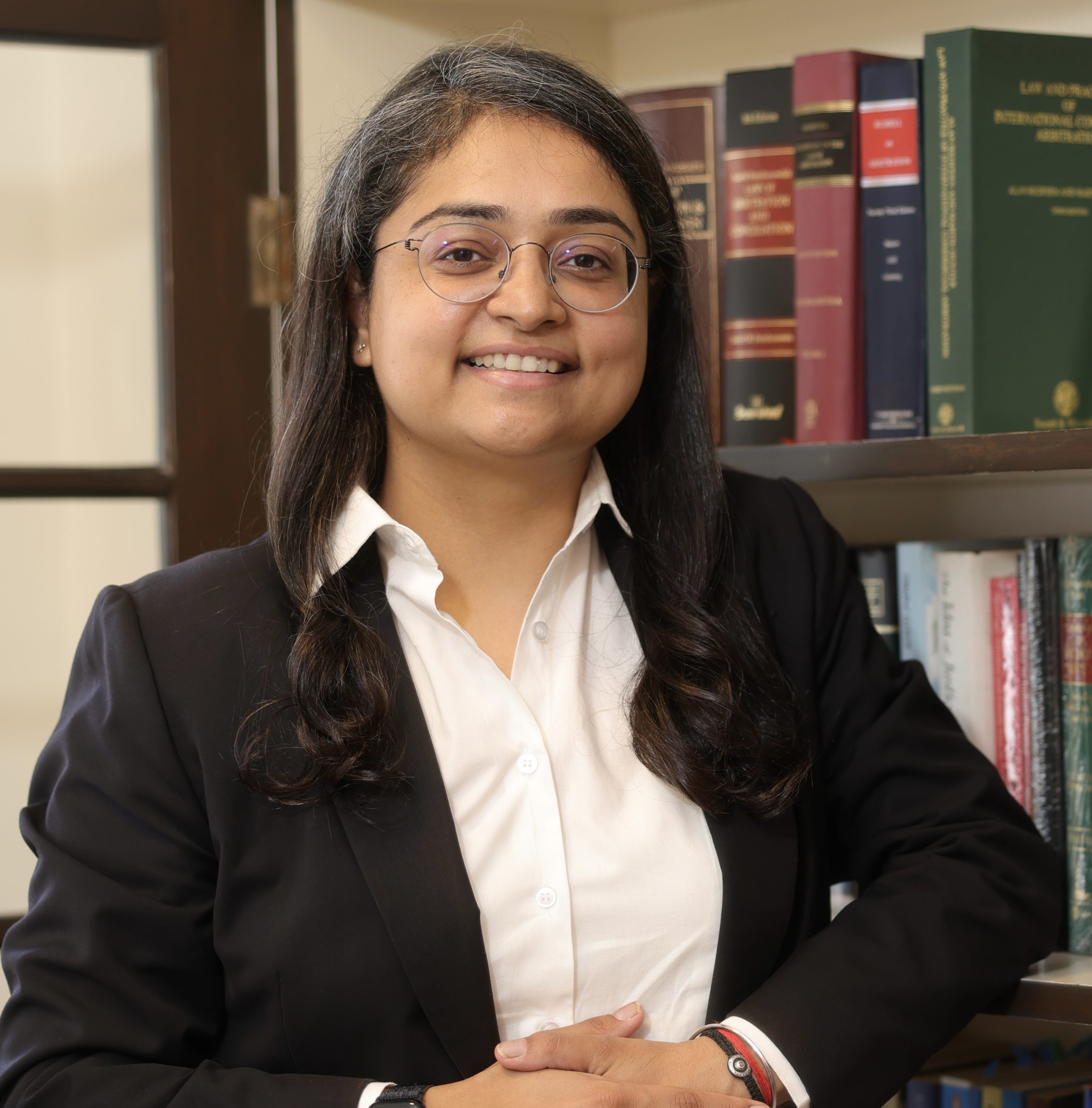
  • “What I have learnt is that even the most complicated matters, sometimes have their answers in first principles.” – Chand Chopra, Dual Qualified Lawyer and Head of Chambers at Chambers of Chand Chopra.

    “What I have learnt is that even the most complicated matters, sometimes have their answers in first principles.” – Chand Chopra, Dual Qualified Lawyer and Head of Chambers at Chambers of Chand Chopra.

    This interview has been published by Anshi Mudgal and The SuperLawyer Team
    From graduating top of your class at NALSAR to training with Allen & Overy in London and Prague, how did your early international exposure shape your approach to dispute resolution and arbitration in India?

    It was transformational. The vacation scheme (akin to an internship) at Allen & Overy (now A&O Shearman) felt like an introduction to a whole new world back in the day. So naturally, I was very excited when I got selected as a Trainee Solicitor at A&O in 2012, straight out of NALSAR, Hyderabad. As a Trainee Solicitor, you had to work for six months each in different practice areas. I had a great time working with the best legal minds in banking law and corporate law. In particular, I learnt and enjoyed the most while working on international commercial arbitrations under the guidance of Angeline Welsh, (now Kings Counsel) at the London office and investment treaty arbitrations under the guidance of Matthew Hodgson at the Prague office. 

    Being exposed to such complex disputes, multinational clients and the best solicitors and barristers in the field of arbitration, at the very start of my career, was an amazing learning experience for me. I am grateful to this day for the training that I received at A&O, especially under someone as brilliant as Ms. Welsh. The excellence and professionalism with which we worked at A&O is something that has stayed with me till today. I approach all my matters with the same vigour, professionalism and discipline. It is because of this training that I am confident of advising my clients in India and across the globe independently on international commercial arbitrations. My international arbitration practice in India is built on the early exposure I had at A&O. In later years, with referrals by former colleagues and seniors from A&O, I have been fortunate to assist foreign law firms in some international commercial arbitrations, on matters arising under Indian law.   

    What inspired you to transition from a global law firm environment to establishing your own chamber practice in Delhi? What were some of the key challenges you faced during that shift?

    The transition from A&O to my own chamber practice has been a rather interesting journey with challenges aplenty. I quit A&O due to a combination of personal and professional reasons. I had already qualified as a Solicitor of England & Wales in 2014 and there were various job opportunities offered to me by A&O at their other overseas offices. However, I knew that my heart was in litigation so I decided to take the plunge and come back to India with a vision to someday have my own Chamber. 

    The challenge with this decision was that I was entirely clueless of what the right way forward was, after coming back to India. I started off with Amritsar District Courts since I belong to Amritsar, Punjab, and later joined a lawyer’s office in the Punjab and Haryana High Court. Soon thereafter, I felt compelled to try the final frontier of litigation for me – Delhi. I came to Delhi with no job in hand and applied relentlessly to all the top lawyers and disputes practices I knew. Most of them rejected my application. But I knew I had to make it work and there was no going back. I may have lost confidence by so many rejections, but I never lost hope. I knew I was meant to be in Delhi and I just needed to wait. Within a few days, I found an office that would form the foundation of my future practice. I started working with HMJ Manmeet Pritam Singh Arora in 2015  and I cannot express in words my gratitude to her as she made me the lawyer I am today. In litigation, if you find the right mentor and you have the hunger to succeed, nothing can stop you from growing. With encouragement and support from her and Mr. D. S. Narula, Sr. Adv.,  I set up my own Chamber in 2018. 

    I realised that while setting up your own Chamber practice is one challenge, the bigger challenge is maintaining your client base, and the biggest challenge is growing your practice, given the tough competition in Delhi. That is where impatience kicks in because growing your practice happens at a consistent but gradual speed. The remuneration commensurate with your effort, also comes in much later. In the age of instant gratification, that can seem very disheartening especially if one falls prey to comparisons with other colleagues who may be growing at a much faster pace. However, if there is one thing that I steer clear of, it is comparison to others. I have come to realise that everyone is fighting their own battles at their own pace and all one can do is be sincere and diligent in their own efforts without comparing their circumstances to others. No two people will have the same background, or education or opportunities or capability or intelligence or luck even. You can only control your life and your actions. I have seen my cause list / clients grow organically and there is no greater joy in seeing your growth on your own terms, with hard work, sincerity and integrity. This growth would of course not have happened without my team. While different associates have come and gone, I am extremely thankful to my clerk, Naved Khan, who has been with me since Day 1 and who singlehandedly manages all the back-end administrative tasks for the Chamber letting me focus entirely on my legal practice. 

    I must add here that the support I have got from the Judges and the bar at the Delhi High Court has been phenomenal. This Court has encouraged me and given me room to grow and that is all I could have ever asked for as a first generation lawyer. The Hon’ble Judges have appointed me as a Sole Arbitrator, Amicus Curiae, Local Commissioner / Court Auctioneer in several matters. If the Court where you are practising is entrusting you with matters, that is the biggest encouragement you need as a first generation lawyer with no legal pedigree. 

    Having said that, there still exist biases in litigation and arbitration, especially towards women. The legal community needs to acknowledge that and take steps to promote more women in this profession, especially as Senior Advocates, Arbitrators and Judges. The profession can also feel exclusionary and elitist at times, and we need to do more to promote diversity and inclusion in our profession. 

    I have been lucky in as much as I have had great mentors in this profession who have held my hand during my most difficult times, especially when I have doubted myself.  Destiny also was kinder to me in Delhi as I met the love of my life, Arshiya, within a few days of moving to Delhi. So all in all, despite the hardships, everything worked out when it had to. All I needed was some patience and faith. I continue to need it, as I work on growing my practice. 

    You represent PSUs and government organizations on sensitive matters including constitutional issues. What are some challenges unique to working with public sector entities?

    Representing PSUs is highly rewarding, but can also get frustrating at times.  For instance, for me, I am a panel counsel for Delhi Development Authority (DDA). Since I was not raised in Delhi, this panel provided me with the unique opportunity to learn about land related issues that are peculiar to Delhi, since DDA is one of the largest land owning agencies in Delhi. With this panel, I have had the privilege and opportunity to appear and argue complex arbitration matters, and constitutional matters as well. The biggest challenge in working with public sector entities is getting clear instructions, which sometimes may not come timely. You have to then be ready to bear the wrath of the judges and also work extra hard to make the case yourself from the limited information you have. Notwithstanding these challenges, I would highly recommend working with a Government / PSU panel because of the sheer variety of cases that you get exposed to and the learning and confidence that comes with the said experience. 

    Through your involvement with the Quarterly Bar Review, Delhi High Court as well as a Research Editor with the Milon K Banerji Arbitration Centre, MKBAC, NALSAR you regularly write and research on issues of legal significance. How do you believe academic writing strengthens legal practice?

    Writing brings clarity of thought and conversely, if you have clarity of thought, you will make a good writer. Academic writing in any particular field of law definitely strengthens your legal practice. For one, you will be seen as a sector expert and it will be easier for clients to reach out to you on issues you have regularly written about. Second, to write an academic article, the level of research you  do,  enhances your knowledge and builds your confidence in that field. Third, it helps build connections with your peers and lastly, it greatly improves your drafting skills. It is very difficult as a practising lawyer, especially given the long hours we work, to find time to write academic articles. But it is certainly something that I aspire to do more often and encourage all young lawyers to as well. 

    You’ve been a vocal advocate for LGBTQ+ rights and speak on panels addressing the community’s legal concerns. How do you see the legal profession’s role in pushing for more inclusive rights in India?

    Being a member of this community, it is my duty to speak and educate people on LGBTQ+ issues and legal concerns in this country.  If I cannot fight for my own rights, how will I ever do justice and fight for my clients’ rights! The legal profession, by its very nature, being the upholder of human rights, ought to be inclusive. The majority of legal professionals I interact with, are keen to see the community grow and are keen to take the fight for equality forward. The lawyers who were representing the petitioners in the Supriyo batch matters are continuing to do a phenomenal job in raising awareness on LGBTQ+ issues and working towards legal solutions for the benefit of the community. I am excited to have joined hands with them. 

    Among the many matters you’ve handled, could you share one particularly challenging case whether due to its legal complexity, or procedural hurdles and how you navigated it? 

    What I love about litigation is that every day and every case is a new challenge. In my practice,  I have worked on some really complex property disputes as well as given legal opinions on a couple of complicated international commercial arbitrations. What I have learnt is that even the most complicated matters, sometimes have their answers in first principles. Therefore, I always start from first principles and then navigate  the development of the law in that area. My most challenging case is still ongoing and I will write about it when we have a judgment, hopefully, in our favour. 

    Being a poet and an avid badminton player, how do these creative and athletic pursuits contribute to your personal and professional growth in a demanding field like law and how do you manage your personal life with the professional pursuits?

    Law is demanding and sometimes too serious a profession. There was no work life balance in my initial years in litigation. However,  that is because I chose to work long hours, as I was driven by the desire to learn and open my own Chamber practice. I did not find time to either write poetry or play badminton then. It is only after about 8 years of rigorous hard work and long hours that I have finally come to a place where I can balance my personal life with my professional pursuits. However, I do firmly believe one has to find time and ways to destress beyond work else the profession can burn you out early on. Playing a sport helps your mental health and also makes you more disciplined with your physical health. Being both, physically and mentally fit, makes you more efficient and energetic at work. Spending quality time with your family and friends is very important for your mental health. I am blessed to have a partner and two families who have supported me in my journey so far and will, no doubt, support me in the longer journey ahead. It is my priority now to balance work in a way that I get to spend time with my loved ones, including my dog. I also love travelling and litigation gives you ample opportunity to travel and take good breaks during Court vacations. 

    With your experience across jurisdictions and forums, what advice would you offer to young lawyers who wish to build a meaningful career in arbitration and civil litigation?

    I certainly feel that young lawyers today (although I do not consider myself too old to be giving this advice!) need to work harder because there is way more competition today than there was 10 years ago. While there may be more technology to assist them, at its core, civil litigation and arbitration require conceptual clarity. You have to understand what you are doing, why you are doing it, read bare acts, and not mindlessly follow formats or read only one line in a judgment and be happy with it. There are no shortcuts in this profession. Also, it is very easy to get swayed these days by social media profiles of legal influencers or the glamour reported at the top tier in the profession, especially in international arbitrations. That is not the reality. Reality is in the daily grind, in turning up day after day without fail, in being prepared for a matter even if it is the last matter on the list, in never giving up, despite the odds being stacked against you. Rewards will follow, but you have to put in the hard work. You have to be committed to your own growth on your own terms while  never losing sight of the fact that you hold great power and responsibility as a lawyer. So be passionate, be diligent, be smart and run your litigation marathon with sincerity, humility and integrity. Surround yourself with people who will be happy with your growth. Most importantly, always be your biggest cheerleader. 

    Get in touch with Chand Chopra –

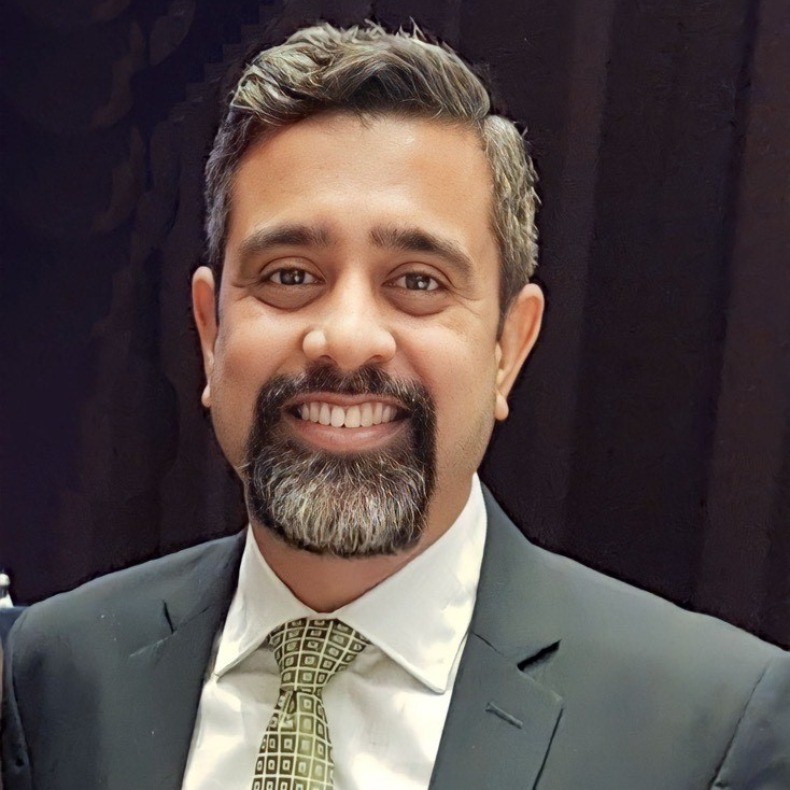
  • “Legal entrepreneurship is about compound growth. Trust builds slowly; reputation takes time.” – Vedant Pujari, Founding Partner of Accures IP Care LLP.

    “Legal entrepreneurship is about compound growth. Trust builds slowly; reputation takes time.” – Vedant Pujari, Founding Partner of Accures IP Care LLP.

    This interview has been published by Anshi Mudgal and The SuperLawyer Team

    Coming from a commerce background, what initially inspired you to pursue law? Was it a long-standing goal, or did your interest in the legal field evolve over time?

    Like most 18-year-olds, I had little clue of what I wanted to do with my life. The only streams that most people around me suggested were engineering or medicine, but I knew those weren’t for me. Not because I didn’t respect those fields, but they just didn’t click with who I was. I ended up in commerce because I enjoyed business and finance as it felt naturally coming to me. Toward the end of my degree, I started preparing for CA like most commerce students do. But halfway through, I realized I was just going through the motions. It wasn’t exciting me.

    The real turning point was completely random. I was at the canteen at ILS Law College, Pune, chatting with a friend who was studying law. He started talking about constitutional law, contracts, torts and at that point something clicked. The way he described these subjects made me realize law could be the perfect blend of intellectual challenge and real-world impact I was looking for.

    I applied to ILS that same year. Best decision I ever made. What I love about this journey is that my commerce background wasn’t wasted, in fact it actually gives me an edge. When I’m advising startups or corporations today, I understand both the legal framework and the business reality. Law isn’t just rules on paper; it’s a tool to make business happen. My advice to young people feeling lost? Don’t panic if you don’t have it all figured out. Stay curious, take calculated risks, and trust that the dots will connect eventually.

    You began your legal journey with a prestigious law firm in Delhi. What drew you specifically to intellectual property law, and what early experiences deepened your interest and shaped your expertise in this domain?

    I have to credit Prof. Neelima Bhadbade at ILS Law College, Pune for planting the IP seed. Back then, intellectual property was still relatively niche in India, not like today where many are aware of it. She made it fascinating by connecting Indian law with international cases and showing us how IP actually worked in the real world.

    Getting campus recruited by an IP firm in Delhi was lucky timing. This Firm then was a small team of 7-8 people, which meant I couldn’t hide in a corner doing research all day. I was thrown into the deep end patent filings, trademark disputes, copyright issues and other wide spectrum of IP practice. My mentor back then, one of the founding partners thankfully gave me real responsibility early on. Scary at the time, but invaluable in hindsight. My personal rule was simple: “never say no to any assignment”. I’d stay late figuring things out, reading cases, calling up senior colleagues with questions. Resources weren’t as easily available as they are now, we had to dig for everything. But that struggle taught me to really understand the fundamentals.

    The breakthrough for me was learning to translate complex legal concepts into practical business advice. That’s what clients actually appreciate, not a lecture on case law, but clear guidance on what they should do next. That skill of making law accessible and actionable has been crucial throughout my career.

    What keeps me passionate about IP after two decades? The field never stops evolving. From AI-generated content to digital piracy to blockchain, there’s always a new challenge that requires you to think differently.

    After beginning in a law firm environment, you transitioned into a corporate role. What motivated this change, and what key differences did you observe in terms of the challenges, culture, and expectations in both settings?

    This transition wasn’t something I planned. It happened organically. After several years at the firm, the leadership decided to launch an IP outsourcing company to offer specialized services like patent searches, docketing, and portfolio management. They asked me to lead the IP products division, and I thought, “Why not? This could be interesting.”

    The culture shock was immediate and eye-opening. At the law firm, everything revolved around legal excellence. We asked questions like could your argument hold up in court? Would the IP office accept your position? Quality was paramount, even if it took longer. In the corporate environment, it was all about scalable processes, efficiency metrics, and standardized deliverables. Instead of crafting legal strategy, I was building repeatable workflows.

    The work rhythm was completely different too. Law firms operate on client urgency and if something’s critical, you work until it’s done. The corporate side was much more structured: 9 to 6 schedules, shift patterns for international clients, strict turnaround times. Frankly, I found it limiting. As a lawyer, I thrive on diving deep into complex problems, which doesn’t always fit neat time slots. What I missed most was the direct client relationship. In a law firm, we were solving strategic problems with general counsels and business leaders.

    Having said that, this stint was brief but valuable. It clarified what I really wanted from my career. I realized I am energized by intellectual complexity, client relationships, and strategic problem solving, client facing and all of which led me back to traditional legal practice. 

    Sometimes you need to step outside your comfort zone to appreciate what you have.

    What inspired you to establish your own legal practice, and how did you navigate the challenges of entrepreneurship in the legal field? Were there any pivotal moments that helped solidify your decision?

    The decision wasn’t a lightning bolt moment, in fact it evolved over time. After years in firms and that corporate stint, I kept asking myself: “What if I built a practice the way I think it should be done?” The pivotal moment came when I realized if I didn’t try now, I might never get another chance. 

    Let me be blunt about what entrepreneurship in law really looks like:

    Entrepreneurship is lonely. You can have great mentors and supportive family, but at 2 AM when you’re stressing about payroll or a difficult client, it’s just you. Nobody shares your failures, and the tough decisions are yours alone. Accept this reality upfront.

    Think long-term or don’t bother. If you expect quick wins, you’ll be disappointed. Building a respected practice takes years. I tell lawyers considering this path: if you can’t commit to a 10 to 15 year horizon, stay in your firm job. Legal entrepreneurship is about compound growth. Trust builds slowly; reputation takes time.

    Client relationships are everything. In a big firm, you inherit institutional relationships. As a founder, every client relationship starts from zero. I treated every matter, no matter how small, as if it were my biggest client. That approach led to repeat business and referrals.

    Vision with flexibility. I was clear about wanting to create an IP practice that truly served business needs, not just legal technicalities. But I had to adapt constantly because of the client’s changing requirements, the evolution of the legal landscape and market dynamics shift.

    Resilience isn’t optional. There will be lean months, difficult clients, and moments when you question everything. What got me through was believing deeply in what I was building and never compromising on quality.

    My advice to aspiring legal entrepreneurs is “don’t rush it”. Master your craft first, understand the business of law, and build relationships. Then, when you’re ready, jump with both clarity and courage.

    You’ve advised a wide range of clients, from startups and creative agencies to pharmaceutical companies and academic institutions. How do you adapt your IP strategies to meet the unique needs and growth stages of such varied industries?

    After 20 years of practice, I’ve learned that one-size-fits-all IP strategies don’t work. My approach is what I call “protection with purpose” – every IP decision must align with the client’s specific business goals.

    Startups and creative agencies need agility and smart prioritization. They’re usually cash constrained but need to show IP value to investors. I help them identify their crown jewels i.e. what IP assets will matter most for funding, partnerships, or market differentiation. We might focus on key trademarks, core provisional patents, or critical copyrights first, building the foundation they can expand later.

    On the other hand, pharmaceutical companies require sophisticated, multi layered strategies. We’re managing global patent portfolios, complex licensing deals, regulatory considerations. Here, it’s about creating patent thickets around key products such that it covers the compound, formulation, manufacturing process, methods of use. The goal is sustainable competitive advantage across multiple markets.

    Academic institutions have unique challenges – they want to commercialize research but maintain an open academic culture. The strategy focuses on identifying commercializable innovations early, filing strategic patents that don’t hinder further research, and creating licensing frameworks that benefit both the institution and industry partners.

    The key is spending time upfront understanding each client’s business model, competitive landscape, and growth trajectory. I’m not just filing patents or trademarks – I’m helping build strategic moats around their most valuable assets. What remains constant across all clients is the principle that IP should enable business, not complicate it. Whether I’m talking to a first-time entrepreneur or a Fortune 500 general counsel, the conversation starts with understanding what they’re trying to achieve.

    In your experience, what are the most common misconceptions businesses have about intellectual property protection? How do you guide them toward a more accurate understanding?

    After two decades of client conversations, I see the same misconceptions repeatedly. Here are the big ones:

    IP is only for big companies – Wrong. Some of the most valuable IP I’ve worked on came from small startups. Your trademark or patent could be your most important business asset, regardless of company size.

    One filing protects me everywhere – IP rights are territorial. A US patent doesn’t protect you in India. A trademark registered in India doesn’t automatically work in Singapore. Global protection requires global strategy.

    Once filed, I’m protected forever – IP requires active management. Patents expire, trademarks need renewal, portfolios need monitoring. I’ve seen valuable rights lost simply because nobody was paying attention to deadlines.

    My company name gives me trademark rights – Company registration and trademark rights are separate. You can register “XYZ Private Limited” but that doesn’t give you exclusive rights to use “XYZ” as a brand.

    How do I fix these misconceptions? Education and real examples. I show them competitors who got it right and ones who didn’t. I explain IP not as abstract legal concepts but as business tools. How a well-crafted patent portfolio helped one client raise Series A funding, or how trademark vigilance saved another from expensive rebranding.

    The conversation always comes back to business strategy. IP isn’t just legal housekeeping, it’s competitive advantage, asset value, and risk management rolled into one.

    How do you foresee IP law evolving over the next five years, especially considering emerging technologies, shifting regulatory landscapes, and global geopolitical dynamics?

    IP law is entering one of the most dynamic periods in its history. As we look ahead to the next five years, I believe several major forces will reshape how businesses think about and manage their IP and how lawyers will need to adapt their counsel to serve clients effectively.

    The rise of emerging technologies particularly AI and blockchain is challenging traditional IP frameworks. Questions such as who owns AI-generated content, or how blockchain can be used for IP rights management and enforcement are already pressing issues. I foresee regulatory bodies around the world moving to update and harmonise IP laws to address these new realities, though this evolution will be gradual and will require active dialogue between industry, policymakers, and the legal community. 

    We are also witnessing a shift toward a more strategic and data-driven approach to IP management. Businesses increasingly see IP not just as a legal shield but as a core business asset i.e. the one that supports valuation, drives licensing revenue, and enhances market position. In this context, IP lawyers must evolve from being pure legal technicians to becoming strategic advisors who can help clients align IP strategy with business goals. This is where my mantra of “protection with purpose” will be even more relevant going forward.

    Geopolitical dynamics and regulatory fragmentation will continue to pose challenges for global IP strategy. With shifting alliances, evolving trade agreements, and varying national approaches to data protection and IP enforcement, businesses will need tailored, jurisdiction-specific advice. I also expect greater emphasis on IP enforcement and brand protection in digital environments, as e-commerce continues to grow, and cross-border infringement becomes more sophisticated.

    In short, the future of IP law will be more complex, fast paced, and integrated with business strategy than ever before. As lawyers, we must be prepared to continuously learn, collaborate across disciplines, and help clients navigate this evolving landscape with foresight and purpose.

    My advice to clients: don’t wait for perfect regulatory clarity. The companies that adapt quickly to these changes will have sustainable advantages. Those that wait will be playing catch-up.

    Managing a demanding legal practice can be intense. How do you maintain a healthy work-life balance, and is there a personal philosophy or motto that has consistently guided you throughout your professional journey?

    Let me be honest, work life balance in legal practice isn’t about perfect equilibrium every day. It’s about sustainable intensity over decades.

    There are times when the practice demands everything like a major litigation heating up, international deals with tight deadlines or crisis management for key clients. During these periods, I’m all in. But I’ve learned to be equally intentional about recovery periods. When things are quieter, I actively recharge, usually with cycling, hitting the gym, watching mindless TV, or just sitting quietly doing nothing.

    Building a strong team was crucial for long-term sustainability. Early in my practice, I tried to handle everything myself. That’s a recipe for burnout. Learning to delegate and trust others was one of my biggest growth areas. A well-functioning team isn’t just good for business, it’s what allows you to have a life outside the office.

    My personal motto has evolved over the years, but what guides me now is “Do your best, let go of the rest, and expect less.” In a profession where perfectionism is expected, this mindset keeps me sane. I focus on delivering excellence where it truly matters, accept that I’m human and will make mistakes, and maintain perspective about what really counts in life. Law is what I do, not who I am.

    Physical and mental health aren’t luxuries, they’re business necessities. You can’t serve clients well if you’re constantly stressed or burned out. I’ve made peace with the fact that some periods will be all-consuming, but I actively protect time for renewal.

    What advice would you offer to young lawyers who aspire to work on IP law? Were there any specific habits, values, or resources that played a significant role in shaping your professional growth in this field?

    For young lawyers aspiring to build a career in intellectual property law, my foremost advice is this – develop both depth and breadth. IP is a wonderfully multidisciplinary field, it sits at the intersection of law, technology, business and creativity. IP law is constantly evolving whether through landmark judgments, international treaties or emerging technologies like AI. Develop a habit of reading widely not just case law, but also industry reports, scientific advancements and business news. Always act with professionalism and respect for confidentiality. Develop a mindset of “protection with purpose”, understand why each IP asset matters to the client’s business, and align your advice accordingly.

    Lastly, invest time in building mentorship relationships and learning from peers and seniors. In my own journey, I gained immensely from working under exceptional mentors who challenged me and gave me opportunities to grow. 

    After 20 years in IP practice, here’s what I wish someone had told me when I started:

    1. Develop both depth and breadth: Master core IP law principles but also understand the business and innovation contexts you’ll be advising.

    2. Adopt a mindset of continuous learning: Stay ahead of evolving IP law, emerging technologies (AI, blockchain), and global IP trends.

    3. Build strong values early: Always practice with integrity and diligence

    4. Embrace every opportunity to learn: Take on diverse assignments, large and small, and see every task as a learning opportunity.

    5. Learn from inspiring seniors and build trust-based networks. These relationships will shape your growth.

    Get in touch with Vedant Pujari –

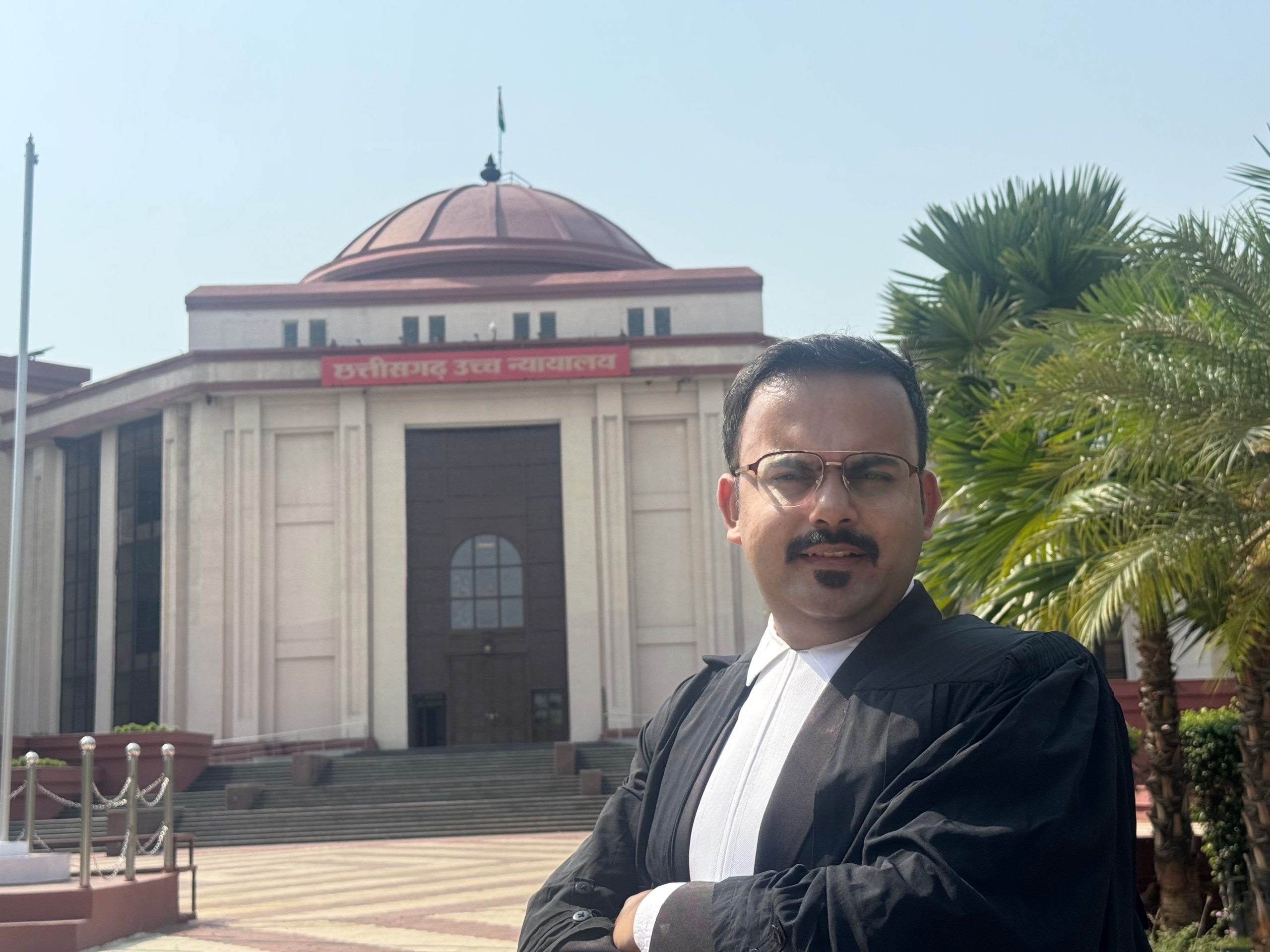
  • “Law is very similar to life as it throws a lot of surprises which may not be in good taste many times. To tackle or navigate in a journey, one must always find a mentor who can unselfishly hold your hands.” – Devashish Tiwari, Advocate on Record at the Supreme Court of India.

    “Law is very similar to life as it throws a lot of surprises which may not be in good taste many times. To tackle or navigate in a journey, one must always find a mentor who can unselfishly hold your hands.” – Devashish Tiwari, Advocate on Record at the Supreme Court of India.

    This interview has been published by Anshi Mudgal and The SuperLawyer Team

    Having achieved consistent success in your career as an Advocate-on-Record, what initially inspired you to pursue a career in law? Was there a particular factor or event that led you to choose this field?

     I am eternally grateful to the team of Superlawyer for having me over. I truly appreciate their endeavor in providing a gridline which is constantly transmitting and distributing incredible experiences of the legal professionals generated during their journey from struggle to success. 

    Now coming to this question, landing myself in the field of law was more of a compulsion than choice as I never took interest in science or mathematics. I, though, pursued commerce in 10+2 but then at that juncture I didn’t see myself enjoying a career in the field of commerce down the line. Being born and brought up in a small town of Chhattisgarh i.e., Baloda Bazar, we were exposed to limited career options as available now so the sector that remained within my periphery was humanities. 

    Ultimately, the option boiled down to law for two reasons. One is my father is practicing law in the District and Session Court at Baloda Bazar so I have grown up around the musty smell of files, and with gossip regarding bar and bench at the dinner table which I feel that subconsciously pushed me into this field of law. Another reason is that I was into debating during my school days, and in the year 2012, a movement led by Mr. Anna Hazare for Lokpal Bill had caught the limelight all around. While researching on those topics, I was enjoying watching the parliamentary debate by the titans of the bar i.e., Late Mr. Arun Jaitley, Dr. AM Singhvi to name a few. Their art of persuasion was mesmerizing to that extent that my conscience at that fag end of teenage swept me in this field without much introspection or analysis.

    During the early stages of your career, you interned with several lawyers and worked on research papers covering topics like IPR and Arbitration. How did these internships and research experiences shape your understanding of the law, and in what ways did they contribute to your professional growth?

    In this regard, I convey my sincere thanks to my alma mater ILS Law College, Pune. The rich legacy and alumni network that our college holds, facilitated me to attract the bundle of skillful internships. Further, its faculty and the vast library played a vital role in developing our legal acumen. At that juncture, we were suggested by the seniors to intern with the Non-Governmental Organizations in the 1st year then at the District and Sessions Court in the 2nd and 3rd Year followed by the internship at the Constitutional Court or a law firm in the 4th and 5th year. Following that path, it gave me an idea as to where my passion lies, and provided me a short glimpse of practical exposure as to how law learned in the classroom unfolds in the courts. 

    In so far as research experience is concerned, we were fortunate enough to be guided by few of the country’s best legal minds who were also serving or served as a member of Law Commission of India or International Law Commission or were authors of the classical commentaries on law of contract, administrative law etc. Their lessons helped me in understanding the fundamental jurisprudence and interpretation of law.  

    After gaining experience working with renowned law firms in an Associate capacity, handling arbitration, litigation, and court appearances, you transitioned to independent practice as an Advocate/Counsel before the High Court of Chhattisgarh. What motivated this shift, and what cultural differences did you observe between working at firms and practicing independently?

    The shift was motivated by the following quote which I read somewhere while commuting from my accommodation to office in Mumbai Local ie. “If you don’t design your own life plan, chances are you’ll fall into someone else’s plan. And guess what they have planned for you? Not much.”

    Another motivation was the grandeur of counsel practice that I observed in the original side of Bombay High Court during my stint with the law firm Naik Naik and Co., Mumbai. The uniqueness, integrity and ethics that I discovered in the Bombay Bar was par excellence.

    With specific reference to the cultural difference, I would say that working at a law firm is essential for a young law professional because the law firms create a base for litigation and imbibes discipline. By being in direct touch with the client, an associate or fresh law graduate gets first-hand experience of litigation as to how correspondences are built between the parties to strengthen their cases in the dispute. Once the dispute is ripened for resolution in the Court or Tribunal then the independent advocates are engaged to put forth the submission especially in Tier 1 city.

    Another major cultural difference is the receipt of a fixed amount at the end of every month while working with the law firm. People who support this route justifies that law students who are paying a hefty sum for their legal education these days are entitled to work with firms while learning the foundation of this profession, however those who oppose say that fixed pay check at the end of month kills the desire to learn law. I favor the former over the latter in the current scenario as there are a majority of lawyers who go brief less for very long duration while going independent and at the same time, they are discharging their obligation towards educational loans. Such circumstances develop severe frustration as it makes survival very hard for young lawyers. 

    Your tenure at VSA Legal, particularly in drafting and arguing Special Leave Petitions and Writ Petitions before the Supreme Court of India, has been impactful. How has this experience shaped your approach to dispute resolution and regulatory practice, especially in landmark cases like the Chhattisgarh reservation case and the invalidation of the tricycle tender process?

    Credit for that impact goes to those three partners cum mentors of VSA Legal. While observing the dogged and clever advocacy of Mr. Sumeer Sodhi, ingrained with in-depth scholarly knowledge and incessant painstaking effort of Mr. Aman Nandrajog while preparing for arguments and industrial ingenuity of Mr. Varun Tankha gave me courage to handle high stakes litigation independently without any fear and prejudice. 

    Starting your own practice is a significant leap. What were your thoughts and motivations behind taking this step, and what challenges did you face in the initial stages of setting up your independent practice?

    The onset of Covid 19 from 2020-2022 was a major blow to my plan of going independent.   It brought a lot of confusion with regards to place and area of practice to commence. I introspected a lot and researched on the market where I found the dearth of advocate-on-record in the Supreme Court of India to represent the accused facing financial crunch or litigant in the tier-3 or tier 4 cities. Without any trial, the accused are languishing in jail for years by giving up after the refusal of their application for release on bail before the High Court. The helplessness of a plethora of government employees facing termination or litigants losing their land without any cause are hesitating to approach the Supreme Court of India owing to high costs and travelling expenses. In view thereof, I decided to put my efforts to qualify for the Advocate on Record Examination, and serve the needful in these areas to the best of my ability.

    Waiting for work was the biggest challenge I faced post establishing my office in Bilaspur, Chhattisgarh. The local briefing counsel wasn’t able to muster the courage to engage me as I was barely 5 years into the practice, however, time, humanity and hard work became the best healer to overcome that challenge. 

     Clearing the Advocate-on-Record (AOR) examination is a major milestone. What aspects of the AOR exam did you find most challenging, and what strategies did you use to prepare effectively for this prestigious qualification? Additionally, how has the AOR designation influenced your professional practice?

    Indeed, it is a major milestone. During preparation, the reading of entire 64 landmark cases (now 86) was although worthwhile but cumbersome, and during appearance, the preparation of 4-5 drafts in the limited time of 4 hours was a tedious task. 

    I made my notes by analyzing the previous year’s question papers and referring to the latest law on it. I also divided my schedule for 2 months’ preparation as per the subjects. I diligently attended the lectures conducted by the exam cell as well as the Supreme Court Advocate on Record Association. Focusing on the drafting during my training, and assisting the clerk in filing documents or curing defects provided clarity in the procedure which is generally tested in the practice and procedure paper. 

    Being the only AoR qualified from Chhattisgarh this year brought me closer to some leading practitioners in the State as well as from my previous place of work i.e., Mumbai who are bestowing their valuable trust upon me to represent their clients before the Supreme Court of India.

    Throughout your distinguished career, maintaining a healthy work-life balance must have been essential. What strategies have you employed to achieve this, and what advice would you offer to others looking to balance their professional ambitions with personal commitments?

    Realization of the importance of work-life balance came to me when I got admitted in the hospital for a treatment of mosquito bitten disease which severely affected my body due to low immunity. Though achieving perfect work-life balance is far cry in our profession, doing pranayam, kriyas and yogas with a balanced diet helped me tremendously in getting my house in order. Another concern which I am trying to resolve these days is excessive screen time which sometimes causes brain fog or affects memory power.  I would just advice that the first wealth is health followed by the immediate family.  It is therefore, spare 2-3 hours for the health and family along with a minimum 6 hours’ sleep to rejuvenate yourself.

    With your extensive experience across various areas of law, your advice would be invaluable to aspiring legal professionals. What guidance would you offer to students aspiring to build a successful legal career? Are there particular resources or strategies you would recommend for them?

    1. Mentorship: Law is very similar to life as it throws a lot of surprises which may not be in good taste many times. To tackle or navigate in a journey, one must always find a mentor who can unselfishly hold your hands. I am always indebted to my encouraging mentors in the profession i.e., Ms. Manisha Karia, Senior Advocate, Supreme Court of India, Managing Partners and former colleagues at Naik Naik and Co. including but not limited to Mr. Ameet Naik, Mr. Abhishek Kale, Mr. Avdhoot Prabhu and Ms. Swati Singh for showing me light at the end of the tunnel. 
    2. Drafting and reading skill: Whether its corporate or litigation, one must shed its toil, tears and sweat at the initial days of career in improving their drafting skills. I am grateful to my mentors who suggested me to spend some time in Bombay for learning this invaluable skill as some of the country’s best draftsman are sitting there. Another important aspect is cultivating the reading skills from first year in the law schools especially the concepts such as property, crime and punishment, democracy etc. which has been borrowed into our system from the foreign land. 
    3. Discipline and Ethics: are the values that is vanishing into thin air in the profession. Touts, corruption in the judiciary, nepotism etc are putting negative impact. Without taking much care about such professional evils, one must always be truthful to himself/herself by following seven lamps of advocacy crystallized by Edward Abbott Parry. Whenever feeling low, take out and read some autobiography of the giants in the profession which will make you realized that you are not alone to struggle in this road to success. 
    4. Law is a jealous mistress – Lastly, success in the profession demands a lot of sacrifice. To keep yourself going on in the journey, one must remember the quote by John Scott i.e., To succeed as a lawyer, a man must work like a horse and live like a hermit. 

    Last but not least my advice to our law aspirant is embodied in the locus classicus of poem “If” by Rudyard Kipling i.e.

    If you can dream—and not make dreams your master;

    If you can think—and not make thoughts your aim;

    If you can trust yourself when all men doubt you,

    But make allowance for their doubting too;

    If you can wait and not be tired by waiting,

    Yours is the Earth and everything that’s in it,

    And—which is more—you’ll be a Man, my son!

    Get in touch with Devashish Tiwari –

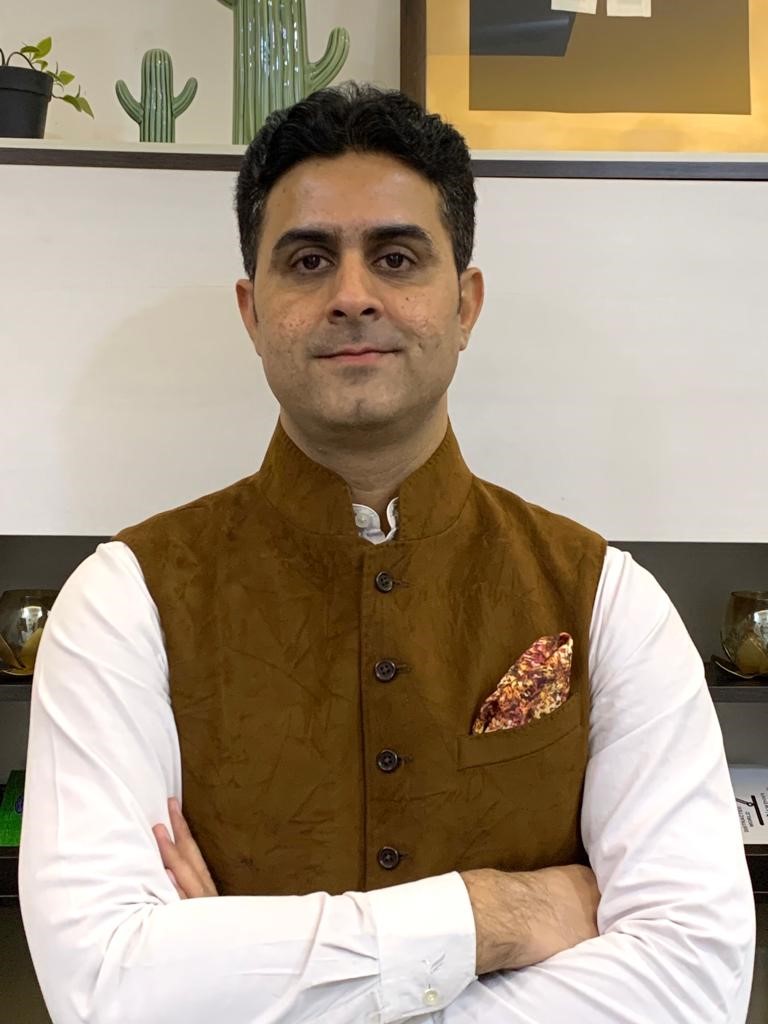
  • Success in IP law comes more from understanding your clients’ businesses and being dedicated to protecting their interests- Vivek Vashi, Head of Intellectual Property and Contracts at GormalOne LLP

    Success in IP law comes more from understanding your clients’ businesses and being dedicated to protecting their interests- Vivek Vashi, Head of Intellectual Property and Contracts at GormalOne LLP

    This interview has been published by  Priyanka Karwa and The SuperLawyer Team

    Could you please share a brief overview of your journey in the legal field and how you ultimately ended up as the Head of Legal, IPR, and Contracts at GormalOne LLP?

    My journey in the legal field has been both exciting and fulfilling. I always had an interest in law from a young age as both my grandfather and father practiced law. They motivated me to pursue a degree in law, where I gained a comprehensive understanding of legal principles, regulations, and case laws. Along with my studies I also enhanced my knowledge on Cyber Laws and Information technology through a diploma and certificate. Thanks to the encouragement from my learned faculty at college, mentors, and fellow seniors I efficiently represented India at the International Model United Nations in London and participated in intra-collegiate moot court competitions. Through these experiences, I honed my critical thinking, research, analytical, and advocacy skills, which are essential for success in the legal profession. 

    While obtaining my law degree I delved into an internship with a prominent IP law firm, Aditya & Associates, for over 2 years, where I had the opportunity to work closely with experienced attorneys. This allowed me to apply my theoretical knowledge to real-world scenarios, familiarizing me with legal research, drafting documents and interacting with clients.

    After graduating, I pursued my Master’s degree in Intellectual Property from Cardozo, a top ranked New York Law school. Cardozo offered me global exposure and enabled me to navigate the intricate world of Intellectual Property rights, a legal landscape surrounding innovation and creativity. While pursuing my Master’s degree, I worked at CBS Corporation in New York where I had the opportunity to be immersed in the American work environment which further helped diversify my experience in protecting and enforcing Intellectual Property rights. 

    As I gained more experience, I took on increasingly complex cases and responsibilities, representing clients in negotiations, hearings and court proceedings while working as a junior advocate at M.P.Vashi & Associates. Additionally, collaborating with my colleagues and engaging in continuous professional development further enriched my legal acumen. 

    Presently, I am Head of Legal for Intellectual Property and Contracts at GormalOne LLP where I play a pivotal role in safeguarding the organization’s intellectual property, managing contractual relationships and developing legal strategies to support business growth and innovation.

    Over the years, I have had the privilege of contributing to significant legal victories, advising clients on intricate matters, and navigating the evolving landscape of laws and regulations. I have remained dedicated to upholding ethical standards and promoting justice while adapting to the dynamic nature of the legal field. 

    Looking ahead, my journey in the legal field continues to be a rewarding and intellectually stimulating endeavour. 

    You’ve undoubtedly achieved remarkable success in the field of IP law. What do you believe sets you apart from other IP lawyers in the field?

    I believe my dedication to understanding my clients’ businesses truly sets me apart. By immersing myself in their industries and objectives, I can tailor legal strategies that align with their unique needs giving them a competitive advantage. I am able to do so due to my diverse experiences that have given me a 360-degree view in gaining client rights and protecting client interests in intellectual property. Additionally, my commitment to staying up-to-date with the latest developments in-field has contributed to my success in securing favourable outcomes for my clients. 

    Intellectual property cases can be quite intricate. Could you share one of your most challenging intellectual property cases and walk us through how you navigated it?

    Certainly! One of the most challenging cases I worked on involved a complex Copyright infringement dispute between two industry giants. The technology in question was cutting-edge, and both parties were determined to win. To navigate this case, I worked cohesively with a multidisciplinary team of experts, including engineers and technical specialists, to thoroughly analyze the intricacies of the Copyrights in question. We strategically approached the case, focusing on key arguments and leveraging prior court decisions to bolster our position. Ultimately, through rigorous preparation and effective negotiation, we reached a favourable settlement for our client, avoiding lengthy litigation.

    The world of IP laws is ever-evolving. How do you manage to stay current with the rapid changes in IP laws and regulations?

    Staying updated with the dynamic world of IP is essential to providing excellent legal guidance. My love for literature around the globe with respect to inventions and legal measures, helps me to not only stay relevant but also ahead of the industry. I regularly attend industry conferences, participate in legal seminars, and engage in continuing legal education programs focused on intellectual property. Additionally, I am an active member of various IP law associations, where I network with peers and gain insights into emerging trends and best practices.

    In the digital age, intellectual property protection has encountered new challenges. In your opinion, what is the most significant challenge facing IP protection in this era of digitalization?

    The rapid digitization of information and ease of data sharing have created new challenges for IP protection. One of the most significant issues is the rise of online piracy and counterfeiting, which can severely impact the revenues and reputation of businesses and creators. Additionally, the global nature of the internet makes it challenging to enforce IP rights across borders. Addressing these challenges are the need of the hour and I urge international cooperation and practical solutions to safeguard intellectual property rights in the digital realm.

    Your journey from being a legal intern to an accomplished International Lawyer is inspiring. What advice would you give to aspiring IP lawyers who want to excel in this field?

    First and foremost, develop a strong foundation in intellectual property law through formal education and hands-on experience. Be curious and continuously seek to deepen your understanding of the ever-changing landscape of IP laws and regulations. Cultivate excellent communication skills, as effective advocacy for clients is crucial in this field. Additionally, never underestimate the value of networking and building relationships with peers, mentors, and industry professionals. Finally, remember that success in IP law comes more from understanding your clients’ businesses and being dedicated to protecting their interests.

    Achieving accolades like the “Top 25 Emerging IP Partner” at IP LEGAL DIGITAL CONFEX AT DUBAI – 2023 is remarkable. Could you tell us more about your thoughts and feelings when receiving such recognition?

    Winning the prestigious Top 25 Emerging IP Partner Award was an incredibly humbling and exhilarating experience especially considering the impressive pool of nominees. The selection of the best 25 partners was based on a comprehensive evaluation that encompassed key criteria such as partners’ notable accomplishments, overall reach within the industry, their significant impact on the intellectual property landscape, their forward-looking readiness for future challenges and their alignment with market demands. This recognition highlights winners’ exceptional contributions to intellectual property and their potential to shape its future.

    To be recognized among my esteemed colleagues and peers in the legal profession was truly an honour beyond words.

    Lastly, your journey has surely been an enriching one. Looking back, what motivated you to pursue law, and specifically intellectual property law? 

    As a child, I was fascinated with progressive innovation and creativity and as a teen, I was fond of big brands. As a young adult, I understood the impact brands and their marketing can have on shaping societal views and customer behaviour. This highlighted to me the significance of providing protections to intellectual property which led me to pursue a career in law, where I could help individuals and companies safeguard their innovations and contribute to the growth of technological advancements. 

    Get in touch with Vivek Vashi-

  • IP, in my view, is an area of law where all sizes and types of businesses/services require handholding- Deeksha Anand, Partner at Sujata Chaudhri IP Attorneys

    IP, in my view, is an area of law where all sizes and types of businesses/services require handholding- Deeksha Anand, Partner at Sujata Chaudhri IP Attorneys

    This interview has been published by  Priyanka Karwa and The SuperLawyer Team

    Can you tell us about your journey in the field of law and how you ended up specializing in intellectual property?

    My journey of law began in 2010, when I got admission into Dr. RML National Law University, Lucknow. I was never particularly driven towards becoming a lawyer but was rather fortunate to “crack CLAT” owing to my academically sturdy graph throughout my student life. Without having any legal background or bent of mind, IP captivated me as a subject due to my musically wired brain and the brand conscious inner me. To my benefit, our IP professor in university made lectures fun and stimulating. Given my passion for music and quest for brand identification, pursuing IP-centric internships and choosing IP as a career path was a natural corollary.

    Ever since my graduation from college in 2015, I’ve been associated with Sujata Chaudhri IP Attorneys, a Noida-based IP firm and have been challenging myself to keep up with the changing pace of IP every year. Today, I advise and act for clients on all aspects of brands and their protection, including their registration, management, exploitation and enforcement, as well as copyright and design prosecution.

    You have worked with both Fortune 500 companies and start-ups. How does your approach differ when advising these two types of clients on aspects of brand protection?

    IP, in my view, is an area of law where all sizes and types of businesses/services require handholding. Right from startups to well-established and multi-national corporations, protection of human intellect holds utmost importance and deserves to be protected and cherished.

    While the practicalities surrounding the functioning of a Fortune 500 company and a start-up differ drastically, the applicability of the fundamental principles of law remains the same. Stepping into the shoes of the brand owners and understanding their current and future business needs is where the distinction in one’s approach to a matter really lies. While start-ups, generally speaking, are cost conscious and pick their battles wisely, it is imperative for lawyers to appreciate that every organization, irrespective of size, scale, funds, etc. has different priorities at different points of time. What may work for a Fortune 500 company may also, unlike the common perception, work for a start-up. Ultimately, it boils down to addressing a client’s needs in the most cost-effective and meaningful way.

    What, in your opinion, are the attributes that set IP lawyers apart from the rest.

    Creative thinking and having an eye for detail (having an OCD actually helps!) while juggling multiple matters. Research and writing skills go without saying, whether or no IP!

    With your extensive experience in handling trademark portfolios, oppositions, and domain name disputes, could you share some notable challenges you have faced?

    Statutory deadlines are absolutely sacrosanct in an IP attorney’s career. Missing one could cost you a client! Time is of utmost essence in a trademark lawyer’s day-to-day life. Those who can’t keep up with the pace might fade away…

     Some of the other challenges faced by IP lawyers revolve around the functioning of the Controller General of Patents, Designs & Trade Marks (CGPDTM). While the Trade Marks Registry and the Copyright Office have come a long way since I started practising in 2015, loopholes in the functioning of the offices, both due to administrative and technological reasons as well as inconsistency in stands taken by different officers, are bothersome and difficult to explain to clients. Being aware of the happenings in the offices and getting insights from friends and officials always helps appreciate situations better. My experience of filing complaints before the National Internet Exchange of India (NIXI) has been fairly smooth. The office has really streamlined its procedures and functioning over the years.

    How do you manage the coordination and collaboration with foreign counsel in different countries for trademark protection? Are there any unique considerations that arise in these cross-border cases?

    Corresponding with several clients across the globe having businesses in India and having business interests outside India, is a part and parcel of my day-to-day work. Breaking down complexities of the law in simple terms is the key to good communication. One should work on the assumption that the foreign counsel is unaware of not just the nitty gritties of your law but also the overview of it. Asking the right questions, seeking clarifications, if needed, anticipating questions from clients and factoring those in your advice are some good practices. Being in constant touch, and meeting, with foreign counsel at conferences also helps strengthens ties.

    You have appeared before various judicial and quasi-judicial bodies. Can you share a few examples of significant cases where you represented a client before the Trade Marks Registry, Delhi High Court or another court, and the impact your representation had on the outcome?

    I was part of the team that advised one of the firm’s international pharmaceutical clients on a time-sensitive litigation along with connected rectification and opposition actions, briefed senior counsel, Mr. Sudhir Chandra, and obtained interim and permanent injunction orders within three (3) months of filing the suit. I was also part of the team that represented one of the firm’s popular international apparel clients in a trademark dispute against an Indian retail brand run by the Aditya Birla Group. Although the lawsuit, filed in the year 2015, was aggressively contested by both sides, the dispute was amicably resolved with the parties becoming business partners in India. I also independently led settlement negotiations regarding use and registration of the rival trademarks, with an electricals giant in India on behalf of one of the firm’s international luxury automobile clients. The dispute, which started back in 2017 and entailed filing nearly 60 trademark oppositions on behalf of the client resulted in a robust co-existence agreement. Very recently, I secured well-known protection for one of the firm’s pharma clients before the Trade Marks Registry, that accords protection to the client over that trademark across all goods/services classes.

    You have been recognized for your contributions to the legal profession, including being a recipient of the “Honourable Mention” in the Indian Law Firm Awards 2021. What does this recognition mean to you, and how does it motivate you in your work?

    Such recognitions and awards are merely a validation of one’s perseverance and efforts over the years. It is the appreciation of my work by my Managing Partner and clients, and the reassurance that I get from my associates about my mentoring ability, that really matter the most to me. I truly believe that words of appreciation from someone you care about are great motivators, far more than any award/ tangible recognition. The power of words (and music) is supreme!

    Lastly, what advice would you give to fresh law graduates who are considering a career in intellectual property law based on your own experiences and insights?

    To really focus on their careers (read learning) by taking small steps every day, and not on money or “great international clients” in their initial years of practice. Looking for “growth” as, very often, candidates I interview tell me, is meaningless unless you know what this term means to you. Growth, for me, is a natural phenomenon rooted in every individual’s career trajectory and needs to be honed every year (not handed over on a platter that smells of good money). Do good work and money will follow…

    Being familiar with the IP subjects taught in law school, doing IP internships in your later years of law school, and being abreast of latest developments in courts and the IP offices would always give you an edge! With many offices and courts moving to virtual hearings post the pandemic, law graduates can observe proceedings virtually and get pointers on the practical functioning of these offices.

     IP offices’ efforts in fast-tracking procedures, digitization of filings at the IP offices and introduction of several specialized IP software have really changed the landscape of IP practice over the years. From days where all filings were done by hand, to today, where online filings are a norm, IP as a practice area for lawyers has come a long way. Besides this, the formation of commercial courts across the country and the constant enrichment of IP jurisprudence by the Delhi High Court, in particular, have further strengthened the IP industry and scope of this field for upcoming law graduates.

    Get in touch with Deeksha Anand-

  • Since a patent is generally applied for an invention which is novel and inventive in nature, it is very important for a patent lawyer to be well-versed with technology-Chinthan Japhet, Associate Partner- Intellectual Property, Krishnamurthy & co. (K Law)

    Since a patent is generally applied for an invention which is novel and inventive in nature, it is very important for a patent lawyer to be well-versed with technology-Chinthan Japhet, Associate Partner- Intellectual Property, Krishnamurthy & co. (K Law)

    This interview has been published by Priyanka Karwa and The SuperLawyer Team

    To start this conversation, please tell us about how you ended up pursuing law after pursuing B. Tech. What made you switch your profession from an engineer to a lawyer?

    Indian families continue to express an undue preference for careers in engineering and medicine, to the exclusion of all else. Fortunately, for me, I had a natural inclination towards the sciences and technology and did not in the least bit mind the push towards engineering. However, the decision to then forsake a reputed job in engineering for something as alien as patent law is not something that went down very easily with my family. After a prolonged debate with them, I was able to convince them that their ideas of law and its potential for social change and empowerment influenced me considerably. And that the best way for me to marry my interest in law with engineering was through patent law, a rather specialized field of law that was gaining prominence in India. I consider myself blessed to have found my niche so early in life without much experimentation.

    What was your motivation behind pursuing LLM with a specialization in IPR from USA?

    After having gained sufficient work experience on Indian patent law by working in a reputed IP boutique law firm in Mumbai, I wanted to increase my range of knowledge on patent law of other jurisdictions as well. U.S.A was my first option , since I was intrigued with the advanced patent law system there. It is also very important for a patent lawyer to have knowledge of the patent practice across various jurisdictions. As an example, an Indian patent lawyer is required to be abreast with patent practices across jurisdictions such as the US, Europe, Japan, etc, since a lot of Indian tech companies have international presence in these jurisdictions. In order to gain a competitive advantage in these markets, it is essential for these Indian tech companies to obtain patent protection therein. Taking into consideration these aspects, I decided to pursue an LLM with specialization in IPR from Illinois College of Law, US which specifically caters to candidates interested in pursuing a career in patent law.

    Could you tell our audience about the article which you wrote on “Software Patents -An Indian Perspective”?

    The above-mentioned article discusses the patent protection for software related inventions in India. At present, since software is the core of most of the technological innovations, is considered to be the driving force with respect to current developments across sectors such as automobile, healthcare, manufacturing, networking, telecom, etc. In addition, software programs have helped in developing cutting edge technologies, such as artificial intelligence, machine learning, Internet of Things (IOT), blockchain and cognitive computing. Since there is a lot of confusion around patenting software related inventions in India, we have summarized our observations on the same based on Indian case laws and the practice followed by the Indian patent office.

    Could you please elucidate your role as an Associate Partner with Krishnamurthy & Co (K Law)?

    I head the patent and design practice at K Law. Since our firm is a full-service law firm, other than the core patent and design practice, such as-prosecution, analytics and litigation, we also advise clients on IP aspects in relation to M&A, private equity and venture capital transactions.

    What hardships did you face during the initial days of your career and how did you overcome them? 

    During my initial days in the patent field, learning the art of patent drafting took some time, as there are no specific formats for drafting a patent application. Each patent lawyer will have a specific style of drafting patent applications. Therefore, to inculcate a specific style of patent drafting, which legally would be acceptable was a challenge. I overcame this challenge by going through numerous granted patent applications in India and other jurisdictions, to develop a specific style of drafting for various arts, such as electronics/electrical, mechanical and software related inventions.  

    What qualities do you think a good Patent Lawyer must possess?

    Inventors consider an invention as their own baby, since a lot of time and effort would have gone into developing the same. In this regard, a good patent lawyer must possess the following qualities in order to facilitate the inventor in monetizing the patent:

    Well-versed with the latest technology: Since a patent is generally applied for an invention which is novel and inventive in nature, it is very important for a patent lawyer to be well-versed with the cutting-edge technology.

    Language: Each term drafted in a patent application may be interpreted in different ways, hence clarity and succintness of language used in a patent application would be essential in ensuring patent protection for the inventor.

    Creativity: Patent lawyers have to be creative as the inventors they work with. For example, check with the inventors whether there are any alternative ways of protecting the technology, how a competitor may try to circumvent the patent, any other interpretation to the drafted patent application and emphasize on the problem that the inventor is trying to solve with the invention.

    Business acumen: A patent lawyer’s responsibility in addition to facilitating in ensuring patent protection for the invention is to enable the patent owner to monetize the patent. Therefore, apart from the technology, the patent lawyer should be aware of the competitors, market for the patented product, jurisdictions, where the patented product may be sold, etc. Basis which, the patent lawyer should develop a strategy in order to ensure the client uses patent as a tool in order to gain a competitive edge in the market and monetize the patent.

    Lastly, please tell us what keeps you motivated.

    Inventions whether just an improvement or a breakthrough cutting edge technology, make the world a better place. As a patent lawyer, we are privileged for having helped the inventors deploy the invention to the public. This is what keeps me motivated.

    Get in touch with Chinthan Japhet

  • Zeeshan Ali Khan, Partner-IP Enforcement at Rahul Chaudhary & Partners In Conversation with SuperLawyer On IPR and Networking for First Generation Lawyers

    Zeeshan Ali Khan, Partner-IP Enforcement at Rahul Chaudhary & Partners In Conversation with SuperLawyer On IPR and Networking for First Generation Lawyers

    This interview has been published by Prabhjot Singh, Priyanka Karwa and The SuperLawyer Team

    Being a science student, and then choosing law, what was the idea behind?

    Though I was doing good in science, however somehow, I was not interested in pursuing a career in science and therefore, was looking for options. During this time, my family suggested me to go for a career in law and when I started preparing for entrance exams of different law schools (as we did not have CLAT back then) – it really fascinated me. I started reading about famous lawyers in India and also visited the lower Court in my city, the idea of wearing that collar band and arguing in Court used to give me goosebumps.

    At was during this time that I firmly took a call to make a career and practice law.

    How challenging has it been for you so far in the legal industry?

    It has been a very satisfactory journey so far. I was able to clear the entrance exam of two National Law Universities and two reputation private universities and decided to join HNLU, Raipur. I joined the third batch of HNLU, Raipur in 2004 and was fortunate to have been taught by some of the best faculties at the time. My five year stay at HNLU was both memorable and enlightening at the same time.

    The strict time lines to submit projects and moot court memorials gave me an early introduction of how the legal profession going to be and worked as a solid foundation for later part of my career.

    I joined an IP boutique firm ZuesIP immediately after completing my course and thereafter, my joined current firm Rahul Chaudhry & Partners in 2010.

    My firm and my mentor Mr. Rahul Chaudhry, the Managing Partner of the firm have immensely helped me become the professional I am today. I started as a junior associate in the firm and slowly learned the nuances of IP and law in general. I was designed as Partner – IP Enforcement in 2021 and handles IP Enforcement before the Courts in India, Domain Name as well as Custom Authorities.

    What created your interest in the IP sector? And how did you prepare yourself for everyday challenges in the same? 

    My initial interest in IPR started when we were taught IPR in the second and third years of our law course. The idea of knowing, protecting as well as helping the brands grow attracted me and I decided to intern with IP Firms to better understand the subject. I learned the intricacies of IP as a subject and practical aspects of implementing the same in day-to-day legal practice during these internships.

    Accordingly, I opted for IPR as my honours subject in the university and got a specialization in the same.

    Preparing myself to practice IPR was not a challenge for me as I had a keen interest in the subject. I used to go through all major IP judgments by the Courts to keep myself updated of the latest developments and still try to read as much as I can whenever the schedule permits.

    According to you, what networking strategies should be adopted by the first generation lawyers specifically in corporate?

    Being a first generation lawyer myself, I have never felt any difference in terms of treatment by law firms or corporates. If you have knowledge of the subject and good command over language – you are bound to be noticed. The age old saying that there is no substitute to hard work is absolutely correct. I am a strong supporter of making your work speaks for yourself. If you are getting reliefs for your clients and are being recommended for your work – the world will look for you.

    At the same time, I would suggest one to leverage technology, join industry groups in person or through various social media like LinkedIn and also offer educational resources. Give presentations and educational lectures in various industry gatherings as well as educational institutions.

    What are the most important qualities for an intellectual property lawyer?

    An IP lawyer needs to keep himself updated with latest judgments and industry practices. With the creation of IP Divisions in the Courts, IP has become even more niche practice. Going through PTC on a regular basis and keeping a track of prosecution practice is also very important. I always suggest that to be a successful IP lawyer, one should have a good command over prosecution side as the same forms the foundation of one’s IP practice.

    How a trade mark application is filed, the route it takes for registration and how to overcome the objections raised by the Administrative Authorities (like Trade Marks Registry) are all very important. A wrong advice to the client during prosecution and registration procedure can ruin all future prospects of protecting and enforcing the mark.

    Zeeshan, do these legal tech tools have helped litigants and corporates so far in preparation of different documents or filing and what in the future would be challenges for lawyers in dealing with such tools?

    The tech tools are indeed helpful and I see them playing a greater role in future. Along with saving time, the tools also minimise the chances of an error. Many corporates have started using them to keep a track of their matters pending in the Courts, checking the deadlines and even setting reminders to ensure that no deadlines are being missed. As we all know, deadlines play very important role in our profession.

    The time frame provided by the statues to file pleadings/documents before Courts as well as various administrative authorities are to be strictly followed, specially in IP prosecution. Hence, I believe the tech tools are going to be a game changer in future. With respect to the challenges, I believe the new generation of lawyers will not have any difficulty in handling these tools. I suggest even law schools should start preparing the students to use these tools during their course.

    As a partner of a law firm, how do you manage to balance the work-life aspect?

    Work-life balance is very important to ensure a long-term efficiency in work and a satisfaction in your personal life. My day usually starts at 9 am in the office and then few hours are spent in the Court as well. Being a partner, I also try spending sometime with my team members to interact and discuss work and the general life related aspects. However, one needs to prioritise the work and maintain a discipline during the working hours.

    I am a strong supporter of not carrying the work related stress to home and spend my away time playing with my daughter as well as working out. It is equally important to take care of your health and therefore, I have made it a routine to work out for atleast an hour every morning.

    The same not only helps me stay strong physically but also strengths my mind and helps me to prepare myself for the day.

    Lastly, any advice for our young law generation?

    Legal field requires continuous study and keeping yourself updated of the latest developments. So, it is very important to make an early habit of reading latest judgments as well as precedents. Young lawyers should also visit Courts and hear established legal practitioners argue the cases in Court.


    Get in touch with Zeeshan Ali Khan-