Tag: Key speaker

  • “Litigation is more than just a career and livelihood source. I believe that by this work I can contribute positively to society and bring about good changes in lives which I come in touch with.” – Amit Dwivedi, Supreme Court Litigator and Pegasus Scholar

    “Litigation is more than just a career and livelihood source. I believe that by this work I can contribute positively to society and bring about good changes in lives which I come in touch with.” – Amit Dwivedi, Supreme Court Litigator and Pegasus Scholar

    This interview has been published by Namrata Singh and The SuperLawyer Team
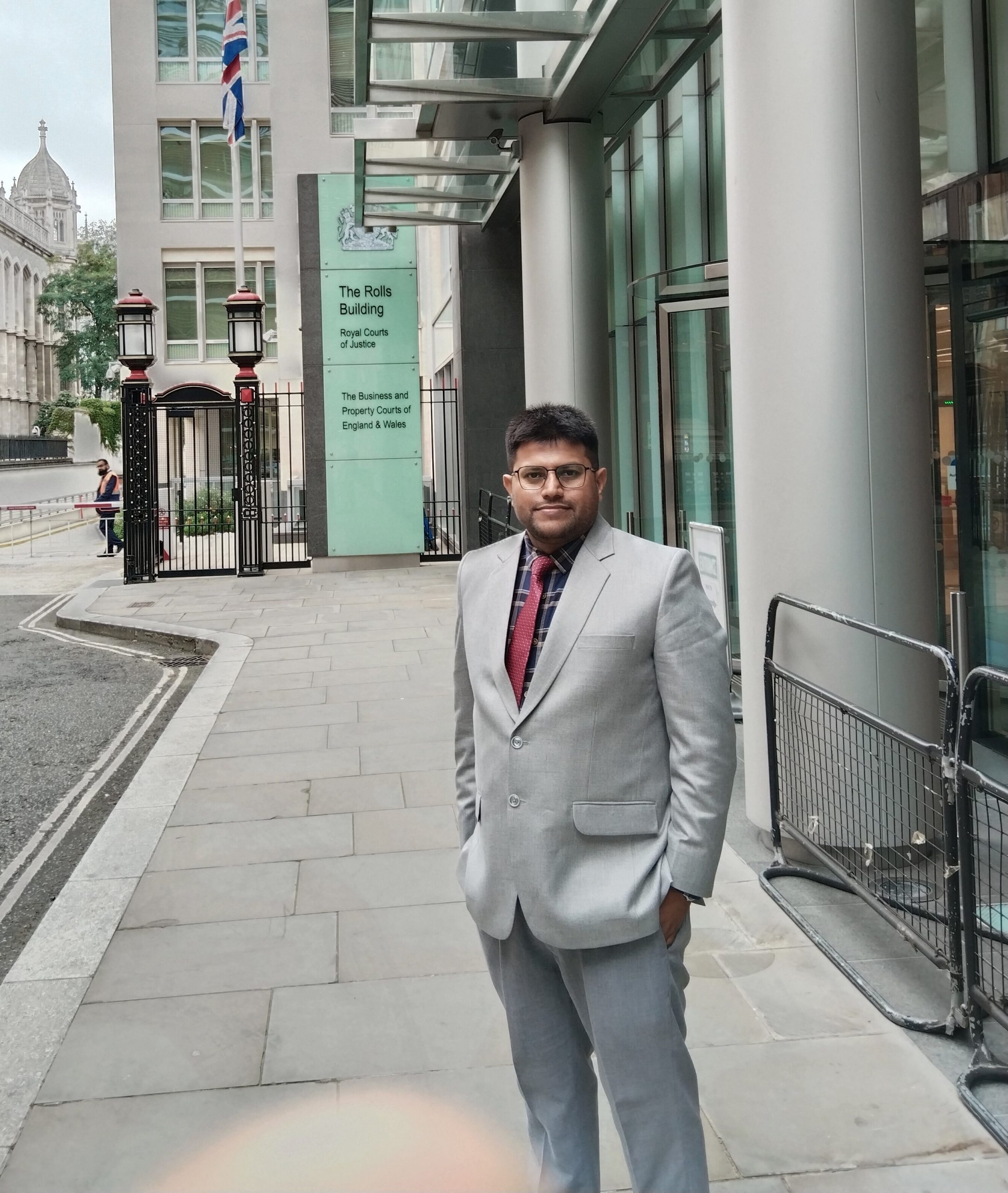
    Amit, could you take us through your journey and share how you embarked on your career in law? What inspired you to pursue this path, and how did your early experiences shape your professional trajectory?

    I come from a humble village background. I pursued my schooling from the government residential school of rural Madhya Pradesh, Navodaya Vidyalaya. Thereafter, I studied in the North campus of Delhi University for six years i.e., my graduation and law degree. These years have, indeed, been trans-formative for me. I made friends coming from myriads backgrounds and learnt to adjust in different environments. I started to participate in extracurricular activities including debating competitions during my graduation and soon found that I would like to spend the rest of my life doing the same as a litigation Lawyer.

    For the last six years, I have been working in various Courts and Tribunals of Delhi and across India. For me litigation is more than just a career and livelihood source. I believe that by this work I can contribute positively to society and bring about good changes in lives which I come in touch with. Since September 2022, I have been working independently.

    Having worked extensively in various legal domains, from real estate disputes to representing marginalized sections of society, what drives your passion for justice and advocacy?

    Besides being an Advocate, I am a citizen of this country. There are so many things which bother me on a day-to-day basis. Lack of access to quality healthcare services to most of the population of our country troubles me a lot. However, there is little I could do about it. 

    At the same time, this profession gives me an opportunity to right a wrong. Be it a street vendor harassed by police officials, a homebuyer robbed by a builder or a contractual employee working without any job security, I can feel their pain and wrong committed upon them agitates me a lot. Being a lawyer gives me a position to do something for them and it is my primary motivation to strive for another day. On some occasions, raising a voice means everything!    

    You’ve recently returned from the UK after participating in the Pegasus Scholarship program. How did this international experience influence your perspective on legal practice, especially in comparison to your work in India?

    My inspirational senior Ms. Namita Wali nudged me to apply in the first place, she deserves the complete credit. After the initial screening process, I was interviewed by Senior Advocate Aman Hingorani and seasoned Mediator Dr. Shweta Hingorani. Thankfully, I was selected as a KNH Foundation-Pegasus Scholar for the year 2023. I was the only lawyer with five years standing who was selected for the said scholarship in the year 2023 from India. This scholarship is a world-renowned international lawyer exchange program run by Hon’ble Society of Inner Temple, England. My fellow scholars came from different jurisdictions like the United States, Australia, and New Zealand. As a scholar, I spent Eight weeks in England and Scotland working in esteemed Barrister chambers like Blackstone, Lamb and 39 Essex. I attended court hearings in the Supreme Court of the United Kingdom, Court of Appeal, High Court, Crown Courts, and County courts. I participated in conferences held among barristers, solicitors, and clients. I interacted with judges, jurists, and policy makers. It was a life-changing experience, and I could see a different way of life and working.

    The United Kingdom has a comparatively small population and for that reason alone, they do not encounter a lot of nagging logistical issues as we in India do. The number of cases listed per day before a judge is not in two digits most of the time in the UK and in India, you might even see a three-digit cause list peculiarly on the criminal side in High Courts and consequent crisis of pendency, matters not getting heard and a bit of chaos. However, the zeal of the advocate community keeps the access to justice smooth in India and that is indeed a great achievement.

    In your role as a Panel Advocate with Counsel to Secure Justice (CSJ), you’ve been advocating for child survivors of sexual violence. What unique challenges do you face in such cases, and how do you navigate them?

    CSJ has taught me a lot. Sexual violence against a child is not only inhumane, barbaric, and brutal but it also creates multidimensional problems. The child suffers physically and emotionally. Family also finds it difficult to handle the situation. There are a lot of social stigmas attached to it as well. So, meeting a survivor and his/her family requires a lot of preparation. Most of these people have suffered at the hands of the system also so making a connection with them requires some genuine effort. However, when they see your sincerity, they rely on you, and you start working as a team. It was my affectionate senior Ms. Arushi Anthwal who guided me on this pro bono panel. She heads the CSJ’s lawyer’s team. Her commitment to the welfare of women and children is unimpeachable.    

    I have observed an unfortunate pattern in such cases. Reporting from poor strata of society against child sexual violence is good but the middle and upper classes are still finding it difficult to report this violence and they try their ‘best’ to save their shallow ‘honor’ as in these cases, usually, the perpetrator is a person of trust. Efforts to encourage reporting of child sexual violence are needed on a large scale. It is a silent pandemic!

    You’ve authored articles and participated in webinars on diverse legal topics. What motivates you to share your expertise through writing and speaking engagements?

    We all are part of a shared world. We do not exist in isolation and interdependence is the order of our society. I believe in a democratic society; exchanges of ideas have potential to bring much needed changes in society. The Right to Information (RTI) Act was born out of such efforts and it has served society so well. An ordinary citizen can file a simple application and ask for information which might unearth wrongdoings in public offices. So, I make it a point to speak and write about issues which are important and need our attention like universal access to healthcare and misery of undertrial prisoners. I believe and hope these discussions are small steps which will bring about great changes.  

    Your journey includes working with different legal mentors and chambers. How have these experiences contributed to your growth as a lawyer, and what valuable lessons have you learned along the way?

    As a first-generation lawyer, I had great difficulty finding mentors. Formally, I worked as an associate with two Advocates. My first senior was Mr. Amit Bhagat. He works on the Civil and Commercial side. He taught me how to navigate hearings and insist on reliefs. His energy was unmatchable.

    My Second senior was Advocate on record Mr. Joel. He taught me how to keep patience in tough situations and client handling. He has exceptional skills to mediate a complex dispute and I found his calm approach imitable.

    I interned under Mr. Madhav Khurana in 2017 and since then, he has always been there to support and guide me. He is very organized and conducts his cases with plans and strategies. Working with him as a briefing counsel is always a delight.

    Advocate on record Mr. Vikram Hegde is a known lawyer and his writing skills keep twitter and newspapers warm. In my independent practice, he has been a constant guide. If I lose a case in high court, then I know he would help me to take it to the Supreme Court and get the necessary relief.  

    Mr. Adarsh Priyadarshi is a guide on the criminal side. His skills to puncture a prosecution’s story is great and he has been kind enough to allow me to argue his criminal matters in Delhi High Court.  

    As a Pegasus Scholar, you had the opportunity to immerse yourself in the legal system of the United Kingdom. Were there any striking differences or similarities you observed between the UK and Indian legal systems that surprised you?

    Legal systems in both the countries are similar and have been made by the same people for obvious reasons. So, on paper we are almost the same. But, on the grounds, the situation is different. Their courts are strictly formal at all levels and in India, the informal nature of trial courts gives a breathing space to Indian masses. 

    In the UK, Civil trials get completed in three to five days, I witnessed an eviction trial getting completed and judgement pronounced in four days in Central London County Court. With due respect, such expeditious disposal in India is nearly impossible. Due to the strict cost rules, frivolous litigations and appeals get discouraged a lot there. Due to lax rules, in India litigation, at times, becomes an adventure and all disputes eventually reach the supreme court, destroying decades of people’s lives and leading to docket explosion.  

    With the rapid advancement of technology, how do you see the role of AI and automation shaping the future of legal practice, and what implications do you foresee for young lawyers entering the profession?

    Let’s look at the past to appreciate the future developments. When Covid came, almost no one was relying on e-filing and virtual court hearings were not even part of our imagination. But a small virus nudged us to use technology which was already with us. Soon, we all were filing online and appearing online. This transition has been significant.

    As far as filing and defects in court registries are concerned, I hope AI will make life easier for lawyers and court staff. I hope there will be a day when ‘defect in file’ will be a thing of the past. At the same time, I believe that there will never be a substitute for earned human experience and wisdom. So, technology will help us but eventually, human prudence will decide how it will be used.  

    Balancing personal interests and professional responsibilities can be demanding. How do you manage to find time for hobbies or leisure activities amidst your busy schedule?

    Being self-employed is not as rosy as it sounds. Being away from work means a loss of income in that situation. So, working slowly becomes a part of your life. And this is how eventually things start to find a place in your life. I like stories. I have become a bit lazy to read books for leisure, so I watch movies and tv series and these things happen at the end of day most of the time. I like watching theater and Delhi offers a good variety for the same. Being a foodie gives me the opportunity to explore new places and tastes.

    Finally, Amit, if you could offer one piece of advice to the upcoming generation of lawyers, what would it be, considering the evolving landscape of the legal industry and societal challenges?

    Decide your priorities. If you come from a humble background, then joining a law firm and having a steady income is a fairly good idea in the initial years. Such a way of functioning ensures exposure and income for you. The way litigation is structured in India, it is not very welcoming for an outsider without significant resources and infrastructural support. So, calculating and managing expectations is important. 

    The position of legal researcher in High Courts and Supreme Court is something to aspire to. It gives you a steady income in the initial years and the exposure is unparallelled. These places are likely to motivate you to pursue academic endeavors abroad on scholarships. 

    Arbitration is here to stay as India has become the focus of global trade due to its huge population. World creates and India consumes, as the joke goes! So, there would be a lot of disputes, even of an international nature, in such a setup. This field could show you the world and teach you how to look beyond your self-created boundaries. Opportunities to work abroad may also cross your way and the sky’s the limit.

    So, my advice would be to plan your way out and be brave to walk on that path!

    Get in touch with Amit Dwivedi-

  • “The key to realising  a dream is to focus not on success but significance, and then even the small steps and little victories  along your path will take greater meaning” – Jossy Cherian, Associate Advocate at Law Veritas : North

    “The key to realising  a dream is to focus not on success but significance, and then even the small steps and little victories  along your path will take greater meaning” – Jossy Cherian, Associate Advocate at Law Veritas : North

    This interview has been published by Namrata Singh and The SuperLawyer Team

    Could you share your journey into becoming a legal and social work professional, emphasizing how your professional and personal experiences have shaped your path?

    My journey into the fusion of law and social work has been intertwined with personal experiences, academic pursuits, and a deep-rooted desire to effect positive change in society. I started my career in 2013, after completing a degree in Law and Post-Graduation in Social Work. Over the last decade I have had the opportunity to work with government organisations, NGOs, private sector organisations and law firms in various capacities which has made my professional journey more meaningful & richer and quintessentially varied from most people in our line of work.

    My perspective has been significantly shaped by my parents, who have consistently demonstrated a strong commitment to giving back to society. Witnessing their compassion and advocacy for what is right has deeply influenced my own values and beliefs. Further I always believed and has been quoted by Oprah Winfrey that “the key to realising  a dream is to focus not on success but significance, and then even the small steps and little victories  along your path will take greater meaning”

    Since joining Law Veritas: North in 2021, you’ve independently led the litigation department of the Firm. Share insights based on your personal experience regarding the journey towards attaining professional success.?

    I hold the belief that the success of individuals within an organization is directly correlated with the quality of the work environment. Upon joining Law Veritas: North in 2021, I initially had reservations about committing to a law firm, uncertain about exclusively focusing on litigation, especially the one that predominantly dealt with banking and insurance. However, adhering to the notion that nothing happens by chance but rather as preparation for greater things, I embraced the opportunity.

    Initially, my decision to work at Law Veritas: North was rooted in logistical convenience. As a new mother, proximity to home was a priority for maintaining flexibility in my professional pursuits. Since joining Law Veritas North, I’ve experienced a work environment that is both challenging and supportive. I’ve received substantial support in achieving my professional goals within the organization, and my mentors have not only acknowledged but also actively promoted and encouraged my specific area of interest. Additionally, the trust and acknowledgment extended to me by my seniors served as a catalyst for improved performance. This, in turn, strengthened my commitment to steering the litigation department towards success.

    I also hold the view that passion and authentic interest in one’s work are essential and serve a pivotal role in setting goals and achieving success. Additionally, the continuous refinement of skill sets has become vital in reaching professional goals, particularly in areas such as networking, knowledge enhancement, technological adaptation, effective communication, leadership, initiative, and persistent hard work and dedication.

    Managing diverse responsibilities, from civil and criminal litigations to community development initiatives, requires effective balance. How do you navigate these various roles, and what challenges have you encountered?

    The process that may appear as navigating between roles actually, feels organic to me. In litigation, being selective about the type of work one engages in can be challenging. Regardless of the nature of the case, every case and every story holds numerous perspectives and untold truths about human life. 

    Navigating between cases as an advocate presents a multitude of challenges that require careful consideration and adept management. One such challenge lies in the diversity of legal matters an advocate encounters. Each case comes with its unique set of facts, legal intricacies, and client needs. This necessitates a constant need for adapting one’s approach, strategies, and legal arguments to suit the specific nuances of each case. Furthermore, the time constraints imposed by multiple cases can be demanding. Effectively managing and prioritizing cases while ensuring each client receives the necessary attention requires strong organizational and time management skills. Juggling the intricacies of various legal issues, court appearances, and client interactions requires a delicate balance to ensure the best possible outcomes for each case.  However, it’s crucial to bear in mind that achieving this balance often involves the collaborative efforts of a team, and success is truly achieved when all members work in harmony. 

    Additionally, the emotional toll of dealing with diverse and often sensitive legal matters is a substantial challenge. Advocates frequently encounter clients facing distressing situations, and maintaining empathy while remaining professional is crucial. Striking this balance requires emotional resilience and a nuanced understanding of the human aspects intertwined with legal issues. Moreover, staying updated on the evolving legal landscape, precedents, and statutory changes across different areas of law is vital. This continuous learning process ensures that advocates are well-equipped to provide the most effective representation and counsel to their clients.

    Beyond the legal realm, your passion lies in advocating for social causes. Could you share a specific initiative or project that is particularly close to your heart, and why?

    I have a profound passion for social issues, particularly with respect to child rights, which holds a special place in my heart. To advance this cause, I have actively involved myself in initiatives related to education, child health care, adoption etc. Through my efforts, my aim is to foster a fair and inclusive social environment for children across all segments of society.

    What adds to the significance of children for me is their vulnerability and complete dependence on others. Children have the potential to instigate positive change in numerous aspects of life. With appropriate guidance, education, and nurturing, they can evolve into responsible and compassionate individuals, making positive contributions to their communities and the global society. Ensuring their safety and creating a nurturing environment are fundamental societal responsibilities. To echo the words of Kailash Satyarthi, the Nobel Peace Prize laureate, “Every single minute matters, every single child matters, every single childhood matters.”

    Can you elaborate on the specific aspects of CSR and adoption that have had a notable impact on your approach and understanding of the legal landscape?

    In the realm of Corporate Social Responsibility (CSR), companies often align their practices with legal requirements, recognizing that adherence to laws and regulations is an essential aspect of responsible business conduct. 

    Furthermore, ensuring compliance with local, national, and international laws becomes imperative for businesses to fulfil their CSR commitments. As they embark on CSR activities, business entities must be cognizant of and adhere to these legal frameworks. The integration of CSR commitments into contractual agreements and legal documents further underscores the connection between CSR and law. For example, companies may incorporate specific clauses related to environmental sustainability, fair labour practices, or community engagement in their contracts. Failure to meet these CSR obligations carries the potential for legal consequences. Therefore, the relationship between CSR and law is intricate, encompassing various facets such as legal compliance, regulatory frameworks, contractual obligations, and the management of legal risks associated with social and environmental impacts. By incorporating CSR into their business practices, companies align themselves with legal expectations, fostering a more responsible and sustainable business environment.

    My tenure at the Central Adoption Resource Authority (CARA) provided a structured environment where I consistently prioritized children’s safety and well-being. Managing the entire litigation and legal aspects of inter-country adoptions added an exciting dimension to my role. It exposed me to intricate legal issues, particularly from a foreign policy perspective, and involved collaboration with external affairs agencies and international organizations.

    Legal safeguards in adoption extend protections to adopted children, guaranteeing them equivalent rights and privileges to those of biological children. These rights encompass inheritance, medical access, and the entitlement to information about their adoption history, maintaining confidentiality, and more. Moreover, adoption agencies, whether public or private entities globally, are bound by legal regulations. These laws describe licensing prerequisites, ethical standards, and procedures that adoption agencies must adhere to, ensuring the legality and ethical integrity of the adoption process. It is crucial to highlight that the legal procedure extends to post-placement supervision, a measure taken to ascertain the well-being of the child within the adoptive home.

    Hence personally these experiences have helped to broaden my overall understanding of various laws, different approaches and strategies involved in the procedure.

    In your profile, proficiency in legal technology is mentioned. How do you see the integration of technology impacting the legal profession, and how have you embraced it in your practice?

    The fundamental transformation of the legal profession is underway through the integration of technology, giving rise to a wave of innovations that amplify efficiency, precision, and accessibility. This impact extends across multiple aspects of legal practice, including a revolution in legal research, the automation and management of documents, enhanced communication and collaboration, and an increased focus on cybersecurity and data protection. Adapting to this changing technology is an essential need of the hour for professional as personal growth.

    You’ve received a scholarship for an international workshop on “End Of Life Care” and have diverse experiences. Can you elaborate on your experience and learning?


    At the Summer University in Lausanne, Switzerland, where I was awarded a scholarship, I delved into a comprehensive study of ‘End of Life Care,’ exploring its social, psychological, and legal dimensions. Exposure to this program at the University enlightened me about the rights of individuals facing the end of life, regardless of whether it was due to old age, critical illness, or other reasons. Key topics included diverse legal frameworks, varied end-of-life care practices in different countries, honoring the wishes of the dying, palliative care, socio-psychological support for family members, and the dignified treatment of deceased individuals. These discussions and exchanges not only highlighted the current global health practices and legal considerations but also emphasized the need for a systemic approach in addressing the care of vulnerable individuals, considering the cultural nuances of each country.

    With your diverse experiences, what advice do you have for aspiring lawyers and professionals looking to make a positive impact on society through their legal careers?

    Addressing ICFAI University, Jharkhand as a Keynote Speaker representing Law Veritas: North in a panel discussion on ‘Advocacy as a Profession: Prospects & Challenges’ on the eve of Advocate’s Day last year, I highlighted advocacy’s pivotal role amid today’s information complexities. Advocates serve as catalysts for change, bringing attention to issues that may otherwise be overlooked or ignored or miscommunicated. The use of legal technology, artificial intelligence, and online platforms can streamline legal research, improve case management, and facilitate communication between advocates and their clients.

    In present scenario a whole lot more skills are required to establish yourself like:

    1. Effective Communication skills: Mastering the art of communication is fundamental. It involves not just speaking but also active listening and empathetic understanding.
    2. Creative Problem Solving: In the complex legal world, creative solutions often pave the way for resolving intricate issues. A flexible, innovative approach is invaluable.
    3. Analytical and observational skills- Attention to detail is key. The ability to analyze information critically and observe nuances can significantly impact legal strategies and outcomes.
    4. Reading- Cultivating a habit of continuous learning through reading is invaluable. It not only expands knowledge but also refines approaches to various legal challenges.
    5. Networking- Building professional networks is crucial for success. Collaborations, mentorships, and connections can open doors to opportunities and growth.
    6. Negotiation Skills: The art of negotiation is a powerful tool. It involves finding common ground while advocating for your client’s interests.

    My father’s insightful advice resonates deeply, “In this profession, be prepared to work harder than the money you receive.” Hard work, dedication, and a commitment to the cause are vital. 

    As advocates, our approach to these challenges should embody unwavering determination and resilience. Let us continue to champion the voices advocating for positive change, working together towards a more equitable and just future for all.

    Get in touch with Jossy Cherian-