Tag: labour & employment law

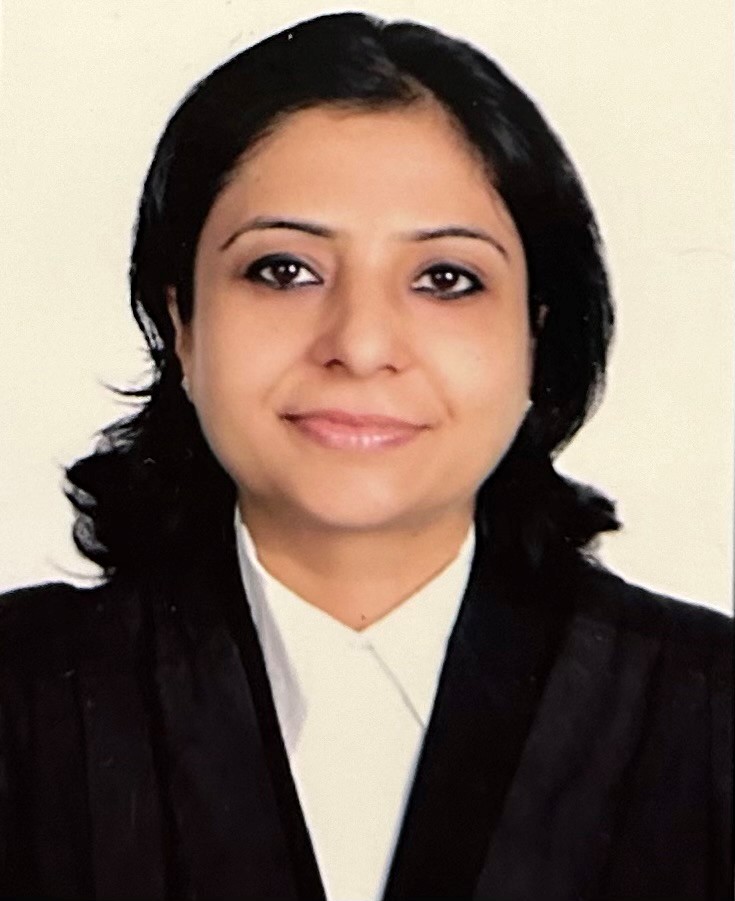
  • “At the end of the day, I truly believe that we become lawyers in the real sense only when we stand beside those who genuinely need us.” – Priyanka Borana, Advocate at Rajasthan High Court, Jodhpur.

    “At the end of the day, I truly believe that we become lawyers in the real sense only when we stand beside those who genuinely need us.” – Priyanka Borana, Advocate at Rajasthan High Court, Jodhpur.

    This interview has been published by Anshi Mudgal and The SuperLawyer Team

    You began your academic journey with a background in commerce and CS before pursuing your LL.B. What inspired this transition, and how did your early education shape your understanding of law?

    Honestly, law wasn’t something I had planned from the beginning. I was sitting with my mother one day, completely confused about what to do next. I told her I wasn’t really interested in commerce, and she laughed and said, “Hamare ghar mein koi lawyer nahi hai, aur tumhara toh waise bhi ladai-jhagde ka dimag chalta hai — law kar lo.” It was said jokingly, but somehow it stayed with me. The very next thing I knew, I had taken admission in Madhusudan Law College.

    Once I started studying law, I realised how naturally it connected with the way I think — questioning, reasoning, and standing up for what feels right. My commerce and CS background gave me a habit of thinking logically and paying attention to detail, which later helped a lot in legal drafting and understanding case records. Looking back, that light-hearted moment with my mother actually became the turning point of my life.

    During your initial years of college and early practice, what key lessons or experiences prepared you for active litigation? Was pursuing litigation something you had always envisioned for yourself?

    To be very honest, during college I was never one of those overly serious law students. I used to bunk classes quite often and sit under the neem tree with friends. I was very active in co-curricular activities- debates, events, organizing functions, but attending regular lectures was never really my thing. At that time, I hadn’t even imagined that I would actually take up litigation one day.

    Things changed when I moved to Jodhpur in 2016. In 2018, I joined the trial court, and honestly, it was a tough beginning. I had no friends here, no contacts, and I didn’t know how I was going to find my place in a completely new professional circle. Those initial months: almost eight to nine, were all about learning by observing and surviving through small but meaningful experiences.

    Later, I shifted to the High Court, and that’s when I realised that maybe this was exactly where I was meant to be. Looking back now, I feel choosing litigation was one of the best decisions I’ve made. It challenged me, shaped me, and made me value the strength that comes from starting all over again in a new city, purely on your own effort.

    You have been practicing at the Rajasthan High Court across diverse areas such as commercial law, property disputes, arbitration, and criminal matters. How did you build versatility across these domains and manage all matters effectively?

    Over time, I’ve handled a variety of matters, from commercial and property disputes to arbitration and criminal cases, but if I’m being honest, criminal litigation is my real zone. It naturally suits my personality. I’ve always been someone who believes in standing firm, not getting intimidated, and saying things as they are. That fearless side of me connected very well with the criminal side of practice.

    In criminal law, you learn to read people, their behaviour, mindset, and what drives them. Understanding how a criminal thinks or reacts is not just about law; it’s about human psychology, and that’s what makes it so fascinating. It gives you a different kind of edge and maturity as a lawyer.

    For female lawyers especially, criminal litigation adds a certain strength to your personality, it teaches you how to hold your ground in tough spaces. Over time, I’ve realised that while I enjoy working across different branches of law, criminal litigation brings out the most fearless and analytical version of me.

    You have also been actively contributing as a pro bono lawyer. What motivates your involvement in public service, and how have these experiences shaped your understanding of access to justice?

    I’ve always felt that the purpose of being a lawyer shouldn’t just be limited to luxury litigation or earning money. Somewhere, we tend to forget that the law was made for people who actually need its protection the most. Around my own neighbourhood, I’ve seen so many individuals who quietly suffer because they don’t even know their rights, they simply don’t have the awareness or resources to seek help.

    That’s why I take my legal aid work very seriously. The Legal Services Authority often appoints me in such cases, and I consider it both a duty and an honour. One case that really stayed with me was an MTP (Medical Termination of Pregnancy) matter involving a minor rape victim from a very difficult background. She was completely unaware of the legal process, and time was crucial. Managing that case made me realise how powerful our profession can be when used with empathy and urgency.

    At the end of the day, I truly believe that we become lawyers in the real sense only when we stand beside those who genuinely need us. The real purpose of this profession lies in restoring someone’s faith in the law. When people see that justice can actually protect them, their trust in the system grows stronger, and that trust, once earned, is the most meaningful reward a lawyer can ever receive.

    As a panel advocate for the Rajasthan State Legal Services Authority, what has been one of the most challenging cases you’ve handled, and how did you navigate it?

    Every legal aid matter has its own challenges, but one case that I will never forget was before a Division Bench. I was representing the respondent father in a matter involving a 9-month-old baby who had been given in adoption without informing the natural mother.

    Even though I was appearing for the respondent, the case affected me deeply. When the court finally directed that the baby be handed back to the natural mother, the entire courtroom turned emotional. On one side stood the mother who had given birth, and on the other, the woman who had cared for the baby and nurtured her for months. Watching both of them break down was heart-wrenching.

    That day reminded me that law isn’t always about right or wrong, sometimes it stands between two truths, two emotions, and two lives. Even the Hon’ble Bench remarked that while everyone felt the pain, law is law. That moment taught me that as lawyers, we must carry empathy with firmness, to feel the human side of justice while still upholding the legal one.

    Alongside your legal practice, you have written articles for reputed publications on issues such as gender equity and the experiences of women in law. What inspired you to explore these themes, and how do you see the role of women evolving within the legal profession?

    Whatever I’ve written so far has come from what I’ve actually seen and felt inside courtrooms, not from theory, but from daily experiences. I’ve seen how small things, which often go unnoticed, slowly create barriers for women in this profession. Everyone talks about gender equity, but very few actually address the uncomfortable truths behind it.

    Through my writing, I’ve tried to reflect what many women advocates silently feel but don’t say out loud. These are thoughts that belong to all of us — I’ve just tried to put them into words. Because if we don’t speak, how will anyone know where the problem truly lies?

    Yes, things are changing, but the pace is slow. Still, I genuinely believe that women are no longer just part of the legal system — we’re shaping it, questioning it, and giving it new meaning. And if my articles can make even one person pause and think about these realities, I feel I’ve done something worthwhile as both a lawyer and a writer.

    You have represented clients before multiple forums, including the Rajasthan High Court, Commissions, and Tribunals, and have also appeared in various Public Interest Litigations. What is your perspective on the evolving scope of PILs and their significance for the legal community?

    Public Interest Litigation, in its true sense, is a beautiful concept — it allows the court to hear those who otherwise have no voice. I’ve been fortunate to work as amicus curiae in matters like the Nari Niketan case and the suo motu matter related to stray animals, both of which dealt with genuine issues that directly impacted public welfare. These cases made me realise how meaningful PILs can be when handled with sincerity — they push real change, bring accountability, and ensure that the law reaches beyond individuals to society at large.

    But the truth is, over time, I’ve also seen how this concept is being diluted. Many people now file PILs without proper groundwork or genuine cause — just to gain attention or to keep their names in circulation. Because of such misuse, even genuine petitions sometimes don’t get the seriousness they deserve. That’s the sad part — when the noise of the unnecessary hides the voice of the necessary.

    As lawyers, we carry a responsibility to preserve the sanctity of PILs. If we treat it with respect and care, it can remain one of the strongest instruments of justice in our system. For me, being appointed amicus and working on causes that truly matter has been both humbling and grounding — it reminds me that law is at its best when it serves humanity, not headlines.

    With experience spanning civil, criminal, and commercial practice, what moments have most shaped your perspective toward the practice of law?

    When I look back, I feel even small incidents can shape your entire perspective as a lawyer. I still remember one moment from my early days in practice. I had just joined my senior’s office, and one day, my matter was listed before a Division Bench. I requested an adjournment because I didn’t have the file — the staff had taken it, assuming it wouldn’t be listed.

    But the court refused and said, “No adjournment. Madam Borana, how long will you keep asking for adjournments?” For a second, I went blank. I said, “My Lords, I have no instructions to argue.” The Bench replied, “We’ll give you the file, you argue.”

    That moment hit me hard. I gathered courage and said, “My Lords, it’s not that I don’t argue — I just never got the opportunity in your court. You may ask me any facts from the file, and I’ll answer.” That one push changed everything. Later, I realised the judges weren’t being harsh — they were motivating me. And interestingly, the same judge today appreciates my work the most.

    That incident boosted my confidence and reminded me that sometimes the courtroom itself becomes your best teacher. Every tough moment, every unexpected challenge — they all prepare you quietly for what’s next.

    What core principles have guided you throughout your career, and what advice would you offer to young lawyers aspiring to build an independent practice in the High Courts?

    This profession tests you in every possible way, emotionally, mentally, and even morally. What has always guided me through it all are three simple principles: honesty, preparation, and patience.

    Honesty — because in the end, the court can always sense your intent.
    Preparation — because confidence in the courtroom doesn’t come from personality alone; it comes from the hard work you put in behind the scenes.
    And patience — because growth in litigation doesn’t happen overnight. You have to show up every single day, learn, observe, and keep your calm even when things move slowly.

    My advice to young lawyers is simple — don’t wait for confidence; build it through preparation and persistence. Read your files as if they’re your responsibility, not just your assignment. Respect the court, stay consistent, and never let rejections shake your foundation.

    As for myself, I wish to continue strengthening my independent practice and focus on matters that hold both legal and human value. Law, for me, is not about fame or success — it’s about ensuring that justice is not just delivered but also felt.

    Get in touch with Priyanka Borana –

  • “If I have any advice for students, it’s this: please don’t follow a path just because it looks safe or conventional. Follow your curiosity. You don’t have to know everything today.” – Rahul Anil Khanna, Founder & Managing Partner at RAKlaw.

    “If I have any advice for students, it’s this: please don’t follow a path just because it looks safe or conventional. Follow your curiosity. You don’t have to know everything today.” – Rahul Anil Khanna, Founder & Managing Partner at RAKlaw.

    This interview has been published by Anshi Mudgal and The SuperLawyer Team

    With over a decade of experience in corporate legal affairs, what initially drew you to the legal profession? Was it a planned pursuit, or did your interest in law evolve over time?

    To be candid, I never planned for my career to shape the way it eventually did. I’ve always believed in the power of timing and going with the flow, and in many ways, the legal profession found me rather than the other way around. Initially, law was more of a functional career choice. However, my interest in the profession evolved significantly during the early years of my corporate tenure.

    One of the key turning points was the mentorship I received. I was fortunate to work under a senior who not only trusted me but gave me a free hand to deal with matters independently—whether it was navigating compliance, handling regulatory inquiries, or representing the company before statutory bodies. This autonomy instilled a sense of responsibility and curiosity in me.

    I found myself increasingly drawn to the strategic aspect of legal work—how sound legal advice can influence business decisions, mitigate risks, and protect long-term interests. Over time, I began to view the legal function not merely as support but as a value driver within the organization. That shift in perspective was what truly cemented my commitment to the legal profession.

    Looking back, what started as a role gradually transformed into a passion. Today, whether it’s regulatory strategy, dispute resolution, or guiding startups through complex compliance landscapes, I find immense satisfaction in the challenges and the continuous learning the field offers.

    You’re currently building a specialized platform for startups in the food sector. What are some of the most frequent compliance challenges these businesses face, and how does the platform help them navigate these hurdles in a practical way?

    Yes, this has been an idea in the making for quite some time. Having closely observed the food and beverage (F&B) sector, particularly by attending various industry exhibitions and trade fairs, I realized there’s a significant gap in legal awareness and compliance readiness among startups in this space. The food industry in India is evolving rapidly. In fact, according to Invest India, the Indian F&B sector is expected to reach USD 535 billion by 2025, driven by changing consumer preferences, innovation, and a rising number of food startups entering the market each year.

    The most frequent compliance challenges startups face are quite fundamental yet critical:

    1. Understanding Regulatory Applicability – Startups often struggle to determine which specific licenses or approvals apply to their product. For example, a plant-based dairy alternative cannot simply replicate the compliance of traditional dairy—its classification and labeling requirements are entirely different.
    2. Knowing Whom to Approach – Navigating through authorities like FSSAI, Legal Metrology, State FDAs, and Pollution Control Boards is overwhelming. Startups don’t know where to begin, especially when their business model spans multiple states or channels (offline, D2C, exports).
    3. Copying Industry Leaders Blindly – Many new entrants simply mimic compliance templates of large FMCG companies, not realizing that their own product category or manufacturing model requires a tailored approach.

    This is exactly where our upcoming platform aims to make a difference. It’s being developed as a one-stop ecosystem that not only offers end-to-end compliance support—from FSSAI licensing, label reviews, and legal metrology filings to EPR and state-wise registrations—but also provides legal representation when issues escalate into litigation or adjudication.

    The idea is to simplify legal compliance through practical tools, updated regulatory content, and access to on-demand legal professionals who specialize in this domain. The platform is currently in development, and while I can’t share all the details just yet, I can say that it’s being built to bridge a very real and very critical gap in the F&B startup ecosystem.

    In the early stages of your career, were there any specific experiences or turning points that deepened your understanding of food laws and regulatory compliance, ultimately guiding you to specialize in this domain?

    Yes, there were many such moments. In fact, I often say that having someone place their trust in you early on can completely shape your professional path. I was fortunate to work under mentors who gave me the autonomy to explore, question, and resolve matters independently. That freedom helped me develop a deep, ground-level understanding of how regulations intersect with real business challenges.

    One of the turning points was dealing with a product recall that originated from a minor labeling non-compliance. It seemed procedural at first, but the impact was operational, reputational, and financial. That experience taught me that in food law, every word and symbol on a label carries legal weight—and the smallest error can have disproportionate consequences. It was in those moments that my interest in regulatory compliance truly deepened.

    Even during my corporate tenure, I made it a point to work across functions—marketing, manufacturing, supply chain—not just to advise them legally, but to understand how decisions were being made on the ground. I always tell the juniors and interns who work with me: don’t wait for permission to get curious. Even if you’re a legal person and your idea in a marketing meeting feels like the dimmest one—speak up. You’ll be surprised how often the “outsider’s perspective” helps, and how much it sharpens your understanding of your own role.

    And then, after I transitioned from the corporate setup into independent practice, my learning curve accelerated even more. When you’re working closely with startups and entrepreneurs, especially in the food sector, you begin to see firsthand the complexities and creativity that go into new product development. The challenges are dynamic—whether it’s decoding novel ingredients, managing multi-state compliances, or responding to evolving FSSAI regulations.

    Just take a step back and look at the food landscape today. Think about it—five years ago, how many pre-packed food products did we really see in our daily lives? Comparatively few. Today, nearly everything we consume—snacks, beverages, condiments, ready-to-cook meals—is pre-packaged. It’s no longer occasional; it’s integral to our routine. The scope of this sector in the next five to ten years is massive, not just in terms of business growth but also from a regulatory standpoint. It’s an exciting space to be in, and being part of this transformation—while ensuring that safety and compliance go hand-in-hand with innovation—continues to drive my work every day.

    Your work spans labour laws, dispute resolution, and policy development. Could you share an experience where you handled a complex labour law issue? How do you stay agile and adapt to the evolving legal landscape in this domain?

    Absolutely. One of the most complex and insightful matters I’ve dealt with involved assessing the legal validity of a widespread retainership model adopted by a leading cosmetics brand that operated across various retail formats—including exclusive brand outlets, modern trade counters, and general trade counters.

    The company had deployed over 2,000 personnel—primarily as “Beauty Consultants”—engaged on fixed-term retainership contracts. On paper, these individuals were termed as ‘Consultants’ with monthly invoices raised for services rendered. However, upon closer scrutiny, it became evident that the structure did not hold up to the legal tests used to determine the existence of an employer-employee relationship.

    We undertook a detailed legal review, mapping the operational realities against judicial benchmarks laid down by the Hon’ble Supreme Court in Balwant Rai Saluja v. Air India Ltd.—specifically focusing on elements like who appoints, who supervises, who pays, who disciplines, and whether continuity of service exists. Our findings revealed that despite the nomenclature of “retainer” or “consultant,” these individuals were under direct control, supervision, and functional command of the management. They were hired, transferred, granted leave, and even disciplined by company supervisors. In other words, the arrangement was more of an employment model disguised as consultancy.

    The risk exposure was significant—both under the Contract Labour (Regulation & Abolition) Act, and under core labour laws like the Payment of Gratuity Act, ESI Act, and Maternity Benefit Act. Moreover, since there was no contractor involved, the management couldn’t take shelter under the principal-employer framework either. We advised a comprehensive review and reclassification of roles, alongside a phased transition towards compliant staffing structures, to mitigate future litigation and regulatory risk.

    This matter underscored the importance of not just legal drafting, but understanding how the structure plays out on the ground. Labour laws in India are heavily precedent-based and interpretive—courts tend to prioritize substance over form. So, staying agile means continuously aligning HR practices with legal reality, adapting to new judgments, and anticipating regulatory scrutiny—not reacting to it.

    Matters like this also highlight why I’ve always believed in being proactive rather than reactive. Labour compliance isn’t about ticking boxes—it’s about ensuring that your internal structures can stand up to judicial and regulatory scrutiny when tested. That’s the mindset I bring to every assignment in this domain.

    You’ve overseen compliance across diverse marketing channels, including traditional advertising and influencer-led campaigns. What are some of the major legal challenges in this space, and how do you help brands align creative strategies with regulations such as ASCI guidelines and emerging digital marketing norms?

    This is an area where legal, regulatory, and creative disciplines intersect in very real and often challenging ways. Over the past few years, marketing strategies have evolved rapidly—from traditional print and television ads to influencer-driven digital content and real-time engagement campaigns. And while the mediums have changed, the legal obligations have only become more layered.

    One of the core challenges is balancing creative freedom with regulatory compliance. Whether it’s the Food Safety and Standards Act (FSSA), the Drugs and Cosmetics Rules, or ASCI’s Code for Self-Regulation in Advertising—every product category, particularly in the FMCG and food space, comes with defined boundaries for advertising claims, disclosures, and substantiation.

    For instance, brands often want to use superlatives like “best,” “purest,” or “clinically proven,” but may lack the documentary evidence or test reports to substantiate such claims. In such cases, I advise internal marketing and product teams right from the conceptualization stage—ensuring that claims are backed by appropriate documentation, lab tests, or consumer studies, and that disclaimers are clear, visible, and compliant with ASCI standards.

    With influencer marketing, the challenges are different—but equally significant. The ASCI Guidelines for Influencer Advertising in Digital Media, coupled with recent enforcement advisories from the Department of Consumer Affairs, have made it mandatory for influencers to clearly disclose paid partnerships, sponsored content, or brand affiliations through unambiguous tags like #Ad or #Sponsored. Many influencers—and even brand teams—are unaware that simply gifting a product or offering a barter collaboration also qualifies as a material connection requiring disclosure.

    In my experience, one of the key gaps is the lack of structured compliance protocols for influencer campaigns. To address this, I’ve helped several brands develop standard influencer contracts, compliance checklists, and pre-approval workflows. These documents cover not just disclosure requirements, but also ensure that influencers do not make unauthorized or misleading claims—especially in regulated sectors like health supplements, beauty, and food products. For example, using a phrase like “immunity booster” or “approved by FSSAI” without factual basis or regulatory clearance could expose the brand to penal action.

    Another area that requires careful navigation is comparative advertising—where brands position themselves as superior to competitors. While permitted in principle, comparative ads must be truthful, fair, and not disparaging. This line can be thin, and I’ve often had to work closely with creative agencies to ensure that the tone, visuals, and language don’t cross into unlawful denigration, which could trigger litigation under trademark law or consumer protection statutes.

    Moreover, platform-specific policies—like ad restrictions on Meta, Google, and YouTube—add another layer of compliance. Certain product categories, such as tobacco, alcohol, or even baby food, face restrictions not just under Indian laws but also under global content moderation guidelines. It becomes essential to harmonize regulatory approvals with platform rules and ensure that every campaign is vetted through both lenses.

    To manage all of this in real time, I advocate a cross-functional compliance model—where marketing, legal, product, and digital teams work in collaboration. I also conduct periodic training and workshops to keep teams updated on evolving norms, such as influencer disclosures, the Digital Personal Data Protection Act, and amendments under the Consumer Protection (E-Commerce) Rules.

    In conclusion, marketing compliance isn’t just about saying “no” to risky ideas—it’s about helping brands communicate creatively within a legally sustainable framework. My role has always been to enable campaigns, not obstruct them—by anticipating risk, offering alternatives, and ensuring that creativity and compliance coexist seamlessly.

    In managing compliance under the Cigarettes and Other Tobacco Products Act (COTPA), what were the biggest challenges, and how did you ensure consistent compliance and legal challenges?
    Oh my God—what a question to ask!

    When it comes to managing compliance under the Cigarettes and Other Tobacco Products Act (COTPA), you’re stepping into one of the most tightly regulated spaces in Indian law. This isn’t just about compliance—it’s about navigating a minefield of statutory restrictions that govern everything from advertising and packaging to distribution and point-of-sale visibility.

    The biggest challenge? Communication. Since both direct and surrogate advertising are prohibited, the question becomes: How do you inform a consumer about something new—without actually telling them? You’re managing a brand that legally can’t raise its voice.

    And here’s the beauty of it: when an entire company is working on launching a product, figuring out how to communicate it to the world becomes a massive, complex challenge. This is where great marketing minds meet great legal minds, united by two shared missions: to communicate, and to protect. It’s chess, not checkers.

    I won’t reveal the specific tools or tactics—that’s confidential—but working in such a constrained environment forces innovation like few other sectors. Legal and commercial teams must operate not just with creativity, but with precision. You need real-time awareness of law, razor-sharp risk judgment, and a deep understanding of regulatory nuances.

    And remember, compliance here isn’t a one-time checkbox—it’s a full-time business philosophy. From pictorial warnings that occupy 85% of the pack, to ensuring the retail shelf doesn’t accidentally violate visibility norms, every pixel and placement matters. One slip, and you’re looking at fines, seizures, or even criminal prosecution.

    Ultimately, the art lies in keeping the business alive and thriving—without crossing the legal line. That’s the real thrill of COTPA compliance. You’re not just managing law—you’re helping the business whisper where others shout.

    After a successful corporate career, what motivated you to establish your own independent practice? What were some of the initial challenges you faced during the transition, and how did your in-house experience shape the way you now deliver client-focused legal solutions?

    To be very honest, when you work in a corporate environment for years and start doing the same set of tasks repeatedly, you eventually hit a point where you feel like you’ve plateaued. The ideas don’t flow like they used to, the work starts to feel cyclical, and somewhere along the way, you stop growing. That’s when I knew — I needed to shake things up.

    I’ve always believed in the power of timing. I didn’t leave my in-house role because I was unprepared — in fact, I had long dreamt of building something of my own. But as life would have it, it was a mix of circumstance, instinct, and courage that eventually pushed me over the edge. And I’ve never looked back. I firmly believe that situations never remain constant, and if you don’t evolve with them, you’re choosing stagnation. I chose the challenge.

    Starting an independent practice isn’t easy — far from it. The first and biggest question is: Where do you begin? You no longer have structured teams, support systems, or a fixed agenda. In fact, there were days — and weeks — where I didn’t have a full calendar. But I kept showing up. I’d read, draft, network, and build systems because this was a path I chose, and failure wasn’t an option. Especially when others start relying on you — clients, juniors, peers — it becomes more than just your own dream.

    Luckily, I had unknowingly been preparing for this for years. During my in-house career, I was fortunate to work with mentors who encouraged us to take ownership of everything end-to-end — be it compliance audits, litigation strategy, contract vetting, or regulatory filings. There was no outsourcing mindset; everything was handled in-house. That exposure helped me develop a problem-solving mindset — not just legally, but strategically.

    Of course, transitioning to the client side required a different skill: visibility. You can be the best lawyer, but if people don’t know you exist, it doesn’t matter. So I had to put myself out there — make calls, write emails, meet people, follow up, and tell my story. My interpersonal skills and relationship-building approach really helped in that phase. I didn’t chase big-ticket clients; instead, I focused on building long-term retainers — even if modest at first — because they provide continuity, predictability, and a chance to grow with the client.

    In fact, cracking a few retainers with early-stage startups was a turning point. Working with startups taught me how to simplify complex legal frameworks into actionable advice, and how to be more accessible, responsive, and solution-oriented. These experiences reinforced a client-first mindset — something I deeply value in my current practice.

    Today, I run a growing independent practice, and I can say with confidence that my corporate background gave me a solid foundation — but the real learning came when I stepped into the unknown. It taught me resilience, humility, and the sheer joy of building something of your own, one client and one challenge at a time.

    Looking ahead, how do you envision the growth of your practice and your role within it? Additionally, what advice would you offer to students aspiring to build a career in your area of specialization?

    To be honest — and I’ve said this before too — I’ve never been someone who envisions too far ahead. I firmly believe in time. As the Bhagavad Gita says, “Kaalasya chalanam anivarya hai” — time never stops, and you never really know what tomorrow holds. I just keep my head steady and walk the path in front of me. One step at a time.

    I didn’t start with a 5-year plan or a vision board. Life pushed, and I moved — that’s always been my way. You adapt, stay honest with your effort, and trust that the path you’ve chosen will unfold as it should.

    Over the years, I’ve had the chance to work with some incredible interns — all unique in their own way. Some were quiet, in their shell. Others were confident and unfiltered. But all of them, truly, were just awesome to work with. And honestly, I’ve learned a lot more from them than they probably learned from me.

    One thing I always tell my interns: you have to teach me five things before you leave. It can be anything — a new productivity tool, a Gen Z slang like “no cap”, “it’s giving”, or “let’s soft launch this idea”, or even something random like a new music genre or their favorite YouTube rabbit hole. One of my interns was so passionate about reviewing movies, he actually created a rating matrix — acting: 8/10, story: 6.5, background score: 9, cinematography: 7.2 — I mean, it was serious business for him! And I loved it. That kind of passion — whatever the field — is what matters.

    So if I have any advice for students, it’s this: please don’t follow a path just because it looks safe or conventional. Follow your curiosity. You don’t have to know everything today. And even if you choose law — you don’t need to pick a specialization on Day 1. Initially, you’ll do a bit of everything — contracts, compliance, litigation, drafting, maybe even filing! Let it all come. It’ll take shape with time.

    Whatever you do, just stay open. Learn from everyone — juniors, seniors, clients, even strangers. And don’t be afraid of uncertainty. Sometimes not knowing what comes next is the best part of the journey.

    Get in touch with Rahul Anil Khanna –

  • “As a lawyer, I’ve always aimed to give my best and carry forward the legacy my father and Senior built. There’s no “end goal” in this profession, it’s a constant journey.” – Palash Tiwari, Managing Partner & Founder at LexLoft LLP.

    “As a lawyer, I’ve always aimed to give my best and carry forward the legacy my father and Senior built. There’s no “end goal” in this profession, it’s a constant journey.” – Palash Tiwari, Managing Partner & Founder at LexLoft LLP.

    This interview has been published by Anshi Mudgal and The SuperLawyer Team

    You’ve built an impressive legal career over the years, beginning your journey at the Chhattisgarh High Court alongside your father. How did that early mentorship influence your legal perspective and shape your advocacy style?

    Being a second-generation lawyer, I was fortunate to learn the basics of litigation from my father, Shri Prakash Tiwari. At home, I was his son—but in the office, I was treated like any other junior, and I always referred to him as “Sir.” From the very first day of my legal career, I felt the responsibility of carrying forward his legacy. So, I made sure every brief I held on his behalf was thoroughly prepared. That discipline helped shape both my drafting and advocacy skills.

    Early in your career, you argued the landmark Aditya Tiwari vs. State of Chhattisgarh case. What moments stood out during that experience, and what were some key challenges you faced in handling such a high-profile constitutional matter?

    When the Ordinance was promulgated by the Hon’ble Governor of Chhattisgarh—raising the reservation in government jobs from 52% to 82%—several petitions were filed, including Aditya Tiwari vs. State of Chhattisgarh. Many of them were led by some of the most prestigious Senior Counsels practicing in the High Court. But seeing my enthusiasm and excitement, they allowed me to lead the challenge.

    The subject of “reservation” is complex, sensitive, and incredibly important—so the stakes were high, and there was no room for error. I had just three days to prepare the entire brief. I was guided through the drafting by Learned AOR Kaustubh Shukla (Supreme Court), whose mentorship was invaluable.

    On the day of the hearing, I was both excited and nervous—especially being the youngest lawyer in the courtroom. That nervousness intensified when I saw who was on the other side: Senior Advocates Vijay Hansaria and Manish Singhvi. But I composed myself and began my arguments, which I continued for about 45 minutes. After I concluded, I turned to my Senior with a nod—and in return, he and two other Seniors gave me a “thumbs up.” That was a moment I’ll never forget. Later, Sr. Advocate Manish Singhvi placed a hand on my shoulder and said, “Well argued, young man.” That’s something I’ll always carry with me. The Ordinance was eventually struck down.

    In 2022, you assumed prestigious roles representing the Union of India, SECL, the State Bar Council, and most recently, the Competition Commission. How have these shaped your legal approach?

    These appointments—especially my role as Central Government Counsel and as Standing Counsel for SECL—exposed me to a whole new side of litigation, where I primarily had to “defend.” This helped me understand how public institutions function and the protocols that must be followed. It wasn’t just about gaining designations—it was about learning how to operate within structured frameworks. I was also introduced to newer areas of law like Land Acquisition and Mining Law, which broadened my legal understanding beyond service law.

    Service law has become a major focus in your practice. What initially attracted you to this area, and how do you view its evolution today?

    It was my Senior who introduced me to Service Law. He holds a substantial number of briefs in this area and possesses a deep understanding of its nuances. Whether it’s about promotions, reservations, pensions, terminations, or departmental inquiries—he guided me at every step. While I don’t claim to know everything about this vast subject, I know where to look, and I know whom to ask. That guidance has shaped my confidence in handling service matters.

    Your public interest litigations have covered areas from internet accessibility to environmental protection and road safety for animals. What motivates these efforts?

    Being a lawyer isn’t just about representing clients—it’s also about serving your surroundings. That may sound cliché, but it’s true. Many young lawyers aspire to land big clients early on, and there’s nothing wrong with that—but we must also remember the voiceless.

    For example, in the Fly Ash PIL: Chhattisgarh is among the top states in power generation from coal, leading to widespread and illegal dumping of fly ash near thermal plants. While urban residents can avoid these areas, villagers are forced to live with the consequences—health hazards, pollution, and more. I had to fight for them.

    The cattle-on-roads PIL is still sub judice, so I can’t comment much, but I strongly believe the state must adopt a robust mechanism and a zero-tolerance approach toward stray cattle. Too many lives—human and animal—have been lost due to administrative apathy.

    Establishing LexLoft Legal Advisory LLP and stepping into Media and Entertainment Law, especially from a tier-two city, is unique. What inspired that journey?

    My passion. I’ve always loved music. In fact, I was once a DJ and music producer during college—infamously known as “DJ Palash.” Some of my songs are still floating around on Spotify and other platforms. That passion inspired me to stay connected to music, but from a legal perspective.

    Interestingly, the contacts I made during those early days helped me a lot when I started. And over time, many of my clients came through referrals—people liked how the firm functioned. While we’re based in Bilaspur, most of our clients are from Mumbai. Of course, sometimes I lose out on potential clients due to the “proximity factor,” but at the end of the day, I know I’m on the right path—doing what I love.

    Not to mention, my Partner, the other co-founder “Prasoon Agrawal” has always stood along with me whenever, in any situation – boldly.

    Having worked with artists and events like MTV Hustle and BMW Joytown Festival, what are the recurring legal challenges in entertainment law?

    The most common challenge is getting the other party’s legal team to agree even on basic terms. I believe most media lawyers face this—statements like “Sorry sir, this can’t be changed, it’s company policy” are all too familiar. The frustrating part is that neither side truly “wins”—because in the end, the client or commercial team just wants the deal closed “as soon as possible.” Navigating that deadlock is where the real skill lies.

    You’ve managed to balance high-stakes litigation with running a growing law firm. How do you maintain focus, energy, and time across these roles?

    That’s probably the hardest question! Honestly, I dedicate most of my time to the profession—and I’m incredibly grateful to my wife, Nidhi Purohit and mother Gayatri Tiwari for their unwavering support. My workday includes not just two but four major areas: my individual practice, daily matters from institutions like SECL, Railways, and Legal Aid; cases assigned by my Senior; and then the law firm itself.

    It gets hectic. In fact, my wife has strictly banned me from touching my laptop on Friday evenings! But I’m actively working on building better time management.

    Looking ahead, what are your goals for your practice and for LexLoft? What advice do you have for young lawyers blending traditional and modern legal fields?

    As a lawyer, I’ve always aimed to give my best and carry forward the legacy my father and Senior built. There’s no “end goal” in this profession—it’s a constant journey.

    But when it comes to LexLoft—I’m greedy! I want it to grow into one of the most recognized names in Media and Entertainment Law. And for starters, I’d love to see “LexLoft” mentioned in an aftermovie’s end credits.

    To young lawyers: This profession may look glamorous from the outside—but it truly tests your patience. It’s not about just one big client or one case—it’s a slow, consistent process. If you remain loyal to the profession, all your hard work will eventually pay off. Just be patient and continue doing the work with consistency.

    Get in touch with Palash Tiwari –

  • “The key to building a successful legal career is to have a strong understanding of core legal principles. I would advise law students to intern in different practice areas and gain experience in both litigation and corporate law.” – Mansi Singh,   Partner at BTG Advaya.

    “The key to building a successful legal career is to have a strong understanding of core legal principles. I would advise law students to intern in different practice areas and gain experience in both litigation and corporate law.” – Mansi Singh, Partner at BTG Advaya.

    This interview has been published by Anshi Mudgal and The SuperLawyer Team

    With your distinguished and extensive legal career, could you share the initial catalyst that sparked your passion for law? Was there a defining moment or experience that led you to pursue this field, or did your interest develop gradually over time?

    I arrived at my career choice after exploring various options and narrowing down the ones that did not align with my interests or goals. In other words, I kind of chose this career by crossing out everything I did not want to do but once I chose my career path, I dedicated myself fully to it. I consistently worked hard to develop my skills and grow within the field. 

    Looking back at the early stages of your career, what were some key experiences that significantly enhanced your understanding of the law? How did these formative moments influence the direction and trajectory of your professional journey?

    In the early stages of my career, the key learnings came from actual exposure to client work which also included litigation where observing court proceedings and drafting pleadings gave me a strong understanding of the real-world application of legal principles. On the corporate front, client interactions and negotiations helped me understand legal documents from a business perspective. I learnt that no client is looking for a lengthy memo full of disclaimers. Clients seek practical, commercial and easy to implement legal advice. While a strong understanding of the law is of the utmost importance, it is crucial to find business friendly solutions for the client. 

    Another defining moment for me was winning the International Bar Association’s Aviation Law Committee’s Annual Scholarship in 2017 and travelling to Sydney for the Annual Conference. This included an opportunity to make a presentation before senior legal professionals. The IBA conference brings together thousands of legal professionals from across the globe. The opportunity to interact with senior lawyers from different jurisdictions helped me understand the legal trends, opportunities and challenges faced by lawyers in different parts of the world. It also helped me improve my communication skills by engaging in panel discussions and networking events. Most importantly, I made many global connections that I truly cherish. 

    I have also been lucky to find mentors who trusted me when I was a young lawyer trying to understand the nuances of legal practice. Mona Bhide, Managing Partner, Dave & Girish & Co. and Ramesh Vaidyanathan, Managing Partner, BTG Advaya have been instrumental in shaping my growth by not only providing guidance on navigating complex legal issues but also invaluable insights on balancing personal and professional growth.

    Your practice involves advising both multinational and domestic corporations on various corporate and commercial matters. Could you outline some of the primary challenges companies encounter when doing business in India, and how do you assist them in overcoming these obstacles?

    Doing business in India, entails navigating a complex regulatory landscape. Any person looking to invest in India must perform due diligence to ensure that they can invest in the planned activities. It is important to include sufficient contingencies in planning and timelines for setting up business in India.  Indian company laws and labor laws set out extensive operational requirements, and non-compliances can lead to fines, penalties, and criminal liability, including liability attaching to directors and management of the Indian company. The key to successfully doing business in India is to have experienced legal advisors and compliance managers and maintain an annual audit checklist. 

    Corruption risks in India are generally perceived to be high due to the bureaucratic environment, particularly in specialized sectors such as government procurement and real estate. I advise my clients to clearly communicate the company’s ‘zero tolerance’ policy towards corruption and institute whistleblower and anti-bribery training programs for India-specific projects.

    India’s tax regime is complex and evolving, with stringent compliance requirements. The nuances of Indian tax laws and documentation requirements can significantly impact transaction structures. Failure to address these tax considerations early can lead to unexpected tax costs, compliance delays, and potential legal challenges, ultimately derailing business objectives. A proactive approach to Indian tax planning is essential to avoid surprises and safeguard strategic goals.

    As an external member of Internal Committees under the anti-sexual harassment law, what are the key legal considerations companies should keep in mind when establishing these committees? How do you ensure they effectively address complaints and foster a safe working environment?

    The Prevention of Sexual Harassment of Women at Workplace (Prevention, Prohibition and Redressal) Act, 2013 (“POSH Act”) requires an employer to set up an Internal Committee (“IC”) at each office of an organization employing ten or more employees to hear and redress grievances pertaining to sexual harassment. There must be a minimum of four IC members including a senior level woman employee as the Presiding Officer, two other members from employees and an external member. While the minimum requirement is to have four IC members, it is advisable for the IC to have an odd number of members to effectively address any conflicts that may arise. 

    Further, it is important to sensitize employees and train IC members about the requirements of the POSH Act. Many companies rely on online training platforms for employee education but conducting at least one in-person workshop every year led by a professional expert in this field can offer employees and the IC a comprehensive understanding of the POSH Act. Some key aspects that the IC must keep in mind while addressing sexual harassment complaints is that sexual harassment is not just about the man’s intent but the women’s perception, the IC must follow principles of natural justice and provide fair opportunity to both the parties to make their submissions, act in an unbiased manner as per due process, maintain confidentiality and ensure non-retaliation at all times. The IC must document/record every aspect of the enquiry process and adopt an empathetic, objective and fair approach. 

    With your extensive experience in aviation law, particularly regarding aircraft registration and deregistration, what are some of the primary legal and regulatory challenges in these processes? How do you support your clients in ensuring compliance with aviation regulations?

    Registration of an aircraft is a comparatively easier process, but clients often face challenges during deregistration and repossession of aircraft. In case of leased aircraft, once an application is received from an aircraft lessor being the irrevocable deregistration and export request authorization (IDERA) holder in the prescribed format, the Directorate General of Civil Aviation (“DGCA”) must deregister the aircraft within 5 working days. However, the airport operator must be paid the dues relating to the aircraft if the same are unpaid. Similarly, any other entity that has outstanding dues pertaining to the aircraft may also submit their claims to the DGCA. In cases where the lessee refuses to make the above payments, the lessors often end up paying them on behalf of the lessee and thereafter recovering them from the lessee is often an expensive and time-consuming process. 

    India acceded to the Cape Town Convention in 2008, but an enabling legislation was not passed. As a result, some domestic laws such as the Insolvency and Bankruptcy Code, 2016 (“IBC”) conflicted with the provisions of the Cape Town Convention. If an airline filed for bankruptcy (such as the recent Go First case) the lessors were prohibited from repossessing their aircraft during the moratorium period. However, by way of a notification that was issued in October 2023, aircraft and aircraft equipment were exempted from the moratorium provisions under the IBC. Also, the Cape Town Convention Bill is presently awaiting Presidential assent to become the law. Once, the Cape Town Convention Bill is passed, it will accord supremacy to the Cape Town Convention and will streamline the process for deregistration and repossession of aircraft from India. 

    I assist my clients by providing them with regulatory and compliance support, assisting them in liaison with the DGCA and other regulatory authorities, assisting with drafting and reviewing transaction documents such as aircraft purchase and lease agreements and advice on structuring of transactions and risk mitigation strategies.

    In your practice involving airline operations, what are some of the most frequent consumer grievances, and what legal frameworks exist to address these issues?

    Most consumer grievances relate to delays, cancellations and refunds. The DGCA has launched the “AirSewa” web-portal/mobile application to deal with passenger grievances.  The Civil Aviation Requirements also provide for facilities/compensation to be provided to passengers by airlines due to denied boarding, cancellation of flights and delays in flights. Passengers can file grievances related to delays, cancellations, etc., on the AirSewa portal.   The Consumer Protection Act, 2019 also provides for remedies for passengers to claim compensation for any deficiency in the services provided by the airlines.

    As the Senior Vice Chair of the Aviation Law Committee of the International Bar Association and Chair of the India Wing of the International Aerospace Women’s Association, how do you envision the future of Indian aviation?

    The aviation industry in India has emerged as one of the fastest growing industries in the country and has recovered from the Covid-19 pandemic with passenger numbers exceeding the pre-COVID levels.  With disposable income in India growing, the demand for air travel will only keep increasing. To cater to the growing demand, the airlines in India have huge order books and the Government of India has been working towards increasing the number of airports. The success of Indian aviation will depend on infrastructure development to support the growing demand, policy reforms to meet global expectations and availability of skilled labor. Investments in emerging technologies with a focus on sustainability will also be an indispensable consideration for the growth of the industry. 

    For aspiring law students who wish to follow a similar career path, what advice would you offer in building a successful legal career? In today’s evolving legal landscape, especially with the growing impact of technology, what skills or personal attributes do you consider most vital for achieving long-term success?

    The key to building a successful legal career is to have a strong understanding of core legal principles. I would advise law students to intern in different practice areas and gain experience in both litigation and corporate law. This will help in understanding the full spectrum of legal work from courtroom procedures to commercial drafting and negotiations. Early exposure to different practices also helps in discovering one’s interests and strengths. Internships also provide an opportunity to build professional relationships, and this may open doors to future job opportunities.  Further, we live in a fast-paced world driven by technology and it’s a lot easier to stay updated today. One should inculcate a habit of reading every day to stay abreast of legal developments. 

    Throughout your career, what strategies do you employ to maintain a healthy work-life balance, and what advice would you offer to others seeking to balance career ambitions with personal responsibilities and community involvement? 

    Maintaining a healthy work-life balance is not always easy but you have to put that on your priority list. There will be days when you manage work better and there will be days when you manage your personal life better, there is no perfect balance. Prioritizing and having a written to-do list helps me to identify and focus on the most important tasks each day. Over the years I have also learnt the importance of saying ‘no’ without feeling guilty.  If you ever feel overwhelmed by the increasing workload that could result in stress or reduced productivity, I suggest having an open conversation with your seniors. 

    It is also important to build a strong support system. Having colleagues you can trust and rely on and having a family that supports your aspirations and well-being is the biggest blessing. Finally, invest in self-care. Try to find some time to exercise, sleep well and take that holiday that is on your bucket-list to re-energize yourself. Remember that you cannot pour from an empty cup. 

    Get in touch with Mansi Singh –

  • “Stay focused in all your endeavours and distance yourself from people and environments that don’t respect you. Never compromise your integrity.” – Sheffy Bhatia, Head Corporate Legal at Law Veritas : North.

    “Stay focused in all your endeavours and distance yourself from people and environments that don’t respect you. Never compromise your integrity.” – Sheffy Bhatia, Head Corporate Legal at Law Veritas : North.

    This interview has been published by Anshi Mudgal and The SuperLawyer Team

    You have extensive experience in handling multiple legal sectors including insurance, electricity distribution, healthcare, financial services, and corporate law. How would you describe your professional journey until now?

    My professional journey has been exhilarating! I’ve been fortunate to explore the legal intricacies of diverse sectors like insurance, electricity distribution, healthcare, financial services, and corporate law, each with its unique challenges and legal complexities. Embracing change whenever new opportunities arose has been the key to my growth and success. This journey wouldn’t have been possible without the unwavering support of my parents, who gave me the courage to move forward and face each challenge head-on.

    To start at the beginning, was studying law a pre-decided career path for you? What was your motivation behind growing within the legal field?

    Studying law was never a pre-decided career path for me. I initially aspired to become a veterinary doctor but was destined to become a lawyer. Once I began my legal journey, I realized that law is like a vast ocean—how much you explore depends on your commitment to integrity and hard work.

    My journey from Faculty of Law, University of Delhi, to becoming a Senior Partner at Law Veritas: North has been one of constant growth and learning. After completing my studies, I was drawn to law for its potential to positively impact society, inspiring me to contribute to the legal framework and serve justice.

    You have headed various legal departments of different companies and managed legal and compliance matters and now are the Senior Associate Partner and the Head of Corporate Legal & Litigation at Law Veritas North where being client centric is one of the fundamental values. How do you ensure a smooth workflow and a collaborative and supportive environment within your team?

    Ensuring a smooth workflow and fostering a collaborative environment begins with empathy. Being empathetic costs nothing, yet it builds trust and mutual respect within the team, which is essential for a cohesive work culture. I believe in empowering my team rather than micromanaging. Tasks are delegated equitably, with clear deadlines and responsibilities, allowing each member to take ownership of their work.

    I also implement work rotation to keep things dynamic and encourage skill development. Additionally, we hold fortnightly knowledge-sharing sessions, where team members present case studies, fostering an environment of continuous learning and collaboration. This not only sharpens our collective expertise but also reinforces a supportive and client-centric approach, aligning with our core values at Law Veritas North.

    With 25 years of comprehensive legal expertise across various sectors of law. What is your work day like and how do you balance your personal commitments with a demanding career?

    With 25 years of comprehensive legal experience across various sectors, my workdays are typically fast paced and demanding. When I’m in the office, time flies as I manage complex legal matters, client consultations, and team collaborations. However, balancing personal commitments with a demanding career is essential for me. Once I’m home, the digital ecosystem plays a significant role in maintaining this balance. With most tasks accessible via smartphone, I can manage urgent work issues efficiently while still making time for my family. This flexibility allows me to stay connected professionally without compromising on quality time with the loved ones.

    Your expertise in structuring legal frameworks that align with business goals of your clients is commendable. What are the key instances in your professional career that you’d credit to have shaped your career?

    Key factors that have shaped my career are integrity, hard work, and adhering to promised timelines. Maintaining integrity has helped me build long-lasting relationships with the clients, while hard work has been the foundation of every success I’ve achieved. Sticking to deadlines, no matter how challenging, has allowed me to gain trust and credibility with both clients and colleagues. Over the years, I’ve also had the opportunity to work on complex legal frameworks that align with clients’ business goals, and these experiences have not only sharpened my skills but also strengthened my commitment to delivering best results.

    In your experience negotiating complex contracts and handling high-stakes litigation for insurance and financial institutions, what has been one of the most challenging experiences for you that you’d like to share with us?

    One of the most challenging experiences I’ve faced in negotiating complex contracts and handling high-stakes litigation is aligning all stakeholders. It can be incredibly time-consuming and mentally draining to ensure everyone is on the same page, but it’s crucial for achieving a successful outcome and maintaining strong professional relationships throughout the process.

    Your contributions to the legal field have been widely recognized and you have received several prestigious awards and accolades. How do these recognitions motivate you in your career?

    While I appreciate the recognition and awards, I’ve received, they don’t significantly motivate me. My true drive comes from the work itself, the challenges I face, and the positive impact I can make in my clients’ lives. Focusing on results and client satisfaction is what truly inspires me.


    What advice would you give to the younger generation, especially women lawyers who aspire to excel in the field of law?

    Stay focused in all your endeavours and distance yourself from people and environments that don’t respect you. Never compromise your integrity. The legal field is vast and ever-changing, so it’s essential to keep up with the legal developments. Manage your finances wisely and invest early. Finally, maintain a strong support system at home and delegate time-consuming tasks to ensure a balanced and productive life.

    You are also involved in various CSR activities, including cancer awareness camps and vaccination drives for children in rural areas which reflects your commitment to social responsibility. What drives you to be involved in such activities and are there more such activities that you’re involved in?

    As citizens, we have a moral obligation to give back to society in any way we can. Participating in CSR activities, such as cancer awareness camps and vaccination drives, not only supports those in need but also enhances our sense of purpose and fulfilment. This commitment to social responsibility inspires us to strive for greater positive impact in our communities.

    Get in touch with Sheffy Bhatia-

  • “Embrace challenges and don’t shy away from stepping out of your comfort zone, as each new challenge is an opportunity for growth and learning.” – Barath Kumar U., Senior Legal Manager at Sona Comstar.

    “Embrace challenges and don’t shy away from stepping out of your comfort zone, as each new challenge is an opportunity for growth and learning.” – Barath Kumar U., Senior Legal Manager at Sona Comstar.

    This interview has been published by Anshi Mudgal and The SuperLawyer Team

    You started your career in 2009 after completing your law from Dr. Ambedkar Law University, Chennai. What motivated you to pursue law as a career and could you walk us through your journey from your early years in law to where you are now?

    From a young age, I always knew that a career in law was my calling. Even at my early days, I was fascinated by the idea of solving complex problems, advocating for justice, and using my skills to make a real difference. This early passion led me to meticulously develop the essential traits of a successful lawyer—command over written and spoken language, keen analytical thinking, and a strong sense of discipline and time management.

    In 2004, I embarked on my formal legal education at Dr. Ambedkar Law University, Chennai. During my time there, I had the privilege of interning under a couple of Senior Advocate at Kanchipuram Courts and Madras High Court, gaining practical insights into the legal profession. My active participation in moot courts, where I won two gold medals, helped refine my skills in advocacy and legal reasoning. These experiences solidified my decision to pursue law as a lifelong career.

    Upon graduating in 2009, I chose to deepen my expertise by pursuing a Master of Laws (LLM) with a specialization in Contracts, including Mercantile Law. This academic foundation provided me with a nuanced understanding of the complexities of contract law, further shaping my ability to provide strategic legal advice.

    Over the past 15 years, I have built a diverse and rich career in the legal field. My journey has taken me through various industries, including logistics and shipping, insurance, automobile manufacturing, elevators/escalators, and the IT/ITES sector. My practice areas have expanded to include litigation and contract management, compliance, corporate advisory, data privacy, real estate, labor disputes, statutory compliance, mergers and acquisitions, and intellectual property rights.

    In my current role as a Corporate Legal Counsel, I have learned the value of being both a collaborative team player and an independent problem solver. I pride myself on thriving under pressure, approaching challenges with a solution-oriented mindset, and maintaining a meticulous attention to detail. My ability to communicate fluently in English, Tamil, and Hindi, along with my experience in managing legal operations across PAN India, has equipped me to navigate complex legal landscapes effectively.

    Today, my journey in law continues to be driven by the same curiosity and commitment that motivated me as a young aspiring lawyer. I am excited to bring this passion, along with my extensive legal expertise, to new challenges and opportunities, as I continue to grow and make an impact in the legal field.

    You started your career with litigation at the Madras High Court. How did working in litigation shape your perspective towards law and what are your key takeaways from your early years?

    Starting my career in litigation at the Madras High Court provided me with a strong foundation in the legal profession. The experience taught me the importance of meticulous research, attention to detail, and the ability to think on my feet. It gave me a firsthand understanding of courtroom dynamics, judicial processes, and the art of persuasive advocacy.

    Litigation exposed me to diverse legal challenges, from civil disputes to intricate constitutional matters. This exposure sharpened my analytical skills and deepened my understanding of how the law operates in practice. It also instilled in me a sense of resilience and adaptability, as I learned to navigate the complexities of legal proceedings.

    My key takeaways from those early years include the value of thorough preparation, the significance of clear communication, and the importance of empathy towards clients. These principles have been instrumental as I transitioned into corporate roles, enabling me to offer practical and effective legal solutions in a business environment.

    Over the years, you have managed legal departments of many big companies in the past, what has been the most challenging experience for you and how did you prepare to tackle that challenge?

    Over the years, I have had the privilege of managing legal operations for large companies across diverse industries, such as logistics and shipping, insurance, manufacturing, and IT/ITES. Each role brought its own set of challenges, but one of the most formidable experiences I faced involved navigating a complex regulatory compliance issue for a multinational company in the manufacturing sector.

    The challenge involved navigating a dynamic legal landscape, where new regulations were being introduced, requiring the legal team to adapt swiftly. Preparing for this involved a multi-pronged approach. I began by immersing myself in the new regulations to understand their full implications. Simultaneously, I collaborated closely with other departments, like compliance and finance, to ensure a holistic understanding of the challenges and their impact on the business.

    To tackle this, I also ensured continuous training for my team, so everyone was aligned with the latest legal developments. Regular consultations with external experts helped us stay ahead of potential risks. Ultimately, the challenge taught me the value of proactive communication and strategic foresight in legal risk management. It reinforced my belief that, as a legal leader, it’s crucial to be both a subject matter expert and a strategic business partner, providing solutions that support the company’s objectives while ensuring compliance.

    You are currently pursuing your Master’s Degree in Contracts including Mercantile Law. What motivated you to pursue this field as a specialisation?

    Pursuing a Master’s Degree in Contracts, including Mercantile Law, was driven by my passion for understanding the intricate relationships that form the backbone of business operations. Over the years, as I handled various legal roles, I realized that contracts are not just legal documents; they are crucial frameworks that drive business strategy and risk management.

    My experience working with diverse companies exposed me to the complexities of commercial transactions and the importance of well-drafted contracts in safeguarding business interests. This motivated me to deepen my knowledge in this area, so I could provide more strategic advice, mitigate risks, and support my clients or employers with robust contract management.

    Specializing in this field allows me to better navigate the evolving commercial landscape, offering solutions that are not only legally sound but also aligned with business goals. It has also enhanced my ability to negotiate and structure deals more effectively, which is essential in today’s competitive market

    You started your career with litigation. What were the instances that made you switch to corporate in the later years of your career? What advice would you give to lawyers who also wish to transition into corporate roles?

    Starting my career in litigation at the Madras High Court was an enriching experience that laid the foundation for my legal skills. However, as my career progressed, I found myself increasingly drawn to the strategic aspects of law, especially how legal frameworks shape business decisions and drive growth. The desire to be a part of this strategic decision-making process motivated my transition to corporate roles.

    One pivotal instance was when I was working on a case that involved intricate contractual disputes for a corporate client. I realized that my contributions could be even more impactful if I could help structure deals and provide legal insights upfront, rather than addressing issues after they arose in litigation. This led me to explore opportunities in corporate legal departments where I could be involved in preventive legal strategies, compliance, and risk management.

    To lawyers considering a transition to corporate roles, my advice would be to focus on understanding the business side of things. It’s important to develop a commercial mindset and see how legal advice can align with business objectives. Building expertise in areas like contract law, compliance, and regulatory matters can be incredibly valuable. Additionally, networking and seeking mentors who have made similar transitions can provide insights and guidance on navigating this shift effectively.

    Since law is an ever-evolving field with compliances and procedures changing rapidly. Being the Senior Legal Manager at your organization how do you keep up with such changes and what strategies do you employ to mitigate any inconvenience?

    Law is indeed a dynamic field, with new regulations and compliance requirements emerging frequently. As a Senior Legal counsel, staying updated with these changes is critical to ensuring that the organization remains compliant and that legal risks are effectively managed.

    To keep up with the evolving legal landscape, I follow a multi-layered approach. Firstly, I make it a point to stay informed through continuous professional development, including attending webinars, seminars, and legal conferences. Subscribing to legal journals and updates from reputable law firms and regulatory bodies also keeps me abreast of the latest developments.

    In addition, I actively engage with external legal experts and participate in industry networks, which provide valuable insights into trends and best practices. I ensure that my team and I participate in regular training sessions, which helps us collectively stay prepared for any upcoming changes.

    To mitigate inconvenience and ensure smooth transitions, I believe in proactive planning. This includes conducting regular compliance audits and updating our internal policies and processes in anticipation of new regulations. I also prioritize open communication with other departments, making sure that they are aware of any legal changes that could impact their operations. By taking a collaborative approach, we are able to adapt more quickly and minimize disruption to business operations

    You have had over 15 years of experience in the legal profession and have received various awards and recognitions from companies you have worked with. How do these recognitions motivate you and how do you manage your personal life with such a demanding career?

    Having over 15 years of experience in the legal profession, I’ve been fortunate to receive awards and recognitions from the companies I’ve worked with. These acknowledgments are deeply motivating, as they validate my dedication and the value I bring to my role. They encourage me to strive for excellence, constantly refine my skills, and approach each challenge with a renewed sense of commitment.

    However, I also believe that true motivation comes from a passion for the law and the desire to make a meaningful impact—whether it’s providing sound legal counsel, protecting my organization’s interests, or mentoring the next generation of legal professionals. Awards are milestones, but they also serve as reminders that there’s always more to learn and achieve.

    Balancing a demanding career with personal life is indeed challenging, especially in a field like law. For me, time management and setting clear priorities have been key. I ensure that I carve out time for my family, particularly my daughter, and make the most of those moments by being fully present. This balance keeps me grounded and helps me return to work with greater focus and energy.

    I also believe in self-care and pursuing activities outside of work that help me recharge, such as reading and spending time outdoors. Maintaining this balance has been crucial in ensuring that I can continue to give my best both at work and at home.

    You have had an exceptional career with expertise in Litigation, Contracts, Compliance, Corporate Affairs and Liaising with Labor & Govt Authorities across Diverse Sectors. What advice would you give to the younger generation who aspire to have a successful corporate career in the future? 

    Having had the opportunity to work across various areas like Litigation, Contracts, Compliance, Corporate Affairs, and liaising with Labor and Government Authorities, I’ve learned that a successful corporate career is built on a foundation of continuous learning, adaptability, and integrity.

    For the younger generation aspiring to build a career in the corporate world, my advice would be to first master the basics. A strong understanding of the law and its application is crucial, as it serves as the bedrock for offering sound legal advice, regardless of the sector you work in.

    It’s also important to develop a commercial mindset—understanding how businesses operate and how legal decisions impact broader business objectives. This allows you to provide practical, business-friendly solutions. Embrace challenges and don’t shy away from stepping out of your comfort zone, as each new challenge is an opportunity for growth and learning.

    Networking is another key aspect—build relationships with mentors and peers who can offer guidance and support. Stay updated with industry trends and changes, as the legal landscape is ever-evolving, and being proactive will set you apart. Lastly, maintain a strong sense of ethics and professionalism. In the long run, trustworthiness and integrity are qualities that will shape a lasting career and reputation in the corporate world.

    By focusing on these aspects, young lawyers can not only navigate the complexities of a corporate career but also make a meaningful impact in the organizations they serve.

    We see that you are committed to pro bono work with various NGOs and indulge also in career guidance. Can you share your motivation for the same and are there any other hobbies that you’d like to share with us?

    My commitment to pro bono work with various NGOs and providing career guidance stems from a desire to give back to the community and make a positive impact beyond the corporate world. The legal profession has given me a lot, and I believe it’s important to use my skills and experience to support those who may not have access to quality legal advice. It’s incredibly fulfilling to help those in need, and it also allows me to stay grounded and connected to the core values of justice and fairness.

    Similarly, offering career guidance, especially to young law graduates, is my way of paying it forward. I remember how valuable mentorship was for me in my early years, and I aim to offer the same to the next generation, helping them navigate the challenges of the legal profession.  

    If any young law graduates are seeking career coaching, they are welcome to share their updated CV at barathkumar.legal@gmail.com. I will circulate it within my network for any suitable opportunities. Additionally, they can connect with me on LinkedIn at https://www.linkedin.com/in/barath7887/ and join the Legal Job Updates group through this link: https://chat.whatsapp.com/JAzckYGhIfW2ixww31T4gl.

    As for my hobbies, I find a lot of joy in outdoor activities, particularly hiking and nature walks, which help me recharge and find balance amidst a demanding career. I am also passionate about sports like badminton and cricket—they are great ways to stay active and foster a sense of teamwork and discipline. These activities allow me to maintain a well-rounded lifestyle, which I believe is essential for personal and professional growth.

    Get in touch with Barath Kumar U-

  • “Trust yourself the most and have the resilience and faith to shape your career based on your ambitions.” – Tanvi Khanna Agarwal, Founding Partner at TSM LEGAL

    “Trust yourself the most and have the resilience and faith to shape your career based on your ambitions.” – Tanvi Khanna Agarwal, Founding Partner at TSM LEGAL

    This interview has been published by Namrata Singh and The SuperLawyer Team

    You’ve had an impressive journey from graduating at Symbiosis Law School to becoming a Founding Partner at TSM Legal. Could you share some insights into how you started your career and the pivotal moments that led you to where you are today?

    I graduated in the year 2013 and that was the start of learning and understanding how business and legal go hand in hand to scale up an organization. I started working as a Legal Officer at Jyothy Labs. Like any fresh graduate out of college, I was very enthusiastic to start a job at such a well-known FMCG Manufacturing company. As a Legal Officer, I worked on several legal areas such as commercial contracts, intellectual property rights, employment laws and compliance. It was a great learning experience.

    Even today, I still remember and keep in mind the things I learned while working at Jyothy Labs. The General Counsel at my time at JLL is still my mentor and I look up to him for guidance and solutions. Jyothy Labs is the place where I learned that maintaining long-lasting relationships with people is the most important thing, business and money are dynamic. 

    This was my main focus when I started TSM Legal in 2018; to help people forge stronger organizations, build relations, and grow together. Working as an in-house counsel, and then, consequently, in a law firm, helped me understand the gap in the industry. Start-ups and many other companies do not have their own legal teams and it is a challenge for them to avail quality yet affordable legal services. On the other hand many law firms are unable to act as an in-house counsel for a business without the necessary business background. TSM Legal was thus started with the mission to bridge this gap, where we provide affordable solutions being your “external in-house counsel” based on our seamless blend of legal and business knowledge. 

    Could you highlight some key learnings from your previous roles at companies like Tech Mahindra Limited and Legalogic Consulting that have significantly influenced your perspective as a legal professional?

    My next job after Jyothy Labs was at LegaLogic Consulting in Pune. This was my first job as an external counsel at a law firm. For me, working in a company as an in-house counsel and working at a law firm are two sides of the same coin; the coin here being legal knowledge and an in-depth understanding of the business that you are supporting. However, just like two sides have different perspectives, I feel that the same is reflected in these two roles. Working at Legalogic was, perhaps, one of the most significant decisions of my life. I got to experience how a law firm functions, how roles are divided, and of course, not to forget, the urgent TATs! Nevertheless, I learned to work efficiently, quickly and manage timelines for different clients across time zones simultaneously, which is a very important trait for any external lawyer. 

    After working at LegaLogic for 2 years, I knew it was time to transition back to an in-house role, which is how I joined as a Legal Counsel at Tech Mahindra. Tech Mahindra was definitely a step up in my career and working here is an experience of a lifetime. I got the experience of working on high value deals across geographies. Working in a conglomerate, you have to understand the many facades of how a company is run. For me, this is where I learnt how to manage business expectations, facilitate a dialogue amongst all stakeholders (Because, trust me, there are a lot), and provide quick legal solutions to not hamper the revenue generation.  

    Given your extensive experience in dealing with marquee companies in sectors like information technology, e-commerce, and fintech, could you share some unique challenges you’ve encountered and how you navigated through them?

    Running a law firm has been an incredible journey filled with unique challenges and marquee rewarding experiences. One of the toughest hurdles I encountered when I started TSM Legal was acquiring and retaining clients. Of course, I did have the support of some incredible people, and of course my family’s constant motivation. 

    By working with all kinds of clients- whether solo entrepreneurs, SMEs or MNCs and prioritizing quick and seamless closures of documents, I kept growing my network which expanded the trusted client base of the firm. 

    Another hurdle I encountered was making business owners/company management understand the importance of the legal function. It is said that ‘Legal is an Obstacle’, but that’s definitely not the case. This is arguably one of the most substantial aspects that will make or break a business. The firm tries to provide a suitable solution but not everyone is ready to take on the essential legal aspects that will protect their business in the long run. Hence, we need to ensure that all organizations and their owners understand the evident need of legal consultation to secure their interests.  

    Moreover, maintaining a harmonious work-life balance has emerged as a continuous challenge, while being the mother of a toddler at one hand as well as meeting the demands of a growing law practice and building a solid team. Despite these challenges, the journey of building and growing my law firm has been incredibly fulfilling, and I’m abundantly grateful each day for the lessons learnt along the way. 

    After completing your law degree, your first job was with Jyothy Laboratories. How did you decide that you wanted to pursue an in-house role, and what advice would you give to new entrants on choosing their career paths?

    An in-house lawyer is multi-faceted and gets to experience and practice many areas of law without being limited to any one specialization. Specialization of course is important, but I believe diversification and learning about different practice areas is equally, if not more important, at the start of your career. This helps to understand in depth what skills are required to be a great lawyer (which I have covered in detail in the last question). As a fresher I got to understand how a big company/business operates, the ins and outs of finance, sales, marketing, compliances and what is expected from the legal team of the Company. As an in-house lawyer you are expected to facilitate quick closure of contracts to enable revenue generation, facilitate compliances and internal audits, while also ensuring that the Company’s legal rights are protected at every step.

    In your opinion, what are the most significant legal challenges facing startups today, and how do you tailor your services to help them overcome these hurdles?

    Startups today face a myriad of legal challenges that require tailored solutions for success. From safeguarding intellectual property to navigating complex regulatory landscapes, legal service providers play a critical role in helping startups overcome these hurdles. One of the initial challenges that Start-ups may face is ensuring that they enter into robust founding documents. Partnership agreements, founder’s agreements, shareholders’ agreements and such are crucial legal frameworks that define the foundation of any organization. Lack of such documents can create crucial problems in the future, at the time of funding or IPO. Another important aspect that the start-up owners fail to recognize is the presence of strong employment documents. These documents protect the intellectual property, client confidential information and ensure the employees and consultants of an organization adhere to their obligations.

    By offering specialized expertise in areas such as intellectual property, employment laws, regulatory compliance, and contract negotiation, TSM LEGAL guides startups and even established companies through the intricacies of aggressively protecting their ventures. Additionally, providing startup-friendly pricing models, educational resources, regular newsletters and strategic business-friendly advice enables TSM LEGAL to support startups at every stage of their journey. By offering customized legal solutions and strategic guidance, we empower startups to navigate legal complexities effectively, mitigate risks, and achieve their business objectives while remaining compliant with applicable laws and regulations.

    What role do you think corporate social responsibility (CSR) should play in the legal strategies of companies today, and how do you incorporate CSR considerations into your advisory work?

    Incorporating corporate social responsibility (CSR) into the legal strategies of companies today is imperative for several compelling reasons. Firstly, CSR initiatives play a pivotal role in enhancing a company’s reputation and brand image by showcasing its dedication to ethical business practices, social causes, and environmental sustainability. This fosters increased customer loyalty, heightened employee engagement, and augmented investor confidence. Secondly, integrating CSR into legal strategies aids in risk management by mitigating the potential hazards associated with non-compliance with social, environmental, and ethical standards. Proactive engagement in CSR endeavors can minimize the likelihood of legal disputes, regulatory scrutiny, and reputational damage. 

    Moreover, addressing stakeholder expectations is crucial, as customers, employees, investors, and communities increasingly anticipate companies to address social and environmental issues beyond profit generation. Lastly, prioritizing CSR can confer a competitive advantage in the marketplace by differentiating companies from competitors, attracting top talent, and accessing new markets. Thus, integrating CSR into legal strategies not only enhances a company’s competitive positioning and market value but also promotes social progress and environmental stewardship. This integration involves various key approaches, including legal compliance and risk assessment, policy development and implementation, stakeholder engagement and collaboration, due diligence and supply chain management, etc. By embracing these approaches, companies can demonstrate their commitment to responsible business practices, elevate their reputation, and contribute meaningfully to sustainable development.

    Outside of your legal career, what personal hobbies or interests do you pursue, and how do they contribute to your professional life?

    I am really fond of reading- both fiction and non-fiction books. It really helps me expand my thinking capabilities, thereby making me more knowledgeable and confident. Apart from reading, I am a budding artist and have taken up Acrylic painting on canvas since the last 3 years. I am in the process of exploring new painting mediums as well. Painting provides me with the much needed break and peace of mind from work. It is like meditation for me, from the complexities of corporate work, just thinking about the colors and how they blend beautifully on the canvas to create a distinctive piece of art. Lastly, I love swimming as it gives me the stamina and discipline to juggle the various aspects of my life with precision- being a corporate lawyer and entrepreneur working odd hours to support my clients across geographies.

    My hobbies of reading, painting, and swimming contribute to my professional life by promoting stress management, enhancing creativity and problem-solving skills, improving communication abilities, maintaining physical health, and fostering work-life balance.

    Reflecting on your journey thus far, what valuable lessons or insights would you share with aspiring lawyers or entrepreneurs looking to make their mark in the legal industry?

    I believe the most important lesson for any aspiring lawyer or entrepreneur is self-belief and the fait that you can move mountains. Trust yourself the most and have the resilience and faith to shape your career based on your ambitions.

    • Develop Strong Communication Skills: Effective communication is fundamental to success in law. Aspiring lawyers should focus on honing their written and oral communication skills, including clarity, persuasiveness, and the ability to tailor their message to different audiences.
    • Cultivate Critical Thinking and Analytical Skills: Law involves analyzing complex issues, identifying relevant facts, and applying legal principles to reach sound conclusions. Aspiring lawyers should practice critical thinking and analytical reasoning through activities like solving legal problems, engaging in debates, and reading case law.
    • Develop Resilience and Adaptability: Legal practice can be challenging and unpredictable. Aspiring lawyers and entrepreneurs should cultivate resilience and adaptability to navigate setbacks, failures, and changes in circumstances. Developing a growth mindset and the ability to learn from setbacks is essential for long-term success in the legal profession.
    • Develop Time Management and Organizational Skills: Legal practice often involves managing multiple tasks, deadlines, and priorities. Aspiring lawyers should develop effective time management and organizational skills to stay on top of their workload, meet deadlines, and maintain a healthy work-life balance.
    • Cultivate Empathy and Interpersonal Skills: The ability to understand and empathize with clients, colleagues, and adversaries is crucial in the legal profession. Lawyers should cultivate strong interpersonal skills, including active listening, empathy, and conflict resolution, to build rapport, negotiate effectively, and resolve disputes.
    • Stay True to Your Values and Passions: Finally, aspiring lawyers should pursue a legal career that aligns with their values, interests, and passions. Choosing a practice area that resonates with them and allows them to make a positive impact can lead to greater fulfillment and success in their legal careers.

    By embracing these lessons, aspiring lawyers can lay a solid foundation for a successful and fulfilling career in the legal profession.

    Get in touch with Tanvi Khanna Agarwal-

  • “Always consider yourself as a student throughout your lifetime and commit to lifelong learning. Master the fundamentals before branching out into multiple practice areas.” – Nidhi Mathur, Advocate & Managing Partner at Lawgical Associates

    “Always consider yourself as a student throughout your lifetime and commit to lifelong learning. Master the fundamentals before branching out into multiple practice areas.” – Nidhi Mathur, Advocate & Managing Partner at Lawgical Associates

    This interview has been published by Namrata Singh and The SuperLawyer Team

    Reflecting on your journey from college to becoming a Managing Partner at Lawgical Associates, could you share what initially inspired you to pursue a career in law? What experiences or influences shaped your decision to specialize in diverse areas such as labor law, corporate law, and sexual harassment laws?

    From my earliest memories, the legal world was ingrained in my upbringing. I come from a family of lawyers and judges and growing up in such a family where law was not just a profession but a way of life, I was surrounded by discussions about cases, debates over legal principles, and the importance of justice. As I delved deeper into my legal studies, I became fascinated by the complexity and diversity of legal issues. I realized that the law touches every aspect of our lives, from business transactions to workplace dynamics and individual rights. This realization motivated me to explore different areas of law and develop expertise in various specialties. 

    Corporate law appealed to me because of its intersection with business and commerce, offering opportunities to work with diverse clients and navigate complex legal frameworks. Abor and employment law was an extension of my experience as a HR professional. It brings in a human element while engaging with real people be it employer, employee or unions. Labor law has a potential for social impact as you have to handle a diverse range of issues.

    My interest in sexual harassment laws stemmed from a deep commitment to combatting gender-based discrimination and creating safer, more inclusive workplaces. I recognized the importance of addressing workplace harassment and discrimination and saw an opportunity to make a meaningful impact through legal advocacy and representation while holding perpetrators accountable.

    Overall, my decision to pursue a career in law and specialize in diverse areas was shaped by a combination of personal passion, intellectual curiosity, and a desire to contribute to positive social change. As I progressed in my career and eventually became a Managing Partner at Lawgical Associates, I remained committed to these core values and dedicated myself to using my legal expertise to serve clients and advocate for justice in all its forms.

    Your educational journey is quite diverse, starting with a B.Com followed by an MBA before transitioning to law. What motivated this transition?

    My family was very professionally driven and encouraged us to have a professional career of our choice and an identity of our own. I did B.Com and MBA in HR as I wanted to be professionally qualified. Post my MBA I worked in private Organizations including Telco wherein I realised that having a law degree especially working in HR & Labour Law domain was not only an additional advantage but necessity especially while dealing with women, blue collared and white collared employees. It also gives you an advantage to see things from a larger perspective. My journey through different fields of study was driven by a combination of curiosity, passion, and a desire for personal growth. In this diverse journey, I have learned that education isn’t a linear path; it’s a mosaic-each piece contributes to the whole.

    You have achieved lot of credibility and recognition on the area of Sexual harassment matters with clients across industries. Please elaborate your journey in this area.

    Thank you for appreciating and recognising my work in the area of sexual harassment matters. It’s a field that requires both dedication and sensitivity due to the complex and often emotionally charged nature of the cases involved. My journey in this area has been multifaceted, involving both professional development and personal commitment to advocating for justice and equality. It began with a recognition of the pervasive nature of sexual harassment in workplaces across industries and a commitment to addressing this issue head-on. Early on, I sought out opportunities to educate myself on the legal frameworks surrounding sexual harassment, including relevant laws, regulations, and case precedents.

    As I delved deeper into this field, I actively sought out opportunities to work with clients across various industries, offering legal guidance and support in navigating sexual harassment allegations and incidents. This involved providing advice on policies and procedures for preventing and addressing sexual harassment, conducting investigations into allegations and representing clients in legal proceedings when necessary.

    One of the key aspects of my journey has been building strong relationships with clients and earning their trust as a knowledgeable and reliable advisor in this sensitive area. I prioritize open communication, empathy, and a commitment to understanding each client’s unique needs and concerns. Over time, my efforts have been recognized, leading to increased credibility and recognition in the field of sexual harassment matters. This recognition has opened up opportunities to collaborate with diverse industries, including corporate, nonprofit, educational, and governmental sectors. I provide comprehensive legal counsel on developing and implementing effective sexual harassment policies, conducting investigations into complaints, and advising on appropriate disciplinary actions.

    I’ve been actively involved in raising awareness about sexual harassment prevention through speaking engagements, training sessions, and contributing to publications and thought leadership initiatives. By sharing insights, best practices, and practical strategies, I aim to empower organizations to create environments where harassment is not tolerated and where all individuals can thrive. 

    My experience and commitment in this area has led me to be empanelled with the Ministry of Women and Child Development, Government of India.

    Throughout my journey, I remain dedicated to supporting victims of sexual harassment, holding perpetrators accountable, and promoting environments where all individuals feel safe, respected, and valued. My work in this area is driven by a passion for justice, equity, and creating positive change in the workplace and beyond.

    How do you leverage your expertise in consumer laws and medical negligence matters to ensure fair representation for your clients, especially when dealing with sensitive issues like healthcare?

    As an advocate with a focus on consumer laws and medical negligence, my approach is to ensure fair representation for clients with a blend of legal acumen, empathy, and strategic advocacy. I delve deep into consumer protection laws, medical jurisprudence, and precedents. Healthcare issues are always emotionally charged so having empathetic listening is crucial which also allows me to tailor legal strategies to align with their unique circumstances. At the same time, it is my responsibility to demystify the legal complexities to my clients and give them right potential outcomes and available options so that they can make informed decisions.

    Building a strong case is equally important which I do by gathering medical records and taking expert opinions. I collaborate with medical experts, doctors, specialists and forensic professionals. Their testimony provides objective and insight which in result strengthens our case. At the same time, I believe not all cases need to be courtroom battles so I also explore negotiation and mediations. A fair settlement can provide for a quicker relief without prolonged litigation.

    Having advised both Indian and multinational clients on anti-corruption laws, what unique challenges do you encounter in ensuring compliance, and how do you address them effectively?

    Advising clients on anti-corruption laws presents unique challenges that require a delicate balance of legal expertise, cultural awareness and strategic thinking. Operating across borders means navigating diverse cultural norms, business practices, and legal systems. Anti-corruption laws vary globally like FCPA (U.S.), UK Bribery Act, Indian Prevention of Corruption Act, (India). Therefore, I have to be constantly updated on legal developments in different jurisdictions to conduct a thorough due diligence. Multinational companies rely on third parties—suppliers, distributors, agents, etc.-these intermediaries can pose corruption risks. Therefore, implementing a robust due diligence process for such third parties is not only a compliance need but an obligation. Further, to strengthen the systems, I also advise my clients to encourage a whistleblower protection scheme to encourage employees to report corruption without retaliation.

    Further, employees and stakeholders must understand anti-corruption policies for which regular training sessions and workshops have to be conducted to reinforce compliance expectations. For this also I conduct training workshops for my clients. Compliance is an ongoing process so risk assessment and updating of policies including being aware of changing legal landscapes needs to be there. Effective anti-corruption compliance fosters a culture of integrity, accountability, and transparency. 

    Given your involvement in conducting legal audits could you elaborate on the importance of due diligence in today’s legal landscape, especially in cross-border transactions? 

    In today’s complex legal landscape, due diligence plays a pivotal role, especially in cross-border transactions. Given the complexity and potential risks involved in cross-border transactions, conducting thorough due diligence is not just advisable but necessary for ensuring the success and legality of the deal. Different countries have varied laws and regulations governing business operations, contracts, taxation, employment, intellectual property etc. Conducting due diligence helps ensure that the transaction complies with all applicable laws and regulations in each relevant jurisdiction. Cross-border transactions often entail higher levels of risk due to differences in legal systems, cultural norms, political stability, and economic conditions. Due diligence helps identify and assess potential risks associated with the transaction, allowing parties to take appropriate measures to mitigate them.

    Thorough due diligence enables parties to assess the financial health and stability of the target company or assets involved in the transaction. Due diligence helps uncover any issues that could damage the parties’ reputations or lead to negative publicity, allowing them to address these issues proactively. The insights gained from due diligence inform the negotiation process and enable parties to make informed decisions regarding the transaction’s terms, structure, and valuation. Due diligence helps ensure that legal documentation, such as contracts, agreements, and disclosures, accurately reflect the terms and conditions of the transaction and adequately protect the parties’ interests.

    Whether acquiring a foreign company, forming joint ventures, or expanding globally, thorough due diligence maximizes the chances of a mutually beneficial and successful transaction

    As someone who has handled employment and labor law matters extensively, what advice would you give to organizations aiming to foster a harmonious employer-employee relationship while ensuring compliance with labor regulations?

    Fostering a harmonious employer-employee relationship while ensuring compliance with labor regulations is essential for organizational success and stability. A positive employer-employee relationship contributes to productivity, loyalty, and overall organizational success. 

    Having extensive experience in this domain both as a lawyer and a HR professional my advice to Organization would be: firstly, stay updated on labor laws, regulations and compliance requirements relevant to your industry and location. Secondly, encourage open and transparent communication between management and employees. Thirdly, Implement non-discriminatory policies and practices in recruitment, hiring, promotion, compensation, and other employment-related decisions. Fourthly, develop clear and comprehensive policies and procedures that outline employee rights, responsibilities, expectations, and disciplinary processes. Implementing an effective mechanism for resolving conflicts and grievances in the workplace ensures that disputes are addressed promptly and fairly

    Further, invest in training and development programs to enhance employee skills and knowledge. This not only improves job performance but also demonstrates a commitment to employee growth and well-being. Creating a positive work environment also goes a long way in building employer-employee relations. Recognize and reward employee contributions and achievements regularly. Encourage teamwork, collaboration, and mutual respect among colleagues

    With the ever-increasing stress which individuals face these days, it is advisable to recognize the importance of work-life balance and support initiatives that help employees achieve it which may include offering flexible work arrangements wherever feasible.

    When in doubt about compliance with labor laws or handling complex employment related issues, it is advisable to seek guidance from experienced legal professionals specializing in employment and labor law. This would help Organizations in mitigating risks and ensuring adherence to legal requirements.

    With your extensive experience, what advice would you offer to aspiring legal professionals looking to carve a niche in multiple practice areas, similar to your trajectory?

    First and foremost, advice to young professionals is always consider yourself as a student throughout your lifetime and commit to lifelong learning. Explore diverse legal fields during your education and early career. Master the fundamentals before branching out into multiple practice areas.

    Another important aspect is understanding your own strengths and interests and not copying others. Reflect on what aspects of law resonate with you. Gain practical experience in different practice areas through internships, clerkships, or volunteer opportunities. Intern or work in different legal settings be it an individual lawyer, law firms, PSU’S, NGOs or private companies in their corporate legal departments. This hands-on experience will not only help you determine your areas of interest but also develop a versatile skill set.

    Another crucial piece of advice I would like to give to young professionals is to develop effective communication skills. As you move forward in your professional journey, the ability to communicate complex legal concepts clearly and persuasively becomes paramount. Work on your oral advocacy, writing, and presentation skills to effectively convey your expertise to clients, colleagues, and other stakeholders.

    With your demanding schedule and multifaceted legal practice, how do you unwind and recharge outside of work? Could you share some of your hobbies or activities that help you maintain a healthy work-life balance? 

    While my schedule can indeed be demanding, but I carve out time to maintain a healthy work life balance Outside work, some of the activities I really like to do is: Travelling – I like exploring new places and experiencing different cultures and cuisines. It allows me to break away from routine, gain new perspectives, and create lasting memories. Music also helps me to unwind and relax. I Iike listening to all kind of music be it classical or upbeat tunes. I myself have learned sitar and table during my college days. Spending time with family and friends helps me to recharge my energy; whether it’s sharing a meal, engaging in meaningful conversations, or simply enjoying each other’s company, these moments help me to unwind and relax.

    Would you please share a memorable success story or a particularly challenging case you’ve handled, highlighting the lessons learned and the strategies employed to achieve a favorable outcome? 

    It was a sexual harassment case against a very renowned doctor of Delhi with more than 30 years’ experience. The complaint was made by two young nurses working with him. Unfortunately, the hospital was more concerned about the doctor and their own reputation rather than addressing such a serious allegation. It was a challenging situation where the credibility and reputation of a renowned doctor was being weighed against grave allegations of sexual harassment made by those nurses. Even within the ICC (Internal Complaints Committee), there was hesitation and discomfort among members about proceeding with the inquiry and few wanted to resign from the ICC. The reluctance of ICC members to continue stemmed from fear of backlash and disbelief in the allegations. It was understandable that the ICC members had reservations about their involvement in such a sensitive and high-profile case. However, their agreement to participate in the inquiry proceedings was a positive step forward, even if it left much of the responsibility on my shoulders as an external member.

    Additionally, it was vital to create an environment where the complainants would feel safe and supported throughout the process, despite the challenges posed by the doctor’s reputation and the hospital’s stance. Gathering evidence and securing witness cooperation was equally challenging, compounded by the doctor’s over-confidence and references to high-profile contacts, requires careful management. I knew what was my role in this complex case and so I looked into the matter very objectively without getting pressured by external factors.

    Despite the doctor’s challenges and references to high-profile contacts repeatedly, I remain impartial and focused on the facts of the case. I ensured that the inquiry proceeds according to established procedures and protocols, without being swayed by external influences. Though the doctor was very reactive and aggressive, I responded in a calm and professional manner clearly explaining to him the purpose and process of the inquiry, emphasizing the importance of gathering all relevant information to ensure a fair and thorough investigation. I also reassured the witnesses of their confidentiality and protection from any potential repercussions for cooperating with the investigation. I also reminded them that their safety is paramount and their testimony is critical to uncovering the truth. I documented all attempts to influence or obstruct the investigation and this information became relevant for inquiry proceedings. I followed up with witnesses regularly, addressed any concerns they may have, and continued to explore alternative avenues for obtaining information. I conducted a comprehensive investigation into the allegations, interviewing affected employees and reviewing relevant documentation. This helped in uncovering patterns of behavior that supported the claims of sexual harassment. I remained persistent and diligent in my efforts to gather evidence (both direct & corroborative) and secured witness cooperation. Finally, truth prevailed and despite the challenges faced, truth prevailed and appropriate action was taken against the doctor.

    Dealing with challenges and resistance in such cases can be emotionally taxing, but it’s important to remain resilient and committed to upholding justice.

    ********

    Get in touch with Nidhi Mathur-

  • “Employee benefit plans have evolved significantly in modern workplaces, particularly within the startup ecosystem”- Aasim Syed, Associate Director, Legal, Pepperfry

    “Employee benefit plans have evolved significantly in modern workplaces, particularly within the startup ecosystem”- Aasim Syed, Associate Director, Legal, Pepperfry

    This Interview has been published by Pragya Chandni and The SuperLawyer Team

    Can you share with us your journey into the field of law, and what motivated you to pursue a career in corporate and investment transactions specifically?

    I am a first-generation lawyer. Despite my brother’s suggestion to follow his path in journalism, I was determined to carve out my own journey. Interestingly, my brother himself is a first-generation journalist.

    During my law studies, I diligently applied for internships at numerous prestigious law firms in the city. Unfortunately, responses were scarce, contrasting sharply with the experiences of friends who secured internships in known law firms and corporations. However, perseverance paid off, and I eventually secured internships in my final year.

    Following my tenure at Agama Law Associates, I moved to LexStart Partners, a Mumbai-based law firm specializing in providing tailored support to startups. Joining as the firm’s first associate, I had the privilege of working directly under the guidance of Anisha Patnaik, the founder. With a clientele predominantly composed of startups, my role encompassed a broad spectrum of responsibilities, including helping them with incorporating their companies, managing day-to-day operations, structuring their employee incentivisation plans and facilitating fundraising. I credit my time at LexStart and the mentorship provided by Anisha for laying the cornerstone of my career in corporate and investment transactions. 

    Then, I joined Economic Laws Practice (ELP), where I worked on more complicated and high value deals. At ELP and then at Stratage Law Partners (Stratage), I learned a lot from my Partner, Shyam Pandya. He showed me how to handle intricate transactions, meet tight deadlines, and build good relationships with everyone involved in the deal, making it easier to close deals smoothly. Shyam not only honed my legal acumen but also taught me the significance of effective collaboration and communication in facilitating seamless deal closures, marking pivotal milestones in my professional growth as a lawyer.

    Your experience spans across various prestigious law firms and companies. How have these different environments shaped your approach to legal practice, especially in the realm of venture capital and private equity?

    Having had the privilege of working in top ranked law firms such as Economic Laws Practice and then moving to fast growing firms like Stratage, alongside experience in leading companies like Pepperfry, I’ve been exposed to diverse environments that have significantly influenced my approach to legal practice, particularly within the realms of venture capital (VC) and private equity (PE).

    At ELP and Stratage, renowned for their expertise in corporate and commercial law, I honed my skills in structuring complex transactions, conducting due diligence, and navigating regulatory frameworks. This exposure instilled in me a meticulous approach to legal analysis and a deep understanding of the complexities involved in VC and PE deals.

    Transitioning to Pepperfry, India’s top marketplace for furniture and home furnishings, provided me with invaluable insights into the operational side of businesses seeking VC and PE funding. Working closely with internal stakeholders, including the business, finance and strategy teams, I gained firsthand experience in identifying growth opportunities, mitigating risks, and aligning legal strategies with broader business objectives.

    These varied experiences have equipped me with a holistic perspective on the VC and PE landscape, enabling me to offer strategic counsel. In essence, my journey through various prestigious law firms and companies has not only enhanced my technical expertise but also filled me with an understanding of the intricacies of venture capital and private equity, enabling me to deliver strategic, commercially astute legal counsel.

    Could you highlight some of the most memorable or challenging transactions you’ve been involved in throughout your career, and what lessons did you learn from them?

    One such deal I remember was representing the promoter of a large company. It was in mid-March, and everyone wanted to finish the deal before March 31. I worked till early morning hours at the client’s office with the partners I was working with. We would get drafts of agreements from the investor’s lawyer late at night, and we would quickly discuss and send back our changes within a few hours. It showed great teamwork, and we managed to close a high value deal in about two weeks. From this experience, I learned the importance of effective communication, quick decision-making, and teamwork in meeting tight deadlines and closing deals successfully in the fast-paced world of investment transactions.

    Another notable deal I worked on was a 100% acquisition deal where we represented all the existing investors who were exiting. It was quite complex because the business was structured through multiple group companies. Moreover, the parties involved were located in different time zones across the globe. From this deal, I learned the importance of thorough understanding of complex business structures, effective coordination across international time zones, and the significance of clear communication in navigating intricate investment transactions.

    As someone who has worked extensively with startups, what unique legal challenges do you often encounter in this space, and how do you address them?

    As someone deeply immersed in the startup ecosystem, some of the unique legal challenges I come across are:

    1. Not obtaining IP registration.

    I have also come across situations where the startup did not procure a trademark registration for their brand name and consequently the competitor applied for a similar trademark which was later granted registration. The startup lost its court battle to protect its brand name and was directed to pay damages to its competitor and also incur huge expenses in rebranding. I advise all founders to obtain registration of their brand name even if it is unique. This will provide you exclusivity over the brand name and also the right to object if someone tries to copy your brand name.

    1. Not having IP registration in the name of the startup.

    IPs such as trademarks and domain names are often registered in the name of the founders or in some cases in the names of the founder’s relatives. Investors want all the assets including the IP to be owned by the company which means that they should be registered in the name of the company and not in the name of any individual. Prior to a fund raise the investor would want the IP to be transferred in the name of the company but transferring the IP could take time, especially if it is a complex IP which can delay the fund raise.

    1. Not having a co founders’ agreement in place.

    First time founders do not realise the importance of a co-founders’ agreement between the startup’s founders. They feel that at the time of fund raising the investor will put in place a shareholders’ agreement then why unnecessarily invest time and money in a co-founders’ agreement. Until a startup has raised funds from an external investor, a co-founders’ agreement provides clarity and sets expectations among startup founders regarding ownership, responsibilities, and decision-making authority. It helps prevent disputes by outlining procedures for resolving conflicts and addressing key scenarios such as founder departures. 

    1. Ignorance of labour laws.

    Early stage startups often tend to ignore labour laws due to lack of knowledge which pose significant risks for startups, leading to legal liabilities, penalties, and reputational damage. For example, in India, failure to comply with provident fund and employee state insurance laws or employment termination laws can result in costly litigation and hefty fines. To overcome this challenge, startups should invest in educating themselves about relevant labour laws, seek guidance from legal experts or consultants specializing in employment law, and implement robust HR policies and procedures to ensure compliance. By prioritizing legal compliance and staying informed about labour regulations, startups can mitigate risks and create a positive work environment conducive to growth and success.

    In your current role as General Counsel at Pepperfry Limited, what are some of the key legal considerations you prioritize to ensure the company’s growth and compliance in a rapidly evolving market?

    As General Counsel at Pepperfry Limited, I prioritize several key legal considerations to ensure the company’s growth and compliance in a rapidly evolving market. Firstly, I focus on maintaining a robust regulatory compliance framework, staying abreast of changing laws and regulations relevant to our industry and geographic locations. Secondly, I prioritize intellectual property protection, safeguarding our brand, products, and innovations through registrations and objections. Thirdly, I emphasize contract management and negotiation, ensuring that our agreements with vendors, partners, and customers are fair, enforceable, and aligned with our business objectives. Lastly, I foster a culture of legal awareness through regular legal updates to key stakeholders. Whenever there is any amendment to an existing law or a new law is being introduced which is applicable to us, the legal team discusses the implications and the impact it would have on the business and steps to be taken to ensure compliance.

    Given your expertise in structuring employee benefit plans, how do you see the role of such plans evolving in the context of modern workplaces, especially within the startup ecosystem?

    Employee benefit plans have evolved significantly in modern workplaces, particularly within the startup ecosystem. In the past, they were primarily used as a way to attract top talent with the promise of potential future wealth. However, today, they play a more integral role in employee compensation packages, serving as a key tool for startups to incentivize and retain employees. These plans now offer more flexibility and transparency, allowing employees to understand their value and potential rewards better. Additionally, startups are increasingly using innovative equity-sharing structures to align employee interests with company growth and success, promoting a stronger sense of ownership and commitment among team members.

    Could you share some insights into the process of representing venture capital firms and private equity investors, particularly in terms of negotiation strategies and mitigating risks?

    Representing venture capital firms and private equity investors involves navigating intricate negotiation processes and mitigating associated risks which predominantly include:

    1. Understanding Objectives.

    It is essential to thoroughly understand the objectives and priorities of both the venture capital firm/private equity investor and the target company. This understanding lays the foundation for crafting negotiation strategies that align with the interests of all concerned parties.

    1. Negotiation Strategies.

    Negotiation strategies often involve striking a balance between maximizing returns for investors and ensuring the target company’s growth prospects are not compromised. This may involve negotiating terms such as valuation, governance rights, protective provisions, and exit mechanisms. Employing collaborative negotiation techniques while also advocating for your client’s interests can lead to mutually beneficial outcomes.

    1. Risk Mitigation. 

    Mitigating risks is paramount in venture capital and private equity transactions. Conducting thorough due diligence to identify and assess potential risks, including legal, financial, tax, technical and operational concerns, is crucial. Negotiating robust representations, warranties, and indemnification provisions can help allocate risks effectively between parties. Additionally, structuring the transaction in a manner that provides sufficient safeguards, such as milestone-based investments or earn-outs, can mitigate risks associated with uncertainty.

    1. Legal Documentation. 

    Crafting comprehensive legal documentation, including investment agreements, shareholder agreements, and governance documents, is vital for delineating rights, obligations, and responsibilities of all parties involved. Ensuring clarity and specificity in these documents can help prevent misunderstandings and disputes down the line.

    1. Relationship Management. 

    Building and maintaining positive relationships with all stakeholders throughout the negotiation process is key. Effective communication, transparency, and professionalism contribute to furthering trust and collaboration, which are essential for successful outcomes.

    1. Adaptability. 

    Flexibility and adaptability are essential qualities when representing venture capital firms and private equity investors. Flexibility in negotiation means being able to change plans if needed during discussions. It helps find solutions that work for everyone involved, even if things do not go as expected. By staying open to different ideas, flexibility can lead to better agreements that satisfy both sides and this will help you close the deal efficiently.

    Lastly, what advice would you offer to law graduates aspiring to specialize in corporate law and investment transactions, based on your own experiences and observations in the field?

    To law graduates aspiring to specialize in corporate law and investment transactions, I would offer the following advice based on my own experiences and observations in the field:

    1. Develop a Strong Foundation.

    Invest time in building a solid foundation in corporate law fundamentals, including contract law, corporate governance and securities laws. A strong understanding of these core principles will serve as a springboard for success.

    1. Gain Practical Experience.

    Seek opportunities to gain practical experience through internships, or entry-level positions at law firms or investment funds. Firsthand experience is invaluable for developing practical skills, understanding client needs, and navigating real-world legal challenges.

    1. Specialize and Stay Informed. 

    Consider specializing in specific areas within corporate law, such as venture capital, private equity, mergers and acquisitions. Stay abreast of industry trends, regulatory developments, and emerging best practices through continuous learning, attending seminars, and participating in professional associations.

    1. Develop Soft Skills.

    Cultivate essential soft skills such as communication, negotiation, and problem-solving, which are crucial for success in corporate law and investment transactions. Effective communication with clients, colleagues, and stakeholders is essential for building trust and fostering productive relationships. Your communication skills should be so clear that at an early stage also your partner should be comfortable letting you speak with the clients directly.

    1. Network Strategically.


    Build a strong professional network within the legal community, including mentors, peers, and industry professionals. Also, connect with the investment bankers and tax experts that work on the investment transactions. Networking not only opens doors to career advancement opportunities but also facilitates mentorship and collaboration on intricate transactions. Over time, cultivating these relationships can lead to a diverse clientele base and enhance professional development within the legal field.

    1. Embrace Challenges. 

    Embracing challenges presents valuable opportunities for personal and professional growth. It is important not to shy away from assignments or projects that push you beyond your comfort zone. Additionally, being adaptable and open to working with individuals across all levels and teams of the organization is crucial. By regarding failures and setbacks as opportunities to learn and grow, you can use them to propel yourself towards achieving your long-term career goals.

    Get in touch with Aasim Syed-

  • “Creating an inclusive environment that values diverse perspectives fosters effective collaboration and builds trust within the team.” – Raka Roy, Partner, Galadari Advocates & Legal Consultants

    “Creating an inclusive environment that values diverse perspectives fosters effective collaboration and builds trust within the team.” – Raka Roy, Partner, Galadari Advocates & Legal Consultants

    This interview has been published by Namrata Singh and The SuperLawyer Team

    Heading the IP and Data Protection practice at Galadari Advocates is no small feat. What sparked your interest in this field, and how has your journey been in managing high-profile projects and transactions? Can you share a bit about what drew you to this field and some highlights of your experience so far?”

    Heading the Intellectual Property (“IP”) and Data Protection practice at Galadari Advocates has indeed been a remarkable and rewarding journey. Well, I am old school on this, but for sure, it was my father, a techno legal patent attorney in the 80s, who sparked my first interest in the subject.  At that time India was still in the process of developing their Intellectual property laws and the landscape was only evolving. 

    Reading through the files and books and general casual chats with him on various patent and trademark related issues got me curious. Reading through files and commentaries, I found myself drawn to the intricacies of intellectual property law, realizing that it was more than just a legal practice – it was a unique blend of law and business. Furthermore, IP encompasses a broad spectrum of activities including  registration, protection and enforcing rights making it a dynamic field. 

    Dealing with clients from diverse backgrounds, ranging from multinational corporations to small and medium enterprises, has broadened my perspective and it is interesting to see the different dynamics between clients as their priorities towards their brand protection might be different and so would be their funding. An example for the same would be how, more often than not, high profile clients implement a proactive step towards protecting their IP whereas smaller clients implement a reactive approach, only when their rights have been violated. This is however shifting, with people getting more aware about the importance of protecting their IP. 

    Each project is made special by the personal touches of sitting down with clients, learning about their business, and developing methods to protect what is essential to their brand. This sector is rewarding and demanding due to its unique blend of legal expertise and commercial considerations.

    With over 19 years of experience, including 17 in the Middle East, how have you seen the landscape of IP and Data Protection evolve in the region, and what trends do you anticipate in the coming years?  

    Over the past 17+ years of navigating the IP and Data Protection landscape in the Middle East, I’ve seen a whirlwind of changes that truly reflect the region’s commitment to staying at par with global standards.

    One of the most exciting shifts has been the government’s proactive approach. Laws are no longer static; they’re in a constant state of evolution in alignment to the international standards. Signing the Madrid treaty has been one of the very progressive steps UAE IP office has taken. 

     Amendments in laws and regulations, international treaties, and a more practical stance on handling IP disputes showcase a dynamic and contemporary mindset. For instance, despite not being a common law country, it’s fascinating to note the newfound importance given to prior use in cases involving unregistered trademarks – a bit of a twist from the norm in civil law countries. Additionally, reducing the trademark registration fees, which were once sky-high but have now been dialed down to attract brands, has played a significant role in enticing businesses to set up shop in this first-to-file country.

    In the realm of Data Protection, it’s been a journey from virtually no laws to now having our own Personal Data Protection Law (PDPL). I still recall, during the earlier times, we used to rely on DIFC DP law or other privacy laws when we were approached to advise on the DATA P regime of the country. 

    Nonetheless, today the country has its own law, and we’re eagerly awaiting implementing regulations to solidify the DP framework. Looking ahead, there’s a buzz in the air for Data Protection. Sectors like finance, health, and insurance now have specific DP laws, and businesses of all sizes are gearing up for compliance, especially considering the potential fines. AI and FinTech are particularly two upcoming fields to watch out for in UAE’s legal landscape. 

    What’s heartening is the growing awareness among individuals of their rights and the relevant laws. With the authorities lending a helping hand through guidance and support, we’re seeing a more significant number of complaints being filed. In a nutshell, it’s been an incredible personal journey witnessing these transformations in the Middle East. It feels like we’re on the cusp of a new era, one where the region not only embraces but thrives in the realms of IP and Data Protection.

    As a member of the INTA Leadership Program and a regular speaker at international events, including chairing committees such as the Parallel Import Committee for the Middle East, Africa, and South Asia for INTA, can you share one memorable experience from these engagements? Additionally, what challenges and rewards have you encountered in leading initiatives on such a scale?

    Being a part of the INTA Leadership Program and taking on roles such as chairing the Parallel Import Committee for the Middle East, Africa, and South Asia has been an incredibly rewarding experience. The scope wasn’t limited to just the Asia-Pacific region, Africa, and the Middle East; it extended to handling matters in 17 countries. This provided a unique opportunity to navigate the legal landscapes of diverse jurisdictions, each with its own legal backgrounds, cultures, and languages.

    The most rewarding aspect was the exposure to such a wide array of legal professionals. Dealing with individuals from different knowledge backgrounds and approaches required flexibility. Instead of trying to change everyone else, the key was adapting to different nuances while staying focused on the end objectives.

    One particularly memorable experience involved a case related to parallel imports in Australia. The Parallel Imports Committee at INTA, including myself, worked on creating a white paper analyzing the case and proposing the best solutions. The paper, submitted by the Australian team, was accepted and analyzed, showcasing the tangible impact of our collaborative efforts.

    Another notable experience was engaging in policy dialogue with a Southeast Asian government. The goal was to shift from international exhaustion of rights to national exhaustion of rights. Being a part of a different country’s policy-making dialogue was fascinating, especially since I had no prior background in that particular jurisdiction.

    However, leading initiatives on such a scale also came with its set of challenges. One challenge involved working with individuals who may not have had the same intentions or commitment to contributing to the committee’s objectives. Identifying those who weren’t actively participating and diplomatically encouraging holistic participation was a balancing act.

    On the speaking front, the challenge was managing time effectively. Balancing commitments to billable work, client interactions, and INTA responsibilities required a keen understanding that the time invested in such leadership roles would contribute to the future development of clients and businesses. It was a juggling act, but the rewards of networking, learning, and contributing to the broader legal community made it all worthwhile!

    Having worked with diverse teams across the APAC region, what cultural nuances have you found particularly interesting or challenging, and how do you navigate them in a professional setting?

    Working with diverse teams in the APAC region, I’ve encountered interesting cultural nuances in decision-making, adaptability, and neutrality. Adapting my leadership style for consensus-building or direct approaches, adjusting communication styles, and maintaining impartiality have been key. Creating an inclusive environment that values diverse perspectives fosters effective collaboration and builds trust within the team. 

    You pursued additional education at the University of Pennsylvania and WIPO. Can you tell us about the motivations behind these choices and the impact they’ve had on your career? How has this knowledge enhanced your approach to handling data protection issues in the legal realm?

    Embarking on additional education at the University of Pennsylvania and WIPO was a pivotal decision in my mid-career journey, driven by a deep-seated belief in the importance of continuous learning. As a lawyer, being the first point of contact for businesses necessitates a deep understanding of evolving legal landscapes to better cater to client needs.

    The Middle East is undergoing rapid legal transformations and pursuing these courses was a deliberate effort to evolve as a lawyer in tandem to the ever-evolving legal landscape. It’s not just about knowledge; it’s about providing clients with informed and comprehensive guidance in navigating the intricacies of emerging legal frameworks. Studying the laws of countries that have already progressed helps you understand what to expect in a newer country like the UAE, where laws are still in the making. Understanding the trajectory of legal systems allows me to advise clients effectively, offering insights and strategies honed from the experiences of more developed legal landscapes.

    Something that needs to be noted by young legal professionals and aspiring lawyers is that beyond personal growth, expanding your education serves as a strategic move to enhance your marketability. It’s about presenting yourself as a professional committed to continuous improvement. This also instills confidence in clients, knowing they are entrusting their legal matters to someone deeply invested in staying at the forefront of their field.

    Balancing roles as Partner and Head of IP and Data Protection, Tech Laws, and  Corporate Commercial matters must be demanding. How do you unwind and recharge outside of work?

    Balancing my roles in various practice areas of law, can be intense. To unwind, I keep things simple and away from legal stuff. I love hanging out with friends—chatting about all sorts of things outside the legal world. It’s a great way to take a break and see things from different angles. 

    Movies are my escape. Getting lost in a good story helps me forget about work and just enjoy the moment. I’m also a fan of theatre. Most importantly, I make sure my free time is law-free. Keeping that separation helps me recharge, so when I get back to work, I’m ready to go with a fresh perspective.

    Your clients span various industries such as fashion, FMCG, real estate, and automotive. Do you have a favorite or most interesting case that stands out in your career?

    I had worked on a trademark cancellation case in the UAE before the Dubai courts a few years back. While the law did provide the grounds for illegal registration to be considered for cancelling the registration of a  mark, at that time I was surprised to see that there was hardly any recognition of this aspect and the country’s lawyers and judiciary was only aware of implementing cancellation under non-use provision. Having said that, I maintained my submissions strictly on the basis of illegal registration grounds and drew the judiciary’s attention to the Paris convention articles that clearly lays down this principle. We also went ahead to educate the UAE court of first instance on the international treaties that UAE is a signatory to be under an obligation to follow these principles. Interestingly, while the case had a judgement date, I had shifted law firms during then. While I remained curious to know if that matter would be well accepted, to my surprise the case came back to me in my new firm through a change of lawyers that client had. I was glad to see that by then the case was decided and the court had accepted that legal principle and passed an order in our client’s favour.  I dealt with the case till its end and the final execution of the favourable order. I always would think that when you’re meant to be the destined lawyer for a case, it does follow you through and sees daylight. 

    Given your wealth of experience and expertise, what advice or suggestions would you offer to aspiring legal professionals and those entering the field of intellectual property and data protection to thrive and make a positive impact in the coming generation?

    That’s a wonderful question! Starting out, keeping an open mind has been key for me. I’d encourage exploration and experimentation with different legal fields. Sometimes, your true passion might lie in an unexpected place, hence don’t put yourself in a box during the beginning stages of your career. Take advantage of the beginning years of your legal profession and take time to explore your interests. Understanding the business side of things is crucial. The intersection of legal matters with business decisions is common these days, so cultivating a solid grasp of business operations enhances your effectiveness as a legal professional. As previously mentioned, continuous learning has been a cornerstone of my career. The legal landscape, especially in areas like intellectual property and data protection, is dynamic

    LinkedIn has proven to be an invaluable tool for me! Actively engaging on platforms like LinkedIn, sharing insights, and building a professional network can open doors and provide valuable connections. Most importantly, knock on every possible door, because you may never know what lies on the other side!

     All being said, hard work is non-negotiable. Setting annual goals and consistently putting in the effort has been my approach. Regularly reassessing and adjusting these goals has kept me agile and responsive to changing circumstances. However, it’s equally important to work smart and finding efficient ways to navigate challenges is the way to go.

     It is important for young legal professionals to also understand that mistakes are part of the journey. Personally, I’ve found it essential to accept them, learn from them, and actively work towards minimizing their recurrence. Each mistake is an opportunity for personal and professional growth.

    Above all, attitude matters! Employers often look for a positive and determined mindset. If you bring the drive and passion to the table, you can overcome challenges and carve a successful path in your chosen field.

    And yes, I love learning from others and that’s been my mantra always to quote Steve Job …’Stay Hungry and Stay Foolish’  it certainly keeps one going. 

    Get in touch with Raka Roy-