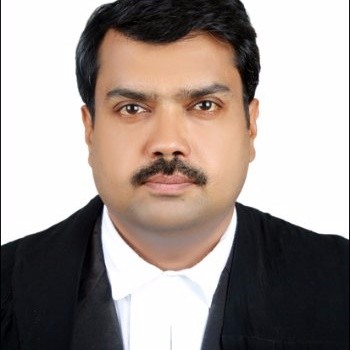
Tag: Lawfirm

  • We all lawyers are fortunate that ‘skill’ is paramount and most valuable factor to be successful and survive in the legal industry- Ambuj Sonal, M&A, PE & VC, IBLJ Future Legal Leader, Forbes Legal Powerlist ,Next Generation Partner-The Legal 500, Associate Partner at Link Legal

    We all lawyers are fortunate that ‘skill’ is paramount and most valuable factor to be successful and survive in the legal industry- Ambuj Sonal, M&A, PE & VC, IBLJ Future Legal Leader, Forbes Legal Powerlist ,Next Generation Partner-The Legal 500, Associate Partner at Link Legal

    This interview has been published by  Priyanka Karwa and The SuperLawyer Team

    How did you end up pursuing a career in law, and what inspired you to specialize in corporate and commercial law, M&A, joint ventures, private equity, exchange control and foreign investment?

    I completed my schooling from a very small town, Bokaro in Jharkhand. I was a science student until my 12th Board, however, I did not find interest in continuing with science and was hoping to change my stream. I started applying for journalism courses in Delhi and thought that this career path is the most suitable for me. I came to know about National Law Schools through my brother and decided to explore both journalism as well as law. I got selected for both, however decided to opt for law.

    I was selected for an internship in 2011 with DH Law (which merged its practices with Link Legal in 2016). During this internship, I worked on a lot of assignments relating to M&A, joint ventures and researched a lot on companies, businesses and regulatory issues. This created a vast interest in continuing in the same field and I was fortunate to receive a job offer from DH Law, Mumbai, post completion of my B.A. LL.B.(Hons.) in 2012. While I was ready to start my career in any given practice area, I found interest in this particular area after I was involved in all the stages of an acquisition deal in 2013. Thereafter, I decided to continue this area of practice.

    Can you walk us through your experience working as an Associate at DH Law Associates and Senior Associate at Link Legal, Mumbai? What were some of the challenges you faced, and how did you overcome them?

    I started with DH Law as an Associate in 2012. It was a smaller set up with great mentors. I had an opportunity to work on various assignments including deals, international arbitration, litigation as well as advisory. The challenge at the initial stage was to learn by yourself and deliver in time. As a fresh graduate, who had no experience of even an internship in a bigger law firm, the major challenge was to meet the quality of deliverables with market standards. With the guidance of the partners of DH Law coupled with my own passion and hard work, I think I was able to meet the required deliverables. Once a law student is required to work as a qualified lawyer, the main challenge is to understand the right issue involved in any assignment. Framing of the right issue is challenging initially, however, if you learn that art, you will succeed in profession.

    DH Law merged its practices with Link Legal in 2016 and I also became a part of Link Legal and worked as a Senior Associate. The main challenge of a Senior Associate is to own the assignment, lead the transaction and simultaneously start training the juniors in the team. Delegation is the key when you take up major responsibilities. There are always late working hours depending upon the work load, however, you need to put that extra effort and concentrate on your value addition on the entire transaction.  

    As the Deputy General Manager (Legal) at Lodha Group, how did you manage to handle the legal responsibilities for one of India’s largest real estate developers? What were some of the significant projects you worked on, and how did you add value to the company?

    The decision to move to Lodha Group came after a lot of thought where I wished to experience the challenges of an in-house counsel. I would say that the legal team in Lodha Group consisted of one of the bests lawyers whose professional approach was top notch. As an in-house counsel there are several challenges with more accountability on whatever you advise and strategies for the company. Lodha Group is one of the largest developers and were in the phase of expansion which required a lot of investments, joint ventures and commercial arrangements with big real estate funds, investors and banks. During my time at Lodha Group, I worked on assignments including setting up of infrastructure park, structured financing deals, debt investment assignments and joint ventures on regular basis. I think my transactional experience working with DH Law and Link Legal helped me to add value in these transactions and achieve the objectives of my team in timely manner.

    You have been recognized among the top individual lawyers for corporate and commercial law in the Forbes India Legal Power List 2021. How did you achieve this recognition, and what advice would you give to young lawyers aspiring to follow in your footsteps?

    I felt delighted and humbled after being recognized by Forbes India amongst the top lawyers (less than 10 years’ experience).  There was no planning to achieve this, frankly, it happened due to the visibility and experience you gain in the market. The client’s feedback is of utmost importance in any feet you achieve. Post this recognition, in 2022, I have also been named as a ‘Future Legal Leader’ by India Business Law Journal and as a ‘next generation partner’ by Legal 500. All these recognitions come only when you are recommended by your clients which means that you have to give your hundred percent on whatever assignments you are working on. A piece of advice to the younger lawyers would be to focus on quality of your deliverables and automatically your visibility and client recommendations will increase.  

    Can you describe your role as an Associate Partner at Link Legal, Mumbai, and the most exciting projects you have worked on in this capacity?

    As an Associate Partner at Link Legal, Mumbai, my role is to work as a leader of assignments within the team, be responsible for client deliverables, business development, managing your resources and work allocation. Some of the exciting transactions that I have worked in this capacity are –

    • Advised Auctus Advisors and its shareholders on its acquisition by YCP Solidiance International, a subsidiary of YCP Holdings, which is a company listed on the Tokyo Stock Exchange.
    • Advised JSW Foundation in setting up of the Skill India Impact Bond, a first of its kind and India’s largest impact bond, launched by the National Skill Development Corporation (NSDC). The other funding members of the SIIB includes, British Asian Trust, the Michael & Susan Dell Foundation, the Children’s Investment Fund Foundation, HSBC India and Dubai Cares, with FCDO (UK Government) & USAID as technical partners.
    • Advised Doncasters Group of Companies in relation to the Indian element of its global acquisition of Uni-Pol Group of Companies.
    • Advised Howen International Fund SPC, a Cayman Island fund, in its pre-series A investment in Sundaravijayam Automobiles Services Private Limited (known as Ready Assist).
    • Advised Almas Global Opportunity Fund SPC, a Cayman Islands based fund, in its investment of approximately USD 4 (Four) Million through primary and secondary investment in Jupitice Justice Technologies Private Limited, a justice technology company based in Chandigarh, India.

    How do you keep up with the constantly evolving legal landscape, and what resources do you rely on to stay informed about the latest developments in your field?

    There are several ways to keep yourself updated. The first and foremost is to read the newspapers every morning. Newspapers capturing the business updates are very crucial and reading articles provides you with the sectoral knowledge and the relevant updates. As a transactional lawyer, you need to religiously start your day by visiting three important websites of the regulators – Ministry of Corporate Affairs, Securities and Exchange Board of India and The Reserve Bank of India. This habit will keep you updated in this constantly evolving legal landscape.

    What advice would you give to the young professionals who are at the struggling phase of their respective careers?

    It is important for young professional in this field to learn as much as they can and develop their skills as a lawyer. We all lawyers are fortunate that ‘skill’ is paramount and most valuable factor to be successful and survive in the legal industry. This is a knowledge-based industry and if you have the knowledge, you will keep getting the work and keep growing in the legal industry, irrespective of your personal/professional background.

    Get in touch with Ambuj Sonal-

  • A lawyer must always remain humble and a student for life- Shivangi Prasad, Author & Co-Founder, Equilibrio Advisory LLP

    A lawyer must always remain humble and a student for life- Shivangi Prasad, Author & Co-Founder, Equilibrio Advisory LLP

    This interview has been published by  Priyanka Karwa and The SuperLawyer Team

    Did you always choose to be an advocate or there were other plans as well?

    I actually wanted to convert my love for painting and creativity into a career and I wanted to be a fashion designer. However, law also always seemed very exciting and I ultimately decided to choose this path. Today I can safely say that I made a good decision. There is immense pleasure in serving the society in a way I am able to do now. Everyday there is a sense of calm and peace and that belief that I made a difference.

    How challenging has it been maintaining a work-life balance and how young legal professionals can learn to strike that balance in their professional lives?

    Today’s working environment has a lot of pressures attached to it with several deadlines and deliverables and deliverables are required as of ‘yesterday’. Running a firm has required me to be on my toes for different reasons everyday. It has been overwhelming on many days too! One thing that really works for me is to try and visualise my week as much as possible and plan it in advance. When I started I felt like planning itself takes 2-3 hours of my time and I couldn’t plan days to the T as there would always be surprises but taking some time to plan my days has really helped me in the long run. It just provides a method to the madness. Further, I have a team of 20 currently. Planning helps me plan their work as well which in turn means they are prepared. In fact, I have often recommended planning in advance to my associates as well and I can see that when they do that too, there is less anxiety, quick delivery and better work life balance. Some days, as I mentioned, can be exceptional depending on sudden work demands. In such situations, its important to prioritise the most important deliverables and be aware that certain other deliverables may suffer and be prepared to let somethings go.

    With having such a great experience on POSH and training in the same, according to you what creates an obstacle for a great work environment in any organisation?

    After having conducted 250+ trainings and 200+ inquiries on this subject, I can safely say that it’s a culmination of a lot of things. There can be several factors that create obstacles for a great work environment in any organization and it can also include aspects such as micromanagement, unhealthy competition, lack of recognition and appreciation etc. However, in the context of the work I do, I think some of the below play a key role:

    1. Lack of respect: Sometimes, based on the complaints I get, it appears as though there is complete disregard for respect for the other person. There is nothing wrong in asking a person out. However, in spite of repetitively and clearly stating that one may not be interested, there still appears to be lack of respect for that decision and constant follow ups. This leads to mental breakdowns sometimes and complaints.
    2. Miscommunications – intent vs. impact: Sometimes, what a person says is very different from what a person understands. While one may say something to help the other, the other feels as though their private space is being invaded in, for example. This also acts as an obstacle for a great workplace. Further, when there is a lack of open and honest communication between management and employees or among team members, it can create confusion, misunderstandings, and a lack of trust.
    3. Inadequate leadership and vision: if leaders do not walk the talk and themselves engage in inappropriate behaviour, there is very little for others to learn. Abusive language is often considered as cool in modern workplaces and the impact is that right from leaders to new joinee – everyone ends up speaking the same language. New joinees often feel ‘that’s the way it is’ and they must become a part of the culture to really be a part of the culture. Often leaders also misuse their position and engage in harassing behaviour knowing that very few people to no one may have the courage to report – thereby percolating the behaviour throughout the fabric of the organization.
    4. Unfair or unequal treatment: Discrimination, bias, or favoritism also ads to toxic work environment that erodes trust and morale. While there are more and more regulations coming in, it is important to inculcate the practice of equal treatment to all.

    You can read more in my book – Handbook on the Law of Sexual Harassment

    What was that one case in your life wrt POSH and Child Safety at work that completely shocked you? If you could share some brief facts about it?

    Given that instances such as these have to be dealt with confidentially, I am not at liberty to discuss facts of any of the complaints I have handled. However, I can certainly say that most of the complaints feel shocking still even after having handled hundreds of them. This is not an area of work where you ever receive a pleasant concern. Anyone looking to work in this space, must consider the fact that such complaints may (most of the times) feel deeply inappropriate, triggering and may even lead to emotional or mental breakdown in extreme cases. Most of the times complaints that involve sexual assault or rape are the most disturbing. One example that I can think of right now is a case in which a child was raped by the father and the mother was aware of it. She did not say anything as she did not want the name of the family to get ruined.

    Congratulations Shivangi on your publications on several topics! But as digital media creates mis-information as well sometimes, how beneficial are the newly built websites and journals for updating yourself wrt regulatory changes?

    I think this is a very important and a relevant question today. I think we have a mix of ways in which information is being put out– some are very professional and sensitive (and that may give you the right information). Some on the other hand may use CHAT GPT for example to create content which you absolutely cannot depend on! also, this culture has someone got stuck to students in a way that often interns quote website links (which could be news paper articles) as legal reference to a legal opinion. They also write down opinions on laws based on quotes mentioned in articles without reading the actual clauses. That gets me worried sometimes as most of the information is misinterpreted. Its important for law professors as well as professionals to guide students and teach legal research. My website www.poshatwork.com also provides regular updates on the law, however, we always always always analyse the original copy of the judgment or the law to put out any summary as well. Anyone who decides to publish must take responsibility because the moment you put out an information, there are people who may depend on it.

    What are the problems according to you that are still encountered by the LGBTQ youth in India?

    Its almost impossible to list down the challenges here given there are so many. The few top ones based on my research, observation and discussions with those impacted appear to be:

    1. Lack of awareness (while a lot has changed, people still tend to use insulting language, they grapple with stereotypical understanding of the community, people misgender, deadname others due to lack of understanding around gender affirmation, people also assume a lot about bisexuality for example which may be completely incorrect)
    2. Discrimination (with lack of awareness comes discrimination. As a result most people from the community are still closeted)
    3. Lack of inclusion (with being closeted comes an apparent lack of inclusion. Even if one is getting an opportunity or doing well for themselves, the society will never know, they will never learn. As a result while things are changing slowly however most people from the community don’t get equal opportunity– be it in education or employment or any other aspect of life. Its like a vicious circle).
    4. Absence of equitable measures (there have been generations of wrong committed. Our society needs equitable measures to correct those wrongs. While some states have launched some measures which have been effective, a lot more needs to be done)
    5. Lack of facilities (infrastructure and facility needs to develop for inclusion. We do not have unisex public bathroom. Public buses are a challenge for trans folx. These need to go through a change and everyone needs to play their part).

    The law does mandate duties for all of us. You can read more about them in my book – Handbook on the Law for Protection of Rights of Transgender Persons’.

    As a legal professional with such great achievements, what motivates you to push harder than yesterday? And what is the role of mentoring specifically in the legal industry?

    As mentioned earlier, making a change everyday pushes me harder. It’s a fantastic feeling to have helped resolved a concern. As a firm, we have conducted 1500+ inquiries, 2500+ trainings and created awareness amongst 3L+ individuals directly excluding all our social media efforts. I believe that’s a good step towards building respectful workplaces but a lot more needs to be done.

    Also as mentioned earlier, today its extremely important for law professors and professionals to nudge students in the right research direction. I may sound outdated, but based on my experience with most students so far, in the world of AI and everything else, somewhere the quality of legal opinions is losing the battle!

    Finally, a word of advice for the upcoming legal professionals?

    Society and law are intertwined. If you have chosen this field, don’t shy away from reading about new developments. A lawyer must always remain humble and a student for life.

    Get in touch with Shivangi Prasad-

  • Struggle is a constant phenomenon and there is no escaping it- Shreya Sircar, Partner at Luthra and Luthra Law Offices

    Struggle is a constant phenomenon and there is no escaping it- Shreya Sircar, Partner at Luthra and Luthra Law Offices

    This interview has been published by  Priyanka Karwa and The SuperLawyer Team

    To give this conversation a start, can you tell us about your background and how you became a multi-disciplinary dispute resolution practitioner and an experienced litigator?

    After my bachelor’s degree from Lady Shri Ram College, I pursued Law from Faculty of Law University of Delhi and master’s from New York University School of Law. I started my career with the Chamber of Ms. Geeta Luthra, Senior Advocate, and had the good fortune of working with the office of Mr. Lalit Bhasin, Amarchand Mangaldas Suresh A. Shroff & Co., SAM Co., and Bharucha & Partners. Presently, I am a dispute resolution practitioner and Partner at Luthra & Luthra Law Offices.

    About a decade & more ago, dispute resolution practice was more of a generalist stream where clients approached civil lawyers for any commercial dispute that needed resolution. As a corollary, being multi-disciplinary was the norm and less of a calculated choice. Specialized practice areas/verticals and boutique firms are a relatively recent phenomenon.

    As for your question of being an ‘experienced litigator’, a lawyer practicing dispute resolution, ought to be a litigator who can ably put forth the client’s case before Court and safeguard client’s best interests.

    What are some of the industries you have worked with, and how have you helped them navigate through regulatory and compliance matters?

    My industry experience includes infrastructure, construction, manufacturing, oil & natural gas, the rolling stock industry, engineering equipment, and hydropower projects, amongst others. I, along with my team assist clients to steer a mandate from start to finish. This involves advising and representing clients on all ancillary aspects including advisory, regulatory approvals, and on-going compliance matters. We adopt an integrated approach, working with multiple practice experts to identify the optimal strategy and structure for a client.

    You specialize in shareholder disputes and contractual claims. Could you please tell us more about the challenges of working on these types of cases, and how you overcome them?

    One of the challenges in handling shareholders or contractual disputes is to mitigate the risk of negative impact on performance, operation, and the business of the company. Occasionally, these disputes can also cause reputational loss, consequently, impacting its profitability and growth.

    I routinely advise clients to ensure that agreements are well drafted to narrow the scope for future disputes. Expressly written, unambiguous contractual clauses are essential to ensure that shareholder and contractual disputes are timely managed and effectively resolved, with minimal adverse effect on the business. The aim is to device strategies to prevent potential disputes while balancing shareholder interests.

    Another aspect to consider especially in shareholder disputes is to set out the mechanism for treatment of individual shares in case of a deadlock. This enables shareholders to offer to buy shares of another shareholder at a determined rate or sell shares to the other shareholders, thereby ensuring that conflicting shareholders exit the company without causing undue harm either to the shareholders’ or the company’s interest. 

    You have represented clients in various courts and tribunals, including quasi-judicial authorities and commissions. Can you share with us a particularly challenging case you worked on, and how you managed to achieve a favorable outcome?

    One of my most challenging cases has been the one that was easiest on facts and merits. While there were excellent supporting documents and what seemed like a straightforward case in our favour, took years and several rounds of litigation to conclude. This was primarily because we were opposing a party in person. Such cases become challenging as they are largely driven by emotions and less by logic, facts, and law. Be that as it may, ultimately court orders and outcomes of cases are premised on evidence and correct application of the extant law and that held us in good stead.

    What are some of the emerging trends in dispute resolution and arbitration that you think will shape the industry in the coming years?

    Use of technology and increased digitisation have permeated most aspects of life and dispute resolution is no exception to it. There are some developing trends even in dispute resolution, with one such trend being, electronic discovery of documents and records. With many businesses being conducted digitally, the process of collecting and reviewing digital data in litigation and arbitration has increased manifold. Our courts are also increasingly relying on technology such as video conferencing, e-filing systems, live streaming of cases etc., to improve efficiency and ensure greater accessibility to the legal system.

    More particularly, in consumer transactions and services, we have witnessed an increase in class actions. Groups of people with similar claims are increasingly joining hands to consolidate their bargaining power to initiate legal action against bigwigs.

    I have also noticed a shift in the volume of work that was previously outsourced to law firms, as opposed to how much is now being accomplished in-house. While there may have been a reduction in the quantum of work being outsourced, dispute resolution practitioners are now also being approached for their expertise in evolving strategies for pre-litigation risk mitigation & related advisory.

    Can you tell us about an experience that had an impact on your career as a lawyer?

    Every case has taught me something new, but this question particularly reminds of an incident in my initial days as a litigator. I was assisting my senior on a matter and during the hearing, I found myself miserably underprepared. After the hearing, I received a well-deserved dressing down from my senior. That episode was my first and last, at being unprepared for a matter. I have since then, been extra cautious at being prepared for a day in Court. I learnt that as a litigator, preparation is the key. While one may develop court craft and gain confidence over the years, one needs to know one’s files thoroughly, from day one.

    Could you please tell us about your future plans, and how do you see your practice evolving in the future?

    The plan is to keep working now, and in the future; try to tap into opportunities of good civil commercial work and strive to get better at it. That is career progression as I see it.

    Lastly, what would you like to say to all the legal professionals out there who are struggling in their initial years?

    Struggle is a constant phenomenon and there is no escaping it. Only the nature and magnitude of struggle change with each career milestone. That said, my two pence worth of advice to young professionals is to keep working hard with utmost integrity, and in these times of instant gratification, give oneself time to progress, because progress takes time. There is no instant switch to success, which term itself, is relative.

    Get in touch with Shreya Sircar-

  • Increasing awareness about IP rights is crucial because it helps individuals and businesses understand the value of their Intellectual Property and how to protect it- Omesh Puri, Partner, LEXORBIS

    Increasing awareness about IP rights is crucial because it helps individuals and businesses understand the value of their Intellectual Property and how to protect it- Omesh Puri, Partner, LEXORBIS

    This interview has been published by  Priyanka Karwa and The SuperLawyer Team

    Sir, to start this interview, please tell our audience about how did you come into the legal profession?

    In my final year of graduation in Commerce, I developed a keen interest in the legal field. My fascination with law began as I studied Company law, Tax and Banking Regulations during my graduation. During my time at Law School, I found myself particularly drawn to criminal law, tax and intellectual property law.

    After completing my studies, I began my career as a Criminal lawyer, focussing mainly on bail matters and appearing primarily before Patiala House Court and Delhi High Court. However, after two years in Criminal law, I was presented with an opportunity to work in the field of Intellectual Property Law, which also included Information Technology, Advertising, IP transactions, and Cross-border IP issues. This new direction allowed me to broaden my knowledge and skills in the legal profession, and I found it to be a fulfilling and challenging experience primarily due to my likeness for Intellectual Property.

    Can you tell us about your experience in representing clients before different IP offices and courts in India? What are some of the most challenging changes you’ve witnessed?

    Throughout my career, I have advised and represented clients on a wide range of intellectual property (IP) protection and enforcement issues. Over the past 14 years, I have observed significant changes in the way IP offices and courts operate. Today, clients are more actively involved, and businesses are increasingly aware of the importance of intangible assets. As a result, lawyers are expected to possess a deep understanding of how a particular business operates and what kind of support they require from outside Counsel. It is essential to stay up-to-date with the latest Case laws, especially in the field of Intellectual Property (IP), where disputes are rapidly evolving, and the interpretation of Law is becoming complex.

    To resolve disputes, new avenues are being explored, and the increased use of technology has been particularly helpful in improving the IP Ecosystem. As a result, IP owners now have greater trust in India’s IP protection and enforcement mechanisms.

    Lawyers are generally less receptive to technology, and I too struggled in accepting new technology during the early years of my practice. However, given the rapidly changing technological landscape, it has become increasingly important for lawyers to be well-versed in the latest technologies to provide the best possible services to clients. As a result, lawyers are now expected to be more technologically sound than before. At LexOrbis, we promote the use of technology among our lawyers/patent agents and paralegals to streamline their workload.

    You’ve worked with clients across a variety of industries, including pharmaceuticals, food and beverages, fashion, and automobiles. Are there any industry-specific challenges you face when it comes to protecting and enforcing IP rights?

    Each industry presents unique challenges when it comes to protecting and enforcing Intellectual Property (IP) rights. In the past, we had more clients from traditional businesses, but in recent years, we have seen an increase in clients from the more sophisticated technical and innovative sectors. Every day, new businesses emerge that require guidance from IP lawyers, and this is one of the most exciting aspects of the job – learning about innovative and unique products and services.

    Collaborating with various industries can expand your knowledge and perspective. For example my experience working with clients in the pharmaceutical industry has highlighted the importance of innovation and public health issues in regulated industries. Similarly, my work with clients in the food and beverage industry has taught me about the significance of branding and consumer trends. Through my involvement in the fashion industry, I have come to recognize the industry’s rapid pace and the constant demand for innovation. Similarly, my time working in the automobile industry has emphasized the significance of sustainability and technology.

    Overall, my work with clients across diverse industries has equipped me with a well-rounded perspective and adaptable problem-solving skills that can be applied to a wide range of business challenges. I believe that as lawyers, our first approach should be to understand our clients’ businesses and the disputes at hand, and then draw upon our experience to resolve them. It is essential to have a deep understanding of each industry’s specific needs to provide effective legal solutions that are in sync with the business requirements.

    In addition to your legal work, you’re also involved in IP rights awareness campaigns with government organizations. Why is it important to increase awareness about IP rights, and what are some of the most common misconceptions you’ve encountered?

    Increasing awareness about IP rights is crucial because it helps individuals and businesses understand the value of their Intellectual Property and how to protect it and in case of violation, what all actions can be taken. Many people have misconceptions about IP law, such as believing that everything can be freely used and shared on the internet or that copying someone else’s work is acceptable as long as it’s not for commercial purposes. These misconceptions are so rampant and therefore it’s crucial to educate the public about IP law.

    You’ve authored several articles on IP law and regularly speak on IP issues at various forums. Can you tell us about a recent development or trend in IP law that you find particularly interesting or impactful?

    Intellectual Property matters are constantly evolving, as businesses continue to develop and encounter fresh issues that require attention. An intriguing trend that has emerged recently is the increased demand for Intellectual Property protection in emerging markets such as the Metaverse, NFT, and Artificial Intelligence markets. The companies are confronting challenges in safeguarding and enforcing their intellectual property rights in these new sectors, and I believe that legal professionals specializing in Intellectual Property must broaden their focus in order to effectively protect their clients’ interests.

    Coming towards the end of this conversation, please give tell our audience about the most valuable lesson of your life.

    The most significant lesson that I’ve learned is to remain curious and to never stop learning like a child in the school. As a legal professional, it’s crucial to stay abreast with the latest developments in Law and Business since they are ever changing. I believe that ongoing expansion of my knowledge and skill set enables me to provide superior legal guidance to my clients and keeps me excited and involved in my job. It’s critical to keep up with recent Court decisions and intellectual Property Office practices. Additionally, I prioritize my interests outside of work as well, such as playing Cricket and riding motorcycle over the weekends.

    Get in touch with Omesh Puri-

  • Be true to what you do, even if you know that what you are doing is temporary- Padma Sinha, Group Head-Technology Law at Fox Mandal

    Be true to what you do, even if you know that what you are doing is temporary- Padma Sinha, Group Head-Technology Law at Fox Mandal

    This interview has been published by  Priyanka Karwa and The SuperLawyer Team

    Ma’am, in order to start this conversation, please let us know what motivated you to be in the legal profession? 

    Law is a dynamic story for me. I do not come from a family of lawyers but have always revered the profession as a justice-serving device. Fundamental values such as moral conviction and public good (even if that is an unpopular choice) always triggered me. Legal egalitarianism leading to social equality and defending civil rights always triggered me.

    Let’s say Atticus Finch motivated me to be in the legal profession.

    Kindly share your experience of studying LLM at the Queen Mary-university?

    I did my LLB in India in a very different teaching environment. When I started my LL.M, at Queen Mary, it came as a surprise- I mean, a pleasant surprise. The teaching methodology was absolutely distinct in ways I didn’t know existed- always highly interactive. A whole hour in each class would be spent discussing the topic of the day, exchange ideas peer-to-peer; so more often than not, after classes we all will be hanging out somewhere discussing and debating on the day’s topics.

    QMUL also gave me plethora of opportunities to write & edit magazines, participate in legal clinics, visit the UN in Geneva, attend insightful seminars, participate in election & Brexit campaigns and a huge lot of other things which I will treasure forever.

    I value my degree certificate a lot; But what I value more is the one year that opened my mind incredibly.    

    IT law professionals are rare in sight, so what motivated you to take up this very specific field of law? 

    Advancement in technology is inevitable. The pace at which technology is developing is unparalleled. I feel there is a need to ensure that the pace of advancement matches the legal safeguards. This is a non-traditional area of law which I see is burgeoning as new technologies emerge. I wanted to be a part of this- By understanding the new techs and thereafter being part of history creating the legal armour to protect ourselves from not only current issues on digital space but also much complex technology issues, yet to come, that may have profound impact on almost every aspect of our lives.

    How do you analyse the freedom of speech over the internet and the restrictions placed upon the same?

    Freedom of speech and expression is a guaranteed constitutional right and the fundamental premise of democracy. As it has been said, a democratic society stands fundamentally upon unfettered debate, discussion, and open dialogue, as it acts as the sole “corrective of government action” – that’s the genesis of any discussion on it.

    The digital era suddenly opened floodgates of information easily accessible to a large section of the society. The outreach of voices now transcended physical boundaries. It however brought with it new risks and challenges to democracy. Many authoritarian populism across the world used internet to propagate disinformation and hate speech. Problem is that people now do not only have different opinion, they have different facts. Like various sets of information to choose form and as per their convenience deem such information as ‘fact’ on the basis of which they form opinion. Therefore, deciding whether a particular speech is worthy of protection, or not, is a slippery slope.

    The ‘harm principle’ and the ‘offense principle’ are often designated as the guardians of social harmony. Our Constitution also provides for reasonable restrictions. But the irony however is with the judgement of what may form ‘reasonable’ – that has a changing face and sometimes an infectious ‘over-sensitivity’ syndrome, leading to dissident voices punished and the freedom curbed.

    The current IT Rules amendment on fact-check can be an example. With the power as this amendment provides to the government, the checks & balances provided by the media & civil society would be affected adversely. The answer therefore does not lie in government taking more control to censor unpalatable criticism. That’s dangerous for a democratic, civil society.

    Ma’am, please let us know what keeps you motivated to deliver the best in your field?

    Motivation comes in various ways. Amongst other things, I think working in a law firm gives you a diverse scope. Adding to it, technology law is a very dynamic area where there is always a new advancement that needs a legal explaining to the client. Honestly speaking there are always some areas where you need research, interpretation and brain-storming. This constant need to get answers and communicate so to the satisfaction of your clients- keeps me motivated. I feel very motivated each time I explain something to a client and they sound very convinced.

    What qualities do you think an IT law professional must possess?

    • Updated on trends in technology is a must
    • Understanding the client’s needs (including client’s products/ services)
    • Thereafter, legal risk assessment and managing them
    • Not just for IT law professionals, but generally drafting and communication skills are important.

    We would like to know more about the current role in the TMT legal team of Fox Mandal.

    I work as Group Head in the Technology team. My Role includes providing a wide range of advisory to clients in the technology space on data privacy, data breach and security, drafting, advising and negotiating various technology contracts.

    In order to wrap this conversation up, kindly provide us with the piece of advice you would like to give to all the budding legal professionals.

    • Be true to what you do, even if you know that what you are doing is temporary. Do not be impatient. I feel law is an area of learning for the rest of our lives. So be patient.  
    • Also, learning is a very important thing to do, as a legal professional, not just technology lawyer. It’s important to constantly un-learn and re-learn. Every person you interact with, in the profession, senior-junior-peer is our learning tool.

    Get in touch with Padma Sinha-

  • Participation in competitions and conferences enhances the networking among likeminded professionals- Krusch Pathippallil Antony, Partner, Arbitration at King Stubb & Kasiva, Advocates & Attorneys

    This interview has been published by Priyanka Karwa and The SuperLawyer Team

    What led you to pursue a career in law and alternative dispute resolution (ADR)?

    To be a part of justice delivery mechanism, and to uphold the constitution of India, I took law as a professional career. Peace-making efforts, and to build a global career, ADR is the best choice. Practising negotiation, mediation and arbitration, with the emergence of ODR is the path for professional advancement to me.

    Could you tell us about your educational background and how it has contributed to your career in law and ADR?

    I am a Law Graduate from Govt. Law College, Ernakulum, under the M.G. University, Kottayam, Kerala. Masters in Business Laws from NLSIU, Bangalore; and MA in Economics from GIPE, Pune. The mix of Economics and Commerce, as the base education, with further certifications in Arbitration / Mediation and Negotiations helped me to concentrate on commercial disputes and resolutions.

    You have been practicing law and ADR for over two decades. How has your experience evolved over the years?

    Over the years I gained more exposure in negotiations, conciliations, mediations and Arbitrations. The more exposures in Banking and Finance as a Corporate In-house counsel helped me to become a professional in Corporate Laws, Debt Counselling cum Mediations and Arbitrations.

    Could you explain your role as an Associate Arbitrator at the Chartered Institute of Arbitration (ACIArb), U.K? How has this position influenced your work in ADR?

    The association with CIArb helped to get sufficient exposure in International Arbitration, and more particularly as to writing of Arbitration Award. This helped me get enough confidence in handling Arbitrations, as a sole arbitrator, and ultimately to get branded as a dispute resolution practitioner.

    You are an accredited arbitrator and mediator at the Indian Institute of Arbitration and Mediation (IIAM). How has this accreditation impacted your career in ADR?

    The accreditation further helped me to get branded as a DISPUTE RESOLUTION EXPERT in the Indian ADR Market; and got associations with National Law Schools and Law Colleges, in various capacities like Guest Faculty, Judges for International Mediation , Negotiation and Arbitration competitions, conferences and symposiums e.t.c.,

    You have also been involved in several international law school competitions as a panel judge for arbitration and mediation. What motivated you to participate in these competitions, and what have been your experiences?

    Participation in competitions and conferences enhances the networking among likeminded professionals. Moreover, we understand the progress of the law and ADR through the young minds in law schools, and emerging practices in ODR & AI.

    As a partner at King Stubb & Kasiva, Advocates & Solicitors, you practice arbitration and litigation across three cities in India. What inspired you to establish this partnership, and how has it contributed to your work as a legal expert?

    Association with King Stubb & Kasiva, Advocates & Solicitors, opened the doors for practice of International and National Arbitration litigations of prominent corporates. Exposure through such association is unique and inspiring, and enhanced my legal expertise.

    You are a member of several ADR societies, including the Asian Institute of Alternative Dispute Resolutions (AIADR), Kuala Lumpur, and the Nani Palkhivala Arbitration Centre in Chennai. How have these societies contributed to your work in ADR?

    Association and membership with credible ADR institutions in India and abroad is crucial in developing ADR as a professional career, and I gained immense knowledge, information and networking through the same.

    You have completed several training courses in arbitration law and practice, including the Advanced Course on Arbitration & Mediation Procedure under WIPO Rules – WIPO Academy. How have these courses helped you grow as a legal expert in ADR?

    IPR and ADR is an emerging field with international scope in practice. WIPO Academy standards of ADR in the domain field of IPR is unique, and the ultimate course of global reputations; and further the course gives opportunity for international networking of IPR professionals and ADR Experts.

    Get in touch with-

  • It is very crucial for a lawyer to have a reasonable understanding of workings of court(s) of first instance, especially procedural law(s)- Satyam Thareja, Founding Partner, TNC, Advocate-on-Record at Supreme Court of India

    It is very crucial for a lawyer to have a reasonable understanding of workings of court(s) of first instance, especially procedural law(s)- Satyam Thareja, Founding Partner, TNC, Advocate-on-Record at Supreme Court of India

    This interview has been published by Priyanka Karwa and The SuperLawyer Team

    To start this conversation, please tell us about your decision to pursue law.

    I finished schooling in 2007, not so long after my father’s retirement from judicial service and right after enrolment of my brother with Bar Council of Delhi. I got to see both of them in invigorating discussions over nitty-gritties of law. This influenced me considerably in making my mind to pursue law. Also, I realised that graduation in law can be foundation for various vocations.

    Can you tell us about your experience as a Law-Clerk-cum-Research Assistant in Supreme Court of India? How did this experience shape your career in law?

    In 2012, few month before my graduation from National Law University, Jodhpur, I got the opportunity to intern with Retd. Justice Dalveer Bhandari, Former Judge of Supreme Court of India. This experience encouraged me to seek engagement as a Law Clerk-cum-Research Assistant. At that time, Supreme Court of India conducted interviews for selection to pool of graduates for post of Law Clerk-cum-Research Assistant. After I was selected, I got assigned to the office of Retd. Justice RM Lodha, Former Chief Justice of India. He was a very hard task-master and very disciplined. However, he was very kind to allow me to pursue LL.M. while working in his office. My experience as a Law Clerk-cum-Research Assistant enabled me to have a better understanding of jurisdictions of different court(s) and tribunal(s) as paper-book filed in Supreme Court of India are comprehensive vis-à-vis question of law / issue. After my term as Law Clerk-cum-Research Assistant got over, I got the opportunity to work as an associate in office of Mr. Sidharth Luthra, Senior Advocate & Former Addl. Solicitor General of India.

    What inspired you to start independent practice and focus on trial court work?

    I got to learn a great deal about working of superior courts in office of Mr. Sidharth Luthra, Senior Advocate. During my time at his office, I realised that when one is young in the profession, judges, senior members of bar & court staff accommodate & condone mistakes to enable a learning curve. However, similar treatment is not easily offered to someone who has some experience at the bar.

    Over the period of more than 7 years, since I have been independently practicing, I have made my own set of mistakes and I have learned from them. A large part of my learning curve, in trial court, is influenced by my stint as panel lawyer for Magisterial Courts with Delhi State Legal Services Authority and by rendering assistance to my father with his work.

    In my opinion, it is very crucial for a lawyer to have a reasonable understanding of workings of court(s) of first instance, especially procedural law(s). It also helps in having a better understanding of the legal issues while working in appellate courts.

    Would you share a cross-examination technique or approach?

    I do not think that art of cross-examination can be taught. It is developed organically by every lawyer through his / her own experiences.

    I have garnered some experience to identify certain crucial concepts. For example, I have seen many witnesses falling prey to confirmation bias. As a lawyer, while doing cross-examination, it is imperative to identify the potential confirmation bias in the testimony of witness and exploit it to raise doubts on credibility of testimony of the witness

    In 2020, you got enrolled in the Supreme Court of India as an Advocate-on-Record. Why did you choose to enrol since you focused on trial court work?

    While working in trial court, I got many indigent clients whose case had merit for them to be argued before superior courts. I could continue providing legal services in the High Court of Delhi but not in Supreme Court of India since I could not do filing there. I got enrolled as an Advocate-on-Record to become eligible to file and pursue such matters before the Supreme Court of India which, in my opinion, need consideration qua individual right of such litigant or have a larger impact.

    Can you tell us about a particularly challenging case you worked on and how you overcame the challenge?

    One of the challenging cases I got to work upon was a medico negligence case. I represented the interest of complainant who, who was otherwise suffering from a terminal / chronic illness, having been advised for a particular surgery, had undergone surgery which did not have a favourable outcome. The complainant chose to contest the matter before State Consumer Commission asserting medical negligence against the surgeon / doctor and the hospital. During the pendency of the matter, upon order of State Consumer Commission, an opinion of medical board from a reputed hospital was taken which recorded that there was no medical negligence. However, eventually, the State Consumer Commission declined jurisdiction as compensation sought was beyond its pecuniary jurisdiction.

    Thereafter, complainant approached me to pursue the matter before National Consumer Disputes Redressal Commission. Upon seeing the file, I advised the complainant to pursue the complaint before the National Consumer Disputes Redressal Commission on the grounds of lack of informed consent and deficiency in service as complainants’ consent form was a standardised pre-printed form. The National Consumer Disputes Redressal Commission, in its judgment, though dismissed the complaint but acknowledged that the usage of pre-printed forms for consent, by the hospital, was administrative arbitrariness and one-sided high handedness and imposed heavy cost on the hospital.

    You have also worked on notable cases such as Rajesh Tyagi v. Jaibir Singh, FAO No. 842 / 2003 before Hon’ble High Court of Delhi. Can you tell us about it?

    The Hon’ble High Court of Delhi in matter titled Rajesh Tyagi v. Jaibir Singh, FAO No. 842 / 2003, dealt with procedural issues faced by Motor Accident Claims Tribunal(s) having jurisdiction in Delhi. The Hon’ble High Court of Delhi directed for Modified Claims Tribunal Agreed Procedure to be followed by all Motor Accident Claims Tribunal(s) which are subordinate to Hon’ble High Court of Delhi and for filing of Detailed Accident Report by investigation agency before concerned Motor Accident Claims Tribunal. These directions have alleviated a large number of concerns faced by Motor Accident Claims Tribunal(s) such as irregular averments in claim petitions, delay in production of documents like proof of income, investigation documents, insurance documents etc., time consumed qua first appearance of parties etc. This has, consequently, resulted in reduction of time span between the date of incident / accident and passing of award.

    I got involved in this matter as an associate to Mr. Sidharth Luthra, Senior Advocate who was appointed as an Amicus Curiae. However, after lapse of some time, I got the opportunity to assist the Hon’ble High Court of Delhi in my own capacity.

    Get in touch with Satyam Thareja-

  • No dispute settlement mechanism is free from problems or misconceptions that surround them, and international commercial arbitration has not been immune from that- Tamal Mandal, Partner, Luthra and Luthra

    No dispute settlement mechanism is free from problems or misconceptions that surround them, and international commercial arbitration has not been immune from that- Tamal Mandal, Partner, Luthra and Luthra

    This interview has been published by Priyanka Karwa and The SuperLawyer Team

    To start this conversation, please tell us your motivation behind pursuing law.

    I am from that era when engineering or medicine were the preferred career choices. Hailing from Kharagpur, with the IIT KGP – a stone throw away – the expectation was that I would sit for the JEE. However, it was a chance discussion before the Class 12 board examination with a friend who wanted to pursue law as a career option that piqued my interest in the field.  

    From there, I started my internet research and mind you, at that time around 2004, there were only a handful of National Law Schools (five to be precise). I narrowed down on NUJS, Kolkata and NLSIU, Bangalore. As compared to now, there was not much information available online or offline regarding career options after graduating or even what to expect in the 5 years that I was going to devote in studying and hopefully enjoying my university life. Having decided to become a first-generation lawyer, I took the plunge and appeared for the NUJS entrance test in January 2004 and then the NLSIU test over the summer. To my surprise, I made it to NUJS and the result filtered in just prior to writing my final paper of the ISC (Class 12) board examination. There has been no turning back since then.

    You have extensive experience in international and domestic arbitration, WTO dispute settlement, and commercial litigation. Could you tell us about a case that you found particularly challenging and how you managed to resolve it?

    To my mind, the best part of being a disputes lawyer is the wide array of dispute related work that I have done over the years. Whether it is litigation or arbitration or WTO dispute settlement or investor-state dispute, I can safely say that the core premises more or less remain the same.

    That said, if I have to choose one challenging case that I have worked on in the last 14 years, it has to be an arbitration dispute where I had a tough ask to resist the enforcement of a foreign award rendered in Singapore in an international commercial arbitration from being enforced in India. The client having failed in getting the award set aside in Singapore (which was the seat of the arbitration and whose courts had jurisdiction in setting side proceedings) wanted to contest the enforcement petition filed before the Delhi High Court. I had to work with very limited grounds as Part II of the Arbitration & Conciliation Act, 1996 does not provide a wide latitude when it comes to opposing the enforcement of a foreign award. Nonetheless, basis research on the party who had filed for enforcement, some novel arguments on contravention of public policy were formulated and advanced as that party’s (i.e., the claimant in this case) name had been struck of the register of companies by the Registrar prior to the filing of the enforcement petition. In other words, the argument was that an enforcement petition could not have been filed by a non-existent entity and granting enforcement would be contrary to the public policy of India. This is turn led that party to file an application for restoration of the name of the company in which my client filed an application as an intervenor. Eventually, with all the lawyering and proceedings, both the parties opened talks with a view to negotiate a settlement.

    What are some common misconceptions people have about international commercial arbitration? How would you address these misconceptions?

    Arbitration as a mode of dispute settlement has been well received since the days of the Alabama arbitration in 1872. I don’t think there are many disagreements as to the value and efficacy of the process given the amount of party autonomy that is vested and from the fact that a wide variety of disputes (commercial, investment, trade, maritime, etc.) have been resolved using arbitration.  

    That said, no dispute settlement mechanism is free from problems or misconceptions that surround them, and international commercial arbitration has not been immune from that. To my mind, the most common recent criticism or misconception (if I may equate the two) concerns the costs of running with an arbitration. From the arbitrators fees to counsel fees to institution fees, it is true that there has been an uptick in the cost that a party has to bear in choosing to arbitrate a dispute. However, I believe that the cost aspect is often offset by the efficiency of the process which can lead to an arbitral award in a much shorter time frame compared to national court proceedings. Second, “well managing” an arbitration is partly in the hands of the parties and their counsels, and this can bring down costs, for example, agreeing and respecting timelines, having a document only arbitration when the claims are simple and evidence is not required, etc.

    Another common misconception is that a party nominated arbitrator means you have someone on your side. The fact that arbitrators, whether it is the presiding arbitrator or the party nominees, have to be impartial and neutral is the bedrock of arbitration and to expect anything to the contrary is equivalent to discrediting the process itself.

    Lastly, the so-called “standard” arbitration clauses from the past are fast losing their relevance. With the blinding evolution of the laws and processes in international commercial arbitration, having a tailor-made arbitration clause in a contract/agreement that is being negotiated is a must to not only safeguard a party’s right but also add to the efficiency of the process when a dispute materialises later from the performance or non-performance of that contract/agreement.    

    You have worked with the WTO as a Dispute Settlement Lawyer in the Appellate Body Secretariat. Could you explain to us the role of the Appellate Body and how it works within the WTO dispute settlement system?

    The World Trade Organization (WTO), as many of the readers may know, is an intergovernmental organization based in Geneva, Switzerland that was established in 1995 and deals with rules of global trade. While one function of the WTO is to negotiate new rules on global trade, the other main function is to resolve disputes between Member States arising from the interpretation and application of the WTO treaties.

    In a first of its kind in the international arena, dispute settlement at the WTO was designed as a two-tiered system. To begin with, if a dispute is not resolved amicably in consultations, a panel of experts (simply called a panel) then decides the dispute that is brought by one WTO Member against another WTO Member alleging that the latter has violated or acted inconsistently with the treaty obligations it took upon itself. A panel issues a ruling which is called the Panel Report. The losing WTO Member has the right to appeal a Panel Report to a standing body of 7 experts who comprise the Appellate Body which at the time of its creation was termed as the jewel in the crown of the WTO. Each Appellate Body Member is appointed for an initial term of 4 years and can be extended for a second 4-year term.  

    The Appellate Body is therefore the final arbiter of disputes between WTO Member States and hands down decisions that are binding upon the litigants. The Appellate Body has the power to consider questions of law raised in an appeal and then to uphold or reverse or modify the panel’s ruling. Each appeal before the Appellate Body is handled by a division of 3 Appellate Body Members in accordance with the timelines prescribed in the WTO Dispute Settlement Understanding. The Appellate Body Members are ably assisted by the Appellate Body Secretariat comprised of lawyers and support staff.

    However, since late 2019, the Appellate Body is no longer functional owing to the United States blocking the appointment of Appellate Body Members. Talks are continuing in Geneva on how to resolve this crisis that requires consensus of all WTO Member States. In the meantime, for those who are wondering as to what is happening to any appeal that is filed, sadly panel reports that have been appealed since 2020 are lying still without any adjudication.  

    You are skilled in providing input into policy framing, strategic planning, and decision making. What are some of the challenges you have faced when advising clients on these matters?

    Much of it depends on who the client is. For instance, when the client is a sovereign government, the considerations and challenges are slightly different. In advising Ministers and policy officials who may want a particular policy to be in place, one has to carefully balance articulating the magnitude of legal risk in having such a policy and what could happen if the policy was to be successfully challenged. In such instances, while there may be commercial considerations, the other important consideration is to carefully consider the larger public interest as well reputational risks in having such a policy in place. Thus, there is an inherent balancing act that a lawyer has to perform between, on the one hand legal risks and, on the other, the policy rationale.

    When I have to do the same for a private client, commercial and reputational considerations become the key. And then I have to be upfront about the uncertainty of what may result from litigating/arbitrating a matter vis-à-vis costs of pursuing it, commercially as well as reputation wise. Let me give you an example, while arbitrating a dispute can result in an award relatively quickly, one has to also consider how best to enforce that award, where to enforce that award and how long will that process take. When such considerations are put forth before clients, they appreciate and take that on board and more often than not involve the layer in making a final decision.      

    You have a Master of Laws (LL.M) in International Dispute Settlement. What inspired you to pursue this field of study, and how has it influenced your career?

    From my early days in NUJS, I was pretty certain that I wanted to be a disputes lawyer. So, when I started out with the dispute resolution team at the erstwhile Amarchand & Mangaldas in 2009, I was exposed to a wide variety of proceedings before different forums – from the Supreme Court to district courts, from arbitration to mediation sessions, criminal proceedings, etc. And these varied experiences set off a spark in me to explore the field of international dispute settlement, like proceedings before the International Court of Justice (ICJ), state-to-state dispute settlement at the WTO, investment treaty arbitrations, etc.

    Thus, the MIDS or the LL.M. in International Dispute Settlement offered jointly by the University of Geneva and Graduate Institute of International and Development Studies became the natural choice given the stellar teaching cast and its location in the heart of the practice of international law and diplomacy.

    Be it public or private international law, MIDS provided me with an unparalleled experience in the field of international disputes. The MIDS was pivotal in my subsequent journey as an international disputes lawyer. It provided me with the platform to pursue an internship with the Appellate Body Secretariat which later materialised into a full-time position as a dispute settlement lawyer. My time at the Appellate Body Secretariat was thoroughly exciting given the types and kinds of disputes that came up for consideration at the WTO in addition to the lifelong friends I made while working there. The WTO stint in turn set me up for a position with the UK Government in London to work on UK’s international disputes engagements prior to my return to India where I am currently a Partner in Luthra and Luthra’s dispute resolution practice.

    Lastly, what advice would you give to young lawyers interested in pursuing a career in international trade law and dispute resolution?

    From my experience thus far, I can perhaps offer a couple of insights: first, do try and pursue higher studies from an institution and subject of your liking whether it is in the United States, the UK or mainland Europe or anywhere for that matter. I found my year of reading the LL.M. to be fulfilling not only in terms of what I learnt but also in terms of meeting new people, making new friends and getting to know different cultures especially when batchmates come from across the globe.

    The second piece of insight I have to offer to young lawyers is not to super specialise early on in your legal career. If somebody is interested in dispute resolution, try working on as many aspects of it that you can i.e., do court litigation, do an ad hoc arbitration, do an institutional arbitration, try your hand at tribunal litigation (for example before the CESTAT, NCLT) and better still work on a criminal law matter before the trial courts. Take my case, over the years, I have been lucky do all of the above and that’s why I always consider myself to be a generalist disputes lawyer which I believe has helped me tremendously in the varying roles that I have taken up the last 14 years.

    Get in touch with Tamal Mandal-

  • Personally, as a senior lawyer at the firm, I feel a great sense of responsibility towards training and mentoring younger lawyers- Akshay Sachthey, Associate Partner, Phoenix Legal

    Personally, as a senior lawyer at the firm, I feel a great sense of responsibility towards training and mentoring younger lawyers- Akshay Sachthey, Associate Partner, Phoenix Legal

    This interview has been published by Priyanka Karwa and The SuperLawyer Team

    To start the conversation, please tell us about your decision to pursue law. You graduated with an Honours in Economics. What made you choose the legal profession?

    Pursuing law was somewhat of a passive decision. My grandfather and uncle were both Senior Advocates of the Supreme Court. Although I did not have much first-hand exposure to the profession with them, given that law runs in the family, it was always in the mix for me. So when I completed my Economics degree and was considering my next move, naturally, law was one of the options. My father nudged me to enrol at the Faculty of Law at Delhi University and that was that.   

    What drew you to corporate law instead of litigation?

    I did intern with a few litigation chambers but most of my time was spent with corporate firms, the longest stint being at Phoenix Legal. I was instantly drawn to the extremely professional set up of the firm and the finesse and sophistication with which the firm’s lawyers were able to advise businesses. I was also fascinated by how corporate law allows you to have an insight into the entire workings of a business. A corporate lawyer plays a key role in advising a business through its entire life cycle – from setting up, operationalizing and carrying on day-to-day activities to shutting shop.

    You have been with Phoenix Legal since you started practising and have risen up the ranks at the Firm. You have also earned accolades from global ranking agencies. According to you, what does it take to make a successful corporate lawyer?

    I have been rather fortunate, having had the right guidance, exposure and support from my colleagues and clients and I think these factors go a long way in shaping the career of a young  lawyer. Having said that, the usual ingredients of hard work, focus and dedication are pre-requisites in our professional without a doubt. Clients expect their lawyers to be professional, responsible and reliable. The journey can be a grueling one and so it is important to hold on to something that keeps you driven and motivated. This could be anything – a knack for problem solving, a competitive streak or something else.

    How important is it for young lawyers to have a mentor to guide them and look up to?

    Extremely. I have been privileged to have been surrounded by accomplished and well-rounded professionals from the start of my career and have drawn guidance and inspiration from them. So personally, I feel a great sense of responsibility towards training and mentoring younger lawyers. In my view, this is key to building a strong ecosystem and a successful corporate practice. A young lawyer’s formative years can be gruelling and it is important for them to have the right guidance. I believe it is also important for leaders and senior lawyers to build an EQ. Something that is surprisingly uncommon in our profession.

    You have diverse experience in different areas of corporate laws. What are your thoughts on the generalist vs. specialist debate?

    Given the pace at which the legal and regulatory environment is evolving in our country, the specialist lawyer undeniably has relevance today. But for me personally, being a generalist has been what I enjoy most about my practice and I’ve been fortunate enough to have had that exposure from ground zero. From advising on an M&A deal one day to dealing with a tax or regulatory proceeding the next, it keeps me on my toes. I am constantly exposed to new areas and issues of law which I feel has given me a well-rounded perspective. I feel that clients do see value in a professional who is able to provide a holistic take on a business problem.

    What do you find most rewarding about your work?

    The satisfaction that comes with resolving a business problem for a client. This could involve something as big as achieving a successful outcome in an M&A transaction or legal proceeding or something as small as providing a clear response to a client’s query.


    Where do you think the practice of corporate and commercial law is headed in the years to come? How do you see things evolving?

    I think legal as a function is being viewed more and more by businesses as a business-enabler rather than a cost centre. There is a flurry of regulatory activity across the country and businesses are more compliance conscious than ever before. In-house legal teams have grown in size and are increasingly active. AI and legal tech already has heads turning and will undeniably make an impact. At a macro level, I feel that a lot of the inefficiency that exists in the system will be weeded out. My sense is that clients and businesses will tend to look more for strategic and high-level advice and corporate advisory as a practice will grow. This brings a big smile to the face of a corporate advisory lawyer like me.

    As a corporate lawyer in private practice, you must have a busy schedule. Please tell us how you maintain a work life balance. 

    That’s simple – I don’t ! But on a serious note, ‘pockets of time’ has been my mantra. You will often hear me throwing around this term with a younger lot of lawyers. As corporate lawyers, we are constantly struggling to find the right balance. I feel that both during the busy phases and lighter ones, it is important to find and utilize those pockets of time, however fleeting they may be, to recharge. What works best for me is listening to music, playing the guitar, taking time out for a run or spending time with my family. With a bit of planning, efficiency and a supportive team, this is achievable in most situations.

    Finally, what advice do you have for our audience of young lawyers eager to make careers in corporate law?

    Take ownership of your work. Deal with every task as if you alone are responsible for it. Think like a Partner from day one. This is one the best pieces of advice I’ve received. My own two bits you ask? Work hard but also work smart. You will deal with a variety of clients and colleagues and different things will make them tick. Be adaptable and perceptive.

    Get in touch with Akshay Sachthey-

  • Pooja Chakrabarti, Partner, Argus Partner on decision to study law, attending University of Oxford, importance of authoring research articles and value of networking

    Pooja Chakrabarti, Partner, Argus Partner on decision to study law, attending University of Oxford, importance of authoring research articles and value of networking

    This interview has been published by Priyanka Karwa and The SuperLawyer Team

    At which point in time did you decide that you wanted to pursue a career in law?

    I belong to a family of doctors and have virtually no lawyers in my family, however, something about the profession always excited me. I do not think that there was a particular point in time when this decision was taken, but in Class XII when I was expected to prepare for Pre-Medical Tests, I found myself looking at Law School brochures instead. Things moved fast and I joined Symbiosis International University, Pune soon after. I do not regret the decision at all and am grateful to have found my happy place.

    You have completed Bachelor of Civil Law from the University of Oxford. Can you share a roadmap which will help graduates aspiring to pursue their higher studies from such prestigious institutions?

    There is no specific roadmap really. Every university is different with distinct parameters to determine eligibility. Standing out is of utmost importance for candidates.

    For University of Oxford, primary impetus should definitely be on securing excellent grades, as the University accepts students from only the top 1-2% in a batch. Besides, it is good to have some solid co-curricular activity on your resume, such as moots, debates etc. Demonstrating passion for a hobby or an interest outside work is also appreciated. Lastly, an original, well-articulated Statement of Purpose helps, which would demonstrate how a candidate is unique. Although I attended Oxford after working for 5 years in a law firm and had never applied for judicial clerkship, many of my classmates had worked as a judicial clerk after graduating from a law school.

    Can you share some of your learnings, both on academic and non-academic fronts, while you were at Oxford.

    Oxford has definitely taught me to be systematic, disciplined and thorough. Considering only the sheer volume of the course material, it was a task to keep up in class. The course material would be circulated to students well ahead of the class and it was expected that every student would be thorough with it before class. In class, we would discuss, dissect, and analyse the material. We would also write our own papers for tutorials and debate the same with the Professors. We were always encouraged to question, probe, challenge and argue, develop new theories and pen them down. I enjoyed the entire academic experience.

    As far as non-academic fronts go, the University has a strong network of alumni, and I am in touch with some great friends I made there. The University also has a hectic social life with sit-down dinners, wine and cheese evenings and BOP (Big Open Parties). I have attended my fair share of these, including the long walks beside the Cherwell. Overall, I cherish the year and all it brought.  

    Being a litigator, you work in several areas like commercial litigation, arbitration, insolvency matters, intellectual property, constitutional law, real estate etc. Is it challenging?

    Every area of law is important and challenging in its own way. I am extremely passionate about my work. As a litigator, it is important to appreciate and understand the business aspects of a transaction and only then can you provide commercially viable solutions to your client. It is also essential to adapt to the ever-evolving commercial environment and analyse how the advice and strategy will affect the client’s business. There is a new challenge every day, but I thoroughly enjoy the rush of adrenalin it brings.  

    Given your busy schedule, how do you allocate time for authoring research papers? Do you think that publishing papers, as a lawyer, boosts one’s career?

    I am generally interested in writing about recent legal developments, and it is also a great way to stay updated, as writing also involves a lot of reading about the subject. Publishing papers improve visibility and demonstrate knowledge. It can also act as an excellent conversation starter. I have had many clients and peers approach me to discuss a particular paper I have written, and provide insights on the same. It is an effective way to stay connected to the larger ecosystem.

    How do you keep yourself updated with the current legal trends, given your busy work schedule?

    I am a voracious reader with varied interests. I subscribe to the databases available and follow them regularly for updates. I try to set aside some time during the workday for this purpose. Besides, Argus Partners has an extremely active and focussed Knowledge Management team that circulates regular updates on current developments, and this helps me keep updated.

    Do you think good grades and moot court experience are necessary to be a good lawyer?  What else do you think is required?

    I don’t think there is one formula to anything. Good grades demonstrate consistency and dedication but there is no hard and fast rule that everyone who scores high marks in law school turns out to be a great lawyer. The reverse is also true. Participating in a moot court is important as it enables young minds to analyse legal issues, research on them, draft contentions and argue, but the professional world is very different from the life a law school offers. What is important for a young professional is to keep learning and stay focussed.

    How important do you think it is to network with fellow lawyers and those from the professional front to grow in one’s career?

    Networking is an important building block. It is important to learn from others, share experiences and insights, and be a part of the larger legal community to build connections. Networking increases visibility, enhances professional reputation and helps develop a strong personal brand. In this age, it is important to be present and active on social media applications, such as LinkedIn. One can learn a lot from one’s peers.

    What advice would you give to a legal professional just starting out?

    One should demonstrate a zeal to learn, hard work, integrity, and ownership. Every assignment should be treated as an opportunity to bring out the best. I always tell my junior colleagues that they should be prepared for the long haul and not get distracted or demoralised with minor setbacks. Find a mentor, if possible, and learn from them. The journey is challenging, but consistency will bring success despite impediments.

    Get in touch with Pooja Chakrabarti-