Tag: Legal Director

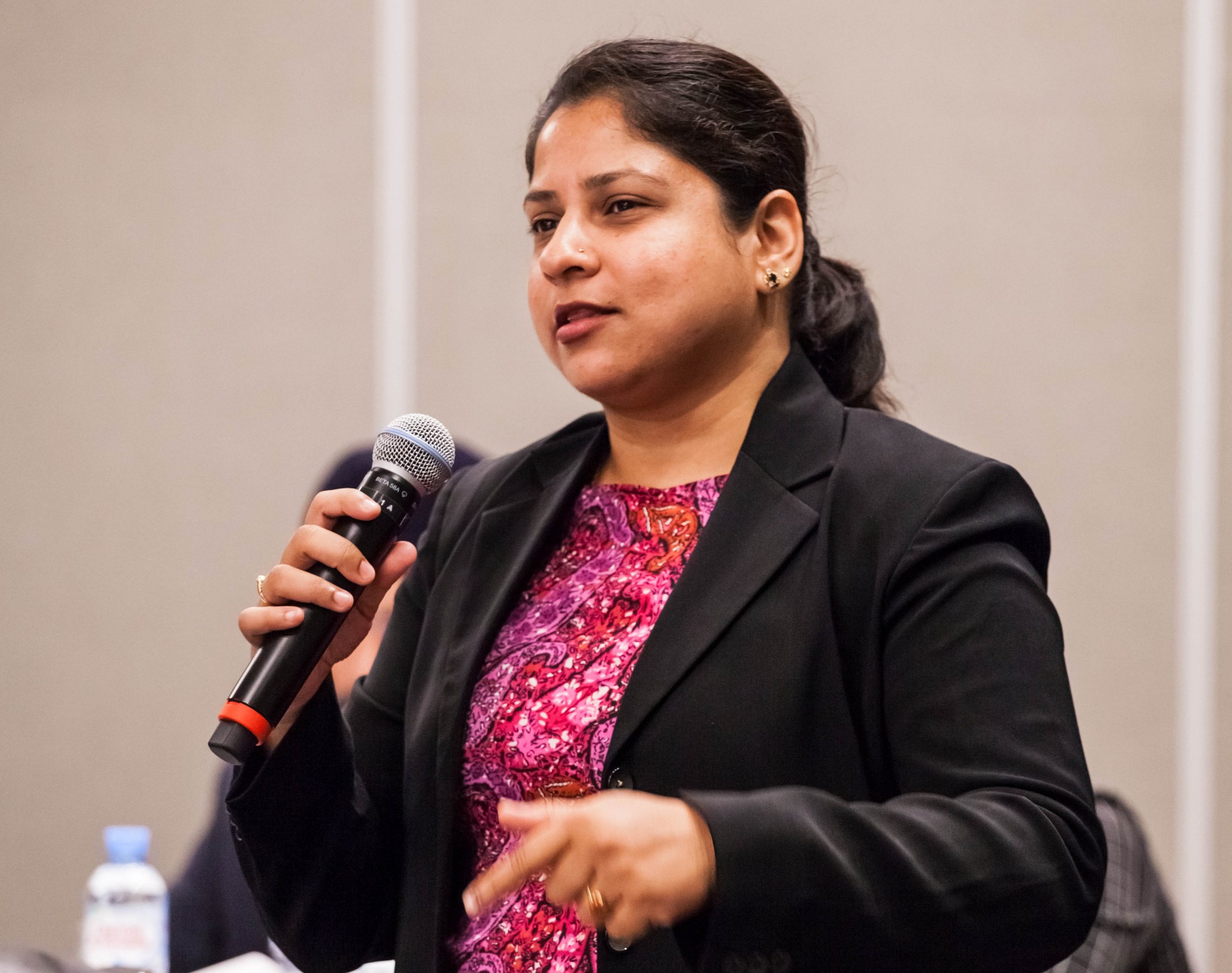
  • “Remain focused and sincere, understanding that there are no shortcuts or substitutes for hard work. Ultimately, what matters most is enjoying what you do and approaching it with passion and pride.” – Mahashwetha Ghosh, Senior legal counsel APAC at Avery Dennison

    “Remain focused and sincere, understanding that there are no shortcuts or substitutes for hard work. Ultimately, what matters most is enjoying what you do and approaching it with passion and pride.” – Mahashwetha Ghosh, Senior legal counsel APAC at Avery Dennison

    This interview has been published by Namrata Singh and The SuperLawyer Team

    Looking back, what ignited your passion for law? Can you walk us through your journey, from those early inspirations to the defining moments that led you from ICICI Bank to your current leadership role at Avery Dennison? 

    When I finished school, the options seemed to be either medicine or engineering, but neither appealed to me as such. As a first generation lawyer, I didn’t know much about anything to do with law, except being intrigued by the popular image of them as fiery  eloquent champions of justice. It started out mostly as wanting to build a career while doing the right thing, being able to stay connected with my long-term fascination with logical reasoning & puzzles to solve problems, and also perhaps from watching too many Bengali courtroom dramas!

    In hindsight, joining ICICI Limited was a great decision because it helped me build a solid foundation in financial transactions and accounting principles – which are the bread and butter basics for a corporate lawyer. It helped that ICICI Limited at the time used to do most of its work in-house, so we got a lot of practice in drafting & reviewing complex contracts and working with (very talented) cross-functional teams. 

    Over the years, I have had a lot of mentors and I would not have been here without the guidance and advice received. I have worked at a couple of law firms, Cisco, United Spirits Ltd and Avery Dennison, and what shaped my path was an abiding  desire to excel, to do challenging work without being afraid to put in the hours needed and to go the extra mile to enable/ support the business teams.

    You worked for a while with Morgan Walker Solicitors in London. How was your experience working there, and what brought you back to India? Can you share the transition part of your career and how it influenced your professional growth? 

    Before joining Morgan Walker Solicitors, I was able to complete the Qualified Lawyer Transfer Test(QLTT) and successfully qualify as a Solicitor in England & Wales. MWS was a deeply useful addition to my UK stint, as I was exposed to complex transactional contracts and the more strategic advice needed for cross-border transactions. 

    I returned to India for personal reasons but am grateful for the years I worked in the UK, because it broadened my perspective significantly, exposing me to a different culture and way of doing things that I integrated into my own approach to the profession.

    As the Executive Sponsor for certain APAC DEI Council initiatives, what initiatives have you implemented to promote diversity and inclusion? How do these initiatives contribute to the overall success and culture of the organization? 

    The three main areas I have focussed on in the past four or five years in the APAC DEI Council are the Safe to Speak Up initiatives, setting up an employee resource group (WeRise) separately for women employees in South Asia distinct from the APAC group and starting a need-based mentoring program in the region. I think we have a long long way to go where DEI is concerned. Yes, the number of diverse employees is increasing and the talent acquisition team is working to balance the playing field at the entry level, but the problems of unconscious bias and years of patriarchy are tough to root out. 

    The initiatives I have chosen to work address three important aspects – providing a platform to raise concerns, bringing women together to support each other and trying to provide advice/ guidance on specific areas identified by employees themselves.

    DEI is something I am deeply passionate about, and I try to stay involved even when there is little bandwidth available. I feel that as a woman leader I should do whatever I can to make things easier for those who have (or will) come after me. Manufacturing is still such a male dominated industry, that women on the shop floor and in leadership roles are limited. The benefits of diversity are too obvious to ignore. But we have to move from mentorship to sponsorship, from silent supporters to active allies, from the safety of status quo to active challenging, from tokenism to owning the outcome.

    You have advised on legislation related to plastic waste management and are involved in sustainability and governance. How do you balance corporate interests with regulatory compliance and environmental responsibilities? 

    Both go hand in hand, specifically to meet the de facto and potentially to surpass the law de jure. At Avery Dennison, we strive to ensure a much higher standard than what legislation prescribes, ensuring that sustainability is upfront and centre of all our products and solutions. While I will not deny there are operational challenges, if the value-add is clearly captured and (if possible) quantified, in my experience there is complete support from the business leadership. 

    Among your many achievements, you’ve been awarded the Global Leadership Excellence Award multiple times. Which project or initiative are you most proud of and why? 

    I have been awarded the Global Leadership Excellence Award four times and I am most proud of the one I received for designing and setting up the Compliance Ambassador Program globally across the company. This program invites participation at the ground level (including the shop floor) from colleagues in a structured program format to help broadbase compliance initiates and messaging, to ensure that we involve every person in building a robust compliance culture in the company. 

    We know to focus on the tone-at -the-top, but it is when the tone-across-the-organisation is in sync with the tone-at-the-top that we can truly change culture and make integrity our true North. I have been amazed and humbled by the talent and motivation of colleagues in finding innovative ways to communicate and engage with all employees on compliance issues and messaging.

    You’ve held leadership positions across India, the UK, and other regions. What are some key differences in navigating legal landscapes across these diverse markets?

    In my current role as Senior Director – Legal for South Asia I support all business divisions of Avery Dennison across India, Bangladesh, Pakistan, Sri Lanka, Indonesia, Malaysia, South Africa and Kenya. While having a wide portfolio is great, it also means a lot more homework, especially when there is a different official language & business culture at play and multiple P&Ls in a matrixed structure. I think there are two critical but oft-ignored components to success as a business partner – familiarity with the legislation, precedents, practices and the ability to find the most suitable support needed for more complex matters. 

    Since we also play an active role in government relations, there is a need to be agile, on the ground and to build key relationships with multiple external stakeholders. Managing crisis and business continuity remotely is, of course,  a completely different ball game.  

    Outside of your professional life, what are some of your personal hobbies or interests that help you maintain a work-life balance?

    First I have to say that personally I think that ‘work-life balance’ is a misnomer! It is almost impossible to find a balance, as work is such a huge part of life itself, therefore impossible to categorise in separate buckets. What works for me is to prioritise what I need to do every day and then not to waste time thinking about my choices! 

    I am the mother of two boys (aged 20 and 16) and love spending time at home with my family as much as I enjoy being a legal professional. Other than that, I travel a lot, enjoy being with friends, cooking and working on various creative crafts (decoupage, resin art, Tanjore painting, crochet, cross-stitch etc). Am also a gardening enthusiast and an orchid addict! I find that being flexible with your hobbies is the key to fitting them into your career in a fulfilling manner. 

    What advice would you give to the current generation of aspiring lawyers who wish to build a successful career in corporate law? 

    Instead of advice, I would call them my tips for a successful career in-house and they would be as follows:

    • Be focused and sincere, and know that there are no short-cuts or substitutes to hard work, which means read, read, read some more and never stop learning; 
    • Be intelligent about how you work, chasing solutions and outcomes, but be wary of being a mere post-box counsel;
    • Appreciate that most corporations are under transformational change in this VUCA world and advising on doing the right thing and finding ethical solutions is becoming more difficult. However, it is not impossible and thats really our job as in-house counsel; 
    • Whether we practice or work inhouse, we lawyers should all uphold the honour of the profession and its standards of conduct; and finally
    • Don’t focus too much on the designation or the job title but on learning and acquiring skills/ knowledge. At the end of the day, what is most important is to enjoy what you do and to do it with passion and pride.

    Get in touch with Mahashwetha Ghosh

  • “I am acutely aware of the need to constantly further one’s learning (especially in our profession), and have worked towards this to pursue my career goals”- Rakshit Sharma, Legal Director at Tata Digital

    “I am acutely aware of the need to constantly further one’s learning (especially in our profession), and have worked towards this to pursue my career goals”- Rakshit Sharma, Legal Director at Tata Digital

    This Interview has been published by Pragya Chandni and The SuperLawyer Team

    Can you share a bit about your background and what initially inspired you to pursue a career in law?

    I spent my childhood in two wonderful, yet very diverse, cities – Hyderabad and Delhi. Moving cities and changing schools at a young age provided me with a rich tapestry of experiences and the chance to develop new interests. I discovered a passion for history and quizzing, which fostered an innate curiosity and interest in delving deep into complex issues. My involvement in debates on various geopolitical issues further fuelled this curiosity. These early interests, coupled with a desire to explore and understand intricate societal issues, naturally led me to the field of law, where I believed these interests would be best nurtured and developed.

    What was your experience like at Nalsar University of Law, and how did your time there shape your legal career?

    I am fortunate to call Nalsar as my alma mater, and my time there was incredibly formative and enriching. At Nalsar, I had the privilege of working as a research assistant for Professor Amita Dhanda at the Centre for Disability Studies. Professor Dhanda’s courses (specifically, Law and Poverty) were not only expertly taught but were also personally impactful. These courses instilled in me a strong sense of academic rigour and discipline; qualities that continue to serve me well in my legal career.

    In addition to the academic exposure, my internships with top corporate law firms such as Khaitan & Co and S&R Associates were pivotal experiences. Although the duration of these internships was short, they were invaluable for learning and absorbing practical skills. These stints provided me with the opportunity to engage in a professional environment, understand the workings of high-pressure legal practice, and build essential interpersonal skills. These experiences collectively laid a robust foundation for my career, blending academic excellence with practical insights.

    How did your LL.M. at The University of Chicago Law School influence your perspective on law? 

    The LL.M. program at the University of Chicago Law School was an experience of a lifetime. UChicago attracts the very best of faculty and students, creating an environment rich in intellectual diversity and extraordinary talent. Studying from leading practitioners in diverse areas of law (including Antitrust Law, Constitution Law and several practice-oriented courses) meant that the experience was rigorous, yet immensely intellectually satisfying.

    The Law School also promotes multidisciplinary education in the truest sense, and I had the opportunity to cross-register for courses with other departments outside the Law School. I pursued my passion for History with the South Asian Languages & Civilizations Department, and took Professor Martha Nussbaum’s course on “Opera as Idea & Philosophy”. It was fascinating to learn from, and submit a paper for evaluation to a person whose work was an integral part of the courses I had studied in Nalsar.

    These diverse academic pursuits, combined with the rigorous legal training at UChicago, significantly broadened my perspective and equipped me with a well-rounded approach to addressing legal challenges.

    You recently completed the Tata-Blue Mint Leadership Program. How has this program impacted your role at Tata Digital?

    The Blue Mint Leadership Program, which I completed a few months ago, was a transformative six-month experience. Selected for the program, I had the privilege of attending classes taught by esteemed faculty from the London Business School. As the sole lawyer in the program, I gained invaluable insights on understanding business through modules such as digital transformation, sustainability, inclusion and finance for non-finance professionals. This was broadened by business acumen and underscored the importance of cross-functional collaboration; a key takeaway being that working in diverse, multidisciplinary teams can drive greater impact within organisations.

    The exposure provided by the Blue Mint Program has significantly contributed to my professional growth and leadership development. These enhanced capabilities have been a tremendous value-add at this stage of my career, enabling me to contribute more effectively to my organisation’s strategic initiatives and cross-functional projects.

    Your career spans prestigious positions from Khaitan & Co to IndiGo Airlines, and now Tata Digital. Can you walk us through some of the pivotal moments that defined your career path?

    I am acutely aware of the need to constantly further one’s learning (especially in our profession), and have worked towards this to pursue my career goals. Among the pivotal moments that have defined my career path, there are three that I would say were pivotal moments for me: 

    First, choosing to work with the competition law team at Khaitan & Co, gave me exposure to complex transactions under the mentorship of an excellent team leader. At the time, competition law was a nascent practice area in India, which made it that much more exciting to be so deeply involved in the creation of precedent. My penchant for research helped in this practice area, given the need to look for precedent from jurisdictions that have been around much longer.

    Second, pursuing the rigorous LL.M program at the prestigious University of Chicago Law School (on partial scholarship) after working with a law firm for 5 years,  fundamentally changed my outlook and reinforced my dedication to intellectual growth.

    Third, on a personal note, the decision to move cities, start a new role, and welcome the birth of my daughter – all within a single week during January 2022 – taught me invaluable lessons in resilience and maintaining a positive outlook amidst rapid change.

    These pivotal moments collectively define my career path and continue to drive my professional and personal development.

    What advice would you give to fresh law graduates who are just starting their careers in the legal field?

    As Roger Federer has said in his recent commencement address at Dartmouth – resilience, grit (over talent), and learning from failure are pivotal. Words of wisdom which, in my opinion, hold true not just for fresh law graduates, but for all of us!

    Get in touch with Rakshit Sharma-

  • “As you evolve as an in-house legal counsel and chart your way towards the GC roles, it is important to pick up the best from your previous experience and apply it at your current workplace to amplify the learnings”- Abhijit Yadav, Legal Director, IndiaColgate-Palmolive (India) Ltd ·

    “As you evolve as an in-house legal counsel and chart your way towards the GC roles, it is important to pick up the best from your previous experience and apply it at your current workplace to amplify the learnings”- Abhijit Yadav, Legal Director, IndiaColgate-Palmolive (India) Ltd ·

    This Interview has been published by Pragya Chandni and The SuperLawyer Team

    Can you share with us the pivotal moments or experiences that led you to pursue a career in law, particularly in the FMCG and Pharma industries?

    • I grew up in a small town in Ratnagiri district in the Konkan area known as ‘Chiplun’. Despite my father being a practicing advocate I never wanted to be a lawyer in the first place; in fact I had taken a vow that I will be anything but a lawyer. One of the reasons for my aversion to pursue law was his unavailability for us due to his active law practice and socio political activities. He is revered and respected for the kind of work he has done for the poor litigants and for uplifting the life of people at our ancestral village. However  during my childhood days I did not have full understanding and always ran away from the thought of following his footsteps. 
    • During school days I always used to be part of the class which used to be known as ‘good’ or having kids which are generally above ordinary. However there was nothing spectacularly great about myself. This continued till class 12 wherein I followed the herd mentality and did what was considered as ‘good’ and ‘intelligent’ but not necessarily ‘my calling’.
    • The pivotal moment came after my 12th Standard exams (which I pursued from science stream with both biology and mathematics as preferred subjects to do what was popularly known as keeping doors open for both medical and engineering courses). After my 12th exams I happened to read an extremely good article which emphasized building on your core strengths rather than weaknesses. The article mentioned about Sachin Tendalukar; how not everyone can be like him but at the same time how we can be ‘Sachin Tendulkar’ of our own field. Suddenly things became clear to me and forced myself to do honest introspection. I accepted the reality that I was not cut out for science stream and in fact had leanings towards language based subjects which I either did not realize or accept as a reality since it was not a very popular choice in the circle I used to feel I was part of. 
    • I decided to pursue law and applied for a five year LLB course at the only law school I had visited till that time during one of my previous summer vacations in Mumbai…the legendary Govt Law College, Mumbai in the year 2002.
    • Life changed 360 degrees after getting into law school. I loved my subjects and they loved me back..this had never happened during my science stream subjects. This further opened up my thought process and I naturally ended up putting more effort not only in my studies but also in extra curricular activities such as Moot courts. I was part of the Moot Court committee as well and participated actively in organizing National & International Moot Court Competitions. 
    • Transition from Chiplun to Mumbai was not easy in the initial days but I was fortunate to have formed some really good friendships which helped me settle down in Mumbai comfortably. After more than 2 decades those friendships have only grown over a period of time like an old wine.
    • Another pivotal event happened in the year 2007 during the campus interview rounds in our college. That year luckily we had companies like HUL and Marico participate in the placement rounds. To try my luck I participated in the placement rounds and was shortlisted for interviews by both these companies. I was selected by Marico and I happened to be the only one from that year’s batch to have been picked up by Marico. That was a very surreal moment in my life and I still remember the reactions from my family and friends who were really happy for me. That’s how my career in the FMCG industry started. 
    • Just like the way I was fortunate to get into pursuing law; I believe I was blessed to have started my in-house legal career with Marico. I learnt some of the best lessons needed to be learnt by a fresher regarding the profession and business both. After spending almost 4 years with Marico; I moved on to join L’Oreal as I was keen to have work exposure in a global MNC at that time.
    • With almost 10 years in the FMCG industry having dealt with Food and Cosmetics in detail, I was keen to explore and broaden my horizons. At the same time I did not want to explore a completely different sector from the perspective of  building my long term credentials in the Industry and hence when Sanofi approached I took up the opportunity as Pharma always appealed to me due to the complexities that a legal professional gets to handle. 

    With over 16 years of experience, you’ve navigated through various legal landscapes within the Indian Sub-continent. How do you approach the unique challenges presented by each industry you’ve worked in?

    • The legal landscape in each of the industries I have been associated with has been varied and full of its own unique challenges but doing the right thing at the right time with the right amount of effort has worked for me throughout my career so far. Not just the legal landscape but the working cultures have been different in each of the companies I had the opportunity of working… Indian, European and now US. 
    • All of us have a unique way of doing things but when we are working in a culturally and ethnically diverse organization, quick adaptability is important along with emphasis on putting organization interest at the forefront always. 

    Throughout your career, you’ve held significant roles in notable companies such as Colgate-Palmolive, Sanofi, L’Oreal, and Marico. How have these diverse experiences shaped your perspective on legal counsel within the corporate environment?

    • I consider myself fortunate to have started my career with Marico and not just that but with a legal team that was led by Mr Amit Rai (Director Legal- Bennett Coleman & Co- Times of India Group). Amit set the tone for my journey as an in-house legal counsel who works closely with business to understand its pulse and in fact works like a business lawyer. 
    • As you evolve as an in-house legal counsel and chart your way towards the GC roles, it is important to pick up the best from your previous experience and apply it at your current workplace to amplify the learnings. 
    • Luckily in all my stints so far I always got the opportunity to work on the most difficult transactions and situations which have helped me sharpen the saw with each set of experience I have had.   

    Given your extensive involvement in contract drafting, negotiations, and litigation management, could you share some strategies or best practices you’ve developed to ensure effective legal support for business operations?

    • Attention to detail is non negotiable for a lawyer. As an in-house counsel and especially in the FMCG space there are always too many things happening one at the same time. This is a very potent ground for missing the key details and hence mastering the artwork of prioritization and stakeholder expectation management is essential.
    • Building your own network of reliable lawyers and firms is extremely critical in high stake matters and situations.
    • There are a lot of things that we do not learn in law schools, drafting and negotiation skills are one of them which are extremely critical for good in-house legal counsel. There is a reason why our profession is termed as ‘practice’ for independent professionals and personally I do not consider myself any different when it comes to possessing these skill sets. We have to keep practicing and learning to ‘sharpen our saw’.    

    As someone who believes in working with an entrepreneurial mindset, how do you balance legal compliance with fostering innovation and growth within your respective organizations?

    • Focus on ‘doing the right thing’ for the organization and ‘zero tolerance for non-compliance’ helps you set the boundaries. Once you know your boundaries, understanding the opportunities to stretch your boundaries becomes much easier. 

    You’ve been instrumental in various initiatives such as setting up joint venturentities, launching new products, and resolving long-standing legal disputes. Can you walk us through a particularly challenging project or situation you’ve faced and how you approached it?

    • As an in-house legal counsel in the FMCG and Pharma industry you are always dealing with some or the other crisis. However I would like to share one of the experiences which really helped me shape my thought process very early during my career.
    • During my Marico days I was responsible for Food Adulteration Act (Now known as Food Safety Act)  Cases in the West And South region of India. There were multiple litigations and we needed concentrated efforts to close them. As a young lawyer I traveled to remote corners of Andhra Pradesh and Orissa (at times traveling through Naxal infested areas without even knowing about it). I learnt that at some of these places local lawyers were actually struggling or avoiding final hearings due to the sensitive nature of the PFA matters. We helped these lawyers with updated case laws and argument notes. As a result we were able to close at least 5 litigations in a year’s time. 
    • This experience taught me very early in my career about the value add we can bring as an in-house legal counsel in the litigation matters and since then I have always adopted this approach to work with my local lawyers across the country. 

    Throughout your career, you’ve received several recognitions and awards for your contributions, including the Chairman’s You Can Make a Difference Award and being recognized as a Game Changer. How do you stay motivated and continue to excel in your role despite the inevitable obstacles and setbacks?

    • I love what I do and hence the quantity of work load does not really bog me down. This is very interesting because at one point of time I seriously hated the thought of being a lawyer. My take away from this is that whatever happens in life happens for good and this attitude helps me keep a positive framework of mind and work better especially during challenging situations. I work with the principle of ‘deliver to delight’ which I learnt in Marico. My focus is to give my best in any given situation and my organizations have been kind enough to recognize my efforts. Last year I received 40 Under 40 by Legal Era and the award was picked up by my wife as I was traveling for work. My family is my biggest cheerleader and the one which keeps me grounded as well. My father is most difficult to please and has set very high standards for professional excellence.     

    Lastly, with your wealth of experience, what advice would you offer to law graduates aspiring to follow in your footsteps, particularly those interested in pursuing careers in corporate law within the FMCG and Pharma industries?

    • First and foremost; enjoy the 5 or 3 years of your law course..they are never going to come back again in your life.
    • Spend time on understanding your subjects; if the foundation is good the building can get taller and taller.
    • It’s better to spend time in the library than doing an internship for the sake of it.
    • People know where you stand on the subject matter expertise in the first 2-3 mins of your conversation. Spend time on building your expertise and your communication skills. That’s your bread and butter for life as a lawyer.
    • Lastly, I would like to share that we are all unique in our own ways. We should strive to find that unique quality and build on our strength rather than weakness.  

    Get in touch with Abhijit Yadav-

  • “My focus on technology law, data privacy, cybersecurity, and intellectual property rights as the General Counsel for our organization is driven by the industry’s unique demands and my passion for leveraging legal expertise in a rapidly evolving digital landscape”- Sandeep Dembla, Director – Legal and Compliance at Evalueserve

    “My focus on technology law, data privacy, cybersecurity, and intellectual property rights as the General Counsel for our organization is driven by the industry’s unique demands and my passion for leveraging legal expertise in a rapidly evolving digital landscape”- Sandeep Dembla, Director – Legal and Compliance at Evalueserve

    This Interview has been published by Pragya Chandni and The SuperLawyer Team

    Can you share what initially drew you to pursue a career in law, especially considering your diverse educational background that includes both commerce and cyber laws, as well as the influence of your family of lawyers, including your father who practiced law in courts and your brother who is a corporate litigating partner with a law firm?

    I chose to pursue a career in law for several reasons. Firstly, my diverse educational background prepared me to handle complex and diverse situations. It also prepared me for a wide variety of challenges given my exposure to various areas, from financial to business environment and to technology. Particularly my exposure to cyber laws helped me understand the intersection of technology, business, and regulations in a fast-paced environment.

    My family’s deep roots within the legal profession were a stepping-stone for me to grow in the sphere with dedication and diligence, which was inspired by my father and brother’s commitment and success story. In essence, my journey into law reflects a blend of personal passion, academic rigor, and the enduring legacy of my family’s commitment to the legal profession.

    Your journey seems to have transitioned from commerce to law. How did your experience at Delhi College of Arts and Commerce influence your decision to delve into the legal field and what further solidified your interest in pursuing a degree in law?

    I had secured admission at the Delhi College of Arts and Commerce (DCAC) in the commerce program through sports quota as a cricketer. Balancing academic pursuits with rigorous cricket practice taught me valuable lessons in discipline, time management, and perseverance, skills that later proved invaluable in my legal studies and career.

    During this time, my father’s guidance was particularly influential. He recognized my potential and encouraged me to pursue a Bachelor of Law degree, understanding that while I may not have been inclined towards courtroom practice, my aptitude for analysis, problem-solving, and attention to details made me well-suited for a role as an in-house lawyer within a company.

    A pivotal moment that solidified my interest in pursuing a law degree was my interactions at the evening law college. The unique setting provided an opportunity for students, many of whom were already working in various government and private sectors, to pursue their LLB degrees while juggling professional responsibilities. It was through these shared experiences and collective efforts to overcome challenges that I gained a deeper appreciation for the power of legal expertise in driving positive change.

    Moving forward to your experience at National Academy of Legal Studies and Research (NALSAR) University Hyderabad, could you elaborate on how your PG diploma in Cyber Laws has complemented your overall legal expertise?

    My experience at National Academy of Legal Studies and Research (NALSAR) University Hyderabad, where I pursued a PG diploma in Cyber Laws, has been invaluable for upgrading and upskilling myself, particularly in the context of emerging legal challenges in the digital age.

    This specialized program has significantly enhanced my overall legal expertise, particularly in the field of cyber law, which is increasingly relevant for all in-house lawyers. The PG diploma curriculum provided me with a comprehensive understanding of the legal complexities surrounding cyberspace, including data privacy, intellectual property rights and cybercrime. It has prepared me to contribute effectively as an in-house lawyer, ensuring that my organization remains compliant with cyber laws, protects sensitive information, and mitigates risks associated with digital operations.

    As the General Counsel for Evalueserve, your focus is on technology law, data privacy, cybersecurity, and intellectual property rights. What inspired you to specialize in these areas?

    My focus on technology law, data privacy, cybersecurity, and intellectual property rights as the General Counsel for our organization is driven by the industry’s unique demands and my passion for leveraging legal expertise in a rapidly evolving digital landscape.

    · Industry Focus: Our work involves managing data, technology platforms, and digital assets, requiring a deep understanding of legal regulations and risks in these areas.

    · Regulatory Landscape: Laws governing technology and data are constantly changing, so I stay updated to ensure compliance and mitigate risks.

    · Strategic Importance: Our organization’s value depends on technology, data, and intellectual property, so I provide strategic legal guidance to protect our assets and interests.

    · Ethical Considerations: I advocate for ethical data practices and responsible innovation to uphold privacy rights and promote trust in our industry.

    · Personal Interest: I am genuinely interested in the intersection of law and technology, and I am driven by the opportunity to apply legal principles to solve complex challenges.

    Your profile mentions your passion for enhancing legal efficiencies through automation and innovation. Could you share an example of a particularly impactful automation project you have implemented?

    Recognizing the manual and time-intensive nature of our day-to-day work, I led several initiatives to evaluate, select, and implement a robust automation solution tailored to our business needs, including contract management software. This involved collaborating closely with cross-functional teams including IT, various corporate functions and stakeholders across business units and CXOs. The complex organization structure and global footprint of my company required end-to-end business process management to define requirements, assess available options, and customize the software to align with our workflows and business objectives.

    I had recently implemented the contract management system at Evalueserve, aimed at streamlining the contract lifecycle process and enhancing efficiencies across the organization, with several impactful outcomes:

    · Centralized Repository: The system provided a centralized repository for storing all contracts, enabling easy access, retrieval, and tracking of contract data across the organization. This eliminated the need for cumbersome manual filing systems and reduced the risk of misplaced or lost contracts.

    · Automated Workflows: We configured the system to automate key contract management workflows, such as contract creation, review, approval, and renewal. By automating routine tasks and standardizing processes, we significantly accelerated the contract lifecycle, reducing turnaround times and improving overall productivity.

    · Enhanced Compliance: The system included built-in compliance features, such as contract templates with predefined clauses and compliance checklists.

    · Reporting and Analytics: The system offered robust reporting and analytics capabilities, allowing us to gain insights into contract performance, identify trends, and track key metrics such as contract volumes, expiration dates, and renewal rates. This data-driven approach enabled us to make informed decisions and optimize contract management strategies.

    Being recognized by Forbes Legal Powerlist as one of the top General Counsels in India reflects your commitment to excellence and innovation. What strategies do you employ to stay at the forefront of legal innovation in such a dynamic field?

    Staying ahead in legal innovation means learning continuously, building partnerships, adopting new technologies, collaborating across teams, and staying flexible.

    · Continuous Learning: to stay updated on legal changes and trends through conferences, seminars, and ongoing education.

    · Strategic Partnerships: working closely with legal tech providers and experts to find innovative solutions.

    · Cross-Functional Collaboration: engage closely with leaders from different functions to share knowledge and build innovation pipelines.

    · Agile Mindset: stay flexible and adapt quickly to changing needs and market dynamics.

    By using these strategies, I steer the legal & compliance function to lead our organization by adding value to the company and staying ahead in a dynamic legal landscape.

    Finally, drawing from your extensive experience, what advice would you give to fresh law graduates stepping into the legal profession, particularly in the realm of technology and compliance?

    For new law graduates stepping into technology and compliance law-

    · Build Strong Foundation: Learn core legal principles and get practical experience through internships.

    · Keep Learning: Stay updated on legal trends and tech advancements through seminars and webinars.

    · Tech-Savvy: Learn legal tech tools like contract management systems to streamline processes.

    · Stay Ethical: Follow ethical standards, especially in areas like data privacy and cybersecurity.

    · Network: Build connections in the legal community for mentorship and career opportunities.

    By following these tips, you can prepare for success and contribute to the evolving fields of technology and compliance.

    Get in touch with Sandeep Dembla-

  • “I have always been fascinated by how FinTech can break down barriers of reach, scale and physical paperwork, create new opportunities, and redefine the way we think about financial services”- Sachin S., Director Legal-Regulatory & Licensing at PhonePe

    “I have always been fascinated by how FinTech can break down barriers of reach, scale and physical paperwork, create new opportunities, and redefine the way we think about financial services”- Sachin S., Director Legal-Regulatory & Licensing at PhonePe

    This Interview has been published by Pragya Chandni and The SuperLawyer Team

    Can you share with our listeners how your journey led you to the FinTech sector, and how you came to specialize in laws governing the FinTech?

    Certainly! My journey within FinTech has been both exciting and fulfilling. It all began with a keen interest in technology and its transformative potential in financial inclusion.

    During my early years as a lawyer, I observed the rapid growth and innovation in the FinTech space. I was fascinated by how startups were leveraging technology to create innovative solutions that addressed challenges in the financial industry. This led me to delve deeper into understanding the intricacies of FinTech law which continued to do a catch up behind technical innovation.

    As I continued to work with startups, I realized that they face unique legal challenges that require specialized knowledge and expertise. From navigating complex regulatory landscapes to protecting intellectual property and ensuring compliance with evolving laws, startups in the FinTech sector need legal guidance tailored to their specific product offering and target audience.

    Over the years, I have had the privilege of working with BankBazaar, KredX, Flipkart and Razorpay leading startups at various stages of their growth. This hands-on experience has allowed me to develop a deep understanding of the industry’s nuances and the legal and compliance frameworks that govern it.

    In addition to working directly with startups, I have also been actively involved in the broader FinTech community, attending closed group industry body forum discussions/ committees and seminars, and staying updated on the latest trends and developments in the industry. This continuous learning and engagement have been instrumental in honing my skills and staying ahead of the curve in the rapidly evolving digital finance and payments industry.

    You’ve had a diverse career path, ranging from law firm to in-house counsel. How have these different roles shaped your approach to legal advisory within the startup ecosystem?

    Starting my career with a law firm provided me with a strong foundation in understanding the intricacies of legal practice and the importance of rigorous research, analysis, and advocacy. Working in a law firm environment exposed me to a wide range of clients and industries, allowing me to develop legal skills and the ability to adapt to different regulatory challenges and scenarios.

    Transitioning to an in-house counsel role was a pivotal moment in my career. It offered me a unique perspective by immersing me directly into the operational and strategic aspects of a business. As an in-house counsel, I had the opportunity to work closely with business leaders, entrepreneurs, and cross-functional teams, gaining insights into the day-to-day challenges faced by startups and the broader business considerations that influence legal decisions.

    This dual experience has enabled me to approach legal advisory within the startup ecosystem with a holistic and pragmatic mindset. I understand the importance of aligning legal strategies with business objectives, prioritizing risk mitigation while fostering innovation, and providing practical solutions that support startups in achieving their goals.

    Moreover, having navigated both the law firm and in-house environments, I appreciate the value of collaboration and clear communication between legal counsel, business leaders, and cross functional stakeholders. I strive to build strong relationships based on trust, transparency, and open dialogue, ensuring that legal advice is not only legally sound but also actionable and tailored to the unique needs of the organization.

    What sparked your interest in the FinTech and financial sectors? Could you elaborate on some of the innovative strategies you’ve employed in your legal practice?

    I have always been fascinated by how FinTech can break down barriers of reach, scale and physical paperwork, create new opportunities, and redefine the way we think about financial services.

    In my legal practice, I adopt a proactive stance towards regulatory compliance. Rather than reacting to regulatory shifts, I work with stakeholders to foresee future trends and develop compliant strategies from the get-go. This approach allows me to navigate the regulatory landscape confidently and strategically.

    Additionally, I believe in collaborative relationships between startups, financial institutions, and regulatory bodies. By fostering open dialogue and partnerships, we can create a more harmonious ecosystem that encourages innovation while maintaining regulatory compliance and consumer protection. It is important to have regular open discussions with the regulators and licensing authorities to understand their perspective and their take on risks and consumer protection.

    Given your extensive experience in areas such as digital lending, payments, and data protection, how do you stay updated with the rapidly evolving regulatory landscape in the FinTech industry?

    Staying updated with the rapidly changing rules and regulations in the FinTech industry is crucial. To maintain a comprehensive understanding, I employ a systematic approach to staying informed. This approach allows me to deepen my expertise, refine my analytical skills, and adapt to the evolving regulatory environment effectively.

    Firstly, I regularly read industry news, updates, and legal articles about FinTech. This helps me keep track of new rules or changes that could affect the industry and understand emerging trends related to FinTech.

    Secondly, I attend seminars, workshops, and conferences focused on FinTech regulations and compliance whenever possible and actively participate in industry forums. These events provide valuable opportunities to learn from experts, engage in discussions with peers, and explore important issues in the field. Participating in these events allows me to share ideas, learn new strategies, and gain different perspectives on how to address regulatory challenges effectively.

    As a mentor and leader, you’ve curated a proficient team of lawyers. How do you foster an environment of responsibility and dedication within your team, especially in such dynamic industries?

    A captain is only as good as their team! Creating an inclusive work environment and ensuring equal opportunity within the team has always been a top priority for me. Here’s how we collaboratively approach this as a team:

    Clear and open communication is fundamental to our team’s success. By setting transparent expectations and outlining our collective goals, we as a team develop a roadmap that empowers each team member to take ownership of their roles. This clarity not only offers direction but also cultivates a sense of purpose and accountability among all team members.

    In the fast-paced FinTech, the power of collective intelligence is invaluable. We foster an environment that encourages knowledge sharing, open dialogue, and teamwork. This collaborative spirit enables us to harness diverse perspectives, drive innovation, and adapt effectively to challenges.

    Recognizing the importance of celebrating achievements and milestones, we make it a point to acknowledge each other’s hard work, innovation, and dedication. This approach not only boosts morale but also fosters a culture where excellence is both recognized and encouraged.

    Throughout your career, you’ve provided guidance on contract management, regulatory compliance, and legal matters. Could you share a particularly challenging case or project you’ve worked on and how you navigated through it?

    One of the exciting projects I have worked on involved advising BankBazaar, my previous employer, on expanding into new international markets. The main challenge was dealing with different rules and regulations in each country about financial services and technology. Each place had its own laws, making it hard to make sure we followed all the rules.

    To tackle this, I led a team to study the rules in each country carefully. We looked at what the local regulations were for the FinTech industry and what risks we might face. Based on this research, we created a detailed plan to help us follow the rules in each country while still achieving the company’s goals. 

    Reflecting on your journey, what advice would you give to fresh graduates aspiring to pursue a career in law, especially those interested in specializing in the FinTech sector?

    Here’s some advice I’d give to fresh graduates aiming for a career in law, especially in the FinTech sector. First, focus on developing your critical thinking and problem-solving skills. These skills will help you tackle complex legal issues and find innovative solutions, making you stand out as a valuable legal professional. Second, be resilient and adaptable. The world outside law school can be challenging, so having the perseverance to overcome setbacks will help you grow stronger in your career.

    Next, stay updated with technology and legal advancements. The legal sector is constantly evolving, and being tech-savvy will help you work more efficiently. Also, practice negotiation skills. These abilities will be crucial when resolving deadlocks and securing positive outcomes for your clients. Additionally, seek out a mentor or guru in your field of interest. I was fortunate enough to find one who guided me through both professional and personal challenges, providing invaluable insights and support.

    Get in touch with Sachin S.-

  • “Culture plays a very important role not just in doing business or solving legal issues, but also managing the teams”- Deepak Maharishi,Legal and Contract management Director,  Alstom

    “Culture plays a very important role not just in doing business or solving legal issues, but also managing the teams”- Deepak Maharishi,Legal and Contract management Director, Alstom

    This Interview has been published by Pragya Chandni and The SuperLawyer Team

    Can you share with us the pivotal moments or influences in your life that led you to pursue a career in law, especially considering your background in commerce?

    I finished my CS and Law in the same year and started my career as a Company Secretary in Delhi. Soon after that I realized that a CS was potentially working (and reporting) to either a CFO or a GC. Since I already had a degree in law, I wanted to clearly pursue that path. However, it was only after I was really mentored by the Senior Counsels in GE that I could really see that world as to what their day was like. I tried my hands on small assignments, thanks to my mentors in GE, which were given to me with no formal change in my role, but I was quite happy to see that dimension of profile additionally. This motivated me to then take a step further and eventually move from core CS role to Legal Counsel role in my career.

    You’ve navigated through various sectors, from real estate with Emaar to transportation with Bombardier and now at Alstom. What drew you to specialize in legal affairs within these industries, and how do you adapt your expertise across different sectors?

    In Emaar, I worked as a company secretary where I reported to Head – Legal and CS. I could see how busy but passionate he was in delivering all the assignments making sure that Emaar was progressing well on its growth path in India. It was my first job, so I was handling whatever came my way, which by the way was unbelievably exciting for someone who had just started the career. Apart from litigation management, I believe I was exposed to almost all major corporate transactions during my tenure.

    In GE, again joined as a corporate governance person but with a very small team. Thankfully, I had my previous experience and so managing compliances for a substantially lesser number of companies was quite relaxing. However, here I developed and delivered our solutions on the parameters of cost, speed, and quality. This very concept made me independent in terms of taking my own decisions and selling the ideas to bosses and eventually to other businesses that we were supporting. I also started informally working with senior counsel in GE on legal agreements. I could see how a lawyer / governance person can impact the business and the board of directors do listen to them!

    Bombardier (and now Alstom) has been an entirely different journey. Just after joining, in 4 months I was heading the function which continues till date. This demanded from me that I not only understand the business as a whole or the issue but derive the solution and own it. Whether it is public procurement, competition law, contract laws, numerous agreements, litigation, IPR, investigations, mergers, de-mergers, negotiations with suppliers / joint venture partners / customers,  setting up an entire function, developing teams, simplification, supporting other regions beyond India, handling an international team…thanks to this profile I have done it all and still find every day as exciting as it was my first day.

    Your journey encompasses experiences in both burgeoning companies like Emaar and established giants like General Electric. How have these contrasting environments shaped your approach to legal affairs and leadership?

    A Company like Emaar which was so well established in Dubai was entering into India and at the time when real estate was booking (prior to 2008 financial crises in the US). I witnessed aggressive growth, numerous due diligence exercises, and finally preparing for one of the biggest IPOs in real estate (although didn’t get successful). Within a year we were working with investment bankers independently while tremendously supported by our managers. Everything was a ‘first’ that we did there and brought a unique experience. My core learning has been speedy delivery and workload management here.

    GE on the other exposed me to apply my learnings but in a more organized manner. There we specialised how simplification even in a Governance function can enable the businesses. It was great learning how a governance function can focus on cost, speed and quality and support business.

    Bombardier (now acquired by Alstom) has been an entirely different world where I have seen business very closely. In order to adapt in a company like Alstom (and Bombardier) which works with government for building the railway transportation in the country, the biggest pillars of my profile are enabling the business by anticipating the risk while giving approval; and then immediately after winning the business, making sure that in the project execution we make sound progress by addressing all contingencies and surprises. By far, this very role where I am working in all dimensions (bids, projects, legal affairs, governance and compliance) has taken me to simply great heights in terms of analysing the problem and carving out strategy for resolving the issue for the company.

    Even after working in these different companies and environments, my learning underscores the paramount importance of integrity and a genuine concern for individuals.

    As someone who has managed complex legal matters across multiple regions, what are some of the key challenges you’ve faced in ensuring compliance and effective contract management, especially in diverse cultural and regulatory landscapes?

    Culture plays a very important role not just in doing business or solving legal issues, but also managing the teams. At one point I had the privilege of handling 7 lawyers from 7 nationalities, and this has been a surreal experience.

    From customers and partners standpoint, it is extremely important which are the areas that are most important for them as part of their brand equity or their culture. That area may not be relevant in other regions or strangely enough, in fact customers in one country may definitely want you to provide a better solution compared to the country you are coming from. This is very sensitive and must be handled very carefully. Negotiation, resultantly, becomes extremely crucial as to how we can still put forward our proposal.

    I still remember, I was in South Korea doing one negotiation and the potential local partner asked me a question. I said “yes, agreed”.  And then he continuously asked me the same question. I said “yes” again and again. My European colleague who was a business development director then intervened and said, “which part of Y-e-s is not clear”?  and then we all laughed.

    My learning is that all the efforts must first go into developing trust with a diverse and cross-cultural environment.  This is non-negotiable and anyone can sense it beyond the boundaries of language.

    On Compliance, it is extremely important that the message is understood in the same way it was delivered. A simple training like dawn raid may not be fully understood by a team of engineers sitting in another country who have no relation with such matters and yet you want that everyone must understand it well as you can’t be present in that premises personally.  This is my personal experience when I did a compliance tour in India, Thailand, Malaysia and Singapore. I thought I could repeat the slides which I have done many times, but the fact that I was going to engage with entirely different nationalities made a huge difference. In India, for e.g. for a competition law training, I can bring the BCCI case and cricket.  Not possible for countries which have no relation or craze for cricket for instance.

    Your role involves leading multidimensional teams comprising lawyers, company secretaries, and engineers. How do you foster collaboration and ensure alignment towards common goals within such diverse teams?

    It is a natural reflection of people that probably they are working with their different objectives and have no connection whatsoever with other team members in different profiles. Yet somehow, they must report to one manager. This mindset requires change otherwise function can’t deliver.

    My endeavour is to first of all make them understand in an open meeting what every sub-function is doing and how they contribute to organizational goals. At the same time, they are informed that a decision on a particular matter requires concurrence of these functions together. Beyond the individual objective setting cycle, I don’t shy away from sharing country level larger objectives to practically tell them how they will be achieved by way of collective working.

    Cross alignment is also ensured with one function taking a lead and inputs from other functions are obtained.  For instance, when we are doing a new business review (bids), then legal counsel will take all the lead and work on the risk profile, however, he/she is expected to take the lessons learnt from current projects from a contract manager who happens to be an engineer.  Likewise, a contract manager, while addressing a key item to a customer which can become a potential issue later, must be supported by a lawyer to set the tone, language, intent and evidential value.

    Lastly, there are team motivational ideas which we work on in which all the heads of these 3 sub-functions make a cross functional team and engage with all the members. This has turned out to be a very good tool for us for having camaraderie among the team members.

    With your interest in astrophysics and metaphysics, how do you integrate these seemingly disparate interests into your professional life, and do they influence your approach to legal strategy or problem-solving?

    Both these topics provide a broader perspective and deeper understanding of the world around us.

    I have personally become a better listener after paying attention to these topics. Inclusiveness requires you to open your mind first and destroy the ‘I’ factor. I don’t think there can be any better tool than learning about the Universe and metaphysics for this.

    These topics also touch upon ethical considerations and understanding these concepts can help us make decisions that align with right values.

    It also involves complex and abstract thinking which can improve the problem-solving skills.

    I truly believe that this unlimited and never-ending knowledge of Universe and metaphysics can lead to personal growth and development. This can improve self-awareness and emotional intelligence which are important factors in decision making.

    You’ve been recognized for your contributions to the legal field, receiving awards such as the Asia Law Business Award for Best Transportation Legal Team. Could you share some insights into the strategies or initiatives that have contributed to such recognitions?

    LEGAL: With an astounding amount of around 1 lakh crores of tenders submitted during 2023, the legal teams comprising just 3 members have supported the business with more than 30 tenders during the year. The tenders span across railway stock, railway signalling, and railway services segment with multiple customers in Central and State Governments. The terms and conditions of such tenders are influenced by international funding agencies in addition to Govt of India Public Procurement guidelines, ‘Make in India’ orders and Restriction orders related to land borders; amidst all other legal nuances.  The team also has been engaged in strategic partnership discussion where they play a pivotal role in supporting the business teams. While the team delivers on this key task, their focus continues to remain on adopting legal tech and automation.

    CONTRACT MMANGEMENT: The average project lifecycle is 7 years for urban rail transportation projects and more than 30 years for mainline railways including long term maintenance contracts. With a team size of 20, the contract management team has been successfully executing as many as 50+ large railway contracts with various government customers for delivering the backlog.  Their key deliverable during last year has been successful cost avoidance, cost claim, variation orders, cash negotiations, liquidated damages avoidance.

    CORPORATE GOVERNANCE: With 6 industrial sites, 2 major engineering centers, 3 legal entities including 1 Joint Venture with Indian Railways, Employee trusts, multiple committees, around 14 Directors across entities and 1 Branch Office of foreign associate in India, the company not only caters to domestic project needs, but also delivers for international projects. Corporate Governance in such a scenario becomes extremely important and at the same time crucial for meeting the compliances for the company. Our CS team during last year, has completed a strategic merger, strategic dividing in joint venture, capital repatriation going beyond the routine compliances.

    While we focused and achieved these strategic deliverables, I am very happy and proud to share that our teams have taken special initiatives in process automation, data analytics for risk management, legal tech solutions and developing KPI metrics for themselves.  

    Considering your extensive experience and achievements, what advice would you offer to law graduates aspiring to embark on a successful career in the legal field, particularly in the dynamic landscape of corporate law and compliance?

    I would recommend the following to my young friends:

    1. Education was a ticket through which you have (or will have) entered into an organization. The company hired you for your excellent education but also had expectations in mind that you are capable of picking up what they would like you to do.  They know that you will take time to learn and grow. That’s what you must prove.
    2. Be inquisitive. Start asking questions as soon as you enter an organization. This is extremely important for a lawyer and business counsel. Understanding the business model is extremely important at first than understanding the issue at hand.
    3. Learn the cash cycle of the company / your client as to how a company earns its own money. Always remember that any decisions that you will take as a GC / Practising Advocate eventually will impact the business of the company. Moreover, even if you are preparing to work as a Compliance Manager, this will really help you.
    4. In the initial learning years, unless absolutely necessary, don’t be in a hurry to say “no, this is not my job”. This is one of the most important things that has helped me personally. I have understood the entire business just by helping someone in his problems whether it required a legal opinion or not.
    5. You are a good lawyer if you can derive a solution which helps your company and client. But you are on a path to become a better lawyer if someone has trust in you with his personal issues. Develop that trust!

    Get in touch with Deepak Maharishi-

  • A Tale of Go-Getter Mentality, Collaboration, and Cultural Navigation” – Smitha Chandrashekar’s Journey from Singapore to Legal Director at HARMAN International

    A Tale of Go-Getter Mentality, Collaboration, and Cultural Navigation” – Smitha Chandrashekar’s Journey from Singapore to Legal Director at HARMAN International

    This interview has been published by Namrata Singh and The SuperLawyer Team

    Your career journey spans across various industries and geographies. Can you share a bit about how you started your career and the key moments that shaped your path to becoming a legal director at HARMAN International?

    I started my career in Singapore and as an outsider and without much prior experience and knowledge about the legal field in Singapore, it was no doubt an arduous task. However, being a go-getter and having been blessed with good mentors as well as supportive colleagues, the journey so far has been really amazing. Diverse industries and countries have particularly helped me achieve certain things that are so invaluable and pertinent even today. For instance, the initial approach adopted to settle within a particular industry moulds your entire work life in that particular industry. Reaching out to the right people, gathering information about the actual “source” of information, finding mentors and peers, trial and error processes etc are all the key factors that contribute towards growth. Technically, one may be brilliant but if an individual has zero skills in all other aspects, it would be impossible to grow. Most importantly, one must be humble, grateful, dedicated and eager to learn. These soft skills coupled with a strong technical background pave the way for a successful career!

    As a legal director, you’ve been described as a “transformation powerhouse.” What drives your passion for transforming legal processes within organizations, and can you share an example of a particularly impactful transformation project you’ve led?

    I have a very keen eye for detail and this quality has probably helped me with the transformation projects. If a particular area of law can be dealt with in a better manner, I jump into action immediately. It is also equally important to involve all the right stakeholders right from the beginning so that all aspects are covered beforehand. In one of the companies I worked for, the entire negotiation life cycle of a particular agreement (which was the bread and butter of the business) was 250 days. After various discussions with all the stakeholders, I identified the gaps and came up with a gap analysis. Following this, an SOP was put in place which clearly articulated the roles and responsibilities of each of the stakeholders involved in the process along with the timelines. The project went live and the entire negotiation was completed in 30 days (as opposed to the 250 days)! This had a huge impact on the revenue recognition i.e. the company started to see profits in a relatively short time.

    You’ve been involved in setting up subsidiaries and clinical trial laboratories across the Asia Pacific Region. What challenges did you face in these endeavors, and what strategies did you employ to overcome them?

    Setting up entities is a different ball game altogether. Every such project is unique because the requirements vary on a case-by-case basis. For example: a representative office was set up in a particular country (as opposed to setting up a subsidiary) owing to various legal and taxation challenges. While the legal team is overall responsible for setting up entities, the commercial analysis at the very beginning should be performed by the Finance, Taxation and Business teams respectively. There should be a clear path to why a particular entity should be set up, what strategy should be adopted, Pros and Cons should be weighed carefully and above all, would this entity really matter ten years down the line…these are a few initial as well as crucial points which ought to be covered. In terms of challenges, this was the exact challenge I faced initially i.e. I used to go ahead with setting up entities purely based on Business decisions. Over a period, I realized that there is much more to it and then started to collaborate with various teams to understand the process thoroughly. In the entire scheme of things, the major challenge is to get everyone involved aligned (as different individuals have different temperaments, approaches etc).

    Being a firm believer in sharing knowledge, you often speak at conferences and address students as a guest lecturer. What do you enjoy most about engaging with the student community, and what message do you hope to impart to them?

    The best part about engaging with the students is their curiosity and line of questioning. They certainly think differently and constantly challenge as well as fascinate me! I also thoroughly enjoy it when the students outwit me. Also, I get to learn a lot in the bargain.

    Your educational background includes a Diploma in Information Technology Law and certifications from Harvard University and UNITAR. How have these additional qualifications influenced your approach to legal practice, particularly in the rapidly evolving field of technology law?

    If I don’t upgrade myself with the relevant qualifications promptly, I will be a loser. Going by this philosophy, to the extent time permits, I continue to upgrade myself in the areas of interest as well as relevance. By doing so, I can add more value to the organization by either introducing appropriate changes, upgrading the existing policies or contributing better in the management meetings.

    In your role at Hitachi Data Systems, you managed negotiations for a variety of commercial contracts across different regions. What were some of the key challenges you faced in navigating these negotiations, especially in diverse cultural contexts?

    Good question! Yes, diverse cultural backgrounds do matter to a great extent in contract negotiations. Initially, it was very difficult because I was new to the company and also the entire ecosystem. So there was a steep learning curve. Once I overcame that part came the cultural challenge. In Singapore, people are very wary of time and speed is of the essence. Whereas in certain other Southeast Asian countries, negotiations may not be fast-paced because issues with respect to hierarchy, internal processes, regulations, trust, bias and above all, language barriers come up mostly. So, I gradually learnt that “patience” is paramount. One needs to be patient to observe and understand the environment. Once the background is assessed appropriately, negotiation becomes smoother.

    Outside of your professional endeavors, do you have any personal hobbies or interests that you’re passionate about? How do you balance your personal interests with the demands of your career?

    I am passionate about travelling, teaching and working out. In today’s fast-paced world, it is very difficult to get time out for yourself. However, when one realizes how important it is to slow down, enjoy the small pleasures of life and respect one’s body and mind, one works towards achieving his/ her personal goals. While on a personal trip, to the extent possible, I avoid using my work phone. The other aspect I have realized is that chasing your dreams allows you to be happier and also gives you contentment. So, a healthier and happier mind functions better at work.

    As a woman leader in the legal industry, what advice would you give to other women aspiring to leadership roles, especially in traditionally male-dominated sectors?

    A positive attitude is a must-have quality. Aspiring women leaders should work harder and at the same time strike a balance between professional and personal lives. To do so, one just needs to be smart in terms of prioritizing. Women in particular should insulate themselves from any external factors which could disturb them mentally in particular. Last but not least, physical fitness plays a vital role in the overall well-being of an individual. So I encourage all aspiring women leaders to find time to engage in any physical activity at least four days a week.

    Looking ahead, what are your aspirations for the future, both professionally and personally? Are there any new challenges or goals that you’re particularly excited to pursue?

    My first inclination is towards teaching in the long run. At some point, when I retire, I would like to pursue teaching. I am also very passionate about ESG (Environment Social Governance) as well and am exploring a few ideas at the moment. When the right time comes, the ideas will be put into action.

    Get in touch with smitha chandrashekar-