Tag: Legal education system

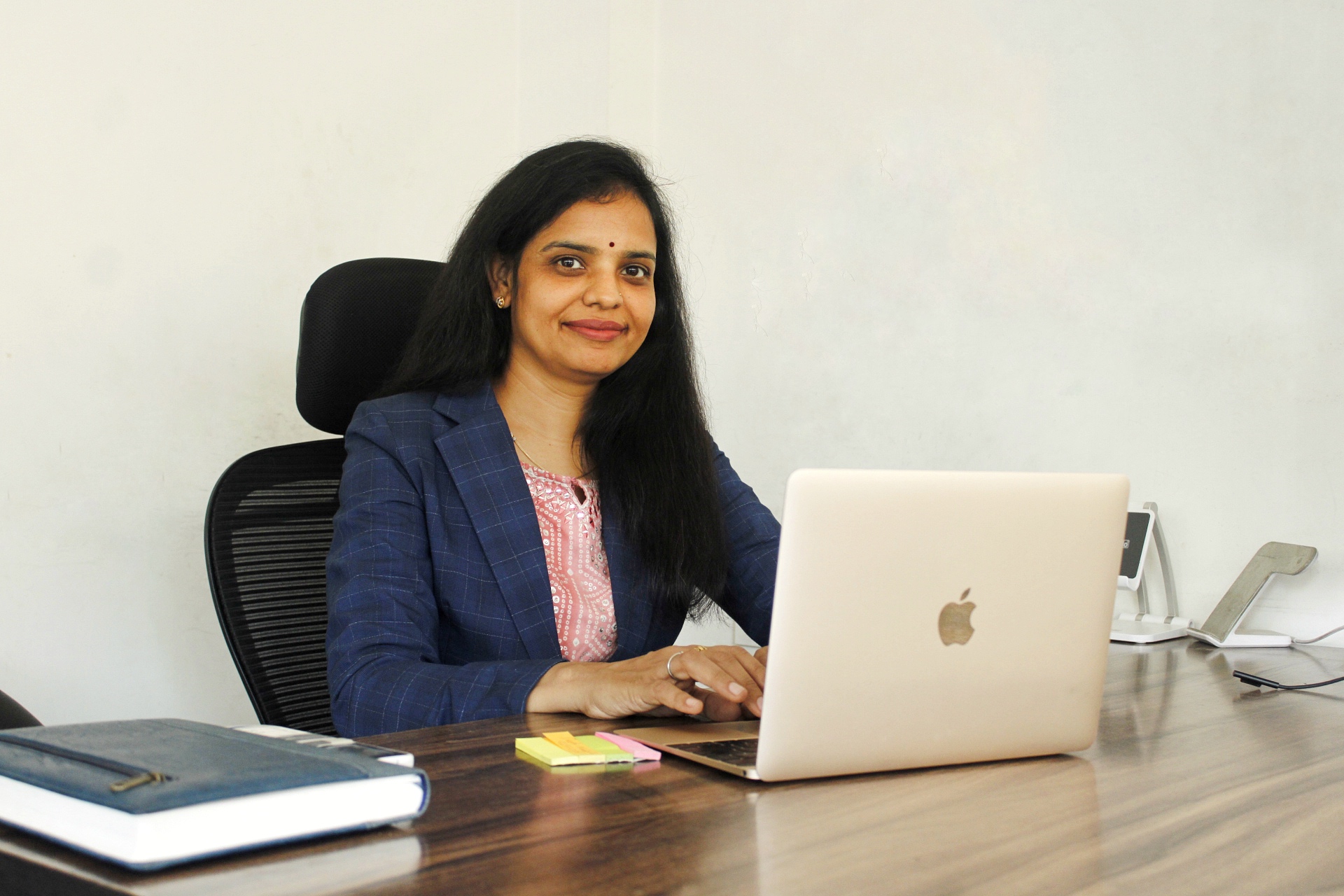
  • “Helping a larger community is incredibly fulfilling… It’s rewarding to know that my work contributes to their well-being and empowerment outside of formal legal proceedings.” – Sapna Patwa, Former Civil Judge & Managing Director at Legal House Law Firm.

    “Helping a larger community is incredibly fulfilling… It’s rewarding to know that my work contributes to their well-being and empowerment outside of formal legal proceedings.” – Sapna Patwa, Former Civil Judge & Managing Director at Legal House Law Firm.

    This interview has been published by Namrata Singh and The SuperLawyer Team
    Could you please introduce yourself to our readers and share with us how you decided  to pursue a career in law? What challenges did you encounter when starting your career,  and how did you overcome them? 

    Hello, readers. My name is Sapna Patwa, and I am a former judge who served in the Madhya Pradesh judiciary for 8 years. Currently, I am practicing at the High Court of Madhya Pradesh. 

    My journey into pursuing a career in law has been a unique one, filled with challenges. Initially, after completing my undergraduate and postgraduate studies in commerce (M.Com),  I got married, thereafter I took a break from academics to focus on raising my children. However, after a gap of six years, my husband encouraged me to continue my education, and  it was his support and motivation that reignited my passion for learning. 

    In my first year of pursuing my LL.M, I became acquainted with the field of judicial services. Learning about this path sparked my interest, and from then on, I dedicated myself to prepare for it. Despite the challenges of balancing familial responsibilities and academic pursuits, I persevered with the unwavering support of my husband and mother. 

    The journey towards becoming a judge was not without any obstacles. Studying law after a  significant gap presented its own set of challenges, but through determination and hard  work, I overcame them. Additionally, preparing for the judiciary exams required immense  dedication and focus, but with perseverance and the grace of the lord, I was able to  successfully clear the Madhya Pradesh Civil Judge exam in my second attempt. 

    I am deeply grateful for the unwavering support of my family, especially my husband and  mother, whose encouragement has been instrumental in my journey. As I continued to serve in the legal profession, I remained committed to upholding justice and making a positive impact in the lives of those I serve. 

    Your journey from a civil Judge to managing director at Legal House is inspiring. Can you share a pivotal moment or decision that led you to transition from the bench to  advocacy and legal consultancy? 

    As a civil judge, I found that dispensing justice from the bench had its limitations. Working within the confines of the judiciary restricted my ability to reach out to a broader segment of  society. Conversely, transitioning to advocacy and legal consultancy allowed me to assist a greater number of underserved individuals by being actively involved in the community. This  realization prompted me to make the transition from the bench to advocacy and legal  consultancy. 

    Your dedication to educating and guiding aspiring legal professionals is evident. What  motivated you to become a guest lecturer and a mock interview panelist at Judiciary  Gold, and how has this experience influenced your approach to practicing law? 

    My decision to become a guest lecturer and mock interview panelist at Judiciary Gold was driven by the challenges I encountered while preparing for judiciary exams myself. I struggled to find proper guidance and support during that time, and I realized that many  others were facing similar difficulties. This motivated me to become a lecturer, so I could provide aspiring legal professionals with the guidance and support I wished I had received. 

    By sharing my knowledge and experiences, I aim to help them navigate the complexities of  legal examinations more effectively. This experience has shown me the importance of  mentorship and education in the legal profession. It has also deepened my understanding of  the challenges faced by aspiring legal professionals and the need for adequate resources  and support. 

    Engaging with students has not only allowed me to give back to the legal community but has  also enhanced my own understanding of legal concepts and principles. Overall, my role as a  guest lecturer and mock interview panelist has been a rewarding experience, benefiting both  the aspiring legal professionals and myself. 

    As a former Judge, you’ve presided over numerous sensitive family law cases. Can you  share a particularly challenging case that left a lasting impact on you and shaped your perspective on family law and justice? 

    As a former judge, I’ve dealt with many difficult family law cases that have shaped my perspective on justice. One case that stands out involved a bitter dispute between two  parents over custody of their children. The hostility between them made finding a resolution  incredibly challenging. Despite my efforts to encourage cooperation, their deep-seated emotions hindered progress. 

    What made this case especially tough was seeing the impact on the children caught in the middle. Their well-being was overshadowed by their parents’ conflict, which took a toll on their emotional health. Witnessing this reinforced the importance of prioritizing the children’s best interests in family law proceedings. 

    This experience deepened my understanding of the complexities of family law and the need  for empathy in resolving disputes. It also strengthened my commitment to promoting  cooperation between parents and protecting children’s welfare. 

    While cases like these can be emotionally draining, they remind us of the importance of our role in shaping the lives of those we serve, especially in family law matters. 

    Your involvement as a legal advisor for the All India Chief Life Insurance Welfare  Association showcases your commitment to community service. How has this role  allowed you to make a positive impact beyond the courtroom? 

    Being a legal advisor for the All India Chief Life Insurance Welfare Association (CLIA) fills me with pride. It’s a chance to handle various cases from all over India, which goes beyond just  courtroom work. 

    Helping a larger community is incredibly fulfilling. By giving free legal advice to CLIA members, I not only inform them about their rights but also educate them on legal procedures and options. This knowledge empowers them to make informed decisions that  can improve their lives. 

    This role allows me to make a real, positive impact on individuals and families. It’s rewarding  to know that my work contributes to their well-being and empowerment outside of formal  legal proceedings. 

    Overall, being a legal advisor for the CLIA lets me continue my commitment to community service and create meaningful change in people’s lives, beyond what happens in the  courtroom. 

    Given your extensive experience, what advice would you give to young legal professionals aspiring to pursue a career in the judiciary or legal consultancy? 

    For young legal professionals aiming for a career in the judiciary or legal consultancy, here’s some advice. If you’re leaning towards becoming a judge, it’s important to intern in a court  for around 2 to 3 years. This hands-on experience will give you a practical understanding of  how to handle cases effectively. Remember, both fields offer diverse opportunities, so choose based on what aligns with your strengths and interests. It’s important to consider  your own nature and abilities when deciding. 

    Starting Legal House was indeed a significant undertaking for me. Leaving my honorable post was not an easy decision, but it was my family’s encouragement and support that motivated me to pursue a career as an advocate. My husband played a vital role in helping me build a client base, while my son assisted me in establishing Legal House. Despite facing challenges, such as transitioning from a prestigious position to advocateship, their support made the journey possible. 

    Beyond your legal career, what are some of your personal hobbies or interests that you enjoy pursuing in your free time? 

    Outside of my legal career, I find fulfillment in exploring spirituality, which occupies much of my free time. Additionally, I enjoy cooking as a way to unwind and express creativity in the kitchen. These interests enrich my life beyond the realm of law and provide balance and  fulfillment in my personal pursuits.

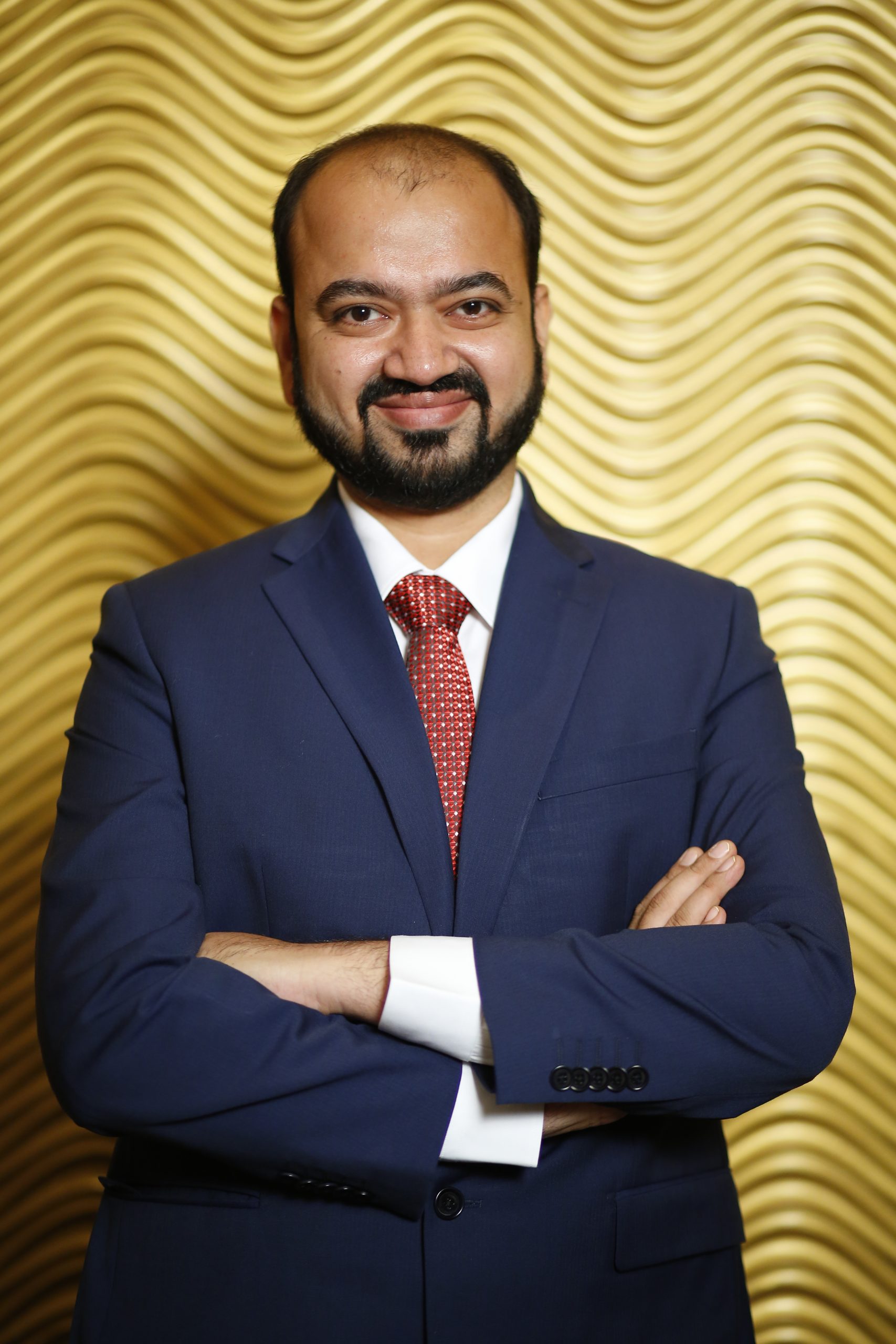
  • “Finding ‘Managerial Solutions to Legal Problems’ is the key to successful corporate advocacy.” – A Journey of Passion and Purpose, Praveenkumar Hiremath, Co-Founder & Partner at PSA Law Partners

    “Finding ‘Managerial Solutions to Legal Problems’ is the key to successful corporate advocacy.” – A Journey of Passion and Purpose, Praveenkumar Hiremath, Co-Founder & Partner at PSA Law Partners

    This interview has been published by Namrata Singh and The SuperLawyer Team

    Your journey from law school to becoming a Co-Founder & Partner at PSA Law Partners is impressive. Can you share a bit about how you started your career in law and what inspired you to focus on litigation and compliance?

    My journey began after graduating from R L Law College Belagavi, driven by a childhood inspiration from a practicing lawyer in my village and my natural inclination towards argumentation, which had me tagged as a “lawyer” since school. Pursuing a Master’s at Bengaluru University was a decision made out of a passion for legal intricacies, despite an initial reluctance. My formative years were significantly shaped by my tenure as a Law Clerk cum Research Assistant under Justice S. Abdul Nazeer, which diverted my path from criminal law to broader legal practices. My work at notable firms like Poovayya & Co and Khaitan & Co further solidified my commitment to using my legal expertise as a “bulletproof jacket” against injustice.

    Having handled a variety of cases in different fields and having represented corporate houses and currently representing them in litigation and policy advisory, is there any special care which needs to be taken to handle such clients?

    Corporate clients require a blend of legal precision and business acumen. My approach, which emphasizes “Managerial Solutions to Legal Problems,” reflects an understanding that legal challenges must be integrated within a company’s strategic framework. This philosophy has been shaped by my diverse experiences across legal practices, teaching me that true value lies in aligning legal strategies with business objectives, ensuring compliance and navigating regulatory landscapes effectively.

    With a decade of experience in Corporate and Commercial Litigation, Intellectual Property Rights, Direct Tax, and more, you’ve worked on diverse cases. Could you highlight a case that was particularly challenging or interesting, and share the strategies you employed to navigate through it successfully?

    My experience at Poovayya & Co, where strategy discussions included even the youngest lawyers, marked a pivotal shift in my professional development.

    A significant challenge was contesting a State Government Notification on Minimum Wages that adversely impacted a sector. By initiating a fresh legal challenge in the High Court, leveraging strategic litigation techniques, we overturned previous adverse decisions, showcasing the importance of resilience, innovative legal thinking, and the impactful role of strategic legal advocacy.

    Having represented clients in major corporate debt recovery and insolvency litigations, what advice would you give to young lawyers aspiring to specialize in this area of law?

    My advice is to embrace a broad spectrum of legal challenges early on, fostering a versatile skill set before narrowing down to a specialization. This foundation allows for a deeper understanding and a more informed choice when selecting a niche, emphasizing the importance of building a reputation for meticulousness and dedication to excellence.

    In your experience, navigating through various legal domains, what’s one unconventional or unexpected lesson you’ve learned that has had a profound impact on your approach to practicing law?

    The most profound lesson has been the importance of empathy. Recognizing the human elements behind legal cases has reshaped my practice, guiding me to approach each case with a deeper understanding and compassion. This insight, fostered through my diverse experiences, has not only enhanced my negotiation skills but also strengthened my relationships with clients and colleagues.

    Do you consider a career in the Judiciary as an option for young lawyers and for yourself?

    Embracing a judicial career entails significant sacrifices but offers unparalleled opportunities to contribute to society. The attractive aspects, such as contributing to societal well-being and the prestige associated with the judiciary, appeal to my sense of duty and commitment to justice. Personally, I view the judiciary as a noble calling, one I would consider with great reverence if the opportunity presented itself.

    In your career, you’ve practiced in various courts and tribunals. Could you share an experience or lesson from your early years that significantly shaped your approach to legal practice?

    My early experiences in Bengaluru, particularly the encouragement from judges and seniors, played a crucial role in my professional development. An instance that stands out was my first reported case in Direct Tax when I was associated with M/s K.R.Prasad, Advocates & Tax Consultants, where I was encouraged to present a case on merits, marking a significant milestone in my career. These formative experiences taught me the value of preparation and the courage to seize every opportunity to stand before the court.

    Given your focus on White-collar crimes, what unique challenges do you encounter in handling such cases, and how do you address them?

    Specializing in white-collar crimes involves navigating intricate legal frameworks and voluminous documentation. My approach, grounded in  a thorough understanding of law and clear client communication, aims to dissect each case meticulously, building robust defenses against complex allegations. This specialized focus demands strategic thinking and a detailed-oriented mindset.

    PSA Law Partners was founded in 2019. What motivated you to establish this firm, and what values or principles guide the firm’s approach to client representation?

    Founding PSA Law Partners was the realization of a lifelong dream, driven by a desire for autonomy and the pursuit of justice. Our firm’s ethos, shaped by my experiences and personal values, is committed to delivering timely and effective relief to our clients, upholding the principles of integrity, excellence, and client-focused advocacy.

    As someone who practices in the High Court of Karnataka, could you highlight any distinct characteristics or challenges of the legal landscape in this jurisdiction?

    Practicing in the High Court of Karnataka requires an adept understanding of legal intricacies and the ability to articulate compelling arguments. The jurisdiction’s unique challenges include navigating complex legal issues and effectively representing clients with limited direct interaction, demanding a high level of analytical and strategic thinking.

    Considering your impressive academic background, including securing the second rank in LL.M, how do you perceive the value of pursuing postgraduate education, such as an LLM, for the current generation of aspiring lawyers? What advice would you give to those considering further specialization in law through advanced studies?

    Pursuing an LLM provided me with invaluable insights, particularly in labor law, shaping my approach to litigation. I advise aspiring lawyers to choose specializations that align with both their interests and the evolving legal landscape, ensuring their education enhances their career trajectory in meaningful ways.

    Beyond the legal realm, we’re curious to know more about your interests outside the courtroom. Could you share a bit about your favourite hobby or activity that brings you joy and relaxation when you’re not immersed in legal matters?

    Away from the demands of legal practice, I delve into political history and enjoy exploring scenic landscapes, activities that offer a refreshing contrast to my professional life. These interests provide a sense of balance, enriching my personal growth and offering perspectives that influence my professional demeanor.

    Get in touch with Praveenkumar Hiremath-

  • The single most important trait to have for young legal professionals is self-belief, There is no alternative to self-belief. Starting from his aspirations as a scientist, detouring into management, and eventually finding his true calling in law – “An In-Depth Conversation with Rohan Kusnur, AVP-Legal at Kotak Mahindra Bank”

    The single most important trait to have for young legal professionals is self-belief, There is no alternative to self-belief. Starting from his aspirations as a scientist, detouring into management, and eventually finding his true calling in law – “An In-Depth Conversation with Rohan Kusnur, AVP-Legal at Kotak Mahindra Bank”

    This interview has been published by Priyanka Karwa and The SuperLawyer Team

    Rohan, thank you for joining us. To kick things off, could you please introduce yourself to   our readers, highlighting key aspects of your professional journey and areas of expertise?

    Hi! I am Rohan Kusnur. I am currently working as Associate Vice President – Legal at Kotak Mahindra Bank Ltd. My professional journey has been very colorful with diverse experiences across different fields. In school, I wanted to become a scientist. The things that intrigued me about science were understanding natural phenomena and applying that knowledge for the benefit of mankind. After completing my B.Sc. in Biotechnology, I started working with a coaching institute as a branch manager. I also enrolled for my M.Sc. in Biophysics. By the time I completed my masters while doing my coaching institute job, I realized that I have a much better aptitude for management and administration than scientific research. I had considered two options while deciding my future career trajectory namely, MBA and civil services. I decided to go ahead with preparation for civil services as I always had a keen interest in current affairs and wanted to do something in public service. While preparing for civil services, I fell in love with the Constitution of India. After an unsuccessful attempt at the UPSC civil services exam, my love for the Constitution led me to pursue LLB. During my UPSC preparation, I built a good network of seniors who were preparing for the exam or teaching in coaching institutes. One of my seniors recognized my talent and offered me a teaching job. I started teaching at ‘Sankalp IAS’ institute on weekends along with my LLB. 

    During my final year of LLB, I started interning at Bhave & Co. where I eventually joined as an associate after receiving my degree. I could continue at Bhave & Co. only for a few months as my mother was diagnosed with breast cancer. I had to manage her entire treatment protocol. Managing my mother’s treatment was not possible with a full time law firm job. Hence, I quit that job to start my independent practice. I was clueless about how to proceed at that point in time. Being a first-generation lawyer with a very brief experience at a law firm, it was very difficult to start. I just started sitting in the Bombay High Court Law Library hoping to network with other advocates and find some work. Adv. Rachana Chavan was kind enough to guide me in this anxious phase of my career. Soon, I built a good network and started getting small matters. During this phase, I advised a client with a tricky real estate matter, filed two writ petitions, appeared in a criminal matter, worked on a highly technical arbitration matter among other things. Independent practice gave me the time flexibility that I needed to manage my mother’s cancer treatment. By God’s grace, my mother fought hard and survived cancer. Towards the end of my mother’s treatment, I got to know about an opening in the legal team at Capri Global Capital Limited. Taking up this job would mean giving up practice and I was really enjoying my practice. However, since I started my career in law late, I didn’t have a lot of time to struggle in practice. I was already 30 years old when I completed my LLB and my parents were worried about the marriage prospects for their struggling advocate son. So, I decided to interview for the job and luckily, I was hired as a legal manager at Capri Global Capital Limited. That’s how my corporate career started. After 2 years at Capri, I decided to move to Kotak Bank. My current areas of expertise revolve around banking and real estate laws. 

    Your journey from being an Independent Practitioner to the Associate Vice President at Kotak has been diverse. How did your early experiences in independent practice shape your approach to the banking and financial services industry, and what motivated your transition to an in-house counsel role?

    It has been a wonderful journey. Situations in my personal life have prompted certain decisions in my professional life as I have described in reply to the previous question. When I started my independent practice, I was a complete novice. Although I didn’t have expertise at that time, I had the desire to work hard and succeed. You need a lot of self confidence to succeed as an independent practitioner especially in the early days of the career. You are still learning every day but you need to convince prospective clients to trust you with their matter. So, it was a very steep learning curve. This ability to work hard with self-belief helped me to make the transition to an in-house legal role. The transition to an in-house role was initially necessitated by the need for greater financial security but gradually I started enjoying my new role.

    The personality traits required for success in independent practice are different from those required for an inhouse role. However, the fundamental values don’t change. You need good people skills in both roles. Networking is the cornerstone of success in both roles. You need to anticipate situations and prepare. The difference lies in developing the skill of balancing legal risks with business growth. As an in-house counsel, you are helping your company to grow, while minimizing their legal risks. You can’t err either on the side of caution or be too liberal. Striking the right balance between the two aspects is the key to success in an in-house role.

    Having held significant roles at Kotak Mahindra Bank, including Chief Manager and now Associate Vice President, could you share some challenges you’ve encountered in the banking and financial services legal landscape, and how you navigated through them?

    When I started my career in an in-house role, I had very little knowledge about the financial sector. I was lucky to have Adv. Sujata Angadi as my first boss and mentor at Capri Global Capital Ltd. I knew the law but I didn’t know the nuances of the lending business. I observed and I learnt very fast. I was fortunate to have stalwart leaders like Adv. Muneesh Dhawan and Kaushik Chatterjee sir to inspire me. After I moved to Kotak Bank, I realized that the risk appetite of every company is different. My experience at Capri Global helped me greatly to navigate through Kotak. As I have stated earlier, the real skill to develop is understanding the risk appetite of your company and striking the right balance between business growth and legal risk.

    I began my stint at Kotak as a legal manager where I was assessing the title of the properties being offered for mortgage against different types of retail loans like housing finance, loan against property and working capital. Kotak is great at nurturing and developing talent. I was soon promoted through the ranks and given charge of a team for supporting the primary market sales team in housing finance. The primary market sales team builds relationships with different builders and developers for sourcing housing finance business directly from the developers. This reduces the cost of customer acquisition and improves the margins of the company. I was also designated as a legal deviation approval authority for taking informed calls on some legal deviations in the interest of business growth. I was also granted rights to give final legal approval for disbursement of loans in housing finance and loan against property up to a certain loan amount. In each of these roles, I come across various challenges which I navigate with the help of a great team. 

    Let me illustrate the balance of legal risk and business growth with an example. While assessing the title of builders for approving real estate projects, we sometimes come across pending litigations on project land. We need to approve projects in order to help the primary market sales team to source home loan applications from those projects. A practicing advocate will simply highlight the pending litigation in their title report and we know about the doctrine of lis pendens under the Transfer of Property Act. However, as an in-house lawyer, it is our job to assess the real risk of the pending litigation and advise the business leadership accordingly. We cannot theoretically apply the doctrine of lis pendens and reject everything. The skill lies in differentiating between real risk and theoretical risk. Once we highlight the real risk, the business team is in a better position to make an informed decision.

    In Kotak Bank, there is excellent support from the leadership and a wonderful work culture. This helps me in performing more effectively.

    You have a background in biophysics and biotechnology. How has your scientific education shaped your approach to legal problem-solving, and do you find any parallels between the two fields?

    My scientific education has helped me greatly in legal problem-solving. I would like to share one of the famous quotes of Albert Einstein. The great scientist had once said, “Education is training of the mind to think”. Every discipline of learning imparts a unique style of thinking and problem-solving to the learner. My scientific education helped me to develop very strong logic and reasoning skills. This greatly helped me in shaping my legal career. I had to simply apply the same style of thinking to law which I learnt while studying science. Further, scientific education also teaches you the importance of research. Good research skills are very important in both science and law. 

    Your career involves a mix of corporate legal roles and teaching civil service aspirants. What motivated you to engage in coaching, and how does teaching law influence your own understanding and application of legal principles?

    Of all the different things which I have done in my career, I have enjoyed teaching the most. I have loved teaching since the time I was a student. I have always helped my friends in understanding certain concepts which I understood better. I believe that you develop a better understanding of the subject every time you teach. This happens because you think about how to help the students to understand some concept and in the process, delve deeper into the subject yourself. Also, when the students ask you questions, you are prompted to think in a different way about the same subject and thereby your understanding of the various aspects of the subject is enhanced.

    When I was teaching Indian Polity to civil service aspirants, I had a peculiar challenge. I was teaching the Constitution of India and how it is applied in the functioning of Indian democracy. My students came from diverse educational backgrounds like humanities, commerce, management, engineering, medicine, law etc. I had to ensure that the law students don’t get bored and other students are able to understand the concepts. This greatly improved my communication skills and understanding of legal principles.

    Legal practice often involves intense scrutiny and attention to detail, especially in areas like title flow for mortgage creation. How do you manage stress and maintain accuracy in your work, and do you have any unique methods for unwinding after a challenging day?

    I am a family man. There is no greater joy than spending time with family. I have a wonderful 5- year-old daughter. She takes away all my stress every day when I return from the office. I have a very supportive life partner with whom I share all the highs and lows of my day. This helps me to unwind and relax after a challenging day. I love listening to music and watching web series in my free time. Proper relaxation is very important to recharge your batteries and perform your job accurately. 

    On a lighter note, outside of your professional life, do you have any hobbies or interests that you are particularly passionate about? How do you strike a balance between your career and personal life?

    I love food and frequently visit different restaurants and street food joints to explore newer tastes with my family and friends. I love hanging out with friends. I have a keen interest in personal finance. Apart from law, understanding the art of investment in equities is one of my passions. During my civil services exam training, I developed an interest in macroeconomics. I have built upon that knowledge over the years. I like to explore correlation between macroeconomic events and investment opportunities in the stock markets. I read a lot of finance related content and follow many experts in my free time to enhance my knowledge and skills. Investment is an art of predicting the future based on current data. I get great intellectual satisfaction from this activity. It is up to us to strike a balance between career and personal life. One should never forget that a successful career is just a part of a happy life. Happiness should be the ultimate objective

    Considering your journey, what advice would you offer to young legal professionals entering the banking and financial services industry, and what skills do you believe are crucial for success in this field?

    The single most important trait to have for young legal professionals is self-belief. There is no alternative to self-belief. Out there in the professional world, people will believe in your skills only after you have successfully demonstrated your skills. When you start a new journey, you don’t have any track record. You have to back yourself completely to succeed. Once you develop this self-belief, the next step is to have a vision and commitment towards that vision. To succeed in the banking and financial services industry, you need to understand the needs of the industry. There are a wide variety of legal functions that one can perform in an in-house role. Title related due diligence is just one of the functions. Likewise, if you wish to develop yourself as a practicing advocate catering to BFSI, you can perform a wide variety of functions. 

    The most important advice which I can give to young legal professionals is to not be rigid about specific areas of work or practice. Don’t refuse good opportunities just because it is not exactly what you wanted. Just start and learn along the way. Eventually you will find your niche area. Most young lawyers have preferences about areas of practice but nobody knows whether you will find meaningful work in those specific areas at the beginning of your career. Don’t say no to work. Take up the challenge and learn along the way. This brings us back to the most important trait to succeed which is self-belief. If you believe in yourself, nothing is impossible.

    Get in touch with Rohan Kusnur-

  • Parna Mukherjee, Assistant Professor, GLS Law College, on legal education system, importance of moots and internships

    Parna Mukherjee, Assistant Professor, GLS Law College, on legal education system, importance of moots and internships

    Parna Mukherjee is as an Assistant Professor, having ten years of academic and one year of field experience. She has done Ph.D. in the area of Environmental Impact Assessment. As faculty both in full time and visiting capacity, she has taught in many prestigious institutions of Ahmedabad like Institute of Law at Nirma University, SLS at PDPU, HLIC & BKMIBA in AU, GLS Law College. She has taught several courses like, Environmental Studies & Law and Forest Law (Hons. Course), Legal Research Methodology, Interpretation of Statutes, electives as Business Laws, Tort & Consumer protection, Constitution, etc. She has been actively engaged both in teaching and research at the UG & PG level.  She has also presented papers in various international and national conferences and has few research publications to her credit.

    She has around six publications and has presented over ten conference papers both at national and international level. Her areas of interest include Socio-legal research in the area of Environmental Law and contemporary environmental issues such as EIA, E-waste, CCS, Bio-medical waste, etc. She also was involved in Socio-legal Research and environmental policy review and drafting of Moot Problem, etc. She received “Best Paper Presentation Award” titled  “A Study of the Impact and Efficacy of the EIA Norms in India presented paper in the 1st Annual National Seminar (NUILANS) on Law Impact Assessment organised by the ILNU, Nirma University, Ahmedabad, on 21st-22nd, January, 2011.

    In 2018 Awarded the “Best Participant” at the One Week Refresher Course for Law Teachers “March of Law: Critical Reflections in Law Teaching and Research Methodology”, organised by the National Law School India University, Bangalore in association with Bar Council of Kerala  M K Nambyar Academy of Continuing Legal Education, Kochi, held at National Law School, Bangalore and  was  awarded the “Best Participant” in June, 2018 held at National Law School, Bangalore.

    In this interview we speak to her about:

    • Her interest in academia
    • Importance of mooting, publications and internships
    • Changes essential in the current legal education system


    BEING A LAW TEACHER, HOW WOULD YOU LIKE TO INTRODUCE YOURSELF TO OUR READERS?

    Being a student of law myself, I am also engaged in teaching the law almost for a decade now and absorbing and learning the law every day.


    WHAT INSPIRED YOU TO PURSUE LAW?

    Choosing law was by accident in my case. I had my bachelor’s degree in (Hons.) Geography, from St. Xavier’s College, Ranchi. Then due to lack of opportunity to pursue Masters in the same field over there, my curiosity drifted towards law. Once I started with law, there was no looking back and no regrets. Rather, I can say that understanding of geography came as handy, it helped to cultivate my further interest in the area of Environmental law.


    YOU HAD AN EXCELLENT ACADEMIC RECORD IN LAW COLLEGE. PLEASE TELL US ABOUT THE MANNER IN WHICH YOU APPROACHED ACADEMICS WHILE IN COLLEGE.

    To be honest, my journey of L.L.B at Bangalore University was not that exciting. As doing law along with part time job turned out to be a disastrous idea and I ended up scoring a second class, which has been my worst academic performance in my entire life till now. However, this turned out to be a new valuable lesson and thus when I opted for LL.M. in Gujarat University in Environment Law; I decided to give up my job. Gave my full concentration towards this academic assignment, which helped me to achieve a 1st class with two gold medals and excel satisfactorily. Thus, the lesson was very simple, straight forward and a memorable one.


    WHAT’S THE BEST THING ABOUT YOUR JOB?

    To able to connect with young minds constantly, it tremendously rejuvenates my own thinking and learning process. As I believe, that teaching is a continuous learning and evolving process. With every lecture, every class, every year, I evolve with new ideas and dimensions of learning law. I love the goal of teaching i.e, inculcating the right perception of law and understanding among young minds.


    ACCORDING TO YOU WHAT IS THE THING THAT A LAW STUDENT SHOULD NOT MISS DURING LAW COLLEGE LIFE?

    First, when law student opts for law programme for his/her future profession whether by choice or accident, they need to devote for five continuous years minimum to learn the basics of law. Then along with academic performance they must start building up other skills like participating in moot competitions, paralegal activities, clinical exercises, internships etc., so that they can be professionally ready after five years of academic journey in law. They must also be updated with recent happenings whether it is at national or international level, as it is essential to understand ‘law in action’ rather than law in texts and statute books.

    WHAT IS THE IMPORTANCE OF MOOTING, PUBLICATION AND INTERNSHIPS IN A LAW STUDENT LIFE?

    Mooting is basically nothing but a mock clinical exercise for stimulation, in which a student is groomed for future legal practices whether for law firms or in litigation or in judiciary. However lately, personally I observed that mooting has become most dominating thing in legal education. Even, at time it takes serious toll on regularity of students and consequentially on their academic activity. Also at times the core academics get undermined due to dominance of extensive and aggressive mooting by institutions and students. Personally, I believe mooting should be considered as a part, not as the core element of legal education. And thus, balancing is important; focusing only on one component won’t help to achieve the purpose of legal education in true sense.

    Whereas publication is also an important skill for law students which helps to inculcate research and comprehension skills, analytical as well as literary skills, etc. It helps to pursue any given topic from different perspectives and angles. A student can always get credits for good publication. However, as teachers, we need to utmost careful to orient the students towards the issue of copyright as it persistent as a big challenge in academic domain presently.

    Internship, it is also another important aspect of modern legal education which tries to impart professional skills. It also exposes the students with the various realities and challenges of legal profession whether internship is done in a law firm, litigation or corporate sector. A student must select internship in order to grow and evolve in the area of their choice and interest in legal field.

    I also feel that the whole area of legal internship needs to be regulated towards protecting the student’s interest, who are at times feels a bit vulnerable as they often do not get positive responses from the professional bodies and many times do not receive any financial incentives, etc. There are also issues of maltreatment and harassment towards the student interns and hence we need some regulations in these areas of legal internship.


    WHAT IS YOUR SUCCESS HABIT THAT YOU WOULD LIKE TO SHARE WITH YOUR LAW STUDENTS?

    To be very practical, being a student of law, you may have likings and disliking’s towards certain subjects. Everyone have their own weakness and strengths, so there is a need to analyse both the aspects rationally to draw a strategy, so that they can complete the academics journey successfully in law. Regularity in attending classes, reading and analysis of law and legal issues, combining with the skills of writing and expressing will help the student to achieve a more realistic and career-oriented goals in legal field.


    WHAT IS THE GOLDEN RULE THAT YOU FOLLOW IN YOUR LIFE?

    To be clean and honest in our actions, as far as possible. ‘Success or failure’ both are facets of human life. So, we should be open to brighter days and glooming days both and continue our journey with bit of passion and dedication. Good things will eventually come to us.


    WHAT WERE YOUR AREAS OF INTEREST DURING YOUR GRADUATION AND HOW DID YOU GO ABOUT DEVELOPING EXPERTISE IN THEM?

    I had a natural inclination towards environment law and that area of interest of mine became stronger, when I pursued my PGDEL from NLSIU Bengaluru. Thereafter, I decided to do LL.M. followed by doctoral studies in the same area. For me reading, discussing and teaching environmental law is a very passionate and exciting journey.


    WHAT ADVICE WOULD YOU LIKE TO GIVE TO YOUNG LAWYERS LOOKING TO MAKE A CAREER IN FIELD OF TEACHING?

    I personally believe that legal institutions, law teachers and especially law students are major stakeholders of entire legal system. Hence, teaching law to law students and grooming them for legal profession is of paramount importance. So young lawyers, who want to dedicate themselves into teaching of law, it is like a silver lining. This will help our judicial and legal system to be better. I always advice brighter students whether they are into corporate or litigation filed, to devote few hours of their week in either para legal or for teaching activities. This will also create a relation between the academia and judiciary and legal profession as well as legal institutions. It will bind all the stakeholders into common thread and will also strengthen the legal education from professional and qualitative angles.


    WHAT CHANGES DO YOU THINK ARE THE ESSENTIAL IN CURRENT THE LEGAL EDUCATION SYSTEM OF INDIA?

    The curriculum of law and existing syllabus must be periodically revised and need to be designed in a way to make it more professionally and socially relevant. Along with this, teachers need to be trained and groomed with the various facets of effective teaching. The law teachers need to be trained in various teaching methodologies, assessment techniques and designing of various clinical legal courses, etc. Teaching and learning should be a process of continuous dialogue between various stakeholders like institution, teachers and students at the receiving end. Even the professional experts can be consulted to review the course from the practical professional parameters and requirements.


    WHAT DO YOU KNOW NOW THAT YOU WISHED YOU KNEW WHEN YOU WERE MY AGE?

    My legal education was of three years LL.B. programme. I wish, I could reverse the time so that I can join in five years integrated course of law again. Because, I feel this course is very well designed with good combination of theoretical, clinical aspects and combining mooting exercises etc., so this is what we missed during our time.


    AS A CONCLUDING MESSAGE WHAT WOULD BE YOUR ADVICE TO THE CURRENT LAW STUDENTS?

    We must be willing to learn every day. Also must keep your mind open in every field of human life and observe the impact and functioning of law. Thus, we can even learn from implementation impacts or failures of law. We need to try to understand very closely how the law virtually affects every facets of human life and learn more from ‘law in action’ rather law as it exists in letters in statutes.