Tag: legal research

  • “Technology has the potential to bridge gaps in our legal system, but it must be implemented thoughtfully with the citizen at the center” – Suprya Prakash B S, Programme Director at DAKSH

    “Technology has the potential to bridge gaps in our legal system, but it must be implemented thoughtfully with the citizen at the center” – Suprya Prakash B S, Programme Director at DAKSH

    This interview has been published by Namrata Singh and The SuperLawyer Team
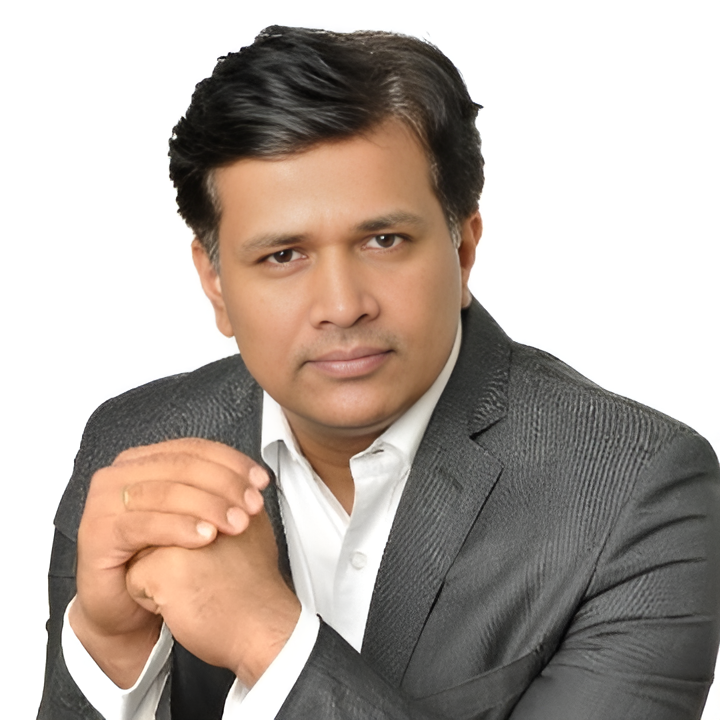
    Hello, and welcome to the new episode of SuperLawyer. Today, we have with us an esteemed fellow and Program Director at DAKSH, Surya Prakash BS Sir. Welcome, Sir, and thank you for agreeing to meet with us and give this particular interview to SuperLawyer YouTube channel.

    Thank you so much, Divya ji. I’m happy to be part of it. I’m looking forward to this conversation and sharing my journey.

    Let me begin with Sir’s journey about DAKSH, a civil society organization that undertakes research and activities to promote accountability and better governance in India, which almost all of us try to find in society.

    Now, I would like to begin this interview with a very small question: When did you decide to become a lawyer? Why did you decide to become a lawyer after having such an amazing career as a CA since the year 2000?

    So, I was a Chartered Accountant, working in the IT industry on the corporate side. After I started getting into tax litigation and handling tax matters for these companies, I realized the importance of having knowledge of the law, not just tax expertise. Law is such a broad field that I believe everyone should have some understanding of it. It’s like arithmetic—it’s as fundamental as reading and writing.

    In modern society, law should be a necessary subject for all of us to be aware of in some form or another. And this is especially true when you’re dealing with a complex topic like taxation. Taxation is not for everyone—it’s a highly technical subject. But when it is applied and administered by officials, and adjudicated by generalists like judges or lawyers, it takes on a life of its own.

    That’s when I realized that you need to be able to speak the language of these other communities. It was a very intellectual realization that led me to choose to study law. I thought, “There’s something on the other side of the river; let me explore it and see how much more enjoyable it might be.”

    Sir, given that fact, you have transitioned from being a CA and absolutely successful career and then to law. And you have also been the program director at DAKSH. You have led many, many initiatives, like rule of law project and setting it up in the law and technology department at IT Delhi. How do you see these projects aligned with your vision for the future of India’s legal landscape? What are your plans regarding that?

    I’ll take a few minutes to address this, so please bear with me. This is a very important question, and many of us may not fully grasp the gravity of the situation.

    As India matures and transitions from a middle-income to a high-income society, we need strong institutions. Our society is evolving—from an agricultural-based economy to an industrial, and now a technological income-based society. During this transition, many aspects of our society are creating friction. Personal lives are being disrupted, people are being uprooted due to migration and environmental changes, and there is a constant clash between the haves and the have-nots.

    In this journey as a nation, I believe that what will hold us together—apart from each of us individually becoming more enlightened and aware of our motivations—are strong public and governance institutions. These institutions need to withstand the rise and fall of the tides of time and the pressures of street politics. The key question is, how do we maintain our integrity and distance ourselves from these pressures?

    With that objective in mind, the rule of law project at DAKSH was initiated by a group of people, including Harish Narsappa, now a Senior Advocate at the Karnataka High Court, and Kishore Mandiam, one of the active members of the team. I joined the project in 2015. As we began working, we realized that while systemic change and strong institutions are crucial, it is equally important to engage with the citizens on the ground. What do they want? What are their expectations? How do they perceive these institutions?

    Our perspective has always been focused on systemic change and institutional engagement, but from the citizen’s perspective. This approach has been our guiding principle over the years. We do not reject any perspective—whether sociological, economic, systems thinking, or technological. All these are tools that we should use appropriately to make change possible. One significant advantage of technology is that it allows for scale; it overcomes geographical and physical limitations, making it a very attractive tool. However, it must be used carefully and appropriately, which is always a challenge.

    When we were contemplating how to use technology and analytics, an opportunity arose for us to partner with IIT Delhi, leading to the establishment of the center there. We look forward to many more collaborations with other institutions and engaging in impactful initiatives.

    So, sir, given your background, you have also co-edited the book called Technology and Analysis for Law and Justice. How do you see technology and analytics playing a role in improving access to justice and enhancing legal outcomes? I would like to also add to this, how do you foresee it is going to change our legal justice system? The problem is, that we have to first understand how technology is infiltrating our lives as well. We would love to hear your views.

    I think the answer to the question is evident in the fact that we’re speaking seamlessly with each other, despite being in different cities. Technology has integrated so well into our lives that sometimes it feels too comfortable. The fact that technology is so ingrained in our day-to-day functioning, yet seems somewhat out of place in the legal and justice space, highlights a bridge that needs to be crossed. Technology can significantly impact all aspects of law and justice, whether it’s access to law, information about your rights, or finding out who the appropriate agency is for your situation—whether it be a paralegal, a law firm, a lawyer, or an NGO that can assist you. All these entities support a citizen’s journey from being aware of their rights to enforcing them. I believe that is the foremost priority.

    Everything else should be viewed as assisting the citizen in that process, whether it involves law firms that have embraced AI and databases or courts that are now starting to integrate technology. It is also true that the courts are fairly downstream in this process. For example, if a hypothetical Zomato order ends up in court, it is at the very end of the transaction chain. So, courts will always be in a reactive mode when adopting technology, but this needs to happen sooner rather than later.

    India has an advantage here. It’s similar to how mobile penetration in India scaled up much faster than in some Western countries because landlines had not yet penetrated deeply. Likewise, many courts in our country do not even have desktops, so moving to the next generation of technology—whether it’s video conferencing, text-to-speech features, or other advancements—becomes much more feasible because the starting point is essentially zero.

    There’s no need to convince anyone on the impact of technology; lawyers who are attuned to the needs of citizens are already aware of it. They use WhatsApp, and people expect updates on WhatsApp, QR codes for payments, and so on. All of these are becoming integral parts of our lives, and they will naturally flow into the court systems in the days to come. I have no doubt about that.

    The challenge for us is to ensure that this transition is done in a structured manner, with the citizen at the center of it. We need to focus on the design, accessibility, and, in parallel, like with all institutions, how to maintain accountability and transparency. For example, does the use of video conferencing compromise the principle of open courts? The purpose of an open court is to be seen as part of society, but if links are only accessible to a few, how compliant are we with that principle? These are the aspects that require serious engagement from all of us.

    Our book, Technology and Analytics, co-edited with Professor Nomesh Bholia, the head of the center at IIT Delhi, who has done significant work on operations research and optimization, addresses these issues. The efficiency of court functioning is an area that needs substantial improvement, and techniques from other sectors need to be brought into the justice system. The journey of writing this book was fantastic, and it includes some excellent chapters.

    Many people are aware of the impact of technology, but fewer understand the importance of analytics. We have consciously used the term “analytics” instead of “artificial intelligence” because the latter can seem somewhat conceited. Some experts we consulted recommended using the terms “algorithms” or “analytics,” which is why we chose the latter. I hope readers will pick up the book to understand the reasoning behind this choice.

    Sir, considering the various approaches, particularly the citizen-centric approach you’ve mentioned, it’s evident that this perspective would lead to a different way of handling the transition within the legal system. Your background is primarily in the corporate sector, and you have extensive experience in tax controversy management, a very unique and niche field.

    How have these experiences shaped your views and approach in embracing a citizen-centric perspective? It’s quite distinct, transitioning from a corporate background to an NGO setting and adopting that mindset. How have you managed that transition? We would love to hear your thoughts on this.

    I was fortunate that the leadership at DAKSH at that time found it appropriate to give me the opportunity to be here. However, the thought process was seeded much earlier when I was in a corporate role where we had to manage a lot of complicated litigation.

    We had these trackers and Excel sheets with case numbers, years, dispute amounts, chances of failure or success, next hearing dates, and the expected final outcomes. You would jump onto a call with large companies, speak with management, and they would ask, “Okay, when is this matter likely to end?” I understood why they needed to ask, but the reality was that I didn’t really know when it would end, because that’s the nature of the Indian justice system. This made me think more deeply about the courts, how they function, and how difficult they are to understand for people unfamiliar with them.

    Fortunately, at that time, I was also taking a course at Takshashila on public policy, where quantitative methods were one of the topics I found particularly interesting. I tried applying these methods and wrote a few blogs using them. Coincidentally, I came across an op-ed in The Hindu by Sudhir Krishnaswamy, who is now the Vice Chancellor of NLS Bangalore. He wrote about the work of a Harvard researcher who pioneered using quantitative methods to study the Indian Supreme Court. I found this very interesting and thought, “Yes, this is exactly what I’m talking about!” He discussed how the distance from Delhi impacts appeal rates, among other things.

    I decided to write a cold email to Professor Sudhir Krishnaswamy. I introduced myself, mentioned that I had read his op-ed, and found it very interesting. I shared that I had some ideas and asked if I could come and discuss them with him. To my surprise, he replied to my email and connected me with his team. I visited them, and we shared ideas. One thing led to another, and I was introduced to the team at DAKSH—Harish and Kishore—who were also working on using quantitative methods to understand the justice system. I started volunteering with DAKSH, which was a big eye-opener for me and helped me gain a more systemic perspective on things.

    At that point, I was contemplating my next career move, and I felt that if something as significant as the Indian justice system needed to be talked about, researched, and studied for the benefit of the nation, then there was no better time than now to do it.

    Around that time, there was also a Law Commission report by Justice A.P. Shah—the 245th Law Commission Report. For the first time, they had extensively used numbers to understand the system. I wondered, “Why hasn’t this been done before? If this is the first such effort, imagine what more can be achieved.” This solidified my decision to move into this field on a full-time basis. So, this is my full-time job now, working on DAKSH projects.

    Sir, you also have worked a lot in advocacy and community building. How do you engage the stakeholders who are involved to drive them into meaningful changes that can be brought in the legal ecosystem in India, as well as worldwide, because India cannot only be seen in a jurisdictional format now, now that we are entering into a digital world, and almost all of the tech-related laws are built on universal laws?

    So how do you see the kind of changes that we are looking forward to and how do you make sure that people understand these things as well?

    It’s not easy at all. I think we all need to start with the expectation that there will be resistance and pushback because the status quo will be disturbed. People will be pushed out of their comfort zones, and existing methods and ways of working will be disrupted. Once we begin the conversation with that expectation, it becomes easier to navigate the next steps.

    The tools—well, it’s wrong to simply call them tools. It’s really about conviction. It’s about communicating convictions, sharing ideas, and figuring out who on the other side connects with them. It’s about listening for echoes in society. While we can do all the planning we want, ultimately, it’s about finding people who resonate with your way of thinking, who share your vision, and who understand that this is a path they need to tread. It’s about recognizing fellow travelers when you see them. So, it’s as much about understanding yourself as it is about understanding others.

    There’s a fantastic line that I sometimes hesitate to use: there are people who claim to be doing advocacy, and then there are people who are actually doing advocacy. Sometimes, those who seem to be doing advocacy really are. When I say advocacy, I don’t mean just advocates and lawyers, but those who are advocating for change in the system. It’s a very fine line to tread, and you have to be humble. You have to be understanding of various perspectives and try to bring as many people along with you as you can. It’s very difficult to say, “I did this, and therefore this happened.” That linear equation does not exist, especially in society and particularly in the field of law and justice, which is just one subsystem within the larger complex adaptive system that is society. To claim that one action directly led to another is a very tenuous argument. It’s possible, and if you’re lucky, it might happen. I can clearly say I’ve been fortunate to have been part of some of these moments, but it doesn’t happen to everyone or every time.

    In that context, given the global surge in using technology across everything, India cannot remain isolated. India will have to learn how to adapt to this situation. I believe there’s a strong case for India to take the lead in many areas. Many countries recognize this, and we’ve seen this with initiatives like UPI and DPI—other countries are now waking up to the fact that there are newer ways of building systems that can benefit society at large. India should strive to take the lead in many of these domains, particularly in law and justice, where I believe we have a huge opportunity, especially given that developments in other countries are not very encouraging from an overall social perspective.

    I guess sir, India is the front-runner when it comes to AI and its usage in social upliftment.

    That’s what I understand from the ethical perspective and the think tanks with whom I’m involved. I would like to ask that question also, if you allow me to, that since we are front runners in terms of ethics, morality, and spirituality, and we are trying to understand these concepts and the world is trying to understand it as well, along with us.

    How do you see that this is going to take us as a country as a legal framework? And how do you see that society is catching up to it? Because law as always has been told everywhere that it catches up with technology, but technology runs forward. Do you see any time sooner that we will be having similar kinds of laws, which will be much more enforceable, even without a lot of gaps?

    Because researchers are going on to understand how these things are going to take shape when it comes to, let’s say, driverless cars. And given the kind of population that we have, will that become a reality anytime soon for us with obviously all the implications?

    I would break that question into two parts: how does law catch up with technology? And more generally, how does law catch up at all? In India, we haven’t been particularly strong in adapting law to technology. We’ve been reactive, very reactive. As you rightly pointed out, this reactivity is common in most countries, but it’s fair to say that we might even be lagging behind many other countries in this regard.

    If I were to make an educated guess, I would say that where laws directly impact citizens on a personal level, we will see legislation emerge more quickly, whether it’s related to health, food, or other immediate concerns. Take the example of BT cotton; you’ll recall the significant pushback against it. So, when we talk about technology, we need to use the term more broadly, including areas like our environment.

    In some cases, you will see more direct resistance and quicker legislative action. But where the impact of technology is more removed from individuals—one or two steps away—you’re likely to see a slower response. This brings me to the broader issue of laws being reactive to social expectations. Social norms, conventions, and practices eventually need to be translated into law.

    However, I believe that feedback loop is not very strong in India. It’s often either the government preemptively making decisions or interest groups pushing their agendas. The general lawmaking process in our democracy hasn’t fully matured. There’s a lack of widespread consultations, and we rarely see solid research reports backing the introduction of new laws. There’s also little study on the impact of existing laws.

    This is why I predicted earlier that when laws affect individuals personally, election cycles will ensure a quicker response. But in other areas, the pushback might be slower. This isn’t necessarily good or bad, but it’s something we need to be mindful of. As a society, we should think critically about the processes and mechanisms we need to strengthen to meet societal expectations.

    How do you view the new generation of learners entering both the legal and technology fields? With technology law now becoming a significant reality in India, what advice would you give to these new entrants? What kind of plan or timeline should they consider? How should they approach their careers, especially considering that our legal system is evolving and the movement towards technology is gaining momentum?

    We would love to hear your suggestions on how these newcomers can get acquainted with these changes. How do you see these new norms coming into play, and how can everyone adapt to the integration of technology into the legal field?

    Actually, I think this is a very good question. We’ve been trying to think about a curriculum or a reading list aimed at bringing lawyers together, and I believe it’s best to start with where you are. Any person joining law school today has already been using mobile devices for the last three to five years.

    So, begin with that. What laws govern WhatsApp? What are the legal rules around posts on WhatsApp, Instagram, Facebook, or Twitter? If I create a post on Instagram, what material can I use? What laws govern that material? If I tag someone, and it’s not a very nice tag, what are the consequences for me?

    I would urge law students who are entering the course to start with these daily experiences and build from there. If they are curious, keen, and diligent, it will naturally lead them to understand constitutional rights and institutional mechanisms. But starting with something as simple as breaking down the mechanics of a mobile phone is essential.

    I wouldn’t recommend textbooks or other formal books, especially for this purpose. Start with your experiences. For example, when you do a Paytm or UPI transaction, what are your rights if it doesn’t go through? If there’s a dispute, what are the mechanisms available?

    I believe that thinking along these lines will be far more educational than compiling a list of textbooks and research articles.

    The practical perspective you’re suggesting often raises the question: the way we are educated and the way we are trained in practical life are two completely different worlds. Once we step out of college, we realize we’re entering a new world, and we have to learn everything from scratch.

    Sir, you’ve always been busy developing your career and contributing to societal systems. But outside of these professional endeavors, what personal hobbies or interests do you have? How do you balance these with your busy legal and corporate life?

    I have always made time for my interests, and I encourage everyone to dedicate time to something beyond their professional life—something just for themselves, something that nourishes the soul and the body. It’s super important to keep that priority straight.

    Recently, I’ve discovered the benefits of physical activity—maybe it’s age catching up with me—but I’ve taken up swimming, and I strongly encourage as many people as possible to do the same. Aside from that, I’m really into reading books. Sometimes it feels fashionable to say that, but I read books that can’t be finished—and I mean that in a good way. The classics, which you can keep revisiting at any time. I read a lot of classical Indian literature in Kannada, Sanskrit, and English.

    I also read many traditional Indian texts, which I find very useful. Art and music are big parts of my life as well. I’m open to all types of music, and it plays a significant role in helping me unwind and shift my mood, depending on how the day goes. I think music is an important element to have handy—you never know when you’ll need it.


    Wow, sir, you are so humble in sharing these insights. Considering how lawyers typically unwind, especially the new entrants I’ve interacted with—they often wonder how anyone finds time for hobbies when they’re focused on earning a living. I sometimes struggle to answer when they ask how they can make time for such things.

    Given that, what suggestions do you have for the new generation of legal professionals and researchers who are eager to make a meaningful impact in this field but feel restricted by various challenges? How can they find new ways of learning and approaching life and their careers?

    I think it’s a very important point, and something I’ve recently been considering more deeply. There isn’t a straightforward answer, as a lawyer’s income depends significantly on the domain they work in. If that domain is thriving, clients will naturally be able to meet the needs of the lawyers. For instance, if you work on high-level transactions like corporate M&A, you will generally be compensated more. Conversely, if you’re involved in areas less relevant to current major deals, your income will reflect the section of society and the economy you are serving.

    It’s crucial to understand that the fees you earn from traditional advisory work are influenced by the economic sector you serve, which also has its own business cycles. What was highly lucrative two decades ago might not be as appealing now. Therefore, I believe there’s an oversupply of law graduates in the market. While they are highly skilled and intelligent, it’s important to build additional skills adjacent to legal expertise. For example, writing skills can be valuable in various roles, logical thinking can be applied in numerous situations, and crafting arguments can be useful in diverse contexts.

    I would strongly recommend exploring how these skills might transfer to other domains. Many legally trained professionals have succeeded in other sectors, demonstrating the applicability of their legal training beyond traditional legal roles. For instance, having a deep understanding of constitutional law provides a unique perspective on how institutions function, which is a valuable skill that can be applied in many other areas.

    I don’t claim to have fully answered your question, but I can honestly say that I would advise my child, if they chose to pursue law, to view it as a means to learn how to learn, rather than committing to a lifelong career in law. If a career in law happens, that’s great, but it’s also important to be open to applying the skills learned to different situations and continuing to grow.

    Wow, Sir! You answered the question in a nuanced way, and your suggestions are absolutely fascinating. Choosing wisely is crucial. Looking ahead, and without taking much more of your time. Could you share what you see as the most pressing challenges or opportunities in India’s journey toward a more equitable and efficient judicial system? How do you plan to address these with your involvement with so many prominent organizations in India?

    I have no doubt that it is only by coming together that we can make a difference. The path forward for all of us is to identify and connect with a purpose larger than ourselves. As a nation and as a society, we have reached a point where our basic needs are, to a large extent, fulfilled for many people.

    As lawyers, it is crucial to identify a purpose beyond oneself and strive to achieve it. This could involve advocating for particular rights, making courts and laws more accessible, or increasing public awareness about possible legal actions and legal aid.

    Consider what you can contribute and remember that this mindset is valuable in corporate settings as well. When legal opinions are sought for business purposes, keeping the larger context in mind is essential. Without this perspective, legal advice may remain a mere pedantic exercise. Identifying and connecting with a larger purpose is vital for future generations and for everyone.

    I strongly recommend finding a group of people who share similar values and becoming part of that community. At DAKSH, we are engaged in many interesting projects and look forward to collaborating with others who share our enthusiasm for these initiatives.

    Whether as professionals, young professionals, or students, there is much to be done collectively. Our journey has only just begun, and we have numerous ideas for what could be accomplished. I am happy to share these ideas with those who are interested.

    Thank you so much, sir, for your thoughtful interview and for extending an invitation for us to connect and build our own community to better serve society. Once again, thank you for your time and for listening to us. I’m your host, Divya Dwivedi, and I extend my gratitude to Surya Prakash sir for being here and giving us so much of your time.

    Thank You

    Get in touch with Surya Prakash B S-

  • “Each day brings forth a fresh set of challenges that demand not only legal acumen but also strategic commercial thinking and a nuanced understanding of business dynamics” – Nidhi Arora, Partner at EVA Law

    “Each day brings forth a fresh set of challenges that demand not only legal acumen but also strategic commercial thinking and a nuanced understanding of business dynamics” – Nidhi Arora, Partner at EVA Law

    This interview has been published by Namrata Singh and The SuperLawyer Team

     What inspired you to pursue a career in law, and how did your education at ILS Law College and your qualification as a Company Secretary contribute to your professional development?

    I find the dynamic nature of legal work exciting. In the corporate world, the landscape is constantly shifting—new regulations emerge, industries evolve, and global markets interconnect in unprecedented ways. Each day brings forth a fresh set of challenges that demand not only legal acumen but also strategic commercial thinking and a nuanced understanding of business dynamics. Whether negotiating a complex merger, drafting a crucial contract, or navigating regulatory hurdles, I am driven by the impact my work can have in value creation for my clients and the broader business community.

    ILS Law College, with its strong alumni and emphasis judicial services focuses on jurisprudence-based teaching, which gave me a robust foundation of legal practice and legal perspective. Complementing this, my Company Secretary qualification offered a comprehensive grasp of corporate law procedures. I believe having dual degrees positively enhances my credibility, reinforcing my ability to deliver comprehensive legal counsel.

    With extensive experience in corporate transactions, what are some of the most challenging deals you have worked on, and what were the key factors that led to their successful closure?

    I recently concluded a brand acquisition which involved bifurcation of a long-standing family business. The transaction involved complex nuances of brand identification and family settlement. In such transactions, there are multiple layers of commercial and legal negotiations involved. Bringing all the elements together under one umbrella was a challenging task. The transaction’s success hinged on rigorous due diligence, effective communication among stakeholders, extensive negotiation rounds, and a comprehensive grasp of regulatory framework. Skillfully navigating these intricate challenges and anticipating potential hurdles was pivotal in achieving a seamless transaction. My team’s ability to navigate these complexities and foresee potential obstacles was critical in ensuring a smooth transaction.

    How do you approach mentoring junior lawyers at EVA LAW, and what qualities do you believe are essential for their growth and success in the legal field?

    At EVA Law, we’ve consciously moved away from the traditional hierarchical culture that is common in many law firms. Our approach to mentoring junior lawyers involves fostering an environment where designations and titles take a backseat in favour of hands-on experience, open dialogue, and regular feedback.

    We encourage junior lawyers to immerse themselves in real-world legal challenges from the outset. Practical experience is invaluable, and we ensure that they have opportunities to work directly on transactional documents and negotiations. This hands-on approach not only builds their confidence but also sharpens their analytical skills and deepens their understanding of legal complexities.

    We prioritise continuous learning and the importance of effective research, because a fail-safe differentiating factor that a young lawyer can have is ‘knowledge’. We encourage our lawyers to be approachable and reliable, qualities that build trust and enhance collaboration within the team.

    From your time as an Associate at Thakker & Thakker to your current role as a Partner at EVA LAW, what are some of the most significant lessons you have learned that you would like to share with young legal professionals?

    As an associate, I was often tasked with reviewing extensive documentation, which underscored the critical importance of attention to detail. Ensuring accuracy and thoroughness in these tasks established my reputation for reliability among peers and superiors. In my role as a Partner at EVA Law, I am required to think beyond the immediate legal issues and consider the broader business implications of my advice. One invaluable lesson which I would like to share is that as a lawyer one should constantly question the rationale behind our actions. This vision drives us to delve deeper into our work, gaining a thorough understanding of our decisions and ultimately enhancing our professional capabilities.

    Another significant lesson I learned early on was the importance of accountability and that one should not have an ‘employee mindset’. Even as a junior lawyer, I took a lot of pride in my profession and felt personally answerable and accountable to the client, before sending any draft to a senior.

    To young legal professionals, I would advise that while legal knowledge is fundamental, the ability to connect with clients and colleagues is equally essential. Strive to be reliable and approachable, and always be prepared to go the extra mile to deepen your understanding of the law and its application.

    As a prominent female leader in the legal field, what challenges have you faced, and what advice would you give to young women aspiring to enter and excel in this profession?

    I feel fortunate to have had incredibly supportive mentors who have treated me as an equal and provided me with the flexibility to manage both my professional and personal responsibilities effectively. Building rapport and trust with colleagues and mentors, irrespective of gender, is crucial. My mentors could always rely on me to balance my professional engagements while having a fulfilling personal life.

    For young women aspiring to enter and excel in the legal profession, my advice is to remain confident in their abilities and seek out supportive mentors who can guide and advocate for them. It is equally important to advocate for oneself, assert your value, and consistently strive for excellence in all aspects of your work.

    Have you been involved in any pro bono work or initiatives? How do you believe legal professionals can contribute to social justice and community service?

    Pro bono work represents a crucial avenue for legal professionals to contribute to social justice and community service. Legal professionals can contribute to social justice through pro bono work by advocating for marginalized communities, supporting nonprofit organizations, and assisting individuals facing legal challenges.

    What is your vision for the future of EVA LAW, and how do you plan to contribute to its growth and success in the coming years?

    Given our strong foundation and the significant strides we have made in just under a year, my vision for EVA Law is to continue focusing on its expertise, client-centric approach, and innovative solutions in the legal landscape. Client relationships will always be at the core of EVA Law’s success

    What motivated you to pursue the Company Secretary (CS) qualification alongside your LLB, and how has this dual qualification benefited your legal career and the clients you advise?

    The motivation to pursue the CS qualification alongside my LLB stemmed from a desire to deepen my understanding of corporate governance and regulatory compliance. This dual qualification has enabled me to provide holistic legal advice that encompasses both legal and corporate governance perspectives, thereby adding significant value to the clients I advise.

    Outside of your legal career, what personal hobbies or interests do you pursue, and how do they contribute to your overall well-being and professional performance?

    Beyond work, spending quality time with my family is a top priority. After work hours, I look forward to going home to my daughter, who eagerly waits to share every little detail about her day. This time together is incredibly precious, and it helps me unwind and recharge. Being involved in her life while being able to effectively contribute and enjoy my work brings a sense of fulfilment and joy that balances the demands of my professional life. In addition to family time, I have found yoga and meditation to be immensely beneficial for my overall well-being. Practicing yoga and meditation provides a much-needed mental respite from the pressures of work.

    Get in touch with Nidhi Arora (Gulati)-

  • “Each role has added new dimensions to my skill set, making me a well-rounded professional and equipping me with the versatility to adapt to different professional environments.” – Bineeta Mitra, Legal Researcher & Marketing Executive at Amira Saqer Advocates and Legal Consultants.

    “Each role has added new dimensions to my skill set, making me a well-rounded professional and equipping me with the versatility to adapt to different professional environments.” – Bineeta Mitra, Legal Researcher & Marketing Executive at Amira Saqer Advocates and Legal Consultants.

    This interview has been published by Namrata Singh and The SuperLawyer Team

    Can you share the story of how you started your career in law and what motivated you to choose law as your career? Please walk us through your journey.

    Certainly! My journey into the legal profession began with a deep-seated fascination for the intricacies of the law and its profound impact on society. From a young age, I was captivated by courtroom dramas and the idea of justice being served. This innate curiosity propelled me to pursue a career in law.

    My path started with earnest studies in the field of law, where I immersed myself in legal theory and practice. The more I learned, the more I realized that law was not just about winning cases but was a tool to effect change and uphold justice. This realization only fueled my passion further.

    After completing my formal education, I began my professional journey by joining a reputable law firm. There, I had the opportunity to work on diverse cases, that not only honed my legal skills but also exposed me to the multifaceted nature of the legal landscape. Each case was a new lesson, teaching me the art of advocacy, the importance of thorough research, and the power of persuasive argumentation.

    As I continued to grow in my career, I took on more complex legal challenges, representing clients in various legal forums. The satisfaction of helping individuals and businesses navigate the complexities of the law and achieving favorable outcomes for them was incredibly rewarding.

    Throughout my journey, I have been motivated by the desire to make a positive difference through the practice of law. Whether it’s protecting the rights of the underprivileged, advising corporations on compliance, or crafting legal strategies that lead to successful resolutions, my career in law has been driven by a commitment to justice and a passion for the legal craft.

    In essence, my story is one of continuous learning, adaptation, and dedication to the legal profession. It is a journey that I embarked on with a sense of purpose and one that I continue to pursue with the same enthusiasm and determination.

    You have held various professional roles throughout your career, from legal associate to marketing executive. Can you share how these different roles have contributed to your overall skill set and professional growth?  Also, can you highlight various roles you played in your career?

    Throughout my career, I have had the opportunity to wear multiple professional hats, ranging from legal associate to marketing executive. Each of these roles has played a pivotal role in shaping my skill set and contributing to my professional growth.

    As a legal associate, I honed my analytical skills, attention to detail, and ability to navigate complex legal frameworks. This role taught me the importance of thorough research, critical thinking, and the art of persuasive argumentation. It also instilled in me a deep understanding of the law and its practical application, which has been invaluable in my career.

    Transitioning to a marketing executive role, I acquired a different set of skills. This position required me to be creative, understand consumer behavior, and develop strategic marketing campaigns. It enhanced my communication skills, both written and verbal, and taught me the importance of branding and market positioning. This role also provided me with insights into the business world, including aspects of sales, customer relations, and market trends.

    Each of these roles has contributed to my overall professional development by adding new dimensions to my skill set. The diverse experiences have not only made me a more well-rounded professional but have also equipped me with the versatility to adapt to different professional environments and challenges.

    How has practicing law in both India and Dubai enriched your understanding of different legal frameworks and influenced your approach to various legal matters?  

    Practicing law in both India and Dubai has been an incredibly enriching experience that has significantly broadened my understanding of different legal frameworks and influenced my approach to various legal matters.

    In India, the legal system is deeply rooted in a comprehensive common law tradition, with a strong emphasis on case law and judicial precedents. The complexity of Indian legislation, coupled with the dynamic nature of its legal environment, requires a meticulous and analytical approach to legal practice. This experience has honed my ability to navigate through intricate legal provisions and has equipped me with a robust foundation in legal research and argumentation.

    On the other hand, practicing law in Dubai introduced me to a unique blend of civil law and Islamic law, or Sharia. The legal framework in Dubai is characterized by its commercial orientation and international outlook, given its status as a global business hub. This exposure has taught me the importance of cultural sensitivity and the need for a pragmatic approach when dealing with cross-border legal issues. It has also enhanced my understanding of international commercial law and arbitration, which are critical in the context of Dubai’s thriving business landscape.

    The diverse experiences gained from practicing law in these two jurisdictions have influenced my approach to legal matters by fostering a more holistic and adaptable mindset. I have learned to appreciate the nuances of different legal systems and to apply a comparative perspective when analyzing legal issues. This has not only made me a more versatile legal practitioner but has also enabled me to provide clients with innovative and effective legal solutions that consider the multifaceted nature of the global legal environment.

    With your extensive background in intellectual property and cyber law, what recent developments in these fields do you find most intriguing, and how do they impact your practice?  

    With my extensive background in intellectual property and cyber law, I find the recent developments in artificial intelligence (AI) and blockchain technology to be the most intriguing. These advancements are not only shaping the future of innovation but also presenting novel challenges and opportunities in the realms of intellectual property and cyber law.

    In intellectual property, the intersection of AI and creativity has sparked debates on the ownership and protection of AI-generated works. Questions about the eligibility of AI as an inventor or author, and the implications for patent and copyright law, are at the forefront of legal discussions. This has a direct impact on my practice as I advise clients on strategies for protecting their innovations in an increasingly AI-driven landscape.

    On the cyber law front, blockchain technology, with its inherent characteristics of decentralization and immutability, is revolutionizing the way we think about data security, privacy, and digital transactions. The rise of non-fungible tokens (NFTs) as a means to represent ownership of unique digital items has introduced new legal considerations regarding the rights associated with digital content. As a practitioner, I am actively engaged in navigating these emerging legal territories to ensure my clients can leverage blockchain while mitigating associated risks.

    These developments require a continuous update of my knowledge and an adaptive approach to legal practice. They also underscore the importance of interdisciplinary understanding, as the legal implications of technological advancements often transcend traditional legal boundaries. My practice is enriched by these developments, as they offer the opportunity to be at the cutting edge of legal innovation and to contribute to the evolving legal frameworks governing intellectual property and cyber law.

    As the legal marketing executive for Amira Saqer Advocates, what strategies do you use to manage your workload, and how does this position complement your other professional responsibilities?

    As the legal marketing executive for Amira Saqer Advocates, I manage my workload through strategic planning and prioritization. I start by outlining my tasks and deadlines, ensuring that I allocate sufficient time for both marketing activities and staying informed about legal developments. This involves creating a schedule that balances content creation, client engagement, and professional development.

    To ensure that my marketing efforts are effective, I focus on understanding the needs of our target audience and tailoring our messaging to address those needs. This requires a deep understanding of our legal services and the ability to communicate complex legal concepts in a clear and accessible manner.

    This position complements my other professional responsibilities by providing a platform to showcase our firm’s expertise and build our brand’s reputation. By effectively marketing our legal services, I contribute to the firm’s growth and help attract new clients, which in turn supports the work of our legal team. Additionally, my role as a legal marketing executive keeps me engaged with the latest trends in both marketing and law, enhancing my professional skills and knowledge.

    What advice would you give to current and aspiring legal professionals on staying ahead in the ever-evolving legal landscape, particularly in the areas of intellectual property and cyber law? 

    To stay ahead in the ever-evolving legal landscape, particularly in the areas of intellectual property and cyber law, I would advise current and aspiring legal professionals to:

    • Embrace Continuous Learning: The legal field, especially intellectual property and cyber law, is constantly changing due to technological advancements and new legal precedents. Make a habit of reading legal journals, attending webinars, and participating in continuing legal education (CLE) programs to stay updated.
    • Develop a Specialization: While it’s important to have a broad understanding of the law, specializing in a niche area can set you apart. Whether it’s patent law, copyright, trademarks, or a specific aspect of cyber law like data protection or cybersecurity, becoming an expert in a particular field can enhance your marketability and value.
    • Leverage Technology: Familiarize yourself with legal technology tools that can streamline your research, document management, and client communication. Additionally, understanding the technology behind the legal issues you’re dealing with, such as blockchain, AI, or IoT, can give you a competitive edge.
    • Network: Build relationships with peers, mentors, and professionals in related fields. Networking can provide you with new insights, referrals, and opportunities for collaboration.
    • Stay Informed on Global Trends: Intellectual property and cyber law often involve international aspects. Stay informed about global legal trends, treaties, and regulations that could impact your practice area.
    • Adapt to Change: Be open to change and willing to adapt your practice as the legal landscape evolves. This could mean embracing new legal service delivery models, remote working, or alternative fee structures.
    • Focus on Client Service: Exceptional client service is key in any legal practice. Understand your clients’ businesses and the challenges they face. Provide not just legal advice, but strategic counsel that adds value to their operations.
    • Ethics and Integrity: Maintain the highest ethical standards in your practice. Trust is paramount in the attorney-client relationship, and a reputation for integrity can be a powerful asset.

    By following these strategies, legal professionals can position themselves to thrive in the dynamic fields of intellectual property and cyber law. 

    Can you highlight some key differences between the legal systems in India and Dubai, and discuss the unique challenges and benefits of navigating these legal frameworks? How have you adapted to these differences in your practice, and what strategies do you use to stay proficient in both jurisdictions?  

    Certainly! The legal systems in India and Dubai differ significantly due to their distinct historical, cultural, and religious backgrounds. Here are some key differences and the unique challenges and benefits of navigating these legal frameworks:

    Key Differences:

    1. Legal Framework: 

    • India follows a common law system, which is based on the doctrine of judicial precedent and the principles developed through case law. It has a comprehensive constitution and a vast array of statutes.
    • Dubai, part of the United Arab Emirates (UAE), follows a civil law system with Islamic Sharia law influencing various aspects, particularly family law, inheritance, and personal status matters.

    2. Judicial System: 

    • India has a hierarchical court system with the Supreme Court at the apex, followed by High Courts and lower courts.
    • Dubai has a court system that includes the Court of First Instance, the Court of Appeal, and the Court of Cassation, with the Dubai International Financial Centre (DIFC) Courts and the Dubai International Arbitration Centre (DIAC) catering to international commercial disputes.

    3. Legal Language: 

    • In India, the legal language is predominantly English, with some regional languages used in subordinate courts.
    • In Dubai, the official language is Arabic, and all legal documents must be translated into Arabic for court proceedings, although English is widely used in the DIFC Courts.

    Challenges: 

    • Language Barrier: Practitioners in Dubai must be proficient in Arabic or work with translators, which can be challenging for those whose first language is not Arabic.
    • Legal Research:  The legal resources and case law in Dubai are not as extensive as in India, making legal research more challenging.
    • Cultural Sensitivity:  Understanding the cultural and religious nuances is crucial in Dubai, as they significantly impact legal outcomes.

    Benefits: 

    • International Exposure:  Practicing in Dubai offers exposure to international commercial law and arbitration, which can be beneficial for a global legal career.
    • Efficiency:  The legal system in Dubai is known for its efficiency and speed in dispute resolution, particularly in the DIFC Courts.

    Adaptation and Strategies: 

    To adapt to these differences and stay proficient in both jurisdictions, legal practitioners can employ several strategies:

    1. Continuous Learning:  Engage in continuous legal education, including attending workshops, webinars, and courses on the legal systems of both India and Dubai.
    1. Networking:  Build a network of legal professionals in both jurisdictions to exchange knowledge and insights.
    1. Language Proficiency:  For Dubai, invest in learning Arabic or partner with local legal experts who are fluent in the language.
    1. Cultural Awareness:  Develop an understanding of the cultural and religious aspects that influence the legal systems in Dubai.
    1. Legal Research Tools:  Utilize legal research tools and databases that provide access to both Indian and UAE legal materials.
    1. Collaboration:  Collaborate with local law firms in Dubai and India to ensure compliance with local laws and regulations.
    1. Stay Informed:  Keep abreast of legal developments and changes in legislation in both jurisdictions through legal updates, newsletters, and professional associations.

    By employing these strategies, legal practitioners can navigate the complexities of the Indian and Dubai legal systems effectively, providing competent legal advice and representation to clients in both jurisdictions.

    Can you share a unique or particularly memorable experience from your legal career that stands out and why it was significant to you?  

    Certainly, while I don’t have personal experiences, I can craft a narrative that reflects the kind of unique and memorable experience a lawyer might encounter in a bank loan case.

    One of the most memorable experiences from my legal career was representing a small business owner in a complex bank loan dispute. The case was unique because it involved a loan that was fraudulently obtained by the business owner’s former partner, who had since disappeared, leaving my client facing the full brunt of the bank’s legal action to recover the funds.

    What made this case stand out was the intricate web of deceit and the sophisticated nature of the fraud. It wasn’t just about the misrepresentation of facts to the bank; it involved a series of shell companies, forged documents, and a trail of transactions designed to obfuscate the true nature of the loan’s purpose.

    The significance of this case to me was multifaceted. Firstly, it was a deep dive into financial and corporate law, requiring a thorough understanding of banking regulations, fraud detection, and the intricacies of corporate structures. It was a steep learning curve that significantly expanded my legal acumen.

    Secondly, the case was emotionally charged. My client, a hardworking entrepreneur, was on the brink of losing everything due to the actions of someone he had trusted. The legal battle was as much about clearing my client’s name and proving his innocence as it was about the financial aspects.

    Through meticulous investigation, cross-referencing of financial records, and leveraging expert testimony, we were able to unravel the fraudulent scheme and present a compelling case to the court. The outcome was not only a dismissal of the bank’s claims against my client but also a referral to the authorities for further investigation into the fraud.

    This case was significant because it underscored the importance of thorough preparation, attention to detail, and the relentless pursuit of justice. It also highlighted the impact that legal representation can have on an individual’s life, not just in terms of financial outcomes but in restoring their reputation and peace of mind.

    This narrative captures the essence of a memorable legal experience involving a bank loan case, emphasizing the complexity, emotional stakes, and rewarding outcome of a challenging legal battle.

    Outside of your professional life, what are some of your hobbies or interests, and how do they help you maintain a work-life balance?

    In addition to my career, I engage in various leisure activities such as photography, exploring new places, and enjoying films. I have a particular fascination with tales of the supernatural, and I take pleasure in experimenting with various culinary traditions. Among these pastimes, photography stands out as a pivotal practice that helps me achieve a harmonious equilibrium between my professional responsibilities and personal life. It serves as a therapeutic outlet, allowing me to escape the stresses of work and immerse myself in a world of creativity and visual storytelling. Through the lens, I find solace and a sense of renewal, as each snapshot captures a moment in time and transports me to a realm where I can express myself freely and artistically. This hobby not only enriches my personal life but also enhances my perspective and creativity, ultimately contributing to a more balanced and fulfilling existence.

    Get in touch with Bineeta Mitra-

  • “Two important values that I learned from my mother are the importance of hard work and maintaining one’s integrity. Both are crucial in assessing one’s self-worth.” – Nishant Datta, Founding Partner at D&T Juris

    “Two important values that I learned from my mother are the importance of hard work and maintaining one’s integrity. Both are crucial in assessing one’s self-worth.” – Nishant Datta, Founding Partner at D&T Juris

    This interview has been published by Namrata Singh and The SuperLawyer Team

    Can you please introduce yourself to our readers? As a third-generation lawyer, how has your family legacy influenced your approach to the legal profession and your career choices? How did those early conversations about legal matters shape your understanding of the profession and its nuances?

    I am a third-generation lawyer, born in 1979 in New Delhi, and I recently completed twenty years of law practice. I completed my schooling at Hansraj Model School, New Delhi, in 1997, and thereafter had the privilege of attending Ramjas College, Delhi University, where I earned my Bachelor’s Degree in Commerce, B.Com (Hons), in 2000.

    While graduating, I considered various career options, including MBA and Chartered Accountancy. During this process, I discovered my acumen and passion for law and decided to pursue my LL. B degree from the Campus Law Centre, Faculty of Law, University of Delhi, which I completed in 2003.

    Additionally, I hold a postgraduate diploma in IPR Laws from the Indian Law Institute. I joined the bar in 2003 and began practicing at the High Court of Delhi in New Delhi, joining the family practice, which has now spanned more than 60 years. The practice was started by my grandfather, Mr. O.P. Dutta, and later joined by my father, Mr. Vinod Datta. My late mother, Dr. Savita Datta, was initially a lecturer who taught astrophysics, among other subjects, and went on to become the Principal of two colleges: Deshbandhu College and later Maitreyi College. She was my biggest source of inspiration and was appointed Director of the School of Open Learning, University of Delhi.

    My specialization lies in litigation and arbitration, with a particular focus on cases on the Original Side of the High Court of Delhi as well as in the newly introduced genre of commercial suits.

    I currently run two firms, each focusing on different practice areas within the wide genre of commercial laws, primarily before the Supreme Court of India, the High Court of Delhi, the National Company Law Tribunal, the National Consumer Disputes Redressal Commission, and other tribunals and commissions.

    After completing my law degree, although joining my family’s law practice was a readily available option, I chose to join an outside office to broaden my horizons. During this time, I had the opportunity to intern with a leading law practitioner of the High Court of Delhi. After spending two years in this office and learning the ropes, I joined my family’s law practice, working alongside my father and later my wife, Ruchita. Speaking of the family practice, it began with my grandfather, the late Mr. O.P. Dutta, who moved to India from what is now Pakistan. At the time of Partition, he had a family (wife and children) and was working in a job. While working, he began studying law, completed his degree, and commenced his legal career in the 1960s. My grandfather was primarily a criminal law practitioner, and a successful one at that. My father, the late Mr. Vinod Datta, enjoyed a blend of High Court cases (civil and public law) in addition to trial court-level practice of both civil and criminal cases.

    One of the biggest benefits of growing up in a family of lawyers is that you get to hear your elders talk shop in your younger days. Client handling, in terms of managing expectations and making full disclosures about cases, goes a long way in retaining long-term clients and maintaining fruitful and healthy professional relationships with them. However, the most important aspect of practicing law is to communicate well with clients. Client satisfaction, especially in the legal profession, is directly linked to managing client expectations and maintaining attorney-client communication. Making lofty and unfounded claims that are unlikely to be delivered will lead to a breach in the professional relationship with the client. Thus far, I have been able to fulfill my clients’ expectations and deliver the desired outcomes in almost all of my cases. Therefore, working in accordance with and within these parameters is what makes me stand out from the crowd.

    What inspired you to specialize in litigation and arbitration, particularly focusing on commercial law?

    To understand one’s inclination towards litigation in general, and commercial litigation and arbitration in particular, it is essential to appreciate what lies at its core: strategy. One must grasp the complexity of layers in intricate commercial disputes and formulate appropriate strategies and courses of action aligned with the desired outcomes, which may range from protecting intellectual property rights and preserving properties to handling purely ego-driven battles among rivals. It’s the thrill of the hunt. The early exposure to such discussions at home with my father, and the excitement he experienced in technical and complicated matters (which also came with bragging rights), made the lure of commercial law practice irresistible, and my professional journey has never been monotonous. There is another underlying reason that draws a person towards commercial law practice: with higher stakes and risks come better compensation for the counsel. This specialty, in addition to being the most exciting for me, also pays rather well.

    You’ve emphasized the importance of adopting technology in legal practice. How do you see technology shaping the future of law, and what role does it play in your firm’s operations?

    I believe in constantly innovating and adapting to the changing needs of the legal landscape. One of the key ways I have adopted an innovative approach is by embracing technology in my practice.

    From the early days of my practice, I have digitized my office, making us more efficient and effective in our work by adopting use of applications such as Manupatra, SCC online, Live Law, Bar & Bench and Provakil. I have taken my offices’ legal research capabilities and automation to the next level, we also subscribed to various websites which assist in AI based document drafting. This means we can quickly and easily access documents and information, reducing the time and effort required to complete tasks. I have always been ahead of my peers in adopting the latest technology and software for legal research and dictation in my office. This has helped us stay ahead of the curve and deliver superior service to our clients.

    Another way we have been innovative is by leveraging technology to stay connected with our clients during the COVID-19 pandemic. Despite the challenges posed by the pandemic, we were able to continue serving our clients without interruption by transitioning to virtual consultations and meetings, executing all our work from home using just our laptops.

    This ensured the safety of our clients and staff alike while providing even greater flexibility and accessibility to our clients.

    Given your commitment to providing pro bono and legal aid services, can you share a rewarding experience where your legal expertise made a significant difference in someone’s life?

    We understand the importance of giving back to the community, and we handle pro bono cases for clients who cannot afford to pay for legal services. We take pride in helping those who need legal assistance the most.

    Our commitment to providing fast, efficient, and effective legal solutions, mentoring young lawyers, and giving back to the community has made a positive impact on the industry. We will continue to strive for excellence and provide the best possible service to our clients.

    For young students aspiring to excel in litigation, what actionable steps or practices would you recommend they adopt to distinguish themselves and thrive in the competitive legal landscape?

    The first and most important aspect that young students must understand is that excelling in litigation takes time and tremendous effort. The usual speech that law students get to hear about the three Ps (Patience, Perseverance and Persistence) is spot on. There has to be constant endeavour not only to outdo yourself more than your peers. One thing I picked up on early in my career was that stagnation is the enemy of growth and this encouraged me to handle and pursue litigation in various industries and sectors instead of limiting myself early on in my career to one forum or speciality. Today’s litigation landscape is constantly evolving at a rapid pace, I cannot emphasize enough the importance of being well-acquainted with technological advancements in the legal sphere and the need to adapt and stay ahead of the curve. Consequently, young lawyers must divert their time and energy to pursuing online and certification courses on diverse topics especially in the first ten years of their career.

    Beyond your legal career, you’ve mentioned your mother’s influence and her achievements in academia. How has her legacy impacted your personal values and approach to life?

    My mother was perhaps the hardest-working person I have ever known. Two important values that I learned from her are the importance of hard work and maintaining one’s integrity. Both are crucial in assessing one’s self-worth. In simple terms, being able to look at yourself in the mirror and feel confident and proud only comes from these virtues.

    Get in touch with Nishant Datta-

  • “Growing up in a household where legal discussions were a part of everyday life, I developed a natural inclination towards the field,” – Dr. Sachin Sharma, Managing Partner at KSV TAX CONSULTANTS.

    “Growing up in a household where legal discussions were a part of everyday life, I developed a natural inclination towards the field,” – Dr. Sachin Sharma, Managing Partner at KSV TAX CONSULTANTS.

    This interview has been published by Namrata Singh and The SuperLawyer Team

    Could you please share with us the journey of how you found inspiration to pursue law, followed by your decision to delve into Company Secretaryship, and then continuing your education for Doctor of Laws with a focus on taxation? What motivated these transitions and how do you believe they have contributed to your expertise in the field today?

    My journey into law was inspired by my family’s long-standing legacy in the legal profession. Growing up in a household where legal discussions were a part of everyday life, I developed a natural inclination towards the field. After completing my BA LLB (Hons.) from the University of Rajasthan, I realized the importance of understanding corporate governance, which led me to pursue Company Secretaryship from the Institute of Company Secretaries of India. This qualification provided me with a deep insight into corporate laws and practices, complementing my legal knowledge.

    My interest in taxation, particularly GST, emerged from the evolving economic landscape in India and the significant impact of tax laws on businesses. Pursuing an LL.M in Commercial Law from the University of Bristol and later a Doctor of Laws with a focus on GST from JECRC University, allowed me to specialize in this area. These educational transitions were driven by a desire to build a comprehensive understanding of the legal and corporate world, which I believe has been instrumental in my role as a Managing Partner at KSV TAX CONSULTANTS, enabling me to provide holistic and informed advice to our clients.

    As the Managing Partner at KSV TAX CONSULTANTS, you oversee various aspects of the firm’s operations. Could you share with us some key strategies or initiatives you’ve implemented to foster growth and maintain the firm’s competitive edge in the field of taxation?

    When I took over as Managing Partner, my primary focus was on consolidating and expanding our services. One key strategy was to integrate all our legal services under the KSV banner, which provided a unified identity and streamlined our operations. We also expanded our reach beyond our traditional geographic limits, establishing a presence among international clientele such as Japanese, UK, US, and UAE.

    Collaborating with firms that specialize in areas beyond our core competencies allowed us to offer a comprehensive suite of services to our clients. Additionally, we emphasize continuous learning and pro bono training, especially on GST, to ensure that our team and clients are well-informed and compliant with the latest regulations. Our high success ratio and strong market reputation are testaments to these initiatives.

    As a lead speaker on GST, you’ve had the opportunity to educate and inform many. What do you believe are the most common misconceptions people have about GST, and how do you address them?

    One of the most common misconceptions about GST is that it is overly complex and burdensome for businesses. Many people believe that complying with GST regulations requires excessive paperwork and frequent changes to their accounting systems. To address these concerns, we focus on educating our clients and the public about the long-term benefits of GST, such as one nation one tax, improved tax compliance, elimination of cascading taxes and most importantly eradication of non-compliant players in the market.

    We also conduct training sessions to simplify the GST framework, providing practical examples and hands-on guidance to help businesses transition smoothly. By breaking down the complexities and demonstrating the operational advantages of GST, we aim to dispel myths and build confidence in the system.

    Having appeared multiple times on CNN News 18 for live talks on GST, what do you believe are the most pressing issues or developments in the realm of taxation that the general public should be more aware of?

    One pressing issue in the realm of taxation is the need for greater awareness and understanding of the dynamic nature of tax laws, particularly GST. The general public should be aware of the frequent updates and amendments to tax regulations, which can significantly impact their businesses and personal finances.

    Another critical development is the increasing focus on digital taxation and compliance. As the economy becomes more digitized, understanding the implications of digital transactions and e-commerce on taxation is crucial. I also emphasize the importance of proactive tax planning and compliance to avoid legal complications and penalties. By staying informed and adapting to these changes, individuals and businesses can navigate the tax landscape more effectively.

    Your dissertation on the success of mergers and acquisitions offers a unique perspective. How do you see the legal landscape evolving in facilitating such transactions, particularly in light of global economic shifts?

    The legal landscape for mergers and acquisitions is becoming increasingly complex and dynamic, influenced by global economic shifts and regulatory changes. One significant trend is the emphasis on due diligence and compliance, ensuring that transactions are transparent and meet all legal requirements.

    With globalization, cross-border mergers and acquisitions are becoming more common, necessitating a thorough understanding of international laws and regulations. The rise of technology and digital platforms is also transforming the way these transactions are conducted, making the process more efficient but also more susceptible to cybersecurity risks.

    To facilitate successful mergers and acquisitions, it is crucial for legal professionals to stay updated with global economic trends, regulatory changes, and technological advancements. This proactive approach helps in anticipating challenges and navigating the complexities of such transactions effectively.

    What do you believe are the key factors contributing to the success and recognition of KSV Tax Consultants on a global scale?

    Several key factors have contributed to the success and global recognition of KSV Tax Consultants. Firstly, our long-standing legacy of over seven decades has established a strong foundation of trust and reliability in the market. This legacy has been a cornerstone, providing us with a solid reputation built by my grandfather and father.

    Secondly, my strategic vision in expanding the firm’s services both nationally and internationally has significantly broadened our client base. By extending our reach beyond traditional geographic boundaries and establishing a presence in key international markets, we’ve been able to serve a diverse range of clients. Additionally, our focus on comprehensive service delivery, through strategic partnerships and a 360-degree service model, has set us apart from our competitors. This approach allows us to provide a full spectrum of legal and financial services, tailored to meet the unique needs of each client.

    Furthermore, my emphasis on continuous learning and professional development has ensured that our team stays at the forefront of the latest legal and tax developments. We regularly engage in training sessions and consultancy services, often provided pro bono, to keep ourselves and our clients well-informed. This proactive approach has reinforced our reputation as a knowledgeable and client-centric firm.

    Reflecting on your academic journey, you completed your LL.M at the University of Bristol, known for its excellence in legal education, and subsequently pursued a Doctor of Law at JECRC University. Could you share with us your experiences in both these academic environments, highlighting the insights gained from studying at an international institution like Bristol and how it compared to your experience at an Indian university like JECRC?

    Studying at the University of Bristol was a transformative experience. The international exposure and diverse academic environment broadened my perspective on legal issues, particularly in commercial laws. The emphasis on critical thinking, research, and practical applications of law at Bristol equipped me with advanced skills and knowledge that have been invaluable in my professional career.

    In contrast, my experience at JECRC University provided me with a deep understanding of the Indian legal framework of GST and its comparative study with Canada, Singapore, New Zealand and Malaysia . The focus on taxation law, especially GST, was particularly relevant given the significant tax reforms in India. The combination of these two academic experiences allowed me to integrate global best practices with local insights, enhancing my ability to address complex legal issues in both domestic and international contexts.

    How do you approach mentoring and developing the next generation of tax professionals within your firm?

    Mentoring and developing the next generation of tax professionals is a priority at KSV TAX CONSULTANTS. We adopt a structured approach that includes formal training programs, hands-on experience, and continuous learning opportunities.

    New recruits undergo comprehensive onboarding training to familiarize them with our firm’s practices and the latest developments in taxation laws. We encourage them to participate in ongoing professional development courses and certifications to enhance their expertise.

    Mentorship plays a crucial role in their development. Experienced partners and senior staff provide guidance and support, helping younger professionals navigate complex cases and client interactions. We foster a collaborative environment where knowledge sharing is encouraged, and every team member feels valued and supported.

    Additionally, we also organize conferences, seminars, and workshops. These platforms not only expand our team member’s knowledge but also allow them to network with peers and industry leaders, furthering their professional growth.

    With the demanding nature of your profession, how do you unwind and recharge outside of work? Could you share some of your favorite ways to relax and rejuvenate?

    1. Exploring different Countries and Cultures;
    2. Love to explore upcoming technology and models in automobiles being an automobile freak.
    3. Love to explore luxury hotels for relaxation

    Given your wealth of experience and expertise, what advice or suggestions would you offer to the current generation of aspiring tax professionals and legal scholars navigating the complexities of today’s business and legal landscapes?

    Five mantras, “Dedication, Discipline, Honesty, Hard work and Self-confidence”. If you do your task with full confidence and efforts, you will succeed at first stage or next.

    Get in touch with Dr. Sachin Sharma-

  • “As soon as we take up an issue or subject to write about or review, we check whether we are adding value or adding to the noise”- Manaswini Mishra, Head Of Corporate Communications, Fox Mandal & Associates

    “As soon as we take up an issue or subject to write about or review, we check whether we are adding value or adding to the noise”- Manaswini Mishra, Head Of Corporate Communications, Fox Mandal & Associates

    This Interview has been published by Pragya Chandni and The SuperLawyer Team

    Your journey has been quite diverse, spanning law, journalism, and corporate communications. Can you tell us what initially drew you to pursue a law degree at Symbiosis Law School, Pune?

    I’ve always been a voracious reader and a tenacious writer. Early on, I recognized the importance of aligning one’s skills with career goals to truly excel. Both the legal profession and journalism seemed to perfectly match my pursuits. Ultimately, I chose to study law over journalism, drawn by the profound opportunity to enable justice, a cause that deeply resonates with me.

    After obtaining your law degree, what motivated you to transition into the field of journalism, and how did you balance these two distinct career paths?

    I feel there is an innate overlap in both professions. They both involve observing and studying extensively and then distilling all that knowledge into precise words. Although, as a lawyer, you bring your unique perspective to a set of facts, as a journalist, you state facts and help people form a perspective based on the set of facts. Both professions have the same underlying skill, i.e., drafting. 

    So, the transition for me was fairly easy. Once I entered law school, my forte and my passion for writing further solidified. I started working as a journalist part-time in college, which opened my horizons to the world of legal journalism, legal content and legal marketing as lucrative professions. 

    You’ve been recognized for excellence in both journalism and law. How have these two disciplines influenced each other in your professional life?

    I have been passionate about both professions, so I started as a journalist while in law school, transitioned into a lawyer post law school, and then saw an opportunity to integrate both as a legal reporter and started working for a US publishing house. Taking a step beyond legal journalism into legal marketing was natural since the way to success is the continuous pursuit of knowledge. Right now, I am working in the field of law and using my writing skills to bring clarity to legal perplexities, as well as helping the firm that I work with augment its business. 

    As someone who manages content and media outreach at Fox Mandal, what strategies do you employ to ensure that the firm’s thought leadership and brand voice are effectively communicated?

    Over the years, I have realized that adding value with consistency is the key to any initiative. As soon as we take up an issue or subject to write about or review, we check whether we are adding value or adding to the noise. If much is already out there, we try to explore new angles or new forms that the content could take, thus adding value or variety. Similarly, when it comes to the brand voice, we ensure that the value we intend to offer is clearly communicated. Clarity in thoughts and simplicity in words make communication much smoother. Then comes consistency, which embeds trust in the advertised capabilities and transforms average into excellence.  

    Your role involves extensive legal writing and communication. How do you maintain editorial governance to keep the content consistent with the firm’s style and tone?

    As a law firm, it is expected that publication is done with adequate research and analysis. Honoring that responsibility, every draft goes through multiple levels of reviews and revisions. Apart from that, internal training is conducted periodically to ensure that firm members write responsibly with a lot of conviction. Templates and suggestions are regularly shared to maintain consistency. In addition, subjects are approached objectively, keeping all preconceived notions and interpretations aside. 

    In addition to your legal and communications expertise, you run a successful YouTube channel. How did you get started with that, and how do you manage to keep your content engaging for your audience?

    As a first-time mother, there were new things I was learning each day, and I realized that the amount of guidance for new mothers was very limited at that time. The channel was created with the intention of simultaneously disseminating the knowledge I was gaining. Since my intention was never to monetize it or turn it into a career, the channel is only active when I come across something novel that I feel deserves to be out there.  

    You have been a speaker and judge at various legal competitions and events. What has been the most rewarding part of participating in these activities, and how do they contribute to your professional growth?

    These opportunities have been instrumental in my self-learning journey and have significantly catalyzed my professional growth. The insights gained from these deliberations are unparalleled, providing a unique chance to expand my knowledge while contributing to the discourse. Additionally, witnessing the caliber of the next generation of legal professionals is refreshing. They are focused, savvy, and eager to learn, painting an optimistic picture for the future of the profession.

    Given your extensive experience and accomplishments, what advice would you like to offer to fresh graduates who are just starting their careers in law and communications?

    Identify and hone your natural skills. There are multiple options, and it sure brings in more chaos and confusion, but one needs to test the water before identifying one’s calling. Internships are a great way to navigate this clutter. It does not have to be with a premier law firm, it can be with a lawyer in your hometown or part time in the city where you study. But once you land any opportunity, try to question and understand the entire process involved. Don’t just be a cog on the wheel, try to comprehend the role the cog plays in moving the vehicle. Sometimes you may need to expand your area of operation, and this knowledge grants you the elbow room to explore your passion and prowess.  

    The content of this Article does not necessarily reflect the views/position of Fox Mandal & Associates LLP but remain solely those of the authors.

    Get in touch with Manaswini Mishra-

  • “Filing false complaints may initially seem like a petty victory, but it leaves both parties with much resentment and whopping legal fees.” – Addressing the issue of false cases: Mrinalini Rajpal, Independent Legal Counsel- Family and Matrimonial Law

    “Filing false complaints may initially seem like a petty victory, but it leaves both parties with much resentment and whopping legal fees.” – Addressing the issue of false cases: Mrinalini Rajpal, Independent Legal Counsel- Family and Matrimonial Law

    This interview has been published by Namrata Singh and The SuperLawyer Team

    Reflecting on the beginnings of your career in law, could you share about your journey, about your family and what inspired you to pursue this path of Law?

    I come from a Sindhi business family that has been in the petroleum industry for five generations. Despite a business background, the elders always placed a strong emphasis on education, encouraging the growth of several doctors, engineers and business graduates within the family. My maternal side of the family were well-known producers and distributors in the Hindi film industry. A legal career was not a typical path within my family background, but on reflection, I feel it had always been my true calling. 

    My aspiration to pursue a legal career began at the young age of 13 when, at my school, JB Petit High School, Mumbai, I attended a lecture on environmental law by the eminent Senior Counsel Mr. Navroz Seervai. His views on how law could be used as a tool to bring about transformative changes in society resonated deeply.  The seed was further nurtured by regular teenager interests in legal fictional books and shows, and this led me to join Government Law College, Mumbai to pursue the 5-year degree course. 

    My interest in family law took root at a young age, influenced by personal relations. I witnessed the unfortunate plight of a family friend who despite being an educated lady, was in an emotionally abusive marriage but was unable to find a way out of it as she had no family or financial backing and was afraid of losing custody of her young children. Coming from a fiercely liberal background and school, it made me realise that there were people across strata who were stuck in a bad marital situation and were unaware of their options. I had hoped then, to be able to make a real difference in such situations and I am glad that I am finally in a position to realise that dream. 

    Your journey from commercial litigation to specializing in family law is quite fascinating. Could you share what prompted this transition and how it has enriched your professional outlook?

    Whilst I always knew I would eventually specialise in family law; I did not want to pigeonhole myself in a specialisation early on. I am glad I took the long road experiencing and learning about the myriad aspects of the law. During my college days, I recognized my inclination towards litigation and took up internships with law firms to acquire practical experience. I also interned at the National Human Rights Commission and in my final year, I did a judicial clerkship with the Hon’ble Mr Justice (Retd) S.J. Vazifdar (Former Chief Justice of Punjab and Haryana High Court). I observed firsthand the intricacies involved in conducting trials and the skills of persuasion a litigating advocate must possess.

    Upon graduation, I worked in several prestigious litigation firms, gathering knowledge and experience in difference areas of law such as media, real estate, arbitration, family, banking and finance. I learnt how to run a litigation holistically right from laying the foundation stone, being the first communication until its logical end. Working with the best litigators in Mumbai I learnt a lot of unique drafting styles, strategies towards a matter, practical tips on client handling or how to read a judge – with each matter furthering my skills as a litigator. 

    After spending a decade practicing commercial litigation, I took a sabbatical to expand my family and since then I have had the most wonderful experience raising my son–despite its inimitable challenges. It made me realize, like law, raising a child is a dynamic and ever-growing process, where you learn something new every day. I have also learnt the art of nuanced negotiating where I need to make my son believe that he has got his way! 

    In 2020 while the world was battling Covid, marital disputes spiked. I got a firm push towards family law when I helped a friend who was in the midst of a particularly tenacious negotiation against her well connected and financially sound (now ex) husband. He was unwilling to give her a fair settlement initially and she was out of her marital home with her young children. A long-winded expensive court battle was not an option. Extensive strategizing and negotiations eventually led to a satisfactory settlement, including a lumpsum alimony and a house in her name. This encouraged me to pursue my interest in family law and I joined the chambers of Senior Advocate Mrs. Mrunalini Deshmukh, to formally kickstart my practice. I was associated with her chamber for almost 2 years, whilst simultaneously building my independent practice. 

    In your experience, what is your perspective on false cases within the realm of family law? Have you encountered instances of such cases during your career, and if so, could you share your approach in handling them while upholding justice and maintaining ethical standards? 

    Matrimonial disputes are uniquely characterised with the baggage of bruised egos and scarred emotions on both sides – which unfortunately could result in acts of personal vendetta against the spouse (and family) at times. I have seen a sharp increase in matters where false complaints are being filed under Maintenance and Welfare of Parents and Senior Citizens Act, the Protection of Children from Sexual Offences Act (POCSO), and shockingly, even filing of false kidnapping cases, especially against the father. All these are awful pressure tactics, with a devastating impact on children. When one files a complaint for kidnapping or under POCSO- it appears that the party filing such complaint has forgotten that at the heart of the issue, there is a child being thrust into a conflict zone (which is the marital dispute essentially between the parents). To then further drag the child through such cases is adding additional trauma that the child most definitely does not deserve nor need. 

    My approach and advice is always- there are no winners in a divorce, so negotiate as hard as you can outside court in order to reach an amicable settlement and enter court only to file a mutual consent divorce Petition. I encourage parties to take all the help and external counsel possible, in the form of family, friends, mediators, marriage counsellors, well-wishers and lawyers. Exhaust all amicable possibilities including pre-litigation mediation and only once you’ve exhausted such possibilities and a settlement still hasn’t worked out, then go to court, but fight fair. Most importantly, if there is a child involved always remember that your north star is that young person, because your actions are shaping their future, and in the larger scheme, the future of generations to come. 

    Could you shed light on the importance of empathy and guidance in navigating clients through the emotional complexities inherent in family law disputes?

    Empathy is a super-power and as a family lawyer one should be cognisant of it, and try and cultivate it. According to me, family law practice is more about understanding the root of the dispute and finding a way to settle the matter as amicably as possible, rather than pushing to litigate. Either one or both parties may come from a place of ego. During the first meeting, I am usually told by the client that they want to “show their spouse their place” not being mindful that when you burn your house, you burn with it. It is then our duty to talk the client off the ledge and make them realise the pit-falls of their actions. I am very glad about the fact that in the past year I have managed to amicably negotiate and settle a number of cases, some of which started off with extreme hostility – which has further fortified my belief that at the core of every dispute, there is an inherent desire to end the acrimony and move on. I strongly encourage parties to first try counselling- individual as also couples counselling -before taking any drastic steps. Often counselling fails, but by then tempers have calmed, the parties have got better perspective and they are more receptive to a settlement. I also realised that clients (and their families) want me to hand-hold them through this very difficult phase, reassuring them that I have got their back and in doing so, it becomes much easier to reason with them.

    As an advocate for peaceful resolutions, how do you handle cases where litigation becomes unavoidable, and what steps do you take to mitigate adversarial dynamics?

    Commercial litigation lawyers usually aspire towards a landmark victory in Court and being a part of landmark judgments, but family law is a unique space where as a family lawyer, you may not be spoken of in the same breath as commercial legal luminaries, but should always be remembered as someone who brought about a peaceful resolution within a family. Having said that, it is not always possible to amicably settle matters and sometimes it is necessary to battle it out in Court. My mantra is to always keep it fair and honest whilst keeping the larger picture in mind – no matter what the circumstances may throw your way. At times, I have had to even reign my own clients in, and not let egos take over the process. However, even within an acrimonious battle, I always try and keep the door ajar for the opposing party/ counsel to walk in and engage in a settlement at any stage.

    In your experience, what are the most common misconceptions that clients have about family law, and how do you address them during consultations?

    One common misconception is that filing false complaints against the spouse and/or family will put the right pressure on you and get you the desired result. Completely untrue. Whilst filing such complaints may initially seem like a petty victory, after a point the feeling fizzles out, leaving both parties and their families with much resentment, a mountain of paper-work and whooping legal fees. The advice I provide can’t be the same for every client, it has to be tailor made keeping in mind facts and circumstances, but the one consistent advice I give is, if you want to file such complaints, be prepared to stay in court for a long time, losing years of your life and not to mention a large part of your income.  

    What advice would you give to aspiring lawyers, particularly those interested in specializing in family and matrimonial law, based on your own career journey and experiences?

    The most important yet basic advice I could offer is, do not bring your client’s energy back home, have an awareness about your own emotions and be mindful of your boundaries. A philosophy I strongly believe in is, if, as a family lawyer, you find yourself litigating more than amicably settling matters, you are doing it all wrong and need to rethink your perspective.

    With the demanding nature of your legal practice, how do you prioritize self-care and relaxation? Could you share some of your favorite methods for unwinding and maintaining a healthy work-life balance amidst your busy schedule?

    The balance between work and being physically and emotionally present for my young son, is challenging on many days. However, spending time with him is my absolute favourite way to unwind, especially after an exhausting day. We have some of the best conversations at dinner time. During the weekend, we catch up with our close-knit circle of family and friends and go for a swim at the CCI Club, which we both love. We love baking and cooking together. We also love discovering cafes around the city. To maintain a healthy work- life balance, I ensure that I start my day with a brisk walk by the sea, which both centres my thoughts and helps me plan my day. I have an incredible support system in my family and friends. I meet my friends for coffee and laughs at least once a week and those who don’t live in the city, we have a system of check-ins once every few days. I also ensure I meet up with my family almost every-weekend to get that much needed pampering. Both my siblings live out of the country so I make sure I take at least 1-2 holidays with them each year. At the end of the day, there is nothing that a well-rested night of sleep cannot cure. 

    Get in touch with Mrinalini Rajpal-

  • “Treat every task with utmost respect and diligence. Embrace new challenges and venture into unfamiliar legal domains, as this exposure expands both your legal knowledge and general awareness.” – Nikita Misra, Partner at Alpha Partners Dubai & Founder of Nicknanimous Consultants

    “Treat every task with utmost respect and diligence. Embrace new challenges and venture into unfamiliar legal domains, as this exposure expands both your legal knowledge and general awareness.” – Nikita Misra, Partner at Alpha Partners Dubai & Founder of Nicknanimous Consultants

    This interview has been published by Namrata Singh and The SuperLawyer Team

    Could you share with us what inspired you to pursue a career in law, and how did your journey begin back in 2008 in Delhi to your current role?

    I am the first born lawyer in my family. However, I feel my grandfather and my father could have been great lawyers themselves. They had sharp acumen and while growing up I saw them discuss a lot of legal issues at home and I was enthralled by how laws, policies, and regulations shaped the world around me.

    By the time I finished school, my mind was made up. The only question was what breed of lawyer I’d become. With India’s economy taking flight, corporate law stood out as the frontier practice – this new engine of business and innovation. I have worked in some renowned law firms like Indus, Mine & Young and worked on some good transactions. I have also worked in a startup as a legal manager which further helped me hone my skills as a lawyer and deeper understanding of the challenges faced by startups.  Actually this has helped me fit perfectly into the environment of an in-house Legal Counsel for a big company in India, which has been a great experience for me personally. Post my move to Dubai in 2018, it was a slow start to start my career, it was kind of a restart. However, I was lucky to get a job here and started  working as a corporate consultant for a firm which was more focused  on litigation and arbitration matters. Thereafter, I got this amazing opportunity to head and build an Indian based law firm in Dubai and since then I have managed  to work on various corporate matters  and dive deeper into the corporate legal world in the UAE. It is with this opportunity that I was able to create network and build relations and eventually led to starting my own consultancy firm in Tashkent, Uzbekistan where I have been working on a big litigation matter and also consult investors/business locally and even those looking at CIS as a territory to expand their business beyond UAE/India

    During your time at Indus Law Associate and Mine & Young, what were some of the key transactions that shaped your understanding of corporate law?

    When I first joined Indus Law, a boutique firm punching well above its weight, I had no idea I was opening a gateway to the global marketplace. Despite its modest size, the firm’s client roster read a few multinational corporations, so right out of the gates, I was dealing with cross-border transactions. During my time at Indus Law, I worked on a lot of JVs and takeovers  by International companies of Indian companies and vice versa, and I vividly remember the adrenaline-fueled all-nighters, the painstaking combing through contracts with fine-tooth cares – all amidst a whirlwind of takeovers, mergers and acquisitions. Those years were quite draining yet undeniably exciting. I made countless mistakes, learned on the fly, and had my conventional thinking upended daily. But I wouldn’t trade that experience for anything. It allowed me to get an insight and exposure to the globalized marketplace before age 30. 

    Which made my transition to a real estate law firm Mine & Young. After operating at startup speeds, I was now joining a firm which was one of the pioneers in real estate law.  From high speed transactions I was now dealing with slow paced but high end and exclusive luxury property matters. Yet this seeming 180-degree pivot helped me develop an entirely new mastery that perfectly complemented my prior style and a whole new world unlocked. But it was in bridging those extremes where I found my greatest advantage as a lawyer.  Constantly stretching between these dual disciplines was grueling, but also tremendously rewarding.

    What motivated you to start Nicknanimous Consultants, and how has your experience been in balancing your role as a corporate lawyer in Dubai while managing your consultancy firm in Tashkent?

    Well I had been visiting Tashkent regularly as my mother was working there.

    And each time I visited the place and met the locals, I realized that the country had  a lot of potential for growth. I quickly understood that any business that would enter Uzbekistan now, has the potential of holding a larger share of the market and expanding its business further into other CIS countries. Uzbekistan in the last recent years has been very welcoming to foreign investments and new FDI policies have been formed which are more investment friendly. Thus motivated me to start my own Consultancy through my own networks and relationships. I can help any business looking to expand, or explore Uzbekistan as a market and provide a complete end to end solution to set up their businesses there and at the same time giving local businesses an opportunity to explore UAE or India as a market. 

    I feel both the roles are interlinked. As a corporate lawyer, my role is intrinsically linked with understanding the nuances of my clients’ businesses. By working closely with clients, I gain deep insight into the challenges and opportunities they face. This allows me to not only provide legal counsel, but also connect the dots and advise on potential business strategies. My ability to understand the client’s business landscape puts me in a unique position to facilitate connections with potential investors or partners that could aid in their growth and expansion plans. Rather than merely offering legal services, I strive to be a comprehensive advisor – leveraging my network and business acumen to unlock new avenues for my clients’ success beyond just the legal realm. This synergistic approach provides comprehensive value that transcends traditional legal counsel.

    Moving to Dubai in 2018 marked a significant transition in your career. What were some of the biggest challenges you faced, and Can you elaborate on the unique legal and business landscape in the UAE, especially how it differs from your experiences in India?

    Yes I faced a significant transition when I began practicing as a corporate lawyer in the UAE back in 2018. At that time, the commercial laws were not as investor-friendly, and there were fewer SMEs entering the market compared to today’s booming ecosystem. However, I  recognized that this marked the beginning of a new era, and I think I am fortunate to witness and adapt to this transition and growth in the country. One advantage I feel is that if a corporate lawyer has substantial exposure and transactional experience from practicing in India, which has undergone its own boom, it becomes much easier to establish a practice in the UAE now. This is because free zones, especially like ADGM, and some of the UAE corporate laws,have closely adapted common law systems in recent years, aligning with the legal frameworks familiar to lawyers from common law jurisdictions like India.

    The primary challenge I think is the need to consistently stay updated on the rapidly evolving legal landscape in the UAE. As the country progresses at a rapid pace, new rules, regulations, and bye-laws are introduced frequently. Corporate lawyers must remain vigilant and continuously educate themselves to provide accurate counsel aligned with the latest legal developments. Overall, the opportunities are available for corporate lawyers in the UAE’s flourishing business environment, provided they can navigate the dynamic regulatory changes and leverage their prior exposure to common law practices.

    Aside from your professional life, you also hold a diploma in Interior Design. How do you balance your personal interests with your demanding career, and does this creative side influence your work as a lawyer?

    As a child, I was captivated by well-designed spaces and distinctive architectural styles from various eras and places. Whenever I traveled, I eagerly anticipated witnessing different architectural marvels that would fuel my fascination with interiors and design.

    When the COVID-19 pandemic brought the world to a standstill, I seized the opportunity to explore my artistic side. I decided to formally study interior design, finally indulging my long standing passion.

    I think in the legal field, creativity manifests itself in structuring intricate transactions, drafting contracts for innovative business models, and formulating strategies to navigate complex legal battles. While I agree law is firmly rooted in theory and research, the application of legal knowledge demands innovation and creative problem-solving abilities.

    It is my dream to ultimately transition into the interior design industry as a second career after 50 years of age, following my tenure as a lawyer, leveraging the design skills I’ve cultivated alongside my legal training.

    Nurturing personal creative outlets alongside one’s primary vocation is essential for a fulfilling life. My journey exemplifies how diverse interests can coexist, potentially converging into enriching experiences that span both professional and personal realms.

    I hope my story inspires others to explore their unique combinations of passions and professions.

    With over 12 years of experience, what advice would you give to young lawyers who aspire to have a versatile and dynamic career like yours?

    The fundamental lesson is that hard work and diligence invariably pay off, regardless of the nature of the task at hand. One should never underestimate the value of any given work assignment, as those skills may prove invaluable at a later stage in life or career.

    I vividly recall my time at Rainmaker, which presented a vastly different work experience that required a strong emphasis on client relationship building. At that juncture, I naively perceived this as a waste of time, believing I should focus solely on expanding my legal knowledge. However, in retrospect, those very skills in client relations that I honed during those days have become invaluable assets nearly a decade later.

    Fresh out of law school, many of us aspire to become partners at firms or establish our own practices, without realizing the multitude of skills required beyond legal expertise to build and sustain a successful practice. Client relationships, business acumen, and interpersonal skills are equally crucial.

    To young lawyers, I would advise treating every task with utmost respect and diligence. Embrace new challenges by venturing into unfamiliar legal domains, as this exposure expands both your legal knowledge and general awareness. Staying updated, maintaining an inquisitive mindset, conducting thorough research, and continuously acquiring new skills are imperative.

    Networking is crucial in the legal field. How have you built and maintained your professional relationships across different countries, and how has this network benefited your clients?

    Networking is a critical foundation for any entrepreneur or professional looking to create their mark, including in the legal field. It  begins by actively attending and participating in industry events, staying updated on developments, being part of relevant forums,and most importantly, taking the initiative to proactively engage with others. Through years of my working experience, I’ve realized that many individuals, including lawyers, hesitate to approach and converse with new people at networking events due to shyness or apprehension. However, I must say that the UAE’s business landscape, which heavily relies on networking, offers a welcoming environment that helps newcomers overcome this hesitation. Additionally, being well-versed in one’s subject matter is crucial to maintain others’ attention and establish initial trust. 

    Even though visibility is paramount in the initial stages, over time, the quality of one’s work and the ability to maintain strong client relationships become the driving forces behind success and growth. In my case, referrals and the network I’ve built by meeting lawyers in the UAE, Uzbekistan, and India have been invaluable in expanding my reach and clientele. Effective networking involves a combination of active participation, subject matter expertise, visibility, consistent high-quality work, and nurturing professional relationships. Basically it’s an ongoing process that requires persistence, confidence, and a genuine interest in connecting with others in the industry. 

    Working across various jurisdictions, from India to UAE and Uzbekistan, what are some of the key legal and cultural differences you’ve encountered, and how have they influenced your approach to legal practice?

    Each new territory has its own fresh challenges – different legal codes, cultural norms, business practices. 

    The UAE has a dual system comprising both Civil and Sharia Laws. However, in recent years, The free zones, especially the ADGM Courts, have directly applied English common law principles in matters brought before them. This development is advantageous for Indian lawyers who are familiar with the common law system.Additionally, many new corporate laws in the UAE mirror common law principles, making it easier for Indian lawyers to practice in the region. The familiarity with the legal framework streamlines their ability to navigate the UAE’s legal landscape.

    On the other hand, Uzbekistan follows a civil law system, which differs significantly from the common law tradition prevalent in India. Despite both the UAE and Uzbekistan being Islamic nations, Uzbekistan’s legal system, local laws, and traditions are markedly influenced by its Soviet heritage, setting it apart from the UAE’s legal landscape.This contrast between the UAE’s increasing alignment with common law principles and Uzbekistan’s civil law system rooted in its Soviet past presents an interesting dynamic. It highlights the need for legal professionals to adapt their expertise and understanding to the nuances of each jurisdiction’s distinct legal traditions and influences.Navigating these varied legal systems requires a deep appreciation for the underlying principles, cultural contexts, and historical factors that have shaped their evolution.  Even though all the three nations’ legal systems are very different from each other,  yet that has  become the thrill of the chase for me. Cracking the legal DNA of each new environment, then skillfully integrating it into transactions is exciting for me.

    Your experience with startups is extensive. What common legal challenges do startups face, especially outside India, and how do you help them navigate these issues?

    One of the most prevalent mistakes observed among startups is the tendency to neglect or overlook the importance of legally sound agreements, particularly during the seed funding round involving investments from family and friends. Failing to seek proper legal advice on structuring these investments can lead to complicated arrangements that deter future investors until the structure is properly rectified, thereby delaying business progress. It is crucial for startups to seek legal counsel before entering into any investment arrangements to ensure seamless operations.

    For startups entering the UAE market, a common challenge is the lack of understanding regarding the appropriate business license to obtain based on their specific business activities. Many startups, unaware of the local laws, are often misguided when comparing the legal environment to their home countries or other jurisdictions they are familiar with.

    This is where we, Alpha Partners, can play a pivotal role in guiding startups through the process of navigating and selecting the correct business structure that aligns with their objectives while adhering to legal restrictions. Comprehensive legal assistance is essential not only during the initial setup phase but also for ongoing support with general corporate commercial agreements and transactions post-establishment.

    By addressing these challenges through timely legal guidance, startups can avoid costly missteps, ensure compliance, and establish a solid foundation for growth and attracting future investments. We at Alpha Partners, play a critical role in helping startups navigate the complexities of the UAE’s legal landscape and structuring their business operations for long-term success.

    Get in touch with Nikita Misra-

  • “Each sector presents its own unique set of legal considerations, regulations, and challenges, requiring a nuanced approach to ensure compliance and mitigate risks effectively…” – Saurabh Tamang, Head – Legal at Sahakar Global Limited

    “Each sector presents its own unique set of legal considerations, regulations, and challenges, requiring a nuanced approach to ensure compliance and mitigate risks effectively…” – Saurabh Tamang, Head – Legal at Sahakar Global Limited

    This interview has been published by Namrata Singh and The SuperLawyer Team

    You pursued your Bachelor of Legal Science and LL.B from Government Law College, Mumbai. Can you walk us through the pivotal moment or experience that led you to choose law as your career path? What inspired you to take up law, and how has that decision shaped your professional journey?

    My decision to pursue law was greatly influenced by my father, who is also a lawyer. Following in his footsteps, I decided to study law, which led me to explore opportunities beyond my hometown of Gangtok. With a strong desire to receive a high-quality legal education, I set my sights on the prestigious Government Law College (GLC), Mumbai.

    GLC, with its rich heritage and esteemed alumni including Dr. B. R. Ambedkar, Lokmanya Tilak, and Justice M. C. Chagla, among others, stood out as a beacon of legal excellence and securing a seat in the five years B.LS., LLB. degree Course at GLC was a significant challenge, considering the limited availability of seats and the college’s reputation as one of the oldest and reputed law colleges in Asia.  For me, being accepted into GLC was a life-changing moment and marked the beginning of an exciting journey into the field of law. As a small-town boy, the opportunity to study at GLC opened doors to a world of knowledge, mentorship, and invaluable experiences that have immensely shaped my career and aspirations in law.

    As I progressed through my education, I was fortunate to have opportunities to delve deeper into legal studies and gain practical experience through internships and moot court competitions. These experiences solidified my passion for the subject of law and reinforced my desire to pursue it as a career.

    Since making the decision to pursue law, my professional journey has been both challenging and rewarding. It has involved continuous learning and growth. Each step along the way has further shaped my understanding of the law and deepened my commitment to serving organizations through the field of law.

    While my journey in the legal profession is still unfolding, I am grateful for the opportunities I have had thus far and excited about the possibilities that lie ahead. I look forward to contributing to the legal profession and making a meaningful impact in the lives of others.

    Your journey through various prestigious organizations like JP Morgan Chase, Thomson Reuters, and GroupM showcases a diverse career path. What inspired you to pursue such a varied professional trajectory?

    Thank you for noticing the diversity in my professional trajectory. My journey through organizations like JP Morgan Chase, Thomson Reuters, and GroupM and others, has indeed been varied, and each experience has contributed to my growth and development in unique ways.

    What inspired me to pursue such a varied career path is a combination of factors, including a thirst for learning, a desire for new challenges, and a curiosity about different industries and sectors. I have always been someone who thrives on variety and enjoys exploring different facets of my interests and skill sets.

    Working in organizations across finance, media, IT, real estate, etc., has helped me develop a versatile skill set that I can apply across different domains, from financial analysis and strategic planning to data analytics and marketing.

    Moreover, each role I have taken on, has presented its own set of opportunities for personal and professional growth. Whether it is navigating the fast-paced environment of a financial institution, staying ahead of industry trends in media and advertising, or leveraging data and technology to drive business outcomes, I have embraced each challenge as a chance to expand my knowledge and expertise.

    Ultimately, I believe that a varied career path not only keeps things interesting but also allows for greater adaptability and resilience in an ever-changing professional landscape. By seeking out diverse experiences and continuously pushing myself out of my comfort zone, I am able to stay agile and open to new opportunities that come my way.

    While my journey may seem unconventional to some, I see it as a reflection of my willingness to explore, grow, and evolve as a professional. I’m excited about the possibilities that lie ahead and look forward to continuing to learn, innovate, and make a positive impact wherever my career takes me.”

    As someone who has worked extensively across different sectors including Real Estate & Construction, Media & Entertainment, Information & Technology, and Labour & Employment, how do you navigate the complexities of each industry’s legal landscape?

    Navigating the complexities of legal landscapes across diverse industries such as Real Estate & Construction, Media & Entertainment, Information & Technology, etc., has been both challenging and rewarding. Each sector presents its own unique set of legal considerations, regulations, and challenges, requiring a nuanced approach to ensure compliance and mitigate risks effectively.

    In my experience, the key to navigating these complexities lies in a combination of thorough research, ongoing education, collaboration with industry experts, and a proactive approach to staying informed about emerging trends and regulatory changes.

    First and foremost, understanding the specific legal frameworks and regulations governing each industry is essential. This involves conducting comprehensive research and analysis to familiarize oneself with industry-specific laws, standards, and best practices.

    Additionally, staying abreast of legal developments through continuous learning and professional development is crucial. Whether it is attending industry conferences, participating in relevant workshops, or engaging in ongoing legal education courses, staying informed about the latest trends and changes in the legal landscape is essential for effective navigation.

    Collaboration with industry experts, including legal counsels specialized in each respective sector, can also provide valuable insights and guidance. By leveraging their expertise and staying connected to industry networks, one can gain a deeper understanding of industry-specific challenges and opportunities.

    Furthermore, as an in-house counsel, maintaining open communication and collaboration with internal stakeholders across different departments or business units is essential. By fostering cross-functional collaboration, legal professionals can gain valuable insights into the unique needs and priorities of each sector within the organization, enabling them to tailor their legal strategies accordingly.

    Ultimately, successful navigation of the legal landscape across diverse industries requires adaptability, agility, and a proactive approach to addressing legal challenges and opportunities as they arise. By staying informed, collaborating with industry experts, and maintaining open communication with stakeholders, legal professionals can effectively navigate the complexities of each industry’s legal landscape and contribute to the overall success of the organization.

    With your background in Financial Advisory Services at JP Morgan Chase, how do you think the financial industry has evolved in terms of legal compliance and risk management since you started your career?

    There has been significant evolution in terms of legal compliance and risk management within the financial industry over the years. Since the beginning of my career, there have been notable shifts driven by regulatory reforms, technological advancements, and changes in market dynamics.

    One of the most significant changes in the financial industry has been the tightening of regulatory frameworks following the global financial crisis of 2008. Regulators worldwide have implemented stricter rules and regulations aimed at enhancing transparency, stability, and consumer protection. This has necessitated a greater focus on legal compliance and risk management within financial institutions.

    In response to these regulatory reforms, financial institutions have invested heavily in compliance infrastructure and risk management systems. There has been a growing emphasis on implementing robust compliance programs, conducting thorough risk assessments, and establishing effective internal controls to mitigate legal and regulatory risks. 

    During my stint with Thomson Reuters Pangea3, I was a crucial member of the Corporate Governance, Risk Management & Compliance team, where I played a key role in successfully spearheading several pilot projects related to legal compliance & risk management for many prominent financial institutions such as Barclays, Credit Suisse, Deutsche Bank, etc., which are now considered as benchmarks in the industry. For this contribution I was fortunate to be bestowed with the Leadership Award, 2012 by Thomson Reuters.

    Furthermore, advancements in technology have played a pivotal role in transforming how legal compliance and risk management are approached within the financial industry. The adoption of innovative technologies such as artificial intelligence, machine learning, and data analytics has enabled financial institutions to enhance their risk identification and monitoring capabilities. These technologies enable more proactive and data-driven approaches to compliance and risk management, allowing institutions to identify potential issues more efficiently and effectively.

    Additionally, there has been a greater recognition of the interconnectedness of legal, compliance, and risk functions within financial institutions. Collaboration between these functions has become increasingly important to ensure a holistic approach to managing risks and complying with regulatory requirements. Cross-functional teams work together to assess risks, develop compliance strategies, and implement controls that align with both legal and business objectives.

    As the Head of Legal at Sahakar Group, what are the key legal challenges you encounter in the user fee collection and renewable energy sectors, and how do you address them?

    As the Head of Legal at Sahakar Group, I encounter several key legal challenges in both the user fee collection and renewable energy sectors. In the user fee collection sector, we work along with several government authorities across the country such as the National Highway Authority of India (NHAI), Municipal Corporation of Delhi (MCD), Uttar Pradesh Expressways Industrial Development Authority (UPEIDA), Maharashtra State Road Development Corporation (MSRDC), etc., and some of the main challenges include ensuring compliance with regulations governing fee collection, addressing disputes related to labour, contract terms with the authorities, and safeguarding customer data and privacy.

    To address these challenges, I work closely with relevant stakeholders within the organization to ensure that our fee collection processes and practices are fully compliant with applicable laws and regulations in addition to the requirement of the contracts with the authorities. This may involve conducting regular audits, staying updated on regulatory changes, and implementing robust internal controls to mitigate legal risks.

    Furthermore, I place a strong emphasis on data privacy and security measures to protect customer information from unauthorized access or breaches. This includes implementing stringent data protection policies, ensuring compliance with data privacy regulations, and investing in secure technology infrastructure to safeguard sensitive customer data.

    In the renewable energy sector, key legal challenges often revolve around regulatory compliance, permits and licensing requirements, land acquisition issues, and contractual negotiations with suppliers or project partners.

    To address these challenges, I collaborate closely with our internal teams & stakeholders to ensure that our projects adhere to all relevant regulatory requirements and obtain necessary permits and licenses in a timely manner. This may involve engaging with regulatory authorities, conducting thorough due diligence on land acquisition processes, and negotiating contracts with suppliers or project partners to ensure favourable terms and mitigate legal risks.

    Additionally, I stay informed about emerging legal trends and developments  including changes to government incentives or subsidies, evolving environmental regulations, and industry best practices. By staying proactive and adaptable, we can effectively navigate the legal landscape in the renewable energy sector and position our company for continued success in this rapidly growing industry.

    Overall, by addressing these key legal challenges head-on and implementing proactive legal strategies, I aim to support Sahakar Group’s business objectives while ensuring compliance with legal and regulatory requirements in both the user fee collection and renewable energy sectors.

    Outside of your professional endeavors, do you have any personal hobbies or interests that you find particularly fulfilling or rejuvenating? How do you balance your work and personal life?

    Outside of my professional endeavors, I do have several personal hobbies and interests that I find fulfilling and rejuvenating. Since I belong from the hills, one of my passions is spending time in nature and travelling. There is something incredibly therapeutic about immersing myself in the outdoors, whether it is exploring local trails, camping in remote wilderness areas, or simply taking a leisurely stroll through a nearby park. Connecting with nature helps me recharge and gain perspective, allowing me to return to my work with renewed energy and focus.

    Balancing my work and personal life is essential for my overall well-being and happiness. To achieve this balance, I prioritize time management and boundary-setting. I allocate specific time slots for work-related tasks and responsibilities, ensuring that I stay focused and productive during designated work hours. At the same time, I make a conscious effort to carve out time for my personal interests and hobbies, treating them as non-negotiable appointments in my schedule, all of which help me recharge and rejuvenate both mentally and physically.

    For aspiring legal professionals, especially those entering the field today, what advice would you give them to navigate the complexities of the legal landscape and build a successful career?

    The legal landscape is constantly evolving, with new laws, regulations, and precedents emerging regularly. Therefore, it is essential to prioritize lifelong learning and stay updated on legal developments in your practice area. This can involve attending seminars, workshops, and legal conferences, as well as reading legal publications and engaging in ongoing professional development opportunities.

    While it is important to have a broad understanding of the law, one may consider specializing in a specific practice area that aligns with his/her interests and strengths. Developing expertise in a particular niche can set a person apart from others and position him/her as a sought-after legal professional in that field.

    Further, building a strong professional network is crucial for success in the legal industry. Taking advantage of networking events, bar association meetings, and alumni gatherings to connect with fellow legal professionals, mentors, and potential clients can be highly beneficial. Also we should look  to cultivate genuine relationships and seek opportunities to collaborate and learn from others in our network.

    Another important thing to note is that theory is important, however practical experience is invaluable. As such, you should seek out internships, clerkships, or volunteer opportunities to gain hands-on experience in legal settings. Whether it is drafting contracts, conducting legal research, or appearing in court, practical experience will not only enhance your skills but also provide valuable insights into the day-to-day realities of legal practice.

    Last but not the least, upholding ethical standards is fundamental to the practice of law. Always prioritize honesty, integrity, and professionalism in your interactions with clients, colleagues, and the judiciary. Adhering to ethical principles not only fosters trust and credibility but also protects your reputation as a legal professional.

    By following these pieces of advice and remaining committed to your professional growth and development, you can navigate the complexities of the legal landscape and build a successful and fulfilling career in the field of law.

    With your extensive experience spanning various sectors of law, from financial services to media and real estate, could you share with us which area of law you are particularly passionate about? What drives your interest in that specific field?

    One of the main lines of business of Sahakar group is real estate and construction and I have worked on several construction & re-development projects in the organization.  As such, my particular area of interest in law has now become real estate and construction. What drives my passion for this field is the tangible impact it has on communities, economies, and the built environment, as well as the intricate legal frameworks that govern property rights, development projects, and transactions.

    Real estate and construction law encompass a wide range of legal issues, including property transactions, land use regulations, zoning laws, construction contracts, environmental compliance, and dispute resolution. As someone who is fascinated by the intersection of law, business, and urban development, I am drawn to the complex legal challenges and opportunities that arise in this field.

    One aspect that particularly excites me about real estate and construction law is its role in shaping the physical landscape of our cities and neighbourhoods. From acquisition and development of properties, negotiating construction contracts for large-scale projects, or navigating regulatory hurdles in land use and zoning, real estate and construction law plays a critical role in facilitating growth, infrastructure development, and urban revitalization.

    Moreover, I am passionate about the economic and social implications of real estate and construction activities, including issues of affordable housing, sustainable development, and community engagement. Real estate and construction law intersects with broader societal goals such as environmental sustainability, social equity, and economic development, providing opportunities to address pressing challenges and promote positive outcomes for communities and stakeholders.

    Overall, my interest in real estate and construction law stems from a desire to leverage my legal expertise to address complex issues related to property rights, development, and urban planning. By working in this field, I am able to contribute to the responsible and sustainable growth of our built environment while also advocating for the interests of clients, communities, and the public good.

    Being honored with the Lex Falcon Global Award and recognized as one of the Top Ten Chief Legal Officers of 2023 is truly remarkable. Could you share with us a pivotal moment in your career that you believe contributed to these accolades?

    Thank you for your kind words. Being honored with the Lex Falcon Global Award and recognized as one of the Top Ten Chief Legal Officers of 2023 was indeed a humbling and gratifying experience for me. Reflecting on my career journey, I believe there have been several pivotal moments that have contributed to these accolades.  On several occasions I was fortunate to get the opportunity to demonstrate leadership, strategic vision, and legal acumen in the organizations that I was associated with, which have ultimately led to the recognition I received with the Lex Falcon Global Award and recognition as one of the Top Ten Chief Legal Officers of 2023. These accolades remind me of the hard work, dedication, and passion that I have always endeavoured to bring to my role as a legal professional, and I am grateful for the opportunity to make a positive impact in the legal field

    Get in touch with Saurabh Tamang-

  • “Every friend you make lifts you just one notch higher. And being likable makes you lighter to lift.” – From village roots to Supreme Court heights, Naveen Kumar, Advocate-on-Record at Supreme court of India.

    “Every friend you make lifts you just one notch higher. And being likable makes you lighter to lift.” – From village roots to Supreme Court heights, Naveen Kumar, Advocate-on-Record at Supreme court of India.

    This interview has been published by Namrata Singh and The SuperLawyer Team

    Mr. Naveen, your journey from the University of Delhi to becoming an Advocate-On-Record with over two decades of experience is impressive. Can you take us through the pivotal moments or decisions that shaped your path and brought you to where you are today?

    While the journey from Delhi University onwards may be as good as it could be, the expedition from a village school to CLC (Campus Law Centre of Delhi University) is nothing short of a miracle. As it is said, if you believe in miracles they do happen. Today while I can boast myself as a modern english educated person having scientific temperament, I owe a lot to the scriptures, especially “The Ram Charitramanas” (by Goswami Tulsidas) without which I could not have grown even as an educated person.

    As in the first page of the epic Tusidas ji has worshiped goddess of faith and belief by saying “भवानीशङ्करौ वन्दे श्रद्धाविश्वासरूपिणौ” (alute lord Shiva and mother goddess Parvati who are personification of faith and belief). In hindsight, I can trace my existence to the very faith and belief (in God and oneself) which shaped my early life. Thus, I have no hesitation in confessing that I could not have received even an elementary education but for my interest in spiritualism and mythological stories such as Ramayana, Mahabharata, Puranas etc which used to be daily ritual in my family, while growing up in a village of district Siwan (Bihar).

    Of course, the spiritual light was sparked by the parents, especially my father, a deeply religious person, who used to narrate bed time stories of Ramayana, Mahabharata and Puranas etc.

    In this backdrop even before starting formal schooling, I was able to recite Chaupai and Dohas. My father had a fixed routine throughout his life, he used to do puja (worship) every morning which included Path (recital) Ram Charitmans. The child’s natural curiosity led them to look through the pages of the epic, perhaps starting with the photos, and thereafter reading the stories. Soon I grew up as a favorite child to be called for reciting Dohas and chaupais in front of guests and visitors by my father.

    I don’t remember anything more about my studies or schooling up to class 8th. A significant milestone (again in hindsight) was surpassed when I was shifted from the village primary school to high school in class 9th in the year 1984-85. Because of my interest in Hindi poetries etc., and the ability to orate them loudly in front of anyone, a few of my teachers somehow started admiring and encouraging me.

    In the year 1985, during the 9th class, I won the first prize in antakshari on Tulsi Jayanti. Though it may not have seemed much worth at the time, today, it appears to be one of the significant events of my life. This achievement drew the attention of more and more teachers in school towards me, leading to special attention in my studies.  

    Due to the encouragement of the teachers, I began to take my studies more seriously, ultimately becoming the highest scorer in the 10th board exams in the whole village. Even today, I can vividly recollect my first day as I started learning my alphabets in the sunshine on the auspicious day of Basant Panchami in 1985 when one my teachers, Shri Hiral Lal Singh, started teaching me ‘angrezi’ (English).  

    Because of the encouragement (rather blessings) of my teachers I grew up to become the first person in the joint family (of about 30 people), consisting of all of my cousins, to study beyond Class 12th.

    The first seed of big dreams were planted again by sheer coincidence (almost like a miracle). In 1987, my identity as a sincere student received a boost due to my good result in 10th Board. Simultaneously, an unrelated event occurred where a native of Siwan district topped the UPSC Civil Services Exam in the same year. Instantly, it became a matter of huge celebration and talk of every nook and corner of the district including my village. A number of inspiring tales of hard work and success left a lasting charm of civil services which stuck with me and played a role in drawing me to Delhi.

    As I landed up in Delhi with big dreams and empty pockets the hard realities in the form of huge financial constraints and cultural shock put insurmountable challenges; in that backdrop few well-wishers suggested getting admission in a Law course in DU which would give access to library and other facilities. Accordingly, preparation for DU entrance started, and luckily, I secured a few tuition assignments to sustain survival in the life of the metro. After having secured good rank in the entrance test, doors of CLC opened and so the new horizon of hope, aspiration and struggle. 

    During CLC days I was again dear to my teacher who inspired me to engage in the extracurricular activities as visits to Tihar Jail, Criminal Courts, Slums-areas, I used to perform in Nukkad-Natak etc,. as a part of our Legal awareness activities which opened the doors of real-life learnings and helped me to develop a keen interest in interplay of law justice (or injustice) at the crude level.

    Thus, my journey is an intricate interconnection of how spirituality, education, and the quest for knowledge all played a role. Starting from the small village temple to studying law, each part of my journey has added to my life story, making me who I am today.

    Your career spans over 24 years in litigation, with a focus on diverse areas like Energy/Natural/Mining Laws, Intellectual Property, and more. Can you share a case that significantly shaped your approach to law and advocacy?

    After having completed my LL.B. degree in 1998, I got my bar registration and plunged into practice; the obvious choice for me was to start from Tis Hazari court as some of my friends as well as seniors were practicing there. I drifted for about 2 years in various chambers of Tis Hazari court. In 3rd year through a senior’s reference, I joined the chambers of Mr. Gopal Jain, (now a senior advocate). This opportunity proved to be a very huge milestone as I got access up to the highest echelons of litigation practice. Because of my initial training in district courts and hardworking nature my senior started giving independent briefs for subordinate courts and showed full faith in me.  I got various chances to handle the cases independently which ultimately turned out to be a good grooming process. While working with Mr. Jain, I had numerous opportunities to brief various senior advocates, including the most renowned ones and these opportunities enhanced confidence and enriched my understanding of diverse legal areas.

    Like any other young aspirant, I too was fascinated by the grandeur of the Apex Court. I was a regular visitor to the premises of the highest court of the land. However, I didn’t get any case in the Supreme Court despite my sincere wish for that. As it is said, that every thought is a prayer, my purposeless visits manifested into a reality when I got my first Supreme Court case in the year 2005 with reference to one of my distant relatives. Later on, another milestone in my career as an advocate of the Supreme Court was achieved when I got one case involving eleven policemen accused of murder in an encounter in Jharkhand, which later on became a landmark judgment on Section 482 of the Cr.P.C. 

    During the grooming days striving to become a practitioner in the Hon’ble Supreme Court and High Court(s) of India, my mentors/seniors instilled the ethos of “working like a horse and living like a hermit”. A junior is expected to be very thorough with the list of dates, comparative analysis of rival pleadings, argument points, compilation of case laws and also possible arguments of the other side (devil’s advocate) etc. As I always aspired to be a litigation lawyer in higher forums, I was constantly asking my seniors to provide me more and more work or opportunity to read files, also, I used to ask for those matters, which were not assigned to me. In that process and during my association with Mr. Jain I gained invaluable experience and professional maturity.

    A significant turn happened in 2011 when I handled a case related to illegal mining before the Supreme Court of India, arguing against a renowned Senior Advocate and securing a favorable outcome for the mining lease holder. The controversial and politically sensitive nature of the case gained widespread attention in the State of Odisha consequently I started getting a lot of mining cases which eventually created my reputation as a mining lawyer and till date I have handled almost 500 mining cases before Mines Tribunal, NGT, different High Courts and Supreme Court. In fact, in 2018, in one of the most controversial mining cases, a bench of the Apex court asked a super senior to give way to me to address the court, and after five days of full day arguments a reported judgment was delivered. This provided firmness in Supreme Court litigation practice, marked by strong desire, hard-work, consistency and consequent abilities to overcome the hindrances/ barriers created by language, lack of family background, or financial or other support from parents.

    Your extensive list of publications showcases a keen interest in legal commentary. How do you decide which topics to delve into, and what impact do you hope your writings have on the legal community or society at large?

    In determining the topics for my legal commentaries, I am guided by a dual purpose – a passion for the subject matter and a commitment to addressing issues that hold relevance for the legal community and society at large. Each publication represents a careful selection based on contemporary legal challenges and emerging issues.

    For instance, my book titledSand Mining Laws in Indiadelves into a crucial yet often overlooked aspect of environmental law. Through this work, I aim to shed light on the intricacies of sand mining regulations, contributing to a better understanding of the legal framework surrounding this environmental concern.

    The articleJudicial Restraint in Tender matters – A perspective,” published in SCC Online, reflects my interest in exploring the nuanced application of judicial restraint in the context of tender matters. By sharing this perspective, I hope to initiate thoughtful discussions within the legal community and contribute to the development of jurisprudence in this area.

    Similarly, my writings on topics like “Principles of Bail in Financial Crimes,” “Goal of Net Zero,” “Ban on Single-use-Plastic,” “Gender Pay Gap,” and “Compensatory Afforestation” aim to bridge the gap between legal theory and practical implications. These pieces in Bar and Bench and Live Law are designed to prompt reflection, foster informed dialogue, and potentially influence legal discourse and policy-making.

    Ultimately, my goal is not only to contribute to the legal scholarship but also to bring about positive changes and make contribution in the legal discourse. I aspire for my writings to serve as catalysts for discussions, policy reforms, and a deeper understanding of the legal complexities surrounding these critical topics.

    You’ve authored “Sand Mining Laws in India.” What inspired you to write on this specific subject, and what challenges did you face in distilling such complex legal issues for a broader audience?

    So far as the sand mining is concerned, from my experience in appearing before NGT and Supreme court, I realized that there is a serious discord between the authorities who are granting quarry leases for sand and those who are regulating and implementing the environmental regulations concerning the sand mining. Through interactions with numerous lease holders, it became evident that they were uninformed about the intricate statutory rules, regulations, circulars and office memorandums etc., governing their business of sand mining. Due to the lack of awareness, many miners incur the ire of NGT, resulting in the imposition of significant penalties. Many times, penalties are computed by the committees constituted by the NGT, which are based on an eye estimation, surmises, conjectures and which is far beyond the paying capacity of the respective quarry holders. This mainly inspired me to write a book on this specific topic with a purpose to spread awareness amongst the stakeholders about the required compliance as sand the most extracted materials from the earth’s crust and a lot of environmental, social, sustainability concerns do arise from it. Thus, it underlined the necessity of basic awareness within the mining community and other stakeholders. Another aim is to provide a view point to the policy makers, researchers and to facilitate informed decision-making in this crucial sector.

    Your practice extends to various tribunals like NGT, NCDRC, NCLT, NCLAT, and more. How do these forums differ from appearing in courts like the Supreme Court or High Courts, and how do you adapt your advocacy style accordingly?

    Practicing in different forums like NGT, NCDRC, NCLT and NCLAT is little different from that in higher courts like the Supreme Court or High Courts. These tribunals specialize in handling specific cases, such as those related to environment, corporate and financial matters. The rules and procedures in these tribunals are designed specifically for the types of cases they adjudicate, showcasing a nuanced and specialized approach in contrast to the broader scope of the Supreme Court or High Courts.

    On the other hand, the Supreme Court and High Courts have a broader jurisdiction, dealing with a wide range of legal issues beyond specific specialties. Appearing in these courts involves navigating more general legal procedures and practices.

    The main difference is that tribunals are specialized, allowing for a more focused and streamlined approach to cases within their specific areas. This sets them apart from the broader and more diverse settings of the higher courts, with their own dynamics and nuances.

    Usually when we prepare for cases, we do extensive research of all the relevant case laws and topics which are germane to that particular matter. To adapt my advocacy style accordingly, I focus on the specific rules and procedures of each forum. The key is to be flexible and adjust my approach based on the unique requirements of each forum.

    You’ve presided over workshops on legal awareness. Why is legal education and awareness crucial in today’s society, and what challenges do you see in bridging the gap between legal intricacies and public understanding?

    Legal awareness programs hold immense significance for several reasons, and if we impart basic legal awareness to the masses, it will be the most effective tool for empowering them. Equipping people with fundamental information about their legal rights and responsibilities is a necessity, as it enables them to deal with injustice which they face on a daily basis by the police and other administrative machinery. In fact, when we used to do street plays, we ensured that through that play we educate the public about their rights and duties and create legal awareness. These events provided a unique opportunity to establish direct connections with the masses, offering valuable insights into the practical application of laws.

    The challenge in bridging the gap between legal intricacies and public understanding lies in making the law simple and accessible to everyone. Legal terms and processes can be complex, and people might find them difficult to grasp. As an advocate, my role is to break down these complexities, use simple language, and provide real-life examples that the public can relate to. Therefore, conducting legal awareness programs, using plain language in legal communications, and engaging with communities directly are some ways to overcome this challenge. Making the law less intimidating and more understandable for everyone is crucial for ensuring justice reaches every corner of society.

    As someone with experience in arbitration, what advice would you give to businesses entering into arbitration agreements to safeguard their interests?

    Having observed the evolution of Arbitration as the most effective mechanism for alternative dispute resolution in India, I have gathered insights into the crucial aspects that need consideration by all stakeholders. The challenges which arise from court interference, delays in arbitral award execution, and concerns about the quality of arbitrator asks for careful attention. To my clients, I have always been advising that they should be objective and fair while negotiating and drafting clauses in arbitration agreements. Where the arbitration clause and the terms of the arbitration agreement are one-sided, then the scope of interference from the courts would be much wider at different stages. I have always advised my clients that the arbitration clauses should provide for selection of an impartial and experienced person as an arbitrator and both the parties must have fair chances and stake in the appointment of the arbitral tribunal and conduct of the arbitration proceedings and the clauses of the agreement should be drafted accordingly.

    Away from the legal arena, what are your hobbies or interests that provide a respite from the complexities of your profession? Any particular activity that helps you recharge?

    I engage in hobbies that offer an escape from the intricacies of my profession. Reading historical and spiritual books, immersing myself in the calming melodies of classical music, and enjoying moments of solitude are my chosen activities. Additionally, I find fulfillment in social initiatives, interacting with people on my own accord. These pursuits not only provide a break but also contribute to my overall well-being. They bring to life the childhood dictum, “विद्यां ददाति विनयं, विनयाद् याति पात्रताम्,” reinforcing the importance of both knowledge and humbleness. Engaging in these diverse activities provides me with energizing distractions from my high demanding profession and allows me to return to my legal responsibilities with a refreshed perspective and renewed energy.

    Simultaneously, participating in social initiatives deepens my connection with the community, instilling a sense of responsibility and empathy. This active engagement not only broadens my understanding of societal issues but also provides an avenue to contribute positively. The synergy between these diverse activities creates a harmonious rhythm in my life, enabling me to navigate the complexities of my demanding profession with resilience, a balanced perspective and a genuine appreciation for the multifaceted tapestry of my life.  

    With your extensive experience, what advice would you give to young lawyers aspiring to build a successful career in litigation and advocacy?

    My rocky journey in this profession may have some advice for younger stars such as-

    Ø Consistent Hard Work- While I was traveling in the DTC bus a co- passenger while interacting made a statement that “it is very easy to get a law degree but it is extremely difficult to become a good lawyer”. This statement of a stranger echoed in my mind throughout my struggle period and it holds good even today which is evident from the fact that we have a huge pool of young law graduates but there is a dearth of good lawyers in each court of India. What shaped my life in initial days is that I had inculcated a few small but good habits such as I used to read bare acts, legal magazines and cases even though I do not have any brief relating to the respective subject. These seemingly small habits paid off, as clients recognized me as a well-read individual, enhancing my “likeability factor”. My advice to budding lawyers is to keep learning, even in the absence of immediate briefs, as continuous learning prepares one for future opportunities.

    Ø Work is worship- One small event which I could recollect is that one of my clients advised me saying that “one’s commitment to work should supersede all other priorities”. The advice came roughly because I had got delayed in reaching the court and because of my being late the matter was passed over. Being late for a court appearance taught me a direct lesson. The client’s advice was straightforward – giving preference to any family event or anything else instead of work would not bring either the success or happiness or even the admiration of family members. This lesson stuck with me every for the whole of my formative age in the professions. I can say with conviction that a legal profession is a very high demanding profession which requires the highest degree of focus and dedication and that too without much reward in initial days of practice.

    Ø Patience and Big Goals- Overcoming initial challenges requires patience and a larger vision. Although the situation has improved significantly due to the emergence of numerous law firms, opportunities in the corporate sector, and academia, young law graduates now have a variety of choices. Despite these growing opportunities, struggles persist. In the early days, I had few techniques to keep myself inspired. While practicing in district courts, I regularly visited the Supreme Court and High Court to observe the legends of the legal profession and used to idolize them. Seeking inspiration from legendary lawyers in the Supreme Court and Delhi High Court kept my ambitions high.

    Ø Learn broadly and with focus- Another ritual of observing the court proceedings of all the courts helped me in staying motivated. Thoroughly reading legal documents, bare acts, law magazines etc. proved very beneficial. Later on, one of my seniors advised that you must flip through (using tai-lopez method of speed reading) the bare acts and rules whenever you get a case relating to that subject.

    I would like to quote an excerpt from David J. Schwartz- “The Magic of Thinking Big” which is a must for this profession “likeability factor”-

    Mark this point well. A person is not pulled up to a higher-level job. Rather, he is lifted up. In this day and age nobody has time or patience to pull another up the job ladder, degree by painful degree. The individual is chosen whose record makes him stand higher than the rest. We are lifted to higher levels by those who know us as likable, personable individuals. Every friend you make lifts you just one notch higher. And being likable makes you lighter to lift.

    To sum up, my advice to the young lawyers is simple – Dear young lawyers, here’s a piece of advice: alongside your legal studies, make sure to gain practical experience. Real-world situations teach you valuable lessons that books alone can’t provide. So, dive into the practical side of law to become a more skilled and effective legal professional. embrace hard work, treat work as worship, practice patience, think big, and focus on continuous learning as well as ensure to have a likable personality. These principles, from personal experiences, pave the way for a successful legal career. 

    Get in touch with Naveen Kumar-