Looking back at your remarkable 34-year career, it’s evident that you’ve broken barriers and achieved significant success in a field where women were once a minority. Could you share some insights into the challenges and difficulties you faced during the early years of your career, and how you overcame them to establish yourself as a leader in corporate law?
I love this question. In the corporate world, lawyers are often viewed either as impediments to the goals that ambitious sales folks are trying to achieve or ones who should suggest mechanisms to navigate around the blockers. Several times making your point of view heard in a room full of ambitious young men who had pre-decided the path forward was an enormous challenge. The only good point is that companies will not proceed until they have the legal sign-off so you surely had the last word but then your word will decide if you made enemies (lawyers certainly don’t make friends) or were perceived as difficult. I always viewed my role as a solution provider and what worked was to always share 2-3 options for the group to decide and weigh their risks. As a young professional, I always classified those options as High-risk, Medium-risk and Less Risk for the group to decide. Yes, you could say that this is more CYA, but I certainly did not wish to be seen as a blocker.
Your career spans across diverse industries and roles, from telecom to multinational retail and now law consultancy. What drove you to make such transitions, and how do you think these experiences have shaped your perspective in corporate practice?
I see my Legal role as a Risk Consultant. To add, I was passionate about learning new industries. Fortunately, the early 1990s and the liberalisation wave that set in our country brought several new industries into existence – Mobile Telecom, Business Process Outsourcing (BPO) and Technologies like Optic Fibre Networks and also infrastructure expansion. I recall, there were several Public-private sector partnership opportunities that came up. My employment with ICICI as a legal counsel exposed me to study and approve/ disapprove of legal covenants to cover risk when the organisation was sanctioning project loans to companies that were being set up in these sectors. The “thirst to learn” was a key driver. Mind you, Google was only born in 1998 so it was all hard work to find material, study them and identify risks and mitigations. And then when US MNCs started to set bases in India for outsourcing their business processes, I was perforce exposed to draw balances between the laws that governed those firms in the EU/ US and the laws that are applicable in India. I remember my stint with the BPO arm of General Electric when we had to educate our Indian employees to be familiar with FCPA (Foreign Corrupt Practices Act, 1977 of the US). The list goes on as I dabbled with more EU firms (like my stint with the Finnish-German Nokia Siemens and later with Metro Cash & Carry, AG) and this shaped me to become who I am today. In summary, “Learn and Be Curious” – which I understand is a leadership principle of today’s Amazon, is in essence I imbibed as an individual, quite unknowingly and intuitively.
Your work includes managing legal and compliance functions across various multinational companies. Can you share a particularly challenging situation you faced in this role and how you managed to navigate through it successfully?
One such complex instance was with my previous organisation Levi Strauss. I was their General Counsel in India and the parent organisation decided to sun-set their brand “Denizen” in the Indian market. Denizen as a brand within the company had its own set of merchandisers, retail agreements, procurement and supply chain and XXXX. While the US laws are more flexible on “firing” of employees as an outcome of business decisions, the Indian laws are not as flexible. Drawing an optimal balance was challenging and complex. You had to manage local employee morale, not draw unwanted attention from any Govt department and also educate and convince my US counterparts on the best outcome. There were long and serious discussions with the India CEO, US Legal counterparts and Finance, HR. I am proud to say that we managed it extremely well and with immense employee satisfaction and complied with all local regulations. Shaking hands (the final one) with more than 100 franchisees and distributors without a single legal notice or dispute was nothing short of a feat.
As someone who has worked across different cultures and countries, what do you think are the key skills needed to effectively communicate and negotiate in a global business environment?
There are 4 skill sets for a corporate lawyer and they work across cultures and geographies. You need to be an “active listener” – understand the problem right, be “patient” – 99% of the times, the first answer you hear from your stakeholder on your solution is “not acceptable” or “learn from other companies in the market which are doing this anyways”; third one is “do your homework” – remember you are solution provider and risk manager, so study in-depth about the issue and potential implications of your solution and last one is “don’t be diplomatic” – a lawyer needs to “show the mirror” to the CEO. Being ambiguous, using legalese and trying to please may work for your career in the short term but then remember, you are not in for the long haul.
You’ve had a unique journey, including working with companies like Levi Strauss & Co and Metro Cash & Carry. Can you share a memorable experience or lesson learned from your time in these organizations?
The most important lesson before I share any experience is that working for a firm headquartered in Germany (Metro Cash & Carry) is vastly different from a US headquartered multinational (Levi Strauss & co). I was the GC in both these firms. Both countries are economic powerhouses in their continents but their ways of working, their etiquettes, their leadership & management styles, and their focus on metrics are vastly different. For example, while some prioritised “shareholder return” more than “employee experience”, making that shift in mindset was very challenging for me. So when I was at Metro Cash & Carry, all my learnings until that time came to be of not much use (I had worked mostly with US MNCs until then) and I had to unlearn a lot of them to find my way through with the German leadership.
Your career has seen you handle high-stakes litigations and complex negotiations. What personal qualities or attributes do you think have been most instrumental in your success?
I think this question has a high degree of overlap with the question above on “key skills needed”. Remember you are a “solution provider” and a “risk mitigator”. And so not being diplomatic works for you. The journey is difficult and you need to learn to be “lonely” because you are perceived to be “difficult” in the organisation despite your best efforts because you are always “showing them the mirror” and people don’t like to hear counter-viewpoints. You build your credibility slowly and then comes a point when you are consulted on every minor matter before the company. I must share that this is not easy for at times I have to let go of my personal time/ vacation to solve an issue. Family support has been the key here for they understood my situation.
You’ve been involved in significant projects like the amalgamation of Tata Group’s telecom business with Bharti Airtel. What are some key takeaways from managing such large-scale endeavours, and how do you ensure smooth execution amidst various challenges?
Being open to a collaborative and inclusive approach is essential in navigating large conglomerates where various key stakeholders have their own mandates. Synthesizing those mandates and bringing everyone together to address the common cause (the deal) is key to the success of both the deal and its torch-bearer.
Outside of your professional life, do you have any hobbies or interests that you’re passionate about? How do you unwind after a long day at work?
I am passionate about music and long drives .. like super long drives with my family. For a large part of my life my Pets who are no more “Cindy, Sophia, and Socks” were my lifelines. Their unrequited love for me was a big factor. Caring for them, and playing with them was my way of unwinding. One more pet who is still alive “chutki” gave me company when for 6 years I was stationed alone in Bengaluru (my family was in Delhi). Back then, I looked forward to every Friday to fly back home. That simple thought of flying back every weekend was an adrenaline rush for me. I love nature and have a keen eye. For example, the other day while walking on the street, I showed my family an owl sitting on a lamp pole. These are small and simple events that give me immense joy.
With your expertise in areas like intellectual property, corporate compliance, and labor laws, what advice would you give to young professionals aspiring to pursue a career in corporate law, especially in navigating the complexities of the modern business landscape?
Today’s youngsters are way smarter than me. I don’t think they need any advice from someone like me. I can only offer one advice and that is to develop life skills that are not taught in the classrooms today and kids of today have mostly been protected and provided for in an intense manner. For example, I am not aware of any subject that teaches you to “maintain your cool when the world disagrees with your POV” in the boardroom. You will be flooded with instances where you have to walk on water (not be diplomatic yet you also wish to rise in your career graph) and that for sure is not there in any textbook. They also need to prioritize physical health along with mental well-being. Saying anything more will be preachy.
Reflecting on your extensive career and the changes you’ve witnessed over time, what differences do you perceive between today’s generation entering the workforce and those from when you began your career? Additionally, where do you believe today’s generation could focus more on enhancing their professional development?
Today’s generation is much more suave, articulate and well-informed. Some of my interactions with young ones impress me no end. For example, the other day I was a judge at a student event at NLU Delhi and the subject of contract negotiation was tackled by students (who probably have never negotiated in real life situation) in a manner and with such imaginative situational responses, it really left me wanting to go back to school with them.
Reflecting on the early stages of your career, can you share your experiences or challenges you faced during your internships and the process of securing your first job in the legal field? How did these early experiences shape your professional outlook and contribute to your growth as a technology and M&A lawyer?
Like many others I know, I ended up pursuing law through a process of selection by elimination. Truth be told, as a student, I was tuned out of the law for extended periods. The resulting impostor syndrome would catapult me into working egregiously hard during my internships. I managed to secure offers from both the law firms that I did my corporate law internships at. I wanted to start my career in Mumbai. I learnt many things from my eventual first boss, Sawant Singh: the virtues of simplicity in drafting, negotiating without needless animosity, and, most of all, not letting those deadlines erode your joie de vivre.
Given your journey from co-founding a legal-tech outfit to your current role as a Partner at SAM, how have your early experiences shaped your approach to technology law and M&A, and what inspired you to bridge the worlds of law and technology? Additionally, as you oversee digital transformation at SAM, could you elaborate on the key areas you are focusing on?
As corporate lawyers, we have been technological laggards for decades. We use software that is clunky, we burn midnight oil doing mundane and repetitive tasks, and there is very little standardisation in how one goes about drafting and reviewing. But this is changing; especially because clients are increasingly valuing firms that leverage technology well. My experience at the legal-tech outfit I co-founded helped me understand how law and code can interact and what kind of problems can be solved through this interaction. The experience of having been a part of a team that built a SaaS offering from scratch has been hugely valuable in understanding what goes into building and maintaining software and applications.
I follow classic design principles whenever I approach digital transformation. First, identifying a time-consuming, low-paying workflow. Second, figuring out the data and processes that go into that workflow. Third, building an automation model to minimise human effort in executing the predictable or repetitious parts of that workflow. Finally, refining the automation model based on feedback gathered from other users and my own testing while wearing my lawyer hat. Clients usually turn to SAM for very structured, confidential, and bespoke needs. At this end of the legal services spectrum, digital transformation is a layered and complex undertaking which should prioritise confidentiality and security as much as speed and efficiency. But, in essence, my endeavour is to find ways to increase the proportion of creative work that we as lawyers do and reduce the proportion of mundane work, with the help of technology.
As a music enthusiast and a Hindustani classical flutist, how do you find parallels between your passion for music and your legal profession? Do these two aspects of your life influence each other in any way?
When I started learning music at the late age of 25, I felt, while I had some natural strengths as a lawyer, I had absolutely none as a student of music barring a preposterous desire to learn it at any cost. So, initially, learning music felt like a fool’s errand. A decade into it, I feel I could not have done myself a bigger favour. There has been a cross-pollination of learnings that I have had from these twin pursuits. I have learnt to enjoy the rough-and-tumble of everyday practice and process rather than being too caught up with outcomes. I rely more on passion for what I do now than on discipline.
Most importantly, music and art deepen a practitioner’s feel for detail and sense for nuance, which allow one to derive a sense of fulfilment from doing little things well.
Being deeply involved in digital transformation initiatives at SAM, how do you foresee technology changing the landscape of legal practice in the coming years, especially in reducing the volume of standardized work?
If voices of dead singers can be recreated using AI as well as we have seen lately, it should be relatively straightforward to let AI track your work and activity as a lawyer continuously over a period, and build an AI assistant that drafts like you, does research like you, crafts arguments like you, uses vocabulary and precedents that you tend to use with a decently high accuracy rate.
Technology will slowly but surely transform legal practice radically. When I started my career, the norm was exhaustive 500+ page DD reports. Now, many more clients are willing to consider issue-based reports even in strategic M&A deals. I foresee a future in which there are several alternative-legal-service offerings for compliance, drafting, negotiation, and review to aid lawyers at law firms as well as client organisations. Firms that invest in technology and structured datasets now, will be in a different league 4-5 years down the line, as compared to those that do not.
Your advisory work spans fintech, data protection, cybersecurity, AI, blockchain, e-commerce. Can you share a project or experience that particularly stood out to you in these domains and presented unique challenges or opportunities?
Almost all the work that we do has interesting dimensions. Structuring FLDG for revolving credit arrangements, advising on the grey areas in the current version of the DPDP Act, negotiating cyber-security insurance, advising on web-scraping issues connected with AI, assisting pro bono the victim of a crypto-phishing attack launched by an international gang of crypto-drainers, are a few things we have done in the last 2-3 months that presented unique challenges. Recently, when advising a client, we were compelled to analyse whether technological ‘control’ of an e-commerce platform, when coupled with a few other factors, can lead to the imputation that such entity carried out the business of e-commerce. Got me thinking about the fundamental need for us to rethink certain core concepts of corporate law like ‘control’.
How was your experience working at Lakshmikumaran & Sridharan Attorneys, which you joined during the pandemic?
I joined L&S in the thick of the first wave of the pandemic and remotely hired my entire team and could not meet any of them in person for a year and a half. This would not have been possible without the trust posed in me by Badri at L&S and an incredibly supportive team. I found the culture at L&S to be very collegial and can only see the firm going from strength to strength.
Can you shed some light on the working culture at Shardul Amarchand Mangaldas & Co? How does the culture at SAM&Co impact your approach to leadership and collaboration within your teams?
SAM is a high-octane workplace with marquee clients and deals to keep the most ambitious of lawyers thoroughly engaged. In a turbocharged work environment, it is important to have a vision of what you want to do and who you want to be. I keep asking myself and folks in the team, “Are you making strides towards realising your potential?” That sense of forward momentum is crucial for everyone. As for collaboration, the most important rule in our team is around the expression of dissent: anyone can disagree freely and frankly with anyone else in the team as long as they do so responsibly. Transparency, communication, and accountability have served us well.
How do you see the intersection of law and entrepreneurship evolving, and what advice would you give to aspiring legal professionals?
The legal profession has always been an entrepreneurial undertaking. But there is now scope for hyper-specialisation. As long as your foundational skill sets and knowledge are in place, you can specialise in niches that did not exist until very recently. You can choose to be a Web 3.0 lawyer, or a distressed M&A lawyer, or a Music Industry lawyer. At the same time, technologies like AI, blockchain, IoT have created intersectional spaces for techno-legal entrepreneurs that hitherto never existed. The important thing is to channel one’s entrepreneurial energies meaningfully and methodically over a long enough period to solve hard problems.
Whether you are a lawyer, an entrepreneur, or an artist, I feel it is important to be able to see your work as an expression of yourself. It is what you do for most part of your waking hours. If you are a legal professional, how you draft a clause, how you analyse a regulation, how you negotiate, how you format a document, how you punctuate your sentences – they reveal things about who you are.
As someone who practices various forms of meditation, how do you think mindfulness and meditation contribute to your professional life, especially in navigating complex legal matters?
Drafting and research require long spans of attention and focus. Meditation has helped me improve the control I have over my attention. It has also helped me improve my ability to remain equanimous, reduce blind spots in my perspective, and be able to think from the standpoint of a diverse set of people: regulators, clients, opposing counsel. At the Vipassana camp, I learnt a meditation technique called ‘metta bhavana’, which involves directing compassion and kindness towards oneself and everyone else, especially towards folks who may have caused you grief. This type of meditation can be very transformative in a profession where one is frequently involved in contentious situations.
Given your extensive experience in the legal and technology domains, what suggestions would you offer to the current generation of aspiring lawyers and technology enthusiasts? How can they proactively enhance their knowledge and gain valuable experiences to thrive in the future landscape of law and technology?
This phase of technological evolution will have a profound impact on how our laws are conceptualised. Just see the wrenches thrown by crypto into securities law or AI into intellectual property law. To tackle questions thrown up by this intersection, we need a new generation of lawyers who can abstract and understand concepts of technology well enough to create legal frameworks around them even if they cannot write code.
On a separate note, it is also important to be alert to the pitfalls of technology. For example, a lot of internet-based applications that we use today are based on the ‘Hook Model’, a framework for designing addictive applications that maximise high-frequency user engagement using the trigger-action-reward-investment quartet. Reckless use of such apps can mess with one’s dopamine reward system, fragment attention span, and rewire the brain for instant feedback loops. In the coming years, AI-based profiling will increase the addictive quotient of such apps further. So, it is more critical than ever when using technology to be aware of how one is allocating their energy, time, and attention. Think long-term even if incentives are stacked in a way that discourages it. Some – if not all – things are best done the hard way, by getting dirt in your fingernails. F. Scott Fitzgerald said it best when he said, “Nothing any good isn’t hard.”
Can you share your journey from practicing law in India to your current role as a Legal Advisor for the Magistrates in the UK’s Ministry of Justice?
To begin with, I did my B.A.L. LL.B. , five years integrated course from University Law College, Bangalore University. In October 2010, I was called to the bar after completing my All India Bar exam and immediately after being called to the bar at the Karnataka State Bar Council, I started practicing. I started practicing under a senior and my main practice area involved insurance, banking, domestic arbitration, and other civil matters. Along with this, I also used to practice before the Debt Recovery Tribunal.
After practicing for over four years in Bangalore, I moved to London to do my Master of Laws post-graduation from City University, London. My areas of specialization were Alternate Dispute Resolution and Civil Litigation in reference to the UK law. I completed my post-graduation in 2015 and my final dissertation as part of the course was about International Investment Treaty Arbitration. After this, I had to move back to India because of Brexit issues and I joined a startup company in Bangalore as a legal counsel. After working there for less than a period of six months, I joined Tatva Legal Bangalore as an associate in their litigation team. Working at Tatva Legal gave me a wide exposure to the other fields of law namely Corporate Law, Corporate Litigation and International Commercial Arbitration. In 2016, the New Companies Act and Insolvency & Bankruptcy Code were passed in India and as a result the National Company Law Tribunal were established. I started practicing before the NCLT for a period of two years.
In 2019, I got an opportunity to work with the Financial Ombudsman Service, London as an investigator/ adjudicator. This role gave me an opportunity to resolve disputes in a quasi-judicial setting. I had to take a small break during the COVID lockdown to attend to my personal work.
In 2022, I started applying for Civil Service roles in the UK. Civil service recruitment in the UK is based on open competitive examinations.
These posts are advertised and applications are invited from eligible candidates, preferably candidates with law degree or experience in a common law jurisdiction. In August 2022, I cleared my competitive examinations and I was appointed as a Crown Court Advisor/ Clerk. I was mainly responsible for most of the administrative and procedural functions of running the Crown Courts. I got a very good opportunity to understand the criminal justice system in the UK. After having worked for one and a half years in this role, I got an opportunity to be promoted through an internal campaign and after having cleared my interview and other written tasks, I was appointed as a Legal Advisor for the Magistrates in the East London local justice area. I have been working in this role for the last two months.
How did your experience in litigation, merger & acquisition, insurance, and international arbitration prepare you for your role as a legal advisor at His Majesty’s Court & Tribunal Service?
As we all know, India is a common law jurisdiction, and this acted as an advantage for me. My litigation experience in India gave me all the understanding and the tools required regarding the court procedures. Because of this experience, I wasn’t a stranger to the legal system in the UK, even though there are a few procedural and other administrative differences between the two countries, the overall legal system is very identical. Because of this, I was able to understand, implement and do my best in the roles that I have been performing in the UK till now.
My litigation experience in India helped me in clearing my Bar exam in England and Wales, and also in my applications, written tasks and interviews for the legal positions that I applied for in the UK.
My experience in the field of insurance was advantageous when I worked at the Financial Ombudsman Service. My main responsibility at the Financial Ombudsman Service was to deal with insurance, banking and pensions disputes between the customers and the businesses. Having practiced insurance law for a period in India, it was easy for me to understand the concept, the difficulties and the nature of cases that were brought to the Financial Ombudsman Service for investigators or adjudicators like me to resolve. My experience in the field of domestic or international arbitration helped me in almost all the roles that I have been performing till now.
What inspired you to pursue a Master of Laws in Civil Litigation & Dispute Resolution at The City University, London, after practicing law in India?
In the year 2010, when I graduated with my law degree, it was sort of a practice for every other law graduate to go abroad to pursue Masters. I have had a few friends who went to the UK, the US, Australia and other places to pursue their masters. I had an opportunity to speak with them about their experiences, their expectations, and the advantageous position that they were in when they returned to India.
In my experience and understanding it is a bit important for any legal professional to have a specialization in one or more fields of law and I was very keen on specializing in at least one field of law which could give me an advantage over other candidates when it comes to the job market and this was one of the reasons why I decided to pursue my Masters.
However, I was not sure about which field of law I wanted to specialise in. Initially I started my practice in insurance and banking law, then moved on to property law, then moved on to other fields of law. I wanted to make sure that I understood which field of law I would like to specialise. This could have been possible only by my own experience and work rather than anyone’s advice. After four years of practice, I realised that alternative dispute resolution was my field of interest and that is the field in which I would prefer to specialise in.
How has being dual-qualified as a Barrister in India and England & Wales influenced your legal career and approach to practicing law?
It was always my aim or dream to qualify as a Barrister in England and Wales. Also, being a person interested in history and having read about many well-known jurists, freedom fighters and other people who have been in some of the very responsible positions, I realised that most of them were Barristers. I’ve heard the argument that it doesn’t require a qualification for a person to do great things. However, in my view, I was always interested in belonging to the list of people from India who are qualified as Barristers in England & Wales. Being a dual qualified Barrister does have its own advantages. I get to practice or work in two jurisdictions. It is also a very prestigious and respected profession in both the countries. I have had the opportunity of practicing before the courts in India and working in the courts in the UK. I believe this dual qualification has allowed me to work as I always wanted to. The dual qualification has also given me the advantageous position when it comes to applying for various positions or for my professional growth.
Could you elaborate on your experience as an Investigator and Adjudicator at the Financial Ombudsman Service in London and how it shaped your understanding of dispute resolution?
The Financial Ombudsman Service (FOS) is a service which resolves disputes between the businesses and the consumers without having the customers go to the courts. The legal system or the court system in the UK is very expensive when compared to that in India. This is one of the reasons why consumers or common people would like to bring their issues to FOS to be addressed. FOS deals with almost all types of commercial and business disputes including insurance, pensions, banking, credit, frauds and scams etc.
The role of an investigator or an adjudicator is to listen to both the parties, be impartial, unbiased and decide in the favor of the party which is right. This could involve penalizing the business or asking the business to do something that they are expected to do. I had the opportunity of working and resolving disputes in the insurance and banking team. I had the opportunity to resolve disputes in the Insurance, Banking and Pensions team. This gave me an opportunity to understand the various requirements, the way of interpretation of the law and drafting judgements. It also gave me an opportunity to speak with experts in the field of law and business to enable me to decide the disputes. Further, it gave me an opportunity to understand the quasi-judicial setup in the UK and the procedure for parties to go to the courts or tribunals to resolve their disputes. This role prepared me for applying to other legal based positions.
What unique challenges have you encountered while advising lay Magistrates on legal matters and procedural issues at His Majesty’s Court & Tribunal Service?
Magistrates in the UK are also known as Justices of Peace. They are individuals from all walks of life who are passionate about making a difference in their local communities. This role is a volunteer role. Magistrates are people from all walks of life, usually with no legal qualification or training. The legal advisor sits with the magistrates in the courtroom to advise them on the legal procedures and the rule of law.
No two days are the same for a legal advisor as it depends on the experience of the magistrates, the type of cases and the number of cases that are heard. As a legal advisor, we are expected to not only know the law, procedure but also the facts, recent developments in the field of law, recent judgments that might affect a particular case.
The legal advisors are in a unique position as a lawyer. They are not fighting a case from a particular side, but instead looking at the law itself and ensuring it is applied in the correct way. A legal advisor acts with a judge’s hat on rather than as a stereotypical lawyer. This role places me at the heart of the criminal justice system. It is not only about advising the magistrate, but also assisting the parties who are unrepresented.
As someone deeply involved in both Indian and UK legal systems, what differences have you observed in the legal cultures and practices between the two jurisdictions?
India is a mix of common law and civil law however, mostly adheres to the common law principle just like the UK. The judicial system in India is highly influenced by that of the British system which was framed and practiced pre-independence. The system is very identical and as such is not difficult for an experienced lawyer to understand.
Some of the differences that I could point out between India and the UK legal systems are the volume of cases (due to population), the time in disposing of the cases, the police system, and the working of various other departments that are involved in the administration of justice.
The major difference is that administration of Indian courts is managed by the judiciary themselves. However, in the UK it is managed by the organization which I’m part of called His Majesty’s Court and Tribunal Service (HMCTS).
The practice and procedures are very identical, the court language used are very similar, the civil procedure, criminal procedure, admissibility of evidence are all very identical as well.
Overall, the Indian and the UK legal system are identical and they’re also complementary to one another.
Lastly, what advice would you give to recent law graduates aspiring to pursue a career in litigation, arbitration, or judiciary, considering your diverse experiences in the legal field?
I do not consider myself to have the experience to advise law students, however being a first-generation lawyer in my family, I had very little advice when I wanted to choose law as a career. This resulted in me waiting for a number of years before I could understand and decide what and how to do things. As such, I am keen on advising law students, especially first-generation lawyers who do not have much exposure or understanding about this profession.
As said, the legal profession is a noble profession. One must have a lot of patience to survive and to do well in this profession. It is a very long and tedious process to become a lawyer and to specialize in a particular field of interest, and to make a name for oneself. But this should not deter anyone from pursuing their dream. Majority of my professional dreams have been fulfilled as I speak. My next and my aim is to enter the Judiciary which in my view will happen in the next few years.
Believe in yourself, work hard as there is no substitute for hard work and get the right advice from the right people.
Career in law need not have to be restricted to civil or criminal practice; there are various fields of law that one can excel in. Make the right choice, take your time, get the right advice and follow your dreams.
Reflecting on your journey, from pursuing law to your college days, could you share some key moments or experiences that influenced your decision to enter the legal profession? How did your time in law school shape your understanding of the legal landscape and contribute to the path you’ve taken in your career today?
At the outset I must share that pursuing law just happened. I am a first-generation lawyer and hence the thought of doing law never came in discussions during my growing up years. But yes, one thing I knew, my grandfather wanted my father to be a lawyer so when I cleared my law entrance exam and finally got admitted to Amity Law School, I thought to myself how proud my grandfather would be, had he lived to see this day, as I get to fulfil his dreams. Other than that, it was sheer luck and destiny to do law from Amity in as much as I only gave the entrance exam for Amity Law School and cracked it!
Moving on to the first semester of law and the introduction to moot courts was all too overwhelming for me. I was always an active member of the moot court society and loved to participate in moot court competitions. I started admiring the dynamics of law as a field of study and enjoyed my college days to the fullest. A few subjects like International Law, Constitutional Law, Intellectual Property Law and Corporate Law were amongst my favourites. To top it all, I never missed a good internship opportunity which got me more in touch with the profession as it was practiced – being very different from our moot courts and theory we learn in college.
After doing my final semester three-month internship with a top tier law firm in the corporate team, I decided to work in a law firm and in the corporate field rather than dawning the black robes.
Your journey has been quite diverse, spanning from serving as an intern at organizations like Steel Authority of India Limited to your current role as Partner – Corporate Head at AKS Partners. How have these varied experiences shaped your perspective on corporate law, and what valuable lessons have you learned along the way?
Each internship and each role in my previous law firms including the current one taught me a different lesson. As an intern at Steel Authority of India, I was involved with their ongoing arbitrations. As an intern at the International Labour Organisation, an agency of the United Nations, I gained knowledge of different aspects of labour disputes, and so on and so forth. My internship experience, irrespective of the organisation or a firm, have always been enriching ones. However, when one starts practicing, that becomes a different ball game altogether.
What I am today in the professional field I owe to my mentor under whose mentorship I commenced my professional journey in the corporate field around 17 years back. It was truly there that my career shaped the way it has. I assisted and then independently undertook many transactions in diverse industry segments, opined on various industry specific issues, worked on FDI matters which fascinated me a lot at the time. These past learnings have eased my role and responsibility as a Partner-Corporate Head at AKS Partners.
The biggest learning that I take from the diverse experiences I have had is that teamwork always yields good results. You need to have trust in your team, at whatever position you are on the ladder. It plays a big role especially when you are mentoring juniors and delegating tasks to them. When I started out in the profession, my mentor always backed me. At times I would come up with ideas and solutions that my mentor had not thought of. That gave me a lot of confidence, and I have made it a point to imbibe the same confidence in my juniors. Another big learning is that clients often come to you with a ‘solution’ already in mind. Doing exactly as they say is often the easiest way but may not always be the best way. Therefore, you need to look at the problem objectively and guide them in the right direction.
As a partner, you’ve represented clients before the Reserve Bank of India in compounding matters. How do you approach such regulatory challenges, and what strategies do you employ to navigate through the intricacies of regulatory compliance?
I have appeared before the Reserve Bank of India (Mumbai) a couple of times but initially I appeared while I was still a Senior Associate. My mentor had utmost faith in me that I could handle the matter independently. Having said that, there is no shortcut to being thoroughly prepared particularly prior to appearing before the regulatory authorities. The regulatory authorities always appreciate lawyers who have systematically and carefully drafted their application and stated the reason behind a compoundable contravention. A methodically and logically drafted application taking care of all the nuances increases the chances of reaching the ears of the regulatory authorities.
Your horizontal practice areas include Commercial Contracts, Corporate compliance, Joint Venture/ Collaboration/ Acquisition, and more. Is there a specific area that you find particularly fascinating or challenging, and why?
Acquisitions clubbed with market entry/ investment advisory, inter-alia, is my specialisation and what excites me the most is that each acquisition has a different strategy from the other and that there is no straitjacket formula that fits one and all. Particularly when there is a foreign company involved, FDI advisory clubbed with tax advise becomes very significant and the right structure and entry route is strategically quintessential. Very often, it is this first step which is challenging in addition to negotiating difficult aspects (usually the parked points) for which the principals are on loggerheads at the negotiating table. Having said that, taking the transaction to its righteous end, i.e., completion or closing as one may call it, excites me the most.
The Corporate Due Diligences you’ve undertaken covered a wide range of areas, including Labour and Industrial Laws, Environmental Laws, and Competition Law. How do you stay abreast of the ever-evolving legal landscape in these diverse fields, and how do you ensure your advice is both current and relevant?
As a lawyer, it is one’s job to stay updated with the law at all times. I keep myself updated by reading the SCC every fortnightly and by frequenting regulator websites like RBI, SEBI, CCI, IBBI, MCA for latest notifications, master directions, press-notes, etc. on a daily basis before I begin my work for the day.
To answer the second part of your question, before giving advise I always check the sectoral regulations and any updates on the point including in the form of apex court decisions.
You’ve been involved in publications, including ‘The Drone Dichotomy – A Game Changer.’ What sparked your interest in this particular topic, and how do you see the legal landscape evolving with emerging technologies like drones?
When I embarked writing on the topic, the regulations were yet to come out and the authorities were still grappling with the facts, i.e., the opportunities such a technology presented and challenges that it could pose as the idea of using “Drones” for various purposes was relatively new for the country. It immediately ignited my brainwaves to think of how this potential technology could be used and that too in a regulated way and even more towards the privacy concerns that were hovering in my mind for some time in case of absence of sufficient regulations on this aspect.
Since then, the legal landscape has evolved substantially. The Ministry of Civil Aviation Government of India (MoCA) has framed comprehensive laws to ensure proper regulation of use of drones. The framework addresses concerns like safety standards, airspace management and privacy challenges. Of course there are several other aspects that are bound to crop up with more and more use of the technology and the regulator, i.e., MoCA, will have to come up with practical solutions whether it be on determination of liability in the event of an accident with various jurisdictions involved or accountability in case of remote controlled drones. International collaboration on regulating drone technology is no longer a far-flung concept.
Your sector expertise ranges from Manufacturing to Renewable Energy. How do you keep yourself updated with the nuances of such varied industries, and what role does industry-specific knowledge play in your legal practice?
I reiterate that one should keep reading and stay updated on the legal framework and nuances particularly in the sectors that one practices in. This can be done by reading the statutory framework along with the landmark judgments and articles on the point in the relevant sector.
During your time at Amity Law School, you were an active member of the Amity Moot Court Society. Can you share your perspective on the significance of participating in moot court competitions for law students? How do you believe these experiences contribute to a student’s overall legal education and career development?
I believe moot courts help the students in three ways. Firstly, it teaches the students to research, and not just in a bookish way but how one tackles situations in the profession. Second, it improves the drafting skills and to express oneself in an erudite manner. And most importantly, the arguing skills. Many students may not be natural speakers so it helps them to open up and become comfortable in facing the judges and making their point.
Hence, I believe it is very important for students to participate in moot court competitions. Mere participation gives the students a lot of confidence, irrespective of winning or losing, and frankly, it teaches one how to accept defeat and prepares the students for the tough beginnings that await them.
Internships play a crucial role in shaping a legal professional’s early career. What advice would you give to law students about choosing the right type of internship? For instance, do you recommend working under a senior advocate, in a law firm, or exploring other avenues, and why?
I would recommend the law students to intern in every field and experience for themselves as to what appeals to them individualistically. All students cannot be pigeon-holed into any given category. Given the individualistic mindset, some may like arbitration and pursue a career accordingly, some may like litigation would accordingly prefer to pursue any further internships in the litigation wing of a firm or an individual practitioner and some would like the dynamics of the corporate set-up or some may even take to intellectual property law practice. My only advise for the students is that they should not miss any opportunity to intern and intern sincerely and explore for themselves as to what appeals to them the most.
In addition to your professional achievements, we’d love to know more about your personal interests. What hobbies or activities do you engage in outside of the legal realm to unwind and recharge?
The best way to unwind for me is to spend quality time with my daughter. Other than that, I like to paint and read fictional/ non-fictional books.
Given your diverse experiences, both in law firms and as an independent legal practitioner, how would you compare the learning experiences in these different settings? What unique advantages or challenges do each offer, and how can young professionals leverage them to enhance their skills and knowledge
My diverse experience made the difference between law firm practice and independent practice crystal clear to me. While in the latter, you are your own boss and command accordingly, in the former, depending on which rung of the ladder you are on, you mostly have a senior to poke you out of your slumber and weigh you down with lots of work irrespective of how much you already have on your plate. But then that’s what keeps you on your toes and it gives you utmost satisfaction at the end of the day to tick off things done from the to-do list one made in the morning. However, independent practice, while more lucrative, is not that easy, whether to establish or to command, as one has to be utmost sure of the advise one gives to the client as remember, you are your own boss and there is no cushion in the form of a senior. But this really enthrals you as you keep going and learn and master the art.
Reflecting on the early days of your career, could you share with us how you embarked on your journey in law and the challenges you faced when starting Lex Favios? What were some of the key lessons you learned during those formative years?
I had a passion for Law from my early days and initially started as a Litigation lawyer, and after a few years in the profession found my calling in corporate law and eventually took up more specialised areas such as Mergers & Acquisitions, Corporate Finance and Hospitality. I spent 18 years working with large Indian Law Firms and was a Partner with laws Firms such as Fox Mandal & Desai Diwanji, before I embarked on my journey to start Lex Favios. One of the biggest challenges was to retain clients, and find the right resources and lawyers to be part of a startup Law Firm. The initial one year was more challenging, as it took a lot of convincing to clients that we can provide quality legal services in diverse areas of practice. Further, another key challenge was hiring good lawyers with experience. However, we were able to retain talent and provide quality legal advice to the clients, by ensuring that each practice area has lawyers with sound legal knowledge of its respective field. The key lesson has been that a great Law Firm is built with great human resource and by ensuring that you provide legal advise only in areas in which the Firm has an expertise, as the clients today are looking for specialised legal advice.
Being admitted as an Honorary Fellow of the Association of Fellows and Legal Scholars is a remarkable achievement. Could you share how this recognition came about, and how has it impacted your professional journey? Additionally, with numerous awards under your belt, how do you handle the balance between individual recognition and the collective success of Lex Favios?
I always had a passion for legal writing, and I contributed to the journals of Honorary Fellow of the Association of Fellows and Legal Scholars and they published my Article in the Journal, which was a great achievement which lead them to admit me as an Honorary Fellow of the Association of Fellows and Legal Scholars. The said achievement was a great validation of the legal work being done by me and also led to being recognised by the clients. All the awards I have won or been honoured with has been a great affirmation of the work done by me in the legal field and in diverse areas of practice. Each award is a validation of the legal contribution to our clients and the faith that clients demonstrate. The individual recognition helps in pitching to new clients and for new work, as it demonstrates our expertise in diverse legal areas and part of “A” List of top 100 Indian lawyers, goes a long way in boosting client confidence with the quality legal advice the Firm can offer.
India has seen some notable legal developments recently. Are there any ongoing cases or legal trends that you find particularly intriguing or impactful for the legal community?
Chief Justice DY Chandrachud established the group of companies’ doctrine as a valid and applicable theory in Indian arbitration law. For India-related dealings, the Cox and Kings ruling offers a comprehensive analysis of the Doctrine and its applicability in India. It is made explicit that signing an arbitration agreement does not automatically make one a “party” to the arbitration agreement. In situations when businesses are affiliated and engage in related transactions, this could be interpreted as agreeing to be bound by the arbitration agreement. Corporate groups should be careful to make sure the transaction is structured appropriately and that their conduct is in keeping with their aim when they want only the signatory firm to be bound by the arbitration agreement. They also need to be careful not to interfere unnecessarily with discussions or the fulfilment of contractual duties by another group company. The parties may also think about including explicit language in the contract to this effect.
Given your focus on capital markets and corporate finance, how do you navigate the complexities of international transactions, and what advice do you often find yourself giving to clients in this regard?
The key strategy I follow is gaining a thorough understanding of the laws and rules governing the relevant jurisdictions. This involves being aware of recent changes to the financial rules, corporate governance guidelines, and securities legislation.
I have been instrumental in handling various cross border transactions, both on the M&A and capital markets wherein our role goes beyond advising on Indian Laws and we work in collaboration with counsels in other jurisdictions, to understand the regulations pertaining to acquisition of equity, listing of shares in other jurisdictions other than India and bringing them in sync with Indian Laws. Indian companies listing outside India or setting ups operations outside India, need to adhere to both Indian Laws and laws of the country where the investment is being made. It is important for a legal counsel to be aware of laws of both the countries and advise the client on the applicable regulations and compliances. Unexpected difficulties during and after the transaction are reduced by having a thorough awareness of each entity’s financial situation, legal status, and reputation. Pre-transaction planning, negotiation tactics, and post-transaction integration plans are all included in this.
For aspiring lawyers entering the field today, the legal landscape is vast and evolving. What areas or emerging trends do you believe hold the most promise for young legal professionals, and why?
The need for legal experts who comprehend data protection, cybersecurity, and the legal ramifications of cutting-edge technologies like blockchain and artificial intelligence is rising along with our increasing reliance on technology. Legal experts who focus on privacy and data protection may assist companies in navigating laws like General Data Protection Regulation (GDPR) and provide guidance on the best ways to handle sensitive data, as data privacy is becoming an increasingly important topic. Remote work and legal IT tools are being welcomed by the legal profession. In the changing legal landscape, lawyers who are skilled at using technology to provide effective legal services and facilitate remote cooperation will be in a strong position. The areas of practice such as cyber security, date protection, artificial intelligence and insolvency are the new emerging legal practice areas for young professionals in the field of law.
Given the dynamic nature of technology and its impact on various industries, how important do you think it is for law students to develop expertise in technology law? Are there specific skills or knowledge areas within this field that you would recommend they prioritize?
Having a solid understanding of technology law is crucial for law students in the quickly changing legal world of today. Technology law interacts with many different businesses and legal fields, covering a broad spectrum of legal concerns pertaining to the use, advancement, and regulation of technology. Almost every business, including healthcare, banking, entertainment, and others, depends heavily on technology. In order to solve the particular issues posed by emerging technologies like blockchain, cybersecurity, and artificial intelligence, it is imperative to comprehend the legal ramifications of these innovations. It is also crucial to comprehend the legal ramifications of entrepreneurship and new company models as technology continues to spur innovation. Technology lawyers may help new and existing businesses navigate legal frameworks, protect their intellectual property, and make sure they are following industry-specific requirements.
Regarding specialized knowledge and abilities in the field of technology law, law students who are interested in this area should prioritize learning about cybersecurity and data protection laws and regulations, since these issues are becoming more common. Technology lawyers frequently handle matters pertaining to trade secrets, copyrights, patents, and trademarks. Understanding intellectual property law is crucial to safeguarding the inventions and developments of clients. It is crucial to be knowledgeable about privacy laws and regulations in light of the growing concerns about privacy. This entails being aware of local privacy regulations as well as the General Data Protection Regulation (GDPR).
Lex Favios has received recognition as the Best New Law Firm and in various other categories. What do you attribute this success to, and what goals do you have for the firm’s future?
As a Law Firm, I understand that teamwork, creativity, and a common goal lead to success rather than individual accomplishments. I wish to express my gratitude to our team for their excellent teamwork in navigating the complexities of the legal field by playing to each other’s strengths. I attribute this success to my skilled and dedicated team. The Firm has a dedicated team of lawyers, for each Practice area and each team plays a vital role in making the Firm meets its goal. Their expertise and commitment contributed significantly to the Firm’s success. As the legal landscape constantly changes, flexibility is essential. What has made us unique is our dedication to remaining on the forefront of legal trends, fostering innovation, and making investments in professional growth. In addition to overcoming the difficulties, we have grown stronger, more resilient, and better suited to assist our clients in a world that is always evolving.
The Firm is a member of Legal Netlink Alliance, a member network of USA and Europe, which enables us to provide legal services across the globe.
As for setting goals for the future, it includes the following expanding the firm’s legal knowledge to provide a wider range of services to clients, establishing new offices or broadening the firm’s clientele to include clients in other areas, bringing in new business and strengthening ties with current clients to grow the clientele of the company.
Beyond your professional achievements, we’re curious about your personal interests. What hobbies or activities do you find yourself drawn to when you’re not immersed in the legal world?
Beyond my professional engagements, I love to spend some time on reading books, playing golf on the weekends, watching law related web series and spending time with my family and kids, which is a nice rejuvenation and charges me for the upcoming week.
For aspiring lawyers or students pursuing a legal career, what aspects of their college journey do you believe are most crucial for their professional development? Are there specific types of internships or experiences you recommend they focus on to better prepare for the challenges of the legal field?
I suppose the most crucial aspect of their college is networking. One should build a strong network within the legal community. The students should attend seminars and conferences to connect with lawyers, judges and other legal professionals. To succeed in the legal industry, one must possess a strong foundation in legal principles as well as critical thinking abilities. To succeed as a lawyer, you must be proficient in legal writing and research skills. Finally, they should be taught and practice ethical and professional decorum. Integrity and trustworthiness are essential in the legal field. I believe that they should explore several legal fields as well in order to have a comprehensive viewpoint. This will help them in making educated decisions regarding potential career pathways.
Can you share with us the journey that led you to pursue a career in law, and what motivated you to specialize in dispute resolution?
I developed a keen interest in law early in my academic journey, drawn to its complexities and its potential to address societal issues. Additionally, in my formative years, I was heavily inspired by my grandfather who was also a lawyer but never had an opportunity to practice due to certain family obligations. During my LLB course, I engaged in various legal internships, gaining exposure to different areas of law. It was during this time that I discovered a particular fascination with dispute resolution. My dedication to this field grew stronger as I observed its profound impact on individuals and businesses. The prospect of aiding parties in resolving conflicts became a compelling force guiding my career path. During my tenure at both Spectrum Legal and Trilegal, I was given ample opportunities to delve deeper into my interest in dispute resolution, establishing a robust foundation in the process. These experiences afforded me extensive exposure to a diverse range of matters and an overarching understanding of dispute resolution strategies.
Your experience at Spectrum Legal involved handling a diverse range of legal issues. Could you highlight a specific case or project that you found particularly challenging or rewarding and share the key lessons you learned from it?
Due to the confidentiality of several cases I handled, and their ongoing status, I am unable to disclose specific party names. However, I can reference several significant cases I worked on, some of which have been publicly reported on forums such as Bar and Bench. One of the initial cases that I extensively contributed to involved addressing alleged defamatory content posted by a journalistic entity against a highly esteemed startup. This particular case underscored the substantial impact that swift action and a well-thought-out strategy can have on a company’s business, emphasizing the importance of meticulous drafting. The primary challenge in this matter was ensuring the prompt filing of the plaint and getting quick interim relief, as time is crucial in all civil defamation cases.
From your time at Arrow Law Partners, what aspects of being a Partner have you found most fulfilling, and how has your role evolved compared to your previous experiences as an Associate?
This question holds particular interest for me, given that I established Arrow Law Partners just a few months ago, and the experience has been incredibly enlightening. As an associate, one can rely on various colleagues and partners for support and assistance. However, stepping into the role of a partner has meant taking on the sole responsibility of ensuring that I deliver the best possible advice and service to my clients. The most rewarding aspect of this transition has been engaging in discussions with clients, where my focus is on presenting all available options alongside my recommended suggestions for approaching a matter. Recognizing that the initial move in every case may not necessarily involve approaching the court, I find it essential to adopt a holistic and commercially minded approach to achieve the desired result. Consequently, the practice of dispute resolution strategy itself has become a vital component, emphasizing the importance of considering alternatives rather than advising every client to directly pursue court action or initiate arbitration.
In your role at Trilegal, you contributed to the dispute resolution team and participated in due diligence processes for potential mergers. How did this experience shape your perspective on the intersection of litigation and corporate transactions?
My experience at Trilegal has proven to be invaluable in fortifying my expertise in dispute resolution and expanding my perspective on approaching various matters and disputes. Involvement in due diligence and merger applications played a crucial role in deepening my understanding of the commercial aspects inherent in each case. This exposure shed light on the considerations companies weigh before delving into discussions about potential mergers Initially, with my primary interest lying in dispute resolution, I may not have seen the immediate merit in working on such matters. However, through active engagement with these cases and collaboration with other teams, I gained insights into the practical intricacies associated with mergers. This experience illuminated how any dispute could significantly impact the potential success of a merger, providing me with a more comprehensive understanding of the interconnected nature of legal practice.
Given your extensive experience in the legal field, what advice would you offer to recent law graduates who are embarking on their careers, especially those interested in dispute resolution and arbitration?
My primary advice is to immerse yourself in diverse experiences and tackle various types of legal matters by diving in to the deep end. Given the increasing number of law graduates each year, the upcoming generation of dispute resolution lawyers will focus on specialisation. The key to understanding your interests and identifying your niche lies in gaining exposure to a range of cases Starting by actively participating in different aspects of legal work, including running around to handle various tasks, is crucial. This hands-on experience is where you acquire the fundamentals and practicalities of dispute resolution. I often advise new lawyers and interns to attend court sessions and observe proceedings, as it offers valuable insights into argumentative styles, reading the judge, and presenting effective arguments. This exposure is indispensable for honing essential skills in the field.
Could you share a bit about your professional journey, from your early days in the legal field to your current role as General Counsel at Kotak Alternate Asset Managers?
I still remember that when I started my career as an intern, the first task assigned to me was to draft a joint venture agreement and I had no clue what to write in the contract other than the name of the parties ! Unfortunately there was no google to help so it took me a week to do my research and then draft my first contract at work which was quite appreciated.
I’ve grown up with middle class values and started my professional journey from ground up, whether it was drafting contracts or plaints, attending courts, doing legal research or conducting due diligence exercises.
Subsequently, my international experience of leading complex cross border M&As as well as handling litigations in foreign courts further helped me in taking a more holistic approach on various legal issues.
Legal profession has gone through a sea change in the last two decades. Advent of technology and evolving regulatory framework has made the profession quite interesting. While complexities may have increased, the fundamental principles remain the same.
As someone who has successfully navigated the realms of litigation, dispute resolution, and complex investment banking transactions, how do you approach the challenge of balancing these contrasting worlds, and what strategic approaches have you found effective in doing so?
It’s just like when we are in school, we learn all the subjects with the object of excelling in each one. As a chartered accountant I love finance and numbers that helps me understand complex business transactions, while law has been my passion. So I’ve always adopted a holistic approach towards managing litigations as well as investment banking transactions. I believe that every contract, at inception itself needs to be analysed with the “what if this were to test the courts” scenario to ensure it is robust.
You’ve been a key player in numerous cross-border M&A deals, private equity transactions, and capital market transactions. What insights can you share about the evolving landscape of such transactions, and how do you stay ahead of the curve in this dynamic environment?
M&A and private equity deals have definitely become more complex and that is because the business landscape is dynamic and the regulatory framework has to keep up with the changing pace. But the root of even the most complex deal is a simple business transaction. The effort should be to understand that underlying basic transaction and the rest will fall in place.
Technology is another aspect that one needs to imbibe in the legal profession, as early as possible, to stay ahead of the curve. Use of central repositories, data analytics tools, AI have become a necessity for developing and analysing various alternatives for strategic decision making.
Your involvement in the CII panel for insolvency and bankruptcy laws showcases your thought leadership. How do you contribute to industry forums, and what motivated you to recently publish a research paper on IBC in the Insolvency & Bankruptcy Board’s publication “Anusandhan” (2022)?
I regularly contribute to various industry forums through paper presentations in various seminars and conferences, writing articles in books and journals, providing my inputs on policy matters to market regulators and government bodies through discussion papers etc. This also helps me in staying updated on the latest market as well as regulatory trends.
I have been actively practising and advising on matters relating to the Insolvency and Bankruptcy Code (IBC) for quite some time now and my research paper on IBC, which got published, was an attempt to discuss the emerging trends in the bankruptcy law.
You’ve achieved notable success in NPAs recovery and litigation at Kotak Mahindra Bank. What challenges do you typically face in these areas, and what principles guide your approach in dealing with complex cases?
Litigations whether in relation to contractual breaches or NPA recoveries are like edge of the seat thrillers which keeps you hooked on to them till the climax i.e till a final court verdict is not received. One has to pursue each matter diligently on its own merits till the last. Like one of my seniors once aptly put it “there are only a few arrows available with you in your armoury, the trick is to know which one to shoot and when to shoot”.
Apart from your professional achievements, you’ve been awarded the “Super Mentor” in the ‘Evolve’ Mentoring Program at Kotak Mahindra Bank. How do you approach mentorship, and what advice do you offer to mentees aspiring to succeed in the legal and banking industries?
“Evolve” was an excellent initiative by Kotak Mahindra Bank, in which there was a mentor assigned to each mentee for a year. The aim was to create an informal, meaningful and interactive relationship between the mentor and the mentee to ensure that the mentee is able to utilise the practical insights from the learnings and experience of the mentor.
I believe it’s very important that one constantly shares one’s learnings and experiences with their team members and younger colleagues. This is a two way process in return one also gets to learn from their experiences.
Now, as the General Counsel at Kotak Alternate Asset Managers, what aspect of your current position excites you the most, and how do you foresee the future of PE in India evolving?
Being a part of the strategic decision making process and acting as a business enabler is quite exciting. The role of the General Counsel is that of a “solution provider” and not that of someone who merely “identifies a problem”. Everyday brings new challenges and learnings, so I feel like a student going to school and eager to learn something new.
The PE industry has just started shaping up in India and galloping its way to stand in line with banks and NBFCs as a major source of capital for the industry. A lot can be credited to the “India Story” and the continuous economic reforms coupled with conducive regulatory framework that has drawn the investors towards alternate assets (PE investments). Kotak Alternate Assets, being the largest domestic asset managers today manages assets way over USD 18 billion ( AUM exceeding USD 18 billion). What is now required is that this momentum should carry on.
How do you unwind or indulge your personal interests to maintain a healthy work-life balance, and could you share a bit about your hobbies or leisure activities?
I like reading and watching movies. One can relate to a lot of work life scenarios from books and movies and they can serve as a good break out from the monotony. My other passion is sports, and whenever I get a chance, I play badminton and squash. It’s a natural stress buster.
Given the evolving landscape, how do you see technology influencing the legal profession, especially in areas like alternative assets?
Technology now plays a key role in the legal profession and alternative assets is no exception. We leverage standardized templates for most of the routine contracts and maintain centralized repositories. Proactive communication with all stakeholders is a must to ensure clarity and consistency throughout the investment lifecycle. With continuous risk analysis, transparency, and data-driven insights, we optimize efficiency and resource allocation. One can remain ahead of the curve by continuously learning and embracing emerging technologies.
Given your extensive experience and expertise, what suggestions or advice would you offer to the upcoming generation of legal and financial professionals, especially those aspiring to take on leadership roles in the industry?
I believe that to be a successful professional one has to have a fire in the belly and eyes on the target. A constant hunger for work and learning and by working I mean working smartly, hard work is a given.
What prompted you to do Law? and then, what prompted you to move to corporate law? And at the end in the whole journey. What made you establish Agama Law associates?
The question of why law has always intrigued me, dating back to a remarkably early age of around 12 or 13. At that point, my understanding of the legal field was limited, and there were no familial ties to the profession. Nevertheless, something about law captivated me deeply. As a voracious reader during my childhood, I found the prospect of a career where continuous learning was inherent and extended throughout one’s professional life to be highly appealing.
The realization that law touches every aspect of life dawned on me as I grew older. Unlike professions such as medicine, pharma, or engineering, which often specialize in a single domain, the legal profession offers a unique insight into multiple facets of life. Whether practicing medical law, which requires a profound understanding of medicine, or delving into criminal law, where a high understanding of criminal psychology is crucial, the multifaceted nature of law continues to be a source of excitement.
Moreover, my enthusiasm for law extends to the generalist role I currently embrace. In a landscape where specialization is often emphasized, my passion lies in exploring diverse areas of law. This inclination was evident from an early stage, a decision supported by my father. This generalist approach allows me to navigate through various legal territories and maintain a broad perspective, which I find both stimulating and fulfilling.
Reflecting on my journey, the inception of my legal career was marked by this passion and a commitment to continuous learning. It’s a journey that has been shaped by a love for reading, an excitement for the multifaceted nature of law, and a deliberate choice to remain a generalist in a world that often leans towards specialization.
My legal journey commenced under the mentor-ship of a senior counsel, renowned as the leading shipping lawyer in the country at that time. The realm of shipping law was exceptionally thrilling and lucrative, akin to a gold mine in the legal landscape. Although disputes were relatively scarce due to the industry’s prosperity, my exposure was comprehensive. From witnessing ship arrests to navigating shipbuilding contracts, the experience was enlightening. As junior members in a senior’s office, understanding the intricacies of queuing matters and gauging the dynamics of working alongside a seasoned professional fueled my desire to explore beyond the apparent tip of the iceberg.
Subsequently, my journey led me to a solicitor setup, where the practice encompassed both litigation and non-litigation matters. This phase afforded me a diverse range of experiences, delving into project finance and mergers and acquisitions (M&A). Engaging in IPO-related work and handling white-collar matters in the court provided a well-rounded exposure. Frequenting both Criminal Court and the High Court for writ petitions enriched my understanding of legal processes.
Transitioning to a role at AZB marked a grounding experience, characterized by the demanding quality of work and the competitiveness inherent in the firm’s culture. The challenges posed in managing time constraints and a myriad of responsibilities served as a valuable learning curve. This stint prompted a process of unlearning certain approaches, fostering personal and professional growth.
My inclination towards connecting with people on an individual level led to the establishment of Agama. Originating in a single room, this venture symbolizes my quest to reach out independently and make a tangible impact. The journey, from the initial mentorship in shipping law to navigating diverse legal landscapes, has been characterized by continuous learning, adaptation, and the pursuit of meaningful connections.
Your experience spans various sectors, from manufacturing to healthcare. Is there a specific industry that you find particularly intriguing or challenging, and why? And how do you break the boundaries and enter that challenge, because this is for the ones who are entering this amazing field of law as you mentioned.
For lawyers, such as myself, who adopt an industry-agnostic approach, the legal landscape presents a diverse and expansive canvas. Personally, I’ve been fortunate to accumulate a wealth of varied experiences across different sectors. Among the most dynamic and engaging areas of law today is the realm of general corporate law.
Within general corporate law, several sectors stand out as particularly exciting. One such burgeoning industry is logistics, encompassing a spectrum of aspects, from real estate to road and vehicle-related laws. The logistics industry has witnessed remarkable growth, with emerging players like micro-mobility companies and port operators contributing to its dynamism. Advising clients in this field involves addressing a wide range of issues, including labor matters, especially those with an IT-centric focus. Additionally, logistics offers opportunities to provide counsel on data protection and navigate complex cross-border challenges. The sector also presents instances of high-quality arbitration, especially concerning transport, customs, and international trade.
Another compelling and niche area that is currently witnessing the development of legal jurisprudence is the regulatory framework surrounding renewable energy. In this domain, there are relatively few lawyers in the country specializing in this evolving field. Personally, I have been privileged to work on projects related to renewable energy, particularly in assisting a client in setting up solar farms in India. This experience has spanned a broad spectrum, involving M&A, regulatory compliance, and labor issues, making it a truly comprehensive and rewarding endeavor over the past one and a half years.
In the context of fostering growth and cultivating relationships with clients, particularly within the framework of your own firm, could you share insights into how you went about establishing these connections? What strategies did you employ when encountering unfamiliar individuals whom you identified as potential valuable clients for your firm? Additionally, could you elaborate on the foundational values that guided your approach in engaging with clients and ultimately contributed to the development and current standing of your firm?
The foundation of any long term relationship lies in unwavering mutual trust and mutual value addition. For us, as lawyers, trust is given where we uncomplicate. If businesses can trust us to unwind the complexity in a stressful situation, as fast as possible, instead of taking them deeper down the web of intricacy – we have justified our existence. Navigating the intricacies of being a good lawyer revolves around a crucial ability: the aptitude to unravel complex problems and present them in simplistic terms, particularly from the client’s perspective. The foremost skill lies in understanding the client’s desires, pinpointing their current pain points, and crafting viable solutions.
Some of the most renowned lawyers often exhibit this proficiency, breaking down intricate legal matters into comprehensible points for their clients. The challenge arises from the fact that clients may express their problems differently due to a lack of legal understanding. Lawyers need to bridge this gap by deciphering the true legal issues beneath the client’s articulated concerns.
Ultimately, being an effective lawyer hinges on a clear comprehension of what the client wants, an astute understanding of their present challenges, and the ability to provide feasible solutions. The task extends beyond legal expertise, requiring effective communication and translation of legal intricacies into practical and accessible terms for the client.
Certainly, the process involves two distinct facets: understanding clients and acquiring clients. Acquiring clients, relatively, is the more manageable aspect. It often necessitates showcasing one’s abilities, effectively communicating in the client’s language, and establishing a level of comfort that encourages collaboration.
In the contemporary legal landscape, companies tend to engage with multiple legal professionals for diverse needs, disrupting the traditional model where a single firm handled all legal matters. As a result, lawyers need to adapt to this shift and recognize that not every point of contact transforms into a client. Identifying whether a client is attainable, either from the client’s perspective or the lawyer’s, is a nuanced evaluation.
Understanding clients, on the other hand, delves into the core of their challenges and aspirations. It involves deciphering the key issues they face and determining whether the proposed legal solutions align with their objectives. The crux lies in comprehending what the client aims to achieve and guiding them toward feasible solutions. This task stands out as the most intricate part of the process.
While legal documentation and transaction structuring are essential components, they primarily serve as logistical elements. However the foundational value is to get at the core of what a business needs but is not able to put into words. The value is also to minimize logistical efforts, and hence costs, as far as dispensable without compromising on risk-protection. The true essence lies in grasping whether our efforts effectively contribute to realizing the client’s goals. Therefore, the key to success in the legal profession lies in the nuanced understanding of both acquiring and understanding clients, ensuring that legal services align with and contribute to the client’s desired outcomes.
Could you elaborate on how you navigate the delicate balance between intricate legal nuances and the broader business context when serving in an advisory role? Specifically, when recommending clients to others, how do you manage this equilibrium, considering that clients hold the reins in decision-making, and advisory services revolve around facilitating their processes and needs?
As an advisor, I have an obligation to multiple coordination points – the individual seeking advice, the organization the individual is representing, and then the criticalities that both the representing individual as well as the organizational governance may not have full awareness or understanding of and may not have planned to address, yet. It’s crucial to align these aspects. For instance, a client might approach us for a lease agreement, but upon deeper discussion, we may discover they lack essential commercial terms. In such cases, our role evolves beyond legal drafting, extending to advising on business risks and strategic decisions.
While some clients seek legal interpretations, others welcome comprehensive business advice. The distinction lies in understanding their specific needs. Some engagements involve academic legal exercises, while others delve into strategic business decisions. Being part of this decision-making process is equally enjoyable for us.
As an advisor, the key is intuitive understanding—discerning whether clients merely seek legal input or require a deeper exploration of their business context. This process takes time and builds on familiarity, similar to understanding friends. Ultimately, aligning with clients’ objectives is paramount in offering effective advisory services.
Your focus on process-driven risk management systems for startups is noteworthy. What key principles do you believe are crucial for startups to establish a sustainable foundation in terms of legal compliance?
Sustainable business foundations would involve managing foresight and mapping the pie that a business is trying to negotiate for itself, well in advance. In the sharply agile market that we are witnessing in all sectors thanks to tech advancement and artificial intelligence, a business that desires to sustain itself for any amount of term that is markable, the bare minimum requirement is to cover for risks and obligations that will flow much in advance. Mature entrepreneurs have that foresight to an extent, but fledgling start ups don’t. This is where our experience – and the systems and in-built processes that has led to within our advice – comes in.
When startups seek advice, we often encounter two distinct types. Firstly, there are mature entrepreneurs who have prior experience in the field and are advancing their ventures. Dealing with them is relatively straightforward as they possess a solid understanding of the workings, time-frames, and compliance risks. They proactively ask the necessary questions, making the consultation process smoother.
On the other hand, there’s a different category of startups – those with innovative products or disruptive ideas seeking funding and eager to establish and run their systems. Handling these startups requires a unique approach. With mature entrepreneurs, conversations can delve into advanced levels, as they are already aware of the eventual need for compliance. In such cases, simplifying their journey is achievable by providing checklists and connecting them with essential professionals like company secretaries and chartered accountants. We have a well-established network of professionals with whom we collaborate, facilitating these connections.
For the latter type of startups, there is a need for a more persuasive approach. Convincing them of the importance of compliance is crucial. As legal advisors, our role primarily involves guiding them on compliance requirements rather than directly handling compliance matters. By effectively communicating the necessity of adherence to regulations, we aim to bridge this understanding gap and help them navigate the intricacies of legal compliance. Ensuring success in the startup landscape today is imperative, especially considering the vast reach of the Internet. I recently came across an intriguing insight in a doctor’s room that resonates with this—suggesting that if you trust Google for health advice, you might as well ask Google to cure you. In today’s digital age, startups often grapple with misconceptions, and my role involves investing time upfront to dispel any misinformation and guide them in understanding the landscape.
One key area I find crucial is steering startups towards sustainable investments. Beyond mere compliance, many startups, in their early stages, inadvertently sacrifice significant equity and rights. The true victory, in my perspective, lies in assisting startups to secure sustainable investments that will propel the company forward without compromising its core interests. This involves strategic steps to avoid pitfalls and foster the company’s long-term growth.
In my experience, every startup journey unveils distinct challenges and perspectives, which continually enriches my understanding of the dynamic startup ecosystem. It’s fascinating to approach each situation with an open mind, as the nuances and intricacies vary, offering fresh perspectives and learning’s with every new collaboration.
Mergers and Acquisitions form a significant part of your practice. Could you share a memorable experience or deal that posed unique challenges and how you navigated through them?
The turning point in my approach to M&A came when as part of one deal, I had said a big unequivocal “No” on behalf of our clients to one of the deal terms. The counter-party, a significant figure in a large group, was humble and kind enough to not come back aggressively to that position but encourage a dialogue. Which is when it really sunk in how much more are we as “facilitators” instead of hurdles, on deal making, as lawyers. And the art of negotiation is something we can’t ever have honed enough – there’s always some new interpersonal aspect to learn about. Despite his stature, he was kind and humble, encouraging a dialogue to resolve the issue. Such experiences reshape one’s perspective, emphasizing the importance of effective negotiation. Therefore,, when it comes to mergers, the crux, for me, lies in negotiations. This has been the most significant learning for me over the past decade. Working with an entire team provides a certain level of comfort due to the presence of seniors and super seniors. However, the true learning comes from actively negotiating a transaction and seeing it through, which I believe is a crucial skill for lawyers. My advice to young professionals is to actively seek opportunities where they can lead or negotiate transactions rather than being a part of a larger team.
In our practice, we have instilled this philosophy from the beginning. Regardless of their seniority, all associates are encouraged to actively participate in negotiations and discussions. This exposure ensures that they grasp the context of the deal and understand the dynamics involving clients and counter-parties.
One challenge in today’s M&A landscape is the post-deal closures, especially in mergers. While closing the deal itself is significant, the groundwork post-merger is equally crucial. Nowadays, many companies handle this in-house or enlist the help of consultants, making it essential for lawyers to understand the entire process.
Lastly, for young professionals aspiring to excel in M&A, I recommend dedicating effort to understanding the regulatory landscape. Regulatory filings, particularly under the Competition Act, offer a unique perspective. Arguing why a particular combination is not detrimental to competition provides valuable exposure that significantly enhances one’s understanding of M&A in the Indian legal context. If time permits, M&A is an excellent avenue for learning the diverse facets of law.
Your contributions to various publications and your recognition as a thought leader reflect your commitment to sharing insights. What motivates you to contribute, and how do you stay ahead in an ever-evolving legal and business landscape?
Lawyers often claim they don’t read enough due to the fast-paced nature of the legal landscape. However, staying ahead requires continuous reading, networking, and engaging with the legal community. Isolation isn’t conducive to legal work; interacting with peers, meeting business professionals, and fraternizing with others are essential for effective practice.
In terms of recognitions, accolades, and awards, one values recognition for their writing. Encouraging everyone in the company to write, regardless of seniority, expands minds and provides a broader perspective. Writing on various subjects not only benefits the company but also enhances the individual’s understanding of the overall legal landscape. It is most satisfying being approached for stories on POSH and labor-specific law over the past ten years by leading magazines. This recognition, despite not being a senior labor lawyer, is particularly meaningful.
It would do well to acknowledge the significance of industry magazines and editorial efforts, such as IBLJ, for recognizing lawyers. This recognition makes younger lawyers feel like a vital part of the legal community and boosts morale, especially when attempting to create something parallel to established setups. The credit goes to those in editorial roles who contribute to highlighting the achievements and perspectives of lawyers outside the traditional legal hierarchy.
Your recognition as a finalist for “Woman Lawyer of the Year 2023” and other prestigious awards is impressive. How do such recognitions impact your approach to your work, and what advice do you have for young lawyers aspiring to make a mark in the legal field?
Personally, every morning when I wake up, the motivating factor is knowing that clients rely on me. There’s nothing more inspiring than the realization that I can contribute to their businesses. Additionally, my team is waiting for me each day, and our discussions about ongoing issues drive me to be there for them as we work to advise clients. It’s a dynamic mix of client needs and team collaboration that fuels my motivation.
Speaking of recognition’s, it’s a relatively recent trend. When we left law school, there weren’t as many accolades for lawyers. While I value these recognition’s and they undoubtedly make one feel good (who wouldn’t want to be called a top lawyer in the country?), it’s crucial for young professionals to understand the importance of building their CVs continuously. Every task, from writing an article to advising a client, should be documented. Keeping a record of your learning experiences allows for recollection when needed, whether for award submissions or networking. This proactive approach helps people remember you, and at our firm, we ensure everyone records and reflects on their work regularly. It’s about considering what could have been done better, what went right, what went wrong, and identifying areas for improvement. In the fast-paced world, reflective practices might not always be feasible, but being mindful of this can significantly contribute to personal and professional growth, fostering a sense of pride and accomplishment.
In an era of increasing data concerns, you’ve been actively involved in data protection agreements. How do you assist clients, especially those in software creation, in navigating data protection compliance and mitigating associated risks?
In today’s globalized business landscape, privacy has become a crucial factor due to the vast amount of data available to businesses. The handling of data is emerging as a key cost-driving factor, influencing how companies operate. For instance, there is a shift towards keeping data within specific geographical boundaries, like storing Indian data in India and EU data in the EU, driven by government directives, especially in developed countries. While some governments mandate these practices, in India, it’s often seen more as a compliance requirement.
Our approach to reviewing data protection agreements or privacy documents varies based on the client. With Indian clients, we emphasize the need for compliance, advising against drafting anything they can’t adhere to or might require additional funds for compliance. Privacy is considered non-negotiable, and non-compliance, especially for European clients, can result in significant fines. We often assist clients dealing with European parties but processing data in India, guiding them through transfer impact assessments to ensure compliance.
The introduction of the Data Protection Act (DPA) is expected to enhance the infrastructure for protecting citizens’ privacy. However, we acknowledge that the existing Information Technology Act and rules, if implemented effectively, could serve a similar purpose. Enforcement, though, remains a challenge due to the complexity of procedures, such as involving the cyber cell or the legal system. With the DPA, many principles are being codified into law, reflecting legislative intent. While this might not drastically alter the groundwork for companies, it does offer more avenues for data subjects to seek enforcement.
Beyond your professional achievements, what personal interests or activities contribute to your growth and well-being outside the legal realm?
I believe, like many lawyers, I do face challenges when it comes to taking care of my health. I wish I could prioritize my well-being more and achieve a better balance. However, what takes up the majority of my time is my family, as we have a fairly large one. Balancing work and family is a constant challenge, but we make efforts to promote healthier eating habits within our family.
For me, mental well-being is crucial, considering the demands of the legal profession. Small things at home can become sources of stress, so learning to switch off when at work and using tools like reminders helps manage personal commitments. Technology, in this sense, plays a significant role in helping me stay organized, reminding me of tasks such as buying a gift for my son.
While it’s challenging, I’ve learned to establish boundaries between work and home life. Despite the difficulty in today’s fast-paced world, I make an effort not to work when I’m at home. Being part of a family of professionals, with my husband also being a lawyer, helps create routines that prioritize family time, especially on weekends.
Achieving this balance is different for everyone, and I acknowledge that it’s not an easy task. Personally, I wish I could find more time to read nonfiction, as I used to read several books a year, and now finding time for even one or two is a challenge. However, it remains something I’d love to prioritize in the future.
Managing Partner of RKP & Associates since 2000! What inspired you to establish your own firm, and how has the journey been so far? Any memorable milestones you’d like to share?
The journey of my legal career started way back in 1997. Fortunately, I was exposed to the intricacies of legal practice and court craftsmanship at a very early stage, and this generated the confidence in me to go all out by 2000. Being an astute observer, I had realised during my initial days of lawyership that this field offers limitless opportunities if you are ready to dedicate yourself. The thought of establishing RKP emanated from my passion towards law and the drive to serve the clients in a more comfortable environment. To be very honest, the initial days of RKP were quite a challenge – tougher than I had envisaged, but like I said your dedication and hard work will always be rewarded. I had started with a very small team, and have gradually expanded not only in my core area of practice, but also in the corporate and M&A arena. It is also heartening to see that my clients have reposed a great extent of faith in me all these years which keep me motivated to harness myself even at this stage. One of the prominent milestones for RKP, I would say, was making our presence in important cities of the country through associate offices. We are looking forward to having our physical offices in all the metro cities and that would be our next milestone.
Apart from the courtroom, you are associated with the Board Advisory Panel of Cerracap Ventures, USA, and A&S Pharma, UK. How do you balance your legal practice with advisory roles for international companies, and what unique challenges does this bring?
It is true that advisory roles are quite challenging because the stakes involved in such roles are quite high. At the same time, not only your legal acumen but business acumen are also tested. Having seen the commercial disputes of corporate houses for a long period of time, I have developed an understanding of the issues these corporate houses face. I use this understanding to mark my contribution in the advisory roles. Another interesting aspect of the advisory role is the difference in culture and working style of the corporates vis-à-vis the workings of litigators. While as a litigator, you have to take quite a stringent approach, this approach has to be adjusted and become more pragmatic when it comes to advisory. Nevertheless, international exposure has given me a broader perspective to understand things and work towards them from a higher horizon.
You’ve been a part of various legal forums, including the Hon’ble Supreme Court of India and National Company Law Tribunal. Can you share a courtroom story or an incident that left a lasting impression on you?
The courtroom experiences have been quite important to understand the intricacies of litigation practice. Court craft is something which can be learnt only by making appearances before the Courts. I will narrate a story which will give you an insight as to how the Bench needs to be convinced persistently with your arguments. During my initial days of career, I was representing a person who had filed a Public Interest Litigation before the Supreme Court. The Bench was of the clear view that the petition was more for a publicity stunt rather than for a cause. Even before I could present my case, I I was stormed with questions by the Bench. At that moment I realised that it is not only the legal grounds on which you present your case, are important but also as to how you present these grounds before the Courts. Over the period of time I have realised that it is equally important to strategize as to where you start your case from so as to make that first impact. Once the Bench starts hearing you and opens the case file, you get that extra moment to make the next strongest point of your case and that’s how you take the Bench to the relevant page of your case and draw a full audience from the Bench.
As an advocate-on-record, you’ve seen the legal landscape evolve. What changes in the legal field do you find most interesting or challenging today?
Well the most interesting development in the legal system is the collegium system. Without commenting on it against the collegium system, the challenging aspect is time constraints with the court and high volume of cases. So when the case is taken up, the lawyers have to make that impact in the few seconds that they get. Also, the virtual courtroom system has also eased off the travelling pressure for the lawyers, especially the lawyers who have multi-forum practice.
Lawyers often have interesting stories about what happens behind the scenes. Can you share a humorous or unexpected moment from your experience in the legal realm that still brings a smile to your face?
This is not my story but I was present in the courtroom when it happened. A junior lawyer was probably making his first appearance. While starting his case he confidently submitted to the judge that he was appearing for the petitioner while in fact he was representing the respondent. In this confusion he started arguing against his own case – after a short while when he realised that he has messed up, he simply concluded his remarks by arguing that all the grounds he just made are the grounds which may be taken by the other side, and now he would rebut all these arguments one by one. It was quite hilarious but at the same time, he ought to have been given the credit for flipping his side in no time with his witty conclusion.
We’ve heard you’re quite the reader. If you were to recommend a book that isn’t related to law but impacted your perspective, what would it be, and why?
Well, being an advocate, reading becomes a compulsion initially which subsequently graduates into a habit. This habit allows you to take inspiration from different parts of the world through books. I personally believe that good books can shape up your life. One book that I always recommend to young professionals is “Ikigai: The Japanese Secret to a Long and Happy Life” authored by “Héctor García and Francesc Miralles”. This book motivates you to put yourself into work to lead a happy and healthy life. I see these days that young professionals do not indulge in reading books, rather they rely much more on social media content. My take on this is that nothing could replace books.
When you’re not immersed in legal matters, how do you unwind? Any hobbies or activities you turn to for relaxation?
Being the senior lawyer in the Firm, I hardly get time to unwind myself. But whenever I can spare some time, I love to travel. I have travelled to different parts of the world in the last decade. It opens up your mind and gives you a broader horizon to understand people and their culture.
Your expertise extends to providing legal advisory on Mergers & Acquisitions and foreign direct investment. If you could give one piece of advice to young lawyers entering this field, what would it be?
Laws around M&A and FDI are quite complex and dynamic which keep evolving as per the industry requirements. Any young lawyer intending to take up these practices must be thorough not only with the legal provisions but also with the market development. M&A requires a lot of understanding of the business of companies and the idea behind the transactions. Lot depends upon what kind of exposure you have got because every transaction has unique requirements and understanding those requirements enable you to deep dive into the detailing around it. Having said that, M&A is one of the most interesting and universal practices. People who have keenness of indulging in comprehensive legal documentation and finding innovative legal solutions must try their hand in this practice.
Your journey through diverse legal roles is truly impressive. If you could share your journey it would be great to hear.
My legal journey began as a Junior Lawyer, focusing on Consumer and Banking litigation. This early experience laid the foundation for my subsequent roles, where I developed a strong understanding of commercial laws and their applicability.
In 2015, a pivotal moment unfolded in my professional journey as I made the life-changing decision to relocate to Dubai and embrace the role of an in-house legal counsel. This significant transition from a litigating lawyer to an integral part of a company marked a cornerstone in my career. This shift not only expanded my legal expertise but also provided invaluable insights into the intricate relationship between law and business. Navigating the complexities of legal frameworks within the context of day-to-day operations allowed me to comprehend the practical implications of laws on business activities. This experience not only broadened my skill set but also equipped me with a holistic understanding of how legal considerations intertwine with the intricacies of running a successful business.
A key highlight has been collaborating with diverse teams on complex legal issues, from across the globe expanding my knowledge and enriching my perspective on the intersection of legal matters with business and society.
Remaining committed to continuous learning and staying updated on legal developments has been integral to adapting to the dynamic legal landscape and finding innovative solutions.
Grateful for the opportunities and colleagues that have shaped my journey, I look forward to contributing meaningfully to the legal field in the future.
Trademark Portfolio Management is a unique and vital aspect of your role. How do you ensure the protection of Switz Group’s brand identity globally, and have there been any interesting challenges you’ve faced in this area?
Trademark Portfolio Management is indeed a crucial aspect of my role at Switz Group. To ensure the global protection of our brand identity, we employ a comprehensive strategy that involves regular monitoring, enforcement, and strategic expansion of our trademark portfolio.
We conduct thorough research to identify potential risks and opportunities in different jurisdictions. This proactive approach allows us to address any potential conflicts early on and strategically plan for brand expansion.
Enforcement is a key element in protecting our brand. This involves actively monitoring the market for any unauthorized use of our trademarks and taking prompt legal action when necessary. Collaboration with local counsel in various regions is vital to navigate the complexities of different legal systems and ensure effective enforcement.
In terms of challenges, the global nature of our operations introduces complexities related to varying trademark laws and regulations across different countries. Balancing the need for a consistent global brand identity with the intricacies of local legal requirements requires careful navigation.
Additionally, the rise of online platforms and e-commerce has added a layer of complexity to trademark protection. Monitoring and addressing potential infringements in digital space is an ongoing challenge that requires constant adaptation to new trends and technologies.
Outside the legal realm, you’re pursuing a Ph.D. on the role of Single-Family offices in wealth management and succession planning. What sparked your interest in this field, and how do you balance your academic pursuits with the demands of your professional life?
The decision to pursue a Ph.D. in the role of Single-Family Offices (SFOs) in wealth management and succession planning has been driven by a confluence of factors that have both personal and professional significance.
My interest in this field was sparked by witnessing the evolving landscape of succession planning, The dynamic nature of SFOs, their intricate role in wealth preservation, and the nuanced strategies they employ to navigate succession planning processes have intrigued me. This led me to delve deeper into understanding the complexities and implications of their involvement in managing substantial family wealth over generations.
Balancing the demands of academic pursuits with a professional life requires a deliberate and disciplined approach. I’ve structured my schedule to ensure dedicated time for academic commitments. Additionally, leveraging technology and staying organized are essential tools in managing these dual responsibilities. Regular communication and collaboration with advisors, peers, and professionals in the field have proven invaluable in gaining insights and refining my research direction.
Integrating my academic endeavors with my professional life has proven mutually beneficial. The practical application of research findings in real-world scenarios not only enhances the quality of my academic work but also contributes to a more comprehensive understanding of SFOs.
Your journey includes work in both Dubai and India. How do you navigate and appreciate the cultural differences in legal practices, and has this diversity influenced your approach to legal counsel?
Navigating the cultural differences in legal practices between Dubai and India has indeed been a dynamic aspect of my professional journey, and it has significantly influenced my approach to legal counsel.
In Dubai, the legal landscape reflects a blend of international practices, given its role as a global business hub. The legal system is often characterized by a mix of civil law principles and influences from various jurisdictions. Understanding and adapting to this environment has required an appreciation for diverse legal traditions and a nuanced approach to problem-solving. It has instilled in me the importance of flexibility and adaptability in legal strategies to accommodate the needs of multicultural requirements.
On the other hand, India’s legal system is deeply rooted in a common law framework with its unique cultural and historical context. Navigating the intricate legal landscape here has reinforced the significance of understanding local nuances, customs, and the socio-economic fabric that shapes legal practices. Building strong relationships and effectively communicating within the cultural context are paramount in providing comprehensive legal counsel.
I have learned to tailor my advice to not only align with the specific legal requirements but also to consider the cultural nuances that may impact the implementation of legal solutions. It has made me more attuned to the importance of cultural intelligence in providing effective and contextually relevant legal advice. Moreover, this exposure has enhanced my ability to collaborate seamlessly with diverse teams, fostering an environment where legal strategies are not only legally sound but also culturally sensitive.
Your achievements include handling high-value real estate transactions and successfully closing M&A and Private Equity deals. Could you share a brief anecdote or interesting behind-the-scenes story from one of these negotiations or transactions?
While I am unable to provide specific anecdotes or behind-the-scenes stories due to confidentiality constraints and professional discretion, I am more than willing to offer a general overview of the challenges and strategies involved in these complex negotiations.
These transactions deals often require a meticulous approach, balancing legal considerations, financial intricacies, and the dynamics of various stakeholders. One memorable instance involved navigating a particularly intricate real estate deal where multiple parties although being shareholders had competing interests which was affecting the real estate asset itself which they practically own, through strategic communication and adept negotiation skills, we were able to reach a consensus that satisfied all stakeholders and facilitated a seamless closing.
Within the intricate landscape of M&A and Private Equity transactions, a notable challenge arose during the due-diligence process. The hurdle stemmed from the imperative need to sustain the seller’s active participation throughout the proceedings, a task compounded by the prevalent absence of a robust document control process among SME companies in the region. An additional layer of complexity emerged when faced with situations where sellers withdrew from deals post-completion of due diligence. In a specific M&A deal, I unearthed a surprising revelation: a well-known retail brand, extensively promoted through popular media campaigns, had assigned its brand to a distributor. Flagging this as a red flag during due diligence, I was astounded to find that the sellers themselves were unaware of such an arrangement, underscoring the critical importance of thorough investigation and due diligence in the deal-making process.
Dealing with international markets requires a keen understanding of diverse cultures. Any amusing cultural anecdotes or moments where cross-cultural communication added an unexpected twist to legal negotiations?
Indeed, dealing with diverse cultures has led to some interesting moments in legal negotiations. In Western Countries, a direct and transparent communication style is the norm. An amusing moment occurred when a seemingly blunt statement was initially perceived differently by our counterparts, highlighting the importance of contextualizing language even within English-speaking cultures. Conversely, negotiations in India often involve a nuanced dance of relationship-building. Personal connections and shared experiences can significantly influence the outcome of discussions, emphasizing the significance of investing time in building trust. And Dubai, with its cosmopolitan atmosphere, adds an intriguing layer to cross-cultural dynamics. Balancing traditional values with a modern, global outlook is key. I recall an instance where understanding the subtle cues of hospitality greatly enhanced the overall negotiation process.
Beyond the legal arena, what’s your favorite way to unwind or de-stress? Any hobbies or activities that bring a smile to your face after a challenging day?
Immersing myself in a good book is a timeless escape, allowing me to explore different worlds, cultures, and perspectives. Whether it’s fiction for an imaginative journey or non-fiction for knowledge enrichment, reading serves as a gateway to new ideas and insights.
In tandem with my love for literature, watching documentaries has become a favored way to expand my understanding of the world. Documentaries provide a visual and compelling narrative, offering deep dives into various subjects, from history and science to social issues and cultural phenomena. The visual storytelling aspect adds a dynamic layer to the learning experience, making complex topics more accessible and engaging.
Any last piece of advice that you would like to give to the upcoming generation of professionals?
Embrace a mindset of continuous learning. The professional landscape is ever-evolving, and adaptability is key to long-term success. Stay curious, be open to new ideas, and actively seek opportunities for growth. Don’t be afraid to step out of your comfort zone, as some of the most valuable lessons come from facing challenges. Additionally, building strong relationships and networks is crucial. Cultivate a collaborative spirit, seek mentors, remember the importance of humility, patience, and staying grounded. Lastly, remember that success is a journey, not a destination. Celebrate small victories, learn from setbacks, and enjoy the process of becoming the best version of yourself every day.



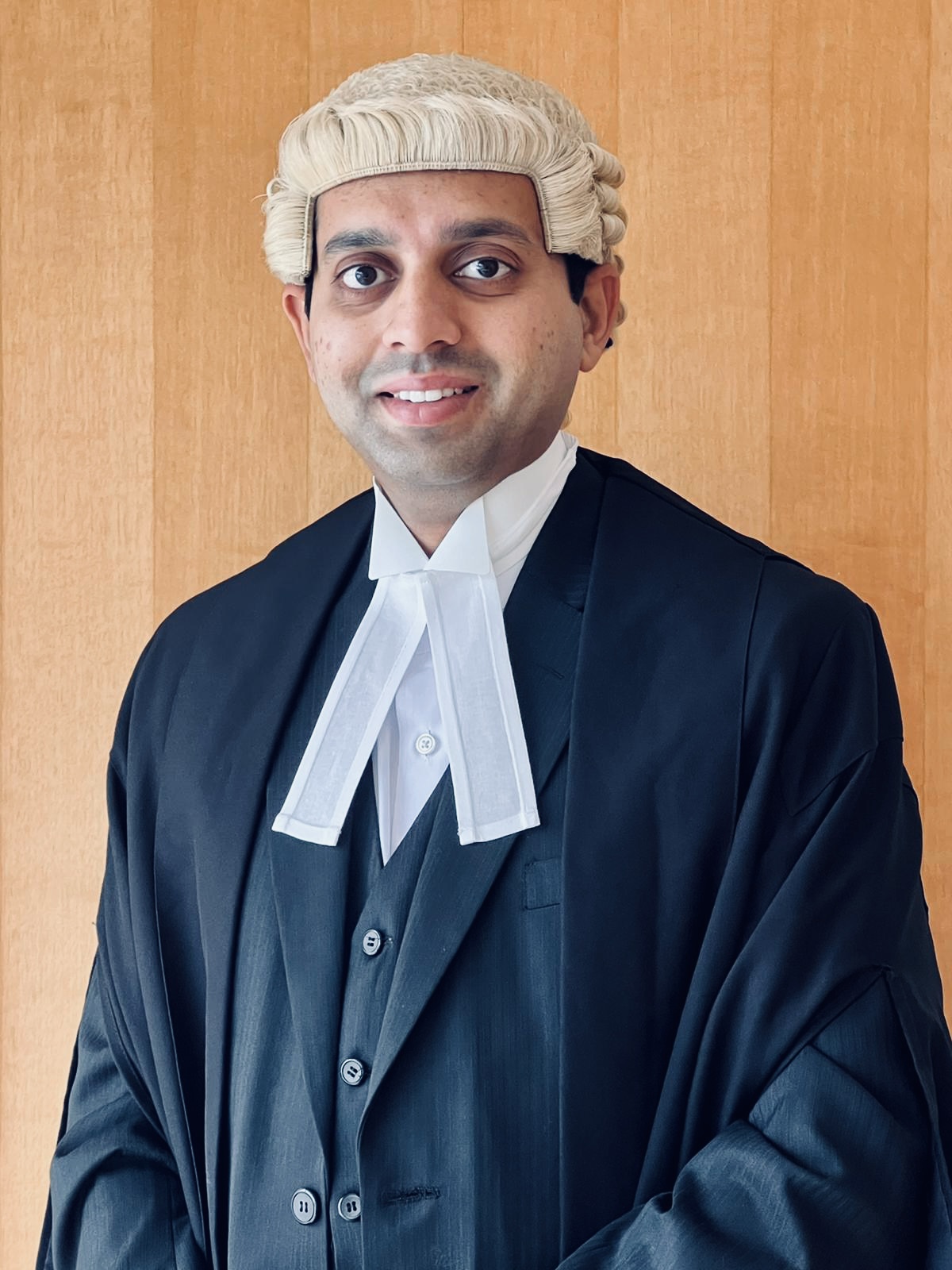



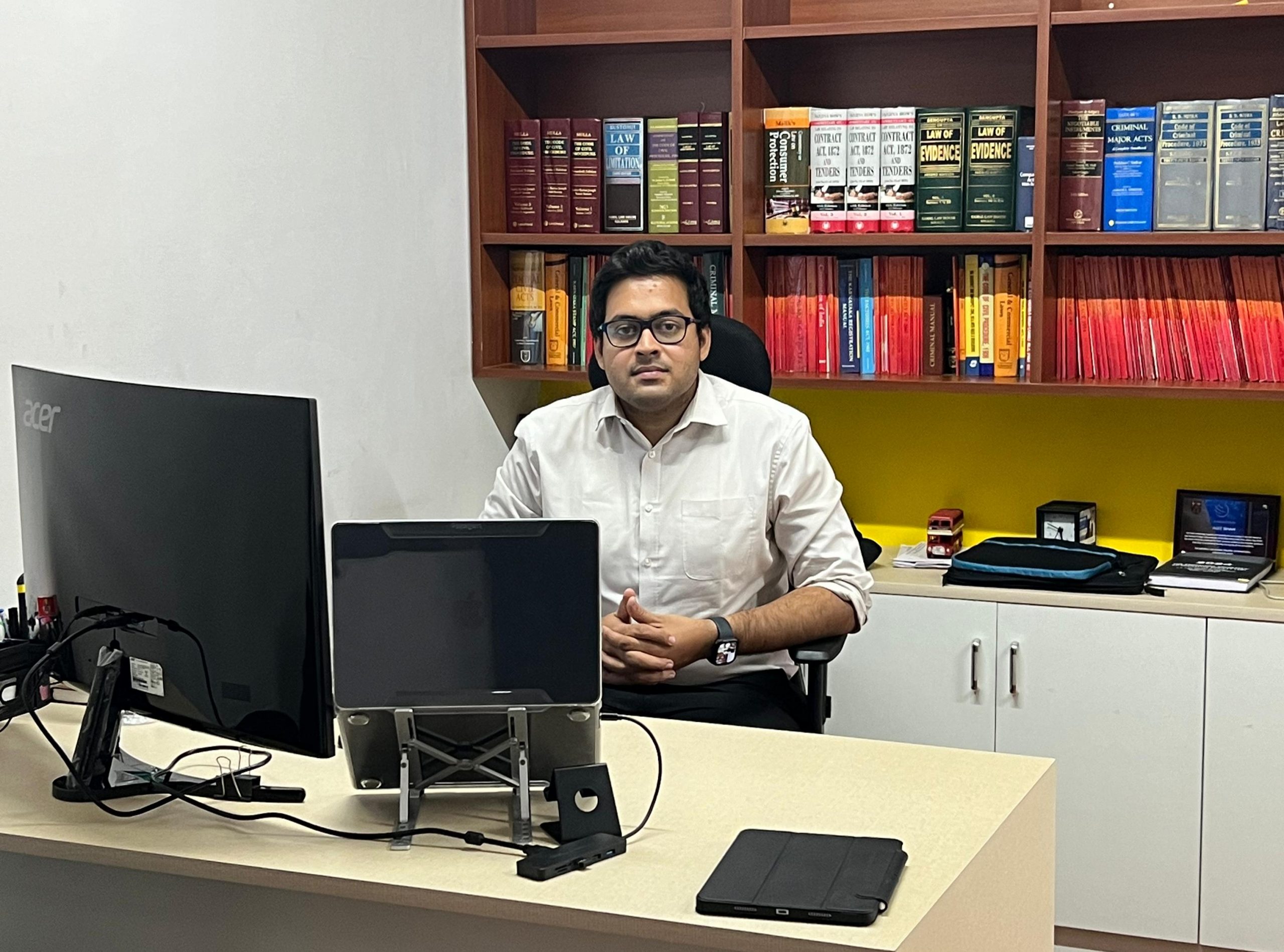








 Allow notifications