Tag: Panjab University

  • “When one is doing relatively better in their career, it is easy to set a certain “effortless” narrative for their story. However, it is neither fair nor honest if they don’t acknowledge the years of struggle they endured to be wherever they are today.”- Stutee Nag, Dual-qualified Attorney, International Family Law Office of Jeremy D. Morley

    “When one is doing relatively better in their career, it is easy to set a certain “effortless” narrative for their story. However, it is neither fair nor honest if they don’t acknowledge the years of struggle they endured to be wherever they are today.”- Stutee Nag, Dual-qualified Attorney, International Family Law Office of Jeremy D. Morley

    This Interview has been published by Pragya Chandni and The SuperLawyer Team

    Could you please share with us the story of how you chose to pursue a career in law, especially focusing on international family law and child custody matters between India and the U.S.?

    Being a lawyer is tough. 

    Being a young lawyer is tougher. 

    But being a first-generation, young lawyer – well, that’s just pure chaos!

    I received my law degree in India in 2012, and it has been quite the journey from a fresh law graduate to an international family law practitioner. From being a law clerk at the Punjab and Haryana High Court, to a litigation associate in New Delhi, to an LL.M. candidate in New Hampshire, to a duly licensed New York attorney, to a wife, and, most importantly, to a mother – I have had the good fortune to evolve at every step.

    My initial connection to this area of law and my continued interest in this field is a sum total of several factors. I stumbled upon this particular practice area by chance when I started working for one of the most renowned international family law practitioners in the world, I am based in one of the most diverse cities in the world with a high number of internationally born population, I come from a country that has the world’s biggest diaspora, I am a dual-qualified attorney, and I am a young immigrant mother in an international marriage. In essence, I can relate to the challenges faced by international families, not just as their attorney but also on a much more personal level.

    As someone deeply involved in international family law, could you shed light on what are some of the most significant challenges that your clients face after the breakdown of an international marriage/relationship, particularly concerning issues like International Parental Child Abduction (IPCA)?

    I think the biggest challenge for a person stuck in the middle of an international divorce or custody dispute is to secure effective and timely legal advice. It is challenging enough to figure out the laws and the public policy of one jurisdiction but throw in a whole other continent, and it’s a different ball game altogether. From the financial aspects of a divorce to child custody laws, there are different advantages (or disadvantages) that come with a particular jurisdiction. This often ends up in parties initiating multiple parallel proceedings against each other and then ensuing a judicial tug-of-war, especially in child custody cases. Thus, one wrong step in an international family law dispute can have an everlasting impact on a person’s custodial rights over his or her children, financial rights upon a divorce, immigration status, professional goals, and overall life.

    International Parental Child Abduction (IPCA) is an example of one of the many challenges which a parent might face when an international marriage/relationship breaks down. IPCA is the removal or retention of a child by one parent, outside the child’s country of habitual residence, in breach of the other parent’s custody rights (often done without the knowledge or consent of the other parent). It is a federal crime in the U.S.

    Could you provide our listeners with an overview of the Hague Abduction Convention and its significance in resolving cases of international child abduction?

    The Hague Convention of 25 October 1980 on the Civil Aspects of International Child Abduction (the “Hague Convention” or the “Convention”) is an international treaty that aims to prevent IPCA and protect children from the harmful effects of such wrongful removal or retention. The Convention establishes a legal framework (a “shared civil remedy”) among partner countries for the prompt return of internationally abducted children to their country of habitual residence. A court functioning under the Convention does not settle a child custody dispute. It merely decides whether or not a child should be returned to the country of his habitual residence, so that the custody dispute can then be settled by the courts in that country. 

    Keep in mind that just because a country has signed the Convention does not mean that an internationally abducted child would have to be ordered to be returned under all circumstances. The Convention provides six defenses when a court may deny the return of an abducted child. These defenses concern a “grave risk of harm” to the child upon return, the child’s age and opinion, the one-year-and-settled rule, violation of fundamental principles of human rights, consent of the left-behind parent, and the fact that the left-behind parent was not actually exercising rights of custody at the time of wrongful removal.

    More than one hundred countries have signed the Hague Convention. India is not one of those countries.

    You’ve been actively advocating for India to sign the Hague Abduction Convention. Can you explain why you believe this is crucial and the potential impact it could have on resolving international parental child abduction cases involving India?

    I will keep it as short as possible!

    India’s need to accede to the Convention has been underscored by various concerned authorities in the past, including the Hon’ble Indian Law Commission. However, in April 2018, India refused to sign the Hague Convention. It was primarily because the Indian government felt that signing the Convention would deprive the Indian courts of the discretion to refuse the return of a child in a Hague case where such a return is not in the “best interest of the child” (BIOC). The BIOC is the basic principle that all Indian courts apply in all disputes concerning a child’s custody (or even return). The Hague Convention, on the contrary, implies that a court that is merely hearing a return petition should not apply the BIOC principle because it is for the courts in the country where the return is sought to make a rights-of-custody determination under that principle. The second reason for the Indian government to decide against the Convention was that it had concerns about gendered domestic violence against mothers of Indian origin in a foreign country. 

    At that time the Indian government also introduced a Bill titled the Protection of Children (Inter-Country Removal and Retention) Bill, 2018, to tackle the menace of IPCA. Additionally, a “Proposed Authority” was ordered to be set up to handle inter-country parental child removal disputes, and a “Mediation Cell” was established in 2018 to mediate international custody disputes.  It has been almost six years since the Proposed Bill was introduced, but it has since been tabled. The Proposed Authority is yet to come into existence, and the Mediation Cell has not resolved any abduction cases. Not to mention that even if the Proposed Bill had become a law, it would have still lacked the required international backing or the proverbial teeth. However, even without factoring in the issues concerning the Proposed Bill or the Proposed Authority, there still are several independent reasons why the Indian government should consider signing the Convention.

    Firstly, the concerns of the Indian government regarding the BIOC appear to be unfounded because the BIOC is almost a universally applicable standard in child custody disputes. Thus, no matter which court gets to decide the custody dispute, the applicable standard will always be BIOC.

    Secondly, while India’s concerns about gendered domestic violence are not unfounded, it is not an issue specific to women of Indian origin. It is a sensitive and grave issue worldwide, irrespective of the gender or nationality of the victim. Most Hague countries have effective mechanisms in place against domestic violence. This help is available irrespective of the victim’s race, gender, nationality, or immigration status. For instance, all the U.S. States have such programs and helplines in place which offer assistance to domestic violence victims. Such services are usually free of cost, and attempts are even made to provide such assistance in the language that the victim speaks. A victim of domestic violence can initiate a police complaint against the preparator, secure a restraining order, file for a divorce, and initiate a custody case before the concerned foreign court.

    Thirdly, instead of causing an unauthorized removal of the child from another country to India and facing criminal charges, the taking parent has the option to seek the permission of the foreign court to relocate internationally with her children by initiating an international child relocation petition.

    Fourthly, authoritative statistics confirm that India has the world’s biggest diaspora, and all the top countries to which Indians move are Hague signatories, barring the UAE.

    Fifthly, India’s current system of handling a return petition through the writ of habeas corpus and the governing factors in such a writ are strikingly similar to the defenses in a Hague case (as in the situations where the Hague court may not order the return of the child to the country of his habitual residence). Some of these factors/defenses include the age and opinion of the child, the time spent by the child in India since the time of the abduction, the grave risk of harm to the child (or the taking-parent), and the association of the left-behind parent with the child.

    Fifthly, if the taking parent is a mother who decides (in an impulsive moment) to return to India with the child, she may then be prevented, forever, from claiming what is rightfully hers upon divorce in a foreign country because her husband has not only initiated a criminal complaint against her but there is an international arrest warrant out against her. Under such circumstances, the Indian wife’s right to be maintained upon divorce will be hard to enforce through an Indian order, given that the husband is living in a foreign country. On the other hand, the wife would likely not get what she deserves from the foreign court because she willingly flouted a serious law against IPCA and possibly defied a foreign court’s return-of-the-child order.

    Not to mention the burden it puts on an already overburdened Indian judiciary. Once the taking-parent is in India, there is no way to predict what they might do/assert in order to be able to retain the child in India. From filing made-up domestic violence charges to initiating false cases under the infamous Section 498-A of the Indian Penal Code in some cases to filing for restitution of conjugal rights, both sides take whatever steps they feel are necessary to exert pressure on the other side. 

    Furthermore, in today’s rapidly changing economic climate and given India’s bid to be seen as a key player in the current global settings, it does not bode well for India’s international image when the Indian legal system is referred to as “less developed” or as a “safe haven” for child abductors.

    In your experience, what are the usual legal avenues available for a left-behind parent seeking the return of their child from India, considering India’s current stance as a non-signatory to the Hague Convention?

    As I mentioned in my previous answer, the usual way to secure an internationally abducted child’s return from India is to file a writ of habeas corpus before the concerned Indian High Court. However, it is an extraordinary writ and is usually available only under exceptional circumstances. Moreover, from the voluminous (and highly divergent) Indian case law, it is hard to deduce a set of favorable factors that might cause the Indian High Courts to order the return of a child in such cases. The uncertainty of the left-behind parent is not as to the outcome alone; this uncertainty also remains with respect to the correct procedure to follow. Whether to approach the foreign court for an interim custody/return order or whether to approach the Indian writ court directly – there is no clear answer. On the one hand, the existence of a foreign custody order is considered as one of the several factors that Indian courts consider while ordering the return of the child, on the other hand, it seems necessary for the left-behind parent to secure an emergency custody order from the child’s country of habitual residence in the hope to prevent the taking parent from initiating a regular custody case in India based on the concept of ‘ordinary residence’ of the child (and this is just one such example).

    Understandably, a left-behind parent (especially one of Indian origin) might feel cheated by the system because of the lack of proper recourse.

    Given your extensive experience and expertise, what advice would you offer to fresh graduates aspiring to specialize in international family law or pursue a career in law with a focus on cross-border issues?

    Dear fresh graduates, I’d like to start with a bit of general advice. Don’t be afraid to make mistakes (as long as you learn from them). And please don’t be afraid to share. Whether it is your special knowledge or skills, your initial insecurities regarding this profession, or even your occasional failures- whatever it is- learn to share. 

    When one is doing relatively better in their career, it is easy to set a certain “effortless” narrative for their story. However, it is neither fair nor honest if they don’t acknowledge the years of struggle they endured to be wherever they are today. I had my share of struggles during my initial years, and sharing those struggles with people close to me only made things better. By sharing your struggles with others, you are telling the other people (who are also struggling) that they are not alone and that it gets better. This is generally true for any profession, but it is spot on for fresh-out-of-law-school lawyers. There is a learning curve to this profession, and there is no one defined way to master it. So truly, what matters is your journey (and detours), not the destination. Don’t be afraid to network and reach out to other people if you have doubts (in fact, my US journey started by reaching out to a wonderful attorney who was featured by Superlawyers back then).

    For any kind of international law practice, you should be prepared to learn (from scratch) the legal system of another country (sometimes you may even be required to unlearn the things you did in your home country); you will be required to take the Bar exam once again (easier said than done); you must learn to network, and lastly, as with everything in life, luck is a huge factor (especially with immigration-related issues).

    It is possible when you shift gears in your profession, that you will find that your carefully honed skills from your previous position do not necessarily translate into your next position. However, they are never rendered useless. It is entirely up to you to collate your bundle of skills and offer something unique to the world.

    Finally, considering your advocacy work and professional journey, what message or advice would you like to share with our listeners, especially those who might be facing international legal challenges or navigating the complexities of international family law?

    Get the right attorney ASAP! 

    The first step in many international family law cases is the most important one, and one must not mess it up by receiving incorrect (or impractical) advice.

    Get in touch with Stutee Nag-

  • The most important principle is to be open to all the work that comes one’s way, nothing is too small or too big, to work with sincerity and dedication and not to engage in wasteful comparative analysis-Rajat Moudgil, Dual Qualified Lawyer – Associate Partner P&A Law Offices

    The most important principle is to be open to all the work that comes one’s way, nothing is too small or too big, to work with sincerity and dedication and not to engage in wasteful comparative analysis-Rajat Moudgil, Dual Qualified Lawyer – Associate Partner P&A Law Offices

    This interview has been published by  Priyanka Karwa and The SuperLawyer Team

    Sir, please share with us how you initially became interested in the field of law and what led you to pursue it as a career?

    I became interested in the field of law because of my father. He is a litigation lawyer on the civil side. In his prime, he was one of the leading lawyers in the city (Jalandhar, Punjab). When I was young, I was always in awe of his legal practice. I grew up in an environment where his office and our residence would be bustling with clients, lawyers, clerks and stenographers. I liked the busy life of a litigation lawyer where clients from all backgrounds with diverse problems came to explore solutions to their problems. 

    I realized that the core of the legal profession is problem solving and I started getting interested in the field of law, with the higher objective of contributing to the justice delivery system. Now after being a part of this system for more than 10 years, I can easily say that law is an empowering profession that has the ability to bring actual change in people’s lives. 

    Could you tell us about your educational background and the significance of your LL.M. in Competition Law and Market Regulation from the National Law University, Delhi?

    I did B.A.LL.B (Hons.) from Panjab University, Chandigarh. Thereafter I proceeded to join my father in his litigation practice and learnt how to apply and practice law from the ground level. This phase in my life was the building block of my journey as a lawyer. I represented clients in all kinds of civil disputes that included possession disputes, matrimonial disputes, eviction matters, injunction suits, testamentary and succession disputes etc. For a period of three years I was also empanelled by the District Legal Services Authority which allowed me to represent the unrepresented in criminal trials. I was fortunate to get an opportunity to appear in criminal matters ranging from petty theft offences to murder trials. 

    However, after practising for 5 years, I wanted to move from private party litigation before District Courts to litigation that would be significant at the national level. In 2015, National Law University, Delhi came up with a new LL.M. specialization in Competition Law and Market Regulation, in addition to its usual LL.M. in Public Law. I thought specialization in a new and upcoming stream of law, even though the Competition Act was enforced in 2009, would allow me to garner new skills and help me in my endeavour to contribute to the legal system at the national level.  

    My LL.M in Competition Law and Market Regulation was interesting and fulfilling academically. Throughout my studies I realised the prime importance of my tenure as a litigating lawyer, for it was that experience which enabled me to understand competition law in application and not just theoretically. I also realized the difference in the attitude of institutions and students between State Universities like Panjab University and NLUs (at least the one I attended). In Panjab University the institution and students were primarily focussed on making a career in the judiciary or other government services. I must add that I too appeared for judicial exams in Delhi but could never go beyond the mains stage. Moreover, in Panjab University the focus was only on traditional subjects and new laws like Competition law, Insolvency and Bankruptcy etc were hardly included in the curriculum. At NLU Delhi, I witnessed students exploring different subjects and careers after graduation or LL.M. The teaching methodology and student assignments were also different at NLU Delhi in comparison to Panjab University. Another difference between traditional universities and law universities is the opportunity to interact with students from different faculties and departments. Traditional universities like PU allow students pursuing different subjects like law, arts, science etc to interact and associate. Moreover student unions are stronger and student body elections are significantly more important here.  

    Significance of the time spent in both the universities has been immense not just in the profession but in life. I made some lovely friends and even met my wife while studying at NLU, Delhi. 

    As someone who is qualified by both the Bar Council of India and the Law Society of Ontario, Canada, could you discuss the similarities and differences between practicing law in India and Canada?

    I have qualified for the bar in Ontario, Canada but have not practiced there. However, I can comment based on the qualifying examination I cleared and the requirements I need to fulfil to continue my license. I think the profession in Canada is regulated in a much better way than in India. To start with, the qualifying exams (barrister and solicitor) which everyone is required to clear to qualify as a lawyer is more challenging than the All India Bar Examination conducted in India. The exams are framed in a manner that tests the candidates on ethical and professional responsibilities, as well as legal knowledge. 

    Even after qualifying as a lawyer, all lawyers are required to complete several requirements like submitting annual reports, continuous legal training (Continuous Professional Development) etc, failing which lawyers are suspended from practice. These details are also published on the website for the general public to know. Overall the system aims to protect clients from unethical practices and rules and regulations are implemented better in comparison to India. 

    What are some of the challenges you faced while representing clients in antitrust-related matters before the Competition Commission of India and the courts? How did you overcome those challenges?

    Proceedings against these clients are pending either before the Competition Commission of India (CCI) or in appeal stage, so I’ll not be able to state much. However, I can say that antitrust proceedings in India are often based on perceptions and projections. Most of the times the prima facie view formed by the CCI before directing investigation is followed by the office of the Director General (DG) and again upheld by the CCI at the time of passing final orders. CCI often follows the market defined by foreign regulators in similar industries and is often not willing to adapt the market definition to Indian realities. I must add that lawyers also depend and rely on international jurisprudence to support or defend their cases. Despite the wide powers granted to the CCI to impose high penalties and dictate business decisions, the responsibility to establish contravention through evidence is quite low. The lack of transparency in CCI proceedings can also be a cause of annoyance at times. 

    Since the facts and proceedings are often complex, the Appellate Authorities also refrain from interfering in the primary questions of ‘definition of relevant markets’ and ‘market power enjoyed by parties.’ Although appeals have been allowed against CCI Orders but most of them have been allowed on procedural grounds.  Appeals on many important issues are pending before the Supreme Court. Though we are part of the system and are equally responsible for the delays in final adjudication of appeals, we try our best to be ready to meaningfully assist the Courts in deciding these important issues.  

    Apart from your work with P&A Law Offices, you have also served as a Senior Associate at the Competition Commission of India. Can you share your experience there and the role you played in analyzing merger notifications and investigating alleged anticompetitive practices?

    My tenure at CCI has played a vital role in my career. After finishing LL.M. I wanted to work at the CCI to understand its functioning. Unlike Courts, CCI has a very good setup where the Members are assisted by experts from legal, economics, accountancy and other fields. In fact, the decisions passed by the CCI are guided by the analysis and assessment done by these experts. Further, there are different divisions for merger control, antitrust enforcement, legal proceedings that include initiating and defending by CCI, economics, investigation etc. I was fortunate to have worked in different divisions. During my tenure I worked in the investigation divisions where we assessed and analysed cartels, anti-competitive vertical agreements and abuse of dominance related complaints. In fact the resale price maintenance case against Maruti originated from an anonymous complaint analysed by the investigation division. 

    The combination division dealing with merger control required me to collaborate more with counsels appearing on behalf of merging parties. CCI has a pro-business approach in merger control, however the division ensures that all combinations are notified as per the regulation and then vigorously pursues combinations where it is able to identify a harm arising out of the combination.  

    In addition to these divisions, I was attached to the office of one of the Members of CCI, where I was required to brief on matters from all divisions. 

    Lastly,  what advice would you like to give to fresh law graduates who are just starting their careers? What key lessons or principles should they keep in mind as they embark on their professional journey?

    The most important principle is to be open to all the work that comes one’s way, nothing is too small or too big, to work with sincerity and dedication and not to engage in wasteful comparative analysis. Young professionals should be willing to explore and learn different practices. I think law firms are exerting unwarranted pressure on young professionals to persist with only one field and the industry is needlessly focussing on specialisation. In fact even in a particular field, firms are demanding lawyers to be super specialized. For instance in Competition Law, lawyers are being categorized as enforcement specialists or merger control specialists. Specialisation or super specialisation is fine and may even be essential in the long run, especially in law firms, but fresh law graduates should be encouraged to develop skills and gain knowledge of different fields of law. 

    The core principles in law are the same across all fields and most of law is based on common sense. This is the reason why most senior counsels are able to represent clients across all fields of law. However, the industry and recruiters are not always willing to embrace young professionals who don’t specialize in one subject at the beginning of their careers. I can easily say from my own experience that all my different experiences, be it original side litigation, legal officer at an insurance company, association with CCI, competition law counsel at a law firm, have played an important role in understanding the legal system better and in practical application of different laws.  

    Get in touch with Rajat Moudgil-

  • Lovejeet Singh- Managing Associate at Chandhiok & Mahajan, Alumni of Cardiff University UK, who paved his path in assorted parts of the law

    Lovejeet Singh- Managing Associate at Chandhiok & Mahajan, Alumni of Cardiff University UK, who paved his path in assorted parts of the law

    This interview has been published by Tanmaya Sharma. The Interview was taken by The SuperLawyer Team.


    Why does corporate law attract so much attention? What makes it so unique?

    The corporate sector in India is at a developing stage. The majority of the mid-size businesses in India are still not structured formally and are gradually moving towards formalization. Considering the aforesaid, there is a huge potential in corporate law practice. Further, there is a dearth of corporate lawyers in Tier II and Tier III cities including small towns. I think this is one of the key reasons that corporate law attracts more attention.

    The other aspect which makes corporate law unique is the financial aspect. Starting one’s legal journey in courts in India is still not financially viable, whereas, a career in corporate law with a law firm usually leads to a decent pay package even at the early stages of the career.  

    If we start from the beginning, were you ever dicey while choosing law as a career option? 

    I was never dicey while choosing law as a career option. As my father is a tax lawyer, I always had an inclination to be a lawyer from my school days despite being aware that it requires a lot of hard work and determination. I used to accompany him to tax tribunals at times during my school vacation. The courtrooms always intrigued me to be a lawyer. 

    However, I took time in choosing my practice area. I joined law school with a thought process that I will become a tax lawyer and join my father, however, later I realized my inclination towards corporate-commercial law. 

    You completed your LLB in 2008 from Panjab University and LLM (Commercial Law) in 2009 from Cardiff University, Cardiff (UK). How strenuous was it to get into Cardiff, a top ten university in the UK? Would you like to share your internship experience with a Kuala Lumpur-based law firm?

    I would say that completing Masters in Law at Cardiff University was more strenuous than getting into the university. As the Indian legal education system (when I completed law) was more subjective, getting a hang of the English education system (which focuses more on the practical side) took some time and effort in the initial days. Education at Cardiff University helped me to enhance my analytical and problem-solving skills which are much necessitated for a lawyer.  

    I had a delightful experience with Azmi & Associates, a Kuala Lumpur-based law firm. It was my first experience with a foreign law firm. I worked on corporate transactions and did advisory work during my internship. Perhaps, some of the assignments involved Indian parties so I also used to refer to Indian law. Further, the Contract Act and Companies Act applicable at that point of time in Malaysia were similar to what was applicable in India, hence adapting with work was not difficult. The Firm and its members were very supportive. I am still in touch with the Managing Partner and Corporate Partner of the firm.

    You assisted many renowned authors like Late Dr. Avtar Singh and were engaged in legal research while employed in LexisNexis. Immediately after that, you moved to CLG and dedicated almost 5 years. How has research work helped you in establishing your legal understanding at CLG?

    I think one of the important requirements for legal practice is that you should be aware of where the law is and what it says. Implementation of the law is a subsequent step. The research work done at LexisNexis helped me to gain an in-depth understanding of what the law says. Considering my interest in corporate-commercial law, I was always given the opportunity at Lexis Nexis to work on books relating to corporate-commercial law. 

    I would say that the research work gave me a foundation to practice law. At CLG, I worked in different areas of law including advice on corporate matters, regulatory aspects (in sectors like food processing and pharma) and disputes resolution. While I was not very keen to work on the disputes side, the Managing Partner at CLG persuaded me to have some experience of commercial litigation/ arbitration to have a holistic experience of legal practice. 

    You advise in assorted sectors like aviation, automobile, chemicals and fertilizers, food processing, manufacturing, IT, infrastructure, hospitality, and shipping. Which industry interests you the most? How does one handle advising all such evolving industries together?

    I find the transport industry (specifically aviation and shipping) more interesting in comparison to other sectors. I still remember my first assignment concerning aviation finance advice at Clasis Law. I found it challenging initially but, the aspects involved while advising on the assignment were fascinating. Subsequently, my secondment at Clyde & Co, Dubai in 2018 brought me closer to the aviation sector where I worked with the aviation team and got an opportunity to work on various aspects of aviation. I am currently advising on shipbuilding contracts and contracts relating to the procurement of equipment for shipbuilding.

    With regards to handling evolving sectors together, I think it is imperative to stay abreast with the legal developments in these sectors. As these are evolving sectors, the law keeps on developing from time to time and it is important to keep yourself updated to advise on such evolving sectors.

    What responsibilities do you carry out as a Managing Associate with Chandhiok & Mahajan (C&M)?

    At C&M, I handle transactional and advisory work. I have been working on assignments relating to aviation, automobile, chemicals and fertilizers, manufacturing, IT, and shipping. In addition, I am also gaining exposure to other areas of law such as insolvency and restructuring. 

    We often hear that a lawyer has a never-ending learning process. What is your next move to accelerate your career?

    Yes, learning is a never-ending process for lawyers and I believe it is important to upgrade your skills from time to time. 

    Going forward, I intend to focus on business development and further enhance my advocacy skills. I am currently exploring suitable study programs which can be taken up simultaneously with work to enhance my aforesaid skills. 

    Other than work, you are a fitness enthusiast and are involved in reading insightful books. How would you inspire a young mind to follow a healthy routine? 

    I think a healthy routine is not just for physical fitness, it also has an impact on your professional life. 

    For instance, following a regular fitness regime requires persistent determination and it keeps you more disciplined and focussed. Achieving fitness goals also boosts a person’s confidence. In my view, discipline, perseverance, a focussed approach, setting goals, and learning something new each day are a few of the key essentials for a successful professional life. I believe the advantages of a healthy routine and prerequisites for a successful career are interlinked.

    This connection can probably be a source of inspiration for young minds as everyone aims for a successful career. Further, reading insightful books keeps me motivated to keep going. I remember a quote from my recent read – Robin Sharma’s ‘5 AM Club’ which says “When you feel like surrendering, continue. Triumph loves the relentless.


    Get in touch with:

  • Hemant Batra, Founder, Kaden Boriss Global, on working at AMSS and the UN, and his diverse experience

    Hemant Batra, Founder, Kaden Boriss Global, on working at AMSS and the UN, and his diverse experience

    Hemant Batra graduated in law from Panjab University, in 1991. He is a corporate, commercial, business and strategist lawyer. He is the founder and Chairman of Kaden Boriss Global, a legal and business strategist organization of global law firms and offices. Kaden Boriss was founded in 2003 by international and business laws specialist lawyers Hemant Batra and Preeti Batra. The intellectual property rights (IPR) in the trade mark and copyright of legal brand Kaden Boriss (KB) vests with Hemant Batra. As a Chairperson of Kaden Boriss, a Corporate & Commercial law firm, he is responsible for firm’s mentorship. His role in the law firm is to advise on strategy relating to any legal transaction or matter. He also steers cross-border & international legal transactions for clients. In the law firm he is also responsible for overseeing execution of selective legal consulting and services assignments for clients.

    In this interview we speak to him about:

    • Founding his own organisation
    • Working with the United Nations
    • His passion for music

    What made you decide to pursue an LLB after obtaining a BA degree? 

    While pursuing a BA in Humanities, I started to eliminate the career path, which I was not inclined to embrace at all. In late 1980s, I saw everybody around me was interested in the professions of engineering, medicine or civil services. I eliminated the engineering and medicine fields because they appeared quite run-of-the-mill and unremarkable. Initially, civil services, especially Indian police services did attract and excite me. However, on closer analysis, I eliminated that option as well for a couple of reasons – one, I noticed that there was too much political interference in civil services; in fact, I found civil servants being at the mercy of politicians, all the time; secondly, I was not too impressed by the remunerative compensation of government employees. Hence, I decided on the legal profession. It had too many appealing features. I was an accomplished orator, it offered me an opportunity to showcase my oratory skills. I wanted to be a strategic counselor and successful entrepreneur. The legal field was the best option to be on my own. It offered independence and presented means of earning sufficient wealth through absolute lawful means. Above all, I wanted to be a proficient and acclaimed global lawyer. Thus, I chose legal field to be my career path.

    I had chosen public administration, economics and political science as my subjects in BA. These subjects are/were very close to the legal system and commandments of law. These subjects literally became a bridge between BA and LLB, for me.

    It is my strong belief that humanities and law subjects are the ideal combination, for a career in law; be it law practice or legal services.

     

    How was your experience in law school? Do you think law schools produce socially relevant lawyers?

    I did my LLB from the Chandigarh Law Faculty, in the campus of Punjab University. The campus was very modern in terms of building and infrastructure. It was a stand-alone dedicated campus. The size of class or batch was not more than 100–120 students, if I remember correctly. The faculty was very strong, comprising some brilliant professors and authors. Even Senior Lawyers used to visit us as visiting faculty. The student–teacher ratio was 7:1, which was quite impressive.  I had an outstanding experience as a law student. The fellow students were very friendly and teachers exceedingly helpful. I carry wonderful memories of those times. Yes, the law schools do offer great opportunities to become socially relevant lawyers by becoming part of community, pro-bono and human rights driven legal programmes. Even in my times of student life, we had these programmes. We were inculcated with the values of serving the community in part-time, compulsorily or whole-time, optionally. However, at the end these become more of self-made choices. Law schools can only show you the right path and values; they can’t hand-hold you.   


    Did you participate in any extracurricular activities such as moots, debates or undertake any internships in law school? 

    Yes, I did participate in the extracurricular activities. In fact, moots was a compulsory subject. I participated in moots in all three years. I also participated in the debates and declamation contests. Internships, in our days was meant only for the last semester i.e. sixth. This was compulsory. For other semesters, it was optional. I did use to visit the High Court as a law student to observe some key hearings. All these practical activities helped me enormously in my becoming an accomplished lawyer. In order to become a skilled lawyer, one should have multiple traits and qualities – analytical approach, patience, hardworking, articulate, clear and effective oration, humility and so on. The extracurricular activities contribute overwhelmingly in bringing out the best in you. I am of the robust view that in the legal profession practical training and experience surpasses theoretical part. Therefore, the extracurricular activities and practical training should not only be made mandatory but must be made part of day to day curriculum.        


    What are your areas of interest in the legal field? 

    I graduated and got enrolled as a lawyer in 1991. At that time the only area of law practice was litigation. In litigation, most lawyers were general practitioners. Primarily, litigation involved civil, criminal and revenue matters. I actually wanted become an arguing counsel but destiny had something else stored for me. I joined Amarchand Mangaldas & Hiralal Shroff & Co., Solicitors in 1991 as an Associate. I was working alongside Shardul and Pallavi Shroff, who were the Managing Partners of the law firm. I got exceptional opportunities as a young fresher. I do not think anyone could get such opportunities in today’s times. In 1991, each day, I was given legal briefs to argue in the Delhi High Court (and sometimes even Supreme Court and Company Law Board). They trusted my capabilities and strengths. Between 1991 and 1994, I argued innumerable cases in several courts, tribunals and forums. However, the process of economic liberalization issued in 1991 by the Indian Government started to take shape in 1994. A new field and area of practise started to emerge for law practitioners. This got to be known as non-litigation or FDI law practise. It became a fashion statement to brand yourself as a corporate and commercial lawyer. I ventured into this area of practise. I became a connoisseur of cross-border investments related documentation and regulatory work. I got tremendous opportunities to handle complicated M&A and JV transactions. I started to enjoy the globetrotting attached with this kind of law practise. From a litigation lawyer, I transitioned into a business lawyer. I walked away from courts, where I always wanted to be. I have no regrets because I thoroughly enjoyed then and even now the challenges and luxuries of being a corporate lawyer. My core areas of practise cover corporate and commercial matters, FDI, economic laws, mergers, acquisitions, cross border investments, joint ventures, corporate compliances, corporate governance, corporate social responsibility, commercial agreements, transactional documentation, private equity, regulatory work, agreements, anti-corruption, anti-bribery compliance and legal auditing.         


    How did you secure an appointment at AMSS? 

    At that time, AMSS was known as AMHS. I was waiting for my final semester results of LLB, I approached AMHS directly at New Delhi office. I religiously used to visit the AMHS law firm office to secure interview. I succeeded after a gap of one week to get an interview with Shardul Shroff. I had an interaction of about half hour with him. He was then a lawyer of about eleven to twelve years’ experience. He liked my answer to one of the questions, where I said that for me AMHS is a gurukul and you my guru to be.’ I told him categorically that AMHS was a training ground for me, hence, I didn’t expect any remuneration. I was recruited as a Trainee and then once, I got my degree and enrolment, I was designated as an Associate. At that time the recruitment was done personally by Shardul and Pallavi. The criteria was primarily instinctive and first impression coupled with honesty and smartness of the candidate. My experience was absolutely outstanding. Whatever heights in legal profession, I have attained, I owe it to Shardul and Pallavi. Right on day one, they pushed me in to the turbulent legal waters so that I could become a swimmer in the rapids. I gained experience of more than a decade in just four years. In four years, I was capable enough to give run for money to lawyers with experience of ten years plus.      


    What motivated you to found Kaden Boriss Global?

    When I was travelling globally and that too extensively in mid 1990s and onwards, I realized that I should have an international brand with which foreign clients could relate to easily. I thought of establishing a law firm and a network of international offices with an international name so that people associate with it an MNC and not a domestic institution.  Kaden Boriss is a combination of two expressions – ‘Kaden’ and ‘Boriss’. The ethnic origin of these expressions can predominantly be found in the Swedish Germanic and Slavic languages and also partially in the classical Arabic language. `Kaden’ means a Companion and Boriss means a Warrior. When this name was coined on 15th August, 2003 me with the assistance of my international financial lawyer wife Preeti W. Batra, the idea was two-fold – (1) the law firm had to become a global phenomenon with presence all across the world, hence name had to be truly international, which one and all could relate to regardless of origin, race, language or dialect; and (2) the law firm had to become an unconventional outfit with emphasis on progressive legal services and strategy. Hence, the formula was to become a `Companion’ to our clients with a `Warrior’ like instinct. In other words, in this tough world clients need a companion who is a warrior. I am the registered owner of the IPR in Kaden Boriss brand.

    Initially, Kaden Boriss ventured into a highly innovative domain by assuming role of a knowledge processing consulting and legal services company. It engaged in undertaking legal & para-legal consulting assignments for Multi-National clients seeking to contract out their in-house legal, para-legal and strategic advisory, regulatory and compliance work. Between 2003 – 2011, Kaden Boriss under my leadership undertook extensive projects in Americas, Australia, Austria, Bangladesh, Bhutan, China, Czech Republic, Dubai, England, Germany, Holland, Hong Kong, Hungary, India, Indonesia, Kuwait, Italy, Maldives, Nepal, Philippines, Russia, South Korea, Sri Lanka and Thailand involving legal cross-border transactions, business acquisitions, mergers, takeover, private equity deals, commercial documentation, research on legal and para-legal issues, regulatory approvals, compliances, due-diligence, legal auditing and formulation of business strategies. Kaden Boriss operated from multiple satellite and project offices at that time. It comprised of team of Legal, IT, Software, Secretarial and Commercial professionals who are experts/specialists in undertaking high-end consulting projects of varied faculties.

    One of its divisions, also provided a cost and time saving solutions to the everyday challenges of making reports, presentations and other research-based documents like legal auditing, articles on general as well as technical issues and papers amongst others for business organizations, professionals and individuals. Its services represented a logical alternative for business organizations and individuals who didn’t want to waste their precious resources on such assignments but wanted to concentrate on their core area of activity. Kaden Boriss grew to become one-stop window for solutions to all legal and para-legal problems/issues.

    The only hurdle was that Indian clients initially thought that Kaden Boriss was a foreign law consulting firm like McKenzie or something, which it was not. The perception was that it was a consulting company and not a law firm. This was eventually overcome.

    The traits and fame of Kaden Boriss in executing legal and para-legal work for businesses and industry leaders all across the globe with utmost integrity, confidentiality, commitment, effort and efficiency started to spread far and wide.

    Hence, in 2009 Kaden Boriss formally adopted the Swiss Verein kind of structure. I and my wife Preeti W. Batra found this business model as an effective medium of offering Kaden Boriss as a single global brand with its member or group firms being able to maintain their independent status as separate legal entities as well as financially and administratively. The Kaden Boriss evolved as a commercially vibrant ‘goodwill’ service brand with ideal brand equity.

     

    You are, and have been in the past, the Vice President of SAARCLAW. Can you tell us about the role of this organisation and your job profile as its VP?

    South Asian Association For Regional Co-operation in Law, SAARCLAW, is an association of the legal communities of the eight SAARC countries comprising judges, lawyers, academicians, law teachers, public officers and a host of other law-related persons, duly registered with the SAARC Secretariat at Kathmandu and awarded the status of a Regional Apex Body Of SAARC. It owes its origin to the desire of the members of the legal community to establish an association within the SAARC region to disseminate information and to promote an understanding of the concerns and developments of the region.

    SAARCLAW was established in Colombo on 24th October 1991. I have been associated with SAARCLAW since its inception. I have been its Secretary General for three terms of two years each. Presently as Vice President, I represent India on the Executive Council. Office bearers enjoy quasi-diplomatic status. I have been instrumental in helping SAARCLAW establish a permanent Secretariat in Kathmandu. In my tenure as SG, I worked out several joint ventures between SAARCLAW and international institutions like UNDP, UNAIDS, IDLO, ADB etc. The Annual SAARCLAW Conferences have been acclaimed as affording an opportunity to its members for interaction, exchange of ideas and for forging a spirit of solidarity. It has been the convention since 1995 to hold a conference of the Chief Justices of the SAARC countries concurrently with the Annual SAARCLAW Conference. This feature has become institutionalized now and offers a forum for the exchange of thoughts and views of the Chief Justices of our countries.

    In its more than 25 years of existence, the members of SAARCLAW have persistently worked towards the achievement of its objectives of bringing together the legal communities within the region for closer co-operation, development of understanding, promotion of exchange of ideas and dissemination of information, and to use and develop law as a source and an instrument towards social change for development as well as for building co-operation among the peoples of the region.


    You have worked closely with the United Nations in several capacities. Can you tell us about the experience?

    First and foremost, any job with UN bodies requires a systematic approach. One is required to be passionate about certain areas of activities, which may be of concern to the relevant UN body. Before being eligible to undertake projects or assume positions with UN bodies, the readers interested in joining such bodies will have to execute some projects independently or with some non-profit outfits or NGOs. The vacant positions of UN bodies are widely publicized and displayed on their respective websites. The process of recruitment and hiring is very transparent and merit based.   


    Can you tell our readers about the role of the aforesaid organisations as well as your role as a member of UNAIDS?

    (Hemant has been a member of UNAIDS and has also been a Regional Observer at the Global commission on HIV and Law. He also works in association with UNDP to address the issue of AIDS.)

    It is officially estimated that over two million people in India are living with HIV. Though unofficial figures could be much higher. In other words, the people affected with HIV in India equal the population of cities like Chicago, Houston, Paris and Rome. Another example being that HIV affected people in India equals population of two Mauritius put together. Children (less than fifteen years) account for 6.54%, while two fifth (40.5%) of total HIV infections are among females. I have been working very closely with various UN bodies and international institutions working for the upliftment of marginalized population, be it LGBT community or sex workers. I was nominated to some key committees of UNAIDS, UNDP and UNESCAP; and also IDLO to facilitate diverse projects and programmes in resolving legal hurdles in dealing with people affected with HIV and AIDS. I helped in orientation of several stake holders and also introducing new legislation in South Asia to ensure that there was no discrimination encountered by the people especially women affected by HIV and AIDS at their work place and hospitals. I was instrumental in getting key members of the judiciary, executive and legislature from most South Asian countries on these committees. Several publications were co-authored and edited by me in this direction. India is severely affected by HIV and AIDS. Government and Judiciary have taken some fundamental steps in the direction of dealing with this reality.     

    Kaden Boriss, in association with National university of Singapore, founded an initiative called ‘International Infrastructure and Construction Law Arbitration Moot (IICLAM)’. What was the reason behind doing so? Why did you choose this particular topic for the moot? How do you think mooting contributes to a law student’s holistic development?

    I have worked very closely with an eminent Professor from NUS, Prof. Alan Tan. He was Vice Dean in the Law Faculty at the relevant time. We both decided to bring Kaden Boriss, NUS and Singapore International Arbitration Centre (SIAC) under one roof to deal with the most challenging legal proposition in the developing nations. We identified infrastructure as the key pillar of development in any developing nation. The transactions of infrastructure involve several contracts and agreements with serious and complicated legal implications. Through IICLAM, we resolved to engage the next generation lawyers i.e. law students in resolution of legal disputes in the infrastructure – construction law related matters. The moot competition also enriched law students’ knowledge on the ADR mechanism.
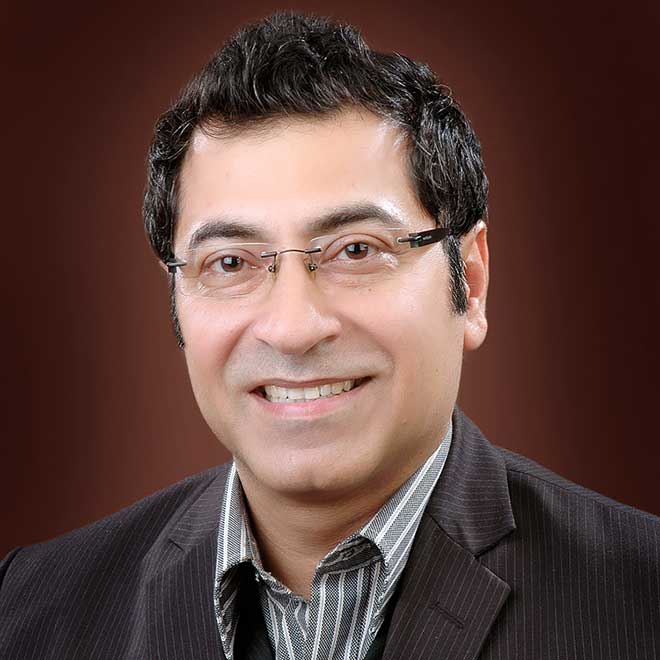
     

    You are a senior expert at Geoman Bind, a legal and policy research think tank. Can you tell our readers about the nature of work you do there, as well as the importance of think tanks in policy making?

    This is the future of legal and policy arena. Goeman Bind HTO is a private non-profit international legal and policy advisory and research think-tank. It is cerebrally and academically supported by patrons from Australia, China, Dubai, France, Germany, Holland, Indonesia, Malaysia, Romania, Russia, Singapore, Slovakia, USA and UK. It stimulates legal experts and academia to offer knowledge to the patrons and inspires policy specialists to share expertise with the recipients. It engages in legal and policy research and advisory while creating a knowledge bank within reachable horizon. Goeman Bind HTO is a unifying process or manifestation of valued and iconic traits of expert legal professionals. It is unique fora of research, resource and legal advisory. This not for profit initiative of combining advisory, research and a think-tank stream under one banner was first conceptualized in 2008 in the form of a platform of like-minded intellectuals, professionals, experts and academicians in the field of law and policy.  Goeman aims to bring under one roof about 50 leading experts and academia in the legal and policy gamut from across the world who could afford the utmost excellence in research, recommendation, opinion and advisory on a complete array of legal issues and policy matters. Goeman provides for a prospect to experts and academia in the legal and policy gamut from all across the world, carrying knowledge and well-versed deliberation to the community dialogue of legal and policy strategy sets. Goeman is projected to become a niche global network of highly qualified academicians, legal and policy advisers. I am involved in couple of legal and policy projects dealing with child labour and child abuse. I am also moderator and referee for some research projects.


    You are the chairman of the South Asia committee of the Indian National Bar Association. Would you tell our readers about the work of the INBA and your role in it?

    I am yet to get fully involved in this particular task. Due to paucity of time and other prior engagement, I have not been able to give much time to INBA. But I propose to involve INBA in the forthcoming SAARCLAW conference in Colombo. INBA has tremendous potential and its live wire Kaviraj Singh is a man of amazing abilities and ideas. He is a man who could be highly relevant in bringing about positive changes in the lives of young legal professionals.


    Do you find that the Indian education system requires improvement? 

    (Hemant has been a visiting faculty at the Indian School of Business and the FORE School of management.)

    Yes definitely, the Indian system requires fundamental reforms. First and foremost, we need to grow out of the mental block of professional degrees. Profession has nothing to do with professional degrees. We need to inculcate and encourage the natural instincts amongst our students. If any student is good in poetry or music or sports or drama, we need to inspire him or her to embrace the same as a career. In the Indian dispersion as to career path, we have a pre-set mind that career means being an engineer, doctor or lawyer; and rest follows. It is important that students should be given an option to move and shift from their original courses as is possible in US. Indian students get stuck with their courses what they choose at the first instance. It is important that down the line, if that particular course doesn’t interest them, they should have the option of choosing or moving to another course. Further, practical aspects need to be introduced more and more in any career path. Regarding, advise to the students, I would only say follow your passion not the flock. If your passion becomes your profession, sky is the limit. Accomplishment is a relative term at the end of the day.    


    You are greatly interested in music. Can you tell us about this interest and how you have pursued it? 

    Music is like meditation for me. It is a means of recharge. I have not had any formal training in music. I started composing and arranging music in 2002. I made a small studio at home in which, I would disappear for hours together. Now, I have an ultra-modern studio with state of the art gadgets and equipments. I launched my brand label `Urf Hekbat’. Urf means alias or also known as. Hekbat is a combination of He for Hemant K for Kumar and Bat for Batra. Initially, I was hesitant to share in the public domain that I was doing music, so I launched this brand name. I launched twin albums of lounge music genre in 2012, which was a big hit. My music started playing in international night clubs and lounges and pubs. In many fashion shows abroad including Berlin fashion show, models walked ramp on my music. I have no commercial agenda for music and it is mere hobby or should I say little more than a hobby. With experience, I can now not only compose music on my own but also create videos for my music tracks. When I was approaching 40s in my age, I felt I was burning out fast in search of fame and wealth. God was really kind to me as by the age of 40, I had earned enough that I could retire and settle down without doing any further work. But this had come at the cost of humongous hard work and stress. Hence, to continue further in profession, I needed a stress-buster hobby and nothing could have been better than music.    


    You have pursued courses in corporate law and the procedural laws of the United States at Harvard Law School and the University of Pennsylvania respectively. How have such courses helped you in your career? 

    Both my children are studying in the United States. I really like the US system of education. I was invited by Harvard Law School to be part of their project regarding legal profession and its international dimensions. This project was being undertaken in collaboration with Indian School of Business, Hyderabad. I became part of this project and gained a lot in terms of experience. I was given lecturer’s role as well. In so far as University of Pennsylvania is concerned as I mentioned that my children live in USA, I wanted to get hold of the basics of US laws, hence, this course.  


    What are the challenges you have faced in building your career as it stands today? 

    I compare legal profession with a space shuttle. When the space shuttle takes off from the launch pad, it emanates huge fire and steam because it assumes too much stress and pressure. Many a times space shuttles blows off and burns while if it doesn’t it goes into the orbit – universe. Likewise, legal profession in the initial years is very testing and stressful but if one can withhold that pressure and steer on with hard work; sky is the limit. I struggled and worked really hard in the initial 5-8 years but after that the growth was vertical. I achieved my targets and aspirations quite early in my career. This profession is very fulfilling and accomplishing. It gives you independence, freedom and command in every which way. It only expects hard-work, discipline and accountability.   


    What are the characteristics you would look for while recruiting young lawyers? 

    Predominantly, I try to see through a candidate in a way that I could identify if he or she has an urge to learn. Legal profession commences with a learning process and then turns into an employment or job or a remunerative arrangement. If one is keeping fiscal expectations in the forefront then he or she is not my choice. Remuneration is important but not fundamental. Learning and training is everything in the initial years. I also look for a cutting edge. Why should I hire you? Is my standard last question. The candidate has to show me, why him or her over others. CGPA is one of the features, we look at but that is not the whole and sole deciding factor.

     

    How have you used your media exposure to influence specific aspects of the legal discourse in India?

    (Hemant has been invited to express your opinion in mass media such as newspapers, magazines and TV shows. You wield unique influence over the legal discourse in India.)

    When you become an experienced legal professional and lawyer, you become a significant resource for any kind of media and medium. I have always believed that experience and knowledge not shared is a waste. I have selflessly shared knowledge at any given opportunity.


    What do you think are some of the legal challenges India’s legal fraternity faces today?

    I think in today’s times the biggest legal challenge our fraternity faces is coping up with the ever changing technology. Those who will not change with the changing needs of time will get wiped out. Way back in 1996, a distinguished law professor from UK, Richard Susskind in his book `The Future of Law’ noted that changes in technology will fundamentally, irreversibly and comprehensively change legal practice, the administration of justice, and the way in which non-lawyers handle their legal and quasi-legal affairs. Law has to be viewed as a business and a profession. In fact, to better understand the transformation of legal practice from a profession traditionally made up of small independent firms to a multi-billion dollar global business; Harvard Law School had long back established the Center on Lawyers and the Professional Services Industry. “Law firms and other professional service providers are now a critical part of the global economy,” said Harvard Law School Professor David Wilkins.


    How can India better its legal regime so that it is more efficient, inclusive and in alignment without nations development goals?

    I think this can be achieved by opening up the legal profession beyond borders, introducing a high notch of accountability so as to discipline the legal professionals and carrying out day to day systematic orientation. We need to realize that hundreds and thousands of students graduate each year in law and eventually get enrolled as lawyers. There is a massive gap in theory and practise. We need to bridge this gap by orientation and proper placements.  


    Can you describe a regular day in your life for our readers? 

    For me it is a five day week in so far as work is concerned. I start my day early, I am in office by 7:30/8:00 AM. I work at stretch be it desk work or meetings until 2:00 PM. I take lunch and rest between 2.00 – 3.30 PM. I am back to work and wind-up around 7:30/8:00 PM. I try to keep meeting outside office for not more than 2 days (preferably one day) a week. Saturday is a hobby day for me when I do music compositions in my music studio. Sunday is totally for family and friends. I am travelling out of Delhi or India seven to ten days a month on an average.


    How would you describe your long and illustrious career in the legal field? 

    I think some of the most eventful or accomplishing landscapes of my career are as follows –

    • Opportunity to work very closely with Shardul and Pallavi Shroff gave me an initial head start in profession.
    • My association at the threshold of the profession with legal luminaries like Justice P.N. Bhagwati, Justice A.M. Ahmadi, Justice R. C. Lahoti, Justice U. C. Banerjee, Mr. P.P. Rao and Mr. K. K. Venugopal boosted my self-esteem and gave me a confident pitch.
    • My association with SAARCLAW at a very young age and victory in all elections at the domestic and international level for the offices therein, gave me tremendous visibility.
    • I was assigned complicated international legal transactions for global clients like Bayer, Suzuki, LG, Godfrey Philips, Kuwait Royalty, AMEX, WU and many more. These transactions took me across borders. I began to be getting recognized as a global corporate and commercial layer.
    • When I founded Kaden Boriss, it was an ultimate feather in my legal cap.
    • And now with Goeman Bind HTO, I stand recognized as a Policy Expert and Thinker.      


    What advice do you have for our readers who are primarily college students?

    My advice to the young students is that keep your feet firmly on the ground. Legal profession is the only profession in the world where growth is vertical, if you are determined, hard-working and disciplined. These three qualities work like a magic potion for assured success. And always be humble.   


  • Harshleen Kaur, In-House Counsel, ShopClues, on her diverse internships, working at MNCs, and her experience

    Harshleen Kaur, In-House Counsel, ShopClues, on her diverse internships, working at MNCs, and her experience

    Harshleen Kaur graduated from University of Legal Studies, Panjab University, in 2015. During her time as an undergraduate, she has interned with the likes of Philips Electronics India Limited, Bharti Airtel Limited, Reed Elsevier, among others. She is currently in-house counsel at online shopping portal ShopClues.

    In this interview we speak to her about:

    • Her diverse internships
    • Her time at ShopClues
    • Being in-house counsel

    How would you like to introduce yourself to our readers?

    Someone who aspired to become a designer but ended up becoming lawyer, as strongly enforced by destiny. Nevertheless, unquestionably an in- house legal counsel by dint of my peculiar, rather unconventional choice. I love my work and area of practice. I am extremely enthusiastic about my work and love to take up complex challenges. I believe in making and maintaining good relationships so that people remember me for the kind of person I am.


    What motivated you to pursue law?

    Well, I did not choose law as a career option until I was guided to do so  by my counselor. My initial aim was to get into one of the best design schools of India but was unsuccessful in clearing the requisite entrance exam. Disheartened with the result, I decided to visit a counselor as I was unsure about what I wanted to become and what options I had. My counselor after evaluating my skills suggested I become a lawyer. Convinced by his rationale and strongly believing the result of the assessment, I decided to pursue law. And as they say “what is meant to be always finds a way”. I was, perhaps, destined to be a lawyer.

    Career counseling played a pivotal role in my life. I would strongly recommend students who aren’t very well versed with the options available to them or are confused about what do in life, to opt for career counseling. Career counseling seeks to help you pick out a career that is tailor made to an individual’s interest, aptitude, needs and personality. Hence, it helps you to choose the right career for yourself and ultimately leading to professional success and contentment.


    What subjects did you take particular interest in during your law school days?

    I loved studying Intellectual Property Rights. With the advent of information technology, which our generation has been an eye witness to, intellectual capital has gained substantial importance. With intellectual works being accorded the same protections that real estate or other forms of property enjoy under the law, intellectual property and rights attached thereto have become precious commodities and are being fiercely protected. Amused by the protections available I was and I am interested in learning more about the subject. But however, this was not a deciding factor in determining my career choice. Taking an in house-counsel role was primarily driven by my internship experience.


    What kind of internships did you engage in during your student years?

    I started with basic internships in Human Rights Commission and State Legal Service Authorities, Chandigarh.  These helped me understand the rights available under law to an aggrieved person and free legal aid services to certain weaker and underprivileged individuals in the society. It also helped me in understanding the procedure followed by Lok Adalats and appropriate skills required for amicable settlement between parties. I also visited the most special homes of India, a Juvenile Home in order to devise an acumen of the conditions, facilities, ideologies, sensibility of the inmates.

    I then moved on to corporate internships so as to understand the nature of legal work embarked upon by the legal counsels in the companies. I interned at Philips India Limited in Gurgaon for a month and assisted their legal team in auditing the modern trade agreements and also supported them on a project regarding slum sale of audio-visual business of the company. I got a flavour of what an in-house counsel does and that inspired me to take up the legal profession as an in-house legal counsel. Since I had clarity about my preference for working as an in-house legal counsel, I focused more on corporate internships. I did my consequent internships in Bharti Airtel, Vasant Kunj and Reed Elsevier, Gurgaon. All my corporate internships helped me enormously to understand the basic skills which an in-house counsel is required to possess and a basic understanding of the applicable laws to various industries which do not form a part of the curriculum during the legal course.

    Apart from corporate internships, as a part of academic internships I worked under various lawyers in District Court and Punjab and Haryana High Court at Chandigarh. I also interned as a law researcher in office of Justice M.S. Chauhan, Panjab and Haryana High Court under the ambit of judicial internship.

    As per me all the internships are learning mechanisms where we can afford to ask silly questions and make mistakes. It helps us understand our weaknesses and turn them into strengths so that we becomes better and better in whatever area of work we intend to undertake.


    When and why did you make the decision to be an in-house counsel?

    Frankly speaking, interning or working in a law firm never fascinated me. I had heard enough stories from my peers and seniors on the amount of time they had to give in working for a firm. Everyone has a different personality and I strongly oppose stressful working hours, as I feel occupational stress impacts our overall well-being. Working in a stress-free environment intensifies one’s capabilities and I found that working as an in-house counsel you do not have to juggle between court and office that often, as compared to working in a firm. I was attracted to the working culture of the companies during my corporate internships.This work experience during my internships gave me the confidence that I am well suited for the profession and combined with my constant efforts to learn more on my own I felt well prepared for the corporate world. I focused on more corporate internships and remained in touch with most of the people I worked with. I was fortunate enough that the legal team at Philips remembered me even after two years of my internship and during my fifth year final exams, I was asked to join the legal team at Philips for an ongoing demerger project.

    How were the first few years after your graduation?

    UILS placements were a little difficult during my time. I was lucky to have a job before I finished with my final year. Nonetheless, the first six months were actually tough. Once you become an employee, you no more are treated like an amateur. There is no one to guide, teach or make you understand the rationales of any decision being taken. It was difficult for me because what you study in theory is not what you practice. Law school did not prepare me for the nuances of practical law. College was about attending lectures, participating in events and above all, making great memories with friends. The world seemed to be a new place when I moved from a small city like Ambala to a corporate hub like Gurgaon. But making mistakes and falling helped me understand that the glory is not in never falling, but in rising every time I fall. Hence, the toughest few months made me much stronger and confident to take up whatever came my way.


    How does one go about securing an internship, and subsequently a job at MNCs?

    MNCs are not very keen on getting freshers onboard. In fact all companies, MNCs or Indian companies prefer candidates for a fresher position, who have worked or interned with them before. This helps them know the qualities, capabilities and willingness of a candidate to learn and grow in their job. Grabbing an internship in an MNC can only be attained if you have some good connections, unless the MNC is in dire need of an intern and has posted in some job portal. In case companies do not visit the law school, recommendation is the best route which can be opted as per my view. One should try and find someone who works at the company and is willing to refer. This actually has an advantage in a way that you’ve got a kind of a middle-man between you and the company. Once should always focus on learning the maximum and building a good network. One should never forget that there are lakhs of candidates in the market, but what makes one standout from the crowd is the qualities of a team player, a peoples person, skills, applicability of existing laws and willingness to work hard. If the employer is convinced on these skills, getting the opportunity to work as an in-house may be certainly fulfilled.


    Give us a brief overview of your current work profile with Shopclues.com.

    First of all, I am glad that I chose a smaller company shopclues.com as compared to Philips. I was loaded with work when I joined, as the team was very small and was the second legal counsel to join. I got the chance to learn to a lot both on my own and with supervision of the existing members in the team. Working in a smaller rather than a larger company has allowed me to take on more responsibilities, be in a direct contact with higher management and  progress faster by understanding the business requirements  and develop essential legal skills.

    As an in-house counsel you do a little bit of everything. There is work related to different areas like policy drafting, IPR litigation, compliance, transaction, acquisitions, and contracts. Since the company has a  global presence, international law also comes into play sometimes. As an in-house counsel you are expected to foresee potential problems  and stop them before they become a legal issue. It is more about working closely with business teams to identify legal issues and decide what type and level of risk is acceptable. One thing which most legal in-house counsels do not get the opportunity to do is litigation. But I am fortunate enough to have this area as a large part  of my responsibility. Working on existing IPR matters has helped me immensely to understand the procedural law. As an in-house one is suppose to strategise the matters keeping in mind the best interests for the company in a way which does not affect the business.


    Is there any other suggestion you would like to give our budding lawyers?

    It is very important for law students to choose their area of practice. I would advise all the law students to carefully and timely decide on what exactly they intend to take up. Stay abreast of legal developments. You must undertake as many and as diverse internships as you can and make the most of them. Know the limits of  your time and of your expertise. Understand the kind of work profile under different roles and make sure you develop a good relationship with all your assigned mentors during internships. No matter what you get as a remuneration or designation, if it is the profile you would like to work on, you must take whatever comes your way. Always remember that opportunities are like sunrises, if you wait to long, you miss them.


  • Nitika Marya, Vahura, on recruiting junior lawyers

    Nitika Marya, Vahura, on recruiting junior lawyers

    Nitika Marya graduated from University Institute of Legal Studies, Panjab University, Chandigarh in 2013. She did her internships with D.P. Ahuja & Co ( Patents & Coprights Attorney) in Kolkata, Lenovo- legal department, Gurgaon, SPS Bhullar, Punjab & Haryana High Court and also assisted Sivana with their contracts- a Recruitment Company in Muscat.

    At Vahura, Nitika is specifically responsible for recruiting junior lawyers with an experience of 0 to 3 years in the Delhi-NCR region and also looking into Candidate engagement and Assesment. 

    In this interview, she talks to us about:

    • Her experience at University Institute of Legal Studies, Panjab University.
    • Primary professional ethics she follows.
    • Unconventional start to her legal profession.
    • Other fields a corporate lawyer can try apart from joining law firms.

    Most of our readers are young lawyers and law students. How will you introduce yourself to them?

    I am a consultant at Vahura, a specialized legal talent search partner and a People’s person. I love networking and learning more about people from different backgrounds and have always been a sports person and a health freak. I have learnt from the experiences and situations in life and focused on developing myself into a better person with every passing day. I like to focus on being positive and healthy and working hard in the areas of my interest. I always want to be curious in my life.

    Please tell a bit of what motivated you to pursue law as a career.

    I was always interested in exploring the nexus between law and the Government Services. I always wanted a career in the Defense Services and an opportunity to work with the JAG Department had always been the reason behind my choosing a legal education and career. I had an opportunity to witness the value of a strong legal education and the impact it could have on an individual and societal level. Thanks to my uncle who was a Sessions Judge in the Panjab and Haryana High Court – someone who influenced me greatly and has been a role model to me in my entire life.

    Tell us about your college life at University Institute of Legal Studies, Panjab University.

    I really immersed myself fully into the college experience. I was chosen to be the Class representative and was genuinely interested in my education and believed in the need for practical. I was always a volunteer for field work on a number of projects that included issues like drug abuse and rehabilitation. I was not a keen orator however but never shied away from expressing my opinions. I always participated in all the extracurricular activities and as is the case with most college students, I travelled extensively with my friends.

    Did you find that your law school education had prepared you sufficiently for the many tasks you were required to execute during your internships and later at your job?

    There was very little assistance with respect to recruitments in its own way though it made me very independent. The pressure of seeking my own opportunities helped me refine my research skills and organizing abilities, which is something I have carried into my career. In a sense, law school made me very self sufficient.

    What is your take on working at a smaller law firm in early years of career rather than working at a very big law firm?

    If you’re looking for greater professional exposure and independent experiences, it’s always good to work in a smaller law firm. A smaller firm provides its employees a more diversified profile of work and encourages an attitude that is increasingly less dependent on external guidance. Spending time in a smaller law firm invariably leads to greater confidence, post which is good for someone to explore other opportunities.

    What are the primary professional ethics you follow while at work?

    I try to reflect the clients and the candidates I interact with, ensuring that I am well prepared for all discussions and negotiations. Etiquette is important and I always like to ensure that I have a complete understanding of what works where. I like to think that I should strike a balance between confidentiality and transparency wherein I never over sell or attempt to make an opportunity or a profile seem like something it is not. I like to call a spade a spade and by doing so, I earn the trust of whoever I am working with – something which is very valuable to me.

    Why is there an unconventional start to your legal profession (joining Vahura)?

    As I mentioned earlier, I always wanted to get into law because of my interest in Defense. As I continued to research opportunities in the law, I realized that there were very few resources and people who could offer guidance to young law students, particularly those interested in a more holistic perspective that looked beyond the already existing, conventional choices. I wanted to act as a bridge between students and the system and my work at Vahura allows me to do just that. You could say that it’s a way of reinterpreting the age that if you want to change the system, you have to be a part of the system and with Vahura, I interact closely with legal professionals and the industry, gaining insights into its working every day.

    What gets you to wake up every day?

    I’m excited about my work. Vahura offers me the opportunity to meet people who are interesting. I love my colleagues and the time I spend with them at work is precious. I feel like I’m getting closer to bridge the gap between professionals and students– a purpose that initially led me to Vahura.

    What is the best thing about your present job?

    I love meeting people. Vahura has given me opportunities to organize and speak at various platforms like IDIA where I have the chance to interact with young law students who are seeking answers to questions regarding their career and educations. I also look forward to meet my colleagues everyday. I also love organizing events and Vahura allows me to be in the forefront of interesting, curated experiences such as the Private Commercial Mediation Conclave – a conference co-hosted by the Centre for Advanced Mediation and Practices. I have some great memories from the Vahura – IDIA football tournament held every year where members of law firms from across the country meet up to play against each other, in the name of a good cause. I have spoken to SSB Army aspirants about my experiences taking the entrance exams and recently spoke to the IDIA scholars about preparing for the civil services exams.

    I feel like I’ve evolved as a professional and as a person I’ve become more confident and less shy of my abilities. I am always curious and feel like Vahura pushes me to learn more and more about myself.

    What are the other related fields where a corporate lawyer can try their hand apart from joining law firms and corporate houses?

    Government services and the Defense offer a range of options – there are always opportunities in JAG and the Civil Services. In addition, there are a number of Start Ups and smaller firms that are constantly looking for enthusiastic, young lawyers who are hungry to learn more and work hard on the job. Big law firms and corporate houses needn’t always be the answer and if anyone is interested, I would always be happy to speak to them one on one to discuss their concerns and answer their queries.

    What would be the one misconception you’d say you’d always held about real life legal work till the time you were an intern but changed once you started working as a lawyer?

    At an internship I always assisted the Senior. I have now understood that I need to make my own decisions with respect to my career and my life.

    What would be your parting message to law students who want to be successful in law?

    I might be repeating myself however it is very important to always stay faithful to what you want to do. Even if what you want is not a majority opinion, that’s fine and this could still mean that you have opportunities ahead. You do not always have to go to a big law firm or corporate but you can always join a startup etc. and find yourself the way Vahura helped me find myself.