Tag: Partners

  • “International arbitration demands not just legal proficiency but also adaptability, cross-cultural awareness, and a strong grasp of commercial realities.” – Sarthak Gaur, Advocate-on-Record at Supreme Court of India.

    “International arbitration demands not just legal proficiency but also adaptability, cross-cultural awareness, and a strong grasp of commercial realities.” – Sarthak Gaur, Advocate-on-Record at Supreme Court of India.

    This interview has been published by Anshi Mudgal and The SuperLawyer Team
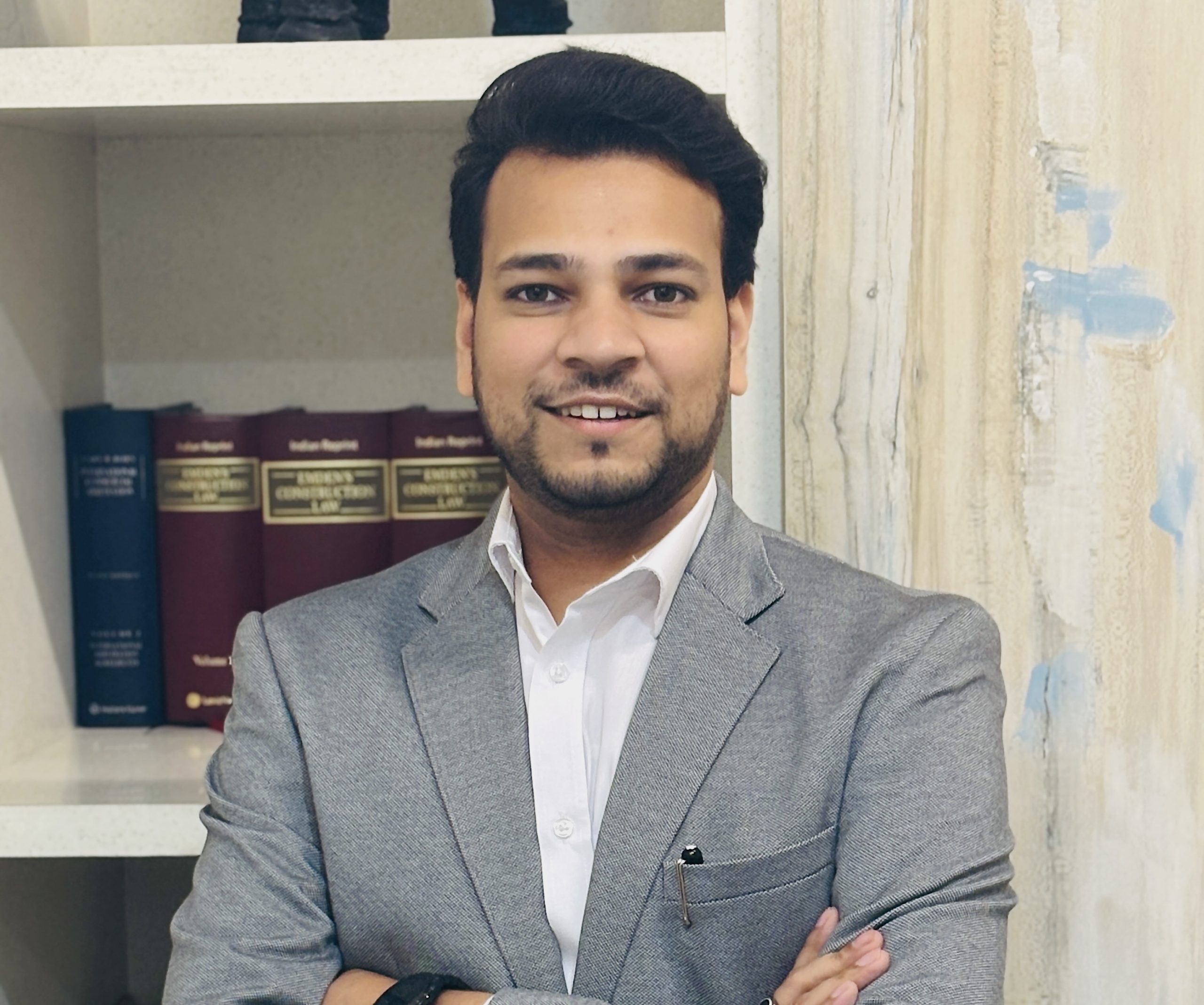
    With your impressive and extensive legal background, what first ignited your passion for law? Was there a defining moment or experience that influenced your decision, or did your interest evolve gradually over time?

    As a first-generation lawyer, my journey into the legal field wasn’t a conventional one, nor was it influenced by early exposure or family tradition. In fact, until I was in 12th standard, I had never considered law as a career option. I was raised in an environment where engineering and medicine were viewed as the most respectable and secure professional paths. Surrounded by mainly engineers and scientists, I too felt the societal pressure to pursue these fields, especially during the early 2000s, when Computer Science and Information Technology were rapidly gaining traction and many of my seniors were securing promising opportunities both in India and abroad.

    Despite this prevailing narrative, I never truly felt drawn to either engineering or medicine. I found myself searching for something different, a discipline that would not only challenge me intellectually but also allow me to connect with the world in a more meaningful way. Around that time, I was also deeply interested in photography, which sparked my curiosity and creativity. However, during those years, building a stable career in photography seemed unconvincing and uncertain, particularly given the expectations around me. It was during my 12th grade in the year 2011-12 that I first came across the 5-year integrated law program. The more I explored it, the more I realised that ‘law’ resonated deeply with me.

    What attracted me most was the law’s interdisciplinary nature, its ability to intersect with almost every aspect of life, from economics and politics to human rights and technology. It struck me as a subject rooted in real-world issues, one that was dynamic, intellectually stimulating, and, most importantly, closely connected to society. This alignment felt natural to me, especially because I had grown up witnessing my parents’ active involvement in social work. Their dedication to community service instilled in me a sense of responsibility and an urge to make a meaningful contribution.

    Convincing my parents initially took some effort, given our family’s lack of familiarity with the legal profession. However, once they saw my determination and passion, they became my strongest supporters. Since then, they’ve been unwavering in their encouragement, always motivating me to excel and make a mark in this field.

    Looking back, choosing law was a turning point that defined not just my career, but my identity. What began as a curiosity evolved into a deep-seated passion, and I remain inspired by the impact this profession can have on individuals, communities, and the broader social fabric.

    Looking back at the early stages of your career, which experiences were pivotal in enhancing your understanding of the law? How did these formative moments shape the trajectory of your professional journey?

    Looking back at the early stages of my legal career, there were several defining experiences that significantly shaped my understanding of the law and laid a strong foundation for my professional journey.

    During my time in law school, I made a conscious decision to pursue a career in litigation. This clarity helped me seek out internships with litigation-focused law firms and seasoned advocates, where I was exposed to the practical aspects of the legal system early on. Beyond classroom learning, it was the experiences in moot courts, college seminars, and conferences that truly enriched my perspective. These platforms gave me the opportunity to engage with practising lawyers, judges, and professionals from diverse areas of law. I was also fortunate to have had the guidance and encouragement of some exceptional professors, whose mentorship played a crucial role in shaping my legal thinking. Their support and accessibility created a nurturing academic environment that motivated me to explore the subject deeply and confidently pursue a future in law.

    One of the most pivotal phases in my early career was my time at Parekh & Co., a reputed law firm in New Delhi. It was here that I transitioned from theory to practice. The firm provided me with hands-on exposure, and the mentorship I received from the partners and senior colleagues was instrumental in helping me build a strong legal foundation. I was entrusted with significant responsibilities early on, which greatly accelerated my learning curve.

    My professional development continued at Karanjawala & Co., where I had the chance to further expand my legal expertise across a wider range of matters. The firm offered a dynamic and fast-paced environment, where I was exposed to varied practice areas and a broad client base. It also allowed me to deepen my understanding of litigation strategy, court procedures, and the practice of law.

    Across both firms, I was fortunate to handle high-stakes and complex litigation, appear for prominent clients, brief some of the country’s top senior advocates, and even gain international exposure in specific legal domains. These experiences collectively played a pivotal role in shaping my professional outlook and strengthening my commitment to the field of litigation.

    Together, these formative years were essential in defining my career path. I had the benefit of working under exceptional mentors, gaining valuable practical insights, and being consistently challenged in ways that helped me grow as a legal professional. These opportunities not only nurtured my passion for law but also instilled in me a strong sense of purpose and resilience that continue to guide me today.

    Becoming an Advocate-on-Record is a significant accomplishment. How has this role influenced your practice, what responsibilities does it entail, and what opportunities have arisen as a result of this distinction?

    Becoming an Advocate-on-Record (AoR) in the Supreme Court of India is a significant professional milestone, and for me, it was a goal I had set early in my career. Having consistently worked with AoR firms (law firms officially registered with the Supreme Court owing to the presence of multiple AoRs), I was fortunate to be immersed in an environment that demanded high standards, deep procedural knowledge, and a commitment to excellence in litigation. This experience not only shaped my early understanding of Supreme Court practice but also inspired me to pursue the AoR qualification. Clearing the exam was both a deeply fulfilling personal accomplishment and a pivotal step forward professionally.

    The role of an AoR comes with exclusive responsibilities and privileges. Only Advocates-on-Record are authorised to file petitions, vakalatnamas, and other pleadings before the Supreme Court in their name. In addition to representing clients, AoRs are responsible for ensuring strict procedural compliance, coordinating legal strategy, briefing senior counsel, and serving as a vital link between the client and the apex court. To become an AoR, an advocate must undergo formal training and clear a rigorous examination, an intensive process that ensures only well-prepared professionals are entrusted with this role.

    For a first-generation lawyer, this distinction has been particularly empowering. It has enhanced my credibility, allowed me to represent more clients before the Supreme Court, and significantly expanded the scope of my practice. The AoR title is widely recognised as a mark of legal competence and reliability, which has naturally led to increased client trust and broader professional opportunities.

    At Vayam Legal, the law firm I co-founded, my qualification as an Advocate-on-Record has further strengthened our firm and added significant value to our litigation practice. It aligns with Vayam Legal’s commitment to delivering strategic, high-quality legal solutions across all forums, including the Supreme Court of India.

    Since attaining the AoR qualification, I’ve experienced a clear evolution in the nature of work I engage with, ranging from constitutional and commercial matters to public interest issues. It has reinforced my belief in the importance of long-term goals, continuous learning, and building a practice grounded in credibility and trust.

    In essence, becoming an Advocate-on-Record has not only strengthened my individual practice but also helped shape the vision and capabilities of Vayam Legal. It’s a responsibility I carry with pride and a milestone that continues to define my professional journey.

    Over the years, handling special leave petitions, civil, and criminal appeals before various courts and tribunals, which case stands out as both interesting and particularly challenging? How did you approach such a case, and what resources did you rely on?

    As I’ve mentioned earlier, I’ve had the privilege of working with some of the leading litigation firms in the country, which exposed me to a wide variety of matters across multiple forums, ranging from the Supreme Court and High Courts to tribunals and regulatory bodies. This diversity of experience has brought with it a number of cases that were both intellectually stimulating and professionally demanding.

    It’s difficult to single out just one case as the most interesting or challenging, as there have been several that tested my legal acumen in different ways. High-stakes commercial litigation, in particular, often stands out. These matters are inherently complex and highly contested, as both sides typically engage top-tier legal teams. The margin for error is minimal, and even the smallest legal point can tip the balance. Crafting a strong legal strategy, whether in advancing a claim or defending against one, requires not only deep legal research but also the ability to anticipate the opposing party’s arguments and prepare precise counterpoints. These cases challenge you to be at the top of your game, both in court and behind the scenes.

    On the other hand, I’ve also found cases relating to accessibility and inclusivity for persons with disabilities to be particularly meaningful. While these matters may not always involve procedural complexity, they are socially significant and present unique challenges in terms of real-world impact. With the introduction of the Rights of Persons with Disabilities Act, 2016, there has been a legal framework in place to empower persons with disabilities, but actual implementation, especially in rural and under-resourced areas, remains limited. Working on such cases provides an opportunity to contribute to a larger social cause, even though the challenge often lies not in obtaining favourable court orders, but in ensuring their effective enforcement.

    In both types of matters, commercial or public interest, the approach remains rooted in meticulous preparation, strategic foresight, and collaboration. I rely heavily on thorough legal research, insights from recent judgments, and sometimes interdisciplinary perspectives, especially in socially sensitive cases. These experiences have deepened not only my legal skills but also my sense of responsibility as a practitioner who can influence both legal outcomes and broader societal change.

    You have dealt with a range of matters in the Indian automotive manufacturing sector. What, in your experience, have been the major legal challenges in cases involving electric vehicles?

    I have had the opportunity to handle several matters in the automotive manufacturing sector, including those involving electric vehicles (EVs). These cases have largely revolved around tender disputes, mediation, and arbitration, each presenting unique legal and strategic challenges.

    The Indian EV sector, being relatively new and rapidly evolving, brings with it a distinct set of legal complexities. One of the major challenges I’ve encountered involves the interpretation and application of tender conditions in public procurement, especially for electric buses and related infrastructure. As government-backed tenders are central to EV adoption, disputes often arise over eligibility criteria, technical specifications, and compliance, requiring a deep understanding of administrative law, procurement procedures, and the technology involved.

    Another recurring issue is the absence of stable regulatory standards. As the policy landscape continues to develop, frequent changes or ambiguities, particularly concerning battery safety, environmental clearances, and fiscal incentives, often create uncertainty. 

    With increased EV adoption, challenges are also emerging in areas such as product liability, safety compliance, and consumer protection. 

    Overall, dealing with matters in the EV space requires not only legal expertise but also a strong grasp of the sector’s fast-changing regulatory and technological landscape. It has been both a challenging and rewarding area of practice, offering insights into the intersection of law, policy, and innovation.

    In handling matters under the Copyright Act, 2012, particularly with respect to the use of music during marriage processions and social events, what key legal challenges have you encountered?

    In matters involving the use of music during marriage processions and social events under the Copyright Act, 1957 (as amended), one of the key legal challenges has been the interpretation of Section 52(1)(za), which exempts performances during bona fide religious and certain social functions from being considered infringement.

    The complexity often lies in determining whether the exemption applies when such events are hosted in commercial venues. The question typically arises as to whether the setting alters the personal or social character of the function, especially when claims are made that licensing fees are required despite the event being a private celebration like a wedding.

    These matters frequently involve navigating the tension between copyright enforcement and longstanding cultural practices. It becomes essential to analyse the legislative intent behind the exemption, relevant judicial precedents, and the extent to which such performances are truly commercial in nature.

    Another layer of difficulty is the practical enforcement and compliance landscape, where different interpretations can create uncertainty for event organisers and service providers. Addressing these challenges requires a nuanced understanding of copyright law, industry practices, and the social context in which such events occur.

    When representing clients in high-stakes international arbitrations, especially where foreign laws are applicable, how do you typically approach the complexities of cross-border legal frameworks?

    Approaching high-stakes international arbitrations, particularly those involving foreign laws and cross-border parties, requires a carefully structured and collaborative strategy. One of the key complexities lies in reconciling different legal systems, especially when the governing law of the contract differs from the procedural rules of the arbitration.

    These matters typically require close coordination with foreign legal experts to ensure accurate interpretation and application of the applicable substantive law. Working across jurisdictions also means navigating diverse legal traditions, commercial practices, and procedural expectations, which makes clarity in drafting, advocacy, and case presentation especially important.

    Effective communication with international stakeholders, whether clients, opposing counsel, or arbitral tribunals, is essential, as is an understanding of cultural nuances and business sensitivities. Strategic planning, well-supported evidence, and cohesive teamwork are all crucial to managing the complexity in disputes.

    Overall, international arbitration demands not just legal proficiency but also adaptability, cross-cultural awareness, and a strong grasp of commercial realities, especially when foreign laws and parties are involved.

    What advice would you offer to aspiring law students who wish to follow in your footsteps and build a successful career in law? What skills or qualities do you think are essential for success, especially in the evolving field of technology law?

    Law has become a highly respected career, and with the rise of top law schools, the standard of legal education has improved significantly. For aspiring law students, it’s crucial to build a strong foundation through both classroom learning and internships. Early exposure to practical work helps in understanding various legal fields and in making informed career choices, whether in litigation, judiciary, corporate law, or in-house roles.

    Clarity of direction, combined with patience, perseverance, and a positive attitude, is key to long-term success. The legal profession often demands time and resilience before tangible results appear, especially in litigation.

    As law continues to evolve alongside technology, students must stay adaptable and committed to continuous learning. Familiarity with areas like data protection, intellectual property, and tech regulation will be increasingly valuable. Above all, success in law comes from consistency, ethical practice, and a genuine passion for the profession.

    Balancing a successful career with a commitment to public service and education is no small feat. How do you maintain a healthy work-life balance, and what advice would you give to others who aim to follow a similar path while managing both professional and personal responsibilities?

    Law is undoubtedly one of the most demanding professions, both mentally and physically. The long hours, high-pressure environments, and the constant need for precision make it challenging to maintain a work-life balance, let alone dedicate time to public service or education. However, I firmly believe that striking this balance is not only possible but also essential for long-term growth and well-being.

    Constantly working without pause or personal reflection can lead to early burnout and diminished productivity. Incorporating activities outside of regular practice, such as contributing to legal education, engaging in pro bono work, or participating in public interest initiatives, provides a healthy shift in perspective. These engagements allow one to step out of a purely commercial mindset and reconnect with the broader role of law in society. They also remind us of the lawyer’s place as a trusted advisor, problem-solver, and social contributor.

    I also find that travelling and meeting people from different walks of life play an important role in maintaining balance and staying inspired. Travel gives me a chance to step back, recharge, and return to work with a fresh perspective. Interacting with people from diverse backgrounds broadens my understanding of society, exposes me to different viewpoints, and often shapes how I approach my work.

    Maintaining balance doesn’t mean taking grand measures; it’s often about small, conscious steps, setting clear boundaries, taking short breaks, or making time for personal interests. Even small efforts can help preserve clarity, resilience, and creativity in a demanding field.

    To those aspiring to build a meaningful and well-rounded legal career, I would say, stay dedicated to your professional goals, but always make space for causes and interests that keep you rooted and inspired. This balance not only prevents burnout but also enriches your journey as a lawyer in ways that pure professional success alone cannot.

    Get in touch with Sarthak Gaur –

  • Professional growth comes each day with experience and time spent on matters- Orijit Chatterjee, Partner at Fox Mandal & Associates

    Professional growth comes each day with experience and time spent on matters- Orijit Chatterjee, Partner at Fox Mandal & Associates

    This interview has been published by  Priyanka Karwa and The SuperLawyer Team

    Could you please tell us how you ended up pursuing a career in law? Was it something you always aspired to do, or did you discover your interest in the field later on?

    Initially I was very interested and curious about matters relating to science. I passed out of school with the aptitude of pursuing science and research. Long story short, after graduating with a BSc(Hons) Degree I happened to visit law firms with my father for a few of his professional matters. The intrigue of a law firm and the challenge of each assignment attracted me towards the legal profession and I decided to pursue a career in law.

    Were there any specific events, experiences, or individuals that played a significant role in shaping your decision to pursue law as a career?

    The decision to pursue law as a career was in particular largely influenced by my Late father, Bireswar Chatterjee and my father figure Late Dinabandhu Mandal, who was the Senior most partner at Fox & Mandal. While my father was always confident that the legal profession was to be my destiny, Late Dinabandhu Mandal came across in my life as a Godman and unparalleled goliath who I was in awe of since the very first day. A larger than life figure who was respected by all around. Once embraced by him into the legal profession I could only be on the path he showed. 

    Could you share with us your educational journey and the steps you took to become a lawyer? What were some of the challenges you faced during this process?

    My educational journey started with Lamartiniere, Kolkata. I was always keen to be on the sports field and tried by hand and foot at Cricket, Football, Hockey and Athletics. This was the most important part of learning at Lamartiniere. I learnt to live life, enjoy, struggle, fight, compete, laugh, cry and make friends through extra curriculars in this institution. Studying was the next part. I completed my class 12 with an ISC degree and went on to complete my graduation with Bsc (Hons) from Scottish Church College. Lamartiniere however always stayed in my soul and continues till date. After graduating I met my Godman, Late Dinabandhu Mandal on a career defining day and decided to pursue legal studies from Hooghly Mohsin College which was offering a 3 year law course to graduates. So much was the passion then, I decided to join Fox & Mandal in my first year of law itself as a half day intern and used to slowly learn the practical application of law and study case files under the guidance of Seniors in the firm and the magnanimous shadow of Late Dinabandhu Mandal. Though Late Dinabandhu Mandal is no more, there will be no one quite like him in the firm and the legal fraternity for a very long time. The challenge was to make a mark in this legal arena which had very little room for first generation novices. I was also told by a few during those days as to why I was here in this legal profession at all and that I should move towards other pastures or perish. It was demotivating and depressing on occasions but I survived.

    What were your early experiences like as a law professional? Could you highlight some key milestones or memorable moments that helped shape your career trajectory?

    Just like any lawyer during the early 2000s trying to make a mark in Kolkata I started as a Junior assisting Mr. Shuva Mandal (currently the Managing Partner of Fox Mandal & Associates) in civil and commercial litigation cases. I always had an affinity towards company law related matters and got the opportunity of watching stalwarts such as P.C. Sen and B.K. Bachawat (to name a few) prepare and argue for matters. As time went on I found an interest in transaction documents and started honing my skills at drafting transactional documents. The most memorable assignments which I worked during those days were an infringement action against the makers of the T.V. Series “Karishma” and by first Admiralty Matter relating to the arrest of a vessel named “M.V. Stella Th”. An assignment involving setting up of the “Kolkata West International City” project also was extremely challenging and memorable. After an initial year or so with Mr. Shuva Mandal I worked with Mr. Kaushik Mandal and thereafter with Mr. Shourya Mandal (currently Co-Managing Partner of Fox Mandal & Associates). Mr. Shourya Mandal reposed utmost trust and faith in my abilities and provided the support and encouragement to achieve where I stand today. His contribution and guidance is a continuing process till date. 

    It would be incomplete if I did not mention the knowledge I acquired from two Senior Counsels of Calcutta High Court, Late Pratap Chatterjee and Mr. Ranjan Bachawat in course of the innumerable matters I had the good fortune to work with. They always took the effort to explain, reach and reprimand me. I thank them for the affection and time they contributed through their busy schedules in shaping my growth. Though Late Pratap Chatterjee is no more, all like me who happened to have the good fortune of working with him shall miss his presence for the rest of our lives.

    What drives your passion for the field of law? What aspects of the profession do you find most fulfilling?

    The passion for law is the biggest mystery for most lawyers which cannot be deciphered and /or reasoned. Maybe it is the uncertainty of things and outcome which attracts. It is a relentless drive forward to learn, practise and achieve greater milestones each day. Even the sky probably would not be the limit of this drive. The most fulfilling aspect of the profession is the scope to be innovative on the application of law and strategy. There is nothing sweeter and satisfying than the closure of a hard worked on transaction or a toughly fought and contested litigation ending in your client’s favour. The comradery and respect among colleagues, juniors and seniors is also overwhelming. Being a part of the vast legal community has always been like being part of a mammoth family which in a very unique way assures you that you belong here and that there is scope to learn and improve every day. 

    What are your primary practice areas within the field of law? Could you briefly explain what each area entails and why you chose to specialize in those particular areas?

    The primary practice areas are Corporate Law and related dispute resolution including Arbitration. Civil Commercial Litigation and Insolvency. Company Law was a subject and continues to be a subject which I have always been attracted to. The flow of events from the shaping of a transaction / deal to the situation where occasionally parties to a transaction, in course of time, fall apart for various unprecedented reasons leading to a situation of dispute resolution or litigation require parties to avail legal services. I would simply say that I find myself most comfortable and can express myself best in these situations and hence specialization to me in these verticals came quite naturally.

    Throughout your career, what are some of the most valuable lessons you’ve learned as a lawyer? Are there any specific cases or experiences that had a profound impact on your professional growth?

    The legal profession is definitely a marathon which spares no one. It takes a “lambi race ka ghora” to make the most of what this profession offers and succeed here.  The important lessons learnt are to respect colleagues and seniors, be patient, value time and the importance to develop a disciplined and methodical work approach. It is also essential to learn and improve from your experiences each day. Professional growth comes each day with experience and time spent on matters. However, there have been a few cases involving personalities and complex situations which have made a difference. In recent times the resolution of Rohit FerroTech Limited by Tata Steel under the Insolvency and Bankruptcy Code was an assignment which was satisfying. Another recent matter involving resolution of disputes between promoters of Switz Foods and other shareholders was nice experience.

    What advice would you give to individuals who are considering a career in law? Are there any misconceptions about the profession that you would like to address?

    A career in law is to be chosen out of passion and the will to be a part of the large legal fraternity. Accumulation of wealth by seeing the success of established individuals should never be the criteria, they can only be an inspiration to fuel one’s desires to succeed and become better lawyers. I believe that there are no shortcuts to long lasting success here in the legal profession and people must have the aptitude for taking the grind for the long haul. Every aspiring individual considering a career in law must have patience and the will to sacrifice their time spent on recreation, friends, relations and relatives and pursue their passion of making a place in this vast legal fraternity by devoting all his mind, heart, body and soul to this noble profession. Patience coupled with the ability to sacrifice along with the will to survive and put all that one can to the demands of the legal professional is extremely essential for making a career. 

    Lastly, what advice would you like to give to fresh graduates who are entering the legal profession? What key skills or qualities should they focus on developing, and what strategies can they employ to succeed in their early years as lawyers?

    Fresh graduates need to choose where they want to be and what they want to achieve wisely. They should in today’s times dig / see deep within themselves and decide whether they have the aptitude for practising as a legal counsel at the various courts and tribunals comprising the framework of the judiciary or should they join a law firm for practising in a vertical of their choice such as Corporate law, Real Estate, Banking & Finance, Dispute Resolution etc. Some may even opt to make a career in a Corporate House as legal assistants and become a General Counsel with time.

    As for strategies irrespective of where one is and which vertical one opts for, success comes for the ones who have the will to passionately and diligently meet the requirements and demands of their profession. The passion and will to succeed must burn under all circumstances and be backed up by disciplined and consistent hard work. The ability to work and adjust with a team, various people and going forward build a team is also extremely essential. It is also an appreciated quality and essential to be ethical in practices adopted with clients, colleagues, seniors, juniors and other people associated with the legal fraternity. 

    Get in touch with Orijit Chatterjee-

  • Megha Khanna, Partner at Online Patent Filing, Startup Facilitator, In Conversation With SuperLawyer On Most Important Qualities Of An Effective IP Lawyer

    Megha Khanna, Partner at Online Patent Filing, Startup Facilitator, In Conversation With SuperLawyer On Most Important Qualities Of An Effective IP Lawyer

    This interview has been published by Prabhjot Singh, Priyanka Karwa and The SuperLawyer Team

    What inspired you to choose law as a career? How has been the decision so far?

    A career in law was an informed decision as it has always been fascinating to me. Although a career in law is demanding and intellectually challenging, it also provides personal satisfaction and a sense of accomplishment. My decision of choosing Law as a career has been great as it allows me to explore the diversities and to further hone my skills.

    What were the challenges that you faced in the beginning of your career?

    As I am a first-generation lawyer, I had no Godfather who could guide me. However, I did not take it as a drawback and with consistent efforts and dedication, I worked towards achieving my goals and overcame the impediments. Today, I represent several corporate clients, Start-ups, MSMEs, and individuals. I believe with sincere efforts and dedication one can successfully achieve the goals of their life.

    Megha, what do you think are the most important qualities of an effective IP lawyer?

    Intellectual Property is nothing but creation of minds. A set of intangible assets come under the umbrella of Intellectual Property. I believe, to be an effective IP lawyer, one should have traits such as attentiveness, strong analytical thinking, research skills, time management, effective communication skills etc. to understand the creation of their client. Any advice which is erroneous while protecting the IP, may prove to be fatal to the business(es).  

    Among all the various specialisations and cases you have dealt with, which one do you find the most interesting and challenging? 

    I am an IP lawyer and had once represented a client which happened to be a corporate, in front of the Tribunal. I had to defend a trademark which was highly descriptive. I strategized the case, made pointers and submissions in support of the mark and had successfully secured registration for the same.

    By effectively strategizing a case and listing the valid key points, one can achieve positive results.

    Megha, do you think that for a first-generation lawyer, the journey becomes a little difficult? Please explain the same wrt to your own experience.

    I won’t say that for a first-generation lawyer, the journey becomes a little difficult. That being said, I believe having a mentor always gives you an edge over others. A first-generation lawyer must never let themselves feel gloomy and should remain focused and consistently work towards achieving their objectives. One should never shy away from taking advice or opinion from their seniors or fellow lawyers.

    What can be some of the toughest considerations while someone from a non-legal background has to see before opting law as a career?

    Earlier, a career in law was considered as a traditional concept. But with the changing times, a plethora of career options like journalism, career in banking and insurance sector, legal academia, consultants etc. have emerged and increased and are gaining attention of the law aspirants. One must take into consideration several factors before opting law as a career, like the aim in choosing the field (of law); being prepared for hardship during the initial phase of their career, specially for those who choose a career in litigation; having strong drafting and analytical skills and so on.

    Megha, was there any roadmap that helped you thus far in your journey, or any mentor that supported you from the very beginning, please share how was it for you?

    I have always aimed at continued development of my skills with a strong focus on my work so as to achieve my goals. I had designed a roadmap clearly specifying my goals and was adamant to be where I wanted to be. I have also been fortunate to have knowledgeable seniors and fellow lawyers who have mentored me.

    Megha, what is a typical day like for you and how do you suggest time management strategies for our young law generation?

    I start my day by prioritizing my tasks so as to eliminate the risk of missing any important task or a deadline. I suggest our young lawyers to make a list of their daily tasks according to the priority. One should complete the high efforts task first before moving to a new task. Prioritizing and focusing on one task at a time also helps in managing the time in the most effective manner.

    Could you highlight some of your success habits that enable you to meet your goal?

    I practice a habit of reading a lot, be it a book, an article, a judgement or any other related stuff. It helps me in keeping myself updated with the latest trends and further helps in honing my analytical skills, knowledge and creativity. Other than that, I always make efforts in connecting with others to exchange thoughts. I think networking is an important aspect which helps you grow.

    Lastly, what advice would you give to someone starting out?

    Before planning a career in law, one should be self-aware and must reconnoiter all the areas of law. The foundation of a successful career in law lies in the clarity of subject matter.

    -MEGHA KHANNA

    Get in touch with Megha Khanna-

  • Upasana Singh Chaturvedi, Founder & CEO at Accords International, Arbitrator and Mediator In Conversation with SuperLawyer on Unconventional Careers in Law

    Upasana Singh Chaturvedi, Founder & CEO at Accords International, Arbitrator and Mediator In Conversation with SuperLawyer on Unconventional Careers in Law

    This interview has been published by Prabhjot Singh, Priyanka Karwa and The SuperLawyer Team

    We ask this question to almost everyone, but ma’am looking at your experiences, I would like to flip it a little bit, how did law choose you?

    I come from a family of lawyers, judges, and professors. I think ‘law’ chose me before I was even born. From an early age, I used to sit with my grandfather and used to observe the trials he used to preside over. Also, during my studies in history in my undergraduate course, I realized how a society’s nature is modeled and governed by the legal system that it has. This realization got me interested in exploring law as a professional carrier for myself. The campus law Center, university of Delhi helped me understand law and brush up on my legal and oratory skills.

    What were the struggles you faced in the beginning?

    By ‘beginning’ I believe you mean the beginning of my legal career. I think the biggest struggle is coping with the rigorous work routine and keeping on doing what you like the most. I was always passionate about teaching, so along with my practice, I kept on teaching at Delhi University, IP University, Bennet University, and Sewa Samarpan Samiti, which is an NGO based in India. I think this helped me pursue my dream with passion.  

    Firstly, a big congratulations on starting “Accords International”. Do you mind sharing some obstacles that might come in the way of being a founder at any firm?

    You know I have started to believe in what Elon Musk once said, “starting a company is like eating glass and staring into the abyss”. It is a difficult task to build a company, run it, and earn profits with it. My biggest challenge was to find like-minded people to work with and constitute a team that creates a conducive environment. I have been fortunate to finally find an amazing group of team members. I am liking every bit of it. No doubt you are wearing a crown of thorns, but you are your own boss. Accords International works in mediation and restorative justice. Both these fields are new to India and clients and colleagues are still learning. We provide mediation and restorative services and training regularly.

    When we talk about disputes, most of the time obviously the parties commit the same number of mistakes, and both suffer as well, before even going for conflict resolution, don’t you think there is something out before that? 

    In the event of a disagreement, it is often that the situation escalates to a conflict and then the parties take the matter to the court as a dispute. If the lawyers and other professionals who advise the parties during the initial stages have a non-adversarial mindset, then disputes can be avoided, and disagreements can be amicably settled at very early stages. This is beneficial for all, the clients, the lawyers, the courts, and the society.

    As someone who has also specialized in cybercrimes, bullying, etc, what are the core reasons that these things happen and any unconventional ways to stop the harm?

    Dan Olweus defines simple bullying as ‘unwanted aggressive behavior that is intentional and that involves an imbalance of power. Most often it is repeated over time.  If this is done via an electronic device, then that makes sit cyber-bullying.

    The four Elements of Bullying are- Aggressive Behavior, Power Imbalance, Repeated act, and the players (Perpetrator and victim). If we add a computer, cell phone, and any other electronic device to traditional bullying that will make it cyberbullying.

    The common types of cyberbullying and their reasons are:

    1. Exclusion- Publicly Ostracizing the target from the online world- Possible reason is to make the target vulnerable and lonely.
      1. Flaming- posting personal insults and vulgar texts- possible reasons are power play and intent to humiliate the target.
      2. Impersonation- pretending to be someone else. – possible reason can be entertainment or fraud
      3. Cyberstalking- using the internet and technology to follow someone- (harassment, stalking, revenge, fascination, show-off)
      4. Trolling- to deliberately provoke others- (attention seeking, revenge, boredom, personal amusement, paid by someone else)

    Accords International is working on a model for dealing with cyberbullying and online harm with the help of restorative justice. Teachers, parents, and school management can use restorative practices like regular restorative circles and non-violent communications to de-escalate conflicts at early stages.

    What are the necessary skills to have as a “Trained Mediator”?

    As a mediator, one learns

     To facilitate a conversation between two disputing parties.

    To be objective,

    To be impartial,

    To be an effective communicator,

    To feel empathetic, patient, adaptable,

    To be trustworthy,

    To understand the psychology of conflict,

    To be able to distinguish interests and needs and

    To become a better negotiator.

    “Unconventional careers in law will spoil your degree”, why has this misconception led many people far away from the legal industry revolution and how to excel oneself to reach heights?

    I think this advice worked in the previous century. Today, we live in a world where lawyers are working in tech policy, AI, cyberspace, Outer space, public policy, sustainability, diplomacy, and many other ‘unconventional’ fields. I think law teachers and colleges should update their curriculum on a regular basis and students should not only be exposed to court proceedings but also to the newer developments around the world. Accords International is working with the vision to make such experiences available to Indian students.

     Lastly Upasana, any advice to level up the skill game in this profession?

    I find reading is very important for lawyers to always keep updated and informed. Also, skill-building courses in mediation, drafting, negotiation, tech policy, etc are important to learn about new fields. Accords International has launched its next mediation training for the months of January-February 2023. Training programs like this keep young professionals updated and connected.


    Get in touch with Upasana Singh Chaturvedi-

  • Harsha Rathore, Legal Manager at Cinepolis India In a FireSide Chat with SuperLawyer On Role of In-House Counsel

    Harsha Rathore, Legal Manager at Cinepolis India In a FireSide Chat with SuperLawyer On Role of In-House Counsel

    This interview has been published by Prabhjot Singh, Priyanka Karwa and The SuperLawyer Team

    Tell us about yourself and what inspired you to pursue a career in corporate law?

    I am born and brought up in Delhi. Despite being amongst the toppers in my school, I was not sure what I wanted to pursue professionally. I took up Biology with Maths in XIIth in order to keep my options open. After passing out of school, still unsure of what I wanted to do, I zeroed in on studying Business Administration on a whim, as I did not want to pursue medicine or engineering, which was the most opted for career option back then.

    It was during graduation days that I discovered my love for law when I was introduced to Business Laws as a subject. I also realized then that my natural personality traits were aligned with being a lawyer, when I used my skills to negotiate and convince my Professors and HODs to help my friends who ran into trouble with them for multiple reasons.

    Of course, being amongst the good books of my teachers helped to a certain extent in that.

    This naturally progressed into me opting for law when I cracked Delhi University’s entrance exam and studied law in the prestigious Campus Law Centre. Thereafter, I was a practising lawyer for a few years before I chose to move In-House with a Company.

    During my very enriching stint as a first-generation lawyer, where apart from handling cases for individuals, I also got to work closely with several Companies while handling their litigations and arbitrations, I got fascinated by the multi-faceted workings of a Company and the various factors that played part in assisting the top-management take crucial business decisions.

    This piqued my interest in corporate law, and life came a full circle when Business Laws subject in BBA helped me discover my inclination towards law, and after practising law and building my base in understanding the workings of a court, I moved In-House.

    What are some of the most challenging aspects of your job as an In-House Counsel?

    Law is a demanding profession, and whether you are a practising lawyer or an In-House Counsel, every day comes with new challenges, and with each challenge, comes a new opportunity. To pin-point the most challenging aspects would be difficult, as every day is different.

    The job is to assist the Company in all legal affairs, and it can involve anything and everything under the Sun.

    A regular day as an In-House counsel involves a wide spectrum of activities ranging from handling aspects of general corporate advisory, looking after the litigations of the Company, interacting with external lawyers for the same, attending matters, drafting and red-lining of pleadings and agreements, negotiating on closing deals for the Company, briefing senior counsels, interacting with several departments for assisting them in dealing with regular operational issues and commercial transactions, and so on and so forth.

    Simply put, the challenge is to align business objectives with the legal standpoint to the best benefit of the stakeholders, both internal and external, but that is also where the fun lies.

    What strategies do you use to stay abreast of legal developments in the corporate world?

    Frankly, I found it easier to stay abreast of the latest developments in law when I was a practising lawyer, as daily interactions with colleagues outside Courtrooms while waiting on matters to reach would organically help in exchanging new information.

    I did not realize the importance of relevant information just coming to you without you making conscious efforts towards the same. It is a tad bit tougher for an In-house counsel and it requires conscious efforts to stay abreast with the new developments, both in the dynamics of law and business.

    My learnings from my practise days is what works for me in staying aware of the new developments in the corporate world.

    Just that my casual chats with my colleagues outside courtrooms is now replaced with interactions with my colleagues from various departments of the Company, who enlighten me with their knowledge and new developments in their respective fields, and collectively, that gives me a bird’s-eye view of developments in the corporate world.

    Thereafter, my curiosity about the new information pushes me to read extensively on the new developments from a legal standpoint, and as a legal professional, the research skills acquired during my internship and practice days help a great extent in gathering the relevant knowledge.

    Now we are all surrounded by legal tech tools that help in contract drafting and in so many other forms as well, how do you see these tools changing the world of lawyers? What do you think the future of corporate law when AI and the role of legal tech is added on as well?

    These tools are contributing a huge deal in reducing the burden on lawyers. The contract drafting tech tools save up on a lot of time by giving a format to start with. The same, of-course, has to be worked on to suit the specific needs and requirements of the business, and in my view, the legal expertise in doing so cannot be replaced by the Artificial Intelligence behind these tools.

    Besides contract drafting tech tools, there are several other tech tools that help manage the MIS of the multiple litigation’s in a Company and helps In-House counsel in keeping a track of the matters. These tech tools also help in providing data for analyzing the reports for strategizing plans and actions of handling various matters. I see these tools as very important helping hands in assisting lawyers and In-House counsels to work in a more effective and efficient manner.

    What do you consider to be the most important skill for a successful In-House Counsel, and any roadmaps for the same?

    I am still learning new skills every day, and I think the quest to keep learning is the most important skill for a successful legal professional, whether In-House Counsel or a practising lawyer.

    Apart from that, what I have learnt till now is that it is important to put your thoughts into actions. As lawyers, we develop the skill to formulate multiple strategies and plan of actions, but it is crucial to execute the plans in a timely manner to suit the needs of a fast-paced environment of a Company. I feel there is no fixed roadmap for the same, and all ways to achieve the same are the right ways, given one is consistent, conscientious, and persistent towards it.

    Harsha, what do you consider to be the most rewarding part of your job?

    I consider the contentment I derive after a good day’s work where I feel that I contributed towards meeting the Company’s objectives and assisting the various business functions in taking important business decisions, as the most rewarding part of my job.   

    Lastly, any 4 pieces of advice for our young law generation.

    Law is an intellectually rewarding field and is an extremely demanding one as well. It is important to understand that in this field, knowledge is power, and the learning is never-ending.

    A few of my learnings that I would like to share for young professionals:

    1. Go to Courts. I know Corporate Law has been glamorized enough with the multiple perks it comes with as compared to the challenges one faces as a practising lawyer, but I cannot stress enough on knowing the basic functioning of courts before joining a Company as an In-House counsel. The courts are where all the action is, and the learnings you gather there will help you in the longer run. Once you know the drill, you would not be taken for a ride by others, and you would be a better asset to the Company. Your initial few years as a practising lawyer would also give you clarity on which industry appeals to you.
    2. Take responsibility. That’s the way you learn at the beginning of your career. There could be days when you could not present your case before court, because the clerk did not reach on time with the file, or any such fiasco. It helps to internalize the situation instead of pushing the blame on others. Analyse what you could have done better to avoid the situation, learn, and not repeat in future. Pushing on the blame or justifying yourself before your senior would only stagnate your individual growth, while taking complete responsibility would make you adept at better handling such practical problems that you may face.
    3. Don’t be afraid to fail. A cliché, but your failures will teach you more than your successes.
    4. While we are students, exams are held once or twice annually, but once you are a professional, every day is an exam, minus the syllabus. So brace yourselves for the challenges, and have fun while at it.

    Get in touch with Harsha Rathore-

  • Sangeeta Lakhi, Partner, Rajani Associates, on leading a practice in Capital Markets

    Sangeeta Lakhi, Partner, Rajani Associates, on leading a practice in Capital Markets

    Sangeeta Lakhi qualified in Law in 1993 and possesses an experience of over 20 years in the legal industry. She has worked as an Associate at Crawford Bayley and is at present a Partner at Rajani Associates. She has been handling the International Capital Markets practice of the firm since 2004 for which she has been recognized as a ‘Leading Lawyer for Capital Markets’ by Legal 500.

    Sangeeta has recently completed 105 issues of GDRs, FCCBs and QIPs, each of them full-fledged transactions, handled by her. Each transaction has been unique and no one transaction has been the same as the other. Sangeeta has handled these issues for companies in almost all sectors, whether they be pharma, textiles, oil, manufacturing, service, etc.

    In this interview, she talks to us about:

    • Choosing law as a profession and changes in the legal sphere since she graduated in 1993.
    • Her career decisions.
    • Working in the corporate sector and her specialization.
    • Advice to students about the Corporate Sector and prioritizing.


    How would you introduce yourself, given that most of our readers are young law students & young lawyers?

    I am a happy lawyer. I love my work and am constantly looking out for more challenges.


    What incidents, influences or interests prompted you to think of law as a career? If not law, what would you have considered for a career?

    At first I was not serious about law and just wanted to study some more. However, after I started working at a law firm and on assignments, I developed a liking for the field and the challenges that each assignment contains and the satisfaction that I get upon their completion. I love to travel so if I hadn’t become a lawyer, I would have been an air hostess!


    What has your experience with legal education in this country been like and how relevant do you feel it has been to your profession after attaining your LL.B in 1993?

    The legal education in our country is improving and I am very proud and happy about it.  I am happy with my education and what I’ve achieved before I started work in 1993. I did my B.Com and then did an MBA and law, not to mention other small courses along the way. All of these have shaped my career and outlook towards people and the world.


    How competitive would you say the legal profession was when you entered it, has it changed since then?

    Not very! A lot has changed now. We hear of new law firms springing up every month and it is constantly getting more and more competitive.


    What led you to a practice in Capital Markets as your area of speciality?

    In 2004 when the market was booming, I chose to work on international capital markets, in which I have completed 105 issues. When the markets fell in 2008 and deals in international capital markets became scarce, I went back to what I was doing prior to 2004, i.e. corporate work.


    sangeeta-lakhi-1

    Did you always prefer corporate practice what thought do you have for litigation?

    Although, I have done some litigation, my preference has always been on the corporate side.


    Please tell us a bit about your time at Crawford and Bayley.

    My years with Crawford Bayley & Co. were very good and taught me many things, not just law. My senior, Mr. Suresh Talwar was the best teacher I could have asked for, and I have learnt a lot from him.


    What prompted the shift from Crawford Bayley to your current Firm?

    I guess I was looking for a change of work. For Rajani it was just the idea of supporting and growing the firm from its inception.


    What were the biggest obstacles and challenges faced by the firm during the initial days?

    At the beginning we were a start-up and did not have a brand which motivated us to prove ourselves with our hard work and dedication and win clients’ confidence and appreciation.


    Were there any trade-offs?

    None. I am a workaholic.


    How do you balance your professional life with your personal life given the heavily demanding working hours of the profession you have chosen?

    It is just a matter of priority. I ensure that both my professional life and my personal life get due attention.


    In dealing with clients within and beyond the domestic markets, what do you personally believe have been your greatest accomplishments through the 105 issues of GDRs, FCCBs, and QIPs you have dealt with so far?

    Each transaction has been unique and has had its own challenges. In dealing with the number of clients, merchant bankers and lawyers across the globe, I have made new friends and we receive, as well as, provide referral clients to each other.


    What are your plans for your career path in the future both presently and in the long term?

    To continue to work hard and be recognised as one of the Magic Circle Law Firms in India.


    What would be your advice to law students and young lawyers looking forward to make a mark in the industry?

    This field is not easy. It requires a lot of hard work and dedication. You must be serious about your career and be ready to deal with various kinds of clients.


    What would your parting advice be to our readers?

    Don’t forget to enjoy life!