Your journey into Intellectual Property law seems quite diverse and extensive. Could you share some insights into how your career began and evolved to where you are today?
Post my LL.M degree in Intellectual Property law, I was very keen on establishing an IPR practice. However, it is very important for a lawyer to be exposed to many areas of practice before narrowing down to the field of liking. Therefore, I chose to practice general litigation along with IPR. In total, I worked for 4 law firms before starting on my own. Most of my work was in the area of IPR. During my time as a junior associate, I wrote articles on different topics of Intellectual Property to explore the subject. Writing articles on topics you would like to explore is the best way to gain knowledge on the said topic. My articles I posted on LinkedIn actually brought me clients. I also got an opportunity to train MSMEs through MSME DI Chennai which brought the much needed visibility. Patience, perseverance and hard work are the three important pills for a 1st generation Lawyer.
As someone who has practiced in both independent and corporate legal settings, what differences do you find in terms of approach and strategy when handling intellectual property matters?
In both the setups, ultimately the strategy depends on the facts and circumstances of each case. In terms of approach to clients, cases, fees etcA corporate firm is extremely structured and there are systems in place to deal with multiple aspects.
Intellectual property law encompasses various aspects, including patents, trademarks, copyrights, and geographical indications. How do you stay updated with the latest developments and best practices across these diverse areas?
Being a lawyer; to serve your client best it is very important that you keep yourself updated. It is very essential that you read regular law journals and latest judgements, blogs, and international and national blogs. Regular reading is the key.
Your involvement with MSMEs and entrepreneurs suggests a passion for supporting small businesses. How do you tailor your legal advice to meet the unique needs and resources of these clients?
Like I mentioned earlier there are no hard and fast rules as to how to deal with a certain type of client. Requirements of each client, whether a person/ entity is unique and every case requires a tailor made strategy.
Could you share a memorable case from your time at Fox Mandal Little where your expertise in copyright infringement or design registration made a significant impact on your client’s business?
While in Fox Mandal, I was doing more of prosecution than litigation and I remember working on very prestigious brands and clients. Many were international. It is pertinent to mention that it was here in Fox Mandal that I was exposed to the non-contentious and prosecution side of IP practice; wherein my previous and later association with other firms were more of litigation. This experience allowed me to look at and practice IPR in a 360 degree perspective.
Reflecting on your journey thus far, what do you consider your proudest professional achievement, and what lessons have you learned along the way that you would like to impart to others in the field?
My entire journey thus far is an achievement. Being a 1st generation lawyer and without a legal background and guidance, holding my ground so far is a great achievement for me. Apart from that I have many prestigious names in my clientele. Integrity, honesty, sincerity and hard work shall take anybody a long way. However, sometimes smart work is also important.
You’ve authored the IP Digest and conducted numerous IPR training sessions. How do you believe education and awareness in intellectual property rights contribute to innovation and business success?
In my experience, in the Indian scenario I have seen quite highly educated people lacking awareness on Intellectual Property Rights. Many of them are quiet ignorant about the benefits it can offer and also the dangers of not taking certain actions at the right time. That is the very purpose of coming up with this digest so that the laymen and children can learn the importance of IPR. Exploiting one’s IPR is a practical way to success. That is what I try to reiterate in my training sessions.
Your academic journey includes pursuing a Master of Laws (LLM) in Intellectual Property Law from the University of Manchester. Could you share some insights into how the educational experience in Manchester differed from your studies in India, and how that experience has influenced your approach to practicing intellectual property law?
It is mostly self-learning through course works and dissertations. It was however different, and had a different perspective. Some exams were for 1hr 15 min which actually needs you to keep the subject in your fingertips. Overall, it was a good exercise to the brain and a test of your ability and calibre.
You’ve been involved in mediation and copyright infringement cases. How do alternative dispute resolution mechanisms contribute to resolving IP disputes effectively?
There are certain aspects of IPR that can be resolved only through courts. However, there are disputes which could be solved by using alternative dispute resolution mechanisms. Its time saving and faster compared to litigation. It is beneficial under certain circumstances.
How do you typically unwind or recharge outside of your professional responsibilities? Do you have any hobbies or activities that help you relax and maintain a healthy work-life balance?
You will actually know when you need a rest, your brain’s ability to think further stops for a minute. I do have hobbies of which reading books of literature and children’s books give me utmost pleasure. I like to watch legal dramas to keep me motivated and connected. Travel is a must and the best. Nevertheless, the best among them all is to spend quality time with family, cousins and close friends. It rejuvenates like no other.
Can you share your diverse and enriching journey from IIT Kharagpur to founding Umbrella Legal. What inspired you to transition from a technical background to a career in law and entrepreneurship?
Thank you Superlawyer Team for this opportunity and I feel very lucky to be approached and interviewed for the second time in my legal career. To begin with, I am a first-generation lawyer who, in my third year of engineering, made the decision to shift gears. Throughout 4 years of engineering college, I participated in various extracurricular and events, which gradually led me to realize my passion and aptitude for law. During the final year of my engineering studies, subjects such as introduction to patents and technology transfer solidified my resolve to pursue law after engineering, with the aim of integrating knowledge from both fields to tackle complex issues. So, at the end of 4 years of engineering college, I opted for a three-year law program specialized for individuals with a technical background at RGSOIPL, IIT Kharagpur, instead of pursuing MTech or joining a corporate job. I had wonderful cohorts and friends at law school, who added to the need to challenge myself for learning and gaining experience.
Following campus recruitment at IIT Kharagpur, I joined Hero MotoCorp’s R&D setup as part of their IP cell, gaining valuable experience in handling patent-related matters. After a tenure of 2.5 years at Hero, I transitioned to TCS as an IP analyst, where I delved into core IP issues and gained extensive exposure to domestic and international IP laws, particularly in the software domain. While recognized as a valuable asset at TCS, I felt the urge to broaden my legal expertise, leading me to join Bajaj Electricals as Manager-Legal and IP. In this role, I provided comprehensive legal support across various departments, refining my leadership skills and navigating complex legal challenges across multiple business verticals over a span of 2.5 years. Subsequently, I moved to ATC Tires Private Limited, further expanding my legal exposure and expertise in handling legal and compliance matters.
The transition from an in-house counsel role to an entrepreneurial position is not abrupt but rather rooted in a steadfast aspiration that began during law school to establish my own firm. Through exposure and accumulated experience in the legal field, I eventually reached the point where I felt confident enough to leave my corporate position and embark on this entrepreneurial journey.
Starting Umbrella Legal must have been an exciting yet daunting venture. What were some of the initial challenges you faced, and how did you overcome them to establish a successful legal practice?
I think the decision to leave my position as Senior Manager-Legal in 2022 to start my own firm has been the biggest challenge. The magnitude of this challenge becomes evident when starting without an existing client base, despite a decade of experience. Over time, I learned to cultivate relationships and instil trust with clients gradually. My background as an in-house counsel proved invaluable in comprehending the intricacies of transactions from both business and legal perspectives, affording me a distinct advantage in handling certain complex matters.
Your involvement with teaching and providing legal exposure to students at NMIMS Mumbai and IIM Bodhgaya is commendable. What drives you to impart knowledge and mentorship, and how do you believe it contributes to the legal profession?
My father, a teacher himself, instilled in me the value of imparting knowledge and contributing to the community. I have a fondness for teaching, and whenever the opportunity arises, I am committed to delivering my best as a faculty member. As a legal professional, I actively engage in continuous learning, staying updated on emerging trends in law, and giving back to the legal community through knowledge sharing, mentorship programs, and academic collaborations.
I had the pleasure of teaching two modules of the executive law program at IIM Bodhgaya, where participants engaged in discussions on legal interpretation, case studies, and shared their experiences in addressing similar issues within their organizations. Teaching law, to me, is about more than just imparting knowledge; it’s also an opportunity to learn from diverse perspectives and experiences.
As someone deeply involved in the startup ecosystem, what do you believe are the key legal challenges that startups often overlook, and how can they proactively address them to ensure long-term success?
The legal challenges start from selection of entities to incorporate to finally implementing practices to mitigate legal risks. I remember having this discussion with a client wherein they were ready to deploy all measures to ensure that accounts become up and running from day 1 but when it was time for legal compliances, the reply was “is it absolutely necessary” and what would be the penalty, if not complied.
Certain startups fail to recognize the significance of completing legal paperwork, safeguarding intellectual property, establishing legal frameworks, and formalizing co-founder agreements and equity distribution plans. The initial action to tackle these matters involves engaging an attorney for in-depth discussions concerning your needs, financial constraints, and deadlines. Establishing a structured timeline ensures that all necessary steps are taken in a timely manner.
Becoming a registered patent agent is a significant achievement. Could you share with us your experience preparing for and passing the Indian Patent Agent Examination?
In 2013, while serving as Deputy Manager at Hero MotoCorp, I successfully passed the patent agent examination. In my role, I was tasked with various responsibilities such as conducting patent searches, drafting, filing, and providing related advisory services. Given the frequent engagement with patent-related matters, I found myself referring to the relevant laws and regulations multiple times a day, inadvertently preparing me for the examination. Moreover, drafting patent specifications as part of my duties involved comprehending the inventions conceived by inventors, further enhancing my preparation for the examination.
Your involvement in advising on software patents and navigating the complexities of international patent filings is impressive. What unique considerations or challenges arise when dealing with software-related inventions in the context of patents, and how do you address them?
My exposure to software patents and challenges around them began with my engagement with TCS, Mumbai. I joined TCS in January 2015 and just a few months before, the Alice vs. The CLS case was decided in the US Supreme Court and every software company was concerned with the verdict. In that case, it was held that patent claims granted for computer-implemented electronic escrow services were directed to abstract ideas and not patentable subject matter. This case had a profound impact on the way of examination of software patents and laid out two step analysis. India patent office on the other hand was busy drafting CRI guidelines for examination of computer related inventions but there were a lot of comments and recommendations given by industry players upon release of those guidelines due to clarity and interpretation issues. One of the biggest challenges after the Alice case was to overcome the 101 rejections in the US with limited support available from pre-Alice patent specification.
You’ve mentioned handling complex transactions during your tenure with some of India’s biggest companies. Can you share some strategies or approaches you utilized when faced with particularly challenging cases, such as those involving intricate IP issues or high-stakes legal matters?
Navigating transactions entangled in numerous legal complexities demands meticulous strategic planning, clear communication with the business team, and scrupulous attention to detail when reviewing documents and disclosures. In the initial stages, it’s crucial to engage in thorough discussions with relevant teams, delving into the nature, rationale, and expected outcomes, while also conveying expectations and providing regular updates.
At the outset of such intricate transactions, establishing a risk matrix is imperative, allowing for the identification of potential risks and the implementation of mitigation measures to secure a favourable outcome. Complex transactions often involve unanticipated challenges and it becomes important to strategize and work to ensure that you do not deviate significantly while revisiting and adjusting the transaction structure.
Your journey from a deputy manager at Hero MotoCorp to founding Umbrella Legal is quite inspiring. What lessons or experiences from your early career do you carry with you today, and how have they influenced your professional growth?
Thank you for your kind words. I appreciate your kind sentiments. Transitioning from my role as deputy manager at Hero MotoCorp to establishing my own firm has been a journey rich in valuable lessons and experiences, supported by the guidance of family, friends, and mentors at various stages of my career. One paramount lesson I’ve embraced and applied is that there are no shortcuts to professional advancement, and there’s no justification for compromising on the highest standards of professionalism and quality.
Balancing a career as a legal entrepreneur and being a strategic legal advisor requires excellent time management skills. What are some strategies or habits that you’ve found effective in maintaining this balance and staying productive?
In today’s fast-paced professional landscape, many individuals encounter the dual challenges of time management and maintaining a healthy work-life balance. Within the legal profession, given the demanding nature of the work and long hours, it becomes essential to implement strategies for effective time management. One particularly beneficial approach is establishing clear priorities and developing the skill of delegation.
In the past, I struggled with setting boundaries regarding personal time, often allowing work-related matters to encroach upon my personal life. However, I gradually altered these habits. Now, I prioritize carving out dedicated time for my personal life to prevent burnout and ensure rejuvenation. This shift has been instrumental in enhancing my overall well-being and productivity.
Dr. Kalyan, as a founder, could you give us an overview of BananaIP Counsels and describe your current responsibilities within the firm?
Absolutely. At BananaIP Counsels, we pride ourselves on being a forward-thinking IP firm that is not only technology-driven but also champions diversity, with a strong emphasis on women leadership and inclusivity of persons with disabilities. Our combination of technological specialization, legal expertise, and business insight allows us to provide high quality IP services to clients.
Our firm has specialized departments led by experienced partners in various technology sectors. Additionally, we also have focused departments dealing with Trademarks, Copyrights, E-commerce Law, Entertainment Law, Open Source Law, and Technology Law, some of which are integrated IP divisions.
In my current role, I lead the innovation, consulting, and strategy department of the firm. Our department focuses on the strategic IP needs of our clients, and the professional growth and knowledge development of our associates. We handle strategic and complex IP projects that cover a broad spectrum, from IP mining and audits to devising IP protection strategies, and from resolving disputes to facilitating licensing and commercialization efforts.
Interesting! We noted that this year marks the 20th anniversary of BananaIP Counsels. Could you share some insights into the firm’s evolution and highlight some of the key milestones achieved along the way?
BananaIP Counsels is marking its 20th anniversary this year, having initially taken root in IIM Bangalore’s entrepreneurship cell (NSRCEL) back in 2004 as Brain League IP Services. Our journey through the years has been a tale of survival, stabilization, and success. Despite the hurdles and destabilizing events encountered along the way, we have achieved at least part of what we set out to do. We believe that our efforts have contributed to the current IP ecosystem in India at different levels. Overall, our endeavors over the past 20 years have fostered IP knowledge development, human capital growth, policy and legislative advancement, and the enhancement of IP service standards.
From your experience, what is your assessment of the current IP landscape in India? Additionally, can you tell us your predictions for its development over the next decade?
Over the past twenty years, the Intellectual Property (IP) system has witnessed considerable advancements in terms of IP filing numbers, the processes and systems introduced by the IP office, enforcement mechanisms, and the judiciary’s responsiveness. As of now, the IP system in India can be described as ‘reasonably friendly’.
Despite these advancements, there remains substantial work to be done to cultivate an IP ecosystem in India that is both business-friendly and equitable. Currently, the system faces challenges such as limited accessibility, inconsistency and diversity in Court processes and speed, difficulties in digital IP enforcement, an underdeveloped licensing framework, and low hygiene levels. Over the next five to ten years, I anticipate progress in these areas, and I also expect a significant rise in IP filings and registrations.
I believe the upcoming decade will be a ‘golden era’ for IP in India.
With the ongoing discussions around Artificial Intelligence (AI) and its influence across sectors, what impacts do you foresee AI having on the field of IP, specifically regarding IP management and practices?
Today’s discussions on AI encompass a range of IP issues, including protectability, ownership, enforcement, and dispute resolution. While important, these topics will not be the focus of this response. Instead, I will briefly touch upon how BananaIP is leveraging AI in our operations and our future plans for its use.
BananaIP has always been an early adopter of technology, and we have developed several tools to enhance the quality and efficiency of our work. Currently, we utilize AI to assist us in reviewing and refining our work products, and to supplement some of our file management and communications. Due to concerns over confidentiality, we do not use AI for drafting patents and designs at this time.
Additionally, we have developed complementary tools that aid in file management and the review of competitor filings. We are also in the process of creating predictive and analytical tools aimed at automating audits, portfolio management, and project documentation.
While General AI has the potential to draft legal documents, the quality of its current output does not yet meet our firm’s standards. However, we anticipate significant advancements in this area, and believe that AI will soon be capable of producing first drafts that exceed the quality produced by our new recruits. Although we do not foresee AI replacing IP professionals in the near future, we do expect a notable adjustment in the distribution of tasks and responsibilities.
Looking ahead, our goal for the next three years is to develop proprietary tools that will assist us in creating certain deliverables, reviewing projects, and automating manual processes. Whether we like it or not, I believe that the IP profession has to adapt to the advancements in AI technology, and we must reconsider some of our current practices.
Based on your experience, do interdisciplinary teams having technology, law and business experts work well together? What has your experience been?
Our experience with interdisciplinary teams has been excellent. The interdisciplinary approach at BananaIP fosters a stimulating and intellectually rewarding work environment. Our operational model blends the openness of research labs with the structured discipline of law firms. Our team comprises technology specialists, many of whom are also qualified patent agents or attorneys with a deep understanding of the law. Our lawyers specialize in IP, and have an open mind to learning the science and technology relevant to their work. They bring unique perspectives and contributions to each project, which add significant value to our work products.
We have learned that BananaIP does not function like a typical law firm, and has a unique culture. Can you tell us about your culture and values?
BananaIP offers a welcoming, intellectually stimulating and open work environment. We value balancing work and life as much as we value our clients’ IP and business needs. Unlike many IP law firms, we don’t have a strict hierarchy and rigid structures. Our structure is mostly flat. Diversity, equity, and inclusion are integral to our culture and values.
Honesty, integrity, and dedication to our client’s cause form the core of all our services.
You have been talking a lot about accessibility off late, why do you believe accessibility is crucial for the IP system?
One of the primary objectives of the IP system is the benefit of the public. It promotes creativity and inventive activity, and grants exclusive rights over inventions and creations with the objective of eventually benefitting the general public. This objective is achieved through access, disclosure and publication of ideas and creations, and unless these are fully accessible, a large portion of the public will not be able to benefit from them. In other words, accessibility of the IP system and disclosures plays an important role in achieving the ultimate goal of public benefit, and if there is no accessibility, the very purpose of the IP system will not be served. Therefore, it is important to make the IP system fully accessible to everyone, and to ensure that no one is left behind.
In your interactions, you have often highlighted the suitability of the IP profession for individuals with disabilities. Could you explain your perspective on this?
Certainly, to start with, let me state that I am a person with blindness, and I have been able to successfully practise as an IP attorney. This of course would not have been possible without the help and assistance of my colleagues, and confidence reposed in me by my clients. From my experience in the field, I strongly believe that the IP system is very suitable for persons with disabilities. Many reasons led me to this belief, and I will tell you three of them:
A. Firstly, IP filing and prosecution is today fully online, and one can practise this without the barriers relating to physical movement and inaccessible premises. Several Courts have also gone online, and have taken some steps to facilitate accessibility of documents and materials.
b. The IP Office has issued accessibility guidelines, and has established a system to seek reasonable accommodations. While there is much to be done to make its online systems fully accessible, the IP Office has shown the intent to do so. This makes it relatively easy for persons with disabilities to overcome accessibility hurdles, and participate fully/equally in the IP process.
c. To get into this profession, a person with a disability need not be a lawyer. Persons with any degree can qualify as trademark agents, and persons with a technical background can get into the patent profession.
Overall, the IP profession is welcoming, and companies are not too uncomfortable in working with persons with disabilities. In my opinion, if a person with a disability is looking for an option that provides independence, autonomy, and respectability, the IP profession is a good choice.
You have been interacting with the Indian IP Office to improve accessibility to persons with disabilities. What do you think the IP Office must do to make its systems and processes accessible to persons with disabilities?
The IP Office has taken an important step by releasing guidelines to improve access for all. However, this intention needs to be put into practice effectively. The IP Office must take the following steps:
a. The IP Office should organize training sessions to educate their staff about the needs of individuals with disabilities and highlight the importance of providing access. Currently, many officials believe that they have the right to refuse accessibility requests, thinking that the rules in IP laws are more important than the requirements of the Rights of Persons with Disabilities Act. Changing this mindset will make it easier for individuals with disabilities to engage with the IP Office.
b. It is also important for the IP Office to enhance the accessibility of its online platforms. Despite some progress, their systems do not meet essential accessibility standards. Improving the accessibility of their filing systems and documents would be significantly beneficial.
c. Furthermore, the IP Office has to consider issuing guidelines or circulars that require the submission of documents in an accessible format. This will ensure that everyone, including those with disabilities, can access these documents easily. Many High Courts have already required documents to be submitted in a format that is readable by optical character recognition (OCR), and the IP Office should follow this example.
By implementing these measures, the IP Office can facilitate full and equal participation of all individuals, including those with disabilities, in the IP process.
These steps do not seem very complex, and we hope the IP Office will look into them seriously. We noted that you recently published a book on accessibility entitled ‘Understanding Accessibility’ in which you have pointed out that everyone can contribute to accessibility. Can you tell us how we can do that?
Well, if you have the intent and willingness to make a difference, you may consider the following simple steps:
Share any document or information you file or distribute in accessible formats. This is easy, and you may consider doing this for all types of documents you share in general, or file before Courts or Tribunals. Here is a link that gives accessibility guidance for word documents, PDFs, and PPTs: https://www.adcet.edu.au/inclusive-teaching/accessible-content/accessible-documents
Whenever you share something on social media, ensure that you include alternative text, image descriptions, video captions, etc. Most social media and messaging platforms have enabled these features, and all you need to do is spend an extra minute to make your post, photo, video, or document, accessible. You will find some accessibility tips at this link: https://disabilityin.org/resource/creating-accessible-social-media-content/
I hope you will consider incorporating these as a part of your day to day interactions and engagements.
Reflecting on your journey from college, where you were a Gold Medallist in your LLM from NLSIU, to your current position as a Partner at Surana & Surana International Attorneys, could you share some insights into the key milestones and challenges you encountered along the way?
I am a first-generation lawyer and embarking on my legal journey as one in 1997, was the initial challenge, where I did not have the benefit of a well-trodden path or sage advice. My parents and my brother gave me their unwavering support in all my decisions. Guided by serendipity, I found myself at the National Law School of India University (NLSIU), Bengaluru, where I secured the Gold Medal in my LLM for the highest CGPA. During this time, I was also appointed as an MK Gandhi National Law Fellow, alongwith other eminent fellows. In 2003, I taught for a year in National Law University, Jodhpur. Prof. (Dr.) N.L. Mitra was the Vice Chancellor of the University at the time. His prudent counsel underscored the importance of perpetual research, continuous upskilling, and an unwavering commitment to staying abreast of dynamic legal developments, and this has held me in good stead throughout my professional trajectory. Teaching for a year was a pivotal advantage, providing me with a unique perspective and reinforcing the importance of continuous learning in the dynamic legal landscape. Most of my students at the time are now distinguished legal professionals.
In 2004, I joined Surana & Surana, immersing myself in intellectual property law within the firm’s IP practice. This marked the beginning of a deep dive into the nuances of IP as I navigated through diverse facets of intellectual property, gaining invaluable insights and practical experience that would prove instrumental in shaping my career trajectory.
In 2006 I commenced my independent practice with my spouse, focusing on intellectual property law and constitutional law before various High Courts and tribunals and as time passed, the briefs slowly trickled in. The practice of law before the courts are unparalleled – from the charged atmosphere of the courtroom to the swift thinking on your feet. The satisfaction derived from presenting compelling arguments, navigating legal intricacies, and securing favourable outcomes for clients was my driving force from 2006 to 2020. Intellectual property law is a multifaceted and dynamic field and the learning was challenging, every day, in the courtroom, observing the various senior counsels, and imbibing the wisdom of the bench.
At times when the family car was not available for my use, I started using the Metrorail, and then used it often for a swift and easy commute to the courts, significantly cutting down travel time, allowing me to optimize my schedule. In 2014, my daughter was born, putting me to the test of balancing my little one and my work. I worked from home for the first four months of the parenting journey and my office handled everything wonderfully. When my daughter was 5 months old, I appeared before the Intellectual Property Appellate Board in the matter of M/s Royal Classic Mills Pvt. Ltd v. The Polo Lauren Company, L.P., ORA/144/2007/TM/DEL/, and rushed back to my daughter waiting for me in my mother’s arms. Following this I slowly eased back into practice and resumed all my professional work by the end of the year. My continued professional journey, without a break, would not have been possible without the support of my family and my colleagues.
In 2020 I was appointed to the Intellectual Property Appellate Board (IPAB) and it was my privilege to serve along with other members under Chairman Hon’ble Mr Justice Manmohan Singh. We gave rulings in various matters concerning prominent brands such as RPG, HP, REDBULL, PAMESA, EVEREADY and several other renowned trademarks. His Lordship’s mentorship proved invaluable, providing guidance and insights into his professional journey in advocacy and adjudication that significantly contributed to my professional experience.
Post my tenure at the IPAB I am now Partner at Surana & Surana, and I lead the Intellectual Property Practice. Other than being engaged for IP litigation before the Delhi High Court, I advise, guide and mentor my practice colleagues on their corporate IP advisory to clients, IP legal strategy, IP audits, IP valuations, IP filing and prosecutions in India and various countries worldwide, PCT filings and MADRID filings, IP monetization, IP contracts & agreements, IP commercialisation and other legalities.
I am indebted to the eminent mentors who generously imparted their legal sagacity, illuminating my path with their professional insights. I did not have one single Guru, rather I am blessed to have learnt from all. Their tutelage through legal discussions, arguments and advice has been the lodestar guiding me through my journey. My family of friends support me unwaveringly.
Choosing law as my career has allowed me to inspire numerous individuals within my family and friends’ circles.
During my 23 + years of professional experience, I have traversed the journey of a law student from teaching to working as an advocate in a law firm to running an independent practice to becoming a Member in the IPAB and currently a Partner in a law firm leading the IP Practice.
Congratulations on your recent recognition as IP Woman Lawyer of the Year! How does it feel to receive such prestigious awards, and what impact do you think they have on the field of intellectual property law?
Thank you for your kind words. Receiving the IP Woman Lawyer of the Year Award, 2023 from INBA was truly an honor and a testament to the collective efforts of women in the field of intellectual property law.
The awards and recognitions I have received in the past year are:
IP Woman Lawyer of the Year, 2023, Indian National Bar Association (INBA)
Leading Individuals in IP in India by the Asia Pacific Legal 500
Leading Individuals in IP in India by the World Trademark Review (WTR) 1000
Leading Individuals in IP in India by IAM Patent 1000
Finalist – Copyright Lawyer of the Year, Women in Business Law Awards, 2023 (APAC)
Finalist – Patent Lawyer of the Year, Women in Business Law Awards, 2023 (APAC)
Finalist – IP Lawyer of the Year, Legal Insider Awards, 2023 (APAC)
Finalist – 2023 Lawyer Monthly Legal Awards
IP Star for India, 2023, ManagingIP
I am grateful for these honors and remain committed to furthering the advancement of intellectual property law with a focus on innovation, ethics, and inclusivity.
These awards serve as a powerful platform to showcase the achievements of women in intellectual property law, promoting gender diversity and inclusion in the legal profession. They inspire aspiring female legal professionals to pursue careers in IP law, breaking traditional stereotypes. Moreover, they bring attention to the field’s critical role in innovation, economic growth, and global competitiveness. By acknowledging excellence in IP law, these awards contribute to raising awareness about the strategic importance of intellectual property in various industries.
Throughout your tenure as a Member Judge at the Intellectual Property Appellate Board, could you reflect on a particular case that not only presented legal challenges but also left a lasting impact on your own understanding of intellectual property matters?
I can detail some cases for professional discussion for practitioners and academic interest for students during my IPAB tenure.
One is Eveready Industries India Limited v. Kamlesh Chadha, 2020(83)PTC575(IPAB), decision upheld by the Hon’ble High Court of Delhi in Mr. Sanjay Chadha Trading as Eveready Tools Emporium and Anr. v. Union of India and Anr., 2022/DHC/004457
In this matter Eveready Industries India Limited, incorporated in 1934 was using the Trademark “EVEREADY” since 1942 registration applied for in 1994. The Respondents has registered trademarks too and contended that the Trademark “EVEREADY” was their bonafide trademark and they adopted it with honest intention in 1985 regarding other goods. Acquiescence can be an issue, so was an assignment deed that had been executed between the parties.
The Bench determined that the term ‘EVEREADY’ qualifies as an invented word, absent from the English dictionary, and also serves as the corporate name for EVEREADY INDUSTRIES INDIA PRIVATE LIMITED. The adoption and registration of the trademark ‘EVEREADY’ in 1985 by the Respondents were deemed to be in bad faith, as no justification was provided for the use of this invented mark. The deceptive nature of the Respondent was further evident in their unauthorized utilization of other well-known marks like “HMT,” “DELUXE,” “CHAMPION,” “CRAFTSMAN,” and “AMUL,” as per documented evidence. Notably, there was a lack of consistent use of these marks, failing to meet the requirement for acquiescence over a continuous period of 5 years in the usage of a registered mark.
The above decision was upheld by the Hon’ble High Court of Delhi and EVEREADY was declared a Well-Known Mark.
Another matter is Sun Pharmaceuticals Ltd v. Macleods Pharmaceuticals Limited, ORA/66/2014/TM/MUM, decision upheld by the Hon’ble High Court of Bombay in Macleods Pharmaceuticals Limited v Union of India, 2023 SCC OnLine Bom 408
In this dispute, Sun asserted its trademark application for OFRAMAX, filed on August 30, 1989, and subsequently granted registration on May 13, 1994, within Class 5 for pharmaceutical goods. On the other hand, Macleods initiated its trademark application for the mark OFLOMAC on January 28, 1999, in the same class, and secured registration in 2005. Macleods argued that OFLOMAC resulted from combining its medicine name OFLOXACIN with the company name MACLEODS. They contended that Sun’s claim of using the trademark OFRAMAX since July 1991 lacked supporting documents, with invoices and statements only demonstrating usage from 2003 onward. The Bench held that Macleods’ trademark is deceptive, recognizing the potential for confusion with Sun’s mark. This was important to prevent any likelihood of confusion on the specific medicinal or pharmaceutical products.
This decision was affirmed by the Hon’ble High Court of Bombay.
The third case that comes to mind is Britannia Industries Ltd. V. Rakesh Kumar Jain, ORA/68/2013/TM/AMD, Order dated 23rd December, 2020, relied on by the Hon’ble High Court of Delhi in Britannia Industries Ltd V. Good Day Oral Care & Ors., CS(COMM) 572/2021, Order dated 5th November 2021.
It concerned the mark GOOD DAY, which was adopted in 1986 by Britannia and soon went on to become one of their most popular brands. The Respondent filed an application for GOOD DAY in 2010 in respect of Salt. The Bench held that the Respondent had no plausible explanation for adopting the GOOD DAY word and no evidentiary proof of usage claimed since 2005. GOOD DAY was declared as a well-known mark and the mark of the Respondent was ordered to be removed from the Trade Mark Register.
You are a part of the International Amicus Committee of the International Trademark Association. How do you see the role of international collaboration in shaping intellectual property laws globally, and what challenges do you foresee in the future?
International collaboration plays a crucial role in shaping global intellectual property laws by fostering consistency, sharing expertise, and addressing cross-border challenges. As a member of the International Amicus Committee at INTA, I get to witness firsthand the impact of collaborative efforts in providing valuable insights to courts and trademark offices worldwide. This exchange of expertise contributes to a harmonized approach in addressing intellectual property issues on an international scale.
However, challenges persist, including diverse legal frameworks, cultural differences, and evolving technologies. Bridging these gaps requires continuous efforts to build consensus and establish common ground. Additionally, staying abreast of emerging trends and ensuring inclusivity in decision-making processes are essential for effective international collaboration in shaping the future of intellectual property laws.
Balancing a role as a Professor of Practice at Christ University School of Law, NCR, New Delhi along with your legal practice must be demanding. How do you manage to stay engaged with both academia and the dynamic legal landscape?
During my early years of teaching, I had the pleasure of guiding students who have now progressed to senior positions in law firms and the corporate sector. I fondly reminisce about those teaching days and the sense of purpose it brought. Presently, I remain engaged in various academic initiatives, actively contributing to legal education through mentorship and guidance in institutions.
As a Professor of Practice at Christ University School of Law, NCR, New Delhi, I am offering a specialised course on IP Litigation. I maintain engagement through efficient time management, leveraging practical insights from my legal practice to enrich academic discussions, and staying updated on the dynamic legal landscape. This synergy allows me to contribute effectively to both education and the evolving legal field.
You’ve been involved in several IP cases. Can you share insights into some of your memorable casesfor academic interest, detailing the challenges faced and the strategies employed that led to a favorable outcome?
I can talk about some cases for professional discussion and academic interest.
In 2009, the matter of Maya Appliances Private Limited v. Jaipan Industries Limited, Suit (L) No 1036 of 2009 before the Hon’ble High Court of Bombay, was a question of design and trademark infringement of the plaintiff’s unique and registered leaf design and trade dress. The Respondent brought forth a registered design stating that they owned it and that their products were based on this design. We convinced the Hon’ble Court that the production of a design certificate owned by one Sairaj Industries only shows that the alleged design is owned by them. The Respondents neither described the relationship between them and the Sairaj industries, nor have produced any documents towards the same. Working on this case of the infringement of a registered design and establishing arguments was interesting.
Another case was that of Karthik Subbaraj G. v. Five Star Films Pvt. Ltd. C.S. No. 810 of 2015 before the Hon’ble High Court of Madras. The dispute was between the Director and screenwriter of the film Jigarthanda and the producer. As per the agreement of 2012 between both, the project was commenced and the move shot and released. The suit was filed seeking an injunction against the producer to prevent selling the remake rights of the movie in any language. No permission has been obtained from the Plaintiff for using it in other languages. The moral rights of the screenwriter, reproduction rights, remake rights vis-à-vis the terms of the Agreement were discussed in detail before the Court.
In Shiv Nadar Foundation v. Registrar of Trademarks C.A.(COMM.IPD-TM) 122/2021, the case was filed against the refusal of the logo mark SHIKSHA for education. The Hon’ble Court appreciated the composite nature of the mark and no other similar logos and struck down the Order of refusal.
As a member of the CII – IP Forum, FICCI – IP Council and a mentor at various institutions such as MAARG, the Founder Institute, how do you think the legal profession can contribute to fostering diversity and inclusion, especially for women in intellectual property law and as startup founders?
Engaging in collaborative efforts with industry forums such as CII and FICCI allows legal professionals to leverage collective influence, driving systemic changes that promote diversity and inclusion. It is imperative for the legal community to uphold these principles and actively contribute to dismantling barriers, thereby creating a more inclusive and representative landscape in intellectual property law and startup entrepreneurship.
To foster inclusivity, legal practitioners should actively promote equal opportunities, advocate for unbiased recruitment practices, support women re-entering the profession after a break for the family and support mentorship programs tailored to empower women in the intellectual property sector. Creating a conducive environment that embraces diverse perspectives not only enriches the profession but also contributes to a more innovative and equitable ecosystem.
When mentoring startup ventures, legal professionals can contribute by advocating for gender-neutral policies, offering legal guidance on inclusive corporate structures, and actively participating in initiatives that provide women entrepreneurs with access to legal resources.
I am also actively engaged in various intellectual property discussions, as part of the panel in various forums and conferences. I’ve served as a Speaker and Panel Chair at various CII, GIPC, WIPF and other events. With talks spanning from online gaming, IP litigation, generative AI, online platforms, performer’s rights, IP monetization to data protection, I have been able to contribute insights and share my perspectives.
Your work involves carving IP legal advisory strategies, performing IP audits, and coordinating IP valuations. What advice would you give to young professionals aspiring to specialize in intellectual property law, especially in the context of the evolving legal landscape?
Having just one degree or having multiple degrees specializing in a single domain is considered outdated or passé in contemporary times. In today’s dynamic and interconnected world, professionals are expected to adapt to a variety of roles and contribute across different fields. Combining expertise from various disciplines not only enhances problem-solving skills but also fosters innovation and creativity.
Employers and industries increasingly seek individuals with a broader range of knowledge and capabilities, transcending traditional disciplinary boundaries. Examples are the combination of law and an engineering or fine arts or a medical background. For instance, someone with a background in both law and technology might be better equipped to navigate the complex legal landscape surrounding emerging technologies.
For aspiring IP professionals in the evolving legal landscape, I recommend gaining diverse experience, staying updated on emerging trends in IP such as the protection of and infringement occasioned by the use of AI, especially generative AI, cybersecurity and IP, blockchain technology, gene editing, sustainable technologies, quantum computing, 3D printing, neurotechnology, IP of and in the hands of influencers and social media, cross border IP litigation, etc and developing a strong understanding of technology and business. Embrace continuous learning, engage in practical training, and build a network within the IP community. A strategic focus on carving innovative legal solutions will position you for success in the dynamic field of intellectual property law.
Additionally, cultivate a deep understanding of global IP laws, invest in honing negotiation and communication skills, and actively participate in industry events and associations. Embrace a proactive and client-centric approach, and leverage technology for efficient legal practice. Remember, adaptability and a passion for innovation will be key drivers of success.
Furthermore, seek mentorship from experienced professionals, explore interdisciplinary collaborations, and consider pursuing relevant certifications to enhance your expertise. Stay attuned to ethical considerations and emphasize integrity in your practice. Finally, contribute to thought leadership by publishing articles, attending conferences, and actively participating in discussions to establish yourself as a knowledgeable and influential figure in the intellectual property legal community.
Continuously build a strong professional network, both locally and globally, to foster collaborations and stay informed about industry developments. Be adaptable to changes in legal frameworks and technology, and proactively anticipate challenges to offer strategic solutions. Embrace innovation in legal research and leverage data analytics to enhance your practice. Ultimately, a holistic approach that combines legal acumen, business understanding, and a commitment to excellence will set you apart in the dynamic field of intellectual property law.
Having excelled in moot court competitions and representing India in international forums like the Afro Asian and Phillip C. Jessup Moot Court Competitions, how did your experience in moot court contribute to your professional development? Furthermore, do you believe participating in moot court competitions is essential for law students and how can it positively impact their growth and skills development?
Engaging in moot court competitions has been a pivotal aspect of my professional journey, contributing immensely to my development as a legal practitioner. Representing India in international forums like the Afro Asian Moot Court Competition in 1999 and Philip C. Jessup International Law Moot Court Competition in 2000 was a transformative experience that provided a multifaceted impact on my skills and outlook.
Participating in moots equipped me with the ability to carefully assess each argument, strategically position them before the bench, identify vulnerabilities in the opponent’s case, adeptly counter their points, skilfully address judges’ inquiries, and cultivate a respectful demeanour towards both the bench and opposing counsels. The experience also facilitated networking opportunities with students and legal practitioners from across India, expanding my professional connections.
When I was a student, the only international competitions that India used to participate in were the Philip C. Jessup International Law Moot Court Competition, Afro Asian Moot Court Competition, Stetson International Environmental Moot Court Competition, and Willem C. Vis International Commercial Arbitration Moot. Now there are so many more mooting opportunities for law students. Law students should actively involve themselves in external mooting as part of the extended curriculum for advocacy skills development, legal research proficiency, confidence building, understanding courtroom dynamics and networking opportunities
Beyond your legal pursuits, what are your personal interests or hobbies that you find yourself passionate about in your free time?
I find joy in quality time with my daughter, indulging in movies and meals with my friends, and making pencil sketches of people. Additionally, I am proficient in playing the mridangam and am a voracious reader of science fiction and mythic fiction. I would have ended up as a writer or a film director, had I not pursued law.
How do you view the above journey as a woman lawyer?
Yatechchā tatra mārgaḥ – where there is a will, there is a way. Balancing both the professional journey and personal life is a challenge for most of us, especially women litigators. However with good time management skills, the ability to plan and prioritise, hard work and a never-say-die attitude, anything is possible.
In the initial years of a legal career, how seniors treat you, with dignity or otherwise, is crucial. It’s up to individuals to quickly grasp the balance between work responsibilities, career growth, and specialization choices. Navigating these opportunities and challenges posed by seniors is common, and it’s recommended for upcoming lawyers to understand this early on. Dealing with uncertainties and potential disrespect becomes more manageable when comprehended early. As a woman lawyer, I had the chance to grasp and overcome these dynamics, and I appreciate the lessons, whether direct or indirect, taught by my seniors. Their guidance helped me shape my decisions and progress in my legal profession.
My 23 + year professional journey or that of any of my women colleagues’, cannot in the true sense be condensed in words. It involves hard work, dedication, sincerity, and a mix of challenges, opportunities, painful, sad, and happy days in both personal and professional realms. The power within, drawn from the Universe, empowers women to overcome challenges, face each day with positivity, and passionately pursue what brings personal and professional fulfilment.
Despite advocating for equality, empowerment, and equity, women often bear additional responsibilities. While these principles are on paper, their implementation can be challenging. The acknowledgment of exceptional women by you as a “Super Lawyer” underscores the extraordinary efforts made to navigate these challenges, providing a satisfying recognition of the exceptional work done by them and their leadership, integrity and dedication to justice.
So, here’s to the unsung heroines of the legal world, the women who every day turn legal briefs into power suits, make every objection a stepping stone to success, and put out board room legal chaos with their excellent strategy.
Please tell us about your journey and how you ended up pursuing a career in law, particularly in the field of Intellectual Property Rights?
After college, I wanted to do medicine. But, due to some circumstances, I couldn’t do that and turned to law. I had seen some of my father’s friends as lawyers and was curious. So I took to law and joined practice at the District court. I had exposure to many common areas of law like conveyancing, land laws, contracts, arbitration, and even medical negligence. The medical negligence case really got me hooked on law. Then I got work on some trademark cases at my senior’s chamber (Mr Khaladkar) which lured me into the area of intellectual property law. Because IP was not so well known in District Courts, we came to Delhi to explore and understand this area bit better.
I realised that there are lawyers who specialise just in intellectual property law. As a green horn I wanted to absorb every bit of work that came my way – be it a trademark matter or any other. Eventually, I joined K&S Partners where I had the good fortune to work on very interesting matters including the Basmati patent revocation, turmeric patent revocation, neem patent revocation, etc. My knowledge in sciences came in handy in patent matters, be it drafting or developing arguments in court. So it was reinforced that IPR was the way to do it.
Soon in 2008-09 I set up my own practice. I then had the occasion to work on various important matters including the first ever compulsory licence that was granted in India by the Patent office. I continue to work on patent and other intellectual property matters and with new technologies, I think there will be many more opportunities for us to assist the court and development of law. It has been a very interesting journey and I really cherish every moment.
With a background in biotechnology, what led you to specialize in Intellectual Property Rights? Was there a specific experience or event that sparked your interest in this field?
As I mentioned, my initial years of practice were focussed on general law. It was deliberate, as I felt that one should first build a sound fundamental platform and from thereon, one can expand and deep dive into any specific area of your liking. That’s how I did a myriad of matters including cases relating to Urban Land Ceiling Act, banking, arbitration, conveyancing, medical negligence etc. All this made me look at different areas and open up new vistas. But I always wanted to use my science background and was looking for an appropriate area where I could put this to use. My senior’s chamber had some cases on medical negligence which were very interesting. In fact, there was a suit for damages against a doctor which was filed and it was my science background that helped us make comprehensive and incisive arguments that impressed the court and finally led to dismissal of the suit. Then we got a couple of patent matters – where again I had the occasion to assist the court with my technical knowledge. We won that matter also. All this fortified my belief that IPR is an area where my science background would inevitably be my Ace card and this area is what I should specialise in. Back then in 1995-96, generalisation was the trend and specialisation rarity. But the more I read about Intellectual property, the more I fell in love with the subject. And the love affair continues till date. Even today, I think, all that I know is just a tip of the iceberg. There is an undiscovered ocean and even a lifetime is not enough to master this infinite ocean of knowledge. You may say I was lured into IPR practice.
You founded Rajeshwari & Associates, a full-service IPR law firm specializing in various areas. What motivated you to start your own firm, and what were some of the challenges you faced during the initial years?
I was always taught that law is a service, a profession where one has ample occasions to serve the public at large. And I have experienced it first-hand. We had a case relating to a land dispute (partition dispute) and our client was a farmer from Aurangabad. He would dutifully come on each day of argument, sit at the chamber with folded hands and hope that we would be able to argue and win his case. He knew he has contributing nothing in terms of law- but that was his way of expressing his moral support to us.
Eventually, we won the case for him at the District Court. He was so elated, so happy that tears welled up in his eyes and he fell at the feet of my senior. We were literally “gods” for him!!!
Our whole chamber of 15 lawyers had worked day and night to research and develop arguments for his case. When we won the case and saw the expression on this man’s face, we as young lawyers felt a deep sense of satisfaction, a sense that we did something that impacted someone’s life positively. I cannot tell you the joy that we felt or express in words the feeling that we had. All our gruelling days of hard labour, the slavery, the torture by my senior just vanished with this one expression.
A week later he returned with two sacks full of potatoes and rice. That was the client’s way of paying the fee for the case. My senior also accepted it with grace and did not ask anything at all. Nothing was spoken but both knew what was going on.
This again reinforced that we actually did something good and our work was not academic. There were many such instances that had left an indelible mark and resulted in a firm resolve, that one day, I will have my own chamber where I will serve such clients and witness the happiness on their face. That is why, after serving in a law firm for many years, I started my own practice where I have complete freedom to decide which matters I should take up, when and how. I only wish I had done this much earlier.
Over the course of your career, you have achieved significant milestones in the field of IPR, including winning the first ever compulsory license for Natco and litigating the Glivec battle up to the Supreme Court. Can you share some insights into these landmark cases and the impact they had on the Indian patent landscape?
Both these cases that you mention have had a socio-economic impact. First – the compulsory licence case. That case was one where I and every one in my team had worked for days on end researching, strategizing, going back to the drawing board again and again. And of course, with the firm backing from our client Natco, we could make it. Our client’s mission was to make a life saving drug (sorafenib) available to the common man- to save a liver cancer patient from immediate death and extend his life by several months. It was about a big pharma abrogating to itself the right to choose who would live and who would die. The mission was so huge that we couldn’t help identifying ourselves with it and acting as catalysts. The case had its own share of challenges- like how to prove that the drug sorafenib sold at Rs. 2,80,000 by Bayer is not affordable ? There was no published article that profiles and analyses the income of liver cancer patients. So, we did a survey of such patients.
Then, came the simultaneous suit for infringement, and our counter-claim. The court in the infringement suit asked how we could argue that the patent is invalid and at the same time, ask for compulsory licence. The answer lay in the Patents Act itself – which carves out no exception as to who can challenge the validity of a patent and provides that non-challenge clauses in agreements are bad. Case law such as Lear vs Adkins (US) came to our assistance.
Then came the arguments before the Controller General – I was opposite a Senior Advocate Sudhir Chandra and he was at his shrillest best. Though I may not have matched the pitch in terms of decibels or stature, me and my team had worked equally hard to present a compelling case for grant of Compulsory licence which was ultimately upheld by the IPAB, the Bombay High Court and Supreme Court.
The Glivec case was also a device of strategy, strong technical arguments and arguments of public interest. Here, Novartis had been granted the first ever Exclusive Marketing Rights (EMR) under the Patents (amendment) Act 2002. Basis this, they were rightly granted injunction by the Madras High Court against certain parties. We challenged the EMR at the Delhi High Court on the ground that it was granted without hearing the affected parties, and without due notice. Novartis immediately filed a suit at the High Court of Bombay, being armed with the Madras High Court order. Our client was naturally jolted. I was told by my colleagues that its no use fighting the suit at the Bombay High court who is bound to grant injunction in view of the Madras High Court order. However, I was hopeful. We argued many issues including public interest. In fact public interest was a very strong argument in the facts of that case – the drug imatinib mesylate was to be given to CML (blood cancer) patients who were in their final stage. The cost of the drug as sold by Novartis was Rs. 1,10,00/- per month as compared to Rs. 6000-8000 of our client. We cited case law from the UK and other countries and argued various aspects of public interest. The court ultimately refused the injunction, and the primary basis is public interest. The judgement is reported as ‘Novartis Vs Meher Pharma’.
There was also the opposition to the patent application for polymorphic form of imatinib mesylate which opposition was allowed by the Patent office on the ground that the invention lacked novelty, inventive step and failed on the ground of section 3(d). This was one of the first ever cases where the Patent office had the occasion to explore section 3(d) and due to lack of therapeutic efficacy rejected the application. This was upheld by the High Court and Supreme Court.
Both are cases etched in my memory. Both are cases that have actually helped cancer patients. Something I have always wanted to do. The Glivec case is also important for the reason that it interpreted the scope of section 3(d) and it is that interpretation that we follow till date. The CL case had interpreted the CL related provisions of compulsory licence that were hitherto considered ‘academic’ and near impossible to achieve.
As an arguing counsel at the High Court of Delhi and the Supreme Court of India, you have represented clients in patent and other litigations. What are some of the unique challenges and opportunities you encounter when arguing before these higher courts?
It is a very interesting and challenging life as an arguing counsel. Firstly, we argue matters on the basis of instructions from the instructing lawyers and basis their briefs. Sometimes their pleading lacks some of the most basic or crucial points that one may need for arguments. But still, we have to make do, plaster the pleading and make out a good case. Second, many times, the briefing counsel is not up to-date with the latest developments in law – resulting therefore in bad planning or taking incorrect steps or filing unwanted applications which may get rejected by the court. Obviously, the instructing counsel and more so -the client are puzzled as to what happened with the outcome. Third, I find that people just show clients a rosy garden which is bit different from real life. So again when I tell them that their case has certain flaws, they are not very happy. Fourth, some people feel that once a brief is handed over to a senior, their job is over- it is actually the start of the process. As a result, our team has run the extra mile to make sure we have all the tools and ammunition to do well in the court.
Arguing a matter in court may sound and seem quite glamorous. But behind these glamor filled moments are hours and hours of hard work which of course, is behind the scene and goes unnoticed. It’s with every lawyer.
But at the end of the day, if we achieve a good outcome, every midnight oil burnt is worth it and we will do it a hundred times over.
You have been recognized as a visionary in the domain of Intellectual Property Rights. How do you stay updated with the latest trends and dynamics shaping the intellectual property landscape, especially in developing nations?
It is very important to stay updated not only with cases of Indian courts but also of courts in other countries as it gives an idea of the trend. It also gives an insight into what was argued and how the argument was received by the court. So I try and keep case-law reading for weekends or anytime that I find free. I don’t like to waste time and I try to utilise in catching up with case law or technology. The only way to stay updated is to allocate time and in disciplined manner keep reading. I also get invited to do podcasts or talks at various places on various subjects – that also keeps me on my feet. Sometimes we have discussions with groups. All this helps. But self-reading and staying updated is indispensable.
As a TEDx speaker, what was the topic of your talk, and why is it important for you to share your insights and knowledge through platforms like TEDx?
I am a follower of TED talks and have been greatly inspired by these talks. I was very excited to be invited to give a TEDx talk.
So I thought, I should speak on a topic that would be helpful to one and all- courage and conviction, Its about having the courage to pursue your path despite the negative talk around, despite the discouragement. I think in life as well in any profession, there is a need to pursue your objective or goal with all your might, complete perseverance and passion. There will be obstacles but if you are determined, nothing can stop you. But the determination must be strong and unshakable.
We have been taught these principles and most of us do apply them in our daily lives and surely do practice them. But it is important to keep reminding ourselves of these principles from time to time so that we stick to the chosen path and don’t deviate. And what better example than our own experiences.
With burgeoning information on the internet, today’s youth wants to do something, but is often confused or even discouraged if they do not instant success like instant Maggi.
Hence I talked about my experience, about how I had debilitating injuries and despite that, I managed to survive and move on, rather than mourn over what was lost. I felt that if I could inspire at least one person, I can say, it’s a good beginning.
You have authored several articles and are a regular speaker at conferences and seminars. Can you share some of the key messages you aim to convey through your writings and speaking engagements?
I have been writing since a very young age. Most of my speaking assignments at conferences and seminars are IPR or other legal topic oriented. Hence through these sessions, I try to spread knowledge – the knowledge that I have gained so far. I think that people attending any session on any topic should find it a good investment of time and effort- and as trainers or speakers it is our responsibility to ensure that their time is well spent. So I usually prepare and try to ensure that whatever topic I speak on throws some new perspectives and the audience is able to gain knowledge. Knowledge is gained by spreading not by keeping it locked.
Recently, I have authored a chapter on Trade Secrets and it is published by Chambers in 2023. You will find the link at https://practiceguides.chambers.com/practice-guides/trade-secrets-2023/india/trends-and-developments. The chapter summarises the position in India regarding trade secrets. It gives an insight into the existing law and the remedies available within the current framework.
Surely, with technical progress, everyone would be impacted especially companies and institutions. Its high time we enact a comprehensive law on trade secrets and law should protect confidential information in whatever shape and form. Right now, we have several judicial precedents to protect confidential information. While we are quite successful in protecting breaches of confidentiality by employees, it is always helpful to have a legislation as it imposes confidence in business owners and enables framing of appropriate policies to protect such information.
With your vast experience in the field of IPR, what advice would you give to fresh graduates who are aspiring to pursue a career in law, particularly in the domain of Intellectual Property Rights?
For fresh law graduates, I would advise that they should initially try all kinds of practice areas. Gain knowledge and not look for instant money. This is a profession not a money spinning business where one expects ROI from day one or year one. It’s a profession, a service to the public. Money will come, slowly but surely. Knowledge is king.
So one should practice in lower courts, gain experience in courts, tribunals, working or training with solicitors as well as in-house counsels and having gained a general perspective, then, make up your mind whether you want to do litigation or something else. Its each for himself. In this profession, hard work is the only currency that may get you somewhere. There no short-cuts; so one has to have patience and keep working at it. You would attain your gaol sooner or later. If you choose litigation, it is surely a hard life. Even a solicitor’s life is not as simple as you think – every field will have its own twisted path. But one has to enjoy the process, enjoy the profession, satisfy yourself with the happiness and smile that you may bring on someone’s face. That’s the glory and gold coins this profession offers.
What inspired you to choose law as a career? How has been the decision so far?
A career in law was an informed decision as it has always been fascinating to me. Although a career in law is demanding and intellectually challenging, it also provides personal satisfaction and a sense of accomplishment. My decision of choosing Law as a career has been great as it allows me to explore the diversities and to further hone my skills.
What were the challenges that you faced in the beginning of your career?
As I am a first-generation lawyer, I had no Godfather who could guide me. However, I did not take it as a drawback and with consistent efforts and dedication, I worked towards achieving my goals and overcame the impediments. Today, I represent several corporate clients, Start-ups, MSMEs, and individuals. I believe with sincere efforts and dedication one can successfully achieve the goals of their life.
Megha, what do you think are the most important qualities of an effective IP lawyer?
Intellectual Property is nothing but creation of minds. A set of intangible assets come under the umbrella of Intellectual Property. I believe, to be an effective IP lawyer, one should have traits such as attentiveness, strong analytical thinking, research skills, time management, effective communication skills etc. to understand the creation of their client. Any advice which is erroneous while protecting the IP, may prove to be fatal to the business(es).
Among all the various specialisations and cases you have dealt with, which one do you find the most interesting and challenging?
I am an IP lawyer and had once represented a client which happened to be a corporate, in front of the Tribunal. I had to defend a trademark which was highly descriptive. I strategized the case, made pointers and submissions in support of the mark and had successfully secured registration for the same.
By effectively strategizing a case and listing the valid key points, one can achieve positive results.
Megha, do you think that for a first-generation lawyer, the journey becomes a little difficult? Please explain the same wrt to your own experience.
I won’t say that for a first-generation lawyer, the journey becomes a little difficult. That being said, I believe having a mentor always gives you an edge over others. A first-generation lawyer must never let themselves feel gloomy and should remain focused and consistently work towards achieving their objectives. One should never shy away from taking advice or opinion from their seniors or fellow lawyers.
What can be some of the toughest considerations while someone from a non-legal background has to see before opting law as a career?
Earlier, a career in law was considered as a traditional concept. But with the changing times, a plethora of career options like journalism, career in banking and insurance sector, legal academia, consultants etc. have emerged and increased and are gaining attention of the law aspirants. One must take into consideration several factors before opting law as a career, like the aim in choosing the field (of law); being prepared for hardship during the initial phase of their career, specially for those who choose a career in litigation; having strong drafting and analytical skills and so on.
Megha, was there any roadmap that helped you thus far in your journey, or any mentor that supported you from the very beginning, please share how was it for you?
I have always aimed at continued development of my skills with a strong focus on my work so as to achieve my goals. I had designed a roadmap clearly specifying my goals and was adamant to be where I wanted to be. I have also been fortunate to have knowledgeable seniors and fellow lawyers who have mentored me.
Megha, what is a typical day like for you and how do you suggest time management strategies for our young law generation?
I start my day by prioritizing my tasks so as to eliminate the risk of missing any important task or a deadline. I suggest our young lawyers to make a list of their daily tasks according to the priority. One should complete the high efforts task first before moving to a new task. Prioritizing and focusing on one task at a time also helps in managing the time in the most effective manner.
Could you highlight some of your success habits that enable you to meet your goal?
I practice a habit of reading a lot, be it a book, an article, a judgement or any other related stuff. It helps me in keeping myself updated with the latest trends and further helps in honing my analytical skills, knowledge and creativity. Other than that, I always make efforts in connecting with others to exchange thoughts. I think networking is an important aspect which helps you grow.
Lastly, what advice would you give to someone starting out?
Before planning a career in law, one should be self-aware and must reconnoiter all the areas of law. The foundation of a successful career in law lies in the clarity of subject matter.
Deepak Singh graduated in law from University of Delhi, batch of 2015. Prior to that, he held a degree in Engineering from Maharshi Dayanand University. After a successful stint at LakshmiKumaran and Sridharan, and short span at Khurana and Khurana, and at IIPRD Consulting, he’s currently Associate Partner at Lexorbis. Deepak specialises in Patents, with an expertise in Software, Networking, and Telecommunications. He is actively involved in identifying inventions, drafting patent applications, performing Infringement analysis, drafting responses to office actions for Indian and foreign applications in the field of software, mechanical, medical robotics, bio-medical, robotic processes, medical devices, electrical, electronics, and automobiles.
In this interview, we speak to him about:
His major shift from engineering to the IPR sector.
His role at Lexorbis.
His gainful experience in IPR.
The importance of mentors in the legal fraternity.
How has your degree in Engineering been useful in your work as a lawyer?
During my school days, I wanted to become an Engineer like my father and never planned of becoming an Advocate. I got my engineering degree in computer science in 2006. Being a mediocre student, I decided to take up any engineering job and started my career in software domain.
While working in the software domain, I got a call for a Patent Analyst profile from an HR of Anindus Consultants (Formerly known as Bluefile IP Services). Anindus Consultants was a subsidiary of Lakshmikumaran & Shridharan Attorneys. Following that, I was hired in 2007 as one of the first employees in the prosecution team of the IPR division. I started my IPR career with drafting responses to US and EP office actions. I also got an opportunity to work for a US Attorney on analysing a patent portfolio for identifying potential patent infringers, preparing infringement charts, preparing invalidity contention charts, preparing response to invalidity contention charts, performing market analysis, and computing financial damages due to patent infringement by an infringing party.
After four successful years with Anindus Consultants, I was shifted to the main firm Lakshmikumaran & Shridharan Attorneys. While working with the law firm, I felt a need of becoming an Advocate and therefore I joined the regular evening batch of the Law Faculty, University of Delhi. After three hard years, I completed my Law Graduation, which I had never planned for in my early days of career. There is no direct connection between engineering and legal graduation; but a job profile in Intellectual Property Rights, requires both technical as well as legal knowledge. Following my Law Graduation, I have also cleared a Patent Agent Exam and now I am an Engineer, an Advocate, and a Patent Agent. Thus, I am now a complete Intellectual Property Professional. As one can see, nothing was planned, everything kept on rolling from one strength to another.
How has the transition been moving from the STEM discipline to legal studies?
Like I have mentioned earlier, nothing was planned, everything kept on rolling. But yes, I started my career in the STEM discipline and then moved to legal the fraternity. In the initial days, I would think on a regular basis that whether I had taken a right step or not. But, as you can see that it proved out to be the best for me. I will not shy away from saying that STEM and legal world are totally different, but when you accept something from your heart, there is little to worry about. And as rightly said by someone “Nothing even becomes real till it is experienced”.
What were the different activities that you took up at law school?
I had attended the evening classes at Law Faculty, University of Delhi. I would join the class after the entire day at office for 10 long hours. But still, I managed to participate in a few sports events and annual day programs, apart from attending the moot court as a spectator. I really wanted to take a part in moot court, but my official responsibilities never allowed me to take another extra step beyond attending the classes.
Did you always aspire to work in IP law?
Well, I never even aspired to become a lawyer. But I joined the Law Fraternity either by chance or by luck. Year 2007 was a period of world job recession and even the right candidates were not getting right job. I am very thankful to God that I met right people at right places in that year. Whatever I am today is because of the friends and professionals I met in the year 2007. Becoming an IP Professional was never on my wish list but you never know what God had already decided for you.
In a few years you got promoted from Associate to Principal Associate at L&S, which is one of the most reputed law firms in India. Please tell us a bit about it.
The qualities and competencies vary from one professional to another. There is no formula to success. Some takes easier path, and other take longer ones. But, what matters in the end is whether you are successful or not.
According to me, one has to have fair communication skills to deal with inventors, applicants, clients, and even the officers sitting in the patent offices. One need not to be excellent or exceptionally well versed with the in-depth knowledge of the developing technologies, but has to have good basic knowledge of the subject matter. In addition to that, as and when a professional career rises, one has to keep his legal knowledge updated from one level to another. So, basically, when you a make a distinction between an Engineer and a Lawyer, you will see that Engineer requires to have a good rather strong basic knowledge about his/her engineering domain, but the lawyer has to keep on updating his knowledge on day to day basis. He has read latest case laws or judgements to compete in the Legal Fraternity, which is not the case with Engineer.
But, yes, I enjoyed with working with L&S. And currently I am not a part of L&S but working as Associate Partner at Lexorbis Intellectual Property Attorneys.
Having mentored a lot of interns what would be your advice to those seeking internships at law firms like yours?
The qualities required for internship varies from one firm to another. There is no sure shot formula. But yes, I would recommend that an aspirant can connect socially with one or more seniors over the social network to secure the internship program. Otherwise, each firm has their own rules and guidelines to select the interns for the internship.
What is your stance on India’s present standard of protection for software?
The Patent Office has released new revised Guidelines for Examination of Computer Related inventions (CRIs) in June 2017. These Guidelines are modified version of the Guidelines published in February 2016, last year.
I would not like to go into details but would like to let the inventors or investors know that the new Guidelines are definitely a step forward in positive direction and are in line with foreign jurisdiction practices. That is, with the new Guidelines, the success ratio for grant of patent related to software will now increase.
What do you do and how do you do it?
I have recently joined Lexorbis. But, when I was at Lakshmikumaran and Sridharan Attorneys followed by Khurana and Khurana, I managed some of the largest client accounts at both the firms. I oversaw end-to-end client engagement, delivery and operations management, and resource management. The responsibilities also include interfacing with other organizational functions including management of paralegal operations in addition to technical part of the job.
My responsibilities as Principal Associate followed by Associate Partner include managing a fast-growing group, defining processes, ensuring quality, maintaining client relations, and helping the new paralegal team of IPR Engineering to understand the various requirements of the Indian Patent Laws.
Within the technical team, I was responsible for mentoring fellow associates, determining and ensuring revenue targets, and creating new workflow processes. The responsibilities further include identifying training requirements of team members, understanding their personal goals, and mentoring them to achieve their personal and professional objectives.
At, Lexorbis, I would be involved in managing Foreign Law Firms and Clients, Strategic Planning, Operations Management, Business Process Transformation, Managing Budgets and P&Ls, Board Reporting, Client Engagement, Thought Leadership, and Managing Patents operations. I would also focus on removing bottlenecks, work in cross-functional teams to get things done in expected turnaround time, and attain scalability to create value for Lexorbis and its clients.
What steps did you take to land in your present job?
Currently, I am working as the Associate Partner with Lexorbis. Previously, I was working in Patents Division of Khurana & Khurana, IIPRD Consulting, and Lakshmikumaran & Sridharan. While landing on the present job. I have attained a Law degree and a Patent Agent Certificate.
However, obtaining multiple degrees was not the only means to land in my present job. But most importantly, my 10 years of experience of working with Indian and Foreign clients on projects including patent drafting, patent prosecution, FTO, infringement analysis, patent searches, invalidation searches, litigation support, and attending hearings at Indian Patent Office and Indian Intellectual Property Appellate Board (IPAB).
What are the most challenging aspects of being an IP lawyer?
There are a number of challenges in this career. One major challenge is that majorly an IPR section or IPR job opportunities prevail in law firms. In law firms, there is a culture of sitting late in office and leaving after set time period. So, this in return offsets the work life balance.
What final piece of advice would you like to pass on to our readers?
A student aspiring to become an IPR professional needs to complete his/her law degree after a graduation in science. Also, everyone should visit a career counsellor at least once to choose his/her career and to sort out what they want to be. A career counsellor’s job is to assist or guide a student to figure out what they want to be.
Ankur Mishra graduated from KIIT University, Bhubaneshwar in 2013. At present, he is an Associate Attorney at KAnalysis Legal, New Delhi.
He has an experience in drafting patent specifications for Indian, Malaysian and Canadian Patent Office. He drafts responses to objections in patent applications and conducts patent prior art search and trademark search. He also prepares Patent application, Trademark application, Copyright and Design registration applications.
In this interview he talks to us about:
The importance of Science background for patent drafting and prosecution.
The importance of choosing honors in IP during LL.B. course.
The strategy before drafting and filing a patent application to avoid potential infringement.
Obtaining patent protection in foreign countries.
Most of our readers are young lawyers and law students. How will you introduce yourself to them?
Current Association: Associate Attorney at KAnalysis Legal, New Delhi. I graduated in B.Sc. LL.B (Hons. in IP) from Kalinga Institute of Industrial Technology (KIIT) University, Bhubaneswar in 2013. It is very important for a law student to decide the interested area of law in which they feel interested and comfortable to pursue their career. Since I opted for B.Sc.LL.B with biotech as a major subject in B.Sc., interest for Patents and general I.P developed in me. During the second year of the course, the students should focus on the interested area of law which they decide for their career. I decided to honors in Intellectual Property Law after the second year during my LL.B course. I interned at several I.P Law firms in their patents and trademark department which provided me the opportunity to learn the practical aspects of the I.P Law and then I was able to appreciate the theoretical knowledge with practical skills required for patent drafting and strategy for I.P rights. After completion of my LL.B course, I have been associated with I.P law firm in New Delhi and working in the areas of Patents, Design, and Trademarks law since 2013.
Why is Science background necessary for patent drafting and prosecution?
Science background is important for the drafting of a patent application and prosecution because generally the patent applications comprise of scientific terms. The drafter should have a sound knowledge of the scientific terms in order to draft an excellent patent application and provide the best disclosure without any confusion in the minds of the examiner examining the application. If the drafter understands the scientific terms, then he/she is able to appreciate the invention much better throughout the specification. Science background helps you appreciate the different compositions, parts, components or methods of the inventions. An invention may comprise of various scientific knowledge, methods or components which the inventor has disclosed to you along with the invention, but they all cannot be claimed, having a science background here will help you to highlight the portions of the inventions to be claimed. Science background helps you in preparing your submissions before the examiner during prosecution of the patent application. It helps you differentiate your invention from the other already existing prior arts.
What is the importance of choosing honors in IP during LL.B. course?
IP is an emerging field; IP plays an important role in today’s competitive world. A company with strong IP rights can flourish with a tremendous speed in the market. Companies, industries, and commercial organizations are becoming more diligent about protecting their IP rights and hence there is, and there will be demand for IP professionals in the legal field too. Choosing for honors in IP will provide students gain much deeper knowledge than the general IP course because in IP honors almost all the areas of IP are taught elaborately which will help during practical implementation. Since IP law is an emerging area in the market, those who are opting for IP honors will always be preferred in the IP industry.
What is the importance of internships at IP Law firms?
Internships in IP law firms provide the students to learn the practical aspects of IP Law. Internships provide the basic practical knowledge and skills required for starting a career in IP Law. Internships in IP law firms provide the student to learn the rules and regulations to draft and prosecute the IP applications. There are several forms which need to be filled and filed along with the IP applications in compliance with various Rules; internships provide exposure to those Rules and forms.
What should be the strategy for drafting and filing a patent application to avoid potential infringement?
The attorney should run extensive prior art search in order to determine the novelty of the invention. Sometimes it happens that the invention thought to be a novel by the inventor is available in the prior arts. If the invention is similar to already patented inventions, then it will result in infringement of the already existing patent. Analyzing the prior arts prevents the applicant from the huge loss of money and time if the invention is not novel because litigation and attorney fee may cause a huge expenditure to the applicant in case of infringement. So it is advisable that the applicant must always ask the attorney to do a detailed prior art search and provide an analysis of the similarities and differences between their invention and the prior arts. The applicant must analyze the Prior Art Report provided by the attorney and accordingly decide the future course of action.
When should I begin investigating the patentability of my idea?
The moment the inventor develops the idea for invention he\ she should immediately start searching for the relevant prior arts and determine the novelty of their invention. Delay in investigating the patentability may result in losing time and money to the inventor.
What is the first step to obtaining a patent?
The first step to obtaining a patent is to file a provisional patent application as soon as possible and then work on the invention thoroughly to file a complete specification within 12 months from the date of filing the provisional application.
How long does it take to get a patent?
It takes around three to four years in India and US to obtain a patent.
Someone else is making or selling my patented device. What should I do?
There are few steps required to be taken before determining the actual infringement by another party. First, you should compare your patent with that of the infringer’s products. It sometimes happens that the infringing product or method might seem to be the same as the patented one but they might very well different in the technical aspects. Secondly, the patentee should compare his/ her claims with infringing products or methods; then the patentee has options to proceed legally against the infringer. The patentee can send a ‘cease and desist notice’ to the infringer demanding immediate withdrawal from manufacturing and selling the products. The patentee may then offer the infringer to enter into patent licensing agreement. If the infringer agrees to enter into a licensing agreement, then it will benefit the patentee regarding royalty. If the infringer does not comply with the cease and desist notice then, in that case, the patentee has the right to file in an infringement suit against the infringer and claim monetary damages as well as an injunction.
I would like to obtain patent protection in foreign countries. How should I proceed?
For obtaining patent protection in foreign countries, the inventor should file foreign application within 12 months from filing the initial patent application which the applicant wants to take as a priority. The inventor can also file a single patent application under the Patent Cooperation Treaty (PCT Application) and take it as priority application to file a patent in signatory countries. The applicant after filing PCT application should file a national application in signatory countries within 30 months from the date of PCT application (31 months in a case of European Patent Office). The inventor can also directly file a foreign application with the respective Patent Office of any country where he/ she desires to obtain patent protection.
What is the proper way to use a trademark?
Before adopting any mark as a trademark for any product or services the applicant should first determine the availability of the mark to be used as a trademark. The applicant should request the attorney to conduct a search for the similar trademarks already applied, registered or is already being used by another party. If the mark is not being used, applied or registered by anyone then in that case the applicant should immediately file the trademark application. The applicant should use the applied mark extensively and if possible, should show the prior use of minimum three years before filing the trademark application. However, the applicant can also file a trademark application comprising any mark, logo or device which is proposed to be used by the applicant in future.
Who can register a trademark?
Any person including organization, associations or company who has been using the mark or intent to use the mark in future may apply for trademark registration.
What are the steps to trademark registration?
Steps to trademark registration are:
(1) Filing of a trademark application with a prescribed fee of Rs.4000.
(2) Issuance of an application number by the registry.
(3) Examination of the application.
(4) Issuance of an examination report comprising objections of the registry.
(5) Filing written response to the objections raised by the registry.
(6) Appearing in hearing. The applicant may also file an affidavit of use with supporting documents during the hearing.
(7) If the application is accepted, the registry will issue Letter of Acceptance and publish the mark in official trademark journal. The trademark application is open for the opposition after publication; the opposition should be filed within four months from the publication date. If there is no opposition, then the registry will issue the registration certificate.
What guarantee is there that an application won’t be rejected?
There is no such guarantee. There are several grounds prescribed under the Trademarks Act for refusal and removal of a trademark. If the trademark application abides by all the conditions and rules required for registration then, in that case, there are 100% chances of registration.
What should be your advice to our readers?
Intellectual Property Law is an emerging area as a career for law students. One who wishes to pursue IP as a career must be focused and shall study specialized course in IP. If a student possesses science background, then it becomes a bit easy for him/ her to draft and prosecute patent applications. Trademarks, Designs, and Copyrights are other IP areas which do not require much technical background, knowledge of general IP laws will help. Students should pursue internships in IP law firms to get practical knowledge about IP applications and their prosecutions.
Individuals and corporates should be very diligent about their IP rights and should take all the measures to protect them because in today’s world ‘everything is IP and IP is everything’.
Never Miss Out on Important Updates!
Subscribe to notifications and get instant alerts for everything that matters to you. Stay ahead with real-time updates!
Allow notifications
Enable notifications to get the latest updates, tips, and insights delivered straight to your device.
Click "Allow" on the browser popup to subscribe.
If the modal does not open automatically, then follow these steps.

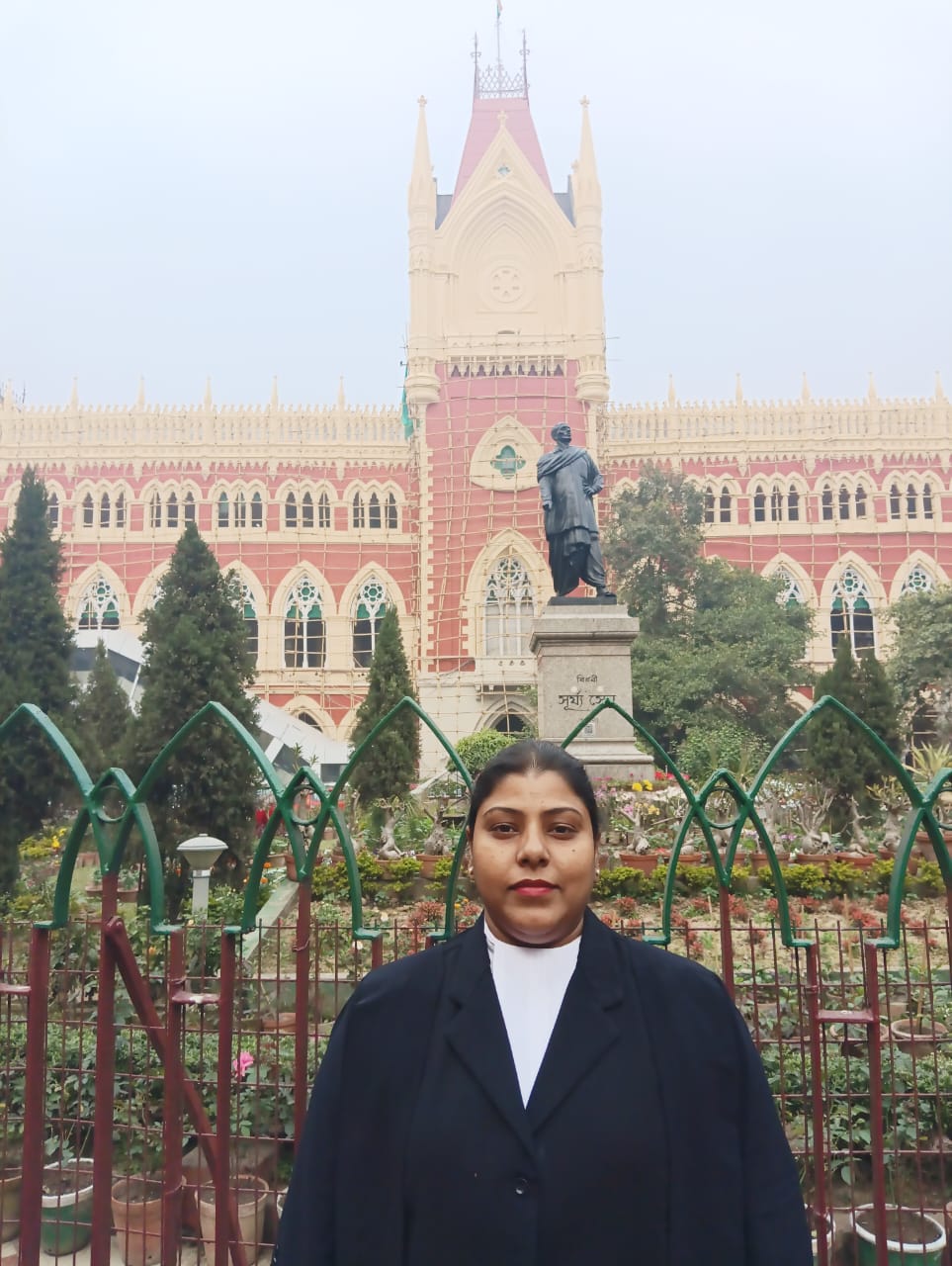

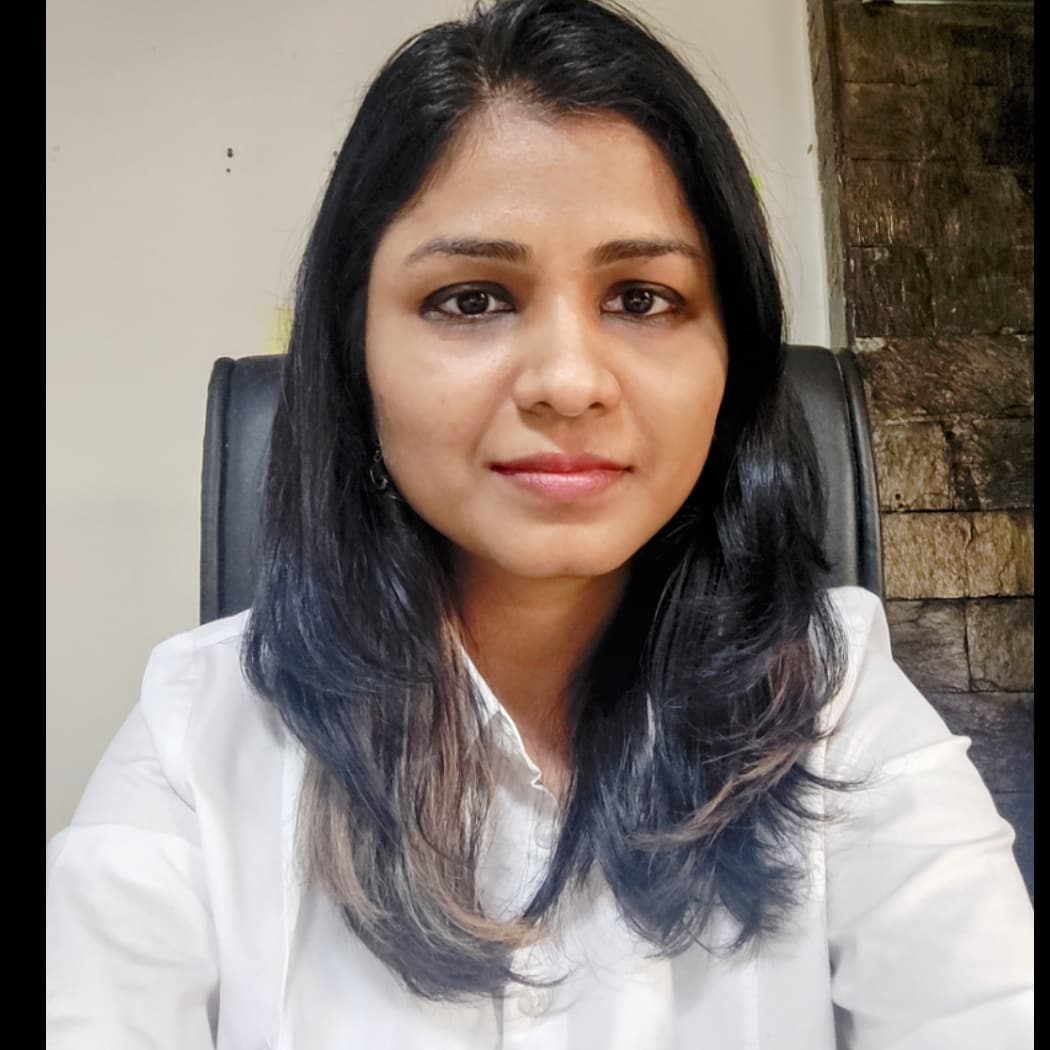

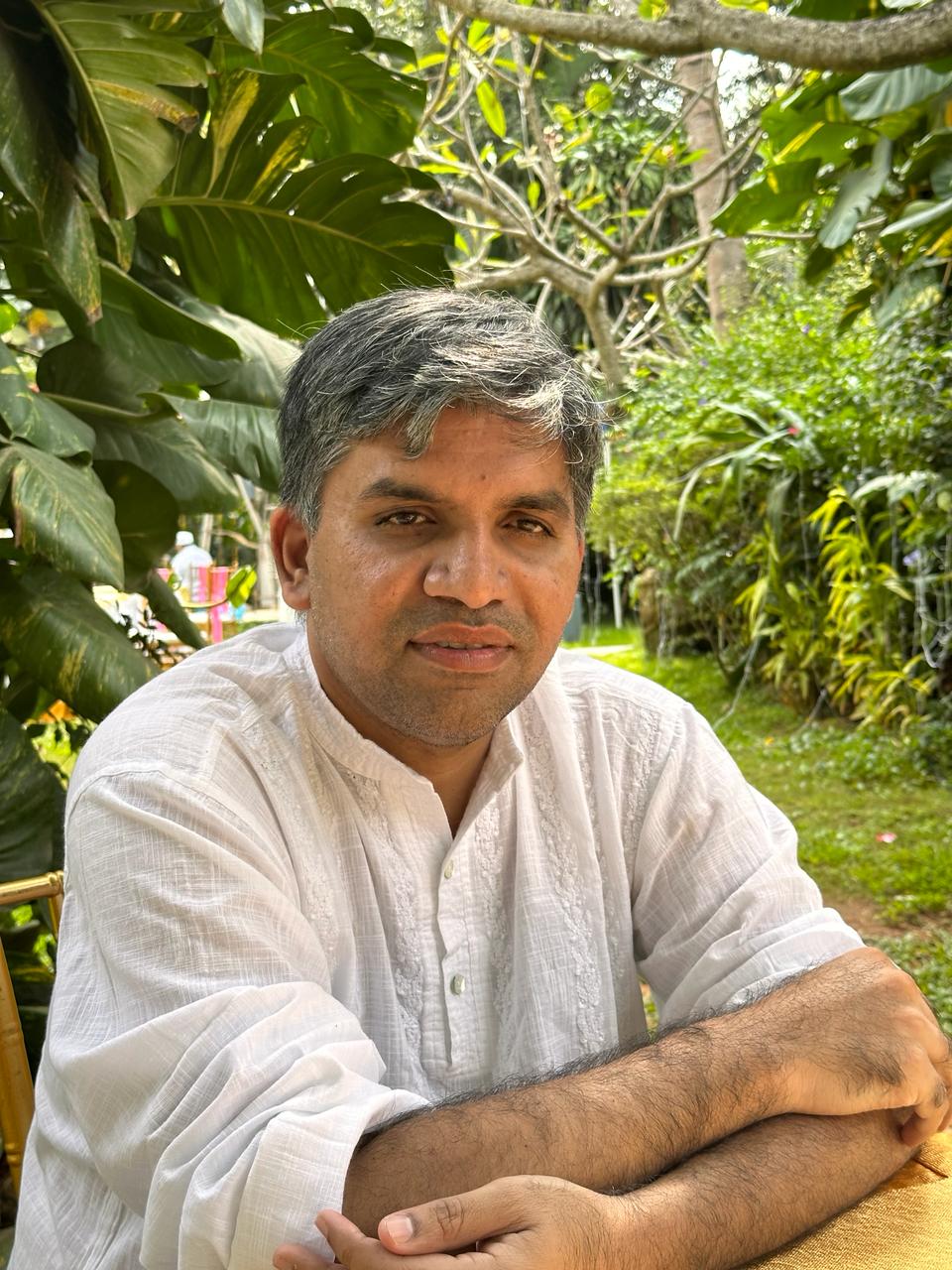

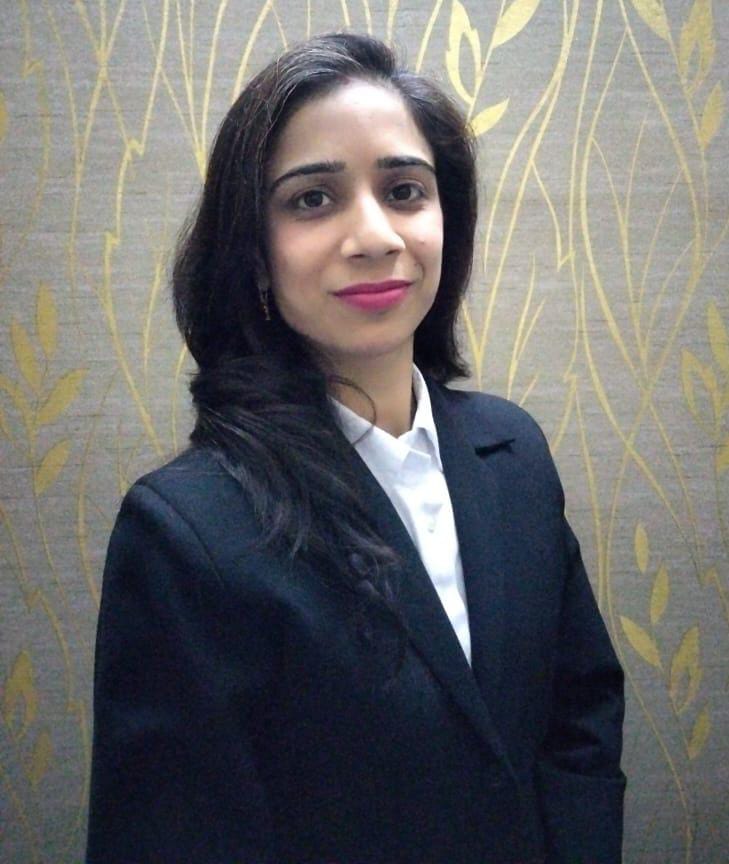


 I have recently joined Lexorbis. But, when I was at Lakshmikumaran and Sridharan Attorneys followed by Khurana and Khurana, I managed some of the largest client accounts at both the firms. I oversaw end-to-end client engagement, delivery and operations management, and resource management. The responsibilities also include interfacing with other organizational functions including management of paralegal operations in addition to technical part of the job.
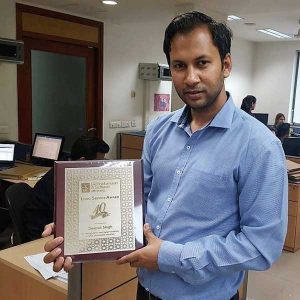 Currently, I am working as the Associate Partner with Lexorbis. Previously, I was working in Patents Division of Khurana & Khurana, IIPRD Consulting, and Lakshmikumaran & Sridharan. While landing on the present job. I have attained a Law degree and a Patent Agent Certificate.

 Allow notifications