Your career has spanned almost 15 years before the international courts, with significant cases including the destruction of cultural heritage. Can you share what initially inspired you to pursue a career in international law and what has kept you motivated throughout?
Living in New Zealand as a teenager in the 1990s, I saw the tragedies in Bosnia and Rwanda and wanted to do something about it. As I learned about the international criminal courts, I realised that was a means of taking action against the perpetrators of the worst crimes, including in those countries. Eventually I secured a position prosecuting international cases before those courts. My motivation was fueled by a sense of injustice and then later from meetings with victims who explained the impact these crimes had on their lives. Working with people from all over the world was also an inspiration. From Italy to India and everywhere in-between, you end up on teams with a huge range of backgrounds and legal traditions, which generates creative ideas as well as the odd procedural dispute. The international criminal courts face many challenges and the work can be frustrating. But ultimately there is no question that justice needs to be done for these atrocity crimes and that’s a major motivation.
As the Chair Rapporteur of the United Nations Working Group on Arbitrary Detention, what new dimensions or insights have you gained in the field of human rights and international law that were perhaps less visible in your earlier career?
As the Chair-Rapporteur, I see the organisational aspects of improving human rights practices. One of the key insights has been the importance of clear and open communication. A lot of problems can be avoided with regular and frank exchanges of information and communication helps to focus on the most serious issues which are directly affecting the victims. Closely linked to this is the need for inter-personal skills and empathy. When you are dealing with cases of persons arbitrarily detained for months and sometimes years, often in countries where they have no family, you have to picture the world from their perspective in order to understand the gravity of the threats and uncertainty they are facing.
Your work has involved prosecuting cases related to environmental harm at the International Criminal Court. How do you see the relationship between international criminal law and environmental protection evolving, and what key lessons have you learned from these cases?
When I started writing about the International Criminal Court prosecuting environmental harm, it was just a theoretical idea. However, in 2024, prosecuting environmental harm under international law is becoming a reality. Significantly, three small island States (Vanuatu, Samoa, Fiji) have officially tabled the crime of genocide for inclusion at the ICC as the fifth crime along with war crimes, crimes against humanity, genocide, and aggression. This year has also seen the Office of the Prosecutor initiate a policy on the prosecution of environmental harm. International law is useful to combat threats to the environment, as it typically focuses on large-scale crimes committed by groups of people. However, there are many challenges in transposing international criminal law to the environmental context. The courts are not ecological research centers, and so there will be a lot of lessons to learn. My main observation is that experts from sciences should be brought in to avoid the law being applied on incorrect foundations. I also propose that the definition of ecocide needs to be carefully formulated to ensure that it is clear as to what is covered (and what is not) and that it provides fair notice to people and organisations as to what conduct is included.
In your opinion, how can international law be better utilized to combat rising global challenges such as climate change, digital privacy violations, and arbitrary detention, while ensuring justice for marginalized communities?
International law requires enforcement. For that to occur, international courts must be strengthened. In particular, States such as the USA, Russia, China and India should join the International Criminal Court. Bodies such as the United Nations Human Rights Special Procedures should be strongly reinforced, with sufficient resources and binding powers to improve human rights adherence.
As someone who has published widely and won prestigious academic awards, what advice would you give to young legal scholars who want to balance research, writing, and a practical legal career?
For young lawyers and legal scholars, I highly recommend taking the time to research and write about legal issues that interest you. It’s one thing to work on a legal case but another to write about the broader context and the meaning of the laws and principles involved. If there are issues which strike your sense of justice or injustice, then there is likely to a scholarly question to examine. Balancing professional work and scholarship can be difficult, but the two facets reinforce each other. And it’s important to pass on what you learn to future generations of lawyers and human rights advocates.
For young professionals and students in international law, what would you say are the most crucial skills and knowledge they should develop, considering the evolving landscape of global justice, human rights, and environmental protection?
Young lawyers and students need to learn the fundamentals, such as the essential fair trial rights, while also developing an awareness of the emerging digital tools which can help them in their work. In terms of skills, good writing is critical. Take the time to follow a course on writing proficiency, as it is such a central skill in most roles. More importantly, clear writing reflects clear thinking, which is required more than ever at this time of crisis around many parts of the World.
You have contributed extensively to scholarly literature, what are the key gaps in international law research that you believe need to be addressed by future legal scholars?
Gaps in the literature on international law and human rights exist in relation to the procedures that ensure accurate fact-finding and in relation to measuring the impact of human rights work. All too often, it’s presumed that well-expressed and benignly motivated human rights conclusions will flow into enhanced human rights adherence by governments. However, that is a contestable claim, and more attention needs to be paid to measuring the impact of human rights work.
As a Senior Lecturer at the University of Essex, how do you integrate your extensive practical experience in international law into your teaching, and what key lessons do you hope to impart to your students about the future of global justice?
My teaching at the University of Essex is highly interactive. I encourage my students to extemporize and to be prepared to support their claims with arguments and evidence. I also encourage them to develop the ability to entertain a contrary position in order to fully explore its strengths and weaknesses. Getting on the feet to present an argument animates the students and engages their uptake of the information that I’m trying to convey. Finally, I try to remind students that there are real people at the ends of the procedures, often languishing in detention, and so working efficiently and expeditiously is critical.
Looking ahead, how do you foresee the role of international law in addressing global challenges like artificial intelligence and cyber warfare, both of which have the potential to drastically alter traditional notions of conflict and justice?
We don’t need to look too far ahead to realise that cyber warfare and AI can revolutionalise major areas of human activity. Already, we have seen cyber strikes used in various conflicts, and increasingly it is being integrated into conventional warfare. AI can add digital steroids to human online activity. The potential benefits and efficiency gains are immense. But the risks of misuse, whether advertent or inadvertent, are real and pressing. Efforts are being made to have international law address AI. But a lot of work will be required to create any form of international law that can enforce restrictions on the misuse of AI – and the axiomatic importance of protecting free expression and liberty must always be borne in mind.
With such a demanding career in international law and human rights, how do you find time to unwind, and what hobbies or activities help you maintain balance in your personal and professional life?
Keeping a balance between work and home life is important, especially when working on grave matters like atrocity crimes. My family keeps me grounded, and I enjoy sitting down with them to hear about their school and work days. Whereas I used to play a variety of sports, most of my activities now revolve around the family. But I still make time to watch the New Zealand All Blacks rugby team play whenever I can.
Can you share the journey of your career from starting your practice at the District and Sessions Court in Dehradun in 2008 to becoming the President of the Youth Bar Association of India?
I got an opportunity to join the Office of Mr. TS Bindra, Advocate in Dehradun, who is having a flourishing practice. His hard work and devotion to the profession is tremendous. I have seen him working as “One Man Army” nay to say, dealing with clients, and then settling the petitions, doing research work i.e. finding the case-laws and finally arguing the matter before the Hon’ble Court. Furthermore, working at the grassroots level i.e. the original side taught me invaluable lessons in legal practice, ethics, and the importance of diligence in serving as a legal practitioner.
During my early years, I handled a diverse range of cases, which provided me with practical experience and a deeper understanding of the complexities of the law. This period was crucial in shaping my foundational skills as a lawyer and instilling in me a passion for justice and advocacy.
As I progressed in my career, I became increasingly involved in various legal forums and associations. These experiences expanded my professional network and fuelled my interest in addressing broader issues within the legal community. I recognised the need to empower young lawyers and advocate for their rights and professional development.
When I started practising on the criminal side, obtaining a copy of FIR was a very troublesome and difficult task. However, it was readily made available to influential lawyers and even the litigants were suggested to engage said lawyers. Poor litigants, having no option, were constrained to engage and pay a hefty amount to such lawyers, in the guise of professional fees. I found the situation to be vulnerable. Apart from this, I noticed that the young lawyers have very limited say and their ideas and voice were throttled. I have seen my friends losing hope in this profession, due to lack of proper guidance and support at the initial stage of practice. That was the moment, which prompted me to have an Association of Young Advocates.
Finally, they discussed the idea with some of my seniors, who mocked it but at the same time, few appreciated this idea. I must mention the names of Mr. Saurabh Pandey, Mr. Nirpendra Singh Rautela, Ms. Anjali Chauhan, Mr. Gaurav Pandey and Mr. Lovekesh Choudary. Ultimately, we got the Society registered under the name of Youth Bar Association of India (in short YBAI) to create a platform to support young lawyers across the country. Serving as President of YBAI has been a privilege and a responsibility that I cherish deeply.
It has allowed me to contribute to initiatives that promote legal education, advocate for reforms beneficial to the legal fraternity, and foster a sense of community among young lawyers. We have conducted various webinars and Virtual Summer School on Mediation, which are available on the YouTube Page.
My journey from starting at the District and Sessions Court in Dehradun to leading YBAI has been marked by continuous learning, dedication to service, and a commitment to advancing the interests of young lawyers in India. I am grateful for the opportunities I’ve had and look forward to continuing to make a positive impact in the legal profession.
What inspired you to pursue a career in law, and how has your father’s influence shaped your legal practice and career choices?
I was inspired to pursue a career in law due to a deep-seated passion for justice and a desire to make a meaningful impact in people’s lives. Growing up, I witnessed firsthand the dedication and integrity with which my father practiced law. His commitment to upholding justice and serving his clients ethically left a profound impression on me.
My father namely S. Bhupendra Singh, had worked in the original civil side at the grass-root level i.e. the District Court. Later in the year 2001, after the creation of the State of Uttarakhand, he got an opportunity to serve as a “Standing Counsel” for the Govt. of Uttarakhand, which he continued for almost 10 years. My father is a first-generation lawyer, who comes from a very humble background. He started his journey with a lot of struggles for sustainability. My mother passed way, leaving the responsibility to me and my younger sibling (Dr. Jaspreet Kaur); I was just 2 years of age. We have spent a considerable long time, in rented accommodation. I have witnessed my father carrying bulky files. Sometimes he has to wait at the taxi stand, as travelling in a sharing cab is cost-effective. His hard work and dedication taught me, the value of money and being humble. At the same time, what is more powerful to learn from him, is he never opted for short cuts and unethical ways. His continuous study and determination still influences me. His influence has been instrumental in shaping my legal practice and career choices. He instilled in me the importance of empathy, integrity, and diligence in every aspect of legal work. His guidance has taught me to approach each case with a holistic perspective, considering not just the legal nuances but also the human aspects involved.
Moreover, seeing my father’s dedication to his clients has motivated me to strive for excellence in my legal career. His mentorship has been invaluable in helping me navigate challenges and make informed decisions that align with ethical standards and the pursuit of justice.
Your wife, Harsheen Anand, played a significant role in the formation of the Youth Bar Association of India (YBAI). Can you elaborate on how her contributions have influenced your professional journey?
She is a vigilant person and more educated than me. Though she has done a Masters in Law, she is currently practicing as a Chartered Accountant. She helped us to give a legal entity to YBAI, which we got registered under the Societies Registration Act. She actively participates in the affairs of YBAI.
I feel, I have been unfair to her, because where both the parents are working, either one has to compromise in terms of career; as the responsibility of kids is fastened upon them. In our case, she has groomed and nurtured the kids more than me, for which I shall always remain indebted to her. However, now, I used to devote my maximum time to the kids. It’s a mesmerising feeling. I have started living my childhood with my kids.
Was practicing independently the choice you made from the beginning of your career, or was there a specific theory or reason behind your decision to establish an independent legal practice? Can you share the thought process and motivation behind this decision?
I must mention here about my appearance at the Supreme Court. I got my first independent case but frankly, the law point involved was not much impressive. However, while discussing the matter with my senior colleagues, particularly Mr. Nagendra Singh Ji, I was made to learn the basics of legal practice, nay ‘not to be judgmental’, as the work of an Advocate is to put forward the grief and facts of the litigant before the Court, which alone has the jurisdiction and competence to decide the same. With the able guidance of my senior colleagues, I prepared the matter and I was made to understand by Mr. Nagendra Singh Ji that he will argue the matter. I still remember it was a cheque bounce matter (U/s. 138 NI Act), the transfer of which was sought from Kolkatta (West Bengal) to Pithoragrah (Uttarakhand). The matter was listed before the Bench of Hon. Justice Altamas Kabir, one of the most humble Judges, who later became CJI. After reaching the court premises, I called Mr. Nagendra Singh Ji, who asked me to argue the matter, as he intended that I must confront the Court. There I was guided by another senior colleague Mr. Rabir Singh Kundu, a very eminent lawyer. Ultimately, I got a favourable order. From that point of time, I made up my mind, to establish my independent legal practice. But at the same time, I got loosely associated with my seniors.
Initially, I joined the chamber of Mr. Jitendra Mohan Sharma Ji, Senior Advocate, with whom I am still associated. He is a most humble person and there is a lot to learn from him. I have worked with and briefed various legal luminaries. When I joined the Supreme Court, Mr. Ram Jethmalani Ji was the President of SCBA and I had attended various legal conferences and programs with him. Age was just the number for him. He was bold and dynamic. His arguments in some cases are tremendous.
Anyways, establishing an independent legal practice was a deliberate choice that evolved throughout my career, influenced by both personal aspirations and professional considerations. From the beginning, I was drawn to the idea of having the autonomy to shape my legal career.
Early in my career, while gaining experience at the District and Sessions Court in Dehradun, I recognized the value of independence in providing legal services that align with my ethical principles. This firsthand experience solidified my belief that establishing an independent practice would allow me to best fulfil my commitment to advocating for justice and serving the needs of litigants effectively. Moreover, the decision was also driven by a desire to contribute to the legal profession in a meaningful way. By founding my practice, I aimed to create a platform where I could apply my expertise, engage in diverse legal matters, and foster a supportive environment for both, clients and colleagues.
Ultimately, the thought process behind establishing an independent legal practice was rooted in the belief that it would afford me the flexibility to pursue my passion for law while upholding the highest standards of integrity and professionalism.
What motivated you to take up the leadership role in the Youth Bar Association of India, and what initiatives have you introduced to support young legal professionals? Please share some insights in your role as a president and your contributions.
As I mentioned earlier, the situation for young, budding advocates has been quite disheartening. There was a lack of mechanisms to address their challenges or offer them the necessary support. Young lawyers often became easy targets for exploitation—they were given inadequate guidance and then reprimanded for unintentional mistakes. Despite being hardworking, many young advocates face discouragement at various levels due to a lack of procedural understanding. What they truly need is a proper mentor to guide them on the right path.
One of the first significant achievements of the Youth Bar Association of India (YBAI) was obtaining a directive that mandated the uploading of every FIR on the police website. This directive can be found in AIR 2016 SC 4136 or 2016 (9) SCC 473, “Youth Bar Association of India versus Union of India and Others.”
YBAI also organized its First National Conference, which was graced by many legal luminaries, including Mr. Soli Sorabji. The Chief Guest was Hon’ble Justice Ranjan Gogoi, the then Chief Justice of India, and the conference was moderated by Senior Advocate Ms. Aishwarya Bhati. The event was a resounding success.
I was motivated to take up the leadership role at YBAI out of a deep commitment to empower and support young legal professionals across India. Recognizing the challenges young lawyers face in their careers, I felt compelled to create a platform where they could thrive, receive mentorship, and advocate for their rights.
As President of YBAI, I introduced several initiatives aimed at enriching the professional lives of young legal professionals. One of our key initiatives is providing educational workshops and seminars to enhance their legal skills and knowledge. These sessions cover a wide range of topics, including legal research, advocacy techniques, and career development strategies. Additionally, we have established mentorship programs where experienced lawyers guide and support young members, helping them navigate the challenges and opportunities within the legal profession. This mentorship not only fosters personal growth but also strengthens our legal community by passing on invaluable insights and experiences.
Another important aspect of my role has been advocating for policy reforms that benefit young lawyers. We actively engage with policymakers to address issues such as access to legal education, professional development opportunities, and equitable representation within the legal system.
Moreover, I have worked to create networking opportunities through conferences, forums, and social events, enabling young lawyers to connect with peers and mentors from diverse legal backgrounds.
We also conducted a Virtual Summer School on the topic of Mediation during the COVID-19 pandemic to ensure that the process of learning continued. All the sessions are available on the YBAI’s YouTube and Facebook pages.
Serving as President of YBAI has been both a privilege and a responsibility that I approach with dedication and enthusiasm. My goal is to continue expanding our initiatives, advocating for the rights of young legal professionals, and fostering a supportive community that empowers the next generation of lawyers in India.
With your vast experience, can you share some insights on the evolution of arbitration law in India and how new lawyers can prepare for the future of these fields?
With the evolution of civil and arbitration law in India, we’ve witnessed significant advancements that have reshaped the legal landscape and opened new opportunities for young lawyers. Civil law has undergone reforms aimed at expediting judicial processes, enhancing access to justice, and promoting alternative dispute resolution mechanisms like arbitration.
Arbitration, in particular, has seen substantial growth as a preferred method for resolving commercial disputes. The enactment of the Arbitration and Conciliation Act, along with amendments to streamline procedures and enforceability of arbitral awards, has bolstered its credibility and efficiency. This evolution reflects a broader trend towards a more robust legal framework that supports both domestic and international arbitration.
For new lawyers aspiring to excel in these fields, preparation involves several key strategies:
Developing a solid understanding of civil procedure codes, arbitration laws, and recent judicial precedents is crucial. Keeping abreast of legal updates and participating in relevant training programs or workshops can provide essential insights.
Actively seeking opportunities to gain hands-on experience through internships, clerkships, or apprenticeships with experienced practitioners in civil litigation or arbitration firms is invaluable. Practical exposure helps bridge the gap between theoretical knowledge and real-world application.
Embracing legal technology tools for research, case management, and document review is becoming increasingly important. Familiarity with e-filing systems and digital evidence management enhances efficiency and client service in civil litigation and arbitration proceedings.
Effective communication, negotiation, and client management skills are essential for success in these fields. Building a professional network through bar associations, legal forums, and industry events facilitates mentorship and career opportunities.
Upholding ethical standards and professionalism is non-negotiable. Demonstrating integrity and reliability enhances credibility and trustworthiness as a legal practitioner.
In summary, the future of civil and arbitration law in India holds promising opportunities for young lawyers who are prepared to adapt to evolving legal trends, leverage technological advancements, and uphold high professional standards. By cultivating specialized knowledge, gaining practical experience, and nurturing essential skills, new lawyers can position themselves for a rewarding and impactful career in these dynamic fields.
Beyond your professional life, what hobbies or personal interests do you pursue, and how do they contribute to your overall well-being and professional effectiveness.
Outside of my professional life, I am passionate about roaming around. I love to visit new places and meet different people. These pursuits play a crucial role in maintaining my overall well-being and enhancing my professional effectiveness in several ways.
Firstly, I love to do matters involving public interest or legal questions, which require the indulgence of the Hon’ble Courts. There are various such matters, wherein YBAI has been successful in obtaining directions. I must mention the case of “Habib Khan versus of State of Uttarakhand”, wherein after many rounds of litigation; the Hon’ble Supreme Court has held that Class-IV employees are entitled to PENSION by reckoning the period of their temporary services i.e. from the date of their initial engagement. Later, the said decision was approved by the larger bench in the case of “Prem Singh versus State of Uttar Pradesh”. This is a case, that is very close to me because the clients were elderly people of having age of about 70 years and I have seen them struggling for livelihood.
Further engaging in outstation matters, provides me with a creative outlet and a sense of fulfilment that rejuvenates me after demanding workdays. This helps me approach challenges with renewed energy and clarity.
What are your views on the importance of pro bono work, and can you share an experience where your pro bono efforts have made a significant impact?
I believe that pro bono work plays a crucial role in ensuring access to justice for underserved communities and advancing the principles of fairness and equality within our legal system. It is not only a professional responsibility but also a moral imperative for lawyers to contribute their skills and expertise to serve those who may not have the means to afford legal representation. Moreover, pro bono work not only enhances professional skills and broadens legal knowledge but also strengthens the bonds between lawyers and the communities they serve. It fosters a sense of civic duty and reinforces the ethical foundations of our legal profession.
In conclusion, pro bono work is not just about providing free legal services; it is about promoting justice, equality, and the rule of law. It is an integral part of my commitment to using my legal skills to make a meaningful difference in the lives of others and to contribute positively to society.
What advice would you give to current law students and young professionals to help them navigate their careers and make meaningful contributions to the legal field?
As someone who has navigated the legal profession and is committed to its advancement, I have several pieces of advice for current law students and young professionals:
Build a Strong Foundation: Focus on developing a solid understanding of foundational legal principles and procedures. Mastering the basics will provide a robust framework upon which you can build specialized knowledge and expertise.
Seek Diverse Experiences: Take advantage of internships, clerkships, and opportunities to work with experienced lawyers in different practice areas. Exposure to diverse legal environments will broaden your perspective and help you discover your interests and strengths.
Embrace Lifelong Learning: The legal landscape is constantly evolving. Stay informed about current legal developments, case law, and legislative changes. Continuously seek opportunities for professional development and continuing legal education.
Cultivate Practical Skills: Beyond legal theory, hone practical skills such as legal research, writing, negotiation, and client management. These skills are essential for effective legal practice and client representation.
Build a Professional Network: Networking is invaluable in the legal profession. Attend industry events, join bar associations, and connect with peers, mentors, and senior professionals. Building relationships can open doors to opportunities for collaboration, mentorship, and career advancement.
Commit to Ethics and Integrity: Uphold the highest standards of ethical conduct and professionalism in all your interactions. Trust and integrity are essential for building a credible and successful legal career.
Engage in Pro Bono and Community Service: Dedicate time to pro bono work and community service. Contributing your legal skills to help those in need not only serves a noble purpose but also enhances your professional growth and fulfillment.
Stay Resilient and Persistent: The legal profession can be challenging, but perseverance pays off. Stay resilient in the face of setbacks, learn from your experiences, and keep striving towards your goals.
Find Balance: Maintain a healthy work-life balance. Taking care of your well-being is essential for sustained success and happiness in your legal career.
Make Meaningful Contributions: Ultimately, aim to make a positive impact through your legal career. Whether it’s advocating for justice, advancing legal reforms, or championing causes you believe in, strive to leave a lasting and meaningful mark on the legal field and society.
By following these principles and continuously refining your skills and knowledge, you can navigate your legal career successfully and make significant contributions to the legal profession.
Last but not least; I would like to thank my intern Ms. Prachi Agarwal, a student of Law College Dehradun who helped in completing this task.
I would also like to thank my current team, namely Mr. Kuldeep Singh, Mr. Bhavya Pratap Singh Rautela, Mr. Amit Kumar, Ms. Ayushi Arya, Mr. Sanyam Thareja and Ms. Japjeet Singh along with Ms. Amitoz Kaur, Mr. Arpit Jain and Ms. Pallavi Tripathi
Hello everyone. We are here today again with Dr. Swati Garg. We want to introduce her as the best female lawyer, I would say, who has opened her office doors for every student or learner. Because she is that humble that she can accept the realities of life and she can guide you through the whole process with a smile on her face. Welcome, Ma’am. And thank you for accepting our invitation to SuperLawyer.
Absolutely. See, I have a background of more than 15 years of teaching experience. And I tell all my students that look, guys, you’re most, most welcome to my office.
Anytime that you need any support in understanding a matter, filing a matter, or taking it ahead in arguing, feel free, don’t ever think that because you’re a first-generation lawyer, you don’t have an office or staff. I tell them that you have me and you will not believe that my office is the DU adda of the place.
At any point in time, all my students are here. They just drop in and ask for suggestions and request me to review their work and I love it. I mean, I feel that as a senior this is the best you can do for your juniors, right?
I have been extremely lucky, people were very kind to me and I just feel what comes around goes around and I can’t even think of any reason to not help your colleague or your junior because you’ve also reached where you are with someone’s help. You did not just parachute land on whatever position that you hold right now.
And, it is very nice, you know, when you go to the courts and people come and touch your feet and they’re like Guruji and you know, that kind of respect. Once a teacher, always a teacher. That’s why I love so many aspects of this profession. I can’t even imagine doing something else.
I love the fact that there is no retirement age in law because I feel you’re growing every day. And, you know, you’re growing on a day-to-day basis. You’re more aware, and more confident today than you were an hour back. So that is the level of learning that you get in this profession.
When did you decide to become a lawyer? What motivated you? And also through your practice years, when did you decide to become an AOR and how has it helped you become the personality that you are?
As for the question of when I decided to become a lawyer, I didn’t really make the decision myself. Others made it for me. Even back in school, for as long as I can recall, I enjoyed arguing and often took the weaker side. It wasn’t about my personal opinion; rather, it was about embracing the challenge. My teachers would often question why I involved myself in certain debates, but I believed every issue deserved a voice, including mine. As I grew older, my teachers encouraged me, saying, “Swati, you’re destined to be a lawyer with your passion for arguing. Why not turn it into a profession?” So, the path was somewhat predetermined, and I didn’t have to ponder much about it.
I’ve always been intrigued by people’s problems and genuinely enjoy listening to them. Often, just lending an ear can alleviate half their troubles. I consider it one of the most fulfilling aspects of my profession. If not a lawyer, I could have pursued a career in psychology, as I believe a lawyer often serves as a counsellor to their clients.
Regarding the AOR designation, I’ve always been drawn to pro bono work, especially in the Supreme Court. However, I realized that financial constraints could hinder access to justice. Without an in-house AOR or someone willing to take on the case pro bono, filing in the Supreme Court becomes challenging. So, I decided to pursue the AOR exam. Although I didn’t achieve top rankings, I approached it with humility and a desire to contribute.
Certain matters may not be universally appealing, and convincing others to take them on can be necessary. However, I decided to take it upon myself, realizing that instead of wasting time persuading others, it would be more efficient to become an AOR myself. This decision was not driven by compulsion but rather by the realization that it would streamline my work. I am generally adaptable, as long as the work is accomplished.
When such tasks begin to impact your efficiency, taking matters into your own hands becomes a logical step. Becoming an AOR is feasible; many have done it successfully. I believe the only barrier to achieving something is the extent of your desire for it. If you truly desire something, you can attain it. Look at Vicky Kaushal, who married Katrina Kaif—his determination is a testament to this. Ultimately, it all comes down to how much you truly desire something. Desperation often leads to success.
How did you manage to pursue a PhD alongside your busy professional life? How has this academic pursuit contributed to your professional and personal growth? Furthermore, what motivates you to advocate for causes like POSH and combat sexual harassment? How do you sustain this motivation and continue your efforts?
I really don’t know myself. It’s as if the path has been decided already. And I just keep walking. As far as the POSH thing is concerned, this was very close to my heart for a long time. I remember I used to work in the area of domestic violence.
Then it was one of my mentors who suggested that look Swati, you are doing wonderful work in the field of domestic violence. Why don’t you look into this field also? It’s an upcoming field. And at that point, I realized that yes, it is indeed a very important field because the percentage of women in the working sector is increasing by the day.
So definitely this is going to cause problems in the future. It is sheer chance that it did turn out to be a hot topic for debate today. And, because I feel strongly passionate about it, it kind of comes through. As far as teaching is concerned, it is definitely becoming more and more difficult with my schedule, but I tell myself that, look, people are doing it right. And, teaching I feel has aided a lot because it gives you that finesse, you know, you are confronting a class of what 80 to 100 students. And all of them are in Delhi University. They have succeeded in reaching that place.
They have eliminated the competition. So they are difficult minds, to say the least. And you are confronting 80 to 100 brains. You’re trying to teach something to them, which makes sense to them. They are going to be coming up with their own questions. So you’re practically training yourself as to how you need to convince a person, how you need to deal with their questions, and how do you continuously speak for two to three hours without getting tired?
Because see the throw of the voice, the projection of the voice, your body language, whether you feel comfortable speaking to a group, whether you feel comfortable addressing a crowd, all these things cannot be learned overnight. Now I have quite a few TV appearances regularly.
I would say two to three TV appearances a month, sometimes more. There was a time when I used to palpitate, thinking, “Oh my God, this is live TV. What if I end up making mistakes?” Like I said, it’s there for perpetuity; you cannot erase it. If it’s a live program, it will be there forever. And you lay yourself open to so much ridicule, and people can kind of show it to you, saying, “Look, this is what you did. This is what you said.” I used to palpitate before every appearance. And now I’m like, “See, it is what it is. We are humans, prone to making mistakes. How does it matter? I mean, if you’ve given an honest effort and ended up saying something incorrect factually, you can always go back and correct it or apologize. As long as you do not do it deliberately or negligently, I’m sure it can be forgivable because you cannot just stop doing things, fearing that you might do them incorrectly.
You have to start somewhere.” So I think academics have helped me a lot. And as far as I think one of your questions was, how has a PhD helped me? Well, it has. At the point in time when I was doing it, I told myself, “Why am I even doing this unnecessarily?” And then people would come to me and say, “Isn’t your practice going well that now you are studying again and teaching?” You know, that used to be very demoralizing at that time. But then I would say, “Well, maybe they haven’t been fortunate enough to get such opportunities, and that’s why they talk like this, right?” And now when the judges address me as Dr. Jindal, I feel so proud of myself. You know, somehow at some level, you have brought yourself out of a regular crowd. I remember once one of my colleagues pointed out to a person of very humble means who happened to be an advocate. I mean, you could make out. He was somehow just loitering around the court complex.
That person was an AOR who pointed it out to me. He said, “Look, what is the difference between him and you? There is no difference. He’s also an advocate and you are also an advocate. So how is it that you two are different?” I said, “Well, I’m a doctor who is an advocate and he’s probably only an advocate. That is the difference.” So any kind of value addition that you do to yourself. I’m not humbling all the advocates out there. So you have to realize that they’re all LLBs and it is very difficult. It’s a five-year course or a three-year postgraduate course. It’s not an easy task. You have to clear around 30 papers if you’re doing a three-year postgraduate course to become a lawyer. Even if you clear 29 out of 30, you’re still not an advocate. It’s as simple as that.
So any kind of value addition that you do to yourself, whether it is as a doctorate or it is as an AOR, anything that you do, will set you apart from that core group of advocates. And I would say that learning is a permanent procedure, that is why you call a lawyer’s practice, you know. It is not like I am a lawyer. People always say that I’m practicing as a lawyer. I’m practising as an advocate, which shows that you can never really be perfect, even if you die around Jethmalani, you will still be practicing. Nobody’s perfect. And they all say that practice till you are perfect. And in this profession, you can never be perfect. So it is sort of a moment for you to sit and self-reflect and tell yourself today.
I had a meeting in the ministry and, the joint secretary told me, “Well, you know, this is a very complicated matter, madam.” And, it was connected to some environmental matters and how the islands need to be protected from sinking and all that. So he was throwing some technical terms and he said, “Look, this is a very complicated matter and somebody would need to convince the judges.” And I was like, “Okay, we’ll try our level best to convince the judges because we would convince ourselves first.” So he said, “This is what I love about lawyers that they are willing to learn new things every day.” I said, “We just take it like somebody has thrown us in the water and it’s either drowned or you learn how to swim.” So only a lawyer would know the nitty-gritty of, for example, construction or in a medical-legal case, they would know about medical negligence. So they know what can go wrong in a human body. They would also know as to why a wife was tortured in the house. The nitty-gritty of who gets to cook in the morning, who’s cooking in the evening. They would also know some sort of injury that happened to a person during playing, or participating in a sport. So this is one field where, practically everything, you know, as many cases as you have handled, you would know as many issues.
What inspired you to write your books, particularly concerning women’s issues? Could you share the motivation behind addressing these topics and discuss your books?
You’ll find it quite unbelievable. Even I do, for that matter. It’s not like I had a plan that I will write a book someday. Things sort of keep happening to me by chance.
The only good thing I can say about myself is I don’t give up the chances I get. So I’ve been writing for a long time, even way back in school. I used to write a lot, even if only for the school magazines. I used to participate in a lot of debates. So writing was a habit.
I used to love reading and writing. It was never forced. I mean, it was never a chore for me to read and be like, “Oh, now I’ll have to read even this.” Never like that. I’m the sort of person who would also read the labels on a shampoo bottle. You know, if I’m just sitting there with conditioner in my hair, I would be like, “Let me just read the label on this bottle while I’m waiting.” That’s sort of an attitude I have.
So it’ll be difficult for me to pass those two minutes. So I would randomly read available things. So, as I was doing my PhD, I remember one of the publishing houses approached me, asking, “Would you like to write a book on this topic?” And I said, “But I have never written a book before,” you know, that was the level of naivety I had at that time.
He said, “Madam, you’ve been writing so much anyway. You’ll just have to write this book in such a way that whoever reads it can understand this topic better.”
And I told myself, “Well, why not? If they’re ready to print, then how does it matter to me?” I mean, I was amazed that you know, if there are takers for this sort of thing, then why not? So, I sort of went ahead and wrote a book on my PhD thesis at that time. At that moment, because somebody approached me, one of the publishing houses approached me. And, you know, I remember at that time I told myself, “Well, if they don’t have a problem printing it, then why should I have a problem writing it?”
That is the kind of attitude I have. And that is how it all started. That was one book I wrote in totality. And there were a couple of other books that I wrote as co-authors. And then thereafter, I’ve been writing regularly in a lot of legal magazines.
Till last year, I was writing one whole page in a national daily, a daily newspaper. So I had one page that used to come out every Wednesday, which was on law and justice. And now also I write in magazines that are weekly magazines. Then there are fortnightly magazines on social issues, primarily related to law, but once in a blue moon, I would also like to write something on a spiritual footing because I like to believe that I’m a spiritual person.
I mean, some of my friends are going to be laughing their asses off hearing the statement, but very, very deep down inside, I do believe that yes, I am. I like to think that I’m a spiritual person. I’m a very God-fearing person. I believe you will get only what you deserve and nothing less and nothing more.
Could you please share how writing has impacted your career and personal growth? Specifically, we’re interested in learning about any increases in reach, career refinement, and personal development you’ve experienced through writing. Your insights on the importance of writing, whether it’s articles, journals, or books, would be invaluable for our learners.
Let me provide another example. If you have two baskets, and in one basket, there are myriad colors – different colored balls – and you have to sort those balls, pick up some of them, and put them in another basket. How many choices are you making? The first choice is whether you want to do it or not. The second choice is which color you should select first. The third choice is looking for that colored ball, picking it up, and putting it in the other basket. Now, the next choice that confronts you is whether you want to continue this task, having finished one color, or do you want to end it there? You know what I mean? What I’m trying to tell you is that when you take that active conscious decision to separate the balls of different colors, you have to make a conscious effort to select some of them and put them together in such a way that it solves your purpose.
So in your mind, you have millions and millions of words. When you make that active conscious decision to put those words to paper, the first thing you need to decide is what you want to write on. If, let’s say, you want to write on women-related issues, for example, how working women today are being sexually harassed at their workplace and what laws are in their favor? What is it that they can do? If you decide to write on it today, let’s say that you want to write a 1500-word article. To write a 1500-word article, you would need to read thousands and thousands of words. Only then will you be able to select some of those words, and put them down on paper, in such a way that they make sense to the readers.
So when you decide to write, you unconsciously, invariably also end up reading, which is imperative for anybody in this field. For any one article that you write, you probably have to read for a week. And then there will be a time when you decide that all the reading you’ve done over the years will somehow be there in your mind subconsciously. And there will be enough words inside of you that you can take them out and put them on paper whenever you want. This is the importance of writing. I don’t know if I could have put it in a better way.
Do you apply similar planning methods to your POSH trainings? How do you structure and conduct these sessions, and what impact have they had on your practice? Additionally, how can individuals, especially lawyers, become involved in such initiatives?
I’ve encountered various trainings, and I’m always intrigued by different approaches to conducting POSH trainings. I’ve noticed that some can be overly academic, simply relaying the law without adding much value. I believe that for any training session, there should be a meaningful takeaway for both the participants and myself. It’s not just about repeating what the law already states.
Often, I conduct sessions for trainers, such as IC members or officers. Tomorrow, for instance, I’ll be training members of the Airport Authority of India. These individuals are well-versed in the law, so my aim isn’t to reiterate basic legal principles. Instead, I focus on real-life cases and practical scenarios to illustrate how to avoid similar issues in their workplaces.
I emphasize the importance of integrating legal knowledge with practical insights to make the training relevant and engaging. It’s like cooking with spices and vegetables – everyone has the ingredients, but it’s how you combine them that makes the dish enjoyable. Similarly, I aim to blend legal concepts with practical applications to provide meaningful guidance.
Rather than dictating what should be done, I prefer to present options and their potential outcomes. It’s about empowering individuals to make informed decisions and be accountable for their actions. This level of accountability is essential in creating a culture of responsibility.
How do you approach complex legal challenges like those involving the Ministry of Environment, Forest, and Climate Change, which have far-reaching impacts on both the environment and human lives?
The only answer you have is knowledge. So if you’re faced with any challenge, the only aspect of the challenge that scares you is not knowing. If you’re in a dark room at night and the light goes out, you’ll only be scared to go out if you don’t know what lies outside.
Once you have an idea, why do people feel so brave when they have a torch in their hand? Because that torch guides them. It tells them that there’s nothing outside, just the plant that was shaking. So the only thing that gives you power is knowledge. Once you are prepared with the problem, once you know the solution, once you know the way ahead, you can tread ahead with full confidence and that confidence will shine through.
The general perception is that the government is not doing anything, and the judiciary is not doing anything. It’s easy to sit in one place and say that they’re not doing anything. When you go and see the efforts the government is making, there’s no one person called the government. If we litter on the roads, is there a government guy roaming around to pick up the trash and put it back in your car from where you threw it? It has to be a social responsibility which lies on everyone’s shoulders. As far as ministry cases about the environment are concerned, getting panelled in this field opened my eyes and I realized that many steps are being taken by the government, and they’re working day and night. Whatever can be done is being done in this area to make the country more habitable, and more compliant. The only thing that remains is for the public to take their way forward in the same direction and be compliant themselves because ultimately the laws can be made, but compliance has to come from the ground level. So I think the best method to prepare for a case is to read as much as you can. Once you’re aware of the idea, what it is that you have to find out, and what are the laws about that particular matter, you will feel better about it. And you will be in a position to give your own opinion. And from there on, the sky’s the limit.
You are in a profession that demands too much seriousness and how do you relax yourself? How do you find time for your family? How do you unwind yourself?
See, I’ll tell you what, I just like to find little amounts of, I call them my stolen moments. So when you go to the court and you realize that, okay, there is a gap between two matters. I would say a chai samosa is my stolen moment.
I would chat around with my friends and just do small things. It doesn’t matter. I tell you, I would call myself a very cheap date. It’s very easy to please me. I mean, you wouldn’t have to take me to ITC or the Taj. I’m quite happy. It depends on the moment.
I think we all need to kind of appreciate the small pleasures of life and not wait for that big moment to come, and that is when we will be happy. So that is imperative, I would say.
What recommendations would you offer for individuals just starting out in their career journey? Considering your earlier advice on the importance of reading, writing, and academic pursuits, how would you advise them to plan their career trajectory?
See, there is only one thing that I would like to say to all the people who are planning to join this profession. I would just say keep going. That is the only thing that never consider a work or any kind of case to be too small or too petty for you to take up. It’s better than sitting idle, right? So don’t wait for that big case to come to you, which will enable you to create a name for yourself. And you will take only a big case because no case is small, the smallest of cases would teach you something. If nothing else then commitment. At least you will end up going to the court. So your visibility in the court matters and visibility does not mean chai samosa. Okay. You’re not just going there to have tea and eat samosa. You’re going there to appear before the court. So any kind of work that you get initially, basically, I would say beggars are not choosers.
When you start in the profession, you are a person who’s begging for work and how does it matter? Go ahead and beg. We are not supposed to solicit work, but if any work comes our way, as long as your expenses are taken care of, forget about your professional fee, because at the end of the day, are you actually contributing professionally to that matter? It’ll be years before, you know, you deserve the consultation fee that you get.
Are you even making sense suggesting people pay for it? To become the person others would pay for wisdom, you must have enough words at your disposal. Until then, doing matters for free hardly matters. I recall times when I spent from my own pocket, a practice I still maintain for matters I deem worthy of legal attention. This is why it’s called a noble profession — only nobility can afford to work without pay. Monetary rewards often come late, leaving little time to enjoy them personally; they become the legacy enjoyed by family, children, or the office. When money does arrive, there’s scarcely time to appreciate it. Needs are minimal for a lawyer: books, a Wi-Fi connection, good shoes, and clean clothes suffice. Peace and quiet become prized commodities for focused work. By then, the enjoyment of work surpasses the desire for money; holidays become a puzzle of what to do with free time. Workaholism becomes a natural byproduct of being a lawyer; creating work is instinctual when idle.
As a first-generation lawyer, what motivated you to choose law as your career path? Were there any particular mentors or figures who played a significant role in guiding and supporting you on your journey to success?
When I was in School, particularly in Std. VI, we were taught about three pillars of Democracy. Thus from there I had an idea that when someone has the Law degree, then only he can touch all the three pillars like, Executive, Judiciary and Legislative.
Secondly I had an opportunity to interact with Hon’ble Justice Rangnath Mishra, The Former Chief Justice of India and Member of Rajya-Sabha. He had visited our School namely Sri. Aurobindo School of New Thought, at Cuttack as the Chief Guest. That time he was the Member of Rajya Sabha. I had the honour of receiving the Best Student of the School award from him and hence could share a few minutes with him in the office of the Principal. Seeing his profile I felt that I would definitely study Law.
Then when I completed my +2 Science, I joined 5-years B.A. LL.B (H) Course in Madhusudan Law College (Now Madhusudan Law University) as I used to read about said Institution in News Paper. Of course I was / am also impacted with the Life of the Great Hero of Odisha Late Madhu Sudan Das, popularly known as Utkal Gaurav Madhu barrister.
To answer the second part of the question, I humbly believe that I am yet to achieve Success. It is because, I think Success is the journey and not the destination. Every day I feel that a lot to be done and people who we idolise also have the same hour of work maximum up to 24 hours a day but they are doing so much. So I always wonder about learning and I humbly think that continuous learning is the only option we have.
It is also a fact that many seniors and teachers have contributed to my professional career to have been shaped. I am always obliged for their contribution.
Considering your extensive experience and successful practice in various courts, did you ever contemplate joining a law firm, or was independent practice always your preferred path? If so, what factors influenced your decision to pursue an independent practice from the outset of your career?
Honestly I have never thought of joining a Law Firm or for that matter having my practice in such a design. There is no specific reason as such.
Maybe in the state of Odisha there is no such environment or such style of practice. We may not find many Law Firms in Odisha.
If I think a little more I would like to state that, I had the humble opportunity to have been engaged by a few Law Firms in some cases in Odisha. Then I had developed a good rapport with the firms so probably could not think of joining a firm for my practice.
To the second part of the question, My Senior Mr. Aswini Kumar Mishra was always stating that the day you join the bar, you should always feel like an independent practitioner and develop yourself like that. That gives you a sense of responsibility and you become more and more responsible. Thus I have always been inclined towards Independent Practice.
My idea of Independent Practice is not just having an Independent Office, Independent practice starts from the point when start doing a case or dealing with a client independently winning his confidence till the end of the litigation. That can also be done when you are working with a senior.
You have authored and published a law book and are working on several other compilations. What drives you to write, and how do you think your publications contribute to the legal field?
I humbly believe that the Law Students, Lawyers and each one of us are like a ship in the ocean of Legal profession. In order to reach the destination or the port, the ship requires a strong radar. The more effective the radar, it will be easier to reach at the destination.
Therefore writing articles, research papers, books, compilations are like a radar for the individual professional or student. You stand out and make a different identity for yourself in the fraternity.
Secondly it is also helpful for legal research and helping people learn the Law.
For example many judges are known and remembered for their books may not be for the judgements. Many exceptional lawyers who are stalwarts in Law are remembered for their erudite books not just for the arguments advanced in the courtRoom.
Lastly, writing and researching keeps growing and we never feel complacent.
More than eight of your juniors are now in independent practice. What do you think are the key qualities or skills that you have imparted to them that have contributed to their success?
स तु दीर्घकालनैरन्तर्यसत्कारासेवितो दृढभूमि :
sa tu dīrgha kāla nairantarya satkārā ‘‘sevito dṛḍhabhūmiḥ
This is the famous sutra from Paranjalai Yoga Sutra which defines “PRACTICE”.
It says
“ sa tu dīrgha kāla” Which means For a Longer Period
“Nairantarya” which means Without any break/interruption
“satkārā ‘‘sevito” which means With Honour and Respect.
Further Honour and respect means – Giving 100% in what you do at a given point of time.
That is Practice.
What we all try to do is to continuously be in the learning process, without any break and with honour and respect.
On the other hand I always tell my associates that People come to Lawyers and Doctors when they are in trouble.
So we need to be careful and empathetic towards their problems. For some persons, Magistrate’s Court or The District Courts are the last hope. They do not know the High Court or Supreme Court. They cannot afford to reach also.(Although we have Legal Aid)
So we need to be extra cautious in our professional work and try to be honest and deliver the service .
Lastly My associates are trained with a particular line which is “We will not say what sounds good, we will tell what is Good and more particularly what is good for the Client and his case”.
This helps us in winning the confidence of clients. They remain with us for all time to come.
One more thing we always try to do is SWOT analysis. i.e. Strength, Weakness, Opportunities and Threats. (I believe there is no Threats.It can be replaced with “Challenges”).
You conduct “Pro Bono” cases. Can you discuss the importance of pro bono work in the legal profession and share any memorable experiences from your pro bono cases?
Pro bono cases are like repaying the unseen debt that we have received from the society. When we were studying Law or any other course in school or colleges, the amount of financials/money involved and spent by the institutions are much higher than that of the fees we paid to the said institution. Therefore the extra amount which the institution has spent for us is taken from the society. Hence when we start earning from the formal education received from that educational institution it becomes our obligation to put our efforts to repay the debt that we have received from the society by doing some good work. And pro bono cases can be one of these small steps towards the repayment of unseen debt.
On the other hand receiving remuneration from the cases is like “LAXMI”. When people receive money by false promise and illegal manner that is like “AA-LAXMI”. When professional help the needy people honestly and receive blessings as may be little amount that is like “MAHA-LAXMI”
LAXMI- Comes and Goes, it’s the Most Dynamic.
AA-LAXMI- Come in abundance and definitely will go making everything Empty or will Attract negativity.
MAHA-LAXMI- may come slowly but will always remain with you and it will grow not just in terms of Money and objects but also in terms of good will as well as blessings.
Reflecting on your legal career, what have been some of the biggest challenges you’ve faced, and how have you overcome them? Additionally, could you share your future goals and aspirations for your legal practice and your contributions to the legal community?
The biggest challenge has been the resources such as the library and recognition in the bar as a good lawyer. When you argue well then automatically people assume that you must be the second generation lawyer and the son/daughter of some senior advocate or judge. Secondly, when you compare your counterparts, your friends from school and colleges who are working in other sectors and also in law forms, the remuneration that they receive is much higher than what you get in litigation. In a middle class family that too when you have nobody in the profession there is a constant pressure for joining services like judiciary, law clerk or teaching. Of course teaching was my second preference and I have been teaching till date also. But primarily I would say there has been no such big challenge but the challenges are the opportunities to learn to make yourself a better person and a better professional.
As far as overcoming the challenges are concerned the only thing which I strongly believe that helps is continuous learning, dedicated work, ignoring the negative thoughts and ideas as well as negative factors of course by recognising it properly.
It is said “Jag Mein jiye to kaise jiye… jaise JAL Mein Kamal ka phool khile”
It means like a Lotus that blooms in water, but its roots are in mud. When you take it out, it is unaffected by the water or by the mud.
Thus I strongly feel that we should not be affected by the difficult times and negativity. Rather we should be focusing on the work.
We’ve heard that your office warmly welcomes students for learning opportunities. Could you tell us more about your internship program? How can students connect with you for internships, and what specific skills or qualities do you look for when considering interns for opportunities in your office?
As I said in the above question, internship programs are like fixing your ladder and finding out the place where you can think of a career in your future. Students should be open in learning from various organisations not just the legal aspect but also the functional and organizational structure of the institutions where they are Interning.
I remember when I was in law College, at that time we noticed that there were neither internships programmes nor any organization used to allow law students to join as an intern in their organization.
I along with one of my friends had to work hard and by requesting the then chairperson of Human Rights Commission, Women Commission, and other organizations like NABARD, companies like NALCO, we introduced internships program in their work schedule.
Now we see that the students are highly benefited with such internships programs in those organizations.
In so far as working as an intern in our office is concerned the only criteria that we look for is the interest of the student. If somebody is interested and has an honest urge to learn, we would love to make him or her a part of our office.
One thing I always tell that once somebody is interning with us, we make sure that he or she becomes a part of our family and we would always stand for the student and the student should feel that he himself is a part of the team so that he would never feel that he has nobody to guide or no scope to learn or he has just worked for a month or two only for a certificate.
Managing a diverse legal practice, teaching, and engaging in spiritual activities must be demanding. How do you maintain a balance between your professional and personal life?
As I have mentioned above that everyone has 24 hours, accordingly we need to schedule and balance our work. Legal practice is the profession, teaching is the passion and spiritual activity is a way of life which does not require a specific time; rather it is an inherent, unseen as well as coexisting factor which remains always with you in whatever and whichever position you are. I believe everyone is connected to spirituality somewhere or the other. Therefore for spiritual practice no specific time is required or you need not think that it is going to take a lot of time from the day to day activities.
You’ve mentioned your interest in researching Indian Knowledge Systems. Could you share with us how you integrate insights from Indian Knowledge Systems into your legal practice, and how does this unique perspective enhance your approach to legal issues?
I have participated in a course conducted by Sri Sri University, Cuttack, designed by Prof. Dr. Richa Chopra, working in IIT Kharagpur, namely “Human Development and Psychology Vedic and Modern Perspective”. The said course is like a bouquet of knowledge and helps in introspecting and knowing the impact and impressions on human life of various factors such as art, science, music, astrology, mathematics, chemistry, ayurveda, embryology, social life, family life etc. The course helps in knowing “why I am the way I am”. From there I could gather that there is a lot to be learnt beyond the parameters of the syllabus.
Further reading of various texts and more particularly after introduction of National Education Policy, I believe that every subject which we study in the institution as a part of the syllabus is connected to the Indian knowledge system and has its source from the Indian knowledge system.
If we study that and try to connect with the same, then it might not be so helpful in academics but it will definitely enlarge the ideas thoughts as well as define the views on that particular subject.
Directly a professional may not get some tangible benefits from the study of the Indian knowledge system but I believe that in a long run it would be definitely beneficial.
Firstly, thank you for having me on this forum. I must say, that amazing effort has been made, and I was overwhelmed to see that such a platform exists. Now, coming back to your question, what drove me at a young age is that my background; my father is a policeman, and my grandfather, who came from India in the 1940s, was also a policeman. So, in fact, my entire journey from a young age until I left for university, I grew up in a police station. I understand the dos and don’ts, the whole roll call, every flag post, every corner, what happens, and what doesn’t happen. I was ingrained from day one of my journey. In fact, in Malaysia, even though I’m Punjabi, as my first language, because I used to stay in the police barracks, most of them are Malaysians. So the first language I spoke was Malay. Punjabi came later, of course, and picked up with my parents. That was the influence of staying in the police barracks. When I finished my law degree, my father brought me a police application to join as the cadet assistant superintendent of police. For graduates at that time, they had the scheme for senior police officers. I said, “enough for two generations. I am definitely going to do law.” So, when you are at the age of 16, we have form four here. So you divide between the art stream and the science stream. I was given the science stream. I studied in Penang, a Lasallian school. I still remember my principal, who’s Irish from Ireland, Brother Casimir Hannon. So I was in the science stream. I told him, “Brother, I need to switch to arts.” He said, “What? People want to go to science stream and you want to go to arts?” I said, “yeah, because I’ve decided what I want to do. I want to do law. So I just want to focus on the subjects I want to do.” He said, “No, you focus on science. They give you a bigger perspective and all that.” Anyway, I was also adamant. So I took my dad. I told my dad, whatever it is, I want to do these subjects. I was determined. I knew it. This is what I want. This was my path. I knew it. So, that was my journey.
So, Sir, you have been involved in a lot of legal publications as well, and you have authored many, many articles. What actually drives your passion for legal writing and how do you balance your time between practicing law and following your scholarly pursuits?
I also don’t know that. How I do it, but I do it, you know. So sometimes I’m wondering how I do it, but I think I take small steps. I take baby steps and I just do it, like my first book on the criminal litigation process. That’s about 700 pages, but the first book took me about almost 10 years. Of course, when you update, it doesn’t take me long.
I think when I update the book, it takes me about 6 to maybe 10 months. I can update it. But the first book took some time. So then you just progress and you just build on. Articles I pick up on my practice area, which I find interesting, like recently I’ve written on affidavit evidence by way of quasi-criminal cases. You know, what is the burden stand? What is the timeline and so on to file an affidavit? Do you bother about the timeline? Because I say it’s quasi-criminal offences. It’s a criminal case. So as far as I got the concern, that is the interest of justice and not to be procedurally governed.
All right, so that article has just been published. So that’s from my cases when I do, so I came up with this topic just to add some jurisprudence to the entire legal community. And then I’ve done one more on the criminal investigation, the court’s perspective, sometimes how it is done, because sometimes when statements are given, the courts will say, Oh, this is an afterthought, but then they have to point out to you, that’s the first time that accused has got the opportunity to say something when he gives them and it cannot be an afterthought.
And what statement he gave the police must do an investigation. The police must not just shrug it aside, you know, they can’t do that. So that’s the reason, I just take my cases, what I do so that I just come out with an article. So that will interest readers and also will help in the legal journey for others when they have cases and so on there’s something to look at. Then I progressed on to do my Masters at the University of Malaya. Then I also earned a Diploma in Sharia Law in UIA. That was an 18-month course.
So, that was on Saturday morning. I said, “Why not just do it, you know?” PhD was torturous for me because it was a lonely journey, with no friends, nothing. I got to thank COVID for helping me complete my PhD because I realized I came home, I got nothing else to do other than sit down and work on my PhD. In fact, my viva was done by way of Zoom, my chapters also because towards the tail end. I completed almost seven years, but because of the exemption of the COVID period, I was able to complete it. I think I got, in a way, the blessing of COVID because I’ve been forced to sit down and do my work.
And then of course, my family also supported me. My wife did the editing and checking everything, paragraphing all in order, giving some advice, and giving some pointers. Because she had done a PhD earlier than me, so I had a tutor at home also to make sure that I’m on track.
That’s what I did during the COVID time because for months, we were at home base, you see, almost a year or so. That’s where I said, “Okay, now let’s complete this.” And during COVID, I also started on my book. So I always keep myself moving. There’s always something that I’m doing. Nowadays, I also start to get my younger lawyers to come in and to do articles with me so that I want them to also progress, so that they work together with me as a co-author on the articles. So they also gain a track, and of course, for me, I’m more or less walking to sunset already.
So the younger generation, you are the future. So, you know, whatever I can do, why not? Because whatever I have is all given by the almighty God. So for me, just to hand down, so that’s about it.
As the president of the Sports Law Association of Malaysia, and being deeply involved in the legal aspects of sports beyond criminal litigation, could you provide some insights into the distinctive challenges and opportunities within sports law? How does it intersect with the broader legal issues you encounter on a daily basis?
Now, by virtue of sports law, I also chair the Malaysian Football Federation Disciplinary Committee for the entire Malaysia for discipline cases, players, and so on. Of course, that is a disciplinary angle, right? It’d be interesting to see because sports are very close to me. I was an all-rounder, you know. Whether you want me to play volleyball, I can play. Whether you want me to play tennis, I can play. Football, I play. Hockey, I play. The whole works, you know. You want to play basketball, I play. As a son of a policeman those days, we don’t have games, and we don’t have phones. We are out of the house at 4 PM, and we come back at 7. We play everything, including playing kite, playing marbles, the whole works. So sports are very close to me.
Basically, when it comes to sports law, of course, this is a new area. It is a new jurisdiction. Of course, the law is quite settled, but it’s a new area in many jurisdictions. And of course, the United Kingdom, the US, and London, I think more track because they have the entire sports association like football and all, big thing.
So, of course, they track more. Here is basically when you’re looking at the rights, the players’ rights, protecting the athletes’ rights. And then to make sure it’s fair play, and then the bigger issue is on doping cases. How to be dealt with, then contractual disputes. So this all derived from this sports law. It’s a good area to come in but sometimes I have this problem with younger members of the bar they say, “Sir, I want to come I just want to do shipping.”
I want to do construction. I just want to do sports law. I think that’s a bad recipe, a bad formula. So whatever you intend to do, do general first for four, or five years, right? Pick up the entire thing. Then maybe after the seventh, or eighth year, you can think about what you want to do, okay?
Because you must understand, the legal journey is a continuum, a continuous process. And you just take care. Everything is taken care of you. Because the other problem is nowadays, most of the young generation, I want to make this much. I want to make some X amount. Don’t worry, don’t worry. Be good at your work. Everything will come. Just be good. Be good. Do honesty, okay? Do your work well, prepare your files well, prepare your pleadings well, and prepare before going to court well. Be diligent. Hey, don’t worry. Things will be in your favour, but things will come.
The younger generation, they can’t wait. So I just say maybe do some breathing therapy. Calm down, relax, and then take baby steps, and then just focus, and also don’t be too… I mean, of course, money, everybody needs, we don’t deny that, you know, you need to pay bills, but take it easy. And the law profession definitely can put a meal on your table, alright? There’s no doubt about that. Doctors, lawyers, and all that, the meal can be on your table, and pay your basic rights, things, what you need, your needs, can be done. But don’t worry. Spend time developing your work, and spend time doing quality work.
So I build my career like a block, you know, block by block, block by block. So even today, it’s another block, another block. It goes on like that, okay? And of course, I always believe that if you can help anybody, help. There’s nothing, it doesn’t cost you any money. Where you can assist, assist. Alright? Because no man is an island, okay.
Being appointed to the Royal Commission of Inquiry to review Malaysia’s sovereignty over Pedra Branca, Middle Rock, and South Ledge is indeed a remarkable achievement. What contributions do you aspire to make to this significant inquiry, and what are your expectations regarding the desired outcomes?
Yeah, because I’m a member of the Royal Commission, I’m governed by secrecy, so I can talk about what is there in the public domain, all right? So, the public domain will be the judgment of the International Court of Justice in 2008, where I gave Pedra Branca to Singapore. Then there’s another process that Malaysia filed for revision and interpretation, in which Malaysia later withdrew the application to ICJ. But basically, that is all in the public domain. On our Royal Commission, I think it’s basically the due processes that took place, how the processes took place for future leaders, future generations to understand what’s going on. It’s a good decision for all students to read from the International Court of Justice, particularly international law.
When I started my career, I did everything. So whether you’re doing a property transaction, whether you’re doing a civil case, whether you’re doing a criminal case, all I had to do is read up everything I can see. I can see the whole thing in the picture. So that’s why, unless you’re very certain, take one step at a time. I must inform the students. Remember, when I started, I was riding a motorcycle, I rode a motorcycle for two years. Of course, people don’t look. People look now at what I have and what I do but don’t realize that I was also living on my basic needs. I was the son of a policeman, you know, so my father was just a constable, corporal. So, he had to be careful with the budget. Then I used to give tuition to sustain myself. All this is a process. Be calm, relax, focus, and take baby steps. And of course, also to mix with the right company. If you mix with the wrong company, then that becomes a problem because you want to be in the places where you want to be seen.
Then you start spending more than what you earn. For me, I would just say, if you can, no alcohol until you are established. I would say no alcohol. I didn’t take any alcohol until I was after 40. Because all this, you need to balance out, okay? You need to balance out.
Of course, you need to enjoy, you need to relax, okay? But all things, you need to calibrate and balance it out. Okay.
As someone deeply involved in numerous committees and task forces, including serving on the advisory panel to the Malaysian Anti-Corruption Commission, your dedication to combating corruption is evident. How do you perceive the role of legal professionals in tackling significant societal challenges like corruption? Furthermore, how do you envision the pursuit of justice in this context, aligning with the principles you have advocated for throughout your career?
I think I wear too many hats around. You know, I also sit as honorary assistant commissioner of the police. Also, as a member of the MSCC advisory board, I’m in the preventive panel. So, you see, my role in the MSCC is basically preventive. So, what can we do?
One is maybe having the syllabus being taught, maybe a small topic being taught in the universities. Start from the school, telling them about the corruption. What is corruption? Introducing some simple thing. Maybe it needs to be less than five pages. It’s all right, but give them an idea that this is not acceptable. This can cause chaos in a country, in a system.
So one is preventive way, and then you have awareness campaigning in the universities. Even in the primary school, secondary school, you have this awareness campaign. Maybe you have a week of corruption, anti-corruption debate. Or maybe quiz or whatever, to bring the awareness to people and then in the shopping mall, in the big organizations, you have talks, you have anti-corruption pledges by the staff, so on.
Of course, corruption is not easy. Every country has got it, but we need to make sure we can put it to the very minimum or maybe if possible eradicate, but not easy. It’s an uphill task. And of course, Malaysia, as you know, we have also very interesting cases going on in court which you have seen our former Prime Minister who’s been tried and convicted and other charges are pending. So, you can see Malaysia is okay, you know, in terms of democracy, in terms of processes and all. It’s all right. There is a due process in place.
Your extensive contributions to society are evident. Did this influence your transition from practicing law to becoming an adjunct professor at multiple universities, offering a unique perspective on your varied approaches? Given your multifaceted background, how do you approach teaching law, and what advice do you typically impart to aspiring lawyers or law students entering this field? You mentioned being open to various practices earlier. Would you care to elaborate on that, Sir?
I think I bring an interesting perspective because I bring real-life situations to the classroom. They can see how it’s related. I can tell them, “Okay, I picked up on a certain area. This is what happened. These are the facts, this is how this law is legislated, and then this is how it’s been applied. Can you see the case now going on in court? What happened?” So they can see the whole segment connection into one piece. That’s where students, I think—I don’t want to be too overconfident—they truly enjoy my class. They just like the connectivity that I bring from practice-related industry to the academic world, so that is a thing.
The adjunct professor part is basically for me to bring industry experience to that particular area because, you know, nowadays, for any students, when they go out to work, some of the employers, maybe most of them, have this—they want the students to be the practice-ready approach. Some of the students that start their internship, they don’t even know how to use a photostat machine. They don’t even know how to do a file. They don’t even know how to staple this thing. How do you handle your correspondence? How do you handle your course papers? You know, simple things like that.
Because nowadays I think some books are available online, but some of the textbooks are good textbooks. Sometimes, you know, must know how to navigate yourself with a textbook. How do you do research with the indexing, with the footnotes, with all this, so you must know how to navigate yourself from the textbook.
So this is one area I think we’ll soon have a problem. It’s good. It’s good to be tech-savvy, yeah, but some of the books, especially some of the old books which carry, of course, you know, that law of trust. That is a dry area that the law of trust is not going to change, but most of the old books on this area, a lot of salient points are inside the old books, and of course, they’re not going to transcribe anything and put online because it is a question of how much can they earn from that—you can see how much revenue they can generate. Of course, nothing much, but if you’re doing certain areas of law, it is good for you to know how to do manual research, rather than, you know, being tech-savvy.
Of course, tech-savvy is very good. But manual research also, do not abandon it.
Given your extensive experience in criminal law, are there common misconceptions about the legal system that you frequently encounter? How do you actively address and dispel these misconceptions to ensure clarity and understanding among individuals seeking your expertise?
One serious misconception they always have is if you’re innocent, you’ve got nothing to worry about. Let the case go on. But you must understand, you put a person on trial, and the trial then takes years down the road. And then you tell him you’re innocent, and you know, he lost the entire earning and so on.
So this misconception by saying that, hey, if you’re innocent, you’ve got nothing to worry, that is not true per se. I think most of the investigations that are done are not objectively done, then you put the person through this, right? And of course, another misconception is people will say, Okay, if you sign a document, you’re bound by it.
Okay, in a criminal case, so on, a lot of things you must see whether the person has authority to do so, whether it’s done by duress, whether it’s done by force, was he misled. So all these things by way of talks, by way of interaction. This misconception must be dispelled.
We’d love to delve deeper into your passion areas within law. Could you share what specifically drives your passion and what you aim to impart to your learners regarding these exceptional and innovative areas you’re practicing in?
Other than my practice, I would just say, you must have a balanced life. So if ever I can, if I can do daily walks or simple daily gym, I do it because that is to calibrate myself, to keep my body chemicals in balance, and for me to think better.
In fact, if I go for walks, I go alone because there’s so many things that I’m thinking about, and I get so many ideas when I go for my walks. And better still, if I walk into a jungle tracking and so on, it gives me amazing. So that’s where I get my inspiration.
I get my ideas and so on. Reading, reading makes a person, that you cannot deny. And I personally read autobiographies. I read all, I go from the left to right. I think the book that I love best is Long Walk to Freedom by Nelson Mandela.
In fact, I read that four times, you know. Simple, very simple written. And then how he was incarcerated for almost three decades, you know, 27 years, 28 years put there almost three decades. And how he’s taken and how he’s dealing and coming back into power and so on. So the process.
So I read the book, at least I think three to four times I’ve read it. I also even read, In Line of Fire by General Musharraf, Pakistani former Prime Minister. Anyway, all these books are available in India, so don’t say that you cannot get it. India has got great autobiographies of judges and so on. You can pick up, and the most famous crimes and all that, they have a lot of these books.
In fact, one of my favorite bookstores is normally in a Jain bookstore in a corner place in Delhi. So that’s one place where I sit from morning to evening, looking at books. Sometimes I spend days just sitting down there, morning to evening. Vishal is the owner there, a good friend of mine. So he will be entertaining me with coffee and tea. So I sometimes sit one, two days from morning to evening, picking up the books, reading what I need to do. And I send it back. But nowadays, of course, some of it, I get it online.
So there are other books also, even Gandhi. Of course, Gandhi, the entire book, how his journey, I read his book at least. I find it interesting. I read it twice. But I stumbled upon another book by Nathuram Godse. And into why he assassinated Gandhi. I found that book from Jain bookstore also. I’m not campaigning.
I’m not selling it. I’m not marketing for Jain. I’m just, don’t get me wrong. So I’m just saying, I found the book from there. So I picked it up. I saw his train of thought. After committing that, after firing the shot, he stood there. He didn’t run away. All right. He wanted to make a statement.
And then even in court, he refused to engage a lawyer. And he prepared his own printings and so on, and that book that I’ve got, I think I can’t remember. Yeah, but it’s written by himself. Yeah. All right. And the pleadings were done by him. So it’s interesting, you know, to see another perspective.
And then of course you have Dalai Lama, then you have Bill Clinton, and then the former presidents of the United States. You have Lin Kuan Yew, even in Malaysia, Dr. Mahathir. You have a lot of these books to see their thinking process. How they look at things and their journeys.
So when I go for holidays, I’ll normally have two books. One is autobiography, one is doing revision. Maybe on criminal procedure, on criminal law, on evidence, or civil procedure. I just have to revise. Just to catch up, and just to keep the momentum.
I think the students must just not stick to the law books per se, but these books also give you dynamics, help you to build. And then, of course, there are some good movies as well. You know, you can look to articulate your advocacy skills and all that.
Of course, movies, the movie world and the actual practice is different. But there are some good movies. There’s some good legal movies just to see the advocacy skill, but of course, practice is far away from the movie world, but just, if you’re looking at that, I think Bollywood is really run away, far away from the actual practice, except for the court surroundings. So that’s how you need to balance between yourself. And sometimes you must know when you’re a bit stuck in a particular corner, there’s things to be done, calm down and all that. And also sleep is very important. So do not compromise on your sleep. Do not study last minute. Then you know, when you study last minute, what happens? Then you get everything clamped up, then you get upset, then you’ll be throwing tantrums. And also, take care of yourself by doing your daily exercises. I’m not asking you to run marathon, no, or go for triathlon or go to Ironman. No, simple, simple exercise, 45 minutes walking, stretching, and then take vitamins, I think the vitamins that you really need is, B complex because mental fatigue, you know, because you read and you read, you get tired, you must be able to rest your eyes and all, these are small small things.
If I presume that you’re doing your reading, and not socializing or gallivanting around town, la, so anything else if I can assist anyone.
I’d like to inquire about how you navigate the balance between your personal and professional lives. You mentioned the importance of activities like taking walks, engaging in exercise, and incorporating both light and legal reading. How have you managed to strike that balance in your own life?
I plan my day ahead, one day before, sometimes two days before, and occasionally even three days before. So when I get up in the morning, I know that 8 to 9 is scheduled for this, 9 to 10 for that, 10 to 11 for another task, and so on, with specific time slots allocated for each activity.
I always have tasks lined up, ensuring a productive day. For instance, Saturday and Sunday afternoons are designated for my nap, while on other days, such breaks aren’t feasible due to work commitments. Sometimes, I also take short 10-15 minute naps in the office to recalibrate.
I’ve structured my schedule in this manner, planning it out meticulously. For example, when working on an article, I may spend three to four months on it, revising and refining it in stages. It’s an iterative process of drafting, revising, and contemplating.
As I mentioned, I have allocated time slots for everything, and I adhere to them. If I’m unable to complete a task, I don’t get upset; it’s a part of being human. I simply reschedule it for the next day because planning is crucial. As the saying goes, “If you fail to plan, you plan to fail.”
It’s essential to plan and prepare a sequence of tasks. I always take time to prepare and analyze my schedule, ensuring efficient utilization of time. That’s how I approach my daily routine.
Dr. Kalyan, as a founder, could you give us an overview of BananaIP Counsels and describe your current responsibilities within the firm?
Absolutely. At BananaIP Counsels, we pride ourselves on being a forward-thinking IP firm that is not only technology-driven but also champions diversity, with a strong emphasis on women leadership and inclusivity of persons with disabilities. Our combination of technological specialization, legal expertise, and business insight allows us to provide high quality IP services to clients.
Our firm has specialized departments led by experienced partners in various technology sectors. Additionally, we also have focused departments dealing with Trademarks, Copyrights, E-commerce Law, Entertainment Law, Open Source Law, and Technology Law, some of which are integrated IP divisions.
In my current role, I lead the innovation, consulting, and strategy department of the firm. Our department focuses on the strategic IP needs of our clients, and the professional growth and knowledge development of our associates. We handle strategic and complex IP projects that cover a broad spectrum, from IP mining and audits to devising IP protection strategies, and from resolving disputes to facilitating licensing and commercialization efforts.
Interesting! We noted that this year marks the 20th anniversary of BananaIP Counsels. Could you share some insights into the firm’s evolution and highlight some of the key milestones achieved along the way?
BananaIP Counsels is marking its 20th anniversary this year, having initially taken root in IIM Bangalore’s entrepreneurship cell (NSRCEL) back in 2004 as Brain League IP Services. Our journey through the years has been a tale of survival, stabilization, and success. Despite the hurdles and destabilizing events encountered along the way, we have achieved at least part of what we set out to do. We believe that our efforts have contributed to the current IP ecosystem in India at different levels. Overall, our endeavors over the past 20 years have fostered IP knowledge development, human capital growth, policy and legislative advancement, and the enhancement of IP service standards.
From your experience, what is your assessment of the current IP landscape in India? Additionally, can you tell us your predictions for its development over the next decade?
Over the past twenty years, the Intellectual Property (IP) system has witnessed considerable advancements in terms of IP filing numbers, the processes and systems introduced by the IP office, enforcement mechanisms, and the judiciary’s responsiveness. As of now, the IP system in India can be described as ‘reasonably friendly’.
Despite these advancements, there remains substantial work to be done to cultivate an IP ecosystem in India that is both business-friendly and equitable. Currently, the system faces challenges such as limited accessibility, inconsistency and diversity in Court processes and speed, difficulties in digital IP enforcement, an underdeveloped licensing framework, and low hygiene levels. Over the next five to ten years, I anticipate progress in these areas, and I also expect a significant rise in IP filings and registrations.
I believe the upcoming decade will be a ‘golden era’ for IP in India.
With the ongoing discussions around Artificial Intelligence (AI) and its influence across sectors, what impacts do you foresee AI having on the field of IP, specifically regarding IP management and practices?
Today’s discussions on AI encompass a range of IP issues, including protectability, ownership, enforcement, and dispute resolution. While important, these topics will not be the focus of this response. Instead, I will briefly touch upon how BananaIP is leveraging AI in our operations and our future plans for its use.
BananaIP has always been an early adopter of technology, and we have developed several tools to enhance the quality and efficiency of our work. Currently, we utilize AI to assist us in reviewing and refining our work products, and to supplement some of our file management and communications. Due to concerns over confidentiality, we do not use AI for drafting patents and designs at this time.
Additionally, we have developed complementary tools that aid in file management and the review of competitor filings. We are also in the process of creating predictive and analytical tools aimed at automating audits, portfolio management, and project documentation.
While General AI has the potential to draft legal documents, the quality of its current output does not yet meet our firm’s standards. However, we anticipate significant advancements in this area, and believe that AI will soon be capable of producing first drafts that exceed the quality produced by our new recruits. Although we do not foresee AI replacing IP professionals in the near future, we do expect a notable adjustment in the distribution of tasks and responsibilities.
Looking ahead, our goal for the next three years is to develop proprietary tools that will assist us in creating certain deliverables, reviewing projects, and automating manual processes. Whether we like it or not, I believe that the IP profession has to adapt to the advancements in AI technology, and we must reconsider some of our current practices.
Based on your experience, do interdisciplinary teams having technology, law and business experts work well together? What has your experience been?
Our experience with interdisciplinary teams has been excellent. The interdisciplinary approach at BananaIP fosters a stimulating and intellectually rewarding work environment. Our operational model blends the openness of research labs with the structured discipline of law firms. Our team comprises technology specialists, many of whom are also qualified patent agents or attorneys with a deep understanding of the law. Our lawyers specialize in IP, and have an open mind to learning the science and technology relevant to their work. They bring unique perspectives and contributions to each project, which add significant value to our work products.
We have learned that BananaIP does not function like a typical law firm, and has a unique culture. Can you tell us about your culture and values?
BananaIP offers a welcoming, intellectually stimulating and open work environment. We value balancing work and life as much as we value our clients’ IP and business needs. Unlike many IP law firms, we don’t have a strict hierarchy and rigid structures. Our structure is mostly flat. Diversity, equity, and inclusion are integral to our culture and values.
Honesty, integrity, and dedication to our client’s cause form the core of all our services.
You have been talking a lot about accessibility off late, why do you believe accessibility is crucial for the IP system?
One of the primary objectives of the IP system is the benefit of the public. It promotes creativity and inventive activity, and grants exclusive rights over inventions and creations with the objective of eventually benefitting the general public. This objective is achieved through access, disclosure and publication of ideas and creations, and unless these are fully accessible, a large portion of the public will not be able to benefit from them. In other words, accessibility of the IP system and disclosures plays an important role in achieving the ultimate goal of public benefit, and if there is no accessibility, the very purpose of the IP system will not be served. Therefore, it is important to make the IP system fully accessible to everyone, and to ensure that no one is left behind.
In your interactions, you have often highlighted the suitability of the IP profession for individuals with disabilities. Could you explain your perspective on this?
Certainly, to start with, let me state that I am a person with blindness, and I have been able to successfully practise as an IP attorney. This of course would not have been possible without the help and assistance of my colleagues, and confidence reposed in me by my clients. From my experience in the field, I strongly believe that the IP system is very suitable for persons with disabilities. Many reasons led me to this belief, and I will tell you three of them:
A. Firstly, IP filing and prosecution is today fully online, and one can practise this without the barriers relating to physical movement and inaccessible premises. Several Courts have also gone online, and have taken some steps to facilitate accessibility of documents and materials.
b. The IP Office has issued accessibility guidelines, and has established a system to seek reasonable accommodations. While there is much to be done to make its online systems fully accessible, the IP Office has shown the intent to do so. This makes it relatively easy for persons with disabilities to overcome accessibility hurdles, and participate fully/equally in the IP process.
c. To get into this profession, a person with a disability need not be a lawyer. Persons with any degree can qualify as trademark agents, and persons with a technical background can get into the patent profession.
Overall, the IP profession is welcoming, and companies are not too uncomfortable in working with persons with disabilities. In my opinion, if a person with a disability is looking for an option that provides independence, autonomy, and respectability, the IP profession is a good choice.
You have been interacting with the Indian IP Office to improve accessibility to persons with disabilities. What do you think the IP Office must do to make its systems and processes accessible to persons with disabilities?
The IP Office has taken an important step by releasing guidelines to improve access for all. However, this intention needs to be put into practice effectively. The IP Office must take the following steps:
a. The IP Office should organize training sessions to educate their staff about the needs of individuals with disabilities and highlight the importance of providing access. Currently, many officials believe that they have the right to refuse accessibility requests, thinking that the rules in IP laws are more important than the requirements of the Rights of Persons with Disabilities Act. Changing this mindset will make it easier for individuals with disabilities to engage with the IP Office.
b. It is also important for the IP Office to enhance the accessibility of its online platforms. Despite some progress, their systems do not meet essential accessibility standards. Improving the accessibility of their filing systems and documents would be significantly beneficial.
c. Furthermore, the IP Office has to consider issuing guidelines or circulars that require the submission of documents in an accessible format. This will ensure that everyone, including those with disabilities, can access these documents easily. Many High Courts have already required documents to be submitted in a format that is readable by optical character recognition (OCR), and the IP Office should follow this example.
By implementing these measures, the IP Office can facilitate full and equal participation of all individuals, including those with disabilities, in the IP process.
These steps do not seem very complex, and we hope the IP Office will look into them seriously. We noted that you recently published a book on accessibility entitled ‘Understanding Accessibility’ in which you have pointed out that everyone can contribute to accessibility. Can you tell us how we can do that?
Well, if you have the intent and willingness to make a difference, you may consider the following simple steps:
Share any document or information you file or distribute in accessible formats. This is easy, and you may consider doing this for all types of documents you share in general, or file before Courts or Tribunals. Here is a link that gives accessibility guidance for word documents, PDFs, and PPTs: https://www.adcet.edu.au/inclusive-teaching/accessible-content/accessible-documents
Whenever you share something on social media, ensure that you include alternative text, image descriptions, video captions, etc. Most social media and messaging platforms have enabled these features, and all you need to do is spend an extra minute to make your post, photo, video, or document, accessible. You will find some accessibility tips at this link: https://disabilityin.org/resource/creating-accessible-social-media-content/
I hope you will consider incorporating these as a part of your day to day interactions and engagements.
Reflecting on your journey, what inspired you to pursue a career in law, and could you share some of the challenges you faced in the early stages of your career? How did you overcome them, and what lessons did you learn along the way?
It was soon after my ICSE Board exams, I believe in the year 2007, when I came across a newspaper article “JOIN INDIAN ARMY- JAG ENTRY SCHEME” I remember reading that article multiple times and checking the eligibility criteria being graduate in law with other requirements. At that moment I knew my calling was Law. I wanted to pursue Law to make my career in the Indian Army. One of the few challenges I faced early in my career was probably lack of guidance and mentorship. I believe my generation was still hesitant to ask questions to Professors or Seniors Advocates in the Law field. I also feel that back in 2007 we had very less practical exposure in the field of Law like we didn’t have field trips to Court back than or limited moot court competitions. However, I was able to overcome the obstacles and I started expressing these issues through my articles for a local newspaper. These articles helped me land internships and various other competitions that helped my overall growth in the early stages of my career.
Your journey showcases a remarkable blend of legal expertise and academic prowess. How do you balance your roles as a practicing lawyer, senior legal analyst, and a committed Ph.D. scholar?
“Time management is an oxymoron. Time is beyond our control, and the clock keeps ticking regardless of how we lead our lives. Priority management is the answer to maximizing the time we have” –John C Maxwell. Practicing Law is my passion ever since I entered Law School. However, being in Practice for more than 12 years now has brought me the opportunities to don many hats and be versatile in my work. Being a Senior Legal Analyst with Government of Andhra Pradesh gave me insights of seeing the difficulties that any Government Office faces during the entire litigation process and with my experience, expertise and knowledge, if I am able to assist and help in resolving an X number of cases, helping the Government is a once in lifetime opportunity. However, at the same time I always had the desire to increase my knowledge and keep my research in various field of law active, hence I decided to pursue Ph.D. I prioritise my time during the day to find balance in my work as well as my personal life. I do prepare my To-do list everyday in the morning trying to tick of all of them during the day thus achieving my roles as a scholar, analyst and an advocate.
As a Senior Legal Analyst at APCFSS Government of Andhra Pradesh, you’ve been instrumental in various projects. Could you shed light on a project that particularly resonated with you and why?
As a Senior Legal Analyst at APCFSS Government of Andhra Pradesh, I’ve been fortunate to contribute to two impactful projects. The first is the AP Online Legal Case Management System (APOLCMS), a web-based system designed for government departments and officers to manage and monitor court cases. APOLCMS significantly improves efficiency and transparency in the legal system.
The second project involved conducting capacity building workshops for Government Officers. In these workshops, I had the opportunity to explain the Basics of Law, including Writs, Contempt Petitions, and different types of Writ Petitions. I also helped them develop practical skills like preparing para-wise remarks for writ petitions and counter affidavits.
There are a couple of reasons why this project resonates with me:
Improved Efficiency: Prior to APOLCMS, tracking cases and maintaining a complete history was a cumbersome and time-consuming process. APOL CMS allows departments to electronically manage cases, generate reports, and stay up-to-date on the latest developments – all of which significantly improves efficiency.
Transparency and Accessibility: APOLCMS promotes greater transparency by providing easy access to case information. This can be helpful for various stakeholders involved in the legal process, including government departments, lawyers, and potentially even the public (depending on the specific case).
Overall, I believe APOLCMS is a powerful tool that is making a positive impact on the Andhra Pradesh court system. It streamlines processes, improves transparency, and ultimately helps ensure that legal matters are handled more effectively.
Your transition from practicing advocate to assistant professor reflects a significant shift. Could you elaborate on what prompted this transition and how your experiences in legal practice inform your approach to teaching law students?
The transition from practicing advocate to Assistant professor was indeed a significant one, driven by a few key factors:
A Passion for Knowledge Sharing: While I enjoyed the challenge and advocacy of legal practice, I’ve always had a strong interest in sharing legal knowledge and helping others understand the intricacies of the law. Teaching allows me to delve deeper into legal concepts and ignite a passion for the law in the next generation of legal professionals.
A Broader Perspective: Legal practice often focuses on specific cases and client needs. As a professor, I have the opportunity to present a broader perspective on the law, exploring its historical context, theoretical underpinnings, and its evolution over time. This allows students to develop a more holistic understanding of the legal system.
Real-World Application: My experience in practice allows me to bring real-world case studies and practical scenarios into the classroom. This helps bridge the gap between theory and practice, giving students a better understanding of how legal concepts are applied in real-world situations.
Mentorship and Guidance: Beyond knowledge transfer, I value the opportunity to mentor and guide law students. Witnessing their growth and development as future lawyers is incredibly rewarding.
In short, the transition was motivated by a desire to share my knowledge, provide a broader perspective on the law, and contribute to the development of the next generation of legal professionals. My experiences in practice inform my teaching in several ways. I can use real-world examples to illustrate legal concepts, discuss the practical considerations lawyers face, and prepare students for the realities of legal practice.
You’re the founder of The Lawgical Network, a startup aimed at bridging gaps in legal education and professional networking. What inspired you to embark on this entrepreneurial journey, and could you elaborate on the idea behind it and how the venture is progressing?
The idea for The Lawgical Network actually stemmed from two separate observations I made about the legal field:
The Gap in Legal Education: Legal education often focuses heavily on theory and case law, but doesn’t always adequately equip students with the practical skills they need to succeed in the real world. This can leave recent graduates feeling unprepared for the day-to-day realities of legal practice.
Limited Networking Opportunities: Building a strong professional network is crucial for any lawyer, but early-career professionals often lack access to established practitioners or mentors. This can make it difficult to find job opportunities or build a successful legal career.
These observations fuelled my desire to create The Lawgical Network – a platform that would bridge these gaps.
Here’s how we’re working towards that goal:
Practical Skills Development: We offer workshops and online resources focused on practical skills like legal writing, negotiation, and client communication. This supplements the theoretical foundation students receive in law school and prepares them for the practicalities of legal practice.
Mentorship Programs: We connect aspiring lawyers with established professionals for mentorship opportunities. This allows mentees to gain valuable insights and guidance from experienced practitioners.
Networking Events: We organize online and in-person networking events (depending on location) that connect law students, recent graduates, and experienced professionals. This fosters collaboration and helps build a strong legal community.
The Lawgical Network is still a young venture, but we’ve seen positive progress. We have a growing network of members, and our workshops and resources are receiving positive feedback. We’re constantly working on expanding our offerings and building a robust platform that empowers legal professionals at all stages of their careers.
You’ve conducted workshops and lectures on topics ranging from drafting pleadings to medico-legal practices. How do you see the role of education and outreach in shaping the legal community? what kind of questions you come across from the students in these workshops.
Education and outreach play a fundamental role in shaping a well-rounded and informed legal community. Here’s how I see their impact:
Bridging the Knowledge Gap: Legal practice is constantly evolving, and new areas of law emerge regularly. Educational programs and outreach initiatives help legal professionals stay up-to-date on the latest developments, best practices, and emerging legal issues like cyber law or data privacy. This ensures they can provide competent and relevant legal services to their clients.
Promoting Specialization and Expertise: Workshops and targeted programs allow legal professionals to delve deeper into specific areas of law, fostering specialization and expertise. This benefits both lawyers and the public, as clients can seek out lawyers with specialized knowledge tailored to their needs.
Enhancing Public Awareness: Outreach programs can educate the public about their legal rights and responsibilities. This empowers individuals to navigate legal issues with more confidence and seek legal help when necessary. It can also foster a better understanding of the legal system as a whole.
Promoting Ethical Conduct: Educational programs can emphasize ethical considerations and professional responsibility within the legal community. This helps maintain high ethical standards and fosters public trust in the legal system.
Now, regarding the questions I encounter during workshops, they tend to fall into a few categories:
Practical Application: Many questions seek to bridge the gap between theory and practice. For instance, after a workshop on drafting pleadings, students might ask about specific situations or challenges they might encounter in real-world legal documents.
Clarity and Specificity: Sometimes, legal concepts can be complex. I often get questions seeking clarification on specific aspects of a topic or requesting more details about a particular legal procedure.
Emerging Areas of Law: As new areas of law develop, like those related to technology, students are curious about their implications and how they might impact their future legal careers.
These questions highlight the value of interactive workshops and open discussions. They allow participants to gain a deeper understanding of the legal issues at hand and prepare them for the practical realities of the legal field.
With your expertise, what advice would you offer to aspiring lawyers looking to make a meaningful impact in their careers, particularly in navigating the evolving legal landscape?
As someone with experience in both legal practice and legal education, here’s some advice I’d offer to aspiring lawyers looking to make a meaningful impact in their careers, especially considering the evolving legal landscape:
Develop a Strong Foundation:
Master the Fundamentals: A solid understanding of legal principles, critical thinking skills, and strong legal research abilities will serve you well throughout your career. Don’t underestimate the importance of a strong foundation in core legal subjects.
Stay Up-to-Date: The legal field is constantly changing. Commit to lifelong learning and stay abreast of emerging areas of law, such as cyber law, data privacy, and artificial intelligence’s legal implications. Consider attending workshops, conferences, or pursuing online courses.
Embrace Practical Skills:
Go Beyond Theory: Legal education equips you with the theory, but practical skills are crucial for success. Seek opportunities to develop skills like legal writing, negotiation, client communication, and case management. This can be done through internships, externships, or online resources from platforms like The Lawgical Network (shameless plug!).
Technology as a Tool: Technology is transforming the legal profession. Learn how to leverage legal technology tools for research, document automation, and case management. This will improve your efficiency and make you a more valuable asset.
Find Your Niche:
Identify Your Interests: The legal field is vast. Explore different areas of law to discover what interests you and aligns with your values. Don’t be afraid to specialize in a specific area as you gain experience.
Focus on Impact: Consider the kind of impact you want to make. Do you want to advocate for social justice issues, work in environmental law, or represent individuals in a specific legal area? Align your career path with your passions for a more fulfilling experience.
Build Your Network:
Connect with Others: Building strong professional relationships is key to career success. Attend industry events, join bar associations, and connect with mentors who can offer guidance and support. Platforms like The Lawgical Network can also be a helpful tool for networking.
Give Back to the Community: Consider volunteering your legal skills to pro bono organizations or legal aid clinics. This not only helps those in need but also allows you to gain valuable experience and make a positive impact.
Remember, a meaningful legal career is not just about financial success. It’s about using your legal expertise to make a difference, whether it’s advocating for a cause you believe in, helping individuals navigate complex legal issues, or simply upholding the rule of law. By continuously learning, developing practical skills, and aligning your work with your values, you can make a lasting impact in the ever-evolving legal landscape
Your articles in Speaking Tree, including “Self Motivation for Achieving Excellence” praised by Kiran Bedi, reflect a profound understanding of motivational topics. What inspires you to write on such uplifting subjects, and could you share when you first began your journey as a writer?
Thank you for mentioning my articles on Speaking Tree! It’s truly rewarding to know that my work resonates with others, especially the praise from someone as respected as Kiran Bedi.
My foray into writing about motivational topics stems from two main inspirations:
Personal Growth: I’ve always been fascinated by the power of self-motivation and its ability to propel us towards achieving our goals. Throughout my own life, I’ve encountered challenges and setbacks, and learned the importance of maintaining a positive mindset and fostering self-belief. Writing allows me to explore these themes and share the insights I’ve gained with others.
Uplifting Others: Life can be demanding, and it’s easy to get discouraged. I believe that by sharing stories of resilience, perseverance, and the importance of self-motivation, I can help uplift and inspire others to navigate their own challenges and pursue their dreams.
My writing journey actually began quite unexpectedly at the age of 7, when I started contributing to Champak and Tinkle in the form of poems, limericks and drawing. It wasn’t a predefined path, but rather an organic evolution. Perhaps during a particularly reflective period in my college days, I started penning down my thoughts and observations on self-motivation and achieving excellence. As I delved deeper, I felt compelled to share these ideas with a wider audience.
Platforms like Speaking Tree provided a wonderful opportunity to connect with others who might benefit from these messages. The positive feedback I received further fuelled my passion for writing on motivational topics. It’s a privilege to know that my words can make a difference in someone’s life.
As a Senior Legal Analyst at APCFSS Government of Andhra Pradesh, you’re engaged in a multitude of responsibilities. Could you walk us through a typical day in your professional life and shed light on the variety of tasks that keep you occupied?
The beauty of my role as a Senior Legal Analyst at APCFSS is the variety it offers. There’s no such thing as a “typical” day, but here’s a glimpse into the different tasks that might fill my schedule:
Morning:
Review Case Files: My day often starts with reviewing case files assigned to my department. This involves analyzing legal issues, researching relevant case law and statutes using online legal databases or APOLCMS (the Andhra Pradesh Online Legal Case Management System I helped develop!), and identifying any missing information or potential roadblocks.
Prepare Legal Memoranda: Based on my case file review, I might draft legal memoranda for senior attorneys. These documents summarize the key facts, legal arguments, and potential courses of action for a particular case.
Respond to Inquiries: I frequently receive inquiries from government departments or officers needing legal guidance on various matters. These inquiries could be related to contract review, regulatory compliance, or specific legal procedures. I provide them with clear and concise legal advice, ensuring it aligns with established legal principles and government policies.
Afternoon:
Attend Meetings: Collaboration is key in our department. I might participate in internal meetings with colleagues to discuss complex legal issues, strategize case approaches, or brainstorm solutions for emerging legal challenges. Occasionally, there might be meetings with external parties, such as representatives from other government agencies, to discuss interdepartmental legal matters.
Legal Research: In-depth legal research is a recurring part of my day. This could involve delving into specific statutes, judicial precedents, or legal scholarship to identify the most relevant legal authorities to support our department’s position in a case or provide a comprehensive response to an inquiry.
Draft Legal Documents: Depending on the case at hand, I might draft legal documents like petitions, notices, or affidavits. This requires meticulous attention to detail and ensuring the documents adhere to legal formatting and court requirements.
Later Afternoon/Evening:
Stay Up-to-Date: The legal landscape is constantly evolving. I dedicate some time each day to staying abreast of legal developments through legal publications, online resources, or attending webinars on emerging legal issues.
Project Work: In addition to my daily tasks, I might be involved in ongoing projects. This could involve anything from developing legal training materials for government officers to working on revisions to departmental legal policies and procedures.
As you can see, my day is a blend of research, analysis, writing, collaboration, and staying informed. The variety of tasks keeps the work challenging and intellectually stimulating. The ultimate goal is to leverage my legal expertise to support the effective functioning of the government and ensure legal matters are handled efficiently and accurately.
Amidst your demanding professional life, you’ve managed to pursue diverse interests, including trekking and writing. Could you share with us what aspects of these activities bring you the most joy, and how do you unwind and rejuvenate yourself amidst your busy schedule?
You’re absolutely right, maintaining a healthy work-life balance is essential, especially in a demanding role like mine. Here’s how I unwind and find rejuvenation through my hobbies:
Trekking:
Connecting with Nature: Stepping away from the urban environment and immersing myself in nature is incredibly restorative. Trekking allows me to appreciate the beauty of the outdoors, breathe fresh air, and clear my head.
Challenge and Accomplishment: The physical challenge of a trek is a welcome change from mental exertion. Reaching a summit or conquering a tough trail brings a sense of accomplishment and boosts my confidence. Watching the first Sunrise at 18000 feet is an incredible sight which comes after gruelling climb of 5-6 hours and that is spectacular. The other thing is unfurling our national flag/tricolour gives you goosebumps and feeling of pride and joy which motivates me to be involved in these expeditions.
Mindfulness and Mental Clarity: The repetitive rhythm of walking and the focus required to navigate a trail promote mindfulness. This allows me to disconnect from daily worries and achieve a state of mental clarity.
Writing:
Creative Expression: Writing provides a creative outlet for my thoughts and emotions. It allows me to explore ideas in a different way and express myself creatively.
Helping Others: The fact that my writing on motivation and self-improvement resonates with others and can potentially help them on their journeys is incredibly rewarding.
Mental Stimulation: Writing keeps my mind sharp and engaged. It requires research, critical thinking, and clear communication, all of which are valuable skills that translate into my professional life as well.
Unwinding and Rejuvenation:
Prioritization: The key to unwinding is prioritization. I schedule time for these activities in my calendar, treating them as important appointments. This ensures I carve out dedicated time for myself amidst my busy schedule.
Finding Pockets of Time: Even short breaks can be refreshing. A short walk during lunch or a few minutes of meditation in the morning can help me refocus and recharge.
Importance of Sleep: Getting enough quality sleep is crucial for both physical and mental well-being. I prioritize a good night’s sleep to ensure I have the energy and focus to tackle my demanding tasks.
By incorporating these activities and prioritizing well-being practices, I’m able to maintain a healthy balance between my professional life and personal passions. This allows me to approach my work with a renewed sense of focus and creativity, ultimately making me a more effective Senior Professional.
For our readers who might be encountering you for the first time, could you share a bit about your journey in the legal profession and your various roles in the realms of cyber law, corporate law, and advocacy? Also what made you choose law as your career.
I am LLM in Corporate laws, I started my legal career as legal executive at Thomson Reuters in 2015. I then shifted from Corporate to litigation and worked with Seth associates under guidance of karnika Seth mam in field of Cyber laws, arbitration and litigation .Then I joined AOR training under guidance of Senior Advocate Supreme Court S Janani mam and started my independent practice in Supreme Court from 2020 and qualified my AOR as well. I had passion for law since the scope of law is very vast and also legal awareness empowers women to exist with respect in society.
In addition to your legal practice, you are actively involved in media as a TV panellist and public speaker. How do you balance these different roles, and how has being a media personality influenced your work in law and advocacy?
Yes I am a media panellist and have appeared on various legal issues and debates in DD news, Republic Bharat, Zee News, TV 100, Nation live and others. I believe it’s also important for lawyers to increase awareness on legal issues to prevent crimes from happening .We can balance our media work when we are free from court hearings and being a media personality certainly adds on to your communication skill and confidence .
You are an international arbitrator and mediator accredited in London and Singapore. How does international arbitration differ from domestic cases, and what challenges and opportunities does it present?
Yes I am an international arbitrator and mediator both and the work of International mediation and arbitration certainly is more accountable since you have to generate work for yourself and also meet International standards. In domestic mediation matrimonial and commercial disputes are handled comfortably and are having good and huge scope to grow. The challenges of young lawyers entering is high since big corporates prefer Singapore as base and also retired judges are preferred as arbitrator hence new arbitrators find it tough. International arbitration is a new arena in India and Singapore leads. We look forward to improving international arbitration in India as well.
As the President of the National Cyber Security Council for Women’s Indian Chamber and Commerce Industry, you play a key role in policy making for cyber laws. What are the most pressing cyber threats faced by individuals and businesses today, and how can one stay vigilant in the digital age?
As president of the Cyber Security Council ,WICCI I actively forward representations to PMO and various ministries for better implementation of cyber laws in India. I worked on regulations of OTT platforms and drafting on Intermediary Guidelines And Digital Media Ethics Code Rules 2021. I believe further amendment on Broadcasting Services (Regulation) Bill, 2023 is must and provision of cable Tv Act and TRAI regulation to further make the regulations of OTT platforms stringent is must .Cyber threats such AI crimes Deepfakes; driverless vehicles as a weapon; tailored phishing; disrupting AI-controlled systems; large-scale blackmail; AI-authored fake new s are latest threat and is must to prevent .
By going through news on various crimes happening and latest measures to prevent crime available on google such as internet security, unique passwords etc can help prevent crimes .
Your expertise was sought during the drafting of Information Technology (Intermediary Guidelines And Digital Media Ethics Code Rules 2021. Can you share a bit about your role in shaping these regulations and the key considerations that were addressed?
Yes representation forwarded to the Ministry on adding Singapore based guidelines on age gradation in content of programmes shown on OTT platform was accepted and also the Writ filed before Supreme Court through our Council assisted in regulation of further provision on Intermediary Guidelines And Digital Media Ethics Code Rules 2021.
Please Describe Work Of IEFCI And Also Your Roles As IEFCI President.
The International Economic Forum of Commerce And Industry is one of the leading business organizations, enabling business to secure peace, prosperity and opportunity for all. IEFCI is the institutional representative of various leading companies across the globe. A non-government, not-for-profit organization, IEFCI is the voice of international business and industry. From influencing policy to encouraging debate, engaging with policy makers and civil society, IEFCI articulates the views and concerns of industry. Our Mission is to make business work for everyone, every day, everywhere. We provide networking forums for Industries, Dispute resolution forum that includes international Court of Arbitration and Mediation, legal consultancy in cyber laws, corporate laws and other legal issues, Policy forum, and various Online Courses to empower the Entrepreneurs and professionals to learn better skills.
As President and founder of Forum I have responsibility to appoint various people to prestigious posts and also implement ideas across India through conferences and seminars and coordinate with people apart from handling ADR and ODR disputes.
Please Explain About The International Council Of Artificial Intelligence, Cyber Security, Research And Development (ICAI CARD) And Your Role As Founder And President
International Council Of Artificial Intelligence, Cyber Security, Research and development (ICAI CARD) is an umbrella organization that provides wide ambit of AI and cyber security solutions to Industries and Government and also works towards attaining goals on UN Sustainability. It’s an initiative of Shruti Bist Socio Legal Foundation registered u/s S 8 of Company Act 2013 , Ministry of Corporate Affairs ,India .www.caics.in
Our mission is to attain a high standard of AI and cybersecurity in the country and attain sustainable development goals that require cyber peace and capacity building for cyber resilient development. Technologies of 5G and AI (Artificial Intelligence) have the potential to revolutionise a variety of industries, including medicine, education, and agriculture. We have a dedicated team to research the latest AI related crimes and technology. Our mission is to provide cyber security to Industries and government via legal and tech team and ensure Cyber Swachh Bharat.
As president of Council I am working towards attainment of our goals and mission and make India Cyber safe. I am working designing innovative courses on AI and Cyber laws in collaboration with other Universities and also implementing innovative challenges in AI and Cyber laws to promote the professional skills and campus recruitment in the field .
In your extensive media appearances and speaking events, you’ve covered topics ranging from women’s rights to cybersecurity. Is there a particular cause or issue that you are most passionate about, and why?
Cybercrime related topics and other topics relating to women’s rights in property, Article 370, women’s role in politics and law are my keen areas of interest since it helps women empower themselves and also defend themselves from the latest crimes happening to them.
You’ve received several awards, including the Virangana Award and the Inspiring Citizens Award. Which recognition holds a special place in your heart, and how have these accolades impacted your professional journey?
Certainly the accolades assist in morale boost, social recognition and also inspires us to work further towards attaining the goals of life .
Being a prominent figure in the field of law, how do you unwind and relax in your personal time? Any hobbies or activities that you find particularly rejuvenating?
I like writing Books, listening to music,Yoga, walking and cooking. Its mind refreshing activities.
As someone deeply involved in legal education, having contributed to conferences, e-books, and online courses, what advice do you have for law students and young professionals looking to build a successful career in law?
I advise them to learn law and co relate various laws together in a way that when they read IPC they should also know the provision of CrPc and Evidence applicable and join an internship to learn practical. Joining courses enhances skills they should learn more through distance mode forums available it increases employability in companies.
Dr. Anagh Mishra, your journey through the legal landscape, from the hallowed halls of ILS Law College to being an Advocate-on-Record at the Supreme Court, is quite intriguing. Can you share a memorable anecdote from your early days as a law student that still brings a smile to your face?
Reflecting on my law college days, one standout memory that brings a profound sense of accomplishment is when the Placement Cell chose my CV to be the exemplar for the forthcoming batches. The announcement came as both a surprise and an honor, underscoring the meticulous effort I had invested in crafting a CV that not only showcased my achievements but also adhered to the highest professional standards.
The recognition from the Placement Cell carried significant weight, knowing that my CV would be presented as the ideal template for fellow students navigating their own paths into the professional realm. It wasn’t just a personal triumph; it became an opportunity to contribute to the success of my peers and offer guidance through a tangible example.
The experience highlighted the importance of attention to detail in the professional realm, emphasizing the impact a well-crafted CV can have on one’s career trajectory. This moment stands out as a testament to the collective growth and support within our academic community, shaping not only my journey but also contributing to the broader success of aspiring legal professionals.
Your expertise spans areas like environmental activism, corporate laws, and intellectual property. How do you find harmony or balance between such diverse legal realms, and do you have a favorite area of practice among them?
Navigating diverse legal realms such as environmental activism, corporate laws, and intellectual property requires a thoughtful approach to finding harmony and balance. One of the key strategies is to identify overreaching principles and interdisciplinary connections that exist among these areas.
Environmental activism often intersects with corporate laws, especially in areas such as sustainability, compliance, and corporate social responsibility. Intellectual property, on the other hand, plays a crucial role in safeguarding innovations related to environmental technologies. Recognizing these interconnected threads allows for a more holistic understanding of the legal landscape. The intersection of IPR and environmental concerns has become increasingly crucial, particularly as technological innovations play a significant role in addressing environmental challenges, and that was primarily the issue addressed in my Ph.D. thesis.
To maintain balance, I prioritize staying informed about the latest developments in each area through continuous learning and networking. It’s essential to understand the broader context in which legal issues arise and how they may impact multiple sectors simultaneously.
As for having a favorite area of practice, each realm brings its unique challenges and opportunities. Environmental activism allows me to contribute to a cause I am passionate about, corporate laws provide a strategic and business-oriented perspective, while intellectual property allows for creative problem-solving. The diversity keeps my work dynamic and intellectually stimulating. While I may not have a singular favorite, I appreciate the synergy that arises from integrating insights from these different legal spheres, fostering a well-rounded and comprehensive approach to my practice.
Apart from your legal practice, you’re actively involved in publications covering topics from biosafety to landlord-tenant disputes. What drives your interest in legal writing, and how do you choose the topics you want to explore and share with the legal community?
Engaging in legal writing beyond my legal practice is a passion rooted in a desire to contribute to the legal community and share insights on a diverse range of topics. Several factors drive my interest in legal writing.
Firstly, legal writing provides a platform to contribute to the ongoing discourse within the legal profession. It allows me to share my perspectives, research findings, and practical experiences with a broader audience, fostering a sense of community and knowledge exchange.
The choice of topics stems from a combination of current legal trends, emerging issues, and areas where I believe I can offer meaningful insights. Whether it’s biosafety, landlord-tenant disputes, or any other legal subject, I aim to select topics that are relevant, timely, and have the potential to impact practitioners, scholars, and the general public.
Furthermore, my interest in diverse topics reflects a commitment to staying well-rounded and informed across various legal domains. It allows me to continuously expand my knowledge base and adapt to the evolving landscape of the legal profession.
Ultimately, the driving force behind my legal writing is a genuine passion for the law and a commitment to contributing positively to the legal community.
You’re known for handling PILs addressing air pollution in Uttar Pradesh and the disposal of used cooking oil. How does it feel to make a legal impact on issues that affect people’s daily lives, and what kind of challenges do you encounter in such cases?
Handling Public Interest Litigations (PILs) majorly concerning public health has been a deeply fulfilling yet challenging aspect of my legal career. Making a tangible impact on issues that significantly influence people’s daily lives carries a profound sense of responsibility and purpose.
The satisfaction derived from contributing to environmental and public health improvements is immeasurable. Knowing that legal actions have the potential to enhance air quality in communities or establish proper mechanisms for the disposal of used cooking oil creates a direct link between legal advocacy and the well-being of individuals.
However, these endeavors are not without their complexities. Environmental litigation often involves navigating intricate regulatory frameworks, scientific intricacies, and sometimes resistance from industries or entities with vested interests. Crafting legal arguments that effectively convey the gravity of environmental issues to judges and stakeholders requires a meticulous understanding of both legal principles and scientific evidence.
The prolonged nature of legal processes in PILs demands unwavering persistence and dedication. Challenges may arise not only within the courtroom but also in coordinating with diverse stakeholders, including government agencies, environmental experts, and impacted communities. Striking a balance between these various interests and ensuring that legal actions align with the broader public interest adds layers of complexity to the work.
In conclusion, while PILs addressing environmental concerns pose challenges, the opportunity to contribute meaningfully to societal well-being through legal advocacy is unparalleled. The convergence of legal expertise, scientific knowledge, and a commitment to positive change makes this aspect of legal practice exceptionally rewarding. It underscores the transformative potential of the law in addressing pressing issues that impact the lives of individuals and communities.
Your educational journey includes a Ph.D. on ‘Intellectual Property Regime and Protection of Biodiversity.’ How has this academic pursuit influenced your approach to legal practice, and have there been instances where your academic insights shaped your strategy in a case?
Certainly, my Ph.D. journey on ‘Intellectual Property Regime and Protection of Biodiversity’ has significantly influenced my approach to legal practice and has proven instrumental in shaping strategies in various cases.
Acquiring in-depth knowledge in this specific area has provided me with a nuanced understanding of the intersection between intellectual property laws and biodiversity protection. This academic background has enhanced my ability to identify novel legal arguments, foresee potential challenges, and craft more comprehensive and strategic approaches when dealing with cases that involve issues related to biodiversity and intellectual property.
In addition to your professional achievements, we’d love to know more about your personal interests. Do you have any hobbies or activities outside of the legal world that you find helps you unwind and recharge?
Absolutely! Beyond my professional achievements, my life is enriched by three passions that bring me immense joy and fulfillment – cooking, gardening and travelling.
Cooking is a delightful journey into the world of flavours and culinary traditions. The art of preparing authentic Italian dishes allows me to experiment with fresh ingredients, herbs, and spices, creating dishes that are not just meals but experiences. It’s a culinary adventure and feeding people that I find both therapeutic and rewarding.
Gardening is another cherished aspect of my life. Tending to plants, cultivating green spaces, and witnessing the growth of a garden provide a serene escape. The hands-on connection with the soil, the vibrant colors of blooming flowers, and the satisfaction of nurturing life contribute to a sense of tranquility and balance in my everyday life.
Travel is my constant companion in the pursuit of new experiences and perspectives. Whether it’s strolling through historic streets, savouring local delicacies, or taking in breathtaking natural scenery, each journey adds a unique chapter to my life’s story.
One of your recent achievements is clearing the prestigious Advocate on Record examination in your first attempt. Can you tell us how difficult was it for you to prepare for the exam alongside managing your own practice?
I appreciate the acknowledgement. Clearing the Advocate on Record examination in my first attempt was indeed a significant achievement and a demanding endeavor. I think it was in the year 2009, when I entered the CJI’s court as an intern and upon witnessing the compelling arguments presented by several senior lawyers at that time, I was profoundly impressed, leading me to make a firm resolution that I would one day be appearing in the Supreme Court.
No doubt preparing for such a prestigious examination while managing my own legal practice posed its set of challenges. The examination’s rigorous nature not only requires an in-depth understanding of procedural laws but also a mastery of court practices and drafting. Balancing this intensive preparation alongside the responsibilities of managing a legal practice demanded meticulous time management and a disciplined approach.
Late nights and early mornings were often dedicated to focused study sessions, ensuring that I stayed abreast of the extensive syllabus. Integrating practical insights from my own legal practice into the theoretical framework of the examination added an extra layer of complexity but also enriched my understanding of the subjects.
While the journey was undoubtedly demanding, the commitment to professional growth and the pursuit of excellence fueled my determination. The experience not only deepened my legal knowledge but also enhanced my organizational and multitasking skills. Overall, the challenges were significant, but the sense of accomplishment upon successfully clearing the examination made the effort worthwhile.
Looking ahead, what’s one aspect of the legal profession you would like to see change or improve, and what role do you envision yourself playing in that transformation?
The maxim “justice delayed is justice denied” encapsulates a critical issue within the Indian legal system that demands meticulous attention and reform. A fundamental transformation is required to establish a mechanism ensuring the prompt and efficient disposal of cases.
One of the pivotal improvements I envision is a comprehensive reform initiative aimed at expediting the legal process. This entails addressing systemic issues contributing to delays, such as case backlog and procedural inefficiencies. Implementing technological solutions for better case management, e-filing, and facilitating virtual hearings can significantly contribute to expediting legal proceedings.
Furthermore, fostering a culture of judicial accountability and introducing performance metrics could incentivize timely case resolutions. Streamlining procedural complexities and promoting alternative dispute resolution mechanisms, such as mediation and arbitration, can offer efficient alternatives to protracted litigation.
In this transformation, I see myself playing a role as an advocate for judicial reforms. This involves actively participating in dialogues on legal reform, engaging with relevant stakeholders, and supporting initiatives that prioritize the timely dispensation of justice. Through these efforts, I aim to contribute to a legal system where justice is not just a theoretical concept but a tangible reality, accessible to all in a timely manner.
Nilima Bhadbhade graduated from ILS Law College, Pune in 1982. She started her career as a legal practitioner in Pune District Court and later moved to academia. In this interview we trace her story from being a B. Com student to taking up law and finally moving to academia. She shares her experience as a lawyer, a writer and a teacher.
In this interview we speak to her about:
Her interest in academia
Her stint in Pune District for twelve years
Her role as a member of the expert committee appointed to examine the Specific Relief Act
Being a prolific writer and authoring several law books
WHAT PROMPTED YOU TO STUDY LAW AFTER COMPLETING B.COM FROM PUNE UNIVERSITY?
I studied commercial laws, company law and taxation laws at the B. Com course. I liked these subjects, and grasped them better than other subjects.
Both my grandfathers were lawyers, one practiced general laws in the Osmanabad district and the other practiced criminal law in Pune, and conducted sessions trials throughout Maharashtra. Although I did not have the opportunity to watch them in their practice, this background influenced my decision.
I was just 18 when I completed B. Com and decided to join law. Career guidance was not in vogue then. Perhaps the decision to join law was prompted by a gut feeling, it was an impulse. But, I had full support of my parents.
HOW WOULD YOU DESCRIBE YOUR EXPERIENCE IN DISTRICT COURT PRACTICE? WHAT FACTORS INFLUENCED YOUR DECISION TO LEAVE PRACTICE AND TAKE UP TEACHING LAW STUDENTS?
(She practiced in the Pune District Court for twelve years.)
I joined the chambers of Advocate V N Mysore. He worked from his chambers, mainly in the field of drafting, conveyancing and consultancy, and visited courts on rare occasions. He impressed upon me the need to observe and learn the nitty-gritty of litigation, and return to him later. That, he said, would give a better understanding of drafting and conveyancing work. I then joined the chambers of Advocate M P Bendre. In the new chambers, I learnt the elementary as well as fine points of advocacy.
Civil trials are very specialised. Civil trials do not sound attractive. They lack the drama that one associates with criminal trials. Doing civil trials is not easy. One needs to master the fine aspects of the provisions of substantive law (often many laws) involved, and mould the facts of the case into that law, and design the case (pleadings, evidence etc) with a sound backing of the law of procedure (CPC, Limitation, Evidence, Registration, Stamp, Court fees etc.).
One needs to be patient and steady. One needs to learn the fine aspects of pleadings. My senior always told us that cases can be won simply by presenting pleadings effectively, be it the plaint or the written statement. Learning pleadings requires the guidance of a guru. Examination of witnesses and cross examination was also very challenging. I enjoyed trial more than appellate practice.
I taught law even while I practised. Teaching complemented practice. One understands a statute or law best when one studies it for the purposes of teaching. Making a provision simple enough for a class requires a deep understanding of that provision and the entire law, and the background in which the law operates.
Later, I applied for a full time post, sailed through the interview at ILS Law College, and had to decide when I received the selection letter. That was a time when full time teachers could practise if they wished. I did not intend to leave practice. I continued practice for a while, but finally discontinued it as I got more involved in designing and organising co-curricular activities in ILS Law College.
Much later, the Bar Council required full-time teachers to give up their licence to practice.
YOU HAD AN EXCELLENT ACADEMIC RECORD IN LAW COLLEGE. PLEASE TELL US ABOUT THE MANNER IN WHICH YOU APPROACHED ACADEMICS WHILE IN COLLEGE.
I attended classes sincerely. I took notes from the lectures, and from books. I participated in all activities: moot courts, debates, magazine. The library provided opportunities to study and research. The amount received as prizes for topping the University each year went into buying good books on subjects I liked. I had the entire Mulla collection while I was a student.
Good performance cannot happen without a desire to do one’s best in whatever one does.
WHAT IN YOUR OPINION SHOULD A LAW STUDENT KEEP IN MIND WHILE CHOOSING A PARTICULAR DOMAIN OF LAW TO PURSUE A CAREER IN THE SAME?
The current generation of students are fortunate to have so many career options, in terms of nature of work, and opportunities.
I suggest: Follow your dream. Understand it well first.
A little introspection can help understand one’s own strength. Am I good at research? Do I write well and effectively? Am I articulate in my expression? Do I have the ability to garner ideas and assemble them? Do I have a head for figures, and for accounts? Am I good at thinking in the abstract? Do I like to solve problems and find solutions?
All these are different abilities. As a teacher, I found that students have different abilities. I encouraged them to locate their own abilities, and strengthen them first. Then locate those abilities that need strengthening, and work towards developing them. Locating one’s ability will help in the career decision.
The other aspect is locating one’s goal, in terms of a career and in life generally. It is a good idea to explore and observe persons working in different careers, whether through internships, or just visiting courts. Vacations are useful for this exercise.
Through the various activities I coordinated at ILS, I attempted to persuade students to join litigation, particularly at trial level. Such litigator is automatically also a consultant. That is the most challenging practice for a law professional. You are your own master.
Being a judge is an excellent career option. Every year we organised a judgment-writing competition in our College. About 80 to 100 students of the last two years of each course participated. They all loved the experience. They experienced how difficult it is to judge. Judges who visited the competition always told the participants, that being a judge is a great intellectual exercise, and that those who seek intellectual challenges must aspire to become judges.
I am happy that many of my students (ILS alumni) pursue litigation all over India, and a good number of them are judges.
WHAT WERE YOUR AREAS OF INTEREST DURING YOUR GRADUATION AND HOW DID YOU GO ABOUT DEVELOPING EXPERTISE IN THEM?
While in College, I liked family law most. I researched it extensively. I also wrote articles. My interest in contract and property law developed much later.
How does one become an expert in a law. No one does. One only keeps developing and honing one’s expertise. One must love the subject. One must take keen interest in theoretical perspectives. History of that law gives important insights. One must know principles of interpretation of statutes. One must take keen interest in the contemporary issues in the subject area, or affecting the subject area of one’s interest. One must keep abreast of latest case-law, and developments of that law in other countries. A lawyer is always a student.
HOW HAS YOUR EXPERIENCE BEEN AS A LAW PROFESSOR? WHAT ADVICE WOULD YOU LIKE TO GIVE TO YOUNG LAWYERS LOOKING TO MAKE A CAREER IN FIELD OF TEACHING?
My best years have been in academics. It is good to be among the current generation of young persons. They are naturally tech-savvy. In that respect, they have guided me in using technology effectively. Sometimes I learnt from them, and very often they prompted me to learn. They knew about blogging, social networking before I did. Their questions in my IP Laws class compelled me to make friends with the internet.
A career in teaching will be very satisfying. Each of your student recognizes you. You are bound to run into them in all parts of the world. They remember what you taught them. It is satisfying to receive an email from a student that he applied some principle based on what I taught him, or to get a call from another to tell me how she has preserved the notes she made in my class and uses them for reference.
One enjoys the freedom of thought and expression as a teacher, more than any other person in the field of law. One can participate in contemporary debates, express views freely in publications, and of course, on the internet medium, can critique the law and the legal system, and judgments of courts, and contribute effectively in development of law. When a teacher does this with a team of students, she shapes the next generation.
WHAT WAS YOUR ROLE AS A MEMBER OF THE EXPERT COMMITTEE APPOINTED TO EXAMINE THE SPECIFIC RELIEF ACT?
(She was a member of the Expert Committee set on examining the Specific Relief Act, 1963)
I was appointed as a member of the committee appointed by the Ministry of Law to examine and make recommendations for amending the Specific Relief Act 1963, primarily to enable specific performance as a general remedy. The Committee submitted its report. The Government has moved a Bill based on the recommendations of the Committee. It has been passed by the Lok Sabha. It is hoped that the government will publish the report.
My PhD thesis advocated that specific performance should not be an exceptional remedy, but should be available to anyone who seeks it. This was eventually published as a book titled : Specific Performance of Contracts: The Tests of Inadequacy and Effective Enforcement”. I am happy that my views were noticed, and I could participate in the process where these became part of legislative policy.
HOW CHALLENGING IS THE TASK OF AUTHORING A BOOK? WHAT WAS YOUR APPROACH WHEN YOU STARTED WRITING AND HAS IT CHANGED OVER THE YEARS?
(She has revised Mulla’s Indian Contract and Specific Relief Act and Halsbury’s Laws of India-Contracts and authored several books.)
In the two books: Mulla’s book on Contract and Specific Relief, and Halsbury’s Laws of India (Contracts), I was a revising editor. It was an honour and privilege to be invited to revise them. I had to maintain the existing organisation and style of the two works. My task was to incorporate the latest developments into the works.
While revising Halsbury’s Laws of India (Contracts), I took special effort to state principles laid down by Indian courts, and was pleasantly surprised to locate, revisit and state the tremendous contribution of Indian judgments on the subject.
Authoring one’s own book is another task. The book on Specific Performance is different. It deals with contract remedies, and suggests that specific performance (and injunctions in matters relating to contracts) should not be exceptional remedy but available on the asking. It discusses the justification and limitations in adopting this policy. In its appendix, the book gives summary of some judgments relevant for the discussion. I developed my own style while stating these summaries.
The task of writing a book is challenging. The contents and style depends on its audience. When I plan to write a text book, and I will use plain language and many examples, mostly drawn from case-law. I will have to choose the most appropriate and relevant case-law that enunciates the principle under discussion. The challenge lies in the magnitude of research and collection of resource material, from India and other countries, and more in selection and expression appropriate to the readers for whom the book is written.
YOU HAVE ALSO AUTHORED NUMEROUS LEGAL ARTICLES. WHAT ENCOURAGES YOU TO KEEP WRITING? WHAT ADVICE WOULD YOU GIVE TO LAW STUDENTS TO IMPROVE THEIR LEGAL WRITING SKILLS?
My articles are my expression. There are times when a sudden idea comes to the mind. This has happened to me often while talking in class. An ‘A-HA’ moment that brings to mind a thought worthy of further exploration, eg, a gap in the law. A question or discussion in the class opens a theme that can be explored. That urges: “I want to find out and say something about it”. A theme for an article is born. I have a list of such questions or themes, and hope to finish stating about them in the coming days.
The internet is a wonderful medium. People from all parts of the world are able to read what I write, and also participate in a discussion. I was pleasantly surprised to receive an email from a former Justice of the Supreme Court, and another from a former Prime Minister of Bangladesh, stating that they read particular articles and liked them. My article about Stamp duty on Powers-of-Attorney Authorising Sale of Immovable Property that is confined to an amendment to the stamp law in Maharashtra has been viewed 12800 times. Another article about specific performance of development of contract has been downloaded 660 times. This is encouraging.
Writing requires skills of language, thought and expression. Organising and writing an article consumes some time. The author must understand and digest the subject. He must put together thoughts and organise the content. It is important to avoid the temptation to copy-paste. An effective article must go through multiple drafts before the author makes it final. This applies equally to any well established and experienced author. An author will also be required to reorganise or rewrite some aspects in response to reviewers’ comments.
My suggestion: Select a theme, decide that you want to write, and start. And be patient.
WHAT CHANGES DO YOU THINK ARE THE ESSENTIAL IN CURRENT THE LEGAL EDUCATION SYSTEM OF INDIA?
Legal education can be separated for two categories of professionals. Those who wish to become Advocates, i.e., practice the profession of law in courts, or before Tribunals or other authorities, and those who do not wish to so practice. The latter could be, for example, persons in employment, or working as consultants, or other professionals, who wish to specialise in a particular law with which they are engaged. The latter course can also be made available in the online or external mode.
AS A CONCLUDING MESSAGE WHAT WOULD BE YOUR ADVICE TO THE CURRENT LAW STUDENTS?
Be creative. Be original. Be healthy. Be wise. Be happy.
Never Miss Out on Important Updates!
Subscribe to notifications and get instant alerts for everything that matters to you. Stay ahead with real-time updates!
Allow notifications
Enable notifications to get the latest updates, tips, and insights delivered straight to your device.
Click "Allow" on the browser popup to subscribe.
If the modal does not open automatically, then follow these steps.





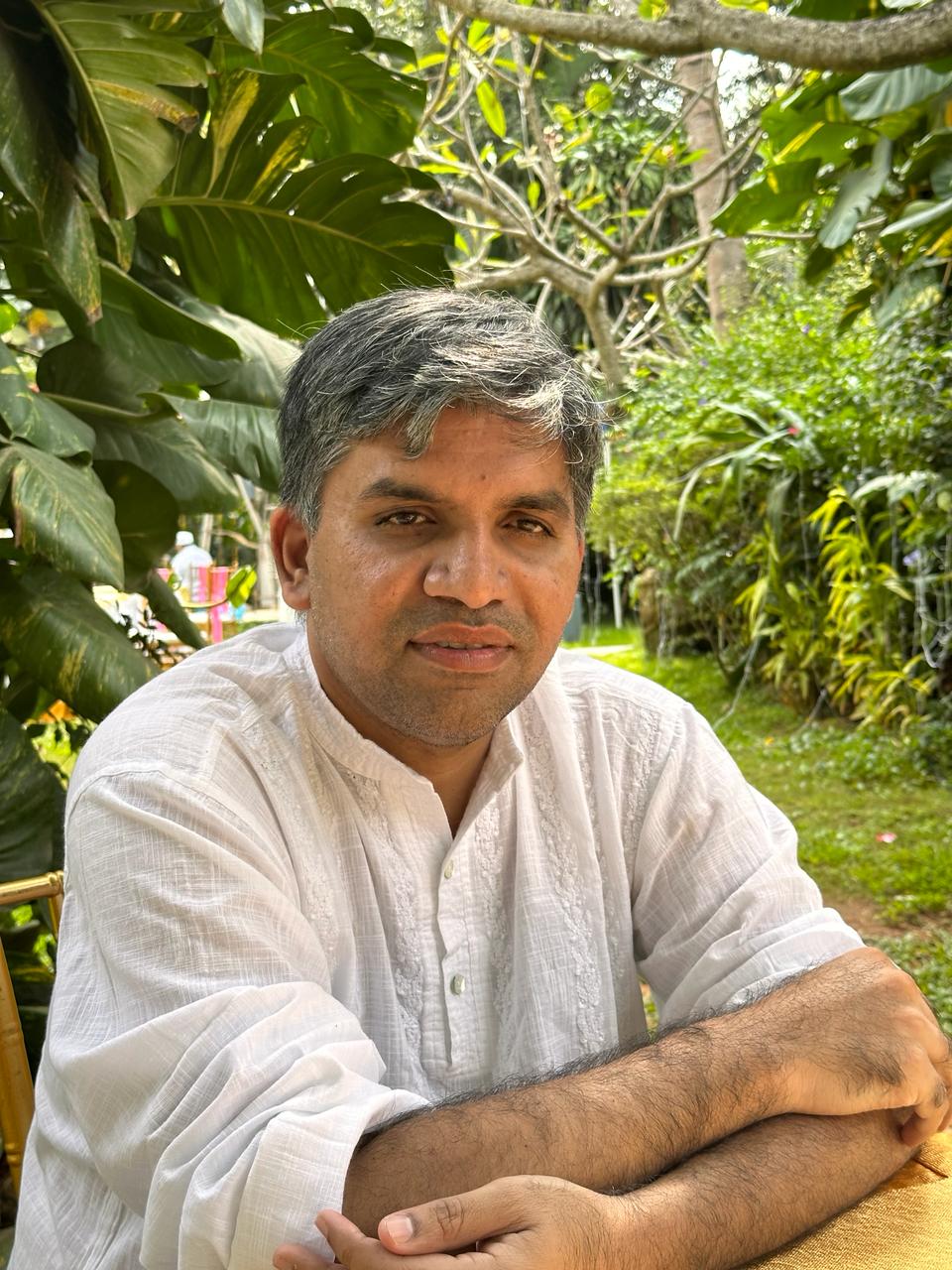




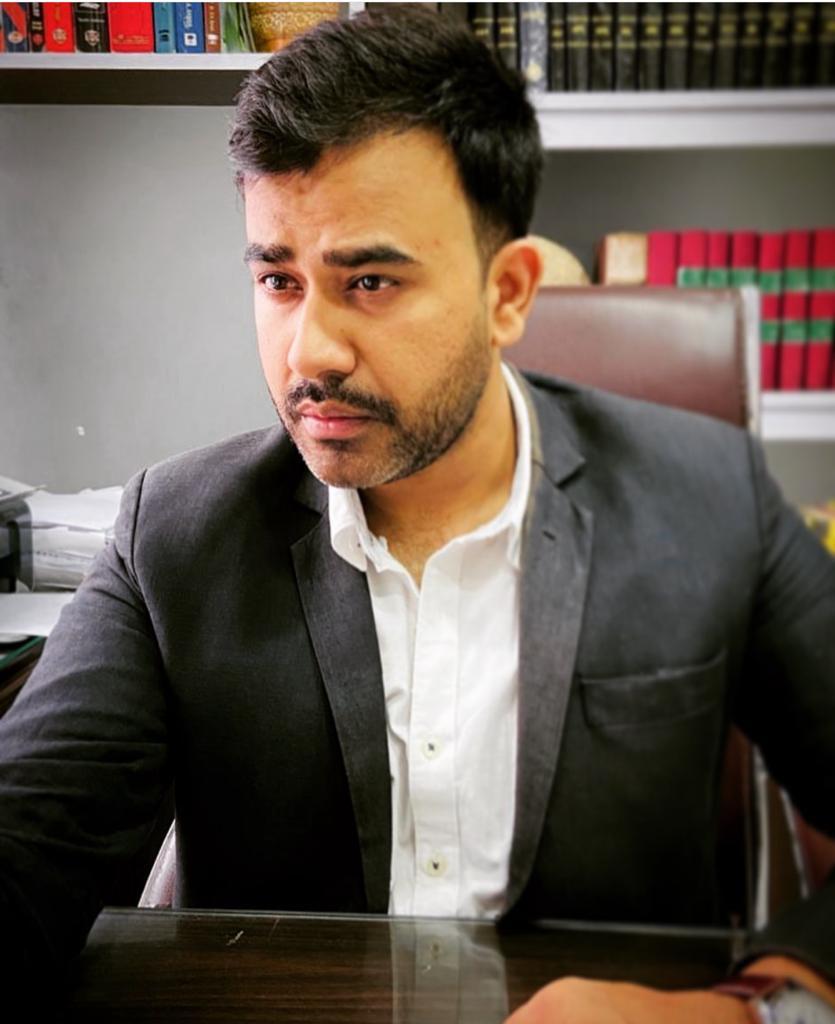



 Allow notifications