Tag: pharmaceutical

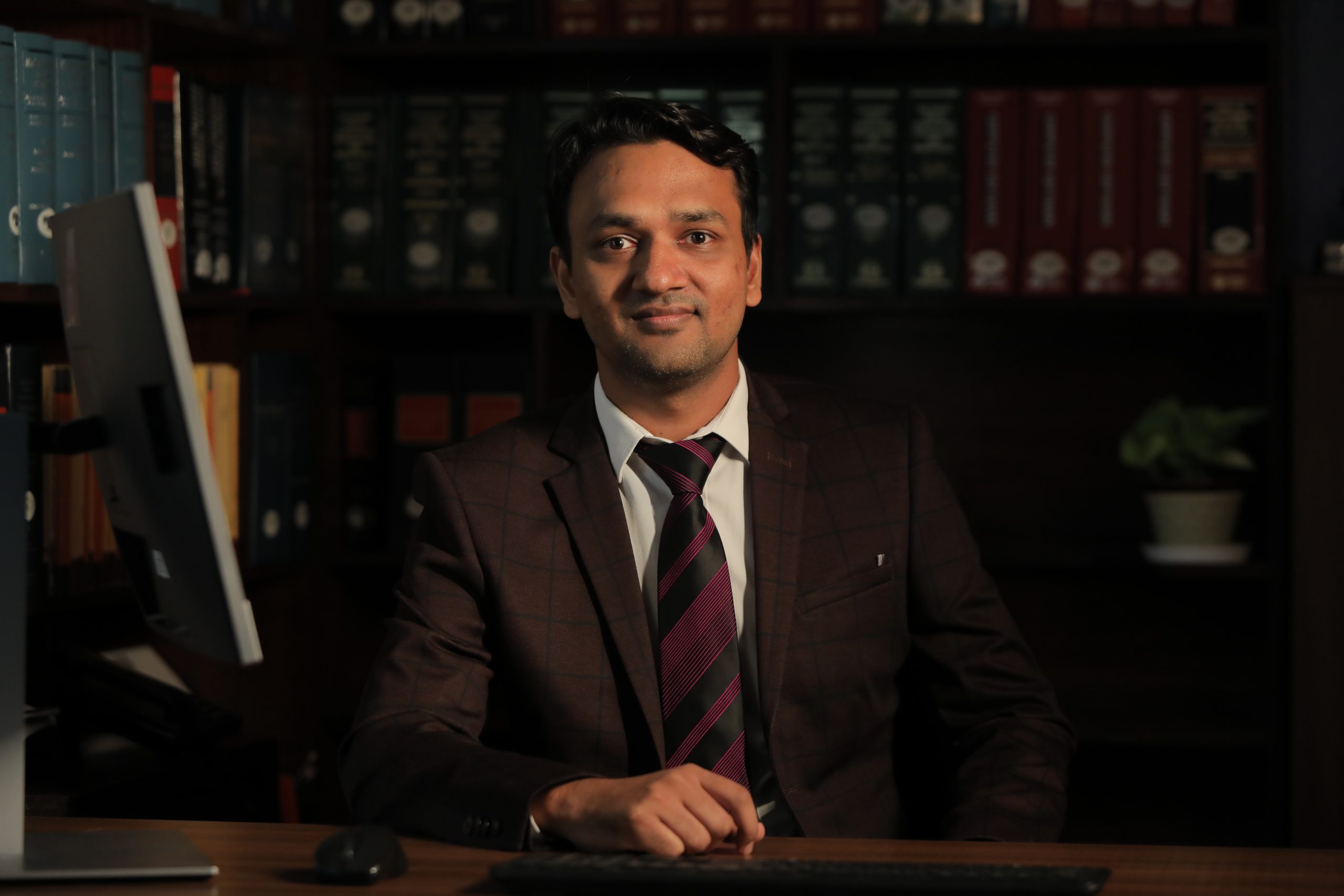
  • “When a brief comes your way, defend your client like a warrior: with full commitment, clarity, and confidence.” – Angad Baxi, Advocate on Record and Principal Associate at J. Sagar Associates.

    “When a brief comes your way, defend your client like a warrior: with full commitment, clarity, and confidence.” – Angad Baxi, Advocate on Record and Principal Associate at J. Sagar Associates.

    This interview has been published by Anshi Mudgal and The SuperLawyer Team

    Coming from an academic background in economics, what inspired you to pursue a career in law? Has your background in economics enhanced your ability to navigate complex commercial and transactional disputes?

    Looking back, I believe I was always meant to be a lawyer. I distinctly remember in Class 6, I wrote in my slam book that I wanted to be one, without fully understanding what it meant. One vivid memory is from a school session where we talked about our parents’ professions, and I was fascinated by a friend whose family included a prominent criminal counsel — I was hooked. My time at Modern School, Vasant Vihar, further shaped this instinct. I was drawn to history, public speaking, dramatics, and editorial work, all of which naturally nudged me toward law.

    However, as a first-generation lawyer with no immediate role models, I had to be practical. At that time, I had topped in economics and was equally passionate about history. I faced a real conundrum: pursue economics, follow history academically, or take the uncharted path into law.

    I chose to study Economics (Hons.) at Delhi University, knowing well that if law was truly my calling, I could always pursue the three-year law course later. That clarity helped me focus. Though I did well academically, I realized early on that economics was not my true passion. I enjoyed its rigour but not the heart of it. The day I graduated was the day I gave myself permission to fully pursue law.

    That said, I don’t regret my economics background — it has deeply shaped my approach to litigation. Understanding economic models, financial structures, and market behaviour enables me to unpack complex commercial disputes with greater insight. Whether it’s a shareholder conflict, contractual dispute, or regulatory challenge, my economics training helps me grasp the underlying commercial drivers, spot inconsistencies in financial narratives, think strategically and to ask “why” until something actually made sense. In high-stake litigation, clarity of thought and structured analysis make a tangible difference, and this analytical discipline has been a real asset throughout my career.

    Early in your career, you worked with a range of law firms and senior lawyers. What are some of the foundational experiences during that period that continue to shape your legal practice today?

    Early in my career, as a first-generation lawyer with a three-year law degree, I was acutely aware that I needed to make every internship count. I sought out diverse experiences, interning with Tier 1 and Tier 2 law firms, specialized litigation boutiques, corporate firms, and even spending time with trial court, High Court, and Supreme Court lawyers. This breadth gave me a panoramic view of the profession and helped me understand its many facets.

    My final internship was with Mr. Amarjit Singh Chandhiok, Senior Advocate, which eventually led to me joining his chamber. Many questioned my choice to work with a senior counsel straight out of law school, but I knew the value of the environment I was entering. Fali S. Nariman’s phrase resonates deeply with me: “When you mention a famous racehorse, the first question is always, ‘From which stable?’ The stable matters.” For me, Mr. Chandhiok’s chamber was that stable, the ideal place to hone one’s craft.

    Mr. Chandhiok is the quintessential mentor. His razor-sharp eye for detail, encyclopaedic knowledge of civil and commercial law, and unmatched clarity of thought set a high bar for anyone aspiring to excel in litigation. It was there I truly understood the critical importance of strategic thinking before stepping into court and the necessity of being impeccably prepared. The chamber handled a wide spectrum of complex cases—arbitrations, election petitions, shareholder disputes, guardianship matters, civil suits—each presenting unique challenges and learning opportunities.

    The work ethic instilled in that chamber remains with me. Often, the briefs would come only by late evening, requiring all-nighters to prepare comprehensive notes for Mr. Chandhiok’s arguments the next day. This rigorous training taught me the value of hard work, discipline, and an unwavering attention to detail. But beyond the technical skills, it was Mr. Chandhiok’s words of wisdom after every case, his humility, and relentless pursuit of excellence, that reminded me there is always more to learn and room to grow.

    Many successful lawyers speak warmly of their formative chambers, and I echo that sentiment. That environment shaped not just my legal skills but my approach to the profession and to clients, grounded in diligence, strategy, and integrity. It remains the foundation upon which I continue to build my practice today.

    What made you switch from a Senior Counsel’s chamber to a tier 1 law firm, JSA Advocates & Solicitors. What changes did you encounter making the shift from a senior counsel to a law firm. 

    I wanted to broaden my horizons and take on the role of a drafting and filing counsel, while engaging with a wider spectrum of complex commercial and transactional disputes. I first learned about a vacancy on Mr. Dheeraj Nair’s (Partner) team through my best friend who works at JSA. I had also seen Mr. Nair in action, strategizing thoughtfully and decisively alongside Mr. Chandhiok during a court hearing, which left a lasting impression on me.

    Having now worked alongside Mr. Nair for seven years, I can confidently say that I owe much of my professional growth and success to his exceptional mentorship. He is not only an outstanding lawyer with a deep strategic mind but also possesses exemplary client management skills. It was with him that I truly understood the importance of building long-term client relationships, something that requires not just hard work but countless sleepless nights until those eventual eureka moments arrive, and trust me, they always do. His ability to simplify complex problems, think several steps ahead, and communicate with clarity is truly inspiring. What stands out most is his commitment to nurturing young lawyers by instilling confidence and encouraging independent decision-making, qualities essential to growth in the formative years of a legal career.

    JSA is a visionary firm that genuinely values every lawyer’s contribution, fostering a culture of collaboration, continuous learning, and innovation. The firm’s forward-thinking approach and emphasis on teamwork create the ideal environment to develop as a well-rounded legal professional. At JSA, talent is recognized and nurtured, and I continue to learn and grow every day.

    Of course, working at a law firm involves a shift in perspective. You move to the other side of the spectrum, from pure advocacy to client interface, drafting, filing, conferencing, arguing in court, and even raising bills. You need to stay on top of all these aspects. Importantly, it is here that you truly appreciate the commercial side of law, the strategic thinking, client focus, and business realities that shape legal advice and advocacy.

    What made you give the prestigious Advocate-on-Record examination? As an Advocate-on-Record at the Supreme Court of India, how has this designation influenced your practice, particularly when appearing before the Supreme Court? What additional responsibilities does this role entail?

    My decision to pursue the Advocate-on-Record (AOR) examination was inspired by Mr. Dheeraj Nair, who is an AOR himself. His expertise and professionalism motivated me to deepen my engagement with Supreme Court practice. The AOR designation is a prestigious credential that signifies mastery over Supreme Court procedures, drafting, and advocacy.

    Being an AOR has significantly influenced my practice by enabling me to file and argue cases directly before the Supreme Court, enhancing my ability to manage cases end-to-end. It has sharpened my drafting skills, improved my understanding of complex procedural nuances, and instilled a greater sense of responsibility and ethics.

    Additionally, the role involves coordinating with multiple teams within the firm who seek to file cases before the Supreme Court, which helps expand one’s professional reputation. Being an AOR requires a comprehensive approach that balances client expectations, legal strategy, and court requirements. This designation has been instrumental in broadening my professional capabilities and strengthening my commitment to delivering high-quality advocacy at the highest judicial level.

    You’ve advised on a wide array of legal issues including shareholder disputes and commercial contracts. What is your approach?

    I have advised on a wide range of legal issues, with shareholder disputes being a key area of specialization. These disputes involve complex interpersonal dynamics, competing interests, and nuanced corporate governance challenges. Successfully resolving them requires a solid grasp of company law, contractual frameworks, and sharp negotiation and strategic skills.

    My approach combines meticulous fact-finding with anticipating opposing strategies, crafting compelling arguments, and managing sensitive negotiations. This combination of legal acumen and practical strategy enables me to help clients navigate these disputes toward effective and sustainable outcomes.

    With respect to gaming laws and regulatory compliance, how would you assess India’s legal framework in comparison to internationally accepted norms? What are the major compliance challenges businesses in this sector face?

    India’s legal framework for online gaming is evolving but remains fragmented compared to more cohesive international models. The 2023 amendments to the Information Technology Rules introduced self-regulatory bodies and defined permissible real-money games, but the overlap between central guidelines and varied state laws continues to create compliance uncertainty.

    Major challenges include regulatory ambiguity, inconsistent licensing processes, complex tax structures, and an aggressive enforcement climate. In contrast, many global jurisdictions offer streamlined, centralized regulation that promotes industry growth and investor confidence.

    To align with international standards, India needs a unified national policy that reconciles state and central regulations and provides long-term clarity. In this landscape, lawyers play a key role in helping businesses navigate legal risks, ensure compliance, structure operations, and engage effectively with regulators.

    You regularly advise foreign clients on Indian legal matters, especially in high-stakes, cross-jurisdictional transactions. How do you navigate the differences between the legal systems?

    Advising foreign clients on Indian legal matters, particularly in complex, cross-border transactions or disputes, requires more than just a knowledge of Indian law. It involves simplifying the law, explaining the procedural nuances, and often, the practical vagaries of the Indian legal system. A lawyer’s job in this context is not only to identify the risks but to provide clear, actionable solutions.

    Foreign clients and firms come to us for results, not just analysis. I make it a point to move beyond theoretical advice and focus on pragmatic, commercially viable strategies. Over time, I’ve built strong rapport with several international clients and counterparts, owing to my problem-solving approach and my ability to communicate local complexities with clarity and confidence. That balance between legal insight and practical execution is what truly makes cross-jurisdictional work successful.

    Given your work with India’s leading e-commerce platforms, what are the recurring legal challenges these platforms face regarding intermediary liability and content removal, especially amid changing digital regulations? How effective are current mechanisms in resolving these disputes?

    E-commerce platforms in India operate under increasing regulatory pressure, particularly concerning intermediary liability and content takedown obligations. While the IT Act provides a “safe harbour” to intermediaries, the practical enforcement of this protection remains inconsistent.

    Many courts across the country are still hesitant to extend timely protection under the safe harbour principle, which creates urgency in seeking relief. Given how time-sensitive these issues can be, I often find myself moving quickly between courts in different parts of the country to secure interim protections and maintain operational continuity for clients.

    A key challenge lies in navigating overlapping obligations, balancing compliance with evolving IT Rules, addressing takedown demands, and mitigating exposure to reputational and legal risks. Current mechanisms such as self-regulatory bodies and grievance redressal structures help to an extent but lack uniform enforcement and often do not provide swift remedies.

    From a strategic perspective, it is essential for intermediaries and e-commerce platforms to establish clear internal protocols, escalation frameworks, and litigation preparedness. As counsel, we do not just advise on what the law says, but help clients anticipate regulatory action, build proactive compliance systems, and craft legal strategies that ensure effective and timely results.

    Could you share your experience handling one of the most challenging cases you’ve come across? How do you approach such complex matters, from research to strategy and how do you manage the pressure in high-stakes situations?

    I cannot single out one particularly challenging case because my work spans a wide range of complex matters. I regularly handle commercial and contractual disputes, shareholder and joint venture conflicts, domestic and international arbitration, banking fraud, insolvency, white-collar crimes, gaming laws, regulatory compliance, and public law issues. Many of these cases require creative thinking and tailored strategies, which clients expect from us.

    I focus on extracting detailed information from my clients because as lawyers, we often find solutions or key documents that laypeople might miss. Asking questions, and then asking more, is essential. Clients appreciate this thoroughness over time. One important lesson I have learned from senior colleagues is the power of asking the right questions. An eye for detail makes all the difference.

    My approach starts with deep research and understanding of both legal and commercial aspects. I develop dispute resolution strategies that combine pre-litigation efforts with litigation or arbitration while always aligning with the client’s business goals. Managing pressure in high-stakes matters requires discipline, preparation, and staying calm under uncertainty. Working across courts, tribunals, and regulatory bodies, I rely on meticulous planning and teamwork to navigate complex situations and deliver effective results.

    This broad exposure has helped me develop a flexible mindset and problem-solving skills to meet clients’ needs even in the most challenging matters.

    With rapid developments in data privacy laws and digital regulation, how do you foresee the legal landscape in India evolving over the next few years? Are there any trends that businesses or legal professionals should be particularly mindful of?

    India’s data privacy and digital regulation landscape is evolving rapidly and is expected to become much more robust in the next few years. The upcoming comprehensive data protection law will impose stricter requirements on how businesses collect, process, and transfer personal data, emphasizing user consent, data security, and cross-border data flows. This will push Indian companies and foreign investors to enhance their compliance frameworks and technology safeguards.

    Regulators are likely to increase scrutiny, focusing on transparency, accountability, and enforcement against violations. Cybersecurity norms will also tighten, and there will be closer coordination between data privacy laws and sector-specific regulations like finance, healthcare, and telecom.

    As a lawyer advising clients in India, I focus on helping them understand these evolving rules in practical terms, not just the legal text. This means guiding them through data audits, compliance program design, and risk assessments, while also preparing them for potential regulatory investigations or breaches. 

    I work closely with clients to build proactive strategies that balance legal requirements with their business realities, helping them stay compliant while minimizing disruption. This client-centric, solution-driven approach is critical given how fast and complex the regulatory environment is becoming in India.

    Is there a guiding principle or professional motto that you’ve followed throughout your career? What  advice would you offer to young law graduates aspiring to build a career in litigation and dispute resolution?

    A guiding principle I’ve followed throughout my career is to be practical, business-friendly, and bold in representing my clients. While developing strong legal arguments are important, often the most effective solutions come from understanding the client’s commercial realities and crafting strategies that balance legal rigor with practical outcomes. When a brief comes your way, defend your client like a warrior — with full commitment, clarity, and confidence.

    Also, keep saying YES. Even when it feels daunting or you feel unprepared, step forward and volunteer. Some of the most defining moments in my journey came from saying yes to opportunities I wasn’t sure I was ready for.

    For young law graduates aspiring to build a career in litigation and dispute resolution, my advice is to develop not only your legal knowledge but also your ability to think strategically and communicate effectively. Be willing to ask the right questions, dig deep into facts, and understand the context behind every dispute. Litigation or Dispute Resolution is not just about winning arguments; it’s about delivering solutions that work in the real world. Stay bold, stay curious, and never lose sight of the client’s goals. Practicality and fearlessness will set you apart as a trusted advocate.

    You maintain a diverse and demanding practice appearing in courts, advising clients, contributing thought leadership, and more. How do you find balance between your professional obligations and personal life, and how do you manage stress in such a high-intensity career?

    There is no such thing as work-life balance in law—that’s the honest truth, and I wouldn’t want it any other way. A good lawyer never really stops working; clients’ legal challenges keep coming, and you’re constantly thinking through solutions and next steps. Trust me, all of us in this profession enjoy that challenge. 

    To manage stress, I try to make some time for reading non-fiction, playing pickleball, taking family vacations, and catching up with my non-lawyer friends to stay grounded and keep my “other” world alive. But I’d be lying if I said there is any perfect balance between work and life.

    Get in touch with Angad Baxi –

  • “While it may sound fancy to see lawyers speaking legal jargon, for me, a good lawyer remains to be the one who can explain the most complex solutions or strategies to clients in the simplest words.” – Vaishali Sharma, Managing Associate at ANAND AND ANAND.

    “While it may sound fancy to see lawyers speaking legal jargon, for me, a good lawyer remains to be the one who can explain the most complex solutions or strategies to clients in the simplest words.” – Vaishali Sharma, Managing Associate at ANAND AND ANAND.

    This interview has been published by Anshi Mudgal and The SuperLawyer Team

    Given your background in science, what initially sparked your interest in pursuing a career in law? Was it a conscious decision to transition into the legal field, or was there a particular experience that motivated you to choose this path? Additionally, how has your B.Sc. degree contributed to your success and approach in intellectual property law?

    I was pursuing my post-graduation in biotechnology when I realised that the potential of research in the biotech industry in India was limited and still in its nascent stages. While researching on various themes for one of my presentations during my post-graduation days at Venkateshwra College (DU), I bumped into the intersection and close connect of patent laws with the research industry. This presentation on patent and design laws sparked my initial interest in exploring a career in law back in 2009. IP law felt the best way I could have stayed connected with the research industry as also utilising my years of education in science. While IP law in India was burgeoning, it was relatively less explored and niche for me and my batchmates at Venkateswara College as most students in my class were interested in pursuing a career in research and were leaving the country to prestigious institutes in the UK, USA and Australia. In fact, out of a batch of 20 students, I was the only one to have made a conscious decision to transition into the legal field and this transition did make many of my friends and relatives inquisitive of the career path that lie ahead for me and its potential.

    Having completed my law in June 2013, I waited anxiously for over 3 years for the patent agent exam which was put on hold (in view of Madras HC Order dated March 15, 2013 in Sp.Chockalingam vs Controller Of Patents (W.P. No. 8472 of 2006)) and eventually conducted only in November 2016. Meanwhile, in my initial years, I got immense exposure to a variety of all IP laws including trademarks, copyright, designs, biotech/ chemical/ pharma patent matters, advertising, marketing, promotional laws amongst others. This diversity in my work exposure and constant intent to deliver my best helped me gain massive knowledge and grow professionally in the industry in the coming years. In 2018, Anand and Anand was nothing less than a dream come true and my journey with the firm streamlined my career trajectory more centric around brand strategy and I have been fortunate to have learnt from amongst the best minds of the industry since then.    

    Despite this swift transition from patent to brands over the years, I feel my B.Sc. degree contributed immensely to the success and approach in intellectual property law and till date remains to be as relevant as ever with my current specialisation in pharmaceutical trademarks. Pharma industry not holding the glamour as that of fashion/ hospitality/ lifestyle industry, at times, may fall short of attracting young professionals at times, but it was clearly not the case with me as I was inherently inclined towards the industry due to my educational background and continue enjoying my work till today.  

    Given your specialization in pharmaceuticals, what unique IP challenges do you typically encounter in this sector? How do you address complex IP issues, especially in relation to patent protection, data exclusivity, and regulatory concerns within the pharmaceutical industry?

    The Pharma industry is considered to be the most sensitive industry as it directly deals with human health and hence demands a greater need for protection. The same is also evident by the latest Reports released by Indian Trademarks Office (TMO), which indicates that trademark filings in class 5 form almost 14% of the total applications filed. And majority of these filings come from domestic businesses reflecting a robust focus on domestic innovation and trademark protection efforts.

    Moreover, with patent expiry of many blockbuster drugs in this decade, Indian generic companies take advance notice and line up to encash on these patented drugs going public by ensuring timely efforts to block brand names adept for their drug launches. Likewise the biosimilar market is growing substantially in India and so are the companies’ efforts in ensuring brand protection remain at forefront. The Indian Courts as well as TMO, to keep up with the public interest, tend to adopt a more stringent approach in allowing pharma marks for registration. Consequently, special attention is being adopted by pharma companies which necessitates the need for exhaustive research while brand selection process.

    Apart from brand names protection, IP protection in pharma industry is being availed for various packaging, labels, logos, get up, layout, combination of colours of the pharmaceutical products. Also, unique tablet designs (for instance capsules with distinct colour combination, some specific numerals/ alphabets embossed on the tablet) and distinctive shapes of containers, bottles, kits among others can be registered as 3-D trademarks/ design registration. Traditionally, foreign MNCs were seeking these special forms of protection but more and more Indian companies are exploring these additional forms to create product differentiation and carve out a niche for their products. These complexities often prompt lawyers devising brand protection strategies for pharma companies to be maintaining an intricate balance of navigating the legal landscape while also delivering business centric solutions to clients in a cost effective and time bound manner. Meanwhile, with several media reports citing  instances where drugs having identical or phonetically similar names have been prescribed for treating different ailments, putting public interest at risk, the Central Drugs Standard Control Organisation (CDSCO) is taking cognisance of the issue. Here, building a database of all pharmaceutical products and combating this overlap of brand names in the market to avoid risk of confusion remains one of the biggest challenges for the Ministry.

    As you began your career, what were some pivotal learning experiences that shaped your professional journey and deepened your understanding of IP law? Could you share any key moments or challenges from the early phase of your career that had a lasting impact?

    Learning in law does not come quickly and constant perseverance remains the key to success. IP law is dynamic and one thing I realised early on in my career is that there is no substitute to reading and keeping oneself updated. With so much development happening in terms of AI law, digital privacy, consumer protection, regulatory developments, there is no shortcut, and the secret to becoming a good lawyer lies in at least spending two hours of reading every day to keep abreast and expand your horizon of learning each day. In fact, being a lawyer, when you meet clients, it’s not just law that you discuss but myriad other topics come into discussion, and one should have enough knowledge to be able to have a conversation around anything. Your knowledge on general topics, at so many times, acts like an ice breaker and makes conversations easier to start.  

    Attention to detail and providing simplified solutions to clients is another important early learning in my career. While it may sound fancy to see lawyers speaking legal jargon, for me, a good lawyer remains to be the one who can explain the most complex solutions or strategies to clients in the simplest words. I learnt this early on from one of my bosses’ who primarily used to approve my advisory but used to devote time simplifying my language to ensure it reaches the right message across to the client. These early learnings have remained with me since the start of my career, and I follow these religiously for all my clients. 

    With your extensive experience in intellectual property, what are some of the most common IP-related challenges you’ve faced, particularly when working with brands in the fashion industry? Could you provide an example of a specific case where you encountered such challenges, and how you navigated them to achieve a favourable outcome?

    As our country is moving towards premiumisation and looks towards its youth population (which is the largest all over the world) for the economy’s 5 trillion dream, our fashion industry has a huge opportunity to grow. The iconic fashion brands have all one thing in common and that is a unique distinct identity that these brands have created over their decades of existence. Be it the Louis Vuitton distinctive ‘LV’ logo or well known touille logo, famous Christian Louboutin red sole, Cartier love bracelet or Hermes’ globally reputed Birkin or Kelly bags, these brands have become status symbol earning immense global goodwill and reputation. Likewise, these international fashion brands, the Indian fashion industry have realised the importance of not only creating their unique IPs but also protecting them from being diluted or misused by third parties in an unauthorised manner. In fact, Mr. Safir Anand is known to have created an industry level specialisation in the fashion space having strategized for Indian fashion businesses to scale up by leveraging the power of IP. Arguing in one such matter (under Mr. Anand’s guidance) for a renowned Indian fashion designer, we were assigned the task of convincing the Hearing Officer as to how a selvedge technique could be a unique IP for the business. We were successful in a registration being granted eventually as the selvedge had aesthetic value and had acquired the goodwill and reputation amongst the audience so as to act as a source identifier for the brand. 

    As a registered patent attorney, how does your expertise in patent law complement your work in brand strategy, particularly when advising clients in product-driven industries? Furthermore, what emerging trends do you see in the intersection of intellectual property law, branding, and patent strategy, especially in the context of a rapidly evolving market?

    My patents background acts like a firm rooting in my working with clients as science provides an analytical approach involving systematically breaking down complex problems into smaller, testable parts, creating hypothetical situations, data collection through detailed research, and going beyond what meets the eye and critical analysis of the entire information at hand thereby allowing for a structured and objective evaluation to reach well-supported conclusions. 

    As regards product driven industries, companies often manifest and tend to intensify efforts into building layers of protection around their patented products and setting up a guarded shield to maintain market share. Such efforts are often amplified by building unique brands, creating distinctive taglines for advertising/ marketing purposes, creating copyrightable promotional material, fictional characters and protecting non-functional aesthetic features and products shape or pattern design amongst others. These additional forms of protection help the patented products to capture niche markets and create their own space in a product segment, which they may continue to hold even after patent expiration. One such popular example is Pfizer’s brand Viagra, which managed to maintain a substantial market share, even after its patent expiration in 2020. The resilience of the drug in the face of generic competition is a testament to the company’s strategic marketing and the drug’s strong brand recognition which played a crucial role in maintaining its market share. This is a clear example showing that concerted efforts in building brand and patent strategy in the context of a rapidly evolving market are crucial for a company to build a sound blueprint for their patented products. Moreover, with the procedural changes brought about in India since the enactment of the Commercial Courts Act, 2015 and setting up of IP Divisions of various High Courts post abolishing of IPAB in 2021, the enforcement regime in IP industry has become robust, which further allows companies to ensure effective enforcement and a well-fortified all rounded protection in product driven industries.

    In your advisory capacity for the Government of India, particularly with regard to the railway project, what were the key considerations you factored into your strategic advice on brand protection? How did you address the challenges of safeguarding intellectual property in such a high-profile government initiative?

    The said project was high stake considering a third party had raised baseless allegations to the project’s brand name just days before the inauguration. As the high-profile project launch had already been widely advertised and covered all across the news portals, it was vital for us to carefully handle the situation factoring in not only the legal considerations but also realising the extreme sensitivity, such that any kind of escalation at that particular stage would have negatively impacted the project launch. This required our team to sit and assess our points of defence in great detail and following an exceedingly cautious approach we were able to successfully and expeditiously conclude the matter out of court. Our team efforts were duly acknowledged by the government officials who appreciated our office’s conscientious handling of the case. 

    What advice would you offer to young professionals aspiring to build a successful career in intellectual property law? Are there any specific resources, tools, or strategies that you would recommend to help them navigate the complexities of the global IP landscape?

    I profoundly believe in Amir Khan starrer- 3 Idiots popular dialogue “Baccha Kabil Bano….Kamyabi Toh Peeche Bhagegi”. That is “Choose excellence and success will follow”. The dominant ideology in India, till date, remains to be building a successful career even if that costs sacrificing one’s passion for it. However, rather than focusing too much on success, in the early years, young professionals should focus on finding what interests them, gaining knowledge on a variety of subjects and identifying one’s strengths and passion. Law is a demanding profession, and we end up spending the majority of our daytime at the workplace, so how we spend our days is how we spend our lives. Hence, choosing a career of self-interest can lead to personal growth as well as an organization’s growth. Surrounding oneself with right connects on LinkedIn is also helpful as it exposes one to industry specific knowledge in addition to gaining academic knowledge. Further, all forms of IP are intertwined intricately in our daily lives and there are so many online certificate courses, news blogs, legal subscription newsletters on all forms of social media, free seminars/conferences/ webinars that can help you track latest updates in IP and if reading all this ignites one’s interest, you should not be holding back and jump in to explore the immersive and ever evolving IP field. In my daily routine, I find WIPO Global Brand Database and USPTO/ EUIPO official websites helpful in tracking international clients’ brand portfolios. Reading the latest case laws on a daily basis is also an indispensable part of my day at work.

    After managing such demanding professional responsibilities, how do you unwind and relax? In what ways do your hobbies contribute to your overall well-being?

    My most favourite way to unwind is to spend quality time with close family and friends. Additionally, being close to nature seeps in me a feeling of abundance making me realise nature’s beautiful amalgamation of the most complex structures in the simplest manner. Replicating this to our profession, I, invariably strive to render the most uncomplicated and easily manageable and executable business solutions to clients.

    I also love travelling to newer places and meeting new people as it pulls one out of their comfort zone and plunges one into the unknown. This remains to be a vital quality to succeed in law as real growth lies in exploring the uncharted territories, challenging yourself to learn new things as the intersection of law and business is extremely dynamic in nature and rapidly evolving. Being in the legal profession one should absolutely avoid becoming complacent or overly comfortable with one’s current performance and achievements, potentially causing a lack of motivation or lack of intent to take on new challenges/ maintain high standards in work, often resulting in stagnation and a decline in quality or productivity. 

    Get in touch with Vaishali Sharma –

  • “Integrity is paramount. Build a strong foundation in legal principles, network actively, and gain practical experience through internships.” – AGM, Head – Business Ethics Compliance Officer at MANKIND PHARMA LTD

    “Integrity is paramount. Build a strong foundation in legal principles, network actively, and gain practical experience through internships.” – AGM, Head – Business Ethics Compliance Officer at MANKIND PHARMA LTD

    This interview has been published by Namrata Singh and The SuperLawyer Team

    Could you please tell us about how you started your career in law? Who or what inspired you to choose this path, and can you walk us through your journey, including the struggles you faced in the initial days of your career? 

    My journey into law started with a deep fascination for the legal system. My father wanted me to be a Chartered Accountant, so I chose commerce in high school and enrolled in a B.Com course at Delhi University. However, after just a month, I had a sudden realization that it was “now or never” to follow my true passion. Almost overnight, I moved to Pune to pursue a 5-year law course.

    Growing up, I was inspired by my uncle, a renowned lawyer in Assam. His approach to complex situations left a profound impression on me. This, combined with my interest in understanding the intricacies of the law, was all the motivation I needed to pursue a career in law.

    I started my career at R. K. Dewan & Co., a law firm known for its expertise in intellectual property law, thanks to a pre-placement offer I had received from them. The initial days were tough—the transition from academic learning to practical application was a steep learning curve. I faced the typical struggles of a novice lawyer: long hours, complex cases, and the pressure to prove myself, all while adjusting to a new city, Mumbai. However, looking back, I’m thankful for these experiences as they helped shape my professional skills and resilience.

    You started your career working with R. K. Dewan & Co., and after 1.5 years, you transitioned to Reliance Communications. What motivated your shift from working in a law firm to taking on a role in the corporate sector? 

    Joining Reliance was a strategic move for me, marking my entry into the corporate sector. I wanted to be more directly involved in business operations and strategy. The opportunity to work within a company, helping to shape its direction and growth from the inside, was incredibly appealing. Honestly, I was excited by the variety of challenges the job would involve.

    During my time at RKD, I developed a strong understanding of Intellectual Property laws, which was immensely valuable. However, as I mentioned, I wanted to gain a broader perspective and immerse myself in the business environment. Moving to the corporate sector offered me the chance to see how various legal frameworks operate within the broader context of a business, beyond just IP law.

    How do you see the field of business ethics and compliance evolving in the next five to ten years, and what new challenges and opportunities do you anticipate? 

    In the next five to ten years, the field of business ethics and compliance will be significantly influenced by technological advancements, globalization, and increasing societal expectations.

    Technologies such as AI, blockchain, and big data analytics will enhance compliance monitoring and fraud detection but also pose challenges related to data privacy and algorithmic bias. As businesses expand globally, they will need robust compliance frameworks to navigate diverse regulatory landscapes. The growing demand for transparency and sustainable practices will drive more stringent reporting requirements and elevate the importance of environmental, social, and governance (ESG) considerations.

    The primary challenges will include integrating ethical considerations into advanced technologies and maintaining compliance across different jurisdictions with evolving regulations. However, businesses that effectively leverage these technologies can achieve cost savings and operational efficiencies. Companies that prioritize ethics and compliance will gain a competitive edge by building strong reputations and fostering trust with stakeholders.

    As the Head of Business Ethics Compliance at Mankind Pharma, what are your primary responsibilities and how do they contribute to the organization’s success?

    My primary responsibilities at Mankind Pharma include overseeing the implementation of the company’s business ethics compliance program, ensuring adherence to regulatory requirements, and fostering a culture of integrity and accountability. I work closely with various departments to develop and enforce policies that align with the company’s mission of delivering affordable and quality healthcare.

    These responsibilities directly contribute to the organization’s success by mitigating legal risks, enhancing the company’s reputation, and building trust with stakeholders.

    In high-stress roles like yours, maintaining work-life balance can be challenging. What strategies do you use to maintain this balance effectively? Also what hobbies or passions do you follow to unwind yourself?

    It requires a deliberate effort and effective time management. I prioritize tasks based on their urgency and importance, delegate responsibilities when possible, and ensure that I set aside time for self-care and family.

    Listening to music is my favourite way to unwind; it helps me relax and recharge. Finding time for hobbies can be challenging in today’s fast-paced world, but I’ve discovered that taking short vacations, spending quality time with friends and family, and carving out small moments for personal gratification are essential.

    Based on your extensive experience, what advice would you give to young professionals aspiring to build a career in legal and compliance, particularly in the field of business ethics? 

    To develop a strong foundation in legal principles and continuously update their knowledge to keep pace with evolving regulations. Integrity is paramount in this field, so always strive to uphold the highest standards of honesty and fairness.

    Networking is also crucial. Building relationships with peers, mentors, and industry professionals can provide valuable insights and opportunities for career growth. Additionally, gaining practical experience through internships in compliance-related roles can help you understand the real-world applications of theoretical knowledge.

    How important do you think networking is in the field of legal and compliance, and how do you go about building and maintaining your professional network? 

    Extremely important. It not only helps in staying updated with industry trends and best practices but also provides opportunities for professional growth and collaboration. I actively participate in industry conferences, seminars, and professional associations to connect with peers and experts.

    What are some key qualities and skills that you believe are essential for success in the field of business ethics and compliance?

    First and foremost, integrity is paramount. They must lead by example. Analytical thinking is another crucial skill. The ability to dissect complex regulations, identify potential risks, and develop effective compliance strategies is essential. This involves a keen eye for detail and the capacity to anticipate and address issues before they escalate. Communication skills are also vital. Whether it’s training employees or reporting to senior management, the ability to clearly and effectively convey information is crucial. This also includes the ability to listen and understand the concerns of various stakeholders. Adaptability is important given the dynamic nature of regulations and the business environment.

    Finally, leadership and interpersonal skills are critical. Building a culture of compliance requires influencing and motivating others, often without direct authority. This means fostering strong relationships, earning trust, and inspiring a shared commitment across the organization.

    What are some common misconceptions about business ethics and compliance that you have encountered?

    The most common misconception is that “Business ethics and compliance are primarily about policing and punishment”. Many people view compliance departments as only enforcers who are there to catch and penalize wrongdoers. Maybe this was even true a decade ago! Not anymore. The true essence of business ethics and compliance is to act as advisors who guide and support the organization in making decisions.

    Another misconception is that compliance is solely the responsibility of the compliance department. In reality, business ethics and compliance are the responsibility of every employee, from the top executives to the entry-level staff.

    Lastly, some believe that compliance is a static, one-time effort. In truth, it’s an ongoing process that requires continuous improvement and adaptation to new challenges and regulatory changes.

    How has your background in law influenced your approach to managing business ethics and compliance?

    Significantly. Firstly, it has provided me with a strong foundation in legal principles and regulatory frameworks, which is essential for developing and implementing effective compliance programs.

    Moreover, my legal experience so far has honed my analytical and critical thinking skills, enabling me to identify potential risks and develop strategies to mitigate them. Additionally, it has taught me the importance of clear and precise communication. Whether drafting policies, conducting training sessions, etc., the ability to articulate complex legal concepts in an understandable manner is key to fostering a culture of compliance.

    Get in touch with Abhimanyu Dasgupta-

  • “Thorough review and scrutiny of legal documents can help mitigate risks and prevent costly legal disputes or litigation down the line”-Siddhanth Pandey, Sr. Manager Legal-Adani Connex Pvt. Ltd

    “Thorough review and scrutiny of legal documents can help mitigate risks and prevent costly legal disputes or litigation down the line”-Siddhanth Pandey, Sr. Manager Legal-Adani Connex Pvt. Ltd

    This Interview has been published by Pragya Chandni and The SuperLawyer Team

    Can you share with us how your journey led you to pursue a career in law, especially with your diverse experience spanning industries like projects, infrastructure, oil and gas, and pharmaceuticals?

    First of all, I would like to thank you for providing me this opportunity to share my journey. What needs to be understood is that while the journey to pursuing a career in law may vary for each individual, having diverse experience across industries can provide valuable insights and perspectives that enrich one’s legal practice and contribute to professional growth and success. Initially I wanted to pursue a career in Journalism but while exploring options after class 12th my father floated this idea of pursuing law and rest as they are history. While working in projects, infrastructure, oil and gas, and pharmaceuticals, I had encountered various legal issues and regulations. Through my experiences, I discovered a genuine interest in legal matters. I more often than not found myself drawn to the complexities of contracts, regulatory frameworks, intellectual property rights, or dispute resolution processes.

    With over nine years of experience, you’ve worked in various capacities across different organizations. How have these experiences shaped your approach to problem-solving and finding innovative legal solutions?

    My diverse experiences across different organizations have shaped my approach to problem-solving and finding innovative legal solutions by fostering adaptability, providing a holistic perspective, encouraging interdisciplinary insights, promoting creative thinking, and emphasizing continuous learning and improvement. These experiences equip professionals with the skills, knowledge, and mindset necessary to navigate complex legal challenges and drive positive outcomes in diverse contexts. Key things that I learnt are Adaptability, Holistic Perspective, Interdisciplinary Insights, Creative Problem-Solving, Continuous Learning and Improvement.

    As someone with experience in drafting and vetting a wide range of commercial agreements, could you highlight the importance of attention to detail in legal writing and review processes?

    Attention to detail is paramount in legal writing and review processes for several reasons:

    Accuracy: Legal documents often contain complex language and technical terms. Attention to detail ensures that the content is accurate and free from errors, including typographical, grammatical, or factual inaccuracies. Precision in language helps to convey the intended meaning clearly and reduces the risk of misinterpretation or ambiguity.

    Legal Compliance: Legal documents must comply with applicable laws, regulations, and contractual obligations. Attention to detail ensures that all relevant legal requirements are met, including citing relevant statutes, regulations, case law, and contractual provisions accurately. Failure to comply with legal requirements can have serious consequences, including legal disputes, financial liabilities, and reputational damage.

    Clarity and Coherence: Effective legal writing requires clarity and coherence in conveying complex legal concepts and arguments. Attention to detail helps to ensure that the document is well-organized, logically structured, and easy to understand. Clear and concise writing enhances readability and comprehension, enabling the intended audience to grasp the key points and legal implications effectively.

    Risk Mitigation: Inaccuracies or inconsistencies in legal documents can create legal risks and liabilities for the parties involved. Attention to detail helps to identify potential risks, ambiguities, or unintended consequences early in the drafting and review process. Thorough review and scrutiny of legal documents can help mitigate risks and prevent costly legal disputes or litigation down the line.

    Professionalism and Credibility: Attention to detail reflects professionalism and attention to quality in legal practice. Meticulousness in drafting and reviewing documents demonstrates a commitment to excellence and instills confidence in clients, colleagues, and stakeholders. Attention to detail enhances the credibility of legal professionals and reinforces trust in their expertise and judgment.

    Ethical Considerations: Legal professionals have ethical obligations to provide competent and diligent representation to their clients. Attention to detail is essential to fulfilling these ethical duties by ensuring that legal documents are prepared and reviewed with the utmost care and diligence. Ethical lapses, including negligent drafting or review, can undermine the integrity of the legal profession and erode public trust.

    In summary, attention to detail is a foundational aspect of legal writing and review processes. It promotes accuracy, legal compliance, clarity, risk mitigation, professionalism, and ethical practice in legal representation. By prioritizing attention to detail, legal professionals can enhance the quality, effectiveness, and integrity of their work product, ultimately serving the best interests of their clients and upholding the principles of justice and fairness in the legal system.

    Your expertise extends to intellectual property rights, including trademark registrations and copyright infringement claims. What advice would you give to businesses looking to protect their intellectual property effectively?

    As a lawyer, here is some advice I would offer to businesses looking to protect their intellectual property effectively:

    Identify and Understand Your Intellectual Property: Begin by identifying all forms of intellectual property (IP) your business owns or creates, including patents, trademarks, copyrights, and trade secrets. Understand the scope, value, and importance of each type of IP to your business operations and competitive advantage.

    Develop an IP Protection Strategy: Create a comprehensive IP protection strategy tailored to your business goals, industry dynamics, and market conditions. Determine which forms of IP protection are most relevant and valuable to your business, and allocate resources accordingly. Consider factors such as the nature of your innovations, competitive landscape, and potential risks of infringement or misappropriation.

    Secure Legal Protection: Obtain proper legal protection for your intellectual property assets through patents, trademarks, copyrights, and trade secret protection. Work with experienced intellectual property attorneys to assess the eligibility of your innovations for patent protection, register trademarks and copyrights for brand assets and creative works, and implement confidentiality measures to safeguard trade secrets.

    Enforce Your IP Rights: Implement proactive monitoring and enforcement measures to detect and address potential infringements or unauthorized use of your intellectual property. Regularly monitor market activities, competitor behaviour, online platforms, and industry publications to identify instances of infringement or misuse. Take prompt and decisive action to enforce your IP rights through cease-and-desist letters, negotiation, mediation, or legal proceedings when necessary.

    Educate and Train Employees: Educate employees about the importance of intellectual property protection and their role in safeguarding IP assets. Implement policies, procedures, and training programs to raise awareness about IP rights, confidentiality obligations, and best practices for handling sensitive information. Foster a culture of respect for intellectual property and encourage employees to report any suspected infringements or security breaches promptly.

    Protect Your Brand: Your brand is one of your most valuable assets, so it’s essential to protect it effectively. Register trademarks for your brand name, logo, slogans, and other distinctive elements to prevent others from using similar marks that could cause confusion among consumers. Monitor the marketplace for potential trademark infringements and take appropriate legal action to defend your brand’s integrity and reputation.

    Document and Maintain Records: Keep detailed records of your intellectual property assets, including registration certificates, licensing agreements, assignment documents, and enforcement efforts. 

    Stay Informed and Adapt: Stay informed about changes in intellectual property laws, regulations, and industry trends that may impact your business. Stay abreast of emerging technologies, market developments, and competitive threats that could affect your IP strategy. Continuously evaluate and adapt your IP protection strategy to address evolving business needs, market conditions, and legal requirements.

    By following these guidelines and investing in effective intellectual property protection strategies, businesses can safeguard their valuable innovations, brand assets, and competitive advantages, mitigate risks of infringement or misappropriation, and maintain a strong position in the marketplace.

    In your role at Cyril Amarchand Mangaldas, you were involved in drafting agreements related to renewable energy generation and handling environmental inquiries. How do you balance legal requirements with environmental sustainability concerns in such projects?

    By adopting a holistic and proactive approach that integrates legal requirements with environmental sustainability concerns, renewable energy projects can achieve positive environmental outcomes, contribute to climate mitigation and adaptation efforts, and foster long-term social, economic, and environmental benefits for communities and ecosystems alike.

    Balancing involves: Compliance with Environmental Regulations, Adoption of Best Practices and Standards, integration of Environmental Considerations into Project Planning, Engagement with Stakeholders and Communities, Embrace Renewable Energy Technologies and Innovations, Monitor, Evaluate, and Adapt.

    Lastly, drawing from your extensive experience, what advice would you offer to fresh law graduates aspiring to excel in the legal field, especially in terms of developing their problem-solving skills and navigating diverse industries?

    Continuous Learning and Growth: The legal profession is dynamic and constantly evolving, so commit yourself to lifelong learning and professional development. Stay updated on changes in laws, regulations, and industry trends relevant to your practice areas. Engage in continuing legal education (CLE) programs, attend seminars, workshops, and conferences, and seek mentorship from experienced practitioners to broaden your knowledge and expertise.

    Develop Strong Analytical Skills, Enhance Communication Skills, Embrace Interdisciplinary Perspectives

    Seek Diverse Experiences: Be open to exploring diverse practice areas, industries, and professional opportunities to gain valuable experience and expand your skill set. Consider internships, clerkships, externships, and volunteer opportunities in law firms, government agencies, corporations, non-profit organizations, and international institutions to gain exposure to different legal environments and practice settings. Seek out mentors and role models who can provide guidance, support, and insights into various career paths and practice areas.

    Cultivate Adaptability and Resilience: The legal profession can be demanding and unpredictable, so cultivate adaptability and resilience to navigate challenges and setbacks effectively. Embrace change, uncertainty, and ambiguity as opportunities for growth and learning. Develop the ability to think on your feet, adapt to new situations, and bounce back from setbacks with resilience and determination.

    Maintain Integrity and Professionalism: Uphold the highest standards of integrity, ethics, and professionalism in your legal practice. Act with honesty, integrity, and transparency in all your professional dealings. Respect confidentiality, avoid conflicts of interest, and prioritize your clients’ best interests above all else. Build trust and credibility with clients, colleagues, and the broader legal community through your ethical conduct and professionalism.

    Get in touch with Siddhanth Pandey-

  • “A Journey from Pharmaceuticals to Patents: Clearing the Patent Agent exam with All India Rank – 1”- Sachin Bindal, Partner and Patent Attorney at K&S Partners Unveils His Path to Success

    “A Journey from Pharmaceuticals to Patents: Clearing the Patent Agent exam with All India Rank – 1”- Sachin Bindal, Partner and Patent Attorney at K&S Partners Unveils His Path to Success

    This interview has been published by Namrata Singh and The SuperLawyer Team

    Sachin, your professional journey is quite impressive, spanning the realms of pharmaceuticals, law, and intellectual property. What sparked your curiosity in Intellectual Property, eventually leading you to become a partner and patent Attorney at K&S Partners? 

    My first exposure to Intellectual Property is in my academic life when I was pursuing M.Tech. (Pharmaceutical technology) from NIPER, Mohali. We had a course curriculum that also includes a 6-month course on Intellectual Property (IP) conducted by the head of the IP cell of NIPER Mohali. There, I got to know about Intellectual Property rights and general patent laws across the world. My first-hand experience in patent drafting was from my research project on anti-cancer molecules. I myself conducted prior art patent searches and drafted two patent applications at that time in the institute, which were also granted by the Indian Patent Office later on during the examination of the applications. I think that was the time that sparked my curiosity towards Intellectual Property rights, particularly patents and the intersection of science and law.

    Achieving All India Rank – 1 in the Patent Agent exam is a significant accomplishment. Can you share some thoughts on the perspective on patent law and the role it plays in innovation?

    Indeed, clearing the patent agent exam that too with AIR-1 is a memorable achievement for me. I think patent law motivates innovators to create something new for the benefit of society at large. Patents drive innovation and create a significant impact on the ground. Innovators disclose their inventions in return for an exclusive monopoly for 20 years. After 20 years, the invention is open to the public for its use. This way, both are benefited, and the innovation cycle keeps on evolving. 

    Being recognized as a Rising Star and Notable Practitioner by Managing Intellectual Property is a significant achievement. How do you balance staying at the forefront of your field?

    I thank all my colleagues at K&S Partners for guiding me and making me what I am today. I think the IP landscape in India is changing at a fast pace. All the stakeholders in IP – government/private are really contributing to the country’s evolving IP landscape. I try to keep abreast of the latest developments in Intellectual property, particularly patents and any policy updates in this area. Importantly, I also learned a lot of things related to the peculiarity of patent matters of my clients during prosecution before the Indian Patent Office. Overall, as usual for other law subjects, this field also requires regular upgradation of knowledge/understanding of patent laws.

    Your research on the anti-cancer domain earned you the Best Poster Award from a Nobel laureate. Can you tell us a bit about the research and have you patented this anywhere?

    The research was on an improved process for preparing some anti-cancer compounds. Normally, preparing said anti-cancer compounds at that time was very tedious and time-consuming with very little yield in previously known methods. We, as a part of the research team, developed certain new efficient processes and validated the same in labs. Finally, we presented a poster at a scientific conference in CDRI, Lucknow. Fortunately, my poster was selected for the best post award from a Nobel Laureate Dr. Grubbs who pioneered in olefin metathesis chemistry. We did file the patent application in India for said new processes and secured the grant from the Indian Patent Office.

    In your 13 years of professional experience, what challenges have you encountered, and how have you innovatively addressed these challenges for the benefit of your clients?

    As I practice in the pharmaceutical/chemical area, I have handled numerous contentious issues that arise during prosecution of patent applications in India. I have also dealt with several patent oppositions filed by Opponent by way of pre-grant or post-grant opposition. I always make sure to inform my clients timely and my recommendations for any case and seek their inputs. Sometimes, experimental data/additional information is required for defending patent applications and I accordingly try to strategize the case based on the facts/merits of each matter.

    Beyond your professional life, what are your personal interests, and how do you ensure a balance between your demanding career and personal pursuits? Additionally, how do you stay updated on the latest developments?

    I love travelling and like to explore new places. In any demanding career, it is also equally important to take out some time for your mental well being. I personally always try to balance work demands and personal goals and take breaks as and when required.

    To stay updated with the latest development in IP, I strongly recommend cultivating a habit of reading. I personally mark the important articles/judgements in my area of interest and read in my available time.

    Given your extensive experience in patent prosecution and enforcement, what advice would you offer to aspiring patent attorneys or those considering a career in intellectual property law?

    IP is a lucrative field and I am noticing that a lot of law/science graduates are willing to pursue IP as a career option. For aspiring patent attorneys, I would strongly recommend having strong technical expertise in scientific research in the first place and at the same legal acumen to comply with the Indian Patents Act. It is important for them to have a basic understanding of the Indian Patents Act.

    Case laws are really helpful to know beyond the legal language of Patents Act and to be able to provide practical advice in each patent case. Particularly for students of pharmaceutical/chemical background, I strongly suggest having a general understanding of Section 3 of the Patents Act since lot of objections from Indian Patent Office falls within this category and how they can deal with the same.

    Government conducts patent agent exam every year and a thorough understanding of the Indian Patents Act and rules thereof is required to pass the exam to become eligible to practice as a patent agent before Indian Patent Office.

    Get in touch with Sachin Bindal-