Tag: Queen Mary university of London

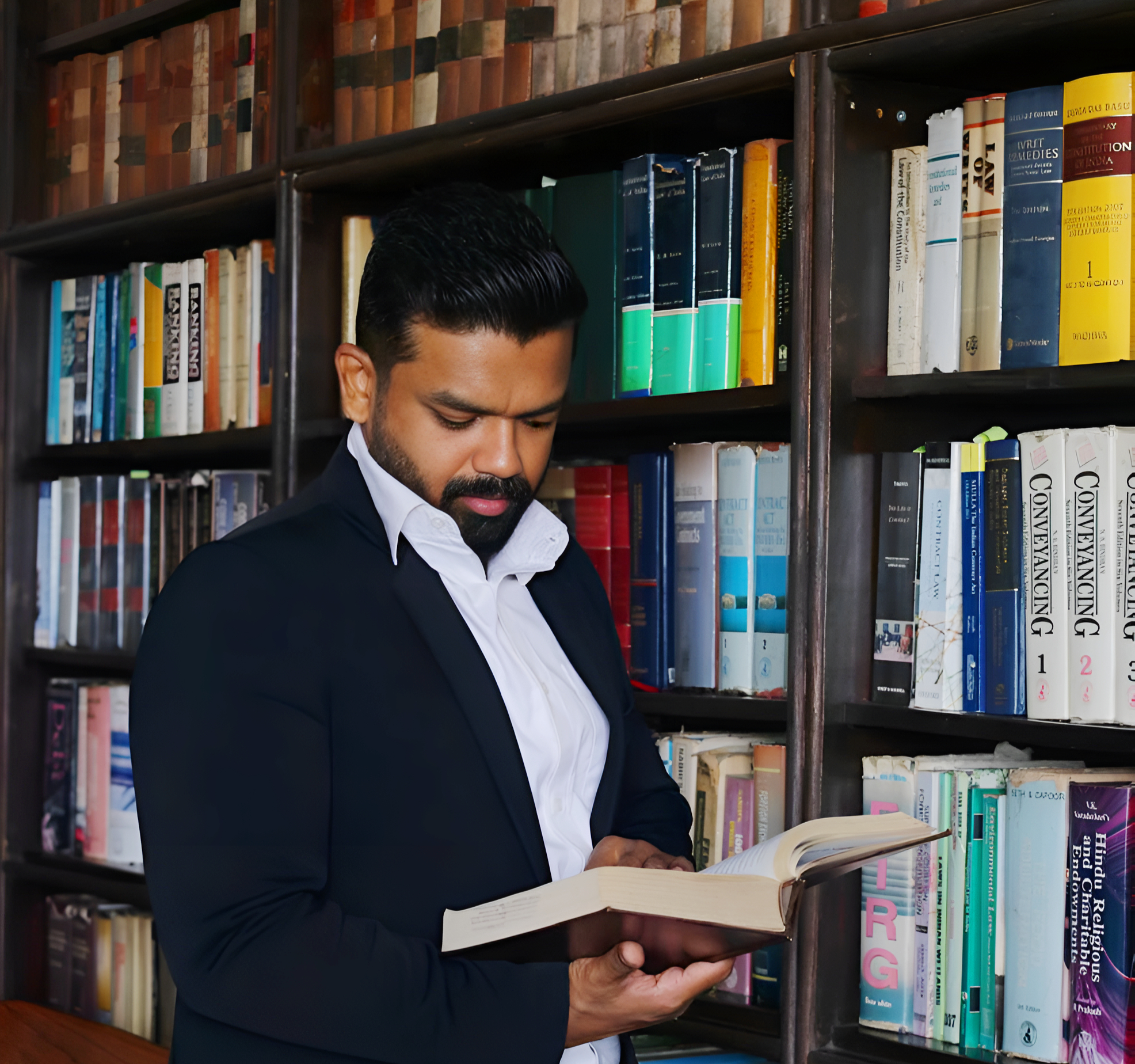
  • “Reflecting on my journey, from a wide-eyed intern in Mr. Jethmalani’s chambers to leading Asal Legal Solution LLP, my greatest takeaway is that advocacy is a blend of conviction and compassion.” – Akash Kakade, Advocate Supreme Court of India.

    “Reflecting on my journey, from a wide-eyed intern in Mr. Jethmalani’s chambers to leading Asal Legal Solution LLP, my greatest takeaway is that advocacy is a blend of conviction and compassion.” – Akash Kakade, Advocate Supreme Court of India.

    This interview has been published by Anshi Mudgal and The SuperLawyer Team

    Early in your career, you had the opportunity to work with various big names in the legal field. What were some of the most enriching experiences from those formative years that deepened your passion for the legal profession?

    The privilege of working under legal titans like Mr. Ram Jethmalani and Mr. Fali S. Nariman during my early years was akin to stepping into a masterclass in advocacy. In 2007, while interning with Mr. Jethmalani, I was thrust into the frenetic pace of a high-profile criminal case at the Supreme Court. I vividly recall his electrifying presence in court, where he dismantled a prosecution’s argument with razor-sharp logic and an almost theatrical flair. One evening, as we prepared for a hearing in the high-profile Jessica Lall murder case, he shared a gem: “The law is not just about statutes; it’s about storytelling that moves hearts and minds.” This perspective transformed my understanding of advocacy, igniting a passion for crafting compelling narratives grounded in legal rigor.

    Similarly, in 2009, assisting Mr. Nariman on a constitutional matter was a revelation. His meticulous analysis of Article 14 during a late-night briefing session taught me the art of weaving constitutional principles into practical arguments. Watching him argue before a Constitution Bench, I saw how his calm demeanour and scholarly depth commanded respect, reinforcing my belief that advocacy is as much about integrity as it is about intellect. These experiences cemented my love for the courtroom, where law becomes a living instrument of justice. I also remember an incidence where he asked me to draft something several times thereafter just near my breakpoint, asked me to get all the drafts and approved the 1st draft which I had shared saying it was the best one and I ought to have shown it to him. I didn’t understand the meaning of it then, however over a period of time I realised he taught me several valuable professional and life lessons through it.

    Your academic and professional background is both impressive and diverse. Could you take us back to the initial experiences that sparked your interest in the field of law?

    My fascination with law was born when our family friend Mr Jethmalani visited our home at Nagpur and there were tons of people there to visit him. I belong to a freedom fighters family and a family which has always been into social work, i was used to people visiting home. However people visiting Mr Jethmalani had a different approach and the respect commanded by him simply left an everlasting and permanent impression on me. He asked me “what I want to become when I grow up?”, I naively asked him, “what do you do?”, to which he said “I am a lawyer son”, so I promptly replied that I want to become a lawyer as well. That is the 1st time I said that and it was etched in my mind since then, as a teenager in 2001. That moment was electric, it showed me the law’s power to uplift the voiceless and the respect one commands with being true to one’s profession. My school debates on issues like caste discrimination and women’s rights further fueled this spark, as I realized advocacy could bridge ideals and action.

    This conviction led me to pursue a B.A. LL.B. at RTM Nagpur University, where I immersed myself in moot courts and legal aid clinics. A particularly memorable experience was organizing a legal awareness camp for rural farmers and downtrodden on the occasion of Dusshera Festival in Nagpur under the aegis of our political science professor , where I explained various faucets of laws in Marathi, my mother tongue. Seeing their faces light up with newfound understanding solidified my resolve to make law accessible and impactful, setting the course for my career.

    Your educational journey from RTM Nagpur University to Queen Mary University of London is inspiring. What motivated you to pursue an LL.M. in Commercial and Corporate Law abroad, and in what ways has that international exposure shaped your current practice before the Supreme Court of India?

    The decision to pursue an LL.M. at Queen Mary University of London was driven by a realization that India’s legal landscape was becoming increasingly globalized. By 2010, I had seen how multinational corporations and cross-border disputes were reshaping commercial litigation in India. I chose Queen Mary for its reputation in international commercial law and arbitration, aiming to master the nuances of global legal frameworks. The program’s modules, International Commercial Arbitration, Commercial Conflict of Laws, and Intellectual Property in Creative Industries, were intellectually exhilarating, challenging me to think beyond Indian jurisprudence.

    A defining moment was my dissertation on pre-arbitral interim relief, which required analysing cases from multiple jurisdictions. This global perspective proved invaluable when I returned to India. For instance, in the ABG Shipyard Swiss Challenge Process case at the Supreme Court, my understanding of international insolvency frameworks allowed me to craft arguments that aligned Indian law with global best practices. My London experience also honed my ability to navigate cultural and legal diversity, enabling me to represent clients like PT. Bara Daya Energi etc. with confidence. Today, this international lens informs my Supreme Court practice, blending global insights with constitutional rigor.

    You’ve appeared in several high-profile Constitution Bench matters, including the EWS Reservation and PMLA Validity cases. How have such landmark litigations influenced your legal philosophy and approach to constitutional interpretation?

    Appearing in Constitution Bench matters like the EWS Reservation and Prevention of Money Laundering Act (PMLA) Validity cases has been a humbling and transformative journey. The EWS case, which upheld reservations for economically weaker sections, taught me the importance of purposive interpretation to advance social justice. I recall a heated courtroom exchange where we debated the balance between equality and affirmative action, moments that underscored the Constitution’s role as a living document adapting to societal needs.

    The PMLA case, challenging the validity of stringent anti-money laundering provisions, was equally profound. It highlighted the delicate interplay between state power and individual liberties, shaping my belief in proportionality as a cornerstone of constitutional interpretation. These cases have instilled a legal philosophy that views the Constitution as a dynamic framework, requiring advocates to harmonize fundamental rights with directive principles. My approach now emphasizes rigorous research, contextual analysis, and a commitment to ensuring that constitutional interpretations serve both justice and the public good.

    As the Founding Managing Partner of Asal Legal Solution LLP, how do you navigate the demands of leadership while actively engaging in high-stakes litigation before the Supreme Court? What motivated you to establish your own practice in the first place?

    Leading Asal Legal Solution LLP while litigating before the Supreme Court demands a delicate balance of vision, discipline, and teamwork. As Founding Managing Partner since, I’ve built a firm that thrives on collaboration and innovation. I delegate research and drafting to a talented team of associates, empowering them to take ownership while I focus on courtroom advocacy and strategy. We use case management software (Libra) to streamline workflows, ensuring I can prepare for high-stakes cases like the Maratha Reservation matter without compromising firm operations. Evening team meetings foster open communication, allowing us to tackle complex cases with agility.

    My motivation to establish Asal Legal stemmed from a desire to create a practice that blends ethical advocacy with client-centric innovation. After years at Desai & Associates, I saw an opportunity to address gaps in legal services, particularly for clients navigating both Indian and international jurisdictions. Founding my own firm allowed me to take on diverse cases, from constitutional benches to international arbitrations, while mentoring the next generation of advocates. This independence has been liberating, enabling me to shape a legacy of impactful litigation.

    Your consistent involvement in social initiatives, particularly through the Maratha Sewa Sangh, reflects a strong commitment to public service. How do you strike a balance between your legal practice and social responsibilities?

    My involvement with Maratha Sewa Sangh and other initiatives is a natural extension of my belief that law must serve society and as a member of society one must give back to the society. As President of its Legal Cell since 2023, I’ve spearheaded legal aid camps and policy advocacy for marginalized communities, often working late evenings after court hours. For instance, organizing the first All India Conference for Rashtriya Maratha Seva Sangh was a logistical challenge, but my team’s support at Asal Legal ensured seamless coordination. I allocate specific days for social initiatives, using weekends for community outreach while reserving weekdays for litigation.

    This balance is fuelled by my conviction that legal expertise carries a responsibility to uplift. My team handles routine legal tasks, freeing me to draft policy recommendations or write columns for Organiser and Kashmir Canvas. These activities recharge me, as the gratitude of a farmer understanding his land rights or a student inspired by a legal talk mirrors the fulfilment I find in courtroom victories. This synergy ensures that my legal practice and social commitments reinforce each other.

    For law students aspiring to build a litigation practice like yours, what advice would you offer? What skills, mindset, or resources do you believe are essential for excelling in this demanding field?

    To law students dreaming of a litigation career, my advice is to embrace the grind with passion and purpose. Litigation is a marathon, not a sprint, so cultivate resilience to navigate setbacks like losing a case or facing a tough bench. Key skills include:

    • Legal Research: Be well versed with law and for that master platforms like SCC Online in order to build airtight arguments.
    • Drafting: Hone the art of concise, persuasive pleadings, every word matters in court.
    • Oral Advocacy: Practice clarity and confidence through moot courts and mock trials.
    • Networking: Seek mentorship from senior advocates; my internships with Mr. Jethmalani and others were game-changers.

    Adopt a growth mindset, view challenges as opportunities to learn as was taught to be by Mr Nariman. Early in my career, a dismissed petition taught me to anticipate judicial perspectives, sharpening my strategy. Resources like legal journals, bar association seminars, and internships in litigation chambers are invaluable. Above all, uphold integrity and empathy; clients trust advocates who fight for their cause with heart. Stay curious, stay ethical, and let your passion for justice drive you.

    Litigation can be incredibly intense and high-pressure. How do you manage the stress that comes with maintaining a rigorous legal practice, and what do you do to safeguard your mental well-being?

    The intensity of Supreme Court litigation, where deadlines loom and stakes soar, demands a robust approach to stress management. I start each day with 30 minutes of yoga and meditation, a ritual that grounds me and sharpens focus. A particularly vivid memory is meditating before arguing the auction case, which calmed my nerves and clarified my arguments. Regular runs in Talkatora Gardens and a disciplined diet keep me physically resilient, countering the sedentary demands of legal work.

    Professionally, I rely on my team at Asal Legal to share the load, delegating research and filings to avoid burnout. I set boundaries, reserving evenings for family or reading historical biographies, which offer perspective on life’s pressures. My social initiatives, like blood donation camps with Maratha Sewa Sangh, are surprisingly rejuvenating, helping others reminds me of the law’s broader purpose. These practices, combined with a supportive network of peers, ensure I thrive in the high-pressure world of litigation.

    Looking back at your journey so far from internships with iconic legal figures to leading your own firm, what has been your biggest takeaway or guiding principle as a legal professional?

    Reflecting on my journey, from a wide-eyed intern in Mr. Jethmalani’s chambers to leading Asal Legal Solution LLP, my greatest takeaway is that advocacy is a blend of conviction and compassion. Whether arguing a marathon case or advising a small business like ILA Naturals, I’ve learned that the law’s true power lies in its ability to humanize disputes. My guiding principle is to approach every case with unwavering integrity and a deep understanding of the client’s story. This means not just winning arguments but ensuring justice resonates, whether for a corporation or a community. This ethos, forged through years of mentorship and practice, drives me to leave a lasting impact on both law and lives.

    Get in touch with Akash Kakade –

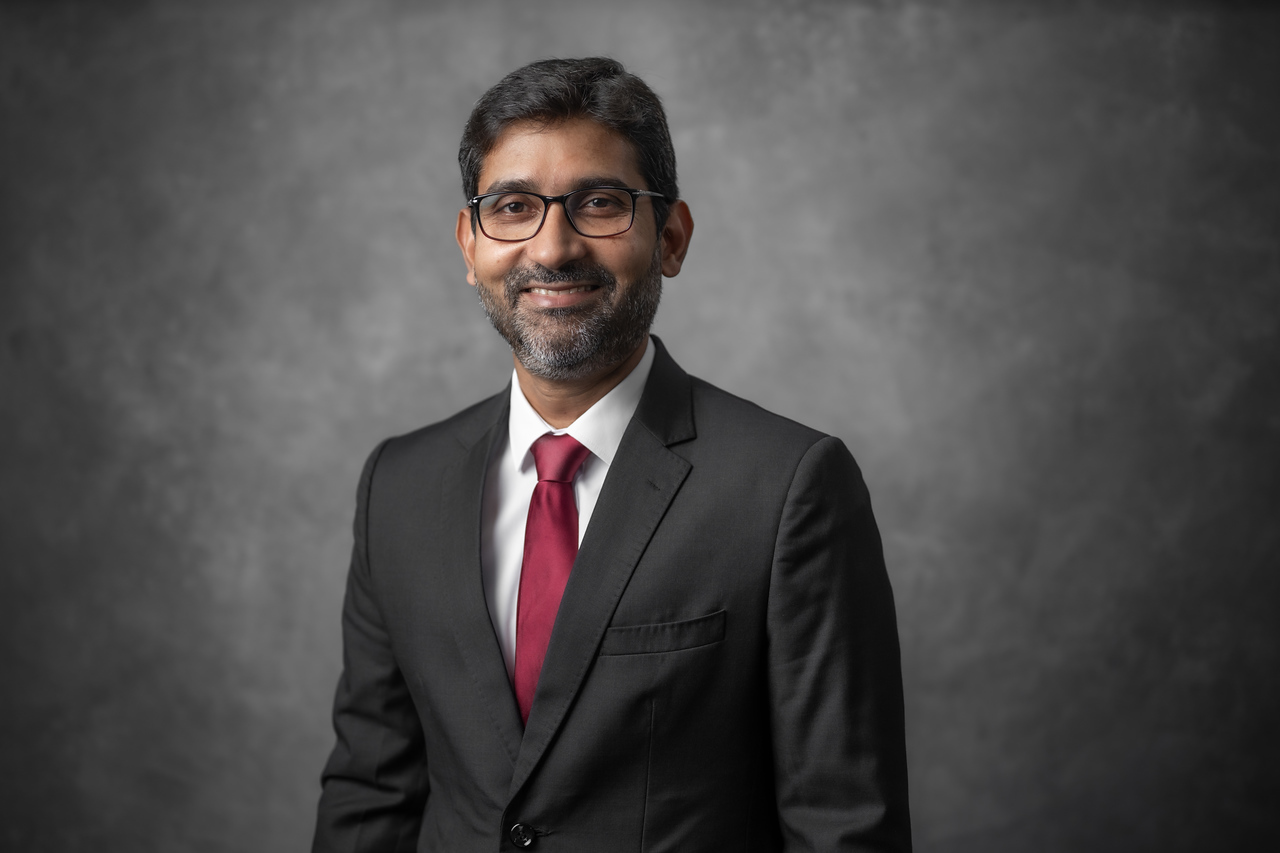
  • “At the end of the day, if you are not able to deliver in Court, a last name -no matter how famous- will not get you very far.” – Antony R Julian, Founder and Principal at Julian Law Offices.

    “At the end of the day, if you are not able to deliver in Court, a last name -no matter how famous- will not get you very far.” – Antony R Julian, Founder and Principal at Julian Law Offices.

    This interview has been published by Anshi Mudgal and The SuperLawyer Team

    What initially inspired you to pursue a career in law, particularly at a prestigious institution like University College London (UCL)? What factors influenced your decision to choose UCL, and how would you describe your academic and personal experiences there?

    I always wanted to be a lawyer – even before I understood what a lawyer really does. I have no explanation as to why except guessing that it could be the unconscious conditioning of watching my father (Dr. A. Francis Julian – a Senior Advocate), and hearing stories of my grandfather (who was a lawyer in the erstwhile State of Travancore). I was never consciously influenced to take up the profession by my father. All options were always open. My sister (A dentist and a children’s author) and I were encouraged to explore and see where our intellect and abilities would take us – somehow I always found my way back to the Law.

    This clarity (or blinkered view, if you will) allowed me to focus early on where and how I wanted to study law. I was very clear that I wanted to study law abroad. I had set my sights on going to a law school in the USA. The first time I wrote the LSAT, my scores were not too great. So I decided to take a gap year and write it again. The second time I also wrote the LNAT (the UK equivalent of the LSAT). In the second round, I managed a decent score, and also got scholarships to a couple of good universities in the USA. However, my LNAT scores were comparatively much better and I was offered a place at UCL. 

    Prof. (Dr.) C. Rajkumar (Founding Vice Chancellor of O.P. Jindal Global University) was another profound influence on me from early in my life. I’ve known him from my school days when he used to frequent our home as a law student at Faculty of Law, Delhi University. His stellar academic achievements were inspirational and it was something I tried to emulate. He also counselled and mentored me extensively during the law school admissions process. His time then was especially precious as it was around the same time that OPJGU was being established !

    Seeing the historical relevance of the UCL Law Faculty to India (due to some very famous Indian alumnus, including Mahatma Gandhi), I knew this was where I wanted to go. 

    UCL was a completely different experience after a bachelors degree at Loyola. I struggled a bit initially due to the massive amount of self-study required, but managed to get a decent grade. Life at UCL was not limited to lectures and libraries. The university’s location in the heart of London provided countless opportunities to engage with the city’s cultural and social scene. I learnt the law but more importantly, I learnt a lot about life in my three years there. However, as much as I loved the city,  I didn’t envision myself living there in the long term. So I decided to return to India on completion of my degree.

    After completing your law degree, you pursued an LLM in International Dispute Resolution at Queen Mary University of London (QMUL). What motivated you to specialize in this field, and how did your time at QMUL shape your professional trajectory? In what ways has this specialization influenced your career?

    An LLM is often considered as a purely academic pursuit, unsuited and unnecessary for those in Court litigation. That view, in my opinion, could not be more wrong. The practice of law has become greatly specialised. Having technical expertise is necessary and needed to stand out as a lawyer.  Litigation itself is a vast field, and every field of law has its own form of adversarial litigation, whether before a court, a tribunal, or an arbitrator. 

    QMUL has some of the best faculty in the world when it comes to international arbitration, they are not only academics but also full-time practitioners who have practical experience. They had excellent insights to share during the discussions in the tutorials. 

    In the early stages of your legal career, you worked with Mr. Salman Khurshid. What were some of the most valuable lessons and insights you gained from that experience ?

    Working with Mr. Salman Khurshid was a defining experience in my professional and personal life. Mr. Khurshid (Salman Sir to us) is probably one of the most large hearted persons I have had the opportunity of knowing. He is, of course, a very fine lawyer but above all he is a gentleman and a statesman in the truest sense, he embodied dignity, compassion, and the uncompromising need to ensure justice is done. 

    As his chamber member, I got an opportunity to work on a variety of matters – Constitutional, commercial, criminal, arbitrations- before various judicial fora – the Supreme Court of India, various High Courts, NCLT, NCLAT, TDSAT, COMPAT, etc. 

    Days were spent in Court (this was before the advent of virtual hearings), evenings in the Office. 10-12 hour work days were the norm. But the hardest worker in the office was the head of chambers himself. It was often the case that we would prepare copious notes and go to his house late in the evening to brief him for the next day, only to find him reading the files. This was apart from the various responsibilities he discharged as a leader in the Congress party. 

    Being one of the sought after Senior Counsels in Delhi, he was also a generous paymaster, giving all his chamber members a rather generous retainer coupled with regular bonuses. We were also actively encouraged to take on independent matters and permitted to use the office facilities for our own personal practice. 

    Ours was also a chamber that was very diverse. We had chamber members from at least 10 states in India. We also had a higher number of first generation women lawyers than male lawyers. Of the 20 or so chamber members, only 5 (including me) were male and only 2 were second generation lawyers. 

    Among the many lessons I learnt from my five years (2014-2019) at Mr. Khurshid’s chambers, the one I recall the most is that respect can only be earned, never demanded.

    I have tried my best to emulate these important lessons in mentorship and leadership in my practice as well. Of the four three associates I have had the privilege of working with at Julian Law Offices, all are first generation lawyers, three are women lawyers. One of them is presently doing her LLM in the UK.

    Additionally, being a father to two daughters makes me more conscious of the need to ensure the profession is more welcoming to women. If either of them decide to enter the profession, they need more women role models to look up to. 

    What inspired you to establish your own law practice? What vision guided you in founding your practice, and what were some of the key challenges you encountered during this journey?

    Starting my own practice was a natural trajectory of my career path. Being a law practitioner’s son – I had ready access to a chamber at the Supreme Court, I had a network to tap into, I had a well stocked library of commentaries and law reports at my disposal, and most importantly – credibility capital. These, of course, only get you so far. 

    At the end of the day, if you are not able to deliver in Court, a last name – no matter how famous- will not get you very far. Furthermore, the profession is a rather close knit community and any professional mishaps are rarely forgotten. Having a recognisable last name only increases the scrutiny of your conduct in Court. One is judged much more harshly if one comes from a family of lawyers. Reputations built over a lifetime can be destroyed in a day. For every successful second generation lawyer, there are ten who never made it out of their parents’ shadow.  

    One challenge I faced in establishing my practice was to ensure a steady supply of clientele. Practicing solely at the Supreme Court is not feasible unless one has a ‘feeder’ high court from where one can get a steady supply of matters for appeals. 

    This was the reason I expanded my practice to the Madras High Court in 2021. Having a lot of personal and familial connections in the city, it was a natural move. So far the move has proved 

    Furthermore, my wife and I felt it was a better place for our daughters to grow up in, compared to Delhi.

    You frequently represent clients at the Supreme Court of India. What are unique challenges of advocacy at the Supreme Court, and what strategies do you employ to address them?

    Practice at the Supreme Court of India is unlike practice at any other Court in India. Majority of matters filed at the Supreme Court are Special Leave Petitions (SLPs) under Article 136 of the constitution of India – about 93% according to a recent study. Since this is a completely discretionary jurisdiction, there is no certainty of the appeal being admitted.

    The judges hear about 70 SLPs on Mondays and Fridays (the two days designated for hearing fresh SLPs). The average time granted to make your case in an SLP is about 93 seconds. As counsel one is expected to start in medias res assuming the bench has looked through your petition in detail. You have to know exactly what to say, how to say and (most importantly) when to say it. Brevity is the order of the day and there is no room for any oratorical faff. 

    Another important aspect of Supreme Court practice is drafting. Clarity and Concision are essential. The importance of having a short and concise synopsis cannot be stressed enough. If you cannot state your case in one and half pages of double spaced size 14 font, you have an uphill battle. Early in my career, I used to draft long-winded synopses. I learnt the hard way that this rarely works. 

    If one reads biographies of some of India’s greatest litigation lawyers  (MC Setalvad, Palkhivala, Fali Nariman, etc) you will often find that the common thread in their advocacy is brevity – in pleadings and oral advocacy. 

    Your reputation as a Supreme Court counsel is built on the success in getting SLPs admitted. It is also the way to get a foot in the door so that longer oral submissions can be made when both parties are before the Court and the SLP or Appeal (once leave is granted) is heard at length. 

    A good way to build and protect your reputation at the Supreme Court is to never appear in or file frivolous or meritless SLPs. With adequate experience, one can make a reasonably accurate prediction of whether or not an SLP will be admitted. The SLP should either have legal merit or there should be some grave injustice which is apparent. Without either of these, filing an appeal purely at the instructions of a client is unfair to everyone involved – to the Court as it wastes precious judicial time, to yourself as you will cut a sorry figure in Court, and to your client who ends up wasting resources better spent elsewhere. 

    This can be challenging to do, especially early in your career when it can be tempting to take up every case that comes your way (been there, done that!), But over time you realise that your credibility is built not only on the cases you appear in but also those you don’t appear in. As an Advocate, your duty is not only to your client but also to the Court. Considering the heavy burden on Indian Courts, judges never appreciate their time being consumed by meritless cases. 

     As an arbitration practitioner and a member of the prestigious Chartered Institute of Arbitrators London, what are some of the major challenges in arbitration in India?

    Wiser and more experienced minds have spent much ink on the problems and challenges plaguing Indian Arbitration. Suffice it to say that we cannot continue to run arbitration like courts. We need more non-judge arbitrators.

    Another crucial point is that many businesses, particularly in smaller cities and towns, remain unaware of the advantages of arbitration. With cheaper and faster ODR options available, there are now ways to get low value disputes adjudicated in a faster and efficient manner. Furthermore, there is a need for structured training programs to equip practitioners, arbitrators, and legal professionals with specialized skills in arbitration law and practice

    Another major challenge is post award proceedings. Even though most section 34 challenges fail, the rigmarole of challenge and then enforcement makes arbitration a daunting prospect. Even though it is ultimately much faster than a civil court, post award proceedings are a dampener. 

    What advice would you offer to young lawyers aspiring to build a diverse and successful practice? What key skills, qualities, and mindset do you believe are essential for thriving in the competitive and multifaceted legal profession?

    I am still a ‘young lawyer’ by any measure! And, I am still learning how to build a diverse and successful practice. 

    That said, these are three things which I feel have really helped me in in my personal and professional life.  Firstly, cultivate a reading habit. Read widely, especially non-law books. Fiction, non-fiction, history, humour, mystery – there’s something for everyone. As lawyers, we tell stories (strictly non-fiction!), adhering to certain strict rules, but stories nevertheless. Reading greatly improves the capacity to put complex facts in a coherent manner highlighting aspects that are relevant to your case.

    Secondly, building a great network. The importance of building a good network is crucial for lawyers, especially in India where one cannot market or advertise in any way. A great way to do this is to pursue and cultivate interests outside the law – play sports, join a book club, pursue interests outside the law, take an active interest in your local community. 

    Thirdly, find a good mentor. Ideally someone who’s professional qualities you see yourself emulating. And when the opportunity arises, be a good mentor to others as well. I have had the privilege of watching and learning from some excellent mentors. Mr. Promod Nair, Senior Advocate Karnataka High Court, deserves special mention as someone who has been a good friend, mentor, and guide to me. 

    Balancing the demands of a high-pressure legal career with personal well-being is no easy task. How do you maintain a healthy work-life balance ?

    As a litigation counsel, the demands of the profession can be relentless. There are no fixed working hours, the pressure to consistently perform is high, and unlike salaried positions, there’s no guaranteed monthly income — though the expenses remain constant. This makes litigation a high-stress career, often not very kind to one’s mental and physical health. 

    It’s easy to get consumed by the profession, which is why setting clear personal and professional boundaries early in your career is so important. I firmly believe in prioritising rest, family time, and personal interests without guilt. It’s essential to create space for yourself beyond your work identity. Personally, I avoid carrying work home with me. I’d rather stay late, finish what needs to be done at the office, and keep my home a space of peace and relaxation. This helps maintain a healthy separation between professional responsibilities and personal life. 

    Additionally, taking care of one’s physical well-being is equally important. A balanced diet, regular exercise, and proper sleep aren’t luxuries — they’re necessities for surviving and thriving in this demanding profession. Over time, I’ve realised that discipline in these small, daily habits make it possible to build a sustainable, fulfilling legal career – and life. 

    Get in touch with Antony R Julian –

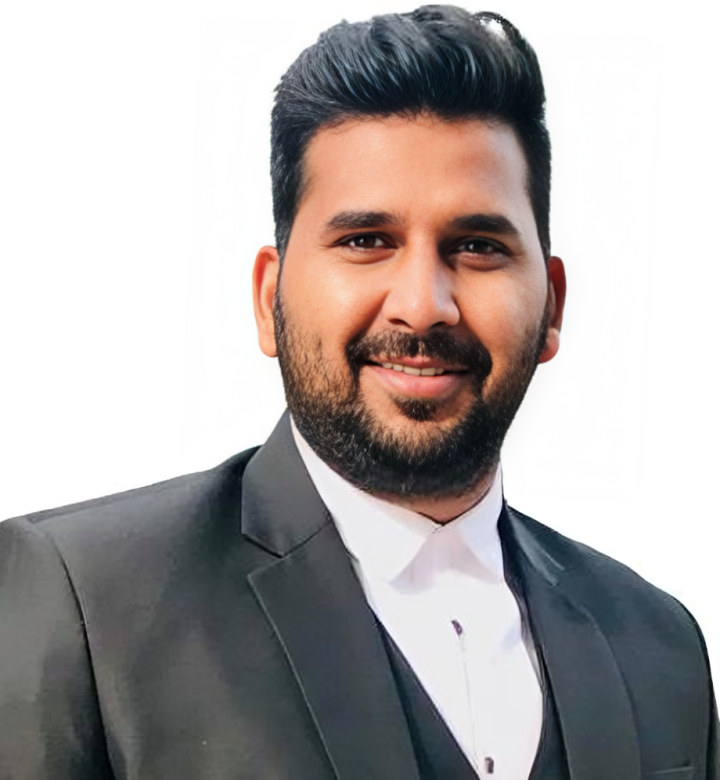
  • “Unlike other professions, law practice is mostly regional and for those aspiring to have a more International appeal, they could, besides pursuing an LLM abroad, consider taking the Bar exams and qualifying in other jurisdictions such as UK, US or Singapore.” – Mohammed Shadaan Saipillai, Founder & Partner at Calibre Legal.

    “Unlike other professions, law practice is mostly regional and for those aspiring to have a more International appeal, they could, besides pursuing an LLM abroad, consider taking the Bar exams and qualifying in other jurisdictions such as UK, US or Singapore.” – Mohammed Shadaan Saipillai, Founder & Partner at Calibre Legal.

    This interview has been published by Anshi Mudgal and The SuperLawyer Team

    Having over two decades of experience and initially coming from a commerce background, what inspired you to pursue a career in law? How has your commerce degree influenced and complemented your legal career?

    It was because of my commerce degree and my evolved liking towards company and commercial law modules, that I decided to pursue law. Pursuing law degree was never in the scheme of things until the final year of my commerce degree in the year 1997. While my friends were wanting to make progression by pursuing MBA, I chose to be different and decided to tread the uncharted territory. I aspired to become a first-generation lawyer and started preparing for the law entrance exam with a lot of dedication. To be able to compete with thousands of law degree aspirants and to successfully pass the entrance examination in the open category, made me more confident in pursuing law as my career. By pursuing a full time 3-year commerce degree from The New College, University of Madras and thereafter, 3-year law degree from Government Law College, Madras, I believe I was able to take advantage of both the degrees to full extent. Further, my law degree helped me learn company and commercial law modules in greater detail with in depth learning of not just the statutes but also the jurisprudence behind them as well as the settled judicial precedents.

    Your LLM in International Finance from Queen Mary University of London undoubtedly played a pivotal role in shaping your approach to corporate law. How did this advanced education enhance your ability to advise multinational clients on cross-border financial and regulatory matters? What made you choose Queen Mary University, considering its prestigious reputation?

    I completed my law degree and enrolled in 2001. My plan initially was to join a good senior counsel to learn and practice on the litigation side. I joined the office of Mr. G. Masilamani, Former Advocate General of Tamil Nadu and Addl. Solicitor General of India. After two years of litigating in courts, I joined a leading National law firm (Chennai office) in the year 2003 to pursue my interest in corporate and commercial law practice. Although I was harbouring the desire to pursue my Master of Laws (LLM), I was too busy working and got around to take the bold decision much later in 2010. I had already put in over 9 years of experience and was a Senior Associate in the law firm. It was a strategic decision for me to pursue LLM to get out of my comfort zone and better my chances of being promoted to Partner position. Pursuing LLM at Queen Mary University of London (QM) was one the best decisions that I made. I chose QM for many reasons including: (i) it is one among the Russel Group of Universities, (ii) highly ranked for law, (iii) renowned faculty, and (iv) centrally located in London. The whole experience living in London and learning from the best faculty was a rewarding experience. And when I returned to India, equipped with an LLM from QM and based on my past work experience, I found there were a lot more opportunities with other National law firms coming my way. Fourteen years later, LLM degree still comes in very handy especially when working on cross border mandates dealing with foreign counsels including inhouse General Counsels (GC’s) as it adds to the credibility and enhances the international appeal. As more and more Indian organisations look at expanding their businesses abroad, I am able to benefit domestic clients seeking assistance in foreign jurisdictions through leveraging on the foreign lawyer contacts across the globe developed at QM.

    Throughout the early stages of your career, you gained invaluable experience working with both national and international organizations. Can you share some of the defining moments or key experiences that significantly contributed to your deep understanding of the law and propelled your career to such remarkable heights?

    Be it working with Senior Counsel as a junior advocate, to working for leading law National firms as Partner, to working in the US for a top tier firm for a few months, each and every experience has been a great learning experience for me. Working for Holland & Knight LLP in Atlanta, Georgia, as a foreign lawyer trainee, afforded me the opportunity to work within a team of 30 lawyers on a large M&A transaction. This opportunity gave me a deep insight on the hard-working culture among lawyers in the US. Through my experiences spanning 24 years working for law firms to eventually founding Calibre Legal, I believe I have done the full circle and I have learnt important values including adhering to good professional ethics, hard work and client satisfaction. 

    As the Founder and Managing Partner of Calibre Legal, you have not only built a successful law firm but also positioned it as a leader in the industry. What motivated you to take the bold step of starting your own firm, and how have you witnessed the legal landscape evolve, particularly in Chennai?

    Having joined a law firm in 2003 when the concept of law firms was at a nascent stage in Chennai, I have witnessed the evolution of the legal landscape from close quarters. Chennai clients were predominantly relying on senior counsels and individual litigating practitioners. However, this scenario has changed leaps and bounds. With newer legislations including amendments to existing statutes, coming into force and with the focus shifting towards compliance and good corporate governance, clients are realising the importance of seeking legal advise prior to entering into any transaction to protect themselves from future litigation rather than approaching an advocate when they have already landed in legal issues. Further, the clients are increasingly realising the importance of working with a team of lawyers in a law firm enabling them to avail end to end legal support across diverse practice areas. As regards starting Calibre Legal, having already put in 18 years of experience and with a passion to provide National law firm standard legal service in a boutique set up to the MSME sector companies, I believed that it was the right time to set up Calibre Legal in the year 2019. Our founding principles are (i) Responsive – emphasising on client satisfaction embracing high levels of Partner accessibility and responsiveness, (ii) Resourceful – engaging dedicated professionals to achieve client objectives, and (iii) Reliable – building strong client relationships through providing commercially oriented reliable legal solutions. Our focus is always on our clients and their expectations and due to their invaluable testimonials, Calibre Legal has been ranked in the recent past by leading International agencies such as India Business Law Journal (IBLJ), Asian Legal Business, Legal 500 and Chambers and Partners. 

    As a qualified Solicitor of the Supreme Court of England and Wales, your dual qualification is a testament to your exceptional legal acumen. How has this unique qualification enhanced your ability to advise clients across multiple jurisdictions, and how do you navigate the complexities of bridging the differences between Indian and English legal systems in your practice?

    London is a leading jurisdiction for International arbitration involving International Chamber of Commerce Rules of Arbitration and is relevant in cross border transactions. Being dual qualified helps significantly especially considering my desire to collaborate with UK based solicitors and barristers to help domestic clients seeking appropriate recourse in the UK. Considering the commonality in common law jurisdiction plus with an LLM degree from the UK, qualifying as a UK solicitor was a natural choice. And because of this qualification, I am not just assisting domestic Indian companies with cross border transaction but also being retained by middle-east based organisations to assist with resolution of International commercial disputes.

    You’ve advised high-profile clients such as Firstinsight Technologies and GP Strategies, guiding them through India’s intricate regulatory framework. Can you share some of the key challenges you faced while helping these multinational corporations establish operations in India and how you effectively navigated these challenges with your vast expertise?

    One of the significant concerns for any multinational company (MNC) is to be able to navigate through the complex legal landscape in India. Typically, the GC or inhouse legal team of any MNC would reach out to a law firm in the local jurisdiction to advise them in relation to, amongst others, the foreign direct investment, tax implications, the various RBI compliances, reviewing employment law contracts and policies from an India law perspective. Assisting MNC’s in relation to setting up operations in India are one of the Firm’s core practice area. With our vast experience in hand holding MNC’s, we are able to anticipate their concerns and queries and are able to provide them the right legal advise and assistance. Labour and Employment laws is another area of concern as an organisation cannot simply hire and fire an employee who is in the workman category. For one of our MNC clients looking to terminate the services of an employee suspected of financial irregularities, we assisted them through providing them end to end legal support in drafting a detailed show cause notice, advising them on the due process and until the employee voluntary resigned from employment. This was a sensitive matter for them and we were advising their HR team based out of Singapore and the GC based in the US in addition to the key officials based in India. 

    One of your significant client mandates involved advising RX Ventures LLC in relation to a commercial dispute with an Indian entity. Given your exceptional track record in dispute resolution, what were the primary challenges in this project, and how did you utilize your expertise to address these effectively, ensuring a successful outcome?

    Dispute Resolution and litigation is another core area of our practice. The way we approach litigation is that we use it as a last resort to get the parties to the negotiating table to resolve their dispute. No client, particularly an International client, wishes to engage in protracted litigation as it is time consuming and expensive. When RX Ventures LLC (RXV), which is a US based company, approached us to recover a substantial sum of money outstanding from an Indian entity, we advised them on the recourse available including under the Insolvency and Bankruptcy Code and under the Commercial Courts Act. These laws are a big boon to businesses and ensure that the disputes are resolved in a time bound manner. Based on the circumstances of the case, we advised RXV regarding initiating proceedings under the Commercial Courts Act (Act) and filed an application for Mediation under the Act. The Mediation process went on for 3 months and at the end of it, the parties reached a settlement and the settlement money was recovered by our Client in less than 6 months. Our client had initially thought that it would take several years to recover the money and was pleasantly surprised at how quickly he could recover the outstanding payment.  

    As a respected member of both the Bar Council of Tamil Nadu and The Law Society in the UK, your career has undoubtedly set a high standard for others to follow. What advice would you give to aspiring law students who dream of achieving an international legal career like yours? What resources do you rely on to stay ahead of industry developments, ensuring that your knowledge remains cutting-edge?

    Aspiring law students must bear in mind that law practice is akin to playing a test match cricket as opposed to a T20 game. There are no short cuts and they must be prepared to put in a lot of hard work and work towards learning the nuances of the profession and law with patience and perseverance in order to achieve success. Unlike other professions, law practice is mostly regional and for those aspiring to have a more International appeal, they could, besides pursuing an LLM abroad, consider taking the Bar exams and qualifying in other jurisdictions such as UK, US or Singapore. As regards keeping oneself abreast with legal developments, in addition to updating oneself on case laws, it would help to subscribe to various International legal directories including IBLJ, Legal 500, Chambers and Partners, Legal Era and Mondaq. With the increasing role of Artificial Intelligence, research has become a lot easier but it is important to take time out to read and update oneself. 

    Balancing the demands of a highly successful legal career with personal life is no small feat. Your ability to thrive in both areas is truly inspiring. How do you manage to maintain a healthy work-life balance while ensuring that both your professional commitments and personal life are equally prioritized?

    Rather than work-life balance, I like to call it work-life integration. It is all about prioritising on what is important at that point in time and giving your 100% to the task at hand. In addition to work and family, it is important for legal professionals to ‘externalise’ themselves that includes attending and speaking at conferences and being part of networking organisations as these help with building client contacts. Further, I strongly believe in the ‘Givers Gain’ philosophy that only when you give back to the society generously – whether it is time, knowledge or support, you ultimately receive more in return. I have recently founded and working towards strengthening ‘Startup LEAP’, which is a non-profit legal aid programme to help provide information and guidance to those beginning their entrepreneurial journey. I also volunteer my time at Anjuman-E-Himayath-E-Islam, which is an orphanage with over 800 children and also serve as part of the leadership team in a couple of social organisations including my alma mater, Don Bosco Egmore school alumni association. 

    Get in touch with Mohammed Shadaan Saipillai –

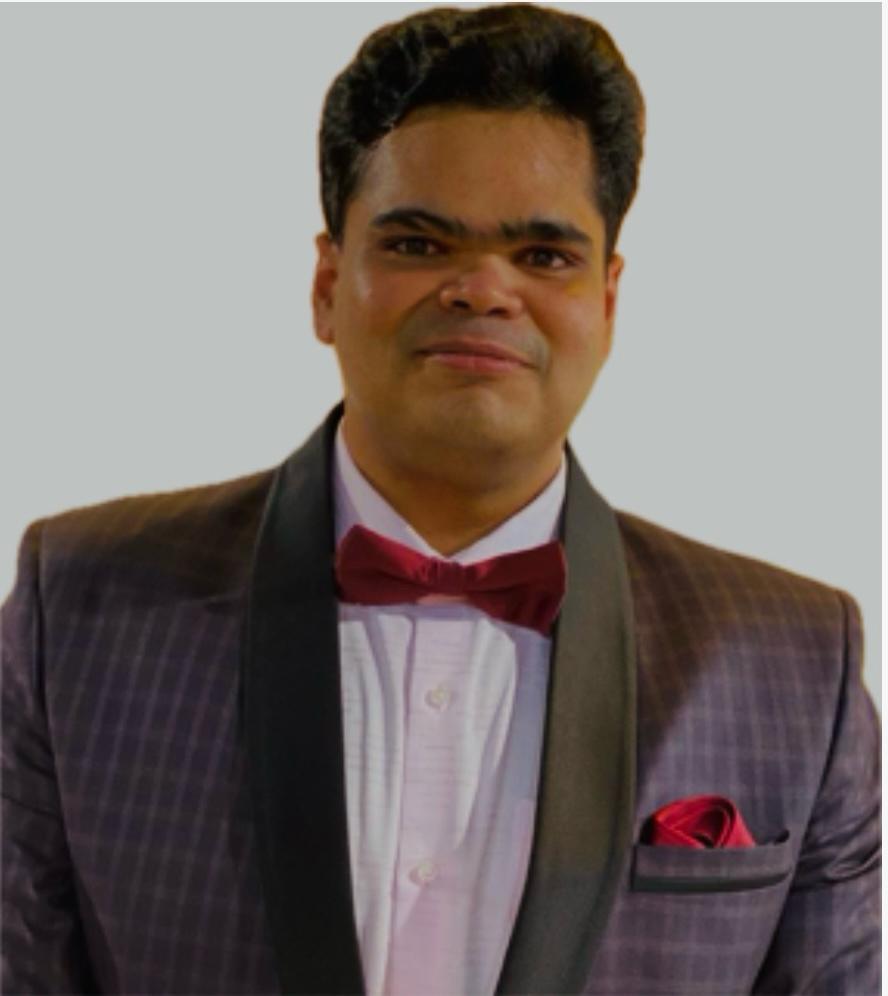
  • “The early stages of a lawyer’s career can be analogically likened to the early stages of development of a child. One needs to have an extremely inquisitive and childlike approach towards learning the law and the legal procedures in the early stage.” – Anuj Tyagi, Advocate-on-Record at Supreme Court of India.

    “The early stages of a lawyer’s career can be analogically likened to the early stages of development of a child. One needs to have an extremely inquisitive and childlike approach towards learning the law and the legal procedures in the early stage.” – Anuj Tyagi, Advocate-on-Record at Supreme Court of India.

    This interview has been published by Anshi Mudgal and The SuperLawyer Team

    Given your extensive expertise and experience, was law always your first choice of career, or did your path evolve over time? Could you share some key moments from your academic journey at National Law Institute University, Bhopal?

    Law was never my first career choice. I even prepared and appeared for engineering entrance examinations, including IIT JEE.  Law happened completely by happenstance. My father heard his colleagues including a District Magistrate speaking to another colleague (in the context of his son’s higher education) about entrance examinations of National Law Universities which, in their words, were like the “IITs of Legal Education” and if one could get through such NLUs, they would have a very bright career. After enquiring further with the said District Magistrate about the NLUs and the entrance procedure, my father, in the evening broached the possibility of my appearance for law entrance examinations. In a way, law immediately sparked my interest, and I immediately went to the so-called ‘cyber-cafes’ of those days and researched further about the scope of the entrance examinations and how I could prepare for the entrance examination. I then came across Law School Tutorials (LST) and ordered their study material and started my preparation. I subsequently qualified the entrance examinations of Symbiosis Society Law School, Pune, Army Law School, Mohali, GGSPIU, NLIU (Bhopal) and several other entrance examinations and eventually joined NLIU, Bhopal, after briefly enrolling and studying at SSLS, Pune. So clearly, the road that led me to law evolved over time.

    After completing your law degree, what motivated you to pursue an LL.M. at Queen Mary University of London, and how did it enhance your previous education? Can you also share your experiences and the differences you observed in their teaching pedagogy?

    I was of the firm belief that at all times after you graduate, you must either be in the pursuit of earning or learning. I had been harbouring this desire to pursue an LL.M. right since I graduated.  When COVID-19 struck, I took this opportunity and enrolled myself for an LL.M. in International Dispute Resolution at QMUL, UK. It was very hard to keep up with the expectations of the teachers in terms of the pages to be read per day, despite the substantially reduced work pressure but I somehow managed to graduate with Merit. The biggest difference in the teaching pedagogy between the two great institutions was that at NLIU, at the undergraduate stage, the focus somehow remained more on foundational, theoretical, lecture-based learning while at QMUL, in the graduate programme, stress remained on in-depth analysis, critical thinking, and practical understanding of key concepts. There was no scope of securing good marks at QMUL, if one did not understand the intricacies of the key concepts concerned. Mostly the questions were in the form of real-life situations and one was supposed to write a suggestive note as to what one, as a Counsel, would have advised one’s client in the fact situation concerned. The other key difference was in the method of marking and evaluation at QMUL. Upon the end of the evaluation of the answer sheets, at QMUL, we would not only receive the marks but also detailed comments from the evaluating teachers which would further help us acquire an in-depth understanding of the concept and also help us understand where we lacked in the evaluation of the given factual situation. That was, in my view, a game-changing aspect. If one would not understand what one could have done better, one would commit the same mistakes again and achieve the same range of marks. However, a clear understanding of the areas where one could have done better in terms of expression or otherwise, would always promote a deeper learning of relevant concepts.

    In the early stages of your career, you must have encountered various learning experiences. Could you share some of these with aspiring lawyers? Additionally, what prompted you to start your own practice, and what were some of the initial challenges you faced in establishing it?

    I would like to first underscore the importance of the answer to this question for your readers. Please note that this is the most important and relevant part of this interview, from the perspective of an aspiring lawyer or a law graduate. I was indeed exposed to many learning experiences, especially in the early stages of my career. I would begin with saying that the early stages of a lawyer’s career can be analogically likened to the early stages of development of a child. One needs to have an extremely inquisitive and childlike approach towards learning the law and the legal procedures in the early stages of one’s career. The first year was mainly about familiarising myself with the procedures and practices at the Hon’ble Supreme Court, the Hon’ble High Court, the District Court and the various buildings and rooms that formed a part thereof. I, fortunately, had a senior from my college who was working as an Associate at the first chamber I joined immediately after graduation. I used to pose at least 100 questions to him on a daily basis in the course of our daily trips to the court. He was very patient with me and answered all my questions with calmness and ease. Thanks to him, I quickly understood the basic legal procedures, including but not limited to the courtroom etiquette, which side of the dias to stand on when representing either side, how to give appearance slips to the court staff, how to hand over documents/judgments at the bar, the position of the various courts, the important offices of the officers of the registry, how to inspect the file etc. It is very important to have gone through the grind yourself at the initial stages because if you haven’t done something yourself once, you’ll never get to understand the procedure in detail and will encounter issues even while delegating it to your juniors/clerks in future.

    One of the early learning experiences taught me to show up at the courts at least 15 minutes before the designated court commencement timings to avoid missing your matters and eventual embarrassment, regardless of the position of your matter on the causelist. In my initial years, a matter was listed at item no. 42 in a cause list listing a total of 70 matters for consideration of the Hon’ble Court. Assuming that the matter would certainly not be called out in the first hour, I turned up at 11:30 am instead of 10:30 am when the court concerned would commence the hearing. Much to my surprise, the matter had already been called out and taken up. Upon enquiry with the court master, I learnt that between Item no. 1 and 42, there were two connected batches cumulatively concerning 35 matters and that the rest of the matters had been passed over and therefore the matter came up for consideration earlier than expected. I had to wait till the court had taken up all the other matters and was to rise when I mentioned my matter and got my presence recorded and thankfully prevented any harm to the client’s interests. 

    Through one of the other learning experiences, I learnt to not take pleadings casually and to be absolutely accurate with the words while drafting pleadings. In one of the cases being conducted by one of the Advocates I was associated with in my early years (who held the brief for the defendant), I observed that while denying the pleadings of the plaintiff in the written statement, instead of the word ‘plaintiff’, the word ‘defendant’ was wrongly used. The enormity of the consequence of this inadvertent error was such that a civil suit filed by the plaintiff was decreed, under Order XII Rule 6 of the Code of Civil Procedure, 1908, on the sole basis of this inadvertent ‘admission’. This caused immense loss to the client and massive embarrassment to the concerned Advocate. After learning this important lesson, I haven’t ever filed any pleading/statement in any case without reading it at least thrice and believe you me, I have found some mistakes even in the third reading. I feel there is no other way to ensure accuracy. I further think that as an Advocate, you shouldn’t be making careless mistakes. You are paid not to make mistakes by the client. As such, you must conduct your cases with a heightened sense of responsibility. 

    Another learning that I drew from the whole episode was that one should keep one’s eyes and ears open and learn from the mistakes committed by others, without waiting to commit a mistake oneself, at the expense of one’s client. 

    Lastly, through another experience that I had with a client, where the client abruptly denied a clear understanding which I had with a client, I learnt that an Advocate should record the understanding arrived at with the client in regard to any aspect of the matter being handled for the client. Before filing pleadings/statements on behalf of the client, one should always email it to the client and ask the client to read the same in great detail and then respond to that email with an instruction to file the same if the same is in order. In my experience, following this practice will certainly save a legal practitioner from many embarrassing situations on more than one occasion in future. Further, in answer to question at serial no. 8, I have enlisted many other useful lessons I have learnt in the last 15 years as an Advocate.

    In so far as the second part of your question is concerned, there comes a stage in every lawyer’s life when you feel that you’re ready to take the plunge. The stage is usually marked by reasonable confidence that the lawyer would be able to handle a given matter by himself/herself before the court and that he/she will be able to sustain his/her basic expenses without any external help. When I got reasonably sure in regard to both the aspects mentioned above, I took the plunge into private practice, in October of 2015 and god has been kind ever since. I always tell my associates that the biggest challenge in advocacy is not advocacy itself, but the art of dealing with the clients so as to ensure that the clients pay up your fee well in time and your relationship with your clients remains cordial and transparent, built on the edifice of trust. In this regard, please note that the issue of fee should be discussed and settled soon after the client has conveyed his decision to hire you, without any delay. There should be no hesitation in discussing and settling fee with the clients at the earliest opportunity. I realise that this is easier said than done and that it takes years to get good with this but this is one of the most important aspects of advocacy. That said, the other biggest challenge which you have to overcome in setting your own practice is to get enough clients to sustain your practice and to grow it sustainably. You may be an exceptional advocate, but you don’t get to display your skills unless you appear before Courts frequently and that doesn’t happen unless you hold enough briefs for your clients to make that happen. The initial challenges for me too, therefore primarily pertained to having a good number of clients, getting those clients to realise the value of my legal advice and getting them to pay up my fee on time.

    Having represented clients in both domestic and international commercial arbitration, could you describe one of the notable cases you’ve worked on, especially your experience in the ICC Arbitration in Zurich?

    The international arbitration matter between an Austrian Company which was represented by me and a government organisation functioning under the aegis and administrative control of the Government of India, deserves a special mention here. Brief redacted facts were that my client was an Austrian Company which, along with its Indian Collaborator, supplied a complex chemical plant to a government organisation. The contract subsequently ran into rough weather and our client issued a Request for Arbitration [RFA] to the said government organisation, in accordance with the terms of the contract and the ICC Arbitration Rules [ICC Rules]. The seat of arbitration was Zurich and the other side was represented by a well-known and established Indian law firm which was substantially bigger in size than our team. The valuation of the subject matter of this arbitration was in excess of Rs. 1000 crores. We first represented the client before the Hon’ble Delhi High Court and obtained a stay against encashment of the client’s bank guarantee. This reaffirmed the client’s faith in us and led us to represent the client in the entirety of arbitration proceedings. The arbitral tribunal comprised of 3 members, including a former Chief justice of India, and a German engineer as co-arbitrators and a lady from Beirut, Lebanon, as the chairperson of the tribunal. The arbitration was administered under the aegis of ICC and governed by the ICC Rules. We had the hearings of this arbitration at Zurich, Paris and London and eventually succeeded in the case. Our claim was largely allowed and the Respondent’s counterclaim was dismissed. The victory was significant and it sparked my interest in arbitration which would become a lifelong association in times to come.

    You have significant experience in sports-related litigation. Can you discuss some landmark cases you’ve handled involving National Sports Federations and the Indian Olympic Association?

    I was introduced to sports-related litigation by a dear friend of mine in the year 2020 and since then, it’s been a constant in my practice. I have represented/advised the Kho Kho Federation of India, the Handball Association India, the Rajasthan State Olympic Association, the UP Olympic Association, the Pondicherry Olympic Association, the Delhi State Kabaddi Association, and famous discus thrower in a wide array of legal proceedings, including proceedings before Hon’ble Courts/arbitration tribunals. One of the landmark cases that I’ve been a part of is the PIL bearing W.P(C) 195/2010, titled “Rahul Mehra vs. Union of India and Ors.”. In this matter, I represented KKFI, which was an impleadment applicant. By way of the judgment dated 16.08.2022, a division bench of the Hon’ble High Court of Delhi held that the National Sports Code is applicable to the Indian Olympic Association and the National Sports Federations along with their constituents. The Hon’ble Court further extensively dealt with and ruled on various aspects of the administration of the Indian Olympic Association and National Sports Federations including the validity of permanent posts like life president in IOA, differential voting rights to National Sports Federations and State Olympic Associations in IOA, the applicability of Model Election Guidelines, the applicability of age and tenure guidelines on members of the Executive Committee of NSFs and IOA, size of the Executive Committee, eligibility of a person against whom charges have been framed to contest the elections. Though the judgment is under challenge before the Hon’ble Supreme Court, it makes for an essential read for every sports lawyer in the country just for the ground it covers in the realm of sports regulation and administration.

    The said judgment was challenged by the Indian Olympic Association before the Hon’ble Supreme Court by way of SLP(C) 14533/2022. In the said matter, the Hon’ble Supreme Court initially appointed a one-man committee headed by a former judge of the Hon’ble Supreme Court tasked with the mandate to suggest amendments to the constitution/Memorandum and Rules of the Indian Olympic Association. The said committee held public hearings at the Jawaharlal Nehru Stadium, which were attended by all stakeholders including the representatives of the National Sports Federations and State Olympic Associations. I represented the Kho Kho Federation of India, the Handball Association India and the Rajasthan State Olympic Association at the public hearing. The matter is still pending adjudication before the Hon’ble Apex Court and I am fortunate to be representing the Kho Kho Federation of India and the Handball Association India who are the impleadment applicants before the Hon’ble Apex Court in the said matter.

    Another seminal sports-related litigation was a challenge to the elections of the then President, IOA by way of a civil suit for Declaration preferred by an eminent sportsperson whom I represented. The matter was hotly contested with several senior counsels representing either side. The matter went on for a couple of years and was ultimately rendered infructuous midway as the then President, IOA, voluntarily resigned from the said position before the end of his term and the matter was rendered infructuous as the desired objective was achieved before the conclusion of the trial.

    With your background in sports law and international arbitration, how do you foresee the future of sports law in India over the next 5-10 years?

    I foresee great developments for sports law showing up on the horizon. As of this day, the sports organisations, principally being the Indian Olympic Association and the National Sports Federations are regulated by the government through the Ministry of Youth Affairs and Sports [MYAS] by issuance of executive instructions, circulars and letters which are binding on the NSFs and IOA. A compilation of such executive orders, instructions, circulars, and notifications issued by the government over a period of time, created in the year 2011, came to be referred to as the National Sports Development Code of India, 2011 [National Sports Code]. The National Sports Code has been holding the field to date. However, recently, the MYAS introduced the Draft National Sports Governance Bill, 2024, which was also put up for public consultation in the recent past. The bill proposes many reforms, making provisions for establishment of Sports Regulatory Board of India to regulate and supervise the National Sports Federations (NSFs); establishment of an internal grievance mechanism for athletes and coaches; establishment of an Appellate Sports Tribunal tasked specifically with the objective of adjudication of sports-related disputes, reservation for women and sportspersons of outstanding merit [SOM] in Executive Committee posts; establishment of Athlete’s Commission; relaxation of eligibility criteria for contesting of Executive Committee posts for wider representation.  Once the National Sports Governance Bill, 2024 is promulgated into law, it is going to revolutionise the administration and regulation of sports and herald a new era of sports development in India. 

    How do you manage the complexities of handling a wide array of civil and criminal matters at the Supreme Court of India? Can you share an example of a particularly interesting case and how you addressed the challenges it presented?

    My practice before the Hon’ble Supreme Court of India is mostly confined to matters on the civil side. That said, one can manage the complexities of any case, one handles, with an in-depth knowledge of the factual and legal issues involved. The soundness of your research, the clarity of your expression, and the dint of your hard work would dispel the complexities with ease.

    One particularly interesting case that I can immediately remember was a bunch of 5 SLPs preferred by a group of Nursing Colleges situated in a particular state, inter-alia, against the Nurses Registration Council [NRC] of the said state. The Petitioners were represented by a number of AORs, Counsel and Senior Advocates and the NRC was singularly represented by me as its Standing Counsel. The matter came up before Court No. 2 of the Hon’ble Supreme Court, headed by a division bench of 3 Hon’ble Judges of the Hon’ble Court, quite early in the morning and since the matters cumulatively comprised at least 2000 pages, I requested the Hon’ble Court to grant me some time for filing of proper counter-affidavits to the said SLPs. Considering the stress on the ‘urgency’ involved in the said matter and considering the ‘future of the students’ was said to be at stake in the said matters, the Hon’ble Court declined my request and asked me if I could prepare a summary and a chart to assist the Hon’ble Court by the following day. Daunted at the prospect of being able to comprehend and assist the court effectively with the matters in less than 24 hours, I requested the Hon’ble Court to grant me time till the day after. The Hon’ble Court, kindly agreed to my request and posted the matter for final hearing after two days. The task was daunting, still as these were the first 5 matters assigned to me by the MPNRC and I was at that point in time, not familiar with even the applicable statutory provisions, rules and regulations governing the subject matter of the said SLPs. Regardless,  I put everything else aside and started grasping the essence of each one of the said 5 SLPs. With great difficulty, after sleeping for less than 6 hours in the intervening 48 hours, I ended up making a note and table for the Hon’ble Court’s consideration. When the matter was taken up, I cumulatively argued for more than 30 minutes, without having to look at any of the case files. Several Advocates and Senior Advocates marshalled their arguments against the position taken by me. However, at the culmination of the hearing, the Hon’ble Court thankfully dismissed the entire batch of matters, on the strength of the arguments advanced by me and barred the Petitioners therein from approaching the Hon’ble Apex Court ever again on the said issue. The process that led to the culmination of the aforementioned matter not only enriched me immensely as an advocate but also reaffirmed my faith in my advocacy and on the principle that with hard work you can surmount insurmountable odds. Further, as is the case with the overcoming of any challenge, I felt victorious and encouraged to work harder and harder to sharpen the essential tools for my law practice.

    What advice would you offer to young lawyers who aspire to have a successful career like yours? Are there any resources or practices you recommend for staying updated with evolving legal trends?

    Some of the good habits I would encourage young lawyers to inculcate in the early years are:

    • Treat the matters of your senior as your own and handle them with the same level of ownership and responsibility. This will help you immensely later when you start your own practice.
    • Read your drafts at least thrice before filing the same. Every time you run through it, mark my words, you’ll find mistakes. Impeccable drafts create a great primary impression in the mind of the judge.
    • Never try taking shortcuts in the profession. They’re likely to do more harm than help you.
    • Read the whole judgment. Don’t just read the headnote to grasp the ratio. 
    • Never give in to the lure of unethical practices.
    • Always be loyal to your client but at the same time, remember that your ultimate loyalty lies with the court. 
    • Never mislead a judge and answer questions posed by the bench directly and promptly.
    • Have a sincere demeanour becoming an advocate while sitting inside the court. Don’t engage in fun or banter inside the court.
    • Communicate your fee structure to your client promptly, and without delay, and if possible, during the first meeting itself. 
    • Be thorough in your research and endeavour to know the jurisprudence regarding the legal proposition applicable to your case, in all its variations and limitations.
    • Lastly, remember that above-average intelligence, along with sincerity and hard work will do the trick for you in the profession.

    Further, it is substantially easier to stay abreast with the evolving legal trends than it was for the previous generation of lawyers. Earlier, to stay updated, lawyers had to rely majorly on law reports and journals. In contrast, today you have the advantage of a world connected with hi-speed internet which makes this job a whole lot easier. The other day, while I was patiently sitting and waiting for my matter to be taken up by the Hon’ble Supreme Court, a matter pertaining to legal ramifications arising from obscene comments made by a popular content creator was taken up by the Hon’ble Court. I was surprised to note that even before the matter got over, a popular online platform publishing legal news had already published a whole article on the issue. Today we live in a fast-paced world driven by technology where one has ready access to online law journals, online news portals, online legal research portals, video lectures on law by prominent jurists, and the latest addition to the list is AI driven legal research tools. With all this at one’s command, one can learn immensely and stay abreast with the latest legal trends at the same time, with ease.

    Managing a demanding legal career alongside a personal life can be difficult. How do you balance your professional commitments while maintaining a healthy work-life equilibrium?

    My senior once told me that if you’ll not strike a work-life balance, you will never find enough time to complete the endless work that will keep you drowning till neck deep in its vast expanse. He always told me to leave for home on time every day so that you make the most of your days with your family. Law, as they say, is a jealous mistress. It certainly demands a lot of time and dedication from you, if you aim to excel in the legal profession. However, I am a firm believer of the age-old adage which states in the relevant part, that “if health is gone, everything is gone”. I endeavour to go to the gym 3-4 times a week to ensure my physical and mental well-being and I try to leave the office by 7-7:30 pm every day so as to be with my family by 7:45-8:15. These two habits have helped me in maintaining a healthy work-life equilibrium.

    Get in touch with Anuj Tyagi –

  • “I was drawn to the international aspects of IP law and the potential to make a meaningful impact on a  global scale. Moreover, it allows me to work with innovators, entrepreneurs, and  creatives who are shaping the future.” – Rakesh Tanwar, Equator Law Chambers.

    “I was drawn to the international aspects of IP law and the potential to make a meaningful impact on a  global scale. Moreover, it allows me to work with innovators, entrepreneurs, and  creatives who are shaping the future.” – Rakesh Tanwar, Equator Law Chambers.

    This interview has been published by Anshi Mudgal and The SuperLawyer Team

    What inspired you to pursue a career in law, and what key experiences  during your time in law school had a lasting impact on your professional journey? 

    My inspiration to pursue a career in Law was to Strive for Justice i.e. to make a positive  impact and promote fairness. Also, Law school’s rigorous academic environment and  the complexity of legal issues attracted me as I enjoy problem-solving and critical  thinking. During my time at Vivekananda Institutes of Professional Studies,  participating in clinical programs, such as legal aid clinics or externships, provided  hands-on experience and exposure to real-world legal issues. Also, engaging in moot  court and mock trial competitions helped developing advocacy skills, building  confidence, and fostering a sense of community among peers. Moreover, building  relationships with professors, peers, and practitioners lead to valuable guidance and  lifelong connections. Lastly, I would say, contributing to law reviews and journals  helped develop research, writing, and analytical skills, while also providing a platform  for publishing scholarly work. 

    After completing your law degree, you pursued a Master’s in Intellectual  Property Law at Queen Mary University of London. What led you to specialize in  IP law, and why did you choose this particular institution? Can you share your  experience at the university, and did you face any challenges during the admission  or enrolment process? 

    IP law is a complex and nuanced field, requiring a deep understanding of legal  principles, technical concepts, and industry trends. I enjoyed the challenge of  navigating this intricate landscape and helping clients navigate it. It also involves a high  degree of creativity and problem-solving. I relished the opportunity to think outside the  box, develop innovative solutions, and advocate for clients’ rights. IP law has a global  reach, affecting businesses, artists, and inventors worldwide. I was drawn to the international aspects of IP law and the potential to make a meaningful impact on a  global scale. Moreover, it allows me to work with innovators, entrepreneurs, and  creatives who are shaping the future. I find it rewarding to collaborate with clients who  are passionate about their work and committed to making a positive impact. And lastly,  IP law offers a balance of litigation and transactional work, allowing me to engage in  both contentious and non-contentious matters. I enjoy the variety and flexibility that  this balance provides. I also find IP law to be a field where I could make a tangible  difference in people’s lives and businesses. Protecting and promoting intellectual  property rights gives me a sense of fulfilment and purpose. 

    I chose Queen Mary University of London to pursue my master’s in law for several  compelling reasons. First and foremost, the university’s reputation for academic  excellence was a major draw for me. The School of Law is ranked 7th in the UK and  32nd in the world by QS World University Rankings by Subject. Another significant  factor was the diversity of programs and specializations offered by the university. I had  the flexibility to tailor my degree to my interests and career aspirations. Additionally,  the university’s location in London was a huge advantage. Being in the heart of London,  I had access to numerous barristers’ chambers, law firms, and the Royal Courts of 

    Justice, providing unparalleled opportunities for networking, internships, and job  placements. The expertise of the faculty was also a key consideration. The School of  Law has a team of renowned academics and practitioners who are leaders in their fields,  providing students with cutting-edge knowledge and insights. Lastly, the global  perspective and connections offered by Queen Mary University of London were highly  appealing. With partnerships and collaborations with top institutions around the world,  I knew that I would be part of a vibrant and international community of scholars and  professionals.  

    Despite a few challenges that generally appear while taking admission in a foreign  university as an international student, I persevered, and the experience has been  incredibly rewarding. The UK education system differs from my home countries. I had  to adjust to a new grading system, coursework requirements, and exam formats.  Obtaining a student visa was a complex and time-consuming process. I had to provide  extensive documentation, proof of funds, and English language proficiency. Studying  abroad is expensive. I had to secure scholarships, loans, or financial aid to cover tuition  fees, living expenses, and other costs. However, after immense efforts and  perseverance, I was able to secure a National Overseas Scholarship from the Government of  India that covered tuition fees, living expenses and other costs. 

    In the early stages of your career, you had the opportunity to work with  prominent lawyers and law firms. What were some enlightening experiences that  deepened your understanding of law, particularly intellectual property, and  motivated you to explore this area further? 

    I had several enlightening experiences that profoundly deepened my understanding of  intellectual property (IP) law. I assisted in a patent litigation case involving a complex  dispute over patent validity and infringement. This experience helped me grasp the  intricacies of patent law, including claim construction, prior art, and the role of expert  witnesses. I worked on a case involving the misappropriation of trade secrets by a  former employee. This experience highlighted the importance of protecting confidential  information, the challenges of proving trade secret misappropriation, and the strategic  considerations involved in pursuing litigation. I conducted IP due diligence for a client  acquiring a target company with a significant IP portfolio. This experience taught me  the importance of thoroughly reviewing IP assets, identifying potential risks and  liabilities, and negotiating IP-related provisions in transactional agreements. I worked  with expert witnesses in several IP cases, which helped me understand the importance  of expert testimony in IP litigation. I learned how to effectively communicate with  experts, prepare them for testimony, and use their expertise to build strong cases. I  assisted in several cross-border IP disputes, which highlighted the complexities of  navigating different legal systems, jurisdictions, and cultural nuances. This experience  taught me the importance of considering global IP strategies and coordinating with local  counsel to achieve effective outcomes.I counseled clients on various IP-related issues,  including IP protection strategies, licensing agreements, and dispute resolution. This  experience helped me develop strong client counselling skills, including the ability to  communicate complex IP concepts in a clear and concise manner.

    Having worked on international compliance matters, what are some of the  most common challenges you encounter when interpreting cross-border contracts,  especially between U.S. companies and international partners? Additionally,  could you share your observations on the key differences between common law  contract principles and U.S. statutory law? 

    When interpreting cross-border contracts, especially between US companies and  international counterparts, I commonly encounter the following challenges including  Divergent Legal Systems, Language Barriers, Cultural and Business Practice  Differences, Dispute Resolution Mechanisms and Compliance with Local Regulations.  Staying current with changes in laws, regulations, and court decisions across multiple  jurisdictions is an ongoing challenge when interpreting cross-border contracts. Cross 

    Border contracts often involve IP and data protection concerns and navigating these  issues requires expertise in multiple jurisdictions. Contract drafting styles and  conventions differ between the US and other countries and thus, ensuring consistency  and clarity in contract language is vital. 

    There are few major differences between common law principles and US statutory law  and therefore, the importance of understanding both while drafting, negotiating or  litigating, is highlighted. Firstly, US statutory law does not imply terms into contracts  as extensively as common law. Secondly, US statutory law does not require good faith  performance to the same extent as common law. Thirdly, US statutory law does not  emphasize reasonableness as much as common law and Lastly, US statutory law  provides more guidance on contract interpretation, such as the UCC’s rules for  interpreting contracts. On the other hand, common law emphasis on reasonableness in  contract interpretation and performance.  

    In your current role, you handle trademark infringement cases. What are the  primary challenges you face when navigating trademark infringement issues in  India, and how do you address them? 

    Trademarks in India face various challenges in handling trademark infringement issues.  Some of the common challenges are Complexity of Indian trademark law, Limited  resources, Counterfeiting and piracy, etc. To address these challenges, conducting  thorough searches of existing trademarks and pending applications can help identify  potential infringement issues. Registering trademarks with the Indian Trademark Office  provides legal protection and helps to prevent infringement. Sending cease and desist  notices to infringers can be an effective way to resolve disputes without resorting to  litigation. Using technology, such as trademark monitoring software, can help identify  potential infringement issues and streamline enforcement efforts. Educating the public  about trademark rights and infringement can help prevent unintentional infringement  and promote a culture of respect for intellectual property.

    Given your expertise in both Intellectual Property and commercial law, how  do you approach cases where these areas intersect, particularly those involving  brand protection, and commercial disputes? Could you share an example where  you successfully integrated your knowledge of both fields to provide a  comprehensive legal solution? 

    There are several areas of intersection between brand protection law and commercial  dispute resolution, for instance, Disputes arising from trademark provisions in  commercial agreements, such as licensing or franchise agreements; Allegations of  unfair competition, such as false advertising, in commercial disputes; IP protection in  commercial transactions, such as mergers and acquisitions; Addressing issues related  to gray market goods and parallel imports, which can impact brand reputation and sales. 

    Here’s an example: 

    Case Study: Licensing Agreement Dispute 

    A US-based software company developed a popular software platform for managing  supply chains. They entered into a licensing agreement with an India-based company to distribute the software in India. Later began to modify the software without former’s  permission and sold it to other companies, violating the terms of the licensing  agreement. It was discovered and a cease-and-desist notice was sent to the India based  company. However, they refused to comply claiming that the modifications were  necessary to adapt the software to the Indian market. Hence, a US based company needed  a lawyer who could navigate both intellectual property (IP) and commercial law to  resolve the dispute. By analysing and examining the licensing agreement, I negotiated with an Indian company leveraging the IP and commercial law analysis to reach a  settlement. The resolution also involved mediation between both the companies and the  Indian company was required to cease and desist from further modifying and  distributing the software, and to pay damages for the unauthorized use and distribution  of the software. Finally, I lead the parties to negotiate a revised licensing agreement  that better protected US based company IP rights.  

    What tools, resources, or methods do you rely on to stay updated with the  latest developments in trademark law and other related areas of commercial  law? 

    Online resources like information provided by WIPO Academy on Intellectual  property Rights including trademarks, patents, and copyrights, Industry conferences  and seminar focused on trademark Law and commercial law, legal research tools, legal  research platforms like Lexus-Nexus and West Law, professional associations like,  Inta, etc. Helped us to stay updated on the latest developments. 

    What advice would you give to law students or young professionals aspiring to  specialize in intellectual property law? What key skills and qualities do you believe are crucial for success in this field? 

    For law students aspiring to specialising in the field, engage in intellectual  property-themed moot courts and competitions to develop their skills in this field. Attending conferences, seminars, and networking events to connect with experienced  intellectual property lawyers can also be very helpful. Finally, following intellectual  property blogs, news outlets, and social media to stay informed about the latest trends  and cases is also significant.  

    For young professionals, it is important to develop a niche expertise by focusing on  specific areas of intellectual property law, such as patents, trademarks, or copyrights. It  is equally important to foster strong relationships with clients, colleagues, and mentors  to build a professional network. They can also consider obtaining a certification from  WIPO Academy or other similar organisation. Lastly, professionals must be prepared to  pivot and adjust to new developments, technologies, and trends in the field.

    Get in touch with Rakesh Tanwar –


  • “Laws are always changing and something new or the other is coming up always which will keep you on your toes irrespective of however many years you may have spent in this profession.” – Amrita Panda,  Advocate-on-Record at Supreme Court of India.

    “Laws are always changing and something new or the other is coming up always which will keep you on your toes irrespective of however many years you may have spent in this profession.” – Amrita Panda,  Advocate-on-Record at Supreme Court of India.

    This interview has been published by Anshi Mudgal and The SuperLawyer Team

    With over a decade of experience in the legal field, what initially inspired you to pursue a career in law? How did your time at National University of Juridical Sciences, Kolkata, influence your understanding of the law and shape your career path?

    In school I used to love reading Perry Mason and John Grisham. Perry Mason navigating through difficult witnesses with elan and convincing the jury of the innocence of his client caught the fancy of a dreamy eyed teenager, and thus, with no family background in the subject I went to write the NUJS entrance exam. In college I actively participated in tons of moot court competitions and the adrenaline rush I got every time I was bombarded with questions from moot court judges (who are never kind!), made me realise that litigation was my calling. Every single internship of mine was a litigation internship and quite a few with Mr. Satish L. Maneshinde, Sr. Adv. in Bombay who in my eyes, was and still is, the real life Perry Mason. 

    My time at NUJS widened my horizons and gave me an insight into perspectives about litigation in other parts of the country, and then also globally. Ranking as one of the top institutions for law, NUJS saw a lot of talent from across the country. Being exposed to such versatile talent taught me to become open-minded not just about the profession, but also about life in general. And then of course the exposure I received from participating in several moot court competitions and internships, ultimately helped me realise my calling and shaped my career path. 

    After completing your law degree, you chose to pursue an LL.M. in Commercial and International Dispute Settlement at Queen Mary University in London. What drew you to this specific area of specialization, and how did your experience there differ from studying in India? Can you share some memorable experiences from that time?

    From my second year in college, I started participating in leading moot court competitions in international commercial arbitration. So my exposure to the subject started as early as second year of college, and now about 60% of my practise is commercial arbitration. Arbitration is a relatively new subject, at least in India which has grown at a jet speed in the last decade. In India we learnt the foundation of the subject, its origin in India, etc, but I chose the course at Queen Mary, University of London since it offered a very practise-centric course. We were taught by leading practitioners in the field and about 80% of our evaluation was hands-on training by the doyens in the field globally. While participating in the Vis East Moot we had read articles authored by Prof. Julian Lew and Constantine Partasides who were demi gods in the field for me. So imagine being taught by them at Queen Mary where they would teach a topic through real life experiences and anecdotes. My time at Queen Mary gave me the assurance I needed to remain in practise. 

    What motivated you to start your own practice, and what were the key challenges you encountered in those early stages? How did those formative experiences help shape the direction of your career? Additionally, how has your role as an AOR influenced your professional journey?

    Being a first generation lawyer, litigation was of course no cake walk, and that too in Delhi where I started in 2012, in a city that was absolutely new to me. I was fortunate to be mentored by Mr. Rajshekhar Rao, Sr. Adv. during my initial days in Delhi. After my time in his chamber, Debesh, my husband, pushed to start my own practise. With his support and encouragement, I decided to take the plunge, and since then I have not looked back. Setting up a practise in Delhi has been an uphill task, but I am blessed with very good seniors and mentors who have always looked out for me. I have also had very supportive clients who have been the best reference for me, and slowly yet steadily I managed to establish a very very tiny foothold in this city. 

    Becoming an AoR in 2022 was a good decision. I feel the AoR badge opens up more avenues, especially as a first-generation lawyer. You become acceptable and eligible for certain empanelments as an AoR and in Supreme Court, as young counsel, if you are arguing your own brief, judges definitely acknowledge that. 

    When preparing for complex cases before the Supreme Court of India, what is your approach? What has been one of the most interesting cases you’ve handled, and how did you approach it especially if you could share insights that might benefit young readers?

    Usually by the time a matter reaches the Supreme Court, it has been through several rounds of litigation and all possible issues would have been thrashed multiple times in the Courts below. In such a scenario, identifying that one point which will convince the Supreme Court to interfere in the matter, is the real challenge. 

    In 2017 – 18 I was doing a Civil Appeal before the Hon’ble Supreme Court of India which was arising from the Satyam Scam issue and it involved interpretation of SEBI’s Insider Trading Regulations. This matter involved analysing the securities law aspect as well as connect criminal law aspects arising from the alleged transactions. This was probably one of the most challenging, yet rewarding matters in my career so far, not just because of the complexities involved in the matter, but also because final arguments before the Supreme Court took place in this matter happened in about 2 weeks after I had delivered my son. Because of the complexities involved, we were not in a position to take adjournments in the matter and having prepared the matter with so much labour with leading senior advocates over the last few months, I was reluctant to give up on this matter. 

    Ten days after closing final arguments in the matter, the judgment by the Supreme Court has probably been a victory in my career that I cherish the most purely because I know the kind of odds I faced not just dealing with the complex legal issues within a very short timeframe, but also dealing with my personal situation. This matter taught me that hard work is always rewarded irrespective of the odds, and if you have been dedicated with your work, the universe conspires in miraculous ways to fulfil your dreams. 

    You’ve handled numerous outstation cases across various High Courts and Tribunals throughout the country. What motivates you to take on cases beyond your local jurisdiction, and how would you describe your experience working in different courts?

    As a first generation lawyer, I always joke about the fact that I am ready to argue a matter even before a lamp-post! I was just delighted to get the opportunity to argue, the location of the Court mattered little to me. Being an outsider to Delhi, I started getting some briefs before the Calcutta High Court, Bombay High Court, etc in the initial days of my career. Gradually my practise developed in such a way that I have appeared before most high courts of the country, I have also appeared in several district courts and Tribunals outside Delhi. I feel out-station appearances gives you an insight into peculiar cultures of different courts and enriches you as a lawyer. Also, arguing matters before different high courts as a young counsel has given me recognition with judges who have later been transferred to other High Courts or the Supreme Court, and with counsels of those Courts who have thereafter referred matters to me in Delhi. 

    Given your trial experience before the Competition Commission of India, how do you see the role of the Competition Act in regulating business practices in India, and what challenges do various entities face in ensuring compliance with its provisions? 

    The Competition Commission of India has been playing a very active role in monitoring business enterprises in India irrespective of their size and spread of operations. In fact in 2023 the Hon’ble Supreme Court held that all Public Sector Undertakings also come within the purview of the Competition Act, 2002. In recent times CCI has passed ample orders and judgments in different cases in relation to the alleged anti-competitive conduct by Google. Upon coming to a finding of anti-competitive conduct, CCI is imposing large penalties on business giants like Meta. All of this I think goes on to infuse a sense of predictability and certainty in the market. With the regulator playing such a pro-active role it goes a long way in gaining the confidence of the business community and provides a secure and encouraging environment for smaller new and emerging business entities. 

    As an arbitrator appointed by the Delhi High Court, what has been one of the most challenging arbitration cases you’ve handled? In your opinion, how do you foresee the future of Alternative Dispute Resolution (ADR) evolving, particularly with the increasing integration of technology into the legal field?

    I have been most fortunate to have been appointed as an Arbitrator by some judges of the Hon’ble High Court of Delhi. Sometimes as counsel, we do not realise the challenging task that judges shoulder day in and day out, coming prepared for so many matters and then listen to both counsels contend their sides and then arrive at a conclusion which is sound in reasoning and backed up by authorities so as to minimise the prospect of a challenge. The role as an Arbitrator is a mini trailer of what the judges do everyday and it makes you realise how difficult and daunting it can be to sit in that chair. 

    As a counsel in the latest 7 judge bench matter of the Supreme Court in the field of arbitration, I was witness to the Hon’ble Supreme Court overturning its decision of the 5 judge bench in less than a year in In Re: Interplay between Arbitration Agreements under the Arbitration and Conciliation Act, 1996 and the Indian Stamp Act, 1899, and playing a pro-active role in upholding India on the global stage as the new hub for commercial arbitration. What was most stunning is that for the hearing which continued over a week, with voluminous submissions made by the stalwarts in the field, there was not a single paper in the courtroom. The room did not seem inundated with reams of paper which is what used to be the normal in every courtroom until even a few years back. All judges and counsels were relying on their respective devices and the matter continued seamlessly over a week. I think a silver lining at the end of Covid 19 has been the openness to technology which has surely made the legal fraternity more environment friendly. 

    Representing doctors in matters related to the constitutional validity of the West Bengal Clinical Establishments Act must have been a demanding experience. Could you elaborate on your approach to the case and the challenges you encountered while navigating the constitutional aspects of the matter?

    Considering that public health and medical profession as a field are adequately regulated by parliamentary legislations being an Entry under List 1 of the Constitution, this Act had been challenged on various grounds as being repugnant to parliamentary legislations and being violative of the Constitution. Being a daughter of a practising doctor, this matter was more of a personal matter for me. When a writ petition had been filed before the Hon’ble Supreme Court by the group of doctors, the Supreme Court sent the matter back to the High Court for the High Court to take a preliminary look at the constitutionality of the Act. Before Calcutta High Court the constitutional aspects were very well appreciated, the enactment much watered down and in fact, as on date in fact the Hon’ble High Court has passed several orders where the powers of the Regulatory Commission under the Act has been significantly watered down and several Orders and Advisories passed by that Commission are repeatedly quashed by the Hon’ble High Court on inter alia on grounds of being unconstitutional. 

    With your diverse roles as an AOR, Arbitrator, and counsel in high-stakes constitutional cases, what do you believe is the most important quality law students should develop to succeed in the legal profession? Additionally, can you recommend resources that would help them stay updated on the latest legal developments?

    I think the most important asset in litigation is patience. I have seen many talented legal minds quit the profession due to lack of patience. This profession is a slow burner, so you will always have a slow start. But if you have the patience and the family support to struggle through the initial few years, this profession is also very rewarding. I don’t think you can ever feel that you have reached your peak in the profession. Laws are always changing and something new or the other is coming up always which will keep you on your toes irrespective of however many years you may have spent in this profession. I keep joking that the Supreme Court is probably one place where you will find the fittest grey hair running around like teenagers all day. In my early years in the profession, I had the opportunity to assist Mr. Fali Nariman, Sr. Adv. in a few matters. The twinkle in his eyes every time we would find an argument to counter the other side was no different from a 5 year old who has just figured out all the pieces in his jigsaw puzzle. 

    One thing I always keep learning from the younger lawyers is the ease with which they embrace technology. I have benefitted hugely by gracing technology into my daily work life, but I can also say that it would have been impossible without the tutoring from my very able younger colleagues in the office. These days all resources are available online and now with AI coming in, soon legal research will probably become even easier than what it is now. But a word of caution for younger lawyers, to always verify content generated by AI. At least till now AI has not been able to replace the human excellence and inter-personal nature which I think is the bedrock of our profession. 

    Given the intense nature of your professional commitments, how do you manage to maintain a balance between your professional responsibilities and personal life?

    I don’t think it is possible to balance the two. I feel we are always juggling between professional responsibilities and personal life and struggling to ensure that the ball does not drop. At all points of time, you need to prioritise one over the other and make a decision which you can justify, at least to your conscience. As a mother to a 6 year old, I realise the importance of being present for my son. But what I am most grateful for is that he realises that his mother is a happier person, hence a happier mother (who he finds easier to mould!) if she has had a good day at work. Our profession allows us to take vacations at fairly regular intervals and luckily most of our vacations coincide with school holidays giving us ample opportunity to enjoy quality time with family. That is how we manage to keep the circus going! 

    Get in touch with Amrita Panda –

  • “People will put their faith in the legal system only if they believe in it. The access to the justice system shouldn’t be restricted to the top 1%; it must also extend to the remaining 99%.” – Sahil Salvi, Partner at D N Salvi and Associates.

    “People will put their faith in the legal system only if they believe in it. The access to the justice system shouldn’t be restricted to the top 1%; it must also extend to the remaining 99%.” – Sahil Salvi, Partner at D N Salvi and Associates.

    This interview has been published by Anshi Mudgal and The SuperLawyer Team

    What inspired you to pursue a career in law, and how did starting as a law clerk for Justice Kurian Joseph at the Supreme Court shape your early understanding of the legal profession?

    From a very early age, I was fascinated by the concept of law, justice and the judiciary. Conversations about justice, ethics, and the intricate workings of the legal system would often surround me. I would often visit the courts or spend time in my father’s chambers. It was all these things coupled with the conversations that generally happened at home that played a monumental role in piquing my interest in Law. His thriving practice, a short stint as a Sessions Judge, and power-packed career as a special prosecutor painted a vivid picture of what I wanted my tomorrow to be. 

    Over the years, my father encouraged me to look at multiple viewpoints or to think critically. I would look forward to the lengthy dinner-time discussions with him, where he would dissect varied matters and he would explain to me the nitty-gritty. I can recollect the lengthy discussions that would span over a few hours to a few days over civics lessons relating to working of the parliament and the judiciary, etc. Though I could grasp only as much in my nascent years, early interactions with several legal luminaries and their working etiquettes taught me that law is more than just a set of rules- it is a breathing, evolving framework that shapes the society. This was enough to gravitate towards the profession. 

    Now for the second part of your question, I want to tell you after graduating from Symbiosis Law School, Pune, I was fortunate to work as a judicial clerk cum research assistant with Justice Kurian Joseph, a former judge of the Supreme Court of India. As a raw professional, learning from a noteworthy Supreme Court Judge was an unforgettable experience that was instrumental in paving my legal journey from there. My responsibilities involved undertaking extensive research (they could sometimes get pretty daunting) and learning how landmark judgements come into existence. I remember sitting in the judge’s library of the Supreme Court on many occasions for hours like once we had to look at the Cooperative Societies Act of all the Indian states to find out which states have the provision to recall the elected nominees or during the NJAC case when we had to look at all the countries of the world how they appoint their higher judiciary. I used to be pleasantly surprised as Justice Joseph would spend quality time with all the clerks and interns, providing feedback to our research and perspectives to the cases argued in front of his bench on that day. I also had the opportunity to watch the country’s best lawyers showcase their impeccable court craft and legal acumen. It was like a dream brought to life for an aspiring counsel like me. 

    However, something else about him will forever be etched in my mind and soul. My precious takeaways were that I could closely observe his dedication, discipline, work ethic and eye for the most astute and acute details. I would love to tell you how on a couple of occasions he would take Suo Moto cognizance of Delhi’s most neglected causes like the case of the deplorable conditions of the Delhi public parks. In my interview he had asked me questions about the lesser-known fundamental duties, something which the law students generally miss out on while learning constitutional law, and the fact that he has authored a book on the same shows his eye for detail. The way he made the work look effortless is evidenced by the fact that he was a very vibrant judge and has authored 1110 judgements, the 10th highest among all the supreme court judges till today. Working under a visionary like Justice Kurian Joseph sir not only broadened my vision horizon but was also instrumental in shaping my core principles. 

    You’ve mentioned providing pro-bono legal services. What drives you to take on such cases, and how important do you think it is for lawyers to contribute to access to justice for all? 

    There is a quote by the American author, Raymond Chandler,” The law isn’t justice. It’s a very imperfect mechanism. If you press exactly the right buttons – and are also lucky – justice may show up in the answer. A mechanism is all the law was ever intended to be.” And I swear by it. As an officer of the court and a member of the legal fraternity, I feel, the importance of public trust in the judicial system is paramount. People will put their faith in the legal system only if they believe in it. The access to the justice system shouldn’t be restricted to the top 1%; it must also extend to the remaining 99%. More and more people need positive experiences with the system to build trust and to retain it. Hence, many litigants who cannot afford the best legal services but fight for just causes need to be seen and heard. I genuinely believe that, as lawyers, we are the voice of the common man who stands behind the closed doors of justice waiting and hoping for the miracle to happen. 

    It is about giving back to society. Do you know that once, while working at the office of Mr. Sidharth Luthra, he asked me if I knew why lawyers with extensive practice opt for the bench, the positions like the ASG/SG/AG, or undertake pro bono cases? After a few moments of pondering, he told me they want to make society a better place for their children. These words have never left me and have acted as my compass as I walk this journey. 

    With such diverse experience, what would you advise young legal professionals who are just starting their careers and aim to navigate the complexities of litigation? 

    As a budding lawyer or a young professional, you must explore various fields before finding your true calling. As popularly quoted by Julian Assange — ‘What we know is everything, it is our limit, of what we can be.’ So, budding legal entrants should try to know everything to find out where and how they can channel themselves. 

    My father’s wisdom often reminds me that law is prudence- it is a manifestation of common sense. It revolves around what a person of normal prudence would do in a given situation. This practical, judicious perspective is the foundation of interpreting any law. 

    One common myth I encountered early in my legal journey was the idea of ‘Sundays in litigation’. There is a very famous interview of a Senior Counsel who has said that there are no Sundays when you work at a litigation office. It is absolutely true. While the entire week goes attending to matters in court, weekends are spent in litigation offices drafting and conducting conferences. It’s a life of dedicated hard work and discipline. I believe, success in litigation is not about being a born genius, but about years of hard work, dedication, honesty, patience, integrity and self-belief. In the end, like my father says, law is just common sense. 

    As far as my journey as a young professional goes, my clerkship at the Supreme Court was immensely helpful. I took lessons in court craft from the country’s best counsels which was through self-learning as they argued in front of the court. I would say, that for those who don’t have time to invest in clerkship, spend some time sitting in the court halls and observing the court proceedings— that is where the best learning experience lies. One should also invest time in learning about the trial court proceedings even if you aspire to practice in the appellate courts. If you are unaware of how the artist performs critiquing the art, is something you cannot self-learn. Keeping up with the latest judicial pronouncements by the High Courts and the Supreme Court is something that you can’t miss on this journey. These are the basic blocks to making a career as a sound counsel. 

    You’ve worked on both prosecution (such as the 1993 Bombay Bomb Blast case) and defense (such as the Kamala Mills fire case). How do you balance these two perspectives, and what key lessons have you learned from each side?

    Once you get a decent grasp of the law, you realise that defence and prosecution are just two sides of the same coin. It is a matter of perspective. A good litigator should be able to anticipate both the prosecutor’s and defence’s arguments trajectory.  It’s like when you argue at the Writ court, there are several parties involved. As a legal counsel, you must safeguard the client’s interests while also keeping an eye out for the bigger picture. 

    At the trial stage, the prosecutor shoulders the most challenging task. As per the Supreme Court, the prosecutor’s job is to assist the court to come to a judicious conclusion, but in reality, it involves proving every fact in the chargesheet beyond a reasonable doubt. This requires presenting the entire chain and sequence of events with utmost precision while the defence attempts to discredit their narrative. 

    The defence tries every trick in the book to get some relief for the undertrial accused persons. I remember in one of the recent trials the defence lawyer did everything in his ability to delay the trial and he also argued on the fact about the continued delay to try to secure bail. The issue of systemic delays in courts in India has become so rampant that the courts have laid down precedents to avoid punitive detention of the undertrials. But the same is now being misused in this fashion. While the prosecutor is proving the charges, he also has to counter the defence’s attempt to take undue advantage of the systematic delay. Balancing these multiple counteracting factors while being fair to the accused is akin to balancing on a tied rope.  

    The job of a defence attorney is akin to that of a hawk. They must meticulously examine the entire prosecution story, searching for the weak links that can be exploited without disturbing certain aspects of the prosecution’s story. As a defence lawyer, you align with the prosecutor until it doesn’t incriminate you, and you must converge just enough to avoid liability. The goal is not to disprove the whole theory but to create enough doubts to hint at the fallacies in the prosecutor’s premise. 

    Practically, therefore, it’s not a difficult task to balance out the two perspectives and as a lawyer, professionally, you should not let the moral compass get in the way of your balance.

    How did pursuing your LL.M. at Queen Mary, University of London, enhance your understanding of international legal systems, and how has that influenced your practice in India?

    Pursuing my LL.M. at Queen Mary, University of London, significantly enhanced my understanding of international legal systems. The program allowed me to interact with peers representing different nations and learn from globally renowned professors. This exposure broadened my perspective on legal frameworks in various jurisdictions, particularly in the context of commercial law and arbitration.

    When the Supreme Court faces any legal dilemma, we look up to the legal frameworks of other international jurisdictions to find solutions, especially the commonwealth countries. Similarly, a commercial law-arbitration comparative study assists in determining how the law is going to evolve. 

    Studying alongside brilliant legal minds from multiple jurisdictions allowed me to gain insights into how different courts behave and interpret laws. Understanding these differences has been invaluable in my practice in India, especially when dealing with cross-border disputes. It has also helped me navigate the complexities of international arbitration and work towards establishing uniformity in interpreting and implementing arbitration awards.

    Overall, the experience has equipped me with the knowledge and tools to navigate the complexities of international legal systems and apply comparative insights to my practice in India.

    Looking back on your career so far, what do you believe is the most significant impact your work has had on your clients and the legal system, and how do you hope to continue shaping the legal landscape moving forward? 

    Every small relief we secure has a profound impact on the lives of the litigants. For them, it can be a life-changing moment. We deal with people’s lives, and it feels like a lifesaver when you bail out an innocent person or secure an acquittal. A favorable judgement not only impacts their life but also extends to many more lives dependent on them. I recall a case from Kolhapur in which I had taken pro bono. The accused and his father had killed the accused’s brother over a property dispute, leaving three women in the family without any support or protection. We fought tirelessly to get his bail rejected, knowing that this rejection order meant saving the lives of those three women. For every client, each order we secure makes a significant impact. 

    There was another case in which, as sad as it may sound, a 13-year-old girl was molested by her own uncle. The accused secured anticipatory bail from the trial court within a week without notice to the victim. We approached the High Court to get his anticipatory bail cancelled, even the Supreme Court refused to grant him protection and thereafter he was finally arrested. 

    However, there are many systematic delays which happen in the judicial system. So many times, the essence of the order is only when the court decides in a time-bound manner. Otherwise, the impact can be subdued or the meaning entirely lost. Hence, I strive to resolve matters as early as possible through my work. I do not believe in unnecessary adjournments to fuel selfish goals. There have been instances when I have secured an ABA from the Bombay High Court for a client within 4 days from the filing date. I try and minimise systematic delays at my end as much as possible. Sometimes, the delays are imminent, but as an officer of court, you can at least try. A pioneer of this can be Justice Kathawala, who sat till 5:00 AM on the day before Diwali vacations. Not that in one day he could solve the issue of pendency, but everyone deserving relief on the day got one which could have been prolonged for a month at least. 

    The unfortunate reality is that many have lost faith in the country’s two limbs, but there is still hope in the efficacy of the judiciary system. It is crucial that justice is not just done, but, done in a timely manner. Justice delayed is justice denied, and it is only by ensuring timely justice that we can restore faith in the judiciary and uphold the rights of every individual. 

    With your busy schedule and involvement in high-profile cases, how do you unwind and maintain a work-life balance? Are there any specific hobbies or activities that help you recharge? 

    As a litigating lawyer, I know that there are effectively no Sundays. But everyone deserves and needs that breath of fresh air now and then to keep re-fueling the inner juices. But, as we are city dwellers, there is a way to escape. Hence, as litigating lawyers, court vacations must be spent out of your residential town, somewhere you can’t be disturbed. I love travelling. I travel with my wife on longer weekends and during court vacations. It helps me ease out of the monotone. 

    When time is short, I turn to simple activities like swimming or running. These acts of self-care can work wonders, refreshing and rejuvenating the mind, body, and soul. There’s something almost therapeutic about a peaceful run or a swim before starting a hectic day, it’s like meditation. And on those rare days when I wrap up early, indulging in OTT content is my guilty pleasure. On rare occasions, I also love to don my chef’s hat and cook up a storm. Finding time for these activities and also indulging in meaningful conversations with my law school friends keeps me grounded during this journey.

    Get in touch with Sahil Salvi-

  • “Life as a lawyer is a test match, not a T-20. Keep putting your head down, work, and trust the process.” – Prashanth Shivadass, Partner at Shivadass & Shivadass (Law Chambers)

    “Life as a lawyer is a test match, not a T-20. Keep putting your head down, work, and trust the process.” – Prashanth Shivadass, Partner at Shivadass & Shivadass (Law Chambers)

    This interview has been published by Namrata Singh and The SuperLawyer Team

    Can you share what initially inspired you to pursue a legal career and how this journey has shaped your professional philosophy?  

    My introduction to law happened in my 7th or 8th grade (around 2002) – my father was arguing a matter before the High Court – I knew nothing about what a Court is, what a lawyer does or for that matter, even what a Judge did. I was curious because I wanted to know what my dad did for a living.

    It was a tax matter that he and his team were arguing – I didn’t quite understand the matter because I went on the 3rd day of their arguments, so a large part of the matter had been argued. But I understood the underlying transaction and the business model.

    This pulled me into reading newspapers, especially the business section, to understand the changing aspects of the business environment, new technologies etc. I decided then, that science and aspects of science, are not my cup of tea and to pursue arts and commerce, which eventually led to law (clubbed with my very menial academic scores). 

    Studying for an examination and/or interviews has never been a strong suit of mine, so cracking anything in the first instance was out of the question – which is why, I liked the concept of doing something with ‘practice’ – I played cricket when I was in school and university (under-graduation and graduation), so I know the impact of practising before a game. I think of law the same way, where a Courtroom is a beautiful playground where there is an interpretation of something in black and white against the backdrop of the kind of businesses – law catches up with changing business experiences.

    My philosophy for practising law is based on everyday practice and reading – there is no escaping hard work and long hours, no matter which generation relays this out – there is no denying that there needs to be a balance between work and life, but there will be many instances where work will take away many vacations and time away from life and family, so choose well.

    Your academic credentials include a Master’s degree in Competition Law from Queen Mary University of London. How has this international education influenced your practice, and what value do you think global exposure brings to a lawyer’s career?

    Interestingly, many seniors I spoke to during my law school days and the first two years of my practice, said a master’s degree in law was completely unnecessary to practice in Indian Courts. But 2 years into practice, I got so engrossed in work, with long hours and no breaks, and that was when I had a moment of realization that led me to think – I like working and the long hours, but the longer I stretch this out, the harder it will be to come out and become a full-time student with a lot of time on my hands.

    I then decided to maybe take a couple of years when I could (luckily with no financial and other obligations), to study something I wanted and also, see a part of the world, meet different people across the world, understand different cultures, learn different business models, firm models etc. To this day, I value and cherish my period in London and the connections I made then.

    I think a master’s degree abroad is good and valuable when you have a specific goal in mind – I wanted to study Competition Law (from an EU and UK perspective) and understand how the Magic / Silver Circle law firms work, how the ‘Chamber’ model works in the UK. Plus, I like driving and travelling, so there was no better place than the UK for me (even considering the cost, since it is significantly cheaper than the US).

    You have a rich background in various areas of law, including Competition and Antitrust, Corporate and Commercial laws, Taxation etc. Could you share how you developed such a diverse expertise, and what drew you to specialize in these specific fields?

    Antitrust was and continues to be my first love, I fell in love with it in law school because there is a very balanced economic approach to it. Unfortunately, I do not practice it as much as I would like, but I do keep up with its evolution. 

    The other intriguing area that is coming up and that has excited me for a while is data protection – especially, with the current growth of AI – it will be very fascinating to bring out a fine line between right and wrong, in this technologically advanced society.

    Tax for me is a much-liked inheritance – having started with despising the area because of its complexities, my growth in law has been because of tax matters. I have over time, grown into and loved tax, with these same complexities it creates. 

    I think coming to like a subject/area in law, is intensely personal. I know lots of friends, who love doing original civil and criminal work since it gives them a different kind of joy – muddled in facts and evidence, interpretation of a different area of law and procedure daily etc. – different Courts of practice (original, appellate, quasi-judicial), city of practice etc. also make for a decision. 

    But if I were to specialise in a certain area, I’d give myself a good 5 years, before I can even begin to think that I have a hold on the subject.

    Your firm, Shivadass & Shivadass (Law Chambers), is known for its work in Litigation (taxation, commercial etc.), Corporate Law etc. How do you approach building a specialized practice in these areas, and what advice would you give to young lawyers aspiring to excel in these fields?

    Building a practice is convoluted. Some factors are beyond control (time, place, resources etc.), but quality of work and staying updated with the law is always within one’s control. Sometimes, a pragmatic approach towards the question of law and the transaction goes a long way in assisting both the Client and the Court.

    I’ve also noticed that knowledge sharing by way of writing articles, and books, helps dissipate your point of view of a certain area or provision of law. This also gives people a chance to gauge their understanding of law and personality.

    Unfortunately, building a practice takes a long time. But should lawyers choose to build a core practice, my advice would be to let your growth in that area be ‘organic’ – it will be more credible that way. Avoid instant marketing and instant gratification, because as a field, instant gratification in law tends to break you more than you would think.  

    Having worked with top law firms and the office of the Solicitor General of India, how did these experiences shape your perspective on the practice of law, and what key learnings have you carried forward into your own firm? Please share your experience.

    For this question, I will consider my experience from both my internship and practice perspective – be it firms, companies or chambers (including the SG’s office). 

    You garner different perspectives of law when you either intern or work. Big law has never fascinated me much, but I’ve always wanted to learn how big law functions – administratively i.e., marketing, practice area development, quality of work and output, deadlines, team structure, management structure etc., as opposed to a chamber practice, where your quality is determined by your legal prowess and how you present the case before a Court – the marketing here, is your presentation and skills before a Court, which spreads more by way of word of mouth, often the older marketing tactic.

    Having become a lawyer and spent nearly 12 years so far, I have now come to terms with what areas I want to specialise in and how I want to take this forward. Therefore, while driving this ethos for our ‘boutique firm’, I draw a fine balance between a law firm model and a chamber model. It’s been a great learning and there is so much more to learn – but I don’t shy away from making mistakes because, for me, mistakes are the only way to test your ideas.

    As a trained Carnatic classical singer and a state-level cricket player, how do you balance your demanding legal career with your hobbies, and do you believe these interests contribute to your professional success?

    I honestly wish I’d kept up with my singing and/or my cricketing abilities – to date, I feel I’ve spent more time on work and law than my hobbies, which is not a good sign. Frankly, having a passion/hobby outside of law is of real benefit. 

    While people do say that work is passion etc., I must admit, there are situations in my very small career, where reading books, musical therapy (be it in the form of listening to new music styles or immersing yourself in age-old classics) or catching a small practice game or tapping a few balls in the nets, helps clear your mind off negative energy, which tends to be a lot more in this industry.

    We get stuck with trying to achieve a great deal, too soon, that we fail to realise that life as a lawyer is a test match (that ends on day 5 at 4.30 PM) and not a t-20 that ends in 3 hours. Teamwork and building a team (any team), is the fulcrum of any sport. 

    Music, on the other hand, brings out the creative energy and strength in a person, which helps in clear thinking and concentration. I often ignite my spiritual side with a little of MS Subbulakshmi and some Carnatic music daily, which then moves to some Indie-rock, classic rock etc. It also gives you a sense of calm in toxic situations and keeps your emotions in check.

    This has helped me in various ways to keep that balance and I genuinely encourage everyone, not just lawyers, to have these hobbies (and just think of them as hobbies and not ‘side hustles’). This keeps you grounded. 

    With your extensive experience, what do you consider to be the most important skills or qualities that a lawyer should develop to succeed in litigation?

    By default, every lawyer has to read – there is no escaping. You may have a team either giving their comments on an agreement or briefing you on a matter (post discussions with Clients) – but unless you pick up the draft or file to read and make your notes, it will never survive the quality you want to achieve and build a name for yourself. We have to read for life, so the sooner this realisation hits, the better. We must strive to constantly read, and there is enough for everyone who wishes to absorb. Reading also makes your life easy when drafting, presenting a case before Court or simply, comprehending a bulky file in a time-efficient manner.

    The second skill is to use simple but effective words and learn the art of presentation and speaking. A lawyer should never have visible ‘stage fright’ – you may be shaking with fear within, but strong oratory skills and clarity of thought, take you a long way.

    The third and rather important skill is to treat ‘time’ as a dear friend –‘time’ can make or break you. Usage of time effectively and efficiently is an art in itself and respecting time is another. We cannot strive to have a silk gown within 10 years of being an advocate and yet, not use 24 hours effectively and efficiently. 

    I take whatever pending work I have to Court, for instance – while waiting for a matter, I read up on new cases, correct opinions and other drafts and/or, watch proceedings and note down similar cases that are being argued, which can be used as a precedent for some of my cases. I trust the process and patiently wait for my time to shine, while choosing all along, to keep putting my head down and working.

    You’ve been involved with a wide variety of matters across different forums / Courts. How do you navigate complexities of different matters across these forums? 

    A few years ago, I was in Court as part of a batch matter and the leading Senior Advocate on the matter was sitting beside me. Out of curiosity, I asked him, ‘Sir, do you think the matter will end today?’. He smiled, looked at me and said ‘Just remember, every matter has its fate and destiny’. I’ve come to realise that line today when on certain days, the Bench is with you and then flips completely the very next day. There are also situations, where you may be close to a disposal of a matter, but the matter never reaches and is not picked up for the next 6 – 8 months.

    Amongst other things, which is reading the file (concrete factual aspects, the law and the application of law to facts), making your notes etc., some other things we keep in mind is the language of the Judge i.e., the Judge’s view on an area or subject of law, their insistence on procedure, decorum in Court, manner of presentation, grip and handle on the subject, etc. 

    We don’t realise it often, but Judges today are under the immense pressure of workload – it is never an easy task being a Judge; social media only brings out one side of it but there is a side that only arguing counsels know – on an average day, each Judge (of whatever position), works at least 16 – 18 hours. It is sometimes inhumane but that is the reality. If you keep this in mind, you know how to navigate in a Court viz., your facts, arguments and the law. Being always prepared is never a bad thing – 5 minutes is enough to turn a case around and get a positive order from the Courts.

    Given your extensive experience, what advice would you offer to young legal professionals aspiring to become litigating lawyers?

    I know this will be hard for many to read – but give litigation a chance. I do understand that the hard work and long hours with menial pay are not as attractive as the fancy pay and lifestyle of big law or a corporate law firm – but if one can push themselves, there isn’t a place to be at, other than a Court. The money, name/fame, and adoration, that you receive from Judges, peers etc., is unmatched.

    The second is to never take a file/matter, lightly – even if it is just for an adjournment/Passover or the fact that it is ‘just a matter at consumer court’ or ‘just a civil court hearing’. Every matter, of whatever nature, is absolutely important to your credibility as a litigator. 

    Third – find a mentor; a mentor who is willing to take risks with you, a mentor who not only guides you but allows you to fail and learn, a mentor who gives you opportunities. Unfortunately, such mentors may not be in a position to pay you much – but, when you have such opportunities, you can create your own brand, perhaps even get some of your cases to cover up the balance in terms of pay.

    Get in touch with Prashanth Shivadass-

  • “By leveraging strategic foresight, interdisciplinary collaboration, and a robust understanding of both legal and technological landscapes, I’ve successfully managed to navigate complexities, while driving innovation, and fostering growth”- Rahul Bakshi, Group General Counsel, Vance 

    “By leveraging strategic foresight, interdisciplinary collaboration, and a robust understanding of both legal and technological landscapes, I’ve successfully managed to navigate complexities, while driving innovation, and fostering growth”- Rahul Bakshi, Group General Counsel, Vance 

    This Interview has been published by Pragya Chandni and The SuperLawyer Team

    Can you share with us your journey into the legal field, from your education at Queen Mary University to your current role as Group General Counsel and Founding Member at Vance? 

    My journey from pursuing LLM from Queen Mary, University of London to my current role has been a testament to perseverance and enthusiasm. As a first-generation lawyer, I embarked on this path driven not only by personal ambition but also by the inspiration of my father, whose own ambition inspired me to have a deep respect for the legal profession. 

    Studying abroad was a pivotal decision, marking the initial stride towards establishing myself in the corporate and commercial legal fraternity. Since then, my career has been characterized by a diverse array of experiences as an in-house counsel, navigating complexities in the fields of Real Estate, Information Technology & Privacy, Fin-Tech, Digital Payments, Digital Lending, Neo Banking, among others. From the moment I set foot at Queen Mary to the present day, each step of this journey has been marked by growth, learning, and the pursuit of excellence. 

    The opportunity to collaborate with Vance was not unexpected; rather, it was the culmination of a deliberate partnership with a visionary founder aimed at addressing the challenges of cross border payments and enhancing access to Indian banking and financial services for NRIs. Leading the legal, compliance and regulatory endeavours at a global level, I am privileged to contribute to the establishment of this groundbreaking venture. I am humbled to play a role in shaping the future of banking and financial services on this scale. 

    Throughout your career, you’ve worked in various capacities within the financial technology sector. What initially drew you to specialize in this industry? 

    Throughout my career, I’ve involved myself in various roles within the Fin-tech sector. However, it wasn’t until I got the opportunity at PayU Payments, where I stepped into a legal counsel role during the company’s establishment phase as a prominent B2B payments business in India. This pivotal moment ignited my passion and set me on a trajectory of growth within the fintech landscape. 

    From witnessing the nascent stage of payments in India to contributing to its evolution, my journey has been both exhilarating and transformative. Whether it’s pioneering digital payments at PayU, shaping digital credit strategies at Krazybee, driving the biggest of Indian payments products at NPCI, the umbrella organisation for operating retail payments and settlement systems in India or exploring the endless possibilities within the sector, I’ve found my niche and thrived in it. Fin-tech isn’t just where I work; it’s where I belong, and where I’ve honed my expertise. 

    Could you elaborate on the challenges you’ve faced navigating the intricate landscapes of information technology, digital payments, and licensing throughout your career? 

    A lawyer’s life is loaded with countless challenges, a reality I’ve faced firsthand while steering complex areas of Information Technology, Digital Payments, Credit, and Licensing. One particularly notable hurdle has been customizing legal advisory to keep up with the swift pace of technological advancement in this space. With innovations occurring rapidly, it’s imperative to ensure that legal frameworks and policies evolve in tandem, necessitating continual adaptation and innovation. 

    Additionally, staying abreast of frequent regulatory changes and requirements especially in payments and digital lending has been paramount. The regulatory landscape is constantly evolving, compliance has become non-negotiable, and the regulator appreciates no compromises- I have numerous instances at hand from the industry. It’s essential to remain proactive, continuously monitoring changes, swiftly adjusting strategies and operations to maintain regulatory requirements, compliance and mitigate risks. 

    Collaborating with business and product teams to evaluate and incubate new payments products has its own complexities. Balancing innovation with regulatory compliance and risk management requires careful navigation. Successfully achieving regulatory approvals often entails extensive coordination, documentation, and engagement with regulatory bodies, adding another layer of challenge. If I talk about structuring deals and negotiating technical agreements in this dynamic environment, it has been daunting as well. We need to strike the right balance between innovation, risk allocation, and legal & compliance demands strategic thinking and adept negotiation skills. Moreover, managing peers amid these challenges requires effective leadership, clear communication, and fostering a culture of adaptability and continuous learning. 

    Despite these formidable challenges, I’ve approached each hurdle with resilience and a commitment to excellence. By leveraging strategic foresight, interdisciplinary collaboration, and a robust understanding of both legal and technological landscapes, I’ve successfully managed to navigate complexities, while driving innovation, and fostering growth. 

    As someone with extensive experience in commercial law, what are some key strategies you’ve employed when structuring complex business transactions? 

    It doesn’t sound as simple as this question. There are various stakeholders involved in structuring a commercial transaction depending on its size, however, my priority is to build a clear communication with those stakeholders to outline a transaction’s contours. Thorough due diligence, risk assessment, and mitigation are crucial, along with ensuring compliance with relevant regulatory and tax requirements. Additionally, being a business lawyer, I always consider the commercial viability of the deal and its potential profitability from a business perspective, working closely with my business to align legal strategies with their business goals. 

    With your background in cross-border payments and global neo banking, how do you approach managing regulatory challenges in different jurisdictions? 

    Establishing business in different jurisdictions or dealing with regulators of different jurisdictions I tell you is a very challenging affair. This is something, expertise of which you do not have while bearing limited understanding. There must be a well thought through strategy. I prioritize thorough in-house research to gauge the feasibility of operating within each regulatory landscape. This involves understanding the legal and corporate structure(s) needed, which may vary significantly from one jurisdiction to another. When expertise is lacking, I rely on experienced consultants to guide us through the complexities either with respect to any kind of licensing, structuring, re-structuring, or other requirements. It’s crucial to have the right team in place to manage compliance both domestically and internationally, ensuring adherence to regulatory requirements while minimizing costs and risks. It could be a mix bag of domestic and international personnel. 

    As the Group General Counsel and Founding Member at Vance, what are your primary responsibilities, and how do you ensure legal compliance while fostering strategic growth for the organization? 

    I feel my responsibilities extend beyond traditional legal service a General Counsel could render, especially after joining hands with Vance. I am tasked with leading both domestic and international legal, compliance and regulatory initiatives, ensuring that every facet of our operations aligns with the relevant laws and standards. However, my role is not limited to legal here; I also embrace the strategic aspects of business development. 

    To ensure smooth functioning of my department while fostering strategic growth, I engage deeply with multiple facets of the organization. This involves a collaborative approach with the business, product teams and other relevant stakeholders to navigate complex challenges and identify growth opportunities. By thinking strategically before incubating and executing commercial arrangements, I ensure decisions serve the best interests of the business while maintaining robust compliance. 

    Key to our success is the establishment and management of competent teams across India and other countries where we operate. This global framework supports our mission to expand as a Neo Bank currently serving more than five countries, with further expansion on the roadmap. Building the right team is crucial, not only for managing our expansive legal framework but also for enabling Vance to grow strategically and sustainably on the international stage. 

    Throughout your career, you’ve demonstrated a passion for leading legal teams. What leadership principles do you prioritize when managing and motivating your team? 

    Until I received the opportunity to lead legal & compliance at Krazybee, one of the fastest growing digital lending organizations in India, I hadn’t led teams throughout my career. Leading a legal team is a position of immense ownership and comes with significant responsibility. Here, I prioritize several key principles, many of which I gleaned from working closely with my previous managers. Firstly, I emphasize the importance of clear communication to ensure everyone comprehends their roles and objectives. Secondly, cultivating a culture of trust and collaboration empowers team members and fosters a sense of value. Additionally, I believe in offering continuous support and mentorship to facilitate professional growth and development. The guiding principle is collective growth and development of the entire team. Lastly, I underscore the significance of adaptability and resilience in navigating challenges and embracing change within the legal landscape. 

    Considering your wealth of experience, what advice would you offer to fresh graduates aspiring to pursue a career in law, especially within the dynamic landscape of financial technology and business management?
    I recall there was no mentor or proper guidance available to steer me in the right direction when I was graduating. As I progressed into my graduate years, I learned the intricacies of the legal industry and the life of a corporate lawyer the hard way. My foremost recommendation for fresh graduates is to seek guidance from seasoned lawyers in their vicinity, whether they specialize in litigation or corporate law, to gain insights into the industry and what lies ahead. It’s crucial to carefully consider which area of law they wish to specialize in, as there are various options available. They must engage in multiple internships during their undergraduate years, which is essential, as it prepares them for the intense competition they’ll face upon entering the workforce. Lastly, it’s important not only to focus on Fin-tech (it may be niche now, but may not be in the future) or business management but also to stay updated on the latest developments and rapidly changing technology in any area of law or other fields that find their interest.

    Get in touch with Rahul Bakshi-

  • “Each case is distinct, with its narrative—a culmination of years of research resulting in a tangible invention or creation”, Debunking Myths in Intellectual Property – Nevin Jacob Koshy, Partner at United Trademark & Patent Services

    “Each case is distinct, with its narrative—a culmination of years of research resulting in a tangible invention or creation”, Debunking Myths in Intellectual Property – Nevin Jacob Koshy, Partner at United Trademark & Patent Services

    This interview has been published by Namrata Singh and The SuperLawyer Team

    Your journey from being a research scientist to a partner at United Trademark & Patent Services is quite diverse. Can you share a bit about your journey & how you transitioned from a technical role to one in intellectual property law?

    I began my career as a research scientist right after finishing my engineering degree. Within a year, I realized that many legal experts didn’t grasp the technical side of things, which got me thinking about the exciting possibilities in Intellectual Property law, which required both science and legal acumen. This area of law is all about helping inventors/creators safeguard their creations, like patents, designs, trademarks, copyrights, and trade secrets. During that time, Intellectual Property law wasn’t as widely known as it is today. Before deciding to transition from my stable job to pursue law in the UK, I had to field some questions. But ultimately you pursue what you strongly believe in. And I was blessed to materialize that passion. 

    As the head of the patent and design department, you’ve overseen the prosecution of over 15,000 IP rights worldwide. What are some of the most memorable or challenging cases you’ve worked on during your time at United Trademark & Patent Services?

    I consistently emphasize to my team members that each case is distinct, with its narrative—a culmination of years of research resulting in a tangible invention/creation. Like any profession, each day presents its own set of challenges. One particularly unique aspect of our work is navigating multiple time zones and jurisdictions simultaneously, often spanning at least five time zones and over seven jurisdictions daily. This dynamic introduces a blend of excitement and hurdles, particularly when faced with evolving legal frameworks, diverse cultures, and varying weekends and holidays across these countries.

    During the pandemic, I assisted multiple clients in navigating disrupted Patent Office operations, guiding them through the patenting process with agility and adaptability. By maintaining open communication and staying informed about evolving regulations, we strategized effectively to meet deadlines despite logistical challenges. Our collaborative efforts successfully secured intellectual property protection for our clients’ innovations, empowering them to navigate the pandemic with confidence.

    Apart from the regular deadlines, whenever we successfully fulfill last-minute instructions with a deadline of less than 12 hours and deliver exceptional service to the client with a high level of professionalism, it gives me [and of course the team] an adequate surge of dopamine. 

    Your experience as a tutor for Mobtakir, educating entrepreneurs on intellectual property, is noteworthy. What inspired you to take on this role, and what key principles do you emphasize in your teachings? 

    The reason I embraced this role is driven by my aspiration to empower entrepreneurs with the essential knowledge and resources needed to safeguard their innovations. Throughout my teaching, I prioritize crucial principles, highlighting the significance of comprehending diverse forms of intellectual property like patents, trademarks, copyrights, and trade secrets. I emphasize the importance of conducting thorough research, maintaining proper documentation, and implementing proactive strategies to protect intellectual property rights. Ultimately, my aim is to equip entrepreneurs with the expertise required to effectively navigate the intricate terrain of intellectual property and optimize the value of their innovations.

    In your role as a partner and patent attorney, you’ve likely encountered various misconceptions about intellectual property. What is one common myth or misunderstanding that you frequently come across, and how do you go about debunking or clarifying it for your clients and colleagues? 

    In my experience as a partner and patent attorney, I’ve encountered prevalent misconceptions surrounding intellectual property, including the belief that once an idea is conceived, it automatically gains protection, and that patent filing is possible even after public disclosure. To clarify these misunderstandings, I stress the importance of recognizing that intellectual property rights necessitate formal registration or documentation. I actively educate my clients and colleagues on the proactive steps required, such as filing for patents, trademarks, or copyrights, to secure legal protection for their innovations. By dispelling these myths and offering clear guidance on the proper procedures for intellectual property protection, I ensure that their rights are effectively safeguarded in today’s competitive marketplace.

    Being involved in various committees of international organizations like AIPPI, INTA, FICPI, APAA and AIPLA, how do you balance your time and commitments effectively, both professionally and personally? 

    I wish this would have been a straightforward answer from my practical experience. But I am still a work in progress. I try to adhere to a structured schedule, allocating quality time for family, relaxation, and personal interests. I make a conscious effort to rise early and retire early. 

    Balancing my participation in various committees of international organizations alongside my professional and personal obligations requires meticulous time management and prioritization. Professionally, I carve out dedicated time slots for committee work, ensuring it doesn’t conflict with client commitments. While achieving this balance isn’t always straightforward, I employ these strategies to ensure a harmonious blend of professional growth and personal well-being, allowing me to contribute meaningfully.

    Your role as an IP consultant in the UK involved protecting and exploiting intellectual property assets. How did this international experience shape your perspective on intellectual property, and what were some key learnings from working in a different legal landscape? 

    My experience as an IP consultant in the UK has afforded me invaluable perspectives on the global dynamics surrounding the protection and utilization of intellectual property (IP). 

    The international experience sharpened my strategic thinking abilities by necessitating a comprehensive understanding of competitive landscapes, market trends, and emerging technologies. It highlighted the importance of proactive planning and foresight in identifying and capitalizing on opportunities while mitigating potential threats to IP assets.

    My time as an IP consultant in the UK expanded my outlook on intellectual property, enriched my comprehension of global markets, and provided me with the capabilities and insights essential for navigating the intricacies of IP protection and utilization within an increasingly interconnected global landscape

    With your involvement in the Young AIPPI Committee, what initiatives or programs do you believe are essential for nurturing the next generation of intellectual property professionals? 

    I advocate for empowering the next generation by offering them the chance to shoulder responsibility and own their work. Key initiatives are to prioritize mentorship, skill-building workshops, networking events, and opportunities for practical experience like internships or externships. Furthermore, educational programs tailored to the evolving landscape of IP law and technology will significantly aid aspiring professionals.

    Beyond your professional pursuits, we understand you love to “disconnect and reflect” in your spare time. Could you share a bit about how you unwind and rejuvenate away from the world of patents and trademarks?

    Absolutely! Disconnecting and reflecting hold significant importance in my life beyond my professional commitments. I find solace and rejuvenation in nurturing my spiritual dimension during these moments. 

    Engaging in activities like drawing, painting, or playing music isn’t just about expressing myself—it also helps me connect with my inner self and spirituality. These creative pursuits lift me above everyday worries, recharge my batteries, and give me a fresh outlook on my work.

    Moreover, I cherish moments spent in the company of loved ones, whether we’re sharing a meal, engaging in meaningful conversations, or simply basking in each other’s presence. These connections serve as anchors to my spiritual and emotional well-being, reinforcing the importance of relationships and the profound essence of life beyond professional pursuits. In essence, disconnecting and reflecting in my spare time constitute a spiritual practice that allows me to realign with my core values, gain profound insights, and return to my professional undertakings with a renewed sense of purpose and clarity. This holistic approach enables me to navigate life’s complexities with grace and resilience.

    In your role as a member of the Executive Board of the UAE Chapter of AIPPI, what you found particularly rewarding or impactful for the intellectual property community in the region? 

    Serving as a founding member of the Executive Board of the APPI UAE Chapter is both fulfilling and demanding. It involves significant dedication and effort. Notably, this initiative marked the inception of the first professional IP organization in the country, tailored for practicing IP agents.

    Our chapter has provided a platform for fostering collaboration and knowledge-sharing among professionals in the field of intellectual property. Through various events, workshops, and seminars, we’ve facilitated meaningful exchanges of insights, best practices, and emerging trends, thereby enhancing the collective expertise of our community. 

    Our advocacy efforts have contributed to raising awareness about the importance of intellectual property rights and their role in driving innovation, creativity, and economic growth. By engaging with policymakers, stakeholders, and the public, we’ve advocated for policies and regulations that promote a robust intellectual property framework conducive to both local and international stakeholders. Additionally, this chapter has played a pivotal role in promoting professional development and education in the field of intellectual property. 

    In general, being a part of the Executive Board of the UAE Chapter of AIPPI has been deeply fulfilling, particularly due to the opportunity to collaborate closely with seasoned intellectual property experts across the country.

    Get in touch with Nevin Jacob Koshy-