
This interview has been published by Namrata Singh and The SuperLawyer Team
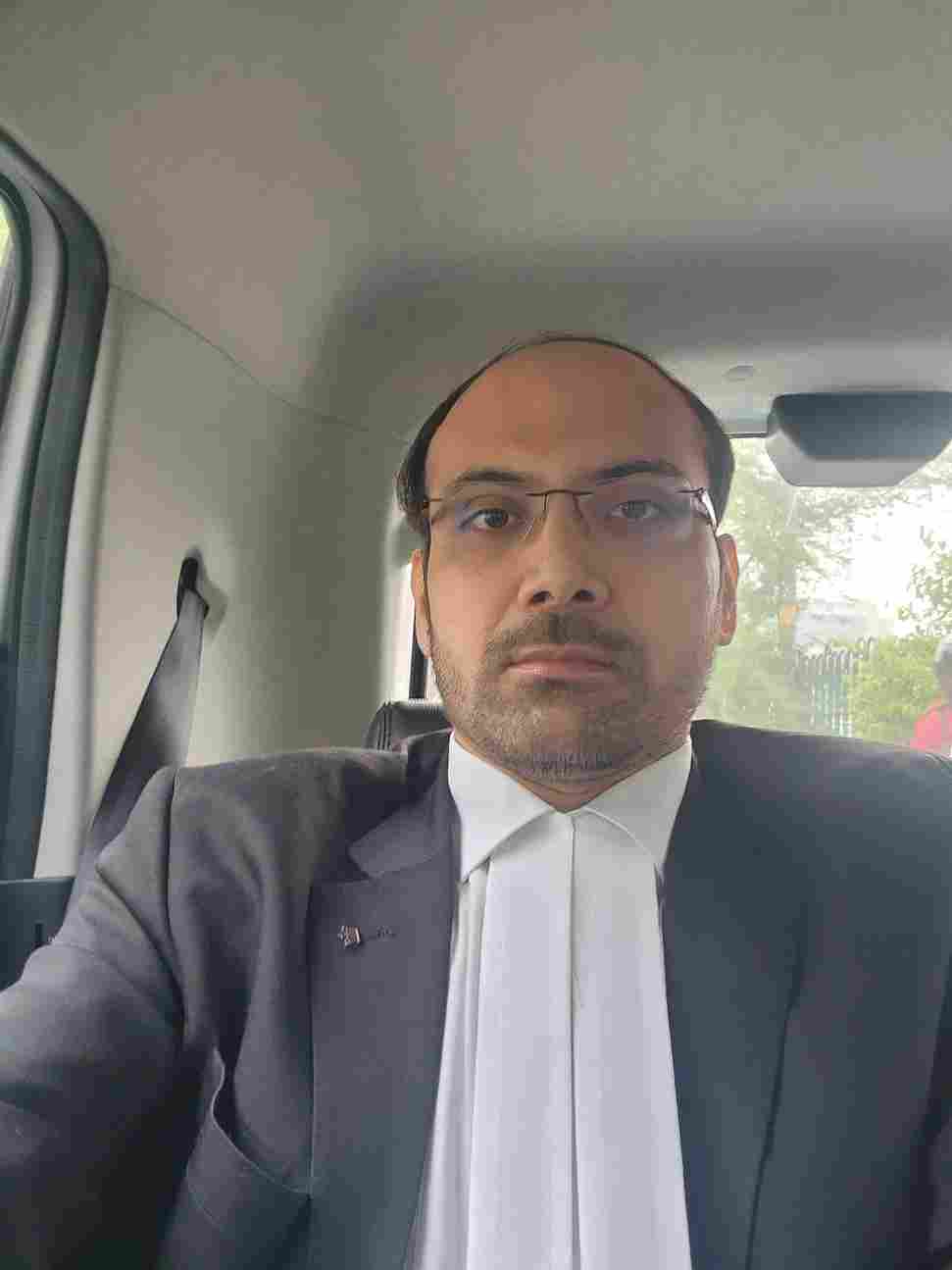
Could you take us through your journey from deciding to pursue law as your education to establishing Lex Loretta? What motivated you to choose law as a career path, and how did you transition from your legal education to starting your own practice?
My name is Kunal Basu. I am a first-generation lawyer. As a child, I was fascinated by stories of the judicial services, but it wasn’t till many years later that I decided to enter law school in a bid to carve out a niche for myself in the profession. I always originally wanted to enter the judicial services & be a judge but chose to be an attorney. But when I started practicing law in ’22, I saw the reality of the legal system & how quickly shattered the hopes of a litigant could get. There are problems involved in the judicial system. On this note I told myself that come what may, I would be there for each litigant /lost soul who wanted my aid to traverse the labyrinth of long adjournments et al. That’s how my solo practice was initially born. Whilst my LLB degree provided groundwork, having a basic Drafting, Pleading & Conveyancing paper at law school easily helped me to draw up pleadings quickly sans relying on proformas.
Your areas of practice cover a wide range, from estate transactions to criminal law. What drew you to such diverse fields, and how do you manage to navigate the complexities of each?
In law school, I was fascinated by papers like the Transfer of Property Act, Indian Trusts Act & the Indian Stamp Act to begin with. We also had a Drafting, Pleading & Conveyancing paper as well. Being an only child, I realised that the world over, many parents have the same common pressing worry–how to pass their assets to their children in an effective manner whilst minimising chances of potential litigation. With this in mind & keeping in mind that for successful practice in trial courts, CPC & CRPC basics were crucial, I employed the system of concept-based learning–a trait that I still use to this day when practicing law in court. Using the method is how I manage to still retain the basic legal principles that help me to navigate.
As someone who mentors fellow attorneys facing burnout or feeling lost in their career, what advice would you give to young lawyers navigating the early stages of their profession?
Be calm. Think with a cool mindset whenever approaching problems in your professional life. A lawyer is expected to resolve the problems of others in a calm & impassioned manner; and if this trait is followed in personal life, it can work wonders. Financials are a problem, but it’s only temporary.
Your profile mentions a specialization in domestic violence cases involving male victims. Can you share some insights into the unique challenges faced by male victims in seeking legal recourse, and how you approach these cases?
Whilst most cases I handle involve DV cases from the woman’s perspective, there are genuine cases involving male victims. This is because I have seen that in 99.9% cases, the victim of DV is mostly a female. At times the legal system can be biased towards a male victim & in such cases, it is a test of patience for both the lawyer & male client to navigate the legal system accordingly. As DV cases involving a male victim are special, one has to know not only the DV Act well, but also CrPC too & the basics of criminal drafting. As well as exercise a high degree of empathy.
With the rise of remote work and digital platforms, how has it impacted the way you deliver legal services, especially with Lex Loretta being a worldwide remote practice?
Well… to be honest, delivery of legal services doesn’t always require a brick-and-mortar structure. All that’s required is a stable Internet connection, a secure (client) portal & a communication device. I anticipate that digital nomadism will be the new thing in the next 10 – 15 years. Remote work, I anticipate & digital platforms, I think, will be the new revolutionary approach for any business, including legal profession, to thrive post-COVID. However, I take strict measures to ensure that at no point should Lex Loretta violate advertising standards laid down by the Bar Council of India.
As a solo practitioner, what are some of the key challenges you face, and how do you overcome them to ensure the success of Lex Loretta?
Being a first-generation lawyer, the hardest thing for me when I started practicing was the lack of a mentor. When I started solo practice, I faced challenges from all corners, primarily given the fact that I was a first-generation lawyer. See, most folks are biased towards any first-generation attorney (with exceptions). As days passed, I realised that the only way I could thrive was if I viewed the legal profession from a business perspective instead of cribbing. Keeping this in mind, I set up Lex Loretta on 28th Nov. 2023 by way of a written stamped charter. And it’s been a rollercoaster ride for me ever since then.
Given your experience, what do you believe the current generation of law graduates can do to build successful and fulfilling careers in law?
Believe in yourself. Period. Walt Disney said “If you can dream it, you can do it. Always remember that this whole thing started with a dream and a mouse.” It just takes a spark in you, faith, tons of patience & perseverance to set the ball rolling in this profession. If you are prepared to accept failures/rejections on the way & are determined to be a continuous learner (in addition to thinking outside the box) nothing in this profession is impossible & you can soar to great heights. But if you are influenced easily by other’s perceptions of you, then nothing good will ever happen to you.
Away from the legal world, what are some of your personal hobbies or interests that you enjoy indulging in?
I enjoy listening to music, sketching & going on long walks. I enjoy disconnecting from the world for a while & giving more time to myself. I also like sketching abstract objects using vivid imagination & listening to music of all sorts.
Internships play a crucial role in a law student’s journey. How important do you think internships are for students, and what kind of internships would you recommend for aspiring lawyers to gain valuable experience and insights into the legal profession?
See, internships are important for every law student & fresh law graduate to realise whether they are suited for a specific area of law or not. As each area of law is different, I feel that one should choose an internship based on how they view themselves in the next five years & proceed. For instance, if you like being a criminal lawyer, focus on internships under a lawyer, Corrections Department & the judiciary (if possible). Similar goes for any other areas of law. It’s not general.
Get in touch with Kunal Basu-





 Allow notifications