Tag: Remote Lawyer

  • In Conversation with: Ryan Mendonca – A startup legal counsel who left his job at a tech startup to start an innovative concept of being Your Virtual Legal Counsel, under his Virtual Law Firm

    In Conversation with: Ryan Mendonca – A startup legal counsel who left his job at a tech startup to start an innovative concept of being Your Virtual Legal Counsel, under his Virtual Law Firm

    This interview has been published by Prabhjot Singh, Priyanka Karwa and The SuperLawyer Team
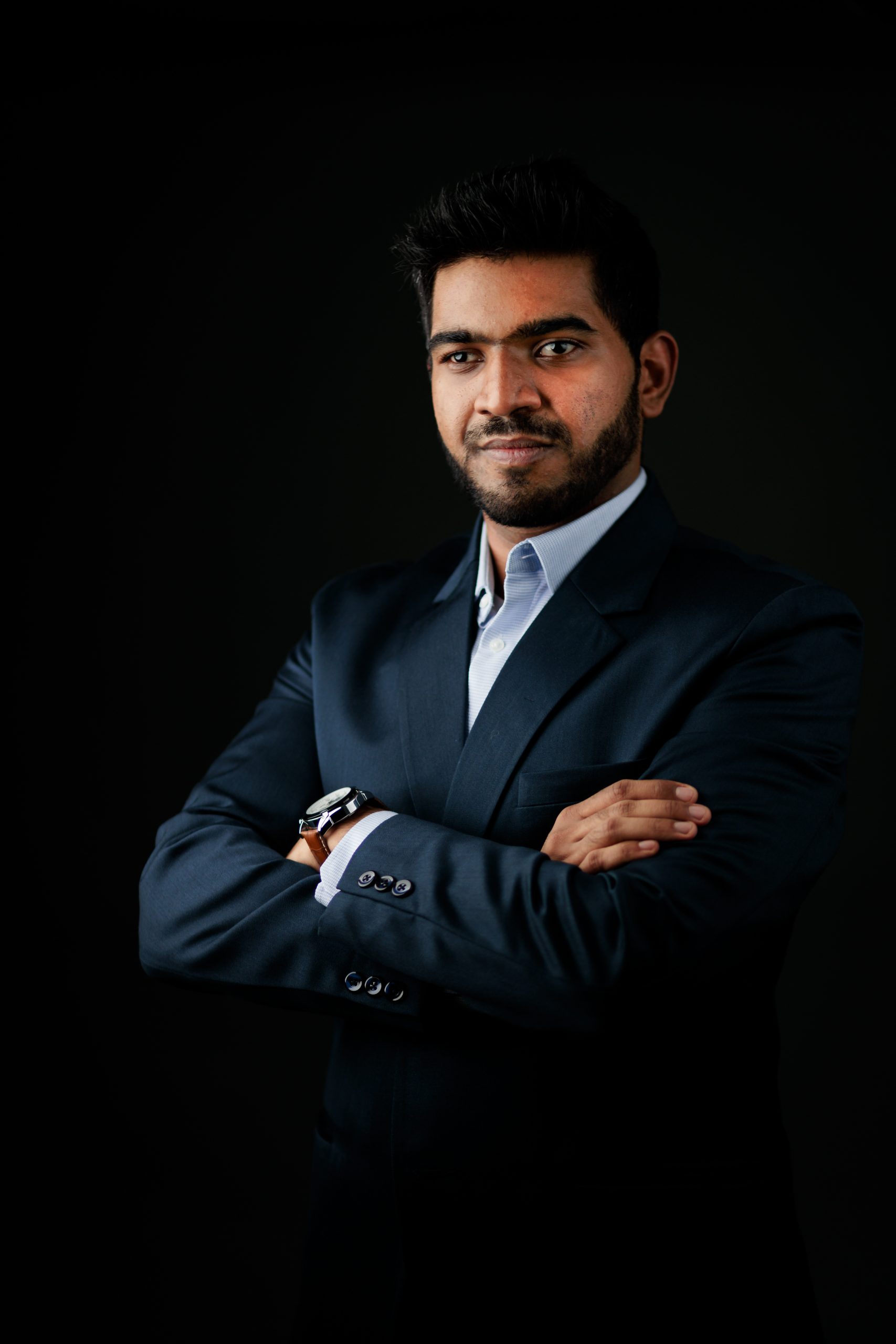
    Tell us about yourself-what motivated you to choose law as a career path?

    I was interested in law early on in my childhood as would watch legal dramas like “Boston Legal”, “Law & Order” and ofcourse my all-time favourite legal show “Suits”. What interested me was how the lawyers helped their clients, fought for them in & out of court and delivered justice in some way shape or form.

    Its ironic how back then I saw these lawyers as superheroes and fast-forward a decade or so, and I am being interviewed as a Super Lawyer, its funny how life comes full-circle.

    However, besides the legal dramas, I also realised, very early on, that there were laws for everything and at every milestone in one’s life, right from birth certificates, to school rules, to employment law once you start a job, to corporate law if and when you start a business, to when you get married and buy a house, until you’re “dead and gone” or “6 feet under”.

    The Law is interwoven into the fabric of life and I felt that learning the law and my knowledge in the legal domain would give me that edge in life and would always be advantageous.

    Ryan, you worked as a remote lawyer during covid, how was that experience and what type of difficulties did you faced?

    Yes, I did work remotely in Dubai, as an in-house counsel for a high-powered, VC-backed Indian based startup, it was an eye-opening experience to say the least, whilst it was one of the most testing and unsure time for me, career-wise, mentally and physically. It was not easy doing and getting what I needed to get done.

    I do feel that it was an absolute privilege and once-in-a-lifetime experience to be the Sole Legal Counsel, setting up the legal operations, running it for a good 6 months, and then shutting it all down post-lock-down.

    On the bright side it did give me the confidence to open my own shop and accelerated my career into the natural progression of being a lawyer and starting my own virtual law firm, in this new-remote-friendly world we live in.

    What was and is the main USP behind your firm “YVLC”, and how do you manage your work since you have clients with different time zones? Do you believe the remote work model is going to stay in the future?

    Offering the service of an experienced in-house legal counsel on a fractional basis for multiple startups allowed startups to operate with the mental freedom that their legal is being taken care off, this was YVLC’s USP starting out.

    Now that we are on-boarding multiple Virtual Legal Counsels who are subject matter experts in their respective tech niche, such as E-commerce, Food-tech, Blockchain, Ed-tech and Prop-tech, we are creating a “Justice League” (pun intended) of Super Lawyers that will advise clients in their field of tech with relative ease and offer a more specialized legal advisory.

    All while being fully-remote, fully-autonomous and with the necessary tech infrastructure in place to do what we legal counsels do best. Provide legal solutions that are commercially viable.

    What is the biggest hurdle most attorneys face in bringing in new business at present times?

    This is a tough question for me to answer as I dont feel there’s just one main challenge, it is a mix of the following in no particular order and may not apply to all attorneys: Building a strong online presence, having a healthy pipeline of new client meetings, being very personable and impressive to new clients such that they close with you, pricing their services or hourly rates and lastly doing all of this successfully through a screen or on audio only meetings or at times without even speaking to the client at all.

    What’s the biggest threat to a solo or small law firm’s survival over the next 10 years? What should they be doing now to prepare?

    Investing in Tech, Building a Brand, Not getting caught up in the day to day wins and losses and instead having a long term goal, vision and plan to make it a reality. Most solo lawyers or small law firms start for the sake of starting and making something for their own selfish intentions of having a bigger slice of the pie or more like having their cake and eating it too.

    What are your future plans with YVLC academy and how can professionals be benefited with this initiative?

    We are planning to provide legal professionals the tools and teach them the tricks of the trade of how to be a solo digital lawyer. We want to help them reach their potential and achieve their goals no matter how small or gargantuan they may be.
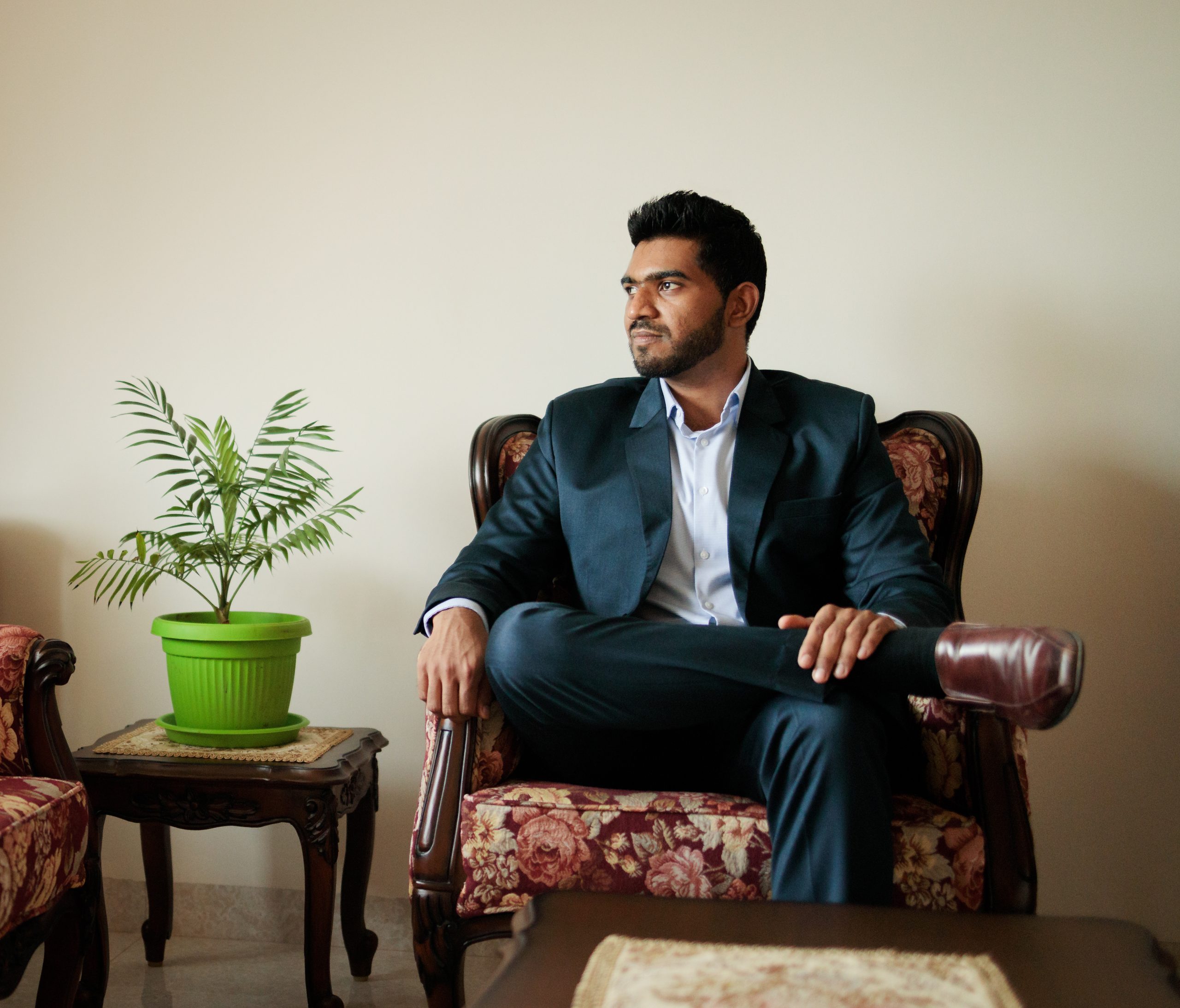
    We want to empower lawyers and give them the tech infrastructure, a starting platform and the motivation and inspiration to have a successful legal career.

    Law students often get confused between these big tech platforms such as Fintech, agritech and other startups, what advice would you give to them for having a better sense of clarity wrt same?

    Read about them from credible sources, watch interesting you tube videos, listen to popular niche tech startup podcasts and last but not least work in those tech spaces that interest them and that they want to learn more about. There is no better way to learn something than by doing it.


    Get in touch with Ryan Mendonca

  • Soumya Shekhar- Founder of Remote Lawyer, a scholarship holder from the National University of Singapore who also worked with tier-1 law firms and MNCs

    Soumya Shekhar- Founder of Remote Lawyer, a scholarship holder from the National University of Singapore who also worked with tier-1 law firms and MNCs

    This interview has been published by Tanmaya Sharma. The Interview was taken by The SuperLawyer Team.


    Tell us about yourself – Why did you choose law? If not law, what other career options would you have considered?

    A Law of Torts book had accidentally fallen in my hands when I was in class 11th. The fact that this field required application and interpretation of existing legal principles appealed to me. Since then, I wanted to pursue my higher studies and profession as a lawyer. If not law, then I would have been a journalist or an author. I love to write and would have enjoyed merging my passion with my profession. 

    You were amongst the first batch of students that took the AILET Examinations and you stood at 16th in the All India Ranking. Could you tell us a bit about how you managed to secure such a good ranking and about your experience studying at the prestigious National Law University of Delhi?

    I think the key to securing a good rank in any competitive examination lies in solving as many mock tests as possible. No matter how well you are prepared, what matters, in the end, is how well you did in the limited time that was given to you on the particular day of the exam. To bridge the gap between well-prepared and best-prepared, one should try simulated test-taking. It not only increases the confidence but also assesses the level of your preparedness. 

    National Law University, Delhi laid the foundation for my professional career. The academic pedagogy and the vibrant culture led to holistic development. Located in Delhi, it played a major role in being able to intern even during college days. It is the bedrock of not only my development as a lawyer but also who I am as a person today.

    You have been Course Content Curator, Legal Editor, and Research Consultants to many firms and Organisations. You were also the Research Lead at WHO Legal Development Program in India. It would not be wrong to denote you as a Scholar. Can you tell us what about Research kept you going?

    I am extremely passionate about both writing and law. There was nothing better than merging both my passions together and hence, I commenced my journey as legal research professional. During the initial years of my legal consultancy career, I exclusively worked on legal content creation and knowledge management assignments. I served as an external Knowledge Management Consultant to AZB and Partners and was also the Research Lead for the WHO Legal Development Programme for Road Safety in India. 

    The way research is conceptualized commonly tends to be more theoretical than practical. However, it was the latter aspect of the same that caught my fancy. For instance, while everyone knows what a force majeure clause is, it is its application that is rarely been written about. It was the application of legal concepts that I wanted to discuss rather than the theoretical underpinnings. A reflection of this fascination with the practical perspective of legal research can still be seen on the blog of my firm, Remote Lawyer.

    You have studied at National Law University, Delhi, and completed your Masters at the National University of Singapore in Corporate and Financial Services Law. What difference did you find in the Pedagogy in Indian Schools and abroad?

    One key difference is that schools abroad focus more on understanding than rote learning. For instance, there were many occasions at the National University of Singapore, wherein we had open-book exams, take-home exams, etc. which tested a person’s ability to understand and apply the legal concept rather than reproduce the theory around the same. Another important difference I found was the focus on in-depth legal research. The research papers were thoroughly vetted and the faculty was always looking for an element of originality. 

    What was that one learning experience in your entire career trajectory that you’d credit to have shaped your career and your role as the Founder of “Remote Lawyer”?

    I left a plum middle management job at a multi-national company to start my career as an independent legal consultant in 2018 and the rest is history. My stint as an independent legal consultant taught me more about the legal profession and the field of law than any organized institution would ever have. Experience is the best teacher. When you do not have anyone to correct your mistakes, you start becoming more careful. When you have to solicit clients on your own, you automatically shed the shell of an introvert and learn how to network. It was my 2.5 years as an independent legal consultant that gave me the confidence that I can set up an organization all on my own. It taught me how one can create value in oneself. 

    Can you walk us through a day in your life? What is the life of a Founder of an Online Legal Consultancy Firm like? 

    Managing a virtual legal consultancy, such as Remote Lawyer, with a diverse clientele from varied sectors and different time zones, requires meticulous planning ahead of each day. Before I end work for the day, I create a To-Do list for the next day. Every morning, I review this To-Do list along with the corresponding deadlines and plan accordingly. A typical workday consists of reviewing and drafting agreements, drafting notices and opinions, attending negotiations and client calls. I also run a YouTube channel by the name Remote Lawyer and make it a point to create content for the same, at least once every two weeks. It is a part of my commitment to give back what I have learned to the legal fraternity. Along with client assignments, I also make it a point to take out time to curate content for the blog of my website, at least once a week. 

    It is now close to a decade that you’ve been a part of the legal fraternity. What do you think is the difference between the law profession right now and the profession a decade back? And, what all changes would you like to see in our Indian Law Profession?

    A decade back, the very concept of a virtual legal consultancy would have been unheard of. The fact that legal services can be delivered right in your inbox, without the need for you to meet your lawyer, would have been an unthinkable idea back then. The legal profession today demands change and transition from the traditional to the modern. The fact that legal tech is booming and growing and there are so many software technologies that assist us lawyers in our day-to-day life shows that we need to adopt new technological advances. The subject matter we deal with every day is also fluid. Fintech and Information Technology laws, cryptocurrencies, NFTs, etc. are novel concepts and lawyers need to keep pace with the changing legal landscape. 

    Lastly, is there any suggestion or advice that you’d like to give to our readers?

    I have always felt that creating value in oneself is extremely important. From a young age itself, try to become that resource that every company and firm wants to hire. Be meticulous in what you do. Question everything and accept nothing without supporting evidence. And most importantly, focus on application rather than rote learning. Knowing what the law is will help you to a certain extent, but understanding and applying that law in a way that helps your client is what will enable you to leave your mark as a successful lawyer. 


    Get in touch with:

